Wenwu Temple is one of the most iconic and visually stunning landmarks at Sun Moon Lake, known for its sweeping views, majestic architecture, and deep cultural significance. Perched on the northern hillside of the lake, the temple is dedicated to Confucius, the God of Literature, and the God of War—making it a spiritual and symbolic guardian of Sun Moon Lake.
Often mistaken by visitors as the “Wendy Temple,” Wenwu Temple is a place where serenity, tradition, and scenery come together beautifully.
⭐ Why Visit Wenwu Temple
One of the Most Photogenic Spots at Sun Moon Lake
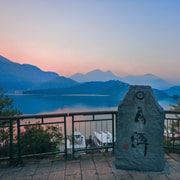
The temple faces directly over the lake, providing spectacular panoramic views—especially at sunrise or sunset.
Magnificent Architecture
Built in a traditional palace style, the temple features:
red columns
sweeping golden roofs
ornate carvings
stone staircases and terraces
Every detail is photogenic and meaningful.
Cultural Depth
Wenwu Temple honors:
Confucius, patron of learning
Guan Gong, the God of War and justice
Yue Fei, a revered military general
It’s a powerful site for reflecting on Taiwanese spirituality, heritage, and values.
Famous “Stairway of Wishes”
The long staircase leading from the temple down toward the lake once served as the main access route before modern roads were built. Today, visitors tie prayer charms to the railings—creating a colourful, heartfelt display of wishes.
🌄 Top Things to See at Wenwu Temple
🏯 1. The Main Temple Halls
Three grand halls ascend the hillside:
First Hall: Dedicated to the God of War (Guan Gong)
Middle Hall: Confucius Hall
Upper Hall: Dedicated to warrior-saint Yue Fei
Each hall features detailed artwork and statues.
🌅 2. The Scenic Terraces
These terraces overlook the vast expanse of Sun Moon Lake. On clear days, you can see boats gliding across the water and mountains layered in soft mist.
🧿 3. Prayer Locks & Wishing Bells
Visitors write wishes for:
success
health
love
safe travels
They are hung along the stairs in long, glittering rows.
🪷 4. Stone Lions & Guardian Details
Intricate carvings, mythological animals, and symbolic motifs tell stories of balance, protection, and wisdom.
🕒 Best Time to Visit
Early morning: Misty, peaceful, fewer visitors
Late afternoon: Golden light for photography
Evening: Beautiful lantern glow
🧭 How to Get There
You can reach Wenwu Temple from Sun Moon Lake by:
Boat to Shuishe Pier, then bus or taxi
Cycling route, with a short detour uphill
Bus from Taichung or Shuishe Visitor Center
Parking is available near the entrance.
🛍 Nearby Attractions
Xiangshan Visitor Center
Shuishe lakeside path
Sun Moon Lake Ropeway
Ita Thao Village (for food & souvenirs)
❓ Quick Q&A
Q: Is there an entrance fee? A: No—Wenwu Temple is free to visit.
Q: How long do I need? A: 45 minutes to 1.5 hours.
Q: Is the temple accessible? A: Yes—most of the main areas can be reached without climbing the lower staircase.
Q: Can I take photos inside? A: Photos are allowed in most areas; avoid flash in sacred halls.
🌅 Final Thoughts
Wenwu Temple is not just a cultural stop—it’s one of the most beautiful places to experience the spirit of Sun Moon Lake. With sweeping views, elegant architecture, and a peaceful atmosphere, it’s a must-see destination for anyone visiting central Taiwan. Whether you’re here for photography, spirituality, or the scenery, Wenwu Temple leaves a lasting impression.
Sponsored Popular Items
Quick take: Musement.com offers a worldwide selection of tours and attractions
Sun Moon Lake: Classic tour with Sky & Lake Best deals for Sun Moon Lake: Classic tour with Sky & Lake. Discover Sun Moon Lake’s beauty. Visit the Old Tea Factory and Xiangshan Visitor Center, then enjoy breathtaking lake and mountain views from the cable car. Available from getyourguide.com.
From Taipei: Sun Moon Lake SUP experience with Bus Tickets Best deals for From Taipei: Sun Moon Lake SUP experience with Bus Tickets. Experience the beauty of SunMoonLake on a stand-up paddleboarding adventure. Learn the basics from a certified coach and enjoy a group experience. Bus tickets from Taipei to SunMoonLake are included. Available from getyourguide.com.
From Taipei: Sun Moon Lake, Temples and Tea Factory Day Trip Best deals for From Taipei: Sun Moon Lake, Temples and Tea Factory Day Trip. Discover the beauty of Sun Moon Lake on a day trip from Taipei. Visit the Sun Moon Old Tea Factory, Wenwu Temple, Xuanzang Temple, and Xiangshan Visitor Center. Available from getyourguide.com.
Sun Moon Lake is one of Taiwan’s most beautiful and serene destinations—a calm, crystalline lake cradled by forested mountains in central Taiwan’s Nantou County. Loved by locals and travelers alike, the lake is famous for its breathtaking sunrise views, cycling paths, lakeside temples, indigenous culture, and peaceful atmosphere.
Shaped like a sun and moon on either side—hence the name—this lake invites slow travel, scenic exploration, and gentle outdoor adventures.
⭐ Why Visit Sun Moon Lake
One of Taiwan’s Most Scenic Destinations
Sun Moon Lake is all about mood and beauty: morning mist, mirrored reflections, and golden-hour light over the water.
Perfect for Cycling & Outdoor Lovers
The lakeside cycling route is often listed as one of the most beautiful bike paths in the world.
Culture, Temples & Indigenous Heritage
The area is home to the Thao people, one of Taiwan’s indigenous tribes, and several important temples with mountain views.
Cruising the Lake
Boat rides link key piers and offer peaceful, panoramic perspectives of the lake and mountains.
🌅 Top Things to Do at Sun Moon Lake
🚲 1. Cycle Around the Lake
Whether you rent a bicycle or e-bike, the lakeside path—especially the Shuishe–Xiangshan stretch—is smooth, scenic, and beginner-friendly.
🛥 2. Take a Lake Cruise
Boat services hop between the main piers:
Shuishe Pier
Ita Thao Pier
Xuanguang Pier
It’s one of the best ways to experience the lake’s stillness and sweeping views.
🛕 3. Visit Wenwu Temple
A grand temple overlooking the lake with:
traditional Chinese architecture
sweeping staircases
an iconic viewpoint
Great for photos at sunrise or sunset.
🌄 4. Xiangshan Visitor Center
A modern architectural gem with:
panoramic lake views
rooftop walkways
a stylish café
Ideal for relaxing after cycling.
🌿 5. Explore Indigenous Ita Thao Village
Ita Thao offers:
street food (try millet mochi, wild boar, bamboo rice)
souvenir markets
ropeway access to the Formosan Aboriginal Culture Village
🚡 6. Sun Moon Lake Ropeway
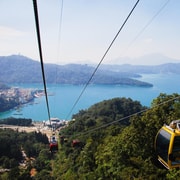
A scenic cable car ride offering dramatic views over the lake and mountains. It connects to:
Formosan Aboriginal Culture Village (theme park + cultural center)
🧘 7. Xuanguang Temple & Xuanzang Temple
Smaller, peaceful temples with beautiful lookouts and historical artefacts.
🚣 8. Kayaking or SUP
For a quiet morning on the water, rent a kayak or stand-up paddleboard and enjoy the lake at its calmest.
🏨 Best Areas to Stay
Shuishe
best transport access
convenient for food, shops, and lake cruises
Ita Thao
lively village atmosphere
great for food and ropeway access
Lakeside Resorts
stunning views and infinity pools
perfect for couples and relaxation trips
🍽 What to Eat at Sun Moon Lake
Ah-Po Black Tea (famous local variety)
President Fish (arou fish)
Bamboo rice
Millet wine
Indigenous snacks in Ita Thao
🚆 Getting There
From Taichung (closest major city):
direct buses from Taichung HSR Station (≈ 1.5 hrs)
day tours are available
or rent a scooter/car for flexibility
From Taipei:
HSR or TRA train to Taichung, then transfer by bus
❓ Quick Q&A
Q: How many days do you need? A: 1 day for highlights, 2–3 days for a relaxed lakeside escape.
Q: When is the best time to visit? A: Year-round, but autumn has the clearest skies and mild temperatures.
Q: Is the cycling path easy? A: Yes—flat, smooth, and suitable for beginners.
Q: Can you swim in Sun Moon Lake? A: No, swimming is restricted except during the annual Sun Moon Lake Swim Festival.
🌅 Final Thoughts
Sun Moon Lake is Taiwan’s peaceful heart—an escape into nature, culture, and gentle beauty. Whether you’re cycling along the shore, riding a boat between forested piers, sipping black tea in Ita Thao, or watching the sunrise from Wenwu Temple, the lake offers a rare sense of calm that stays with you long after you’ve left.
Sponsored Popular Items
Quick take: Musement.com offers a worldwide selection of tours and attractions
Taiwan Taipei: Quick Photoshoot with Taiwan Photographer Best deals for Taiwan Taipei: Quick Photoshoot with Taiwan Photographer. Welcome to Taipei Taiwan! Say goodbye to selfies, I will be your personal photographer. Let me show you the beauty of Taipei, and capture the best of you! Check my IG: mason.taiwan.photographer Available from getyourguide.com.
Taiwan Taipei: Half-day VIP Photoshoot Taiwan Photographer Best deals for Taiwan Taipei: Half-day VIP Photoshoot Taiwan Photographer. Wanna try local way to travel? Don't worry about the travel plan. Let me choose the iconic spots and hidden gems for you while capturing the best of you! Check my IG: mason.taipei.photographer Available from getyourguide.com.
Taiwan Tainan: Photoshoot with Taiwan Photographer Best deals for Taiwan Tainan: Photoshoot with Taiwan Photographer. Welcome to Tainan Taiwan! Say goodbye to selfies, I will be your personal photographer. Let me show you the beauty of Tainan, and capture the best of you! Check my IG: mason.taipei.photographer Available from getyourguide.com.
China’s innovation capital where megacity energy meets parks, beaches, and creative districts
Shenzhen is one of China’s most dynamic cities. Once a small fishing town, it has grown into a global tech and innovation hub bordering Hong Kong. Today, Shenzhen blends futuristic skylines and shopping with green parks, art zones, coastal escapes, and great food, making it far more than a business stopover.
—
⭐ Why Visit Shenzhen
One of China’s most modern and forward-looking cities
Excellent shopping and dining
Creative districts and contemporary art
Beaches and coastal parks within the city
Fast, easy access from Hong Kong
Shenzhen is ideal for travellers who enjoy urban exploration with space to breathe.
—
🏙️ Top Things to Do in Shenzhen
🏛️ Shenzhen Civic Center & Central District
A striking architectural area surrounded by wide boulevards, museums, and green spaces. Nearby Lianhua Mountain Park offers a gentle hike and skyline views.
—
🎨 OCT Loft Creative Culture Park
A former industrial zone transformed into one of China’s coolest creative districts. Expect:
Art galleries and design studios
Cafés and craft beer bars
Pop-up exhibitions and live events
—
🖌️ Dafen Oil Painting Village
Famous worldwide for its artists producing hand-painted reproductions and original works. Wander studios, watch painters at work, and buy affordable art.
—
🛍️ Shopping & Markets
Huaqiangbei – world-famous electronics market
High-end malls like COCO Park and MixC
Night markets and street food areas across the city
—
🏖️ Shenzhen Beaches
Escape the city buzz at:
Dameisha Beach – lively and easy to reach
Xiaomeisha Beach – quieter and scenic
Great for swimming, seaside walks, and sunsets.
—
🍜 What to Eat in Shenzhen
Shenzhen’s food scene reflects its migrant population:
Cantonese dim sum
Sichuan spicy dishes
Hunan cuisine
Fresh seafood
International dining options
Food courts and local eateries sit side-by-side with upscale restaurants.
—
🚆 Getting Around
Metro: Extensive, clean, and English-friendly
High-speed rail: Easy links to Guangzhou and beyond
Border crossings: Simple travel to/from Hong Kong
Taxis & ride-hailing: Widely available
—
🕒 Best Time to Visit
October–December: Mild, dry, and pleasant
Spring: Warm with greenery
Summer: Hot and humid
Winter: Mild and comfortable
—
❓ Quick Q&A
Q: Is Shenzhen tourist-friendly? A: Yes—modern infrastructure, clear signage, and efficient transport.
Q: How many days do I need? A: 2–3 days covers highlights; longer if exploring beaches or nearby cities.
Q: Can I visit from Hong Kong easily? A: Absolutely—multiple border crossings and trains make it simple.
Q: Is Shenzhen expensive? A: Mid-range—cheaper than Hong Kong, similar to other major Chinese cities.
—
🌟 Final Thoughts
Shenzhen represents modern China at full speed—innovative, youthful, and constantly evolving. From skyline views and creative parks to beaches and buzzing markets, it offers a surprisingly diverse travel experience. Whether you’re coming from Hong Kong or exploring southern China, Shenzhen is a city that rewards curiosity.
✅</
Sponsored Popular Items
Quick take: Musement.com offers a worldwide selection of tours and attractions
Shenzhen Window of the World General Admission Ticket – Attraction Entry China Shenzhen Window of the World General Admission Ticket is a focused sightseeing option for travellers with a particular landmark or exhibition on their priority list. Check current availability, inclusions and booking details before you go.
Taiwan’s historic heartland of temples, traditional towns, and local culture
Changhua is a culturally rich county in central Taiwan, often overlooked by first-time visitors but deeply rewarding for travellers who want to experience authentic Taiwanese history, temples, and traditional towns. Located between Taichung and Yunlin, Changhua is known for its Buddhist landmarks, old streets, craftsmanship, and slower pace of life.
It’s an excellent stop for those travelling through central Taiwan or looking for a day trip away from big cities.
⭐ Why Visit Changhua
Home to Taiwan’s largest Buddha statue
Traditional towns with preserved architecture
Strong religious and cultural heritage
Famous local snacks and street food
Easy access from Taichung by train
Changhua offers a more local, less touristy view of Taiwan.
🏯 Top Things to Do in Changhua
🗿 1. Bagua Mountain Giant Buddha (八卦山大佛)
Changhua’s most famous landmark. The 22-metre-tall Buddha statue sits atop Bagua Mountain, overlooking the city. Walk through the tunnel beneath the statue to see relief carvings depicting Buddhist stories.
Why visit:
Panoramic city views
Peaceful walking paths
Important religious site
🏞️ 2. Bagua Mountain Scenic Area
Beyond the Buddha, this hilltop area features:
Forested walking trails
Observation platforms
Shrines and temples
It’s a relaxing place to escape the city and enjoy nature.
🏘️ 3. Lukang Old Street (鹿港老街)
One of Taiwan’s best-preserved historic towns. Lukang was once a major port during the Qing Dynasty and remains rich in heritage.
Highlights include:
Narrow brick lanes
Traditional houses
Artisan shops
Famous temples
⛩️ 4. Lukang Longshan Temple
A masterpiece of Taiwanese temple architecture, known for its intricate wood carvings, stonework, and peaceful courtyards.
🛕 5. Changhua Confucius Temple
A calm, elegant temple dedicated to Confucius, reflecting traditional values and classical architecture.
🍜 What to Eat in Changhua
Changhua is famous for traditional snacks, including:
From Taipei: ~1.5–2 hours (TRA or HSR + local train)
Bus: Frequent regional services
Car: Easy stop along Taiwan’s west coast
Changhua Station is centrally located and convenient for sightseeing.
🕒 Best Time to Visit
October–April: Pleasant temperatures and ideal for walking
Spring: Festivals and temple events
Summer: Hot and humid—visit early morning or late afternoon
❓ Quick Q&A
Q: Is Changhua worth visiting? A: Yes, especially for temple lovers, history fans, and travellers wanting a local experience.
Q: How long should I spend in Changhua? A: A full day is ideal; Lukang alone can take half a day.
Q: Is Changhua touristy? A: No—most visitors are locals, which adds to its authenticity.
Q: Can Changhua be combined with Taichung? A: Absolutely—it’s one of the easiest and best day trips from Taichung.
🌟 Final Thoughts
Changhua is a destination that rewards curiosity. From the towering Bagua Mountain Buddha to the timeless streets of Lukang, it offers a glimpse into Taiwan’s spiritual traditions and everyday heritage. If you’re looking to slow down, eat well, and explore history without crowds, Changhua is well worth the visit.
Sponsored Popular Items
Quick take: Musement.com offers a worldwide selection of tours and attractions
From Taipei: Taichung City 1-day Highlights Private Tour Best deals for From Taipei: Taichung City 1-day Highlights Private Tour. Explore Taichung’s top attractions with a private tour from Taipei. Visit Xinshe Castle, Miyahara, Rainbow Village, and Gaomei Wetlands. Enjoy hassle-free hotel pick-up and a personalized itinerary. Available from getyourguide.com.
From Taipei or Taichung: Sun Moon Lake Day Trip & Boat Ride Best deals for From Taipei or Taichung: Sun Moon Lake Day Trip & Boat Ride. Discover the beauty of Sun Moon Lake, walk the Hanbi Trail, and visit the Chung Tai Chan Monastery on a day tour. Enjoy a boat ride and learn about the indigenous Thao tribe. Available from getyourguide.com.
Taipei: 4D Private Taipei, Jiufen, Sun Moon Lake & Taichung Best deals for Taipei: 4D Private Taipei, Jiufen, Sun Moon Lake & Taichung. Join us on a 4-day Taiwan adventure! Dive into Taipei's history, explore the northern coast's wonders, enjoy Sun Moon Lake's serenity, & discover Taichung's cultural gems. Available from getyourguide.com.
An ancient Roman city frozen in time beneath Mount Vesuvius
🏛️ Pompeii
An ancient Roman city frozen in time beneath Mount Vesuvius
Pompeii is one of the world’s most extraordinary archaeological sites. Buried under volcanic ash during the catastrophic eruption of Mount Vesuvius in AD 79, the city was preserved almost intact for nearly 1,700 years. Today, walking through Pompeii feels like stepping into everyday life in ancient Rome—streets, homes, shops, and even people remain astonishingly visible.
Located near Naples, Pompeii is a UNESCO World Heritage Site and one of Italy’s most compelling historical experiences.
⭐ Why Visit Pompeii
One of the best-preserved ancient cities in the world
Incredible insight into daily Roman life
Streets, villas, baths, temples, and theatres still standing
Iconic plaster casts of eruption victims
Easy day trip from Naples, Sorrento, or the Amalfi Coast
Pompeii isn’t just ruins—it’s a complete Roman city captured at a single moment in time.
🏺 Top Things to See in Pompeii
🏛️ 1. The Forum
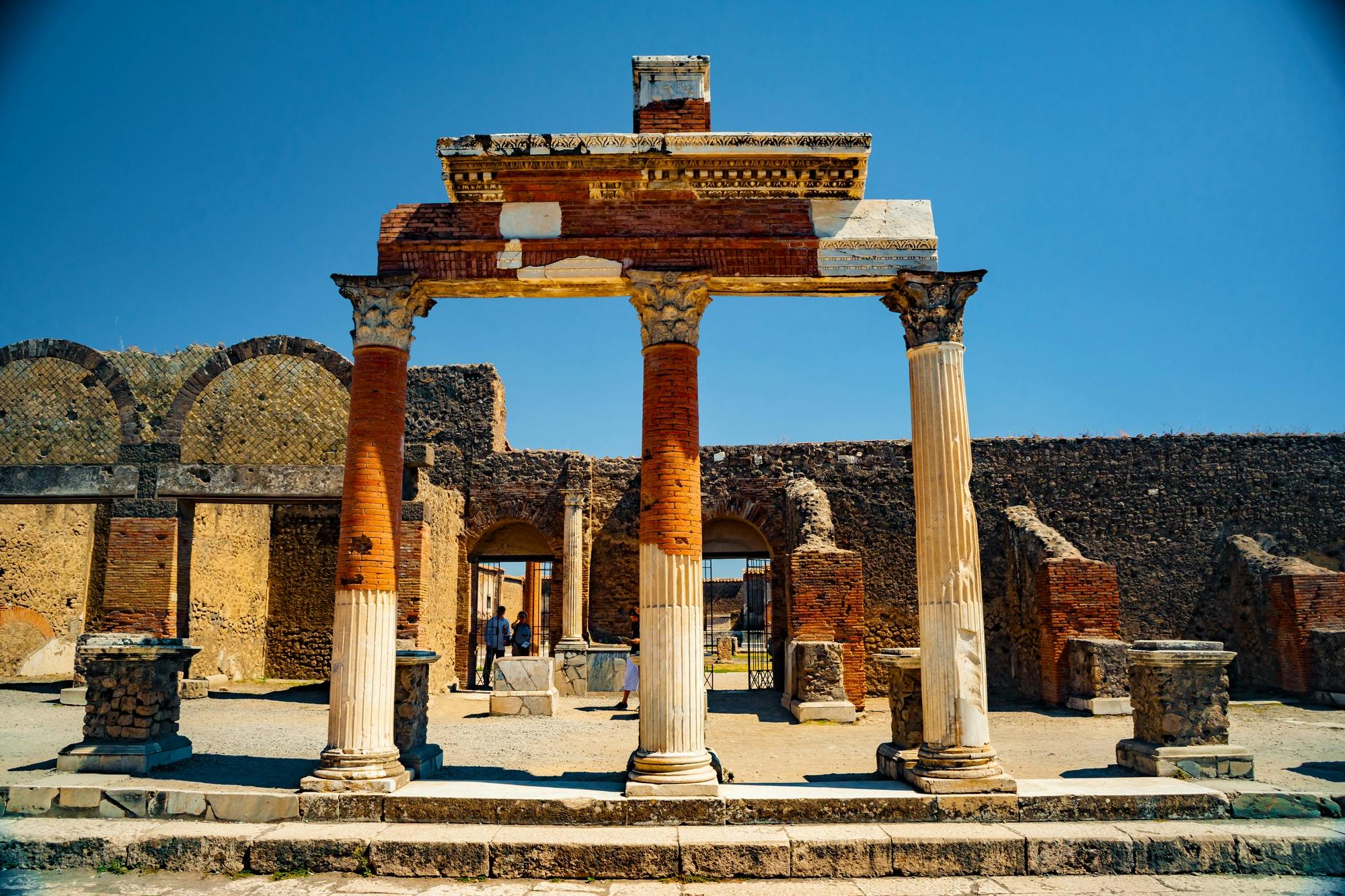
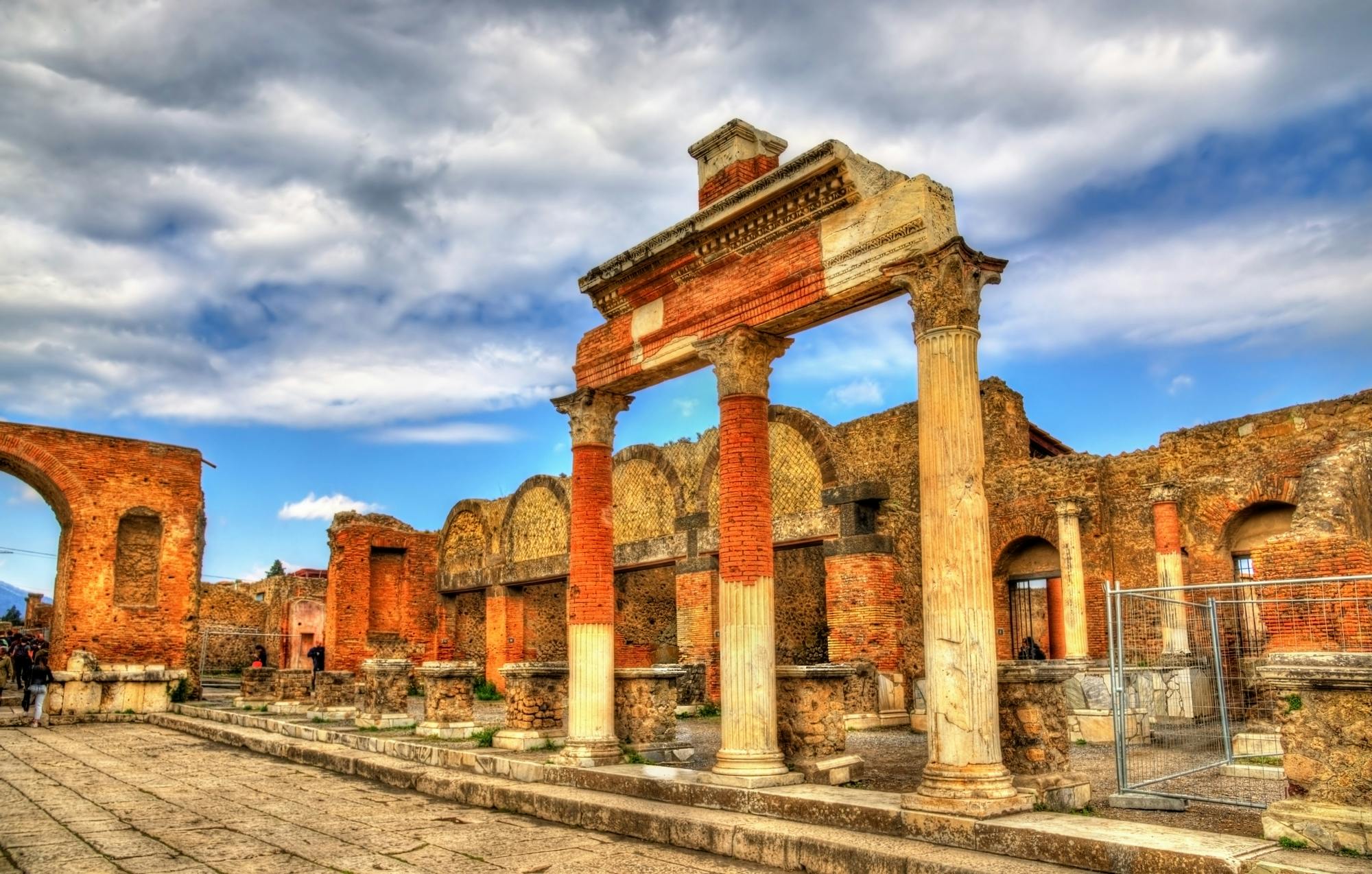
The civic heart of the city, surrounded by temples, markets, and public buildings, with Mount Vesuvius looming in the background.
🏠 2. Roman Houses & Villas
Explore remarkably preserved homes such as:
House of the Faun
House of the Vettii
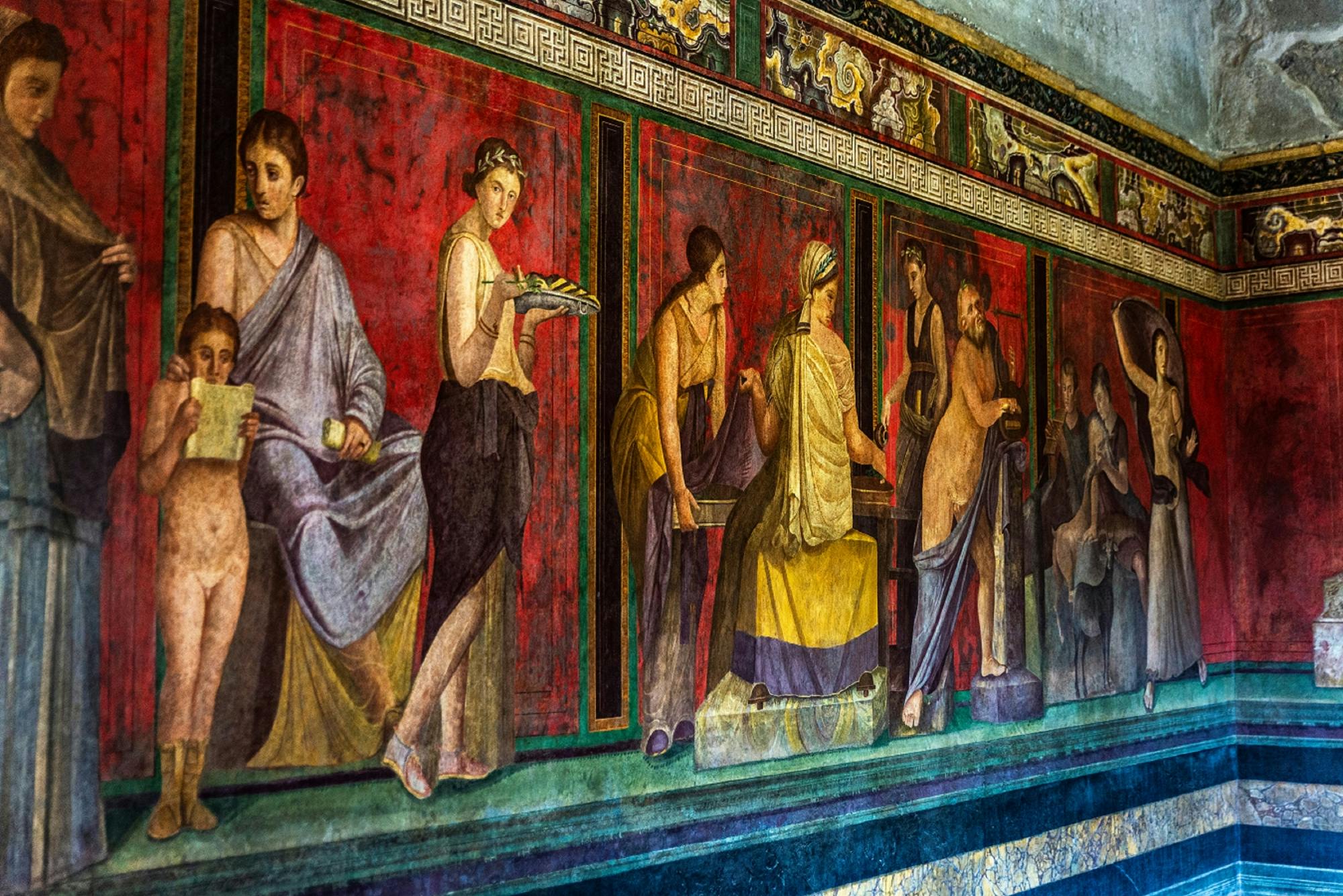
Villa of the Mysteries, famous for its vivid frescoes
These homes reveal wealth, art, and daily routines of Pompeii’s residents.
🎭 3. Theatres & Amphitheatre
Pompeii’s large amphitheatre—one of the oldest stone amphitheatres in the Roman world—once hosted gladiator battles and events.
🧱 4. Streets, Shops & Taverns
See ancient bakeries, wine bars, fast-food counters (thermopolia), and rutted stone streets still marked by cart tracks.
🧍 5. Plaster Casts of Victims
Perhaps the most moving part of the visit—casts preserve the final moments of residents caught in the eruption.
🌋 6. Views of Mount Vesuvius
The volcano that destroyed Pompeii still dominates the landscape and can be visited separately on a guided hike.
🎟️ Visiting Pompeii: Practical Tips
Allow 2–4 hours for the main site
Wear comfortable walking shoes—paths are uneven
Bring water, especially in summer
Consider a guided tour or audio guide for context
Early mornings or late afternoons are best to avoid crowds
🚆 How to Get There
From Naples: Circumvesuviana train (Pompei Scavi station)
From Sorrento: Direct train (~30 minutes)
From Amalfi Coast: Bus or ferry + train
Easily combined with Mount Vesuvius or Herculaneum
🕒 Best Time to Visit
Spring (April–May): Mild weather, fewer crowds
Autumn (September–October): Pleasant temperatures
Summer: Very hot and busy—arrive early
Winter: Quiet and atmospheric, cooler temperatures
❓ Quick Q&A
Q: Is Pompeii suitable for children? A: Yes, especially with guided tours, but the site is large and exposed.
Q: How does Pompeii compare to Herculaneum? A: Pompeii is larger and more expansive; Herculaneum is smaller but even better preserved.
Q: Can I visit Pompeii and Vesuvius in one day? A: Yes—many tours combine both comfortably.
Q: Do I need to book tickets in advance? A: Recommended during peak season to avoid queues.
🌟 Final Thoughts
Pompeii is one of those rare places that leaves a lasting impression. Walking its streets, peering into homes, and standing beneath the shadow of Vesuvius creates a powerful connection to the past. Whether you’re a history lover or a curious traveller, Pompeii offers a deeply human and unforgettable journey through time.
If you’d like this turned into copy-paste HTML with an AI Answer Capsule + Quick Facts + FAQ, or combined into an itinerary with Naples, Vesuvius, and the Amalfi Coast, just let me know.
Pompeii is one of the world’s most extraordinary archaeological sites. Buried under volcanic ash during the catastrophic eruption of Mount Vesuvius in AD 79, the city was preserved almost intact for nearly 1,700 years. Today, walking through Pompeii feels like stepping into everyday life in ancient Rome—streets, homes, shops, and even people remain astonishingly visible.
Located near Naples, Pompeii is a UNESCO World Heritage Site and one of Italy’s most compelling historical experiences.
⭐ Why Visit Pompeii
One of the best-preserved ancient cities in the world
Incredible insight into daily Roman life
Streets, villas, baths, temples, and theatres still standing
Iconic plaster casts of eruption victims
Easy day trip from Naples, Sorrento, or the Amalfi Coast
Pompeii isn’t just ruins—it’s a complete Roman city captured at a single moment in time.
🏺 Top Things to See in Pompeii
🏛️ 1. The Forum
The civic heart of the city, surrounded by temples, markets, and public buildings, with Mount Vesuvius looming in the background.
🏠 2. Roman Houses & Villas
Explore remarkably preserved homes such as:
House of the Faun
House of the Vettii
Villa of the Mysteries, famous for its vivid frescoes
These homes reveal wealth, art, and daily routines of Pompeii’s residents.
🎭 3. Theatres & Amphitheatre
Pompeii’s large amphitheatre—one of the oldest stone amphitheatres in the Roman world—once hosted gladiator battles and events.
🧱 4. Streets, Shops & Taverns
See ancient bakeries, wine bars, fast-food counters (thermopolia), and rutted stone streets still marked by cart tracks.
🧍 5. Plaster Casts of Victims
Perhaps the most moving part of the visit—casts preserve the final moments of residents caught in the eruption.
🌋 6. Views of Mount Vesuvius
The volcano that destroyed Pompeii still dominates the landscape and can be visited separately on a guided hike.
🎟️ Visiting Pompeii: Practical Tips
Allow 2–4 hours for the main site
Wear comfortable walking shoes—paths are uneven
Bring water, especially in summer
Consider a guided tour or audio guide for context
Early mornings or late afternoons are best to avoid crowds
🚆 How to Get There
From Naples: Circumvesuviana train (Pompei Scavi station)
From Sorrento: Direct train (~30 minutes)
From Amalfi Coast: Bus or ferry + train
Easily combined with Mount Vesuvius or Herculaneum
🕒 Best Time to Visit
Spring (April–May): Mild weather, fewer crowds
Autumn (September–October): Pleasant temperatures
Summer: Very hot and busy—arrive early
Winter: Quiet and atmospheric, cooler temperatures
❓ Quick Q&A
Q: Is Pompeii suitable for children? A: Yes, especially with guided tours, but the site is large and exposed.
Q: How does Pompeii compare to Herculaneum? A: Pompeii is larger and more expansive; Herculaneum is smaller but even better preserved.
Q: Can I visit Pompeii and Vesuvius in one day? A: Yes—many tours combine both comfortably.
Q: Do I need to book tickets in advance? A: Recommended during peak season to avoid queues.
🌟 Final Thoughts
Pompeii is one of those rare places that leaves a lasting impression. Walking its streets, peering into homes, and standing beneath the shadow of Vesuvius creates a powerful connection to the past. Whether you’re a history lover or a curious traveller, Pompeii offers a deeply human and unforgettable journey through time.
Sponsored Popular Items
Quick take: Musement.com offers a worldwide selection of tours and attractions
Boston is one of the oldest and most influential cities in the United States—a place where colonial history, academic excellence, sports culture, and waterfront living come together in a way that feels distinctly New England. With walkable neighbourhoods, world-class museums, leafy parks, and a thriving food scene, Boston offers a blend of old and new that captivates every visitor.
⭐ Why Visit Boston
1. Birthplace of the American Revolution
Walk the same streets where the fight for independence began. Boston’s history is everywhere—from Freedom Trail landmarks to preserved meeting halls and colonial cemeteries.
2. A Hub of Innovation & Education
Home to Harvard, MIT, Boston University, and countless research institutions, the city pulses with intellectual energy and youthful creativity.
3. Distinct, Walkable Neighbourhoods
Beacon Hill, Back Bay, North End, Seaport—each district has its own atmosphere, architecture, and local treasures.
4. Waterfront Beauty
Boston embraces the ocean with harbourside promenades, ferries, seafood restaurants, and boat cruises that showcase spectacular skyline views.
🌆 Top Things to Do in Boston
⭐ 1. Walk the Freedom Trail
A 4 km (2.5 mile) red-brick path linking 16 historic sites, including:
Boston Common
Massachusetts State House
Paul Revere House
Old North Church
Faneuil Hall
It’s the best introduction to the city.
🖼 2. Museum of Fine Arts (MFA)
One of the largest art museums in the U.S., with an extraordinary collection of:
Impressionist works
Ancient Egyptian artifacts
American paintings
Asian arts
⚗️ 3. Cambridge & Harvard Square
Cross the Charles River to explore:
Harvard University’s historic buildings
quirky bookstores and cafés
lively street scenes
MIT’s modern architecture is also nearby.
🏘 4. Beacon Hill
Quintessential Boston charm:
brick townhouses
cobblestone streets
gas lamps
beautiful photo stops like Acorn Street
🥘 5. North End (Little Italy)
Boston’s oldest residential neighbourhood, famous for:
Italian restaurants
fresh cannoli
historic sites tied to Paul Revere
🌊 6. Boston Harbor & Seaport District
Enjoy:
waterfront dining
the New England Aquarium
whale-watching tours
ferries to the Boston Harbor Islands
Sunsets here are spectacular.
⚾ 7. Fenway Park
Home of the Boston Red Sox and one of America’s oldest baseball stadiums—a must for sports lovers.
🌳 8. Public Garden & Swan Boats
An iconic park with:
colourful flower beds
relaxing walking paths
the famous Swan Boats in warmer months
🍽 What to Eat in Boston
Signature eats include:
clam chowder
lobster rolls
oysters
Boston cream pie
Italian pastries in the North End
And don’t miss local craft beer—Boston is a major brewery hub.
🏨 Best Areas to Stay
Back Bay – stylish, central, great shopping
Downtown – best for first-time visitors
Beacon Hill – historic and charming
Seaport – modern, upscale, waterfront views
🚆 Getting Around
Boston is extremely walkable.
The T subway system connects major neighbourhoods.
Ferries offer scenic routes across the harbour.
Bikes and scooters are widely available.
❓ Quick Q&A
Q: How many days do you need in Boston? A: 2–4 days is ideal.
Q: Best time to visit? A: Spring and fall offer perfect weather. Autumn foliage is stunning.
Q: Is Boston expensive? A: Yes—especially accommodation. Dining varies from affordable to high-end.
Q: Is Boston good for families? A: Absolutely—museums, parks, and waterfront activities are ideal for all ages.
🌅 Final Thoughts
Boston is a city of stories—revolutionary history, academic brilliance, and New England coastal charm. Whether you’re following the Freedom Trail, exploring vibrant neighbourhoods, cruising the harbour, or savouring seafood, Boston delivers a rich, memorable experience that blends the past and present beautifully.
Sponsored Popular Items
Quick take: Musement.com offers a worldwide selection of tours and attractions
North End Food Tour with Tastings and Cannoli in Boston United States Plan North End Food Tour with Tastings and Cannoli in Boston, a food and drink experience, with practical tips on timing, inclusions and what to check before booking. Compare current availability, prices and booking conditions before you go.
Day trip from NYC to visit Boston Freedom Trail United States Plan Day trip from NYC to visit Boston Freedom Trail, a guided sightseeing experience, with practical tips on timing, inclusions and what to check before booking. Compare current availability, prices and booking conditions before you go.
Genoa (Genova) is one of Italy’s most atmospheric and historically rich cities—a place where grand Renaissance palaces meet tangled medieval alleys, and where centuries of maritime power are still felt in the bustling harbour. Often overlooked in favour of the Cinque Terre and Portofino, Genoa is a true hidden gem: gritty, authentic, cultured, and deeply fascinating.
As the birthplace of Christopher Columbus and a former maritime republic, Genoa’s story is written into its streets—from merchant palaces to historic lighthouses, lively markets, and the largest medieval old town in Europe.
⭐ Why Visit Genoa
1. A City of Stunning Palaces
The UNESCO-listed Palazzi dei Rolli showcase frescoes, marble courtyards, and aristocratic splendour along Via Garibaldi.
2. A Labyrinth of Medieval Lanes
The caruggi—narrow alleys lined with trattorias, artisan shops and hidden piazzas—give the city a unique mystery and charm.
3. A Harbour Steeped in Maritime History
Genoa’s Porto Antico blends centuries-old traditions with modern attractions like museums, aquariums, and panoramic viewpoints.
4. Authentic Ligurian Cuisine
Pesto was born here, and the city is filled with bakeries and osterias serving focaccia, seafood, farinata, and local wines.
5. A Perfect Base for the Riviera
From Genoa, you can easily explore Portofino, Camogli, Santa Margherita Ligure, and the Cinque Terre.
🌆 Top Things to Do in Genoa
🏛 1. Palazzi dei Rolli & Via Garibaldi
A showcase of Genoa’s golden age. Explore:
opulent Renaissance palaces
frescoed halls
grand staircases and noble residences
Many palaces now house museums such as Palazzo Rosso and Palazzo Bianco.
🌊 2. Porto Antico (Old Port)
Revitalised by architect Renzo Piano, the harbour offers:
Acquario di Genova – Europe’s largest aquarium
maritime museums
waterfront restaurants
panoramic elevator “Bigo”
boat tours along the coast
Perfect for families and seaside strolls.
🏰 3. Cattedrale di San Lorenzo
A striking black-and-white striped cathedral with:
Gothic façades
richly decorated chapels
relics and historic artifacts
🌉 4. La Lanterna (Genoa Lighthouse)
At 76 metres, it’s one of the oldest and tallest lighthouses in the world. Climb up for incredible views of the port and city skyline.
🛍 5. Explore the Caruggi
The maze-like alleys of the Old Town offer:
tiny bars and bakeries
traditional fish and produce markets
artisan workshops
unexpected churches and courtyards
It’s the real soul of Genoa.
🍝 6. Sample Local Dishes
Genoa is a gastronomic treasure. Don’t miss:
Pesto alla Genovese (the original pesto!)
Focaccia Genovese and Focaccia al Formaggio
Farinata (chickpea pancake)
Trofie pasta
freshly caught anchovies
Ligurian Vermentino and Pigato wines
🌅 7. Boccadasse
A short trip from the centre brings you to this colourful seaside village with:
pebble beaches
pastel houses
gelato stands
romantic sunset views
A peaceful escape from the city bustle.
🏨 Best Areas to Stay
Centro Storico – atmospheric, central, full of character
Porto Antico – modern, convenient, great for families
Carignano – elegant neighbourhood close to major sights
Boccadasse – for a quiet seaside stay
🚆 Getting Around
On foot – ideal for the old town
Metro & buses – connect major districts
Funiculars & elevators – great for reaching higher viewpoints
Boats – scenic transport to Riviera towns
❓ Quick Q&A
Q: Is Genoa safe? A: Yes—though the Old Town is bustling and a bit gritty, it’s generally safe with normal precautions.
Q: How many days do you need? A: 2–3 days to explore the city, longer if using it as a base for day trips.
Q: Best time to visit? A: April–June and September–October for ideal weather.
Q: Is Genoa good for food lovers? A: Absolutely—Liguria is one of Italy’s culinary capitals.
🌅 Final Thoughts
Genoa is a city full of contrasts—historic yet modern, gritty yet elegant, maritime yet mountainous. It’s a destination where hidden treasures reveal themselves street by street, offering a rich mix of culture, cuisine, and coastal beauty. For travellers seeking a more authentic slice of Italy beyond the typical tourist trail, Genoa is a rewarding and unforgettable choice.
Sponsored Popular Items
Quick take: Musement.com offers a worldwide selection of tours and attractions
Ticket for the Museum of Ancient Seafaring in Mainz Germany Plan Ticket for the Museum of Ancient Seafaring in Mainz, a water-based experience, with practical tips on timing, inclusions and what to check before booking. Compare current availability, prices and booking conditions before you go.
From Taipei: Private Classic Taipei Timeless Treasures Tour Best deals for From Taipei: Private Classic Taipei Timeless Treasures Tour. Discover Taipei's iconic landmarks on our Timeless Treasures Tour. From historic landmark like The Grand Hotel to bustling Ximending, immerse yourself in the city's rich heritage!!! Available from getyourguide.com.
Timeless Manila: A Tour Through Culture, Heritage & History Philippines Explore Manila's history on a guided tour of its iconic landmarks. Visit Rizal Park, Intramuros, and Fort Santiago, and learn about the city's rich heritage and culture
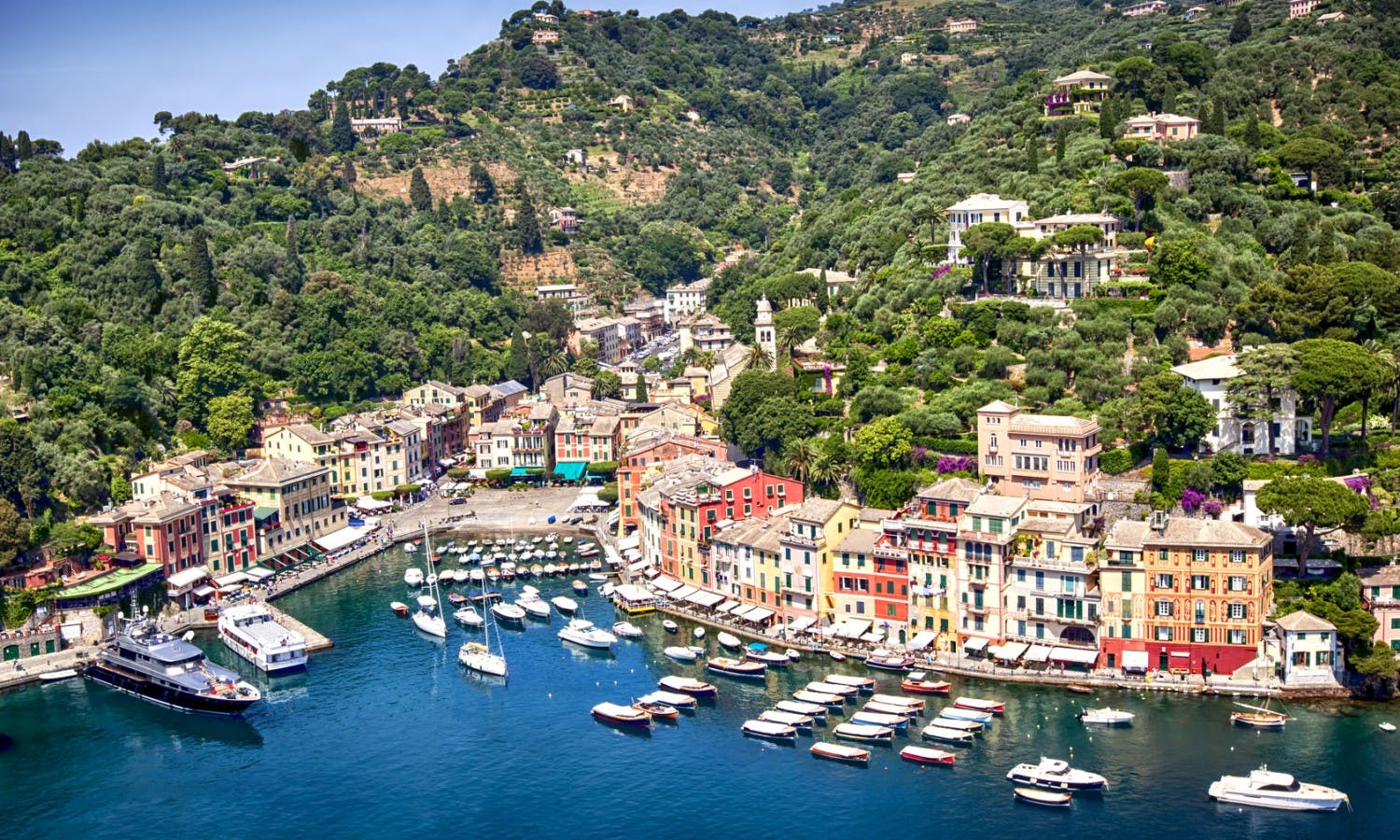
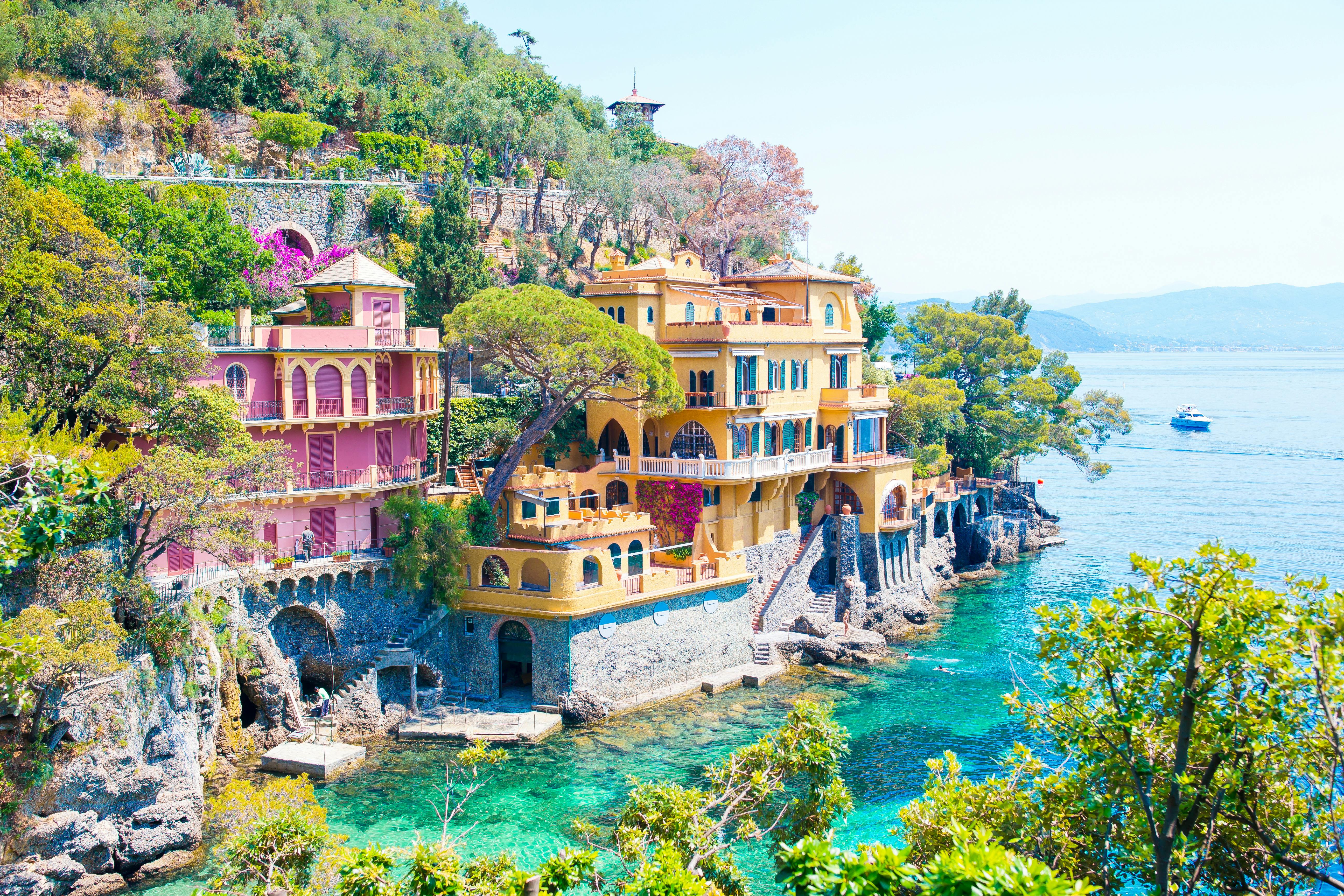
Portofino is one of the most recognisable and romantic seaside villages in Italy—an elegant crescent of pastel-coloured houses overlooking a sparkling harbour framed by green hills. Long associated with artists, film stars, and European jet-setters, Portofino blends natural beauty, luxury, and Ligurian charm in a way few places can match.
Though small in size, Portofino delivers an unforgettable experience: scenic hikes, chic boutiques, world-class seafood, and dazzling views of the Mediterranean.
⭐ Why Visit Portofino
1. A Perfect Postcard Harbour
Portofino’s harbour is one of the most photographed in Italy—bright facades, bobbing yachts, and water that shifts between emerald and deep blue.
2. Celebrity Allure & Riviera Glamour
Portofino has been a luxury retreat since the 1950s, frequented by film stars, royalty, and travellers seeking refined seaside elegance.
3. Rugged Natural Beauty
Hidden coves, pine forests, panoramic viewpoints, and marine sanctuaries surround the village.
4. Food & Wine by the Water
Dine on fresh fish, pesto pasta (a Ligurian specialty), focaccia, and local white wines.
🌆 Top Things to Do in Portofino
🏞 1. Piazza Martiri dell’Olivetta
The heart of Portofino. Lined with cafes and boutiques, this harbourfront piazza is perfect for people-watching and soaking in the coastal glamour.
🏰 2. Castello Brown
A scenic 15th-century fortress perched above the bay. Enjoy:
sweeping harbour panoramas
Mediterranean gardens
curated art displays
A must for photographers.
⛪ 3. Church of San Giorgio
A small, charming yellow church reached by a panoramic path. Its terrace offers fantastic views over the harbour and coastline.
🌊 4. Paraggi Bay
One of the area’s most beautiful beaches—crystal-clear water ideal for:
swimming
snorkelling
relaxing on the sand or at a beach club
Paraggi is also a protected marine area.
🚶 5. Lighthouse Walk (Faro di Portofino)
A scenic coastal trail leading to a clifftop lighthouse. Enjoy dramatic views and a peaceful cocktail bar at the end of the trail.
🛥 6. Boat Trips & Coastline Cruises
Sail along the Italian Riviera to see:
hidden coves
dramatic cliffs
dolphins (occasionally!)
Boat taxis also connect Portofino with Santa Margherita Ligure and Rapallo.
🛍 7. Luxury Shopping
Portofino’s streets are lined with designer boutiques, from Italian fashion houses to bespoke jewellery stores.
🍝 8. Ligurian Cuisine
Don’t miss:
Trofie al pesto (the region’s signature dish)
Focaccia Genovese
Fresh seafood, including anchovies and lobster
Local Vermentino wines
🏨 Best Areas to Stay
Portofino Harbour – for luxury hotels and spectacular views
Paraggi Bay – for beach lovers
Santa Margherita Ligure – nearby, more affordable, and easily connected
🚆 Getting There
By train: Reach Santa Margherita Ligure, then take a bus, taxi, or ferry to Portofino.
By ferry: Seasonal services operate along the Riviera.
By car: Parking in Portofino is very limited—best to park in Santa Margherita.
❓ Quick Q&A
Q: Is Portofino expensive? A: Yes—it’s one of Italy’s premium destinations. Dining and accommodation reflect the village’s luxury appeal.
Q: How many days do you need? A: 1 day for highlights, 2–3 days for a relaxed coastal escape.
Q: Best time to visit? A: May–September for beach weather. Spring and early autumn offer the best balance of sunshine and fewer crowds.
Q: Can you hike in Portofino? A: Absolutely—the Portofino Regional Park is filled with scenic trails.
🌅 Final Thoughts
Portofino is small yet spectacular—a blend of glamour, nature, and timeless Mediterranean charm. Whether you’re exploring coastal trails, dining by the harbour, unwinding on a beach, or cruising Riviera waters, Portofino offers a taste of La Dolce Vita at its most exquisite.
Sponsored Popular Items
Quick take: Musement.com offers a worldwide selection of tours and attractions
Genova and Portofino day trip from Milan Italy Plan Genova and Portofino day trip from Milan, a guided sightseeing experience, with practical tips on timing, inclusions and what to check before booking. Compare current availability, prices and booking conditions before you go.
Tour of Genoa and day trip to Portofino from Genoa Italy Plan Tour of Genoa and day trip to Portofino from Genoa, a guided sightseeing experience, with practical tips on timing, inclusions and what to check before booking. Compare current availability, prices and booking conditions before you go.
Portofino Panoramic Bus Tour from Genoa - Guided Sightseeing Tour Portofino Panoramic Bus Tour from Genoa brings several elements of the destination together in one organised experience. Check current availability, inclusions and booking details before you go.
Seville is one of Spain’s most enchanting cities—a place where grand palaces, orange-scented courtyards, flamenco rhythms, and centuries of culture come together with irresistible warmth. Known for its dazzling architecture, lively tapas culture, and year-round sunshine, Seville is a destination that captures the heart of every traveler who wanders its golden streets.
⭐ Why Visit Seville
1. Home of Flamenco
Seville is considered the cradle of flamenco. Intimate tablaos, passionate performers, and soulful guitar music create unforgettable nights.
2. Spectacular Moorish & Christian Architecture
From the Real Alcázar to the world’s largest Gothic cathedral, Seville’s skyline tells the story of empires, explorers, and artistry.
3. Delicious Andalusian Cuisine
Tapas, sherry, Iberian ham, gazpacho, and fresh seafood—Seville delivers flavour at every corner.
4. Sunshine & Street Life
With more than 300 sunny days a year, Seville’s plazas, rooftop bars, and riverbanks are vibrant from morning to midnight.
🌆 Top Things to Do in Seville
🕌 1. Real Alcázar of Seville
A dazzling palace complex blending Moorish craftsmanship with Renaissance elegance. Highlights include:
intricate tilework & carved wooden ceilings
lush gardens filmed in Game of Thrones
patios filled with fountains and orange trees
This UNESCO site is Seville’s most iconic attraction.
⛪ 2. Seville Cathedral & La Giralda
The largest Gothic cathedral in the world. Must-sees:
the ornate main altar
Christopher Columbus’ tomb
panoramic views from the Giralda Tower, originally a minaret
Sunset views from the tower are spectacular.
🌸 3. Plaza de España
A sweeping semi-circular plaza built for the 1929 Ibero-American Exposition. Featuring:
colourful ceramic bridges
a canal you can row a boat on
tiled alcoves representing each Spanish province
A favourite for photographers and film locations (Star Wars, Lawrence of Arabia).
🎭 4. Barrio Santa Cruz
Seville’s old Jewish quarter is a labyrinth of:
narrow lanes
hidden squares
flower-filled balconies
charming tapas bars
Perfect for wandering aimlessly and soaking in the atmosphere.
🔥 5. Flamenco in Triana
Across the Guadalquivir River lies Triana, the traditional heart of flamenco. Experience:
authentic tablaos
lively streets
artisanal ceramic workshops
🍊 6. Metropol Parasol (Las Setas)
A striking wooden canopy offering:
panoramic city views
a rooftop walkway
cafés and markets below
Great for golden-hour photos.
🌊 7. Guadalquivir Riverwalk
Enjoy:
cycling paths
riverside terraces
boat cruises
sunset strolls
It’s one of the city’s most relaxing areas.
🍽 What to Eat in Seville
Food highlights include:
salmorejo (thicker cousin of gazpacho)
espinacas con garbanzos
jamón ibérico
fried fish (pescaito frito)
tortilla de camarones
orange wine
Tapas-hopping is the best way to dine.
🏨 Best Areas to Stay
Santa Cruz – romantic alleys, historic charm
Arenal – close to river, cathedral, and bullring
Triana – vibrant, local, perfect for nightlife
Nervión – modern area with shopping and transport
🚆 Getting Around
Seville is wonderfully walkable. Other options:
trams & buses
bikes (Sevici bike-share)
taxis & rideshare
horse-drawn carriages (touristic but iconic)
❓ Quick Q&A
Q: When is the best time to visit Seville? A: March–May for spring blossoms and festivals, or October–November for mild weather. Summer can be extremely hot.
Q: How long should I stay? A: 3–4 days is ideal.
Q: Is Seville expensive? A: It’s more affordable than Madrid or Barcelona, especially for food.
Q: Is flamenco touristy? A: Some shows are, but Triana and intimate tablaos offer deeply authentic performances.
🌅 Final Thoughts
Seville is the jewel of Andalusia—intimate yet grand, traditional yet full of life. From Moorish palaces to flamenco nights, from fragrant orange blossoms to bustling tapas bars, Seville is a city that stirs emotion and invites you to slow down, savour, and fall in love with its timeless beauty.
Sponsored Popular Items
Quick take: Musement.com offers a worldwide selection of tours and attractions
Seville City Transfer – Explore Seville at Your Own Pace Spain Use a full day in Seville to explore landmarks such as Plaza de España, the cathedral, Santa Cruz and the Torre del Oro at your own pace. Check current availability, inclusions and booking details before you go.
Seville half-day city top monuments bike tour – Outdoor Adventure Spain Seville half-day city top monuments bike tour adds structure, local context and purposeful sightseeing to the itinerary. Check current availability, inclusions and booking details before you go.
Catania is a city shaped by fire, history, and the sea. Nestled on Sicily’s east coast and dramatically backed by Mount Etna, it blends Baroque elegance with raw volcanic landscapes, lively markets, and a bold street-food culture. Catania is gritty, vibrant, and unforgettable—perfect for travelers seeking an authentic Sicilian experience.
⭐ Why Visit Catania
Baroque Beauty Everywhere
After the devastating 1693 earthquake, Catania was rebuilt in striking Sicilian Baroque style using dark lava stone, giving the city its unique black-and-white aesthetic.
Gateway to Mount Etna
Catania is the best launch point for tours to Europe’s tallest active volcano, offering crater hikes, cable car rides, and lava-field adventures.
Legendary Markets & Street Food
La Pescheria fish market is one of Italy’s most atmospheric, while the city’s street-food scene includes arancini, cipollina, and sweet cannoli.
Bustling, Lively, and Authentic
Catania is less polished than other Sicilian cities—but that’s its charm. You’ll feel the energy everywhere, from late-night piazzas to theatre-lined boulevards.
🌆 Top Things to Do in Catania
🏛 1. Piazza del Duomo & the Elephant Fountain
The city’s heart, home to:
Sant’Agata Cathedral
Fontana dell’Elefante, the symbol of Catania
Streets lined with palazzi in dark volcanic stone
Stroll here in the morning for beautiful light and fewer crowds.
🐟 2. La Pescheria – The Famous Fish Market
Just behind Piazza del Duomo, this open-air spectacle features:
shouting vendors
mountains of seafood
local cheeses, vegetables, spices
A must for food lovers and photographers.
⛰ 3. Mount Etna Excursions
A UNESCO World Heritage Site. Choose from:
crater hikes
cable car + 4×4 tours
lava tube explorations
wine-tasting on volcanic terroir
Sunset tours are especially stunning.
🎭 4. Via Etnea
Catania’s elegant main street, perfect for:
shopping
café hopping
views of Etna framed between buildings
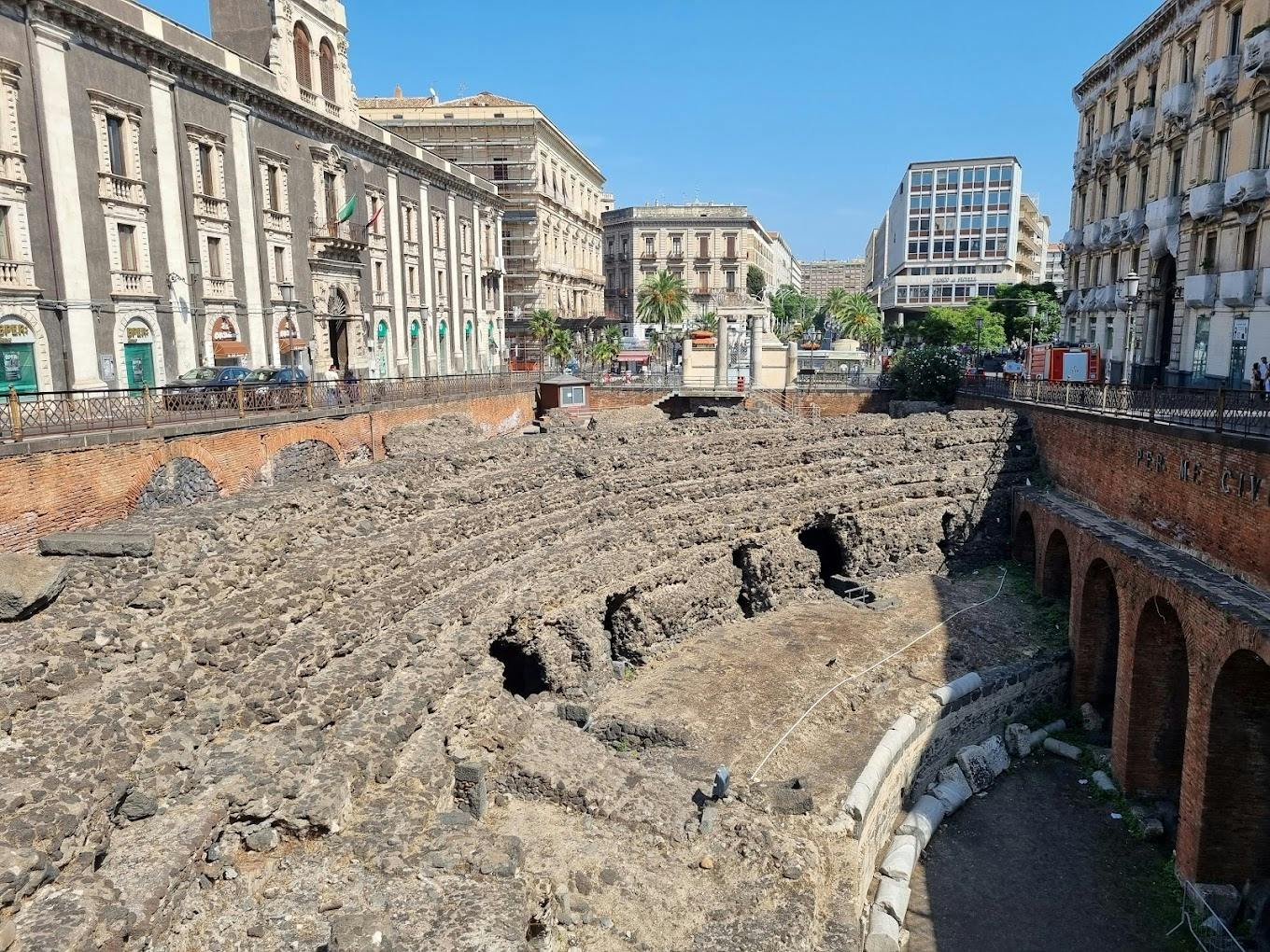
🎭 5. Teatro Romano & Odeon
Ancient Roman ruins embedded in modern buildings—a fascinating glimpse of the city’s layered past.
🌊 6. Catania’s Waterfront
Walk the seaside promenade or head slightly north to the black-sand shores of San Giovanni Li Cuti.
🌟 7. Monastero dei Benedettini
One of Europe’s largest monasteries, now a university campus. Its architecture is spectacular, and guided tours reveal centuries of history.
🍝 8. Catania’s Street Food
Don’t miss:
Arancini al ragù
Cipollina (pastry with ham, cheese, onions)
Horse-meat pistachio burgers (a local specialty!)
Pasta alla Norma (eggplant, ricotta salata)
Granita with brioche for breakfast
🏨 Best Areas to Stay
Centro Storico – Walkable, atmospheric, perfect for sightseeing
Via Etnea area – Great dining and cafes
Playa di Catania – Beachfront stays close to the city
🚆 Getting Around
On foot – Perfect for the historic center
Buses – Connect to beaches and outer districts
Trains & buses to Etna – Or join a guided tour
Taxis & ride apps – Useful for late nights
❓ Quick Q&A
Q: Is Catania safe for tourists? A: Yes—keep standard city awareness, especially at night, but the city is welcoming and lively.
Q: How many days do you need? A: 2–3 days for the city, plus 1 day for Mount Etna.
Q: Best time to visit? A: April–June and September–October for warm, comfortable weather.
🌅 Final Thoughts
Catania is a city of contrasts—elegant yet rugged, ancient yet energetic, volcanic yet full of life. Whether you’re exploring Baroque streets, gazing at Etna, or tasting iconic Sicilian street food, Catania offers a travel experience that feels both raw and deeply real.
Sponsored Popular Items
Quick take: Musement.com offers a worldwide selection of tours and attractions
Underground Catania Guided Tour Italy Plan Underground Catania Guided Tour, a guided sightseeing experience, with practical tips on timing, inclusions and what to check before booking. Compare current availability, prices and booking conditions before you go.
Catania Baroque Walking Tour with Guide Italy Plan Catania Baroque Walking Tour with Guide, a outdoor experience, with practical tips on timing, inclusions and what to check before booking. Compare current availability, prices and booking conditions before you go.
Morning street food tour of Catania Italy Plan Morning street food tour of Catania, a food and drink experience, with practical tips on timing, inclusions and what to check before booking. Compare current availability, prices and booking conditions before you go.
Taiwan is a vibrant island where ancient traditions meet cutting-edge innovation. Known for dramatic mountains, hot springs, world-class street food, and some of Asia’s friendliest people, Taiwan offers a perfect mix of culture, nature, and adventure. Compact, safe, and easy to explore, it’s a destination that suits every kind of traveler.
⭐ Why Visit Taiwan
1. Spectacular Nature
Taiwan is one of the most mountainous islands in the world. Expect:
jaw-dropping national parks
marble gorges
waterfalls, coastal cliffs
lush forests and hot springs
Top spots include Taroko Gorge, Alishan, Sun Moon Lake, and the East Coast.
2. Night Markets & Street Food
Taiwan is a paradise for food lovers. Must-try dishes:
beef noodle soup
bubble tea
xiao long bao (soup dumplings)
scallion pancakes
oyster omelette
stinky tofu (for the brave!)
Night markets like Shilin, Raohe, Fengjia, and Liuhe are unforgettable cultural experiences.
3. Modern Cities With Historic Charm
Taipei blends temples, skyscrapers, and creative districts. Kaohsiung offers waterfront art spaces, while Taichung is known for parks and museums.
4. Warm, Welcoming People
Taiwan consistently ranks among the world’s friendliest destinations, making travel easy and stress-free.
5. Efficient, Safe, and Affordable Travel
With high-speed trains, clean cities, and excellent public transport, Taiwan is one of Asia’s easiest places to explore.
🌆 Top Places to Visit in Taiwan
🏙 Taipei
The capital is packed with attractions:
Taipei 101
National Palace Museum
Elephant Mountain hike
Longshan Temple
Beitou Hot Springs
Night markets and rooftop bars round out the experience.
⛰ Taroko National Park
One of Asia’s greatest natural wonders. Highlights:
Shakadang Trail
Eternal Spring Shrine
Tunnel of Nine Turns
Taroko Gorge itself—marble cliffs and rushing rivers
🌄 Alishan
Famous for:
cloud-sea sunrises
cherry blossoms
ancient forests
the scenic Alishan Forest Railway
🚣 Sun Moon Lake
A serene lake surrounded by mountains. Enjoy:
cycling paths
cable car rides
temples
boat trips
🏖 Kaohsiung
A relaxed southern port city with art and culture:
Pier-2 Art District
Lotus Pond
Fo Guang Shan Monastery
Cijin Island beaches
🍃 Jiufen & Shifen
Two iconic villages near Taipei:
Jiufen teahouses with misty mountain views
Shifen Waterfall
Sky lantern releases in Shifen Old Street
🏞 Kenting National Park
Taiwan’s tropical playground:
beaches
snorkeling
coastal scenic drives
warm weather year-round
💧 Hot Springs Around the Island
Taiwan sits on geothermal ground—find hot springs in:
Wulai
Beitou
Jiaoxi
Zhiben
Guanziling (famous mud springs)
🚆 Getting Around Taiwan
THSR (High-Speed Rail): Fastest way to travel west coast cities.
TRA local trains: Connect all major regions.
Buses & shuttles: Access to national parks.
YouBike: Bike-sharing in many cities.
EasyCard: Tap-and-go transport card for convenience.
❓ Quick Q&A
Q: Is Taiwan expensive? A: It’s very affordable—cheaper than Japan, Korea, and Hong Kong.
Q: Best time to visit? A: October–April for ideal weather. Summer is hot and humid, with occasional typhoons.
Q: Is Taiwan safe for solo travellers? A: Extremely safe—one of the safest places in Asia.
Q: Do people speak English? A: Many do, especially in cities; signage in transportation is bilingual.
🌅 Final Thoughts
Whether you come for cloud-topped mountains, lantern-lit old streets, dynamic cities, or Asia’s best street food, Taiwan is a destination that leaves a lasting impression. It’s easy, exciting, welcoming, and full of contrasts—and perfect for your next adventure.
Sponsored Popular Items
Quick take: Musement.com offers a worldwide selection of tours and attractions
Taiwan Taipei: Quick Photoshoot with Taiwan Photographer Best deals for Taiwan Taipei: Quick Photoshoot with Taiwan Photographer. Welcome to Taipei Taiwan! Say goodbye to selfies, I will be your personal photographer. Let me show you the beauty of Taipei, and capture the best of you! Check my IG: mason.taiwan.photographer Available from getyourguide.com.
Taiwan Taipei: Half-day VIP Photoshoot Taiwan Photographer Best deals for Taiwan Taipei: Half-day VIP Photoshoot Taiwan Photographer. Wanna try local way to travel? Don't worry about the travel plan. Let me choose the iconic spots and hidden gems for you while capturing the best of you! Check my IG: mason.taipei.photographer Available from getyourguide.com.
Taiwan Tainan: Photoshoot with Taiwan Photographer Best deals for Taiwan Tainan: Photoshoot with Taiwan Photographer. Welcome to Tainan Taiwan! Say goodbye to selfies, I will be your personal photographer. Let me show you the beauty of Tainan, and capture the best of you! Check my IG: mason.taipei.photographer Available from getyourguide.com.
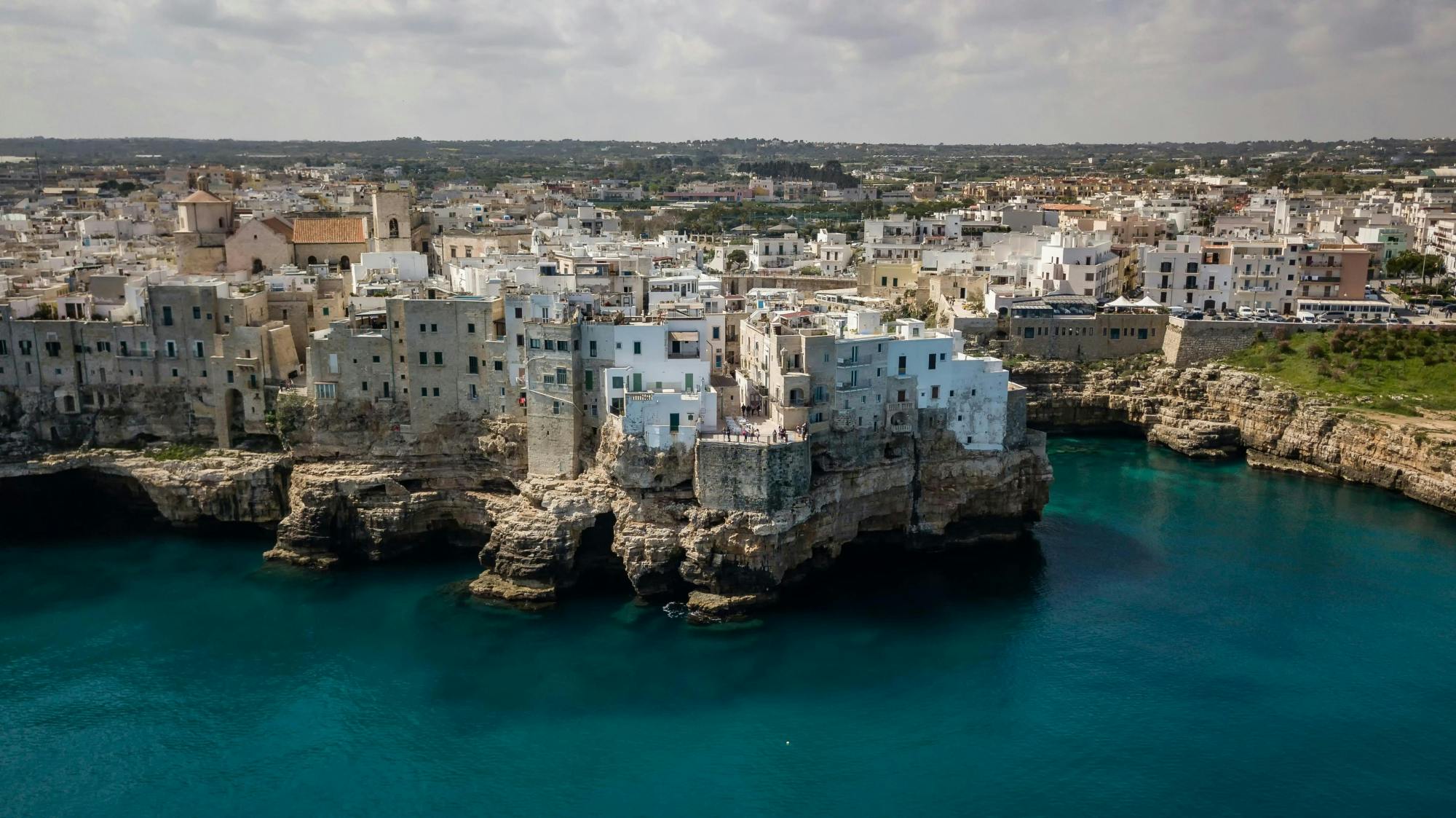
Perched dramatically atop limestone cliffs overlooking the Adriatic Sea, Polignano a Mare is one of the most enchanting destinations in southern Italy’s Puglia region. With its whitewashed old town, hidden sea caves, iconic beach coves, and legendary seafood, this small town delivers unforgettable charm and cinematic beauty at every turn.
⭐ Why Visit Polignano a Mare?
1. Cliffside Views That Feel Otherworldly
The town is famous for rugged cliffs dropping straight into turquoise waters—perfect for photos, sunset strolls, and cliff-diving competitions.
2. Lama Monachile (Cala Porto)
The postcard view of Polignano:
a pebble beach framed by cliffs
Roman bridge above
unbelievably blue water
This is the spot for a swim.
3. Sea Caves & Boat Tours
Explore dozens of sea caves carved into the coast, including the cavern that houses the iconic Grotta Palazzese restaurant.
4. Charming Old Town
Winding alleyways, poetry written on walls and steps, whitewashed houses, ceramic shops, and panoramic terraces overlooking the sea.
5. Outstanding Food
Polignano is known for:
ultra-fresh seafood
spaghetti ai frutti di mare
octopus sandwiches (a local favourite!)
gelato made with local produce
It’s also the birthplace of famous Italian singer Domenico Modugno (“Volare”), whose statue stands near a cliffside viewpoint.
🌊 Top Things to Do in Polignano a Mare
✔ 1. Relax at Lama Monachile Beach
The most iconic beach in town—small, stunning, and great for swimming.
✔ 2. Walk the Stunning Viewpoints
Don’t miss:
Belvedere Terrazza Santo Stefano
Belvedere di Via Nova
Via D’Annunzio viewpoints
✔ 3. Take a Boat Tour to the Sea Caves
See hidden grottos, swim in sparkling water, and approach the cliffs from below.
✔ 4. Explore the Old Town
Look for:
the “poetry steps”
Via Roma cafes
artisan boutiques
arches framing sea views
✔ 5. Visit the Domenico Modugno Statue & Bridge
Walk across the famous Roman bridge for classic photo angles.
✔ 6. Dine at Grotta Palazzese
A world-famous cave restaurant—expensive, but unforgettable.
✔ 7. Swim or Cliff Jump (Experienced Only)
Local cliff divers show off here; join them only if trained and conditions are safe.
Q: Is Polignano a Mare expensive? A: Dining and hotels can be pricey in peak season, but affordable options exist outside July–August.
Q: Can you swim at the beaches? A: Yes—water is clean, clear, and ideal for strong swimmers.
Q: How long should I stay? A: 1–2 days for highlights; 3–4 days for relaxation and nearby towns (Monopoli, Alberobello, Ostuni).
🌅 Final Thoughts
Polignano a Mare is a breathtaking blend of history, sea, architecture, and culinary culture. Whether you’re exploring cliffside alleys, dining in a sea cave, or swimming in dazzling coves, the town delivers a perfect slice of Puglia’s beauty and soul.
Sponsored Popular Items
Quick take: Musement.com offers a worldwide selection of tours and attractions
Private Tour of Polignano a Mare Italy Private Walking Tour of Polignano a Mare is a convenient way to add structure, local context and purposeful sightseeing to the itinerary. Check current availability, inclusions and booking details before you go.
Tour of UNESCO's Matera & Alberobello from Polignano a Mare – Guided Tour Italy Tour of UNESCO's Matera & Alberobello from Polignano a Mare is a convenient way to add structure, local context and purposeful sightseeing to the itinerary. Check current availability, inclusions and booking details before you go.