Anahulu Cave, also written as ‘Ana Hulu Cave, is one of the most memorable natural attractions on Tongatapu, Tonga’s main island. Hidden beneath a limestone landscape near Haveluliku, the cave is known for its cool underground freshwater pool, dramatic rock formations, stalactites, pillars and dimly lit chambers.
For travellers staying in Nuku’alofa or exploring Tongatapu’s east coast, Anahulu Cave makes an easy and rewarding stop. It is part cave visit, part swimming experience and part quiet escape from the tropical heat. Nearby Anahulu Beach adds another reason to include this area in a half-day or full-day island itinerary.
Sponsored Popular Items
Quick take: Musement.com offers a worldwide selection of tours and attractions
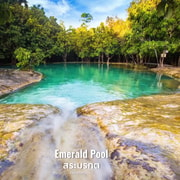
Krabi: Hot Springs, Emerald Pool, and Blue Pool Tour Thailand Discover Krabi's hidden gems on a tour to the Hot Spring Waterfall, Emerald Pool, and Blue Pool. Enjoy a delicious lunch at a local restaurant and benefit from hotel transfers
What Is Anahulu Cave?
Anahulu Cave is a limestone cave on Tongatapu Island in Tonga. It is best known for its underground freshwater pool, where visitors can swim beneath stalactites and rock formations in a cool, sheltered cave chamber.
The attraction is sometimes described as Anahulu Cave, ‘Ana Hulu Cave or Anahulu Cave Underground Swimming Pool. These names usually refer to the same place near Haveluliku on the eastern side of Tongatapu.
Unlike many cave attractions that are only for viewing, Anahulu Cave is interactive. The main draw is not just walking through the cave, but entering the clear, cool water and swimming inside the natural underground pool.
Why Visit Anahulu Cave?
Anahulu Cave is worth visiting because it offers a different side of Tonga. Many travellers come to Tongatapu for beaches, blowholes, historic sites and cultural experiences, but Anahulu Cave adds an underground natural wonder to the island itinerary.
The cave is especially appealing on a warm day. The air inside is cooler, the water is refreshing, and the limestone formations create a quiet, almost mysterious atmosphere. It is a simple attraction, but that simplicity is part of its charm.
It is also a good family-friendly stop for visitors who are comfortable with steps, darker spaces and swimming. For couples, photographers and nature lovers, the reflections, rock textures and blue-green water make it a beautiful place to experience slowly.
The Underground Freshwater Pool
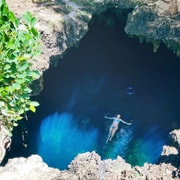
The highlight of Anahulu Cave is the freshwater pool deep inside the cave. The water is clear, cool and sheltered from the sun, creating a refreshing contrast to Tonga’s warm outdoor climate.
Visitors usually enter the cave by following a walkway or guided path down toward the pool. Lighting helps reveal the rock formations, but the cave still has a dim and atmospheric feel. Once at the water, you can swim, float or simply sit near the edge and enjoy the unusual setting.
The pool is a memorable experience because it feels very different from swimming at a beach or resort. Instead of open sky and waves, you are surrounded by limestone walls, stalactites, shadows and echoes.
Limestone Formations and Cave Atmosphere
Anahulu Cave has classic limestone cave features, including stalactites hanging from the ceiling, pillars, textured walls and natural chambers shaped over time by water and mineral deposits.
The lighting inside the cave helps make the formations visible, but it is still wise to move carefully. Cave surfaces can be uneven, damp or slippery. The darker corners also make the space feel more adventurous than a normal swimming spot.
Take a few minutes to look up and around before getting into the water. The formations above the pool are part of what makes Anahulu Cave special.
Can You Swim in Anahulu Cave?
Yes, swimming is one of the main reasons people visit Anahulu Cave. The freshwater pool is usually the central feature of the experience, and many visitors bring swimwear and a towel specifically for this stop.
That said, swimmers should use common sense. The cave is darker than an outdoor pool, the rock edges can be uneven, and the water may be deeper than expected in places. Confident swimmers will enjoy it most, while children should be supervised closely at all times.
If you are not a strong swimmer, you can still enjoy the cave from the edge or stay in shallower areas if conditions allow. Do not jump into the water unless a local guide clearly says it is safe.
Anahulu Beach
Anahulu Beach is close to the cave entrance and is often visited on the same trip. The beach gives the area a second attraction: after swimming underground, you can relax by the sea, enjoy the coastal scenery or take photos of the surrounding area.
The beach is not as developed as a large resort beach, which gives it a quieter local feel. Depending on the weather and tide, it can be a pleasant place to pause before or after the cave visit.
If you enjoy snorkelling, ask locally whether conditions are suitable on the day. Sea conditions can change, so it is best not to assume every beach visit will be good for swimming or snorkelling.
Combine It With Tongatapu’s East Coast
Anahulu Cave is often included on east-coast Tongatapu sightseeing tours. These tours may combine the cave with cultural, historical and coastal stops, making the route more varied than visiting the cave alone.
Possible nearby or same-day highlights can include:
Ha’amonga ‘a Maui, the famous ancient stone trilithon
Captain Cook’s Landing Place
Royal Palace and Royal Tombs in Nuku’alofa
Ancient terraced tombs
Anahulu Beach
Local villages and coastal scenery
If you only have a short time on Tongatapu, joining a guided east-coast tour can be an efficient way to see Anahulu Cave along with the island’s historical and cultural landmarks.
How to Get There
Anahulu Cave is located near Haveluliku on Tongatapu. Most visitors reach it by rental car, taxi, private driver or guided tour from Nuku’alofa.
If you are driving independently, use the names Anahulu Cave, ‘Ana Hulu Cave or Haveluliku in your map app, but confirm the route locally if possible. Signage and road conditions can vary, and mobile coverage may not always be perfect.
For the easiest experience, book a local tour or arrange a driver who can include Anahulu Cave as part of an east-coast route. This is especially useful if you want to combine the cave with beaches, historic sites and cultural stops.
How Long to Spend There
Allow around one to two hours for Anahulu Cave if you want time to enter the cave, swim in the pool, change clothes and look around without rushing.
If you also want to relax at Anahulu Beach, allow extra time. As part of a wider Tongatapu east-coast tour, the cave may be one stop in a half-day itinerary of around four hours or a longer day of sightseeing.
What to Wear and Bring
Swimwear worn under your clothes or packed in a small bag
A towel
Comfortable shoes with grip
Waterproof bag or pouch for valuables
Change of clothes if continuing on a tour
Reusable water bottle
Small cash for entry fees, tips or local purchases
Camera or phone, ideally with a waterproof case
Reef-safe sunscreen for beach time
Snorkel gear if you plan to ask locally about beach conditions
Practical Travel Tips
Check Opening Hours Before You Go
Opening times can change, and Sunday trading or access may be limited in Tonga. Always check current hours locally or with your tour provider before making the trip.
Bring Cash
Small attractions may not always accept cards. Carry local currency for entry fees, transport, snacks or tips.
Wear Shoes With Grip
The cave can be damp and uneven. Shoes with grip are safer than flip-flops, especially on steps or wet rock surfaces.
Supervise Children Closely
Children may enjoy the cave pool, but the combination of water, darkness, rocks and steps means adults should stay close at all times.
Respect the Cave Environment
Do not touch fragile formations, leave rubbish, mark the rock or disturb the natural setting. Caves are slow-forming environments and should be treated carefully.
Do Not Expect a Luxury Attraction
Anahulu Cave is a natural and local-style attraction, not a polished resort experience. Facilities may be simple, but the cave pool itself is the reason to visit.
Pair It With Anahulu Beach
The nearby beach makes the visit more complete. After the underground swim, the beach offers fresh air, coastal views and a relaxed place to pause.
FAQs About Anahulu Cave
Where is Anahulu Cave?
Anahulu Cave is on Tongatapu Island in Tonga, near Haveluliku on the eastern side of the island.
Is Anahulu Cave the same as ‘Ana Hulu Cave?
Yes. The name is written in different ways, including Anahulu Cave and ‘Ana Hulu Cave. Both usually refer to the same limestone cave with the underground freshwater pool on Tongatapu.
Can you swim in Anahulu Cave?
Yes. Swimming in the freshwater underground pool is one of the main reasons to visit. Bring swimwear and a towel.
Is Anahulu Cave suitable for children?
It can be suitable for children who are comfortable with caves, steps and water. However, adults should supervise closely because the cave is dim, rocky and wet in places.
Do I need a guide?
You may be able to visit independently, but a local guide or organised tour makes the experience easier, especially if you want transport and other Tongatapu east-coast stops included.
Is Anahulu Cave good on a rainy day?
It can be a good rainy-day activity because much of the experience is underground. However, road conditions, opening hours and safety should still be checked locally.
What should I wear?
Wear comfortable clothes over swimwear and shoes with grip. Bring a towel and a change of clothes if you plan to swim.
How long do you need at Anahulu Cave?
Most visitors should allow one to two hours. If combining the cave with Anahulu Beach or an east-coast tour, allow half a day.
Final Thoughts
Anahulu Cave is one of Tongatapu’s most unusual and refreshing attractions. The combination of limestone formations, a cool underground freshwater pool and nearby beach scenery makes it a memorable stop for travellers exploring Tonga’s main island.
For the best experience, bring swimwear, wear sensible shoes, carry cash and consider combining the cave with Tongatapu’s east-coast cultural and historic sites. It is a simple attraction, but swimming beneath the cave ceiling is an experience that stays with you long after leaving the island.
Sponsored Popular Items
Quick take: Musement.com offers a worldwide selection of tours and attractions
Krabi: Hot Springs, Emerald Pool, and Blue Pool Tour Thailand Discover Krabi's hidden gems on a tour to the Hot Spring Waterfall, Emerald Pool, and Blue Pool. Enjoy a delicious lunch at a local restaurant and benefit from hotel transfers
Krabi: Emerald Pool, Hot Springs & Tiger Cave Private Tour Thailand Explore Krabi’s inland nature without following a shared-group schedule. Visit Emerald Pool, Hot Spring Waterfall, and Tiger Cave Temple with a private vehicle and driver for 8 hours
Krabi: Tiger Cave, Hot Springs and Emerald Pool Jungle Tour Thailand Explore Khao Nor Chu Chi National Park from Krabi, walk shaded forest trails to emerald pools and a waterfall, then climb Tiger Cave Temple for stunning panoramic views
Ubud: Gorilla Cave ATV, Rice Terrace & Cretya Pool Tour Indonesia Experience the best of Ubud on a guided tour. Ride an ATV through the Gorilla Cave, visit the Tegallalang Rice Terrace, and unwind at the Cretya infinity pool
Rotorua: Polynesian Spa Pavilion Hot Pool Bathing (12+ yrs) New Zealand Relax in the Pavilion Pools, exclusively for guests aged 12 and over, featuring seven hot mineral pools, a foot reflexology walk, and a deep pool for gentle exercise
Rotorua Ziplines: Rafting + Hot Pool Combo - Free Sauna New Zealand Experience the ultimate Rotorua combo! Zipline over waterfalls, white water rafting on the Kaituna River, followed by a soak in the Manupiua Springs Hot Pools
Hanoi: 2D1N Elite Lan Ha & Ha Long Cruise with Infinity Pool Vietnam Experience a luxurious cruise on Lan Ha Bay with balcony and bay-view bathtub. Enjoy unique activities: traditional music, kayaking, squid fishing, complimentary honeymoon setup and birthday cake