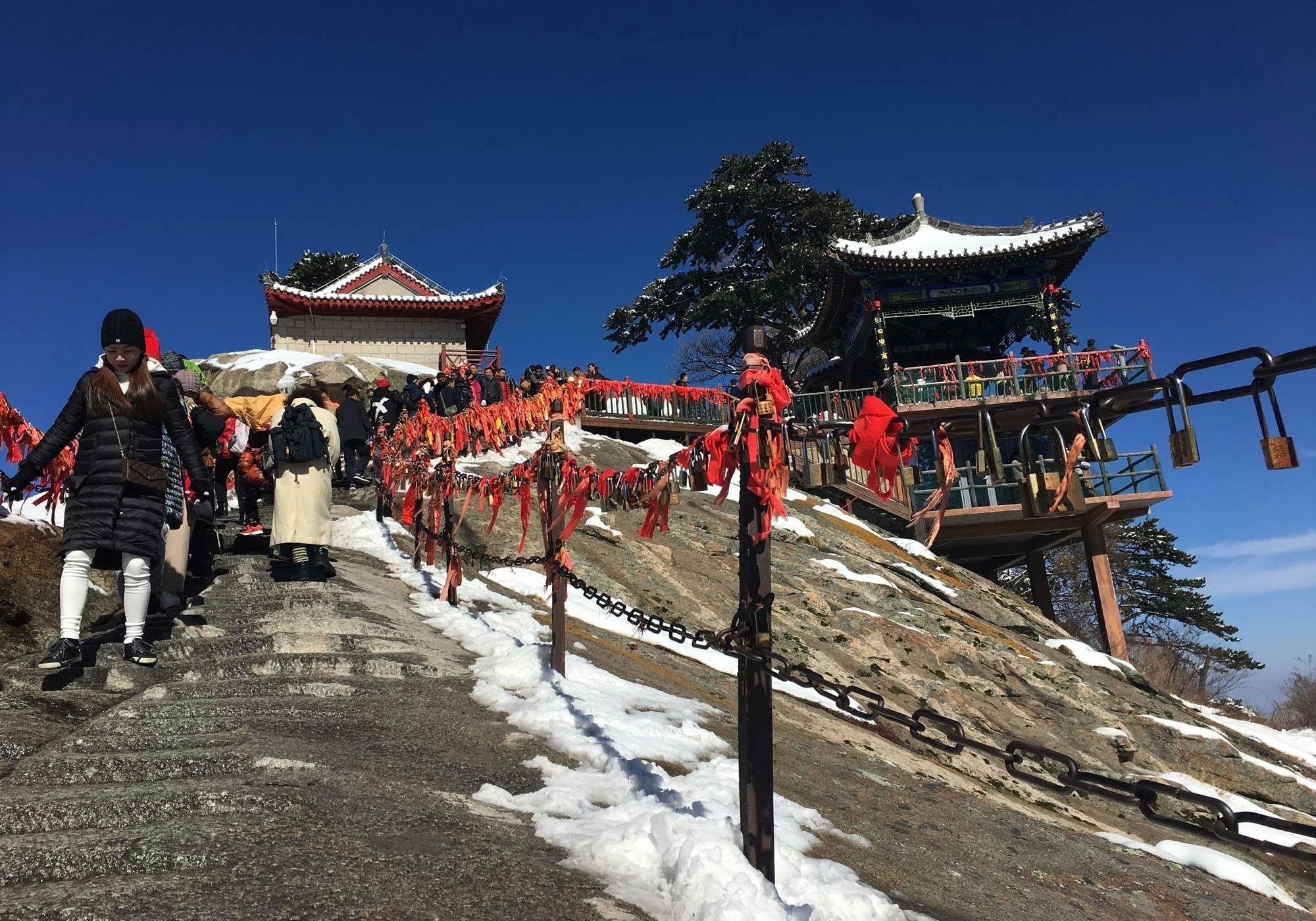
Huashan, also called Mount Hua, is one of the most spectacular mountain day trips from Xi’an. Famous for sheer granite cliffs, Taoist temples, narrow stone stairways, cable cars, sunrise viewpoints and the legendary cliffside plank walk, Huashan is one of China’s most dramatic sacred mountains.
Located near Huayin City in Shaanxi Province, Huashan is often visited as a long day trip from Xi’an, although adventurous travellers may choose to stay overnight on or near the mountain for sunrise. It is beautiful, physically demanding in parts, and best planned carefully.
Sponsored Popular Items
Quick take: Musement.com offers a worldwide selection of tours and attractions
Full-Day Private Tour of Huashan Mountain - Guided Sightseeing Tour China Full day private tour of Huashan Mountain is a convenient way to add structure, local context and purposeful sightseeing to the itinerary. Check current availability, inclusions and booking details before you go.
What Is Huashan?
Huashan is a sacred mountain in Shaanxi Province, east of Xi’an. It is one of China’s Five Great Mountains and has long been associated with Taoism, pilgrimage, temples and dramatic mountain paths.
The mountain is famous for its steep granite peaks. Unlike softer, forested mountains, Huashan rises sharply in pale rock walls, ridges and cliffs. Many paths are cut directly into the mountain, with stone steps, chains and narrow ledges adding to the sense of adventure.
Huashan is not just a scenic viewpoint. It is a full mountain experience. Even if you use cable cars, you should expect walking, stairs, exposed sections and strong legs by the end of the day.
Why Visit Huashan from Xi’an?
Xi’an is best known for the Terracotta Warriors, city walls, Muslim Quarter and ancient capital history, but Huashan adds a completely different experience to a Shaanxi itinerary. It gives you big mountain scenery, a sacred cultural setting and one of China’s most exciting hiking environments.
Huashan is especially worthwhile if you enjoy:
Dramatic mountain landscapes
High viewpoints and cliff scenery
Challenging walks and stair climbs
Taoist temples and sacred mountain culture
Photography, sunrise or sunset views
Adventure-style travel close to a major city
The Five Peaks of Huashan
Huashan is usually described as having five main peaks. Each has its own character, and most visitor routes connect several of them by mountain paths.
North Peak
North Peak is often the first major peak reached by hikers or by the North Peak cable car. It is lower than the other main peaks but still gives dramatic views. It is a common starting point for people who want a more active route across the mountain.
West Peak
West Peak is one of the most beautiful and photogenic areas of Huashan. The West Peak cable car is popular because it delivers visitors close to the higher scenic areas and reduces the hardest part of the climb.
South Peak
South Peak is the highest peak of Huashan and one of the main goals for many visitors. It offers wide views and a real sense of achievement, but reaching it still involves uphill walking and stairs.
East Peak
East Peak is known as a sunrise viewpoint. Travellers who stay overnight or climb through the night often aim to reach East Peak early in the morning.
Middle Peak
Middle Peak is smaller and often treated as part of the route between the larger peaks. It is associated with Taoist sites and can be included if you have enough time and energy.
How to Get from Xi’an to Huashan
The fastest and most convenient way to reach Huashan from Xi’an is usually by high-speed train.
By High-Speed Train
Depart from Xi’an North Railway Station.
Arrive at Huashan North Railway Station.
The train journey usually takes around 30 to 40 minutes.
From Huashan North, take a shuttle, taxi or local transfer to the Huashan tourist centre.
This is the best option for most independent travellers because it is fast, efficient and avoids a long road transfer from Xi’an.
By Private Driver or Tour
A private driver or guided tour is easier if you want door-to-door service from your Xi’an hotel. It costs more than the train, but it removes the stress of station transfers, ticket collection and local transport at Huashan.
By Bus
Bus services may be available between Xi’an and Huashan, but they are generally slower than the high-speed train. For most visitors with limited time, the train is the better choice.
Huashan Cable Cars
Huashan has two main cable car options: the North Peak cable car and the West Peak cable car. These make the mountain much more accessible, but they do not remove all walking. Once you are on the mountain, you still need to walk between peaks, climb stairs and manage steep sections.
North Peak Cable Car
The North Peak cable car is often used by travellers who want a more active route. It brings you to North Peak, from where you can continue walking toward the higher peaks. This route usually involves more hiking than starting from the West Peak.
West Peak Cable Car
The West Peak cable car is more scenic and places you closer to the higher peaks. It is a good option if you want maximum views with less climbing from the base. Many first-time visitors choose to go up by West Peak cable car and come down by North Peak cable car, or return the same way depending on time and energy.
Best Huashan Routes
Easiest Scenic Route: West Peak Up and West Peak Down
This is the simplest option for travellers who want to experience Huashan without a long mountain traverse. Take the West Peak cable car up, visit West Peak, South Peak and nearby viewpoints, then return to the West Peak cable car.
Best for: travellers with limited time, moderate fitness, older visitors, or those who want big views without the hardest route.
Classic One-Day Route: West Peak Up, North Peak Down
This is one of the most popular routes for a strong day trip. Take the West Peak cable car up, walk through West Peak, South Peak, East Peak or Middle Peak depending on time, then continue toward North Peak and descend by the North Peak cable car.
Best for: active travellers who want a full Huashan experience without hiking from the base.
More Challenging Route: North Peak Up, West Peak Down
This route starts lower and requires more climbing between North Peak and the higher peaks. It is rewarding but more physically demanding.
Best for: fit travellers who want a stronger hiking challenge.
Traditional Hiking Route from the Base
The traditional route starts near Yuquan Yuan, also known as Jade Spring Temple, and climbs up toward North Peak before continuing across the mountain. This is a serious hike and should only be attempted by travellers with good fitness, enough time and suitable gear.
Best for: experienced hikers, pilgrimage-style travellers and those who want to earn the mountain the old way.
The Huashan Plank Walk
The Huashan Plank Walk, often called the Changkong Plank Road, is one of the mountain’s most famous and intimidating attractions. It involves walking along narrow wooden planks attached to a cliff face while wearing a safety harness.
This is not essential for enjoying Huashan. Many visitors skip the plank walk and still have an excellent day. The mountain itself is already dramatic, and there are many viewpoints, temples and paths that do not require this level of exposure.
If you do choose to do the plank walk, take it seriously. Follow all staff instructions, use the safety equipment properly, do not rush, and avoid it if you have a fear of heights, poor balance, unsuitable shoes, or any health condition that could affect your confidence or coordination.
Can You Visit Huashan as a Day Trip from Xi’an?
Yes, Huashan can be visited as a long day trip from Xi’an, especially if you use high-speed trains and cable cars. However, it is important to start early.
Simple Day Trip Plan
Early morning: Travel from Xi’an North to Huashan North by high-speed train.
Morning: Transfer to the Huashan tourist centre and take the shuttle to your chosen cable car.
Late morning: Take the cable car up the mountain.
Midday to afternoon: Walk between selected peaks and viewpoints.
Late afternoon: Descend by cable car before final operations.
Evening: Return to Xi’an by train.
A day trip is best if you are realistic. Do not try to do every peak, every photo stop and the plank walk unless you are very fit, well organised and travelling in good weather.
Overnight and Sunrise Options
Huashan is famous for sunrise, especially around East Peak. To see sunrise, travellers usually need to stay overnight on or near the mountain, or attempt a night climb.
Overnight options can include basic mountain hotels, guesthouses or accommodation near the mountain base. Facilities on the mountain are more limited and can be more expensive than in Xi’an, but the reward is being in position for early morning views.
A sunrise trip is best for travellers who are comfortable with colder temperatures, early starts, mountain conditions and a less comfortable night than a city hotel stay.
How Difficult Is Huashan?
Huashan can be easy, moderate or very difficult depending on the route you choose.
Easy to moderate: West Peak cable car up and down, with limited walking near the top.
Moderate to hard: West Peak up and North Peak down, walking across several peaks.
Hard: North Peak up and West Peak down, with more climbing.
Very hard: Full climb from the base, especially if combined with multiple peaks.
Even cable-car visitors should expect stairs, slopes, crowds and exposed paths. Huashan is not a casual flat walk. Good shoes, pacing and realistic planning matter.
Best Time to Visit Huashan
The best seasons for Huashan are usually spring and autumn. These periods often bring more comfortable walking temperatures and better conditions for mountain views.
Summer can be hot, humid and crowded, especially during holidays. Winter can be beautiful with snow, but paths may be icy and conditions more difficult. Always check weather and cable car operation before travelling.
Avoid major Chinese public holidays if possible, especially periods such as Labour Day and National Day Golden Week, when crowds can be heavy and queues may be long.
What to Wear and Bring
Comfortable hiking shoes or trainers with strong grip
Layered clothing, as mountain weather can be cooler than Xi’an
Light rain jacket or poncho
Gloves if you plan to use chains on steep sections
Water and snacks
Power bank for your phone
Passport for ticketing and train travel
Sunscreen, sunglasses and hat in clear weather
Small backpack rather than heavy luggage
Any personal medication
Practical Travel Tips
Start Early from Xi’an
Huashan is possible as a day trip, but only if you leave Xi’an early. Late starts can cause problems with queues, cable car timing and return transport.
Book Transport in Advance During Busy Periods
High-speed train tickets and scenic area tickets can be harder to secure during holidays and weekends. Book ahead where possible.
Check Cable Car Closing Times
This is crucial. If you miss the last cable car, your day becomes much more complicated. Always confirm final operation times on the day of travel.
Do Not Carry Heavy Luggage
Leave large bags at your hotel or luggage storage. Huashan paths are steep, and heavy luggage will make the day unpleasant.
Be Realistic About Fitness
Choose your route based on your actual fitness, not just the photos you want. The mountain has many stairs and exposed sections.
Respect One-Way Flow and Crowds
Some narrow sections can become congested. Move patiently, hold chains where needed and avoid stopping suddenly in tight areas.
Skip the Plank Walk If Unsure
The plank walk is optional. There is no need to do it to have a memorable Huashan visit.
Watch the Weather
Rain, fog, wind or ice can change the experience completely. Poor visibility can reduce views, while wet stone steps can become slippery.
FAQs About Xi’an and Huashan
How far is Huashan from Xi’an?
Huashan is about 120 kilometres east of Xi’an, near Huayin City in Shaanxi Province.
Can I visit Huashan in one day from Xi’an?
Yes. A day trip is practical if you take an early high-speed train from Xi’an North to Huashan North and use the cable cars. Start early and keep your route realistic.
Which cable car is better at Huashan?
The West Peak cable car is better for easier access to the higher scenic areas and big views. The North Peak cable car is better if you want a more active route and do not mind extra hiking.
Is Huashan dangerous?
Huashan has steep, exposed and challenging sections, but standard visitor routes have steps, chains and managed paths. It becomes risky if you rush, ignore safety barriers, wear poor footwear, visit in bad weather or attempt routes beyond your ability.
Do I have to do the plank walk?
No. The plank walk is optional. You can enjoy Huashan’s peaks, temples, cable cars and viewpoints without doing it.
How much walking is there if I take the cable car?
There is still a lot of walking if you want to visit several peaks. Even with cable cars, expect stairs, slopes and uneven mountain paths.
What is the best route for first-time visitors?
For most first-time visitors, the easiest scenic route is to take the West Peak cable car up, visit West Peak and South Peak, then return by cable car or continue toward North Peak if time and energy allow.
Is Huashan suitable for older travellers?
It can be suitable for active older travellers if using cable cars and limiting the route. Anyone with knee problems, poor balance, heart issues or strong fear of heights should choose a gentle route and avoid exposed sections.
What should I not miss at Huashan?
Do not miss the cable car views, West Peak, South Peak if you are able, the dramatic ridge walks, Taoist temple scenery and the sense of scale from the mountain viewpoints.
Final Thoughts
Huashan is one of the most exciting side trips from Xi’an. It combines sacred mountain history, dramatic cliffs, cable-car scenery, challenging paths and unforgettable viewpoints in a way few destinations can match.
For the best experience, plan your route before you go, start early, use the cable cars wisely and choose a level of hiking that suits your fitness. Whether you visit for a long day trip, a sunrise stay or a serious mountain challenge, Huashan is one of the most memorable natural experiences in the Xi’an region.
Sponsored Popular Items
Quick take: Musement.com offers a worldwide selection of tours and attractions
Full-Day Private Tour of Huashan Mountain - Guided Sightseeing Tour China Full day private tour of Huashan Mountain is a convenient way to add structure, local context and purposeful sightseeing to the itinerary. Check current availability, inclusions and booking details before you go.
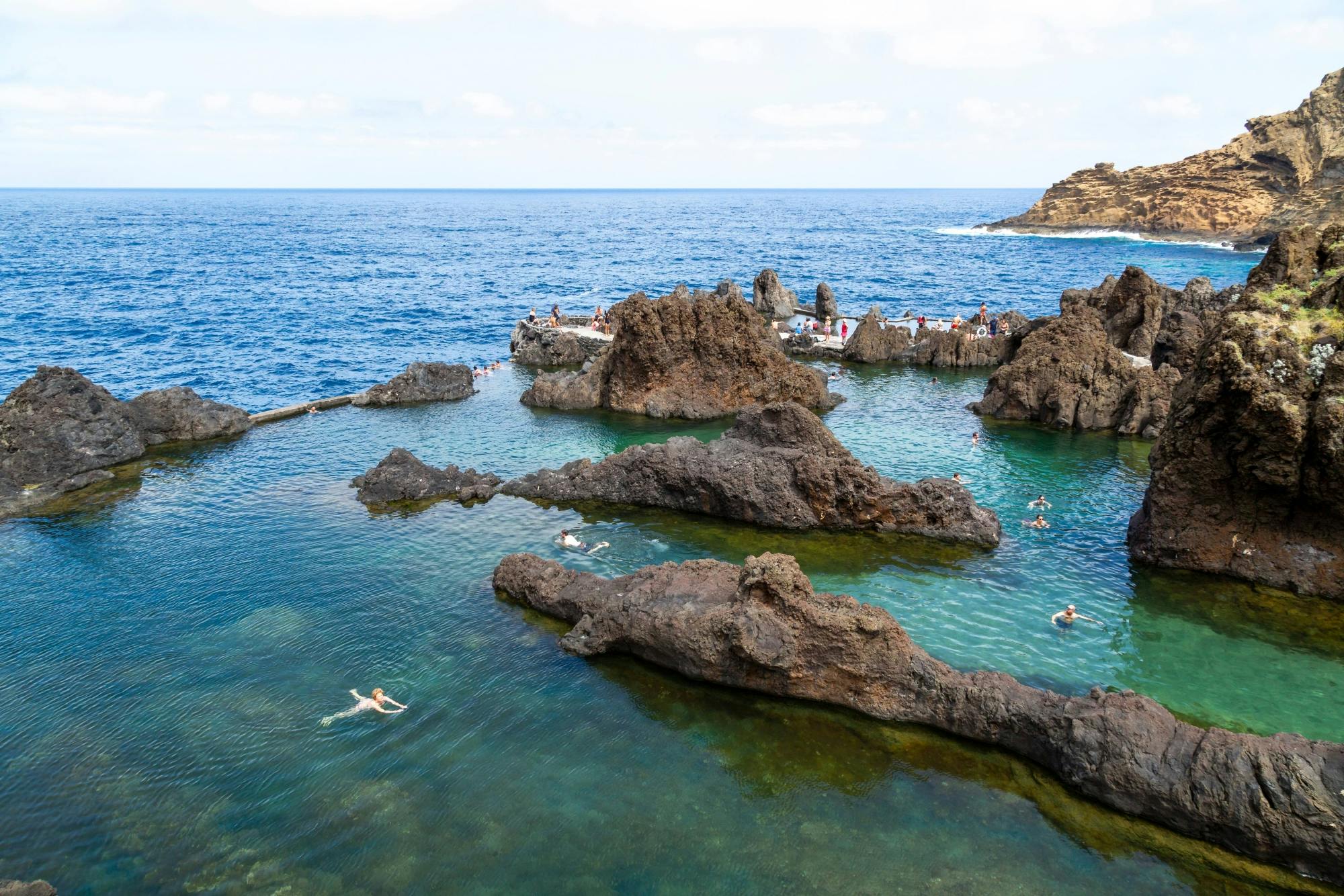
Private Madeira Dramatic West Coast Tour with Lunch in Porto Moniz Portugal Plan Private Madeira Dramatic West Coast Tour with Lunch in Porto Moniz, a food and drink experience, with practical tips on timing, inclusions and what to check before booking. Compare current availability, prices and booking conditions before you go.
Lake Biwa: The Sacred Island & the Floating Torii from Osaka Japan Best deals for Lake Biwa: The Sacred Island & the Floating Torii from Osaka. Leave Osaka behind with private pickup and cross Lake Biwa to Chikubushima, a sacred island steeped in legends. Discover ancient temples, samurai history and the floating torii of Shirahige. Available from getyourguide.com.
My Son Sacred Symbols Half-Day Tour & Coffee Experience Vietnam Explore My Son Sanctuary through Champa beliefs, sacred symbols, and ancient brickwork. Choose a group or private guided tour, with a Vietnamese coffee stop in the countryside
Hoi An Old Town Walking: Trader's Old House & Sacred Temple Vietnam Where the river meets the sea, traders once found shelter from storms. Hoi An grew into a busy port filled with languages, goods, and spices. Join us and bring its story to life
Sacred Hanoi: Temples, Rituals & Spiritual Traditions Vietnam Explore the spiritual side of Hanoi on a guided walking tour. Visit the Temple of Literature, Ngoc Son Temple, and Tran Quoc Pagoda, and learn about Vietnamese divination and spiritual traditions
Koh Samui: Around Island Tour Highlights with Sacred Temples Thailand Explore Koh Samui's spiritual and natural wonders on a guided tour. Visit Wat Plai Laem, Wat Phra Yai, and Wat Khunaram, see the Big Buddha, and relax at Na Muang Waterfall