Subotica Serbia: A Guide to the Art Nouveau Jewel of Northern Serbia
Subotica is one of Serbia’s most beautiful and underrated cities. Located in northern Vojvodina, close to the Hungarian border, it is known for colourful Art Nouveau architecture, elegant squares, leafy streets, multicultural heritage and the nearby lakeside resort of Palić.
Unlike Belgrade’s energetic urban feel or Novi Sad’s Danube-side charm, Subotica has a softer Central European character. Its grand City Hall, restored synagogue, decorative palaces and relaxed café culture make it a wonderful destination for travellers who enjoy architecture, history, photography and slow sightseeing.
Sponsored Popular Items
Quick take: Musement.com offers a worldwide selection of tours and attractions
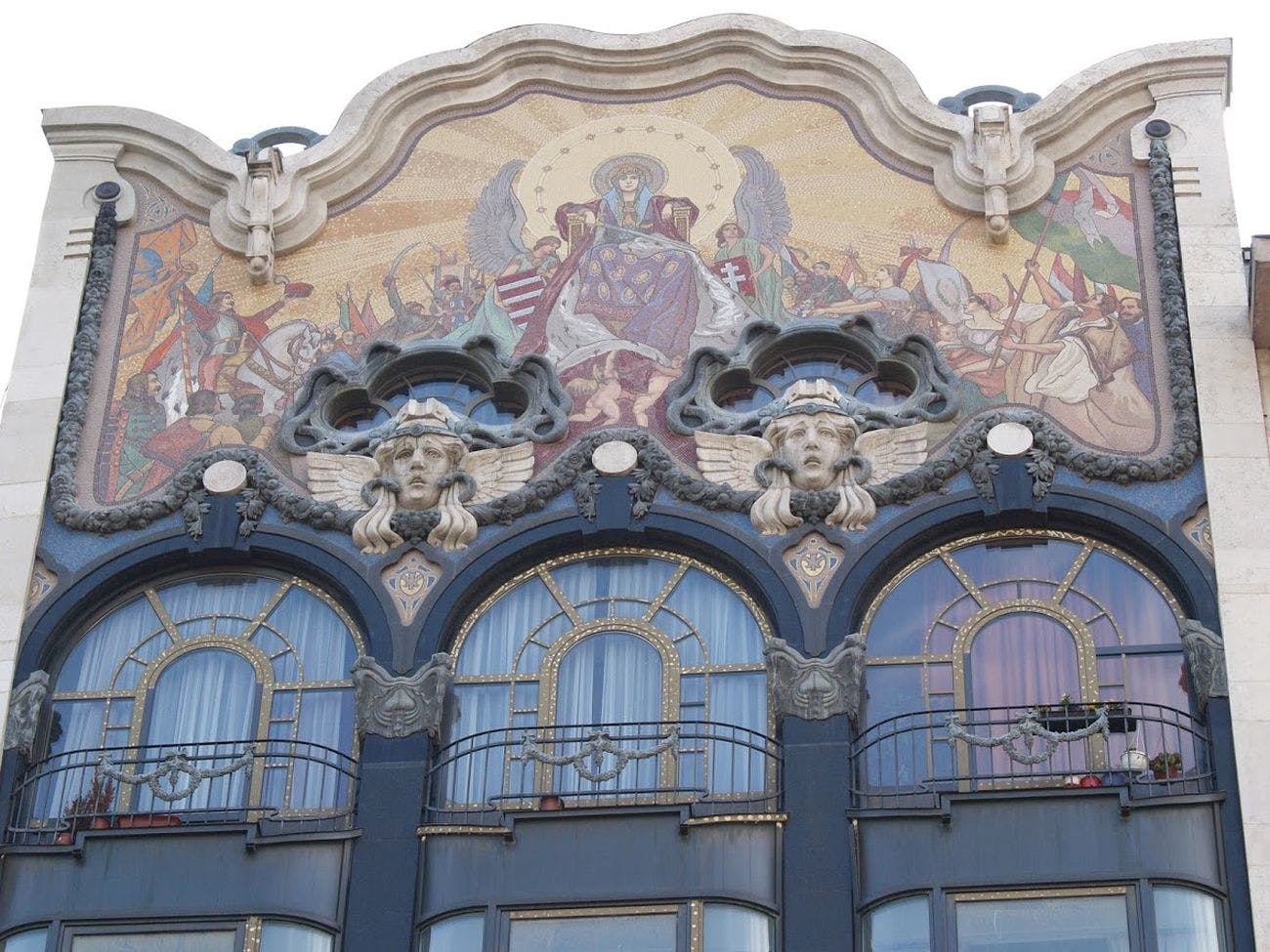
Budapest Art Nouveau tour with a historian guide Hungary Plan Budapest Art Nouveau tour with a historian guide, a guided sightseeing experience, with practical tips on timing, inclusions and what to check before booking. Compare current availability, prices and booking conditions before you go.
Why Visit Subotica?
Subotica is worth visiting because it feels different from many other Serbian cities. Its architecture, food, street names, languages and cultural layers reflect Serbian, Hungarian, Jewish, Croatian, Bunjevac and wider Central European influences. The result is a city with a distinctive atmosphere and a strong sense of place.
The city is especially famous for its Art Nouveau and Hungarian Secession architecture. Buildings are decorated with floral motifs, colourful tiles, curved lines, ceramic details, stained glass, patterned roofs and ornate façades. For architecture lovers, Subotica is one of the most rewarding cities in the Balkans.
Subotica is also compact and easy to explore on foot. Most of the main sights are close to the city centre, while Palić Lake is only a short trip away. This makes Subotica ideal for a relaxed day trip, an overnight stay, or a slower two-day visit.
Subotica and Art Nouveau Architecture
Art Nouveau is the style that defines Subotica. In this region, it is often called Secession, especially Hungarian Secession, because Subotica developed strongly during the Austro-Hungarian period. Instead of plain classical façades, many buildings feature flowing shapes, folk-inspired decoration, ceramic ornaments and colourful roof tiles.
The best way to appreciate Subotica is to walk slowly through the centre and look up. Many of the details are above eye level: rooflines, balconies, window frames, ceramic flowers, crests, ironwork and curved gables. The city rewards slow observation rather than rushed sightseeing.
Subotica City Hall
Subotica City Hall is the city’s most important landmark and one of the finest examples of Art Nouveau architecture in Serbia. Its tall tower, patterned roof tiles, decorative façade and grand presence dominate the main square.
The building is impressive from the outside, but the interior is also worth seeing if tours are available. Inside, visitors may find stained glass, painted details, carved wood, decorative halls and period design features that show how important the building was to the city’s civic identity.
The City Hall tower is also a popular viewpoint. If access is available during your visit, climbing the tower gives you a wider view over Subotica’s rooftops, squares and surrounding flat Vojvodina landscape.
Subotica Synagogue
Subotica Synagogue is one of the city’s most beautiful and meaningful buildings. Built in the early 20th century, it is a masterpiece of Hungarian Art Nouveau architecture, with colourful domes, decorative brickwork, floral motifs and a beautifully restored interior.
The synagogue is not only architecturally important; it also carries deep historical significance. Before the Second World War, Subotica had a large Jewish community. Visiting the synagogue offers both a visual and reflective experience, connecting the city’s artistic heritage with its Jewish history.
For many travellers, the synagogue is one of the highlights of Subotica. Even if you only have a short time in the city, it should be near the top of your list.
Raichle Palace
Raichle Palace is another essential Art Nouveau stop in Subotica. Designed as a private residence, it stands out for its richly decorated façade, colourful details and expressive shapes. It is one of the most photogenic buildings in the city.
The building reflects the imaginative side of Subotica’s architecture. Look closely at the curves, ceramic ornaments, window surrounds and decorative patterns. It is a good example of how Art Nouveau tried to bring beauty into everyday urban life.
Main Square and City Centre
Subotica’s main square is the natural starting point for sightseeing. From here, you can admire City Hall, sit at a café, walk toward the synagogue, explore surrounding streets and begin a self-guided architecture walk.
The centre has a relaxed pace. It is not overwhelming, and you do not need a strict plan to enjoy it. A good visit can be as simple as walking between the main sights, stopping for coffee, visiting a gallery or museum, and taking time to photograph the façades.
Palić Lake
Palić Lake is one of the best additions to a Subotica visit. Located close to the city, Palić is known for lakeside walking paths, parkland, historic resort architecture, the Water Tower, the Grand Terrace, the Music Pavilion and relaxed outdoor spaces.
Palić works especially well in warmer months, when you can stroll by the lake, enjoy a meal or drink, visit the zoo, or simply slow down after exploring Subotica’s city centre. It also has its own Art Nouveau buildings, making it a natural continuation of Subotica’s architectural story.
Best Things to Do in Subotica
Take an Architecture Walk
The best way to experience Subotica is on foot. Start at the main square, admire City Hall, continue to the synagogue, then wander toward Raichle Palace and nearby streets with decorative façades.
Join a Guided Walking Tour
A guided tour is useful because many details in Subotica’s architecture have symbolic meaning. A local guide can explain the history of the buildings, the Hungarian Secession style and the city’s multicultural past.
Visit the Synagogue
Subotica Synagogue is one of the city’s must-see attractions. Check opening times before visiting, as access can vary depending on events, holidays or restoration-related arrangements.
Climb the City Hall Tower
If tower access is available, the City Hall viewpoint gives a great perspective over the city. It is one of the best ways to appreciate Subotica’s skyline and flat northern landscape.
Explore Raichle Palace
Raichle Palace is one of the most beautiful buildings in Subotica. It is worth visiting even if you only view it from the outside.
Relax at Palić Lake
Palić Lake is ideal for a slower afternoon. Walk along the promenade, enjoy the park, see the historic lakeside buildings and stop for lunch or coffee.
Try Local Food and Wine
Subotica and the surrounding Vojvodina region are known for a mix of Serbian and Hungarian flavours. Look for hearty local dishes, pastries, paprika-rich meals, wines from the Palić area and traditional farm-style restaurants known as salaši.
How Long to Stay
Half day: Enough for a quick walk around the centre, City Hall, synagogue exterior and a few photos.
One full day: Better for seeing the main architecture, visiting the synagogue, joining a walking tour and enjoying lunch or coffee.
One night: The best option for most travellers. You can enjoy Subotica at a slower pace and add Palić Lake without rushing.
Two days: Ideal if you want to include Palić, local food, wine tasting, museums, galleries or a more relaxed photography-focused visit.
Simple Subotica Itinerary
One-Day Subotica Itinerary
Morning: Start at the main square and admire Subotica City Hall.
Late morning: Visit Subotica Synagogue and explore nearby Art Nouveau streets.
Lunch: Eat in the city centre or try a traditional local restaurant.
Afternoon: Visit Raichle Palace, a gallery or museum, then continue to Palić Lake.
Evening: Walk by the lake or return to the city centre for dinner.
Two-Day Subotica Itinerary
Day 1: Focus on Subotica’s city centre, City Hall, synagogue, Raichle Palace, squares and cafés.
Day 2: Spend a slower day at Palić Lake, visit the lakeside Art Nouveau landmarks, enjoy lunch and consider a local wine or farm-style experience.
How to Get to Subotica
Subotica is in northern Serbia, close to the Hungarian border. It can be reached from major Serbian cities such as Belgrade and Novi Sad by road, bus, train or organised tour, depending on current schedules and your travel style.
Many travellers visit Subotica from Novi Sad because the distance is manageable for a day trip. It is also possible to visit from Belgrade, although that makes for a longer day. If you want to include Palić Lake and explore without rushing, staying overnight is a better choice.
If you are travelling onward to or from Hungary, Subotica can be a useful stop near the border. Always check current train, bus and border-crossing conditions before planning an international route.
Best Time to Visit
Spring and autumn are excellent times to visit Subotica because the weather is usually comfortable for walking. The city’s parks, squares and lakeside areas are especially pleasant during these seasons.
Summer can be enjoyable, particularly if you include Palić Lake, but daytime heat can make slow city walking less comfortable. Winter is quieter and atmospheric, although shorter daylight hours mean you should plan sightseeing carefully.
Practical Travel Tips
Wear Comfortable Shoes
Subotica is best explored on foot. Comfortable shoes will make the architecture walk, square visits and Palić promenade much more enjoyable.
Look Up Often
Many of the best Art Nouveau details are on rooflines, upper façades, balconies and windows. Do not only look at street level.
Check Opening Times
Opening hours for the synagogue, City Hall tours, museums and galleries can vary. Check before you go, especially if visiting on weekends, public holidays or outside the main tourist season.
Use Both Serbian and Hungarian Names
Subotica has a strong multicultural identity. You may see Serbian and Hungarian names around the city. Subotica is also known as Szabadka in Hungarian.
Add Palić Lake
Do not treat Palić as an afterthought if you have time. It adds a relaxing lakeside element to the trip and has its own historic architecture.
Stay Overnight if Possible
A day trip is possible, but an overnight stay lets you enjoy the city after the day visitors leave. Evening walks around the centre can be very pleasant.
FAQs About Subotica
Is Subotica worth visiting?
Yes. Subotica is one of Serbia’s most attractive cities, especially for travellers interested in Art Nouveau architecture, multicultural history, relaxed cafés and nearby Palić Lake.
What is Subotica famous for?
Subotica is famous for Art Nouveau and Hungarian Secession architecture, especially City Hall, Subotica Synagogue and Raichle Palace. It is also known for its multicultural heritage and proximity to Palić Lake.
Can you visit Subotica as a day trip?
Yes, Subotica can be visited as a day trip from Novi Sad or Belgrade, but it is better with an overnight stay if you want to include Palić Lake and explore at a relaxed pace.
How far is Palić Lake from Subotica?
Palić Lake is very close to Subotica and is easy to visit by taxi, local transport or car. It is one of the best short excursions from the city centre.
What are the must-see buildings in Subotica?
The must-see buildings are Subotica City Hall, Subotica Synagogue and Raichle Palace. You should also allow time for the surrounding squares, decorative façades and lakeside Art Nouveau buildings at Palić.
Is Subotica walkable?
Yes. The central sights are close enough to explore on foot, making Subotica a very pleasant walking city.
Is Subotica close to Hungary?
Yes. Subotica is in northern Serbia near the Hungarian border, which has strongly influenced the city’s architecture, language, food and cultural character.
How many days do you need in Subotica?
One full day is enough for the main sights, but one night or two days is better if you want to enjoy Palić Lake, local food, wine and a slower pace.
Final Thoughts
Subotica is one of Serbia’s most elegant and distinctive cities. Its colourful Art Nouveau buildings, relaxed streets, multicultural history and nearby lakeside scenery make it a rewarding destination for travellers who enjoy beauty, architecture and atmosphere.
For the best experience, do not rush through Subotica as only a quick stop. Walk slowly, look closely at the façades, visit the synagogue, admire City Hall, spend time at Palić Lake and enjoy the gentle Central European charm that makes this northern Serbian city so memorable.
Sponsored Popular Items
Quick take: Musement.com offers a worldwide selection of tours and attractions
Budapest Art Nouveau tour with a historian guide Hungary Plan Budapest Art Nouveau tour with a historian guide, a guided sightseeing experience, with practical tips on timing, inclusions and what to check before booking. Compare current availability, prices and booking conditions before you go.
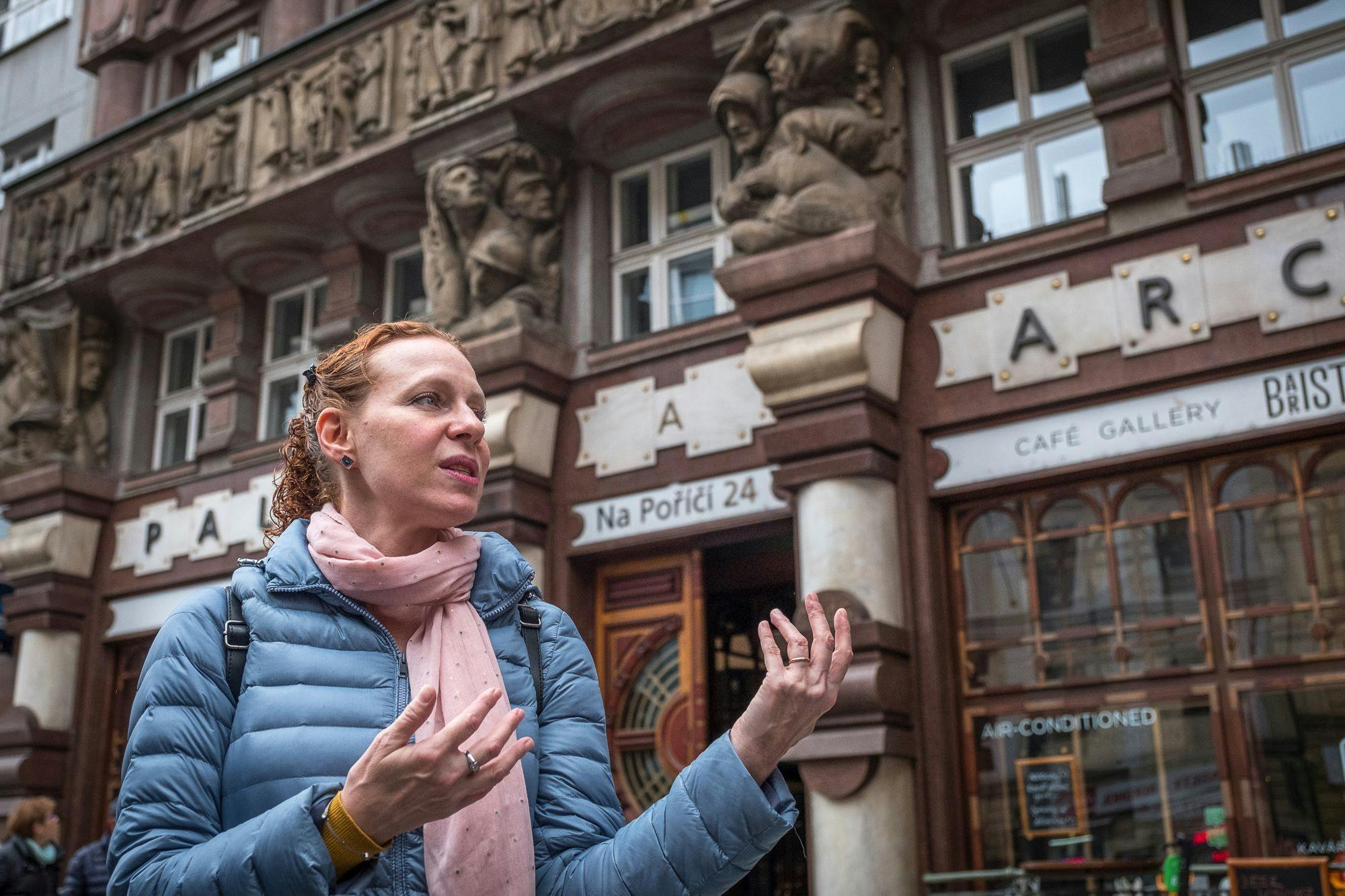
Prague Art Nouveau and Cubist Architecture historic tour Czech Republic Prague Art Nouveau and Cubist Architecture historic tour adds structure, local context and purposeful sightseeing to the itinerary. Check current availability, inclusions and booking details before you go.
Singapore Welcome: Jewel Changi Customized Private Tour Singapore Start or end your Singapore journey in style with a customized private tour of Jewel Changi. Explore the iconic Rain Vortex, indoor forest, enjoy local insights, and create lasting memories
Singapore: Jewel Changi Airport Guided Tour with Waterfall Singapore Explore Jewel Changi Airport on a guided tour. See the Rain Vortex, the world's tallest indoor waterfall, and the Shiseido Forest Valley, home to thousands of tropical plants
Singapore: Discover Jewel Changi Guided Tour Singapore Discover the secrets of the Jewel Changi Airport on a guided tour. Learn about the architectural feats and engineering marvels of the building, and find out how the roof of Jewel is put together
Singapore: Jewel Changi Airport Canopy Park Admission Ticket Singapore Discover Singapore’s Jewel Changi Airport Canopy Park—explore lush gardens, unique play attractions, and breathtaking views. Perfect for families and travelers seeking fun and relaxation!
Singapore: Jewel Changi Airport Attraction Ticket Singapore Explore Jewel Changi Airport’s Canopy Park with mazes, sky nets, gardens, and indoor attractions at one of Singapore’s most iconic destinations