Discover one of Japan’s most beautiful mountain villages and experience traditional Japanese culture on the Shirakawa-go and Kanazawa World Heritage Day Tour.
This memorable full-day guided excursion combines the fairytale scenery of UNESCO-listed Shirakawa-go with the elegant gardens, historic geisha districts and traditional crafts of Kanazawa.
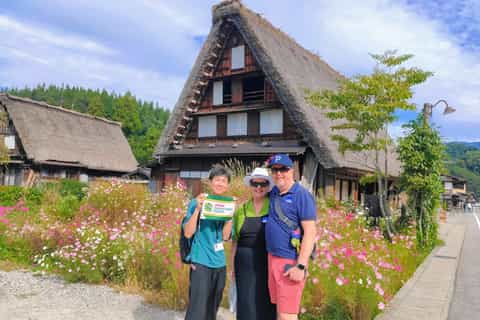
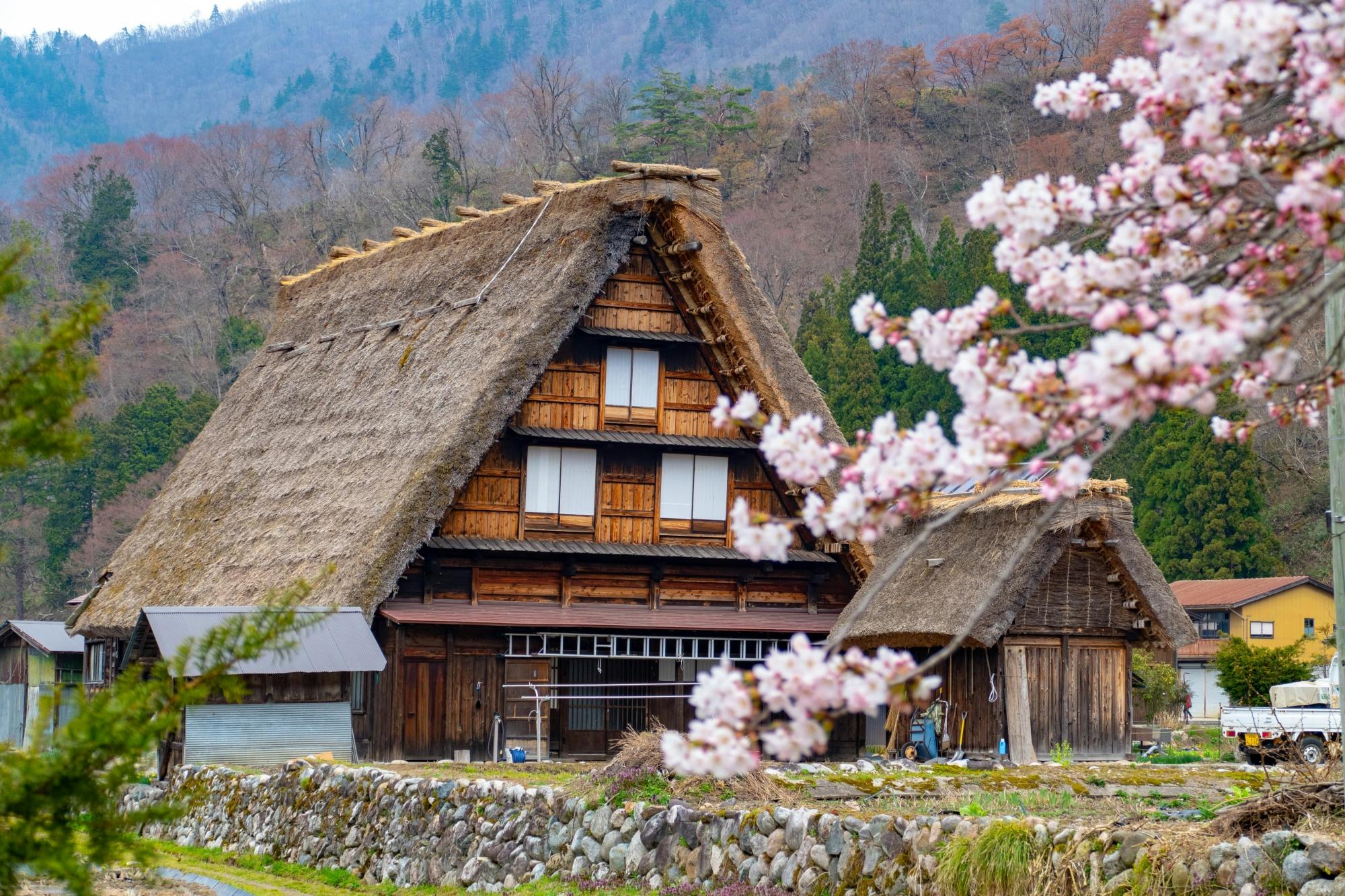
Travel from Kanazawa into the mountains of Gifu Prefecture to explore Shirakawa-go, a picturesque village famous for its centuries-old thatched-roof farmhouses, peaceful rural landscapes and distinctive Japanese architecture.
After enjoying the magnificent mountain scenery, return to Kanazawa to discover Kenrokuen Garden, one of Japan’s Three Great Gardens, before participating in hands-on cultural activities.
Learn to make traditional Japanese sweets or paint a Daruma doll, explore the historic Higashi Chaya geisha district and create a souvenir using Kanazawa’s famous gold leaf.
With an English-speaking guide, comfortable coach transportation and two traditional craft experiences included, this approximately nine-hour excursion is an excellent introduction to the beauty and culture of central Japan.
Shirakawa-go & Kanazawa World Heritage Tour Overview
This guided sightseeing excursion combines a visit to one of Japan’s most famous UNESCO World Heritage villages with several cultural attractions in historic Kanazawa.
Operated by Japan Panoramic Tours, the experience includes coach transportation, guided sightseeing and hands-on Japanese craft activities.
Departure city: Kanazawa, Ishikawa Prefecture, Japan
Departure location: Kanazawa Station West Exit bus parking area
Meeting time: 7:50 am
Departure time: 8:00 am
Duration: Approximately 9 hours
Tour operator: Japan Panoramic Tours
Transportation: Air-conditioned sightseeing coach with Wi-Fi
Guide: English and Japanese-speaking guide
Audio guidance: Additional European languages available
Main destinations: Shirakawa-go, Kenrokuen Garden and Higashi Chaya District
Cultural experiences: Japanese sweets making or Daruma painting, plus gold leaf crafting
Kenrokuen admission: Included
Workshop fees: Included
Meals: Lunch and extra refreshments not included
Return: Kanazawa Station West Exit
The excursion offers an excellent combination of traditional Japanese architecture, natural scenery, cultural history and hands-on activities.
Full-Day Shirakawa-go and Kanazawa Tour Itinerary
The experience begins with a morning departure from Kanazawa Station before travelling into the beautiful mountain landscapes of central Japan.
Morning: Travel to Shirakawa-go
After boarding the sightseeing coach, travel along the expressway towards the historic mountain village of Shirakawa-go.
The journey takes approximately 80 minutes, depending on traffic and weather conditions.
As the coach travels inland, enjoy views of forested mountains and rural Japanese scenery.
Explore Shirakawa-go
Arrive at the UNESCO World Heritage village and spend approximately two hours and twenty minutes discovering its traditional houses, narrow streets and beautiful surroundings.
Enjoy a guided introduction followed by time to explore, take photographs, browse local shops and purchase lunch.
Afternoon: Return to Kanazawa
After exploring Shirakawa-go, return to Kanazawa for a visit to Kenrokuen Garden.
The itinerary provides approximately one hour to admire its ponds, bridges, traditional lanterns and magnificent landscape design.
Traditional Japanese Cultural Workshops
Continue to a traditional craft workshop, where participants learn to make Japanese sweets or paint Daruma dolls, depending on the artisan’s availability.
Later, visit Higashi Chaya District for sightseeing and a gold leaf craft experience.
Return to Kanazawa Station
The excursion concludes at Kanazawa Station in the late afternoon, around 4:45 pm to 5:00 pm depending on the operating schedule.
All sightseeing times are approximate and may change because of traffic, weather or operational requirements.
Shirakawa-go: Discover Japan’s UNESCO World Heritage Mountain Village
Shirakawa-go is one of Japan’s most beautiful traditional villages, located in the mountains of Gifu Prefecture.
Renowned for its distinctive thatched-roof farmhouses, picturesque countryside and remarkable preservation of traditional Japanese rural architecture, the village attracts travellers from around the world.
Shirakawa-go forms part of the UNESCO World Heritage listing Historic Villages of Shirakawa-go and Gokayama, recognised in 1995.
Why Is Shirakawa-go So Famous?
The village is best known for its extraordinary gassho-zukuri houses, some of which are more than two centuries old.
These steeply pitched thatched-roof buildings were designed to withstand the region’s heavy winter snowfall.
The surrounding mountains, green rice fields and traditional wooden architecture create a remarkably picturesque landscape.
What Makes Shirakawa-go Special?
Traditional Japanese thatched-roof farmhouses
UNESCO World Heritage recognition
Beautiful mountain landscapes
Historic village streets and agricultural scenery
Traditional Japanese food and local products
Excellent photography opportunities
A distinctive rural atmosphere throughout the seasons
Visiting Shirakawa-go provides an opportunity to discover how rural Japanese communities adapted their architecture and daily lives to the mountain environment.
Gassho-zukuri Farmhouses: Japan’s Remarkable Traditional Architecture
One of the most fascinating features of Shirakawa-go is its distinctive gassho-zukuri architectural style.
The name refers to the appearance of the steep triangular roofs, which resemble two hands pressed together in prayer.
Why Are the Roofs So Steep?
Shirakawa-go experiences heavy snowfall during winter.
The steep roof design helps snow slide away and reduces the amount accumulating on the structure.
The thick thatched roofs also provide insulation against seasonal temperatures.
Traditional Japanese Building Techniques
Gassho-zukuri farmhouses were traditionally constructed using timber frames and specialised joinery techniques.
Many buildings feature large attic spaces that were historically used for activities such as silkworm cultivation.
The architecture reflects generations of practical knowledge about building in Japan’s mountain climate.
Preserving the Farmhouses
Maintaining traditional thatched roofs requires considerable skill and labour.
Local communities have played an important role in preserving the buildings, ensuring that the village retains its distinctive character.
The tour introduces visitors to these architectural traditions and the cultural importance of Shirakawa-go.
Explore Ogimachi: The Historic Heart of Shirakawa-go
The main visitor area of Shirakawa-go is Ogimachi, a picturesque settlement surrounded by mountain scenery and traditional farmland.
Visitors can walk through narrow village lanes, admire historic wooden houses and enjoy the atmosphere of a traditional Japanese mountain community.
Things to See in Ogimachi
Historic gassho-zukuri farmhouses
Traditional village streets
Small shops selling regional products
Picturesque waterways and bridges
Mountain scenery and rice fields
Beautiful photographic viewpoints
Shirakawa-go Observation Points
The wider village is famous for panoramic viewpoints overlooking its distinctive thatched-roof houses.
From elevated locations, the farmhouses appear clustered among green fields with forested mountains rising behind them.
These views are among the most recognisable images of rural Japan.
Access to observation areas may depend on available time, weather and local transport arrangements and is not guaranteed as a separate tour stop.
Respecting Local Residents
Shirakawa-go is a living village rather than an open-air museum.
Many traditional houses are private residences, so visitors should respect signs, avoid entering private property and follow local photography rules.
Discover Traditional Japanese Food in Shirakawa-go
The visit to Shirakawa-go includes free time to explore local shops and purchase lunch.
The region is famous for mountain cuisine, traditional Japanese snacks and ingredients associated with the Hida area.
Try Hida Beef
Hida beef is one of central Japan’s best-known regional foods.
Produced in Gifu Prefecture, this premium Japanese beef is appreciated for its tenderness and marbling.
Visitors may find Hida beef served in restaurants, rice dishes and convenient street-food snacks.
Gohei Mochi
Gohei mochi is a traditional regional snack made from pounded rice shaped onto skewers and grilled with a savoury sauce.
It is associated with the mountainous regions of central Japan and is a popular food to try during a countryside visit.
Doburoku Ice Cream
Another unusual regional specialty is ice cream inspired by doburoku, a traditional unfiltered Japanese rice-based alcoholic drink.
Flavours and alcohol content vary, so visitors should check ingredients if avoiding alcohol.
Lunch Arrangements
Lunch is not included in the tour price.
Visitors can choose from available restaurants and food outlets during the scheduled free time in Shirakawa-go.
Kenrokuen Garden: Discover One of Japan’s Three Great Gardens
After returning to Kanazawa, the tour visits the magnificent Kenrokuen Garden, one of Japan’s most celebrated landscaped gardens.
Originally developed by the Maeda family, the powerful rulers of the Kaga Domain, Kenrokuen showcases centuries of traditional Japanese garden design.
It is traditionally recognised as one of Japan’s Three Great Gardens alongside Kairakuen in Mito and Korakuen in Okayama.
What Does Kenrokuen Mean?
The name Kenrokuen refers to six qualities traditionally considered important in an ideal Japanese garden.
These include spaciousness, seclusion, artistry, antiquity, water features and scenic views.
The garden combines these qualities through carefully arranged landscapes, ponds, bridges, stone lanterns, trees and walking paths.
Highlights of Kenrokuen Garden
Kasumigaike Pond: A beautiful central pond surrounded by landscaped scenery.
Kotoji-toro Lantern: One of Kanazawa’s most famous photographic landmarks.
Traditional Bridges: Picturesque stone and wooden crossings.
Historic Trees: Carefully maintained pine trees and seasonal planting.
Garden Pathways: Scenic walks revealing different views of the landscape.
Kenrokuen Through the Seasons
Kenrokuen is beautiful throughout the year.
Spring brings cherry blossoms, summer offers lush greenery, autumn creates colourful foliage and winter transforms the landscape with snow.
The garden is particularly famous for yukitsuri, traditional rope supports used to protect tree branches from heavy winter snowfall.
The tour includes admission to Kenrokuen Garden.
Experience Traditional Japanese Sweets Making
One of the cultural highlights of the excursion is the opportunity to participate in a traditional Japanese sweets-making workshop.
Known as wagashi, these beautifully crafted confectioneries are an important part of Japanese food culture.
Wagashi are often associated with seasonal celebrations and Japanese tea ceremonies.
What Are Wagashi?
Wagashi are traditional Japanese sweets made using ingredients such as rice flour, beans, sugar and plant-based flavourings.
Many are carefully shaped and decorated to reflect flowers, leaves and other seasonal motifs.
Learn from a Japanese Artisan
During the workshop, a skilled craftsperson introduces visitors to traditional techniques used to create decorative Japanese sweets.
The experience offers an opportunity to appreciate the precision and attention to detail associated with Japanese confectionery.
Create Your Own Japanese Souvenir
Participants can make their own sweets and enjoy the satisfaction of creating something using traditional methods.
Depending on the activity, finished sweets may be taken away as a souvenir.
Important: The sweets-making activity may be replaced with Daruma doll painting depending on artisan availability.
Daruma Doll Painting: Discover a Traditional Japanese Good-Luck Symbol
When the sweets-making workshop is unavailable, the operator may offer a traditional Daruma doll painting experience.
Daruma dolls are popular Japanese symbols associated with perseverance, good fortune and personal goals.
What Is a Daruma Doll?
Daruma dolls are rounded traditional Japanese figures inspired by Bodhidharma, the Buddhist monk traditionally associated with the origins of Zen Buddhism.
The dolls are especially recognised for their bold appearance and symbolic significance.
The Tradition of Setting Goals
A common Japanese custom involves colouring one eye of a Daruma doll when setting a goal and colouring the second eye after achieving it.
The practice represents determination and persistence.
Enjoy a Hands-On Cultural Activity
During the painting workshop, visitors decorate a Daruma doll and learn about its connection with Japanese traditions.
This provides an enjoyable creative experience and a distinctive souvenir of the tour.
The excursion continues to Higashi Chaya District, one of Kanazawa’s most beautiful historic neighbourhoods.
Famous for its carefully preserved wooden teahouses and traditional streets, the district offers a glimpse into Japanese cultural life during the Edo period.
What Is a Chaya District?
A chaya is a traditional Japanese teahouse associated with refined entertainment, including music, dance and other performing arts.
Geisha historically entertained guests in these establishments, preserving artistic traditions that remain important in Japan.
Explore Traditional Wooden Architecture
Higashi Chaya features narrow streets lined with beautifully preserved wooden buildings.
Many structures display distinctive latticework, sliding doors and traditional architectural details.
The district is particularly appealing to photography enthusiasts and visitors interested in Japanese history.
Things to Discover in Higashi Chaya
Traditional wooden teahouses
Historic Japanese streets
Local craft shops
Traditional Japanese sweets
Gold leaf products
Beautiful architecture and photography locations
The guided tour provides approximately half an hour to explore the district before or around the craft activity, depending on the day’s arrangements.
Kanazawa Gold Leaf Workshop: Create a Traditional Japanese Souvenir
One of the most distinctive features of Kanazawa is its long tradition of producing decorative gold leaf.
Kanazawa accounts for the overwhelming majority of Japan’s domestic gold leaf production and has been associated with this specialised craft for centuries.
What Is Japanese Gold Leaf?
Gold leaf consists of extremely thin sheets of gold used for decorative purposes.
It has traditionally been applied to religious objects, artwork, furniture and architectural features.
The process requires considerable skill because the sheets are extremely delicate.
Experience Gold Leaf Crafting
During the workshop, participants learn about Kanazawa’s gold leaf traditions and create a decorative souvenir.
The advertised activity includes making a postcard using gold leaf application techniques.
The workshop introduces visitors to one of Kanazawa’s most recognisable traditional crafts.
Try Gold Leaf Ice Cream
While exploring Higashi Chaya, visitors may also encounter Kanazawa’s famous gold leaf soft-serve ice cream.
This unusual dessert features soft-serve ice cream decorated with a sheet of edible gold leaf.
It has become a popular souvenir photograph for visitors exploring the city’s traditional districts.
Gold leaf ice cream and other refreshments are optional purchases and are not included in the tour price.
Best Time of Year to Visit Shirakawa-go and Kanazawa
One of the most appealing aspects of this experience is that Shirakawa-go and Kanazawa offer beautiful scenery throughout the year.
Spring: Cherry Blossoms and Fresh Green Landscapes
Spring brings blossoming trees, fresh mountain vegetation and beautiful seasonal flowers.
Kenrokuen Garden becomes particularly attractive during cherry blossom season.
Summer: Lush Rice Fields and Mountain Scenery
During summer, Shirakawa-go is surrounded by vivid green rice fields and forested hillsides.
The mountain setting provides a wonderful contrast to Japan’s busy urban destinations.
Autumn: Spectacular Foliage
Autumn transforms the mountains around Shirakawa-go with brilliant shades of red, orange and gold.
Kenrokuen Garden is also famous for its autumn colours.
Winter: Snow-Covered Gassho-zukuri Houses
Winter is one of the most atmospheric times to visit Shirakawa-go.
Heavy snowfall transforms the traditional farmhouses into a spectacular mountain landscape that resembles a Japanese winter postcard.
Visitors should prepare for very cold temperatures, snow and potentially slippery walking surfaces.
Winter road and weather conditions may affect sightseeing arrangements.
Why Choose a Guided Shirakawa-go and Kanazawa Day Tour?
Exploring both Shirakawa-go and Kanazawa independently in one day can require careful planning.
Joining an organised guided excursion offers several practical advantages.
Visit Two Famous Destinations in One Day
The tour combines UNESCO-listed Shirakawa-go with several of Kanazawa’s most celebrated cultural attractions.
Enjoy Comfortable Coach Transportation
Travelling by air-conditioned coach eliminates the need to organise separate bus tickets or navigate mountain roads.
Learn from a Professional Guide
An English-speaking guide provides information about local history, architecture and Japanese cultural traditions.
Experience Traditional Japanese Crafts
Hands-on workshops provide opportunities to make Japanese sweets or paint a Daruma doll, followed by a gold leaf craft experience.
Kenrokuen Admission Included
The package includes entry to one of Japan’s most famous landscaped gardens.
Discover Historic Kanazawa
Visitors can explore the beautiful Higashi Chaya District and learn about Kanazawa’s traditional geisha culture.
Practical Information for Your Shirakawa-go and Kanazawa Tour
Where Does the Tour Depart?
The tour departs from the Kanazawa Station West Exit bus parking area.
The advertised meeting location is:
Kanazawa Station West Plaza Short-Term Car Park, 1-6-802 Hirooka, Kanazawa, Ishikawa 920-0031, Japan.
Look for the green-and-white Japan Panoramic Tours flag.
What Time Should You Arrive?
Check-in is scheduled for 7:50 am, with departure at 8:00 am.
The operator warns that late arrivals and no-shows are not eligible for a refund or changes.
How Long Does the Tour Last?
The advertised duration is approximately nine hours.
The tour generally returns to Kanazawa Station in the late afternoon.
What Is Included?
English and Japanese-speaking guide
Air-conditioned sightseeing coach
Free Wi-Fi on the coach
Multilingual audio guidance
Guided visit to Shirakawa-go
Admission to Kenrokuen Garden
Japanese sweets-making or Daruma painting workshop
Gold leaf craft experience
Return transportation to Kanazawa Station
What Is Not Included?
Lunch
Additional food and drinks
Hotel pickup and drop-off
Personal shopping purchases
Optional gratuities
What Languages Are Available?
The live guide speaks English and Japanese.
Audio guidance is advertised in several additional languages, including French, Spanish, Italian, German, Portuguese and Ukrainian.
Confirm the audio-language arrangements when booking.
What Should You Bring?
Comfortable walking shoes
A waterproof jacket or umbrella
Warm clothing during autumn and winter
A camera or smartphone
Money or a payment card for lunch and souvenirs
Drinking water
Booking confirmation
Is Lunch Included?
No. Travellers purchase their own lunch during the free time in Shirakawa-go.
Local restaurants and food outlets provide opportunities to try regional dishes and traditional Japanese snacks.
Does the Tour Involve Walking?
Yes. The itinerary includes walking through Shirakawa-go, Kenrokuen Garden and historic Kanazawa streets.
Some paths may be uneven or slippery, particularly during winter.
Visitors with mobility concerns should contact the operator before booking to confirm accessibility arrangements.
What Happens if the Weather Is Bad?
The operator may adjust the itinerary depending on weather, traffic and local conditions.
If an attraction is closed, an alternative stop or other arrangements may be offered under the tour conditions.
What Is the Cancellation Policy?
The GetYourGuide listing advertises free cancellation up to 24 hours before departure for a full refund, subject to the applicable booking conditions.
Who Will Enjoy the Shirakawa-go and Kanazawa Tour?
This guided experience is particularly suitable for:
First-time visitors to Japan: Discover traditional architecture, beautiful gardens and cultural heritage.
Photography enthusiasts: Capture Shirakawa-go’s distinctive houses and picturesque mountain landscapes.
History lovers: Learn about rural Japanese communities and Kanazawa’s Edo-period traditions.
Garden enthusiasts: Explore the famous Kenrokuen Garden.
Arts and crafts lovers: Participate in traditional Japanese sweets-making and gold leaf workshops.
Couples: Enjoy a scenic cultural journey through central Japan.
Families: Discover hands-on craft activities and traditional Japanese village life.
Travellers without a rental car: Visit Shirakawa-go with organised transportation from Kanazawa.
Frequently Asked Questions About the Shirakawa-go and Kanazawa Day Tour
Where does the Shirakawa-go and Kanazawa tour start?
The tour departs from the West Exit bus parking area at Kanazawa Station in Ishikawa Prefecture, Japan.
How long does the tour last?
The guided day tour lasts approximately nine hours.
What time does the tour depart?
Check-in is scheduled for 7:50 am, with an 8:00 am departure.
Is Shirakawa-go a UNESCO World Heritage Site?
Yes. Shirakawa-go forms part of the UNESCO World Heritage listing Historic Villages of Shirakawa-go and Gokayama, inscribed in 1995.
What are gassho-zukuri houses?
Gassho-zukuri houses are traditional Japanese farmhouses with steep thatched roofs designed to withstand heavy mountain snowfall.
How long do visitors spend in Shirakawa-go?
The advertised itinerary includes approximately two hours and twenty minutes in Shirakawa-go, including sightseeing and free time.
Can visitors purchase lunch in Shirakawa-go?
Yes. Travellers can buy lunch and try traditional regional foods during the scheduled free time.
Is lunch included in the tour price?
No. Lunch and additional food and drinks are not included.
Does the excursion visit Kenrokuen Garden?
Yes. The tour includes approximately one hour at Kenrokuen Garden in Kanazawa.
Is Kenrokuen Garden admission included?
Yes. The entrance fee is included in the advertised package.
Will we make traditional Japanese sweets?
The tour includes a Japanese sweets-making workshop, although it may be replaced by Daruma doll painting depending on the artisan’s availability.
What is a Daruma doll?
A Daruma doll is a traditional Japanese figure associated with perseverance, good luck and achieving personal goals.
Does the tour include gold leaf crafting?
Yes. A hands-on gold leaf craft experience is included.
Will we visit the geisha district?
Yes. The excursion includes a visit to Kanazawa’s historic Higashi Chaya District.
Can visitors buy gold leaf ice cream?
Yes. Gold leaf soft-serve ice cream is available from shops in Kanazawa, although it is an optional purchase.
Is an English-speaking guide provided?
Yes. The tour includes an English and Japanese-speaking guide.
Are other languages available?
Multilingual audio guidance is advertised in French, Spanish, Italian, German, Portuguese and Ukrainian.
Is hotel pickup included?
No. Travellers meet the group at Kanazawa Station West Exit.
Does the tour return to Kanazawa Station?
Yes. The excursion concludes at the original departure area near Kanazawa Station.
When is the best time to see Shirakawa-go?
Shirakawa-go is beautiful throughout the year. Winter offers snow-covered thatched houses, spring brings fresh greenery, summer features green rice fields and autumn provides colourful mountain foliage.
Is the tour suitable for children?
The activity includes sightseeing and hands-on craft experiences that may appeal to families. Check child ticket conditions and current suitability requirements when booking.
Can I cancel the booking?
The advertised cancellation policy allows free cancellation up to 24 hours before departure for a full refund, subject to current booking conditions.
Is the Shirakawa-go and Kanazawa tour worth taking?
For visitors who want to experience traditional Japanese architecture, spectacular mountain scenery, beautiful gardens and hands-on cultural workshops in one day, this guided excursion offers a memorable introduction to central Japan.
Book Your Shirakawa-go World Heritage and Kanazawa Cultural Day Tour
Exploring Shirakawa-go and Kanazawa provides an extraordinary opportunity to discover Japan’s traditional countryside, historic architecture and artistic heritage.
From the beautiful thatched-roof farmhouses of UNESCO-listed Shirakawa-go to the elegant landscapes of Kenrokuen Garden and the historic streets of Higashi Chaya, this excursion combines several of central Japan’s most memorable destinations.
The experience becomes even more rewarding through traditional craft workshops, where visitors can make Japanese sweets or paint a Daruma doll and create a gold leaf souvenir.
With comfortable coach transportation, an English-speaking guide and organised sightseeing arrangements, the tour provides a convenient way to explore both destinations in a single day.
Whether you are interested in Japanese culture, rural architecture, landscape photography or traditional craftsmanship, the Shirakawa-go and Kanazawa day tour offers a fascinating insight into central Japan.
Discover Japan’s beautiful mountain villages, magnificent gardens, traditional geisha districts and ancient crafts on an unforgettable guided day tour from Kanazawa.
Tour schedules, attraction visits, workshop options and booking conditions may change. Confirm the current itinerary, inclusions and cancellation terms with the operator before reserving.
Best deals for Kanazawa: World Heritage Shirakawa-go & Two Local Experiences. Explore Shirakawa-go & Kanazawa on our full-day tour. Visit the UNESCO village, Shirakawa-go, then discover Kenrokuen Garden and Higashi Chaya District. Enjoy Japanese sweets making & gold leaf craft. Available from getyourguide.com.
Sponsored Popular Items
Quick take: Musement.com offers a worldwide selection of tours and attractions
Kanazawa: World Heritage Shirakawa-go Morning Guided Tour Japan Best deals for Kanazawa: World Heritage Shirakawa-go Morning Guided Tour. Discover the UNESCO World Heritage Site of Shirakawa-go. Travel from Kanazawa with a guide, try local food, and explore the beautiful mountain settlement. Available from getyourguide.com.
Kanazawa: Shirakawa-go & Takayama Private Customizable Day Trip Japan Best deals for Kanazawa: Shirakawa-go & Takayama Private Customizable Day Trip. Explore Shirakawa-go and Takayama on a private day trip from Kanazawa. Discover the UNESCO World Heritage village of Shirakawa-go and the charming streets of Takayama with an English guide and driver. Available from getyourguide.com.
Kanazawa: Gold Leaf Experience & Geisha District Mini Walk Japan Best deals for Kanazawa: Gold Leaf Experience & Geisha District Mini Walk. Explore Kanazawa’s Higashi Chaya District on a guided walking tour. Learn about geisha culture, create a gold leaf souvenir, and enjoy matcha tea and sweets at a historic confectionery shop. Available from getyourguide.com.
Kanazawa Sushi Making Experience with a 50-Year Master Chef Japan Best deals for Kanazawa Sushi Making Experience with a 50-Year Master Chef. Learn the art of sushi-making in Kanazawa with a master chef. Choose between a 1-hour class or a 2-hour master class and enjoy a special meal with additional sushi. Available from getyourguide.com.
Kanazawa: Summer Golden-Hour Private Tour with DSLR Photos Japan Best deals for Kanazawa: Summer Golden-Hour Private Tour with DSLR Photos. Escape the midday heat on a private 4 PM summer walk through Kenrokuen, Ishiura Shrine, Kanazawa Castle, and Higashi Chaya, with 20 edited DSLR photos and local nightlife tips. Available from getyourguide.com.
Kanazawa: Samurai Swordsmanship Lesson at a temple Japan Best deals for Kanazawa: Samurai Swordsmanship Lesson at a temple. Learn the basics of swordsmanship in a private lesson at an old temple in Kanazawa. Wear a samurai kimono and immerse yourself in the experience with a master instructor. Available from getyourguide.com.
Kanazawa Samurai & Geisha Walk with 2 Craft Visits and Lunch Japan Best deals for Kanazawa Samurai & Geisha Walk with 2 Craft Visits and Lunch. Explore Kanazawa’s samurai and geisha culture on a guided walking tour. Visit the Nomura Samurai House, a paper umbrella workshop, and the “Ninja Temple.” Enjoy a local lunch in Nishi Chaya. Available from getyourguide.com.
Kanazawa: Private Ninja Temple, Wish Ritual & Geisha Tour Japan Best deals for Kanazawa: Private Ninja Temple, Wish Ritual & Geisha Tour. Explore Kanazawa on a private tour with reserved Ninja Temple admission. Join a wish-making ritual at Korinji Temple and discover historic Nishi Chaya with a local guide. Available from getyourguide.com.
 Unusedrooms Travel Tours and Information