Tsavo East National Park Kenya: A Safari Guide to Red Elephants, Wild Landscapes and Classic Game Drives
Tsavo East National Park is one of Kenya’s most iconic safari destinations. Famous for its vast open plains, red-dust elephants, Galana River scenery, baobab trees, lions, buffalo, giraffes and big skies, it offers a wilder and less crowded safari experience than some of Kenya’s more famous reserves.
Located between Nairobi and the Kenyan coast, Tsavo East is especially popular with travellers combining a safari with a beach holiday in Mombasa, Diani, Watamu or Malindi. It is also a strong choice for anyone who wants a dramatic, open, classic African safari landscape with plenty of space and a real sense of wilderness.
Sponsored Popular Items
Quick take: Musement.com offers a worldwide selection of tours and attractions
Kenya National Parks and Reserves Nature Tours & Regional Day Trips Kenya Compare nature and outdoor experiences in Kenya National Parks and Reserves, with practical tips on timing, inclusions and choosing the right option. Check current availability, prices and booking conditions before you go.
Why Visit Tsavo East National Park?
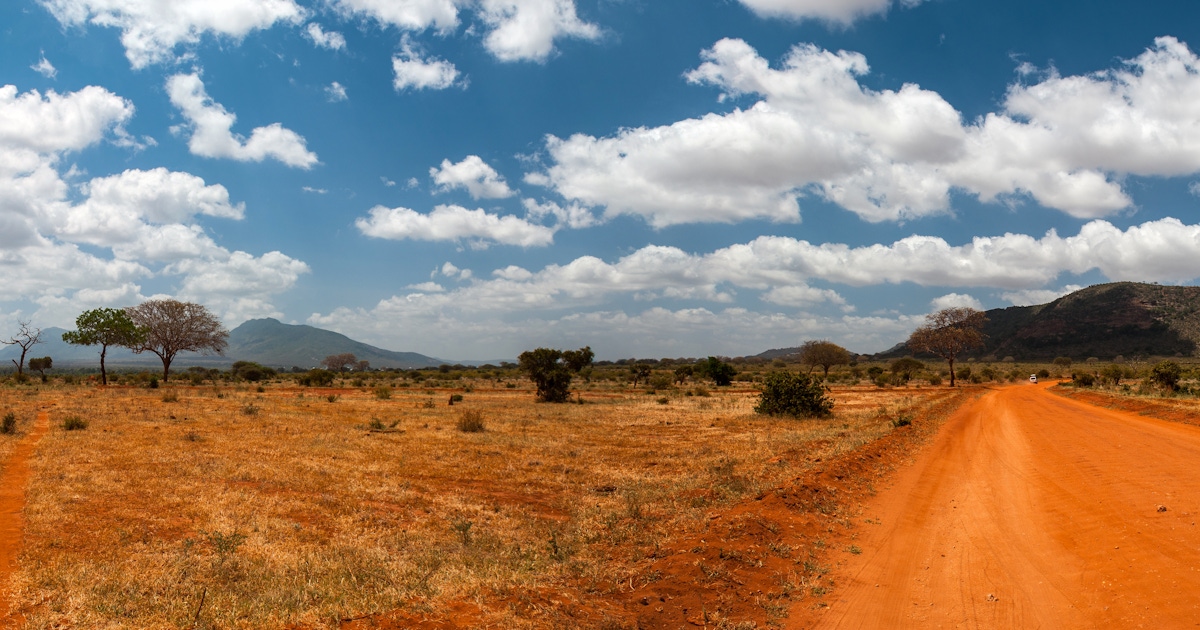
Tsavo East is worth visiting because it feels big, open and wild. The landscape is different from the green rolling plains often associated with the Masai Mara. Here, the scenery is drier and more rugged, with red earth, thorn bush, riverine vegetation, rocky outcrops and huge horizons.
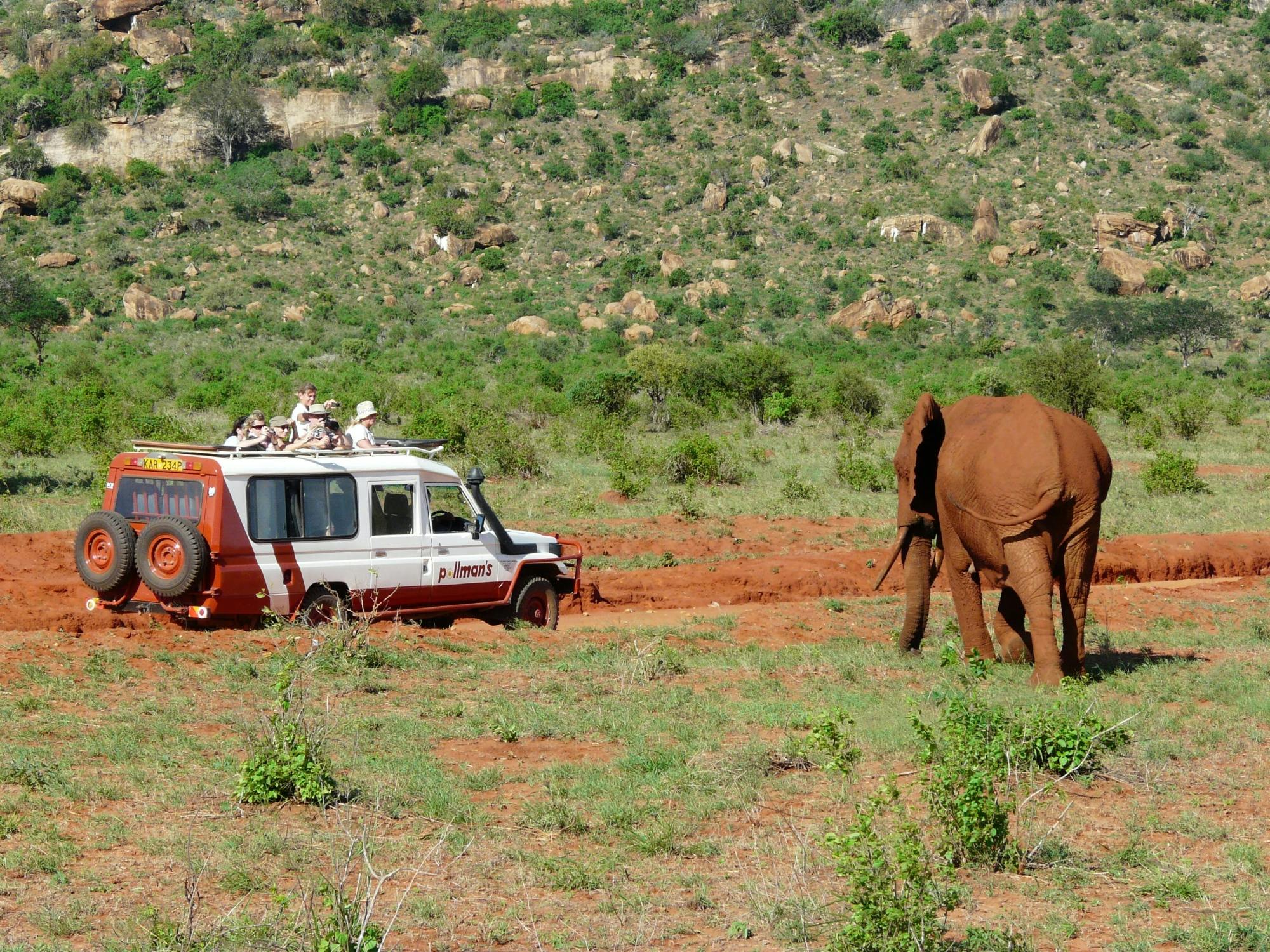
The park is especially famous for elephants that appear red after dust-bathing in the iron-rich soil. Seeing a herd of red elephants crossing a dry track, gathering near water or moving across the plains is one of the classic Tsavo experiences.
Tsavo East is also a practical safari choice. It works well as a short safari from the coast, a stop between Nairobi and Mombasa, or part of a longer Kenya itinerary that includes Amboseli, Tsavo West, Taita Hills, Diani Beach or the Kenyan coast.
The Famous Red Elephants of Tsavo
The red elephants are the symbol of Tsavo East. The elephants are not naturally red; they become dust-red from rolling, wallowing and spraying themselves with the park’s reddish soil. This gives them a striking colour that looks especially dramatic against the dry bush and blue sky.
Elephants are often seen in family groups, sometimes with calves moving close to their mothers. During dry periods, water sources such as rivers, dams and waterholes become especially important for sightings.
For photographers, early morning and late afternoon are the best times to capture the red colour, softer light and dust rising around the herds.
Wildlife You May See
Tsavo East is home to a wide variety of wildlife. Sightings depend on season, time of day, weather, water availability and luck, but the park offers strong opportunities for classic safari viewing.
Common Wildlife Highlights
Elephants
Lions
Buffalo
Giraffes
Zebras
Impala
Waterbuck
Lesser kudu
Gerenuk
Hippos
Crocodiles
Many bird species
Predators such as lion, leopard and cheetah can be present, but sightings are never guaranteed. Tsavo is large and wild, so patience is part of the experience. The reward is that when wildlife appears, it often feels less staged and less crowded than in more compact safari areas.
Galana River
The Galana River is one of the most important natural features of Tsavo East. It brings life to the dry landscape and attracts wildlife, especially during drier months.
Elephants, hippos, crocodiles, birds and other animals may be seen around the river depending on the season and location. The river also creates a strong scenic contrast: blue or brown water, palms, sandbanks and green riverine vegetation cutting through the dry red landscape.
For many visitors, the Galana River area is one of the most memorable parts of the park because it combines wildlife viewing with beautiful safari scenery.
Lugard’s Falls
Lugard’s Falls is not a tall waterfall in the usual sense. It is a dramatic rocky section of the Galana River, where water flows through sculpted channels and eroded rock formations.
The attraction is interesting for its geology, river views and photographic textures. Depending on water levels, you may see rushing water, smooth rock, pools and narrow channels carved through the stone.
Because this is a wild area, visitors should follow guide instructions and avoid getting too close to unsafe edges or crocodile areas.
Mudanda Rock
Mudanda Rock is a long rock formation rising above the surrounding plains. It acts as a natural lookout and is known for wildlife viewing, especially when animals gather near water below during dry periods.
It is a good place to stop, stretch your legs where permitted, and look across the landscape. Elephants are sometimes seen nearby, and the rock gives a useful sense of the park’s scale.
The area is best visited with a driver-guide who knows current wildlife movement and safe stopping points.
Aruba Dam
Aruba Dam is another important wildlife-viewing location in Tsavo East. The dam attracts animals looking for water, especially during drier conditions, and can be a productive stop on a morning or afternoon game drive.
Birdlife can also be good around water sources, so bring binoculars if you enjoy birdwatching. Even when big cats are not visible, waterholes and dams often provide interesting smaller scenes: birds feeding, antelope approaching cautiously, elephants drinking and crocodiles resting near the water.
Tsavo East vs Tsavo West
Tsavo is divided into two separate national parks: Tsavo East and Tsavo West. They are often combined, but they feel different.
Tsavo East
Tsavo East is generally more open, flatter and better known for large elephant herds, red earth, Galana River scenery and broad plains. It can be easier for classic game viewing because of the more open landscape.
Tsavo West
Tsavo West is more varied and rugged, with volcanic landscapes, hills, lava flows, springs and denser vegetation. It is known for places such as Mzima Springs and dramatic scenery, but wildlife can sometimes be harder to spot because the bush is thicker.
If you have time, visiting both parks gives the best overall Tsavo experience. If you only have one or two nights and want open plains and red elephants, Tsavo East is a strong choice.
How to Get to Tsavo East
Tsavo East is accessible from both Nairobi and the Kenyan coast. The most suitable route depends on your wider itinerary.
From Mombasa or Diani Beach
Tsavo East is a popular safari option from the coast. Many travellers visit from Mombasa, Diani, Watamu or Malindi as a one-night or two-night safari. This makes it a convenient wildlife add-on to a Kenya beach holiday.
From Nairobi
From Nairobi, Tsavo East can be reached by road, train connections combined with transfers, private safari vehicle, or arranged tour. The drive is longer than from the coast, so many travellers combine Tsavo with other stops rather than treating it as a quick day trip.
By Safari Vehicle
Most visitors enter Tsavo East with a safari operator, private driver-guide or lodge transfer. This is the easiest way to handle park gates, game drives, timing and route planning.
By Air
There are airstrips serving the Tsavo region and some lodges or camps can arrange fly-in options. This is usually more expensive but saves time on longer itineraries.
Best Time to Visit
Tsavo East can be visited all year, but the best wildlife viewing is usually during the dry seasons, especially June to October and January to February. During dry periods, animals are more likely to gather around rivers, dams and waterholes, making them easier to see.
The wet seasons can bring greener landscapes and good birdwatching, but wildlife may spread out more widely because water is available across a larger area. Some roads can also become more difficult after heavy rain.
Dry Season
Usually best for general wildlife viewing
Animals gather closer to water sources
Vegetation is less dense
Dusty conditions can create dramatic safari scenes
Green Season
Landscapes become greener and softer
Birdlife can be excellent
There may be fewer visitors
Wildlife can be more spread out
How Long to Stay
One day: Possible from nearby areas, but rushed. You may spend too much time driving and not enough time on game drives.
One night: A good minimum from the coast. This allows an afternoon game drive, overnight stay and morning game drive.
Two nights: Better for most visitors. You get more relaxed game drives and a stronger chance of varied wildlife sightings.
Three nights or more: Best for serious safari lovers or travellers combining different areas of Tsavo East and Tsavo West.
Simple Tsavo East Safari Itinerary
One-Night Safari from the Coast
Day 1 Morning: Depart Mombasa, Diani, Watamu or Malindi early.
Midday: Enter Tsavo East and game drive toward your lodge or camp.
Afternoon: Rest, then head out for an afternoon game drive.
Evening: Dinner and overnight in or near the park.
Day 2 Morning: Early morning game drive when animals are most active.
Late Morning: Exit the park and return to the coast or continue your Kenya trip.
Two-Night Tsavo East Safari
Day 1: Travel to Tsavo East, afternoon game drive and sunset wildlife viewing.
Day 2: Morning and afternoon game drives, with possible visits to Galana River, Aruba Dam, Mudanda Rock or Lugard’s Falls depending on your lodge location and guide’s plan.
Day 3: Final morning game drive before departure.
Tsavo East and Tsavo West Combination
Day 1: Enter Tsavo East and focus on open plains and red elephants.
Day 2: Continue game drives in Tsavo East, then transfer toward Tsavo West.
Day 3: Explore Tsavo West’s springs, volcanic scenery and hillier landscapes.
Day 4: Continue to Amboseli, Nairobi or the coast.
What to Pack
Lightweight neutral-coloured clothing
Warm layer for early morning game drives
Hat, sunglasses and sunscreen
Binoculars
Camera with extra battery or power bank
Reusable water bottle
Insect repellent
Comfortable closed shoes
Small day bag
Any personal medication
Passport or ID required for travel and park entry
Practical Safari Tips
Start Game Drives Early
Wildlife is often more active in the early morning and late afternoon. Midday can be hot, and animals may rest in shade.
Bring Binoculars
Tsavo East is large and open. Binoculars make a big difference, especially for birds, distant elephants, lions resting under trees or wildlife near the river.
Use an Experienced Guide
A good guide understands animal behaviour, park routes, water sources and safe viewing distances. This can greatly improve your safari.
Do Not Expect Guaranteed Big Cats
Lions and leopards live in Tsavo East, but the park is huge. Big cat sightings are possible, not guaranteed. Enjoy all wildlife, including elephants, birds, antelope and landscapes.
Stay Hydrated
Tsavo East is warm and dry. Carry enough drinking water, especially on longer game drives.
Respect Wildlife Distances
Never pressure your guide to move too close to animals. Elephants, buffalo, hippos and predators can be dangerous if disturbed.
Check Park Fees Before Travel
Park fees and payment systems can change. Confirm current Kenya Wildlife Service fees, payment methods and entry requirements before your safari.
Combine Safari and Beach
Tsavo East is one of the best safari choices for travellers heading to Kenya’s coast. A short safari followed by beach time in Diani, Mombasa, Watamu or Malindi creates a balanced itinerary.
FAQs About Tsavo East National Park
Is Tsavo East National Park worth visiting?
Yes. Tsavo East is worth visiting for its red elephants, open landscapes, Galana River scenery, big wilderness feeling and convenient access from the Kenyan coast.
What is Tsavo East famous for?
Tsavo East is famous for dust-red elephants, large open plains, Galana River, Lugard’s Falls, Mudanda Rock, Aruba Dam and classic safari wildlife.
Can you see the Big Five in Tsavo East?
Tsavo East has several Big Five species, including elephant, lion, leopard, buffalo and rhino, but sightings vary. Elephants and buffalo are usually easier to see than leopards or rhinos.
Why are the elephants red in Tsavo?
The elephants look red because they dust-bathe and wallow in Tsavo’s red soil. The colour coats their skin and gives them their famous red appearance.
Is Tsavo East better than Tsavo West?
Neither is better; they are different. Tsavo East is more open and often better for seeing elephants across broad landscapes. Tsavo West is more rugged, volcanic and scenic, with springs and hillier terrain.
How many days do you need in Tsavo East?
One night is the minimum for a short safari, but two nights is better. Three or more nights allows a deeper, more relaxed safari experience.
Can you visit Tsavo East from Diani Beach?
Yes. Tsavo East is commonly visited from Diani Beach, Mombasa, Watamu and Malindi as a one-night or two-night safari.
What is the best time to visit Tsavo East?
The dry months from June to October and January to February are generally best for wildlife viewing. The green season can still be beautiful, especially for birdlife and photography.
Is Tsavo East good for families?
Yes, Tsavo East can be suitable for families, especially with a private safari vehicle and a lodge that welcomes children. Families should plan shorter game drives for younger children and follow all safety rules.
What should I not miss in Tsavo East?
Do not miss the red elephants, Galana River scenery, Aruba Dam, Mudanda Rock and Lugard’s Falls if they fit your route and timing.
Final Thoughts
Tsavo East National Park is one of Kenya’s great safari destinations: vast, wild, sunlit and full of character. Its red elephants, open plains, river scenery and dramatic dry-country atmosphere create a safari experience that feels different from Kenya’s greener reserves.
For the best visit, stay at least one night, choose a good guide, start game drives early and allow time to enjoy the landscape as much as the animals. Whether you visit from Nairobi, Mombasa, Diani or as part of a longer Kenya itinerary, Tsavo East offers a memorable taste of safari wilderness and the classic beauty of Kenya’s wild south-east.
Sponsored Popular Items
Quick take: Musement.com offers a worldwide selection of tours and attractions
Kenya National Parks and Reserves Nature Tours & Regional Day Trips Kenya Compare nature and outdoor experiences in Kenya National Parks and Reserves, with practical tips on timing, inclusions and choosing the right option. Check current availability, prices and booking conditions before you go.
Four-Day Kenyan Safari in Tsavo East & Amboseli – Outdoor Adventure Kenya Four-Day Kenyan Safari in Tsavo East and Amboseli places landscapes, habitats or wildlife at the centre of the experience. Check current availability, inclusions and booking details before you go.
Dunmore East: Kayak the Coves Tour Ireland Best deals for Dunmore East: Kayak the Coves Tour. Explore the coves of Dunmore East on a guided kayak tour. Visit seagull and kittiwake colonies, breathe in the fresh sea air, and enjoy the convenience of showers and changing rooms on site. Available from getyourguide.com.
From Dublin: 5-Day Tour of Ireland's South-East Ireland Best deals for From Dublin: 5-Day Tour of Ireland's South-East. Discover Ireland's South East: Rich history, scenic coasts, and charming towns await in this region of cultural treasures and natural beauty. Available from getyourguide.com.
Waterford Crystal & Kilkenny City Small-Group Tour from Dublin: Discover Ireland's Historic East Ireland Discover Ireland's fascinating history, traditional craftsmanship and medieval architecture on a full-day guided tour from Dublin to Waterford and Kilkenny. This memorable sightseeing experience combines a visit to the famous House of Waterford Crystal with a guided walking tour through the historic streets of Kilkenny, one of Ireland's most beautiful medieval cities. Travel through the picturesque Irish countryside, watch skilled craftspeople create magnificent crystal, discover the history of Ireland's oldest city and explore the medieval heritage of Kilkenny. With a maximum of 14 participants, this small-group tour provides a more personal experience than travelling on a large sightseeing coach. The…
JR EAST PASS (Tohoku Area) – 5 Consecutive Days Japan Best deals for JR EAST PASS (Tohoku Area) – 5 Consecutive Days. Explore Eastern Japan with the JR East Pass (Tohoku Area). Enjoy unlimited travel on eligible JR trains for 5 consecutive days. Easily redeem your voucher in Japan. Available from getyourguide.com.
Jeju: UNESCO Southwest & East Highlights 2-Day Combo Tour South Korea Best deals for Jeju: UNESCO Southwest & East Highlights 2-Day Combo Tour. Why book two separate tours? Discover East and South Jeju in one seamless 2-day combo. The tour order depends on the option you select, so choose your preferred itinerary when booking. Available from getyourguide.com.