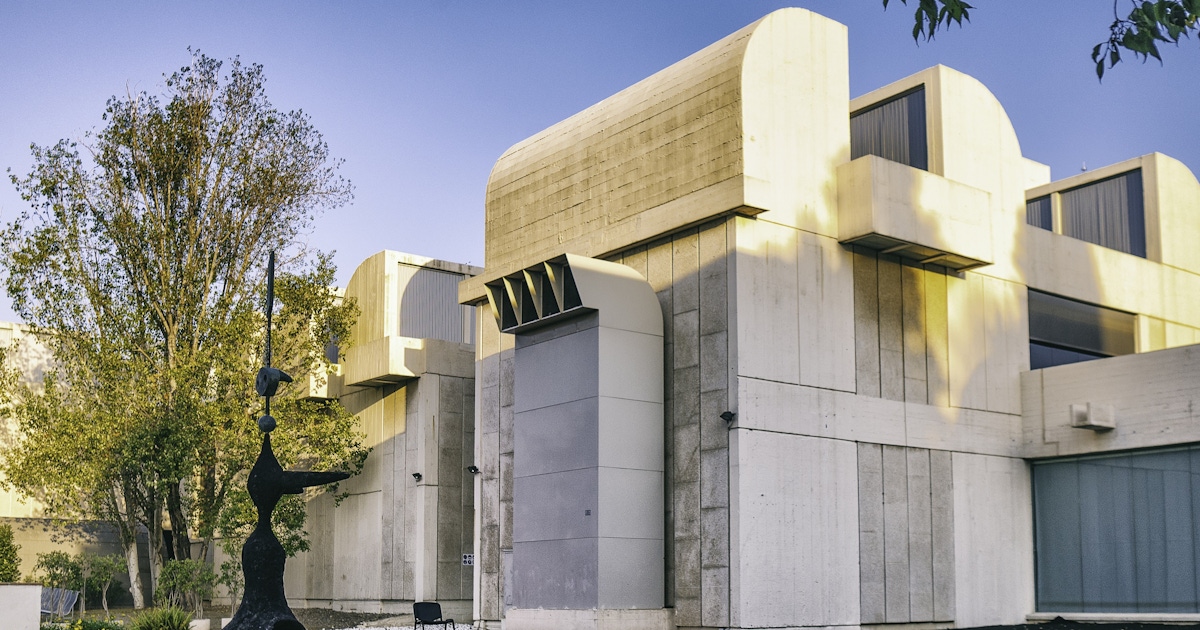
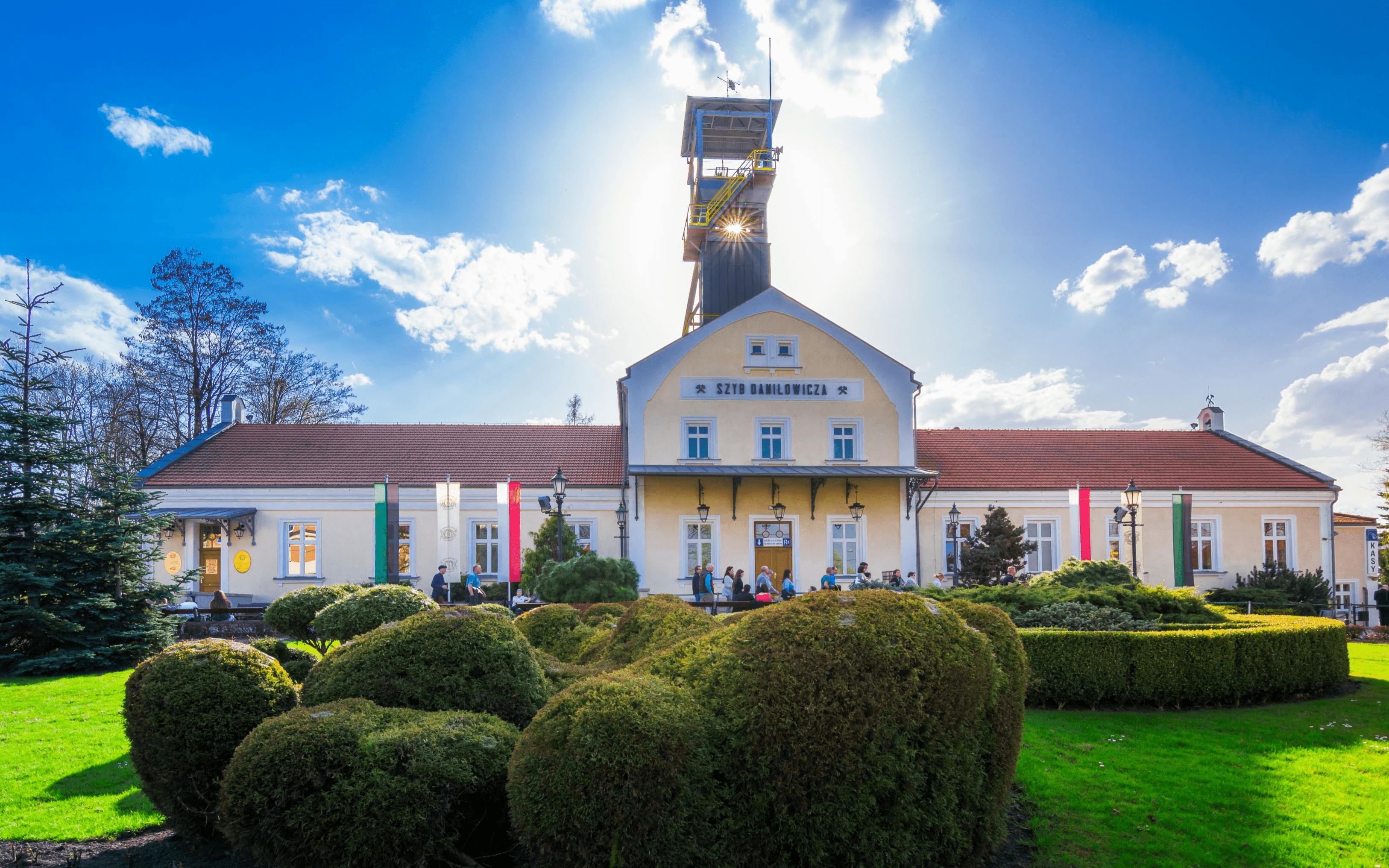
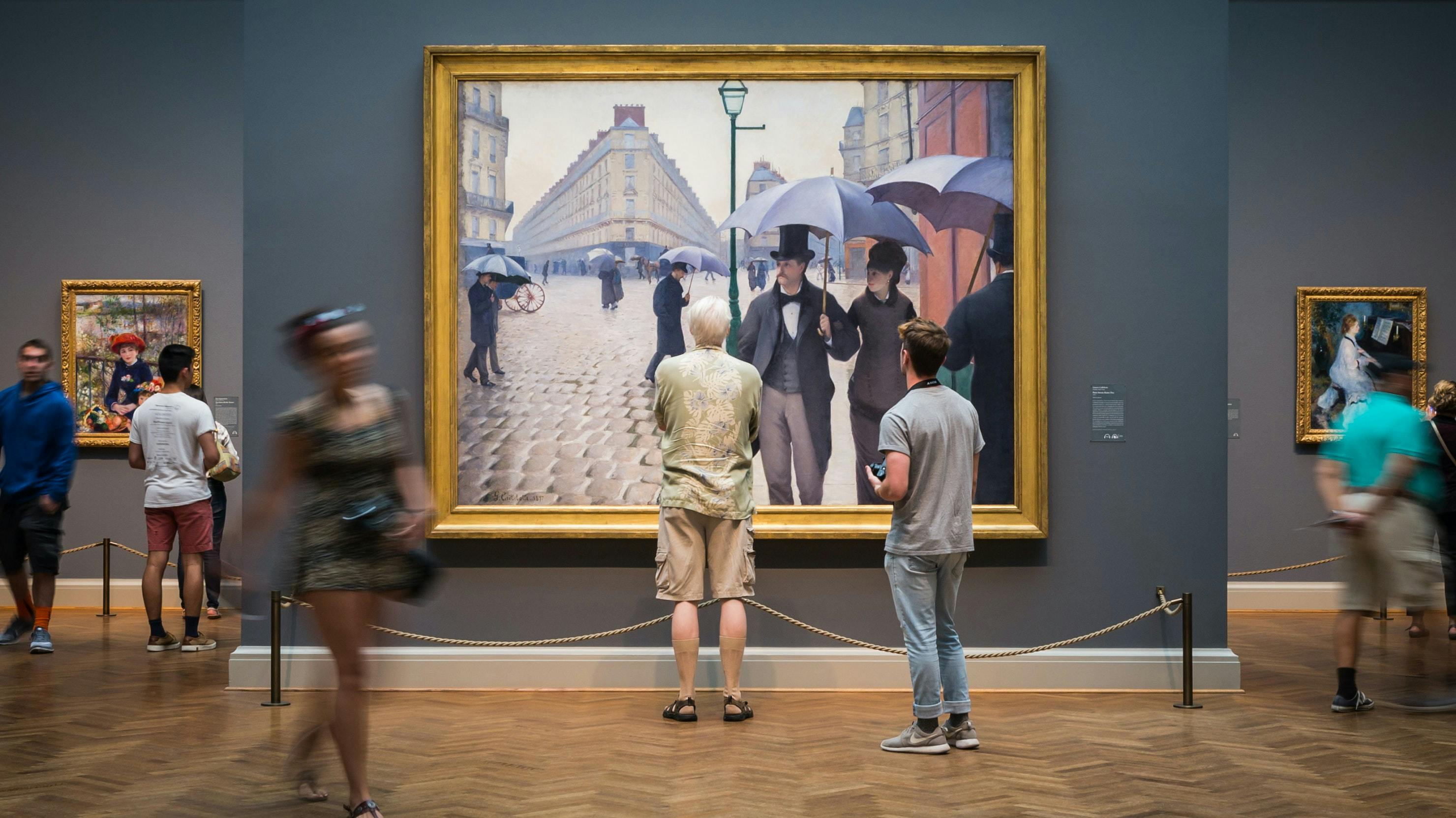
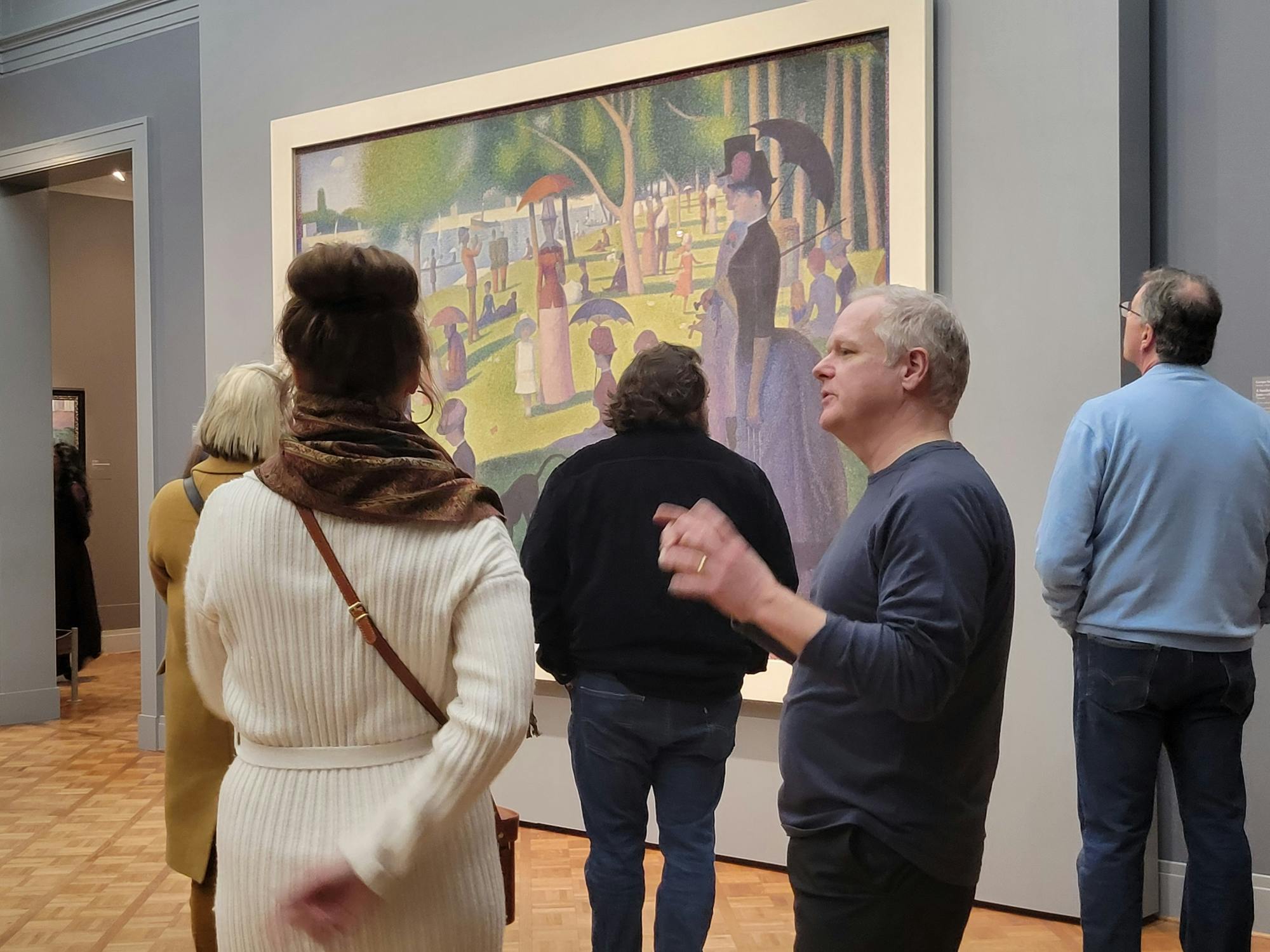
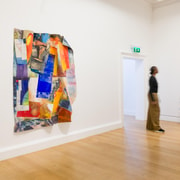
The Fundació Joan Miró is one of Barcelona’s most distinctive art museums. Set among the gardens of Montjuïc, it combines an outstanding collection of Joan Miró’s paintings, sculptures, drawings and textiles with a purpose-built modernist museum designed specifically for his work.
The museum is not simply a gallery containing Miró paintings. Artist Joan Miró and architect Josep Lluís Sert worked together to create a place where art, architecture, natural light, courtyards, terraces and the surrounding landscape form one continuous experience.
Sponsored Popular Items
Quick take: Musement.com offers a worldwide selection of tours and attractions
Fundació Joan Miró Tickets, Tours & Attractions Spain Compare sightseeing experiences in Fundació Joan Miró Tickets, Tours &, with practical tips on timing, inclusions and choosing the right option. Check current availability, prices and booking conditions before you go.
Inside, visitors can follow Miró’s development from early Catalan landscapes and experimental paintings of the 1920s to his Constellations, monumental sculptures, politically charged canvases and radical late works made with fire, rough materials and everyday objects.
The museum also supports contemporary artists through temporary exhibitions and the experimental Espai 13 programme. This reflects Miró’s intention that the Foundation should remain a living creative institution rather than become a static memorial devoted only to his own career.
Its Montjuïc location requires slightly more planning than museums in Barcelona’s historic centre, but the journey is worthwhile. The visit can be combined with the Olympic Ring, National Art Museum of Catalonia, Montjuïc Castle, botanical gardens, cable car and panoramic views across Barcelona.
Fundació Joan Miró Quick Facts
Visitor information
Details
Official name
Fundació Joan Miró – Centre d’Estudis d’Art Contemporani
Location
Parc de Montjuïc, Barcelona
Address
Avinguda de Miramar 1
Opened
10 June 1975
Architect
Josep Lluís Sert
Main collection
Paintings, drawings, sculptures, ceramics, textiles and prints by Joan Miró
Current onsite adult ticket
€18
Current online adult ticket
€17
Current onsite concession
€12
Current online concession
€11
Children
Free for children under 12 accompanied by an adult
Step-free access available, although some ramps are steep
Free museum app
Bloomberg Connects
Current-information note: Prices, transport arrangements, exhibitions and exceptional Monday openings can change. Recheck the museum and Barcelona transport information immediately before travelling.
What Is the Fundació Joan Miró?
The Fundació Joan Miró is a museum, research centre and contemporary-art institution created by Joan Miró himself.
It was founded to:
Make Miró’s work accessible to a broad public.
Preserve and study his artistic legacy.
Support younger and experimental artists.
Encourage contemporary creation.
Bring art into dialogue with architecture and nature.
Provide archives and research resources.
The Foundation’s initial holdings came largely from Miró’s own collection and donations made by the artist and his family.
Although many visitors call it the “Miró Museum,” the official name uses the Catalan word Fundació, meaning Foundation.
The museum should not be confused with the Fundació Miró Mallorca, which occupies Miró’s former studios in Palma de Mallorca, or Mas Miró near Mont-roig del Camp.
Why Visit the Fundació Joan Miró?
The museum provides the most complete introduction to Miró in Barcelona.
Its strongest features include:
A collection spanning almost the whole of Miró’s career.
Paintings that are difficult to see elsewhere.
Monumental sculptures and textiles.
A building designed specifically for the art.
Natural light and calm interior courtyards.
Outdoor terraces with views across Barcelona.
Changing contemporary-art exhibitions.
A quieter atmosphere than the city’s busiest attractions.
Easy combination with other Montjuïc sights.
The Foundation is particularly valuable because Miró’s work can appear deceptively simple in reproductions.
Seeing the original works reveals:
Changes in surface texture.
Scratches and drips.
Burn marks.
Corrections and overpainting.
Unexpected materials.
The physical scale of late canvases.
Differences between delicately drawn and aggressively painted works.
Who Was Joan Miró?
Joan Miró was born in Barcelona in 1893.
He trained in art while also encountering pressure from his family to follow a more conventional commercial career. Periods spent at the family property in Mont-roig del Camp became central to his development and remained an important source of imagery throughout his life.
Miró later divided his time between Catalonia, Paris and Mallorca.
His career was shaped by:
Catalan landscape and rural culture.
Modernist Barcelona.
Poetry.
Dada.
Surrealism.
The Spanish Civil War.
The Second World War.
Japanese art and calligraphy.
American Abstract Expressionism.
Political and social protest.
Miró worked in many media:
Painting.
Drawing.
Printmaking.
Sculpture.
Ceramics.
Tapestry.
Stage design.
Public murals.
Artists’ books.
He developed a personal visual vocabulary of stars, birds, moons, eyes, women, ladders, signs and biomorphic figures.
Miró died in Palma de Mallorca on 25 December 1983 and was buried at Montjuïc Cemetery in Barcelona.
History of the Foundation
The idea of creating a permanent centre developed after Miró’s major Barcelona exhibition at the former Hospital de la Santa Creu in 1968.
Miró wanted Barcelona to have a place where:
His works could remain accessible.
Young artists could experiment.
Contemporary art could be discussed openly.
Architecture would support rather than overwhelm the art.
The Foundation was legally established in 1972.
Miró’s friend Josep Lluís Sert was commissioned to design the building on Montjuïc. The museum opened to the public on 10 June 1975.
The original name included the phrase Centre d’Estudis d’Art Contemporani, emphasising that the institution was intended to support the study of contemporary art rather than function solely as a memorial museum.
The building was enlarged in 1988 and again in 2000 by architect Jaume Freixa, a former student and collaborator of Sert. The extensions retained the original visual language of white walls, geometric forms, patios and natural light.
Josep Lluís Sert’s Building
Josep Lluís Sert was a major Catalan modernist architect and urban planner.
He had worked with international modernist movements and later became dean of Harvard University’s Graduate School of Design.
For the Foundation, Sert created a building that combines rationalist modern architecture with Mediterranean traditions.
Important architectural features include:
White concrete walls.
Flat roofs.
Roof lanterns and skylights.
Interior patios.
Terracotta and ceramic flooring.
Curved and cylindrical elements.
Wide circulation spaces.
Terraces opening towards the landscape.
Careful control of natural light.
The building avoids an imposing monumental façade. It is intended to feel human in scale and gradually reveal itself as visitors move through it.
What to Notice About the Architecture
Central Courtyard
The principal courtyard is organised around an olive tree.
It acts as the heart of the building and provides:
Natural orientation.
A place to rest.
A transition between indoor and outdoor space.
A reference to Mediterranean domestic architecture.
Carob Tree Patio
Another courtyard contains a carob tree and provides a quieter outdoor setting close to the restaurant terrace.
North Patio
The north-facing outdoor area opens towards views across Barcelona.
Skylights
Sert used roof forms to introduce indirect daylight into the galleries.
This reduces harsh glare while allowing paintings and sculptures to be seen in changing natural conditions.
Octagonal Tower
The tower contains the Jacques Dupin Library, a specialist collection devoted to Miró, modern art and contemporary artistic research.
Rest Areas
Benches, courtyards and terraces form part of the intended museum route.
Visitors do not need to move continuously from artwork to artwork. The pauses are part of the design.
Understanding the Miró Collection
The collection covers many stages of Miró’s development.
Visitors can see the transformation from recognisable landscapes and figures into a highly personal abstract language.
The collection includes:
Early drawings and landscapes.
Paintings from the 1920s.
Works linked with Surrealism.
Images produced during war and exile.
Constellation paintings.
Large post-war canvases.
Assemblage sculpture.
Ceramics.
Textile works.
Burnt and damaged canvases.
Late monumental works.
Miró’s art changed continually. Visitors should not expect every room to contain bright primary colours and playful star-like figures.
Some periods are:
Dark.
Politically confrontational.
Minimal.
Violent in their materials.
Influenced by rural craft.
Concerned with emptiness and silence.
Women, Birds, Stars and Miró’s Visual Language
Miró developed a vocabulary of recurring signs rather than a fixed alphabet with one precise meaning.
Women
Female figures may appear as:
Curving bodies.
Eyes.
Triangles.
Vertical forms.
Explosive shapes.
They can represent sexuality, fertility, earth, humanity or a more ambiguous creative force.
Birds
Birds often connect the earth with the sky.
They may suggest movement, escape, imagination or communication.
Stars
Stars can appear as simple crossing lines or complex celestial signs.
They help create a sense of cosmic space.
Ladders
Ladders frequently suggest escape, ascent, communication or a passage between worlds.
Eyes
Large staring eyes give many figures an alert or dreamlike presence.
Visitors should remain open to several possible interpretations rather than searching for one official translation of every symbol.
Early Catalan Landscapes
Miró’s early work demonstrates that he was a skilled draughtsman and observational painter before developing his famous symbolic style.
Landscapes and village scenes from the 1910s show:
Churches.
Fields.
Houses.
Roads.
Trees.
Farm buildings.
Even in these recognisable scenes, the colours and shapes are often simplified or intensified.
Works connected with Mont-roig are especially important because the rural environment remained an emotional and visual foundation for Miró’s later abstractions.
The early rooms help demonstrate that his mature style was a deliberate process of reduction and transformation rather than an inability to paint realistically.
Miró and Surrealism
Miró became associated with Surrealist artists and writers in Paris during the 1920s.
He shared their interest in:
Dreams.
Automatic creation.
The unconscious.
Poetry.
Unexpected combinations of objects.
Rebellion against traditional artistic rules.
However, Miró maintained considerable independence.
He did not simply illustrate dreams. He transformed memories, objects, words and marks into open-ended visual poetry.
Paintings from this period may have:
Large empty backgrounds.
Tiny floating signs.
Distorted figures.
Fragments of written words.
Humorous or disturbing details.
Stand back from these works first, then move closer to inspect the small lines and symbols.
Morning Star and the Constellations
Morning Star, dated 16 March 1940, belongs to Miró’s celebrated Constellations series.
Miró began the series in France as Europe descended into the Second World War and continued it after returning to Spain.
The works are small compared with many of his later canvases, but they contain densely organised networks of:
Stars.
Birds.
Eyes.
Women.
Crescent moons.
Lines and dots.
Floating creatures.
The delicate cosmic worlds contrast with the violence occurring in Europe.
They can be interpreted as:
A form of imaginative escape.
A search for universal order.
A response to fear.
A celebration of poetry and music.
A private world created during political catastrophe.
Because works on paper are sensitive to light, individual pieces may not always remain on continuous display.
Large and Late Paintings
Miró’s later paintings often use enormous areas of colour and a limited number of strong gestures.
These works can look spontaneous, but their scale requires close physical involvement.
Look for:
Broad black brushstrokes.
Paint poured or splashed across the surface.
Unpainted canvas.
Bright primary colours.
Marks resembling calligraphy.
Figures pushed towards the edge.
Japanese calligraphy influenced Miró’s appreciation of the single decisive gesture and the importance of empty space.
The late works are best viewed from several distances.
Close inspection reveals the brush, pigment and fabric. From farther away, the scattered marks form a complete spatial composition.
The Burnt Canvases
During the 1970s, Miró deliberately cut, scorched and burned some of his canvases.
These works challenged the idea of painting as a precious, protected object.
The destruction was part of the creative process.
Burning produced:
Holes.
Blackened edges.
Exposed supports.
Irregular shapes.
Smoke marks.
Unexpected openings through the surface.
The works may be read as attacks on conventional art institutions, commercial collecting or political complacency.
They also demonstrate Miró’s continuing willingness to take risks late in his career.
May 1968
Miró’s painting May 1968 was completed in 1973 but refers to the protests, strikes and social upheaval that spread across France and other countries in 1968.
The work is large and energetic, using vivid colours and forceful marks.
Rather than illustrating a specific demonstration, it communicates movement, confrontation and collective energy.
Miró was nearly 75 during the events, yet remained interested in younger generations and political transformation.
Miró’s Sculptures
Miró created sculpture by combining everyday objects and casting them in bronze.
Objects used as starting points could include:
Stools.
Boxes.
Tools.
Natural objects.
Household containers.
Discarded materials.
Children’s toys.
Once combined and cast, familiar objects become strange creatures or figures.
Colour was sometimes added to the bronze, further separating the object from its original function.
Miró’s sculpture rewards close examination because recognisable components often remain visible beneath the transformation.
The Caress of a Bird
The Caress of a Bird is a large painted-bronze sculpture dated 1967.
The tall figure combines found-object forms into an unexpected personage.
Its playful title contrasts with the sculpture’s strange proportions and rough physical presence.
The work demonstrates Miró’s ability to turn ordinary forms into:
Birds.
Human bodies.
Totems.
Comic figures.
Dreamlike creatures.
Walk around the sculpture where permitted. Its appearance changes dramatically from different angles.
Tapestries and Textiles
Miró collaborated with textile specialists to produce large tapestries and experimental fabric works.
These pieces expand his visual language through:
Wool.
Rope.
Knotted fibres.
Found materials.
Rough surfaces.
Three-dimensional elements.
The textiles are not simply painted images translated into fabric. The material has its own weight and physical energy.
The Foundation’s monumental tapestry demonstrates the importance of collaboration in Miró’s later career.
Rooftop Terrace and Sculpture Garden
The rooftop and outdoor terraces are essential parts of the visit.
They combine:
Miró sculptures.
White architectural forms.
Open sky.
Views over Barcelona.
Montjuïc vegetation.
The changing light alters both the artworks and the building throughout the day.
Photography
The terrace is one of the best areas for photographs, but visitors should:
Remain behind barriers.
Avoid climbing on architectural walls.
Keep children close.
Secure hats during windy weather.
Respect temporary closures.
Weather
Outdoor areas may become uncomfortable or close during:
Heavy rain.
Strong wind.
Extreme heat.
Maintenance.
Special events.
Joan Miró: Circles
The current collection presentation, Joan Miró: Circles, began in March 2026 and is scheduled to continue until March 2028.
The display reorganises the collection around the relationship between:
Miró’s artworks.
Sert’s architecture.
Natural light.
Visitors’ movement.
Interior and exterior spaces.
Rather than treating the building as a neutral gallery, the presentation places architecture at the centre of the museum experience.
The exhibition highlights Miró’s connection with Catalan land and culture while also examining his continuous dialogue with international avant-garde art.
Current and Upcoming 2026 Exhibitions
Kapwani Kiwanga: Changing States
This exhibition runs from 30 April to 13 September 2026.
It is the first major Spanish retrospective devoted to Kapwani Kiwanga, recipient of the 2025 Joan Miró Prize.
The exhibition explores:
Architecture.
Power.
Material exchange.
Geological time.
Control of space.
Social and political structures.
Opening the Archive 08: Le gros orteil
This archival exhibition runs from 18 June to 29 November 2026.
It includes a recently donated 1930 work and material illuminating Miró’s relationships with artists, writers and publications.
Homes on the Move
This photography and social project runs from 11 June to 6 September 2026 and developed through work with people experiencing homelessness.
Charlotte Perriand
A major retrospective devoted to designer and architect Charlotte Perriand opens on 9 October 2026 and continues until 28 February 2027.
The exhibition is part of a wider 2026 programme examining architecture as:
A way of organising life.
A social tool.
A relationship between people and landscape.
A means of understanding the past and imagining the future.
Temporary exhibition dates and room access can change during installation periods.
Espai 13
Espai 13 is the Foundation’s experimental exhibition space for emerging and developing contemporary artists.
It has played an important role in Barcelona’s contemporary-art scene by supporting:
New commissions.
Curatorial research.
Site-specific installations.
Artists at an early career stage.
Experimental practices.
Admission to Espai 13 is currently free.
The space is in the basement and its lighting, sound and layout change with each exhibition.
Current Ticket Prices
Ticket category
At the museum
Online
General adult admission
€18
€17
Reduced admission
€12
€11
Children under 12
Free
Free
Espai 13
Free
Free
Articket BCN
€38 under current conditions
Reduced Admission
Reduced tickets currently apply to categories including:
Students aged 13–25.
Visitors aged over 65.
Barcelona library-card holders.
Carnet Jove holders.
Eligible large or single-parent families.
Companions of some visitors with disabilities.
Proof of eligibility is required.
Free Admission
Free admission currently applies to groups including:
Children under 12.
Unemployed visitors with proof.
Visitors holding a disability card.
ICOM and CIMAM members.
Accredited professional guides.
Eligible teachers.
Friends and Benefactors of the Foundation.
The accompanying person of a visitor with a severe disability may also qualify for free admission depending on the documented level of assistance required.
Current Opening Hours
Summer Hours: 1 April–31 October
Tuesday–Saturday: 10:00 am–8:00 pm.
Sunday: 10:00 am–7:00 pm.
Monday: Normally closed.
Winter Hours: 1 November–31 March
Tuesday–Sunday: 10:00 am–7:00 pm.
Monday: Normally closed.
Entry to the exhibition rooms ends 30 minutes before closing.
Exceptional Monday Openings in 2026
The museum has announced selected Monday openings around public holidays, including dates in April, May, October and December.
Check the current calendar rather than assuming every Monday is closed or open.
Do You Need to Book?
Advance booking is recommended but not normally compulsory for ordinary individual visits.
Online booking is useful because:
The ticket is €1 cheaper.
You can save the ticket on a phone.
It reduces time at the admission desk.
Busy temporary exhibitions may have capacity controls.
It provides certainty during weekends and holidays.
Book ahead during:
Easter.
Summer weekends.
Major exhibition openings.
Public holidays.
School vacation periods.
Is Articket Barcelona Worth Buying?
Articket Barcelona provides admission to several major Barcelona art museums under one pass.
Participating institutions normally include:
Fundació Joan Miró.
Museu Picasso.
Museu Nacional d’Art de Catalunya.
MACBA.
CCCB.
Fundació Antoni Tàpies.
The current price is €38.
It Is Good Value When:
You plan to visit at least three participating museums.
You are staying in Barcelona for several days.
Modern and contemporary art are major interests.
You will also visit the Picasso Museum or MNAC.
It May Not Be Worthwhile When:
You only plan to visit one or two museums.
Your itinerary is focused on architecture and outdoor attractions.
You qualify for substantial individual concessions.
How Long Should You Spend?
Time available
Realistic experience
45–60 minutes
Selected Miró highlights and terrace
90 minutes
Comfortable collection visit
2 hours
Collection, architecture and sculpture terraces
2½–3 hours
Permanent collection and temporary exhibition
Half day
Detailed museum visit, restaurant and Montjuïc walk
Most first-time visitors should allow approximately two hours.
Add another hour when a major temporary exhibition is important.
The Best Route Through the Museum
The collection route is designed to move between galleries, patios and terraces.
A practical sequence is:
Begin with early landscapes and drawings.
Follow Miró’s transition towards abstraction.
Study the Surrealist and poetic paintings.
Spend time with the Constellations.
Continue to the large post-war canvases.
Explore sculptures and assemblages.
See the textiles and late experimental works.
Visit the rooftop sculpture terrace.
Continue into the current temporary exhibition.
Finish with Espai 13, the bookshop or restaurant.
Room arrangements may change as works are loaned, conserved or reorganised.
One-Hour Highlights Route
When time is limited, prioritise:
An early Catalan landscape.
A painting from Miró’s 1920s Paris period.
Morning Star or another Constellation work when displayed.
Woman Encircled by a Flight of Birds in the Night.
May 1968.
A Burnt Canvas.
The Caress of a Bird.
The monumental tapestry.
The rooftop sculpture terrace.
Download the museum app beforehand and use its highlights section to locate currently displayed works.
Detailed Two-Hour Visit
First 30 Minutes: Origins
Study Miró’s early landscapes and the process through which recognisable villages, farms and figures became signs.
Second 30 Minutes: Poetry and Surrealism
Focus on the open backgrounds, dreamlike figures, words and floating marks of the 1920s and 1930s.
Third 30 Minutes: War and the Cosmos
Spend time with the Constellations and works shaped by the Spanish Civil War and Second World War.
Final 30 Minutes: Monumental Miró
See the large paintings, Burnt Canvases, sculpture, textiles and roof terrace.
Add time separately for the temporary exhibition.
Guided Tours and Museum App
Bloomberg Connects App
The free app provides information about:
Major Miró works.
Sert’s architecture.
The relationship between art and landscape.
Temporary exhibitions.
Visitor activities.
Download it before arriving and bring earphones.
Free Wi-Fi is available inside the museum.
Guided Collection Tours
The Foundation schedules regular guided tours in several languages.
Some sessions are included with museum admission, while others require a separate reservation or activity fee.
Check:
Language.
Starting time.
Whether booking is required.
Whether the temporary exhibition is included.
Architecture Tours
Special tours of Sert’s building are particularly worthwhile for visitors interested in modern architecture.
Visiting with Children
The museum can work well for families because Miró’s colours, creatures and symbols invite imaginative interpretation.
Children May Enjoy:
Finding birds and stars.
Inventing names for sculptures.
Looking for everyday objects hidden in bronze figures.
Comparing large and small paintings.
Exploring the patios and terraces.
Using family materials and games.
Family Room
The museum has a family area with:
Games.
Mats.
Sofas.
Resources for younger visitors.
Suggested Family Visit
Limit the initial gallery visit to around one hour and select a small number of works.
Ask children questions such as:
What animal does this shape resemble?
Where is the bird?
How many stars can you find?
Which sculpture looks funniest?
What sound would this painting make?
Children under 12 enter free but must be accompanied by an adult.
Accessibility
The Fundació Joan Miró provides extensive accessibility facilities, although the hilltop location and some steep internal ramps require planning.
Entrance
Step-free entry is provided by a ramp approximately 30 metres long.
The route has no stairs, but wheelchair users may need assistance because of the gradient.
Visitors arriving alone can contact the museum for staff support.
Inside the Museum
Most permanent-collection rooms are on a broadly level route.
A lift connects principal levels.
A long ramp with an approximately 12% gradient also reaches the upper floor.
Espai 13 can be reached by lift.
Staff assistance is available for access to the auditorium and library.
Wheelchairs and Seating
Two wheelchairs and mobile seats are available from the information desk.
Accessible Toilets
Accessible toilets are available on the ground floor, near the library and in the auditorium area.
Parking
Two designated reduced-mobility parking spaces are located approximately 35 metres from the entrance.
Hearing Accessibility
Facilities include:
Magnetic loops at several service desks and rooms.
Portable loops for guided activities.
Subtitled museum videos.
Selected activities in Catalan sign language.
Visual Accessibility
The museum provides:
Relief reproductions of selected Miró works.
A tactile model of the building.
Large-print or Braille material for selected exhibitions.
Audio descriptions.
An accessible easy-to-read guide.
Assistance Dogs
Recognised assistance dogs are admitted with appropriate documentation.
Lockers and Bag Rules
Visitor lockers use a refundable €1 coin.
The following items must normally be stored:
Backpacks.
Bags larger than approximately 30 × 30 centimetres.
Umbrellas.
Motorcycle helmets.
Food.
Drinks.
Objects that could endanger the artworks.
Contact customer service when carrying an unusually large object.
Do not assume the museum can store airline-size suitcases or substantial luggage.
Photography and Drawing
Personal photography is normally permitted.
The following are prohibited:
Flash.
Tripods.
Selfie sticks.
Commercial photography without permission.
Equipment that obstructs circulation.
Temporary exhibitions may impose additional restrictions.
Drawing
Visitors may draw in the galleries using:
Graphite pencils.
Coloured pencils.
Paint, ink and materials that could stain the galleries are not permitted.
Restaurant, Bookshop and Facilities
Bar-Restaurant
The museum restaurant has an indoor dining area and a garden terrace in the Carob Tree Patio.
It follows the museum’s general opening hours.
It is accessible without purchasing a museum ticket.
Bookshop
The specialist bookshop sells:
Miró monographs.
Exhibition catalogues.
Books on architecture and design.
Contemporary-art publications.
Posters and prints.
Art journals.
Gift Shop
The gift shop carries:
Home accessories.
Jewellery.
Fashion items.
Children’s products.
Educational games.
Miró-inspired souvenirs.
Library
The Jacques Dupin Library is normally open Tuesday–Friday from 10:00 am to 2:00 pm.
It is principally a research library devoted to Miró and modern and contemporary art.
Wi-Fi
Free Wi-Fi is available to museum visitors.
Getting to the Fundació Joan Miró
The museum stands on Montjuïc above the Poble-sec district.
It is not directly served by Barcelona’s underground metro network, so the final section normally involves a bus, replacement shuttle, taxi, bicycle or uphill walk.
The address is:
Avinguda de Miramar 1, Parc de Montjuïc, Barcelona.
Arriving by Bus
Buses 55 and 150 serve Montjuïc and stop close to the museum.
Bus 150
Bus 150 is particularly useful from the Plaça d’Espanya area and continues towards major Montjuïc attractions.
It can also serve:
Olympic facilities.
Montjuïc Castle area.
Other hilltop stops.
Bus 55
Bus 55 connects the museum with other parts of central Barcelona.
Check the current Barcelona transport journey planner because:
Routes can be diverted.
Stops may temporarily move.
Major events affect Montjuïc traffic.
Service frequency varies by day.
Montjuïc Funicular
The Montjuïc Funicular normally links Paral·lel metro station with Parc de Montjuïc.
The upper terminus is close to the museum and to the lower station of the Montjuïc cable car.
At the time of checking in June 2026, the funicular was temporarily out of service and a special shuttle bus was operating between Avinguda Paral·lel and the cable-car base.
This is a temporary transport condition and may change before your visit.
Check live transport information rather than relying on an older travel guide.
Montjuïc Cable Car
The Montjuïc cable car travels between Parc de Montjuïc and Montjuïc Castle.
It is not required to reach the Foundation when arriving at the nearby funicular or shuttle stop.
The cable car is best treated as an additional sightseeing experience.
Possible Combination
Visit the Fundació Joan Miró.
Walk to the cable-car station.
Ride to Montjuïc Castle.
Explore the castle and viewpoints.
Return by cable car, bus or on foot.
The cable car requires a separate ticket and may stop during strong wind or technical disruption.
Walking Up Montjuïc
Walking to the museum provides an attractive approach through gardens and viewpoints.
Possible starting points include:
Plaça d’Espanya.
Poble-sec.
Avinguda del Paral·lel.
MNAC and the Olympic Ring.
Walking Conditions
Expect:
Long slopes.
Stairs.
Park paths.
Limited shade on some sections.
Hot conditions during summer.
Allow significantly more time than the map distance suggests.
Carry water between June and September.
Driving and Parking
The Foundation does not provide a general visitor car park.
Public transport is normally easier.
Driving Challenges
Event-related road closures.
Limited street parking.
Tour buses.
Restrictions near sports facilities.
Busy conditions during concerts and football matches.
Two accessible parking spaces are provided for eligible reduced-mobility visitors near the entrance.
Other drivers should use legal public parking and expect to walk.
The Best Time to Visit
At Opening Time
Arriving at 10:00 am offers:
Quieter galleries.
Cooler Montjuïc temperatures.
Better access to popular works.
Time for other attractions afterwards.
Afternoon
The museum itself notes that afternoons can be quieter than school-group periods earlier in the day.
Late afternoon is particularly attractive when sunlight reaches the patios and terraces.
Summer
Summer brings:
Long opening hours.
Bright rooftop conditions.
Higher visitor numbers.
Very hot uphill walking.
Use public transport and avoid the steepest walk during the middle of the day.
Winter
Winter is quieter and more comfortable for walking, although outdoor terraces can be cold or windy.
Rainy Days
The galleries remain worthwhile during rain, but part of the intended architectural experience involves outdoor patios and terraces.
Attractions Near the Museum
Museu Nacional d’Art de Catalunya
MNAC occupies the Palau Nacional and contains important collections of:
Romanesque murals.
Gothic art.
Renaissance and Baroque painting.
Catalan modernism.
Photography.
Montjuïc Castle
The fortress stands at the summit and offers views over Barcelona’s harbour and coastline.
Olympic Ring
The 1992 Olympic complex includes:
Olympic Stadium.
Palau Sant Jordi.
Communications tower.
Public plazas.
Barcelona Botanical Garden
The garden displays Mediterranean-climate plants from several regions of the world.
Montjuïc Botanical Garden Historic Site
The historic garden occupies former quarry spaces and contains shaded paths and mature vegetation.
Poble Espanyol
This open-air architectural complex contains recreated buildings, craft workshops, restaurants and cultural events.
CaixaForum Barcelona
CaixaForum occupies a former textile factory designed by Josep Puig i Cadafalch and hosts changing art and cultural exhibitions.
German Pavilion
The reconstructed Barcelona Pavilion by Ludwig Mies van der Rohe is one of the city’s essential modern-architecture sites.
Other Miró Works in Barcelona
Miró intended visitors arriving in Barcelona by air, sea and land to encounter his work.
Barcelona Airport Mural
A large ceramic mural created with Josep Llorens Artigas can be seen at Barcelona Airport.
Pla de l’Os Mosaic
Miró’s colourful pavement mosaic is installed on La Rambla near the Liceu area.
Thousands of pedestrians cross it daily.
Woman and Bird
The monumental sculpture Woman and Bird stands in Parc de Joan Miró near Plaça d’Espanya.
It can be combined easily with the journey to Montjuïc.
Miró’s Grave
Joan Miró is buried in Montjuïc Cemetery, although the cemetery is in a different part of the hill and requires separate planning.
Where to Eat
Museum Restaurant
The Foundation’s own restaurant is the most convenient option and has a pleasant garden terrace.
Poble-sec
The neighbourhood below Montjuïc is known for:
Tapas bars.
Pintxos.
Catalan restaurants.
Casual international dining.
Cafés.
Carrer de Blai is well known for inexpensive pintxos but can be crowded and tourist-oriented.
Plaça d’Espanya Area
This area provides transport convenience and a range of casual restaurants, although it is less atmospheric than Poble-sec.
Picnic
Montjuïc has many outdoor spaces, but follow local rules and do not take food into museum galleries.
Suggested Half-Day Fundació Joan Miró Itinerary
10:00 am: Enter the Foundation
Begin with the collection before the busiest period.
10:30 am: Early Works and Surrealism
Follow Miró’s transition from Catalan landscapes to his symbolic language.
11:15 am: Constellations and Late Paintings
Spend time with the more complex war-period and monumental works.
11:45 am: Sculpture and Textile Galleries
Look for the everyday objects hidden within Miró’s sculptural figures.
12:15 pm: Rooftop Terrace
Explore the outdoor sculptures and Barcelona views.
12:45 pm: Temporary Exhibition
Visit the current Kapwani Kiwanga or later Charlotte Perriand exhibition according to the date.
1:30 pm: Lunch
Eat at the museum restaurant or descend towards Poble-sec.
Suggested Full-Day Montjuïc Itinerary
9:30 am: Travel to Montjuïc
Use the current bus, funicular-replacement or walking route.
10:00 am: Fundació Joan Miró
Allow approximately two hours.
12:15 pm: Gardens and Olympic Ring
Walk through Montjuïc’s landscaped areas towards the Olympic facilities.
1:30 pm: Lunch
Eat on Montjuïc or near Plaça d’Espanya.
3:00 pm: MNAC
Visit the Romanesque and Catalan modern-art collections.
5:30 pm: National Palace Viewpoint
Enjoy the view over Plaça d’Espanya and Barcelona.
Evening
Descend towards Poble-sec for dinner or continue to a scheduled Montjuïc event.
Is the Fundació Joan Miró Worth Visiting?
The Foundation is highly worthwhile for visitors interested in Miró, modern art, Catalan culture or architecture.
Main Advantages
Barcelona’s most important Miró collection.
A museum designed specifically for the artist.
Excellent sculptures and monumental works.
Beautiful natural light.
Outdoor terraces.
Contemporary temporary exhibitions.
Strong accessibility resources.
Easy combination with Montjuïc attractions.
Generally calmer than the Picasso Museum or Sagrada Família.
Possible Drawbacks
Uphill location.
No direct metro station at the entrance.
Temporary funicular disruption.
No general visitor parking.
Some visitors may find abstract art difficult without interpretation.
Outdoor areas are weather-dependent.
Large temporary exhibitions can alter the normal collection route.
The museum is strongest when visitors allow time to experience Sert’s building as well as Miró’s artworks.
Frequently Asked Questions About the Fundació Joan Miró
Where is the Fundació Joan Miró?
It is in Parc de Montjuïc in Barcelona, above the Poble-sec neighbourhood.
Is it a museum?
Yes. It is both a museum devoted to Joan Miró and a centre for contemporary art and research.
What does Fundació mean?
Fundació is the Catalan word for Foundation.
When did it open?
It opened to the public on 10 June 1975.
Who designed the building?
Catalan architect Josep Lluís Sert designed it in collaboration with Miró.
Why is the building important?
It is a major example of Barcelona rationalist architecture and was designed specifically to unite Miró’s art with daylight, courtyards and landscape.
How much is admission?
Current adult admission is €18 at the museum or €17 online.
How much is reduced admission?
It is currently €12 onsite or €11 online for eligible visitors.
Do children enter free?
Children under 12 enter free when accompanied by an adult.
Is Espai 13 free?
Yes.
Is the museum closed on Monday?
It is normally closed on Mondays, although selected public-holiday Mondays are exceptions.
What are the summer opening hours?
From April through October it opens Tuesday–Saturday from 10:00 am to 8:00 pm and Sunday until 7:00 pm.
What are the winter hours?
From November through March it opens Tuesday–Sunday from 10:00 am to 7:00 pm.
What time is last entry?
Entry ends 30 minutes before closing.
Do I need to book?
It is recommended, especially during weekends and major exhibitions, but ordinary individual visitors can normally buy tickets at the museum.
Is it cheaper online?
Yes. Online general and concession tickets are currently €1 cheaper.
How long does the museum take?
Allow one and a half to two and a half hours.
Can I see it in one hour?
Yes, by focusing on the major paintings, sculptures and rooftop terrace.
What should I not miss?
Look for the Constellation works, May 1968, the Burnt Canvases, The Caress of a Bird, the monumental tapestry and the sculpture terrace.
Is Morning Star always displayed?
Not necessarily. Works on paper are sensitive to light and may rotate or be loaned.
Is Miró a Surrealist?
He was closely associated with Surrealism but maintained an independent artistic identity.
Are there only paintings?
No. The collection also contains sculptures, drawings, prints, ceramics, textiles and archival material.
Are there artworks by other artists?
Yes. Temporary exhibitions and Espai 13 present modern and contemporary artists.
What is Joan Miró: Circles?
It is the current presentation of the permanent collection, placing Miró’s work in dialogue with Sert’s architecture.
What major exhibition is on in summer 2026?
Kapwani Kiwanga’s Changing States runs until 13 September 2026.
What opens in October 2026?
A major Charlotte Perriand retrospective opens on 9 October.
Is there a free audio guide?
The free Bloomberg Connects app provides detailed museum and artwork information.
Should I bring earphones?
Yes, when planning to use the app’s audio material.
Is there free Wi-Fi?
Yes.
Are guided tours available?
Yes. Collection, exhibition and architecture tours are scheduled in several languages.
Is the museum suitable for children?
Yes. Miró’s colours, creatures and sculptures are well suited to imaginative family visits.
Is there a family area?
Yes. It contains games, mats and sofas.
Is the museum wheelchair accessible?
Yes, although some ramps are steep and assistance may be useful.
Can I borrow a wheelchair?
Two wheelchairs and portable seats are available from the information desk.
Are accessible toilets available?
Yes, on several levels.
Are assistance dogs permitted?
Yes, with recognised documentation.
Are there tactile resources?
Yes. The museum provides relief reproductions of artworks and a tactile model of the building.
Are there lockers?
Yes. They require a refundable €1 coin.
Do I need to store my backpack?
Backpacks and bags larger than approximately 30 × 30 centimetres must be placed in a locker.
Can I take photographs?
Yes, for private use without flash, a tripod or selfie stick.
Can I sketch?
Yes, using graphite or coloured pencils.
Is there a restaurant?
Yes. It has an indoor area and a garden terrace.
Can I enter the restaurant without a museum ticket?
Yes. Access to the restaurant, shop and bookshop is free.
Is there a bookshop?
Yes. It specialises in Miró, contemporary art, architecture and design.
Is the museum near a metro station?
There is no metro station immediately beside it. Visitors normally use a bus, the Montjuïc funicular connection or an uphill walk.
Which buses go there?
Buses 55 and 150 serve the museum area.
Is the Montjuïc Funicular operating?
At the time of checking in June 2026 it was temporarily out of service, with a replacement shuttle operating. Check the live status before travelling.
Does the cable car take you to the museum?
The museum is close to the lower cable-car station. The cable car itself continues uphill towards Montjuïc Castle.
Can I walk from Plaça d’Espanya?
Yes, but the route is uphill and involves slopes and possibly stairs.
Can I drive?
You can reach Montjuïc by road, but the museum has no general visitor car park.
Is there accessible parking?
Two reduced-mobility spaces are located near the entrance.
What else can I visit nearby?
Nearby attractions include MNAC, Montjuïc Castle, the Olympic Ring, botanical gardens, CaixaForum, Poble Espanyol and the Mies van der Rohe Pavilion.
Can I combine the Miró Foundation and MNAC?
Yes. They make a strong full-day art itinerary on Montjuïc.
Where else can I see Miró in Barcelona?
See the airport mural, the La Rambla pavement mosaic and the monumental Woman and Bird sculpture near Plaça d’Espanya.
Is Articket Barcelona accepted?
Yes, under current arrangements.
Is Articket good value?
It is usually worthwhile when visiting at least three participating museums.
Is the rooftop included?
Yes, when open and weather conditions permit.
Does the rooftop have good views?
Yes. It provides views over Barcelona and combines architecture with outdoor Miró sculptures.
What is the quietest time to visit?
Opening time or later in the afternoon usually provides a calmer visit than school-group mornings.
Is it busy in summer?
Yes, particularly during major exhibitions, but it is generally less congested than Barcelona’s most famous architectural attractions.
What is the biggest visitor mistake?
Looking only at the paintings and failing to explore the patios, sculpture terraces and Sert architecture.
Final Thoughts
The Fundació Joan Miró is one of the rare museums where the building, collection and landscape were conceived as parts of one creative project.
Miró’s early landscapes show his connection with Catalonia, while the Surrealist paintings, Constellations, sculptures and Burnt Canvases reveal an artist who continually reinvented his methods.
The Foundation also fulfils Miró’s wish that younger artists should continue writing the institution’s story. Contemporary exhibitions and Espai 13 prevent the museum from becoming only a historical monument.
Allow around two hours, purchase the slightly cheaper online ticket and download the free museum app before arriving. Spend time in the courtyards and rooftop areas rather than moving directly from one painting to the next.
Combine the visit with another Montjuïc attraction, but avoid trying to see every museum and viewpoint on the hill in one rushed day. The Fundació Joan Miró is most rewarding when experienced at the slower pace its art and architecture were designed to encourage.
Sponsored Popular Items
Quick take: Musement.com offers a worldwide selection of tours and attractions
Fundació Joan Miró Tickets, Tours & Attractions Spain Compare sightseeing experiences in Fundació Joan Miró Tickets, Tours &, with practical tips on timing, inclusions and choosing the right option. Check current availability, prices and booking conditions before you go.
The Museo Galileo in Florence contains one of the world’s most important collections of historic scientific instruments. Its galleries reveal how astronomy, navigation, medicine, physics, chemistry, measurement and engineering developed from the Renaissance through the 19th century.
The museum is best known for preserving Galileo Galilei’s original instruments. Visitors can see the only two surviving telescopes made by Galileo, the damaged objective lens associated with his observations of Jupiter’s moons, his geometric and military compass and several unusual personal relics.
Sponsored Popular Items
Quick take: Musement.com offers a worldwide selection of tours and attractions
Galileo Museum Private Guided Tour Italy Galileo Museum private tour is a convenient way to add structure, local context and purposeful sightseeing to the itinerary. Check current availability, inclusions and booking details before you go.
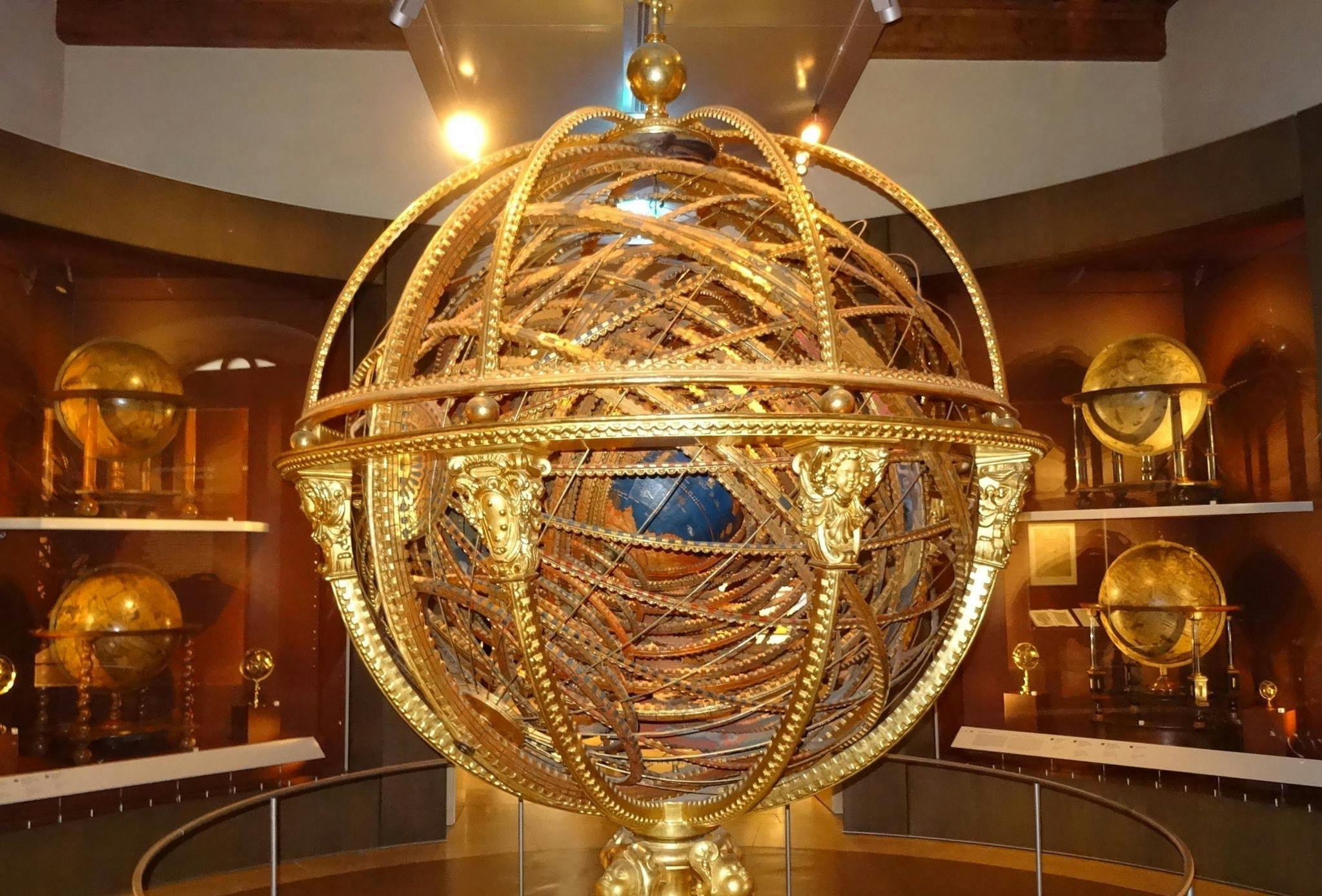
Galileo is only part of the story. The collection also includes elaborate celestial globes, astrolabes, thermometers, microscopes, mechanical clocks, electrical machines, air pumps, surveying instruments and an enormous gilded armillary sphere built for the Medici court.
The museum occupies Palazzo Castellani beside the River Arno, immediately behind the Uffizi Gallery and a short walk from Palazzo Vecchio and Ponte Vecchio. Its central location makes it easy to add to a day of sightseeing without crossing Florence.
Unlike a modern hands-on science centre, the Museo Galileo is primarily a museum of original historical objects. Its instruments are displayed as evidence of experimentation, courtly collecting, craftsmanship and changing ideas about the universe.
This guide explains what to see, current ticket prices and opening hours, how long to allow, whether the museum suits children, accessibility arrangements and how to combine it with other attractions in central Florence.
Museo Galileo Quick Facts
Visitor information
Details
Official name
Museo Galileo – Istituto e Museo di Storia della Scienza
Location
Piazza dei Giudici 1, Florence
Building
Palazzo Castellani
Main subject
History of science and scientific instruments
Best-known exhibits
Galileo’s telescopes, lens and personal relics
Current adult admission
€14
Visitors aged 6–18
€7
Children under six
Free
Current family ticket
€32
Usual opening time
9:30 am
Usual closing time
6:00 pm
Tuesday closing time
1:00 pm, except selected public holidays
Closed
1 January and 25 December
Recommended visit
One and a half to two hours
Collection floors
Two principal exhibition floors
Nearest major landmark
Uffizi Gallery
Firenze Card
Included under current conditions
Free museum app
Available for smartphones and tablets
Accessibility
All floors accessible using lifts and stairlifts
Important: Tuesday hours are considerably shorter than on other days. Avoid planning an afternoon Tuesday visit unless the date is specifically listed as having extended public-holiday hours.
What Is the Museo Galileo?
The Museo Galileo is a museum and international research institute devoted to the history of science.
Its collection consists primarily of original scientific instruments assembled by two ruling families of Tuscany:
The Medici dynasty.
The Habsburg-Lorraine grand dukes.
These objects were not collected only for practical scientific work. Many were also designed to demonstrate wealth, education, craftsmanship and intellectual authority.
An astronomical instrument made for a grand duke could therefore be:
A working measurement device.
An educational model.
A decorative court object.
A statement of political power.
Evidence of patronage of mathematics and astronomy.
The displays help explain how scientific knowledge developed through an interaction between observers, instrument makers, mathematicians, physicians, sailors, engineers and wealthy patrons.
Why Visit the Galileo Museum?
The museum provides a different experience from Florence’s famous art galleries and churches.
Reasons to visit include:
Seeing Galileo’s original telescopes.
Understanding how early astronomical observations were made.
Seeing the development of thermometers, barometers and microscopes.
Discovering early experiments in electricity and air pressure.
Exploring the relationship between navigation and astronomy.
Visiting a quieter museum close to the Uffizi.
Adding scientific history to a Renaissance-focused Florence itinerary.
The museum is particularly rewarding for visitors interested in astronomy, engineering, medicine, mathematics, navigation or the intellectual history of the Renaissance.
A Short History of the Museum
Medici Collecting
The scientific collection began during the 16th century under Cosimo I de’ Medici.
Instruments were initially displayed in the Palazzo Vecchio’s Map Room, where painted maps and cosmographical devices presented a courtly vision of the known world.
Ferdinando I later transferred important objects to a mathematics room in the Uffizi. The space contained instruments used for:
Astronomy.
Surveying.
Navigation.
Military engineering.
Timekeeping.
Mathematical calculation.
Galileo and the Medici Court
Galileo deliberately connected his scientific work with the Medici family.
After observing four moons orbiting Jupiter in 1610, he named them the Medicean Stars in honour of Grand Duke Cosimo II and his brothers.
The strategy helped secure Galileo a prestigious position as mathematician and philosopher to the Tuscan court.
His instruments, publications and observations subsequently became closely connected with the Medici scientific collection.
Accademia del Cimento
During the 17th century, Prince Leopold de’ Medici and Grand Duke Ferdinando II supported the Accademia del Cimento.
The academy promoted the experimental investigation of nature and adopted the principle of testing claims through carefully organised observation.
Its members conducted research involving:
Temperature.
Air pressure.
Vacuum.
Freezing.
Sound.
Motion.
Properties of liquids.
The Lorraine Grand Dukes
After the Medici dynasty ended, Tuscany passed to the House of Lorraine.
Grand Duke Peter Leopold reorganised scientific collecting and supported the creation of the Imperial and Royal Museum of Physics and Natural History.
The Lorraine collection expanded through instruments relating to:
Mechanics.
Electricity.
Pneumatics.
Chemistry.
Medicine.
Pharmacy.
Natural philosophy.
The Modern Museum
During the early 20th century, historians and scientists worked to protect Italy’s scientific heritage.
The permanent History of Science Museum opened in Palazzo Castellani in 1930.
The collection suffered serious damage during Florence’s 1966 flood, when water affected objects stored on lower floors. Conservation and restoration work followed.
The institution adopted the name Museo Galileo in 2010 after a major renovation and redesign of its galleries.
Palazzo Castellani
The museum occupies Palazzo Castellani, a historic stone building overlooking the River Arno.
The site has origins dating to the late 11th century and was formerly known as Castello d’Altafronte.
The building formed part of Florence’s early defensive environment near the river and city walls.
Over time, the structure changed from a fortified medieval building into an urban palace.
What to Notice Outside
The rough stone façade.
Arched lower windows.
The museum’s vertical banner.
The monumental sundial in Piazza dei Giudici.
Views towards the Arno and Uffizi.
The Monumental Sundial
A modern monumental sundial stands outside the museum.
Its gnomon casts a shadow across markings embedded in the pavement, demonstrating the connection between the Sun’s apparent movement and the measurement of time.
It provides an effective introduction to the museum because it turns the public square itself into a scientific instrument.
How the Collection Is Arranged
The permanent displays occupy two principal floors.
First Floor
The first floor concentrates on the Medici collections.
Its themes include:
Early mathematical instruments.
Cosmography.
Astronomy.
Navigation.
Military engineering.
Galileo and his observations.
The Accademia del Cimento.
Second Floor
The second floor presents instruments collected or commissioned during the Lorraine period.
Subjects include:
Electricity.
Air pressure.
Mechanics.
Timekeeping.
Chemistry.
Medicine.
Pharmacy.
Weights and measures.
The distinction between the floors helps visitors follow a broad historical transition from Renaissance court science to the increasingly public and institutional science of the 18th and 19th centuries.
The Medici Collection
The Medici collection is both scientific and artistic.
Many objects are made from brass, wood, silver, glass or gilded materials and were decorated to a standard appropriate for a royal court.
The collection includes:
Astrolabes.
Armillary spheres.
Celestial and terrestrial globes.
Sundials.
Military compasses.
Surveying instruments.
Astronomical clocks.
Galileo’s telescopes.
Experimental glassware.
Early thermometers.
Scientific instruments gave Medici rulers a way to associate their court with knowledge, order and control of the natural world.
The Lorraine Collection
The Lorraine galleries reflect a later period in which science was increasingly organised through museums, teaching collections, laboratories and public demonstrations.
The instruments include:
Electrostatic machines.
Air pumps.
Mechanical demonstration devices.
Hydraulic instruments.
Chemical apparatus.
Microscopes.
Medical instruments.
Pharmaceutical containers.
Clocks and automata.
Precision measuring devices.
Some machines were intended to produce dramatic demonstrations for students and visitors. Sparks, moving mechanisms, vacuum experiments and electrical effects made scientific principles visible.
Essential Museum Highlights
Exhibit
Why it matters
Galileo’s two telescopes
The only surviving telescopes made by Galileo
Galileo’s objective lens
Associated with his revolutionary observations of Jupiter’s moons
Galileo’s middle finger
An unusual example of his later treatment as a scientific hero
Geometric and military compass
Shows Galileo’s practical work in calculation and engineering
Galileo’s astrolabe
A Renaissance instrument used for astronomical calculation
Santucci armillary sphere
A huge gilded model of the Ptolemaic universe
Accademia del Cimento thermometers
Evidence of early systematic experimental science
Celestial globes
Show how stars and constellations were mapped
Grand Duke’s chemistry cabinet
A rare surviving court laboratory installation
Electrostatic machines
Demonstrate the experimental culture of the 18th century
Galileo’s Original Telescopes
The museum preserves the only two surviving telescopes constructed by Galileo.
They appear modest compared with modern astronomical equipment. Their wooden tubes are narrow, and their lenses provide a restricted field of view.
Galileo did not invent the telescope. Reports of a Dutch optical device reached him in 1609, and he rapidly developed improved versions with greater magnification.
What Galileo Saw
Using his telescopes, Galileo observed:
Mountains and craters on the Moon.
Large numbers of previously invisible stars.
Four moons orbiting Jupiter.
The phases of Venus.
Sunspots.
The unusual appearance of Saturn.
These observations challenged the belief that the heavens were perfect, unchanging and organised entirely around Earth.
Looking at the Instruments
Notice:
The length and narrowness of the tubes.
The decorative covering.
The small lens openings.
The absence of a modern stable mount.
The craftsmanship required to align the optics.
The instruments show how much Galileo achieved using equipment that was far less powerful than an inexpensive modern telescope.
Galileo’s Objective Lens
The museum preserves a cracked objective lens associated with Galileo’s observations of 1609 and 1610.
Galileo donated the lens to Grand Duke Cosimo II.
It is traditionally connected with the telescope used when Galileo observed Jupiter’s four largest moons.
Those moons are now known as:
Io.
Europa.
Ganymede.
Callisto.
The discovery provided visible evidence that not every celestial body orbited Earth.
Why the Lens Matters
The lens is physically small but historically exceptional.
It represents the point where:
Craftsmanship in glass met astronomy.
A new instrument expanded human vision.
Direct observation challenged established theory.
Scientific evidence became politically significant.
Galileo’s Finger and Other Relics
One of the museum’s most unexpected displays contains Galileo’s preserved middle finger.
The finger was removed in 1737 when Galileo’s remains were transferred to a new monumental tomb in the Basilica of Santa Croce.
It was preserved as a relic by admirers who viewed Galileo as a hero and martyr of science.
Other bodily relics connected with Galileo include a thumb, another finger and a tooth.
Why Was the Finger Preserved?
The practice reflects the way scientific figures could be honoured in a manner resembling the veneration of religious saints.
The display therefore reveals as much about Galileo’s later reputation as it does about his life.
Some visitors find the relic fascinating, while others find it unsettling. It remains one of Florence’s most unusual museum objects.
Galileo’s Geometric and Military Compass
Galileo developed a proportional compass used for practical mathematical calculations.
Despite its name, it was not simply a device for finding direction.
Its graduated arms could assist with:
Calculating proportions.
Determining areas and volumes.
Currency conversions.
Artillery calculations.
Scaling designs.
Engineering problems.
Galileo taught wealthy students how to use the instrument and published instructions explaining its operation.
The compass shows that his career involved commercial teaching and practical technology as well as astronomy and theoretical physics.
Galileo’s Astrolabe
An astrolabe is an instrument used to model the sky and solve problems involving time, celestial positions and latitude.
The museum’s so-called Galileo astrolabe was preserved in the Uffizi and used by Galileo for astronomical calculation.
Its components include:
A planispheric representation of the sky.
Graduated scales.
A calendar.
Zodiac markings.
A rotating sighting device.
Astrolabes required extensive mathematical knowledge but could perform many functions within one compact device.
The Santucci Armillary Sphere
The enormous armillary sphere built under Antonio Santucci’s supervision is one of the museum’s most visually spectacular objects.
Construction began in 1588 and was completed in 1593 for Grand Duke Ferdinando I de’ Medici.
The sphere represents the universe according to the geocentric system associated with Aristotle and Ptolemy.
Earth sits at the centre, surrounded by rings representing celestial circles and planetary motions.
What to Notice
The gilded wooden framework.
The concentric astronomical rings.
The central terrestrial globe.
The elaborately decorated supporting structure.
The combination of science, art and royal display.
Its geocentric arrangement may seem scientifically outdated, but the sphere accurately demonstrates an influential historical model of the cosmos.
Celestial and Terrestrial Globes
The museum contains an important collection of globes.
Terrestrial Globes
These represent geographical knowledge at the time they were produced.
Look for:
Coastlines based on incomplete exploration.
Changing names of countries and regions.
Decorative ships and sea creatures.
Areas left uncertain or incorrectly drawn.
Celestial Globes
Celestial globes map stars onto a sphere.
Constellations are often shown as elaborate figures from Greek mythology, Arabic astronomy and other traditions.
The globes demonstrate how astronomy, navigation, art and mythology were closely connected.
Accademia del Cimento Instruments
The Accademia del Cimento was founded in Florence in 1657.
Its motto, often translated as “try and try again,” expressed a commitment to experimentation.
The academy did not survive for many decades, but its work was influential.
Its instruments investigated:
Changes in temperature.
Atmospheric pressure.
Behaviour of liquids.
Freezing and expansion.
Vacuum.
Sound.
The glass devices are also beautiful examples of Florentine craftsmanship.
Early Thermometers and Barometers
Before modern standardised thermometers, researchers experimented with sealed glass tubes containing liquids.
The museum’s early thermometric instruments include:
Long glass tubes.
Spiral forms.
Multi-bulb devices.
Decorative glass arrangements.
Instruments intended to compare temperature changes.
These devices did not always use the same numerical scales, making direct comparison difficult.
The displays show that measuring temperature required the development of:
Reliable liquids.
Sealed containers.
Repeatable reference points.
Standard scales.
Carefully made glass tubes.
Microscopes and Optical Instruments
Galileo developed an early compound microscope after his work with telescopes.
The museum’s optical displays trace the use of lenses to enlarge both distant and very small objects.
Instruments may include:
Simple microscopes.
Compound microscopes.
Optical demonstration devices.
Perspective instruments.
Lenses.
Visual toys.
The development of microscopy opened new fields of investigation in anatomy, biology and medicine.
Clocks and Timekeeping
Accurate timekeeping was essential for astronomy, navigation and scientific experimentation.
The museum contains sophisticated clocks that combine:
Hours and minutes.
Calendars.
Astronomical information.
Planetary cycles.
Religious feast days.
Chiming mechanisms.
Some clocks were designed as prestigious court objects, while others supported practical observation.
Early scientists increasingly needed to measure short intervals accurately when studying motion, pendulums and falling bodies.
Navigation and Surveying Instruments
Florence was not a major seaport, but navigation remained important to its rulers, merchants and instrument makers.
The collection includes devices for:
Measuring angles.
Determining latitude.
Surveying land.
Calculating distances.
Planning fortifications.
Aiming artillery.
Mapping territory.
Look for quadrants, compasses, astrolabes, sectors and sighting instruments.
Many devices served more than one purpose. The same basic geometry could be applied to astronomy, architecture, warfare and land measurement.
Mechanical, Pneumatic and Electrical Experiments
The Lorraine galleries contain machines designed to demonstrate physical principles.
Mechanics
Mechanical models illustrate:
Gravity.
Falling bodies.
Pendulums.
Centrifugal force.
Levers.
Equilibrium.
Motion along curved paths.
Pneumatics
Air pumps allowed researchers to remove air from a container and investigate vacuum-related effects.
Experiments could examine:
Sound in reduced air.
Combustion.
Animal respiration.
Pressure.
Boiling and evaporation.
Electricity
Early electrostatic machines generated charge through friction.
Demonstrations could produce:
Sparks.
Attraction and repulsion.
Charged conductors.
Visible electrical effects.
These dramatic experiments made electricity a popular subject for court and public demonstrations.
The Grand Duke’s Chemistry Cabinet
The Lorraine collection includes a chemistry bench associated with Grand Duke Peter Leopold.
The installation contains:
A work surface.
Compartments and drawers.
Glass containers.
Mortars.
Combustion equipment.
Storage for preparations.
It provides a rare view of chemistry as practised before the modern laboratory developed.
Early chemistry combined:
Pharmacy.
Metallurgy.
Analysis of minerals.
Manufacture of pigments.
Investigation of gases.
Older alchemical traditions.
Medical and Pharmaceutical Instruments
The museum’s later collections include objects connected with medicine, surgery and pharmacy.
Possible displays include:
Surgical instruments.
Anatomical teaching material.
Pharmaceutical containers.
Measuring instruments.
Devices for diagnosis or treatment.
Some instruments may appear severe by modern standards. They demonstrate how medical practice changed alongside developments in anatomy, materials and experimental science.
The 2026 Temporary Exhibition
From 18 June to 18 October 2026, the museum is presenting Mirabilia Graphica: Micrographic Calligrams of Ignazio Muligino.
The exhibition examines an extraordinary late-17th-century calligram created using writing so small that it becomes difficult to read without optical assistance.
The microscopic script forms a religious image based on a painting associated with Pietro da Cortona.
The exhibition connects:
Calligraphy.
Microscopy.
Optical science.
Religious imagery.
Technical virtuosity.
Admission to the exhibition is included with the normal museum ticket.
Current Ticket Prices
Ticket category
Current price
Full adult admission
€14
Visitors aged 6–18
€7
Children under six
Free
Groups of at least 15
€7 per person, plus booking charge
School groups aged 6–15
€6 per student, plus booking charge
Family ticket
€32
Selected discounted categories
€10
Family Ticket
The family ticket currently covers either:
Two adults and up to two visitors aged 18 or younger.
One adult and up to three visitors aged 18 or younger.
Free Admission
Free admission may apply to eligible categories including:
Children under six.
Visitors with disabilities.
One accompanying person.
ICOM members.
Selected museum and professional cardholders.
Carry appropriate identification or documentation.
Online Booking Charge
Online and telephone reservations currently carry a service charge of €1 per ticket.
Firenze Card
The museum participates in the Firenze Card circuit under current arrangements.
Check whether the card’s activation and reservation rules fit the rest of your itinerary before purchasing it solely for this museum.
Current Opening Hours
Day
Opening hours
Monday
9:30 am–6:00 pm
Tuesday
9:30 am–1:00 pm
Wednesday
9:30 am–6:00 pm
Thursday
9:30 am–6:00 pm
Friday
9:30 am–6:00 pm
Saturday
9:30 am–6:00 pm
Sunday
9:30 am–6:00 pm
Ticket sales end 30 minutes before closing.
The museum is closed on:
1 January.
25 December.
Selected public-holiday Tuesdays may use the full 6:00 pm closing time. The current 2026 calendar lists extended Tuesday hours on 2 June and 8 December.
Do You Need to Book?
Individual visitors do not normally need an advance reservation.
Booking is still useful when:
Visiting during Easter.
Travelling in the busiest summer period.
Arriving with a strict schedule.
Visiting as a large family group.
Planning a guided tour or workshop.
Groups
Groups containing at least 15 people must reserve in advance, whether visiting independently or with a guide.
Large groups may be divided into smaller sections for safety within the galleries.
Ticket Validity
A ticket bought at the museum is valid for that day.
Online tickets are tied to the selected date, although date changes may be possible for a small administrative charge under current conditions.
How Long Should You Spend?
Time available
Realistic experience
45 minutes
Galileo rooms and the armillary sphere
One hour
Principal Medici highlights
90 minutes
Comfortable overview of both floors
Two hours
Detailed first visit
Three hours
In-depth visit using the app and videos
The museum’s official estimate is one to two hours.
Visitors with a strong interest in astronomy, engineering or antique instruments can easily spend longer.
The Best Route Through the Museum
Begin with the Medici collections on the first floor.
A logical sequence is:
Early mathematical and astronomical instruments.
Astrolabes and clocks.
Terrestrial and celestial globes.
The Santucci armillary sphere.
Surveying and military instruments.
Galileo’s telescopes and relics.
Accademia del Cimento experiments.
Lorraine physics and chemistry galleries.
This order allows visitors to see how courtly cosmography developed into an increasingly experimental and institutional scientific culture.
A One-Hour Highlights Route
When time is limited, prioritise:
The Santucci armillary sphere.
One major celestial globe.
Galileo’s geometric and military compass.
Galileo’s two telescopes.
The objective lens.
Galileo’s finger and relic display.
Accademia del Cimento thermometers.
One electrostatic machine.
The Lorraine chemistry cabinet.
Use the museum app or ask staff for the quickest route to Room VII when Galileo’s instruments are your main priority.
A Detailed Two-Hour Visit
First 30 Minutes
Explore early mathematical instruments, astronomical clocks and astrolabes.
Second 30 Minutes
Spend time with the globes and monumental armillary sphere.
Third 30 Minutes
Concentrate on Galileo’s telescopes, lens, compass, portraits and relics.
Final 30 Minutes
Visit the Accademia del Cimento instruments and selected Lorraine displays involving electricity, mechanics and chemistry.
Visitors attending the 2026 temporary exhibition should add approximately 20–30 minutes.
Museum App and Digital Guide
The museum provides a free app for smartphones and tablets.
The app highlights approximately 80 important instruments and also provides access to information about the wider collection.
Before Visiting
Download the app in advance.
Bring charged earphones.
Charge the phone fully.
Consider carrying a small power bank.
The app requires an internet connection, and free Wi-Fi is available inside the museum.
Printed Mini Guides
Downloadable mini guides are available in several languages, including English, Italian, French, Spanish, Portuguese, Chinese and Japanese.
Guided Tours
The museum offers reservable guided visits for small and large groups.
Groups of Up to 14
A 60-minute private guided service currently costs €65 in addition to each participant’s museum admission.
A €1-per-ticket reservation charge also applies.
Groups of 15 or More
Guided visits for larger groups currently cost €3 per person in addition to museum admission and the booking fee.
Why Consider a Guide?
Many instruments are difficult to understand from appearance alone.
A guide can explain:
How an astrolabe works.
What Galileo could see through his telescope.
How the Medici used science politically.
How early thermometers differed from modern ones.
What electrostatic machines demonstrated.
Visiting with Children
The Museo Galileo can appeal to children, but it is not a conventional interactive science centre.
Most displays consist of original objects inside cases.
Children May Enjoy
Galileo’s telescopes.
The enormous armillary sphere.
Globes and star maps.
Galileo’s preserved finger.
Mechanical clocks.
Electrical machines.
Videos and digital reconstructions.
Potential Difficulties
Complex historical labels.
Limited opportunities to touch objects.
Technical mathematical concepts.
Many instruments that appear similar without explanation.
The museum advises that children younger than approximately seven or eight may find an independent visit difficult to understand.
Family Strategy
Keep the visit to around one hour.
Focus on five or six memorable objects.
Use the app or a family activity.
Ask children what each instrument might measure.
Explain the preserved finger before reaching it.
Take a break beside the Arno afterwards.
Accessibility
The museum provides wheelchair access to all exhibition floors.
Accessible Entrance
The designated entrance is at Lungarno Anna Maria Luisa de’ Medici 2.
Use the intercom to request assistance from museum staff.
Mobility Facilities
Two elevators.
Two stairlifts with a maximum capacity of approximately 325 kilograms.
Accessible toilets on all floors.
A manual wheelchair available to borrow.
Free admission for an eligible visitor and one companion.
Visual Accessibility
Facilities include:
Tactile maps.
A three-dimensional model of Palazzo Castellani.
Braille and large-print guides.
Audio guidance for a tactile route.
Tactile models of selected scientific instruments.
Audible floor announcements in lifts.
Guided Tactile Tours
A guided tactile tour can be booked in advance.
The activity uses replicas and three-dimensional models to explain selected instruments.
Assistance Animals
Properly restrained guide dogs are permitted inside the museum.
Lockers and Bag Rules
Free lockers are available near the museum entrance.
Two larger locked storage containers can accommodate student backpacks and bulky bags.
Visitors should store:
Large backpacks.
Bulky shopping bags.
Umbrellas.
Items that could strike display cases.
Capacity is limited. Do not arrive with large suitcases expecting airport-style luggage storage.
Photography Rules
Visitors may take photographs inside the museum for private, non-commercial purposes.
The following are prohibited:
Flash photography.
Tripods.
Selfie sticks.
Professional filming without authorisation.
Keep cameras and phones away from display cases and avoid blocking narrow gallery routes.
Toilets, Wi-Fi and Bookshop
Toilets
Restrooms are available within the building, including accessible toilets on every floor.
Wi-Fi
Free Wi-Fi is available and is useful when operating the museum app.
Bookshop
The ground-floor shop sells:
Museum catalogues.
Books about Galileo.
Histories of science.
Educational books for children.
Guides.
Science-related gifts.
Food and Drink
The museum does not function as a major food destination. Eat before or after visiting at one of the many cafés and restaurants around Piazza della Signoria, Santa Croce or the Arno.
Getting to the Museo Galileo
The museum’s address is:
Piazza dei Giudici 1, 50122 Florence, Italy.
It is located:
Immediately behind the Uffizi Gallery.
Beside the River Arno.
Approximately five minutes from Palazzo Vecchio.
Approximately five to ten minutes from Ponte Vecchio.
Approximately 15 minutes from Florence Cathedral.
The historic centre is largely pedestrianised, so walking is the easiest method for most visitors.
Walking from Florence Station
From Firenze Santa Maria Novella station, allow approximately 20–25 minutes on foot.
A practical route passes through or near:
Piazza Santa Maria Novella.
Via de’ Cerretani or central shopping streets.
Piazza del Duomo.
Via dei Calzaiuoli.
Piazza della Signoria.
The Uffizi.
Piazza dei Giudici.
Visitors with luggage should store it at their hotel or a proper luggage facility rather than carrying it through the museum.
Arriving by Car
Do not attempt to drive directly to the entrance.
Central Florence has restricted-traffic zones monitored by cameras. Unauthorised entry can result in a fine.
Use an authorised garage outside or within the controlled zone and confirm that staff will register the vehicle correctly.
Attractions Near the Museum
Uffizi Gallery
The Uffizi stands immediately beside the museum and contains masterpieces by Botticelli, Leonardo, Michelangelo, Raphael, Titian and Caravaggio.
Combining both museums in one morning is possible but creates a demanding concentration of indoor exhibits.
Palazzo Vecchio
Florence’s historic town hall is only a few minutes away.
Its rooms, tower and archaeological areas explain the city’s political history.
Ponte Vecchio
The famous bridge is approximately five to ten minutes away along the river.
Santa Croce
The Basilica of Santa Croce contains Galileo’s monumental tomb.
Combining the museum with Santa Croce creates a particularly strong Galileo-themed itinerary.
Bargello Museum
The Bargello contains major Renaissance sculpture by artists including Donatello, Michelangelo and Verrocchio.
Florence Cathedral
The cathedral, baptistery, bell tower and Museo dell’Opera del Duomo are within walking distance.
Where to Eat Nearby
Piazza della Signoria
The square has many restaurants, but the most prominent terraces generally charge for their landmark location.
Santa Croce
The streets between the museum and Santa Croce provide:
Trattorias.
Sandwich shops.
Wine bars.
Gelaterias.
Small cafés.
Florentine Foods to Try
Lampredotto sandwich.
Ribollita.
Pappa al pomodoro.
Crostini toscani.
Bistecca alla fiorentina.
Pecorino cheese.
Cantucci with dessert wine.
Check prices before sitting at a table directly beside a major landmark.
The Best Time to Visit
At Opening Time
Arriving at 9:30 am usually provides:
Quieter galleries.
More space around Galileo’s telescopes.
Cooler walking conditions in summer.
Time to visit Santa Croce or the Uffizi afterwards.
Late Afternoon
Late afternoon can be quiet on ordinary full-opening days.
Enter no later than approximately 4:00 pm when planning a detailed visit.
Tuesdays
Tuesday is the least flexible day because the museum normally closes at 1:00 pm.
Arrive at opening and do not schedule it after lunch.
Seasonal Crowds
The museum reports particularly high numbers of school groups during March and April and large tourist numbers during summer.
Autumn and winter, outside national holidays, generally provide the calmest experience.
Suggested Half-Day Galileo Itinerary
9:30 am: Museo Galileo
Spend approximately 90 minutes exploring the Medici collection, Galileo rooms and selected Lorraine instruments.
11:00 am: Walk Beside the Arno
See the monumental sundial and continue towards Ponte Vecchio.
11:30 am: Piazza della Signoria
Explore the square, Loggia dei Lanzi and exterior of Palazzo Vecchio.
12:15 pm: Lunch
Eat around Santa Croce or in the smaller streets away from the main square.
1:30 pm: Basilica of Santa Croce
Visit Galileo’s monumental tomb and the church’s major artworks.
Suggested Full-Day Florence Itinerary
9:00 am: Uffizi Gallery
Spend approximately two and a half hours with the principal Renaissance rooms.
11:45 am: Museo Galileo
Allow 90 minutes for the science collection.
1:30 pm: Lunch
Choose a trattoria between Piazza della Signoria and Santa Croce.
3:00 pm: Santa Croce
See Galileo’s tomb, the Pazzi Chapel and important frescoes.
4:30 pm: Arno and Ponte Vecchio
Walk along the river and cross the bridge.
5:00 pm: Oltrarno
Explore Santo Spirito or continue towards Piazzale Michelangelo for an evening view.
Is the Museo Galileo Worth Visiting?
The Museo Galileo is highly worthwhile for travellers interested in science, astronomy, engineering or Renaissance history.
Main Advantages
Galileo’s original telescopes.
One of the world’s leading scientific-instrument collections.
Beautifully constructed Medici objects.
Clear organisation across two floors.
Central location beside the Uffizi.
Generally smaller crowds than Florence’s principal art museums.
Strong accessibility facilities.
A manageable one- to two-hour visit.
Possible Drawbacks
Limited hands-on exhibits.
Technical instruments can be difficult to understand without the app.
Young children may lose interest.
Short Tuesday opening hours.
Visitors expecting a general biography of Galileo may find the focus more specialised.
The museum is best approached as a collection about the development of scientific observation and measurement rather than simply as a memorial to one famous scientist.
Frequently Asked Questions About the Museo Galileo
Where is the Galileo Museum?
It is in Piazza dei Giudici beside the River Arno, immediately behind the Uffizi Gallery in central Florence.
What is its official name?
Its official name is Museo Galileo – Istituto e Museo di Storia della Scienza.
Is it the same as the Museum of the History of Science?
Yes. The institution previously used that name and became the Museo Galileo in 2010.
What is the museum famous for?
It is famous for Galileo’s surviving telescopes and the Medici-Lorraine collection of historic scientific instruments.
Are Galileo’s telescopes original?
Yes. The museum preserves the only two surviving telescopes constructed by Galileo.
Can visitors look through Galileo’s telescopes?
No. They are fragile original objects protected inside display cases.
Did Galileo invent the telescope?
No. He developed and improved an existing optical idea and applied it to astronomical observation.
What did Galileo discover with his telescope?
His observations included Jupiter’s moons, the phases of Venus, lunar mountains, sunspots and previously invisible stars.
Is the lens used to discover Jupiter’s moons displayed?
The museum preserves and displays a damaged objective lens associated with Galileo’s observations of 1609–1610.
Is Galileo’s finger really inside the museum?
Yes. His preserved middle finger is displayed with other Galilean relics.
Why was Galileo’s finger removed?
It was taken when his remains were transferred to a monumental tomb in 1737 and was preserved as a relic.
Where is Galileo buried?
He is buried in the Basilica of Santa Croce in Florence.
Can I visit the museum and Galileo’s tomb on the same day?
Yes. Santa Croce is within easy walking distance and forms an excellent combination.
How much is admission?
Current full adult admission is €14.
How much do children pay?
Visitors aged 6–18 currently pay €7. Children under six enter free.
Is there a family ticket?
Yes. The current family ticket costs €32.
Is the museum included in the Firenze Card?
Yes, under current arrangements.
Is the museum free on the first Sunday of the month?
No. It is a private institution and does not participate in the standard state-museum first-Sunday programme.
What are the opening hours?
It normally opens from 9:30 am to 6:00 pm, except on Tuesdays when it usually closes at 1:00 pm.
What days is it closed?
It is closed on 1 January and 25 December.
Is the museum open on Monday?
Yes. It normally opens from 9:30 am to 6:00 pm on Mondays.
Why does it close early on Tuesday?
Tuesday is the museum’s regular reduced-hours day, except on selected public holidays.
What time is last admission?
Ticket sales end 30 minutes before closing.
Do I need to book?
Individual visitors normally do not need to reserve, although online booking can be useful during busy periods.
Do groups need reservations?
Yes. Groups of 15 or more must book in advance.
How long does the museum take?
Most visitors need between one and two hours.
Can I see the highlights in 45 minutes?
Yes. Focus on the armillary sphere, Galileo rooms and selected experimental instruments.
How many floors does the museum have?
The main permanent collection occupies two exhibition floors, with services on the ground floor.
What is on the first floor?
The first floor contains the Medici scientific collections, including Galileo’s instruments.
What is on the second floor?
The second floor contains the Lorraine collection, including machines for mechanics, pneumatics, electricity and chemistry.
What is the large golden sphere?
It is the monumental armillary sphere built under Antonio Santucci’s supervision for Ferdinando I de’ Medici.
Does the sphere show the Sun at the centre?
No. It represents a historical geocentric model with Earth at the centre.
What is an armillary sphere?
It is a model made from rings representing important circles and movements in the heavens.
What is an astrolabe?
An astrolabe is a mathematical instrument used to model the sky and solve problems involving celestial positions, time and latitude.
What was Galileo’s military compass used for?
It helped calculate proportions, artillery problems, areas, volumes, currency conversions and engineering measurements.
Are there interactive exhibits?
There are multimedia displays and selected working models, but the museum is not primarily a hands-on science centre.
Is there an audio guide?
The museum provides a free app that functions as a digital collection guide.
Does the app work offline?
It requires an internet connection. Free museum Wi-Fi is available.
Should I bring earphones?
Yes, particularly when planning to use audio material in the museum app.
Is the museum suitable for children?
It can be, particularly for children interested in astronomy and machines. Children younger than seven or eight may need an organised activity or substantial adult explanation.
Are workshops available?
Educational workshops and guided family activities are offered on selected dates or by reservation.
Can I take a pushchair?
Yes. Lifts and accessible routes serve the museum floors, although a compact pushchair is easier in gallery spaces.
Is the museum wheelchair accessible?
Yes. A separate accessible entrance, elevators, stairlifts and accessible toilets are provided.
Where is the wheelchair entrance?
It is at Lungarno Anna Maria Luisa de’ Medici 2. Use the intercom for assistance.
Can I borrow a wheelchair?
A manual wheelchair is available on request.
Are tactile exhibits available?
Yes. The museum provides tactile maps, three-dimensional models, Braille material and a reservable tactile tour.
Are guide dogs permitted?
Yes, when properly restrained on a lead.
Are there lockers?
Yes. Free lockers are available near the entrance.
Can I leave a suitcase?
Large-item capacity is limited. Use a dedicated luggage facility for substantial suitcases.
Can I take photographs?
Yes, for private non-commercial use, without flash, tripods or selfie sticks.
Is there a café?
The museum does not have a major visitor café, but numerous cafés and restaurants are nearby.
Is there a bookshop?
Yes. It sells museum guides, histories of science, Galileo books and children’s publications.
Is there free Wi-Fi?
Yes.
How far is it from the Uffizi?
The museum is immediately beside and behind the Uffizi complex.
How far is it from Ponte Vecchio?
Approximately five to ten minutes on foot.
How far is it from Florence Cathedral?
Approximately 15 minutes on foot.
How far is it from Santa Maria Novella station?
Allow approximately 20–25 minutes on foot.
Can I drive to the museum?
Private vehicles cannot conveniently reach the entrance because it lies in Florence’s restricted historic centre.
Where is the nearest parking?
Use a recognised central garage or parking facility and continue on foot. Confirm restricted-zone registration with the operator.
Is the museum crowded?
It is usually less crowded than the Uffizi or Accademia Gallery, although school groups are common during spring.
What is the quietest time to visit?
Arrive at 9:30 am or visit during autumn and winter outside national holidays.
Can I combine it with the Uffizi?
Yes, but spending several continuous hours in both museums can be tiring. Include a lunch or outdoor break.
What is the best nearby combination?
The museum and Santa Croce create the strongest Galileo-focused itinerary because Santa Croce contains his tomb.
What temporary exhibition is running in 2026?
Mirabilia Graphica runs from 18 June to 18 October 2026 and is included with museum admission.
What is the biggest visitor mistake?
Visiting on a Tuesday afternoon or rushing directly to Galileo’s telescopes without seeing the broader Medici collection.
Final Thoughts
The Museo Galileo offers one of Florence’s most distinctive museum experiences.
Its galleries demonstrate that the Renaissance was not only an age of painting, sculpture and architecture. It was also a period of measurement, observation, navigation, engineering and debate about the structure of the universe.
Galileo’s telescopes are the principal attraction, but the larger collection provides the context needed to understand them. The astrolabes, globes, clocks and military instruments show the mathematical culture from which Galileo emerged, while the thermometers and experimental apparatus reveal how his emphasis on observation continued after his death.
Allow at least 90 minutes, download the free museum app and avoid an ordinary Tuesday afternoon. Spend time with the Santucci armillary sphere before reaching Galileo’s rooms, then continue to the Lorraine machines upstairs.
Afterwards, walk to Santa Croce to see Galileo’s tomb or continue beside the Arno towards Ponte Vecchio. Together, the museum and Florence’s surrounding landmarks reveal how science, art, political power and craftsmanship shaped the Renaissance city.
Sponsored Popular Items
Quick take: Musement.com offers a worldwide selection of tours and attractions
Galileo Museum Private Guided Tour Italy Galileo Museum private tour is a convenient way to add structure, local context and purposeful sightseeing to the itinerary. Check current availability, inclusions and booking details before you go.
The Gallerie dell’Accademia in Venice contains the world’s most important collection of Venetian painting. Its galleries trace the development of art in Venice and the Veneto from the luminous religious panels of the 14th century to the grand narrative canvases, portraits and city views of the Renaissance, Baroque and early modern periods.
The collection includes major works by Giovanni Bellini, Gentile Bellini, Giorgione, Titian, Tintoretto, Veronese, Carpaccio, Mantegna, Tiepolo, Canaletto and Guardi. Many of these paintings were originally commissioned for Venetian churches, monasteries, confraternities and public buildings, making the museum one of the best places to understand the city beyond its canals and palaces.
The museum occupies the historic Santa Maria della Carità complex in Dorsoduro, directly beside the Accademia Bridge. The buildings include a former church, monastery and Scuola Grande, with architectural work connected with Andrea Palladio.
A visit is rewarding even for travellers who do not normally spend much time in art museums. The collection contains enormous paintings showing ceremonies, processions, miracles, architecture, clothing and daily life in Renaissance Venice. These works reveal how the city represented itself during the height of its commercial and political power.
This guide explains the current 2026 ticket prices, opening arrangements, essential masterpieces, accessibility, transport, museum facilities and how to combine the Accademia with the rest of Dorsoduro.
Gallerie dell’Accademia Quick Facts
Visitor information
Details
Official name
Gallerie dell’Accademia di Venezia
Location
Campo della Carità, Dorsoduro, Venice
Main collection
Venetian painting from the 14th to early 19th centuries
Principal artists
Bellini, Giorgione, Titian, Tintoretto, Veronese, Carpaccio, Tiepolo, Canaletto and Guardi
Current 2026 adult ticket
€20 until 18 October 2026; normally €15 afterwards
Eligible EU visitors aged 18–25
€2 with identification
Visitors under 18
Free with identification
Opening days
Tuesday to Sunday
Opening time
9:00 am
Last admission
6:00 pm
Normal closing day
Monday
Recommended visit
Two to three hours
Audio guide
€6
Cloakroom
€0.50 per item; compulsory for larger bags and umbrellas
Nearest vaporetto stop
Accademia
Walking distance from Saint Mark’s Square
Approximately 15–20 minutes
Walking distance from Santa Lucia station
Approximately 20–30 minutes, depending on route and pace
Famous drawing
Leonardo’s Vitruvian Man, normally not displayed
Important: Individual rooms and paintings may close because of restoration, loans, exhibition installation or building work. Check the museum’s current unavailable-artwork notice when a specific painting is essential to your visit.
What Are the Gallerie dell’Accademia?
The Gallerie dell’Accademia are an Italian state museum devoted primarily to the artistic traditions of Venice and the Veneto.
The plural word Gallerie reflects the museum’s origins as a collection of galleries associated with Venice’s Academy of Fine Arts.
The museum should not be confused with:
The Galleria dell’Accademia in Florence, famous for Michelangelo’s David.
The Accademia di Belle Arti di Venezia, which is the modern art school.
The Accademia Bridge, which crosses the Grand Canal beside the museum.
The Venice museum contains paintings and works on paper rather than a broad collection of ancient sculpture or decorative arts.
Its great strength is concentration. Instead of trying to represent every European school, it provides an unusually complete account of how Venetian painting developed over several centuries.
Why Visit the Accademia?
The Accademia is essential for understanding Venice as more than an attractive tourist destination.
Its paintings show:
How Venice presented political ceremonies.
How religious confraternities commissioned art.
The appearance of streets, canals and public buildings.
Clothing worn by nobles, merchants, clergy and ordinary citizens.
How artists used colour, light and atmosphere.
The city’s relationships with trade, pilgrimage and the eastern Mediterranean.
The transition from medieval religious imagery to Renaissance naturalism.
The development of dramatic Baroque and Rococo painting.
Many visitors recognise places within the paintings. Carpaccio and Gentile Bellini show bridges, squares, canals, processions and architecture that can still be compared with modern Venice.
The museum is also generally calmer than the Doge’s Palace and Saint Mark’s Basilica. Even during busy periods, it is possible to spend time examining individual paintings without moving continuously in a crowd.
A Short History of the Museum
Venice’s artistic academy developed from an institution for painters and sculptors established during the 18th century.
The modern museum emerged during the political upheaval that followed the fall of the Venetian Republic in 1797.
Under Napoleonic rule, religious orders and confraternities were suppressed. Churches, monasteries, scuole and public buildings lost large numbers of artworks.
Some paintings were transported to France or Milan. Others were collected in Venice to serve as examples for the education of artists and to preserve important works that might otherwise have been dispersed.
The Santa Maria della Carità complex was designated as the new home of the Academy of Fine Arts and its picture gallery in 1807.
Architect Giannantonio Selva supervised work to adapt the historic buildings for their new purpose. The gallery opened to the public in August 1817.
During the 19th century, the collection expanded through:
Works returned from France.
Paintings transferred from suppressed churches.
Private gifts and bequests.
Government purchases.
Works originally collected for teaching.
The museum gradually separated from the Academy of Fine Arts and increasingly concentrated on Venetian painting.
This decision created the unusually coherent collection visitors see today.
The Santa Maria della Carità Complex
The museum occupies several connected historic structures:
The former Church of Santa Maria della Carità.
The monastery attached to the church.
The Scuola Grande di Santa Maria della Carità.
The earliest religious buildings on the site date from the 12th century.
The monastery and church were altered several times during the medieval and Renaissance periods. Andrea Palladio contributed to the eastern section of the monastery during the 16th century.
The Scuola Grande della Carità was Venice’s oldest major lay confraternity. Like other Venetian scuole, it combined charitable, religious and social functions.
The building is not merely a neutral container for paintings. Several rooms preserve:
Historic ceilings.
Marble floors.
Monumental staircases.
Architectural fragments.
Large walls originally suited to Venetian narrative paintings.
Look up as well as at the paintings. The scale and decoration of the rooms are part of the museum experience.
Understanding the Collection
Venetian painters developed a reputation for colour, atmospheric light and richly textured surfaces.
Artists elsewhere in Renaissance Italy often placed strong emphasis on precise drawing and the intellectual construction of form. Venetian painting became particularly celebrated for the expressive use of oil paint, colour and shifting light.
The collection allows visitors to follow this development through:
Medieval gold-ground panels.
Early experiments with perspective.
Bellini’s calm and luminous religious images.
Giorgione’s poetic and mysterious landscapes.
Titian’s colour and psychological depth.
Tintoretto’s movement and dramatic lighting.
Veronese’s architecture and ceremonial splendour.
Tiepolo’s bright theatrical compositions.
Canaletto and Guardi’s views of Venice.
The chronological organisation is useful, but visitors do not need to study every room in equal depth.
A focused visit built around ten or twelve major paintings is often more satisfying than rushing past the complete collection.
Essential Masterpieces at a Glance
Artist
Work or group
Why it matters
Giorgione
The Tempest
One of the Renaissance’s most mysterious paintings
Titian
Pietà
The artist’s powerful final work
Titian
Presentation of the Virgin at the Temple
Large narrative painting created for the Carità complex
Paolo Veronese
Feast in the House of Levi
Monumental banquet scene and masterpiece of Venetian spectacle
Tintoretto
Miracle of the Slave
Dramatic movement, foreshortening and theatrical light
Vittore Carpaccio
Stories of Saint Ursula
Narrative cycle filled with architecture and daily life
Gentile Bellini
Procession in Saint Mark’s Square
Detailed image of civic and religious Venice
Vittore Carpaccio
Miracle of the Relic of the Holy Cross at Rialto
Rare visual record of Renaissance Rialto
Giovanni Bellini
San Giobbe Altarpiece
Major example of Venetian sacred atmosphere and colour
Andrea Mantegna
Saint George
Precise, sculptural Renaissance figure painting
Canaletto
Architectural and Venetian views
Controlled perspective and detailed city observation
Francesco Guardi
Venetian scenes
More atmospheric and expressive view painting
Displays can change. Some works may be temporarily removed for conservation, research or loans.
Giorgione’s The Tempest
The Tempest is one of the museum’s most famous works and one of the most debated paintings in European art.
The scene shows:
A partially clothed woman nursing a child.
A standing young man.
A landscape divided by water.
A distant city.
A flash of lightning in a darkening sky.
No single explanation of the subject has achieved universal acceptance.
The painting has been interpreted as:
A biblical narrative.
A classical myth.
An allegory of fortune or exile.
A poetic landscape without a simple narrative.
A work concerned with human vulnerability before nature.
Its importance lies partly in this uncertainty.
Rather than presenting a clearly identifiable religious or historical event, Giorgione creates mood through colour, weather, landscape and the ambiguous relationship between the figures.
The painting is relatively small compared with the enormous canvases elsewhere in the museum. It is easy to pass without noticing how radical and unusual it is.
Titian at the Accademia
Titian was the dominant Venetian painter of much of the 16th century.
His career included religious commissions, mythological scenes and portraits of rulers across Europe.
Pietà
Titian’s Pietà was created near the end of his life and was intended for his own burial chapel.
The painting shows the dead Christ supported by the Virgin Mary and surrounded by figures expressing grief and prayer.
The brushwork is loose and emotionally intense, particularly when compared with Titian’s earlier, more polished paintings.
Titian died during the plague of 1576 before the work was completely finished. Palma il Giovane made later additions.
Presentation of the Virgin at the Temple
This vast painting was created for the Scuola Grande della Carità, the building that now forms part of the museum.
The young Virgin climbs a monumental staircase while groups of spectators occupy an elaborate architectural setting.
Because the work remains close to its original location, visitors can better understand its intended scale and relationship with the room.
Why Titian Matters
Titian transformed oil painting through:
Layered colour.
Expressive brushwork.
Complex flesh tones.
Psychological portraiture.
Dramatic use of light.
Stand back from his large paintings before moving closer. From a distance, the forms appear unified; close inspection reveals strokes and layers that can seem surprisingly free.
Veronese’s Feast in the House of Levi
Feast in the House of Levi is among the largest and most visually impressive paintings in the museum.
Veronese originally painted it for the refectory of a Dominican monastery.
The work was intended to represent the Last Supper, but church authorities questioned the presence of:
Soldiers.
Foreign figures.
Servants.
Animals.
People behaving informally.
Elaborate architectural and banquet details.
Veronese was summoned before the Venetian Inquisition and questioned about the painting.
Rather than substantially repainting it, he changed its title to a different biblical banquet: the Feast in the House of Levi.
The painting provides a fascinating example of the relationship between:
Artistic freedom.
Religious expectations.
Venetian spectacle.
Public ceremony.
Architectural imagination.
Move from one end to the other and examine the secondary figures. Much of the work’s energy occurs away from Christ at the centre.
Tintoretto’s Dramatic Painting
Tintoretto brought speed, movement and intense lighting to Venetian painting.
His figures often appear in unstable poses, dramatic diagonals and sharply foreshortened space.
Miracle of the Slave
The painting shows Saint Mark descending dramatically from above to protect a slave who is about to be tortured for venerating the saint’s relics.
Look for:
Saint Mark’s forceful descent.
The sharply foreshortened body of the slave.
Broken instruments of torture.
The crowded circle of witnesses.
Contrasts between light and shadow.
The composition feels closer to a staged action scene than a calm devotional image.
How to View Tintoretto
Stand far enough away to understand the main diagonal movement, then move closer to examine faces, gestures and areas of rapid brushwork.
Tintoretto’s paintings are not always intended to look smooth at close range. Their power emerges through movement and distance.
Carpaccio and the Saint Ursula Cycle
Vittore Carpaccio is one of the most enjoyable artists for visitors interested in storytelling and daily life.
His cycle describing the legend of Saint Ursula was painted for a Venetian confraternity.
The works contain:
Ships.
Embassies and royal courts.
Dreams and departures.
Processions.
Architecture inspired by Venice.
Detailed fabrics, furnishings and animals.
The narrative does not always proceed in the order modern viewers expect. Read the room labels or audio guide to identify each stage.
Carpaccio often uses the saint’s story as an opportunity to describe an imaginative world built from Venetian architecture and customs.
Miracle at the Rialto Bridge
Carpaccio’s painting of a miracle involving a relic of the True Cross is especially valuable as a visual document.
It shows:
The earlier wooden Rialto Bridge.
Canal traffic.
Palaces and warehouses.
Gondolas and working boats.
People observing the miracle.
The religious event occupies only part of the composition. Much of the canvas is devoted to the living city.
Giovanni and Gentile Bellini
The Bellini family played a central role in the development of Renaissance painting in Venice.
Giovanni Bellini
Giovanni Bellini’s works are known for:
Luminous colour.
Calm landscapes.
Carefully modelled figures.
Quiet devotional atmosphere.
The integration of architecture and light.
The San Giobbe Altarpiece creates the illusion that the painted church interior extends beyond the real space in which the viewer stands.
Bellini’s paintings are particularly rewarding after seeing earlier gold-ground panels. The increasing naturalism and atmospheric light become immediately apparent.
Gentile Bellini
Gentile specialised in large ceremonial and narrative paintings.
His Procession in Saint Mark’s Square shows a major public religious event with:
The façade of Saint Mark’s Basilica.
Processional banners.
Members of a confraternity.
Officials and spectators.
Detailed architectural information.
The painting is both a religious image and a statement about Venice’s ordered civic identity.
Mantegna and Art Beyond Venice
Andrea Mantegna was associated more closely with Padua and Mantua than Venice, but his work had a profound influence on northern Italian art.
His Saint George presents the saint as a sculptural figure standing within a carefully constructed stone frame.
Typical Mantegna features include:
Precise outlines.
Interest in classical architecture.
Stone-like figures.
Detailed surfaces.
Controlled perspective.
The painting provides a useful contrast with the softer colour and atmosphere of Bellini and Giorgione.
Canaletto, Guardi and Venetian Views
By the 18th century, visitors to Venice wanted painted views to take home as records of the city.
Canaletto
Canaletto’s views are known for:
Clear perspective.
Detailed architecture.
Bright skies.
Carefully organised boats and figures.
An apparently precise description of place.
His scenes are not simple photographic records. Buildings, viewpoints and spatial relationships could be adjusted to create more effective compositions.
Francesco Guardi
Guardi’s Venice is generally more atmospheric and unstable.
His brushwork is freer, and his skies, water and architecture can seem to dissolve into light and movement.
Comparing Canaletto and Guardi provides an excellent final stage in a chronological museum visit.
Is the Vitruvian Man on Display?
Leonardo da Vinci’s Vitruvian Man belongs to the Gallerie dell’Accademia, but it is not part of the normal permanent display.
The drawing is extremely sensitive to light.
Repeated or prolonged exhibition could cause:
Fading of ink.
Changes to the paper.
Damage from light exposure.
Accelerated ageing.
For conservation reasons, it is stored under controlled conditions and shown only during selected exhibitions.
Do not purchase a normal museum ticket expecting to see it.
When a special exhibition includes the drawing, the museum normally announces this clearly because its appearance is a major event.
The 2026 Marina Abramović Exhibition
From 6 May to 18 October 2026, the museum is presenting Transforming Energy by Marina Abramović.
The exhibition accompanies the 61st Venice Art Biennale and is significant because Abramović is the first living female artist to receive a major exhibition at the Gallerie dell’Accademia.
The project extends through temporary spaces and sections of the permanent galleries, placing contemporary work in conversation with historic Venetian art.
Visitors should be aware that:
The exhibition is included in the main museum ticket.
The adult ticket is temporarily increased to €20.
The exhibition may change the atmosphere and circulation of some rooms.
Performance-related areas may have capacity limits.
Some content may require patience or participation.
The permanent collection remains a major part of the visit.
Travellers interested only in traditional Venetian painting should still allow enough time for the permanent rooms.
Current 2026 Ticket Prices
Ticket
6 May–18 October 2026
After 18 October 2026
Standard adult
€20
€15
Eligible EU visitor aged 18–25
€2
€2
Visitor under 18
Free
Free
Arteritivo, eligible visitors aged 26–35 on Friday evening
€15
€10
Eligible group ticket for 10–25 adults
€17 per person
€12 per person
Dorsoduro Museum Mile concession
€17
€12
Identification is required for reduced or free age-based admission.
Free admission may also apply to eligible visitors including:
People with qualifying disabilities.
One accompanying person where applicable.
ICOM members.
Licensed guides working with a group.
Eligible teachers and university students in specified fields.
Italian Ministry of Culture personnel.
Check current eligibility before arrival rather than assuming every international student card qualifies.
Current Opening Hours
The museum normally opens:
Monday: Closed.
Tuesday–Sunday: 9:00 am–7:00 pm.
Last entry and ticket sales: 6:00 pm.
Closing procedures: Begin around 6:30 pm.
Some parts of the museum website display a closing time of 7:15 pm. Visitors should regard 6:00 pm as the essential deadline and verify the final closing time when planning a late visit.
Monday closure can be changed around important public holidays. In 2026, alternative closure dates have been scheduled when the museum opens on selected Mondays.
Remaining unusual closure arrangements in late 2026 include dates in November and December. Check the official calendar when visiting around a national holiday.
Free-Entry Days
The Gallerie dell’Accademia participates in Italy’s Domenica al Museo programme.
General admission is normally free on the first Sunday of each month.
Additional national free-entry dates may be announced during the year.
What to Expect on a Free Sunday
No normal advance reservation.
First-come, first-served admission.
Longer queues.
Busy galleries.
Possible temporary restrictions when rooms reach capacity.
A free day is financially attractive but is not necessarily the best time for a quiet or detailed visit.
Do You Need to Book?
Reservation is usually optional for ordinary individual admission, but online booking is useful during:
The Venice Biennale.
Easter and summer holidays.
Weekends.
Major temporary exhibitions.
Periods of exceptionally high visitor numbers.
TicketOne is the museum’s authorised online ticket seller.
Avoid paying inflated prices to websites that resemble the official museum site but add unnecessary packages or large booking charges.
Check exactly what is included when purchasing a guided tour. Some third-party products include only a guide and require the museum ticket to be purchased separately.
How Long Should You Spend?
Time available
Realistic visit
45–60 minutes
Eight to ten major masterpieces
90 minutes
Collection highlights with limited room detail
2 hours
Comfortable first visit
3 hours
Detailed permanent collection and temporary exhibition
Half day
Complete museum visit with breaks and close study
Two to three hours is ideal for most visitors.
Art specialists can easily spend half a day, particularly when a major temporary exhibition is included.
The Best Museum Route
The normal route begins on the first floor before continuing to ground-floor galleries.
A useful sequence is:
Begin with medieval Venetian painting.
Follow the development of perspective and Renaissance space.
Spend time with Giovanni Bellini.
Continue to Giorgione and Titian.
Examine the large Carpaccio and Gentile Bellini narratives.
See Tintoretto and Veronese.
Continue into later Venetian painting.
Finish with Canaletto, Guardi and early modern works.
Renovation and temporary exhibitions can alter the route.
Some rooms are currently affected by ongoing building work, and accessible circulation may require assistance from staff.
A One-Hour Highlights Route
When time is limited, prioritise:
Giovanni Bellini’s major altarpiece.
Giorgione’s The Tempest.
Titian’s Pietà.
Titian’s Presentation of the Virgin.
Tintoretto’s Miracle of the Slave.
Veronese’s Feast in the House of Levi.
Carpaccio’s Saint Ursula paintings.
Gentile Bellini’s Saint Mark’s Square procession.
Carpaccio’s Rialto miracle scene.
One Canaletto or Guardi view.
Ask staff at the entrance where these works are currently displayed because room arrangements can change.
A Detailed Three-Hour Visit
First Hour: Early Venice
Focus on:
Gold-ground panels.
Early altarpieces.
Changes in spatial construction.
Giovanni Bellini.
Mantegna.
Second Hour: The High Renaissance
Prioritise:
Giorgione.
Titian.
Carpaccio.
Gentile Bellini.
Venetian ceremonial painting.
Third Hour: Drama and the City
Continue with:
Tintoretto.
Veronese.
Tiepolo.
Canaletto.
Guardi.
The current temporary exhibition.
Take one short break rather than attempting the visit continuously. Visual fatigue can make the final rooms less meaningful.
Audio Guides and Guided Tours
The permanent-collection audio guide currently costs €6.
It is available in:
Italian.
English.
French.
German.
Japanese.
Spanish.
The standard audio guide covers the permanent collection but may not include the current temporary exhibition.
Is the Audio Guide Worth It?
It is useful for visitors who:
Have limited knowledge of Venetian art.
Prefer an independent visit.
Want explanations of large narrative paintings.
Need help following the chronological development.
A private or small-group guide is particularly valuable for understanding the relationships between paintings and their original churches or confraternities.
Cloakroom and Bag Rules
The museum operates a luggage deposit currently costing €0.50 per item.
Deposit is compulsory for items larger than approximately 20 × 30 × 15 centimetres and for objects considered capable of damaging artworks or obstructing visitors.
Items that may need to be deposited include:
Large handbags.
Backpacks.
Umbrellas.
Bags with protruding metal or plastic elements.
Bulky shopping bags.
Other items identified by security staff.
Do not arrive with a suitcase expecting unlimited storage capacity.
During busy periods, use luggage storage near the railway station or accommodation before travelling to the museum.
Photography Rules
Personal photography may be permitted in many areas, subject to room signage and staff instructions.
Visitors should expect restrictions on:
Flash.
Tripods.
Selfie sticks.
Large photographic equipment.
Professional filming.
Temporary exhibitions.
Works on loan.
Commercial photography, filming and formal image reproduction require permission.
Do not block doorways or stand too close to paintings while composing photographs.
Accessibility
A barrier-free entrance is located on the right-hand side of the museum in Calle della Carità.
Visitors can ring the bell or request assistance at the main entrance.
Available Facilities
Lift access to the first floor.
Lifting platforms between selected halls.
Accessible ground-floor toilets.
Staff assistance with the most suitable route.
Current Limitations
Renovation work and equipment outages currently interrupt parts of the accessible route.
Some first-floor rooms do not have functioning platforms between level changes, and several rooms remain closed during the continuing museum-expansion project.
Visitors requiring step-free access should speak with staff on arrival rather than following the standard route without assistance.
Free Admission
Eligible visitors with disabilities and one accompanying person may receive free admission under Italian state-museum rules.
Carry suitable documentation.
Visiting with Children
The Accademia can work well for children when the visit is focused and relatively short.
Paintings Children May Enjoy
Saint George and the dragon.
Carpaccio’s ships and processions.
The old Rialto Bridge.
Animals and servants in Veronese’s banquet.
Dramatic miracles by Tintoretto.
Venetian boats and canals.
Family Strategy
Choose six to eight paintings.
Ask children to find animals, boats or unusual clothing.
Take a break in Campo della Carità afterwards.
Avoid combining the museum immediately with several other major collections.
Use a compact pushchair because lifts and routes can change.
Children under 18 enter free but should carry identification when age is not obvious.
Toilets, Bookshop and Facilities
Toilets
Toilets are situated on the ground floor and include an accessible facility.
Bookshop
The bookshop sells:
Museum guides.
Art monographs.
Books about Venetian painting.
Exhibition catalogues.
Postcards and reproductions.
Educational products.
It normally follows the museum’s opening days and general hours.
Food and Drink
Do not expect a large museum café as part of the standard visit.
Dorsoduro contains numerous cafés, bakeries and bacari within a short walk.
Food and drink should not be consumed in the exhibition rooms.
Getting to the Accademia
The museum is located at:
Campo della Carità, Dorsoduro 1050, Venice.
It stands:
Beside the southern end of the Accademia Bridge.
Across the canal from the Accademia vaporetto stop.
Within walking distance of the Peggy Guggenheim Collection.
Approximately 15–20 minutes from Saint Mark’s Square.
There is no road access to the museum for ordinary private cars.
Walking from the Station and Piazzale Roma
The museum’s official information describes it as approximately a 20-minute walk from Venezia Santa Lucia station or Piazzale Roma.
Many first-time visitors should allow 25–35 minutes because:
Navigation through Venice is slower than map distance suggests.
Bridges contain steps.
Busy lanes cause delays.
It is easy to take a wrong turn.
Luggage reduces walking speed.
Follow signs towards Accademia or Dorsoduro rather than attempting to memorise every lane.
Arriving by Vaporetto
The nearest waterbus stop is Accademia.
Lines 1 and 2 travel along the Grand Canal and stop close to the museum, subject to the current operating pattern.
From Santa Lucia Station or Piazzale Roma
Take a Line 1 or Line 2 vaporetto travelling towards the Lido or Saint Mark’s area and leave at Accademia.
From Saint Mark’s Square
Take Line 1 or 2 in the direction of Piazzale Roma and leave at Accademia.
Current General Transport Prices
Single 75-minute ACTV ticket: approximately €9.50.
One-day transport pass: €25.
Two-day transport pass: €35.
Three-day transport pass: €45.
Seven-day transport pass: €65.
A transport pass can be better value when using several vaporetti during the same day.
Validate or activate the ticket correctly before boarding.
Accademia Bridge
The Ponte dell’Accademia is one of only four bridges crossing the Grand Canal.
Its wooden structure provides one of Venice’s classic views towards Santa Maria della Salute.
Best Time for the View
Early morning for fewer people.
Late afternoon for warm light.
Blue hour for illuminated palaces and boats.
The bridge has steps and can be crowded.
Stop close to the side rather than blocking people crossing between Dorsoduro and San Marco.
Exploring Dorsoduro
Dorsoduro is one of the most rewarding districts for a slower Venice itinerary.
Its attractions include:
The Gallerie dell’Accademia.
Peggy Guggenheim Collection.
Punta della Dogana.
Basilica of Santa Maria della Salute.
Ca’ Rezzonico.
Scuola Grande dei Carmini.
Church of San Sebastiano.
Zattere waterfront.
Squero di San Trovaso boatyard.
Campo Santa Margherita.
The district combines major art collections with university life, residential streets, canalside walks and traditional eating places.
Dorsoduro Museum Mile
The Dorsoduro Museum Mile links four major cultural institutions:
Gallerie dell’Accademia.
Peggy Guggenheim Collection.
Palazzo Grassi–Punta della Dogana.
Galleria di Palazzo Cini.
A visitor holding a paid ticket or qualifying membership from one participating institution may purchase discounted admission at the other partners for a limited period.
The Accademia’s current Dorsoduro Museum Mile ticket costs:
€17 during the 2026 Abramović exhibition.
€12 after 18 October 2026.
This is a concessionary admission arrangement rather than one ticket automatically covering every museum.
Keep the original paid ticket because proof is required.
Attractions Near the Accademia
Peggy Guggenheim Collection
This museum presents major European and American modern art in Peggy Guggenheim’s former Grand Canal home.
It provides an excellent contrast with the Accademia’s historic collection.
Santa Maria della Salute
The monumental domed church stands near the entrance to the Grand Canal.
Its sacristy contains important paintings, although separate opening and admission arrangements may apply.
Punta della Dogana
The former customs house at the end of Dorsoduro is now a contemporary-art venue.
The surrounding point provides broad views across the Grand Canal and Saint Mark’s Basin.
Squero di San Trovaso
This historic boatyard repairs and maintains gondolas and other traditional vessels.
It is viewed from the opposite canal bank rather than entered as a normal public attraction.
Zattere
The long southern waterfront is ideal for:
Walking.
Lagoon views.
Watching boats.
Eating gelato.
Taking a break after the museum.
Ca’ Rezzonico
Ca’ Rezzonico is devoted to 18th-century Venice and contains paintings, furniture and decorated rooms.
It works particularly well after seeing Tiepolo, Canaletto and Guardi at the Accademia.
Where to Eat Nearby
Dorsoduro has numerous restaurants, cafés and small wine bars.
Quick Options
Look for a bacaro serving:
Cicchetti.
Small sandwiches.
Polenta with seafood.
Cheese and cured meat.
Wine by the glass.
Useful Areas
Campo Santa Margherita for casual food and cafés.
Zattere for waterfront dining.
San Trovaso for neighbourhood restaurants.
San Barnaba for bars and bakeries.
Visitor Advice
Check whether a cover charge applies.
Look at displayed prices before sitting down.
Avoid relying only on restaurants immediately beside the busiest landmarks.
Reserve ahead for an evening meal during Biennale and summer weekends.
The Best Time to Visit
At Opening Time
Arriving at 9:00 am generally provides:
Quieter galleries.
Better access to famous paintings.
Lower group-tour numbers.
More time for the rest of Dorsoduro.
Late Afternoon
Late afternoon can also be quiet, but the final entry at 6:00 pm leaves limited time.
Do not arrive at 5:45 pm expecting a complete visit.
Tuesday to Thursday
Midweek mornings are often calmer than weekends, first Sundays and public holidays.
During the Biennale
Venice’s international art and architecture exhibitions increase cultural tourism across the city.
The museum can be busier during:
Biennale opening weeks.
Major preview periods.
Festival weekends.
Special contemporary exhibitions.
Venice Access Fee in 2026
Visitors making a day trip into historic Venice may need to comply with the city’s 2026 Access Fee on selected dates.
The 2026 scheme applies on specified days from 3 April through 26 July between 8:30 am and 4:00 pm.
The fee is:
€5 when paid by the fourth day before entry.
€10 when paid during the final three days before entry or on the day.
Visitors staying overnight within the Municipality of Venice are generally exempt from payment but may need to obtain or carry proof of exemption.
The museum ticket does not include the Venice Access Fee.
Check the official calendar because the fee applies only on selected dates.
Suggested Half-Day Accademia Itinerary
9:00 am: Enter the Gallerie
Begin with the early Venetian rooms before tour groups arrive.
9:30 am: Bellini and Giorgione
Spend time with Bellini’s altarpiece and Giorgione’s The Tempest.
10:15 am: Titian
See Presentation of the Virgin and Pietà.
10:45 am: Carpaccio and Gentile Bellini
Study the Saint Ursula cycle and paintings of Renaissance Venice.
11:30 am: Tintoretto and Veronese
Finish the central Renaissance section with the museum’s largest and most dramatic canvases.
12:15 pm: Later Painting or Temporary Exhibition
Choose Canaletto and Guardi or spend additional time with the Marina Abramović exhibition.
1:00 pm: Lunch in Dorsoduro
Walk towards San Trovaso, Campo Santa Margherita or Zattere.
Suggested Full-Day Dorsoduro Itinerary
9:00 am: Gallerie dell’Accademia
Allow two and a half hours.
11:30 am: Accademia Bridge
Stop briefly for the Grand Canal view.
12:00 pm: Peggy Guggenheim Collection
Explore 20th-century art for approximately 90 minutes.
1:45 pm: Lunch
Eat around San Vio or San Trovaso.
3:00 pm: Santa Maria della Salute
Visit the church and continue towards Punta della Dogana.
4:00 pm: Zattere
Walk west along the Giudecca Canal waterfront.
5:00 pm: Squero di San Trovaso
See the gondola workshop from the opposite bank.
6:00 pm: Campo Santa Margherita
Finish with cicchetti, an aperitivo or dinner.
Is the Accademia Worth Visiting?
The Gallerie dell’Accademia are highly worthwhile for anyone interested in Venice, even when they are not a specialist in Renaissance art.
Main Advantages
The world’s leading collection of Venetian painting.
Works by almost every major Venetian master.
Large paintings filled with details of historic Venice.
A beautiful historic building.
A convenient Dorsoduro location.
Generally calmer than Saint Mark’s major attractions.
Excellent combination with the Peggy Guggenheim Collection.
Free admission for visitors under 18.
Possible Drawbacks
Temporary room closures.
Limited refreshment facilities.
Long visits can cause visual fatigue.
Accessibility routes may be interrupted.
The Vitruvian Man is normally unavailable.
The 2026 exhibition has temporarily increased the ticket price.
Labels may provide less detail than some visitors expect.
The museum is most rewarding when visitors choose a small number of paintings and look carefully rather than attempting to complete every room quickly.
Frequently Asked Questions About the Gallerie dell’Accademia
Where are the Gallerie dell’Accademia?
They are in Campo della Carità in Venice’s Dorsoduro district, beside the Accademia Bridge.
Is this the museum with Michelangelo’s David?
No. David is in the Galleria dell’Accademia in Florence. The Venice museum specialises in Venetian painting.
What is the museum famous for?
It is famous for paintings by Bellini, Giorgione, Titian, Tintoretto, Veronese and Carpaccio.
How much is admission in 2026?
General admission is €20 from 6 May to 18 October 2026 because it includes the Marina Abramović exhibition. It normally returns to €15 afterwards.
Is the temporary exhibition included?
Yes. The main ticket covers both the permanent collection and current temporary exhibition.
How much is the reduced ticket?
Eligible EU citizens aged 18–25 pay €2 with identification.
Are children free?
Visitors under 18 enter free with identification.
Are people with disabilities admitted free?
Eligible visitors with disabilities and one accompanying person may receive free admission under current state-museum rules.
What are the opening hours?
The museum normally opens Tuesday to Sunday from 9:00 am to 7:00 pm.
What time is last entry?
Last admission and ticket sales are at 6:00 pm.
Is the museum open on Monday?
It is normally closed on Monday, although holiday schedules can produce exceptions and alternative closing days.
How long should I spend there?
Allow two to three hours for a comfortable first visit.
Can I visit in one hour?
Yes, by concentrating on approximately ten major masterpieces.
Should I book in advance?
Booking is optional for many ordinary visits but advisable during Biennale periods, summer weekends and major exhibitions.
Where should I buy tickets?
Use the authorised TicketOne service or purchase at the museum ticket office.
Is the Vitruvian Man displayed?
No, not normally. It is shown only occasionally because light exposure can damage the drawing.
Why is the Vitruvian Man not permanently displayed?
Paper and ink are sensitive to light, temperature and humidity. Limited display protects the drawing from deterioration.
What is the most famous painting?
Giorgione’s The Tempest is probably the best-known individual painting.
What is the largest painting?
Veronese’s Feast in the House of Levi is among the museum’s largest and most monumental canvases.
What should I not miss?
Do not miss The Tempest, Titian’s Pietà, the Carpaccio cycles, Tintoretto’s Miracle of the Slave and Veronese’s banquet scene.
Are all the masterpieces always displayed?
No. Paintings can be removed temporarily for restoration, loans or gallery work.
Is there an audio guide?
Yes. The permanent-collection audio guide currently costs €6.
Which languages are available?
Italian, English, French, German, Japanese and Spanish are currently available.
Does the audio guide include temporary exhibitions?
The standard audio guide covers the permanent collection and may not include current exhibitions.
Are guided tours available?
Yes. The museum and private licensed guides offer scheduled or bookable tours.
Is there a cloakroom?
Yes. It currently costs €0.50 per item.
Do I have to leave my backpack?
Large backpacks and items exceeding the published size limit must be deposited.
Can I bring a suitcase?
A suitcase is impractical and storage capacity is limited. Use external luggage storage first.
Can I take photographs?
Personal photography may be allowed where signs permit, but flash, tripods, filming equipment and temporary exhibition photography may be restricted.
Is the museum wheelchair accessible?
It is partly accessible through a separate barrier-free entrance, lifts and platforms, but current renovation and equipment outages interrupt some routes.
Where is the accessible entrance?
It is on the right-hand side of the museum in Calle della Carità.
Are accessible toilets available?
Yes, on the ground floor.
Can I use a pushchair?
Yes, but a compact pushchair is easier because routes, lifts and level changes can be complicated.
Is the museum suitable for children?
Yes, particularly when the visit focuses on narrative paintings containing ships, animals, ceremonies and city views.
Is there a café?
Do not rely on a full museum café. Numerous cafés and bacari are available nearby in Dorsoduro.
Is there a bookshop?
Yes. It sells museum guides, catalogues and books about Venetian art.
What is the nearest vaporetto stop?
The nearest stop is Accademia.
Which vaporetto lines stop there?
Lines 1 and 2 normally serve the Accademia stop, subject to current schedules.
How far is the museum from Saint Mark’s Square?
It is approximately a 15- to 20-minute walk.
How far is it from Santa Lucia station?
The official estimate is around 20 minutes, but first-time visitors should often allow 25–35 minutes.
Is the Accademia Bridge beside the museum?
Yes. The museum stands beside the southern end of the bridge.
Is crossing the bridge free?
Yes. It is a public pedestrian bridge.
What view can I see from the bridge?
The classic view looks along the Grand Canal towards the dome of Santa Maria della Salute.
Can I combine the Accademia and Peggy Guggenheim Collection?
Yes. They are approximately a ten-minute walk apart and make an excellent historic-and-modern-art combination.
What is the Dorsoduro Museum Mile?
It is a partnership connecting the Accademia, Peggy Guggenheim Collection, Palazzo Grassi–Punta della Dogana and Palazzo Cini.
Is the Dorsoduro Museum Mile one combined ticket?
No. A paid ticket from one participating museum provides eligibility for discounted admission at the others under current conditions.
Is the museum free on the first Sunday?
Yes, under the current Domenica al Museo programme.
Do I need to reserve a free Sunday?
Normal reservations are not used. Admission is first come, first served.
Are free Sundays crowded?
They can be significantly busier than ordinary mornings.
What is Arteritivo?
It is a discounted Friday-evening ticket for eligible visitors aged 26–35.
How much is Arteritivo in 2026?
It costs €15 during the Abramović exhibition and normally €10 afterwards.
Does the museum have air conditioning?
Environmental controls protect the art, but temperatures can vary between historic rooms. Do not assume every space will feel strongly air-conditioned.
What should I wear?
Wear comfortable shoes and appropriate clothing for a cultural institution. Bring a light layer because indoor temperatures may differ from the streets.
Is it better to visit in the morning?
Yes. Opening time generally provides quieter rooms and more time for Dorsoduro afterwards.
Can I visit late in the day?
Yes, but admission ends at 6:00 pm and closing procedures begin soon afterwards.
Is the Accademia included in the standard Venice civic museum pass?
Do not assume it is included. The Accademia is a national state museum rather than one of Venice’s municipal museums.
Do I have to pay the Venice Access Fee as well?
Day visitors may need to pay or register on selected 2026 dates. The museum ticket does not include the city Access Fee.
Are overnight visitors exempt from the Venice Access Fee?
They are generally exempt from payment when staying within the Municipality of Venice, but may need proof or an exemption record.
What is the best nearby lunch area?
San Trovaso, Campo Santa Margherita and the Zattere all provide good options.
What is the biggest visitor mistake?
Expecting the Vitruvian Man to be displayed or rushing through the large narrative paintings without examining their smaller details.
Final Thoughts
The Gallerie dell’Accademia provide the clearest introduction to Venice’s artistic identity.
The collection shows how Venetian painters transformed religious stories, civic ceremonies and familiar streets into images filled with colour, atmosphere and spectacle.
Giorgione’s mysterious landscape, Titian’s final Pietà, Tintoretto’s explosive miracles, Veronese’s monumental banquet and Carpaccio’s detailed narratives each reveal a different side of Venetian painting.
Allow at least two hours and arrive near opening time. Check whether any essential painting is temporarily unavailable, and do not expect Leonardo’s Vitruvian Man unless a special exhibition explicitly includes it.
After the visit, cross the Accademia Bridge or continue through Dorsoduro towards the Peggy Guggenheim Collection, Santa Maria della Salute and the Zattere. The paintings inside the museum become even more meaningful when followed by a walk through the city that inspired them.
The Wieliczka Salt Mine is one of Poland’s most remarkable historic attractions. Beneath the small town of Wieliczka, just outside Kraków, hundreds of kilometres of tunnels, chambers, shafts and underground lakes reveal the story of an industry that helped finance the Polish kingdom for centuries.
The mine is best known for the Chapel of St Kinga, an immense subterranean church decorated with statues, religious reliefs, floor tiles and chandeliers fashioned from salt. However, the chapel is only one part of the experience. The visitor route also passes historic mining machinery, timber-supported chambers, brine lakes, smaller chapels and displays explaining how generations of miners worked beneath the ground.
Sponsored Popular Items
Quick take: Musement.com offers a worldwide selection of tours and attractions
Wieliczka Salt Mine Poland Book your Wieliczka Salt Mine tickets online. Save time and money with our best price guarantee. Make the most of your visit to Wieliczka.
Wieliczka is not an abandoned mine where visitors wander independently. It remains a regulated mining site, and every underground visit takes place with a guide at a fixed time. The standard route involves about 3.5 kilometres of walking and approximately 800 stairs, including a long wooden staircase near the beginning.
This guide explains what visitors actually see, how demanding the tour is, how to travel from Kraków and how to choose between the different underground experiences.
Wieliczka Salt Mine Quick Facts
Visitor information
Details
Location
Wieliczka, approximately 10 kilometres southeast of central Kraków
Main entrance
Daniłowicz Shaft, Daniłowicza 10
Standard experience
Tourist Route
Tour length
Approximately 2–3 hours
Walking distance
Approximately 3.5 kilometres
Maximum visitor depth
Approximately 135 metres
Number of stairs
Approximately 800
Initial descent
Approximately 380 stairs
Underground temperature
Approximately 17–18°C throughout the year
Tour format
Guided only
Current advertised price
From approximately 131 PLN per person, depending on date and ticket type
Typical opening period
Current Tourist Route information lists approximately 8:00 am–6:00 pm
Nearest railway station
Wieliczka Rynek Kopalnia
UNESCO status
Part of the Wieliczka and Bochnia Royal Salt Mines World Heritage property
Important: Ticket prices, language schedules and opening times are date-specific. Check the official booking calendar before travelling.
What Is the Wieliczka Salt Mine?
Wieliczka is an extensive underground mining complex created through centuries of rock-salt extraction. The full mine contains multiple levels and roughly 245 kilometres of galleries, although ordinary visitors see only a carefully maintained section.
The standard Tourist Route passes through chambers carved by miners rather than natural caves created entirely by water. The walls, pillars and ceilings are largely formed from salt-bearing rock, while timber structures support some of the larger excavations.
Over time, the miners created much more than practical workspaces. They carved chapels, statues, decorative reliefs and memorials into the salt. These additions reflected the strong religious traditions of people working in a dangerous underground environment.
Visitors should not expect every passage to resemble a sparkling crystal cavern. Many tunnels appear dark grey, brown or black because natural rock salt contains clay, minerals and other impurities. The polished floors and carved walls become more obviously salt-like when examined closely or illuminated from the correct angle.
A Short History of Salt Mining at Wieliczka
Salt was one of medieval Europe’s most valuable commodities. It preserved meat and fish, supported food production and served as an important source of government revenue.
Rock salt was mined at Wieliczka from the 13th century, although people had collected and evaporated local brine much earlier. The mine became part of the Kraków Saltworks, a royal enterprise that included the nearby Bochnia mine.
For generations, revenue from salt helped support the Polish monarchy. Mining was highly organised, and Wieliczka developed its own workforce, administrators, transport systems and underground engineering methods.
Early miners worked with hand tools, wooden hoists and horse-powered machinery. Salt blocks had to be cut, moved through narrow passages and raised to the surface through shafts.
As the mine expanded, it faced serious technical problems. Water could flood workings, unstable chambers could collapse and underground fires were especially dangerous because timber was used extensively for support.
Mining techniques gradually became more sophisticated. Large wooden structures were built to strengthen chambers, while mechanical devices improved transport and drainage.
Commercial salt extraction continued until the late 20th century. Today, the focus is on conservation, tourism, cultural events and underground health treatments rather than conventional industrial production.
Why Wieliczka Is a UNESCO World Heritage Site
Wieliczka was included in the first group of sites placed on the UNESCO World Heritage List in 1978.
The wider World Heritage property now includes:
Wieliczka Salt Mine.
Bochnia Salt Mine.
Wieliczka Saltworks Castle.
Together, they document the development of European mining technology from the Middle Ages into the modern industrial period.
The UNESCO importance of Wieliczka is not based solely on the beauty of the Chapel of St Kinga. The mine also preserves historic machinery, tools, galleries, ventilation systems, chambers and evidence of the religious and social lives of its workers.
The site demonstrates how a valuable natural resource was extracted, managed and transported across many centuries.
What to Expect on the Tourist Route
The Tourist Route is the standard choice for first-time visitors. It combines the mine’s most famous decorative chambers with historical explanations and examples of mining equipment.
Sponsored Popular Items
Quick take: Musement.com offers a worldwide selection of tours and attractions
Wieliczka Salt Mine and Oskar Schindler Factory guided tour Poland Plan Wieliczka Salt Mine and Oskar Schindler Factory guided tour, a guided sightseeing experience, with practical tips on timing, inclusions and what to check before booking. Compare current availability, prices and booking conditions before you go.
Meeting at the Daniłowicz Shaft
Visitors assemble at the Daniłowicz Shaft at the time shown on their ticket. Groups are organised according to language and departure time.
Arriving late can result in missing the tour because groups descend at fixed times. Arrive at least 20 to 30 minutes early, particularly when tickets need to be collected.
The Initial Staircase
The tour begins with a descent of approximately 380 wooden stairs. The staircase turns repeatedly within the shaft and can feel surprisingly long.
The steps are secure and have handrails, but people who experience dizziness should descend slowly and avoid constantly looking down through the centre of the stairwell.
There is no standard lift alternative for ordinary visitors at the beginning of the normal Tourist Route. Special arrangements exist for visitors with limited mobility, but these must be reserved in advance.
Walking Through the Galleries
After reaching the first visitor level, the group follows the guide through illuminated passages and chambers.
The route contains displays showing:
Traditional salt-cutting techniques.
Historic transport methods.
Horse-powered machinery.
Wooden support structures.
Mining legends.
Underground religious traditions.
The guide controls the pace, and visitors must remain with the group. Some areas are narrow, while the larger chambers can accommodate many people.
The Museum Section
The basic underground walk takes about two hours. The same ticket can also include access to the underground exhibition of the Kraków Saltworks Museum, extending the visit closer to three hours.
Visitors who are tired or have limited time may be able to return towards the surface after the main route rather than continuing through every museum section. Follow the guide’s instructions at the relevant point.
Returning to the Surface
Visitors leave the mine by lift rather than climbing the 800 stairs back to ground level.
The exit shaft may be in a different place from the entrance, but visitors return to the general mine complex. The underground lift is functional rather than scenic and may feel confined when several people enter together.
The Main Underground Highlights
Historic Mining Chambers
Several chambers demonstrate how salt was extracted and how miners prevented enormous underground spaces from collapsing.
The most impressive support systems use thick timber beams arranged in tall geometric frameworks. Wood survives unusually well in the salty underground environment.
Salt-Carved Statues
Throughout the route, visitors encounter sculptures of historic figures, miners and characters connected with local legends.
Some carvings were created by working miners rather than formally trained professional artists. This is part of their interest: they reflect the culture of the mining community itself.
Underground Chapels
Miners created several places of worship within the mine. Religious services allowed workers to pray without returning to the surface and offered spiritual reassurance in a hazardous workplace.
The Chapel of St Kinga is the largest and most elaborate, but smaller chapels help explain how deeply religious practice was integrated into mining life.
Brine Lakes
Dark underground pools appear in several chambers. Their surfaces can look almost perfectly still, reflecting the surrounding lights and timber structures.
These are highly saline brine lakes rather than ordinary freshwater pools. Visitors must remain behind barriers and should never throw objects into them.
Traditional Machinery
Historic wooden mechanisms show how miners moved salt and supplies through the underground workings.
Some displays use models or reconstructed scenes to explain systems that would otherwise be difficult to understand from the surviving machinery alone.
The Chapel of St Kinga
The Chapel of St Kinga is the visual centrepiece of the Tourist Route and the main reason many visitors travel to Wieliczka.
The enormous chamber lies more than 100 metres below ground and was shaped over decades by miners who transformed a working excavation into an underground church.
Almost every visible decorative feature relates to salt. The walls are carved from salt-bearing rock, the floor appears tiled but is cut and polished from salt, and the chandeliers contain salt crystals that were processed to become more transparent.
What to Look For
The main altar and statue of St Kinga.
Large salt-crystal chandeliers.
Religious sculptures along the walls.
A salt relief based on Leonardo da Vinci’s The Last Supper.
Detailed floor patterns cut into the salt.
Memorials and later additions reflecting modern Polish history.
The chapel remains a consecrated religious space. Masses, weddings, concerts and special events continue to take place there.
The Legend of St Kinga
According to legend, Kinga was a Hungarian princess who became associated with Poland through her marriage to Prince Bolesław V.
Before leaving Hungary, she is said to have thrown her ring into a salt mine. When miners later opened a salt deposit in Poland, they found her ring inside the first block.
The story symbolically links Kinga with the discovery and prosperity of Polish salt mining. She became the patron saint of miners.
Photography in the Chapel
The chapel is large and often contains several groups at once. A wide-angle camera setting is useful, but photographs may include other visitors.
Listen carefully to the guide because groups do not remain indefinitely. There is usually enough time for photographs, but the experience is structured rather than open-ended.
Why the Salt Is Grey Rather Than White
Visitors sometimes expect Wieliczka to resemble a cavern made from bright white table salt. Much of the mine is actually dark grey.
Natural rock salt contains mineral material, clay and other geological impurities. Its appearance can vary from pale grey to almost black.
Freshly cut or polished areas may show more shine, while older walls often have a duller appearance. Some salt crystal decorations have been purified or processed to transmit light more effectively.
The colour does not mean that the passages are ordinary stone. The grey walls are part of the same salt-bearing geological deposit that made Wieliczka economically important.
Choosing the Right Tour
Tourist Route
The Tourist Route is the best option for most first-time visitors.
Choose it when you want to see:
The Chapel of St Kinga.
Brine lakes.
Salt sculptures.
Large historic chambers.
Traditional mining equipment.
The route is fully illuminated and does not require a helmet or specialist clothing.
Miners’ Route
The Miners’ Route offers a more active experience focused on the practical work of mining.
Participants enter through the Regis Shaft, wear mining equipment and complete tasks under the supervision of a guide.
This route is better suited to visitors interested in mining techniques and physical participation. It is not simply a longer version of the Tourist Route, and it does not necessarily include the famous Chapel of St Kinga.
Check age requirements, language availability and physical restrictions before booking.
Pilgrims’ Route
The Pilgrims’ Route focuses on the mine’s religious heritage, underground chapels and the traditions of generations of miners.
It is most suitable for religious groups or visitors with a strong interest in sacred history.
Family Tours
Special family experiences may use legends, storytelling and characters associated with the mine to keep younger children engaged.
These operate on selected dates and may only be available in certain languages.
Graduation Tower
The outdoor brine graduation tower stands near the mine complex. Brine flows over bundles of blackthorn branches, creating a salty aerosol around the structure.
It is a separate attraction and should not be confused with the underground route.
Underground Health Resort
Parts of the mine operate as a health resort where respiratory rehabilitation and organised underground stays take place.
These medical and wellness services are separate from an ordinary tourist ticket.
Tickets and Opening Hours
The official Tourist Route currently advertises admission from approximately 131 PLN per person. The exact cost depends on:
Date and season.
Tour language.
Adult, reduced or family ticket category.
Special events or packages.
Whether tickets are purchased directly or through a tour operator.
Children under four normally receive free admission, but they still need to be included correctly in the reservation.
Opening Hours
The current Tourist Route information lists general opening from approximately 8:00 am to 6:00 pm.
This does not mean that every language departs continuously throughout the day. English tours are frequent, while other languages may operate only at selected times.
The mine normally operates throughout the year but closes on selected major public and religious holidays. Reduced hours may apply on other dates.
Should You Book in Advance?
Advance booking is strongly recommended.
Wieliczka is one of Poland’s busiest visitor attractions, and spaces are controlled by tour time and language. Tickets may sell out during:
July and August.
Weekends.
School holidays.
Easter and Christmas travel periods.
Large conference or group-tour periods.
Buying through the official mine website normally provides the clearest information about the actual route, language and departure time.
Third-party tours can be convenient when they include transport from Kraków, but read the details carefully. Some advertised “tickets” require meeting a tour representative in Kraków, while others provide direct entry at the mine.
Check whether your booking includes:
Transport from Kraków.
Mine admission.
A guide in your required language.
Hotel pickup.
Waiting time for other passengers.
Additional attractions.
How to Get to Wieliczka Salt Mine from Kraków
By Train
The suburban train is usually the simplest independent option.
Board at Kraków Główny and travel to Wieliczka Rynek Kopalnia. The journey generally takes around 20 to 30 minutes.
The station is only a short walk from the Daniłowicz Shaft. Signs direct visitors towards the mine.
Advantages of the train include:
Predictable journey time.
No road-traffic delays.
Easy access from central Kraków.
A short walk at the Wieliczka end.
Check the current railway timetable before departure, particularly in the evening or on public holidays.
By Bus 304
Bus 304 travels from the area near Kraków Główny and Galeria Krakowska towards Wieliczka.
For the Tourist Route, use the stop closest to the Daniłowicz Shaft, commonly listed as Wieliczka Kopalnia Soli.
You need a ticket valid for Kraków’s wider agglomeration zones rather than a basic central-city ticket.
The bus can be useful when its departure point is closer to your accommodation, but traffic may make journey times less predictable.
By Organised Tour
Organised tours usually include return road transport from central Kraków and a timed underground visit.
This is convenient when:
You do not want to navigate public transport.
You have limited time.
You are travelling with older relatives or children.
You want hotel pickup.
The disadvantage is reduced flexibility. There may be extra waiting while passengers are collected, and the schedule may leave little time to explore Wieliczka town.
By Taxi or Rideshare
A taxi or rideshare from central Kraków is straightforward but more expensive than public transport.
Road traffic can affect the journey, especially during weekday commuting periods.
Confirm that the destination is the Daniłowicz Shaft for the Tourist Route. The Miners’ Route begins at the separate Regis Shaft.
By Car
Wieliczka lies close to the A4 motorway and is approximately 10 kilometres from central Kraków.
Official parking areas are available near the Graduation Tower and Daniłowicz Shaft. Additional private car parks operate around the town.
Allow time to find the correct entrance after parking, as the mine complex includes several buildings and shafts.
How Long Should You Allow?
Underground Tour Only
Allow approximately two to three hours underground.
Independent Trip from Kraków
Allow at least four to five hours for:
Travel from Kraków.
Walking to the entrance.
Checking in.
The guided tour.
Waiting for the lift.
Returning to Kraków.
Mine and Wieliczka Town
Allow most of a day when combining the mine with the Saltworks Castle, local market square, lunch and the graduation tower.
A very tight itinerary can create problems because visitors cannot leave a guided group whenever they choose.
Stairs, Walking and Fitness
The Tourist Route does not require exceptional fitness, but it is more physically demanding than many people expect.
Visitors walk approximately 3.5 kilometres and negotiate around 800 stairs. Most of these descend rather than climb, but repeated downward steps can still strain knees, hips and ankles.
The initial 380-step staircase is the most intimidating section. After that, stairs are spread across the route.
Who May Find It Difficult?
The standard route may be uncomfortable for people with:
Serious knee or hip problems.
Reduced balance.
Severe breathing or heart conditions.
Strong claustrophobia.
Difficulty remaining with a moving group.
Problems standing for extended periods.
There are pauses in larger chambers, but seating is not available at every stop.
Visitors with chronic health concerns should realistically assess the distance, underground environment and fixed tour duration.
Accessibility
Parts of the underground Tourist Route have been adapted for visitors with limited mobility, but the standard public tour is not fully wheelchair accessible.
Accessible visits:
Use specially selected sections of the mine.
Must be booked in advance.
Operate at limited times.
Usually use Polish- or English-speaking guides.
Have restricted participant numbers.
Do not purchase a standard timed ticket and assume that a lift can simply replace the entrance staircase.
Contact the mine directly before booking when a traveller uses a wheelchair, cannot manage stairs or requires significant mobility assistance.
Guide and assistance dogs are permitted under the mine’s current accessibility arrangements, but advance confirmation is advisable.
Visiting with Children
Children of all ages can visit the Tourist Route, and children under four normally enter free.
The chambers, statues, lake and mining stories can be exciting for school-aged children. Younger children may become tired because the tour lasts several hours and the group cannot move entirely at its own pace.
Pushchairs
Pushchairs are not practical on the standard route because of the approximately 800 stairs.
A baby carrier or sling is generally more useful. Larger pushchairs should be left in the surface luggage-storage area.
Useful Family Facilities
Current facilities include:
Changing areas.
Highchairs in the underground restaurant.
Surface and underground toilets.
Places to purchase drinks and snacks.
Family-oriented tours on selected dates.
Keep children close on stairs and do not allow them to run ahead through tunnels or chambers.
What to Wear and Bring
Wear Layers
The underground temperature remains around 17–18°C throughout the year.
In winter, this may feel relatively warm compared with outside. In summer, it can feel cool after arriving from hot streets.
A light jacket, cardigan or long-sleeved layer is useful.
Choose Good Shoes
Wear comfortable closed shoes with secure soles. The route includes wooden stairs, stone surfaces and long corridors.
High heels, slippery fashion shoes and uncomfortable new footwear are poor choices.
Travel Light
Only small bags are allowed underground. The current maximum dimensions are approximately 20 × 20 × 35 centimetres.
Leave large backpacks, suitcases and bulky items in accommodation, a vehicle or the mine’s limited luggage facilities.
Bring
Your ticket or booking code.
Photo identification where required.
A light layer of clothing.
Comfortable shoes.
A charged phone or camera.
Any necessary medication.
A small amount of water if permitted by current rules.
Photography and Mobile Phones
Personal photography and filming are generally permitted on the Tourist Route.
Conditions underground can still make photography challenging:
Lighting levels vary considerably.
Groups continue moving.
Tripods may obstruct passages.
Flash can flatten the appearance of carvings.
Other tour groups may enter major chambers.
A phone with a good low-light mode is often sufficient. Use a wide-angle setting in the Chapel of St Kinga and larger timber chambers.
Mobile reception is limited. Only selected underground chambers have coverage or Wi-Fi.
Do not rely on your phone for communication while the group is deep underground.
Food, Toilets and Luggage
Food Underground
The Karczma Górnicza, located approximately 125 metres underground, serves Polish dishes and hot and cold drinks.
A shorter refreshment stop may also be available earlier on the route.
Opening and service arrangements can vary, so do not assume that a full meal is included in the tour time.
Surface Dining
Food is available near the Daniłowicz Shaft and at the neighbouring Grand Sal Hotel.
Wieliczka town also has cafés and restaurants within walking distance.
Toilets
Toilets are available near the entrance and at designated locations underground.
Use the surface facilities before the tour because the first underground toilets are not immediately beside the starting staircase.
Luggage Storage
Free storage and lockers are available near the mine, but capacity is limited.
Do not arrive with large suitcases expecting guaranteed storage, particularly during busy periods.
The Best Time to Visit
Early Morning
An early tour generally offers the calmest experience above ground and leaves the rest of the day available for Kraków sightseeing.
The chapel and main chambers can still be busy because groups follow one another through the route.
Late Afternoon
Later tours may fit well after a morning in Kraków, but check the final return train or bus and allow time for the full underground visit.
Summer
Summer is the busiest period. The stable underground temperature provides relief from hot weather, but ticket availability becomes more limited.
Winter
Winter is a good time to visit because the attraction is indoors and the underground temperature remains stable.
Snow or icy paths can affect the short walk from the railway station, so wear suitable shoes.
Rainy Days
Wieliczka is an obvious wet-weather choice from Kraków, which means tickets may sell quickly when heavy rain is forecast.
Other Places to Visit in Wieliczka
Wieliczka Saltworks Castle
The Saltworks Castle historically administered the royal salt enterprise. It forms part of the UNESCO World Heritage property and contains museum collections connected with mining and salt administration.
Check current opening arrangements before planning a combined visit.
Brine Graduation Tower
The graduation tower provides an outdoor wellness-style experience near the mine complex.
Visitors walk around the structure while brine flows over blackthorn branches, creating moisture and salt particles in the surrounding air.
It requires a separate ticket.
Wieliczka Market Square
The town centre contains colourful buildings, cafés and a small market square within walking distance of the mine.
It provides a quieter setting for lunch than returning immediately to central Kraków.
St Clement’s Church
This historic church near the centre of Wieliczka reflects the long connection between the town, religion and the mining community.
Suggested Half-Day Itinerary from Kraków
8:00 am: Travel from Kraków Główny
Take the suburban train towards Wieliczka Rynek Kopalnia.
8:30 am: Arrive in Wieliczka
Walk to the Daniłowicz Shaft and locate the correct ticket or meeting area.
9:00 am: Begin the Tourist Route
Descend the initial staircase and follow the guided route through the historic workings.
11:00 am: Main Route Ends
Continue into the museum section or follow the available exit arrangements.
11:30 am–12:00 pm: Return to the Surface
Allow time for the lift queue, toilets and souvenir shops.
12:15 pm: Lunch in Wieliczka
Eat near the mine, at the Grand Sal Hotel or in the town centre.
1:30 pm: Optional Graduation Tower or Castle
Add one nearby attraction when its opening hours fit your schedule.
3:00 pm: Return to Kraków
Take the train back to Kraków Główny and continue with an afternoon or evening activity.
Is Wieliczka Salt Mine Worth Visiting?
Wieliczka is worthwhile for most visitors spending more than a day or two in Kraków.
Its strongest features are:
A genuinely important industrial heritage site.
The extraordinary Chapel of St Kinga.
Centuries of mining history preserved underground.
Large timber-supported chambers.
Easy independent access from Kraków.
A stable year-round underground environment.
However, it is important to arrive with realistic expectations.
The mine is extremely popular and operates as a structured visitor attraction. Groups are large, tours move at a controlled pace and major chambers may contain many people.
It is not a quiet expedition through abandoned tunnels. The route is illuminated, interpreted and designed to accommodate high visitor numbers.
The price can also feel high compared with ordinary Polish museums, particularly when transport and booking fees are added.
Despite these limitations, the scale of the mine and the craftsmanship of its underground chapels make it unlike any normal museum or historic building. The Chapel of St Kinga is impressive in photographs, but its size and location are far more striking when experienced more than 100 metres beneath the surface.
Frequently Asked Questions About Wieliczka Salt Mine
Where is the Wieliczka Salt Mine?
It is in the town of Wieliczka, approximately 10 kilometres southeast of central Kraków.
How long does the tour take?
The main Tourist Route takes about two hours. Adding the underground Kraków Saltworks Museum can extend the visit to approximately three hours.
How far do visitors walk?
The standard route is approximately 3.5 kilometres long.
How deep does the tour go?
Visitors reach approximately 135 metres below the surface.
How many stairs are there?
The Tourist Route includes about 800 stairs, with approximately 380 at the beginning.
Do you climb the stairs back up?
No. Visitors return to the surface by lift.
Can I take a lift down instead of using the entrance stairs?
Not on the ordinary Tourist Route. Visitors who cannot manage the staircase need to reserve a specially adapted accessible tour in advance.
What is the temperature underground?
The temperature remains approximately 17–18°C throughout the year.
Do I need a jacket?
A light jacket or extra layer is recommended, especially during summer.
Can I visit without a guide?
No. The mine can only be visited with an authorised guide.
Is the Chapel of St Kinga included?
Yes. The chapel is one of the main highlights of the standard Tourist Route.
Is everything in the chapel made from salt?
The chamber, carvings, floors and many decorative elements are formed from salt. Functional components such as electrical wiring and structural fittings use ordinary modern materials.
Why is the salt grey?
Natural rock salt contains minerals, clay and other impurities, giving much of the mine a grey or dark appearance.
Can I lick the walls?
Visitors should not lick or touch the walls unnecessarily. The route receives large numbers of people, and the historic surfaces require protection.
Can children visit?
Yes. Children of all ages are admitted, and children under four normally enter free.
Can I take a pushchair?
A pushchair is not practical because of the large number of stairs. A carrier or sling is generally preferable.
Is the mine wheelchair accessible?
Selected sections are accessible through specially arranged tours. The standard Tourist Route is not fully accessible.
Can I take photographs?
Personal photography and filming are generally permitted, subject to current rules and staff instructions.
Can I bring a large backpack?
No. Underground luggage is restricted to a small bag of approximately 20 × 20 × 35 centimetres.
Are there toilets underground?
Yes. Toilets are available at designated points during the route.
Is there food underground?
Yes. The underground Karczma Górnicza serves meals and drinks, and smaller refreshments may be available elsewhere on the route.
What is the easiest way to travel from Kraków?
The suburban train from Kraków Główny to Wieliczka Rynek Kopalnia is usually the simplest independent option.
How long is the train journey?
The journey generally takes around 20 to 30 minutes.
Does bus 304 go to the mine?
Yes. Bus 304 connects central Kraków with Wieliczka. Make sure you buy a ticket valid for the required outer transport zone.
Should I book before arriving?
Yes. Advance booking is strongly recommended because tours are limited by language, time and group capacity.
Is the Miners’ Route the same as the Tourist Route?
No. The Miners’ Route is a more active, task-based experience using a different entrance and does not simply repeat the main sightseeing route.
Does the Miners’ Route include the Chapel of St Kinga?
Visitors should not assume that it does. Book the Tourist Route when the chapel is your main priority.
Is the mine suitable for someone with claustrophobia?
Many chambers are very large, but some passages, shafts and the exit lift are enclosed. People with severe claustrophobia should consider this carefully.
Can pregnant visitors take the tour?
Many active pregnant visitors can manage the route, but the 3.5-kilometre walk and 800 stairs should be discussed with a doctor where there are health concerns.
Can I leave the tour early?
Leaving independently is not normally possible. Visitors must remain with the guide and use designated exit arrangements.
Is the mine open during winter?
Yes, it operates for most of the year, excluding selected holidays and closure dates.
Is Wieliczka part of Kraków?
No. Wieliczka is a separate town within the wider Kraków metropolitan area.
Can Wieliczka and Auschwitz be visited on the same day?
Some organised tours combine them, but it creates a long and tiring day with limited flexibility. Visiting them on separate days provides a less rushed experience.
Final Thoughts
The Wieliczka Salt Mine is one of those rare attractions where the setting is as important as the objects on display.
The long descent, cool air and dark salt passages gradually separate visitors from the ordinary streets above. By the time the route opens into the Chapel of St Kinga, it becomes easier to understand why the mine has fascinated travellers for generations.
Wieliczka is highly organised, busy and unmistakably tourist-oriented. It is also an authentic industrial monument shaped by centuries of difficult and dangerous work.
Book a timed tour, wear good shoes, bring a light layer and allow at least half a day from Kraków. The stairs require effort, but the return lift means the hardest physical section comes at the beginning.
For travellers interested in history, engineering, religion or unusual architecture, Wieliczka remains one of the most memorable experiences available near Kraków.
Sponsored Popular Items
Quick take: Musement.com offers a worldwide selection of tours and attractions
Wieliczka Salt Mine Poland Book your Wieliczka Salt Mine tickets online. Save time and money with our best price guarantee. Make the most of your visit to Wieliczka.
Wieliczka Salt Mine and Oskar Schindler Factory guided tour Poland Plan Wieliczka Salt Mine and Oskar Schindler Factory guided tour, a guided sightseeing experience, with practical tips on timing, inclusions and what to check before booking. Compare current availability, prices and booking conditions before you go.
Full-day Tour of Auschwitz-Birkenau and Wieliczka Salt Mine from Krakow Poland Plan Full-day Tour of Auschwitz-Birkenau and Wieliczka Salt Mine from Krakow, a guided sightseeing experience, with practical tips on timing, inclusions and what to check before booking. Compare current availability, prices and booking conditions before you go.
The Franklin Institute is one of Philadelphia’s best-known museums and one of the most popular science attractions in the United States. Located on the Benjamin Franklin Parkway, this large hands-on science museum is famous for interactive exhibits, the Giant Heart, the Fels Planetarium, live demonstrations, space and body-science galleries, and the Benjamin Franklin National Memorial.
The Franklin Institute Philadelphia: A Practical Guide to Science Exhibits, the Giant Heart and the Fels Planetarium
For families, students, curious adults and first-time visitors to Philadelphia, The Franklin Institute is a strong choice because it makes science physical, visual and interactive. Instead of only reading panels, visitors can walk through a giant heart, explore space, test sports science, learn about the brain, watch demonstrations and experience immersive astronomy shows.
Sponsored Popular Items
Quick take: Musement.com offers a worldwide selection of tours and attractions
The Art Institute of Chicago: Semi-Private Skip-the-Line Tour - Guided… United States The Art Institute of Chicago: semi-private skip-the-line tour is a convenient way to add structure, local context and purposeful sightseeing to the itinerary. Check current availability, inclusions and booking details before you go.
What Is The Franklin Institute?
The Franklin Institute is a science museum and educational institution in Philadelphia, Pennsylvania. It is named after Benjamin Franklin, one of America’s most famous inventors, scientists, writers and statesmen.
The museum is located at 222 North 20th Street, Philadelphia, PA 19103, along the Benjamin Franklin Parkway. This places it close to several other major cultural attractions, including the Philadelphia Museum of Art, the Barnes Foundation, the Academy of Natural Sciences and Logan Square.
The Franklin Institute is designed for active exploration. Many exhibits are hands-on, making it especially good for families with children, school groups and visitors who prefer interactive museums over quiet gallery-style displays.
Why Visit The Franklin Institute?
The Franklin Institute is worth visiting because it turns science into something you can see, touch and test. It is not only for children. Adults can also enjoy the planetarium, space exhibits, human body displays, historic memorial hall and special exhibitions.
The museum is especially useful on rainy, hot or cold days in Philadelphia because most of the experience is indoors. It also works well as part of a wider Philadelphia museum day, especially if you are staying near Center City or the Parkway area.
Families should put it high on the list because the museum has enough variety to hold attention for several hours. Space, the body, the brain, sports, physics, machines and live demonstrations give children different ways to engage without the day feeling repetitive.
The Giant Heart and Body Odyssey
The Giant Heart is one of The Franklin Institute’s most iconic attractions. For generations, visitors have walked through this oversized heart model to learn about anatomy, circulation and the way the human body works.
The current body-science experience is connected with Body Odyssey, an exhibit focused on the human body, health, balance and well-being. This area is a strong stop for families because it combines visual learning with physical scale. Children can understand the heart more easily when they can move through it rather than only look at a diagram.
If you are visiting with children, the Giant Heart is one of the first exhibits to prioritise. It is memorable, easy to understand and strongly associated with the museum’s identity.
Wondrous Space
Wondrous Space is one of the museum’s major modern exhibit experiences. It is designed to introduce visitors to space science, exploration, spacecraft, planetary systems and the wider universe through immersive displays and interactive elements.
This is a good section for visitors who enjoy astronomy, rockets, planets, black holes, space travel and big visual experiences. It pairs naturally with the Fels Planetarium, so check the daily schedule and consider planning both on the same visit.
Fels Planetarium
The Fels Planetarium is one of the most important experiences at The Franklin Institute. Planetarium shows allow visitors to explore stars, planets, galaxies and astronomical ideas in a domed theatre setting.
Planetarium schedules can vary, so it is worth checking showtimes before you arrive. If a specific show is important to you, plan your museum route around that time rather than hoping to fit it in at the end.
The planetarium is especially good for families, science lovers, space fans and anyone who wants a quieter seated experience between more active exhibit areas.
Your Brain
Your Brain is an interactive exhibit focused on how people think, sense, remember and make decisions. It is one of the museum’s strongest areas for visitors interested in psychology, neuroscience and perception.
The exhibit is useful because it takes a complex topic and makes it approachable. Instead of presenting the brain as only a medical subject, it connects brain science with everyday experiences such as attention, memory, movement and decision-making.
SportsZone
SportsZone explores the science behind movement, performance, training, reaction time and athletic skill. It is a good exhibit for active children, teenagers and adults who like sport but may not usually think of it as science.
This section helps visitors connect physics, biology and technology with familiar activities such as running, throwing, balance and coordination. It is a useful reminder that science is not only in laboratories; it is also in the way the body moves and performs.
Benjamin Franklin National Memorial
The Benjamin Franklin National Memorial is located inside The Franklin Institute and is one of the museum’s most impressive architectural spaces. The memorial features a large seated statue of Benjamin Franklin in a grand domed hall.
This area feels very different from the interactive science exhibits. It is more formal, historic and reflective. It is worth pausing here even if your main reason for visiting is the hands-on museum experience.
The memorial also connects the museum back to Franklin himself: a figure associated with experimentation, invention, public service, electricity, printing, diplomacy and practical curiosity.
Live Science Demonstrations
The Franklin Institute often includes live science demonstrations as part of the visitor experience. These short demonstrations can make scientific ideas more exciting through experiments, audience participation and visual effects.
Check the daily schedule when you arrive so you can work demonstrations into your visit. They are especially useful for children because they add surprise and energy to the day.
Special Exhibitions
The Franklin Institute regularly hosts special and limited-time exhibitions. These can cover pop culture, technology, science, engineering, the body, space, entertainment design or other large-scale themes.
Special exhibitions may require a separate timed ticket or additional fee. Before visiting, check the museum’s current exhibition page so you know what is included with general admission and what needs a separate booking.
Tickets and Planning
General museum admission usually includes access to the main hands-on science exhibits, but planetarium shows, special exhibitions and events may have separate rules or ticket requirements.
It is best to buy tickets online in advance if you are visiting during weekends, school holidays, public holidays or during a popular limited-time exhibition. Families should also check age recommendations and showtimes before choosing tickets.
Before you go, check:
Current opening hours
General admission prices
Planetarium showtimes
Special exhibition ticket requirements
Parking details
Accessibility information
Food and café options
Daily demonstration schedule
How Long to Spend There
Two hours: Enough for a quick highlights visit, but you will need to choose carefully.
Three to four hours: Best for most visitors. This gives time for several major exhibits, the Giant Heart, the memorial and possibly a planetarium show.
Half day: Ideal for families, especially if children like interactive exhibits and need snack breaks.
Full day: Worth considering if you plan to see a special exhibition, planetarium show, live demonstrations and most exhibit areas without rushing.
How to Get There
The Franklin Institute is located in central Philadelphia on the Benjamin Franklin Parkway. It can be reached by public transport, rideshare, taxi, walking from nearby Center City hotels or by car.
By Public Transport
Several SEPTA bus routes serve the Parkway and surrounding area. Regional Rail passengers can also connect through nearby central stations and walk or transfer depending on their route.
By Car
The museum has an on-site parking garage at 271 North 21st Street. Parking availability and prices can change, so check the museum’s current parking information before driving.
On Foot
If you are staying near Logan Square, Rittenhouse Square, Center City or the Parkway, walking may be the easiest option. The area is also close to several other museums, making it suitable for a cultural day on foot.
What to See Nearby
The Franklin Institute sits in one of Philadelphia’s strongest museum districts. Nearby attractions include:
The Barnes Foundation: Famous for art collections including Impressionist and Post-Impressionist works.
Philadelphia Museum of Art: One of the city’s major art museums, also known for the Rocky Steps.
Rodin Museum: A smaller museum focused on the work of Auguste Rodin.
Academy of Natural Sciences: A family-friendly natural history museum with dinosaurs and science exhibits.
Logan Square: A scenic urban square and fountain area near the museum.
Benjamin Franklin Parkway: A broad cultural boulevard lined with museums and public spaces.
Simple Franklin Institute Itinerary
Family Half-Day Visit
Arrive soon after opening to avoid the busiest period.
Start with the Giant Heart and Body Odyssey.
Visit Your Brain or SportsZone.
Check the time for a live science demonstration.
Take a snack or lunch break.
Finish with Wondrous Space or a Fels Planetarium show.
Adult Visitor Plan
Begin at the Benjamin Franklin National Memorial.
Explore Wondrous Space and the Fels Planetarium.
Visit Your Brain for perception and neuroscience exhibits.
Walk through Body Odyssey and the Giant Heart.
Continue to the Barnes Foundation, Rodin Museum or Philadelphia Museum of Art nearby.
Rainy-Day Philadelphia Plan
Spend the morning at The Franklin Institute.
Have lunch nearby or at the museum if available.
Visit the Academy of Natural Sciences or Barnes Foundation in the afternoon.
Stay in the Parkway area to minimise outdoor walking.
Practical Visitor Tips
Check the Daily Schedule First
Planetarium shows and demonstrations run at specific times. Check the schedule before you start exploring so you do not miss the experience you most want.
Visit After 2:00 pm on Weekdays for a Quieter Experience
The museum notes that weekday mornings can have a higher volume of group visits. If you want a more relaxed visit, later afternoon on a weekday may be better.
Prioritise the Giant Heart
The Giant Heart is one of the museum’s most famous attractions. Visit it early if you are travelling with children or if it is a must-see for your group.
Plan for Active Children
This is a hands-on museum, so children may move quickly between exhibits. Set a meeting point and keep younger children close in busy galleries.
Allow Time for the Memorial Hall
Do not skip the Benjamin Franklin National Memorial. It provides a calmer historical counterpoint to the interactive exhibits.
Check Special Exhibition Costs
Special exhibitions may not be included with basic admission. Confirm prices before promising a specific exhibit to children or planning your budget.
Use the Museum as Part of a Parkway Day
The location makes it easy to combine The Franklin Institute with other nearby museums. This is one of the best areas in Philadelphia for a full cultural day.
Buy Tickets Ahead During Busy Periods
Advance tickets can save time, especially during school holidays, weekends and popular exhibitions.
FAQs About The Franklin Institute
Where is The Franklin Institute?
The Franklin Institute is located at 222 North 20th Street, Philadelphia, Pennsylvania, on the Benjamin Franklin Parkway.
What is The Franklin Institute famous for?
It is famous for hands-on science exhibits, the Giant Heart, the Fels Planetarium, live science demonstrations, Wondrous Space, Body Odyssey and the Benjamin Franklin National Memorial.
Is The Franklin Institute good for children?
Yes. It is one of Philadelphia’s best museums for children because many exhibits are interactive, physical and easy to engage with.
Is The Franklin Institute only for kids?
No. Adults can enjoy the planetarium, space exhibits, body science, neuroscience displays, special exhibitions, live demonstrations and the Benjamin Franklin National Memorial.
How long do you need at The Franklin Institute?
Most visitors should allow three to four hours. Families or visitors seeing a planetarium show and special exhibition may want a half day or more.
Does The Franklin Institute have a planetarium?
Yes. The Fels Planetarium offers astronomy and space-related shows in a domed theatre setting.
Can you visit the Benjamin Franklin National Memorial inside the museum?
Yes. The Benjamin Franklin National Memorial is inside The Franklin Institute and features a large seated marble statue of Franklin in Memorial Hall.
Is there parking at The Franklin Institute?
Yes. The museum lists an on-site parking garage at 271 North 21st Street. Check current rates and availability before driving.
What else is near The Franklin Institute?
Nearby attractions include the Barnes Foundation, Philadelphia Museum of Art, Rodin Museum, Academy of Natural Sciences, Logan Square and the Benjamin Franklin Parkway.
Should I buy tickets in advance?
Advance tickets are recommended for weekends, school holidays and special exhibitions. They can also help you plan planetarium shows and timed entries more easily.
Final Thoughts
The Franklin Institute is one of Philadelphia’s best attractions for curious travellers. It combines serious science education with hands-on fun, making it valuable for children, adults, families and school groups alike.
For the best visit, check the current daily schedule, prioritise the Giant Heart and Body Odyssey, include the Fels Planetarium if showtimes suit your day, and allow time for the Benjamin Franklin National Memorial. With its central Parkway location and nearby museums, The Franklin Institute is an easy and rewarding addition to any Philadelphia itinerary.
Sponsored Popular Items
Quick take: Musement.com offers a worldwide selection of tours and attractions
Art Institute of Chicago Guided Tour - Guided Sightseeing Tour United States Book online the tickets and enjoy a captivating journey through the heart of creativity with a tour of the Art Institute. Check current availability, inclusions and booking details before you go.
Berlin East Side: A Guide to the East Side Gallery, Spree River and Friedrichshain
Berlin’s East Side is best known for the East Side Gallery, the longest surviving continuous section of the Berlin Wall and one of the city’s most powerful outdoor landmarks. Stretching along the River Spree in Friedrichshain, this open-air gallery combines history, street art, Cold War memory, riverside views and some of Berlin’s most recognisable urban scenery.
For visitors, the East Side is more than a quick photo stop. It is a place where the story of divided Berlin meets modern city life. On one side, you see murals painted on the former Wall. On the other, you find the Spree, Oberbaum Bridge, cafés, nightlife, river walks and the creative energy of Friedrichshain and Kreuzberg.
Sponsored Popular Items
Quick take: Musement.com offers a worldwide selection of tours and attractions
Berlin 1-Hour River Spree Cruise with Panoramic Views Germany Plan Berlin 1-Hour River Spree Cruise with Panoramic Views, a water-based experience, with practical tips on timing, inclusions and what to check before booking. Compare current availability, prices and booking conditions before you go.
What Is the East Side Gallery?
The East Side Gallery is a long section of the former Berlin Wall that has been transformed into an outdoor art gallery. It runs along Mühlenstraße, beside the River Spree, between the area near Berlin Ostbahnhof and Oberbaum Bridge.
After the fall of the Berlin Wall, artists from around the world painted murals directly onto this remaining section of the Wall. The artworks reflect freedom, political change, hope, protest, memory and the emotional impact of German reunification.
Today, the East Side Gallery is one of Berlin’s most visited landmarks. It is open-air, easy to reach, free to walk past, and suitable for visitors who want to understand Berlin’s modern history without entering a museum.
Why Visit Berlin’s East Side?
Berlin’s East Side is worth visiting because it brings together several sides of the city in one walk. You can see Cold War history, public art, riverside scenery, nightlife districts, modern redevelopment and one of Berlin’s most beautiful bridges all in the same area.
It is especially rewarding if you enjoy urban history, photography, street art, walking routes and places where the past is still visible in the modern city. Unlike a traditional museum, the East Side Gallery is part of everyday Berlin life. Cyclists, commuters, tour groups, artists and visitors all move through the same space.
A Short History of the East Side Gallery
The Berlin Wall divided the city from 1961 until 1989. After the Wall opened in November 1989, most of it was removed, but some sections were preserved as memorials and historical markers.
The East Side Gallery was painted in 1990, soon after the fall of the Wall. Artists used the concrete surface to respond to the end of division, the hope of reunification and the wider political changes taking place across Europe at the time.
The gallery is not only decorative. It is a memorial landscape. The bright murals can feel joyful, but they sit on a structure that once formed part of a heavily controlled border system. This contrast is what makes the place so powerful.
Best Things to See
The Murals of the East Side Gallery
The murals are the main reason to visit. Some are bold and political, others are surreal, hopeful, funny or emotional. Walk slowly and give yourself time to look at the details. The gallery is long, so do not rush from one famous image to the next.
The Famous Berlin Wall Artwork
Several murals have become internationally recognised. Some visitors come looking for specific works, but the best experience is to walk the full stretch and discover the artworks in sequence.
The River Spree
The East Side Gallery runs close to the Spree, giving the walk a scenic riverside element. In good weather, the water, boats, bridges and open sky soften the heavy history of the Wall.
Oberbaum Bridge
Oberbaum Bridge is one of the most striking sights in the area. Its red-brick towers and arches connect Friedrichshain and Kreuzberg, two districts that were once separated by the Wall.
Mercedes-Platz and the Modern East Side
The area near the East Side Gallery has changed significantly, with modern venues, hotels, restaurants and event spaces nearby. This contrast between memorial wall and commercial redevelopment is part of the contemporary East Side experience.
Oberbaum Bridge
Oberbaum Bridge is one of Berlin’s most photogenic bridges. It crosses the River Spree and links Friedrichshain on the north side with Kreuzberg on the south side. The bridge is especially beautiful at sunset, when the brickwork catches the warm light and the river reflects the city around it.
For visitors, Oberbaum Bridge is a natural continuation of an East Side Gallery walk. After viewing the murals, continue toward the bridge, cross into Kreuzberg, and look back across the river for one of the best views of Berlin’s eastern waterfront.
Walking Along the Spree River
A walk along the Spree is one of the best ways to enjoy this part of Berlin. The river gives the area space and atmosphere, and it helps connect the East Side Gallery with nearby neighbourhoods.
You can combine the Wall murals with a riverside stroll, a coffee stop, a bridge crossing or a boat tour. In summer, the area is lively and social. In winter, it can feel quieter and more reflective, which suits the historical mood of the site.
Friedrichshain and Kreuzberg
The East Side Gallery sits in Friedrichshain, a district known for nightlife, cafés, alternative culture, restaurants and creative energy. Across Oberbaum Bridge is Kreuzberg, another of Berlin’s most famous neighbourhoods, known for street life, food, bars, markets and multicultural character.
This makes the East Side a good starting point for a wider Berlin day out. You can begin with history at the Wall, continue with river views, cross the bridge, then spend the evening eating or exploring in Kreuzberg or Friedrichshain.
Simple East Side Berlin Itinerary
Two-Hour East Side Walk
Start near Berlin Ostbahnhof.
Walk along the East Side Gallery slowly, reading the murals as you go.
Stop for photos at the most striking sections of the Wall.
Continue toward Oberbaum Bridge.
Cross the bridge for views of the Spree and the East Side waterfront.
Finish with coffee, lunch or dinner in Friedrichshain or Kreuzberg.
Half-Day East Side Experience
Morning: Visit the East Side Gallery before the biggest crowds arrive.
Late morning: Walk along the Spree and photograph Oberbaum Bridge.
Lunch: Eat in Friedrichshain or Kreuzberg.
Afternoon: Continue to nearby neighbourhood streets, cafés, shops or a river cruise.
Best Time to Visit
The East Side Gallery can be visited year-round. Spring and autumn are especially pleasant because the weather is usually comfortable for walking. Summer brings longer daylight and a lively riverside atmosphere, but also more visitors.
Early morning is the best time if you want clearer photos and fewer people in front of the murals. Late afternoon is excellent for warmer light, especially around Oberbaum Bridge and the Spree.
Practical Travel Tips
Start at Ostbahnhof or Warschauer Straße
Both ends of the East Side Gallery are easy to reach by public transport. Starting near Ostbahnhof and walking toward Oberbaum Bridge is a simple route for first-time visitors.
Give Yourself Enough Time
The gallery is long. Allow at least one hour if you want to walk the Wall properly, and two hours if you plan to take photos, read the murals and continue to the bridge.
Be Respectful of the Wall
The East Side Gallery is a protected historical site and memorial, not just a photo backdrop. Do not write on the Wall, scratch the murals or treat the surface as ordinary street graffiti space.
Watch for Bikes and Crowds
The area can be busy with pedestrians, cyclists, tour groups and people taking photos. Stay aware, especially when stepping back to photograph murals.
Visit in Different Moods
The East Side Gallery feels different depending on the time of day and weather. Sunshine makes the murals bright and colourful, while grey skies can make the historical weight of the Wall feel stronger.
Combine It With Kreuzberg
After seeing the East Side Gallery, cross Oberbaum Bridge into Kreuzberg for food, cafés, bars and neighbourhood wandering. This makes the visit feel less like a single attraction and more like a complete Berlin experience.
FAQs About Berlin’s East Side
What is Berlin’s East Side?
For most travellers, Berlin’s East Side refers to the East Side Gallery area: the open-air Berlin Wall gallery along Mühlenstraße beside the River Spree in Friedrichshain.
Is the East Side Gallery free?
Yes. The East Side Gallery is an outdoor public site that you can walk along without buying a ticket.
How long is the East Side Gallery?
The East Side Gallery is about 1.3 kilometres long, making it the longest continuous surviving section of the Berlin Wall.
Where should I start the East Side Gallery walk?
A convenient route is to start near Ostbahnhof and walk toward Oberbaum Bridge. You can also begin near Warschauer Straße and walk in the opposite direction.
How much time do I need?
Allow at least one hour for a simple walk. If you want photos, a slower look at the murals, river views and a stop near Oberbaum Bridge, allow two to three hours.
Is the East Side Gallery suitable for children?
Yes, it can be visited with children, especially because it is outdoors and easy to walk. Older children and teenagers may find the combination of street art and history interesting.
Can you visit the East Side Gallery at night?
You can walk through the area at night, but daylight is better for seeing the murals properly. Evening can be good for atmosphere around the bridge and river, but use normal city safety awareness.
What else is nearby?
Nearby highlights include Oberbaum Bridge, the River Spree, Friedrichshain cafés and nightlife, Kreuzberg restaurants, riverside walks and boat tour piers.
Final Thoughts
Berlin’s East Side is one of the most meaningful places to visit in the city. The East Side Gallery turns a surviving piece of the Berlin Wall into a long outdoor artwork, but it never loses its historical weight. It is colourful, emotional, political and deeply connected to Berlin’s modern identity.
For the best experience, walk slowly from Ostbahnhof toward Oberbaum Bridge, take time with the murals, enjoy the Spree riverside and continue into Friedrichshain or Kreuzberg. This is not just a Berlin Wall stop; it is one of the best ways to understand how Berlin carries its past into the present.
Sponsored Popular Items
Quick take: Musement.com offers a worldwide selection of tours and attractions
Berlin 1-Hour River Spree Cruise with Panoramic Views Germany Plan Berlin 1-Hour River Spree Cruise with Panoramic Views, a water-based experience, with practical tips on timing, inclusions and what to check before booking. Compare current availability, prices and booking conditions before you go.
Berlin Spree River Cruise: Uber Arena to Hackescher Markt Germany Uber Arena to Hackescher Markt with the Kaiser Friedrich USD 20 adds structure, local context and purposeful sightseeing to the itinerary. Check current availability, inclusions and booking details before you go.
Maitreya Dongfengyun: A Guide to Yunnan’s Surreal Red-Brick Art Town
Maitreya Dongfengyun, more commonly written as Mile Dongfengyun or Dongfengyun Art Town, is one of Yunnan’s most unusual and photogenic attractions. Located in Mile City in Honghe Prefecture, this cultural and scenic area is famous for its dreamlike red-brick buildings, artistic landscapes, flower fields, vineyards and peaceful lake views.
For travellers exploring southern Yunnan, Dongfengyun offers something very different from old towns, temples and mountain scenery. It feels part art park, part fantasy village and part architectural playground, making it especially appealing for photography lovers, design enthusiasts, couples, families and anyone looking for a relaxed day trip from Kunming or Mile.
Sponsored Popular Items
Quick take: Musement.com offers a worldwide selection of tours and attractions
Dublin: Irish Museum of Modern Art - Art in Focus Tour Ireland Best deals for Dublin: Irish Museum of Modern Art - Art in Focus Tour. Immerse yourself in Dublin’s contemporary art scene on a guided tour at the Irish Museum of Modern Art. Slow down, observe, and connect with select works at IMMA. Available from getyourguide.com.
What Is Dongfengyun?
Dongfengyun is an art-themed scenic town in Mile City, Yunnan Province. The name is often translated in different ways, including Dongfengyun Scenic Area, Dongfengyun Art Town, Dongfeng Rhyme Art Town or Dongfengyun Art Village. In English travel searches, you may also see it linked with the word “Maitreya” because the Chinese name for Mile, 弥勒, is associated with Maitreya Buddha.
The area is best known for its striking red-brick architecture. The buildings have curved, organic shapes that look like wine bottles, kilns, castles, flames or giant pottery forms. They do not follow the straight lines of ordinary modern buildings, which is why Dongfengyun has become such a popular photo destination.
Why Visit Maitreya Dongfengyun?
Dongfengyun is worth visiting because it is visually unique. The red-brick buildings stand out against Yunnan’s blue sky, flower fields, green landscapes and distant hills. It is not a traditional Chinese old town and not a typical modern theme park. Its appeal comes from the combination of architecture, art, landscape design and open-air wandering.
It is also a good destination if you want a slower, softer travel day. Instead of racing between temples or long mountain drives, you can stroll, take photos, enjoy a coffee, explore the art spaces, walk near the lake and appreciate the unusual shapes of the buildings from different angles.
Kaleidoscope Art Museum
The most famous landmark at Dongfengyun is the Kaleidoscope Art Museum. This cluster of red-brick structures is the image most travellers associate with the scenic area. The rounded towers, bottle-like forms, arches and textured brick surfaces create a surreal atmosphere, especially in late afternoon light.
The museum area is especially popular for photography. Visitors often pose beneath the arches, along the brick walls, near the courtyards and around the sculptural towers. The shapes look different depending on where you stand, so it is worth walking around slowly rather than only taking one quick photo from the front.
The Red-Brick Architecture
The red-brick buildings are the heart of Dongfengyun’s identity. Their warm colour connects strongly with the red soil of Yunnan, while their curved shapes make the town feel playful and almost otherworldly. Some buildings look like kilns, some like wine vessels, and others like abstract sculptures rising from the ground.
The architecture is often linked with local artist Luo Xu, whose work is known for imaginative forms and a close relationship with local materials and landscape. The result is a place that feels handmade, artistic and rooted in the region rather than simply copied from another destination.
Flower Fields, Vineyards and Lake Scenery
Dongfengyun is not only about buildings. The wider scenic area also includes seasonal flower fields, vineyards, paths, lawns, lake views and open spaces. Depending on the time of year, visitors may see colourful flower displays, lavender-style fields, windmill scenery or green rural landscapes.
This mix of red brick, flowers, water and sky makes Dongfengyun especially popular with couples, family photographers and travellers who enjoy scenic walking. On a clear day, the contrast between the dark red buildings and bright landscape is one of the main reasons to visit.
Best Things to Do at Dongfengyun
Photograph the Red-Brick Buildings
The architecture is the main attraction. Walk around the Kaleidoscope Art Museum and nearby structures to find different angles, shadows, archways and courtyards. Late afternoon light is often the most flattering for photos.
Walk Through the Flower Fields
If flowers are in season, allow time to wander through the landscaped areas. The flower fields add colour and softness to the bold red-brick scenery.
Visit the Art Spaces
Dongfengyun is designed as a cultural and artistic town, so check whether exhibitions, galleries or creative spaces are open during your visit. Openings and displays may vary, so it is worth checking locally when you arrive.
Enjoy a Slow Café Stop
The area is well suited to a relaxed café break. A coffee or cold drink gives you time to enjoy the atmosphere rather than treating the site as only a quick photo stop.
Stay for Golden Hour
If your schedule allows, stay until late afternoon. The red bricks often look warmer and more dramatic when the sun is lower, and the shadows help bring out the shapes of the buildings.
Combine It With Mile City
Mile is known for hot springs, local food, wine culture and nearby scenic attractions. Dongfengyun can easily be part of a longer Mile day trip or overnight stay.
How to Get to Dongfengyun
The easiest route for many travellers is to travel from Kunming to Mile by high-speed train, then take a taxi or local transport to Dongfengyun Scenic Area. Mile is much easier to reach than many remote Yunnan destinations, which makes Dongfengyun a practical side trip if you are already in Kunming.
If travelling independently, search for Dongfengyun Scenic Area, Dongfengyun Art Town, 东风韵景区 or 弥勒东风韵 in your map app. Using the Chinese name can help avoid confusion, especially with taxi drivers or ride-hailing apps.
Best Time to Visit
The best time to visit Dongfengyun is usually during mild, clear weather when walking outdoors is comfortable. Spring and autumn are especially pleasant in many parts of Yunnan, while summer can be warmer and wetter.
If you are visiting mainly for photography, late afternoon is often better than midday. Midday sun can be harsh, while the softer light later in the day gives the red-brick buildings more depth and warmth.
How Long to Spend There
Most visitors should allow at least half a day for Dongfengyun. This gives you time to walk through the main scenic area, see the red-brick buildings, take photos, visit any open art spaces and enjoy a relaxed break.
If you love photography, architecture or slow travel, allow a longer visit. Staying overnight in or near Mile can also make the trip more comfortable, especially if you want to combine Dongfengyun with hot springs, local restaurants or nearby attractions.
Practical Travel Tips
Wear Comfortable Shoes
Dongfengyun is best explored on foot. There may be a fair amount of walking between photo spots, buildings, paths and landscaped areas, so comfortable shoes are a better choice than delicate sandals.
Bring Sun Protection
Yunnan sun can feel strong, even when the air temperature is pleasant. Bring sunscreen, sunglasses and a hat, especially if you are visiting around midday.
Use the Chinese Name
For transport and maps, use 东风韵景区 or 弥勒东风韵. This is often more reliable than English translations, which can vary between Dongfengyun, Dongfeng Yun, Dongfeng Rhyme and Maitreya Dongfengyun.
Check Opening Times Before You Go
Opening hours, ticket prices, shuttle services and exhibition access can change. Check current details before travelling, especially if you are planning a visit around a public holiday or special event.
Plan for Photos Without Rushing
The beauty of Dongfengyun is in the details: brick textures, arches, shadows, reflections, flowers and unusual building shapes. Give yourself enough time to explore different corners rather than only stopping at the most obvious viewpoint.
Consider an Overnight Stay in Mile
If you do not want a rushed day from Kunming, consider staying in Mile. This allows you to visit Dongfengyun at a better time of day and enjoy the city’s hot springs, food and relaxed atmosphere.
FAQs About Maitreya Dongfengyun
Is Maitreya Dongfengyun the same as Mile Dongfengyun?
Yes. The destination is usually called Mile Dongfengyun or Dongfengyun Art Town. “Maitreya” appears because Mile’s Chinese name, 弥勒, can be associated with Maitreya Buddha. For travel searches, “Mile Dongfengyun” or “Dongfengyun Scenic Area” will usually give better results.
Where is Dongfengyun located?
Dongfengyun is located in Mile City, Honghe Hani and Yi Autonomous Prefecture, Yunnan Province, China. It is a popular cultural and scenic attraction in southeastern Yunnan.
What is Dongfengyun famous for?
Dongfengyun is famous for its surreal red-brick architecture, especially the Kaleidoscope Art Museum. It is also known for flower fields, vineyards, lakeside scenery and its artistic town atmosphere.
Can you visit Dongfengyun as a day trip from Kunming?
Yes, many travellers visit Dongfengyun from Kunming by high-speed train to Mile, followed by a taxi or local transfer. However, staying overnight in Mile can make the visit more relaxed.
Is Dongfengyun good for photography?
Yes, it is one of the most photogenic places in Yunnan. The red-brick buildings, arches, flower fields and lake scenery make it especially popular for portraits, travel photography and social media photos.
Is Dongfengyun suitable for families?
Yes, families can enjoy the open spaces, unusual buildings and relaxed walking areas. Children may find the shapes of the buildings fun and imaginative, although parents should plan for sun protection and walking distances.
How much time do I need at Dongfengyun?
Allow at least half a day. If you enjoy photography, architecture or slow sightseeing, you may want longer, especially if visiting during good light in the late afternoon.
Final Thoughts
Maitreya Dongfengyun, or Mile Dongfengyun, is one of Yunnan’s most distinctive modern attractions. It combines art, architecture, landscape and regional character in a way that feels very different from the usual sightseeing circuit.
For travellers who enjoy unusual buildings, creative spaces and beautiful photo locations, Dongfengyun is well worth adding to a Yunnan itinerary. Visit with enough time to wander slowly, use the Chinese name when arranging transport, and aim for softer light if you want the red-brick architecture at its most atmospheric.
Sponsored Popular Items
Quick take: Musement.com offers a worldwide selection of tours and attractions
Dublin: Irish Museum of Modern Art - Art in Focus Tour Ireland Best deals for Dublin: Irish Museum of Modern Art - Art in Focus Tour. Immerse yourself in Dublin’s contemporary art scene on a guided tour at the Irish Museum of Modern Art. Slow down, observe, and connect with select works at IMMA. Available from getyourguide.com.
Brisbane:Queensland Art Gallery & Gallery of Modern Art tour Australia Join us for the Queensland Art Gallery & Gallery of Modern Art Guided Tour with Lunch, led by QAGOMA's welcoming and experienced cultural guides. Check current availability, inclusions and booking conditions.
Qingdao Beer Museum, also known as the Tsingtao Beer Museum or 青岛啤酒博物馆, is one of Qingdao’s most famous attractions. Set inside the historic Tsingtao Brewery site on Dengzhou Road, the museum tells the story of China’s best-known beer brand, its German-influenced origins, brewing technology, old factory buildings, modern production lines and beer culture.
The museum is more than a simple brand display. It sits on the birthplace of Tsingtao Brewery, which dates back to 1903, and combines industrial heritage, brewing science, historic photographs, old equipment, tasting rooms, modern interactive displays and souvenir shopping. For many visitors, it is one of the easiest ways to understand why Qingdao is so closely associated with beer.
Quick take: Musement.com offers a worldwide selection of tours and attractions
Brisbane: XXXX Beer Brewery Tour and Beer Tasting Australia Learn about famous Four X beer on this 90-minute Brisbane brewery tour. Explore 136 years of heritage, discover beer-making processes, master the perfect pour & taste fresh beers on tap! Check current availability, inclusions and booking conditions.
Qingdao itself is a coastal city famous for beaches, red-roofed European-style architecture, seafood, sailing, German colonial-era buildings and the annual Qingdao International Beer Festival. A visit to the Beer Museum fits naturally into a city itinerary that includes Zhanqiao Pier, Badaguan Scenic Area, St Michael’s Cathedral, May Fourth Square and the old town.
Why Visit Qingdao Beer Museum?
Qingdao Beer Museum is worth visiting because it connects several parts of the city’s identity in one place: European-influenced architecture, industrial history, local food culture, brewing technology and the global story of Tsingtao beer. Even travellers who are not serious beer drinkers can enjoy the old red-brick buildings, historical displays and production-line experience.
The museum is especially interesting because it is located on the original brewery site. That gives the visit a stronger sense of place than a standard exhibition. You are not just reading about Tsingtao beer; you are walking through the brewery’s historic home.
Qingdao Beer Museum is best for:
First-time visitors to Qingdao
Travellers interested in industrial heritage and brewing history
Beer lovers who want to taste fresh Tsingtao beer at the source
Visitors exploring Qingdao’s old German-influenced architecture
Families wanting a light museum stop, noting alcohol tastings are for adults
Photographers looking for red-brick factory buildings and retro beer displays
Travellers combining the museum with Dengzhou Road Beer Street
Where Is Qingdao Beer Museum?
Qingdao Beer Museum is located at No. 56 Dengzhou Road, Shibei District, Qingdao, Shandong Province, China. This is the historic birthplace of Tsingtao Brewery and one of the city’s most recognisable industrial heritage sites.
Location Detail
Traveller Notes
English name
Qingdao Beer Museum / Tsingtao Beer Museum
Chinese name
青岛啤酒博物馆
Address
No. 56 Dengzhou Road, Shibei District, Qingdao
Brand
Tsingtao Brewery / 青岛啤酒
Recommended visit time
About 2 to 3 hours for most visitors
Best visit style
History museum, brewery tour, beer tasting, food-and-drink outing or Qingdao old-town itinerary
When using maps, taxis or ride-hailing apps, the Chinese name 青岛啤酒博物馆 is useful. The museum is close to beer-themed restaurants and bars around Dengzhou Road, making it easy to continue into a casual food and drink stop after the visit.
Tsingtao Brewery History
Tsingtao Brewery was founded in Qingdao in 1903, during a period when the city was strongly influenced by German colonial presence and European brewing methods. Over time, Tsingtao became one of China’s most internationally recognised beer brands and remains closely tied to Qingdao’s city identity.
The museum uses historic buildings, old photographs, brewing equipment and factory displays to explain how the brewery developed from an early industrial enterprise into a major Chinese brand. The site’s European-style red-brick architecture also gives visitors a strong visual reminder of Qingdao’s early 20th-century history.
Why the history matters
It links Qingdao’s colonial-era architecture with modern Chinese industry.
It shows how beer culture became part of the city’s identity.
It helps explain why Qingdao hosts one of China’s best-known beer festivals.
It gives context to the Tsingtao brand beyond the bottle label.
It preserves one of the city’s most famous industrial heritage sites.
What to Expect Inside Qingdao Beer Museum
Expect a museum-style route through historic brewery buildings, exhibition halls, production displays, tasting areas and souvenir zones. The visit usually includes a mixture of history, brewing science, brand development, old equipment and modern beer culture.
Some sections focus on the brewery’s past, while others show how beer is made. Visitors may see copper brewing vessels, fermentation-related displays, bottling or production-line areas, old advertising, packaging history, medals, vintage photographs and interactive exhibits.
What you may find
Historic red-brick brewery buildings
Old brewing equipment and copper vessels
Exhibits about Tsingtao Brewery’s 1903 origins
Brewing process displays
Modern production-line viewing areas where operating
Fresh beer tastings included in some ticket types
Beer-themed interactive displays
Souvenir shop with branded gifts and beer-related items
Photo spots around the courtyard and factory buildings
What not to expect
Do not expect every ticket to include the same tasting or food package.
Do not expect production lines to operate visibly at every moment.
Do not assume English explanations are equally detailed in every section.
Do not expect children or underage visitors to participate in beer tastings.
Do not rely on old opening-hour information without checking current ticket listings.
Best Things to Do at Qingdao Beer Museum
1. Photograph the historic brewery buildings
The museum’s red-brick buildings, clock tower, arched windows and giant rooftop Tsingtao beer cans are some of the most recognisable sights in Qingdao. The exterior alone is worth photographing before you enter.
2. Learn how Tsingtao beer is made
The brewing displays explain the main stages of beer production, including ingredients, brewing, fermentation, filtration, bottling and packaging. This is useful even if you only have a casual interest in beer.
3. Explore the old factory atmosphere
Part of the appeal is walking through a real historic brewery site. Look for old machinery, factory details, brickwork, industrial design and heritage architecture.
4. Try fresh Tsingtao beer if eligible
Many visitors come for the tasting experience. Depending on your ticket, you may sample fresh draft beer or other Tsingtao-style tasting options. Drink responsibly and check age rules before booking.
5. Visit the souvenir shop
The museum shop is useful for branded gifts, beer glasses, bottle openers, snacks, packaging-themed souvenirs and Qingdao beer-related items. Prices and stock vary.
6. Continue to Dengzhou Road Beer Street
After the museum, many visitors walk toward the nearby beer street area for seafood, snacks, draft beer and a more casual Qingdao food-and-drink atmosphere.
7. Visit during the Qingdao Beer Festival season
If your trip overlaps with Qingdao’s beer festival season, the museum can help explain why the event is so strongly connected to the city. Expect larger crowds and book accommodation early during peak dates.
8. Combine it with Qingdao’s old town
The museum pairs well with Qingdao’s German-influenced old town, St Michael’s Cathedral, Zhanqiao Pier and the older streets around Shinan and Shibei districts.
Beer Tastings and Visitor Experience
Beer tasting is one of the most popular parts of the Qingdao Beer Museum experience. Depending on the ticket and current rules, visitors may receive samples such as fresh draft beer, original brewery beer or other tasting portions. Some premium tickets may include more elaborate tasting or food-pairing options.
Because ticket packages can change, check exactly what is included before booking. A basic ticket may not include the same tastings as a premium ticket, and some packages may be limited by age, time or availability.
Before booking, check:
Whether beer tastings are included
How many tastings are included
Whether food or snacks are included
Whether ID is required
Whether underage visitors can enter but not taste
Whether premium or VIP ticket options are available
Whether language support or guided commentary is included
Whether the ticket is valid for a fixed time slot
Responsible travel note: If you plan to taste beer, do not drive afterwards. Use metro, taxi, ride-hailing, public transport or a private driver.
Dengzhou Road and Qingdao Beer Street
The streets around the museum are strongly associated with Qingdao beer culture. Dengzhou Road and nearby beer-themed dining areas are popular for casual meals, seafood and draft beer after visiting the museum.
This area can feel touristy, but it is convenient and atmospheric if you want to keep the beer theme going. It is also a practical place to try Qingdao seafood dishes, grilled snacks, dumplings or local-style meals.
What to do after the museum
Try local seafood with draft beer if you drink alcohol.
Look for restaurants serving clams, prawns, grilled squid or fish dishes.
Walk the beer-themed streets for photos.
Buy non-alcoholic snacks or souvenirs if travelling with children.
Use a translation app to check menus and prices before ordering.
As in any busy tourist dining area, check prices before sitting down, especially for seafood sold by weight.
Things to Do Near Qingdao Beer Museum
Qingdao Beer Street
Qingdao Beer Street is the natural add-on after the museum. It offers beer-themed dining, seafood restaurants, snacks and evening atmosphere close to the historic brewery.
Zhanqiao Pier
Zhanqiao Pier is one of Qingdao’s classic coastal landmarks, with sea views, the Huilan Pavilion and access to older city scenery. It pairs well with the museum as part of an old Qingdao itinerary.
St Michael’s Cathedral
St Michael’s Cathedral is one of Qingdao’s most recognisable European-style landmarks. It reflects the city’s German-influenced architecture and is useful for photography.
Signal Hill Park
Signal Hill Park offers views over Qingdao’s red-roofed old town and coastline. It is a good place to understand the city’s layout from above.
Badaguan Scenic Area
Badaguan is famous for leafy streets, villas, international architectural styles and seaside walks. It is one of Qingdao’s most pleasant areas for a slower afternoon.
May Fourth Square
May Fourth Square is a modern waterfront landmark with open public space, sea views and the famous red sculpture. It contrasts strongly with the older brewery area.
Qingdao Olympic Sailing Center
The Olympic Sailing Center is useful for waterfront walks, sailing culture, skyline views and evening lights along the coast.
Qingdao International Beer Festival venues
If visiting during festival season, check current event sites, dates and transport. The festival is separate from the museum but strongly linked with Qingdao’s beer identity.
Suggested Qingdao Beer Museum Itinerary Ideas
Option 1: Simple Museum and Beer Street Visit
Morning or afternoon: Arrive at Qingdao Beer Museum with your ticket and ID.
Museum visit: Spend 2 to 3 hours exploring the historic buildings, brewing displays and tasting areas.
Afterwards: Walk to nearby beer street for snacks, seafood or a casual meal.
Evening: Return to your hotel by metro, taxi or ride-hailing.
Option 2: Old Qingdao Cultural Day
Morning: Visit St Michael’s Cathedral and the old town streets.
Midday: Walk or transfer to Qingdao Beer Museum.
Afternoon: Explore the museum and tasting rooms.
Late afternoon: Continue to Signal Hill Park or Zhanqiao Pier.
Evening: Eat seafood near the old town or beer street area.
Option 3: Coastal and Beer Culture Route
Morning: Visit Zhanqiao Pier and the waterfront.
Lunch: Eat seafood or local noodles.
Afternoon: Visit Qingdao Beer Museum.
Evening: Travel to May Fourth Square or the Olympic Sailing Center for night views.
Option 4: Family-Friendly Qingdao Day
Morning: Visit a coastal attraction or aquarium-style stop.
Afternoon: Visit the Beer Museum for the history and factory displays, skipping tastings for children.
Late afternoon: Choose a simple restaurant nearby.
Evening: Keep the schedule light and return to the hotel early.
Option 5: Beer Festival Season Visit
Morning: Visit Qingdao Beer Museum to understand the city’s beer heritage.
Afternoon: Rest at your hotel or explore Badaguan.
Evening: Visit current Qingdao Beer Festival venues if operating.
Late night: Use public transport, taxi or ride-hailing rather than driving.
Useful Booking Resources for Qingdao Beer Museum and Qingdao Tours
Qingdao Beer Museum is a ticketed attraction, and advance booking can be helpful during weekends, holidays, summer travel season and Qingdao Beer Festival periods. Booking platforms can also help with Qingdao city tours, private guides, old-town routes, coastal sightseeing, food tours and transport. The suppliers below are useful places to compare travel products. Skimlinks may automatically convert these merchant links into affiliate links if the merchant is active in your Skimlinks account.
GetYourGuide – offers Qingdao city tours, private guides, brewery-related experiences, food tours, coastal sightseeing and broader China travel activities where available.
Viator – offers private Qingdao tours, Tsingtao Beer Museum itineraries, old-town sightseeing, coastal routes, airport transfers and customisable city experiences.
Klook – offers China-focused attraction tickets, Tsingtao Beer Museum tickets where available, transport products, SIM/eSIM options and Qingdao travel activities.
KKday – offers Qingdao Beer Museum ticket options where available, local tours, attraction tickets, transport services and China travel add-ons.
Tiqets – offers mobile-friendly tickets for museums, landmarks and attractions. It is useful for ticket-led sightseeing in major cities before or after Qingdao.
Musement – offers city tours, attraction tickets, cultural activities and local experiences. It can help travellers compare China sightseeing and broader Asia travel options.
G Adventures – offers small-group and multi-day adventure tours. It is best suited to travellers planning a broader China itinerary rather than a standalone Qingdao Beer Museum visit.
Go City – offers bundled city attraction passes in selected destinations. It is not a main Qingdao booking option, but it can help readers planning multi-city stopovers before or after China.
CityPASS – offers bundled attraction passes mainly for selected North American cities. It is not designed for Qingdao, but may suit readers planning a wider international trip.
Booking tip: Before booking Qingdao Beer Museum tickets or tours, check whether the price includes standard entry, beer tastings, premium tastings, snacks or food, guide service, hotel pickup, ID requirements, child rules, cancellation rules and exact entry time. If joining a city tour, confirm how long is actually spent inside the museum.
Qingdao Beer Museum Travel Tips
Bring ID
Many Chinese attractions require ID for ticketing or entry, and travel listings commonly note ID requirements for the museum. Carry your passport if you are an international visitor.
Check current opening hours
Opening hours can vary by date, season, holiday period and ticket platform. Check current hours before travelling, especially if you want an evening visit.
Allow 2 to 3 hours
Most visitors should allow around 2 to 3 hours for the museum, tastings, photos and souvenir shopping.
Do not drive after tasting
If you plan to drink beer, use public transport, taxi, ride-hailing or a private driver afterwards.
Visit earlier in the day for fewer crowds
The museum can become busy during weekends, holidays, summer and beer festival season. Morning or early afternoon is often easier.
Use the Chinese name for navigation
Use 青岛啤酒博物馆 in Chinese maps or taxi apps. English names may appear as Qingdao Beer Museum, Tsingtao Beer Museum or Tsingtao Brewery Museum.
Check seafood prices nearby
If eating around Beer Street, check prices before ordering, especially seafood sold by weight.
Bring a translation app
Some displays may have English, but a translation app helps with menus, tickets, transport and detailed exhibits.
Pair it with old Qingdao architecture
The museum makes more sense when combined with St Michael’s Cathedral, Signal Hill, Zhanqiao Pier and old German-influenced streets.
Buy souvenirs carefully
Glassware, bottles and bulky souvenirs may be difficult to pack. Consider luggage space before buying fragile items.
Is Qingdao Beer Museum Worth Visiting?
Yes, Qingdao Beer Museum is worth visiting if you are interested in beer, industrial heritage, Qingdao’s history or the story behind one of China’s best-known brands. It is one of the city’s signature attractions and a natural stop for first-time visitors.
It may not suit travellers who dislike brand museums or alcohol-themed attractions, but even then the architecture, historic factory setting and old Qingdao context can still be worthwhile.
The best way to enjoy it is to visit with enough time, understand the brewery’s 1903 history, explore the factory displays, taste responsibly if eligible, then continue to nearby Beer Street or Qingdao’s old town for a fuller sense of the city.
FAQs About Qingdao Beer Museum
What is Qingdao Beer Museum?
Qingdao Beer Museum, also known as Tsingtao Beer Museum, is a museum and brewery heritage attraction in Qingdao, China. It tells the story of Tsingtao Brewery, brewing technology, beer culture and the brand’s 1903 origins.
Where is Qingdao Beer Museum?
Qingdao Beer Museum is at No. 56 Dengzhou Road, Shibei District, Qingdao, Shandong Province, China.
Is Qingdao Beer Museum the same as Tsingtao Beer Museum?
Yes. The attraction is commonly called Qingdao Beer Museum, Tsingtao Beer Museum or Tsingtao Brewery Museum in English.
How long do you need at Qingdao Beer Museum?
Most visitors should allow around 2 to 3 hours for the exhibits, brewery history, tastings, photos and souvenir shopping.
Does Qingdao Beer Museum include beer tasting?
Many ticket types include beer tasting, but inclusions vary by ticket package. Check whether your ticket includes tastings, snacks, premium drinks or food before booking.
Can children visit Qingdao Beer Museum?
Children can generally visit the museum with adults, but beer tastings are for eligible adults only. Check current age rules and ticket policies before visiting.
Do you need ID for Qingdao Beer Museum?
Travel listings commonly note that ID is required. International visitors should carry a passport for ticketing and entry.
What should you combine with Qingdao Beer Museum?
Good combinations include Qingdao Beer Street, Zhanqiao Pier, St Michael’s Cathedral, Signal Hill Park, Badaguan Scenic Area, May Fourth Square and the Olympic Sailing Center.
Is Qingdao Beer Museum good in bad weather?
Yes. It is a good rainy-day or hot-weather attraction because much of the experience is indoors, though you may still want to photograph the exterior buildings.
Is Qingdao Beer Museum worth visiting?
Yes. It is one of Qingdao’s most distinctive attractions, combining brewery history, industrial architecture, beer culture, tastings and the story of a famous Chinese brand.
Sponsored Popular Items
Quick take: Musement.com offers a worldwide selection of tours and attractions
Brisbane: XXXX Beer Brewery Tour and Beer Tasting Australia Learn about famous Four X beer on this 90-minute Brisbane brewery tour. Explore 136 years of heritage, discover beer-making processes, master the perfect pour & taste fresh beers on tap! Check current availability, inclusions and booking conditions.
Visiting the former territory of William Adams in Miura Japan Best deals for Visiting the former territory of William Adams in Miura. Receiving a fiefdom from the first Shogun, William Adams became Japan's sole foreign feudal lord. We visit sites his former domain in Miura Peninsula to evoke closely his life. Available from getyourguide.com.
National Gallery of Victoria: Melbourne’s Essential Art Experience
A landmark cultural destination of world-class exhibitions, striking architecture, free permanent collections and two major gallery sites in the heart of Melbourne.
The National Gallery of Victoria is one of those places that rewards almost every kind of visitor. You can arrive with a deep interest in art history, contemporary design, photography or Indigenous art, and leave satisfied. You can also walk in with no real plan at all and still have a memorable experience simply because the spaces themselves are so compelling. The NGV feels both grand and welcoming, which is a rare combination for a major museum.
What makes the NGV especially appealing is that it is not just one gallery in one building. It stretches across two major Melbourne locations, each with a distinct personality. One site focuses on international art and design in a bold modernist setting on St Kilda Road, while the other celebrates Australian art at Federation Square. Together, they create one of the richest and most accessible cultural experiences in Australia.
Where Is the National Gallery of Victoria?
The National Gallery of Victoria has two main public sites in central Melbourne. NGV International is on St Kilda Road, near the Arts Centre and the Royal Botanic Gardens, while The Ian Potter Centre: NGV Australia is at Federation Square. This two-site layout makes it easy to combine the gallery with other Melbourne attractions, whether you are exploring the arts precinct or the city centre.
Why Visit the NGV?
It is Australia’s oldest public art gallery, with an atmosphere of real cultural importance.
It offers two major gallery experiences, one centred on international collections and one devoted to Australian art.
General entry is free, which makes it one of Melbourne’s most rewarding accessible attractions.
It works for short visits and long afternoons alike, whether you want a quick look or a deeper cultural day out.
The architecture and interiors are part of the experience, not just the exhibitions themselves.
How to Get There
NGV International
NGV International is easy to reach from Melbourne’s CBD and is a simple walk from key city areas such as Flinders Street and Southbank. It fits naturally into a day exploring the arts precinct, St Kilda Road and nearby gardens.
NGV Australia at Federation Square
The Ian Potter Centre: NGV Australia is one of the easiest cultural venues in Melbourne to access, sitting right at Federation Square near Flinders Street Station. If you are arriving by train or tram, this is often the most convenient NGV site to visit first.
Best Way to Visit
If you have the time, it is worth seeing both sites rather than treating the NGV as a single-building museum. Each location offers a different mood, and together they give a broader sense of the gallery’s importance and range.
Closest Areas and Best Bases
Melbourne CBD
The CBD is the most practical base for visiting both NGV locations. You can move easily between Federation Square, St Kilda Road, Southbank and other central attractions on foot or by tram.
Southbank
Southbank is especially convenient if NGV International is your priority. It also works well for travellers wanting restaurants, river walks and arts precinct access all within easy reach.
East End and Flinders Street Area
This part of the city is a strong choice if you want immediate access to Federation Square, NGV Australia and central transport links.
What to Do at the National Gallery of Victoria
1. Visit NGV International
This is the more monumental of the two NGV sites and often the one that feels most iconic to first-time visitors. The building itself creates a strong sense of arrival, and the collections span major international works across art and design.
2. See The Ian Potter Centre: NGV Australia
This site gives the NGV a more specifically Australian identity. It is where you can explore works by Indigenous and non-Indigenous artists and get a stronger sense of Australian visual culture across time.
3. Explore the Free Collection Displays
One of the best things about the NGV is that you do not need a major exhibition ticket to have a rewarding visit. The permanent collection displays alone can easily justify the time, especially if you enjoy moving between historical and contemporary works.
4. Book a Special Exhibition
The NGV regularly hosts major exhibitions that draw strong local and international attention. If your trip lines up with one of these, it can add real weight to the visit and turn a casual stop into a major cultural highlight.
5. Take a Guided Experience
If you want more context, a gallery tour can be an excellent addition. It helps connect the works to the buildings, the collection and the broader history of the institution.
6. Spend Time in the Great Hall and Public Spaces
The NGV is one of those museums where slowing down in the shared spaces is part of the pleasure. The interiors, seating areas and overall atmosphere make it easy to pause rather than rushing from room to room.
7. Combine It with Melbourne’s Arts Precinct
The St Kilda Road site in particular pairs beautifully with a broader cultural day in Melbourne. It works well alongside Southbank, the Arts Centre precinct and a city walk that moves between food, architecture and performance venues.
Suggested NGV Day Plan
Start at Federation Square and visit NGV Australia
Pause for coffee or lunch nearby
Walk or tram to NGV International on St Kilda Road
Spend the afternoon with the permanent collection and any booked exhibition
Finish with a stroll through Southbank or Melbourne’s arts precinct
How Long Should You Allow?
1 hour: enough for a focused quick visit to one site.
Half a day: ideal for one gallery site at a relaxed pace.
Full day: best if you want to visit both NGV locations and take your time.
What to Wear and Bring
Comfortable walking shoes
A light layer for indoor climate-controlled spaces
A small bag only, as larger items may need to be cloaked
A phone or camera for permitted non-flash photography where allowed
A notebook if you enjoy spending longer with exhibitions and collections
Useful Travel Tips
Check what special exhibitions are on before you visit.
Do not underestimate how much time two NGV sites can take if you enjoy museums.
Visit both locations if you want the fullest experience of the gallery.
Allow time for cloakroom procedures if you are carrying larger bags or umbrellas.
Keep some flexibility in your day so you can linger in the galleries that interest you most.
Who Will Love the NGV?
Art and design lovers
First-time visitors to Melbourne
Travellers wanting a strong free cultural attraction
Visitors interested in both Australian and international collections
Anyone who enjoys architecture, exhibitions and city-based cultural days
Final Thoughts
The National Gallery of Victoria works so well because it offers more than a standard museum visit. It gives you two distinct gallery worlds, one deeply tied to Australia and one outward-looking and international, both set within some of Melbourne’s most important cultural spaces.
If you are planning time in Melbourne, the NGV deserves more than a quick filler stop. Give it proper time, see both sites if you can, and let the visit unfold at its own pace. That is when it becomes not just a gallery visit, but one of the city’s most rewarding cultural experiences.
Sponsored Popular Items
Quick take: Musement.com offers a worldwide selection of tours and attractions
Melbourne: Spirit of Melbourne Yarra River Lunch Cruise Australia Indulge in a lunch cruise with a side of breathtaking views of the Yarra River in Melbourne. Enjoy a blend of good times and delicious bites on the Spirit of Melbourne as you cruise the… Check current availability, inclusions and booking conditions.
Melbourne: University of Melbourne Guided Walking Tour Australia Explore the University of Melbourne on a guided walking tour. Discover historic buildings, cutting-edge facilities, and the vibrant campus life of this world-leading institution. Check current availability, inclusions and booking conditions.
Melbourne: The Magical Boutiques of Melbourne Walking Tour Australia Explore Melbourne's enchanting boutiques on a guided walking experience. Discover local designers, vintage treasures, and artisan craftsmanship in the city's laneways and historic arcades. Check current availability, inclusions and booking conditions.
Darling Harbour: Sydney’s Waterside Playground in the Heart of the City
A lively harbourside precinct of family attractions, museums, waterfront dining, parks, light-filled promenades and some of the easiest sightseeing in Sydney.
Darling Harbour is one of those places in Sydney that feels instantly easy to enjoy. You do not need a complicated plan, and you do not need to travel far out of the city to get there. The harbour, promenades, attractions, gardens and restaurants all sit close together, which makes the area ideal for relaxed sightseeing. One moment you are by the water watching ferries and people drift past, and the next you are inside an aquarium, a museum, a cinema or a waterside restaurant.
What makes Darling Harbour especially appealing is its range. It works for families, couples, solo travellers and first-time visitors to Sydney because it offers a little of everything: big attractions, easy walks, green public spaces, child-friendly activities, event venues and scenic dining spots. It is one of the few places in Sydney where you can build an entire day without needing to leave the precinct.
Where Is Darling Harbour?
Darling Harbour sits on the western side of central Sydney, right on the edge of the CBD. Its location makes it one of the most convenient waterfront destinations in the city and an easy addition to almost any Sydney itinerary.
Why Visit Darling Harbour?
It is central and easy to reach, which makes it a simple choice for visitors staying in Sydney.
There is plenty to do in one compact area, from museums and aquariums to parks, dining and entertainment.
It suits all kinds of travellers, especially families, couples and first-time visitors.
The atmosphere changes through the day, from morning walks and family outings to evening dining and harbour lights.
How to Get There
On Foot
Darling Harbour is an easy walk from central Sydney. If you come from Town Hall, the route down Bathurst Street takes you straight toward Darling Quarter and Tumbalong Park. Walking in is one of the best ways to arrive because the precinct opens up gradually as you descend toward the water.
By Light Rail
Light rail is one of the easiest public transport options. Different stops serve different parts of the precinct, so it is worth choosing the stop that matches your plans. Exhibition is useful for ICC Sydney and Tumbalong Park, Convention is best for the convention centre, and Pyrmont Bay is ideal for the maritime museum side.
By Ferry
For a more scenic arrival, ferries connect the area with Circular Quay via nearby wharves. A ferry approach adds a classic Sydney feel to the visit and works especially well if you are combining Darling Harbour with a broader harbour day out.
By Car or Taxi
Driving and taxi access are straightforward, with several city approach points and nearby parking options. This can be handy for families or visitors planning an evening meal, cinema outing or event at ICC Sydney.
Closest Areas to Stay
Sydney CBD
The CBD is the most practical all-round base. Staying here keeps Darling Harbour within easy walking distance while also giving you quick access to Circular Quay, shopping, train stations and other major landmarks.
Pyrmont
Pyrmont is right beside Darling Harbour and feels a little calmer while still being extremely convenient. It works well if you want to stay close to the water and the western side of the precinct.
Haymarket and Chinatown
Haymarket is another useful nearby base, especially if you want food options, easy transport and quick access to the southern end of Darling Harbour.
Barangaroo
Barangaroo is a polished harbourside option nearby and pairs well with a more upscale Sydney stay, especially if you plan to move between waterfront precincts.
What to Do in Darling Harbour
1. Stroll the Waterfront
Sometimes the best thing to do here is simply walk. Darling Harbour is made for wandering, with wide promenades, harbour views and enough activity around you to keep the atmosphere lively without feeling overwhelming.
2. Visit SEA LIFE Sydney Aquarium
This is one of the precinct’s best-known attractions and a major drawcard for families and marine-life lovers. It is an easy way to turn a general harbour visit into a fuller sightseeing day.
3. See WILD LIFE Sydney Zoo
If you want an accessible Australian wildlife experience without leaving the city, this is one of the most convenient places to do it.
4. Explore the Australian National Maritime Museum
The maritime museum adds depth to the precinct by balancing family entertainment with history, exhibitions and harbour culture. It is one of the most worthwhile stops if you want something more substantial than a quick attraction visit.
5. Wander Through the Chinese Garden of Friendship
This is one of Darling Harbour’s most peaceful corners. It offers a quieter contrast to the busy waterfront and is ideal when you want a more reflective, garden-style break in the middle of the city.
6. Spend Time at Darling Quarter and Tumbalong Park
These areas help make Darling Harbour especially strong for families. They give the precinct room to breathe, with green space, play areas and a more open public atmosphere than a purely commercial waterfront.
7. Catch a Film at IMAX Sydney
If you want to add evening entertainment, IMAX is a strong option and helps turn Darling Harbour into more than just a daytime sightseeing precinct.
8. Eat at Cockle Bay Wharf
Cockle Bay Wharf is one of the best places in the precinct to sit by the water and settle in for a meal or drink. It is particularly appealing later in the day when the harbour lights begin to reflect across the water.
9. Check What’s On at ICC Sydney
Darling Harbour is also a major events precinct, so it is worth checking whether a concert, exhibition or conference is on during your visit.
Suggested Darling Harbour Day Plan
Arrive in the morning and start with a waterfront stroll
Choose one major attraction such as SEA LIFE, WILD LIFE or the maritime museum
Pause for lunch by the water
Spend the afternoon around Darling Quarter, Tumbalong Park or the Chinese Garden
Stay into the evening for dinner, a film or city lights along the harbour
How Long Should You Allow?
1 to 2 hours: enough for a scenic walk and a quick look around
Half a day: good for one attraction plus a meal and waterfront time
Full day: ideal if you want multiple attractions, slower wandering and an evening finish
What to Wear and Bring
Comfortable walking shoes
Sunglasses and sunscreen for daytime visits
A light jacket for evening harbour breezes
A camera or phone for waterfront photos
A small bag for day essentials if you are combining several attractions
Useful Travel Tips
Choose your transport stop carefully because different parts of Darling Harbour are best approached from different directions.
Do not try to do every paid attraction in one rushed visit; it is better to combine one or two with time outdoors.
Stay into the evening if you can, because the precinct feels quite different once the lights come on.
Check the events calendar before visiting, especially if you are interested in festivals, performances or family activities.
Who Will Love Darling Harbour?
First-time visitors to Sydney
Families wanting an easy day out
Couples looking for waterside dining and evening atmosphere
Travellers who prefer central, walkable attractions
Visitors wanting a flexible Sydney day with both free and ticketed options
Final Thoughts
Darling Harbour works so well because it makes Sydney feel accessible. It gives you the harbour atmosphere people come for, but without demanding a complicated plan. Everything is close, the scenery is pleasant, and there is enough variety to shape the visit around your mood.
If you want a Sydney destination that is easy, lively and full of options, Darling Harbour is one of the safest and strongest choices in the city. It can be a quick stroll, a family day, a date-night stop or a full sightseeing precinct all at once, which is exactly why it remains so popular.
Sponsored Popular Items
Quick take: Musement.com offers a worldwide selection of tours and attractions
Darling Harbour: Slow Jet Boat Cruise Vivid Sydney Australia Experience the magic of Vivid Sydney from the water on a slow jet boat cruise. See the Sydney Opera House, Harbour Bridge, and other icons illuminated as you glide through the heart of the festival.
Darling Harbour Australia Book your Darling Harbour tickets online. Save time and money with our best price guarantee. Make the most of your visit to Sydney.
Truganini – The Last Full-Blood Aboriginal Tasmanian
The story of Truganini is one of the most poignant and tragic chapters in Australian history. Often described as the last full-blood Aboriginal Tasmanian, her life reflects the devastating impact that European colonisation had on the Aboriginal peoples of Tasmania, whose cultures had existed for more than 40,000 years before British settlement.
Although this phrase has historically been used to describe her, modern historians emphasise that Tasmanian Aboriginal people did not disappear. Their descendants continue to live and maintain culture today.
—
Early Life in Van Diemen’s Land
Truganini was born around 1812 on Bruny Island, in what was then called Van Diemen’s Land, the colonial name for Tasmania. She belonged to the Nuenonne people, one of several Aboriginal groups who lived along the island’s southeast coast.
Before European settlement intensified, the Aboriginal population of Tasmania is estimated to have been between 4,000 and 10,000 people.
However, by the time Truganini was a child, violent conflict between settlers and Aboriginal groups had already begun.
—
The Impact of the Black War
The 1820s and early 1830s saw one of the darkest periods in Tasmanian history — the Black War.
During this period:
Aboriginal land was rapidly seized by settlers.
Violent reprisals occurred on both sides.
Many Aboriginal people were killed by settlers, soldiers, or disease.
Others were forcibly removed from their homelands.
Truganini personally experienced immense loss. Members of her family were murdered, and she herself was abducted and assaulted by European sealers.
These experiences shaped the rest of her life.
—
Work With George Augustus Robinson
In the late 1820s, Truganini became associated with George Augustus Robinson, a missionary who believed he could persuade Aboriginal people to surrender and relocate peacefully.
Robinson recruited Truganini as a guide and intermediary during what he called the Friendly Mission, aimed at persuading remaining Aboriginal groups to move to government settlements.
Her knowledge of language, landscape, and Aboriginal communities made her invaluable.
However, the relocations ultimately resulted in Aboriginal people being taken to Flinders Island, where many died from disease, grief, and poor living conditions.
—
Life at Oyster Cove
Later in life, Truganini was moved again, this time to Oyster Cove, south of Hobart. By this time only a handful of Aboriginal Tasmanians remained in the government settlement.
Despite immense hardship, Truganini survived when many others did not.
She became widely known among colonial authorities and settlers and was sometimes brought to public events as a curiosity — a reflection of the deeply paternalistic attitudes of the time.
—
Her Death and Final Wishes
Truganini died on 8 May 1876 in Hobart at approximately 64 years of age.
Before her death she made a final request:
She asked that her body be cremated and her ashes scattered in the D’Entrecasteaux Channel, the waters near her ancestral homeland.
She feared that scientists would treat her remains as a specimen.
Unfortunately, her wishes were ignored.
Her skeleton was placed on display in the Tasmanian Museum and Art Gallery for decades. It was not until 1976 — exactly 100 years after her death — that her ashes were finally scattered at sea, fulfilling her request.
—
A Misunderstood Legacy
For many years Truganini was described as “the last Tasmanian Aboriginal.”
This claim is historically inaccurate.
While she may have been the last person of entirely unmixed Aboriginal ancestry from the original Tasmanian nations, many Tasmanian Aboriginal descendants survived through mixed heritage.
Today, thousands of people identify as Tasmanian Aboriginal, maintaining culture, language revival programs, and connections to country.
—
Why Truganini’s Story Matters
Truganini’s life is significant because it represents:
The survival of a woman through extreme cultural disruption
The tragedy of colonial violence in Tasmania
The resilience of Aboriginal identity
Her story reminds Australians that the history of colonisation involved profound human loss, but also enduring cultural survival.
—
Where to Learn More Today
Visitors to Tasmania can explore this history through several important locations:
Bruny Island – Truganini’s birthplace
Oyster Cove – where she spent her final years
Tasmanian Museum and Art Gallery – exhibits on Tasmanian Aboriginal history
These places help tell the deeper story of Tasmania’s first peoples and the legacy that continues today.
—
✅ Historical Note:
Modern historians increasingly recognise Truganini not as the end of a people, but as a witness to survival. The Tasmanian Aboriginal community remains active today and continues to protect and share their culture.
—
Sponsored Popular Items
Quick take: Musement.com offers a worldwide selection of tours and attractions
Leonardo da Vinci's Last Supper Last-Minute Guided Tour Italy Last-minute Da Vinci's Last Supper guided tour adds structure, local context and purposeful sightseeing to the itinerary. Check current availability, inclusions and booking details before you go.
Cradle Mountain: After Dark Tasmanian Devil Feeding Tour Australia Enjoy an evening visit to Devils@Cradle Wildlife Sanctuary for a guided tour during feeding time. Learn about Tasmanian devils and the threats they face from a passionate zookeeper.
From Hobart: Tasmanian Whisky & Gin Tour Australia Discover Tasmania's whisky and spirits on a guided distillery tour from Hobart. Visit 4 iconic and boutique distilleries in the Southern Midlands and Coal River Valley and enjoy guided tastings.
Vatican Museums tours are designed for travellers who want a guided, skip-the-line visit covering the Vatican Museums and the Sistine Chapel, with many options also including St. Peter’s Basilica. GetYourGuide lists tours ranging from 2–3 hours with a live guide (multiple languages) and fast-track entry via a separate entrance. (GetYourGuide)
Two strong booking angles for you:
Small-group / shared tour (GetYourGuide): flexible options (including versions that do not enter the Basilica), multiple languages, and “reserve now, pay later.” (GetYourGuide)
Private tour (Viator): private guide for your group, with a route that can be tailored to your interests. (Viator)
Top experiences
GetYourGuide: Vatican Museums, Sistine Chapel & St. Peter’s Basilica Tour (multiple options) Fast-track access, 2–3 hours, several language choices, and variants that either include or exclude St. Peter’s Basilica. (GetYourGuide)
Viator: Skip-the-Line Private Tour (Vatican Museums + Sistine Chapel + St. Peter’s Basilica) Private guide “exclusively for your group,” reserved access, and an itinerary that finishes around the Sistine Chapel. (Viator)
What’s included / what to expect
GetYourGuide (t1103) typically includes skip-the-ticket-line access to the Vatican Museums, skip-the-line access to the Sistine Chapel, and (if you choose the correct option) skip-the-line access to St. Peter’s Basilica. It also lists practical inclusions at the meeting point (free Wi-Fi, bathroom access, recharging station) plus headsets and a licensed guide. (GetYourGuide)
Viator private tour includes reserved skip-the-line access to the Vatican Museums and reserved access to the Sistine Chapel and St. Peter’s Basilica, plus an English-speaking expert guide exclusively for your group. Gratuities and hotel pickup/drop-off are not included. (Viator)
What you’ll generally do on the private itinerary: Vatican Museums highlights (often including Gallery of Maps, Gallery of Tapestries, Raphael’s Rooms), Sistine Chapel (quiet rules apply), and then St. Peter’s Basilica with key works called out (e.g., Michelangelo’s Pietà). (Viator)
Duration and meeting details
GetYourGuide duration: 2–3 hours (varies by option). A common meeting point shown is Via Germanico, 8, 00192 Roma RM (Italy). (GetYourGuide)
Viator meeting point:Via Tunisi, 4, 00192 Roma RM, Italy, described as at the bottom of the steps across from the Vatican Museums entrance (near Caffè Vaticano). (Viator)
Security: Viator notes metal detectors and suggests allowing 20–30 minutes to clear security, and that only small bags are allowed. GetYourGuide also notes airport-style security and that waits can be up to 30 minutes in high season. (Viator)
Who it suits / accessibility
These tours are best for travellers who want expert context and time savings via reserved/skip-the-line access. (GetYourGuide)
Accessibility: both sources indicate the experience is not wheelchair accessible / not suitable for wheelchair users. (GetYourGuide)
Fitness/comfort: Viator recommends a moderate physical fitness level and notes it’s not recommended for travellers with back problems. (Viator)
Dress code: GetYourGuide notes shoulders and knees must be covered, and lists items not allowed (e.g., shorts, short skirts, sleeveless shirts). (GetYourGuide)
Cancellation and booking tips
Free cancellation (both): cancel up to 24 hours in advance for a full refund. (GetYourGuide)
Plan for Basilica disruptions:
GetYourGuide states St. Peter’s Basilica is closed Wednesdays and Saturdays 8:00 AM–12:00 PM, and the tour will visit other parts of the museums during these times. (GetYourGuide)
Viator states St. Peter’s Basilica can close for religious ceremonies; if this happens they may extend the Vatican Museums portion, and notes that on Wednesdays access may not be possible until 1:00 PM due to Papal Audiences. (Viator)
Don’t be late: GetYourGuide explicitly states no refund for latecomers. (GetYourGuide)
Choose private vs small-group intentionally: if you want commentary tailored to your interests, the Viator listing positions this as a key advantage of private. (Viator)
FAQs
1) How long does the tour take? GetYourGuide lists 2–3 hours depending on option; the Viator private itinerary shows multiple stops within a similar “few hours” structure. (GetYourGuide)
2) Do these tours include skip-the-line entry? Ensure you select an option that includes skip-the-line/reserved access; both listings describe reserved/skip-the-line access to the Vatican Museums and entry to the Sistine Chapel (and to St. Peter’s Basilica where included). (GetYourGuide)
3) Are there options that don’t include St. Peter’s Basilica? Yes. GetYourGuide shows options explicitly labelled “No Basilica.” (GetYourGuide)
4) What languages are available? GetYourGuide lists live guides in Spanish, Italian, German, English, and French (options vary). Viator specifies an English-speaking guide for your private group. (GetYourGuide)
5) Where do I meet the tour? GetYourGuide meeting points vary by option (often Via Germanico, 8). Viator lists Via Tunisi, 4 with detailed directions near the Vatican Museums entrance. (GetYourGuide)
6) Is it wheelchair accessible? Both listings state it is not suitable for wheelchair users / not wheelchair accessible. (GetYourGuide)
7) What should I wear? GetYourGuide notes shoulders and knees must be covered and lists items not allowed (e.g., shorts, short skirts, sleeveless shirts). (GetYourGuide)
8) What happens if St. Peter’s Basilica closes unexpectedly? GetYourGuide says the guide will take you to other parts of the museum; Viator says they may extend the Vatican Museums portion and notes refunds/discounts may not apply in such cases. (GetYourGuide)
9) How far ahead can I cancel? Both sources state up to 24 hours in advance for a full refund. (GetYourGuide)
10) Is “reserve now, pay later” available? GetYourGuide lists “Reserve now & pay later” for this activity. (GetYourGuide)
Sponsored Popular Items
Quick take: Musement.com offers a worldwide selection of tours and attractions
Vatican Gardens with Bus Tour and Vatican Museums – Attraction Entry Vatican City Vatican Gardens with Bus Tour and Vatican Museums brings several elements of the destination together in one organised experience. Check current availability, inclusions and booking details before you go.
Vatican Gardens Open Bus Tour, Vatican Museums and Sistine Chapel Vatican City Vatican Gardens open bus tour, Vatican Museums and Sistine Chapel brings several elements of the destination together in one organised experience. Check current availability, inclusions and booking details before you go.
Vatican Museums Vatican City Book your Vatican Museums tickets online. Save time and money with our best price guarantee. Make the most of your visit to Rome.