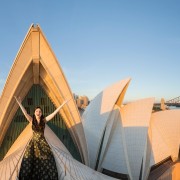
The Sydney Opera House is one of Australia’s most famous landmarks and one of the world’s most recognisable performing arts centres. Located on Bennelong Point beside Sydney Harbour, its distinctive roof sails have become an international symbol of Sydney and Australia.
Sydney Opera House. Photo: David Berkowitz / Wikimedia Commons, CC BY 2.0.
About the Sydney Opera House
The Sydney Opera House was designed by Danish architect Jørn Utzon. Construction began in 1959 and the building was officially opened on 20 October 1973.
Its dramatic shell-shaped roofs were unlike anything previously constructed on this scale and required innovative engineering techniques.
Today, the Sydney Opera House is both a major tourist attraction and a working performing arts centre hosting concerts, opera, theatre, ballet, comedy and other live performances throughout the year.
Why Visit the Sydney Opera House?
You do not need to attend a performance to enjoy the Sydney Opera House.
Visitors can explore the waterfront precinct, admire the architecture, take photographs, join a guided tour, dine overlooking Sydney Harbour or simply walk around Bennelong Point.
The views across the harbour towards the Sydney Harbour Bridge are particularly impressive.
Take a Sydney Opera House Tour
One of the best ways to explore the building is by joining a guided Sydney Opera House tour.
The standard tour introduces visitors to the building’s architecture, history and performance spaces. Tours generally last around one hour and provide access to parts of the Opera House that casual visitors may not otherwise see.
Specialist tours may also be available, including architectural tours, backstage experiences and accessible tours.
See a Performance
The Sydney Opera House is one of Australia’s leading performing arts venues.
Events may include:
Opera
Classical music
Ballet
Theatre
Contemporary music
Dance
Comedy
Family performances
Major performance spaces include the Concert Hall and the Joan Sutherland Theatre.
Explore the Architecture
The Sydney Opera House is considered one of the great architectural achievements of the twentieth century.
The distinctive roof structures resemble enormous white sails rising above Sydney Harbour.
The building was added to the UNESCO World Heritage List in 2007 in recognition of its outstanding architectural significance.
Best Places to Photograph the Sydney Opera House
There are many excellent places around Sydney Harbour for photographing the Opera House.
Mrs Macquarie’s Point
Circular Quay
Sydney Harbour Bridge
Royal Botanic Garden Sydney
Overseas Passenger Terminal
Sydney Harbour ferries
Opera House forecourt
Mrs Macquarie’s Point is particularly popular because it provides views of both the Sydney Opera House and Sydney Harbour Bridge.
Walk Around the Sydney Opera House
Walking around the exterior of the Sydney Opera House is one of the best free things to do in central Sydney.
From Circular Quay, follow the waterfront promenade around Sydney Cove towards Bennelong Point.
You can walk around the Opera House before continuing into the nearby Royal Botanic Garden.
The area is especially attractive around sunset and after dark when the city and harbour are illuminated.
Eating and Drinking
The Opera House precinct has several places to eat and drink, from casual waterfront options to more formal dining.
It is an excellent location for enjoying a meal or drink while overlooking Sydney Harbour.
Getting to the Sydney Opera House
Address:
Sydney Opera House
Bennelong Point
Sydney NSW 2000
Australia
The easiest public transport option for most visitors is to travel to Circular Quay.
Circular Quay is served by trains, ferries, buses and light rail.
From Circular Quay, the Sydney Opera House is approximately a 5 to 10-minute walk along the waterfront.
How Long Should You Allow?
Allow approximately 1 to 2 hours if you want to walk around the exterior, take photographs and explore the surrounding harbourfront.
Allow around 2 to 3 hours if you are also joining a guided tour or stopping for a meal.
If you are attending a performance, allow additional time before and after the show to enjoy the surrounding area.
Nearby Attractions
The Sydney Opera House is within walking distance of many of Sydney’s major attractions.
Sydney Harbour Bridge
Circular Quay
The Rocks
Royal Botanic Garden Sydney
Mrs Macquarie’s Chair
Museum of Contemporary Art Australia
Sydney Harbour
Suggested Sydney Opera House Walk
A good way to explore this part of Sydney is to start at Circular Quay, walk around the Sydney Opera House and then continue through the Royal Botanic Garden towards Mrs Macquarie’s Point.
This route provides excellent harbour views and several opportunities to photograph the Opera House and Sydney Harbour Bridge.
Travel Tip
Visit during the late afternoon so you can see the Sydney Opera House in daylight and then watch the harbour change as the sun sets.
If you would like to see inside the building, consider booking a guided tour or attending a performance.
Image credit: David Berkowitz, via Wikimedia Commons. Licensed under Creative Commons Attribution 2.0.
Sponsored Popular Items
Quick take: Musement.com offers a worldwide selection of tours and attractions
Sydney: University of Sydney Student-Led Walking Tour Australia Discover the University of Sydney on a student-led walking tour. Explore the Main Quadrangle, Fisher Library, and the Chau Chak Wing Museum while learning about the university’s history.
Sydney: Sydney Harbour Sunset Photo Tour & Cruise Australia Explore one of the most picturesque city harbours with a local professional photographer guide. They will capture once-in-a-lifetime photos plus enjoy a 30 minute harbour cruise on Sydney Harbour.
Sydney: Sydney Harbor Lunch Cruise with Welcome Drink Australia Enjoy a lunch cruise on Sydney Harbour with a welcome glass of bubbles. Savor a delicious 2-course meal inspired by locally sourced, regionally inspired cuisines.
Magic World Vienna is one of the newer entertainment attractions in Austria’s capital, bringing international magicians, illusionists, mentalists and close-up performers together in an intimate purpose-designed theatre in the Vienna Prater.
Opened in June 2024 by world champion mentalists Anca and Lucca Lucian, Magic World Vienna is located directly on Riesenradplatz, close to Vienna’s famous Giant Ferris Wheel. The concept is quite different from seeing a magician in a large concert hall: the main theatre has only 161 seats, arranged across eight rising rows, and no seat for the main variety show is more than approximately eight metres from the stage.
The programme changes throughout the year and can include international variety shows, mentalism, grand illusions, comedy magic, close-up performances and dedicated shows for young children.
For visitors looking for something different to do in Vienna after a day of palaces and museums, Magic World can make an excellent evening activity.
Magic World Vienna at a Glance
Visitor Information
Details
Location
Vienna Prater
Address
Riesenradplatz 6, 1020 Vienna, Austria
Opened
June 2024
Founders
Anca & Lucca
Main theatre capacity
161 seats
Main Magic Variety Show
Approximately 100 minutes including interval
2026 Variety Show price
From €49 standard / €29 discounted
Magic Table
10 minutes, 10 seats, €10
Family shows
Available, including dedicated children’s magic
Accessibility
Main shows listed as wheelchair accessible
Nearest major transport stop
Praterstern
Metro
U1 and U2
Best for
Couples, families, groups and evening entertainment
What Is Magic World Vienna?
Magic World Vienna is a specialist theatre devoted primarily to live magic.
Rather than presenting one resident magician performing the same production every night, the venue brings together performers from different countries and different branches of magic.
Depending on when you visit, a show may feature:
Grand illusions
Sleight of hand
Card magic
Mentalism
Comedy magic
Manipulation
Close-up magic
Classical magic
Interactive audience participation
Vienna’s official tourism organisation describes it as a theatre covering different genres of magic and different age groups.
Founded by World Champion Mentalists Anca & Lucca
Magic World Vienna was founded by Anca and Lucca, performers particularly known for mental magic.
The pair won the World Championship of Mental Magic and opened Magic World Vienna in June 2024.
They do not perform every show themselves. Part of the concept is bringing other prominent international magicians to Vienna so that the cast and styles of magic can change throughout the year.
The Magic Theater
The main theatre is deliberately small.
There are only 161 seats arranged across eight rising rows, which creates a much more intimate experience than a large theatre or arena.
The first row is essentially at stage level, while the stage itself is more than 13 metres wide but only around six metres deep.
The design allows the venue to adapt to different types of performance, from close-up and parlour magic to larger stage illusions.
Why the Small Theatre Matters
Magic often becomes more impressive the closer you are to the performer.
At a large arena, audiences may watch most of the detail on video screens. Magic World Vienna takes almost the opposite approach.
For the principal Magic Variety Show, the venue states that no seat is more than approximately eight metres from the stage.
This makes subtle card work, manipulation and audience interaction much easier to appreciate.
Magic Variety Show
For a first-time visitor, the Magic Variety Show is probably the easiest introduction to Magic World Vienna.
Instead of concentrating on one particular style, the production combines several international performers in the same show.
The programme typically includes four to six performers and mixes different branches of magic.
The cast changes regularly, so returning visitors can see a substantially different production at another time of year.
Current August 2026 Magic Variety Show
For performances running from 4 August to 30 August 2026, the currently advertised international cast includes:
Mag Edgard & Company from Spain – grand illusions
Gaëtan Bloom from France – comedy magic
Winston Fuenmayor from Venezuela – visual magic
Hannu Juntunen from Finland – stage magic
The line-up changes after this period, which is an important reason to check the programme for your exact date rather than relying on an older review or video.
How Long Is the Magic Variety Show?
The main variety programme currently runs for approximately:
100 minutes, including a 15-minute interval.
Allow around two hours in total once you include arriving early, finding your seat and leaving after the performance.
Current 2026 Magic Variety Show Tickets
As of August 2026, official published prices start from:
Ticket
Starting Price
Standard admission
From €49
Discounted admission
From €29
Discounted tickets are currently available for qualifying children, students and visitors with disabilities.
Premium and VIP seating may cost more, and prices can vary according to the performance.
Are the More Expensive Seats Necessary?
One advantage of the venue is that even the more distant seats are relatively close to the stage.
If your main priority is simply seeing the show, a standard seat can therefore offer good value.
A premium or front-row seat becomes more attractive if you particularly enjoy audience interaction and want to see detailed sleight of hand from very close range.
Because seating and categories can differ between productions, check the seating plan when booking.
Anca & Lucca – Evolution
Visitors specifically interested in mentalism can look for performances by the venue’s founders, Anca & Lucca.
Their current theatrical production, Evolution, expands on the mental-magic act that earned them their world championship title.
The show combines mentalism, storytelling and audience participation and runs for approximately 100 minutes including a 15-minute interval.
Current 2026 prices are advertised from:
€39 standard
€25 discounted
The recommended age is six years and older.
Close Up Wonders
If you prefer sleight of hand to large illusions, look at the Close Up Wonders programme.
Close-up magic is performed within a much smaller setting, where cards, coins and other objects can be manipulated only a short distance from the audience.
The current programme uses visiting international performers, so the magician and performance language can vary by date.
The show normally lasts approximately:
60 minutes
and is recommended for visitors aged six and above.
The Magic Table
You do not necessarily need to commit to a full evening show to experience Magic World.
The venue also operates the tiny Magic Table, described as its smallest theatre.
The format is extremely simple:
Magic Table
Details
Audience
10 people
Duration
10 minutes
Price
€10
Tickets are available directly at the Magic Table.
This can be an excellent spontaneous option if you are already visiting the Prater and want a quick introduction to close-up magic.
Magic for Kids
Families with younger children have a separate programme called Magie für Kids.
The current show is designed principally for children between approximately two and eight years old.
Rather than expecting young children to remain silent while watching complicated illusion techniques, the production encourages them to participate, laugh, shout, sing and become part of the performance.
The show lasts approximately 60 minutes.
An Important Language Point for Families
The dedicated children’s show is currently performed in German.
That does not necessarily prevent non-German-speaking children from enjoying the visual magic, movement and audience participation, but parents should know about the language before booking.
The main international variety programme is generally a better option for older international visitors because many acts rely heavily on visual performance, music or English-language presentation.
Current Kids Show Ticket Arrangement
The current family programme has an unusual ticket arrangement:
Children under two enter free.
One adult accompanying each paying child can currently attend free.
The free accompanying-adult ticket must still be reserved.
Additional accompanying people currently require a reduced ticket.
The official page currently lists the extra accompanying-person ticket at €10.
Magic Grand Festival
Magic World also stages larger special programmes such as the Magic Grand Festival.
The 2026 festival brings several internationally recognised magicians together for a gala containing different magical disciplines, including mentalism, card magic, manipulation and illusion.
The 2026 programme advertises five international magic stars, including world champion performers.
Like the standard variety show, the festival lasts approximately 100 minutes including an interval.
Magic Garden
The Magic Garden is a bistro directly in front of the main theatre.
It serves snacks and drinks before and after performances, and some refreshments can be taken into the theatre.
This makes it possible to arrive early without needing to search for somewhere else to wait before your show.
Should You Eat Before the Show?
If you want a substantial dinner, it is generally better to eat elsewhere in the Prater or central Vienna before your performance and use the Magic Garden for drinks or a lighter snack.
If your ticket is connected with one of the venue’s dedicated dining experiences, follow the timing provided with that particular booking.
Ticket Office Opening Hours
The venue currently publishes the following regular ticket-office hours:
Day
Ticket Office
Tuesday–Friday
4:00 pm–7:30 pm
Saturday–Sunday
11:30 am–6:00 pm or until the final show begins
These are ticket-office hours rather than a guarantee of show times. Performances follow the separate events calendar.
Book Your Show in Advance
Advance booking is recommended.
With only 161 seats in the main theatre, popular dates can fill much more quickly than they would in a large performance hall.
Booking ahead is particularly sensible:
On weekends
During school holidays
For special festivals
For performances by Anca & Lucca
If you want a particular seating category
The Vienna Tourist Board also recommends booking Magic World Vienna in advance.
Vienna City Card Discount
Visitors holding a valid Vienna City Card can currently receive a:
20% discount on full-price tickets
subject to availability.
The Vienna Tourist Board lists a booking code for this offer and recommends booking ahead.
Where Is Magic World Vienna?
Magic World Vienna is located at:
Riesenradplatz 6
1020 Vienna
Austria
The location is right inside the Vienna Prater amusement area, immediately convenient for combining your magic show with other Prater attractions.
Getting There by Metro
The easiest major public transport interchange is:
Praterstern
It is served by:
U1 Metro
U2 Metro
Tram O
Tram 5
Several bus services
S-Bahn suburban trains
From Praterstern, walk directly towards Riesenradplatz and the main Prater entrance.
Driving and Parking
Public transport is generally easier than driving to the Prater, particularly if you are staying in central Vienna.
If you do drive, parking garages are available around the amusement park. The official Prater information identifies the garages around Ausstellungsstraße and Waldsteingartenstraße among the closest options.
Street parking in Vienna’s 2nd district is regulated, so do not assume you can leave a car nearby without checking the applicable parking rules.
Combine Magic World With the Vienna Prater
The location makes it easy to create a complete afternoon and evening around the Prater.
You can arrive several hours before the magic show, explore the amusement area, ride one or two attractions and then have dinner before heading into the theatre.
The biggest advantage is that you do not need additional transport between the afternoon sightseeing and evening entertainment.
See the Giant Ferris Wheel
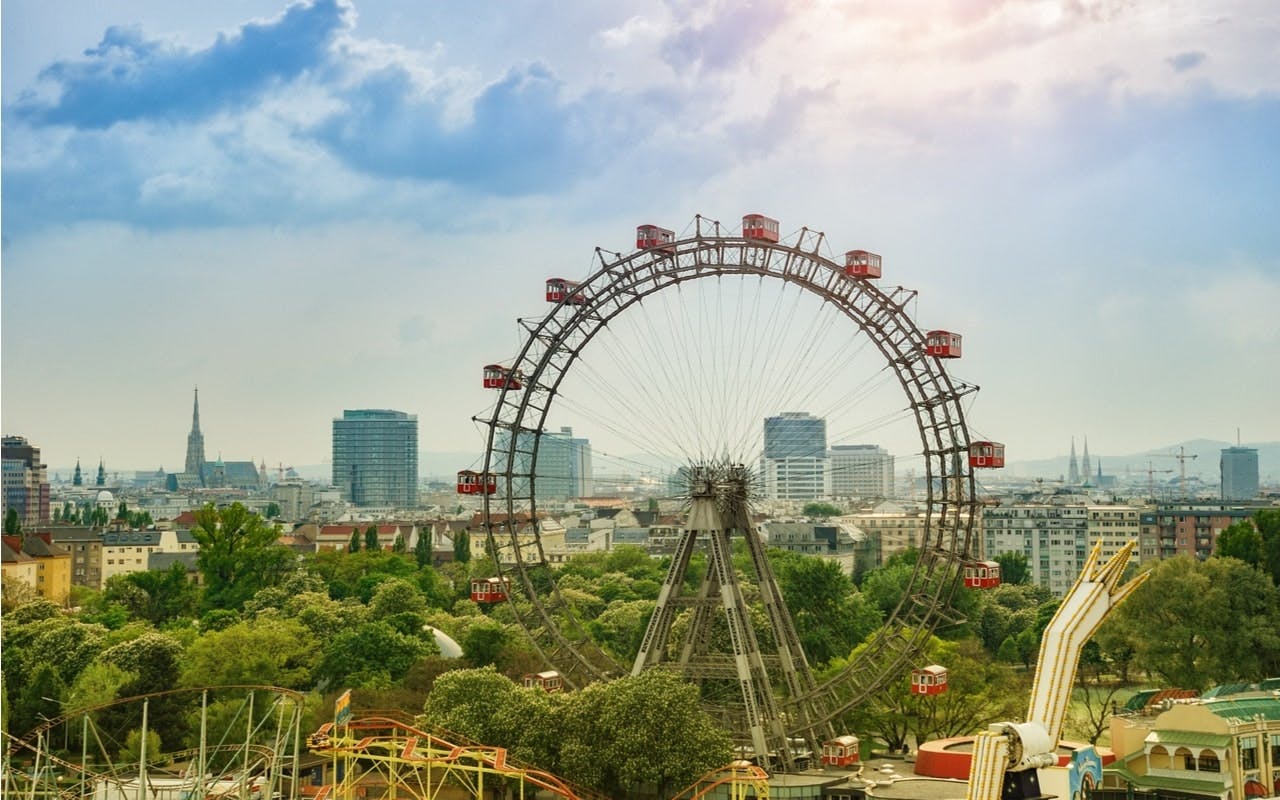
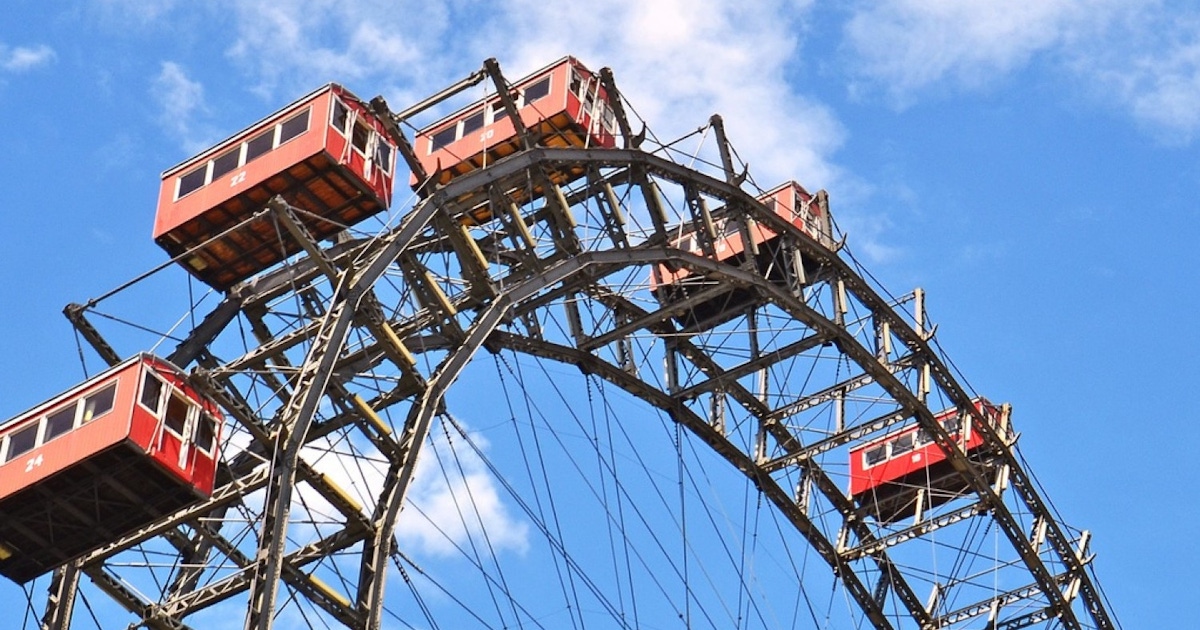
The famous Wiener Riesenrad, or Vienna Giant Ferris Wheel, is immediately associated with the Prater and sits very close to Magic World Vienna.
It makes a particularly good combination with an evening magic show.
Ride the Ferris Wheel before sunset for views across Vienna, then walk the short distance to Magic World for your performance.
Magic World Vienna With Children
The attraction can work very well for families, but choose the performance according to the age of the children.
Ages 2–8
The dedicated German-language Magic for Kids show is specifically designed for this age range.
Ages 6+
The main Magic Variety Show and Close Up Wonders are currently recommended from approximately six years old.
Teenagers
Teenagers who enjoy magic, puzzles, mentalism or illusion may particularly enjoy the standard international productions.
The intimate theatre can also make these shows more engaging for younger audiences than a long traditional theatre performance.
Accessibility
The current Magic Variety Show, Close Up Wonders, Anca & Lucca show and children’s programme are all listed as fully wheelchair accessible.
Visitors requiring wheelchair positions or other specific arrangements should still identify their needs when booking so appropriate seating can be organised.
Is There an Age Restriction?
The Prater’s general listing states that Magic World Vienna has no overall age restriction, but individual productions have their own recommendations.
For example:
Magic for Kids: primarily designed for ages 2–8
Magic Variety Show: recommended from age 6
Close Up Wonders: recommended from age 6
Anca & Lucca: recommended from age 6
Always check the exact production rather than relying on the venue’s general admission information.
How Early Should You Arrive?
Arriving approximately 20–30 minutes before your performance is sensible.
This gives you time to:
Find Magic World inside the Prater
Collect or check tickets if required
Use the facilities
Buy a drink
Find your seat without rushing
If you are unfamiliar with Vienna’s public transport system, allow additional time on your first journey to Praterstern.
What Should You Wear?
There is no need for formal evening clothing.
Smart casual or ordinary comfortable sightseeing clothes are appropriate for most performances.
The atmosphere is entertainment-focused rather than formal opera or classical concert etiquette.
Do You Need to Speak German?
Not necessarily.
Magic World Vienna hosts both German- and English-language performances, and many international variety acts use music and visual magic requiring little spoken explanation.
However, language varies between individual performers and shows.
The dedicated Magic for Kids programme is currently in German, while the August 2026 main variety show contains a mixture of English-language and music-based acts.
Best Time to Visit
Magic World Vienna is primarily a scheduled theatre attraction, so the best time depends more on the performance calendar than the season.
Afternoon
A daytime family show or close-up performance can work well with several hours exploring the Prater afterwards.
Evening
Best overall choice for adults and couples.
Spend the afternoon sightseeing elsewhere in Vienna, travel to the Prater, have dinner and finish with a magic performance.
Rainy or Cold Weather
The indoor theatre makes Magic World particularly useful when Vienna’s weather is poor.
You can still explore indoor Prater attractions and finish the day with live entertainment regardless of rain or winter temperatures.
A Good Half-Day Prater and Magic World Itinerary
3:00 pm – Arrive at Praterstern
Walk into the Prater and familiarise yourself with Riesenradplatz.
3:30 pm – Explore the Prater
Choose several attractions depending on your interests.
5:00 pm – Giant Ferris Wheel
Ride the famous Riesenrad for panoramic views over Vienna.
6:00 pm – Dinner
Have dinner in or around the Prater.
Before the Show
Arrive at Magic World approximately 20–30 minutes before your scheduled performance.
Evening – Magic Variety Show
Allow approximately 100 minutes for the performance.
Afterwards
Walk through the illuminated Prater before returning to central Vienna by U1, U2 or another service from Praterstern.
Where to Stay Near Magic World Vienna
Prater and Leopoldstadt
Best if the Prater is an important part of your Vienna visit.
Staying in Vienna’s 2nd district gives you convenient access to Magic World, Praterstern and the amusement park while keeping the historic centre within a short Metro journey.
Historic Centre
Best overall choice for a first visit to Vienna.
If Magic World is only one evening activity during a larger Vienna holiday, staying around the historic centre normally makes more sense.
U1 provides a straightforward connection towards Praterstern, so there is little need to select your hotel solely because it is close to the theatre.
Magic World or a Traditional Vienna Concert?
The experiences are completely different.
Choose Magic World Vienna If You Want:
Interactive entertainment
Comedy
Illusions and mentalism
A small theatre
A family-friendly performance
Something different from Vienna’s classical attractions
Choose a Classical Concert If You Want:
Mozart or Strauss
Historic concert halls
Orchestral or chamber music
A more traditional Vienna evening
There is no reason you cannot do both on different evenings if you have several days in Vienna.
Is the Magic Table Worth Trying?
The €10 Magic Table is particularly appealing if you are unsure whether you want a full show.
Ten minutes is short, but with only ten spectators the magic happens extremely close to you.
It can also work as a small additional attraction while visiting the Prater rather than the focus of an entire evening.
Practical Tips for Magic World Vienna
Check the current cast before booking. Performers change regularly.
Book ahead. The main theatre contains only 161 seats.
Look at the performance language. Not every show is fully in English.
Consider standard seats. The theatre is small enough that even the back is relatively close.
Arrive 20–30 minutes early.
Use public transport. Praterstern is served by U1 and U2.
Combine your visit with the Prater.
Check Vienna City Card discounts.
Choose the children’s show carefully. It is currently in German.
Try the Magic Table if you only have a short time.
Is Magic World Vienna Worth Visiting?
Yes, especially if you want an evening in Vienna that is completely different from palaces, museums and classical concerts.
The main strength of Magic World Vienna is its intimacy. The Magic Theater contains just 161 seats, while the principal Magic Variety Show keeps every visitor within approximately eight metres of the stage.
The changing international cast is another advantage. Rather than relying on one resident production indefinitely, the theatre regularly introduces different performers and styles of magic.
As of August 2026, the main Magic Variety Show lasts approximately 100 minutes, with standard tickets starting from €49 and qualifying discounted tickets from €29. The current August cast includes performers from Spain, France, Venezuela and Finland.
Families have dedicated children’s performances, serious magic enthusiasts can choose close-up shows, and visitors who only want a quick taste of the experience can try the 10-minute, €10 Magic Table.
The location is also exceptionally convenient. Magic World sits directly in the Vienna Prater beside the famous Riesenradplatz, while Praterstern station provides U1, U2, tram, bus and suburban rail connections.
For a particularly enjoyable evening, spend a few hours exploring the Prater, ride the Giant Ferris Wheel before sunset, have dinner and then finish with an international magic performance.
For travellers who enjoy live entertainment, Magic World Vienna is a relatively new Vienna attraction that deserves a place alongside the city’s much older evening traditions.
Sponsored Popular Items
Quick take: Musement.com offers a worldwide selection of tours and attractions
City Exploration Game in Prater Vienna Austria Plan City Exploration Game in Prater Vienna, a self-guided game or exploration experience, with practical tips on timing, inclusions and what to check before booking. Compare current availability, prices and booking conditions before you go.
Prater Vienna Tickets, Attractions & Guided Tours Austria Compare sightseeing experiences in Prater Vienna Tickets,, with practical tips on timing, inclusions and choosing the right option. Check current availability, prices and booking conditions before you go.
Kyoto Geisha & Maiko Dinner: Intimate Cultural Experience Japan Best deals for Kyoto Geisha & Maiko Dinner: Intimate Cultural Experience. Go beyond the standard "1-hour Maiko viewing show"! Enjoy a Gion walking tour, savor a premium Machiya dinner with free-flowing drinks, and experience a once-in-a-lifetime encounter with an authentic Maiko. Available from getyourguide.com.
The Saigon Opera House, officially known as the Ho Chi Minh City Municipal Theatre, is one of the most elegant surviving examples of French-era architecture in Vietnam. Standing in the heart of District 1, the ornate theatre provides a striking contrast to the glass towers, luxury hotels and constant traffic of modern Ho Chi Minh City.
The theatre was completed at the beginning of the 20th century and remains a working performance venue rather than simply a historic monument. Visitors may see Vietnamese cultural productions, ballet, music, theatre and other special performances depending on the programme. :contentReference[oaicite:1]{index=1}
For international visitors, one of the easiest ways to experience the interior is to book a performance such as the acclaimed A O Show, a Vietnamese bamboo-circus production combining acrobatics, physical theatre, live music and imaginative bamboo staging. Performances are scheduled at the Opera House on selected dates rather than every day. :contentReference[oaicite:2]{index=2}
Saigon Opera House at a Glance
Visitor Information
Details
Official name
Ho Chi Minh City Municipal Theatre
Common name
Saigon Opera House
Location
Lam Son Square, District 1, Ho Chi Minh City
Construction began
1898
Opened
1 January 1900
First performance
17 January 1900
Capacity
Approximately 468 seats
National heritage status
National architectural and artistic relic
Popular visitor performance
A O Show
2026 A O Show tickets
Currently from approximately 800,000 VND
Best time to see exterior
Late afternoon and evening
Recommended performance visit
Allow around 1½–2 hours including arrival time
The theatre’s official cultural organisation states that construction began in 1898, the building was inaugurated on 1 January 1900 and the first performance took place later that month. The venue currently lists a capacity of approximately 468 spectators. :contentReference[oaicite:3]{index=3}
A Landmark From French-Era Saigon
The Opera House was constructed during a period when French colonial authorities were transforming central Saigon with broad streets, administrative buildings, hotels and European-inspired public architecture.
Its elaborate façade reflects the theatrical architectural tastes of late-19th-century France. Look closely at the building and you will notice ornamental reliefs, sculpted figures, decorative arches, classical columns and a richly decorated central entrance.
The building is particularly attractive because it occupies a prominent position at the end of one of central Ho Chi Minh City’s most important urban spaces rather than being hidden among narrow streets.
More Than 120 Years of History
The theatre has served several purposes during its long history.
It was originally created as a performance venue for colonial Saigon. During later periods of political change, its use altered considerably before it eventually returned to its role as a theatre.
The building was closed for major restoration in 1996 and reopened on 18 December 1998, coinciding with celebrations marking 300 years of Ho Chi Minh City. It was recognised as a national relic in 2012. :contentReference[oaicite:4]{index=4}
The Architecture
The Opera House is worth seeing even if you do not attend a performance.
Its symmetrical façade is dominated by a large central arch surrounded by elaborate decorative work. Sculptural details and ornamental panels give the building a distinctly European appearance.
The contrast becomes particularly noticeable when you turn around and look at the modern skyline surrounding Lam Son Square.
This mixture of historic French architecture and contemporary Asian cityscape is one of the defining characteristics of central Ho Chi Minh City.
See the Opera House After Dark
The Opera House is especially attractive in the evening.
Exterior lighting highlights the arches, columns and decorative details, while the surrounding streets become increasingly lively as restaurants, cafés and hotels fill with evening visitors.
If you are not attending a performance, late afternoon is an excellent time to arrive. Photograph the building in daylight, have dinner or a drink nearby and return after dark to see the illuminated façade.
Can You Go Inside the Saigon Opera House?
The Saigon Opera House is a working theatre, not a conventional museum with unrestricted daytime sightseeing.
The most reliable way for tourists to experience the interior is therefore to attend a scheduled performance or special event.
Do not assume that simply arriving during the day will allow you to walk through the auditorium. Access arrangements depend on rehearsals, performances and theatre operations.
Visitors primarily interested in seeing the interior should check the current performance calendar and purchase a ticket in advance.
A O Show
One of the best-known performances staged at the Saigon Opera House is the A O Show.
The production is described by its producer, Lune Production, as a form of Vietnamese Bamboo Circus. Rather than presenting a traditional Western circus, it combines:
Acrobatics
Contemporary dance
Physical theatre
Traditional Vietnamese elements
Live music
Bamboo props
Visual storytelling
The story moves between images of rural Vietnamese life and the rapid energy of modern urban Vietnam. Because the performance relies heavily on movement, music and visual storytelling, visitors do not need to understand Vietnamese to follow the experience. :contentReference[oaicite:5]{index=5}
Current 2026 A O Show Information
As of August 2026, Lune Production is continuing to schedule A O Show performances at the Saigon Opera House. Its current booking information lists performances from 17 August 2026 onward on selected dates. :contentReference[oaicite:6]{index=6}
Current ticket prices start at approximately:
800,000 VND per person
Higher-priced seating categories are also available.
Performance dates and prices can change, so check the programme for your actual travel date rather than assuming that the show operates every evening. :contentReference[oaicite:7]{index=7}
Which Seats Should You Choose?
The Opera House is relatively intimate, with only around 468 seats, so you are not dealing with the huge distances found in a modern arena. :contentReference[oaicite:8]{index=8}
For a visual production such as A O Show, a central seat provides the best overall perspective on the choreography and stage formations.
Premium seating is useful if you want to be closer to the performers, but a slightly more distant central position can sometimes give a better view of the complete stage.
How Early Should You Arrive?
For a performance, arrive approximately 30 minutes before the advertised starting time.
This gives you time to:
Find the correct entrance
Have your ticket checked
Use the facilities
Find your seat
Photograph the exterior before the performance
Avoid arriving at the last minute. Ho Chi Minh City traffic can be unpredictable, particularly during the evening rush.
What Should You Wear?
You do not generally need formal evening wear for a tourist-oriented cultural performance.
Smart casual clothing is a sensible choice.
Ho Chi Minh City is hot and humid for much of the year, but indoor air conditioning can feel cool after spending time outside, so carrying a light layer can be useful.
Photography During Performances
Performance photography and video rules depend on the production.
Do not assume that photography is allowed simply because phones are permitted inside the theatre.
Follow announcements and instructions from staff, particularly regarding flash photography and video recording.
The exterior, however, is an excellent photography subject both during the day and after dark.
Where Is the Saigon Opera House?
The Opera House stands in Lam Son Square in central District 1.
This is one of the most convenient locations for sightseeing in Ho Chi Minh City.
Vietnam’s official tourism authority recommends walking along Dong Khoi Street as a way to connect several of the city’s best-known central landmarks, including the Opera House. :contentReference[oaicite:9]{index=9}
Getting There
Walking
If you are staying in central District 1, walking is often the easiest option.
The theatre is surrounded by hotels, restaurants, shopping streets and major city attractions, making it easy to include in a walking itinerary.
Taxi or Grab
Taxi and ride-hailing services are widely available throughout Ho Chi Minh City.
Vietnam’s official tourism organisation notes that taxis are common and that travellers with mobile data can use ride-hailing services such as Grab. :contentReference[oaicite:10]{index=10}
Allow extra travel time before an evening performance because traffic can move slowly through central Ho Chi Minh City.
Walk Along Dong Khoi Street
Dong Khoi Street is one of the best streets to explore before or after visiting the Opera House.
The street connects historic architecture, hotels, shops and cafés within a compact part of central Ho Chi Minh City.
Vietnam’s national tourism authority specifically recommends Dong Khoi as a walking route for seeing central landmarks including the Opera House. :contentReference[oaicite:11]{index=11}
Visit Nguyen Hue Walking Street
The nearby Nguyen Hue Walking Street is particularly enjoyable in the evening.
The broad pedestrian boulevard becomes a major gathering place after temperatures fall, with families, couples, street performers and visitors enjoying the illuminated city centre.
A good evening plan is:
Nguyen Hue Walking Street → dinner → Saigon Opera House performance → evening drink in District 1
Visit the Central Post Office
Another worthwhile nearby landmark is the Saigon Central Post Office.
The historic building can be combined easily with Dong Khoi Street and the Opera House during a central Ho Chi Minh City walking tour.
Vietnam’s official tourism organisation recommends the Opera House and Central Post Office as part of the same central sightseeing area. :contentReference[oaicite:12]{index=12}
A Good Half-Day Around the Opera House
Afternoon – Explore Central District 1
Walk through the historic centre and explore the architecture surrounding Dong Khoi Street.
Late Afternoon – Opera House Photographs
Visit Lam Son Square while there is still daylight and photograph the building from several angles.
Early Evening – Dinner
Have dinner around central District 1.
Evening – Attend a Performance
Return to the theatre approximately 30 minutes before your scheduled performance.
After the Show
Walk towards Nguyen Hue and enjoy central Ho Chi Minh City after dark.
Saigon Opera House for Families
The building itself is easy to incorporate into a family sightseeing day because it is located in a very walkable part of District 1.
A visual performance such as A O Show can also work better for international children than a dialogue-heavy traditional theatre production because much of the storytelling uses movement, music and acrobatics.
Parents should check the current production’s age recommendations and ticket rules before booking.
Accessibility
The Opera House is a historic building dating from around 1900, so visitors with reduced mobility should check current access arrangements directly with the theatre or performance organiser before booking.
If stairs, wheelchair positioning or accessible seating are important, request confirmation for the specific performance and seating category rather than relying on general visitor information.
Best Time of Year to Visit
Because the main attraction is indoors, the Opera House can be visited throughout the year.
December to February
Generally one of the more comfortable periods for exploring Ho Chi Minh City on foot.
March to May
Conditions can become very hot, so an evening theatre performance provides a welcome indoor activity.
May to November
This is broadly Ho Chi Minh City’s wetter period. Vietnam Tourism describes the rainy season as extending from around May to November. :contentReference[oaicite:13]{index=13}
A performance can be an excellent evening option during the rainy season, but allow extra travelling time when heavy rain affects traffic.
Where to Stay Near the Saigon Opera House
Opera House and Dong Khoi Area
Best for first-time visitors wanting a very central location.
This part of District 1 places you within easy walking distance of the Opera House, Nguyen Hue, restaurants, shopping and several major historic landmarks.
It is particularly convenient if you enjoy exploring a city on foot and want plenty of evening dining choices close to your hotel.
Ben Thanh Area
Best for markets, food and easy access to the broader city centre.
Accommodation around Ben Thanh provides a busy, energetic atmosphere and remains close enough to reach the Opera House easily by walking, taxi or Grab.
Is It Worth Seeing the Exterior if You Are Not Attending a Show?
Yes.
The Opera House is one of the architectural highlights of central Ho Chi Minh City and can easily be included in a walking tour without purchasing a ticket.
The building is especially worth seeing twice:
Once during daylight, when the decorative façade is easiest to examine
Again after dark, when the exterior is illuminated
If you only have a short visit to Ho Chi Minh City, you can photograph the Opera House while exploring Dong Khoi and the surrounding central streets.
Is Attending a Performance Worth It?
Yes, if you want to experience more than the exterior architecture.
The key advantage of attending a performance is that it gives you a reason to enter a historic building that is otherwise not operated primarily as a daytime tourist museum.
A production such as A O Show also adds Vietnamese culture to what could otherwise be a sightseeing itinerary dominated by colonial architecture and historical museums.
Saigon Opera House or Hanoi Opera House?
Visitors travelling throughout Vietnam sometimes confuse the two.
They are separate historic theatres in different cities.
Saigon Opera House
Located in Ho Chi Minh City
Opened in 1900
Approximately 468 seats
Located in central District 1
Hosts Vietnamese cultural productions and other performances
Hanoi Opera House
Located in Hanoi
A separate French-era theatre
Considerably larger
Located in Hanoi’s French Quarter
Make sure you are booking the correct city when buying performance tickets online.
Practical Tips for Visiting
Check the performance calendar. Shows do not necessarily operate every evening.
Book popular productions ahead.
Allow for Ho Chi Minh City traffic.
Arrive around 30 minutes early for a performance.
Photograph the exterior before sunset and again after dark.
Combine the visit with Dong Khoi and Nguyen Hue.
Bring a light layer if you find air conditioning cool.
Check photography rules once inside.
Is the Saigon Opera House Worth Visiting?
Yes.
The Saigon Opera House is one of those attractions that works on two levels.
During the day it is an elegant architectural landmark that helps tell the story of French-era Saigon. After dark it becomes a living theatre, with illuminated façades outside and cultural performances taking place inside.
The building has stood in the centre of the city since 1900, has survived dramatic political and social changes and today remains an active cultural venue recognised as a national architectural and artistic relic. :contentReference[oaicite:14]{index=14}
For a quick visit, spend 15–30 minutes admiring the exterior while walking through District 1.
For the more memorable experience, book an evening performance. As of August 2026, A O Show continues to be scheduled at the Saigon Opera House on selected dates, with current tickets starting at approximately 800,000 VND. :contentReference[oaicite:15]{index=15}
Its central location also makes planning extremely easy. Combine the theatre with a walk along Dong Khoi, explore nearby central Ho Chi Minh City during the afternoon, have dinner and return to the illuminated Opera House for an evening performance.
That combination of architecture, history and live Vietnamese culture makes the Saigon Opera House one of the most rewarding evening attractions in Ho Chi Minh City.
Sponsored Popular Items
Quick take: Musement.com offers a worldwide selection of tours and attractions
Saigon Opera House and Café Tour in Ho Chi Minh City Vietnam Plan Saigon Opera House and Café Tour in Ho Chi Minh City, a guided sightseeing experience, with practical tips on timing, inclusions and what to check before booking. Compare current availability, prices and booking conditions before you go.
Ho Chi Minh City: Cu Chi Tunnels & Saigon Highlights Tour Vietnam Journey from the legendary Cu Chi Tunnels to Saigon’s iconic landmarks on a full-day adventure combining wartime history, colonial architecture, vibrant markets, culture, and local life
Sydney: Great Opera Hits Ticket at the Sydney Opera House Australia Join the stars of Opera Australia at the Sydney Opera House and listen to famous arias performed by some of Australia's finest singers. Check current availability, inclusions and booking conditions.
Sydney Opera House: The Iconic Heart of Sydney Harbour
A world-famous masterpiece of architecture where harbour views, performance culture, guided tours and Sydney’s most recognisable skyline come together in one unforgettable destination.
The Sydney Opera House is one of those landmarks that somehow exceeds expectations, even if you have seen it in photographs for years. Its white sail-like forms rise above the harbour with a confidence that feels both elegant and dramatic, and the setting on Bennelong Point gives it a sense of occasion from every angle. Ferries pass in front, the Harbour Bridge frames the skyline nearby, and the whole precinct feels alive from morning through late evening.
What makes the Opera House such a rewarding place to visit is that it is much more than a building to admire from the outside. It is a working cultural centre, a performance venue, a guided tour destination, a dining precinct and one of the best places in Sydney simply to slow down and take in the harbour. Whether you come for a show, a tour, a meal or just a walk around the forecourt, it earns its place on any Sydney itinerary.
Where Is the Sydney Opera House?
The Sydney Opera House stands on Bennelong Point, right on Sydney Harbour and just beyond Circular Quay. Its position places it at the centre of the city’s most famous harbour sights, making it easy to combine with nearby attractions such as the Royal Botanic Garden, The Rocks and harbour ferries.
Why Visit?
It is one of the world’s great architectural landmarks, instantly recognisable and even more impressive in person.
It offers more than photo opportunities, with tours, concerts, theatre, opera, talks and dining all on site.
The location is exceptional, placing you right on Sydney Harbour with superb views in every direction.
It suits almost every kind of traveller, from first-time Sydney visitors to architecture lovers, couples and families.
How to Get There
On Foot from Circular Quay
The easiest and most scenic approach is to walk from Circular Quay. The walk is short, straightforward and one of the classic arrival experiences in Sydney, with the harbour opening up as you get closer.
By Train
Take the train to Circular Quay Station and continue on foot. This is one of the simplest options for visitors staying in the CBD or arriving from other parts of Sydney.
By Ferry
Arriving by ferry is one of the most memorable ways to reach the precinct. Circular Quay is the key ferry hub, and from there the Opera House is just a short walk away.
By Light Rail or Bus
Light rail and bus services also connect easily with Circular Quay, making the Opera House straightforward to include in a day of city sightseeing.
By Car
Driving is possible, but public transport is usually easier because of the central harbourside location. If you do drive, it is worth checking current parking arrangements before you go.
Closest Areas to Stay
Circular Quay
Circular Quay is the most convenient base if you want the Opera House close at hand. It is ideal for harbour views, transport access and easy walking to major landmarks.
The Rocks
The Rocks is a strong choice if you want history, harbour atmosphere and easy access to the Opera House, the Harbour Bridge and Circular Quay.
Sydney CBD
The Sydney CBD works well for visitors who want a broad range of hotels, shopping and transport links while still staying within easy reach of the harbour precinct.
What to Do at the Sydney Opera House
1. Take a Guided Tour
A guided tour is one of the best ways to understand why the building matters. You get more than architecture alone. You also get the story of its design, engineering, performance spaces and cultural significance. For many visitors, this transforms the Opera House from an iconic photo stop into one of Sydney’s most interesting experiences.
2. See a Performance
The Opera House is at its best when it is doing what it was built for. Seeing a concert, opera, theatre production, talk or other live performance here adds depth to the visit and makes the landmark feel fully alive.
3. Walk the Forecourt and Lower Concourse
Even without a ticketed experience, the precinct is worth exploring. Wander around the broad exterior spaces, enjoy the angles of the sails from different viewpoints and take in the harbour activity around you.
4. Enjoy the Harbour Views
The views are part of the attraction. From the Opera House precinct you can take in the Harbour Bridge, ferries, city skyline and changing light across the water. Early morning and late afternoon are especially rewarding.
5. Dine or Have a Drink by the Water
The Opera House is also a strong place to pause for lunch, dinner or a drink with a view. Even a simple stop for coffee can feel elevated here because the setting does so much of the work.
6. Combine It with Nearby Sights
The Opera House fits easily into a wider harbour itinerary. You can pair it with a walk through the Royal Botanic Garden, time in The Rocks, Circular Quay ferry rides or a Harbour Bridge viewpoint for a full Sydney day.
Best Time to Visit
The Sydney Opera House is rewarding at any time of year, but the experience changes with the light. Morning visits feel fresh and open, while sunset and evening bring more atmosphere as the building glows against the harbour. If you want photographs with softer light and fewer crowds, go earlier in the day.
How Long Do You Need?
30 to 60 minutes: enough for an exterior visit and harbour photos
1 to 2 hours: good for a relaxed walk, a drink or meal, and time around the precinct
2 to 3 hours: ideal if you are adding a guided tour
Half a day or more: worthwhile if you are combining it with nearby harbour sights or attending a performance
Suggested Visit Plan
Arrive via Circular Quay
Walk out to the Opera House and take in the harbour views
Explore the exterior and lower concourse
Join a guided tour or browse the Welcome Centre
Stop for a drink, lunch or dinner in the precinct
Continue into the Royal Botanic Garden or The Rocks
What to Wear and Bring
Comfortable walking shoes
A hat and sunscreen for daytime visits
A light layer if you are visiting in the evening or in cooler weather
A camera or phone for harbour photos
Smart-casual clothing if you are attending a performance and want to dress for the occasion
Who Will Love the Sydney Opera House?
First-time visitors to Sydney
Architecture and design enthusiasts
Couples looking for a scenic harbour experience
Cultural travellers interested in performances and tours
Anyone wanting one of Sydney’s most iconic and photogenic locations
Useful Travel Tips
Arrive early if you want cleaner photos and a more relaxed walk around the precinct.
Book tours and performances ahead if there is a specific time or event you want.
Allow extra time if you are combining the Opera House with Circular Quay ferries, The Rocks or the Botanic Garden.
Check current visitor information before you go, especially if you need accessibility services, parking details or specific tour times.
Final Thoughts
The Sydney Opera House is one of the few famous landmarks that feels both monumental and welcoming. It is visually extraordinary, but it is also easy to enjoy in simple ways: walking around the sails, looking out at the harbour, hearing the city and ferries moving around it, and realising how naturally it belongs to Sydney.
If you are visiting the city, this is not just something to photograph from a distance. Step into the precinct, take your time, and let it become part of the day. That is when the Sydney Opera House feels less like a postcard image and more like the living cultural heart of the harbour.
Sponsored Popular Items
Quick take: Musement.com offers a worldwide selection of tours and attractions
Sydney: Great Opera Hits Ticket at the Sydney Opera House Australia Join the stars of Opera Australia at the Sydney Opera House and listen to famous arias performed by some of Australia's finest singers. Check current availability, inclusions and booking conditions.
Sydney: The Original Sydney Opera House Kayak Tour Australia Kayak on Sydney Harbour with Sophie, the first kayak tour operator, the original and the best! Enjoy the closest views of the Opera House and Harbour Bridge with the best equipment, location and photos.
Sydney: Sydney Opera House VIP Backstage Tour and Breakfast Australia Sweep back the curtains and explore behind the scenes on this backstage tour of the Sydney Opera House. Enjoy breakfast and journey through rehearsal spaces that are not open to the public. Check current availability, inclusions and booking conditions.
Seville is one of Spain’s most enchanting cities—a place where grand palaces, orange-scented courtyards, flamenco rhythms, and centuries of culture come together with irresistible warmth. Known for its dazzling architecture, lively tapas culture, and year-round sunshine, Seville is a destination that captures the heart of every traveler who wanders its golden streets.
⭐ Why Visit Seville
1. Home of Flamenco
Seville is considered the cradle of flamenco. Intimate tablaos, passionate performers, and soulful guitar music create unforgettable nights.
2. Spectacular Moorish & Christian Architecture
From the Real Alcázar to the world’s largest Gothic cathedral, Seville’s skyline tells the story of empires, explorers, and artistry.
3. Delicious Andalusian Cuisine
Tapas, sherry, Iberian ham, gazpacho, and fresh seafood—Seville delivers flavour at every corner.
4. Sunshine & Street Life
With more than 300 sunny days a year, Seville’s plazas, rooftop bars, and riverbanks are vibrant from morning to midnight.
🌆 Top Things to Do in Seville
🕌 1. Real Alcázar of Seville
A dazzling palace complex blending Moorish craftsmanship with Renaissance elegance. Highlights include:
intricate tilework & carved wooden ceilings
lush gardens filmed in Game of Thrones
patios filled with fountains and orange trees
This UNESCO site is Seville’s most iconic attraction.
⛪ 2. Seville Cathedral & La Giralda
The largest Gothic cathedral in the world. Must-sees:
the ornate main altar
Christopher Columbus’ tomb
panoramic views from the Giralda Tower, originally a minaret
Sunset views from the tower are spectacular.
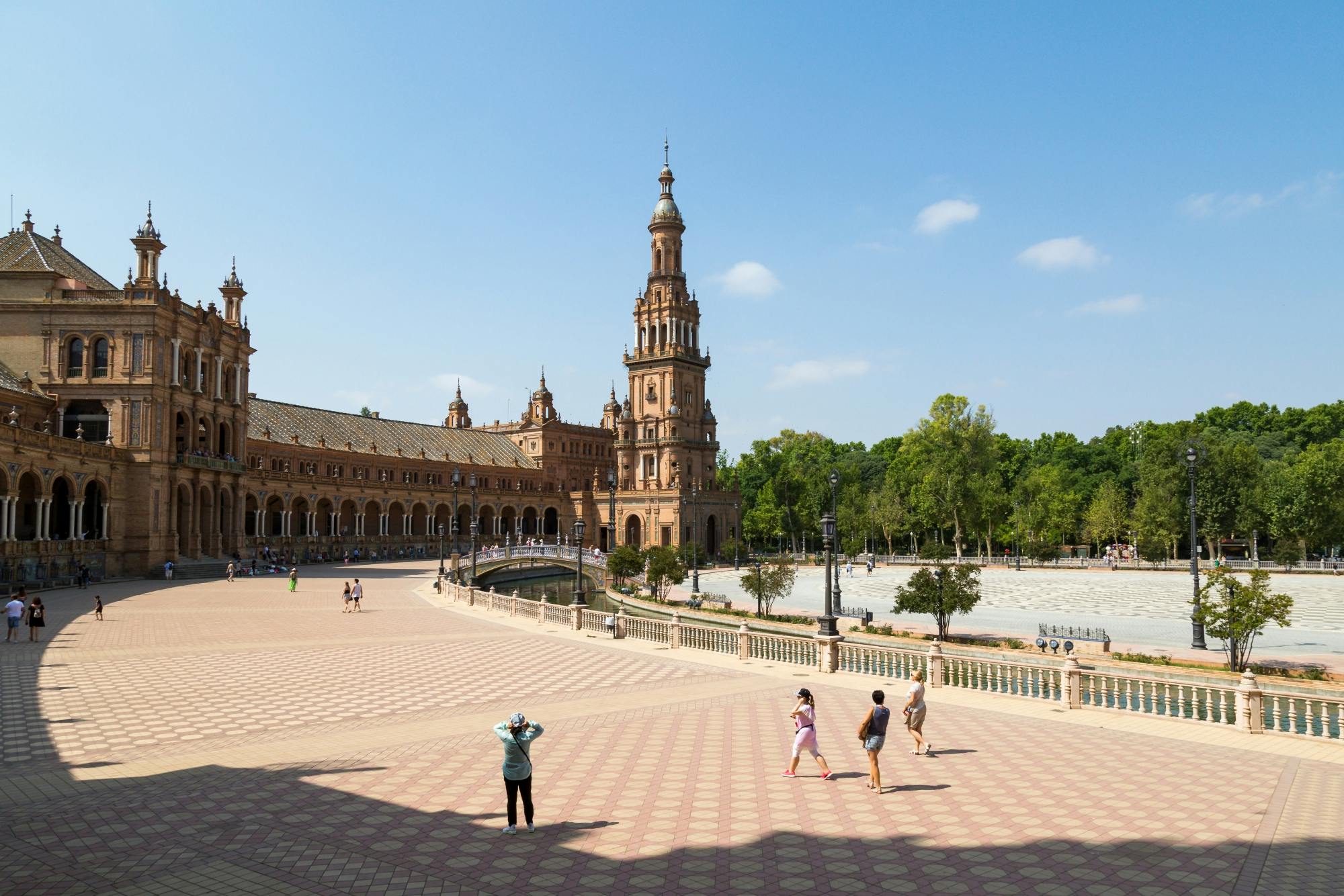
🌸 3. Plaza de España
A sweeping semi-circular plaza built for the 1929 Ibero-American Exposition. Featuring:
colourful ceramic bridges
a canal you can row a boat on
tiled alcoves representing each Spanish province
A favourite for photographers and film locations (Star Wars, Lawrence of Arabia).
🎭 4. Barrio Santa Cruz
Seville’s old Jewish quarter is a labyrinth of:
narrow lanes
hidden squares
flower-filled balconies
charming tapas bars
Perfect for wandering aimlessly and soaking in the atmosphere.
🔥 5. Flamenco in Triana
Across the Guadalquivir River lies Triana, the traditional heart of flamenco. Experience:
authentic tablaos
lively streets
artisanal ceramic workshops
🍊 6. Metropol Parasol (Las Setas)
A striking wooden canopy offering:
panoramic city views
a rooftop walkway
cafés and markets below
Great for golden-hour photos.
🌊 7. Guadalquivir Riverwalk
Enjoy:
cycling paths
riverside terraces
boat cruises
sunset strolls
It’s one of the city’s most relaxing areas.
🍽 What to Eat in Seville
Food highlights include:
salmorejo (thicker cousin of gazpacho)
espinacas con garbanzos
jamón ibérico
fried fish (pescaito frito)
tortilla de camarones
orange wine
Tapas-hopping is the best way to dine.
🏨 Best Areas to Stay
Santa Cruz – romantic alleys, historic charm
Arenal – close to river, cathedral, and bullring
Triana – vibrant, local, perfect for nightlife
Nervión – modern area with shopping and transport
🚆 Getting Around
Seville is wonderfully walkable. Other options:
trams & buses
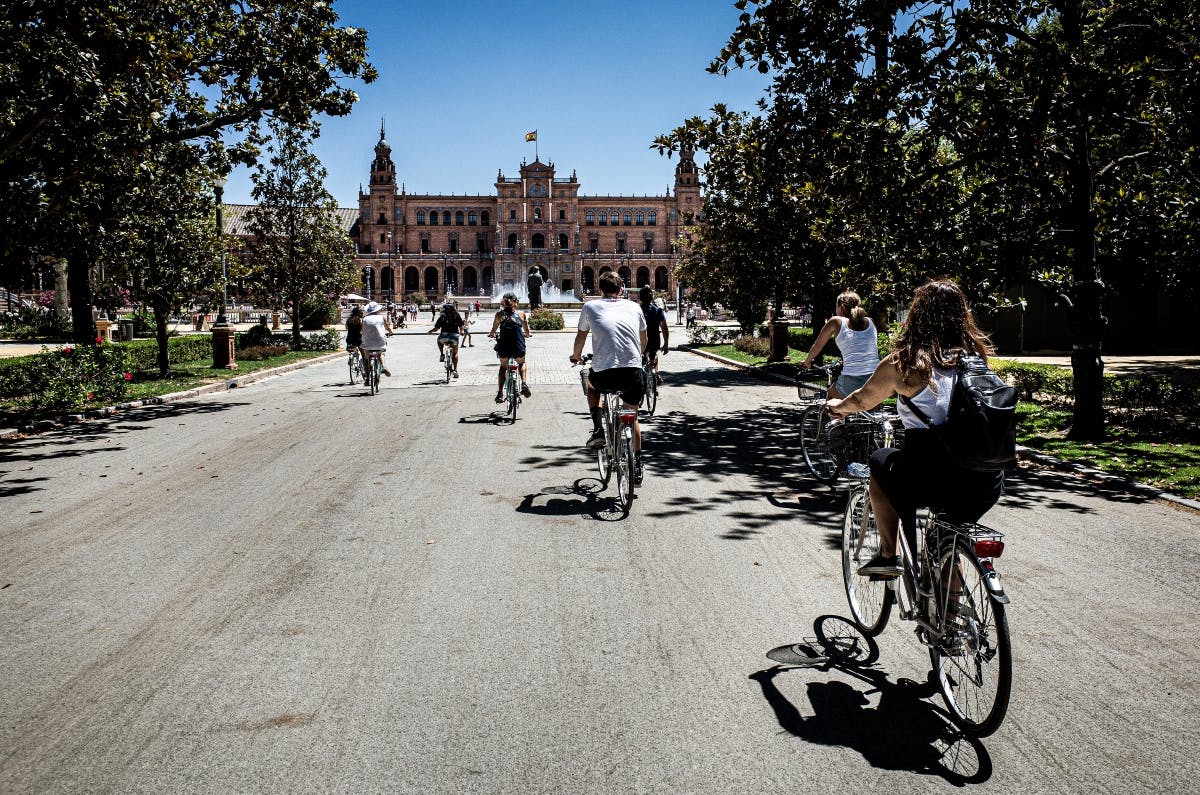
bikes (Sevici bike-share)
taxis & rideshare
horse-drawn carriages (touristic but iconic)
❓ Quick Q&A
Q: When is the best time to visit Seville? A: March–May for spring blossoms and festivals, or October–November for mild weather. Summer can be extremely hot.
Q: How long should I stay? A: 3–4 days is ideal.
Q: Is Seville expensive? A: It’s more affordable than Madrid or Barcelona, especially for food.
Q: Is flamenco touristy? A: Some shows are, but Triana and intimate tablaos offer deeply authentic performances.
🌅 Final Thoughts
Seville is the jewel of Andalusia—intimate yet grand, traditional yet full of life. From Moorish palaces to flamenco nights, from fragrant orange blossoms to bustling tapas bars, Seville is a city that stirs emotion and invites you to slow down, savour, and fall in love with its timeless beauty.
Sponsored Popular Items
Quick take: Musement.com offers a worldwide selection of tours and attractions
Seville City Transfer – Explore Seville at Your Own Pace Spain Use a full day in Seville to explore landmarks such as Plaza de España, the cathedral, Santa Cruz and the Torre del Oro at your own pace. Check current availability, inclusions and booking details before you go.
Seville half-day city top monuments bike tour – Outdoor Adventure Spain Seville half-day city top monuments bike tour adds structure, local context and purposeful sightseeing to the itinerary. Check current availability, inclusions and booking details before you go.
The Carnival of Venice (Carnevale di Venezia) is one of the world’s most enchanting and theatrical festivals—a dazzling celebration where history, artistry, and mystery collide beneath ornate masks and shimmering costumes. Held annually in the weeks leading up to Lent, the carnival transforms Venice into a living stage, inviting visitors to step into a world of Baroque splendour, masquerade balls, and timeless rituals.
For centuries, Venetians used masks to dissolve social boundaries, allowing nobles, merchants, artists, and travellers to mingle freely in the labyrinth of canals and piazzas. Today, that spirit of anonymity and freedom lives on. As you wander through St. Mark’s Square, the Rialto, or the quieter corners of Cannaregio, you’ll encounter elaborately costumed figures posing against the city’s romantic architecture—often too breathtaking to be real.
Highlights of the Carnival include:
The Flight of the Angel (Volo dell’Angelo)
One of the festival’s most iconic events, where a costumed “angel” descends from the bell tower of St. Mark’s Basilica, symbolically opening the celebrations.
Masked Balls
Elegant, historic, and often held in private palazzos, these events offer a chance to experience the carnival’s glamorous essence—complete with candlelit banquets, live performances, and period music.
Street Performances & Parades
Jugglers, musicians, acrobats, and actors fill Venetian squares, bringing the city’s theatrical traditions to life.
The Best Mask Contests
Intricate masks and handcrafted costumes compete for the title of “La Maschera più Bella” (The Most Beautiful Mask), judged by artists and designers.
Wandering the City
Perhaps the true magic of Carnevale lies in simply strolling through Venice’s winding calli, watching reflections of colourful costumes dance across the canals.
Beyond its visual splendour, the Carnival of Venice is a celebration of creativity and heritage—a festival that preserves centuries-old craftsmanship and invites participants to become part of a grand, living artwork.
Whether you’re attending a lavish masquerade ball, photographing costumed performers at sunrise, or simply soaking in the festive atmosphere, the Carnival of Venice offers an experience that feels timeless, dreamlike, and utterly unforgettable.
Sponsored Popular Items
Quick take: Musement.com offers a worldwide selection of tours and attractions
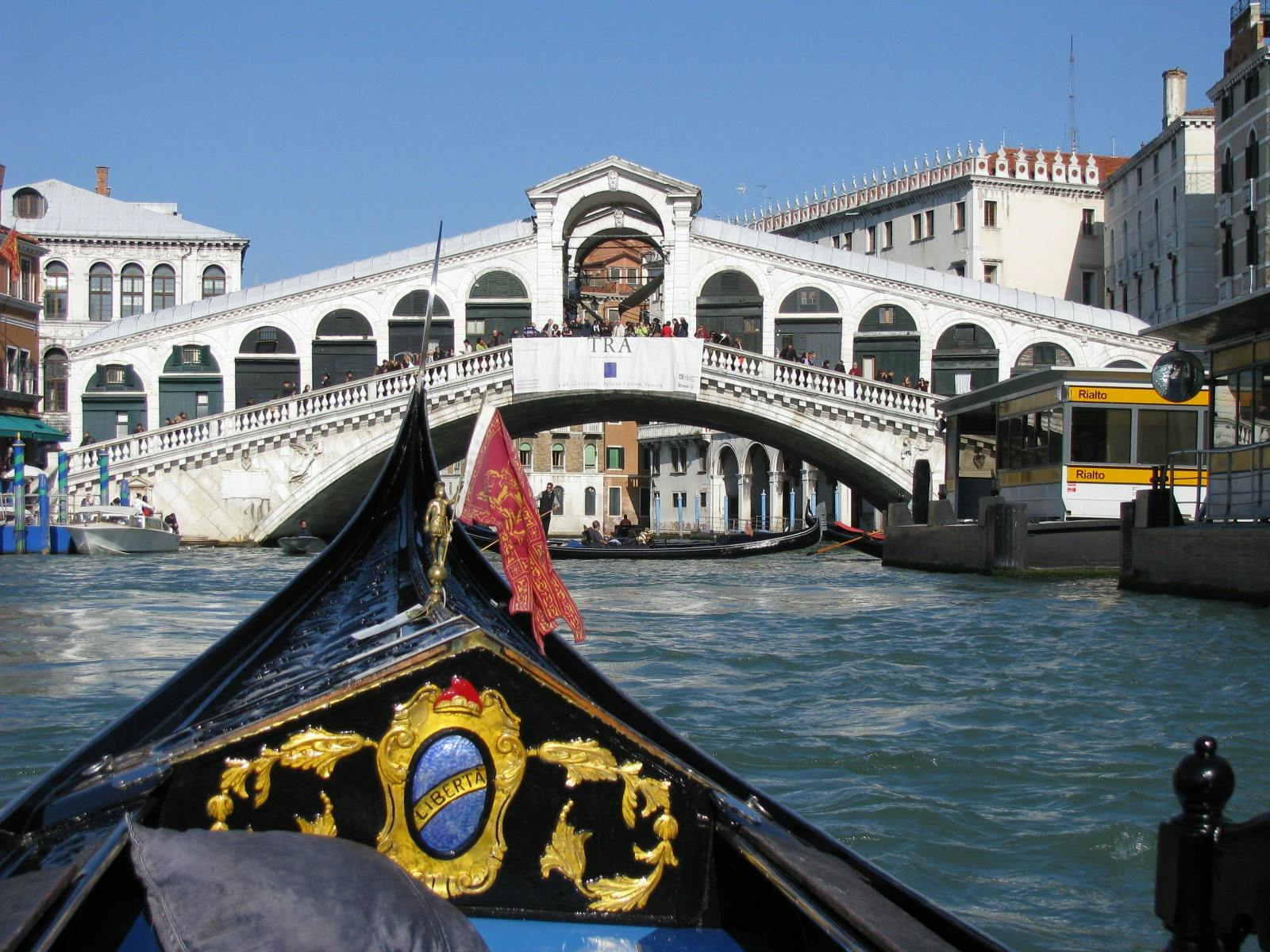
Venice: Gondola tours Italy Book the most popular Gondola tours in Venice. Best price and money back guarantee! Read the reviews of your fellow travelers.
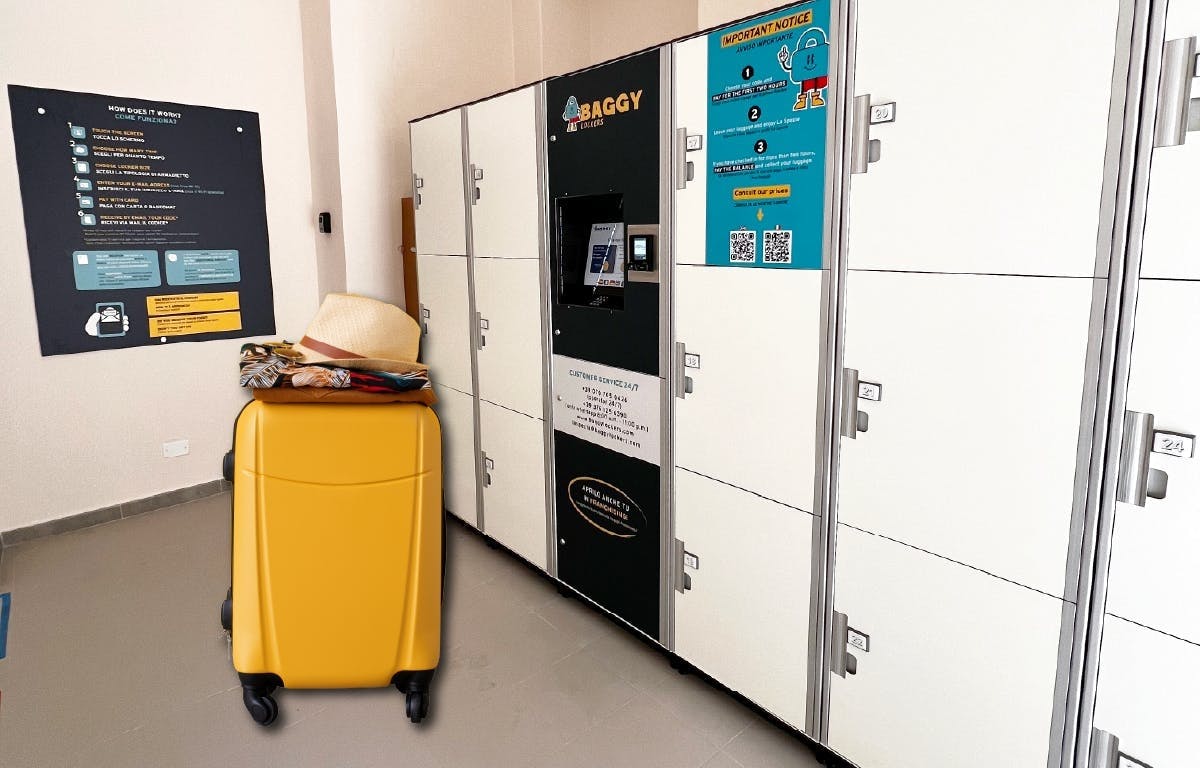
Venice Rialto Bridge Luggage Storage Italy Plan Venice Rialto Bridge Luggage Storage, a travel service, with practical tips on timing, inclusions and what to check before booking. Compare current availability, prices and booking conditions before you go.
Venice guided excursion From Verona with boat trip Italy Plan Venice guided excursion From Verona with boat trip, a water-based experience, with practical tips on timing, inclusions and what to check before booking. Compare current availability, prices and booking conditions before you go.
Discover Traditional flamenco show in a historic center tablao in Granada museums, galleries, landmarks, parks, food culture, and hidden gems with practical tips
Sponsored Popular Items
Quick take: Musement.com offers a worldwide selection of tours and attractions
Why Visit Traditional flamenco show in a historic center tablao in Granada USD 24
Traditional flamenco show in a historic center tablao in Granada USD 24 blends history, culture, and everyday life in a way that rewards slow exploration. Travellers find a mix of museums, lively streets, and neighbourhood charm.
From landmark architecture to green spaces and local markets, the city offers a balanced itinerary for first-time visitors and repeat travellers alike.
History & Heritage Museums
Traditional flamenco show in a historic center tablao in Granada USD 24’s museums help you step through the region’s timeline with clear exhibits and well-curated collections. Expect artifacts, multimedia displays, and concise interpretation panels.
Most venues are walkable or connected by public transport, and many offer audio guides or rotating exhibitions that spotlight local stories alongside global context.
Art Galleries & Cultural Spaces
Creative hubs in Traditional flamenco show in a historic center tablao in Granada USD 24 highlight classical works, contemporary installations, and community projects under one skyline. Small studios sit alongside established galleries.
Look for temporary shows, evening openings, and cultural centres where workshops, talks, and performances make art approachable and engaging for all visitors.
Science & Innovation Centers
Interactive science spaces introduce technology, nature, and engineering through hands-on exhibits. Families appreciate zones designed for curious minds at different ages.
Expect live demos, observatories or labs, and special programming during weekends or holidays that turn complex ideas into memorable experiences.
Landmarks & Architecture
Traditional flamenco show in a historic center tablao in Granada USD 24 combines historic façades with modern silhouettes. Prominent squares, monuments, and skyline viewpoints help orient your footsteps across the city.
Architectural walks reveal different eras side by side, while guided tours unpack details you might otherwise miss, from craftsmanship to city-planning decisions.
Family Attractions
Parks with playgrounds, small zoos or aquariums, and light-touch museums make planning with kids straightforward. Many sites include cafés, shade, and stroller-friendly paths.
Pick attractions with short dwell times and nearby rest stops, then layer in one larger activity—like a scenic ride, boat trip, or theme exhibit—per day.
Parks & Promenades
Green belts, riverside walks, and hilltop lookouts provide fresh air between museum visits. Morning jogs and sunset strolls show a quieter side of the city.
Wayfinding is generally intuitive; look for signed trails and public gardens with seasonal blooms, sculptures, and benches for unhurried breaks.
Food & Culture Highlights
Food in Traditional flamenco show in a historic center tablao in Granada USD 24 reflects regional produce and neighbourhood traditions. Markets offer quick tastings, while casual eateries and bakeries keep schedules flexible.
Consider a short food walk to sample local staples, sweets, or street snacks. Reserve popular spots early for weekends and arrive mid-week for calmer dining rooms.
Local Favorites & Hidden Gems
Beyond main streets, residential quarters hide pocket parks, indie bookshops, and family-run cafés. Small museums and community theatres reward curious detours.
Chat with locals for tips on viewpoint alleys, quiet courtyards, and seasonal events—simple moments that often become the highlight of a visit.
Travel Tips
Use a reloadable transit card or day pass; many sights cluster by district, making it easy to group stops. Comfortable walking shoes are essential on mixed surfaces.
Check opening days and timed-entry policies, especially on Mondays and public holidays. Carry a refillable bottle and light layers for changeable weather.
Final Thoughts
Traditional flamenco show in a historic center tablao in Granada USD 24 invites you to balance headline attractions with slow, local moments. Pace your days, follow your interests, and give each neighbourhood time to breathe.
With thoughtful planning and an open schedule, you’ll leave with a clear sense of place—and reasons to return.
Sponsored Popular Items
Quick take: Musement.com offers a worldwide selection of tours and attractions
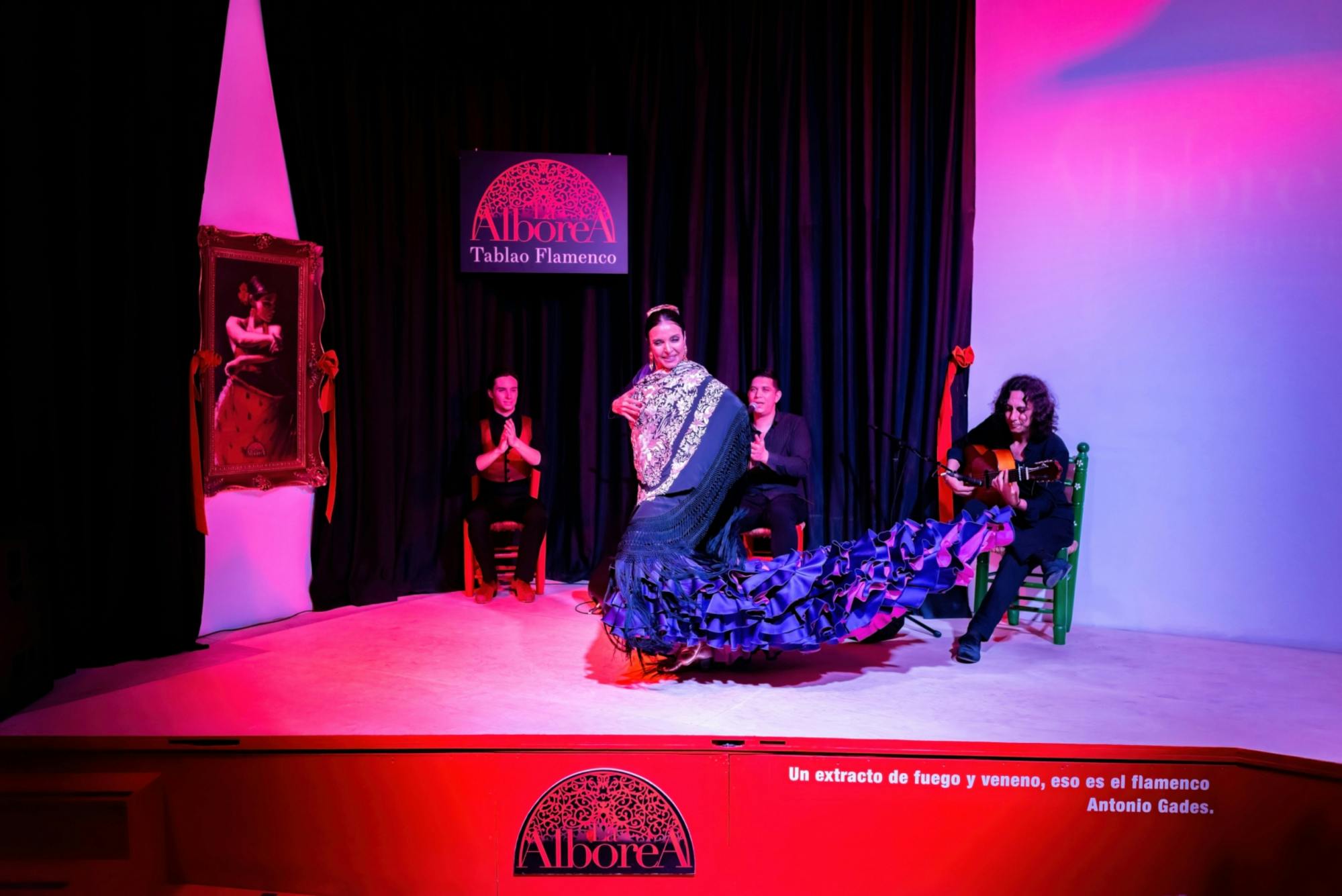
Traditional Flamenco Show at Tablao Casa Ana in Granada – Live Entertainment Spain Traditional Flamenco Show at Tablao Casa Ana in Granada adds an evening or indoor cultural experience to the itinerary, with the performance itself as the main attraction. Check current availability, inclusions and booking details before you go.
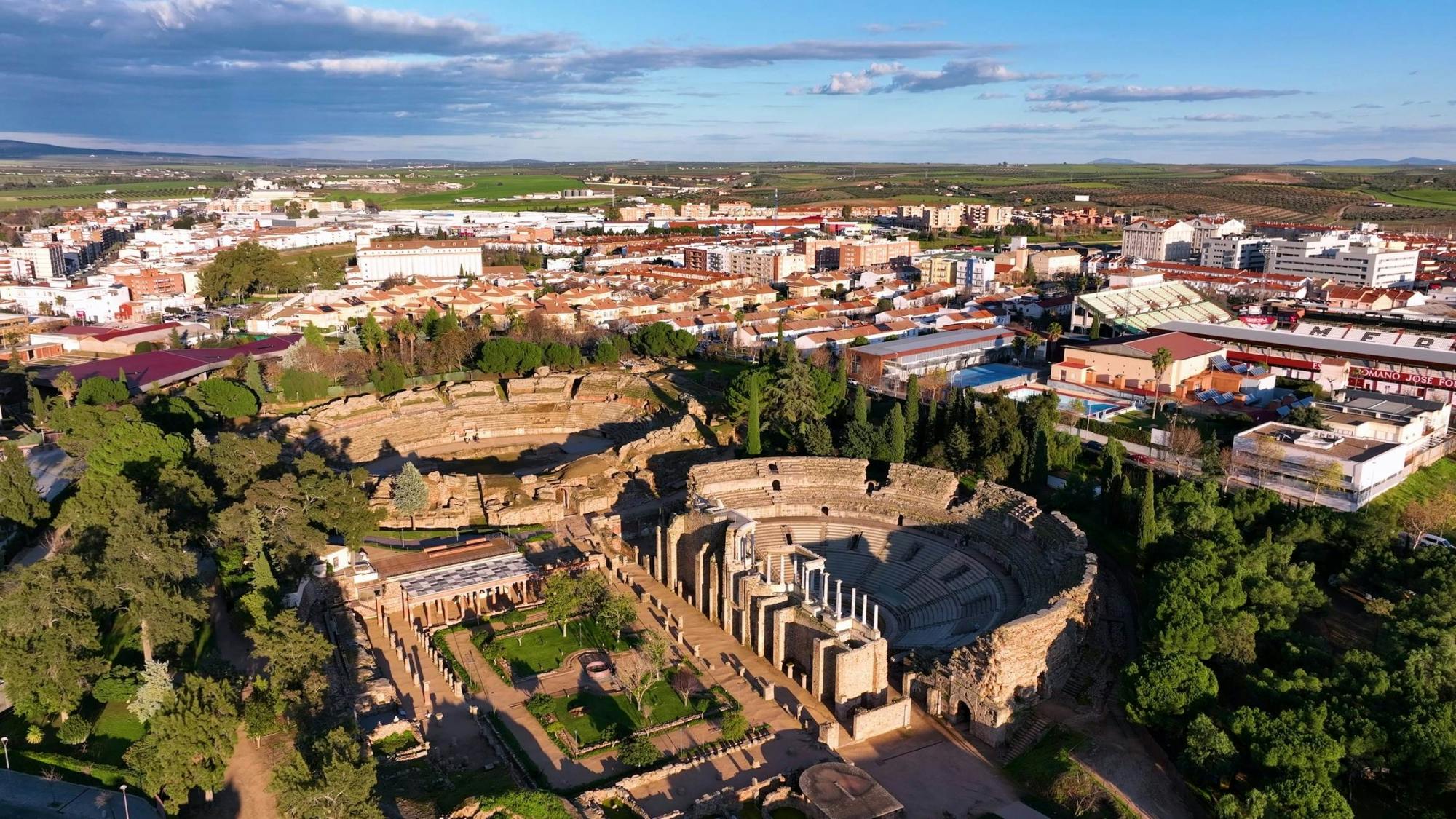
Discover Mérida Roman Theatre Tickets and Self-Guided Audio Tour museums, galleries, landmarks, parks, food culture, and hidden gems with practical tips for an
Sponsored Popular Items
Quick take: Musement.com offers a worldwide selection of tours and attractions
Mérida Roman Theatre Tickets and Self-Guided Audio Tour - Live Entertainment Mérida Roman Theatre Tickets and Self-Guided Audio Tour combines independent exploration with recorded commentary, allowing travellers to discover Cordoba at their own pace. Check current availability, inclusions and booking details before you go.
Why Visit Mérida Roman Theatre Tickets and Self-Guided Audio Tour USD 32
Mérida Roman Theatre Tickets and Self-Guided Audio Tour USD 32 blends history, culture, and everyday life in a way that rewards slow exploration. Travellers find a mix of museums, lively streets, and neighbourhood charm.
From landmark architecture to green spaces and local markets, the city offers a balanced itinerary for first-time visitors and repeat travellers alike.
History & Heritage Museums
Mérida Roman Theatre Tickets and Self-Guided Audio Tour USD 32’s museums help you step through the region’s timeline with clear exhibits and well-curated collections. Expect artifacts, multimedia displays, and concise interpretation panels.
Most venues are walkable or connected by public transport, and many offer audio guides or rotating exhibitions that spotlight local stories alongside global context.
Art Galleries & Cultural Spaces
Creative hubs in Mérida Roman Theatre Tickets and Self-Guided Audio Tour USD 32 highlight classical works, contemporary installations, and community projects under one skyline. Small studios sit alongside established galleries.
Look for temporary shows, evening openings, and cultural centres where workshops, talks, and performances make art approachable and engaging for all visitors.
Science & Innovation Centers
Interactive science spaces introduce technology, nature, and engineering through hands-on exhibits. Families appreciate zones designed for curious minds at different ages.
Expect live demos, observatories or labs, and special programming during weekends or holidays that turn complex ideas into memorable experiences.
Landmarks & Architecture
Mérida Roman Theatre Tickets and Self-Guided Audio Tour USD 32 combines historic façades with modern silhouettes. Prominent squares, monuments, and skyline viewpoints help orient your footsteps across the city.
Architectural walks reveal different eras side by side, while guided tours unpack details you might otherwise miss, from craftsmanship to city-planning decisions.
Family Attractions
Parks with playgrounds, small zoos or aquariums, and light-touch museums make planning with kids straightforward. Many sites include cafés, shade, and stroller-friendly paths.
Pick attractions with short dwell times and nearby rest stops, then layer in one larger activity—like a scenic ride, boat trip, or theme exhibit—per day.
Parks & Promenades
Green belts, riverside walks, and hilltop lookouts provide fresh air between museum visits. Morning jogs and sunset strolls show a quieter side of the city.
Wayfinding is generally intuitive; look for signed trails and public gardens with seasonal blooms, sculptures, and benches for unhurried breaks.
Food & Culture Highlights
Food in Mérida Roman Theatre Tickets and Self-Guided Audio Tour USD 32 reflects regional produce and neighbourhood traditions. Markets offer quick tastings, while casual eateries and bakeries keep schedules flexible.
Consider a short food walk to sample local staples, sweets, or street snacks. Reserve popular spots early for weekends and arrive mid-week for calmer dining rooms.
Local Favorites & Hidden Gems
Beyond main streets, residential quarters hide pocket parks, indie bookshops, and family-run cafés. Small museums and community theatres reward curious detours.
Chat with locals for tips on viewpoint alleys, quiet courtyards, and seasonal events—simple moments that often become the highlight of a visit.
Travel Tips
Use a reloadable transit card or day pass; many sights cluster by district, making it easy to group stops. Comfortable walking shoes are essential on mixed surfaces.
Check opening days and timed-entry policies, especially on Mondays and public holidays. Carry a refillable bottle and light layers for changeable weather.
Final Thoughts
Mérida Roman Theatre Tickets and Self-Guided Audio Tour USD 32 invites you to balance headline attractions with slow, local moments. Pace your days, follow your interests, and give each neighbourhood time to breathe.
With thoughtful planning and an open schedule, you’ll leave with a clear sense of place—and reasons to return.
Sponsored Popular Items
Quick take: Musement.com offers a worldwide selection of tours and attractions
Mérida Roman Theatre Tickets and Self-Guided Audio Tour - Live Entertainment Mérida Roman Theatre Tickets and Self-Guided Audio Tour combines independent exploration with recorded commentary, allowing travellers to discover Cordoba at their own pace. Check current availability, inclusions and booking details before you go.
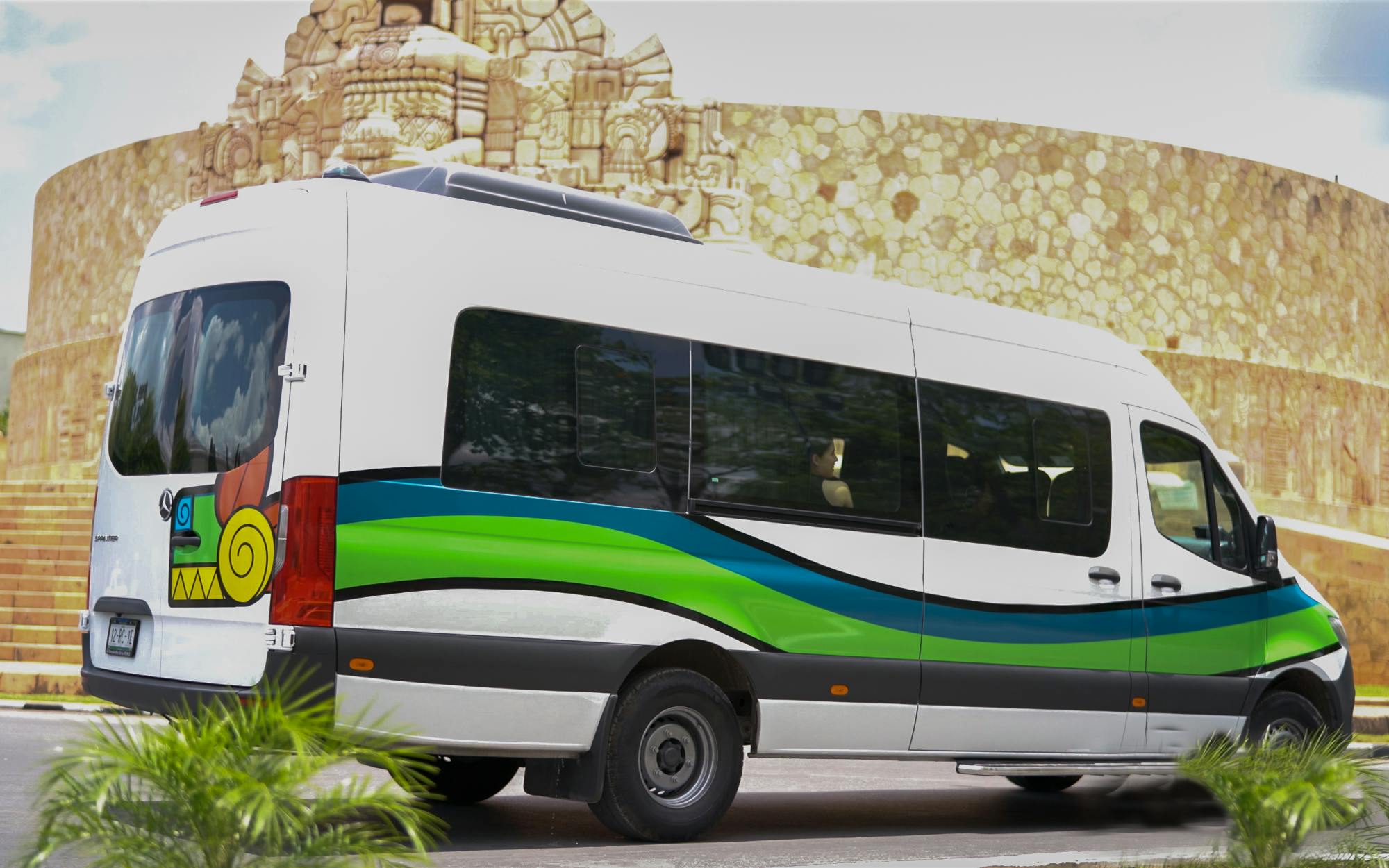
Transfer from Mérida Airport to Mérida Hotels - Travel Service Mexico Transfer from Mérida Airport to Mérida Hotels Transfer from Mérida Airport to Mérida Hotels is designed to simplify transport. Check current availability, inclusions and booking details before you go.
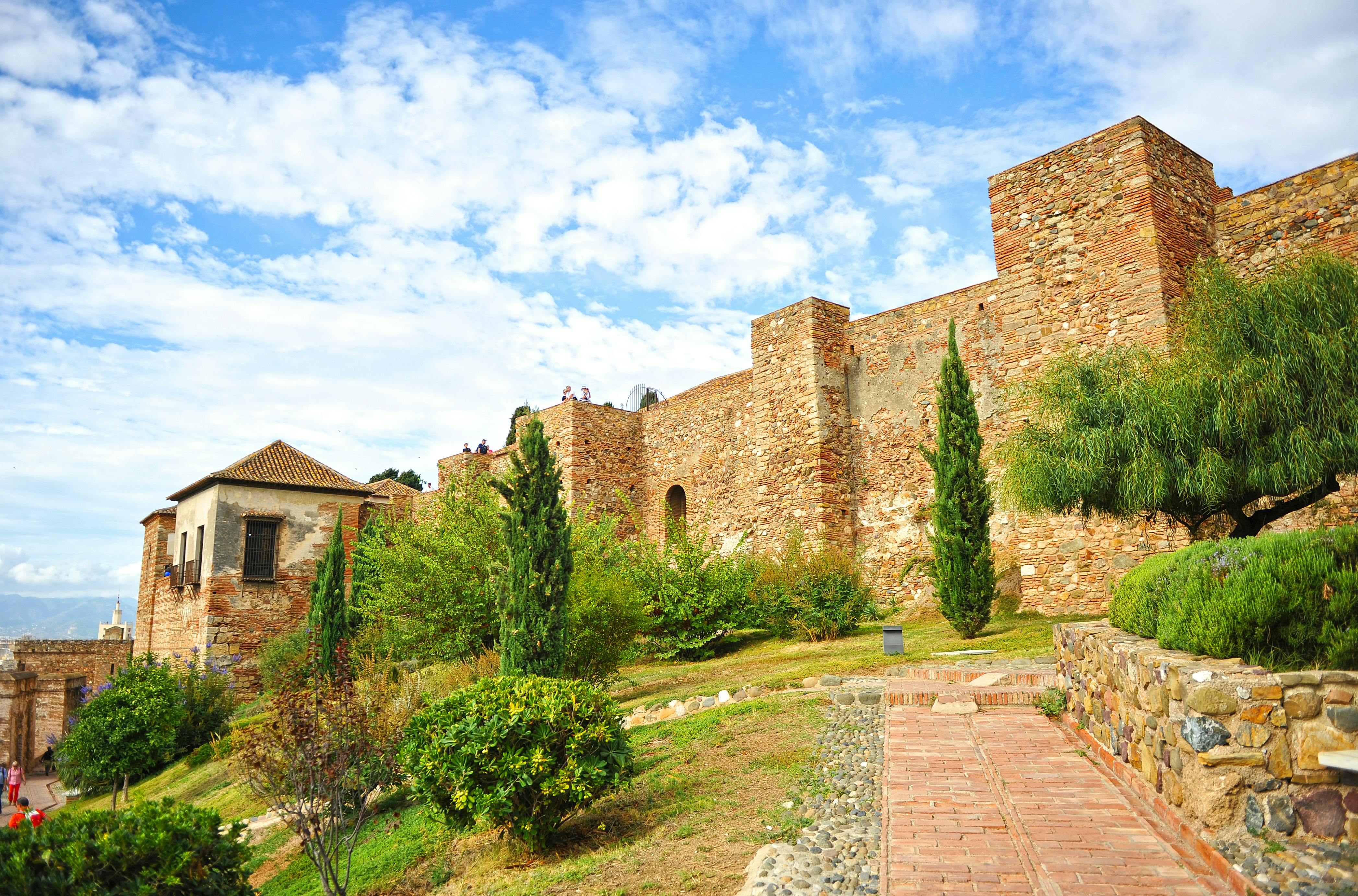
Flamenco, Tapas and Wine Tour in Malaga - Guided Sightseeing Tour Spain Flamenco, Tapas and Wine Tour in Malaga - Guided Sightseeing Tour Flamenco, Tapas and Wine Tour in Malaga - Guided Sightseeing Tour is a practical way to combine sightseeing with local flavours in Málaga. Check current availability, inclusions and booking details before you go.
Why Visit Flamenco, Tapas and Wine Tour in Malaga USD 105
Flamenco, Tapas and Wine Tour in Malaga USD 105 blends history, culture, and everyday life in a way that rewards slow exploration. Travellers find a mix of museums, lively streets, and neighbourhood charm.
From landmark architecture to green spaces and local markets, the city offers a balanced itinerary for first-time visitors and repeat travellers alike.
History & Heritage Museums
Flamenco, Tapas and Wine Tour in Malaga USD 105’s museums help you step through the region’s timeline with clear exhibits and well-curated collections. Expect artifacts, multimedia displays, and concise interpretation panels.
Most venues are walkable or connected by public transport, and many offer audio guides or rotating exhibitions that spotlight local stories alongside global context.
Art Galleries & Cultural Spaces
Creative hubs in Flamenco, Tapas and Wine Tour in Malaga USD 105 highlight classical works, contemporary installations, and community projects under one skyline. Small studios sit alongside established galleries.
Look for temporary shows, evening openings, and cultural centres where workshops, talks, and performances make art approachable and engaging for all visitors.
Science & Innovation Centers
Interactive science spaces introduce technology, nature, and engineering through hands-on exhibits. Families appreciate zones designed for curious minds at different ages.
Expect live demos, observatories or labs, and special programming during weekends or holidays that turn complex ideas into memorable experiences.
Landmarks & Architecture
Flamenco, Tapas and Wine Tour in Malaga USD 105 combines historic façades with modern silhouettes. Prominent squares, monuments, and skyline viewpoints help orient your footsteps across the city.
Architectural walks reveal different eras side by side, while guided tours unpack details you might otherwise miss, from craftsmanship to city-planning decisions.
Family Attractions
Parks with playgrounds, small zoos or aquariums, and light-touch museums make planning with kids straightforward. Many sites include cafés, shade, and stroller-friendly paths.
Pick attractions with short dwell times and nearby rest stops, then layer in one larger activity—like a scenic ride, boat trip, or theme exhibit—per day.
Parks & Promenades
Green belts, riverside walks, and hilltop lookouts provide fresh air between museum visits. Morning jogs and sunset strolls show a quieter side of the city.
Wayfinding is generally intuitive; look for signed trails and public gardens with seasonal blooms, sculptures, and benches for unhurried breaks.
Food & Culture Highlights
Food in Flamenco, Tapas and Wine Tour in Malaga USD 105 reflects regional produce and neighbourhood traditions. Markets offer quick tastings, while casual eateries and bakeries keep schedules flexible.
Consider a short food walk to sample local staples, sweets, or street snacks. Reserve popular spots early for weekends and arrive mid-week for calmer dining rooms.
Local Favorites & Hidden Gems
Beyond main streets, residential quarters hide pocket parks, indie bookshops, and family-run cafés. Small museums and community theatres reward curious detours.
Chat with locals for tips on viewpoint alleys, quiet courtyards, and seasonal events—simple moments that often become the highlight of a visit.
Travel Tips
Use a reloadable transit card or day pass; many sights cluster by district, making it easy to group stops. Comfortable walking shoes are essential on mixed surfaces.
Check opening days and timed-entry policies, especially on Mondays and public holidays. Carry a refillable bottle and light layers for changeable weather.
Final Thoughts
Flamenco, Tapas and Wine Tour in Malaga USD 105 invites you to balance headline attractions with slow, local moments. Pace your days, follow your interests, and give each neighbourhood time to breathe.
With thoughtful planning and an open schedule, you’ll leave with a clear sense of place—and reasons to return.
Sponsored Popular Items
Quick take: Musement.com offers a worldwide selection of tours and attractions
Flamenco, Tapas and Wine Tour in Malaga - Guided Sightseeing Tour Spain Flamenco, Tapas and Wine Tour in Malaga - Guided Sightseeing Tour Flamenco, Tapas and Wine Tour in Malaga - Guided Sightseeing Tour is a practical way to combine sightseeing with local flavours in Málaga. Check current availability, inclusions and booking details before you go.
Barcelona Gourmet Tapas Walking Tour and Flamenco Show Spain Plan Barcelona Gourmet Tapas Walking Tour and Flamenco Show, a outdoor experience, with practical tips on timing, inclusions and what to check before booking. Compare current availability, prices and booking conditions before you go.
Ayamonte tour with tapas and flamenco show – Food & Drink Experience Spain Plan Ayamonte tour with tapas and flamenco show – Food & Drink Experience, a food and drink experience, with practical tips on timing, inclusions and what to check before booking. Compare current availability, prices and booking conditions before you go.
Discover Madrid Tour and Flamenco Show with Dinner Option museums, galleries, landmarks, parks, food culture, and hidden gems with practical tips for an
Sponsored Popular Items
Quick take: Musement.com offers a worldwide selection of tours and attractions
Madrid Tour and Flamenco Show with Dinner Option – Food & Culture Experience Spain Madrid Tour and Flamenco Show with Dinner Option explores the destination through flavour, regional customs and the stories connected with food or drink. Check current availability, inclusions and booking details before you go.
Why Visit Madrid Tour and Flamenco Show with Dinner Option USD 65
Madrid Tour and Flamenco Show with Dinner Option USD 65 blends history, culture, and everyday life in a way that rewards slow exploration. Travellers find a mix of museums, lively streets, and neighbourhood charm.
From landmark architecture to green spaces and local markets, the city offers a balanced itinerary for first-time visitors and repeat travellers alike.
History & Heritage Museums
Madrid Tour and Flamenco Show with Dinner Option USD 65’s museums help you step through the region’s timeline with clear exhibits and well-curated collections. Expect artifacts, multimedia displays, and concise interpretation panels.
Most venues are walkable or connected by public transport, and many offer audio guides or rotating exhibitions that spotlight local stories alongside global context.
Art Galleries & Cultural Spaces
Creative hubs in Madrid Tour and Flamenco Show with Dinner Option USD 65 highlight classical works, contemporary installations, and community projects under one skyline. Small studios sit alongside established galleries.
Look for temporary shows, evening openings, and cultural centres where workshops, talks, and performances make art approachable and engaging for all visitors.
Science & Innovation Centers
Interactive science spaces introduce technology, nature, and engineering through hands-on exhibits. Families appreciate zones designed for curious minds at different ages.
Expect live demos, observatories or labs, and special programming during weekends or holidays that turn complex ideas into memorable experiences.
Landmarks & Architecture
Madrid Tour and Flamenco Show with Dinner Option USD 65 combines historic façades with modern silhouettes. Prominent squares, monuments, and skyline viewpoints help orient your footsteps across the city.
Architectural walks reveal different eras side by side, while guided tours unpack details you might otherwise miss, from craftsmanship to city-planning decisions.
Family Attractions
Parks with playgrounds, small zoos or aquariums, and light-touch museums make planning with kids straightforward. Many sites include cafés, shade, and stroller-friendly paths.
Pick attractions with short dwell times and nearby rest stops, then layer in one larger activity—like a scenic ride, boat trip, or theme exhibit—per day.
Parks & Promenades
Green belts, riverside walks, and hilltop lookouts provide fresh air between museum visits. Morning jogs and sunset strolls show a quieter side of the city.
Wayfinding is generally intuitive; look for signed trails and public gardens with seasonal blooms, sculptures, and benches for unhurried breaks.
Food & Culture Highlights
Food in Madrid Tour and Flamenco Show with Dinner Option USD 65 reflects regional produce and neighbourhood traditions. Markets offer quick tastings, while casual eateries and bakeries keep schedules flexible.
Consider a short food walk to sample local staples, sweets, or street snacks. Reserve popular spots early for weekends and arrive mid-week for calmer dining rooms.
Local Favorites & Hidden Gems
Beyond main streets, residential quarters hide pocket parks, indie bookshops, and family-run cafés. Small museums and community theatres reward curious detours.
Chat with locals for tips on viewpoint alleys, quiet courtyards, and seasonal events—simple moments that often become the highlight of a visit.
Travel Tips
Use a reloadable transit card or day pass; many sights cluster by district, making it easy to group stops. Comfortable walking shoes are essential on mixed surfaces.
Check opening days and timed-entry policies, especially on Mondays and public holidays. Carry a refillable bottle and light layers for changeable weather.
Final Thoughts
Madrid Tour and Flamenco Show with Dinner Option USD 65 invites you to balance headline attractions with slow, local moments. Pace your days, follow your interests, and give each neighbourhood time to breathe.
With thoughtful planning and an open schedule, you’ll leave with a clear sense of place—and reasons to return.
Sponsored Popular Items
Quick take: Musement.com offers a worldwide selection of tours and attractions
Madrid Tour and Flamenco Show with Dinner Option – Food & Culture Experience Spain Madrid Tour and Flamenco Show with Dinner Option explores the destination through flavour, regional customs and the stories connected with food or drink. Check current availability, inclusions and booking details before you go.
Live Flamenco Show and Entry Ticket to Seville Flamenco Dance Museum Live flamenco show and entrance tickets to Seville Flamenco Dance Museum adds theatre, music or live performance to the itinerary and works well alongside daytime sightseeing. Check current availability, inclusions and booking details before you go.
Flamenco Show at El Duende in La Rambla Barcelona – Live Entertainment Spain Flamenco Show at El Duende in La Rambla Barcelona adds theatre, music or live performance to the itinerary and works well alongside daytime sightseeing. Check current availability, inclusions and booking details before you go.
Why Visit Flamenco Show at El Duende in La Rambla Barcelona USD 32
Flamenco Show at El Duende in La Rambla Barcelona USD 32 blends history, culture, and everyday life in a way that rewards slow exploration. Travellers find a mix of museums, lively streets, and neighbourhood charm.
From landmark architecture to green spaces and local markets, the city offers a balanced itinerary for first-time visitors and repeat travellers alike.
History & Heritage Museums
Flamenco Show at El Duende in La Rambla Barcelona USD 32’s museums help you step through the region’s timeline with clear exhibits and well-curated collections. Expect artifacts, multimedia displays, and concise interpretation panels.
Most venues are walkable or connected by public transport, and many offer audio guides or rotating exhibitions that spotlight local stories alongside global context.
Art Galleries & Cultural Spaces
Creative hubs in Flamenco Show at El Duende in La Rambla Barcelona USD 32 highlight classical works, contemporary installations, and community projects under one skyline. Small studios sit alongside established galleries.
Look for temporary shows, evening openings, and cultural centres where workshops, talks, and performances make art approachable and engaging for all visitors.
Science & Innovation Centers
Interactive science spaces introduce technology, nature, and engineering through hands-on exhibits. Families appreciate zones designed for curious minds at different ages.
Expect live demos, observatories or labs, and special programming during weekends or holidays that turn complex ideas into memorable experiences.
Landmarks & Architecture
Flamenco Show at El Duende in La Rambla Barcelona USD 32 combines historic façades with modern silhouettes. Prominent squares, monuments, and skyline viewpoints help orient your footsteps across the city.
Architectural walks reveal different eras side by side, while guided tours unpack details you might otherwise miss, from craftsmanship to city-planning decisions.
Family Attractions
Parks with playgrounds, small zoos or aquariums, and light-touch museums make planning with kids straightforward. Many sites include cafés, shade, and stroller-friendly paths.
Pick attractions with short dwell times and nearby rest stops, then layer in one larger activity—like a scenic ride, boat trip, or theme exhibit—per day.
Parks & Promenades
Green belts, riverside walks, and hilltop lookouts provide fresh air between museum visits. Morning jogs and sunset strolls show a quieter side of the city.
Wayfinding is generally intuitive; look for signed trails and public gardens with seasonal blooms, sculptures, and benches for unhurried breaks.
Food & Culture Highlights
Food in Flamenco Show at El Duende in La Rambla Barcelona USD 32 reflects regional produce and neighbourhood traditions. Markets offer quick tastings, while casual eateries and bakeries keep schedules flexible.
Consider a short food walk to sample local staples, sweets, or street snacks. Reserve popular spots early for weekends and arrive mid-week for calmer dining rooms.
Local Favorites & Hidden Gems
Beyond main streets, residential quarters hide pocket parks, indie bookshops, and family-run cafés. Small museums and community theatres reward curious detours.
Chat with locals for tips on viewpoint alleys, quiet courtyards, and seasonal events—simple moments that often become the highlight of a visit.
Travel Tips
Use a reloadable transit card or day pass; many sights cluster by district, making it easy to group stops. Comfortable walking shoes are essential on mixed surfaces.
Check opening days and timed-entry policies, especially on Mondays and public holidays. Carry a refillable bottle and light layers for changeable weather.
Final Thoughts
Flamenco Show at El Duende in La Rambla Barcelona USD 32 invites you to balance headline attractions with slow, local moments. Pace your days, follow your interests, and give each neighbourhood time to breathe.
With thoughtful planning and an open schedule, you’ll leave with a clear sense of place—and reasons to return.
Sponsored Popular Items
Quick take: Musement.com offers a worldwide selection of tours and attractions
Flamenco Show at El Duende in La Rambla Barcelona – Live Entertainment Spain Flamenco Show at El Duende in La Rambla Barcelona adds theatre, music or live performance to the itinerary and works well alongside daytime sightseeing. Check current availability, inclusions and booking details before you go.
La Rambla Walking Tours & Local Experiences Spain Compare sightseeing experiences in La Rambla Walking, with practical tips on timing, inclusions and choosing the right option. Check current availability, prices and booking conditions before you go.
Discover Flamenco Show at Tablao Flamenco Alma museums, galleries, landmarks, parks, food culture, and hidden gems with practical tips for an easy, engaging
Sponsored Popular Items
Quick take: Musement.com offers a worldwide selection of tours and attractions
Flamenco Show at Tablao Flamenco Alma – Live Entertainment Spain Flamenco Show at Tablao Flamenco Alma adds theatre, music or live performance to the itinerary and works well alongside daytime sightseeing. Check current availability, inclusions and booking details before you go.
Why Visit Flamenco Show at Tablao Flamenco Alma USD 41
Flamenco Show at Tablao Flamenco Alma blends history, culture, and everyday life in a way that rewards slow exploration. Travellers find a mix of museums, lively streets, and neighbourhood charm.
From landmark architecture to green spaces and local markets, the city offers a balanced itinerary for first-time visitors and repeat travellers alike.
History & Heritage Museums
Flamenco Show at Tablao Flamenco Alma museums help you step through the region’s timeline with clear exhibits and well-curated collections. Expect artifacts, multimedia displays, and concise interpretation panels.
Most venues are walkable or connected by public transport, and many offer audio guides or rotating exhibitions that spotlight local stories alongside global context.
Art Galleries & Cultural Spaces
Creative hubs in Flamenco Show at Tablao Flamenco Alma highlight classical works, contemporary installations, and community projects under one skyline. Small studios sit alongside established galleries.
Look for temporary shows, evening openings, and cultural centres where workshops, talks, and performances make art approachable and engaging for all visitors.
Science & Innovation Centers
Interactive science spaces introduce technology, nature, and engineering through hands-on exhibits. Families appreciate zones designed for curious minds at different ages.
Expect live demos, observatories or labs, and special programming during weekends or holidays that turn complex ideas into memorable experiences.
Landmarks & Architecture
Flamenco Show at Tablao Flamenco Alma combines historic façades with modern silhouettes. Prominent squares, monuments, and skyline viewpoints help orient your footsteps across the city.
Architectural walks reveal different eras side by side, while guided tours unpack details you might otherwise miss, from craftsmanship to city-planning decisions.
Family Attractions
Parks with playgrounds, small zoos or aquariums, and light-touch museums make planning with kids straightforward. Many sites include cafés, shade, and stroller-friendly paths.
Pick attractions with short dwell times and nearby rest stops, then layer in one larger activity—like a scenic ride, boat trip, or theme exhibit—per day.
Parks & Promenades
Green belts, riverside walks, and hilltop lookouts provide fresh air between museum visits. Morning jogs and sunset strolls show a quieter side of the city.
Wayfinding is generally intuitive; look for signed trails and public gardens with seasonal blooms, sculptures, and benches for unhurried breaks.
Food & Culture Highlights
Food in Flamenco Show at Tablao Flamenco Alma reflects regional produce and neighbourhood traditions. Markets offer quick tastings, while casual eateries and bakeries keep schedules flexible.
Consider a short food walk to sample local staples, sweets, or street snacks. Reserve popular spots early for weekends and arrive mid-week for calmer dining rooms.
Local Favorites & Hidden Gems
Beyond main streets, residential quarters hide pocket parks, indie bookshops, and family-run cafés. Small museums and community theatres reward curious detours.
Chat with locals for tips on viewpoint alleys, quiet courtyards, and seasonal events—simple moments that often become the highlight of a visit.
Travel Tips
Use a reloadable transit card or day pass; many sights cluster by district, making it easy to group stops. Comfortable walking shoes are essential on mixed surfaces.
Check opening days and timed-entry policies, especially on Mondays and public holidays. Carry a refillable bottle and light layers for changeable weather.
Final Thoughts
Flamenco Show at Tablao Flamenco Alma invites you to balance headline attractions with slow, local moments. Pace your days, follow your interests, and give each neighbourhood time to breathe.
With thoughtful planning and an open schedule, you’ll leave with a clear sense of place—and reasons to return.
Sponsored Popular Items
Quick take: Musement.com offers a worldwide selection of tours and attractions
Flamenco Show at Tablao Flamenco Alma – Live Entertainment Spain Flamenco Show at Tablao Flamenco Alma adds theatre, music or live performance to the itinerary and works well alongside daytime sightseeing. Check current availability, inclusions and booking details before you go.