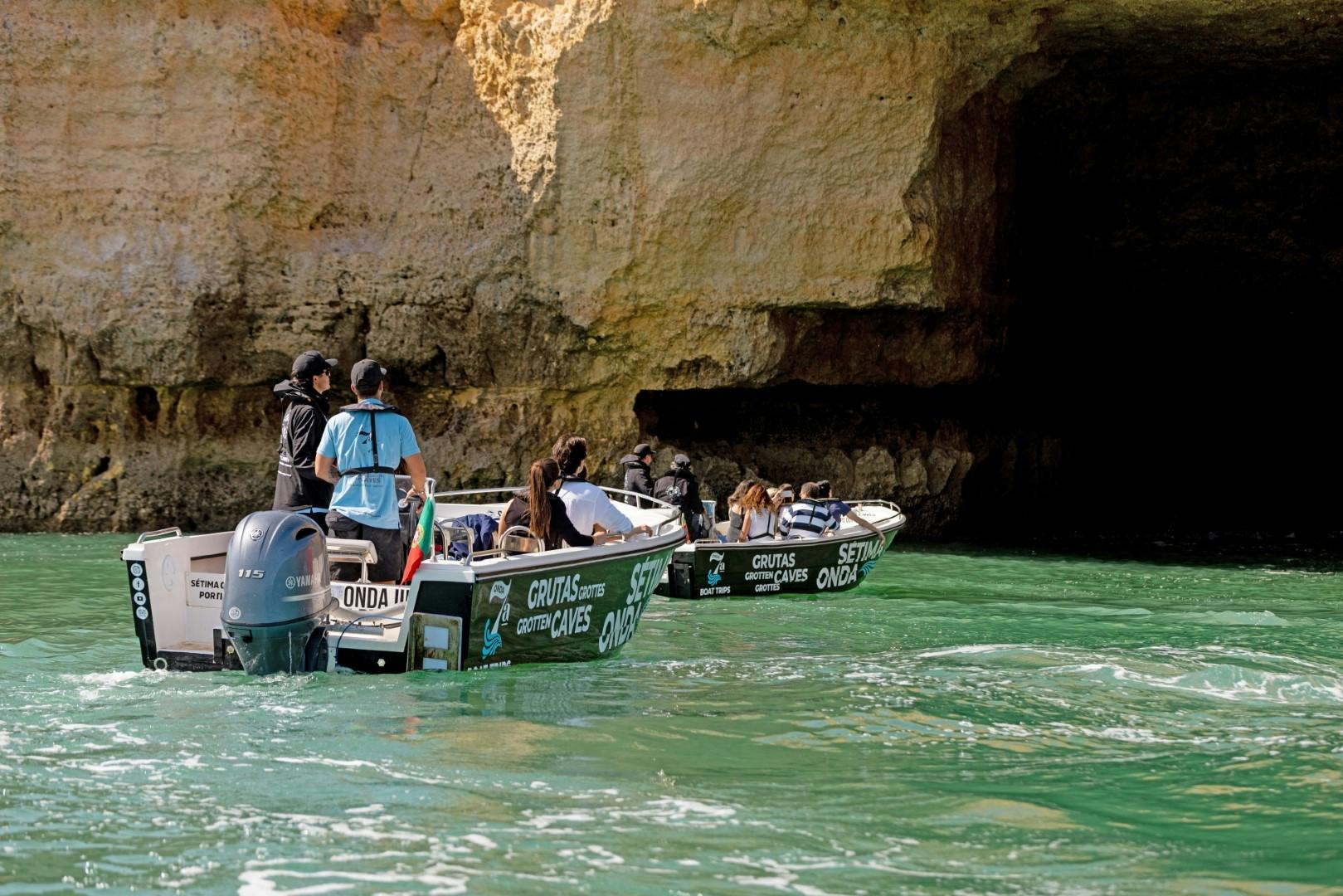
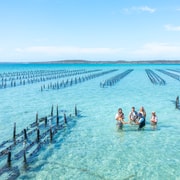
A boat trip to Montenegro Blue Cave and Žanjice Beach combines one of the country’s most photographed natural attractions with a relaxed swimming stop on the Luštica Peninsula.
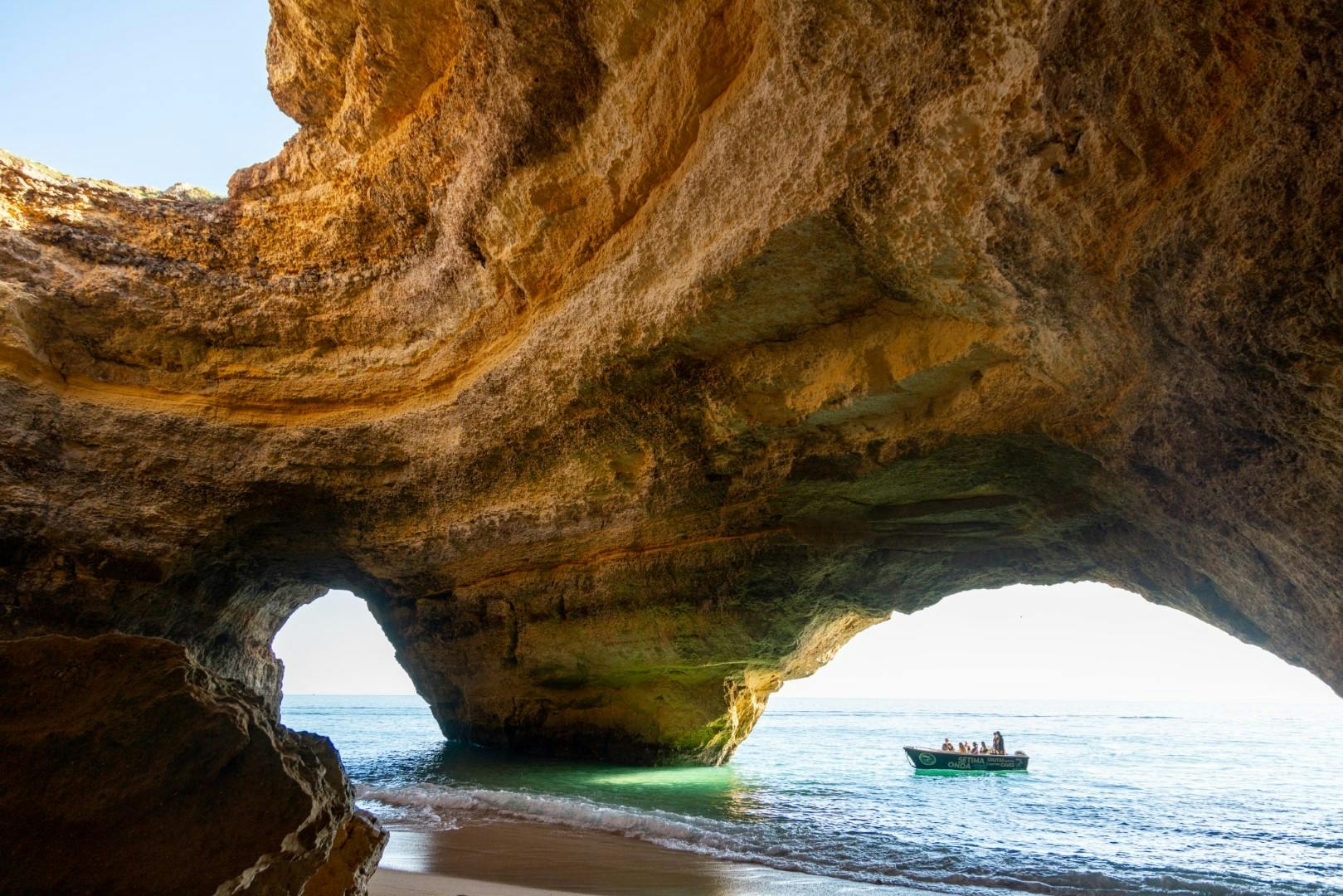
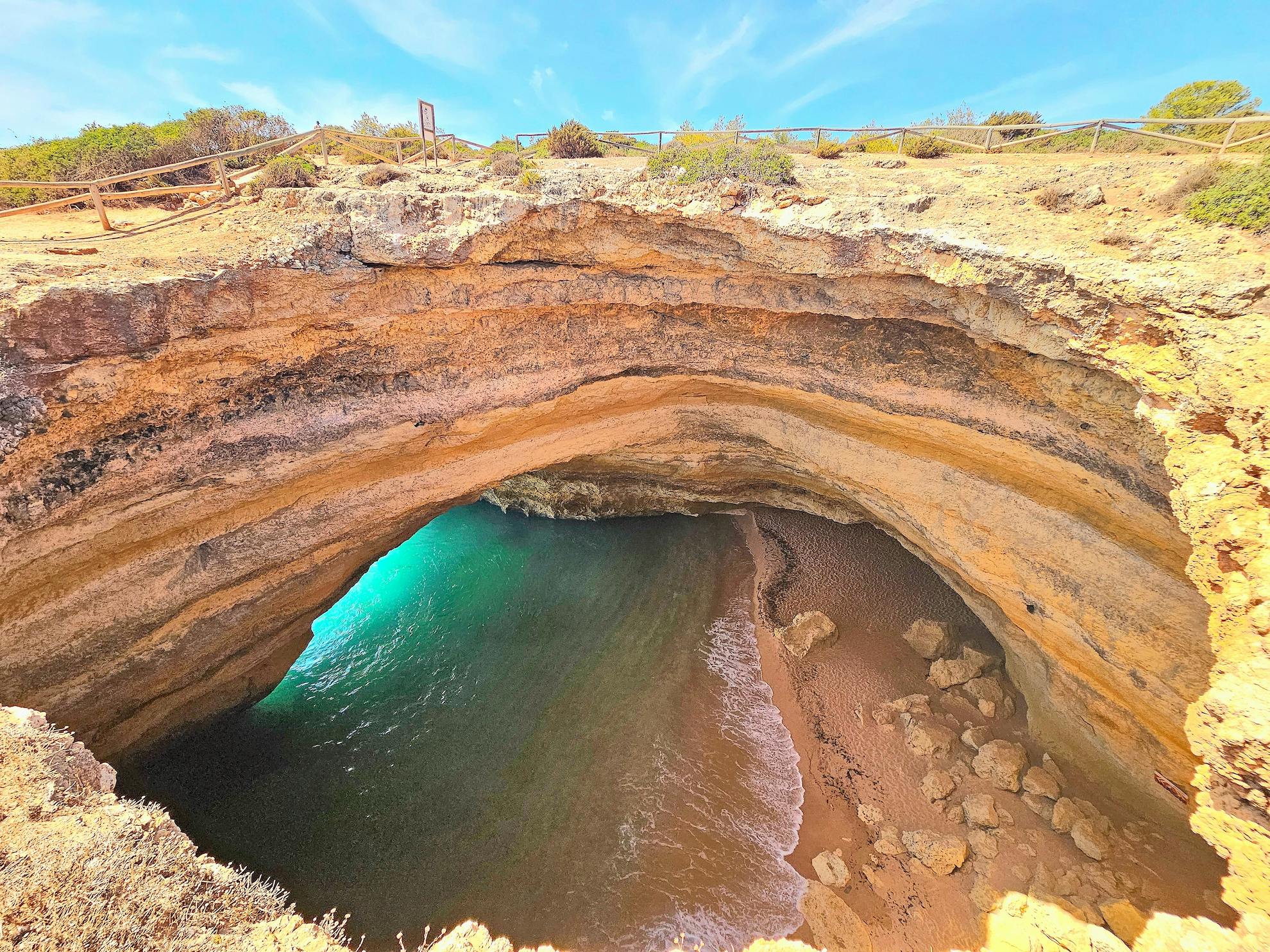
The Blue Cave, known locally as Plava Špilja, is a sea grotto cut into the rocky Adriatic coast. When sunlight enters through its openings and reflects from the pale seabed, the water and cave walls take on an intense blue glow.
Sponsored Popular Items
Quick take: Musement.com offers a worldwide selection of tours and attractions
Full-day Tour in Montenegro's Kotor from Dubrovnik with ferry ride –… Croatia Full-day tour in Montenegro's Kotor from Dubrovnik with ferry ride adds structure, local context and purposeful sightseeing to the itinerary. Check current availability, inclusions and booking details before you go.
Žanjice Beach lies nearby in a protected bay facing the entrance to the Bay of Kotor. Its clear water, white pebbles, olive trees and waterfront restaurants make it a practical place to spend several hours after visiting the cave.
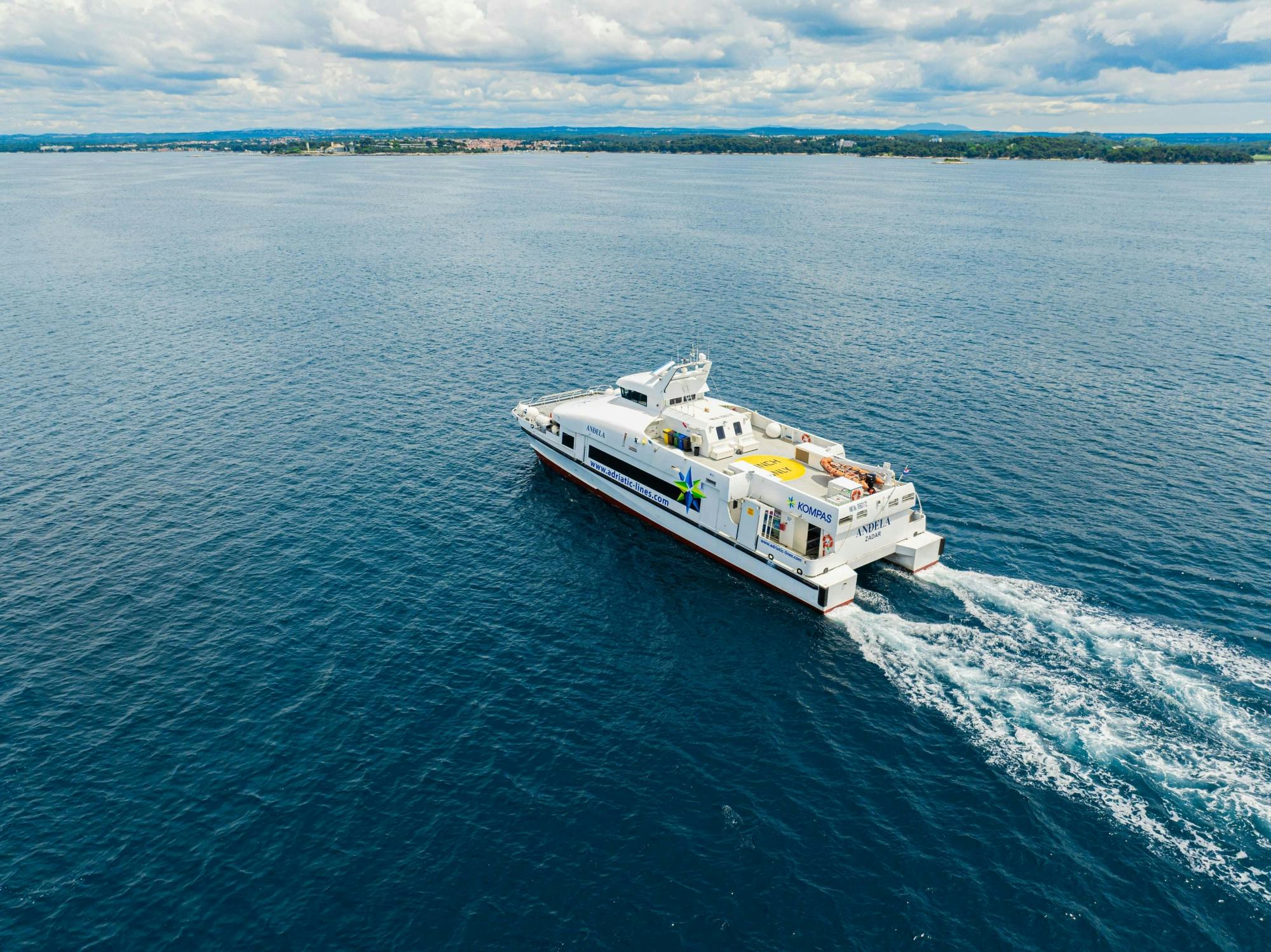
The two destinations are commonly combined on boat trips from Herceg Novi, Igalo, Kotor and Tivat. However, the experience differs greatly according to the departure point. A short boat from Herceg Novi may focus on swimming and beach time, while a longer speedboat from Kotor may add Our Lady of the Rocks, Mamula Island and former submarine tunnels.
This guide explains how the tours work, what the cave really looks like, when the blue light is strongest, what to expect at Žanjice Beach and how to choose the right itinerary.
Blue Cave and Žanjice Quick Facts
Visitor information
Details
Country
Montenegro
Region
Luštica Peninsula, near the entrance to the Bay of Kotor
Local cave name
Plava Špilja
Distance from Herceg Novi
Approximately 5.6 nautical miles by sea
Cave interior area
Approximately 100 square metres at sea level
Cave ceiling
Approximately 9 metres above the water
Water depth in cave
Approximately 3–4 metres
Access to cave
By small boat, kayak or swimming from an authorised vessel
Žanjice beach type
White pebble and stone
Beach length
More than 300 metres
Facilities
Restaurants, bars, sunbeds, boat jetties and seasonal services
Best light in cave
Sunny morning, generally before midday
Main season
May to October
Busiest months
July and August
Typical combined tour
Three to eight hours, depending on departure point
Important: Cave entry and swimming are never guaranteed. Wind, swell, boat congestion and the skipper’s safety assessment determine whether a vessel can enter.
Where Are the Blue Cave and Žanjice Beach?
Both destinations lie on the Luštica Peninsula, the long mountainous peninsula forming the southern side of the outer Bay of Kotor.
Žanjice Beach faces north and west towards the bay entrance. It is sheltered by Cape Arza and is relatively calm compared with the exposed Adriatic coast.
The Blue Cave lies farther around the peninsula on the open-sea side, between Zlatna Luka Cove and Cape Mokra Gora.
Although they are close by boat, they face different conditions:
Žanjice: Sheltered bay, beach facilities and relatively calm swimming.
Blue Cave: Exposed rocky Adriatic coast, deeper water and weather-dependent access.
Why Combine Them in One Trip?
A visit to the cave itself may last only 10 to 30 minutes. Combining it with Žanjice turns a short sightseeing stop into a more complete coastal day.
The cave provides:
Dramatic limestone scenery.
Bright blue reflected light.
A possible swim inside a sea grotto.
A memorable boat journey along Luštica.
Žanjice adds:
A long swimming break.
Restaurants and refreshments.
Sunbeds and beach facilities.
Clear water suitable for snorkelling.
Views towards Mamula and the bay entrance.
The combination is particularly suitable for travellers who want sightseeing and swimming without committing to a full-day open-sea cruise.
What Is the Blue Cave?
The Blue Cave is a natural marine grotto formed beneath cliffs rising approximately 30 metres above the Adriatic.
It has two principal sea entrances:
A larger opening used by small tour boats.
A smaller opening through which sunlight helps illuminate the interior.
The interior is roughly circular, with a vaulted stone ceiling. Small boats can enter when sea conditions permit.
The cave is a natural formation rather than a developed attraction. There are no platforms, lights, changing rooms or permanent staff inside.
Visitors remain in the boat or enter directly into deep seawater.
Why Does the Water Look Blue?
The colour is created by sunlight passing through the water and reflecting from the pale seabed.
The reflected light travels upward and illuminates the water, cave walls and the underside of boats and swimmers.
The exact appearance changes according to:
Time of day.
Sun angle.
Cloud cover.
Water clarity.
Wave movement.
The number of boats inside.
On a bright, calm morning, the water can appear intensely electric blue. On an overcast afternoon, it may look darker and more green-grey.
Promotional photographs often show the cave under ideal conditions. The natural light is impressive, but it is not equally strong every day.
The Best Time to See the Blue Colour
Morning generally provides the strongest illumination.
Official regional information notes that the effect is particularly noticeable on sunny summer mornings, when light reflects through the smaller opening and across the cave interior.
Early Morning
Early departures have several advantages:
Fewer boats.
Calmer sea on many days.
Cooler temperatures.
Better chance of entering before congestion develops.
The blue effect may still be developing shortly after sunrise, depending on the season.
Mid-Morning
Mid-morning usually provides the best balance between strong light and manageable crowds.
Afternoon
The cave remains worth seeing, but the reflected colour may be weaker. Afternoon wind and swell can also increase.
Sunset Tours
Sunset boat trips can be beautiful along the coastline, but they are not the best choice when the glowing blue cave is the main priority.
What Happens Inside the Cave?
When conditions are calm, the skipper slows the boat and approaches the larger cave entrance.
The opening can appear low from the water, although the interior ceiling rises considerably once inside.
Passengers usually remain seated while the boat enters. Depending on the vessel and traffic, the skipper may:
Make a slow circuit inside.
Pause for photographs.
Allow swimming.
Exit through the same opening.
Wait outside while passengers swim in.
The visit can feel peaceful on a quiet morning. During peak summer periods, several boats may enter or wait outside at the same time.
Engine noise, music and crowds can reduce the natural atmosphere. Choosing an early tour or private boat usually improves the experience.
Swimming in the Blue Cave
Swimming is one of the cave’s main attractions, but it is not suitable for everyone.
The water is several metres deep, and there is no beach, platform or shallow standing area.
Ways the Swim May Work
The boat enters and passengers climb down a ladder.
The boat stops outside and confident swimmers enter through the cave opening.
The skipper permits only a short swim beside the vessel.
Swimming is cancelled because of waves or boat congestion.
You Should Be Comfortable With
Deep water.
Climbing a boat ladder.
Swimming near other vessels.
Cooler shaded water.
Movement caused by waves.
Wear a life jacket or buoyancy aid when you are not a strong swimmer.
Do not jump from cliffs or the boat unless the crew specifically authorises it and confirms that the water below is safe.
What Is Žanjice Beach Like?
Žanjice is a broad pebble beach in a protected cove on the western side of Luštica.
White and pale-grey stones continue beneath clear water, creating attractive blue and turquoise colours.
The beach is backed by olive trees, low vegetation, restaurants and small accommodation properties.
Beach Surface
Žanjice is not a soft-sand beach.
The pebbles can be uncomfortable under bare feet and become hot during summer. Water shoes make entering and leaving the sea much easier.
Water Conditions
The bay is usually calmer than the open coast, but passing boats can create wake.
The water becomes deep relatively quickly in some sections. Families should choose their position carefully and supervise children.
Water Clarity
Visibility is often excellent, especially in the morning before increased boat traffic disturbs the water.
A simple mask and snorkel can reveal:
Small fish.
Rocky seabed.
Sea urchins.
Occasional starfish or other marine life.
Avoid standing on or touching sea urchins and other animals.
Beach Facilities and Restaurants
Žanjice has considerably more visitor infrastructure than the Blue Cave.
Seasonal facilities commonly include:
Waterfront restaurants.
Cafés and bars.
Sunbed and umbrella rental.
Boat-ticket sellers.
Small jetties.
Toilets linked to restaurants or beach businesses.
Simple accommodation.
Kayak or small-boat services in some seasons.
Services operate most reliably from late spring through early autumn.
Outside the main season, restaurants may close or use reduced hours.
Food
Menus often focus on:
Fresh fish.
Grilled squid.
Mussels.
Salads.
Pasta and risotto.
Grilled meat.
Pizza and simple snacks.
Waterfront restaurant prices can be higher than in inland villages. Check the menu before ordering fish sold by weight.
Sunbeds
Prices vary by operator, date and row. Some sections remain available for visitors using their own towels.
Do not assume that a tour ticket includes a sunbed.
How to Get to the Blue Cave and Žanjice Beach
The Blue Cave is reached from the sea. Žanjice can be reached by boat or road.
The most convenient departure depends on where you are staying.
Departure point
Typical advantages
Typical drawbacks
Herceg Novi or Igalo
Shortest sea route and inexpensive seasonal boats
Some trips use slower vessels and fixed schedules
Kotor
Includes the complete Bay of Kotor and historical stops
Longer, faster journey and higher price
Tivat
Convenient marina departures and shorter than Kotor
Still longer than Herceg Novi
Žanjice Beach
Short local boat to the cave
Requires reaching the beach first
Tours from Herceg Novi and Igalo
Herceg Novi is the closest major tourist town and one of the best bases for this trip.
Seasonal boats leave from:
Škver harbour in Herceg Novi.
Igalo waterfront.
Other small stops along the Herceg Novi Riviera.
Options include:
Direct sightseeing speedboats.
Full-day beach boats.
Private charters.
Boat transfers to Žanjice with a separate cave excursion.
Full-Day Beach Boats
Some larger boats depart in the morning or around midday and provide several hours at Žanjice.
The cave visit may be included in the ticket or arranged using a smaller local boat after reaching the beach.
Before buying, ask:
Is Blue Cave admission included?
How long is the beach stop?
Is swimming inside the cave planned?
Which boat returns to Herceg Novi?
What happens if the cave is inaccessible?
Short Speedboat Tours
Speedboats can visit Mamula, the cave and Žanjice in approximately two to three hours.
This is suitable for travellers who do not want a full beach day.
Tours from Kotor
Kotor tours travel through almost the entire Bay of Kotor before reaching the open Adriatic.
The journey can include:
Perast.
Our Lady of the Rocks.
Verige Strait.
Tivat Bay.
Former submarine tunnels.
Mamula Island.
The Blue Cave.
Žanjice Beach.
Three-Hour Tour
A three-hour tour is fast-paced. It normally allows only a short cave visit and may pass Žanjice without a substantial beach stop.
Four- to Six-Hour Tour
This is a better choice when you want time to swim and relax at Žanjice.
Full-Day Cruise
Longer catamaran and group cruises may provide meals, drinks and several swimming stops.
They are less flexible than a small private boat but can be more comfortable for passengers who dislike speedboat impacts.
Tours from Tivat
Tivat lies closer to the outer bay than Kotor and offers numerous marina-based boat trips.
Tours may depart from:
Tivat waterfront.
Porto Montenegro.
Nearby marinas and pontoons.
Three-hour speedboat routes commonly include the cave, Mamula and a submarine tunnel.
Longer excursions may include Žanjice swimming time or Our Lady of the Rocks.
Reaching Žanjice by Car
Žanjice is connected by road through the Luštica Peninsula.
Driving provides flexibility and allows visitors to take a short local boat from the beach to the cave.
What the Drive Is Like
The peninsula has narrow, winding roads with limited passing space in some areas.
Expect:
Sharp bends.
Steep sections.
Local traffic.
Limited roadside barriers.
Slow travel during summer.
Parking congestion near beaches.
Drive carefully and avoid following a navigation route that appears to use an unsuitable unsealed shortcut.
Parking
Parking is available near the beach, but it can fill on July and August weekends.
Arrive early and keep valuables out of sight.
Local Boats to the Cave
Boat operators at Žanjice commonly offer short return trips to the cave during the summer season.
Confirm the price, total duration and swimming time before boarding.
Choosing the Right Boat Tour
Short Shared Cave Tour
Best for travellers who mainly want to see the cave.
Advantages:
Lower cost.
Short duration.
Frequent summer availability.
Limitations:
Little or no beach time.
Crowded boat.
Fixed route.
Blue Cave and Žanjice Tour
Best for swimming and a relaxed half-day.
Look for a route that specifically names Žanjice and states the duration of the free-time stop.
Bay of Kotor Highlights Tour
Best for first-time visitors staying in Kotor or Tivat.
The day combines natural and historical attractions but may feel rushed.
Private Speedboat
Best for couples, families and small groups wanting flexibility.
Advantages may include:
Earlier departure.
Longer swim.
Ability to skip unwanted stops.
More space.
Hotel or nearby jetty pickup.
Confirm whether fuel, skipper, drinks, towels and dock fees are included.
Large Group Boat
Best for travellers seeking a slower and less expensive full-day trip.
Large boats may be unable to enter the Blue Cave. Passengers may transfer to a smaller vessel or view the entrance from outside.
Typical Tour Prices
Prices change by season and operator, but current listings provide a general guide.
Tour type
Typical current range
Short local boat from Žanjice or Luštica
From approximately €15–€25 per person
Shared 3-hour speedboat from Kotor or Tivat
Approximately €35–€45 per person
Four-hour Blue Cave and Žanjice tour
From approximately €45 per person
Six-hour tour with substantial beach time
From approximately €65 per person
Private three-hour speedboat
Often approximately €250–€380 per boat
Private full-day charter
Varies widely by boat size and fuel
These are examples rather than fixed official tariffs.
Check whether the price includes:
Fuel.
Skipper.
Drinking water.
Snorkelling equipment.
Beach stop.
Insurance.
Pickup.
Taxes and booking fees.
Typical Blue Cave and Žanjice Itinerary
Departure
Meet the crew at the harbour, complete check-in and receive safety instructions.
Cruise Towards Luštica
The boat passes the outer Bay of Kotor, coastal villages and mountainous scenery.
Mamula Island
Many tours slow for photographs of the circular fortress.
Blue Cave
The skipper enters when conditions permit. Passengers take photographs and may swim.
Žanjice Beach
The boat docks or anchors near the beach. Free time may range from 30 minutes to several hours.
Optional Additional Stops
Depending on the tour:
Former submarine tunnel.
Mirište Cove.
Rose village.
Our Lady of the Rocks.
Perast.
Return
The boat returns through the bay, often during stronger afternoon wind.
Mamula Island
Mamula, officially Lastavica Island, stands at the entrance to the Bay of Kotor.
The circular stone fortress was built during the Austro-Hungarian period to control access to the bay.
The island also has a difficult 20th-century history, including use as a detention camp during the Second World War.
It has since been redeveloped as a private luxury hotel. Most sightseeing boats provide only a panoramic view unless a specific authorised visit is included.
Do not assume you can step ashore simply because the boat passes close to the island.
Former Submarine Tunnels
Several military tunnels were cut into the Luštica coastline during the Yugoslav period.
They were designed to hide naval vessels and equipment inside the rock.
Speedboat tours often enter one tunnel briefly or stop at its entrance.
The visit provides a striking contrast with the natural cave:
The Blue Cave was formed by sea erosion.
The submarine tunnels were engineered for military use.
Access depends on local restrictions and boat traffic.
Mirište Cove and Arza Fortress
Mirište lies close to Žanjice and offers another attractive swimming area with rocky platforms, clear water and Mediterranean vegetation.
From the coast, visitors can see the small island church often called Mala Gospa and the nearby Arza Fortress.
Some boat tours use Mirište instead of Žanjice for a swimming or lunch stop.
Check the itinerary carefully if a particular beach matters to you.
Sea Conditions and Cancellations
The Blue Cave faces the open Adriatic and is more exposed than the inner Bay of Kotor.
Conditions can be calm inside the bay but rough near the cave.
The Skipper May
Delay departure.
Change the order of stops.
Skip the cave.
Allow viewing from outside only.
Cancel swimming.
Use a more sheltered beach.
Cancel the entire trip.
Wind
Afternoon wind can create a choppier return journey, especially in a small speedboat.
Rain
Light rain may not stop the excursion, but thunderstorms and poor visibility can make the open coast unsafe.
Motion Sickness
Visitors prone to seasickness should:
Book a morning departure.
Choose a larger boat.
Sit near the centre or rear.
Look at the horizon.
Avoid a heavy meal.
Use appropriate medication when medically suitable.
The Best Season and Time of Day
May and June
These months offer warm weather, moderate crowds and good water clarity.
The sea can still feel cool in May.
July and August
This is the busiest period. Boats may queue outside the cave, and Žanjice can become crowded.
Reserve early and choose the first departure of the day.
September
September is often ideal, with warm sea temperatures and fewer visitors.
October
Early October can remain pleasant, but operators reduce schedules and weather becomes less predictable.
Best Time of Day
A morning tour is best for:
The blue light.
Calmer sea.
Fewer boats.
Cooler temperatures.
Better beach space.
Visiting with Children
The combined trip can be suitable for families, particularly when the boat is covered and the itinerary includes a long beach stop.
Before Booking, Confirm
Minimum child age.
Availability of child-sized life jackets.
Shade on board.
Toilet availability.
Length of high-speed sections.
Whether a pushchair can be stored.
Whether the child must be able to swim.
Young children may find a fast speedboat uncomfortable on choppy water.
At Žanjice, water shoes and close supervision are important because of the pebbles, deepening water and boat traffic near jetties.
Accessibility and Mobility
Small-boat excursions can be difficult for travellers with reduced mobility.
Boarding may involve:
Steps down to a jetty.
A moving boat beside the dock.
A large step into a low vessel.
Narrow seating.
Limited handrails.
Žanjice itself has pebbles and uneven surfaces. Ordinary wheelchairs are difficult to move across the beach.
Larger vessels may be easier, but they may not enter the cave.
Ask the operator for a precise description of boarding and beach access before paying.
What to Bring
Swimwear: Wear it before boarding when changing facilities are limited.
Towel: Bring a quick-drying towel.
Water shoes: Highly recommended for Žanjice’s pebbles.
Sunscreen: Reflected sunlight is strong on the water.
Secure hat: Avoid loose hats on a speedboat.
Sunglasses: Polarised lenses help with glare.
Drinking water: Confirm whether the boat provides it.
Light layer: Useful on windy returns.
Waterproof phone pouch: Protects electronics from spray.
Small dry bag: Keeps clothes and valuables dry.
Snorkelling mask: Bring your own when snorkelling matters.
Cash: Useful for restaurants, sunbeds and local boats.
Avoid large suitcases and unnecessary bags.
Photography Tips
Inside the Cave
Use a wide-angle setting.
Turn off the flash.
Use low-light or night mode.
Include the entrance for scale.
Take several images because the boat moves.
Protect the camera from spray.
Underwater Photographs
A waterproof action camera can capture the blue glow beneath the surface.
Attach it securely rather than holding it loosely while swimming.
At Žanjice
The best views often come from:
The arrival boat.
The ends of the beach.
Restaurant terraces.
The path towards Mirište.
Morning light generally gives the clearest water colour.
Responsible Visiting
The cave and Luštica coast are natural environments affected by heavy seasonal boat traffic.
Do not throw rubbish into the water.
Do not touch or break cave formations.
Do not carve names into rock.
Do not remove stones, shells or marine animals.
Avoid standing on sea urchins or living seabed.
Use reef-conscious sunscreen where possible.
Keep noise moderate inside the cave.
Follow the skipper’s instructions.
Do not pressure the crew to enter during unsafe conditions.
Use recognised jetties and swimming areas.
The cave’s popularity is placing increasing pressure on a small natural space. An early small-group tour usually creates less congestion than arriving at midday with multiple large vessels.
Suggested Blue Cave and Žanjice Day-Trip Itinerary
8:30 am: Arrive at the Harbour
Check in, meet the skipper and confirm the expected sea conditions.
9:00 am: Depart for Luštica
Enjoy the views across the entrance to the Bay of Kotor.
9:30 am: Pass Mamula Island
Slow for photographs and a brief explanation of the fortress.
9:45 am: Enter the Blue Cave
Photograph the reflected water and swim only when the skipper confirms that it is safe.
10:30 am: Continue to Žanjice
Dock at the beach and choose a suitable area for swimming.
11:00 am: Beach and Snorkelling
Use water shoes and avoid the busiest boat jetties.
12:30 pm: Lunch
Choose a waterfront restaurant or eat a picnic in an appropriate area.
2:00 pm: Walk Towards Mirište
Explore the nearby coast if time and weather permit.
3:00 pm: Return Boat
Meet at the agreed jetty well before departure.
4:00 pm: Arrive Back
Allow extra time because afternoon sea conditions may slow the journey.
Is the Blue Cave and Žanjice Trip Worth Taking?
The trip is worthwhile for most visitors spending time around the Bay of Kotor.
Main Advantages
One of Montenegro’s best-known natural attractions.
Excellent swimming and clear water.
Easy access from Herceg Novi.
Options from Kotor and Tivat.
Combination of cave, coastline and beach.
Suitable for a short trip or full day.
Possible additional historical stops.
Possible Drawbacks
Crowding in July and August.
Cave access is weather-dependent.
Small speedboats can be uncomfortable.
Žanjice is pebble rather than sand.
Tour descriptions may overstate swimming time.
Different operators have very different standards.
The blue effect depends on sunlight.
The experience is best when booked for the morning, with a small group and enough time at Žanjice to avoid feeling rushed.
Frequently Asked Questions About the Blue Cave and Žanjice Beach
Where is the Blue Cave in Montenegro?
It is on the open Adriatic side of the Luštica Peninsula near the entrance to the Bay of Kotor.
What is its local name?
It is called Plava Špilja.
Can the cave be reached by road?
No. The cave is reached by boat, kayak or swimming from an authorised vessel.
How far is it from Herceg Novi?
It is approximately 5.6 nautical miles by sea.
How large is the cave?
Its interior covers approximately 100 square metres at sea level.
How high is the ceiling?
The highest point is approximately nine metres above the water.
How deep is the water?
It is generally around three to four metres deep inside.
Why is the cave blue?
Sunlight reflects through the water and from the pale seabed, illuminating the cave from below.
What is the best time to visit?
A sunny morning, especially before the main midday boat crowds.
Can boats always enter?
No. Waves, wind, boat size and congestion can prevent entry.
Can you swim in the cave?
Yes, on many tours, but only when the crew declares conditions safe.
Do I need to be a strong swimmer?
You should be confident in deep water or wear a suitable flotation device.
Is there somewhere to stand?
No. The cave does not have a beach or shallow platform.
Is the water cold?
It can feel cooler than the sunlit sea outside because the cave is shaded.
Is Žanjice a sandy beach?
No. It consists mainly of white and pale pebbles.
Do I need water shoes?
They are strongly recommended.
Are there restaurants at Žanjice?
Yes. Several waterfront restaurants and cafés normally operate during the main season.
Can I rent sunbeds?
Yes, during the summer season, subject to availability and separate charges.
Can I reach Žanjice by car?
Yes, using roads across the Luštica Peninsula.
Is the road difficult?
Parts are narrow and winding. Drive slowly and allow more time than the distance suggests.
Can I take a boat from Žanjice to the cave?
Yes. Local boats commonly offer short cave excursions during summer.
Where do boats leave from Herceg Novi?
Common departure areas include Škver harbour and the Igalo waterfront.
How long is the trip from Herceg Novi?
Short speedboat tours may take two to three hours, while beach cruises can last six to eight hours.
How long is the trip from Kotor?
Tours commonly last three to six hours, depending on the number of stops.
What other places are usually included?
Common additions are Mamula Island, former submarine tunnels, Our Lady of the Rocks, Perast and Mirište.
Can I visit Mamula Island?
Most tours provide only an offshore view. Landing requires specific arrangements because the island operates as a private resort.
Are snorkels supplied?
Some operators provide them, while others do not. Check before departure.
Does the boat have a toilet?
Small speedboats usually do not. Larger day boats may have one.
Are drinks included?
Water is commonly supplied on speedboats, but full inclusions vary.
Is the trip suitable for children?
Yes, when the operator accepts the child’s age and supplies a correctly fitting life jacket.
Can babies join?
Policies vary, and a fast or rough speedboat may not be suitable for an infant.
Is the trip wheelchair accessible?
Most small boats and the pebble beach are not easily accessible. Discuss exact needs with the operator.
Will I get seasick?
Possibly. The outer coast can be choppy even when the inner bay is calm.
What happens if the cave is closed by weather?
The skipper may view it from outside, substitute another swimming location or cancel that part of the route.
Do I get a refund if the cave cannot be entered?
Policies differ. Read the weather and itinerary-change conditions before booking.
What is the cheapest way to visit?
Travel to Žanjice by seasonal boat or road and take a short local cave excursion.
What is the most comfortable way?
A private covered speedboat or a larger full-day vessel normally provides more space and flexibility.
What is the best month?
June and September provide a good balance of warm water, reliable services and fewer crowds than August.
Can I visit outside summer?
Yes, when weather permits, but departures and beach facilities are limited.
Should I book in advance?
Yes, particularly in July and August or when travelling from Kotor on a cruise-ship day.
Is Žanjice Beach free?
General beach access is normally free, while parking, sunbeds, meals and boat trips cost extra.
Is it safe to swim near the jetties?
Use designated swimming areas and remain alert for arriving boats.
Can I bring my own food?
Yes, provided you use an appropriate area and remove all rubbish.
Is the cave worth seeing on a cloudy day?
It remains an impressive natural grotto, but the blue illumination may be less intense.
Sponsored Popular Items
Quick take: Musement.com offers a worldwide selection of tours and attractions
Full-day Tour in Montenegro's Kotor from Dubrovnik with ferry ride –… Croatia Full-day tour in Montenegro's Kotor from Dubrovnik with ferry ride adds structure, local context and purposeful sightseeing to the itinerary. Check current availability, inclusions and booking details before you go.
Final Thoughts
The Blue Cave and Žanjice Beach provide one of the best combinations of natural sightseeing and relaxed swimming around the Bay of Kotor.
The cave is small enough to feel intimate but large enough for boats to enter when the sea is calm. Its famous colour is a natural light effect rather than artificial illumination, which means every visit looks slightly different.
Žanjice balances the short cave experience with clear water, restaurants and enough space to spend several hours beside the sea.
For the best trip, choose a sunny morning, confirm how much beach time is included and avoid treating cave entry as guaranteed. Bring water shoes, sun protection and a waterproof phone case, and accept that the skipper may alter the route when the open Adriatic becomes rough.
With suitable conditions and a responsible operator, the glowing cave, rocky Luštica coast and calm bay at Žanjice make this one of Montenegro’s most memorable boat excursions.
Sponsored Popular Items
Quick take: Musement.com offers a worldwide selection of tours and attractions
Montenegro Heritage Private Day Tour from Ulcinj Montenegro Private Day Tour of Montenegro's Heritage from Ulcinj adds structure, local context and purposeful sightseeing to the itinerary. Check current availability, inclusions and booking details before you go.
Montenegro Canyons Day Trip from Herceg Novi Montenegro Montenegro Canyons day trip from Herceg Novi is a convenient way to add structure, local context and purposeful sightseeing to the itinerary. Check current availability, inclusions and booking details before you go.
A boat trip around Ortigia, the sea caves of Syracuse and the wild cove of Pillirina combines several of southeastern Sicily’s most memorable coastal landscapes in one outing.
The journey normally begins close to Ortigia, the historic island at the centre of Syracuse. From the water, passengers see the city’s sea walls, Baroque buildings, Castello Maniace and the freshwater spring of Fonte Aretusa before continuing towards limestone caves carved into the coast.
Longer excursions cross or follow the edge of Syracuse’s Great Harbour towards Punta della Mola and the Plemmirio Marine Protected Area. Here, the scenery becomes more natural: pale cliffs, deep blue water, rocky coves, submerged seagrass and the sea cave associated with the local legend of Pillirina.
Not every Syracuse boat tour reaches all of these places. Many short trips visit only Ortigia and the northern sea caves. A tour that includes Pillirina normally requires around two hours or longer, depending on the vessel, swimming stops and sea conditions.
Quick Facts
Visitor information
Details
Location
Syracuse and the Maddalena Peninsula, southeastern Sicily
Main departure area
Ortigia entrance, Porto Piccolo or the Syracuse waterfront
Short tour duration
Approximately 1 hour
Tour including Pillirina
Usually about 2–3 hours
Typical sights
Ortigia, Castello Maniace, Fonte Aretusa, sea caves, Plemmirio and Pillirina
Swimming stop
Common on longer tours, weather permitting
Best season
May to October
Calmest period
Often early morning
Boat type
Small motorboat, rigid inflatable boat or traditional excursion vessel
Facilities
Depend heavily on the boat and operator
Land access to Pillirina
Subject to closures and restrictions; check before travelling
Marine protection
Plemmirio has zones with different swimming, navigation and anchoring rules
What Is the Ortigia, Sea Caves and Pillirina Tour?
This excursion is a coastal sightseeing trip rather than a formal cruise on a large ship.
Most tours use small boats carrying a limited number of passengers. The vessel usually has bench seating, a shaded awning and enough open space for views and photographs.
The most complete itineraries combine three experiences:
A circuit around the historic island of Ortigia.
Entry into or close viewing of natural sea caves.
A journey towards Pillirina and the Plemmirio coast, often with a swimming stop.
The exact route is never completely guaranteed. Wind, swell, harbour traffic and restrictions within the marine reserve can require the skipper to change the order of the stops or avoid a cave.
A responsible operator will not enter a narrow grotto when waves make the manoeuvre unsafe.
Understanding the Two Coastal Areas
The term “Ortigia sea caves and Pillirina tour” can be confusing because the main cave area and Pillirina are not in exactly the same place.
The Ortigia and Northern Syracuse Coast
Many of the caves promoted on short excursions lie north of Ortigia along the rocky Syracuse shoreline.
Operators use names such as:
Grotta dei Cappuccini.
Grotta del Corallo.
Grotta degli Innamorati.
Grotta delle Stalattiti.
Grotta dello Spirito.
Names are not always standardised, and different skippers may describe the same formation differently.
Pillirina and the Maddalena Peninsula
Pillirina lies south of Ortigia, across the Great Harbour, near Punta della Mola at the beginning of the Maddalena Peninsula.
The area forms part of the wider Plemmirio coastal landscape. Reaching it requires a longer journey than simply circling Ortigia and visiting the northern caves.
This distinction matters when booking. A cheap one-hour “Ortigia and caves” trip may not travel anywhere near Pillirina.
A Typical Boat Route
Routes vary, but a longer excursion may follow a sequence similar to this:
Departure Near Ortigia
Passengers meet beside the harbour close to the bridges connecting Ortigia with modern Syracuse.
After a safety introduction, the boat passes through Porto Piccolo or beneath one of the bridges and begins following the coast.
Northern Sea Caves
The skipper approaches the limestone formations and enters selected caves when the sea is calm enough.
Inside, reflected light can turn the water blue, green or silver. Rock openings and mineral deposits create shapes that have inspired local names and legends.
Ortigia Circuit
The boat continues around Ortigia, passing the defensive walls, churches, seafront houses and Castello Maniace.
The perspective from the water helps explain why Syracuse became one of the ancient Mediterranean’s most powerful and defensible cities.
The Great Harbour
After rounding the southern end of Ortigia, the boat enters the broad Porto Grande.
The harbour is historically important and visually impressive. Ortigia lies on one side, while the Maddalena Peninsula and Plemmirio coastline form the opposite boundary.
Punta della Mola and Pillirina
The route continues towards pale cliffs, small bays and the water-level cave associated with Pillirina.
Longer tours may stop here for swimming or snorkelling.
Return to Syracuse
The return journey often provides another view of Castello Maniace, Fonte Aretusa and Ortigia’s western waterfront.
Depending on the departure point, the boat may finish near the Umbertino Bridge, Riva della Posta or Porto Piccolo.
Ortigia from the Sea
Ortigia is beautiful on foot, but its relationship with the sea is much clearer from a boat.
Castello Maniace
Castello Maniace occupies the southern point of Ortigia. The fortress was constructed during the rule of Frederick II and controlled the entrance to Syracuse’s Great Harbour.
From the sea, its position appears especially strategic. Thick stone walls rise directly above the water, creating one of the strongest visual landmarks on the route.
Fonte Aretusa
Fonte Aretusa is a freshwater spring beside the sea on Ortigia’s western side.
It is linked with the Greek myth of the nymph Arethusa and remains famous for the papyrus plants growing in its pool.
Boat guides often pause nearby to explain how freshwater emerges so close to the saltwater harbour.
The Seafront Buildings
Ortigia’s buildings appear tightly packed above old sea walls. Their balconies, pale façades and church domes create a striking skyline.
The morning sun often illuminates the eastern coast, while late-afternoon light can be attractive along the western harbour side.
The Bridges
Several bridges link Ortigia with the mainland. Some tours pass beneath or beside them, creating a dramatic transition between the small and large harbours.
The Syracuse Sea Caves
The sea caves were created as waves and saltwater gradually eroded weaknesses in the limestone coast.
Some are broad chambers that small boats can enter easily. Others are narrow openings that can be approached only in calm conditions.
What the Caves Look Like
Visitors may see:
Light reflected through turquoise water.
Stalactite-like mineral formations.
Algae and marine growth on the lower walls.
Small coral formations.
Narrow cracks and natural arches.
Openings shaped like hearts, faces or animals.
The strongest colours appear when sunlight enters at the correct angle. On cloudy days, the interior may look darker and less vivid than promotional photographs suggest.
Will the Boat Enter Every Cave?
No. Entry depends on:
Wave height.
Wind direction.
The size and height of the vessel.
The skipper’s judgement.
Other boats inside the cave.
Temporary safety restrictions.
A cave tour should never be judged solely by the number of grottoes entered. Safe navigation is more important than completing a fixed checklist.
Pillirina and Punta della Mola
Pillirina is the local name associated with Punta della Mola, a rugged inlet facing Ortigia across the Great Harbour.
The landscape contains pale limestone, rocky shelves, small beaches, caves and low Mediterranean vegetation. The water is often exceptionally clear when the weather is calm.
The Legend of Pillirina
According to local legend, Pillirina was a young woman—sometimes described as “the pilgrim girl”—who fell in love with a fisherman.
Versions of the story differ, but most end tragically with the young woman losing her life in or near the sea cave.
The tale belongs to local folklore rather than documented history. Guides may tell different versions during the cruise.
Historical Remains
The Punta della Mola area contains evidence from several periods of Syracuse’s history.
Depending on the route and the guide’s commentary, visitors may hear about:
Ancient tombs or archaeological remains.
The Athenian campaign against Syracuse.
Military positions connected with the Second World War.
The Allied invasion of Sicily in 1943.
Many remains are easier to recognise from land than from a moving boat, but they help explain why this apparently wild coast has long held strategic importance.
The Plemmirio Marine Protected Area
Plemmirio protects the sea around the Maddalena Peninsula southeast of Syracuse.
Its limestone coast, underwater caves, rocky seabed and seagrass meadows support a wide range of marine life.
Possible sightings include:
Small reef fish.
Sea bream.
Wrasse.
Octopus.
Sea stars.
Urchins.
Sponges.
Occasional dolphins farther offshore.
Dolphin sightings are possible but should never be promised as a normal part of a short boat trip.
Protection Zones
The reserve is divided into Zones A, B and C.
Zone A has the strictest rules. Swimming, stopping, anchoring, fishing and diving are prohibited in the fully protected area near Capo Murro di Porco.
More activities are allowed in Zones B and C, but operators must still follow rules governing speed, anchoring, diving and fishing.
A licensed skipper should know exactly where swimming and stopping are permitted.
Swimming and Snorkelling
Many two-hour and longer tours include a swimming stop near Pillirina, Plemmirio or another sheltered cove.
The stop may last between 15 and 40 minutes, depending on the itinerary.
What Is the Water Like?
The water around the rocky coast is often clear, but depth can increase quickly.
Many swimming stops are made directly from the boat rather than from a sandy beach.
Swimmers should be comfortable in water that may be too deep to stand in.
Is Snorkelling Equipment Included?
Some boats provide masks, while others expect passengers to bring their own.
A personal mask often fits better and is preferable for hygiene and comfort.
Who Should Avoid the Swim?
Remain on board when:
You are not a confident swimmer.
The sea feels rough.
You have difficulty climbing a boat ladder.
You have a health condition affected by cold water or exertion.
The skipper advises against entering.
There is no requirement to swim. The coastal scenery can be enjoyed from the boat.
Sea Temperature
The sea is normally warmest from July through September.
In May, June and October, the water can feel cool despite warm air temperatures.
Choosing the Right Boat Tour
Syracuse has many boat operators, and similar tour titles can hide important differences.
One-Hour Ortigia and Sea Caves Tour
This is the most economical and easiest option.
It normally includes:
A view of Ortigia from the sea.
Selected northern caves.
Castello Maniace or the harbour entrance.
Possibly a very short swim.
It usually does not provide enough time to reach Pillirina.
Two-Hour Ortigia, Caves and Pillirina Tour
This is the best choice for visitors who specifically want the complete itinerary.
It commonly includes:
The Ortigia circuit.
Sea-cave entry.
Plemmirio or Pillirina.
A swimming and snorkelling stop.
Water and occasionally fruit or prosecco.
Half-Day Tour
A three- or four-hour excursion allows a slower pace and more swimming time.
Some include:
A light lunch or picnic.
Several swim stops.
Longer sections of the Plemmirio coast.
Private coves away from central Syracuse.
Private Boat
Private hire is useful for families, couples and groups who value flexibility.
Advantages may include:
Choosing a preferred departure time.
More space.
A customised swimming stop.
Reduced waiting for other passengers.
A quieter experience.
Confirm whether fuel, drinks, skipper fees and marine-reserve charges are included.
Questions to Ask Before Booking
Does the route definitely include Pillirina?
How long is the tour?
Is the boat shared or private?
How many passengers are carried?
Is shade available?
Is a toilet available?
Are masks or life jackets provided?
Is the swimming stop guaranteed or weather-dependent?
Which languages does the skipper speak?
What happens if the sea is too rough?
Departure Points in Syracuse
Boat trips do not all use the same dock.
Common areas include:
The entrance to Ortigia near the Umbertino Bridge.
Riva della Posta.
Porto Piccolo.
The small harbour near Santa Lucia.
Marina areas on the western side of Ortigia.
Always follow the exact meeting instructions on the booking confirmation.
Arrive at least 15 to 20 minutes early. Syracuse has several boats offering similar excursions, and joining the wrong queue is easy.
Parking
Driving inside Ortigia is restricted in controlled-traffic zones.
Visitors arriving by car should park on the mainland or in an authorised car park and walk to the departure point.
Allow additional time during summer evenings and weekends.
The Best Time to Go
May and June
Late spring offers warm weather, clearer space on the boats and attractive coastal vegetation.
The sea may still feel cool for swimming.
July and August
These are the busiest and hottest months.
The water is warm, but tours fill quickly and several boats may approach the caves at the same time.
An early-morning departure is usually preferable.
September
September often provides the best balance of warm water, lower visitor numbers and pleasant air temperatures.
October
Early October can still be suitable, but weather becomes less predictable and some operators reduce their schedules.
Morning or Sunset?
Morning tours often benefit from calmer seas and fewer boats.
Sunset tours provide warmer light over Ortigia and a more romantic atmosphere, but cave interiors may be darker.
For cave colours and snorkelling, morning is generally the more practical choice.
Weather and Sea Conditions
A clear sky does not automatically mean the sea will be calm.
Wind direction and swell determine whether the boat can enter the caves or stop near exposed cliffs.
Possible Changes
The operator may:
Reverse the route.
Skip a cave.
Move the swimming stop.
Remain inside the harbour.
Shorten or cancel the tour.
A last-minute cancellation can be disappointing, but it is preferable to an unsafe journey.
Motion Sickness
Small boats move more than large vessels.
Visitors sensitive to motion should:
Choose an early departure.
Sit towards the rear or centre of the boat.
Look towards the horizon.
Avoid a heavy meal before departure.
Use suitable medication when medically appropriate.
What to Bring
Swimwear: Wear it beneath your clothes when the boat has no changing area.
Towel: Lightweight quick-drying towels are easiest to carry.
Sun protection: Bring sunscreen, sunglasses and a secure hat.
Water: Do not assume unlimited drinks are supplied.
Light cover-up: Useful against sun and sea breeze.
Water shoes: Helpful if stepping onto rocky ground.
Snorkelling mask: Bring your own when possible.
Waterproof phone pouch: Protects electronics from spray.
Small dry bag: Useful for valuables and clothing.
Motion-sickness treatment: For passengers who need it.
Avoid carrying large bags. Storage space on small excursion boats is limited.
Visiting with Children
The tour can be enjoyable for children who are comfortable on boats.
Shorter one-hour trips suit younger children, while a two-hour tour works better for older children interested in swimming and caves.
Parents should confirm:
Whether child-sized life jackets are available.
The minimum age accepted by the operator.
Whether the boat has shade.
Whether there is a toilet.
How children board and leave the vessel.
Children should remain seated while the boat is moving and must be supervised closely near the open sides.
Accessibility and Mobility
Small-boat tours can present difficulties for visitors with reduced mobility.
Boarding may involve:
Steps down to a dock.
A moving gangway.
A large step between the pier and boat.
Limited handrails.
Narrow seating.
Wheelchairs usually cannot be accommodated on the smallest vessels.
Before booking, ask the operator for a precise description of the boarding process rather than relying on a general statement that the activity is accessible.
Passengers who cannot climb a swimming ladder can remain on board during swim stops.
Responsible Marine Tourism
The Plemmirio coast is protected because of its environmental and archaeological importance.
Visitors should:
Use licensed and responsible operators.
Never throw rubbish into the sea.
Avoid touching coral, sponges and marine life.
Do not remove shells, rocks or archaeological material.
Avoid standing on seagrass or sensitive underwater habitats.
Use reef-conscious sunscreen where possible.
Keep noise low near caves and wildlife.
Follow all instructions concerning reserve zones.
Do not feed fish.
Anchoring can damage Posidonia seagrass. Responsible skippers use permitted anchoring areas, moorings or suitable sandy seabeds.
Can You Visit Pillirina by Land?
Pillirina has traditionally been reached through access point 34 near Punta della Mola.
However, land access has been affected by closures, private-property disputes and warnings about unstable cliffs and falling rock.
Do not rely on an old online map or travel blog that describes unrestricted access.
Before attempting a land visit:
Check with the Plemmirio Marine Protected Area authority.
Ask your accommodation provider for current local information.
Respect locked gates and closure notices.
Do not cross private land.
Do not walk beneath unstable cliffs.
Nearby numbered access points within Plemmirio may remain open even when Pillirina itself is closed.
A boat trip is presently the simplest way to see the cove without depending on uncertain land access.
Suggested Half-Day Itinerary
8:00 am: Breakfast in Ortigia
Eat lightly and walk towards the confirmed meeting point.
8:45 am: Arrive at the Dock
Check in, meet the skipper and confirm whether the sea conditions permit the complete route.
9:00 am: Depart Syracuse
Begin with the northern sea caves or Ortigia circuit, depending on the operator.
9:30 am: Explore the Sea Caves
Enter the safe grottoes and photograph the reflected water and limestone formations.
10:00 am: Circle Ortigia
View Castello Maniace, the sea walls and Fonte Aretusa.
10:30 am: Continue to Pillirina
Cross the Great Harbour towards Punta della Mola and the protected Plemmirio coast.
10:45 am: Swim and Snorkel
Enter the water only when the skipper confirms that conditions are suitable.
11:30 am: Return to Syracuse
Enjoy the final harbour views and disembark near Ortigia.
12:00 pm: Lunch
Choose a restaurant near the Ortigia market, the marina or the western seafront.
Afternoon: Explore Ortigia on Foot
Visit Piazza Duomo, Fonte Aretusa, Castello Maniace or the old Jewish quarter.
Things to Do Nearby
Ortigia
Explore the narrow streets, Baroque palaces, waterfront promenades and archaeological remains of Syracuse’s historic centre.
Piazza Duomo
The cathedral square is one of Sicily’s finest urban spaces. The cathedral incorporates the columns of an ancient Greek Temple of Athena.
Fonte Aretusa
View the spring from land after seeing it from the boat.
Castello Maniace
The fortress at Ortigia’s southern tip provides harbour views and additional insight into the island’s defensive history.
Neapolis Archaeological Park
The mainland archaeological area contains the Greek Theatre, Roman Amphitheatre and the Ear of Dionysius.
Plemmirio Access Points
When current access permits, other numbered entrances around the Maddalena Peninsula offer swimming, diving and coastal scenery.
Capo Murro di Porco
The lighthouse and exposed cliffs form one of Plemmirio’s most dramatic landscapes.
Swimming restrictions and rough water make it a place for careful sightseeing rather than a casual beach stop.
Is the Tour Worth Taking?
The excursion is worthwhile for visitors who want to understand Syracuse as a maritime city rather than seeing it only from its streets.
Its strongest features are:
Excellent views of Ortigia.
Close access to natural sea caves.
A possible swim in clear water.
The contrast between historic architecture and wild coast.
Access to Pillirina when land entry is uncertain.
The trip may be less suitable for visitors who:
Experience severe motion sickness.
Expect a luxury yacht.
Need guaranteed step-free access.
Assume every tour reaches Plemmirio.
Are uncomfortable entering deep water from a boat.
The key is choosing the correct itinerary. A one-hour cave trip and a two-hour Pillirina excursion are different experiences, even when their advertising photographs look similar.
Frequently Asked Questions
Where are the Ortigia sea caves?
Most caves visited on short boat tours lie along the rocky Syracuse coast north of Ortigia.
Is Pillirina one of the Ortigia sea caves?
No. Pillirina is near Punta della Mola on the Maddalena Peninsula, across the Great Harbour from Ortigia.
How long does the complete tour take?
A tour combining Ortigia, the caves and Pillirina usually lasts around two to three hours.
Will a one-hour tour reach Pillirina?
Usually not. One-hour tours generally concentrate on Ortigia and the nearby northern caves.
Where do tours depart?
Departure points vary and may include Porto Piccolo, Riva della Posta, the Umbertino Bridge area or another harbour close to Ortigia.
Do I need to book ahead?
Advance booking is recommended during summer, weekends and sunset periods.
Can boats enter the caves?
Small boats can enter selected caves when the sea is calm. Entry is never guaranteed.
Is there a swimming stop?
Most longer tours include one, but it remains dependent on weather and sea conditions.
Do I need to know how to swim?
You can remain on the boat. Anyone entering the water should be a confident swimmer unless a suitable flotation device and close supervision are provided.
Is snorkelling equipment supplied?
Some operators provide masks, while others do not. Confirm this before departure.
Are drinks included?
Many boats provide water, and some include fruit, prosecco or soft drinks. Inclusions vary.
Does the boat have a toilet?
Many small excursion boats do not. Ask before booking.
Is the tour suitable for children?
Yes, when the operator accepts their age and provides properly fitting life jackets.
Is the tour wheelchair accessible?
Most small boats are not easily accessible to wheelchairs. Contact the operator for exact boarding information.
What should I wear?
Wear light clothing, swimwear and footwear that grips on a wet deck.
Can I visit Pillirina on foot?
Land access has been affected by closures and restrictions. Check current local information before attempting it.
Is Pillirina a sandy beach?
It is a wild rocky cove with small beach sections rather than a large, fully serviced sandy beach.
Are there cafés or toilets at Pillirina?
No reliable visitor facilities should be expected.
Is Plemmirio free to visit?
Many numbered sea-access points are free, but private services, boat tours, diving and parking may carry charges.
Can I swim anywhere in Plemmirio?
No. Swimming is prohibited in the strictly protected Zone A and may be controlled elsewhere.
Can boats anchor anywhere?
No. Anchoring and stopping are regulated to protect marine habitats.
Will I see dolphins?
Dolphins occasionally occur in the wider area, but a sighting should not be expected or guaranteed on a short excursion.
What happens if the weather is bad?
The operator may alter the route, delay departure or cancel the trip.
When is the sea calmest?
Early morning is often calmer, although local wind and swell remain unpredictable.
What is the best month?
June and September often provide a good balance of warm weather, suitable sea temperatures and fewer crowds than August.
Is a sunset tour a good choice?
Yes for atmosphere and views of Ortigia. Morning is usually better for cave visibility and calmer swimming conditions.
Can I take photographs inside the caves?
Yes, but protect your phone or camera from spray and use a low-light setting.
Is the Pillirina legend true?
It is local folklore rather than verified historical fact.
Final Thoughts
The Ortigia sea caves and Pillirina excursion brings together the two sides of Syracuse’s coastline.
Around Ortigia, the boat passes fortifications, churches, harbour walls and buildings shaped by thousands of years of urban history. At Pillirina and Plemmirio, the city gives way to limestone cliffs, clear water, marine habitats and a landscape that still feels largely natural.
The experience depends heavily on the tour selected. Visitors should not assume that every cave cruise reaches Pillirina or includes enough time to swim.
Choose a tour of at least two hours, confirm the route before paying and accept that the skipper may change the itinerary when conditions make a cave or cove unsafe.
With calm weather and a responsible operator, this is one of the most enjoyable ways to see Syracuse—part historical city tour, part coastal nature trip and part Mediterranean swim.
Playa de los Cocos & Natural Pool is a relaxed Caribbean boat-trip experience usually associated with the Punta Cana, Bávaro and Cabeza de Toro coast in the Dominican Republic. It is commonly offered as a catamaran or sailing cruise that combines turquoise water, music, snorkelling, a quiet beach stop at Los Cocos and a shallow natural pool where guests can stand, swim, float and enjoy the sea.
This is not usually a formal national-park attraction or a single large resort beach with one fixed entrance. Instead, “Playa de los Cocos & Natural Pool” is best understood as a coastal excursion route. Operators may sail from Bávaro or nearby Punta Cana areas, stop near Cabeza de Toro for snorkelling, continue to Los Cocos Beach, and finish at a shallow sandbar-style natural pool.
For travellers staying in Punta Cana, this is a good choice if you want a simple half-day on the water without committing to a full Saona Island or Catalina Island trip. It suits couples, families, groups of friends, cruise-style travellers and anyone who wants snorkelling, beach time, shallow water and a lively but easy Caribbean atmosphere.
Quick take: Musement.com offers a worldwide selection of tours and attractions
Playa de los Cocos & Natural Pool is worth visiting if you want a short, scenic and easy water-based activity in Punta Cana. It gives you several experiences in one trip: sailing along the coast, snorkelling in clear water, relaxing at a beach, and floating in a shallow natural pool.
Compared with longer island excursions, this style of trip is usually less time-consuming. It works well for travellers who want to enjoy the Caribbean Sea without spending the whole day travelling by bus and boat.
Playa de los Cocos & Natural Pool is best for:
Travellers staying in Punta Cana, Bávaro or Cabeza de Toro
Visitors wanting a half-day catamaran or sailing experience
Couples looking for a relaxed Caribbean boat trip
Families wanting shallow-water swimming and easy snorkelling
Groups of friends wanting music, drinks and beach time
First-time snorkellers wanting a gentle introduction
Travellers who prefer a shorter trip than Saona Island
Where Is Playa de los Cocos & Natural Pool?
The tour route is generally linked with the Punta Cana / Bávaro / Cabeza de Toro coastline on the east coast of the Dominican Republic. Exact stops can vary by operator, sea conditions, departure point and the style of boat booked.
It is important to know that the name Playa de los Cocos can appear in different parts of the Dominican Republic and the wider Caribbean. In the Punta Cana excursion context, it usually refers to a beach stop along the local catamaran route near the Bávaro and Cabeza de Toro area rather than a major standalone resort destination.
Location Detail
Traveller Notes
Main experience
Playa de los Cocos & Natural Pool catamaran or boat trip
Region
Punta Cana / Bávaro / Cabeza de Toro coast
Country
Dominican Republic
Typical tour style
Catamaran cruise, snorkelling stop, beach stop and natural pool swim
Typical duration
Often around 3 hours, depending on operator
Best for
Short coastal cruise, snorkelling, music, drinks, shallow-water relaxation
What to Expect on a Playa de los Cocos & Natural Pool Trip
Most trips follow a relaxed boat-cruise format. You are usually picked up from your hotel or meet at a designated beach or marina point, board a catamaran or boat, then cruise along the Punta Cana coastline with music, sea views and onboard crew support.
The exact order may vary, but many trips include a snorkelling stop near Cabeza de Toro, a beach stop at Los Cocos, and time at the natural pool. Some boats are lively party-style cruises with music and open bar service, while others are quieter private or family-friendly charters.
What may be included
Hotel pickup and return transfer, depending on booking
Catamaran or boat cruise along the Punta Cana coast
Snorkelling gear
Snorkelling stop near reef or fish areas
Beach stop at Playa de los Cocos
Natural pool swim stop
Soft drinks, rum drinks or open bar, depending on tour
Snacks, fruit or light food, depending on tour
Music and onboard entertainment on some boats
What may not be included
Professional photos or videos
Towels
Premium drinks
Private seating or private boat access unless booked
Full meal unless clearly stated
Reef-safe sunscreen
Guaranteed calm water or perfect visibility
What not to expect
Do not expect a remote deserted island experience.
Do not expect every tour to be quiet; some are party boats.
Do not assume every boat follows the exact same route.
Do not expect long beach time unless the itinerary clearly states it.
Do not expect snorkelling visibility to be perfect every day.
Do not expect the natural pool to be empty during peak times.
What Is the Natural Pool?
The Natural Pool is usually a shallow offshore sandbar-style area where the water is clear, warm and often waist-deep or chest-deep depending on tide, swell and your height. Boats anchor nearby, and guests can step down into the water to swim, float, take photos and enjoy drinks in the sea.
This is one of the easiest parts of the trip for non-swimmers because the water is often shallow. However, it is still the ocean, so currents, wind and waves can change. Always follow the crew’s instructions and wear a life vest if you are not confident in the water.
Why travellers like the Natural Pool
The water is shallow and usually very clear.
It is good for floating, photos and socialising.
It feels relaxing after snorkelling or sailing.
It suits groups and families when conditions are calm.
It is one of the classic Punta Cana boat-trip experiences.
Natural Pool safety tips
Listen to the crew before entering the water.
Do not swim away from the boat.
Wear a life vest if you are unsure.
Watch children closely, even in shallow water.
Be careful with drinks in the water.
Do not step on coral or marine life.
Use a waterproof pouch for your phone.
What Is Playa de los Cocos Like?
Playa de los Cocos is generally presented as a quieter, coconut-palm-style beach stop on the Punta Cana catamaran route. Depending on the operator, guests may have time to step onto the sand, swim, relax, take photos, drink coconut water or simply enjoy the view from the boat.
The experience can vary. Some tours treat Los Cocos as a short scenic stop, while others give guests more time to swim and relax. If beach time matters to you, check the itinerary carefully before booking.
What makes Los Cocos appealing
It adds a beach stop to the boat trip.
It feels more natural than a resort pool day.
It is good for quick photos and a swim.
It pairs well with snorkelling and the natural pool.
It gives a quieter contrast to the livelier catamaran atmosphere.
What to check before booking
How long the tour stops at Playa de los Cocos
Whether guests actually go ashore or view it from the boat
Whether coconut drinks or snacks are included
Whether the beach stop depends on sea conditions
Whether the tour is family-friendly or party-focused
Snorkelling Near Cabeza de Toro
Many Playa de los Cocos & Natural Pool tours include a snorkelling stop near Cabeza de Toro or nearby reef areas. This gives visitors a chance to see tropical fish and shallow marine life before heading to the beach and natural pool.
Snorkelling quality depends on weather, water clarity, boat traffic and reef condition. It is best approached as a fun, casual snorkelling stop rather than a serious dive-style expedition.
Snorkelling tips
Check whether masks, snorkels and fins are included.
Wear a life vest if required or if you are not a strong swimmer.
Do not touch coral, fish or marine life.
Do not feed fish.
Stay near the group and guide.
Use reef-safe behaviour and avoid standing on reef areas.
Bring your own mask if you prefer a better fit.
Catamaran, Party Boat or Private Charter?
Tour Type
Best For
Traveller Notes
Group catamaran
Good-value sightseeing, music and social atmosphere
Often includes drinks, snorkelling and natural pool stop.
Party boat
Groups of friends, birthdays, lively atmosphere
Expect music, dancing and more energy; not ideal for quiet travellers.
Family-friendly boat
Families with children, calmer pace
Look for smaller groups, safety focus and suitable timing.
Private charter
Couples, families, celebrations and flexible routes
More expensive but gives the best control over atmosphere and timing.
Small-group sailing trip
Travellers wanting a less crowded experience
Often more personal than a large party boat.
The biggest decision is atmosphere. If you want music, dancing and drinks, choose a party-style catamaran. If you want a relaxed family day, choose a small-group or private tour. If you want privacy, book a charter rather than a shared boat.
Best Time to Go
Punta Cana can be visited year-round, but boat trips are most enjoyable when the sea is calm, the sky is clear and winds are moderate. Morning trips may feel slightly fresher, while afternoon trips can have a more social, sunset-leaning atmosphere depending on the schedule.
Time / Season
What to Expect
Advice
Morning
Brighter light, fresher weather, often calmer feel
Good for families and travellers who prefer a quieter start.
Afternoon
Warmer water, more social atmosphere
Good for groups and party-style trips.
December to April
Peak travel period with generally popular beach weather
Book ahead and expect higher demand.
May to November
Warmer, more humid and more weather-variable
Keep plans flexible and check cancellation policies.
Windy or rough-sea days
Changed routes or cancellations possible
Follow operator advice and respect red-flag warnings.
Suggested Playa de los Cocos & Natural Pool Itinerary Ideas
Option 1: Simple Half-Day Catamaran Trip
Morning or afternoon: Hotel pickup from Punta Cana or Bávaro.
First stop: Board the catamaran and cruise along the coast.
Snorkelling: Stop near Cabeza de Toro or nearby reef areas.
Beach time: Visit Playa de los Cocos for a swim or beach break.
Natural Pool: Float in shallow clear water before returning.
Option 2: Family-Friendly Coastal Day
Before booking: Choose a calmer small-group boat rather than a loud party cruise.
On board: Ask for child-sized life jackets.
Snorkelling: Let children stay close to the guide or boat.
Natural Pool: Enjoy the shallow water but supervise children closely.
Afterwards: Return to the hotel for rest rather than adding another major activity.
Option 3: Couples’ Private Charter
Morning: Book a private or semi-private boat.
Midday: Snorkel, swim and relax at Los Cocos.
Afternoon: Spend extra time at the natural pool if conditions are good.
Finish: Return for a beach dinner or resort evening.
Option 4: Group Party Boat
Start: Join a shared party catamaran from Bávaro or Punta Cana.
On board: Enjoy music, drinks and coastal views.
Stops: Snorkelling, Los Cocos and natural pool depending on itinerary.
Tip: Drink responsibly and keep valuables secure.
Option 5: Punta Cana Water Activities Day
Morning: Relax at your resort beach.
Afternoon: Take a Playa de los Cocos & Natural Pool catamaran tour.
Evening: Return for dinner at your resort or in Bávaro.
Next day: Choose a longer excursion such as Saona Island, Hoyo Azul or Macao Beach.
Things to Do Nearby
Cabeza de Toro
Cabeza de Toro is one of the main coastal areas linked with this excursion. It is known for beach resorts, calm water areas and access to snorkelling and boat trips.
Bávaro Beach
Bávaro Beach is one of Punta Cana’s most famous resort beaches, with long sand, hotels, beach bars, watersports and catamaran departures.
Macao Beach
Macao Beach is a more open, wilder beach north of the main resort zone. It is popular for surfing, buggy tours and scenic beach stops.
Scape Park and Hoyo Azul
Hoyo Azul is a famous blue cenote-style lagoon at Scape Park, often visited on adventure tours from Punta Cana.
Saona Island
Saona Island is a longer full-day excursion from Punta Cana, usually involving bus and boat transfers, beach time and natural pool stops in the Bayahibe area.
Catalina Island
Catalina Island is another popular boat-trip option, especially for snorkelling and diving-focused travellers.
Indigenous Eyes Ecological Reserve
The Indigenous Eyes Ecological Reserve near Punta Cana offers walking trails and freshwater lagoons, giving a quieter nature-based contrast to boat trips.
Punta Cana nightlife and restaurants
After a half-day boat trip, many travellers keep the evening simple with resort dining, beach bars, live music or restaurants in the Bávaro and Punta Cana areas.
Useful Booking Resources for Playa de los Cocos & Natural Pool Tours
Playa de los Cocos & Natural Pool trips can be booked through local tour desks, resort concierge services or online platforms. Booking ahead is useful if you want a private boat, family-friendly trip, specific pickup time or smaller group. The suppliers below are useful places to compare tour styles, inclusions and cancellation rules. Skimlinks may automatically convert these merchant links into affiliate links if the merchant is active in your Skimlinks account.
GetYourGuide – offers Punta Cana catamaran cruises, snorkelling trips, natural pool stops, Los Cocos-style beach excursions, party boats, private tours and hotel-pickup activities.
Klook – offers Dominican Republic tours, Punta Cana activities, attraction tickets, SIM/eSIM options, transfers and selected beach or boat experiences depending on availability.
KKday – offers local tours, attraction tickets, transport services and Caribbean travel products useful for comparing Punta Cana activity options.
Tiqets – offers mobile-friendly tickets for attractions, parks, museums and landmarks, useful for combining Punta Cana with other sightseeing before or after a beach trip.
Musement – offers tours, attraction tickets, cultural activities and local experiences, useful for comparing Punta Cana and wider Caribbean travel products.
G Adventures – offers small-group and multi-day trips that may suit travellers planning a broader Caribbean or Latin America itinerary rather than a standalone Punta Cana boat tour.
Go City – offers bundled attraction passes in selected destinations, useful for readers comparing multi-attraction sightseeing options before or after the Dominican Republic.
CityPASS – offers bundled attraction passes mainly for selected North American cities. It is not a main Punta Cana booking option, but may suit readers planning wider international travel.
Booking tip: Before booking, check whether the tour includes hotel pickup, exact departure point, snorkelling gear, life jackets, open bar, snacks, beach stop duration, natural pool stop, guide language, child rules, photographer fees, cancellation policy, weather policy and whether the trip is a quiet family cruise or a lively party boat.
Playa de los Cocos & Natural Pool Travel Tips
Check the tour atmosphere before booking
Some boats are relaxed and family-friendly, while others are loud party cruises. Choose the style that matches your group.
Bring a towel and dry bag
Most tours do not provide towels. A dry bag protects phones, money, hotel keys and camera gear.
Use reef-safe behaviour
Do not stand on coral, touch marine life or feed fish while snorkelling.
Wear sun protection
The sun is strong on the water. Bring sunscreen, sunglasses, hat and a rash guard if you burn easily.
Watch your alcohol intake
Many tours include rum drinks or open bar service. Drink carefully, especially before swimming or snorkelling.
Keep expectations realistic
Water clarity, seaweed, wind and crowd levels change from day to day. Enjoy the overall experience rather than expecting perfect postcard conditions.
Confirm pickup time
Hotel pickup windows can be broad. Confirm your pickup time, lobby location and return arrangements the day before.
Check weather and sea conditions
Routes may change if the sea is rough. Respect cancellations and red-flag warnings.
Choose private if you want calm
A private charter is the best option for couples, families or anyone who wants a quieter and more flexible day.
Bring small cash
Small cash is useful for tips, photos, souvenirs, coconuts or extras not included in the booking.
Is Playa de los Cocos & Natural Pool Worth Visiting?
Yes, Playa de los Cocos & Natural Pool is worth visiting if you want a short, fun and scenic Punta Cana boat trip with snorkelling, a beach stop and shallow-water relaxation.
It may not suit travellers looking for a completely remote nature escape or a quiet beach with no music or other boats. This is usually a tour-based coastal experience, and the atmosphere depends heavily on the operator.
The best way to enjoy it is to choose the right tour style, check inclusions carefully, bring sun protection, enjoy the snorkelling and natural pool stops, and treat it as a relaxed Caribbean half-day rather than a full wilderness adventure.
FAQs About Playa de los Cocos & Natural Pool
Where is Playa de los Cocos & Natural Pool?
In the Punta Cana excursion context, Playa de los Cocos & Natural Pool usually refers to a coastal boat-trip route around the Bávaro and Cabeza de Toro area in the Dominican Republic.
What is the Natural Pool in Punta Cana?
The Natural Pool is usually a shallow offshore sandbar-style area where guests can stand, swim and float in clear Caribbean water during a boat or catamaran tour.
How long is the Playa de los Cocos & Natural Pool tour?
Many group catamaran tours are around 3 hours, but private charters and different operators may offer shorter or longer versions.
Does the tour include snorkelling?
Many tours include a snorkelling stop near Cabeza de Toro or nearby reef areas, but inclusions vary. Check whether gear, guide support and snorkelling time are included before booking.
Is Playa de los Cocos a public beach?
The name is used in different contexts. On Punta Cana tours, Playa de los Cocos is commonly treated as a beach stop on a boat excursion rather than a major standalone resort beach.
Is the Natural Pool safe for children?
It can be suitable for children when conditions are calm and life jackets are available, but it is still open water. Children should be supervised closely at all times.
Should I book a party boat or private charter?
Book a party boat if you want music, drinks and a social atmosphere. Book a private charter if you want a quieter, more flexible and family-friendly experience.
What should I bring?
Bring swimwear, towel, sunscreen, sunglasses, hat, dry bag, phone pouch, small cash, and any medication you need. Bring your own snorkel mask if you prefer a personal fit.
Can the tour be cancelled due to weather?
Yes. Boat tours can be cancelled, delayed or rerouted because of wind, rough seas or storms. Check the operator’s weather and refund policy.
Is Playa de los Cocos & Natural Pool worth it?
Yes. It is a good Punta Cana half-day excursion for travellers who want a coastal cruise, snorkelling, beach time and a shallow natural pool without taking a full-day island trip.
Sponsored Popular Items
Quick take: Musement.com offers a worldwide selection of tours and attractions
Île aux Aigrettes & Île des Deux Cocos Day Tour – Guided Local Tour Mauritius Île Aux Aigrettes and Île Des Deux Cocos Island day-tour USD 195 adds structure, local context and purposeful sightseeing to the itinerary. Check current availability, inclusions and booking details before you go.
Krabi: Hot Springs, Emerald Pool, and Blue Pool Tour Thailand Discover Krabi's hidden gems on a tour to the Hot Spring Waterfall, Emerald Pool, and Blue Pool. Enjoy a delicious lunch at a local restaurant and benefit from hotel transfers
A Hoi An Lantern Cruise is one of the most memorable night experiences in central Vietnam. As the sun sets over Hoi An Ancient Town, the riverside glows with silk lanterns, yellow heritage buildings reflect in the water, and small wooden boats drift along the Hoai River carrying visitors who release floating paper lanterns for luck, love and peace.
This is not a long luxury cruise. It is usually a short, atmospheric boat ride through the old town’s lantern-lit riverfront. The appeal is the setting: gentle rowing, warm reflections, busy riverside streets, floating candles and the feeling of stepping into one of Vietnam’s most photogenic evening scenes.
Quick take: Musement.com offers a worldwide selection of tours and attractions
Hoi An: Basket Boat, Lantern Making Class & Hoai River Ride Vietnam Explore Hoi An by basket boat in Bay Mau Coconut Forest, make your own traditional lantern with a local artisan, then enjoy a private Hoai River boat ride and release a floating lantern
The experience is simple, affordable and easy to combine with dinner, the Hoi An Night Market, the Japanese Covered Bridge area, tailor shopping, street food and a slow walk through the UNESCO-listed Ancient Town.
Why Take a Hoi An Lantern Cruise?
A Hoi An Lantern Cruise is worth doing because it captures the mood of the old town after dark. Hoi An is beautiful during the day, but at night the lanterns, riverside lights and reflections create a completely different atmosphere.
The cruise gives you a water-level view of the Ancient Town. From the boat, you can see glowing shopfronts, bridges, market lights, people walking along the riverbank and hundreds of lantern reflections moving across the water.
A Hoi An Lantern Cruise is best for:
First-time visitors to Hoi An
Couples looking for a romantic evening activity
Families wanting a short and easy night experience
Photographers wanting river reflections and lantern scenes
Travellers interested in Vietnamese evening culture
Visitors combining the ride with the Hoi An Night Market
Anyone wanting a gentle activity after dinner
Where Does the Hoi An Lantern Cruise Take Place?
The lantern boat ride usually takes place on the Hoai River, the smaller river channel that runs through Hoi An Ancient Town and connects with the larger Thu Bon River system. Boats are commonly found along the riverside near Bach Dang Street, the night market area and the old town walking streets.
Location Detail
Traveller Notes
Main experience
Hoi An Lantern Cruise / Hoai River lantern boat ride
River
Hoai River, beside Hoi An Ancient Town
City
Hoi An, Quang Nam Province, Vietnam
Best access
Walk from Hoi An Ancient Town or nearby hotels
Typical ride style
Short wooden boat ride with optional floating lantern release
Best visit style
Evening walk, dinner, night market and lantern boat ride
Hoi An’s old town streets can become pedestrian-only during certain evening hours, so walking is usually the easiest way to reach the riverfront once you are in the heritage centre.
What to Expect on a Hoi An Lantern Cruise
Expect a short, atmospheric boat ride rather than a long sightseeing cruise. Most lantern boat rides are simple wooden rowboats, usually operated by local boatmen or boatwomen. You board from the riverside, sit low in the boat and float slowly along the lantern-lit section of the Hoai River.
The ride often lasts around 15 to 20 minutes, depending on the operator, crowd levels and river conditions. Some tickets include a lantern, while others require you to buy a lantern separately from riverside vendors.
What you may experience
Short boat ride along the Hoai River
Lantern-lit views of Hoi An Ancient Town
Floating paper lantern release
Reflections of yellow buildings and colourful lights
Busy riverside atmosphere
Photo opportunities from the water
Nearby night market stalls and street food
A calm contrast to the crowded walking streets
What not to expect
Do not expect a long cruise with commentary.
Do not expect luxury seating or large boats.
Do not assume every ticket includes lanterns.
Do not expect the river to be quiet during peak evening hours.
Do not expect perfect photos if it is raining or very crowded.
Do not release plastic, foil or non-biodegradable items into the river.
Best Time to Go on a Hoi An Lantern Cruise
The best time is usually just after sunset, when the sky still has colour and the lanterns are already glowing. This “blue hour” period often gives the prettiest photos because the buildings, boats and river are still visible, while the lanterns add warmth and atmosphere.
Time
Best For
Traveller Notes
Late afternoon
Quieter river, soft light
Good if travelling with children or avoiding crowds.
Just after sunset
Best photos and balanced light
Often the best overall time for the cruise.
7:00pm to 8:30pm
Busy lantern atmosphere
Very lively but can be crowded.
After 9:00pm
Calmer ride
Some stalls may begin closing, but crowds may ease.
Full moon / lantern festival nights
Most atmospheric
Beautiful but crowded; arrive early.
If you want atmosphere, go after dark. If you want easier photos and fewer crowds, go just before the peak evening rush.
Floating Lantern Release on the Hoai River
Releasing a floating lantern is the symbolic part of the experience. Visitors usually make a wish, light the candle inside a small paper lantern, and gently place it on the river so it joins the trail of glowing lights.
The lantern release is photogenic, but it should be done respectfully. Choose paper lanterns from responsible vendors, avoid plastic or metallic materials, and do not throw rubbish into the river. Hoi An’s beauty depends on keeping the waterways clean.
Lantern release tips
Buy a simple paper lantern from a riverside vendor or choose a ticket that includes one.
Hold the lantern carefully while the candle is lit.
Let the boat operator help if you are unsure.
Place the lantern gently on the water rather than throwing it.
Keep phones and cameras secured while leaning over the boat.
Do not use plastic decorations or anything that can harm the river.
Be respectful; for many visitors, the lantern carries personal meaning.
Hoi An Ancient Town at Night
The lantern cruise is best enjoyed as part of a wider evening in Hoi An Ancient Town. The old streets come alive after dark with lantern shops, restaurants, tailors, cafés, dessert stalls, riverside bars, street food and night market stalls.
Hoi An’s architecture reflects its history as a trading port, with influences from Vietnamese, Chinese, Japanese and European merchant cultures. At night, the yellow walls, wooden balconies and tiled roofs glow under lantern light, making the town one of Vietnam’s most atmospheric places to walk.
What to do before or after the boat ride
Walk along Bach Dang Street beside the river.
Visit the Hoi An Night Market on An Hoi Island.
Photograph lantern shops and old yellow buildings.
Try cao lầu, white rose dumplings or Hoi An chicken rice.
Stop for Vietnamese coffee, herbal tea or dessert.
Walk toward the Japanese Covered Bridge area.
Browse tailors, leather shops and craft stores.
Enjoy the riverfront atmosphere without rushing.
Things to Do Near the Hoi An Lantern Cruise
Hoi An Night Market
Hoi An Night Market is one of the easiest stops before or after a lantern cruise. It has lantern shops, souvenirs, street snacks, grilled food, desserts and a lively evening atmosphere.
Japanese Covered Bridge
The Japanese Covered Bridge is one of Hoi An’s most famous landmarks. It is close to the riverfront and easy to include in an old town walk.
Bach Dang Street
Bach Dang Street runs along the river and is one of the main areas for boat activity, restaurants and evening views.
An Hoi Island
An Hoi Island sits across the river from the old town and is home to night market activity, bars, restaurants and many accommodation options.
Hoi An Ancient Houses
Historic houses such as Tan Ky Old House and other merchant homes help explain Hoi An’s trading-port heritage. Visit during the day, then return at night for the lantern atmosphere.
Assembly Halls
Hoi An’s Chinese assembly halls are important cultural landmarks and are best visited during the day. They pair well with an evening lantern cruise.
Thu Bon River
Longer river cruises on the Thu Bon River can be arranged separately from the short Hoai River lantern boat ride. These are usually better for daytime or sunset countryside views.
An Bang Beach
If you are staying longer in Hoi An, spend the day at An Bang Beach, then return to the old town for dinner and a lantern cruise.
Suggested Hoi An Lantern Cruise Itinerary Ideas
Option 1: Classic Hoi An Evening
Late afternoon: Walk through Hoi An Ancient Town before sunset.
Dinner: Try cao lầu, white rose dumplings or Hoi An chicken rice.
After sunset: Take a Hoai River lantern boat ride.
Night: Visit Hoi An Night Market and browse lantern shops.
Option 2: Romantic Lantern Night
Sunset: Have drinks or dinner by the river.
Blue hour: Take a private or quiet lantern boat ride if available.
Afterwards: Walk slowly through the lantern-lit streets.
Finish: Stop for dessert, coffee or a riverside drink.
Option 3: Family-Friendly Evening
Early evening: Eat dinner before the busiest crowds arrive.
After dinner: Take a short lantern boat ride while children still have energy.
Night: Visit the night market for snacks or souvenirs.
Return: Head back to your hotel before the streets become too crowded.
Option 4: Photography-Focused Route
Late afternoon: Photograph old town buildings in warm light.
Blue hour: Photograph boats, lanterns and river reflections.
Night: Ride a lantern boat for water-level photos.
Afterwards: Capture lantern stalls and riverside scenes from the bridge.
Option 5: Hoi An Full-Day Culture and Lantern Plan
Morning: Visit ancient houses, assembly halls and the Japanese Covered Bridge area.
Lunch: Try a local Hoi An speciality.
Afternoon: Visit a tailor, craft shop or cooking class.
Evening: Enjoy the lantern cruise and night market.
Useful Booking Resources for Hoi An Lantern Cruises and Vietnam Tours
A Hoi An lantern boat ride can often be booked directly at the riverside, but online booking can be useful if you want a fixed time, combined walking tour, lantern-making class, food tour, private guide or hotel pickup. The suppliers below are useful places to compare travel products. Skimlinks may automatically convert these merchant links into affiliate links if the merchant is active in your Skimlinks account.
GetYourGuide – offers Hoi An lantern boat rides, Hoai River lantern release experiences, walking tours, food tours, lantern-making classes, basket boat rides and day trips from Da Nang.
Viator – offers Hoi An night tours, lantern boat rides, private walking tours, food experiences, cooking classes, basket boat trips and customisable central Vietnam itineraries.
Klook – offers Hoai River boat ride tickets, lantern release experiences, Hoi An activities, Da Nang transfers, SIM/eSIM products and Vietnam travel add-ons.
KKday – offers Hoi An activities, lantern experiences, local tours, attraction tickets, transfers and Vietnam travel products depending on current availability.
Tiqets – offers mobile-friendly tickets for attractions and museums in many destinations. It is more useful for city-based sightseeing before or after a Hoi An trip.
Musement – offers tours, attraction tickets, cultural activities and local experiences. It can help travellers compare Hoi An, Da Nang and wider Vietnam sightseeing options.
G Adventures – offers small-group and multi-day Vietnam tours that may include Hoi An as part of a broader itinerary.
Go City – offers bundled city attraction passes in selected destinations. It is not a main Hoi An booking option, but it can help readers planning multi-city stopovers before or after Vietnam.
CityPASS – offers bundled attraction passes mainly for selected North American cities. It is not designed for Vietnam, but may suit readers planning wider international travel.
Booking tip: Before booking a Hoi An lantern cruise, check whether the price includes the boat ride, floating lantern, old town entrance ticket, guide, hotel pickup, private or shared boat, exact meeting point, child pricing, cancellation rules and bad-weather policy. If booking locally, use the official ticket area where possible and confirm the price before boarding.
Hoi An Lantern Cruise Travel Tips
Go just after sunset
This is usually the best balance of atmosphere, visibility and photography. The lanterns are glowing, but the sky is not completely black.
Use an official ticket point where possible
Buying from an official booth or reputable platform helps reduce confusion about price, ride length and boat capacity.
Confirm whether the lantern is included
Some rides include a lantern; others do not. Ask before paying so there are no surprises.
Keep valuables secure
You will be sitting low in a small boat. Keep phones, wallets and cameras secure, especially when leaning over to release a lantern.
Wear comfortable shoes
You will probably walk through the old town before and after the ride. Streets can be crowded and uneven.
Expect crowds on full moon nights
Lantern festival evenings are beautiful but very busy. Arrive early and keep your group together.
Be careful with young children
The boats are small. Children should sit still, wear any provided safety gear and follow the boat operator’s instructions.
Respect the river
Use simple paper lanterns and avoid anything plastic or non-biodegradable. Do not throw rubbish into the water.
Bring small cash
Small cash is useful for lanterns, snacks, tips and local vendors around the river.
Check flood or weather conditions
Hoi An can flood during heavy rain periods. If the river is high or weather is poor, check locally before planning a boat ride.
Is the Hoi An Lantern Cruise Worth It?
Yes, the Hoi An Lantern Cruise is worth it if you want a short, atmospheric and memorable evening experience in one of Vietnam’s most beautiful heritage towns. It is simple, photogenic and easy to combine with dinner, the night market and a walk through the old town.
It may not suit travellers expecting a long guided river cruise or a quiet private experience during peak hours. The boats are small, the ride is short, and the river can be busy. But that busy lantern-lit atmosphere is also part of the charm.
The best way to enjoy it is to go just after sunset, choose a reputable ticket option, release a lantern respectfully, then continue wandering through Hoi An’s glowing streets at your own pace.
FAQs About the Hoi An Lantern Cruise
What is a Hoi An Lantern Cruise?
A Hoi An Lantern Cruise is a short evening boat ride on the Hoai River in Hoi An Ancient Town, often combined with releasing a floating paper lantern onto the water.
Where does the Hoi An lantern boat ride take place?
The ride takes place on the Hoai River beside Hoi An Ancient Town, usually near the riverside streets, night market area and Bach Dang Street.
How long does the Hoi An lantern boat ride take?
Many rides are commonly described as lasting around 15 to 20 minutes, depending on crowd levels, route and operator.
When is the best time for the Hoi An Lantern Cruise?
The best time is just after sunset, when the lanterns are glowing and there is still enough light for photos. Full moon lantern festival nights are beautiful but crowded.
Do you need to book the Hoi An Lantern Cruise in advance?
You can often book at the riverside, but advance booking is useful if you want a fixed time, combined tour, guide or smoother planning during busy periods.
Does the ticket include a lantern?
Some tickets include a floating lantern, while others do not. Check before booking or paying at the riverside.
Is the Hoi An lantern boat ride suitable for children?
Yes, it can be suitable for children because the ride is short, but the boats are small. Children should sit still and follow the boat operator’s instructions.
Is the Hoi An Lantern Cruise romantic?
Yes. It is one of Hoi An’s most romantic evening experiences, especially just after sunset when the old town lights reflect on the river.
What should I combine with a Hoi An Lantern Cruise?
Good combinations include dinner in the old town, Hoi An Night Market, the Japanese Covered Bridge area, lantern shops, street food and a walk along Bach Dang Street.
Is the Hoi An Lantern Cruise worth it?
Yes. It is short and simple, but the lantern-lit river, old town reflections and floating candles make it one of Hoi An’s most memorable night experiences.
Sponsored Popular Items
Quick take: Musement.com offers a worldwide selection of tours and attractions
Hoi An: Basket Boat, Lantern Making Class & Hoai River Ride Vietnam Explore Hoi An by basket boat in Bay Mau Coconut Forest, make your own traditional lantern with a local artisan, then enjoy a private Hoai River boat ride and release a floating lantern
Hoi An: Hoai River Boat Trip by Night with Lantern Release Vietnam Immerse yourself in Hoi An's extraordinary local culture on this nighttime boat trip. Travel through the city, and feel the magical sensation of releasing your own lantern into the sky as you go
Hoi An: Hoai River Boat Trip by Night and Floating Lantern Vietnam Enjoy a short evening boat ride in Hoi An Ancient Town. Walk to the river dock, board a private wooden boat for your group, release a paper lantern, and admire lantern-lit views of Hoi An by night
Why Visit Murano and Burano boat tour from San Marco USD 22
Murano and Burano boat tour from San Marco USD 22 blends history, culture, and everyday life in a way that rewards slow exploration. Travellers find a mix of museums, lively streets, and neighbourhood charm.
From landmark architecture to green spaces and local markets, the city offers a balanced itinerary for first-time visitors and repeat travellers alike.
History & Heritage Museums
Murano and Burano boat tour from San Marco USD 22’s museums help you step through the region’s timeline with clear exhibits and well-curated collections. Expect artifacts, multimedia displays, and concise interpretation panels.
Most venues are walkable or connected by public transport, and many offer audio guides or rotating exhibitions that spotlight local stories alongside global context.
Art Galleries & Cultural Spaces
Creative hubs in Murano and Burano boat tour from San Marco USD 22 highlight classical works, contemporary installations, and community projects under one skyline. Small studios sit alongside established galleries.
Look for temporary shows, evening openings, and cultural centres where workshops, talks, and performances make art approachable and engaging for all visitors.
Science & Innovation Centers
Interactive science spaces introduce technology, nature, and engineering through hands-on exhibits. Families appreciate zones designed for curious minds at different ages.
Expect live demos, observatories or labs, and special programming during weekends or holidays that turn complex ideas into memorable experiences.
Landmarks & Architecture
Murano and Burano boat tour from San Marco USD 22 combines historic façades with modern silhouettes. Prominent squares, monuments, and skyline viewpoints help orient your footsteps across the city.
Architectural walks reveal different eras side by side, while guided tours unpack details you might otherwise miss, from craftsmanship to city-planning decisions.
Family Attractions
Parks with playgrounds, small zoos or aquariums, and light-touch museums make planning with kids straightforward. Many sites include cafés, shade, and stroller-friendly paths.
Pick attractions with short dwell times and nearby rest stops, then layer in one larger activity—like a scenic ride, boat trip, or theme exhibit—per day.
Parks & Promenades
Green belts, riverside walks, and hilltop lookouts provide fresh air between museum visits. Morning jogs and sunset strolls show a quieter side of the city.
Wayfinding is generally intuitive; look for signed trails and public gardens with seasonal blooms, sculptures, and benches for unhurried breaks.
Food & Culture Highlights
Food in Murano and Burano boat tour from San Marco USD 22 reflects regional produce and neighbourhood traditions. Markets offer quick tastings, while casual eateries and bakeries keep schedules flexible.
Consider a short food walk to sample local staples, sweets, or street snacks. Reserve popular spots early for weekends and arrive mid-week for calmer dining rooms.
Local Favorites & Hidden Gems
Beyond main streets, residential quarters hide pocket parks, indie bookshops, and family-run cafés. Small museums and community theatres reward curious detours.
Chat with locals for tips on viewpoint alleys, quiet courtyards, and seasonal events—simple moments that often become the highlight of a visit.
Travel Tips
Use a reloadable transit card or day pass; many sights cluster by district, making it easy to group stops. Comfortable walking shoes are essential on mixed surfaces.
Check opening days and timed-entry policies, especially on Mondays and public holidays. Carry a refillable bottle and light layers for changeable weather.
Final Thoughts
Murano and Burano boat tour from San Marco USD 22 invites you to balance headline attractions with slow, local moments. Pace your days, follow your interests, and give each neighbourhood time to breathe.
With thoughtful planning and an open schedule, you’ll leave with a clear sense of place—and reasons to return.
Sponsored Popular Items
Quick take: Musement.com offers a worldwide selection of tours and attractions
Afternoon Tour of Murano, Burano and Torcello – Venice Guided Tour Italy Afternoon tour of Murano, Burano and Torcello is a convenient way to add structure, local context and purposeful sightseeing to the itinerary. Check current availability, inclusions and booking details before you go.
Discover Boat Tour and Snorkeling with turtles in Cape Verde from Mindelo museums, galleries, landmarks, parks, food culture, and hidden gems with practical
Sponsored Popular Items
Quick take: Musement.com offers a worldwide selection of tours and attractions
Why Visit Boat Tour and Snorkeling with turtles in Cape Verde from Mindelo USD 71
Boat Tour and Snorkeling with turtles in Cape Verde from Mindelo USD 71 blends history, culture, and everyday life in a way that rewards slow exploration. Travellers find a mix of museums, lively streets, and neighbourhood charm.
From landmark architecture to green spaces and local markets, the city offers a balanced itinerary for first-time visitors and repeat travellers alike.
History & Heritage Museums
Boat Tour and Snorkeling with turtles in Cape Verde from Mindelo USD 71’s museums help you step through the region’s timeline with clear exhibits and well-curated collections. Expect artifacts, multimedia displays, and concise interpretation panels.
Most venues are walkable or connected by public transport, and many offer audio guides or rotating exhibitions that spotlight local stories alongside global context.
Art Galleries & Cultural Spaces
Creative hubs in Boat Tour and Snorkeling with turtles in Cape Verde from Mindelo USD 71 highlight classical works, contemporary installations, and community projects under one skyline. Small studios sit alongside established galleries.
Look for temporary shows, evening openings, and cultural centres where workshops, talks, and performances make art approachable and engaging for all visitors.
Science & Innovation Centers
Interactive science spaces introduce technology, nature, and engineering through hands-on exhibits. Families appreciate zones designed for curious minds at different ages.
Expect live demos, observatories or labs, and special programming during weekends or holidays that turn complex ideas into memorable experiences.
Landmarks & Architecture
Boat Tour and Snorkeling with turtles in Cape Verde from Mindelo USD 71 combines historic façades with modern silhouettes. Prominent squares, monuments, and skyline viewpoints help orient your footsteps across the city.
Architectural walks reveal different eras side by side, while guided tours unpack details you might otherwise miss, from craftsmanship to city-planning decisions.
Family Attractions
Parks with playgrounds, small zoos or aquariums, and light-touch museums make planning with kids straightforward. Many sites include cafés, shade, and stroller-friendly paths.
Pick attractions with short dwell times and nearby rest stops, then layer in one larger activity—like a scenic ride, boat trip, or theme exhibit—per day.
Parks & Promenades
Green belts, riverside walks, and hilltop lookouts provide fresh air between museum visits. Morning jogs and sunset strolls show a quieter side of the city.
Wayfinding is generally intuitive; look for signed trails and public gardens with seasonal blooms, sculptures, and benches for unhurried breaks.
Food & Culture Highlights
Food in Boat Tour and Snorkeling with turtles in Cape Verde from Mindelo USD 71 reflects regional produce and neighbourhood traditions. Markets offer quick tastings, while casual eateries and bakeries keep schedules flexible.
Consider a short food walk to sample local staples, sweets, or street snacks. Reserve popular spots early for weekends and arrive mid-week for calmer dining rooms.
Local Favorites & Hidden Gems
Beyond main streets, residential quarters hide pocket parks, indie bookshops, and family-run cafés. Small museums and community theatres reward curious detours.
Chat with locals for tips on viewpoint alleys, quiet courtyards, and seasonal events—simple moments that often become the highlight of a visit.
Travel Tips
Use a reloadable transit card or day pass; many sights cluster by district, making it easy to group stops. Comfortable walking shoes are essential on mixed surfaces.
Check opening days and timed-entry policies, especially on Mondays and public holidays. Carry a refillable bottle and light layers for changeable weather.
Final Thoughts
Boat Tour and Snorkeling with turtles in Cape Verde from Mindelo USD 71 invites you to balance headline attractions with slow, local moments. Pace your days, follow your interests, and give each neighbourhood time to breathe.
With thoughtful planning and an open schedule, you’ll leave with a clear sense of place—and reasons to return.
Sponsored Popular Items
Quick take: Musement.com offers a worldwide selection of tours and attractions
Cape Verde Snorkelling Tour from Sal – Outdoor Adventure Cape Verde Cape Verde Snorkelling Tour from Sal adds movement, scenery and a more active element to the itinerary. Check current availability, inclusions and booking details before you go.
1-Hour Small-Group Boat Tour to Caves and Beaches from Armação De Pêra - Scenic Cruise Seeing the destination from a boat or waterside route can change the perspective, and 1-hour small group boat tour to caves and beaches from Armação de Pêra is designed around that contrast. Check current availability, inclusions and booking details before you go.
Why Visit 1-hour small group boat tour to caves and beaches from Armação de Pêra USD 29
1-hour small group boat tour to caves and beaches from Armação de Pêra USD 29 blends history, culture, and everyday life in a way that rewards slow exploration. Travellers find a mix of museums, lively streets, and neighbourhood charm.
From landmark architecture to green spaces and local markets, the city offers a balanced itinerary for first-time visitors and repeat travellers alike.
History & Heritage Museums
1-hour small group boat tour to caves and beaches from Armação de Pêra USD 29’s museums help you step through the region’s timeline with clear exhibits and well-curated collections. Expect artifacts, multimedia displays, and concise interpretation panels.
Most venues are walkable or connected by public transport, and many offer audio guides or rotating exhibitions that spotlight local stories alongside global context.
Art Galleries & Cultural Spaces
Creative hubs in 1-hour small group boat tour to caves and beaches from Armação de Pêra USD 29 highlight classical works, contemporary installations, and community projects under one skyline. Small studios sit alongside established galleries.
Look for temporary shows, evening openings, and cultural centres where workshops, talks, and performances make art approachable and engaging for all visitors.
Science & Innovation Centers
Interactive science spaces introduce technology, nature, and engineering through hands-on exhibits. Families appreciate zones designed for curious minds at different ages.
Expect live demos, observatories or labs, and special programming during weekends or holidays that turn complex ideas into memorable experiences.
Landmarks & Architecture
1-hour small group boat tour to caves and beaches from Armação de Pêra USD 29 combines historic façades with modern silhouettes. Prominent squares, monuments, and skyline viewpoints help orient your footsteps across the city.
Architectural walks reveal different eras side by side, while guided tours unpack details you might otherwise miss, from craftsmanship to city-planning decisions.
Family Attractions
Parks with playgrounds, small zoos or aquariums, and light-touch museums make planning with kids straightforward. Many sites include cafés, shade, and stroller-friendly paths.
Pick attractions with short dwell times and nearby rest stops, then layer in one larger activity—like a scenic ride, boat trip, or theme exhibit—per day.
Parks & Promenades
Green belts, riverside walks, and hilltop lookouts provide fresh air between museum visits. Morning jogs and sunset strolls show a quieter side of the city.
Wayfinding is generally intuitive; look for signed trails and public gardens with seasonal blooms, sculptures, and benches for unhurried breaks.
Food & Culture Highlights
Food in 1-hour small group boat tour to caves and beaches from Armação de Pêra USD 29 reflects regional produce and neighbourhood traditions. Markets offer quick tastings, while casual eateries and bakeries keep schedules flexible.
Consider a short food walk to sample local staples, sweets, or street snacks. Reserve popular spots early for weekends and arrive mid-week for calmer dining rooms.
Local Favorites & Hidden Gems
Beyond main streets, residential quarters hide pocket parks, indie bookshops, and family-run cafés. Small museums and community theatres reward curious detours.
Chat with locals for tips on viewpoint alleys, quiet courtyards, and seasonal events—simple moments that often become the highlight of a visit.
Travel Tips
Use a reloadable transit card or day pass; many sights cluster by district, making it easy to group stops. Comfortable walking shoes are essential on mixed surfaces.
Check opening days and timed-entry policies, especially on Mondays and public holidays. Carry a refillable bottle and light layers for changeable weather.
Final Thoughts
1-hour small group boat tour to caves and beaches from Armação de Pêra USD 29 invites you to balance headline attractions with slow, local moments. Pace your days, follow your interests, and give each neighbourhood time to breathe.
With thoughtful planning and an open schedule, you’ll leave with a clear sense of place—and reasons to return.
Sponsored Popular Items
Quick take: Musement.com offers a worldwide selection of tours and attractions
1-Hour Small-Group Boat Tour to Caves and Beaches from Armação De Pêra - Scenic Cruise Seeing the destination from a boat or waterside route can change the perspective, and 1-hour small group boat tour to caves and beaches from Armação de Pêra is designed around that contrast. Check current availability, inclusions and booking details before you go.
2-Hour Boat Tour to Hidden Caves and Beaches from Armação De Pera - Scenic Cruise Seeing the destination from a boat or waterside route can change the perspective, and 2-hour boat trip to hidden caves and beaches from Armação de Pera is designed around that contrast. Check current availability, inclusions and booking details before you go.
Discover Private catamaran tour along the Tagus River museums, galleries, landmarks, parks, food culture, and hidden gems with practical tips for an easy,
Sponsored Popular Items
Quick take: Musement.com offers a worldwide selection of tours and attractions
Private Catamaran Tour Along the Tagus River - Scenic Water Experience Portugal Seeing the destination from a boat or waterside route can change the perspective, and Private catamaran tour along the Tagus River is designed around that contrast. Check current availability, inclusions and booking details before you go.
Why Visit Private catamaran tour along the Tagus River USD 460
Private catamaran tour along the Tagus River USD 460 blends history, culture, and everyday life in a way that rewards slow exploration. Travellers find a mix of museums, lively streets, and neighbourhood charm.
From landmark architecture to green spaces and local markets, the city offers a balanced itinerary for first-time visitors and repeat travellers alike.
History & Heritage Museums
Private catamaran tour along the Tagus River USD 460’s museums help you step through the region’s timeline with clear exhibits and well-curated collections. Expect artifacts, multimedia displays, and concise interpretation panels.
Most venues are walkable or connected by public transport, and many offer audio guides or rotating exhibitions that spotlight local stories alongside global context.
Art Galleries & Cultural Spaces
Creative hubs in Private catamaran tour along the Tagus River USD 460 highlight classical works, contemporary installations, and community projects under one skyline. Small studios sit alongside established galleries.
Look for temporary shows, evening openings, and cultural centres where workshops, talks, and performances make art approachable and engaging for all visitors.
Science & Innovation Centers
Interactive science spaces introduce technology, nature, and engineering through hands-on exhibits. Families appreciate zones designed for curious minds at different ages.
Expect live demos, observatories or labs, and special programming during weekends or holidays that turn complex ideas into memorable experiences.
Landmarks & Architecture
Private catamaran tour along the Tagus River USD 460 combines historic façades with modern silhouettes. Prominent squares, monuments, and skyline viewpoints help orient your footsteps across the city.
Architectural walks reveal different eras side by side, while guided tours unpack details you might otherwise miss, from craftsmanship to city-planning decisions.
Family Attractions
Parks with playgrounds, small zoos or aquariums, and light-touch museums make planning with kids straightforward. Many sites include cafés, shade, and stroller-friendly paths.
Pick attractions with short dwell times and nearby rest stops, then layer in one larger activity—like a scenic ride, boat trip, or theme exhibit—per day.
Parks & Promenades
Green belts, riverside walks, and hilltop lookouts provide fresh air between museum visits. Morning jogs and sunset strolls show a quieter side of the city.
Wayfinding is generally intuitive; look for signed trails and public gardens with seasonal blooms, sculptures, and benches for unhurried breaks.
Food & Culture Highlights
Food in Private catamaran tour along the Tagus River USD 460 reflects regional produce and neighbourhood traditions. Markets offer quick tastings, while casual eateries and bakeries keep schedules flexible.
Consider a short food walk to sample local staples, sweets, or street snacks. Reserve popular spots early for weekends and arrive mid-week for calmer dining rooms.
Local Favorites & Hidden Gems
Beyond main streets, residential quarters hide pocket parks, indie bookshops, and family-run cafés. Small museums and community theatres reward curious detours.
Chat with locals for tips on viewpoint alleys, quiet courtyards, and seasonal events—simple moments that often become the highlight of a visit.
Travel Tips
Use a reloadable transit card or day pass; many sights cluster by district, making it easy to group stops. Comfortable walking shoes are essential on mixed surfaces.
Check opening days and timed-entry policies, especially on Mondays and public holidays. Carry a refillable bottle and light layers for changeable weather.
Final Thoughts
Private catamaran tour along the Tagus River USD 460 invites you to balance headline attractions with slow, local moments. Pace your days, follow your interests, and give each neighbourhood time to breathe.
With thoughtful planning and an open schedule, you’ll leave with a clear sense of place—and reasons to return.
Sponsored Popular Items
Quick take: Musement.com offers a worldwide selection of tours and attractions
Private Catamaran Tour Along the Tagus River - Scenic Water Experience Portugal Seeing the destination from a boat or waterside route can change the perspective, and Private catamaran tour along the Tagus River is designed around that contrast. Check current availability, inclusions and booking details before you go.
Discover Picpoul de Pinet by minibus with boat tour and oysters tasting museums, galleries, landmarks, parks, food culture, and hidden gems with practical
Sponsored Popular Items
Quick take: Musement.com offers a worldwide selection of tours and attractions
Coffin Bay: Oyster Farm Boat Tour with Wading & 12 Oysters Australia Cruise across Coffin Bay to discover Australia’s premier oyster-growing destination. Wade amongst the oyster beds and admire the crystal waters, before enjoying freshly shucked oysters.
Why Visit Picpoul de Pinet by minibus with boat tour and oysters tasting USD 136
Picpoul de Pinet by minibus with boat tour and oysters tasting USD 136 blends history, culture, and everyday life in a way that rewards slow exploration. Travellers find a mix of museums, lively streets, and neighbourhood charm.
From landmark architecture to green spaces and local markets, the city offers a balanced itinerary for first-time visitors and repeat travellers alike.
History & Heritage Museums
Picpoul de Pinet by minibus with boat tour and oysters tasting USD 136’s museums help you step through the region’s timeline with clear exhibits and well-curated collections. Expect artifacts, multimedia displays, and concise interpretation panels.
Most venues are walkable or connected by public transport, and many offer audio guides or rotating exhibitions that spotlight local stories alongside global context.
Art Galleries & Cultural Spaces
Creative hubs in Picpoul de Pinet by minibus with boat tour and oysters tasting USD 136 highlight classical works, contemporary installations, and community projects under one skyline. Small studios sit alongside established galleries.
Look for temporary shows, evening openings, and cultural centres where workshops, talks, and performances make art approachable and engaging for all visitors.
Science & Innovation Centers
Interactive science spaces introduce technology, nature, and engineering through hands-on exhibits. Families appreciate zones designed for curious minds at different ages.
Expect live demos, observatories or labs, and special programming during weekends or holidays that turn complex ideas into memorable experiences.
Landmarks & Architecture
Picpoul de Pinet by minibus with boat tour and oysters tasting USD 136 combines historic façades with modern silhouettes. Prominent squares, monuments, and skyline viewpoints help orient your footsteps across the city.
Architectural walks reveal different eras side by side, while guided tours unpack details you might otherwise miss, from craftsmanship to city-planning decisions.
Family Attractions
Parks with playgrounds, small zoos or aquariums, and light-touch museums make planning with kids straightforward. Many sites include cafés, shade, and stroller-friendly paths.
Pick attractions with short dwell times and nearby rest stops, then layer in one larger activity—like a scenic ride, boat trip, or theme exhibit—per day.
Parks & Promenades
Green belts, riverside walks, and hilltop lookouts provide fresh air between museum visits. Morning jogs and sunset strolls show a quieter side of the city.
Wayfinding is generally intuitive; look for signed trails and public gardens with seasonal blooms, sculptures, and benches for unhurried breaks.
Food & Culture Highlights
Food in Picpoul de Pinet by minibus with boat tour and oysters tasting USD 136 reflects regional produce and neighbourhood traditions. Markets offer quick tastings, while casual eateries and bakeries keep schedules flexible.
Consider a short food walk to sample local staples, sweets, or street snacks. Reserve popular spots early for weekends and arrive mid-week for calmer dining rooms.
Local Favorites & Hidden Gems
Beyond main streets, residential quarters hide pocket parks, indie bookshops, and family-run cafés. Small museums and community theatres reward curious detours.
Chat with locals for tips on viewpoint alleys, quiet courtyards, and seasonal events—simple moments that often become the highlight of a visit.
Travel Tips
Use a reloadable transit card or day pass; many sights cluster by district, making it easy to group stops. Comfortable walking shoes are essential on mixed surfaces.
Check opening days and timed-entry policies, especially on Mondays and public holidays. Carry a refillable bottle and light layers for changeable weather.
Final Thoughts
Picpoul de Pinet by minibus with boat tour and oysters tasting USD 136 invites you to balance headline attractions with slow, local moments. Pace your days, follow your interests, and give each neighbourhood time to breathe.
With thoughtful planning and an open schedule, you’ll leave with a clear sense of place—and reasons to return.
Sponsored Popular Items
Quick take: Musement.com offers a worldwide selection of tours and attractions
Coffin Bay: Oyster Farm Boat Tour with Wading & 12 Oysters Australia Cruise across Coffin Bay to discover Australia’s premier oyster-growing destination. Wade amongst the oyster beds and admire the crystal waters, before enjoying freshly shucked oysters.
Dublin: Guinness & Oysters Experience at The Temple Bar Pub Ireland Best deals for Dublin: Guinness & Oysters Experience at The Temple Bar Pub. Savor a classic Irish pairing with a pint of Guinness and 3 fresh oysters. Enjoy live music and a vibrant atmosphere in Dublin’s iconic Temple Bar area. Available from getyourguide.com.
Barbados Bajan Minibus Island Tour – Guided Sightseeing Tour Barbados Bajan minibus tours USD 86 adds structure, local context and purposeful sightseeing to the itinerary. Check current availability, inclusions and booking details before you go.
Discover Bua Thong Waterfalls tour with boat trip and pick-up museums, galleries, landmarks, parks, food culture, and hidden gems with practical tips for
Sponsored Popular Items
Quick take: Musement.com offers a worldwide selection of tours and attractions
Why Visit Bua Thong Waterfalls tour with boat trip and pick-up USD 61
Bua Thong Waterfalls tour with boat trip and pick-up USD 61 blends history, culture, and everyday life in a way that rewards slow exploration. Travellers find a mix of museums, lively streets, and neighbourhood charm.
From landmark architecture to green spaces and local markets, the city offers a balanced itinerary for first-time visitors and repeat travellers alike.
History & Heritage Museums
Bua Thong Waterfalls tour with boat trip and pick-up USD 61’s museums help you step through the region’s timeline with clear exhibits and well-curated collections. Expect artifacts, multimedia displays, and concise interpretation panels.
Most venues are walkable or connected by public transport, and many offer audio guides or rotating exhibitions that spotlight local stories alongside global context.
Art Galleries & Cultural Spaces
Creative hubs in Bua Thong Waterfalls tour with boat trip and pick-up USD 61 highlight classical works, contemporary installations, and community projects under one skyline. Small studios sit alongside established galleries.
Look for temporary shows, evening openings, and cultural centres where workshops, talks, and performances make art approachable and engaging for all visitors.
Science & Innovation Centers
Interactive science spaces introduce technology, nature, and engineering through hands-on exhibits. Families appreciate zones designed for curious minds at different ages.
Expect live demos, observatories or labs, and special programming during weekends or holidays that turn complex ideas into memorable experiences.
Landmarks & Architecture
Bua Thong Waterfalls tour with boat trip and pick-up USD 61 combines historic façades with modern silhouettes. Prominent squares, monuments, and skyline viewpoints help orient your footsteps across the city.
Architectural walks reveal different eras side by side, while guided tours unpack details you might otherwise miss, from craftsmanship to city-planning decisions.
Family Attractions
Parks with playgrounds, small zoos or aquariums, and light-touch museums make planning with kids straightforward. Many sites include cafés, shade, and stroller-friendly paths.
Pick attractions with short dwell times and nearby rest stops, then layer in one larger activity—like a scenic ride, boat trip, or theme exhibit—per day.
Parks & Promenades
Green belts, riverside walks, and hilltop lookouts provide fresh air between museum visits. Morning jogs and sunset strolls show a quieter side of the city.
Wayfinding is generally intuitive; look for signed trails and public gardens with seasonal blooms, sculptures, and benches for unhurried breaks.
Food & Culture Highlights
Food in Bua Thong Waterfalls tour with boat trip and pick-up USD 61 reflects regional produce and neighbourhood traditions. Markets offer quick tastings, while casual eateries and bakeries keep schedules flexible.
Consider a short food walk to sample local staples, sweets, or street snacks. Reserve popular spots early for weekends and arrive mid-week for calmer dining rooms.
Local Favorites & Hidden Gems
Beyond main streets, residential quarters hide pocket parks, indie bookshops, and family-run cafés. Small museums and community theatres reward curious detours.
Chat with locals for tips on viewpoint alleys, quiet courtyards, and seasonal events—simple moments that often become the highlight of a visit.
Travel Tips
Use a reloadable transit card or day pass; many sights cluster by district, making it easy to group stops. Comfortable walking shoes are essential on mixed surfaces.
Check opening days and timed-entry policies, especially on Mondays and public holidays. Carry a refillable bottle and light layers for changeable weather.
Final Thoughts
Bua Thong Waterfalls tour with boat trip and pick-up USD 61 invites you to balance headline attractions with slow, local moments. Pace your days, follow your interests, and give each neighbourhood time to breathe.
With thoughtful planning and an open schedule, you’ll leave with a clear sense of place—and reasons to return.
Sponsored Popular Items
Quick take: Musement.com offers a worldwide selection of tours and attractions
Bua Thong Waterfall & Handicraft Village Tour from Chiang Mai Thailand Bua Thong Waterfall and handicraft village tour in Chiang Mai GBP 178 places landscapes, habitats or wildlife at the centre of the experience. Check current availability, inclusions and booking details before you go.
Bua Thong Waterfall Half-Day Private Van Charter Thailand Half-day private van charter with driver to Bua Thong Waterfall GBP 95 places landscapes, habitats or wildlife at the centre of the experience. Check current availability, inclusions and booking details before you go.
Discover 1-hour private boat tour to Benagil Cave, hidden caves and beaches museums, galleries, landmarks, parks, food culture, and hidden gems with practical
Sponsored Popular Items
Quick take: Musement.com offers a worldwide selection of tours and attractions
Why Visit 1-hour private boat tour to Benagil Cave, hidden caves and beaches USD 295
1-hour private boat tour to Benagil Cave, hidden caves and beaches USD 295 blends history, culture, and everyday life in a way that rewards slow exploration. Travellers find a mix of museums, lively streets, and neighbourhood charm.
From landmark architecture to green spaces and local markets, the city offers a balanced itinerary for first-time visitors and repeat travellers alike.
History & Heritage Museums
1-hour private boat tour to Benagil Cave, hidden caves and beaches USD 295’s museums help you step through the region’s timeline with clear exhibits and well-curated collections. Expect artifacts, multimedia displays, and concise interpretation panels.
Most venues are walkable or connected by public transport, and many offer audio guides or rotating exhibitions that spotlight local stories alongside global context.
Art Galleries & Cultural Spaces
Creative hubs in 1-hour private boat tour to Benagil Cave, hidden caves and beaches USD 295 highlight classical works, contemporary installations, and community projects under one skyline. Small studios sit alongside established galleries.
Look for temporary shows, evening openings, and cultural centres where workshops, talks, and performances make art approachable and engaging for all visitors.
Science & Innovation Centers
Interactive science spaces introduce technology, nature, and engineering through hands-on exhibits. Families appreciate zones designed for curious minds at different ages.
Expect live demos, observatories or labs, and special programming during weekends or holidays that turn complex ideas into memorable experiences.
Landmarks & Architecture
1-hour private boat tour to Benagil Cave, hidden caves and beaches USD 295 combines historic façades with modern silhouettes. Prominent squares, monuments, and skyline viewpoints help orient your footsteps across the city.
Architectural walks reveal different eras side by side, while guided tours unpack details you might otherwise miss, from craftsmanship to city-planning decisions.
Family Attractions
Parks with playgrounds, small zoos or aquariums, and light-touch museums make planning with kids straightforward. Many sites include cafés, shade, and stroller-friendly paths.
Pick attractions with short dwell times and nearby rest stops, then layer in one larger activity—like a scenic ride, boat trip, or theme exhibit—per day.
Parks & Promenades
Green belts, riverside walks, and hilltop lookouts provide fresh air between museum visits. Morning jogs and sunset strolls show a quieter side of the city.
Wayfinding is generally intuitive; look for signed trails and public gardens with seasonal blooms, sculptures, and benches for unhurried breaks.
Food & Culture Highlights
Food in 1-hour private boat tour to Benagil Cave, hidden caves and beaches USD 295 reflects regional produce and neighbourhood traditions. Markets offer quick tastings, while casual eateries and bakeries keep schedules flexible.
Consider a short food walk to sample local staples, sweets, or street snacks. Reserve popular spots early for weekends and arrive mid-week for calmer dining rooms.
Local Favorites & Hidden Gems
Beyond main streets, residential quarters hide pocket parks, indie bookshops, and family-run cafés. Small museums and community theatres reward curious detours.
Chat with locals for tips on viewpoint alleys, quiet courtyards, and seasonal events—simple moments that often become the highlight of a visit.
Travel Tips
Use a reloadable transit card or day pass; many sights cluster by district, making it easy to group stops. Comfortable walking shoes are essential on mixed surfaces.
Check opening days and timed-entry policies, especially on Mondays and public holidays. Carry a refillable bottle and light layers for changeable weather.
Final Thoughts
1-hour private boat tour to Benagil Cave, hidden caves and beaches USD 295 invites you to balance headline attractions with slow, local moments. Pace your days, follow your interests, and give each neighbourhood time to breathe.
With thoughtful planning and an open schedule, you’ll leave with a clear sense of place—and reasons to return.
Sponsored Popular Items
Quick take: Musement.com offers a worldwide selection of tours and attractions
2-Hour Boat Tour to Hidden Caves and Beaches from Armação De Pera - Scenic Cruise Seeing the destination from a boat or waterside route can change the perspective, and 2-hour boat trip to hidden caves and beaches from Armação de Pera is designed around that contrast. Check current availability, inclusions and booking details before you go.
Benagil Cave and Algarve Coastal Tour from Faro - Guided Sightseeing Tour Travellers who value local context and an organised route may find Benagil Cave and Algarve Coastal Tour from Faro a practical addition to a visit to Faro. Check current availability, inclusions and booking details before you go.
2-Hour Boat Tour to Hidden Caves and Beaches from Armação De Pera - Scenic Cruise Seeing the destination from a boat or waterside route can change the perspective, and 2-hour boat trip to hidden caves and beaches from Armação de Pera is designed around that contrast. Check current availability, inclusions and booking details before you go.
Why Visit 2-hour boat trip to hidden caves and beaches from Armação de Pera USD 590
2-hour boat trip to hidden caves and beaches from Armação de Pera USD 590 blends history, culture, and everyday life in a way that rewards slow exploration. Travellers find a mix of museums, lively streets, and neighbourhood charm.
From landmark architecture to green spaces and local markets, the city offers a balanced itinerary for first-time visitors and repeat travellers alike.
History & Heritage Museums
2-hour boat trip to hidden caves and beaches from Armação de Pera USD 590’s museums help you step through the region’s timeline with clear exhibits and well-curated collections. Expect artifacts, multimedia displays, and concise interpretation panels.
Most venues are walkable or connected by public transport, and many offer audio guides or rotating exhibitions that spotlight local stories alongside global context.
Art Galleries & Cultural Spaces
Creative hubs in 2-hour boat trip to hidden caves and beaches from Armação de Pera USD 590 highlight classical works, contemporary installations, and community projects under one skyline. Small studios sit alongside established galleries.
Look for temporary shows, evening openings, and cultural centres where workshops, talks, and performances make art approachable and engaging for all visitors.
Science & Innovation Centers
Interactive science spaces introduce technology, nature, and engineering through hands-on exhibits. Families appreciate zones designed for curious minds at different ages.
Expect live demos, observatories or labs, and special programming during weekends or holidays that turn complex ideas into memorable experiences.
Landmarks & Architecture
2-hour boat trip to hidden caves and beaches from Armação de Pera USD 590 combines historic façades with modern silhouettes. Prominent squares, monuments, and skyline viewpoints help orient your footsteps across the city.
Architectural walks reveal different eras side by side, while guided tours unpack details you might otherwise miss, from craftsmanship to city-planning decisions.
Family Attractions
Parks with playgrounds, small zoos or aquariums, and light-touch museums make planning with kids straightforward. Many sites include cafés, shade, and stroller-friendly paths.
Pick attractions with short dwell times and nearby rest stops, then layer in one larger activity—like a scenic ride, boat trip, or theme exhibit—per day.
Parks & Promenades
Green belts, riverside walks, and hilltop lookouts provide fresh air between museum visits. Morning jogs and sunset strolls show a quieter side of the city.
Wayfinding is generally intuitive; look for signed trails and public gardens with seasonal blooms, sculptures, and benches for unhurried breaks.
Food & Culture Highlights
Food in 2-hour boat trip to hidden caves and beaches from Armação de Pera USD 590 reflects regional produce and neighbourhood traditions. Markets offer quick tastings, while casual eateries and bakeries keep schedules flexible.
Consider a short food walk to sample local staples, sweets, or street snacks. Reserve popular spots early for weekends and arrive mid-week for calmer dining rooms.
Local Favorites & Hidden Gems
Beyond main streets, residential quarters hide pocket parks, indie bookshops, and family-run cafés. Small museums and community theatres reward curious detours.
Chat with locals for tips on viewpoint alleys, quiet courtyards, and seasonal events—simple moments that often become the highlight of a visit.
Travel Tips
Use a reloadable transit card or day pass; many sights cluster by district, making it easy to group stops. Comfortable walking shoes are essential on mixed surfaces.
Check opening days and timed-entry policies, especially on Mondays and public holidays. Carry a refillable bottle and light layers for changeable weather.
Final Thoughts
2-hour boat trip to hidden caves and beaches from Armação de Pera USD 590 invites you to balance headline attractions with slow, local moments. Pace your days, follow your interests, and give each neighbourhood time to breathe.
With thoughtful planning and an open schedule, you’ll leave with a clear sense of place—and reasons to return.
Sponsored Popular Items
Quick take: Musement.com offers a worldwide selection of tours and attractions
2-Hour Boat Tour to Hidden Caves and Beaches from Armação De Pera - Scenic Cruise Seeing the destination from a boat or waterside route can change the perspective, and 2-hour boat trip to hidden caves and beaches from Armação de Pera is designed around that contrast. Check current availability, inclusions and booking details before you go.
1-Hour Small-Group Boat Tour to Caves and Beaches from Armação De Pêra - Scenic Cruise Seeing the destination from a boat or waterside route can change the perspective, and 1-hour small group boat tour to caves and beaches from Armação de Pêra is designed around that contrast. Check current availability, inclusions and booking details before you go.