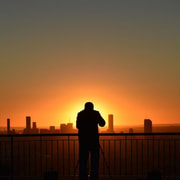
South Bank, sometimes informally referred to as Southwark by travellers, is Brisbane’s premier lifestyle and cultural precinct. Located along the southern banks of the Brisbane River, this lively destination blends lush parklands, world-class museums, restaurants, markets, and outdoor spaces into one iconic urban escape.
Whether you’re here for riverside strolls, dining, swimming, or cultural experiences, South Bank is an essential stop when visiting Brisbane.
⭐ Why Visit South Bank
1. Riverside Views & Scenic Walks
The entire precinct stretches along the Brisbane River, offering:
leafy promenades
skyline views
breezy boardwalks
iconic riverfront photo spots
It’s beautiful day and night.
2. Free Lagoon & Swimming Beaches
South Bank is home to Streets Beach, Australia’s only inner-city, man-made lagoon. Families love it for:
white sand
crystal-clear water
lifeguards
shaded relaxation areas
Epic fun, completely free.
3. Cultural Heart of Brisbane
The precinct connects directly with:
Queensland Art Gallery (QAG)
Gallery of Modern Art (GOMA)
Queensland Museum
Queensland Performing Arts Centre (QPAC)
State Library of Queensland
It’s a cultural hub with rotating exhibitions, musicals, and performances.
4. Dining, Bars & Weekend Markets
South Bank is buzzing with:
riverside restaurants
cafés and dessert bars
multicultural food offerings
weekend markets with crafts, fashion, and food stalls
Perfect for relaxed afternoons and atmospheric nights.
5. Lush Gardens & Outdoor Spaces
The southside is covered in greenery:
Rainforest Walk
Epicurious Garden (with edible plants)
Riverside lawns
The Arbour with its famous pink bougainvillea
Great for picnics, photos, and unwinding.
🌟 Top Things to Do in South Bank Brisbane
🏖 1. Swim at Streets Beach
A tropical-style lagoon in the middle of the city—fun, refreshing, and absolutely unique.
🚶 2. Walk the Arbour
The vibrant bougainvillea-covered walkway is one of Brisbane’s most photographed features.
🎨 3. Explore GOMA & QAG
Discover contemporary and classic art, ever-changing exhibitions, and free galleries.
🏛 4. Visit the Queensland Museum
Family-friendly exhibits include:
natural history
dinosaurs
science displays
local culture
🌮 5. Eat & Drink by the River
Try South Bank favourites such as:
River Quay restaurants
Little Stanley Street cafés
Pop-up food stalls and weekend markets
🎡 6. Ride the Wheel of Brisbane
A gentle ferris wheel offering panoramic views over the river and skyline—magical at sunset.
🌱 7. Explore the Epicurious Garden
See herbs, vegetables, and fruit plants growing in the heart of the precinct.
🚢 8. Take a CityCat or River Cruise
South Bank is one of the best starting points for exploring Brisbane by water.
🏨 Best Places to Stay Nearby
Emporium Hotel South Bank (luxury)
Mantra South Bank
Rydges South Bank
Various apartments and boutique stays
All offer easy access to the river and entertainment.
🚗 Getting There
South Bank is effortlessly accessible via:
South Bank or South Brisbane train stations
Free or paid CityHopper ferries
CityCat ferries
Walking paths from the CBD (just across the bridge)
Paid parking stations nearby
❓ Quick Q&A
Q: Can you spend a full day in South Bank? A: Absolutely—between beaches, museums, gardens, cafes, and river walks, it’s an all-day destination.
Q: Is it family-friendly? A: Very. Safe swimming areas, playgrounds, lawns, and educational museums make it ideal for families.
Q: Is South Bank safe? A: Yes. It’s well lit, busy, and patrolled, making it one of Brisbane’s safest public areas.
🌆 Final Thoughts
South Bank Brisbane is a perfect blend of nature, culture, dining, and recreation—right in the heart of the city. Whether you’re swimming in the lagoon, wandering through art galleries, enjoying riverside meals, or catching a show, South Bank delivers a full Brisbane experience with vibrant energy and stunning scenery.
Sponsored Popular Items
Quick take: Musement.com offers a worldwide selection of tours and attractions
Brisbane: Private Brisbane Night Tour with Stops Australia Sit back, relax and enjoy Brisbane by night in a private tour. Get driven around Brisbane after dark with stops for photos and exploring. See the beauty of Brisbane and surrounds at… Check current availability, inclusions and booking conditions.
Brisbane: 2-Hour Kayak Hire on Brisbane River Australia Get out and discover Brisbane's beautiful river with this 2-hour kayak hire. Be your own kayak tour guide, whether you're a first-timer or an experienced paddler. Cruise along the… Check current availability, inclusions and booking conditions.
Byron Bay, Gold Coast, Brisbane, Noosa Hop-On Hop-Off Pass Australia Hop-on hop-off along Australia’s East Coast! Travel Byron Bay, Brisbane, Gold Coast, Noosa & Rainbow Beach at your pace, with local tips, must-see spots & exclusive discounts.
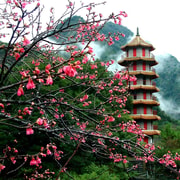
Beitou Hot Springs is Taipei’s most famous geothermal district—a lush, steamy valley shaped by volcanic activity from nearby Yangmingshan. Known for its soothing mineral waters, Japanese-style bathhouses, historic architecture, and scenic walking paths, Beitou is the perfect half-day or full-day escape from the city.
With natural hot springs, museums, thermal rivers, and tranquil gardens, Beitou blends wellness, culture, and nature into one unforgettable experience.
⭐ Why Visit Beitou Hot Springs
1. Taiwan’s Most Accessible Hot-Spring Town
Just 30 minutes from central Taipei, Beitou gives you a true onsen-style getaway without leaving the city.
2. Natural Hot Springs from the Volcano
Fed by the geothermal energy of the Datun Volcano Group, Beitou’s waters contain sulphur, minerals, and therapeutic properties.
3. Japanese Onsen Culture Meets Taiwanese Heritage
Beitou’s historic bathhouses, wooden buildings, and museums reflect its past as a Japanese onsen resort.
4. Scenic, Relaxing, and Culturally Rich
Steaming vents, rivers, small waterfalls, and forested paths create a peaceful spa-town atmosphere.
🌿 Top Things to Do in Beitou Hot Springs
♨️ 1. Soak in a Public or Private Hot Spring
Choose your preferred style:
Public Bathhouses – affordable, communal onsen-style
Private Rooms – great for couples or those wanting privacy
A dramatic, misty emerald-green pool of boiling water (up to 90–100°C) that feeds the Beitou hot spring system. Expect:
rising geothermal steam
jade-coloured water
sulphur scent
great photography spots
This is Beitou’s signature sight.
🏛 3. Beitou Hot Spring Museum
A beautifully restored Japanese bathhouse from 1913 featuring:
historic wooden interiors
mosaics & tiled pools
exhibitions about Beitou’s onsen culture
📚 4. Taipei Public Library – Beitou Branch
One of the most eco-friendly and photogenic libraries in the world, made of wood and surrounded by greenery.
🏞 5. Plum Garden
A tranquil Japanese-style villa once used by scholar-calligrapher Yu Youren. Ideal for:
quiet moments
garden strolls
cultural displays
🚶 6. Stroll Through Beitou Park
A leafy riverside park with:
hot-spring streams
sulphur vents
scenic walking paths
cherry blossoms in spring
🧭 7. Combine Your Trip with Yangmingshan
Many travellers pair Beitou Hot Springs with:
Xiaoyoukeng fumaroles
Qixing Mountain
Qingtiangang Grassland
🍽 What to Eat in Beitou
Beitou is known for:
hot-spring ramen
sulphur eggs
herbal broths
traditional Taiwanese snacks
Japanese-style bento boxes
Cafés and tea houses with mountain views are scattered across the area.
🏨 Best Hot Spring Hotels in Beitou
Grand View Resort Beitou – luxury volcanic spa
Villa 32 – exclusive boutique onsen (adults only)
Asia Pacific Hotel – family friendly
Spring City Resort – popular day-use hot spring
🚆 Getting There
From Taipei:
Take the MRT Red Line to Beitou Station
Transfer to the Xinbeitou Line (1 stop)
Walk 5–10 minutes to the main attractions
Taxis are also inexpensive from Shilin or Tianmu.
❓ Quick Q&A
Q: Do the hot springs smell like sulphur? A: Yes—light to moderate sulphur scent is normal due to volcanic minerals.
Q: Can you wear swimwear? A: Public bathhouses usually require swimwear; some traditional Japanese-style baths do not.
Q: Best time to visit? A: Year-round, but especially refreshing in cool autumn and winter weather.
Q: How long should I spend in Beitou? A: 3–5 hours for highlights, or stay a full day at a spa resort.
🌅 Final Thoughts
Beitou Hot Springs is the perfect place to unwind—an oasis of steaming pools, Japanese-era architecture, green forests, and volcanic landscapes just minutes from the city. Whether you’re soaking in a mineral-rich bath, strolling through geothermal valleys, or learning about Taiwan’s hot-spring heritage, Beitou offers relaxation with a cultural heart.
Sponsored Popular Items
Quick take: Musement.com offers a worldwide selection of tours and attractions
Taipei: Taipei Night Market Experience Taiwan Best deals for Taipei: Taipei Night Market Experience. Explore Taipei's night markets on a guided tour. Savor a local snack and boba drink, learn about the culture and history of street foods, and try your hand at traditional night market games. Available from getyourguide.com.
Taipei: Taipei-Hualien one day tour Taiwan Best deals for Taipei: Taipei-Hualien one day tour. Discover Hualien and Taroko Gorge on a day trip from Taipei. Depart from Xingtian Temple, stroll through Xincheng Old Street, and explore the scenic Tianxiang Recreation Area. Available from getyourguide.com.
Taipei: Taipei 101 Observatory - Skyline 460 Cloud Walk Taiwan Best deals for Taipei: Taipei 101 Observatory - Skyline 460 Cloud Walk. Elevate your adventure at Taipei 101’s Skyline 460, Asia’s highest outdoor observatory. Soak in breathtaking panoramic views of Taipei, enjoy guided tours, and skip the lines with fast-track access. Available from getyourguide.com.
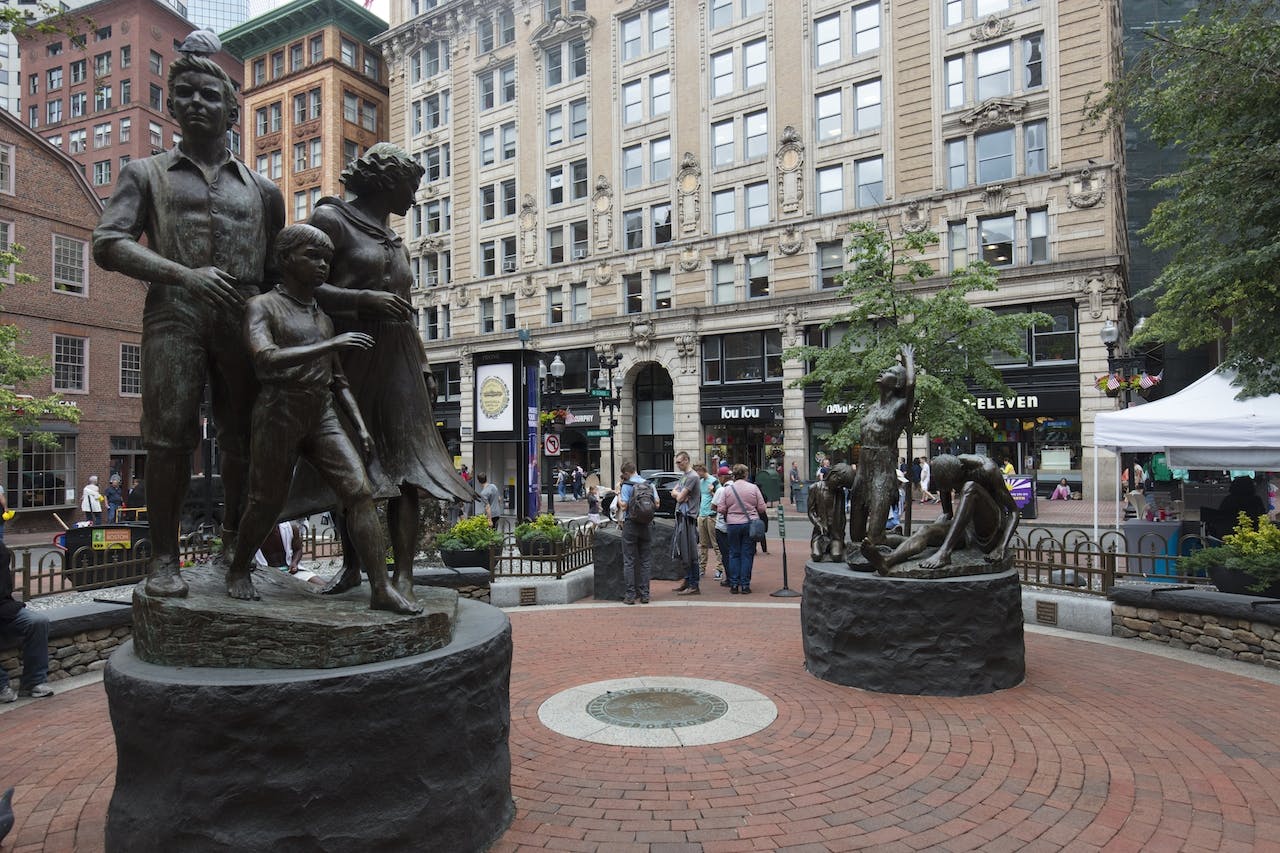
Boston is one of the oldest and most influential cities in the United States—a place where colonial history, academic excellence, sports culture, and waterfront living come together in a way that feels distinctly New England. With walkable neighbourhoods, world-class museums, leafy parks, and a thriving food scene, Boston offers a blend of old and new that captivates every visitor.
⭐ Why Visit Boston
1. Birthplace of the American Revolution
Walk the same streets where the fight for independence began. Boston’s history is everywhere—from Freedom Trail landmarks to preserved meeting halls and colonial cemeteries.
2. A Hub of Innovation & Education
Home to Harvard, MIT, Boston University, and countless research institutions, the city pulses with intellectual energy and youthful creativity.
3. Distinct, Walkable Neighbourhoods
Beacon Hill, Back Bay, North End, Seaport—each district has its own atmosphere, architecture, and local treasures.
4. Waterfront Beauty
Boston embraces the ocean with harbourside promenades, ferries, seafood restaurants, and boat cruises that showcase spectacular skyline views.
🌆 Top Things to Do in Boston
⭐ 1. Walk the Freedom Trail
A 4 km (2.5 mile) red-brick path linking 16 historic sites, including:
Boston Common
Massachusetts State House
Paul Revere House
Old North Church
Faneuil Hall
It’s the best introduction to the city.
🖼 2. Museum of Fine Arts (MFA)
One of the largest art museums in the U.S., with an extraordinary collection of:
Impressionist works
Ancient Egyptian artifacts
American paintings
Asian arts
⚗️ 3. Cambridge & Harvard Square
Cross the Charles River to explore:
Harvard University’s historic buildings
quirky bookstores and cafés
lively street scenes
MIT’s modern architecture is also nearby.
🏘 4. Beacon Hill
Quintessential Boston charm:
brick townhouses
cobblestone streets
gas lamps
beautiful photo stops like Acorn Street
🥘 5. North End (Little Italy)
Boston’s oldest residential neighbourhood, famous for:
Italian restaurants
fresh cannoli
historic sites tied to Paul Revere
🌊 6. Boston Harbor & Seaport District
Enjoy:
waterfront dining
the New England Aquarium
whale-watching tours
ferries to the Boston Harbor Islands
Sunsets here are spectacular.
⚾ 7. Fenway Park
Home of the Boston Red Sox and one of America’s oldest baseball stadiums—a must for sports lovers.
🌳 8. Public Garden & Swan Boats
An iconic park with:
colourful flower beds
relaxing walking paths
the famous Swan Boats in warmer months
🍽 What to Eat in Boston
Signature eats include:
clam chowder
lobster rolls
oysters
Boston cream pie
Italian pastries in the North End
And don’t miss local craft beer—Boston is a major brewery hub.
🏨 Best Areas to Stay
Back Bay – stylish, central, great shopping
Downtown – best for first-time visitors
Beacon Hill – historic and charming
Seaport – modern, upscale, waterfront views
🚆 Getting Around
Boston is extremely walkable.
The T subway system connects major neighbourhoods.
Ferries offer scenic routes across the harbour.
Bikes and scooters are widely available.
❓ Quick Q&A
Q: How many days do you need in Boston? A: 2–4 days is ideal.
Q: Best time to visit? A: Spring and fall offer perfect weather. Autumn foliage is stunning.
Q: Is Boston expensive? A: Yes—especially accommodation. Dining varies from affordable to high-end.
Q: Is Boston good for families? A: Absolutely—museums, parks, and waterfront activities are ideal for all ages.
🌅 Final Thoughts
Boston is a city of stories—revolutionary history, academic brilliance, and New England coastal charm. Whether you’re following the Freedom Trail, exploring vibrant neighbourhoods, cruising the harbour, or savouring seafood, Boston delivers a rich, memorable experience that blends the past and present beautifully.
Sponsored Popular Items
Quick take: Musement.com offers a worldwide selection of tours and attractions
North End Food Tour with Tastings and Cannoli in Boston United States Plan North End Food Tour with Tastings and Cannoli in Boston, a food and drink experience, with practical tips on timing, inclusions and what to check before booking. Compare current availability, prices and booking conditions before you go.
Day trip from NYC to visit Boston Freedom Trail United States Plan Day trip from NYC to visit Boston Freedom Trail, a guided sightseeing experience, with practical tips on timing, inclusions and what to check before booking. Compare current availability, prices and booking conditions before you go.
Where is it? Seine-et-Marne, 55 km southeast of Paris
Famous for: Château de Fontainebleau (UNESCO), vast royal forest, Renaissance architecture, Napoleon’s residence
Best for: History lovers, architecture fans, hikers, families, and day-trippers
Top highlights: Château apartments, François I Gallery, Napoleon’s Throne Room, gardens & canals, Fontainebleau Forest
Ideal visit length: 3–5 hours (or full day with forest walk)
Open: Year-round, except Tuesdays
Why Visit Fontainebleau?
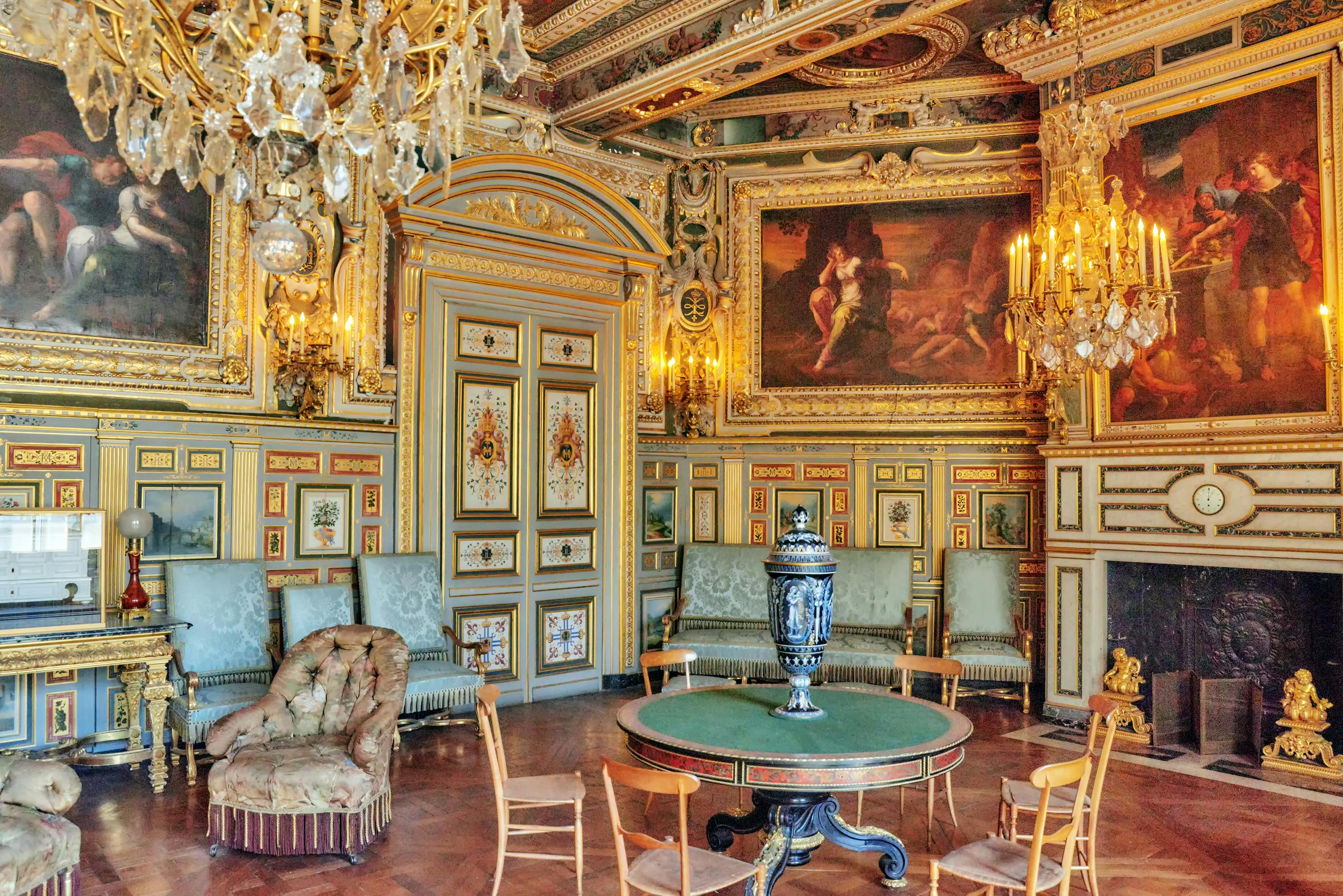
Fontainebleau offers a rare combination: a magnificent royal château and a beautiful 25,000-hectare forest, both just an hour from Paris. Often called the “true home of kings,” the château has hosted the French monarchy from Louis VII to Napoleon III, giving it nearly eight centuries of royal history.
Less crowded than Versailles yet equally spectacular, Fontainebleau is an ideal day trip for travellers who want grandeur without the hustle.⁶
Sponsored Popular Items
Quick take: Musement.com offers a worldwide selection of tours and attractions
Tickets & Guided Tours of the Château de Fontainebleau France Compare sightseeing experiences in Tickets & Guided, with practical tips on timing, inclusions and choosing the right option. Check current availability, prices and booking conditions before you go.
Top Things to See & Do
1. Château de Fontainebleau
A UNESCO World Heritage masterpiece featuring Renaissance, Baroque, and Classical architecture. With 1,500 rooms, it’s one of the largest royal residences in France.
Interior Highlights
The François I Gallery – A dazzling Renaissance corridor filled with frescoes and sculpted decoration.
The Ballroom (La Salle de Bal) – Lavish gilding and Italian-inspired wall paintings.
Napoleon’s Throne Room – The only intact throne room in France.
The Papal Apartment – Once prepared for Pope Pius VII.
The Chinese Museum – Empress Eugénie’s collection of Asian art.
2. The Château Gardens
Designed across centuries, the gardens and grounds include:
The Grand Parterre – France’s largest formal garden, designed by André Le Nôtre.
The Carp Pond & Pavilion – A peaceful spot with reflections of the château.
English Garden – Winding paths and romantic landscaping.
Louis XVI’s Garden – Neatly trimmed trees and symmetry.
Great for strolling, photography, and picnics.
3. The Forest of Fontainebleau
One of the most beautiful forests in France, known for:
Dramatic boulders (popular with climbers)
Serene hiking and cycling trails
Shaded woodland perfect for summer
Inspiration for 19th-century painters of the Barbizon School
Nature enthusiasts often combine a château visit with a forest walk.
4. Fontainebleau’s Napoleon History
Napoleon I adored Fontainebleau, calling it “the true residence of kings, the house of centuries.” Highlights include:
His Throne Room
The Abdication Room, where he said farewell in 1814
Exhibitions dedicated to the empire era
What to Expect When Visiting
A More Relaxed Experience Than Versailles
Large spaces, fewer crowds, and the freedom to explore at your own pace.
A Full Day of Culture & Nature
Begin at the château, lunch in the village, then walk or hike in the forest.
Photographer’s Paradise
Reflections in the ponds, sculpted gardens, richly decorated halls, and endless woodland scenery.
Best Time to Visit
Spring
Flowering gardens and mild weather.
Summer
Perfect for picnics and forest walks; longest opening hours.
Autumn
Golden leaves transform the forest—an especially magical time.
Winter
Quiet, atmospheric, and great for interior visits.
How Long to Spend
Château only: 2–3 hours
Château + gardens: 3–4 hours
Château + gardens + forest: Full day
How to Get to Fontainebleau from Paris
Train + Bus
Train from Paris Gare de Lyon to Fontainebleau–Avon (40 minutes)
Local bus or 35-minute walk to the château
Car
Around 1 hour from central Paris
Paid and free parking available near the château
Organised Tours
Many half-day and full-day tours include transport and skip-the-line entry.
Tickets & Tips
Closed on Tuesdays.
Book guided tours for deeper historical insight.
Wear comfortable shoes—the château is large.
Picnics allowed in certain garden areas.
Forest trails vary in difficulty—choose a marked loop.
Is Fontainebleau Worth Visiting?
Absolutely. Fontainebleau offers a regal atmosphere, magnificent interiors, vast gardens, and a breathtaking forest—all without the overwhelming crowds of Versailles. It’s one of the most rewarding day trips from Paris and a must-see for lovers of French heritage, nature, and beauty.
Sponsored Popular Items
Quick take: Musement.com offers a worldwide selection of tours and attractions
Tickets & Guided Tours of the Château de Fontainebleau France Compare sightseeing experiences in Tickets & Guided, with practical tips on timing, inclusions and choosing the right option. Check current availability, prices and booking conditions before you go.
Where is it? Under the new Havenhuis/Port House area, Antwerp, Belgium
Why visit? Unique pedestrian underpass connecting the city to the waterfront, great for photos, architecture lovers, and scenic strolls
Best for: Walkers, cyclists, photographers, maritime history fans
Nearby attractions: MAS Museum, Red Star Line Museum, Port House (Havenhuis), Eilandje district
How long to visit: 10–20 minutes on foot
What Is the Bonaparte Tunnel?
The Bonaparte Tunnel (Bonapartesluis / Bonapartedok Tunnel) is a pedestrian and cyclist tunnel located in Antwerp’s revitalised port district, linking the trendy Eilandje neighbourhood with the waterfront around the Bonapartedok.
Originally part of Napoleon’s early 19th-century harbour system, this area combines historic dock infrastructure with cutting-edge architecture. The tunnel itself isn’t grand like the Sint-Anna Tunnel, but it’s a surprising, atmospheric walkway that cuts beneath the lock gates and offers a unique way to explore the city’s maritime edge.
Why Visit the Bonaparte Tunnel?
It’s a Hidden Local Shortcut
Locals use it daily to move between MAS, the quays, and the modern Port House area. For travellers, it’s a fun and efficient route that brings you right into the heart of Antwerp’s docklands.
Part of Antwerp’s Maritime History
The tunnel sits beneath the Bonapartedok, one of the historic docks commissioned during the French occupation under Napoleon. Walking through it gives you a close-up feel of the city’s industrial past.
Great Architecture Nearby
Just steps from the tunnel is the stunning Port House (Havenhuis), redesigned by Zaha Hadid Architects—a futuristic, glass-shard structure floating above a historic fire station. The tunnel often serves as a starting or ending point for photographing this iconic building.
Connects to Fantastic Waterfront Walks
The Eilandje district is filled with bars, restaurants, cafés, and museums—and the tunnel helps you explore it all easily. It’s especially lovely at sunset when the water reflects the modern skyline.
What to Expect When You Visit
A Simple Pedestrian Passage
Don’t expect elaborate architecture—this is a practical tunnel, clean and well-lit, with a slightly industrial feel. It’s safe, easy to navigate, and suitable for both walkers and cyclists.
Short Walking Distance
It takes only 2–3 minutes to walk through the tunnel end to end. Most visitors pair it with a broader exploration of the harbour district.
Great Access to Local Sights
MAS Museum – 5 minutes away
Red Star Line Museum – 10 minutes
Port House – directly adjacent
Bonapartedok & Willemdok – surrounding the area
Best Time to Visit
The tunnel is open year-round and accessible at any time. Consider visiting:
Daytime for clearer views of the waterfront
Evening when the Port House lights up beautifully
Weekdays for quieter walks
How to Get There
By Tram
Take tram lines to MAS or the London Bridge stop and walk to the dock area.
By Bike
Antwerp’s bike network makes it easy to reach the tunnel from anywhere in the city.
On Foot
Most travellers reach the tunnel while exploring the Eilandje or Port House area on foot.
Is the Bonaparte Tunnel Worth Visiting?
Yes—as part of a larger Antwerp docklands walk. The tunnel itself is brief but atmospheric, giving you a sense of the city’s working port and its blend of historic and modern design. Combined with sights like MAS, Red Star Line Museum, and the dazzling Port House, it becomes a memorable stop along the way.
Sponsored Popular Items
Quick take: Musement.com offers a worldwide selection of tours and attractions
Antwerp's Lost Boy Mystery City Exploration Game Belgium Plan Antwerp's Lost Boy Mystery City Exploration Game, a self-guided game or exploration experience, with practical tips on timing, inclusions and what to check before booking. Compare current availability, prices and booking conditions before you go.
Brussels, Antwerp and The Atomium Belgium Plan Brussels, Antwerp and The Atomium, a guided sightseeing experience, with practical tips on timing, inclusions and what to check before booking. Compare current availability, prices and booking conditions before you go.
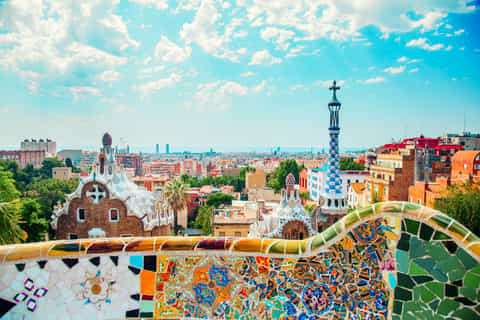
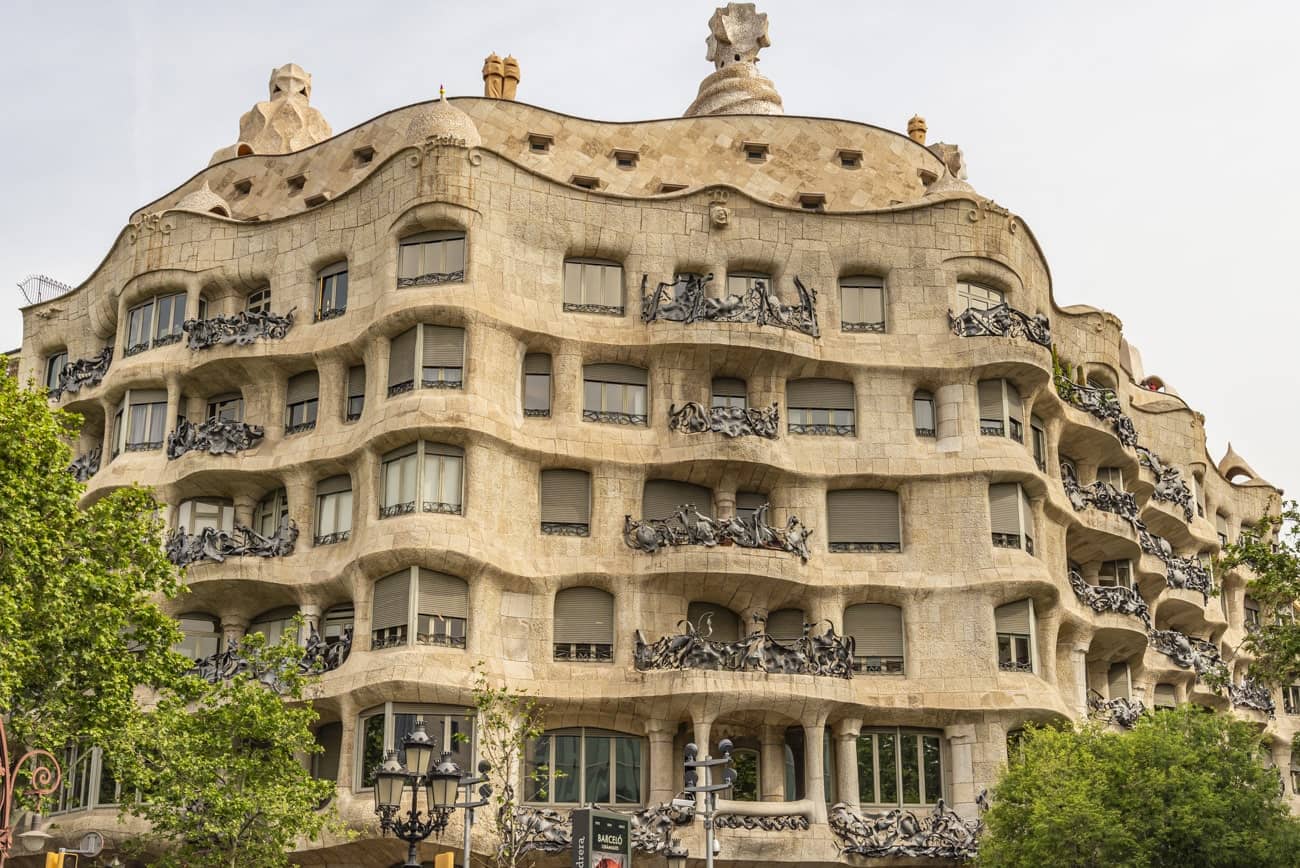
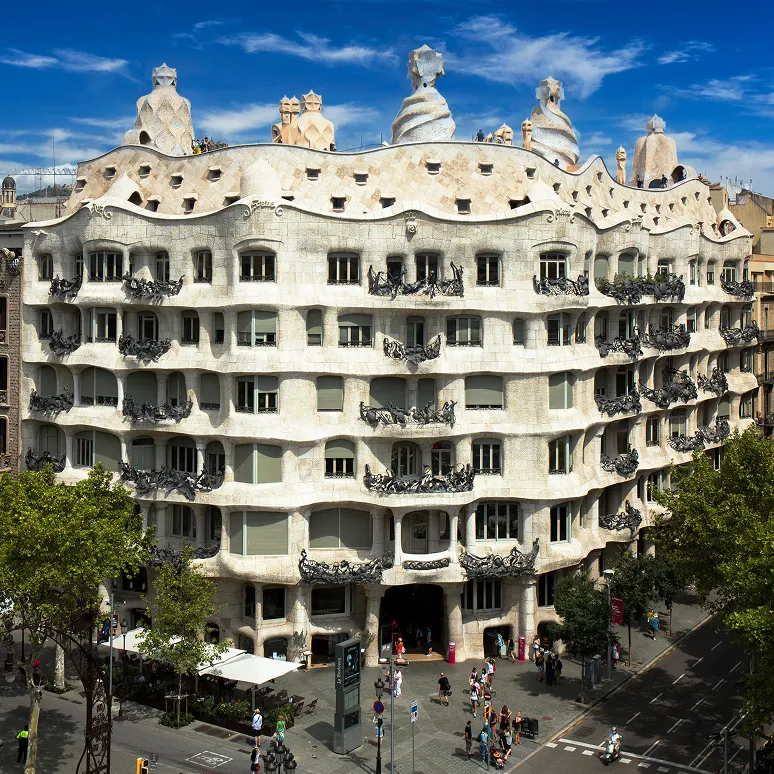
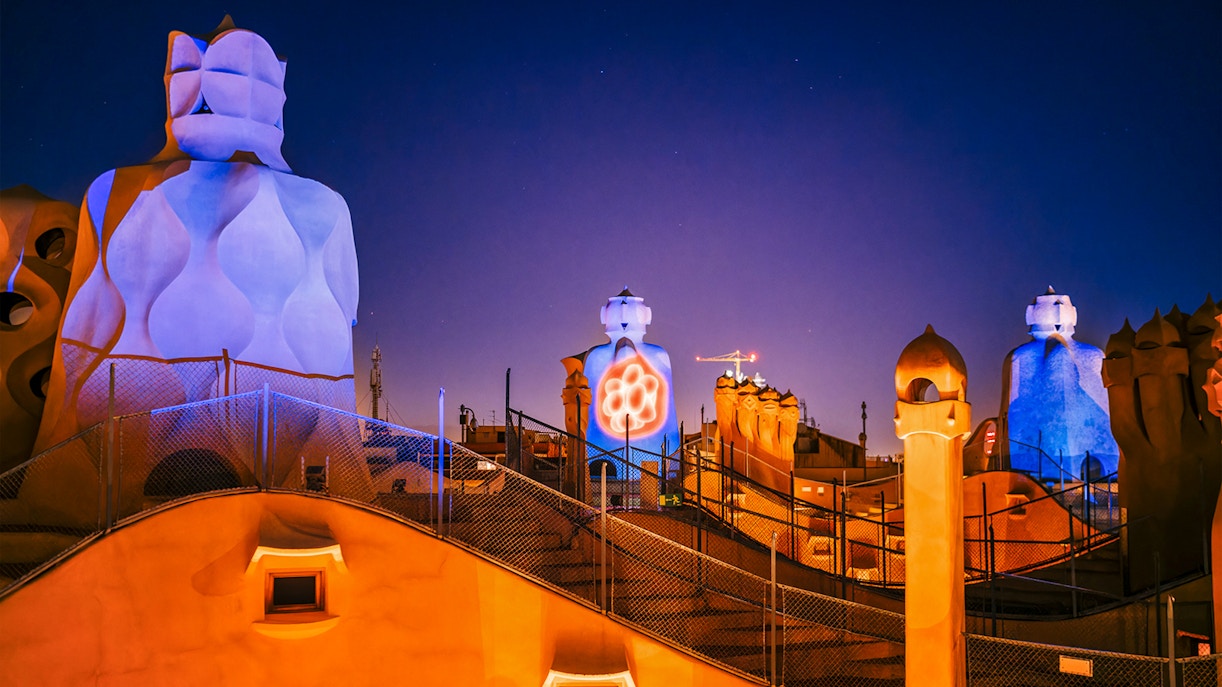
In the heart of Barcelona on the elegant Passeig de Gràcia, La Pedrera is one of the architectural masterworks of Antoni Gaudí. Built between 1906 and 1912, it was Gaudí’s last private residential commission and stands today as an iconic symbol of Catalan Modernisme. The name “La Pedrera” literally means “the stone quarry” in Catalan—a nickname given because of the building’s undulating limestone façade that looks as if it were carved from rock. In 1984 the building was designated as a UNESCO World Heritage Site, as part of the Works of Antoni Gaudí.
Visiting La Pedrera offers a chance not only to admire one of the most imaginative architectural creations of the 20th century but also to step into a building that continues to pulse with cultural life—museum exhibits, rooftop experiences, and a sense of living history.
Things to See & Do
1. Exterior & Façade
Begin with the exterior—walk around the building and take in the flowing stone waves, sculptural chimneys and wrought-iron balconies that look more like art pieces than practical architecture. The effect is fluid, organic, almost dreamlike.
2. Rooftop Terrace – “The Garden of Warriors”
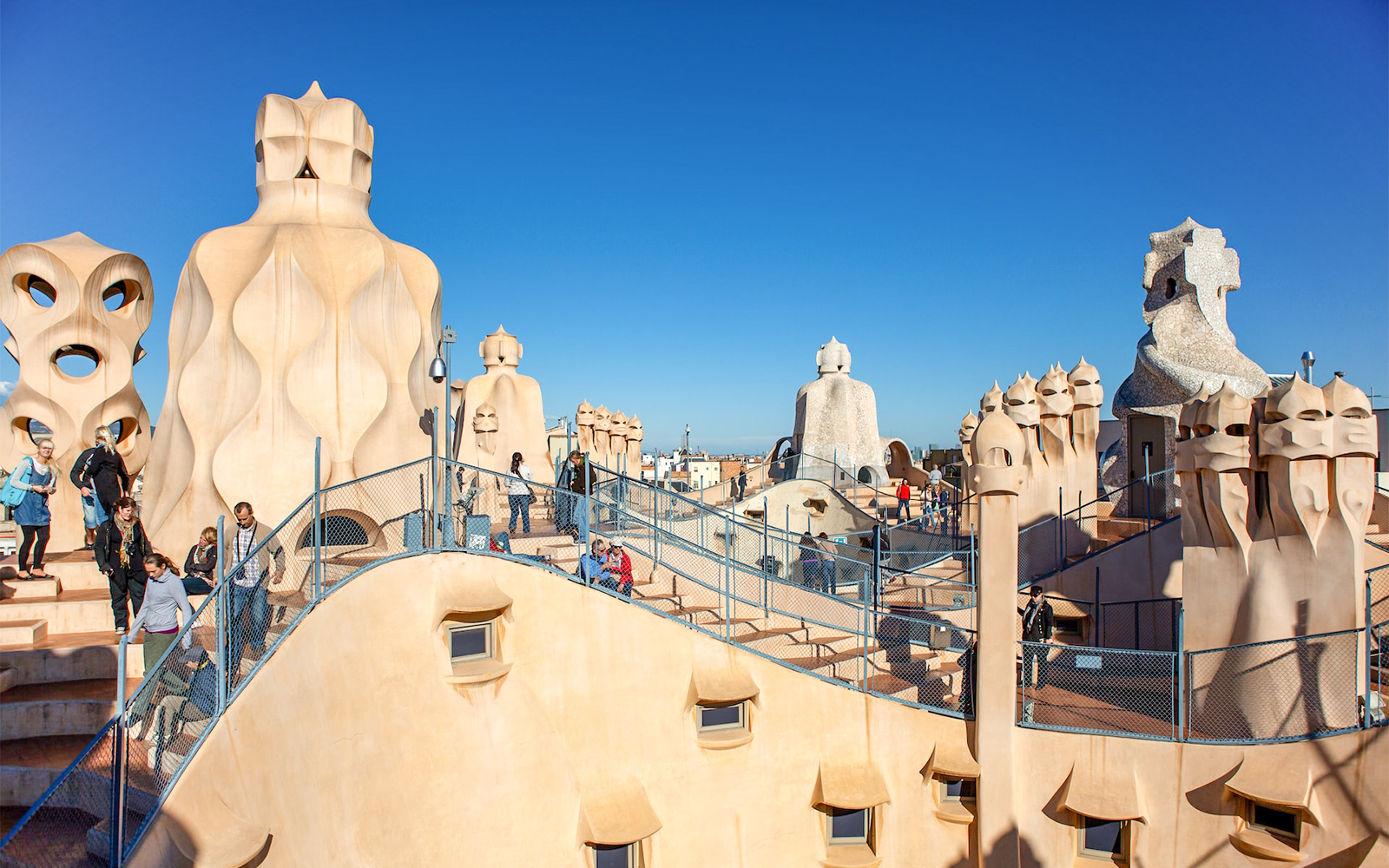
One of the most memorable parts of the visit is the rooftop. Gaudí transformed the chimneys and ventilation towers into surreal sculptures—that’s why some call the roof “El Jardí de les Guerreres” (Garden of the Warriors). From the terraces you get panoramic views of Barcelona’s Eixample district and beyond—perfect for photos at sunset.
3. Interior Courtyards & Apartments
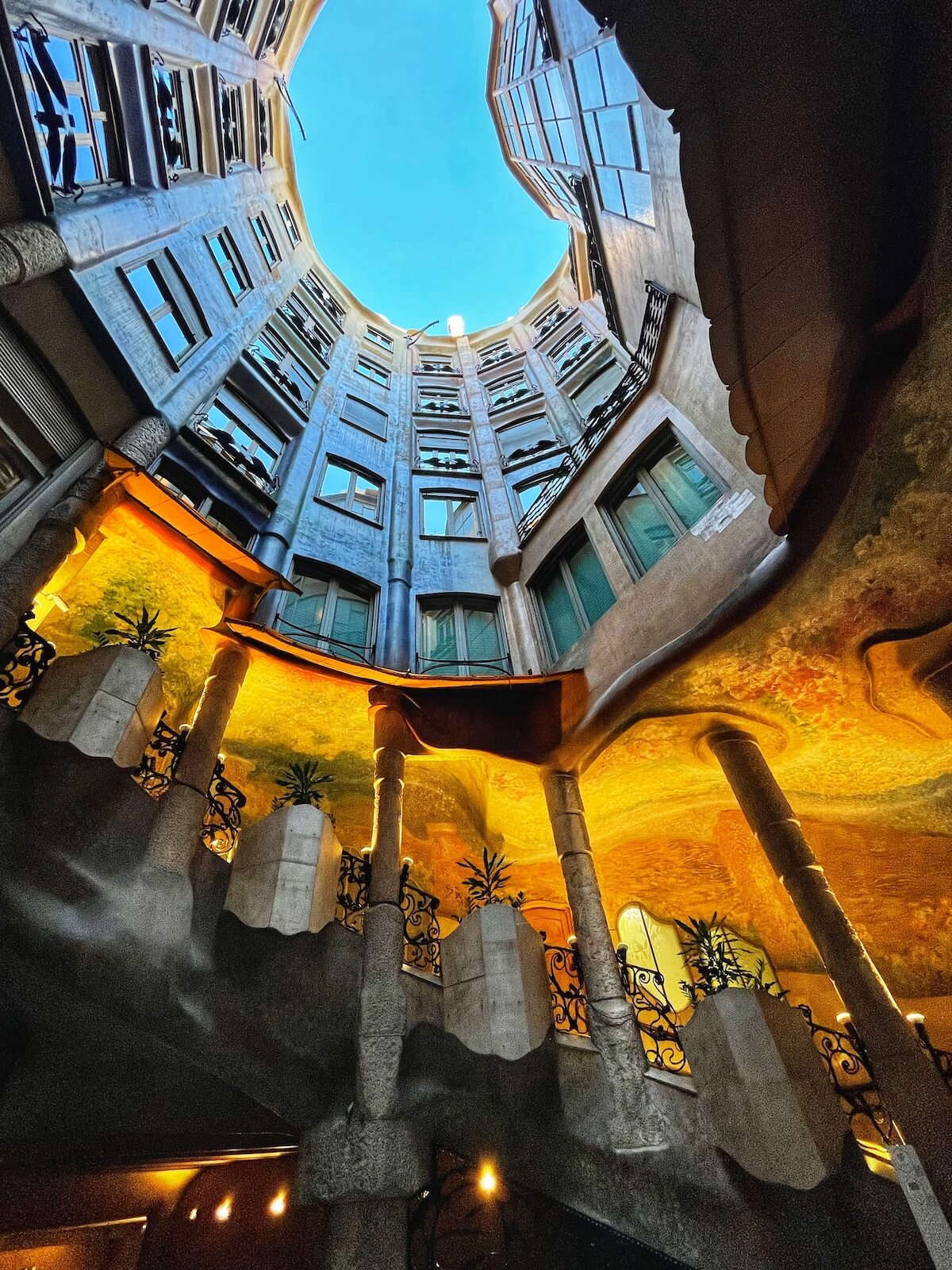
Inside you’ll find two large undulating courtyards that flood the building with light, breaking the typical grid-like structure of the neighborhood. The floors open up around the courtyards in organic fashion. On one of the upper floors you can visit a re-creation of a 1900s flat, complete with period furniture, allowing you to imagine what affluent Barcelona residents experienced.
4. Exhibitions & Night Tours
La Pedrera isn’t just a museum; it’s a living cultural space. From night-tours that highlight the rooftop chimneys under lights, to rotating art exhibitions in the building’s spaces, it offers more than a simple visit.
Practical Info & Tips
Before visiting, book your ticket online through the official site to guarantee entry time and skip queues.
Getting there: Located at 92 Passeig de Gràcia, Barcelona—easily reached by metro (Passeig de Gràcia station) or bus.
Best time: Arrive early (opening time) or opt for an evening/night entry if available—it tends to be less crowded and the rooftop view is spectacular at dusk.
Bring comfortable shoes: You’ll climb stairs and roam across different levels including rooftop.
Camera & photos: Excellent photo venues abound—on the façade, the rooftop and inside the courtyards.
Time allocation: Plan for about 1.5 to 2 hours minimum; if you include a guided visit or exhibition, 2–3 hours might be better.
Why It’s Unique
La Pedrera stands apart because it shatters the typical architectural expectations of its time. Rather than symmetrical facades and straight lines, Gaudí embraced curves, natural forms and sculptural elements, making the building feel alive and organic. According to architectural commentary:
“Its undulating stone façade and organic forms mark it as one of Gaudí’s most iconic works.”
Also, because the building still functions as part residential, part cultural centre, you feel a connection to the city’s evolving life—not just a preserved relic. Its rooftop—both whimsical and structural—is frequently cited for its imaginative design.
Sponsored Popular Items
Quick take: Musement.com offers a worldwide selection of tours and attractions
The BEST Barcelona Tours and Things to Do in 2026 - FREE Cancellation | GetYourGuide Spain Find the top-rated and best-reviewed tours and activities in Barcelona for 2026. From prices and availability to skip-the-line options and mobile tickets, get all the information you… Check current availability, inclusions and booking conditions.
Barcelona: Jet skis Spain Book the most popular Jet skis in Barcelona. Best price and money back guarantee! Check current availability, inclusions and booking conditions.
The BEST Barcelona Tours and Things to Do in 2026 - FREE Cancellation | GetYourGuide Spain Find the top-rated and best-reviewed tours and activities in Barcelona for 2026. From prices and availability to skip-the-line options and mobile tickets, get all the information you… Check current availability, inclusions and booking conditions.
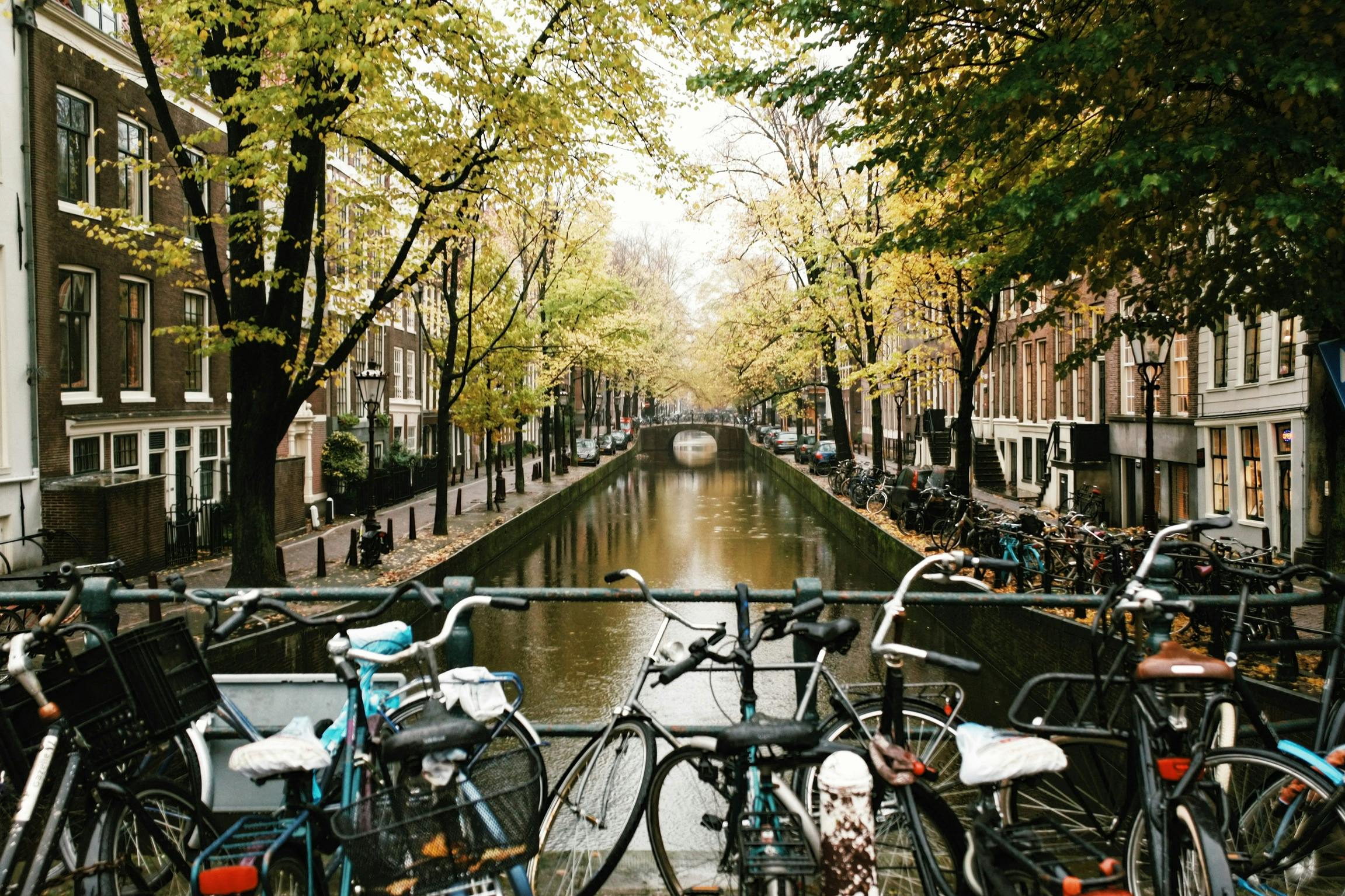
Rijksmuseum, Amsterdam: The Heart of Dutch Art and History
The Rijksmuseum is the crown jewel of Dutch culture — a world-class museum that tells the story of the Netherlands through art, history, and craftsmanship. Located in the Museumplein district of Amsterdam, it holds masterpieces by Rembrandt, Vermeer, and Van Gogh alongside centuries of sculpture, decorative arts, and design.
Overview
Opened in 1885 and housed in a grand neo-Gothic building by architect Pierre Cuypers, the Rijksmuseum combines stunning architecture with more than one million works of art and artifacts. Whether you spend an hour or an entire day, its galleries reveal the evolution of the Dutch Golden Age and the enduring power of creativity.
Highlights of the Rijksmuseum
The Night Watch by Rembrandt
One of the most famous paintings in the world, Rembrandt’s The Night Watch dominates its gallery with movement, light, and life. The ongoing “Operation Night Watch” conservation project lets visitors watch high-tech restoration in real time.
Vermeer’s Masterpieces
See The Milkmaid and Woman Reading a Letter — tranquil domestic scenes that define Vermeer’s genius for light and quiet emotion.
Dutch Golden Age Galleries
Rooms filled with 17th-century portraits, landscapes, and still lifes capture a booming age of trade, science, and art. Spot works by Frans Hals, Jan Steen, and Ruysdael among hundreds of treasures.
Asian Pavilion
A glass-and-stone space adjoining the main museum, showcasing ceramics, woodcuts, sculptures, and weaponry from across Asia — reflecting the Netherlands’ long global connections.
Applied Arts and Design
Furniture, Delftware, silver, and fashion trace how everyday objects became art in Dutch homes and workshops. The 19th- and 20th-century rooms highlight Art Nouveau, Bauhaus, and modern design.
The Library
The Rijksmuseum Research Library is one of Europe’s most beautiful reading rooms — a cathedral of books and light still used by scholars today.
Visitor Information
Location: Museumstraat 1, 1071 XX Amsterdam, Netherlands
Opening hours: Daily from 9:00 am to 5:00 pm, including holidays
Tickets: Can be purchased online or on site; free for visitors under 18
Facilities: Lockers, café, museum shop, and free Wi-Fi throughout
Suggested Visit Plan
First hour: Start with the Gallery of Honour for Rembrandt, Vermeer, and Golden Age highlights.
Midday: Visit the Asian Pavilion and design galleries; stop for lunch at the museum café.
Afternoon: Explore sculpture, ship models, and temporary exhibitions; relax in the gardens.
Nearby Attractions
Van Gogh Museum: Next door — an essential follow-up for 19th-century art lovers.
Stedelijk Museum: Modern and contemporary art in striking contrast to the Rijksmuseum’s classics.
Museumplein Park: Open lawns, fountains, and seasonal events surround the cultural hub.
Heineken Experience: A short walk away for those seeking a lighthearted end to the day.
Practical Tips
Book ahead: Timed entry tickets help avoid queues, especially on weekends and holidays.
Go early or late: The first two hours after opening or after 3 pm are usually quieter.
Use the app: The free Rijksmuseum app includes self-guided tours and multilingual audio commentary.
Plan breaks: The museum is large — take short rests in the garden or café.
Photography: Permitted without flash; tripods and selfie sticks are not allowed.
Rijksmuseum FAQs
How long does it take to see the Rijksmuseum?
Answer: Two to three hours covers the main highlights. Art lovers may wish to spend a full day exploring at a relaxed pace.
Is entry free with a Museumkaart or I Amsterdam Card?
Answer: Yes. Both cards include free entry but may still require a reserved time slot online.
Can I take photos inside?
Answer: Yes, non-flash photography is allowed in permanent collections. Some temporary exhibitions restrict photography.
Is the museum suitable for children?
Answer: Very. Family trails, activity booklets, and creative workshops make the museum engaging for young visitors.
What’s the best way to get there?
Answer: Take tram lines 2 or 12 to Rijksmuseum stop, or walk about 20 minutes from Amsterdam Central Station.
Why the Rijksmuseum Is Unmissable
The Rijksmuseum is more than a gallery — it’s a national story told through art, science, and design. Every room reflects the spirit of the Dutch Golden Age: curiosity, craftsmanship, and innovation. Whether you come for Rembrandt’s drama or Vermeer’s stillness, you’ll leave inspired by the light and legacy of the Netherlands.
Sponsored Popular Items
Quick take: Musement.com offers a worldwide selection of tours and attractions
Art Institute of Chicago: Your Complete Visitor’s Guide
Art Institute of Chicago: Your Complete Visitor’s Guide
Located in Grant Park on Michigan Avenue, the Art Institute of Chicago is one of the world’s premier art museums, home to an encyclopedic collection spanning millennia. From its iconic Impressionist paintings to contemporary galleries, this guide helps you get the most out of your visit.
Getting There & Opening Hours
How to Get There
The museum’s address is 111 South Michigan Avenue, Chicago, Illinois. :contentReference[oaicite:0]{index=0}
Public transit: nearest “L” stations include Adams/Wabash and Monroe/State; Metra & southshore lines stop at Van Buren Street. :contentReference[oaicite:1]{index=1}
Walking: it sits just west of Grant Park, near Millennium Park and major downtown attractions. :contentReference[oaicite:2]{index=2}
Hours & Best Times to Visit
Typical hours: 11 am to 5 pm on most days. :contentReference[oaicite:3]{index=3}
Thursdays often extend hours to 8 pm. :contentReference[oaicite:4]{index=4}
Closed on Tuesdays & Wednesdays (check ahead, especially for holidays or special exhibitions). :contentReference[oaicite:5]{index=5}
Avoid midday weekends if possible — crowds are lighter late afternoon or early opening. (General visitor advice) :contentReference[oaicite:6]{index=6}
Must-See Collections & Highlights
Impressionist & Post-Impressionist Masters
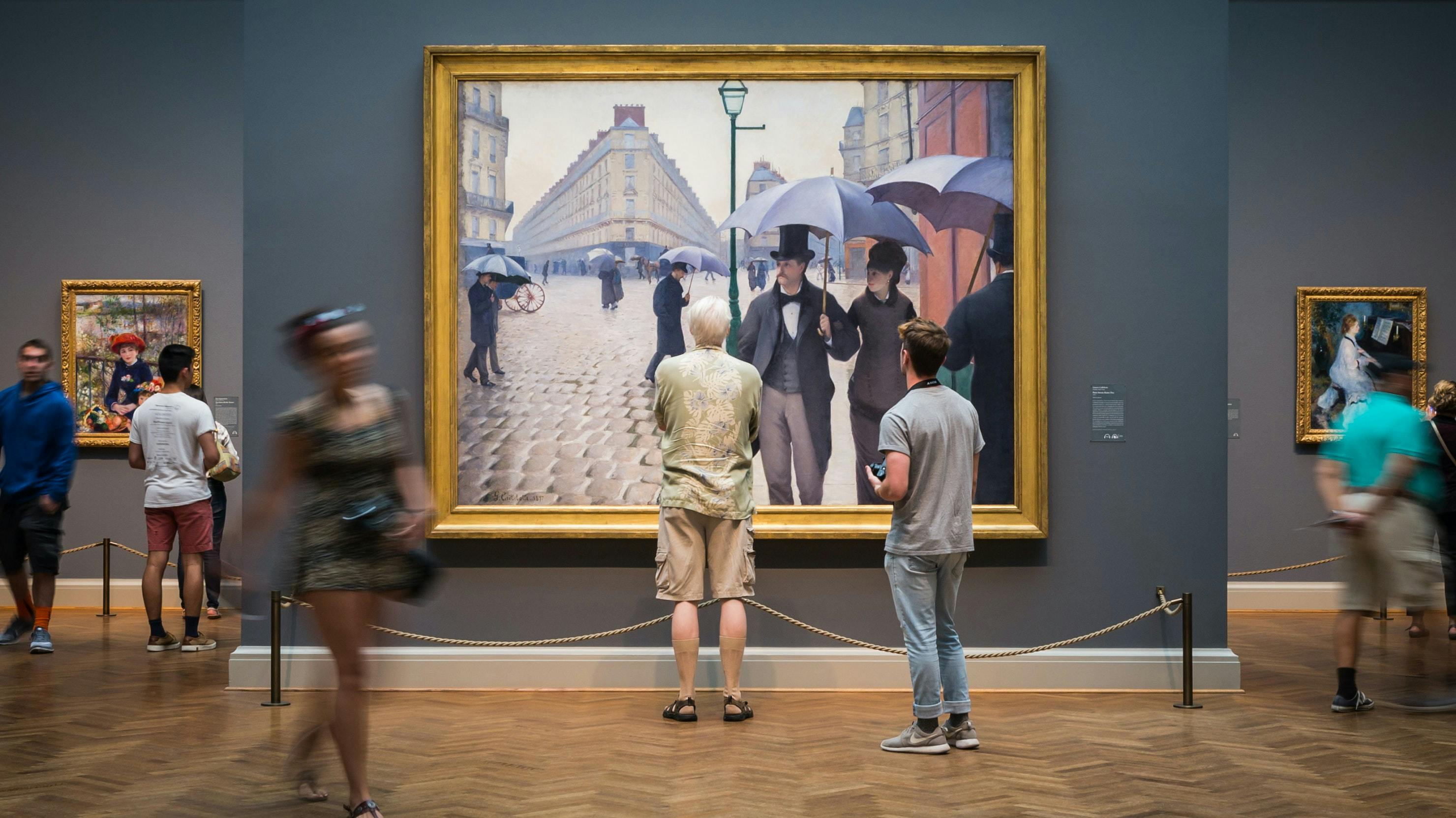
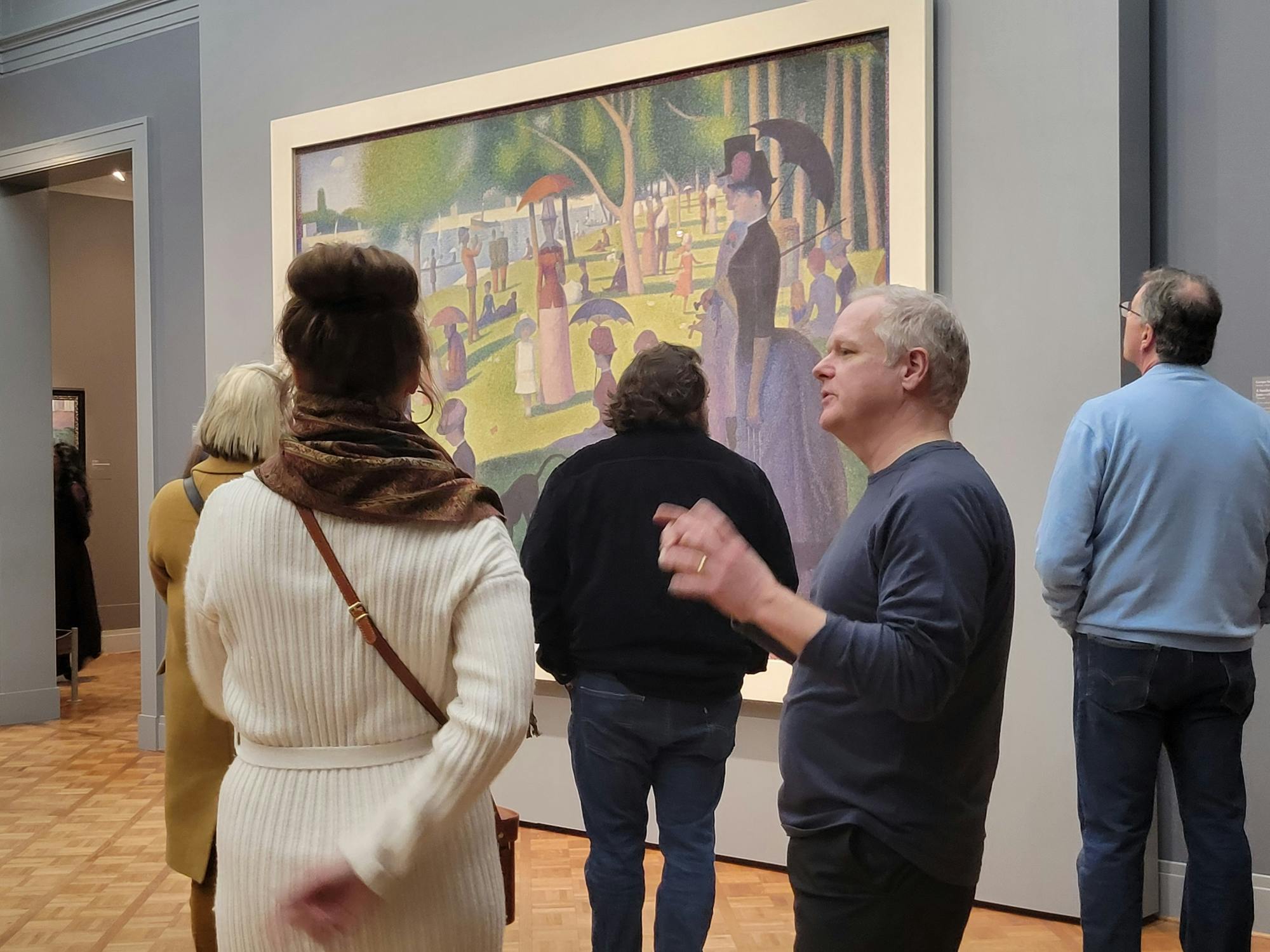
The museum’s Impressionist collection is world-class, with masterpieces by Monet, Renoir, Degas, Cézanne, and Seurat (including A Sunday on La Grande Jatte) :contentReference[oaicite:7]{index=7}
American Art & Icons
See works like Edward Hopper’s Nighthawks and Grant Wood’s American Gothic, which anchor the American art collection. :contentReference[oaicite:8]{index=8}
Modern & Contemporary, Architecture & Design
The Modern Wing, designed by Renzo Piano, opened in 2009 and houses 20th and 21st century art, design, photography, and architecture galleries. :contentReference[oaicite:9]{index=9}
The Nichols Bridgeway
Connecting the museum’s Modern Wing to Millennium Park, this pedestrian bridge offers pleasant views and is an architectural highlight in its own right. :contentReference[oaicite:10]{index=10}
Tips for Visitors & FAQs
How much time should I budget?
Answer: A solid 2–3 hours covers the highlights. If you’re deeply interested in certain collections (Impressionist, modern, architecture), plan to stay 4+ hours or return another day. :contentReference[oaicite:11]{index=11}
Should I buy tickets in advance?
Answer: Yes — buying tickets ahead helps skip lines. Some exhibitions may require timed-entry tickets. :contentReference[oaicite:12]{index=12}
Are there free or discounted admission options?
Answer: The museum offers free admission for certain groups (Illinois residents, Chicago teens, under-14) and has occasional free days. Check their official site before visiting. :contentReference[oaicite:13]{index=13}
Does the museum offer tours? Audio guides?
Answer: Yes — guided tours (free with admission) usually offered midday, and the museum app includes audio guides to many sections. :contentReference[oaicite:14]{index=14}
Is the museum accessible?
Answer: Yes. Elevators, ramps, and accessible routes are available. If you need special assistance, contact ahead. (Standard museum accessibility practice) :contentReference[oaicite:15]{index=15}
Suggested Itinerary Snippet Around the Museum
Start: Morning visit at the Art Institute.
Lunch: Museum café or nearby in the Loop.
Afternoon: Walk through Millennium Park (Cloud Gate, Crown Fountain) via Nichols Bridgeway. :contentReference[oaicite:16]{index=16}
Later: Explore Grant Park’s gardens, Buckingham Fountain, and the lakefront. :contentReference[oaicite:17]{index=17}
Why the Art Institute of Chicago Matters
The Art Institute is more than a museum — it’s a cultural anchor for Chicago and a gateway to visual histories from around the globe. Its architectural evolution (from Beaux-Arts to the Modern Wing), rich, layered collections, and placement next to urban green space make it uniquely immersive. For visitors, it’s both a place to marvel at masterworks and to see how art connects to city, landscape, and community.
Sponsored Popular Items
Quick take: Musement.com offers a worldwide selection of tours and attractions
Art Institute of Chicago Guided Tour - Guided Sightseeing Tour United States Book online the tickets and enjoy a captivating journey through the heart of creativity with a tour of the Art Institute. Check current availability, inclusions and booking details before you go.
Discover Tie-dye clothes creation class on Lake Maggiore museums, galleries, landmarks, parks, food culture, and hidden gems with practical tips for an easy,
Sponsored Popular Items
Quick take: Musement.com offers a worldwide selection of tours and attractions
Lake Orta Scenic Afternoon Tour from Lake Maggiore Italy Lake Orta Tour is a convenient way to add structure, local context and purposeful sightseeing to the itinerary. Check current availability, inclusions and booking details before you go.
Why Visit Tie-dye clothes creation class on Lake Maggiore USD 94
Tie-dye clothes creation class on Lake Maggiore USD 94 blends history, culture, and everyday life in a way that rewards slow exploration. Travellers find a mix of museums, lively streets, and neighbourhood charm.
From landmark architecture to green spaces and local markets, the city offers a balanced itinerary for first-time visitors and repeat travellers alike.
History & Heritage Museums
Tie-dye clothes creation class on Lake Maggiore USD 94’s museums help you step through the region’s timeline with clear exhibits and well-curated collections. Expect artifacts, multimedia displays, and concise interpretation panels.
Most venues are walkable or connected by public transport, and many offer audio guides or rotating exhibitions that spotlight local stories alongside global context.
Art Galleries & Cultural Spaces
Creative hubs in Tie-dye clothes creation class on Lake Maggiore USD 94 highlight classical works, contemporary installations, and community projects under one skyline. Small studios sit alongside established galleries.
Look for temporary shows, evening openings, and cultural centres where workshops, talks, and performances make art approachable and engaging for all visitors.
Science & Innovation Centers
Interactive science spaces introduce technology, nature, and engineering through hands-on exhibits. Families appreciate zones designed for curious minds at different ages.
Expect live demos, observatories or labs, and special programming during weekends or holidays that turn complex ideas into memorable experiences.
Landmarks & Architecture
Tie-dye clothes creation class on Lake Maggiore USD 94 combines historic façades with modern silhouettes. Prominent squares, monuments, and skyline viewpoints help orient your footsteps across the city.
Architectural walks reveal different eras side by side, while guided tours unpack details you might otherwise miss, from craftsmanship to city-planning decisions.
Family Attractions
Parks with playgrounds, small zoos or aquariums, and light-touch museums make planning with kids straightforward. Many sites include cafés, shade, and stroller-friendly paths.
Pick attractions with short dwell times and nearby rest stops, then layer in one larger activity—like a scenic ride, boat trip, or theme exhibit—per day.
Parks & Promenades
Green belts, riverside walks, and hilltop lookouts provide fresh air between museum visits. Morning jogs and sunset strolls show a quieter side of the city.
Wayfinding is generally intuitive; look for signed trails and public gardens with seasonal blooms, sculptures, and benches for unhurried breaks.
Food & Culture Highlights
Food in Tie-dye clothes creation class on Lake Maggiore USD 94 reflects regional produce and neighbourhood traditions. Markets offer quick tastings, while casual eateries and bakeries keep schedules flexible.
Consider a short food walk to sample local staples, sweets, or street snacks. Reserve popular spots early for weekends and arrive mid-week for calmer dining rooms.
Local Favorites & Hidden Gems
Beyond main streets, residential quarters hide pocket parks, indie bookshops, and family-run cafés. Small museums and community theatres reward curious detours.
Chat with locals for tips on viewpoint alleys, quiet courtyards, and seasonal events—simple moments that often become the highlight of a visit.
Travel Tips
Use a reloadable transit card or day pass; many sights cluster by district, making it easy to group stops. Comfortable walking shoes are essential on mixed surfaces.
Check opening days and timed-entry policies, especially on Mondays and public holidays. Carry a refillable bottle and light layers for changeable weather.
Final Thoughts
Tie-dye clothes creation class on Lake Maggiore USD 94 invites you to balance headline attractions with slow, local moments. Pace your days, follow your interests, and give each neighbourhood time to breathe.
With thoughtful planning and an open schedule, you’ll leave with a clear sense of place—and reasons to return.
Sponsored Popular Items
Quick take: Musement.com offers a worldwide selection of tours and attractions
Lake Orta Scenic Afternoon Tour from Lake Maggiore Italy Lake Orta Tour is a convenient way to add structure, local context and purposeful sightseeing to the itinerary. Check current availability, inclusions and booking details before you go.
Lake Como, Lake Maggiore & Lugano Guided Day Tour Italy Lake Como, Maggiore and Lugano Tour is a convenient way to add structure, local context and purposeful sightseeing to the itinerary. Check current availability, inclusions and booking details before you go.
Zermatt & Matterhorn Day Tour from Lake Maggiore Italy Zermatt & Matterhorn Tour is a convenient way to add structure, local context and purposeful sightseeing to the itinerary. Check current availability, inclusions and booking details before you go.
Discover Lake Mead Self-Guided Driving Audio Tour museums, galleries, landmarks, parks, food culture, and hidden gems with practical tips for an easy, engaging. Lake Mead is a reservoir formed by the Hoover Dam on the Colorado River in Nevada and Arizona.
Sponsored Popular Items
Quick take: Musement.com offers a worldwide selection of tours and attractions
Lake Mead Self-Guided Driving Audio Tour - Self-Guided Experience Visitors who prefer flexibility over a fixed group schedule may appreciate the self-guided format of Lake Mead Self-Guided Driving Audio Tour. Check current availability, inclusions and booking details before you go.
Why Visit Lake Mead Self-Guided Driving Audio Tour USD 14.99
Lake Mead Self-Guided Driving Audio Tour USD 14.99 blends history, culture, and everyday life in a way that rewards slow exploration. Travellers find a mix of museums, lively streets, and neighbourhood charm.
From landmark architecture to green spaces and local markets, the city offers a balanced itinerary for first-time visitors and repeat travellers alike.
History & Heritage Museums
Lake Mead Self-Guided Driving Audio Tour USD 14.99’s museums help you step through the region’s timeline with clear exhibits and well-curated collections. Expect artifacts, multimedia displays, and concise interpretation panels.
Most venues are walkable or connected by public transport, and many offer audio guides or rotating exhibitions that spotlight local stories alongside global context.
Art Galleries & Cultural Spaces
Creative hubs in Lake Mead Self-Guided Driving Audio Tour USD 14.99 highlight classical works, contemporary installations, and community projects under one skyline. Small studios sit alongside established galleries.
Look for temporary shows, evening openings, and cultural centres where workshops, talks, and performances make art approachable and engaging for all visitors.
Science & Innovation Centers
Interactive science spaces introduce technology, nature, and engineering through hands-on exhibits. Families appreciate zones designed for curious minds at different ages.
Expect live demos, observatories or labs, and special programming during weekends or holidays that turn complex ideas into memorable experiences.
Landmarks & Architecture
Lake Mead Self-Guided Driving Audio Tour USD 14.99 combines historic façades with modern silhouettes. Prominent squares, monuments, and skyline viewpoints help orient your footsteps across the city.
Architectural walks reveal different eras side by side, while guided tours unpack details you might otherwise miss, from craftsmanship to city-planning decisions.
Family Attractions
Parks with playgrounds, small zoos or aquariums, and light-touch museums make planning with kids straightforward. Many sites include cafés, shade, and stroller-friendly paths.
Pick attractions with short dwell times and nearby rest stops, then layer in one larger activity—like a scenic ride, boat trip, or theme exhibit—per day.
Parks & Promenades
Green belts, riverside walks, and hilltop lookouts provide fresh air between museum visits. Morning jogs and sunset strolls show a quieter side of the city.
Wayfinding is generally intuitive; look for signed trails and public gardens with seasonal blooms, sculptures, and benches for unhurried breaks.
Food & Culture Highlights
Food in Lake Mead Self-Guided Driving Audio Tour USD 14.99 reflects regional produce and neighbourhood traditions. Markets offer quick tastings, while casual eateries and bakeries keep schedules flexible.
Consider a short food walk to sample local staples, sweets, or street snacks. Reserve popular spots early for weekends and arrive mid-week for calmer dining rooms.
Local Favorites & Hidden Gems
Beyond main streets, residential quarters hide pocket parks, indie bookshops, and family-run cafés. Small museums and community theatres reward curious detours.
Chat with locals for tips on viewpoint alleys, quiet courtyards, and seasonal events—simple moments that often become the highlight of a visit.
Travel Tips
Use a reloadable transit card or day pass; many sights cluster by district, making it easy to group stops. Comfortable walking shoes are essential on mixed surfaces.
Check opening days and timed-entry policies, especially on Mondays and public holidays. Carry a refillable bottle and light layers for changeable weather.
Final Thoughts
Lake Mead Self-Guided Driving Audio Tour USD 14.99 invites you to balance headline attractions with slow, local moments. Pace your days, follow your interests, and give each neighbourhood time to breathe.
With thoughtful planning and an open schedule, you’ll leave with a clear sense of place—and reasons to return.
Sponsored Popular Items
Quick take: Musement.com offers a worldwide selection of tours and attractions
Lake Mead Self-Guided Driving Audio Tour - Self-Guided Experience Visitors who prefer flexibility over a fixed group schedule may appreciate the self-guided format of Lake Mead Self-Guided Driving Audio Tour. Check current availability, inclusions and booking details before you go.
Hoover Dam and Lake Mead Self-Guided Driving Audio Tour - Self-Guided Experience Hoover Dam and Lake Mead Self-Guided Driving Audio Tour combines independent exploration with recorded commentary, allowing travellers to discover Las Vegas at their own pace. Check current availability, inclusions and booking details before you go.
Valley of Fire and Lake Mead Full-Day Sidecar Tour from Las Vegas - Guided Tour Valley of Fire and Lake Mead full day sidecar tour from Las Vegas brings the main theme of the experience into one planned outing, making it easier to use limited time in Las Vegas well. Check current availability, inclusions and booking details before you go.
Discover Private luxury yacht experience in Bodrum museums, galleries, landmarks, parks, food culture, and hidden gems with practical tips for an easy, engaging
Sponsored Popular Items
Quick take: Musement.com offers a worldwide selection of tours and attractions
Bodrum Airport VIP Lounge & Service for Bodrum Hotels – Guided Sightseeing Experience Turkey Plan Bodrum Airport VIP Lounge & Service for Bodrum Hotels – Guided Sightseeing Experience, a travel service, with practical tips on timing, inclusions and what to check before booking. Compare current availability, prices and booking conditions before you go.
Why Visit Private luxury yacht experience in Bodrum USD 1680
Private luxury yacht experience in Bodrum USD 1680 blends history, culture, and everyday life in a way that rewards slow exploration. Travellers find a mix of museums, lively streets, and neighbourhood charm.
From landmark architecture to green spaces and local markets, the city offers a balanced itinerary for first-time visitors and repeat travellers alike.
History & Heritage Museums
Private luxury yacht experience in Bodrum USD 1680’s museums help you step through the region’s timeline with clear exhibits and well-curated collections. Expect artifacts, multimedia displays, and concise interpretation panels.
Most venues are walkable or connected by public transport, and many offer audio guides or rotating exhibitions that spotlight local stories alongside global context.
Art Galleries & Cultural Spaces
Creative hubs in Private luxury yacht experience in Bodrum USD 1680 highlight classical works, contemporary installations, and community projects under one skyline. Small studios sit alongside established galleries.
Look for temporary shows, evening openings, and cultural centres where workshops, talks, and performances make art approachable and engaging for all visitors.
Science & Innovation Centers
Interactive science spaces introduce technology, nature, and engineering through hands-on exhibits. Families appreciate zones designed for curious minds at different ages.
Expect live demos, observatories or labs, and special programming during weekends or holidays that turn complex ideas into memorable experiences.
Landmarks & Architecture
Private luxury yacht experience in Bodrum USD 1680 combines historic façades with modern silhouettes. Prominent squares, monuments, and skyline viewpoints help orient your footsteps across the city.
Architectural walks reveal different eras side by side, while guided tours unpack details you might otherwise miss, from craftsmanship to city-planning decisions.
Family Attractions
Parks with playgrounds, small zoos or aquariums, and light-touch museums make planning with kids straightforward. Many sites include cafés, shade, and stroller-friendly paths.
Pick attractions with short dwell times and nearby rest stops, then layer in one larger activity—like a scenic ride, boat trip, or theme exhibit—per day.
Parks & Promenades
Green belts, riverside walks, and hilltop lookouts provide fresh air between museum visits. Morning jogs and sunset strolls show a quieter side of the city.
Wayfinding is generally intuitive; look for signed trails and public gardens with seasonal blooms, sculptures, and benches for unhurried breaks.
Food & Culture Highlights
Food in Private luxury yacht experience in Bodrum USD 1680 reflects regional produce and neighbourhood traditions. Markets offer quick tastings, while casual eateries and bakeries keep schedules flexible.
Consider a short food walk to sample local staples, sweets, or street snacks. Reserve popular spots early for weekends and arrive mid-week for calmer dining rooms.
Local Favorites & Hidden Gems
Beyond main streets, residential quarters hide pocket parks, indie bookshops, and family-run cafés. Small museums and community theatres reward curious detours.
Chat with locals for tips on viewpoint alleys, quiet courtyards, and seasonal events—simple moments that often become the highlight of a visit.
Travel Tips
Use a reloadable transit card or day pass; many sights cluster by district, making it easy to group stops. Comfortable walking shoes are essential on mixed surfaces.
Check opening days and timed-entry policies, especially on Mondays and public holidays. Carry a refillable bottle and light layers for changeable weather.
Final Thoughts
Private luxury yacht experience in Bodrum USD 1680 invites you to balance headline attractions with slow, local moments. Pace your days, follow your interests, and give each neighbourhood time to breathe.
With thoughtful planning and an open schedule, you’ll leave with a clear sense of place—and reasons to return.
Sponsored Popular Items
Quick take: Musement.com offers a worldwide selection of tours and attractions
Bodrum Airport VIP Lounge & Service for Bodrum Hotels – Guided Sightseeing Experience Turkey Plan Bodrum Airport VIP Lounge & Service for Bodrum Hotels – Guided Sightseeing Experience, a travel service, with practical tips on timing, inclusions and what to check before booking. Compare current availability, prices and booking conditions before you go.
Bodrum Peninsula Highlights Tour with Bazaar Visit – Heritage & History Experience Turkey Plan Bodrum Peninsula Highlights Tour with Bazaar Visit – Heritage & History Experience, a cultural or heritage experience, with practical tips on timing, inclusions and what to check before booking. Compare current availability, prices and booking conditions before you go.
Bodrum Gulet Boat Cruise by Outback Yachting – Boat Experience Turkey With turquoise seas beckoning you to discover more of Bodrum’s beautiful coastline, this cruise is the ultimate mix of exploration and relaxation. Check current availability, inclusions and booking details before you go.
Discover Self-guided audio tour through medieval Barcelona museums, galleries, landmarks, parks, food culture, and hidden gems with practical tips for an easy, engaging
Sponsored Popular Items
Quick take: Musement.com offers a worldwide selection of tours and attractions
The BEST Barcelona Tours and Things to Do in 2026 - FREE Cancellation | GetYourGuide Spain Find the top-rated and best-reviewed tours and activities in Barcelona for 2026. From prices and availability to skip-the-line options and mobile tickets, get all the information you… Check current availability, inclusions and booking conditions.
Why Visit Self-guided audio tour through medieval Barcelona USD 7
Self-guided audio tour through medieval Barcelona USD 7 blends history, culture, and everyday life in a way that rewards slow exploration. Travellers find a mix of museums, lively streets, and neighbourhood charm.
From landmark architecture to green spaces and local markets, the city offers a balanced itinerary for first-time visitors and repeat travellers alike.
History & Heritage Museums
Self-guided audio tour through medieval Barcelona USD 7’s museums help you step through the region’s timeline with clear exhibits and well-curated collections. Expect artifacts, multimedia displays, and concise interpretation panels.
Most venues are walkable or connected by public transport, and many offer audio guides or rotating exhibitions that spotlight local stories alongside global context.
Art Galleries & Cultural Spaces
Creative hubs in Self-guided audio tour through medieval Barcelona USD 7 highlight classical works, contemporary installations, and community projects under one skyline. Small studios sit alongside established galleries.
Look for temporary shows, evening openings, and cultural centres where workshops, talks, and performances make art approachable and engaging for all visitors.
Science & Innovation Centers
Interactive science spaces introduce technology, nature, and engineering through hands-on exhibits. Families appreciate zones designed for curious minds at different ages.
Expect live demos, observatories or labs, and special programming during weekends or holidays that turn complex ideas into memorable experiences.
Landmarks & Architecture
Self-guided audio tour through medieval Barcelona USD 7 combines historic façades with modern silhouettes. Prominent squares, monuments, and skyline viewpoints help orient your footsteps across the city.
Architectural walks reveal different eras side by side, while guided tours unpack details you might otherwise miss, from craftsmanship to city-planning decisions.
Family Attractions
Parks with playgrounds, small zoos or aquariums, and light-touch museums make planning with kids straightforward. Many sites include cafés, shade, and stroller-friendly paths.
Pick attractions with short dwell times and nearby rest stops, then layer in one larger activity—like a scenic ride, boat trip, or theme exhibit—per day.
Parks & Promenades
Green belts, riverside walks, and hilltop lookouts provide fresh air between museum visits. Morning jogs and sunset strolls show a quieter side of the city.
Wayfinding is generally intuitive; look for signed trails and public gardens with seasonal blooms, sculptures, and benches for unhurried breaks.
Food & Culture Highlights
Food in Self-guided audio tour through medieval Barcelona USD 7 reflects regional produce and neighbourhood traditions. Markets offer quick tastings, while casual eateries and bakeries keep schedules flexible.
Consider a short food walk to sample local staples, sweets, or street snacks. Reserve popular spots early for weekends and arrive mid-week for calmer dining rooms.
Local Favorites & Hidden Gems
Beyond main streets, residential quarters hide pocket parks, indie bookshops, and family-run cafés. Small museums and community theatres reward curious detours.
Chat with locals for tips on viewpoint alleys, quiet courtyards, and seasonal events—simple moments that often become the highlight of a visit.
Travel Tips
Use a reloadable transit card or day pass; many sights cluster by district, making it easy to group stops. Comfortable walking shoes are essential on mixed surfaces.
Check opening days and timed-entry policies, especially on Mondays and public holidays. Carry a refillable bottle and light layers for changeable weather.
Final Thoughts
Self-guided audio tour through medieval Barcelona USD 7 invites you to balance headline attractions with slow, local moments. Pace your days, follow your interests, and give each neighbourhood time to breathe.
With thoughtful planning and an open schedule, you’ll leave with a clear sense of place—and reasons to return.
Sponsored Popular Items
Quick take: Musement.com offers a worldwide selection of tours and attractions
The BEST Barcelona Tours and Things to Do in 2026 - FREE Cancellation | GetYourGuide Spain Find the top-rated and best-reviewed tours and activities in Barcelona for 2026. From prices and availability to skip-the-line options and mobile tickets, get all the information you… Check current availability, inclusions and booking conditions.
Barcelona: Jet skis Spain Book the most popular Jet skis in Barcelona. Best price and money back guarantee! Check current availability, inclusions and booking conditions.
The BEST Barcelona Tours and Things to Do in 2026 - FREE Cancellation | GetYourGuide Spain Find the top-rated and best-reviewed tours and activities in Barcelona for 2026. From prices and availability to skip-the-line options and mobile tickets, get all the information you… Check current availability, inclusions and booking conditions.