An ancient Roman city frozen in time beneath Mount Vesuvius
🏛️ Pompeii
An ancient Roman city frozen in time beneath Mount Vesuvius
Pompeii is one of the world’s most extraordinary archaeological sites. Buried under volcanic ash during the catastrophic eruption of Mount Vesuvius in AD 79, the city was preserved almost intact for nearly 1,700 years. Today, walking through Pompeii feels like stepping into everyday life in ancient Rome—streets, homes, shops, and even people remain astonishingly visible.
Located near Naples, Pompeii is a UNESCO World Heritage Site and one of Italy’s most compelling historical experiences.
⭐ Why Visit Pompeii
One of the best-preserved ancient cities in the world
Incredible insight into daily Roman life
Streets, villas, baths, temples, and theatres still standing
Iconic plaster casts of eruption victims
Easy day trip from Naples, Sorrento, or the Amalfi Coast
Pompeii isn’t just ruins—it’s a complete Roman city captured at a single moment in time.
🏺 Top Things to See in Pompeii
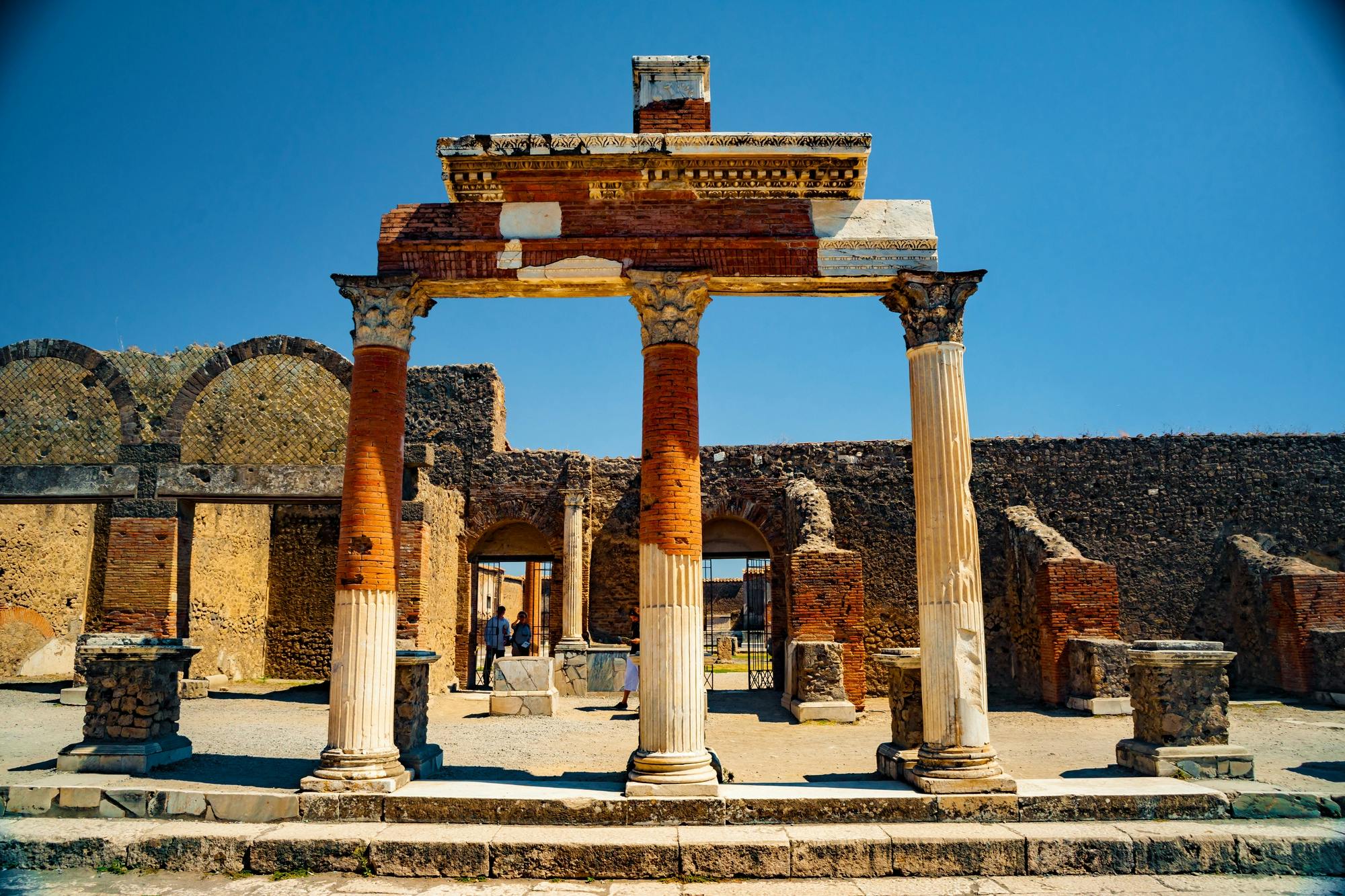
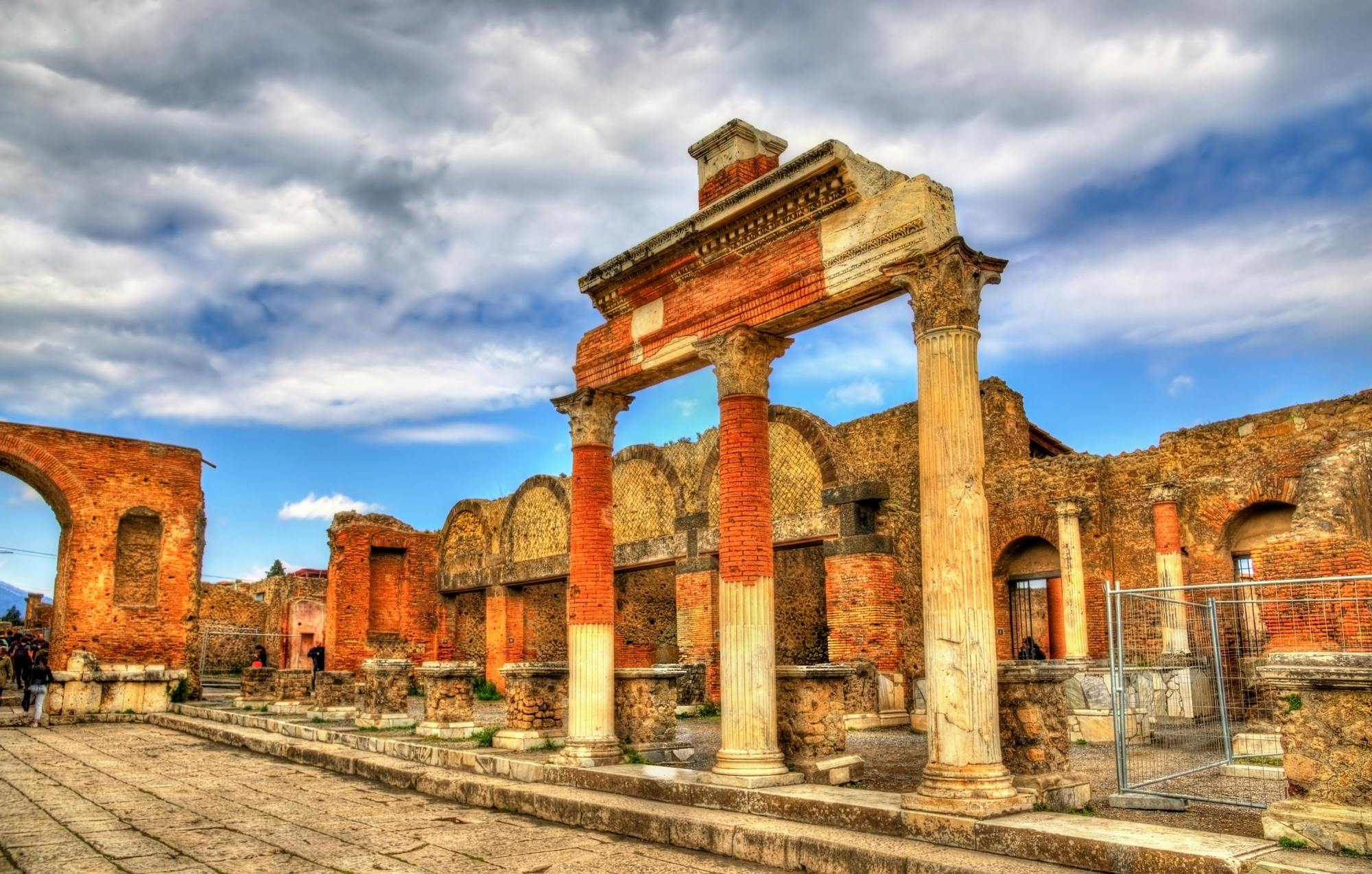
🏛️ 1. The Forum
The civic heart of the city, surrounded by temples, markets, and public buildings, with Mount Vesuvius looming in the background.
🏠 2. Roman Houses & Villas
Explore remarkably preserved homes such as:
House of the Faun
House of the Vettii
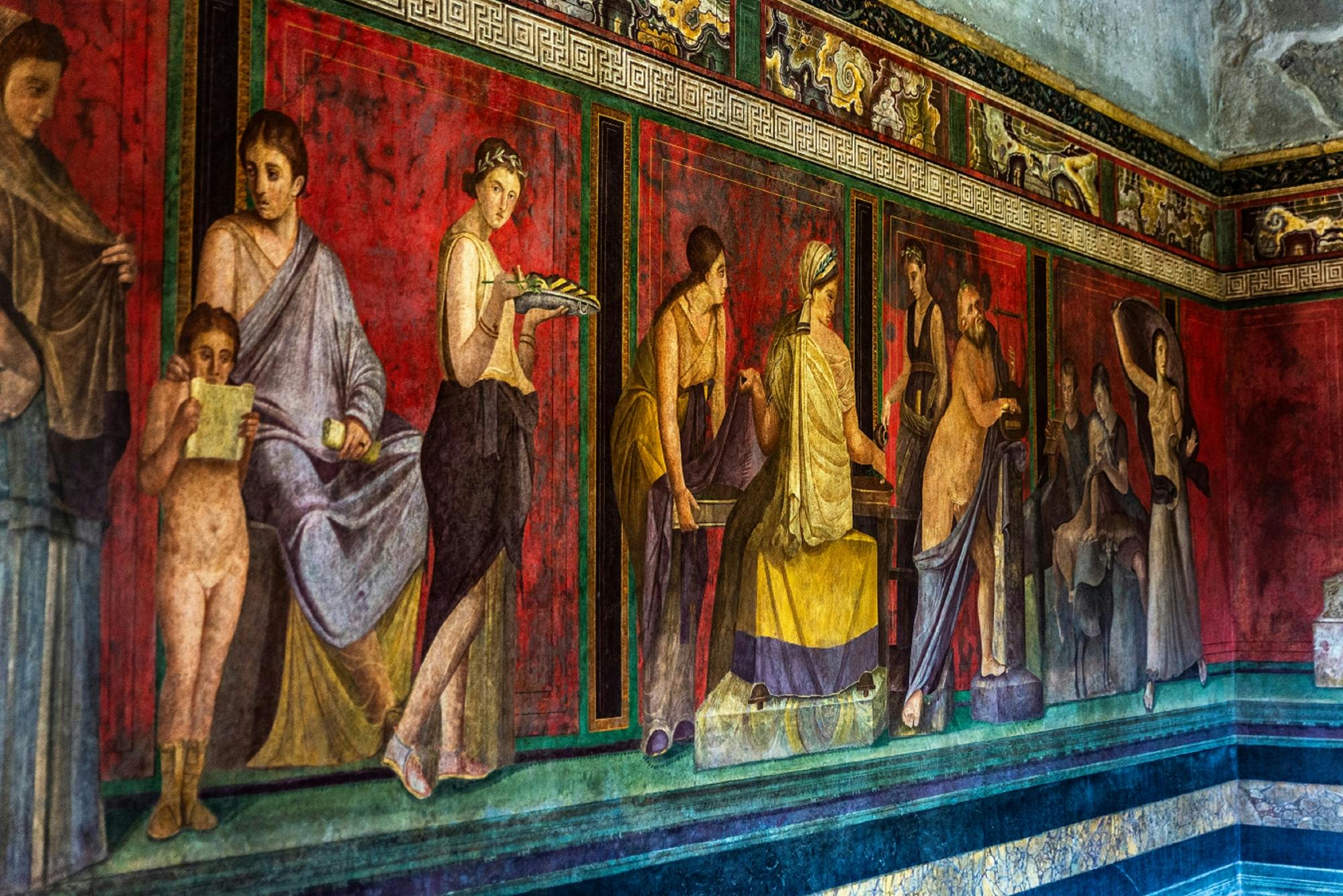
Villa of the Mysteries, famous for its vivid frescoes
These homes reveal wealth, art, and daily routines of Pompeii’s residents.
🎭 3. Theatres & Amphitheatre
Pompeii’s large amphitheatre—one of the oldest stone amphitheatres in the Roman world—once hosted gladiator battles and events.
🧱 4. Streets, Shops & Taverns
See ancient bakeries, wine bars, fast-food counters (thermopolia), and rutted stone streets still marked by cart tracks.
🧍 5. Plaster Casts of Victims
Perhaps the most moving part of the visit—casts preserve the final moments of residents caught in the eruption.
🌋 6. Views of Mount Vesuvius
The volcano that destroyed Pompeii still dominates the landscape and can be visited separately on a guided hike.
🎟️ Visiting Pompeii: Practical Tips
Allow 2–4 hours for the main site
Wear comfortable walking shoes—paths are uneven
Bring water, especially in summer
Consider a guided tour or audio guide for context
Early mornings or late afternoons are best to avoid crowds
🚆 How to Get There
From Naples: Circumvesuviana train (Pompei Scavi station)
From Sorrento: Direct train (~30 minutes)
From Amalfi Coast: Bus or ferry + train
Easily combined with Mount Vesuvius or Herculaneum
🕒 Best Time to Visit
Spring (April–May): Mild weather, fewer crowds
Autumn (September–October): Pleasant temperatures
Summer: Very hot and busy—arrive early
Winter: Quiet and atmospheric, cooler temperatures
❓ Quick Q&A
Q: Is Pompeii suitable for children? A: Yes, especially with guided tours, but the site is large and exposed.
Q: How does Pompeii compare to Herculaneum? A: Pompeii is larger and more expansive; Herculaneum is smaller but even better preserved.
Q: Can I visit Pompeii and Vesuvius in one day? A: Yes—many tours combine both comfortably.
Q: Do I need to book tickets in advance? A: Recommended during peak season to avoid queues.
🌟 Final Thoughts
Pompeii is one of those rare places that leaves a lasting impression. Walking its streets, peering into homes, and standing beneath the shadow of Vesuvius creates a powerful connection to the past. Whether you’re a history lover or a curious traveller, Pompeii offers a deeply human and unforgettable journey through time.
If you’d like this turned into copy-paste HTML with an AI Answer Capsule + Quick Facts + FAQ, or combined into an itinerary with Naples, Vesuvius, and the Amalfi Coast, just let me know.
Pompeii is one of the world’s most extraordinary archaeological sites. Buried under volcanic ash during the catastrophic eruption of Mount Vesuvius in AD 79, the city was preserved almost intact for nearly 1,700 years. Today, walking through Pompeii feels like stepping into everyday life in ancient Rome—streets, homes, shops, and even people remain astonishingly visible.
Located near Naples, Pompeii is a UNESCO World Heritage Site and one of Italy’s most compelling historical experiences.
⭐ Why Visit Pompeii
One of the best-preserved ancient cities in the world
Incredible insight into daily Roman life
Streets, villas, baths, temples, and theatres still standing
Iconic plaster casts of eruption victims
Easy day trip from Naples, Sorrento, or the Amalfi Coast
Pompeii isn’t just ruins—it’s a complete Roman city captured at a single moment in time.
🏺 Top Things to See in Pompeii
🏛️ 1. The Forum
The civic heart of the city, surrounded by temples, markets, and public buildings, with Mount Vesuvius looming in the background.
🏠 2. Roman Houses & Villas
Explore remarkably preserved homes such as:
House of the Faun
House of the Vettii
Villa of the Mysteries, famous for its vivid frescoes
These homes reveal wealth, art, and daily routines of Pompeii’s residents.
🎭 3. Theatres & Amphitheatre
Pompeii’s large amphitheatre—one of the oldest stone amphitheatres in the Roman world—once hosted gladiator battles and events.
🧱 4. Streets, Shops & Taverns
See ancient bakeries, wine bars, fast-food counters (thermopolia), and rutted stone streets still marked by cart tracks.
🧍 5. Plaster Casts of Victims
Perhaps the most moving part of the visit—casts preserve the final moments of residents caught in the eruption.
🌋 6. Views of Mount Vesuvius
The volcano that destroyed Pompeii still dominates the landscape and can be visited separately on a guided hike.
🎟️ Visiting Pompeii: Practical Tips
Allow 2–4 hours for the main site
Wear comfortable walking shoes—paths are uneven
Bring water, especially in summer
Consider a guided tour or audio guide for context
Early mornings or late afternoons are best to avoid crowds
🚆 How to Get There
From Naples: Circumvesuviana train (Pompei Scavi station)
From Sorrento: Direct train (~30 minutes)
From Amalfi Coast: Bus or ferry + train
Easily combined with Mount Vesuvius or Herculaneum
🕒 Best Time to Visit
Spring (April–May): Mild weather, fewer crowds
Autumn (September–October): Pleasant temperatures
Summer: Very hot and busy—arrive early
Winter: Quiet and atmospheric, cooler temperatures
❓ Quick Q&A
Q: Is Pompeii suitable for children? A: Yes, especially with guided tours, but the site is large and exposed.
Q: How does Pompeii compare to Herculaneum? A: Pompeii is larger and more expansive; Herculaneum is smaller but even better preserved.
Q: Can I visit Pompeii and Vesuvius in one day? A: Yes—many tours combine both comfortably.
Q: Do I need to book tickets in advance? A: Recommended during peak season to avoid queues.
🌟 Final Thoughts
Pompeii is one of those rare places that leaves a lasting impression. Walking its streets, peering into homes, and standing beneath the shadow of Vesuvius creates a powerful connection to the past. Whether you’re a history lover or a curious traveller, Pompeii offers a deeply human and unforgettable journey through time.
Sponsored Popular Items
Quick take: Musement.com offers a worldwide selection of tours and attractions
Genoa (Genova) is one of Italy’s most atmospheric and historically rich cities—a place where grand Renaissance palaces meet tangled medieval alleys, and where centuries of maritime power are still felt in the bustling harbour. Often overlooked in favour of the Cinque Terre and Portofino, Genoa is a true hidden gem: gritty, authentic, cultured, and deeply fascinating.
As the birthplace of Christopher Columbus and a former maritime republic, Genoa’s story is written into its streets—from merchant palaces to historic lighthouses, lively markets, and the largest medieval old town in Europe.
⭐ Why Visit Genoa
1. A City of Stunning Palaces
The UNESCO-listed Palazzi dei Rolli showcase frescoes, marble courtyards, and aristocratic splendour along Via Garibaldi.
2. A Labyrinth of Medieval Lanes
The caruggi—narrow alleys lined with trattorias, artisan shops and hidden piazzas—give the city a unique mystery and charm.
3. A Harbour Steeped in Maritime History
Genoa’s Porto Antico blends centuries-old traditions with modern attractions like museums, aquariums, and panoramic viewpoints.
4. Authentic Ligurian Cuisine
Pesto was born here, and the city is filled with bakeries and osterias serving focaccia, seafood, farinata, and local wines.
5. A Perfect Base for the Riviera
From Genoa, you can easily explore Portofino, Camogli, Santa Margherita Ligure, and the Cinque Terre.
🌆 Top Things to Do in Genoa
🏛 1. Palazzi dei Rolli & Via Garibaldi
A showcase of Genoa’s golden age. Explore:
opulent Renaissance palaces
frescoed halls
grand staircases and noble residences
Many palaces now house museums such as Palazzo Rosso and Palazzo Bianco.
🌊 2. Porto Antico (Old Port)
Revitalised by architect Renzo Piano, the harbour offers:
Acquario di Genova – Europe’s largest aquarium
maritime museums
waterfront restaurants
panoramic elevator “Bigo”
boat tours along the coast
Perfect for families and seaside strolls.
🏰 3. Cattedrale di San Lorenzo
A striking black-and-white striped cathedral with:
Gothic façades
richly decorated chapels
relics and historic artifacts
🌉 4. La Lanterna (Genoa Lighthouse)
At 76 metres, it’s one of the oldest and tallest lighthouses in the world. Climb up for incredible views of the port and city skyline.
🛍 5. Explore the Caruggi
The maze-like alleys of the Old Town offer:
tiny bars and bakeries
traditional fish and produce markets
artisan workshops
unexpected churches and courtyards
It’s the real soul of Genoa.
🍝 6. Sample Local Dishes
Genoa is a gastronomic treasure. Don’t miss:
Pesto alla Genovese (the original pesto!)
Focaccia Genovese and Focaccia al Formaggio
Farinata (chickpea pancake)
Trofie pasta
freshly caught anchovies
Ligurian Vermentino and Pigato wines
🌅 7. Boccadasse
A short trip from the centre brings you to this colourful seaside village with:
pebble beaches
pastel houses
gelato stands
romantic sunset views
A peaceful escape from the city bustle.
🏨 Best Areas to Stay
Centro Storico – atmospheric, central, full of character
Porto Antico – modern, convenient, great for families
Carignano – elegant neighbourhood close to major sights
Boccadasse – for a quiet seaside stay
🚆 Getting Around
On foot – ideal for the old town
Metro & buses – connect major districts
Funiculars & elevators – great for reaching higher viewpoints
Boats – scenic transport to Riviera towns
❓ Quick Q&A
Q: Is Genoa safe? A: Yes—though the Old Town is bustling and a bit gritty, it’s generally safe with normal precautions.
Q: How many days do you need? A: 2–3 days to explore the city, longer if using it as a base for day trips.
Q: Best time to visit? A: April–June and September–October for ideal weather.
Q: Is Genoa good for food lovers? A: Absolutely—Liguria is one of Italy’s culinary capitals.
🌅 Final Thoughts
Genoa is a city full of contrasts—historic yet modern, gritty yet elegant, maritime yet mountainous. It’s a destination where hidden treasures reveal themselves street by street, offering a rich mix of culture, cuisine, and coastal beauty. For travellers seeking a more authentic slice of Italy beyond the typical tourist trail, Genoa is a rewarding and unforgettable choice.
Sponsored Popular Items
Quick take: Musement.com offers a worldwide selection of tours and attractions
Ticket for the Museum of Ancient Seafaring in Mainz Germany Plan Ticket for the Museum of Ancient Seafaring in Mainz, a water-based experience, with practical tips on timing, inclusions and what to check before booking. Compare current availability, prices and booking conditions before you go.
From Taipei: Private Classic Taipei Timeless Treasures Tour Taiwan Best deals for From Taipei: Private Classic Taipei Timeless Treasures Tour. Discover Taipei's iconic landmarks on our Timeless Treasures Tour. From historic landmark like The Grand Hotel to bustling Ximending, immerse yourself in the city's rich heritage!!! Available from getyourguide.com.
Timeless Manila: A Tour Through Culture, Heritage & History Philippines Explore Manila's history on a guided tour of its iconic landmarks. Visit Rizal Park, Intramuros, and Fort Santiago, and learn about the city's rich heritage and culture
The Royal Palace of Naples (Palazzo Reale di Napoli) is one of Italy’s most impressive historical residences, standing proudly in Piazza del Plebiscito — the ceremonial heart of Naples. Built in the early 17th century for the Spanish viceroys and later expanded by the Bourbon dynasty, the palace offers a magnificent journey through royal life, European power, and Neapolitan history.
With grand staircases, gilded halls, frescoed ceilings, and a vast collection of artwork and period furnishings, the palace is a highlight for architecture lovers, history enthusiasts, and anyone exploring Naples’ cultural treasures.
⭐ Why Visit the Royal Palace of Naples?
1. Lavish Royal Apartments
Walk through room after room of exquisite:
silk-lined walls
chandeliers
gold-framed mirrors
ornate furniture
frescoes and tapestries
Each space reflects different royal tastes from the 17th–19th centuries.
2. The Throne Room
One of the palace’s most impressive chambers, decorated with:
Bourbon emblems
rich crimson textiles
intricately painted ceilings
portraits of past monarchs
A must-see for anyone fascinated by European royal history.
3. The Grand Staircase (Scalone d’Onore)
Designed by famed architect Gaetano Genovese, this marble staircase is widely considered one of the most beautiful in Italy — a dramatic entrance to the palace’s upper levels.
4. The Royal Chapel
Featuring stunning Baroque decor, ancient relics, and the perfect blend of art and spirituality.
5. Historic Gardens & Courtyards
The palace grounds include peaceful courtyards and gardens ideal for a quiet break from the bustling city.
🧭 What to See Inside
✔ The Palatine Library
A treasure for book lovers, with shelves of rare manuscripts and historic volumes.
✔ Hall of Hercules
An opulent space once used for grand receptions and celebrations.
✔ Ballroom & Concert Rooms
Showcasing the splendour of courtly life and the importance of music in the Bourbon era.
✔ Porcelain and Tapestry Collections
Intricate, beautifully restored pieces reflecting the royal household’s taste for fine craftsmanship.
✔ Royal Portrait Gallery
A visual history of the rulers who shaped Naples, including the Bourbons, Spanish viceroys, and later kings of Italy.
📍 Location
The Royal Palace is centrally located in Piazza del Plebiscito, next to:
Teatro San Carlo
Galleria Umberto I
Via Toledo shopping street
Perfect for combining into a half-day itinerary.
🌞 Best Time to Visit
Weekday mornings: fewer crowds
Late afternoon: softer light for photos
Avoid weekends when Piazza del Plebiscito is busiest
The palace is cool inside, making it ideal even on hot Naples summer days.
🎟️ Tickets & Info
A standard ticket includes access to:
The Royal Apartments
Museum areas
Courtyards
Exhibitions (when available)
Audio guides (or app-based guides) are available and highly recommended.
📝 Helpful Tips
Wear comfortable shoes — there’s plenty of walking
Photography is allowed in many areas, but flash may be restricted
Combine your visit with Teatro San Carlo for a royal-themed day
Reserve tickets in advance during peak season
❓ Quick Q&A
Q: How long do you need to visit? A: 1.5–2 hours for a full visit.
Q: Is the Royal Palace suitable for children? A: Yes — the decorative rooms and grand staircase are impressive for all ages.
Q: Can you visit the gardens? A: Some areas are open to the public; others may depend on restoration schedules.
Q: Is it worth a guided tour? A: Absolutely — the palace’s history is rich and layered.
🌅 Final Thoughts
The Royal Palace of Naples is a masterpiece of royal architecture and a key part of the city’s cultural identity. From its majestic halls to its detailed artworks and imposing façade, it offers a fascinating glimpse into centuries of Neapolitan power and European history. Whether you’re a lover of palaces, art, or simply beautiful interiors, this landmark is a must-see during your visit to Naples.
Sponsored Popular Items
Quick take: Musement.com offers a worldwide selection of tours and attractions
Guided Tour of the 500 Domes Atop the Naples Cathedral Italy Plan Guided Tour of the 500 Domes Atop the Naples Cathedral, a cultural or heritage experience, with practical tips on timing, inclusions and what to check before booking. Compare current availability, prices and booking conditions before you go.
Historic Naples Bike Tour from Ancient Origins to Modern City Italy Plan Historic Naples Bike Tour from Ancient Origins to Modern City, a outdoor experience, with practical tips on timing, inclusions and what to check before booking. Compare current availability, prices and booking conditions before you go.
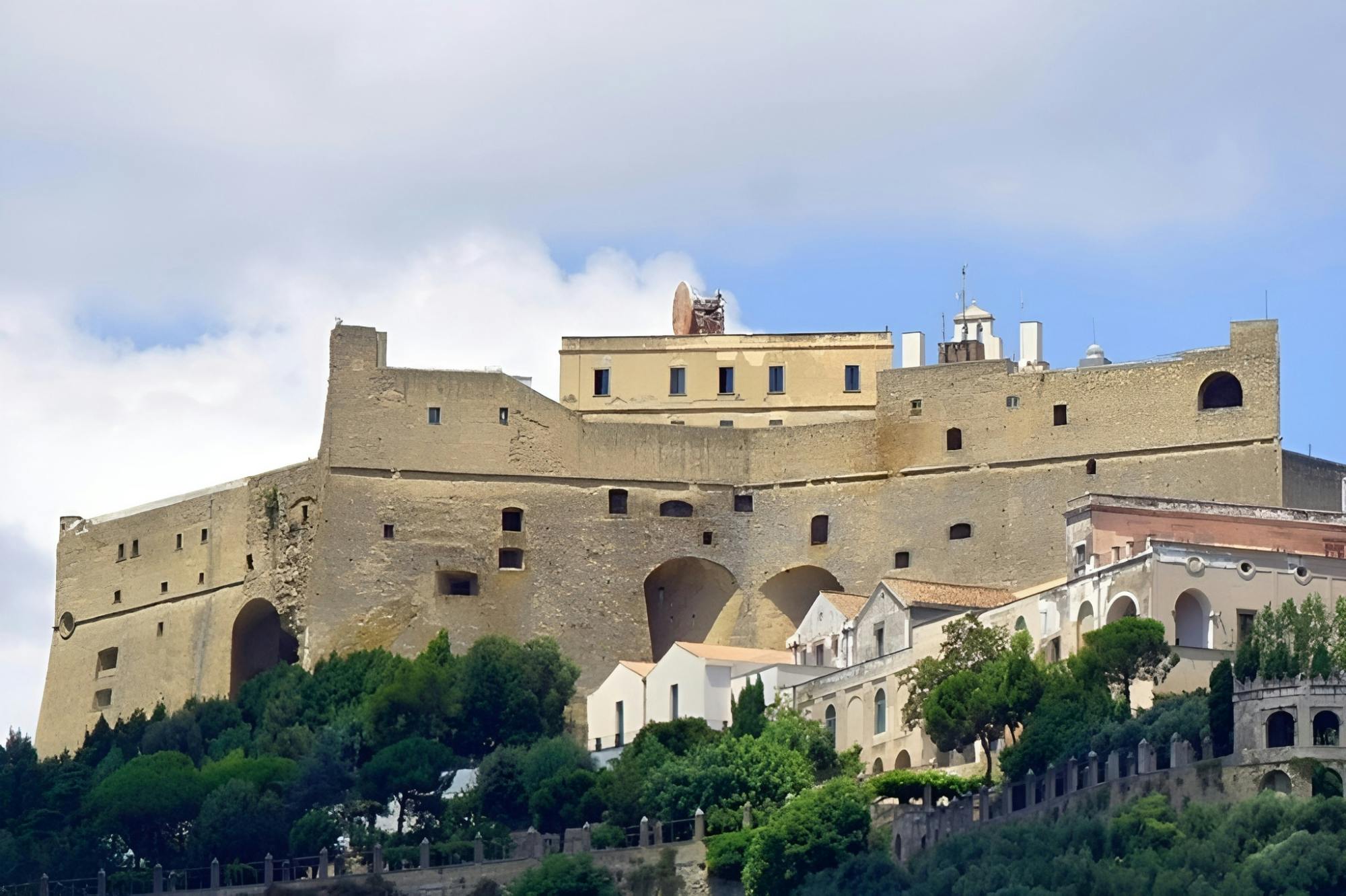
Castel Sant'Elmo Self-Guided Audio Tour in Naples Italy Plan Castel Sant'Elmo Self-Guided Audio Tour in Naples, a guided sightseeing experience, with practical tips on timing, inclusions and what to check before booking. Compare current availability, prices and booking conditions before you go.
Perched high on a rocky peninsula overlooking the Mediterranean, Alanya Castle (Alanya Kalesi) is one of Turkey’s most impressive historic fortresses. With origins dating back to the Hellenistic era and major expansions made during the Seljuk Sultanate of Rum in the 13th century, the castle is a masterpiece of military architecture, panoramic viewpoints, and cultural heritage.
Surrounded by 6.5 km of well-preserved defensive walls, Alanya Castle offers an unforgettable blend of history, scenery, and laid-back Mediterranean charm.
⭐ Why Visit Alanya Castle?
1. Breathtaking Views
From the top, you can gaze out over:
The golden sands of Cleopatra Beach
Alanya’s vibrant harbour
The deep blue Mediterranean Sea
The Taurus Mountains
It’s one of the finest viewpoints in southern Turkey.
2. Rich Seljuk History
During the 13th century, under Sultan Alaeddin Keykubad I, the castle became:
A fortified naval base
A thriving trading centre
A symbol of Seljuk power
Today, the architecture and inscriptions reflect this golden era.
3. A Walled City
Inside the castle walls lies a charming, historic neighbourhood featuring:
Ottoman-era houses
Narrow cobblestone paths
Small cafés and souvenir shops
Local artisans
It feels like stepping back in time.
4. Cultural Landmarks
Key structures inside the complex include:
The Red Tower (Kızıl Kule) – iconic octagonal fortress tower
The Shipyard (Tersane) – the only Seljuk shipyard on the Mediterranean
Süleymaniye Mosque – a beautiful Seljuk-Ottoman blend
Inner Fortress (Iç Kale) – archaeological remains and sweeping views
🧭 Top Things to Do at Alanya Castle
✔ Walk the Ancient Fortification Walls
Some towers and walkways offer thrilling ledge-like paths with unbeatable views.
✔ Visit the Inner Citadel (Iç Kale)
Explore ruins, cisterns, and living quarters dating back centuries.
✔ Tour the Red Tower
A symbol of Alanya, this tower now hosts an ethnography museum.
✔ Take Photos at Sunset
The castle is one of the best sunset spots in Turkey, as the sun sinks into the Mediterranean.
✔ Ride the Cable Car (Teleferik)
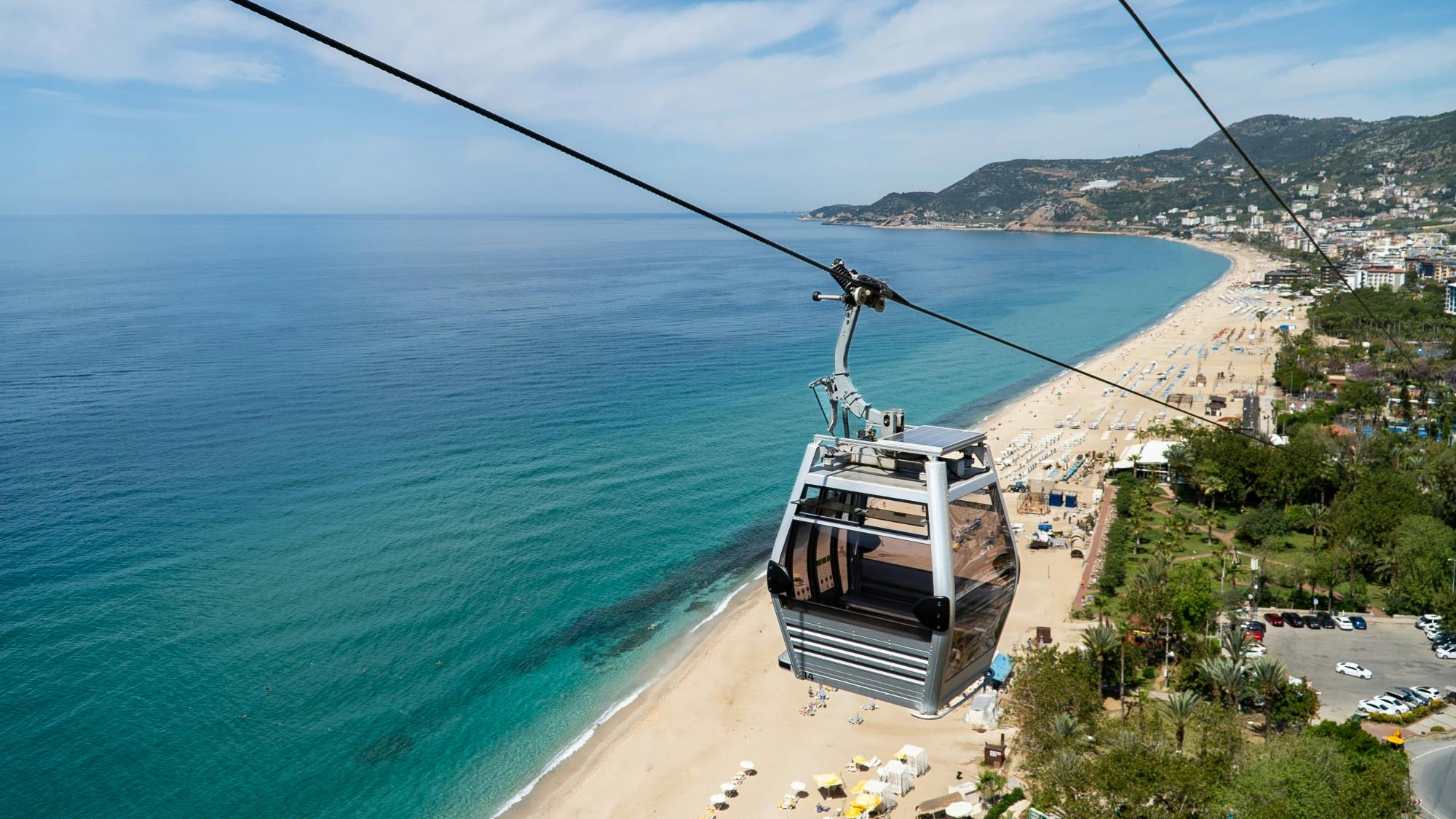
The scenic cable car runs from Cleopatra Beach to the castle walls.
✔ Enjoy Local Cuisine
Castle-side restaurants offer gözleme (Turkish flatbread), fresh juice, and traditional meals with panoramic views.
🌞 Best Time to Visit
Morning: Cooler temperatures, fewer crowds
Late afternoon: Gorgeous golden-hour lighting
Sunset: Magical, perfect for photos
Avoid mid-day in summer—it can be very hot.
🎟️ Tickets & Access
The castle and inner fortress have separate entrance fees.
The cable car ticket is purchased separately.
Many exterior walls and paths are free to explore.
🚗 How to Get There
Alanya Castle is accessible via:
Cable car
Local buses
Taxi or scooter rental
A 45–60 minute uphill walk (scenic but steep)
❓ Quick Q&A
Q: Is Alanya Castle worth visiting? A: Absolutely—it’s one of the region’s top attractions, combining history with stunning views.
Q: How long do you need? A: 2–3 hours to explore comfortably.
Q: Can you enter the Red Tower? A: Yes, it operates as a museum.
Q: Can you walk the entire wall? A: Portions are accessible, though some areas are steep and uneven.
🌅 Final Thoughts
Alanya Castle is a standout landmark on the Turkish Riviera a place where history meets pure Mediterranean beauty. Whether you’re wandering its stone pathways, admiring the sweeping sea views, or discovering Seljuk heritage, the castle offers a deeply memorable experience for every visitor.
Sponsored Popular Items
Quick take: Musement.com offers a worldwide selection of tours and attractions
Alanya Teleferik to Alanya Castle Tickets – Attraction Entry Turkey Alanya Teleferik to Alanya Castle Tickets provides a structured way to visit a notable attraction or cultural site. Check current availability, inclusions and booking details before you go.
Grand Alanya Delux Hamam for Alanya Hotels – Wellness Experience Turkey Grand Alanya Delux Hamam for Alanya Hotels is an opportunity to set aside time for relaxation and personal wellbeing. Check current availability, inclusions and booking details before you go.
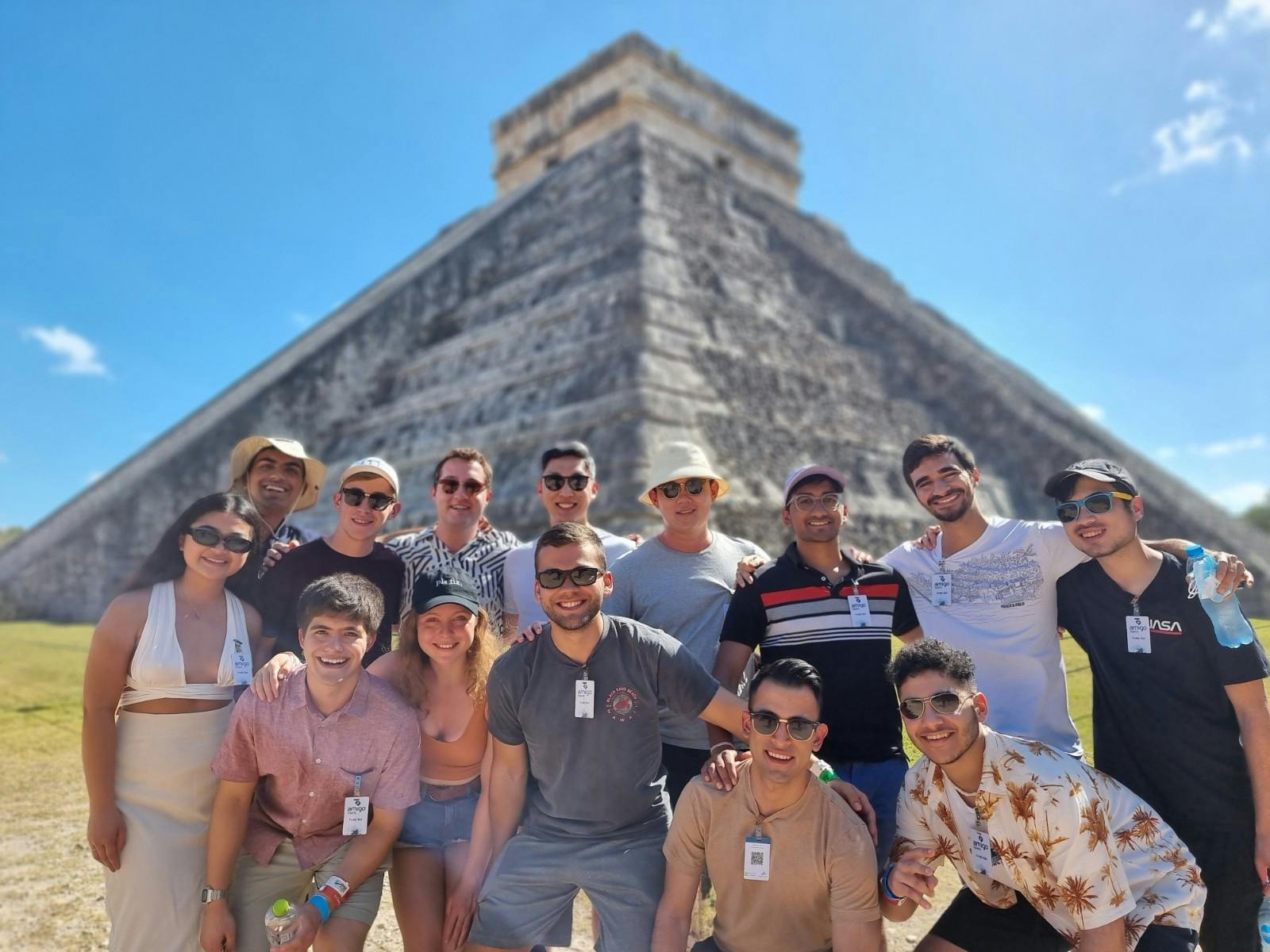
Chichén Itzá is one of the most iconic archaeological sites in the world and a UNESCO World Heritage Site, located in Mexico’s Yucatán Peninsula. Once a powerful Maya city and a centre of astronomy, engineering, and religious ceremonies, it now stands as a testament to the brilliance of an ancient civilization. In 2007, it earned recognition as one of the New Seven Wonders of the World—and for good reason.
Whether you’re drawn by its cultural significance, architectural precision, or mythical allure, Chichén Itzá remains a must-see for any traveller to Mexico.
⭐ Why Visit Chichén Itzá?
1. Awe-inspiring Architecture
The site is home to dozens of structures, each with its own cultural and scientific purpose, including temples, ball courts, and observatories.
2. One of the New Seven Wonders
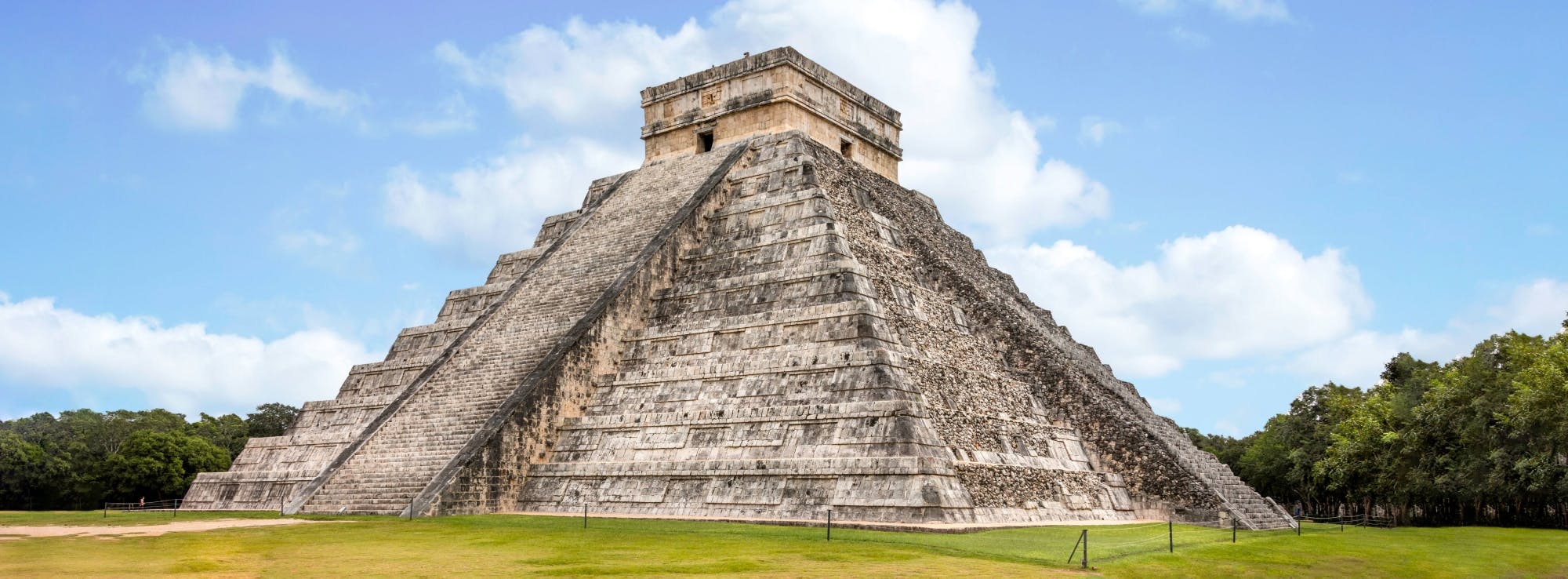
El Castillo—the iconic pyramid—has become a global symbol of Mayan innovation.
3. Fascinating Astronomy
Many structures were built with remarkable accuracy aligned to celestial movements, showcasing the Maya’s profound astronomical knowledge.
4. Rich Mythology
From sacred cenotes to serpent gods, the site is steeped in legends and rituals that still capture imaginations today.
🧭 Top Things to See at Chichén Itzá
✔ El Castillo (Temple of Kukulcán)
The iconic step pyramid features:
365 steps (one for each day of the year)
Perfect equinox shadow displays resembling a serpent descending the pyramid
Incredible acoustics that echo like a quetzal bird
✔ Great Ball Court
The largest and best-preserved Mesoamerican ball court, where ritual games—and perhaps sacrifices—took place.
✔ Temple of the Warriors
A vast temple complex lined with hundreds of carved columns depicting warriors and deities.
✔ Cenote Sagrado (Sacred Cenote)
A natural sinkhole once used for offerings and rituals. Archaeologists have discovered gold, jade, pottery, and human remains here.
✔ El Caracol (The Observatory)
A circular tower aligned to astronomical events, showing the Maya’s advanced understanding of planetary movements.
✔ Las Monjas (The Nunnery Complex)
Beautifully carved buildings that showcase intricate Puuc-style architecture.
🌞 Best Time to Visit
Early morning (8–10 am): Cooler, fewer crowds
Late afternoon: Golden-hour photography
Avoid midday if possible—it gets very hot and crowded
Best season: November–April (dry season)
🎟️ Ticket Information (General Guide)
Entrance fee includes:
Admission to the archaeological zone
Access to main structures and walking routes
Additional expenses may include:
Parking
Guide services
Cenote visits nearby (e.g., Ik Kil)
📝 Tips for Visiting
Bring water, a hat, and sunscreen—shade is limited.
Wear comfortable shoes for walking on uneven ground.
Hiring a certified guide enhances the experience enormously.
Combine your visit with nearby cenotes or Valladolid town.
Tripods are often not allowed without special permits.
🚗 How to Get There
Chichén Itzá is accessible from major tourist hubs:
Travel options include guided tours, rental cars, ADO buses, or private transfers.
❓ Quick Q&A
Q: How long should I spend at Chichén Itzá? A: 2–3 hours is ideal for exploring the major structures at a comfortable pace.
Q: Can you climb the pyramid? A: No. Climbing El Castillo has been prohibited since 2006 to protect the structure.
Q: Is Chichén Itzá safe? A: Yes—it’s a well-policed tourist site. Just bring sun protection and stay hydrated.
Q: Are there restaurants nearby? A: Yes, especially in nearby villages and at cenotes like Ik Kil.
🌅 Final Thoughts
A visit to Chichén Itzá is more than a historical outing—it’s a journey into the heart of the Maya world. With its monumental architecture, scientific brilliance, and powerful myths, it remains one of the most unforgettable sites in Latin America.
Sponsored Popular Items
Quick take: Musement.com offers a worldwide selection of tours and attractions
Chichén Itzá Day Tour from Mérida with Lunch Mexico Perfect for travellers who want to experience the very best of the region, this journey takes you from ancient ruins to sacred waters and the magical Yellow Town of Izamal. Check current availability, inclusions and booking details before you go.
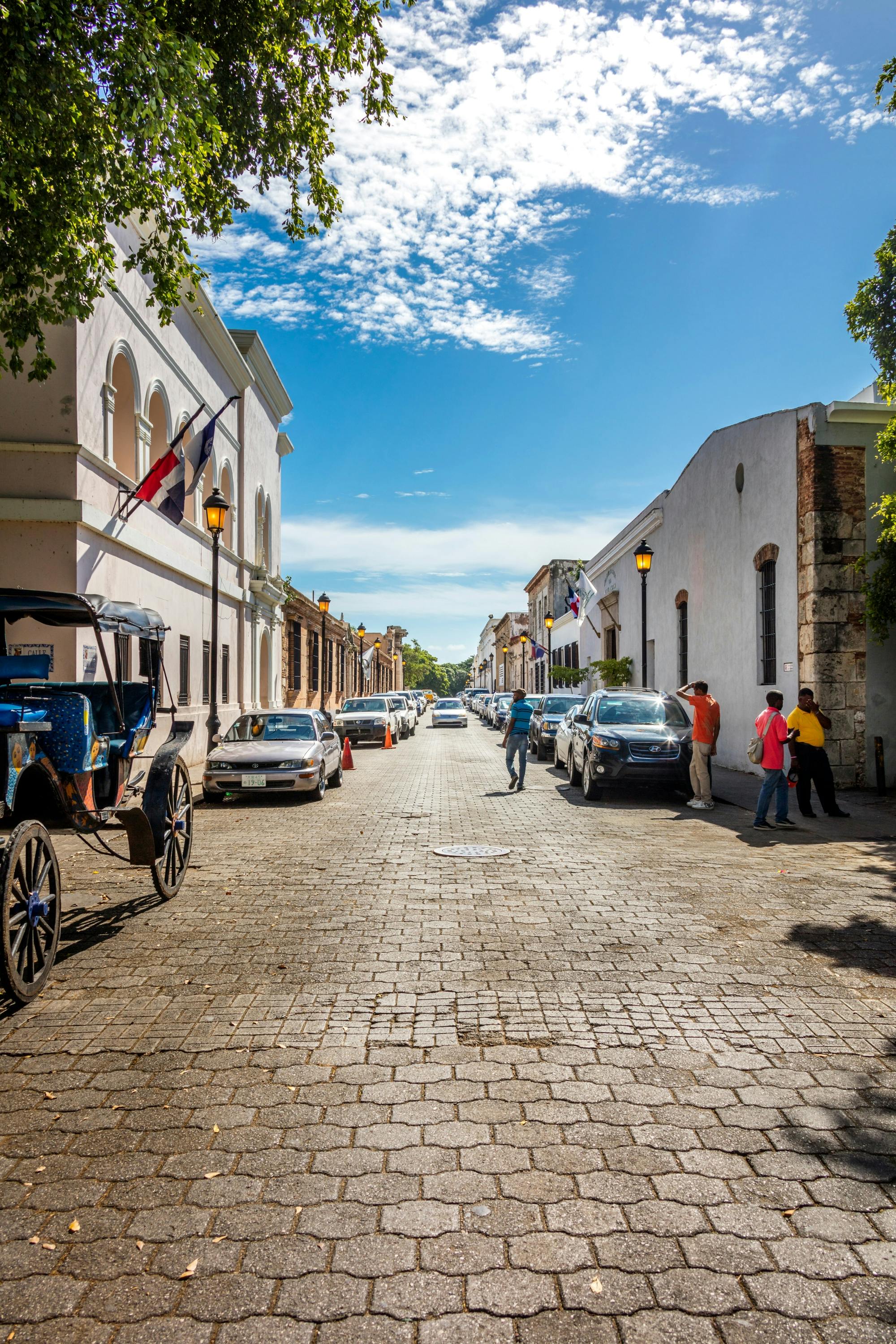
Santo Domingo, the capital of the Dominican Republic, is a vibrant blend of old-world history and modern Caribbean energy. As the oldest continuously inhabited European settlement in the Americas, the city showcases centuries-old architecture, UNESCO-listed treasures, and a lively street culture that makes it one of the Caribbean’s most fascinating capitals.
Whether you’re exploring cobblestone streets in the Zona Colonial or enjoying ocean-view promenades along the Malecón, Santo Domingo is where past and present collide in the best possible way.
⭐ Why Visit Santo Domingo?
1. UNESCO-Listed Zona Colonial
This 16th-century district is a living museum, filled with:
the first cathedral in the Americas
the oldest surviving European fortress
charming plazas and pastel-coloured mansions
2. Caribbean Food & Warm Culture
Taste plantains, Dominican coffee, rum, and hearty dishes like mangú and mofongo. The city exudes warmth—both from the climate and its people.
3. Amazing Museums & Landmarks
Santo Domingo is packed with historical sites, architectural gems, and interactive museums that appeal to all ages.
4. Lively Nightlife
Merengue, bachata, rooftop bars, and oceanfront clubs make this one of the Caribbean’s nightlife capitals.
🧭 Top Things to Do in Santo Domingo
✔ Stroll Through the Zona Colonial
This is the heart of historical Santo Domingo. Don’t miss:
Catedral Primada de América – the first cathedral in the New World
Parque Colón – a lively square with street performers and cafés
Calle Las Damas – the oldest paved street in the Americas
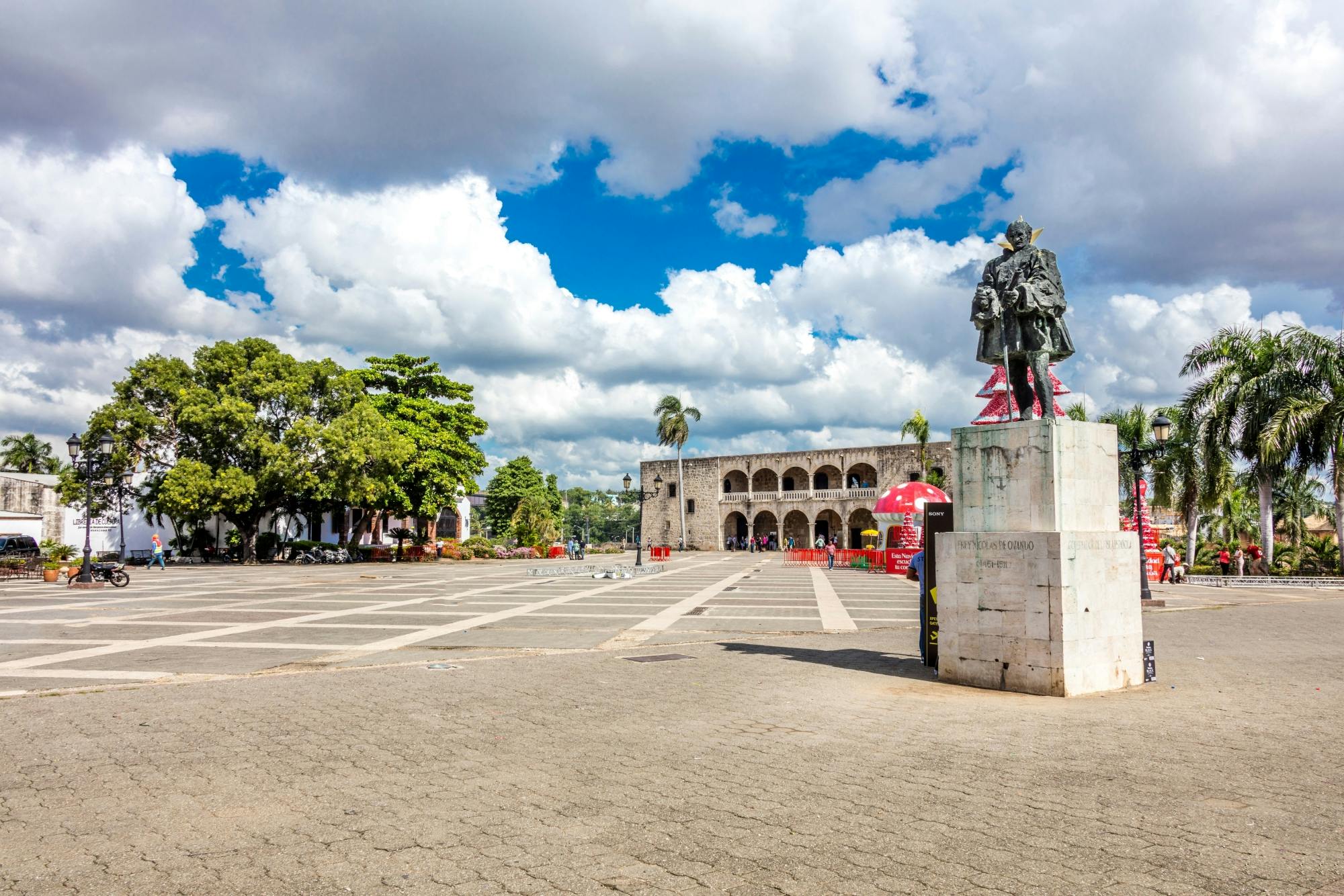
El Alcázar de Colón – the former residence of Diego Columbus
✔ Walk the Malecón
Santo Domingo’s oceanfront boulevard is ideal for:
seaside strolls
sunset views
food stalls
local nightlife
✔ Visit the National Pantheon
A grand historic mausoleum honouring Dominican heroes.
✔ Explore the Three Eyes National Park (Los Tres Ojos)
A breathtaking natural wonder featuring turquoise limestone caves and open-air cenotes—right in the city.
✔ Tour the Museo del Ámbar and Museo del Larimar
Learn about the Dominican Republic’s unique semi-precious stones.
✔ Step Inside the Columbus Lighthouse
A massive cross-shaped monument honouring Christopher Columbus, illuminated dramatically at night.
✔ Shop & Dine at Blue Mall or Ágora Mall
Experience the modern side of Santo Domingo with luxury boutiques, global brands, and gourmet dining.
✔ Enjoy a Cultural Show
Folklore performances, live music, and bachata nights offer insight into Dominican identity.
🍽️ What to Eat in Santo Domingo
Must-Try Dishes
Mangú – mashed plantains, a breakfast staple
La Bandera Dominicana – rice, beans, meat, and salad
Sancocho – hearty stew with meats and root vegetables
Tostones – twice-fried plantains
Fresh seafood and ceviches
What to Drink
Dominican rum (Barceló, Brugal, Bermúdez)
Mamajuana – an herbal drink with rum, honey, and spices
Dominican coffee
Fresh passionfruit or pineapple juice
📍 Best Areas to Stay
Zona Colonial – Historic charm, walkable, boutique hotels
Piantini / Naco – Modern, upscale, safe, great restaurants
Gazcue – Residential, close to museums and the Malecón
Malecon Area – Ocean views and beachfront hotels
🌤️ Best Time to Visit Santo Domingo
December–April: The most pleasant, dry season
May–November: Hotter and more humid, with occasional rain
Hurricanes are possible August–October, but many days remain sunny
🚗 Getting Around
On foot: Best for the Zona Colonial
Taxi or Uber: Reliable, inexpensive
Metro: Clean and efficient for city routes
Car rental: Good for day trips outside the city
❓ Quick Q&A
Q: Is Santo Domingo safe? A: Zona Colonial and Piantini are safe for tourists when using normal precautions. Use licensed taxis or Uber at night.
Q: How many days do you need? A: 2–4 days is ideal.
Q: What’s the top attraction? A: The UNESCO-listed Zona Colonial.
Q: Can you swim at the beaches in Santo Domingo? A: Not in the city—head to Boca Chica or Juan Dolio for swimmable beaches.
🌅 Final Thoughts
Santo Domingo is a dynamic mix of culture, rhythm, history, and Caribbean warmth. It’s more than a city—it’s the beating heart of the Dominican Republic. From its colonial treasures to its modern energy, this destination offers a rich, immersive experience you won’t soon forget.
Sponsored Popular Items
Quick take: Musement.com offers a worldwide selection of tours and attractions
Santo Domingo private tour with 4D cinema experience Dominican Republic Santo Domingo private tour with 4D cinema experience adds structure, local context and purposeful sightseeing to the itinerary. Check current availability, inclusions and booking details before you go.
Santo Domingo Sightseeing Tour from Punta Cana Dominican Republic Santo Domingo Sightseeing Tour from Punta Cana adds structure, local context and purposeful sightseeing to the itinerary. Check current availability, inclusions and booking details before you go.
Radiant, romantic, and rhythm-filled, Seville (Sevilla) is one of Spain’s most enchanting cities. As the capital of Andalusia, Seville blends Moorish architecture, medieval charm, vibrant plazas, flamenco culture, and orange-tree-scented streets into an unforgettable cultural experience. From its grand palaces to its intimate tapas bars, the city captures both the grandeur of its past and the warmth of its people.
Whether you’re here for a weekend getaway or a longer cultural journey, Seville promises beauty, passion, and history at every turn.
⭐ Why Visit Seville
1. The Real Alcázar – A Royal Palace Like No Other
One of Spain’s most stunning UNESCO sites, the Real Alcázar dazzles with:
Ornate Moorish plasterwork
Lush gardens and fountains
Courtyards inspired by Islamic design
Grand halls of Castilian kings
It is still used by the Spanish royal family today.
2. Seville Cathedral & La Giralda
The largest Gothic cathedral in the world, home to:
Christopher Columbus’s tomb
A towering gold altarpiece
The panoramic Giralda Tower, once a minaret, offering sweeping city views
Sunset on the rooftop tours is especially magical.
3. Plaza de España – A Masterpiece of Spanish Architecture
Located in Maria Luisa Park, this sweeping semi-circular plaza features:
Colourful ceramic tiles representing Spain’s provinces
Rowboats on the canal
Dramatic archways and towers
It’s one of Seville’s most iconic photo spots.
4. Flamenco – Born in Andalusia
Experience authentic flamenco in traditional tablaos and intimate bars across:
Triana district
Santa Cruz
Alameda de Hércules
The music, emotion, and artistry are unforgettable.
5. Charming Neighbourhoods
Seville’s districts each offer unique charm:
Santa Cruz – narrow lanes, patios, historic Jewish quarter
Triana – pottery shops, flamenco heritage, local bars
Alameda – bohemian cafés, nightlife, street art
Wandering these streets is a highlight in itself.
🧭 Top Things to Do in Seville
✔ Explore the Real Alcázar
Book early—tickets sell out fast.
✔ Climb La Giralda
Instead of stairs, a series of ramps leads to the top.
✔ Wander Barrio Santa Cruz
Lose yourself in its flowering patios and ancient alleyways.
✔ Visit Metropol Parasol (Las Setas)**
A striking wooden structure offering:
Rooftop walkway
Panoramic city views
Night-time light shows
✔ Enjoy Tapas Culture
Seville is famous for its tapas tradition. Look for classics like:
Salmorejo
Espinacas con garbanzos (spinach & chickpeas)
Iberian pork dishes
Montaditos
Fried fish (pescaito frito)
✔ Cruise or Stroll Along the Guadalquivir River
Romantic views and bridges including Puente de Triana.
✔ Visit the Archivo General de Indias
A UNESCO archive housing Spain’s colonial documents.
🌤️ Best Time to Visit
Spring (March–May): Ideal weather, orange blossoms, major festivals
Semana Santa (Holy Week)
Feria de Abril (April Fair)
Autumn (Sept–Nov): Warm, pleasant, fewer crowds
Winter: Mild, great for sightseeing
Summer: Very hot—but quieter and more affordable
🚗 Getting There & Around
Airport: Seville Airport (SVQ) with flights across Europe
Train: High-speed AVE trains connect to Madrid, Córdoba & Málaga
Transport: Seville is walkable; trams, buses, bikes, and taxis also available
💃 Festivals & Culture
Seville’s festival culture is unmatched:
Semana Santa: Dramatic Holy Week processions
Feria de Abril: Traditional dresses, dancing, horses, casetas & music
Both showcase Andalusia’s deep-rooted traditions.
❓ Quick Q&A
Q: Is Seville walkable? A: Yes—its main attractions are within easy walking distance.
Q: How many days do you need? A: 2–3 days for highlights; 4–5 for a full cultural experience.
Q: Is Seville expensive? A: Moderate. Tapas and local bars offer excellent value.
Q: What food is Seville known for? A: Salmorejo, croquetas, grilled Iberian pork, and fried fish.
🌅 Final Thoughts
Seville is the beating heart of Andalusia—full of colour, music, heat, and soul. From the shimmering tiles of Plaza de España to the intimate emotion of flamenco, from the medieval lanes of Santa Cruz to the royal splendour of the Alcázar, Seville is a city that enchants every traveller who walks its sunlit streets.
Whether you are seeking culture, romance, architecture, or unforgettable food, Seville promises an experience that lingers long after your journey ends.
Sponsored Popular Items
Quick take: Musement.com offers a worldwide selection of tours and attractions
Seville City Transfer – Explore Seville at Your Own Pace Spain Use a full day in Seville to explore landmarks such as Plaza de España, the cathedral, Santa Cruz and the Torre del Oro at your own pace. Check current availability, inclusions and booking details before you go.
Seville half-day city top monuments bike tour – Outdoor Adventure Spain Seville half-day city top monuments bike tour adds structure, local context and purposeful sightseeing to the itinerary. Check current availability, inclusions and booking details before you go.
in the old heart of Madrid, La Latina is one of the city’s most atmospheric and beloved neighbourhoods—an irresistible blend of medieval lanes, buzzing tapas bars, vibrant plazas, and centuries of Madrid history woven into its streets. Famous for its Sunday market, lively terraces, and authentic Spanish character, La Latina is the place where tradition meets local energy.
Whether you’re strolling its narrow alleys during the day or hopping between tapas taverns at night, La Latina offers a quintessential Madrileño experience.
⭐ Why Visit La Latina
1. Medieval Streets With Real Character
La Latina is one of Madrid’s oldest neighbourhoods, with winding cobblestone streets that date back to the Middle Ages. Walking here feels like stepping into the city’s past—before grand boulevards and royal palaces transformed the capital.
2. Legendary Tapas Bars & Food Culture
This is the tapas district of Madrid.
Don’t miss iconic food spots along:
Cava Baja (Madrid’s most famous tapas street)
Cava Alta
Plaza de la Cebada area
Expect traditional taverns, modern gastro-bars, vermouth on tap, and irresistible classics like tortilla, jamón, patatas bravas, croquetas, and tostas.
3. Plaza Mayor & Royal Madrid Nearby
La Latina borders the oldest part of the city—making it easy to combine with:
Plaza Mayor
Puerta del Sol
Almudena Cathedral
Royal Palace
Its location adds historical depth to any itinerary.
4. El Rastro – Madrid’s Famous Flea Market
Every Sunday, La Latina bursts with life during El Rastro, Spain’s largest and most iconic open-air market. It’s the place to browse antiques, art, vintage treasures, leather goods, and street food.
5. Vibrant Nightlife & Terraces
La Latina is lively every night of the week—but weekends are electric. From old taverns to modern cocktail bars, it offers one of Madrid’s best nightlife scenes.
🧭 Top Things to Do in La Latina
✔ Explore Cava Baja
Hop from bar to bar sampling small plates and local wines.
✔ Visit Basílica de San Francisco el Grande
A stunning basilica with one of the largest domes in Christendom.
✔ Relax in Plaza de la Paja
A lovely square surrounded by cafés and small boutiques—perfect for a quiet drink.
✔ Wander Through Jardín del Príncipe de Anglona
A hidden historic garden offering a peaceful retreat.
✔ Experience El Rastro
If you’re visiting on a Sunday, this is a must.
✔ See Teatro La Latina
A celebrated theatre offering comedy, musicals, and traditional Spanish performances.
🌤️ Best Time to Visit
La Latina is vibrant year-round, but shines brightest:
Spring & Autumn: ideal for outdoor terraces
Sunday mornings: for El Rastro
Warm evenings: for tapas hopping and nightlife
🚇 Getting There & Around
Metro: La Latina (L5), Puerta de Toledo (L5), Tirso de Molina (L1)
Walking: the neighbourhood is compact and best explored on foot
🍽️ Food Highlights to Try
Tortilla española
Jamón ibérico
Callos a la madrileña (traditional tripe stew)
Bocadillo de calamares
Vermut (Madrid vermouth)
La Latina is a paradise for food lovers.
❓ Quick Q&A
Q: Is La Latina safe? A: Yes—it’s central, lively, and filled with locals and visitors alike.
Q: Is it good for families? A: Yes, especially during daytime; evenings are lively but friendly.
Q: How long do you need? A: 2–4 hours for a walking + tapas experience; a full day if visiting El Rastro.
🌅 Final Thoughts
La Latina is one of Madrid’s most evocative neighbourhoods—where ancient streets, tapas culture, and local life converge. Whether you’re here to eat, explore, shop, or simply soak up the atmosphere, La Latina offers an authentic taste of the city’s soul.
Sponsored Popular Items
Quick take: Musement.com offers a worldwide selection of tours and attractions
The BEST Madrid Tours and Things to Do in 2026 - FREE Cancellation | GetYourGuide Spain Find the top-rated and best-reviewed tours and activities in Madrid for 2026. From prices and availability to skip-the-line options and mobile tickets, get all the information you need… Check current availability, inclusions and booking conditions.
The BEST Madrid Tours and Things to Do in 2026 - FREE Cancellation | GetYourGuide Spain Find the top-rated and best-reviewed tours and activities in Madrid for 2026. From prices and availability to skip-the-line options and mobile tickets, get all the information you need… Check current availability, inclusions and booking conditions.
Madrid Sightseeing Hop-On Hop-Off Bus Experiences Spain Plan Madrid Sightseeing Hop-On Hop-Off Bus Experiences, a guided sightseeing experience, with practical tips on timing, inclusions and what to check before booking. Compare current availability, prices and booking conditions before you go.
Tech Dome Penang is the island’s first dedicated science discovery centre, located inside the iconic Geodesic Dome of Komtar in George Town. Designed to inspire curiosity in both children and adults, it’s one of Penang’s best family-friendly, interactive museums.
⭐ What Makes Tech Dome Penang Special
1. 120+ Hands-On Exhibits
The centre features over 120 interactive science and tech exhibits covering:
Robotics
Optics & Light
Electricity & Magnetism
Space exploration
Engineering challenges
Life sciences
Visitors are encouraged to touch, experiment, and play, making learning exciting and memorable.
2. The Geodesic Dome Setting
Tech Dome occupies the restored geodesic dome designed by Buckminster Fuller, a futuristic architectural landmark built in the 1980s. The retro-futuristic dome itself is part of the museum’s appeal.
3. Popular Highlights
Some must-try exhibits include:
The G-Force Simulator – experience astronaut-like centrifugal force
The Robotic Arm – try programming and precision movement
Laser Maze – challenge your agility as you navigate beams of light
Human Gyro – a spinning adventure mimicking astronaut training
Gravity Well – drop coins and watch physics in action
4. Activities & Workshops
Tech Dome regularly hosts:
Robotics classes
STEM workshops for kids
Engineering challenges
Science demonstrations
Perfect for curious learners and tech-loving families.
5. Great for All Ages
Whether you’re a child discovering physics for the first time or an adult wanting to revisit your love for science, the exhibits are designed to be fun, educational, and surprising.
🕒 Typical Visiting Time
Expect to spend 2–3 hours exploring everything comfortably.
🎟️ Who Should Visit
Families with kids
Anyone interested in science, tech, or engineering
Travellers seeking indoor attractions in Penang
Students and teachers
📍 Location
Tech Dome Penang Komtar Geodesic Dome, Level 4, George Town, Penang (Inside the KOMTAR tower complex)
📝 Tips for Visiting
Go earlier in the day to avoid school-group crowds.
Wear comfortable clothing for physical exhibits.
Combine with nearby attractions like The TOP Komtar, Rainbow Skywalk, or Jurassic Research Center for a full day out.
Sponsored Popular Items
Quick take: Musement.com offers a worldwide selection of tours and attractions
Interactive Science Galleries at Tech Dome Penang – Guided Sightseeing Malaysia Interactive Science Galleries at Tech Dome Penang is a convenient way to add structure, local context and purposeful sightseeing to the itinerary. Check current availability, inclusions and booking details before you go.
Science Marvels of Gardens by the Bay & Flower Dome Singapore Discover the hidden science behind Gardens by the Bay & Flower Dome. Explore plant adaptations, Supertrees, solar energy and clever climate technology in tropical Singapore
REIKI AirPods Holder – Tech Travel Accessory United States REIKI AirPods Holder USD 19.99 adds structure, local context and purposeful sightseeing to the itinerary. Check current availability, inclusions and booking details before you go.
The Postojna Cave system is one of Slovenia’s most breathtaking natural wonders and one of the most impressive karst cave networks in the world. Stretching over 24 kilometres, this underground labyrinth offers an unforgettable journey through soaring chambers, sculpted rock formations, and a subterranean ecosystem unlike anywhere else on Earth.
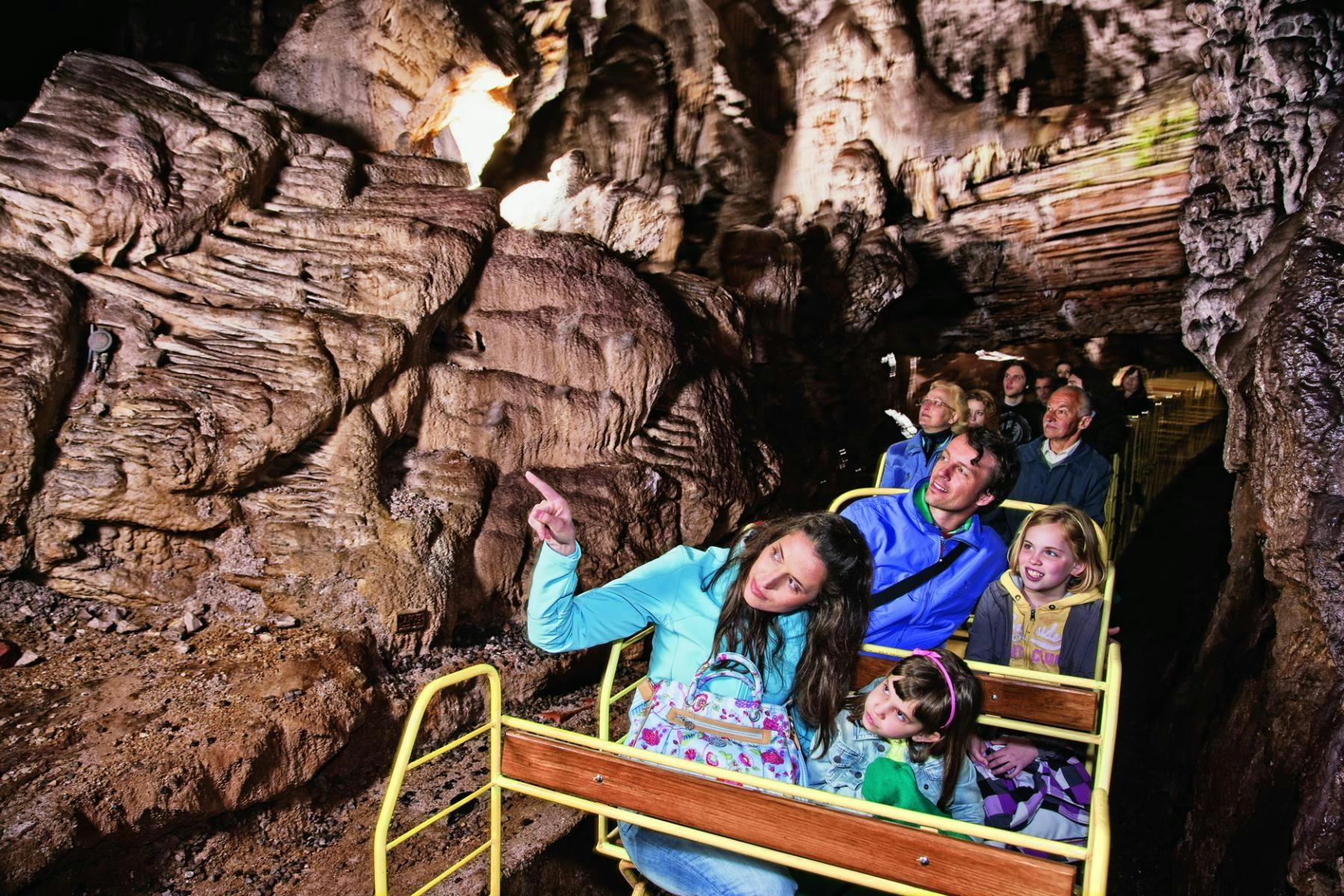
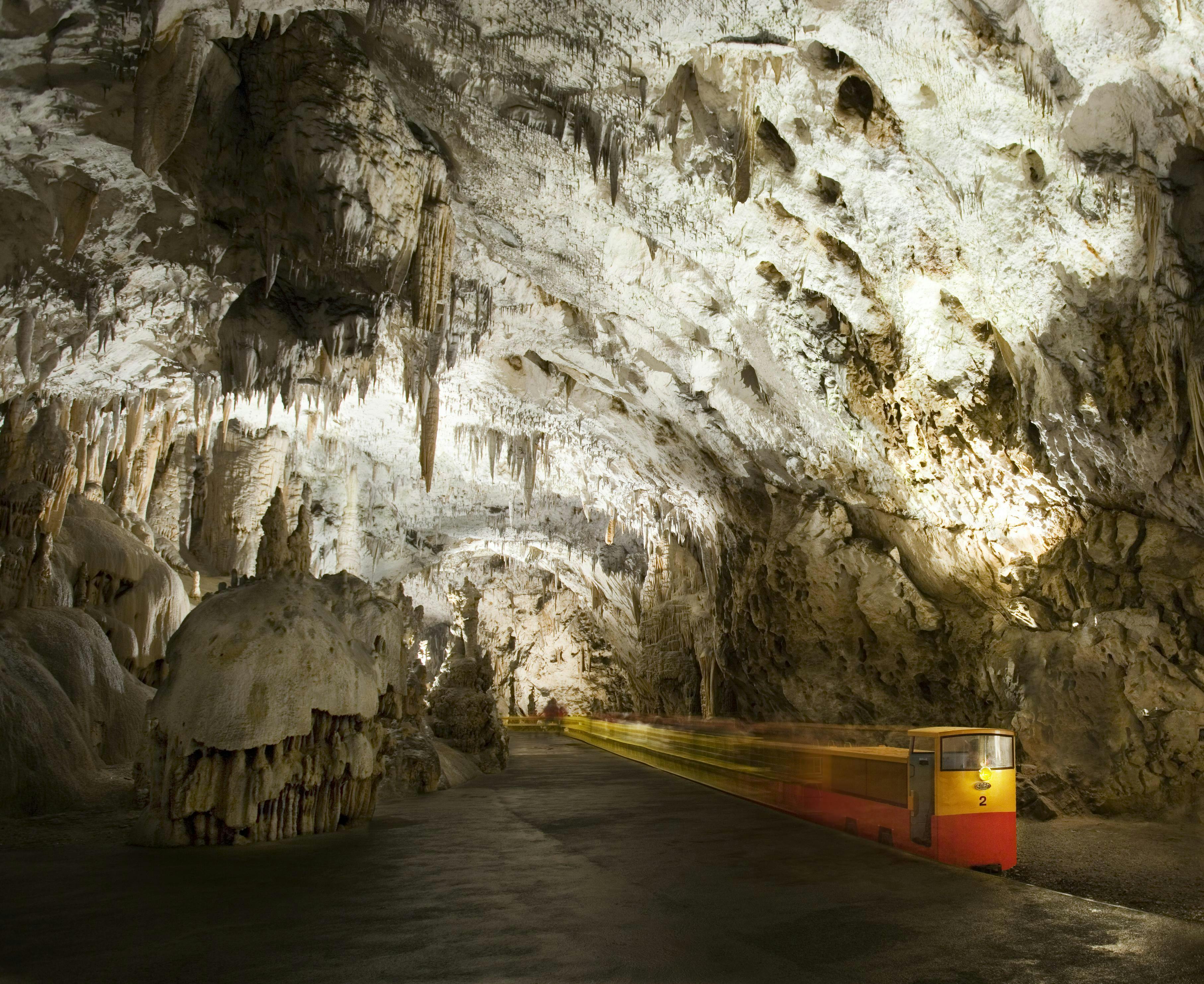
Your adventure begins with a thrilling open-air underground train ride—a signature feature of Postojna Cave. The electric train glides through massive caverns illuminated to reveal stalactites and stalagmites that have been forming for millions of years. The scale is astonishing: cathedral-like spaces, glittering mineral curtains, and stone columns shaped by nature’s slow artistry.
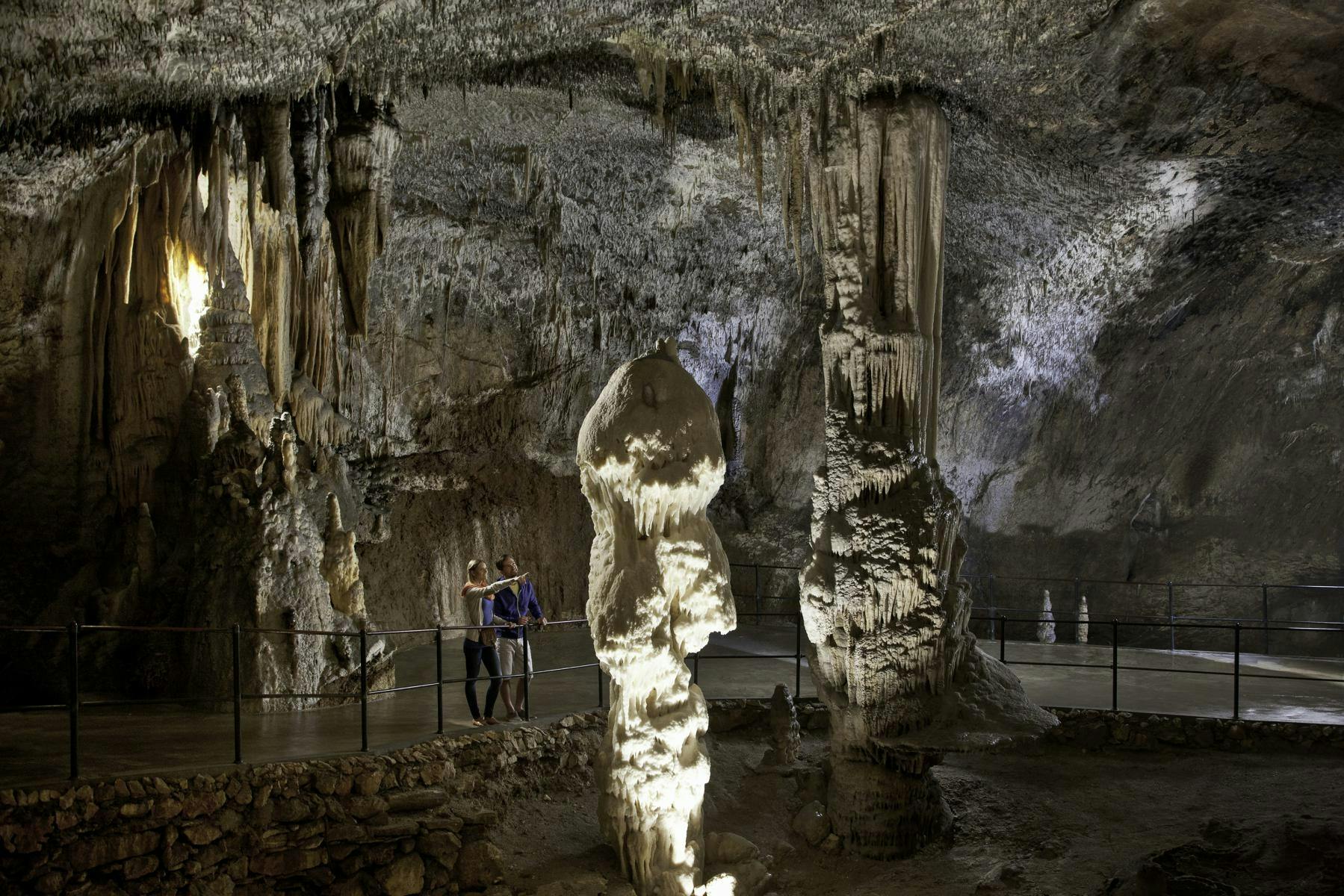
After the train ride, visitors continue on foot through pathways that wind past some of the cave’s most iconic formations. Highlights include:
The Spaghetti Hall – thousands of thin, delicate mineral threads that resemble hanging pasta
The White Hall – known for its brilliant snow-white stalactites
Brilliant Stalagnate – the cave’s most famous formation, a shining white column that has become the symbol of Postojna
One of the cave’s most fascinating inhabitants is the olm, or “baby dragon” as locals call it. This rare amphibian lives in the deep karst waters and can survive for years without food. Postojna Cave is home to a protected population, and you can learn about their biology, legends, and conservation efforts at the onsite exhibition.
The Postojna Cave system is also part of Slovenia’s remarkable karst landscape, formed over millions of years. The combination of underground rivers, limestone formations, and layered chambers makes it a global geological treasure.
Many travellers pair a visit to Postojna Cave with the nearby Predjama Castle, just 15 minutes away. Together, they create one of Slovenia’s most iconic day trips, blending underground marvels with dramatic medieval history.
Whether you’re a nature enthusiast, a family traveller, or simply someone in search of unforgettable scenery, Postojna Cave offers an experience that feels both otherworldly and deeply inspiring.
Sponsored Popular Items
Quick take: Musement.com offers a worldwide selection of tours and attractions
Lake Bled and Postojna Cave full-day tour from Ljubljana Slovenia Plan Lake Bled and Postojna Cave full-day tour from Ljubljana, a guided sightseeing experience, with practical tips on timing, inclusions and what to check before booking. Compare current availability, prices and booking conditions before you go.
Postojna Cave and Predjama Castle tour from Ljubljana Slovenia Plan Postojna Cave and Predjama Castle tour from Ljubljana, a guided sightseeing experience, with practical tips on timing, inclusions and what to check before booking. Compare current availability, prices and booking conditions before you go.
Predjama Castle & Postojna Cave Guided Tour from Ljubljana Slovenia Predjama Castle Predjama Castle and Postojna Caves Tour Postojna Caves Tour is a convenient way to add structure, local context and purposeful sightseeing to the itinerary. Check current availability, inclusions and booking details before you go.
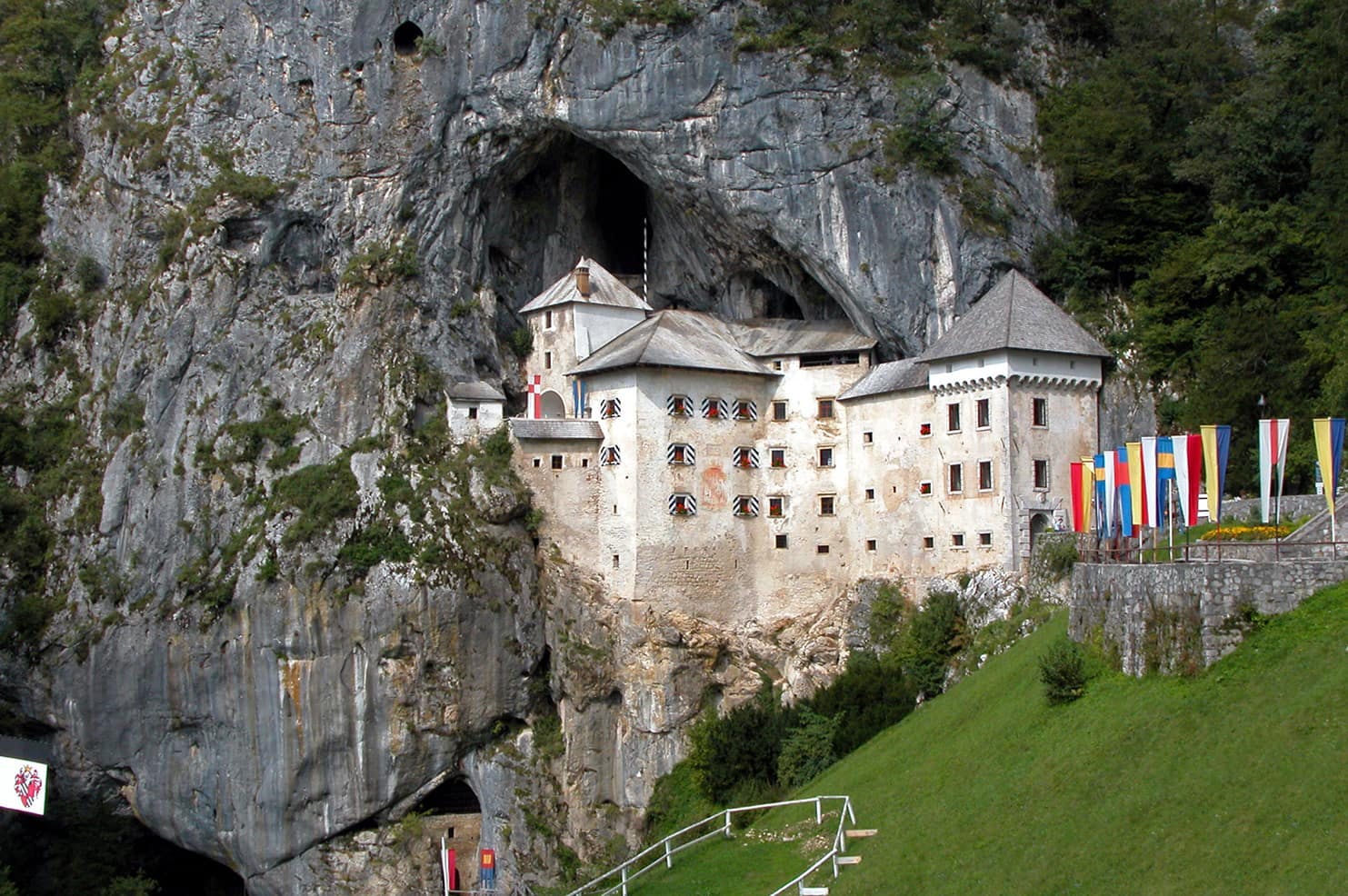
Predjama Castle is one of Slovenia’s most extraordinary landmarks—a dramatic medieval fortress built directly into the mouth of a towering 123-metre cliff. Perched above a hidden karst world of caves and tunnels, the castle appears almost mythical, blending seamlessly with the rocky landscape. It feels more like the setting of a fantasy epic than a real place you can explore.
The castle’s foundations date back more than 800 years, but its most famous story belongs to the 15th century knight Erazem Lueger (Erasmus of Lueg), a rebellious nobleman who used Predjama as his stronghold. Thanks to a secret cave system behind the fortress, he was able to withstand a siege for months—smuggling food and supplies through underground passages while his enemies waited below. His daring legend is central to the castle’s identity, and the rooms you explore still echo with tales of medieval battles, romance, and resistance.
Inside, the castle is a fascinating mix of living quarters, lookout points, a dungeon, and a knight’s hall, all adapted ingeniously to the cliff. From narrow staircases carved into stone to wooden balconies offering sweeping valley views, every corner reveals how people once lived in this remarkable vertical fortress.
Below Predjama Castle lies the Predjama Cave, part of the vast Postojna Cave system. During summer months, you can visit the lower cave and even see the resident colony of bats, depending on the season.
Predjama Castle is often combined with a visit to Postojna Cave, making for one of Slovenia’s most impressive sightseeing days—pairing a world-class cave system with one of the most unique castles on Earth.
Sponsored Popular Items
Quick take: Musement.com offers a worldwide selection of tours and attractions
Postojna Cave and Predjama Castle tour from Ljubljana Slovenia Plan Postojna Cave and Predjama Castle tour from Ljubljana, a guided sightseeing experience, with practical tips on timing, inclusions and what to check before booking. Compare current availability, prices and booking conditions before you go.
Predjama Castle & Postojna Cave Guided Tour from Ljubljana Slovenia Predjama Castle Predjama Castle and Postojna Caves Tour Postojna Caves Tour is a convenient way to add structure, local context and purposeful sightseeing to the itinerary. Check current availability, inclusions and booking details before you go.
Postojna Cave & Predjama Castle Guided Tour Slovenia Postojna Cave and Predjama Castle - Underground treasures and legends is a convenient way to add structure, local context and purposeful sightseeing to the itinerary. Check current availability, inclusions and booking details before you go.
Ringed by palm-fringed beaches and crowned by misty tea hills, Sri Lanka packs ancient cities, wildlife-rich parks, flavorful cuisine, and warm hospitality into a compact island. Whether you’re chasing surf on the south coast, temples in the Cultural Triangle, or cool mornings among tea estates, this guide gives you a clear, practical plan.
Getting There and Best Time to Visit
How to Get There
By air: International flights arrive at Bandaranaike International Airport (CMB), about 30–45 minutes north of Colombo (traffic-dependent).
By rail/road: Once in-country, scenic trains connect Colombo with Kandy, Ella, and Jaffna; highways and private drivers cover most routes.
When to Go
West/South/Highlands (Dec–Mar): Driest weather for beaches from Negombo to Tangalle and hill-country hikes.
East/North (May–Sep): Best for Arugam Bay surf, Trincomalee beaches, and Jaffna.
Shoulders: Apr and Oct–Nov bring mixed showers but fewer crowds and good value.
Where to Go: Regions at a Glance
Region
Why Go
Highlights
Good For
Cultural Triangle (Anuradhapura, Polonnaruwa, Sigiriya, Dambulla)
Ancient capitals, rock fortresses, cave temples
Sigiriya Rock, Dambulla Cave Temples, Minneriya elephants
History lovers, families
Hill Country (Kandy, Nuwara Eliya, Ella, Haputale)
Dry-season swap, surf and calm bays in mid-year months
Arugam Bay point break, Pigeon Island snorkelling
Surfers, summer beachgoers
Wild Parks (Yala, Udawalawe, Wilpattu)
Leopards, elephants, birdlife
Game drives at dawn/sunset
Wildlife enthusiasts
Jaffna & North
Distinct Tamil culture, temples, lagoons
Nallur Kandaswamy Kovil, Delft Island
Cultural explorers
Top Experiences
Sigiriya and the Cave Temples of Dambulla
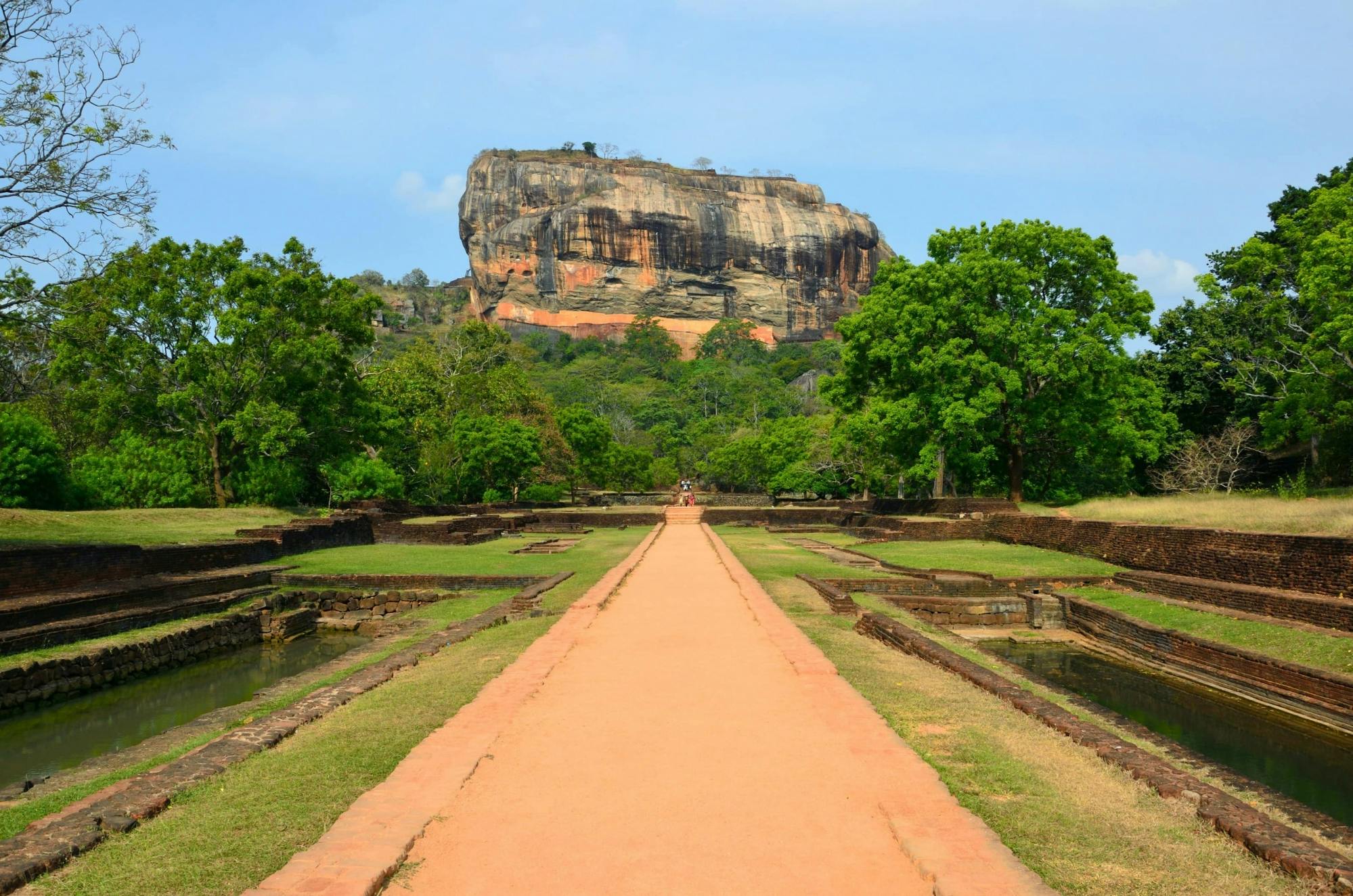
Climb Sigiriya’s lion-paw stairways for frescoes and royal ruins atop a volcanic plug. Pair with Dambulla’s Buddha-filled cave shrines for a perfect heritage day.
Tea Country by Train
Ride the blue train from Kandy to Ella past emerald tea, waterfalls, and mist. Break the journey with a factory tour and a ridge walk at sunrise.
Galle Fort and the Southern Beaches
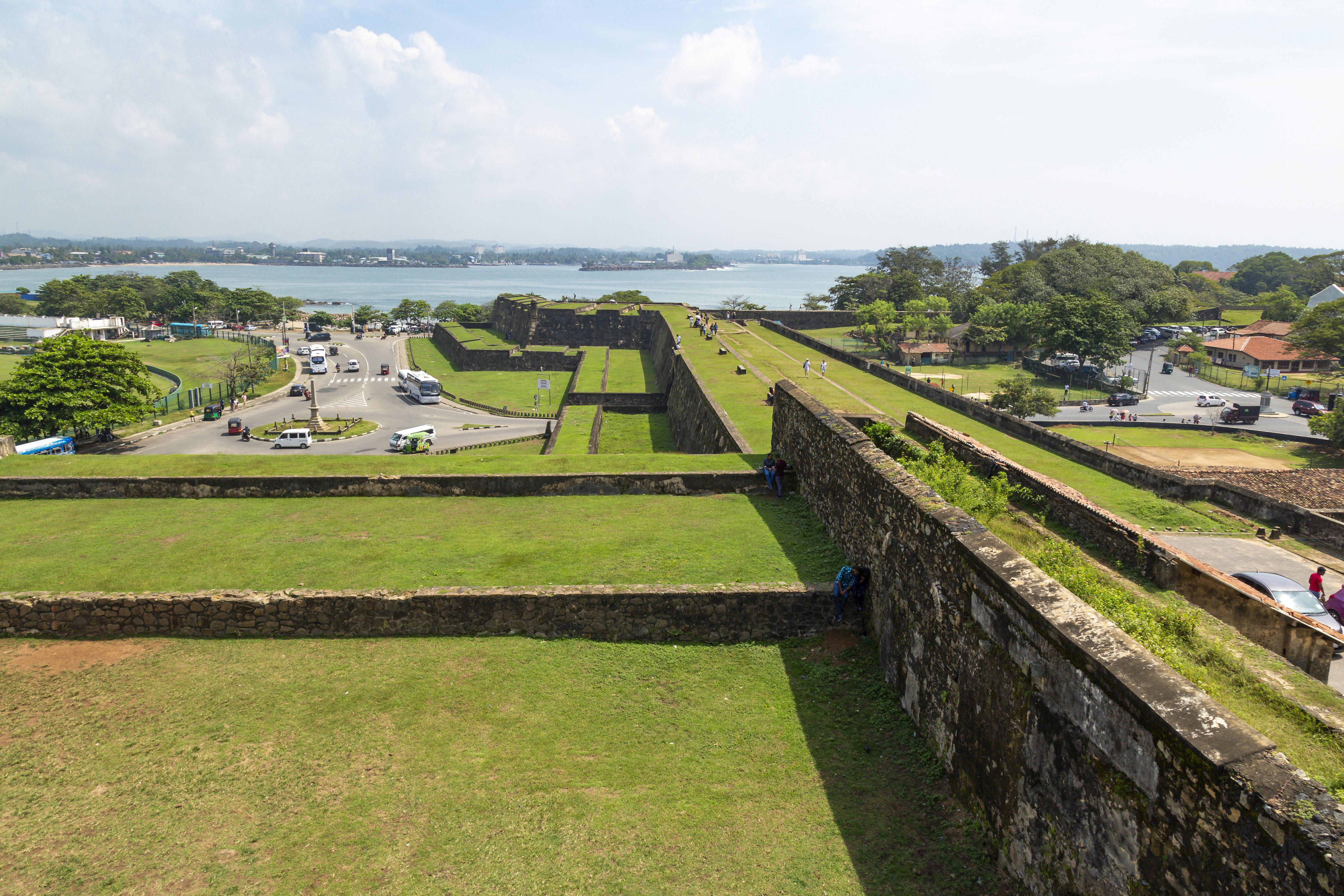
Wander UNESCO-listed Galle Fort’s ramparts, cafés, and galleries, then hop to Weligama for surf lessons or Mirissa for seasonal whale trips.
Safaris in Yala or Udawalawe
Search for leopards in Yala or herds of elephants in Udawalawe. Go at dawn or late afternoon for cooler temperatures and active wildlife.
Food, Spices, and Markets
Breakfast on hoppers with spicy sambol, try rice and curry thalis, seafood on the coast, and Jaffna crab in the north. Spice gardens and cooking classes are easy to add.
Practical Tips and Safety
Pace yourself: Distances are short, but travel can be slow; 2–4 nights per base is comfortable.
Hire a driver or mix modes: Trains are scenic; a driver fills the gaps between stations and parks.
Dress and etiquette: Shoulders/knees covered for temples; remove shoes and hats.
Wildlife etiquette: Never feed wild animals; keep distance on safaris and beaches.
Season-aware planning: Match coasts to monsoons for driest beach time.
Sri Lanka FAQs
Is Sri Lanka good for a first trip to South Asia?
Answer: Yes. It’s compact, welcoming, and varied — beaches, heritage, wildlife, and hill country within a day’s reach.
How many days do I need?
Answer: Ten to fourteen days covers the Cultural Triangle, Hill Country, and one coast. Add time for safaris and the north/east.
Is the tap water safe to drink?
Answer: Stick to bottled or filtered water; many hotels provide refill stations. Avoid ice where uncertain.
Do I need a visa?
Answer: Most travelers require an Electronic Travel Authorization (ETA) before arrival. Check current requirements for your nationality.
What about costs?
Answer: Mid-range stays and private drivers are affordable relative to many destinations; food is excellent value outside resort zones.
Suggested Itineraries
7 Days — Classic Highlights
Day 1–2: Sigiriya and Dambulla (Cultural Triangle)
Day 3–4: Kandy and train to Ella (Hill Country)
Day 5–7: South coast beaches around Weligama/Mirissa or Tangalle
10 Days — Wildlife and Tea
Day 1–2: Sigiriya, Minneriya elephant safari
Day 3–5: Kandy, Nuwara Eliya, Ella hikes
Day 6–7: Udawalawe or Yala safari lodge
Day 8–10: Galle Fort and south coast
14 Days — Two Coasts and the North
Days 1–3: Anuradhapura/Polonnaruwa + Sigiriya
Days 4–6: Kandy to Ella by train
Days 7–9: East coast (Trincomalee/Nilaveli in mid-year; Arugam Bay for surf)
Days 10–12: Jaffna culture and cuisine
Days 13–14: Colombo or south coast to unwind
Why Sri Lanka Belongs on Your List
Few places offer so much diversity in such a small package: sunrise on a fortress rock, lunch in the tea hills, sunset with turtles on the beach. With kind hosts, layered history, and year-round options, Sri Lanka suits first-timers and seasoned travelers alike.
Sponsored Popular Items
Quick take: Musement.com offers a worldwide selection of tours and attractions
Sri Lanka Adventure: Rafting, Train Ride, Safari & Whales Sri Lanka Experience Sri Lanka through white-water rafting, scenic mountain trains, wildlife safaris, coastal whale watching and authentic local experiences on a private 7-day adventure from Colombo
Sigiriya Lion Rock & Dambulla Cave Temple Tour in Sri Lanka – Heritage Tour Sri Lanka Plan Sigiriya Lion Rock & Dambulla Cave Temple Tour in Sri Lanka – Heritage Tour, a cultural or heritage experience, with practical tips on timing, inclusions and what to check before booking. Compare current availability, prices and booking conditions before you go.