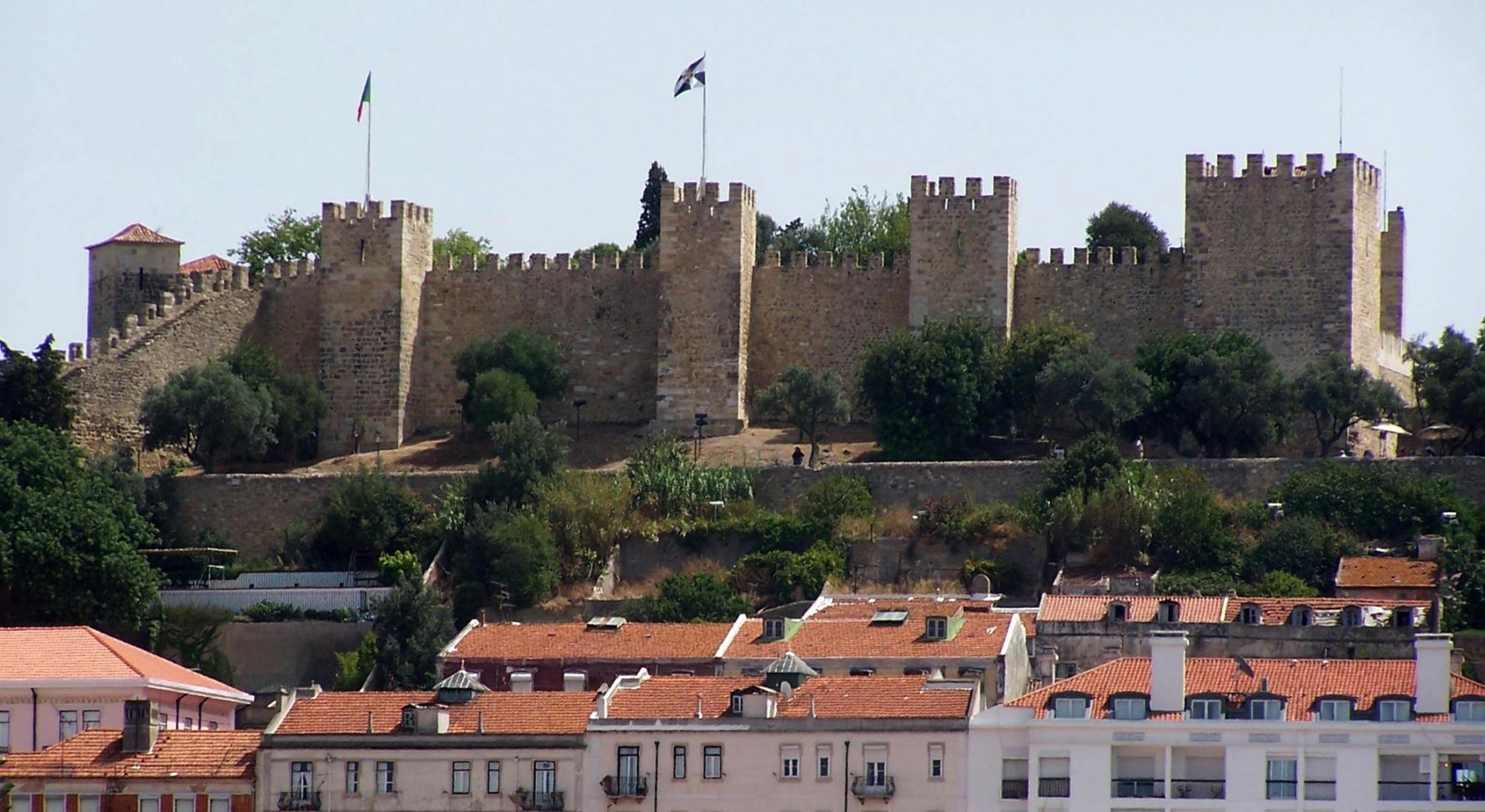
Saint George’s Castle, known in Portuguese as Castelo de São Jorge, is one of Lisbon’s most iconic landmarks. Perched high above the city, this historic fortress offers sweeping views over Alfama, the red rooftops of Lisbon, the Tagus River and the distant 25 de Abril Bridge.
Quick take: Musement.com offers a worldwide selection of tours and attractions
St. George Castle E-Ticket and Audio Tour Portugal George Castle E-ticket and Audio Tour combines self-paced sightseeing with useful background information and flexible stopping time. Check current availability, inclusions and booking details before you go.
More than just a viewpoint, Saint George’s Castle is a place where Lisbon’s layered history comes into focus. Its ramparts, towers, archaeological remains, gardens and atmospheric stone walls make it one of the best places to understand the city’s old soul.
Why Visit Saint George’s Castle?
Saint George’s Castle is worth visiting because it combines history, scenery and atmosphere in one memorable stop. From the castle walls, Lisbon spreads out below in every direction, with terracotta rooftops, church towers, river views and the maze-like streets of Alfama all within sight.
The castle is especially rewarding for travellers who enjoy photography, medieval architecture, city viewpoints and historic neighbourhoods. It also works beautifully as part of a walking route through Alfama, Mouraria, Baixa or the wider historic centre of Lisbon.
A Fortress Above Lisbon
The castle sits on one of Lisbon’s highest hills, giving it a commanding position over the city and the Tagus River. This strategic location helped make it an important defensive site for centuries.
Today, the elevated setting is one of the main reasons visitors come. The climb can be steep if you walk from the lower city, but the reward is one of the finest panoramic views in Lisbon.
Main Features and Attractions
The Castle Ramparts
The ramparts are one of the highlights of Saint George’s Castle. Visitors can walk along sections of the old defensive walls, look out over Lisbon and enjoy the feeling of standing above the city.
From the walls, you can see the tiled rooftops of Alfama, the broad sweep of the Tagus River, the downtown grid of Baixa and the hills that give Lisbon its famous layered skyline.
The Towers and Stone Walls
The towers and stone walls give the castle its strong medieval character. Their simple, solid design reflects the fortress role of the site, while the viewpoints from different corners of the castle create excellent photo opportunities.
Even if you are not a history expert, the walls make the visit feel atmospheric. They frame the city beautifully and offer a quiet contrast to the busy streets below.
The Archaeological Site
Saint George’s Castle includes archaeological remains that reveal older layers of Lisbon’s history. These traces help visitors understand that the hilltop has been important long before modern Lisbon grew around it.
This is one of the reasons the castle feels more meaningful than a simple lookout. It is not just a place to see the city; it is a place to see how the city developed over time.
The Gardens
The castle grounds include pleasant garden areas where visitors can slow down, rest and enjoy the views. Olive trees, shaded paths and open spaces soften the fortress atmosphere and make the site enjoyable to explore at a relaxed pace.
The gardens are also known for peacocks, which often wander through the grounds and add colour and character to the visit.
The Views Over Alfama
Alfama is one of Lisbon’s oldest and most atmospheric neighbourhoods, and Saint George’s Castle offers one of the best views over its rooftops and narrow streets.
From above, you can appreciate the neighbourhood’s irregular layout, church towers, tiled buildings and steep lanes. After visiting the castle, walking down through Alfama is a natural next step.
The Best Viewpoint in Lisbon?
Lisbon has many famous viewpoints, but Saint George’s Castle is one of the most impressive because of its height, central position and historic setting. You are not simply standing on a terrace; you are looking out from within the walls of a medieval fortress.
The view changes throughout the day. Morning light can be crisp and clear, afternoon light brings warmth to the rooftops, and sunset can make the city glow above the river.
How Long Do You Need at Saint George’s Castle?
Allow around 1.5 to 2.5 hours for a relaxed visit. This gives enough time to walk the ramparts, explore the castle grounds, enjoy the gardens, take photos and pause at the viewpoints.
If you are visiting during a busy period, allow extra time for entry and for moving through the most popular viewpoints. Booking ahead can help make the visit smoother, especially during peak travel seasons.
Best Time to Visit Saint George’s Castle
Morning is a good time to visit if you want cooler temperatures and fewer crowds. Late afternoon is ideal for golden light and atmospheric views over Lisbon.
Summer can be hot, especially because Lisbon’s hills and stone surfaces hold heat. If visiting in warmer months, bring water, wear comfortable shoes and avoid rushing the uphill walk.
Getting to Saint George’s Castle
You can reach Saint George’s Castle on foot, by taxi, tuk-tuk, public transport or as part of a guided tour. Walking up through Alfama or Mouraria is scenic, but it can be steep, so allow time and wear suitable shoes.
If you prefer an easier arrival, taking transport uphill and then walking back down through Alfama can be a smart option. The downhill route lets you enjoy the neighbourhood’s lanes, viewpoints, tiled façades and small squares without the hardest part of the climb.
Nearby Attractions to Add to Your Visit
Alfama
Alfama is the perfect neighbourhood to explore before or after visiting the castle. Its narrow lanes, tiled houses, small cafés, viewpoints and traditional character make it one of Lisbon’s most rewarding areas for walking.
Lisbon Cathedral
Lisbon Cathedral, also known as Sé de Lisboa, is located below the castle and works well as part of the same historic walking route. Its fortress-like exterior and old stone interior add another layer to the city’s medieval atmosphere.
Miradouro de Santa Luzia
This beautiful viewpoint offers classic views over Alfama and the Tagus River. It is a lovely stop on the walk between the castle and the lower city.
Baixa
Baixa is Lisbon’s elegant downtown district, with broad streets, squares, shops and cafés. After exploring the castle and Alfama, it provides a flatter and more formal contrast to the hilltop streets.
Praça do Comércio
Praça do Comércio is one of Lisbon’s grandest squares and sits beside the Tagus River. It is a good place to finish a walking route from the castle down through Alfama and Baixa.
Suggested Half-Day Lisbon Itinerary
If you want to build a simple sightseeing route around Saint George’s Castle, try this relaxed half-day plan:
Morning: Start at Saint George’s Castle and explore the ramparts, towers, gardens and viewpoints.
Late morning: Walk down through Alfama, stopping at viewpoints and tiled streets along the way.
Lunch: Choose a café or restaurant in Alfama, Baixa or near Lisbon Cathedral.
Afternoon: Continue to Praça do Comércio, the riverfront or Baixa’s historic squares.
Optional extra: Add Lisbon Cathedral or Miradouro de Santa Luzia for more history and views.
Travel Tips for Visiting Saint George’s Castle
Wear comfortable shoes, as the castle area includes stone paths, steps and uneven surfaces.
Bring water, especially in summer or if walking uphill.
Visit early or later in the day for softer light and a more relaxed experience.
Allow time to walk through Alfama after your castle visit.
Book tickets ahead during busy travel periods to reduce waiting time.
Keep your camera ready, as the views are excellent from several parts of the castle.
Is Saint George’s Castle Worth Visiting?
Yes, Saint George’s Castle is absolutely worth visiting. It is one of Lisbon’s best combinations of history and scenery, offering fortress walls, old stones, gardens, archaeological remains and some of the finest views in the city.
For first-time visitors, it is a strong introduction to Lisbon’s geography and history. For returning visitors, it remains a rewarding place to slow down, take in the skyline and reconnect with the city’s older layers.
Final Thoughts
Saint George’s Castle is one of those places that helps you understand Lisbon at a glance. From its hilltop walls, you can see the river, the old neighbourhoods, the downtown streets and the rolling shape of the city.
Its appeal is not only in its history, but in the way it frames Lisbon. The castle gives you a sense of height, time and place all at once. Whether you visit for the views, the ramparts, the gardens, the peacocks or the walk through Alfama, Saint George’s Castle deserves a place on any Lisbon itinerary.
Frequently Asked Questions About Saint George’s Castle
Where is Saint George’s Castle?
Saint George’s Castle, or Castelo de São Jorge, is located on a hilltop in Lisbon, Portugal, above the historic Alfama district.
What is Saint George’s Castle famous for?
It is famous for its medieval walls, hilltop setting, panoramic views over Lisbon, views of Alfama and the Tagus River, gardens, archaeological remains and historic atmosphere.
How long should I spend at Saint George’s Castle?
Allow around 1.5 to 2.5 hours for a relaxed visit. This gives enough time to walk the walls, explore the grounds, enjoy the views and take photos.
Is the walk to Saint George’s Castle steep?
Yes, the walk can be steep because the castle sits on one of Lisbon’s hills. Many visitors walk up, but taxis, tuk-tuks, public transport and guided tours are also options.
Is Saint George’s Castle good for photography?
Yes, it is one of the best photography spots in Lisbon. The castle offers wide views over Alfama, Baixa, the Tagus River, rooftops, bridges and surrounding hills.
Can you visit Saint George’s Castle with children?
Yes, families can enjoy the castle, especially the open spaces, walls, gardens and peacocks. Children should be supervised carefully around steps, walls and uneven surfaces.
What attractions are near Saint George’s Castle?
Nearby attractions include Alfama, Lisbon Cathedral, Miradouro de Santa Luzia, Baixa, Praça do Comércio and several historic viewpoints.
Is Saint George’s Castle worth visiting on a short Lisbon trip?
Yes, it is worth visiting even on a short trip because it offers history, views and a strong sense of Lisbon’s character in one central location.
Sponsored Popular Items
Quick take: Musement.com offers a worldwide selection of tours and attractions
St. George Castle E-Ticket and Audio Tour Portugal George Castle E-ticket and Audio Tour combines self-paced sightseeing with useful background information and flexible stopping time. Check current availability, inclusions and booking details before you go.
Albany: King George Sound Boat Tour (Summer Nov - April) Australia Cruise Albany's stunning turquoise waters aboard a beautiful catamaran. Explore hidden bays, ANZAC history, shipwrecks and pristine beaches - BYO drinks, max 12 guests.
Premier Inn Glasgow City - George Square United Kingdom Plan Premier Inn Glasgow City - George Square, a guided sightseeing experience, with practical tips on timing, inclusions and what to check before booking. Compare current availability, prices and booking conditions before you go.
Dublin Castle is one of the most important historic landmarks in Ireland’s capital. Set in the heart of the city, close to Temple Bar, Christ Church Cathedral and Trinity College, it is a fascinating place where medieval Dublin, British administration, Irish state history and elegant architecture all meet.
Quick take: Musement.com offers a worldwide selection of tours and attractions
Dublin: Fast-Track Book of Kells Ticket & Dublin Castle Tour Ireland Best deals for Dublin: Fast-Track Book of Kells Ticket & Dublin Castle Tour. Visit the Old Library at Trinity College Dublin to see the illuminated manuscript of the Book of Kells, one of Ireland's national treasures, before exploring the grounds and gardens of Dublin Castle. Available from getyourguide.com.
Unlike a remote ruined fortress, Dublin Castle feels woven into the city around it. Its courtyards, State Apartments, gardens, chapel and medieval remains reveal different layers of Dublin’s story. For travellers, it is a rewarding stop because it combines history, architecture, politics and a convenient central location in one easy visit.
Why Visit Dublin Castle?
Dublin Castle is worth visiting because it gives you a direct connection to the city’s long and complicated past. It has been associated with royal power, colonial administration, state ceremonies and modern Irish public life. Today, it is both a visitor attraction and a working ceremonial site.
The experience is varied. You can admire the castle courtyard, explore the State Apartments, see the Chapel Royal, learn about medieval Dublin and enjoy the calm green space of Dubh Linn Garden. It is a strong choice for travellers who want to understand Dublin beyond pubs, shopping streets and river views.
A Castle in the Centre of the City
One of the best things about Dublin Castle is how easy it is to include in a city itinerary. It sits in Dublin’s historic centre, within walking distance of several major attractions. You can visit it before or after seeing Christ Church Cathedral, St Patrick’s Cathedral, Trinity College, the Book of Kells or the lively streets around Temple Bar.
The castle does not look like a single medieval fortress from every angle. Instead, it is a complex of courtyards, historic buildings and later architectural additions. That mix is part of its appeal. Dublin Castle has changed with the city, and each section tells a different part of the story.
Main Features and Attractions
The State Apartments
The State Apartments are among the main highlights of Dublin Castle. These grand rooms were once used for official functions and ceremonial life, and they still carry a sense of elegance and authority.
Visitors can expect richly decorated interiors, formal rooms, historic details, paintings, chandeliers and a strong sense of old-world Dublin. The State Apartments are especially interesting for travellers who enjoy historic homes, palaces, government buildings and decorative interiors.
St Patrick’s Hall
St Patrick’s Hall is one of the most impressive spaces inside the State Apartments. It is known for its scale, formal atmosphere and decorative ceiling. This room has been used for major state occasions and remains one of the most memorable interiors in the castle complex.
If you enjoy rooms that feel ceremonial and grand, St Patrick’s Hall is a highlight. It gives a strong impression of Dublin Castle’s role as a place of power and public life.
The Chapel Royal
The Chapel Royal is another important feature of Dublin Castle. Its Gothic Revival style, detailed stonework and historic atmosphere make it one of the most beautiful parts of the site.
The chapel adds a different tone to the visit. After the formality of the State Apartments and the openness of the courtyards, the Chapel Royal feels more intimate, decorative and reflective.
The Medieval Undercroft
One of the most interesting parts of Dublin Castle is the medieval undercroft. This area reveals remains from the older layers of the castle and helps visitors understand that the site has deep roots in medieval Dublin.
For travellers who enjoy archaeology and hidden history, the undercroft is especially rewarding. It shows that beneath the elegant courtyards and later buildings, Dublin Castle still holds traces of the city’s earlier defensive and medieval past.
Dubh Linn Garden
Behind the castle, Dubh Linn Garden offers a calmer outdoor space away from the busy streets. The name refers to the “black pool” associated with the origins of Dublin’s name, giving the garden a strong connection to the city’s identity.
The garden is a pleasant place to pause after exploring the castle interiors. Its lawns, paths and surrounding buildings create a quiet contrast to the formality of the State Apartments and the stonework of the castle complex.
The Castle Courtyards
The courtyards are an essential part of the Dublin Castle experience. They give you a sense of the scale and layout of the site, with cobblestones, arched entrances, formal façades and historic details around every corner.
Even if you are short on time, walking through the courtyard is worthwhile. It is one of the easiest ways to appreciate the castle’s blend of medieval origins, Georgian architecture and civic importance.
Dublin Castle and Irish History
Dublin Castle has played a central role in Ireland’s political and administrative history. For centuries, it was closely associated with British rule in Ireland. Later, it became connected with the modern Irish state and important national ceremonies.
This makes the castle more than just an architectural attraction. It is a place where visitors can think about power, identity, conflict, ceremony and change. Its rooms and courtyards are not only beautiful; they are part of Ireland’s national story.
How Long Do You Need at Dublin Castle?
Most visitors should allow around 1 to 2 hours for Dublin Castle. This gives enough time to see the main highlights, explore the State Apartments and enjoy the courtyard and garden without rushing.
If you are joining a guided tour or want to spend extra time in nearby attractions, allow longer. Dublin Castle works well as part of a half-day itinerary through the historic centre of Dublin.
Guided Tour or Self-Guided Visit?
A self-guided visit can be a good option if you mainly want to see the State Apartments and move at your own pace. This suits travellers who prefer a flexible schedule or who are fitting the castle into a busy day.
A guided tour can be more rewarding if you want deeper context. Guided visits may include areas such as the Chapel Royal and medieval undercroft, depending on access and ticket type. If you are especially interested in history, a guided tour is worth considering.
Nearby Attractions to Add to Your Visit
Christ Church Cathedral
Christ Church Cathedral is one of Dublin’s most important religious landmarks and is only a short walk from Dublin Castle. Its medieval atmosphere, crypt and historic architecture make it a natural companion stop.
St Patrick’s Cathedral
St Patrick’s Cathedral is another major Dublin landmark nearby. It is one of the city’s most impressive churches and works well in a historic walking route with Dublin Castle.
Trinity College and the Book of Kells
Trinity College is one of Dublin’s most famous attractions. Visitors often combine Dublin Castle with a visit to the Book of Kells and the Old Library, especially on organised walking tours.
Temple Bar
Temple Bar is close enough to visit before or after Dublin Castle. It offers pubs, restaurants, galleries, shops and a lively city atmosphere. While it can be busy, it is still one of Dublin’s best-known neighbourhoods.
Chester Beatty
Chester Beatty is located beside Dublin Castle and is a valuable stop for travellers interested in manuscripts, world cultures, books and art. It pairs well with the castle because it adds a quieter museum experience to the visit.
Suggested Dublin Castle Itinerary
If you want to build a relaxed half-day around Dublin Castle, a simple route could look like this:
Morning: Start at Dublin Castle and explore the State Apartments, courtyards and Dubh Linn Garden.
Late morning: Visit Chester Beatty or walk toward Christ Church Cathedral.
Lunch: Head toward Temple Bar or Dame Street for cafés, pubs and restaurants.
Afternoon: Continue to Trinity College, the Book of Kells or St Patrick’s Cathedral.
Optional extra: Join a guided walking tour if you want more context about Dublin’s history.
Travel Tips for Visiting Dublin Castle
Check opening times and access before visiting, as ceremonial events can affect parts of the site.
Book ahead if you want a guided tour during busy travel periods.
Allow time for Dubh Linn Garden, not just the State Apartments.
Wear comfortable shoes, as Dublin Castle is best combined with nearby walking attractions.
Bring a camera or phone for the courtyards, Chapel Royal details and garden views.
Combine the castle with Christ Church Cathedral, Trinity College or Temple Bar for an easy city itinerary.
Is Dublin Castle Worth Visiting?
Yes, Dublin Castle is definitely worth visiting, especially if you are interested in Irish history, architecture, politics or central Dublin sightseeing. It may not look like a fairytale castle with towers and moats, but it offers something deeper: a layered view of the city’s history.
The State Apartments provide elegance, the Chapel Royal adds architectural beauty, the medieval undercroft reveals older Dublin, and Dubh Linn Garden offers a peaceful outdoor pause. Together, they make Dublin Castle one of the most meaningful historic attractions in the city.
Final Thoughts
Dublin Castle is a place where the story of the city becomes visible. It shows Dublin as a medieval settlement, a centre of administration, a place of ceremony and a modern capital with a complex past.
For travellers, it is easy to reach, easy to combine with nearby attractions and rich enough to reward a thoughtful visit. Whether you are visiting Dublin for the first time or returning for a deeper look at the city, Dublin Castle deserves a place on your itinerary.
Frequently Asked Questions About Dublin Castle
Where is Dublin Castle?
Dublin Castle is located in the historic centre of Dublin, Ireland, close to Dame Street, Temple Bar, Christ Church Cathedral and Trinity College.
What can you see at Dublin Castle?
Visitors can see the State Apartments, castle courtyards, Dubh Linn Garden, exhibitions and, depending on ticket type or tour access, the Chapel Royal and medieval undercroft.
How long should I spend at Dublin Castle?
Allow around 1 to 2 hours for a typical visit. You may want longer if you join a guided tour or combine the castle with nearby attractions.
Is Dublin Castle a real castle?
Yes, Dublin Castle is a real historic castle site, although much of what visitors see today includes later buildings, courtyards and formal apartments rather than a complete medieval fortress.
Can you visit Dublin Castle without a tour?
Self-guided visits are available for some areas, particularly the State Apartments and exhibitions. A guided tour may provide access to additional areas and deeper historical context.
Is Dublin Castle good for families?
Yes, Dublin Castle can be a good family stop, especially for children interested in history, castles and city landmarks. The courtyards and garden also help break up the indoor sections of the visit.
What attractions are near Dublin Castle?
Nearby attractions include Christ Church Cathedral, St Patrick’s Cathedral, Trinity College, the Book of Kells, Temple Bar, Chester Beatty and Dublin’s historic city centre.
Is Dublin Castle worth visiting on a short trip to Dublin?
Yes, Dublin Castle is worth including even on a short trip because it is centrally located, historically important and easy to combine with other major Dublin attractions.
Sponsored Popular Items
Quick take: Musement.com offers a worldwide selection of tours and attractions
Dublin: Fast-Track Book of Kells Ticket & Dublin Castle Tour Ireland Best deals for Dublin: Fast-Track Book of Kells Ticket & Dublin Castle Tour. Visit the Old Library at Trinity College Dublin to see the illuminated manuscript of the Book of Kells, one of Ireland's national treasures, before exploring the grounds and gardens of Dublin Castle. Available from getyourguide.com.
Dublin: St Patrick's, Book of Kells, and Dublin Castle Tour Ireland Best deals for Dublin: St Patrick's, Book of Kells, and Dublin Castle Tour. Stroll through Dublin's historic center on an insightful tour with timed-entry tickets to the iconic Book of Kells. Visit the imposing St Patrick's Cathedral and gaze at the Dublin Castle's facade. Available from getyourguide.com.
Dublin: Book of Kells, Dublin Castle and Christ Church Tour Ireland Best deals for Dublin: Book of Kells, Dublin Castle and Christ Church Tour. Visit the Book of Kells at Trinity College with skip-the-line tickets (3h tour only) and walk through Dublin's history: Dublin Castle, Christ Church Cathedral, St Patrick's Cathedral and more. Available from getyourguide.com.
Heidelberg Castle is one of Germany’s most romantic and atmospheric landmarks. Set high above the red rooftops of Heidelberg’s Old Town, the castle looks out across the Neckar River, forested hills and one of the most beautiful historic cities in Germany.
Quick take: Musement.com offers a worldwide selection of tours and attractions
Neckargemünd and Dilsberg Castle Tour from Heidelberg Germany Plan Neckargemünd and Dilsberg Castle Tour from Heidelberg, a guided sightseeing experience, with practical tips on timing, inclusions and what to check before booking. Compare current availability, prices and booking conditions before you go.
Part fortress, part palace and part dramatic ruin, Heidelberg Castle is a place where history, architecture and scenery come together. Its red sandstone walls, ruined towers, grand courtyard, hillside terraces and sweeping views make it one of the essential stops for travellers visiting Baden-Württemberg.
Why Visit Heidelberg Castle?
Heidelberg Castle is not just a castle to look at from the outside. It is a full travel experience. Visitors can walk through the castle courtyard, admire the Renaissance-style façades, see the famous Great Wine Barrel, explore scenic terraces and enjoy one of the best views over Heidelberg.
The castle’s appeal comes from its combination of grandeur and decay. Some parts still feel elegant and palace-like, while others are broken, weathered and open to the sky. This mix gives Heidelberg Castle its romantic character and explains why it has inspired artists, writers and travellers for generations.
A Castle Above the Old Town
Heidelberg Castle sits on the hillside above the Old Town, giving it a commanding position over the city and the Neckar River. From below, the castle appears to rise out of the trees, its red sandstone ruins glowing warmly against the green hillside.
The location is one of the great pleasures of visiting. Whether you walk up, take the mountain railway or arrive as part of a guided tour, the approach builds anticipation. Once you reach the castle area, the view over Heidelberg immediately explains why this landmark is so famous.
Main Features and Attractions
The Castle Courtyard
The courtyard is one of the most impressive parts of Heidelberg Castle. Surrounded by ornate façades, towers and weathered stonework, it gives a strong sense of the castle’s former power and elegance.
This is where you can appreciate the contrast between preserved architectural details and ruined sections. Look for decorative windows, sculptural features and the warm colour of the sandstone, which gives the castle its distinctive appearance.
The Great Wine Barrel
One of Heidelberg Castle’s quirkiest attractions is the Heidelberg Tun, also known as the Great Wine Barrel. This enormous 18th-century wine barrel sits inside the castle cellar and is one of the most popular photo stops in the complex.
Its scale is impressive, and it adds a lighter, more playful element to the visit. After exploring stone walls, ruins and courtyards, the barrel is a reminder of the castle’s connection with wine culture, hospitality and local tradition.
The Castle Terraces
The terraces are a highlight for anyone who loves views. From here, you can look across Heidelberg’s Old Town, the Neckar River, the Old Bridge and the surrounding hills.
This is one of the best places to take photos in Heidelberg. The red rooftops, church towers, river and forested slopes create a classic German cityscape, especially in soft morning or late afternoon light.
The Castle Gardens
The castle gardens add another layer to the visit. They provide space to walk, pause and enjoy the hillside setting. The gardens are also a good place to appreciate the castle from different angles, with views of the ruins, the city and the valley.
The German Pharmacy Museum
Heidelberg Castle is also associated with the German Pharmacy Museum, an interesting stop for visitors who enjoy historic interiors, old medical displays and unusual museum collections. It adds a different kind of cultural detail to the castle visit and can make the experience feel more varied.
The View Over Heidelberg
The view from Heidelberg Castle is one of the main reasons to visit. From the terraces, the Old Town stretches below with its narrow streets, red roofs and historic buildings. The Neckar River curves through the landscape, crossed by the beautiful Old Bridge.
Across the river, the hills rise steeply, adding to the city’s fairytale setting. It is the kind of view that makes Heidelberg feel both grand and intimate: a university city, a river town, a romantic destination and a historic European landmark all at once.
Heidelberg Old Town and the Castle
Heidelberg Castle pairs perfectly with a walk through the Old Town. After visiting the castle, head down into the historic centre to explore cobbled streets, cafés, shops, churches and squares.
The Old Town gives context to the castle above it. From the streets below, you can look back up at the ruins and see how strongly the castle shapes Heidelberg’s identity. Together, the castle and Old Town create one of Germany’s most attractive historic city experiences.
Nearby Attractions to Add to Your Visit
Heidelberg Old Bridge
The Old Bridge is one of the most famous sights in Heidelberg. It crosses the Neckar River and offers excellent views back toward the castle and Old Town. It is especially beautiful at sunset or in the early evening.
Philosopher’s Walk
Philosopher’s Walk is a scenic path on the opposite side of the river. It is known for its elevated views of Heidelberg Castle, the Old Town and the Neckar Valley. If you enjoy walking and photography, it is well worth adding to your itinerary.
Heidelberg Old Town
The Old Town is filled with historic streets, restaurants, cafés, churches and shops. It is a lovely place to wander before or after visiting the castle.
The Neckar River
The Neckar River gives Heidelberg much of its charm. Riverside walks, bridge views and boat scenes all add to the relaxed atmosphere of the city.
How Long Do You Need at Heidelberg Castle?
Allow around 1.5 to 2.5 hours for Heidelberg Castle if you want to explore the courtyard, terraces, wine barrel, viewpoints and museum areas at a relaxed pace.
If you are visiting as part of a broader Heidelberg day trip, allow extra time for the Old Town, Old Bridge and riverside. A full half-day is ideal if you want to enjoy the castle and historic centre without rushing.
Best Time to Visit Heidelberg Castle
Heidelberg Castle can be visited year-round. Spring and summer bring green hillsides, longer days and lively streets in the Old Town. Autumn is especially beautiful, with warm colours around the forested slopes. Winter can feel quieter and atmospheric, especially if the city has a festive or misty feel.
For photography, late afternoon is a wonderful time to visit because the warm light can bring out the colour of the sandstone and rooftops. Morning visits can also be pleasant if you prefer a quieter start to the day.
Suggested Heidelberg Castle Itinerary
If you are planning a relaxed visit to Heidelberg, a simple itinerary could look like this:
Morning: Start in Heidelberg Old Town and enjoy a walk through the historic streets.
Late morning: Head up to Heidelberg Castle to explore the courtyard, terraces and Great Wine Barrel.
Lunch: Return to the Old Town for a meal in one of the cafés or restaurants.
Afternoon: Walk across the Old Bridge and enjoy views back toward the castle.
Optional extra: Continue to Philosopher’s Walk for one of the best panoramic views of Heidelberg.
Travel Tips for Visiting Heidelberg Castle
Wear comfortable shoes, as the castle area includes slopes, stone surfaces and walking paths.
Bring a camera or phone, because the views over Heidelberg are a major highlight.
Allow time for both the castle and the Old Town, as they are best experienced together.
Check ticket and access details before visiting, especially if you want to include museums or guided areas.
Visit early or later in the day if you prefer softer light and fewer crowds.
Consider taking the mountain railway if you want an easier way to reach the castle area.
Is Heidelberg Castle Worth Visiting?
Yes, Heidelberg Castle is absolutely worth visiting. It is one of Germany’s most memorable castle experiences, not because it is perfectly preserved, but because it is so atmospheric. The ruins, red sandstone walls, hillside setting and views over the Neckar Valley make it unforgettable.
It is especially rewarding for travellers who enjoy history, architecture, photography, romantic scenery and walkable European cities. Because the castle sits so close to the Old Town, it is easy to combine with other highlights in Heidelberg.
Final Thoughts
Heidelberg Castle is the kind of place that stays with you. It has grandeur without feeling polished, history without feeling dry and scenery that makes the whole city feel storybook-like. The castle ruins above the river are not just a landmark; they are the symbol of Heidelberg.
Whether you visit for the architecture, the Great Wine Barrel, the gardens, the panoramic views or the romance of the ruins, Heidelberg Castle deserves a place on any Germany travel itinerary. It is beautiful, historic, easy to enjoy and full of character from the moment it comes into view.
Frequently Asked Questions About Heidelberg Castle
Where is Heidelberg Castle?
Heidelberg Castle is located in Heidelberg, Baden-Württemberg, Germany. It sits on the hillside above the Old Town and overlooks the Neckar River.
What is Heidelberg Castle famous for?
Heidelberg Castle is famous for its romantic ruins, red sandstone architecture, panoramic views over Heidelberg, beautiful courtyard, gardens and the enormous Heidelberg Tun, also known as the Great Wine Barrel.
Can you go inside Heidelberg Castle?
Visitors can access several parts of the castle complex, including the courtyard, terraces and selected attractions such as the Great Wine Barrel and museum areas. Access can vary by ticket type and season, so check details before visiting.
How long should I spend at Heidelberg Castle?
Allow around 1.5 to 2.5 hours for a relaxed visit. Add more time if you want to explore the Old Town, Old Bridge and Philosopher’s Walk on the same day.
Is Heidelberg Castle good for photography?
Yes, Heidelberg Castle is excellent for photography. The best shots include the castle from the Old Bridge, the view from the terraces over the Old Town and close-up details of the red sandstone ruins.
Is Heidelberg Castle suitable for families?
Yes, many families enjoy visiting Heidelberg Castle, especially because there are open spaces, viewpoints and interesting features such as the Great Wine Barrel. Comfortable shoes are recommended for children and adults.
What attractions are near Heidelberg Castle?
Nearby attractions include Heidelberg Old Town, the Old Bridge, the Neckar River, Philosopher’s Walk and the historic streets and squares of the city centre.
Do you need a guided tour of Heidelberg Castle?
A guided tour is not essential, but it can make the visit more interesting by explaining the castle’s history, architecture and legends. Independent visitors can still enjoy the courtyard, views and main attractions at their own pace.
Sponsored Popular Items
Quick take: Musement.com offers a worldwide selection of tours and attractions
Neckargemünd and Dilsberg Castle Tour from Heidelberg Germany Plan Neckargemünd and Dilsberg Castle Tour from Heidelberg, a guided sightseeing experience, with practical tips on timing, inclusions and what to check before booking. Compare current availability, prices and booking conditions before you go.
Bad Dürkheim and Rietburg Castle Tour from Heidelberg Germany Plan Bad Dürkheim and Rietburg Castle Tour from Heidelberg, a guided sightseeing experience, with practical tips on timing, inclusions and what to check before booking. Compare current availability, prices and booking conditions before you go.
Heidelberg City Tour with Castle and Königstuhl Lookout Germany Plan Heidelberg City Tour with Castle and Königstuhl Lookout, a guided sightseeing experience, with practical tips on timing, inclusions and what to check before booking. Compare current availability, prices and booking conditions before you go.
Bunratty Castle is one of Ireland’s most memorable castle attractions, combining a striking medieval tower house with a recreated Irish village, traditional cottages, gardens and centuries of history. Located in County Clare, close to Shannon and Limerick, it is a rewarding stop for travellers exploring Ireland’s west coast, the Wild Atlantic Way or the route between Dublin, Galway and the Cliffs of Moher.
Sponsored Popular Items
Quick take: Musement.com offers a worldwide selection of tours and attractions
Galway: Cliffs of Moher Cruise, Bunratty Castle & Folk Park Best deals for Galway: Cliffs of Moher Cruise, Bunratty Castle & Folk Park. Experience the Cliffs of Moher from the sea and get up close and personal from both above and below the Wild Atlantic. Wander around the beautiful old-world charm of Bunratty Castle and Folk Park. Available from getyourguide.com.
Unlike many castle ruins, Bunratty Castle feels complete and lived-in. Its strong stone walls, battlements, furnished rooms and old-world atmosphere give visitors a vivid sense of medieval Ireland. Next door, Bunratty Folk Park adds another layer to the experience, recreating rural and village life with cottages, shops, farmhouses and traditional streetscapes.
Why Visit Bunratty Castle?
Bunratty Castle is ideal for travellers who want more than a quick photo stop. It offers history, architecture, folklore, family-friendly attractions and a strong sense of place. You can explore the castle interiors, walk through the Folk Park, see period-style buildings and imagine what daily life may have looked like in Ireland across different eras.
It is also a convenient attraction for visitors flying into or out of Shannon Airport, staying in Limerick, travelling through County Clare, or heading toward the Cliffs of Moher. For many travellers, Bunratty Castle is one of the easiest ways to experience Irish castle history without needing a remote detour.
A Castle with Real Presence
Bunratty Castle has the classic look many visitors imagine when they think of an Irish castle: tall grey stone walls, square towers, narrow windows and a commanding position beside the river. It is solid, defensive and impressive, but also welcoming because much of the visitor experience takes place inside the restored castle rooms.
Walking through the castle gives a strong impression of medieval power and status. The thick walls, stairways, chambers and great hall help bring the past into focus. Rather than looking at history from a distance, you move through it room by room.
Main Features and Attractions
The Castle Interiors
One of the highlights of Bunratty Castle is the chance to explore furnished interiors. Inside, visitors can see rooms decorated with period-style furniture, tapestries, artworks and historic details that help create the feel of a medieval stronghold.
The castle interior is especially appealing for travellers who enjoy heritage homes, old furniture, stone staircases and atmospheric rooms. It gives the visit more depth than a simple walk around castle walls.
The Great Hall
The Great Hall is one of the most memorable spaces inside the castle. This is where you can imagine banquets, gatherings, music, conversation and the social life of a powerful household. The scale of the room helps visitors understand how important hospitality and display were in castle life.
Bunratty Folk Park
Bunratty Folk Park is a major reason to allow plenty of time for your visit. The park recreates aspects of 19th-century Irish village and rural life, with cottages, farmhouses, shops and streets that feel like a step back into another era.
This part of the attraction is especially good for families, photographers and travellers who enjoy cultural history. Instead of only reading about the past, you can walk through settings that suggest how people lived, worked, cooked, traded and gathered.
Traditional Cottages and Farmhouses
The cottages and farmhouses are among the most charming features of the Folk Park. They show different styles of rural Irish life and give visitors a more intimate view of history than grand castle rooms alone.
These buildings help balance the story of Bunratty. The castle shows the world of power and wealth, while the Folk Park shows ordinary village and country life.
The Village Street
The recreated village street is another highlight. With traditional shopfronts and period-style details, it creates a lively sense of everyday Ireland from a previous century. It is easy to imagine locals buying supplies, meeting neighbours and moving through the rhythm of village life.
The Walled Garden
The Walled Garden adds a gentler side to the visit. After exploring stone rooms and historic buildings, the garden offers a pleasant place to slow down, take photos and enjoy a quieter corner of the attraction.
The Medieval Banquet Experience
Bunratty Castle is also known for its medieval banquet-style experiences. These evening events are designed to bring the castle atmosphere to life with food, music and entertainment inspired by old Irish hospitality.
For visitors who want something more immersive than a daytime visit, a banquet can be a memorable way to experience the castle after dark. It suits travellers who enjoy themed dining, traditional entertainment and historic settings.
How Long Do You Need at Bunratty Castle?
Allow at least 2 to 3 hours if you want to explore both the castle and the Folk Park without rushing. If you enjoy photography, gardens, heritage buildings or family-friendly experiences, you may want longer.
A quick visit can still be worthwhile, especially if you are stopping between Shannon and Limerick, but Bunratty Castle is best appreciated when you give yourself time to wander.
Best Time to Visit Bunratty Castle
Bunratty Castle can be visited year-round, but spring and summer are especially pleasant for walking through the Folk Park and gardens. Autumn can also be atmospheric, with softer light and seasonal colour around the grounds.
If you prefer fewer crowds, morning visits can be a good choice. If you are interested in a banquet or evening experience, plan ahead and check availability before building your itinerary around it.
Who Will Enjoy Bunratty Castle?
History lovers who enjoy castles, medieval rooms and heritage attractions.
Families looking for a varied attraction with indoor and outdoor areas.
Photographers who want classic Irish castle views and charming village scenes.
Culture-focused travellers interested in Irish rural life, cottages and traditional streetscapes.
Road trippers travelling between Shannon, Limerick, Galway, Dublin or the Cliffs of Moher.
Nearby Places to Visit
Shannon
Shannon is very close to Bunratty Castle, making the castle a practical first or final stop for travellers using Shannon Airport. It is a convenient way to add a memorable heritage experience to an arrival or departure day.
Limerick
Limerick is another nearby city worth exploring. It offers riverside scenery, historic streets, museums, food options and a lively urban contrast to Bunratty’s village atmosphere.
Cliffs of Moher
The Cliffs of Moher are one of Ireland’s most famous natural attractions and are often combined with Bunratty Castle on west coast itineraries. Together, they create a strong mix of castle history and dramatic coastal scenery.
Ennis
Ennis is a charming County Clare town with traditional music, colourful streets and a relaxed local feel. It can be a good base for exploring Bunratty, the Burren and the wider Clare region.
Suggested One-Day Itinerary
If you want to include Bunratty Castle in a relaxed day of sightseeing, a simple itinerary could look like this:
Morning: Visit Bunratty Castle and explore the furnished rooms.
Late morning: Walk through Bunratty Folk Park, including the cottages, village street and gardens.
Lunch: Eat in Bunratty village or continue toward Limerick or Ennis.
Afternoon: Visit Limerick, Ennis or continue west toward the Cliffs of Moher.
Evening option: Return for a medieval banquet experience if available and suited to your travel plans.
Travel Tips for Visiting Bunratty Castle
Wear comfortable shoes, as the visit involves walking through castle rooms, outdoor paths and Folk Park areas.
Allow extra time for the Folk Park, not just the castle itself.
Bring a jacket or rain layer, as Irish weather can change quickly.
Check opening times and ticket options before you travel, especially outside peak season.
Consider booking ahead if you want to include a medieval banquet or guided experience.
Keep your camera ready for castle views, village scenes, gardens and traditional buildings.
Is Bunratty Castle Worth Visiting?
Yes, Bunratty Castle is definitely worth visiting, especially if you enjoy castles, Irish history, cultural heritage or family-friendly attractions. It offers more variety than many single-site castle visits because the Folk Park adds cottages, shops, gardens and village life to the medieval castle experience.
The castle itself is impressive, but the combination of rooms, grounds and recreated Irish village makes the visit feel richer and more complete. It is a strong choice for travellers who want a practical, accessible and atmospheric castle stop in western Ireland.
Final Thoughts
Bunratty Castle is one of those places that gives visitors several versions of Ireland in one stop. There is the medieval castle with its thick walls and historic rooms, the Folk Park with its cottages and village street, the gardens, the banquet tradition and the wider County Clare setting.
For travellers exploring western Ireland, Bunratty Castle is easy to include and hard to forget. It is atmospheric without being difficult to reach, historic without feeling dry, and varied enough to appeal to adults, children, photographers and culture lovers alike.
Whether you visit for the castle, the Folk Park, the medieval banquet or as part of a wider trip to the Cliffs of Moher and County Clare, Bunratty Castle deserves a place on an Ireland travel itinerary.
Frequently Asked Questions About Bunratty Castle
Where is Bunratty Castle?
Bunratty Castle is located in Bunratty, County Clare, Ireland. It is close to Shannon and Limerick and is a popular stop for travellers exploring western Ireland.
What can you see at Bunratty Castle?
Visitors can explore the restored castle rooms, historic furnishings, tapestries, artworks and the surrounding Bunratty Folk Park, which includes cottages, farmhouses, shops, a village street and gardens.
Is Bunratty Castle good for families?
Yes, Bunratty Castle and Folk Park is a good family attraction because it includes both indoor and outdoor areas, historic buildings, village scenes and plenty of space to explore.
How long should I spend at Bunratty Castle?
Allow around 2 to 3 hours to enjoy the castle and Folk Park at a relaxed pace. You may want longer if you enjoy photography, gardens or heritage attractions.
Can you go inside Bunratty Castle?
Yes, visitors can go inside the castle and explore its restored rooms, stairways, furnishings and historic interiors.
Is Bunratty Castle near the Cliffs of Moher?
Bunratty Castle is often combined with the Cliffs of Moher on west coast itineraries. The two attractions offer very different experiences: Bunratty focuses on castle history and Irish folklife, while the Cliffs of Moher offer dramatic coastal scenery.
What should I wear to Bunratty Castle?
Wear comfortable walking shoes and bring a rain jacket or warm layer. The visit includes both indoor castle areas and outdoor walking through the Folk Park.
Is Bunratty Castle worth visiting if I only have a short time?
Yes, even a short visit can be worthwhile because the castle is visually impressive and easy to reach. However, the experience is better if you allow enough time to explore the Folk Park as well as the castle rooms.
Sponsored Popular Items
Quick take: Musement.com offers a worldwide selection of tours and attractions
Galway: Cliffs of Moher Cruise, Bunratty Castle & Folk Park Best deals for Galway: Cliffs of Moher Cruise, Bunratty Castle & Folk Park. Experience the Cliffs of Moher from the sea and get up close and personal from both above and below the Wild Atlantic. Wander around the beautiful old-world charm of Bunratty Castle and Folk Park. Available from getyourguide.com.
Rail Tour: The Cliffs of Moher & Bunratty Castle Tour Ireland Best deals for Rail Tour: The Cliffs of Moher & Bunratty Castle Tour. Discover Ireland’s rugged mid-west coast on a day trip through Limerick and along the River Shannon, with stops at Bunratty Castle, the Cliffs of Moher, the Burren, and Galway Bay. Available from getyourguide.com.
Bunratty Castle and Folk Park Day Visit Best deals for Bunratty Castle and Folk Park Day Visit. Bunratty Castle & Folk Park offers a unique insight into Ireland’s rich history and heritage, from its fully restored medieval castle to an immersive folk park with something for everyone! Available from getyourguide.com.
Dunluce Castle is often linked with Game of Thrones because of its dramatic cliff-edge setting and its association with the world of House Greyjoy. Fans of the series may recognise the wild coastal mood, ruined stonework and stormy Atlantic backdrop that feel perfectly suited to the Iron Islands.
Sponsored Popular Items
Quick take: Musement.com offers a worldwide selection of tours and attractions
Game of Thrones Exploration Game in Dubrovnik Game of Thrones exploration game in Dubrovnik provides a structured way to visit one of the destination’s notable attractions or cultural sites. Check current availability, inclusions and booking details before you go.
While Dunluce Castle itself has become strongly associated with Castle Greyjoy and Pyke, many of the best-known Game of Thrones filming locations are spread across Northern Ireland’s Causeway Coast and surrounding countryside. This makes Dunluce Castle an excellent stop for travellers who want to combine real medieval history with a fantasy-inspired road trip.
Dunluce Castle and House Greyjoy
In the world of Game of Thrones, House Greyjoy rules the Iron Islands, a harsh and sea-battered region known for cliffs, waves and rugged fortresses. Dunluce Castle fits that mood beautifully. Its ruined walls, narrow bridge, exposed headland and crashing sea below all create the kind of bleak, powerful atmosphere that fans associate with Pyke.
Even if you are not a dedicated fan of the series, the connection adds another layer of interest to the visit. Standing near the ruins, it is easy to imagine why this part of Northern Ireland became such a popular backdrop for fantasy storytelling.
The Dark Hedges
The Dark Hedges is one of the most famous Game of Thrones locations in Northern Ireland. This atmospheric avenue of twisted beech trees appeared as the Kingsroad, where Arya Stark travels after escaping King’s Landing.
It is a popular photography stop and is often included on day tours that combine the Causeway Coast, Dunluce Castle and other filming locations. The trees create a moody tunnel-like effect, especially in soft light or misty weather.
Ballintoy Harbour
Ballintoy Harbour is another important stop for fans. This small coastal harbour was used to represent parts of the Iron Islands, including scenes connected with Pyke and the Greyjoy storyline.
The real location is rugged and beautiful, with rocky shores, sea views and a quiet harbour atmosphere. It feels much less like a film set and more like a working coastal landscape, which is part of its appeal.
Cushendun Caves
Cushendun Caves are often included on Game of Thrones filming-location tours. The caves are best known among fans for a dark and memorable scene involving Melisandre.
The caves sit close to the sea and have a naturally mysterious feel. Their rough rock formations, shadows and coastal setting make them a strong contrast to the open cliffs of Dunluce Castle.
Larrybane Quarry
Larrybane Quarry is another Northern Ireland location associated with the series. Its pale cliffs, open spaces and dramatic coastal scenery helped create the look of several outdoor scenes.
Visitors often combine Larrybane with nearby stops such as Ballintoy Harbour and Carrick-a-Rede, making it a useful addition to a wider Causeway Coast route.
How to Plan a Game of Thrones Day Trip
If you want to add a Game of Thrones theme to your Dunluce Castle visit, consider building your day around the Causeway Coast. A simple route could include:
Dunluce Castle for House Greyjoy atmosphere and dramatic cliff views.
Ballintoy Harbour for Iron Islands-style coastal scenery.
The Dark Hedges for the famous Kingsroad photo stop.
Cushendun Caves for one of the show’s darker and more atmospheric locations.
Giant’s Causeway as a nearby natural highlight, even though it is more of a Causeway Coast attraction than a main filming stop.
Is Dunluce Castle Worth Visiting for Game of Thrones Fans?
Yes, Dunluce Castle is well worth visiting if you are a Game of Thrones fan, especially if you are already exploring the Causeway Coast. The castle’s connection with House Greyjoy, combined with its real medieval history and spectacular setting, makes it one of the most memorable stops in the region.
It is also a great choice for travellers who are only casually interested in the series. Even without the television connection, Dunluce Castle is a powerful historic ruin with unforgettable coastal views. The Game of Thrones link simply adds an extra reason to include it in your Northern Ireland itinerary.
Sponsored Popular Items
Quick take: Musement.com offers a worldwide selection of tours and attractions
Game of Thrones Exploration Game in Dubrovnik Game of Thrones exploration game in Dubrovnik provides a structured way to visit one of the destination’s notable attractions or cultural sites. Check current availability, inclusions and booking details before you go.
Banbridge: Game of Thrones Studio Entry & Tea with Transfers Ireland Best deals for Banbridge: Game of Thrones Studio Entry & Tea with Transfers. Visit the official Game of Thrones Studio Tour in Banbridge. Explore TV sets, costumes, and props—then enjoy a beautifully themed afternoon tea in the Studio Restaurant. Available from getyourguide.com.
From Dublin: Game of Thrones Studio Tour with Coach Transfer Ireland Best deals for From Dublin: Game of Thrones Studio Tour with Coach Transfer. Coach transfer from Dublin to the world's only official Game of Thrones Studio Tour. 90 minutes each way, with return included. Departs Suffolk Street daily. Available from getyourguide.com.
Dunluce Castle is one of the most striking historic landmarks on Northern Ireland’s Causeway Coast. Perched on a rocky headland above the Atlantic Ocean, this ruined medieval fortress feels wild, windswept and cinematic from the moment it comes into view. With broken stone walls, sea cliffs, legends, coastal scenery and centuries of history, Dunluce Castle is a must-see stop for travellers exploring County Antrim.
Recommended for you
Sponsored Popular Items
Quick take: Musement.com offers a worldwide selection of tours and attractions
Dublin: Giant's Causeway, Dunluce Castle & Belfast Ireland Best deals for Dublin: Giant's Causeway, Dunluce Castle & Belfast. Discover Northern Ireland on this full-day tour from Dublin! Visit dramatic Dunluce Castle, explore the iconic Giant's Causeway, and experience Belfast with a complimentary guided walking tour. Available from getyourguide.com.
Why Visit Dunluce Castle?
Dunluce Castle is not a perfectly restored castle with polished rooms and formal gardens. Its beauty lies in its dramatic ruin. The castle stands on the edge of steep basalt cliffs, surrounded by crashing waves, open sky and rugged coastal scenery. It is the kind of place where the landscape is just as important as the history.
The ruins are atmospheric, photogenic and easy to explore, making Dunluce Castle a rewarding stop whether you are interested in medieval history, Irish legends, coastal walks or simply memorable travel views.
A Castle Built for Drama
The first thing you notice about Dunluce Castle is its setting. The fortress sits high above the sea, separated from the mainland by a narrow bridge. From a distance, the castle appears almost to grow out of the cliffs, with its stone walls clinging to the edge of the Atlantic.
This dramatic location was no accident. In medieval times, the headland offered natural protection, excellent visibility and a commanding position over the coastline. Today, that same setting gives Dunluce Castle its unforgettable character.
Main Features and Attractions
The Cliff-Edge Location
The castle’s most famous feature is its position above the sea. The surrounding cliffs, ocean views and exposed headland make it one of the most photographed ruins in Northern Ireland. Even in cloudy or misty weather, Dunluce Castle has a powerful atmosphere.
The Ruined Towers and Stone Walls
Inside the castle grounds, you can walk among the remains of towers, courtyards, archways and old domestic spaces. These ruins give a glimpse into the castle’s past while leaving plenty to the imagination. The empty windows and broken walls frame the sea beautifully, especially for photography.
The Bridge Entrance
The approach to Dunluce Castle adds to the experience. Crossing toward the ruins gives you a strong sense of how isolated and defensive the castle once was. It also helps you appreciate how bold the original builders were to construct a fortress in such an exposed position.
Coastal Views
Dunluce Castle offers wonderful views along the Causeway Coast. On a clear day, you can see the surrounding cliffs, green fields and open Atlantic. The scenery changes quickly with the weather, which makes every visit feel slightly different.
History and Legends of Dunluce Castle
Dunluce Castle has a long and fascinating history connected to the powerful families of the Antrim coast. Over the centuries, it was used as a defensive stronghold, a family seat and a symbol of power in this rugged part of Ireland.
The castle is also wrapped in legend. Stories of storms, ghostly figures and rooms lost to the sea have become part of its identity. Whether you believe the legends or simply enjoy the atmosphere, Dunluce Castle has a mysterious quality that makes it feel more than just a collection of old stones.
Best Time to Visit Dunluce Castle
Dunluce Castle can be visited year-round, but the experience changes with the seasons. Spring and summer often bring longer daylight hours and greener scenery, while autumn and winter can make the castle feel even more dramatic with darker skies and stronger coastal winds.
For photography, early morning or late afternoon can be especially beautiful. Softer light brings out the texture of the stone walls and the shape of the cliffs. If the weather is unsettled, do not be discouraged. Moody skies often make Dunluce Castle look even more impressive.
How Long Do You Need at Dunluce Castle?
Most visitors can enjoy Dunluce Castle in around 45 minutes to 1.5 hours, depending on how much time they spend taking photos and exploring the ruins. It is compact enough to visit as part of a larger Causeway Coast itinerary, but atmospheric enough that you may want to linger.
Nearby Places to Visit
Giant’s Causeway
The Giant’s Causeway is one of Northern Ireland’s most famous natural attractions and is an easy addition to a Dunluce Castle itinerary. The unusual basalt columns, coastal views and walking paths make it a perfect companion stop.
Old Bushmills Distillery
Old Bushmills Distillery is close to Dunluce Castle and is a popular stop for visitors interested in Irish whiskey and local heritage. It pairs well with a castle visit, especially if you are spending the day around Bushmills.
Portrush
Portrush is a lively seaside town near Dunluce Castle. It offers beaches, food options, accommodation and a relaxed coastal atmosphere. It is a useful base for exploring the wider Causeway Coast.
The Dark Hedges
The Dark Hedges is another popular stop in the region, especially for visitors interested in photography or filming locations. Its avenue of twisted beech trees creates a very different kind of atmosphere from Dunluce Castle, but the two are often combined on day tours.
Suggested One-Day Itinerary
If you are planning a day around Dunluce Castle, a simple itinerary could look like this:
Morning: Visit the Giant’s Causeway and enjoy the coastal walking paths.
Late morning: Stop at Dunluce Castle for photos and a walk through the ruins.
Lunch: Head to Bushmills or Portrush for a meal.
Afternoon: Visit Old Bushmills Distillery or explore the beaches around Portrush.
Optional extra: Add the Dark Hedges if you are travelling by car or joining a guided tour.
Travel Tips for Visiting Dunluce Castle
Wear comfortable shoes, as the ground around ruins and viewpoints can be uneven.
Bring a jacket, even in warmer months, because the coastal wind can be strong.
Keep your camera or phone ready, as the castle is photogenic from several angles.
Allow extra time if you enjoy photography or want to take in the views slowly.
Combine your visit with other Causeway Coast attractions to make the most of the journey.
Is Dunluce Castle Worth Visiting?
Yes, Dunluce Castle is absolutely worth visiting. It offers a rare mix of history, scenery and atmosphere in one compact location. The castle ruins are impressive, but the cliff-edge setting is what makes the experience truly memorable.
For travellers who love castles, coastal landscapes, photography, folklore or historic ruins, Dunluce Castle is one of the highlights of Northern Ireland. It is easy to include in a Causeway Coast road trip and works well as part of a day tour from Belfast or a longer stay around Bushmills and Portrush.
Final Thoughts
Dunluce Castle is one of those places that feels larger than life. Its ruined walls, wild Atlantic setting and dramatic cliffside position create a sense of mystery that stays with you long after you leave. It is not just a historic attraction; it is a place where landscape and legend meet.
Whether you visit for the views, the history, the legends or the photography, Dunluce Castle deserves a place on any Northern Ireland travel itinerary. It is rugged, romantic, haunting and unforgettable — everything a great castle ruin should be.
Frequently Asked Questions About Dunluce Castle
Where is Dunluce Castle?
Dunluce Castle is located on the Causeway Coast in County Antrim, Northern Ireland. It sits close to Bushmills and Portrush and is commonly visited alongside the Giant’s Causeway.
Can you go inside Dunluce Castle?
Visitors can explore the castle ruins and walk through parts of the historic site. The experience is mainly outdoors, with ruined walls, courtyards, viewpoints and interpretive areas.
How long should I spend at Dunluce Castle?
Allow around 45 minutes to 1.5 hours. This gives enough time to walk through the ruins, enjoy the views and take photos.
Is Dunluce Castle good for photography?
Yes. Dunluce Castle is one of the most photogenic ruins in Northern Ireland. The best photos are often taken from outside the castle, where you can capture the ruins against the cliffs and sea.
What should I wear to visit Dunluce Castle?
Wear comfortable walking shoes and bring a jacket. The site is exposed to coastal weather, so wind and light rain are possible even when the day starts out fine.
What attractions are near Dunluce Castle?
Nearby attractions include the Giant’s Causeway, Old Bushmills Distillery, Portrush, Portstewart, the Causeway Coastal Route and the Dark Hedges.
Sponsored Popular Items
Quick take: Musement.com offers a worldwide selection of tours and attractions
Dublin: Giant's Causeway, Dunluce Castle & Belfast Ireland Best deals for Dublin: Giant's Causeway, Dunluce Castle & Belfast. Discover Northern Ireland on this full-day tour from Dublin! Visit dramatic Dunluce Castle, explore the iconic Giant's Causeway, and experience Belfast with a complimentary guided walking tour. Available from getyourguide.com.
Dublin: Giant's Causeway, Dark Hedges, Dunluce & Belfast Tour Ireland Best deals for Dublin: Giant's Causeway, Dark Hedges, Dunluce & Belfast Tour. Discover the legend of the Giant’s Causeway on a scenic tour that includes the highlights of Northern Ireland including Dunluce Castle, Dark Hedges, and the city of Belfast. Available from getyourguide.com.
Dublin: Giant's Causeway, Dark Hedges, Dunluce & Belfast Tour Ireland Best deals for Dublin: Giant's Causeway, Dark Hedges, Dunluce & Belfast Tour. Discover Northern Ireland's dramatic coastal route on a day trip to the Giant's Causeway from Dublin. Visit the Dark Hedges, Dunluce Castle, and spend some time in Belfast. Available from getyourguide.com.
Hoi An Ancient Town: Vietnam’s Lantern-Lit Heritage Treasure
A timeless riverside town of yellow-walled houses, old merchant lanes, glowing lanterns and easy day trips to beaches, craft villages and ancient ruins.
Hoi An Ancient Town is one of those places that feels instantly memorable. The streets are lined with ochre-coloured buildings, timber-fronted shop houses, temples, old assembly halls and lanterns that add warmth even before sunset. By day, it is charming and walkable. By night, it becomes one of the most atmospheric destinations in Vietnam, with the river reflecting colour and movement from boats, lanterns and bustling streets.
What makes Hoi An especially appealing is that it is not just pretty. It also feels layered and lived in. The town carries the imprint of centuries of trade, cultural exchange and craftsmanship, and that mix is still visible in its architecture, food, markets and everyday rhythm. It is the kind of place where sightseeing, shopping, eating and simply wandering all blend together naturally.
Where Is Hoi An Ancient Town?
Hoi An Ancient Town is in Quang Nam Province in central Vietnam, on the banks of the Thu Bon River. It sits south of Da Nang and is one of the region’s easiest and most rewarding destinations to visit. Its riverside setting and preserved historic core give it a very different feel from the modern beach city atmosphere of Da Nang.
Why Visit Hoi An Ancient Town?
It is one of Vietnam’s most beautiful heritage destinations, with a character that feels romantic, historic and easy to enjoy on foot.
The old town is compact and walkable, making it ideal for relaxed sightseeing without needing a complicated itinerary.
It offers more than old buildings, with river life, tailoring, food, cafés, lanterns and nearby countryside all adding to the experience.
It suits almost every type of traveller, from couples and photographers to families and first-time visitors to Vietnam.
How to Get There
From Da Nang International Airport
The nearest major airport is Da Nang International Airport. From there, Hoi An is usually reached by private transfer, taxi, shuttle or hotel car. For many travellers, flying into Da Nang is the simplest way to start a Hoi An trip.
From Da Nang City
If you are already staying in Da Nang, Hoi An is an easy side trip or onward stop. Many visitors combine a few beach days in Da Nang with a stay in Hoi An for a more atmospheric, slower-paced finish.
Getting Around
Once you arrive, the ancient town is best explored on foot. Walking is part of the appeal here. Bicycles are also popular for reaching nearby villages and the beach, while taxis and ride-hailing services are useful for trips outside the historic centre.
Closest Towns and Nearby Places
Da Nang
Da Nang is the closest major city and the main transport hub for Hoi An. It is the most practical place for flights, rail connections and city-style accommodation, while Hoi An offers a more intimate heritage setting.
An Bang Beach
An Bang Beach is one of the easiest nearby escapes if you want to combine old town sightseeing with sea air and a more laid-back coastal afternoon.
My Son Sanctuary
My Son Sanctuary is a worthwhile side trip for travellers interested in Vietnam’s deeper history and can be paired with a longer Hoi An stay.
What to Do in Hoi An Ancient Town
1. Wander the Old Streets
The best way to experience Hoi An is simply to walk. Let yourself drift through the narrow streets, pause at old façades, look into courtyards and notice how the town changes from morning calm to evening glow. Hoi An rewards curiosity more than speed.
2. See the Japanese Covered Bridge
This is one of Hoi An’s most recognisable landmarks and a must for first-time visitors. It adds a strong sense of identity to the town and is one of the sights that most clearly reflects Hoi An’s long history of cultural exchange.
3. Visit Historic Houses and Assembly Halls
Hoi An’s appeal is not limited to the streetscape. Step inside preserved merchant houses, temples and assembly halls to appreciate the details that make the town feel so layered. These interiors often reveal the craftsmanship, decorative styles and cross-cultural influences that shaped the port over centuries.
4. Enjoy the Riverside at Night
Evenings are when Hoi An becomes truly magical. Lanterns glow above the lanes, the river reflects colour and movement, and the whole town takes on a softer, more theatrical mood. A slow stroll by the water is one of the simplest and best experiences in town.
5. Shop for Tailoring, Lanterns and Local Crafts
Hoi An is famous for shopping with character. Whether you are browsing custom clothing, lanterns, leather goods or handmade souvenirs, the town feels more personal than a generic retail stop. Even window-shopping is enjoyable here.
6. Eat Your Way Through Town
Hoi An is also a food destination. Small eateries, market stops and riverside restaurants make it easy to turn a day of sightseeing into a memorable culinary experience. This is a town where lunch, coffee breaks and dinner can be highlights in their own right.
Best Time to Visit
Hoi An can be visited year-round, but many travellers find March to May especially pleasant for sightseeing. These months often bring warm weather that suits walking and exploring. The wetter period from October to January can still be atmospheric, though rain and storms are more likely.
How Long Should You Stay?
Half a day: enough for a quick look, but too short to appreciate the town properly.
1 full day: good for the major highlights and an evening stroll.
2 to 3 days: ideal for enjoying the old town, nearby beach, countryside and food scene without rushing.
Suggested One-Day Hoi An Plan
Start with a morning walk through the quieter old streets
Visit key heritage sights such as the Japanese Covered Bridge and historic houses
Stop for a relaxed lunch with local dishes
Spend the afternoon browsing shops or cycling beyond the centre
Return before sunset for riverside views
Stay into the evening when the lanterns transform the town
What to Wear and Bring
Light, breathable clothing for warm weather
Comfortable walking shoes or sandals
A hat and sunscreen for daytime exploring
A small crossbody bag or day bag
A camera or phone for evening photos
A light layer if you prefer extra cover when visiting heritage or religious sites
Who Will Love Hoi An?
Couples looking for atmosphere and romance
Photographers chasing texture, colour and night scenes
Food lovers interested in local specialties
Travellers who enjoy walking and discovering places slowly
Visitors wanting a gentler, more character-filled stop in central Vietnam
Travel Tips
Stay overnight if you can, because Hoi An feels very different by day and by night.
Get up early for a quieter look at the old streets before crowds build.
Keep your plans flexible so you can enjoy cafés, shops and riverside pauses rather than rushing through a checklist.
If you have extra time, combine Hoi An with Da Nang, An Bang Beach or My Son Sanctuary for a fuller regional itinerary.
Final Thoughts
Hoi An Ancient Town is not just a place to tick off for its UNESCO label. It is somewhere to linger. The beauty of Hoi An lies in the details: old shutters, lantern light, river reflections, worn stone, timber beams, market smells and the easy pleasure of wandering without urgency.
If you are planning a trip through central Vietnam, Hoi An earns more than a quick stop. Give it time, stay into the evening, and let the town reveal itself slowly. That is when it becomes unforgettable.
Sponsored Popular Items
Quick take: Musement.com offers a worldwide selection of tours and attractions
Hoi An Ancient Town, Lantern Boat Ride & Memories Show Vietnam Discover Hoi An at its most magical: explore its UNESCO-listed Ancient Town, cruise the Hoai River, release a glowing lantern, and end your evening with the spectacular Hoi An Memories Show
Half-Day Hoi an Ancient Town Guided Walking Tour - Guided Sightseeing Tour Vietnam Half-day Hoi An ancient town guided walking tour is a convenient way to add structure, local context and purposeful sightseeing to the itinerary. Check current availability, inclusions and booking details before you go.
Port Arthur Tasmania: The Powerful Story Behind Australia’s Most Notorious Penal Settlement
Port Arthur, located on Tasmania’s rugged Tasman Peninsula, is one of Australia’s most historically significant and hauntingly beautiful destinations. Once a feared penal colony of the British Empire, today it stands as a deeply moving heritage site that tells the story of punishment, reform, resilience, and remembrance.
The Remote Penal Colony That Shaped Early Australia
Port Arthur was established in 1830 during the era when Britain transported convicts to Australia. The location was chosen deliberately. Surrounded by water and dense forest, the Tasman Peninsula formed a natural prison that was extremely difficult to escape.
Convicts arriving at Port Arthur were typically repeat offenders who had already been transported to Australia but committed further crimes. Authorities intended the settlement to be both a punishment facility and a place of labour that would contribute to the colony’s development.
The site quickly became one of the most important penal settlements in the Australian colonies. At its peak, thousands of convicts, soldiers, and administrators lived and worked here.
Rather than relying solely on physical punishment, Port Arthur became known for experimenting with a controversial system of psychological discipline that was considered progressive for its time.
The Silent System: A Harsh Experiment in Psychological Punishment
One of the most distinctive aspects of Port Arthur was the introduction of the Separate Prison in the 1840s. Inspired by prison reform movements in Britain and the United States, this facility aimed to reform convicts through isolation and reflection rather than constant physical punishment.
Prisoners were forced to remain silent at all times. When they moved through the prison, they wore hoods so they could not see other inmates. Even during chapel services, prisoners sat in narrow cubicles so they could hear the sermon but never see the person beside them.
The theory was that isolation would encourage moral reflection and repentance. In reality, many prisoners experienced severe mental distress under these conditions.
Today, visitors walking through the restored prison cells often remark that the atmosphere remains deeply unsettling, offering a powerful reminder of the psychological toll of early prison systems.
Hard Labour and Industry at Port Arthur
While imprisonment was severe, Port Arthur was also a working settlement that produced goods for the wider colony.
Convicts laboured in several industries including:
Shipbuilding and timber harvesting
Stone quarrying and brickmaking
Agriculture and food production
Construction of buildings and infrastructure
One of the most remarkable achievements of the settlement was the extensive network of buildings and docks created largely by convict labour. Many of these structures still stand today and form the core of the heritage site.
The shipyard in particular was highly productive, building vessels used throughout the Australian colonies.
The Dramatic Natural Prison of the Tasman Peninsula
The geography of Port Arthur played a major role in its operation as a prison.
The only land access to the peninsula was a narrow strip called Eaglehawk Neck. Authorities stationed guards and fierce dogs there to prevent escapes. The waters surrounding the peninsula were also believed to be shark-infested, adding another deterrent.
Because of this natural isolation, Port Arthur became known as one of the most secure prisons in the British Empire.
Despite these barriers, a few daring escape attempts occurred. Some convicts disguised themselves or attempted to swim across dangerous waters, though very few succeeded.
The End of Transportation and Closure of the Prison
Transportation of convicts to Tasmania officially ended in 1853. Over time the penal settlement began to decline, and by 1877 Port Arthur was closed as a prison.
After the closure, the area gradually transformed into a small township. Many of the original buildings fell into ruin, while others were repurposed by local residents.
Interestingly, the town was briefly renamed Carnarvon in an attempt to distance the community from its convict past. However, the historical significance of Port Arthur eventually led to preservation efforts rather than erasure.
Port Arthur Today: One of Australia’s Most Important Heritage Sites
Today Port Arthur is protected as part of the Australian Convict Sites World Heritage listing. The site attracts visitors from around the world who come to explore the preserved ruins, restored buildings, and museum exhibits.
Key areas visitors often explore include:
The Penitentiary ruins
The Separate Prison
The historic church and gardens
The dockyards
The Isle of the Dead cemetery
Guided tours, harbour cruises, and evening ghost tours help visitors better understand both the history and the human stories connected to the settlement.
A Place of Reflection and Remembrance
Port Arthur is also remembered for a modern tragedy. In 1996, the Port Arthur massacre occurred nearby, leading to significant changes in Australian gun laws. A memorial garden now honours those who lost their lives.
This additional layer of history makes Port Arthur not only a place to learn about colonial Australia but also a place of quiet reflection.
Planning a Visit to Port Arthur
Port Arthur is located approximately 95 kilometres southeast of Hobart and can be reached by car in about 90 minutes. The journey itself is scenic, passing through coastal landscapes and small Tasmanian communities.
Nearby towns and areas worth exploring include:
Hobart – Tasmania’s capital and main travel hub
Eaglehawk Neck – known for dramatic coastal rock formations
Taranna – a small community near the Tasmanian Devil Unzoo
Nubeena – the local service town of the Tasman Peninsula
Many visitors combine Port Arthur with a broader exploration of the Tasman Peninsula, including walks, coastal viewpoints, and wildlife experiences.
Why Port Arthur Remains One of Australia’s Most Fascinating Historic Sites
Few places in Australia present history as powerfully as Port Arthur. The preserved ruins, dramatic natural setting, and detailed historical interpretation make it possible to understand the realities of the convict era in a very personal way.
For historians, travellers, and anyone interested in Australia’s past, Port Arthur offers an unforgettable journey into the stories that shaped the nation.
Walking among the stone ruins and quiet gardens, it becomes clear that Port Arthur is not just a historic site — it is a place where the past still speaks.
Frequently Asked Questions About Port Arthur Tasmania
Why was Port Arthur chosen as a penal colony?
Port Arthur’s isolated position on the Tasman Peninsula made it extremely difficult for prisoners to escape. The narrow land connection at Eaglehawk Neck and surrounding waters created a natural barrier.
When did Port Arthur operate as a prison?
The settlement operated as a penal colony from 1830 until 1877.
How far is Port Arthur from Hobart?
Port Arthur is approximately 95 kilometres from Hobart and takes about 90 minutes to reach by car.
Is Port Arthur a UNESCO World Heritage Site?
Yes. Port Arthur is included in the Australian Convict Sites World Heritage listing because of its importance in the history of convict transportation.
Can visitors explore the original prison buildings?
Yes. Many of the original buildings and ruins remain preserved, including the Penitentiary, Separate Prison, and historic church.
Sponsored Popular Items
Quick take: Musement.com offers a worldwide selection of tours and attractions
From Port Arthur: Tasman Island Wilderness Cruise Australia This Tasman Island cruise provides an unforgettable 3-hour wilderness trip along the spectacular coastline between Port Arthur and Eaglehawk Neck in southern Tasmania.
Port Arthur: Cape Raoul Wilderness Cruise Australia Discover the dramatic cliffs, caves, and arches of the Tasman Peninsula on a cruise from Port Arthur Historic Site. Marvel at the towering dolerite columns of Cape Raoul.
Hobart: Port Arthur, Harbor Cruise and Isle of the Dead Tour Australia Learn about Port Arthur's convict era and gain insights into its past on a guided tour from Hobart. Explore Tasman National Park, cruise along Carnarvon Bay, and walk around the Isle of the Dead.
The Taipei Synthesis: A Comprehensive Analysis of Urban Evolution, Cultural Heritage, and Modern Dynamism in Taiwan’s Capital The modern metropolis of Taipei, situated within the northern reaches of Taiwan, represents a complex intersection of history, geography, and socio-economic transformation. As the political, economic, and cultural heart of the island, Taipei serves as a primary case study for Asian dynamism, where traditional structures and ancient spiritual practices are seamlessly integrated into a high-technology global hub. The city’s identity is not a singular narrative but a palimpsest of indigenous origins, Qing Dynasty administration, Japanese colonial planning, and post-war rapid industrialization. This report provides an exhaustive examination of the factors that define Taipei, ranging from its geological foundations and architectural heritage to its sophisticated culinary ecosystem and natural retreats. The Foundations of the Taipei Basin: From Tribal Land to Provincial Capital The geographical landscape of the Taipei Basin was originally defined by its marshy terrain and river systems, providing a fertile but challenging environment for its earliest inhabitants. Long before the arrival of Han Chinese settlers, the region was the domain of the Ketagalan and Basay peoples, Plains Indigenous tribes who had inhabited the area for thousands of years. These indigenous communities established a life centered around the Tamsui River and its tributaries, utilizing the basin’s natural resources for sustenance and local trade. The shift toward the city’s current urban form began in the early 18th century. Han Chinese colonists primarily from the Fujianese counties of Anxi, Tong’an, and Yongding began to settle in the basin around 1709, focusing on the cultivation of rice and the trade of camphor and sugar. The emergence of Bangka (modern-day Wanhua) and Dadaocheng (Twatutia) as major trading hubs in the mid-19th century was driven by the global demand for Formosan tea, which necessitated the development of sophisticated processing facilities and port infrastructure along the Tamsui River. Chronological Milestones of Early Development | Year/Period | Event | Administrative/Social Impact | |—|—|—| | Pre-1700s | Basay/Ketagalan Sovereignty | Tribal settlements dominated by river-based agriculture. | | 1709 | Initial Han Chinese Colonization | Settlers from Fujian begin systematic agricultural development. | | 1851 | First Shops in Dadaocheng | Foundations of the tea and camphor export industry. | | 1875 | Creation of Taipeh Prefecture | Formal administrative separation from southern Taiwan. | | | 1887 | Designation as Provincial Capital | | | 1891 | Rail Connection to Keelung | In 1875, the Qing Dynasty recognized the strategic importance of the northern basin by establishing Taipeh Prefecture. The construction of the “inner city” (Chengnei) followed, complete with defensive walls and monumental gates intended to secure the administrative center. By 1894, Taipei was formally established as the provincial capital, just prior to the geopolitical shifts that would bring the island under Japanese rule. Urban Metamorphosis: The Colonial and Post-War Layers The transition to Japanese colonial rule in 1895 initiated a radical restructuring of Taipei’s urban fabric. Japanese planners viewed Taipei as a model for modern city governance, implementing advanced infrastructure that largely erased the medieval character of the walled city. The demolition of the city walls—leaving only the gates as historical anchors—facilitated the construction of wide boulevards, a centralized drainage system, and extensive railroad links that connected the capital to the island’s industrial peripheries. The Japanese Architectural Legacy During the 1902-1945 period, Taipei saw the rise of Neoclassical and Eclectic architecture, styles that were promoted by the Japanese to symbolize their modernization efforts. Buildings such as the Presidential Office, the National Taiwan Museum, and the Hot Springs Museum in Beitou reflect this European influence, utilizing stone, red brick, and arched windows to create a sense of imperial permanence. Simultaneously, traditional Japanese residential architecture, with its signature black-tiled roofs and wooden frames, proliferated in neighborhoods like Zhongshan, creating a hybrid urban aesthetic that remains a defining characteristic of these districts today. Post-1945 Identity and Regionalism Following the conclusion of World War II and the relocation of the Republic of China (ROC) government to Taiwan in 1949, Taipei underwent another transformation. The new administration sought to replace the Japanese colonial identity with a version of Chinese nationalism. This led to the era of “Regionalism” in architecture, characterized by large-scale public projects that incorporated traditional Chinese motifs—such as the blue-tiled octagonal roof of the Chiang Kai-shek Memorial Hall and the Grand Hotel’s towering red columns and palace-style facade. These landmarks were designed to reinforce the city’s status as a center of Chinese cultural heritage. The 1960s and 1970s marked a period of rapid economic growth and Westernization, influenced significantly by U.S. culture and global economic integration. The focus shifted from monumental nationalism to modern urban utility, eventually culminating in the 1981 transition toward contemporary international styles. The Architectural Iconography of the 21st Century Taipei’s modern skyline is dominated by Taipei 101, a structure that serves as both a feat of engineering and a deep cultural symbol. Completed in 2004, the building held the title of the world’s tallest for six years. Beyond its height of 508 meters, the tower’s design by C.Y. Lee incorporates the “growing bamboo” motif, signifying strength and resilience in the face of natural adversity. Engineering and Symbolism of Taipei 101 | Feature | Specification | Cultural/Technical Significance | |—|—|—| | Height | 508 Meters | Symbol of Taiwan’s economic entry into the new millennium. | | Tuned Mass Damper | 660 Metric Tons | Visible steel sphere that stabilizes the tower against typhoons. | | Elevator Speed | 1,010 Meters/Minute | Reaches the 89th floor in 37 seconds. | | Architectural Motif | Bamboo Stalk | Represents longevity and the ability to bend without breaking. | The Xinyi District, where Taipei 101 is located, represents the pinnacle of the city’s entrepreneurial governance. Once a region of agricultural fields, it has been transformed into a “Manhattan of Taipei,” characterized by luxury malls such as Breeze NanShan and Shin Kong Mitsukoshi, alongside high-end residential skyscrapers. This district embodies the city’s commitment to sustainability and sophistication, balancing commerce with proximity to the nature trails of the Four Beasts Scenic Area. The Culinary Ecosystem: Night Markets as Social and Gastronomic Hubs Taipei’s food culture is widely considered its most prominent cultural feature, with night markets serving as the epicenter of this identity. These markets, which often originated near temples as gathering spots for migrant workers in the 1950s, have evolved into sophisticated environments where centuries-old recipes meet modern innovation. The Sociology of the Night Market Night markets in Taipei are more than mere food courts; they are vital social spaces that operate from late afternoon until midnight, offering an immersion into the rhythm of local life. The markets are characterized by a sense of “democratic dining,” where Michelin-awarded stalls sell dishes for a few dollars, making high-quality culinary experiences accessible to all. * Raohe Street Night Market: Stretching 500 meters between Ciyou Temple and the western entrance gate, Raohe is frequently cited by connoisseurs as the city’s premier food destination due to its high concentration of Michelin-recognized vendors. The layout consists of two narrow lanes that channel dense crowds through a sensory landscape of neon lights and aromatic vapors. * Shilin Night Market: As the city’s largest market, Shilin offers a vast array of both traditional snacks and trendy innovations. Its international fame is bolstered by an underground food court that provides a climate-controlled alternative to the street-level stalls. * Ningxia Night Market: Maintaining a more local atmosphere, Ningxia is renowned for its traditional Taiwanese snacks, particularly its oyster omelets and liver soups. Taxonomy of Essential Street Foods The variety of snacks (xiaochi) in Taipei reflects the island’s multifaceted history. Many dishes are fusion creations resulting from the blending of Fujianese traditions with Japanese influences and post-war modifications. * Beef Noodle Soup (Niu Rou Mian): Regarded as the national dish of Taiwan, its proliferation is a direct result of post-war history. When the U.S. provided surplus wheat to Taiwan, the local population adapted it into noodles, eventually pairing them with braised beef and rich, spiced broths. * Pork Pepper Buns (Hu Jiao Bing): Originating from Fuzhou, these buns are stuffed with peppery pork and scallions, then roasted in cylindrical clay ovens similar to a tandoor, giving them a smoky, crispy exterior. * Gua Bao: Often referred to as the “Taiwanese hamburger,” this dish features a steamed bun filled with braised pork belly, pickled mustard greens, and peanut powder, creating a complex balance of fatty, sour, and sweet flavors. * Stinky Tofu (Chou Doufu): A fermented tofu dish that is either deep-fried for a crispy texture or simmered in a spicy broth. Its distinct aroma is a hallmark of the night market experience. Historic Revitalization: The Legacy of Dadaocheng and Dihua Street While districts like Xinyi represent the future, Dadaocheng serves as the guardian of Taipei’s mercantile past. As the center for the 19th-century tea and textile trade, the area features the city’s oldest historic street, Dihua Street. Architecture and Commerce in Dadaocheng The shophouses of Dihua Street are architectural hybrids, featuring Fujianese brickwork alongside Baroque-style facades and Japanese colonial details. This area has undergone significant revitalization, transitioning from a declining wholesale district into a vibrant cultural zone where traditional herbalists and tea merchants coexist with modern designer boutiques and third-wave coffee shops. * Xia Hai City God Temple: A focal point of the community since 1859, the temple is famously visited by young people seeking the assistance of “Old Man Under the Moon” (Yue Lao) in finding romantic partners. * Yongle Market: A hub for the textile industry where visitors can find traditional fabrics and participate in costume experiences that replicate the “roaring 1920s” of Taipei. * Tea Culture: As the historic gateway for tea exports, Dadaocheng remains the best location to experience traditional tea ceremonies, particularly focusing on Pouchong and Oolong varieties. Nature-Urban Interface: The Volcanic and Mountainous Landscapes Taipei’s geography is unique for its immediate proximity to active geothermal zones and dense subtropical forests. The city is bounded by the Datun Volcano Group to the north and the rolling hills of the Maokong tea plantations to the south. Yangmingshan National Park: A Geological Playground Yangmingshan serves as the “green lung” of Taipei, offering a diverse array of dormant volcanoes and fumaroles. The park is characterized by its high-altitude grasslands at Qingtiangang, where water buffaloes roam across a landscape formed by ancient lava flows. | Trail/Area | Primary Feature | Difficulty/Experience | |—|—|—| | Qingtiangang | Volcanic plateau/grasslands | Easy; popular for photography and buffalo viewing. | | Xiaoyoukeng | Steaming sulfur vents | Accessible; close-up views of post-volcanic activity. | | Qixing Mountain | Taipei’s highest peak | Moderate to Difficult; panoramic views of the coast. | | Flower Clock | Seasonal gardens | Easy; center for cherry blossom festivals in spring. | Beitou: Wellness and Geothermal History The Beitou district represents the intersection of nature and history, serving as the city’s primary hot spring resort. The source of the springs is the Thermal Valley, where sulfuric water bubbles at temperatures near boiling. The district’s development as a wellness center was largely a Japanese innovation, which integrated hot spring culture into the local lifestyle. Elephant Mountain (Xiangshan) and the Four Beasts For the most iconic panoramic views of Taipei 101 and the city skyline, locals and tourists frequent the Elephant Mountain trail. Part of the larger Four Beasts Scenic Area, this short but steep staircase ascent provides multiple viewpoints that are particularly favored at sunset when the city lights begin to engage. Seasonal Focus: December in Taipei and 2025/2026 Celebrations December is a period of heightened cultural activity in Taipei, as the city embraces winter festivals and prepares for the globally broadcast New Year’s Eve fireworks at Taipei 101. Meteorological Considerations for the Winter Traveler Taipei’s winter is characterized by its high humidity (75-85%), which can make the mild temperatures of 15^{\circ}C to 21^{\circ}C feel significantly cooler. Frequent light drizzle is common, necessitating a strategy of layering and waterproof outerwear. The 2025 Festive Calendar | Event | Date(s) | Highlights | |—|—|—| | Christmasland | Nov 14 – Dec 28 | “Circus Carnival” theme in Banqiao with massive light shows. | | German Christmas Market | Late Nov – Mid Dec | Traditional food and mulled wine at Taipei Expo Park. | | Taipei Marathon | Dec 21, 2025 | Major international race starting at City Hall. | | Taipei 101 Fireworks | Dec 31 – Jan 1 | “SPARK 101” theme celebrating “Taiwan’s Invisible Heroes”. | | Tamsui Fireworks | Dec 31, 8:25 PM | Earlier display for families; releases sky lanterns. | The 2024-2025 “SPARK 101” celebration marks a significant branding shift for Taipei 101, incorporating the first-ever projection of popular cartoon characters alongside the traditional three-minute fireworks display. Societal Mechanics: Logistics, Etiquette, and Sustainable Living Taipei is frequently lauded for its high degree of safety, cleanliness, and public order, which are maintained through strict societal norms and efficient governmental systems. The MRT Ecosystem and Metro Etiquette The Taipei Metro (MRT) is more than a transit system; it is a space of rigorous social discipline. Passengers are expected to line up neatly at designated platform markings and stand to the right on escalators to allow others to pass. The “dark blue seats” are strictly reserved for the elderly, disabled, or pregnant, a rule that is followed even when the train is crowded, reflecting the deep cultural respect for those in need. Tipping and Ordering Customs In contrast to North American habits, tipping is not expected in Taiwan. In many restaurants, a 10% service fee is automatically added to the bill. In local eateries, customers often pay at the time of ordering rather than at the end of the meal, a system that avoids the need to attract a server’s attention later. The “Maiden’s Prayer”: Innovative Waste Management Taipei’s waste disposal system is famously unique. To avoid the accumulation of trash on streets, the city employs a “trash doesn’t touch the ground” policy. Residents must bring their sorted waste out to meet yellow and white garbage trucks that play classical melodies like Beethoven’s “Für Elise” or Badarzewska-Baranowska’s “A Maiden’s Prayer” to announce their arrival. Cultural Do’s and Don’ts * Chopsticks: Never stab chopsticks vertically into a bowl of rice, as this mimics the incense offerings for the deceased and is considered an ill omen. * Red Ink: Avoid writing names in red ink, a color traditionally reserved for funeral banners and the deceased. * Gifts: When visiting a home, bringing fruit or pastries is customary, but one should avoid giving clocks, umbrellas, or white flowers due to linguistic associations with death or separation. * Physical Space: Greetings usually involve a slight bow or a light handshake; overly physical gestures like hugging are typically reserved for very close friends. Future Outlook: Taipei as a Global Model for Sustainable Urbanism Taipei continues to evolve under the context of globalization and democratization, shifting from a state-led developmental model to an entrepreneurial governance that emphasizes public-private partnerships. The city’s commitment to sustainability is evident in its architectural requirements, such as the green-building certification of the Beitou Public Library, and its advanced recycling programs. As Taipei looks toward the 2026 period, it remains a symbol of contemporary Asian dynamism—a city that has successfully navigated the complexities of its colonial past to emerge as a diverse, international metropolis. Its ability to maintain a unique “Taipei charm”—uniting innovation, culture, and natural beauty—ensures its continued status as a primary destination for both business and leisure on the global stage. The resilience of the Ketagalan foundations, the mercantile spirit of Dadaocheng, and the vertical ambition of Xinyi all contribute to a city that is perpetually redefining itself while remaining deeply rooted in its heritage.
Sponsored Popular Items
Quick take: Musement.com offers a worldwide selection of tours and attractions
Taipei: Taipei Night Market Experience Taiwan Best deals for Taipei: Taipei Night Market Experience. Explore Taipei's night markets on a guided tour. Savor a local snack and boba drink, learn about the culture and history of street foods, and try your hand at traditional night market games. Available from getyourguide.com.
Taipei: Taipei-Hualien one day tour Taiwan Best deals for Taipei: Taipei-Hualien one day tour. Discover Hualien and Taroko Gorge on a day trip from Taipei. Depart from Xingtian Temple, stroll through Xincheng Old Street, and explore the scenic Tianxiang Recreation Area. Available from getyourguide.com.
Taipei: Taipei 101 Observatory - Skyline 460 Cloud Walk Taiwan Best deals for Taipei: Taipei 101 Observatory - Skyline 460 Cloud Walk. Elevate your adventure at Taipei 101’s Skyline 460, Asia’s highest outdoor observatory. Soak in breathtaking panoramic views of Taipei, enjoy guided tours, and skip the lines with fast-track access. Available from getyourguide.com.
Bangkok is Thailand’s high-energy capital where glittering temples, river life, markets, and street food collide. Plan 3–5 days to mix cultural icons like the Grand Palace and Wat Pho with a Chao Phraya river cruise, night markets, and rooftop views. Use the BTS/MRT to avoid traffic and explore efficiently.
Bangkok: Temples, River Views & Street-Food Nights
Bangkok after dark—rooftop lights and river reflections. (Image: Wikimedia Commons)
Bangkok is one of those cities that feels like multiple worlds stitched together: golden spires and incense,
ferry boats and longtail wakes, alleyway noodle stalls and mega-malls glowing with air-conditioned calm.
It can be chaotic on first look—but once you learn the rhythm (skytrain, river boats, and a little patience),
Bangkok becomes incredibly rewarding.
Top Things to Do in Bangkok
The Grand Palace & Wat Phra Kaew – the city’s most important historic complex and home of the Emerald Buddha.
Wat Pho – famous for the Reclining Buddha and traditional Thai massage.
Wat Arun – the riverside “Temple of Dawn,” especially beautiful near sunset.
Chao Phraya River cruise – a scenic way to see Bangkok’s temples and neighbourhoods.
Chatuchak Weekend Market – thousands of stalls for clothes, crafts, and snacks.
Bangkok for Food Lovers
Yaowarat (Chinatown) – legendary street food nights and neon-lit energy.
Boat noodles, pad thai, som tam, and mango sticky rice.
Night markets for grilled seafood, skewers, and dessert stalls.
Rooftop bars for skyline views (smart-casual dress helps).
Three “Bangkok Moments” You’ll Remember
The Grand Palace: Bangkok’s most iconic landmark. (Image: Wikimedia Commons)
1) Temple-hopping in the old city
Start early to beat the heat and crowds, then take your time—Bangkok’s temple details are the kind you notice more
the longer you look.
Wat Arun glows as the light changes over the river. (Image: Wikimedia Commons)
2) Sunset on the Chao Phraya
A river ride at dusk is Bangkok at its best—breezy, scenic, and a surprisingly calm way to travel between sights.
Sponsored Popular Items
Quick take: Musement.com offers a worldwide selection of tours and attractions
Bangkok: SEA LIFE Bangkok & Madame Tussauds Entry Ticket Thailand Discover two of Bangkok's must-visit sites in one package. Dive into SEA LIFE's magical underwater world with 400+ marine species, then pose with lifelike celebrities at interactive Madame Tussauds
Bangkok: Elephant Care Experience at Bangkok Elephant Park Thailand Enjoy a meaningful day at Bangkok Elephant Park with ethical elephant care and Thai culture. Feed, bathe, and join mud spa sessions while supporting internationally recognized welfare standards
Located at the northern end of the Taipei MRT Red Line, Tamsui (Danshui) is one of the most atmospheric and historically rich districts in northern Taiwan. Set along the Tamsui River where it meets the Taiwan Strait, the area blends colonial landmarks, riverside promenades, temples, old streets, and stunning sunsets into a beautiful day trip from Taipei.
Once a bustling port in the 19th century, today Tamsui is known for its preserved historic sites, romantic waterfront scenery, and irresistible street food.
⭐ Why Visit Tamsui Historic Sites
1. A Journey Through Taiwan’s Colonial Past
Tamsui showcases layers of Spanish, Dutch, Qing, and Japanese history through fortifications, churches, schools, and preserved homes.
2. A Charming Old Street
Tamsui Old Street is famous for its retro shops, snacks, and souvenirs—perfect for slow strolling and food tasting.
3. Unforgettable Sunsets
The sunsets over the Tamsui River and Lovers’ Bridge are among the most iconic in Taiwan.
4. Easy MRT Access
Tamsui is just 40 minutes from Taipei Main Station, making it one of the capital’s most convenient day-trip destinations.
🌆 Top Historic Sites in Tamsui
🏰 1. Fort San Domingo (紅毛城)
Built by the Spanish in 1629 and later used by Dutch and British occupants, this hilltop fort offers:
panoramic river views
colonial-era architecture
exhibitions about Tamsui’s maritime past
The British Consulate Residence next door is equally photogenic.
⛪ 2. Tamsui Presbyterian Church
One of Taiwan’s oldest churches, blending Gothic and traditional red-brick style. A key site connected to missionary Dr. George Leslie Mackay.
🏡 3. Tamsui Customs Officer’s Residence (“Little White House”)
A pristine white colonial-era villa featuring:
elegant arches
manicured gardens
ocean breezes and quiet views
Often used as a romantic photo shoot location.
🎓 4. Oxford College & Aletheia University
Founded by Dr. Mackay in 1882, this campus features:
old red-brick buildings
historic towers
leafy walking paths
A peaceful place to explore.
🏯 5. Hobe Fort
A Qing Dynasty defensive fort built to counter foreign invasion. Today it offers:
thick stone walls
artillery displays
sweeping views of the surrounding area
🪔 6. Fuyou Temple
A historic temple dedicated to Mazu, the sea goddess who protects fishermen and sailors.
🍢 Foods to Try in Tamsui Old Street
Tamsui is famous for:
A-gei (stuffed tofu)
Iron eggs (tie dan)
Fish ball soup
Fresh seafood skewers
Almond milk drinks
Bubble tea from local stands
Plenty of riverside restaurants and snack stalls line the lively promenade.
🌇 Best Places for Sunset Views
Tamsui Fisherman’s Wharf
Lovers’ Bridge
Riverside Promenade
Fort San Domingo Lookout
Sunset here is one of the best in northern Taiwan.
🚆 Getting There
From Taipei:
Take the MRT Red Line to Tamsui Station
Walk or take a bus/taxi to major historic sites
A short ferry ride also connects Old Street to Fisherman’s Wharf
🕒 How Long to Spend in Tamsui?
Half-day: Old Street + sunset at Fisherman’s Wharf
Full day: All historic sites + ferry + photo spots + street food
❓ Quick Q&A
Q: Is Tamsui good for families? A: Yes—easy walking paths, playgrounds, and plenty of food.
Q: Are the historic sites close together? A: Many are walkable, though some require short bus rides or taxis.
Q: Best time to visit? A: Late afternoon into evening for cooler weather and beautiful sunset light.
Q: Is Tamsui crowded? A: Weekends can be busy; weekdays are more relaxed.
🌅 Final Thoughts
Tamsui offers a perfect blend of history, culture, food, and scenery—all with unbeatable sunset views. Whether you’re exploring colonial forts, strolling Old Street, tasting local snacks, or taking in the riverside atmosphere, Tamsui is one of Taipei’s easiest and most rewarding day trips.
Sponsored Popular Items
Quick take: Musement.com offers a worldwide selection of tours and attractions
Taipei: Taipei Night Market Experience Taiwan Best deals for Taipei: Taipei Night Market Experience. Explore Taipei's night markets on a guided tour. Savor a local snack and boba drink, learn about the culture and history of street foods, and try your hand at traditional night market games. Available from getyourguide.com.
Taipei: Taipei-Hualien one day tour Taiwan Best deals for Taipei: Taipei-Hualien one day tour. Discover Hualien and Taroko Gorge on a day trip from Taipei. Depart from Xingtian Temple, stroll through Xincheng Old Street, and explore the scenic Tianxiang Recreation Area. Available from getyourguide.com.
Taipei: Taipei 101 Observatory - Skyline 460 Cloud Walk Taiwan Best deals for Taipei: Taipei 101 Observatory - Skyline 460 Cloud Walk. Elevate your adventure at Taipei 101’s Skyline 460, Asia’s highest outdoor observatory. Soak in breathtaking panoramic views of Taipei, enjoy guided tours, and skip the lines with fast-track access. Available from getyourguide.com.
Wenwu Temple is one of the most iconic and visually stunning landmarks at Sun Moon Lake, known for its sweeping views, majestic architecture, and deep cultural significance. Perched on the northern hillside of the lake, the temple is dedicated to Confucius, the God of Literature, and the God of War—making it a spiritual and symbolic guardian of Sun Moon Lake.
Often mistaken by visitors as the “Wendy Temple,” Wenwu Temple is a place where serenity, tradition, and scenery come together beautifully.
⭐ Why Visit Wenwu Temple
One of the Most Photogenic Spots at Sun Moon Lake
The temple faces directly over the lake, providing spectacular panoramic views—especially at sunrise or sunset.
Magnificent Architecture
Built in a traditional palace style, the temple features:
red columns
sweeping golden roofs
ornate carvings
stone staircases and terraces
Every detail is photogenic and meaningful.
Cultural Depth
Wenwu Temple honors:
Confucius, patron of learning
Guan Gong, the God of War and justice
Yue Fei, a revered military general
It’s a powerful site for reflecting on Taiwanese spirituality, heritage, and values.
Famous “Stairway of Wishes”
The long staircase leading from the temple down toward the lake once served as the main access route before modern roads were built. Today, visitors tie prayer charms to the railings—creating a colourful, heartfelt display of wishes.
🌄 Top Things to See at Wenwu Temple
🏯 1. The Main Temple Halls
Three grand halls ascend the hillside:
First Hall: Dedicated to the God of War (Guan Gong)
Middle Hall: Confucius Hall
Upper Hall: Dedicated to warrior-saint Yue Fei
Each hall features detailed artwork and statues.
🌅 2. The Scenic Terraces
These terraces overlook the vast expanse of Sun Moon Lake. On clear days, you can see boats gliding across the water and mountains layered in soft mist.
🧿 3. Prayer Locks & Wishing Bells
Visitors write wishes for:
success
health
love
safe travels
They are hung along the stairs in long, glittering rows.
🪷 4. Stone Lions & Guardian Details
Intricate carvings, mythological animals, and symbolic motifs tell stories of balance, protection, and wisdom.
🕒 Best Time to Visit
Early morning: Misty, peaceful, fewer visitors
Late afternoon: Golden light for photography
Evening: Beautiful lantern glow
🧭 How to Get There
You can reach Wenwu Temple from Sun Moon Lake by:
Boat to Shuishe Pier, then bus or taxi
Cycling route, with a short detour uphill
Bus from Taichung or Shuishe Visitor Center
Parking is available near the entrance.
🛍 Nearby Attractions
Xiangshan Visitor Center
Shuishe lakeside path
Sun Moon Lake Ropeway
Ita Thao Village (for food & souvenirs)
❓ Quick Q&A
Q: Is there an entrance fee? A: No—Wenwu Temple is free to visit.
Q: How long do I need? A: 45 minutes to 1.5 hours.
Q: Is the temple accessible? A: Yes—most of the main areas can be reached without climbing the lower staircase.
Q: Can I take photos inside? A: Photos are allowed in most areas; avoid flash in sacred halls.
🌅 Final Thoughts
Wenwu Temple is not just a cultural stop—it’s one of the most beautiful places to experience the spirit of Sun Moon Lake. With sweeping views, elegant architecture, and a peaceful atmosphere, it’s a must-see destination for anyone visiting central Taiwan. Whether you’re here for photography, spirituality, or the scenery, Wenwu Temple leaves a lasting impression.
Sponsored Popular Items
Quick take: Musement.com offers a worldwide selection of tours and attractions
Sun Moon Lake: Classic tour with Sky & Lake Taiwan Best deals for Sun Moon Lake: Classic tour with Sky & Lake. Discover Sun Moon Lake’s beauty. Visit the Old Tea Factory and Xiangshan Visitor Center, then enjoy breathtaking lake and mountain views from the cable car. Available from getyourguide.com.
From Taipei: Sun Moon Lake SUP experience with Bus Tickets Taiwan Best deals for From Taipei: Sun Moon Lake SUP experience with Bus Tickets. Experience the beauty of SunMoonLake on a stand-up paddleboarding adventure. Learn the basics from a certified coach and enjoy a group experience. Bus tickets from Taipei to SunMoonLake are included. Available from getyourguide.com.
From Taipei: Sun Moon Lake, Temples and Tea Factory Day Trip Taiwan Best deals for From Taipei: Sun Moon Lake, Temples and Tea Factory Day Trip. Discover the beauty of Sun Moon Lake on a day trip from Taipei. Visit the Sun Moon Old Tea Factory, Wenwu Temple, Xuanzang Temple, and Xiangshan Visitor Center. Available from getyourguide.com.