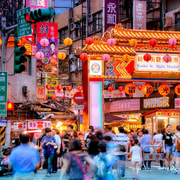
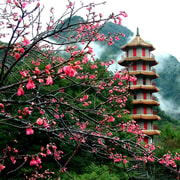
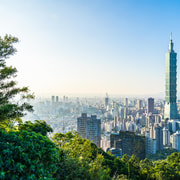
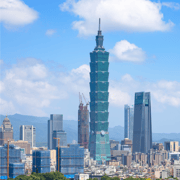
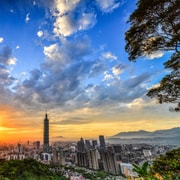
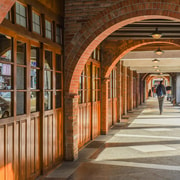
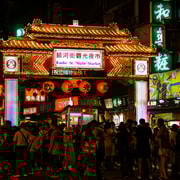
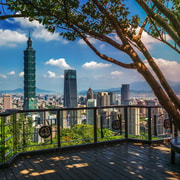
The Taipei Synthesis: A Comprehensive Analysis of Urban Evolution, Cultural Heritage, and Modern Dynamism in Taiwan’s Capital The modern metropolis of Taipei, situated within the northern reaches of Taiwan, represents a complex intersection of history, geography, and socio-economic transformation. As the political, economic, and cultural heart of the island, Taipei serves as a primary case study for Asian dynamism, where traditional structures and ancient spiritual practices are seamlessly integrated into a high-technology global hub. The city’s identity is not a singular narrative but a palimpsest of indigenous origins, Qing Dynasty administration, Japanese colonial planning, and post-war rapid industrialization. This report provides an exhaustive examination of the factors that define Taipei, ranging from its geological foundations and architectural heritage to its sophisticated culinary ecosystem and natural retreats. The Foundations of the Taipei Basin: From Tribal Land to Provincial Capital The geographical landscape of the Taipei Basin was originally defined by its marshy terrain and river systems, providing a fertile but challenging environment for its earliest inhabitants. Long before the arrival of Han Chinese settlers, the region was the domain of the Ketagalan and Basay peoples, Plains Indigenous tribes who had inhabited the area for thousands of years. These indigenous communities established a life centered around the Tamsui River and its tributaries, utilizing the basin’s natural resources for sustenance and local trade. The shift toward the city’s current urban form began in the early 18th century. Han Chinese colonists primarily from the Fujianese counties of Anxi, Tong’an, and Yongding began to settle in the basin around 1709, focusing on the cultivation of rice and the trade of camphor and sugar. The emergence of Bangka (modern-day Wanhua) and Dadaocheng (Twatutia) as major trading hubs in the mid-19th century was driven by the global demand for Formosan tea, which necessitated the development of sophisticated processing facilities and port infrastructure along the Tamsui River. Chronological Milestones of Early Development | Year/Period | Event | Administrative/Social Impact | |—|—|—| | Pre-1700s | Basay/Ketagalan Sovereignty | Tribal settlements dominated by river-based agriculture. | | 1709 | Initial Han Chinese Colonization | Settlers from Fujian begin systematic agricultural development. | | 1851 | First Shops in Dadaocheng | Foundations of the tea and camphor export industry. | | 1875 | Creation of Taipeh Prefecture | Formal administrative separation from southern Taiwan. | | | 1887 | Designation as Provincial Capital | | | 1891 | Rail Connection to Keelung | In 1875, the Qing Dynasty recognized the strategic importance of the northern basin by establishing Taipeh Prefecture. The construction of the “inner city” (Chengnei) followed, complete with defensive walls and monumental gates intended to secure the administrative center. By 1894, Taipei was formally established as the provincial capital, just prior to the geopolitical shifts that would bring the island under Japanese rule. Urban Metamorphosis: The Colonial and Post-War Layers The transition to Japanese colonial rule in 1895 initiated a radical restructuring of Taipei’s urban fabric. Japanese planners viewed Taipei as a model for modern city governance, implementing advanced infrastructure that largely erased the medieval character of the walled city. The demolition of the city walls—leaving only the gates as historical anchors—facilitated the construction of wide boulevards, a centralized drainage system, and extensive railroad links that connected the capital to the island’s industrial peripheries. The Japanese Architectural Legacy During the 1902-1945 period, Taipei saw the rise of Neoclassical and Eclectic architecture, styles that were promoted by the Japanese to symbolize their modernization efforts. Buildings such as the Presidential Office, the National Taiwan Museum, and the Hot Springs Museum in Beitou reflect this European influence, utilizing stone, red brick, and arched windows to create a sense of imperial permanence. Simultaneously, traditional Japanese residential architecture, with its signature black-tiled roofs and wooden frames, proliferated in neighborhoods like Zhongshan, creating a hybrid urban aesthetic that remains a defining characteristic of these districts today. Post-1945 Identity and Regionalism Following the conclusion of World War II and the relocation of the Republic of China (ROC) government to Taiwan in 1949, Taipei underwent another transformation. The new administration sought to replace the Japanese colonial identity with a version of Chinese nationalism. This led to the era of “Regionalism” in architecture, characterized by large-scale public projects that incorporated traditional Chinese motifs—such as the blue-tiled octagonal roof of the Chiang Kai-shek Memorial Hall and the Grand Hotel’s towering red columns and palace-style facade. These landmarks were designed to reinforce the city’s status as a center of Chinese cultural heritage. The 1960s and 1970s marked a period of rapid economic growth and Westernization, influenced significantly by U.S. culture and global economic integration. The focus shifted from monumental nationalism to modern urban utility, eventually culminating in the 1981 transition toward contemporary international styles. The Architectural Iconography of the 21st Century Taipei’s modern skyline is dominated by Taipei 101, a structure that serves as both a feat of engineering and a deep cultural symbol. Completed in 2004, the building held the title of the world’s tallest for six years. Beyond its height of 508 meters, the tower’s design by C.Y. Lee incorporates the “growing bamboo” motif, signifying strength and resilience in the face of natural adversity. Engineering and Symbolism of Taipei 101 | Feature | Specification | Cultural/Technical Significance | |—|—|—| | Height | 508 Meters | Symbol of Taiwan’s economic entry into the new millennium. | | Tuned Mass Damper | 660 Metric Tons | Visible steel sphere that stabilizes the tower against typhoons. | | Elevator Speed | 1,010 Meters/Minute | Reaches the 89th floor in 37 seconds. | | Architectural Motif | Bamboo Stalk | Represents longevity and the ability to bend without breaking. | The Xinyi District, where Taipei 101 is located, represents the pinnacle of the city’s entrepreneurial governance. Once a region of agricultural fields, it has been transformed into a “Manhattan of Taipei,” characterized by luxury malls such as Breeze NanShan and Shin Kong Mitsukoshi, alongside high-end residential skyscrapers. This district embodies the city’s commitment to sustainability and sophistication, balancing commerce with proximity to the nature trails of the Four Beasts Scenic Area. The Culinary Ecosystem: Night Markets as Social and Gastronomic Hubs Taipei’s food culture is widely considered its most prominent cultural feature, with night markets serving as the epicenter of this identity. These markets, which often originated near temples as gathering spots for migrant workers in the 1950s, have evolved into sophisticated environments where centuries-old recipes meet modern innovation. The Sociology of the Night Market Night markets in Taipei are more than mere food courts; they are vital social spaces that operate from late afternoon until midnight, offering an immersion into the rhythm of local life. The markets are characterized by a sense of “democratic dining,” where Michelin-awarded stalls sell dishes for a few dollars, making high-quality culinary experiences accessible to all. * Raohe Street Night Market: Stretching 500 meters between Ciyou Temple and the western entrance gate, Raohe is frequently cited by connoisseurs as the city’s premier food destination due to its high concentration of Michelin-recognized vendors. The layout consists of two narrow lanes that channel dense crowds through a sensory landscape of neon lights and aromatic vapors. * Shilin Night Market: As the city’s largest market, Shilin offers a vast array of both traditional snacks and trendy innovations. Its international fame is bolstered by an underground food court that provides a climate-controlled alternative to the street-level stalls. * Ningxia Night Market: Maintaining a more local atmosphere, Ningxia is renowned for its traditional Taiwanese snacks, particularly its oyster omelets and liver soups. Taxonomy of Essential Street Foods The variety of snacks (xiaochi) in Taipei reflects the island’s multifaceted history. Many dishes are fusion creations resulting from the blending of Fujianese traditions with Japanese influences and post-war modifications. * Beef Noodle Soup (Niu Rou Mian): Regarded as the national dish of Taiwan, its proliferation is a direct result of post-war history. When the U.S. provided surplus wheat to Taiwan, the local population adapted it into noodles, eventually pairing them with braised beef and rich, spiced broths. * Pork Pepper Buns (Hu Jiao Bing): Originating from Fuzhou, these buns are stuffed with peppery pork and scallions, then roasted in cylindrical clay ovens similar to a tandoor, giving them a smoky, crispy exterior. * Gua Bao: Often referred to as the “Taiwanese hamburger,” this dish features a steamed bun filled with braised pork belly, pickled mustard greens, and peanut powder, creating a complex balance of fatty, sour, and sweet flavors. * Stinky Tofu (Chou Doufu): A fermented tofu dish that is either deep-fried for a crispy texture or simmered in a spicy broth. Its distinct aroma is a hallmark of the night market experience. Historic Revitalization: The Legacy of Dadaocheng and Dihua Street While districts like Xinyi represent the future, Dadaocheng serves as the guardian of Taipei’s mercantile past. As the center for the 19th-century tea and textile trade, the area features the city’s oldest historic street, Dihua Street. Architecture and Commerce in Dadaocheng The shophouses of Dihua Street are architectural hybrids, featuring Fujianese brickwork alongside Baroque-style facades and Japanese colonial details. This area has undergone significant revitalization, transitioning from a declining wholesale district into a vibrant cultural zone where traditional herbalists and tea merchants coexist with modern designer boutiques and third-wave coffee shops. * Xia Hai City God Temple: A focal point of the community since 1859, the temple is famously visited by young people seeking the assistance of “Old Man Under the Moon” (Yue Lao) in finding romantic partners. * Yongle Market: A hub for the textile industry where visitors can find traditional fabrics and participate in costume experiences that replicate the “roaring 1920s” of Taipei. * Tea Culture: As the historic gateway for tea exports, Dadaocheng remains the best location to experience traditional tea ceremonies, particularly focusing on Pouchong and Oolong varieties. Nature-Urban Interface: The Volcanic and Mountainous Landscapes Taipei’s geography is unique for its immediate proximity to active geothermal zones and dense subtropical forests. The city is bounded by the Datun Volcano Group to the north and the rolling hills of the Maokong tea plantations to the south. Yangmingshan National Park: A Geological Playground Yangmingshan serves as the “green lung” of Taipei, offering a diverse array of dormant volcanoes and fumaroles. The park is characterized by its high-altitude grasslands at Qingtiangang, where water buffaloes roam across a landscape formed by ancient lava flows. | Trail/Area | Primary Feature | Difficulty/Experience | |—|—|—| | Qingtiangang | Volcanic plateau/grasslands | Easy; popular for photography and buffalo viewing. | | Xiaoyoukeng | Steaming sulfur vents | Accessible; close-up views of post-volcanic activity. | | Qixing Mountain | Taipei’s highest peak | Moderate to Difficult; panoramic views of the coast. | | Flower Clock | Seasonal gardens | Easy; center for cherry blossom festivals in spring. | Beitou: Wellness and Geothermal History The Beitou district represents the intersection of nature and history, serving as the city’s primary hot spring resort. The source of the springs is the Thermal Valley, where sulfuric water bubbles at temperatures near boiling. The district’s development as a wellness center was largely a Japanese innovation, which integrated hot spring culture into the local lifestyle. Elephant Mountain (Xiangshan) and the Four Beasts For the most iconic panoramic views of Taipei 101 and the city skyline, locals and tourists frequent the Elephant Mountain trail. Part of the larger Four Beasts Scenic Area, this short but steep staircase ascent provides multiple viewpoints that are particularly favored at sunset when the city lights begin to engage. Seasonal Focus: December in Taipei and 2025/2026 Celebrations December is a period of heightened cultural activity in Taipei, as the city embraces winter festivals and prepares for the globally broadcast New Year’s Eve fireworks at Taipei 101. Meteorological Considerations for the Winter Traveler Taipei’s winter is characterized by its high humidity (75-85%), which can make the mild temperatures of 15^{\circ}C to 21^{\circ}C feel significantly cooler. Frequent light drizzle is common, necessitating a strategy of layering and waterproof outerwear. The 2025 Festive Calendar | Event | Date(s) | Highlights | |—|—|—| | Christmasland | Nov 14 – Dec 28 | “Circus Carnival” theme in Banqiao with massive light shows. | | German Christmas Market | Late Nov – Mid Dec | Traditional food and mulled wine at Taipei Expo Park. | | Taipei Marathon | Dec 21, 2025 | Major international race starting at City Hall. | | Taipei 101 Fireworks | Dec 31 – Jan 1 | “SPARK 101” theme celebrating “Taiwan’s Invisible Heroes”. | | Tamsui Fireworks | Dec 31, 8:25 PM | Earlier display for families; releases sky lanterns. | The 2024-2025 “SPARK 101” celebration marks a significant branding shift for Taipei 101, incorporating the first-ever projection of popular cartoon characters alongside the traditional three-minute fireworks display. Societal Mechanics: Logistics, Etiquette, and Sustainable Living Taipei is frequently lauded for its high degree of safety, cleanliness, and public order, which are maintained through strict societal norms and efficient governmental systems. The MRT Ecosystem and Metro Etiquette The Taipei Metro (MRT) is more than a transit system; it is a space of rigorous social discipline. Passengers are expected to line up neatly at designated platform markings and stand to the right on escalators to allow others to pass. The “dark blue seats” are strictly reserved for the elderly, disabled, or pregnant, a rule that is followed even when the train is crowded, reflecting the deep cultural respect for those in need. Tipping and Ordering Customs In contrast to North American habits, tipping is not expected in Taiwan. In many restaurants, a 10% service fee is automatically added to the bill. In local eateries, customers often pay at the time of ordering rather than at the end of the meal, a system that avoids the need to attract a server’s attention later. The “Maiden’s Prayer”: Innovative Waste Management Taipei’s waste disposal system is famously unique. To avoid the accumulation of trash on streets, the city employs a “trash doesn’t touch the ground” policy. Residents must bring their sorted waste out to meet yellow and white garbage trucks that play classical melodies like Beethoven’s “Für Elise” or Badarzewska-Baranowska’s “A Maiden’s Prayer” to announce their arrival. Cultural Do’s and Don’ts * Chopsticks: Never stab chopsticks vertically into a bowl of rice, as this mimics the incense offerings for the deceased and is considered an ill omen. * Red Ink: Avoid writing names in red ink, a color traditionally reserved for funeral banners and the deceased. * Gifts: When visiting a home, bringing fruit or pastries is customary, but one should avoid giving clocks, umbrellas, or white flowers due to linguistic associations with death or separation. * Physical Space: Greetings usually involve a slight bow or a light handshake; overly physical gestures like hugging are typically reserved for very close friends. Future Outlook: Taipei as a Global Model for Sustainable Urbanism Taipei continues to evolve under the context of globalization and democratization, shifting from a state-led developmental model to an entrepreneurial governance that emphasizes public-private partnerships. The city’s commitment to sustainability is evident in its architectural requirements, such as the green-building certification of the Beitou Public Library, and its advanced recycling programs. As Taipei looks toward the 2026 period, it remains a symbol of contemporary Asian dynamism—a city that has successfully navigated the complexities of its colonial past to emerge as a diverse, international metropolis. Its ability to maintain a unique “Taipei charm”—uniting innovation, culture, and natural beauty—ensures its continued status as a primary destination for both business and leisure on the global stage. The resilience of the Ketagalan foundations, the mercantile spirit of Dadaocheng, and the vertical ambition of Xinyi all contribute to a city that is perpetually redefining itself while remaining deeply rooted in its heritage.
Sponsored Popular Items
Quick take: Musement.com offers a worldwide selection of tours and attractions
Taipei: Taipei Night Market Experience Best deals for Taipei: Taipei Night Market Experience. Explore Taipei's night markets on a guided tour. Savor a local snack and boba drink, learn about the culture and history of street foods, and try your hand at traditional night market games. Available from getyourguide.com.
Taipei: Taipei-Hualien one day tour Best deals for Taipei: Taipei-Hualien one day tour. Discover Hualien and Taroko Gorge on a day trip from Taipei. Depart from Xingtian Temple, stroll through Xincheng Old Street, and explore the scenic Tianxiang Recreation Area. Available from getyourguide.com.
Taipei: Taipei 101 Observatory - Skyline 460 Cloud Walk Best deals for Taipei: Taipei 101 Observatory - Skyline 460 Cloud Walk. Elevate your adventure at Taipei 101’s Skyline 460, Asia’s highest outdoor observatory. Soak in breathtaking panoramic views of Taipei, enjoy guided tours, and skip the lines with fast-track access. Available from getyourguide.com.
Taipei: City Landmarks, Taipei 101 Express & Din Tai Fung Best deals for Taipei: City Landmarks, Taipei 101 Express & Din Tai Fung. Experience Taipei from past to present. Explore Longshan Temple and Chiang Kai-shek Memorial Hall, skip the lines at Taipei 101, and savor world-famous dumplings at Din Tai Fung. Available from getyourguide.com.
Taipei: City Highlights Tour with Taipei 101 Observatory Best deals for Taipei: City Highlights Tour with Taipei 101 Observatory. Explore Taipei’s iconic landmarks on a guided tour. Visit the National Palace Museum, Longshan Temple, and Chiang Kai-shek Memorial Hall. Enjoy views from the Taipei 101 Observatory. Available from getyourguide.com.
Taipei: Priority Pass Taipei 101 Observatory Deck Ticket Best deals for Taipei: Priority Pass Taipei 101 Observatory Deck Ticket. Witness unforgettable, panoramic views over Taipei City from the observation deck of the iconic Taipei 101. Enjoy skip-the-line access and avoid the long wait to enter this popular attraction. Available from getyourguide.com.
From Taipei: Private Classic Taipei Timeless Treasures Tour Best deals for From Taipei: Private Classic Taipei Timeless Treasures Tour. Discover Taipei's iconic landmarks on our Timeless Treasures Tour. From historic landmark like The Grand Hotel to bustling Ximending, immerse yourself in the city's rich heritage!!! Available from getyourguide.com.
Taipei: Taipei 101, Din Tai Fung Dinner & Raohe Night Market Best deals for Taipei: Taipei 101, Din Tai Fung Dinner & Raohe Night Market. Experience Taipei’s night culture and iconic flavors: Savor Din Tai Fung’s cuisine, visit Ciyou Temple, and explore Raohe Night Market. Add an optional Taipei 101 Express Pass to complete your tour. Available from getyourguide.com.
Taiwan Taipei: 8-Hour Customized Taipei City Exploration! Best deals for Taiwan Taipei: 8-Hour Customized Taipei City Exploration!. 😎 Experience Taipei like never before with our customized 8-hour Taipei City tour. Instead of a fixed itinerary, we offer you the freedom to craft your own urban adventure! Let's GO! Available from getyourguide.com.