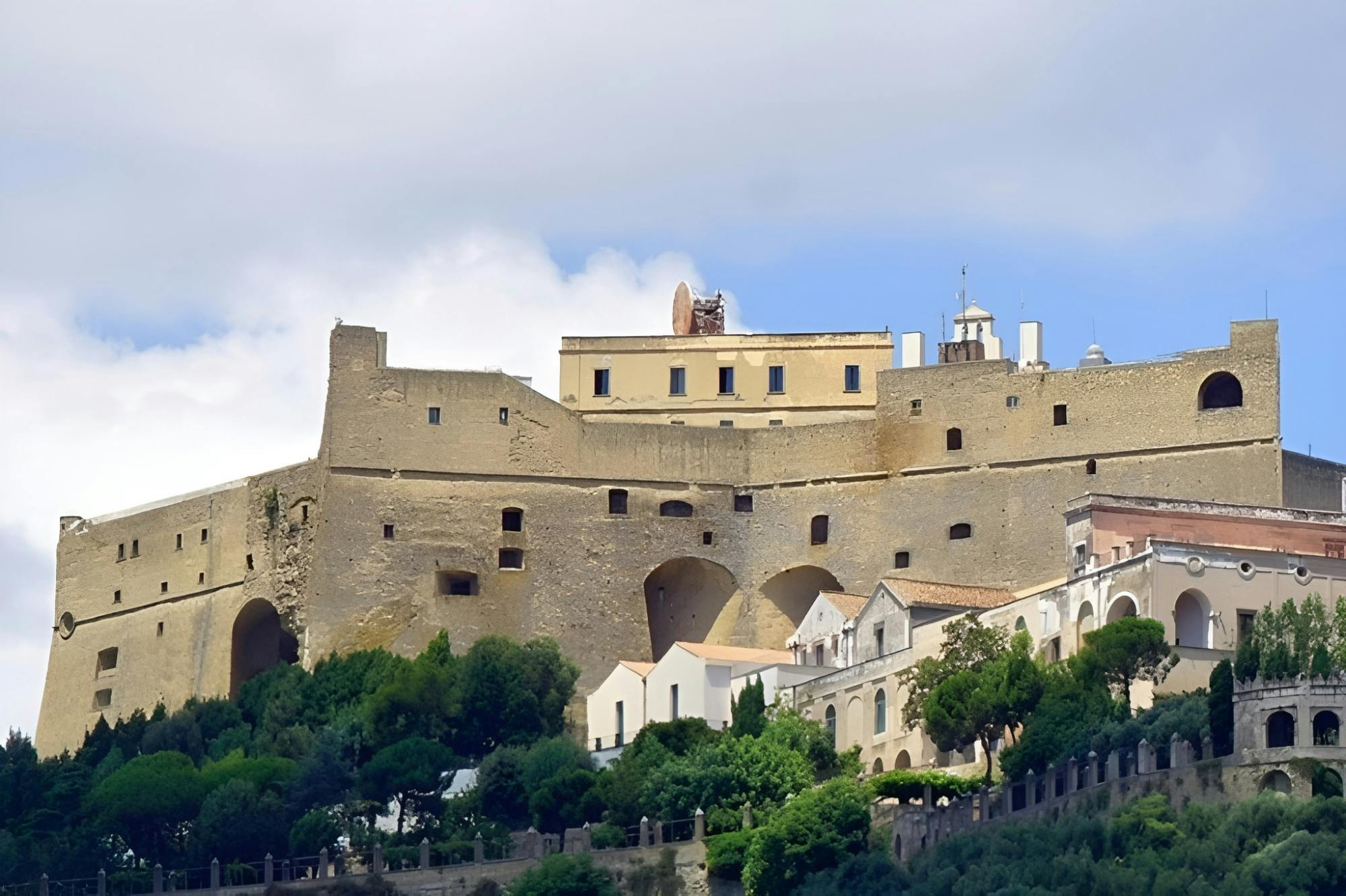
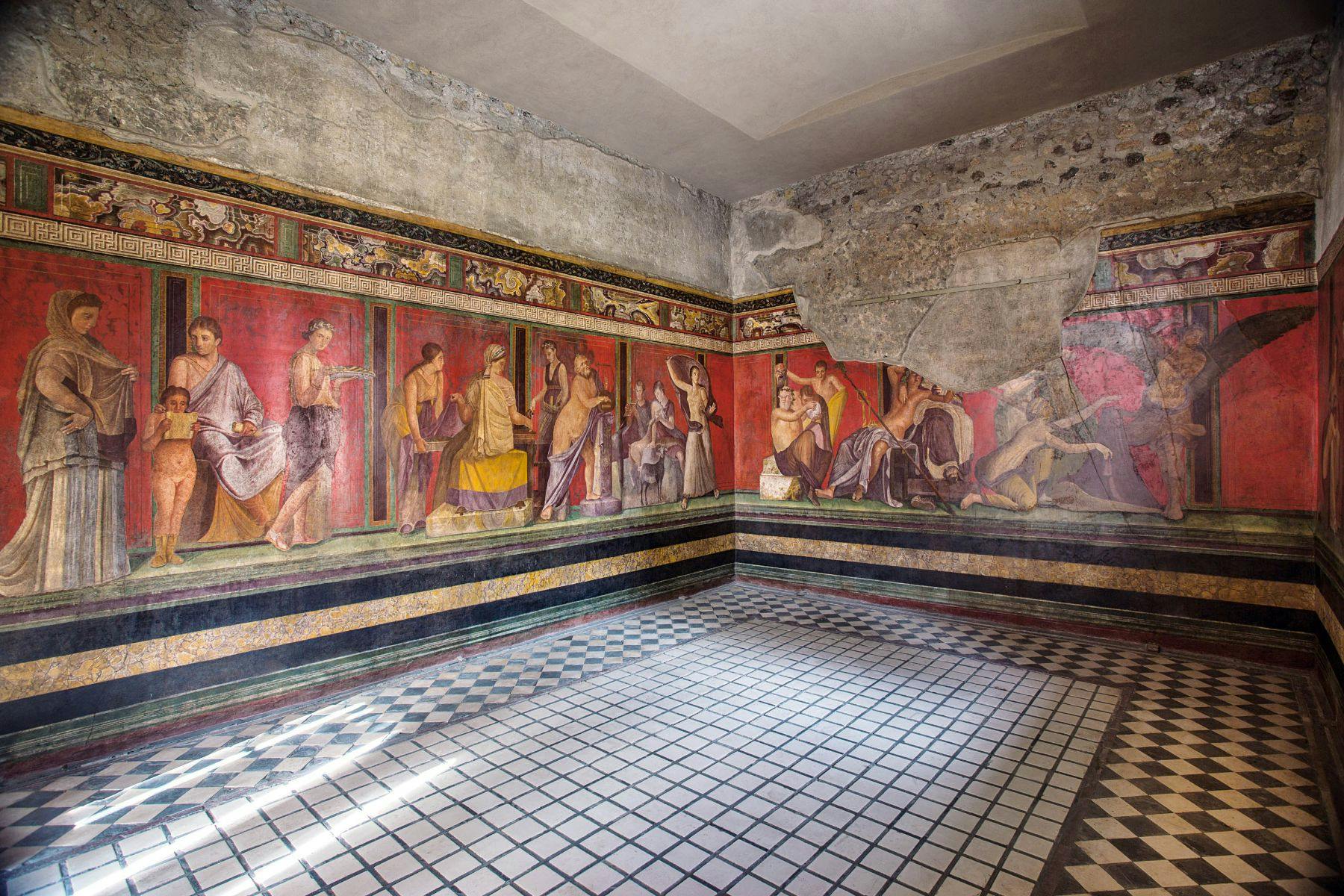
The Royal Palace of Naples (Palazzo Reale di Napoli) is one of Italy’s most impressive historical residences, standing proudly in Piazza del Plebiscito — the ceremonial heart of Naples. Built in the early 17th century for the Spanish viceroys and later expanded by the Bourbon dynasty, the palace offers a magnificent journey through royal life, European power, and Neapolitan history.
With grand staircases, gilded halls, frescoed ceilings, and a vast collection of artwork and period furnishings, the palace is a highlight for architecture lovers, history enthusiasts, and anyone exploring Naples’ cultural treasures.
⭐ Why Visit the Royal Palace of Naples?
1. Lavish Royal Apartments
Walk through room after room of exquisite:
silk-lined walls
chandeliers
gold-framed mirrors
ornate furniture
frescoes and tapestries
Each space reflects different royal tastes from the 17th–19th centuries.
2. The Throne Room
One of the palace’s most impressive chambers, decorated with:
Bourbon emblems
rich crimson textiles
intricately painted ceilings
portraits of past monarchs
A must-see for anyone fascinated by European royal history.
3. The Grand Staircase (Scalone d’Onore)
Designed by famed architect Gaetano Genovese, this marble staircase is widely considered one of the most beautiful in Italy — a dramatic entrance to the palace’s upper levels.
4. The Royal Chapel
Featuring stunning Baroque decor, ancient relics, and the perfect blend of art and spirituality.
5. Historic Gardens & Courtyards
The palace grounds include peaceful courtyards and gardens ideal for a quiet break from the bustling city.
🧭 What to See Inside
✔ The Palatine Library
A treasure for book lovers, with shelves of rare manuscripts and historic volumes.
✔ Hall of Hercules
An opulent space once used for grand receptions and celebrations.
✔ Ballroom & Concert Rooms
Showcasing the splendour of courtly life and the importance of music in the Bourbon era.
✔ Porcelain and Tapestry Collections
Intricate, beautifully restored pieces reflecting the royal household’s taste for fine craftsmanship.
✔ Royal Portrait Gallery
A visual history of the rulers who shaped Naples, including the Bourbons, Spanish viceroys, and later kings of Italy.
📍 Location
The Royal Palace is centrally located in Piazza del Plebiscito, next to:
Teatro San Carlo
Galleria Umberto I
Via Toledo shopping street
Perfect for combining into a half-day itinerary.
🌞 Best Time to Visit
Weekday mornings: fewer crowds
Late afternoon: softer light for photos
Avoid weekends when Piazza del Plebiscito is busiest
The palace is cool inside, making it ideal even on hot Naples summer days.
🎟️ Tickets & Info
A standard ticket includes access to:
The Royal Apartments
Museum areas
Courtyards
Exhibitions (when available)
Audio guides (or app-based guides) are available and highly recommended.
📝 Helpful Tips
Wear comfortable shoes — there’s plenty of walking
Photography is allowed in many areas, but flash may be restricted
Combine your visit with Teatro San Carlo for a royal-themed day
Reserve tickets in advance during peak season
❓ Quick Q&A
Q: How long do you need to visit? A: 1.5–2 hours for a full visit.
Q: Is the Royal Palace suitable for children? A: Yes — the decorative rooms and grand staircase are impressive for all ages.
Q: Can you visit the gardens? A: Some areas are open to the public; others may depend on restoration schedules.
Q: Is it worth a guided tour? A: Absolutely — the palace’s history is rich and layered.
🌅 Final Thoughts
The Royal Palace of Naples is a masterpiece of royal architecture and a key part of the city’s cultural identity. From its majestic halls to its detailed artworks and imposing façade, it offers a fascinating glimpse into centuries of Neapolitan power and European history. Whether you’re a lover of palaces, art, or simply beautiful interiors, this landmark is a must-see during your visit to Naples.
Sponsored Popular Items
Quick take: Musement.com offers a worldwide selection of tours and attractions
Guided Tour of the 500 Domes Atop the Naples Cathedral Italy Plan Guided Tour of the 500 Domes Atop the Naples Cathedral, a cultural or heritage experience, with practical tips on timing, inclusions and what to check before booking. Compare current availability, prices and booking conditions before you go.
Historic Naples Bike Tour from Ancient Origins to Modern City Italy Plan Historic Naples Bike Tour from Ancient Origins to Modern City, a outdoor experience, with practical tips on timing, inclusions and what to check before booking. Compare current availability, prices and booking conditions before you go.
Castel Sant'Elmo Self-Guided Audio Tour in Naples Italy Plan Castel Sant'Elmo Self-Guided Audio Tour in Naples, a guided sightseeing experience, with practical tips on timing, inclusions and what to check before booking. Compare current availability, prices and booking conditions before you go.
The Three Tenors: Opera Arias, Naples and Songs Italy Plan The Three Tenors: Opera Arias, Naples and Songs, a guided sightseeing experience, with practical tips on timing, inclusions and what to check before booking. Compare current availability, prices and booking conditions before you go.
Pompeii, Sorrento & Positano Eight-Hour Group Tour from Naples Italy Pompeii, Sorrento and Positano Group Tour from Naples: Complete Day-Trip Guide is a convenient way to add structure, local context and purposeful sightseeing to the itinerary. Check current availability, inclusions and booking details before you go.
Royal Palace of Naples Visit – Royal Heritage Experience Italy Royal Palace Naples provides a structured way to visit a notable attraction or cultural site. Check current availability, inclusions and booking details before you go.