An ancient Roman city frozen in time beneath Mount Vesuvius
🏛️ Pompeii
An ancient Roman city frozen in time beneath Mount Vesuvius
Pompeii is one of the world’s most extraordinary archaeological sites. Buried under volcanic ash during the catastrophic eruption of Mount Vesuvius in AD 79, the city was preserved almost intact for nearly 1,700 years. Today, walking through Pompeii feels like stepping into everyday life in ancient Rome—streets, homes, shops, and even people remain astonishingly visible.
Located near Naples, Pompeii is a UNESCO World Heritage Site and one of Italy’s most compelling historical experiences.
⭐ Why Visit Pompeii
One of the best-preserved ancient cities in the world
Incredible insight into daily Roman life
Streets, villas, baths, temples, and theatres still standing
Iconic plaster casts of eruption victims
Easy day trip from Naples, Sorrento, or the Amalfi Coast
Pompeii isn’t just ruins—it’s a complete Roman city captured at a single moment in time.
🏺 Top Things to See in Pompeii
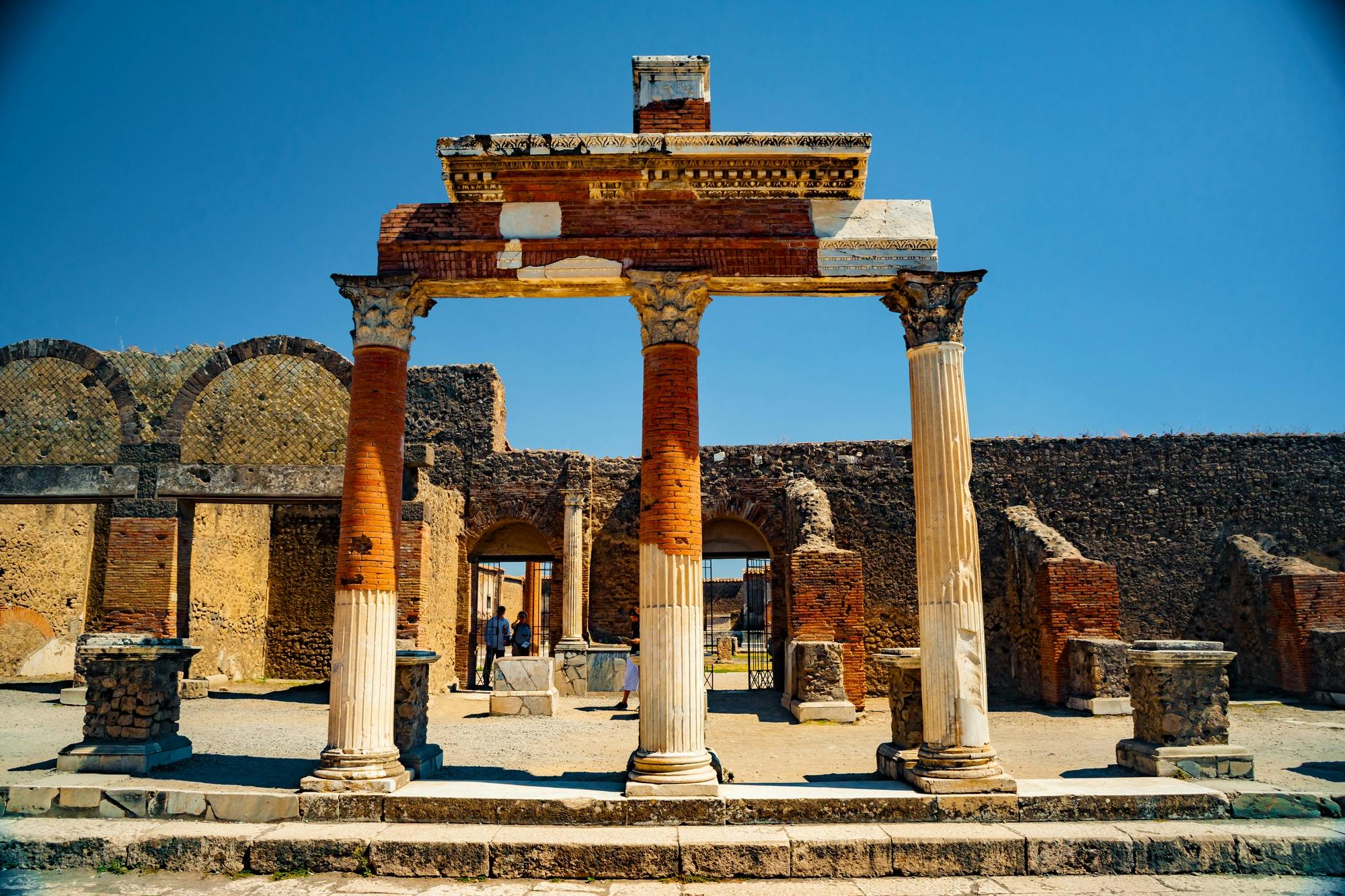
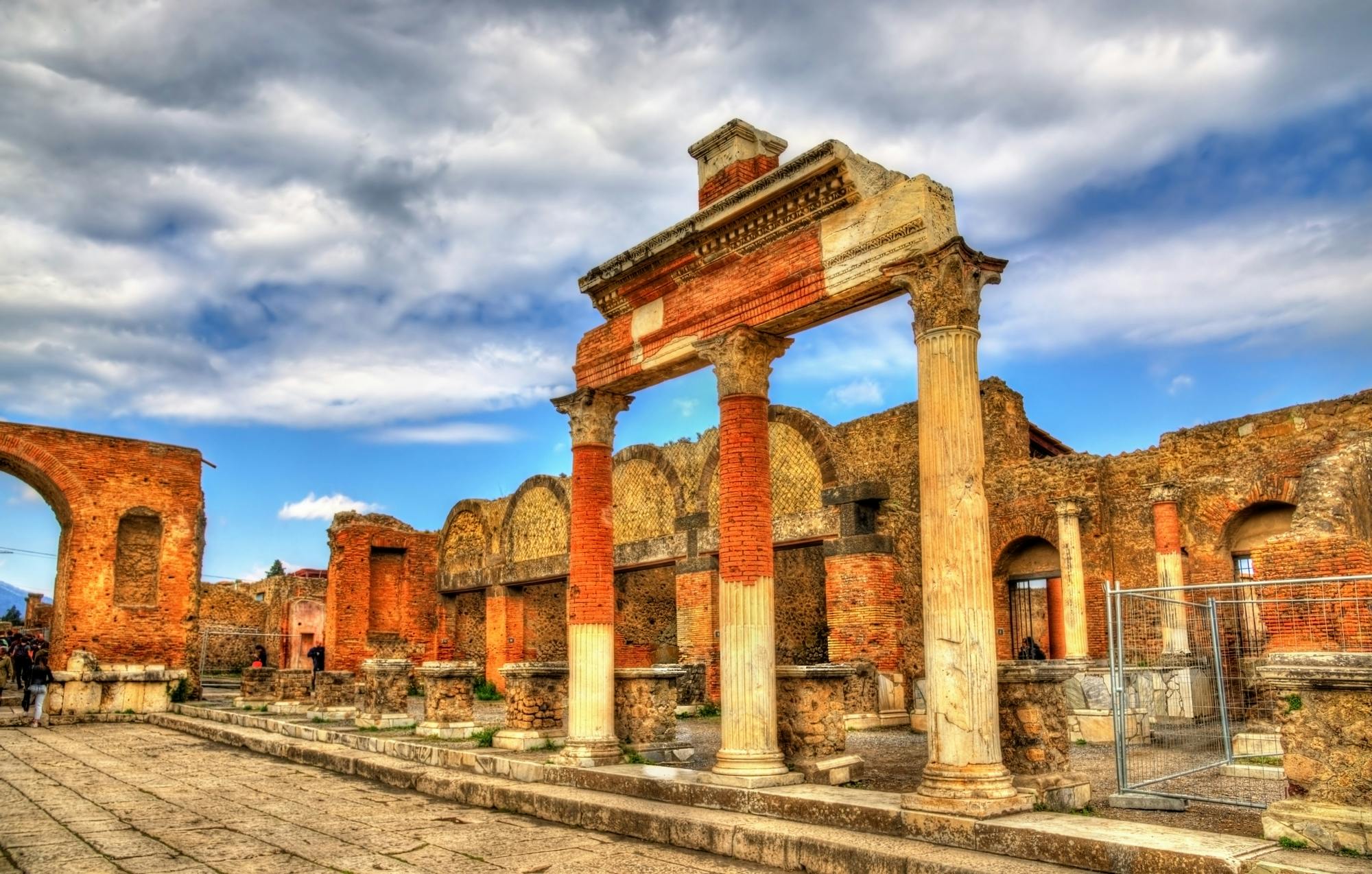
🏛️ 1. The Forum
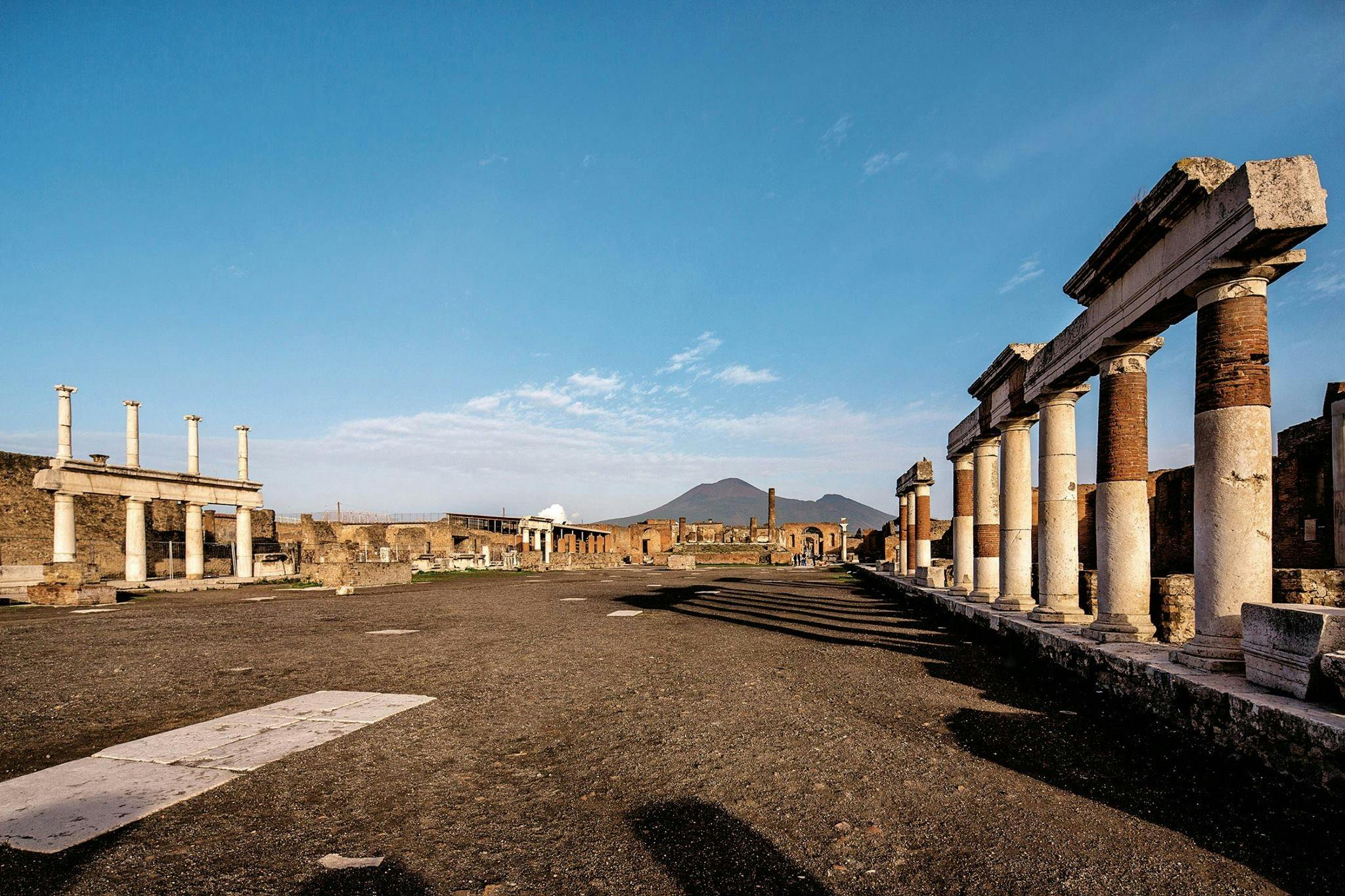
The civic heart of the city, surrounded by temples, markets, and public buildings, with Mount Vesuvius looming in the background.
🏠 2. Roman Houses & Villas
Explore remarkably preserved homes such as:
House of the Faun
House of the Vettii
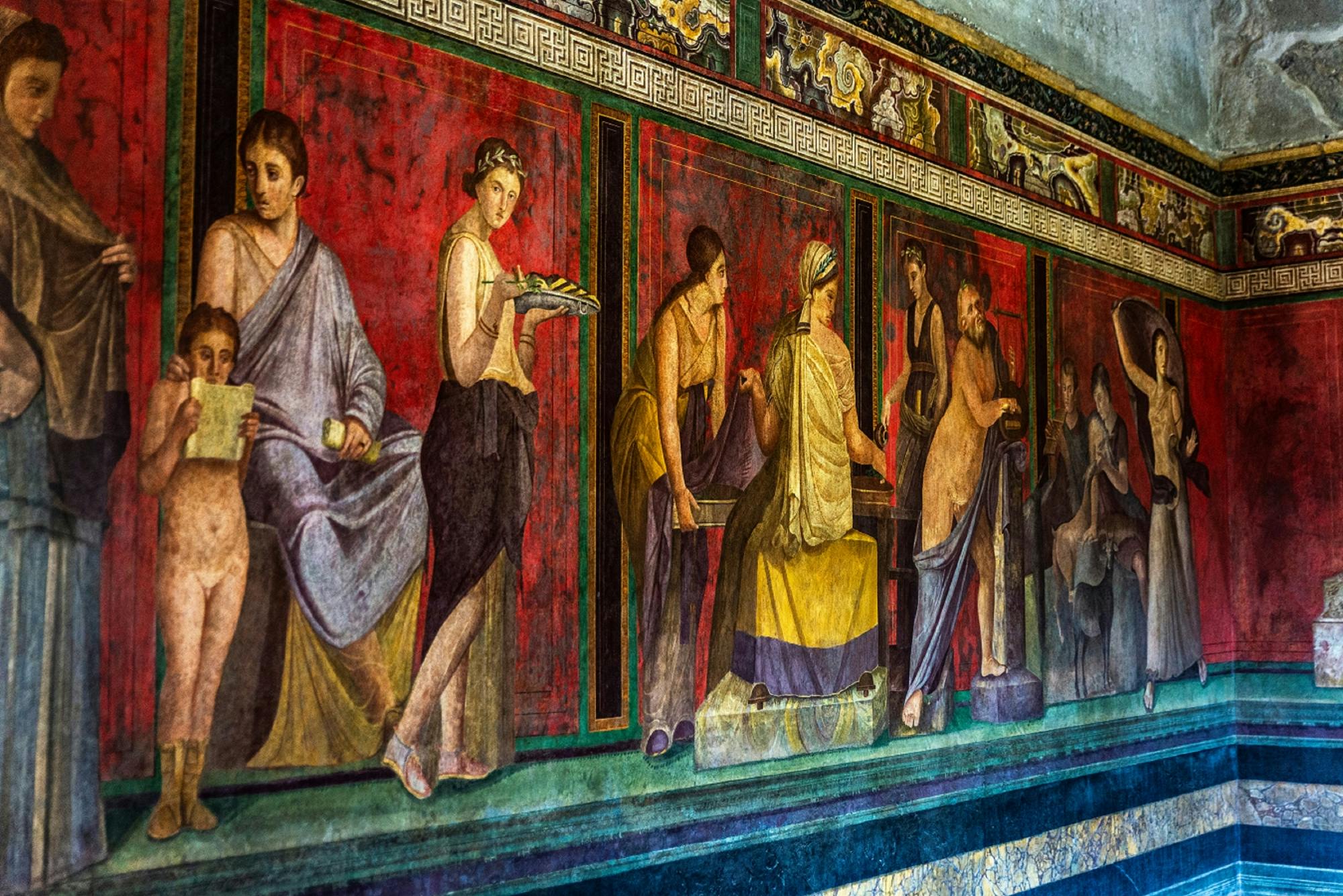
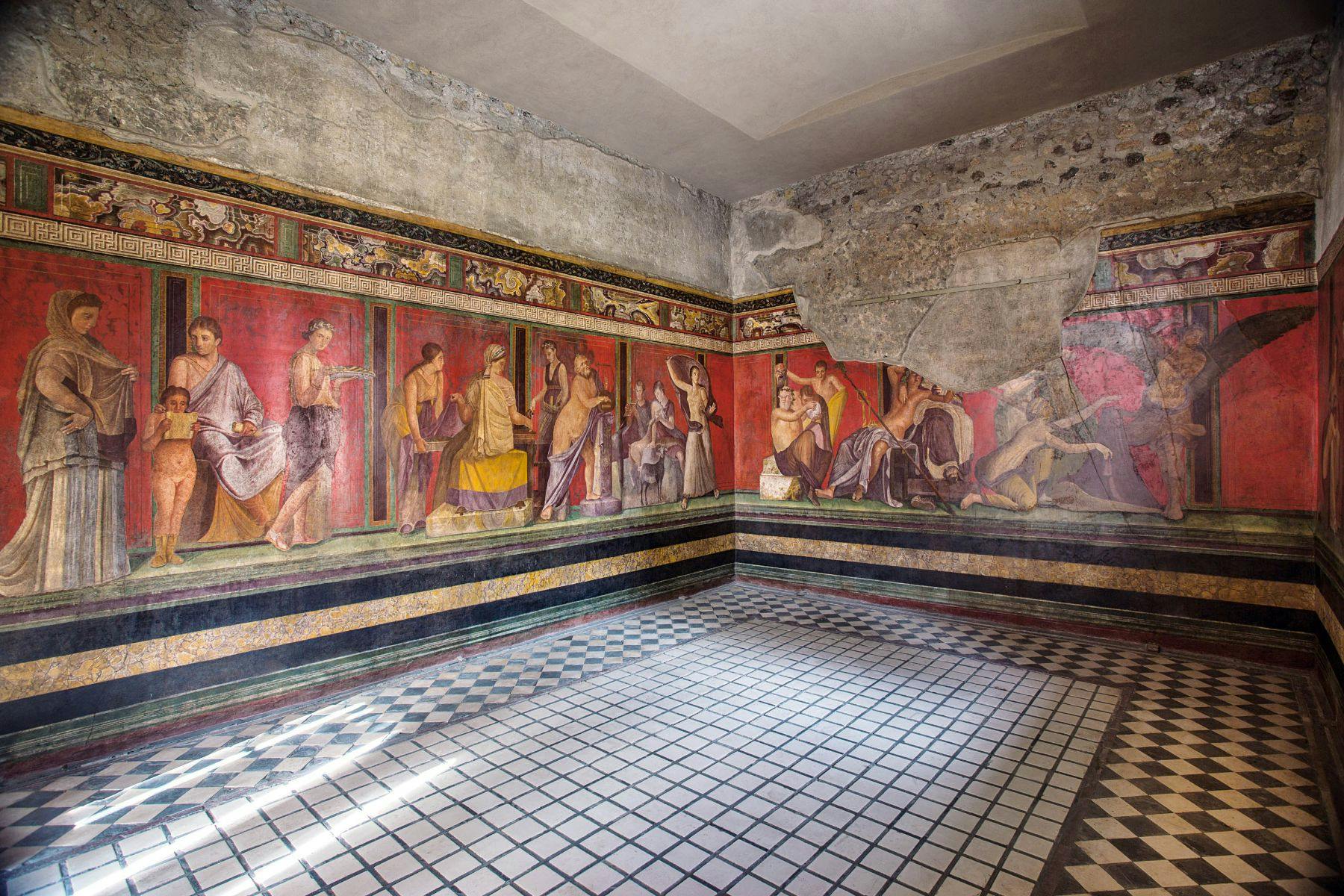
Villa of the Mysteries, famous for its vivid frescoes
These homes reveal wealth, art, and daily routines of Pompeii’s residents.
🎭 3. Theatres & Amphitheatre
Pompeii’s large amphitheatre—one of the oldest stone amphitheatres in the Roman world—once hosted gladiator battles and events.
🧱 4. Streets, Shops & Taverns
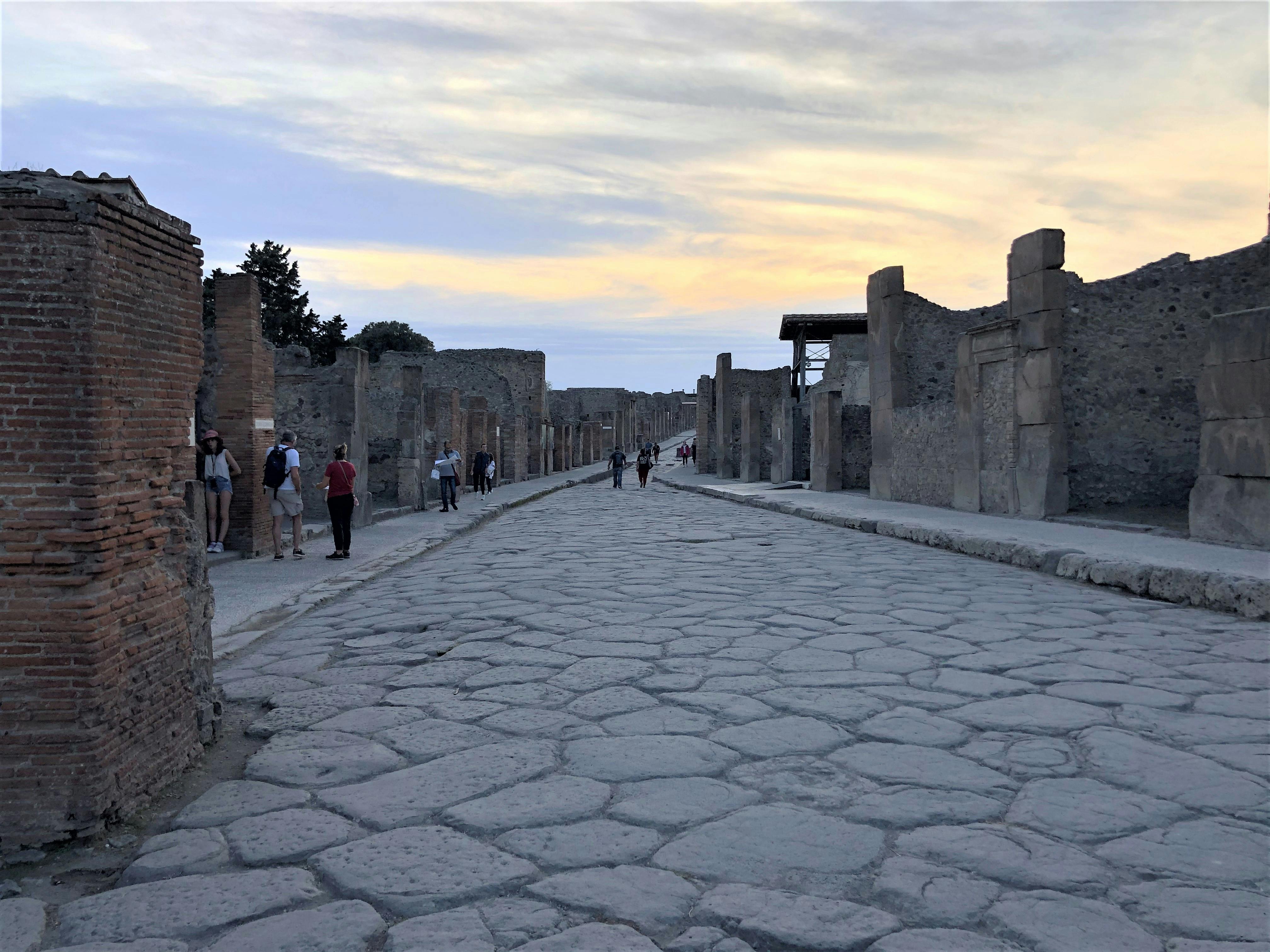
See ancient bakeries, wine bars, fast-food counters (thermopolia), and rutted stone streets still marked by cart tracks.
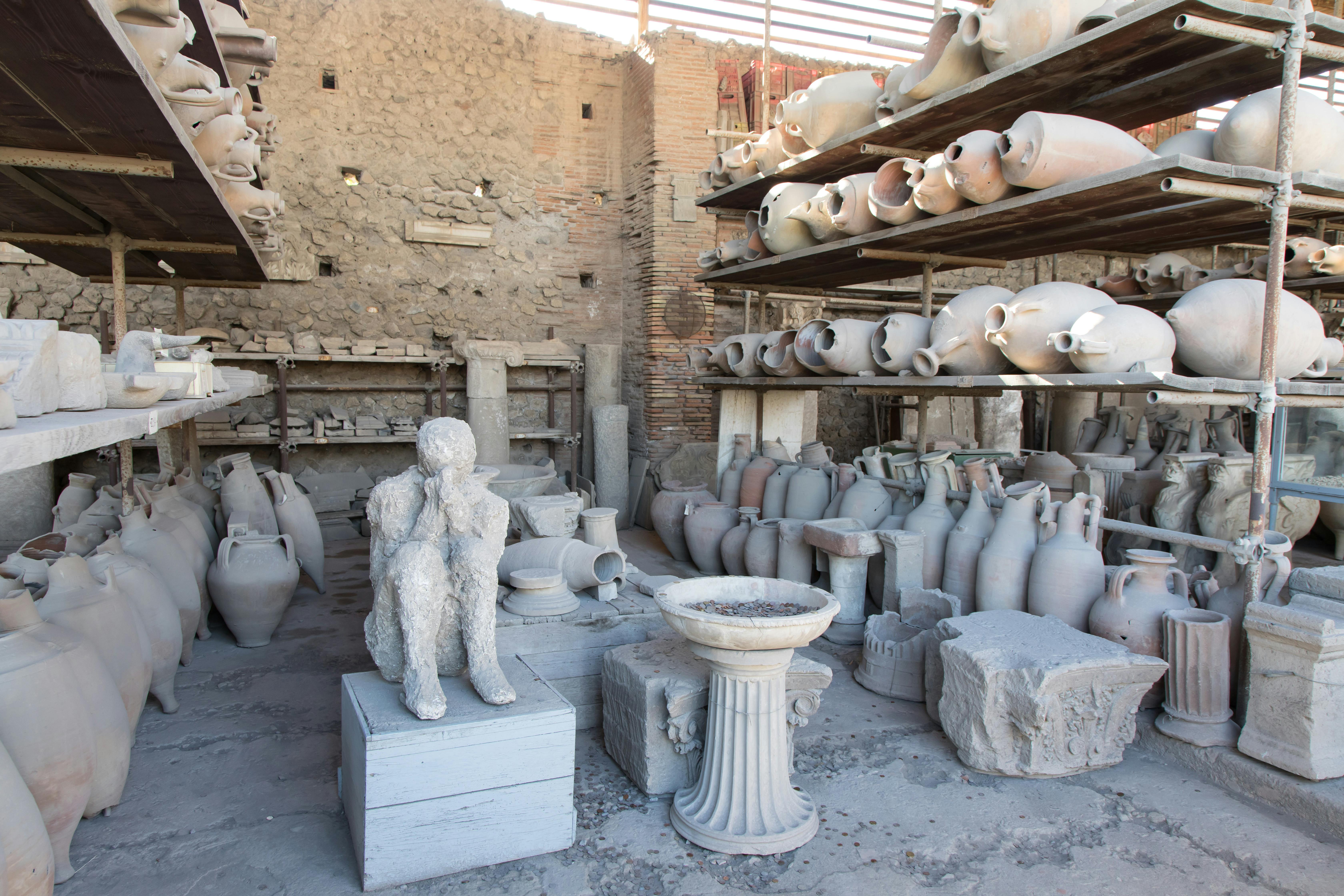
🧍 5. Plaster Casts of Victims
Perhaps the most moving part of the visit—casts preserve the final moments of residents caught in the eruption.
🌋 6. Views of Mount Vesuvius
The volcano that destroyed Pompeii still dominates the landscape and can be visited separately on a guided hike.
🎟️ Visiting Pompeii: Practical Tips
Allow 2–4 hours for the main site
Wear comfortable walking shoes—paths are uneven
Bring water, especially in summer
Consider a guided tour or audio guide for context
Early mornings or late afternoons are best to avoid crowds
🚆 How to Get There
From Naples: Circumvesuviana train (Pompei Scavi station)
From Sorrento: Direct train (~30 minutes)
From Amalfi Coast: Bus or ferry + train
Easily combined with Mount Vesuvius or Herculaneum
🕒 Best Time to Visit
Spring (April–May): Mild weather, fewer crowds
Autumn (September–October): Pleasant temperatures
Summer: Very hot and busy—arrive early
Winter: Quiet and atmospheric, cooler temperatures
❓ Quick Q&A
Q: Is Pompeii suitable for children? A: Yes, especially with guided tours, but the site is large and exposed.
Q: How does Pompeii compare to Herculaneum? A: Pompeii is larger and more expansive; Herculaneum is smaller but even better preserved.
Q: Can I visit Pompeii and Vesuvius in one day? A: Yes—many tours combine both comfortably.
Q: Do I need to book tickets in advance? A: Recommended during peak season to avoid queues.
🌟 Final Thoughts
Pompeii is one of those rare places that leaves a lasting impression. Walking its streets, peering into homes, and standing beneath the shadow of Vesuvius creates a powerful connection to the past. Whether you’re a history lover or a curious traveller, Pompeii offers a deeply human and unforgettable journey through time.
If you’d like this turned into copy-paste HTML with an AI Answer Capsule + Quick Facts + FAQ, or combined into an itinerary with Naples, Vesuvius, and the Amalfi Coast, just let me know.
Pompeii is one of the world’s most extraordinary archaeological sites. Buried under volcanic ash during the catastrophic eruption of Mount Vesuvius in AD 79, the city was preserved almost intact for nearly 1,700 years. Today, walking through Pompeii feels like stepping into everyday life in ancient Rome—streets, homes, shops, and even people remain astonishingly visible.
Located near Naples, Pompeii is a UNESCO World Heritage Site and one of Italy’s most compelling historical experiences.
⭐ Why Visit Pompeii
One of the best-preserved ancient cities in the world
Incredible insight into daily Roman life
Streets, villas, baths, temples, and theatres still standing
Iconic plaster casts of eruption victims
Easy day trip from Naples, Sorrento, or the Amalfi Coast
Pompeii isn’t just ruins—it’s a complete Roman city captured at a single moment in time.
🏺 Top Things to See in Pompeii
🏛️ 1. The Forum
The civic heart of the city, surrounded by temples, markets, and public buildings, with Mount Vesuvius looming in the background.
🏠 2. Roman Houses & Villas
Explore remarkably preserved homes such as:
House of the Faun
House of the Vettii
Villa of the Mysteries, famous for its vivid frescoes
These homes reveal wealth, art, and daily routines of Pompeii’s residents.
🎭 3. Theatres & Amphitheatre
Pompeii’s large amphitheatre—one of the oldest stone amphitheatres in the Roman world—once hosted gladiator battles and events.
🧱 4. Streets, Shops & Taverns
See ancient bakeries, wine bars, fast-food counters (thermopolia), and rutted stone streets still marked by cart tracks.
🧍 5. Plaster Casts of Victims
Perhaps the most moving part of the visit—casts preserve the final moments of residents caught in the eruption.
🌋 6. Views of Mount Vesuvius
The volcano that destroyed Pompeii still dominates the landscape and can be visited separately on a guided hike.
🎟️ Visiting Pompeii: Practical Tips
Allow 2–4 hours for the main site
Wear comfortable walking shoes—paths are uneven
Bring water, especially in summer
Consider a guided tour or audio guide for context
Early mornings or late afternoons are best to avoid crowds
🚆 How to Get There
From Naples: Circumvesuviana train (Pompei Scavi station)
From Sorrento: Direct train (~30 minutes)
From Amalfi Coast: Bus or ferry + train
Easily combined with Mount Vesuvius or Herculaneum
🕒 Best Time to Visit
Spring (April–May): Mild weather, fewer crowds
Autumn (September–October): Pleasant temperatures
Summer: Very hot and busy—arrive early
Winter: Quiet and atmospheric, cooler temperatures
❓ Quick Q&A
Q: Is Pompeii suitable for children? A: Yes, especially with guided tours, but the site is large and exposed.
Q: How does Pompeii compare to Herculaneum? A: Pompeii is larger and more expansive; Herculaneum is smaller but even better preserved.
Q: Can I visit Pompeii and Vesuvius in one day? A: Yes—many tours combine both comfortably.
Q: Do I need to book tickets in advance? A: Recommended during peak season to avoid queues.
🌟 Final Thoughts
Pompeii is one of those rare places that leaves a lasting impression. Walking its streets, peering into homes, and standing beneath the shadow of Vesuvius creates a powerful connection to the past. Whether you’re a history lover or a curious traveller, Pompeii offers a deeply human and unforgettable journey through time.
Sponsored Popular Items
Quick take: Musement.com offers a worldwide selection of tours and attractions
Tour of Pompeii and Mount Vesuvius from Naples Italy Plan Tour of Pompeii and Mount Vesuvius from Naples, a guided sightseeing experience, with practical tips on timing, inclusions and what to check before booking. Compare current availability, prices and booking conditions before you go.
Tour of Pompeii from Naples Italy Plan Tour of Pompeii from Naples, a guided sightseeing experience, with practical tips on timing, inclusions and what to check before booking. Compare current availability, prices and booking conditions before you go.
Pompeii Ruins and Amalfi Coast Experience from Salerno Italy Plan Pompeii Ruins and Amalfi Coast Experience from Salerno, a guided sightseeing experience, with practical tips on timing, inclusions and what to check before booking. Compare current availability, prices and booking conditions before you go.
Pompeii, Sorrento & Positano Eight-Hour Group Tour from Naples Italy Pompeii, Sorrento and Positano Group Tour from Naples: Complete Day-Trip Guide is a convenient way to add structure, local context and purposeful sightseeing to the itinerary. Check current availability, inclusions and booking details before you go.
Pompeii Afternoon-to-Sunset Small-Group Tour Italy Pompeii Small-Group Tour from Afternoon to Sunset: Complete Visitor Guide is a convenient way to add structure, local context and purposeful sightseeing to the itinerary. Check current availability, inclusions and booking details before you go.
Pompeii & Vesuvius Small-Group Tour from Amalfi with Priority Entry Italy Pompeii and Vesuvius small group tour from Amalfi with skip-the-line tickets is a convenient way to add structure, local context and purposeful sightseeing to the itinerary. Check current availability, inclusions and booking details before you go.