Chichén Itzá is one of the most iconic archaeological sites in the world and a UNESCO World Heritage Site, located in Mexico’s Yucatán Peninsula. Once a powerful Maya city and a centre of astronomy, engineering, and religious ceremonies, it now stands as a testament to the brilliance of an ancient civilization. In 2007, it earned recognition as one of the New Seven Wonders of the World—and for good reason.
Whether you’re drawn by its cultural significance, architectural precision, or mythical allure, Chichén Itzá remains a must-see for any traveller to Mexico.
⭐ Why Visit Chichén Itzá?
1. Awe-inspiring Architecture
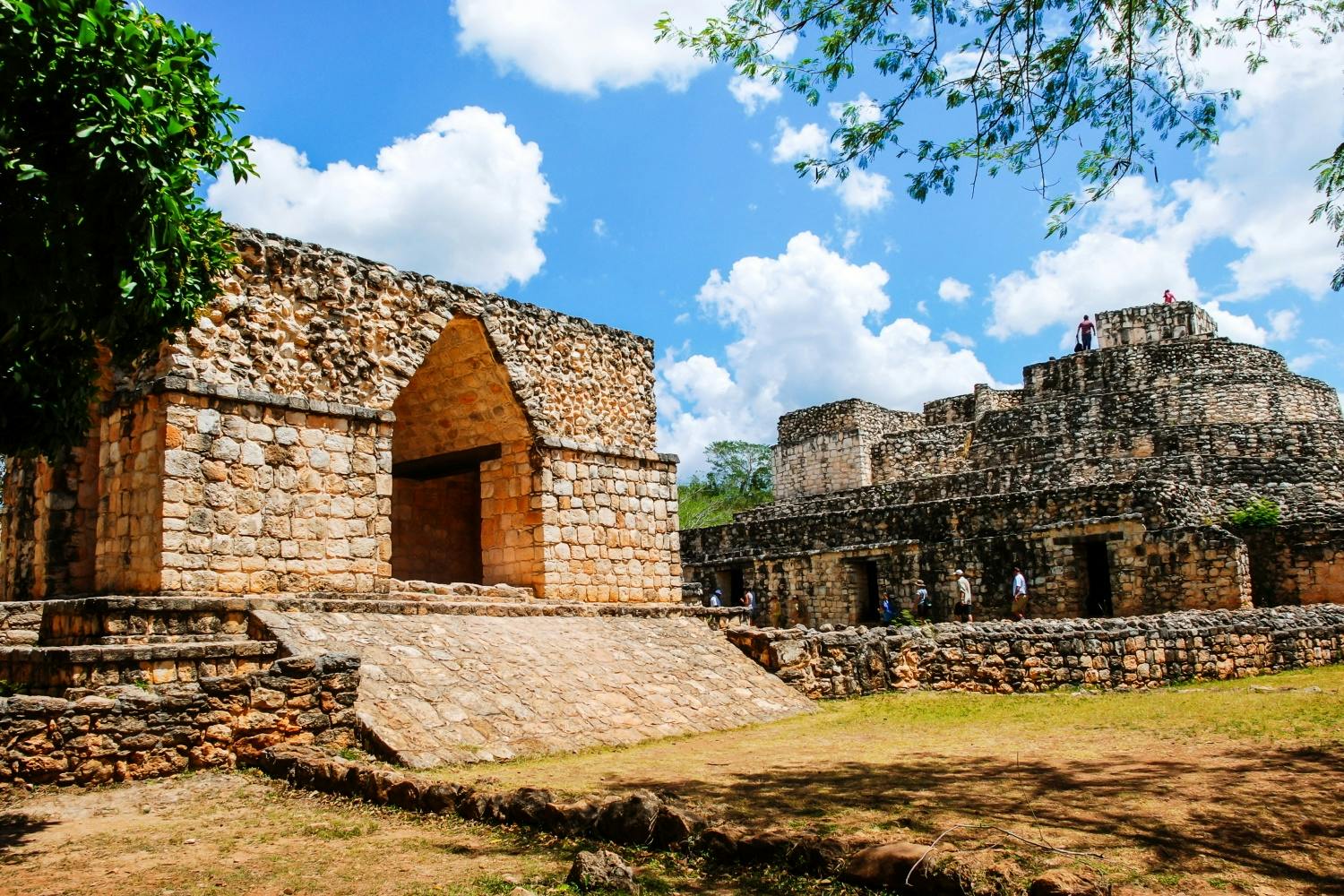
The site is home to dozens of structures, each with its own cultural and scientific purpose, including temples, ball courts, and observatories.
2. One of the New Seven Wonders
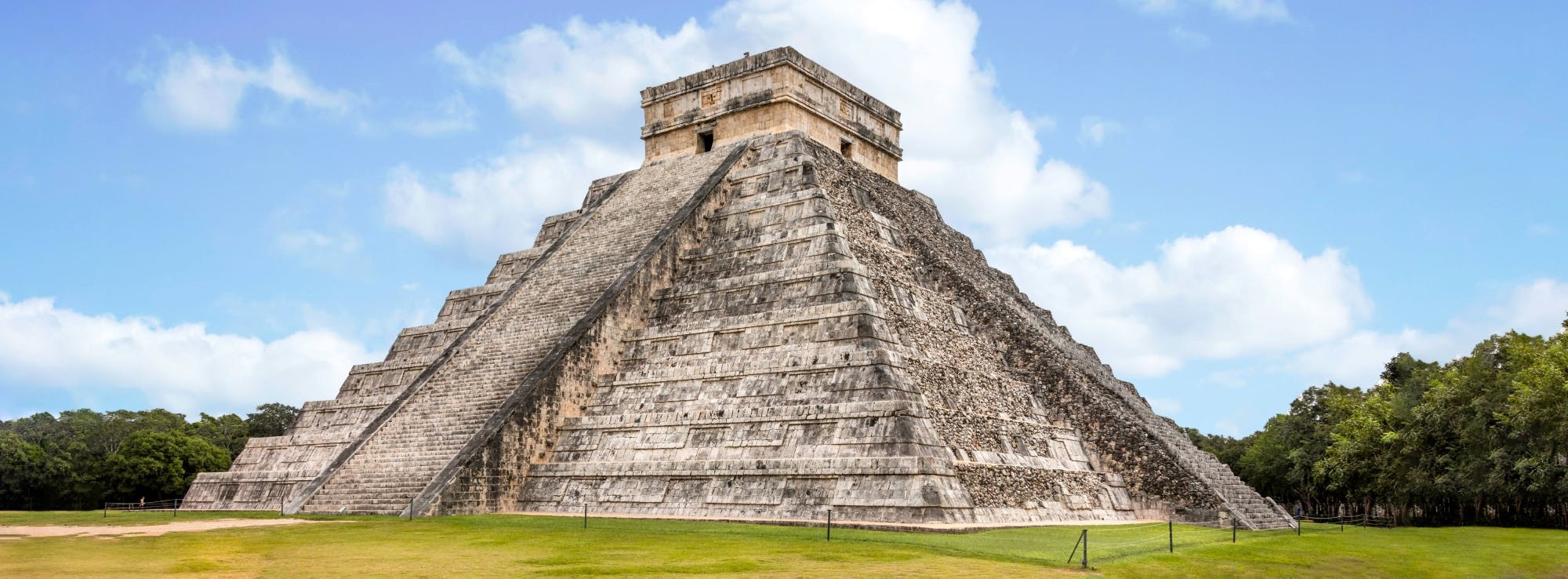
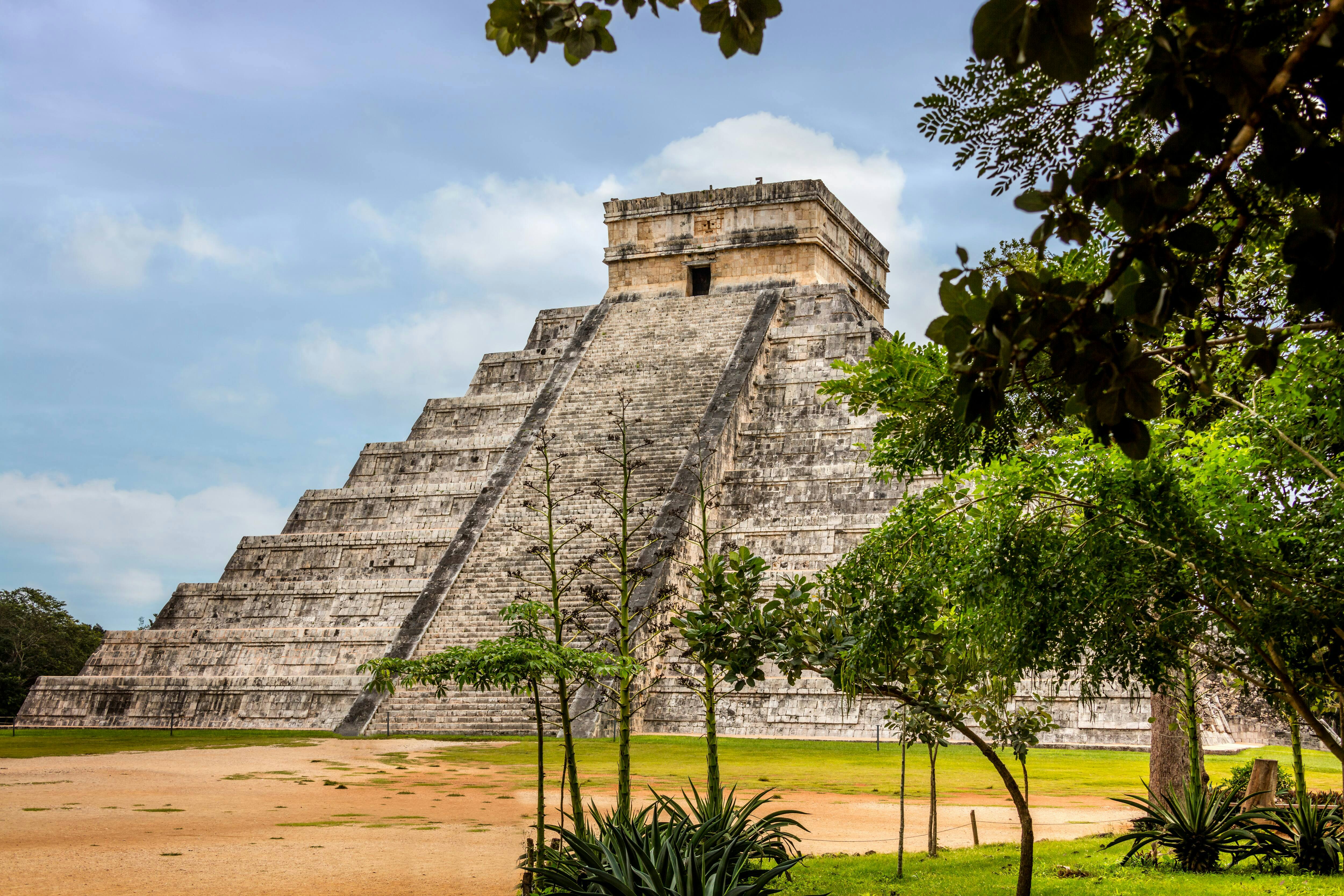
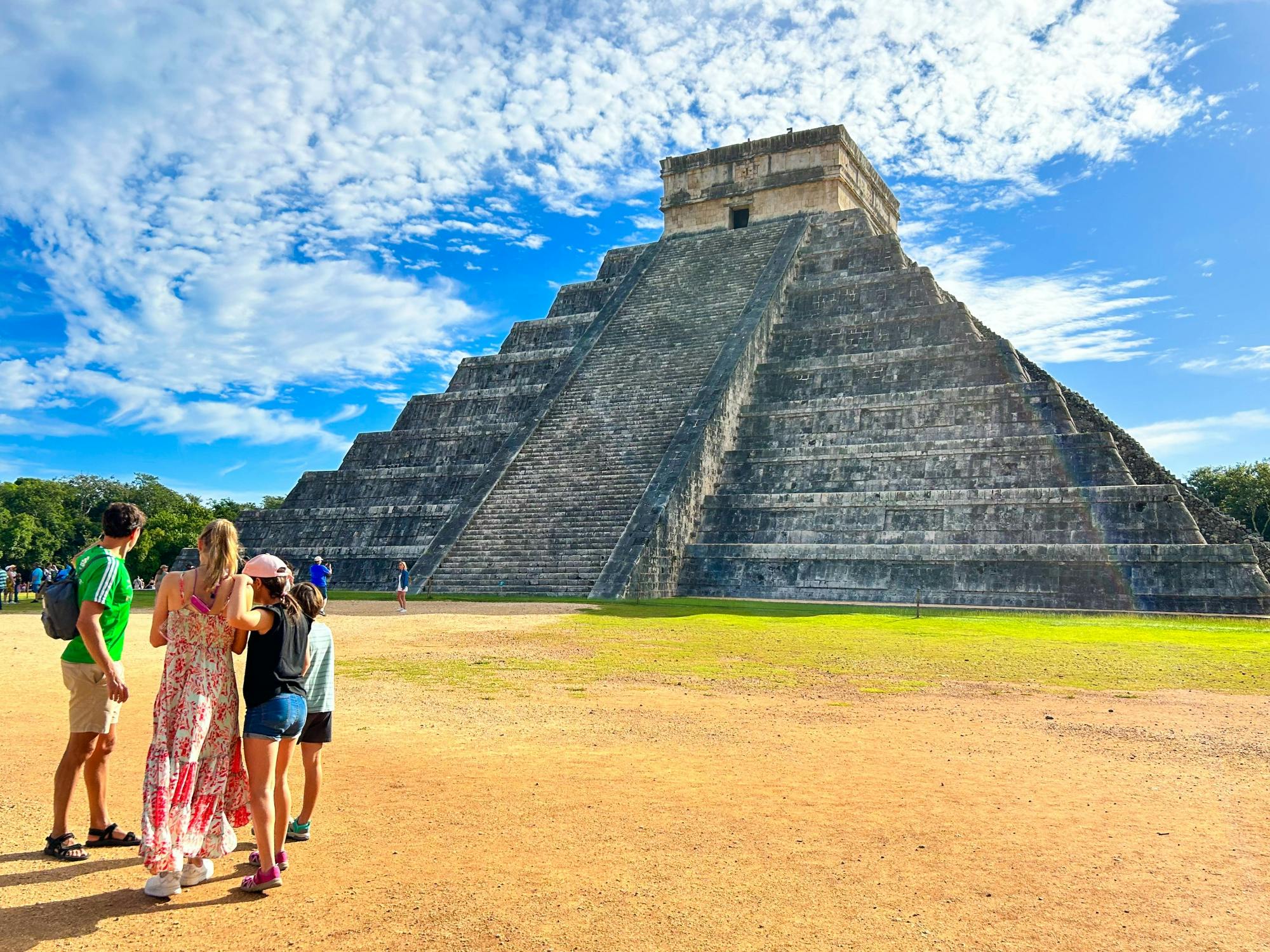
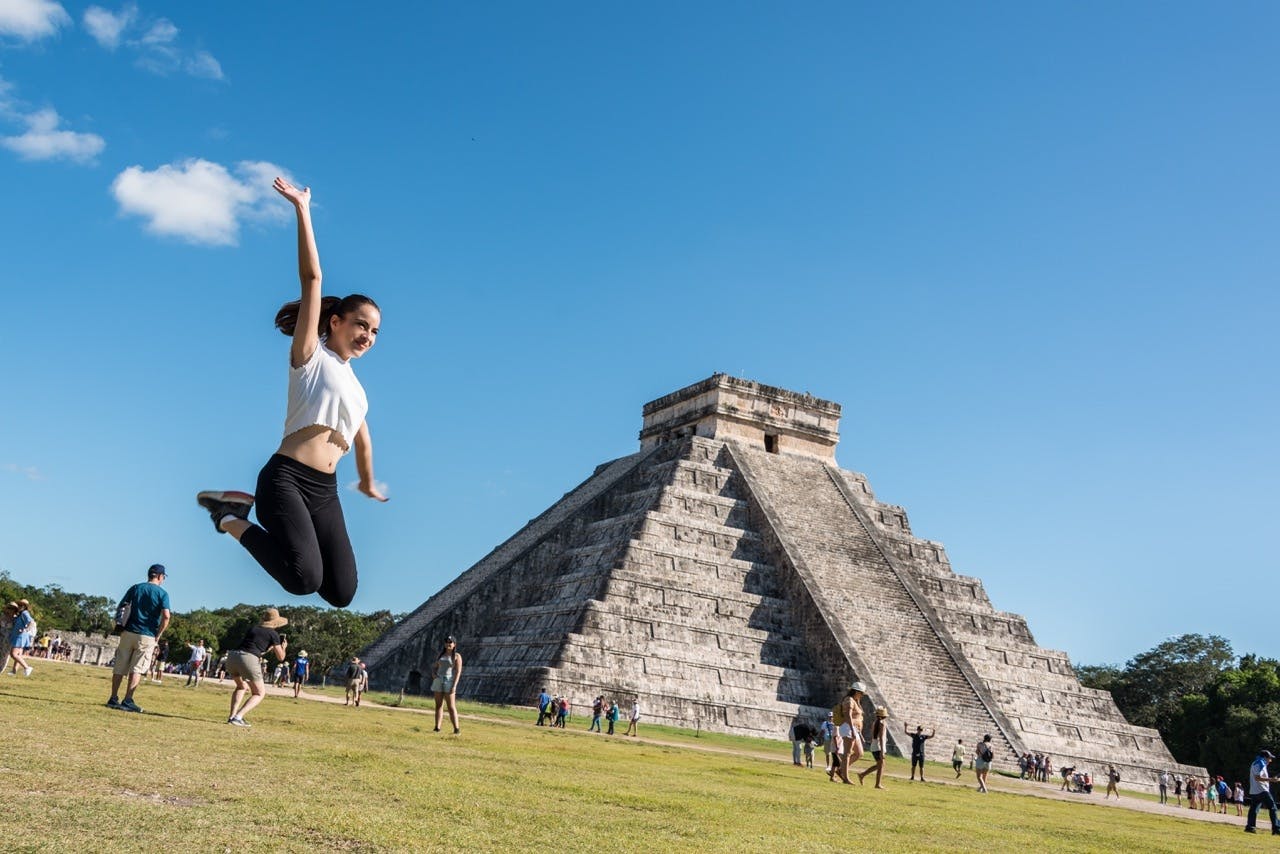
El Castillo—the iconic pyramid—has become a global symbol of Mayan innovation.
3. Fascinating Astronomy
Many structures were built with remarkable accuracy aligned to celestial movements, showcasing the Maya’s profound astronomical knowledge.
4. Rich Mythology
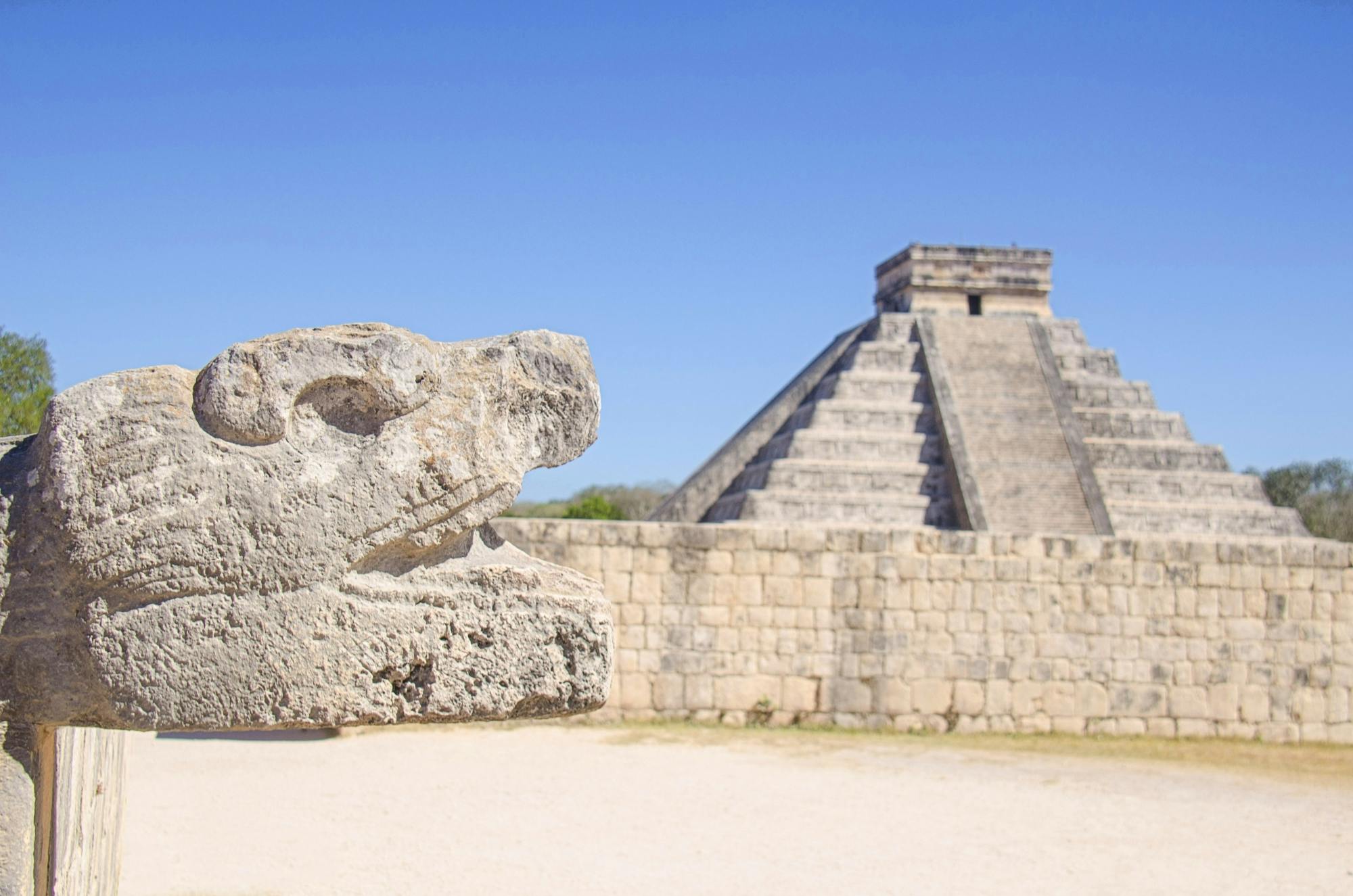
From sacred cenotes to serpent gods, the site is steeped in legends and rituals that still capture imaginations today.
🧭 Top Things to See at Chichén Itzá
✔ El Castillo (Temple of Kukulcán)
The iconic step pyramid features:
365 steps (one for each day of the year)
Perfect equinox shadow displays resembling a serpent descending the pyramid
Incredible acoustics that echo like a quetzal bird
✔ Great Ball Court
The largest and best-preserved Mesoamerican ball court, where ritual games—and perhaps sacrifices—took place.
✔ Temple of the Warriors
A vast temple complex lined with hundreds of carved columns depicting warriors and deities.
✔ Cenote Sagrado (Sacred Cenote)
A natural sinkhole once used for offerings and rituals. Archaeologists have discovered gold, jade, pottery, and human remains here.
✔ El Caracol (The Observatory)
A circular tower aligned to astronomical events, showing the Maya’s advanced understanding of planetary movements.
✔ Las Monjas (The Nunnery Complex)
Beautifully carved buildings that showcase intricate Puuc-style architecture.
🌞 Best Time to Visit
Early morning (8–10 am): Cooler, fewer crowds
Late afternoon: Golden-hour photography
Avoid midday if possible—it gets very hot and crowded
Best season: November–April (dry season)
🎟️ Ticket Information (General Guide)
Entrance fee includes:
Admission to the archaeological zone
Access to main structures and walking routes
Additional expenses may include:
Parking
Guide services
Cenote visits nearby (e.g., Ik Kil)
📝 Tips for Visiting
Bring water, a hat, and sunscreen—shade is limited.
Wear comfortable shoes for walking on uneven ground.
Hiring a certified guide enhances the experience enormously.
Combine your visit with nearby cenotes or Valladolid town.
Tripods are often not allowed without special permits.
🚗 How to Get There
Chichén Itzá is accessible from major tourist hubs:
Travel options include guided tours, rental cars, ADO buses, or private transfers.
❓ Quick Q&A
Q: How long should I spend at Chichén Itzá? A: 2–3 hours is ideal for exploring the major structures at a comfortable pace.
Q: Can you climb the pyramid? A: No. Climbing El Castillo has been prohibited since 2006 to protect the structure.
Q: Is Chichén Itzá safe? A: Yes—it’s a well-policed tourist site. Just bring sun protection and stay hydrated.
Q: Are there restaurants nearby? A: Yes, especially in nearby villages and at cenotes like Ik Kil.
🌅 Final Thoughts
A visit to Chichén Itzá is more than a historical outing—it’s a journey into the heart of the Maya world. With its monumental architecture, scientific brilliance, and powerful myths, it remains one of the most unforgettable sites in Latin America.
Sponsored Popular Items
Quick take: Musement.com offers a worldwide selection of tours and attractions
Chichén Itzá Day Tour from Mérida with Lunch Mexico Perfect for travellers who want to experience the very best of the region, this journey takes you from ancient ruins to sacred waters and the magical Yellow Town of Izamal. Check current availability, inclusions and booking details before you go.
Chichen Itza and Valladolid Guided Tour with Buffet Lunch Mexico Chichen Itza and Valladolid guided tour with buffet lunch is suited to travellers who enjoy combining sightseeing with local cuisine and conversation. Check current availability, inclusions and booking details before you go.
Audio Tour of Chichén Itzá, Tulum, Coba, and Ek Balam – Self-Guided Tour Mexico Audio Tour of Chichén Itzá, Tulum, Coba, and Ek Balam is designed for travellers who prefer independent exploration while still having structured digital guidance available. Check current availability, inclusions and booking details before you go.
Chichen Itza Early Access, Ek Balam, and Cenote Guided Tour Chichen Itza early access, Ek Balam, and cenote guided tour is a convenient way to add structure, local context and purposeful sightseeing to the itinerary. Check current availability, inclusions and booking details before you go.