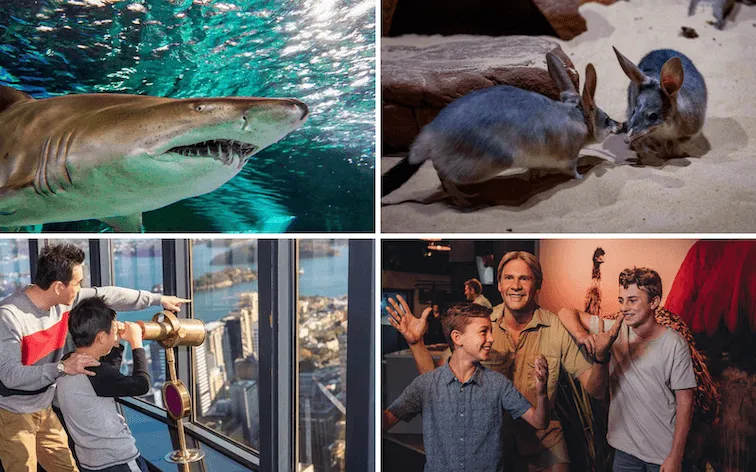
Save time and bundle four popular Sydney attractions with one combo pass covering SEA LIFE Sydney Aquarium, WILD LIFE Sydney Zoo, Sydney Tower Eye and Madame Tussauds Sydney.
The Sydney 4 Attraction Combo Pass is a convenient way to visit four of Sydney’s best-known family attractions with one ticket package. It includes entry to SEA LIFE Sydney Aquarium, WILD LIFE Sydney Zoo, Sydney Tower Eye and Madame Tussauds Sydney, making it a practical option for families, couples, first-time visitors, school holiday trips, rainy days and travellers who want several central Sydney experiences without buying each ticket separately.
Three of the attractions are located around Aquarium Wharf at Darling Harbour, while Sydney Tower Eye is in the Sydney CBD at Westfield Sydney. This makes the pass easy to plan over one busy sightseeing day or spread across multiple days if you prefer a slower pace.
Book the Sydney 4 Attraction Combo Pass
Compare live availability, current prices, participant options, booking conditions and attraction entry requirements before purchasing your Sydney 4 Attraction Combo Pass. Check the latest details for SEA LIFE Sydney Aquarium, WILD LIFE Sydney Zoo, Sydney Tower Eye and Madame Tussauds Sydney, including timed-entry requirements and validity rules.
The Sydney 4 Attraction Combo Pass gives one standard admission to four major Sydney attractions: SEA LIFE Sydney Aquarium, WILD LIFE Sydney Zoo, Sydney Tower Eye and Madame Tussauds Sydney. It is designed for visitors who want a simple, bundled ticket instead of buying separate admission to each attraction.
The pass is especially useful because the attractions are close to each other in central Sydney. SEA LIFE Sydney Aquarium, WILD LIFE Sydney Zoo and Madame Tussauds Sydney are all on the city side of Darling Harbour, while Sydney Tower Eye is a short CBD walk away at Westfield Sydney.
Attractions Included
SEA LIFE Sydney Aquarium
SEA LIFE Sydney Aquarium is one of Sydney’s most popular indoor attractions, located at Aquarium Wharf in Darling Harbour. It features Australian marine environments, reef displays, sharks, rays, penguins, tropical fish and underwater viewing areas. It is usually the first attraction you must visit to activate the combo pass.
WILD LIFE Sydney Zoo
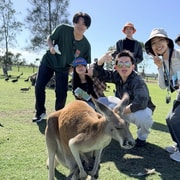
WILD LIFE Sydney Zoo is a compact city-centre wildlife attraction beside SEA LIFE Sydney Aquarium. It focuses on Australian animals including koalas, kangaroos, wallabies, reptiles, wombats and a large saltwater crocodile exhibit. It is a good choice for visitors who want to see Australian wildlife without travelling out to a larger suburban zoo.
Sydney Tower Eye
Sydney Tower Eye is located in Westfield Sydney in the heart of the CBD. The standard pass includes access to the Observation Deck, where visitors can see 360-degree views over Sydney, including the harbour, CBD, Hyde Park, Darling Harbour, beaches and, on clear days, distant mountain views. SKYWALK is not normally included in the standard combo pass unless specifically purchased separately.
Madame Tussauds Sydney
Madame Tussauds Sydney is a wax museum at Darling Harbour where visitors can take photos with life-size figures from entertainment, sport, history, politics, music and popular culture. It is a fun, easy add-on because it sits close to SEA LIFE and WILD LIFE at Aquarium Wharf.
Why Buy a Combo Pass?
One pass, four attractions: Covers SEA LIFE Sydney Aquarium, WILD LIFE Sydney Zoo, Sydney Tower Eye and Madame Tussauds Sydney.
Good for families: The attractions suit children, teenagers and adults.
Great rainy-day option: Most of the included experiences are indoors or mostly weather-protected.
Central Sydney locations: Darling Harbour and the CBD are easy to reach by walking, light rail, train, ferry, bus or taxi.
Flexible timing: You can visit the attractions over the pass validity period instead of rushing them all in one day.
Mobile ticket entry: Mobile vouchers are accepted, making it easier for travellers without printed tickets.
Good first-time Sydney bundle: Combines marine life, Australian wildlife, skyline views and a photo-friendly entertainment attraction.
Important Pass Rules
SEA LIFE first: You must visit SEA LIFE Sydney Aquarium as your first attraction to activate the pass.
Timed entry: The time slot selected during booking is for SEA LIFE Sydney Aquarium only.
Remaining attractions: After your first SEA LIFE visit, you can visit Madame Tussauds Sydney, Sydney Tower Eye and WILD LIFE Sydney Zoo during the pass validity period.
Validity period: The remaining attractions are valid for up to 60 days after the initial SEA LIFE Sydney Aquarium visit.
Free timed-entry booking: You may need to book free timed-entry slots before visiting each remaining attraction.
Standard admission: The pass includes standard entry to the four listed attractions.
Sydney Tower Eye: Standard Sydney Tower Eye entry includes the Observation Deck only, not SKYWALK unless upgraded separately.
Children: Children under 16 must be accompanied by an adult aged 18 or over.
Cancellation terms: Check the latest cancellation and change conditions before booking, as attraction passes may be non-refundable.
Best Way to Use the Pass
Option 1: One Big Sydney Attraction Day
Start at SEA LIFE Sydney Aquarium in the morning, continue to WILD LIFE Sydney Zoo, visit Madame Tussauds Sydney after lunch, then walk to Sydney Tower Eye in the afternoon for skyline views. This is a full day, but it works well if you have limited time in Sydney.
Option 2: Two-Day Family Plan
Day one: visit SEA LIFE Sydney Aquarium and WILD LIFE Sydney Zoo around Darling Harbour. Day two: visit Madame Tussauds Sydney and Sydney Tower Eye, then add shopping or dining in the CBD. This pace is better for families with younger children.
Option 3: Spread It Across Your Sydney Stay
Use SEA LIFE Sydney Aquarium as your first attraction, then visit the other three attractions across the next few days. This works well if you are staying in Sydney for a week or want to combine the pass with harbour cruises, beaches, museums, markets and Blue Mountains day trips.
Suggested One-Day Itinerary
Morning: SEA LIFE Sydney Aquarium
Begin at SEA LIFE Sydney Aquarium because this is normally required as the first attraction. Allow time for marine displays, shark viewing, penguins, reef areas and family photos.
Late Morning: WILD LIFE Sydney Zoo
Walk next door to WILD LIFE Sydney Zoo. This keeps the first part of your day simple because both attractions are beside each other at Darling Harbour.
Lunch: Darling Harbour
Darling Harbour has many cafés, casual restaurants and waterfront dining options. It is a convenient place to pause before continuing to the next attraction.
Afternoon: Madame Tussauds Sydney
Visit Madame Tussauds Sydney for celebrity, sport, music and pop-culture photo opportunities. It is close to the aquarium and zoo, so there is no major transfer needed.
Late Afternoon: Sydney Tower Eye
Finish at Sydney Tower Eye for views over the city. Late afternoon can be a good time for changing light, but weather and visibility matter, so check conditions before choosing your time slot.
Who Is This Pass Best For?
First-time Sydney visitors: The pass covers four well-known attractions in central Sydney and gives a quick overview of Darling Harbour and the CBD.
Families: Aquarium animals, Australian wildlife, wax figures and tower views create variety for children and adults.
School holiday trips: The pass is practical for filling one or more days with structured indoor-friendly activities.
Rainy-day travellers: SEA LIFE, WILD LIFE and Madame Tussauds are particularly useful when outdoor sightseeing is affected by weather.
Couples: The pass can work as a fun city activity bundle, especially when paired with Darling Harbour dining or a CBD hotel stay.
Visitors without a car: The attractions are central and easy to reach using public transport or walking.
Short-stay travellers: If you only have one or two days in Sydney, the pass provides several attractions in close proximity.
Who Should Think Carefully Before Booking?
This pass may not suit visitors who only want one attraction, travellers who prefer outdoor harbour activities, people with very limited time, or anyone who cannot visit SEA LIFE Sydney Aquarium first. It may also be less useful if you already have separate tickets, attraction memberships, or a broader Sydney sightseeing pass that overlaps with these venues.
Location Guide
SEA LIFE Sydney Aquarium
SEA LIFE Sydney Aquarium is located at Aquarium Wharf, 1-5 Wheat Road, Darling Harbour, Sydney. It is on the city side of Darling Harbour and is the required first attraction for pass activation.
WILD LIFE Sydney Zoo
WILD LIFE Sydney Zoo is next to SEA LIFE Sydney Aquarium at Darling Harbour, making it easy to combine on the same morning or afternoon.
Madame Tussauds Sydney
Madame Tussauds Sydney is also located at Darling Harbour, close to SEA LIFE and WILD LIFE. It is one of the easiest attractions to pair with the aquarium and zoo.
Sydney Tower Eye
Sydney Tower Eye is located at Westfield Sydney on Pitt Street, in the CBD. It is a short walk or quick public transport trip from Darling Harbour, depending on your pace and starting point.
Getting There
By Train
Town Hall Station and Wynyard Station are useful for reaching Darling Harbour and the Sydney CBD. For Sydney Tower Eye, Town Hall and St James are convenient central stations, depending on your walking route.
By Light Rail
Light rail can be useful for reaching the Darling Harbour, Chinatown, Town Hall and CBD areas. Check the latest route and stop information before travelling.
By Ferry
Darling Harbour ferry services can be a scenic way to arrive, especially if you are staying around Circular Quay, Barangaroo or other harbour areas.
By Car
Parking is available in the city and Darling Harbour area, but it can be expensive. Public transport is usually easier for most visitors.
Booking Tips
Start with SEA LIFE: Do not try to visit WILD LIFE, Madame Tussauds or Sydney Tower Eye first unless your booking instructions say otherwise.
Book your first time slot carefully: The booked time usually applies to SEA LIFE Sydney Aquarium.
Reserve later attractions: Check whether you need to book free timed-entry slots for the remaining attractions.
Allow enough time: Four attractions in one day is possible, but families may prefer two days.
Check opening hours: Attraction hours can change by season, weekday, school holidays and events.
Check public holiday rules: Some dates may have different entry conditions, surcharges or availability.
Bring your mobile voucher: Mobile vouchers are accepted, but keep your phone charged.
Read cancellation terms: Passes may be non-refundable, so check the latest conditions before buying.
Accessibility and Family Notes
The Experience Oz listing marks the pass as wheelchair friendly, and the included attractions are central visitor attractions that are generally designed for a broad range of guests. However, accessibility needs vary by visitor, so check each attraction’s current accessibility information before booking if you require wheelchair access, carer access, sensory support, lifts, accessible bathrooms or step-free routes.
For families with prams, toddlers or older relatives, spreading the attractions across two days can be more comfortable than trying to complete all four in one long day.
What to Bring
Mobile voucher: Keep your ticket ready for entry and save a backup screenshot.
Portable charger: Useful if you are using mobile tickets, maps and photos all day.
Comfortable shoes: You will walk around Darling Harbour, the CBD and the attractions.
Water bottle: Helpful during a long sightseeing day.
Light jacket: Useful for air-conditioned indoor attractions or changeable Sydney weather.
Camera or phone: Madame Tussauds and Sydney Tower Eye are particularly photo-friendly.
Snacks for children: Check attraction rules, but keep small snacks handy for breaks outside the venues.
Nearby Things to Add
Darling Harbour
Darling Harbour is ideal for meals, waterfront walks, playgrounds, ferry connections, museums and family-friendly public spaces before or after your attraction visits.
Australian National Maritime Museum
Located nearby in Darling Harbour, the maritime museum is a strong add-on if you want ships, maritime history and harbour-related exhibits.
Queen Victoria Building
The Queen Victoria Building is an easy CBD shopping and architecture stop when walking between Darling Harbour and Sydney Tower Eye.
Hyde Park
Hyde Park is close to the CBD and can be combined with Sydney Tower Eye, St Mary’s Cathedral or a short city walk.
Circular Quay and The Rocks
If you still have energy, continue toward Circular Quay and The Rocks for Sydney Harbour Bridge views, Sydney Opera House views, historic streets and harbour dining.
Sydney 4 Attraction Combo Pass FAQ
What attractions are included in the Sydney 4 Attraction Combo Pass?
The pass includes standard entry to SEA LIFE Sydney Aquarium, WILD LIFE Sydney Zoo, Sydney Tower Eye and Madame Tussauds Sydney.
Which attraction do I visit first?
You must visit SEA LIFE Sydney Aquarium first. This activates the pass for the remaining attractions.
How long do I have to use the pass?
After your first visit to SEA LIFE Sydney Aquarium, you generally have up to 60 days to visit the remaining attractions. Always check your current booking conditions.
Can I visit all four attractions in one day?
Yes, it is possible, especially because three attractions are at Darling Harbour and Sydney Tower Eye is nearby in the CBD. Families may prefer spreading the visits across two days.
Is Sydney Tower Eye SKYWALK included?
Standard Sydney Tower Eye admission includes access to the Observation Deck only. SKYWALK is not included unless you buy it separately or choose a ticket that clearly includes it.
Is the pass good for children?
Yes. This is a strong family pass because it combines marine life, Australian animals, wax figures and city views. Children under 16 must be accompanied by an adult.
Is this a good rainy-day activity in Sydney?
Yes. SEA LIFE Sydney Aquarium, WILD LIFE Sydney Zoo and Madame Tussauds Sydney are especially useful during wet weather. Sydney Tower Eye is still open in many conditions, but views are best when visibility is clear.
Where are the attractions located?
SEA LIFE Sydney Aquarium, WILD LIFE Sydney Zoo and Madame Tussauds Sydney are at Darling Harbour. Sydney Tower Eye is at Westfield Sydney in the CBD.
Do I need to print my ticket?
Mobile vouchers are accepted, but you can also print your voucher if preferred. Keep your booking confirmation available throughout your visits.
Are tickets refundable?
Check the current booking terms carefully before purchase. Attraction passes may be non-refundable, though some changes may be possible within the stated conditions.
Ready to Book Your Sydney 4 Attraction Combo Pass?
Search live availability for the Sydney 4 Attraction Combo Pass, compare current inclusions and booking conditions, and choose the best date to start your SEA LIFE Sydney Aquarium, WILD LIFE Sydney Zoo, Sydney Tower Eye and Madame Tussauds Sydney experience.
Sydney: University of Sydney Student-Led Walking Tour Australia Discover the University of Sydney on a student-led walking tour. Explore the Main Quadrangle, Fisher Library, and the Chau Chak Wing Museum while learning about the university’s history.
Sydney: Sydney Harbour Sunset Photo Tour & Cruise Australia Explore one of the most picturesque city harbours with a local professional photographer guide. They will capture once-in-a-lifetime photos plus enjoy a 30 minute harbour cruise on Sydney Harbour.
Sydney: Sydney Harbor Lunch Cruise with Welcome Drink Australia Enjoy a lunch cruise on Sydney Harbour with a welcome glass of bubbles. Savor a delicious 2-course meal inspired by locally sourced, regionally inspired cuisines.
Nichupté Lagoon is the broad body of calm water and mangrove forest separating much of Cancún’s Hotel Zone from the mainland. It is visible from hotels, restaurants, shopping centres and roads throughout the resort district, yet many visitors spend their entire holiday looking towards the Caribbean Sea without exploring the lagoon behind them.
The lagoon offers a very different side of Cancún. Instead of white sand and breaking waves, visitors find narrow mangrove channels, still green-blue water, birdlife, small boats and sunsets reflected across the wetlands.
Sponsored Popular Items
Quick take: Musement.com offers a worldwide selection of tours and attractions
Nichupté Lagoon speedboat adventure with snorkelling Mexico Plan Nichupté Lagoon speedboat adventure with snorkelling, a water-based experience, with practical tips on timing, inclusions and what to check before booking. Compare current availability, prices and booking conditions before you go.
Popular activities include guided speedboat tours, kayaking, wildlife excursions, sunset cruises and dinner cruises. Some trips continue through the channels towards Punta Nizuc and add snorkelling on the Caribbean reef.
Nichupté should not be treated as a normal public swimming lake. It is an active boating area and a protected habitat containing crocodiles. The safest and most useful way to explore it is through an authorised operator or from an established public viewpoint.
Nichupté Lagoon Quick Facts
Visitor information
Details
Location
Between central Cancún and the Hotel Zone, Quintana Roo, Mexico
Type of environment
Coastal lagoon, mangrove wetland and connected waterways
Protected area
Manglares de Nichupté Flora and Fauna Protection Area
Protected surface
Approximately 4,257 hectares
Main activities
Boat tours, kayaking, birdwatching, sunset cruises and photography
Common wildlife
Waterbirds, iguanas, fish, turtles and crocodiles
Swimming
Not recommended from random shore access points
Typical speedboat tour
Approximately 90 minutes to 2 hours
Typical kayak experience
Approximately 2–3 hours
Typical dinner cruise
Approximately 2–3 hours
Best time of day
Early morning or late afternoon
Protected-area fee
Currently listed at MXN 125 per person per day
Best season
November to April for lower humidity and less rain
New bridge
Nichupté Vehicular Bridge, opened May 2026
Important: Tour durations, age limits, conservation charges and operating routes differ between companies. Read the booking conditions carefully.
What Is Nichupté Lagoon?
Nichupté is not one simple circular lake. It is a coastal lagoon system containing broad basins, narrow channels, mangrove islands, shallow wetlands and areas connected with underground freshwater sources.
The system lies immediately behind Cancún’s famous Hotel Zone. The Caribbean Sea borders the eastern side of the narrow resort strip, while Nichupté Lagoon borders much of its western side.
This position creates the distinctive geography visible from the air: a long line of hotels and beaches between bright blue ocean water and a darker mangrove lagoon.
The lagoon communicates with the Caribbean through channels near Punta Cancún and Punta Nizuc. Saltwater, rainfall and underground freshwater combine to create changing salinity conditions across the wetland.
These variations support different habitats and wildlife communities, making Nichupté much more ecologically complex than it may appear from a hotel balcony.
Understanding the Nichupté Lagoon System
Travel companies often describe Nichupté as a system of seven lagoons or basins. Names commonly associated with the system include:
North Basin.
Central Basin.
South Basin.
Laguna Bojórquez.
Laguna del Amor.
Río Inglés.
Smaller interconnected waterways and wetland basins.
Official ecological descriptions may classify the system differently according to hydrology and protected-area boundaries. For an ordinary visitor, the important point is that Nichupté contains several connected environments rather than one uniform body of water.
Laguna Bojórquez
Laguna Bojórquez lies near the northern Hotel Zone and is surrounded by tourism and urban development.
It is one of the most visible sections of the system and can be seen near restaurants, marinas and entertainment venues.
Central Nichupté
The broad central basin contains open water, islands and channels used by pleasure boats, tour vessels and wildlife.
Southern Lagoon and Punta Nizuc
The southern section becomes increasingly natural as it approaches Punta Nizuc. Mangrove channels connect with the Caribbean near the coral reefs south of the Hotel Zone.
Why Visit Nichupté Lagoon?
Nichupté reveals that Cancún is more than beaches, resorts and nightlife.
A lagoon excursion may appeal to travellers who want:
A break from crowded beaches.
A close look at mangrove ecology.
A small-boat adventure.
Birdwatching.
A sunset activity.
A romantic evening cruise.
Photography of Cancún’s skyline from the water.
A family activity that does not require a full day.
It also offers a useful visual contrast. From the water, visitors may see dense natural mangroves in one direction and the towers of the Hotel Zone in another.
This combination of urban tourism and surviving wetland is one of the lagoon’s most distinctive features.
Manglares de Nichupté Protected Area
The Mexican government declared Manglares de Nichupté a protected flora and fauna area in 2008.
The protected territory covers approximately 4,257 hectares arranged across several connected sections.
Its habitats include:
Red mangrove.
Black mangrove.
White mangrove.
Buttonwood mangrove.
Marsh vegetation.
Low tropical forest.
Freshwater springs.
Shallow lagoons.
Mangroves are particularly important because they:
Provide shelter for young fish.
Create nesting and feeding areas for birds.
Reduce erosion.
Filter sediments.
Store carbon.
Reduce some of the force of storm water and waves.
Support the nearby coral-reef ecosystem.
Visitors should use authorised service providers, avoid touching wildlife, keep rubbish on board and never damage mangrove roots or branches.
The Best Ways to Explore Nichupté Lagoon
There is no single standard Nichupté experience. Tours range from quiet paddling trips to fast speedboat circuits and evening dinner cruises.
Tour type
Best for
Typical experience
Speedboat tour
Adventure and first-time visitors
Drive a small boat through mangrove channels
Kayak tour
Nature and birdwatching
Slow guided paddle through quiet waterways
Wildlife tour
Photography and ecology
Small-group observation with a guide
Sunset cruise
Couples and relaxed sightseeing
Slow cruise with lagoon sunset views
Dinner cruise
Romantic evening
Meal, drinks and live music on a themed vessel
Clear-boat cruise
Families and non-swimmers
Scenic views through transparent sections of the boat
Mangrove Speedboat Tours
Self-drive speedboat tours are among Cancún’s most popular lagoon activities.
Participants normally follow a guide in a line of small two-, three- or four-person boats. After basic steering and safety instructions, the group travels across open water and through mangrove channels.
What to Expect
A typical tour may include:
Safety briefing.
Life jacket and boating instructions.
Approximately 60–90 minutes of driving.
Mangrove channels.
Views of Hotel Zone buildings.
Photographic stops.
An optional snorkelling section on longer tours.
Do You Need Boating Experience?
Usually not. The boats are designed for tourists and are relatively simple to operate.
The designated driver normally needs to meet a minimum age and may be required to present identification.
Alcohol should not be consumed before driving.
How Fast Are the Boats?
Speeds vary by operator, channel and conservation rules. Boats may travel relatively quickly across open sections but must reduce speed near mangroves, marinas and narrow passages.
Visitors wanting a peaceful wildlife experience may prefer kayaking, because engine noise and speed can reduce bird sightings.
Who May Find the Ride Uncomfortable?
Speedboat tours may not suit visitors with:
Recent surgery.
Back or neck problems.
Pregnancy.
Severe motion sickness.
Difficulty climbing into a low boat.
Medical conditions affected by repeated impact.
Read the operator’s health restrictions before booking.
Kayaking and Paddle Tours
A guided kayak tour provides a quieter and more environmentally focused way to experience the lagoon.
Without an engine, paddlers can hear birds, water movement and wind through the mangroves.
Advantages of Kayaking
Less noise.
Slower wildlife observation.
Access to calm and narrow areas.
Physical activity without high speed.
Lower environmental impact when properly managed.
Is Kayaking Difficult?
Most tours are suitable for beginners with normal fitness.
However, wind and heat can make paddling tiring. Double kayaks are often easier for couples or families because the workload is shared.
Guided or Independent?
A guided experience is preferable.
The lagoon contains restricted habitats, boat routes, shallow areas and crocodile territory. Guides understand authorised routes and current conditions.
Visitors should not enter random mangrove channels simply because they appear calm.
Morning Kayaking
Early morning is usually the best time because:
Temperatures are lower.
Wind may be lighter.
Bird activity can be higher.
Boat traffic is often reduced.
Lighting is softer for photography.
Wildlife and Birdwatching Tours
Nichupté is home to a surprising range of wildlife despite being surrounded by Cancún’s urban and tourism infrastructure.
Possible sightings include:
Great egrets.
Herons.
Pelicans.
Cormorants.
Common black hawks.
Ospreys.
Kingfishers.
Black iguanas.
Turtles.
Small fish and juvenile reef species.
American and Morelet’s crocodiles.
Wildlife sightings are never guaranteed. Engine noise, weather, water level and time of day all influence what is visible.
Night Crocodile Tours
Some specialist operators offer evening wildlife trips focused on crocodiles.
These should only be booked with experienced authorised guides. Passengers must remain inside the vessel and follow all instructions.
A responsible wildlife tour observes animals without feeding, touching or deliberately surrounding them.
Sunset and Dinner Cruises
The western orientation of much of the lagoon makes it one of Cancún’s best sunset locations.
While Caribbean beaches face east and are especially attractive at sunrise, Nichupté provides open views towards the setting sun.
Standard Sunset Cruise
A normal sunset cruise may include:
A slow sailing or motorboat journey.
Drinks.
Background music.
Hotel Zone skyline views.
Approximately 90 minutes to two hours on the water.
Dinner Cruise
Several themed dinner cruises operate on the lagoon, including trips aboard vessels styled as Spanish galleons.
Packages may include:
A three-course dinner.
Open bar or selected drinks.
Live saxophone or other music.
Reserved tables.
Sunset and evening skyline views.
These cruises are designed for atmosphere rather than wildlife observation.
What to Wear
Smart-casual clothing is generally appropriate. Bring a light layer because the lagoon can feel cooler after sunset.
Flat or low shoes are safer than narrow heels on a moving vessel.
Clear-Boat and Scenic Cruises
Clear-boat tours use vessels with transparent floor or hull sections, allowing passengers to look into the water without snorkelling.
They are particularly attractive to:
Families with young children.
Visitors who do not swim.
Travellers with limited time.
People wanting a gentle boat experience.
Visibility depends on water depth, sediment, sun angle and recent weather.
Nichupté’s lagoon water may not always have the bright clarity associated with Cancún’s open Caribbean beaches. A clear boat should therefore be viewed as a scenic lagoon cruise rather than a guaranteed aquarium-like experience.
What Will You See on the Lagoon?
Mangrove Tunnels
The most atmospheric sections are narrow channels where mangrove branches form walls and partial canopies.
Exposed roots extend into the water, creating nursery habitat for young fish and other marine life.
Open Basins
Beyond the channels, the lagoon opens into broad expanses reflecting the sky and Hotel Zone skyline.
Hotel Zone Views
Large hotels, observation towers, restaurants and shopping centres line parts of the eastern shore.
From the lagoon, the density of the development becomes more apparent.
Birdlife
Birds may be seen resting on mangrove branches, fishing in shallows or flying across open water.
Marinas and Restaurants
The developed sections contain marinas, waterfront restaurants, activity centres and excursion docks.
The New Bridge
The Nichupté Vehicular Bridge now forms a prominent modern element across the lagoon.
Crocodiles and Visitor Safety
Crocodiles live naturally in the Nichupté lagoon and mangrove system.
Both American crocodiles and Morelet’s crocodiles have been recorded in the protected area.
Most visitors will not see one during an ordinary daytime tour. However, their presence means that the lagoon must be treated as wildlife habitat rather than a public swimming pool.
Essential Safety Rules
Do not swim from random shoreline access points.
Do not sit or stand at the water’s edge after dark.
Do not feed crocodiles or other wildlife.
Do not throw food into the lagoon.
Keep children close near waterfronts.
Keep pets away from the water.
Remain inside the boat during wildlife encounters.
Never approach a crocodile for a photograph.
Follow local warning signs.
Use an authorised guide for night wildlife tours.
Are Crocodile Attacks Common?
Millions of people use Cancún’s Hotel Zone and organised lagoon activities without incident. Risk increases when people enter unsuitable water, ignore warnings, approach animals or remain close to the shore at night.
Respectful distance and sensible behaviour are essential.
Can You Swim in Nichupté Lagoon?
Nichupté is not generally recommended for casual independent swimming.
Reasons include:
Crocodile habitat.
Regular boat traffic.
Strong movement through some channels.
Variable depth.
Muddy or vegetated bottom.
Restricted conservation areas.
Changing water quality.
Do not enter the water from hotel lawns, restaurant edges, bridges, boat ramps or mangrove shorelines.
Some organised activities may include water access in approved locations or continue into the Caribbean for snorkelling. Follow the operator’s instructions and enter only where specifically authorised.
Lagoon Tours with Snorkelling
Many so-called Nichupté jungle tours combine lagoon boating with snorkelling near Punta Nizuc.
The boat travels through the lagoon and mangrove channels before approaching the southern connection with the Caribbean.
The snorkelling normally takes place at a recognised reef or marine-park area rather than deep inside the muddy mangrove lagoon.
Before Booking, Confirm
The precise snorkelling location.
Whether the reef fee is included.
Whether masks, snorkels and life jackets are supplied.
Minimum swimming ability.
Age restrictions.
Whether prescription masks are available.
What happens when the sea is rough.
Snorkelling may be cancelled while the speedboat section continues if offshore conditions are unsuitable.
Where Do Nichupté Tours Depart?
There is no single lagoon-tour terminal.
Operators use private marinas and docks throughout the Hotel Zone, particularly along Boulevard Kukulcán.
Common departure areas include:
Northern Hotel Zone marinas.
Laguna Bojórquez.
Docks near Punta Cancún.
Marinas around kilometre 6–9 of Boulevard Kukulcán.
Activity centres farther south near kilometre 13–15.
Punta Nizuc-area marinas.
Always follow the exact map link and kilometre marker on the booking confirmation.
Two tours with similar names may leave many kilometres apart.
Arrive Early
Arrive around 20 to 30 minutes before the stated departure for:
Registration.
Fee payment.
Life-jacket fitting.
Safety briefing.
Changing clothes.
Storage of loose items.
Tickets, Tour Prices and Conservation Fees
Tour prices vary widely according to duration, boat type, private or shared use and whether food, drinks or snorkelling are included.
Typical categories include:
Shared kayak tour.
Private kayak tour.
90-minute self-drive speedboat.
Two-hour speedboat and snorkel package.
One-hour clear-boat tour.
Sunset cruise.
Dinner cruise.
Private yacht charter.
Protected-Area Fee
CONANP currently publishes a daily admission charge for the protected Manglares de Nichupté area.
An operator may:
Include it in the advertised price.
Add it during online checkout.
Collect it at the marina.
Refer to it as a conservation, reef or marine-park fee.
Ask before booking so the final price is clear.
Other Possible Charges
Dock fee.
Locker rental.
Hotel transfer.
Photographs.
Towels.
Food and premium drinks.
Damage deposit for self-drive boats.
Gratuity.
The Best Time to Visit Nichupté Lagoon
November to April
This is generally the most comfortable period, with lower humidity, less rainfall and milder temperatures.
It is also Cancún’s busiest tourism season, so popular cruises should be booked early.
May and June
Conditions become hotter and more humid, but mornings can still be excellent for kayaking and boating.
July and August
Summer is hot, bright and often busy with families.
Afternoon showers and thunderstorms are possible.
September and October
These months often bring the greatest tropical-storm and hurricane risk.
Tour cancellations and route changes are more likely.
Morning
Morning is best for:
Kayaking.
Birdwatching.
Lower temperatures.
Reduced boat traffic.
Calmer conditions.
Late Afternoon
Late afternoon is ideal for:
Sunset cruises.
Photography.
Romantic dinners.
Lower heat.
Weather, Wind and Hurricane Season
Lagoon trips depend on wind, rain, thunderstorms and visibility.
Rain
Light rain may not stop a tour, especially on a covered vessel.
Heavy rain can reduce visibility and make kayaking or small speedboats unpleasant.
Lightning
Operators should postpone or cancel departures when thunderstorms create a lightning risk.
Wind
Strong wind affects open-water sections and makes paddling more difficult.
Mangrove channels may remain sheltered, but reaching them can still require crossing exposed water.
Hurricanes
The Atlantic hurricane season runs from June through November.
Visitors travelling during this period should:
Monitor official forecasts.
Choose refundable tours.
Follow hotel instructions.
Avoid travelling during warnings.
Understand that marinas may close early.
Getting to Nichupté Lagoon
Because the lagoon stretches along much of Cancún, transport depends on the selected marina or viewpoint.
From a Hotel Zone Resort
Many marinas are reachable by local Hotel Zone bus, taxi or rideshare.
Ask the driver to stop at the exact kilometre marker rather than saying only “Nichupté Lagoon.”
From Downtown Cancún
A taxi or rideshare is normally the simplest choice when carrying swimming equipment or travelling early.
Public buses connect central Cancún with Boulevard Kukulcán, but routes and traffic patterns may change.
Hotel Transfers
Some tours include hotel pickup. Others collect only from major meeting points.
Confirm whether transport is:
Included.
Available for an extra charge.
Shared with other passengers.
Direct or subject to multiple pickups.
The New Nichupté Bridge
The Nichupté Vehicular Bridge opened in May 2026 and provides a new road connection between central Cancún and the Hotel Zone.
The complete project extends approximately 11.2 kilometres, including a long elevated section crossing the lagoon.
The bridge was built primarily to reduce dependence on Boulevard Kukulcán and improve access between the city and resort district.
What It Means for Visitors
Some journeys between downtown and the central Hotel Zone may be faster.
Taxi and transfer routes may differ from older online advice.
The bridge has become a visible feature during lagoon tours.
Navigation apps may need time to reflect current traffic arrangements accurately.
The bridge should not be treated as permission to stop, walk in restricted areas or launch into the lagoon.
Malecón Tajamar
Malecón Tajamar is a public waterfront area on the downtown side of the lagoon.
It provides a useful land-based option for visitors who want lagoon views without booking a boat.
People use the area for:
Walking.
Jogging.
Cycling.
Photography.
Watching sunsets.
Community events.
There is no reason to enter the water. Remain on the promenade and respect any temporary barriers or construction restrictions.
Carry water and sun protection because shade can be limited.
Visiting Nichupté with Children
Many lagoon tours accept children, but the best option depends on age and confidence around boats.
Good Family Choices
Short scenic cruise.
Clear-boat tour.
Slow wildlife excursion.
Double kayak with an older child.
Speedboat tour for children meeting the operator’s minimum age.
Check Before Booking
Minimum age.
Minimum height.
Child life-jacket availability.
Whether infants are permitted.
Sun protection on the boat.
Toilet availability.
Health restrictions.
Whether the activity includes offshore snorkelling.
Children must remain supervised around every dock and lagoon edge because crocodiles and boat traffic are present.
Accessibility and Mobility
Accessibility varies greatly between vessels and marinas.
Potential difficulties include:
Steps down to floating docks.
Moving gangways.
Low speedboat seats.
Narrow boarding gaps.
Wet surfaces.
No accessible toilet.
Limited wheelchair storage.
Larger dinner-cruise vessels may be easier than small speedboats, but this must be confirmed directly.
Visitors with mobility limitations should ask:
Can a wheelchair reach the dock?
Can the passenger remain in the wheelchair?
How high is the step into the boat?
Is staff lifting required?
Is an accessible toilet available?
Can a walker be stored?
Malecón Tajamar may provide a more manageable lagoon-viewing option for some travellers.
What to Bring
Booking confirmation: Keep the marina address and contact number available.
Photo identification: Often required for the boat driver.
Sun protection: Use sunscreen, sunglasses and a secure hat.
Water: Bring a reusable bottle when permitted.
Light long-sleeved layer: Useful against sun and insects.
Insect repellent: Particularly useful near mangroves around dawn or dusk.
Secure footwear: Choose shoes suitable for a wet dock.
Waterproof pouch: Protect phones and documents.
Towel and swimwear: Required when snorkelling is included.
Light jacket: Useful on evening cruises.
Cash: Helpful for fees, lockers and tips.
Avoid carrying valuables or large bags onto a small boat.
Responsible Lagoon Tourism
Nichupté survives beside one of Mexico’s most heavily developed tourism districts. Its future depends on responsible management and visitor behaviour.
Use authorised tour operators.
Do not enter closed mangrove channels.
Never cut or break mangrove branches.
Do not touch or feed wildlife.
Do not throw food into the water.
Keep rubbish on board.
Do not anchor in seagrass.
Follow speed restrictions.
Avoid loud music on nature-focused trips.
Use reusable bottles where possible.
Do not release balloons or decorations.
Follow guide instructions near crocodiles.
Fast boating may be enjoyable, but responsible operators slow down in ecologically sensitive areas and follow marked navigation routes.
Things to Do Near Nichupté Lagoon
La Isla Cancún
La Isla is a large open-air shopping and entertainment complex beside the lagoon.
Its canals, restaurants and promenades provide water views without requiring a tour.
Torre Escénica
Cancún’s scenic tower provides elevated views over the Hotel Zone, Caribbean Sea and Nichupté Lagoon.
Operating hours and admission should be checked before visiting.
Museo Maya de Cancún
The Maya Museum displays archaeological collections from Quintana Roo and includes access to the San Miguelito ruins.
Playa Delfines
Playa Delfines is one of Cancún’s best-known public Caribbean beaches and provides a strong contrast with the calm lagoon.
Punta Nizuc
Punta Nizuc marks the southern end of the Hotel Zone and is associated with reef snorkelling and marine-park tours.
Malecón Tajamar
Visit near sunset for a free waterfront walk and skyline views.
Hotel Zone Restaurants
Several lagoon-side restaurants offer sunset views, although a table beside the water should be reserved during busy periods.
Suggested Half-Day Nichupté Itinerary
7:30 am: Leave Your Hotel
Travel to the confirmed marina before the heat and main excursion crowds build.
8:00 am: Check In
Complete registration, pay any conservation fee and attend the safety briefing.
8:30 am: Begin a Kayak or Speedboat Tour
Travel through the open lagoon and enter authorised mangrove channels.
9:30 am: Wildlife and Photography Stop
Look for herons, pelicans, iguanas and fish without disturbing them.
10:30 am: Return to the Marina
Change clothes and collect stored belongings.
11:00 am: Visit La Isla or a Lagoon-Side Café
Have an early lunch and continue enjoying views across Nichupté.
1:00 pm: Visit the Maya Museum or Playa Delfines
Combine the lagoon with either culture or a Caribbean beach.
Alternative Evening
Skip the morning tour and book a sunset or dinner cruise, arriving at the marina before dusk.
Is Nichupté Lagoon Worth Visiting?
Nichupté Lagoon is worth visiting for travellers who want to understand Cancún beyond its oceanfront resorts.
Main Advantages
Easy access from the Hotel Zone.
Mangrove scenery.
Broad choice of tours.
Good sunset views.
Birdwatching opportunities.
Activities lasting only a few hours.
Suitable options for families, couples and adventure travellers.
Possible Drawbacks
Some areas are heavily developed.
Boat traffic can be busy.
Speedboat tours are noisy.
Wildlife sightings are not guaranteed.
Conservation fees may be added separately.
Swimming is unsuitable in most areas.
Weather can cause last-minute changes.
Tour advertising may overstate water clarity or wildlife encounters.
The most rewarding experience is usually a small guided kayak or wildlife tour early in the morning. Visitors seeking excitement may prefer a speedboat, while couples may find a sunset cruise more memorable.
Frequently Asked Questions About Nichupté Lagoon
Where is Nichupté Lagoon?
It lies between central Cancún and the Hotel Zone in Quintana Roo, Mexico.
Is Nichupté one lagoon?
It is a connected lagoon system containing several basins, channels, wetlands and mangrove areas.
Is it a protected area?
Large sections form part of the federally protected Manglares de Nichupté Flora and Fauna Protection Area.
How large is the protected area?
It covers approximately 4,257 hectares.
What can visitors do there?
Popular activities include speedboat tours, kayaking, birdwatching, clear-boat trips, sunset cruises and dinner cruises.
Can I swim in Nichupté Lagoon?
Casual independent swimming is not recommended because of crocodiles, boat traffic, variable depth and protected habitats.
Are there crocodiles?
Yes. American and Morelet’s crocodiles live in the lagoon and mangrove system.
Will I see a crocodile?
Possibly, especially on a specialist wildlife tour, but sightings are not guaranteed.
Are crocodile tours safe?
They can be when operated by an experienced authorised guide and when passengers remain inside the boat and follow instructions.
Can I kayak independently?
A guided tour is strongly preferable because of conservation zones, boat routes and crocodile habitat.
Do I need experience to drive a speedboat?
Most tourist speedboat trips are designed for beginners and include instruction.
How old must the driver be?
Minimum ages differ between operators. Confirm this before booking.
How long is a speedboat tour?
Most last approximately 90 minutes to two hours.
How long is a kayak tour?
Guided kayak experiences commonly last around two to three hours.
Do speedboat tours include snorkelling?
Some do. The snorkelling normally takes place near Punta Nizuc or the Caribbean reef rather than in the central lagoon.
Are life jackets supplied?
Authorised operators normally provide life jackets and require their use.
Is the lagoon suitable for children?
Yes, on an age-appropriate organised trip with correctly fitted safety equipment.
Can babies join?
Some operators prohibit infants because of boat movement. Check the minimum age before booking.
Is Nichupté accessible to wheelchair users?
Accessibility depends on the marina and vessel. Small speedboats are generally difficult, while some larger cruises may be more suitable.
Where do tours leave from?
They depart from several marinas along Boulevard Kukulcán and around Laguna Bojórquez.
Can I walk to the lagoon?
Some hotels, malls and public areas overlook it, but most mangrove and wildlife sections require a boat.
Is there a free viewpoint?
Malecón Tajamar provides a public lagoon-side promenade on the downtown side.
What is the conservation fee?
CONANP currently lists a protected-area fee of MXN 125 per person per day. Tour inclusions vary.
Is the fee included in the tour?
Sometimes. Check the operator’s full price before booking.
What is the best time of day?
Morning is best for kayaking and wildlife. Late afternoon is best for sunsets and dinner cruises.
What is the best time of year?
November to April generally offers the most comfortable weather.
Do tours operate in rain?
Light rain may not stop a trip. Thunderstorms, lightning and strong wind can cause delays or cancellations.
Are mosquitoes a problem?
They can be present near mangroves, especially at dawn, dusk and after rain. Bring repellent.
Can I fish in the lagoon?
Fishing is controlled by conservation and licensing rules. Use an authorised fishing operator and follow current regulations.
Can I use a drone?
Drone use is subject to Mexican aviation, protected-area and privacy restrictions. Do not fly without confirming current permission requirements.
What wildlife may I see?
Possible sightings include egrets, herons, pelicans, hawks, kingfishers, iguanas, turtles, fish and crocodiles.
Is Nichupté freshwater?
It contains brackish water influenced by the sea, rainfall and underground freshwater.
Does the lagoon connect to the Caribbean?
Yes. It connects through channels near Punta Cancún and Punta Nizuc.
What is the Nichupté Bridge?
It is a new 11.2-kilometre road connection crossing the lagoon between central Cancún and the Hotel Zone.
When did the bridge open?
It opened in May 2026.
Can pedestrians stop on the bridge for photographs?
Visitors should follow current traffic and access rules and use established viewpoints rather than stopping on the roadway.
Can I combine the lagoon with a beach day?
Yes. A morning lagoon tour can be followed by Playa Delfines, Punta Nizuc or another Hotel Zone beach.
Is Nichupté better than a Caribbean boat trip?
They are different. Nichupté offers mangroves, wildlife and sunsets, while Caribbean trips focus on bright ocean water, reefs and beaches.
Sponsored Popular Items
Quick take: Musement.com offers a worldwide selection of tours and attractions
Nichupté Lagoon is one of Cancún’s most important natural landscapes, even though it sits beside one of the world’s busiest resort districts.
Its mangrove channels support fish, birds, reptiles and the coral ecosystems beyond Punta Nizuc. They also protect the shoreline and provide a natural counterpoint to the hotels and roads surrounding the water.
The lagoon is best experienced with realistic expectations. It is not a swimming beach, and its water will not always resemble the bright turquoise Caribbean. Its value comes from the mangroves, quiet channels, wildlife and unusual view back towards the Cancún skyline.
Choose an early kayak tour for nature, a guided speedboat for adventure or a sunset cruise for a relaxed evening. Use an authorised operator, pay any required conservation fee and never enter isolated water without local guidance.
For visitors willing to look behind the famous beaches, Nichupté Lagoon provides a more complete understanding of Cancún and the wetland environment that existed long before the Hotel Zone was built.
Sponsored Popular Items
Quick take: Musement.com offers a worldwide selection of tours and attractions
Nichupté Lagoon speedboat adventure with snorkelling Mexico Plan Nichupté Lagoon speedboat adventure with snorkelling, a water-based experience, with practical tips on timing, inclusions and what to check before booking. Compare current availability, prices and booking conditions before you go.
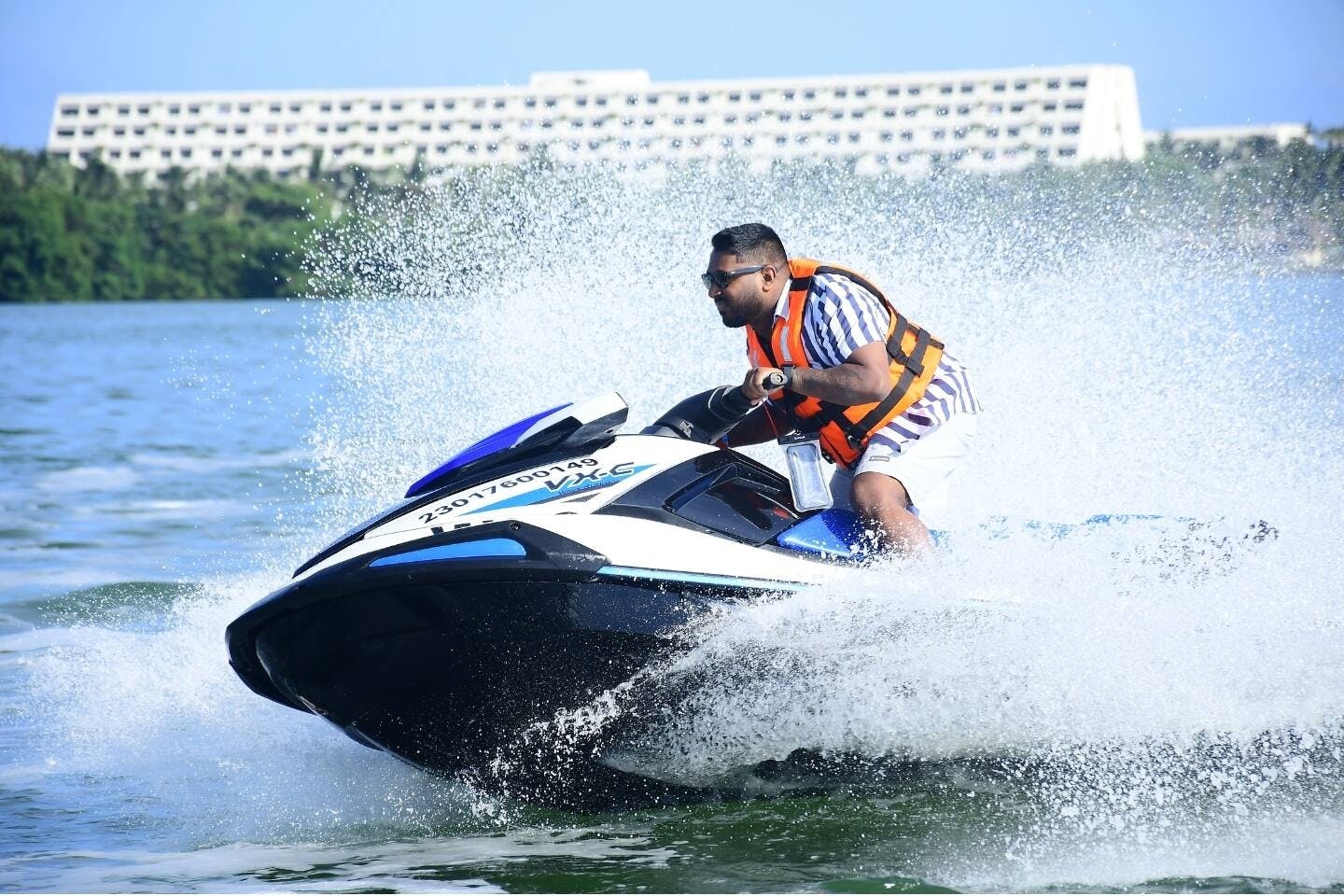
Puerto Maya WaveRunner Nichupté Lagoon Ride Mexico Puerto Maya Wave Runner USD 75 adds structure, local context and purposeful sightseeing to the itinerary. Check current availability, inclusions and booking details before you go.
Seeing Australia’s most iconic wildlife is one of the great highlights of travelling around the country. Kangaroos grazing at sunrise, koalas sleeping in eucalyptus trees and whales breaching offshore are all unforgettable experiences, especially when viewed responsibly in natural settings.
Australia is a huge country, so the best place to see kangaroos, koalas and whales depends on where you are travelling, the season and whether you prefer wild encounters, guided tours or wildlife sanctuaries. Some destinations are famous for one animal, while others give you the chance to see several in the same trip.
This guide covers where to see kangaroos, koalas and whales in Australia, including the best places by state, the best time to visit, responsible wildlife viewing tips and itinerary ideas for planning a nature-focused holiday.
Quick Guide: Best Places to See Kangaroos, Koalas and Whales
Animal
Best Places
Best Time
Kangaroos
Lucky Bay, Cape Hillsborough, Murramarang National Park, Kangaroo Island, the Grampians and the Red Centre
Early morning and late afternoon year-round
Koalas
Noosa National Park, Magnetic Island, Raymond Island, Kangaroo Island, Great Ocean Road and Port Stephens
Year-round, especially early morning or cooler parts of the day
Whales
Hervey Bay, Eden, Sydney coast, Gold Coast, Warrnambool, Albany, Exmouth and Victor Harbor
Generally May to November, depending on region and migration direction
Responsible Wildlife Viewing in Australia
Before planning wildlife encounters, it is important to remember that wild animals should be observed respectfully. The best experiences are usually the ones where animals are behaving naturally and visitors keep a safe distance.
Never feed wild kangaroos, koalas or marine wildlife.
Do not touch or attempt to hold wild animals.
Keep a respectful distance and use a zoom lens for photos.
Stay on marked tracks in national parks and reserves.
Follow local signs, ranger advice and tour operator instructions.
Drive carefully at dawn, dusk and night, when kangaroos and wallabies are more active.
Choose ethical wildlife tours that prioritise conservation and animal welfare.
For whales, follow all boat, drone and approach-distance rules.
Wildlife sightings are never guaranteed, but responsible travellers have the best chance when they visit the right habitats at the right time of day or season.
Where to See Kangaroos in Australia
1. Lucky Bay, Western Australia
Lucky Bay in Cape Le Grand National Park near Esperance is one of the most famous places in Australia to see kangaroos on the beach. The combination of white sand, turquoise water and kangaroos resting near the shoreline makes it a dream location for photographers and wildlife lovers.
The kangaroos are often seen near the beach and campground area, particularly in the cooler parts of the day. Lucky Bay is also a beautiful destination for swimming, beach walks, camping and scenic drives through Cape Le Grand National Park.
Best for: beach kangaroos, photography, road trips and nature lovers.
Best time: Early morning or late afternoon.
Travel tip: Do not feed the kangaroos, even if they appear friendly or used to people.
2. Cape Hillsborough, Queensland
Cape Hillsborough, near Mackay in Queensland, is another famous beach location where kangaroos and wallabies are often seen at sunrise. The animals may come down towards the beach in the early morning, creating a memorable coastal wildlife experience.
This is a wonderful stop on a Queensland road trip, especially for travellers heading between Rockhampton, Mackay, Airlie Beach and the Whitsundays. The surrounding national park also offers walking tracks, lookouts and coastal scenery.
Best for: sunrise photography, Queensland road trips and beach wildlife.
Best time: Sunrise.
Travel tip: Arrive early, stay quiet and give the animals plenty of space.
3. Murramarang National Park and Pebbly Beach, New South Wales
Murramarang National Park on the New South Wales South Coast is one of the best places to see kangaroos near the beach. Pebbly Beach is especially well known for eastern grey kangaroos that graze in open grassy areas close to the sand.
This area is ideal for travellers driving between Sydney, Jervis Bay, Batemans Bay and the far South Coast. It combines beaches, forest, camping, walking tracks and classic coastal scenery.
Best for: kangaroos near Sydney, South Coast road trips and camping holidays.
Best time: Morning and late afternoon.
Travel tip: Watch for kangaroos on the road, especially around dawn and dusk.
4. Kangaroo Island, South Australia
With a name like Kangaroo Island, it is no surprise that this South Australian island is one of the country’s best wildlife destinations. Kangaroos, wallabies, koalas, echidnas, sea lions and abundant birdlife can all be seen here with patience and care.
Kangaroo Island is not just a quick stop. It is a large island with national parks, rugged coastlines, beaches, local produce, wildlife tours and scenic drives. For kangaroo sightings, look around open grassy areas and quiet roads early or late in the day.
Best for: wildlife holidays, road trips, families and photographers.
Best time: Year-round, with wildlife often active around dawn and dusk.
Travel tip: Stay at least three nights if you want time to explore the island properly.
5. The Grampians / Gariwerd, Victoria
The Grampians, also known as Gariwerd, is one of Victoria’s best places to see kangaroos in natural surroundings. Halls Gap is especially famous for kangaroos grazing in open spaces around town, particularly in the early morning and late afternoon.
The region is also known for mountain views, waterfalls, walking tracks, Aboriginal rock art, lookouts and native wildlife. It is a strong choice for travellers who want a nature-focused escape from Melbourne.
Best for: kangaroos, hiking, mountain scenery and weekend escapes from Melbourne.
Best time: Early morning and late afternoon.
Travel tip: Drive slowly through Halls Gap and surrounding roads, especially at night.
6. Canberra and Tidbinbilla Nature Reserve, Australian Capital Territory
Canberra is one of the easiest capital cities for seeing kangaroos in open spaces. Tidbinbilla Nature Reserve, Namadgi National Park and grassy areas around the city can offer excellent wildlife viewing.
Tidbinbilla is particularly good for travellers who want a managed nature reserve experience with walking tracks, wetlands, picnic areas and chances to see kangaroos, wallabies, emus, koalas and other native species.
Best for: families, easy wildlife viewing, Canberra visitors and nature walks.
Best time: Morning or late afternoon.
Travel tip: Combine Tidbinbilla with the nearby Canberra Deep Space Communication Complex for a varied day trip.
7. The Red Centre, Northern Territory
For travellers who want to see red kangaroos in a classic outback setting, the Red Centre offers one of the most iconic landscapes in Australia. Kangaroos and wallabies may be seen around national parks, waterholes and desert habitats, although sightings can depend heavily on season, water availability and time of day.
Uluru-Kata Tjuta National Park, Kings Canyon and areas around Alice Springs offer unforgettable scenery and the possibility of seeing wildlife in a desert environment.
Best for: outback landscapes, red kangaroos, road trips and photography.
Best time: Cooler months and early morning or late afternoon.
Travel tip: Respect national park rules and cultural restrictions, especially around Uluru and Kata Tjuta.
Where to See Koalas in Australia
1. Noosa National Park, Queensland
Noosa National Park is one of the best places in Queensland to look for wild koalas. The park’s coastal walking tracks pass through eucalyptus habitat where koalas may be seen resting high in the trees.
Koalas can be difficult to spot because they sleep for much of the day and blend into the branches. Move slowly, look up, and watch for other visitors quietly pointing into the trees. The park is also beautiful for coastal views, beaches and walking.
Best for: wild koalas, coastal walks, beach holidays and first-time Queensland visitors.
Best time: Early morning or cooler parts of the day.
Travel tip: Bring binoculars or use your camera zoom, as koalas are often high above the track.
2. Magnetic Island, Queensland
Magnetic Island, off Townsville, is one of the best places in Australia to see koalas in the wild. The Forts Walk is particularly popular because koalas are often spotted in the trees along the trail.
The island also offers beaches, bays, snorkelling spots, walking tracks and a relaxed tropical atmosphere. It works well as a day trip from Townsville, but staying overnight gives you a much better island experience.
Best for: wild koalas, island stays, walking trails and relaxed beach holidays.
Best time: Morning walks are often more comfortable.
Travel tip: Ask locals or check visitor information for recent koala sightings before walking the Forts Track.
3. Raymond Island, Victoria
Raymond Island in Gippsland is one of Victoria’s easiest places to look for koalas in the wild. The island is reached by a short ferry from Paynesville and has a well-known koala walk where visitors can search the trees at a gentle pace.
This is a peaceful and low-key wildlife experience, ideal for families, couples and travellers exploring the Gippsland Lakes region.
Best for: easy koala spotting, families, gentle walks and Gippsland road trips.
Best time: Year-round, with cooler parts of the day best for walking.
Travel tip: Keep noise low and do not stand directly under koalas for long periods, as they need rest.
4. Great Ocean Road, Victoria
The Great Ocean Road region is another strong option for seeing koalas in the wild. Areas around Kennett River and nearby eucalyptus forests have long been popular with travellers hoping to spot koalas during a coastal road trip.
The Great Ocean Road is also famous for beaches, cliffs, rainforest, waterfalls and the Twelve Apostles, making it one of Australia’s most scenic drives.
Best for: koalas, road trips, coastal scenery and first-time Victoria visitors.
Best time: Year-round, with morning and late afternoon often more pleasant.
Travel tip: Avoid crowding wildlife viewing spots and never feed birds or animals to attract them closer.
5. Kangaroo Island, South Australia
Kangaroo Island is also one of Australia’s best places to see koalas. While the island is famous for kangaroos and sea lions, it has large areas of eucalyptus habitat where koalas may be seen resting in trees.
Popular wildlife areas, guided tours and national parks provide good opportunities for spotting koalas, especially when travelling slowly with a knowledgeable guide.
Best for: combined kangaroo and koala viewing, wildlife tours and nature holidays.
Best time: Year-round, especially cooler times of day.
Travel tip: A guided wildlife tour can help you spot animals you might otherwise miss.
6. Port Stephens, New South Wales
Port Stephens is a good destination for travellers who want a mix of beaches, dunes, dolphins and koala-focused experiences. The region has important koala habitat and is home to conservation-based attractions that help visitors learn about koala care and protection.
This is a practical option from Sydney or Newcastle, especially for families and travellers who want wildlife experiences without travelling deep into remote bushland.
Best for: families, koala conservation, beaches and easy coastal escapes.
Best time: Year-round.
Travel tip: Combine koala viewing with a dolphin cruise, sand dune tour or beach stay.
7. Lone Pine Koala Sanctuary, Brisbane, Queensland
Lone Pine Koala Sanctuary in Brisbane is one of the easiest places for visitors to see koalas up close in a managed setting. It is especially useful for international visitors or travellers with limited time who may not be able to search for koalas in the wild.
Wildlife sanctuaries can be a good option when you want reliable viewing, educational talks and close observation without disturbing wild animals.
Best for: first-time visitors, families, Brisbane travellers and reliable koala viewing.
Best time: Year-round.
Travel tip: Choose experiences that focus on observation, education and conservation rather than handling.
Currumbin Wildlife Sanctuary is one of the Gold Coast’s best-known wildlife attractions and a convenient place to see koalas, kangaroos and other Australian animals in one visit. It works especially well for families and visitors staying between Surfers Paradise, Broadbeach, Burleigh Heads and Coolangatta.
The sanctuary also has a wildlife hospital, helping visitors understand the challenges facing native animals and the importance of conservation.
Best for: Gold Coast visitors, families, wildlife education and close observation.
Best time: Year-round.
Travel tip: Allow several hours and check the day’s keeper talk schedule before you arrive.
Where to See Whales in Australia
1. Hervey Bay, Queensland
Hervey Bay is one of the best places in Australia for whale watching. It is especially famous for humpback whales, which spend time in the calm waters between the mainland and K’gari during their annual migration.
Unlike some coastal locations where whales simply pass by, Hervey Bay is known for more lingering whale behaviour, making it a top choice for dedicated whale-watching cruises. It is also a practical base for visiting K’gari.
Best for: humpback whales, dedicated whale cruises, families and Queensland road trips.
Best time: Generally July to October, with the broader Queensland season often running from June to November.
Travel tip: Book a half-day or full-day whale cruise and stay near the marina if you want an easy morning departure.
2. Gold Coast, Queensland
The Gold Coast is a convenient whale-watching destination for travellers staying in Surfers Paradise, Broadbeach, Main Beach or Burleigh Heads. During migration season, whale-watching tours depart from areas such as the Broadwater and Main Beach.
The Gold Coast is a good choice if you want to combine whales with beaches, theme parks, dining and hinterland day trips.
Best for: first-time visitors, families, beach holidays and easy tour access.
Best time: Usually winter to spring during humpback migration.
Travel tip: Morning tours can be more comfortable if you are prone to seasickness.
3. Sydney, New South Wales
Sydney is one of the easiest capital cities for whale watching. During migration season, whales may be seen from coastal headlands, harbour entrances and dedicated whale-watching cruises.
Good land-based options include coastal walks and lookouts around the eastern suburbs, North Head, South Head and the Royal National Park. Cruises offer a closer offshore experience when conditions are suitable.
Best for: city visitors, coastal walks, short stays and whale cruises.
Best time: May to November, with northbound and southbound migration periods offering different viewing opportunities.
Travel tip: Bring binoculars for land-based watching and check sea conditions before booking a cruise.
4. Eden, New South Wales
Eden on the Sapphire Coast is one of Australia’s most historic whale-watching destinations. The town has a deep connection with whales and is a particularly good place during the southern migration, when whales travel back towards Antarctic feeding grounds.
Visitors can join whale-watching cruises, use shoreline vantage points and visit the Eden Killer Whale Museum to learn about the region’s unusual whale history.
Best for: whale history, South Coast road trips, nature lovers and photographers.
Best time: September to November is especially popular for the southern migration.
Travel tip: Plan extra time for coastal lookouts and the Eden Killer Whale Museum.
5. Warrnambool, Victoria
Warrnambool is one of the best places in Victoria to see southern right whales. Logan’s Beach is known as a whale nursery, where female southern right whales may return during winter to calve and nurse their young.
The viewing platform at Logan’s Beach makes this one of the most accessible land-based whale-watching spots in Australia. It also pairs well with a Great Ocean Road trip.
Best for: land-based whale watching, southern right whales and Great Ocean Road itineraries.
Best time: June to October.
Travel tip: Check local whale sighting updates and allow time for more than one visit.
6. Albany, Western Australia
Albany, on Western Australia’s south coast, is a major whale-watching destination with dramatic coastal scenery and strong maritime history. Humpback whales and southern right whales may be seen in season, and the area has several excellent coastal viewpoints.
Albany also has the Historic Whaling Station, national parks, beaches, rock formations and scenic drives, making it a strong nature and history destination.
Best for: whale watching, coastal scenery, history and southern Western Australia road trips.
Best time: Winter to spring.
Travel tip: Combine whale watching with Torndirrup National Park, The Gap and Natural Bridge.
7. Exmouth and Ningaloo Reef, Western Australia
Exmouth and Ningaloo Reef are best known for whale sharks, manta rays and coral reef experiences, but humpback whales are also a major seasonal highlight. Depending on timing and regulations, visitors may be able to join whale-watching or approved in-water humpback experiences with licensed operators.
Ningaloo is ideal for travellers who want marine wildlife, snorkelling, remote beaches and national park scenery in one destination.
Best for: marine wildlife, reef trips, snorkelling, adventure travellers and remote coastlines.
Best time: Wildlife seasons vary, so check current operator calendars before booking.
Travel tip: Book marine tours early, as the best seasonal experiences can sell out.
8. Victor Harbor and the Fleurieu Peninsula, South Australia
Victor Harbor and the Fleurieu Peninsula are convenient whale-watching areas south of Adelaide. Southern right whales may be seen in season, especially around Encounter Bay and nearby coastal viewpoints.
This area works well for a day trip or short break from Adelaide, with beaches, coastal walks, Granite Island, cafes and nearby wine regions adding to the appeal.
Best for: Adelaide visitors, land-based whale watching, coastal drives and short breaks.
Best time: Winter whale season.
Travel tip: Check local whale sighting updates before making the trip.
9. Tasmania’s East Coast
Tasmania’s east coast can offer whale sightings during migration periods, particularly from headlands, beaches and coastal cruises. While sightings can be less predictable than major mainland whale-watching hubs, the scenery makes the search worthwhile.
Areas around the Tasman Peninsula, Freycinet, Bicheno and the east coast can be rewarding for travellers who enjoy coastal nature, wildlife and slower road trips.
Best for: scenic coastal drives, nature lovers, photographers and flexible travellers.
Best time: Migration periods, especially winter and spring.
Travel tip: Treat whales as a bonus and plan the trip around Tasmania’s scenery, walks and wildlife as well.
Best Places to See More Than One Iconic Animal
Kangaroo Island, South Australia
Kangaroo Island is one of the best all-round wildlife destinations in Australia. It offers the chance to see kangaroos, koalas, sea lions, echidnas, birds and other wildlife in a beautiful island setting. It is not a whale-watching hub in the same way as Hervey Bay or Warrnambool, but seasonal marine life and coastal wildlife add to the island’s appeal.
Great Ocean Road, Victoria
The Great Ocean Road region can combine koala spotting around eucalyptus areas with whale watching further west around Warrnambool during the right season. Add beaches, rainforest, waterfalls and the Twelve Apostles, and it becomes one of Australia’s best nature road trips.
South East Queensland
South East Queensland is excellent for combining wildlife experiences. You can see koalas in Noosa National Park, visit wildlife sanctuaries in Brisbane or the Gold Coast, look for whales off the Gold Coast or Hervey Bay in season, and see kangaroos or wallabies in hinterland and coastal areas.
New South Wales South Coast
The NSW South Coast is strong for kangaroos and whales. Murramarang National Park and Pebbly Beach are well known for kangaroos, while Eden and other South Coast headlands are excellent for whale watching during migration season.
Best Wildlife Itinerary Ideas
5-Day South East Queensland Wildlife Trip
Day 1: Brisbane and Lone Pine Koala Sanctuary.
Day 2: Noosa National Park for coastal walks and possible koala spotting.
Day 3: Drive to Hervey Bay.
Day 4: Join a Hervey Bay whale-watching cruise in season.
Day 5: Add a K’gari day tour or return towards Brisbane.
7-Day Sydney to South Coast Wildlife Road Trip
Day 1: Sydney coastal walk and whale watching in season.
Day 2: Royal National Park or Jervis Bay.
Day 3: Murramarang National Park and Pebbly Beach for kangaroos.
Day 4: Batemans Bay or Narooma.
Day 5: Travel to Eden.
Day 6: Whale watching in Eden during migration season.
Day 7: Explore the Sapphire Coast before returning or continuing to Victoria.
7-Day Melbourne, Great Ocean Road and Warrnambool Trip
Day 1: Melbourne arrival and city exploring.
Day 2: Drive towards the Great Ocean Road.
Day 3: Search for koalas around suitable eucalyptus areas and enjoy coastal scenery.
Day 4: Visit waterfalls, rainforest and Apollo Bay.
Day 5: See the Twelve Apostles and continue to Warrnambool.
Day 6: Visit Logan’s Beach for whale watching in season.
Day 7: Return via inland Victoria or continue towards South Australia.
5-Day Kangaroo Island Wildlife Escape
Day 1: Travel from Adelaide to Kangaroo Island.
Day 2: Explore Seal Bay and nearby wildlife areas.
Day 3: Visit Flinders Chase National Park, Remarkable Rocks and Admirals Arch.
Day 4: Join a guided wildlife tour for kangaroos and koalas.
Day 5: Enjoy a final scenic drive before returning to the mainland.
Best Time to See Kangaroos, Koalas and Whales
Kangaroos
Kangaroos can be seen year-round in many parts of Australia. They are usually most active in the early morning and late afternoon, when temperatures are cooler. Avoid driving fast at dawn, dusk and night, as kangaroos are more likely to cross roads at these times.
Koalas
Koalas can also be seen year-round in suitable habitat, but they can be hard to spot because they spend much of the day sleeping in trees. Look carefully in eucalyptus branches and visit during cooler parts of the day.
Whales
Whale-watching seasons vary by region. On the east coast, humpback whales generally migrate north during autumn and winter and return south during spring. Hervey Bay is especially popular from winter into spring, while Eden is a strong spring destination for the southern migration. In Victoria and South Australia, southern right whales are usually associated with winter calving areas.
Wildlife Travel Tips
Use binoculars: They are useful for whales, koalas high in trees and distant wildlife.
Take a zoom lens: Good wildlife photos should not require getting too close.
Be patient: Wildlife sightings often take time and quiet observation.
Ask local rangers or visitor centres: They may know recent sighting areas and safety advice.
Choose guided tours when appropriate: Good guides can improve your chances while protecting wildlife.
Dress for conditions: Bring sun protection, water, walking shoes and layers for coastal whale-watching lookouts.
Respect closures: Tracks, beaches and viewing platforms may close for safety, weather or wildlife protection.
Do not chase sightings: Let animals move naturally and never block their path.
Final Thoughts
Australia is one of the world’s great wildlife destinations, and seeing kangaroos, koalas and whales can be a highlight of any trip. For kangaroos, consider Lucky Bay, Cape Hillsborough, Murramarang National Park, Kangaroo Island and the Grampians. For koalas, head to Noosa National Park, Magnetic Island, Raymond Island, the Great Ocean Road or Kangaroo Island. For whales, Hervey Bay, Eden, Sydney, the Gold Coast, Warrnambool, Albany and Exmouth are among the best choices.
The most rewarding wildlife encounters are usually quiet, patient and respectful. Choose natural habitats where possible, support ethical operators and remember that these animals are not props for photos. When seen responsibly, Australia’s kangaroos, koalas and whales offer some of the most memorable travel experiences in the country.
Frequently Asked Questions
Where is the best place to see kangaroos in Australia?
Some of the best places to see kangaroos in Australia include Lucky Bay in Western Australia, Cape Hillsborough in Queensland, Murramarang National Park in New South Wales, Kangaroo Island in South Australia and the Grampians in Victoria.
Where can I see koalas in the wild in Australia?
Good places to see koalas in the wild include Noosa National Park and Magnetic Island in Queensland, Raymond Island and the Great Ocean Road region in Victoria, Kangaroo Island in South Australia and selected areas around Port Stephens in New South Wales.
Where is the best place to see whales in Australia?
Hervey Bay in Queensland is one of Australia’s best whale-watching destinations, especially for humpback whales. Other excellent whale-watching locations include Eden, Sydney, the Gold Coast, Warrnambool, Albany, Exmouth and Victor Harbor.
Can you see kangaroos and koalas in the same place?
Yes. Kangaroo Island is one of the best places to see both kangaroos and koalas. Some wildlife sanctuaries, such as Lone Pine Koala Sanctuary in Brisbane and Currumbin Wildlife Sanctuary on the Gold Coast, also allow visitors to see both animals in one location.
What is the best time of day to see kangaroos?
Kangaroos are usually most active early in the morning and late in the afternoon. These are also the best times for photography. Drivers should be especially careful at dawn, dusk and night because kangaroos may cross roads suddenly.
What is the best time of day to see koalas?
Koalas can be seen at any time of day, but cooler parts of the day are often more comfortable for walking and searching. Koalas sleep for long periods, so look high in eucalyptus trees and be patient.
When is whale-watching season in Australia?
Whale-watching season varies by region, but many Australian coastal areas see whales between May and November. Hervey Bay is especially popular from winter into spring, Eden is excellent during the southern migration, and Warrnambool is known for southern right whales during winter.
Can you see whales from land in Australia?
Yes. Many Australian whale-watching locations offer land-based viewing. Good options include coastal headlands in Sydney, Eden and the NSW South Coast, Logan’s Beach in Warrnambool, Albany’s coastal lookouts, Victor Harbor and parts of the Gold Coast and Sunshine Coast.
Is it better to see koalas in the wild or at a sanctuary?
Both can be worthwhile. Wild koala spotting is more natural and rewarding, but sightings are not guaranteed. Sanctuaries offer reliable viewing, educational talks and conservation information, which can be useful for families and visitors with limited time.
Can you feed kangaroos in the wild?
No. You should not feed wild kangaroos. Feeding can make them sick, change their behaviour and create safety problems for both animals and people. Enjoy them from a respectful distance instead.
Are whale-watching cruises worth it?
Whale-watching cruises can be very worthwhile, especially in places such as Hervey Bay, Sydney, Eden, the Gold Coast and Albany. Cruises can provide closer views and expert commentary, but always choose licensed operators that follow wildlife regulations.
What should I pack for wildlife watching in Australia?
Pack binoculars, a camera or phone with zoom, sunscreen, a hat, water, comfortable walking shoes, insect repellent, a light jacket and any required tour documents. For whale watching, bring warm layers and motion sickness medication if needed.
SEO Title
Where to See Kangaroos, Koalas and Whales in Australia
Meta Description
Discover where to see kangaroos, koalas and whales in Australia, including Lucky Bay, Kangaroo Island, Noosa, Magnetic Island, Hervey Bay, Eden, Warrnambool, Albany and more.
Sponsored Popular Items
Quick take: Musement.com offers a worldwide selection of tours and attractions
Coonawarra: Caves, Cabernet, & Kangaroos Day Tour & Lunch Australia Visit our incredible Coonawarra and experience this action-packed full-day shared tour including World Heritage natural wonders, icon wines, delicious dining, superb Gin tasting, wildlife, & more!
Newcastle: Animal Lovers Tour - Kangaroos, Dolphins & more! Australia Embark on a day tour to Port Stephens, starting with a scenic dolphin boat cruise. Enjoy a BBQ lunch and an exclusive koala encounter followed by interacting with a variety of Australian animals.
Koalas, Kangaroos and Lyrebirds Australia Explore the wild beauty of Mallacoota while keeping an eye out for our adorable koalas, kangaroos and lyrebirds. This tour is run as a cruise ship shore excursion.
Whale & Bird Watching from Andenes is one of the most exciting wildlife experiences in Northern Norway. Set at the northern tip of Andøya in the Vesterålen Islands, Andenes is famous for whale safaris, open-ocean wildlife trips, Arctic seabirds, dramatic coastal scenery and nearby puffin colonies around Bleiksøya.
This is a destination where the continental shelf lies close to shore, making deep-water whale habitat unusually accessible by boat. On a good trip, visitors may see sperm whales, orcas, humpback whales, pilot whales, dolphins, seabirds and white-tailed sea eagles, depending on season, sea conditions and wildlife movement.
For bird lovers, nearby Bleik is the main base for puffin and seabird safaris to Bleiksøya Bird Cliff. The island is one of Norway’s best-known bird cliffs, with large numbers of puffins during the breeding season, plus guillemots, razorbills, cormorants, gulls and sea eagles.
Quick take: Musement.com offers a worldwide selection of tours and attractions
Arctic Explorer Icebreaker Cruise in Swedish Lapland Finland Plan Arctic Explorer Icebreaker Cruise in Swedish Lapland, a water-based experience, with practical tips on timing, inclusions and what to check before booking. Compare current availability, prices and booking conditions before you go.
Why Go Whale and Bird Watching from Andenes?
Andenes is worth visiting because it offers one of Europe’s most reliable and dramatic whale-watching settings. The deep ocean lies close to land, so tours can reach whale-feeding areas without travelling for an entire day. This makes Andenes especially appealing for travellers who want serious wildlife watching but still prefer a manageable half-day activity.
The birdwatching is also exceptional. Just south of Andenes, the village of Bleik faces Bleiksøya, a steep bird island where puffins and other seabirds gather in large numbers during the breeding season. Combining a whale safari from Andenes with a puffin safari from Bleik gives visitors a powerful Arctic wildlife itinerary in a compact area.
Whale & Bird Watching from Andenes is best for:
Wildlife lovers wanting whales, puffins and sea eagles
Photographers looking for Arctic marine wildlife
Families with older children who enjoy boat trips
Travellers visiting Vesterålen, Lofoten or Northern Norway
Birdwatchers interested in puffins, guillemots, razorbills and cormorants
Visitors who want a quieter alternative to busier Lofoten villages
Nature-focused travellers who value responsible wildlife tourism
Where Is Andenes?
Andenes is a small coastal town at the northern end of Andøya, part of the Vesterålen archipelago in Nordland, Northern Norway. It faces the open Norwegian Sea and is known for its harbour, lighthouse, whale-watching operators, Arctic landscape and easy access to deep ocean waters.
Andenes can be visited as part of a Vesterålen road trip, as a detour from Lofoten, or as a dedicated wildlife stop. It is more remote than Svolvær or Tromsø, so planning transport and accommodation ahead is important.
Whale Watching from Andenes
Whale watching is the headline experience in Andenes. Tours usually depart from the harbour and head toward deep offshore waters where whales feed. The exact route depends on weather, sea state, recent sightings and operator decisions.
The most iconic species associated with Andenes is the sperm whale. These deep-diving whales are often seen feeding in the waters off Andøya. Depending on season and movement, other species may include orcas, humpback whales, pilot whales, fin whales, minke whales, dolphins and harbour porpoises.
What to expect on a whale safari
Check-in at the operator’s office or harbour meeting point
Safety briefing and wildlife information
Boat trip into open sea
Searching for whales using crew knowledge and recent sightings
Possible sightings of sperm whales, orcas, humpbacks or other cetaceans
More exposed, colder and bumpier; usually has minimum age rules.
Research-linked safari
Travellers interested in whale science and ecology
Look for operators that combine tourism with research and education.
Winter whale trip
Arctic atmosphere, fewer crowds and dramatic light
Weather and daylight can be more challenging.
Whale sightings are never completely guaranteed because these are wild animals. Good operators should explain the likelihood honestly, follow responsible whale-watching practices and avoid chasing or crowding animals.
Bird Watching and Puffin Safari from Bleik
For birdwatching, the nearby village of Bleik is the key location. From there, small boat trips visit Bleiksøya, a steep bird island just offshore. The island is especially famous for puffins during the summer breeding season.
A puffin safari is usually shorter than a whale safari and can be easier to fit into an afternoon or evening. Visitors travel by boat around the bird cliff rather than landing on the island, helping protect the nesting birds.
Birds you may see around Bleiksøya
Atlantic puffins – the star species during breeding season.
White-tailed sea eagles – often seen circling near the bird cliffs.
Guillemots – common seabirds on northern bird cliffs.
Razorbills – black-and-white seabirds related to auks.
Cormorants – often seen perched on rocks or flying low over water.
Kittiwakes and gulls – noisy and active around the cliffs.
What to expect on a puffin safari
Short boat ride from Bleik toward Bleiksøya
Views of the cone-shaped bird island rising from the sea
Large numbers of seabirds in flight and on the water
Puffins carrying fish during the breeding season
Possible white-tailed sea eagle sightings
Guided commentary about seabirds and local nature
Cold wind and possible sea movement even on short trips
Bring binoculars or a zoom lens. Puffins are small and fast, and responsible boats do not disturb nesting birds by getting too close.
Wildlife You May See from Andenes and Bleik
The waters around Andøya are rich in wildlife, but sightings vary. Whales follow food, seabirds follow fish, and weather can change the day’s route. Treat every trip as a nature experience rather than a guaranteed checklist.
Wildlife
Where You May See It
Notes
Sperm whales
Offshore from Andenes
The signature whale species associated with Andenes.
Orcas
Seasonal and variable offshore waters
Possible, but not guaranteed.
Humpback whales
Seasonal feeding areas
More likely when fish movement supports feeding activity.
Pilot whales
Open sea around Vesterålen
Possible on some whale safaris.
Puffins
Bleiksøya near Bleik
Best during the breeding season.
White-tailed sea eagles
Bleik, Bleiksøya and coastal areas
Often a major highlight of bird safaris.
Guillemots, razorbills and cormorants
Bird cliffs and coastal waters
Common seabird safari species.
Seals and porpoises
Coastal waters around Andøya
Possible but not the main focus of every trip.
Best Season for Whale and Bird Watching from Andenes
Andenes has wildlife activity across much of the year, but the best season depends on whether you are focusing on whales, puffins or Arctic light.
Season
Best For
Traveller Notes
May to mid-September
Main summer whale-watching season
Long daylight, more tour departures and good wildlife focus.
June to August
Puffins, seabirds, whale safaris and midnight sun atmosphere
Best overall period for combining whales and birds.
September
Whales and changing autumn light
Fewer crowds, but weather may be less predictable.
Winter
Arctic atmosphere and possible whale trips
Short daylight, colder conditions and more weather disruption.
Spring
Early whale activity and returning seabirds
Check tour availability before travelling.
For most visitors, the best all-round time for Whale & Bird Watching from Andenes is summer, especially June to August, when puffins are present and whale safari options are strong.
Best Tour Types from Andenes and Bleik
1. Classic Whale Safari from Andenes
The classic whale safari is the main Andenes experience. Choose this if you want the strongest chance of seeing large whales and learning about the marine environment.
2. RIB Whale Safari
A RIB safari is faster, smaller and more adventurous. It suits travellers who are comfortable with cold wind, sea spray and a more exposed ride.
3. Puffin Safari from Bleik
The puffin safari is ideal for birdwatchers, photographers and families who want a shorter boat trip. It focuses on Bleiksøya’s seabird colony rather than open-ocean whale searching.
4. Sea Eagle and Seabird Safari
Some bird-focused trips highlight white-tailed sea eagles as well as puffins and other seabirds. These are excellent for wildlife photography.
5. Combined Wildlife Stay
Stay two or three nights in Andenes or Bleik and book both a whale safari and puffin safari. This gives you a better chance of good weather and a fuller wildlife experience.
6. Photography-Focused Trip
Wildlife photographers should choose dates carefully, bring a zoom lens, allow multiple days for weather flexibility and consider both whale and bird trips.
Things to Do Near Andenes
Andenes Lighthouse
Andenes Lighthouse is one of the town’s most recognisable landmarks. It is a good place for harbour photos, coastal views and a short walk before or after a whale safari.
Bleik Beach
Bleik Beach is one of Northern Norway’s most beautiful beaches, with pale sand, mountain views and the bird island of Bleiksøya offshore. It is excellent for photography, walking and sunset light.
Bleiksøya Bird Cliff
Bleiksøya is the main birdwatching target near Bleik. It is usually viewed by boat, not by landing.
Andøya Scenic Route
The road along Andøya offers wild coastal views, beaches, mountains, bog landscapes and fishing villages. It is one of the most rewarding drives in Vesterålen.
Spaceship Aurora
Spaceship Aurora is an educational visitor attraction linked to space, aurora science and Andøya’s role in atmospheric research.
Bleik Village
Bleik is a small fishing village close to Andenes, useful for puffin safaris, beach walks and quieter accommodation.
Måtind Viewpoint
Måtind is a famous hiking viewpoint above Bleik and the Andøya coast. It offers spectacular views over beaches, mountains and the ocean, but requires suitable weather and fitness.
Vesterålen Road Trip
Andenes fits well into a wider Vesterålen route including Sortland, Stø, Nyksund, Bø and other coastal villages.
Suggested Whale & Bird Watching from Andenes Itinerary Ideas
Option 1: Classic 2-Day Andenes Wildlife Trip
Day 1: Arrive in Andenes, walk around the harbour and visit Andenes Lighthouse.
Day 1 evening: Stay overnight in Andenes or Bleik.
Day 2 morning: Join a whale safari from Andenes.
Day 2 afternoon: Visit Bleik Beach or take a puffin safari if timing allows.
Option 2: Whale and Puffin Summer Weekend
Friday: Arrive in Andenes and check into accommodation.
Saturday morning: Take a whale safari from Andenes.
Saturday afternoon: Rest, visit the lighthouse or explore the coast.
Sunday: Take a puffin safari from Bleik to Bleiksøya.
Sunday afternoon: Drive the Andøya scenic route or continue through Vesterålen.
Option 3: Family-Friendly Wildlife Plan
Day 1: Arrive and keep the day light with a harbour walk and beach visit.
Day 2: Choose the larger traditional whale safari boat rather than a RIB if children prefer more space.
Day 3: Add a shorter puffin safari from Bleik if the weather is suitable.
Option 4: Photography-Focused Andøya Route
Morning: Photograph Bleik Beach and the view toward Bleiksøya.
Midday: Take a whale safari with a zoom lens and weather protection.
Evening: Photograph Andenes Lighthouse and harbour light.
Next day: Take the puffin safari and continue to Måtind or scenic viewpoints if conditions are good.
Option 5: Vesterålen and Lofoten Wildlife Extension
Days 1–2: Visit Svolvær or Lofoten fjords.
Day 3: Drive north through Vesterålen to Andenes.
Day 4: Whale safari from Andenes.
Day 5: Puffin safari from Bleik and coastal road trip south.
Useful Booking Resources for Whale & Bird Watching from Andenes
Whale and bird watching trips from Andenes and Bleik can be weather-dependent and popular in summer, so advance booking is recommended. The suppliers below are useful places to compare wildlife tours, local operators, transport and wider Norway itineraries. Skimlinks may automatically convert these merchant links into affiliate links if the merchant is active in your Skimlinks account.
GetYourGuide – offers Norway wildlife tours, whale-watching experiences, Arctic activities, Lofoten and Vesterålen day trips, northern lights tours and regional travel add-ons.
Klook – offers Europe and Norway activities, transport products, SIM/eSIM options and selected Arctic experiences depending on current availability.
KKday – offers local tours, activity tickets, transport services and Europe travel products that may help with broader Norway planning.
Tiqets – offers mobile-friendly tickets for museums, attractions and landmarks, useful for city stopovers before or after Northern Norway wildlife travel.
Musement – offers city tours, attraction tickets, cultural activities and local experiences, useful for comparing Norway and wider Europe travel options.
G Adventures – offers small-group and multi-day Norway or Arctic-style tours that may suit travellers wanting a broader Scandinavia itinerary rather than a standalone Andenes wildlife trip.
Go City – offers bundled city attraction passes in selected destinations. It is not a main Andenes booking option, but it may help readers planning city stopovers before or after Norway.
CityPASS – offers bundled attraction passes mainly for selected North American cities. It is not designed for Andenes or Norway, but may suit readers planning wider international travel.
Booking tip: Before booking whale or bird watching from Andenes, check the departure harbour, tour duration, boat type, minimum age, weather cancellation policy, seasickness advice, thermal clothing, guide language, wildlife guarantee policy if offered, refund rules and whether the trip is a whale safari, puffin safari or combined wildlife product.
Whale & Bird Watching from Andenes Travel Tips
Book more than one night
Weather can cancel or delay boat trips. Staying two or three nights gives you a better chance of joining your safari in suitable conditions.
Dress for open ocean
Even in summer, the sea can feel cold. Wear warm layers, windproof clothing, gloves and a hat.
Prepare for seasickness
Open-ocean whale safaris can be rough. Take suitable medication before boarding if you are prone to motion sickness.
Bring binoculars
Binoculars are useful for birds, distant whales and sea eagles. They are especially helpful on puffin safaris where responsible boats keep distance from nesting cliffs.
Use a camera strap
Boats move, wildlife appears quickly and sea spray is common. Secure cameras and phones.
Choose the right boat
A larger boat is usually better for comfort. A RIB is better for adventure but is colder and more exposed.
Keep expectations realistic
Whales, puffins and eagles are wild animals. Good sightings are likely in the right season, but never guaranteed.
Respect wildlife rules
Do not demand that boats chase animals, get too close to nesting cliffs or disturb whales and birds for photos.
Check puffin season
Puffins are seasonal. Do not book a bird safari expecting puffins outside the breeding period unless the operator confirms current sightings.
Allow time for the drive
Andenes looks close to Lofoten on a map, but road travel can take time. Plan fuel, food stops and weather delays.
Is Whale & Bird Watching from Andenes Worth It?
Yes, Whale & Bird Watching from Andenes is absolutely worth it if you enjoy wild nature, Arctic seas, whales, puffins and dramatic northern landscapes. It is one of Norway’s best places to combine marine mammals and seabird watching in one compact region.
It may not suit travellers who dislike boats, get severe seasickness or want guaranteed sightings on a strict schedule. The experience depends on weather, wildlife movement and operator safety decisions.
The best way to enjoy it is to stay at least two nights, book a whale safari from Andenes, add a puffin safari from Bleik during the breeding season, dress warmly and leave enough flexibility for weather changes.
FAQs About Whale & Bird Watching from Andenes
Where is Andenes?
Andenes is at the northern end of Andøya in the Vesterålen Islands, Nordland, Northern Norway. It is one of Norway’s best-known whale-watching bases.
What whales can you see from Andenes?
Sperm whales are the signature species off Andenes. Depending on season and movement, visitors may also see orcas, humpback whales, pilot whales, fin whales, minke whales, dolphins or porpoises.
When is the best time for whale watching from Andenes?
The main summer whale-watching season is generally from May to mid-September, with June to August offering long daylight and strong tour availability.
Where can you see puffins near Andenes?
The best place for puffins near Andenes is Bleiksøya, a bird cliff off the village of Bleik. Boat safaris from Bleik take visitors around the island during the breeding season.
How long is a puffin safari from Bleik?
Puffin safaris from Bleik are commonly listed as around 90 minutes, depending on operator, weather and sea conditions.
Can you see whales and puffins on the same day?
It may be possible in summer if tour times align, but it is better to allow two days in case weather delays one of the trips.
Are whale sightings guaranteed from Andenes?
No wildlife sighting can be completely guaranteed. Some operators may offer a whale guarantee or rebooking policy, but you should always check the exact terms before booking.
Is whale watching from Andenes suitable for children?
It can be suitable for children, especially on larger boats, but age rules vary. RIB tours often have stricter minimum age requirements.
Will I get seasick?
Possibly. Whale safaris travel into open sea, and conditions can be rough. Take seasickness precautions if you are sensitive to motion.
Is Whale & Bird Watching from Andenes worth it?
Yes. Andenes and nearby Bleik offer one of Northern Norway’s strongest wildlife combinations: whales offshore, puffins at Bleiksøya, sea eagles, seabirds and dramatic Arctic coastal scenery.
Sponsored Popular Items
Quick take: Musement.com offers a worldwide selection of tours and attractions
Arctic Explorer Icebreaker Cruise in Swedish Lapland Finland Plan Arctic Explorer Icebreaker Cruise in Swedish Lapland, a water-based experience, with practical tips on timing, inclusions and what to check before booking. Compare current availability, prices and booking conditions before you go.
1-Hour Arctic Circle Snowmobile Safari – Outdoor Adventure Finland 1-Hour Arctic Circle Snowmobile Safari places landscapes, habitats or wildlife at the centre of the experience. Check current availability, inclusions and booking details before you go.
Hualien whale watching is one of the best marine wildlife experiences on Taiwan’s east coast. Departing from Hualien Harbor, boat tours head into the deep blue Pacific Ocean in search of dolphins, whales, flying fish and seabirds, with the dramatic Central Mountain Range rising behind the city.
Although the activity is usually called “whale watching”, many visitors are more likely to see dolphins than large whales. Hualien’s offshore waters are known for dolphin activity, and sightings may include spinner dolphins, spotted dolphins or other cetaceans depending on season, weather and sea conditions.
A Hualien whale-watching tour is not just about the animals. It is also about the contrast of mountain and ocean: one side of the boat faces the vast Pacific, while the other looks back toward Hualien’s green mountains, cliffs and coastal plain. For travellers visiting Taroko Gorge, Qixingtan Beach or the East Rift Valley, a whale-watching cruise adds a memorable sea-based experience to the itinerary.
Quick take: Musement.com offers a worldwide selection of tours and attractions
Taiwan Taipei: Quick Photoshoot with Taiwan Photographer Taiwan Best deals for Taiwan Taipei: Quick Photoshoot with Taiwan Photographer. Welcome to Taipei Taiwan! Say goodbye to selfies, I will be your personal photographer. Let me show you the beauty of Taipei, and capture the best of you! Check my IG: mason.taiwan.photographer Available from getyourguide.com.
Why Go Whale Watching in Hualien?
Hualien is one of Taiwan’s best-known whale and dolphin watching destinations because the deep Pacific waters lie close to shore. Boats do not need to travel for hours before reaching suitable marine-wildlife areas, making the experience easier to fit into a half-day itinerary.
The scenery also makes the cruise special. Hualien sits between the ocean and the mountains, so a whale-watching trip can feel dramatic even before wildlife appears. On clear days, the coastline, clouds and green peaks create a beautiful backdrop behind the boat.
Hualien whale watching is best for:
Travellers interested in dolphins, whales and marine wildlife
Families looking for a half-day nature activity
Couples wanting a scenic Pacific Ocean experience
Visitors combining Hualien with Taroko Gorge or Qixingtan Beach
Photographers wanting ocean, dolphins and mountain views
People who enjoy boat trips and coastal scenery
Travellers visiting Taiwan’s east coast between spring and autumn
Where Do Hualien Whale-Watching Tours Depart?
Most Hualien whale-watching tours depart from Hualien Harbor, also called Hualien Port. The harbor is close to Hualien City, making it easy to reach by taxi, hotel transfer, scooter or tour pickup.
Location Detail
Traveller Notes
Main activity
Hualien whale and dolphin watching
Departure point
Hualien Harbor / Hualien Port
City
Hualien City, eastern Taiwan
Sea area
Pacific Ocean off the Hualien coast
Typical duration
About 2 to 3 hours, depending on operator and conditions
Best visit style
Morning cruise, half-day marine wildlife tour or Hualien city add-on
Some tour packages include hotel pickup from Hualien City, while others require you to meet directly at the harbor. Always check the exact pier, check-in time and operator name before the tour date.
What to Expect on a Hualien Whale-Watching Cruise
Expect a practical marine-wildlife boat trip rather than a luxury cruise. After checking in at Hualien Harbor, you board a whale-watching vessel, receive a safety briefing and head out into the Pacific. Crew members or guides usually explain the local marine environment and help scan for wildlife.
The boat may travel for a while before sightings happen. Sometimes dolphins appear quickly; other times the crew may search across different areas. The experience depends heavily on sea conditions, weather, animal movement and luck.
What you may experience
Boat ride from Hualien Harbor into the Pacific Ocean
Views back toward Hualien’s mountains and coastline
Dolphin sightings, especially in suitable season
Possible whale sightings, depending on luck and season
Flying fish or seabirds in warmer months
Guided commentary about marine ecology
Sea spray, wind and strong sun
Some boat movement and possible seasickness
What not to expect
Do not expect whale sightings to be guaranteed.
Do not expect calm seas every day.
Do not expect a long-distance luxury cruise.
Do not expect every operator to provide English commentary.
Do not expect to swim with dolphins or whales.
Do not feed, touch or disturb marine animals.
Whales, Dolphins and Marine Wildlife
Hualien’s tours are often marketed as whale watching, but dolphin sightings are generally more common than large whale sightings. This is normal for many whale-watching destinations. The excitement comes from seeing wild animals in their natural ocean environment, not from a guaranteed checklist.
Marine wildlife you may see
Spinner dolphins – known for energetic movement and sometimes acrobatic spins.
Spotted dolphins – commonly associated with tropical and subtropical waters.
Bottlenose dolphins – possible in some areas, depending on season and movement.
Sperm whales – possible but much less predictable than dolphins.
Pilot whales or other cetaceans – possible but not guaranteed.
Flying fish – sometimes seen gliding over the water.
Seabirds – may follow fish activity or boat movement.
Responsible whale watching matters. Choose operators that follow safe viewing distances, avoid chasing animals and allow dolphins or whales to choose whether they approach the boat.
Best Season for Hualien Whale Watching
The best season for Hualien whale watching is generally from spring to early autumn, with many sources highlighting May to September as peak season and some operators running tours from around April to October. Sea conditions are usually more favourable outside typhoon periods, though weather can still change quickly.
Period
What to Expect
Advice
April
Early season for some operators
Check availability and sea conditions carefully.
May to September
Peak whale and dolphin watching season
Best overall period for most travellers.
July to August
Warm weather, school holidays and possible typhoon disruptions
Book ahead but keep your schedule flexible.
October
Late season for some operators
Availability may vary by company and conditions.
Winter
Fewer whale-watching departures
Look for other Hualien activities if tours are not running.
Morning cruises are often preferred because the sea may be calmer earlier in the day, but this is not guaranteed. Always follow the operator’s weather and sea-condition advice.
Types of Hualien Whale-Watching Tours
Tour Type
Best For
Traveller Notes
Standard whale and dolphin watching cruise
Most visitors
Usually around 2 to 3 hours from Hualien Harbor.
Hotel-transfer package
Travellers without a car or scooter
Useful if staying in Hualien City.
Eco-guided tour
Nature lovers and families
Look for operators with strong marine-ecology commentary.
Private or small-group package
Families, couples or photography-focused travellers
Less common and usually more expensive.
Whale watching plus Hualien day tour
Short-stay visitors
May combine the boat trip with Qixingtan, Taroko Gorge or coastal stops.
When comparing tours, do not only look at price. Check the operator’s safety standards, cancellation policy, guide language, pickup arrangements and whether seasickness advice is provided.
Who Is Hualien Whale Watching Best For?
Families
Hualien whale watching can be a great family activity, especially for children who enjoy animals and boats. Choose a reputable operator, check age rules and bring sun protection, water and seasickness precautions.
Couples
The ocean setting and mountain backdrop make this a scenic half-day experience for couples, especially when paired with Qixingtan Beach or a coastal café afterwards.
Older travellers
Older travellers can enjoy the cruise if they are comfortable boarding a boat and handling possible sea movement. Check boarding access and seating before booking.
Photographers
Bring a zoom lens if possible. Dolphins can move quickly, and the boat may rock. Use a camera strap and protect gear from spray.
Travellers prone to seasickness
Think carefully before booking. The Pacific can be choppy, and some people feel unwell once the boat slows or turns while searching for wildlife.
Things to Do Near Hualien Whale Watching
Qixingtan Beach
Qixingtan Beach is one of the best nearby stops after a whale-watching trip. It is known for its pebble shoreline, blue water, mountain backdrop and cycling paths.
Hualien Harbor
Hualien Harbor is the main departure point for whale-watching tours. Some areas nearby have seafood restaurants, harbor views and access to coastal roads.
Taroko Gorge
Taroko Gorge is Hualien’s most famous attraction, known for marble cliffs, river scenery, tunnels, shrines and walking trails. It is best done as a separate day or combined only with a light whale-watching schedule.
Dongdamen Night Market
Dongdamen Night Market is one of Hualien City’s main evening food stops. It is a good place for grilled foods, local snacks, drinks and casual dinner after a morning or afternoon cruise.
Pine Garden
Pine Garden is a historic cultural site in Hualien City with old buildings, pine trees and views toward the coast.
Pacific Park
Pacific Park is useful for a relaxed oceanfront walk, especially if you want a simple city-based coastal stop.
Liyu Lake
Liyu Lake is south of Hualien City and works well for a gentle afternoon if you want a quieter freshwater landscape after the ocean.
East Coast Scenic Route
Travellers with more time can continue south along Taiwan’s east coast for sea cliffs, beaches, indigenous culture, small fishing harbours and coastal viewpoints.
Suggested Hualien Whale Watching Itinerary Ideas
Option 1: Simple Half-Day Whale Watching Plan
Morning: Travel to Hualien Harbor and check in for your cruise.
Mid-morning: Join the whale and dolphin watching boat tour.
Midday: Return to the harbor and have lunch in Hualien City.
Afternoon: Visit Qixingtan Beach or Pacific Park.
Option 2: Whale Watching and Qixingtan Day
Morning: Take a whale-watching cruise from Hualien Harbor.
Lunch: Eat seafood or local food near the city.
Afternoon: Walk or cycle around Qixingtan Beach.
Evening: Visit Dongdamen Night Market for dinner.
Option 3: Taroko Gorge and Whale Watching Two-Day Plan
Day 1: Visit Taroko Gorge, including Shakadang Trail, Swallow Grotto or other open sections.
Day 1 evening: Eat at Dongdamen Night Market.
Day 2 morning: Join a Hualien whale-watching cruise.
Day 2 afternoon: Relax at Qixingtan Beach before leaving Hualien.
Option 4: Family-Friendly Hualien Plan
Morning: Choose an earlier cruise if sea conditions are suitable.
After cruise: Keep the afternoon easy with Qixingtan Beach or a short city stop.
Evening: Have a relaxed dinner rather than overpacking the day.
Backup plan: Prepare an indoor or city activity in case the cruise is cancelled by weather.
Option 5: Photography-Focused Hualien Route
Early morning: Photograph Hualien’s coastline or Qixingtan Beach.
Morning cruise: Join whale watching with a zoom lens and camera strap.
Afternoon: Capture mountain and ocean views from the coastal road.
Evening: Photograph food and night-market scenes at Dongdamen.
Useful Booking Resources for Hualien Whale Watching and Taiwan Tours
Hualien whale-watching tours can be booked locally or online. Advance booking is useful during peak season, weekends, school holidays and if you need hotel pickup. The suppliers below are useful places to compare tour times, inclusions and cancellation rules. Skimlinks may automatically convert these merchant links into affiliate links if the merchant is active in your Skimlinks account.
Viator – offers Hualien whale and dolphin watching tours, Taroko Gorge day trips, private Taiwan tours, transfers and customisable east coast itineraries.
Klook – offers Hualien whale-watching tours, Taiwan attraction tickets, Taroko activities, transport products, SIM/eSIM options and Hualien travel add-ons.
KKday – offers Hualien half-day whale and dolphin watching tours, guided ecology cruises, hotel-transfer options, Taiwan activities and local transport products.
Tiqets – offers mobile-friendly tickets for attractions, museums and landmarks. It is more useful for city-based sightseeing before or after a Hualien trip.
Musement – offers tours, attraction tickets, cultural activities and local experiences. It can help travellers compare Taiwan and broader Asia travel options.
G Adventures – offers small-group and multi-day tours that may suit travellers planning a broader Taiwan itinerary rather than a standalone Hualien whale-watching cruise.
Go City – offers bundled city attraction passes in selected destinations. It is not a main Hualien booking option, but it can help readers planning multi-city stopovers before or after Taiwan.
CityPASS – offers bundled attraction passes mainly for selected North American cities. It is not designed for Hualien or Taiwan, but may suit readers planning wider international travel.
Booking tip: Before booking a Hualien whale-watching tour, check the exact harbor meeting point, cruise duration, hotel pickup, guide language, child rules, seasickness advice, life jacket policy, cancellation rules, bad-weather arrangements and whether the operator follows responsible wildlife-viewing practices. Do not assume whale sightings are guaranteed.
Hualien Whale Watching Travel Tips
Book during the main season
For the best chance of favourable conditions, plan your trip between spring and early autumn, with May to September often considered the peak period.
Choose a morning cruise if possible
Morning trips may have calmer conditions, although this is not guaranteed. Check the weather and operator advice before departure.
Take seasickness precautions
If you are prone to motion sickness, take suitable medication before the cruise and avoid a heavy meal right before boarding.
Wear sun protection
The Pacific sun can be strong. Bring sunscreen, sunglasses, hat and lightweight long sleeves.
Bring a light jacket
Even in warm weather, it can feel windy on the water. A light windproof layer is useful.
Use a camera strap
Dolphins move quickly and boats can rock. Secure your phone or camera before leaning over the rail.
Keep expectations realistic
Wildlife sightings vary. Enjoy the ocean, mountain views and marine ecology even if whales do not appear.
Listen to the crew
Follow instructions about seating, viewing, movement on deck and safety. The crew knows how to respond when wildlife appears.
Do not disturb wildlife
Do not shout at animals, throw food, ask the boat to chase them or use drones unless legally permitted and operator-approved.
Keep a backup plan
Boat tours may be cancelled due to weather or sea conditions. Have a backup plan such as Qixingtan Beach, Pine Garden, Dongdamen Night Market or a city café.
Is Hualien Whale Watching Worth It?
Yes, Hualien whale watching is worth it if you enjoy marine wildlife, ocean scenery and nature-based experiences. It is one of the most accessible ways to experience Taiwan’s Pacific coast from the water.
It may not suit travellers who get severe seasickness or expect guaranteed whale sightings. Dolphins are more commonly seen than large whales, and every trip depends on weather, wildlife movement and sea conditions.
The best way to enjoy it is to book with a responsible operator during the main season, choose a suitable time of day, take seasickness precautions if needed and combine the cruise with nearby Hualien highlights such as Qixingtan Beach, Taroko Gorge and Dongdamen Night Market.
FAQs About Hualien Whale Watching
Where do Hualien whale-watching tours depart from?
Most Hualien whale-watching tours depart from Hualien Harbor, also known as Hualien Port, close to Hualien City on Taiwan’s east coast.
When is the best season for Hualien whale watching?
The peak season is generally May to September, although some operators run tours from around April to October depending on sea conditions and demand.
How long does a Hualien whale-watching tour take?
Most tours last around 2 to 3 hours, depending on the operator, route, weather and wildlife-search conditions.
Are whale sightings guaranteed in Hualien?
No. Whales and dolphins are wild animals, so sightings are never guaranteed. Dolphins are generally more commonly seen than large whales.
What animals can you see on a Hualien whale-watching tour?
You may see dolphins, possible whales, flying fish and seabirds. Species can include spinner dolphins, spotted dolphins and, if lucky, larger cetaceans such as sperm whales.
Is Hualien whale watching suitable for children?
Yes, it can be suitable for children who are comfortable on boats. Check age rules, life jackets, sea conditions and seasickness precautions before booking.
Can you get seasick on a Hualien whale-watching tour?
Yes. The Pacific Ocean can be choppy, and some travellers may feel seasick. Take precautions before boarding if you are sensitive to motion.
Should I book Hualien whale watching in advance?
Advance booking is recommended during peak season, weekends and holidays, especially if you need hotel pickup or a specific departure time.
What should I combine with Hualien whale watching?
Good combinations include Qixingtan Beach, Taroko Gorge, Dongdamen Night Market, Pine Garden, Pacific Park and Hualien coastal viewpoints.
Is Hualien whale watching worth it?
Yes, especially for travellers who enjoy dolphins, ocean scenery, marine ecology and Taiwan’s east coast landscapes. It is best enjoyed with realistic expectations and a responsible tour operator.
Sponsored Popular Items
Quick take: Musement.com offers a worldwide selection of tours and attractions
Taiwan Taipei: Quick Photoshoot with Taiwan Photographer Taiwan Best deals for Taiwan Taipei: Quick Photoshoot with Taiwan Photographer. Welcome to Taipei Taiwan! Say goodbye to selfies, I will be your personal photographer. Let me show you the beauty of Taipei, and capture the best of you! Check my IG: mason.taiwan.photographer Available from getyourguide.com.
Taiwan Taipei: Half-day VIP Photoshoot Taiwan Photographer Taiwan Best deals for Taiwan Taipei: Half-day VIP Photoshoot Taiwan Photographer. Wanna try local way to travel? Don't worry about the travel plan. Let me choose the iconic spots and hidden gems for you while capturing the best of you! Check my IG: mason.taipei.photographer Available from getyourguide.com.
Taiwan Tainan: Photoshoot with Taiwan Photographer Taiwan Best deals for Taiwan Tainan: Photoshoot with Taiwan Photographer. Welcome to Tainan Taiwan! Say goodbye to selfies, I will be your personal photographer. Let me show you the beauty of Tainan, and capture the best of you! Check my IG: mason.taipei.photographer Available from getyourguide.com.
Yilan Guishan Island: A Guide to Taiwan’s Turtle Island, Whale Watching and Volcanic Coast
Yilan Guishan Island, also known as Turtle Island or 龜山島, is one of the most distinctive natural landmarks off Taiwan’s north-east coast. Rising from the Pacific Ocean about 10 kilometres east of Toucheng in Yilan County, the island gets its name from its turtle-like shape, with a “head”, “shell” and “tail” visible from different viewpoints along the coast.
Guishan Island is famous for its volcanic landscape, sea cliffs, sulphur vents, turquoise “Milk Sea” waters, whale and dolphin watching, coastal boat tours and limited-access island landings. It is not a casual beach island where visitors can simply turn up and wander freely. Access is controlled, and travellers usually visit by organised boat tour from Wushi Harbor near Toucheng.
For visitors staying in Taipei, Yilan, Jiaoxi or Toucheng, Guishan Island makes a memorable half-day or full-day nature excursion. The best experience is usually a boat tour that combines whale or dolphin watching, a cruise around the island, Milk Sea views and, where available, an approved landing on the island itself.
Quick take: Musement.com offers a worldwide selection of tours and attractions
From Taipei: Two-Day Journey Through Hualien and Yilan Trip Taiwan Best deals for From Taipei: Two-Day Journey Through Hualien and Yilan Trip. A two-day private car tour to explore Taroko Gorge, the Hualien coastline, and the cultural landmarks of Yilan. This route will take you through the essence of eastern Taiwan in a comfortable way. Available from getyourguide.com.
Why Visit Yilan Guishan Island?
Guishan Island is worth visiting because it gives travellers a very different view of Taiwan. Instead of temples, night markets or city streets, you get open sea, volcanic cliffs, marine wildlife, sulphur-tinged waters and dramatic views back toward the Yilan coast.
The island is especially memorable because it feels wild and protected. Visitor access is limited, and many people only see the island from the mainland or from a boat. A tour around Guishan Island lets you appreciate its unusual shape, rugged coastline and importance as a landmark of Yilan.
Guishan Island is best for:
Travellers interested in Taiwan’s volcanic landscapes
Whale and dolphin watching trips from Yilan
Nature lovers looking for a half-day coastal experience
Photographers wanting sea cliffs, blue water and island silhouettes
Visitors staying in Toucheng, Jiaoxi, Yilan or Taipei
Families who enjoy boat trips, if sea conditions are suitable
Travellers combining Yilan hot springs, beaches and coastal scenery
Where Is Guishan Island?
Guishan Island sits off the coast of Toucheng Township in Yilan County, north-eastern Taiwan. It is easily seen from coastal viewpoints around Toucheng, Wai’ao, Daxi and the Yilan coast on clear days.
Location Detail
Traveller Notes
English name
Guishan Island / Turtle Island
Chinese name
龜山島
County
Yilan County, Taiwan
Closest town
Toucheng
Main tour departure point
Wushi Harbor
Distance from coast
About 10 kilometres east of Toucheng’s coastline
Best visit style
Boat tour, whale watching, Milk Sea cruise or controlled island landing tour
Most travellers do not travel independently to the island. Instead, they book a licensed boat tour or package that handles boat transport, landing arrangements where applicable and safety requirements.
What to Expect on a Guishan Island Trip
Expect a sea-based nature trip rather than a relaxed beach resort day. Tours usually depart from Wushi Harbor and head toward the island by boat. Depending on the package, sea conditions and permits, the trip may include whale and dolphin watching, a cruise around the island, views of the Milk Sea and a landing on Guishan Island.
The experience is weather-dependent. Trips may be cancelled or changed if wind, waves or visibility make conditions unsafe. Seasickness can be a real issue for some travellers, especially when the Pacific is choppy.
What you may experience
Boat ride from Wushi Harbor
Views of Guishan Island’s turtle-shaped profile
Whale and dolphin watching, depending on season and luck
Milk Sea turquoise water near volcanic vents
Sea cliffs, caves and rugged coastline views
Controlled island landing if included and approved
Walking paths, lake views and old settlement traces on the island
Optional hiking routes on some tours
Strong sun, wind and sea spray
What not to expect
Do not expect to visit the island without advance arrangements.
Do not expect whale or dolphin sightings to be guaranteed.
Do not expect calm water every day.
Do not expect restaurants, shops or resort-style facilities on the island.
Do not expect every tour to include landing.
Do not assume summit hiking is included in a standard boat tour.
Main Guishan Island Experiences
Experience
Best For
Traveller Notes
Whale and dolphin watching
Wildlife lovers and families
Sightings depend on season, weather and marine movement.
Milk Sea cruise
Photography and volcanic scenery
Best in clear light when the water colour is visible.
Island circle cruise
First-time visitors
Good way to see the island’s turtle shape and coastal cliffs.
Island landing tour
Nature walkers and culture/history travellers
Requires advance application or authorised tour arrangements.
Summit or 401 Highland hike
Fit hikers and photographers
Usually requires a specific permit or tour; not suitable for all visitors.
Toucheng coastal viewing
Travellers short on time
See the island from Wai’ao Beach, Toucheng or coastal viewpoints without taking a boat.
Whale and Dolphin Watching Around Guishan Island
Guishan Island is one of Taiwan’s best-known whale and dolphin watching areas. Boat tours from Wushi Harbor search the surrounding waters for marine wildlife, especially during the warmer months when conditions are more favourable.
Commonly promoted sightings include dolphins, and some trips may also encounter whales depending on season, sea conditions and luck. Because these are wild animals, no ethical operator should guarantee sightings.
Whale and dolphin watching tips
Choose a reputable licensed operator.
Book during the main promoted season if marine wildlife is a priority.
Go with realistic expectations; sightings are never guaranteed.
Take seasickness medication if you are prone to motion sickness.
Use a camera strap or waterproof phone pouch.
Listen to crew instructions when wildlife appears.
Do not throw food, plastic or rubbish into the sea.
Choose operators that respect safe distances from animals.
Morning trips may offer calmer conditions on some days, but weather and sea state matter more than the clock. Check local forecasts and operator guidance before departure.
The Milk Sea Phenomenon
The Milk Sea is one of Guishan Island’s most striking sights. Near parts of the island, volcanic activity and underwater hot spring vents can mix mineral-rich water with seawater, creating pale turquoise, blue-white or milky-coloured patches against the darker Pacific Ocean.
The colour is best seen in good weather and clear light. On cloudy, rough or low-visibility days, the effect may be less dramatic. Boat tours often include Milk Sea viewing when conditions allow.
How to enjoy the Milk Sea responsibly
View it from the boat unless your guide says otherwise.
Do not swim in restricted or unsafe volcanic water areas.
Do not throw anything into the sea.
Photograph from a stable position on the boat.
Expect colours to vary by light, water movement and weather.
Landing on Guishan Island
Landing on Guishan Island is more restricted than taking a boat around it. The island is protected, and visitor numbers are controlled. Travellers who want to step ashore usually need to book through an authorised tour operator or apply in advance through the relevant scenic area system.
Landing tours may include walking paths, Guiwei Lake, old settlement areas, military-era traces, coastal scenery and views across the island’s volcanic landscape. Some tours may include more demanding hiking, but this should be checked carefully before booking.
Before booking a landing tour, check:
Whether landing is actually included
Whether the operator handles permit application
Whether passport or ID details are needed in advance
Whether the trip includes whale watching or only island landing
Whether hiking to higher viewpoints is included
Fitness requirements and number of stairs
Whether children or older travellers can join comfortably
Bad-weather cancellation and refund policy
If you only book a whale watching or Milk Sea cruise, you may not land on the island. Read the product details closely.
Things to Do Near Guishan Island
Wushi Harbor
Wushi Harbor is the main departure point for Guishan Island boat tours. It is also useful for seafood, harbour views and easy access to Toucheng attractions.
Wai’ao Beach
Wai’ao Beach is a black-sand surf beach with excellent views toward Guishan Island. It is one of the best places to photograph the island from the mainland.
Lanyang Museum
Lanyang Museum in Toucheng has striking modern architecture and exhibits on Yilan’s natural and cultural history. It pairs very well with a Guishan Island trip.
Toucheng Old Street
Toucheng Old Street offers a small-town heritage feel, snacks, historic buildings and a slower contrast to the harbour and coast.
Jiaoxi Hot Springs
Jiaoxi is famous for hot springs and is one of the best places to stay after a coastal day trip. It is especially good if you want a relaxing soak after a boat tour.
Waiao and Toucheng surf areas
The coast around Wai’ao and Toucheng is popular for surfing, beach walks and sea views. Conditions vary by season and weather.
Northeast and Yilan Coast Scenic Area
The wider scenic area includes coastal drives, geological landscapes, temples, fishing harbours, beaches and viewpoints along Taiwan’s north-east coast.
Yilan City
Yilan City is useful for food, accommodation, transport and night-market-style eating after returning from the coast.
Suggested Yilan Guishan Island Itinerary Ideas
Option 1: Simple Half-Day Guishan Island Boat Tour
Morning: Travel to Wushi Harbor from Taipei, Jiaoxi or Yilan.
Mid-morning: Join a Guishan Island boat tour for whale watching, island views or Milk Sea viewing.
Midday: Return to Wushi Harbor.
Afternoon: Visit Lanyang Museum or Wai’ao Beach.
Option 2: Island Landing and Yilan Coast Day
Early morning: Arrive at Wushi Harbor with your permit-backed tour booking.
Morning: Boat to Guishan Island and land if conditions and permits allow.
Midday: Explore walking paths, lake views or authorised island areas.
Afternoon: Return by boat and stop at Wai’ao Beach for island photos.
Evening: Stay in Jiaoxi for hot springs.
Option 3: Taipei to Guishan Island Day Trip
Morning: Take a train or private transfer from Taipei to Toucheng/Wushi Harbor.
Late morning: Join a whale watching and Milk Sea cruise.
Afternoon: Visit Lanyang Museum or Toucheng Old Street.
Evening: Return to Taipei or continue to Jiaoxi.
Option 4: Yilan Weekend Escape
Day 1: Stay in Jiaoxi, enjoy hot springs and local food.
Day 2 morning: Travel to Wushi Harbor for Guishan Island boat tour.
Day 2 afternoon: Visit Wai’ao Beach, Toucheng and Lanyang Museum.
Day 2 evening: Return to Taipei or stay another night in Yilan.
Option 5: Photography-Focused Route
Morning: Photograph Guishan Island from Wai’ao Beach or Toucheng coast.
Midday: Take a boat tour for cliff, sea and Milk Sea views.
Afternoon: Visit coastal viewpoints or Lanyang Museum.
Sunset: Return to Wai’ao or a coastal viewpoint for silhouette photos of Turtle Island.
Useful Booking Resources for Guishan Island, Whale Watching and Taiwan Tours
Guishan Island access usually requires an authorised boat tour, and landing requires advance arrangements. Booking platforms can help with Wushi Harbor departures, whale watching, Milk Sea cruises, landing permits, transport from Taipei or Yilan, and broader Taiwan itineraries. The suppliers below are useful places to compare travel products. Skimlinks may automatically convert these merchant links into affiliate links if the merchant is active in your Skimlinks account.
GetYourGuide – offers Taiwan tours, coastal day trips, private guides, nature experiences and selected Yilan activities where available. It is useful for comparing broader Taiwan travel options.
Viator – offers private Taiwan tours, Yilan day trips, coastal sightseeing, Taipei transfers and customisable routes that may be adapted to include Toucheng or Guishan Island viewing.
Klook – offers Guishan Island / Turtle Island activity listings, whale watching products, Taiwan transport, Yilan experiences, SIM/eSIM options and Taipei day-trip add-ons.
KKday – offers Yilan Guishan Island landing and whale watching half-day tours, Wushi Harbor departures, Milk Sea viewing packages, local transfers and Taiwan activity options.
Tiqets – offers mobile-friendly tickets for attractions, museums and landmarks. It is more useful for city-based sightseeing before or after a Yilan coastal trip.
Musement – offers city tours, attraction tickets, cultural activities and local experiences. It can help travellers compare Taiwan sightseeing and wider Asia travel options.
G Adventures – offers small-group and multi-day tours that may suit travellers planning a broader Taiwan or East Asia itinerary rather than a standalone Guishan Island visit.
Go City – offers bundled city attraction passes in selected destinations. It is not a main Guishan Island booking option, but it can help readers planning multi-city stopovers before or after Taiwan.
CityPASS – offers bundled attraction passes mainly for selected North American cities. It is not designed for Yilan or Taiwan, but may suit readers planning wider international travel.
Booking tip: Before booking a Guishan Island tour, check whether the price includes boat ticket, landing permit, whale watching, Milk Sea viewing, island circle cruise, hiking route, guide service, insurance, hotel pickup, child rules, seasickness advice, cancellation policy and bad-weather arrangements. Do not assume every tour includes landing on the island.
Yilan Guishan Island Travel Tips
Book ahead
Landing numbers are controlled and boat departures can fill during the main season. Book early if you want a specific date or landing tour.
Check whether landing is included
Some tours only circle the island or do whale watching. Others include landing. Read the booking details carefully before paying.
Bring ID or passport details
Permit-backed tours may require identification details in advance. International travellers should carry a passport or a copy as advised by the operator.
Prepare for seasickness
The sea around Guishan Island can be choppy. If you are prone to motion sickness, take suitable precautions before boarding.
Wear sun protection
Bring sunscreen, sunglasses, hat and lightweight long sleeves. Sun exposure is strong on the water.
Use secure footwear
If landing or walking on the island, wear comfortable shoes with grip. Avoid slippery sandals.
Pack light but smart
Bring water, snacks, rain jacket, dry bag, camera strap and any medication you need. Facilities on the island are limited.
Listen to the crew
Boat captains and guides know local sea conditions. Follow their instructions, especially when boarding, wildlife appears or waves increase.
Keep your itinerary flexible
Boat tours can be delayed or cancelled by weather. Do not schedule a tight train, flight or important booking immediately after the tour.
Respect the protected environment
Do not leave rubbish, take rocks, disturb wildlife, enter restricted areas or damage volcanic and coastal features.
Is Yilan Guishan Island Worth Visiting?
Yes, Yilan Guishan Island is worth visiting if you enjoy volcanic landscapes, boat trips, marine wildlife, dramatic coastal scenery and nature-based experiences. It is one of Taiwan’s most recognisable offshore landmarks and a strong addition to a Yilan or Taipei itinerary.
It may not suit travellers who dislike boats, get severe seasickness or expect an easy beach resort-style island. Guishan Island is better understood as a protected volcanic island and marine tour destination.
The best way to visit is to book a reputable Wushi Harbor tour, choose a package that matches your interests, check whether landing is included, prepare for wind and sun, and keep your schedule flexible in case sea conditions change.
FAQs About Yilan Guishan Island
What is Yilan Guishan Island?
Yilan Guishan Island, also called Turtle Island, is a volcanic island off the coast of Toucheng in Yilan County, Taiwan. It is known for its turtle-like shape, whale watching, Milk Sea waters and controlled island landings.
Where is Guishan Island?
Guishan Island is about 10 kilometres east of the Toucheng coastline in Yilan County, north-eastern Taiwan.
Why is Guishan Island called Turtle Island?
The island is called Turtle Island because its shape resembles a turtle, with a head, body and tail visible from different angles.
Can you land on Guishan Island?
Yes, but landing is controlled and requires advance arrangements or an authorised tour. Not every boat tour includes landing.
Where do Guishan Island tours depart from?
Most Guishan Island tours depart from Wushi Harbor near Toucheng in Yilan County.
What is the Milk Sea at Guishan Island?
The Milk Sea is a pale turquoise or blue-white water phenomenon near Guishan Island, linked with volcanic underwater hot spring activity and mineral-rich water mixing with seawater.
Can you see whales and dolphins at Guishan Island?
Yes, whale and dolphin watching tours operate around Guishan Island, especially in the warmer months. Sightings depend on season, weather and marine conditions and are not guaranteed.
Is Guishan Island suitable for children?
It can be suitable for children who are comfortable on boats, but sea conditions can be choppy. Check age rules, life jackets and weather before booking.
How long does a Guishan Island tour take?
Many boat tours take around a half day, while landing, hiking or combined whale watching packages may take longer. Check the exact duration before booking.
Is Guishan Island worth visiting from Taipei?
Yes, if you enjoy nature and boat trips. It can be visited as a day trip from Taipei, especially with transport to Wushi Harbor, but staying in Yilan or Jiaoxi makes the day easier.
Sponsored Popular Items
Quick take: Musement.com offers a worldwide selection of tours and attractions
From Taipei: Two-Day Journey Through Hualien and Yilan Trip Taiwan Best deals for From Taipei: Two-Day Journey Through Hualien and Yilan Trip. A two-day private car tour to explore Taroko Gorge, the Hualien coastline, and the cultural landmarks of Yilan. This route will take you through the essence of eastern Taiwan in a comfortable way. Available from getyourguide.com.
Yilan: Animal Farm, Boba Tea Museum, and Night Market Tour Taiwan Best deals for Yilan: Animal Farm, Boba Tea Museum, and Night Market Tour. Explore Yilan with a guided journey through its coastal scenery, cultural landmarks, and family-friendly attractions, before concluding your day with local flavors at Luodong Night Market. Available from getyourguide.com.
Yilan: Qingshui Geothermal Cooking & Farm Experience Taiwan Best deals for Yilan: Qingshui Geothermal Cooking & Farm Experience. 【Zhang Mei Grandma’s Farm】 Family farm with animals. 【Qingshui Geothermal Park】 Geothermal cooking spot. 【National Center for Traditional Arts】 Traditional culture park. Available from getyourguide.com.
Located on the New South Wales South Coast, around 2.5 hours from Sydney or Canberra, Jervis Bay is famous for having some of the whitest sand beaches in the world, crystal-clear water, and thriving marine wildlife. It’s a stunning coastal escape for swimmers, snorkellers, hikers, families, and anyone craving pristine nature and peaceful beaches.
⭐ Why Visit Jervis Bay
1. Hyams Beach – World-Famous White Sand
Hyams Beach often claims the title of “whitest sand in the world.” The powder-fine sand and calm, turquoise water make it ideal for:
Swimming
Sunbathing
Photography
Paddleboarding
2. Booderee National Park
A protected gem rich in Aboriginal heritage, wildlife, and unspoiled nature. Highlights include:
Murrays Beach
Cave Beach (great for surfing)
Green Patch (perfect family area)
Botanic Gardens (the only Aboriginal-owned gardens in Australia)
The walking trails offer encounters with wallabies, kangaroos, echidnas, and dozens of bird species.
3. Dolphin & Whale Watching
Jervis Bay is home to a resident pod of bottlenose dolphins, and whale migrations (May–November) bring humpbacks right past the cliffs of Point Perpendicular. Cruises run year-round, offering close-up wildlife viewing.
4. Spectacular Snorkelling & Diving
Protected marine areas create underwater playgrounds filled with:
Sea turtles
Rays
Seagrass meadows
Colourful fish
Popular spots include Murrays Beach, Honeymoon Bay, and the Jervis Bay Marine Park.
5. Perfect for Kayaking & Paddleboarding
The bay’s calm water and hidden coves make it ideal for exploring by kayak or SUP. Paddle along dramatic cliff lines or drift across sparkling shallows.
6. Charming Coastal Villages
The Jervis Bay region has plenty of relaxed towns offering cafés, bakeries, and boutique shops:
Huskisson – main hub with restaurants and cruise departures
Vincentia – beachside town with walking/cycling paths
Hyams Beach – idyllic holiday setting
🏖️ Top Things to Do in Jervis Bay
🐬 1. Dolphin Cruise
Meet the local pod and enjoy breathtaking coastal scenery.
🏞️ 2. Visit Booderee National Park
Walk, swim, picnic, and learn about Koori culture.
🏊 3. Swim at Hyams Beach
A bucket-list beach for good reason.
🚶 4. White Sands Walk
A beautiful coastal trail linking several pristine beaches.
🌊 5. Explore Point Perpendicular Lighthouse
Offering dramatic cliff views and whale-watching lookouts.
🏄 6. Catch Waves at Cave Beach
Popular with surfers and campers.
🛌 Where to Stay
Huskisson – best for dining and tours
Vincentia – beachfront holiday homes
Booderee National Park – campgrounds surrounded by nature
🚗 Getting There
Jervis Bay is:
2 hr 30 min drive from Sydney
2 hr 30 min drive from Canberra Parking and access vary in national parks, so check seasonal rules and fees.
❓ Q&A (Short)
Q: Is Jervis Bay good for families? A: Yes—calm beaches, picnic areas, wildlife, and safe swimming make it ideal.
Q: Best time to visit? A: Summer for swimming, spring/autumn for walking, and winter for whale watching.
Q: Can you camp in Jervis Bay? A: Yes—Booderee National Park has excellent campsites by reservation.
Q: Are dogs allowed? A: Dogs are not allowed in Booderee National Park but are permitted in some towns and on certain beaches—always check signage.
🌅 Final Thoughts
Jervis Bay is one of Australia’s most breathtaking coastal destinations, offering world-famous beaches, incredible wildlife encounters, and peaceful natural beauty. Whether you’re kayaking over turquoise waters, hiking through national parks, or relaxing on pure white sands, Jervis Bay is a South Coast escape you’ll never forget.
Sponsored Popular Items
Quick take: Musement.com offers a worldwide selection of tours and attractions
Jervis Bay Dolphin Cruise, Lunch, Berry & Kiama Blowhole Tour Australia Discover the beauty of Jervis Bay on a full-day tour from Sydney. Enjoy a dolphin cruise, a delicious lunch, and visit the spectacular Kiama Blowhole and the iconic Berry Donut Van.
Jervis Bay, Kiama & Kangaroo Valley Day Trip From Sydney-PVT Australia This exclusive private day trip offers a perfect blend of coastal wonders, countryside charm, and natural beauty, making it an ideal choice for those looking to explore the diverse landscapes of NSW.
Jervis Bay: 3 Hour Guided Kayak Tour with Morning Tea Australia Paddle through ancient mangrove forests on a guided kayak tour in Jervis Bay. Spot local wildlife, enjoy a morning tea picnic on the beach, and learn about the area from your guide.
Lone Pine Koala Sanctuary, located in the western suburbs of Brisbane, is the world’s first and largest koala sanctuary, home to more than 130 koalas and over 70 native Australian species. Established in 1927, it remains one of Queensland’s most beloved attractions and a must-visit for animal lovers, families, and international visitors.
Just 12 km from the Brisbane CBD, the sanctuary combines conservation, education, and unforgettable wildlife encounters in a peaceful riverside setting.
⭐ Why Visit Lone Pine Koala Sanctuary
1. Hold or Meet a Koala
Lone Pine is one of the few places in Australia where visitors (age and state regulations permitting) can hold a koala or take a close-up photo while keeping conservation ethics at the forefront.
2. Hand-Feed Kangaroos & Wallabies
Walk freely through a spacious open-range reserve where kangaroos, wallabies, and emus roam. Buy a small bag of approved food and enjoy gentle interactions.
3. See Australia’s Most Iconic Wildlife
The sanctuary is home to:
Platypus
Wombats
Tasmanian devils
Dingoes
Echidnas
Reptiles and snakes
Lorikeets, cockatoos, and other native birds
Daily keeper talks offer deeper insight into each animal’s behaviour and conservation status.
4. Amazing Demonstrations & Shows
Don’t miss:
Birds of Prey Flight Show – watch eagles, owls & kites up close
Sheepdog & Shearing Show – showcasing true Aussie farm skills
Reptile presentations
Koala talks explaining habits, diet, and threats
5. Beautiful Natural Setting
Spread along the Brisbane River, Lone Pine has shady trees, peaceful lawns, picnic spots, and a relaxed outdoor atmosphere perfect for families.
🌟 Top Things to Do at Lone Pine Koala Sanctuary
🐨 1. Koala Encounter & Photos
Take a koala photo or participate in a hold-a-koala session—one of the sanctuary’s most iconic experiences.
🦘 2. Kangaroo Feeding
Wander through the spacious feeding grounds and interact with friendly kangaroos and wallabies.
🦅 3. Birds of Prey Show
See powerful raptors soar overhead—it’s a highlight for all ages.
🐕 4. Sheepdog Experience
Watch skilled working dogs demonstrate mustering techniques used on Australian farms.
🦎 5. Reptile House
Get eye-level with snakes, lizards, turtles, and freshwater crocodiles.
🐾 6. Platypus Habitat
One of the best places in Queensland to see these shy, extraordinary animals.
🎒 7. Enjoy a Riverside Picnic
Bring food or relax at the on-site café overlooking leafy grounds.
🚌 Getting There
Lone Pine is easily accessible:
By car: 20 minutes from Brisbane CBD
By bus: Routes 430 or 445
By river cruise: Mirimar Cruises offers a scenic Brisbane River cruise from South Bank directly to the sanctuary—an iconic experience of its own
❓ Quick Q&A
Q: Can you hold a koala at Lone Pine? A: Yes—Lone Pine offers regulated koala holding and photo sessions.
Q: How long should you spend at the sanctuary? A: At least 2–3 hours; half a day is ideal.
Q: Are there food and drink options? A: Yes—there’s a café, snack kiosks, and many picnic areas.
Q: Is Lone Pine suitable for children? A: Absolutely! It’s one of Brisbane’s most family-friendly attractions.
🌅 Final Thoughts
Lone Pine Koala Sanctuary offers a rare blend of close wildlife encounters, conservation awareness, and peaceful natural surroundings. Whether you’re holding a koala, feeding a kangaroo, or watching birds of prey soaring overhead, the experience is unforgettable—and uniquely Australian.
Sponsored Popular Items
Quick take: Musement.com offers a worldwide selection of tours and attractions
Brisbane: Private Brisbane Night Tour with Stops Australia Sit back, relax and enjoy Brisbane by night in a private tour. Get driven around Brisbane after dark with stops for photos and exploring. See the beauty of Brisbane and surrounds at… Check current availability, inclusions and booking conditions.
Brisbane: 2-Hour Kayak Hire on Brisbane River Australia Get out and discover Brisbane's beautiful river with this 2-hour kayak hire. Be your own kayak tour guide, whether you're a first-timer or an experienced paddler. Cruise along the… Check current availability, inclusions and booking conditions.
Byron Bay, Gold Coast, Brisbane, Noosa Hop-On Hop-Off Pass Australia Hop-on hop-off along Australia’s East Coast! Travel Byron Bay, Brisbane, Gold Coast, Noosa & Rainbow Beach at your pace, with local tips, must-see spots & exclusive discounts.
Near the theme parks of Oxenford, Paradise Country is the Gold Coast’s beloved Australian farm experience—combining outback culture, wildlife encounters, live shows, rustic dining, and relaxed countryside vibes. It’s the perfect place for families, international visitors, and locals wanting a fun and educational escape that feels worlds away from the city.
With koala cuddles, stockman shows, sheep shearing, camping, and farm animals roaming the grounds, Paradise Country delivers a taste of classic Aussie farm life in an easy, accessible, and entertaining way.
⭐ Why Visit Paradise Country
1. Classic Aussie Farm Experience
Paradise Country offers hands-on activities and shows celebrating rural Australian life, from herding and shearing to horse rides and whip-cracking.
2. Wildlife Encounters
Meet iconic Australian animals up close, including:
koalas
kangaroos
dingoes
farm animals (goats, sheep, cows, ponies)
3. Great for Families
Children love the friendly animals, playgrounds, pony rides, and interactive demonstrations.
4. Stay Overnight on the Farm
Choose from:
glamping tents
eco-cabins
caravan & camping sites
Wake up to kangaroos grazing outside your door!
5. Close to Theme Parks
Just minutes from:
Warner Bros. Movie World
Wet’n’Wild
Australian Outback Spectacular
Perfect for combining entertainment with nature.
🐾 Top Things to Do at Paradise Country
🐑 1. Stockman & Sheep Shearing Shows
High-energy live performances featuring:
traditional shearing
working dogs
horse riding
whip-cracking
bush storytelling
Entertaining and educational for all ages.
🐨 2. Koala & Wildlife Encounters
Visitors can:
see koalas relaxing in gum trees
hand-feed kangaroos in open paddocks
pat friendly farm animals
learn about Australia’s wildlife up close
Photo opportunities with koalas may be available.
🐎 3. Farm Activities
Enjoy a rotating selection of hands-on fun:
cow milking
pony rides
feeding sessions
animal nursery visits
Great for younger children.
🌳 4. Farmstay Camping & Glamping
The overnight experience is a highlight. Options include:
safari-style glamping tents
eco cabins
powered and unpowered campsites
Guests can join extra activities and enjoy campfires (weather permitting).
🍽 5. Farmhouse Food & Dining
Paradise Country features rustic meals with Australian flavours—BBQs, hearty lunches, and grab-and-go snacks perfect for families.
🚗 Getting There
Located in Oxenford on the Gold Coast, roughly:
20 minutes from Surfers Paradise
45 minutes from Brisbane
Easy access via the M1 motorway Free parking is available.
🕒 How Long to Spend
Half-day for wildlife and shows
Full day to see everything at a relaxed pace
Overnight for the full farmstay experience
🎟 Tickets
Visitors can purchase day passes, encounter add-ons, and accommodation packages. Bundles with nearby attractions may be available.
❓ Quick Q&A
Q: Is Paradise Country good for toddlers? A: Yes—gentle animals, short walking distances, and engaging shows make it toddler-friendly.
Q: Do you need to book in advance? A: Recommended during weekends, school holidays, and for overnight stays.
Q: Can you hold a koala? A: Regulations may vary—often you can have a professional koala photo taken.
Q: Is Paradise Country wheelchair accessible? A: Many areas are accessible, though some natural terrain may be uneven.
🌅 Final Thoughts
Paradise Country is a warm and welcoming taste of Australian rural life—right in the heart of the Gold Coast. Whether you’re meeting koalas, watching a stockman show, enjoying a farm meal, or waking up in a glamping tent with kangaroos hopping nearby, the experience is wholesome, family-friendly, and packed with genuine Aussie charm.
Sponsored Popular Items
Quick take: Musement.com offers a worldwide selection of tours and attractions
Byron Bay, Gold Coast, Brisbane, Noosa Hop-On Hop-Off Pass Australia Hop-on hop-off along Australia’s East Coast! Travel Byron Bay, Brisbane, Gold Coast, Noosa & Rainbow Beach at your pace, with local tips, must-see spots & exclusive discounts.
'Farm to Bottle' Rum Tour & Tastings: The Tweed/Gold Coast Australia Join us at Husk Farm Distillery for an immersive farm-to-glass experience. With a cocktail in one hand and a cane knife in the other, delve into the sustainable farming processes behind Husk Rum.
Discover Boat Safari around Agia Pelagia Bay museums, galleries, landmarks, parks, food culture, and hidden gems with practical tips for an easy, engaging
Sponsored Popular Items
Quick take: Musement.com offers a worldwide selection of tours and attractions
Boat Safari Around Agia Pelagia Bay - Outdoor Adventure Seeing the destination from a boat or waterside route can change the perspective, and Boat Safari around Agia Pelagia Bay is designed around that contrast. Check current availability, inclusions and booking details before you go.
Why Visit Boat Safari around Agia Pelagia Bay USD 88
Boat Safari around Agia Pelagia Bay USD 88 blends history, culture, and everyday life in a way that rewards slow exploration. Travellers find a mix of museums, lively streets, and neighbourhood charm.
From landmark architecture to green spaces and local markets, the city offers a balanced itinerary for first-time visitors and repeat travellers alike.
History & Heritage Museums
Boat Safari around Agia Pelagia Bay USD 88’s museums help you step through the region’s timeline with clear exhibits and well-curated collections. Expect artifacts, multimedia displays, and concise interpretation panels.
Most venues are walkable or connected by public transport, and many offer audio guides or rotating exhibitions that spotlight local stories alongside global context.
Art Galleries & Cultural Spaces
Creative hubs in Boat Safari around Agia Pelagia Bay USD 88 highlight classical works, contemporary installations, and community projects under one skyline. Small studios sit alongside established galleries.
Look for temporary shows, evening openings, and cultural centres where workshops, talks, and performances make art approachable and engaging for all visitors.
Science & Innovation Centers
Interactive science spaces introduce technology, nature, and engineering through hands-on exhibits. Families appreciate zones designed for curious minds at different ages.
Expect live demos, observatories or labs, and special programming during weekends or holidays that turn complex ideas into memorable experiences.
Landmarks & Architecture
Boat Safari around Agia Pelagia Bay USD 88 combines historic façades with modern silhouettes. Prominent squares, monuments, and skyline viewpoints help orient your footsteps across the city.
Architectural walks reveal different eras side by side, while guided tours unpack details you might otherwise miss, from craftsmanship to city-planning decisions.
Family Attractions
Parks with playgrounds, small zoos or aquariums, and light-touch museums make planning with kids straightforward. Many sites include cafés, shade, and stroller-friendly paths.
Pick attractions with short dwell times and nearby rest stops, then layer in one larger activity—like a scenic ride, boat trip, or theme exhibit—per day.
Parks & Promenades
Green belts, riverside walks, and hilltop lookouts provide fresh air between museum visits. Morning jogs and sunset strolls show a quieter side of the city.
Wayfinding is generally intuitive; look for signed trails and public gardens with seasonal blooms, sculptures, and benches for unhurried breaks.
Food & Culture Highlights
Food in Boat Safari around Agia Pelagia Bay USD 88 reflects regional produce and neighbourhood traditions. Markets offer quick tastings, while casual eateries and bakeries keep schedules flexible.
Consider a short food walk to sample local staples, sweets, or street snacks. Reserve popular spots early for weekends and arrive mid-week for calmer dining rooms.
Local Favorites & Hidden Gems
Beyond main streets, residential quarters hide pocket parks, indie bookshops, and family-run cafés. Small museums and community theatres reward curious detours.
Chat with locals for tips on viewpoint alleys, quiet courtyards, and seasonal events—simple moments that often become the highlight of a visit.
Travel Tips
Use a reloadable transit card or day pass; many sights cluster by district, making it easy to group stops. Comfortable walking shoes are essential on mixed surfaces.
Check opening days and timed-entry policies, especially on Mondays and public holidays. Carry a refillable bottle and light layers for changeable weather.
Final Thoughts
Boat Safari around Agia Pelagia Bay USD 88 invites you to balance headline attractions with slow, local moments. Pace your days, follow your interests, and give each neighbourhood time to breathe.
With thoughtful planning and an open schedule, you’ll leave with a clear sense of place—and reasons to return.
Sponsored Popular Items
Quick take: Musement.com offers a worldwide selection of tours and attractions
Boat Safari Around Agia Pelagia Bay - Outdoor Adventure Seeing the destination from a boat or waterside route can change the perspective, and Boat Safari around Agia Pelagia Bay is designed around that contrast. Check current availability, inclusions and booking details before you go.
Agia Pelagia Bay Speedboat Snorkelling Tour - Scenic Water Experience Agia Pelagia Bay Speedboat Snorkelling Tour combines sightseeing with the relaxed sense of movement that comes from a boat-based experience. Check current availability, inclusions and booking details before you go.
Agia Pelagia Bay Motorboat Cruise - Scenic Water Experience Agia Pelagia Bay Motorboat Cruise combines sightseeing with the relaxed sense of movement that comes from a boat-based experience. Check current availability, inclusions and booking details before you go.
Discover Dubai Desert safari with camp activities and BBQ dinner museums, galleries, landmarks, parks, food culture, and hidden gems with practical tips for
Sponsored Popular Items
Quick take: Musement.com offers a worldwide selection of tours and attractions
Dubai Desert Safari with Camp Activities and BBQ Dinner - Outdoor Adventure UAE Food can reveal a destination quickly, and Dubai Desert safari with camp activities and BBQ dinner places the tastes and culinary culture of Dubai at the centre of the outing. Check current availability, inclusions and booking details before you go.
Why Visit Dubai Desert safari with camp activities and BBQ dinner USD 59
Dubai Desert safari with camp activities and BBQ dinner USD 59 blends history, culture, and everyday life in a way that rewards slow exploration. Travellers find a mix of museums, lively streets, and neighbourhood charm.
From landmark architecture to green spaces and local markets, the city offers a balanced itinerary for first-time visitors and repeat travellers alike.
History & Heritage Museums
Dubai Desert safari with camp activities and BBQ dinner USD 59’s museums help you step through the region’s timeline with clear exhibits and well-curated collections. Expect artifacts, multimedia displays, and concise interpretation panels.
Most venues are walkable or connected by public transport, and many offer audio guides or rotating exhibitions that spotlight local stories alongside global context.
Art Galleries & Cultural Spaces
Creative hubs in Dubai Desert safari with camp activities and BBQ dinner USD 59 highlight classical works, contemporary installations, and community projects under one skyline. Small studios sit alongside established galleries.
Look for temporary shows, evening openings, and cultural centres where workshops, talks, and performances make art approachable and engaging for all visitors.
Science & Innovation Centers
Interactive science spaces introduce technology, nature, and engineering through hands-on exhibits. Families appreciate zones designed for curious minds at different ages.
Expect live demos, observatories or labs, and special programming during weekends or holidays that turn complex ideas into memorable experiences.
Landmarks & Architecture
Dubai Desert safari with camp activities and BBQ dinner USD 59 combines historic façades with modern silhouettes. Prominent squares, monuments, and skyline viewpoints help orient your footsteps across the city.
Architectural walks reveal different eras side by side, while guided tours unpack details you might otherwise miss, from craftsmanship to city-planning decisions.
Family Attractions
Parks with playgrounds, small zoos or aquariums, and light-touch museums make planning with kids straightforward. Many sites include cafés, shade, and stroller-friendly paths.
Pick attractions with short dwell times and nearby rest stops, then layer in one larger activity—like a scenic ride, boat trip, or theme exhibit—per day.
Parks & Promenades
Green belts, riverside walks, and hilltop lookouts provide fresh air between museum visits. Morning jogs and sunset strolls show a quieter side of the city.
Wayfinding is generally intuitive; look for signed trails and public gardens with seasonal blooms, sculptures, and benches for unhurried breaks.
Food & Culture Highlights
Food in Dubai Desert safari with camp activities and BBQ dinner USD 59 reflects regional produce and neighbourhood traditions. Markets offer quick tastings, while casual eateries and bakeries keep schedules flexible.
Consider a short food walk to sample local staples, sweets, or street snacks. Reserve popular spots early for weekends and arrive mid-week for calmer dining rooms.
Local Favorites & Hidden Gems
Beyond main streets, residential quarters hide pocket parks, indie bookshops, and family-run cafés. Small museums and community theatres reward curious detours.
Chat with locals for tips on viewpoint alleys, quiet courtyards, and seasonal events—simple moments that often become the highlight of a visit.
Travel Tips
Use a reloadable transit card or day pass; many sights cluster by district, making it easy to group stops. Comfortable walking shoes are essential on mixed surfaces.
Check opening days and timed-entry policies, especially on Mondays and public holidays. Carry a refillable bottle and light layers for changeable weather.
Final Thoughts
Dubai Desert safari with camp activities and BBQ dinner USD 59 invites you to balance headline attractions with slow, local moments. Pace your days, follow your interests, and give each neighbourhood time to breathe.
With thoughtful planning and an open schedule, you’ll leave with a clear sense of place—and reasons to return.
Sponsored Popular Items
Quick take: Musement.com offers a worldwide selection of tours and attractions
Dubai Desert Safari with Camp Activities and BBQ Dinner - Outdoor Adventure UAE Food can reveal a destination quickly, and Dubai Desert safari with camp activities and BBQ dinner places the tastes and culinary culture of Dubai at the centre of the outing. Check current availability, inclusions and booking details before you go.
Desert Safari with Camp Activities and BBQ Dinner – Outdoor Adventure United Arab Emirates For travellers seeking time beyond busy urban areas, Desert Safari with Camp Activities and BBQ Dinner provides a nature-focused addition to the itinerary. Check current availability, inclusions and booking details before you go.
Dubai 4x4 Desert Safari with activities and BBQ dinner – Outdoor Adventure United Arab Emirates Dubai 4x4 Desert Safari with activities and BBQ dinner explores the destination through flavour, regional customs and the stories connected with food or drink. Check current availability, inclusions and booking details before you go.
Morning Dubai Desert Safari with Camel Ride and Sand Boarding - Outdoor Adventure UAE For travellers seeking time beyond busy streets and indoor attractions, Morning Dubai Desert Safari with Camel Ride and Sand Boarding offers a nature-focused experience near Dubai. Check current availability, inclusions and booking details before you go.
Why Visit Morning Dubai Desert Safari with Camel Ride and Sand Boarding USD 46
Morning Dubai Desert Safari with Camel Ride and Sand Boarding USD 46 blends history, culture, and everyday life in a way that rewards slow exploration. Travellers find a mix of museums, lively streets, and neighbourhood charm.
From landmark architecture to green spaces and local markets, the city offers a balanced itinerary for first-time visitors and repeat travellers alike.
History & Heritage Museums
Morning Dubai Desert Safari with Camel Ride and Sand Boarding USD 46’s museums help you step through the region’s timeline with clear exhibits and well-curated collections. Expect artifacts, multimedia displays, and concise interpretation panels.
Most venues are walkable or connected by public transport, and many offer audio guides or rotating exhibitions that spotlight local stories alongside global context.
Art Galleries & Cultural Spaces
Creative hubs in Morning Dubai Desert Safari with Camel Ride and Sand Boarding USD 46 highlight classical works, contemporary installations, and community projects under one skyline. Small studios sit alongside established galleries.
Look for temporary shows, evening openings, and cultural centres where workshops, talks, and performances make art approachable and engaging for all visitors.
Science & Innovation Centers
Interactive science spaces introduce technology, nature, and engineering through hands-on exhibits. Families appreciate zones designed for curious minds at different ages.
Expect live demos, observatories or labs, and special programming during weekends or holidays that turn complex ideas into memorable experiences.
Landmarks & Architecture
Morning Dubai Desert Safari with Camel Ride and Sand Boarding USD 46 combines historic façades with modern silhouettes. Prominent squares, monuments, and skyline viewpoints help orient your footsteps across the city.
Architectural walks reveal different eras side by side, while guided tours unpack details you might otherwise miss, from craftsmanship to city-planning decisions.
Family Attractions
Parks with playgrounds, small zoos or aquariums, and light-touch museums make planning with kids straightforward. Many sites include cafés, shade, and stroller-friendly paths.
Pick attractions with short dwell times and nearby rest stops, then layer in one larger activity—like a scenic ride, boat trip, or theme exhibit—per day.
Parks & Promenades
Green belts, riverside walks, and hilltop lookouts provide fresh air between museum visits. Morning jogs and sunset strolls show a quieter side of the city.
Wayfinding is generally intuitive; look for signed trails and public gardens with seasonal blooms, sculptures, and benches for unhurried breaks.
Food & Culture Highlights
Food in Morning Dubai Desert Safari with Camel Ride and Sand Boarding USD 46 reflects regional produce and neighbourhood traditions. Markets offer quick tastings, while casual eateries and bakeries keep schedules flexible.
Consider a short food walk to sample local staples, sweets, or street snacks. Reserve popular spots early for weekends and arrive mid-week for calmer dining rooms.
Local Favorites & Hidden Gems
Beyond main streets, residential quarters hide pocket parks, indie bookshops, and family-run cafés. Small museums and community theatres reward curious detours.
Chat with locals for tips on viewpoint alleys, quiet courtyards, and seasonal events—simple moments that often become the highlight of a visit.
Travel Tips
Use a reloadable transit card or day pass; many sights cluster by district, making it easy to group stops. Comfortable walking shoes are essential on mixed surfaces.
Check opening days and timed-entry policies, especially on Mondays and public holidays. Carry a refillable bottle and light layers for changeable weather.
Final Thoughts
Morning Dubai Desert Safari with Camel Ride and Sand Boarding USD 46 invites you to balance headline attractions with slow, local moments. Pace your days, follow your interests, and give each neighbourhood time to breathe.
With thoughtful planning and an open schedule, you’ll leave with a clear sense of place—and reasons to return.
Sponsored Popular Items
Quick take: Musement.com offers a worldwide selection of tours and attractions
Morning Dubai Desert Safari with Camel Ride and Sand Boarding - Outdoor Adventure UAE For travellers seeking time beyond busy streets and indoor attractions, Morning Dubai Desert Safari with Camel Ride and Sand Boarding offers a nature-focused experience near Dubai. Check current availability, inclusions and booking details before you go.
Dubai Morning Desert Safari with Camel Ride – Nature Tour United Arab Emirates Dubai morning desert safari with camel ride USD 36 places landscapes, habitats or wildlife at the centre of the experience. Check current availability, inclusions and booking details before you go.