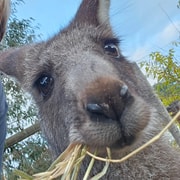
Seeing Australia’s most iconic wildlife is one of the great highlights of travelling around the country. Kangaroos grazing at sunrise, koalas sleeping in eucalyptus trees and whales breaching offshore are all unforgettable experiences, especially when viewed responsibly in natural settings.
Australia is a huge country, so the best place to see kangaroos, koalas and whales depends on where you are travelling, the season and whether you prefer wild encounters, guided tours or wildlife sanctuaries. Some destinations are famous for one animal, while others give you the chance to see several in the same trip.
This guide covers where to see kangaroos, koalas and whales in Australia, including the best places by state, the best time to visit, responsible wildlife viewing tips and itinerary ideas for planning a nature-focused holiday.
Quick Guide: Best Places to See Kangaroos, Koalas and Whales
Animal
Best Places
Best Time
Kangaroos
Lucky Bay, Cape Hillsborough, Murramarang National Park, Kangaroo Island, the Grampians and the Red Centre
Early morning and late afternoon year-round
Koalas
Noosa National Park, Magnetic Island, Raymond Island, Kangaroo Island, Great Ocean Road and Port Stephens
Year-round, especially early morning or cooler parts of the day
Whales
Hervey Bay, Eden, Sydney coast, Gold Coast, Warrnambool, Albany, Exmouth and Victor Harbor
Generally May to November, depending on region and migration direction
Responsible Wildlife Viewing in Australia
Before planning wildlife encounters, it is important to remember that wild animals should be observed respectfully. The best experiences are usually the ones where animals are behaving naturally and visitors keep a safe distance.
Never feed wild kangaroos, koalas or marine wildlife.
Do not touch or attempt to hold wild animals.
Keep a respectful distance and use a zoom lens for photos.
Stay on marked tracks in national parks and reserves.
Follow local signs, ranger advice and tour operator instructions.
Drive carefully at dawn, dusk and night, when kangaroos and wallabies are more active.
Choose ethical wildlife tours that prioritise conservation and animal welfare.
For whales, follow all boat, drone and approach-distance rules.
Wildlife sightings are never guaranteed, but responsible travellers have the best chance when they visit the right habitats at the right time of day or season.
Where to See Kangaroos in Australia
1. Lucky Bay, Western Australia
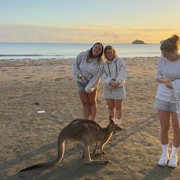
Lucky Bay in Cape Le Grand National Park near Esperance is one of the most famous places in Australia to see kangaroos on the beach. The combination of white sand, turquoise water and kangaroos resting near the shoreline makes it a dream location for photographers and wildlife lovers.
The kangaroos are often seen near the beach and campground area, particularly in the cooler parts of the day. Lucky Bay is also a beautiful destination for swimming, beach walks, camping and scenic drives through Cape Le Grand National Park.
Best for: beach kangaroos, photography, road trips and nature lovers.
Best time: Early morning or late afternoon.
Travel tip: Do not feed the kangaroos, even if they appear friendly or used to people.
2. Cape Hillsborough, Queensland
Cape Hillsborough, near Mackay in Queensland, is another famous beach location where kangaroos and wallabies are often seen at sunrise. The animals may come down towards the beach in the early morning, creating a memorable coastal wildlife experience.
This is a wonderful stop on a Queensland road trip, especially for travellers heading between Rockhampton, Mackay, Airlie Beach and the Whitsundays. The surrounding national park also offers walking tracks, lookouts and coastal scenery.
Best for: sunrise photography, Queensland road trips and beach wildlife.
Best time: Sunrise.
Travel tip: Arrive early, stay quiet and give the animals plenty of space.
3. Murramarang National Park and Pebbly Beach, New South Wales
Murramarang National Park on the New South Wales South Coast is one of the best places to see kangaroos near the beach. Pebbly Beach is especially well known for eastern grey kangaroos that graze in open grassy areas close to the sand.
This area is ideal for travellers driving between Sydney, Jervis Bay, Batemans Bay and the far South Coast. It combines beaches, forest, camping, walking tracks and classic coastal scenery.
Best for: kangaroos near Sydney, South Coast road trips and camping holidays.
Best time: Morning and late afternoon.
Travel tip: Watch for kangaroos on the road, especially around dawn and dusk.
4. Kangaroo Island, South Australia
With a name like Kangaroo Island, it is no surprise that this South Australian island is one of the country’s best wildlife destinations. Kangaroos, wallabies, koalas, echidnas, sea lions and abundant birdlife can all be seen here with patience and care.
Kangaroo Island is not just a quick stop. It is a large island with national parks, rugged coastlines, beaches, local produce, wildlife tours and scenic drives. For kangaroo sightings, look around open grassy areas and quiet roads early or late in the day.
Best for: wildlife holidays, road trips, families and photographers.
Best time: Year-round, with wildlife often active around dawn and dusk.
Travel tip: Stay at least three nights if you want time to explore the island properly.
5. The Grampians / Gariwerd, Victoria
The Grampians, also known as Gariwerd, is one of Victoria’s best places to see kangaroos in natural surroundings. Halls Gap is especially famous for kangaroos grazing in open spaces around town, particularly in the early morning and late afternoon.
The region is also known for mountain views, waterfalls, walking tracks, Aboriginal rock art, lookouts and native wildlife. It is a strong choice for travellers who want a nature-focused escape from Melbourne.
Best for: kangaroos, hiking, mountain scenery and weekend escapes from Melbourne.
Best time: Early morning and late afternoon.
Travel tip: Drive slowly through Halls Gap and surrounding roads, especially at night.
6. Canberra and Tidbinbilla Nature Reserve, Australian Capital Territory
Canberra is one of the easiest capital cities for seeing kangaroos in open spaces. Tidbinbilla Nature Reserve, Namadgi National Park and grassy areas around the city can offer excellent wildlife viewing.
Tidbinbilla is particularly good for travellers who want a managed nature reserve experience with walking tracks, wetlands, picnic areas and chances to see kangaroos, wallabies, emus, koalas and other native species.
Best for: families, easy wildlife viewing, Canberra visitors and nature walks.
Best time: Morning or late afternoon.
Travel tip: Combine Tidbinbilla with the nearby Canberra Deep Space Communication Complex for a varied day trip.
7. The Red Centre, Northern Territory
For travellers who want to see red kangaroos in a classic outback setting, the Red Centre offers one of the most iconic landscapes in Australia. Kangaroos and wallabies may be seen around national parks, waterholes and desert habitats, although sightings can depend heavily on season, water availability and time of day.
Uluru-Kata Tjuta National Park, Kings Canyon and areas around Alice Springs offer unforgettable scenery and the possibility of seeing wildlife in a desert environment.
Best for: outback landscapes, red kangaroos, road trips and photography.
Best time: Cooler months and early morning or late afternoon.
Travel tip: Respect national park rules and cultural restrictions, especially around Uluru and Kata Tjuta.
Where to See Koalas in Australia
1. Noosa National Park, Queensland
Noosa National Park is one of the best places in Queensland to look for wild koalas. The park’s coastal walking tracks pass through eucalyptus habitat where koalas may be seen resting high in the trees.
Koalas can be difficult to spot because they sleep for much of the day and blend into the branches. Move slowly, look up, and watch for other visitors quietly pointing into the trees. The park is also beautiful for coastal views, beaches and walking.
Best for: wild koalas, coastal walks, beach holidays and first-time Queensland visitors.
Best time: Early morning or cooler parts of the day.
Travel tip: Bring binoculars or use your camera zoom, as koalas are often high above the track.
2. Magnetic Island, Queensland
Magnetic Island, off Townsville, is one of the best places in Australia to see koalas in the wild. The Forts Walk is particularly popular because koalas are often spotted in the trees along the trail.
The island also offers beaches, bays, snorkelling spots, walking tracks and a relaxed tropical atmosphere. It works well as a day trip from Townsville, but staying overnight gives you a much better island experience.
Best for: wild koalas, island stays, walking trails and relaxed beach holidays.
Best time: Morning walks are often more comfortable.
Travel tip: Ask locals or check visitor information for recent koala sightings before walking the Forts Track.
3. Raymond Island, Victoria
Raymond Island in Gippsland is one of Victoria’s easiest places to look for koalas in the wild. The island is reached by a short ferry from Paynesville and has a well-known koala walk where visitors can search the trees at a gentle pace.
This is a peaceful and low-key wildlife experience, ideal for families, couples and travellers exploring the Gippsland Lakes region.
Best for: easy koala spotting, families, gentle walks and Gippsland road trips.
Best time: Year-round, with cooler parts of the day best for walking.
Travel tip: Keep noise low and do not stand directly under koalas for long periods, as they need rest.
4. Great Ocean Road, Victoria
The Great Ocean Road region is another strong option for seeing koalas in the wild. Areas around Kennett River and nearby eucalyptus forests have long been popular with travellers hoping to spot koalas during a coastal road trip.
The Great Ocean Road is also famous for beaches, cliffs, rainforest, waterfalls and the Twelve Apostles, making it one of Australia’s most scenic drives.
Best for: koalas, road trips, coastal scenery and first-time Victoria visitors.
Best time: Year-round, with morning and late afternoon often more pleasant.
Travel tip: Avoid crowding wildlife viewing spots and never feed birds or animals to attract them closer.
5. Kangaroo Island, South Australia
Kangaroo Island is also one of Australia’s best places to see koalas. While the island is famous for kangaroos and sea lions, it has large areas of eucalyptus habitat where koalas may be seen resting in trees.
Popular wildlife areas, guided tours and national parks provide good opportunities for spotting koalas, especially when travelling slowly with a knowledgeable guide.
Best for: combined kangaroo and koala viewing, wildlife tours and nature holidays.
Best time: Year-round, especially cooler times of day.
Travel tip: A guided wildlife tour can help you spot animals you might otherwise miss.
6. Port Stephens, New South Wales
Port Stephens is a good destination for travellers who want a mix of beaches, dunes, dolphins and koala-focused experiences. The region has important koala habitat and is home to conservation-based attractions that help visitors learn about koala care and protection.
This is a practical option from Sydney or Newcastle, especially for families and travellers who want wildlife experiences without travelling deep into remote bushland.
Best for: families, koala conservation, beaches and easy coastal escapes.
Best time: Year-round.
Travel tip: Combine koala viewing with a dolphin cruise, sand dune tour or beach stay.
7. Lone Pine Koala Sanctuary, Brisbane, Queensland
Lone Pine Koala Sanctuary in Brisbane is one of the easiest places for visitors to see koalas up close in a managed setting. It is especially useful for international visitors or travellers with limited time who may not be able to search for koalas in the wild.
Wildlife sanctuaries can be a good option when you want reliable viewing, educational talks and close observation without disturbing wild animals.
Best for: first-time visitors, families, Brisbane travellers and reliable koala viewing.
Best time: Year-round.
Travel tip: Choose experiences that focus on observation, education and conservation rather than handling.
Currumbin Wildlife Sanctuary is one of the Gold Coast’s best-known wildlife attractions and a convenient place to see koalas, kangaroos and other Australian animals in one visit. It works especially well for families and visitors staying between Surfers Paradise, Broadbeach, Burleigh Heads and Coolangatta.
The sanctuary also has a wildlife hospital, helping visitors understand the challenges facing native animals and the importance of conservation.
Best for: Gold Coast visitors, families, wildlife education and close observation.
Best time: Year-round.
Travel tip: Allow several hours and check the day’s keeper talk schedule before you arrive.
Where to See Whales in Australia
1. Hervey Bay, Queensland
Hervey Bay is one of the best places in Australia for whale watching. It is especially famous for humpback whales, which spend time in the calm waters between the mainland and K’gari during their annual migration.
Unlike some coastal locations where whales simply pass by, Hervey Bay is known for more lingering whale behaviour, making it a top choice for dedicated whale-watching cruises. It is also a practical base for visiting K’gari.
Best for: humpback whales, dedicated whale cruises, families and Queensland road trips.
Best time: Generally July to October, with the broader Queensland season often running from June to November.
Travel tip: Book a half-day or full-day whale cruise and stay near the marina if you want an easy morning departure.
2. Gold Coast, Queensland
The Gold Coast is a convenient whale-watching destination for travellers staying in Surfers Paradise, Broadbeach, Main Beach or Burleigh Heads. During migration season, whale-watching tours depart from areas such as the Broadwater and Main Beach.
The Gold Coast is a good choice if you want to combine whales with beaches, theme parks, dining and hinterland day trips.
Best for: first-time visitors, families, beach holidays and easy tour access.
Best time: Usually winter to spring during humpback migration.
Travel tip: Morning tours can be more comfortable if you are prone to seasickness.
3. Sydney, New South Wales
Sydney is one of the easiest capital cities for whale watching. During migration season, whales may be seen from coastal headlands, harbour entrances and dedicated whale-watching cruises.
Good land-based options include coastal walks and lookouts around the eastern suburbs, North Head, South Head and the Royal National Park. Cruises offer a closer offshore experience when conditions are suitable.
Best for: city visitors, coastal walks, short stays and whale cruises.
Best time: May to November, with northbound and southbound migration periods offering different viewing opportunities.
Travel tip: Bring binoculars for land-based watching and check sea conditions before booking a cruise.
4. Eden, New South Wales
Eden on the Sapphire Coast is one of Australia’s most historic whale-watching destinations. The town has a deep connection with whales and is a particularly good place during the southern migration, when whales travel back towards Antarctic feeding grounds.
Visitors can join whale-watching cruises, use shoreline vantage points and visit the Eden Killer Whale Museum to learn about the region’s unusual whale history.
Best for: whale history, South Coast road trips, nature lovers and photographers.
Best time: September to November is especially popular for the southern migration.
Travel tip: Plan extra time for coastal lookouts and the Eden Killer Whale Museum.
5. Warrnambool, Victoria
Warrnambool is one of the best places in Victoria to see southern right whales. Logan’s Beach is known as a whale nursery, where female southern right whales may return during winter to calve and nurse their young.
The viewing platform at Logan’s Beach makes this one of the most accessible land-based whale-watching spots in Australia. It also pairs well with a Great Ocean Road trip.
Best for: land-based whale watching, southern right whales and Great Ocean Road itineraries.
Best time: June to October.
Travel tip: Check local whale sighting updates and allow time for more than one visit.
6. Albany, Western Australia
Albany, on Western Australia’s south coast, is a major whale-watching destination with dramatic coastal scenery and strong maritime history. Humpback whales and southern right whales may be seen in season, and the area has several excellent coastal viewpoints.
Albany also has the Historic Whaling Station, national parks, beaches, rock formations and scenic drives, making it a strong nature and history destination.
Best for: whale watching, coastal scenery, history and southern Western Australia road trips.
Best time: Winter to spring.
Travel tip: Combine whale watching with Torndirrup National Park, The Gap and Natural Bridge.
7. Exmouth and Ningaloo Reef, Western Australia
Exmouth and Ningaloo Reef are best known for whale sharks, manta rays and coral reef experiences, but humpback whales are also a major seasonal highlight. Depending on timing and regulations, visitors may be able to join whale-watching or approved in-water humpback experiences with licensed operators.
Ningaloo is ideal for travellers who want marine wildlife, snorkelling, remote beaches and national park scenery in one destination.
Best for: marine wildlife, reef trips, snorkelling, adventure travellers and remote coastlines.
Best time: Wildlife seasons vary, so check current operator calendars before booking.
Travel tip: Book marine tours early, as the best seasonal experiences can sell out.
8. Victor Harbor and the Fleurieu Peninsula, South Australia
Victor Harbor and the Fleurieu Peninsula are convenient whale-watching areas south of Adelaide. Southern right whales may be seen in season, especially around Encounter Bay and nearby coastal viewpoints.
This area works well for a day trip or short break from Adelaide, with beaches, coastal walks, Granite Island, cafes and nearby wine regions adding to the appeal.
Best for: Adelaide visitors, land-based whale watching, coastal drives and short breaks.
Best time: Winter whale season.
Travel tip: Check local whale sighting updates before making the trip.
9. Tasmania’s East Coast
Tasmania’s east coast can offer whale sightings during migration periods, particularly from headlands, beaches and coastal cruises. While sightings can be less predictable than major mainland whale-watching hubs, the scenery makes the search worthwhile.
Areas around the Tasman Peninsula, Freycinet, Bicheno and the east coast can be rewarding for travellers who enjoy coastal nature, wildlife and slower road trips.
Best for: scenic coastal drives, nature lovers, photographers and flexible travellers.
Best time: Migration periods, especially winter and spring.
Travel tip: Treat whales as a bonus and plan the trip around Tasmania’s scenery, walks and wildlife as well.
Best Places to See More Than One Iconic Animal
Kangaroo Island, South Australia
Kangaroo Island is one of the best all-round wildlife destinations in Australia. It offers the chance to see kangaroos, koalas, sea lions, echidnas, birds and other wildlife in a beautiful island setting. It is not a whale-watching hub in the same way as Hervey Bay or Warrnambool, but seasonal marine life and coastal wildlife add to the island’s appeal.
Great Ocean Road, Victoria
The Great Ocean Road region can combine koala spotting around eucalyptus areas with whale watching further west around Warrnambool during the right season. Add beaches, rainforest, waterfalls and the Twelve Apostles, and it becomes one of Australia’s best nature road trips.
South East Queensland
South East Queensland is excellent for combining wildlife experiences. You can see koalas in Noosa National Park, visit wildlife sanctuaries in Brisbane or the Gold Coast, look for whales off the Gold Coast or Hervey Bay in season, and see kangaroos or wallabies in hinterland and coastal areas.
New South Wales South Coast
The NSW South Coast is strong for kangaroos and whales. Murramarang National Park and Pebbly Beach are well known for kangaroos, while Eden and other South Coast headlands are excellent for whale watching during migration season.
Best Wildlife Itinerary Ideas
5-Day South East Queensland Wildlife Trip
Day 1: Brisbane and Lone Pine Koala Sanctuary.
Day 2: Noosa National Park for coastal walks and possible koala spotting.
Day 3: Drive to Hervey Bay.
Day 4: Join a Hervey Bay whale-watching cruise in season.
Day 5: Add a K’gari day tour or return towards Brisbane.
7-Day Sydney to South Coast Wildlife Road Trip
Day 1: Sydney coastal walk and whale watching in season.
Day 2: Royal National Park or Jervis Bay.
Day 3: Murramarang National Park and Pebbly Beach for kangaroos.
Day 4: Batemans Bay or Narooma.
Day 5: Travel to Eden.
Day 6: Whale watching in Eden during migration season.
Day 7: Explore the Sapphire Coast before returning or continuing to Victoria.
7-Day Melbourne, Great Ocean Road and Warrnambool Trip
Day 1: Melbourne arrival and city exploring.
Day 2: Drive towards the Great Ocean Road.
Day 3: Search for koalas around suitable eucalyptus areas and enjoy coastal scenery.
Day 4: Visit waterfalls, rainforest and Apollo Bay.
Day 5: See the Twelve Apostles and continue to Warrnambool.
Day 6: Visit Logan’s Beach for whale watching in season.
Day 7: Return via inland Victoria or continue towards South Australia.
5-Day Kangaroo Island Wildlife Escape
Day 1: Travel from Adelaide to Kangaroo Island.
Day 2: Explore Seal Bay and nearby wildlife areas.
Day 3: Visit Flinders Chase National Park, Remarkable Rocks and Admirals Arch.
Day 4: Join a guided wildlife tour for kangaroos and koalas.
Day 5: Enjoy a final scenic drive before returning to the mainland.
Best Time to See Kangaroos, Koalas and Whales
Kangaroos
Kangaroos can be seen year-round in many parts of Australia. They are usually most active in the early morning and late afternoon, when temperatures are cooler. Avoid driving fast at dawn, dusk and night, as kangaroos are more likely to cross roads at these times.
Koalas
Koalas can also be seen year-round in suitable habitat, but they can be hard to spot because they spend much of the day sleeping in trees. Look carefully in eucalyptus branches and visit during cooler parts of the day.
Whales
Whale-watching seasons vary by region. On the east coast, humpback whales generally migrate north during autumn and winter and return south during spring. Hervey Bay is especially popular from winter into spring, while Eden is a strong spring destination for the southern migration. In Victoria and South Australia, southern right whales are usually associated with winter calving areas.
Wildlife Travel Tips
Use binoculars: They are useful for whales, koalas high in trees and distant wildlife.
Take a zoom lens: Good wildlife photos should not require getting too close.
Be patient: Wildlife sightings often take time and quiet observation.
Ask local rangers or visitor centres: They may know recent sighting areas and safety advice.
Choose guided tours when appropriate: Good guides can improve your chances while protecting wildlife.
Dress for conditions: Bring sun protection, water, walking shoes and layers for coastal whale-watching lookouts.
Respect closures: Tracks, beaches and viewing platforms may close for safety, weather or wildlife protection.
Do not chase sightings: Let animals move naturally and never block their path.
Final Thoughts
Australia is one of the world’s great wildlife destinations, and seeing kangaroos, koalas and whales can be a highlight of any trip. For kangaroos, consider Lucky Bay, Cape Hillsborough, Murramarang National Park, Kangaroo Island and the Grampians. For koalas, head to Noosa National Park, Magnetic Island, Raymond Island, the Great Ocean Road or Kangaroo Island. For whales, Hervey Bay, Eden, Sydney, the Gold Coast, Warrnambool, Albany and Exmouth are among the best choices.
The most rewarding wildlife encounters are usually quiet, patient and respectful. Choose natural habitats where possible, support ethical operators and remember that these animals are not props for photos. When seen responsibly, Australia’s kangaroos, koalas and whales offer some of the most memorable travel experiences in the country.
Frequently Asked Questions
Where is the best place to see kangaroos in Australia?
Some of the best places to see kangaroos in Australia include Lucky Bay in Western Australia, Cape Hillsborough in Queensland, Murramarang National Park in New South Wales, Kangaroo Island in South Australia and the Grampians in Victoria.
Where can I see koalas in the wild in Australia?
Good places to see koalas in the wild include Noosa National Park and Magnetic Island in Queensland, Raymond Island and the Great Ocean Road region in Victoria, Kangaroo Island in South Australia and selected areas around Port Stephens in New South Wales.
Where is the best place to see whales in Australia?
Hervey Bay in Queensland is one of Australia’s best whale-watching destinations, especially for humpback whales. Other excellent whale-watching locations include Eden, Sydney, the Gold Coast, Warrnambool, Albany, Exmouth and Victor Harbor.
Can you see kangaroos and koalas in the same place?
Yes. Kangaroo Island is one of the best places to see both kangaroos and koalas. Some wildlife sanctuaries, such as Lone Pine Koala Sanctuary in Brisbane and Currumbin Wildlife Sanctuary on the Gold Coast, also allow visitors to see both animals in one location.
What is the best time of day to see kangaroos?
Kangaroos are usually most active early in the morning and late in the afternoon. These are also the best times for photography. Drivers should be especially careful at dawn, dusk and night because kangaroos may cross roads suddenly.
What is the best time of day to see koalas?
Koalas can be seen at any time of day, but cooler parts of the day are often more comfortable for walking and searching. Koalas sleep for long periods, so look high in eucalyptus trees and be patient.
When is whale-watching season in Australia?
Whale-watching season varies by region, but many Australian coastal areas see whales between May and November. Hervey Bay is especially popular from winter into spring, Eden is excellent during the southern migration, and Warrnambool is known for southern right whales during winter.
Can you see whales from land in Australia?
Yes. Many Australian whale-watching locations offer land-based viewing. Good options include coastal headlands in Sydney, Eden and the NSW South Coast, Logan’s Beach in Warrnambool, Albany’s coastal lookouts, Victor Harbor and parts of the Gold Coast and Sunshine Coast.
Is it better to see koalas in the wild or at a sanctuary?
Both can be worthwhile. Wild koala spotting is more natural and rewarding, but sightings are not guaranteed. Sanctuaries offer reliable viewing, educational talks and conservation information, which can be useful for families and visitors with limited time.
Can you feed kangaroos in the wild?
No. You should not feed wild kangaroos. Feeding can make them sick, change their behaviour and create safety problems for both animals and people. Enjoy them from a respectful distance instead.
Are whale-watching cruises worth it?
Whale-watching cruises can be very worthwhile, especially in places such as Hervey Bay, Sydney, Eden, the Gold Coast and Albany. Cruises can provide closer views and expert commentary, but always choose licensed operators that follow wildlife regulations.
What should I pack for wildlife watching in Australia?
Pack binoculars, a camera or phone with zoom, sunscreen, a hat, water, comfortable walking shoes, insect repellent, a light jacket and any required tour documents. For whale watching, bring warm layers and motion sickness medication if needed.
SEO Title
Where to See Kangaroos, Koalas and Whales in Australia
Meta Description
Discover where to see kangaroos, koalas and whales in Australia, including Lucky Bay, Kangaroo Island, Noosa, Magnetic Island, Hervey Bay, Eden, Warrnambool, Albany and more.
Sponsored Popular Items
Quick take: Musement.com offers a worldwide selection of tours and attractions
Coonawarra: Caves, Cabernet, & Kangaroos Day Tour & Lunch Australia Visit our incredible Coonawarra and experience this action-packed full-day shared tour including World Heritage natural wonders, icon wines, delicious dining, superb Gin tasting, wildlife, & more!
Newcastle: Animal Lovers Tour - Kangaroos, Dolphins & more! Australia Embark on a day tour to Port Stephens, starting with a scenic dolphin boat cruise. Enjoy a BBQ lunch and an exclusive koala encounter followed by interacting with a variety of Australian animals.
Koalas, Kangaroos and Lyrebirds Australia Explore the wild beauty of Mallacoota while keeping an eye out for our adorable koalas, kangaroos and lyrebirds. This tour is run as a cruise ship shore excursion.
Airlie Beach: Kangaroos on the Beach at Sunrise Eco Tour Australia The early start is worth it. By sunrise, wild kangaroos walk within 0.5m of where you stand on a Cape Hillsborough beach. Cook and enjoy an Australian Drovers breakfast, returning to… Check current availability, inclusions and booking conditions.
Melbourne: Yarra Valley Wine Bubbles & Kangaroos Tour Australia Dive into an unforgettable afternoon bursting with indulgence and wild Aussie adventure in the stunning Yarra Valley — Victoria’s ultimate wine playground! Check current availability, inclusions and booking conditions.
Reverse Great Ocean Road Day Tour with Kangaroos & Koalas Australia Discover the Great Ocean Road on a day trip from Melbourne. See the Twelve Apostles, Loch Ard Gorge, and the Memorial Arch. Check current availability, inclusions and booking conditions.
From Melbourne: Yarra Valley Chandon Cheese & Kangaroos Tour Australia Discover the beauty of Victoria's Yarra Valley on a guided tour from Melbourne. Taste exquisite wines, cheeses, and chocolates, and enjoy a close-up kangaroo encounter in this stunning… Check current availability, inclusions and booking conditions.
From Melbourne: Penguin Parade, Koalas & Kangaroos Australia Head out for a day trip around Phillip Island from Melbourne. Visit the Brighton Beach Boxes, Moonlit Sanctuary Wildlife Conservation Park, Nobbies Boardwalk, and Phillip Island Penguin… Check current availability, inclusions and booking conditions.
Sydney: Jervis Bay Tour with Beaches, Koalas & Kangaroos Australia Discover the beauty of Jervis Bay on a day trip from Sydney. Enjoy an exclusive koala encounter before the park opens, feed kangaroos, explore Huskisson, and relax on the white sands of… Check current availability, inclusions and booking conditions.