The Temple of Hatshepsut is one of the most striking ancient monuments in Egypt. Built into the cliffs of Deir el-Bahari on Luxor’s West Bank, this terraced mortuary temple is famous for its grand ramps, colonnades, statues, relief carvings and dramatic desert setting beneath towering limestone cliffs.
Temple of Hatshepsut Egypt: A Guide to Deir el-Bahari on Luxor’s West Bank
Officially known as Djeser-Djeseru, meaning “Holy of Holies,” the temple was built for Hatshepsut, one of ancient Egypt’s most successful and fascinating female pharaohs. Its elegant design, mountain backdrop and historical importance make it one of the essential stops on any Luxor itinerary.
Sponsored Popular Items
Quick take: Musement.com offers a worldwide selection of tours and attractions
Ancient Egypt Sunset Tour with 3-Course Dinner in Cairns Australia Explore the Tomb of the Pharaohs on an after-hours tour. Discover 11 burial chambers and learn about ancient Egypt's history. Enjoy a 3-course dinner in our aquatic themed Squire's… Check current availability, inclusions and booking conditions.
What Is the Temple of Hatshepsut?
The Temple of Hatshepsut is a mortuary temple at Deir el-Bahari, on the west bank of the Nile near Luxor. Mortuary temples were built for the worship and commemoration of deceased pharaohs, but Hatshepsut’s temple is far more than a memorial. It is a carefully designed statement of royal power, divine legitimacy and architectural ambition.
The temple is set at the base of a high cliff, with three broad terraces rising from the desert floor. Long ramps connect the levels, while rows of square columns create a strong horizontal rhythm against the vertical rock face behind.
The result is one of the most visually balanced temples in Egypt. It feels both monumental and restrained, blending architecture and landscape in a way that still looks surprisingly modern.
Who Was Hatshepsut?
Hatshepsut was one of ancient Egypt’s most remarkable rulers. She began as queen and regent, then took on the full titles and visual symbolism of a pharaoh. Her reign during the 18th Dynasty was known for building projects, trade, religious patronage and political stability.
Because Egyptian kingship was traditionally male, Hatshepsut’s rule was unusual. In temple art, she was often shown with the royal beard and symbols of a male pharaoh, not because she was hiding her identity, but because pharaonic imagery followed established royal conventions.
Her temple at Deir el-Bahari helped present her reign as divinely approved. Reliefs showed her divine birth, her relationship with the god Amun, and the prosperity brought by her rule.
Why Visit the Temple of Hatshepsut?
The Temple of Hatshepsut is worth visiting because it is one of the most architecturally impressive sites in Luxor. While the Valley of the Kings is mostly underground and Karnak is a vast temple complex, Hatshepsut’s temple is immediately dramatic from the moment you see it from the desert approach.
Its setting is unforgettable. The pale stone terraces stand against rugged cliffs, creating a powerful contrast between human design and natural geology. In the morning light, the temple can appear almost carved from the mountain itself.
The site is also historically important because it tells the story of one of Egypt’s most successful female rulers. For many travellers, it is one of the most memorable stops on the Luxor West Bank.
The Architecture of Djeser-Djeseru
The temple’s design is based on terraces, ramps and colonnades. Instead of a traditional enclosed temple layout, Djeser-Djeseru rises in layers toward the cliff face.
The long central ramp draws the eye upward, while the horizontal terraces create a calm, ordered appearance. This symmetry is one of the reasons the temple is often described as a masterpiece of ancient Egyptian architecture.
The temple was designed by Senenmut, an important official in Hatshepsut’s court. His role in the project shows the close connection between architecture, royal ideology and religious worship in New Kingdom Egypt.
What to See at the Temple
The Terraces and Central Ramp
The first thing to notice is the temple’s overall form. Stand back before entering and look at how the ramps, terraces and colonnades align with the cliff. The wide approach gives one of the best photo angles in Luxor.
The Colonnades
The rows of columns are central to the temple’s visual identity. They create shade, rhythm and structure, while framing the relief-covered walls behind them.
Statues of Hatshepsut
Several statues and reconstructed figures show Hatshepsut in pharaonic form. These images are important because they show how she presented herself as a legitimate ruler within Egyptian royal tradition.
Relief Carvings
The temple walls include carved scenes connected with trade, religion, royal birth and offerings. Some reliefs are damaged, but many still give valuable insight into Hatshepsut’s reign and the messages she wanted to project.
The Cliff Backdrop
The natural cliff is part of the experience. The temple was not placed randomly; it was designed to work with the mountain behind it. This gives the site much of its power.
The Expedition to Punt Reliefs
One of the most famous parts of the Temple of Hatshepsut is the relief cycle showing an expedition to the Land of Punt. Punt was a distant trading region associated with luxury goods such as incense, exotic trees, animals, gold and other valuable materials.
The scenes are important because they show Hatshepsut as a successful ruler who brought wealth and prestige to Egypt through trade rather than only through military conquest.
Look for details such as ships, goods, people, animals and plants. These carvings are among the most historically interesting features of the temple.
Hathor Chapel
The Hathor Chapel is one of the most atmospheric areas of the temple. Hathor was a goddess associated with motherhood, music, joy, protection and the western necropolis. At Deir el-Bahari, her presence connects the temple with both royal worship and the sacred landscape of the West Bank.
The chapel is known for Hathor-headed columns, where the goddess is shown with cow ears and a human face. These columns are among the temple’s most distinctive decorative elements.
Anubis Chapel
The Anubis Chapel is dedicated to Anubis, the jackal-headed god associated with mummification and the protection of tombs. This is fitting for a mortuary temple on the West Bank, where ancient Egyptians placed many royal tombs and funerary monuments.
The chapel includes reliefs and painted details that help visitors understand the temple’s funerary and religious purpose. Even where colours have faded, the space still feels deeply connected to ancient beliefs about death, protection and the afterlife.
How to Visit from Luxor
The Temple of Hatshepsut is on Luxor’s West Bank, near the Valley of the Kings, the Valley of the Queens, the Colossi of Memnon and other major ancient sites.
Most visitors reach the temple by private driver, guided tour, taxi, organised day trip or cruise excursion. Independent travellers can also cross the Nile by local ferry and then arrange transport on the West Bank.
For a first visit, a guide is useful. The temple’s history is rich, and the reliefs are much more meaningful when someone explains Hatshepsut’s reign, her connection to Amun, the expedition to Punt and the temple’s role in the Theban landscape.
What to Combine With the Temple of Hatshepsut
The Temple of Hatshepsut is usually visited as part of a Luxor West Bank itinerary. Good nearby combinations include:
Valley of the Kings: The most famous royal tomb area in Luxor.
Valley of the Queens: Known for royal women’s tombs, including the famous tomb of Queen Nefertari when open and ticketed.
Colossi of Memnon: Two huge seated statues of Amenhotep III, often visited as a quick photo stop.
Medinet Habu: A beautifully preserved temple of Ramesses III with vivid reliefs.
Deir el-Medina: The ancient workers’ village of the artisans who built royal tombs.
Ramesseum: The mortuary temple of Ramesses II.
Best Time to Visit
The best time to visit the Temple of Hatshepsut is early in the morning. The light is softer, the temperature is cooler and the temple’s pale stone looks beautiful against the cliffs.
Midday can be very hot, especially because there is limited shade across the open approach and terraces. If you visit later in the day, bring water, sun protection and allow time to rest.
The best months for Luxor sightseeing are generally from October to April, when temperatures are more comfortable than in the peak summer heat. Summer visits are possible, but temple touring should start very early.
How Long to Spend There
Allow at least one hour for a standard visit to the Temple of Hatshepsut. This gives you time to walk the terraces, take photos, see the main chapels and appreciate the setting.
If you are especially interested in history, photography or relief carvings, allow 90 minutes. If visiting as part of a guided West Bank tour, your time may be shorter, so tell your guide if this temple is a priority.
What to Wear and Bring
Comfortable walking shoes
Hat or cap
Sunglasses
Sunscreen
Lightweight breathable clothing
Reusable water bottle
Small cash for tips, toilets or shuttle transport if needed
Camera or phone with enough battery
Light scarf or cover-up for sun protection
Practical Travel Tips
Visit Early
Early morning is the best time for cooler temperatures, fewer crowds and better light on the temple façade.
Use a Guide for Context
The temple is visually impressive on its own, but a guide helps explain Hatshepsut’s unusual role, the Punt expedition, the divine birth scenes and the religious meaning of the temple.
Bring Water
The West Bank can be extremely dry and hot. Carry water even if you are only planning a short visit.
Stand Back for the Best Photo
The temple is best photographed from the approach path, where you can capture the terraces and cliff backdrop together.
Look Closely at the Reliefs
Do not only photograph the grand façade. Some of the temple’s most interesting stories are carved into the walls.
Combine It With the Valley of the Kings
The Temple of Hatshepsut is close to the Valley of the Kings, making the two sites a natural pairing on the same West Bank visit.
Respect Barriers and Restricted Areas
Ancient reliefs, statues and reconstructed sections are fragile. Stay on permitted paths and avoid touching stonework.
Prepare for Strong Sun
The temple’s open terraces reflect heat and light. Sun protection is essential, especially from late morning onward.
FAQs About the Temple of Hatshepsut
Where is the Temple of Hatshepsut?
The Temple of Hatshepsut is at Deir el-Bahari on the West Bank of Luxor, Egypt, near the Valley of the Kings.
Who built the Temple of Hatshepsut?
The temple was built for Hatshepsut, the queen who became pharaoh. It was designed by Senenmut, an important official and architect in her court.
What is the real name of the Temple of Hatshepsut?
Its ancient name is Djeser-Djeseru, usually translated as “Holy of Holies.”
Why is the Temple of Hatshepsut famous?
It is famous for its terraced architecture, cliffside setting, elegant ramps and colonnades, relief carvings, and connection with one of Egypt’s most important female pharaohs.
Is the Temple of Hatshepsut worth visiting?
Yes. It is one of the most visually striking monuments in Luxor and an essential stop on the West Bank.
How long do you need at the Temple of Hatshepsut?
Most visitors need about one hour. History lovers and photographers may want 90 minutes or more.
Can you visit the Temple of Hatshepsut and Valley of the Kings together?
Yes. They are close enough to visit on the same Luxor West Bank tour, along with the Colossi of Memnon and other sites.
What is the best time of day to visit?
Early morning is best for cooler weather and better light. Midday can be very hot and bright.
Do you need a guide?
You can visit independently, but a guide makes the experience much richer because the temple’s reliefs and historical background are important.
Is the Temple of Hatshepsut suitable for children?
Yes, children can visit, but the site can be hot and exposed. Bring water, hats and sun protection, and keep younger children close on steps and terraces.
Final Thoughts
The Temple of Hatshepsut is one of the great highlights of Luxor. Its clean lines, broad terraces and powerful cliffside setting make it unlike any other temple in Egypt.
For the best visit, go early, take time to admire the full façade from a distance, then look closely at the reliefs, chapels and statues that tell the story of Hatshepsut’s reign. Combined with the Valley of the Kings, Medinet Habu and the Colossi of Memnon, it forms one of the most rewarding sightseeing days on Luxor’s West Bank.
Sponsored Popular Items
Quick take: Musement.com offers a worldwide selection of tours and attractions
Ancient Egypt Sunset Tour with 3-Course Dinner in Cairns Australia Explore the Tomb of the Pharaohs on an after-hours tour. Discover 11 burial chambers and learn about ancient Egypt's history. Enjoy a 3-course dinner in our aquatic themed Squire's… Check current availability, inclusions and booking conditions.
Ancient Egypt Sunset Tour in the heart of Cairns Australia Explore the Tomb of the Pharaohs on an after-hours tour. Learn about the daily rituals and funerary practices of the ancient Egyptians and gain insight into over 3,000 years of history. Check current availability, inclusions and booking conditions.
Ancient Egypt Night Tour with 2 Course Dinner in Cairns Australia Explore the Tomb of the Pharaohs on an after-hours tour. Discover eleven lavishly decorated burial chambers and enjoy a 2-course dinner. Check current availability, inclusions and booking conditions.
Japan rail travel is one of the easiest, fastest and most enjoyable ways to explore the country. From sleek Shinkansen bullet trains to scenic limited express routes, local city lines and rural mountain railways, Japan’s train network can take you from Tokyo to Kyoto, Osaka, Hiroshima, Kanazawa, Hokkaido, Kyushu and beyond with remarkable efficiency.
For first-time visitors, the system can look confusing at first: Japan Rail Passes, regional passes, reserved seats, IC cards, Shinkansen lines, private railways, luggage rules and station transfers all have their own logic. Once you understand the basics, train travel becomes one of the best parts of visiting Japan.
Sponsored Popular Items
Quick take: Musement.com offers a worldwide selection of tours and attractions
Singapore: City cards Singapore Book the most popular City cards in Singapore. Best price and money back guarantee! Read the reviews of your fellow travelers
Why Travel by Train in Japan?
Train travel in Japan is fast, reliable, clean and convenient. Major cities are connected by high-speed Shinkansen services, while local and regional lines make it possible to reach smaller towns, hot spring areas, castles, temples, ski resorts, coastal villages and mountain regions.
For visitors, trains are often easier than driving. You avoid tolls, parking, city traffic, unfamiliar road signs and left-side driving if you are not used to it. Trains also let you relax, eat an ekiben station lunch box, watch the scenery and arrive directly in city centres.
The strongest rail routes for visitors include Tokyo to Kyoto, Kyoto to Osaka, Osaka to Hiroshima, Tokyo to Kanazawa, Tokyo to Nagano, Osaka to Kanazawa via Tsuruga, and longer routes into Kyushu or Hokkaido.
Shinkansen Bullet Trains
The Shinkansen is Japan’s famous bullet train network. It is the fastest way to travel between many major cities and is one of the most comfortable long-distance train systems in the world.
Main Shinkansen Lines
Tokaido Shinkansen: Tokyo, Nagoya, Kyoto and Shin-Osaka.
Sanyo Shinkansen: Shin-Osaka to Okayama, Hiroshima, Hakata and western Japan.
Kyushu Shinkansen: Hakata to Kumamoto and Kagoshima-Chuo.
Tohoku Shinkansen: Tokyo to Sendai, Morioka, Aomori and northern Honshu.
Hokuriku Shinkansen: Tokyo to Nagano, Toyama, Kanazawa, Fukui and Tsuruga.
Joetsu Shinkansen: Tokyo to Niigata.
Shinkansen trains are smooth, frequent and easy to use. Platforms are clearly marked, seats are numbered, car positions are shown on the platform and departures are extremely punctual. Arrive a little early, line up at the correct car number and be ready to board quickly when the train arrives.
Japan Rail Pass
The Japan Rail Pass, often called the JR Pass, is a nationwide rail pass for eligible overseas visitors. It allows travel on many JR trains across Japan for a set number of consecutive days.
The national JR Pass comes in 7-day, 14-day and 21-day versions, with Ordinary Car and Green Car options. Ordinary Car is comfortable enough for most travellers. Green Car is more spacious and quieter, similar to first class or business class seating.
The JR Pass can be useful for travellers doing several long-distance train journeys in a short period, but it is no longer automatically the best choice for every itinerary. Since the price increase, many simple routes are cheaper with individual tickets.
Is the JR Pass Worth It?
The JR Pass is worth considering if your itinerary includes multiple expensive long-distance journeys within the pass period. It is less likely to pay off if you are only travelling Tokyo to Kyoto, Kyoto to Osaka, and then flying home.
JR Pass May Be Worth It If You Are Doing:
Tokyo to Kyoto, then Hiroshima, then back to Tokyo within 7 days.
Tokyo to Kanazawa, Kyoto, Hiroshima and Fukuoka in a compact route.
Several Shinkansen journeys across different regions within 7, 14 or 21 days.
Long-distance travel where you value flexibility more than the lowest cost.
JR Pass May Not Be Worth It If You Are Doing:
Tokyo, Kyoto and Osaka only.
A slow trip staying many days in each city.
Mostly local city travel.
Routes using many private railways rather than JR lines.
Flights between distant cities instead of trains.
Before buying, compare your planned journeys with the pass cost. A rail pass calculator or manual fare check can help you avoid overspending.
Regional JR Passes
Regional JR passes can be better value than the national JR Pass if you are focusing on one part of Japan. These passes are offered by JR regional companies and cover specific areas.
Examples of Useful Regional Pass Areas
Kansai Area: Kyoto, Osaka, Nara, Kobe and Himeji.
Kansai-Hiroshima Area: Osaka, Kyoto, Himeji, Okayama, Hiroshima and Miyajima.
Hokuriku Area: Kanazawa, Toyama, Fukui and nearby routes.
Kyushu: Fukuoka, Nagasaki, Kumamoto, Beppu, Kagoshima and other Kyushu destinations.
Hokkaido: Sapporo, Hakodate, Asahikawa, Furano and other northern routes.
Tohoku: Sendai, Aomori, Akita, Morioka and northern Honshu.
Regional passes are often the smarter choice for travellers who want to explore deeply rather than rush across the whole country.
IC Cards: Suica, PASMO and ICOCA
IC cards are rechargeable transport cards used for local trains, subways, buses, convenience stores, lockers and vending machines. The best-known cards are Suica, PASMO and ICOCA.
For most visitors, an IC card is essential for city travel. Instead of buying a paper ticket for every subway or local train ride, you tap in and tap out at the gates. The correct fare is deducted automatically.
IC cards are not a replacement for long-distance Shinkansen tickets, but they make everyday travel much easier in cities such as Tokyo, Kyoto, Osaka, Hiroshima, Fukuoka, Sapporo and Nagoya.
Reserved and Non-Reserved Seats
Many long-distance trains in Japan have reserved and non-reserved seating. Reserved seats give you a specific seat, car and departure time. Non-reserved seating lets you sit in designated non-reserved cars if seats are available.
For busy routes, holidays, luggage travel or long journeys, reserved seats are usually better. For short trips or flexible travel, non-reserved seats can be convenient.
Reserve Seats If You Are Travelling:
During cherry blossom season, autumn foliage season or public holidays.
On weekends between major cities.
With children or a group.
With large luggage.
On popular Shinkansen routes such as Tokyo to Kyoto or Osaka to Hiroshima.
Luggage Rules on Japanese Trains
Japan’s trains are efficient, but they are not designed for huge amounts of luggage. Travel light if possible. A medium suitcase is much easier than a very large one.
On the Tokaido, Sanyo, Kyushu and Nishi-Kyushu Shinkansen, oversized luggage with total dimensions over 160 cm generally requires a seat reservation with an oversized baggage area. Bags over 250 cm total dimensions cannot be brought onboard.
For easier travel, consider using Japan’s luggage forwarding services, often called takkyubin or luggage delivery. These services can send your suitcase from hotel to hotel, allowing you to travel with only a small overnight bag.
Best Japan Rail Routes for First-Time Visitors
Tokyo to Kyoto
The classic first-time route. Take the Tokaido Shinkansen from Tokyo or Shinagawa to Kyoto. Sit on the right-hand side when travelling from Tokyo to Kyoto for a chance of seeing Mount Fuji in clear weather.
Kyoto to Osaka
This is a short and easy journey. Depending on where you are staying, local JR trains, private railways or the Shinkansen may all be possible. Do not assume the Shinkansen is always the most convenient option for this short route.
Osaka to Hiroshima
The Sanyo Shinkansen makes Hiroshima easy to reach from Osaka. This route works well for visiting Hiroshima Peace Memorial Park and Miyajima.
Tokyo to Kanazawa
The Hokuriku Shinkansen connects Tokyo with Kanazawa, making the city’s gardens, samurai district, geisha streets and seafood market easy to add to an itinerary.
Tokyo to Nagano
Nagano is useful for mountain scenery, Zenko-ji Temple, snow monkeys, ski resorts and access to the Japanese Alps region.
Kyushu Rail Travel
Kyushu is excellent by train, with routes connecting Fukuoka, Nagasaki, Kumamoto, Beppu, Yufuin, Kagoshima and other regional destinations.
Simple Japan Rail Itinerary
Classic 14-Day Japan Rail Route
Days 1–4: Tokyo, including Shinjuku, Asakusa, Shibuya, Ueno and day trips.
Day 5: Shinkansen from Tokyo to Kanazawa.
Days 5–6: Kanazawa for Kenrokuen Garden, Higashi Chaya and Omicho Market.
Day 7: Travel from Kanazawa to Kyoto via Tsuruga.
Days 7–10: Kyoto, Nara and Osaka.
Day 11: Shinkansen to Hiroshima.
Days 11–12: Hiroshima and Miyajima.
Day 13: Return toward Osaka or Tokyo.
Day 14: Final city day and departure.
Simple Golden Route Without a JR Pass
Days 1–5: Tokyo.
Day 6: Buy an individual Shinkansen ticket from Tokyo to Kyoto.
Days 6–10: Kyoto, Nara and Osaka using local tickets or IC card.
Day 11: Depart from Osaka or return to Tokyo by individual ticket.
For many first-time travellers doing only Tokyo, Kyoto and Osaka, individual tickets plus an IC card may be simpler and cheaper than a national JR Pass.
How to Buy Train Tickets
Train tickets can be bought at station ticket machines, JR ticket offices, official railway websites, travel apps and reservation services. For long-distance Shinkansen journeys, it is useful to book ahead during busy seasons.
Buying at a Station
Major stations have ticket machines with English language options. Staffed ticket offices can help with more complicated routes, seat reservations and passes.
Buying Online
Online booking is convenient for reserved seats and busy routes. Different JR regions use different booking systems, so the best platform depends on your route.
Using a JR Pass
If you buy a national JR Pass through the official website, you can make some seat reservations online. If you buy through other channels, check exactly how reservations are handled before travel.
Station and Platform Tips
Japanese stations can be huge, especially Tokyo, Shinjuku, Shin-Osaka, Kyoto, Nagoya and Hakata. Give yourself extra time for transfers, especially when changing between Shinkansen, local JR lines, subways and private railways.
Useful Station Habits
Check your train number, departure time and destination.
Look for platform numbers on departure boards.
Line up at the car number shown on your ticket.
Keep tickets or IC card handy for gates.
Do not block escalators, ticket gates or platform doors.
Use station lockers for luggage during day trips.
Buy snacks or ekiben before boarding long-distance trains.
Practical Rail Travel Tips
Use Google Maps or a Japan Train App
Navigation apps are very useful for platform numbers, route options, departure times and transfer guidance. Always double-check the train type and destination before boarding.
Travel Light
A small or medium suitcase is much easier than a large one. Use luggage forwarding for multi-city trips if you want smoother travel days.
Book Busy Trains Early
Reserve seats early during cherry blossom season, autumn foliage season, New Year, Golden Week and Obon.
Do Not Rely Only on the JR Pass
Japan has many private railway and subway systems. The JR Pass does not cover everything, especially many city subways, private railways and some mountain or tourist lines.
Keep Your Ticket Until the End
For paper tickets, you usually need the ticket to exit at your destination. Do not throw it away after boarding.
Know the Difference Between Stations
Some cities have multiple major stations. For example, Shin-Osaka is the Shinkansen station, while Osaka Station is a major local and regional hub. In Tokyo, Shinkansen trains may depart from Tokyo Station, Shinagawa or Ueno depending on the line.
Use Coin Lockers
Coin lockers are available at many stations and are very useful for day trips. Large lockers can fill quickly in tourist areas, so arrive early or use luggage storage counters where available.
Try an Ekiben
Ekiben are station lunch boxes sold at major train stations. They are one of the joys of Japanese rail travel, especially on long-distance Shinkansen routes.
Be Quiet on Trains
Japanese trains are generally quiet. Keep phone calls off the train, speak softly and use headphones if listening to audio.
Stand in the Correct Place
Car numbers are marked on platforms. Reserved-seat tickets show your car and seat number, so line up at the correct spot before the train arrives.
FAQs About Japan Rail Travel
Is train travel the best way to get around Japan?
Yes, for most visitors, trains are the best way to travel between major cities and many regional destinations. They are fast, reliable and convenient.
Do I need a Japan Rail Pass?
Not always. The JR Pass can be good value for long-distance, multi-city travel, but many simple itineraries are cheaper with individual tickets and an IC card.
Is the Shinkansen included in the JR Pass?
Many Shinkansen services are covered by the JR Pass, but some fastest services such as Nozomi and Mizuho require special rules or additional tickets. Always check the current pass conditions before boarding.
What is the difference between Ordinary and Green Car?
Ordinary Car is standard class and is comfortable for most travellers. Green Car is more spacious, quieter and more expensive.
Should I reserve seats on Japanese trains?
For long-distance Shinkansen trips, busy seasons, groups or large luggage, reserved seats are recommended. For short local trips, reservations are usually unnecessary.
Can I bring luggage on the Shinkansen?
Yes, but very large luggage may require an oversized baggage reservation on certain Shinkansen routes. Travel with smaller luggage where possible.
What is an IC card?
An IC card is a rechargeable transport card such as Suica, PASMO or ICOCA. It is used for local trains, subways, buses, convenience stores and vending machines.
Can I use a JR Pass on Tokyo subway lines?
No. The JR Pass covers JR lines, not Tokyo Metro or Toei Subway. In Tokyo, you will often use a mix of JR lines and subway lines.
What side of the train should I sit on to see Mount Fuji?
When travelling from Tokyo toward Kyoto or Osaka on the Tokaido Shinkansen, sit on the right-hand side for the best chance of seeing Mount Fuji in clear weather.
Is it hard to use trains in Japan if I do not speak Japanese?
No. Major stations and trains have English signs, route numbers and announcements. Navigation apps also make travel much easier.
Final Thoughts
Japan rail travel is one of the most enjoyable parts of visiting the country. The trains are fast, comfortable and reliable, and the network makes it easy to connect modern cities, historic towns, mountain regions, coastal areas and hot spring resorts.
For the best experience, plan your long-distance route before deciding on a JR Pass, use an IC card for local travel, reserve seats during busy periods and travel with manageable luggage. Whether you are riding the Shinkansen from Tokyo to Kyoto, exploring Kanazawa on the Hokuriku route or taking local trains through the countryside, Japan’s rail system turns travel days into part of the adventure.
Sponsored Popular Items
Quick take: Musement.com offers a worldwide selection of tours and attractions
Singapore: City cards Singapore Book the most popular City cards in Singapore. Best price and money back guarantee! Read the reviews of your fellow travelers
Japan: 7, 14 or 21-Day Japan Rail Pass Japan Best deals for Japan: 7, 14 or 21-Day Japan Rail Pass. Discover the whole of Japan by rail with unlimited freedom thanks to the Japan Rail Pass. Choose from a 7, 14, or 21-day pass to suit your needs and potentially upgrade to first class. Available from getyourguide.com.
Banteay Srei Cambodia: A Guide to Angkor’s Pink Sandstone Temple
Banteay Srei is one of the most beautiful and finely carved temples in the Angkor region of Cambodia. Smaller than Angkor Wat, Bayon or Ta Prohm, this 10th-century temple is famous for its pink-red sandstone, delicate lintels, Hindu mythology scenes, floral patterns and remarkably detailed carvings that look almost like lace cut into stone.
Located north-east of the main Angkor temple circuit, Banteay Srei is often called the “Jewel of Khmer Art.” It is one of the best day-trip or half-day additions from Siem Reap, especially for travellers who enjoy architecture, photography, Hindu mythology, Khmer art and quieter temple experiences away from the busiest central ruins.
Sponsored Popular Items
Quick take: Musement.com offers a worldwide selection of tours and attractions
Beng Mealea and Banteay Srei Temple Private Full-Day Tour Cambodia Beng Mealea and Banteay Srei temple private full-day tour is a convenient way to add structure, local context and purposeful sightseeing to the itinerary. Check current availability, inclusions and booking details before you go.
What Is Banteay Srei?
Banteay Srei is a 10th-century Khmer temple in the Angkor region of Cambodia. It was built mainly from red and pink sandstone and is best known for the extraordinary detail of its carvings. The name is often translated as “Citadel of Women” or “Citadel of Beauty,” partly because of the elegance and delicacy of the temple’s decoration.
Unlike many major Angkor temples, Banteay Srei was not built directly by a king. It is associated with high-ranking courtiers and religious scholars, making it unusual within the Angkor temple landscape. The temple was dedicated primarily to the Hindu god Shiva, although its decorative programme includes a wider range of Hindu mythological imagery.
The temple is much smaller than Angkor Wat, but its artistry is exceptional. Every doorway, lintel, pediment and wall surface seems carefully worked, making Banteay Srei one of the best temples in Cambodia for close-up detail.
Why Visit Banteay Srei?
Banteay Srei is worth visiting because it offers a different kind of Angkor experience. While Angkor Wat impresses through scale and symmetry, and Bayon impresses with giant stone faces, Banteay Srei impresses through precision, colour and craftsmanship.
The temple’s pink sandstone glows beautifully in soft light, especially in the early morning or late afternoon. The carvings are among the finest in the Angkor region, with scenes from Hindu epics, devatas, guardians, floral scrolls, mythical creatures and decorative borders carved in remarkable depth.
Because Banteay Srei is outside the main Angkor loop, the journey also lets you see more of the Cambodian countryside around Siem Reap. The drive passes villages, rice fields, palm trees and local roadside scenes, giving the trip a pleasant contrast to the central temple circuit.
The Pink Sandstone Carvings
The most famous feature of Banteay Srei is its pink-red sandstone. This stone allowed Khmer artisans to carve unusually fine details, and many of those details have survived with impressive clarity.
Look closely at the lintels above doorways, the triangular pediments, the columns and the carved figures around the sanctuary towers. You will see layers of ornament: curling vines, lotus motifs, fierce guardians, dancing figures, gods, demons, animals and scenes from Hindu mythology.
The carvings are best appreciated slowly. Instead of rushing from one tower to the next, stand still and study one doorway at a time. Banteay Srei is a temple where the beauty is in the small details.
A Short History of Banteay Srei
Banteay Srei dates to the late 10th century and was dedicated in 967. It belongs to the Angkor period, when Khmer art, architecture and religious life were developing into some of Southeast Asia’s greatest cultural achievements.
The temple was dedicated primarily to Shiva and was built during a time when Hindu religious imagery strongly shaped Khmer temple design. Its original sacred name was connected with Shiva, while the modern name Banteay Srei came later.
The temple was rediscovered and restored during the modern study of Angkor. It became especially important in the history of conservation because it was one of the early Angkor monuments restored using anastylosis, a careful method of rebuilding using original stones where possible.
What to See at Banteay Srei
The Central Sanctuary
The central sanctuary is the heart of Banteay Srei. It is small, compact and richly decorated, with towers and doorways covered in carvings. Some areas may be roped off to protect the temple, but the views from the permitted paths are still excellent.
Carved Lintels and Pediments
The lintels and pediments are the temple’s artistic highlight. These carved panels show Hindu mythological scenes and decorative motifs in unusually crisp detail. They are some of the finest stone carvings in the Angkor region.
Devatas and Guardian Figures
Banteay Srei has elegant devatas and guardian figures carved into the stonework. Some original statues have been moved or replaced for protection, but the remaining decoration still gives the temple its refined character.
The Pink Sandstone Walls
The colour of the sandstone changes with the light. In strong midday sun, it can appear pale and dusty. In softer morning or afternoon light, it becomes warmer, richer and more rose-coloured.
The Moat and Walkways
The temple is surrounded by landscaped paths, water features and a calm setting that makes the visit feel more relaxed than some of the busier Angkor sites.
Visitor Centre and Displays
Depending on current access, you may find displays explaining the temple’s history, conservation and carvings. These can be useful before or after walking through the site.
How to Get There from Siem Reap
Banteay Srei is usually visited from Siem Reap by tuk-tuk, private car, motorbike, guided tour or driver-guide. It is farther from town than Angkor Wat, Bayon and Ta Prohm, so it is best planned as a half-day outing or combined with other temples in the same direction.
A private car is the most comfortable option, especially during hot weather. A tuk-tuk is cheaper and more atmospheric, but the ride is longer and dustier. If you are travelling with children, older travellers or anyone sensitive to heat, a car is usually better.
Most visitors need a valid Angkor Pass for Banteay Srei. Check current ticket rules before you go, as Angkor ticket conditions can change.
What to Combine With Banteay Srei
Banteay Srei works well with several other Siem Reap attractions. Because it is outside the main temple loop, it is worth using the journey to include nearby or route-friendly stops.
Banteay Samré
Banteay Samré is often combined with Banteay Srei. It is larger, quieter and less crowded than many central temples, with attractive walls, towers and a peaceful atmosphere.
Pre Rup
Pre Rup sits on the route between the main Angkor area and Banteay Srei. It is a good stop if you want a temple with height, brick towers and broad views.
East Mebon
East Mebon is another useful temple to combine with Banteay Srei, especially if you are exploring the eastern side of Angkor.
Kbal Spean
Kbal Spean, known for riverbed carvings and a forest walk, is farther out but can be paired with Banteay Srei for a longer nature-and-temple day. It requires more time and walking.
Landmine Museum
The Cambodia Landmine Museum is sometimes included on Banteay Srei routes. It gives important context about Cambodia’s more recent history and the continuing impact of landmines.
Best Time to Visit
The best time to visit Banteay Srei is early in the morning or late in the afternoon. Early morning gives cooler temperatures, softer light and fewer crowds. Late afternoon can make the sandstone glow warmly, which is excellent for photography.
Midday is the least comfortable time because the heat can be intense and the light can flatten the colour of the carvings. If you visit at midday, bring water, a hat and patience.
The dry season from November to March is generally the most comfortable period for Angkor sightseeing, but it is also the busiest. The green season can be hotter and wetter, but the countryside is lush and the temple surroundings can look especially atmospheric.
How Long to Spend There
Allow at least one hour at Banteay Srei itself. If you love photography, carvings or Khmer art, allow closer to 90 minutes so you can study the details properly.
For the full outing from Siem Reap, allow half a day. If combining Banteay Srei with Banteay Samré, Pre Rup, East Mebon or Kbal Spean, plan for a longer day.
Practical Travel Tips
Go Early for Better Light
The carvings are easier to appreciate in softer light. Early morning also helps you avoid the worst heat.
Bring Water
Banteay Srei is farther from Siem Reap than the main Angkor temples, and the site can feel hot. Carry water and stay hydrated.
Use a Guide if You Like Mythology
A good guide can explain the Hindu stories carved into the lintels and pediments. Without explanation, the carvings are beautiful but harder to understand.
Do Not Touch the Carvings
The stonework is delicate and historically important. Do not touch, lean on or climb any part of the temple.
Wear Modest Clothing
Banteay Srei is part of the Angkor temple heritage area. Cover shoulders and knees, and dress respectfully.
Plan the Route Properly
Because Banteay Srei is outside the central circuit, do not add it casually at the end of a tiring temple day. It is better as a planned morning or afternoon trip.
Take Close-Up Photos
Wide photos show the temple layout, but Banteay Srei is really about detail. Take time to photograph carvings, lintels, door frames and textures.
Keep Your Angkor Pass Handy
Ticket checks may happen at different points in the Angkor area. Keep your pass accessible and in good condition.
FAQs About Banteay Srei
Is Banteay Srei worth visiting?
Yes. Banteay Srei is one of the most beautiful temples in the Angkor region and is especially worth visiting for its pink sandstone and intricate carvings.
What is Banteay Srei famous for?
Banteay Srei is famous for its detailed pink-red sandstone carvings, small scale, Hindu mythological scenes and reputation as the “Jewel of Khmer Art.”
How far is Banteay Srei from Siem Reap?
Banteay Srei is north-east of Siem Reap and farther from town than the main Angkor temples. Travel time depends on your vehicle and route, but it is usually treated as a half-day trip.
Do you need an Angkor Pass for Banteay Srei?
Yes, visitors generally need a valid Angkor Pass because Banteay Srei is part of the Angkor temple area. Always check current ticket rules before visiting.
Is Banteay Srei older than Angkor Wat?
Yes. Banteay Srei dates to the 10th century, while Angkor Wat was built later in the 12th century.
Can you visit Banteay Srei by tuk-tuk?
Yes, many travellers visit by tuk-tuk from Siem Reap. However, the ride is longer than the main temple circuit, so a private car may be more comfortable in hot or dusty weather.
How much time do you need at Banteay Srei?
Allow about one hour for a standard visit, or 90 minutes if you enjoy photography and want to study the carvings slowly.
What should I combine with Banteay Srei?
Good combinations include Banteay Samré, Pre Rup, East Mebon, Kbal Spean or the Cambodia Landmine Museum, depending on your interests and available time.
Is Banteay Srei suitable for children?
Yes, it can be suitable for children because the site is smaller and easier to manage than some large Angkor temples. However, children may need guidance to appreciate the carvings and should be supervised around fragile stonework.
When is the best time for photos?
Early morning and late afternoon are best for photography because the sandstone colour looks warmer and the carved details are easier to see.
Final Thoughts
Banteay Srei is one of the finest temple experiences near Siem Reap. It may not have the monumental size of Angkor Wat, but its artistry, colour and carving detail make it unforgettable.
For the best visit, go early, take your time, look closely at the lintels and pediments, and consider hiring a guide if you want to understand the Hindu stories behind the carvings. Banteay Srei is not just another Angkor temple; it is one of the clearest examples of Khmer craftsmanship at its most refined.
Sponsored Popular Items
Quick take: Musement.com offers a worldwide selection of tours and attractions
Beng Mealea and Banteay Srei Temple Private Full-Day Tour Cambodia Beng Mealea and Banteay Srei temple private full-day tour is a convenient way to add structure, local context and purposeful sightseeing to the itinerary. Check current availability, inclusions and booking details before you go.
3-Day Angkor Temples, Banteay Srei and Floating Village Private Tour Cambodia 3-Day Angkor Temples, Banteay Srei and Floating Village private tour is a convenient way to add structure, local context and purposeful sightseeing to the itinerary. Check current availability, inclusions and booking details before you go.
Amazing Cambodia 5-Day Private Tour Phnom Penh & Siem Reap Cambodia Gain in-depth insight into Cambodia’s intriguing past on this exciting 5-day tour of iconic Phnom Penh and Angkor Wat. Guided visits to UNESCO World Heritage Sites Angkor Temples and discover
Kanazawa Japan: A Practical Travel Guide to Gardens, Geisha Streets, Samurai Houses and Seafood
Kanazawa is one of Japan’s most elegant and rewarding cities. Located on the Sea of Japan coast in Ishikawa Prefecture, it is known for beautiful gardens, preserved samurai and geisha districts, traditional crafts, gold leaf, fresh seafood, contemporary art and a calmer atmosphere than Kyoto or Tokyo.
For travellers who enjoy history, architecture, food and slow cultural sightseeing, Kanazawa is an excellent addition to a Japan itinerary. It works well as a two-night stop between Tokyo and Kyoto, a side trip from the Hokuriku region, or a base for visiting nearby places such as Shirakawa-go, Gokayama, Toyama and the Noto Peninsula.
Sponsored Popular Items
Quick take: Musement.com offers a worldwide selection of tours and attractions
Kanazawa is often described as a quieter alternative to Kyoto, but it has its own identity. The city developed as a wealthy castle town under the Maeda clan and became known for refined culture, garden design, tea houses, samurai residences, lacquerware, ceramics, textiles and gold leaf.
What makes Kanazawa special is the balance between old and new. You can walk through preserved wooden teahouse streets in the morning, eat fresh seafood at a lively market for lunch, visit a contemporary art museum in the afternoon and enjoy a traditional kaiseki-style meal in the evening.
The city is also compact. Many major sights sit within a fairly manageable central area, making Kanazawa easy to explore over one or two full days.
Kenrokuen Garden
Kenrokuen Garden is Kanazawa’s most famous attraction and one of Japan’s most celebrated landscape gardens. Its name refers to six qualities traditionally valued in a perfect garden: spaciousness, tranquility, artifice, antiquity, water features and scenic views.
The garden is beautiful in every season. In spring, cherry blossoms and fresh greenery brighten the paths. In summer, the garden feels lush and shaded. In autumn, maples add red and gold colour. In winter, the snow-covered pine trees and traditional rope supports called yukitsuri create one of Kanazawa’s most iconic scenes.
Allow at least one to two hours for Kenrokuen. Walk slowly around the ponds, bridges, stone lanterns, tea houses, streams and viewpoints rather than treating it as a quick photo stop.
Kanazawa Castle Park
Kanazawa Castle Park sits beside Kenrokuen and is easy to visit on the same day. Although many original castle buildings were lost over time, several gates, turrets and long storehouses have been reconstructed using traditional methods.
The park is spacious and pleasant for walking, especially if you enjoy castle walls, open lawns, gates and historic architecture. It also helps explain Kanazawa’s background as a castle town and the seat of a powerful regional domain.
A good route is to visit Kenrokuen first, then cross to Kanazawa Castle Park and continue toward the city centre or museums.
Higashi Chaya District
Higashi Chaya is one of Kanazawa’s most atmospheric historic districts. The area is lined with traditional wooden teahouses, latticed façades, narrow streets, craft shops, sweet shops and cafés.
Chaya districts were entertainment areas where geisha, known locally as geiko, performed music, dance and conversation for guests. Today, Higashi Chaya is preserved as a heritage district and is one of the best places in Kanazawa to experience the look and feel of old merchant and teahouse architecture.
Visit early in the morning if you want quieter streets for photography. Later in the day, the area becomes livelier with shops, cafés and visitors.
Nagamachi Samurai District
Nagamachi is the former samurai district of Kanazawa. Its narrow lanes, earthen walls, canals and preserved residences give a different view of the city’s past from the more elegant teahouse districts.
The highlight is the Nomura-ke Samurai Residence, where visitors can see a restored samurai home, garden, tatami rooms, armour displays and architectural details from the Edo period. Even if you do not enter every building, walking through Nagamachi is worthwhile for the atmosphere.
This area is especially good for travellers interested in feudal Japan, samurai culture and quiet historic streets.
Omicho Market
Omicho Market is Kanazawa’s best-known food market and one of the most enjoyable places to eat in the city. It has been a central food hub for generations and is especially famous for seafood from the Sea of Japan.
Popular foods include seafood rice bowls, sushi, grilled shellfish, crab in season, sashimi, oysters, fruit, croquettes, local vegetables and sweets. The market can be busy at lunchtime, so arrive earlier if you want more choice and shorter queues.
Omicho Market works well as a lunch stop between Kanazawa Station, the castle area and central sightseeing.
Museums and Modern Culture
Kanazawa is not only about traditional culture. It also has strong modern and contemporary attractions.
21st Century Museum of Contemporary Art
The 21st Century Museum of Contemporary Art is one of Kanazawa’s most famous modern landmarks. Its circular building, open layout and contemporary installations make it popular with both art lovers and casual visitors.
D.T. Suzuki Museum
The D.T. Suzuki Museum is a calm, minimalist space dedicated to the Buddhist philosopher Daisetz Teitaro Suzuki, who helped introduce Zen Buddhist thought to the wider world. The museum is especially appealing if you enjoy quiet architecture, reflective spaces and Japanese design.
Ishikawa Prefectural Museum of Art
This museum is useful for visitors interested in local art, crafts and cultural heritage. It pairs well with Kenrokuen and the castle area because it is nearby.
Gold Leaf and Traditional Crafts
Kanazawa is strongly associated with gold leaf. You will see gold leaf used in sweets, cosmetics, crafts, lacquerware, souvenirs and even soft-serve ice cream. The city is one of Japan’s most important centres for gold leaf production.
Visitors can try craft workshops such as decorating chopsticks, boxes or small accessories with gold leaf. These hands-on activities are good for families, couples and travellers who want a souvenir they helped make themselves.
Kanazawa is also known for lacquerware, ceramics, Kaga yuzen silk dyeing, tea ceremony culture and delicate confectionery.
What to Eat in Kanazawa
Kanazawa is an excellent food city. Its location near the Sea of Japan means seafood is one of the main highlights, while the surrounding region provides rice, vegetables, sake and traditional sweets.
Seafood Bowls and Sushi
Omicho Market is the obvious place to try seafood rice bowls, sushi and sashimi. Winter crab is especially famous, although prices can be high during peak season.
Kanazawa Curry
Kanazawa curry is a local comfort food, usually served thick and rich with rice, shredded cabbage and cutlet. It is very different from delicate kaiseki dining, but it is part of the city’s food identity.
Jibuni
Jibuni is a traditional Kanazawa dish often made with duck or chicken, wheat gluten, vegetables and a thickened broth. It is commonly found in more traditional restaurants.
Japanese Sweets
Kanazawa has a strong tea and confectionery culture. Look for wagashi, gold leaf sweets and seasonal desserts, especially around Higashi Chaya and the garden area.
How Long to Stay
One day: Enough for a fast visit to Kenrokuen, Kanazawa Castle, Higashi Chaya and Omicho Market, but it will feel rushed.
Two nights: The best choice for most travellers. This gives you one full day plus arrival and departure time.
Three nights: Ideal if you want a slower pace, craft workshops, museums, evening dining and a side trip to Shirakawa-go or Gokayama.
Four nights or more: Best for travellers using Kanazawa as a Hokuriku base for Toyama, Fukui, Kaga Onsen, Noto Peninsula or mountain villages.
Simple Kanazawa Itinerary
Day 1: Arrival and Higashi Chaya
Arrive at Kanazawa Station.
Check in to your hotel or leave luggage at storage.
Visit Higashi Chaya District for teahouse streets, sweets and craft shops.
Walk along the Asano River if time allows.
Enjoy seafood, sushi or local cuisine for dinner.
Day 2: Garden, Castle, Market and Samurai District
Start early at Kenrokuen Garden.
Walk through Kanazawa Castle Park.
Have lunch at Omicho Market.
Visit the 21st Century Museum of Contemporary Art or D.T. Suzuki Museum.
Explore Nagamachi Samurai District in the late afternoon.
Try Kanazawa curry or a traditional dinner in the evening.
Day 3: Crafts or Day Trip
Join a gold leaf or traditional craft workshop.
Visit additional museums or smaller chaya districts.
Alternatively, take a day trip to Shirakawa-go, Gokayama, Toyama or Fukui.
Return to Kanazawa for a final dinner.
How to Get to Kanazawa
From Tokyo
The easiest route from Tokyo is the Hokuriku Shinkansen direct to Kanazawa Station. This makes Kanazawa a practical addition to a Tokyo-based trip or a scenic alternative route toward western Japan.
From Kyoto or Osaka
From Kyoto or Osaka, travellers usually take the Limited Express Thunderbird to Tsuruga, then transfer to the Hokuriku Shinkansen for Kanazawa. This changed after the Hokuriku Shinkansen extension to Tsuruga, so check your route carefully before travelling.
From Takayama or Shirakawa-go
Kanazawa is commonly combined with Takayama and Shirakawa-go by highway bus. This route is popular for travellers exploring traditional mountain villages and the Japanese Alps region.
Getting Around Kanazawa
Kanazawa’s central sights can be reached by walking, local buses, loop buses and taxis. The city is compact, but the distance between Kanazawa Station, Kenrokuen, Higashi Chaya and Nagamachi can still be tiring if you walk everything in one day.
Best Time to Visit
Kanazawa is enjoyable year-round, but each season has a different appeal.
Spring
Spring brings cherry blossoms and fresh greenery. Kenrokuen and the castle area are especially beautiful, but this is also a popular travel period.
Summer
Summer can be warm and humid, but gardens are green and festivals may add energy to the city. Carry water and plan indoor breaks.
Autumn
Autumn is one of the best seasons for Kanazawa. Kenrokuen, temple gardens and old districts look beautiful with red and gold leaves.
Winter
Winter can be cold and snowy, but it is also one of the most atmospheric times to visit. Kenrokuen’s snow scenery and yukitsuri rope supports are classic Kanazawa images.
Practical Travel Tips
Stay Near Kanazawa Station or the Castle Area
Kanazawa Station is best for transport convenience, luggage and day trips. The castle or Korinbo areas are better if you want to be closer to sightseeing, restaurants and evening walks.
Start Early at Kenrokuen
Kenrokuen is the city’s headline attraction, so visiting early gives you a quieter and more peaceful experience.
Do Not Rush the Historic Districts
Higashi Chaya and Nagamachi are best enjoyed slowly. Look at the wooden façades, lanes, canals, walls and small shops rather than only taking one quick photo.
Book Popular Restaurants Early
Kanazawa has excellent seafood and traditional dining, but small restaurants can fill quickly. Book ahead for special meals.
Use Luggage Storage
Kanazawa Station has lockers and luggage services. This is useful if you arrive before check-in or want to sightsee before taking a train.
Check Museum Opening Days
Museums and cultural attractions may close on certain weekdays or for exhibition changes. Check opening days before planning your route.
Bring Comfortable Shoes
Kanazawa is walkable, but you will cover a lot of ground between gardens, markets, museums and historic streets.
Try a Local Craft Experience
A gold leaf workshop, wagashi sweet-making class or tea experience can make your visit more memorable than sightseeing alone.
FAQs About Kanazawa
Is Kanazawa worth visiting?
Yes. Kanazawa is one of Japan’s most rewarding cultural cities, especially for travellers interested in gardens, historic streets, samurai heritage, geisha districts, seafood, crafts and museums.
What is Kanazawa famous for?
Kanazawa is famous for Kenrokuen Garden, Kanazawa Castle, Higashi Chaya District, Nagamachi Samurai District, Omicho Market, gold leaf, seafood and traditional crafts.
How many days do you need in Kanazawa?
Two nights is ideal for most visitors. One full day is possible but rushed, while three nights allows time for museums, crafts and a side trip.
Is Kanazawa better than Kyoto?
Kanazawa is smaller and quieter than Kyoto. Kyoto has more temples and world-famous landmarks, but Kanazawa offers a refined cultural experience with fewer crowds and excellent food.
Can you do Kanazawa as a day trip from Tokyo?
It is possible by Hokuriku Shinkansen, but it makes for a long day. Staying overnight is much better because Kanazawa deserves slower exploration.
What is the best area to stay in Kanazawa?
Kanazawa Station is best for convenience and day trips. Korinbo, Katamachi and the castle area are good for sightseeing, dining and evening walks.
Is Kanazawa walkable?
Yes, but the main sights are spread out enough that buses or taxis can save time. A mix of walking and local transport works best.
What food should I try in Kanazawa?
Try seafood rice bowls, sushi, winter crab if in season, Kanazawa curry, jibuni, wagashi sweets, gold leaf desserts and local sake.
When is the best season for Kanazawa?
Spring and autumn are especially beautiful, while winter is atmospheric if you want snow scenes at Kenrokuen. Summer is pleasant but can be humid.
Final Thoughts
Kanazawa is one of Japan’s best cities for travellers who want culture without the intensity of bigger tourist centres. Its gardens, samurai lanes, geisha districts, seafood markets, museums and craft traditions create a rich but manageable travel experience.
For the best visit, stay at least two nights, start early at Kenrokuen, leave time for Higashi Chaya and Nagamachi, eat at Omicho Market and add a craft or museum experience. Kanazawa rewards travellers who move slowly, look closely and appreciate the details of Japanese design, food and heritage.
Sponsored Popular Items
Quick take: Musement.com offers a worldwide selection of tours and attractions
Shirakawa-go & Kanazawa Day Tour: Discover Japan's UNESCO Village, Beautiful Gardens and Traditional Crafts Japan Discover one of Japan's most beautiful mountain villages and experience traditional Japanese culture on the Shirakawa-go and Kanazawa World Heritage Day Tour. This memorable full-day guided excursion combines the fairytale scenery of UNESCO-listed Shirakawa-go with the elegant gardens, historic geisha districts and traditional crafts of Kanazawa. Travel from Kanazawa into the mountains of Gifu Prefecture to explore Shirakawa-go, a picturesque village famous for its centuries-old thatched-roof farmhouses, peaceful rural landscapes and distinctive Japanese architecture. After enjoying the magnificent mountain scenery, return to Kanazawa to discover Kenrokuen Garden, one of Japan's Three Great Gardens, before participating in hands-on cultural activities. Learn…
Japan: 7, 14 or 21-Day Japan Rail Pass Japan Best deals for Japan: 7, 14 or 21-Day Japan Rail Pass. Discover the whole of Japan by rail with unlimited freedom thanks to the Japan Rail Pass. Choose from a 7, 14, or 21-day pass to suit your needs and potentially upgrade to first class. Available from getyourguide.com.
Lisbon Old Town is not one single walled district. It is a layered historic centre made up of atmospheric neighbourhoods such as Alfama, Baixa, Chiado, Bairro Alto, Mouraria, Graça and the riverfront around Praça do Comércio. Together, these areas reveal the Lisbon travellers dream of: tiled façades, yellow trams, steep lanes, miradouros, fado music, grand squares, old churches, cafés, azulejos, river views and everyday neighbourhood life.
Lisbon’s historic centre is best explored slowly. You can ride Tram 28 through narrow streets, climb to São Jorge Castle, listen to fado in Alfama, shop in Chiado, photograph the Santa Justa Lift, walk through the Pombaline grid of Baixa, and end the evening in Bairro Alto or at a sunset viewpoint overlooking the Tagus River.
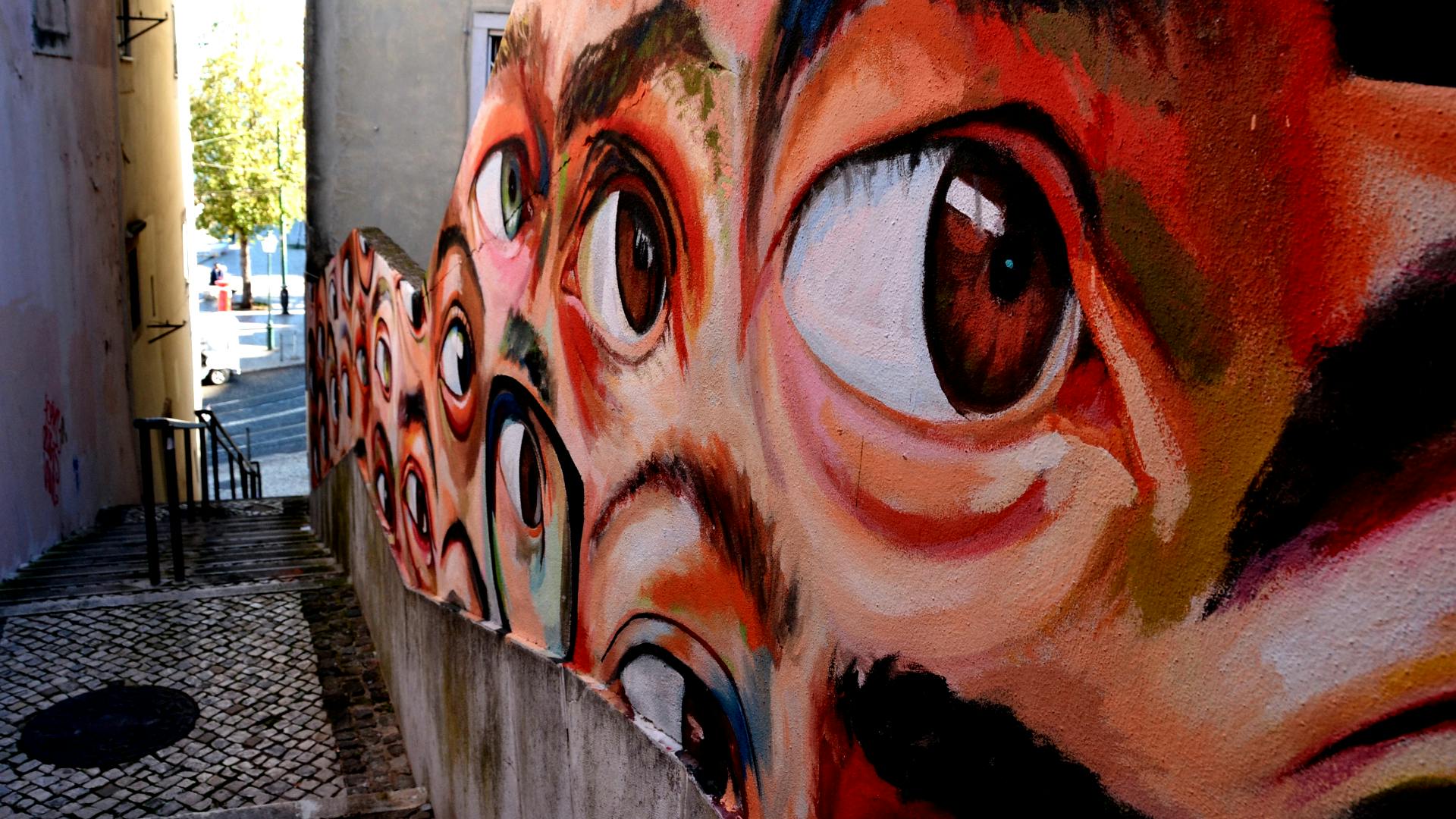
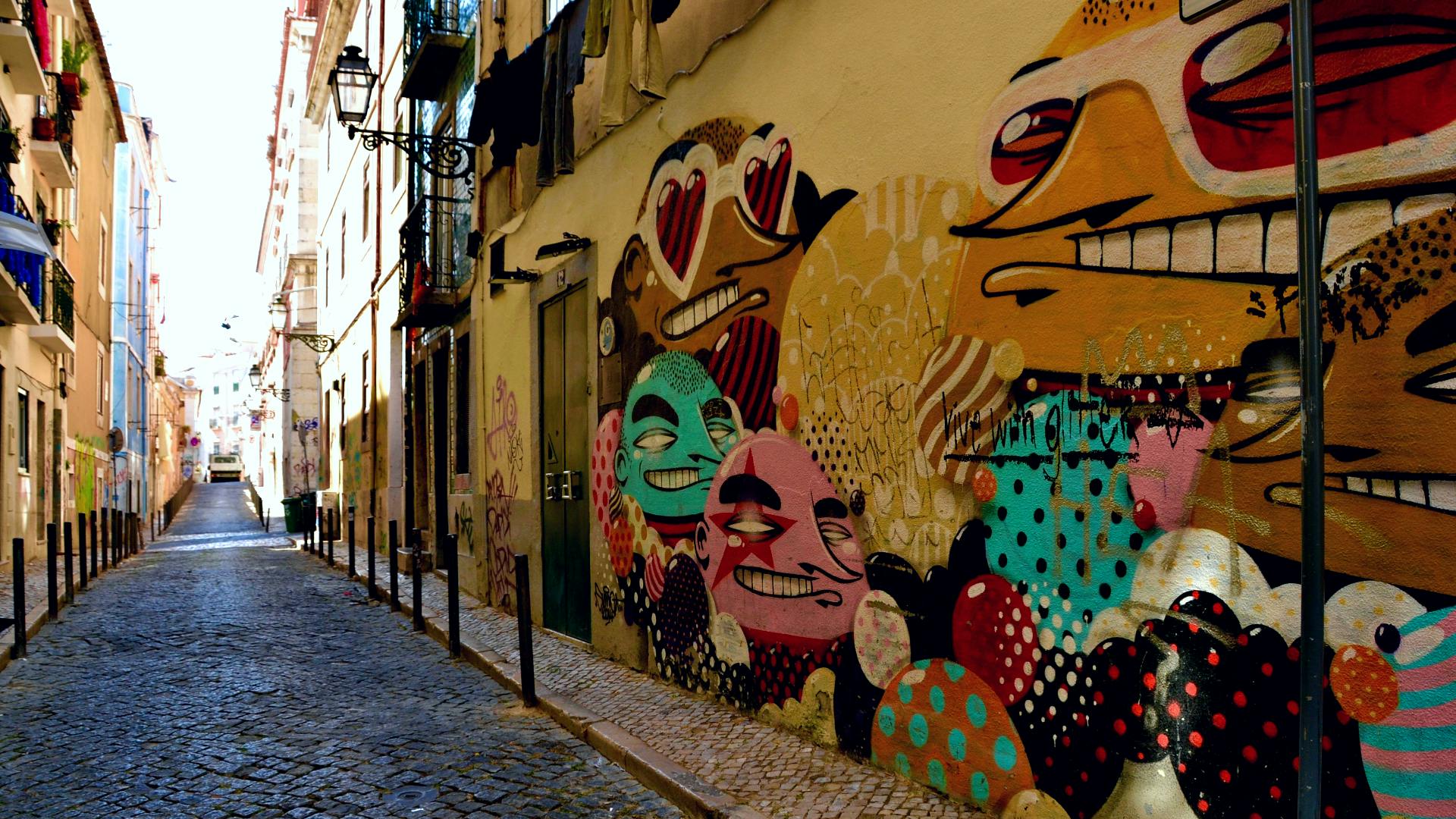
This is a city where the streets are part of the attraction. Some of the best moments are not inside museums, but in tiled doorways, tiny staircases, laundry-hung alleys, old grocery shops, church bells, tram bells and sudden views across red rooftops to the water.
Quick take: Musement.com offers a worldwide selection of tours and attractions
Discovery Game Lisbon’s Alfama and Baixa Outdoor Art – Self-Guided Experience Portugal Discovery Game Lisbon’s Alfama and Baixa outdoor art is a convenient way to add structure, local context and purposeful sightseeing to the itinerary. Check current availability, inclusions and booking details before you go.
Why Visit Lisbon Old Town?
Lisbon Old Town is worth visiting because it combines beauty, history, culture and atmosphere in a very walkable area. Unlike cities where historic sights are spread far apart, Lisbon’s old centre lets you move from medieval lanes to grand 18th-century squares, hilltop viewpoints, riverfront promenades, shopping streets and nightlife districts in a single day.
Alfama gives you the older, maze-like Lisbon of steep lanes and fado houses. Baixa gives you elegant post-earthquake planning and wide streets. Chiado gives you cafés, theatres, bookshops and shopping. Bairro Alto gives you nightlife, restaurants and bars. Mouraria and Graça add local character, multicultural food, viewpoints and a less polished but very real Lisbon feel.
Lisbon Old Town is best for:
First-time visitors to Lisbon
Travellers who love walking, photography and historic streets
Couples looking for romantic viewpoints and atmospheric evenings
Food lovers interested in pastel de nata, seafood, petiscos and Portuguese wine
Music lovers wanting to hear fado in Alfama or Bairro Alto
Architecture fans interested in azulejos, churches, squares and Pombaline planning
Visitors who want easy access to trams, metro stations, riverfront walks and day trips
Where Is Lisbon Old Town?
Lisbon Old Town covers the historic heart of the city near the Tagus River. The most useful orientation point is Praça do Comércio, the grand riverfront square at the southern edge of Baixa. From there, Baixa rises north toward Rossio, Alfama climbs east toward São Jorge Castle, and Chiado and Bairro Alto rise west up the hill.
Area
Best For
Traveller Notes
Alfama
Fado, old lanes, viewpoints, castle access
One of Lisbon’s most atmospheric historic districts.
Baixa
Grand squares, shopping streets, easy navigation
The flatter central district rebuilt after the 1755 earthquake.
Chiado
Cafés, theatres, boutiques, bookshops
Elegant and central, between Baixa and Bairro Alto.
Bairro Alto
Nightlife, restaurants, bars, fado
Quiet by day, lively after dark.
Mouraria
Local character, multicultural food, fado history
Less polished but very interesting for repeat visitors.
Graça
Viewpoints and local neighbourhood atmosphere
Good for sunset views and a slower Lisbon feel.
Cais do Sodré
Riverfront, nightlife, Time Out Market, transport
Useful for ferries, trains and evening food stops.
Best Historic Neighbourhoods in Lisbon Old Town
Alfama
Alfama is the most romantic and old-world part of Lisbon. Its narrow lanes climb from the river toward São Jorge Castle, passing tiny squares, tiled houses, stairways, fado restaurants, churches and viewpoints. It is easy to get lost here, and that is part of the charm.
Baixa
Baixa is Lisbon’s downtown grid, rebuilt after the devastating 1755 earthquake. It is flatter and easier to navigate than Alfama or Bairro Alto, with elegant streets, shops, cafés and squares such as Rossio, Praça da Figueira and Praça do Comércio.
Chiado
Chiado is refined, literary and stylish. It is known for cafés, bookshops, theatres, boutiques and classic Lisbon elegance. It connects Baixa with Bairro Alto and is a good area for shopping, coffee and people-watching.
Bairro Alto
Bairro Alto is quiet during the day but comes alive at night. Its narrow streets fill with restaurants, bars and fado houses. It is one of the best areas for an evening meal or casual drinks, though it can be noisy if you stay directly in the nightlife zone.
Mouraria
Mouraria is one of Lisbon’s most culturally layered neighbourhoods. It is linked with fado history and has a strong multicultural food scene. The streets feel more local than polished, making it a rewarding area for curious travellers.
Graça
Graça sits above Alfama and Mouraria and is loved for its viewpoints. It has a neighbourhood feel, with cafés, tiled buildings, local shops and some of Lisbon’s best sunset views.
Best Things to See in Lisbon Old Town
São Jorge Castle
São Jorge Castle sits high above Lisbon and offers some of the best views over the red rooftops, Baixa grid and Tagus River. It is one of the strongest orientation points for understanding the city.
Praça do Comércio
Praça do Comércio is Lisbon’s grand riverfront square. With its yellow arcades, triumphal arch and open views toward the Tagus, it is one of the best places to begin or end a walk through the old town.
Rossio Square
Rossio is one of central Lisbon’s most important squares, known for its wave-pattern paving, fountains, cafés and lively city-centre atmosphere.
Santa Justa Lift
The Santa Justa Lift connects Baixa with the higher Carmo and Chiado area. It is both a transport feature and a historic landmark, with views over the city from the upper level.
Carmo Convent
Carmo Convent is one of Lisbon’s most moving ruins. Its roofless Gothic arches remain as a reminder of the 1755 earthquake and now create one of the city’s most atmospheric historic sites.
Lisbon Cathedral
Lisbon Cathedral, often called the Sé, is one of the city’s oldest and most important churches. It sits between Baixa and Alfama and is a natural stop on a walk toward the castle.
Miradouro de Santa Luzia
Miradouro de Santa Luzia is a beautiful viewpoint overlooking Alfama and the river. It is known for tiled panels, bougainvillea, arches and classic Lisbon views.
Miradouro da Senhora do Monte
Miradouro da Senhora do Monte offers one of the widest views across Lisbon. It is especially good around sunset, though it requires a climb or transport up to Graça.
Elevador da Bica
The Bica funicular is one of Lisbon’s most photographed transport scenes, climbing a steep street between Cais do Sodré and Bairro Alto.
Rua Augusta
Rua Augusta is Baixa’s main pedestrian shopping street, running between Rossio and Praça do Comércio through the Arco da Rua Augusta.
Best Lisbon Old Town Walking Routes
Route 1: Baixa to Alfama and the Castle
This is the classic first-time Lisbon walk. Start at Praça do Comércio, walk through Baixa, visit Lisbon Cathedral, climb into Alfama, stop at Miradouro de Santa Luzia and continue to São Jorge Castle.
Best for: first-time visitors, history and viewpoints
Time needed: 3 to 4 hours with stops
Difficulty: moderate because of steep hills
Route 2: Baixa, Chiado and Bairro Alto
Start at Rossio, walk through Baixa, ride or walk up toward Chiado, visit Carmo Convent, browse shops and cafés, then continue into Bairro Alto for dinner or drinks.
Best for: shopping, cafés, nightlife and easy central sightseeing
Time needed: 2 to 4 hours
Difficulty: moderate, with some hills
Route 3: Mouraria and Graça Viewpoint Walk
Begin near Martim Moniz, explore Mouraria’s lanes and food spots, then climb toward Graça and Miradouro da Senhora do Monte. Continue downhill into Alfama if you still have energy.
Best for: local character, food, fado history and views
Time needed: 3 hours
Difficulty: steep in sections
Route 4: Lisbon Night Walk
Start with sunset at a viewpoint, eat dinner in Alfama, Chiado or Bairro Alto, then enjoy fado or a relaxed evening drink. Stick to well-lit, busy streets if walking late.
Best for: couples, food lovers and atmosphere
Time needed: 3 to 5 hours
Difficulty: easy to moderate depending on route
Tram 28 and Historic Transport
Tram 28 is Lisbon’s most famous tram route and one of the classic ways to experience the old town. It passes through several historic districts, including Alfama, Baixa, Estrela and Graça, using vintage yellow trams that squeeze through narrow streets and climb steep hills.
It is scenic, but it is also very popular. Expect queues, crowds and pickpocket risk during peak times. For a more comfortable ride, board early in the morning or consider riding only part of the route rather than treating it as a full sightseeing tour.
Other useful historic transport
Santa Justa Lift – connects Baixa with Carmo and Chiado.
Bica Funicular – one of Lisbon’s most photogenic steep-street lifts.
Glória Funicular – connects Restauradores with Bairro Alto.
Lavra Funicular – one of the quieter historic lifts.
Metro – useful for reaching the old centre quickly from other areas.
Ferries from Cais do Sodré – good for views back toward Lisbon from across the river.
Food, Fado and Local Culture in Lisbon Old Town
Lisbon Old Town is one of the best areas for traditional Portuguese food, cafés, wine bars and fado music. Alfama and Bairro Alto are especially associated with fado houses, while Baixa and Chiado offer a wide range of cafés, bakeries, restaurants and historic dining rooms.
Foods and drinks to try
Pastel de nata – the famous Portuguese custard tart.
Bacalhau – salted cod, cooked in many different ways.
Sardines – especially popular during festival season.
Petiscos – Portuguese small plates, similar in spirit to tapas.
Bifana – pork sandwich, simple and satisfying.
Ginjinha – cherry liqueur often served in tiny bars around Baixa and Rossio.
Portuguese wine – try vinho verde, Douro reds or local Lisbon-region wines.
Seafood rice – rich, comforting and good for a longer meal.
Fado tips
Fado is deeply connected to Lisbon’s old neighbourhoods, especially Alfama and Mouraria. Choose a reputable fado house, check whether dinner is included, and expect a listening atmosphere rather than background music. During performances, keep conversation low and avoid flash photography.
Best Viewpoints in Lisbon Old Town
Viewpoint
Best For
Traveller Notes
Miradouro de Santa Luzia
Alfama rooftops, tiles and river views
Beautiful but popular; go early or late.
Miradouro das Portas do Sol
Classic Alfama panorama
Close to Santa Luzia and easy to combine.
Miradouro da Senhora do Monte
Wide city views and sunset
One of Lisbon’s best panoramic viewpoints.
São Jorge Castle
Historic setting and rooftop views
Ticketed but excellent for orientation.
Santa Justa Lift viewpoint
Baixa grid and Carmo views
Can be busy; check ticket and queue options.
Miradouro de São Pedro de Alcântara
Castle view from Bairro Alto side
Good before dinner or nightlife in Bairro Alto.
Suggested Lisbon Old Town Itinerary Ideas
Option 1: Classic One-Day Lisbon Old Town Route
Morning: Start at Praça do Comércio and walk through Baixa.
Late morning: Visit Lisbon Cathedral and climb into Alfama.
Midday: Stop at Miradouro de Santa Luzia or Portas do Sol.
Afternoon: Visit São Jorge Castle or explore Alfama’s lanes.
Evening: Eat dinner in Alfama and listen to fado.
Option 2: Baixa, Chiado and Bairro Alto Day
Morning: Explore Rossio, Rua Augusta and Praça do Comércio.
Lunch: Eat in Baixa or Chiado.
Afternoon: Visit Carmo Convent and browse Chiado shops.
Sunset: Go to Miradouro de São Pedro de Alcântara.
Night: Have dinner or drinks in Bairro Alto.
Option 3: Tram 28 and Viewpoints Route
Early morning: Ride Tram 28 before the biggest crowds.
Mid-morning: Get off near Graça or Alfama.
Late morning: Walk to Senhora do Monte viewpoint.
Afternoon: Explore Alfama, Mouraria or the castle area.
Option 4: Food and Fado Evening
Late afternoon: Walk through Alfama or Mouraria.
Sunset: Stop at a viewpoint overlooking the river.
Dinner: Book a fado restaurant in Alfama or Bairro Alto.
Night: Walk back carefully through main streets or take a taxi.
Option 5: Two-Day Lisbon Old Town Plan
Day 1: Baixa, Alfama, castle, cathedral and fado.
Day 2: Chiado, Carmo Convent, Bairro Alto, viewpoints, Cais do Sodré and riverfront.
Where to Stay in Lisbon Old Town
Area
Best For
Traveller Notes
Baixa
First-time visitors, flat streets, easy transport
Very convenient and central.
Chiado
Couples, shopping, restaurants, elegance
Excellent location but often more expensive.
Alfama
Atmosphere, fado, historic charm
Beautiful but hilly; check luggage access.
Bairro Alto
Nightlife and dining
Can be noisy at night; choose carefully.
Graça
Viewpoints and local feel
Good for slower stays but hillier.
Cais do Sodré
Transport, riverfront, nightlife
Useful for trains to Cascais and ferries.
Useful Booking Resources for Lisbon Old Town Tours and Activities
Lisbon Old Town is easy to explore independently, but guided walks, food tours, fado experiences, tram tours and skip-the-line tickets can add useful context. The suppliers below are useful places to compare tour styles, inclusions and cancellation rules. Skimlinks may automatically convert these merchant links into affiliate links if the merchant is active in your Skimlinks account.
GetYourGuide – offers Lisbon Old Town walking tours, Alfama and Baixa tours, fado shows, food tours, Tram 28-style experiences, São Jorge Castle tickets and day trips from Lisbon.
Viator – offers private Lisbon city tours, Alfama walking tours, food and wine experiences, fado nights, tuk-tuk tours, river cruises and customisable old town itineraries.
Klook – offers Lisbon attraction tickets, city passes, guided activities, transport products, SIM/eSIM options and Portugal travel add-ons.
KKday – offers Lisbon tours, attraction tickets, transfers, local experiences and wider Portugal travel products depending on current availability.
Tiqets – offers mobile-friendly tickets for Lisbon attractions, museums, castles, viewpoints and cultural experiences.
Musement – offers Lisbon city tours, food tours, fado experiences, attraction tickets and day trips across Portugal.
G Adventures – offers small-group and multi-day Portugal tours that may include Lisbon as part of a broader itinerary.
Go City – offers bundled attraction passes in selected destinations, useful for readers comparing multi-attraction city sightseeing options.
CityPASS – offers bundled attraction passes mainly for selected North American cities. It is not a main Lisbon booking option, but may suit readers planning wider international travel.
Booking tip: Before booking a Lisbon Old Town tour, check whether it includes Alfama, Baixa, Chiado, Bairro Alto, São Jorge Castle, fado, food tastings, Tram 28, guide language, hotel pickup, entry tickets, hill difficulty, cancellation rules and exact meeting point.
Lisbon Old Town Travel Tips
Wear proper walking shoes
Lisbon’s old streets are steep, cobbled and slippery in places. Comfortable shoes with grip make a big difference.
Start early in Alfama
Alfama is most atmospheric in the morning before the biggest walking tours and tram crowds arrive.
Be careful on Tram 28
Tram 28 is scenic but crowded. Watch bags and phones carefully, especially during busy periods.
Use viewpoints as route markers
Lisbon’s miradouros are perfect rest stops. Plan your walks from viewpoint to viewpoint rather than rushing uphill without breaks.
Do not overpack your first day
The old town looks compact, but hills slow everything down. Choose two or three neighbourhoods per day rather than trying to see everything.
Book fado ahead
Good fado houses can fill, especially on weekends. Book ahead and confirm whether dinner is included.
Use public transport strategically
Take the metro, trams, funiculars or taxis uphill, then walk down. This saves energy and makes sightseeing more enjoyable.
Carry small cash
Cards are widely accepted, but small cash is useful for kiosks, tips, old bars, public toilets and small purchases.
Watch for uneven pavements
Portuguese calçada paving is beautiful but can be uneven. Take extra care at night or in wet weather.
Stay central if it is your first visit
Baixa, Chiado and Alfama are the most convenient old town bases for first-time visitors.
Is Lisbon Old Town Worth Visiting?
Yes, Lisbon Old Town is absolutely worth visiting. It is the heart of the city and the best place to experience Lisbon’s history, hills, viewpoints, trams, fado, food and tiled architecture.
It may not suit travellers who dislike hills or crowds, especially in peak season, but careful planning makes it much easier. Start early, use public transport for steep climbs and explore beyond the busiest streets.
The best way to enjoy Lisbon Old Town is to walk slowly, choose a few neighbourhoods at a time, pause at viewpoints, eat local food, listen to fado and leave space for wandering. Lisbon rewards curiosity more than strict sightseeing checklists.
FAQs About Lisbon Old Town
What is considered Lisbon Old Town?
Lisbon Old Town usually refers to the historic central districts including Alfama, Baixa, Chiado, Bairro Alto, Mouraria, Graça and the riverfront around Praça do Comércio.
Which is the oldest part of Lisbon?
Alfama is often considered one of Lisbon’s oldest and most atmospheric neighbourhoods, with narrow lanes, steep stairways, old churches, fado houses and views over the Tagus River.
Is Lisbon Old Town walkable?
Yes, Lisbon Old Town is walkable, but it is very hilly. Baixa is relatively flat, while Alfama, Bairro Alto, Graça and the castle area involve steep climbs.
Is Tram 28 worth riding?
Tram 28 can be worth riding because it passes through classic historic districts, but it is often crowded. Ride early or use it for a short section rather than relying on it for the whole day.
Where should first-time visitors stay in Lisbon Old Town?
Baixa is the easiest area for first-time visitors because it is central and flatter. Chiado is stylish and convenient, while Alfama is best for atmosphere and fado.
What is the best viewpoint in Lisbon Old Town?
Miradouro da Senhora do Monte offers one of the widest city views, while Santa Luzia and Portas do Sol are classic viewpoints over Alfama and the Tagus River.
Can you visit Lisbon Old Town in one day?
Yes, you can see highlights in one day, but two days is better. Spend one day on Baixa and Alfama, then another on Chiado, Bairro Alto, Mouraria and viewpoints.
Is Lisbon Old Town safe at night?
Most central areas are busy and generally comfortable for visitors, but use normal city precautions. Watch belongings, avoid dark empty lanes late at night and take a taxi if unsure.
What should you eat in Lisbon Old Town?
Try pastel de nata, bacalhau, sardines, bifanas, petiscos, seafood rice, Portuguese wine and ginjinha.
Is Lisbon Old Town worth visiting?
Yes. Lisbon Old Town is the best place to experience the city’s historic streets, trams, viewpoints, food, fado, tiled façades and river views.
Sponsored Popular Items
Quick take: Musement.com offers a worldwide selection of tours and attractions
Discovery Game Lisbon’s Alfama and Baixa Outdoor Art – Self-Guided Experience Portugal Discovery Game Lisbon’s Alfama and Baixa outdoor art is a convenient way to add structure, local context and purposeful sightseeing to the itinerary. Check current availability, inclusions and booking details before you go.
Discovery Game Lisbon’s Bairro Alto and Bica – Self-Guided Experience Portugal Discovery Game Lisbon’s Bairro Alto and Bica is a convenient way to add structure, local context and purposeful sightseeing to the itinerary. Check current availability, inclusions and booking details before you go.
Lisbon Bairro Alto Evening Food & Wine Tour – Food & Drink Experience Portugal Dine around Lisbon: Bairro Alto evening food and wine USD adds structure, local context and purposeful sightseeing to the itinerary. Check current availability, inclusions and booking details before you go.
Shanghai Suzhou Creek, also known as the Suzhou River or 苏州河, is one of the most atmospheric waterways in the city. Flowing through central Shanghai before meeting the Huangpu River near the Bund, it links old warehouses, steel bridges, historic banks, art museums, former factories, residential lanes, public parks and some of Shanghai’s best urban walking routes.
For many travellers, the Huangpu River gets all the attention because of the Bund and the Lujiazui skyline. But Suzhou Creek tells a more intimate story. It shows Shanghai as a working port, industrial city, trading hub, wartime city, creative capital and modern waterfront destination.
Today, the creek is one of Shanghai’s best places for a relaxed city walk. You can start near Waibaidu Bridge, pass the Shanghai Postal Museum, continue toward Sihang Warehouse, explore the revived Suhewan area, or head farther west toward M50 Art District and Moganshan Road.
Quick take: Musement.com offers a worldwide selection of tours and attractions
Kanazawa Private Walking Tour: Discover Samurai History, Geisha… Japan Discover the fascinating history, traditional architecture and cultural treasures of Kanazawa on a private walking tour with a knowledgeable local guide. Located in Ishikawa Prefecture on Japan's central Honshu island, Kanazawa is renowned for its beautifully preserved samurai neighbourhoods, historic geisha districts, magnificent Japanese gardens and traditional craftsmanship. The True Kanazawa Private Walking Tour offers a flexible way to explore the city, allowing visitors to choose up to three attractions based on their personal interests. Whether you want to wander through the magnificent Kenrokuen Garden, discover the impressive history of Kanazawa Castle, explore traditional geisha teahouse streets or experience the…
Why Visit Shanghai Suzhou Creek?
Suzhou Creek is worth visiting because it gives you a different view of Shanghai from the usual Bund skyline. The creek is quieter, more layered and more local. It has old bridges, riverside apartment blocks, restored warehouses, industrial heritage sites, art galleries, cafés, museums and everyday neighbourhood life.
This is where Shanghai’s past and present sit side by side. You can walk past historic buildings linked with finance, shipping, printing, flour mills, wartime memory and modern art. Then, within minutes, you can reach contemporary cafés, boutique galleries and newly landscaped riverfront paths.
Suzhou Creek is best for:
Travellers who enjoy city walks and urban photography
Visitors interested in Shanghai history beyond the Bund
People looking for a quieter riverside route
Art lovers visiting M50, Fotografiska Shanghai, Rockbund or Suhewan
Architecture fans interested in bridges, warehouses and Art Deco buildings
Couples wanting a relaxed sunset or evening walk
Repeat visitors who want a more local Shanghai experience
Where Is Suzhou Creek?
Suzhou Creek flows through several districts of Shanghai and joins the Huangpu River near the Bund and North Bund area. The most visitor-friendly section is the central stretch between Waibaidu Bridge, Shanghai Postal Museum, Sihang Warehouse, Suhewan and M50 Art District.
Location Detail
Traveller Notes
English names
Suzhou Creek / Suzhou River
Chinese name
苏州河
Historic name
Wusong River
City
Shanghai, China
Where it meets the Huangpu
Near Waibaidu Bridge, the Bund and North Bund
Best visit style
Self-guided walk, heritage walk, photography route, gallery day or short sightseeing cruise
The creek can be explored in sections. First-time visitors usually enjoy the stretch from Waibaidu Bridge to Sihang Warehouse because it is central, historic and easy to combine with the Bund.
What to Expect Along Shanghai Suzhou Creek
Expect a mix of old and new Shanghai. Some parts of the creek feel polished and redeveloped, with smooth riverside paths, new landscaping and restored heritage buildings. Other sections feel more local, with apartment blocks, bridges, quiet streets and neighbourhood life.
The experience is more about walking, looking and connecting places than visiting one single attraction. Suzhou Creek rewards slow travel. Stop at bridges, look back toward the skyline, notice old brick warehouses, photograph reflections, step into galleries and take breaks at cafés or public seating areas.
What you may find
Historic steel bridges and old river crossings
Restored warehouses and former industrial buildings
Shanghai Postal Museum and General Post Office architecture
Sihang Warehouse Battle Memorial Museum
M50 Art District and Moganshan Road galleries
Modern art museums and creative spaces
Riverside walking and cycling paths
Views toward the Bund and Lujiazui skyline
Quiet local neighbourhoods beside busy central Shanghai
What not to expect
Do not expect one single entrance or ticketed attraction called “Suzhou Creek”.
Do not expect every section to be equally scenic.
Do not expect all museums or galleries to open daily.
Do not assume the creek is as grand or wide as the Huangpu River.
Do not expect a long tourist promenade everywhere; some routes require street crossings.
Do not rush it. The creek is best enjoyed as a slow city walk.
Best Suzhou Creek Walking Routes
Route 1: Waibaidu Bridge to Sihang Warehouse
This is one of the best first-time Suzhou Creek walks. Start near Waibaidu Bridge, where Suzhou Creek meets the Huangpu River, then walk west along the riverfront toward the Shanghai Postal Museum, historic bridges and Sihang Warehouse.
Best for: first-time visitors, history, photography and classic Shanghai views
Time needed: about 1 to 2 hours at a relaxed pace
Highlights: Waibaidu Bridge, General Post Office, river views, Sihang Warehouse
Route 2: Suhewan and Sihang Warehouse Heritage Walk
This route focuses on the revived Suhewan area, a waterfront district where historic buildings, shopping, public spaces and river views come together. It is a good option if you want a compact walk with food, shopping and heritage nearby.
Best for: easy walking, cafés, shopping, riverfront photos and wartime history
Time needed: about 2 to 3 hours including stops
Highlights: Suhewan, Sihang Warehouse, riverside paths and restored buildings
Route 3: M50 Art District and Moganshan Road
This route is best for art lovers. M50 Art District sits near Suzhou Creek in a former industrial area and is known for galleries, studios, street art, cafés and creative spaces.
Best for: contemporary art, galleries, street art and creative Shanghai
Time needed: about 2 to 4 hours depending on gallery visits
Highlights: M50 galleries, Moganshan Road, industrial buildings and creek views
Route 4: Photography Walk from M50 to the Bund
For strong visual variety, walk from M50 east toward the Bund. This longer route gives you industrial buildings, bridges, apartment blocks, reflective water views, old warehouses and finally the dramatic meeting point of Suzhou Creek and the Huangpu River.
Best for: photographers and repeat Shanghai visitors
Time needed: half day if you stop for photos, cafés and galleries
Highlights: M50, bridges, Suzhou Creek bends, Sihang Warehouse, Waibaidu Bridge
Best Places to See Along Suzhou Creek
Waibaidu Bridge
Waibaidu Bridge, also called Garden Bridge, is one of Shanghai’s most recognisable historic bridges. It stands near the point where Suzhou Creek meets the Huangpu River and gives excellent views toward the Bund, North Bund and Lujiazui skyline.
Shanghai Postal Museum
The Shanghai Postal Museum occupies the impressive former General Post Office building. Its clock tower, grand façade and riverside position make it one of the best heritage landmarks along Suzhou Creek.
Sihang Warehouse
Sihang Warehouse is one of the most important historical sites along Suzhou Creek. It is strongly associated with the 1937 defence of the warehouse during the Battle of Shanghai and now functions as a memorial site and heritage landmark.
Suhewan
Suhewan is a redeveloped riverside area around Suzhou Creek with public space, shopping, restored buildings and modern urban design. It is a good place for visitors who want a polished, easy-to-walk section of the creek.
M50 Art District
M50 Art District on Moganshan Road is one of Shanghai’s best-known creative areas. Set in former industrial buildings near Suzhou Creek, it has galleries, studios, murals, design shops and cafés.
Zhapu Road Bridge
Zhapu Road Bridge is a popular photo spot because it frames views of Suzhou Creek, historic buildings and the modern skyline beyond. It is especially attractive around sunset or evening.
Zhejiang Road Bridge
Zhejiang Road Bridge is another photogenic crossing over Suzhou Creek, especially at night when bridge lights reflect in the water.
Rockbund
Rockbund sits close to the Bund and Suzhou Creek area. It combines restored heritage buildings, art spaces, lifestyle venues and architecture that reflects Shanghai’s early 20th-century international character.
Fotografiska Shanghai
Fotografiska Shanghai is a contemporary photography museum located in a restored historic building along Suzhou Creek. It is a strong stop for travellers interested in photography, exhibitions and adaptive reuse of old architecture.
North Bund Waterfront
The North Bund is close to the creek’s mouth and gives some of the best views of the Bund and Lujiazui skyline. It pairs well with a Suzhou Creek walk that begins or ends at Waibaidu Bridge.
Famous Bridges Over Suzhou Creek
Bridges are one of the best features of Suzhou Creek. Each crossing gives a different angle on Shanghai’s architecture, river life and skyline. Some are historic steel bridges, while others are newer or rebuilt structures with modern lighting.
Bridge
Best For
Traveller Notes
Waibaidu Bridge
Classic Shanghai photos and skyline views
Best near sunrise, sunset or evening lights.
Zhapu Road Bridge
Photography and river perspective
Good for views toward historic buildings and modern towers.
Sichuan Road Bridge
Central access and creek views
Useful when walking between the Bund area and Suzhou Creek.
Zhejiang Road Bridge
Night reflections and illuminated structure
Especially attractive after dark.
Xizang Road Bridge
Sihang Warehouse and Suhewan access
Useful for heritage walks around the central creek.
Changping Road Bridge
Western walking routes and local neighbourhood feel
Good if exploring beyond the most touristy central section.
Art, Museums and Creative Spaces Around Suzhou Creek
Suzhou Creek has become one of Shanghai’s most interesting art and culture corridors. Former warehouses and industrial sites have been restored or converted into galleries, museums, creative offices, design spaces, cafés and cultural venues.
Best art and culture stops
M50 Art District – galleries, studios, murals and creative spaces in former industrial buildings.
Fotografiska Shanghai – contemporary photography exhibitions in a restored riverside building.
Rockbund Art Museum – contemporary art in a historic area near the Bund and Suzhou Creek.
Sihang Warehouse Battle Memorial Museum – wartime history and Shanghai memory.
Shanghai Postal Museum – postal history, architecture and creekside heritage.
Suhe Haus and Suhewan spaces – restored buildings, cultural venues and modern riverfront design.
Check opening hours before visiting galleries or museums. Some are closed on Mondays, between exhibitions, or during private events.
Best Time to Visit Shanghai Suzhou Creek
Suzhou Creek can be visited year-round, but spring and autumn are the most comfortable seasons for walking. Summer can be hot and humid, while winter can be cold and grey but atmospheric.
Time
Best For
Advice
Morning
Quiet walking and softer light
Good for photography and avoiding crowds.
Afternoon
Museums, cafés and galleries
Best if combining the creek with art spaces.
Golden hour
Warm light, bridge photos and skyline views
One of the prettiest times to walk the creek.
Evening
Bridge lights and reflections
Good around Waibaidu Bridge, Zhapu Road Bridge and Zhejiang Road Bridge.
Rainy days
Moody photography and museum stops
Bring an umbrella and wear shoes with grip.
Suggested Shanghai Suzhou Creek Itinerary Ideas
Option 1: Classic 2-Hour Suzhou Creek Walk
Start: Waibaidu Bridge near the Bund.
Stop 1: Photograph the bridge, creek mouth and Lujiazui skyline.
Stop 2: Walk toward the Shanghai Postal Museum.
Stop 3: Continue west along the riverside path.
Finish: Visit Sihang Warehouse and nearby Suhewan.
Option 2: Art and Heritage Half-Day
Morning: Start at M50 Art District and visit galleries.
Lunch: Eat near Moganshan Road or Suhewan.
Afternoon: Walk east along Suzhou Creek toward Sihang Warehouse.
Late afternoon: Continue toward the Postal Museum and Waibaidu Bridge.
Evening: Finish at the Bund or North Bund for skyline views.
Option 3: Shanghai History Walk
Start: Sihang Warehouse Battle Memorial Museum.
Next: Walk the creekside to see former warehouses and riverfront buildings.
Continue: Visit the Shanghai Postal Museum.
Finish: Cross Waibaidu Bridge and continue to the Bund.
Option 4: Photography Route
Late afternoon: Begin at M50 or Suhewan.
Golden hour: Walk east, stopping at bridges for reflections and skyline views.
Sunset: Photograph Waibaidu Bridge and the creek mouth.
Night: Continue to the Bund and North Bund for city lights.
Option 5: Easy First-Time Shanghai Combination
Morning: Visit the Bund.
Midday: Walk to Waibaidu Bridge and Suzhou Creek.
Afternoon: Explore the Postal Museum, Suhewan or Sihang Warehouse.
Evening: Return to the Bund or Nanjing Road for dinner and lights.
Useful Booking Resources for Shanghai Suzhou Creek Walks, Cruises and City Tours
Suzhou Creek can be explored independently, but guided walks and city tours are useful if you want deeper context about Shanghai’s bridges, warehouses, wartime history, finance buildings, art districts and riverfront redevelopment. The suppliers below are useful places to compare travel products. Skimlinks may automatically convert these merchant links into affiliate links if the merchant is active in your Skimlinks account.
GetYourGuide – offers Shanghai walking tours, Suzhou Creek heritage routes, Bund tours, food tours, private guides, architecture walks and selected city cruise experiences.
Viator – offers Shanghai private tours, Bund and Suzhou Creek-style walks, food experiences, museum routes, architecture tours, transfers and customisable city itineraries.
Klook – offers Shanghai attraction tickets, city tours, river cruises, transport products, SIM/eSIM options and China travel add-ons useful for exploring Shanghai independently.
KKday – offers Shanghai local tours, attraction tickets, transport services, private guides and China travel products depending on current availability.
Tiqets – offers mobile-friendly tickets for museums, attractions and landmarks, useful for combining Suzhou Creek with Shanghai museums and observation decks.
Musement – offers city tours, attraction tickets, cultural activities and local experiences, useful for comparing Shanghai sightseeing and broader China travel options.
G Adventures – offers small-group and multi-day China tours that may include Shanghai as part of a broader itinerary rather than a standalone Suzhou Creek walk.
Go City – offers bundled city attraction passes in selected destinations. It is not a main Suzhou Creek booking option, but it can help readers planning multi-city stopovers before or after China.
CityPASS – offers bundled attraction passes mainly for selected North American cities. It is not designed for Shanghai, but may suit readers planning wider international travel.
Booking tip: Before booking a Suzhou Creek tour, check whether the route includes Waibaidu Bridge, Sihang Warehouse, Shanghai Postal Museum, M50 Art District, Rockbund, Suhewan, a river cruise, English-speaking guide, hotel pickup, museum tickets, food stops, cancellation rules and exact meeting point. If you are walking independently, check museum and gallery opening hours before you go.
Shanghai Suzhou Creek Travel Tips
Start near Waibaidu Bridge if it is your first visit
This gives you the strongest introduction because you can see where Suzhou Creek meets the Huangpu River, then continue into the creek’s historic waterfront.
Wear comfortable shoes
Suzhou Creek is best explored on foot. Expect riverside paths, bridges, street crossings and occasional detours around construction or private developments.
Use the metro
Useful stations for different sections include Tiantong Road, Qufu Road, Hanzhong Road, Shanghai Railway Station and nearby Bund-area stations, depending on your route.
Check museum opening days
Many museums and galleries in Shanghai close on Mondays or between exhibitions. Check before building your day around one venue.
Visit at golden hour for photos
Late afternoon and early evening are excellent for bridge reflections, skyline views and warmer light on the riverfront buildings.
Bring a camera or phone with good low-light performance
The creek is beautiful at night, especially around illuminated bridges and reflections.
Do not confuse it with Suzhou city
Suzhou Creek is in Shanghai. It is not the same as the city of Suzhou in Jiangsu Province, although the name is historically connected.
Combine with the Bund
The eastern end of Suzhou Creek connects naturally with the Bund, North Bund and Lujiazui skyline views.
Allow time for cafés and galleries
The creek is not a checklist destination. It is better when you stop, sit, browse exhibitions and watch local life.
Respect residential areas
Some riverfront sections pass close to apartment buildings and local neighbourhoods. Keep noise down and avoid photographing residents closely without permission.
Is Shanghai Suzhou Creek Worth Visiting?
Yes, Shanghai Suzhou Creek is worth visiting, especially if you enjoy history, architecture, art, bridges and riverside city walks. It gives a more layered view of Shanghai than the Bund alone and helps visitors understand how the city developed from a trading and industrial centre into a modern cultural capital.
It may not suit travellers who want one single landmark or a fast sightseeing stop. Suzhou Creek is best experienced slowly, as a connected route of bridges, warehouses, museums, galleries and everyday riverfront life.
The best way to enjoy it is to start at Waibaidu Bridge, walk west toward the Postal Museum and Sihang Warehouse, continue to Suhewan or M50 if time allows, and finish with sunset or evening views back toward the Bund.
FAQs About Shanghai Suzhou Creek
What is Shanghai Suzhou Creek?
Shanghai Suzhou Creek, also called Suzhou River, is a historic waterway running through central Shanghai before joining the Huangpu River near the Bund.
Is Suzhou Creek the same as Suzhou city?
No. Suzhou Creek is in Shanghai. Suzhou city is a separate city in Jiangsu Province, famous for gardens and canals.
Where is the best place to start a Suzhou Creek walk?
Waibaidu Bridge is one of the best starting points for first-time visitors because it sits near the meeting point of Suzhou Creek and the Huangpu River, close to the Bund.
What can you see along Suzhou Creek?
You can see historic bridges, Shanghai Postal Museum, Sihang Warehouse, Suhewan, M50 Art District, former industrial buildings, art galleries, riverside paths and skyline views.
Is Suzhou Creek free to visit?
Yes. Walking along the public riverside areas is free. Museums, galleries, tours, cruises, cafés and private venues may cost extra.
How long do you need for Suzhou Creek?
Allow 1 to 2 hours for a short walk from Waibaidu Bridge to Sihang Warehouse, or half a day if adding M50, galleries, museums and cafés.
Is Suzhou Creek good at night?
Yes. Several bridges and riverside areas are attractive at night, especially around Waibaidu Bridge, Zhapu Road Bridge, Zhejiang Road Bridge and the Bund-side creek mouth.
Can you take a cruise on Suzhou Creek?
Short sightseeing cruises and river experiences may be available depending on current operations. Check schedules, boarding points and routes before planning around a cruise.
What should you combine with Suzhou Creek?
Good combinations include the Bund, North Bund, Rockbund, Shanghai Postal Museum, Sihang Warehouse, Suhewan, M50 Art District and Nanjing Road.
Is Shanghai Suzhou Creek worth visiting?
Yes. It is one of Shanghai’s best areas for walking, photography, heritage buildings, art spaces and seeing a more local side of the city’s waterfront history.
Sponsored Popular Items
Quick take: Musement.com offers a worldwide selection of tours and attractions
Kanazawa Private Walking Tour: Discover Samurai History, Geisha Districts and Beautiful Japanese Gardens Japan Discover the fascinating history, traditional architecture and cultural treasures of Kanazawa on a private walking tour with a knowledgeable local guide. Located in Ishikawa Prefecture on Japan's central Honshu island, Kanazawa is renowned for its beautifully preserved samurai neighbourhoods, historic geisha districts, magnificent Japanese gardens and traditional craftsmanship. The True Kanazawa Private Walking Tour offers a flexible way to explore the city, allowing visitors to choose up to three attractions based on their personal interests. Whether you want to wander through the magnificent Kenrokuen Garden, discover the impressive history of Kanazawa Castle, explore traditional geisha teahouse streets or experience the…
Ho Chi Minh Airport Transfer to Districts 1, 3 and 10 - Travel Service Vietnam Ho Chi Minh Airport Transfer to Districts 1, 3 and 10 Ho Chi Minh Airport Transfer to Districts 1, 3 and 10 is designed to simplify transport in or around Ho Chi Minh City. Check current availability, inclusions and booking details before you go.
Taipei Shopping Guide: Night Markets, Malls & Local Shopping Districts Taiwan Vibrant Shopping in Taipei Taipei is a vibrant shopping destination with a wide variety of options ranging from high-end malls to bustling street markets and unique shopping districts. Check current availability, inclusions and booking details before you go.
Đông Hồ folk painting heritage is one of Vietnam’s most distinctive traditional art forms. Originating in Đông Hồ village in Bắc Ninh Province, this handmade woodblock-printing craft is known for bold outlines, natural colours, symbolic subjects, handmade điệp paper and scenes that capture Vietnamese family life, folk humour, prosperity, worship and the spirit of Tết, the Lunar New Year.
For generations, Vietnamese families bought Đông Hồ prints before Tết to decorate their homes, welcome good fortune and express wishes for happiness, fertility, learning, harmony and prosperity. Today, the craft is much rarer than it once was, which is why it has been recognised as a heritage tradition in need of urgent safeguarding.
Quick take: Musement.com offers a worldwide selection of tours and attractions
Hanoi: Private Tour dia tang phi lai, trang an, bich dong Vietnam Discover the beauty of Ninh Binh on a private day trip from Hanoi. Visit Dia Tang Phi Lai Pagoda, hike to Bich Dong Pagoda, and enjoy a bamboo boat ride through the Trang An landscape
For travellers, Đông Hồ is not a big theme park or major museum complex. It is a quiet craft village experience, best visited for workshops, artisan homes, cultural learning, handmade souvenirs and a deeper understanding of Vietnamese folk art. It pairs well with a Hanoi stay, Bắc Ninh cultural route, But Thap Pagoda, Dau Pagoda or other Red River Delta heritage sites.
Why Visit Đông Hồ Folk Painting Village?
Đông Hồ is worth visiting if you enjoy traditional crafts, handmade art, Vietnamese culture and meaningful souvenirs. The village gives travellers a chance to see how folk paintings are printed from carved woodblocks, coloured by hand or block-printed in layers, and finished on shimmering điệp paper.
Unlike mass-produced souvenir prints, true Đông Hồ paintings carry stories. Roosters can symbolise strength and good fortune. Pigs with yin-yang markings suggest fertility and abundance. Children, teachers, weddings, village life and satirical scenes reveal what ordinary Vietnamese families valued, laughed about and hoped for.
Đông Hồ folk painting village is best for:
Travellers interested in Vietnamese folk art and craft traditions
Visitors looking for a meaningful day trip from Hanoi
Families wanting an educational workshop-style experience
Art lovers, printmakers and designers interested in woodblock printing
People who want handmade souvenirs with cultural value
Photography lovers who enjoy workshops, paper, pigments and old prints
Travellers combining Bắc Ninh heritage, pagodas and village culture
Where Is Đông Hồ Folk Painting Village?
Đông Hồ village is in Bắc Ninh Province, east of Hanoi, in the Thuận Thành area. Older travel listings often describe it as being in Song Hồ commune, Thuận Thành district. Administrative names can change, so when travelling locally, search using the Vietnamese name Làng tranh Đông Hồ.
Location Detail
Traveller Notes
Vietnamese name
Làng tranh Đông Hồ
English name
Dong Ho Folk Painting Village / Đông Hồ Painting Village
Province
Bắc Ninh, Vietnam
Region
Red River Delta, east of Hanoi
Distance from Hanoi
Commonly listed at around 30–35 km, depending on route and starting point
Best visit style
Half-day cultural trip, artisan workshop visit or Bắc Ninh heritage day
The village is close enough for a half-day trip from Hanoi, but it is better as part of a slower cultural day if you want to include pagodas, local food and other Bắc Ninh heritage stops.
What Is Đông Hồ Folk Painting?
Đông Hồ folk painting is a traditional Vietnamese woodblock-printing craft. Artisans carve images into wooden blocks, apply natural colours and print each layer onto handmade paper. The finished works are simple at first glance, but their themes are rich with symbolism, humour and social meaning.
Historically, Đông Hồ paintings were strongly connected with Tết. Families bought new prints at the end of the lunar year, hung them at home for good fortune, then replaced them the following year. The paintings were affordable, popular and deeply connected to everyday life.
What makes Đông Hồ paintings distinctive?
Woodblock printing – images are printed from carved wooden blocks.
Natural pigments – colours traditionally come from natural materials.
Điệp paper – handmade paper coated with shell powder for a subtle shimmering surface.
Folk themes – village life, animals, children, festivals, legends and satire.
Bold outlines – strong black lines give the images clarity and charm.
Symbolic meaning – each subject usually carries wishes for luck, harmony or prosperity.
How Đông Hồ Paintings Are Made
The craft process is one of the most interesting reasons to visit Đông Hồ village. Although techniques vary by artisan and workshop, the traditional process usually involves paper preparation, woodblock carving, pigment making, layer printing and finishing.
Step
What Happens
Why It Matters
1. Preparing điệp paper
Handmade paper is coated with shell powder and natural adhesive.
This gives Đông Hồ prints their pale, slightly sparkling surface.
2. Designing the image
The picture is planned with strong outlines and symbolic composition.
The design must work clearly when printed in layers.
3. Carving woodblocks
Artisans carve separate blocks for outlines and colours.
Each block must align carefully with the next layer.
4. Preparing pigments
Traditional colours are made from natural materials such as leaves, minerals, soot or flowers.
The colours give the paintings their earthy, folk-art palette.
5. Printing layers
Each colour is printed separately, followed by the black outline block.
The final picture emerges through careful layering.
6. Drying and finishing
The print is dried and checked by the artisan.
Small irregularities are part of handmade character.
Some modern works may use adapted materials or hand-colouring, but the core identity remains tied to woodblocks, folk subjects and the shimmering điệp-paper base.
Popular Đông Hồ Painting Themes and Symbols
Đông Hồ paintings are easy to enjoy visually, but they become more meaningful when you understand their symbols. Many prints are wishes in picture form: prosperity, family happiness, good children, moral learning, social harmony or humour about everyday behaviour.
Common themes to look for
Rooster paintings – often linked with strength, protection, vitality and good fortune.
Pig family paintings – symbolise fertility, abundance and prosperity.
Boy with rooster or duck – expresses wishes for healthy children and happiness.
Teacher and student scenes – reflect respect for learning and education.
Wedding scenes – celebrate marriage, family continuity and village customs.
Mouse wedding – a famous satirical image often read as social commentary on corruption and power.
Harvest and village life – show farming, work, animals and rural community scenes.
Deity and worship prints – connected with household protection and spiritual life.
When buying a print, ask the artisan or guide what the image means. The story behind the picture is often as valuable as the artwork itself.
What to Expect When Visiting Đông Hồ Folk Painting Village
Expect a quiet craft-village atmosphere rather than a major tourist attraction. Many visitors come to see one or two artisan workshops, learn the printing process, buy handmade prints and possibly try printing a small design themselves.
The village may feel modest compared with more commercial tourist sites. That is part of its appeal. The best visits are usually arranged with a guide, local contact or workshop appointment so you can actually meet artisans and understand the craft.
What you may find
Artisan homes and family workshops
Woodblocks used for printing outlines and colour layers
Stacks of handmade paper and completed prints
Natural pigment demonstrations
Traditional images such as pigs, roosters, children and village scenes
Hands-on printing activities where available
Small display rooms or private collections
Opportunities to buy prints directly from craft families
What not to expect
Do not expect a large commercial museum with constant English tours.
Do not expect every house in the village to still make paintings.
Do not assume workshops are open without prior arrangement.
Do not expect all prints to be antique or handmade in the same way.
Do not bargain aggressively with artisans preserving a vulnerable craft.
Best Things to Do in Đông Hồ Folk Painting Village
1. Visit an artisan workshop
The best experience is visiting a family workshop where artisans explain the woodblocks, paper, pigments and printing process. This gives the craft real meaning beyond simply seeing finished pictures.
2. Try woodblock printing
Some workshops allow visitors to try printing a small design. It is a simple but memorable way to understand the skill required to align blocks, apply pigment and create a clean image.
3. Learn about điệp paper
Ask to see or learn about điệp paper. The shell-coated surface is one of the defining features of Đông Hồ prints, giving them their soft, luminous texture.
4. Study the symbols
Take time to compare different prints. The pig, rooster, child, wedding, scholar and satirical images each reveal part of Vietnamese folk belief and social life.
5. Buy a handmade print
Buying directly from a reputable artisan supports the craft. Choose an image whose meaning you understand, and ask how it was made.
6. Photograph the workshop details
Woodblocks, pigments, brushes, paper stacks and drying prints are excellent photo subjects. Always ask permission before photographing artisans or private spaces.
7. Combine with Bắc Ninh cultural sites
Đông Hồ is best paired with nearby pagodas, temples or Bắc Ninh cultural villages so the day feels full and worthwhile.
8. Visit before Tết if possible
The craft has strong Lunar New Year associations. If you visit in the lead-up to Tết, the cultural meaning of the paintings feels especially relevant, though availability and opening times should be checked carefully.
Things to Do Near Đông Hồ Folk Painting Village
But Thap Pagoda
But Thap Pagoda is one of Bắc Ninh’s most important Buddhist sites, known for elegant architecture, historic statues and peaceful grounds. It pairs well with Đông Hồ for a cultural day from Hanoi.
Dau Pagoda
Dau Pagoda is often considered one of Vietnam’s oldest Buddhist pagodas. It is an excellent nearby stop for travellers interested in religious history.
Bắc Ninh City
Bắc Ninh City is useful for meals, transport and a wider look at the province. It is also associated with Quan họ folk singing culture.
Quan họ folk singing villages
Bắc Ninh is famous for Quan họ, a UNESCO-recognised folk singing tradition. Combining Đông Hồ painting with Quan họ culture creates a strong intangible-heritage day.
Phat Tich Pagoda
Phat Tich Pagoda is another major Buddhist heritage site in Bắc Ninh, known for history, hillside setting and temple architecture.
Hanoi Old Quarter
Many travellers visit Đông Hồ as a day trip from Hanoi. After returning, the Old Quarter is a good place to continue the folk-art theme through galleries, craft shops and traditional streets.
Suggested Đông Hồ Folk Painting Itinerary Ideas
Option 1: Simple Half-Day from Hanoi
Morning: Leave Hanoi with a private driver or guided tour.
Mid-morning: Arrive at Đông Hồ village and visit an artisan workshop.
Late morning: Watch a printing demonstration and buy a handmade print.
Midday: Return to Hanoi or continue to a nearby pagoda.
Option 2: Bắc Ninh Heritage Day
Morning: Visit Đông Hồ folk painting village.
Lunch: Eat local food in Bắc Ninh or nearby Thuận Thành area.
Afternoon: Visit But Thap Pagoda and Dau Pagoda.
Late afternoon: Return to Hanoi.
Option 3: Folk Culture and Music Route
Morning: Visit Đông Hồ village for painting heritage.
Midday: Stop for a local meal.
Afternoon: Explore a Quan họ folk singing village or cultural site if arrangements are available.
Evening: Return to Hanoi with a broader understanding of Bắc Ninh’s intangible heritage.
Option 4: Art Lover’s Day Trip
Morning: Spend extra time with an artisan learning about woodblocks and paper.
Midday: Try a hands-on printing activity if available.
Afternoon: Return to Hanoi and visit a Vietnamese art gallery or craft shop.
Evening: Compare traditional folk prints with modern Vietnamese art.
Option 5: Family-Friendly Craft Visit
Morning: Travel from Hanoi after breakfast.
Mid-morning: Let children watch the block-printing process.
Workshop: Try a simple print activity if offered.
Lunch: Eat nearby or return to Hanoi.
Afternoon: Keep the day light rather than adding too many stops.
Useful Booking Resources for Đông Hồ Folk Painting Village and Hanoi Day Trips
Đông Hồ folk painting village can be visited independently, but a guide or private driver is useful because workshops may need arrangements and English interpretation can be limited. Booking platforms can also help with Hanoi cultural tours, Bắc Ninh day trips, craft workshops, transport and broader Vietnam itineraries. The suppliers below are useful places to compare travel products. Skimlinks may automatically convert these merchant links into affiliate links if the merchant is active in your Skimlinks account.
GetYourGuide – offers Hanoi day trips, craft village tours, private guides, food tours and cultural experiences that may be adapted to include Đông Hồ, Bắc Ninh or nearby heritage stops.
Viator – offers private Hanoi tours, custom day trips, traditional village visits, cultural workshops, transport and Bắc Ninh-style itineraries where available.
Klook – offers Vietnam-focused tours, Hanoi activities, attraction tickets, transfers, SIM/eSIM products and cultural experiences useful before or after a Đông Hồ visit.
KKday – offers local tours, attraction tickets, transport services and cultural activities across Asia. It is useful for comparing Hanoi, Bắc Ninh and northern Vietnam travel add-ons.
Tiqets – offers mobile-friendly tickets for museums, attractions and landmarks. It is more useful for ticketed sightseeing in Hanoi and major cities before or after a craft-village trip.
Musement – offers city tours, attraction tickets, cultural activities and local experiences. It can help travellers compare Hanoi sightseeing and wider Vietnam travel options.
G Adventures – offers small-group and multi-day adventure tours. It is best suited to travellers planning a broader Vietnam itinerary rather than a standalone Đông Hồ visit.
Go City – offers bundled city attraction passes in selected destinations. It is not a main Đông Hồ booking option, but it can help readers planning multi-city stopovers before or after Vietnam.
CityPASS – offers bundled attraction passes mainly for selected North American cities. It is not designed for Vietnam, but may suit readers planning a wider international trip.
Booking tip: Before booking a Đông Hồ craft-village tour, check whether the price includes hotel pickup, private transport, English-speaking guide, workshop visit, hands-on printing activity, artisan donation or purchase expectation, lunch, nearby pagoda stops, cancellation rules and exact return time. A private tour is usually more useful than a large group tour if you want proper craft explanation.
Đông Hồ Folk Painting Travel Tips
Arrange the workshop before you go
Do not assume every artisan home is open to casual visitors. A local guide or private tour can help arrange a proper demonstration.
Use the Vietnamese name
Search for Làng tranh Đông Hồ when using maps, taxis or local search tools. English names vary between Dong Ho Painting Village, Dong Ho folk painting village and Đông Hồ village.
Visit in the morning
Morning is usually better for workshops, photography and combining the village with nearby pagodas before returning to Hanoi.
Bring cash
Small workshops and village sellers may not accept foreign cards. Carry Vietnamese dong for purchases, tips or donations.
Buy directly from artisans where possible
This gives more support to the families preserving the craft and helps you learn the story behind your print.
Ask about the meaning of each print
The symbolism matters. A pig, rooster, child or wedding scene is not just decorative; it usually carries wishes, humour or social commentary.
Protect prints when travelling
Bring a flat folder, tube or protective envelope if you plan to buy paintings. Paper can bend easily in luggage.
Be respectful with photography
Ask before photographing artisans, family altars, private rooms or unfinished works.
Combine it with other Bắc Ninh sites
Đông Hồ alone may be a short visit, so pair it with But Thap Pagoda, Dau Pagoda, Phat Tich Pagoda or Quan họ cultural sites.
Do not over-bargain
This is a vulnerable heritage craft, not a mass-market souvenir stall. Fair purchases help preserve the tradition.
Is Đông Hồ Folk Painting Heritage Worth Visiting?
Yes, Đông Hồ folk painting heritage is worth visiting if you are interested in Vietnamese culture, traditional art, craft villages and meaningful handmade souvenirs. It is one of the most distinctive folk-art traditions in northern Vietnam and gives travellers a quieter, more thoughtful experience than Hanoi’s major tourist attractions.
It may not suit travellers wanting a large museum, polished attraction or full-day entertainment complex. The value is in the craft, the artisans and the stories behind the prints.
The best way to visit is to arrange a workshop stop, learn the printing process, buy a handmade print directly from a craft family, and combine the trip with nearby Bắc Ninh heritage sites. For anyone interested in intangible cultural heritage, it is one of the most meaningful short trips from Hanoi.
FAQs About Đông Hồ Folk Painting Heritage
What is Đông Hồ folk painting?
Đông Hồ folk painting is a traditional Vietnamese woodblock-printing craft from Bắc Ninh Province. It uses carved woodblocks, natural pigments and handmade điệp paper to create symbolic folk images.
Where is Đông Hồ painting village?
Đông Hồ painting village is in Bắc Ninh Province, east of Hanoi, in the Thuận Thành area. It is commonly listed as around 30 to 35 kilometres from central Hanoi.
Is Đông Hồ folk painting recognised by UNESCO?
Yes. The craft of making Đông Hồ folk woodblock printings was inscribed in 2025 on UNESCO’s List of Intangible Cultural Heritage in Need of Urgent Safeguarding.
Why is Đông Hồ folk painting important?
It is important because it preserves Vietnamese folk beliefs, Tết traditions, village humour, family values, worship practices and traditional handmade printmaking techniques.
What is điệp paper?
Điệp paper is handmade paper traditionally coated with shell powder and adhesive, giving Đông Hồ paintings their pale, slightly shimmering background.
What are common Đông Hồ painting subjects?
Common subjects include roosters, pigs, children, weddings, teachers, village scenes, worship images, harvest life and satirical works such as the famous mouse wedding theme.
Can visitors try making a Đông Hồ print?
Some workshops may offer hands-on printing activities, especially for tours or pre-arranged visits. It is best to organise this in advance.
How long do you need at Đông Hồ village?
Allow one to two hours for a simple workshop visit, or half a day if combining Đông Hồ with nearby pagodas and Bắc Ninh cultural sites.
What should I buy in Đông Hồ village?
Buy a handmade print directly from an artisan if possible. Choose a design whose meaning you understand, such as prosperity pigs, protective roosters, happy children or Tết blessing images.
Is Đông Hồ folk painting village worth visiting from Hanoi?
Yes, especially for travellers interested in traditional crafts, Vietnamese art and cultural heritage. It is best visited with a guide or private driver and combined with other Bắc Ninh attractions.
Sponsored Popular Items
Quick take: Musement.com offers a worldwide selection of tours and attractions
Hanoi: Private Tour dia tang phi lai, trang an, bich dong Vietnam Discover the beauty of Ninh Binh on a private day trip from Hanoi. Visit Dia Tang Phi Lai Pagoda, hike to Bich Dong Pagoda, and enjoy a bamboo boat ride through the Trang An landscape
Sinh Village Painting & Thuy Xuan Incense Half-Day Tour from Hue Vietnam Half-day tour from Hue - The ancient painting crafts of Sinh Village and the Thuy Xuan incense village is a convenient way to add structure, local context and purposeful sightseeing to the itinerary. Check current availability, inclusions and booking details before you go.
Dublin: Drinking & Painting Party with Art Instructor (BYOB) Ireland Best deals for Dublin: Drinking & Painting Party with Art Instructor (BYOB). Have fun while creating your own masterpiece with this painting party in Dublin. Purchase your own alcohol while an instructor helps you to craft your own painting to take home. Available from getyourguide.com.
Shichahai and Prince Gong’s Palace, also known as Prince Gong’s Mansion or Prince Kung’s Mansion, make one of the best cultural walking routes in central Beijing. This area combines lakes, hutongs, willow-lined paths, courtyard homes, old bridges, cafés, local snacks and one of the finest preserved Qing-dynasty princely residences in the city.
Shichahai is not just one lake. It includes Qianhai, Houhai and Xihai, surrounded by historic lanes, courtyard houses, temples, former residences and neighbourhood life. Prince Gong’s Palace sits close to the Shichahai lakes, making the two easy to combine in a half-day or relaxed full-day itinerary.
Quick take: Musement.com offers a worldwide selection of tours and attractions
Houmas House Estate and Gardens Guided Mansion Tour - Guided Sightseeing Tour United States Houmas House estate and gardens guided mansion tour is a convenient way to add structure, local context and purposeful sightseeing to the itinerary. Check current availability, inclusions and booking details before you go.
This route is ideal for visitors who want a softer, more walkable side of Beijing after seeing the Forbidden City, Tiananmen Square or the Great Wall. Instead of one grand monument, you get a layered old-city experience: water, hutongs, mansion architecture, gardens, street food, bars, teahouses and everyday Beijing life.
Why Visit Shichahai and Prince Gong’s Palace?
Shichahai and Prince Gong’s Palace are worth visiting together because they show two sides of old Beijing. Shichahai gives you the open-air neighbourhood atmosphere: lakes, hutongs, bridges, waterside cafés and local life. Prince Gong’s Palace gives you a more formal historic experience, with courtyards, halls, gardens and elite Qing-dynasty residential architecture.
The area is especially enjoyable because it is walkable. You can visit the mansion first, then wander through hutongs toward Houhai, cross Yinding Bridge, follow the lakeside paths and finish with tea, snacks or dinner by the water.
This route is best for:
First-time visitors who want an old-Beijing neighbourhood walk
Travellers interested in Qing-dynasty mansions and courtyard architecture
People who enjoy lakeside walks, hutongs and local cafés
Couples looking for a relaxed Beijing afternoon or evening
Families wanting a cultural route without too much long-distance travel
Photographers looking for bridges, water, grey-brick lanes and traditional buildings
Visitors combining Beihai Park, Drum Tower, Nanluoguxiang and Shichahai
Where Are Shichahai and Prince Gong’s Palace?
Both are in Xicheng District, central Beijing. Shichahai lies near Beijing’s historic central axis and includes the lakes and surrounding hutong neighbourhoods. Prince Gong’s Palace is located at No. 17 Qianhai West Street, close to Shichahai and Beihai North Station.
Ticketed museum attraction; closed Mondays except public holidays.
Beihai North Station
Closest metro access for Prince Gong’s Palace
Use Line 6, Exit B, then walk north toward the mansion.
Shichahai Station
Good for Houhai, Drum Tower and hutong walks
Useful if starting from the northern end of the lakes.
Shichahai Scenic Area: Lakes, Hutongs and Old Beijing Atmosphere
Shichahai is one of Beijing’s most atmospheric historic districts. The name refers to the lakes and surrounding area, including Qianhai, Houhai and Xihai. It is famous for willow trees, hutong lanes, courtyard homes, waterside restaurants, old bridges, winter skating, summer boating and evening nightlife around Houhai.
Unlike palace museums or temple complexes, Shichahai is a living urban neighbourhood. Local residents, cyclists, tourists, cafés, snack vendors and rickshaw tours all share the same narrow streets and lakeside paths. That is part of its charm, but it also means visitors should be respectful around residential hutongs.
Highlights of Shichahai
Houhai Lake – the liveliest lake area, with cafés, bars, restaurants and evening lights.
Qianhai Lake – close to Prince Gong’s Palace and Beihai Park, good for relaxed walking.
Xihai / Jishuitan – quieter than Houhai, with more peaceful water views.
Yinding Bridge – a classic bridge and photo spot between Qianhai and Houhai.
Hutong lanes – traditional grey-brick alleys and courtyard-house neighbourhoods.
Waterside cafés – useful for resting between sightseeing stops.
Winter skating – in cold winters, parts of Shichahai become a popular ice recreation area.
Prince Gong’s Palace: Beijing’s Famous Qing-Dynasty Mansion
Prince Gong’s Palace is one of Beijing’s most important preserved princely residences. It was originally associated with Heshen, a powerful official under Emperor Qianlong, and later became connected with Prince Gong, an influential late-Qing statesman. Today, it operates as a museum and tourist attraction.
The complex covers around 60,000 square metres and includes both residential courtyards and an ornamental garden. It is a very good place to understand elite Qing-dynasty residential planning, with formal axes, courtyards, halls, decorative details, rockeries, pavilions and garden scenery.
Why Prince Gong’s Palace is special
It is one of Beijing’s best-preserved Qing princely mansions.
It combines formal residential courtyards with a large ornamental garden.
It gives context to elite life outside the imperial Forbidden City.
It is close to Shichahai, making it easy to combine with a hutong walk.
It offers strong photography opportunities, especially in the garden and courtyards.
Visitor information
Item
Details
Address
No. 17 Qianhai West Street, Xicheng District, Beijing
Opening hours
8:30 to 17:00, Tuesday to Sunday
Ticket check-in stops
16:10
Closed
Mondays, except public holidays
Admission
40 RMB
Closest metro
Beihai North Station, Line 6, Exit B
Always confirm current opening hours, booking rules and ticket availability before visiting, especially during Chinese public holidays and peak travel periods.
Suggested Walking Route: Prince Gong’s Palace to Shichahai
The easiest route is to start at Prince Gong’s Palace while it is open, then finish with a free lakeside walk through Shichahai. This avoids the common mistake of arriving at the mansion too late after wandering around Houhai.
Simple walking route
Start at Beihai North Station on Subway Line 6.
Walk to Prince Gong’s Palace and spend around 1.5 to 2 hours exploring the courtyards and garden.
Exit toward Qianhai West Street and continue toward the lakeside.
Walk around Qianhai, enjoying the quieter water views.
Cross or photograph Yinding Bridge, one of the classic Shichahai landmarks.
Continue into Houhai for cafés, snacks, bars, restaurants and evening lights.
Finish near Shichahai Station, Drum Tower, or continue toward Nanluoguxiang if you still have energy.
This route works well in the afternoon, especially if you want to finish at Houhai around sunset or early evening.
Best Things to Do Around Shichahai and Prince Gong’s Palace
1. Explore the courtyards of Prince Gong’s Palace
Take time to notice the symmetry, gate placement, carved details, painted beams and layered courtyard structure. The mansion shows a different side of Beijing architecture from the imperial Forbidden City.
2. Wander through the garden
The garden is one of the most enjoyable parts of Prince Gong’s Palace. Look for rockeries, corridors, pavilions, ponds, shaded corners and symbolic design details.
3. Walk along Qianhai and Houhai
The lakeside paths are the heart of the Shichahai experience. Walk slowly, stop for photos, watch local life and enjoy the contrast between water, old houses and modern cafés.
4. Cross Yinding Bridge
Yinding Bridge is one of Shichahai’s classic photo spots. It links the Qianhai and Houhai area and gives a memorable old-Beijing view over the water.
5. Explore the hutongs respectfully
Shichahai is surrounded by historic hutongs. These lanes are atmospheric, but many are residential. Keep noise low, avoid photographing people too closely, and do not enter private courtyards unless invited.
6. Try a rickshaw hutong ride
Rickshaw tours are common in the Shichahai area. They can be useful for travellers with limited walking ability, although walking gives you more freedom to stop and explore.
7. Have tea or coffee by the water
Shichahai is ideal for a slow rest. A lakeside teahouse or café gives you time to enjoy the scenery after visiting the more structured Prince Gong’s Palace.
8. Visit in the evening
Houhai becomes livelier after dark, with lights, music, bars and restaurants. It is more commercial at night, but still atmospheric if you enjoy evening walks.
What to Eat Around Shichahai
The Shichahai and hutong area has a mix of traditional Beijing snacks, casual restaurants, cafés, bars and tourist-friendly dining. It is not always the cheapest place to eat, but it is convenient and atmospheric.
Foods and drinks to look for
Beijing zhajiangmian – noodles with savoury soybean paste, cucumber and vegetables.
Jianbing – a popular savoury breakfast-style crepe, often available from street vendors.
Beijing yoghurt – traditional bottled yoghurt found in hutong and snack areas.
Roujiamo-style meat buns – filling and easy for a quick snack.
Hotpot or lamb dishes – good for a longer meal, especially in cooler weather.
Tea – a better choice than a rushed café stop if you want a slower old-Beijing feel.
Hawthorn snacks – tanghulu and hawthorn sweets are common around tourist areas.
For a more local food experience, consider joining a hutong food tour or walking a little away from the busiest waterside bars and restaurants.
Things to Do Nearby
Beihai Park
Beihai Park is very close to Prince Gong’s Palace and Shichahai. It has imperial gardens, lake scenery, the White Dagoba and peaceful walking paths. It is a strong pairing with this route.
Bell and Drum Towers
The Bell Tower and Drum Tower sit north-east of Shichahai and are excellent for understanding Beijing’s old central-axis city planning and timekeeping culture.
Nanluoguxiang
Nanluoguxiang is a famous hutong shopping street with snacks, cafés and souvenir shops. It is lively and touristy, but easy to combine with Shichahai.
Former Residence of Song Qingling
This historic residence sits around the Houhai area and adds a modern Chinese history layer to the Shichahai walk.
Guo Moruo Memorial Hall
The Guo Moruo Memorial Hall is another cultural stop in the Shichahai area, useful for visitors interested in literature and modern Chinese intellectual history.
Guanghua Temple
Guanghua Temple is one of the religious sites associated with the Shichahai area and can add a quieter cultural pause to a walking route.
Forbidden City and Jingshan Park
The Forbidden City and Jingshan Park are not far away, but they are major attractions in their own right. Combine them only if you have energy and a full day available.
Suggested Shichahai and Prince Gong’s Palace Itinerary Ideas
Option 1: Classic Half-Day Route
Morning or early afternoon: Take Subway Line 6 to Beihai North Station.
First stop: Visit Prince Gong’s Palace before ticket check-in closes.
Afterwards: Walk toward Qianhai and Shichahai.
Late afternoon: Cross Yinding Bridge and continue around Houhai.
Evening: Have dinner, tea or snacks by the lake.
Option 2: Old Beijing Walking Day
Morning: Visit Beihai Park.
Midday: Eat lunch near Beihai North or Shichahai.
Afternoon: Explore Prince Gong’s Palace.
Late afternoon: Walk Shichahai and hutongs.
Evening: Continue to Drum Tower or Nanluoguxiang.
Option 3: Hutong and Food Route
Afternoon: Visit Prince Gong’s Palace.
Late afternoon: Walk through nearby hutongs toward Houhai.
Evening: Join a hutong food tour or snack independently around Shichahai.
Night: Finish with a lakeside walk around Houhai.
Option 4: Family-Friendly Route
Morning: Visit Prince Gong’s Palace before crowds build.
Midday: Take a break for lunch and drinks.
Afternoon: Walk only the easier parts of Shichahai and Yinding Bridge.
Optional: Add a rickshaw ride if children or older travellers are tired.
Option 5: Photography Route
Morning: Photograph Prince Gong’s Palace courtyards and garden details.
Late afternoon: Walk around Qianhai and Houhai in softer light.
Sunset: Photograph Yinding Bridge and lake reflections.
Evening: Capture Houhai lanterns, bars and waterside lights.
Useful Booking Resources for Shichahai, Prince Gong’s Palace and Beijing Tours
Shichahai itself is free to walk around, while Prince Gong’s Palace is a ticketed museum attraction. Tours can be useful if you want deeper historical context, hutong food stops, rickshaw transport, private guiding, or a route combining Shichahai with the Forbidden City, Beihai Park, Drum Tower or Nanluoguxiang. The suppliers below are useful places to compare travel products. Skimlinks may automatically convert these merchant links into affiliate links if the merchant is active in your Skimlinks account.
GetYourGuide – offers Beijing hutong tours, Prince Gong’s Mansion tickets and tours, Shichahai walking routes, food tours, rickshaw experiences and private Beijing sightseeing.
Viator – offers private Beijing tours, hutong walks, Prince Gong’s Palace itineraries, Forbidden City combinations, food experiences and customised sightseeing with hotel pickup.
Klook – offers Beijing attraction tickets, Prince Kung’s Mansion tickets where available, city tours, private transfers, China transport products and activity passes.
KKday – offers Beijing local tours, attraction tickets, hutong experiences, private transport, food tours and China travel add-ons.
Tiqets – offers mobile-friendly tickets for museums, landmarks and attractions. It is useful for ticket-led sightseeing in Beijing and other major cities.
Musement – offers city tours, attraction tickets, cultural activities and local experiences. It can help travellers compare Beijing sightseeing and broader China travel options.
G Adventures – offers small-group and multi-day adventure tours. It is best suited to travellers planning a broader China itinerary rather than a standalone Shichahai visit.
Go City – offers bundled city attraction passes in selected destinations. It is not a main Shichahai booking option, but it can help readers planning multi-city stopovers before or after China.
CityPASS – offers bundled attraction passes mainly for selected North American cities. It is not designed for Beijing, but may suit readers planning a wider international trip.
Booking tip: Before booking a Prince Gong’s Palace or Shichahai tour, check whether the price includes Prince Gong’s Palace admission, English-speaking guide, rickshaw ride, hutong food tastings, hotel pickup, Beihai Park entry, Drum Tower entry, Forbidden City add-on, cancellation rules and exact meeting point. Shichahai is easy to visit independently, so a tour is most useful if you want historical explanation or food guidance.
Travel Tips for Shichahai and Prince Gong’s Palace
Visit Prince Gong’s Palace first
Because Prince Gong’s Palace has fixed opening hours and ticket check-in stops in the afternoon, visit it first. Shichahai can be explored afterwards because the scenic area is open all day.
Avoid Mondays for the palace
Prince Gong’s Palace is normally closed on Mondays except public holidays. Plan another Beijing attraction for Monday if needed.
Use Beihai North Station
Subway Line 6 to Beihai North Station is one of the easiest ways to reach Prince Gong’s Palace. From there, it is a short walk to the mansion.
Wear comfortable shoes
This route involves walking through courtyards, gardens, hutongs, bridges and lakeside paths. Comfortable shoes are essential.
Allow enough time
Plan around two hours for Prince Gong’s Palace and another two to three hours for Shichahai if you want a relaxed walk, snacks and photos.
Be respectful in hutongs
Many lanes around Shichahai are residential. Keep noise low, do not enter private courtyards and avoid blocking narrow alleys for photos.
Check seasonal conditions
Summer can be hot and crowded, winter can be cold but atmospheric, and spring or autumn are often the most comfortable seasons for walking.
Book palace tickets ahead in peak periods
During Chinese holidays, weekends and busy travel seasons, book or reserve tickets ahead if possible.
Expect commercial nightlife around Houhai
Houhai has bars and music venues, especially at night. It is lively but not always quiet or traditional. For a calmer experience, visit Qianhai or Xihai earlier in the day.
Use a translation app
Menus, signs and small shops may not always have English. A translation app helps with food, directions and ticket questions.
Is Shichahai and Prince Gong’s Palace Worth Visiting?
Yes, Shichahai and Prince Gong’s Palace are absolutely worth visiting if you want a classic old-Beijing experience that combines architecture, water, hutongs and neighbourhood atmosphere. The two attractions complement each other beautifully: Prince Gong’s Palace gives structure and history, while Shichahai gives scenery and local life.
This route may not suit travellers who dislike walking, crowds or commercial nightlife. But for most visitors, it is one of the most rewarding central Beijing itineraries, especially in late afternoon when the lakeside light softens and Houhai begins to glow.
The best way to enjoy it is to start with Prince Gong’s Palace, then wander slowly through Shichahai, cross Yinding Bridge, explore the hutongs respectfully and finish with tea, snacks or dinner by the lake.
FAQs About Shichahai and Prince Gong’s Palace
What is Shichahai?
Shichahai is a historic scenic area in central Beijing made up of Qianhai, Houhai and Xihai, along with surrounding hutongs, bridges, courtyard neighbourhoods, cafés, restaurants and cultural sites.
Where is Prince Gong’s Palace?
Prince Gong’s Palace is at No. 17 Qianhai West Street, Xicheng District, Beijing, close to Shichahai and Beihai North Station.
Can you visit Shichahai and Prince Gong’s Palace together?
Yes. They are close together and make an excellent half-day walking route. Visit Prince Gong’s Palace first, then walk around Qianhai, Yinding Bridge and Houhai.
Is Shichahai free to visit?
Yes. The Shichahai scenic area is free to walk around. Individual activities such as boat rides, rickshaw tours, food, drinks or nearby ticketed attractions cost extra.
How much is Prince Gong’s Palace admission?
Official Beijing tourism information lists Prince Gong’s Palace admission as 40 RMB. Check current ticket rules before visiting, especially during peak periods.
What are the opening hours of Prince Gong’s Palace?
Official Beijing tourism information lists opening hours as 8:30 to 17:00 from Tuesday to Sunday, with ticket check-in stopping at 16:10. It is closed on Mondays except public holidays.
Which metro station is best for Prince Gong’s Palace?
Beihai North Station on Subway Line 6 is the most convenient metro station. Use Exit B and walk toward Qianhai West Street.
How long do you need for Shichahai and Prince Gong’s Palace?
Allow around four to five hours for a relaxed visit, including two hours at Prince Gong’s Palace and two to three hours walking around Shichahai.
Is Shichahai better during the day or night?
Daytime is better for hutongs, photos and quieter walking. Evening is better for Houhai lights, bars, restaurants and atmosphere. Late afternoon into evening gives the best balance.
What should you combine with Shichahai?
Good nearby combinations include Beihai Park, Bell and Drum Towers, Nanluoguxiang, Guanghua Temple, Former Residence of Song Qingling and hutong food tours.
Sponsored Popular Items
Quick take: Musement.com offers a worldwide selection of tours and attractions
Houmas House Estate and Gardens Guided Mansion Tour - Guided Sightseeing Tour United States Houmas House estate and gardens guided mansion tour is a convenient way to add structure, local context and purposeful sightseeing to the itinerary. Check current availability, inclusions and booking details before you go.
Werribee Mansion & Sovereign Hill Tour Australia Discover the gold rush charm of Ballarat and delve into its history at Sovereign Hill. Explore Werribee Mansion and learn local history on a day trip from Melbourne with tickets included. Check current availability, inclusions and booking conditions.
Yaoli Ancient Town and Jingdezhen Ancient Kiln & Folk Customs Museum make one of the best cultural combinations in Jiangxi, China. Together, they tell the story of Jingdezhen’s porcelain heritage from two different angles: Yaoli gives you the mountain-town source of porcelain materials, old streets and riverside scenery, while the Ancient Kiln shows the craft, kilns, workshops and traditional porcelain-making techniques that helped make Jingdezhen famous.
Jingdezhen is often called China’s porcelain capital, and this route helps visitors understand why. Instead of only shopping for finished ceramics, you can see where the raw landscape, ancient villages, kiln technology, artisanship and trade culture came together over centuries.
This itinerary suits travellers who enjoy culture, history, photography, old towns, traditional crafts and slower travel. It is especially good for visitors who want a deeper experience than simply browsing a ceramics market.
Quick take: Musement.com offers a worldwide selection of tours and attractions
Esperance: Glass Kiln-Forming Workshop with Cindy Poole Australia Join a glass kiln-forming workshop in Esperance and learn about the transformative process of glass kiln-forming. Delve into sustainability-driven solutions and create a keepsake to take home.
Why Visit Yaoli Ancient Town and Jingdezhen Ancient Kiln?
This pairing is ideal because it connects the natural, historical and practical sides of Jingdezhen’s porcelain story. Yaoli Ancient Town is surrounded by mountains, streams, traditional houses and old lanes. It is linked with porcelain-clay resources and the early ceramic culture of the Jingdezhen region. The Ancient Kiln & Folk Customs Museum, closer to Jingdezhen city, focuses more directly on kilns, firing methods, porcelain workshops and artisan demonstrations.
Visit both and you get a richer story: the mountain source, the old town atmosphere, the kiln technology and the finished ceramic tradition.
This route is best for:
Travellers interested in Chinese porcelain and ceramic history
Visitors wanting a cultural day trip from Jingdezhen
Photographers looking for old streets, rivers, kilns and workshops
Families wanting an educational craft-based itinerary
Couples who enjoy slow ancient-town wandering
Art lovers, potters and collectors interested in Jingdezhen ceramics
Travellers who want more depth than a standard city sightseeing route
Where Are Yaoli Ancient Town and Jingdezhen Ancient Kiln?
Yaoli Ancient Town is in Fuliang County, north-east of Jingdezhen city, in a greener and more mountainous area close to the Anhui border region. It is usually visited by private car, driver or organised tour from Jingdezhen.
Jingdezhen Ancient Kiln & Folk Customs Museum is much closer to Jingdezhen city, at No. 1 Guyao Road, Cidu Avenue. It is easier to include in a city-based Jingdezhen itinerary and can be paired with museums, ceramic markets and creative districts.
Place
Best For
Travel Notes
Yaoli Ancient Town
Old streets, river scenery, mountain views, porcelain-clay heritage
Best reached by private car, driver or tour from Jingdezhen.
Jingdezhen Ancient Kiln & Folk Customs Museum
Ancient kilns, ceramic demonstrations, porcelain history
Located in Jingdezhen city and easier to visit independently.
Ancient towns, tea culture, rural scenery, porcelain heritage
Useful for travellers adding Yaoli and surrounding villages.
Yaoli Ancient Town: Rivers, Mountains and Porcelain Roots
Yaoli Ancient Town is one of the most atmospheric heritage towns around Jingdezhen. It is known for its traditional houses, old lanes, riverside setting, bridges, mountain backdrop and quieter pace. Many buildings show Hui-style architectural influence, with white walls, dark roof tiles and timber details.
The town is not only pretty; it is also important because of its connection with the porcelain landscape. The surrounding mountains were associated with raw materials used in ceramic production, making Yaoli part of the wider story of how Jingdezhen became so important to Chinese porcelain.
What makes Yaoli special?
Riverside old-town scenery
Traditional houses and narrow lanes
Mountain views and greener surroundings
Links with porcelain-clay heritage
Quiet guesthouses and local restaurants
Good photography in misty, rainy or soft-light weather
A slower contrast to Jingdezhen’s city ceramic markets
Best things to see in Yaoli
Old riverside streets – walk slowly along the water and look for bridges, old façades and village details.
Traditional houses – notice white walls, dark tiles, timber frames and courtyard details.
Stone paths and small lanes – the best atmosphere is often away from the main entrance area.
Local temples and ancestral halls – some are small but add cultural depth.
Mountain scenery – Yaoli’s natural setting is part of the appeal.
Local restaurants – try Jiangxi-style farmhouse dishes after walking.
Jingdezhen Ancient Kiln & Folk Customs Museum
Jingdezhen Ancient Kiln & Folk Customs Museum, often called the Ancient Kiln or Guyao, is one of Jingdezhen’s most important porcelain-culture attractions. It focuses on the traditional porcelain-making process, ancient kiln structures, folk customs, ceramic workshops and artisan skills.
This is where visitors can better understand the practical side of Jingdezhen ceramics: how porcelain was shaped, decorated, glazed, fired and connected with local craft traditions. It is especially useful for travellers who want to see more than finished porcelain in shops.
Why visit the Ancient Kiln?
To see historic kiln architecture
To learn how Jingdezhen porcelain was traditionally made
To watch porcelain-related demonstrations where available
To understand firing, shaping, glazing and decorating processes
To connect Jingdezhen’s craft heritage with real workshop spaces
To add context before shopping for ceramics
To make a city-based cultural day more meaningful
What you may find at the Ancient Kiln
Old kiln structures and kiln buildings
Traditional porcelain workshops
Craft demonstrations depending on the schedule
Displays about Jingdezhen porcelain history
Folk customs and local ceramic culture
Gardens, paths and historic-style buildings
Ceramic music or cultural performances depending on current programming
Opening hours, ticket prices and demonstration schedules can change, so always check current details before visiting.
What to Expect on a Combined Visit
A combined Yaoli Ancient Town and Ancient Kiln day gives you two different experiences. Yaoli is more scenic, rural and atmospheric. The Ancient Kiln is more structured, educational and directly craft-focused.
Experience
Yaoli Ancient Town
Ancient Kiln & Folk Customs Museum
Main feel
Old town, river, mountains, rural heritage
Museum, kilns, workshops, craft demonstrations
Best for
Photography, slow walking, local food
Porcelain history, artisan skills, cultural learning
Time needed
Half day to overnight
2 to 3 hours for most visitors
Transport
Best with driver or tour
Easy from Jingdezhen city
Best season
Spring, autumn, misty/rainy scenic days
Year-round
If you only have one day, start early and use a private driver or tour. If you have two days, stay overnight in Yaoli for a much more relaxed and atmospheric experience.
Best Things to Do on a Yaoli + Ancient Kiln Trip
1. Walk Yaoli’s riverside lanes
Yaoli is best explored slowly. Follow the river, cross small bridges, look at the old houses and let the town reveal itself through details rather than rushing from one marked point to another.
2. Photograph the white walls and dark roof tiles
The contrast of old white walls, black tiles, green hills and river reflections makes Yaoli especially photogenic. Cloudy weather can actually make the town look more atmospheric.
3. Learn about porcelain-clay heritage
Yaoli’s importance comes partly from its relationship with the materials used in Jingdezhen porcelain. The town adds landscape context to the craft you see later at the Ancient Kiln.
4. Visit the Ancient Kiln’s historic firing areas
The kiln structures are the highlight of the museum. Take time to understand how firing porcelain required specialised architecture, skill, timing and fuel management.
5. Watch ceramic demonstrations
If demonstrations are running, watch artisans at work. Seeing porcelain shaped, trimmed, painted or handled gives much more meaning to the finished pieces sold around Jingdezhen.
6. Add Jingdezhen ceramic shopping
After learning about the process, shopping becomes more interesting. You can better judge forms, glazes, handwork and the difference between mass-produced souvenirs and more carefully made ceramics.
7. Try local Jiangxi food
Jiangxi cuisine is often bold, savoury and sometimes spicy. In Yaoli, look for simple farmhouse-style meals, river fish, vegetables, tofu dishes and local home-style cooking.
8. Stay overnight in Yaoli
Overnight stays are worthwhile if you like slow travel. Early morning and evening are the best times to experience Yaoli without day-trip crowds.
Suggested Yaoli Ancient Town and Ancient Kiln Itinerary Ideas
Option 1: One-Day Porcelain Heritage Route
Morning: Leave Jingdezhen early with a private driver or tour.
Late morning: Explore Yaoli Ancient Town’s old streets, river and bridges.
Lunch: Eat a local Jiangxi-style meal in or near Yaoli.
Afternoon: Return toward Jingdezhen and visit the Ancient Kiln & Folk Customs Museum.
Evening: Have dinner in Jingdezhen or browse a ceramic market.
Option 2: Relaxed Two-Day Route
Day 1 morning: Visit Jingdezhen Ancient Kiln & Folk Customs Museum.
Day 1 afternoon: Visit Jingdezhen China Ceramics Museum or Taoxichuan Creative District.
Day 2 morning: Travel to Yaoli Ancient Town.
Day 2 afternoon: Explore Yaoli slowly and eat local food.
Day 2 evening: Return to Jingdezhen or stay overnight in Yaoli.
Option 3: Overnight Yaoli Escape
Day 1 afternoon: Travel from Jingdezhen to Yaoli and check into a guesthouse.
Day 1 evening: Walk the old town after day visitors leave.
Day 2 early morning: Photograph mist, river views and quiet lanes.
Day 2 late morning: Return to Jingdezhen.
Day 2 afternoon: Visit the Ancient Kiln for porcelain-making context.
Option 4: Ceramic Culture Day in Jingdezhen
Morning: Visit the Ancient Kiln & Folk Customs Museum.
Midday: Eat lunch in Jingdezhen city.
Afternoon: Visit Jingdezhen China Ceramics Museum.
Late afternoon: Browse Taoxichuan or a ceramic market.
Next day: Add Yaoli as a separate countryside trip.
Option 5: Photography-Focused Itinerary
Day 1 afternoon: Arrive in Yaoli before sunset.
Day 1 evening: Photograph old lanes, lanterns and riverside houses.
Day 2 morning: Capture misty mountain and river scenes.
Day 2 afternoon: Photograph kiln buildings and workshop details at the Ancient Kiln.
Things to Do Nearby
Jingdezhen China Ceramics Museum
Jingdezhen China Ceramics Museum is one of the best places to understand the city’s long porcelain history through objects, displays and historical interpretation. It pairs well with the Ancient Kiln.
Taoxichuan Ceramic Art Avenue
Taoxichuan is a creative district built around Jingdezhen’s modern ceramic art scene. Visit for galleries, shops, cafés, studios and contemporary porcelain design.
Imperial Kiln Museum
The Imperial Kiln Museum is a major architectural and cultural highlight in Jingdezhen, focused on imperial porcelain production and kiln archaeology.
Fuliang Ancient County Office
Fuliang has historic county-office heritage and tea connections. It is useful if you want more background on the region beyond ceramics alone.
Sanbao Ceramic Village
Sanbao is popular with ceramic artists, studios and visitors interested in contemporary craft culture. It gives a more artistic and workshop-focused side of Jingdezhen.
Yaoli Scenic Area
Beyond the old town itself, the wider Yaoli area may include forest, waterfalls, old mining or ceramic-related heritage and mountain scenery, depending on the route and ticket you choose.
Local ceramic markets
Jingdezhen has many places to shop for ceramics, from affordable everyday pieces to higher-end handmade work. Visit after learning the craft process so you can shop more thoughtfully.
Useful Booking Resources for Yaoli Ancient Town, Jingdezhen Ancient Kiln and China Tours
Yaoli Ancient Town and Jingdezhen Ancient Kiln can be visited independently, but a private driver, guide or pre-booked experience can make the route easier, especially if you want to combine Yaoli, the Ancient Kiln, museums and ceramic shopping in one organised itinerary. The suppliers below are useful places to compare travel products. Skimlinks may automatically convert these merchant links into affiliate links if the merchant is active in your Skimlinks account.
GetYourGuide – offers city tours, private guides, China cultural activities and regional sightseeing options where available. It is useful for comparing broader China itinerary ideas before or after Jingdezhen.
Viator – offers private tours, custom drivers, regional sightseeing and China day trips. It may be useful if you want a personalised Jingdezhen porcelain route or private transport to Yaoli.
Klook – offers China-focused attraction tickets, private tours, transport products and Jingdezhen experiences where available, including ceramic-culture itineraries and activity listings.
KKday – offers local tours, attraction tickets, transport services and cultural activities across Asia. It is useful for comparing China travel add-ons and private regional experiences.
Tiqets – offers mobile-friendly tickets for attractions, museums and landmarks. It is more useful for ticketed sightseeing in major cities before or after a Jingdezhen trip.
Musement – offers city tours, attraction tickets, cultural activities and local experiences. It can help travellers compare China sightseeing and broader Asia travel options.
G Adventures – offers small-group and multi-day adventure tours. It is best suited to travellers planning a broader China itinerary rather than a standalone Yaoli or Ancient Kiln visit.
Go City – offers bundled city attraction passes in selected destinations. It is not a main Jingdezhen booking option, but it can help readers planning multi-city stopovers before or after China.
CityPASS – offers bundled attraction passes mainly for selected North American cities. It is not designed for Jingdezhen, but may suit readers planning a wider international trip.
Booking tip: Before booking a Yaoli Ancient Town or Jingdezhen Ancient Kiln tour, check whether the price includes private transport, guide service, Ancient Kiln entry, Yaoli entry, ceramic workshop experience, lunch, hotel pickup, English-speaking guide, cancellation rules and enough time at each stop. Do not assume Yaoli and the Ancient Kiln are close together; plan transport carefully.
Travel Tips for Yaoli Ancient Town and Ancient Kiln
Do not rush both places
Yaoli and the Ancient Kiln are different experiences. If you try to race through both, you may miss the atmosphere of Yaoli and the craft detail of the Ancient Kiln.
Use a driver for Yaoli
Yaoli is outside Jingdezhen city, so a private driver, taxi arrangement or organised tour is the most practical option for many travellers.
Visit Yaoli early or stay overnight
Early morning and evening are the best times for photography and quieter streets. Staying overnight gives you a more memorable experience.
Wear comfortable shoes
Yaoli has stone lanes and uneven paths, while the Ancient Kiln involves walking through outdoor museum areas. Comfortable shoes are important.
Bring rain protection
Misty or rainy weather can make Yaoli look beautiful, but you still need an umbrella or light rain jacket.
Use a translation app
English may be limited, especially in Yaoli. A translation app helps with menus, transport, tickets and local questions.
Check demonstration times at the Ancient Kiln
If you want to see artisans working, check demonstration or performance schedules before visiting. Not every activity may be running all day.
Shop after learning
Visit the Ancient Kiln before serious ceramic shopping. Understanding the process helps you appreciate quality, technique and pricing.
Carry cash and local payment options
Small restaurants, guesthouses or shops may not accept foreign cards. Prepare Chinese payment options or carry enough cash.
Plan around seasons
Spring and autumn are especially pleasant for Yaoli. Summer can be hot and humid, while winter can be quieter but cooler.
Is Yaoli Ancient Town + Ancient Kiln Worth Visiting?
Yes, Yaoli Ancient Town and Jingdezhen Ancient Kiln are absolutely worth visiting if you want to understand Jingdezhen’s porcelain heritage properly. The Ancient Kiln explains the craft, while Yaoli gives the landscape and old-town context behind the ceramic story.
This combination is especially worthwhile for travellers who like culture, craft, photography and slower regional travel. It may not suit visitors who only want quick city attractions or modern shopping malls.
The best way to enjoy the route is to spend at least a full day, ideally two. Visit the Ancient Kiln for porcelain-making history, then travel to Yaoli for old streets, mountain scenery and the quieter atmosphere of a porcelain-linked ancient town.
FAQs About Yaoli Ancient Town and Jingdezhen Ancient Kiln
What is Yaoli Ancient Town?
Yaoli Ancient Town is a historic riverside town in Fuliang County, Jingdezhen, Jiangxi. It is known for old buildings, mountain scenery, riverside lanes and its connection with Jingdezhen’s porcelain-clay heritage.
Where is Yaoli Ancient Town?
Yaoli Ancient Town is in Fuliang County, north-east of Jingdezhen city in Jiangxi Province, China.
What is Jingdezhen Ancient Kiln?
Jingdezhen Ancient Kiln & Folk Customs Museum is a major porcelain-culture attraction in Jingdezhen, showing ancient kilns, traditional ceramic techniques, folk customs and porcelain-making heritage.
Can you visit Yaoli Ancient Town and Ancient Kiln in one day?
Yes, but it is best done with a private driver or organised tour because Yaoli is outside Jingdezhen city while the Ancient Kiln is closer to the city centre.
How long do you need at Yaoli Ancient Town?
Allow at least three to four hours for a basic visit. Staying overnight is better if you want morning photos, quiet lanes and a slower old-town experience.
How long do you need at Jingdezhen Ancient Kiln?
Most visitors need around two to three hours, depending on whether they watch demonstrations, explore the full site and take photos.
Is Yaoli Ancient Town good for photography?
Yes. Yaoli is very photogenic, especially for riverside houses, old bridges, stone lanes, mountain backdrops and misty weather scenes.
Is the Ancient Kiln good for families?
Yes. Families can learn about porcelain-making, see kiln structures and watch craft demonstrations where available. It is educational and more hands-on than a standard museum.
What should you combine with Yaoli and the Ancient Kiln?
Good additions include Jingdezhen China Ceramics Museum, Imperial Kiln Museum, Taoxichuan Ceramic Art Avenue, Sanbao Ceramic Village and local ceramic markets.
Is Yaoli Ancient Town and Ancient Kiln worth visiting?
Yes. Together they create one of the best porcelain-culture itineraries in Jingdezhen, combining old-town atmosphere, mountain scenery, ceramic heritage and traditional kiln culture.
Sponsored Popular Items
Quick take: Musement.com offers a worldwide selection of tours and attractions
Esperance: Glass Kiln-Forming Workshop with Cindy Poole Australia Join a glass kiln-forming workshop in Esperance and learn about the transformative process of glass kiln-forming. Delve into sustainability-driven solutions and create a keepsake to take home.
Entrance Tickets to the Porcelain Museum of Limoges – Entry Ticket France Entrance tickets to the Porcelain Museum of Limoges provides a structured way to visit a notable attraction or cultural site. Check current availability, inclusions and booking details before you go.
Wuhan Hankou Fenghua Palace, better known in listings as Hankou Feng Hua or Hankou Fenghua Royal Dining + Performance Experience, is an immersive dining and musical-theatre experience in Wuhan, China. Rather than a traditional palace or ancient monument, it is a staged cultural banquet show inspired by the elegance, drama and commercial energy of old Hankou during the Republic of China period.
The experience combines food, music, dance, drama, costumes and atmospheric staging to recreate the feeling of early 20th-century Hankou, a city once famous for trade, concessions, river commerce, teahouses, theatres, fashion and lively street culture. Some travel listings describe the performance as a Republic-era musical drama, while others present it as a royal-style dining experience with immersive storytelling.
Quick take: Musement.com offers a worldwide selection of tours and attractions
Ubud: Seven Paintings Immersive Fine Dining Show Indonesia Enjoy a 7-course dinner with stunning 3D visuals, interactive storytelling, and captivating illusions at Seven Paintings Ubud. Engage in creative moments that take the experience beyond the ordinary
If you are visiting Wuhan and want something more theatrical than a standard sightseeing stop, Hankou Fenghua Palace can be an interesting evening or lunch experience. It pairs well with nearby Hankou historic streets, Jianghan Road Pedestrian Street, Hankou River Beach and the wider old Hankou cultural area.
Why Visit Wuhan Hankou Fenghua Palace?
Hankou Fenghua Palace is worth considering if you enjoy immersive theatre, cultural dining, period costumes and staged storytelling. It gives visitors a different way to experience Wuhan’s history: not through museum cases or walking tours, but through music, food, performance and nostalgic old-Hankou atmosphere.
The show is especially suitable for travellers who have already visited major Wuhan landmarks such as Yellow Crane Tower, Hubei Provincial Museum or East Lake and want a more unusual evening activity. It is also useful for visitors who prefer a seated performance to a long walking tour.
Hankou Fenghua Palace is best for:
Travellers interested in old Hankou and Republic-era atmosphere
Visitors looking for an evening show in Wuhan
Couples wanting a theatrical dinner experience
Families who enjoy music, dance and stage performance
People who prefer cultural entertainment with food included
Photography lovers interested in period styling and retro interiors
Travellers staying near Hankou, Jianghan Road or the riverfront
Where Is Hankou Fenghua Palace?
Listings place the Hankou Fenghua experience around No. 1 Yanjiang Avenue, Jianghan District, Wuhan. This puts it in the Hankou side of Wuhan, close to the city’s historic riverfront, commercial streets and old concession-era atmosphere.
Lunch show, dinner show, evening cultural experience or old Hankou itinerary add-on
Because translated attraction names can vary, search using both Hankou Feng Hua and 汉口风华 when booking or navigating locally. If using a ride-hailing app in China, the Chinese name and address will usually be more reliable than the English translation.
What to Expect at Wuhan Hankou Fenghua Palace
Expect a staged dining performance rather than a normal restaurant or historic palace tour. Visitors are usually seated for a meal while performers present a show inspired by old Hankou, Republic-era aesthetics and local cultural storytelling. Depending on the ticket package, there may also be optional dress-up or photo elements.
The show may include singing, dancing, drama, music, narration, period costumes and immersive staging. Some packages are described as royal dining or palace-banquet style, while others focus more on the old Hankou Republic-era theme. Exact inclusions can vary by booking platform and package type.
What you may find
Immersive musical-theatre performance
Republic-era Hankou styling
Banquet-style meal or dining set
Stage scenes with singing, dance and drama
Period costumes and nostalgic interiors
Optional qipao or dress-up experience in some packages
Lunch or dinner session options
A seated cultural experience suitable for visitors who want less walking
What not to expect
Do not expect an ancient palace building.
Do not expect a museum-style historical exhibition.
Do not assume every ticket includes costume rental or premium seating.
Do not assume English-language narration is available.
Do not arrive late, as staged performances usually begin on time.
Do not bring outside food unless the venue specifically allows it.
The Hankou Fenghua Dining Show Experience
The main attraction is the performance itself. Hankou Fenghua uses music, dance, drama and dining to evoke the atmosphere of old Hankou, a city once known as a major commercial hub on the Yangtze River. The show is designed to feel more interactive and atmospheric than a conventional stage performance.
Depending on the current production and package, the performance may focus on romance, trade, local legends, family stories, old city life, fashion, social change or the glamour and turbulence of Republic-era Wuhan. Travel listings commonly describe the show as suitable for a broad audience, including families.
Why the show is interesting
It turns local history into a sensory dining experience.
It gives visitors an easy evening activity in Hankou.
It combines food, music and theatre in one booking.
It offers a different perspective from standard Wuhan sightseeing.
It can help visitors understand Hankou’s old reputation as a lively commercial city.
Possible session times
Session
Commonly Listed Time
Notes
Lunch session
12:00
Check whether lunch, performance and seat type are included.
Dinner session
18:30
Usually the more atmospheric option for evening travellers.
Duration
About 70 to 90 minutes
Duration varies by platform and package description.
Closed day
Often Monday
Check current availability before planning.
Always confirm the exact session time, duration, address, ticket pickup process and meal inclusions before booking, as listings and packages can change.
Old Hankou and the Republic-Era Theme
Hankou was historically one of Wuhan’s most commercially important areas. Before modern Wuhan became known as a major transport and university city, Hankou was already famous for river trade, banks, concessions, teahouses, docks, markets, theatres and international-style commercial streets.
The Republic-era theme used in the Hankou Fenghua show draws from this period of urban glamour and social change. Visitors may see references to qipao fashion, ballroom-style movement, old trading-house atmosphere, riverfront culture and the lively neighbourhood character that helped define Hankou’s identity.
Why old Hankou matters
It was a major Yangtze River trading hub.
It had concession-era architecture and international commercial influence.
It developed strong theatre, teahouse and entertainment traditions.
It was once associated with the nickname “Oriental Chicago”.
It remains one of Wuhan’s most atmospheric areas for heritage walks and night views.
For a richer visit, combine the show with a walk around Hankou’s historic streets or riverfront before or after your session.
Food and Banquet Notes
Hankou Fenghua is a dining show, so food is part of the experience. However, the menu may change, and different ticket packages may include different meal standards. Treat the food as part of the themed performance rather than expecting a standard restaurant-only visit.
Before booking, check:
Whether the ticket includes a full meal or light dining
Whether drinks are included
Whether the menu changes seasonally
Whether seafood or allergens are present
Whether children’s tickets include a meal
Whether vegetarian or special dietary requests can be accommodated
Whether premium seating affects the meal or viewing angle
If you have food allergies or dietary needs, contact the operator before booking and carry a translated note in Chinese. Some listings mention that dishes may be adjusted and that certain dishes may contain seafood.
Things to Do Near Hankou Fenghua Palace
Hankou River Beach
Hankou River Beach is one of Wuhan’s best places for a riverside walk. It is especially enjoyable in the evening when the Yangtze River lights, bridges and skyline create a strong city atmosphere.
Jianghan Road Pedestrian Street
Jianghan Road Pedestrian Street is one of Wuhan’s classic shopping and walking streets. It is useful for food, shopping, historic façades and an easy urban stroll before or after the show.
Jianghan Customs House
The Jianghan Customs House is one of Hankou’s most recognisable heritage buildings. It helps visitors understand the old commercial and treaty-port character of the district.
Lihuangpi Road
Lihuangpi Road is known for historic buildings, cafés, photography spots and a slower old-Hankou atmosphere. It is a good pairing for travellers interested in architecture and street culture.
Wuhan Art Museum
The Wuhan Art Museum is useful for visitors who want to add a cultural stop to their Hankou itinerary. Check current exhibitions before visiting.
Jiqing Street
Jiqing Street is associated with local food and lively night atmosphere. It can be a useful add-on if you still want snacks after the show.
Zhiyin Cruise
Zhiyin Cruise is another immersive Wuhan experience, combining river views and theatrical performance. It works well for travellers who enjoy staged cultural entertainment.
Yellow Crane Tower
Yellow Crane Tower is across the river in Wuchang and is one of Wuhan’s most famous landmarks. It is better visited separately during the day or as a night-light attraction depending on your itinerary.
Suggested Hankou Fenghua Palace Itinerary Ideas
Option 1: Easy Dinner Show Evening
Late afternoon: Arrive in Hankou and walk around Jianghan Road Pedestrian Street.
Early evening: Head to the venue early to collect tickets and check in.
Dinner: Enjoy the Hankou Fenghua dining show.
Afterwards: Walk along Hankou River Beach or return to your hotel by taxi.
Option 2: Old Hankou Cultural Afternoon
Afternoon: Visit Lihuangpi Road and nearby historic streets.
Late afternoon: Stop for coffee or photos around the old concession area.
Evening: Attend the Hankou Fenghua dinner performance.
Night: Add a riverfront walk if weather and timing allow.
Option 3: Lunch Show and City Walk
Morning: Visit Jianghan Customs House or Jianghan Road.
Midday: Attend the lunch session of Hankou Fenghua if available.
Afternoon: Continue to Wuhan Art Museum or Lihuangpi Road.
Evening: Eat local snacks or visit Hankou River Beach.
Option 4: Immersive Wuhan Entertainment Day
Daytime: Visit Yellow Crane Tower or Hubei Provincial Museum.
Late afternoon: Travel to Hankou and rest before the show.
Evening: Watch Hankou Fenghua.
Optional night add-on: Book a river cruise or walk the Hankou waterfront.
Option 5: Photography and Retro Wuhan Route
Afternoon: Photograph old buildings around Lihuangpi Road and Jianghan Road.
Golden hour: Walk toward the riverfront for city and heritage views.
Evening: Attend Hankou Fenghua for staged interiors, costumes and performance atmosphere.
Night: Finish with neon-lit street photos around Hankou.
Useful Booking Resources for Hankou Fenghua Palace and Wuhan Tours
Hankou Fenghua Palace is a ticketed dining show, so advance booking is recommended if you want a specific date, session time or seating package. Booking platforms can also help with Wuhan city tours, Yellow Crane Tower tickets, river cruises, transport, private guides and broader China itineraries. The suppliers below are useful places to compare travel products. Skimlinks may automatically convert these merchant links into affiliate links if the merchant is active in your Skimlinks account.
GetYourGuide – offers Wuhan show tickets, Hankou Fenghua Royal Dining + Performance packages, Yellow Crane Tower options, river experiences, private tours and broader China travel activities where available.
Viator – offers private tours, custom drivers, regional sightseeing, China day trips and city experiences that may help travellers arrange a Wuhan itinerary around Hankou, Wuchang and major landmarks.
Klook – offers China-focused attraction tickets, transport products, SIM/eSIM options, activity passes and selected Wuhan experiences, including theatre-style or dining-show products where available.
KKday – offers local tours, attraction tickets, transport services and cultural activities across Asia. It is useful for comparing Wuhan, Hubei and wider China travel add-ons.
Tiqets – offers mobile-friendly tickets for attractions, museums and landmarks. It is more useful for ticketed sightseeing in major cities before or after a Wuhan show visit.
Musement – offers city tours, attraction tickets, cultural activities and local experiences. It can help travellers compare China sightseeing and broader Asia travel options.
G Adventures – offers small-group and multi-day adventure tours. It is best suited to travellers planning a broader China itinerary rather than a standalone Hankou Fenghua visit.
Go City – offers bundled city attraction passes in selected destinations. It is not a main Wuhan booking option, but it can help readers planning multi-city stopovers before or after China.
CityPASS – offers bundled attraction passes mainly for selected North American cities. It is not designed for Wuhan, but may suit readers planning a wider international trip.
Booking tip: Before booking Hankou Fenghua Palace, check whether the ticket includes the meal, performance, service charge, seat category, costume or qipao dress-up option, child pricing, cancellation rules, ticket collection process, language support and exact meeting point. Arrive early because late entry may be restricted once the performance has started.
Wuhan Hankou Fenghua Palace Travel Tips
Check the name carefully
This experience may appear under different English names, including Hankou Feng Hua, Hankou Fenghua Royal Dining + Performance Experience, or Hankou Fenghua Palace Banquet. Use the Chinese name 汉口风华 when confirming locally.
Confirm the venue address before travelling
Listings place the experience at No. 1 Yanjiang Avenue, Jianghan District, Wuhan. Because Wuhan has many theatres and performance venues, confirm the address on your booking voucher before using a taxi or ride-hailing app.
Book ahead
Dining shows have limited seats and fixed sessions. Book ahead if you want a weekend, holiday or specific meal time.
Arrive early
Arrive at least 30 minutes early for ticket collection, seating and any optional dress-up experience. If your package includes styling or costume rental, arrive even earlier.
Check the language situation
The performance is likely to be primarily in Mandarin Chinese. Non-Chinese-speaking visitors can still enjoy the costumes, music, food and staging, but should not expect full English narration unless clearly stated.
Tell the venue about allergies
If you have allergies or dietary restrictions, contact the operator in advance and carry a translated note in Chinese.
Choose dinner for atmosphere
The dinner session usually fits better with a Hankou evening itinerary, riverfront walk and night photos. Lunch may suit travellers with children or those who prefer not to travel late.
Combine with old Hankou streets
Pair the show with Jianghan Road, Lihuangpi Road, Jianghan Customs House or Hankou River Beach for a stronger old-Hankou theme.
Plan your transport home
After the dinner show, arrange a taxi, ride-hailing car or metro route in advance, especially if you are staying across the river in Wuchang or farther away.
Do not treat it as a historic palace visit
The name can be misleading in English. This is best understood as a themed immersive dining performance, not a palace museum.
Is Wuhan Hankou Fenghua Palace Worth Visiting?
Wuhan Hankou Fenghua Palace is worth visiting if you enjoy immersive dining, music, theatre, costumes and nostalgic city storytelling. It is a good choice for travellers who want an evening experience that feels more unusual than a normal restaurant meal.
It may not be the best choice if you want a quiet museum, an authentic ancient palace, or a fully English-guided historical attraction. It is more performance-led and entertainment-focused.
The best way to enjoy it is to treat it as part of a broader Hankou evening: walk the historic streets, arrive early, enjoy the banquet-style show, then finish with a riverfront stroll or night view of Wuhan.
FAQs About Wuhan Hankou Fenghua Palace
What is Wuhan Hankou Fenghua Palace?
Wuhan Hankou Fenghua Palace usually refers to Hankou Feng Hua, an immersive musical dining show in Wuhan inspired by old Hankou, Republic-era aesthetics, local culture, food and theatre.
Is Hankou Fenghua Palace a real palace?
No. Despite the English wording, it is best understood as a themed dining and performance experience rather than an ancient palace or royal residence.
Where is Hankou Fenghua Palace?
Listings place the experience at No. 1 Yanjiang Avenue, Jianghan District, Wuhan, in the Hankou side of the city.
How long is the Hankou Fenghua show?
Listings vary, but the show is commonly described as lasting about 70 to 90 minutes depending on the package and current production.
Does Hankou Fenghua include food?
Yes, it is promoted as a dining show, but exact meal inclusions can vary by ticket package. Check whether your booking includes a full meal, drinks, premium seating or extras.
Is the show in English?
The show is likely to be mainly in Mandarin Chinese unless your booking specifically states otherwise. Non-Chinese-speaking visitors may still enjoy the music, costumes, staging and atmosphere.
Is Hankou Fenghua suitable for families?
Yes, many listings describe it as suitable for families, but check child ticket rules, show timing, meal inclusions and whether younger children can sit through the performance comfortably.
What should I combine with Hankou Fenghua?
Good nearby combinations include Jianghan Road Pedestrian Street, Hankou River Beach, Jianghan Customs House, Lihuangpi Road, Wuhan Art Museum and a nighttime Yangtze River view.
Should I book Hankou Fenghua in advance?
Yes. Advance booking is recommended because dining shows have fixed session times and limited seats.
Is Hankou Fenghua Palace worth visiting?
Yes, if you enjoy immersive cultural dining, period atmosphere and performance-based travel experiences. It is less suitable if you are looking for a traditional historic palace or museum.
Sponsored Popular Items
Quick take: Musement.com offers a worldwide selection of tours and attractions
Ubud: Seven Paintings Immersive Fine Dining Show Indonesia Enjoy a 7-course dinner with stunning 3D visuals, interactive storytelling, and captivating illusions at Seven Paintings Ubud. Engage in creative moments that take the experience beyond the ordinary
Kyoto: Taiko Drum Workshop & 45-Minute Immersive Drum Show Japan Best deals for Kyoto: Taiko Drum Workshop & 45-Minute Immersive Drum Show. Feel Japanese culture with your own hands. Six people, forty minutes with taiko players who have performed at the World Expo and toured the world — then watch your teachers perform for 45 minutes. Available from getyourguide.com.
Kyoto: Svengali Immersive Cabaret Show Japan Best deals for Kyoto: Svengali Immersive Cabaret Show. Step into a hidden world of masks, mystery and live performance in the heart of Kyoto. Available from getyourguide.com.
Gyeongbokgung Palace is one of Seoul’s most important historic landmarks and a must-visit attraction for travellers interested in Korean culture, royal history, architecture and photography. Built in 1395 as the main palace of the Joseon dynasty, Gyeongbokgung stands at the northern end of central Seoul, with Bugaksan Mountain rising behind it and Gwanghwamun Gate opening toward the city.
For first-time visitors to Seoul, Gyeongbokgung is usually the best palace to visit first. It is large, symbolic, easy to reach by metro, close to Bukchon Hanok Village and Insadong, and famous for its royal guard-changing ceremony. Visitors wearing proper hanbok can also enter the palace free of charge, making it one of the most popular places in Seoul for traditional Korean clothing photos.
Gyeongbokgung is not just a pretty palace backdrop. It tells the story of Joseon power, war, destruction, restoration, colonial-era damage and modern Korean heritage recovery. Give yourself enough time to walk slowly through the gates, courtyards, throne hall, pavilions, ponds and museum areas.
Quick take: Musement.com offers a worldwide selection of tours and attractions
Jeju: Day Tour Hanbok, HALLASAN, Camellia, Sauna (W/pick-up) South Korea Best deals for Jeju: Day Tour Hanbok, HALLASAN, Camellia, Sauna (W/pick-up). Discover Jeju Island on a full-day tour. Visit ️️Aewol Handam Beach, Camellia Hill,❄️Hallasan Mountain, and Gwandeok-jeong. Enjoy a hanbok rental and relax at Yongduam Haesoo Land jjimjilbang. Available from getyourguide.com.
Why Visit Gyeongbokgung Palace?
Gyeongbokgung Palace is the grandest and most famous of Seoul’s royal palaces. It gives visitors a strong introduction to Joseon-era architecture, ceremonial spaces and Korean royal history. The palace grounds are spacious, with large courtyards, painted wooden halls, stone platforms, palace gates, ponds and mountain views.
The experience is especially memorable because Gyeongbokgung connects directly with modern Seoul. One moment you are standing in front of a royal throne hall; the next, you can see high-rise buildings, city traffic and contemporary Seoul beyond the palace walls. That contrast is part of what makes the palace so powerful.
Gyeongbokgung Palace is best for:
First-time visitors to Seoul
Travellers interested in Korean history and Joseon dynasty culture
Visitors planning to rent hanbok for palace photos
Families wanting an easy central Seoul attraction
Photographers looking for traditional architecture and mountain backdrops
People combining Gyeongbokgung with Bukchon Hanok Village and Insadong
Travellers who want to see the Royal Guard Changing Ceremony
Where Is Gyeongbokgung Palace?
Gyeongbokgung Palace is in Jongno-gu, central Seoul. It sits near Gwanghwamun Square, the Blue House area, Bukchon Hanok Village, Insadong and several major museums. The palace is easy to reach by subway, taxi or walking if you are staying in central Seoul.
Location Detail
Traveller Notes
Korean name
경복궁
English name
Gyeongbokgung Palace
Address
161 Sajik-ro, Jongno-gu, Seoul
Main gate
Gwanghwamun Gate
Nearest subway
Gyeongbokgung Station or Gwanghwamun Station
Best visit style
Half-day palace visit, hanbok photo route or central Seoul cultural walk
The most common route is to arrive by metro, enter through or near Gwanghwamun Gate, watch the guard ceremony if timing suits, then explore the palace grounds before continuing to nearby cultural areas.
What to Expect at Gyeongbokgung Palace
Expect a large palace complex rather than a single building. The grounds include ceremonial gates, open courtyards, royal halls, residential quarters, ponds, pavilions and museum access points. You will walk quite a lot, so comfortable shoes are important.
The palace can feel very different depending on the time of day and season. Spring brings blossoms and soft colours, summer can be hot and bright, autumn is beautiful for foliage, and winter can create a quieter, more dramatic atmosphere with cold air and occasional snow.
What you may find
Large palace gates and stone courtyards
Traditional painted wooden halls with tiled roofs
Mountain views behind the palace
Visitors wearing hanbok
Royal Guard Changing Ceremony near Gwanghwamun Gate
Geunjeongjeon Hall, the main throne hall
Gyeonghoeru Pavilion beside a pond
Hyangwonjeong Pavilion and garden scenery
National Palace Museum of Korea nearby
National Folk Museum of Korea within the palace grounds area
What not to expect
Do not expect the palace to be small or quick if you want to see it properly.
Do not expect every reconstructed building to be original from 1395.
Do not expect the palace to be open on Tuesdays.
Do not assume the guard ceremony runs in bad weather.
Do not assume hanbok entry is free if the outfit is incomplete or worn incorrectly.
Top Things to See at Gyeongbokgung Palace
1. Gwanghwamun Gate
Gwanghwamun Gate is the main entrance to Gyeongbokgung Palace and one of the most recognisable historic gateways in Seoul. It faces Gwanghwamun Square and creates a dramatic first impression, especially with Bugaksan Mountain behind the palace.
2. Royal Guard Changing Ceremony
The guard-changing ceremony is one of the best free cultural experiences to pair with a palace visit. The colourful uniforms, drums, flags and formal movements give visitors a visual glimpse of royal palace security traditions.
3. Geunjeongjeon Hall
Geunjeongjeon is the main throne hall of Gyeongbokgung. This was the palace’s most important ceremonial space, used for major state events and royal audiences. The broad stone courtyard and ranked stone markers help show the structure of Joseon court ceremony.
4. Gyeonghoeru Pavilion
Gyeonghoeru Pavilion is one of the palace’s most beautiful structures. Set beside a pond, it was used for royal banquets and official events. It is especially photogenic in clear weather and during seasonal colour changes.
5. Hyangwonjeong Pavilion
Hyangwonjeong Pavilion is a smaller and more delicate pavilion set within a garden pond area. It offers a quieter, more reflective atmosphere than the main ceremonial halls.
6. Gangnyeongjeon and Gyotaejeon
These royal living quarters help visitors understand that Gyeongbokgung was not only a ceremonial centre but also a palace where the royal family lived and worked.
7. National Palace Museum of Korea
The National Palace Museum of Korea is near the palace and is an excellent addition if you want more context about royal artefacts, court life and palace culture.
8. National Folk Museum of Korea
The National Folk Museum of Korea is located within the broader palace grounds area and focuses more on Korean everyday life, customs and traditional culture. It is a useful contrast to the royal focus of the palace itself.
Royal Guard Changing Ceremony at Gyeongbokgung
The Royal Guard Changing Ceremony takes place near Gwanghwamun Gate and is one of the most popular reasons to time your visit carefully. It is a reenactment based on Joseon-era palace guard traditions, with costumed guards, musical signals and formal movements.
Performance
Typical Time
Notes
Royal Guard Changing Ceremony
10:00 and 14:00
Usually around 20 minutes. Check current schedule before visiting.
Guard Duty Performance
11:00 and 13:00
Shorter performance, usually around 10 minutes.
Guard Training Session
09:35 and 13:35
A short training-style reenactment.
Schedules can change, and outdoor ceremonies may be cancelled in rain or poor weather. Arrive at least 15 to 20 minutes early if you want a good viewing position, especially during weekends, holidays or peak tourist seasons.
Hanbok Rental and Free Entry
One of the most popular ways to visit Gyeongbokgung Palace is to rent a hanbok, the traditional Korean outfit. Many rental shops are located around Gyeongbokgung, Bukchon and Insadong. Visitors wearing proper hanbok can usually enter the palace free of charge under the official guidelines.
To qualify, the hanbok needs to be worn properly. A complete outfit generally means both an upper garment and a lower garment. Simply wearing a coat-style piece over normal clothes may not qualify.
Why rent hanbok?
It creates beautiful palace photos.
It adds a cultural element to the visit.
It may allow free palace admission when worn correctly.
Rental shops often include hair accessories or styling options.
It works well for a route covering Gyeongbokgung, Bukchon and Insadong.
Hanbok tips
Book ahead during peak seasons if you want a specific style.
Choose comfortable shoes, as you will walk a lot.
Check whether hair styling, bags and accessories are included.
Ask the rental shop how long you can keep the outfit.
Dress warmly underneath in winter.
Be respectful and avoid treating traditional clothing like a costume party outfit.
Things to Do Near Gyeongbokgung Palace
Bukchon Hanok Village
Bukchon Hanok Village is one of the best places to visit after Gyeongbokgung. It has traditional Korean houses, narrow lanes, photo spots and views across Seoul. Remember that it is also a residential area, so keep noise low and respect local residents.
Insadong
Insadong is ideal for tea houses, crafts, galleries, souvenirs, calligraphy, traditional snacks and cultural shopping. It pairs naturally with a palace visit.
Gwanghwamun Square
Gwanghwamun Square sits in front of the palace gate and is home to major city monuments, wide public space and views back toward Gyeongbokgung.
Cheonggyecheon Stream
Cheonggyecheon Stream is a restored urban stream running through central Seoul. It is a pleasant walking route after a palace and city-centre day.
National Palace Museum of Korea
This museum is one of the best nearby stops if you want to understand Joseon royal culture, court objects and palace history in greater detail.
National Folk Museum of Korea
The National Folk Museum offers insight into Korean everyday traditions and life, making it a useful complement to the palace’s royal focus.
Blue House / Cheong Wa Dae area
The former presidential compound area is north of Gyeongbokgung. Access arrangements can change, so check current visitor rules if you want to include it.
Changdeokgung Palace
Changdeokgung Palace is another major Seoul palace and is especially famous for its Secret Garden. It can be visited on a separate palace-focused day.
Suggested Gyeongbokgung Palace Itinerary Ideas
Option 1: Classic First-Time Visit
Morning: Arrive at Gyeongbokgung before the 10:00 guard ceremony.
10:00: Watch the Royal Guard Changing Ceremony at Gwanghwamun Gate.
Late morning: Explore Geunjeongjeon Hall, Gyeonghoeru Pavilion and the palace grounds.
Midday: Visit the National Palace Museum or National Folk Museum.
Afternoon: Continue to Insadong for lunch, tea and shopping.
Option 2: Hanbok Photo Route
Morning: Rent hanbok near Gyeongbokgung or Bukchon.
Late morning: Enter Gyeongbokgung and take photos around the gates, halls and courtyards.
Midday: Walk carefully to Bukchon Hanok Village for traditional street photos.
Afternoon: Return the hanbok and continue to Insadong for food and souvenirs.
Option 3: Palace and Museum Half-Day
Morning: Visit Gyeongbokgung Palace at opening time.
Late morning: Focus on the main halls, pavilions and living quarters.
Midday: Visit the National Palace Museum of Korea.
Afternoon: Walk through Gwanghwamun Square and Cheonggyecheon Stream.
Option 4: Seoul History Day
Morning: Visit Gyeongbokgung Palace.
Midday: Explore Bukchon Hanok Village.
Afternoon: Visit Changdeokgung Palace or Insadong.
Evening: Eat Korean food in Jongno, Ikseon-dong or Insadong.
Option 5: Family-Friendly Visit
Morning: Watch the guard ceremony.
Late morning: Walk only the main palace highlights to avoid tiring children.
Lunch: Eat nearby in Insadong or Gwanghwamun.
Afternoon: Choose one museum or café stop instead of overloading the day.
Useful Booking Resources for Gyeongbokgung Palace and Seoul Tours
Gyeongbokgung Palace can be visited independently, but tours and booking platforms can be useful if you want a licensed guide, hanbok rental, palace history tour, Seoul city itinerary, airport transfer or combination route covering Bukchon, Insadong, N Seoul Tower or other highlights. The suppliers below are useful places to compare travel products. Skimlinks may automatically convert these merchant links into affiliate links if the merchant is active in your Skimlinks account.
GetYourGuide – offers Seoul palace tours, Gyeongbokgung guided walks, hanbok experiences, Bukchon and Insadong combinations, food tours and private city sightseeing options.
Viator – offers private Seoul tours, Gyeongbokgung Palace itineraries, hanbok rental packages, city highlights tours, airport transfers and customisable cultural sightseeing.
Klook – offers Korea-focused hanbok rentals, Seoul attraction tickets, guided tours, transport passes, SIM/eSIM products, airport transfers and palace-area experiences.
KKday – offers hanbok rental, Seoul city tours, attraction tickets, transport services and Korea travel add-ons for travellers who want a pre-arranged itinerary.
Tiqets – offers mobile-friendly tickets for museums, attractions and landmarks. It is useful for ticket-led sightseeing in Seoul and other major cities before or after a palace visit.
Musement – offers city tours, attraction tickets, cultural activities and local experiences. It can help travellers compare Seoul sightseeing and wider South Korea travel options.
G Adventures – offers small-group and multi-day adventure tours. It is best suited to travellers planning a broader South Korea itinerary rather than a standalone Gyeongbokgung visit.
Go City – offers bundled city attraction passes in selected destinations. It is not a main Gyeongbokgung booking option, but it can help readers planning multi-city stopovers before or after South Korea.
CityPASS – offers bundled attraction passes mainly for selected North American cities. It is not designed for Seoul, but may suit readers planning a wider international trip.
Booking tip: Before booking a Gyeongbokgung tour or hanbok experience, check whether the price includes palace admission, hanbok rental time, hair styling, lockers, guide service, hotel pickup, Bukchon or Insadong stops, museum entry, cancellation rules and exact meeting point. If you are wearing hanbok, check that the outfit meets official free-entry requirements.
Gyeongbokgung Palace Travel Tips
Do not visit on Tuesday
Gyeongbokgung Palace is normally closed on Tuesdays. If Tuesday falls on a public holiday, closure rules may shift, so check the latest official information before travelling.
Arrive early for fewer crowds
Morning is usually best for cooler temperatures, better photos and easier walking. Arriving before the first guard ceremony gives you a strong start to the day.
Check seasonal opening hours
Opening hours vary by season, and last admission is earlier than closing time. Always check current hours before finalising your itinerary.
Wear comfortable shoes
The palace grounds are large, with stone courtyards, gravel paths and plenty of walking. Comfortable shoes are essential, even if you are wearing hanbok.
Use sun protection in summer
Many palace courtyards are open and exposed. Bring sunscreen, sunglasses, hat and water during warmer months.
Dress warmly in winter
Seoul winters can be very cold, and the palace is mostly outdoors. Wear layers, gloves and warm footwear if visiting from December to February.
Time your visit around the guard ceremony
The 10:00 or 14:00 ceremony is a good anchor for your visit. Arrive early to secure a good viewing spot.
Rent hanbok nearby
There are many hanbok rental shops around Gyeongbokgung and Bukchon. Compare prices, rental duration, accessories and return time before choosing.
Respect residential areas nearby
If you continue to Bukchon Hanok Village, remember that people live there. Keep noise low and avoid blocking doorways or private homes.
Allow enough time
Plan at least two to three hours for the palace and more if you want museums, hanbok photos, the guard ceremony and nearby attractions.
Is Gyeongbokgung Palace Worth Visiting?
Yes, Gyeongbokgung Palace is absolutely worth visiting, especially for first-time travellers to Seoul. It is the city’s most iconic royal palace, easy to reach, visually impressive and rich in Korean history.
It is especially worthwhile if you time your visit for the Royal Guard Changing Ceremony, rent hanbok, visit the National Palace Museum and continue to Bukchon Hanok Village or Insadong. This creates one of the best cultural half-days in Seoul.
If you only have time for one palace in Seoul, choose Gyeongbokgung for scale, symbolism and convenience. If you have more time, add Changdeokgung for its Secret Garden and a quieter palace atmosphere.
FAQs About Gyeongbokgung Palace
What is Gyeongbokgung Palace?
Gyeongbokgung Palace is the main royal palace of the Joseon dynasty in Seoul, South Korea. It was first built in 1395 and remains one of the country’s most important historic landmarks.
Where is Gyeongbokgung Palace?
Gyeongbokgung Palace is at 161 Sajik-ro, Jongno-gu, Seoul, near Gwanghwamun Square and central Seoul’s historic district.
What is the nearest subway station to Gyeongbokgung Palace?
Gyeongbokgung Station is one of the most convenient subway stops. Gwanghwamun Station is also useful if you want to approach through Gwanghwamun Square.
Is Gyeongbokgung Palace closed on Tuesdays?
Yes, Gyeongbokgung Palace is normally closed on Tuesdays. If Tuesday falls on a public holiday, closure may move to the following business day.
How much is admission to Gyeongbokgung Palace?
General adult admission is commonly listed as 3,000 won, with free entry for certain age groups and visitors wearing proper hanbok. Check the official site before visiting because prices and policies can change.
Can you enter Gyeongbokgung Palace for free in hanbok?
Yes, visitors wearing a proper traditional or modern hanbok can usually enter free of charge under the official guidelines. The outfit must be worn correctly and include both upper and lower garments.
What time is the guard-changing ceremony at Gyeongbokgung?
The Royal Guard Changing Ceremony is commonly scheduled at 10:00 and 14:00. Schedules may change, and outdoor events can be cancelled in bad weather.
How long do you need at Gyeongbokgung Palace?
Allow at least two to three hours for the palace, guard ceremony and main highlights. Add more time if you are renting hanbok, visiting museums or continuing to Bukchon and Insadong.
Is Gyeongbokgung Palace good for families?
Yes. Families can enjoy the open palace grounds, guard ceremony, museums and photo opportunities. Plan breaks because the site is large and mostly outdoors.
What should you combine with Gyeongbokgung Palace?
Good nearby combinations include Bukchon Hanok Village, Insadong, Gwanghwamun Square, Cheonggyecheon Stream, the National Palace Museum of Korea and the National Folk Museum of Korea.
Sponsored Popular Items
Quick take: Musement.com offers a worldwide selection of tours and attractions
Jeju: Day Tour Hanbok, HALLASAN, Camellia, Sauna (W/pick-up) South Korea Best deals for Jeju: Day Tour Hanbok, HALLASAN, Camellia, Sauna (W/pick-up). Discover Jeju Island on a full-day tour. Visit ️️Aewol Handam Beach, Camellia Hill,❄️Hallasan Mountain, and Gwandeok-jeong. Enjoy a hanbok rental and relax at Yongduam Haesoo Land jjimjilbang. Available from getyourguide.com.
Jeju: Premium Hanbok Experience with Styling & Photo Zone South Korea Best deals for Jeju: Premium Hanbok Experience with Styling & Photo Zone. Rent a premium Hanbok in Jeju and explore the city in traditional Korean attire. Enjoy a private experience with a reservation-only policy, and get complimentary hairstyling and accessories. Available from getyourguide.com.
Gamla Stan Tour and Changing of the Guard Ceremony Sweden Plan Gamla Stan Tour and Changing of the Guard Ceremony, a guided sightseeing experience, with practical tips on timing, inclusions and what to check before booking. Compare current availability, prices and booking conditions before you go.
Mega Grand World Hanoi, also promoted as Grand World Hanoi, is a large entertainment, shopping, dining and photo-friendly complex in the Ocean City area east of central Hanoi. It is best known for its Venice-inspired canal streets, colourful European-style facades, gondola-style boat rides, Korean-themed K-Town, restaurants, cafés, shows and family-friendly leisure spaces.
Despite the name, visitors should understand that Mega Grand World Hanoi is not in Hanoi’s Old Quarter or historic city centre. It is part of a modern planned urban and entertainment destination around the Vinhomes Ocean Park area, in the Văn Giang / Hưng Yên side of the capital region. That means travel time matters, especially if you are staying in central Hanoi.
Quick take: Musement.com offers a worldwide selection of tours and attractions
Sea World Entry Ticket with Rides and Shows Australia Enjoy a day of fun at Sea World Gold Coast with this entry ticket. Meet your favorite Nickelodeon characters, learn about marine life, and get your adrenaline pumping on thrilling rides. Check current availability, inclusions and booking conditions.
This is not an ancient cultural site, temple, old town or traditional Vietnamese village. It is a modern themed entertainment district designed for strolling, dining, photography, evening lights, family activities and short leisure trips. If you visit with the right expectations, it can be a fun half-day or evening outing, especially for families, couples and travellers who enjoy bright architecture and easy photo stops.
Why Visit Mega Grand World Hanoi?
Mega Grand World Hanoi is worth visiting if you want a modern, colourful and easygoing entertainment district outside central Hanoi. It is especially popular with visitors who enjoy photo spots, themed streets, lights, casual food, family activities and a change of scenery from Hanoi’s dense historic centre.
The main appeal is visual. The Venice-inspired area has pastel buildings, canals, bridges and gondola-style boats, while K-Town adds Korean-style architecture, food, fashion and pop-culture energy. It feels more like a themed leisure precinct than a traditional sightseeing landmark.
Mega Grand World Hanoi is best for:
Families looking for a relaxed outing near Hanoi
Couples wanting colourful photo spots and evening lights
Travellers who enjoy themed entertainment districts
Visitors combining it with Bat Trang Ceramic Village or Ocean City attractions
People staying near Vinhomes Ocean Park, Ocean City or eastern Hanoi
Food and café lovers looking for casual dining options
Visitors who want a modern contrast to Hanoi’s Old Quarter and temples
Where Is Mega Grand World Hanoi?
Mega Grand World Hanoi is in the Ocean City area, associated with the Vinhomes Ocean Park 2 and 3 developments, east of central Hanoi. Travel listings commonly place it around Văn Giang, Hưng Yên, while marketing often describes it as part of the broader Hanoi destination region.
Location Detail
Traveller Notes
Main name
Mega Grand World Hanoi / Grand World Hanoi
Area
Ocean City, around Vinhomes Ocean Park 2 and 3
Province / region
Văn Giang, Hưng Yên, east of Hanoi
Best access from Hanoi
Taxi, private transfer, ride-hailing app, shuttle bus where available, or guided tour
Best visit style
Half-day, evening visit, family outing or combined day tour
Good to know
It is a modern entertainment district, not a historic Hanoi attraction
If you are staying in Hanoi’s Old Quarter, allow enough time for the journey. Traffic can affect travel times, and the return trip after evening shows or dinner should be planned before you go.
What to Expect at Mega Grand World Hanoi
Expect a modern themed leisure district with wide pedestrian areas, colourful architecture, restaurants, cafés, shops, bridges, canals and entertainment spaces. The experience is more about strolling, taking photos, eating, watching shows and enjoying the atmosphere than visiting one single monument.
Some areas may feel lively during weekends, holidays and evenings, while other times may feel quieter. Shops, restaurants, boat rides, shows and paid activities can operate on their own schedules, so it is wise to check current opening times before travelling.
What you may find
Venice-style canal streets and bridges
Gondola-style boat rides where operating
Korean-inspired K-Town streets
Restaurants, cafés and casual dining
Shopping and lifestyle stores
Evening lights and photo spots
Shows and performances depending on the current schedule
Family-friendly activities and nearby water-park-style attractions
What not to expect
Do not expect an ancient Vietnamese cultural site.
Do not expect the atmosphere of Hanoi’s Old Quarter.
Do not assume all rides, shows and shops are open all day.
Do not expect every activity to be free, even if entry to the general area is free.
Do not underestimate transport time from central Hanoi.
Best Things to Do at Mega Grand World Hanoi
1. Walk through the Venice-style canal district
The Venice-inspired zone is the most recognisable part of Mega Grand World Hanoi. Colourful facades, bridges, canals and European-style details create a bright, easygoing photo area that feels very different from central Hanoi.
2. Take a gondola-style boat ride
Boat rides along the canal are one of the signature experiences. They are best treated as a fun themed activity rather than an authentic Venice experience. Check the current ticket price, operating hours and queue length before committing.
3. Explore K-Town
K-Town is designed with Korean-style street culture, food, shopping and entertainment in mind. It is a good area for younger travellers, families with teenagers and visitors who enjoy pop-culture-inspired settings.
4. Visit in the evening
Mega Grand World Hanoi is often more atmospheric after dark, when lights, restaurants and evening activity make the district feel livelier. Evening is also better for photography if you want illuminated buildings and canal reflections.
5. Watch a show or performance
The district may feature shows, parades or performances depending on the current schedule. These can change by day, season and event calendar, so check before visiting if a show is important to your plans.
6. Eat or stop for coffee
Food and drink are a big part of the experience. Expect cafés, restaurants, casual snacks and themed dining options. It can work well as an evening dinner destination if you arrange transport back to Hanoi.
7. Combine it with nearby attractions
Mega Grand World Hanoi is often easiest to justify as part of a broader outing. You can combine it with Ocean City attractions, water parks, Bat Trang Ceramic Village or other destinations east of central Hanoi.
The Venice Zone at Mega Grand World Hanoi
The Venice zone is the main photo drawcard. It recreates a European-style canal setting with colourful shophouses, bridges, water, decorative facades and gondola-style boats. It is designed for strolling and photography rather than deep cultural interpretation.
Why visitors like the Venice zone
Bright colours and easy photo spots
Canal views and bridge backdrops
Gondola-style boat rides
Restaurants and cafés nearby
More atmosphere in the evening lights
Family-friendly walking space
This area is best for travellers who enjoy themed architecture and leisure districts. If you prefer historical authenticity, spend your main Hanoi sightseeing time in the Old Quarter, Temple of Literature, Hoan Kiem Lake, museums and traditional villages, then treat Mega Grand World as a modern entertainment add-on.
K-Town at Mega Grand World Hanoi
K-Town adds a Korean-inspired side to Mega Grand World Hanoi. It is designed to feel more like a modern Korean street district, with food, fashion, youthful styling and pop-culture-friendly spaces.
This part of the complex is useful if you are travelling with teenagers or younger adults who enjoy Korean food, colourful shopfronts and social-media-friendly settings. It also gives the destination more variety than the Venice zone alone.
What to do in K-Town
Look for Korean-style food and snacks
Take photos around themed streets and shopfronts
Browse fashion, lifestyle or souvenir-style stores where open
Visit in the evening when lights make the area more atmospheric
Combine it with dinner after exploring the Venice canal area
Things to Do Near Mega Grand World Hanoi
VinWonders Wave Park and Water Park Hanoi
The Ocean City area is also associated with water-park and wave-park attractions. These can be useful if you are visiting with children or want to turn the trip into a full family day rather than only a photo stop.
Bat Trang Ceramic Village
Bat Trang Ceramic Village is one of the best cultural add-ons because it is east of central Hanoi and fits naturally into a route toward the Ocean City area. Visitors can explore pottery shops, ceramic workshops and traditional craft streets.
Ocean City
Ocean City is the wider modern urban destination area around the Vinhomes Ocean Park developments. It includes residential zones, commercial areas, leisure spaces and attractions that may appeal to families and local weekend visitors.
Hanoi Old Quarter
If you are staying in central Hanoi, keep the Old Quarter as your main cultural base. Mega Grand World is a modern contrast, while the Old Quarter is where you find historic streets, street food, temples, markets and traditional atmosphere.
Hoan Kiem Lake
Hoan Kiem Lake is central, walkable and ideal for first-time Hanoi visitors. It pairs better with Old Quarter sightseeing than with Mega Grand World on the same short visit, unless you are using a private driver.
Temple of Literature
The Temple of Literature offers a much more traditional cultural experience than Mega Grand World. It is worth including in your Hanoi itinerary if you want history and architecture rather than themed entertainment.
Suggested Mega Grand World Hanoi Itinerary Ideas
Option 1: Simple Evening Visit from Hanoi
Afternoon: Leave central Hanoi with a taxi, private driver, shuttle or tour.
Late afternoon: Arrive at Mega Grand World and explore the Venice zone.
Evening: Take photos, have dinner and check whether a show is running.
Night: Return to central Hanoi with pre-arranged transport.
Option 2: Bat Trang and Mega Grand World Half-Day
Morning or afternoon: Visit Bat Trang Ceramic Village for pottery, workshops and craft shopping.
Later: Continue to Mega Grand World Hanoi.
Evening: Walk the Venice zone, explore K-Town and enjoy dinner.
Return: Travel back to Hanoi after evening lights or shows.
Option 3: Family Day in Ocean City
Morning: Visit a wave park, water park or family attraction in the Ocean City area if operating.
Lunch: Eat nearby or inside Mega Grand World.
Afternoon: Explore the Venice zone and K-Town.
Evening: Stay for lights, dessert and family photos before returning.
Option 4: Photo-Focused Visit
Late afternoon: Arrive before sunset for daylight photos.
Golden hour: Photograph canals, bridges and colourful facades.
Evening: Capture lights, reflections and K-Town streets.
Afterwards: Have dinner before returning to Hanoi.
Option 5: Modern Hanoi Contrast Day
Morning: Explore Old Quarter, Hoan Kiem Lake or Temple of Literature.
Afternoon: Rest at your hotel to avoid overloading the day.
Evening: Visit Mega Grand World for a completely different modern entertainment atmosphere.
Useful Booking Resources for Mega Grand World Hanoi and Nearby Tours
Mega Grand World Hanoi is often free to enter as a general entertainment district, but individual attractions, rides, boat trips, shows, food, transport and combined tours may cost extra. Booking platforms can be useful if you want a guided trip, shuttle, half-day tour, Bat Trang combination, water park tickets or private transport. The suppliers below are useful places to compare travel products. Skimlinks may automatically convert these merchant links into affiliate links if the merchant is active in your Skimlinks account.
GetYourGuide – offers Hanoi day tours, Mega Grand World experiences, Bat Trang Ceramic Village combinations, food tours, private guides and multi-stop itineraries around the Hanoi region.
Viator – offers Hanoi private tours, customised sightseeing, transfers, craft village tours, food experiences and day trips that can be adapted to include Mega Grand World or Ocean City.
Klook – offers Vietnam-focused attraction tickets, Hanoi activity passes, Mega Grand World tours where available, water park tickets, airport transfers, guided experiences and local transport products.
KKday – offers Mega Grand World Hanoi tickets or activity products where available, local tours, attraction tickets, transfers, cultural experiences and Vietnam travel add-ons.
Tiqets – offers mobile-friendly tickets for museums, attractions, landmarks and cultural sites. It is useful for ticket-led sightseeing in major cities before or after a Hanoi stay.
Musement – offers city tours, attraction tickets, cultural activities and local experiences. It can help travellers compare Hanoi sightseeing and wider Vietnam travel options.
G Adventures – offers small-group and multi-day adventure tours. It is best suited to travellers planning a broader Vietnam itinerary rather than a standalone Mega Grand World visit.
Go City – offers bundled attraction passes in selected destinations. It is not a main Mega Grand World Hanoi booking option, but it can help readers planning multi-city stopovers before or after Vietnam.
CityPASS – offers bundled attraction passes mainly for selected North American cities. It is not designed for Hanoi, but may suit readers planning a wider international trip.
Booking tip: Before booking a Mega Grand World Hanoi tour or ticket, check whether the price includes transport from central Hanoi, guide service, gondola ride, water park entry, Bat Trang stop, meals, show access, pickup point, return time and cancellation rules. Do not assume every activity inside the district is included in a basic ticket or tour.
Mega Grand World Hanoi Travel Tips
Go with the right expectations
Mega Grand World Hanoi is a modern themed entertainment district, not a historic Vietnamese town. Visit for photos, food, canals, lights and family fun rather than cultural depth.
Check activity times before you travel
The wider area may be open for strolling, but boat rides, shows, rides, shops and restaurants can have their own operating hours. Confirm the latest schedule before making the trip from Hanoi.
Visit later in the day
Late afternoon and evening are usually more attractive than midday. The heat is lower, lights come on, and the themed streets become more atmospheric.
Plan your transport back
Because Mega Grand World is outside central Hanoi, do not leave return transport to chance. Arrange a ride-hailing car, private driver, shuttle or tour return before staying late.
Combine it with Bat Trang for more cultural value
If you want something more traditional, combine Mega Grand World with Bat Trang Ceramic Village. That gives you both craft heritage and modern entertainment in one outing.
Bring a power bank
You may take many photos and videos, especially in the Venice zone and K-Town. A power bank is useful for phones, maps and ride-hailing apps.
Carry both cash and card
Some places may accept cards or digital payment, while smaller vendors or temporary stalls may prefer cash. Bring Vietnamese dong for flexibility.
Check the weather
The canals and pedestrian streets are more enjoyable in dry weather. If rain is forecast, bring an umbrella or light rain jacket and prioritise indoor dining or covered areas.
Avoid overloading a central Hanoi sightseeing day
Mega Grand World takes time to reach. If you are only in Hanoi for one or two days, focus first on the Old Quarter, Hoan Kiem Lake, food, temples and museums, then add Mega Grand World if you have extra time.
Is Mega Grand World Hanoi Worth Visiting?
Mega Grand World Hanoi is worth visiting if you enjoy modern entertainment districts, colourful photo spots, themed streets, evening lights, casual dining and family-friendly activities. It is especially useful if you are staying near Ocean City or want a relaxed outing away from central Hanoi.
It may not be worth prioritising if your Hanoi visit is short and you mainly want authentic historic culture. In that case, spend your time in the Old Quarter, Hoan Kiem Lake, Temple of Literature, museums, local markets, street food areas and traditional villages.
The best way to approach Mega Grand World is as a modern leisure add-on. Go in the late afternoon, take photos in the Venice zone, explore K-Town, enjoy dinner, check for shows, then return to Hanoi with transport already arranged.
FAQs About Mega Grand World Hanoi
What is Mega Grand World Hanoi?
Mega Grand World Hanoi, also known as Grand World Hanoi, is a modern entertainment, shopping, dining and leisure district in the Ocean City area east of central Hanoi. It features Venice-style canals, K-Town, restaurants, shops, photo spots and entertainment activities.
Where is Mega Grand World Hanoi?
It is in the Ocean City area around Vinhomes Ocean Park 2 and 3, commonly associated with Văn Giang, Hưng Yên, east of central Hanoi.
Is Mega Grand World Hanoi in Hanoi Old Quarter?
No. It is not in the Old Quarter or central historic Hanoi. It is outside the city centre in a modern planned urban and entertainment area.
Is Mega Grand World Hanoi free to enter?
The general Grand World area is commonly promoted as free to enter, but specific activities such as gondola rides, shows, water parks, food, drinks, transport and special experiences may cost extra.
What are the main areas of Mega Grand World Hanoi?
The main visitor areas are the Venice-style canal district and K-Town, a Korean-inspired shopping, food and entertainment zone.
How long do you need at Mega Grand World Hanoi?
Most visitors should allow around three to five hours, especially if they want to take photos, eat, ride a boat, explore both zones and stay for evening lights or shows.
Is Mega Grand World Hanoi good for families?
Yes, it can be good for families because it has wide walking areas, colourful streets, dining, photo spots and nearby family attractions. Check activity hours before visiting with children.
When is the best time to visit Mega Grand World Hanoi?
Late afternoon and evening are usually best because the weather is cooler, the lighting is better for photos and the area feels more atmospheric after dark.
Can you combine Mega Grand World Hanoi with Bat Trang Ceramic Village?
Yes. Bat Trang Ceramic Village is one of the best cultural add-ons because it is east of central Hanoi and fits well with a route toward Ocean City and Mega Grand World.
Is Mega Grand World Hanoi worth it for first-time visitors?
It depends on your interests. It is worth visiting if you want modern entertainment, photos and family-friendly leisure. If you have limited time and want traditional Hanoi culture, prioritise central Hanoi and visit Mega Grand World only if you have extra time.
Sponsored Popular Items
Quick take: Musement.com offers a worldwide selection of tours and attractions
Sea World Entry Ticket with Rides and Shows Australia Enjoy a day of fun at Sea World Gold Coast with this entry ticket. Meet your favorite Nickelodeon characters, learn about marine life, and get your adrenaline pumping on thrilling rides. Check current availability, inclusions and booking conditions.
Sentosa Island: Ticket to Mega Adventure Park Singapore Enjoy an outing perfect for adrenaline seekers with this adventure park ticket. Experience thrilling outdoor adventures at Mega Adventure Park on Sentosa Island, featuring Singapore's iconic MegaZip
Stockholm Mega Combo Tickets – Attraction Ticket Sweden Stockholm Mega Combo Tickets USD 53 provides a structured way to visit a notable attraction or cultural site. Check current availability, inclusions and booking details before you go.