Japan rail travel is one of the easiest, fastest and most enjoyable ways to explore the country. From sleek Shinkansen bullet trains to scenic limited express routes, local city lines and rural mountain railways, Japan’s train network can take you from Tokyo to Kyoto, Osaka, Hiroshima, Kanazawa, Hokkaido, Kyushu and beyond with remarkable efficiency.
For first-time visitors, the system can look confusing at first: Japan Rail Passes, regional passes, reserved seats, IC cards, Shinkansen lines, private railways, luggage rules and station transfers all have their own logic. Once you understand the basics, train travel becomes one of the best parts of visiting Japan.
Sponsored Popular Items
Quick take: Musement.com offers a worldwide selection of tours and attractions
Singapore: City cards Singapore Book the most popular City cards in Singapore. Best price and money back guarantee! Read the reviews of your fellow travelers
Why Travel by Train in Japan?
Train travel in Japan is fast, reliable, clean and convenient. Major cities are connected by high-speed Shinkansen services, while local and regional lines make it possible to reach smaller towns, hot spring areas, castles, temples, ski resorts, coastal villages and mountain regions.
For visitors, trains are often easier than driving. You avoid tolls, parking, city traffic, unfamiliar road signs and left-side driving if you are not used to it. Trains also let you relax, eat an ekiben station lunch box, watch the scenery and arrive directly in city centres.
The strongest rail routes for visitors include Tokyo to Kyoto, Kyoto to Osaka, Osaka to Hiroshima, Tokyo to Kanazawa, Tokyo to Nagano, Osaka to Kanazawa via Tsuruga, and longer routes into Kyushu or Hokkaido.
Shinkansen Bullet Trains
The Shinkansen is Japan’s famous bullet train network. It is the fastest way to travel between many major cities and is one of the most comfortable long-distance train systems in the world.
Main Shinkansen Lines
Tokaido Shinkansen: Tokyo, Nagoya, Kyoto and Shin-Osaka.
Sanyo Shinkansen: Shin-Osaka to Okayama, Hiroshima, Hakata and western Japan.
Kyushu Shinkansen: Hakata to Kumamoto and Kagoshima-Chuo.
Tohoku Shinkansen: Tokyo to Sendai, Morioka, Aomori and northern Honshu.
Hokuriku Shinkansen: Tokyo to Nagano, Toyama, Kanazawa, Fukui and Tsuruga.
Joetsu Shinkansen: Tokyo to Niigata.
Shinkansen trains are smooth, frequent and easy to use. Platforms are clearly marked, seats are numbered, car positions are shown on the platform and departures are extremely punctual. Arrive a little early, line up at the correct car number and be ready to board quickly when the train arrives.
Japan Rail Pass
The Japan Rail Pass, often called the JR Pass, is a nationwide rail pass for eligible overseas visitors. It allows travel on many JR trains across Japan for a set number of consecutive days.
The national JR Pass comes in 7-day, 14-day and 21-day versions, with Ordinary Car and Green Car options. Ordinary Car is comfortable enough for most travellers. Green Car is more spacious and quieter, similar to first class or business class seating.
The JR Pass can be useful for travellers doing several long-distance train journeys in a short period, but it is no longer automatically the best choice for every itinerary. Since the price increase, many simple routes are cheaper with individual tickets.
Is the JR Pass Worth It?
The JR Pass is worth considering if your itinerary includes multiple expensive long-distance journeys within the pass period. It is less likely to pay off if you are only travelling Tokyo to Kyoto, Kyoto to Osaka, and then flying home.
JR Pass May Be Worth It If You Are Doing:
Tokyo to Kyoto, then Hiroshima, then back to Tokyo within 7 days.
Tokyo to Kanazawa, Kyoto, Hiroshima and Fukuoka in a compact route.
Several Shinkansen journeys across different regions within 7, 14 or 21 days.
Long-distance travel where you value flexibility more than the lowest cost.
JR Pass May Not Be Worth It If You Are Doing:
Tokyo, Kyoto and Osaka only.
A slow trip staying many days in each city.
Mostly local city travel.
Routes using many private railways rather than JR lines.
Flights between distant cities instead of trains.
Before buying, compare your planned journeys with the pass cost. A rail pass calculator or manual fare check can help you avoid overspending.
Regional JR Passes
Regional JR passes can be better value than the national JR Pass if you are focusing on one part of Japan. These passes are offered by JR regional companies and cover specific areas.
Examples of Useful Regional Pass Areas
Kansai Area: Kyoto, Osaka, Nara, Kobe and Himeji.
Kansai-Hiroshima Area: Osaka, Kyoto, Himeji, Okayama, Hiroshima and Miyajima.
Hokuriku Area: Kanazawa, Toyama, Fukui and nearby routes.
Kyushu: Fukuoka, Nagasaki, Kumamoto, Beppu, Kagoshima and other Kyushu destinations.
Hokkaido: Sapporo, Hakodate, Asahikawa, Furano and other northern routes.
Tohoku: Sendai, Aomori, Akita, Morioka and northern Honshu.
Regional passes are often the smarter choice for travellers who want to explore deeply rather than rush across the whole country.
IC Cards: Suica, PASMO and ICOCA
IC cards are rechargeable transport cards used for local trains, subways, buses, convenience stores, lockers and vending machines. The best-known cards are Suica, PASMO and ICOCA.
For most visitors, an IC card is essential for city travel. Instead of buying a paper ticket for every subway or local train ride, you tap in and tap out at the gates. The correct fare is deducted automatically.
IC cards are not a replacement for long-distance Shinkansen tickets, but they make everyday travel much easier in cities such as Tokyo, Kyoto, Osaka, Hiroshima, Fukuoka, Sapporo and Nagoya.
Reserved and Non-Reserved Seats
Many long-distance trains in Japan have reserved and non-reserved seating. Reserved seats give you a specific seat, car and departure time. Non-reserved seating lets you sit in designated non-reserved cars if seats are available.
For busy routes, holidays, luggage travel or long journeys, reserved seats are usually better. For short trips or flexible travel, non-reserved seats can be convenient.
Reserve Seats If You Are Travelling:
During cherry blossom season, autumn foliage season or public holidays.
On weekends between major cities.
With children or a group.
With large luggage.
On popular Shinkansen routes such as Tokyo to Kyoto or Osaka to Hiroshima.
Luggage Rules on Japanese Trains
Japan’s trains are efficient, but they are not designed for huge amounts of luggage. Travel light if possible. A medium suitcase is much easier than a very large one.
On the Tokaido, Sanyo, Kyushu and Nishi-Kyushu Shinkansen, oversized luggage with total dimensions over 160 cm generally requires a seat reservation with an oversized baggage area. Bags over 250 cm total dimensions cannot be brought onboard.
For easier travel, consider using Japan’s luggage forwarding services, often called takkyubin or luggage delivery. These services can send your suitcase from hotel to hotel, allowing you to travel with only a small overnight bag.
Best Japan Rail Routes for First-Time Visitors
Tokyo to Kyoto
The classic first-time route. Take the Tokaido Shinkansen from Tokyo or Shinagawa to Kyoto. Sit on the right-hand side when travelling from Tokyo to Kyoto for a chance of seeing Mount Fuji in clear weather.
Kyoto to Osaka
This is a short and easy journey. Depending on where you are staying, local JR trains, private railways or the Shinkansen may all be possible. Do not assume the Shinkansen is always the most convenient option for this short route.
Osaka to Hiroshima
The Sanyo Shinkansen makes Hiroshima easy to reach from Osaka. This route works well for visiting Hiroshima Peace Memorial Park and Miyajima.
Tokyo to Kanazawa
The Hokuriku Shinkansen connects Tokyo with Kanazawa, making the city’s gardens, samurai district, geisha streets and seafood market easy to add to an itinerary.
Tokyo to Nagano
Nagano is useful for mountain scenery, Zenko-ji Temple, snow monkeys, ski resorts and access to the Japanese Alps region.
Kyushu Rail Travel
Kyushu is excellent by train, with routes connecting Fukuoka, Nagasaki, Kumamoto, Beppu, Yufuin, Kagoshima and other regional destinations.
Simple Japan Rail Itinerary
Classic 14-Day Japan Rail Route
Days 1–4: Tokyo, including Shinjuku, Asakusa, Shibuya, Ueno and day trips.
Day 5: Shinkansen from Tokyo to Kanazawa.
Days 5–6: Kanazawa for Kenrokuen Garden, Higashi Chaya and Omicho Market.
Day 7: Travel from Kanazawa to Kyoto via Tsuruga.
Days 7–10: Kyoto, Nara and Osaka.
Day 11: Shinkansen to Hiroshima.
Days 11–12: Hiroshima and Miyajima.
Day 13: Return toward Osaka or Tokyo.
Day 14: Final city day and departure.
Simple Golden Route Without a JR Pass
Days 1–5: Tokyo.
Day 6: Buy an individual Shinkansen ticket from Tokyo to Kyoto.
Days 6–10: Kyoto, Nara and Osaka using local tickets or IC card.
Day 11: Depart from Osaka or return to Tokyo by individual ticket.
For many first-time travellers doing only Tokyo, Kyoto and Osaka, individual tickets plus an IC card may be simpler and cheaper than a national JR Pass.
How to Buy Train Tickets
Train tickets can be bought at station ticket machines, JR ticket offices, official railway websites, travel apps and reservation services. For long-distance Shinkansen journeys, it is useful to book ahead during busy seasons.
Buying at a Station
Major stations have ticket machines with English language options. Staffed ticket offices can help with more complicated routes, seat reservations and passes.
Buying Online
Online booking is convenient for reserved seats and busy routes. Different JR regions use different booking systems, so the best platform depends on your route.
Using a JR Pass
If you buy a national JR Pass through the official website, you can make some seat reservations online. If you buy through other channels, check exactly how reservations are handled before travel.
Station and Platform Tips
Japanese stations can be huge, especially Tokyo, Shinjuku, Shin-Osaka, Kyoto, Nagoya and Hakata. Give yourself extra time for transfers, especially when changing between Shinkansen, local JR lines, subways and private railways.
Useful Station Habits
Check your train number, departure time and destination.
Look for platform numbers on departure boards.
Line up at the car number shown on your ticket.
Keep tickets or IC card handy for gates.
Do not block escalators, ticket gates or platform doors.
Use station lockers for luggage during day trips.
Buy snacks or ekiben before boarding long-distance trains.
Practical Rail Travel Tips
Use Google Maps or a Japan Train App
Navigation apps are very useful for platform numbers, route options, departure times and transfer guidance. Always double-check the train type and destination before boarding.
Travel Light
A small or medium suitcase is much easier than a large one. Use luggage forwarding for multi-city trips if you want smoother travel days.
Book Busy Trains Early
Reserve seats early during cherry blossom season, autumn foliage season, New Year, Golden Week and Obon.
Do Not Rely Only on the JR Pass
Japan has many private railway and subway systems. The JR Pass does not cover everything, especially many city subways, private railways and some mountain or tourist lines.
Keep Your Ticket Until the End
For paper tickets, you usually need the ticket to exit at your destination. Do not throw it away after boarding.
Know the Difference Between Stations
Some cities have multiple major stations. For example, Shin-Osaka is the Shinkansen station, while Osaka Station is a major local and regional hub. In Tokyo, Shinkansen trains may depart from Tokyo Station, Shinagawa or Ueno depending on the line.
Use Coin Lockers
Coin lockers are available at many stations and are very useful for day trips. Large lockers can fill quickly in tourist areas, so arrive early or use luggage storage counters where available.
Try an Ekiben
Ekiben are station lunch boxes sold at major train stations. They are one of the joys of Japanese rail travel, especially on long-distance Shinkansen routes.
Be Quiet on Trains
Japanese trains are generally quiet. Keep phone calls off the train, speak softly and use headphones if listening to audio.
Stand in the Correct Place
Car numbers are marked on platforms. Reserved-seat tickets show your car and seat number, so line up at the correct spot before the train arrives.
FAQs About Japan Rail Travel
Is train travel the best way to get around Japan?
Yes, for most visitors, trains are the best way to travel between major cities and many regional destinations. They are fast, reliable and convenient.
Do I need a Japan Rail Pass?
Not always. The JR Pass can be good value for long-distance, multi-city travel, but many simple itineraries are cheaper with individual tickets and an IC card.
Is the Shinkansen included in the JR Pass?
Many Shinkansen services are covered by the JR Pass, but some fastest services such as Nozomi and Mizuho require special rules or additional tickets. Always check the current pass conditions before boarding.
What is the difference between Ordinary and Green Car?
Ordinary Car is standard class and is comfortable for most travellers. Green Car is more spacious, quieter and more expensive.
Should I reserve seats on Japanese trains?
For long-distance Shinkansen trips, busy seasons, groups or large luggage, reserved seats are recommended. For short local trips, reservations are usually unnecessary.
Can I bring luggage on the Shinkansen?
Yes, but very large luggage may require an oversized baggage reservation on certain Shinkansen routes. Travel with smaller luggage where possible.
What is an IC card?
An IC card is a rechargeable transport card such as Suica, PASMO or ICOCA. It is used for local trains, subways, buses, convenience stores and vending machines.
Can I use a JR Pass on Tokyo subway lines?
No. The JR Pass covers JR lines, not Tokyo Metro or Toei Subway. In Tokyo, you will often use a mix of JR lines and subway lines.
What side of the train should I sit on to see Mount Fuji?
When travelling from Tokyo toward Kyoto or Osaka on the Tokaido Shinkansen, sit on the right-hand side for the best chance of seeing Mount Fuji in clear weather.
Is it hard to use trains in Japan if I do not speak Japanese?
No. Major stations and trains have English signs, route numbers and announcements. Navigation apps also make travel much easier.
Final Thoughts
Japan rail travel is one of the most enjoyable parts of visiting the country. The trains are fast, comfortable and reliable, and the network makes it easy to connect modern cities, historic towns, mountain regions, coastal areas and hot spring resorts.
For the best experience, plan your long-distance route before deciding on a JR Pass, use an IC card for local travel, reserve seats during busy periods and travel with manageable luggage. Whether you are riding the Shinkansen from Tokyo to Kyoto, exploring Kanazawa on the Hokuriku route or taking local trains through the countryside, Japan’s rail system turns travel days into part of the adventure.
Sponsored Popular Items
Quick take: Musement.com offers a worldwide selection of tours and attractions
Singapore: City cards Singapore Book the most popular City cards in Singapore. Best price and money back guarantee! Read the reviews of your fellow travelers
Japan: 7, 14 or 21-Day Japan Rail Pass Japan Best deals for Japan: 7, 14 or 21-Day Japan Rail Pass. Discover the whole of Japan by rail with unlimited freedom thanks to the Japan Rail Pass. Choose from a 7, 14, or 21-day pass to suit your needs and potentially upgrade to first class. Available from getyourguide.com.
Paris Rail Tour from London with Sightseeing Bus – Travel Pass United Kingdom Paris Rail Tour from London with Sightseeing Bus USD 310 gives independent travellers a flexible framework for organising several sightseeing stops. Check current availability, inclusions and booking details before you go.
Yogyakarta: The Art of Practical Gamelan Music Class Indonesia Immerse yourself in the rich culture of Yogyakarta with this practical guide designed especially for beginners. You will learn to recognize the beat, tune the feel and immediately try playing the instrument
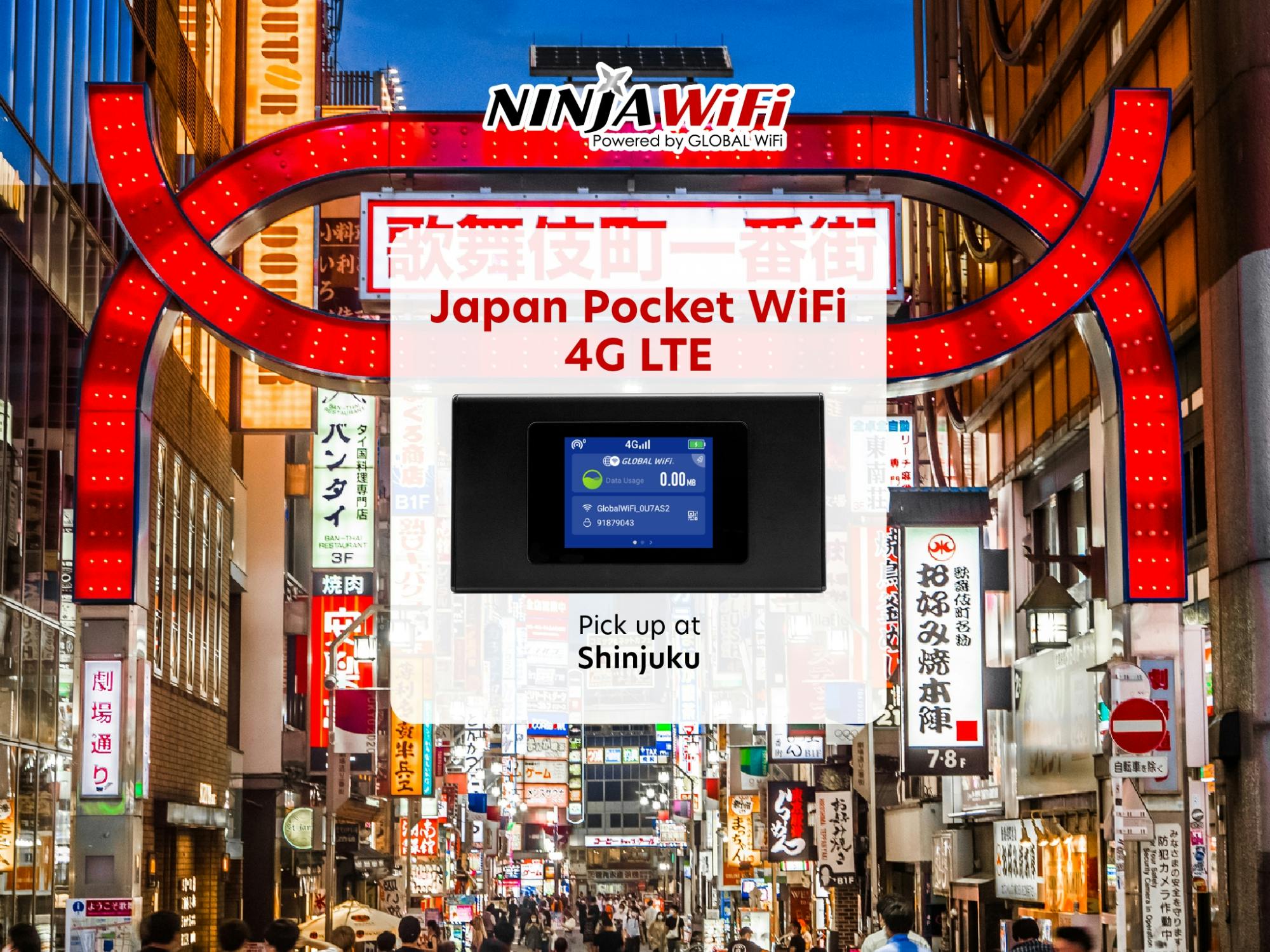
Japan Mobile Wi-Fi Rental, Pick Up in Shinjuku Tokyo - Travel Service Japan Japan mobile Wi-Fi rental, pick up in Shinjuku Tokyo is a convenient way to add structure, local context and purposeful sightseeing to the itinerary. Check current availability, inclusions and booking details before you go.
Mobile WIFI Rental in Japan via Delivery - Travel Service Japan Mobile WIFI rental in Japan via delivery is a convenient way to add structure, local context and purposeful sightseeing to the itinerary. Check current availability, inclusions and booking details before you go.
Nami Island and Gangchon Rail Bike Day Tour from Seoul Best deals for Nami Island and Gangchon Rail Bike Day Tour from Seoul. English/Chinese guided tour designed for first-time visitors or families. Pickup at 08:10 Hongdae, 08:45 Myeongdong or 9:00 Dongdaemun. Tour fee covers entry fee, transportation & liability insurance. Available from getyourguide.com.