The Temple of Hatshepsut is one of the most striking ancient monuments in Egypt. Built into the cliffs of Deir el-Bahari on Luxor’s West Bank, this terraced mortuary temple is famous for its grand ramps, colonnades, statues, relief carvings and dramatic desert setting beneath towering limestone cliffs.
Temple of Hatshepsut Egypt: A Guide to Deir el-Bahari on Luxor’s West Bank
Officially known as Djeser-Djeseru, meaning “Holy of Holies,” the temple was built for Hatshepsut, one of ancient Egypt’s most successful and fascinating female pharaohs. Its elegant design, mountain backdrop and historical importance make it one of the essential stops on any Luxor itinerary.
Sponsored Popular Items
Quick take: Musement.com offers a worldwide selection of tours and attractions
Ancient Egypt Sunset Tour with 3-Course Dinner in Cairns Australia Explore the Tomb of the Pharaohs on an after-hours tour. Discover 11 burial chambers and learn about ancient Egypt's history. Enjoy a 3-course dinner in our aquatic themed Squire's… Check current availability, inclusions and booking conditions.
What Is the Temple of Hatshepsut?
The Temple of Hatshepsut is a mortuary temple at Deir el-Bahari, on the west bank of the Nile near Luxor. Mortuary temples were built for the worship and commemoration of deceased pharaohs, but Hatshepsut’s temple is far more than a memorial. It is a carefully designed statement of royal power, divine legitimacy and architectural ambition.
The temple is set at the base of a high cliff, with three broad terraces rising from the desert floor. Long ramps connect the levels, while rows of square columns create a strong horizontal rhythm against the vertical rock face behind.
The result is one of the most visually balanced temples in Egypt. It feels both monumental and restrained, blending architecture and landscape in a way that still looks surprisingly modern.
Who Was Hatshepsut?
Hatshepsut was one of ancient Egypt’s most remarkable rulers. She began as queen and regent, then took on the full titles and visual symbolism of a pharaoh. Her reign during the 18th Dynasty was known for building projects, trade, religious patronage and political stability.
Because Egyptian kingship was traditionally male, Hatshepsut’s rule was unusual. In temple art, she was often shown with the royal beard and symbols of a male pharaoh, not because she was hiding her identity, but because pharaonic imagery followed established royal conventions.
Her temple at Deir el-Bahari helped present her reign as divinely approved. Reliefs showed her divine birth, her relationship with the god Amun, and the prosperity brought by her rule.
Why Visit the Temple of Hatshepsut?
The Temple of Hatshepsut is worth visiting because it is one of the most architecturally impressive sites in Luxor. While the Valley of the Kings is mostly underground and Karnak is a vast temple complex, Hatshepsut’s temple is immediately dramatic from the moment you see it from the desert approach.
Its setting is unforgettable. The pale stone terraces stand against rugged cliffs, creating a powerful contrast between human design and natural geology. In the morning light, the temple can appear almost carved from the mountain itself.
The site is also historically important because it tells the story of one of Egypt’s most successful female rulers. For many travellers, it is one of the most memorable stops on the Luxor West Bank.
The Architecture of Djeser-Djeseru
The temple’s design is based on terraces, ramps and colonnades. Instead of a traditional enclosed temple layout, Djeser-Djeseru rises in layers toward the cliff face.
The long central ramp draws the eye upward, while the horizontal terraces create a calm, ordered appearance. This symmetry is one of the reasons the temple is often described as a masterpiece of ancient Egyptian architecture.
The temple was designed by Senenmut, an important official in Hatshepsut’s court. His role in the project shows the close connection between architecture, royal ideology and religious worship in New Kingdom Egypt.
What to See at the Temple
The Terraces and Central Ramp
The first thing to notice is the temple’s overall form. Stand back before entering and look at how the ramps, terraces and colonnades align with the cliff. The wide approach gives one of the best photo angles in Luxor.
The Colonnades
The rows of columns are central to the temple’s visual identity. They create shade, rhythm and structure, while framing the relief-covered walls behind them.
Statues of Hatshepsut
Several statues and reconstructed figures show Hatshepsut in pharaonic form. These images are important because they show how she presented herself as a legitimate ruler within Egyptian royal tradition.
Relief Carvings
The temple walls include carved scenes connected with trade, religion, royal birth and offerings. Some reliefs are damaged, but many still give valuable insight into Hatshepsut’s reign and the messages she wanted to project.
The Cliff Backdrop
The natural cliff is part of the experience. The temple was not placed randomly; it was designed to work with the mountain behind it. This gives the site much of its power.
The Expedition to Punt Reliefs
One of the most famous parts of the Temple of Hatshepsut is the relief cycle showing an expedition to the Land of Punt. Punt was a distant trading region associated with luxury goods such as incense, exotic trees, animals, gold and other valuable materials.
The scenes are important because they show Hatshepsut as a successful ruler who brought wealth and prestige to Egypt through trade rather than only through military conquest.
Look for details such as ships, goods, people, animals and plants. These carvings are among the most historically interesting features of the temple.
Hathor Chapel
The Hathor Chapel is one of the most atmospheric areas of the temple. Hathor was a goddess associated with motherhood, music, joy, protection and the western necropolis. At Deir el-Bahari, her presence connects the temple with both royal worship and the sacred landscape of the West Bank.
The chapel is known for Hathor-headed columns, where the goddess is shown with cow ears and a human face. These columns are among the temple’s most distinctive decorative elements.
Anubis Chapel
The Anubis Chapel is dedicated to Anubis, the jackal-headed god associated with mummification and the protection of tombs. This is fitting for a mortuary temple on the West Bank, where ancient Egyptians placed many royal tombs and funerary monuments.
The chapel includes reliefs and painted details that help visitors understand the temple’s funerary and religious purpose. Even where colours have faded, the space still feels deeply connected to ancient beliefs about death, protection and the afterlife.
How to Visit from Luxor
The Temple of Hatshepsut is on Luxor’s West Bank, near the Valley of the Kings, the Valley of the Queens, the Colossi of Memnon and other major ancient sites.
Most visitors reach the temple by private driver, guided tour, taxi, organised day trip or cruise excursion. Independent travellers can also cross the Nile by local ferry and then arrange transport on the West Bank.
For a first visit, a guide is useful. The temple’s history is rich, and the reliefs are much more meaningful when someone explains Hatshepsut’s reign, her connection to Amun, the expedition to Punt and the temple’s role in the Theban landscape.
What to Combine With the Temple of Hatshepsut
The Temple of Hatshepsut is usually visited as part of a Luxor West Bank itinerary. Good nearby combinations include:
Valley of the Kings: The most famous royal tomb area in Luxor.
Valley of the Queens: Known for royal women’s tombs, including the famous tomb of Queen Nefertari when open and ticketed.
Colossi of Memnon: Two huge seated statues of Amenhotep III, often visited as a quick photo stop.
Medinet Habu: A beautifully preserved temple of Ramesses III with vivid reliefs.
Deir el-Medina: The ancient workers’ village of the artisans who built royal tombs.
Ramesseum: The mortuary temple of Ramesses II.
Best Time to Visit
The best time to visit the Temple of Hatshepsut is early in the morning. The light is softer, the temperature is cooler and the temple’s pale stone looks beautiful against the cliffs.
Midday can be very hot, especially because there is limited shade across the open approach and terraces. If you visit later in the day, bring water, sun protection and allow time to rest.
The best months for Luxor sightseeing are generally from October to April, when temperatures are more comfortable than in the peak summer heat. Summer visits are possible, but temple touring should start very early.
How Long to Spend There
Allow at least one hour for a standard visit to the Temple of Hatshepsut. This gives you time to walk the terraces, take photos, see the main chapels and appreciate the setting.
If you are especially interested in history, photography or relief carvings, allow 90 minutes. If visiting as part of a guided West Bank tour, your time may be shorter, so tell your guide if this temple is a priority.
What to Wear and Bring
Comfortable walking shoes
Hat or cap
Sunglasses
Sunscreen
Lightweight breathable clothing
Reusable water bottle
Small cash for tips, toilets or shuttle transport if needed
Camera or phone with enough battery
Light scarf or cover-up for sun protection
Practical Travel Tips
Visit Early
Early morning is the best time for cooler temperatures, fewer crowds and better light on the temple façade.
Use a Guide for Context
The temple is visually impressive on its own, but a guide helps explain Hatshepsut’s unusual role, the Punt expedition, the divine birth scenes and the religious meaning of the temple.
Bring Water
The West Bank can be extremely dry and hot. Carry water even if you are only planning a short visit.
Stand Back for the Best Photo
The temple is best photographed from the approach path, where you can capture the terraces and cliff backdrop together.
Look Closely at the Reliefs
Do not only photograph the grand façade. Some of the temple’s most interesting stories are carved into the walls.
Combine It With the Valley of the Kings
The Temple of Hatshepsut is close to the Valley of the Kings, making the two sites a natural pairing on the same West Bank visit.
Respect Barriers and Restricted Areas
Ancient reliefs, statues and reconstructed sections are fragile. Stay on permitted paths and avoid touching stonework.
Prepare for Strong Sun
The temple’s open terraces reflect heat and light. Sun protection is essential, especially from late morning onward.
FAQs About the Temple of Hatshepsut
Where is the Temple of Hatshepsut?
The Temple of Hatshepsut is at Deir el-Bahari on the West Bank of Luxor, Egypt, near the Valley of the Kings.
Who built the Temple of Hatshepsut?
The temple was built for Hatshepsut, the queen who became pharaoh. It was designed by Senenmut, an important official and architect in her court.
What is the real name of the Temple of Hatshepsut?
Its ancient name is Djeser-Djeseru, usually translated as “Holy of Holies.”
Why is the Temple of Hatshepsut famous?
It is famous for its terraced architecture, cliffside setting, elegant ramps and colonnades, relief carvings, and connection with one of Egypt’s most important female pharaohs.
Is the Temple of Hatshepsut worth visiting?
Yes. It is one of the most visually striking monuments in Luxor and an essential stop on the West Bank.
How long do you need at the Temple of Hatshepsut?
Most visitors need about one hour. History lovers and photographers may want 90 minutes or more.
Can you visit the Temple of Hatshepsut and Valley of the Kings together?
Yes. They are close enough to visit on the same Luxor West Bank tour, along with the Colossi of Memnon and other sites.
What is the best time of day to visit?
Early morning is best for cooler weather and better light. Midday can be very hot and bright.
Do you need a guide?
You can visit independently, but a guide makes the experience much richer because the temple’s reliefs and historical background are important.
Is the Temple of Hatshepsut suitable for children?
Yes, children can visit, but the site can be hot and exposed. Bring water, hats and sun protection, and keep younger children close on steps and terraces.
Final Thoughts
The Temple of Hatshepsut is one of the great highlights of Luxor. Its clean lines, broad terraces and powerful cliffside setting make it unlike any other temple in Egypt.
For the best visit, go early, take time to admire the full façade from a distance, then look closely at the reliefs, chapels and statues that tell the story of Hatshepsut’s reign. Combined with the Valley of the Kings, Medinet Habu and the Colossi of Memnon, it forms one of the most rewarding sightseeing days on Luxor’s West Bank.
Sponsored Popular Items
Quick take: Musement.com offers a worldwide selection of tours and attractions
Ancient Egypt Sunset Tour with 3-Course Dinner in Cairns Australia Explore the Tomb of the Pharaohs on an after-hours tour. Discover 11 burial chambers and learn about ancient Egypt's history. Enjoy a 3-course dinner in our aquatic themed Squire's… Check current availability, inclusions and booking conditions.
Ancient Egypt Sunset Tour in the heart of Cairns Australia Explore the Tomb of the Pharaohs on an after-hours tour. Learn about the daily rituals and funerary practices of the ancient Egyptians and gain insight into over 3,000 years of history. Check current availability, inclusions and booking conditions.
Ancient Egypt Night Tour with 2 Course Dinner in Cairns Australia Explore the Tomb of the Pharaohs on an after-hours tour. Discover eleven lavishly decorated burial chambers and enjoy a 2-course dinner. Check current availability, inclusions and booking conditions.
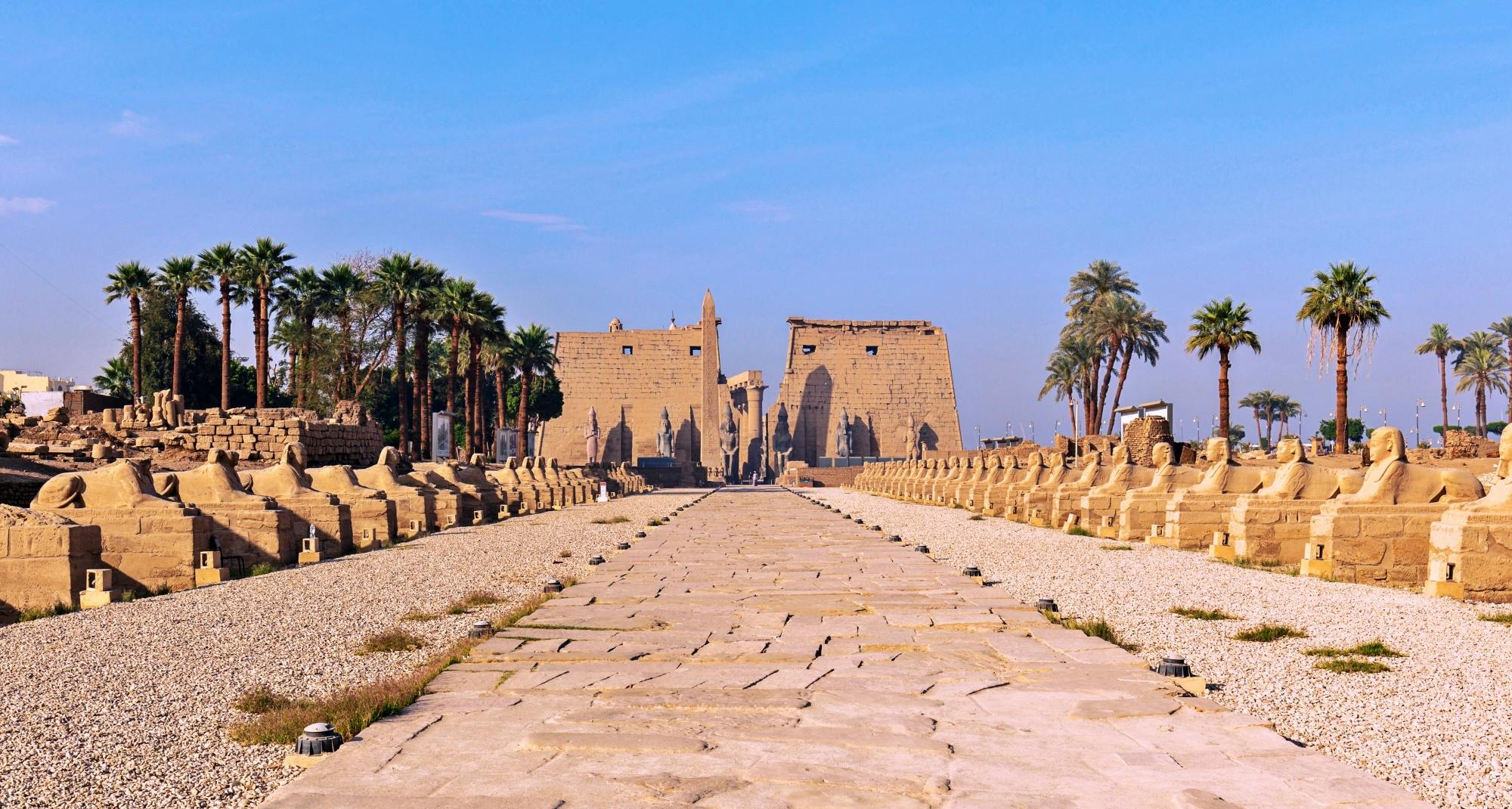
Discover Karnak Temple, the Sphinx Alley and Luxor Temple – Guided Tour Egypt Discover Karnak Temple, the Sphinx Alley and Luxor Temple is a convenient way to add structure, local context and purposeful sightseeing to the itinerary. Check current availability, inclusions and booking details before you go.
Lama Temple and Confucius Temple Private Tour - Guided Sightseeing Tour China What to check before booking Itinerary: check the planned stops, time at each location and whether the route matches what you want to see. Check current availability, inclusions and booking details before you go.
Besakih Temple, Tirta Gangga and Lempuyang Temple Tour – Guided Sightseeing Indonesia Besakih Temple, Tirta Gangga and Lempuyang Temple Tour is a convenient way to add structure, local context and purposeful sightseeing to the itinerary. Check current availability, inclusions and booking details before you go.
Dublin Temple Bar Tour with Jameson Distillery Whiskey Tour Best deals for Dublin Temple Bar Tour with Jameson Distillery Whiskey Tour. Discover the meaning of the phrase “to drink like you're Irish” on a private walking tour of Temple Bar, Dublin's nightlife center. Available from getyourguide.com.
Dublin: Temple Bar Guided Whiskey Tasting Experience Best deals for Dublin: Temple Bar Guided Whiskey Tasting Experience. Discover the world of Irish whiskey at The Whiskey Reserve in Dublin’s Temple Bar. Enjoy a guided tasting experience with 4 samples and learn about the history and flavors of each. Available from getyourguide.com.