Nha Trang combines one of Vietnam’s best-known city beaches with tropical islands, snorkelling and diving, ancient Cham architecture, Buddhist temples, mud baths, seafood and a lively waterfront. It is a destination where you can spend the morning exploring a centuries-old temple, the afternoon swimming in Nha Trang Bay and the evening eating seafood beside the sea.
The city’s greatest natural attraction is Nha Trang Bay, where a long sandy waterfront faces a bay dotted with 19 islands and islets. The central beach is lively and urban, while boat trips make it easy to escape to quieter islands and swimming areas offshore.
Nha Trang works particularly well for travellers who want a beach holiday without being isolated inside a resort. Major sights, restaurants, cafés and nightlife are concentrated around the city, while island excursions and nature trips can easily be added as day tours.
Nha Trang Highlights at a Glance
Highlight
Why Visit?
Tran Phu Beach
Long city beach, swimming, promenade and watersports
Nha Trang Islands
Snorkelling, swimming, diving and boat trips
Hon Mun
Coral reefs and marine life
VinWonders Nha Trang
Theme park, water attractions, shows and cable car
Po Nagar Cham Towers
Ancient Cham architecture and living religious site
Long Son Pagoda
Large white Buddha and city views
Hon Chong
Rock formations and views across the bay
Museum of Oceanography
Marine-life and ocean-science collections
Mud Baths
One of Nha Trang’s signature relaxation experiences
Seafood
Fresh fish, shellfish and local coastal dishes
Recommended Stay
3–4 days
Rainier Months
September–December
Good Island-Hopping Period
Approximately February–August
1. Relax on Tran Phu Beach
Tran Phu Beach is the natural starting point for a Nha Trang visit.
The broad sandy beach follows the central waterfront, with hotels, restaurants, parks and cafés immediately behind it. Unlike an isolated tropical resort beach, Tran Phu allows you to move easily between swimming, sightseeing, dining and nightlife.
Activities available along the waterfront can include:
Swimming
Sunbathing
Parasailing
Stand-up paddleboarding
Jet skiing
Kitesurfing
Beachfront dining
Vietnam Tourism identifies the beach and watersports as some of the main reasons travellers visit Nha Trang.
Go to the Beach Early in the Morning
Nha Trang’s waterfront has a very different atmosphere early in the morning.
Before the strongest daytime heat arrives, local residents walk, exercise and swim along the beach. An early-morning visit gives you a better impression of everyday life in Nha Trang than simply arriving during the busiest afternoon period.
It is also one of the most comfortable times for a long walk along the beachfront promenade.
2. Take an Island-Hopping Tour
If you spend several days in Nha Trang, make sure at least one of them takes you out onto Nha Trang Bay.
Island-hopping excursions are one of the city’s signature activities. Group tours commonly visit several islands and include combinations of:
Swimming
Snorkelling
Beach stops
Lunch
Watersports
Glass-bottom boats
Private speedboats and smaller charters are also available for travellers wanting a more flexible day.
Hon Mun Island
Hon Mun is one of the best-known islands for snorkelling and diving around Nha Trang.
The island lies around 10 kilometres from the traditional Cau Da departure area and is known for its dark rocky cliffs and rich marine environment.
Vietnam Tourism highlights the waters around Hon Mun for their coral and tropical marine life, making the area particularly popular with snorkellers and scuba divers.
Boat travel to Hon Mun has traditionally taken approximately 45 minutes, although the actual journey depends on the departure pier, vessel and sea conditions.
Snorkelling and Coral
Snorkelling is one of Nha Trang’s most popular activities, but treat the reef as a protected natural environment rather than an underwater playground.
A responsible visit means:
Do not stand on coral
Do not break or collect coral
Do not chase or handle marine animals
Follow the instructions of guides and marine authorities
Choose a reputable boat and snorkelling operator
Specific swimming and reef-access arrangements can change as authorities protect damaged or vulnerable marine areas, so ask your operator where snorkelling is permitted on the day of your excursion.
Scuba Diving
Nha Trang is also one of Vietnam’s established scuba-diving centres.
Beginners can book introductory dives with qualified operators, while certified divers can arrange more extensive trips to offshore sites.
Vietnam Tourism identifies approximately February through October as a generally favourable period for diving around Nha Trang, when sea conditions are often more suitable.
3. Spend a Day at VinWonders Nha Trang
VinWonders Nha Trang occupies part of Hon Tre Island and is one of the region’s biggest family attractions.
The experience combines amusement rides, water attractions, gardens, entertainment and shows with a spectacular journey across Nha Trang Bay.
For many visitors, the journey is part of the attraction: the island can be reached by the sea-crossing cable car, which provides wide views across the water and city.
Current 2026 VinWonders Ticket Prices
As of August 2026, official standard prices are:
Ticket
Adult 140 cm+
Child 100–under 140 cm / Senior 60+
Standard admission + return cable car
1,050,000 VND
800,000 VND
After 4:00 pm + return cable car
700,000 VND
550,000 VND
2-Day Unlimited Ticket
1,350,000 VND
1,050,000 VND
Children under 100 cm currently enter free. Seniors need identification to qualify for the senior rate.
Current VinWonders Opening Hours
The official park currently lists general operating hours of approximately:
8:30 am–9:30 pm
Individual rides, water attractions and shows may operate on shorter schedules, so check the current daily programme when you arrive.
Allow Most of a Day
If you purchase full admission, plan on spending most of the day at VinWonders rather than trying to squeeze it into two hours.
The after-4:00 pm ticket is better suited to visitors mainly interested in the cable car, atmosphere, selected attractions and evening entertainment.
4. Visit Po Nagar Cham Towers
Po Nagar Cham Towers provide one of Nha Trang’s most important historical experiences.
The complex stands on Cu Lao Hill, approximately two kilometres north of the city centre near the mouth of the Cai River.
The surviving structures were built by the Cham civilisation between approximately the 8th and 13th centuries. The site was dedicated to Po Nagar, an important mother goddess associated with the ancient Cham region of Kauthara.
The towers are particularly interesting because this is not simply an abandoned archaeological ruin.
Religious traditions continued to develop around the site, and the worship of Po Nagar became associated with Vietnamese devotion to the Holy Mother Thiên Y A Na. The complex therefore reflects both Cham heritage and later Vietnamese religious traditions.
What to See at Po Nagar
Look for:
The surviving red-brick towers
Cham architectural details
Stone columns of the mandapa
Religious shrines
Views towards the Cai River
Xom Bong Bridge
Nha Trang city and bay
The main tower rises to approximately 23 metres.
Dress Respectfully
Po Nagar remains a sacred site.
Dress appropriately when entering worship areas and follow instructions regarding shoes, photography and access to shrines.
Allow roughly 45 minutes to one hour unless you have a particular interest in Cham history.
5. Visit Long Son Pagoda and the Giant White Buddha
Long Son Pagoda is one of Nha Trang’s principal Buddhist sites.
The complex is particularly famous for the enormous white Buddha seated on the hillside above the pagoda. Vietnam Tourism describes the statue as approximately 78 feet, or 24 metres, high.
The climb towards the Buddha also gives you changing views over Nha Trang.
Along the route, take time to explore the temple architecture rather than simply rushing to the summit for photographs.
Visiting Long Son Pagoda
Because it is an active religious complex:
Dress modestly
Keep voices low
Do not interrupt worshippers
Remove footwear where requested
Be cautious of unsolicited services or requests for donations
Visits to Buddhist places of worship are generally most rewarding when treated as religious sites first and tourist attractions second.
6. See Hon Chong Promontory
Hon Chong is a rocky coastal viewpoint on the northern side of Nha Trang.
Large weathered boulders sit beside the sea with views across Nha Trang Bay and towards offshore islands.
The attraction is easy to combine with Po Nagar because both lie north of the main central beach.
The current Khánh Hòa digital tourism platform lists admission to Hon Chong at approximately 30,000 VND.
Best Time for Hon Chong
Early morning or later afternoon is usually preferable to the hottest middle of the day.
Photographers may particularly enjoy the changing light over the bay.
7. Visit Nha Trang Cathedral
Nha Trang Cathedral, sometimes called the Stone Church or Mountain Church, provides another architectural contrast to the city’s beaches and Cham heritage.
The hilltop Roman Catholic church was constructed during the French colonial period and remains an active place of worship.
It is relatively easy to combine with Long Son Pagoda because both lie inland from the main beachfront.
Tourist access can be affected by Mass and church activities, so visit respectfully and avoid treating services as sightseeing opportunities.
8. Explore the Museum of Oceanography
Nha Trang has a long association with marine science, making the Museum of Oceanography a useful addition to a coastal itinerary.
The museum explores marine biodiversity, ocean science and the environments surrounding Vietnam’s coastline.
The official museum currently lists standard admission at:
40,000 VND per adult
It also lists:
Students: 20,000 VND
School pupils: 10,000 VND
Children under 6: Free
The museum has also been expanding its exhibition programme, including the opening of a new deep-ocean exhibition in 2025.
Good for a Rainy or Very Hot Day
The museum can be particularly useful when beach weather is poor or when you want an indoor activity during the hottest part of the afternoon.
Families interested in marine life may also find it a useful educational addition to an island-hopping trip.
9. Take a Traditional Nha Trang Mud Bath
Mineral mud bathing has become one of Nha Trang’s signature tourism experiences.
Visitors soak in warm mineral-rich mud before using showers, mineral-water pools and other spa facilities depending on the package purchased.
Established mud-bath destinations around Nha Trang include:
Thap Ba Mud Bath
I-Resort
100 Egg Tourist Area
Hon Tam mud-bath experiences
100 Egg Tourist Area
The 100 Egg Tourist Area lies roughly 10 kilometres south of central Nha Trang and is known for its unusual egg-shaped mud-bath tubs.
The larger complex also includes pools, landscaped areas, restaurants and family activities, so it can occupy considerably more time than a basic mud soak.
When to Take a Mud Bath
A mud-bath session works particularly well:
After an island-hopping day
After several days of walking
During poor beach weather
During the hottest part of the afternoon
Prices vary according to whether you choose shared tubs, private tubs, spa packages or additional pools and treatments.
10. Try Nha Trang’s Watersports
If lying on a beach all day is not enough, Nha Trang offers an extensive range of water activities.
Options can include:
Jet skiing
Parasailing
Stand-up paddleboarding
Kayaking
Snorkelling
Scuba diving
Glass-bottom boat trips
Vietnam Tourism specifically highlights watersports as a major part of the Nha Trang beach experience.
11. Take a Sunset Cruise
A sunset trip on Nha Trang Bay provides a quieter alternative to a daytime island tour.
Current operators offer excursions that can include:
Bay cruising
Sunset views
Live music
Light meals or dinner
Drinks
Stand-up paddleboarding
Optional watersports
Some current sunset cruises leave from Nha Trang Tourist Wharf during the afternoon and return after seeing the city lights along the coast.
12. Eat Nha Trang Seafood
A coastal holiday in Nha Trang should include at least one proper seafood meal.
Depending on the restaurant and season, you may find:
Fish
Prawns
Crab
Squid
Shellfish
Lobster
At seafood restaurants where items are priced by weight, confirm the price and approximate weight before ordering.
Try Local Nha Trang Specialities
Do not limit yourself to seafood platters. Regional dishes associated with Nha Trang include:
Bún cá – fish noodle soup
Bún sứa – jellyfish noodle soup
Nem nướng – grilled pork served with rice paper, vegetables and dipping sauce
Bánh căn – small savoury rice-flour cakes
Grilled beef
The Khánh Hòa tourism authority particularly highlights jellyfish vermicelli, grilled spring rolls, small Vietnamese pancakes and local grilled beef among regional food experiences.
13. Experience Nha Trang After Dark
Nha Trang does not become quiet when the beach closes.
The central waterfront has a strong evening scene with restaurants, rooftop venues, bars and entertainment.
Visitors who prefer a quieter night can simply walk along Tran Phu, have seafood and enjoy the illuminated waterfront rather than joining the nightlife.
Vietnam Tourism describes Nha Trang as one of Vietnam’s more energetic beach destinations after dark.
14. Escape to Long Beach
If the central beach feels too developed, consider travelling south towards Long Beach.
Vietnam Tourism highlights it as an alternative to busy Tran Phu, with shallower turquoise water and casual restaurants serving fresh seafood.
This can be a good half-day trip if you want a more relaxed beach atmosphere without committing to an offshore island excursion.
Best Time to Visit Nha Trang
Nha Trang has a comparatively favourable coastal climate and receives a high amount of sunshine.
The main wetter period generally occurs from:
September through December
July and August can be hot and sunny, while approximately February through August is usually one of the better periods for island trips and beach activities.
January to April
A very good overall period for sightseeing and beach activities.
May to August
Hotter, sunnier weather is common and sea activities can be excellent. Sun protection becomes particularly important.
September to December
Expect a greater chance of rain and rougher weather.
Boat tours can be changed or cancelled when sea conditions are unsuitable, so keep some flexibility in your itinerary.
How Many Days Do You Need in Nha Trang?
One Day
Enough for a quick introduction but not enough to experience the destination properly.
Concentrate on the beach, Po Nagar, Long Son Pagoda and the central city.
Two Days
Allows one sightseeing day and one island or VinWonders day.
Three Days
Good minimum for most first-time visitors.
You can combine:
City highlights
Island hopping
Beach time
Mud bath or VinWonders
Four or Five Days
Ideal if you want a genuine beach holiday rather than a rapid sightseeing stop.
A Good Two-Day Nha Trang Itinerary
Day 1 – City Highlights
Early morning: Walk or swim at Tran Phu Beach.
Morning: Visit Long Son Pagoda and Nha Trang Cathedral.
Late morning: Continue to Po Nagar Cham Towers.
Lunch: Try a local noodle dish or seafood.
Afternoon: Visit Hon Chong and then take a mud bath.
Evening: Dinner near the waterfront and a walk along Tran Phu.
Day 2 – Nha Trang Bay
Book an island-hopping excursion with swimming and snorkelling.
Return during the afternoon, relax at your hotel and finish with seafood or a sunset drink.
A Better Three-Day Nha Trang Itinerary
Day 1 – History and City
Tran Phu Beach
Long Son Pagoda
Nha Trang Cathedral
Po Nagar Cham Towers
Hon Chong
Mud bath
Day 2 – Islands
Boat trip
Snorkelling or diving
Swimming
Island lunch
Relaxed evening
Day 3 – Choose Your Style
Families: VinWonders Nha Trang.
Beach lovers: Long Beach or another quieter coastal area.
Culture and science: Museum of Oceanography and local museums.
Relaxation: Longer mud-bath and spa experience.
Getting to Nha Trang
By Air
The main aviation gateway is Cam Ranh International Airport.
Current official airport transport information lists the journey between Nha Trang and the airport at approximately 45–60 minutes by private vehicle, depending on traffic.
Airport Bus
The airport currently lists bus services at approximately:
50,000 VND per passenger
with a typical journey of around 50–60 minutes.
Private Transfer
Cam Ranh Airport currently gives a reference private-car price of around:
350,000–500,000 VND
Prices vary by provider and travel time, so confirm the fare before departure.
By Train
Nha Trang is on Vietnam’s main north-south railway line.
Train travel can be an enjoyable option if your broader itinerary includes destinations such as Ho Chi Minh City, Da Nang or Huế.
Nha Trang railway station is conveniently close to the central city.
Getting Around Nha Trang
The central beachfront is relatively easy to explore, but several major attractions lie outside comfortable walking distance.
Useful transport options include:
Taxi
Ride-hailing services
Motorbike
Private driver
Organised sightseeing tours
Bicycle for shorter trips
Vietnam Tourism specifically notes taxis, motorbike tours and cycling as useful ways to explore Nha Trang.
Where to Stay in Nha Trang
Tran Phu Beachfront
Best overall choice for first-time visitors.
Stay here if you want:
Easy beach access
Restaurants
Nightlife
Central sightseeing
Large choice of hotels
You can walk to many central attractions and easily arrange taxis or tour pickups for places farther away.
Central Nha Trang Behind Tran Phu
Best for value and food.
Hotels a few streets back from the beachfront can often offer better value while remaining within walking distance of the sea.
North Nha Trang and Pham Van Dong
Best for a quieter city beach atmosphere.
The northern coast places you closer to Hon Chong and gives a different feel from the busiest central resort strip.
Hon Tre Island
Best for resort holidays and VinWonders.
This is a good option if the resort itself is a major part of your holiday rather than simply somewhere to sleep between sightseeing trips.
Bai Dai and Cam Ranh Area
Best for large beachfront resorts and relaxation.
This coastal area south of Nha Trang is closer to Cam Ranh Airport but farther from the main city attractions.
Choose it if you prioritise a resort holiday over walking access to Nha Trang’s restaurants and historic sights.
Nha Trang With Children
Nha Trang works very well for families because there is more to do than simply sit on the beach.
Good family activities include:
Tran Phu Beach
VinWonders
Island boat trips
Museum of Oceanography
Mud baths
Short visits to Po Nagar and Long Son Pagoda
For younger children, check sea conditions carefully before booking a long island tour and make sure suitable child-sized life jackets are available.
Is Nha Trang Suitable for Older Travellers?
Yes.
Many of the main experiences can be adapted to different mobility levels.
Travellers who prefer less walking can enjoy:
Beachfront hotels
Scenic drives
Mud baths
Boat cruises
Restaurants
Hon Chong viewpoints
Long Son Pagoda involves stairs if you want to climb towards the large Buddha, while boat boarding and island beaches may also present mobility challenges.
Practical Nha Trang Tips
Use strong sun protection. Coastal sunshine can be intense.
Keep hydrated.
Book reputable island and diving operators.
Check sea conditions before boat trips.
Do not touch or stand on coral.
Dress respectfully at temples and pagodas.
Confirm seafood prices before ordering by weight.
Carry some Vietnamese dong for small purchases.
Allow extra airport travel time during busy periods.
Do not schedule every day. Leave time simply to enjoy the beach.
Which Nha Trang Highlights Should You Prioritise?
If you have limited time, prioritise these five experiences:
Island-hopping trip – see why the bay is the city’s biggest attraction.
Po Nagar Cham Towers – understand the region’s history and Cham heritage.
Long Son Pagoda – see the giant white Buddha and Buddhist architecture.
Mud bath or VinWonders – choose relaxation or entertainment according to your travel style.
Is Nha Trang Worth Visiting?
Yes, particularly if you want to combine a beach holiday with sightseeing and activities.
Nha Trang is not an untouched tropical village. It is a busy, developed coastal city with high-rise hotels, restaurants, nightlife and a popular urban beach.
That is also one of its strengths.
You can swim at Tran Phu Beach in the morning, stand among the 8th–13th-century Po Nagar Cham Towers before lunch, spend the afternoon soaking in a mud bath and eat fresh seafood beside the water that evening.
Stay another day and you can head onto Nha Trang Bay for snorkelling and island hopping. Families can devote a full day to VinWonders, where current 2026 standard admission including the return cable car is 1,050,000 VND for an adult.
For most first-time visitors, three days is a good minimum and four days is better. Use one day for the city and cultural attractions, one for the islands, and another for VinWonders, a mud bath or simply relaxing on the beach.
The combination of sea, islands, Cham heritage, Buddhist sites, watersports, food and easy resort living is what makes Nha Trang one of Vietnam’s most versatile coastal destinations.
Sponsored Popular Items
Quick take: Musement.com offers a worldwide selection of tours and attractions
Egg Coffee & Course on 4 Famous Traditional Vietnam Coffee Vietnam Learn to brew 4 different types of Vietnamese coffee. Discover the history and cultural significance of coffee in Vietnam and enjoy the subtle interplay of textures and flavors of your creations
4-Day Private South Island Tour from Auckland with Flight
Fly from Auckland to Queenstown and experience several of New Zealand’s most celebrated South Island destinations on this four-day private tour. The journey includes Queenstown, Te Anau, Milford Sound, Aoraki Mount Cook, Lake Tekapo, Castle Hill, Arthur’s Pass and the TranzAlpine railway before finishing in Christchurch.
Travel from Queenstown through Fiordland, the Southern Alps and the Mackenzie region on a private four-day itinerary.
Affiliate disclosure: This page may contain affiliate links. We may receive a commission when you make a booking, without increasing the price you pay.
Check dates, package options and current prices
Accommodation and attraction tickets depend on the package selected. Review the live Viator listing carefully before confirming your reservation.
Standard economy flight from Auckland to Queenstown
Main destinations
Queenstown, Te Anau, Milford Sound, Aoraki Mount Cook, Lake Tekapo, Castle Hill, Arthur’s Pass and Christchurch
Accommodation
Three nights in four- to five-star properties only when the “With Hotels” option is selected
Attraction tickets
Major activity tickets are included only when the “With Tickets” option is selected
Transport
Private ground transportation with an English-speaking guide-driver
Language
English
Ticket type
Mobile ticket
Tour operator
Waimate Journeys
This is a fast-paced one-way tour across the central and southern South Island. It begins with a domestic flight from Auckland to Queenstown and finishes in Christchurch rather than returning to Auckland.
The itinerary is designed for travellers who want to see many of the South Island’s principal landscapes within a limited period. It combines private road transport with an included domestic flight and, depending on the package purchased, cruises, caves, stargazing, Queenstown activities and a section of the TranzAlpine railway.
Understanding the different booking options
Important: The lowest-priced package may not include hotels or attraction tickets. Check the exact name and inclusions of the option selected before completing payment.
Standard tour inclusions
The core package includes the Auckland-to-Queenstown economy flight, private road transportation and the services of a guide-driver. Complimentary onboard items such as water, snacks, Wi-Fi, charging cables and emergency rain gear are also listed.
“With Hotels” option
This option includes three nights in four- to five-star properties, subject to availability and season. Breakfast is included with the hotel package.
“With Tickets” option
This package adds tickets for the listed activities, which may include:
Queenstown Skyline Gondola and luge rides
Queenstown thrill jet-boating experience
Te Anau Glowworm Caves tour
Milford Sound cruise
Lake Tekapo stargazing activity
TranzAlpine train journey from Arthur’s Pass to Christchurch
Where an activity is unavailable or cancelled by its provider, the operator states that an alternative will be offered. Substitutions remain subject to availability, timing, route feasibility and any price difference.
Why consider this private South Island tour?
Private touring: only your own group participates in the guided road-tour portion.
Flight included: the itinerary includes an economy flight from Auckland to Queenstown.
Broad itinerary: see Fiordland, Mount Cook, Lake Tekapo and Arthur’s Pass in one journey.
One-way routing: begin in Auckland and finish in Christchurch without retracing the entire route.
Guide-driver: private ground transportation and local guidance are arranged throughout the tour.
Flexible packages: choose whether to add hotel accommodation and major attraction tickets.
Scenic rail journey: the ticket package includes the Arthur’s Pass-to-Christchurch section of the TranzAlpine railway.
Onboard conveniences: Wi-Fi, water, snacks, charging cables and emergency rain gear are listed.
Best suited to: travellers with limited time who want a private, structured journey through several South Island regions and are comfortable with long driving days and frequent changes of location.
Four-day South Island itinerary
Day 1: Auckland, Queenstown and Te Anau
Check in at Auckland Airport Domestic Terminal using the instructions supplied with your flight ticket. The tour includes a standard economy flight from Auckland to Queenstown.
Your guide meets your group after arrival at Queenstown Airport. The itinerary then allows time to explore Queenstown and its Lake Wakatipu waterfront before continuing towards Te Anau.
Travellers who select the ticket package can take part in a Queenstown thrill jet-boating experience and visit the Te Anau Glowworm Caves. The cave excursion normally involves a boat trip across Lake Te Anau followed by a guided visit into the limestone cave system.
Accommodation in Te Anau is included only with the “With Hotels” option. Meals are not listed as included on the first day unless provided separately by the selected accommodation package.
Day 2: Milford Sound and Queenstown
Travel from Te Anau along the Milford Road into Fiordland National Park. The route passes through mountain valleys, native forest and alpine scenery before reaching Milford Sound.
The “With Tickets” option includes the Milford Sound cruise. Cruise routes commonly travel beneath the surrounding cliffs and past waterfalls towards the Tasman Sea, although the precise route can vary with weather and operating conditions.
After returning through Fiordland, continue to Queenstown. The ticket package includes the Skyline Gondola and luge rides, providing elevated views across Queenstown, Lake Wakatipu and the surrounding mountains.
Queenstown accommodation is included only with the hotel option. Meals other than any included hotel breakfast should be budgeted for separately.
Day 3: Lindis Pass, Lake Pukaki, Mount Cook and Lake Tekapo
Leave Queenstown and travel through Central Otago towards Lindis Pass. A scenic stop is scheduled at the summit lookout before the tour continues into the Mackenzie region.
Stop beside Lake Pukaki, known for its distinctive glacial colour and views towards the Southern Alps. Continue into Aoraki Mount Cook National Park, where the itinerary allocates approximately three and a half hours.
Time at Mount Cook may be used for sightseeing, a short self-guided walk, visiting the village or taking an optional activity. Weather, seasonal conditions and the traveller’s selected package will affect what is possible.
Continue to Lake Tekapo. The “With Tickets” option includes an evening stargazing activity within the region’s internationally recognised dark-sky environment.
Lake Tekapo accommodation is included only when the “With Hotels” option is purchased.
Day 4: Castle Hill, Arthur’s Pass and Christchurch
Begin the final day at Lake Tekapo before travelling towards Castle Hill. The limestone formations scattered across the landscape make this one of Canterbury’s most distinctive scenic stops.
Continue into Arthur’s Pass National Park, crossing the Southern Alps through mountain valleys and native beech forest. The itinerary also includes a short stop at the Otira Viaduct lookout.
Travellers who select the ticket package board the TranzAlpine train at Arthur’s Pass for the scenic journey across the Canterbury Plains to Christchurch.
The tour finishes in Christchurch. Accommodation after arrival and onward transportation from Christchurch are not listed as included.
What is included?
Core inclusions
Standard economy flight ticket from Auckland to Queenstown
Private ground transportation
Knowledgeable English-speaking guide-driver
Wi-Fi aboard the road vehicle
Packaged drinking water
Packaged snacks and chocolates
Use of charging cables
Use of emergency rain gear when required
Included with the “With Hotels” option
Three nights of accommodation
Four- to five-star properties, subject to season and availability
Three breakfasts
Included with the “With Tickets” option
Queenstown Skyline Gondola and luge tickets
Queenstown thrill jet-boating ticket
Te Anau Glowworm Caves admission
Milford Sound cruise ticket
Lake Tekapo stargazing ticket
TranzAlpine train ticket from Arthur’s Pass to Christchurch
Inclusions can vary according to the exact package selected. The option shown on the final checkout screen and booking confirmation governs the reservation.
What is not included?
Meals and drinks unless specifically included
Breakfast when the hotel package has not been selected
Accommodation when the “With Hotels” option has not been selected
Activity admissions when the “With Tickets” option has not been selected
Travel insurance
Optional activities not included in the purchased package
Additional costs resulting from requested activity substitutions
Christchurch accommodation after the tour
Return transportation or a flight from Christchurch to Auckland
Anything not expressly described in the confirmed inclusions
The tour does not return to Auckland. It finishes in Christchurch, so arrange your Christchurch accommodation and onward travel separately.
Accommodation
Three nights of accommodation are included only when the “With Hotels” option is selected. The listing describes the properties as four- to five-star accommodation, subject to seasonal availability.
The expected overnight locations are:
Night 1: Te Anau
Night 2: Queenstown
Night 3: Lake Tekapo or the surrounding region
The exact hotels are not guaranteed in the general listing. Following booking, the operator contacts travellers to confirm preferences and applicable arrangements.
Travellers should verify the room configuration, bedding, number of rooms, breakfast arrangements and accessibility before finalising the booking.
Auckland to Queenstown flight
A standard economy arrival flight from Auckland to Queenstown is listed as included. Travellers check in independently at Auckland Airport Domestic Terminal according to the flight-ticket instructions.
A guide meets the group after landing at Queenstown Airport. Confirm the following details with the operator after booking:
Flight departure time
Airline and flight number
Checked and carry-on baggage allowance
Required airport check-in time
Procedure for delays or cancelled flights
Meeting instructions at Queenstown Airport
Practical note: Airline baggage limits may be lower than the capacity of the private tour vehicle. Pack according to the allowance stated on the issued flight ticket.
Meeting and finishing points
Starting point
The tour begins at Auckland Airport Domestic Terminal on Ray Emery Drive, Māngere. The published itinerary shows an early operating time, so travellers may need accommodation near Auckland Airport the previous night.
Check in according to the domestic flight instructions provided after booking. The private guide does not meet the group until arrival at Queenstown Airport.
Finishing point
The journey ends in Christchurch after the fourth day’s itinerary. The selected ticket package includes the TranzAlpine train from Arthur’s Pass to Christchurch.
Confirm the expected Christchurch arrival time and final drop-off arrangement with the operator before reserving a same-day flight.
Avoid tightly timed onward travel. Road conditions, weather, activity schedules and railway operations may affect the final arrival time.
Accessibility and participation requirements
The tour is listed as not wheelchair accessible. It involves an airport, private road transportation, boat and train travel, accommodation changes and several outdoor sightseeing locations.
Service animals are listed as permitted, and infant seats can be provided. Travellers requiring either should notify the operator before the departure date.
The supplier advises that the experience is not recommended for pregnant travellers or people with serious heart or other significant medical conditions. Most other travellers can participate.
Anyone with limited mobility, balance concerns or a medical condition should ask the operator about:
Vehicle access and seating
Walking distances at scheduled stops
Boat and train boarding
Hotel stairs and lifts
Bathroom availability during long driving sections
Whether luggage assistance is available
Alternative arrangements if an activity is unsuitable
What to pack
The itinerary crosses several climate zones. Fiordland can be wet at any time of year, while Mount Cook, Lake Tekapo and Arthur’s Pass may be cold even when conditions in Queenstown or Christchurch are mild.
Waterproof jacket
Warm fleece or jumper
Layered clothing
Comfortable non-slip walking shoes
Compact overnight luggage
Personal medication
Sunscreen, hat and sunglasses
Insect repellent
Refillable water bottle
Camera or phone
Portable charging bank
Travel adaptor for international visitors
Snacks for long driving periods
Printed or downloaded copies of flight and tour confirmations
Emergency rain gear and charging cables are listed among the onboard provisions, but bringing your own properly fitting waterproof clothing is recommended.
Cancellation and booking conditions
The live Viator listing states that the tour can be cancelled up to three days before the scheduled experience for a full refund.
The precise cut-off time is based on the experience’s local time. Cancellations made after the permitted deadline may not qualify for a refund.
Flight, accommodation and attraction components can have separate operational requirements. Read all conditions displayed for the selected option before completing payment.
Comprehensive travel insurance is recommended by the operator. Suitable cover may be particularly important because this itinerary includes domestic air travel, remote roads, weather-dependent activities and several prepaid components.
The itinerary lasts approximately four days, beginning with a flight from Auckland to Queenstown and finishing in Christchurch.
Is this a private tour?
Yes. The road-tour portion is private, and only members of your booking group participate. Flights, cruises, attractions and trains may be shared with other passengers.
Is the Auckland flight included?
A standard economy flight from Auckland to Queenstown is listed among the core inclusions.
Does the tour return to Auckland?
No. This is a one-way itinerary. It starts at Auckland Airport and finishes in Christchurch.
Where does the tour finish?
The tour finishes in Christchurch on the fourth day. Confirm the exact final drop-off point and expected arrival time with the operator.
Are hotels included?
Hotels are included only when the “With Hotels” option is selected. That package provides three nights in four- to five-star properties, subject to availability and season.
Is breakfast included?
Three breakfasts are included with the hotel package. Breakfast is not listed as a core inclusion when accommodation is booked independently.
Are attraction tickets included?
Major attraction tickets are included only with the “With Tickets” option. Check the package description before paying.
Is the Milford Sound cruise included?
The Milford Sound cruise is included with the ticket package. It may not be included in the base transport package.
Are the Te Anau Glowworm Caves included?
Admission to the Te Anau Glowworm Caves is included with the “With Tickets” option.
Are Queenstown activities included?
The ticket package lists a thrill jet-boating experience and the Skyline Gondola with luge rides. Check the chosen option for the current activity inclusions.
Is Lake Tekapo stargazing included?
The Lake Tekapo stargazing activity is included with the ticket package and remains subject to weather and operating conditions.
Is the TranzAlpine train included?
The “With Tickets” option includes the TranzAlpine journey from Arthur’s Pass to Christchurch.
How long is spent at Mount Cook?
The published itinerary allocates approximately three and a half hours to Aoraki Mount Cook.
Which meals are included?
The hotel option includes three breakfasts. Other food and drinks are not listed as included unless expressly stated in the selected package.
How much luggage can I bring?
The flight’s baggage allowance will determine how much luggage can be brought from Auckland. Confirm the allowance shown on the issued airline ticket.
Is the tour wheelchair accessible?
No. The Viator listing states that the tour is not wheelchair accessible.
Can children join?
Infant seats are listed as available. Families should confirm child ages, flight seating, room arrangements and individual attraction restrictions before booking.
What happens in bad weather?
Weather can affect Milford Sound cruises, stargazing, roads and optional alpine activities. The operator states that alternatives may be arranged when an included activity is cancelled or unavailable.
Can activities be changed?
Travellers selecting the ticket package may request alternatives such as scenic flights, horse trekking, skydiving or glacier activities. Changes depend on availability, schedule feasibility, the route and any difference in cost.
Can I cancel for a refund?
The listing states that cancellation is available up to three days before the experience for a full refund. Check the local-time deadline and complete conditions before booking.
Do I need travel insurance?
The operator advises travellers to have comprehensive travel insurance. Review the policy carefully to ensure domestic flights, cancellations, weather disruption and planned activities are covered.
Explore New Zealand’s South Island from Auckland
Compare the available transport-only, hotel and ticket packages before selecting your departure date.
Editorial note: Tour details were reviewed on 18 July 2026. Prices, flight arrangements, hotels, attraction tickets, schedules, routes, accessibility and cancellation conditions may change. The package shown on the final booking page and the supplier’s confirmation govern your reservation.
Sponsored Popular Items
Quick take: Musement.com offers a worldwide selection of tours and attractions
Milford Sound: Self-Guided Milford Track Day Walk New Zealand Experience the Milford Track, NZ's most famous hiking trail, at your own pace. Take a short boat trip between Milford Sound and Sandfly Point and enjoy an easy walk to Giant Gate Falls
From Wanaka: Milford Sound Flight with Landing & Glaciers New Zealand Experience the grandeur of Milford Sound from above on this scenic roundtrip flight from Wanaka. Marvel at glaciers and mighty Mt. Aspiring, enjoy a brief landing to capture the splendor
Milford Sound: Small-Group Tour from Te Anau New Zealand Discover Milford Sound on a full-day tour from Te Anau, including a 1 hr 45 min nature cruise, 1.5 hours of free time, scenic stops, and optional helicopter upgrades available at checkout
Explore New Zealand’s South Island from Christchurch with coach travel, Milford Sound, Queenstown, glacier country and the TranzAlpine scenic train.
The 6 Day South Island Trains, Fiords and Glaciers Tour from Christchurch is a semi-independent New Zealand itinerary designed for travellers who want the scenery of a South Island road trip without driving every leg themselves. The route combines coach travel, included accommodation, Milford Sound, Queenstown, glacier country, Greymouth and the TranzAlpine scenic train back to Christchurch.
This tour suits first-time South Island visitors, solo travellers, couples, older travellers, rail lovers, scenery-focused travellers and visitors who prefer organised transport but still want free time in key destinations. It is a practical option if you want to experience Fiordland, Queenstown, Franz Josef Glacier and the famous TranzAlpine railway in one compact itinerary.
Book the 6 Day South Island Trains, Fiords and Glaciers Tour
Compare live availability, current prices, accommodation standard, cancellation terms, departure dates, coach and train arrangements, included activities and optional upgrades before booking your Christchurch South Island tour.
This is a 6-day semi-independent South Island circuit beginning and ending in Christchurch. It uses arranged transport, accommodation and included experiences rather than a fully escorted private guide every hour of the day. That means your main travel legs and key activities are coordinated, while some time is left for you to explore destinations such as Queenstown at your own pace.
The itinerary is especially useful for travellers who do not want to hire a car, drive long alpine roads, organise multiple transfers or separately book train tickets, glacier transport, Queenstown activities and Milford Sound arrangements.
Tour Highlights
6-day South Island itinerary starting and ending in Christchurch.
Coach transport from Christchurch through major South Island scenery.
5 nights’ accommodation with standard 3-star or superior 4-star options, depending on the selected package.
Te Anau Glowworm Caves included as part of the Fiordland section.
Milford Sound Nature Cruise through one of New Zealand’s most famous fiord landscapes.
Queenstown free time to explore New Zealand’s adventure capital.
Skyline Queenstown Gondola for elevated views above Lake Wakatipu.
Franz Josef Glacier access with Glacier Valley Shuttle included.
West Coast scenery including glacier country, rainforest and alpine routes.
TranzAlpine Scenic Train from Greymouth to Christchurch on the final day.
What Is Included?
Included Transport and Experiences
Air-conditioned vehicles.
Return coach transport from Christchurch.
Brief commentary on board coaches and tours.
5 nights’ accommodation.
Milford Sound Nature Cruise.
Queenstown Skyline Gondola.
Glacier Valley Shuttle.
TranzAlpine Scenic Train.
Not Usually Included
Meals unless specifically stated in your selected package.
Pre-tour accommodation in Christchurch.
Post-tour accommodation in Christchurch.
Gratuities.
Travel insurance.
Personal expenses, optional activities and upgrades not listed in your chosen package.
Meeting Point and Ending Point
The tour starts at the Christchurch Bus Interchange on the corner of Lichfield Street and Colombo Street in central Christchurch. The listed meeting instructions state that travellers should arrive and check in before the Intercity coach departure.
The tour finishes in Christchurch after the TranzAlpine scenic train returns from Greymouth to Christchurch Railway Station in Addington. If you need onward accommodation, airport transport or another tour connection, allow enough buffer time after the train arrival.
Day-by-Day Itinerary Guide
Day 1: Christchurch to Queenstown
The first day begins in Christchurch and travels south by coach toward Queenstown. This is a long scenic travel day that introduces the South Island’s changing landscapes, from Canterbury plains to lakes, mountains and alpine resort scenery.
Queenstown is one of New Zealand’s best-known visitor towns, set beside Lake Wakatipu with mountain views, restaurants, adventure activities and easy access to Fiordland, Central Otago and alpine touring routes.
Day 2: Queenstown to Te Anau and Te Anau Glowworm Caves
Day two moves toward Te Anau, the main gateway town for Fiordland. The Te Anau Glowworm Caves experience usually includes a lake crossing, guided cave visit and glowworm grotto section. This adds a quieter natural experience before the Milford Sound day.
Te Anau is calmer than Queenstown and works well as a Fiordland base. Expect lake scenery, mountain views, cooler weather and a more relaxed evening atmosphere.
Day 3: Milford Sound Nature Cruise and Return to Queenstown
Day three is one of the major highlights of the tour. Milford Sound / Piopiotahi is known for steep cliffs, waterfalls, rainforest, dark water, Mitre Peak and dramatic Fiordland scenery. The included Milford Sound Nature Cruise gives you time on the water to see the fiord from below the mountain walls.
The day also includes coach travel through Fiordland scenery. This can be a long day, but it is one of the classic South Island travel experiences.
Day 4: Free Day in Queenstown and Skyline Gondola
Day four gives you a full day to explore Queenstown, with the Skyline Gondola included. You can use the free time for lakefront walks, cafés, adventure activities, gardens, short cruises, wine tours, shopping or simply enjoying the alpine resort atmosphere.
The Skyline Gondola is a strong choice for views over Lake Wakatipu, Queenstown and the surrounding mountains. It is one of the easiest scenic activities in town because it does not require a long day trip.
Day 5: Queenstown to Franz Josef Glacier
Day five travels north and west toward glacier country. The West Coast has a different feel from Queenstown and Fiordland, with rainforest, rugged coastline, remote settlements, river valleys and glacier landscapes.
The itinerary includes Franz Josef Glacier access with Glacier Valley Shuttle. Weather, visibility and access conditions can change quickly in glacier country, so flexibility is important.
Day 6: Franz Josef to Greymouth and TranzAlpine Scenic Train to Christchurch
The final day travels from Franz Josef to Greymouth before boarding the TranzAlpine Scenic Train back to Christchurch. This is one of the most memorable parts of the tour for rail travellers.
The TranzAlpine route crosses from the West Coast through Arthur’s Pass and the Southern Alps before descending across Canterbury toward Christchurch. Expect mountain valleys, river gorges, forests, farmland and wide South Island landscapes.
Why Choose This Tour Instead of Self-Driving?
Self-driving the South Island can be rewarding, but it also involves long distances, mountain roads, weather changes, one-way logistics, accommodation planning and careful timing. This tour removes much of that planning by coordinating transport, accommodation and major activities.
It is particularly useful for travellers who prefer not to drive in New Zealand, do not want to navigate winter or alpine roads, or want to enjoy the scenery from coach and train windows rather than focusing on the road.
Tour Style: Semi-Independent, Not Fully Escorted
This is best understood as a semi-independent itinerary. Your transport, accommodation and key activity bookings are arranged, but you may be travelling on scheduled coaches, joining local tours and managing some transitions yourself. That gives more freedom than a fully escorted group tour, but it also means you should pay close attention to pickup points, departure times and voucher instructions.
If you prefer a guide with you at all times, a private escorted tour may suit better. If you are comfortable with scheduled transport and a little independence, this style can be a good balance between organisation and flexibility.
Who Is This Tour Best For?
First-time South Island visitors: The route covers several major highlights in one trip, including Queenstown, Milford Sound, glacier country and the TranzAlpine railway.
Travellers without a car: This tour is useful if you want South Island scenery without hiring a vehicle or driving long distances.
Rail enthusiasts: The TranzAlpine Scenic Train is a major highlight and a memorable way to return to Christchurch.
Solo travellers: The semi-independent structure can be easier than organising every transfer alone.
Couples: The route combines scenery, lake towns, fiords, glaciers and rail travel into a compact South Island holiday.
Older travellers: Organised transport can reduce driving stress, though travellers should still be comfortable with long travel days and self-managing some transfers.
Photographers: Fiordland, Lake Wakatipu, glacier country, Arthur’s Pass and the West Coast offer strong landscape photography opportunities.
Who Should Think Carefully Before Booking?
This tour may not suit travellers who dislike long coach days, want a private guide throughout, need full door-to-door assistance at every step, or prefer very slow travel with multiple nights in each place. It is also worth checking mobility suitability, as coach boarding, train travel, hotel changes and short walks may be involved.
Accommodation Options
Accommodation is included for five nights, with the choice of standard 3-star or superior 4-star accommodation depending on the package selected and availability. This is helpful because the route covers multiple destinations and arranging each overnight stop separately can be time-consuming.
Always check whether the price shown is for the accommodation standard you want, and confirm room configuration before booking. If you require twin beds, double beds, accessible rooms, late check-in, lift access or specific hotel standards, confirm these details before travel.
What to Bring
Layered clothing: Weather changes quickly between Christchurch, Queenstown, Fiordland, the West Coast and Arthur’s Pass.
Waterproof jacket: Essential for Milford Sound, glacier country and the West Coast.
Warm layer: Even in warmer months, alpine and evening conditions can be cool.
Comfortable walking shoes: Useful for viewpoints, towns, lakefronts, caves and glacier-area stops.
Sun protection: Bring sunglasses, sunscreen and a hat for lake and alpine glare.
Camera or phone with spare storage: This route is highly scenic.
Power bank and charging cable: Useful for long coach and train days.
Small daypack: Keep your jacket, water, snacks, medication and travel documents easily accessible.
Travel sickness medication: Helpful if you are prone to motion sickness on coaches, boats or winding roads.
Personal medication: Carry medication with you rather than packing it deep in checked luggage.
Booking Tips
Read the itinerary carefully: This is a multi-day semi-independent tour, so check every departure, meeting point and included activity.
Arrive in Christchurch the day before: The first coach departure is early, so pre-tour accommodation in Christchurch is usually sensible.
Book post-tour accommodation if needed: The final night after returning to Christchurch is not normally included.
Check accommodation standard: Compare 3-star and 4-star options before booking.
Allow for weather: Milford Sound, glacier country and the West Coast can be affected by rain, road conditions and visibility.
Consider travel insurance: Multi-day travel with trains, coaches, accommodation and weather-sensitive activities should be insured.
Pack light but smart: You will be moving between towns, so manageable luggage makes the tour easier.
Check meal inclusions: Meals are generally not included unless specifically stated, so budget for breakfasts, lunches, dinners and snacks.
Best Time to Take This Tour
This South Island route can be rewarding year-round, but each season has a different feel. Summer offers longer daylight and generally warmer conditions. Autumn can bring beautiful colour and cooler travel. Winter can deliver snow-capped scenery, but road and weather conditions need more flexibility. Spring can bring waterfalls, fresh alpine views and changeable weather.
Fiordland and the West Coast are naturally wet regions, so rain should not automatically be seen as a failed day. Rain can make Milford Sound’s waterfalls more dramatic, but waterproof clothing and flexible expectations are essential.
Suggested Add-Ons Before or After the Tour
Extra Night in Christchurch Before Departure
Because the tour starts early, staying in Christchurch the night before gives you more comfort and reduces the risk of missing the first coach connection.
Extra Night in Christchurch After the Tour
Adding a final Christchurch night allows time to rest after the TranzAlpine train, explore the city, visit the Botanic Gardens or connect to your next flight without rushing.
Akaroa Day Trip
Akaroa is a good Christchurch add-on for harbour scenery, French-influenced village atmosphere, wildlife cruises and a relaxed Banks Peninsula day.
Christchurch City Attractions
Christchurch offers the Botanic Gardens, Riverside Market, Avon River punting, trams, museums, street art and easy city walks.
Extra Queenstown Days
If you want more adventure activities, wineries, lake cruises, Glenorchy, Arrowtown or spa time, consider adding separate Queenstown nights before or after your broader South Island travel.
Nearby and Related Destinations
Christchurch
Christchurch is the start and end point of the tour. It is the South Island’s largest city and a practical gateway for rail, road and air connections.
Queenstown
Queenstown is a major alpine resort town known for Lake Wakatipu, mountain views, restaurants, adventure activities and access to Central Otago and Fiordland.
Te Anau
Te Anau is the main gateway to Fiordland and a practical stop before Milford Sound. It is quieter than Queenstown and offers lakefront scenery and access to glowworm caves.
Milford Sound
Milford Sound is one of the South Island’s most famous natural attractions, known for steep cliffs, waterfalls, rainforest, Mitre Peak and fiord cruises.
Franz Josef Glacier
Franz Josef is a West Coast glacier town with rainforest, glacier valley access, scenic flights, short walks and alpine views when conditions are clear.
Greymouth
Greymouth is the West Coast rail gateway for the TranzAlpine, with access to Punakaiki, coastal scenery, pounamu heritage and West Coast touring routes.
Arthur’s Pass
Arthur’s Pass is a dramatic alpine crossing between the West Coast and Canterbury. It is one of the scenic highlights of the TranzAlpine route.
6 Day South Island Trains, Fiords and Glaciers Tour FAQ
Is this South Island tour worth it?
It can be worth it if you want to see Queenstown, Milford Sound, glacier country and the TranzAlpine train without planning every hotel, transfer and major activity yourself. It is best for travellers who value scenery, convenience and organised transport.
Where does the tour start?
The tour starts at the Christchurch Bus Interchange in central Christchurch. Arrive early and check your booking instructions carefully.
Where does the tour finish?
The tour finishes in Christchurch after the TranzAlpine scenic train returns from Greymouth to Christchurch Railway Station in Addington.
Is accommodation included?
Yes. The tour includes five nights’ accommodation, with standard 3-star or superior 4-star accommodation options depending on the package selected.
Are meals included?
Meals are generally not included unless specifically stated in your booking option. Budget separately for breakfasts, lunches, dinners and snacks.
Is this a private tour?
No. This is best understood as a semi-independent tour using organised coaches, local tours, accommodation and the TranzAlpine train. It is different from a fully private escorted tour.
Does the tour include Milford Sound?
Yes. The itinerary includes a Milford Sound Nature Cruise and coach travel connected with the Milford Sound day.
Does the tour include the TranzAlpine train?
Yes. The final day includes the TranzAlpine Scenic Train from Greymouth back to Christchurch.
Is this tour suitable without a rental car?
Yes. This is one of the main advantages of the tour. It is designed for travellers who want to see major South Island highlights without self-driving.
Should I book travel insurance?
Yes. Travel insurance is recommended for multi-day tours, especially where weather, transport, accommodation, trains, cruises and personal health can affect the itinerary.
Ready to Book Your South Island Trains, Fiords and Glaciers Tour?
Search live availability for the 6 Day South Island Trains, Fiords and Glaciers Tour from Christchurch, compare accommodation standards and booking conditions, and choose the best departure date for your New Zealand rail, fiord and glacier itinerary.
Queenstown to Christchurch via Mt Cook One-Way Tour New Zealand This one way small group tour offers a perfect blend of adventure, relaxation, and breathtaking scenery, taking you from the adrenaline capital of Queenstown to the vibrant city of Christchurch
Mount Cook Full-Day Tour: Queenstown to Christchurch New Zealand Encounter breathtaking sights on this full-day guided tour from Queenstown to Christchurch. Journey through dramatic landscapes in Mount Cook National Park, visit Lake Tekapo, and see the Southern Alps
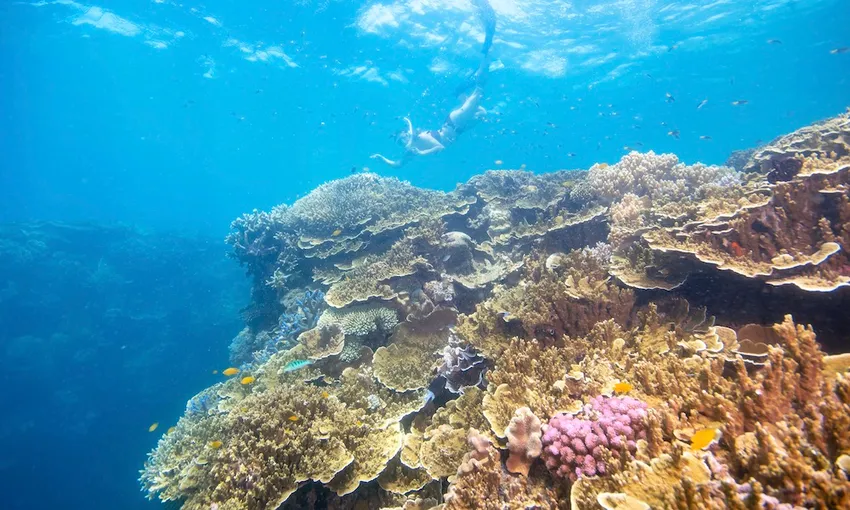
Explore Moore Reef on a full-day Cairns Outer Great Barrier Reef cruise with snorkelling, reef pontoon activities, glass-bottom boat viewing, semi-submersible touring and family-friendly reef access.
A Cairns Outer Great Barrier Reef snorkel cruise is one of the classic ways to experience the Great Barrier Reef, especially if you want a full-day reef trip with easy access to snorkelling, coral viewing, marine life and onboard facilities. This cruise travels from Cairns to Moore Reef, where visitors spend several hours at an outer reef pontoon designed for swimming, snorkelling, glass-bottom boat viewing, semi-submersible touring and relaxed reef sightseeing.
This is a strong option for first-time Great Barrier Reef visitors, families, non-swimmers who still want reef viewing, couples, cruise passengers with enough time in Cairns, older travellers, beginner snorkellers and anyone who wants the security of a large reef platform rather than a smaller boat-only snorkel trip.
Book Cairns Outer Great Barrier Reef Snorkel Cruise Tickets
Compare live availability, prices, inclusions, family tickets, cancellation terms, departure times, optional extras and reef activity upgrades before booking your Cairns to Moore Reef pontoon cruise. Check whether your preferred date includes snorkelling equipment, buffet lunch, glass-bottom boat tours, semi-submersible tours, waterslide access and any optional extras such as guided snorkelling, diving, helmet diving or scenic helicopter flights.
What Is the Cairns Outer Great Barrier Reef Snorkel Cruise?
This full-day reef trip departs from Cairns and travels to Moore Reef, an Outer Great Barrier Reef location where visitors use a floating activity platform as their base for the day. Rather than simply anchoring beside the reef, the pontoon gives guests a stable place to enter the water, relax between activities, access equipment and join reef-viewing experiences.
The day is designed to make the reef accessible to a wide range of travellers. Confident swimmers can snorkel directly from the platform, beginners can use flotation aids and instruction, and non-swimmers can still enjoy coral and marine life through glass-bottom boat or semi-submersible tours.
What to Expect on the Day
Check-In at Cairns Reef Fleet Terminal
The cruise departs from the Cairns Reef Fleet Terminal at 1 Spence Street, Cairns City. Arrive early enough to collect boarding passes, check in, organise extras and settle in before departure. Cairns city hotels are often within a short taxi, rideshare or walking distance of the terminal.
Catamaran Cruise to the Outer Reef
The journey to Moore Reef is part of the experience. The vessel travels from Cairns across the Coral Sea toward the outer reef platform. On calm days, the cruise can be scenic and relaxing; on windy days, travellers prone to seasickness should take precautions before departure.
Moore Reef Pontoon Time
The highlight of the day is the time spent at Moore Reef pontoon. The pontoon gives visitors a stable reef base with snorkel access, activity areas, viewing options and places to rest between water activities.
Snorkelling the Great Barrier Reef
Snorkelling is the main activity for many guests. Equipment is included, and the reef environment can include colourful coral, reef fish and changing underwater visibility depending on weather, tide, wind and sea conditions.
Glass-Bottom Boat Tour
The glass-bottom boat tour is useful for travellers who do not want to snorkel, families with younger children, older visitors or anyone who wants a different perspective on the reef without getting fully wet.
Semi-Submersible Reef Viewing
A semi-submersible tour allows passengers to view coral and marine life from below the waterline while remaining seated and dry. This is one of the most practical options for non-swimmers or mixed-ability groups.
Waterslide and Family Activities
Moore Reef pontoon includes activity features such as an onboard waterslide, making the trip appealing for families and children who want more than just a standard snorkel stop.
Buffet Lunch, Tea and Coffee
The cruise includes a buffet lunch, tea and coffee. If you have dietary requirements, advise them at booking and reconfirm with the operator before travel.
Key Inclusions
Full-day Great Barrier Reef tour from Cairns to Moore Reef pontoon.
Approximately four hours at Moore Reef pontoon for reef activities and relaxation.
Snorkelling equipment and expert instruction.
Glass-bottom boat tour for dry coral viewing.
Semi-submersible tour for underwater reef viewing without swimming.
Access to the onboard waterslide at the reef platform.
Buffet lunch plus tea and coffee.
Free Wi-Fi onboard where available.
Optional Extras to Consider
Guided Snorkel Tour
A guided snorkel tour can be useful if you are nervous, want help identifying marine life or prefer to follow a reef guide rather than exploring independently.
Introductory Scuba Diving
Introductory diving may be available for beginners who want to try scuba diving under supervision. Medical restrictions can apply, so check requirements carefully before booking.
Certified Diving
Certified divers may be able to add dives depending on conditions, availability and operator requirements. Bring proof of certification if you plan to dive.
Seawalker Helmet Diving
Helmet diving can be a good option for travellers who want an underwater experience without traditional scuba diving. Check age, health, comfort and availability requirements before booking.
Scenic Helicopter Flight
A scenic helicopter flight is a premium add-on that offers aerial views of the reef, reef colours and Coral Sea patterns. It suits special occasions and travellers wanting a reef view from above.
Who Is This Cruise Best For?
First-time reef visitors: The pontoon setup makes it easy to understand where to go, where to swim and how to access activities.
Families: The combination of snorkelling, glass-bottom boat, semi-submersible viewing, buffet lunch and waterslide makes this one of the more family-friendly reef styles.
Beginner snorkellers: Equipment and instruction help make the reef more approachable for travellers who have not snorkelled often.
Non-swimmers: Glass-bottom boat and semi-submersible options allow reef viewing without needing to snorkel.
Mixed-ability groups: Some guests can snorkel or dive while others stay dry and still enjoy coral-viewing activities.
Couples: A full reef day from Cairns works well as a memorable holiday activity, especially if combined with a few days in Cairns, Palm Cove or Port Douglas.
Older travellers: The pontoon provides a more structured reef experience than a small-boat snorkel tour, but visitors should still be comfortable with a full-day marine trip.
Who Should Think Carefully Before Booking?
This tour may not suit travellers who dislike boats, are very prone to seasickness, have limited mobility, are uncomfortable in open water, or cannot manage a full day away from shore. It is also worth checking medical requirements before adding scuba diving, helmet diving or other underwater extras.
What to Bring
Swimwear: Wear it under your clothes to make changing easier.
Towel: Bring one towel per person.
Reef-safe sun protection: Use sunscreen, hat, sunglasses and sun-protective clothing.
Light jacket or warm layer: Boat decks can feel cool after swimming or on windy days.
Dry clothes: Useful for the cruise back to Cairns.
Seasickness medication: Take it before departure if you are prone to motion sickness and follow the medication instructions.
Water bottle: Stay hydrated throughout the day.
Card or cash: Useful for optional extras, drinks, photos or onboard purchases.
Waterproof phone pouch: Helpful around the boat, but avoid dropping anything into the reef environment.
Reef Safety Tips
Listen to the safety briefing: Pay attention to snorkel zones, currents, signals and return times.
Use flotation aids if needed: Noodles, vests or other buoyancy aids can make snorkelling more relaxed.
Stay within marked areas: Do not drift beyond the supervised snorkelling zone.
Tell staff if you are nervous: Crew can advise on easier entry, flotation and beginner-friendly snorkelling.
Do not stand on coral: Coral is fragile and can also cut feet or legs.
Know your limits: Rest between swims, stay hydrated and avoid overexertion.
Responsible Reef Travel
The Great Barrier Reef is a delicate marine environment, so visitors should follow reef-friendly behaviour throughout the day. Avoid touching coral, chasing wildlife, feeding fish, taking shells or coral, or leaving anything behind. Keep fins away from coral and use flotation if you are not confident staying horizontal in the water.
A responsible reef visit is not only safer and more enjoyable; it also helps protect the marine life and coral gardens that make the reef worth visiting.
Best Time to Do a Cairns Outer Reef Cruise
Cairns reef cruises operate in a tropical climate, so conditions can vary by season. The dry season generally brings pleasant weather and lower humidity, while the wet season can bring warmer water, humidity and tropical rain. Reef visibility can change from day to day depending on wind, swell, tide and recent weather.
If you have several days in Cairns, avoid booking your reef cruise on your final day only. Leaving a spare day gives you more flexibility if weather, sea conditions or personal plans change.
Where Does the Cruise Depart?
The cruise departs from the Sunlover Cruises counter inside the Cairns Reef Fleet Terminal at 1 Spence Street, Cairns City. This central location is convenient for travellers staying in Cairns city, the Esplanade, Cairns CBD or nearby accommodation.
Suggested Cairns Itinerary Ideas
One Big Reef Day
Stay in Cairns city, walk or taxi to the Reef Fleet Terminal, spend the day at Moore Reef, then return to the Esplanade for dinner.
Cairns Family Break
Combine the Outer Great Barrier Reef snorkel cruise with Cairns Aquarium, Kuranda Scenic Railway, Skyrail Rainforest Cableway and a relaxed Esplanade Lagoon day.
Reef and Rainforest Trip
Pair this reef cruise with a Daintree Rainforest or Cape Tribulation tour for a strong reef-and-rainforest Far North Queensland itinerary.
Couples Reef Escape
Stay in Cairns, Palm Cove or Trinity Beach, book the reef cruise for your main adventure day, then add a scenic dinner, spa treatment or sunset waterfront walk.
Nearby Things to Do in Cairns
Cairns Esplanade
The Cairns Esplanade is useful before or after your reef day, with waterfront walking, restaurants, parkland, public spaces and the popular lagoon swimming area.
Kuranda Scenic Railway and Skyrail
Kuranda is one of the most popular rainforest day trips from Cairns and pairs well with a separate reef day.
Green Island
Green Island offers a shorter island-based reef experience and can be a good alternative for visitors who prefer a smaller island day rather than a full outer reef pontoon trip.
Fitzroy Island
Fitzroy Island is another popular island day trip from Cairns, with beaches, walking tracks and snorkelling close to shore.
Daintree Rainforest and Cape Tribulation
The Daintree and Cape Tribulation offer a rainforest contrast to the reef, making them ideal additions to a longer Far North Queensland holiday.
Cairns Outer Great Barrier Reef Snorkel Cruise FAQ
Is the Cairns Outer Great Barrier Reef snorkel cruise worth it?
Yes, especially for first-time visitors who want a structured full-day reef experience with snorkelling, lunch, pontoon facilities and dry reef-viewing options such as glass-bottom boat and semi-submersible tours.
How long is the tour?
The Experience Oz listing describes the tour as approximately seven hours and 30 minutes, with departure from Cairns in the morning and return in the late afternoon.
How much time do you get at Moore Reef?
The tour includes approximately four hours at Moore Reef pontoon, giving visitors time to snorkel, eat lunch, join included viewing tours and enjoy the reef platform.
Do I need to know how to swim?
Swimming ability helps if you want to snorkel, but non-swimmers can still enjoy reef viewing from the glass-bottom boat and semi-submersible tours. Nervous swimmers should speak with crew and use flotation aids.
Is snorkelling equipment included?
Yes. Snorkelling equipment and instruction are included. Check the current booking page for any special equipment requests or size requirements.
Is this tour good for children?
Yes, this style of reef pontoon cruise can be a good family option because it includes snorkelling, dry reef-viewing options, lunch, a waterslide and a stable activity platform.
Can I scuba dive on this tour?
Diving may be available as an optional extra, including introductory and certified diving. Medical, age and safety requirements may apply, so check conditions before booking.
What should I wear?
Wear swimwear under light clothing, bring a towel, hat, sunglasses, sun-protective clothing and a warm layer for the return cruise.
What happens if the weather is bad?
Reef tours are subject to weather and sea conditions. Operators assess conditions and safety, so check cancellation terms and reconfirm if weather looks uncertain.
Where does the cruise leave from?
The cruise departs from the Cairns Reef Fleet Terminal at 1 Spence Street, Cairns City, from the Sunlover Cruises counter.
Ready to Book Your Cairns Outer Reef Cruise?
Search live availability for the Cairns Outer Great Barrier Reef Snorkel Cruise to Moore Reef Pontoon, compare current inclusions and optional extras, and choose the best date for your reef day from Cairns.
Reef Sleep: 2-Day Great Barrier Reef All Inclusive Overnight Australia Sleep overnight on the Great Barrier Reef. Experience the tranquility of just you, the sea and the stars. Explore the reef by day, watch the sun set over the water, enjoy gourmet meals… Check current availability, inclusions and booking conditions.
From Port Douglas: Sail to Low Isles Great Barrier Reef Australia Board a catamaran and enjoy an idyllic day on this sailing cruise. Sunbathe on an unspoiled coral cay island in the middle of the Great Barrier Reef and learn about the reef from a… Check current availability, inclusions and booking conditions.
The Calanques de l’Estérel form one of the most colourful coastal landscapes on the French Riviera. Rust-red volcanic cliffs plunge into clear Mediterranean water, creating a chain of narrow coves, pebble beaches, rocky swimming places and dramatic viewpoints between Saint-Raphaël and Mandelieu-la-Napoule.
The landscape is very different from the pale limestone calanques near Marseille and Cassis. The Estérel coast is shaped by ancient volcanic rock, Mediterranean scrub and umbrella pines, producing a striking contrast between red cliffs, green vegetation and blue water.
There is no single entrance, ticket office or official route covering all the coves. Some calanques are reached by steep stairways from the Corniche d’Or, others require a coastal walk, and several are easiest to appreciate from a boat or kayak.
The smallest coves have no toilets, shade, lifeguards or food outlets. Roadside parking is extremely limited, while forest paths may close during periods of high wildfire risk.
A successful visit therefore depends on choosing a manageable section of coastline rather than attempting to stop at every cove. This guide explains the best beaches, swimming areas, walks, boat trips, transport options and practical safety rules.
Estérel Calanques Quick Facts
Visitor information
Details
Country
France
Region
Provence-Alpes-Côte d’Azur
Coastline
Between Saint-Raphaël, Agay, Anthéor, Le Trayas and Mandelieu-la-Napoule
Main scenic road
Corniche d’Or, also called Corniche de l’Estérel
Scenic-road length
Approximately 30 kilometres along its principal coastal section
Main rock type
Red volcanic rhyolite
Typical beaches
Small red-pebble coves and rocky inlets
General admission
Free
Best transport
Car, regional train, boat or a combination
Best seasons
May, June, September and early October
Recommended visit
One full day or two nights
Swimming supervision
Usually absent at small coves
Fire restrictions
Possible daily during summer
Most convenient base
Saint-Raphaël or Agay
Best easy family beach
Agay or Anthéor
Best classic viewpoint
Cap Dramont or Cap Roux
Important: Before hiking or leaving the main road in summer, check the official daily wildfire-access map. A walking route shown as open on a general map may be closed on the day of your visit.
What Are the Estérel Calanques?
The French word calanque describes a narrow rocky inlet or cove.
Along the Estérel coast, these inlets are formed where the Mediterranean meets steep volcanic cliffs. Many contain small beaches made from red pebbles, coarse gravel or weathered rock fragments.
The coastline includes:
Tiny coves reached by stairs.
Longer pebble beaches.
Rock platforms used for swimming.
Sea caves and narrow channels.
Protected marine habitats.
Cliff viewpoints.
Sandy bays around Agay.
The term “Estérel Calanques” is normally used for the coastal section between Agay and Mandelieu, although small rocky coves continue around Saint-Raphaël and Boulouris.
How Are They Different from the Marseille Calanques?
The Calanques National Park near Marseille is dominated by pale limestone cliffs and long, steep-sided inlets.
The Estérel coast instead has:
Red volcanic rock.
Shorter, more numerous coves.
Coastal-road access.
More railway access.
Pine and Mediterranean scrub vegetation.
A mixture of small coves and larger resort beaches.
The two landscapes are visually and geologically distinct.
Why Are the Rocks Red?
The Estérel Massif is largely volcanic in origin.
Its red colour comes mainly from rhyolite, a hard volcanic rock containing iron-rich minerals that produce orange, red and purple tones as they weather.
Around Cap Dramont, the red rhyolite appears beside a rarer blue-grey rock known as esterellite.
These contrasting rocks can be seen in:
Sea cliffs.
Road cuttings.
Coastal paths.
Pebble beaches.
Former quarry areas.
The colours vary throughout the day. Morning and late-afternoon light intensify the red and gold tones, while overcast conditions produce deeper purple and brown shades.
Where Are the Calanques?
The principal calanques lie along the coastal road between Agay and Mandelieu-la-Napoule.
From west to east, useful visitor areas include:
Saint-Raphaël and Boulouris.
Cap Dramont.
Agay Bay.
La Baumette.
Anthéor.
Cap Roux.
Le Trayas.
Théoule-sur-Mer.
Mandelieu-la-Napoule.
The municipal boundary between the Var and Alpes-Maritimes runs through the wider Estérel region, but the scenery continues without an obvious break.
The Best Estérel Coves at a Glance
Cove or beach
Best for
Main limitation
Calanque des Anglais
Intimate red-pebble scenery
Steep stairs and no parking
Maubois
Snorkelling and a larger cove
Very steep, narrow staircase
Maupas
A quiet, small inlet
Few facilities and hidden access
Saint-Barthélemy
Dramatic cliffs and clear water
Roadside access and limited space
Aurelle
Red pebbles and photographs
Small and unsupervised
Fournas
Seclusion and partial shade
Difficult foot access
Anthéor
Families and viaduct scenery
Busier than tiny coves
Agay
Easy swimming and services
Resort atmosphere
Camp Long
Sheltered family beach near Cap Dramont
Busy and limited parking
Calanque des Anglais
Calanque des Anglais lies near the entrance to Anthéor when travelling east from Agay.
It consists of three small red-pebble coves, each approximately 20 metres long.
Why Visit?
Strong red-rock scenery.
Clear water.
A more intimate setting than Agay.
Good photography from the upper approach.
Interesting snorkelling beside the rocks.
Access
There is no dedicated car park.
Access is on foot through a gate near the roadside promontory, followed by steep stairs.
The descent is unsuitable for:
Wheelchairs.
Large pushchairs.
Anyone with serious balance problems.
Visitors carrying heavy coolers or beach equipment.
Facilities
There are normally no toilets, food services, showers or lifeguards.
Arrive with everything needed and remove all rubbish.
Calanque de Maubois
Maubois is one of the larger and more practical calanques around Le Trayas.
Its beach extends for approximately 150 metres and consists of red pebbles beneath steep Estérel cliffs.
Best Features
Clear water.
Good snorkelling.
Space for paddleboarding in calm conditions.
Some protection from wind.
A dramatic natural setting.
Access
A small roadside parking area holds only around ten vehicles.
The access staircase is narrow and extremely steep.
Drivers should never park partly in the traffic lane or block emergency access when the small parking area is full.
Facilities
The cove has no normal facilities or lifeguard supervision.
Dogs are not normally accepted under the published beach rules.
Calanque de Maupas
Maupas is a small cove near Le Trayas containing around 20 metres of red-pebble shoreline.
It is less obvious from the road than some larger beaches, and the stairs can be partly concealed by vegetation.
Why Choose Maupas?
Small-scale scenery.
Fewer visitors than major resort beaches.
Clear water on calm days.
Interesting views from the approach.
Its small size means it can feel crowded with only a few groups.
There is little natural shade during the central part of the day.
Calanque Saint-Barthélemy
Calanque Saint-Barthélemy lies beneath the Rocher de Saint-Barthélemy on the Corniche d’Or.
The combination of steep red cliffs, a narrow pebble shore and clear water makes it one of the most characteristic Estérel coves.
Who Will Enjoy It?
Strong swimmers.
Snorkellers.
Photographers.
Visitors comfortable with small unsupervised beaches.
Practical Limitations
Limited roadside parking.
No normal commercial services.
Little level space.
Rockfall risk close to cliffs.
Potential waves after strong wind.
Do not sit directly beneath unstable-looking cliff sections.
Calanque d’Aurelle
Calanque d’Aurelle is a roughly 50-metre red-pebble cove around Le Trayas.
A large retaining wall above the beach forms part of its distinctive setting.
The beach can be suitable for a short swim and photographs rather than a full day, particularly when space is limited.
What to Expect
Pebbles rather than sand.
No lifeguard.
Few or no facilities.
Direct exposure to changing sea conditions.
Clear water in calm weather.
Calanque du Fournas
Fournas is a small, relatively quiet beach closer to Saint-Raphaël.
Its access is more difficult than that of the large municipal beaches, which helps keep visitor numbers lower.
Pine trees provide partial shade in some areas.
Choose Fournas When:
You prefer a quiet setting.
You are comfortable walking on an uneven approach.
You do not need toilets or beach services.
You carry only light equipment.
Do not attempt the path in unsuitable shoes.
The Best Larger Beaches
Not every visitor needs to descend into a tiny calanque.
The wider Estérel coast includes larger beaches that offer easier access, gentler water entry and more dependable services.
These are normally better for:
Families with young children.
Visitors with limited mobility.
People carrying umbrellas and beach equipment.
Travellers wanting food and toilets nearby.
Less experienced swimmers.
Anthéor Beach
Anthéor Beach lies beneath the striking railway viaduct.
The combination of arches, green hills, red rock and blue sea creates one of the most recognisable scenes on the Corniche d’Or.
Why It Suits Families
The water entrance is relatively gentle compared with the abrupt rocky edges of many small calanques.
The beach is still pebbly, so water shoes can be useful.
Photography
The viaduct is especially attractive when a regional train crosses above the beach.
Remain aware of swimmers and residents rather than treating the beach solely as a photography location.
Agay and Baumette Beaches
Agay occupies a broad sheltered bay between Cap Dramont and Pointe de la Baumette.
It is one of the best visitor bases for exploring the Estérel coast.
Agay Beach
The main beach has a gentle entry into the water and is suitable for families.
Nearby facilities may include:
Restaurants.
Cafés.
Water-sports rentals.
Seasonal supervision.
Boat departures.
Public transport.
Baumette Beach
Baumette is the final substantial sandy beach before the coast becomes increasingly rocky towards Anthéor and Le Trayas.
It is generally quieter than the main central beach and is a useful departure point for kayaks and paddleboards.
Why Stay in Agay?
Regional railway station.
Bus connections.
Restaurants and shops.
Easy access to the calanques.
Kayak and boat activities.
More practical accommodation than remote coves.
Cap Dramont and Île d’Or
Cap Dramont is a protected headland between Saint-Raphaël and Agay.
Its red and blue-grey rocks, small port, coastal paths and views towards Île d’Or make it one of the best places to understand the Estérel landscape.
Île d’Or
Île d’Or is a small privately owned rocky island approximately 200 metres offshore.
Its square tower was built in the early 20th century and is sometimes said to have inspired the island in a Tintin story.
The island is not a normal public attraction and visitors should not assume they can land there.
Port du Poussaï
The small harbour beneath the cape is used by fishing and leisure boats.
Its colourful boats and rocky setting make it a pleasant addition to the Cap Dramont walk.
Semaphore
A signalling station occupies the summit area.
It remains in active use and is closed to the public.
The Landing Beach
Plage du Débarquement at Le Dramont was an important landing site during Operation Dragoon, the Allied invasion of southern France on 15 August 1944.
Approximately 20,000 soldiers from the United States 36th Infantry Division landed in this area.
The beach combines:
Second World War history.
Views towards Île d’Or.
Distinctive esterellite pebbles.
Access to the Cap Dramont area.
Memorials and interpretation explain the military significance of the coast.
Cap Roux
Cap Roux is one of the most dramatic headlands in the Estérel Massif.
Its high red cliffs rise above the Mediterranean and provide broad views towards Cannes, the Lérins Islands and the Var coastline.
Cap Roux Walk
The loop is a proper mountain hike rather than a beach stroll.
Expect:
Steep ascents.
Loose red stone.
Exposed slopes.
Limited shade.
Wide coastal views.
Several route variations.
Carry sufficient water and begin early.
Sainte-Baume and Saint-Honorat Cave
A side route leads towards a cave associated with Saint Honoratus, who later founded a monastery on the Lérins Islands.
The additional walk includes further climbing and should not be added casually during extreme heat.
The Cap Roux Marine Reserve
The waters around Cap Roux form a protected marine reserve covering approximately 445 hectares.
The reserve protects breeding and nursery habitat for Mediterranean fish and other marine life.
Prohibited Activities
Within the protected zone, restrictions include:
Professional fishing.
Recreational fishing.
Line fishing.
Scuba diving.
Collecting sea urchins.
Collecting shellfish.
Do not assume that normal French fishing or diving permissions apply inside the reserve.
Snorkelling
Surface snorkelling may allow visitors to observe fish without extracting or touching anything.
Stay close to shore, use a visible float where appropriate and avoid boat channels.
Driving the Corniche d’Or
The Corniche d’Or, also called the Corniche de l’Estérel, links Saint-Raphaël with Cannes along the coast.
The most dramatic section runs between Agay, Anthéor, Le Trayas and Théoule-sur-Mer.
The road opened in 1903 during the early growth of Riviera tourism and motoring.
What the Drive Is Like
Expect:
Narrow bends.
Rock tunnels and cuttings.
Small roadside viewpoints.
Limited parking.
Cyclists.
Pedestrians near cove entrances.
Frequent distractions from the scenery.
Direction of Travel
Driving east from Saint-Raphaël towards Cannes places the sea on the right-hand side, making many roadside stops easier to enter.
Driving west can provide different light and views but may require crossing traffic to reach coastal parking bays.
How Long to Allow
The road can be driven without stopping in around an hour under quiet conditions.
Allow three to five hours when including:
Viewpoints.
A swim.
Lunch.
Cap Dramont.
Short cove descents.
Driving Rules
Stop only in legal marked areas.
Do not leave the vehicle partly on the road.
Never stop suddenly for a photograph.
Keep clear of emergency access.
Give cyclists adequate space.
Use headlights in tunnels.
Walking and Hiking
The Estérel offers everything from short headland walks to demanding mountain routes.
Cap Dramont Loop
This is one of the best introductory walks.
It combines:
Île d’Or views.
Port du Poussaï.
Red and blue-grey geology.
Coastal vegetation.
Second World War history nearby.
The route includes uneven ground and exposed viewpoints.
Cap Roux Loop
This is a steeper and more demanding hike with major coastal panoramas.
It is unsuitable during the hottest part of a summer day.
Rocher Saint-Barthélemy
Routes around the Saint-Barthélemy rock provide views over the Corniche d’Or and surrounding sea.
Track access depends on current fire restrictions.
Pic de l’Ours
The higher Estérel interior offers rugged mountain views and access towards Pic de l’Ours.
These routes require more time, navigation and water than the coastal walks.
The Estérel Coastal Path
Sections of coastal path follow the rocky shoreline around Saint-Raphaël, Boulouris and Cap Dramont.
The wider “From Shorelines to Coves” route extends across much of the local coast.
Walking Conditions
Depending on the section, walkers may encounter:
Rock steps.
Loose gravel.
Short road connections.
Exposed coastal edges.
Beaches and small ports.
Limited shade.
One-Way Walks
Regional trains and local buses make some one-way coastal walks possible.
Always confirm the return timetable before starting because small stations receive fewer trains than Saint-Raphaël.
Boat Trips
A boat trip provides one of the best overall views of the Estérel calanques.
From the water, visitors can see cliffs, sea caves and inaccessible rock formations that are hidden from the road.
Common Departure Points
Saint-Raphaël Old Port.
Agay.
Fréjus.
Cannes.
Mandelieu-la-Napoule.
Typical Excursions
One- or two-hour sightseeing cruises.
Small rigid-inflatable boat trips.
Swimming cruises.
Sunset outings.
Private charters.
Glass-bottom trips around Agay and Dramont.
Before Booking
Confirm:
Whether swimming is included.
How much shade the boat has.
Maximum passenger numbers.
Toilet availability.
Sea-sickness considerations.
Cancellation rules.
Accessibility.
Small fast boats provide closer access but can be uncomfortable in rough water.
Kayaking and Paddleboarding
Kayaks and paddleboards allow quiet exploration of the coastline when sea conditions are calm.
Agay and Baumette are among the most convenient launch areas because rentals and beach access are available.
Advantages
Access to small inlets.
No engine noise.
Time for swimming and snorkelling.
Close views of the red cliffs.
Flexible route length.
Risks
Sudden wind.
Motorboat traffic.
Limited landing places.
Cliff rebound from waves.
Strong sunlight.
Difficulty returning against wind.
Use a life jacket, carry water and avoid paddling alone beyond a sheltered bay unless experienced and properly equipped.
Snorkelling and Diving
The rocky seabed supports fish, sea grass and invertebrates, making the Estérel coast attractive for snorkelling.
Good Snorkelling Characteristics
Rocky cove edges.
Clear water.
Small offshore islets.
Alternating rock and sea-grass habitats.
Safety
Do not snorkel alone.
Use a visible surface marker where required.
Remain outside boat approaches.
Do not enter rough water beside cliffs.
Wear water shoes when entering over rock.
Do not touch or remove marine life.
Scuba Diving
Licensed dive centres operate around Saint-Raphaël and Agay.
However, scuba diving is prohibited within the Cap Roux marine reserve.
Use an authorised operator who understands the current protected-zone boundaries.
Swimming Conditions and Safety
The Mediterranean can appear calm but conditions change quickly around rocky headlands.
Common Hazards
Sudden waves.
Sharp rocks.
Sea urchins.
Slippery algae.
Boat traffic.
Jellyfish.
Cold currents outside summer.
Limited exit points.
Small-Cove Limitations
Most small calanques have:
No lifeguard.
No warning flag.
No rescue equipment.
No drinking water.
No mobile signal guarantee.
When Not to Swim
Avoid entering when:
Waves are breaking against the cove entrance.
Strong wind is forecast.
Boats are manoeuvring close to shore.
Thunderstorms are approaching.
Jellyfish warnings are displayed.
You cannot identify a safe exit.
Wildfire Restrictions
The Estérel is highly vulnerable to wildfire during hot, dry and windy weather.
Access can be restricted or prohibited at short notice.
Daily Access Map
During the principal summer risk period, the Var prefecture publishes an access map for the following day.
Restrictions may affect:
Hiking trails.
Forest roads.
Mountain-bike routes.
Vehicle access.
Parking inside forested areas.
The Estérel risk level also applies to adjoining western sections of the Alpes-Maritimes.
Coast Road Versus Forest
The Corniche d’Or may remain open to through traffic while inland tracks and hiking areas are closed.
Do not assume that an open road means a nearby mountain trail is legal to use.
Fire Prevention
Never smoke on forest trails.
Do not light fires or use a barbecue.
Do not park over dry vegetation.
Do not leave glass or rubbish.
Report smoke quickly.
Leave immediately when instructed by authorities.
Visiting by Train
The regional railway follows the Estérel coast and provides one of the most scenic train journeys on the Côte d’Azur.
Useful stations include:
Saint-Raphaël-Valescure.
Boulouris-sur-Mer.
Le Dramont.
Agay.
Anthéor-Cap-Roux.
Le Trayas.
Théoule-sur-Mer.
Mandelieu-la-Napoule.
Advantages
No parking problems.
Excellent coastal views.
Useful for one-way walks.
Direct connections from Cannes and Saint-Raphaël.
Lower environmental impact.
Limitations
Not every train stops at every small station.
Services may be infrequent outside peak periods.
Some coves remain far from stations.
The final return train may be earlier than expected.
Check the live timetable rather than relying on a fixed printed schedule.
Visiting by Bus
Local buses serve several Saint-Raphaël coastal districts.
Bus travel can be useful for:
Boulouris.
Le Dramont.
Agay.
Selected Corniche d’Or stops.
Some coastal walks can be combined with Lines 5 or 8, subject to the current network.
Limitations
Reduced Sunday schedules.
Seasonal timetable changes.
Road delays during summer.
Stops that may lack shade.
No guarantee of direct access to every cove.
Save the return timetable before leaving an area with reliable mobile reception.
Driving and Parking
A car offers flexibility but can become a disadvantage during busy summer days.
Parking Reality
Many calanques have:
No dedicated parking.
Only a few roadside bays.
Parking for fewer than a dozen vehicles.
Narrow access shared with local residents.
Best Strategy
Begin early.
Choose one main cove in advance.
Use larger parking areas at Dramont or Agay.
Walk or use public transport between nearby sites.
Have an alternative when the first parking area is full.
Never Park:
On a blind bend.
Inside a tunnel.
Across an emergency gate.
Partly in a traffic lane.
Over dry vegetation.
In a clearly signed private area.
The Best Time to Visit
April
Spring flowers and mild walking temperatures make April attractive.
The sea remains cold and some seasonal services are closed.
May and June
These are among the best months for:
Hiking.
Swimming.
Kayaking.
Boat trips.
Manageable visitor numbers.
July and August
Summer brings warm water and the broadest range of activities.
It also brings:
Parking shortages.
Busy roads.
Very high temperatures.
Wildfire closures.
Crowded small coves.
Arrive before 9:00 am and avoid long exposed hikes during the afternoon.
September
September is often the best overall month because the sea remains warm while crowds gradually decline.
Fire restrictions can still apply.
October
Early October can be excellent for walking and quieter swimming.
Storms and rough sea become more likely.
Winter
Winter is suitable for coastal drives and hiking on calm days.
Boat tours, beach services and public transport may be reduced.
Visiting with Children
Families should choose beaches according to access rather than appearance alone.
Best Family Options
Agay Beach.
Baumette Beach.
Anthéor Beach.
Camp Long.
Plage du Débarquement.
Less Suitable Options
Calanque des Anglais, Maubois and Fournas involve steep access and limited facilities.
Family Safety
Use water shoes.
Carry shade and drinking water.
Keep children away from cliff edges.
Do not allow rock jumping.
Choose a supervised beach when possible.
Confirm the return train or bus.
Do not carry a large pushchair down steep stairs.
Accessibility
The smallest Estérel calanques are generally inaccessible to wheelchairs because of steep stairways, narrow paths and pebble surfaces.
More Manageable Areas
Central Saint-Raphaël beaches.
Parts of Agay waterfront.
Selected larger municipal beaches.
Saint-Raphaël and Agay harbours.
Boat trips offering suitable boarding.
Before Booking a Boat
Ask:
Is boarding step-free?
Can a passenger remain in a wheelchair?
Is there an accessible toilet?
How wide is the gangway?
Does the trip include a beach landing?
Accessibility can vary according to tide, boat and departure port.
Where to Stay
Saint-Raphaël
Best for:
Mainline and regional trains.
Restaurants and shops.
Boat departures.
Travellers without a car.
Evening activity.
Agay
Best for:
Immediate beach access.
Kayaking and paddleboarding.
Regional trains.
Easy access to Dramont and Anthéor.
A quieter setting than central Saint-Raphaël.
Le Dramont
Best for Cap Dramont, Île d’Or views, Landing Beach and coastal walks.
Anthéor and Le Trayas
Best for travellers wanting to stay close to the red-rock coves.
Services and restaurant choices are more limited, and a car may be useful.
Théoule-sur-Mer
Best for access from Cannes, attractive bays and the eastern Estérel coast.
Food and Restaurants
The tiny calanques have no food services, so eat in a harbour, village or larger beach area.
Useful Dining Areas
Saint-Raphaël waterfront.
Agay Bay.
Boulouris.
Théoule-sur-Mer.
Mandelieu-la-Napoule.
Regional Foods
Grilled Mediterranean fish.
Bouillabaisse and fish soup.
Salade niçoise.
Provençal vegetables.
Tapenade.
Socca closer to Nice and Cannes.
Local rosé wine.
Ask for the price before ordering fish sold by weight.
Use a designated driver when drinking wine along the Corniche d’Or.
What to Bring
Water: Carry a full supply because small coves have none.
Walking shoes: Needed for steep approaches and trails.
Water shoes: Useful on red pebbles and rocky entries.
Sun protection: Shade is limited.
Compact towel: Easier to carry down stairs.
Snorkelling mask: Bring your own when underwater exploration matters.
Small rubbish bag: Remove everything brought in.
Offline map: Mobile reception varies.
Train or bus timetable: Save it before departing.
Light wind layer: Useful on boats and outside summer.
Emergency footwear: Avoid flip-flops on steep tracks.
Suggested One-Day Estérel Driving Itinerary
8:00 am: Saint-Raphaël to Cap Dramont
Drive east before traffic and parking pressure increase.
8:30 am: Cap Dramont Walk
Walk towards the viewpoints over Île d’Or and Port du Poussaï.
10:30 am: Agay
Stop for coffee, supplies or a swim at the main beach.
12:00 pm: Anthéor
See the viaduct and have lunch or a picnic at an appropriate beach.
2:00 pm: Corniche d’Or
Continue east, stopping only at legal viewpoints.
3:00 pm: Choose One Calanque
Select Maubois, Saint-Barthélemy, Aurelle or another accessible cove rather than attempting several steep descents.
5:30 pm: Théoule-sur-Mer
Finish with a waterfront walk, drink or early dinner.
Evening
Return towards Saint-Raphaël or continue to Cannes, allowing for traffic.
Suggested One-Day Itinerary Without a Car
Morning: Train to Le Dramont
Take a regional train from Saint-Raphaël or Cannes.
Cap Dramont
Walk the headland and visit Port du Poussaï and the Landing Beach area.
Midday: Continue to Agay
Use the train, bus or a suitable coastal walking section.
Lunch in Agay
Eat beside the bay and hire a kayak or paddleboard when conditions are calm.
Afternoon Swim
Use Agay or Baumette rather than attempting a remote cove without dependable return transport.
Return
Take an evening regional train to Saint-Raphaël or Cannes.
Confirm all train times before beginning the trip because not every service stops at the smaller stations.
Suggested Two-Day Itinerary
Day One: Dramont and Agay
Cap Dramont walk.
Île d’Or viewpoint.
Landing Beach history.
Lunch in Agay.
Kayak or paddleboard excursion.
Evening beside Agay Bay.
Day Two: Corniche d’Or and Cap Roux
Early drive or train towards Anthéor.
Cap Roux hike if officially open.
Lunch or picnic.
Swim at one selected calanque.
Continue to Théoule-sur-Mer.
Return by road or train.
Reverse the order when wind or fire conditions make the mountain hike unsuitable.
Responsible Coastal Tourism
Use only authorised paths.
Do not cross cove barriers.
Never light a fire or smoke in forest areas.
Take all rubbish away.
Do not remove rocks, shells or marine animals.
Respect the Cap Roux reserve.
Do not anchor on protected sea grass.
Keep noise low in residential coves.
Do not block emergency access.
Avoid chemical sunscreen immediately before entering fragile shallow water where practical.
Use trains, buses or shared boat trips when suitable.
Are the Estérel Calanques Worth Visiting?
The Estérel calanques are among the most visually distinctive coastal landscapes in southern France.
Main Advantages
Dramatic red-rock scenery.
Clear Mediterranean water.
Free access to beaches and viewpoints.
Excellent coastal drive.
Regional train access.
Kayaking and boat trips.
Good snorkelling.
Walks ranging from easy to demanding.
Less urban than central Cannes or Nice.
Possible Drawbacks
Very limited parking.
Steep access to small coves.
Few facilities.
No lifeguards at many beaches.
Wildfire closures.
Heavy summer traffic.
Pebbles rather than soft sand.
Some locations are unsuitable for reduced mobility.
The strongest first visit combines Cap Dramont, Agay and one carefully selected cove along the Corniche d’Or.
Frequently Asked Questions About the Estérel Calanques
Where are the Estérel Calanques?
They are on the French Riviera between Saint-Raphaël and Mandelieu-la-Napoule, with the main concentration between Agay, Anthéor and Le Trayas.
Are the Estérel Calanques near Cannes?
Yes. The eastern end is close to Théoule-sur-Mer and Mandelieu, immediately west of Cannes.
Are they part of Calanques National Park?
No. Calanques National Park is near Marseille and Cassis. The Estérel is a separate red-volcanic coastal landscape.
Why are the rocks red?
The colour comes mainly from iron-rich volcanic rhyolite.
Is there an entrance fee?
No general admission fee applies to the coast, coves or public hiking areas.
Is the Corniche d’Or free to drive?
Yes. It is a normal public coastal road.
How long is the Corniche d’Or?
The principal scenic section is approximately 30 kilometres.
How long does the drive take?
Allow at least one hour without stops and three to five hours with viewpoints, swimming and lunch.
Which direction is best?
Driving from Saint-Raphaël towards Cannes places the sea on the right, which makes many stops easier.
What is the best calanque?
Maubois is one of the largest, Calanque des Anglais is especially intimate, and Saint-Barthélemy provides classic red-cliff scenery.
Which is easiest to reach?
Larger beaches around Agay, Anthéor and Dramont are easier than the tiny roadside coves.
Which is best for families?
Agay, Anthéor and Camp Long are more practical than the steep calanques.
Are the beaches sandy?
Most calanques contain red pebbles or coarse gravel. Agay and Baumette have sandier areas.
Do I need water shoes?
They are strongly recommended for pebble beaches, sea urchins and rocky water entry.
Are there lifeguards?
Small coves are normally unsupervised. Some larger municipal beaches have seasonal lifeguards.
Are there toilets?
Not at most small calanques. Use facilities in Agay, Saint-Raphaël or larger beach areas.
Can I buy food at the coves?
Usually not. Carry food and water or eat in Agay, Anthéor or Théoule-sur-Mer.
Can I snorkel?
Yes. The rocky edges and clear water can provide good snorkelling in calm conditions.
Can I scuba dive?
Diving is available through authorised centres, but it is prohibited inside the Cap Roux marine reserve.
Can I fish at Cap Roux?
No. Professional and recreational fishing are prohibited within the reserve.
Can I collect sea urchins?
Not within the Cap Roux reserve.
Can I visit Île d’Or?
The island is private property and is not a standard public visitor attraction.
Can I swim to Île d’Or?
It is offshore across an area used by boats and affected by currents. Swimming there independently is not recommended.
What is Cap Dramont?
It is a protected red-rock headland with coastal walks, views of Île d’Or and the small Port du Poussaï.
What happened at the Landing Beach?
It was an important Allied landing site during the invasion of southern France on 15 August 1944.
Is Cap Roux difficult to hike?
The main loop is moderately demanding, with steep and exposed sections.
Are the trails open all summer?
No. Trails can close because of wildfire danger.
How do I check fire restrictions?
Use the official Var prefecture access map for the following day.
Can the road remain open when trails are closed?
Yes. Forest access and the public coast road are regulated separately.
Can I visit by train?
Yes. Regional stations include Le Dramont, Agay, Anthéor-Cap-Roux and Le Trayas.
Do all trains stop at every station?
No. Check the live timetable carefully.
Can I travel from Cannes by train?
Yes. Regional trains follow the coast towards Théoule, Le Trayas, Anthéor, Agay and Saint-Raphaël.
Can I visit without a car?
Yes. Cap Dramont and Agay are particularly practical by train.
Are buses available?
Local buses serve several coastal districts, but frequency varies by season and day.
Is parking difficult?
Yes. Many calanques have only a few legal roadside spaces.
Can I park along the road?
Only in legal marked spaces. Never obstruct traffic or emergency access.
Are motorhomes suitable for the Corniche d’Or?
The road is passable for many vehicles, but narrow bends and limited parking make stopping difficult for large motorhomes.
Can I cycle the Corniche d’Or?
Yes, but traffic, tunnels and narrow shoulders require experience, lights and high visibility.
Are boat trips available?
Yes. Excursions operate from Saint-Raphaël, Agay, Fréjus, Cannes and Mandelieu.
How long are the boat trips?
Options range from around one hour to half-day and private excursions.
Do boat trips include swimming?
Some do, while panorama cruises may remain non-stop. Check the exact itinerary.
Can I hire a kayak?
Yes, particularly around Agay and Baumette.
Is the sea always calm?
No. Wind and swell can create rough conditions around exposed headlands.
Are jellyfish common?
They may appear at any time, particularly after certain winds and currents.
Can dogs visit the beaches?
Rules vary by beach and season. Some small coves permit dogs, while others prohibit them.
What is the best month?
June and September offer warm conditions with fewer crowds than August.
Is July too busy?
July is busy but manageable with an early start and realistic parking plan.
Is August crowded?
Yes. Roads, trains, beaches and car parks can all become very busy.
Can I visit in winter?
Yes. Winter is suitable for drives and walks on calm days, although swimming and boat services are limited.
Is the water warm?
It is generally warmest from July through September but can feel cool outside high summer.
Are the calanques accessible for wheelchairs?
Most small coves are not. Agay waterfront and selected larger beaches are more manageable.
Can I take a pushchair?
A pushchair is impractical on steep calanque stairs. Use a larger accessible beach instead.
Where should I stay?
Saint-Raphaël is best for transport and services, while Agay is best for immediate beach and activity access.
Can I combine the Estérel and Cannes?
Yes, but a proper coastal visit needs most of a day. Cannes is best added in the evening or on a second day.
Can I combine the Estérel and Saint-Tropez?
It is possible by car or boat, but summer traffic makes this an ambitious one-day itinerary.
What is the biggest planning mistake?
Trying to visit too many small coves while assuming each will have easy parking, food and toilets.
Final Thoughts
The Calanques de l’Estérel offer one of the strongest combinations of mountain and sea scenery on the Côte d’Azur.
Their appeal comes from contrast: red volcanic cliffs, green pines and maquis, clear blue water and tiny pebble beaches tucked beneath the Corniche d’Or.
The coastline is most rewarding when explored slowly. Walk around Cap Dramont, swim in Agay, choose one small cove and take either a boat trip or a drive along the Corniche.
Do not underestimate practical limits. Parking is scarce, the stairs can be severe, small beaches have no supervision and the forest may close during summer fire danger.
With an early start, light equipment and a flexible plan, the Estérel calanques provide a quieter and more rugged alternative to the urban beaches of Cannes, Nice and central Saint-Raphaël.
Mahón Harbour is far more than a marina beside Menorca’s capital. It is a long natural inlet containing historic islands, military fortifications, fishing coves, ferry terminals, waterfront restaurants, naval facilities and some of the island’s most interesting cultural attractions.
Known locally as the Port of Maó, the harbour extends for almost six kilometres from the centre of Maó to the open Mediterranean. Its sheltered position and deep water made it strategically valuable to Spanish, British and French forces, all of whom left visible traces around the shoreline.
Sponsored Popular Items
Quick take: Musement.com offers a worldwide selection of tours and attractions
Mare de Déu de Gràcia celebrations and Mahón harbour boat trip Spain Plan Mare de Déu de Gràcia celebrations and Mahón harbour boat trip, a water-based experience, with practical tips on timing, inclusions and what to check before booking. Compare current availability, prices and booking conditions before you go.
The harbour is best understood from the water. A sightseeing cruise reveals the true scale of the inlet and passes places that are difficult to see properly from the road, including the quarantine island, Illa del Rei, La Mola Fortress, the remains of Sant Felip Castle and the waterfront village of Es Castell.
Visitors should also spend time on land. The upper streets of Maó contain markets, churches, museums and Georgian-influenced architecture, while the lower harbour has marinas, seafood restaurants and long waterfront walks. Farther east, Cales Fonts offers one of Menorca’s most attractive evening dining areas.
Mahón Harbour Quick Facts
Visitor information
Details
Location
Eastern Menorca, Balearic Islands, Spain
Local name
Port de Maó
Approximate length
Nearly 6 kilometres
Municipalities
Maó and Es Castell
Main activities
Harbour cruises, island visits, fortresses, dining and waterfront walks
Standard harbour cruise
Approximately 60–70 minutes
2026 standard cruise price
€18 adults, €9 children aged 3–12
Illa del Rei shuttle
Approximately 15 minutes each way
Illa del Rei return fare
Currently €10
La Mola adult admission
Currently €8.25
Fort Marlborough admission
Currently around €6, including audio presentation
Nearest airport
Menorca Airport, approximately 4–6 kilometres away
Airport public transport
Bus Line 10 to Maó bus station
Best season
May, June, September and early October
Recommended visit
One full day
Important: Harbour tours, island shuttles and historic monuments operate seasonal schedules. Check live availability immediately before travelling.
Mahón, Maó or Port Mahon?
Visitors will encounter several names for the same city and harbour.
Maó: The official Catalan name.
Mahón: The Spanish form and the spelling widely used in English travel material.
Port Mahon: A traditional English name, especially common in naval history and literature.
Port de Maó: The Catalan name for the harbour.
All refer to the capital of Menorca and its harbour.
When searching maps, use Maó for the city, Moll de Llevant for the main visitor waterfront and the exact attraction name for individual forts or boat departure points.
Why Visit Mahón Harbour?
Mahón Harbour combines scenery, history and modern island life within one easily accessible area.
Visitors can:
Take a glass-bottom sightseeing cruise.
Visit a contemporary art gallery on an island.
Explore one of Europe’s largest 19th-century fortresses.
Walk through a British fort cut into rock.
Eat beside fishing boats at Cales Fonts.
Watch ferries and yachts pass through the inlet.
See Georgian-influenced architecture in Maó.
Learn about quarantine, naval medicine and military history.
Enjoy evening light over the water.
The harbour is particularly useful for travellers who want more than beaches. It provides insight into why Menorca was fought over repeatedly and why the island’s capital developed in the east rather than around a large open bay elsewhere.
How Large Is the Harbour?
Official tourism and port organisations frequently promote Mahón as the second-largest natural harbour in the world.
Exact international rankings vary according to how a natural harbour is defined and measured. What is not disputed is that Mahón is exceptionally long, deep and well sheltered.
Its principal characteristics include:
A length of almost six kilometres.
A broad outer entrance protected by fortifications.
Deep channels suitable for ferries and cruise ships.
Several islands and narrow channels.
Protected coves used for fishing, marinas and naval facilities.
A mainly east–west orientation that provides shelter from some prevailing winds.
The city centre occupies the high southern shore near the inner end. The harbour then widens towards Es Castell, the islands and the Mediterranean entrance.
A Short History of Mahón Harbour
Mahón’s natural shelter has attracted settlement and shipping for more than two thousand years.
Ancient Period
Phoenician, Carthaginian and Roman sailors used Menorca’s coastal anchorages. The name Mahón is traditionally connected with the Carthaginian general Mago, although the exact origin of the name is debated.
Medieval Menorca
After periods of Vandal, Byzantine and Muslim rule, Menorca was conquered by Alfonso III of Aragon in 1287.
Illa del Rei received its modern name from the tradition that the king first landed there during the campaign.
Spanish Fortification
Spain built Sant Felip Castle near the harbour entrance during the 16th century to defend against Ottoman and other naval threats.
British Rule
British forces occupied Menorca during the War of the Spanish Succession. Britain formally gained the island under the Treaty of Utrecht in 1713.
The harbour became an important Royal Navy base in the western Mediterranean. British influence remains visible in:
Fort Marlborough.
The military hospital on Illa del Rei.
Georgian-style sash windows and houses.
English loanwords in Menorcan culture.
Naval cemeteries and former residences.
French and Spanish Control
France captured Menorca in 1756. Britain regained it in 1763, Spain captured it in 1782, and Britain held it again between 1798 and 1802.
The Treaty of Amiens returned Menorca permanently to Spain in 1802.
La Mola
Spain began building La Mola Fortress during the 19th century in response to changing European naval power and concern that Britain or France might again seek control of the harbour.
Modern Harbour
Today the port combines:
Passenger ferries.
Cruise ships.
Commercial cargo.
Naval activity.
Marinas and repair services.
Fishing vessels.
Restaurants and tourism.
Harbour Sightseeing Cruises
A boat cruise is the most efficient way to understand the geography and history of Mahón Harbour.
The best-known public excursion is operated by Yellow Catamarans using glass-bottom boats designed specifically for the harbour.
2026 Schedule
Period
Typical departures
1–30 April
10:30 am, 12:00 pm, 1:30 pm and 3:00 pm
May, June, September and October
10:30 am, 12:00 pm, 1:30 pm and 3:00 pm
July and August
10:30 am, 12:00 pm, 1:30 pm, 3:00 pm and 4:30 pm
Duration
The complete cruise lasts around 60–70 minutes and does not include a landing stop.
Current Standard Prices
Adults: €18.
Children aged 3–12: €9.
Children aged 0–2: Free.
Discounted online prices may be offered.
Where to Board
Tickets and boarding are available at points around the Maó waterfront, including Moll de Llevant and Pla de Baixamar.
Passengers should be aboard at least ten minutes before departure.
Commentary
Recorded historical commentary is available in several languages, including English.
What You See on the Harbour Cruise
The route normally travels down one side of the harbour, approaches or briefly leaves the harbour entrance when conditions permit, and returns along the opposite shore.
Highlights may include:
Spanish Naval Base
The naval facilities show that Mahón remains an active strategic port rather than a harbour devoted only to tourism.
Photography may be restricted around sensitive military installations. Follow crew instructions.
S’Altra Banda
The quieter northern shore contains villas, former country houses, small coves and wooded slopes.
Anglo-American Cemetery
The historic cemetery reflects the international naval population once connected with the harbour.
Illa Plana
This small island formed part of the harbour’s military and quarantine landscape.
Lazaretto Island
The large walled quarantine complex occupies a strategically controlled island near the harbour entrance.
La Mola Fortress
The enormous fortifications extend across the northern headland and are especially impressive from the water.
Sant Felip Castle
Although much of the once-mighty fortress was demolished, its position opposite La Mola shows how the harbour entrance was controlled.
Cales Fonts and Es Castell
The former fishing harbour appears as a curved waterfront lined by restaurants and old boathouses.
Illa del Rei
The island’s former military hospital and cultural centre are clearly visible during the return journey.
Maó Skyline
The final approach reveals the old city rising above cliffs and the long marina below.
Glass-Bottom and Underwater Viewing
The harbour catamarans contain underwater viewing areas.
When weather and water clarity permit, the boat may approach the clear water near the outer harbour so passengers can see fish and the seabed.
Visibility depends on:
Sun angle.
Waves.
Recent wind.
Sediment.
Boat movement.
Whether fish are present.
Visitors should view this as an additional feature rather than the main reason for booking.
The tour remains worthwhile when underwater visibility is poor because the fortifications, islands and harbour history are the principal attractions.
Illa del Rei
Illa del Rei, also called Isla del Rey or King’s Island, lies roughly halfway between inner Maó and the harbour entrance.
The triangular island contains two particularly important historic sites:
Remains of an early Christian basilica.
An 18th-century British naval hospital.
The island is named after Alfonso III, who is traditionally said to have landed there before the conquest of Menorca in 1287.
The Naval Hospital
The British established a hospital on the island during the 18th century. It continued to develop under later administrations and served military and maritime patients for generations.
Restoration has preserved wards, courtyards, service buildings and medical-history displays.
How to Visit
Access is by shuttle boat from Moll de Llevant 61 in Maó.
The boat journey takes approximately 15 minutes.
2026 Shuttle Fare
The current return fare is €10, with an open return subject to the day’s schedule and capacity.
Hauser & Wirth Menorca
Hauser & Wirth Menorca occupies restored buildings beside the former hospital on Illa del Rei.
The seasonal art centre combines:
Contemporary exhibitions.
Outdoor sculpture.
Gardens designed for the island setting.
Educational activities.
Guided tours and events.
Cantina restaurant and bar.
Access to the historic hospital museum.
2026 Summer Season
For the main summer period from 21 June to 6 September, the island centre is scheduled to operate daily from 11:00 am until 10:00 pm.
From 9 September to 25 October, opening is scheduled from Wednesday to Sunday, 10:00 am to 4:00 pm.
Shuttle Times
During the main summer period:
Boats leave Maó approximately hourly from 11:00 am to 9:00 pm.
Return boats leave Illa del Rei approximately hourly from 12:30 pm to 11:30 pm.
Admission
Entry to the gallery and gardens is free, but the boat transfer must be reserved and paid for.
Animals
Animals are not permitted on the island, except recognised guide dogs, because Illa del Rei supports a protected native lizard population.
How Long to Allow
Allow two to three hours for the art centre, hospital and meal or drink.
Lazaretto Island
Illa del Llatzeret occupies a large island near the outer harbour.
The complex was constructed as a quarantine station for travellers, crews and cargo suspected of carrying infectious disease.
Its walls, isolation areas, chapels, warehouses and medical spaces reflect a period when maritime quarantine was a central part of Mediterranean public health.
Hundreds of thousands of people passed through the facility during its operation.
Can You Visit?
The island is not an ordinary walk-in attraction.
Visits generally require:
A scheduled guided tour.
An organised event.
Boat access arranged by an authorised operator.
Most travellers see the walls and buildings from a harbour cruise.
La Mola Fortress
La Mola, officially the Fortress of Isabel II, occupies the large headland on the northern side of the harbour entrance.
Construction began during the 19th century when Spain feared that foreign naval powers might again attempt to seize Mahón.
The fort was designed for modern artillery but became partly outdated as military technology advanced.
What You Can See
Massive defensive walls.
Underground galleries.
Gun batteries.
Casemates and powder magazines.
Military courtyards.
Coastal observation points.
Views across the harbour entrance.
Later artillery installations.
Current Admission
General admission: €8.25.
Ages 12–16 and visitors over 65: €5.75.
Ages 6–11: €4.25.
Children aged 0–5: Free.
Tickets are purchased at the fortress reception.
Current Seasonal Hours
April–September: Daily, 10:00 am–8:00 pm.
October: Daily, with progressively earlier closing.
November: Reduced morning hours, usually closed Mondays.
Early December: Limited operation.
January: Closed.
A special reduced schedule may apply on 8 September.
How Long to Allow
La Mola is enormous. Allow at least two hours, and preferably three, for a useful visit.
Walking distances are substantial, and many areas are exposed to sun and wind.
Getting There
The simplest options are:
Hire car.
Taxi.
Private excursion.
Seasonal water taxi.
Confirm return transport before travelling by boat or taxi.
Fort Marlborough
Fort Marlborough is an 18th-century British fort cut into the rock above Cala Sant Esteve on the southern side of the harbour entrance.
It was built between 1720 and 1726 and named after John Churchill, Duke of Marlborough.
Why It Is Unusual
Much of the fort is hidden underground.
Visitors pass through:
Rock-cut tunnels.
Defensive galleries.
Underground rooms.
Artillery positions.
An upper central enclosure.
Viewpoints over the harbour entrance.
An audiovisual presentation recreates the fort’s history and the conflicts of 18th-century Menorca.
Admission
Current published admission is approximately €6 and includes the audio presentation.
Opening
Hours vary significantly by season. Confirm the current timetable before travelling.
Getting There
Fort Marlborough is approximately five kilometres from Maó.
It is approximately two kilometres from Es Castell.
Parking is available before the descent into Cala Sant Esteve.
There is no direct public bus to the fort.
Visitors using public transport can take a bus to Es Castell and walk approximately two kilometres.
Sant Felip Castle
Sant Felip Castle once stood opposite La Mola on the southern side of the harbour entrance.
Spain began constructing the fortress during the 16th century. The British later expanded it into one of the Mediterranean’s largest fortified complexes.
After Spain recovered Menorca in 1782, King Charles III ordered much of the fortress demolished.
Today visitors can explore surviving underground galleries on scheduled guided visits.
Planning a Visit
Do not expect a complete castle standing above ground.
The principal value lies in:
Underground passages.
Military archaeology.
Siege history.
The relationship with Fort Marlborough.
Understanding the scale of the vanished fortress.
Opening dates and guided-tour schedules should be confirmed in advance.
Es Castell
Es Castell stands on the southern shore of Mahón Harbour, east of Maó.
The town developed strongly during British rule and was known as Georgetown.
Its orderly streets, military square and harbour orientation retain a different atmosphere from the older lanes of Maó.
Main Sights
Plaça de s’Esplanada.
Military Museum of Menorca.
Cales Fonts.
Cala Corb.
British-influenced street plan.
Harbour viewpoints.
Es Castell is commonly described as Spain’s easternmost town and is one of the first urban places in the country to see sunrise.
Getting There
Regular buses connect Maó and Es Castell, with frequency varying by season.
The trip is short enough for a taxi, and active visitors can also walk sections of the harbour-side route.
Cales Fonts
Cales Fonts is a former fishing cove below Es Castell.
Old boathouses and storage buildings have been converted into:
Restaurants.
Bars.
Craft shops.
Small galleries.
Seasonal market stalls.
Fishing boats and leisure craft still use the harbour, preserving a working-maritime atmosphere.
Best Time to Visit
Late afternoon and evening are the most attractive times.
The setting becomes especially atmospheric when restaurant lights reflect on the water.
Food
Menus commonly feature:
Grilled fish.
Squid.
Mussels.
Seafood rice.
Tapas.
Menorcan cheese.
Gin-based drinks.
Reserve a waterfront table during July and August.
Maó Waterfront
The Maó waterfront stretches along Moll de Llevant beneath the old city.
It contains:
Yacht marinas.
Harbour-tour ticket offices.
Restaurants and cafés.
Ferry and commercial facilities.
Boat-repair businesses.
Tourist information.
Seasonal island shuttles.
The harbour road is long. A restaurant described as being “at the port” may still be a considerable walk from your boat or parking space.
Walking Conditions
The waterfront itself is generally level and paved, but the historic centre is high above it.
Expect steep streets, stairs and sloping routes when moving between the harbour and upper town.
Signed lift access exists in parts of central Maó, but operation and the most convenient route should be checked locally.
Maó Old Town
Maó’s historic centre is compact enough to explore on foot once the climb from the harbour has been completed.
Santa Maria Church
The church is known for its large organ and regularly hosts recitals during the visitor season.
Mercat des Claustre
The market occupies the cloister area of the former Carmelite complex and contains food stalls, small shops and places to drink or eat.
Fish Market
The historic fish-market area combines food sales with modern tapas and drinks businesses.
Museum of Menorca
The museum presents the island’s archaeology, history and art, including Talayotic culture and later periods.
Georgian Influence
British-era features visible around Maó include sash windows, restrained façades and architectural details unusual elsewhere in Spain.
Viewpoints
Several streets and terraces provide elevated views across the harbour, marinas and opposite shore.
Eating Around the Harbour
Mahón Harbour offers everything from simple tapas to high-end waterfront dining.
Local Foods to Try
Mahón-Menorca cheese: Cow’s-milk cheese ranging from mild to strongly aged.
Caldereta: Menorcan seafood stew, commonly associated with lobster.
Oliaigua: Traditional vegetable and bread soup.
Stuffed aubergines: A common Menorcan preparation.
Fresh fish: Often priced by weight.
Pomada: Menorcan gin mixed with lemonade.
Restaurant Areas
Moll de Llevant in Maó.
Cales Fonts in Es Castell.
Maó old town.
Cala Corb.
Illa del Rei’s seasonal Cantina.
Practical Advice
Ask the price before ordering fish sold by weight, and check whether bread, olives or other table items are charged separately.
Waterfront restaurants are busiest after 8:00 pm during summer.
Ferries and Cruise Ships
Mahón remains an active passenger port.
Ferries connect Menorca with destinations that may include Barcelona, Valencia and Palma, depending on season and operator.
Ferry Passengers
The passenger terminal is within the wider harbour but may not be beside the main restaurant and sightseeing-boat area.
Check:
The exact terminal.
Check-in deadline.
Vehicle-boarding time.
Whether transport is required from your accommodation.
Cruise Ships
Smaller and medium-sized cruise ships may berth within the harbour. Larger vessels may use different arrangements depending on vessel size and port operations.
The harbour entrance is an attraction in itself, so remain on deck during arrival or departure when possible.
Commercial Activity
Parts of the harbour contain cargo, fuel and industrial infrastructure.
This working-port character is part of Mahón’s identity and explains why not every waterfront section is intended for leisurely walking.
Getting There from Menorca Airport
Menorca Airport is close to Maó.
Bus Line 10
Line 10 connects the airport with Maó’s main bus station.
From the bus station, visitors can:
Walk to the old town.
Continue downhill to the harbour.
Take a taxi to a specific marina or hotel.
Transfer to buses serving other towns.
The bus station is in the upper city rather than directly on Moll de Llevant.
Taxi
A taxi is the simplest option for travellers with luggage, mobility limitations or a ferry departure.
Give the driver the precise harbour address because the port extends for several kilometres.
Getting Around by Bus
Maó is Menorca’s principal eastern bus hub.
Services connect the city with:
Es Castell.
Sant Lluís.
Punta Prima.
Binibèquer.
Alaior.
Ciutadella.
Airport and resort areas.
Routes and frequency change between winter and summer.
For Es Castell and Cales Fonts
Take a regular bus from Maó towards Es Castell, then walk downhill to Cales Fonts.
For Fort Marlborough
No normal bus runs directly to the fort. Travel to Es Castell and continue on foot or by taxi.
For La Mola
Do not assume a regular public bus is available. A taxi, hire car or seasonal boat transfer is more dependable.
Driving and Parking
A car is useful for La Mola, Fort Marlborough and combining the harbour with other parts of eastern Menorca.
Parking in Maó
Options include:
Regulated blue-zone street parking.
Central public car parks.
Parking near Plaça de s’Esplanada.
Selected harbour-side spaces.
Free or less expensive areas farther from the central streets.
Rules and charging hours vary by zone and season.
Harbour Parking
Do not assume you can park directly beside a boat departure in peak summer.
Allow additional time to:
Find a legal space.
Pay at a meter or app.
Walk to the correct quay.
Locate the ticket office.
Es Castell
Larger parking areas are available near the upper town, followed by a downhill walk to Cales Fonts.
La Mola
The fortress has visitor parking at its reception area.
Walking Around the Harbour
The harbour is too large to walk in full during a casual visit.
Useful walking sections include:
Maó Waterfront
Walk along Moll de Llevant past marinas, excursion boats and restaurants.
Maó to Es Castell
Sections can be walked by active visitors, but traffic, heat and discontinuous waterfront access make it less straightforward than the distance suggests.
Es Castell to Cala Sant Esteve
This approximately two-kilometre route provides access towards Fort Marlborough.
Carry water and avoid midday heat.
Cales Fonts and Cala Corb
These small harbours can be combined in a relaxed evening walk.
Water Taxis and Private Boats
Water taxis provide a useful alternative to road travel for selected harbour destinations.
Possible services include:
Transfers to La Mola.
Private Illa del Rei transport.
Restaurant transfers.
Custom harbour tours.
Connections between Maó and Es Castell areas.
Services are seasonal and weather dependent.
Before booking, confirm:
Whether the price is per person or per boat.
Return time.
Minimum passenger numbers.
Whether attraction admission is included.
Cancellation rules.
Accessibility.
The Best Time to Visit
April
Harbour cruises begin operating, but restaurants and island services may still use reduced schedules.
May and June
These are excellent months for comfortable walking, good light and moderate visitor numbers.
July and August
Summer offers the widest range of tours and evening activity.
Expect:
More yachts and excursion boats.
Busy restaurants.
Hot conditions at La Mola.
Parking pressure.
Advance-booking requirements.
September
The harbour remains active while temperatures and crowds begin to ease.
October
Some boat tours continue, but weather becomes less predictable and seasonal venues begin closing.
Winter
Winter is suitable for walking around Maó and Es Castell, but most sightseeing-boat and island services are unavailable or limited.
Weather and Sea Conditions
The harbour is sheltered, but the entrance can be affected by wind and open-sea swell.
The Tramuntana, a strong northerly wind, can influence:
Harbour-tour routes.
Underwater visibility.
Water-taxi services.
Ferry movements.
Comfort near La Mola.
A cruise may remain inside the harbour when conditions prevent travel beyond the entrance.
Summer sun is intense on boats and exposed fortifications. Shade can be limited.
Visiting with Children
Mahón Harbour works well for families because activities vary from short cruises to large fortresses.
Best Family Activities
Glass-bottom harbour cruise.
Illa del Rei boat trip.
Exploring La Mola.
Watching boats at Cales Fonts.
Maó market and ice-cream stops.
Fort Marlborough’s audiovisual presentation.
Planning Tips
Choose the morning harbour cruise in hot weather.
Carry hats and sunscreen.
Do not schedule La Mola immediately after a long midday meal.
Keep children beside adults around quays and fort walls.
Confirm toilets on smaller boats.
Use a compact pushchair rather than a large pram.
Best Short Activity
The 60–70-minute harbour cruise is manageable for most children and provides frequent visual interest.
Accessibility and Mobility
Accessibility varies greatly between the waterfront, boats, islands and fortifications.
Maó Waterfront
Much of the main quay is level, although kerbs, marina equipment and long distances can create difficulties.
Upper Maó
The old town sits above the port and contains steep streets and stairways.
Use lifts, taxis or gentler access streets where available.
Harbour Cruises
Yellow Catamarans promotes relatively easy access, but travellers should confirm:
Gangway width.
Steps.
Wheelchair storage.
Accessible toilet availability.
Whether a passenger can remain in a wheelchair.
Illa del Rei
The shuttle boat, historic hospital and island surfaces may present boarding and mobility challenges. Contact the operator before booking.
La Mola
The fortress covers a vast area with long distances, slopes and uneven surfaces.
Mobility services or vehicle-assisted visits may be available, but should be reserved or confirmed directly.
Fort Marlborough
Rock-cut passages, steps and confined spaces limit accessibility.
What to Bring
Sun protection: Essential on boats and at La Mola.
Comfortable shoes: Needed for forts and old-town streets.
Water: Carry it during fortress visits.
Light wind layer: Useful on harbour cruises.
Booking confirmations: Keep boat and island tickets available offline.
Camera strap: Useful on moving boats.
Small bag: Easier on shuttle boats and narrow passages.
Motion-sickness treatment: Consider it when sensitive, especially near the harbour mouth.
Cash and card: Small vendors and parking systems vary.
Swimwear: Not needed for the standard harbour cruise, which makes no swimming stop.
Suggested One-Day Mahón Harbour Itinerary
9:00 am: Explore Maó Old Town
Visit the market area, Santa Maria Church and harbour viewpoints before the main heat.
10:30 am: Harbour Cruise
Take the 60–70-minute sightseeing trip to understand the islands and fortifications.
12:00 pm: Waterfront Walk
Continue along Moll de Llevant and stop for coffee or an early lunch.
1:30 pm: Illa del Rei
Take the shuttle to the island for the hospital, art centre and gardens.
4:30 pm: Return to Maó
Collect a car or take a bus or taxi towards Es Castell.
5:15 pm: Es Castell
Walk through the central square and descend to the harbour.
6:00 pm: Cales Fonts
Browse craft shops and enjoy drinks beside the fishing boats.
8:00 pm: Dinner
Eat at Cales Fonts or return to Maó’s harbour restaurants.
Suggested Half-Day Itinerary
Option One: Classic Harbour Visit
Harbour cruise.
Waterfront walk.
Old-town market.
Lunch in Maó.
Option Two: Military History
Drive to La Mola.
Spend two to three hours at the fortress.
Stop at Es Castell.
Lunch at Cales Fonts.
Option Three: Art and History
Shuttle to Illa del Rei.
Visit the naval hospital.
Explore Hauser & Wirth.
Eat at Cantina.
Return to Maó.
Advice for Cruise Passengers
Mahón is one of the easier Mediterranean cruise ports for independent exploration when the ship docks close to the city.
On Arrival
Check the exact berth or tender point.
Allow time for the uphill journey into the old town.
Confirm the ship’s all-aboard time.
Do not book a harbour cruise with a tight return margin.
Best Independent Options
Maó old town and market.
Standard harbour cruise.
Illa del Rei, when shuttle times fit.
Taxi to Es Castell and Cales Fonts.
Prearranged trip to La Mola.
Timing Warning
La Mola is large and distant enough that it should not be added casually to a short port call.
Return taxis and water transport should be arranged in advance.
Is Mahón Harbour Worth Visiting?
Mahón Harbour is one of Menorca’s most rewarding non-beach destinations.
Main Advantages
Exceptional natural-harbour scenery.
Strong British, Spanish and French history.
Easy public sightseeing cruises.
Major fortresses.
Contemporary art on Illa del Rei.
Waterfront restaurants.
Good access from the airport.
Suitable for a few hours or a full day.
Possible Drawbacks
The port is too large to explore entirely on foot.
The old town is steeply above the water.
Historic attractions use different seasonal schedules.
Summer parking can be difficult.
Some harbour sections are industrial.
La Mola requires substantial walking.
Water transport can be affected by wind.
The best first visit combines a one-hour harbour cruise with either Illa del Rei or Es Castell and Cales Fonts.
Frequently Asked Questions About Mahón Harbour
Where is Mahón Harbour?
It is on the eastern side of Menorca in Spain’s Balearic Islands.
Is Maó the same as Mahón?
Yes. Maó is the official Catalan name, while Mahón is the Spanish form.
How long is the harbour?
It extends for almost six kilometres.
Is it really the second-largest natural harbour in the world?
Official tourism sources often describe it that way, although global rankings depend on the measurement and definition used.
Can I walk around the whole harbour?
Not conveniently. The shoreline is long and includes military, industrial and inaccessible sections.
What is the best way to see it?
A sightseeing boat tour provides the clearest overall view.
How long is the standard harbour cruise?
Approximately 60–70 minutes.
How much does it cost?
The standard 2026 price is €18 for adults and €9 for children aged 3–12.
Are babies free?
Children aged two and younger currently travel free on the standard Yellow Catamarans cruise.
Does the boat stop anywhere?
No. The normal one-hour harbour circuit does not include a landing.
Is there English commentary?
Yes. Historical commentary is available in English and other languages.
Does the cruise leave the harbour?
It may briefly approach or pass outside the entrance when sea conditions permit.
Are the underwater views guaranteed?
No. Visibility depends on sunlight, waves, water clarity and marine life.
Where do the sightseeing boats depart?
They depart from the Maó waterfront around Moll de Llevant and Pla de Baixamar.
How early should I arrive?
Be aboard at least ten minutes before sailing and arrive earlier when buying tickets locally.
Can I visit Illa del Rei?
Yes, during its seasonal operating period by shuttle boat from Maó.
How much is the Illa del Rei boat?
The current return fare is €10.
How long is the crossing?
Approximately 15 minutes each way.
Is Hauser & Wirth free?
Entry to the gallery and gardens is free, but the shuttle boat is paid.
What else is on Illa del Rei?
The island contains an old British naval hospital and remains of an early Christian basilica.
Can I take a dog to Illa del Rei?
No, except for recognised guide dogs.
Can I visit Lazaretto Island?
Only through scheduled tours, authorised events or organised boat access.
What is La Mola?
It is the enormous 19th-century Fortress of Isabel II at the northern side of the harbour entrance.
How much is La Mola?
General admission is currently €8.25.
How long should I spend at La Mola?
Allow at least two hours, and preferably three.
Can I reach La Mola by bus?
A regular public bus should not be assumed. A car, taxi or seasonal water transfer is more practical.
What is Fort Marlborough?
It is an 18th-century British fort carved into rock near Cala Sant Esteve.
How much is Fort Marlborough?
Current admission is approximately €6.
Is Fort Marlborough in Maó?
It is on the Es Castell side of the harbour entrance, around five kilometres from Maó.
Can I take a bus to Fort Marlborough?
No direct bus reaches the fort. Take a bus to Es Castell and walk around two kilometres or continue by taxi.
What is Cales Fonts?
It is a former fishing cove below Es Castell lined with restaurants, bars and craft shops.
What is the best time for Cales Fonts?
Late afternoon and evening.
Can I swim in Mahón Harbour?
Do not swim from busy commercial quays or marinas. Use recognised bathing areas outside the working port.
Are there beaches in central Maó Harbour?
The central harbour is primarily a working port and marina rather than a beach destination.
How far is the airport?
Menorca Airport is approximately four to six kilometres from Maó, depending on the destination within the harbour.
Is there an airport bus?
Yes. Line 10 connects the airport with Maó bus station.
Does the airport bus go directly to the harbour?
It terminates in the upper city, so a walk, taxi or connecting journey may be required.
Can I park at the harbour?
Yes, but central spaces are regulated and can fill quickly during summer.
Is the harbour wheelchair accessible?
The principal quay is relatively level, but the steep connection with the old town and access to boats and forts vary considerably.
Are harbour cruises wheelchair accessible?
Some boats offer easier access, but exact gangway, toilet and wheelchair arrangements must be confirmed directly.
Is Mahón Harbour suitable for children?
Yes. Boat cruises, Illa del Rei and the fortifications are generally engaging for families.
Can I visit the harbour in winter?
Yes, but most excursion boats and island attractions use reduced schedules or close seasonally.
What is the best month to visit?
June and September provide warm weather, active services and generally lower crowd levels than August.
Yes. The waterfront, old town and sightseeing cruise are practical during most port calls.
Should I stay in Maó or Es Castell?
Stay in Maó for transport, shopping and museums. Choose Es Castell for a quieter harbour atmosphere and easy evening access to Cales Fonts.
Can I combine Mahón Harbour with a beach?
Yes, but use a car, taxi or bus and allow sufficient time. Punta Prima, Binibèquer and other eastern beaches require separate travel.
Is the harbour worth seeing without a boat trip?
Yes, but the islands and full defensive layout are much easier to understand from the water.
Final Thoughts
Mahón Harbour is one of Menorca’s most historically layered and visually impressive areas.
Its long protected waters explain centuries of naval rivalry, while its islands, forts and waterfront settlements reveal how military, medical, commercial and everyday life developed around the port.
A one-hour harbour cruise is the best introduction. It provides context for La Mola, Fort Marlborough, the quarantine island, Illa del Rei and Es Castell before visitors choose which places deserve a closer look.
Allow a full day when possible. Spend the morning in Maó, take a cruise, visit Illa del Rei and finish with dinner at Cales Fonts.
With sensible planning and attention to seasonal schedules, Mahón Harbour offers far more than a pleasant marina. It is one of the most complete combinations of maritime scenery, military history, contemporary culture and waterfront dining in the Balearic Islands.
Sponsored Popular Items
Quick take: Musement.com offers a worldwide selection of tours and attractions
Mare de Déu de Gràcia celebrations and Mahón harbour boat trip Spain Plan Mare de Déu de Gràcia celebrations and Mahón harbour boat trip, a water-based experience, with practical tips on timing, inclusions and what to check before booking. Compare current availability, prices and booking conditions before you go.
Lac Cai is one of Bonaire’s most unusual coastal destinations. Hidden at the eastern end of Lac Bay, it combines a small sandy beach, calm turquoise shallows, working fishing boats, dense mangroves and enormous piles of weathered queen-conch shells.
The setting feels very different from the island’s popular western dive beaches. Lac Cai lies on Bonaire’s windward side, reached by a rough road through low scrub and wetlands. There are no large resorts, rows of beach loungers or polished shopping areas. Instead, visitors find a quiet lagoon landscape shaped by fishing traditions and one of the Caribbean’s most important coastal ecosystems.
Sponsored Popular Items
Quick take: Musement.com offers a worldwide selection of tours and attractions
Lac Cai Glass-Bottom Kayak & Snorkel Tour with Transfer Netherlands Lac Cai glass-bottom kayak and snorkel tour with transfer is for travellers who want movement, scenery and a more active element in their itinerary. Check current availability, inclusions and booking details before you go.
The bay’s shallow water can be suitable for paddling and relaxed swimming close to shore, but Lac Cai should not be treated as an unrestricted water playground. Seagrass beds, mangroves, turtles and queen conch are protected, and currents can be stronger near the opening to the sea.
This guide explains how to reach Lac Cai, what to expect, where swimming is appropriate, why the shell mounds must remain untouched and how to visit this fragile part of Bonaire responsibly.
Lac Cai Quick Facts
Visitor information
Details
Location
Eastern side of Lac Bay, southeastern Bonaire
Also called
Cai or Lac Cai
Type of destination
Small natural beach, fishing area and protected lagoon
Distance from Kralendijk
Approximately 12–15 kilometres, depending on the route
Typical driving time
About 25–35 minutes
Road
Partly rough, uneven and unpaved
Admission
No conventional beach-entry charge
Marine-park fee
Required for most visitors aged 12 or older entering the water
Main features
Shallow water, mangroves, conch-shell mounds and fishing culture
Swimming
Possible in designated and suitable areas
Snorkelling
Conditions can be unsuitable for inexperienced swimmers
Kayaking
Mangrove kayaking requires an authorised guide
Facilities
Very limited and not guaranteed every day
Best visit length
One to three hours
Best time
Morning or late afternoon
Important: The area is part of a protected marine ecosystem. Rules concerning swimming, kayaking, snorkelling and wildlife protection must be followed even when no ranger is visibly present.
What Is Lac Cai?
Lac Cai is a small beach and fishing area on the northeastern side of Lac Bay.
Official signs and maps may use the shorter name Cai, while travellers and local guides often call the wider area Lac Cai.
The beach lies between the calm interior waters of the lagoon and Bonaire’s rougher eastern coastline. From the shore, visitors look across Lac Bay towards Sorobon, where colourful windsurfers are often visible in the distance.
Lac Cai is not a conventional resort beach. Its principal attractions are:
The natural lagoon scenery.
Shallow turquoise water.
Historic piles of queen-conch shells.
Mangrove vegetation.
Traditional fishing boats.
Birdwatching.
A peaceful atmosphere on quieter days.
Local residents often gather at Cai, particularly on Sundays and holidays. On these days, the beach may feel lively rather than deserted, with music, food and family groups.
Understanding Lac Bay
Lac Bay is Bonaire’s largest lagoon and one of the largest enclosed bays in the Dutch Caribbean.
A protective reef separates much of the bay from the open Caribbean Sea. Behind this reef lies a shallow landscape of sand, seagrass beds, mangrove channels and calm water.
The bay is internationally protected as a Ramsar wetland because of its ecological importance.
Important Habitats
Lac Bay contains several connected natural environments:
Mangrove forest: Shelters young fish, birds, crabs and other wildlife.
Seagrass meadows: Feeding grounds for green turtles and habitat for juvenile queen conch.
Coral reef: Protects the bay from stronger ocean waves.
Sandy shallows: Support fish, rays, molluscs and other marine species.
Coastal wetlands: Used by flamingos, pelicans, herons and migratory birds.
These environments depend on one another. Damaging the mangroves or seagrass can eventually affect the coral reef and fish populations beyond the lagoon.
Why Visit Lac Cai?
Lac Cai provides a quieter and less commercial experience than Sorobon Beach on the opposite side of the bay.
It is particularly worthwhile for visitors interested in:
Natural landscapes.
Birdwatching.
Local fishing culture.
Coastal photography.
Protected marine habitats.
Quiet swimming close to shore.
Seeing the historic conch-shell mounds.
The journey is also part of the experience. The route passes dry scrub, wetland areas and mangrove vegetation rarely seen around the hotels of Kralendijk.
Lac Cai may disappoint visitors seeking:
A manicured resort beach.
Guaranteed restaurants and toilets.
Beach chairs and umbrellas.
A staffed swimming area.
A busy watersports centre.
Easy public transport.
How to Get to Lac Cai
Lac Cai is easiest to reach by rental car, taxi, private guide or organised island tour.
There is no dependable public bus service suitable for most visitors.
From Kralendijk
Drive southeast from Kralendijk towards Lac Bay and Sorobon. Follow signs for Cai or Lac Cai rather than stopping at the better-known windsurfing beaches on the southern side of the lagoon.
The final approach passes through a sparsely developed landscape with mangroves and low vegetation.
Mobile navigation can be useful, but visitors should also follow physical signs because map applications occasionally suggest unsuitable tracks.
By Taxi
A taxi can take visitors to Lac Cai, but returning may be difficult without a prearranged collection time.
Do not assume that taxis wait at the beach or can be called immediately from the area.
By Island Tour
Some southern-island and nature tours include a short stop at Lac Cai.
Check how much time is provided. A brief photographic stop may not allow enough time for swimming or exploring the shoreline.
Road Conditions and the Best Vehicle
The final road to Lac Cai is known for being uneven and rough.
Conditions vary according to rainfall, erosion and maintenance. Visitors may encounter:
Potholes.
Loose stones.
Washouts.
Muddy sections after rain.
Narrow areas.
Animals or birds near the road.
A four-wheel-drive vehicle is not always essential, but a car with reasonable ground clearance is preferable.
Drive slowly and avoid making sudden movements around holes or loose surfaces.
Rental-Car Conditions
Before travelling, check whether the rental agreement permits use on unpaved roads.
Some small rental cars have limited ground clearance, and damage to tyres or the underside may not be covered.
After Heavy Rain
Ask the rental company or accommodation provider about current conditions after heavy rain.
Do not drive through standing water when its depth or the road surface beneath it cannot be seen.
What Is Lac Cai Beach Like?
The beach is small, natural and relatively undeveloped.
The shoreline includes sand, coral rubble, shells and patches of vegetation. It may look different according to tides, wind, erosion and recent sargassum accumulation.
The Water
Close to shore, the water is generally:
Shallow.
Warm.
Clear in calm weather.
Protected from direct ocean swell.
Suitable for paddling and relaxed bathing.
Darker areas visible beneath the surface are often seagrass beds rather than deep water.
Visitors should avoid trampling seagrass unnecessarily because it provides essential habitat and food for turtles and other marine life.
Beach Conditions
Do not expect the entire shoreline to consist of soft white sand. Sections can be rocky or covered with shell fragments.
Water shoes are useful, especially when walking near coral rubble or the old shell piles.
The Famous Conch-Shell Mounds
The enormous piles of queen-conch shells are Lac Cai’s most recognisable feature.
For generations, local fishers collected queen conch—known locally as karko—from the shallow waters of Lac Bay. The meat was removed for food, while the empty shells accumulated beside the fishing area.
The shell mounds now serve as a physical record of this former fishery.
Why Conch Harvesting Stopped
Queen-conch populations declined severely because of overharvesting.
The species is now protected, and taking conch from Bonaire’s marine park is prohibited.
Can You Take a Shell Home?
No. Visitors must not remove conch shells from Lac Bay, whether the shell appears new, old, broken or empty.
The rule applies to shells found:
In the water.
On the beach.
Inside the shell mounds.
Beside fishing boats.
The shells are part of the protected environment and cultural landscape, not free souvenirs.
Climbing on the Mounds
Avoid climbing or walking over the piles.
The broken shells can be sharp and unstable, and repeated foot traffic damages their structure.
Photograph the mounds from the surrounding path without rearranging the shells.
Swimming at Lac Cai
The shallow shore at Cai can be pleasant for swimming and paddling, particularly in calm weather.
The easiest water entry is generally from the sandy beach area.
Close-to-Shore Swimming
Near the beach, the water may remain shallow for a considerable distance.
This creates comfortable conditions for:
Cooling off.
Gentle swimming.
Floating.
Children playing under supervision.
Watching small fish in clear water.
Currents and Channels
Conditions change farther from shore and closer to the opening between Lac Bay and the sea.
Water moving through the reef channels can create currents unsuitable for inexperienced swimmers.
Do not swim towards the outer reef or open-water passages unless you understand the local conditions and are accompanied by an authorised guide.
No Lifeguards
Visitors should not expect lifeguard supervision.
Swim with another person, watch the weather and remain within an area suitable for your ability.
Snorkelling and Sea Turtles
Lac Bay’s seagrass beds are important feeding grounds for green turtles. This makes the wider area attractive to snorkellers, but turtle sightings are never guaranteed.
Independent snorkelling at Lac Cai should be approached carefully.
Potential Difficulties
Current near channels.
Boat traffic.
Wind-driven surface movement.
Very shallow areas over seagrass.
Long distances from shore.
Restrictions protecting sensitive zones.
Beginners are better choosing an organised guided snorkel or staying in the shallow recreational area.
Watching Turtles Responsibly
When a turtle appears:
Remain at a respectful distance.
Do not chase it.
Do not block its path to the surface.
Never touch its shell or flippers.
Do not surround it with a group.
Avoid sudden splashing.
Turtles must surface to breathe and need space to move freely.
Mangroves and Guided Kayaking
Lac Bay contains the largest mangrove forest in the Dutch Caribbean.
The mangroves form sheltered channels where young fish, crabs and birds find protection.
Kayaking through these waterways is one of Bonaire’s most interesting nature experiences, but visitors cannot simply launch anywhere and enter the mangrove forest independently.
Why a Guide Is Required
Guided access helps:
Prevent damage to shallow seagrass.
Keep paddlers within approved routes.
Protect wildlife nesting and feeding areas.
Avoid disturbance in restricted zones.
Explain the role of the mangrove ecosystem.
Certified tours commonly combine kayaking with a short guided snorkel in an approved section of Lac Bay.
The mangrove-tour departure point may be elsewhere around the bay rather than directly at Lac Cai, so follow the operator’s meeting instructions.
Wildlife You May See
Lac Bay supports an impressive range of wildlife both above and below the surface.
Birds
Possible bird sightings include:
American flamingos.
Brown pelicans.
Magnificent frigatebirds.
Herons.
Egrets.
Terns.
Ospreys.
Flamingos are often visible at a distance rather than directly beside the beach.
Marine Life
Visitors may encounter:
Green turtles.
Small reef fish.
Juvenile fish living near mangrove roots.
Sea stars.
Queen conch.
Sponges.
Crabs.
Occasional rays.
Wildlife should be observed without touching, feeding or moving it.
Bonaire Nature Fee
Lac Cai forms part of Bonaire National Marine Park.
Visitors aged 12 or older who enter the sea generally need to purchase the STINAPA Nature Fee.
At the time of writing:
The standard visitor Nature Fee is US$40.
It is valid from January 1 to December 31 of the year purchased.
It also covers entry to Washington Slagbaai National Park.
Children under 12 are exempt.
A special one-day fee is available for qualifying cruise passengers.
Keep the digital confirmation or QR code accessible on your phone and carry identification.
The fee is required for swimming, snorkelling, diving and other use of the protected marine environment—not only for scuba diving.
Facilities, Food and Shade
Facilities at Lac Cai are limited.
A simple local snack bar or food stand may operate, especially during weekends and popular local gathering times. Opening should not be assumed on every day.
Visitors should not rely on finding:
A full restaurant.
Reliable toilet facilities.
Showers.
Changing rooms.
Beach-chair rental.
Umbrellas.
A staffed visitor centre.
Fresh drinking water.
Shade
Natural shade is limited and moves throughout the day.
Mangroves should not be used as places to hang equipment, break branches or force a route through the vegetation.
Bring a hat and sun-protective clothing rather than depending entirely on trees.
The Best Time to Visit
Morning
Morning is usually the best time for:
Cooler temperatures.
Quieter roads.
Birdwatching.
Clearer photography.
A peaceful beach experience.
Trade winds are a normal feature of Bonaire, but conditions may feel less intense earlier in the day.
Late Afternoon
Late afternoon offers softer light and cooler conditions.
Leave before dark unless you know the road well, as potholes and uneven sections become harder to see.
Sunday
Sunday is often one of the liveliest times at Lac Cai, when local families gather to eat, socialise and enjoy music.
This can provide an enjoyable community atmosphere, but visitors seeking silence should choose a weekday morning.
Rainy Conditions
Bonaire is relatively dry, but short heavy rain can make the approach road rougher and muddier.
Check conditions locally after unusually wet weather.
Visiting Lac Cai with Children
Lac Cai can suit families because the water immediately beside the beach is often shallow.
Children still require continuous adult supervision because:
There are no lifeguards.
Sharp shells and coral fragments may be present.
Water depth and currents vary farther from shore.
Fishing boats may operate nearby.
Shade and facilities are limited.
Water shoes can protect young feet from shell fragments.
Bring all required food, drinks, sun protection and changing supplies rather than relying on beach facilities.
Accessibility and Mobility
Lac Cai is a natural, minimally developed beach and presents challenges for visitors with limited mobility.
Potential difficulties include:
A rough access road.
Uneven parking surfaces.
Loose sand.
Shell rubble.
No guaranteed accessible toilet.
No permanent beach mat or wheelchair route.
A visitor who can walk a short distance over uneven ground may be able to reach the beach from the parking area.
Wheelchair users should arrange a suitable vehicle and assistance and seek current local advice before travelling.
What to Bring
Drinking water: Bring more than you expect to need.
Food or snacks: Do not depend on the beach stand being open.
Reef-conscious sunscreen: Apply before entering the water.
Hat and sunglasses: Shade is limited.
Water shoes: Useful for shells and coral rubble.
Swimwear and towel: Changing rooms may not be available.
Small first-aid kit: Helpful for minor cuts.
Binoculars: Excellent for birdwatching.
Waterproof phone pouch: Protects electronics from sand and water.
Nature Fee proof: Carry the digital QR code when entering the sea.
Rubbish bag: Take all waste away.
Offline map: Mobile reception and navigation may be inconsistent.
Responsible Visiting Rules
Lac Bay is environmentally fragile. Visitors should treat it as a protected wetland rather than an ordinary recreational beach.
Do not remove conch shells.
Do not collect living or dead marine animals.
Do not touch turtles, sea stars or conch.
Do not walk through mangroves.
Do not break mangrove branches.
Stay within authorised swimming and snorkelling areas.
Use a certified guide for mangrove kayaking.
Avoid trampling seagrass.
Do not feed fish or birds.
Do not light fires.
Do not leave rubbish.
Do not anchor a boat in seagrass.
Keep noise moderate around wildlife.
Leaving a shell where it lies may seem insignificant, but the combined effect of thousands of visitors removing objects can permanently alter the site.
Photography Tips
Lac Cai is one of Bonaire’s most distinctive landscape-photography locations.
Best Subjects
The conch-shell mounds.
Fishing boats on turquoise water.
Mangrove reflections.
Windsurfers across the lagoon.
Pelicans and frigatebirds.
Shell textures and weathered driftwood.
The contrast between the lagoon and rough eastern coastline.
Practical Tips
Visit early for softer light.
Use a polarising filter to reduce glare on the lagoon.
Keep the horizon level.
Do not move shells to create a photograph.
Use a longer lens for birds.
Protect equipment from sand and salt spray.
Avoid disturbing fishers while photographing boats.
Ask before photographing identifiable local people.
Drones are subject to local aviation, privacy and protected-area rules. Do not fly without confirming current permission requirements.
Things to Do Near Lac Cai
Sorobon Beach
Sorobon lies across Lac Bay and is Bonaire’s principal windsurfing area.
It offers a more developed beach experience with watersports centres, restaurants and accommodation.
Windsurfing at Lac Bay
The bay’s shallow water and consistent trade winds make it internationally known for windsurfing.
Beginners can book lessons, while experienced riders use deeper and windier areas.
Mangrove Kayak Tour
A guided kayak and snorkel excursion provides a more detailed understanding of Lac Bay’s mangrove channels and seagrass habitats.
Reserve ahead because group sizes and departure times are controlled.
Pink Beach and the Southern Coast
Visitors with a car can continue around southern Bonaire to see salt pans, slave huts, dive sites and coastal viewpoints.
Pekelmeer Flamingo Sanctuary
Flamingos can often be observed at a distance around Bonaire’s southern salt ponds.
The sanctuary itself is protected and not open for unrestricted entry.
Kralendijk
After visiting Lac Cai, return to Kralendijk for restaurants, shops, the waterfront promenade and historic buildings.
Suggested Half-Day Itinerary
8:00 am: Leave Kralendijk
Take drinking water, sun protection and all swimming equipment.
8:30 am: Arrive at Lac Cai
Park carefully without blocking fishing access or damaging vegetation.
8:45 am: Explore the Shell Mounds
Photograph the historic conch-shell piles without touching or climbing them.
9:15 am: Walk Along the Beach
Observe the mangroves, fishing boats and birds around the lagoon.
9:45 am: Swim in the Shallow Area
Remain close to shore and avoid seagrass and boat routes.
10:30 am: Relax or Watch Birds
Use binoculars to look for pelicans, frigatebirds, herons and distant flamingos.
11:15 am: Leave Lac Cai
Drive slowly over the uneven road.
11:45 am: Visit Sorobon
Have lunch and watch the windsurfers crossing Lac Bay.
1:30 pm: Continue Around Southern Bonaire
Visit the salt pans, slave huts or another recognised viewpoint before returning to Kralendijk.
Is Lac Cai Worth Visiting?
Lac Cai is worth visiting for travellers interested in Bonaire’s natural environment and local character.
Main Advantages
Beautiful turquoise lagoon scenery.
Historic conch-shell mounds.
Quiet atmosphere on weekdays.
Shallow water close to shore.
Mangroves and birdlife.
Strong contrast with developed resort beaches.
No conventional beach-admission charge.
Possible Drawbacks
Rough access road.
Few dependable facilities.
Little shade.
No lifeguards.
Sharp shell fragments.
Water restrictions designed to protect the ecosystem.
Currents farther from shore.
More activity and music on popular local days.
Visitors who expect luxury facilities may prefer Sorobon. Those who value natural scenery, cultural history and a less commercial atmosphere are likely to find Lac Cai memorable.
Frequently Asked Questions About Lac Cai
Where is Lac Cai?
It is on the eastern side of Lac Bay in southeastern Bonaire.
Is it called Lac Cai or Cai?
Both names are used. Official tourism information commonly calls the beach Cai, while Lac Cai is widely used by visitors and local businesses.
How far is it from Kralendijk?
It is approximately 12–15 kilometres away, depending on the chosen route.
How long does it take to drive?
Allow around 25–35 minutes, with additional time when the final road is in poor condition.
Is the road paved?
The final approach is rough and may include unpaved or damaged sections.
Do I need a four-wheel-drive vehicle?
Not always, but a vehicle with reasonable ground clearance is preferable.
Can I reach Lac Cai by bus?
There is no dependable visitor bus service. A rental car, taxi or tour is more practical.
Is there an entry fee?
There is no normal beach-admission charge, but most visitors aged 12 or older need the Bonaire Nature Fee before entering the sea.
How much is the Nature Fee?
The standard visitor fee is currently US$40 and is valid for the calendar year.
Do cruise passengers pay the full fee?
A US$10 one-day option is currently available for qualifying cruise passengers.
Can children swim at Lac Cai?
The water close to shore is often shallow, but children require continuous supervision because there are no lifeguards.
Is the water calm?
The lagoon is generally calmer than the open eastern coast, but wind and currents can still affect conditions.
Is Lac Cai good for beginner snorkellers?
The shallow shore can be easy, but currents and protected zones farther out make parts of the area unsuitable for beginners.
Can I see turtles?
Green turtles feed in Lac Bay’s seagrass beds, but sightings are not guaranteed.
Can I touch a turtle?
No. Remain at a respectful distance and never chase or touch marine wildlife.
Can I take a conch shell home?
No. Removing conch or conch shells from Lac Bay is prohibited.
Are the shell piles natural?
They were created by generations of historic conch harvesting and are now an important part of the site’s cultural landscape.
Can I climb the shell mounds?
No. The shells are sharp and unstable, and climbing damages the piles.
Can I kayak through the mangroves by myself?
No. Mangrove kayaking must be undertaken with an authorised guide in approved areas.
Is kayak rental available at the beach?
Guided mangrove tours normally depart from a designated operator elsewhere around Lac Bay. Do not assume equipment is available at Cai.
Are there toilets?
Facilities are limited and should not be relied upon.
Is there a restaurant?
A simple local snack or food service may operate, particularly on busy days, but opening is not guaranteed.
Can I buy drinking water?
Do not rely on it. Bring sufficient water from Kralendijk or your accommodation.
Are beach chairs available?
Normal commercial chair and umbrella rentals should not be expected.
Is there shade?
Shade is limited. Bring protective clothing and a secure hat.
Can I bring a picnic?
Yes, but take every piece of rubbish away and do not light a fire.
Are dogs allowed?
Marine-park and local beach-use rules apply. Dogs should never disturb birds, turtles or other wildlife.
Is Lac Cai crowded?
It is often quiet on weekdays but can become lively on Sundays and holidays.
What is the best time to visit?
A weekday morning generally provides the coolest, quietest experience.
Is Lac Cai suitable for wheelchair users?
The rough road, uneven parking, sand and lack of permanent accessible facilities make access difficult.
Can I visit on a cruise stop?
Yes, but prearrange transport and allow enough time for the rough road and return to the port.
Can Lac Cai and Sorobon be visited together?
Yes. They are on opposite sides of Lac Bay and provide contrasting experiences.
Is Lac Cai a dive site?
It is primarily known as a lagoon, beach and fishing area. Diving and snorkelling in the wider bay are governed by marine-park zones and local conditions.
Are flamingos found at Lac Cai?
Flamingos may be seen around the wider wetland, usually at a distance. Sightings at the beach are not guaranteed.
Is it safe to leave valuables in the car?
No beach car park should be treated as secure. Leave valuables at your accommodation and keep essential items with you.
Sponsored Popular Items
Quick take: Musement.com offers a worldwide selection of tours and attractions
Lac Cai Glass-Bottom Kayak & Mangrove Snorkelling Experience Bonaire Netherlands Lac Cai glass-bottom kayak and snorkel mangrove experience is for travellers who want movement, scenery and a more active element in their itinerary. Check current availability, inclusions and booking details before you go.
Final Thoughts
Lac Cai reveals a quieter and more complicated side of Bonaire than the island’s polished resort beaches.
The turquoise water and mangrove background are beautiful, but the historic shell mounds also tell a cautionary story about the overuse of marine resources. Queen conch once supported generations of fishing families, yet heavy harvesting eventually left the population in need of strict protection.
Today, the value of Lac Cai comes from experiencing the landscape without taking anything from it.
Drive carefully, carry your own supplies, remain in appropriate swimming areas and leave every shell exactly where it lies. A respectful visit preserves the beach, mangroves and lagoon for both Bonaire’s wildlife and the people whose lives remain connected to Lac Bay.
Sponsored Popular Items
Quick take: Musement.com offers a worldwide selection of tours and attractions
Lac Cai Glass-Bottom Kayak & Snorkel Tour with Transfer Netherlands Lac Cai glass-bottom kayak and snorkel tour with transfer is for travellers who want movement, scenery and a more active element in their itinerary. Check current availability, inclusions and booking details before you go.
Lac Cai Glass-Bottom Kayak & Mangrove Snorkelling Experience Bonaire Netherlands Lac Cai glass-bottom kayak and snorkel mangrove experience is for travellers who want movement, scenery and a more active element in their itinerary. Check current availability, inclusions and booking details before you go.
Australia is famous for its beaches, but some of the country’s most unforgettable coastal experiences are found just offshore. From tropical coral cays and reef-fringed islands to wild sand islands, wildlife sanctuaries, remote Indian Ocean outposts and cool-climate Tasmanian escapes, Australia’s islands offer a remarkable mix of scenery, wildlife and adventure.
Some islands are perfect for a relaxed beach holiday. Others are made for hiking, snorkelling, diving, wildlife encounters, scenic flights, sailing or remote nature experiences. Whether you want luxury, wilderness, family-friendly beaches or a once-in-a-lifetime escape, these are some of Australia’s most beautiful islands to add to your travel list.
Why Visit Australia’s Islands?
Australia’s islands offer a different style of travel from the mainland. Many feel slower, quieter and more connected to nature. You can wake to ocean views, walk to secluded beaches, snorkel over coral, spot native wildlife, explore national parks and enjoy the simple pleasure of being surrounded by water.
The best island for you depends on your travel style. Choose the Whitsundays or Hamilton Island for tropical resort scenery, Lord Howe Island for World Heritage-listed nature, Rottnest Island for beaches and quokkas, Kangaroo Island for wildlife and rugged coastlines, K’gari for 4WD adventure, or Bruny Island for food, wildlife and Tasmanian landscapes.
Australia’s Most Beautiful Islands
1. Lord Howe Island, New South Wales
Lord Howe Island is one of Australia’s most spectacular island destinations. Located in the Tasman Sea, it combines turquoise lagoon waters, dramatic volcanic peaks, coral reefs, rainforest, walking trails and a peaceful village atmosphere.
The island is ideal for travellers who want nature without crowds. Visitor numbers are limited, which helps protect its fragile environment and keeps the island feeling calm and exclusive. Days can be spent snorkelling, kayaking, cycling, birdwatching, walking to viewpoints or relaxing beside the lagoon.
Best for: couples, nature lovers, walkers, snorkellers and luxury escape seekers.
Top things to do: Snorkel the lagoon, walk to Malabar Hill, visit Ned’s Beach, cycle around the island and enjoy views of Mount Gower.
Best time to visit: September to May for warmer conditions, although it is beautiful year-round.
Travel tip: Book flights and accommodation well ahead, as visitor numbers and beds are limited.
2. The Whitsunday Islands, Queensland
The Whitsundays are among Australia’s most iconic island destinations. Set in the heart of the Great Barrier Reef, this island group is famous for turquoise water, sailing, snorkelling, luxury resorts and Whitehaven Beach.
Hamilton Island is the best-known resort base, while Whitsunday Island is home to Whitehaven Beach and Hill Inlet. Daydream Island, Hayman Island and Long Island also offer different styles of island stays. Travellers can visit by boat, scenic flight, sailing tour or resort transfer.
Best for: sailing, honeymoons, resort holidays, reef experiences and first-time Queensland visitors.
Top things to do: Visit Whitehaven Beach, see Hill Inlet, take a scenic flight over Heart Reef, join a sailing trip and snorkel the Great Barrier Reef.
Best time to visit: May to October for drier weather and comfortable tropical conditions.
Travel tip: Stay in Airlie Beach for a more affordable mainland base, or choose Hamilton Island for a resort-style island stay.
3. Hamilton Island, Queensland
Hamilton Island is one of the easiest Whitsunday islands to visit because it has its own airport and a wide range of accommodation. It is a polished, resort-style island with beaches, pools, restaurants, tours, walking trails and easy access to the reef.
This is a great choice if you want tropical island scenery without roughing it. You can spend your days sailing, snorkelling, relaxing at the pool, playing golf, taking scenic flights or joining day trips to Whitehaven Beach.
Best for: families, couples, resort holidays, first-time island visitors and travellers wanting convenience.
Top things to do: Swim at Catseye Beach, join a Whitehaven Beach tour, take a reef trip, enjoy sunset drinks and explore the island by buggy.
Best time to visit: May to October, with spring especially appealing for warm, sunny weather.
Travel tip: Pre-book restaurants and popular tours before arrival, especially during school holidays.
4. Rottnest Island / Wadjemup, Western Australia
Rottnest Island, also known as Wadjemup, is one of Western Australia’s most loved island escapes. Located just off the coast near Perth, it is famous for clear bays, white-sand beaches, snorkelling, cycling and friendly quokkas.
The island is predominantly car-free, which gives it a relaxed and outdoorsy feel. Many visitors explore by bike, stopping at beaches, snorkelling spots, lookouts and cafes along the way. It works well as a day trip from Perth or Fremantle, but staying overnight gives you a much calmer experience after the day-trippers leave.
Best for: beach lovers, families, cycling, snorkelling, wildlife and easy island day trips.
Top things to do: Meet quokkas respectfully, swim at The Basin, snorkel at Little Salmon Bay, cycle around the island and visit Wadjemup Lighthouse.
Best time to visit: September to April for warmer beach weather.
Travel tip: Book ferry tickets, bike hire and accommodation early during summer and school holidays.
5. Kangaroo Island, South Australia
Kangaroo Island is one of Australia’s best islands for wildlife, rugged scenery and local food. Located off South Australia’s Fleurieu Peninsula, it offers dramatic coastlines, beaches, national parks, sea lions, kangaroos, koalas, birdlife and excellent produce.
The island is large enough to deserve several days. Highlights include Flinders Chase National Park, Remarkable Rocks, Admirals Arch, Seal Bay, Vivonne Bay and local farms, distilleries and food producers.
Best for: wildlife, road trips, food lovers, photographers, families and nature-focused travellers.
Top things to do: Visit Seal Bay, explore Remarkable Rocks, walk coastal trails, see Admirals Arch, enjoy local produce and visit beautiful beaches.
Best time to visit: Spring and autumn for comfortable touring weather; summer for beaches.
Travel tip: Take or hire a car. Kangaroo Island is much bigger than many visitors expect.
6. K’gari / Fraser Island, Queensland
K’gari, formerly known as Fraser Island, is one of Australia’s most extraordinary natural islands. It is famous for freshwater lakes, rainforest growing from sand, long beaches, dunes, coloured sands, creeks and 4WD touring.
Lake McKenzie, Eli Creek, the Maheno Shipwreck, Central Station and 75 Mile Beach are among the island’s best-known sights. K’gari is wild, beautiful and adventurous, making it a very different experience from resort-style islands.
Best for: 4WD travellers, adventure seekers, nature lovers, photographers and guided tours.
Top things to do: Swim at Lake McKenzie, float down Eli Creek, see the Maheno Shipwreck, explore rainforest and drive along 75 Mile Beach.
Best time to visit: Autumn and spring for mild weather and comfortable touring.
Travel tip: Join a guided tour if you are not experienced with beach driving. Check tide times, permits and dingo safety advice before visiting.
7. Magnetic Island, Queensland
Magnetic Island sits just off Townsville and offers a relaxed mix of beaches, walking tracks, wildlife and easy island living. It has a friendly, low-key atmosphere and is one of the most accessible island escapes in North Queensland.
The island is known for secluded bays, granite boulders, snorkelling spots and koalas. The Forts Walk is a favourite for views and wildlife spotting, while Horseshoe Bay, Alma Bay and Geoffrey Bay are popular places to swim and relax.
Best for: families, couples, wildlife lovers, walkers and relaxed island holidays.
Top things to do: Walk the Forts Walk, look for koalas, swim at Alma Bay, explore Horseshoe Bay and hire a car or take the local bus.
Best time to visit: April to October for warm but generally more comfortable conditions.
Travel tip: Stay at least one night if you can. The island feels much more peaceful after the day visitors leave.
8. Bruny Island, Tasmania
Bruny Island is one of Tasmania’s most rewarding island escapes. It combines wild coastlines, beaches, forests, wildlife, walking trails and excellent local food. It is close enough to Hobart for a long day trip, but an overnight stay gives you more time to enjoy the island properly.
The Neck lookout is one of Bruny’s most photographed spots, with sweeping views over the narrow isthmus connecting North and South Bruny. The island is also loved for cheese, oysters, berries, whisky, chocolate and cool-climate coastal scenery.
Best for: food lovers, couples, wildlife watchers, photographers and Tasmania road-trippers.
Top things to do: Visit The Neck, join a wilderness cruise, taste oysters and cheese, explore South Bruny National Park and look for white wallabies.
Best time to visit: Summer and early autumn for milder weather; winter for a quieter, cosy escape.
Travel tip: Take a car on the ferry so you can explore at your own pace.
9. Phillip Island, Victoria
Phillip Island is one of Victoria’s best-known island destinations, famous for its penguin parade, surf beaches, wildlife and family-friendly attractions. It is connected to the mainland by bridge, making it an easy trip from Melbourne.
The island offers a great mix of nature and convenience. Visitors can watch little penguins return to shore, see dramatic coastal scenery at The Nobbies, visit beaches, explore walking trails and enjoy relaxed seaside towns.
Best for: families, wildlife lovers, short breaks, surfers and Melbourne day trips.
Top things to do: See the Penguin Parade, visit The Nobbies, walk coastal tracks, explore Cowes and visit surf beaches.
Best time to visit: Year-round, although summer is popular for beaches and winter can feel wild and atmospheric.
Travel tip: Book Penguin Parade tickets ahead, especially during holidays and weekends.
10. Maria Island, Tasmania
Maria Island is a peaceful, car-free island off Tasmania’s east coast, known for wildlife, convict history, walking tracks, cliffs, beaches and wide-open natural scenery. It is one of Australia’s best islands for travellers who want simplicity and nature.
There are no shops or busy resort areas, so visitors need to be self-sufficient. That is part of the appeal. You can walk or cycle between historic ruins, beaches, wildlife areas and geological formations such as the Painted Cliffs and Fossil Cliffs.
Best for: walkers, cyclists, wildlife lovers, history travellers and quiet nature escapes.
Top things to do: See wombats, walk to the Painted Cliffs, explore Darlington, cycle the island and enjoy the peaceful beaches.
Best time to visit: Spring to autumn for milder weather and longer days.
Travel tip: Bring food, water, layers and all essentials, as facilities are limited.
11. Norfolk Island
Norfolk Island is a unique Australian external territory in the South Pacific, with a strong history, green landscapes, pine trees, cliffs, beaches and a distinctive island culture. It feels different from mainland Australia and suits travellers looking for something slower and more unusual.
Visitors can explore Kingston’s historic sites, swim at Emily Bay, enjoy clifftop views, learn about convict and Pitcairn history, browse local markets and join cultural experiences.
Best for: history lovers, older travellers, quiet escapes, scenic drives and cultural travel.
Top things to do: Visit Kingston, swim at Emily Bay, explore national park walks, enjoy local food and learn about the island’s layered history.
Best time to visit: Spring and autumn for pleasant conditions.
Travel tip: Hire a car, as public transport is limited and the island is best explored independently.
12. Lady Elliot Island, Queensland
Lady Elliot Island is a small coral cay at the southern end of the Great Barrier Reef. It is one of Australia’s best islands for snorkelling, diving and marine wildlife, particularly turtles, manta rays and colourful reef life.
The island has a strong eco-tourism focus and limited accommodation, creating a peaceful and nature-centred experience. It is ideal for travellers who want to spend most of their time in or near the water.
Best for: snorkellers, divers, eco-travellers, couples and marine wildlife lovers.
Top things to do: Snorkel the lagoon, look for turtles, join a glass-bottom boat tour, dive with manta rays and enjoy reef walks at low tide.
Best time to visit: Year-round, with different marine life highlights across the seasons.
Travel tip: Pack lightly and book early, as flights and accommodation are limited.
13. Heron Island, Queensland
Heron Island is another beautiful coral cay on the Southern Great Barrier Reef. It is a true reef island, where you can walk from the beach straight into snorkelling areas and experience marine life close to shore.
The island is especially appealing for travellers who want a quiet reef experience rather than a busy resort atmosphere. Turtles, reef fish, coral, seabirds and clear water are the main attractions.
Best for: snorkelling, diving, couples, nature lovers and relaxed reef holidays.
Top things to do: Snorkel from the beach, dive the reef, watch seabirds, look for turtles and enjoy slow island days.
Best time to visit: Year-round, although reef and wildlife conditions vary by season.
Travel tip: Heron Island is best for travellers who want nature and reef time rather than nightlife or shopping.
14. Fitzroy Island, Queensland
Fitzroy Island is an easy tropical island escape from Cairns. It offers rainforest, coral beaches, snorkelling, walking tracks and resort facilities, making it a convenient choice for travellers who want a Great Barrier Reef island experience without a long journey.
Nudey Beach is one of the island’s most famous spots, while the walking tracks provide views, rainforest and a sense of adventure. Fitzroy Island works well as either a day trip or overnight stay.
Best for: Cairns visitors, families, snorkellers, walkers and easy tropical day trips.
Top things to do: Visit Nudey Beach, snorkel from shore, walk to the summit, kayak and relax by the water.
Best time to visit: May to October for drier tropical conditions.
Travel tip: Wear reef shoes or sturdy sandals, as some beaches are coral rather than soft sand.
15. Moreton Island / Mulgumpin, Queensland
Moreton Island, also known as Mulgumpin, is a sand island close to Brisbane and one of Queensland’s best island adventures. It is known for beaches, clear water, sand dunes, 4WD tracks and the Tangalooma Wrecks.
Visitors can snorkel, kayak, sandboard, take marine-life tours or simply enjoy the beach. It is accessible enough for a day trip from Brisbane, but staying overnight allows more time to explore beyond the main visitor areas.
Best for: Brisbane day trips, families, adventure travellers, snorkelling and 4WD touring.
Top things to do: Snorkel the Tangalooma Wrecks, try sandboarding, relax on the beach, join a marine-life cruise and explore by 4WD.
Best time to visit: Spring and autumn for warm weather without the peak summer rush.
Travel tip: Book ferry transfers, tours and permits in advance if you plan to drive or camp.
16. Great Keppel Island, Queensland
Great Keppel Island is a relaxed Southern Great Barrier Reef destination off the Capricorn Coast near Yeppoon. It has clear water, beaches, walking tracks and a more casual, low-key feel than many larger resort islands.
The island is great for swimming, snorkelling, kayaking, beach walking and enjoying simple island days. It is a strong choice for travellers who want reef-region beauty without a luxury-resort price tag.
Best for: relaxed beach holidays, families, couples, snorkelling and budget-conscious island travellers.
Top things to do: Swim, snorkel, walk between beaches, kayak and take a day trip from Yeppoon.
Best time to visit: April to October for comfortable conditions.
Travel tip: Check ferry times carefully, especially if visiting as a day trip.
17. Tiwi Islands, Northern Territory
The Tiwi Islands sit north of Darwin and offer one of Australia’s most distinctive cultural island experiences. Bathurst Island and Melville Island are known for strong Tiwi culture, art, fishing, coastal scenery and community-based tourism.
Visitors usually join organised tours to learn about Tiwi art, traditions and community life. This is not a typical beach-resort island; it is best suited to travellers who value culture, respect and a deeper connection to place.
Best for: cultural travel, art lovers, fishing trips and travellers seeking something different.
Top things to do: Join a guided cultural tour, visit art centres, learn about Tiwi traditions and experience northern island landscapes.
Best time to visit: The dry season, generally May to October.
Travel tip: Do not plan this independently without checking access requirements. Tours and permits are important.
18. Christmas Island
Christmas Island is one of Australia’s most unusual island destinations. Located in the Indian Ocean, it is known for rainforest, cliffs, beaches, birdlife, diving and its famous annual red crab migration.
This is a remote island for travellers who enjoy nature, wildlife and places that feel far from the usual tourist trail. It offers dramatic scenery, multicultural food influences and excellent marine experiences.
Best for: wildlife lovers, divers, birdwatchers, photographers and remote-island travellers.
Top things to do: See the red crab migration if timing allows, dive or snorkel, visit beaches, explore rainforest and look for seabirds.
Best time to visit: Conditions vary, but many travellers plan around wildlife events and diving conditions.
Travel tip: Book carefully and allow flexibility, as remote-island logistics can be more complex than mainland travel.
19. Cocos / Keeling Islands
The Cocos / Keeling Islands are a remote Australian territory in the Indian Ocean, known for turquoise lagoons, palm-fringed beaches, coral reefs, kitesurfing, diving and a peaceful tropical atmosphere.
This is one of Australia’s most far-flung island escapes. It suits travellers who want a genuine remote-island feel, warm water, simple accommodation and a slower rhythm.
Best for: remote escapes, snorkelling, diving, kitesurfing, couples and offbeat tropical holidays.
Top things to do: Snorkel the lagoon, visit Direction Island, enjoy beach walks, try kitesurfing and explore local culture.
Best time to visit: Many travellers choose the drier months, but conditions depend on activities such as diving or kitesurfing.
Travel tip: Pack thoughtfully, as services are limited and supplies can be more expensive than on the mainland.
20. King Island, Tasmania
King Island sits in Bass Strait and is known for rugged coastlines, excellent produce, golf courses, seafood, cheese, beef and windswept natural beauty. It is not a typical tropical island; its appeal is wild scenery, food and a strong sense of place.
Travellers come for quiet roads, coastal views, local food, birdlife and a slower style of island touring. It is a great choice if you like remote landscapes and good produce more than busy beach resorts.
Best for: food lovers, golfers, couples, photographers and travellers seeking a quiet escape.
Top things to do: Taste local cheese, enjoy seafood, explore beaches, visit lighthouses and play golf with ocean views.
Best time to visit: Summer and early autumn for milder weather.
Travel tip: Hire a car so you can explore beaches, farms and viewpoints at your own pace.
Best Australian Islands by Travel Style
Best for Luxury Escapes
Lord Howe Island for boutique nature and exclusivity.
Hamilton Island for resort-style convenience.
Hayman Island in the Whitsundays for high-end tropical luxury.
Kangaroo Island for premium lodges, wildlife and food experiences.
Bruny Island for boutique Tasmanian stays and local produce.
Best for Families
Rottnest Island for cycling, beaches and quokkas.
Hamilton Island for easy resort facilities.
Magnetic Island for beaches, wildlife and relaxed transport.
Phillip Island for penguins and family attractions.
Moreton Island for snorkelling and sand adventures.
Best for Snorkelling and Diving
Lady Elliot Island for manta rays, turtles and coral.
Heron Island for reef access straight from the beach.
Fitzroy Island for easy snorkelling from Cairns.
Rottnest Island for clear bays and snorkel trails.
Cocos / Keeling Islands for remote lagoon and reef experiences.
Best for Wildlife
Kangaroo Island for sea lions, kangaroos, koalas and birdlife.
Phillip Island for little penguins.
Rottnest Island for quokkas.
Maria Island for wombats and peaceful wildlife encounters.
Christmas Island for red crabs and seabirds.
Best for Adventure
K’gari for 4WD touring and wild sand-island landscapes.
Moreton Island for sandboarding, snorkelling and 4WD tracks.
Whitsundays for sailing, reef tours and scenic flights.
Lord Howe Island for hiking and snorkelling.
Tiwi Islands for cultural touring and remote northern travel.
Best for Quiet Escapes
Lord Howe Island for limited visitor numbers and peaceful scenery.
Maria Island for car-free nature and simple walking holidays.
King Island for windswept coastlines and food experiences.
Bruny Island for slow Tasmanian touring.
Great Keppel Island for a casual, low-key reef-region holiday.
Suggested Island Itinerary Ideas
3-Day Rottnest Island Escape
Day 1: Take the ferry from Perth or Fremantle, collect a bike and explore nearby beaches.
Day 2: Cycle to bays, snorkel, visit lookouts and enjoy a relaxed dinner.
Day 3: Take a morning swim, see more of the island by bus or bike, then return to the mainland.
5-Day Whitsundays Holiday
Day 1: Arrive on Hamilton Island or in Airlie Beach.
Day 2: Visit Whitehaven Beach and Hill Inlet.
Day 3: Join a reef snorkelling or diving tour.
Day 4: Take a scenic flight or sailing trip.
Day 5: Enjoy a slow beach morning before departure.
5-Day Kangaroo Island Road Trip
Day 1: Arrive by ferry or plane and explore Kingscote or Penneshaw.
Day 2: Visit Seal Bay and local food producers.
Day 3: Explore Flinders Chase National Park, Remarkable Rocks and Admirals Arch.
Day 4: Relax at beaches and visit wildlife areas.
Day 5: Enjoy a final scenic drive before returning to the mainland.
7-Day Tasmania Island Add-On
Days 1-2: Explore Hobart and nearby coastal areas.
Days 3-4: Visit Bruny Island for food, views and wildlife.
Days 5-6: Travel to Tasmania’s east coast and visit Maria Island.
Day 7: Return to Hobart via scenic coastal towns.
10-Day Queensland Island Adventure
Days 1-2: Start in Brisbane and visit Moreton Island.
Days 3-5: Travel to K’gari for lakes, rainforest and 4WD touring.
Days 6-8: Continue to the Whitsundays for sailing and Whitehaven Beach.
Days 9-10: Add Magnetic Island or Fitzroy Island depending on your route.
Travel Tips for Visiting Australian Islands
Book early: Island accommodation, ferries, flights and tours can sell out quickly, especially in school holidays.
Check transport carefully: Some islands need ferries, flights, water taxis, resort transfers or permits.
Pack for limited services: Smaller islands may have fewer shops, restaurants, medical services or transport options.
Respect wildlife: Keep your distance, never feed animals and follow local rules around penguins, quokkas, dingoes, turtles and seabirds.
Protect reefs: Do not touch coral, stand on reef or disturb marine life. Follow tour operator instructions when snorkelling or diving.
Check seasons: Tropical islands can have wet seasons, marine stinger periods and hotter conditions; southern islands can be windy and cool.
Bring sun protection: Sunscreen, hats, sunglasses and protective clothing are essential on Australian islands.
Allow more time than you think: Islands are best enjoyed slowly. A rushed day trip is sometimes less rewarding than one or two nights.
Plan for cancellations: Ferries and flights can be affected by weather, especially on remote or exposed islands.
Final Thoughts
Australia’s islands are as varied as the country itself. Some are tropical and reef-fringed, some are wild and remote, some are rich in wildlife, and others are quiet places where food, scenery and slow travel take centre stage.
For classic beauty, Lord Howe Island, the Whitsundays, Rottnest Island and Kangaroo Island deserve a place high on your list. For reef experiences, consider Lady Elliot Island, Heron Island, Fitzroy Island and Great Keppel Island. For wildlife, add Phillip Island, Maria Island, Christmas Island and K’gari. For something remote and different, look to Norfolk Island, the Tiwi Islands or the Cocos / Keeling Islands.
Whether you are planning a weekend escape, a tropical holiday, a road trip or a bucket-list adventure, Australia’s most beautiful islands offer some of the country’s most memorable travel experiences.
Frequently Asked Questions
What is the most beautiful island in Australia?
Lord Howe Island is often considered one of Australia’s most beautiful islands because of its lagoon, mountains, coral reefs, walking trails and limited visitor numbers. The Whitsundays, Rottnest Island, Kangaroo Island and K’gari are also among Australia’s most spectacular island destinations.
Which Australian island is best for a luxury holiday?
Hamilton Island, Hayman Island, Lord Howe Island and Kangaroo Island are excellent choices for a luxury island holiday. They offer premium accommodation, beautiful scenery and memorable experiences such as sailing, wildlife tours, reef trips and fine dining.
Which Australian island is best for families?
Rottnest Island, Hamilton Island, Magnetic Island, Phillip Island and Moreton Island are great family-friendly options. They offer a mix of beaches, wildlife, easy activities, accommodation and transport options suitable for children and adults.
Which island in Australia is best for wildlife?
Kangaroo Island is one of the best Australian islands for wildlife, with opportunities to see sea lions, kangaroos, koalas and birdlife. Phillip Island is famous for penguins, Rottnest Island for quokkas, Maria Island for wombats and Christmas Island for red crabs.
What is the best island near Perth?
Rottnest Island is the best-known island near Perth. It is popular for beaches, cycling, snorkelling, quokkas and easy ferry access from Perth, Fremantle and Hillarys.
What is the best island near Brisbane?
Moreton Island is one of the best islands near Brisbane for beaches, snorkelling, sandboarding and 4WD adventures. North Stradbroke Island is another excellent choice for beaches, wildlife and coastal walks.
What is the best island near Cairns?
Fitzroy Island is one of the easiest island trips from Cairns, offering rainforest, snorkelling and beautiful beaches. Green Island is another popular day-trip option, while the wider Great Barrier Reef offers many reef and island experiences.
Which Australian islands are best for snorkelling?
Lady Elliot Island, Heron Island, Fitzroy Island, Rottnest Island, Cocos / Keeling Islands and parts of the Whitsundays are excellent for snorkelling. The best choice depends on your location, budget and preferred travel style.
Is Kangaroo Island worth visiting?
Yes, Kangaroo Island is worth visiting if you enjoy wildlife, rugged coastlines, beaches, national parks and local food. It is best explored over several days with a car, as the island is large and attractions are spread out.
Is K’gari worth visiting?
Yes, K’gari is one of Australia’s most unique islands, known for freshwater lakes, sand dunes, rainforest, beaches and 4WD touring. It is best suited to travellers who enjoy nature and adventure.
What is the best time to visit Australian islands?
The best time depends on the island. Tropical Queensland islands are often most comfortable from May to October, while southern islands such as Kangaroo Island, Bruny Island, Phillip Island and Maria Island are popular from spring to autumn. Remote islands may require extra planning around weather, flights and seasonal wildlife events.
Do you need a car to visit Australian islands?
It depends on the island. Kangaroo Island, Bruny Island, King Island and K’gari are best with a vehicle or guided tour. Rottnest Island and Maria Island are mostly explored without cars. Hamilton Island uses buggies and resort transport, while smaller reef islands may not need vehicles at all.
SEO Title
Australia’s Most Beautiful Islands to Add to Your Travel List
Meta Description
Discover Australia’s most beautiful islands, from Lord Howe Island and the Whitsundays to Rottnest Island, Kangaroo Island, K’gari, Bruny Island, Magnetic Island, Lady Elliot Island and more.
Sponsored Popular Items
Quick take: Musement.com offers a worldwide selection of tours and attractions
Alice Springs: Women's Museum of Australia & Old Gaol Entry Australia Explore the Women's Museum of Australia and Old Gaol with an entry ticket. Learn about pioneering women in Central Australia, women's firsts and discover the history of the Old Gaol.
Hahndorf Walking Tour, South Australia Australia Willkommen/Welcome to our village! Take in the sites and stories at locations to which we have exclusive access Numerous photographic opportunities which you will enjoy and share for a lifetime.
Cruising from Brisbane is one of the easiest ways for Queensland travellers to enjoy a holiday at sea without flying interstate. From short weekend-style getaways to South Pacific island cruises, Fiji itineraries, Queensland coastal voyages and longer regional adventures, Brisbane has become a convenient departure point for travellers who want a relaxed start to their cruise holiday.
For many passengers, the appeal is simple: arrive at the terminal, check in, unpack once and let the ship become your floating hotel. Whether you are a first-time cruiser, a family planning a school holiday escape, a couple looking for a tropical break or a retiree wanting a no-fuss holiday, Brisbane offers a wide range of cruise options.
This ultimate guide to cruising from Brisbane covers where cruises depart, how to get to the terminal, parking, popular itineraries, cruise lines, what to pack, when to go and how to make the most of your pre-cruise or post-cruise stay in Brisbane.
Why Cruise from Brisbane?
Brisbane is a strong cruise departure point because it sits close to many of the South Pacific and Queensland coastal cruise routes. For Queensland residents, it can remove the need for flights to Sydney or Melbourne. For interstate and international visitors, Brisbane is also a great city to enjoy before or after a cruise.
Another major advantage is the variety of cruise styles available. You can choose a short cruise if you are testing whether cruising suits you, a family-friendly South Pacific itinerary, a tropical Fiji escape, a Queensland coastal cruise, or a longer voyage that connects with New Zealand, Papua New Guinea or repositioning routes.
Brisbane also works well for travellers who want warm-weather cruising. Many itineraries head north or east towards islands, beaches, reef regions and tropical ports, making it an appealing choice for those chasing sunshine, sea days and easy holiday comfort.
Where Do Cruises Depart from in Brisbane?
Most major cruises from Brisbane depart from the Brisbane International Cruise Terminal at Pinkenba, near the mouth of the Brisbane River. This purpose-built cruise facility was designed to handle larger modern cruise ships and is now Brisbane’s main cruise departure point.
The terminal is located at:
Brisbane International Cruise Terminal
1 Cruise Terminal Drive, Pinkenba, Queensland
The area is also known as Luggage Point. Some GPS systems may not recognise the address immediately, so it can help to search for Brisbane International Cruise Terminal or use Marine Road, which becomes Cruise Terminal Drive.
Before travelling, always check your cruise documents carefully. Your cruise line will confirm your terminal, boarding time, luggage instructions and check-in requirements.
Getting to the Brisbane International Cruise Terminal
The Brisbane International Cruise Terminal is close to Brisbane Airport but away from the city centre. The terminal is not currently serviced by regular public transport, so most passengers arrive by private car, taxi, rideshare, shuttle, transfer service or cruise-line-arranged transport.
From Brisbane Airport
Brisbane Airport is the closest major transport hub to the cruise terminal. The drive is usually straightforward, although travel time can vary depending on traffic and cruise-day congestion.
If you are flying in on the day of your cruise, allow generous time between your flight arrival and cruise check-in. Delayed flights, baggage wait times and traffic can add stress. If your budget allows, arriving the day before your cruise is usually the safer and more relaxing option.
From Brisbane CBD
The cruise terminal is farther from Brisbane CBD than some first-time visitors expect. If you are staying in the city before your cruise, a taxi or rideshare is usually the most convenient option. Hotel transfers and private shuttle services may also be available.
Because the terminal is not in the inner city, it is best not to plan a tight morning schedule before boarding. Have breakfast, check out early and leave plenty of time to reach the port.
Taxi and Rideshare
Taxis and rideshare services are practical options for passengers who do not want to drive and park. There are designated taxi and rideshare areas at the terminal. For pick-up after a cruise, it is usually best to wait until you have collected your luggage and exited the terminal before booking a rideshare.
Private Transfers and Shuttles
Private transfers can be useful for families, groups, passengers with lots of luggage or travellers arriving from airport hotels. Some offsite parking operators and transfer companies also offer shuttle services to the cruise terminal.
Parking at the Brisbane Cruise Terminal
Paid onsite parking is available at the Brisbane International Cruise Terminal, but it is best to book in advance where possible. Parking is especially important to arrange early for longer cruises, school holidays and peak summer departures.
The terminal has multiple parking areas, with some prepaid-only spaces and limited drive-up parking subject to availability. If you plan to drive, check the current parking rules, pricing and availability before your departure date.
There is also a short passenger pick-up and set-down area near the terminal building. This is designed for quick drop-offs and pick-ups, not long waiting periods. Drivers usually need to remain with the vehicle.
What Facilities Are at the Brisbane Cruise Terminal?
The Brisbane International Cruise Terminal is a modern facility with dedicated areas for arrivals, check-in, security screening, immigration, quarantine, luggage drop-off and luggage collection. Facilities may include a cafe, gift shop, information counter, lifts, travelators, accessible bathrooms, parent rooms and waiting areas.
The terminal can be busy on cruise days, especially when one ship is disembarking passengers and another group is boarding. Follow your cruise line’s arrival time instructions rather than arriving too early. Turning up well before your allocated boarding time may mean extra waiting.
Popular Cruises from Brisbane
Cruises from Brisbane vary by season, ship and cruise line, but several broad itinerary types are especially popular.
Short Cruises from Brisbane
Short cruises are ideal for first-time cruisers or anyone wanting a quick break. These may include two, three or four-night sailings, often with sea days or a nearby port. They are a good way to test the cruise experience before booking a longer holiday.
Short cruises are also popular for birthdays, anniversaries, group getaways and long weekend-style escapes. The main advantage is convenience: you can enjoy the ship, restaurants, entertainment and sea views without needing a long time away from home.
South Pacific Cruises from Brisbane
South Pacific cruises are among the most popular options from Brisbane. These itineraries may visit destinations such as Vanuatu, New Caledonia and other island ports, depending on the cruise line and sailing.
These cruises suit travellers who want tropical beaches, snorkelling, warm weather, cultural experiences and plenty of sea days. They are especially popular with families and couples who want an easy island holiday without organising flights, transfers and multiple hotels.
Fiji Cruises from Brisbane
Fiji cruises from Brisbane are usually longer than short South Pacific itineraries, but they can be very rewarding. Ports may vary, but Fiji cruises often appeal to travellers who want island scenery, local culture, snorkelling, warm hospitality and a more relaxed tropical rhythm.
Fiji cruises are a good choice if you enjoy sea days and do not mind a longer voyage. They can suit couples, families and retirees who want a proper holiday rather than a quick break.
Queensland Coastal Cruises
Some cruises from Brisbane focus on Queensland’s own coastline. These may include ports linked with the Great Barrier Reef, the Whitsundays or Far North Queensland. Depending on the itinerary, passengers may be able to visit Airlie Beach, Cairns, Willis Island scenic cruising or other coastal highlights.
Queensland coastal cruises are ideal for travellers who want to see more of their own state from the water. They also suit visitors who want reef and island scenery without organising a long road trip.
Papua New Guinea Cruises
Some Brisbane itineraries may include Papua New Guinea, depending on the season and cruise schedule. These cruises are often more culturally focused and can feel more adventurous than standard island resort-style itineraries.
They suit travellers who are interested in history, local culture, traditional communities, snorkelling and less familiar ports. As with all international cruises, check passport and visa requirements carefully before booking.
New Zealand and Longer Regional Cruises
Some cruise lines offer longer itineraries from Brisbane or cruises that connect Brisbane with New Zealand, Sydney, Melbourne, Auckland or other regional ports. These may be seasonal and can vary significantly from year to year.
Longer cruises are best for travellers who enjoy sea days, onboard dining, entertainment and a slower travel pace. They can be excellent value when compared with combining flights, hotels and transport across multiple destinations.
Repositioning and One-Way Cruises
Repositioning cruises occur when ships move between regions or seasonal homeports. These can sometimes offer interesting one-way itineraries, longer sea crossings or unusual port combinations.
They are worth considering if you are flexible with dates and do not mind arranging a flight home or a flight to the starting port. Always factor in the total cost, including airfares, transfers and accommodation.
Which Cruise Lines Sail from Brisbane?
Cruise lines and ships operating from Brisbane change by season, so it is important to check current schedules before booking. Major and seasonal operators may include Carnival Cruise Line, Royal Caribbean, Princess Cruises, Disney Cruise Line and other visiting cruise brands depending on the year and itinerary.
Carnival is a popular option for families, groups and casual cruisers, with a fun-focused onboard atmosphere. Royal Caribbean is known for larger resort-style ships with activities, entertainment and family appeal. Princess Cruises often suits travellers wanting a more traditional cruise feel with longer itineraries and destination-focused voyages. Disney Cruise Line is popular with families and Disney fans when it offers Australia and New Zealand sailings.
The best cruise line depends on your priorities. Before booking, compare the ship, cabin type, dining options, onboard activities, included features, drinks packages, port times, cancellation terms and total price.
Best Time to Cruise from Brisbane
Brisbane cruises operate across different seasons, but the best time depends on your chosen destination.
Summer Cruising
Summer is popular for school holidays, Christmas, New Year and warm-weather cruising. It can also be hot and humid, especially on tropical routes. Families often prefer summer because children are out of school, but prices may be higher and ships can be busier.
Autumn Cruising
Autumn can be a very pleasant time to cruise from Brisbane. The weather is often warm, but the peak holiday rush has usually eased outside Easter and school holiday periods. It can be a good season for couples, retirees and travellers with flexible dates.
Winter Cruising
Winter is a great time for Queenslanders who want a warm escape. Brisbane is milder, and tropical destinations can be appealing. Winter sailings may suit travellers who prefer less humidity and more comfortable sightseeing conditions.
Spring Cruising
Spring is another excellent season, with warm weather, longer days and good conditions for island-style itineraries. It can also be popular around school holidays, so book early if travelling with children.
How to Choose the Right Cruise from Brisbane
Choosing the right cruise is about more than picking the cheapest fare. The ship, itinerary, cabin, timing and onboard style all affect the overall experience.
For First-Time Cruisers
Choose a short cruise or a seven-night South Pacific itinerary. This gives you enough time to enjoy the ship without committing to a very long voyage. Avoid booking the cheapest cabin automatically; location and comfort matter if you are unsure how you will handle motion.
For Families
Look for ships with kids’ clubs, family cabins, casual dining, water play areas, entertainment and activities for different age groups. Check whether the itinerary has family-friendly ports and whether shore excursions are suitable for children.
For Couples
Consider a balcony cabin, a longer itinerary, specialty dining and cruises outside school holiday periods. South Pacific, Fiji and New Zealand itineraries can all work well for couples wanting a mix of relaxation and sightseeing.
For Retirees
Look for comfortable cabins, good accessibility, manageable port days and itineraries with a relaxed pace. Longer cruises can be excellent because they allow more time to settle into the ship.
For Budget Travellers
Compare the total holiday cost, not just the advertised fare. Add gratuities where applicable, drinks, Wi-Fi, specialty dining, excursions, transfers, insurance and parking. Sometimes a slightly more expensive fare with better inclusions can be better value.
Best Cabins for Cruises from Brisbane
Your cabin choice can make a big difference to your cruise experience.
Inside Cabins
Inside cabins are usually the most affordable. They suit travellers who plan to spend most of their time around the ship rather than in the room. The downside is no natural light.
Oceanview Cabins
Oceanview cabins provide a window or porthole, giving you daylight and sea views without the higher price of a balcony. They can be a good middle-ground option.
Balcony Cabins
Balcony cabins are popular for longer cruises, scenic routes and travellers who enjoy private outdoor space. They are especially appealing for sea days, morning coffee and quiet sunset moments.
Suites
Suites offer more space and may include extra perks depending on the cruise line. They are best for special occasions, families wanting more room or travellers who value comfort and convenience.
What to Pack for a Cruise from Brisbane
Packing for a Brisbane cruise depends on your destination, but most warm-weather itineraries call for light, comfortable clothing and practical travel essentials.
Passport and travel documents for international cruises
Printed or digital cruise documents
Travel insurance details
Swimwear and cover-ups
Comfortable walking shoes
Smart-casual outfits for dinner
Sunhat, sunglasses and sunscreen
Light jacket or wrap for air-conditioned areas
Medication in original packaging
Reusable water bottle
Phone charger and Australian power adapter if needed
Small day bag for shore excursions
Motion sickness medication if you are prone to seasickness
Pack your essentials, medication, documents, valuables and a change of clothes in your carry-on bag. Checked luggage may not arrive at your cabin immediately after boarding.
Before You Board: Important Cruise Tips
Check your passport: Many international cruises require a passport with at least six months validity beyond your travel dates.
Buy travel insurance: Choose a policy that covers cruising, medical care at sea, missed ports, cancellations and pre-existing conditions where relevant.
Complete online check-in: Most cruise lines require online check-in before boarding.
Confirm your boarding time: Arrive at your allocated time rather than too early.
Label your luggage: Attach cruise luggage tags clearly before arriving at the terminal.
Book key extras early: Shore excursions, specialty dining, drinks packages and spa appointments can sell out.
Download the cruise app: Many cruise lines use apps for daily schedules, dining bookings, messaging and onboard accounts.
Check prohibited items: Rules around power boards, alcohol, irons, steamers and other items vary by cruise line.
Things to Do in Brisbane Before or After Your Cruise
If you are travelling from outside Brisbane, it is worth adding at least one night before your cruise. This reduces travel stress and gives you time to enjoy the city.
South Bank
South Bank is one of the best places to start. It has riverside walks, restaurants, parklands, Streets Beach, museums, galleries and easy access to the CBD.
Brisbane River
A CityCat or ferry ride is a relaxing way to see Brisbane from the water. It is also a good option if you want a low-effort activity before or after your cruise.
Howard Smith Wharves
Howard Smith Wharves is a lively riverside dining precinct beneath the Story Bridge. It is ideal for a pre-cruise dinner or a relaxed drink with river views.
Mount Coot-tha Lookout
Mount Coot-tha offers sweeping views over Brisbane and is a good choice if you have a car or are happy to take a taxi or tour.
Moreton Island
If you have extra time, Moreton Island can make a wonderful add-on with beaches, sand dunes, snorkelling and clear water. It is best planned as a full-day or overnight trip rather than something to squeeze in before boarding.
Gold Coast or Sunshine Coast
Travellers with several extra days can add the Gold Coast or Sunshine Coast before or after a cruise. Both regions offer beaches, dining, hinterland drives and family-friendly attractions.
Suggested Cruise Itineraries from Brisbane
3-Night First-Time Cruise
Best for: first-time cruisers, couples, groups and weekend-style breaks.
Why choose it: You can try cruising without committing to a long itinerary.
Tip: Focus on enjoying the ship rather than worrying about ports.
7-Night South Pacific Cruise
Best for: families, couples and warm-weather holiday seekers.
Why choose it: A good balance of sea days, island stops and onboard entertainment.
Tip: Book shore excursions early if you want snorkelling, beach clubs or cultural tours.
10-to-12-Night Fiji Cruise
Best for: travellers who enjoy sea days and tropical destinations.
Why choose it: Fiji offers a relaxed island feel, friendly culture and beautiful coastal scenery.
Tip: Take reef shoes, sun protection and a day bag for island stops.
Queensland Coast Cruise
Best for: travellers wanting reef, Whitsundays or tropical Queensland experiences.
Why choose it: It is an easy way to see more of Queensland without a long road trip.
Tip: Choose excursions carefully, as port times can limit how far you can travel inland.
Longer Regional Cruise
Best for: retirees, experienced cruisers and travellers with more time.
Why choose it: Longer cruises offer a slower pace, more sea days and more varied destinations.
Tip: Consider a balcony cabin if your budget allows.
Common Mistakes to Avoid When Cruising from Brisbane
Flying in too late: Arrive the day before if possible, especially for international or interstate flights.
Assuming public transport goes to the terminal: Plan a taxi, rideshare, transfer or parking.
Not checking the terminal address: Brisbane’s cruise terminal is at Pinkenba, not in the CBD.
Ignoring boarding times: Arriving too early can mean unnecessary waiting.
Forgetting travel insurance: Medical care at sea and overseas ports can be expensive.
Overpacking: Cabins have limited storage, so pack smart.
Not budgeting for extras: Drinks, Wi-Fi, excursions and specialty dining can add up.
Booking excursions too late: Popular tours may sell out before departure.
Is Cruising from Brisbane Worth It?
Yes, cruising from Brisbane is worth it if you want a convenient, warm-weather cruise departure point with access to Queensland, the South Pacific, Fiji and longer regional itineraries. It is especially convenient for Queensland residents and useful for travellers who want to avoid flying to Sydney or Melbourne to join a ship.
The main thing to understand is that the Brisbane International Cruise Terminal is not in the CBD and is not currently connected by regular public transport. Once you plan your transport properly, the departure process is usually straightforward.
For families, couples, retirees and first-time cruisers, Brisbane offers a practical and enjoyable way to start a cruise holiday close to home.
Frequently Asked Questions
Where do cruises leave from in Brisbane?
Most major cruises from Brisbane depart from the Brisbane International Cruise Terminal at Pinkenba, near the mouth of the Brisbane River. Always check your cruise documents because your cruise line will confirm the exact terminal and boarding details.
How far is Brisbane Cruise Terminal from the airport?
The Brisbane International Cruise Terminal is close to Brisbane Airport by road. Travel time can vary depending on traffic and cruise-day congestion, so allow extra time, especially if arriving by flight on the same day.
Is there public transport to Brisbane International Cruise Terminal?
The terminal is not currently serviced by regular public transport. Most passengers use private cars, taxis, rideshare services, shuttles, private transfers or cruise-line-arranged transfers.
Can you park at the Brisbane Cruise Terminal?
Yes, paid onsite parking is available at the Brisbane International Cruise Terminal. Some parking areas may require prepayment, and drive-up parking can be limited. It is best to check availability and book ahead where possible.
What cruises can you take from Brisbane?
Popular cruises from Brisbane include short cruises, South Pacific cruises, Fiji cruises, Queensland coastal cruises, Papua New Guinea itineraries, New Zealand cruises and longer repositioning or regional voyages. Availability changes by season and cruise line.
Which cruise lines sail from Brisbane?
Cruise lines vary by season, but Brisbane may be served by major operators such as Carnival Cruise Line, Royal Caribbean, Princess Cruises, Disney Cruise Line and other visiting cruise brands depending on the year and itinerary.
Do I need a passport for a cruise from Brisbane?
You will generally need a passport for international cruises from Brisbane, including South Pacific, Fiji, Papua New Guinea and New Zealand itineraries. Some domestic cruises may have different identification requirements. Always check with your cruise line before departure.
What is the best month to cruise from Brisbane?
The best month depends on your itinerary. Autumn, winter and spring can offer comfortable conditions for many travellers, while summer is popular for families and holiday-season cruising. Tropical weather, school holidays and pricing should all be considered.
Should I arrive in Brisbane the day before my cruise?
If you are flying or travelling a long distance, arriving the day before is strongly recommended. It reduces the risk of missing the ship due to flight delays, traffic, baggage delays or unexpected travel problems.
What should I pack in my cruise carry-on bag?
Pack your passport, cruise documents, medication, valuables, phone charger, swimwear, basic toiletries and a change of clothes in your carry-on bag. Your checked luggage may take several hours to arrive at your cabin.
Are cruises from Brisbane good for families?
Yes, many cruises from Brisbane are family-friendly, especially short cruises and South Pacific itineraries on ships with kids’ clubs, casual dining, pools, entertainment and family activities.
Is Brisbane a good city to visit before a cruise?
Yes, Brisbane is a great pre-cruise city. South Bank, the Brisbane River, Howard Smith Wharves, Mount Coot-tha, museums, galleries and nearby islands or beaches can all be added before or after your cruise.
SEO Title
The Ultimate Guide to Cruising from Brisbane
Meta Description
Plan your cruise from Brisbane with this complete guide to the Brisbane International Cruise Terminal, parking, transport, cruise lines, popular itineraries, packing tips and pre-cruise stays.
Sponsored Popular Items
Quick take: Musement.com offers a worldwide selection of tours and attractions
Brisbane: Private Brisbane Night Tour with Stops Australia Sit back, relax and enjoy Brisbane by night in a private tour. Get driven around Brisbane after dark with stops for photos and exploring. See the beauty of Brisbane and surrounds at… Check current availability, inclusions and booking conditions.
Brisbane: 2-Hour Kayak Hire on Brisbane River Australia Get out and discover Brisbane's beautiful river with this 2-hour kayak hire. Be your own kayak tour guide, whether you're a first-timer or an experienced paddler. Cruise along the… Check current availability, inclusions and booking conditions.
Byron Bay, Gold Coast, Brisbane, Noosa Hop-On Hop-Off Pass Australia Hop-on hop-off along Australia’s East Coast! Travel Byron Bay, Brisbane, Gold Coast, Noosa & Rainbow Beach at your pace, with local tips, must-see spots & exclusive discounts.
Australia is home to some of the world’s most beautiful beaches, but the best coastal holidays are not always about the busiest strips of sand. For many travellers, the perfect beach escape means slowing down, waking to sea air, walking barefoot to a cafe, swimming in clear water and ending the day with fish and chips, sunset views or a quiet drink by the ocean.
From tropical Queensland villages and laid-back New South Wales surf towns to Victorian seaside favourites, South Australian coastal gems, Tasmanian fishing towns and Western Australia’s reef-fringed hideaways, there are beach towns across Australia that are ideal for a relaxing escape.
This guide covers some of the best beach towns in Australia for travellers who want coastal scenery, slower days, local food, nature, gentle adventure and a true holiday feeling.
Why Choose an Australian Beach Town for a Relaxing Holiday?
Beach towns offer a different pace from major cities and resort hubs. You can start the morning with a swim, spend the afternoon exploring coastal walks or local shops, and keep your evenings simple with seafood, sunset views or a beach picnic.
Australia’s beach towns suit many types of travellers. Couples can choose boutique stays and long lunches, families can enjoy safe swimming beaches and holiday parks, retirees can take scenic drives and gentle walks, and nature lovers can find national parks, wildlife, reefs, dunes and coastal trails.
The best relaxing beach town is not necessarily the quietest place on the map. It is the place that matches your travel style, whether that means a stylish coastal village, an island-like reef town, a surf community, a fishing harbour or a secluded stretch of coast.
Best Beach Towns in Australia for a Relaxing Escape
1. Noosa, Queensland
Noosa is one of Australia’s most loved beach towns, combining natural beauty with an easy holiday atmosphere. It is polished and popular, but still perfect for a relaxing escape if you enjoy calm mornings, coastal walks, boutique shopping and excellent dining.
Noosa Main Beach is one of the most accessible and family-friendly beaches on the Sunshine Coast, while Noosa National Park offers scenic walking tracks, quiet coves and ocean views. Hastings Street adds cafes, restaurants and resort-style shopping, while Noosaville provides a calmer riverside alternative.
Best for: couples, families, food lovers, walkers and stylish beach holidays.
Top things to do: Swim at Main Beach, walk Noosa National Park, browse Hastings Street, enjoy sunset by the river and take a Noosa Everglades tour.
Best time to visit: Autumn and spring for warm weather without peak summer crowds.
Relaxing travel tip: Stay in Noosaville if you want a quieter base with easy access to the river and restaurants.
2. Palm Cove, Queensland
Palm Cove is one of Tropical North Queensland’s most relaxing beach towns. Located north of Cairns, it has a palm-lined esplanade, beachfront restaurants, day spas and a slower tropical rhythm.
The beach is long and scenic, with views across the Coral Sea. Palm Cove is also a great base for day trips to the Great Barrier Reef, Kuranda, Port Douglas and the Daintree, but many visitors are just as happy staying close to the esplanade and doing very little.
Best for: couples, spa escapes, tropical holidays and slower resort-style stays.
Top things to do: Walk the esplanade, enjoy beachfront dining, book a spa treatment, visit nearby Cairns attractions or take a reef tour.
Best time to visit: May to October for drier, more comfortable tropical weather.
Relaxing travel tip: In tropical North Queensland, always follow local swimming advice, especially during marine stinger season.
3. Port Douglas, Queensland
Port Douglas is a relaxed tropical town with a more boutique feel than Cairns. It is known for Four Mile Beach, reef tours, resort accommodation, good restaurants and easy access to the Daintree Rainforest.
The town centre is compact and walkable, with cafes, bars, shops and restaurants along Macrossan Street. For travellers who want reef and rainforest experiences without staying in a larger city, Port Douglas is one of Australia’s best beach-town bases.
Best for: couples, honeymooners, reef trips, resort holidays and rainforest escapes.
Top things to do: Walk Four Mile Beach, visit the Sunday markets, take a reef cruise, explore Mossman Gorge and drive towards Cape Tribulation.
Best time to visit: May to October for the dry season.
Relaxing travel tip: Choose accommodation within walking distance of Macrossan Street if you want easy dinners without driving.
4. Mission Beach, Queensland
Mission Beach is a quieter tropical beach town between Cairns and Townsville. It has a long stretch of sand, rainforest surroundings and a much slower pace than Queensland’s busier holiday centres.
This is a good choice if you want a tropical escape that feels natural and uncrowded. Nearby Dunk Island adds extra appeal, while the surrounding rainforest is home to cassowaries, making the region feel wild and distinctive.
Best for: nature lovers, quiet beach escapes, couples and travellers avoiding big resorts.
Top things to do: Walk the beach, visit local cafes, look for wildlife, take a water taxi to Dunk Island or simply relax by the pool.
Best time to visit: May to October for generally drier conditions.
Relaxing travel tip: Hire a car so you can explore the different village areas, including South Mission Beach and Wongaling Beach.
5. Byron Bay, New South Wales
Byron Bay is famous, fashionable and often busy, but it can still be deeply relaxing if you visit outside peak periods and choose your location carefully. Its beaches, hinterland, wellness scene and sunrise walks make it one of Australia’s most iconic coastal escapes.
Main Beach, Wategos Beach and The Pass are local favourites, while the Cape Byron walking track is one of the best coastal walks in the country. The town also offers yoga studios, health-focused cafes, boutique shopping, markets and day trips into the Byron hinterland.
Best for: wellness travellers, couples, surfers, food lovers and first-time visitors to northern New South Wales.
Top things to do: Walk to Cape Byron Lighthouse, swim at Wategos, browse local shops, visit Bangalow and enjoy a long brunch.
Best time to visit: Outside school holidays for a calmer experience.
Relaxing travel tip: Stay slightly outside the town centre if you want peace and easier parking.
6. Brunswick Heads, New South Wales
Brunswick Heads is a smaller, gentler alternative to Byron Bay. It has a river, surf beach, old-school holiday charm, casual cafes and a relaxed village atmosphere.
The Brunswick River is ideal for kayaking, paddleboarding and calm-water swimming, while the beach offers long walks and ocean views. The town centre is compact and easy to explore on foot, making it perfect for a low-stress coastal break.
Best for: quiet weekends, families, couples, river swimming and low-key beach holidays.
Top things to do: Swim in the river, walk to the beach, enjoy local cafes, browse small shops and take a short drive to Byron Bay or Mullumbimby.
Best time to visit: Autumn and spring for mild weather and fewer crowds.
Relaxing travel tip: Book early for holiday periods, as accommodation is limited compared with larger towns.
7. Yamba, New South Wales
Yamba is one of the best beach towns in Australia for travellers who want a relaxed surf-town feel without the intensity of more famous coastal destinations. Located at the mouth of the Clarence River, it has beaches, headlands, seafood, walks and a friendly local atmosphere.
Main Beach, Pippi Beach and Angourie are popular spots, while the town has excellent casual dining and a slower pace. Nearby Angourie is also well known among surfers and nature lovers.
Best for: surfers, couples, families, seafood lovers and relaxed road-trippers.
Top things to do: Swim, surf, visit Angourie, enjoy seafood, walk the headlands and explore the Clarence River area.
Best time to visit: Spring and autumn for comfortable beach weather.
Relaxing travel tip: Spend at least three nights so you can enjoy both the beaches and the river without rushing.
8. South West Rocks, New South Wales
South West Rocks is a peaceful coastal town on the Mid North Coast, known for beaches, clear water, historic sites and access to national parks. It is a strong choice for families, nature lovers and travellers who prefer a quieter coastal escape.
Trial Bay, Horseshoe Bay and nearby Smoky Cape are highlights. Visitors can explore Trial Bay Gaol, walk coastal tracks, snorkel or dive, and enjoy the slower pace of a classic Australian beach holiday.
Best for: families, history lovers, snorkellers, divers and quiet beach escapes.
Top things to do: Visit Trial Bay Gaol, swim at Horseshoe Bay, explore Arakoon National Park and enjoy coastal walks.
Best time to visit: Spring and autumn for pleasant weather.
Relaxing travel tip: Stay near Trial Bay or Horseshoe Bay for easy beach access.
9. Huskisson, New South Wales
Huskisson is a relaxed coastal town on Jervis Bay, known for white sand, clear water, dolphin cruises and easy access to beaches and national parks. It is one of the best beach towns in New South Wales for travellers who want natural beauty without travelling too far from Sydney or Canberra.
Nearby Hyams Beach, Vincentia, Greenfield Beach and Booderee National Park offer plenty of options for swimming, walking and scenic drives. The town itself has cafes, casual restaurants and a friendly holiday feel.
Best for: families, couples, beach walkers, dolphin cruises and weekend escapes.
Top things to do: Take a dolphin cruise, visit Booderee National Park, swim in Jervis Bay and walk the White Sands Walk.
Best time to visit: Late spring, summer and early autumn.
Relaxing travel tip: Visit outside peak summer if you want the clearest sense of calm.
10. Narooma, New South Wales
Narooma is a beautiful South Coast town with turquoise water, dramatic rock formations, beaches, wildlife and a relaxed fishing-town atmosphere. It is especially appealing for travellers who enjoy coastal scenery and nature-based activities.
Highlights include Australia Rock, Bar Beach, the Mill Bay Boardwalk and tours to Montague Island. You may see seals, dolphins, whales in season and abundant birdlife.
Best for: nature lovers, photographers, couples, wildlife watchers and South Coast road trips.
Top things to do: Visit Australia Rock, walk the boardwalk, take a Montague Island tour, swim at Bar Beach and enjoy seafood.
Best time to visit: Spring to autumn for beach weather and coastal touring.
Relaxing travel tip: Bring walking shoes, as many of Narooma’s best views are found along easy coastal paths.
11. Lorne, Victoria
Lorne is one of the most appealing beach towns on the Great Ocean Road. It combines a lovely beach, forested hills, waterfalls, cafes, galleries and a long-standing holiday atmosphere.
It is a relaxing base because you can enjoy both coast and rainforest in the same trip. Spend the morning at the beach, the afternoon exploring waterfalls in the Otways and the evening dining in town.
Best for: couples, families, Great Ocean Road trips, food lovers and nature travellers.
Top things to do: Swim at Lorne Beach, visit Erskine Falls, browse shops and galleries, drive the Great Ocean Road and enjoy local dining.
Best time to visit: Late spring to early autumn for beach weather; winter for a quieter, moodier coastal escape.
Relaxing travel tip: Stay two or three nights rather than passing through on a rushed Great Ocean Road drive.
12. Apollo Bay, Victoria
Apollo Bay is a charming seaside town backed by the Otways and fronted by a wide beach. It is less polished than Lorne, but that is part of its appeal. It feels relaxed, practical and close to nature.
The town is a useful base for exploring the Great Ocean Road, Great Otway National Park and nearby waterfalls. It also has a working harbour, seafood, beach walks and a calm holiday feel.
Best for: road-trippers, families, walkers, nature lovers and travellers wanting a quieter Great Ocean Road base.
Top things to do: Walk the beach, visit Marriners Lookout, explore the Otways, enjoy local seafood and continue towards the Twelve Apostles.
Best time to visit: Summer for beach days, spring and autumn for walking and touring.
Relaxing travel tip: Use Apollo Bay as a two-night stop to avoid rushing the Great Ocean Road.
13. Port Fairy, Victoria
Port Fairy is one of Victoria’s most atmospheric coastal towns. It has historic cottages, a working harbour, beaches, river walks, boutique accommodation and a calm village feel.
This is a great beach town for travellers who enjoy heritage, coastal walks and a slower pace. Griffiths Island is a local highlight, with walking tracks, ocean views and birdlife.
Best for: couples, history lovers, walkers, older travellers and quiet coastal weekends.
Top things to do: Walk Griffiths Island, explore the historic streets, visit the harbour, enjoy East Beach and browse local shops.
Best time to visit: Spring, summer and autumn; winter is quieter and cosy.
Relaxing travel tip: Choose heritage accommodation or a cottage-style stay for the full Port Fairy experience.
14. Port Elliot, South Australia
Port Elliot is a beautiful beach town on South Australia’s Fleurieu Peninsula. It is known for Horseshoe Bay, historic streets, coastal walks and a relaxed holiday feel close to Adelaide.
The town suits travellers who want a simple seaside escape with swimming, walking, cafes and scenic views. It also pairs well with nearby Victor Harbor, Goolwa and McLaren Vale wine country.
Best for: families, couples, Adelaide weekenders, walkers and relaxed beach breaks.
Top things to do: Swim at Horseshoe Bay, walk the coastal trail, explore local cafes and visit nearby Victor Harbor.
Best time to visit: Summer for beach days; winter for coastal walks and whale-watching opportunities nearby.
Relaxing travel tip: Combine Port Elliot with a long lunch in McLaren Vale for a beach-and-wine getaway.
15. Robe, South Australia
Robe is a charming coastal town on South Australia’s Limestone Coast. It has a historic village feel, beaches, fishing, local seafood and a relaxed pace that makes it ideal for a quiet escape.
Long Beach is one of the town’s best-known stretches of sand, while the harbour, heritage buildings and coastal drives add variety. Robe is also a good stop on a longer trip between Adelaide and Melbourne.
Best for: couples, families, seafood lovers, road-trippers and quiet coastal holidays.
Top things to do: Visit Long Beach, explore the historic town, enjoy seafood, take coastal walks and drive through the Limestone Coast region.
Best time to visit: Summer for beach weather, autumn for calmer conditions.
Relaxing travel tip: Stay a few nights and use Robe as a base for nearby coastal and wine-region exploring.
16. Bicheno, Tasmania
Bicheno is a relaxed beachside town on Tasmania’s east coast, known for seafood, coastal scenery, penguins, blowholes and proximity to national parks. It is quieter than many mainland beach towns and has a cool-climate coastal charm.
The town is well placed for visiting Freycinet National Park, Douglas-Apsley National Park and nearby beaches. It is ideal for travellers who want fresh seafood, coastal walks and a slower Tasmanian escape.
Best for: seafood lovers, couples, walkers, wildlife watchers and Tasmania road-trippers.
Top things to do: Visit the Bicheno Blowhole, walk the foreshore, take a penguin tour, eat local seafood and day trip to Freycinet.
Best time to visit: Summer and early autumn for milder coastal weather.
Relaxing travel tip: Allow extra time in the region, as Tasmania’s east coast rewards slow travel.
17. Stanley, Tasmania
Stanley is a picturesque seaside town in north-west Tasmania, famous for The Nut, a dramatic volcanic plug rising above the village. It has historic buildings, quiet beaches, seafood, coastal views and a peaceful old-world atmosphere.
This is not a tropical beach escape; it is a scenic, windswept, character-filled town for travellers who enjoy heritage, landscapes and quiet coastal charm.
Best for: couples, photographers, heritage travellers, seafood lovers and quiet escapes.
Top things to do: Climb or take the chairlift up The Nut, walk the historic streets, enjoy local seafood and explore nearby coastline.
Best time to visit: Late spring to early autumn for milder conditions.
Relaxing travel tip: Pack layers, as Tasmanian coastal weather can change quickly.
18. Dunsborough, Western Australia
Dunsborough is a relaxed beach town in Western Australia’s Margaret River region. It has calm bays, family-friendly swimming, nearby surf beaches, wineries, breweries and easy access to Cape Naturaliste.
This town is ideal for travellers who want a beach escape with food, wine and nature close by. You can swim in the morning, visit a cellar door at lunch and watch sunset over the coast in the evening.
Best for: couples, families, food and wine lovers, beach swimmers and Perth weekenders.
Top things to do: Swim at Meelup Beach, visit Cape Naturaliste Lighthouse, explore local wineries and take coastal walks.
Best time to visit: Spring, summer and autumn.
Relaxing travel tip: Book accommodation early during school holidays and long weekends.
19. Denmark, Western Australia
Denmark is a peaceful coastal town on Western Australia’s south coast, surrounded by forests, beaches, wineries and dramatic coastal scenery. It has a slower, nature-focused feel that is perfect for a restful escape.
Nearby Greens Pool and Elephant Rocks are standout attractions, offering clear water, granite formations and memorable coastal views. Denmark also has a strong local food and wine scene.
Best for: nature lovers, couples, food and wine travellers, photographers and quiet coastal escapes.
Top things to do: Visit Greens Pool, see Elephant Rocks, explore local wineries, walk forest trails and enjoy scenic drives.
Best time to visit: Summer for swimming, spring for wildflowers and autumn for calmer touring.
Relaxing travel tip: Stay in a forest cabin or coastal cottage for a true slow-travel experience.
20. Coral Bay, Western Australia
Coral Bay is one of Australia’s best beach towns for travellers who want reef, marine life and a barefoot holiday atmosphere. Located on the Ningaloo Coast, it offers easy access to coral, snorkelling, manta ray tours and clear turquoise water.
The town is small and relaxed, with the reef as the main attraction. It is a wonderful choice for travellers who prefer simple days built around swimming, snorkelling, sunsets and marine encounters.
Best for: snorkellers, families, marine wildlife lovers and relaxed reef holidays.
Top things to do: Snorkel, take a manta ray tour, swim in clear water, join a glass-bottom boat tour and enjoy sunset by the beach.
Best time to visit: Autumn to spring for comfortable conditions; marine wildlife experiences vary by season.
Relaxing travel tip: Book tours and accommodation early, as Coral Bay is small and popular during peak travel periods.
21. Exmouth, Western Australia
Exmouth is the gateway to Ningaloo Reef and Cape Range National Park, making it one of Australia’s best beach towns for travellers who want reef, wildlife and remote coastal scenery.
Turquoise Bay, Yardie Creek, snorkelling sites and whale shark tours are major drawcards. While Exmouth is more spread out than Coral Bay, it offers excellent access to some of Western Australia’s most memorable coastal landscapes.
Best for: reef lovers, wildlife travellers, snorkellers, divers, road-trippers and adventure-minded couples.
Top things to do: Visit Turquoise Bay, snorkel Ningaloo Reef, explore Cape Range National Park and join seasonal marine wildlife tours.
Best time to visit: April to October is popular for weather and marine experiences.
Relaxing travel tip: Hire a car, as many of the best beaches and national park sites are outside town.
22. Broome, Western Australia
Broome is a unique beach town with red earth, turquoise water, pearling history and spectacular sunsets. Cable Beach is the star attraction, offering a long sweep of sand and one of Australia’s most famous sunset experiences.
Broome has a tropical, remote feel that makes it very different from east coast beach towns. It is best suited to travellers who want warm weather, culture, history, scenic flights, coastal walks and a slower northern pace.
Best for: couples, sunset lovers, history travellers, photographers and warm-weather escapes.
Top things to do: Watch sunset at Cable Beach, explore Chinatown, learn about pearling history, visit Gantheaume Point and take a scenic flight if budget allows.
Best time to visit: The dry season, generally from around May to October.
Relaxing travel tip: Broome is remote, so plan flights, accommodation and tours well ahead for peak season.
Best Beach Towns in Australia by Travel Style
Best for Couples
Noosa for dining, beach walks and boutique stays.
Port Douglas for tropical resorts and reef trips.
Port Fairy for heritage charm and quiet coastal walks.
Denmark for forest cottages, wineries and dramatic beaches.
Broome for sunsets and a remote tropical feel.
Best for Families
Noosa for calm beach areas and easy facilities.
Brunswick Heads for river swimming and a village feel.
Huskisson for Jervis Bay beaches and dolphin cruises.
Dunsborough for calm bays and family-friendly beaches.
Coral Bay for reef experiences close to shore.
Best for Quiet Escapes
Mission Beach for tropical calm and natural surroundings.
South West Rocks for a slower Mid North Coast holiday.
Port Elliot for a gentle Fleurieu Peninsula escape.
Bicheno for seafood, wildlife and Tasmanian coastal charm.
Denmark for forest, beaches and space to unwind.
Best for Food and Wine
Noosa for restaurants and coastal dining.
Lorne for Great Ocean Road cafes and dining.
Port Elliot for easy access to McLaren Vale.
Dunsborough for Margaret River wineries and breweries.
Denmark for local produce, wineries and relaxed dining.
Best for Nature and Wildlife
Mission Beach for rainforest and cassowary country.
Narooma for marine wildlife and coastal scenery.
Bicheno for penguins, seafood and nearby national parks.
Coral Bay for Ningaloo Reef and marine life.
Exmouth for reef, Cape Range National Park and seasonal whale shark tours.
Best for a Short Break
Noosa from Brisbane or the Sunshine Coast.
Brunswick Heads from northern New South Wales or south-east Queensland.
Huskisson from Sydney or Canberra.
Lorne from Melbourne.
Port Elliot from Adelaide.
Suggested Relaxing Beach Town Itineraries
3-Day Noosa Escape
Day 1: Arrive, settle in, walk along Main Beach and enjoy dinner near Hastings Street or Noosaville.
Day 2: Walk Noosa National Park in the morning, swim in the afternoon and enjoy a relaxed sunset by the river.
Day 3: Visit the Eumundi Markets if timing suits, or take a gentle cruise before heading home.
4-Day Byron Bay and Brunswick Heads Break
Day 1: Arrive in Byron Bay and enjoy a sunset walk.
Day 2: Walk to Cape Byron Lighthouse, swim at Wategos and explore the town.
Day 3: Spend the day in Brunswick Heads with river swimming, cafes and beach walks.
Day 4: Visit Bangalow or Mullumbimby before departure.
5-Day Great Ocean Road Beach Town Trip
Day 1: Drive from Melbourne to Lorne and settle in.
Day 2: Enjoy Lorne Beach, cafes and nearby waterfalls.
Day 3: Travel to Apollo Bay and explore the Otways.
Day 4: Continue towards the Twelve Apostles or enjoy a slow Apollo Bay day.
Day 5: Return slowly, stopping at coastal lookouts and small towns.
5-Day South Australian Coastal Escape
Day 1: Travel from Adelaide to Port Elliot and enjoy Horseshoe Bay.
Day 2: Explore Victor Harbor, Goolwa and local coastal walks.
Day 3: Add a McLaren Vale long lunch or winery visit.
Day 4: Continue to Robe for a quieter Limestone Coast stay.
Day 5: Enjoy Long Beach, local seafood and a relaxed morning before continuing your trip.
7-Day Western Australia Beach and Reef Holiday
Day 1: Arrive in Perth and connect to Exmouth or begin a longer Coral Coast road trip.
Days 2-4: Base yourself in Exmouth for Cape Range National Park, Turquoise Bay and Ningaloo Reef.
Days 5-6: Stay in Coral Bay for easy snorkelling and a relaxed village feel.
Day 7: Depart or continue your Western Australia coastal adventure.
Travel Tips for a Relaxing Australian Beach Town Holiday
Travel outside peak periods: School holidays, long weekends and Christmas can make even quiet towns feel busy.
Book accommodation early: Small beach towns often have limited accommodation, especially cabins, cottages and beachfront stays.
Swim between the flags: Australian beaches can have strong rips and changing conditions. Use patrolled beaches where possible.
Check local safety advice: In northern Australia, follow warnings about marine stingers and crocodiles. In reef areas, listen to tour operators and local authorities.
Pack sun protection: Sunscreen, hats, sunglasses and lightweight cover-ups are essential for Australian coastal travel.
Slow the itinerary down: The best beach holidays leave room for unplanned swims, long lunches and quiet afternoons.
Support local businesses: Eat at local cafes, shop at markets and book tours with local operators.
Respect the environment: Avoid walking on dunes, take rubbish with you and never touch coral or marine life.
Final Thoughts
The best beach towns in Australia for a relaxing escape are not all the same. Some are tropical and reef-fringed, some are stylish and restaurant-filled, some are quiet fishing villages, and others are cool-climate coastal towns with wild scenery and fresh seafood.
For a polished beach holiday, Noosa, Port Douglas and Dunsborough are excellent choices. For something quieter, consider Brunswick Heads, Mission Beach, South West Rocks, Port Fairy, Bicheno or Denmark. For reef and marine life, Coral Bay and Exmouth are hard to beat. For a classic coastal road trip, Lorne, Apollo Bay, Narooma, Robe and Port Elliot all deserve a place on your itinerary.
Wherever you choose, the secret to a relaxing Australian beach escape is simple: stay longer, do less and let the coast set the pace.
Frequently Asked Questions
What is the best beach town in Australia for a relaxing holiday?
Noosa, Brunswick Heads, Port Fairy, Bicheno, Denmark, Coral Bay and Mission Beach are all excellent choices for a relaxing beach holiday. The best option depends on whether you prefer tropical weather, calm bays, surf beaches, seafood, reef experiences or quiet coastal walks.
What is the quietest beach town in Australia?
There is no single quietest beach town, as crowds change by season. For a quieter feel, consider Mission Beach in Queensland, South West Rocks in New South Wales, Port Fairy in Victoria, Bicheno or Stanley in Tasmania, Denmark in Western Australia, or Robe in South Australia.
Which Australian beach town is best for couples?
Noosa, Port Douglas, Port Fairy, Denmark, Broome and Dunsborough are excellent for couples. They offer a mix of scenic beaches, boutique accommodation, good food and relaxed holiday atmosphere.
Which beach towns in Australia are best for families?
Family-friendly beach towns include Noosa, Brunswick Heads, Huskisson, South West Rocks, Dunsborough, Port Elliot and Coral Bay. These towns offer beaches, holiday parks, casual dining and activities suitable for a slower family holiday.
What is the best beach town near Brisbane?
Noosa is one of the best beach towns within reach of Brisbane for a relaxing escape. Other good options include Caloundra, Coolum, Mooloolaba, Marcoola and the Sunshine Coast hinterland towns if you want to combine beach and country scenery.
What is the best beach town near Sydney?
For a relaxing escape from Sydney, consider Huskisson, South West Rocks, Narooma, Avoca Beach, Terrigal or towns along the South Coast. Huskisson is especially popular for Jervis Bay’s clear water and white-sand beaches.
What is the best beach town near Melbourne?
Lorne, Apollo Bay and Port Fairy are excellent beach towns for a relaxing escape from Melbourne. Lorne is ideal for a shorter Great Ocean Road break, while Apollo Bay and Port Fairy suit slower coastal touring.
Which Australian beach town is best for snorkelling?
Coral Bay and Exmouth are among the best beach towns in Australia for snorkelling because of their access to Ningaloo Reef. Other good options include South West Rocks, Narooma and parts of Jervis Bay, depending on conditions and experience level.
When is the best time for an Australian beach holiday?
The best time depends on the region. Southern beach towns are usually best from late spring to early autumn. Tropical destinations such as Port Douglas, Palm Cove, Mission Beach and Broome are often most comfortable during the dry season. Western Australia’s reef regions are popular from autumn to spring.
Are Australian beach towns expensive?
Some beach towns, such as Noosa, Byron Bay and Port Douglas, can be expensive, especially during peak periods. More affordable or quieter alternatives may include Brunswick Heads, South West Rocks, Robe, Bicheno, Apollo Bay, Mission Beach or smaller towns outside major holiday seasons.
SEO Title
Best Beach Towns in Australia for a Relaxing Escape
Meta Description
Discover the best beach towns in Australia for a relaxing escape, from Noosa, Byron Bay and Yamba to Lorne, Port Fairy, Bicheno, Denmark, Coral Bay, Exmouth and Broome.
Sponsored Popular Items
Quick take: Musement.com offers a worldwide selection of tours and attractions
Alice Springs: Women's Museum of Australia & Old Gaol Entry Australia Explore the Women's Museum of Australia and Old Gaol with an entry ticket. Learn about pioneering women in Central Australia, women's firsts and discover the history of the Old Gaol.
Hahndorf Walking Tour, South Australia Australia Willkommen/Welcome to our village! Take in the sites and stories at locations to which we have exclusive access Numerous photographic opportunities which you will enjoy and share for a lifetime.
The best place in Australia is Ningaloo Reef in Western Australia. It is one of the world’s most reliable, best-regulated whale shark swim destinations, with whale sharks most reliably seen from March to July, sometimes continuing into August, September or October. Tours run from Exmouth and Coral Bay.
Best Places to See Whale Sharks
Destination Best Time Why Go
Ningaloo Reef, Western Australia March to July/August Best choice from Australia; strong regulation, reliable seasonal sightings, snorkelling tours from Exmouth or Coral Bay.
South Ari Atoll, Maldives Year-round, often best Jan–Mar for calm seas Good resort-style option; PADI says whale shark sightings occur year-round around South Ari Atoll. Isla Mujeres / Isla Holbox, Mexico June to September, peak July–August One of the world’s famous seasonal aggregations; tours run from Isla Mujeres, Holbox and Cancun area.
Donsol, Philippines November to May/June, peak Feb–Apr Better ethical choice than Oslob because it is wild, seasonal and non-feeding; sightings are not guaranteed.
Sogod Bay, Southern Leyte, Philippines November to May Quieter and less commercial than Cebu/Oslob; good for travellers who want a more natural experience.
Cenderawasih Bay, Indonesia Often listed as year-round Remote Papua option, usually for serious divers/snorkellers and liveaboard-style trips.
Mafia Island, Tanzania October to March, often best Oct–Dec/Nov–Feb Good East Africa choice; works well with safari or Zanzibar-style trips.
Galápagos, Ecuador — Darwin & Wolf Islands June to November, peak Aug–Sep Best for advanced divers, not casual snorkellers; often involves liveaboard diving.
My Top 3 Picks
1. Ningaloo Reef, Western Australia
Best overall if you are travelling from Australia. It is seasonal, well managed and one of the more responsible places to swim with whale sharks. Base yourself in Exmouth or Coral Bay.
2. Donsol, Philippines
Best if you want a more natural, non-feeding encounter in Southeast Asia. Avoid Oslob if animal welfare is important to you, because Oslob’s year-round encounters are associated with feeding and heavy tourism pressure, while Donsol is seasonal and wild.
3. South Ari Atoll, Maldives
Best if you want a resort holiday with a chance of whale sharks. It is not a guarantee, but South Ari is one of the rare places where whale sharks are seen throughout the year.
What About Fiji?
Fiji is not one of the world’s reliable whale shark destinations. You may hear of rare sightings, but it is not a place I would choose if whale sharks are the main goal. Fiji is much better for manta rays, reef sharks, bull shark dives, soft coral diving and occasional humpback whale sightings in season. Fiji’s official tourism site lists manta ray season as May to October, humpback whales as July to October, and shark diving conditions as especially good around June to September.
Quick Recommendation
For the best chance and easiest logistics from Australia: Ningaloo Reef, WA — March to July.
For a Southeast Asia trip: Donsol or Southern Leyte, Philippines — February to April.
For a luxury tropical holiday: South Ari Atoll, Maldives — year-round, with Jan–Mar often a good weather window.
Sponsored Popular Items
Quick take: Musement.com offers a worldwide selection of tours and attractions
Puerto Princesa: Swim with Whale Sharks Boat Cruise Philippines Have an amazing encounter with majestic whale sharks on a cruise from Puerto Princesa. With an expert guide to lead you, dive into the water for a safe and respectful swim with the gentle giants
Oslob: Whale Sharks, Tumalog Falls & Sumilon Trio Adventure Philippines ✨ Dive into Oslob’s aquatic paradise—swim alongside gentle whale sharks, marvel at Tumalog Falls, and relax on the white-sand shores of Sumilon Island. Your ultimate Cebu adventure awaits! ✨
Oslob: Whale Sharks, Sumilon & Sardine Run Tour Philippines Why choose one adventure when you can experience three? Swim with whale sharks, relax on Sumilon Island, and snorkel with Moalboal's Sardine Run and sea turtles on Cebu's ultimate day tour
The Golden Gate Bridge is the most recognisable landmark in San Francisco and one of the most famous bridges in the world. Spanning the Golden Gate Strait between San Francisco and Marin County, the bridge is known for its International Orange colour, Art Deco towers, sweeping suspension cables, bay views, fog, coastal cliffs and dramatic viewpoints.
Golden Gate Bridge San Francisco: A Guide to Walking, Cycling, Viewpoints, Tolls and Visitor Tips
For first-time visitors, the best Golden Gate Bridge experience usually includes walking part or all of the bridge, visiting the Golden Gate Bridge Welcome Center, stopping at Battery Spencer or Vista Point for photos, exploring Crissy Field or Fort Point, and seeing the bridge from at least one beach or coastal overlook.
Sponsored Popular Items
Quick take: Musement.com offers a worldwide selection of tours and attractions
The Golden Gate Bridge is worth visiting because it combines engineering, scenery, history and San Francisco atmosphere in one unforgettable landmark. The bridge looks different depending on the weather: bright and sharp under blue skies, moody in fog, glowing at sunset, or partly hidden by low cloud rolling through the bay.
It is not only a bridge to photograph from a distance. Walking or cycling across it gives you views of San Francisco Bay, Alcatraz, Angel Island, Marin Headlands, the Pacific Ocean, Fort Point and the city skyline.
A Short History of the Bridge
The Golden Gate Bridge was built during the 1930s and opened in 1937. At the time, it was an extraordinary engineering achievement, crossing a difficult stretch of water known for strong tides, wind, fog and deep currents.
The bridge’s distinctive colour is called International Orange. It was chosen because it stands out against the natural landscape, fog and water, while still complementing the surrounding hills and bay.
The bridge remains both a working transport link and a symbol of San Francisco. It carries vehicle traffic, pedestrians and cyclists, while also serving as one of the city’s most visited attractions.
Walking Across the Golden Gate Bridge
Walking across the Golden Gate Bridge is one of the best ways to experience it. The full bridge span is longer than many visitors expect, so allow enough time and dress for wind.
You do not have to walk the whole bridge. Many visitors walk from the Welcome Center to the first tower and back, which gives excellent views without committing to the full crossing.
Walking Options
Short walk: Walk from the south side to the first tower and return.
Half crossing: Walk farther toward the middle for bay and city views.
Full crossing: Walk from San Francisco to the north side near Vista Point, then return or continue into Marin.
Pedestrian sidewalk hours can change seasonally or because of maintenance and events. Check the official Golden Gate Bridge sidewalk schedule before planning an early morning or evening walk.
Cycling Across the Bridge
Cycling across the Golden Gate Bridge is popular, especially as part of a ride from San Francisco to Sausalito. Many visitors rent bikes near Fisherman’s Wharf, ride through the Marina and Crissy Field, cross the bridge, continue downhill to Sausalito, then return by ferry.
Cyclists should follow bridge rules carefully. The sidewalks can be narrow, crowded and windy, especially near the towers. Cyclists must yield to pedestrians, obey speed limits and use the correct sidewalk according to the official schedule.
Electric bikes are allowed, but riders still need to follow cyclist rules. Scooters, skateboards, roller skates and rollerblades are not permitted on the bridge sidewalks.
Best Golden Gate Bridge Viewpoints
The Golden Gate Bridge is best seen from several viewpoints because each angle gives a different impression. Some viewpoints look across the bay, some place the city behind the towers, and others show the bridge from beaches, cliffs or historic forts.
Battery Spencer
Battery Spencer in the Marin Headlands is one of the most famous Golden Gate Bridge viewpoints. It gives a close, elevated view looking south across the bridge toward San Francisco.
This is one of the best places for classic bridge photos, especially in the late afternoon or around sunset. Parking is limited, roads can be busy, and fog may block the view, so allow extra time.
Golden Gate Bridge Vista Point
Vista Point is on the north side of the bridge in Marin County. It is easy to reach after crossing the bridge from San Francisco and gives good views back toward the city, bay and bridge.
It is convenient for drivers and cyclists, but it can be crowded. It works well as a quick stop if you are driving north toward Sausalito, Muir Woods, Marin Headlands or Napa/Sonoma routes.
Fort Point
Fort Point sits directly beneath the southern end of the Golden Gate Bridge. This viewpoint shows the huge scale of the bridge from below, with the red steel structure rising above the historic brick fort.
It is one of the best places for dramatic close-up photos. The fort itself is also worth visiting if open, especially for history lovers and photographers.
Quick take: Musement.com offers a worldwide selection of tours and attractions
San Francisco City Self-Guided Audio Tour through Golden Gate Bridge Australia San Francisco city self-guided audio tour through Golden Gate Bridge is designed for travellers who prefer independent exploration while still having structured digital guidance available. Check current availability, inclusions and booking details before you go.
Crissy Field
Crissy Field offers a wide, relaxed waterfront view of the Golden Gate Bridge from the San Francisco side. It is excellent for walking, cycling, picnics, dog walking, beach views and skyline photos.
This area is especially good for families because it is flatter and more open than many other viewpoints. It also connects naturally with the Presidio, Palace of Fine Arts and Fort Point.
Baker Beach and Marshall’s Beach
Baker Beach gives a classic beach-level view of the Golden Gate Bridge with the Marin Headlands behind it. It is a strong sunset location, although fog can roll in quickly.
Marshall’s Beach is smaller and more rugged, with a closer coastal view of the bridge. Access involves trails and steps, so it is less convenient than Baker Beach but rewarding for photographers.
Swimming is not recommended at these beaches because of cold water, strong currents and rough conditions.
Golden Gate Bridge Welcome Center
The Golden Gate Bridge Welcome Center on the San Francisco side is a useful starting point. It has visitor information, exhibits, souvenirs, restrooms nearby and access to the bridge sidewalk and south-side viewpoints.
This is one of the easiest places to begin if you are using public transport, rideshare, bike rental or a tour. It is also convenient for short walks onto the bridge.
Golden Gate Bridge Tolls
Golden Gate Bridge vehicle tolls are collected electronically in the southbound direction into San Francisco. There are no cash toll collectors. Drivers can pay through FasTrak, a License Plate Account, One-Time Payment or a Toll Invoice.
If you are driving a rental car, check the rental company’s toll policy before crossing. Some rental agencies charge extra administrative fees. Visitors can also make a one-time payment before crossing or shortly after crossing if they choose not to use the rental company’s toll program.
Pedestrians and cyclists do not pay a toll to cross the bridge.
How to Get There
By Public Transport
Public transport can get you close to the bridge, especially via bus routes serving the Presidio and Golden Gate Bridge area. Check current routes and schedules before travelling, as services and stops can change.
By Bike
Cycling is one of the most popular ways to reach the bridge. A common route starts near Fisherman’s Wharf, continues through the Marina and Crissy Field, crosses the bridge and ends in Sausalito.
By Car
Driving is useful if you want to visit Battery Spencer, Marin Headlands or multiple viewpoints, but parking can be limited. Expect traffic during weekends, holidays and clear-weather afternoons.
By Rideshare or Taxi
A rideshare is an easy option for reaching the Welcome Center or nearby viewpoints, especially if you do not want to manage parking.
Parking Tips
Parking near the Golden Gate Bridge is limited and can fill quickly. Some lots close during busy weekends and holidays, especially around major visitor periods.
If you plan to drive, arrive early, check official parking alerts and have a backup viewpoint. Crissy Field, Baker Beach, Battery East and the Presidio may offer alternatives, depending on your route and timing.
Best Time to Visit
The Golden Gate Bridge can be visited year-round, but weather changes quickly. Fog is common, especially in summer, and it can hide the bridge completely or create dramatic partial views.
Morning
Morning can be good for lighter crowds and calmer walking. Fog may be present, but it can also create beautiful atmosphere.
Afternoon
Afternoon often brings better visibility, although wind can increase. This is a good time for bridge walks and south-side viewpoints.
Sunset
Sunset is excellent from Battery Spencer, Baker Beach, Marshall’s Beach and the Marin Headlands. Arrive early because parking fills and fog can change the view quickly.
Clear Winter Days
Some of the clearest bridge views happen in winter after rain, when the air is crisp and visibility across the bay is excellent.
What to See Nearby
The Presidio
The Presidio is a former military post turned national park site, with trails, picnic areas, historic buildings, viewpoints, museums and open spaces near the bridge.
Fort Point
Fort Point is directly beneath the bridge and combines military history with one of the best close-up bridge views.
Crissy Field
Crissy Field is ideal for flat walking, cycling, picnics and relaxed bay views.
Palace of Fine Arts
The Palace of Fine Arts is a beautiful architectural landmark near the Marina and pairs well with Crissy Field and the bridge.
Sausalito
Sausalito is a scenic waterfront town north of the bridge, popular with cyclists, day-trippers, cafés, galleries and ferry returns to San Francisco.
Marin Headlands
The Marin Headlands offer some of the best bridge views, coastal trails, military batteries, beaches and ocean scenery.
Simple Golden Gate Bridge Itinerary
Classic Half-Day Visit
Start at the Golden Gate Bridge Welcome Center.
Walk onto the bridge to the first tower or farther if time allows.
Visit Battery East or nearby south-side viewpoints.
Continue down to Fort Point for a view from underneath the bridge.
Walk or cycle through Crissy Field.
Finish at the Palace of Fine Arts or return to Fisherman’s Wharf.
Photo-Focused Visit
Start early at Battery Spencer or the Marin Headlands if driving.
Visit Vista Point for a north-side view.
Cross back toward San Francisco and stop at Fort Point.
Continue to Baker Beach or Marshall’s Beach for beach-level photos.
Stay for sunset if conditions are clear.
Bike Ride to Sausalito
Rent a bike near Fisherman’s Wharf or the Marina.
Ride through Crissy Field toward the bridge.
Cross the Golden Gate Bridge using the correct bicycle sidewalk.
Continue downhill to Sausalito.
Have lunch by the waterfront.
Return by ferry to San Francisco if available and convenient.
What to Wear and Bring
Warm jacket or windproof layer
Comfortable walking shoes
Hat or beanie if windy
Sunglasses
Water bottle
Phone or camera
Power bank
Bike helmet if cycling
Small day bag
Transit card or payment method if using public transport
Safety Tips
Dress for Wind
The bridge can be much colder and windier than nearby streets. Bring a layer even on sunny days.
Stay on the Sidewalk
Do not climb railings, barriers or bridge structures. Stay on permitted pedestrian and cycling areas.
Follow Bicycle Rules
Cyclists should use the correct sidewalk, slow near towers, yield to pedestrians and obey posted speed limits.
Watch Children Closely
The bridge is busy, windy and close to traffic. Keep children close and avoid letting them run ahead.
Be Careful at Coastal Viewpoints
Battery Spencer, Marshall’s Beach and cliffside areas can have steep drops, loose ground and strong wind. Stay behind barriers where present.
Protect Valuables in Cars
Do not leave bags or valuables visible in parked cars at bridge viewpoints, beaches or trailheads.
Check Fog Before Committing to Sunset
Fog can hide the bridge completely. If photography is important, check live cameras or local weather before travelling across the city.
FAQs About the Golden Gate Bridge
Where is the Golden Gate Bridge?
The Golden Gate Bridge connects San Francisco with Marin County across the Golden Gate Strait in California.
Can you walk across the Golden Gate Bridge?
Yes. Pedestrians can walk on the bridge sidewalk during permitted hours. Check the current official sidewalk schedule before visiting.
How long does it take to walk across the Golden Gate Bridge?
A full one-way walk usually takes about 35 to 45 minutes for many visitors, depending on pace, wind and photo stops. A return walk can take 90 minutes or more.
Is it free to walk across the Golden Gate Bridge?
Yes. Walking and cycling across the Golden Gate Bridge are free.
Do cars pay a toll on the Golden Gate Bridge?
Yes. Vehicle tolls are collected electronically in the southbound direction into San Francisco. Northbound travel out of San Francisco is not tolled.
Can you bike across the Golden Gate Bridge?
Yes. Cyclists can cross the bridge, but they must follow the official sidewalk schedule and rules. Cyclists have toll-free access 24 hours a day.
What is the best viewpoint for the Golden Gate Bridge?
Battery Spencer is one of the best elevated viewpoints. Fort Point is best from below, Crissy Field is best for a relaxed bay view, and Baker Beach is excellent for a beach-level view.
Why is the Golden Gate Bridge orange?
The bridge colour is called International Orange. It improves visibility in fog and complements the surrounding landscape.
Is the Golden Gate Bridge always visible?
No. Fog can hide the bridge partly or completely, especially in summer. Conditions can change quickly.
What should I combine with the Golden Gate Bridge?
Good nearby stops include the Presidio, Fort Point, Crissy Field, Palace of Fine Arts, Baker Beach, Marin Headlands and Sausalito.
Final Thoughts
The Golden Gate Bridge is more than a photo stop. It is best experienced from several angles: walking onto the span, standing beneath it at Fort Point, seeing it from Crissy Field, and viewing it from the Marin Headlands or Baker Beach.
For the best visit, dress for wind, check sidewalk access hours, arrive early if driving, and allow time for fog to shift. Whether it appears bright against blue sky or half-hidden in mist, the Golden Gate Bridge remains one of the most memorable landmarks in California.
Sponsored Popular Items
Quick take: Musement.com offers a worldwide selection of tours and attractions
San Francisco Golden Gate Bridge Bike and Brew Tour United States San Francisco Golden Gate Bridge bike and brew tour is a convenient way to add structure, local context and purposeful sightseeing to the itinerary. Check current availability, inclusions and booking details before you go.
San Francisco City Self-Guided Audio Tour through Golden Gate Bridge Australia San Francisco city self-guided audio tour through Golden Gate Bridge is designed for travellers who prefer independent exploration while still having structured digital guidance available. Check current availability, inclusions and booking details before you go.