Australia is famous for its beaches, but some of the country’s most unforgettable coastal experiences are found just offshore. From tropical coral cays and reef-fringed islands to wild sand islands, wildlife sanctuaries, remote Indian Ocean outposts and cool-climate Tasmanian escapes, Australia’s islands offer a remarkable mix of scenery, wildlife and adventure.
Some islands are perfect for a relaxed beach holiday. Others are made for hiking, snorkelling, diving, wildlife encounters, scenic flights, sailing or remote nature experiences. Whether you want luxury, wilderness, family-friendly beaches or a once-in-a-lifetime escape, these are some of Australia’s most beautiful islands to add to your travel list.
Why Visit Australia’s Islands?
Australia’s islands offer a different style of travel from the mainland. Many feel slower, quieter and more connected to nature. You can wake to ocean views, walk to secluded beaches, snorkel over coral, spot native wildlife, explore national parks and enjoy the simple pleasure of being surrounded by water.
The best island for you depends on your travel style. Choose the Whitsundays or Hamilton Island for tropical resort scenery, Lord Howe Island for World Heritage-listed nature, Rottnest Island for beaches and quokkas, Kangaroo Island for wildlife and rugged coastlines, K’gari for 4WD adventure, or Bruny Island for food, wildlife and Tasmanian landscapes.
Australia’s Most Beautiful Islands
1. Lord Howe Island, New South Wales
Lord Howe Island is one of Australia’s most spectacular island destinations. Located in the Tasman Sea, it combines turquoise lagoon waters, dramatic volcanic peaks, coral reefs, rainforest, walking trails and a peaceful village atmosphere.
The island is ideal for travellers who want nature without crowds. Visitor numbers are limited, which helps protect its fragile environment and keeps the island feeling calm and exclusive. Days can be spent snorkelling, kayaking, cycling, birdwatching, walking to viewpoints or relaxing beside the lagoon.
Best for: couples, nature lovers, walkers, snorkellers and luxury escape seekers.
Top things to do: Snorkel the lagoon, walk to Malabar Hill, visit Ned’s Beach, cycle around the island and enjoy views of Mount Gower.
Best time to visit: September to May for warmer conditions, although it is beautiful year-round.
Travel tip: Book flights and accommodation well ahead, as visitor numbers and beds are limited.
2. The Whitsunday Islands, Queensland
The Whitsundays are among Australia’s most iconic island destinations. Set in the heart of the Great Barrier Reef, this island group is famous for turquoise water, sailing, snorkelling, luxury resorts and Whitehaven Beach.
Hamilton Island is the best-known resort base, while Whitsunday Island is home to Whitehaven Beach and Hill Inlet. Daydream Island, Hayman Island and Long Island also offer different styles of island stays. Travellers can visit by boat, scenic flight, sailing tour or resort transfer.
Best for: sailing, honeymoons, resort holidays, reef experiences and first-time Queensland visitors.
Top things to do: Visit Whitehaven Beach, see Hill Inlet, take a scenic flight over Heart Reef, join a sailing trip and snorkel the Great Barrier Reef.
Best time to visit: May to October for drier weather and comfortable tropical conditions.
Travel tip: Stay in Airlie Beach for a more affordable mainland base, or choose Hamilton Island for a resort-style island stay.
3. Hamilton Island, Queensland
Hamilton Island is one of the easiest Whitsunday islands to visit because it has its own airport and a wide range of accommodation. It is a polished, resort-style island with beaches, pools, restaurants, tours, walking trails and easy access to the reef.
This is a great choice if you want tropical island scenery without roughing it. You can spend your days sailing, snorkelling, relaxing at the pool, playing golf, taking scenic flights or joining day trips to Whitehaven Beach.
Best for: families, couples, resort holidays, first-time island visitors and travellers wanting convenience.
Top things to do: Swim at Catseye Beach, join a Whitehaven Beach tour, take a reef trip, enjoy sunset drinks and explore the island by buggy.
Best time to visit: May to October, with spring especially appealing for warm, sunny weather.
Travel tip: Pre-book restaurants and popular tours before arrival, especially during school holidays.
4. Rottnest Island / Wadjemup, Western Australia
Rottnest Island, also known as Wadjemup, is one of Western Australia’s most loved island escapes. Located just off the coast near Perth, it is famous for clear bays, white-sand beaches, snorkelling, cycling and friendly quokkas.
The island is predominantly car-free, which gives it a relaxed and outdoorsy feel. Many visitors explore by bike, stopping at beaches, snorkelling spots, lookouts and cafes along the way. It works well as a day trip from Perth or Fremantle, but staying overnight gives you a much calmer experience after the day-trippers leave.
Best for: beach lovers, families, cycling, snorkelling, wildlife and easy island day trips.
Top things to do: Meet quokkas respectfully, swim at The Basin, snorkel at Little Salmon Bay, cycle around the island and visit Wadjemup Lighthouse.
Best time to visit: September to April for warmer beach weather.
Travel tip: Book ferry tickets, bike hire and accommodation early during summer and school holidays.
5. Kangaroo Island, South Australia
Kangaroo Island is one of Australia’s best islands for wildlife, rugged scenery and local food. Located off South Australia’s Fleurieu Peninsula, it offers dramatic coastlines, beaches, national parks, sea lions, kangaroos, koalas, birdlife and excellent produce.
The island is large enough to deserve several days. Highlights include Flinders Chase National Park, Remarkable Rocks, Admirals Arch, Seal Bay, Vivonne Bay and local farms, distilleries and food producers.
Best for: wildlife, road trips, food lovers, photographers, families and nature-focused travellers.
Top things to do: Visit Seal Bay, explore Remarkable Rocks, walk coastal trails, see Admirals Arch, enjoy local produce and visit beautiful beaches.
Best time to visit: Spring and autumn for comfortable touring weather; summer for beaches.
Travel tip: Take or hire a car. Kangaroo Island is much bigger than many visitors expect.
6. K’gari / Fraser Island, Queensland
K’gari, formerly known as Fraser Island, is one of Australia’s most extraordinary natural islands. It is famous for freshwater lakes, rainforest growing from sand, long beaches, dunes, coloured sands, creeks and 4WD touring.
Lake McKenzie, Eli Creek, the Maheno Shipwreck, Central Station and 75 Mile Beach are among the island’s best-known sights. K’gari is wild, beautiful and adventurous, making it a very different experience from resort-style islands.
Best for: 4WD travellers, adventure seekers, nature lovers, photographers and guided tours.
Top things to do: Swim at Lake McKenzie, float down Eli Creek, see the Maheno Shipwreck, explore rainforest and drive along 75 Mile Beach.
Best time to visit: Autumn and spring for mild weather and comfortable touring.
Travel tip: Join a guided tour if you are not experienced with beach driving. Check tide times, permits and dingo safety advice before visiting.
7. Magnetic Island, Queensland
Magnetic Island sits just off Townsville and offers a relaxed mix of beaches, walking tracks, wildlife and easy island living. It has a friendly, low-key atmosphere and is one of the most accessible island escapes in North Queensland.
The island is known for secluded bays, granite boulders, snorkelling spots and koalas. The Forts Walk is a favourite for views and wildlife spotting, while Horseshoe Bay, Alma Bay and Geoffrey Bay are popular places to swim and relax.
Best for: families, couples, wildlife lovers, walkers and relaxed island holidays.
Top things to do: Walk the Forts Walk, look for koalas, swim at Alma Bay, explore Horseshoe Bay and hire a car or take the local bus.
Best time to visit: April to October for warm but generally more comfortable conditions.
Travel tip: Stay at least one night if you can. The island feels much more peaceful after the day visitors leave.
8. Bruny Island, Tasmania
Bruny Island is one of Tasmania’s most rewarding island escapes. It combines wild coastlines, beaches, forests, wildlife, walking trails and excellent local food. It is close enough to Hobart for a long day trip, but an overnight stay gives you more time to enjoy the island properly.
The Neck lookout is one of Bruny’s most photographed spots, with sweeping views over the narrow isthmus connecting North and South Bruny. The island is also loved for cheese, oysters, berries, whisky, chocolate and cool-climate coastal scenery.
Best for: food lovers, couples, wildlife watchers, photographers and Tasmania road-trippers.
Top things to do: Visit The Neck, join a wilderness cruise, taste oysters and cheese, explore South Bruny National Park and look for white wallabies.
Best time to visit: Summer and early autumn for milder weather; winter for a quieter, cosy escape.
Travel tip: Take a car on the ferry so you can explore at your own pace.
9. Phillip Island, Victoria
Phillip Island is one of Victoria’s best-known island destinations, famous for its penguin parade, surf beaches, wildlife and family-friendly attractions. It is connected to the mainland by bridge, making it an easy trip from Melbourne.
The island offers a great mix of nature and convenience. Visitors can watch little penguins return to shore, see dramatic coastal scenery at The Nobbies, visit beaches, explore walking trails and enjoy relaxed seaside towns.
Best for: families, wildlife lovers, short breaks, surfers and Melbourne day trips.
Top things to do: See the Penguin Parade, visit The Nobbies, walk coastal tracks, explore Cowes and visit surf beaches.
Best time to visit: Year-round, although summer is popular for beaches and winter can feel wild and atmospheric.
Travel tip: Book Penguin Parade tickets ahead, especially during holidays and weekends.
10. Maria Island, Tasmania
Maria Island is a peaceful, car-free island off Tasmania’s east coast, known for wildlife, convict history, walking tracks, cliffs, beaches and wide-open natural scenery. It is one of Australia’s best islands for travellers who want simplicity and nature.
There are no shops or busy resort areas, so visitors need to be self-sufficient. That is part of the appeal. You can walk or cycle between historic ruins, beaches, wildlife areas and geological formations such as the Painted Cliffs and Fossil Cliffs.
Best for: walkers, cyclists, wildlife lovers, history travellers and quiet nature escapes.
Top things to do: See wombats, walk to the Painted Cliffs, explore Darlington, cycle the island and enjoy the peaceful beaches.
Best time to visit: Spring to autumn for milder weather and longer days.
Travel tip: Bring food, water, layers and all essentials, as facilities are limited.
11. Norfolk Island
Norfolk Island is a unique Australian external territory in the South Pacific, with a strong history, green landscapes, pine trees, cliffs, beaches and a distinctive island culture. It feels different from mainland Australia and suits travellers looking for something slower and more unusual.
Visitors can explore Kingston’s historic sites, swim at Emily Bay, enjoy clifftop views, learn about convict and Pitcairn history, browse local markets and join cultural experiences.
Best for: history lovers, older travellers, quiet escapes, scenic drives and cultural travel.
Top things to do: Visit Kingston, swim at Emily Bay, explore national park walks, enjoy local food and learn about the island’s layered history.
Best time to visit: Spring and autumn for pleasant conditions.
Travel tip: Hire a car, as public transport is limited and the island is best explored independently.
12. Lady Elliot Island, Queensland
Lady Elliot Island is a small coral cay at the southern end of the Great Barrier Reef. It is one of Australia’s best islands for snorkelling, diving and marine wildlife, particularly turtles, manta rays and colourful reef life.
The island has a strong eco-tourism focus and limited accommodation, creating a peaceful and nature-centred experience. It is ideal for travellers who want to spend most of their time in or near the water.
Best for: snorkellers, divers, eco-travellers, couples and marine wildlife lovers.
Top things to do: Snorkel the lagoon, look for turtles, join a glass-bottom boat tour, dive with manta rays and enjoy reef walks at low tide.
Best time to visit: Year-round, with different marine life highlights across the seasons.
Travel tip: Pack lightly and book early, as flights and accommodation are limited.
13. Heron Island, Queensland
Heron Island is another beautiful coral cay on the Southern Great Barrier Reef. It is a true reef island, where you can walk from the beach straight into snorkelling areas and experience marine life close to shore.
The island is especially appealing for travellers who want a quiet reef experience rather than a busy resort atmosphere. Turtles, reef fish, coral, seabirds and clear water are the main attractions.
Best for: snorkelling, diving, couples, nature lovers and relaxed reef holidays.
Top things to do: Snorkel from the beach, dive the reef, watch seabirds, look for turtles and enjoy slow island days.
Best time to visit: Year-round, although reef and wildlife conditions vary by season.
Travel tip: Heron Island is best for travellers who want nature and reef time rather than nightlife or shopping.
14. Fitzroy Island, Queensland
Fitzroy Island is an easy tropical island escape from Cairns. It offers rainforest, coral beaches, snorkelling, walking tracks and resort facilities, making it a convenient choice for travellers who want a Great Barrier Reef island experience without a long journey.
Nudey Beach is one of the island’s most famous spots, while the walking tracks provide views, rainforest and a sense of adventure. Fitzroy Island works well as either a day trip or overnight stay.
Best for: Cairns visitors, families, snorkellers, walkers and easy tropical day trips.
Top things to do: Visit Nudey Beach, snorkel from shore, walk to the summit, kayak and relax by the water.
Best time to visit: May to October for drier tropical conditions.
Travel tip: Wear reef shoes or sturdy sandals, as some beaches are coral rather than soft sand.
15. Moreton Island / Mulgumpin, Queensland
Moreton Island, also known as Mulgumpin, is a sand island close to Brisbane and one of Queensland’s best island adventures. It is known for beaches, clear water, sand dunes, 4WD tracks and the Tangalooma Wrecks.
Visitors can snorkel, kayak, sandboard, take marine-life tours or simply enjoy the beach. It is accessible enough for a day trip from Brisbane, but staying overnight allows more time to explore beyond the main visitor areas.
Best for: Brisbane day trips, families, adventure travellers, snorkelling and 4WD touring.
Top things to do: Snorkel the Tangalooma Wrecks, try sandboarding, relax on the beach, join a marine-life cruise and explore by 4WD.
Best time to visit: Spring and autumn for warm weather without the peak summer rush.
Travel tip: Book ferry transfers, tours and permits in advance if you plan to drive or camp.
16. Great Keppel Island, Queensland
Great Keppel Island is a relaxed Southern Great Barrier Reef destination off the Capricorn Coast near Yeppoon. It has clear water, beaches, walking tracks and a more casual, low-key feel than many larger resort islands.
The island is great for swimming, snorkelling, kayaking, beach walking and enjoying simple island days. It is a strong choice for travellers who want reef-region beauty without a luxury-resort price tag.
Best for: relaxed beach holidays, families, couples, snorkelling and budget-conscious island travellers.
Top things to do: Swim, snorkel, walk between beaches, kayak and take a day trip from Yeppoon.
Best time to visit: April to October for comfortable conditions.
Travel tip: Check ferry times carefully, especially if visiting as a day trip.
17. Tiwi Islands, Northern Territory
The Tiwi Islands sit north of Darwin and offer one of Australia’s most distinctive cultural island experiences. Bathurst Island and Melville Island are known for strong Tiwi culture, art, fishing, coastal scenery and community-based tourism.
Visitors usually join organised tours to learn about Tiwi art, traditions and community life. This is not a typical beach-resort island; it is best suited to travellers who value culture, respect and a deeper connection to place.
Best for: cultural travel, art lovers, fishing trips and travellers seeking something different.
Top things to do: Join a guided cultural tour, visit art centres, learn about Tiwi traditions and experience northern island landscapes.
Best time to visit: The dry season, generally May to October.
Travel tip: Do not plan this independently without checking access requirements. Tours and permits are important.
18. Christmas Island
Christmas Island is one of Australia’s most unusual island destinations. Located in the Indian Ocean, it is known for rainforest, cliffs, beaches, birdlife, diving and its famous annual red crab migration.
This is a remote island for travellers who enjoy nature, wildlife and places that feel far from the usual tourist trail. It offers dramatic scenery, multicultural food influences and excellent marine experiences.
Best for: wildlife lovers, divers, birdwatchers, photographers and remote-island travellers.
Top things to do: See the red crab migration if timing allows, dive or snorkel, visit beaches, explore rainforest and look for seabirds.
Best time to visit: Conditions vary, but many travellers plan around wildlife events and diving conditions.
Travel tip: Book carefully and allow flexibility, as remote-island logistics can be more complex than mainland travel.
19. Cocos / Keeling Islands
The Cocos / Keeling Islands are a remote Australian territory in the Indian Ocean, known for turquoise lagoons, palm-fringed beaches, coral reefs, kitesurfing, diving and a peaceful tropical atmosphere.
This is one of Australia’s most far-flung island escapes. It suits travellers who want a genuine remote-island feel, warm water, simple accommodation and a slower rhythm.
Best for: remote escapes, snorkelling, diving, kitesurfing, couples and offbeat tropical holidays.
Top things to do: Snorkel the lagoon, visit Direction Island, enjoy beach walks, try kitesurfing and explore local culture.
Best time to visit: Many travellers choose the drier months, but conditions depend on activities such as diving or kitesurfing.
Travel tip: Pack thoughtfully, as services are limited and supplies can be more expensive than on the mainland.
20. King Island, Tasmania
King Island sits in Bass Strait and is known for rugged coastlines, excellent produce, golf courses, seafood, cheese, beef and windswept natural beauty. It is not a typical tropical island; its appeal is wild scenery, food and a strong sense of place.
Travellers come for quiet roads, coastal views, local food, birdlife and a slower style of island touring. It is a great choice if you like remote landscapes and good produce more than busy beach resorts.
Best for: food lovers, golfers, couples, photographers and travellers seeking a quiet escape.
Top things to do: Taste local cheese, enjoy seafood, explore beaches, visit lighthouses and play golf with ocean views.
Best time to visit: Summer and early autumn for milder weather.
Travel tip: Hire a car so you can explore beaches, farms and viewpoints at your own pace.
Best Australian Islands by Travel Style
Best for Luxury Escapes
Lord Howe Island for boutique nature and exclusivity.
Hamilton Island for resort-style convenience.
Hayman Island in the Whitsundays for high-end tropical luxury.
Kangaroo Island for premium lodges, wildlife and food experiences.
Bruny Island for boutique Tasmanian stays and local produce.
Best for Families
Rottnest Island for cycling, beaches and quokkas.
Hamilton Island for easy resort facilities.
Magnetic Island for beaches, wildlife and relaxed transport.
Phillip Island for penguins and family attractions.
Moreton Island for snorkelling and sand adventures.
Best for Snorkelling and Diving
Lady Elliot Island for manta rays, turtles and coral.
Heron Island for reef access straight from the beach.
Fitzroy Island for easy snorkelling from Cairns.
Rottnest Island for clear bays and snorkel trails.
Cocos / Keeling Islands for remote lagoon and reef experiences.
Best for Wildlife
Kangaroo Island for sea lions, kangaroos, koalas and birdlife.
Phillip Island for little penguins.
Rottnest Island for quokkas.
Maria Island for wombats and peaceful wildlife encounters.
Christmas Island for red crabs and seabirds.
Best for Adventure
K’gari for 4WD touring and wild sand-island landscapes.
Moreton Island for sandboarding, snorkelling and 4WD tracks.
Whitsundays for sailing, reef tours and scenic flights.
Lord Howe Island for hiking and snorkelling.
Tiwi Islands for cultural touring and remote northern travel.
Best for Quiet Escapes
Lord Howe Island for limited visitor numbers and peaceful scenery.
Maria Island for car-free nature and simple walking holidays.
King Island for windswept coastlines and food experiences.
Bruny Island for slow Tasmanian touring.
Great Keppel Island for a casual, low-key reef-region holiday.
Suggested Island Itinerary Ideas
3-Day Rottnest Island Escape
Day 1: Take the ferry from Perth or Fremantle, collect a bike and explore nearby beaches.
Day 2: Cycle to bays, snorkel, visit lookouts and enjoy a relaxed dinner.
Day 3: Take a morning swim, see more of the island by bus or bike, then return to the mainland.
5-Day Whitsundays Holiday
Day 1: Arrive on Hamilton Island or in Airlie Beach.
Day 2: Visit Whitehaven Beach and Hill Inlet.
Day 3: Join a reef snorkelling or diving tour.
Day 4: Take a scenic flight or sailing trip.
Day 5: Enjoy a slow beach morning before departure.
5-Day Kangaroo Island Road Trip
Day 1: Arrive by ferry or plane and explore Kingscote or Penneshaw.
Day 2: Visit Seal Bay and local food producers.
Day 3: Explore Flinders Chase National Park, Remarkable Rocks and Admirals Arch.
Day 4: Relax at beaches and visit wildlife areas.
Day 5: Enjoy a final scenic drive before returning to the mainland.
7-Day Tasmania Island Add-On
Days 1-2: Explore Hobart and nearby coastal areas.
Days 3-4: Visit Bruny Island for food, views and wildlife.
Days 5-6: Travel to Tasmania’s east coast and visit Maria Island.
Day 7: Return to Hobart via scenic coastal towns.
10-Day Queensland Island Adventure
Days 1-2: Start in Brisbane and visit Moreton Island.
Days 3-5: Travel to K’gari for lakes, rainforest and 4WD touring.
Days 6-8: Continue to the Whitsundays for sailing and Whitehaven Beach.
Days 9-10: Add Magnetic Island or Fitzroy Island depending on your route.
Travel Tips for Visiting Australian Islands
Book early: Island accommodation, ferries, flights and tours can sell out quickly, especially in school holidays.
Check transport carefully: Some islands need ferries, flights, water taxis, resort transfers or permits.
Pack for limited services: Smaller islands may have fewer shops, restaurants, medical services or transport options.
Respect wildlife: Keep your distance, never feed animals and follow local rules around penguins, quokkas, dingoes, turtles and seabirds.
Protect reefs: Do not touch coral, stand on reef or disturb marine life. Follow tour operator instructions when snorkelling or diving.
Check seasons: Tropical islands can have wet seasons, marine stinger periods and hotter conditions; southern islands can be windy and cool.
Bring sun protection: Sunscreen, hats, sunglasses and protective clothing are essential on Australian islands.
Allow more time than you think: Islands are best enjoyed slowly. A rushed day trip is sometimes less rewarding than one or two nights.
Plan for cancellations: Ferries and flights can be affected by weather, especially on remote or exposed islands.
Final Thoughts
Australia’s islands are as varied as the country itself. Some are tropical and reef-fringed, some are wild and remote, some are rich in wildlife, and others are quiet places where food, scenery and slow travel take centre stage.
For classic beauty, Lord Howe Island, the Whitsundays, Rottnest Island and Kangaroo Island deserve a place high on your list. For reef experiences, consider Lady Elliot Island, Heron Island, Fitzroy Island and Great Keppel Island. For wildlife, add Phillip Island, Maria Island, Christmas Island and K’gari. For something remote and different, look to Norfolk Island, the Tiwi Islands or the Cocos / Keeling Islands.
Whether you are planning a weekend escape, a tropical holiday, a road trip or a bucket-list adventure, Australia’s most beautiful islands offer some of the country’s most memorable travel experiences.
Frequently Asked Questions
What is the most beautiful island in Australia?
Lord Howe Island is often considered one of Australia’s most beautiful islands because of its lagoon, mountains, coral reefs, walking trails and limited visitor numbers. The Whitsundays, Rottnest Island, Kangaroo Island and K’gari are also among Australia’s most spectacular island destinations.
Which Australian island is best for a luxury holiday?
Hamilton Island, Hayman Island, Lord Howe Island and Kangaroo Island are excellent choices for a luxury island holiday. They offer premium accommodation, beautiful scenery and memorable experiences such as sailing, wildlife tours, reef trips and fine dining.
Which Australian island is best for families?
Rottnest Island, Hamilton Island, Magnetic Island, Phillip Island and Moreton Island are great family-friendly options. They offer a mix of beaches, wildlife, easy activities, accommodation and transport options suitable for children and adults.
Which island in Australia is best for wildlife?
Kangaroo Island is one of the best Australian islands for wildlife, with opportunities to see sea lions, kangaroos, koalas and birdlife. Phillip Island is famous for penguins, Rottnest Island for quokkas, Maria Island for wombats and Christmas Island for red crabs.
What is the best island near Perth?
Rottnest Island is the best-known island near Perth. It is popular for beaches, cycling, snorkelling, quokkas and easy ferry access from Perth, Fremantle and Hillarys.
What is the best island near Brisbane?
Moreton Island is one of the best islands near Brisbane for beaches, snorkelling, sandboarding and 4WD adventures. North Stradbroke Island is another excellent choice for beaches, wildlife and coastal walks.
What is the best island near Cairns?
Fitzroy Island is one of the easiest island trips from Cairns, offering rainforest, snorkelling and beautiful beaches. Green Island is another popular day-trip option, while the wider Great Barrier Reef offers many reef and island experiences.
Which Australian islands are best for snorkelling?
Lady Elliot Island, Heron Island, Fitzroy Island, Rottnest Island, Cocos / Keeling Islands and parts of the Whitsundays are excellent for snorkelling. The best choice depends on your location, budget and preferred travel style.
Is Kangaroo Island worth visiting?
Yes, Kangaroo Island is worth visiting if you enjoy wildlife, rugged coastlines, beaches, national parks and local food. It is best explored over several days with a car, as the island is large and attractions are spread out.
Is K’gari worth visiting?
Yes, K’gari is one of Australia’s most unique islands, known for freshwater lakes, sand dunes, rainforest, beaches and 4WD touring. It is best suited to travellers who enjoy nature and adventure.
What is the best time to visit Australian islands?
The best time depends on the island. Tropical Queensland islands are often most comfortable from May to October, while southern islands such as Kangaroo Island, Bruny Island, Phillip Island and Maria Island are popular from spring to autumn. Remote islands may require extra planning around weather, flights and seasonal wildlife events.
Do you need a car to visit Australian islands?
It depends on the island. Kangaroo Island, Bruny Island, King Island and K’gari are best with a vehicle or guided tour. Rottnest Island and Maria Island are mostly explored without cars. Hamilton Island uses buggies and resort transport, while smaller reef islands may not need vehicles at all.
SEO Title
Australia’s Most Beautiful Islands to Add to Your Travel List
Meta Description
Discover Australia’s most beautiful islands, from Lord Howe Island and the Whitsundays to Rottnest Island, Kangaroo Island, K’gari, Bruny Island, Magnetic Island, Lady Elliot Island and more.
Sponsored Popular Items
Quick take: Musement.com offers a worldwide selection of tours and attractions
Alice Springs: Women's Museum of Australia & Old Gaol Entry Australia Explore the Women's Museum of Australia and Old Gaol with an entry ticket. Learn about pioneering women in Central Australia, women's firsts and discover the history of the Old Gaol.
Hahndorf Walking Tour, South Australia Australia Willkommen/Welcome to our village! Take in the sites and stories at locations to which we have exclusive access Numerous photographic opportunities which you will enjoy and share for a lifetime.
Noosa: Noosa Day Tour with Australia Zoo Pass Australia Enjoy a day trip from Noosa to Australia Zoo with return transport and entry included. Explore the zoo at your own pace, watch wildlife shows, and meet iconic Australian animals. Check current availability, inclusions and booking conditions.
Capricorn Caves, Australia: 45-Minute Cathedral Cave Tour Australia Explore the Capricorn Caves in Rockhampton and discover ancient geological history. Feel like the early explorers, glimpse the wonders of wildlife, and hear the special cave acoustics. Check current availability, inclusions and booking conditions.
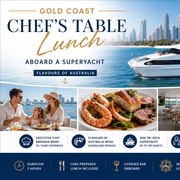
Gold Coast: Chef's Table – Flavours of Australia Australia Discover the Flavours of Australia aboard the 30m Mermaid Spirit. Enjoy Executive Chef Brendan Ward's signature menu while cruising the spectacular Gold Coast Broadwater. From $99. Check current availability, inclusions and booking conditions.
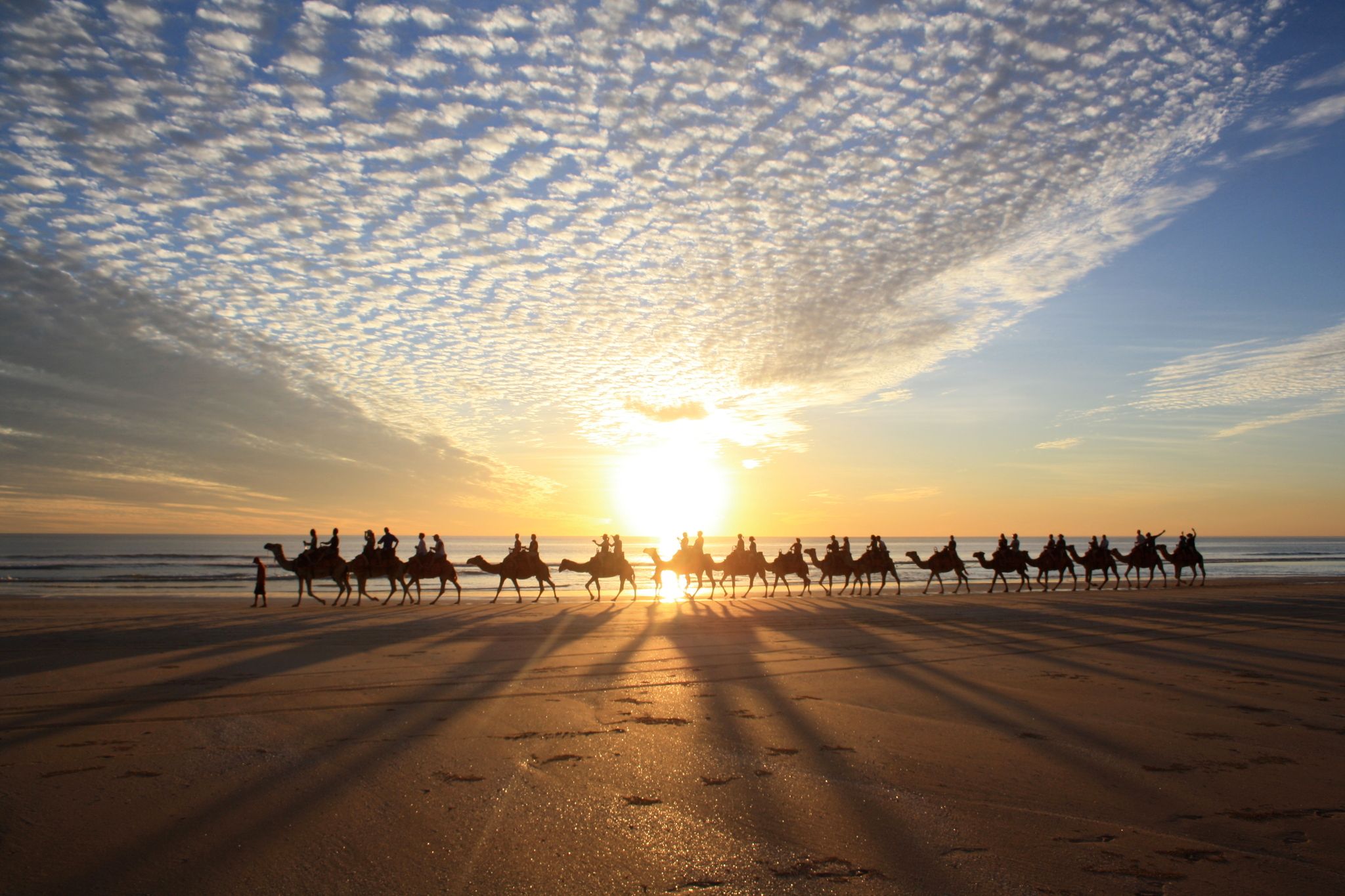
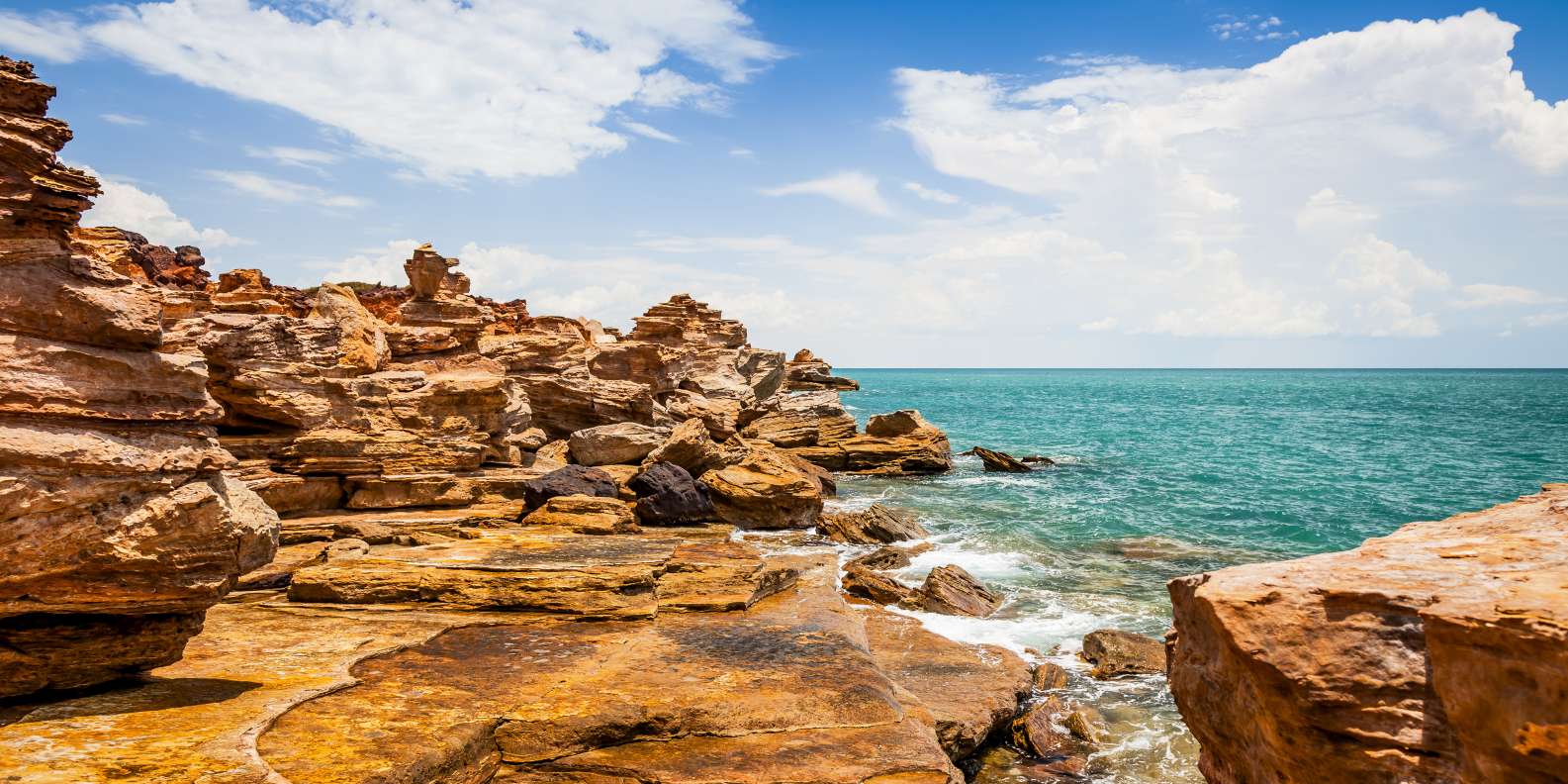
The BEST Things to Do in Broome, Australia - Top Activities in 2026 | GetYourGuide Australia Find the best-reviewed things to do in Broome, Australia for 2026. From prices and availability to skip-the-line options, get all the information you need to make the most of your trip. Check current availability, inclusions and booking conditions.
From Brisbane: Australia Zoo Transfer and Entry Ticket Australia Enjoy the magic of the Australia Zoo on a day trip with entry tickets and transportation from Brisbane. See Australia's iconic wildlife through the zoo's interactive attractions and… Check current availability, inclusions and booking conditions.