Paraw sailing in the Philippines is one of the most beautiful and memorable ways to experience the sea. A paraw is a traditional Filipino double-outrigger sailing boat, usually recognised by its slim hull, side floats and striking triangular sails. Instead of relying on a noisy motor, a paraw uses the wind, making the ride feel quieter, slower and more connected to the water.
The most famous place for visitors to try paraw sailing is Boracay, where colourful sailboats glide across the water near White Beach, especially at sunset. As the sky turns gold, orange and pink, the silhouette of the sails becomes one of the island’s classic scenes.
For travellers who want something simple, scenic and culturally meaningful, a paraw sail is a strong choice. It is not a high-adrenaline watersport. It is more about the breeze, the water, the view, the shape of the boat and the calm feeling of moving across the sea without engine noise.
Quick take: Musement.com offers a worldwide selection of tours and attractions
Boracay: Paraw Sailing Sunset Cruise with Guide Philippines A paraw sailing tour in Boracay lets you cruise along crystal-clear waters on a traditional sailboat while enjoying stunning sunset views
Why Try Paraw Sailing in the Philippines?
Paraw sailing is worth trying because it combines scenery, tradition and a gentle sense of adventure. It gives you a different view of the coastline without needing to snorkel, dive, paddle or join a long island-hopping tour.
In Boracay, paraw sailing is especially popular at sunset. You sit on the boat or netting beside the outrigger while the crew handles the sail. The boat moves with the wind, the island slowly recedes behind you, and the colours of the sunset reflect across the water.
Paraw sailing is best for:
Couples looking for a romantic sunset activity
Families wanting a short, scenic boat experience
Travellers who prefer calm activities over adrenaline sports
Visitors interested in traditional Filipino maritime culture
People who want a quiet alternative to motorised island tours
First-time Boracay visitors looking for an iconic experience
What Is a Paraw?
A paraw is a traditional Filipino sailing boat with two outriggers. The outriggers help balance the boat on the water, while the sail catches the wind and moves the vessel forward. In many modern tourism settings, the boat is adapted for visitors, with seating or netting where passengers can sit and enjoy the ride.
Paraws are strongly associated with the Visayas and island communities of the Philippines. Before tourism became dominant in places like Boracay, these boats were used for fishing, transport and local coastal life. Today, paraw sailing is both a tourism experience and a reminder of the country’s seafaring heritage.
Key features of a paraw
Double outriggers – side floats help stabilise the boat.
Sail-powered movement – the boat moves with the wind rather than an engine.
Shallow hull – useful for tropical island waters and beach launching.
Open-air experience – passengers feel the breeze, spray and sun directly.
Distinctive sails – the triangular sails create the classic Boracay sunset silhouette.
Local crew – skilled sailors handle steering, balance and sail positioning.
Best Places for Paraw Sailing in the Philippines
Paraw sailing is most strongly marketed to visitors in Boracay, but paraw culture is part of a wider Filipino maritime tradition. Other island areas may have traditional outrigger sailing or local sailboat experiences, though availability depends on local operators, season and tourism development.
Destination
Best For
Traveller Notes
Boracay
Sunset paraw sailing, easy booking, iconic photos
The best-known visitor-friendly paraw sailing destination.
Iloilo
Paraw heritage and regatta culture
Known for the Paraw Regatta tradition rather than casual daily tourist sailing.
Palawan
Traditional sailing routes and expedition-style travel where available
More specialised; check operators carefully.
Cebu and nearby islands
Island boat culture and outrigger travel
More commonly associated with motorised bangka tours than classic paraw sailing.
Local Visayan islands
Traditional boat culture
Availability varies and may not be set up as a standard tourist activity.
For most travellers searching for paraw sailing in the Philippines, Boracay is the easiest and most reliable place to book the experience.
Boracay Paraw Sailing
Boracay paraw sailing is the classic version of the experience. The boats usually depart from the White Beach area or nearby meeting points, depending on the operator, weather and beach regulations. Many visitors book a short late-afternoon or sunset sail.
The ride is simple but beautiful. You board from shallow water, sit on the boat or side netting, and sail along the coast as the sun moves toward the horizon. The best part is the feeling of quiet movement: no loud engine, no complicated schedule, just wind, water and the view back toward Boracay.
Why Boracay is the best-known paraw destination
White Beach has wide sunset views over the water.
Paraw boats are part of Boracay’s visual identity.
Short sailing trips are easy to fit into an afternoon.
There are many operators and online booking options.
It suits couples, families, solo travellers and small groups.
The activity is photogenic without needing special equipment.
Daytime vs sunset paraw sailing in Boracay
Option
Best For
Advice
Daytime sail
Clear water, beach views, fewer sunset crowds
Good if you want brighter photos and a cheaper or more flexible slot.
Late afternoon sail
Soft light, less harsh sun, relaxed mood
Best balance if sunset times are heavily booked.
Sunset sail
Romance, classic photos, golden sky
Most popular and often the best overall experience.
Private sail
Couples, families, groups, special occasions
Costs more but gives a more personal experience.
What to Expect on a Paraw Sail
Most paraw sailing experiences are short and relaxed. In Boracay, many visitor bookings last around 30 minutes, though some operators may offer longer private trips or customised sailing. You usually meet at a beach location, check in with the operator, wade through shallow water to board, and sit along the boat or netting while the crew handles the sailing.
You should expect to get at least a little wet when boarding or while sailing. Keep phones, cameras and valuables in a dry bag. The ride can feel peaceful in calm wind, but it can also feel splashy or bouncy depending on sea conditions.
What may be included
Paraw boat ride with local crew
Life jackets
Short sailing route along the coast
Sunset viewing if booked at the right time
Private group option on some bookings
Basic assistance boarding and disembarking
Photos by crew or guide only if clearly included
What may not be included
Hotel pickup unless stated
Professional photography
Drinks or snacks
Dry bags
Towels
Waterproof phone cases
Insurance beyond the operator’s standard cover
Best Time to Go Paraw Sailing
The best time for paraw sailing is usually late afternoon, especially if you want sunset views. In Boracay, sunset is the most popular time because the boats create beautiful silhouettes against the sky.
Weather matters. Paraw sailing depends on wind and safe sea conditions. If the weather is poor, operators may delay, change or cancel rides. Always follow local safety advice, especially during rough seas or strong wind.
Season / Time
What to Expect
Tip
Dry season
Better chance of calm weather and clear sunsets
Book ahead because Boracay is busier.
Rainy season
More variable weather and possible cancellations
Keep your schedule flexible.
Midday
Bright light and stronger heat
Use sun protection and bring water.
Late afternoon
Softer light and cooler air
Good for photos and comfort.
Sunset
Most scenic and romantic
Book early and arrive on time.
Who Is Paraw Sailing Best For?
Couples
Paraw sailing is one of Boracay’s simplest romantic experiences. Choose a private sunset sail if you want a quieter moment away from the busy beach.
Families
Families can enjoy paraw sailing if children are comfortable around water and can follow safety instructions. Always check age rules, life jacket availability and sea conditions.
Solo travellers
Solo travellers can join a shared booking if available or book a private sail if they want the experience for photos and quiet time. Prices may be less economical for one person.
Older travellers
Older travellers may enjoy the calm scenery, but boarding can involve wading through water and stepping onto a moving boat. Check access carefully before booking.
Photographers
Sunset is best for silhouette photos, but daytime is better for clear sail colours and blue water. Bring waterproof protection for your camera or phone.
Safety and Practical Tips
Paraw sailing is generally a gentle activity, but it still takes place on open water. Safety depends on weather, crew skill, boat condition and passenger behaviour. Choose a reputable operator and follow instructions.
Before boarding
Check weather and sea conditions.
Confirm the meeting point and departure time.
Wear clothing that can get wet.
Put valuables in a dry bag.
Ask for a life jacket and wear it correctly.
Remove loose hats or secure them well.
Check whether children are allowed and what safety gear is provided.
During the sail
Sit where the crew tells you to sit.
Do not stand suddenly or lean too far out.
Keep hands clear of ropes and moving sail parts.
Protect phones from splashes.
Listen to crew instructions when wind changes.
Avoid alcohol before boarding.
After the sail
Disembark slowly and follow the crew’s guidance.
Check you have all belongings.
Tip the crew if you feel the service was safe and helpful.
Leave no rubbish on the boat or beach.
Suggested Paraw Sailing Itinerary Ideas
Option 1: Classic Boracay Sunset Sail
Afternoon: Relax on White Beach or return to your hotel after lunch.
Late afternoon: Arrive early at the paraw meeting point.
Sunset: Sail along the coast as the sky changes colour.
Evening: Have dinner at a beachfront restaurant.
Option 2: Romantic Boracay Evening
Afternoon: Book a private paraw sail for two.
Before sailing: Bring a waterproof phone case and simple beach clothing.
Sunset: Enjoy the sail and take photos from the water.
Afterwards: Continue with dinner, cocktails or a quiet beach walk.
Option 3: Family-Friendly Paraw Experience
Morning: Spend time at a calm beach or pool.
Afternoon: Rest before the sail so children are not overtired.
Late afternoon: Join a short paraw ride with life jackets.
Evening: Keep dinner close to your hotel.
Option 4: Photography-Focused Sail
Late afternoon: Arrive early and photograph paraws on the beach.
Golden hour: Board the boat for soft light and sail silhouettes.
Sunset: Capture the sails, water reflections and horizon.
After dark: Photograph the beach with sailboats returning to shore.
Option 5: Boracay Water Activities Day
Morning: Try paddleboarding, swimming or a beach walk.
Midday: Rest during the hottest part of the day.
Afternoon: Book paraw sailing rather than another motorised activity.
Evening: Finish with sunset views and dinner by the water.
Useful Booking Resources for Paraw Sailing and Philippines Tours
Paraw sailing can be booked locally on Boracay or online before arrival. Advance booking is useful if you want a sunset slot, private boat, fixed date or smooth arrival during high season. The suppliers below are useful places to compare inclusions, meeting points and cancellation rules. Skimlinks may automatically convert these merchant links into affiliate links if the merchant is active in your Skimlinks account.
GetYourGuide – offers Boracay sunset paraw sailing, local water activities, island tours, private experiences, transfers and wider Philippines sightseeing products.
Viator – offers Boracay paraw sailing, sunset sailing products, island activities, water tours, airport transfers and customised Philippines travel experiences.
Klook – offers Boracay sunset paraw sailing, daytime paraw rides, water activities, airport transfers, Philippines tours, SIM/eSIM options and island travel add-ons.
KKday – offers Boracay paraw sailing products where available, local water activities, Philippines tours, transfers and island-hopping add-ons.
Tiqets – offers mobile-friendly tickets for attractions and activities in many destinations. It is more useful for city-based sightseeing before or after a Philippines island trip.
Musement – offers tours, activities and local experiences. It can help travellers compare Philippines sightseeing and broader Asia travel options.
G Adventures – offers small-group and multi-day Philippines tours that may include island destinations and beach experiences as part of a broader itinerary.
Go City – offers bundled city attraction passes in selected destinations. It is not a main Boracay paraw sailing booking option, but it can help readers planning multi-city stopovers before or after the Philippines.
CityPASS – offers bundled attraction passes mainly for selected North American cities. It is not designed for Boracay or the Philippines, but may suit readers planning wider international travel.
Booking tip: Before booking paraw sailing in Boracay, check whether the price includes a private or shared boat, exact duration, meeting point, life jackets, photo service, hotel pickup, cancellation rules, bad-weather policy, child pricing and the correct sunset time for your travel date.
Paraw Sailing Travel Tips
Book sunset slots early
Sunset is the most popular time for Boracay paraw sailing. Book early during high season, holidays and weekends.
Arrive before your scheduled time
Beach meeting points can be busy, and boarding may take longer than expected. Arrive at least 15 to 20 minutes early.
Wear clothes that can get wet
You may wade into shallow water to board, and waves can splash during the sail. Avoid heavy clothing, expensive shoes or anything that cannot get wet.
Bring a dry bag
A dry bag is useful for phones, wallets, hotel keys and cameras. Even calm sails can involve splashes.
Use sun protection
For daytime or late-afternoon sails, bring sunscreen, sunglasses and a hat that can be secured.
Wear a life jacket
Even if you can swim, wear the life jacket properly. Conditions can change quickly on the water.
Check the weather policy
Ask what happens if the sail is cancelled due to wind, waves or rain. Good operators should explain rescheduling or refund rules clearly.
Do not expect luxury seating
Paraws are traditional sailing boats, not luxury yachts. Seating may be simple, low and close to the water.
Tip good crew
If the crew handles the sail well, helps you board safely and gives a good experience, a tip is appreciated.
Respect the beach and water
Do not leave rubbish behind, throw anything into the sea or disturb other boats. Keep the activity low-impact.
Is Paraw Sailing in the Philippines Worth It?
Yes, paraw sailing in the Philippines is worth it, especially in Boracay at sunset. It is simple, scenic, culturally meaningful and very easy to fit into a beach holiday.
It may not suit travellers looking for speed, luxury or a long ocean expedition. The appeal is the opposite: slow wind-powered sailing, open water, island views and the timeless shape of the paraw against the sky.
The best way to enjoy it is to book a sunset sail, bring only what you need, protect valuables from water and let the crew do the work while you enjoy the breeze and the view.
FAQs About Paraw Sailing in the Philippines
What is paraw sailing?
Paraw sailing is a traditional Filipino sailing experience using a double-outrigger sailboat called a paraw. The boat is powered by wind and is especially popular with visitors in Boracay.
Where is the best place to try paraw sailing in the Philippines?
Boracay is the best-known and easiest place for visitors to try paraw sailing, especially along White Beach at sunset.
What is a paraw boat?
A paraw is a Filipino double-outrigger sailboat. It usually has a narrow hull, two side floats and triangular sails that catch the wind.
How long does Boracay paraw sailing take?
Many Boracay paraw sailing bookings last around 30 minutes, although some operators may offer longer or private customised trips.
Is paraw sailing safe?
Paraw sailing can be safe with a reputable operator, calm weather, proper life jackets and responsible passenger behaviour. Always follow crew instructions and avoid sailing in unsafe conditions.
Will I get wet during paraw sailing?
Yes, you may get wet while boarding or from sea spray during the ride. Wear suitable beach clothing and protect phones or cameras in a dry bag.
Is sunset the best time for paraw sailing?
Yes. Sunset is the most popular time because the sails look beautiful against the golden sky and the temperature is cooler than midday.
Is paraw sailing good for families?
Yes, it can be good for families, but check child age rules, life jacket sizes and sea conditions before booking.
Do paraw boats have motors?
Traditional paraws are sail-powered, though local arrangements and support boats may vary. The main appeal is the quiet wind-powered sailing experience.
Is paraw sailing worth it in Boracay?
Yes. Paraw sailing is one of Boracay’s classic experiences and is especially worthwhile at sunset for calm water, island views and memorable photos.
Sponsored Popular Items
Quick take: Musement.com offers a worldwide selection of tours and attractions
Boracay: Paraw Sailing Sunset Cruise with Guide Philippines A paraw sailing tour in Boracay lets you cruise along crystal-clear waters on a traditional sailboat while enjoying stunning sunset views
Boracay: Sunset Paraw Sailing Trip Philippines Experience a gentle sea breeze aboard a traditional bamboo paraw sailing boat in Boracay. Marvel at the crystal clear water and watch the beautiful sunset
The El Nido Islands are among the most spectacular island destinations in the Philippines. Set around Bacuit Bay in northern Palawan, El Nido is famous for limestone cliffs, turquoise lagoons, hidden beaches, coral gardens, white sand, traditional outrigger boats and dramatic island-hopping routes.
Most travellers use El Nido town as the base, then join boat tours into the surrounding islands and lagoons. The classic images of El Nido — kayaks gliding through Big Lagoon, bangka boats beside limestone cliffs, secret beaches hidden behind rock walls and palm-lined sandbars — are usually reached by island-hopping tours rather than by staying on one single island.
El Nido is beautiful, but it is no longer a secret. The most famous lagoons and beaches can get busy, especially in high season. The best experience comes from choosing the right tour, starting early, respecting marine rules and allowing enough days to enjoy more than one route.
Quick take: Musement.com offers a worldwide selection of tours and attractions
El Nido: Island Hopping Tour A: Lagoons and Beaches Philippines Discover Bacuit Bay on a shared or private boat tour in El Nido. Stop to explore the Secret Lagoon and relax on the sandy beaches at Shimizu Island and Seven Commandos
Why Visit the El Nido Islands?
El Nido is worth visiting because it offers some of the most dramatic island scenery in Southeast Asia. Limestone cliffs rise straight from clear water, lagoons glow in shades of blue and green, and many beaches feel hidden between rock walls and jungle-covered islands.
The experience is active but not difficult. You can swim, kayak, snorkel, relax on beaches, explore lagoons, join a group boat or book a private tour. El Nido is especially good for travellers who want a mix of tropical scenery, adventure, photography and easy beach time.
El Nido is best for:
Island-hopping and lagoon tours
Couples looking for romantic tropical scenery
Families wanting boat trips, beaches and snorkelling
Travellers combining Palawan with Coron or Puerto Princesa
Photographers wanting limestone cliffs, kayaks and turquoise water
Snorkellers interested in reef fish and clear water
Visitors who want a classic Philippines beach-and-boat experience
Where Are the El Nido Islands?
El Nido is in northern Palawan, Philippines. The town sits beside Bacuit Bay, which is the gateway to the surrounding islands, beaches, lagoons and limestone formations. The wider protected seascape is part of the El Nido–Taytay Managed Resource Protected Area.
Location Detail
Traveller Notes
Main base
El Nido town, northern Palawan
Main island-hopping area
Bacuit Bay
Province
Palawan, Philippines
Best known for
Lagoons, limestone cliffs, island-hopping, snorkelling and beaches
Typical access
Flight to El Nido, flight to Puerto Princesa plus road transfer, or ferry/expedition routes from Coron
Best visit style
3 to 5 nights for island hopping, beaches and rest days
El Nido can be reached by flying directly into El Nido Airport where available, travelling overland from Puerto Princesa, or combining it with Coron by ferry or multi-day island expedition. Travel time can be longer than it looks on a map, so build in buffer time before international flights.
What to Expect in El Nido
Expect a lively beach town surrounded by world-class natural scenery. El Nido town has restaurants, guesthouses, tour desks, bars, cafés, dive shops and boat departures. The town beach is useful for views and departures, but the best swimming and scenery are usually found on island-hopping tours or nearby beaches such as Nacpan, Las Cabanas and Lio.
Island-hopping is the main activity. Most tours use traditional Filipino bangka outrigger boats. A typical day may include lagoon stops, snorkelling, beach time, lunch on board or on an island, and swimming in shallow turquoise water.
What you may find
Limestone cliffs and karst islands
Big Lagoon, Small Lagoon and Secret Lagoon-style scenery
White-sand beaches and hidden coves
Snorkelling spots with reef fish and coral areas
Kayak rentals at selected lagoons
Shared and private island-hopping boats
Eco-tourism fees and lagoon access rules
Busy high-season crowds at famous stops
Beachfront restaurants, bars and sunset spots
What not to expect
Do not expect the famous lagoons to be empty unless you book carefully and start early.
Do not expect every tour operator to offer the same quality of boat, guide or lunch.
Do not expect perfect weather every day, even in the dry season.
Do not touch coral, feed fish or stand on reef areas.
Do not assume all lagoons are included in every tour, as access rules and permits can change.
El Nido Island-Hopping Tours Explained
El Nido island-hopping is commonly organised into four standard routes: Tour A, Tour B, Tour C and Tour D. Each route visits different beaches, lagoons, caves or snorkelling spots. Exact stops may vary depending on weather, permits, crowd control, tide and operator arrangements.
Tour
Typical Highlights
Best For
Tour A
Big Lagoon, Secret Lagoon, Shimizu Island, Seven Commandos Beach and nearby lagoon/beach stops
First-time visitors, classic lagoon scenery, kayaking and iconic photos
Tour B
Snake Island sandbar, caves, Entalula-style beaches and quieter island stops
Caves, sandbars, fewer crowds and varied landscapes
Tour C
Hidden Beach, Secret Beach, Matinloc area, Helicopter Island and open-sea beaches
Dramatic scenery, snorkelling, hidden beaches and adventurous swimming
Tour D
Cadlao Lagoon, Small Lagoon-style scenery, quiet beaches and closer island stops
Quieter routes, relaxed swimming and less rushed island-hopping
Tour A is usually the classic first choice because it covers the most famous lagoon scenery. Tour C is often the next favourite for hidden beaches and dramatic cliffs. Tour B is good for travellers who like caves and sandbars, while Tour D suits people wanting a quieter day.
Shared boat or private boat?
Shared boat: cheaper, social and easy to book, but less flexible.
Private boat: more expensive, better for families and couples, and often more flexible with timing.
Speedboat: useful if you want to cover more distance quickly, but usually costs more.
Multi-day expedition: best for travellers continuing between El Nido and Coron.
Best Places to Visit Around the El Nido Islands
Big Lagoon
Big Lagoon is one of El Nido’s most iconic sights. Visitors usually enter by kayak or small boat through clear water surrounded by high limestone cliffs. It is popular, photogenic and one of the main reasons travellers book Tour A.
Small Lagoon
Small Lagoon is known for calm water enclosed by limestone walls. Access often involves kayaking or swimming through a narrow opening, depending on conditions and current rules. It feels more intimate than Big Lagoon when not crowded.
Secret Lagoon
Secret Lagoon is hidden behind a rock opening and is usually reached by swimming or stepping through a small entrance depending on tide and conditions. It is a fun stop, but it can queue during peak tour hours.
Shimizu Island
Shimizu Island is a popular snorkelling and lunch stop on many Tour A routes. It has clear water, limestone scenery and reef areas, though snorkelling conditions depend on weather and water clarity.
Seven Commandos Beach
Seven Commandos Beach is a palm-lined beach with soft sand, clear water and a relaxed end-of-tour feel. It is easy to enjoy even if you are not a strong swimmer.
Snake Island
Snake Island is famous for its sandbar, which curves through shallow water like a snake. It is commonly associated with Tour B and is best seen at the right tide.
Hidden Beach
Hidden Beach is tucked behind limestone formations and is one of the scenic highlights of Tour C. Access may involve swimming through shallow water, so check conditions before entering.
Secret Beach
Secret Beach is a small beach enclosed by limestone cliffs. It is often reached through an opening in the rocks when conditions allow. Visitors should only enter when guides confirm it is safe.
Helicopter Island
Helicopter Island gets its nickname from its shape. It is often included in Tour C and is known for beach time, snorkelling and dramatic coastal views.
Cadlao Lagoon
Cadlao Lagoon is a beautiful lagoon area near Cadlao Island and is often linked with quieter Tour D routes. It is a good option if you want lagoon scenery with fewer crowds than Tour A.
Best Beaches Near El Nido
Nacpan Beach
Nacpan Beach is one of the best land-accessible beaches near El Nido. It has a long stretch of sand, coconut palms, relaxed beach bars and a more open coastal feel than the lagoon tours. It is good for a rest day away from the boats.
Las Cabanas Beach
Las Cabanas Beach, near Marimegmeg, is one of the easiest sunset beaches from El Nido town. It has beach bars, restaurants and a classic west-facing sunset view.
Lio Beach
Lio Beach is a more polished beach area near El Nido Airport, with resorts, restaurants, cafés and a cleaner planned-development feel. It suits travellers who want comfort and easier facilities.
Corong-Corong Beach
Corong-Corong is useful for accommodation, sunsets and boat views. It is less dramatic than the island-hopping lagoons but convenient for travellers who want a quieter base than El Nido town centre.
El Nido Town Beach
The town beach is scenic for views and boat departures, but it is not the best swimming beach. Use it for photos, sunsets, restaurants and tour access rather than expecting a quiet beach escape.
Best Things to Do in El Nido
1. Take an island-hopping tour
This is the essential El Nido experience. Start with Tour A if it is your first visit, then add Tour C, B or D depending on your interests and time.
2. Kayak through the lagoons
Kayaking gives you a slower, quieter way to experience Big Lagoon, Small Lagoon or Cadlao Lagoon. It is also better for photos and for appreciating the scale of the cliffs.
3. Go snorkelling
El Nido has snorkelling stops with reef fish, coral patches and clear water. Conditions vary, and reef health is not the same everywhere, so follow guide instructions and avoid damaging marine life.
4. Visit Nacpan Beach
Nacpan is a good land-based day trip when you want a break from boat tours. It is also useful if weather makes island-hopping less appealing.
5. Watch sunset at Las Cabanas
Las Cabanas is one of the easiest places for a relaxed sunset drink, beach walk or casual dinner near El Nido.
6. Try a private boat tour
A private tour is ideal for couples, families, photographers or anyone who wants more control over the day. It can also help avoid peak crowds if the operator plans the route well.
7. Dive around El Nido
El Nido has dive shops and sites around Bacuit Bay. Diving conditions vary by season and weather, so choose a reputable operator and check certification requirements.
8. Join a multi-day expedition to Coron
Travellers with more time can join a multi-day boat expedition between El Nido and Coron. These trips are more rustic but can be unforgettable, with remote beaches, snorkelling and island camps.
9. Explore El Nido town
El Nido town has cafés, restaurants, bars, shops and tour desks. It is not as beautiful as the islands, but it is convenient and lively.
10. Respect the protected area
El Nido’s beauty depends on careful protection. Use reef-safe behaviour, take rubbish back to town, avoid single-use plastics where possible and follow all lagoon and marine rules.
Suggested El Nido Itinerary Ideas
Option 1: Simple 3-Day El Nido Plan
Day 1: Arrive in El Nido, settle in and watch sunset at Las Cabanas or Corong-Corong.
Day 2: Join Tour A for Big Lagoon, Secret Lagoon, Shimizu Island and Seven Commandos Beach-style highlights.
Day 3: Visit Nacpan Beach or take Tour C if you want more island-hopping.
Option 2: Classic 4-Night First Visit
Day 1: Arrive and explore El Nido town.
Day 2: Take Tour A for the famous lagoons.
Day 3: Take Tour C for hidden beaches and dramatic island scenery.
Day 4: Rest at Nacpan Beach or Lio Beach.
Day 5: Depart or continue to Coron, Puerto Princesa or another Palawan destination.
Option 3: Quieter El Nido Route
Day 1: Stay in Corong-Corong or Lio rather than central El Nido town.
Day 2: Book a private Tour D or quieter lagoon route.
Day 3: Visit Nacpan Beach and avoid the busiest boat-tour schedule.
Day 4: Take Tour B for caves, sandbars and less crowded scenery.
Option 4: Family-Friendly El Nido Plan
Day 1: Arrive, rest and choose an easy sunset beach.
Day 2: Book a private Tour A with a reputable operator and clear safety arrangements.
Day 3: Have a low-effort beach day at Nacpan, Lio or Las Cabanas.
Day 4: Choose another gentle tour or rest before travelling onward.
Option 5: El Nido and Coron Adventure
Days 1–3: Stay in El Nido and do Tour A plus Tour C.
Days 4–6: Join a multi-day expedition toward Coron, stopping at remote islands and snorkelling sites.
Days 7–8: Explore Coron’s lagoons, lakes and wreck-diving sites.
Beautiful but farther from town and island-hopping departures.
Island resorts
Luxury, privacy and special occasions
More expensive but closer to the dramatic island scenery.
For a first visit, El Nido town or Corong-Corong is practical. For comfort and families, Lio Beach can be easier. For romance and quiet, consider Las Cabanas, Nacpan or an island resort.
Useful Booking Resources for El Nido Island Hopping and Palawan Tours
El Nido island-hopping can be booked locally or online, but advance booking is useful during high season, for private boats, multi-day expeditions, speedboat tours and airport transfers. The suppliers below are useful places to compare routes, inclusions and cancellation rules. Skimlinks may automatically convert these merchant links into affiliate links if the merchant is active in your Skimlinks account.
GetYourGuide – offers El Nido island-hopping tours, Tour A and Tour C options, speedboat tours, private boat trips, snorkelling experiences, transfers and wider Palawan activities.
Viator – offers shared and private El Nido island-hopping tours, beach hopping, snorkelling trips, multi-stop Palawan itineraries, airport transfers and customisable private tours.
Klook – offers El Nido Tour A, Tour B, Tour C and Tour D products, airport transfers, Philippines activities, SIM/eSIM options and Palawan travel add-ons.
KKday – offers island-hopping tours, local activities, attraction tickets, transfers and Philippines travel products depending on current availability.
Tiqets – offers mobile-friendly tickets for attractions and activities in many destinations. It is more useful for city-based sightseeing before or after a Palawan trip.
Musement – offers tours, attraction tickets, cultural activities and local experiences. It can help travellers compare Philippines sightseeing and broader Asia travel options.
G Adventures – offers small-group and multi-day Philippines tours that may include Palawan, El Nido or island-hopping routes as part of a broader itinerary.
Go City – offers bundled city attraction passes in selected destinations. It is not a main El Nido booking option, but it can help readers planning multi-city stopovers before or after the Philippines.
CityPASS – offers bundled attraction passes mainly for selected North American cities. It is not designed for Palawan, but may suit readers planning wider international travel.
Booking tip: Before booking an El Nido island-hopping tour, check whether the price includes lunch, drinking water, snorkel gear, kayak rental, lagoon entry, eco-tourism fees, hotel pickup, guide service, dry bag, towel, insurance, child pricing, cancellation rules and exact departure point. Do not assume every operator includes the same extras.
El Nido Travel Tips
Book at least one island-hopping tour early
Tour A and Tour C are the classic routes and can fill quickly in high season. Book early if your dates are fixed.
Choose private if you want flexibility
A private boat costs more, but it can be worth it for families, couples, photographers or travellers who dislike crowded shared tours.
Bring a dry bag
You will get wet boarding boats, kayaking and moving between beaches. A dry bag protects phones, cameras, passports and towels.
Use reef-safe behaviour
Do not stand on coral, touch marine life, take shells or feed fish. El Nido’s beauty depends on responsible tourism.
Check weather and sea conditions
Boat tours can be changed or cancelled due to wind, waves or safety conditions. Keep one flexible day in your itinerary.
Wear water shoes or secure sandals
Some beaches and lagoon entries have sharp rocks, shells or slippery surfaces. Water shoes can be very useful.
Bring cash
Some small operators, kayak rentals, food stalls and local transport may prefer cash. ATMs can be busy or unreliable during peak periods.
Protect yourself from the sun
Use sunscreen, hat, sunglasses, rash guard and plenty of water. Sun exposure is strong on boats and beaches.
Stay more than two nights
A rushed one-night stay is not enough. Aim for at least three nights, and four or five nights if you want multiple tours plus a rest day.
Plan your onward travel carefully
Transfers to Puerto Princesa, Coron or other destinations can take time. Avoid booking tight same-day connections after a boat tour.
Are the El Nido Islands Worth Visiting?
Yes, the El Nido Islands are absolutely worth visiting if you want dramatic limestone scenery, turquoise lagoons, hidden beaches, snorkelling and some of the most memorable island-hopping in the Philippines.
The area is popular, and the famous stops can be crowded, but the scenery remains extraordinary. The key is to plan well: choose the right tour, avoid overpacking your days, book a reputable operator and respect the protected marine environment.
For most first-time visitors, the ideal plan is three to five nights: one classic Tour A day, one Tour C or quieter tour day, one land-based beach day at Nacpan or Las Cabanas, and enough time to enjoy El Nido town without rushing.
FAQs About the El Nido Islands
Where are the El Nido Islands?
The El Nido Islands are around Bacuit Bay in northern Palawan, Philippines. Most visitors stay in El Nido town and join island-hopping tours to nearby lagoons, beaches and limestone islands.
What is El Nido famous for?
El Nido is famous for limestone cliffs, turquoise lagoons, island-hopping tours, hidden beaches, snorkelling, Big Lagoon, Small Lagoon, Secret Lagoon and the dramatic scenery of Bacuit Bay.
Which El Nido island-hopping tour is best?
Tour A is usually the best first choice because it includes the most famous lagoon scenery. Tour C is also very popular for hidden beaches and dramatic island landscapes.
How many days do you need in El Nido?
Allow at least three nights. Four or five nights is better if you want two island-hopping tours, a beach day and some flexibility for weather.
Is El Nido good for families?
Yes, El Nido can be good for families, especially with a private boat tour and careful planning. Choose reputable operators, check life jackets and avoid rough-sea days with young children.
Can you visit El Nido from Puerto Princesa?
Yes, but the road transfer from Puerto Princesa to El Nido takes several hours. It is better to stay in El Nido rather than attempting a rushed same-day visit.
Is El Nido better than Coron?
El Nido is usually better for classic island-hopping, lagoons and limestone beaches. Coron is better for wreck diving, Kayangan Lake, Twin Lagoon and a more rugged island feel. Many travellers visit both.
What is the best time to visit El Nido?
The drier months are generally better for island-hopping, calmer seas and clearer water. Weather can still change, so keep some flexibility in your plans.
Do you need to book El Nido island-hopping in advance?
Advance booking is recommended in high season, for private tours, speedboats, popular lagoon routes and multi-day expeditions. Local booking is also possible if your schedule is flexible.
Is El Nido worth visiting?
Yes. El Nido is one of the most beautiful island-hopping destinations in the Philippines, especially for travellers who enjoy lagoons, beaches, limestone cliffs, snorkelling and boat-based adventure.
Sponsored Popular Items
Quick take: Musement.com offers a worldwide selection of tours and attractions
El Nido: Island Hopping Tour A: Lagoons and Beaches Philippines Discover Bacuit Bay on a shared or private boat tour in El Nido. Stop to explore the Secret Lagoon and relax on the sandy beaches at Shimizu Island and Seven Commandos
El Nido: Hidden Beaches and Lagoons Boat Hopping Tour D Philippines Explore the hidden gems of El Nido on a cruise with free time for swimming, snorkeling, and kayaking. Spend a day in paradise while visiting up to three sandy beaches and two beautiful lagoons
Qingdao Beer Museum, also known as the Tsingtao Beer Museum or 青岛啤酒博物馆, is one of Qingdao’s most famous attractions. Set inside the historic Tsingtao Brewery site on Dengzhou Road, the museum tells the story of China’s best-known beer brand, its German-influenced origins, brewing technology, old factory buildings, modern production lines and beer culture.
The museum is more than a simple brand display. It sits on the birthplace of Tsingtao Brewery, which dates back to 1903, and combines industrial heritage, brewing science, historic photographs, old equipment, tasting rooms, modern interactive displays and souvenir shopping. For many visitors, it is one of the easiest ways to understand why Qingdao is so closely associated with beer.
Quick take: Musement.com offers a worldwide selection of tours and attractions
Brisbane: XXXX Beer Brewery Tour and Beer Tasting Australia Learn about famous Four X beer on this 90-minute Brisbane brewery tour. Explore 136 years of heritage, discover beer-making processes, master the perfect pour & taste fresh beers on tap! Check current availability, inclusions and booking conditions.
Qingdao itself is a coastal city famous for beaches, red-roofed European-style architecture, seafood, sailing, German colonial-era buildings and the annual Qingdao International Beer Festival. A visit to the Beer Museum fits naturally into a city itinerary that includes Zhanqiao Pier, Badaguan Scenic Area, St Michael’s Cathedral, May Fourth Square and the old town.
Why Visit Qingdao Beer Museum?
Qingdao Beer Museum is worth visiting because it connects several parts of the city’s identity in one place: European-influenced architecture, industrial history, local food culture, brewing technology and the global story of Tsingtao beer. Even travellers who are not serious beer drinkers can enjoy the old red-brick buildings, historical displays and production-line experience.
The museum is especially interesting because it is located on the original brewery site. That gives the visit a stronger sense of place than a standard exhibition. You are not just reading about Tsingtao beer; you are walking through the brewery’s historic home.
Qingdao Beer Museum is best for:
First-time visitors to Qingdao
Travellers interested in industrial heritage and brewing history
Beer lovers who want to taste fresh Tsingtao beer at the source
Visitors exploring Qingdao’s old German-influenced architecture
Families wanting a light museum stop, noting alcohol tastings are for adults
Photographers looking for red-brick factory buildings and retro beer displays
Travellers combining the museum with Dengzhou Road Beer Street
Where Is Qingdao Beer Museum?
Qingdao Beer Museum is located at No. 56 Dengzhou Road, Shibei District, Qingdao, Shandong Province, China. This is the historic birthplace of Tsingtao Brewery and one of the city’s most recognisable industrial heritage sites.
Location Detail
Traveller Notes
English name
Qingdao Beer Museum / Tsingtao Beer Museum
Chinese name
青岛啤酒博物馆
Address
No. 56 Dengzhou Road, Shibei District, Qingdao
Brand
Tsingtao Brewery / 青岛啤酒
Recommended visit time
About 2 to 3 hours for most visitors
Best visit style
History museum, brewery tour, beer tasting, food-and-drink outing or Qingdao old-town itinerary
When using maps, taxis or ride-hailing apps, the Chinese name 青岛啤酒博物馆 is useful. The museum is close to beer-themed restaurants and bars around Dengzhou Road, making it easy to continue into a casual food and drink stop after the visit.
Tsingtao Brewery History
Tsingtao Brewery was founded in Qingdao in 1903, during a period when the city was strongly influenced by German colonial presence and European brewing methods. Over time, Tsingtao became one of China’s most internationally recognised beer brands and remains closely tied to Qingdao’s city identity.
The museum uses historic buildings, old photographs, brewing equipment and factory displays to explain how the brewery developed from an early industrial enterprise into a major Chinese brand. The site’s European-style red-brick architecture also gives visitors a strong visual reminder of Qingdao’s early 20th-century history.
Why the history matters
It links Qingdao’s colonial-era architecture with modern Chinese industry.
It shows how beer culture became part of the city’s identity.
It helps explain why Qingdao hosts one of China’s best-known beer festivals.
It gives context to the Tsingtao brand beyond the bottle label.
It preserves one of the city’s most famous industrial heritage sites.
What to Expect Inside Qingdao Beer Museum
Expect a museum-style route through historic brewery buildings, exhibition halls, production displays, tasting areas and souvenir zones. The visit usually includes a mixture of history, brewing science, brand development, old equipment and modern beer culture.
Some sections focus on the brewery’s past, while others show how beer is made. Visitors may see copper brewing vessels, fermentation-related displays, bottling or production-line areas, old advertising, packaging history, medals, vintage photographs and interactive exhibits.
What you may find
Historic red-brick brewery buildings
Old brewing equipment and copper vessels
Exhibits about Tsingtao Brewery’s 1903 origins
Brewing process displays
Modern production-line viewing areas where operating
Fresh beer tastings included in some ticket types
Beer-themed interactive displays
Souvenir shop with branded gifts and beer-related items
Photo spots around the courtyard and factory buildings
What not to expect
Do not expect every ticket to include the same tasting or food package.
Do not expect production lines to operate visibly at every moment.
Do not assume English explanations are equally detailed in every section.
Do not expect children or underage visitors to participate in beer tastings.
Do not rely on old opening-hour information without checking current ticket listings.
Best Things to Do at Qingdao Beer Museum
1. Photograph the historic brewery buildings
The museum’s red-brick buildings, clock tower, arched windows and giant rooftop Tsingtao beer cans are some of the most recognisable sights in Qingdao. The exterior alone is worth photographing before you enter.
2. Learn how Tsingtao beer is made
The brewing displays explain the main stages of beer production, including ingredients, brewing, fermentation, filtration, bottling and packaging. This is useful even if you only have a casual interest in beer.
3. Explore the old factory atmosphere
Part of the appeal is walking through a real historic brewery site. Look for old machinery, factory details, brickwork, industrial design and heritage architecture.
4. Try fresh Tsingtao beer if eligible
Many visitors come for the tasting experience. Depending on your ticket, you may sample fresh draft beer or other Tsingtao-style tasting options. Drink responsibly and check age rules before booking.
5. Visit the souvenir shop
The museum shop is useful for branded gifts, beer glasses, bottle openers, snacks, packaging-themed souvenirs and Qingdao beer-related items. Prices and stock vary.
6. Continue to Dengzhou Road Beer Street
After the museum, many visitors walk toward the nearby beer street area for seafood, snacks, draft beer and a more casual Qingdao food-and-drink atmosphere.
7. Visit during the Qingdao Beer Festival season
If your trip overlaps with Qingdao’s beer festival season, the museum can help explain why the event is so strongly connected to the city. Expect larger crowds and book accommodation early during peak dates.
8. Combine it with Qingdao’s old town
The museum pairs well with Qingdao’s German-influenced old town, St Michael’s Cathedral, Zhanqiao Pier and the older streets around Shinan and Shibei districts.
Beer Tastings and Visitor Experience
Beer tasting is one of the most popular parts of the Qingdao Beer Museum experience. Depending on the ticket and current rules, visitors may receive samples such as fresh draft beer, original brewery beer or other tasting portions. Some premium tickets may include more elaborate tasting or food-pairing options.
Because ticket packages can change, check exactly what is included before booking. A basic ticket may not include the same tastings as a premium ticket, and some packages may be limited by age, time or availability.
Before booking, check:
Whether beer tastings are included
How many tastings are included
Whether food or snacks are included
Whether ID is required
Whether underage visitors can enter but not taste
Whether premium or VIP ticket options are available
Whether language support or guided commentary is included
Whether the ticket is valid for a fixed time slot
Responsible travel note: If you plan to taste beer, do not drive afterwards. Use metro, taxi, ride-hailing, public transport or a private driver.
Dengzhou Road and Qingdao Beer Street
The streets around the museum are strongly associated with Qingdao beer culture. Dengzhou Road and nearby beer-themed dining areas are popular for casual meals, seafood and draft beer after visiting the museum.
This area can feel touristy, but it is convenient and atmospheric if you want to keep the beer theme going. It is also a practical place to try Qingdao seafood dishes, grilled snacks, dumplings or local-style meals.
What to do after the museum
Try local seafood with draft beer if you drink alcohol.
Look for restaurants serving clams, prawns, grilled squid or fish dishes.
Walk the beer-themed streets for photos.
Buy non-alcoholic snacks or souvenirs if travelling with children.
Use a translation app to check menus and prices before ordering.
As in any busy tourist dining area, check prices before sitting down, especially for seafood sold by weight.
Things to Do Near Qingdao Beer Museum
Qingdao Beer Street
Qingdao Beer Street is the natural add-on after the museum. It offers beer-themed dining, seafood restaurants, snacks and evening atmosphere close to the historic brewery.
Zhanqiao Pier
Zhanqiao Pier is one of Qingdao’s classic coastal landmarks, with sea views, the Huilan Pavilion and access to older city scenery. It pairs well with the museum as part of an old Qingdao itinerary.
St Michael’s Cathedral
St Michael’s Cathedral is one of Qingdao’s most recognisable European-style landmarks. It reflects the city’s German-influenced architecture and is useful for photography.
Signal Hill Park
Signal Hill Park offers views over Qingdao’s red-roofed old town and coastline. It is a good place to understand the city’s layout from above.
Badaguan Scenic Area
Badaguan is famous for leafy streets, villas, international architectural styles and seaside walks. It is one of Qingdao’s most pleasant areas for a slower afternoon.
May Fourth Square
May Fourth Square is a modern waterfront landmark with open public space, sea views and the famous red sculpture. It contrasts strongly with the older brewery area.
Qingdao Olympic Sailing Center
The Olympic Sailing Center is useful for waterfront walks, sailing culture, skyline views and evening lights along the coast.
Qingdao International Beer Festival venues
If visiting during festival season, check current event sites, dates and transport. The festival is separate from the museum but strongly linked with Qingdao’s beer identity.
Suggested Qingdao Beer Museum Itinerary Ideas
Option 1: Simple Museum and Beer Street Visit
Morning or afternoon: Arrive at Qingdao Beer Museum with your ticket and ID.
Museum visit: Spend 2 to 3 hours exploring the historic buildings, brewing displays and tasting areas.
Afterwards: Walk to nearby beer street for snacks, seafood or a casual meal.
Evening: Return to your hotel by metro, taxi or ride-hailing.
Option 2: Old Qingdao Cultural Day
Morning: Visit St Michael’s Cathedral and the old town streets.
Midday: Walk or transfer to Qingdao Beer Museum.
Afternoon: Explore the museum and tasting rooms.
Late afternoon: Continue to Signal Hill Park or Zhanqiao Pier.
Evening: Eat seafood near the old town or beer street area.
Option 3: Coastal and Beer Culture Route
Morning: Visit Zhanqiao Pier and the waterfront.
Lunch: Eat seafood or local noodles.
Afternoon: Visit Qingdao Beer Museum.
Evening: Travel to May Fourth Square or the Olympic Sailing Center for night views.
Option 4: Family-Friendly Qingdao Day
Morning: Visit a coastal attraction or aquarium-style stop.
Afternoon: Visit the Beer Museum for the history and factory displays, skipping tastings for children.
Late afternoon: Choose a simple restaurant nearby.
Evening: Keep the schedule light and return to the hotel early.
Option 5: Beer Festival Season Visit
Morning: Visit Qingdao Beer Museum to understand the city’s beer heritage.
Afternoon: Rest at your hotel or explore Badaguan.
Evening: Visit current Qingdao Beer Festival venues if operating.
Late night: Use public transport, taxi or ride-hailing rather than driving.
Useful Booking Resources for Qingdao Beer Museum and Qingdao Tours
Qingdao Beer Museum is a ticketed attraction, and advance booking can be helpful during weekends, holidays, summer travel season and Qingdao Beer Festival periods. Booking platforms can also help with Qingdao city tours, private guides, old-town routes, coastal sightseeing, food tours and transport. The suppliers below are useful places to compare travel products. Skimlinks may automatically convert these merchant links into affiliate links if the merchant is active in your Skimlinks account.
GetYourGuide – offers Qingdao city tours, private guides, brewery-related experiences, food tours, coastal sightseeing and broader China travel activities where available.
Viator – offers private Qingdao tours, Tsingtao Beer Museum itineraries, old-town sightseeing, coastal routes, airport transfers and customisable city experiences.
Klook – offers China-focused attraction tickets, Tsingtao Beer Museum tickets where available, transport products, SIM/eSIM options and Qingdao travel activities.
KKday – offers Qingdao Beer Museum ticket options where available, local tours, attraction tickets, transport services and China travel add-ons.
Tiqets – offers mobile-friendly tickets for museums, landmarks and attractions. It is useful for ticket-led sightseeing in major cities before or after Qingdao.
Musement – offers city tours, attraction tickets, cultural activities and local experiences. It can help travellers compare China sightseeing and broader Asia travel options.
G Adventures – offers small-group and multi-day adventure tours. It is best suited to travellers planning a broader China itinerary rather than a standalone Qingdao Beer Museum visit.
Go City – offers bundled city attraction passes in selected destinations. It is not a main Qingdao booking option, but it can help readers planning multi-city stopovers before or after China.
CityPASS – offers bundled attraction passes mainly for selected North American cities. It is not designed for Qingdao, but may suit readers planning a wider international trip.
Booking tip: Before booking Qingdao Beer Museum tickets or tours, check whether the price includes standard entry, beer tastings, premium tastings, snacks or food, guide service, hotel pickup, ID requirements, child rules, cancellation rules and exact entry time. If joining a city tour, confirm how long is actually spent inside the museum.
Qingdao Beer Museum Travel Tips
Bring ID
Many Chinese attractions require ID for ticketing or entry, and travel listings commonly note ID requirements for the museum. Carry your passport if you are an international visitor.
Check current opening hours
Opening hours can vary by date, season, holiday period and ticket platform. Check current hours before travelling, especially if you want an evening visit.
Allow 2 to 3 hours
Most visitors should allow around 2 to 3 hours for the museum, tastings, photos and souvenir shopping.
Do not drive after tasting
If you plan to drink beer, use public transport, taxi, ride-hailing or a private driver afterwards.
Visit earlier in the day for fewer crowds
The museum can become busy during weekends, holidays, summer and beer festival season. Morning or early afternoon is often easier.
Use the Chinese name for navigation
Use 青岛啤酒博物馆 in Chinese maps or taxi apps. English names may appear as Qingdao Beer Museum, Tsingtao Beer Museum or Tsingtao Brewery Museum.
Check seafood prices nearby
If eating around Beer Street, check prices before ordering, especially seafood sold by weight.
Bring a translation app
Some displays may have English, but a translation app helps with menus, tickets, transport and detailed exhibits.
Pair it with old Qingdao architecture
The museum makes more sense when combined with St Michael’s Cathedral, Signal Hill, Zhanqiao Pier and old German-influenced streets.
Buy souvenirs carefully
Glassware, bottles and bulky souvenirs may be difficult to pack. Consider luggage space before buying fragile items.
Is Qingdao Beer Museum Worth Visiting?
Yes, Qingdao Beer Museum is worth visiting if you are interested in beer, industrial heritage, Qingdao’s history or the story behind one of China’s best-known brands. It is one of the city’s signature attractions and a natural stop for first-time visitors.
It may not suit travellers who dislike brand museums or alcohol-themed attractions, but even then the architecture, historic factory setting and old Qingdao context can still be worthwhile.
The best way to enjoy it is to visit with enough time, understand the brewery’s 1903 history, explore the factory displays, taste responsibly if eligible, then continue to nearby Beer Street or Qingdao’s old town for a fuller sense of the city.
FAQs About Qingdao Beer Museum
What is Qingdao Beer Museum?
Qingdao Beer Museum, also known as Tsingtao Beer Museum, is a museum and brewery heritage attraction in Qingdao, China. It tells the story of Tsingtao Brewery, brewing technology, beer culture and the brand’s 1903 origins.
Where is Qingdao Beer Museum?
Qingdao Beer Museum is at No. 56 Dengzhou Road, Shibei District, Qingdao, Shandong Province, China.
Is Qingdao Beer Museum the same as Tsingtao Beer Museum?
Yes. The attraction is commonly called Qingdao Beer Museum, Tsingtao Beer Museum or Tsingtao Brewery Museum in English.
How long do you need at Qingdao Beer Museum?
Most visitors should allow around 2 to 3 hours for the exhibits, brewery history, tastings, photos and souvenir shopping.
Does Qingdao Beer Museum include beer tasting?
Many ticket types include beer tasting, but inclusions vary by ticket package. Check whether your ticket includes tastings, snacks, premium drinks or food before booking.
Can children visit Qingdao Beer Museum?
Children can generally visit the museum with adults, but beer tastings are for eligible adults only. Check current age rules and ticket policies before visiting.
Do you need ID for Qingdao Beer Museum?
Travel listings commonly note that ID is required. International visitors should carry a passport for ticketing and entry.
What should you combine with Qingdao Beer Museum?
Good combinations include Qingdao Beer Street, Zhanqiao Pier, St Michael’s Cathedral, Signal Hill Park, Badaguan Scenic Area, May Fourth Square and the Olympic Sailing Center.
Is Qingdao Beer Museum good in bad weather?
Yes. It is a good rainy-day or hot-weather attraction because much of the experience is indoors, though you may still want to photograph the exterior buildings.
Is Qingdao Beer Museum worth visiting?
Yes. It is one of Qingdao’s most distinctive attractions, combining brewery history, industrial architecture, beer culture, tastings and the story of a famous Chinese brand.
Sponsored Popular Items
Quick take: Musement.com offers a worldwide selection of tours and attractions
Brisbane: XXXX Beer Brewery Tour and Beer Tasting Australia Learn about famous Four X beer on this 90-minute Brisbane brewery tour. Explore 136 years of heritage, discover beer-making processes, master the perfect pour & taste fresh beers on tap! Check current availability, inclusions and booking conditions.
Visiting the former territory of William Adams in Miura Japan Best deals for Visiting the former territory of William Adams in Miura. Receiving a fiefdom from the first Shogun, William Adams became Japan's sole foreign feudal lord. We visit sites his former domain in Miura Peninsula to evoke closely his life. Available from getyourguide.com.
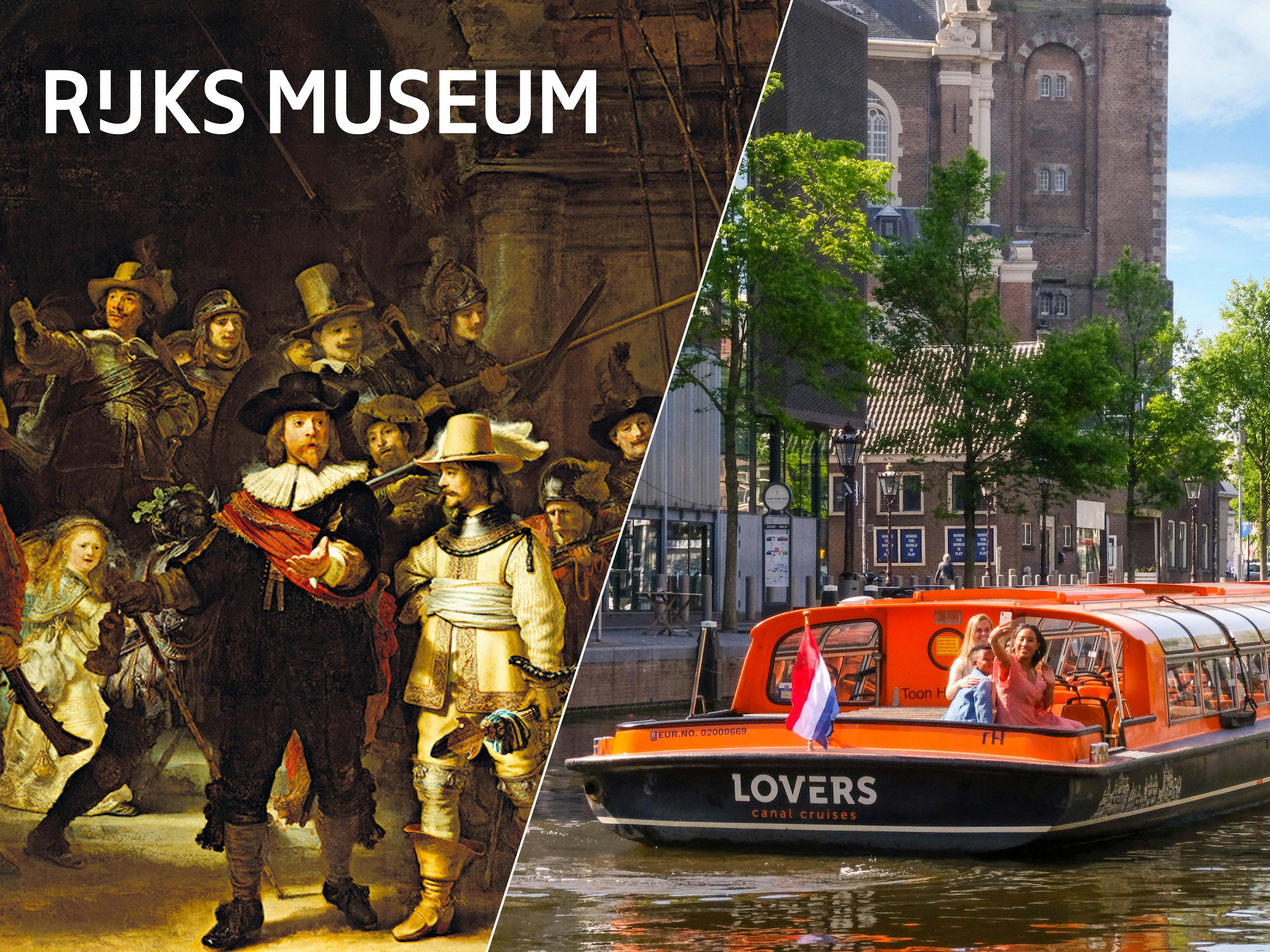
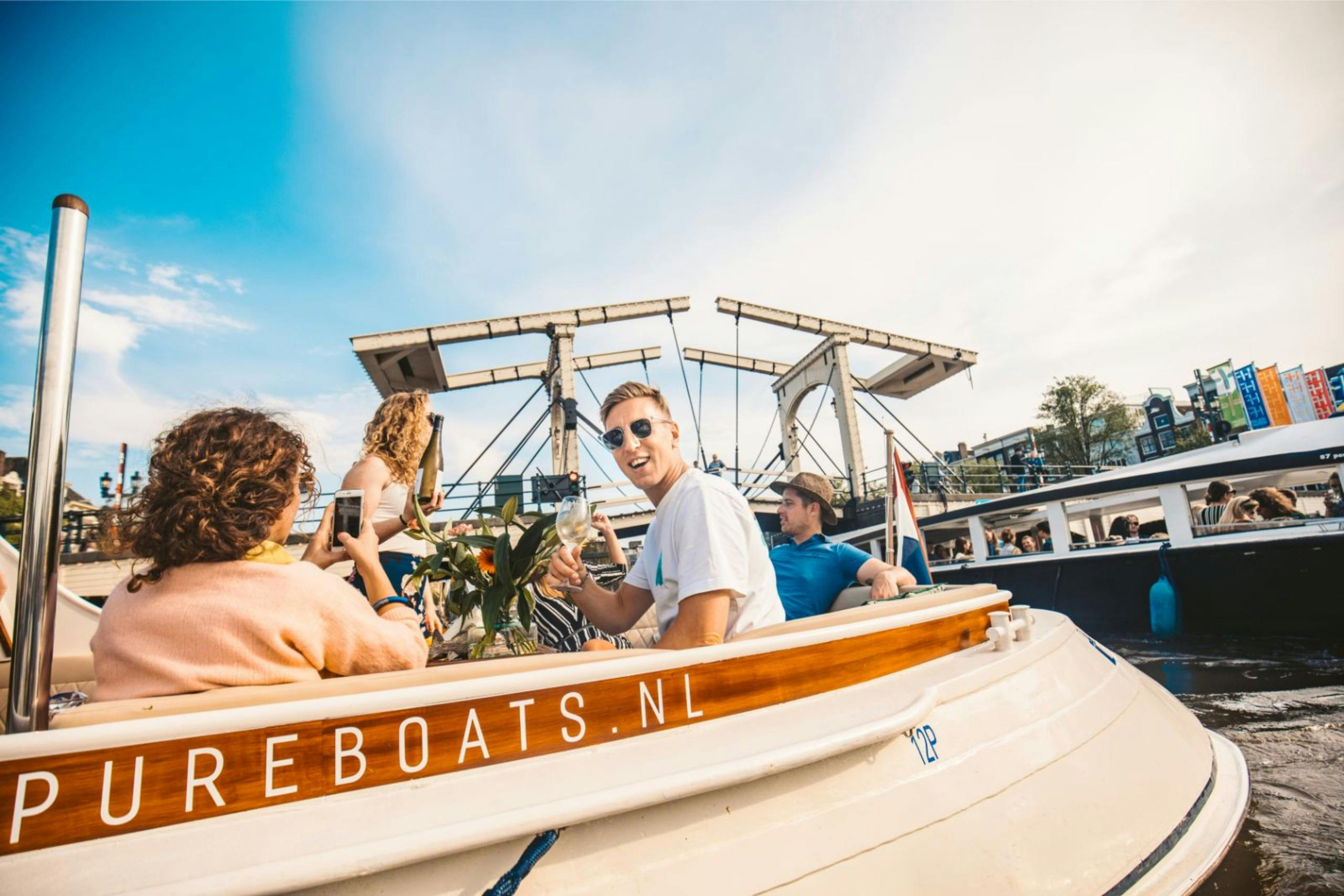
An Amsterdam canal cruise is one of the best ways to experience the city’s historic beauty, graceful bridges, narrow canal houses and UNESCO-listed waterways. Amsterdam was shaped by its canals, and seeing the city from a boat gives you a different perspective from walking, cycling or taking the tram.
The most famous canal routes glide through the Grachtengordel, the 17th-century canal ring that includes areas around Herengracht, Keizersgracht and Prinsengracht. Depending on the cruise, you may also pass the Amstel River, Skinny Bridge, Seven Bridges, the Anne Frank House area, old merchant houses, houseboats and historic warehouses.
Amsterdam canal cruises are easy to book, widely available and suitable for most visitors. The main choice is not whether to take one, but which type suits your travel style: a classic sightseeing boat, open boat, luxury saloon boat, evening cruise, drinks cruise, private boat, dinner cruise or museum-combo ticket.
Quick take: Musement.com offers a worldwide selection of tours and attractions
An Amsterdam canal cruise is worth doing because the city was built around water. From a boat, you can see how the canal houses, bridges, warehouses, churches, locks and streets fit together. It is also a relaxing way to see a lot of central Amsterdam without walking for hours.
For first-time visitors, a canal cruise gives a quick overview of the city. For returning travellers, a smaller open boat or evening cruise can feel more intimate and atmospheric. Even if you have already walked through the Jordaan, Nine Streets or museum district, the water-level view feels different.
An Amsterdam canal cruise is best for:
First-time visitors wanting a city overview
Couples looking for a romantic Amsterdam experience
Families wanting a low-effort sightseeing activity
Travellers with limited walking time
Photography lovers interested in bridges and reflections
Visitors combining canals with museums, food tours or city walks
Anyone wanting to understand why Amsterdam’s canal ring is so famous
What to Expect on an Amsterdam Canal Cruise
Most standard Amsterdam canal cruises last around one hour, though some open-boat, private, food or evening cruises may run longer. You board at a central pier, usually near Amsterdam Central Station, Damrak, the Anne Frank House area, Rijksmuseum, Leidseplein or other major tourist zones.
Classic sightseeing boats often have glass roofs, indoor seating and audio commentary. Open boats feel more relaxed and personal, but they are more weather-dependent. Luxury saloon boats and private boats are usually smaller and better for couples, groups or special occasions.
What you may experience
Historic canal houses and merchant homes
Low bridges and narrow waterways
Houseboats and waterside gardens
Views of the Amstel River
Photo spots such as the Skinny Bridge or Seven Bridges
Audio commentary or live guide depending on cruise type
Optional drinks, snacks, cheese, wine or dinner on selected cruises
Evening lights and reflections on night cruises
What not to expect
Do not expect every cruise to follow the same route.
Do not expect open boats to be ideal in heavy rain or cold wind.
Do not assume drinks or food are included unless clearly stated.
Do not expect all boats to be wheelchair accessible.
Do not arrive late; many cruises depart on fixed times.
Best Types of Amsterdam Canal Cruises
Cruise Type
Best For
Traveller Notes
Classic glass-roof sightseeing cruise
First-time visitors, families, easy sightseeing
Usually the most affordable and weather-safe option.
Open boat cruise
Photos, relaxed atmosphere, sunny days
Better views but more exposed to weather.
Luxury saloon boat
Couples, small groups, stylish sightseeing
Often more comfortable and intimate than large boats.
Evening canal cruise
Romance, lights, reflections, calmer mood
Best after sunset when bridges and canal houses are lit.
Drinks, cheese or wine cruise
Couples, friends, relaxed social cruising
Check inclusions carefully before booking.
Dinner cruise
Special occasions and slow evenings
More expensive, but combines sightseeing and dining.
Private canal cruise
Families, celebrations, small groups
Best for flexibility and privacy.
Museum-combo cruise
Value-focused sightseeing
May combine canal cruise with Rijksmuseum, Van Gogh Museum or other attractions.
Popular Amsterdam Canal Cruise Routes
Routes vary by operator, boat size, season, canal traffic and departure point. Most cruises focus on the central canal ring, but smaller boats may access narrower canals that larger glass-roof boats cannot easily enter.
Classic canal ring route
This is the most common introduction to Amsterdam. It usually passes through parts of the 17th-century canal ring, with views of elegant canal houses, bridges and old merchant districts.
Amstel River route
Some cruises include the Amstel River, where you may see the Skinny Bridge, theatre buildings, waterside houses and broader river views.
Jordaan and Anne Frank House area
Many routes pass near the Jordaan and the Anne Frank House area. Boats do not usually stop for museum visits, but the cruise gives useful city context.
Seven Bridges view
Some cruises highlight the famous view where several arched bridges line up along the canal. This is especially beautiful in the evening.
Amsterdam Light Festival route
In winter, special evening cruises may follow Amsterdam Light Festival routes when light artworks are installed around the city. These cruises are seasonal and should be booked separately.
Best Time to Take an Amsterdam Canal Cruise
The best time depends on the experience you want. Daytime is better for clear views of architecture. Evening is better for romance, lights and reflections. Sunny weather is ideal for open boats, while rainy weather is better suited to covered glass-roof boats.
Time
Best For
Advice
Morning
Fewer crowds, calm water, clear photos
Good for first-day sightseeing and families.
Afternoon
Easy scheduling, museum combinations
Can be busier, especially in high season.
Golden hour
Photography, warm light, romantic mood
One of the prettiest times for open-boat cruises.
Evening
Lights, reflections, couples, drinks cruises
Book ahead for popular dinner or wine cruises.
Winter nights
Light Festival and cosy covered boats
Dress warmly and check seasonal schedules.
What You May See on an Amsterdam Canal Cruise
Canal houses
Amsterdam’s tall, narrow canal houses are one of the main highlights. Many were built by merchants during the city’s Golden Age, with decorative gables, large windows and hoist beams near the roofline.
Historic bridges
Amsterdam’s bridges are a major part of the city’s charm. From the water, you can see their arches, brickwork and reflections much better than from street level.
Houseboats
Houseboats are part of Amsterdam’s canal life. Some are simple and practical, while others are stylish floating homes with plants, terraces and carefully designed interiors.
The Skinny Bridge
The Magere Brug, or Skinny Bridge, is one of Amsterdam’s most famous bridges. It is especially photogenic at night when lights reflect on the Amstel River.
The Golden Bend
The Golden Bend is a prestigious stretch of Herengracht known for grand canal houses once owned by wealthy merchants and city elites.
Seven Bridges
The Seven Bridges view is a classic canal photo scene, where a line of bridges appears one after another along the water.
Old warehouses
Amsterdam’s former warehouses show the city’s trading past. Many have been converted into apartments, offices, galleries or cultural spaces.
Church towers and skyline views
Depending on the route, you may see towers, domes and church spires rising above the canal houses, adding depth to the city view.
Family, Couple and Accessibility Tips
For families
A classic covered sightseeing cruise is usually easiest with children. Choose a shorter route, bring snacks if allowed, use toilets before boarding and avoid late dinner cruises if children get tired.
For couples
Choose an open boat in good weather, a luxury saloon boat for comfort, or an evening drinks cruise for atmosphere. Sunset and night cruises are usually the most romantic.
For older travellers
Check boarding steps carefully. Some boats have steep gangways or narrow entrances. Covered boats are better in poor weather, and central departure points reduce walking.
For wheelchair users
Not all canal boats are wheelchair accessible. Contact the operator before booking and confirm boarding access, toilet access, seating and whether staff can assist safely.
For photographers
Open boats offer better photos because there is no glass reflection. If using a glass-roof boat, sit near a clean side window and avoid shooting through wet or scratched glass when possible.
Suggested Amsterdam Canal Cruise Itinerary Ideas
Option 1: First-Time Amsterdam Day
Morning: Walk around Dam Square and the canal ring.
Midday: Take a classic one-hour canal cruise.
Afternoon: Visit the Rijksmuseum, Van Gogh Museum or Anne Frank House if pre-booked.
Evening: Have dinner in the Jordaan or Nine Streets area.
Option 2: Romantic Evening Cruise
Late afternoon: Walk through the Nine Streets or along Prinsengracht.
Sunset: Board an open boat or luxury saloon boat cruise.
Evening: Enjoy drinks, bridge lights and canal reflections.
Afterwards: Have dinner near Jordaan, Leidseplein or the canal ring.
Option 3: Museum and Canal Combination
Morning: Visit the Rijksmuseum or Van Gogh Museum.
Lunch: Eat near Museumplein.
Afternoon: Take a canal cruise from a nearby departure point.
Evening: Walk back through the canal ring or visit a brown café.
Option 4: Family-Friendly Canal Day
Morning: Take a covered canal cruise before children get tired.
Midday: Have pancakes, fries or a simple lunch.
Afternoon: Visit NEMO Science Museum, Artis Zoo or a family-friendly museum.
Evening: Keep dinner casual and close to your hotel.
Option 5: Winter Canal Lights Route
Afternoon: Visit a museum or Christmas market-style seasonal area if available.
Evening: Book a winter lights or Amsterdam Light Festival canal cruise if operating.
Night: Warm up with hot chocolate, Dutch apple pie or dinner nearby.
Useful Booking Resources for Amsterdam Canal Cruises and City Tours
Amsterdam canal cruises are easy to book online or at departure points, but advance booking is wise for evening cruises, small boats, dinner cruises, private cruises and peak-season travel. The suppliers below are useful places to compare cruise styles, routes, inclusions and cancellation rules. Skimlinks may automatically convert these merchant links into affiliate links if the merchant is active in your Skimlinks account.
Klook – offers Amsterdam attraction tickets, canal cruise passes, museum combinations, transport products, SIM/eSIM options and Europe travel activities.
KKday – offers canal cruise tickets, local tours, attraction passes, transport services and Amsterdam travel add-ons depending on current availability.
Tiqets – offers mobile-friendly tickets for Amsterdam canal cruises, museums, attractions and city experiences, often useful for same-day or timed-entry planning.
Musement – offers Amsterdam canal cruises, museum tickets, city tours, cultural activities and local experiences across the Netherlands and Europe.
G Adventures – offers small-group and multi-day tours that may include Amsterdam as part of broader Netherlands or Europe itineraries, better suited to longer trips than a standalone cruise.
Go City – offers bundled city attraction passes in selected destinations. It may be useful if you want to combine multiple Amsterdam attractions and check whether canal cruise options are included.
CityPASS – offers bundled attraction passes mainly for selected North American cities. It is not a main Amsterdam canal cruise booking option, but may suit readers planning wider international travel.
Booking tip: Before booking an Amsterdam canal cruise, check the departure point, cruise duration, route, boat type, live guide or audio guide, language options, food and drink inclusions, cancellation policy, accessibility, toilet availability, child pricing and whether the boat is open or covered. For evening cruises, confirm the sunset time and boarding location carefully.
Amsterdam Canal Cruise Travel Tips
Book early in peak season
Amsterdam is busy in spring, summer, weekends and holiday periods. Book ahead if you want a specific time, open boat, dinner cruise or private cruise.
Choose the right boat for the weather
Open boats are beautiful in warm, dry weather. Covered glass-roof boats are better in rain, wind or cold conditions.
Check the departure point
Amsterdam has many cruise piers. Do not assume all cruises leave from Central Station. Check your voucher and allow time to walk there.
Arrive 15 to 20 minutes early
Many cruises depart on fixed schedules. Late arrivals may miss the boat, especially during busy periods.
Sit near the side for better views
Window or side seats are best for photos. On open boats, choose a seat with a clear view forward or sideways.
Bring a light jacket
Even in summer, it can feel cooler on the water, especially in the evening.
Use the toilet before boarding
Not every canal boat has a toilet, and one-hour cruises do not usually stop mid-route.
Consider a small boat for a better experience
Large boats are easy and affordable, but smaller boats often feel more personal and can access quieter canals.
Do not overpack the day
A canal cruise is relaxing, but boarding, finding the pier and getting back to your next stop takes time. Leave space between timed museum tickets and cruise bookings.
Respect the canals
Avoid throwing anything into the water, keep noise reasonable on residential canals and choose responsible operators where possible.
Is an Amsterdam Canal Cruise Worth It?
Yes, an Amsterdam canal cruise is absolutely worth it, especially for first-time visitors. The canals are central to Amsterdam’s identity, and seeing the city from the water helps you appreciate its architecture, planning and atmosphere in a way that walking alone cannot.
A classic cruise is best for convenience and value. An open boat is best for views and photos. An evening cruise is best for romance and reflections. A private cruise is best for groups or special occasions.
The best way to enjoy the experience is to choose a cruise that matches your travel style, check exactly what is included, arrive early at the correct pier and allow yourself to relax. Amsterdam is a city made for slow looking, and the canals are one of the best places to do it.
FAQs About Amsterdam Canal Cruises
Is an Amsterdam canal cruise worth it?
Yes. An Amsterdam canal cruise is one of the best ways to see the city’s UNESCO-listed canal ring, historic bridges, canal houses, houseboats and waterside neighbourhoods.
How long is an Amsterdam canal cruise?
Most classic sightseeing cruises last around one hour. Dinner cruises, private cruises, drinks cruises and special seasonal cruises may last longer.
What is the best canal cruise in Amsterdam?
The best cruise depends on your style. Choose a classic covered boat for easy sightseeing, an open boat for photos, a luxury saloon boat for comfort, an evening cruise for romance or a private boat for flexibility.
Do Amsterdam canal cruises run in the rain?
Yes, many cruises run in rain, especially covered glass-roof boats. Open boats may be less comfortable or may change operations depending on weather.
Where do Amsterdam canal cruises depart from?
Common departure areas include Amsterdam Central Station, Damrak, Rijksmuseum, Leidseplein, Anne Frank House area and other central canal piers. Always check your exact booking location.
Is a day or night canal cruise better?
Day cruises are better for architecture and clear views. Night cruises are better for lights, reflections and romantic atmosphere. Late afternoon into evening gives a good balance.
Are Amsterdam canal cruises good for children?
Yes. A short covered sightseeing cruise is usually family-friendly. Choose a daytime cruise, use toilets before boarding and avoid long dinner cruises if children tire easily.
Can you take photos on a canal cruise?
Yes. Open boats are best for photography because there is no window glare. On covered boats, sit near a clean side window and avoid shooting through wet glass if possible.
Do canal cruises include food and drinks?
Some cruises include drinks, cheese, wine, snacks or dinner, but standard sightseeing cruises may not. Check inclusions before booking.
Should I book an Amsterdam canal cruise in advance?
Advance booking is recommended for peak season, evening cruises, dinner cruises, private boats, small boats and Amsterdam Light Festival cruises.
Sponsored Popular Items
Quick take: Musement.com offers a worldwide selection of tours and attractions
Amsterdam Canal Cruise Netherlands Ultimate Amsterdam canal cruise combines sightseeing with the relaxed sense of movement that comes from a boat-based experience. Check current availability, inclusions and booking details before you go.
Đông Hồ folk painting heritage is one of Vietnam’s most distinctive traditional art forms. Originating in Đông Hồ village in Bắc Ninh Province, this handmade woodblock-printing craft is known for bold outlines, natural colours, symbolic subjects, handmade điệp paper and scenes that capture Vietnamese family life, folk humour, prosperity, worship and the spirit of Tết, the Lunar New Year.
For generations, Vietnamese families bought Đông Hồ prints before Tết to decorate their homes, welcome good fortune and express wishes for happiness, fertility, learning, harmony and prosperity. Today, the craft is much rarer than it once was, which is why it has been recognised as a heritage tradition in need of urgent safeguarding.
Quick take: Musement.com offers a worldwide selection of tours and attractions
Hanoi: Private Tour dia tang phi lai, trang an, bich dong Vietnam Discover the beauty of Ninh Binh on a private day trip from Hanoi. Visit Dia Tang Phi Lai Pagoda, hike to Bich Dong Pagoda, and enjoy a bamboo boat ride through the Trang An landscape
For travellers, Đông Hồ is not a big theme park or major museum complex. It is a quiet craft village experience, best visited for workshops, artisan homes, cultural learning, handmade souvenirs and a deeper understanding of Vietnamese folk art. It pairs well with a Hanoi stay, Bắc Ninh cultural route, But Thap Pagoda, Dau Pagoda or other Red River Delta heritage sites.
Why Visit Đông Hồ Folk Painting Village?
Đông Hồ is worth visiting if you enjoy traditional crafts, handmade art, Vietnamese culture and meaningful souvenirs. The village gives travellers a chance to see how folk paintings are printed from carved woodblocks, coloured by hand or block-printed in layers, and finished on shimmering điệp paper.
Unlike mass-produced souvenir prints, true Đông Hồ paintings carry stories. Roosters can symbolise strength and good fortune. Pigs with yin-yang markings suggest fertility and abundance. Children, teachers, weddings, village life and satirical scenes reveal what ordinary Vietnamese families valued, laughed about and hoped for.
Đông Hồ folk painting village is best for:
Travellers interested in Vietnamese folk art and craft traditions
Visitors looking for a meaningful day trip from Hanoi
Families wanting an educational workshop-style experience
Art lovers, printmakers and designers interested in woodblock printing
People who want handmade souvenirs with cultural value
Photography lovers who enjoy workshops, paper, pigments and old prints
Travellers combining Bắc Ninh heritage, pagodas and village culture
Where Is Đông Hồ Folk Painting Village?
Đông Hồ village is in Bắc Ninh Province, east of Hanoi, in the Thuận Thành area. Older travel listings often describe it as being in Song Hồ commune, Thuận Thành district. Administrative names can change, so when travelling locally, search using the Vietnamese name Làng tranh Đông Hồ.
Location Detail
Traveller Notes
Vietnamese name
Làng tranh Đông Hồ
English name
Dong Ho Folk Painting Village / Đông Hồ Painting Village
Province
Bắc Ninh, Vietnam
Region
Red River Delta, east of Hanoi
Distance from Hanoi
Commonly listed at around 30–35 km, depending on route and starting point
Best visit style
Half-day cultural trip, artisan workshop visit or Bắc Ninh heritage day
The village is close enough for a half-day trip from Hanoi, but it is better as part of a slower cultural day if you want to include pagodas, local food and other Bắc Ninh heritage stops.
What Is Đông Hồ Folk Painting?
Đông Hồ folk painting is a traditional Vietnamese woodblock-printing craft. Artisans carve images into wooden blocks, apply natural colours and print each layer onto handmade paper. The finished works are simple at first glance, but their themes are rich with symbolism, humour and social meaning.
Historically, Đông Hồ paintings were strongly connected with Tết. Families bought new prints at the end of the lunar year, hung them at home for good fortune, then replaced them the following year. The paintings were affordable, popular and deeply connected to everyday life.
What makes Đông Hồ paintings distinctive?
Woodblock printing – images are printed from carved wooden blocks.
Natural pigments – colours traditionally come from natural materials.
Điệp paper – handmade paper coated with shell powder for a subtle shimmering surface.
Folk themes – village life, animals, children, festivals, legends and satire.
Bold outlines – strong black lines give the images clarity and charm.
Symbolic meaning – each subject usually carries wishes for luck, harmony or prosperity.
How Đông Hồ Paintings Are Made
The craft process is one of the most interesting reasons to visit Đông Hồ village. Although techniques vary by artisan and workshop, the traditional process usually involves paper preparation, woodblock carving, pigment making, layer printing and finishing.
Step
What Happens
Why It Matters
1. Preparing điệp paper
Handmade paper is coated with shell powder and natural adhesive.
This gives Đông Hồ prints their pale, slightly sparkling surface.
2. Designing the image
The picture is planned with strong outlines and symbolic composition.
The design must work clearly when printed in layers.
3. Carving woodblocks
Artisans carve separate blocks for outlines and colours.
Each block must align carefully with the next layer.
4. Preparing pigments
Traditional colours are made from natural materials such as leaves, minerals, soot or flowers.
The colours give the paintings their earthy, folk-art palette.
5. Printing layers
Each colour is printed separately, followed by the black outline block.
The final picture emerges through careful layering.
6. Drying and finishing
The print is dried and checked by the artisan.
Small irregularities are part of handmade character.
Some modern works may use adapted materials or hand-colouring, but the core identity remains tied to woodblocks, folk subjects and the shimmering điệp-paper base.
Popular Đông Hồ Painting Themes and Symbols
Đông Hồ paintings are easy to enjoy visually, but they become more meaningful when you understand their symbols. Many prints are wishes in picture form: prosperity, family happiness, good children, moral learning, social harmony or humour about everyday behaviour.
Common themes to look for
Rooster paintings – often linked with strength, protection, vitality and good fortune.
Pig family paintings – symbolise fertility, abundance and prosperity.
Boy with rooster or duck – expresses wishes for healthy children and happiness.
Teacher and student scenes – reflect respect for learning and education.
Wedding scenes – celebrate marriage, family continuity and village customs.
Mouse wedding – a famous satirical image often read as social commentary on corruption and power.
Harvest and village life – show farming, work, animals and rural community scenes.
Deity and worship prints – connected with household protection and spiritual life.
When buying a print, ask the artisan or guide what the image means. The story behind the picture is often as valuable as the artwork itself.
What to Expect When Visiting Đông Hồ Folk Painting Village
Expect a quiet craft-village atmosphere rather than a major tourist attraction. Many visitors come to see one or two artisan workshops, learn the printing process, buy handmade prints and possibly try printing a small design themselves.
The village may feel modest compared with more commercial tourist sites. That is part of its appeal. The best visits are usually arranged with a guide, local contact or workshop appointment so you can actually meet artisans and understand the craft.
What you may find
Artisan homes and family workshops
Woodblocks used for printing outlines and colour layers
Stacks of handmade paper and completed prints
Natural pigment demonstrations
Traditional images such as pigs, roosters, children and village scenes
Hands-on printing activities where available
Small display rooms or private collections
Opportunities to buy prints directly from craft families
What not to expect
Do not expect a large commercial museum with constant English tours.
Do not expect every house in the village to still make paintings.
Do not assume workshops are open without prior arrangement.
Do not expect all prints to be antique or handmade in the same way.
Do not bargain aggressively with artisans preserving a vulnerable craft.
Best Things to Do in Đông Hồ Folk Painting Village
1. Visit an artisan workshop
The best experience is visiting a family workshop where artisans explain the woodblocks, paper, pigments and printing process. This gives the craft real meaning beyond simply seeing finished pictures.
2. Try woodblock printing
Some workshops allow visitors to try printing a small design. It is a simple but memorable way to understand the skill required to align blocks, apply pigment and create a clean image.
3. Learn about điệp paper
Ask to see or learn about điệp paper. The shell-coated surface is one of the defining features of Đông Hồ prints, giving them their soft, luminous texture.
4. Study the symbols
Take time to compare different prints. The pig, rooster, child, wedding, scholar and satirical images each reveal part of Vietnamese folk belief and social life.
5. Buy a handmade print
Buying directly from a reputable artisan supports the craft. Choose an image whose meaning you understand, and ask how it was made.
6. Photograph the workshop details
Woodblocks, pigments, brushes, paper stacks and drying prints are excellent photo subjects. Always ask permission before photographing artisans or private spaces.
7. Combine with Bắc Ninh cultural sites
Đông Hồ is best paired with nearby pagodas, temples or Bắc Ninh cultural villages so the day feels full and worthwhile.
8. Visit before Tết if possible
The craft has strong Lunar New Year associations. If you visit in the lead-up to Tết, the cultural meaning of the paintings feels especially relevant, though availability and opening times should be checked carefully.
Things to Do Near Đông Hồ Folk Painting Village
But Thap Pagoda
But Thap Pagoda is one of Bắc Ninh’s most important Buddhist sites, known for elegant architecture, historic statues and peaceful grounds. It pairs well with Đông Hồ for a cultural day from Hanoi.
Dau Pagoda
Dau Pagoda is often considered one of Vietnam’s oldest Buddhist pagodas. It is an excellent nearby stop for travellers interested in religious history.
Bắc Ninh City
Bắc Ninh City is useful for meals, transport and a wider look at the province. It is also associated with Quan họ folk singing culture.
Quan họ folk singing villages
Bắc Ninh is famous for Quan họ, a UNESCO-recognised folk singing tradition. Combining Đông Hồ painting with Quan họ culture creates a strong intangible-heritage day.
Phat Tich Pagoda
Phat Tich Pagoda is another major Buddhist heritage site in Bắc Ninh, known for history, hillside setting and temple architecture.
Hanoi Old Quarter
Many travellers visit Đông Hồ as a day trip from Hanoi. After returning, the Old Quarter is a good place to continue the folk-art theme through galleries, craft shops and traditional streets.
Suggested Đông Hồ Folk Painting Itinerary Ideas
Option 1: Simple Half-Day from Hanoi
Morning: Leave Hanoi with a private driver or guided tour.
Mid-morning: Arrive at Đông Hồ village and visit an artisan workshop.
Late morning: Watch a printing demonstration and buy a handmade print.
Midday: Return to Hanoi or continue to a nearby pagoda.
Option 2: Bắc Ninh Heritage Day
Morning: Visit Đông Hồ folk painting village.
Lunch: Eat local food in Bắc Ninh or nearby Thuận Thành area.
Afternoon: Visit But Thap Pagoda and Dau Pagoda.
Late afternoon: Return to Hanoi.
Option 3: Folk Culture and Music Route
Morning: Visit Đông Hồ village for painting heritage.
Midday: Stop for a local meal.
Afternoon: Explore a Quan họ folk singing village or cultural site if arrangements are available.
Evening: Return to Hanoi with a broader understanding of Bắc Ninh’s intangible heritage.
Option 4: Art Lover’s Day Trip
Morning: Spend extra time with an artisan learning about woodblocks and paper.
Midday: Try a hands-on printing activity if available.
Afternoon: Return to Hanoi and visit a Vietnamese art gallery or craft shop.
Evening: Compare traditional folk prints with modern Vietnamese art.
Option 5: Family-Friendly Craft Visit
Morning: Travel from Hanoi after breakfast.
Mid-morning: Let children watch the block-printing process.
Workshop: Try a simple print activity if offered.
Lunch: Eat nearby or return to Hanoi.
Afternoon: Keep the day light rather than adding too many stops.
Useful Booking Resources for Đông Hồ Folk Painting Village and Hanoi Day Trips
Đông Hồ folk painting village can be visited independently, but a guide or private driver is useful because workshops may need arrangements and English interpretation can be limited. Booking platforms can also help with Hanoi cultural tours, Bắc Ninh day trips, craft workshops, transport and broader Vietnam itineraries. The suppliers below are useful places to compare travel products. Skimlinks may automatically convert these merchant links into affiliate links if the merchant is active in your Skimlinks account.
GetYourGuide – offers Hanoi day trips, craft village tours, private guides, food tours and cultural experiences that may be adapted to include Đông Hồ, Bắc Ninh or nearby heritage stops.
Viator – offers private Hanoi tours, custom day trips, traditional village visits, cultural workshops, transport and Bắc Ninh-style itineraries where available.
Klook – offers Vietnam-focused tours, Hanoi activities, attraction tickets, transfers, SIM/eSIM products and cultural experiences useful before or after a Đông Hồ visit.
KKday – offers local tours, attraction tickets, transport services and cultural activities across Asia. It is useful for comparing Hanoi, Bắc Ninh and northern Vietnam travel add-ons.
Tiqets – offers mobile-friendly tickets for museums, attractions and landmarks. It is more useful for ticketed sightseeing in Hanoi and major cities before or after a craft-village trip.
Musement – offers city tours, attraction tickets, cultural activities and local experiences. It can help travellers compare Hanoi sightseeing and wider Vietnam travel options.
G Adventures – offers small-group and multi-day adventure tours. It is best suited to travellers planning a broader Vietnam itinerary rather than a standalone Đông Hồ visit.
Go City – offers bundled city attraction passes in selected destinations. It is not a main Đông Hồ booking option, but it can help readers planning multi-city stopovers before or after Vietnam.
CityPASS – offers bundled attraction passes mainly for selected North American cities. It is not designed for Vietnam, but may suit readers planning a wider international trip.
Booking tip: Before booking a Đông Hồ craft-village tour, check whether the price includes hotel pickup, private transport, English-speaking guide, workshop visit, hands-on printing activity, artisan donation or purchase expectation, lunch, nearby pagoda stops, cancellation rules and exact return time. A private tour is usually more useful than a large group tour if you want proper craft explanation.
Đông Hồ Folk Painting Travel Tips
Arrange the workshop before you go
Do not assume every artisan home is open to casual visitors. A local guide or private tour can help arrange a proper demonstration.
Use the Vietnamese name
Search for Làng tranh Đông Hồ when using maps, taxis or local search tools. English names vary between Dong Ho Painting Village, Dong Ho folk painting village and Đông Hồ village.
Visit in the morning
Morning is usually better for workshops, photography and combining the village with nearby pagodas before returning to Hanoi.
Bring cash
Small workshops and village sellers may not accept foreign cards. Carry Vietnamese dong for purchases, tips or donations.
Buy directly from artisans where possible
This gives more support to the families preserving the craft and helps you learn the story behind your print.
Ask about the meaning of each print
The symbolism matters. A pig, rooster, child or wedding scene is not just decorative; it usually carries wishes, humour or social commentary.
Protect prints when travelling
Bring a flat folder, tube or protective envelope if you plan to buy paintings. Paper can bend easily in luggage.
Be respectful with photography
Ask before photographing artisans, family altars, private rooms or unfinished works.
Combine it with other Bắc Ninh sites
Đông Hồ alone may be a short visit, so pair it with But Thap Pagoda, Dau Pagoda, Phat Tich Pagoda or Quan họ cultural sites.
Do not over-bargain
This is a vulnerable heritage craft, not a mass-market souvenir stall. Fair purchases help preserve the tradition.
Is Đông Hồ Folk Painting Heritage Worth Visiting?
Yes, Đông Hồ folk painting heritage is worth visiting if you are interested in Vietnamese culture, traditional art, craft villages and meaningful handmade souvenirs. It is one of the most distinctive folk-art traditions in northern Vietnam and gives travellers a quieter, more thoughtful experience than Hanoi’s major tourist attractions.
It may not suit travellers wanting a large museum, polished attraction or full-day entertainment complex. The value is in the craft, the artisans and the stories behind the prints.
The best way to visit is to arrange a workshop stop, learn the printing process, buy a handmade print directly from a craft family, and combine the trip with nearby Bắc Ninh heritage sites. For anyone interested in intangible cultural heritage, it is one of the most meaningful short trips from Hanoi.
FAQs About Đông Hồ Folk Painting Heritage
What is Đông Hồ folk painting?
Đông Hồ folk painting is a traditional Vietnamese woodblock-printing craft from Bắc Ninh Province. It uses carved woodblocks, natural pigments and handmade điệp paper to create symbolic folk images.
Where is Đông Hồ painting village?
Đông Hồ painting village is in Bắc Ninh Province, east of Hanoi, in the Thuận Thành area. It is commonly listed as around 30 to 35 kilometres from central Hanoi.
Is Đông Hồ folk painting recognised by UNESCO?
Yes. The craft of making Đông Hồ folk woodblock printings was inscribed in 2025 on UNESCO’s List of Intangible Cultural Heritage in Need of Urgent Safeguarding.
Why is Đông Hồ folk painting important?
It is important because it preserves Vietnamese folk beliefs, Tết traditions, village humour, family values, worship practices and traditional handmade printmaking techniques.
What is điệp paper?
Điệp paper is handmade paper traditionally coated with shell powder and adhesive, giving Đông Hồ paintings their pale, slightly shimmering background.
What are common Đông Hồ painting subjects?
Common subjects include roosters, pigs, children, weddings, teachers, village scenes, worship images, harvest life and satirical works such as the famous mouse wedding theme.
Can visitors try making a Đông Hồ print?
Some workshops may offer hands-on printing activities, especially for tours or pre-arranged visits. It is best to organise this in advance.
How long do you need at Đông Hồ village?
Allow one to two hours for a simple workshop visit, or half a day if combining Đông Hồ with nearby pagodas and Bắc Ninh cultural sites.
What should I buy in Đông Hồ village?
Buy a handmade print directly from an artisan if possible. Choose a design whose meaning you understand, such as prosperity pigs, protective roosters, happy children or Tết blessing images.
Is Đông Hồ folk painting village worth visiting from Hanoi?
Yes, especially for travellers interested in traditional crafts, Vietnamese art and cultural heritage. It is best visited with a guide or private driver and combined with other Bắc Ninh attractions.
Sponsored Popular Items
Quick take: Musement.com offers a worldwide selection of tours and attractions
Hanoi: Private Tour dia tang phi lai, trang an, bich dong Vietnam Discover the beauty of Ninh Binh on a private day trip from Hanoi. Visit Dia Tang Phi Lai Pagoda, hike to Bich Dong Pagoda, and enjoy a bamboo boat ride through the Trang An landscape
Sinh Village Painting & Thuy Xuan Incense Half-Day Tour from Hue Vietnam Half-day tour from Hue - The ancient painting crafts of Sinh Village and the Thuy Xuan incense village is a convenient way to add structure, local context and purposeful sightseeing to the itinerary. Check current availability, inclusions and booking details before you go.
Dublin: Drinking & Painting Party with Art Instructor (BYOB) Best deals for Dublin: Drinking & Painting Party with Art Instructor (BYOB). Have fun while creating your own masterpiece with this painting party in Dublin. Purchase your own alcohol while an instructor helps you to craft your own painting to take home. Available from getyourguide.com.
Enshi Tujia Folk Culture City, commonly known as Enshi Tujia Daughter City or 恩施土家女儿城, is one of the liveliest cultural and entertainment areas in Enshi, Hubei. It combines Tujia-style architecture, food streets, folk performances, souvenir shops, guesthouses, night lights, costume photography and local-style dining in one visitor-friendly district.
This is not an untouched ancient village or a formal museum. It is a modern cultural tourism complex designed to showcase the flavour of Tujia life, food, architecture and performance in an accessible way. For travellers, that makes it a useful evening stop after visiting Enshi’s bigger natural attractions such as Enshi Grand Canyon, Suobuya Stone Forest or Pingshan Canyon.
Quick take: Musement.com offers a worldwide selection of tours and attractions
Private Tour of Heidelberg with the Hangman's Daughter – Guided Sightseeing Germany Private Tour of Heidelberg with the Hangman's Daughter is a convenient way to add structure, local context and purposeful sightseeing to the itinerary. Check current availability, inclusions and booking details before you go.
The area is especially good at night, when lanterns, lights, music, food stalls and performances create a festive atmosphere. It is free to enter, though meals, shows, souvenirs, costume rental, accommodation and individual experiences cost extra.
Why Visit Enshi Tujia Folk Culture City?
Enshi Tujia Folk Culture City is worth visiting if you want an easy introduction to local Tujia food, folk customs, architecture and entertainment without travelling deep into rural villages. It is convenient, lively and visitor-friendly, especially for travellers who want something to do after a day of sightseeing.
Enshi is famous for dramatic natural scenery, but this cultural district adds a softer urban experience. You can walk through decorated streets, try local snacks, watch performances, buy souvenirs, take photos in traditional-style clothing and enjoy the atmosphere without needing a full-day tour.
Enshi Tujia Folk Culture City is best for:
Travellers wanting an easy evening activity in Enshi
Visitors interested in Tujia food, dance, costumes and customs
Families who want a relaxed cultural stop after nature sightseeing
Couples looking for night lights, food streets and photos
People staying in Enshi city before or after day trips
Travellers who enjoy folk-culture districts and themed streets
Visitors wanting free-entry sightseeing with optional paid experiences
Where Is Enshi Tujia Folk Culture City?
Enshi Tujia Folk Culture City is located in Enshi City, within the Enshi Tujia and Miao Autonomous Prefecture of Hubei Province, China. The commonly listed address is No. 41 Maanshan Road, Enshi City.
Location Detail
Traveller Notes
Main English name
Enshi Tujia Folk Culture City / Enshi Tujia Daughter City
Chinese name
恩施土家女儿城
Address
No. 41 Maanshan Road, Enshi City
Region
Enshi Tujia and Miao Autonomous Prefecture, Hubei
Entry
General entry is commonly listed as free
Best visit style
Evening walk, food stop, performance visit or relaxed cultural outing
Recommended visit time
About 3 to 5 hours if eating, shopping and watching performances
When using maps, taxis or ride-hailing apps, the Chinese name 恩施土家女儿城 is usually more reliable than English translations. Do not confuse it with Enshi Tusi City / 恩施土司城, which is a separate Tujia heritage-style scenic area.
What to Expect at Enshi Tujia Folk Culture City
Expect a lively tourist district rather than a quiet historical village. The streets are lined with Tujia-style wooden buildings, red lanterns, restaurants, snack stalls, shops, guesthouses and photo points. At busier times, you may also find performances, music, costume photography and folk-style activities.
The district is designed for visitors, so it can feel commercial. That is not necessarily a bad thing if you go with the right expectations. It is a convenient place to eat, walk, photograph, shop and get a simple introduction to Enshi’s Tujia identity.
What you may find
Tujia-style wooden architecture and decorative eaves
Lantern-lit streets and night views
Local restaurants and snack stalls
Folk performances and singing or dancing displays
Costume photography and ethnic-style dress-up experiences
Souvenir shops and small boutiques
Guesthouses and themed accommodation
Local drinks, including bowl-smashing wine experiences where available
Family-friendly walking areas
What not to expect
Do not expect a completely original ancient town.
Do not expect every cultural activity to be free.
Do not assume performances run all day.
Do not expect a quiet atmosphere on busy evenings.
Do not confuse it with Enshi Tusi City.
Do not expect English to be widely spoken in small shops or restaurants.
Best Things to Do at Enshi Tujia Folk Culture City
1. Walk the main Tujia-style streets
The easiest way to enjoy the area is simply to walk. Look for timber-style buildings, red lanterns, shop signs, decorative balconies, stone paving and photo spots. The district is especially atmospheric after dark.
2. Try Enshi and Tujia snacks
Food is one of the best reasons to visit. The area has restaurants and snack stalls where you can try local dishes, grilled foods, noodles, cured meat, potatoes, rice dishes and spicy Hubei-style flavours.
3. Watch a folk performance
Depending on the current schedule, visitors may see Tujia singing, dancing, wedding-custom performances, folk music or staged shows. Check the performance times when you arrive, as schedules can vary.
4. Take photos in traditional-style clothing
Costume photography is popular in Enshi Tujia Daughter City. Visitors can dress in Tujia-inspired outfits and take photos around the lantern streets, wooden buildings and performance areas.
5. Experience bowl-smashing wine culture
Some visitors associate the area with 摔碗酒, or bowl-smashing wine culture, where guests drink from a bowl and smash it afterwards as part of a bold festive ritual. If you try it, do so responsibly and check the rules of the venue.
6. Shop for local souvenirs
Look for Tujia-style textiles, embroidery-inspired items, silver-style accessories, packaged snacks, tea, small crafts, local food products and travel souvenirs. Quality varies, so compare shops before buying.
7. Visit at night for the best atmosphere
Enshi Tujia Folk Culture City is generally more interesting in the evening. The lights, crowds, food stalls and performances make the district feel more alive than during quiet daytime hours.
8. Use it as a soft landing after nature sightseeing
After a physically demanding day at Enshi Grand Canyon, Suobuya Stone Forest or Pingshan Canyon, this is a relaxed place for dinner, photos and light entertainment without another long hike.
Tujia Culture and Performances
The Tujia people are one of the major ethnic groups in the Enshi region. Enshi Tujia Folk Culture City presents Tujia identity through architecture, clothing, food, music, dance, wedding customs and festival-style performances.
Because this is a tourism district, the cultural elements are simplified and staged for visitors. Even so, it can be a helpful introduction before travelling deeper into Enshi’s countryside or visiting more heritage-focused sites such as Enshi Tusi City.
Folk dance – group dances and staged performances inspired by regional traditions.
Wedding customs – Daughter City is strongly associated with Tujia marriage and courtship themes.
Traditional clothing – colourful outfits used in performances and photo experiences.
Food culture – spicy, sour, smoked and hearty mountain flavours.
Festival atmosphere – lanterns, music, night markets and public performances.
For a deeper cultural understanding, consider combining Tujia Daughter City with Enshi Tusi City or the Enshi Prefecture Museum.
What to Eat at Enshi Tujia Folk Culture City
Food is one of the strongest reasons to visit. Enshi cuisine reflects mountain ingredients, Hubei flavours, Tujia traditions and spicy, savoury cooking. The district has everything from quick snacks to fuller restaurant meals.
Foods and flavours to look for
Tujia cured meat – smoked or preserved pork-style dishes with strong savoury flavour.
Enshi small potatoes – a popular local snack, often fried, roasted or seasoned.
Hezha / Tujia bean-style dishes – rustic soybean-based local cooking.
Spicy grilled skewers – easy street food for an evening walk.
Local noodles – quick, filling and useful before or after sightseeing.
Glutinous rice snacks – common in many minority food traditions.
Pickled and sour flavours – often used to balance rich meats and mountain foods.
Tea and local drinks – good for a slower break between food stops.
If you have dietary restrictions, use a translation app or carry a written note in Chinese. Small food stalls may not have English menus, and some dishes may contain pork, chilli, oil, peanuts or fermented ingredients.
Why Visit Enshi Tujia Folk Culture City at Night?
Although the area can be visited during the day, it is usually better at night. The reason is simple: this is a food, entertainment and atmosphere district. Once the lights come on, the wooden buildings, lanterns, signs and performance spaces feel much more vivid.
Visit Time
Best For
Advice
Daytime
Quiet walking, photos without crowds, checking shops
Good if you dislike crowds, but atmosphere may be quieter.
Late afternoon
Arriving before dinner and staying into evening
Best balance of daylight photos and night lights.
Evening
Food, performances, lanterns, crowds and night views
Best overall time for most travellers.
Late night
Bars, snacks and nightlife-style atmosphere
Plan transport back to your hotel before staying too late.
If you only have one chance to visit, go in the late afternoon, eat dinner there, then stay for lights and performances.
Things to Do Near Enshi Tujia Folk Culture City
Enshi Tusi City
Enshi Tusi City is a separate Tujia heritage-style scenic area focused on the old Tusi chieftain system, traditional buildings, gates, bridges, halls and Tujia cultural symbolism. It is a stronger historical and architectural pairing with Tujia Daughter City.
Enshi Grand Canyon
Enshi Grand Canyon is one of the region’s headline natural attractions, known for cliffs, karst scenery, deep valleys, plank roads and dramatic viewpoints. It is best treated as a full-day trip.
Suobuya Stone Forest
Suobuya Stone Forest is a major karst landscape near Enshi, with unusual rock formations and walking routes. It pairs well with a relaxed evening in Tujia Daughter City.
Pingshan Canyon
Pingshan Canyon is famous for clear water, boat rides and dramatic canyon scenery. It is farther from Enshi city, so plan it carefully as a full-day excursion.
Enshi Prefecture Museum
Enshi Tujia and Miao Autonomous Prefecture Museum is useful if you want more context about local history, ethnic cultures, archaeology and regional development.
Enshi City Centre
Enshi city centre is practical for hotels, transport, restaurants and local shopping. Tujia Daughter City works well as an evening stop while staying in the city.
Qingjiang River Scenic Areas
The wider Qingjiang River region offers river scenery, cruises and karst landscapes depending on your route and available time.
Suggested Enshi Tujia Folk Culture City Itinerary Ideas
Option 1: Easy Evening Visit
Late afternoon: Return to Enshi city after sightseeing.
Early evening: Travel to Enshi Tujia Folk Culture City.
Dinner: Try Tujia dishes, small potatoes, cured meat or local snacks.
Night: Walk the lantern streets, watch performances and take photos.
Return: Take a taxi or ride-hailing car back to your hotel.
Option 2: Tusi City and Daughter City Cultural Day
Morning: Visit Enshi Tusi City for Tujia architecture and heritage-style displays.
Lunch: Eat in Enshi city or near your hotel.
Afternoon: Rest or visit Enshi Prefecture Museum.
Evening: Visit Enshi Tujia Daughter City for food, lights and performances.
Option 3: Grand Canyon + Folk Culture Evening
Daytime: Visit Enshi Grand Canyon with an early start.
Late afternoon: Return to Enshi city and rest.
Evening: Go to Tujia Daughter City for dinner and an easy cultural walk.
Option 4: Family-Friendly Enshi Night
Afternoon: Choose a lighter activity or return from a nature trip early.
Evening: Visit Tujia Daughter City before children get tired.
Dinner: Pick a restaurant rather than relying only on snacks.
Night: Watch a short performance, take photos and return early.
Option 5: Food and Photo Route
Late afternoon: Arrive before sunset for daylight photos.
Golden hour: Photograph the Tujia-style buildings and entrance area.
Dinner: Snack through the food streets or choose a Tujia restaurant.
Evening: Photograph lanterns, performances and night views.
Useful Booking Resources for Enshi Tujia Folk Culture City and Enshi Tours
Enshi Tujia Folk Culture City itself is commonly listed as free to enter, but booking platforms can be useful for cultural meals, performance packages, private drivers, Enshi Grand Canyon tours, Suobuya Stone Forest tickets, Pingshan Canyon trips, local guides and broader Hubei itineraries. The suppliers below are useful places to compare travel products. Skimlinks may automatically convert these merchant links into affiliate links if the merchant is active in your Skimlinks account.
GetYourGuide – offers China tours, private guides, cultural experiences and selected Enshi activities where available, including Tujia Daughter City-style feast or performance products.
Viator – offers private tours, custom drivers, China day trips and regional sightseeing that may help travellers arrange Enshi Grand Canyon, Tujia culture and city-based itineraries.
Klook – offers China-focused attraction tickets, transport products, SIM/eSIM options, activity passes and selected Hubei experiences where available.
KKday – offers local tours, attraction tickets, transport services and cultural activities across Asia. It is useful for comparing Enshi, Hubei and wider China travel add-ons.
Tiqets – offers mobile-friendly tickets for attractions, museums and landmarks. It is more useful for ticketed sightseeing in major cities before or after an Enshi trip.
Musement – offers city tours, attraction tickets, cultural activities and local experiences. It can help travellers compare China sightseeing and broader Asia travel options.
G Adventures – offers small-group and multi-day adventure tours. It is best suited to travellers planning a broader China itinerary rather than a standalone Enshi Tujia Daughter City visit.
Go City – offers bundled city attraction passes in selected destinations. It is not a main Enshi booking option, but it can help readers planning multi-city stopovers before or after China.
CityPASS – offers bundled attraction passes mainly for selected North American cities. It is not designed for Enshi, but may suit readers planning a wider international trip.
Booking tip: Before booking an Enshi Tujia Folk Culture City meal, show or tour, check whether the price includes hotel pickup, guide service, meal, performance seating, costume rental, drinks, child pricing, cancellation rules and exact meeting point. If you are only walking the district and buying your own food, a ticket may not be necessary.
Enshi Tujia Folk Culture City Travel Tips
Use the Chinese name for navigation
Use 恩施土家女儿城 in maps, taxi apps or when speaking with drivers. English translations may vary.
Visit in the evening
The area is usually most atmospheric after dark, when lights, food stalls and performances make the streets livelier.
Do not confuse it with Enshi Tusi City
Enshi Tujia Daughter City is a folk-culture, food and entertainment district. Enshi Tusi City is a separate heritage-style scenic area focused on Tusi culture and architecture.
Bring cash and mobile payment options
Some small stalls may not accept foreign cards. Carry cash and prepare Chinese mobile payment options where possible.
Use a translation app
Menus, performance notices and shop signs may not be in English. A translation app is very useful.
Check performance times on arrival
Shows may not run continuously. Ask at your hotel, ticket counter, restaurant or information point for current performance times.
Go hungry
This is one of the better places in Enshi for a casual food walk. Leave room for snacks, local dishes and drinks.
If staying late, arrange a taxi or ride-hailing car before you are tired. This is especially important if travelling with children or older family members.
Respect cultural performances
Enjoy the shows, but avoid blocking performers, stepping into restricted areas or photographing people closely without permission.
Is Enshi Tujia Folk Culture City Worth Visiting?
Yes, Enshi Tujia Folk Culture City is worth visiting if you want a lively, easy and food-focused introduction to Tujia culture while staying in Enshi. It is especially good in the evening, when the lanterns, restaurants, performances and street atmosphere are at their best.
It may not suit travellers looking for a quiet authentic village or a serious historical museum. The area is commercial and tourist-oriented, but that also makes it convenient, colourful and easy to enjoy.
The best way to visit is to treat it as an evening add-on: arrive before dinner, walk the streets, try local food, watch a performance if available, take photos, then return to your hotel without rushing.
FAQs About Enshi Tujia Folk Culture City
What is Enshi Tujia Folk Culture City?
Enshi Tujia Folk Culture City usually refers to Enshi Tujia Daughter City, a cultural tourism and entertainment district in Enshi with Tujia-style buildings, food streets, performances, shopping, guesthouses and night lights.
Where is Enshi Tujia Folk Culture City?
It is commonly listed at No. 41 Maanshan Road, Enshi City, Enshi Tujia and Miao Autonomous Prefecture, Hubei Province, China.
Is Enshi Tujia Folk Culture City the same as Enshi Tujia Daughter City?
Yes, in most travel contexts this refers to Enshi Tujia Daughter City, known in Chinese as 恩施土家女儿城.
Is Enshi Tujia Folk Culture City the same as Enshi Tusi City?
No. Enshi Tujia Daughter City is a food, shopping, performance and folk-culture district, while Enshi Tusi City is a separate Tujia heritage-style scenic area focused on Tusi architecture and history.
Is Enshi Tujia Folk Culture City free to enter?
General entry is commonly listed as free. Meals, shows, souvenirs, costume photography, accommodation and individual paid experiences cost extra.
How long do you need at Enshi Tujia Folk Culture City?
Allow around three to five hours if you want to eat, walk the streets, shop, take photos and watch performances. A quick visit can be done in one to two hours.
When is the best time to visit?
Evening is usually the best time because the lights, food stalls, performances and atmosphere are stronger than during the day.
What can you eat there?
You can try Tujia-style dishes, Enshi small potatoes, cured meats, local noodles, grilled snacks, soybean dishes, spicy foods and regional Hubei flavours.
Is it suitable for families?
Yes. Families can enjoy food streets, photos, performances and a relaxed walk. Keep children close during busy evening periods.
What should you combine with Enshi Tujia Folk Culture City?
Good combinations include Enshi Tusi City, Enshi Grand Canyon, Suobuya Stone Forest, Pingshan Canyon, Enshi Prefecture Museum and a stay in Enshi city.
Sponsored Popular Items
Quick take: Musement.com offers a worldwide selection of tours and attractions
Private Tour of Heidelberg with the Hangman's Daughter – Guided Sightseeing Germany Private Tour of Heidelberg with the Hangman's Daughter is a convenient way to add structure, local context and purposeful sightseeing to the itinerary. Check current availability, inclusions and booking details before you go.
Dublin; Taylor's Irish Night and Cabaret Shows. Best deals for Dublin; Taylor's Irish Night and Cabaret Shows.. We offer two award wining Irish Show experiences – Taylors Irish Night and Taylors Irish Cabaret. Be prepared to visit the Best Irish Show Dublin! Available from getyourguide.com.
Xishuangbanna and Pu’er make one of the most rewarding travel combinations in southern Yunnan, China. Together, they offer tropical rainforest scenery, Dai minority culture, Buddhist temples, night markets, ancient tea forests, mountain villages, coffee farms and a slower borderland atmosphere very different from Beijing, Shanghai or even Kunming.
Xishuangbanna is best known for its warm climate, tropical plants, Dai culture, Buddhist temples, elephant and rainforest attractions, and lively night markets in Jinghong. Pu’er, just north of Xishuangbanna, is famous for tea culture, ancient tea mountains, forest-grown tea landscapes, coffee production and relaxed city life.
Quick take: Musement.com offers a worldwide selection of tours and attractions
Brisbane: Rainforests, Waterfalls and Glow Worm Cave Tour Australia Explore the World Heritage-listed Gondwana rainforests near Brisbane. See stunning waterfalls, a natural bridge, and tour the glow worm caves at Cedar Creek on this unforgettable… Check current availability, inclusions and booking conditions.
This route is ideal for travellers who want Yunnan beyond the classic Dali, Lijiang and Shangri-La circuit. It is warmer, greener and more tropical, with strong links to Southeast Asia through culture, food, architecture and geography.
Why Visit Xishuangbanna and Pu’er Together?
Xishuangbanna and Pu’er work beautifully as a combined itinerary because they are close enough to travel between easily, yet different enough to give a rich and varied trip. Xishuangbanna feels tropical, colourful and lively, while Pu’er feels greener, quieter and more focused on tea, coffee and mountain culture.
In Xishuangbanna, visitors can explore Dai villages, tropical botanical gardens, rainforest parks, Buddhist temples and the Starlight Night Market. In Pu’er, the pace slows down with tea mountains, ancient tea culture, coffee experiences, old villages and forest landscapes.
This route is best for:
Travellers interested in tropical Yunnan and Dai culture
Tea lovers wanting to explore Pu’er tea origins
Visitors looking for a warm-weather China itinerary
Photographers wanting rainforest, temples, markets and tea mountains
Families wanting nature, culture and easier train travel
Food lovers interested in Dai cuisine, tea and Yunnan coffee
Travellers who want a softer alternative to high-altitude Yunnan routes
Where Are Xishuangbanna and Pu’er?
Xishuangbanna Dai Autonomous Prefecture is in the far south of Yunnan Province, near the borders with Laos and Myanmar. Its main city and transport hub is Jinghong.
Pu’er lies north of Xishuangbanna, also in southern Yunnan. It is strongly associated with tea culture, especially Pu’er tea, and also has a growing reputation for coffee production.
Place
Best For
Travel Notes
Xishuangbanna
Tropical rainforest, Dai culture, temples, night markets, botanical gardens
Base yourself in Jinghong for the easiest access to attractions.
Pu’er
Tea culture, coffee, forests, relaxed city atmosphere, mountain villages
A good stop between Kunming and Xishuangbanna.
Jingmai Mountain
Ancient tea forests, Blang and Dai villages, UNESCO-listed cultural landscape
Best visited with a driver or organised tea-focused tour.
Kunming
Main Yunnan gateway and rail/flight hub
Many travellers start in Kunming, then continue south by train or flight.
Xishuangbanna Highlights
Xishuangbanna is the tropical heart of Yunnan. Its palm-lined streets, Dai-style temples, warm evenings, night markets and lush vegetation make it feel closer to mainland Southeast Asia than northern China.
1. Jinghong
Jinghong is the main city of Xishuangbanna and the best base for most travellers. It has hotels, restaurants, riverfront areas, night markets, transport links and access to nearby temples and parks.
2. Starlight Night Market
The Starlight Night Market is one of the most popular evening attractions in Xishuangbanna. Expect food stalls, clothing, souvenirs, bright lights, photo studios, Dai-style architecture and a lively tourist atmosphere.
3. Manting Park
Manting Park is a historic royal garden-style park in Jinghong, with Dai architecture, tropical plants and cultural performances depending on the schedule. It is one of the easiest cultural stops in the city.
4. Xishuangbanna Tropical Botanical Garden
The Xishuangbanna Tropical Botanical Garden is one of the region’s most important nature attractions. It is especially worthwhile for travellers interested in tropical plants, rainforest ecosystems, giant water lilies, palms and botanical photography.
5. Wild Elephant Valley
Wild Elephant Valley is a popular rainforest and wildlife-themed attraction. While sightings of wild elephants are never guaranteed, the area is associated with Asian elephant habitat and rainforest scenery.
6. Dai Villages
Dai villages around Xishuangbanna give travellers a chance to see traditional-style houses, temples, food culture and local customs. Some villages are heavily developed for tourism, so choose carefully if you want a more authentic experience.
7. Temples and pagodas
Xishuangbanna has strong Theravada Buddhist influence. Look for golden stupas, Dai-style temple roofs, murals, monks, prayer spaces and Southeast Asian architectural details.
Pu’er Highlights
Pu’er is quieter than Xishuangbanna and is best appreciated slowly. It is a good place to learn about tea, drink coffee, visit plantations, explore forest parks and understand how Yunnan’s tea culture connects with ethnic minority communities and mountain landscapes.
1. Pu’er City
Pu’er City is a relaxed base for exploring tea culture and the surrounding countryside. It is not as flashy as Jinghong, but it has a calmer rhythm and a strong connection with tea, coffee and regional food.
2. Tea culture experiences
Pu’er is one of the best places in China to learn about fermented Pu’er tea, tea cakes, tea tasting, tea storage, old tea trees and mountain tea villages. A guided tea tasting or plantation visit can make the region far more meaningful.
3. Coffee experiences
Pu’er is also known for coffee production. Travellers can look for cafés, roasters, coffee farms or local coffee experiences that show how Yunnan has become important to China’s coffee scene.
4. Forest and nature areas
Pu’er’s landscape is green and mountainous, with forest parks, tea hills, rivers and rural roads. It is a good region for slow drives and nature-focused stops.
5. Ethnic minority culture
The wider Pu’er region is home to communities including Dai, Blang, Lahu, Wa, Hani and others. Cultural experiences vary by village and route, so travel with respect and avoid treating villages as staged photo props.
Jingmai Mountain and the Ancient Tea Forests
Jingmai Mountain is one of the most important cultural landscapes in Pu’er. The UNESCO-listed Cultural Landscape of Old Tea Forests of the Jingmai Mountain in Pu’er includes old tea groves, tea plantations, protective forests and traditional villages shaped by Blang and Dai communities over more than a thousand years.
This is not a simple tea plantation where rows of bushes are grown like a modern farm. The Jingmai landscape is famous for tea grown within forest systems, where old tea trees and surrounding woodland form part of a long-developed cultural and ecological relationship.
Why Jingmai Mountain is special
It is connected with ancient tea-growing traditions.
It includes old tea forests and traditional villages.
It reflects Blang and Dai cultural practices.
It offers misty mountain views and village photography.
It is one of the most meaningful tea destinations in Yunnan.
Good to know before visiting Jingmai
It is best visited with a driver or organised tea-focused tour.
Roads can be winding and travel times can be longer than expected.
Weather can be misty, wet or changeable.
Village stays may be simple compared with city hotels.
Tea tastings are best when guided by someone who can explain the culture and production methods.
Food, Tea and Coffee in Xishuangbanna and Pu’er
This route is excellent for food and drink lovers. Xishuangbanna brings tropical Dai flavours, herbs, sticky rice, grilled dishes and night-market snacks. Pu’er adds tea culture, coffee, mountain ingredients and Yunnan-style home cooking.
Foods and drinks to try
Dai-style grilled fish – often seasoned with herbs, chilli, lemongrass-style flavours and local spices.
Sticky rice – a common part of Dai meals and snacks.
Cold Dai-style dishes – fresh, sour, spicy and herb-heavy flavours are common.
Yunnan mushrooms – seasonal and popular, but only eat mushrooms from reputable restaurants.
Pu’er tea – try raw and ripe Pu’er tea to understand the difference.
Ancient tree tea – often more expensive and best sampled with a knowledgeable guide.
Yunnan coffee – Pu’er is a good place to try locally grown beans and specialty coffee.
Tropical fruit – Xishuangbanna markets are good for fruit, juices and desserts.
Food travel tip
If you are sensitive to chilli, oil or unfamiliar herbs, learn a few useful Mandarin phrases or use a translation app. Xishuangbanna and Pu’er food can be fresh and delicious, but flavours may be stronger than expected.
How to Travel Between Xishuangbanna and Pu’er
The easiest way to combine Xishuangbanna and Pu’er is by train. The rail line between Kunming, Pu’er and Xishuangbanna has made this southern Yunnan route much easier than it used to be.
Route
Best Transport
Notes
Xishuangbanna to Pu’er
High-speed / fast train
Often listed at around 40 minutes for the fastest direct services.
Pu’er to Xishuangbanna
High-speed / fast train
Useful for building a north-to-south or south-to-north itinerary.
Kunming to Pu’er
Train or flight plus transfer
Train is practical for travellers building a Yunnan rail itinerary.
Kunming to Xishuangbanna
Train or flight
Flight is faster; train gives a slower overland route through Yunnan.
Pu’er to Jingmai Mountain
Private driver or tour
Best arranged in advance because mountain routes take time.
Train schedules change, so always check current times and ticket availability before finalising your itinerary, especially during Chinese public holidays.
Suggested Xishuangbanna and Pu’er Itinerary Ideas
Option 1: Simple 4-Day Xishuangbanna and Pu’er Route
Day 1: Arrive in Jinghong, explore the riverfront and Starlight Night Market.
Day 2: Visit Manting Park, Dai cultural areas and temples around Jinghong.
Day 3: Travel by train to Pu’er and enjoy tea tasting or coffee stops.
Day 4: Visit a tea area, forest park or countryside route before continuing to Kunming.
Option 2: 6-Day Rainforest and Tea Route
Day 1: Arrive in Xishuangbanna and settle in Jinghong.
Day 2: Visit Xishuangbanna Tropical Botanical Garden.
Day 3: Explore Manting Park, temples and the night market.
Day 4: Train to Pu’er and enjoy city cafés, tea shops and local food.
Day 5: Day trip to tea mountains or a tea village with a driver or guide.
Day 6: Continue to Kunming or extend toward Jingmai Mountain.
Option 3: 8-Day Tea Lover’s Route
Day 1: Arrive in Kunming.
Day 2: Train to Pu’er and begin tea tastings.
Day 3: Visit Pu’er tea areas, markets or museums.
Day 4: Travel toward Jingmai Mountain.
Day 5: Explore ancient tea forests and traditional villages around Jingmai.
Day 6: Return toward Pu’er or continue south.
Day 7: Train to Xishuangbanna and explore Jinghong.
Day 8: Visit botanical gardens, Dai villages or rainforest attractions.
Option 4: Family-Friendly Southern Yunnan Route
Day 1: Arrive in Jinghong and visit the night market.
Day 2: Visit Manting Park and easy city attractions.
Day 3: Visit the Tropical Botanical Garden or a rainforest park.
Day 4: Take the train to Pu’er for a quieter tea and coffee day.
Day 5: Return to Kunming or continue the Yunnan trip.
Option 5: Slow Travel Route
Days 1–3: Stay in Jinghong for temples, markets, gardens and Dai culture.
Days 4–5: Stay in Pu’er for tea, coffee and local food.
Days 6–7: Stay near Jingmai Mountain or another tea village if transport allows.
Day 8: Return to Pu’er or continue north toward Kunming.
Things to Do Nearby
Kunming
Kunming is the main gateway to Yunnan and a practical starting or ending point for a Xishuangbanna and Pu’er itinerary. It has flights, rail connections, markets, parks and city attractions.
Mohan and the Laos border
Travellers continuing south from Xishuangbanna can head toward Mohan on the China-Laos border. Check visa and train requirements carefully before planning an international crossing.
Laos rail route
The China-Laos Railway makes longer overland travel between Yunnan and Laos possible, but international train rules, visas and ticketing should be checked before booking.
Lancang County
Lancang is important for travellers interested in Jingmai Mountain and ancient tea forest culture. It is best reached with careful transport planning.
Ning’er County
Ning’er is linked with Pu’er tea history and regional tea culture. It can be added to a tea-focused Pu’er itinerary.
Menglun
Menglun is associated with the Xishuangbanna Tropical Botanical Garden and can be a useful overnight or day-trip stop for plant and nature lovers.
Useful Booking Resources for Xishuangbanna, Pu’er and Yunnan Tours
Xishuangbanna and Pu’er can be visited independently by train, but tours, ticket platforms and private drivers can be useful for rainforest parks, Dai villages, tea mountains, Jingmai Mountain, airport transfers and multi-day Yunnan routes. The suppliers below are useful places to compare travel products. Skimlinks may automatically convert these merchant links into affiliate links if the merchant is active in your Skimlinks account.
GetYourGuide – offers China tours, private guides, cultural experiences, food tours and regional sightseeing options where available. It is useful for comparing broader Yunnan and China itinerary ideas.
Viator – offers private tours, custom drivers, regional sightseeing and China day trips. It may be useful for arranging a personalised Xishuangbanna, Pu’er or tea-culture route.
Klook – offers China-focused attraction tickets, transport products, SIM/eSIM options, activity passes and selected Yunnan experiences where available.
KKday – offers local tours, attraction tickets, transfers and cultural activities across Asia. It is useful for comparing China travel add-ons and private regional experiences.
Tiqets – offers mobile-friendly tickets for attractions, museums and landmarks. It is more useful for major city sightseeing before or after a southern Yunnan trip.
Musement – offers city tours, attraction tickets, cultural activities and local experiences. It can help travellers compare China sightseeing and broader Asia travel options.
G Adventures – offers small-group and multi-day adventure tours. It is best suited to travellers planning a broader China or Southeast Asia itinerary rather than a standalone Xishuangbanna or Pu’er visit.
Go City – offers bundled city attraction passes in selected destinations. It is not a main Yunnan booking option, but it can help readers planning multi-city stopovers before or after China.
CityPASS – offers bundled attraction passes mainly for selected North American cities. It is not designed for Yunnan, but may suit readers planning a wider international trip.
Booking tip: Before booking Xishuangbanna or Pu’er tours, check whether the price includes hotel pickup, train station transfer, English-speaking guide, rainforest park tickets, tea tasting, coffee farm visit, Dai village entry, meals, child pricing, cancellation rules and exact travel times. For Jingmai Mountain, confirm transport carefully because it is not a quick city-centre attraction.
Travel Tips for Xishuangbanna and Pu’er
Use Jinghong as your Xishuangbanna base
Jinghong has the best range of hotels, restaurants, transport, markets and tour departures. It is the easiest base for first-time visitors.
Book trains ahead during holidays
Trains between Pu’er and Xishuangbanna can be popular during peak seasons and Chinese public holidays. Book ahead where possible.
Expect a warmer climate
Xishuangbanna is tropical and can be hot and humid. Pack light clothing, sun protection, insect repellent and a rain layer.
Respect temples and Dai customs
Dress modestly at temples, remove shoes where required, and avoid loud behaviour in religious spaces.
Do not overpack the itinerary
Distances to rainforest parks, tea mountains and villages can be longer than they look. Leave space for slow meals, markets and unexpected delays.
Use a translation app
English may be limited outside major hotels and tourist services. A translation app is very useful for menus, taxis, tickets and tea tastings.
Prepare Chinese payment options
Foreign cards may not work in small shops, markets or rural areas. Carry cash and set up suitable digital payment options where possible.
Be careful with tea purchases
Pu’er tea quality and pricing vary widely. Taste before buying, compare shops and avoid pressure purchases, especially with expensive “ancient tree” tea claims.
Try Yunnan coffee in Pu’er
Tea is the region’s traditional star, but Pu’er coffee is increasingly worth trying. Visit a local café or roaster if you enjoy specialty coffee.
Check rainy-season conditions
Rain can make the landscape lush and beautiful, but it can also affect roads, hiking paths and outdoor attractions. Check conditions before long drives.
Is Xishuangbanna and Pu’er Worth Visiting?
Yes, Xishuangbanna and Pu’er are absolutely worth visiting if you want a southern Yunnan itinerary rich in rainforest scenery, Dai culture, tea heritage, coffee, tropical food and slower regional travel.
Xishuangbanna is better for lively markets, temples, tropical gardens and Dai cultural atmosphere. Pu’er is better for tea, coffee, quieter city life and ancient tea mountain routes. Together, they create a balanced itinerary that feels very different from China’s big cities and northern cultural capitals.
The best way to enjoy the route is to spend at least four to six days across both areas, use the train between Xishuangbanna and Pu’er, and add Jingmai Mountain if tea culture is a major interest.
FAQs About Xishuangbanna and Pu’er
Where are Xishuangbanna and Pu’er?
Xishuangbanna and Pu’er are in southern Yunnan Province, China. Xishuangbanna is farther south near Laos and Myanmar, while Pu’er is north of Xishuangbanna.
Can you visit Xishuangbanna and Pu’er together?
Yes. They are easy to combine, especially by train. Many travellers visit Xishuangbanna for rainforest and Dai culture, then continue to Pu’er for tea, coffee and mountain scenery.
How long is the train from Xishuangbanna to Pu’er?
The fastest direct train services are commonly listed at around 40 minutes, but schedules and travel times can change. Always check current train times before booking.
What is Xishuangbanna famous for?
Xishuangbanna is famous for tropical rainforest landscapes, Dai culture, Buddhist temples, night markets, botanical gardens, elephants and warm southern Yunnan scenery.
What is Pu’er famous for?
Pu’er is famous for Pu’er tea, ancient tea mountains, coffee production, green mountain scenery, ethnic minority culture and relaxed city life.
Is Jingmai Mountain in Pu’er worth visiting?
Yes. Jingmai Mountain is one of the most important tea landscapes in Yunnan and is especially worthwhile for travellers interested in ancient tea forests, Blang and Dai villages and tea culture.
How many days do you need for Xishuangbanna and Pu’er?
Allow at least four to six days for both areas. Add more time if you want Jingmai Mountain, tea village stays, rainforest parks or a slower travel pace.
Should I start in Pu’er or Xishuangbanna?
Either direction works. If travelling from Kunming by train, Pu’er comes before Xishuangbanna. If flying directly into Jinghong, start in Xishuangbanna and then continue north to Pu’er.
Is Xishuangbanna hot?
Yes. Xishuangbanna has a warm tropical climate, so expect heat, humidity and seasonal rain. Pack light clothing, sunscreen, insect repellent and rain protection.
Is this route good for families?
Yes. Families can enjoy botanical gardens, markets, temples, easy train travel, tea tastings, coffee stops and nature attractions. Plan carefully around heat, walking distances and long drives to mountain areas.
Sponsored Popular Items
Quick take: Musement.com offers a worldwide selection of tours and attractions
Brisbane: Rainforests, Waterfalls and Glow Worm Cave Tour Australia Explore the World Heritage-listed Gondwana rainforests near Brisbane. See stunning waterfalls, a natural bridge, and tour the glow worm caves at Cedar Creek on this unforgettable… Check current availability, inclusions and booking conditions.
Gold Coast Hinterland Tours, Rainforests & Waterfall Day Trips Australia Compare water-based experiences in Gold Coast Hinterland Tours, Rainforests & Waterfall, with practical tips on timing, inclusions and choosing the right option. Check current availability, prices and booking conditions before you go.
Ao Dai Museum Guided Tour with Try-On and Tea Break Vietnam Plan Ao Dai Museum Guided Tour with Try-On and Tea Break, a cultural or heritage experience, with practical tips on timing, inclusions and what to check before booking. Compare current availability, prices and booking conditions before you go.
Shichahai and Prince Gong’s Palace, also known as Prince Gong’s Mansion or Prince Kung’s Mansion, make one of the best cultural walking routes in central Beijing. This area combines lakes, hutongs, willow-lined paths, courtyard homes, old bridges, cafés, local snacks and one of the finest preserved Qing-dynasty princely residences in the city.
Shichahai is not just one lake. It includes Qianhai, Houhai and Xihai, surrounded by historic lanes, courtyard houses, temples, former residences and neighbourhood life. Prince Gong’s Palace sits close to the Shichahai lakes, making the two easy to combine in a half-day or relaxed full-day itinerary.
Quick take: Musement.com offers a worldwide selection of tours and attractions
Houmas House Estate and Gardens Guided Mansion Tour - Guided Sightseeing Tour United States Houmas House estate and gardens guided mansion tour is a convenient way to add structure, local context and purposeful sightseeing to the itinerary. Check current availability, inclusions and booking details before you go.
This route is ideal for visitors who want a softer, more walkable side of Beijing after seeing the Forbidden City, Tiananmen Square or the Great Wall. Instead of one grand monument, you get a layered old-city experience: water, hutongs, mansion architecture, gardens, street food, bars, teahouses and everyday Beijing life.
Why Visit Shichahai and Prince Gong’s Palace?
Shichahai and Prince Gong’s Palace are worth visiting together because they show two sides of old Beijing. Shichahai gives you the open-air neighbourhood atmosphere: lakes, hutongs, bridges, waterside cafés and local life. Prince Gong’s Palace gives you a more formal historic experience, with courtyards, halls, gardens and elite Qing-dynasty residential architecture.
The area is especially enjoyable because it is walkable. You can visit the mansion first, then wander through hutongs toward Houhai, cross Yinding Bridge, follow the lakeside paths and finish with tea, snacks or dinner by the water.
This route is best for:
First-time visitors who want an old-Beijing neighbourhood walk
Travellers interested in Qing-dynasty mansions and courtyard architecture
People who enjoy lakeside walks, hutongs and local cafés
Couples looking for a relaxed Beijing afternoon or evening
Families wanting a cultural route without too much long-distance travel
Photographers looking for bridges, water, grey-brick lanes and traditional buildings
Visitors combining Beihai Park, Drum Tower, Nanluoguxiang and Shichahai
Where Are Shichahai and Prince Gong’s Palace?
Both are in Xicheng District, central Beijing. Shichahai lies near Beijing’s historic central axis and includes the lakes and surrounding hutong neighbourhoods. Prince Gong’s Palace is located at No. 17 Qianhai West Street, close to Shichahai and Beihai North Station.
Ticketed museum attraction; closed Mondays except public holidays.
Beihai North Station
Closest metro access for Prince Gong’s Palace
Use Line 6, Exit B, then walk north toward the mansion.
Shichahai Station
Good for Houhai, Drum Tower and hutong walks
Useful if starting from the northern end of the lakes.
Shichahai Scenic Area: Lakes, Hutongs and Old Beijing Atmosphere
Shichahai is one of Beijing’s most atmospheric historic districts. The name refers to the lakes and surrounding area, including Qianhai, Houhai and Xihai. It is famous for willow trees, hutong lanes, courtyard homes, waterside restaurants, old bridges, winter skating, summer boating and evening nightlife around Houhai.
Unlike palace museums or temple complexes, Shichahai is a living urban neighbourhood. Local residents, cyclists, tourists, cafés, snack vendors and rickshaw tours all share the same narrow streets and lakeside paths. That is part of its charm, but it also means visitors should be respectful around residential hutongs.
Highlights of Shichahai
Houhai Lake – the liveliest lake area, with cafés, bars, restaurants and evening lights.
Qianhai Lake – close to Prince Gong’s Palace and Beihai Park, good for relaxed walking.
Xihai / Jishuitan – quieter than Houhai, with more peaceful water views.
Yinding Bridge – a classic bridge and photo spot between Qianhai and Houhai.
Hutong lanes – traditional grey-brick alleys and courtyard-house neighbourhoods.
Waterside cafés – useful for resting between sightseeing stops.
Winter skating – in cold winters, parts of Shichahai become a popular ice recreation area.
Prince Gong’s Palace: Beijing’s Famous Qing-Dynasty Mansion
Prince Gong’s Palace is one of Beijing’s most important preserved princely residences. It was originally associated with Heshen, a powerful official under Emperor Qianlong, and later became connected with Prince Gong, an influential late-Qing statesman. Today, it operates as a museum and tourist attraction.
The complex covers around 60,000 square metres and includes both residential courtyards and an ornamental garden. It is a very good place to understand elite Qing-dynasty residential planning, with formal axes, courtyards, halls, decorative details, rockeries, pavilions and garden scenery.
Why Prince Gong’s Palace is special
It is one of Beijing’s best-preserved Qing princely mansions.
It combines formal residential courtyards with a large ornamental garden.
It gives context to elite life outside the imperial Forbidden City.
It is close to Shichahai, making it easy to combine with a hutong walk.
It offers strong photography opportunities, especially in the garden and courtyards.
Visitor information
Item
Details
Address
No. 17 Qianhai West Street, Xicheng District, Beijing
Opening hours
8:30 to 17:00, Tuesday to Sunday
Ticket check-in stops
16:10
Closed
Mondays, except public holidays
Admission
40 RMB
Closest metro
Beihai North Station, Line 6, Exit B
Always confirm current opening hours, booking rules and ticket availability before visiting, especially during Chinese public holidays and peak travel periods.
Suggested Walking Route: Prince Gong’s Palace to Shichahai
The easiest route is to start at Prince Gong’s Palace while it is open, then finish with a free lakeside walk through Shichahai. This avoids the common mistake of arriving at the mansion too late after wandering around Houhai.
Simple walking route
Start at Beihai North Station on Subway Line 6.
Walk to Prince Gong’s Palace and spend around 1.5 to 2 hours exploring the courtyards and garden.
Exit toward Qianhai West Street and continue toward the lakeside.
Walk around Qianhai, enjoying the quieter water views.
Cross or photograph Yinding Bridge, one of the classic Shichahai landmarks.
Continue into Houhai for cafés, snacks, bars, restaurants and evening lights.
Finish near Shichahai Station, Drum Tower, or continue toward Nanluoguxiang if you still have energy.
This route works well in the afternoon, especially if you want to finish at Houhai around sunset or early evening.
Best Things to Do Around Shichahai and Prince Gong’s Palace
1. Explore the courtyards of Prince Gong’s Palace
Take time to notice the symmetry, gate placement, carved details, painted beams and layered courtyard structure. The mansion shows a different side of Beijing architecture from the imperial Forbidden City.
2. Wander through the garden
The garden is one of the most enjoyable parts of Prince Gong’s Palace. Look for rockeries, corridors, pavilions, ponds, shaded corners and symbolic design details.
3. Walk along Qianhai and Houhai
The lakeside paths are the heart of the Shichahai experience. Walk slowly, stop for photos, watch local life and enjoy the contrast between water, old houses and modern cafés.
4. Cross Yinding Bridge
Yinding Bridge is one of Shichahai’s classic photo spots. It links the Qianhai and Houhai area and gives a memorable old-Beijing view over the water.
5. Explore the hutongs respectfully
Shichahai is surrounded by historic hutongs. These lanes are atmospheric, but many are residential. Keep noise low, avoid photographing people too closely, and do not enter private courtyards unless invited.
6. Try a rickshaw hutong ride
Rickshaw tours are common in the Shichahai area. They can be useful for travellers with limited walking ability, although walking gives you more freedom to stop and explore.
7. Have tea or coffee by the water
Shichahai is ideal for a slow rest. A lakeside teahouse or café gives you time to enjoy the scenery after visiting the more structured Prince Gong’s Palace.
8. Visit in the evening
Houhai becomes livelier after dark, with lights, music, bars and restaurants. It is more commercial at night, but still atmospheric if you enjoy evening walks.
What to Eat Around Shichahai
The Shichahai and hutong area has a mix of traditional Beijing snacks, casual restaurants, cafés, bars and tourist-friendly dining. It is not always the cheapest place to eat, but it is convenient and atmospheric.
Foods and drinks to look for
Beijing zhajiangmian – noodles with savoury soybean paste, cucumber and vegetables.
Jianbing – a popular savoury breakfast-style crepe, often available from street vendors.
Beijing yoghurt – traditional bottled yoghurt found in hutong and snack areas.
Roujiamo-style meat buns – filling and easy for a quick snack.
Hotpot or lamb dishes – good for a longer meal, especially in cooler weather.
Tea – a better choice than a rushed café stop if you want a slower old-Beijing feel.
Hawthorn snacks – tanghulu and hawthorn sweets are common around tourist areas.
For a more local food experience, consider joining a hutong food tour or walking a little away from the busiest waterside bars and restaurants.
Things to Do Nearby
Beihai Park
Beihai Park is very close to Prince Gong’s Palace and Shichahai. It has imperial gardens, lake scenery, the White Dagoba and peaceful walking paths. It is a strong pairing with this route.
Bell and Drum Towers
The Bell Tower and Drum Tower sit north-east of Shichahai and are excellent for understanding Beijing’s old central-axis city planning and timekeeping culture.
Nanluoguxiang
Nanluoguxiang is a famous hutong shopping street with snacks, cafés and souvenir shops. It is lively and touristy, but easy to combine with Shichahai.
Former Residence of Song Qingling
This historic residence sits around the Houhai area and adds a modern Chinese history layer to the Shichahai walk.
Guo Moruo Memorial Hall
The Guo Moruo Memorial Hall is another cultural stop in the Shichahai area, useful for visitors interested in literature and modern Chinese intellectual history.
Guanghua Temple
Guanghua Temple is one of the religious sites associated with the Shichahai area and can add a quieter cultural pause to a walking route.
Forbidden City and Jingshan Park
The Forbidden City and Jingshan Park are not far away, but they are major attractions in their own right. Combine them only if you have energy and a full day available.
Suggested Shichahai and Prince Gong’s Palace Itinerary Ideas
Option 1: Classic Half-Day Route
Morning or early afternoon: Take Subway Line 6 to Beihai North Station.
First stop: Visit Prince Gong’s Palace before ticket check-in closes.
Afterwards: Walk toward Qianhai and Shichahai.
Late afternoon: Cross Yinding Bridge and continue around Houhai.
Evening: Have dinner, tea or snacks by the lake.
Option 2: Old Beijing Walking Day
Morning: Visit Beihai Park.
Midday: Eat lunch near Beihai North or Shichahai.
Afternoon: Explore Prince Gong’s Palace.
Late afternoon: Walk Shichahai and hutongs.
Evening: Continue to Drum Tower or Nanluoguxiang.
Option 3: Hutong and Food Route
Afternoon: Visit Prince Gong’s Palace.
Late afternoon: Walk through nearby hutongs toward Houhai.
Evening: Join a hutong food tour or snack independently around Shichahai.
Night: Finish with a lakeside walk around Houhai.
Option 4: Family-Friendly Route
Morning: Visit Prince Gong’s Palace before crowds build.
Midday: Take a break for lunch and drinks.
Afternoon: Walk only the easier parts of Shichahai and Yinding Bridge.
Optional: Add a rickshaw ride if children or older travellers are tired.
Option 5: Photography Route
Morning: Photograph Prince Gong’s Palace courtyards and garden details.
Late afternoon: Walk around Qianhai and Houhai in softer light.
Sunset: Photograph Yinding Bridge and lake reflections.
Evening: Capture Houhai lanterns, bars and waterside lights.
Useful Booking Resources for Shichahai, Prince Gong’s Palace and Beijing Tours
Shichahai itself is free to walk around, while Prince Gong’s Palace is a ticketed museum attraction. Tours can be useful if you want deeper historical context, hutong food stops, rickshaw transport, private guiding, or a route combining Shichahai with the Forbidden City, Beihai Park, Drum Tower or Nanluoguxiang. The suppliers below are useful places to compare travel products. Skimlinks may automatically convert these merchant links into affiliate links if the merchant is active in your Skimlinks account.
GetYourGuide – offers Beijing hutong tours, Prince Gong’s Mansion tickets and tours, Shichahai walking routes, food tours, rickshaw experiences and private Beijing sightseeing.
Viator – offers private Beijing tours, hutong walks, Prince Gong’s Palace itineraries, Forbidden City combinations, food experiences and customised sightseeing with hotel pickup.
Klook – offers Beijing attraction tickets, Prince Kung’s Mansion tickets where available, city tours, private transfers, China transport products and activity passes.
KKday – offers Beijing local tours, attraction tickets, hutong experiences, private transport, food tours and China travel add-ons.
Tiqets – offers mobile-friendly tickets for museums, landmarks and attractions. It is useful for ticket-led sightseeing in Beijing and other major cities.
Musement – offers city tours, attraction tickets, cultural activities and local experiences. It can help travellers compare Beijing sightseeing and broader China travel options.
G Adventures – offers small-group and multi-day adventure tours. It is best suited to travellers planning a broader China itinerary rather than a standalone Shichahai visit.
Go City – offers bundled city attraction passes in selected destinations. It is not a main Shichahai booking option, but it can help readers planning multi-city stopovers before or after China.
CityPASS – offers bundled attraction passes mainly for selected North American cities. It is not designed for Beijing, but may suit readers planning a wider international trip.
Booking tip: Before booking a Prince Gong’s Palace or Shichahai tour, check whether the price includes Prince Gong’s Palace admission, English-speaking guide, rickshaw ride, hutong food tastings, hotel pickup, Beihai Park entry, Drum Tower entry, Forbidden City add-on, cancellation rules and exact meeting point. Shichahai is easy to visit independently, so a tour is most useful if you want historical explanation or food guidance.
Travel Tips for Shichahai and Prince Gong’s Palace
Visit Prince Gong’s Palace first
Because Prince Gong’s Palace has fixed opening hours and ticket check-in stops in the afternoon, visit it first. Shichahai can be explored afterwards because the scenic area is open all day.
Avoid Mondays for the palace
Prince Gong’s Palace is normally closed on Mondays except public holidays. Plan another Beijing attraction for Monday if needed.
Use Beihai North Station
Subway Line 6 to Beihai North Station is one of the easiest ways to reach Prince Gong’s Palace. From there, it is a short walk to the mansion.
Wear comfortable shoes
This route involves walking through courtyards, gardens, hutongs, bridges and lakeside paths. Comfortable shoes are essential.
Allow enough time
Plan around two hours for Prince Gong’s Palace and another two to three hours for Shichahai if you want a relaxed walk, snacks and photos.
Be respectful in hutongs
Many lanes around Shichahai are residential. Keep noise low, do not enter private courtyards and avoid blocking narrow alleys for photos.
Check seasonal conditions
Summer can be hot and crowded, winter can be cold but atmospheric, and spring or autumn are often the most comfortable seasons for walking.
Book palace tickets ahead in peak periods
During Chinese holidays, weekends and busy travel seasons, book or reserve tickets ahead if possible.
Expect commercial nightlife around Houhai
Houhai has bars and music venues, especially at night. It is lively but not always quiet or traditional. For a calmer experience, visit Qianhai or Xihai earlier in the day.
Use a translation app
Menus, signs and small shops may not always have English. A translation app helps with food, directions and ticket questions.
Is Shichahai and Prince Gong’s Palace Worth Visiting?
Yes, Shichahai and Prince Gong’s Palace are absolutely worth visiting if you want a classic old-Beijing experience that combines architecture, water, hutongs and neighbourhood atmosphere. The two attractions complement each other beautifully: Prince Gong’s Palace gives structure and history, while Shichahai gives scenery and local life.
This route may not suit travellers who dislike walking, crowds or commercial nightlife. But for most visitors, it is one of the most rewarding central Beijing itineraries, especially in late afternoon when the lakeside light softens and Houhai begins to glow.
The best way to enjoy it is to start with Prince Gong’s Palace, then wander slowly through Shichahai, cross Yinding Bridge, explore the hutongs respectfully and finish with tea, snacks or dinner by the lake.
FAQs About Shichahai and Prince Gong’s Palace
What is Shichahai?
Shichahai is a historic scenic area in central Beijing made up of Qianhai, Houhai and Xihai, along with surrounding hutongs, bridges, courtyard neighbourhoods, cafés, restaurants and cultural sites.
Where is Prince Gong’s Palace?
Prince Gong’s Palace is at No. 17 Qianhai West Street, Xicheng District, Beijing, close to Shichahai and Beihai North Station.
Can you visit Shichahai and Prince Gong’s Palace together?
Yes. They are close together and make an excellent half-day walking route. Visit Prince Gong’s Palace first, then walk around Qianhai, Yinding Bridge and Houhai.
Is Shichahai free to visit?
Yes. The Shichahai scenic area is free to walk around. Individual activities such as boat rides, rickshaw tours, food, drinks or nearby ticketed attractions cost extra.
How much is Prince Gong’s Palace admission?
Official Beijing tourism information lists Prince Gong’s Palace admission as 40 RMB. Check current ticket rules before visiting, especially during peak periods.
What are the opening hours of Prince Gong’s Palace?
Official Beijing tourism information lists opening hours as 8:30 to 17:00 from Tuesday to Sunday, with ticket check-in stopping at 16:10. It is closed on Mondays except public holidays.
Which metro station is best for Prince Gong’s Palace?
Beihai North Station on Subway Line 6 is the most convenient metro station. Use Exit B and walk toward Qianhai West Street.
How long do you need for Shichahai and Prince Gong’s Palace?
Allow around four to five hours for a relaxed visit, including two hours at Prince Gong’s Palace and two to three hours walking around Shichahai.
Is Shichahai better during the day or night?
Daytime is better for hutongs, photos and quieter walking. Evening is better for Houhai lights, bars, restaurants and atmosphere. Late afternoon into evening gives the best balance.
What should you combine with Shichahai?
Good nearby combinations include Beihai Park, Bell and Drum Towers, Nanluoguxiang, Guanghua Temple, Former Residence of Song Qingling and hutong food tours.
Sponsored Popular Items
Quick take: Musement.com offers a worldwide selection of tours and attractions
Houmas House Estate and Gardens Guided Mansion Tour - Guided Sightseeing Tour United States Houmas House estate and gardens guided mansion tour is a convenient way to add structure, local context and purposeful sightseeing to the itinerary. Check current availability, inclusions and booking details before you go.
Werribee Mansion & Sovereign Hill Tour Australia Discover the gold rush charm of Ballarat and delve into its history at Sovereign Hill. Explore Werribee Mansion and learn local history on a day trip from Melbourne with tickets included. Check current availability, inclusions and booking conditions.
Yichang Chexi Old Street is one of the main cultural highlights inside the Chexi Folk Custom Tourism Area in Yichang, Hubei Province, China. Known in Chinese as part of 车溪民俗旅游区, the area combines Tujia-style architecture, traditional workshops, folk performances, local food, valley scenery and modern night-time light displays.
Chexi is not a normal city shopping street. It is a scenic folk-custom area designed to recreate the feeling of an old Three Gorges village, with wooden buildings, stone lanes, red lanterns, craft demonstrations and cultural displays. For travellers visiting Yichang, it offers a different experience from the Three Gorges Dam, Yangtze River cruises and modern city sights.
Quick take: Musement.com offers a worldwide selection of tours and attractions
Singapore: Ethnic Quarters Tour with Local Snacks & Customs Singapore Discover Singapore through its historic ethnic quarters, sacred sites, hawker culture, colourful streets, and local snacks. Explore Chinatown, Little India, and Kampong Glam with a licensed guide
The Old Street area is especially appealing in the evening, when lights, lanterns and staged cultural scenes create a more theatrical atmosphere. During the day, visitors can focus on folk culture, workshops, natural scenery and Tujia-style village details.
Why Visit Yichang Chexi Old Street?
Yichang Chexi Old Street is worth visiting if you want to experience local-style folk culture rather than only natural scenery or major engineering landmarks. Yichang is famous for the Three Gorges and the Yangtze River, but Chexi adds a more intimate cultural layer: village streets, ethnic customs, old crafts, local food and staged scenes of traditional life.
The Old Street is also useful for travellers who want an easier cultural stop near Yichang city. It is close enough for a half-day visit but different enough to feel like a change of pace from central Yichang.
Chexi Old Street is best for:
Travellers interested in Tujia folk customs
Visitors looking for a cultural half-day from Yichang
Families wanting interactive craft and folk experiences
Photographers who enjoy lanterns, old-style buildings and night lights
People combining Yichang city with Three Gorges attractions
Travellers who like recreated ancient streets and folk villages
Visitors wanting an evening activity outside the city centre
Where Is Chexi Old Street?
Chexi Old Street is inside Chexi Folk Custom Tourism Area, in Tucheng Town, Dianjun District, Yichang. The scenic area is commonly described as being around 18 kilometres from downtown Yichang, making it a practical side trip by taxi, private driver, self-drive car or organised tour.
Location Detail
Traveller Notes
Main attraction
Yichang Chexi Old Street
Scenic area
Chexi Folk Custom Tourism Area / Chexi Folk Custom Scenic Area
Chinese name
车溪民俗旅游区 / 车溪老街
District
Dianjun District, Yichang
Town
Tucheng Town / Tucheng Township
Province
Hubei, China
Best visit style
Half-day cultural visit, evening light show visit or Yichang itinerary add-on
When searching locally, use both the English and Chinese names. For taxis or ride-hailing apps, 车溪民俗旅游区 will usually be more reliable than an English translation.
What to Expect at Yichang Chexi Old Street
Expect a scenic folk village environment rather than an untouched ancient town. Chexi Old Street is designed for visitors, with Tujia-style buildings, shops, workshops, performance areas, food stalls, lanterns and cultural displays. It blends tourism, folk culture and scenic design.
The wider Chexi area includes more than the Old Street. Visitors may also find valleys, caves, water features, folk-culture spaces, old craft workshops, agricultural displays and scenic walking routes depending on the ticket, time and route chosen.
What you may find
Tujia-style wooden buildings and old-street architecture
Lantern-lined lanes and scenic photo spots
Traditional craft demonstrations
Old workshop displays such as papermaking, winemaking or dyeing-style scenes
Folk song and dance performances depending on the schedule
Local snacks and farmhouse-style food
Night-time light and shadow displays
Nearby valley, cave and countryside scenery
What not to expect
Do not expect a fully original ancient town with no tourism development.
Do not expect every workshop or performance to run continuously all day.
Do not expect English to be widely spoken.
Do not assume day tickets and night tickets include the same experiences.
Do not rely on old opening-hour information without checking current schedules.
Best Things to Do at Yichang Chexi Old Street
1. Walk the Old Street slowly
The Old Street is best explored at a relaxed pace. Look for wooden façades, lanterns, tiled roofs, shopfronts, small bridges and Tujia-style details. The atmosphere is more important than racing through a checklist.
2. Watch folk craft demonstrations
Chexi is known for old workshop-style experiences. Depending on the current schedule, visitors may see traditional crafts, agricultural practices, food preparation, wine-making scenes, printing, dyeing, papermaking or other heritage-inspired displays.
3. Look for Tujia cultural performances
The scenic area often highlights Tujia and wider Three Gorges folk culture through music, dance, costumes and staged performances. Check performance times when you arrive so you do not miss the main shows.
4. Visit the Old Street at night
Chexi Old Street can be especially attractive after dark, when lights, lanterns and theatrical scenery give the area a more immersive feeling. Evening visits are best for visitors who want atmosphere and photos rather than only daytime sightseeing.
5. Try farmhouse-style food
Chexi is a good place to try local-style meals, especially if you enjoy hearty countryside food. Look for Tujia-style dishes, snacks, smoked or cured flavours, vegetables and simple local cooking.
6. Explore the wider scenic area
Do not stop only at the Old Street if your ticket and time allow more. The wider Chexi Folk Custom Tourism Area includes natural and cultural sections, with valleys, caves, water features, museums or themed folk spaces depending on the route.
7. Take photos of lanterns and old buildings
The street is photogenic during the day, but the strongest photos are often at twilight or after dark, when warm lanterns contrast with the wooden buildings and mountain backdrop.
8. Combine Chexi with a Yichang city stay
Chexi works well as a half-day add-on if you are already in Yichang for the Three Gorges Dam, a Yangtze River cruise, Three Gorges Tribe or other regional attractions.
Tujia Culture and Old Workshops
Chexi Folk Custom Tourism Area focuses strongly on folk customs, especially Tujia cultural themes. The Old Street and surrounding scenic area use architecture, craft displays, food, performances and old workshop settings to create a village-style cultural experience.
For travellers, the most useful way to approach the site is to see it as a folk-culture tourism area rather than a museum. The displays are designed to be accessible and visual, especially for families and visitors who want to understand everyday traditions quickly.
Old workshops – heritage-style displays of traditional crafts and production methods.
Folk performances – music, dance, costumes and staged scenes depending on the schedule.
Farmhouse displays – rural tools, food culture and agricultural scenes.
Handicrafts – weaving, embroidery, silver-style ornaments or local souvenir crafts where available.
Food traditions – countryside meals, snacks and Tujia-style flavours.
Because performance and demonstration schedules can change, check at the entrance or ticket office when you arrive.
Chexi Old Street at Night
The night experience is one of the reasons many visitors search for Chexi Old Street specifically. The area has been promoted with light and shadow art, immersive night touring and old-street scenery after dark. Lanterns, water reflections, stage lighting and mountain surroundings can make the street feel more dramatic than during the day.
Night visits are best for atmosphere, photos and performance-style experiences. Day visits are better for seeing natural scenery, craft displays and wider scenic routes clearly. The best choice depends on your travel style.
Visit Type
Best For
Advice
Day visit
Old workshops, scenery, valleys, family sightseeing
Arrive early and allow 3 to 5 hours for the wider area.
Evening visit
Lanterns, lights, atmosphere, photos and night touring
Check night opening times and return transport before going.
Combined visit
Visitors who want both scenery and lights
Start late afternoon and stay into the evening if ticketing allows.
Before planning a night visit, confirm whether the evening session is operating, whether it needs a separate ticket, and how you will return to your hotel afterwards.
What to Eat at Chexi Old Street
Food at Chexi Old Street is usually part of the folk-village experience. Expect local-style snacks, farmhouse meals and Tujia-inspired dishes rather than luxury dining. Options can vary by season, crowd levels and which shops are open.
Foods and flavours to look for
Tujia-style farmhouse meals – hearty dishes using local vegetables, pork, cured flavours and home-style cooking.
Glutinous rice snacks – sometimes connected with folk activities or festival foods.
Freshly made tofu or soy-based foods – common in rural food demonstrations and local meals.
Smoked or cured meat dishes – often associated with mountain and village cuisine.
Local noodles or rice dishes – practical and filling after walking.
Tea and simple drinks – useful during a slow visit.
Street snacks – good for visitors who prefer grazing rather than a full meal.
If you have allergies or dietary restrictions, use a translation app and carry a written Chinese note. Small food stalls may not have English menus.
Things to Do Near Yichang Chexi Old Street
Chexi Folk Custom Tourism Area
The Old Street sits inside the wider Chexi Folk Custom Tourism Area. Allow time for the broader scenic area if you want caves, valleys, folk-culture displays and rural scenery.
Three Gorges Dam
The Three Gorges Dam is one of Yichang’s major landmarks and one of the most famous engineering sites in China. It is a very different experience from Chexi and works well on a separate day.
Three Gorges Tribe / Three Gorges Family Scenic Area
Three Gorges Tribe is a scenic and cultural area along the Yangtze, combining river views, traditional houses, boat culture and performance-style experiences. It pairs well with travellers interested in local culture and landscapes.
Yichang City Centre
Yichang city has hotels, restaurants, shopping and transport connections. It is the easiest base for visiting Chexi, the Three Gorges Dam and Yangtze River cruise departure points.
Yangtze River Cruise Departure Areas
Many visitors use Yichang as a starting or ending point for Yangtze River cruises. Chexi can be a good pre-cruise or post-cruise cultural excursion if timing works.
Qu Yuan Hometown Scenic Area
This cultural attraction is linked with the famous poet Qu Yuan and Dragon Boat Festival heritage. It can be paired with Three Gorges Dam sightseeing for a more historical route.
Sanyou Cave
Sanyou Cave is a historical and scenic site associated with poets, cliffs and river views. It is a useful add-on for travellers who enjoy classical Chinese literary sites.
Suggested Yichang Chexi Old Street Itinerary Ideas
Option 1: Simple Half-Day Chexi Visit
Morning: Travel from central Yichang to Chexi Folk Custom Tourism Area.
Late morning: Walk Chexi Old Street and explore Tujia-style buildings.
Lunch: Try farmhouse-style food inside or near the scenic area.
Afternoon: Visit craft displays, folk-culture areas and scenic sections before returning to Yichang.
Option 2: Afternoon and Night Lights Visit
Afternoon: Arrive at Chexi and explore the wider scenic area in daylight.
Late afternoon: Eat an early dinner or snacks on the Old Street.
Evening: Stay for lanterns, light displays and night atmosphere if evening access is operating.
Night: Return to your Yichang hotel with pre-arranged transport.
Option 3: Yichang Culture Day
Morning: Visit Chexi Folk Custom Tourism Area.
Midday: Lunch at a Tujia-style restaurant or farmhouse dining area.
Afternoon: Return to Yichang and visit a city museum, riverside walk or local market.
Evening: Enjoy Yichang local food in the city centre.
Option 4: Chexi and Three Gorges Route
Day 1: Visit Chexi Old Street and the wider folk-custom scenic area.
Day 2: Visit the Three Gorges Dam and nearby viewpoints.
Optional: Add Three Gorges Tribe or a Yangtze River cruise depending on your schedule.
Option 5: Family-Friendly Visit
Morning: Arrive early before the busiest period.
First stop: Walk the Old Street and take photos.
Second stop: Choose interactive workshops or folk activities for children.
Lunch: Eat inside the scenic area.
Afternoon: Return to the hotel before children get tired, or stay longer if shows are running.
Useful Booking Resources for Yichang Chexi Old Street and Yichang Tours
Yichang Chexi Old Street is part of Chexi Folk Custom Tourism Area, so visitors usually book or buy entry for the wider scenic area rather than the street alone. Booking platforms can be useful for tickets, private drivers, guided Yichang tours, Three Gorges itineraries, Yangtze cruise add-ons and transport. The suppliers below are useful places to compare travel products. Skimlinks may automatically convert these merchant links into affiliate links if the merchant is active in your Skimlinks account.
GetYourGuide – offers China tours, private sightseeing, Yangtze River-related experiences and regional activities where available. It is useful for comparing broader Yichang and Three Gorges travel options.
Viator – offers private tours, custom drivers, China day trips, Three Gorges sightseeing and regional itineraries that may be adapted to include Chexi or Yichang cultural stops.
Klook – offers China-focused attraction tickets, transport products and activity listings, including Chexi Old Street / Chexi Folk Custom Scenic Area tickets where available.
KKday – offers local tours, attraction tickets, transport services and cultural activities across Asia. It is useful for comparing Yichang, Hubei and China travel add-ons.
Tiqets – offers mobile-friendly tickets for attractions, museums and landmarks. It is more useful for ticketed sightseeing in major cities before or after a Yichang trip.
Musement – offers city tours, attraction tickets, cultural activities and local experiences. It can help travellers compare China sightseeing and broader Asia travel options.
G Adventures – offers small-group and multi-day adventure tours. It is best suited to travellers planning a broader China itinerary rather than a standalone Chexi Old Street visit.
Go City – offers bundled city attraction passes in selected destinations. It is not a main Yichang booking option, but it can help readers planning multi-city stopovers before or after China.
CityPASS – offers bundled attraction passes mainly for selected North American cities. It is not designed for Yichang, but may suit readers planning a wider international trip.
Booking tip: Before booking Chexi Old Street or Chexi Folk Custom Tourism Area tickets, check whether the price includes daytime entry, night entry, shuttle bus, folk performances, interactive workshops, guide service, meals, cancellation rules, child pricing and exact admission time. If you want the night-light experience, confirm that evening access is operating on your chosen date.
Yichang Chexi Old Street Travel Tips
Check current opening hours
Opening hours can vary between daytime and evening sessions. Some listings show daytime and night-time access separately, so confirm the latest schedule before travelling.
Use the Chinese name for navigation
Use 车溪民俗旅游区 or 车溪老街 in maps, ride-hailing apps or when speaking with drivers. English names may not always be recognised.
Plan your return transport
If visiting at night, arrange a taxi, driver or ride-hailing return before staying late. Public transport may be limited after evening sessions.
Wear comfortable shoes
The scenic area may involve walking, steps, stone lanes and uneven ground. Comfortable footwear is better than dress shoes.
Bring weather protection
Yichang can be humid, rainy or hot depending on the season. Bring a light raincoat, umbrella, hat or sunscreen as needed.
Arrive before performances
If folk shows or workshops are important, check the schedule when you enter and plan your route around them.
Do not rush the wider scenic area
Chexi is more than the Old Street. Allow time for valleys, craft areas and folk-culture sections if your ticket includes them.
Use a translation app
English may be limited at small shops, food stalls or performance areas. A translation app helps with menus, signs and transport.
Bring cash and mobile payment options
Some stalls and small shops may not accept foreign bank cards. Prepare cash or Chinese mobile payment methods where possible.
Respect cultural performances
Enjoy the shows, but avoid blocking performers, entering restricted areas or photographing people closely without permission.
Is Yichang Chexi Old Street Worth Visiting?
Yes, Yichang Chexi Old Street is worth visiting if you want a folk-culture experience close to Yichang, especially one that combines Tujia-style architecture, old workshops, local food, performances and night-time atmosphere.
It may not suit travellers who want a completely original ancient town or a quiet, non-commercial village. Chexi is a scenic folk tourism area, so it is designed for visitors and includes staged cultural elements.
The best way to enjoy it is to treat it as part of the wider Chexi Folk Custom Tourism Area. Visit during the day for workshops and scenery, or choose an evening visit for lanterns, lights and atmosphere. If your Yichang itinerary already includes the Three Gorges Dam or a Yangtze cruise, Chexi adds a more local and cultural contrast.
FAQs About Yichang Chexi Old Street
What is Yichang Chexi Old Street?
Yichang Chexi Old Street is the old-style cultural street area inside Chexi Folk Custom Tourism Area in Yichang, Hubei. It features Tujia-style buildings, folk customs, shops, food, performances and night-light scenery.
Where is Chexi Old Street?
Chexi Old Street is inside Chexi Folk Custom Tourism Area in Tucheng Town, Dianjun District, Yichang, Hubei Province, China.
Is Chexi Old Street a real ancient town?
It is best understood as a folk-custom scenic area with old-street styling, cultural displays and tourism facilities. It recreates and presents local village culture rather than functioning as a completely untouched ancient town.
What is Chexi Folk Custom Tourism Area famous for?
It is known for Tujia folk customs, old workshops, rural cultural displays, valley scenery, performances, farmhouse-style food and night-time light displays.
How far is Chexi from downtown Yichang?
Travel listings commonly describe Chexi Folk Custom Tourism Area as around 18 kilometres from downtown Yichang.
How long do you need at Chexi Old Street?
Allow at least two to three hours for the Old Street and nearby cultural areas. Allow three to five hours if exploring the wider Chexi scenic area.
Is Chexi Old Street good at night?
Yes. The Old Street is especially atmospheric at night when lanterns, light displays and staged scenery create a stronger visual effect. Check evening opening times before travelling.
Is Chexi suitable for families?
Yes. Families may enjoy the old street, folk performances, workshops, food and interactive cultural displays. Comfortable shoes and a realistic pace are recommended.
What should you combine with Chexi Old Street?
Good combinations include the wider Chexi Folk Custom Tourism Area, Three Gorges Dam, Three Gorges Tribe, Yichang city centre, Yangtze River cruise departure areas and Qu Yuan Hometown Scenic Area.
Is Yichang Chexi Old Street worth visiting?
Yes, if you are interested in Tujia culture, folk customs, old-style streets, workshops and night-light atmosphere. It is less suitable if you are looking for a completely original ancient town with no tourism development.
Sponsored Popular Items
Quick take: Musement.com offers a worldwide selection of tours and attractions
Singapore: Ethnic Quarters Tour with Local Snacks & Customs Singapore Discover Singapore through its historic ethnic quarters, sacred sites, hawker culture, colourful streets, and local snacks. Explore Chinatown, Little India, and Kampong Glam with a licensed guide
Don Meaung Airport Fast Track Customs Pass with Assistant - Attraction Entry Thailand Don Meaung Airport Fast Track Customs Pass with Assistant Don Meaung Airport Fast Track Customs Pass with Assistant can help secure entry in advance while visiting Bangkok. Check current availability, inclusions and booking details before you go.
Yaoli Ancient Town and Jingdezhen Ancient Kiln & Folk Customs Museum make one of the best cultural combinations in Jiangxi, China. Together, they tell the story of Jingdezhen’s porcelain heritage from two different angles: Yaoli gives you the mountain-town source of porcelain materials, old streets and riverside scenery, while the Ancient Kiln shows the craft, kilns, workshops and traditional porcelain-making techniques that helped make Jingdezhen famous.
Jingdezhen is often called China’s porcelain capital, and this route helps visitors understand why. Instead of only shopping for finished ceramics, you can see where the raw landscape, ancient villages, kiln technology, artisanship and trade culture came together over centuries.
This itinerary suits travellers who enjoy culture, history, photography, old towns, traditional crafts and slower travel. It is especially good for visitors who want a deeper experience than simply browsing a ceramics market.
Quick take: Musement.com offers a worldwide selection of tours and attractions
Esperance: Glass Kiln-Forming Workshop with Cindy Poole Australia Join a glass kiln-forming workshop in Esperance and learn about the transformative process of glass kiln-forming. Delve into sustainability-driven solutions and create a keepsake to take home.
Why Visit Yaoli Ancient Town and Jingdezhen Ancient Kiln?
This pairing is ideal because it connects the natural, historical and practical sides of Jingdezhen’s porcelain story. Yaoli Ancient Town is surrounded by mountains, streams, traditional houses and old lanes. It is linked with porcelain-clay resources and the early ceramic culture of the Jingdezhen region. The Ancient Kiln & Folk Customs Museum, closer to Jingdezhen city, focuses more directly on kilns, firing methods, porcelain workshops and artisan demonstrations.
Visit both and you get a richer story: the mountain source, the old town atmosphere, the kiln technology and the finished ceramic tradition.
This route is best for:
Travellers interested in Chinese porcelain and ceramic history
Visitors wanting a cultural day trip from Jingdezhen
Photographers looking for old streets, rivers, kilns and workshops
Families wanting an educational craft-based itinerary
Couples who enjoy slow ancient-town wandering
Art lovers, potters and collectors interested in Jingdezhen ceramics
Travellers who want more depth than a standard city sightseeing route
Where Are Yaoli Ancient Town and Jingdezhen Ancient Kiln?
Yaoli Ancient Town is in Fuliang County, north-east of Jingdezhen city, in a greener and more mountainous area close to the Anhui border region. It is usually visited by private car, driver or organised tour from Jingdezhen.
Jingdezhen Ancient Kiln & Folk Customs Museum is much closer to Jingdezhen city, at No. 1 Guyao Road, Cidu Avenue. It is easier to include in a city-based Jingdezhen itinerary and can be paired with museums, ceramic markets and creative districts.
Place
Best For
Travel Notes
Yaoli Ancient Town
Old streets, river scenery, mountain views, porcelain-clay heritage
Best reached by private car, driver or tour from Jingdezhen.
Jingdezhen Ancient Kiln & Folk Customs Museum
Ancient kilns, ceramic demonstrations, porcelain history
Located in Jingdezhen city and easier to visit independently.
Ancient towns, tea culture, rural scenery, porcelain heritage
Useful for travellers adding Yaoli and surrounding villages.
Yaoli Ancient Town: Rivers, Mountains and Porcelain Roots
Yaoli Ancient Town is one of the most atmospheric heritage towns around Jingdezhen. It is known for its traditional houses, old lanes, riverside setting, bridges, mountain backdrop and quieter pace. Many buildings show Hui-style architectural influence, with white walls, dark roof tiles and timber details.
The town is not only pretty; it is also important because of its connection with the porcelain landscape. The surrounding mountains were associated with raw materials used in ceramic production, making Yaoli part of the wider story of how Jingdezhen became so important to Chinese porcelain.
What makes Yaoli special?
Riverside old-town scenery
Traditional houses and narrow lanes
Mountain views and greener surroundings
Links with porcelain-clay heritage
Quiet guesthouses and local restaurants
Good photography in misty, rainy or soft-light weather
A slower contrast to Jingdezhen’s city ceramic markets
Best things to see in Yaoli
Old riverside streets – walk slowly along the water and look for bridges, old façades and village details.
Traditional houses – notice white walls, dark tiles, timber frames and courtyard details.
Stone paths and small lanes – the best atmosphere is often away from the main entrance area.
Local temples and ancestral halls – some are small but add cultural depth.
Mountain scenery – Yaoli’s natural setting is part of the appeal.
Local restaurants – try Jiangxi-style farmhouse dishes after walking.
Jingdezhen Ancient Kiln & Folk Customs Museum
Jingdezhen Ancient Kiln & Folk Customs Museum, often called the Ancient Kiln or Guyao, is one of Jingdezhen’s most important porcelain-culture attractions. It focuses on the traditional porcelain-making process, ancient kiln structures, folk customs, ceramic workshops and artisan skills.
This is where visitors can better understand the practical side of Jingdezhen ceramics: how porcelain was shaped, decorated, glazed, fired and connected with local craft traditions. It is especially useful for travellers who want to see more than finished porcelain in shops.
Why visit the Ancient Kiln?
To see historic kiln architecture
To learn how Jingdezhen porcelain was traditionally made
To watch porcelain-related demonstrations where available
To understand firing, shaping, glazing and decorating processes
To connect Jingdezhen’s craft heritage with real workshop spaces
To add context before shopping for ceramics
To make a city-based cultural day more meaningful
What you may find at the Ancient Kiln
Old kiln structures and kiln buildings
Traditional porcelain workshops
Craft demonstrations depending on the schedule
Displays about Jingdezhen porcelain history
Folk customs and local ceramic culture
Gardens, paths and historic-style buildings
Ceramic music or cultural performances depending on current programming
Opening hours, ticket prices and demonstration schedules can change, so always check current details before visiting.
What to Expect on a Combined Visit
A combined Yaoli Ancient Town and Ancient Kiln day gives you two different experiences. Yaoli is more scenic, rural and atmospheric. The Ancient Kiln is more structured, educational and directly craft-focused.
Experience
Yaoli Ancient Town
Ancient Kiln & Folk Customs Museum
Main feel
Old town, river, mountains, rural heritage
Museum, kilns, workshops, craft demonstrations
Best for
Photography, slow walking, local food
Porcelain history, artisan skills, cultural learning
Time needed
Half day to overnight
2 to 3 hours for most visitors
Transport
Best with driver or tour
Easy from Jingdezhen city
Best season
Spring, autumn, misty/rainy scenic days
Year-round
If you only have one day, start early and use a private driver or tour. If you have two days, stay overnight in Yaoli for a much more relaxed and atmospheric experience.
Best Things to Do on a Yaoli + Ancient Kiln Trip
1. Walk Yaoli’s riverside lanes
Yaoli is best explored slowly. Follow the river, cross small bridges, look at the old houses and let the town reveal itself through details rather than rushing from one marked point to another.
2. Photograph the white walls and dark roof tiles
The contrast of old white walls, black tiles, green hills and river reflections makes Yaoli especially photogenic. Cloudy weather can actually make the town look more atmospheric.
3. Learn about porcelain-clay heritage
Yaoli’s importance comes partly from its relationship with the materials used in Jingdezhen porcelain. The town adds landscape context to the craft you see later at the Ancient Kiln.
4. Visit the Ancient Kiln’s historic firing areas
The kiln structures are the highlight of the museum. Take time to understand how firing porcelain required specialised architecture, skill, timing and fuel management.
5. Watch ceramic demonstrations
If demonstrations are running, watch artisans at work. Seeing porcelain shaped, trimmed, painted or handled gives much more meaning to the finished pieces sold around Jingdezhen.
6. Add Jingdezhen ceramic shopping
After learning about the process, shopping becomes more interesting. You can better judge forms, glazes, handwork and the difference between mass-produced souvenirs and more carefully made ceramics.
7. Try local Jiangxi food
Jiangxi cuisine is often bold, savoury and sometimes spicy. In Yaoli, look for simple farmhouse-style meals, river fish, vegetables, tofu dishes and local home-style cooking.
8. Stay overnight in Yaoli
Overnight stays are worthwhile if you like slow travel. Early morning and evening are the best times to experience Yaoli without day-trip crowds.
Suggested Yaoli Ancient Town and Ancient Kiln Itinerary Ideas
Option 1: One-Day Porcelain Heritage Route
Morning: Leave Jingdezhen early with a private driver or tour.
Late morning: Explore Yaoli Ancient Town’s old streets, river and bridges.
Lunch: Eat a local Jiangxi-style meal in or near Yaoli.
Afternoon: Return toward Jingdezhen and visit the Ancient Kiln & Folk Customs Museum.
Evening: Have dinner in Jingdezhen or browse a ceramic market.
Option 2: Relaxed Two-Day Route
Day 1 morning: Visit Jingdezhen Ancient Kiln & Folk Customs Museum.
Day 1 afternoon: Visit Jingdezhen China Ceramics Museum or Taoxichuan Creative District.
Day 2 morning: Travel to Yaoli Ancient Town.
Day 2 afternoon: Explore Yaoli slowly and eat local food.
Day 2 evening: Return to Jingdezhen or stay overnight in Yaoli.
Option 3: Overnight Yaoli Escape
Day 1 afternoon: Travel from Jingdezhen to Yaoli and check into a guesthouse.
Day 1 evening: Walk the old town after day visitors leave.
Day 2 early morning: Photograph mist, river views and quiet lanes.
Day 2 late morning: Return to Jingdezhen.
Day 2 afternoon: Visit the Ancient Kiln for porcelain-making context.
Option 4: Ceramic Culture Day in Jingdezhen
Morning: Visit the Ancient Kiln & Folk Customs Museum.
Midday: Eat lunch in Jingdezhen city.
Afternoon: Visit Jingdezhen China Ceramics Museum.
Late afternoon: Browse Taoxichuan or a ceramic market.
Next day: Add Yaoli as a separate countryside trip.
Option 5: Photography-Focused Itinerary
Day 1 afternoon: Arrive in Yaoli before sunset.
Day 1 evening: Photograph old lanes, lanterns and riverside houses.
Day 2 morning: Capture misty mountain and river scenes.
Day 2 afternoon: Photograph kiln buildings and workshop details at the Ancient Kiln.
Things to Do Nearby
Jingdezhen China Ceramics Museum
Jingdezhen China Ceramics Museum is one of the best places to understand the city’s long porcelain history through objects, displays and historical interpretation. It pairs well with the Ancient Kiln.
Taoxichuan Ceramic Art Avenue
Taoxichuan is a creative district built around Jingdezhen’s modern ceramic art scene. Visit for galleries, shops, cafés, studios and contemporary porcelain design.
Imperial Kiln Museum
The Imperial Kiln Museum is a major architectural and cultural highlight in Jingdezhen, focused on imperial porcelain production and kiln archaeology.
Fuliang Ancient County Office
Fuliang has historic county-office heritage and tea connections. It is useful if you want more background on the region beyond ceramics alone.
Sanbao Ceramic Village
Sanbao is popular with ceramic artists, studios and visitors interested in contemporary craft culture. It gives a more artistic and workshop-focused side of Jingdezhen.
Yaoli Scenic Area
Beyond the old town itself, the wider Yaoli area may include forest, waterfalls, old mining or ceramic-related heritage and mountain scenery, depending on the route and ticket you choose.
Local ceramic markets
Jingdezhen has many places to shop for ceramics, from affordable everyday pieces to higher-end handmade work. Visit after learning the craft process so you can shop more thoughtfully.
Useful Booking Resources for Yaoli Ancient Town, Jingdezhen Ancient Kiln and China Tours
Yaoli Ancient Town and Jingdezhen Ancient Kiln can be visited independently, but a private driver, guide or pre-booked experience can make the route easier, especially if you want to combine Yaoli, the Ancient Kiln, museums and ceramic shopping in one organised itinerary. The suppliers below are useful places to compare travel products. Skimlinks may automatically convert these merchant links into affiliate links if the merchant is active in your Skimlinks account.
GetYourGuide – offers city tours, private guides, China cultural activities and regional sightseeing options where available. It is useful for comparing broader China itinerary ideas before or after Jingdezhen.
Viator – offers private tours, custom drivers, regional sightseeing and China day trips. It may be useful if you want a personalised Jingdezhen porcelain route or private transport to Yaoli.
Klook – offers China-focused attraction tickets, private tours, transport products and Jingdezhen experiences where available, including ceramic-culture itineraries and activity listings.
KKday – offers local tours, attraction tickets, transport services and cultural activities across Asia. It is useful for comparing China travel add-ons and private regional experiences.
Tiqets – offers mobile-friendly tickets for attractions, museums and landmarks. It is more useful for ticketed sightseeing in major cities before or after a Jingdezhen trip.
Musement – offers city tours, attraction tickets, cultural activities and local experiences. It can help travellers compare China sightseeing and broader Asia travel options.
G Adventures – offers small-group and multi-day adventure tours. It is best suited to travellers planning a broader China itinerary rather than a standalone Yaoli or Ancient Kiln visit.
Go City – offers bundled city attraction passes in selected destinations. It is not a main Jingdezhen booking option, but it can help readers planning multi-city stopovers before or after China.
CityPASS – offers bundled attraction passes mainly for selected North American cities. It is not designed for Jingdezhen, but may suit readers planning a wider international trip.
Booking tip: Before booking a Yaoli Ancient Town or Jingdezhen Ancient Kiln tour, check whether the price includes private transport, guide service, Ancient Kiln entry, Yaoli entry, ceramic workshop experience, lunch, hotel pickup, English-speaking guide, cancellation rules and enough time at each stop. Do not assume Yaoli and the Ancient Kiln are close together; plan transport carefully.
Travel Tips for Yaoli Ancient Town and Ancient Kiln
Do not rush both places
Yaoli and the Ancient Kiln are different experiences. If you try to race through both, you may miss the atmosphere of Yaoli and the craft detail of the Ancient Kiln.
Use a driver for Yaoli
Yaoli is outside Jingdezhen city, so a private driver, taxi arrangement or organised tour is the most practical option for many travellers.
Visit Yaoli early or stay overnight
Early morning and evening are the best times for photography and quieter streets. Staying overnight gives you a more memorable experience.
Wear comfortable shoes
Yaoli has stone lanes and uneven paths, while the Ancient Kiln involves walking through outdoor museum areas. Comfortable shoes are important.
Bring rain protection
Misty or rainy weather can make Yaoli look beautiful, but you still need an umbrella or light rain jacket.
Use a translation app
English may be limited, especially in Yaoli. A translation app helps with menus, transport, tickets and local questions.
Check demonstration times at the Ancient Kiln
If you want to see artisans working, check demonstration or performance schedules before visiting. Not every activity may be running all day.
Shop after learning
Visit the Ancient Kiln before serious ceramic shopping. Understanding the process helps you appreciate quality, technique and pricing.
Carry cash and local payment options
Small restaurants, guesthouses or shops may not accept foreign cards. Prepare Chinese payment options or carry enough cash.
Plan around seasons
Spring and autumn are especially pleasant for Yaoli. Summer can be hot and humid, while winter can be quieter but cooler.
Is Yaoli Ancient Town + Ancient Kiln Worth Visiting?
Yes, Yaoli Ancient Town and Jingdezhen Ancient Kiln are absolutely worth visiting if you want to understand Jingdezhen’s porcelain heritage properly. The Ancient Kiln explains the craft, while Yaoli gives the landscape and old-town context behind the ceramic story.
This combination is especially worthwhile for travellers who like culture, craft, photography and slower regional travel. It may not suit visitors who only want quick city attractions or modern shopping malls.
The best way to enjoy the route is to spend at least a full day, ideally two. Visit the Ancient Kiln for porcelain-making history, then travel to Yaoli for old streets, mountain scenery and the quieter atmosphere of a porcelain-linked ancient town.
FAQs About Yaoli Ancient Town and Jingdezhen Ancient Kiln
What is Yaoli Ancient Town?
Yaoli Ancient Town is a historic riverside town in Fuliang County, Jingdezhen, Jiangxi. It is known for old buildings, mountain scenery, riverside lanes and its connection with Jingdezhen’s porcelain-clay heritage.
Where is Yaoli Ancient Town?
Yaoli Ancient Town is in Fuliang County, north-east of Jingdezhen city in Jiangxi Province, China.
What is Jingdezhen Ancient Kiln?
Jingdezhen Ancient Kiln & Folk Customs Museum is a major porcelain-culture attraction in Jingdezhen, showing ancient kilns, traditional ceramic techniques, folk customs and porcelain-making heritage.
Can you visit Yaoli Ancient Town and Ancient Kiln in one day?
Yes, but it is best done with a private driver or organised tour because Yaoli is outside Jingdezhen city while the Ancient Kiln is closer to the city centre.
How long do you need at Yaoli Ancient Town?
Allow at least three to four hours for a basic visit. Staying overnight is better if you want morning photos, quiet lanes and a slower old-town experience.
How long do you need at Jingdezhen Ancient Kiln?
Most visitors need around two to three hours, depending on whether they watch demonstrations, explore the full site and take photos.
Is Yaoli Ancient Town good for photography?
Yes. Yaoli is very photogenic, especially for riverside houses, old bridges, stone lanes, mountain backdrops and misty weather scenes.
Is the Ancient Kiln good for families?
Yes. Families can learn about porcelain-making, see kiln structures and watch craft demonstrations where available. It is educational and more hands-on than a standard museum.
What should you combine with Yaoli and the Ancient Kiln?
Good additions include Jingdezhen China Ceramics Museum, Imperial Kiln Museum, Taoxichuan Ceramic Art Avenue, Sanbao Ceramic Village and local ceramic markets.
Is Yaoli Ancient Town and Ancient Kiln worth visiting?
Yes. Together they create one of the best porcelain-culture itineraries in Jingdezhen, combining old-town atmosphere, mountain scenery, ceramic heritage and traditional kiln culture.
Sponsored Popular Items
Quick take: Musement.com offers a worldwide selection of tours and attractions
Esperance: Glass Kiln-Forming Workshop with Cindy Poole Australia Join a glass kiln-forming workshop in Esperance and learn about the transformative process of glass kiln-forming. Delve into sustainability-driven solutions and create a keepsake to take home.
Entrance Tickets to the Porcelain Museum of Limoges – Entry Ticket France Entrance tickets to the Porcelain Museum of Limoges provides a structured way to visit a notable attraction or cultural site. Check current availability, inclusions and booking details before you go.
Wuhan Hankou Fenghua Palace, better known in listings as Hankou Feng Hua or Hankou Fenghua Royal Dining + Performance Experience, is an immersive dining and musical-theatre experience in Wuhan, China. Rather than a traditional palace or ancient monument, it is a staged cultural banquet show inspired by the elegance, drama and commercial energy of old Hankou during the Republic of China period.
The experience combines food, music, dance, drama, costumes and atmospheric staging to recreate the feeling of early 20th-century Hankou, a city once famous for trade, concessions, river commerce, teahouses, theatres, fashion and lively street culture. Some travel listings describe the performance as a Republic-era musical drama, while others present it as a royal-style dining experience with immersive storytelling.
Quick take: Musement.com offers a worldwide selection of tours and attractions
Ubud: Seven Paintings Immersive Fine Dining Show Indonesia Enjoy a 7-course dinner with stunning 3D visuals, interactive storytelling, and captivating illusions at Seven Paintings Ubud. Engage in creative moments that take the experience beyond the ordinary
If you are visiting Wuhan and want something more theatrical than a standard sightseeing stop, Hankou Fenghua Palace can be an interesting evening or lunch experience. It pairs well with nearby Hankou historic streets, Jianghan Road Pedestrian Street, Hankou River Beach and the wider old Hankou cultural area.
Why Visit Wuhan Hankou Fenghua Palace?
Hankou Fenghua Palace is worth considering if you enjoy immersive theatre, cultural dining, period costumes and staged storytelling. It gives visitors a different way to experience Wuhan’s history: not through museum cases or walking tours, but through music, food, performance and nostalgic old-Hankou atmosphere.
The show is especially suitable for travellers who have already visited major Wuhan landmarks such as Yellow Crane Tower, Hubei Provincial Museum or East Lake and want a more unusual evening activity. It is also useful for visitors who prefer a seated performance to a long walking tour.
Hankou Fenghua Palace is best for:
Travellers interested in old Hankou and Republic-era atmosphere
Visitors looking for an evening show in Wuhan
Couples wanting a theatrical dinner experience
Families who enjoy music, dance and stage performance
People who prefer cultural entertainment with food included
Photography lovers interested in period styling and retro interiors
Travellers staying near Hankou, Jianghan Road or the riverfront
Where Is Hankou Fenghua Palace?
Listings place the Hankou Fenghua experience around No. 1 Yanjiang Avenue, Jianghan District, Wuhan. This puts it in the Hankou side of Wuhan, close to the city’s historic riverfront, commercial streets and old concession-era atmosphere.
Lunch show, dinner show, evening cultural experience or old Hankou itinerary add-on
Because translated attraction names can vary, search using both Hankou Feng Hua and 汉口风华 when booking or navigating locally. If using a ride-hailing app in China, the Chinese name and address will usually be more reliable than the English translation.
What to Expect at Wuhan Hankou Fenghua Palace
Expect a staged dining performance rather than a normal restaurant or historic palace tour. Visitors are usually seated for a meal while performers present a show inspired by old Hankou, Republic-era aesthetics and local cultural storytelling. Depending on the ticket package, there may also be optional dress-up or photo elements.
The show may include singing, dancing, drama, music, narration, period costumes and immersive staging. Some packages are described as royal dining or palace-banquet style, while others focus more on the old Hankou Republic-era theme. Exact inclusions can vary by booking platform and package type.
What you may find
Immersive musical-theatre performance
Republic-era Hankou styling
Banquet-style meal or dining set
Stage scenes with singing, dance and drama
Period costumes and nostalgic interiors
Optional qipao or dress-up experience in some packages
Lunch or dinner session options
A seated cultural experience suitable for visitors who want less walking
What not to expect
Do not expect an ancient palace building.
Do not expect a museum-style historical exhibition.
Do not assume every ticket includes costume rental or premium seating.
Do not assume English-language narration is available.
Do not arrive late, as staged performances usually begin on time.
Do not bring outside food unless the venue specifically allows it.
The Hankou Fenghua Dining Show Experience
The main attraction is the performance itself. Hankou Fenghua uses music, dance, drama and dining to evoke the atmosphere of old Hankou, a city once known as a major commercial hub on the Yangtze River. The show is designed to feel more interactive and atmospheric than a conventional stage performance.
Depending on the current production and package, the performance may focus on romance, trade, local legends, family stories, old city life, fashion, social change or the glamour and turbulence of Republic-era Wuhan. Travel listings commonly describe the show as suitable for a broad audience, including families.
Why the show is interesting
It turns local history into a sensory dining experience.
It gives visitors an easy evening activity in Hankou.
It combines food, music and theatre in one booking.
It offers a different perspective from standard Wuhan sightseeing.
It can help visitors understand Hankou’s old reputation as a lively commercial city.
Possible session times
Session
Commonly Listed Time
Notes
Lunch session
12:00
Check whether lunch, performance and seat type are included.
Dinner session
18:30
Usually the more atmospheric option for evening travellers.
Duration
About 70 to 90 minutes
Duration varies by platform and package description.
Closed day
Often Monday
Check current availability before planning.
Always confirm the exact session time, duration, address, ticket pickup process and meal inclusions before booking, as listings and packages can change.
Old Hankou and the Republic-Era Theme
Hankou was historically one of Wuhan’s most commercially important areas. Before modern Wuhan became known as a major transport and university city, Hankou was already famous for river trade, banks, concessions, teahouses, docks, markets, theatres and international-style commercial streets.
The Republic-era theme used in the Hankou Fenghua show draws from this period of urban glamour and social change. Visitors may see references to qipao fashion, ballroom-style movement, old trading-house atmosphere, riverfront culture and the lively neighbourhood character that helped define Hankou’s identity.
Why old Hankou matters
It was a major Yangtze River trading hub.
It had concession-era architecture and international commercial influence.
It developed strong theatre, teahouse and entertainment traditions.
It was once associated with the nickname “Oriental Chicago”.
It remains one of Wuhan’s most atmospheric areas for heritage walks and night views.
For a richer visit, combine the show with a walk around Hankou’s historic streets or riverfront before or after your session.
Food and Banquet Notes
Hankou Fenghua is a dining show, so food is part of the experience. However, the menu may change, and different ticket packages may include different meal standards. Treat the food as part of the themed performance rather than expecting a standard restaurant-only visit.
Before booking, check:
Whether the ticket includes a full meal or light dining
Whether drinks are included
Whether the menu changes seasonally
Whether seafood or allergens are present
Whether children’s tickets include a meal
Whether vegetarian or special dietary requests can be accommodated
Whether premium seating affects the meal or viewing angle
If you have food allergies or dietary needs, contact the operator before booking and carry a translated note in Chinese. Some listings mention that dishes may be adjusted and that certain dishes may contain seafood.
Things to Do Near Hankou Fenghua Palace
Hankou River Beach
Hankou River Beach is one of Wuhan’s best places for a riverside walk. It is especially enjoyable in the evening when the Yangtze River lights, bridges and skyline create a strong city atmosphere.
Jianghan Road Pedestrian Street
Jianghan Road Pedestrian Street is one of Wuhan’s classic shopping and walking streets. It is useful for food, shopping, historic façades and an easy urban stroll before or after the show.
Jianghan Customs House
The Jianghan Customs House is one of Hankou’s most recognisable heritage buildings. It helps visitors understand the old commercial and treaty-port character of the district.
Lihuangpi Road
Lihuangpi Road is known for historic buildings, cafés, photography spots and a slower old-Hankou atmosphere. It is a good pairing for travellers interested in architecture and street culture.
Wuhan Art Museum
The Wuhan Art Museum is useful for visitors who want to add a cultural stop to their Hankou itinerary. Check current exhibitions before visiting.
Jiqing Street
Jiqing Street is associated with local food and lively night atmosphere. It can be a useful add-on if you still want snacks after the show.
Zhiyin Cruise
Zhiyin Cruise is another immersive Wuhan experience, combining river views and theatrical performance. It works well for travellers who enjoy staged cultural entertainment.
Yellow Crane Tower
Yellow Crane Tower is across the river in Wuchang and is one of Wuhan’s most famous landmarks. It is better visited separately during the day or as a night-light attraction depending on your itinerary.
Suggested Hankou Fenghua Palace Itinerary Ideas
Option 1: Easy Dinner Show Evening
Late afternoon: Arrive in Hankou and walk around Jianghan Road Pedestrian Street.
Early evening: Head to the venue early to collect tickets and check in.
Dinner: Enjoy the Hankou Fenghua dining show.
Afterwards: Walk along Hankou River Beach or return to your hotel by taxi.
Option 2: Old Hankou Cultural Afternoon
Afternoon: Visit Lihuangpi Road and nearby historic streets.
Late afternoon: Stop for coffee or photos around the old concession area.
Evening: Attend the Hankou Fenghua dinner performance.
Night: Add a riverfront walk if weather and timing allow.
Option 3: Lunch Show and City Walk
Morning: Visit Jianghan Customs House or Jianghan Road.
Midday: Attend the lunch session of Hankou Fenghua if available.
Afternoon: Continue to Wuhan Art Museum or Lihuangpi Road.
Evening: Eat local snacks or visit Hankou River Beach.
Option 4: Immersive Wuhan Entertainment Day
Daytime: Visit Yellow Crane Tower or Hubei Provincial Museum.
Late afternoon: Travel to Hankou and rest before the show.
Evening: Watch Hankou Fenghua.
Optional night add-on: Book a river cruise or walk the Hankou waterfront.
Option 5: Photography and Retro Wuhan Route
Afternoon: Photograph old buildings around Lihuangpi Road and Jianghan Road.
Golden hour: Walk toward the riverfront for city and heritage views.
Evening: Attend Hankou Fenghua for staged interiors, costumes and performance atmosphere.
Night: Finish with neon-lit street photos around Hankou.
Useful Booking Resources for Hankou Fenghua Palace and Wuhan Tours
Hankou Fenghua Palace is a ticketed dining show, so advance booking is recommended if you want a specific date, session time or seating package. Booking platforms can also help with Wuhan city tours, Yellow Crane Tower tickets, river cruises, transport, private guides and broader China itineraries. The suppliers below are useful places to compare travel products. Skimlinks may automatically convert these merchant links into affiliate links if the merchant is active in your Skimlinks account.
GetYourGuide – offers Wuhan show tickets, Hankou Fenghua Royal Dining + Performance packages, Yellow Crane Tower options, river experiences, private tours and broader China travel activities where available.
Viator – offers private tours, custom drivers, regional sightseeing, China day trips and city experiences that may help travellers arrange a Wuhan itinerary around Hankou, Wuchang and major landmarks.
Klook – offers China-focused attraction tickets, transport products, SIM/eSIM options, activity passes and selected Wuhan experiences, including theatre-style or dining-show products where available.
KKday – offers local tours, attraction tickets, transport services and cultural activities across Asia. It is useful for comparing Wuhan, Hubei and wider China travel add-ons.
Tiqets – offers mobile-friendly tickets for attractions, museums and landmarks. It is more useful for ticketed sightseeing in major cities before or after a Wuhan show visit.
Musement – offers city tours, attraction tickets, cultural activities and local experiences. It can help travellers compare China sightseeing and broader Asia travel options.
G Adventures – offers small-group and multi-day adventure tours. It is best suited to travellers planning a broader China itinerary rather than a standalone Hankou Fenghua visit.
Go City – offers bundled city attraction passes in selected destinations. It is not a main Wuhan booking option, but it can help readers planning multi-city stopovers before or after China.
CityPASS – offers bundled attraction passes mainly for selected North American cities. It is not designed for Wuhan, but may suit readers planning a wider international trip.
Booking tip: Before booking Hankou Fenghua Palace, check whether the ticket includes the meal, performance, service charge, seat category, costume or qipao dress-up option, child pricing, cancellation rules, ticket collection process, language support and exact meeting point. Arrive early because late entry may be restricted once the performance has started.
Wuhan Hankou Fenghua Palace Travel Tips
Check the name carefully
This experience may appear under different English names, including Hankou Feng Hua, Hankou Fenghua Royal Dining + Performance Experience, or Hankou Fenghua Palace Banquet. Use the Chinese name 汉口风华 when confirming locally.
Confirm the venue address before travelling
Listings place the experience at No. 1 Yanjiang Avenue, Jianghan District, Wuhan. Because Wuhan has many theatres and performance venues, confirm the address on your booking voucher before using a taxi or ride-hailing app.
Book ahead
Dining shows have limited seats and fixed sessions. Book ahead if you want a weekend, holiday or specific meal time.
Arrive early
Arrive at least 30 minutes early for ticket collection, seating and any optional dress-up experience. If your package includes styling or costume rental, arrive even earlier.
Check the language situation
The performance is likely to be primarily in Mandarin Chinese. Non-Chinese-speaking visitors can still enjoy the costumes, music, food and staging, but should not expect full English narration unless clearly stated.
Tell the venue about allergies
If you have allergies or dietary restrictions, contact the operator in advance and carry a translated note in Chinese.
Choose dinner for atmosphere
The dinner session usually fits better with a Hankou evening itinerary, riverfront walk and night photos. Lunch may suit travellers with children or those who prefer not to travel late.
Combine with old Hankou streets
Pair the show with Jianghan Road, Lihuangpi Road, Jianghan Customs House or Hankou River Beach for a stronger old-Hankou theme.
Plan your transport home
After the dinner show, arrange a taxi, ride-hailing car or metro route in advance, especially if you are staying across the river in Wuchang or farther away.
Do not treat it as a historic palace visit
The name can be misleading in English. This is best understood as a themed immersive dining performance, not a palace museum.
Is Wuhan Hankou Fenghua Palace Worth Visiting?
Wuhan Hankou Fenghua Palace is worth visiting if you enjoy immersive dining, music, theatre, costumes and nostalgic city storytelling. It is a good choice for travellers who want an evening experience that feels more unusual than a normal restaurant meal.
It may not be the best choice if you want a quiet museum, an authentic ancient palace, or a fully English-guided historical attraction. It is more performance-led and entertainment-focused.
The best way to enjoy it is to treat it as part of a broader Hankou evening: walk the historic streets, arrive early, enjoy the banquet-style show, then finish with a riverfront stroll or night view of Wuhan.
FAQs About Wuhan Hankou Fenghua Palace
What is Wuhan Hankou Fenghua Palace?
Wuhan Hankou Fenghua Palace usually refers to Hankou Feng Hua, an immersive musical dining show in Wuhan inspired by old Hankou, Republic-era aesthetics, local culture, food and theatre.
Is Hankou Fenghua Palace a real palace?
No. Despite the English wording, it is best understood as a themed dining and performance experience rather than an ancient palace or royal residence.
Where is Hankou Fenghua Palace?
Listings place the experience at No. 1 Yanjiang Avenue, Jianghan District, Wuhan, in the Hankou side of the city.
How long is the Hankou Fenghua show?
Listings vary, but the show is commonly described as lasting about 70 to 90 minutes depending on the package and current production.
Does Hankou Fenghua include food?
Yes, it is promoted as a dining show, but exact meal inclusions can vary by ticket package. Check whether your booking includes a full meal, drinks, premium seating or extras.
Is the show in English?
The show is likely to be mainly in Mandarin Chinese unless your booking specifically states otherwise. Non-Chinese-speaking visitors may still enjoy the music, costumes, staging and atmosphere.
Is Hankou Fenghua suitable for families?
Yes, many listings describe it as suitable for families, but check child ticket rules, show timing, meal inclusions and whether younger children can sit through the performance comfortably.
What should I combine with Hankou Fenghua?
Good nearby combinations include Jianghan Road Pedestrian Street, Hankou River Beach, Jianghan Customs House, Lihuangpi Road, Wuhan Art Museum and a nighttime Yangtze River view.
Should I book Hankou Fenghua in advance?
Yes. Advance booking is recommended because dining shows have fixed session times and limited seats.
Is Hankou Fenghua Palace worth visiting?
Yes, if you enjoy immersive cultural dining, period atmosphere and performance-based travel experiences. It is less suitable if you are looking for a traditional historic palace or museum.
Sponsored Popular Items
Quick take: Musement.com offers a worldwide selection of tours and attractions
Ubud: Seven Paintings Immersive Fine Dining Show Indonesia Enjoy a 7-course dinner with stunning 3D visuals, interactive storytelling, and captivating illusions at Seven Paintings Ubud. Engage in creative moments that take the experience beyond the ordinary
Kyoto: Taiko Drum Workshop & 45-Minute Immersive Drum Show Best deals for Kyoto: Taiko Drum Workshop & 45-Minute Immersive Drum Show. Feel Japanese culture with your own hands. Six people, forty minutes with taiko players who have performed at the World Expo and toured the world — then watch your teachers perform for 45 minutes. Available from getyourguide.com.
Kyoto: Svengali Immersive Cabaret Show Best deals for Kyoto: Svengali Immersive Cabaret Show. Step into a hidden world of masks, mystery and live performance in the heart of Kyoto. Available from getyourguide.com.
Millennium Yaozhai, also known as Nangang Millennium Yao Village or Yao Nationality Village of Nangang, is one of the most atmospheric cultural villages in northern Guangdong. Located in Nangang Village, Sanpai Town, Liannan Yao Autonomous County, Qingyuan, it is famous for its hillside layout, stone paths, grey-tiled roofs, mountain scenery and deep connection with the Yao people of the region.
This is not a modern theme park or a simple photo stop. Millennium Yaozhai is best understood as a historic mountain village and cultural tourism area where visitors can learn about Yao architecture, festivals, folk customs, traditional clothing, music, dance, embroidery, local food and village life. The houses climb the slope in layers, creating one of the most distinctive village views in Guangdong.
Quick take: Musement.com offers a worldwide selection of tours and attractions
Tenerife Millennium Dragon Tree Park Visit – Nature Experience Spain This is your chance to set eyes on a living national monument – the drago milenario, or millennial dragon tree. Check current availability, inclusions and booking details before you go.
For travellers visiting Qingyuan, Guangzhou or northern Guangdong, Millennium Yaozhai is a rewarding destination if you want something more cultural and rural than a standard city attraction. It works especially well as an overnight trip or as part of a wider Qingyuan itinerary that includes Gulong Gorge, Lianzhou Underground River, Liannan terraces or other mountain scenery.
Why Visit Millennium Yaozhai?
Millennium Yaozhai is worth visiting because it offers a strong combination of cultural heritage and mountain scenery. The village is built along the slope, with rows of old houses, narrow stone lanes, wooden balconies, tiled rooftops and viewpoints looking out over the surrounding hills.
For many visitors, the main appeal is the feeling of stepping into a different side of Guangdong. Instead of shopping malls, skyscrapers or big-city traffic, you get village lanes, ethnic minority culture, misty hills, local food and a slower pace.
Millennium Yaozhai is best for:
Travellers interested in Yao culture and ethnic minority traditions
Visitors looking for a cultural side trip from Qingyuan or Guangzhou
Photographers wanting mountain village views and layered rooftops
Families who want an educational cultural stop
Couples looking for a quiet rural overnight escape
Travellers combining Qingyuan nature attractions with village culture
People who enjoy old houses, stone paths, festivals and local food
Where Is Millennium Yaozhai?
Millennium Yaozhai is in Liannan Yao Autonomous County, part of Qingyuan City in northern Guangdong Province. It is not in central Qingyuan city. It is farther north, in a mountainous area with strong Yao cultural identity.
Location Detail
Traveller Notes
Main name
Millennium Yaozhai / Nangang Millennium Yao Village
Chinese name
南岗千年瑶寨 / 千年瑶寨
Village
Nangang Village
Town
Sanpai Town
County
Liannan Yao Autonomous County
City
Qingyuan, Guangdong Province
Best visit style
Self-drive, private driver, organised tour or overnight village stay
Because the village is in a mountainous county area, transport planning matters. A private car, driver or organised tour is usually easier than relying only on public transport, especially if you want to combine the village with other Qingyuan attractions.
What to Expect at Millennium Yaozhai
Expect a hillside village with old residential clusters, stone paths, stairs, viewpoints, cultural displays, local shops, guesthouses, restaurants and Yao-themed performances or activities depending on the season and schedule.
The village is scenic but not completely untouched. It is a recognised tourist area, so there may be ticketing, souvenir shops, costume rental, performances and renovated sections. This can make the visit easier, but it also means travellers should go with realistic expectations: it is both a cultural village and a tourism destination.
What you may find
Old stone and brick houses with grey tiled roofs
Stepped lanes and uphill walking routes
Mountain and village viewpoints
Yao cultural displays and performance spaces
Traditional clothing and photo opportunities
Local food, cured meats and mountain vegetables
Handicrafts, embroidery and silver-style jewellery
Guesthouses and village-style accommodation
Seasonal festivals and folk activities
What not to expect
Do not expect a flat, easy walk everywhere.
Do not expect every old building to be open to visitors.
Do not expect the village to be completely free of tourism development.
Do not expect English to be widely spoken.
Do not expect city-level hotel facilities if staying inside the village.
Best Things to Do at Millennium Yaozhai
1. Walk the old stone lanes
The best way to experience Millennium Yaozhai is on foot. Follow the stone paths through the village, look at the house fronts, wooden details, tiled roofs and small courtyards, and allow time to wander rather than rushing to one viewpoint.
2. Photograph the layered rooftops
The village is famous for its terraced hillside layout. From higher points, the grey rooftops appear stacked across the mountain slope, with greenery and hills beyond. Early morning and late afternoon are often best for softer light.
3. Learn about Yao culture
Look for cultural displays, local guides or performance spaces that explain Yao history, dress, festivals, music, dance and crafts. The village is most meaningful when you understand that it is tied to a living ethnic culture, not just old architecture.
4. Watch a Yao song and dance performance
Performances may include traditional singing, dancing, drums, costumes or festival-style demonstrations depending on the day. Check performance times locally because schedules may vary by season and visitor numbers.
5. Try Yao-style food
Local meals are part of the experience. Look for mountain vegetables, cured meat, local rice dishes, glutinous rice, home-style soups and farmhouse-style cooking.
6. Rent traditional clothing for photos
Some visitors rent Yao-style clothing for photographs around the village. This can be enjoyable, but it should be done respectfully and not treated as mockery or costume play.
7. Stay overnight for morning views
An overnight stay lets you experience the village after day visitors leave and again in the morning, when mist or soft light can make the mountain scenery more atmospheric.
8. Visit nearby terraces or mountain viewpoints
The wider Liannan area has terraced fields, minority villages and mountain scenery. If you have a driver, add nearby viewpoints or rural routes for a more complete trip.
Yao Culture and Festivals
Millennium Yaozhai is closely tied to the Yao people of Liannan. Local government tourism material links the area with Yao cultural routes, festivals, Yao embroidery, handicrafts, folk songs, long-drum traditions and community cultural transmission.
Festivals and folk activities are one of the best ways to experience the village with more atmosphere, but they also draw more visitors. If you want a quieter experience, avoid major holiday periods. If you want colour, performance and local ceremony, plan around festival times and confirm schedules in advance.
Cultural elements to look for
Yao embroidery – traditional textile craft and decorative clothing details.
Long-drum culture – an important Yao musical and performance tradition.
Festival songs – local singing traditions connected with ceremony and community gatherings.
Traditional houses – hillside homes reflecting local building methods and village layout.
Silver-style jewellery – decorative accessories often associated with ethnic minority dress.
Local food culture – cured meat, mountain ingredients and farmhouse cooking.
Festival visit advice
Check exact dates before travelling.
Expect crowds during major holidays and cultural events.
Book accommodation early if staying overnight.
Keep walkways clear during performances.
Ask before photographing people closely.
Respect local customs and religious or ancestral spaces.
What to Eat at Millennium Yaozhai
Food in and around Millennium Yaozhai is usually rustic and local rather than luxury dining. The best experience is to eat at a village restaurant or farmhouse-style inn and try dishes connected with mountain life and Yao traditions.
Foods and flavours to look for
Yao-style cured meat – smoky or preserved meat dishes commonly associated with mountain villages.
Mountain vegetables – simple seasonal greens and wild-style vegetables.
Glutinous rice – often used in local festive or home-style cooking.
Farmhouse chicken or pork – hearty village-style dishes.
Local rice dishes – filling and practical after walking uphill.
Herbal soups – depending on the restaurant and seasonal ingredients.
Homemade-style pickles – common in rural meals.
If you have dietary restrictions, carry a translated note in Chinese. Vegetarian food may be possible, but small village restaurants may still use meat stock, lard or shared cooking equipment unless you explain clearly.
Things to Do Near Millennium Yaozhai
Liannan Yao Terraces
The Liannan area is known for mountain terraces and rural scenery. If you are visiting after planting or before harvest, the terraced fields can add beautiful landscape photography to your Yaozhai trip.
Guangdong Yao Museum
A museum stop can help explain Yao history, costumes, migration, festivals and cultural identity. It is a useful pairing if you want more background than the village alone provides.
Liannan County Town
Liannan’s county town can be a practical base for accommodation, meals, transport and supplies before or after visiting the village.
Lianzhou Underground River
Lianzhou Underground River is one of northern Qingyuan’s better-known natural attractions, with cave and underground river scenery. It can be combined with Liannan if you have a driver and enough time.
Gulong Gorge
Gulong Gorge is famous for its glass bridge, waterfalls, canyon scenery and adventure activities. It is not next door to Millennium Yaozhai, but both can fit into a broader Qingyuan itinerary.
Qingyuan City
Central Qingyuan is better for river cruises, hot springs, food and city-style accommodation. It is useful as part of a wider trip, but Millennium Yaozhai itself is much farther north in Liannan.
Guangzhou
Many visitors start from Guangzhou, but the village is not a quick city excursion. Consider staying overnight in Liannan or Qingyuan if you want a more relaxed pace.
Suggested Millennium Yaozhai Itinerary Ideas
Option 1: One-Day Visit from Liannan
Morning: Travel from Liannan county town to Millennium Yaozhai.
Late morning: Walk the old stone lanes and visit village viewpoints.
Lunch: Eat Yao-style farmhouse food inside or near the village.
Afternoon: Explore cultural displays, shops and photo spots.
Late afternoon: Return to Liannan or continue to nearby accommodation.
Option 2: Overnight Village Stay
Day 1 afternoon: Arrive at Millennium Yaozhai and check into a guesthouse.
Day 1 evening: Walk the village after day visitors leave and enjoy dinner.
Day 2 early morning: Wake early for mist, rooftops and mountain views.
Day 2 late morning: Visit remaining cultural spots before departing.
Option 3: Qingyuan Culture and Nature Route
Day 1: Visit Gulong Gorge or another Qingyuan nature attraction.
Day 2: Travel north to Liannan and visit Millennium Yaozhai.
Day 3: Add Lianzhou Underground River or nearby mountain scenery before returning.
Option 4: Guangzhou to Liannan Weekend
Day 1 morning: Leave Guangzhou by private car or organised tour.
Day 1 afternoon: Arrive at Millennium Yaozhai and explore the village.
Day 1 night: Stay in a village inn, Liannan hotel or nearby guesthouse.
Day 2 morning: Photograph the village and visit nearby terraces or cultural sites.
Day 2 afternoon: Return to Guangzhou.
Option 5: Photography-Focused Visit
Late afternoon: Arrive before sunset for warm light on the rooftops.
Evening: Stay overnight inside or near the village.
Early morning: Photograph mist, mountain views and quiet lanes.
Mid-morning: Capture village details, doors, stone paths and daily life scenes respectfully.
Useful Booking Resources for Millennium Yaozhai and Qingyuan Tours
Millennium Yaozhai can be visited independently by car, but many travellers will find a tour, private driver or ticket platform easier because the village is in mountainous Liannan rather than central Qingyuan. Booking platforms can help with attraction tickets, transport, private day trips, accommodation and broader Guangdong itineraries. The suppliers below are useful places to compare travel products. Skimlinks may automatically convert these merchant links into affiliate links if the merchant is active in your Skimlinks account.
GetYourGuide – offers city tours, cultural experiences, private guides and China travel activities where available. It is useful for comparing broader Guangzhou, Guangdong and China itinerary options.
Viator – offers private tours, custom drivers, regional sightseeing and China day trips. It may be useful if you want a personalised Qingyuan or northern Guangdong route.
Klook – offers China-focused attraction tickets, transport products and activity passes, including listings for Yao Nationality Village of Nangang / Millennium Yaozhai where available.
KKday – offers local tours, attraction tickets, transport services and cultural activities across Asia. It is useful for comparing Guangdong and China travel add-ons.
Tiqets – offers mobile-friendly tickets for attractions, museums and landmarks. It is more useful for major city sightseeing before or after a Qingyuan village trip.
Musement – offers city tours, attraction tickets, cultural activities and local experiences. It can help travellers compare China sightseeing and broader Asia travel options.
G Adventures – offers small-group and multi-day adventure tours. It is best suited to travellers planning a broader China itinerary rather than a standalone Millennium Yaozhai visit.
Go City – offers bundled city attraction passes in selected destinations. It is not a main Millennium Yaozhai booking option, but it can help readers planning multi-city stopovers before or after China.
CityPASS – offers bundled attraction passes mainly for selected North American cities. It is not designed for Qingyuan, but may suit readers planning a wider international trip.
Booking tip: Before booking Millennium Yaozhai tickets or tours, check whether the price includes entry ticket, transport from Guangzhou or Qingyuan, guide service, lunch, performance access, costume rental, accommodation, village transfer, cancellation rules and exact pickup point. If staying overnight, check room standards carefully because village inns can be simpler than city hotels.
Millennium Yaozhai Travel Tips
Do not underestimate the distance
Millennium Yaozhai is in Liannan, not central Qingyuan. It can take considerable time to reach from Guangzhou, Qingyuan city or other major stops. Plan it as a serious day trip or overnight stay.
Wear comfortable shoes
The village has stone paths, steps and uphill sections. Supportive walking shoes are much better than sandals or slippery fashion shoes.
Visit early or stay overnight for atmosphere
Early morning is often the best time for photos and a quieter village feel. Overnight stays give you more chance of seeing mist, soft light and empty lanes.
Check ticket and opening details
Travel listings can vary on opening hours and ticket details. Confirm current ticketing, performance times and access rules before travelling.
Bring cash and mobile payment options
Small restaurants, shops and guesthouses may not accept foreign cards. Carry some cash and prepare suitable Chinese mobile payment methods if possible.
Use a translation app
English may be limited. A translation app helps with menus, directions, accommodation, tickets and transport.
Respect local residents
Some parts of the village are residential or culturally sensitive. Do not enter private homes without permission, do not photograph people closely without asking, and keep noise low in narrow lanes.
Dress for mountain weather
The village is in a mountain area, so conditions can change quickly. Bring a light jacket, rain protection and sun protection depending on the season.
Book accommodation carefully
Village inns can be atmospheric but simple. Check bathroom style, heating or air-conditioning, luggage access, stairs, views and cancellation rules before booking.
Pair it with other Qingyuan attractions only if time allows
Gulong Gorge, Lianzhou Underground River and other Qingyuan attractions can be combined with Liannan, but distances can be long. Avoid squeezing too much into one day.
Is Millennium Yaozhai Worth Visiting?
Yes, Millennium Yaozhai is worth visiting if you are interested in ethnic minority culture, mountain villages, old architecture and a quieter side of Guangdong. It is one of the most distinctive cultural stops in the Qingyuan region and feels very different from Guangzhou, Shenzhen or central Qingyuan.
It may not be ideal if you want a quick city attraction, luxury facilities or a short stop with no walking. The village is best for travellers who enjoy slower cultural experiences, hillside paths, local food and photography.
The best way to visit is to give it enough time. A rushed stop can feel like just another scenic village. An overnight stay or a slower half-day walk gives you the chance to appreciate the rooftops, lanes, mountain setting and Yao cultural heritage properly.
FAQs About Millennium Yaozhai
What is Millennium Yaozhai?
Millennium Yaozhai is a historic Yao mountain village and cultural scenic area in Liannan Yao Autonomous County, Qingyuan, Guangdong. It is also known as Nangang Millennium Yao Village.
Where is Millennium Yaozhai?
Millennium Yaozhai is in Nangang Village, Sanpai Town, Liannan Yao Autonomous County, Qingyuan City, Guangdong Province, China.
Is Millennium Yaozhai in central Qingyuan?
No. It is in Liannan, in northern Qingyuan’s mountainous county area. It is much farther north than central Qingyuan city.
What is Millennium Yaozhai famous for?
It is famous for Yao culture, old hillside houses, grey-tiled rooftops, stone paths, mountain views, folk performances, traditional clothing, local food and village photography.
How long do you need at Millennium Yaozhai?
Allow at least three to five hours for a basic visit. Staying overnight is better if you want morning views, photography and a slower cultural experience.
Can you stay overnight at Millennium Yaozhai?
Yes, there are village inns and guesthouses in or near the scenic area. Standards can vary, so check room facilities, bathroom style, heating, air-conditioning and reviews before booking.
Is Millennium Yaozhai suitable for older travellers?
It can be suitable for older travellers who can manage steps and uneven stone paths. Anyone with knee, balance or mobility issues should plan carefully and avoid rushing.
What should you wear to Millennium Yaozhai?
Wear comfortable walking shoes and clothes suitable for mountain weather. Bring a jacket or rain layer if conditions are cool or unsettled.
Can you combine Millennium Yaozhai with Gulong Gorge?
Yes, but it is better as part of a multi-day Qingyuan itinerary because distances can be long. Trying to visit both too quickly in one day may feel rushed.
Is Millennium Yaozhai worth visiting from Guangzhou?
Yes, if you have enough time and enjoy cultural villages and mountain scenery. It is best as an overnight trip or a well-planned private-driver day rather than a casual short excursion.
Sponsored Popular Items
Quick take: Musement.com offers a worldwide selection of tours and attractions
Tenerife Millennium Dragon Tree Park Visit – Nature Experience Spain This is your chance to set eyes on a living national monument – the drago milenario, or millennial dragon tree. Check current availability, inclusions and booking details before you go.
Chicago Super Saver Combo Tour: Millennium Park and Riverwalk – Guided Tour United States Chicago Super Saver Combo Tour: Millennium Park and Riverwalk brings several elements of the destination together in one organised experience. Check current availability, inclusions and booking details before you go.
Millennium Park Self-Guided Walking Audio Tour in Chicago United States Millennium Park self-guided walking audio tour in Chicago combines self-paced sightseeing with useful background information and flexible stopping time. Check current availability, inclusions and booking details before you go.