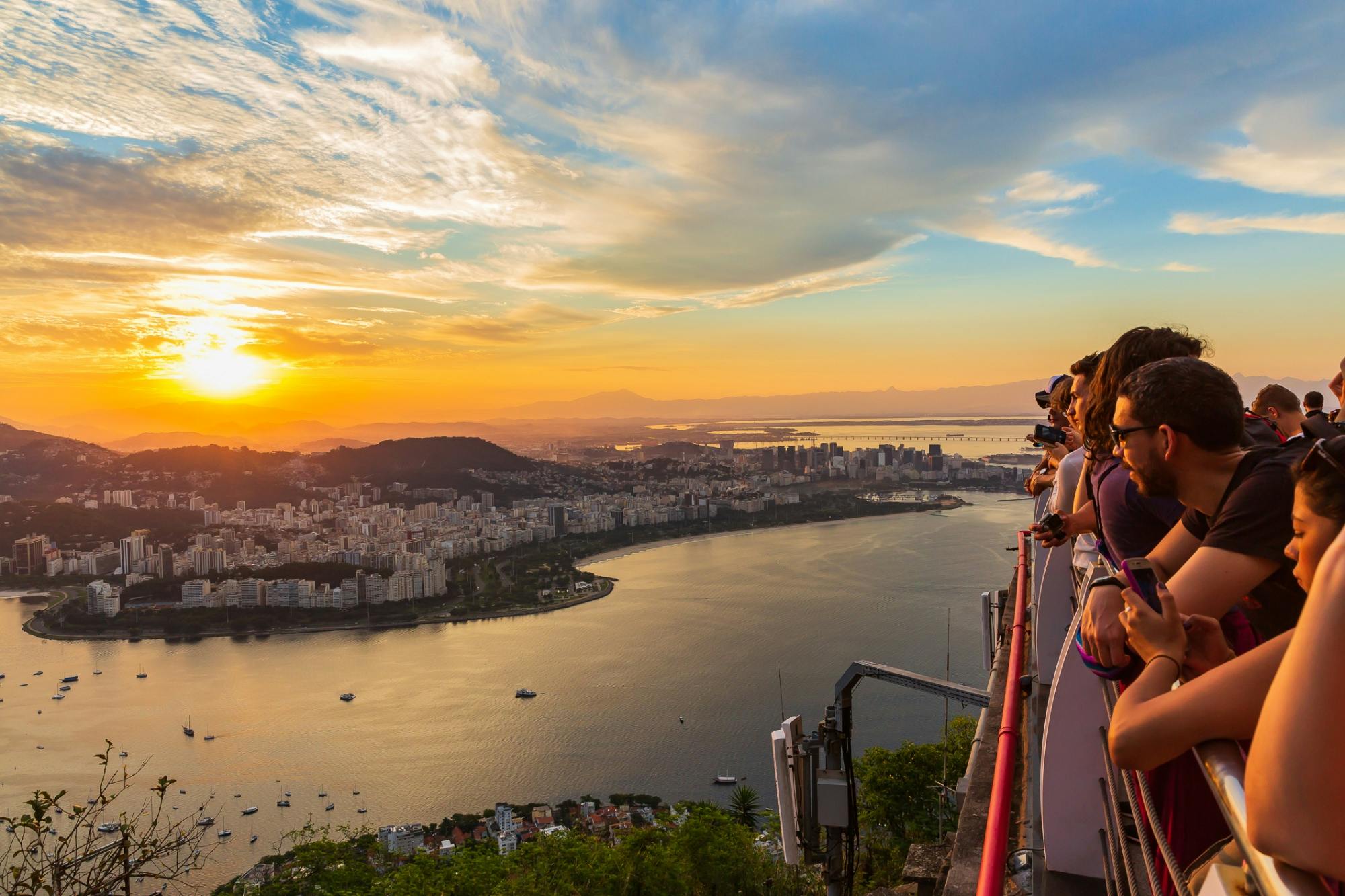
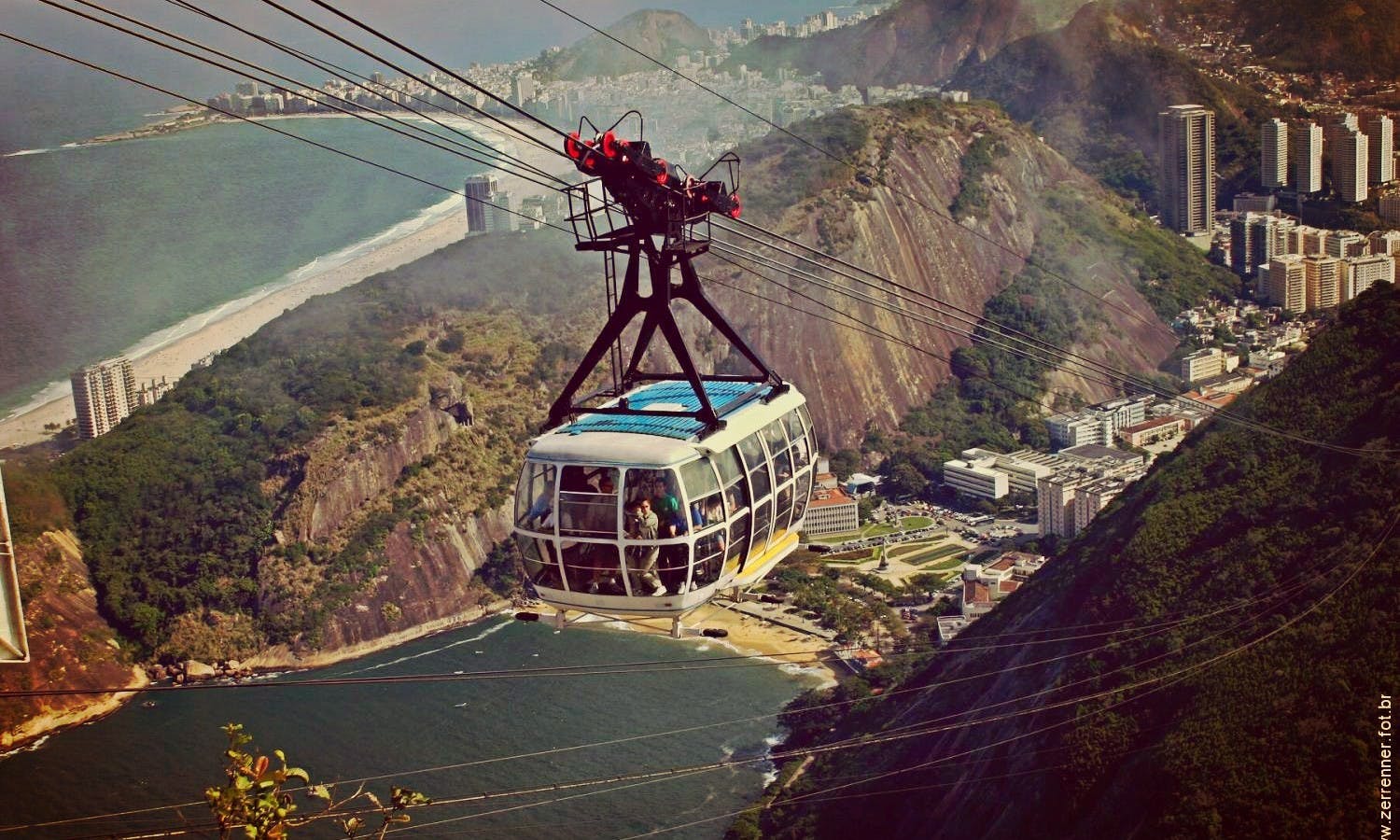
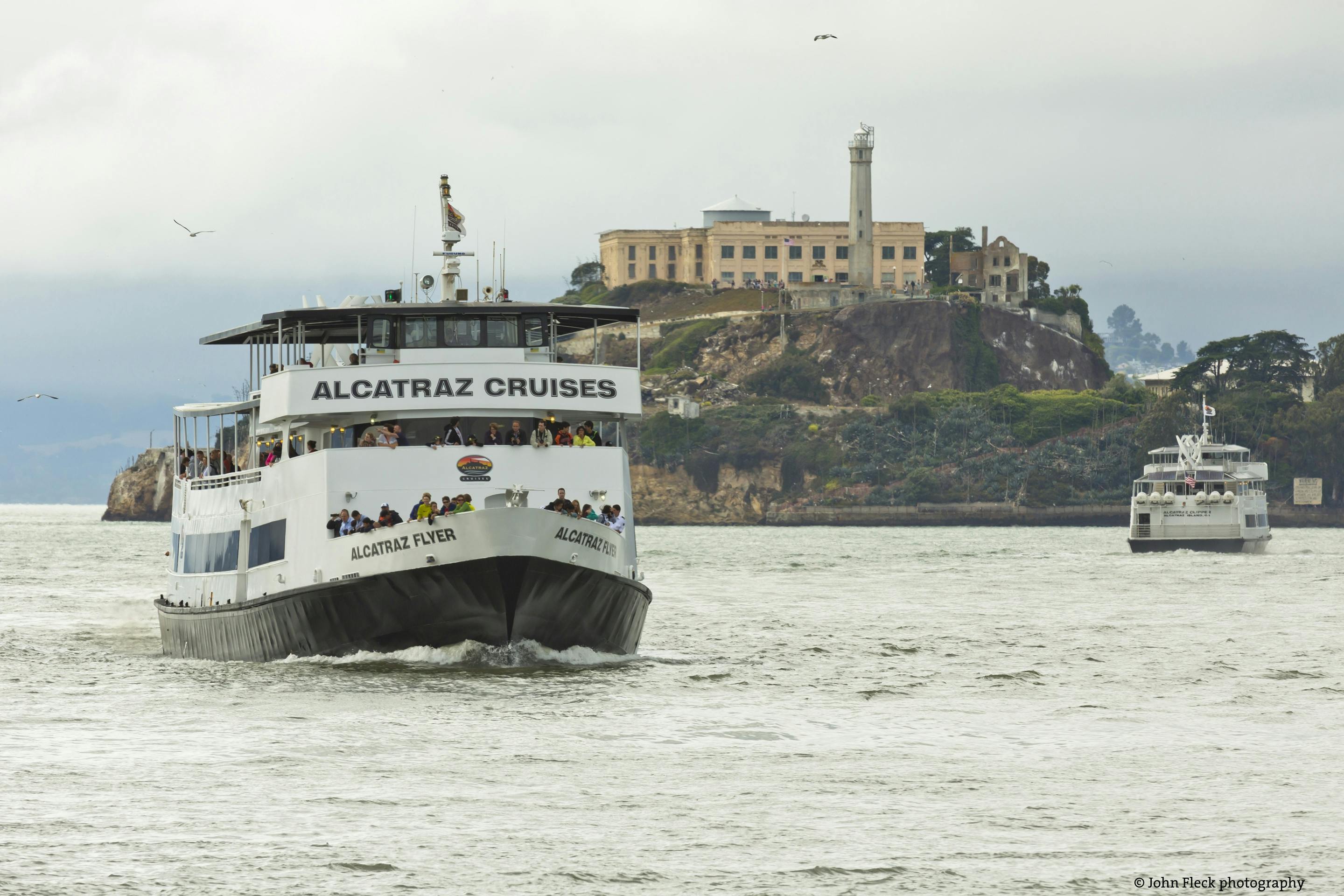
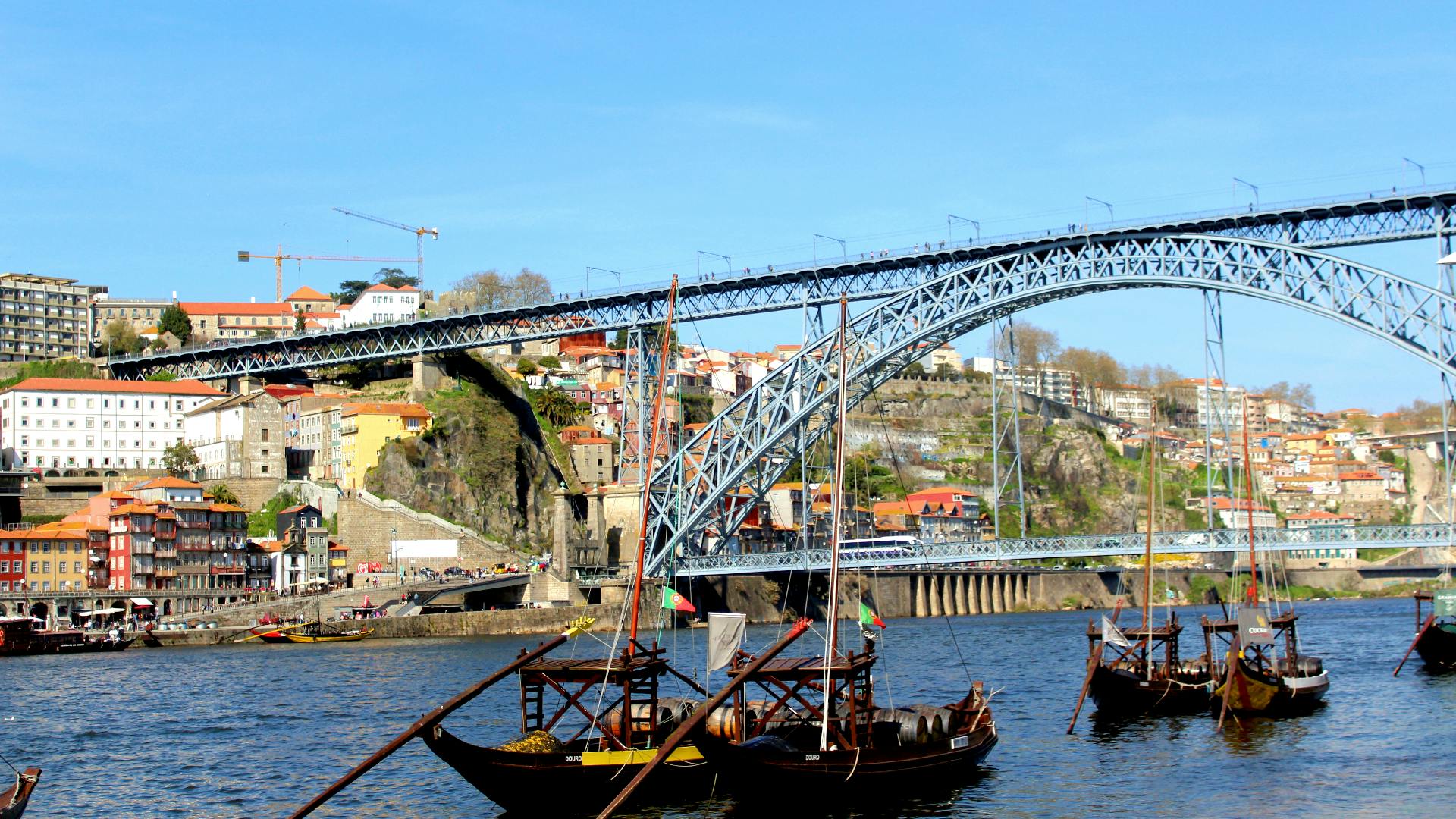
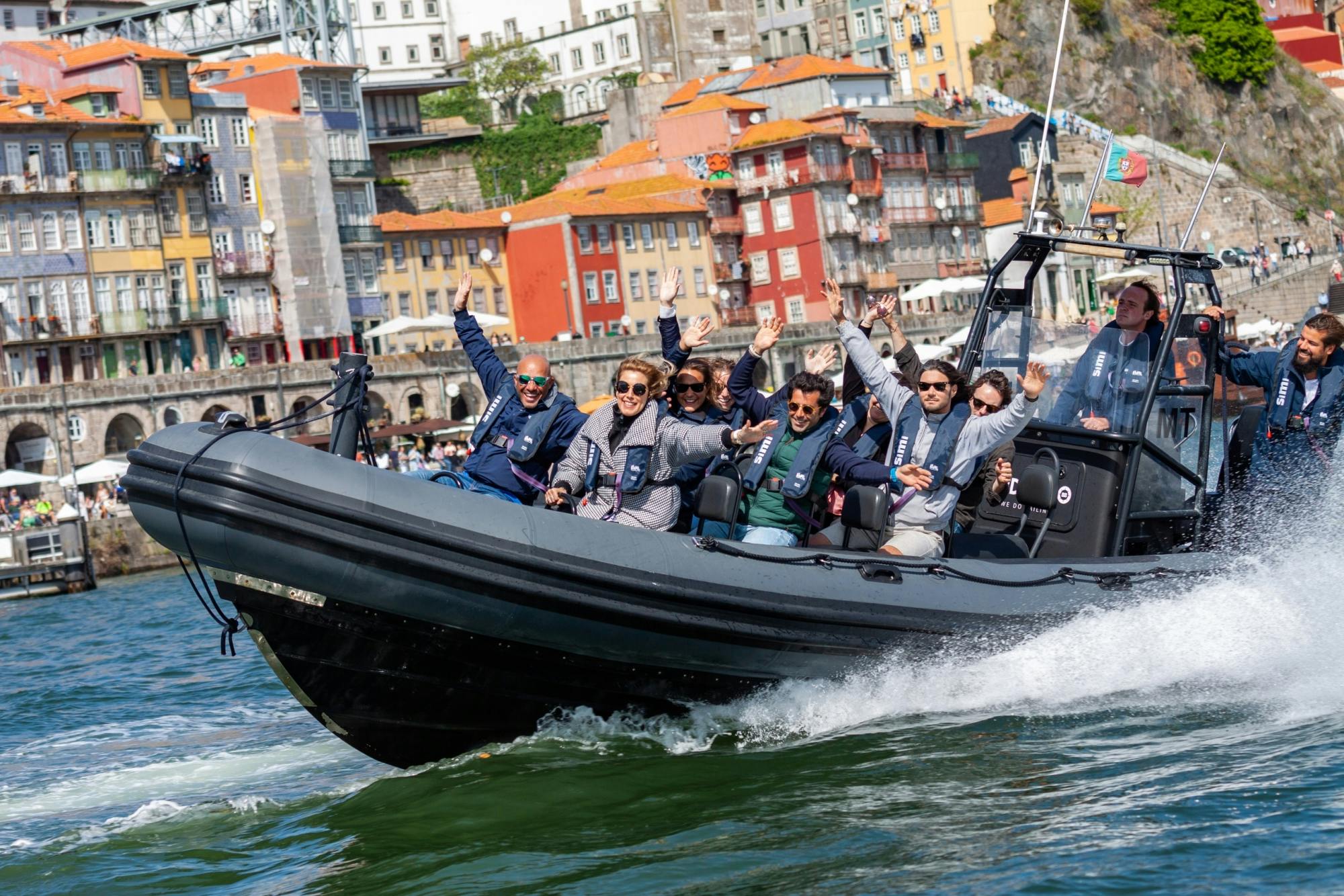
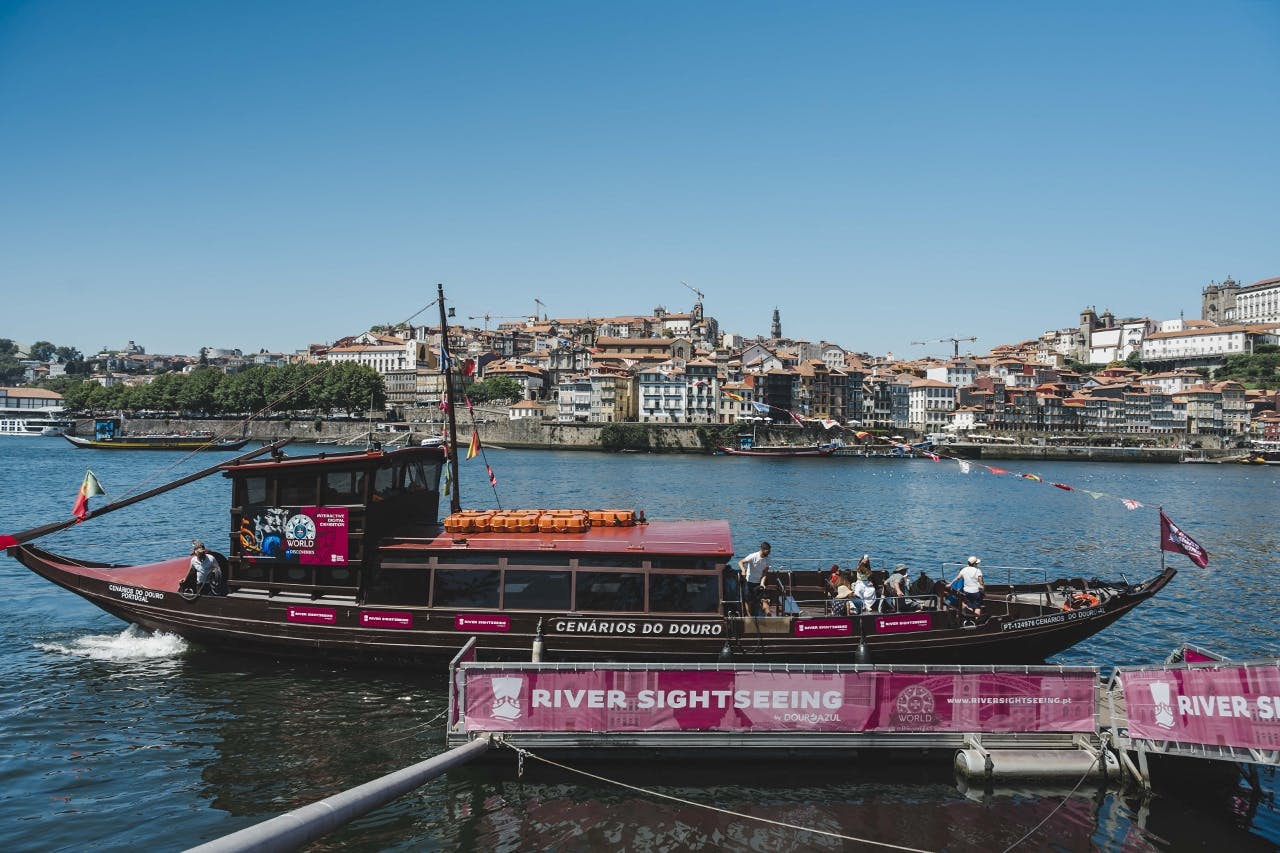
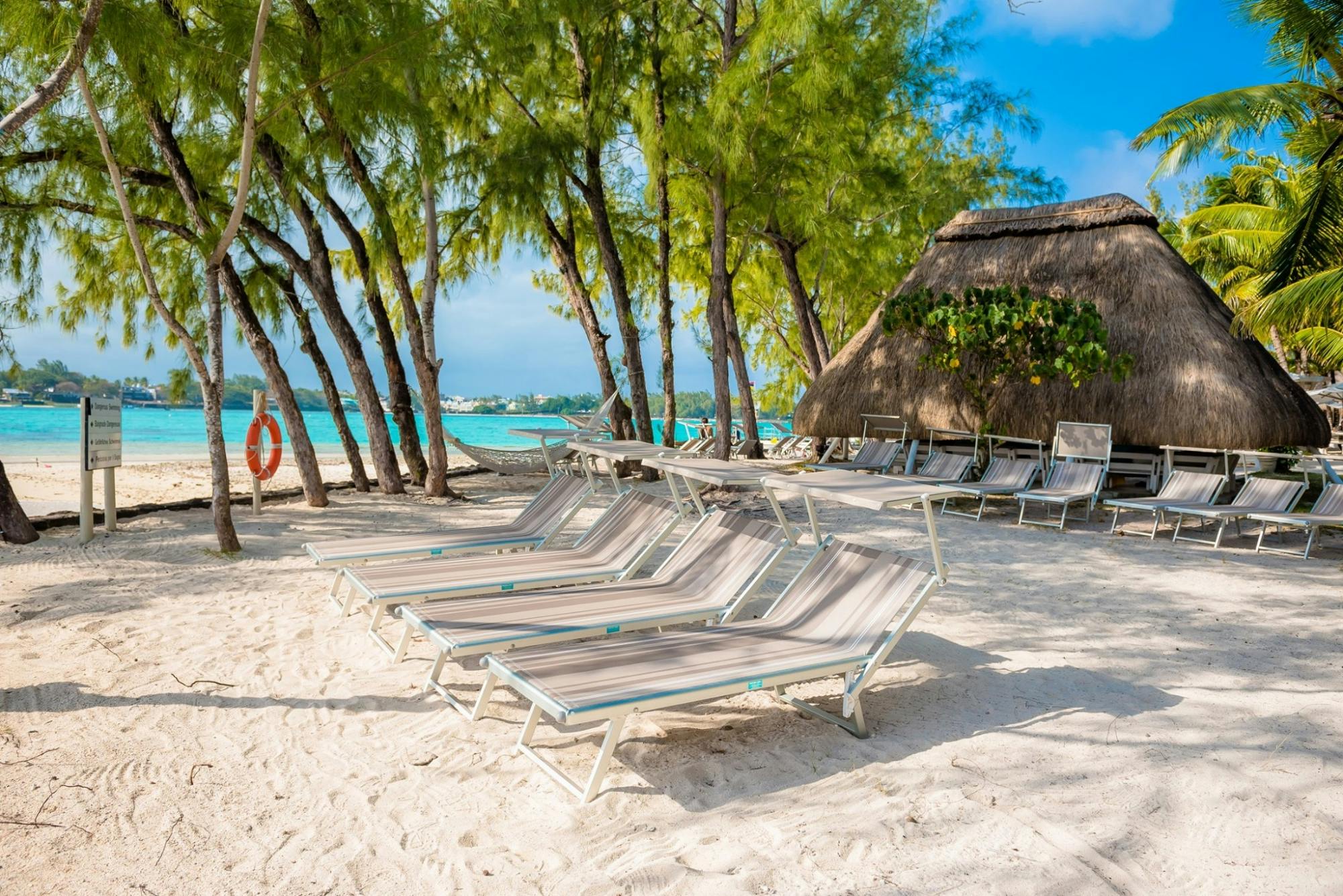
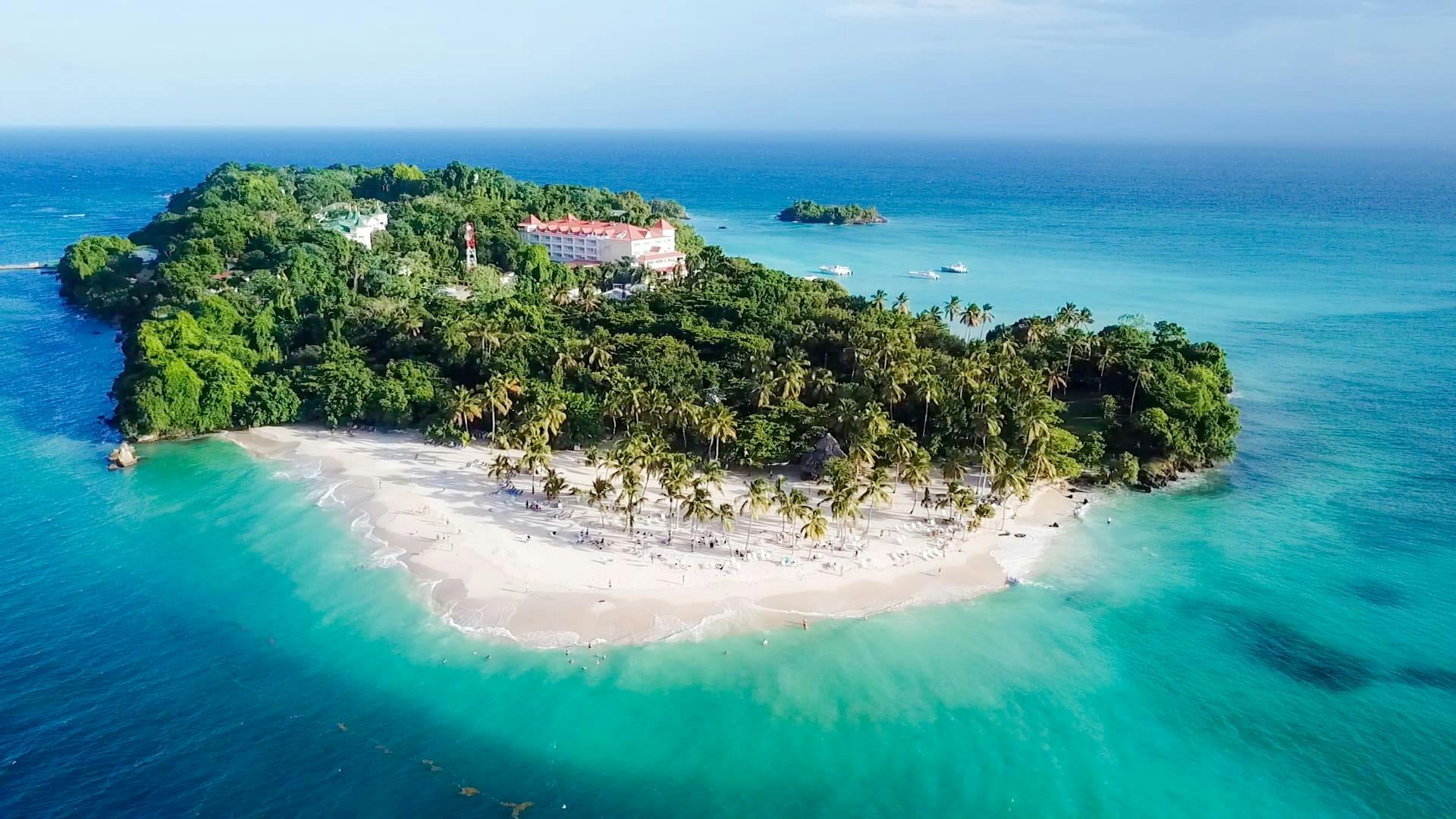
Lingshui Xiangshui Bay, also known as Perfume Bay or 香水湾, is a scenic beach-resort area on the south-east coast of Hainan Island, China. Set in Lingshui Li Autonomous County, it offers a quieter alternative to busier Sanya, with long sandy beaches, blue sea views, resort hotels, coastal drives, sunrise walks, surfing conditions in some seasons and easy access to nearby Hainan highlights such as Boundary Island, Nanwan Monkey Island and Clearwater Bay.
Xiangshui Bay is best suited to travellers who want a slower Hainan beach stay rather than a packed city itinerary. It is not as nightlife-heavy as Sanya, and that is part of the appeal. The mood is more about sea breezes, resort pools, beach walks, seafood meals, family holidays, romantic escapes and day trips along the Lingshui coast.
For travellers already visiting Sanya, Xiangshui Bay can work as a quieter add-on. For travellers planning a Hainan beach holiday, it can be a good base if you prefer relaxed coastline, resort comfort and nearby nature attractions over big-city shopping and nightlife.
Quick take: Musement.com offers a worldwide selection of tours and attractions
Ireland: The Quiet Man Museum and Film Location Guided Tour Best deals for Ireland: The Quiet Man Museum and Film Location Guided Tour. Walk in the footsteps of John Wayne and Maureen O'Hara at the original movie locations. Visit an exact replica of the White O'Morn cottage. Join a guided tour of the museum to see original artifacts. Available from getyourguide.com.
Why Visit Lingshui Xiangshui Bay?
Lingshui Xiangshui Bay is worth visiting if you want a peaceful Hainan beach experience with resort comfort and fewer crowds than the busiest parts of Sanya. The coastline is broad and open, with sea views, soft sand in many areas and a relaxed atmosphere that suits slow travel.
The bay is also well positioned for exploring south-east Hainan. From Xiangshui Bay, you can plan day trips to Boundary Island for clear-water island scenery, Nanwan Monkey Island for wildlife and cable car views, Clearwater Bay for resort beaches, and Sanya for bigger shopping, dining and airport connections.
Lingshui Xiangshui Bay is best for:
Couples wanting a quieter Hainan beach escape
Families looking for resort pools, beach walks and nearby attractions
Travellers who prefer Lingshui’s slower pace over central Sanya
Beach walkers, sunrise watchers and coastal photographers
Visitors combining Sanya, Lingshui, Wanning and the east coast of Hainan
Resort travellers wanting sea views and a relaxed base
People interested in nearby Boundary Island, Nanwan Monkey Island and Clearwater Bay
Where Is Xiangshui Bay?
Xiangshui Bay is in Lingshui Li Autonomous County on Hainan Island’s south-east coast. It sits between the busier resort areas around Sanya and the surf-influenced east-coast areas toward Wanning.
Location Detail
Traveller Notes
Destination
Lingshui Xiangshui Bay / Perfume Bay / 香水湾
County
Lingshui Li Autonomous County
Province
Hainan, China
Nearest major airport
Sanya Phoenix International Airport
Useful rail access
Lingshui Railway Station
Nearby coastal areas
Clearwater Bay, Tufu Bay, Boundary Island, Wanning coast
Best visit style
Beach resort stay, family holiday, romantic escape, coastal road trip or quiet Hainan base
The area is easiest with a hotel transfer, private car, taxi or self-drive arrangement. Public transport may be possible in parts of Lingshui, but independent travellers usually find the coast easier to explore with arranged transport.
What to Expect at Lingshui Xiangshui Bay
Expect a quieter resort-coast atmosphere rather than a dense city beach. Xiangshui Bay has hotels, beachfront developments, wide coastal views and long stretches of sand, but it is not the same as staying in downtown Sanya or around Dadonghai. The pace is slower, and evenings are more resort-based.
The beach can be beautiful, but conditions change with wind, waves and season. Some sections are better for walking and photography than swimming. Always follow hotel and local safety advice before entering the water.
What you may find
Long sandy beach areas and open sea views
Beachfront resorts and holiday apartments
Sunrise and sunset photography opportunities
Resort pools, kids’ facilities and family-friendly hotel amenities
Quiet beach walks and sea-breeze relaxation
Nearby island and wildlife day trips
Less nightlife than Sanya
More space and a calmer mood than many crowded resort zones
What not to expect
Do not expect the same nightlife and shopping density as Sanya.
Do not expect every beach section to be patrolled or suitable for swimming.
Do not assume all restaurants and services are within walking distance of your hotel.
Do not rely on English being widely spoken outside major hotels.
Do not expect every hotel beach to be fully private, even if it feels quiet.
Do not visit only for one quick photo stop; Xiangshui Bay is better as a slow beach stay.
Xiangshui Bay Beach
Xiangshui Bay Beach is the main reason to visit. The coastline is broad and scenic, with a tropical Hainan feel, open water, sea breezes and resort-backed beach areas. It is especially good for morning walks, sunrise views, photography and quiet time away from busier tourist centres.
Depending on sea conditions, some travellers may swim, paddle or take part in water activities, but safety should always come first. Hainan’s beaches can have surf, currents and changing wind conditions. Swim only where local advice says it is safe.
Best beach activities
Walk the beach early in the morning.
Watch sunrise over the South China Sea.
Relax at a beachfront resort pool or terrace.
Photograph palm trees, waves and coastal light.
Try gentle beach fitness, yoga or jogging.
Ask your hotel about safe swimming areas.
Enjoy a seafood meal after a beach day.
Beach safety tips
Check hotel or local beach safety signs before swimming.
Do not swim in rough surf or strong currents.
Avoid swimming alone.
Supervise children closely near the sea.
Use sun protection; Hainan’s tropical sun is strong.
Be careful walking on rocks, shells or coral fragments.
Follow any typhoon, storm or high-wave warnings.
Best Things to Do at Lingshui Xiangshui Bay
1. Stay in a beachfront resort
Xiangshui Bay works best when you choose accommodation that takes advantage of the coast. A beachfront or sea-view resort gives easy access to pools, restaurants, beach walks and sunrise views.
2. Walk the beach at sunrise
Morning is one of the best times to enjoy the bay. The air is cooler, the beach is quieter and the light over the water can be beautiful.
3. Visit Boundary Island
Boundary Island, also known as Fenjiezhou Island, is one of Lingshui’s most popular day trips. It is known for clear water, island scenery, ferry access and marine-style activities depending on current operations.
4. Explore Nanwan Monkey Island
Nanwan Monkey Island is a well-known Lingshui wildlife attraction. Visitors commonly go for macaques, tropical scenery and the over-water cable car experience from the mainland side.
5. Spend time at Clearwater Bay
Clearwater Bay, also called Qingshui Bay, is another major Lingshui beach-resort area. It is useful for travellers who want to compare different coastal moods in the same county.
6. Take a coastal drive
The coastline around Lingshui, Xiangshui Bay, Clearwater Bay and nearby Wanning has excellent sea views. A private driver or self-drive route makes it easier to explore beaches, viewpoints and resort areas.
7. Try water activities if conditions suit
Depending on season, operator and sea conditions, travellers may find surfing, paddleboarding, kayaking or other water activities in the wider Lingshui and Hainan east-coast area. Always choose reputable operators and check safety rules.
8. Visit Sanya as a day trip
If you want shopping, larger restaurants, night markets or major tourist attractions, Sanya is within reach by road or rail connections, depending on your exact starting point.
9. Relax rather than overplan
Xiangshui Bay is best for slow travel. Leave time for the beach, pool, balcony views, spa treatments, naps and unhurried meals.
10. Combine Lingshui with Wanning or Sanya
A strong Hainan coastal itinerary can include Sanya for big-ticket sightseeing, Lingshui for quieter resort beaches, and Wanning for surfing culture and east-coast scenery.
Nearby Places to Visit from Xiangshui Bay
Boundary Island
Boundary Island is one of the most popular Lingshui attractions. It is often promoted for clear water, island views, ferry access and marine leisure activities.
Nanwan Monkey Island
Nanwan Monkey Island is famous for macaques and its scenic cable car route. Visitors should follow staff instructions carefully and avoid feeding or teasing monkeys.
Clearwater Bay
Clearwater Bay is a large beach-resort district in Lingshui. It has hotels, beaches, golf and coastal leisure facilities depending on where you stay.
Tufu Bay
Tufu Bay is another Lingshui coastal area known for luxury resorts and a quieter beach atmosphere.
Lingshui Town
Lingshui town is useful for railway access, local food, supplies and transport connections rather than resort-style sightseeing.
Wanning Riyue Bay
Riyue Bay in nearby Wanning is one of Hainan’s better-known surf areas. It suits travellers wanting a more active beach scene.
Sanya
Sanya is Hainan’s best-known resort city, with bigger shopping, nightlife, beaches and airport access. It pairs well with a quieter Lingshui stay.
Hainan Ocean Paradise
Hainan Ocean Paradise in Lingshui is a family-oriented attraction area with marine and theme-park-style experiences depending on current operations.
Hotels and Resorts at Xiangshui Bay
Accommodation is one of the main reasons travellers choose Xiangshui Bay. The area has resort-style properties with sea views, pools, family facilities, spa services and beach access. It is better suited to visitors who enjoy hotel-based relaxation rather than constant sightseeing.
What to look for when booking
Beachfront access: useful if you want daily beach walks.
Sea-view rooms: worth considering for sunrise and balcony views.
Swimming pools: important because sea swimming may not always be suitable.
Kids’ facilities: useful for families planning a resort holiday.
On-site restaurants: important if the property is not close to town dining.
Transfer options: check airport, train station and attraction transfers.
English-language support: useful for international travellers.
Recent reviews: check current maintenance, food quality and beach access feedback.
Best areas to stay
Area
Best For
Traveller Notes
Xiangshui Bay beachfront
Resort stays, beach walks and sea views
Best if you want to stay close to the bay itself.
Clearwater Bay
Families, golf, resorts and broader services
Good alternative if you want more resort infrastructure.
Tufu Bay
Luxury escapes and quiet coastal stays
Better for travellers prioritising premium hotels.
Lingshui town
Transport, local food and value stays
Less scenic, but practical for rail access and local life.
Sanya
Nightlife, shopping, airport access and major attractions
Better if you want a busier beach-city base.
Best Time to Visit Lingshui Xiangshui Bay
Hainan has a tropical climate, so the best time to visit depends on your tolerance for heat, humidity, rain and crowds. The cooler, drier months are generally more comfortable for beach holidays, while summer can be hotter, wetter and more humid.
Season
What to Expect
Advice
November to March
Milder temperatures, lower humidity and popular beach weather
Best all-round period for many visitors.
April to May
Warmer weather and increasing humidity
Good for resort stays, but prepare for heat.
June to September
Hot, humid and more rain-prone
Use flexible plans and check weather updates.
Typhoon season risk period
Possible storms, rough seas and travel disruption
Monitor forecasts and hotel/tour policies.
Chinese public holidays
Higher demand, busier hotels and higher prices
Book early or avoid peak holiday travel if you want quiet.
Suggested Lingshui Xiangshui Bay Itinerary Ideas
Option 1: Simple 2-Day Beach Escape
Day 1 morning: Arrive at Xiangshui Bay and check into your resort.
Day 1 afternoon: Walk the beach, swim in the pool and enjoy a slow dinner.
Day 2 morning: Watch sunrise and relax by the water.
Day 2 afternoon: Visit Clearwater Bay or take a short coastal drive.
Option 2: 3-Day Lingshui Coast Plan
Day 1: Xiangshui Bay beach, resort time and seafood dinner.
Day 2: Day trip to Boundary Island for island views and marine activities.
Day 3: Visit Nanwan Monkey Island and return for a quiet beach evening.
Option 3: Family-Friendly Resort Stay
Morning: Use the resort pool and beach area before the heat builds.
Midday: Rest indoors, use kids’ facilities or enjoy lunch at the hotel.
Afternoon: Take a short trip to Nanwan Monkey Island or Hainan Ocean Paradise.
Evening: Keep dinner easy with on-site or nearby restaurants.
Option 4: Hainan Coastal Route
Day 1: Arrive in Sanya and explore the city or beach areas.
Day 2: Transfer to Xiangshui Bay for a quieter resort stay.
Day 3: Visit Boundary Island or Clearwater Bay.
Day 4: Continue toward Wanning and Riyue Bay for surf culture and east-coast scenery.
Option 5: Romantic Xiangshui Bay Stay
Day 1: Check into a sea-view resort and enjoy a slow beach walk.
Day 2: Book a spa treatment, pool day or private coastal drive.
Day 3: Visit Boundary Island or stay in the resort for a relaxed final day.
Food and Local Flavours Near Xiangshui Bay
Lingshui and Hainan are good places to try tropical island flavours, seafood, coconut dishes and local-style noodles. Resort dining is convenient, but it is also worth trying local restaurants if transport allows.
Foods to look for
Hainanese chicken rice: one of Hainan’s most famous dishes.
Fresh seafood: fish, prawns, crab, shellfish and seasonal catches.
Lingshui sour noodles: a local-style noodle dish associated with Lingshui.
Coconut chicken hotpot: popular across Hainan.
Tropical fruit: mango, pineapple, papaya, coconut and dragon fruit.
Qingbuliang: a refreshing Hainan dessert with coconut milk and mixed toppings.
Wenchang chicken: another famous Hainan chicken dish, widely found around the island.
If you are staying at an isolated resort, check restaurant options before arrival. Some travellers prefer to book hotels with several dining choices or arrange transport to Lingshui town or nearby resort districts for more variety.
Useful Booking Resources for Lingshui Xiangshui Bay and Hainan Activities
Lingshui Xiangshui Bay is easy to enjoy as a resort stay, but booking platforms are useful for hotels, transfers, island tickets, private drivers, day trips, Hainan attraction tickets, Sanya extensions and wider China travel planning. The suppliers below are useful places to compare travel products. Skimlinks may automatically convert these merchant links into affiliate links if the merchant is active in your Skimlinks account.
GetYourGuide – offers China and Hainan tours, private guides, transfers, attraction tickets and selected coastal or island experiences depending on availability.
Viator – offers private China tours, Hainan activities, Sanya day trips, airport transfers, customisable itineraries and regional sightseeing where available.
Klook – offers China attraction tickets, transport products, SIM/eSIM options, airport transfers, Hainan activities and island-style day trips depending on current availability.
KKday – offers local tours, attraction tickets, transport services and China travel products useful for comparing Hainan activities and transfers.
Tiqets – offers mobile-friendly attraction tickets and cultural experiences in selected destinations, useful for travellers combining Hainan with larger city stopovers.
Musement – offers tours, attraction tickets, cultural activities and local experiences across selected global destinations, useful for wider China and Asia travel planning.
G Adventures – offers small-group and multi-day China or Asia tours that may suit travellers planning a broader itinerary rather than a standalone Hainan beach stay.
Go City – offers bundled attraction passes in selected destinations, useful for readers comparing multi-attraction sightseeing options before or after China.
CityPASS – offers bundled attraction passes mainly for selected North American cities. It is not a main Hainan booking option, but may suit readers planning wider international travel.
Booking tip: Before booking a Lingshui Xiangshui Bay hotel or tour, check airport transfer times, distance from Lingshui Station, beach access, pool facilities, breakfast, child policies, English-language support, cancellation rules, typhoon/weather policies, and whether nearby attractions such as Boundary Island or Nanwan Monkey Island require advance tickets or ferry arrangements.
Lingshui Xiangshui Bay Travel Tips
Choose your hotel carefully
Your hotel matters more here than in a city destination. Check beach access, pool quality, restaurant options, transport, recent reviews and whether the resort suits families, couples or quiet stays.
Arrange transport ahead
Transfers from Sanya Airport, Lingshui Station or nearby attractions are easiest when arranged in advance. Ask your hotel about pickup options.
Do not expect a big nightlife scene
Xiangshui Bay is better for resort relaxation than late-night entertainment. Stay in Sanya if nightlife is a priority.
Check swimming conditions daily
Wind, waves and currents can change. Ask hotel staff where and when swimming is safe.
Use strong sun protection
Hainan’s tropical sun is intense. Bring sunscreen, hat, sunglasses and lightweight clothing.
Bring translation tools
English may be limited outside major hotels. Translation apps help with taxis, restaurants and local services.
Keep public holiday dates in mind
Chinese public holidays can make hotels busier and more expensive. Book early or travel outside peak holiday periods for a quieter stay.
Allow time for nearby attractions
Boundary Island, Monkey Island and Clearwater Bay are worth planning properly rather than rushing between them all in one day.
Monitor weather in summer and typhoon season
Heavy rain, strong wind or rough seas can affect beach activities, ferry trips and transfers. Keep plans flexible.
Try local Lingshui food
Resort food is convenient, but local dishes such as sour noodles, seafood and coconut-based meals add more flavour to the trip.
Is Lingshui Xiangshui Bay Worth Visiting?
Yes, Lingshui Xiangshui Bay is worth visiting if you want a quieter Hainan beach resort stay with sea views, relaxed coastal scenery and access to nearby Lingshui attractions.
It may not suit travellers wanting nonstop nightlife, big shopping malls or a dense sightseeing schedule. It is better for slow beach holidays, resort relaxation, family time, romantic escapes and coastal day trips.
The best way to enjoy Xiangshui Bay is to choose a good beachfront resort, plan transport ahead, visit Boundary Island or Nanwan Monkey Island if time allows, and leave enough space in your itinerary for simple beach walks, pool time and tropical sea views.
FAQs About Lingshui Xiangshui Bay
Where is Lingshui Xiangshui Bay?
Lingshui Xiangshui Bay, also called Perfume Bay, is on the south-east coast of Hainan Island in Lingshui Li Autonomous County, China.
Is Xiangshui Bay the same as Perfume Bay?
Yes. Xiangshui Bay is often translated as Perfume Bay because the Chinese name 香水湾 can be rendered that way in English.
How do you get to Xiangshui Bay?
Most travellers reach Xiangshui Bay by car, taxi, hotel transfer or private driver from Sanya, Sanya Phoenix International Airport, Lingshui Railway Station or nearby Hainan resort areas.
Is Xiangshui Bay better than Sanya?
Xiangshui Bay is better for a quieter resort stay and beach relaxation. Sanya is better for nightlife, shopping, restaurants, transport and a wider choice of major tourist attractions.
Can you swim at Xiangshui Bay?
Swimming may be possible in suitable conditions, but sea conditions can change. Always follow hotel and local safety advice before entering the water.
What are the best nearby attractions?
Good nearby attractions include Boundary Island, Nanwan Monkey Island, Clearwater Bay, Tufu Bay, Lingshui town and the wider Hainan east coast.
Is Lingshui good for families?
Yes. Lingshui can be good for families, especially if staying at a resort with pools, kids’ facilities, restaurants and easy transport to attractions.
When is the best time to visit Xiangshui Bay?
The cooler and drier months from November to March are generally the most comfortable for beach holidays. Summer is hotter, more humid and more rain-prone.
Do you need a car in Xiangshui Bay?
You do not need a car if you stay mainly at a resort, but a private driver, taxi or hotel transfer is very useful for nearby attractions and airport or rail connections.
Is Lingshui Xiangshui Bay worth visiting?
Yes. Lingshui Xiangshui Bay is worth visiting for a quieter Hainan beach-resort escape, especially if you enjoy sea views, relaxed hotels, nearby island trips and a slower coastal pace.
Sponsored Popular Items
Quick take: Musement.com offers a worldwide selection of tours and attractions
Ireland: The Quiet Man Museum and Film Location Guided Tour Best deals for Ireland: The Quiet Man Museum and Film Location Guided Tour. Walk in the footsteps of John Wayne and Maureen O'Hara at the original movie locations. Visit an exact replica of the White O'Morn cottage. Join a guided tour of the museum to see original artifacts. Available from getyourguide.com.
Ginkaku-ji: The Shogun Who Invented Quiet Beauty Best deals for Ginkaku-ji: The Shogun Who Invented Quiet Beauty. Discover how a shogun's mountain retreat shaped Japanese beauty. Explore Ginkaku-ji, Higashiyama culture, Zen gardens, and the timeless ideas behind wabi-sabi with a local guide. Available from getyourguide.com.
Malang: The Quiet Side of Bromo – Private Sunset Tour Indonesia Discover Mount Bromo at sunset on a private tour from Malang. Cross the Sea of Sand, admire Mount Batok, and enjoy panoramic views of the active Mount Bromo crater.
Rio de Janeiro is one of the world’s most spectacular city destinations, famous for Christ the Redeemer, Sugarloaf Mountain, Copacabana Beach, Ipanema Beach, samba, Carnival culture, tropical mountains, rainforest, bay views and a coastline that feels made for postcards.
Rio is not just a beach city. It is a dramatic landscape where granite peaks rise from the sea, neighbourhoods wrap around bays and lagoons, rainforest climbs into the hills, and famous viewpoints reveal a city shaped by mountains, water and outdoor life.
Quick take: Musement.com offers a worldwide selection of tours and attractions
For first-time visitors, the classic Rio experience includes Christ the Redeemer on Corcovado, Sugarloaf Mountain by cable car, a walk along Copacabana and Ipanema, sunset at Arpoador, the colourful Selarón Steps, a samba night in Lapa, and time in Tijuca National Park or around Guanabara Bay.
Why Visit Rio de Janeiro?
Rio de Janeiro is worth visiting because it offers one of the strongest combinations of city, beach, mountain and culture anywhere in the world. You can start the morning at a rainforest viewpoint, spend the afternoon on Ipanema Beach, watch sunset from Arpoador, then finish the evening with samba, seafood or a rooftop drink overlooking the city lights.
Rio has an energy that is hard to copy. The beach is part of daily life, music spills into neighbourhoods, football culture is everywhere, and the scenery constantly pulls your eyes upward toward Corcovado, Sugarloaf and the surrounding hills.
Rio de Janeiro is best for:
First-time visitors to Brazil
Beach lovers wanting Copacabana, Ipanema and Leblon
Photographers chasing mountain, bay and city views
Culture lovers interested in samba, Carnival and street art
Food lovers wanting Brazilian barbecue, seafood, açaí and caipirinhas
Hikers and outdoor travellers exploring Tijuca National Park
Couples wanting dramatic sunsets and scenic viewpoints
Travellers combining Rio with Iguazu Falls, São Paulo, Búzios, Paraty or Ilha Grande
Where Is Rio de Janeiro?
Rio de Janeiro is on Brazil’s south-eastern coast, facing the Atlantic Ocean and Guanabara Bay. The city sits between beaches, lagoons, rainforest-covered mountains and coastal islands, creating the famous “mountain and sea” landscape that defines Rio.
Location Detail
Traveller Notes
Destination
Rio de Janeiro, Brazil
Region
South-east Brazil
Main landmarks
Christ the Redeemer, Sugarloaf Mountain, Copacabana Beach, Ipanema Beach
Main natural setting
Atlantic coast, Guanabara Bay, Tijuca Massif and urban rainforest
Best visit style
City break, beach stay, cultural trip, Carnival visit, hiking and viewpoint itinerary
Useful airport
Rio de Janeiro–Galeão International Airport, plus Santos Dumont for domestic flights
Christ the Redeemer and Corcovado
Christ the Redeemer, or Cristo Redentor, is Rio’s most famous landmark. The statue stands on Corcovado Mountain inside Tijuca National Park, overlooking the city, beaches, lagoon, mountains and bay.
Visiting Christ the Redeemer is one of the essential Rio experiences. The most traditional route is by the Corcovado train, which climbs through forest toward the summit. Vans and guided tours are also common, depending on where you are staying and current access arrangements.
Why visit Christ the Redeemer?
It is Rio’s most recognisable symbol.
The views over the city are extraordinary on a clear day.
The journey through Tijuca National Park adds to the experience.
It helps first-time visitors understand Rio’s landscape.
It is one of the classic photo stops in Brazil.
Christ the Redeemer tips
Go early if you want fewer crowds.
Check visibility before booking a last-minute visit; clouds can hide the view.
Book tickets or tours ahead in peak periods.
Wear comfortable shoes because there are steps and viewing areas.
Keep phones and cameras secure in crowds.
Combine it with Sugarloaf only if you have a well-planned day; both deserve time.
Sugarloaf Mountain
Sugarloaf Mountain, or Pão de Açúcar, is another Rio icon. The cable car journey rises in stages from Urca to Morro da Urca and then to Sugarloaf, giving wide views of Guanabara Bay, Botafogo, Copacabana, Christ the Redeemer and the surrounding mountains.
Sugarloaf is especially beautiful in the late afternoon, when the light softens and the city begins to glow. Sunset can be spectacular, but it is also one of the busiest times.
Best things about Sugarloaf
Classic cable car experience
Views of Guanabara Bay and Rio’s coastline
Excellent photography of Christ the Redeemer from a distance
Sunset views over the city and sea
Easy access from Urca compared with some hilltop viewpoints
Sugarloaf tips
Book ahead in busy periods.
Arrive before sunset if you want time to enjoy both cable car stages.
Bring a light layer because it can be breezy at the top.
Keep valuables secure in queues and viewing areas.
Consider visiting Urca afterwards for a relaxed waterfront drink or meal.
Copacabana, Ipanema and Rio’s Beaches
Rio’s beaches are central to the city’s identity. They are places to swim, walk, play football, drink coconut water, eat beach snacks, meet friends, exercise, watch sunsets and experience daily Carioca life.
Copacabana Beach
Copacabana is Rio’s most famous beach, known for its long curve of sand, black-and-white wave-pattern promenade, hotels, kiosks, beach sports and lively atmosphere. It is ideal for a classic first Rio beach walk.
Ipanema Beach
Ipanema is stylish, scenic and popular with both locals and visitors. It has mountain views toward Dois Irmãos, strong beach culture, sunset energy and easy access to cafés, bars and shops.
Leblon Beach
Leblon sits west of Ipanema and often feels more residential and polished. It is a good choice for travellers wanting a quieter beach base with excellent restaurants nearby.
Arpoador
Arpoador is the rocky point between Copacabana and Ipanema. It is one of the best places in Rio for sunset, especially when crowds gather to watch the sun drop behind the mountains.
Barra da Tijuca
Barra da Tijuca has a long, wide beach and a more modern feel. It is farther from classic Rio sights but good for longer stays, surfing, shopping centres and spacious beachfront hotels.
Beach safety tips
Take only what you need to the beach.
Do not leave phones, bags or cameras unattended.
Use small cash or contactless payment carefully.
Swim only where conditions are safe and follow lifeguard advice.
Be cautious with waves and currents.
Use licensed kiosks and check prices before ordering.
Avoid walking quiet beach areas late at night.
Best Neighbourhoods to Explore in Rio de Janeiro
Copacabana
Copacabana is practical, famous and energetic. It is a strong base for first-time visitors who want beach access, hotels, restaurants, metro connections and classic Rio atmosphere.
Ipanema
Ipanema is stylish and scenic, with beach culture, boutiques, restaurants and a more polished feel than some parts of Copacabana. It is one of the best areas for first-time visitors who want beach and lifestyle together.
Leblon
Leblon is upscale, residential and food-focused. It suits travellers wanting comfort, good dining and a slightly calmer beach base.
Santa Teresa
Santa Teresa is Rio’s bohemian hilltop neighbourhood, known for old mansions, art studios, views, cafés and winding streets. It is atmospheric but requires more transport planning.
Lapa
Lapa is famous for nightlife, samba, arches and the colourful Selarón Steps nearby. It is lively at night but visitors should use sensible transport and safety precautions.
Urca
Urca is a quieter neighbourhood near Sugarloaf Mountain. It is excellent for waterfront views, relaxed bars and a calmer side of Rio.
Botafogo
Botafogo has bay views, restaurants, bars, shopping and transport links. It is a useful base for travellers who want access to Sugarloaf, Flamengo, Copacabana and the city centre.
Best Things to Do in Rio de Janeiro
1. Visit Christ the Redeemer
The view from Corcovado is one of the world’s great city panoramas. Visit early or choose a clear afternoon for the best chance of strong visibility.
2. Ride the cable car to Sugarloaf Mountain
Sugarloaf gives a different perspective on Rio, with dramatic bay, beach and mountain views.
3. Walk Copacabana Beach
Copacabana is ideal for a morning or late-afternoon walk along the famous wave-pattern promenade.
4. Watch sunset from Arpoador
Arpoador is one of Rio’s classic sunset spots, with views toward Ipanema, Leblon and Dois Irmãos.
5. Explore Ipanema and Leblon
These beach neighbourhoods offer cafés, boutiques, restaurants, beach culture and some of the city’s best lifestyle atmosphere.
6. See the Selarón Steps
The Escadaria Selarón is a colourful tiled staircase between Lapa and Santa Teresa. It is one of Rio’s most photographed street-art landmarks.
7. Visit Tijuca National Park
Tijuca National Park is a major urban rainforest area with viewpoints, waterfalls, forest trails and access to Corcovado.
8. Experience samba in Lapa
Lapa is one of the best-known nightlife districts for samba, bars and music. Go with a reputable guide or use trusted transport at night.
9. Visit the Museum of Tomorrow
The Museum of Tomorrow in the Porto Maravilha area is a striking modern museum focused on science, sustainability and future questions.
10. Tour Maracanã Stadium
Football fans can visit Maracanã, one of the world’s most famous stadiums, or attend a match with appropriate local guidance.
Tijuca National Park, Lagoa and Outdoor Rio
Rio’s natural setting is one of its greatest strengths. Beyond the beaches, the city has rainforest, lagoons, mountains, viewpoints and walking routes that make it feel more outdoors-focused than many large cities.
Tijuca National Park
Tijuca National Park is a huge forested area within Rio, protecting Atlantic Forest, waterfalls, trails and mountain viewpoints. It is home to Corcovado and many scenic drives and walking routes.
Lagoa Rodrigo de Freitas
Lagoa Rodrigo de Freitas sits behind Ipanema and Leblon. It is popular for walking, cycling, paddleboats, casual food stops and views toward Christ the Redeemer.
Dois Irmãos
Dois Irmãos, the twin peaks seen from Ipanema and Leblon, is one of Rio’s most recognisable mountain silhouettes. Guided hikes are available, but visitors should choose reputable operators and check safety conditions.
Pedra Bonita
Pedra Bonita is a popular viewpoint hike with sweeping views over Rio’s coast, mountains and forest. It is also linked with hang-gliding and paragliding departures.
Guanabara Bay
Guanabara Bay shapes much of Rio’s scenery, especially from Sugarloaf, Urca, Botafogo, Niterói and boat tours.
Samba, Carnival, Food and Local Culture
Rio is deeply associated with samba, Carnival, football, beach culture and relaxed outdoor social life. Even outside Carnival season, music and dance are part of the city’s identity.
Samba and nightlife
For samba, Lapa is one of the best-known nightlife areas, while samba schools and community events can offer deeper cultural experiences. If you are new to Rio, consider going with a guided group or trusted local recommendation.
Carnival
Rio Carnival is one of the world’s most famous festivals, with samba school parades at the Sambadrome, street parties, costumes, music and huge crowds. Accommodation and tickets should be booked far ahead.
Food and drinks to try
Feijoada – a rich black bean and meat stew, often served with rice, greens and orange.
Churrasco – Brazilian barbecue, ideal for meat lovers.
Pão de queijo – chewy cheese bread, good for snacks.
Açaí – popular as a cold bowl or smoothie, especially near beaches.
Pastel – fried pastry with savoury fillings.
Moqueca – seafood stew more associated with Bahia but found in Rio restaurants.
Caipirinha – Brazil’s famous cocktail made with cachaça, lime and sugar.
Coconut water – classic beach refreshment.
Safety Tips for Rio de Janeiro
Rio is beautiful and rewarding, but visitors should take safety seriously. Crime, theft and scams can affect tourists, especially in busy areas, at beaches, at night and around transport points. A few practical precautions make the trip much smoother.
Practical safety advice
Take only essential items to the beach.
Do not display expensive jewellery, watches or cameras unnecessarily.
Use a money belt or secure bag in crowded areas.
Keep your phone out of sight when not using it.
Use registered taxis or trusted ride-hailing apps at night.
Avoid walking quiet streets or beach areas late at night.
Check prices before buying from beach vendors or street sellers.
Be careful with card machines and payment amounts.
Use ATMs in secure indoor locations where possible.
Visit favelas only with reputable local guides and only where tours are responsibly run.
Follow current government travel advice before and during your trip.
Rio is not a destination where you should be careless, but it is also not a place to avoid if you plan sensibly, stay aware and respect local advice.
Best Time to Visit Rio de Janeiro
Rio can be visited year-round, but the best time depends on your priorities. Summer is hot, lively and beach-focused, while winter is usually milder and often better for sightseeing. Carnival season is exciting but crowded and expensive.
Season
What to Expect
Advice
December to March
Hot summer weather, beach energy, higher humidity and possible rain
Good for beach life, but book ahead and expect crowds.
Carnival period
Huge celebrations, samba parades, street parties and peak demand
Book accommodation, tickets and transport far ahead.
April to June
Warm to mild weather and generally easier sightseeing
Excellent for first-time visitors wanting fewer crowds.
July to September
Milder winter conditions, often good for viewpoints and walking
Good for sightseeing, hiking and less intense heat.
October to November
Warmer spring conditions before peak summer
Good balance of beach weather and manageable crowds.
Suggested Rio de Janeiro Itinerary Ideas
Option 1: Classic 3-Day Rio First Visit
Day 1: Visit Christ the Redeemer, explore Ipanema and watch sunset at Arpoador.
Day 2: Ride the cable car to Sugarloaf, walk Urca and relax at Copacabana.
Day 3: See Selarón Steps, explore Santa Teresa, visit Lapa and enjoy samba with safe transport.
Option 2: Rio Beach and Viewpoints Plan
Morning: Walk Copacabana Beach before the heat builds.
Midday: Visit Sugarloaf Mountain and have lunch in Urca or Botafogo.
Afternoon: Relax at Ipanema or Leblon.
Sunset: Watch from Arpoador or a rooftop bar.
Option 3: Nature and Outdoor Rio
Day 1: Visit Christ the Redeemer and explore Tijuca National Park.
Day 2: Walk or cycle around Lagoa Rodrigo de Freitas.
Day 3: Book a guided hike to Pedra Bonita or another suitable viewpoint.
Option 4: Culture and Food Weekend
Day 1: Visit the Museum of Tomorrow, Porto Maravilha and the city centre.
Day 1 evening: Eat Brazilian barbecue or seafood.
Day 2: Explore Santa Teresa, Selarón Steps and Lapa.
Day 2 night: Join a samba experience or guided nightlife tour.
Option 5: 5-Day Rio and Coast Plan
Day 1: Copacabana, Ipanema and Arpoador.
Day 2: Christ the Redeemer and Tijuca National Park.
Day 3: Sugarloaf, Urca and Botafogo.
Day 4: Santa Teresa, Lapa, Selarón Steps and city-centre highlights.
Day 5: Day trip to Niterói, Prainha, Grumari or a guided coastal extension depending on conditions.
Where to Stay in Rio de Janeiro
Area
Best For
Traveller Notes
Ipanema
First-time visitors, beach style, restaurants and safety-conscious travellers
One of the best all-round bases, usually more expensive.
Leblon
Upscale stays, dining and calmer beach atmosphere
Polished and comfortable, but often pricey.
Copacabana
Classic beach hotels, value options and easy transport
Practical and iconic, but choose location carefully.
Botafogo
Views, restaurants, transport and Sugarloaf access
Good value and useful for sightseeing.
Santa Teresa
Bohemian atmosphere, boutique stays and views
Charming but less convenient for beach-focused travellers.
Barra da Tijuca
Modern hotels, long beach and spacious stays
Farther from classic Rio sights; better for repeat visitors or resort-style stays.
Useful Booking Resources for Rio de Janeiro Tours and Activities
Rio is easy to enjoy independently in parts, but guided tours can be very useful for Christ the Redeemer, Sugarloaf, Tijuca National Park, samba nights, city-centre history, favela visits, football matches, airport transfers and day trips. The suppliers below are useful places to compare tour styles, inclusions and cancellation rules. Skimlinks may automatically convert these merchant links into affiliate links if the merchant is active in your Skimlinks account.
GetYourGuide – offers Rio de Janeiro tours including Christ the Redeemer, Sugarloaf Mountain, Tijuca National Park, samba experiences, city tours, favela tours, football tickets and airport transfers.
Viator – offers private Rio tours, Christ and Sugarloaf combinations, beach sightseeing, Tijuca hikes, samba nights, food tours, football experiences and customisable Brazil itineraries.
Klook – offers Rio attraction tickets, city tours, transport products, SIM/eSIM options, airport transfers and selected Brazil activities depending on availability.
KKday – offers local tours, attraction tickets, transport services and Brazil travel products useful for comparing Rio activities.
Tiqets – offers mobile-friendly tickets for attractions, museums, viewpoints and cultural experiences useful for Rio city sightseeing.
Musement – offers Rio tours, attraction tickets, cultural activities, food experiences and Brazil travel products.
G Adventures – offers small-group and multi-day Brazil and South America tours that may include Rio de Janeiro as part of a broader itinerary.
Go City – offers bundled attraction passes in selected destinations, useful for readers comparing multi-attraction sightseeing options before or after Brazil.
CityPASS – offers bundled attraction passes mainly for selected North American cities. It is not a main Rio booking option, but may suit readers planning wider international travel.
Booking tip: Before booking a Rio tour, check whether the price includes hotel pickup, attraction entry, Corcovado train or van access, Sugarloaf cable car tickets, guide language, lunch, favela route details, safety approach, cancellation rules, group size and exact return time. For samba, football and nightlife tours, confirm transport arrangements carefully.
Rio de Janeiro Travel Tips
Plan major viewpoints around the weather
Cloud and fog can hide Christ the Redeemer or Sugarloaf views. If your schedule allows, keep some flexibility for clear weather.
Book Christ and Sugarloaf ahead in peak periods
Tickets and guided tours can be busy during holidays, Carnival and summer. Book early if you have limited time.
Use trusted transport at night
Use registered taxis, reputable ride-hailing apps or guided transfers after dark, especially when leaving nightlife areas.
Be careful with valuables at the beach
Take only what you need, keep items close and avoid leaving bags unattended while swimming.
Check beach vendor prices
Confirm prices before ordering food, drinks, chairs or umbrellas, and check card payment amounts carefully before approving.
Stay aware but not fearful
Rio rewards confident, sensible travel. Stay alert, avoid obvious displays of wealth and follow local advice.
Learn a few Portuguese phrases
English is not always widely spoken outside major tourist services. Basic Portuguese helps with taxis, restaurants and markets.
Use sunscreen and hydrate
Rio can be hot and humid, especially in summer. Carry water, sunscreen, sunglasses and a hat.
Respect local beach culture
Rio beaches are social spaces. Dress casually, keep behaviour respectful and follow lifeguard guidance.
Check current entry requirements
Visa and entry rules can change. Check official travel advice before booking flights and again before departure.
Is Rio de Janeiro Worth Visiting?
Yes, Rio de Janeiro is absolutely worth visiting. Few cities offer such a powerful mix of beaches, mountains, rainforest, music, food, culture and world-famous landmarks.
It may not suit travellers who want a completely low-stress destination where they never need to think about safety. Rio requires awareness, planning and sensible behaviour. But for travellers who prepare properly, it can be one of the most memorable city experiences in the world.
The best way to enjoy Rio is to balance famous sights with slower local moments: Christ the Redeemer for the view, Sugarloaf for the bay, Ipanema and Copacabana for beach life, Santa Teresa for atmosphere, Lapa for samba, and Tijuca National Park for Rio’s wild green heart.
FAQs About Rio de Janeiro
What is Rio de Janeiro famous for?
Rio de Janeiro is famous for Christ the Redeemer, Sugarloaf Mountain, Copacabana Beach, Ipanema Beach, Carnival, samba, football, Tijuca National Park and dramatic mountain-to-sea scenery.
How many days do you need in Rio de Janeiro?
Three days is enough for the main highlights, but five to seven days is better if you want beaches, viewpoints, Tijuca National Park, samba, museums and relaxed neighbourhood time.
What is the best area to stay in Rio de Janeiro?
Ipanema, Leblon and Copacabana are the most popular beach bases for first-time visitors. Botafogo is useful for value and transport, while Santa Teresa is best for boutique atmosphere.
Is Rio de Janeiro safe for tourists?
Rio can be visited safely with sensible precautions, but tourists should be alert to theft, scams and violent crime risks. Use trusted transport, avoid displaying valuables and follow current travel advice.
When is the best time to visit Rio de Janeiro?
April to June and September to November often offer a good balance of warm weather and manageable crowds. Summer is lively and beach-focused but hotter, busier and more humid.
Is Christ the Redeemer worth visiting?
Yes. Christ the Redeemer is Rio’s most iconic landmark and offers outstanding city views when visibility is clear.
Is Sugarloaf Mountain worth visiting?
Yes. Sugarloaf Mountain gives some of the best views of Guanabara Bay, the beaches, Corcovado and Rio’s dramatic coastline.
Which beach is better, Copacabana or Ipanema?
Copacabana is more iconic and practical, while Ipanema is often considered more stylish and scenic. Many visitors enjoy both.
Can you visit Rio during Carnival?
Yes, but book accommodation, flights, Sambadrome tickets and tours far ahead. Carnival is exciting but crowded and expensive.
Is Rio de Janeiro worth visiting?
Yes. Rio de Janeiro is one of the world’s great travel cities, combining beaches, mountains, rainforest, samba, food, viewpoints and unforgettable scenery.
Sponsored Popular Items
Quick take: Musement.com offers a worldwide selection of tours and attractions
Rio two days guided tour with Christ Redeemer, Sugarloaf, barbecue – Food Experience Brazil Rio two days guided tour with Christ Redeemer, Sugarloaf, barbecue lunch, and private transfer is a practical option for travellers who want to simplify an important journey. Check current availability, inclusions and booking details before you go.
Sausalito is a beautiful waterfront town in Marin County, just across the bay from San Francisco. Known for its hillside homes, marina views, colourful floating homes, art galleries, seafood restaurants, ferry rides and Golden Gate Bridge scenery, Sausalito makes one of the easiest and most rewarding day trips from San Francisco.
For many visitors, the classic Sausalito experience is simple: cycle across the Golden Gate Bridge from San Francisco, roll downhill into town, have lunch by the water, browse shops and galleries, then return by ferry across San Francisco Bay. Others come for a slower waterfront day, houseboat photography, kayaking, bay-view dining, or as part of a wider Marin County trip to Muir Woods, Tiburon, Angel Island or the Marin Headlands.
Sausalito feels close to the city but different in mood. San Francisco’s skyline is visible across the water, yet the town has a Mediterranean-style harbour atmosphere with sailboats, steep green hills, waterfront cafés and a relaxed bayside pace.
Quick take: Musement.com offers a worldwide selection of tours and attractions
Sausalito is worth visiting because it gives you one of the best combinations of bay scenery, small-town charm and easy access from San Francisco. It is close enough for a half-day trip but scenic enough for a full day or overnight stay.
The town is especially appealing because the journey is part of the experience. You can arrive by ferry with skyline views, cycle across the Golden Gate Bridge, drive through the Marin Headlands, or combine Sausalito with Muir Woods and other North Bay attractions.
Sausalito is best for:
Day trips from San Francisco
Golden Gate Bridge bike rides
Scenic ferry trips across San Francisco Bay
Waterfront dining and seafood lunches
Couples wanting a relaxed bay-view escape
Families looking for an easy outing from the city
Photographers interested in houseboats, marinas and skyline views
Travellers combining Sausalito with Muir Woods, Tiburon or the Marin Headlands
Where Is Sausalito?
Sausalito is in Marin County, California, just north of San Francisco across the Golden Gate Bridge. It sits on the edge of San Francisco Bay, with views back toward the city skyline, Alcatraz, Angel Island and the Bay Bridge on clear days.
Location Detail
Traveller Notes
Destination
Sausalito, California, USA
County
Marin County
Closest major city
San Francisco
Main access
Ferry, car, bus, bike or guided tour
Classic route
Bike across the Golden Gate Bridge, then ferry back to San Francisco
Best visit style
Day trip, waterfront lunch, ferry ride, bike trip, houseboat walk or Marin County extension
How to Get to Sausalito from San Francisco
There are several easy ways to reach Sausalito from San Francisco. The most scenic options are ferry and bicycle. The most flexible option is driving, although parking can be difficult on busy days.
Best ways to reach Sausalito
Ferry from San Francisco: the most scenic and relaxed option, with bay and skyline views.
Bike across the Golden Gate Bridge: the classic active route, often ending with a ferry back.
Drive over the Golden Gate Bridge: fastest if traffic and parking cooperate.
Bus from San Francisco or Marin: useful for budget travellers and those avoiding parking.
Guided tour: good if combining Sausalito with Muir Woods, the Golden Gate Bridge or the Marin Headlands.
Private transfer or rideshare: convenient but can be costly during peak demand.
If you are visiting during weekends, public holidays or sunny summer days, expect crowds, ferry queues and limited parking near the waterfront.
Sausalito Ferry Guide
The ferry is one of the best parts of visiting Sausalito. It gives you views of the San Francisco skyline, Alcatraz Island, Angel Island, the Bay Bridge and the Golden Gate Bridge area depending on conditions and route.
Ferry services may operate from San Francisco terminals such as the Ferry Building or Pier 41, depending on the company and schedule. Always check the current timetable before planning your day because departure times, operators and seasonal schedules can change.
Why take the ferry?
It turns transport into sightseeing.
It avoids driving and parking in Sausalito.
It pairs perfectly with a one-way bike ride from San Francisco.
It gives excellent photos of the city and bay.
It is one of the easiest ways to experience San Francisco Bay from the water.
Ferry tips
Check the current schedule before travelling.
Arrive early, especially if travelling with bikes.
Confirm which San Francisco pier your ferry uses.
Do not assume the last ferry runs late.
Bring a jacket; the bay can be windy and cool.
Use mobile tickets or transit cards where available.
Expect long queues after popular bike-ride arrival times.
Cycling the Golden Gate Bridge to Sausalito
Cycling from San Francisco to Sausalito is one of the most popular bike routes in the Bay Area. The usual route begins around Fisherman’s Wharf or the Marina, follows the waterfront through Crissy Field, crosses the Golden Gate Bridge, then descends into Sausalito.
The ride is scenic but not effortless. There are hills, wind, bridge traffic, busy bike paths and sections where riders need to stay alert. Many casual riders choose an e-bike, especially if they are not used to hills.
Typical cycling route
Start near Fisherman’s Wharf, Fort Mason or the Marina.
Ride along the waterfront toward Crissy Field.
Stop for Golden Gate Bridge photos.
Cross the bridge using the permitted bike side for the time of day.
Continue through the Marin side and descend toward Sausalito.
Have lunch or explore the waterfront.
Return to San Francisco by ferry, or ride back if experienced and energetic.
Bike route tips
Choose an e-bike if you want an easier ride.
Wear layers; the bridge can be very windy.
Check ferry bike rules and queues before relying on ferry return.
Ride carefully on the bridge and avoid sudden stops.
Use a guided tour if you are nervous about navigation.
Allow extra time for photos, lunch and ferry boarding.
Sausalito Waterfront
The Sausalito waterfront is the heart of town. It has bay views, marinas, restaurants, galleries, benches, small parks, boutiques and ferry access. On a clear day, you can see across the water to San Francisco, Angel Island and the wider bay.
Best waterfront areas
Bridgeway Promenade: the main visitor-friendly waterfront route.
Downtown Sausalito: galleries, restaurants, cafés and shops.
Gabrielson Park: small waterfront park near the ferry area.
Yee Tock Chee Park: scenic stop with bay views.
Marina areas: sailboats, harbour views and photography.
Richardson Bay: houseboat and floating-home scenery farther north.
The waterfront is busiest around lunchtime and ferry return periods. For a calmer visit, arrive earlier in the morning or stay later after many day-trippers leave.
Sausalito Floating Homes and Houseboats
Sausalito is famous for its colourful floating homes and houseboat communities around Richardson Bay. These homes are part of the town’s creative, maritime character and are among the most distinctive sights in the area.
Visitors should remember that these are private homes, not open tourist attractions unless a formal event or tour is operating. You can enjoy views from public areas, but do not walk onto private docks, peer into windows or disturb residents.
Houseboat visitor etiquette
Stay on public paths and permitted areas.
Do not enter private docks without permission.
Do not photograph residents closely.
Keep noise down in residential areas.
Respect signs and gates.
Consider a guided or official floating-home event if available.
Why the floating homes are special
They reflect Sausalito’s artistic and alternative history.
Each home has its own design and personality.
They sit in a beautiful bay setting with marinas and hills nearby.
They create one of the most recognisable houseboat communities in California.
Best Things to Do in Sausalito
1. Take the ferry from San Francisco
The ferry ride is one of the best ways to enjoy Sausalito. It gives you beautiful bay views and makes the arrival feel special.
2. Walk the waterfront
Start near the ferry landing and stroll along Bridgeway, stopping for views, cafés, galleries and marina photos.
3. Cycle across the Golden Gate Bridge
This is the classic active way to reach Sausalito. Ride from San Francisco, explore the town, then ferry back.
4. See the floating homes
Visit the Richardson Bay area respectfully to see Sausalito’s famous floating-home community from public areas.
5. Eat lunch by the water
Sausalito is excellent for waterfront dining, seafood, casual cafés and long lunches with views back toward San Francisco.
6. Browse galleries and boutiques
The town has a strong art and design feel, with galleries, jewellery shops, gift stores and locally owned boutiques.
7. Go kayaking or paddleboarding
Richardson Bay and nearby waters are popular for paddling when conditions are suitable. Guided rentals are best for beginners.
8. Visit the Bay Model
The Bay Model Visitor Center is a large working hydraulic model of San Francisco Bay and the Sacramento-San Joaquin Delta. It is especially interesting for visitors curious about the bay’s water systems and geography.
9. Continue to the Marin Headlands
The Marin Headlands offer some of the best Golden Gate Bridge and San Francisco Bay views in the region.
10. Combine Sausalito with Muir Woods
Muir Woods National Monument is a popular redwood forest day trip that pairs naturally with Sausalito, especially on guided tours.
Food, Cafés and Waterfront Dining
Sausalito is ideal for a scenic lunch or early dinner. Many restaurants and cafés focus on bay views, seafood, California cuisine, Italian-style dishes, casual sandwiches, coffee, pastries and wine.
Food experiences to try
Waterfront seafood: ideal for lunch with bay views.
Casual fish and chips: simple and satisfying after a bike ride.
California-style dining: fresh produce, seafood and seasonal menus.
Bakery and coffee stops: useful before ferry return.
Ice cream or gelato: popular with families and day-trippers.
Wine with a view: good for couples staying into the evening.
Picnic supplies: useful for waterfront parks or Marin Headlands stops.
Waterfront restaurants can be busy at lunch, especially when bike tours and ferry passengers arrive. Book ahead for popular venues or eat outside peak times.
Nearby Places to Visit from Sausalito
Golden Gate Bridge
The Golden Gate Bridge is the essential nearby landmark. Walk, cycle or drive across for classic bay views.
Marin Headlands
The Marin Headlands offer dramatic viewpoints, coastal trails, historic batteries and some of the best Golden Gate Bridge photos in California.
Muir Woods National Monument
Muir Woods is famous for old-growth coastal redwoods. It is one of the most popular nature trips from San Francisco and Sausalito.
Tiburon
Tiburon is another scenic Marin waterfront town, with ferry access, restaurants, bay views and trips to Angel Island.
Angel Island
Angel Island is a state park in San Francisco Bay, ideal for hiking, biking, picnics and panoramic views.
Mill Valley
Mill Valley is a charming Marin town near redwood, hiking and Mount Tamalpais access.
Mount Tamalpais
Mount Tamalpais offers sweeping views, hiking trails and a wilder Marin County experience beyond the waterfront.
San Francisco Waterfront
Across the bay, you can combine Sausalito with Fisherman’s Wharf, the Ferry Building, Alcatraz, Crissy Field and the Embarcadero.
Best Time to Visit Sausalito
Sausalito can be visited year-round, but the best experience depends on weather, fog, wind and crowds. Autumn often brings clearer weather around San Francisco Bay. Summer can be busy and surprisingly cool or foggy. Spring is fresh and pleasant, while winter is quieter but may bring rain.
Season
What to Expect
Advice
Spring
Mild weather, flowers and moderate crowds
Good for walking, cycling and ferry trips.
Summer
Busy, cool, windy and sometimes foggy
Bring layers and book bike/ferry plans carefully.
Autumn
Often clearer and warmer around the bay
One of the best seasons for views and outdoor dining.
Winter
Quieter, cooler and possible rain
Good for relaxed dining and fewer crowds, but check weather.
For a day trip, late morning to afternoon works well. For photography, arrive early for calmer waterfront scenes or stay into golden hour for soft light over the bay.
Suggested Sausalito Itinerary Ideas
Option 1: Easy Half-Day Sausalito Ferry Trip
Morning: Take the ferry from San Francisco to Sausalito.
Late morning: Walk the waterfront and browse galleries.
Lunch: Eat seafood or casual California-style food with bay views.
Afternoon: Visit parks, marina viewpoints or nearby houseboat viewing areas.
Return: Take the ferry back to San Francisco.
Option 2: Golden Gate Bike Ride to Sausalito
Morning: Rent a bike near Fisherman’s Wharf or the Marina.
Ride: Follow the waterfront through Crissy Field and cross the Golden Gate Bridge.
Midday: Descend into Sausalito and park your bike carefully.
Lunch: Eat near the waterfront.
Afternoon: Browse shops or relax by the bay.
Return: Take the ferry back to San Francisco with your bike.
Option 3: Sausalito and Muir Woods Day
Morning: Visit Muir Woods National Monument for a redwood walk.
Midday: Continue to Sausalito for lunch by the water.
Afternoon: Walk the waterfront and browse galleries.
Late afternoon: Return to San Francisco via the Golden Gate Bridge or ferry.
Option 4: Marin Headlands and Sausalito Views
Morning: Drive or tour through the Marin Headlands.
Stops: Visit Battery Spencer, Hawk Hill or other bridge viewpoints.
Lunch: Head down to Sausalito for waterfront dining.
Afternoon: Explore the town, floating homes and marina areas.
Evening: Return to San Francisco or stay overnight in Marin.
Option 5: Romantic Sausalito Overnight
Day 1: Arrive by ferry, check into a waterfront or hillside hotel.
Afternoon: Walk the marina and browse boutiques.
Evening: Enjoy sunset drinks and dinner overlooking the bay.
Day 2: Visit Muir Woods, Tiburon, Angel Island or the Marin Headlands before returning to San Francisco.
Where to Stay in Sausalito
Area
Best For
Traveller Notes
Downtown waterfront
First-time visitors, ferry access and bay views
Most convenient for restaurants and walking.
Hillside Sausalito
Views, quiet stays and romantic escapes
Beautiful but steep; check parking and walking access.
Marinship / northern waterfront
Houseboats, marinas and a more local feel
Good for longer stays or repeat visitors.
Mill Valley
Muir Woods, hiking and a quieter Marin base
Better with a car.
Fisherman’s Wharf / Embarcadero
San Francisco base with easy ferry access
Best if Sausalito is just one day trip.
Useful Booking Resources for Sausalito Tours and San Francisco Bay Activities
Sausalito is easy to explore independently, but booking platforms are useful for bike rentals, Golden Gate Bridge cycling tours, ferry-inclusive trips, Muir Woods combinations, private guides, bay cruises, kayaking and San Francisco day tours. The suppliers below are useful places to compare tour styles, inclusions and cancellation rules. Skimlinks may automatically convert these merchant links into affiliate links if the merchant is active in your Skimlinks account.
GetYourGuide – offers Golden Gate Bridge to Sausalito bike tours, Muir Woods and Sausalito day trips, San Francisco Bay cruises, Alcatraz combinations, private tours and city sightseeing activities.
Viator – offers Sausalito tours from San Francisco, Muir Woods combinations, Golden Gate Bridge bike rentals, ferry return packages, private Marin tours and customisable Bay Area itineraries.
Klook – offers San Francisco attraction tickets, bike rentals, bay cruises, transport products, SIM/eSIM options and selected Sausalito-style experiences depending on availability.
KKday – offers local tours, attraction tickets, transport services and United States travel products useful for comparing San Francisco Bay activities.
Tiqets – offers mobile-friendly tickets for San Francisco attractions, museums, cruises, cultural venues and sightseeing experiences.
Musement – offers San Francisco city tours, attraction tickets, cultural activities, cruises and local experiences across the Bay Area.
G Adventures – offers small-group and multi-day United States tours that may include San Francisco as part of a broader California or West Coast itinerary.
Go City – offers San Francisco bundled attraction passes, useful for readers comparing multiple paid attractions, cruises and city experiences.
CityPASS – offers San Francisco attraction passes that may include bay cruises and major city attractions, useful for visitors planning several paid experiences.
Booking tip: Before booking a Sausalito tour, check whether the price includes bike rental, helmet, e-bike upgrade, ferry return, guide language, Muir Woods entry or reservation, hotel pickup, bridge crossing, lunch, child sizing, cancellation rules and exact return arrangements. For ferry travel, always check current schedules directly before your trip.
Sausalito Travel Tips
Check ferry schedules before you go
Ferry times can change by operator, season and day of week. Always confirm your outbound and return options before planning lunch or activities.
Bring layers
Sausalito can feel sunny and warm, but the ferry and Golden Gate Bridge can be cold and windy.
Arrive early on weekends
Sunny weekends bring crowds, especially bike riders arriving from San Francisco. Restaurants, ferry queues and parking fill quickly.
Book restaurants if you want a specific view
Waterfront tables are popular. Book ahead or eat outside peak lunch hours.
Respect floating-home neighbourhoods
The houseboats are private residences. Stay on public paths and do not enter private docks.
Use an e-bike if hills worry you
The ride from San Francisco to Sausalito includes climbs and wind exposure. An e-bike can make the trip much more enjoyable.
Watch ferry bike queues
Bike return ferries can be busy in the afternoon. Allow extra time or consider returning earlier.
Do not rely on parking
Parking in downtown Sausalito can be limited and expensive. Ferry, bike, bus or guided tour options may be easier.
Combine with Marin Headlands for the best views
Sausalito is lovely at water level, while the Marin Headlands give the dramatic bridge and skyline viewpoints.
Stay overnight for a calmer experience
After many day-trippers leave, Sausalito becomes quieter and more romantic, especially around dinner and sunset.
Is Sausalito Worth Visiting?
Yes, Sausalito is absolutely worth visiting. It is one of the easiest and most scenic day trips from San Francisco, with ferry rides, Golden Gate Bridge views, waterfront dining, floating homes, art galleries and access to Marin County nature.
It may not suit travellers looking for a cheap or completely quiet town, especially on busy weekends. Sausalito is popular and can be expensive around the waterfront. But its setting, views and easy bay access make it a classic San Francisco Bay experience.
The best way to enjoy Sausalito is to arrive by ferry or bicycle, walk the waterfront slowly, have lunch with a view, see the floating homes respectfully, and return across the bay in time for sunset over San Francisco.
FAQs About Sausalito
Where is Sausalito?
Sausalito is in Marin County, California, just north of San Francisco across the Golden Gate Bridge.
How do you get to Sausalito from San Francisco?
You can reach Sausalito by ferry, bike, car, bus, guided tour or private transfer. The ferry and Golden Gate Bridge bike ride are the most scenic options.
Is the ferry to Sausalito worth it?
Yes. The ferry is one of the best ways to see San Francisco Bay, with views of the skyline, Alcatraz, Angel Island and the surrounding waterfront.
Can you bike from San Francisco to Sausalito?
Yes. Cycling across the Golden Gate Bridge to Sausalito is a classic route. Many visitors ride one way and return to San Francisco by ferry.
What is Sausalito famous for?
Sausalito is famous for its waterfront views, ferry rides, Golden Gate Bridge cycling route, floating homes, marinas, galleries, seafood restaurants and views back toward San Francisco.
Are the Sausalito houseboats open to visitors?
The floating homes are private residences. You can view some areas from public paths, but do not enter private docks unless part of an official event or permitted tour.
How long do you need in Sausalito?
A half day is enough for the ferry, waterfront walk and lunch. A full day is better if adding biking, houseboats, kayaking or nearby Marin attractions.
Is Sausalito good for families?
Yes. Families can enjoy the ferry, waterfront walks, ice cream, bike rides, bay views and nearby outdoor attractions. Watch children carefully around docks and roads.
Should I visit Sausalito or Tiburon?
Sausalito is more famous and easier to combine with the Golden Gate Bridge bike route. Tiburon is quieter and pairs well with Angel Island.
Is Sausalito worth visiting?
Yes. Sausalito is one of the best short trips from San Francisco, combining bay views, ferry rides, waterfront dining, floating homes and Golden Gate Bridge access.
Sponsored Popular Items
Quick take: Musement.com offers a worldwide selection of tours and attractions
Golden Gate Bridge Bike Rental with Sausalito Ferry Return Tickets Golden Gate Bridge bike rental with Sausalito ferry return tickets gives travellers the freedom to explore or stay connected without being tied to a fixed guided schedule. Check current availability, inclusions and booking details before you go.
Alcatraz Prison is one of the most famous historic sites in the United States. Set on a rocky island in San Francisco Bay, Alcatraz is best known as the former federal penitentiary that once held some of America’s most notorious inmates. Today, it is a powerful visitor experience combining prison history, bay views, military ruins, gardens, seabirds, escape stories and one of the most memorable audio tours in San Francisco.
Many travellers think of Alcatraz only as “the prison island”, but the site is more layered than that. Before it became a federal penitentiary, Alcatraz had a military role, a lighthouse, fortifications and a military prison. After the prison closed, the island became important in Native American activism and is now managed as part of the National Park Service.
The only way to visit Alcatraz Island is by ferry. A proper Alcatraz visit is different from a standard San Francisco Bay cruise that simply sails around the island. If you want to step ashore, enter the Cellhouse and take the famous audio tour, you need an official Alcatraz Island ticket.
Quick take: Musement.com offers a worldwide selection of tours and attractions
Alcatraz Prison is worth visiting because it is dramatic, atmospheric and historically important. The island setting alone makes the experience memorable. From the ferry, you see Alcatraz rising from the cold waters of San Francisco Bay, with the city skyline behind you and the Golden Gate Bridge nearby.
Once on the island, the Cellhouse audio tour brings the prison to life through stories of guards, inmates, escape attempts, daily routines and the harsh isolation of life on “The Rock”. The experience is eerie without feeling like a theme park. It is historical, reflective and visually striking.
Alcatraz Prison is best for:
First-time visitors to San Francisco
History lovers interested in prisons, military history and justice systems
Travellers wanting a memorable San Francisco Bay ferry experience
Families with older children and teenagers
Photographers wanting island, skyline and prison architecture shots
Visitors interested in famous escape attempts and true-crime history
Anyone planning a classic San Francisco itinerary with Fisherman’s Wharf, Pier 39 and the Golden Gate Bridge
Where Is Alcatraz?
Alcatraz Island sits in San Francisco Bay, offshore from the northern waterfront of San Francisco. It is visible from Fisherman’s Wharf, Pier 39, the Embarcadero, Coit Tower, Crissy Field, Angel Island and many bay cruises.
Location Detail
Traveller Notes
Destination
Alcatraz Island / Alcatraz Prison
City
San Francisco, California, USA
Body of water
San Francisco Bay
Official ferry departure
Pier 33 Alcatraz Landing
Main attraction
Former federal prison Cellhouse
Managed by
National Park Service
Best visit style
Official island tour, Cellhouse audio tour, night tour, history visit or San Francisco Bay itinerary
Alcatraz looks close to the city, but the water around it is cold, tidal and fast-moving. Its isolation was one reason it became so famous as a prison site.
How to Visit Alcatraz Island
To visit Alcatraz properly, book an official island ticket that includes the ferry to Alcatraz and access to the Cellhouse audio tour. The ferry departs from Pier 33 Alcatraz Landing, not from every pier at Fisherman’s Wharf.
Many San Francisco Bay cruises advertise Alcatraz views, but most do not land on the island. They may circle the island or pass nearby, which is useful for photos but not the same as visiting the prison.
Basic visit process
Book an official Alcatraz Island ticket in advance.
Arrive at Pier 33 Alcatraz Landing before your scheduled departure.
Board the ferry across San Francisco Bay.
Walk up from the dock to the main prison area.
Take the Cellhouse audio tour.
Explore island exhibits, gardens, viewpoints and historic areas.
Return by ferry when ready, subject to the return schedule.
Important difference
Alcatraz Island ticket: lets you land on the island and tour the prison.
Bay cruise around Alcatraz: gives views from the water but usually does not include island access.
Combo tour: may include Alcatraz plus a city tour, bike rental, Muir Woods, Sausalito or bay cruise, depending on the package.
Alcatraz Tickets and Ferry Information
Alcatraz tickets are popular and can sell out, especially during school holidays, weekends, summer and peak travel periods. If Alcatraz is important to your San Francisco visit, book early rather than waiting until you arrive.
What official Alcatraz tickets usually include
Round-trip ferry transportation to Alcatraz Island
Access to the island during your tour window
The Cellhouse audio tour
Exhibits and regular visitor areas open on the day
Ranger talks or special programs when available
Where ferries depart
Official ferries depart from Pier 33 Alcatraz Landing. This is near the northern waterfront, within walking or short transit distance of Fisherman’s Wharf, Pier 39, the Embarcadero and nearby hotels.
Ticket tips
Book ahead through the official provider or a reputable package seller.
Check whether your ticket includes actual Alcatraz landing access.
Arrive early for boarding.
Bring photo ID if required by your ticket type.
Check the cancellation and refund policy before buying.
Be careful with unofficial resale sites charging inflated prices.
For night tours and behind-the-scenes tours, book as early as possible.
The Alcatraz Cellhouse Audio Tour
The Cellhouse audio tour is the highlight of most Alcatraz visits. It takes you through the main prison building, including cell blocks, corridors, the dining hall area, isolation cells and key locations connected to prison life and escape attempts.
The audio tour is powerful because it uses voices, sound effects and storytelling to recreate the atmosphere of the prison. You hear about daily routines, discipline, attempted escapes, guard life, inmate experiences and the psychological weight of being so close to San Francisco yet completely cut off from it.
What you may see inside the Cellhouse
Rows of narrow prison cells
Cell Block B and Cell Block C areas
Isolation cells and darker confinement spaces
The prison library and dining hall areas, depending on access
Gun gallery viewpoints
Escape-route exhibits and damaged cell features
Recreation yard views
Interpretive displays about prison life
Audio tour tips
Take your time rather than rushing through.
Use headphones properly so you do not miss key details.
Pause the audio if you want to take photos or read displays.
Expect some dark themes; it is best for children old enough to understand serious history.
Allow extra time after the audio tour to explore the rest of the island.
A Short History of Alcatraz Prison
Alcatraz has had several lives. It began as a strategic island in San Francisco Bay, used for military purposes and lighthouse operations. It later became a military prison before being converted into a federal penitentiary.
The federal prison era is the most famous period. From 1934 to 1963, Alcatraz held prisoners considered difficult, dangerous or high-profile. The island’s isolation, cold surrounding water and strong currents helped create its reputation as one of the most secure prisons in America.
After the prison closed, Alcatraz became important again during the Native American occupation beginning in 1969, when activists claimed the island as part of a wider movement for Indigenous rights and sovereignty. Today, that history is also part of the island’s interpretation.
Key Alcatraz history points
Alcatraz served military and defensive roles before becoming a federal prison.
The federal penitentiary operated from 1934 to 1963.
The prison was known for high security and isolation.
Famous inmates included Al Capone, George “Machine Gun” Kelly and Robert Stroud.
Several escape attempts occurred, though the most famous remains the 1962 escape by Frank Morris and the Anglin brothers.
The island later became a major site of Native American activism.
Today, Alcatraz is a National Park Service site and one of San Francisco’s most visited attractions.
Famous Inmates and Escape Stories
Alcatraz is closely linked with famous inmates and escape attempts. Its reputation was built partly on the idea that escape was almost impossible. The island’s cold water, strong currents, distance from shore and intense security made it a fearsome place of confinement.
Famous Alcatraz inmates
Al Capone – the Chicago gangster remains one of the prison’s most famous names.
George “Machine Gun” Kelly – a notorious gangster and kidnapper.
Robert Stroud – often called the “Birdman of Alcatraz”, though his bird work happened before his Alcatraz years.
Frank Morris – involved in the famous 1962 escape attempt.
John and Clarence Anglin – brothers involved in the 1962 escape attempt.
The 1962 escape attempt
The most famous Alcatraz escape story involves Frank Morris and brothers John and Clarence Anglin. They used dummy heads, widened ventilation openings and left the prison in a carefully planned escape. Whether they survived the waters of San Francisco Bay remains one of Alcatraz’s enduring mysteries.
Why escape was so difficult
The island was surrounded by cold water.
Strong tidal currents made swimming dangerous.
The distance to shore was deceptive.
Security inside the prison was strict.
Prisoners were constantly counted and monitored.
The island’s isolation made outside help difficult.
Day Tour, Night Tour or Behind the Scenes?
Tour Type
Best For
Traveller Notes
Alcatraz Day Tour
First-time visitors, families and flexible sightseeing
The standard option and easiest to fit into a San Francisco itinerary.
Alcatraz Night Tour
Atmosphere, photographers and history lovers
More dramatic lighting and evening views; usually books out early.
Behind the Scenes Tour
Repeat visitors and serious history fans
May access areas not included in the standard tour; availability is limited.
Alcatraz and Bay Cruise Combo
Visitors wanting island access plus extra water views
Check whether the package includes actual Alcatraz landing access.
Alcatraz and City Tour Combo
Short-stay visitors
Useful if you want Alcatraz, Golden Gate Bridge, city sights or Muir Woods bundled together.
Which Alcatraz tour should you choose?
Choose the day tour if this is your first visit and you want the simplest option.
Choose the night tour if you want a moodier, more atmospheric experience.
Choose behind the scenes if you are very interested in Alcatraz history and want more depth.
Choose a combo package if official Alcatraz tickets are limited or you want to combine several San Francisco activities.
Best Things to See on Alcatraz Island
1. The Main Cellhouse
The Cellhouse is the core of the Alcatraz experience. This is where you see the prison blocks, cells, corridors and many of the locations connected to famous stories.
2. The Recreation Yard
The Recreation Yard gives a stark sense of prison life. It also offers striking views across the bay, reminding visitors how close San Francisco looked from the island.
3. The Dining Hall
The Dining Hall was one of the most controlled areas in the prison because of the number of inmates gathered together at once. It is an important stop on the prison route.
4. Isolation Cells
The isolation areas show the harsher side of prison discipline. These spaces can feel claustrophobic and unsettling.
5. The Lighthouse
Alcatraz has a long lighthouse history, and the lighthouse remains one of the island’s defining features in the skyline.
6. The Warden’s House Ruins
The ruins of the Warden’s House create one of the island’s most atmospheric scenes, especially with views of the bay beyond.
7. The Gardens
Alcatraz has surprisingly beautiful gardens, maintained and restored over time. They soften the island’s harsh prison image.
8. Native American Occupation Markings
Look for signs of the Native American occupation, including important political and cultural messages still visible on the island.
9. Bay and Skyline Views
Alcatraz offers exceptional views of San Francisco, the Golden Gate Bridge, Bay Bridge, Angel Island, Sausalito and the Marin Headlands.
10. Seabirds and Natural Areas
The island is also a habitat for seabirds and coastal plants. Some areas may close seasonally to protect nesting birds.
Things to Do Near Alcatraz Departure Point
Pier 33 Alcatraz Landing
Pier 33 is the official departure point for Alcatraz ferries. Arrive early and check your boarding time carefully.
Fisherman’s Wharf
Fisherman’s Wharf is a busy tourist area with seafood restaurants, souvenir shops, bay views and easy access to Alcatraz departure areas.
Pier 39
Pier 39 is famous for its sea lions, shops, restaurants and views toward Alcatraz and the Golden Gate Bridge.
Ferry Building
The Ferry Building is a great stop for food, coffee, local products and waterfront walking along the Embarcadero.
Exploratorium
The Exploratorium is a hands-on science museum on the Embarcadero, useful for families before or after Alcatraz.
Coit Tower
Coit Tower offers views over the bay, downtown San Francisco, Telegraph Hill and the waterfront.
North Beach
North Beach is San Francisco’s Italian-influenced neighbourhood, good for coffee, restaurants, bookstores and walking after an Alcatraz visit.
Golden Gate Bridge
The Golden Gate Bridge is not right beside the ferry departure, but it pairs naturally with Alcatraz as part of a classic San Francisco day.
Suggested Alcatraz Prison Itinerary Ideas
Option 1: Classic Half-Day Alcatraz Visit
Morning: Arrive early at Pier 33 Alcatraz Landing.
Ferry: Take the official ferry to Alcatraz Island.
Island: Complete the Cellhouse audio tour.
Afterwards: Explore gardens, viewpoints and exhibits.
Return: Take the ferry back to San Francisco.
Lunch: Eat near the Embarcadero, Fisherman’s Wharf or North Beach.
Option 2: Alcatraz and Fisherman’s Wharf Day
Morning: Visit Alcatraz Island.
Midday: Return to Pier 33 and walk toward Pier 39.
Afternoon: See the sea lions, explore Fisherman’s Wharf and visit maritime attractions.
Evening: Eat seafood or continue to North Beach for dinner.
Option 3: Alcatraz and Golden Gate Views
Morning: Tour Alcatraz Island.
Lunch: Eat near the waterfront.
Afternoon: Travel to Crissy Field or Fort Point.
Late afternoon: Walk or photograph the Golden Gate Bridge.
Sunset: Watch the bay from Crissy Field, Battery Spencer or a nearby viewpoint.
Option 4: Alcatraz Night Tour Evening
Daytime: Explore the Ferry Building, North Beach or Chinatown.
Late afternoon: Arrive at Pier 33 for the night tour.
Evening: Visit Alcatraz with darker lighting and dramatic bay views.
Afterwards: Return to San Francisco for dinner nearby.
Option 5: Alcatraz and Sausalito Combination
Morning: Visit Alcatraz Island.
Midday: Return to San Francisco and have lunch.
Afternoon: Take a ferry, bike ride or guided trip to Sausalito.
Evening: Return by ferry and enjoy waterfront views.
Useful Booking Resources for Alcatraz Prison Tours and San Francisco Activities
Alcatraz tickets can sell out, so booking ahead is important. Official Alcatraz tickets are best when available, while reputable booking platforms can be useful for Alcatraz combination tours, bay cruises, Golden Gate Bridge bike tours, Muir Woods trips, Sausalito tours and city sightseeing. Skimlinks may automatically convert these merchant links into affiliate links if the merchant is active in your Skimlinks account.
GetYourGuide – offers Alcatraz combination tours, San Francisco Bay cruises, Golden Gate Bridge bike tours, Sausalito trips, Muir Woods packages and city sightseeing activities.
Viator – offers Alcatraz packages, bay cruises, private San Francisco city tours, Muir Woods and Sausalito combinations, Golden Gate Bridge experiences and flexible sightseeing itineraries.
Klook – offers San Francisco attraction tickets, bay cruises, city activities, transport products, SIM/eSIM options and selected Alcatraz-style experiences depending on availability.
KKday – offers local tours, attraction tickets, transport services and United States travel products useful for comparing San Francisco activities.
Tiqets – offers mobile-friendly tickets for San Francisco attractions, museums, cruises, cultural venues and sightseeing experiences.
Musement – offers San Francisco city tours, attraction tickets, cultural activities, cruises and local experiences.
G Adventures – offers small-group and multi-day United States tours that may include San Francisco as part of a broader California or West Coast itinerary.
Go City – offers San Francisco bundled attraction passes, useful for readers comparing multiple paid attractions, bay activities and city experiences.
CityPASS – offers San Francisco attraction passes that may include bay cruises and major city attractions, useful for visitors planning several paid experiences.
Booking tip: Before booking, check whether the tour includes actual Alcatraz Island landing access or only views from a bay cruise. Confirm the ferry departure pier, tour time, return flexibility, Cellhouse audio tour inclusion, guide language, cancellation rules, child pricing, accessibility and whether the package includes extras such as Muir Woods, Sausalito, a bay cruise or bike rental.
Alcatraz Prison Travel Tips
Book early
Alcatraz tickets can sell out quickly. Book as soon as your San Francisco dates are fixed, especially for weekends, school holidays, summer and night tours.
Check the departure pier
Official Alcatraz ferries depart from Pier 33 Alcatraz Landing. Do not confuse it with Pier 39 or general bay cruise piers.
Dress warmly
The ferry and island can be windy and cold, even when the city feels mild. Bring layers.
Wear comfortable shoes
Alcatraz has hills, ramps, uneven surfaces and walking between the dock, Cellhouse and island viewpoints.
Allow enough time
Do not schedule another paid activity too close after Alcatraz. Ferries, walking, audio tour time and crowds can make the visit longer than expected.
Bring water and snacks
Food options are limited on the island. Check current rules about where food and drinks can be consumed.
Choose the night tour for atmosphere
The night tour feels more dramatic and often includes beautiful evening bay views, but availability is limited.
Do not rely on a bay cruise if you want the prison
A standard bay cruise may pass Alcatraz but usually does not land. Book the correct tour.
Check accessibility needs
Alcatraz has steep areas, but accessibility assistance may be available. Check current National Park Service and ferry information before booking.
Check official alerts before visiting
Dock works, weather, ferry changes, exhibit closures or island maintenance can affect visits. Check current updates close to your tour date.
Is Alcatraz Prison Worth Visiting?
Yes, Alcatraz Prison is absolutely worth visiting. It is one of San Francisco’s strongest attractions because it combines a scenic bay ferry ride, powerful prison history, famous escape stories, atmospheric buildings and excellent views of the city and bridges.
It may not suit travellers who dislike serious historic sites, steep walking or prison-related themes. However, for most visitors, the Cellhouse audio tour and island setting make it one of the most memorable experiences in San Francisco.
The best way to enjoy Alcatraz is to book ahead, choose the correct ticket, arrive early at Pier 33, take your time on the audio tour, explore the island beyond the Cellhouse and combine the visit with Fisherman’s Wharf, Pier 39, the Embarcadero or the Golden Gate Bridge.
FAQs About Alcatraz Prison
Where is Alcatraz Prison?
Alcatraz Prison is on Alcatraz Island in San Francisco Bay, California, just offshore from the San Francisco waterfront.
How do you visit Alcatraz Prison?
You visit Alcatraz by booking an official ferry ticket to Alcatraz Island. The ferry departs from Pier 33 Alcatraz Landing and includes access to the island and the Cellhouse audio tour.
Do all San Francisco Bay cruises stop at Alcatraz?
No. Many bay cruises pass around Alcatraz but do not land on the island. To tour the prison, book an Alcatraz Island ticket.
How long should you allow for Alcatraz?
Allow at least 2.5 to 3 hours for the ferry, Cellhouse audio tour and basic island exploration. Stay longer if you want to explore gardens, exhibits and viewpoints slowly.
Is the Alcatraz audio tour worth it?
Yes. The Cellhouse audio tour is one of the best parts of the visit and gives strong context about prison life, escapes, guards and inmates.
Can you visit Alcatraz at night?
Yes, Alcatraz night tours are available on selected schedules. They are popular and usually need to be booked early.
Who were famous prisoners at Alcatraz?
Famous Alcatraz inmates included Al Capone, George “Machine Gun” Kelly, Robert Stroud, Frank Morris and the Anglin brothers.
Did anyone escape from Alcatraz?
Several prisoners attempted to escape. The most famous attempt was in 1962 by Frank Morris and brothers John and Clarence Anglin. Whether they survived remains debated.
Is Alcatraz suitable for children?
Alcatraz can be suitable for older children and teenagers, especially those interested in history. Some themes are serious, so parents should decide based on the child’s age and sensitivity.
Is Alcatraz Prison worth visiting?
Yes. Alcatraz is one of San Francisco’s most memorable attractions, combining prison history, a dramatic island setting, bay views, escape stories and an excellent audio tour.
Sponsored Popular Items
Quick take: Musement.com offers a worldwide selection of tours and attractions
Alcatraz tickets with San Francisco city bus tour – Attraction Entry United States Alcatraz tickets with San Francisco city bus tour adds structure, local context and purposeful sightseeing to the itinerary. Check current availability, inclusions and booking details before you go.
Alcatraz Tickets with San Francisco 2-Day Hop-On Hop-Off Including – Sightseeing Pass United States Alcatraz Tickets with San Francisco 2-Day Hop-On Hop-Off Including Night Tour gives independent travellers a flexible framework for organising several sightseeing stops. Check current availability, inclusions and booking details before you go.
San Francisco Bay is one of the most iconic urban waterways in the world, framed by the Golden Gate Bridge, Alcatraz Island, Angel Island, Sausalito, the Marin Headlands, the Bay Bridge and the steep skyline of San Francisco. For travellers, the bay is not just a view from the city. It is a full experience: ferry rides, Alcatraz tours, bridge walks, waterfront seafood, island visits, sailing cruises, foggy mornings, sunset viewpoints and classic California scenery.
The best way to understand San Francisco is to see it from the water and from the hills around the bay. One hour you can be walking the Embarcadero past piers and ferry terminals; the next you can be cruising under the Golden Gate Bridge, exploring Alcatraz, riding a ferry to Sausalito, or watching the city glow from Treasure Island, Crissy Field or the Marin Headlands.
Quick take: Musement.com offers a worldwide selection of tours and attractions
Alcatraz and Golden Gate Bridge Guided Bike Tour – Outdoor Adventure United States Alcatraz and Golden Gate Bridge Guided Bike Tour adds structure, local context and purposeful sightseeing to the itinerary. Check current availability, inclusions and booking details before you go.
San Francisco Bay suits many travel styles: first-time visitors, families, photographers, history lovers, ferry riders, food travellers, cyclists, walkers and anyone wanting the famous mix of city, sea, bridges and fog.
Why Visit San Francisco Bay?
San Francisco Bay is worth visiting because it brings together world-famous landmarks, dramatic natural scenery and a lively waterfront culture in one compact area. You can see the Golden Gate Bridge, visit the former prison island of Alcatraz, watch sea lions at Pier 39, cruise past the skyline, eat seafood near Fisherman’s Wharf, then take a ferry across the bay for a completely different view of the city.
The bay also gives San Francisco its changing mood. Fog can roll through the Golden Gate in the morning, sunlight can break over the water by midday, and evening can turn the bridges, hills and skyline into a glowing panorama. Even short ferry rides can feel like sightseeing tours.
San Francisco Bay is best for:
First-time visitors to San Francisco
Golden Gate Bridge and Alcatraz sightseeing
Bay cruises, sailing trips and ferry rides
Families wanting easy waterfront attractions
Photographers chasing fog, bridges and skyline views
History lovers interested in Alcatraz, Fort Point and maritime heritage
Couples wanting sunset cruises and waterfront walks
Cyclists riding across the Golden Gate Bridge to Sausalito
Where Is San Francisco Bay?
San Francisco Bay sits on the northern California coast, with San Francisco on the western side of the bay and the East Bay, Marin County, Peninsula and South Bay surrounding it. The narrow opening to the Pacific Ocean is the Golden Gate, crossed by the famous Golden Gate Bridge.
Location Detail
Traveller Notes
Main city
San Francisco, California, USA
Famous bridge
Golden Gate Bridge
Famous island
Alcatraz Island
Main waterfront areas
Embarcadero, Ferry Building, Fisherman’s Wharf, Pier 39, Marina, Crissy Field
Nearby bay destinations
Sausalito, Tiburon, Angel Island, Treasure Island, Oakland, Berkeley, Marin Headlands
Best visit style
Bay cruise, Alcatraz tour, ferry ride, bridge walk, cycling route or waterfront city break
For travellers, the easiest part of the bay to explore is the San Francisco waterfront from the Ferry Building to Fisherman’s Wharf, then west toward Fort Mason, Marina Green, Crissy Field and the Golden Gate Bridge.
Golden Gate Bridge and Bay Views
The Golden Gate Bridge is San Francisco’s defining landmark. It spans the Golden Gate Strait between San Francisco and Marin County, linking the city with the Marin Headlands and the wider North Bay.
You can experience the bridge in several ways: walk part of it, cycle across it, photograph it from Crissy Field, view it from Battery Spencer in the Marin Headlands, cruise underneath it by boat, or see it from Alcatraz and bay ferries.
Best ways to enjoy the Golden Gate Bridge
Walk the bridge: ideal for close-up views of the towers, cables and bay.
Cycle to Sausalito: a classic route combining the bridge, Marin views and ferry return.
Visit Crissy Field: excellent for flat walking, beach views and bridge photos.
Stop at Fort Point: dramatic low-angle views directly beneath the bridge.
Go to Battery Spencer: one of the best postcard viewpoints from the Marin side.
Take a bay cruise: many cruises pass under or near the bridge.
Visit at sunset: light can be spectacular if fog and weather cooperate.
Bridge tips
Dress warmly, even on sunny days. The bridge can be windy.
Check fog conditions if photography is your priority.
Use marked pedestrian and cycling areas.
Do not stop suddenly in bike lanes.
Allow extra time if driving to Marin viewpoints, as parking can be limited.
Alcatraz Island
Alcatraz Island is one of the most popular attractions in San Francisco Bay. Known for its former federal prison, the island also has military history, gardens, seabirds, harbour views, exhibits and one of the most atmospheric audio tours in the United States.
Official Alcatraz visits require a ferry ticket. The standard visit includes round-trip ferry transportation and access to the Cellhouse audio tour. Because tickets can sell out, especially in peak travel periods, booking ahead is strongly recommended.
What to expect on Alcatraz
Ferry ride across San Francisco Bay
Views of the city skyline, Golden Gate Bridge and Bay Bridge
Self-guided Cellhouse audio tour
Historic prison blocks, exercise yard and island buildings
Outdoor walking areas and gardens
Ranger talks or exhibits when available
Windy weather and steep walking paths
Excellent photography from the island
Alcatraz tips
Book through the official provider or a reputable authorised tour package.
Arrive early for your departure.
Wear layers and comfortable shoes.
Allow several hours for the full experience.
Check official alerts close to your visit, because ferry schedules, dock works and island access can change.
Book the night tour early if you want a more atmospheric experience.
San Francisco Bay Cruises
A San Francisco Bay cruise is one of the easiest ways to see the city’s major waterfront landmarks in a short time. Many sightseeing cruises depart from the Fisherman’s Wharf and Pier 39 area and sail past landmarks such as Alcatraz, the Golden Gate Bridge, Angel Island, Sausalito, Fort Mason and the city skyline.
Bay cruises are especially useful for first-time visitors because they give a clear sense of how the city, bridges, islands and waterfront fit together.
Popular bay cruise types
Cruise Type
Best For
Traveller Notes
60-minute Golden Gate Bay Cruise
First-time visitors and short stays
Usually includes Alcatraz views and Golden Gate Bridge scenery.
Alcatraz landing tour
History lovers
This is different from simply cruising around Alcatraz.
Escape-from-Alcatraz-style cruise
Visitors wanting prison history without landing
Often circles the island but does not include going ashore.
Sunset cruise
Couples, photographers and evening views
Dress warmly; the bay gets cold after sunset.
Sailing cruise
Smaller-group atmosphere and classic bay experience
More weather-dependent and wind-exposed.
Private boat charter
Groups, celebrations and custom routes
More expensive but flexible and memorable.
Bay cruise tips
Choose a landing Alcatraz tour if you want to go onto the island.
Choose a simple bay cruise if you mainly want bridge and skyline views.
Bring a warm jacket, even in summer.
Sit or stand outside for the best photos, but expect wind and spray.
Check boarding pier carefully; different companies use different docks.
Book sunset cruises early during peak season.
Ferries, Sausalito and Angel Island
Ferries are one of the best ways to experience San Francisco Bay like a local traveller rather than only as a tourist. Regular ferry services connect San Francisco with destinations such as Sausalito, Tiburon, Angel Island, Oakland, Alameda, Vallejo and Larkspur depending on the route and operator.
Sausalito
Sausalito is a scenic waterfront town across the Golden Gate from San Francisco. It is famous for hillside homes, marina views, restaurants, galleries, houseboats and postcard views back toward the city. A classic itinerary is to cycle across the Golden Gate Bridge to Sausalito, then return to San Francisco by ferry.
Angel Island
Angel Island is a state park in the middle of the bay, offering hiking, biking, picnic areas, historic immigration station sites and panoramic views of San Francisco, Marin, Alcatraz and the East Bay. Ferries operate from San Francisco and Tiburon, but schedules vary, so planning is essential.
Tiburon
Tiburon is a polished waterfront town in Marin County, with restaurants, bay views and ferry access. It pairs well with Angel Island or a relaxed North Bay day trip.
Oakland and Alameda
Ferries to Oakland and Alameda give a different view of the bay and are useful for travellers wanting food, breweries, waterfront neighbourhoods or East Bay access.
Ferry tips
Check current schedules before travelling.
Arrive early for popular routes, especially on weekends.
Use Clipper or mobile ticketing where available.
Bring a jacket for open-deck views.
Do not assume the last ferry runs late; check return times.
For Angel Island, confirm whether tickets include park fees and round-trip service.
Best Waterfront Areas Around San Francisco Bay
Ferry Building and Embarcadero
The Ferry Building is one of the best starting points for a San Francisco Bay day. It combines ferry terminals, food vendors, shops, bay views and easy access to the Embarcadero waterfront walk.
Fisherman’s Wharf
Fisherman’s Wharf is touristy but useful. It has bay cruise departures, seafood restaurants, souvenir shops, maritime attractions and easy access to Pier 39 and Alcatraz departure areas.
Pier 39
Pier 39 is famous for sea lions, family attractions, restaurants and views toward Alcatraz and the Golden Gate Bridge. It is busy but fun for first-time visitors.
Fort Mason
Fort Mason sits between Fisherman’s Wharf and the Marina. It offers bay views, historic buildings, event spaces and walking access toward Aquatic Park and Marina Green.
Marina Green
Marina Green is a wide grassy waterfront area with excellent views of the Golden Gate Bridge, Alcatraz and sailboats on the bay. It is popular for walking, jogging and relaxing.
Crissy Field
Crissy Field is one of the best places for a flat waterfront walk with Golden Gate Bridge views. It is ideal for families, photographers and travellers who want bridge scenery without a steep hike.
Fort Point
Fort Point is a historic fort directly beneath the Golden Gate Bridge. It gives one of the most dramatic close-up views of the bridge structure.
Treasure Island
Treasure Island offers wide skyline views across the bay toward downtown San Francisco, especially at sunset and after dark.
Best Things to Do Around San Francisco Bay
1. Take a Golden Gate Bay Cruise
A bay cruise is the fastest way to see the Golden Gate Bridge, Alcatraz, Angel Island, Sausalito and the San Francisco skyline from the water.
2. Visit Alcatraz Island
Alcatraz is one of the bay’s most powerful historic experiences. Book well ahead if you want the official island landing tour.
3. Walk or cycle the Golden Gate Bridge
Crossing the bridge gives dramatic views of the bay, city skyline, Marin Headlands and Pacific Ocean.
4. Ride the ferry to Sausalito
The ferry ride to or from Sausalito is scenic, practical and memorable. It is especially good after a bike ride across the bridge.
5. Walk the Embarcadero
The Embarcadero connects the Ferry Building, piers, waterfront art, bay views, restaurants and attractions.
6. See the Pier 39 sea lions
The Pier 39 sea lions are a classic family-friendly stop and one of the easiest wildlife encounters on the San Francisco waterfront.
7. Visit Angel Island
Angel Island is ideal for hiking, biking, picnics and panoramic bay views. It feels much quieter than the city waterfront.
8. Photograph the bay from Battery Spencer
Battery Spencer in the Marin Headlands gives one of the most famous views of the Golden Gate Bridge with San Francisco behind it.
9. Explore Crissy Field
Crissy Field is one of the best low-effort, high-reward waterfront walks in the city.
10. Watch sunset over the bay
Good sunset spots include Crissy Field, Baker Beach, Twin Peaks, Treasure Island, Sausalito, Battery Spencer and the Embarcadero.
Best Viewpoints of San Francisco Bay
Viewpoint
Best For
Traveller Notes
Battery Spencer
Classic Golden Gate Bridge view
Best on clear days; parking can be difficult.
Crissy Field
Flat walk, bridge photos and families
Excellent for easy access and open views.
Fort Point
Close-up bridge structure
Great for dramatic low-angle photography.
Baker Beach
Beach view of Golden Gate Bridge
Strong photo spot; water is cold and often unsafe for swimming.
Marin Headlands
Bridge, city and ocean panoramas
Best with a car, tour or bike route.
Alcatraz Island
City skyline and bay views
Only accessible by ferry ticket.
Treasure Island
Downtown skyline and Bay Bridge
Excellent at sunset and night.
Coit Tower area
Bay, piers and city views
Good if combining North Beach and the waterfront.
Twin Peaks
Wide city and bay panorama
Best on clear days; can be windy.
Best Time to Visit San Francisco Bay
San Francisco Bay can be visited year-round, but the weather is famously changeable. Summer often brings fog and cool wind, especially near the Golden Gate. Autumn can be one of the clearest and most pleasant periods. Winter can be rainy but atmospheric, while spring brings fresh greenery and variable conditions.
Season
What to Expect
Advice
Spring
Milder weather, flowers, mixed sun and fog
Good for walking, ferry rides and photography.
Summer
Cool fog, wind and busy tourist season
Bring layers; do not expect hot beach weather.
Autumn
Often clearer, warmer and less foggy
One of the best times for bay views and cruises.
Winter
Cooler weather, possible rain and fewer crowds
Good for moody photos and indoor-outdoor itineraries.
Suggested San Francisco Bay Itinerary Ideas
Option 1: Classic One-Day San Francisco Bay Route
Morning: Start at the Ferry Building and walk north along the Embarcadero.
Late morning: Continue to Pier 39 and Fisherman’s Wharf.
Midday: Take a 60-minute Golden Gate Bay Cruise.
Afternoon: Visit Fort Mason, Marina Green or Crissy Field.
Evening: Watch sunset near the Golden Gate Bridge or from the Embarcadero.
Option 2: Alcatraz and Waterfront Day
Morning: Take the official ferry to Alcatraz Island.
Midday: Complete the Cellhouse audio tour and explore island viewpoints.
Afternoon: Return to the waterfront and walk Fisherman’s Wharf or Pier 39.
Late afternoon: Continue toward Fort Mason and Marina Green.
Evening: Eat seafood or take a sunset cruise if energy allows.
Option 3: Golden Gate Bridge and Sausalito Day
Morning: Start at Crissy Field and walk toward Fort Point.
Late morning: Walk or cycle across the Golden Gate Bridge.
Lunch: Continue to Sausalito for waterfront dining.
Afternoon: Explore Sausalito’s shops, marina and bay views.
Return: Take the ferry back to San Francisco.
Option 4: Angel Island Day Trip
Morning: Take a ferry to Angel Island from San Francisco or Tiburon.
Midday: Hike, bike or take a tram-style island tour if available.
Lunch: Picnic with bay views.
Afternoon: Visit historic sites and return by ferry.
Evening: Dine near the Ferry Building or Embarcadero.
Option 5: Photography-Focused Bay Day
Sunrise: Photograph the Bay Bridge from the Embarcadero or Treasure Island.
Morning: Visit Pier 39 and Alcatraz viewpoints.
Afternoon: Take a bay cruise for water-level shots.
Golden hour: Head to Crissy Field, Fort Point or Battery Spencer.
Night: Photograph the skyline from Treasure Island if conditions are clear.
Where to Stay for San Francisco Bay Views
Area
Best For
Traveller Notes
Embarcadero / Ferry Building
Ferries, food, waterfront walks and Bay Bridge views
Excellent for travellers who want easy ferry access.
Fisherman’s Wharf
Families, bay cruises and first-time sightseeing
Touristy but very convenient for Alcatraz and cruise departures.
North Beach
Restaurants, cafés and walking access to waterfront
Good balance of neighbourhood feel and bay access.
Marina / Cow Hollow
Golden Gate Bridge, Crissy Field and relaxed dining
Good for bridge walks and waterfront scenery.
Union Square
Shopping, transport and central city access
Not waterfront, but useful for broad sightseeing.
Sausalito
Bay views, slower pace and romantic stays
Beautiful, but less convenient for city nightlife.
Oakland / Alameda waterfront
Alternative bay views and East Bay access
Good if using ferries or exploring beyond San Francisco.
Useful Booking Resources for San Francisco Bay Tours and Activities
San Francisco Bay is easy to explore independently, but booking platforms are useful for Alcatraz tickets, bay cruises, sunset cruises, bike rentals, Golden Gate Bridge tours, Sausalito day trips, food tours, private guides and ferry-based experiences. The suppliers below are useful places to compare tour styles, inclusions and cancellation rules. Skimlinks may automatically convert these merchant links into affiliate links if the merchant is active in your Skimlinks account.
GetYourGuide – offers San Francisco Bay cruises, Alcatraz combinations, Golden Gate Bridge tours, bike rentals, Sausalito trips, food tours and city sightseeing activities.
Viator – offers Alcatraz packages, bay cruises, private city tours, Muir Woods and Sausalito combinations, Golden Gate Bridge experiences, food tours and customisable San Francisco itineraries.
Klook – offers San Francisco attraction tickets, bay cruises, transport products, SIM/eSIM options, bike rentals and selected city experiences.
KKday – offers local tours, attraction tickets, transport services and United States travel products useful for comparing San Francisco activities.
Tiqets – offers mobile-friendly tickets for San Francisco attractions, museums, cruises, observation-style experiences and cultural venues.
Musement – offers San Francisco city tours, attraction tickets, cultural activities, cruises and local experiences.
G Adventures – offers small-group and multi-day United States tours that may include San Francisco as part of a broader California or West Coast itinerary.
Go City – offers bundled attraction passes for selected destinations, useful for readers comparing multi-attraction sightseeing options in San Francisco.
CityPASS – offers San Francisco attraction passes that may include bay cruises and major city attractions, useful for visitors planning several paid experiences.
Booking tip: Before booking a San Francisco Bay tour, check whether it includes Alcatraz landing or only Alcatraz views, exact departure pier, cruise duration, guide language, audio commentary, hotel pickup, bike rental, ferry return, child pricing, accessibility, cancellation rules and weather policy. For Alcatraz, check official availability and alerts close to your visit.
San Francisco Bay Travel Tips
Dress in layers
San Francisco Bay can feel cold and windy even in summer. Bring a jacket, especially for boat trips, bridge walks and sunset viewpoints.
Book Alcatraz early
Alcatraz is one of the city’s most popular attractions. Book ahead if it is important to your itinerary.
Check whether your cruise lands on Alcatraz
Many bay cruises pass around Alcatraz but do not stop there. A true Alcatraz visit requires an official island ferry ticket.
Use ferries for sightseeing
A ferry to Sausalito, Tiburon, Angel Island, Oakland or Alameda can be both practical transport and a scenic bay experience.
Watch return times
Some ferry routes do not run late. Always check the last return before planning dinner or sunset away from the city.
Expect fog
The Golden Gate Bridge may be partly hidden by fog, especially in summer. Fog can be beautiful, but it may affect photos.
Protect your phone and camera on cruises
Wind, spray and movement can make photography tricky. Use a strap or secure pocket.
Allow extra time at Fisherman’s Wharf
The area is busy, and piers can be confusing. Arrive early for cruise departures.
Use public transport where practical
Parking near the waterfront, bridge and major viewpoints can be difficult. Use ferries, buses, streetcars, rideshare or guided tours when convenient.
Do not underestimate the hills
Waterfront walks are mostly flat, but nearby neighbourhoods climb quickly. Wear comfortable shoes.
Is San Francisco Bay Worth Visiting?
Yes, San Francisco Bay is absolutely worth visiting. It is the heart of the city’s scenery, history and travel identity, linking the Golden Gate Bridge, Alcatraz, Sausalito, Angel Island, Fisherman’s Wharf, the Ferry Building and some of the best views in California.
It may not suit travellers expecting warm beach weather or calm conditions every day. The bay is often windy, cool and foggy, but that weather is part of its character.
The best way to enjoy San Francisco Bay is to combine land and water: walk the Embarcadero, visit Alcatraz, take a bay cruise, cross or photograph the Golden Gate Bridge, ride a ferry to Sausalito or Angel Island, and finish with a sunset viewpoint over the water.
FAQs About San Francisco Bay
What is San Francisco Bay famous for?
San Francisco Bay is famous for the Golden Gate Bridge, Alcatraz Island, ferry rides, bay cruises, Fisherman’s Wharf, Pier 39, Sausalito, Angel Island, the Bay Bridge and dramatic waterfront views.
What is the best way to see San Francisco Bay?
The best way is to combine a bay cruise, a waterfront walk, a Golden Gate Bridge viewpoint and a ferry ride to Sausalito, Angel Island or another bay destination.
Can you visit Alcatraz Island?
Yes. You can visit Alcatraz Island with an official ferry ticket. The ticket usually includes round-trip ferry transportation and the Cellhouse audio tour.
Do all bay cruises stop at Alcatraz?
No. Many bay cruises pass around Alcatraz for views but do not land on the island. Check carefully before booking.
How long is a typical San Francisco Bay cruise?
Many classic Golden Gate Bay cruises last around 60 minutes. Longer sunset, bridge-to-bridge, Alcatraz-style or private cruises may run longer.
Can you walk across the Golden Gate Bridge?
Yes. Pedestrians can walk on designated areas of the Golden Gate Bridge, subject to posted access rules, weather and safety conditions.
Is Sausalito worth visiting from San Francisco?
Yes. Sausalito is a scenic waterfront town with restaurants, galleries, marina views and excellent ferry connections back to San Francisco.
Is Angel Island worth visiting?
Yes. Angel Island is excellent for hiking, biking, history, picnics and panoramic views across San Francisco Bay.
When is the best time to visit San Francisco Bay?
Autumn often has clearer and warmer weather, while summer can be foggy and windy. The bay is still worth visiting year-round if you dress in layers.
Is San Francisco Bay worth visiting?
Yes. San Francisco Bay is one of the most memorable urban waterfronts in the world, combining bridges, islands, ferries, historic sites, skyline views and classic California scenery.
Sponsored Popular Items
Quick take: Musement.com offers a worldwide selection of tours and attractions
Alcatraz and Golden Gate Bridge Guided Bike Tour – Outdoor Adventure United States Alcatraz and Golden Gate Bridge Guided Bike Tour adds structure, local context and purposeful sightseeing to the itinerary. Check current availability, inclusions and booking details before you go.
San Francisco Golden Gate Bridge Bike and Brew Tour United States San Francisco Golden Gate Bridge bike and brew tour is a convenient way to add structure, local context and purposeful sightseeing to the itinerary. Check current availability, inclusions and booking details before you go.
Port Douglas is one of Tropical North Queensland’s most appealing holiday towns, combining palm-lined streets, relaxed resort living, Great Barrier Reef tours, rainforest day trips, boutique shopping, tropical dining and the famous sweep of Four Mile Beach. It is smaller and more village-like than Cairns, but still has enough restaurants, tours, resorts and local services to make travel easy.
Set between the Coral Sea and the rainforest-covered mountains of the Wet Tropics region, Port Douglas is perfectly placed for two of Australia’s great natural experiences: the Great Barrier Reef and the Daintree Rainforest. Reef boats depart from the marina, rainforest tours head north toward Mossman Gorge, the Daintree River and Cape Tribulation, and Four Mile Beach gives the town a tropical beach-holiday feel.
Port Douglas suits many travel styles: couples looking for a romantic escape, families wanting easy beach and resort access, nature lovers chasing reef and rainforest, food lovers exploring Macrossan Street, and road-trippers following the Great Barrier Reef Drive north from Cairns.
Quick take: Musement.com offers a worldwide selection of tours and attractions
Port Douglas: Four Mile Beach Guided Eco Segway Tour Australia Glide along Four Mile Beach on a Segway tour from Port Douglas. Enjoy a training session, explore rainforest trails, and take in the views of the beach, ocean, and mountains. Check current availability, inclusions and booking conditions.
Why Visit Port Douglas?
Port Douglas is worth visiting because it gives you a relaxed tropical base with excellent access to reef, rainforest and beach experiences. It feels polished but not too big, with a walkable village centre, marina, beach, resorts, restaurants and day tours all close together.
The town works especially well if you want a slower alternative to Cairns. You can spend one day snorkelling the outer reef, another exploring the Daintree, another relaxing by Four Mile Beach, and still have time for sunset drinks, local markets, spa treatments or a scenic drive along the coast.
Port Douglas is best for:
Great Barrier Reef snorkelling and diving trips
Couples wanting a tropical resort escape
Families looking for reef, beach and wildlife experiences
Travellers wanting easy access to the Daintree Rainforest
Food lovers exploring restaurants, cafés and tropical produce
Road-trippers following the Great Barrier Reef Drive
Visitors who prefer a smaller town atmosphere than Cairns
Where Is Port Douglas?
Port Douglas is in Far North Queensland, about an hour north of Cairns by road, depending on traffic and stops. The drive from Cairns follows one of Australia’s most scenic coastal routes, with rainforest-covered hills on one side and the Coral Sea on the other.
Location Detail
Traveller Notes
Destination
Port Douglas, Queensland, Australia
Region
Tropical North Queensland / Far North Queensland
Closest major city
Cairns
Main beach
Four Mile Beach
Main tour hub
Crystalbrook Superyacht Marina / Port Douglas Marina area
Nearby natural highlights
Great Barrier Reef, Daintree Rainforest, Mossman Gorge, Cape Tribulation
Best visit style
Resort stay, reef holiday, rainforest adventure, family trip or romantic tropical escape
Port Douglas is close enough to Cairns for transfers and day touring, but it has a distinct identity. It feels more village-like, resort-focused and relaxed, making it a strong choice for travellers who want fewer city distractions.
Four Mile Beach
Four Mile Beach is the signature beach of Port Douglas. It stretches along the edge of town with palm trees, wide sand, mountain views and warm Coral Sea water. It is ideal for morning walks, beach photography, sunrise, swimming in the patrolled area when conditions are safe, and relaxed tropical scenery.
The northern end is closest to town and has access to the Surf Life Saving Club, beach facilities and the Flagstaff Hill Lookout area. The beach becomes quieter as you move farther south.
Best things to do at Four Mile Beach
Walk the beach early in the morning before the heat builds.
Swim only in the patrolled area and between the flags.
Use the marine stinger enclosure during stinger season if operating.
Photograph the curve of the beach from Flagstaff Hill Lookout.
Watch sunrise over the Coral Sea.
Hire a bike and ride nearby paths or beach-access routes where permitted.
Relax under the palms with a book or picnic.
Beach safety at Port Douglas
Port Douglas is in tropical North Queensland, so beach safety matters. Swim only where beaches are patrolled, follow lifeguard signs and use the stinger enclosure during marine stinger season when advised. Marine stinger season generally runs from November to May, and wearing a stinger suit is strongly recommended during higher-risk months.
Great Barrier Reef Tours from Port Douglas
Port Douglas is one of the best bases for visiting the Great Barrier Reef. Reef boats usually depart from the marina and travel to outer reef platforms, snorkelling sites, dive locations or low-island-style experiences depending on the operator.
Compared with some Cairns departures, Port Douglas reef tours can offer excellent access to outer reef areas north of Cairns. Tour styles range from large stable reef vessels to smaller eco boats, sailing catamarans, dive boats, luxury snorkelling cruises and private charters.
Popular reef trip styles
Tour Type
Best For
Traveller Notes
Outer reef snorkelling cruise
First-time reef visitors and families
Often includes snorkelling gear, lunch and multiple reef sites or a platform.
Dive boat
Certified divers and adventurous travellers
Check whether introductory dives are available for beginners.
Sailing reef trip
Couples, relaxed travellers and smaller groups
Usually slower and more atmospheric than large motor vessels.
Low Isles tour
Families and relaxed snorkellers
Often calmer and more island-based than outer reef trips.
Private reef charter
Groups, celebrations and premium travel
More expensive but flexible and personalised.
Reef and helicopter package
Bucket-list travellers and photographers
Gives aerial views of reef patterns, weather permitting.
Reef trip tips
Book early during school holidays and peak season.
Choose a boat style that suits your comfort level.
Take seasickness tablets if you are sensitive to boat movement.
Wear reef-safe behaviour in the water.
Do not touch coral or marine life.
Use a rash vest or stinger suit when advised.
Bring sunglasses, hat, towel and a dry change of clothes.
Check whether lunch, wetsuits, prescription masks and transfers are included.
Daintree Rainforest, Mossman Gorge and Cape Tribulation
Port Douglas is also one of the easiest bases for exploring the Daintree Rainforest. From town, you can visit Mossman Gorge, cruise the Daintree River, explore rainforest boardwalks, learn about Kuku Yalanji culture, and continue toward Cape Tribulation where rainforest meets reef coastline.
The Daintree is not just a scenic add-on. It is one of the world’s most important tropical rainforest regions and deserves a full day if you have time. Guided tours are useful because they handle transport, ferry logistics, wildlife spotting, boardwalk access and local interpretation.
Best Daintree experiences from Port Douglas
Mossman Gorge – rainforest walks, river scenery and cultural experiences.
Daintree River cruise – wildlife spotting, birdlife and possible crocodile sightings.
Cape Tribulation – dramatic meeting point of rainforest and coast.
Rainforest boardwalks – easy walking through ancient forest environments.
Kuku Yalanji cultural tours – guided experiences sharing Indigenous knowledge of Country.
Daintree Discovery Centre – useful for travellers wanting structured rainforest interpretation.
Great Barrier Reef Drive – scenic coastal drive between Cairns, Port Douglas and the Daintree region.
Some Daintree roads and Cape Tribulation access conditions can be affected by heavy rain, flooding or repairs, especially in the wet season. Always check current road and tour conditions before travelling north.
Best Things to Do in Port Douglas
1. Walk Four Mile Beach
Four Mile Beach is the town’s signature landscape. Walk early, swim safely in the patrolled area and visit Flagstaff Hill Lookout for the classic view.
2. Take a Great Barrier Reef snorkelling trip
A reef day is one of the main reasons to stay in Port Douglas. Choose outer reef, Low Isles, sailing, diving or private charter depending on your travel style.
3. Visit Mossman Gorge
Mossman Gorge is one of the most accessible rainforest experiences near Port Douglas, with walking tracks, river views and cultural tour options.
4. Explore Macrossan Street
Macrossan Street is the heart of Port Douglas, lined with restaurants, cafés, boutiques, bars, galleries and holiday shops.
5. Visit the Sunday Markets
The Port Douglas Sunday Markets near Anzac Park are a relaxed way to browse local crafts, tropical produce, clothing, jewellery, food stalls and souvenirs.
6. Cruise the Daintree River
A Daintree River cruise gives you a chance to see mangroves, birds, crocodiles and rainforest-fringed waterways.
7. Watch sunset at Rex Smeal Park
Rex Smeal Park is one of the best sunset spots in town, with palm trees, water views and a relaxed picnic atmosphere.
8. Visit Wildlife Habitat Port Douglas
Wildlife Habitat is a family-friendly attraction where visitors can see Australian animals and learn about rainforest, wetlands and savannah habitats.
9. Take a sailing trip to Low Isles
Low Isles trips are a good choice if you want a smaller island-style reef experience with snorkelling and a more relaxed pace.
10. Drive the Great Barrier Reef Drive
The coastal road between Cairns and Port Douglas is one of the most scenic drives in Queensland, with sea views, beaches and rainforest-covered ranges.
Food, Markets and Macrossan Street
Port Douglas has a strong dining scene for a town of its size. You will find seafood restaurants, tropical cafés, cocktail bars, resort dining, bakeries, casual takeaway and modern Australian menus using local produce.
Food and drink experiences to try
Fresh seafood – prawns, barramundi, coral trout and reef fish where available.
Tropical fruit – mango, papaya, pineapple, dragon fruit and passionfruit in season.
Modern Australian dining – local produce with tropical flavours.
Sunday market snacks – casual food, juices and local treats.
Sunset drinks – ideal after a beach or reef day.
Coffee on Macrossan Street – easy before tours or beach walks.
Resort dining – good for special occasions and relaxed dinners.
Restaurants can book out during peak season, school holidays and major events. Book dinner ahead if you want a specific venue or time.
Wildlife and Nature Around Port Douglas
Port Douglas gives access to several habitats: reef, beach, rainforest, mangroves, river systems and coastal wetlands. That means wildlife experiences are varied, from reef fish and turtles to crocodiles, cassowaries, birds, butterflies and rainforest creatures.
Wildlife you may encounter
Reef fish and coral life on Great Barrier Reef trips.
Sea turtles if you are lucky on reef or island tours.
Crocodiles on Daintree River cruises and in suitable wild habitats.
Cassowaries in rainforest areas, though sightings are not guaranteed.
Birdlife around wetlands, rainforest and coastal areas.
Butterflies and insects in the rainforest.
Wallabies and other native animals in wildlife parks and surrounding areas.
Wildlife safety tips
Never swim in crocodile warning areas.
Follow signs near rivers, beaches and mangroves.
Do not approach or feed wildlife.
Keep children away from water edges in crocodile habitat.
Drive carefully in rainforest areas where cassowaries or wildlife may cross.
Use responsible reef operators and avoid touching coral or marine life.
Best Time to Visit Port Douglas
Port Douglas has a tropical climate with a drier season and a wetter season. The dry season, generally from May to October, is the most popular time to visit because conditions are usually sunnier, humidity is lower and reef trips are often more comfortable. The wet season, generally from November to April, brings heat, humidity, tropical rain, lush rainforest and a higher chance of weather disruptions.
Season
What to Expect
Advice
May to October
Drier weather, lower humidity, popular reef and rainforest season
Best all-round time for most visitors; book early.
June to August
Cooler tropical weather and peak demand
Excellent conditions but higher prices and crowds.
September to October
Warm, clear and often very pleasant
Great for beach, reef and resort stays.
November to May
Marine stinger season and wetter, warmer conditions
Use stinger protection and follow beach safety advice.
January to March
Wettest, hottest and most humid period
Good for lush rainforest, but keep plans flexible.
Suggested Port Douglas Itinerary Ideas
Option 1: Classic 3-Day Port Douglas Escape
Day 1: Arrive, walk Four Mile Beach, explore Macrossan Street and watch sunset at Rex Smeal Park.
Day 2: Take a Great Barrier Reef snorkelling or diving tour from the marina.
Day 3: Visit Mossman Gorge and add a Daintree River cruise or cultural tour.
Option 2: Reef and Rainforest 5-Day Stay
Day 1: Settle into Port Douglas and enjoy Four Mile Beach.
Day 2: Outer reef snorkelling or diving trip.
Day 3: Mossman Gorge and Daintree River cruise.
Day 4: Cape Tribulation day trip or rainforest boardwalks.
Day 5: Sunday Markets, Macrossan Street, spa time or Low Isles sailing.
Option 3: Family-Friendly Port Douglas Plan
Morning: Swim at the patrolled section of Four Mile Beach if conditions are safe.
Midday: Visit Wildlife Habitat or enjoy resort pool time.
Afternoon: Walk Macrossan Street for ice cream, shops and casual dinner.
Reef day: Choose a stable family-friendly boat with flotation gear and lunch included.
Rainforest day: Keep walks short and add Mossman Gorge or a Daintree River cruise.
Option 4: Romantic Port Douglas Weekend
Day 1: Arrive, check into a boutique hotel or resort and have dinner on Macrossan Street.
Day 2: Take a sailing trip to Low Isles or a smaller reef cruise.
Day 2 evening: Sunset drinks at Rex Smeal Park or a waterfront venue.
Day 3: Relax at the beach, book a spa treatment or visit Mossman Gorge before leaving.
Option 5: Adventure and Nature Route
Day 1: Great Barrier Reef snorkelling or diving.
Day 2: Daintree Rainforest, Cape Tribulation and rainforest boardwalks.
Day 3: Daintree River wildlife cruise and Mossman Gorge walk.
Day 4: Optional fishing charter, helicopter flight, cultural tour or 4WD extension if conditions allow.
Where to Stay in Port Douglas
Area
Best For
Traveller Notes
Macrossan Street area
Restaurants, shops, nightlife and walkability
Best for first-time visitors who want convenience.
Four Mile Beach northern end
Beach access and town proximity
Good balance of beach and village atmosphere.
Four Mile Beach southern end
Resorts, quieter stays and families
May require a shuttle, car or bike to reach town.
Marina area
Reef tours and harbour access
Useful if boat trips are your main focus.
Luxury resorts outside the centre
Couples, weddings, spa stays and relaxation
Check transport options if you want to dine in town often.
Mossman / Daintree region
Rainforest immersion and slower nature stays
Better for travellers prioritising rainforest over beach-town convenience.
Useful Booking Resources for Port Douglas Tours and Tropical North Queensland Activities
Port Douglas is easy to enjoy independently, but booking platforms are useful for Great Barrier Reef tours, Daintree day trips, Mossman Gorge experiences, wildlife parks, sailing cruises, private charters, transfers and local activities. The suppliers below are useful places to compare tour styles, inclusions and cancellation rules. Skimlinks may automatically convert these merchant links into affiliate links if the merchant is active in your Skimlinks account.
GetYourGuide – offers Port Douglas reef cruises, Daintree Rainforest tours, Mossman Gorge trips, Cape Tribulation day tours, wildlife experiences, transfers and Tropical North Queensland activities.
Viator – offers Great Barrier Reef tours from Port Douglas, Daintree and Cape Tribulation day trips, private charters, wildlife tours, airport transfers and customisable Queensland itineraries.
Klook – offers Cairns and Port Douglas activities, reef tours, transport products, SIM/eSIM options, attraction tickets and Tropical North Queensland travel add-ons.
KKday – offers local tours, transport services, attraction tickets and Australia travel products useful for comparing reef, rainforest and wildlife activities.
Tiqets – offers mobile-friendly tickets for attractions, museums and landmarks, useful for combining Cairns or Queensland sightseeing with a Port Douglas stay.
Musement – offers city tours, attraction tickets, cultural activities and local experiences across Australia and wider travel destinations.
G Adventures – offers small-group and multi-day Australia tours that may include Queensland, reef, rainforest and East Coast itineraries.
Go City – offers bundled attraction passes in selected destinations, useful for readers comparing multi-attraction city sightseeing options before or after Australia.
CityPASS – offers bundled attraction passes mainly for selected North American cities. It is not a main Port Douglas booking option, but may suit readers planning wider international travel.
Booking tip: Before booking a Port Douglas tour, check whether the price includes hotel pickup, reef levy, snorkelling equipment, lunch, wetsuit or stinger suit, prescription mask availability, guide language, child rules, cancellation policy, weather policy, Daintree ferry arrangements, and exact return time. For reef trips, choose the boat style carefully because a large platform vessel, small eco boat, sailing catamaran and private charter can feel very different.
Port Douglas Travel Tips
Book reef tours early
Popular reef tours can fill during dry season, school holidays and winter peak periods. Book ahead if you want a specific operator or boat style.
Swim only where advised
Use patrolled beaches, swim between the flags and follow all marine stinger and crocodile warning signs. During stinger season, use the enclosure and wear a stinger suit if advised.
Take seasickness precautions
Reef trips can involve open-water travel. Take suitable medication before boarding if you are prone to motion sickness.
Allow a full day for the Daintree
The Daintree and Cape Tribulation area deserves time. A rushed day can feel like too much driving and not enough rainforest.
Stay flexible in the wet season
Tropical rain can affect roads, reef conditions and rainforest access. Keep backup plans and check tour updates.
Use Macrossan Street as your evening base
Most restaurants, bars, boutiques and casual dining options are concentrated around Macrossan Street, making it the easiest place for dinner and wandering.
Visit Four Mile Beach early
Morning is usually cooler and more comfortable for beach walks, photography and gentle exercise.
Hire a car if exploring widely
You can rely on tours and transfers, but a car gives more freedom for Mossman, scenic lookouts, beaches and the Great Barrier Reef Drive.
Respect crocodile country
Never ignore crocodile warning signs. Do not stand close to river edges, mangroves or unsafe waterways, especially in remote areas.
Pack for tropical conditions
Bring lightweight clothing, rain jacket, insect repellent, sunscreen, hat, sunglasses, swimwear, sandals and comfortable walking shoes for rainforest boardwalks.
Is Port Douglas Worth Visiting?
Yes, Port Douglas is absolutely worth visiting, especially if you want a relaxed tropical base with easy access to the Great Barrier Reef, Daintree Rainforest, Four Mile Beach and excellent dining.
It may not suit travellers looking for big-city nightlife or a cheap backpacker-style base. Cairns has more urban energy and wider budget options, while Port Douglas is more resort-focused, boutique and relaxed.
The best way to enjoy Port Douglas is to stay at least three nights, walk Four Mile Beach, take a reef tour, visit Mossman Gorge or the Daintree, dine on Macrossan Street and leave enough slow time for beach mornings and tropical sunsets.
FAQs About Port Douglas
Where is Port Douglas?
Port Douglas is in Far North Queensland, Australia, about an hour north of Cairns by road along the Great Barrier Reef Drive.
What is Port Douglas famous for?
Port Douglas is famous for Four Mile Beach, Great Barrier Reef tours, Daintree Rainforest access, Macrossan Street dining, tropical resorts and relaxed village atmosphere.
Is Port Douglas better than Cairns?
Port Douglas is better for a relaxed resort-style holiday and easy reef-and-rainforest touring. Cairns is better for nightlife, budget travel, transport connections and a larger city feel.
Can you visit the Great Barrier Reef from Port Douglas?
Yes. Port Douglas is one of the best bases for Great Barrier Reef snorkelling and diving tours, with boats departing from the marina to outer reef and island-style reef locations.
Can you visit the Daintree from Port Douglas?
Yes. Port Douglas is a convenient base for Mossman Gorge, Daintree River cruises, Cape Tribulation tours and rainforest day trips.
Is Four Mile Beach safe for swimming?
Swim only in the patrolled area, between the flags, and follow lifeguard advice. During marine stinger season, use the stinger enclosure and wear a stinger suit if advised.
When is the best time to visit Port Douglas?
The dry season from May to October is generally the best time for lower humidity, sunny weather, reef tours and rainforest trips. November to April is warmer, wetter and includes marine stinger season.
How many days do you need in Port Douglas?
Three days is enough for a beach walk, reef trip and rainforest experience. Five to seven days is better for a relaxed holiday with the Daintree, Mossman Gorge, Low Isles, dining and resort time.
Do you need a car in Port Douglas?
You do not need a car if you are staying near Macrossan Street and booking tours with pickup. A car is useful for exploring Mossman, beaches, lookouts and the Daintree region independently.
Is Port Douglas worth visiting?
Yes. Port Douglas is one of Tropical North Queensland’s best holiday bases, combining Four Mile Beach, reef tours, rainforest access, restaurants, resorts and a relaxed coastal village feel.
Sponsored Popular Items
Quick take: Musement.com offers a worldwide selection of tours and attractions
Port Douglas: Four Mile Beach Guided Eco Segway Tour Australia Glide along Four Mile Beach on a Segway tour from Port Douglas. Enjoy a training session, explore rainforest trails, and take in the views of the beach, ocean, and mountains. Check current availability, inclusions and booking conditions.
Port Douglas: Daintree Rainforest and Cape Tribulation Tour Australia Discover the World Heritage-Listed Daintree Rainforest. Enjoy the personalization of a small group eco-certified tour with expert guides. Walk along the beach, rainforest, Mossman… Check current availability, inclusions and booking conditions.
Port Douglas: Daintree Rainforest and Mossman Gorge Tour Australia Embark on a full-day guided trip to the Daintree Rainforest from Port Douglas. Explore the main sites, such as Mossman Gorge, Alexandra Lookout, Cape Tribulation, Noah Valley, and… Check current availability, inclusions and booking conditions.
Wilsons Promontory, often called The Prom, is one of Victoria’s most loved national parks. Located at the southernmost tip of mainland Australia, it combines granite mountains, white-sand beaches, turquoise bays, coastal bushland, wombats, kangaroos, emus, walking tracks, remote campsites and the much-loved visitor base of Tidal River.
This is a place where you can walk to Squeaky Beach, climb Mount Oberon for one of Victoria’s best coastal views, swim at Norman Beach, look for wombats near Tidal River, explore rainforest at Lilly Pilly Gully, or take on overnight hikes to remote beaches such as Sealers Cove, Refuge Cove, Little Waterloo Bay and Oberon Bay.
Wilsons Promontory suits many travel styles: family camping, day trips, beach holidays, wildlife photography, serious hiking, gentle nature walks and scenic road trips through South Gippsland. It is beautiful year-round, but accommodation and campsites can book out quickly during school holidays, long weekends and summer.
Quick take: Musement.com offers a worldwide selection of tours and attractions
Wilsons Promontory National Park Day Trip Australia Discover the beauty of Wilsons Promontory National Park on a day trip from Melbourne. Hike to the summit of Mount Oberon, explore the Big Drift, and relax on Squeaky Beach. Check current availability, inclusions and booking conditions.
Why Visit Wilsons Promontory?
Wilsons Promontory is worth visiting because it offers a rare mix of accessible nature and true wilderness. You can enjoy easy beaches and short walks around Tidal River, or you can disappear into the southern wilderness on multi-day hikes where the coastline feels remote and wild.
The scenery is a major drawcard. Granite peaks rise above coastal heathland, beaches curve around clear bays, and walking tracks move between forest, dunes, creeks and clifftop viewpoints. The wildlife is also a highlight. Wombats, kangaroos, emus, wallabies and native birds are regularly seen, especially around Tidal River and open grassland areas.
Wilsons Promontory is best for:
Beach lovers wanting white sand and clear water
Families looking for a nature-based camping holiday
Hikers wanting short walks, day hikes or overnight treks
Wildlife watchers hoping to see wombats, emus and kangaroos
Photographers chasing coastal views, granite boulders and sunsets
Couples wanting a scenic Gippsland escape
Travellers looking for one of Victoria’s best national parks
Where Is Wilsons Promontory?
Wilsons Promontory National Park is in South Gippsland, Victoria, at the southernmost point of mainland Australia. The main visitor area is Tidal River, reached by road through the park entrance near Yanakie.
Location Detail
Traveller Notes
Destination
Wilsons Promontory National Park
Nickname
The Prom
State
Victoria, Australia
Region
South Gippsland
Main visitor hub
Tidal River
Closest gateway areas
Yanakie, Foster, Fish Creek, Sandy Point and Waratah Bay
Best visit style
Camping, hiking, beach stay, wildlife trip, day trip or weekend road trip
From Melbourne, Wilsons Promontory is a long but possible day trip. However, it is far better as a weekend or multi-night stay because the best experiences need time: early morning wildlife, sunset beach walks, longer hikes and relaxed exploring around Tidal River.
Tidal River: The Main Visitor Hub
Tidal River is the central base inside Wilsons Promontory National Park. It has the main campground, visitor services, walking-track access, Norman Beach, the tidal river itself and easy links to popular walks such as Mount Oberon, Squeaky Beach and Lilly Pilly Gully.
For first-time visitors, Tidal River is the easiest place to stay because you are already inside the park. You can wake up near the beach, walk to the river, look for wombats in the evening and start hikes without driving long distances.
What you will find at Tidal River
Main campground and bookable accommodation
Visitor centre and park information
Access to Norman Beach
Short walks and longer hiking trailheads
General store or basic supplies depending on current operations
Picnic areas and amenities
Wildlife viewing opportunities
Access road to Mount Oberon car park
Because Tidal River is extremely popular, bookings are essential in busy periods. If you cannot get accommodation inside the park, stay in nearby towns such as Yanakie, Foster, Fish Creek, Sandy Point or Waratah Bay and drive in for the day.
Best Beaches at Wilsons Promontory
Squeaky Beach
Squeaky Beach is one of the most famous beaches at Wilsons Promontory. It is known for bright white quartz sand that can squeak under your feet, clear water and large granite boulders at the ends of the beach. You can drive close to it or walk there from Tidal River, Picnic Bay or other nearby trailheads.
Norman Beach
Norman Beach is the main beach beside Tidal River. It is one of the easiest beaches to access if you are camping or staying at Tidal River. It is ideal for beach walks, sunsets, relaxing and swimming when conditions are safe.
Whisky Bay
Whisky Bay is a beautiful small beach with granite rocks, sunset potential and a more intimate feel than some of the larger beaches. It is a strong stop for photographers.
Picnic Bay
Picnic Bay is close to Squeaky Beach and Whisky Bay, making it easy to combine several beaches in one short coastal route. It is good for a quieter beach stop when conditions suit.
Oberon Bay
Oberon Bay is reached by hiking and has a wilder, more remote feel. It is popular with overnight walkers and experienced hikers wanting to move beyond the easy-access beaches.
Sealers Cove
Sealers Cove is one of the Prom’s most famous remote beaches. It is reached by a longer hike and is usually associated with overnight walking rather than casual day-tripping.
Little Waterloo Bay
Little Waterloo Bay is a remote southern beach reached on overnight hiking routes. It is one of the classic wilderness stops for walkers exploring the southern Prom.
Best Walks and Hikes at Wilsons Promontory
Walk
Best For
Traveller Notes
Mount Oberon Summit Walk
Panoramic views over Tidal River, Norman Beach and offshore islands
One of the best views in Victoria; steep final section and exposed summit.
Tidal River to Squeaky Beach
Classic beach walk and coastal scenery
A popular route if you want to avoid driving between beaches.
Lilly Pilly Gully Circuit
Forest, rainforest pockets and easier nature walking
Good for families and visitors wanting shade and birdlife.
Prom Wildlife Walk
Kangaroos, emus, wombats and open grassland
Best around cooler parts of the day.
Big Drift
Large sand dunes and unusual landscapes
Navigation can be confusing; avoid windy or hot conditions.
Tongue Point Walk
Coastal views and granite scenery
Good for walkers wanting a longer coastal route.
Sealers Cove Track
Remote beach hiking
Best for experienced walkers; check track status before planning.
Southern Circuit Overnight Hike
Remote beaches and multi-day wilderness
Requires preparation, permits and strong hiking fitness.
Mount Oberon Summit
Mount Oberon is the classic viewpoint walk at Wilsons Promontory. The summit gives a sweeping view over Norman Beach, Tidal River, the turquoise coastline and offshore islands. It is especially beautiful in clear weather, but the top can be windy and exposed.
Lilly Pilly Gully
Lilly Pilly Gully offers a gentler forest experience, with birdlife, eucalypt forest and patches of temperate rainforest. It is a useful alternative when beaches are windy or when you want a more sheltered walk.
The Big Drift
The Big Drift is a large inland dune system near the park entrance. It feels very different from the beaches and mountains, but visitors need to take care because the dunes can be disorienting.
Wildlife at Wilsons Promontory
Wildlife is one of the biggest pleasures of Wilsons Promontory. You may see wombats grazing near Tidal River, kangaroos and emus in open areas, wallabies near tracks and a wide variety of birds throughout the park.
Wildlife you may see
Wombats – often seen near Tidal River, especially in the evening.
Kangaroos – common in open grassy areas.
Emus – often seen near roads, grasslands and open spaces.
Wallabies – common in bushland and around quieter tracks.
Crimson rosellas and parrots – colourful birdlife around camps and forested areas.
Seabirds – seen along the coastline and beaches.
Marine wildlife – possible offshore, depending on season and luck.
Wildlife safety and respect
Never feed wildlife.
Store food securely at campsites.
Drive slowly, especially at dawn, dusk and night.
Keep distance from wombats, emus and kangaroos.
Do not leave rubbish or food scraps behind.
Keep children away from wild animals, even if they seem calm.
Observe animals quietly and use a zoom lens for photos.
Camping and Accommodation at Wilsons Promontory
The main place to stay inside the park is Tidal River. It offers campsites and other accommodation options, but demand is very high during peak periods. Booking ahead is essential.
Accommodation options
Tidal River camping: best for classic Prom camping close to the beach and walks.
Tidal River cabins or roofed accommodation: useful for travellers who want comfort inside the park.
Overnight hike camps: suitable for experienced walkers with permits and proper gear.
Yanakie accommodation: convenient gateway outside the park entrance.
Foster and Fish Creek stays: good for cafés, supplies and a small-town base.
Sandy Point and Waratah Bay: beach-town alternatives outside the park.
If Tidal River is booked out, staying outside the park still works well. Drive in early, carry what you need for the day and plan your walks around daylight, weather and return travel time.
Best Time to Visit Wilsons Promontory
Wilsons Promontory can be visited year-round, but the experience changes by season. Summer is warm and popular for camping and beaches. Autumn is often excellent for walking, wildlife and milder weather. Winter is quieter and dramatic, but colder and wetter. Spring brings wildflowers, fresh greenery and changeable weather.
Season
What to Expect
Advice
Summer
Warm beach weather, school holidays, busy campground
Book early and expect crowds at Tidal River and popular beaches.
Autumn
Milder weather, good walking conditions and fewer crowds
One of the best all-round seasons for The Prom.
Winter
Cooler, quieter, windy and atmospheric
Good for solitude, but pack warm and waterproof layers.
Spring
Wildflowers, wildlife activity and changing weather
Great for photography and walking, but check forecasts carefully.
Nearby Towns and Attractions
Yanakie
Yanakie is the main gateway settlement near the entrance to Wilsons Promontory. It is convenient for accommodation, supplies and access to the park road.
Foster
Foster is a practical South Gippsland base with shops, cafés, fuel, accommodation and visitor services. It is a good option if you cannot stay inside the park.
Fish Creek
Fish Creek is a small creative town with galleries, cafés and country charm. It works well as a relaxed base for exploring the Prom and South Gippsland.
Sandy Point
Sandy Point is a beach town outside the park, useful for accommodation and a quieter coastal stay near Waratah Bay.
Waratah Bay
Waratah Bay offers a long beach and views toward the Prom. It is a good option for visitors wanting a coastal stay outside the national park.
Agnes Falls
Agnes Falls is one of Victoria’s taller waterfalls and can be added to a South Gippsland road trip if you have extra time.
Port Welshpool
Port Welshpool is known for the Long Jetty and coastal views. It can be combined with a wider South Gippsland route.
Suggested Wilsons Promontory Itinerary Ideas
Option 1: Wilsons Promontory Day Trip
Early morning: Drive to Wilsons Promontory and stop at the visitor information area.
Morning: Walk to Squeaky Beach or drive to the beach car park.
Lunch: Picnic at Tidal River or Norman Beach.
Afternoon: Walk part of Lilly Pilly Gully or visit Whisky Bay and Picnic Bay.
Late afternoon: Look for wildlife on the Prom Wildlife Walk or around Tidal River.
Evening: Drive out carefully before dark if not staying inside the park.
Option 2: Classic Weekend at Tidal River
Day 1: Arrive at Tidal River, set up camp and walk Norman Beach at sunset.
Day 2 morning: Climb Mount Oberon for the famous view.
Day 2 afternoon: Visit Squeaky Beach, Picnic Bay and Whisky Bay.
Day 2 evening: Watch for wombats and enjoy a quiet camp dinner.
Day 3: Walk Lilly Pilly Gully before driving home.
Option 3: Family-Friendly Prom Plan
Morning: Start with Norman Beach and Tidal River.
Midday: Picnic and rest near the visitor hub.
Afternoon: Choose a short beach walk or gentle forest walk.
Evening: Look for wombats from a respectful distance.
Tip: Avoid overpacking the day; distances and walks take longer with children.
Option 4: Photography-Focused Route
Sunrise: Photograph Norman Beach or Tidal River if staying inside the park.
Morning: Walk to Mount Oberon in clear weather.
Afternoon: Photograph granite boulders at Squeaky Beach.
Sunset: Visit Whisky Bay or Norman Beach for softer light.
Evening: Photograph wildlife only from a safe and respectful distance.
Option 5: Overnight Hiking Adventure
Before you go: Check track status, permit requirements and weather conditions.
Day 1: Hike from Tidal River toward an approved overnight camp.
Day 2: Continue through remote beaches and coastal tracks.
Day 3: Return via the planned circuit or exit route.
Important: Overnight hiking requires fitness, navigation, food, water planning and proper gear.
Useful Booking Resources for Wilsons Promontory Tours and Victoria Travel
Wilsons Promontory is often explored independently by car, but booking platforms can be useful for guided day trips, wildlife tours, Melbourne transfers, accommodation, Gippsland experiences and wider Victoria travel planning. The suppliers below are useful places to compare tour styles, inclusions and cancellation rules. Skimlinks may automatically convert these merchant links into affiliate links if the merchant is active in your Skimlinks account.
GetYourGuide – offers Victoria day trips, national park tours, Melbourne activities, wildlife experiences and selected Wilsons Promontory-style excursions depending on availability.
Viator – offers Wilsons Promontory day tours, private trips from Melbourne, wildlife tours, South Gippsland sightseeing and customisable Victoria itineraries.
Klook – offers Melbourne and Victoria activities, attraction tickets, transport products, SIM/eSIM options and selected regional day trips.
KKday – offers local tours, attraction tickets, transport services and Australia travel products useful for comparing Victoria experiences.
Tiqets – offers mobile-friendly tickets for attractions, museums and landmarks, useful for combining Melbourne sightseeing before or after a Prom trip.
Musement – offers city tours, attraction tickets, cultural activities and local experiences across Australia and wider travel destinations.
G Adventures – offers small-group and multi-day Australia tours that may suit travellers planning a broader Victoria or Australia itinerary.
Go City – offers bundled attraction passes in selected destinations, useful for readers comparing multi-attraction city sightseeing options before or after Australia.
CityPASS – offers bundled attraction passes mainly for selected North American cities. It is not a main Wilsons Promontory booking option, but may suit readers planning wider international travel.
Booking tip: Before booking a Wilsons Promontory tour or stay, check whether the price includes park entry arrangements, transport from Melbourne, walking difficulty, wildlife stops, lunch, guide language, hotel pickup, cancellation policy, weather policy and exact time inside the park. For camping and park accommodation, book through official Parks Victoria channels and check current alerts before travelling.
Wilsons Promontory Travel Tips
Check current park conditions before travelling
Roads, bridges, tracks, campsites and access areas can close because of weather, repairs, wildlife management or conservation works. Check official park alerts before leaving.
Book Tidal River early
Tidal River is extremely popular, especially during summer, school holidays and long weekends. Book well ahead or consider staying outside the park.
Start hikes early
Weather can change quickly, and parking fills in busy periods. Start early for Mount Oberon, Squeaky Beach and longer day walks.
Wear proper walking shoes
Even short walks can include sand, rocks, steps, uneven tracks and slippery surfaces. Good shoes make the day much easier.
Bring layers
The Prom can be windy and changeable. Bring a rain jacket, warm layer, hat and sun protection even on clear days.
Do not feed wildlife
Feeding wombats, kangaroos or birds harms them and creates dangerous behaviour. Store food securely at campsites.
Drive slowly
Wildlife often crosses the roads. Slow down, especially around dawn and dusk.
Carry enough food and water
Services inside the park are limited. Bring what you need for the day, especially if walking away from Tidal River.
Respect beach conditions
Not every beach is safe for swimming every day. Check surf, currents and weather before entering the water.
Leave no trace
Take all rubbish with you, stay on marked tracks, respect campsites and protect the park’s fragile coastal environment.
Is Wilsons Promontory Worth Visiting?
Yes, Wilsons Promontory is absolutely worth visiting. It is one of Victoria’s most beautiful national parks and one of the best places in Australia for combining beaches, wildlife, walking tracks and coastal scenery in one destination.
It may not suit travellers wanting a quick urban-style attraction with lots of shops and restaurants. The Prom is a national park experience, so planning, weather awareness and respect for nature matter.
The best way to enjoy Wilsons Promontory is to stay at least one or two nights, base yourself at Tidal River if possible, walk Mount Oberon, visit Squeaky Beach, look for wildlife at quiet times and leave space in your itinerary for slow beach and bushland moments.
FAQs About Wilsons Promontory
Where is Wilsons Promontory?
Wilsons Promontory is in South Gippsland, Victoria, at the southernmost point of mainland Australia.
What is Wilsons Promontory famous for?
Wilsons Promontory is famous for Tidal River, Squeaky Beach, Mount Oberon, white-sand beaches, granite mountains, wombats, emus, kangaroos and excellent walking tracks.
Can you visit Wilsons Promontory as a day trip from Melbourne?
Yes, but it is a long day. A weekend or multi-night stay is much better because you will have more time for walks, beaches and wildlife.
Where should first-time visitors go at Wilsons Promontory?
First-time visitors should focus on Tidal River, Norman Beach, Squeaky Beach, Mount Oberon and Lilly Pilly Gully.
Why is Squeaky Beach called Squeaky Beach?
Squeaky Beach is named for its white quartz sand, which can make a squeaking sound when walked on.
Can you camp at Wilsons Promontory?
Yes. The main campground is at Tidal River, and there are also designated overnight hiking camps for experienced walkers. Bookings and permits are required.
What wildlife can you see at Wilsons Promontory?
You may see wombats, kangaroos, wallabies, emus, parrots, seabirds and other native wildlife. Sightings are common but never guaranteed.
What is the best walk at Wilsons Promontory?
Mount Oberon is one of the best short-to-moderate walks for panoramic views. Squeaky Beach and Lilly Pilly Gully are also excellent for first-time visitors.
When is the best time to visit Wilsons Promontory?
Autumn is one of the best all-round seasons for walking and milder weather. Summer is best for beach weather but is also the busiest period.
Is Wilsons Promontory worth visiting?
Yes. Wilsons Promontory is one of Victoria’s best national parks, offering beaches, wildlife, camping, hiking, granite mountains and some of the finest coastal scenery in southern Australia.
Sponsored Popular Items
Quick take: Musement.com offers a worldwide selection of tours and attractions
Wilsons Promontory National Park Day Trip Australia Discover the beauty of Wilsons Promontory National Park on a day trip from Melbourne. Hike to the summit of Mount Oberon, explore the Big Drift, and relax on Squeaky Beach. Check current availability, inclusions and booking conditions.
Melbourne: Wilsons Promontory Private Day Tour & Cruise Australia Discover Wilsons Promontory on a private day tour from Melbourne. Cruise past Skull Rock, spot native wildlife, and walk across the stunning Big Drift sand dunes. Check current availability, inclusions and booking conditions.
From Melbourne: Wilsons Promontory Small Group Day Tour Australia Discover unforgettable coastal views & impressive mountain vistas in our one of a kind, small group tour. Check current availability, inclusions and booking conditions.
Porto Douro is one of Portugal’s most atmospheric travel experiences, combining the historic city of Porto with the Douro River, the port wine cellars of Vila Nova de Gaia and the vineyard-covered Douro Valley upstream. It is a destination of bridges, tiled churches, steep lanes, riverfront cafés, wine lodges, boat cruises, sunset viewpoints and some of northern Portugal’s most memorable scenery.
In Porto itself, the Douro River separates the colourful Ribeira waterfront from Vila Nova de Gaia, where the famous port wine cellars line the riverbank. Above the water, the double-deck Dom Luís I Bridge links both sides and creates one of the most iconic views in Portugal.
For travellers, Porto Douro can mean several things: a riverside walk in Porto, a six bridges cruise, a port wine tasting in Gaia, sunset from Jardim do Morro, a train ride into the Douro Valley, or a full-day wine tour through terraced vineyards. The best trip combines the city and the river rather than treating them as separate experiences.
Quick take: Musement.com offers a worldwide selection of tours and attractions
Discovery Game Porto’s Vila Nova de Gaia – Self-Guided Experience Portugal Discovery Game Porto’s Vila Nova de Gaia is a convenient way to add structure, local context and purposeful sightseeing to the itinerary. Check current availability, inclusions and booking details before you go.
Why Visit Porto Douro?
Porto Douro is worth visiting because it brings together city history, river scenery and wine culture in a compact and highly walkable setting. You can spend the morning exploring Porto’s old streets, cross the Dom Luís I Bridge for port wine tasting in Gaia, take a river cruise in the afternoon and watch sunset over the Douro before dinner.
The river gives Porto its shape and mood. The hills rise steeply from both banks, creating dramatic views from almost every level. Down by the water, the atmosphere is lively and photogenic. Higher up, viewpoints reveal red rooftops, church towers, bridges, wine lodges and the Douro curving toward the Atlantic.
Porto Douro is best for:
First-time visitors to Porto
Couples looking for river views, wine tasting and sunset walks
Food and wine lovers interested in port, Douro wines and Portuguese dining
Photographers wanting bridges, tiled buildings and river reflections
Travellers who enjoy city walks and short boat cruises
Visitors planning a Douro Valley wine day trip
People wanting a compact European city break with strong atmosphere
Where Is Porto Douro?
Porto sits in northern Portugal at the mouth of the Douro River, close to the Atlantic Ocean. The most famous visitor area is the historic riverfront between Porto’s Ribeira district and Vila Nova de Gaia on the opposite bank.
Location Detail
Traveller Notes
City
Porto, northern Portugal
River
Douro River
Main Porto waterfront
Ribeira
Wine cellar district
Vila Nova de Gaia
Main bridge
Dom Luís I Bridge
Upstream wine region
Douro Valley / Alto Douro Wine Region
Best visit style
City break, river cruise, wine tasting, walking holiday or Douro Valley day trip
Do not confuse the Porto riverfront with the Douro Valley. They are connected by the same river, but they offer different experiences. Porto is the historic city and wine-cellar gateway. The Douro Valley is the vineyard region upstream, famous for terraced hillsides, quintas, river bends and wine estates.
Ribeira and the Porto Riverfront
Ribeira is Porto’s most famous riverside district. It is the colourful old waterfront area beneath the historic centre, with narrow lanes, tall houses, cafés, restaurants and river views across to Vila Nova de Gaia.
This is one of the best places to start a Porto Douro visit. The riverfront is lively during the day and atmospheric at night, when lights reflect on the water and the bridge glows above the city.
Things to do in Ribeira
Walk along the Cais da Ribeira waterfront.
Photograph the colourful houses facing the river.
Look across to the port wine lodges of Vila Nova de Gaia.
Take a six bridges cruise from the riverfront.
Eat lunch or dinner at a riverside restaurant.
Climb back into the old town through narrow medieval lanes.
Cross the lower level of Dom Luís I Bridge to Gaia.
Ribeira can be busy and restaurant prices can be higher close to the river. For better value, walk a few streets uphill or compare menus before sitting down.
Vila Nova de Gaia and Port Wine Cellars
Vila Nova de Gaia, usually called Gaia, sits directly across the river from Porto. This is where many historic port wine cellars are located. The famous wine names on the riverbank are part of the classic Porto view, and visiting a cellar is one of the most popular things to do in the city.
Gaia offers more than wine tasting. It has a long riverside promenade, views back toward Porto, restaurants, rooftop bars, the Gaia cable car, Jardim do Morro and the Serra do Pilar viewpoint above the river.
Best things to do in Gaia
Join a guided port wine cellar tour.
Taste ruby, tawny, white or vintage-style port.
Walk the Gaia riverfront promenade.
Take photos back toward Ribeira and Porto Cathedral.
Ride the Gaia cable car for river views.
Watch sunset from Jardim do Morro.
Visit the Serra do Pilar viewpoint.
Explore wine, food and cultural venues around the Gaia waterfront.
Port tasting tips
Book cellar tours ahead during busy periods.
Do not schedule too many tastings in one afternoon.
Eat before tasting if you are sampling several wines.
Ask the difference between ruby, tawny and white port.
Check whether the tour includes cellar access, museum displays or only tasting.
Use the metro, taxi or walk back carefully after tastings.
Dom Luís I Bridge and the Six Bridges
The Dom Luís I Bridge is Porto’s most iconic bridge. It has two levels: the upper level carries the metro and pedestrians, while the lower level links Ribeira with the Gaia waterfront. Walking across both levels gives two very different views of the city and river.
The six bridges of Porto are a major part of the city’s Douro experience. Short boat cruises usually pass beneath or near several bridges, showing how the city, suburbs and riverbanks connect.
The classic six bridges experience
Dom Luís I Bridge – the most famous and photogenic bridge.
Ponte da Arrábida – a large concrete arch bridge closer to the Atlantic side.
Ponte do Infante – a modern bridge with elegant lines.
Ponte Maria Pia – historic railway bridge associated with 19th-century engineering.
Ponte de São João – railway bridge upstream from the centre.
Ponte do Freixo – road bridge farther upstream.
For the best view, walk the upper level of Dom Luís I Bridge late in the afternoon, then stay on the Gaia side for sunset.
Douro River Cruises in Porto
A short Douro River cruise is one of the easiest ways to experience Porto from the water. The most common option is the six bridges cruise, usually lasting around 50 minutes. It is a relaxed sightseeing ride rather than a long wine-country cruise.
Most six bridges cruises depart from either Ribeira on the Porto side or Gaia on the opposite bank. The route typically travels along the urban Douro, passing under bridges and giving views of the old town, wine lodges, riverfront houses and city hills.
Types of Porto Douro cruises
Cruise Type
Best For
Traveller Notes
Six bridges cruise
First-time visitors and short stays
Usually around 50 minutes and easy to fit into one day.
Private boat cruise
Couples, families and small groups
More expensive but quieter and more flexible.
Sunset cruise
Photography and romantic views
Best when weather is clear and light is soft.
Douro Valley river cruise
Wine region scenery
Longer route, usually a full-day or multi-day trip.
Boat plus wine tasting package
Visitors wanting a simple combo experience
Check whether tasting is in Gaia or in the Douro Valley.
Douro Valley Day Trips from Porto
The Douro Valley is the wine region upstream from Porto, famous for terraced vineyards, river bends, wine estates and scenic viewpoints. It is one of the best day trips from Porto and a strong choice for travellers interested in wine, landscapes and slow rural scenery.
Most Douro Valley day trips include transport from Porto, vineyard visits, wine tastings, lunch and sometimes a short river cruise near Pinhão or another valley town. Independent travellers can also take the train from Porto toward Peso da Régua or Pinhão for a scenic rail journey along the river.
Best ways to visit the Douro Valley
Guided wine tour: easiest option, usually includes transport, tastings and lunch.
Train to Pinhão: scenic and independent, good for travellers who enjoy rail journeys.
Self-drive: flexible but winding roads and wine tasting require careful planning.
Private tour: best for couples, families or travellers wanting a slower personalised day.
River cruise: scenic but can be long; check exact route and return transport.
Overnight stay: best if you want to experience the valley without rushing.
Popular Douro Valley stops
Peso da Régua – one of the main Douro Valley gateways.
Pinhão – scenic riverside town surrounded by vineyards.
Quintas – wine estates offering tastings and tours.
Miradouros – viewpoints over the river and terraced slopes.
Wine villages – small communities shaped by vineyard culture.
Best Things to Do in Porto Douro
1. Walk through Ribeira
Ribeira is the classic Porto riverfront. Walk slowly, look up at the colourful houses, watch boats move along the Douro and enjoy the atmosphere.
2. Cross Dom Luís I Bridge
Walk the lower level for a close river crossing and the upper level for panoramic views. Both are worth doing.
3. Take a six bridges cruise
This short river cruise is one of Porto’s easiest sightseeing activities and gives a good introduction to the city’s bridges and riverbanks.
4. Visit a port wine cellar in Gaia
A port tasting is essential for understanding Porto’s wine identity. Book a guided cellar tour if you want more context.
5. Watch sunset from Jardim do Morro
Jardim do Morro, on the Gaia side near the upper bridge level, is one of the best sunset spots in Porto.
6. See the view from Serra do Pilar
The viewpoint near the Monastery of Serra do Pilar gives one of the most complete views of Porto, Gaia, the bridge and the river.
7. Explore São Bento Station
São Bento is famous for its blue-and-white tile panels and is a useful starting point for walks down toward Ribeira.
8. Visit Porto Cathedral
Porto Cathedral sits above the old town and offers excellent access to viewpoints and downhill walks toward the river.
9. Continue to Foz do Douro
Foz do Douro is where the river reaches the Atlantic. It is good for coastal walks, sea air, sunset and a quieter contrast to Ribeira.
10. Take a Douro Valley day trip
If you have more than two days in Porto, add a Douro Valley tour for vineyards, river scenery and wine tastings.
Best Time to Visit Porto Douro
Porto can be visited year-round, but spring and autumn are especially pleasant for walking, river cruises and Douro Valley tours. Summer has long days and lively waterfront energy, while winter is quieter, cooler and more atmospheric.
Season
What to Expect
Advice
Spring
Mild weather, flowers, good walking conditions
Excellent for Porto city walks and Douro Valley trips.
Summer
Warm weather, busy riverfronts and long evenings
Book tours and restaurants ahead.
Autumn
Wine harvest period, golden light and pleasant temperatures
One of the best seasons for the Douro Valley.
Winter
Cooler, wetter and quieter
Good for lower crowds, port tastings and moody river photos.
Suggested Porto Douro Itinerary Ideas
Option 1: Classic One-Day Porto Douro Walk
Morning: Start at São Bento Station and Porto Cathedral.
Late morning: Walk downhill through the old streets to Ribeira.
Lunch: Eat near Ribeira or slightly uphill for better value.
Afternoon: Take a six bridges cruise on the Douro.
Late afternoon: Cross Dom Luís I Bridge to Gaia.
Evening: Watch sunset from Jardim do Morro and have dinner in Gaia or Porto.
Option 2: Porto Wine and River Day
Morning: Walk Ribeira and photograph the riverfront.
Midday: Cross to Gaia and join a port wine cellar tour.
Afternoon: Taste port, visit another cellar or explore the Gaia promenade.
Sunset: Go to Serra do Pilar or Jardim do Morro.
Night: Return to Porto for dinner or stay in Gaia for riverside views.
Option 3: Two-Day Porto Douro City Break
Day 1: Explore São Bento, Porto Cathedral, Ribeira, Dom Luís I Bridge and Gaia.
Day 2: Visit Livraria Lello, Clérigos, Bolhão Market, Foz do Douro and take a sunset river walk.
Option 4: Porto Plus Douro Valley
Day 1: Explore Porto’s historic centre and Ribeira.
Day 2: Visit Gaia wine cellars and take a six bridges cruise.
Day 3: Join a Douro Valley wine tour with vineyard tastings, lunch and river views.
Option 5: Slow Douro Wine Escape
Day 1: Stay in Porto and explore the riverfront.
Day 2: Travel to the Douro Valley by train, car or private tour.
Day 2 night: Stay overnight at a quinta or riverside hotel.
Day 3: Visit vineyards, viewpoints and return slowly to Porto.
Where to Stay for Porto Douro
Area
Best For
Traveller Notes
Ribeira
River views, first-time visitors and atmosphere
Beautiful but can be busy and hilly.
Baixa / Aliados
Central access, restaurants and transport
Good all-round base for city sightseeing.
São Bento / Sé
Historic centre and walking routes
Great views but expect hills and steps.
Vila Nova de Gaia
Wine cellars, views of Porto and quieter evenings
Excellent for sunset and port tasting.
Foz do Douro
Ocean walks and a calmer stay
Better for returning visitors or longer stays.
Douro Valley
Wine estates, river scenery and rural escape
Best as an overnight extension from Porto.
Useful Booking Resources for Porto Douro Tours and Activities
Porto Douro is easy to explore independently, but tours are useful for port wine cellars, six bridges cruises, Douro Valley wine estates, private guides, food tours and transport. The suppliers below are useful places to compare tour styles, inclusions and cancellation rules. Skimlinks may automatically convert these merchant links into affiliate links if the merchant is active in your Skimlinks account.
GetYourGuide – offers Porto six bridges cruises, Douro Valley day trips, port wine cellar tours, food tours, walking tours, private guides and river cruise combinations.
Viator – offers Porto city tours, Douro River cruises, Gaia wine tastings, Douro Valley vineyard tours, private day trips, airport transfers and customisable Portugal itineraries.
Klook – offers Porto attraction tickets, river cruises, city tours, transport products, SIM/eSIM options and Portugal travel add-ons depending on availability.
KKday – offers Porto local tours, Douro Valley experiences, attraction tickets, transport services and Portugal travel products depending on current availability.
Tiqets – offers mobile-friendly tickets for Porto attractions, museums, churches, wine experiences and cultural venues.
Musement – offers Porto city tours, Douro Valley excursions, food and wine experiences, attraction tickets and Portugal sightseeing products.
G Adventures – offers small-group and multi-day Portugal tours that may include Porto, the Douro Valley and broader northern Portugal itineraries.
Go City – offers bundled attraction passes in selected destinations, useful for readers comparing multi-attraction city sightseeing options.
CityPASS – offers bundled attraction passes mainly for selected North American cities. It is not a main Porto booking option, but may suit readers planning wider international travel.
Booking tip: Before booking a Porto Douro tour, check whether the price includes hotel pickup, six bridges cruise, port wine tasting, cellar tour, Douro Valley transport, lunch, river cruise in the valley, guide language, group size, accessibility, cancellation rules and exact meeting point. For wine tours, confirm whether the experience is in Gaia or in the Douro Valley, because they are not the same thing.
Porto Douro Travel Tips
Wear comfortable shoes
Porto is steep and cobbled. Good walking shoes make Ribeira, Gaia and the bridge crossings much easier.
Walk both levels of Dom Luís I Bridge
The lower deck is convenient for crossing between Ribeira and Gaia. The upper deck gives the dramatic postcard view.
Book port cellar tours ahead
Popular wine lodges can fill, especially on weekends and in peak season. Book if you want a specific time or brand.
Do not overdo port tastings
Port is stronger than standard table wine. Eat properly, drink water and pace yourself.
Take the six bridges cruise in good weather
The cruise is much more enjoyable when visibility is clear and the river is calm.
Use Gaia for sunset
Jardim do Morro and Serra do Pilar are among the best sunset viewpoints over Porto and the Douro.
Allow a full day for the Douro Valley
The Douro Valley deserves time. If you rush it, you may spend more time in transit than enjoying the vineyards.
Try the train to Pinhão
The train along the Douro is one of Portugal’s classic scenic rail journeys, especially if you enjoy independent travel.
Visit Foz do Douro if you want the sea
Foz is where the Douro reaches the Atlantic. It is ideal for a calmer walk after busy Ribeira.
Check restaurant location carefully
Riverside restaurants have atmosphere, but better-value meals are often a little away from the busiest riverfront strips.
Is Porto Douro Worth Visiting?
Yes, Porto Douro is absolutely worth visiting. It is one of the most beautiful urban river settings in Europe, with historic neighbourhoods, dramatic bridges, port wine cellars, boat cruises and easy access to the Douro Valley.
It may not suit travellers who dislike hills or busy riverfronts, especially in peak season. But with a good plan, Porto is deeply rewarding: walk early, cross the bridge, taste port in Gaia, take a river cruise and leave time for the Douro Valley if your schedule allows.
The best way to enjoy Porto Douro is to combine city and river: Ribeira for atmosphere, Gaia for wine, Dom Luís I Bridge for views, a six bridges cruise for perspective and the Douro Valley for vineyards and landscape.
FAQs About Porto Douro
What does Porto Douro mean?
Porto Douro usually refers to the relationship between Porto and the Douro River, including Ribeira, Vila Nova de Gaia, port wine cellars, river cruises and Douro Valley trips upstream.
Where is the Douro River in Porto?
The Douro River runs along Porto’s southern edge, separating the Ribeira waterfront from Vila Nova de Gaia.
Is Ribeira worth visiting?
Yes. Ribeira is one of Porto’s most atmospheric areas, with colourful riverfront buildings, cafés, boat departures and views across to Gaia.
What is the best Douro cruise in Porto?
The six bridges cruise is the easiest and most popular short cruise in Porto. It usually lasts around 50 minutes and passes the city’s main bridges.
Where are the port wine cellars in Porto?
The historic port wine cellars are mainly across the river from Porto in Vila Nova de Gaia, not in Ribeira itself.
Can you walk across Dom Luís I Bridge?
Yes. Pedestrians can cross both the lower and upper levels. The upper level gives the best panoramic views.
Is the Douro Valley a day trip from Porto?
Yes. The Douro Valley can be visited as a full-day trip from Porto by guided tour, train, car or river cruise. Staying overnight gives a slower and more scenic experience.
What is the best time to visit Porto and the Douro?
Spring and autumn are ideal for walking and Douro Valley scenery. Summer is lively and warm, while winter is quieter and good for port wine tastings.
Should I stay in Porto or Vila Nova de Gaia?
Stay in Porto for old-town atmosphere and central sightseeing. Stay in Gaia for wine cellars, sunset views and a slightly calmer riverfront base.
Is Porto Douro worth visiting?
Yes. Porto Douro is one of Portugal’s best travel experiences, combining historic streets, river views, port wine, bridge walks, short cruises and access to the Douro Valley.
Sponsored Popular Items
Quick take: Musement.com offers a worldwide selection of tours and attractions
Discovery Game Porto’s Vila Nova de Gaia – Self-Guided Experience Portugal Discovery Game Porto’s Vila Nova de Gaia is a convenient way to add structure, local context and purposeful sightseeing to the itinerary. Check current availability, inclusions and booking details before you go.
River Sightseeing from Gaia Portugal River Sightseeing from Gaia adds structure, local context and purposeful sightseeing to the itinerary. Check current availability, inclusions and booking details before you go.
Playa de los Cocos & Natural Pool is a relaxed Caribbean boat-trip experience usually associated with the Punta Cana, Bávaro and Cabeza de Toro coast in the Dominican Republic. It is commonly offered as a catamaran or sailing cruise that combines turquoise water, music, snorkelling, a quiet beach stop at Los Cocos and a shallow natural pool where guests can stand, swim, float and enjoy the sea.
This is not usually a formal national-park attraction or a single large resort beach with one fixed entrance. Instead, “Playa de los Cocos & Natural Pool” is best understood as a coastal excursion route. Operators may sail from Bávaro or nearby Punta Cana areas, stop near Cabeza de Toro for snorkelling, continue to Los Cocos Beach, and finish at a shallow sandbar-style natural pool.
For travellers staying in Punta Cana, this is a good choice if you want a simple half-day on the water without committing to a full Saona Island or Catalina Island trip. It suits couples, families, groups of friends, cruise-style travellers and anyone who wants snorkelling, beach time, shallow water and a lively but easy Caribbean atmosphere.
Quick take: Musement.com offers a worldwide selection of tours and attractions
Playa de los Cocos & Natural Pool is worth visiting if you want a short, scenic and easy water-based activity in Punta Cana. It gives you several experiences in one trip: sailing along the coast, snorkelling in clear water, relaxing at a beach, and floating in a shallow natural pool.
Compared with longer island excursions, this style of trip is usually less time-consuming. It works well for travellers who want to enjoy the Caribbean Sea without spending the whole day travelling by bus and boat.
Playa de los Cocos & Natural Pool is best for:
Travellers staying in Punta Cana, Bávaro or Cabeza de Toro
Visitors wanting a half-day catamaran or sailing experience
Couples looking for a relaxed Caribbean boat trip
Families wanting shallow-water swimming and easy snorkelling
Groups of friends wanting music, drinks and beach time
First-time snorkellers wanting a gentle introduction
Travellers who prefer a shorter trip than Saona Island
Where Is Playa de los Cocos & Natural Pool?
The tour route is generally linked with the Punta Cana / Bávaro / Cabeza de Toro coastline on the east coast of the Dominican Republic. Exact stops can vary by operator, sea conditions, departure point and the style of boat booked.
It is important to know that the name Playa de los Cocos can appear in different parts of the Dominican Republic and the wider Caribbean. In the Punta Cana excursion context, it usually refers to a beach stop along the local catamaran route near the Bávaro and Cabeza de Toro area rather than a major standalone resort destination.
Location Detail
Traveller Notes
Main experience
Playa de los Cocos & Natural Pool catamaran or boat trip
Region
Punta Cana / Bávaro / Cabeza de Toro coast
Country
Dominican Republic
Typical tour style
Catamaran cruise, snorkelling stop, beach stop and natural pool swim
Typical duration
Often around 3 hours, depending on operator
Best for
Short coastal cruise, snorkelling, music, drinks, shallow-water relaxation
What to Expect on a Playa de los Cocos & Natural Pool Trip
Most trips follow a relaxed boat-cruise format. You are usually picked up from your hotel or meet at a designated beach or marina point, board a catamaran or boat, then cruise along the Punta Cana coastline with music, sea views and onboard crew support.
The exact order may vary, but many trips include a snorkelling stop near Cabeza de Toro, a beach stop at Los Cocos, and time at the natural pool. Some boats are lively party-style cruises with music and open bar service, while others are quieter private or family-friendly charters.
What may be included
Hotel pickup and return transfer, depending on booking
Catamaran or boat cruise along the Punta Cana coast
Snorkelling gear
Snorkelling stop near reef or fish areas
Beach stop at Playa de los Cocos
Natural pool swim stop
Soft drinks, rum drinks or open bar, depending on tour
Snacks, fruit or light food, depending on tour
Music and onboard entertainment on some boats
What may not be included
Professional photos or videos
Towels
Premium drinks
Private seating or private boat access unless booked
Full meal unless clearly stated
Reef-safe sunscreen
Guaranteed calm water or perfect visibility
What not to expect
Do not expect a remote deserted island experience.
Do not expect every tour to be quiet; some are party boats.
Do not assume every boat follows the exact same route.
Do not expect long beach time unless the itinerary clearly states it.
Do not expect snorkelling visibility to be perfect every day.
Do not expect the natural pool to be empty during peak times.
What Is the Natural Pool?
The Natural Pool is usually a shallow offshore sandbar-style area where the water is clear, warm and often waist-deep or chest-deep depending on tide, swell and your height. Boats anchor nearby, and guests can step down into the water to swim, float, take photos and enjoy drinks in the sea.
This is one of the easiest parts of the trip for non-swimmers because the water is often shallow. However, it is still the ocean, so currents, wind and waves can change. Always follow the crew’s instructions and wear a life vest if you are not confident in the water.
Why travellers like the Natural Pool
The water is shallow and usually very clear.
It is good for floating, photos and socialising.
It feels relaxing after snorkelling or sailing.
It suits groups and families when conditions are calm.
It is one of the classic Punta Cana boat-trip experiences.
Natural Pool safety tips
Listen to the crew before entering the water.
Do not swim away from the boat.
Wear a life vest if you are unsure.
Watch children closely, even in shallow water.
Be careful with drinks in the water.
Do not step on coral or marine life.
Use a waterproof pouch for your phone.
What Is Playa de los Cocos Like?
Playa de los Cocos is generally presented as a quieter, coconut-palm-style beach stop on the Punta Cana catamaran route. Depending on the operator, guests may have time to step onto the sand, swim, relax, take photos, drink coconut water or simply enjoy the view from the boat.
The experience can vary. Some tours treat Los Cocos as a short scenic stop, while others give guests more time to swim and relax. If beach time matters to you, check the itinerary carefully before booking.
What makes Los Cocos appealing
It adds a beach stop to the boat trip.
It feels more natural than a resort pool day.
It is good for quick photos and a swim.
It pairs well with snorkelling and the natural pool.
It gives a quieter contrast to the livelier catamaran atmosphere.
What to check before booking
How long the tour stops at Playa de los Cocos
Whether guests actually go ashore or view it from the boat
Whether coconut drinks or snacks are included
Whether the beach stop depends on sea conditions
Whether the tour is family-friendly or party-focused
Snorkelling Near Cabeza de Toro
Many Playa de los Cocos & Natural Pool tours include a snorkelling stop near Cabeza de Toro or nearby reef areas. This gives visitors a chance to see tropical fish and shallow marine life before heading to the beach and natural pool.
Snorkelling quality depends on weather, water clarity, boat traffic and reef condition. It is best approached as a fun, casual snorkelling stop rather than a serious dive-style expedition.
Snorkelling tips
Check whether masks, snorkels and fins are included.
Wear a life vest if required or if you are not a strong swimmer.
Do not touch coral, fish or marine life.
Do not feed fish.
Stay near the group and guide.
Use reef-safe behaviour and avoid standing on reef areas.
Bring your own mask if you prefer a better fit.
Catamaran, Party Boat or Private Charter?
Tour Type
Best For
Traveller Notes
Group catamaran
Good-value sightseeing, music and social atmosphere
Often includes drinks, snorkelling and natural pool stop.
Party boat
Groups of friends, birthdays, lively atmosphere
Expect music, dancing and more energy; not ideal for quiet travellers.
Family-friendly boat
Families with children, calmer pace
Look for smaller groups, safety focus and suitable timing.
Private charter
Couples, families, celebrations and flexible routes
More expensive but gives the best control over atmosphere and timing.
Small-group sailing trip
Travellers wanting a less crowded experience
Often more personal than a large party boat.
The biggest decision is atmosphere. If you want music, dancing and drinks, choose a party-style catamaran. If you want a relaxed family day, choose a small-group or private tour. If you want privacy, book a charter rather than a shared boat.
Best Time to Go
Punta Cana can be visited year-round, but boat trips are most enjoyable when the sea is calm, the sky is clear and winds are moderate. Morning trips may feel slightly fresher, while afternoon trips can have a more social, sunset-leaning atmosphere depending on the schedule.
Time / Season
What to Expect
Advice
Morning
Brighter light, fresher weather, often calmer feel
Good for families and travellers who prefer a quieter start.
Afternoon
Warmer water, more social atmosphere
Good for groups and party-style trips.
December to April
Peak travel period with generally popular beach weather
Book ahead and expect higher demand.
May to November
Warmer, more humid and more weather-variable
Keep plans flexible and check cancellation policies.
Windy or rough-sea days
Changed routes or cancellations possible
Follow operator advice and respect red-flag warnings.
Suggested Playa de los Cocos & Natural Pool Itinerary Ideas
Option 1: Simple Half-Day Catamaran Trip
Morning or afternoon: Hotel pickup from Punta Cana or Bávaro.
First stop: Board the catamaran and cruise along the coast.
Snorkelling: Stop near Cabeza de Toro or nearby reef areas.
Beach time: Visit Playa de los Cocos for a swim or beach break.
Natural Pool: Float in shallow clear water before returning.
Option 2: Family-Friendly Coastal Day
Before booking: Choose a calmer small-group boat rather than a loud party cruise.
On board: Ask for child-sized life jackets.
Snorkelling: Let children stay close to the guide or boat.
Natural Pool: Enjoy the shallow water but supervise children closely.
Afterwards: Return to the hotel for rest rather than adding another major activity.
Option 3: Couples’ Private Charter
Morning: Book a private or semi-private boat.
Midday: Snorkel, swim and relax at Los Cocos.
Afternoon: Spend extra time at the natural pool if conditions are good.
Finish: Return for a beach dinner or resort evening.
Option 4: Group Party Boat
Start: Join a shared party catamaran from Bávaro or Punta Cana.
On board: Enjoy music, drinks and coastal views.
Stops: Snorkelling, Los Cocos and natural pool depending on itinerary.
Tip: Drink responsibly and keep valuables secure.
Option 5: Punta Cana Water Activities Day
Morning: Relax at your resort beach.
Afternoon: Take a Playa de los Cocos & Natural Pool catamaran tour.
Evening: Return for dinner at your resort or in Bávaro.
Next day: Choose a longer excursion such as Saona Island, Hoyo Azul or Macao Beach.
Things to Do Nearby
Cabeza de Toro
Cabeza de Toro is one of the main coastal areas linked with this excursion. It is known for beach resorts, calm water areas and access to snorkelling and boat trips.
Bávaro Beach
Bávaro Beach is one of Punta Cana’s most famous resort beaches, with long sand, hotels, beach bars, watersports and catamaran departures.
Macao Beach
Macao Beach is a more open, wilder beach north of the main resort zone. It is popular for surfing, buggy tours and scenic beach stops.
Scape Park and Hoyo Azul
Hoyo Azul is a famous blue cenote-style lagoon at Scape Park, often visited on adventure tours from Punta Cana.
Saona Island
Saona Island is a longer full-day excursion from Punta Cana, usually involving bus and boat transfers, beach time and natural pool stops in the Bayahibe area.
Catalina Island
Catalina Island is another popular boat-trip option, especially for snorkelling and diving-focused travellers.
Indigenous Eyes Ecological Reserve
The Indigenous Eyes Ecological Reserve near Punta Cana offers walking trails and freshwater lagoons, giving a quieter nature-based contrast to boat trips.
Punta Cana nightlife and restaurants
After a half-day boat trip, many travellers keep the evening simple with resort dining, beach bars, live music or restaurants in the Bávaro and Punta Cana areas.
Useful Booking Resources for Playa de los Cocos & Natural Pool Tours
Playa de los Cocos & Natural Pool trips can be booked through local tour desks, resort concierge services or online platforms. Booking ahead is useful if you want a private boat, family-friendly trip, specific pickup time or smaller group. The suppliers below are useful places to compare tour styles, inclusions and cancellation rules. Skimlinks may automatically convert these merchant links into affiliate links if the merchant is active in your Skimlinks account.
GetYourGuide – offers Punta Cana catamaran cruises, snorkelling trips, natural pool stops, Los Cocos-style beach excursions, party boats, private tours and hotel-pickup activities.
Klook – offers Dominican Republic tours, Punta Cana activities, attraction tickets, SIM/eSIM options, transfers and selected beach or boat experiences depending on availability.
KKday – offers local tours, attraction tickets, transport services and Caribbean travel products useful for comparing Punta Cana activity options.
Tiqets – offers mobile-friendly tickets for attractions, parks, museums and landmarks, useful for combining Punta Cana with other sightseeing before or after a beach trip.
Musement – offers tours, attraction tickets, cultural activities and local experiences, useful for comparing Punta Cana and wider Caribbean travel products.
G Adventures – offers small-group and multi-day trips that may suit travellers planning a broader Caribbean or Latin America itinerary rather than a standalone Punta Cana boat tour.
Go City – offers bundled attraction passes in selected destinations, useful for readers comparing multi-attraction sightseeing options before or after the Dominican Republic.
CityPASS – offers bundled attraction passes mainly for selected North American cities. It is not a main Punta Cana booking option, but may suit readers planning wider international travel.
Booking tip: Before booking, check whether the tour includes hotel pickup, exact departure point, snorkelling gear, life jackets, open bar, snacks, beach stop duration, natural pool stop, guide language, child rules, photographer fees, cancellation policy, weather policy and whether the trip is a quiet family cruise or a lively party boat.
Playa de los Cocos & Natural Pool Travel Tips
Check the tour atmosphere before booking
Some boats are relaxed and family-friendly, while others are loud party cruises. Choose the style that matches your group.
Bring a towel and dry bag
Most tours do not provide towels. A dry bag protects phones, money, hotel keys and camera gear.
Use reef-safe behaviour
Do not stand on coral, touch marine life or feed fish while snorkelling.
Wear sun protection
The sun is strong on the water. Bring sunscreen, sunglasses, hat and a rash guard if you burn easily.
Watch your alcohol intake
Many tours include rum drinks or open bar service. Drink carefully, especially before swimming or snorkelling.
Keep expectations realistic
Water clarity, seaweed, wind and crowd levels change from day to day. Enjoy the overall experience rather than expecting perfect postcard conditions.
Confirm pickup time
Hotel pickup windows can be broad. Confirm your pickup time, lobby location and return arrangements the day before.
Check weather and sea conditions
Routes may change if the sea is rough. Respect cancellations and red-flag warnings.
Choose private if you want calm
A private charter is the best option for couples, families or anyone who wants a quieter and more flexible day.
Bring small cash
Small cash is useful for tips, photos, souvenirs, coconuts or extras not included in the booking.
Is Playa de los Cocos & Natural Pool Worth Visiting?
Yes, Playa de los Cocos & Natural Pool is worth visiting if you want a short, fun and scenic Punta Cana boat trip with snorkelling, a beach stop and shallow-water relaxation.
It may not suit travellers looking for a completely remote nature escape or a quiet beach with no music or other boats. This is usually a tour-based coastal experience, and the atmosphere depends heavily on the operator.
The best way to enjoy it is to choose the right tour style, check inclusions carefully, bring sun protection, enjoy the snorkelling and natural pool stops, and treat it as a relaxed Caribbean half-day rather than a full wilderness adventure.
FAQs About Playa de los Cocos & Natural Pool
Where is Playa de los Cocos & Natural Pool?
In the Punta Cana excursion context, Playa de los Cocos & Natural Pool usually refers to a coastal boat-trip route around the Bávaro and Cabeza de Toro area in the Dominican Republic.
What is the Natural Pool in Punta Cana?
The Natural Pool is usually a shallow offshore sandbar-style area where guests can stand, swim and float in clear Caribbean water during a boat or catamaran tour.
How long is the Playa de los Cocos & Natural Pool tour?
Many group catamaran tours are around 3 hours, but private charters and different operators may offer shorter or longer versions.
Does the tour include snorkelling?
Many tours include a snorkelling stop near Cabeza de Toro or nearby reef areas, but inclusions vary. Check whether gear, guide support and snorkelling time are included before booking.
Is Playa de los Cocos a public beach?
The name is used in different contexts. On Punta Cana tours, Playa de los Cocos is commonly treated as a beach stop on a boat excursion rather than a major standalone resort beach.
Is the Natural Pool safe for children?
It can be suitable for children when conditions are calm and life jackets are available, but it is still open water. Children should be supervised closely at all times.
Should I book a party boat or private charter?
Book a party boat if you want music, drinks and a social atmosphere. Book a private charter if you want a quieter, more flexible and family-friendly experience.
What should I bring?
Bring swimwear, towel, sunscreen, sunglasses, hat, dry bag, phone pouch, small cash, and any medication you need. Bring your own snorkel mask if you prefer a personal fit.
Can the tour be cancelled due to weather?
Yes. Boat tours can be cancelled, delayed or rerouted because of wind, rough seas or storms. Check the operator’s weather and refund policy.
Is Playa de los Cocos & Natural Pool worth it?
Yes. It is a good Punta Cana half-day excursion for travellers who want a coastal cruise, snorkelling, beach time and a shallow natural pool without taking a full-day island trip.
Sponsored Popular Items
Quick take: Musement.com offers a worldwide selection of tours and attractions
Île aux Aigrettes & Île des Deux Cocos Day Tour – Guided Local Tour Mauritius Île Aux Aigrettes and Île Des Deux Cocos Island day-tour USD 195 adds structure, local context and purposeful sightseeing to the itinerary. Check current availability, inclusions and booking details before you go.
Krabi: Hot Springs, Emerald Pool, and Blue Pool Tour Thailand Discover Krabi's hidden gems on a tour to the Hot Spring Waterfall, Emerald Pool, and Blue Pool. Enjoy a delicious lunch at a local restaurant and benefit from hotel transfers
Weligama, Sri Lanka is one of the south coast’s most relaxed and practical beach towns, famous for its broad sandy bay, beginner-friendly surf, fishing culture, stilt fishermen, seafood, cafés, surf schools and easy access to nearby Mirissa, Ahangama, Midigama and Galle.
The name Weligama is often translated as “sandy village,” which suits the town perfectly. The bay is wide, open and forgiving, making it one of the best places in Sri Lanka for first-time surfers. Unlike some reef breaks nearby, Weligama’s main beach is known for gentler waves and a sandy bottom, which is why surf schools, board rentals and surf camps line the waterfront.
Quick take: Musement.com offers a worldwide selection of tours and attractions
Sri Lanka Adventure: Rafting, Train Ride, Safari & Whales Sri Lanka Experience Sri Lanka through white-water rafting, scenic mountain trains, wildlife safaris, coastal whale watching and authentic local experiences on a private 7-day adventure from Colombo
Weligama is not a tiny hidden beach village anymore. It is a working coastal town, surf hub and growing tourism base with a mix of local fishing life, beach hotels, boutique stays, backpacker cafés, yoga spaces and seafood restaurants. Its appeal is the balance: lively enough to be convenient, but still more relaxed than busier resort zones.
Why Visit Weligama?
Weligama is worth visiting because it is one of the easiest places on Sri Lanka’s south coast to learn to surf, eat fresh seafood, enjoy long beach walks and use as a base for nearby coastal towns. It has enough energy to keep travellers entertained, but it is still more practical and down-to-earth than some boutique beach enclaves.
The bay is the heart of the town. In the morning, surf students paddle into soft waves. During the day, tuk-tuks move between cafés, beach hotels and board rental shops. In the evening, the light softens over the water, fishermen work along the coast and travellers settle into rooftop restaurants or casual beachside cafés.
Weligama is best for:
Beginner surfers and surf-school holidays
Families wanting a wide sandy bay and easy beach access
Couples looking for a relaxed south-coast base
Solo travellers and backpackers joining surf camps
Digital nomads wanting cafés, beaches and short tuk-tuk rides to nearby towns
Travellers combining Weligama with Mirissa, Ahangama, Midigama and Galle
Visitors interested in stilt fishermen, fishing culture and local coastal life
Where Is Weligama?
Weligama is on Sri Lanka’s south coast in the Matara District, between Ahangama and Mirissa. It sits on a wide bay facing the Indian Ocean and is well connected by the coastal road and railway line.
Location Detail
Traveller Notes
Destination
Weligama, Sri Lanka
District
Matara District
Province
Southern Province
Nearby towns
Mirissa, Ahangama, Midigama, Matara and Galle
Main attraction
Weligama Bay and beginner surfing
Best visit style
Surf holiday, beach stay, south-coast road trip or relaxed coastal base
Weligama works well as a base because it is close to several different south-coast experiences. Mirissa is nearby for whale watching and nightlife, Midigama and Ahangama are known for reef breaks and cafés, while Galle Fort is an easy day trip for history, shopping and colonial architecture.
What to Expect in Weligama
Expect a lively surf town rather than a remote island-style beach. Weligama has traffic, local shops, fishing boats, surf schools, cafés, hotels, guesthouses, hostels and a busy beachfront. It feels lived-in, which is part of its charm.
The beach is long and open, with a gentle curve that makes it popular for surfing lessons. The main road runs behind much of the bay, so some areas feel busier than others. For a quieter atmosphere, stay toward the edges of the bay, near Pelena, or in nearby Midigama, Ahangama or Mirissa depending on your travel style.
What you may find
Wide sandy beach and surfable beginner waves
Surf schools, board rentals and surf camps
Beachfront hotels, hostels and guesthouses
Seafood restaurants, cafés and rooftop venues
Stilt fishermen along parts of the south coast
Taprobane Island just offshore
Kusta Raja Gala rock carving
Easy tuk-tuk access to Mirissa, Ahangama and Midigama
Fishing boats and a working local-town atmosphere
What not to expect
Do not expect Weligama to be a quiet hidden village.
Do not expect every part of the beach to be postcard-perfect all day.
Do not expect advanced surf conditions on the main beginner bay.
Do not photograph stilt fishermen without asking and agreeing on payment if requested.
Do not assume the sea is always calm; conditions change with season and swell.
Do not expect the same boutique atmosphere as Ahangama or the same party feel as Mirissa.
Surfing in Weligama
Surfing is Weligama’s main attraction. The bay is one of Sri Lanka’s best-known beginner surf spots because the waves are often softer and more forgiving than the reef breaks farther along the coast. Many travellers come here specifically to stand up on a surfboard for the first time.
Surf lessons are easy to arrange, and you will find board rental stands and surf schools along the beach. Beginners should book at least one lesson rather than simply renting a board and paddling out. A good instructor helps with safety, wave timing, board control and etiquette.
Why Weligama is good for beginner surfers
The beach has a wide sandy bay.
Many waves are softer and more manageable for learners.
Surf schools and board rentals are easy to find.
The sandy bottom is generally more forgiving than shallow reef breaks.
There is a strong beginner surf culture, so new surfers do not feel out of place.
Nearby towns offer more advanced waves once you improve.
Surfing tips for Weligama
Book a lesson if you are new to surfing.
Ask about current, tide and safe areas before entering the water.
Use a soft-top board as a beginner.
Wear a rash vest or surf shirt for sun protection.
Respect other surfers and do not drop in on waves.
Avoid crowded lesson zones if practising alone.
Check conditions during monsoon periods, when the sea can be rougher.
More experienced surfers can use Weligama as a base while travelling to nearby breaks at Midigama, Ahangama, Mirissa or other south-coast surf spots.
Best Things to Do in Weligama
1. Take a surf lesson on Weligama Beach
This is the classic Weligama experience. Even if you have never surfed before, the bay is one of the easiest places in Sri Lanka to try.
2. Walk along Weligama Bay
The beach is long enough for a proper walk, especially in the morning or late afternoon when the heat is softer and the light is better.
3. Photograph Taprobane Island
Taprobane Island is a tiny private island just offshore from Weligama. It is one of the most recognisable sights in the bay and makes a beautiful photo subject, especially when the tide and light are right.
4. Visit Kusta Raja Gala
Kusta Raja Gala is a historic rock carving in Weligama, commonly associated with a Bodhisattva figure. It is a quick but worthwhile cultural stop away from the beach.
5. See the stilt fishermen
Stilt fishermen are one of the most photographed symbols of Sri Lanka’s south coast. Around Weligama, Ahangama and Koggala, you may see fishermen perched on wooden poles over the water. Some are genuine working fishermen, while others pose for tourists, so be respectful and clarify photo expectations.
6. Eat fresh seafood
Weligama is a fishing town, and seafood is one of the best things to eat here. Look for grilled fish, prawns, crab curry, tuna, calamari, rice and curry, and fresh lime drinks.
7. Try yoga or a wellness class
Many surf camps and boutique stays offer yoga, stretching or wellness sessions. This pairs naturally with surfing and beach time.
8. Take a tuk-tuk to Mirissa
Mirissa is close by and offers beaches, whale-watching trips, Coconut Tree Hill views, restaurants and a more holiday-focused atmosphere.
9. Explore Ahangama and Midigama
Ahangama and Midigama are popular with surfers, café lovers and travellers looking for a more boutique south-coast scene. They are easy to reach from Weligama by tuk-tuk or scooter.
10. Visit Galle Fort as a day trip
Galle Fort is one of Sri Lanka’s most atmospheric historic areas, with Dutch-colonial buildings, ramparts, boutique shops, cafés and sea views. It is an excellent day trip from Weligama.
Best Beaches Around Weligama
Weligama Beach
Weligama Beach is the main beach and surf-learning hub. It is wide, sandy and practical, with many surf schools, board rentals and places to eat nearby.
Pelena Beach
Pelena is part of the Weligama bay area and is popular with travellers staying in beachfront accommodation. It is convenient for surfing, swimming in suitable conditions and relaxed beach walks.
Jungle Beach Weligama
Jungle Beach near Weligama is smaller and more tucked away. It can be a good alternative if you want a quieter coastal stop, though conditions and access can vary.
Midigama Beach
Midigama is better for surfers with some experience. It is known for reef breaks and a more surf-focused atmosphere than the main beginner bay at Weligama.
Mirissa Beach
Mirissa Beach is nearby and has a more classic holiday-beach feel, with restaurants, bars, whale-watching tours and sunset viewpoints.
Ahangama Coast
Ahangama has grown into a stylish surf-and-café area with reef breaks, boutique stays, yoga spaces and restaurants. It is close enough for dinner or a day trip from Weligama.
Stilt Fishermen and Local Culture
Stilt fishing is one of the most recognisable traditions associated with Sri Lanka’s south coast. Fishermen sit on narrow wooden poles fixed into shallow water and cast lines into the sea. Around Weligama and nearby towns, the image has become deeply connected with tourism and photography.
It is important to approach this respectfully. Some stilt fishermen are working; others may pose specifically for photographs and ask for payment. Do not assume photos are free, and do not treat people as props. Ask first, agree on a price if needed, and be polite if you choose not to pay.
Responsible photography tips
Ask before taking close photos.
Agree on payment before photographing if money is requested.
Do not interrupt someone who is actively fishing.
Use a zoom lens rather than getting too close.
Be respectful if you are told not to take photos.
Support local guides or communities where possible.
Beyond stilt fishing, Weligama’s culture includes fishing harbours, Buddhist temples, lace-making traditions, local markets and everyday south-coast life. Take time to experience more than the beach.
Nearby Places to Visit from Weligama
Mirissa
Mirissa is one of the most popular beach towns near Weligama. It is known for whale watching, beach restaurants, nightlife, Coconut Tree Hill and a livelier holiday atmosphere.
Ahangama
Ahangama has become one of the south coast’s stylish surf, café and boutique-stay hubs. It suits travellers who like design-led restaurants, yoga, surf culture and a more curated scene.
Midigama
Midigama is a surf-focused area with reef breaks and a quieter feel than Weligama. It is better suited to intermediate and advanced surfers than absolute beginners.
Galle Fort
Galle Fort is a UNESCO-listed historic fort area with colonial architecture, ramparts, museums, boutique shops, cafés and sunset views. It is one of the best cultural day trips from Weligama.
Matara
Matara is a larger coastal city east of Weligama with temples, markets, a fort area and local city life. It is useful for travellers wanting something less tourist-focused.
Unawatuna
Unawatuna is a popular beach resort area near Galle, with swimming beaches, restaurants and easy access to jungle-style coastal walks.
Koggala
Koggala is associated with stilt fishermen, coastal views, lake tours and nearby cultural stops. It can be combined with Ahangama or Galle.
Udawalawe or Yala National Park
Travellers with more time can continue inland or east for wildlife safaris. Udawalawe is famous for elephants, while Yala is known for leopards, elephants and dry-zone landscapes.
Best Time to Visit Weligama
The best time to visit Weligama for beach weather and south-coast surfing is generally from November to April, with the driest, sunniest beach conditions often from December to March. This is also the busiest and most expensive period.
From May to October, the south-west monsoon can bring more rain, rougher seas and less predictable beach conditions. However, Weligama can still be visited outside peak season if you are flexible, and some surf schools may operate when conditions are suitable.
Season
What to Expect
Advice
November to April
Main south-coast season, better surf and beach weather
Best all-round time for most travellers.
December to March
Drier, sunnier and busier
Book accommodation and surf camps ahead.
April
Hot weather and transition toward wetter months
Can still be good, but expect heat and changing conditions.
May to October
More rain and rougher seas on the south-west coast
Good for lower prices, but keep plans flexible.
Suggested Weligama Itinerary Ideas
Option 1: Simple 2-Day Weligama Surf Stay
Day 1 morning: Arrive in Weligama and settle into your accommodation.
Day 1 afternoon: Take a beginner surf lesson on Weligama Beach.
Day 1 evening: Eat seafood or rice and curry near the beach.
Day 2 morning: Practise surfing or book another lesson.
Day 2 afternoon: Visit Kusta Raja Gala and photograph Taprobane Island.
Option 2: Weligama, Mirissa and Ahangama Weekend
Day 1: Surf lesson and beach time in Weligama.
Day 2 morning: Visit Mirissa for beach views or whale watching if in season.
Day 2 afternoon: Head to Ahangama for cafés, shops and sunset.
Day 3: Return to Weligama for a final swim, surf or seafood lunch.
Option 3: Family-Friendly Weligama Plan
Morning: Choose a gentle surf lesson with a reputable instructor.
Midday: Rest at the hotel during the hottest part of the day.
Afternoon: Walk the beach, visit Taprobane Island viewpoints or take a short tuk-tuk ride.
Evening: Eat early at a relaxed restaurant near your accommodation.
Option 4: South Coast Culture and Beach Route
Day 1: Explore Weligama, Kusta Raja Gala and the beach.
Day 2: Visit Galle Fort for history, shopping and lunch.
Day 3: Spend the day around Ahangama, Midigama or Koggala.
Day 4: Return to Weligama for surf, yoga and a slow beach day.
Option 5: Surf Progression Trip
Days 1–2: Learn or refresh basics on Weligama’s beginner-friendly beach break.
Days 3–4: Continue lessons and practise take-offs, turning and board control.
Day 5: Ask your instructor whether you are ready for nearby intermediate waves.
Day 6: Explore Midigama or Ahangama with a guide if conditions suit your level.
Where to Stay in Weligama
Area
Best For
Traveller Notes
Weligama beachfront
Surf lessons, beach access and first-time visitors
Most convenient if surfing is your main focus.
Pelena
Beach hotels, cafés and relaxed stays
Good balance of access and atmosphere.
Weligama town centre
Budget stays, transport and local life
Less beachy but practical and often cheaper.
Midigama
Intermediate surfers and quieter stays
Better for surf-focused travellers who do not need beginner lessons.
Ahangama
Design cafés, boutique stays and reef breaks
More stylish and increasingly popular.
Mirissa
Nightlife, whale watching and holiday atmosphere
Good if you want to surf in Weligama but stay somewhere livelier.
Useful Booking Resources for Weligama Tours and Sri Lanka Activities
Weligama is easy to explore independently, but booking platforms are useful for surf lessons, south-coast day trips, whale watching from Mirissa, Galle Fort tours, airport transfers, cooking classes and wildlife safaris. The suppliers below are useful places to compare travel products. Skimlinks may automatically convert these merchant links into affiliate links if the merchant is active in your Skimlinks account.
GetYourGuide – offers Sri Lanka tours, surf lessons, Mirissa whale watching, Galle Fort day trips, cooking classes, transfers and south-coast sightseeing experiences.
Viator – offers Weligama and south-coast tours, private drivers, surf lessons, Galle Fort excursions, Mirissa whale watching, Udawalawe safaris and customisable Sri Lanka itineraries.
Klook – offers Sri Lanka activities, transfers, SIM/eSIM options, attraction tickets, day tours and selected south-coast travel products depending on availability.
KKday – offers local tours, transport services, attraction tickets and Sri Lanka travel products useful for comparing beach, culture and wildlife activities.
Tiqets – offers mobile-friendly tickets for museums, landmarks and attractions, useful for city and heritage sightseeing before or after the south coast.
Musement – offers tours, cultural activities, attraction tickets and local experiences, useful for comparing Sri Lanka and wider Asia travel options.
G Adventures – offers small-group and multi-day Sri Lanka tours that may include the south coast, wildlife parks, tea country and cultural sites.
Go City – offers bundled attraction passes in selected destinations, useful for readers comparing city sightseeing options before or after Sri Lanka.
CityPASS – offers bundled attraction passes mainly for selected North American cities. It is not a main Weligama booking option, but may suit readers planning wider international travel.
Booking tip: Before booking a Weligama or south-coast activity, check whether the price includes hotel pickup, guide language, surfboard rental, rash vest, lesson duration, whale-watching cancellation policy, national park fees, meals, child rules and exact return time. For surf lessons, ask whether the instructor is qualified and whether the lesson matches your ability level.
Weligama Travel Tips
Book surf lessons with a reputable school
Do not choose only by price. A good instructor should explain safety, board handling, surf etiquette and the correct area for your ability.
Wear sun protection in the water
The sun is strong, especially during surf lessons. Wear a rash guard, reef-safe behaviour and plenty of sunscreen on exposed areas.
Carry small cash
Small cash is useful for tuk-tuks, beach snacks, board rental, tips and photo requests from stilt fishermen.
Use tuk-tuks for short trips
Tuk-tuks are the easiest way to move between Weligama, Mirissa, Midigama and Ahangama. Agree on the fare before getting in or use a ride-hailing app where available.
Respect stilt fishermen
Ask before taking photos. Some fishermen expect payment, especially in heavily photographed areas.
Check sea conditions before swimming
Weligama is beginner-friendly for surfing, but currents, swell and weather can still change. Ask locals or surf schools before entering unfamiliar areas.
Visit Galle Fort early
If taking a day trip to Galle Fort, go early to avoid the strongest heat and busiest streets.
Do not overpack your stay
Weligama is best enjoyed slowly: surf, eat, rest, walk and take short trips rather than rushing across the whole south coast.
Choose your base carefully
Stay in Weligama if learning to surf. Stay in Mirissa for nightlife and whale watching. Stay in Ahangama or Midigama for a more boutique surf-café feel.
Plan around the south-coast season
For the best beach and surf conditions, aim for November to April, with December to March usually offering the driest weather.
Is Weligama Worth Visiting?
Yes, Weligama is worth visiting, especially if you want to learn to surf, enjoy a practical south-coast base and explore nearby Mirissa, Ahangama, Midigama and Galle. It is one of the best beginner surf towns in Sri Lanka and a good choice for travellers who want beach time without being isolated.
It may not suit travellers looking for a perfectly quiet tropical escape or a luxury-only resort atmosphere. Weligama is lively, local and sometimes busy. That mix is part of what makes it useful and interesting.
The best way to enjoy Weligama is to stay near the bay, book a proper surf lesson, explore nearby towns by tuk-tuk, eat fresh seafood, visit Kusta Raja Gala, photograph Taprobane Island and allow enough time for slow beach mornings.
FAQs About Weligama Sri Lanka
Where is Weligama?
Weligama is on Sri Lanka’s south coast in the Matara District, between Ahangama and Mirissa.
What is Weligama famous for?
Weligama is famous for beginner surfing, its wide sandy bay, stilt fishermen, Taprobane Island, Kusta Raja Gala, seafood and relaxed south-coast travel atmosphere.
Is Weligama good for beginner surfers?
Yes. Weligama is one of Sri Lanka’s best places to learn to surf because the main bay has softer beginner-friendly waves and many surf schools.
When is the best time to visit Weligama?
The best time is generally from November to April for south-coast surf and beach conditions, with December to March usually offering the driest weather.
Is Weligama better than Mirissa?
Weligama is better for beginner surfing and a practical local base. Mirissa is better for nightlife, whale watching and a more classic holiday beach atmosphere.
Can you swim at Weligama Beach?
Yes, swimming is possible in suitable conditions, but Weligama is also an active surf beach. Check local advice, currents and lesson areas before entering the water.
What is Taprobane Island?
Taprobane Island is a small private island just offshore from Weligama. It is one of the most recognisable landmarks in the bay.
What is Kusta Raja Gala?
Kusta Raja Gala is a historic rock carving in Weligama, commonly associated with a Bodhisattva figure. It is a short cultural stop away from the beach.
How many days do you need in Weligama?
Two or three days is enough for a short surf and beach stay. Four to seven days is better if you want surf lessons, nearby towns and day trips to Galle or Mirissa.
Is Weligama worth visiting?
Yes. Weligama is worth visiting for beginner surfing, south-coast beach life, seafood, nearby day trips and a lively but relaxed Sri Lankan coastal atmosphere.
Sponsored Popular Items
Quick take: Musement.com offers a worldwide selection of tours and attractions
Sri Lanka Adventure: Rafting, Train Ride, Safari & Whales Sri Lanka Experience Sri Lanka through white-water rafting, scenic mountain trains, wildlife safaris, coastal whale watching and authentic local experiences on a private 7-day adventure from Colombo
Sigiriya Lion Rock & Dambulla Cave Temple Tour in Sri Lanka – Heritage Tour Sri Lanka Plan Sigiriya Lion Rock & Dambulla Cave Temple Tour in Sri Lanka – Heritage Tour, a cultural or heritage experience, with practical tips on timing, inclusions and what to check before booking. Compare current availability, prices and booking conditions before you go.
Dia Island, also known as Nisos Dia, is a small uninhabited island off the north coast of Crete, near Heraklion. It is one of the easiest boat-trip escapes from the Cretan capital, offering clear blue water, sheltered bays, dry rocky landscapes, sailing cruises, snorkelling, swimming and a quieter natural setting away from the busy city and resort beaches.
Dia is not a resort island with hotels, shops and beach clubs. It is a protected natural area, best visited by organised sailing trip, catamaran cruise, small-group boat tour or private charter. Most visitors come for a few hours to swim, snorkel, relax on deck, enjoy lunch on board and see Crete from the sea.
For travellers staying in Heraklion, Hersonissos, Gouves or nearby resorts, Dia Island makes a simple half-day or full-day sea adventure. It is especially appealing if you want a peaceful boat day without needing to travel all the way to Crete’s more famous beaches.
Quick take: Musement.com offers a worldwide selection of tours and attractions
Ninh Binh Private Tour: Dia Tang Phi Lai, Chau son, trang an Vietnam Discover the beauty of Ninh Binh on a private tour. Visit Dia Tang Phi Lai Pagoda, explore Chau Son Monastery, enjoy a local lunch, and take a bamboo boat ride through Trang An
Why Visit Dia Island?
Dia Island is worth visiting because it offers a very easy sea escape from Heraklion. Instead of spending another day in the city or driving to a crowded beach, you can sail north into the Cretan Sea, anchor in a sheltered bay and spend the day swimming in clear water.
The island feels dry, rocky and wild, with low vegetation, limestone slopes and quiet coves. It is not lush or tropical, but it has a strong Mediterranean character. The beauty is in the contrast between the pale rocky land, deep blue sea and turquoise water close to shore.
Dia Island is best for:
Day trips from Heraklion
Couples wanting a relaxed sailing experience
Families looking for swimming and snorkelling in calm bays
Travellers staying in Heraklion, Gouves or Hersonissos
Small groups booking private boat charters
Snorkellers wanting clear water and easy boat access
Visitors who want a simple sea day without a long road trip
Where Is Dia Island?
Dia Island lies north of Heraklion, off the central north coast of Crete. It sits in the Cretan Sea and is visible from parts of the Heraklion coastline on clear days.
Location Detail
Traveller Notes
Destination
Dia Island / Nisos Dia
Greek name
Νήσος Δία
Region
North of Heraklion, Crete, Greece
Main departure point
Heraklion harbour or nearby marinas, depending on operator
Dia is close enough to Heraklion for half-day trips, but far enough offshore to feel like a proper island escape. Most tours anchor in one of the island’s protected bays rather than landing visitors for a long walk across the island.
How to Get to Dia Island
You can only reach Dia Island by boat. Most visitors book a sailing cruise, catamaran tour, small yacht trip or private boat from Heraklion or nearby north-coast departure points.
Common ways to visit Dia Island
Half-day sailing trip: a popular option with swimming, snorkelling and light food or drinks.
Full-day boat trip: better if you want more time in the water and a slower pace.
Catamaran cruise: ideal for comfort, space, lounging and group travel.
Small-group yacht: often more personal and quieter than large boat trips.
Private charter: best for couples, families, celebrations or flexible timing.
Fishing or snorkelling-focused trip: useful if you want a more active day rather than only swimming and sunbathing.
When booking, check the exact departure harbour, check-in time, boat type, maximum passenger numbers, food, drinks, snorkelling gear, toilet access, shade and cancellation policy.
What to Expect on a Dia Island Boat Trip
Most Dia Island trips follow a simple and relaxing pattern. You board in or near Heraklion, sail or motor across to Dia, anchor in a sheltered bay, swim, snorkel, relax on deck, eat lunch or snacks if included, then return to Crete.
The experience depends strongly on the boat type. A sailing yacht feels intimate and classic. A catamaran gives more deck space and stability. A private boat is more flexible. A larger group trip can be cheaper but may feel less peaceful.
What you may experience
Sailing or cruising across the Cretan Sea
Views back toward Heraklion and the Cretan coastline
Anchoring in a sheltered bay on Dia Island
Swimming in clear blue and turquoise water
Snorkelling around rocky seabeds and fish
Lunch, fruit, drinks or Cretan snacks depending on the tour
Sunbathing on deck
Optional stand-up paddleboarding or fishing on some trips
A quiet natural setting with no resort infrastructure
What not to expect
Do not expect hotels, shops, restaurants or beach bars on Dia.
Do not expect organised sunbeds or umbrellas on the island.
Do not expect every tour to land passengers on shore.
Do not expect shade unless your boat provides it.
Do not expect the same route or bay on every trip; operators choose according to sea conditions.
Do not expect a party cruise unless you specifically book that style of tour.
Best Things to Do on Dia Island
1. Swim in the clear water
Swimming is the main reason to visit Dia Island. The bays can be beautifully clear, especially when the sea is calm and the light is strong.
2. Go snorkelling
Dia’s rocky shoreline and clear water make snorkelling enjoyable, especially for beginners and casual swimmers. You may see small fish, rocky seabeds, sea grass and underwater colour changes near the boat.
3. Take a sailing cruise from Heraklion
A sailing trip gives the day a relaxed Mediterranean feel. It is ideal if you want sea views, gentle movement and a more traditional way to reach the island.
4. Enjoy lunch on board
Many tours include lunch or snacks, often with Cretan-style dishes, fruit, drinks or simple Mediterranean food. Check inclusions before booking because food quality and quantity vary.
5. Book a private boat
A private charter is ideal for a special occasion, romantic day, family trip or group of friends. It also gives more flexibility with timing and atmosphere.
6. Try paddleboarding or fishing
Some operators include paddleboards, fishing gear or inflatables. These extras vary, so check before booking if they matter to you.
7. Watch for birds and wildlife
Dia is part of a protected natural area, and birdwatching can be interesting, especially for travellers who enjoy dry-island habitats and coastal species.
8. Photograph Crete from the sea
The crossing to and from Dia gives excellent views of Crete’s north coast, Heraklion and the open water between the island and mainland Crete.
Best Bays and Swimming Spots Around Dia Island
Most boat tours choose a sheltered bay based on wind, swell and boat traffic. Exact names and stops vary by operator, but the south side of Dia is commonly used because it offers more protection from northerly winds.
Common bay-style experiences
Protected anchorage: calm water for swimming and floating near the boat.
Rocky shoreline: good for snorkelling and underwater visibility when conditions are clear.
Turquoise shallows: best seen in bright sun and calm sea.
Quiet coves: more likely on private charters or smaller-group trips.
Open-water views: ideal for photography and sunset cruises.
If you are booking specifically for snorkelling, ask whether the tour includes a dedicated snorkelling stop and whether masks, fins and flotation gear are provided.
Nature, Wildlife and Protection on Dia Island
Dia Island is part of the Natura 2000 protected-area network, which means it is recognised for ecological importance and biodiversity. The landscape is dry and rugged, with low vegetation, rocky slopes, coastal habitats and marine environments around the island.
Because it is a protected area, visitors should treat Dia as a natural reserve rather than a beach resort. Stay with your guide or boat crew, avoid disturbing wildlife, do not leave rubbish and do not remove shells, plants, rocks or marine life.
Responsible visitor tips
Do not leave litter on the island or in the sea.
Do not touch or damage marine life while snorkelling.
Do not disturb birds, nests or wildlife.
Do not start fires or camp overnight.
Do not remove plants, shells, rocks or archaeological-looking objects.
Use reef-safe behaviour in the water.
Follow your skipper’s instructions about where swimming or landing is allowed.
Sailing Trip, Catamaran or Private Boat?
Tour Type
Best For
Traveller Notes
Half-day sailing trip
Short visits, couples, casual swimmers
Good if you want a taste of Dia without using the whole day.
Full-day sailing trip
Relaxed travellers and snorkellers
More time to swim, eat and enjoy the island atmosphere.
Catamaran cruise
Comfort, families, groups and sunbathing
More stable and spacious than many small sailing boats.
Small-group yacht
Quieter and more personal experience
Often better than a large group boat if you want a calmer day.
Private charter
Special occasions, families and flexibility
More expensive but best for privacy and customised timing.
Sunset cruise
Couples and photographers
Best for golden light and views back toward Crete.
Things to Do Near Dia Island Departures
Heraklion Old Town
Heraklion Old Town is the natural starting or finishing point for a Dia Island trip. Explore Venetian walls, fountains, cafés, markets and lively central streets.
Heraklion Archaeological Museum
The Heraklion Archaeological Museum is one of Greece’s most important museums and a must-visit for travellers interested in Minoan history.
Knossos Palace
Knossos Palace is Crete’s most famous archaeological site and pairs well with a Heraklion stay. Visit early in the day, then take a boat trip on another afternoon.
Koules Fortress
Koules Fortress stands at Heraklion’s old harbour and is a great short stop before or after a Dia Island cruise.
Hersonissos
Hersonissos is a busy resort area east of Heraklion, useful for travellers staying in beach hotels who want easy day trips and nightlife.
Gouves
Gouves is a family-friendly coastal area near Heraklion with beach resorts and access to north-coast activities.
Cretaquarium
Cretaquarium near Gournes is a useful family stop, especially if you want a marine-themed activity before or after a boat trip.
Suggested Dia Island Itinerary Ideas
Option 1: Simple Half-Day Trip from Heraklion
Morning: Explore Heraklion harbour and Koules Fortress.
Midday: Board a half-day sailing trip to Dia Island.
Afternoon: Swim, snorkel and enjoy snacks or lunch on board.
Evening: Return to Heraklion for dinner in the old town.
Option 2: Full-Day Sailing and Snorkelling
Morning: Depart Heraklion by sailing yacht or catamaran.
Late morning: Anchor at Dia Island and swim in a sheltered bay.
Midday: Enjoy lunch on board if included.
Afternoon: Snorkel, sunbathe, paddleboard or relax on deck.
Late afternoon: Sail back to Crete.
Option 3: Knossos and Dia Island Two-Day Plan
Day 1: Visit Knossos Palace and the Heraklion Archaeological Museum.
Day 1 evening: Walk around Heraklion old town and harbour.
Day 2: Take a sailing trip to Dia Island for swimming and snorkelling.
Option 4: Romantic Sunset Cruise
Afternoon: Board a private or small-group boat from Heraklion.
Late afternoon: Swim at Dia Island in softer light.
Sunset: Cruise back toward Crete with golden views over the sea.
Evening: Finish with dinner in Heraklion.
Option 5: Family-Friendly Boat Day
Morning: Choose a catamaran or larger boat with shade and toilet access.
Daytime: Swim, snorkel and let children rest on deck between water sessions.
Afternoon: Return before everyone gets overtired.
Tip: Confirm life jackets, shade, food and child rules before booking.
Useful Booking Resources for Dia Island Tours and Crete Activities
Dia Island is boat-access only, so booking ahead is recommended, especially in summer, on weekends and during busy Heraklion cruise-ship periods. The suppliers below are useful places to compare sailing trips, catamarans, private charters, snorkelling tours and wider Crete activities. Skimlinks may automatically convert these merchant links into affiliate links if the merchant is active in your Skimlinks account.
GetYourGuide – offers Dia Island sailing cruises, catamaran trips, snorkelling tours, private boat charters, Heraklion activities, Knossos tours and Crete day trips.
Viator – offers Dia Island boat trips, private sailing cruises, Heraklion shore excursions, snorkelling tours, Knossos combinations and customisable Crete experiences.
Klook – offers Greece and Crete activities, attraction tickets, transport products, SIM/eSIM options and selected boat tours depending on availability.
KKday – offers local tours, attraction tickets, transport services and Greece travel products useful for comparing Crete activity options.
Tiqets – offers mobile-friendly tickets for museums, archaeological sites and attractions, useful for combining Dia Island with Heraklion and Knossos sightseeing.
Musement – offers Crete tours, attraction tickets, cultural activities, boat trips and local experiences across Greece and Europe.
G Adventures – offers small-group and multi-day Greece tours that may suit travellers planning a broader Greek islands or mainland itinerary rather than a standalone Dia Island boat trip.
Go City – offers bundled attraction passes in selected destinations, useful for readers comparing city sightseeing options before or after Greece.
CityPASS – offers bundled attraction passes mainly for selected North American cities. It is not a main Dia Island booking option, but may suit readers planning wider international travel.
Booking tip: Before booking a Dia Island tour, check the departure point, boat type, duration, maximum group size, whether lunch and drinks are included, snorkelling gear, paddleboards, toilet access, shade, child rules, hotel pickup, bad-weather policy, cancellation rules and whether the tour actually anchors at Dia Island.
Dia Island Travel Tips
Book ahead in summer
Dia Island tours are popular during the warmer months. Book early if you want a small-group yacht, catamaran, private charter or sunset cruise.
Choose the right boat
A catamaran is usually more spacious and stable. A sailing yacht feels more classic and intimate. A private charter gives the most flexibility.
Bring sun protection
There is strong sun on the water and limited shade on the island. Bring sunscreen, hat, sunglasses and a lightweight cover-up.
Use a dry bag
Protect phones, cameras, wallets and towels from sea spray and wet decks.
Check food and drink inclusions
Some tours include a full meal and drinks, while others include only light snacks. Check carefully before booking.
Do not expect facilities on the island
Dia is uninhabited and undeveloped. Your boat is your main source of shade, food, toilets and comfort.
Respect the protected environment
Take all rubbish back, avoid disturbing wildlife and do not remove natural objects from the island.
Prepare for wind
The Cretan Sea can be windy. If the weather is rough, tours may change route, delay or cancel for safety.
Take seasickness precautions
The crossing is usually manageable, but sensitive travellers should bring suitable motion-sickness medication.
Pair it with Heraklion sightseeing
Dia Island works well with Heraklion old town, Koules Fortress, Knossos and the Archaeological Museum over a two-day stay.
Is Dia Island Worth Visiting?
Yes, Dia Island is worth visiting if you are staying in or near Heraklion and want a relaxed boat day with swimming, snorkelling and open-sea views. It is one of the easiest ways to enjoy the Cretan Sea without a long drive across the island.
It may not suit travellers who want a developed beach with sunbeds, tavernas and facilities. Dia is uninhabited and protected, so the experience is more about the boat, the water and the natural setting than land-based sightseeing.
The best way to enjoy Dia Island is to choose a reputable sailing or catamaran tour, bring good sun protection, swim responsibly, respect the protected environment and allow the day to feel slow and simple.
FAQs About Dia Island
Where is Dia Island?
Dia Island is a small uninhabited island north of Heraklion, off the north coast of Crete, Greece.
How do you get to Dia Island?
You can only reach Dia Island by boat. Most visitors book a sailing trip, catamaran cruise, snorkelling tour or private charter from Heraklion or nearby north-coast departure points.
Is Dia Island inhabited?
No. Dia Island is uninhabited and protected. There are no hotels, shops, restaurants or resort facilities on the island.
Is Dia Island good for snorkelling?
Yes. Dia Island is good for casual snorkelling, especially around rocky bays and clear water close to the boat. Conditions vary by weather and sea state.
Can you visit Dia Island from Heraklion?
Yes. Heraklion is the main gateway for Dia Island boat trips, with many half-day, full-day and sunset cruises departing from the city or nearby marinas.
How long does a Dia Island boat trip take?
Tour lengths vary. Half-day trips may take around 4 to 5 hours, while full-day and private charters can be longer depending on the operator and route.
Are there beaches on Dia Island?
Dia has sheltered bays and small beach or rocky shoreline areas, but most visitors experience the island from a boat rather than as a fully serviced beach destination.
Is Dia Island suitable for families?
Yes, it can be suitable for families if you choose a boat with shade, toilets, life jackets and safe swimming arrangements. Check child rules before booking.
What should I bring to Dia Island?
Bring swimwear, towel, sunscreen, hat, sunglasses, dry bag, camera, water shoes if needed, seasickness medication if required and any personal medication. Food and drinks depend on your tour inclusions.
Is Dia Island worth visiting?
Yes. Dia Island is one of the best easy boat trips from Heraklion, especially for travellers who enjoy sailing, swimming, snorkelling and quiet natural scenery.
Sponsored Popular Items
Quick take: Musement.com offers a worldwide selection of tours and attractions
Ninh Binh Private Tour: Dia Tang Phi Lai, Chau son, trang an Vietnam Discover the beauty of Ninh Binh on a private tour. Visit Dia Tang Phi Lai Pagoda, explore Chau Son Monastery, enjoy a local lunch, and take a bamboo boat ride through Trang An
Hanoi: Private Tour Dia Tang Phi Lai, Hoa Lu, Trang An Vietnam Explore Ninh Binh on a private tour from Hanoi. Visit the Dia Tang Phi Lai Pagoda, explore the ancient capital of Hoa Lu, and enjoy a traditional Vietnamese lunch
Ninh Binh: Private Tour Dia Tang Phi Lai, Van Long, Trang An Vietnam Explore the tranquil beauty of Dia Tang Phi Lai Pagoda, Van Long Nature Reserve, and Trang An Eco-Tourism Complex on a private tour from Ninh Binh. Enjoy a traditional Vietnamese lunch
Cayo Icacos, also known as Icacos Island, is one of Puerto Rico’s most beautiful boat-only day trips. Set off the east coast near Fajardo, this small uninhabited cay is known for white sand, clear turquoise water, reef snorkelling, catamaran cruises, water taxis and that classic Caribbean “deserted island” feeling.
Icacos is part of the La Cordillera Nature Reserve, a chain of small cays and reefs off Puerto Rico’s north-east coast. There are no hotels, restaurants, shops or built-up resort facilities on the island, which is exactly why many travellers love it. You come for the water, the sand, the boat ride, the snorkelling and the feeling of being away from the mainland for a few hours.
The easiest way to visit is from Fajardo by catamaran, snorkelling boat, private charter or water taxi. Travellers staying in San Juan can also visit as a day trip, but it is best to allow plenty of time for the drive to Fajardo, the boat departure and the return journey.
Quick take: Musement.com offers a worldwide selection of tours and attractions
Afternoon Sailing around Fajardo with Snacks and Drinks Afternoon sailing around Fajardo with snacks and drinks combines sightseeing with the relaxed sense of movement that comes from a boat-based experience. Check current availability, inclusions and booking details before you go.
Why Visit Cayo Icacos?
Cayo Icacos is worth visiting because it offers one of the easiest ways to experience a wild, boat-access Caribbean cay from mainland Puerto Rico. The island is close enough for a half-day or full-day trip, but once you arrive, it feels much quieter and more natural than a developed beach resort.
The main attraction is the water. Icacos is surrounded by bright blue shallows, reef areas, sandy swimming spots and views back toward Puerto Rico’s east coast. It is the kind of place where the day can be as simple as swimming, floating, snorkelling, walking the beach and relaxing under the sun.
Cayo Icacos is best for:
Day trips from Fajardo or San Juan
Travellers wanting a boat-only island beach experience
Couples looking for a scenic Caribbean escape
Families who enjoy calm water and snorkelling tours
Groups booking catamaran cruises or private charters
Snorkellers looking for clear water and reef fish
Visitors who want an uninhabited island without travelling to Culebra or Vieques
Where Is Cayo Icacos?
Cayo Icacos is off the coast of Fajardo on the eastern side of Puerto Rico. It is one of the cays in the La Cordillera Nature Reserve and is usually reached by boat from Fajardo-area marinas.
Location Detail
Traveller Notes
Destination
Cayo Icacos / Icacos Island
Country / Territory
Puerto Rico
Closest mainland town
Fajardo
Region
East coast of Puerto Rico
Protected area
La Cordillera Nature Reserve
Access
Boat only: catamaran, water taxi, snorkelling tour or private charter
Best visit style
Full-day beach and snorkelling trip from Fajardo or San Juan
Because there are no public roads, hotels or regular land-based services on Icacos, your boat operator is an important part of the experience. Choose carefully based on departure point, inclusions, snorkelling quality, food, drinks, shade and return time.
How to Get to Icacos Island
You can only reach Icacos by boat. Most visitors depart from Fajardo, where tour operators run catamaran cruises, snorkelling boats, water taxis and private charters to Icacos and nearby reef areas.
Common ways to visit Icacos
Catamaran tour: the most popular choice, often including lunch, drinks, snorkelling gear and beach time.
Water taxi: a simpler transport option for travellers who want more independent beach time.
Private boat charter: best for families, groups, celebrations or flexible itineraries.
Snorkelling tour: focuses more on reef stops, marine life and guided snorkelling.
Combination trip: may include Icacos plus nearby reef, Palomino, Lobos, Vieques or other eastern Puerto Rico waters depending on operator.
If you are staying in San Juan, allow around a full day for the trip. You will need time to travel to Fajardo, check in at the marina, take the boat, enjoy the island, return to Fajardo and drive back.
What to Expect on Cayo Icacos
Expect a beautiful but undeveloped island. Cayo Icacos is not a beach club, resort or town. There are no restaurants, showers, shops or permanent tourist facilities. Most comfort comes from your boat tour, so check what is included before booking.
The beach can be spectacular, with white sand and very clear water, but conditions vary. Wind, waves, currents, sargassum, crowds and boat traffic can change the experience from day to day. Weekends and holidays are usually busier.
What you may find
White sand beach and shallow turquoise water
Snorkelling areas around nearby reefs
Catamarans, small boats and private charters anchored offshore
Views back toward Fajardo and Puerto Rico’s east coast
Relaxed swimming and floating in clear water
Shells, coral fragments and natural beach textures
Strong sun and limited natural shade
No permanent facilities on the island
What not to expect
Do not expect shops, toilets, restaurants or showers on Icacos.
Do not expect lifeguards on the beach.
Do not expect guaranteed calm water every day.
Do not expect shade unless your boat provides it.
Do not expect to buy food or water once you arrive.
Do not leave rubbish, food scraps or plastics behind.
Best Things to Do on Cayo Icacos
1. Swim in the clear Caribbean water
The water is the main reason to visit. On calm days, Icacos has bright, shallow water that is ideal for swimming, floating and cooling off between beach walks.
2. Relax on the white sand
Icacos is perfect for a simple beach day. Bring a towel, sun protection and everything you need, then enjoy the quiet sections away from the busiest boat drop-off areas.
3. Go snorkelling
Many tours combine Icacos with reef snorkelling. Depending on conditions, you may see reef fish, coral areas, sea fans and other marine life. Always follow guide instructions and avoid touching coral.
4. Take a catamaran cruise
A catamaran is one of the easiest and most comfortable ways to visit. These tours often include drinks, lunch, music, snorkelling gear, shaded seating and crew assistance.
5. Book a private charter
A private boat gives you more control over timing and atmosphere. It is ideal for groups, couples, families or anyone who wants a quieter day without a large tour group.
6. Walk the shoreline
Take time to walk along the beach, look at the water colours and photograph the boats anchored offshore. Wear footwear if the sand is hot or if coral fragments are present.
7. Photograph the water and boats
Icacos is very photogenic: clear shallows, anchored catamarans, white sand and blue horizon views. A waterproof phone pouch is useful.
8. Combine with other east Puerto Rico highlights
Icacos pairs well with a Fajardo stay, El Yunque National Forest, Luquillo Beach, a bioluminescent bay tour or a longer east coast itinerary.
Snorkelling Around Icacos
Snorkelling around Icacos can be enjoyable, especially on calm, clear days. Many boat tours stop at reef areas near the island or nearby cays rather than simply dropping visitors on the beach. This gives better access to fish and coral than swimming randomly from shore.
What you may see while snorkelling
Tropical reef fish
Sea fans and soft corals
Small coral formations
Clear sandy patches and reef edges
Occasional rays or turtles if lucky
Schools of small fish near reef structures
Responsible snorkelling tips
Do not stand on coral or reef.
Do not touch fish, turtles, rays or coral.
Do not feed marine life.
Wear a life vest if required or if you are not a strong swimmer.
Use reef-safe behaviour and follow your guide’s instructions.
Keep fins away from coral and seagrass.
Do not collect shells, coral or marine life from protected areas.
If snorkelling is your main reason for visiting, choose a tour that clearly includes a guided reef stop, not just beach transportation.
Catamaran, Water Taxi or Private Boat?
Option
Best For
Traveller Notes
Catamaran tour
Easy all-in-one beach day
Often includes lunch, drinks, snorkelling gear and crew support.
Water taxi
Independent travellers and simple transport
Usually less structured; bring your own supplies.
Private charter
Families, groups, couples and celebrations
More expensive but flexible and more private.
Snorkelling tour
Marine life and reef-focused visitors
Choose this if underwater time matters more than beach lounging.
Party boat
Groups wanting music, drinks and social atmosphere
Fun for some travellers, but not ideal for quiet nature lovers.
For first-time visitors, a catamaran tour is usually easiest. For travellers who want quiet beach time, a water taxi or private charter may be better. For keen snorkellers, look for a reef-focused operator.
Things to Do Near Cayo Icacos
Fajardo
Fajardo is the main gateway to Icacos. It has marinas, boat operators, restaurants, nearby beaches and access to other east coast adventures.
El Yunque National Forest
El Yunque is Puerto Rico’s famous tropical rainforest. It is one of the best mainland attractions to combine with a stay in eastern Puerto Rico.
Luquillo Beach
Luquillo Beach is a popular mainland beach with calm water, food kiosks and easy access from San Juan or Fajardo.
Seven Seas Beach
Seven Seas Beach in Fajardo is a convenient beach stop before or after an Icacos trip, especially if you are staying locally.
Laguna Grande Bioluminescent Bay
Laguna Grande is Fajardo’s famous bioluminescent lagoon, usually visited by evening kayak tour. It pairs well with an Icacos day if you have enough energy.
Palomino Island
Palomino is another offshore island near Fajardo, sometimes included in private boat or charter itineraries depending on operator access.
Vieques and Culebra
Travellers with more time can continue to Vieques or Culebra for longer island stays, beaches, snorkelling and bioluminescent bay experiences.
Suggested Cayo Icacos Itinerary Ideas
Option 1: Classic Icacos Catamaran Day
Morning: Travel to Fajardo and check in at the marina.
Late morning: Sail or cruise to Icacos.
Midday: Swim, snorkel and enjoy lunch on the boat if included.
Afternoon: Relax on the beach or continue snorkelling.
Late afternoon: Return to Fajardo.
Option 2: San Juan to Icacos Day Trip
Early morning: Drive or transfer from San Juan to Fajardo.
Morning: Board your catamaran, snorkelling boat or private charter.
Daytime: Enjoy Icacos beach time and reef snorkelling.
Evening: Return to San Juan, or stop for dinner in Fajardo or Luquillo.
Option 3: Icacos and Bio Bay Combination
Daytime: Visit Icacos by boat from Fajardo.
Late afternoon: Rest, shower and eat an early dinner.
Night: Join a bioluminescent bay kayak tour at Laguna Grande.
Tip: This is a long day, so avoid overpacking if travelling with children.
Option 4: Private Boat Celebration
Morning: Board a private charter with your group.
Daytime: Visit Icacos, snorkel, swim and enjoy a flexible route.
Afternoon: Stop at another nearby cay or reef if conditions allow.
Return: Finish in Fajardo with dinner by the marina.
Option 5: East Puerto Rico Nature Weekend
Day 1: Visit El Yunque National Forest and stay near Fajardo or Luquillo.
Day 2: Take a Cayo Icacos catamaran or snorkelling tour.
Day 2 evening: Add Laguna Grande bioluminescent bay if you still have energy.
Day 3: Relax at Luquillo Beach or Seven Seas Beach before returning to San Juan.
Useful Booking Resources for Cayo Icacos Tours and Puerto Rico Activities
Cayo Icacos is boat-access only, so booking ahead is strongly recommended, especially during weekends, holidays and cruise-ship periods. The suppliers below are useful places to compare catamarans, snorkelling boats, water taxis, private charters and Puerto Rico day trips. Skimlinks may automatically convert these merchant links into affiliate links if the merchant is active in your Skimlinks account.
GetYourGuide – offers Cayo Icacos snorkelling cruises, Fajardo catamaran trips, boat tours with lunch, Puerto Rico day trips, rainforest tours and bioluminescent bay experiences.
Viator – offers Icacos Island boat tours, snorkelling cruises, private charters, all-inclusive catamarans, Fajardo transfers, San Juan day trips and customisable Puerto Rico activities.
Klook – offers Puerto Rico activities, attraction tickets, transfers, SIM/eSIM options and selected island or snorkelling experiences depending on availability.
KKday – offers local tours, transport products, attraction tickets and Caribbean travel add-ons, useful for comparing Puerto Rico activity options where available.
Tiqets – offers mobile-friendly tickets for attractions, museums and landmarks, useful for combining Puerto Rico sightseeing with city-based activities.
Musement – offers tours, attraction tickets, cultural activities and local experiences, useful for comparing Puerto Rico, Caribbean and wider travel options.
G Adventures – offers small-group and multi-day tours that may suit travellers planning broader Caribbean or Central America-style itineraries rather than a standalone Icacos trip.
Go City – offers bundled attraction passes in selected destinations, useful for readers comparing multi-attraction sightseeing options before or after Puerto Rico.
CityPASS – offers bundled attraction passes mainly for selected North American cities. It is not a main Cayo Icacos booking option, but may suit readers planning wider international travel.
Booking tip: Before booking a Cayo Icacos tour, check the departure marina, check-in time, boat type, whether snorkelling is guided, whether lunch and drinks are included, whether transport from San Juan is included, toilet availability, shaded seating, child rules, cancellation policy, reef fees, bad-weather arrangements and exact return time.
Cayo Icacos Travel Tips
Book ahead
Icacos tours can fill quickly during weekends, holidays and peak travel periods. Book early if you need a specific date, boat type or pickup option.
Bring everything you need
There are no shops or restaurants on the island. Bring water, snacks, towel, sunscreen, hat, sunglasses and any medication you need unless your tour clearly includes supplies.
Use reef-safe behaviour
Do not touch coral, stand on reefs or feed fish. Follow your crew’s instructions while snorkelling.
Expect strong sun
Shade is limited on the island. A rash guard, hat and sunglasses are very useful, especially for children.
Protect your phone
Use a waterproof pouch or dry bag. Boarding, swimming and beach landings can easily get belongings wet.
Check the weather and sea conditions
Boat trips can be changed, rerouted or cancelled due to wind, swell or storms. Keep your schedule flexible.
Choose your tour style carefully
A party catamaran, family snorkelling boat and quiet private charter can feel very different. Match the tour to your travel style.
Do not rely on facilities
There are no toilets or showers on Icacos. Check whether your boat has a bathroom before booking.
Take rubbish back with you
Icacos is part of a protected natural area. Leave no trash, food wrappers, bottles or plastics behind.
Combine with Fajardo or Luquillo
Staying near Fajardo or Luquillo makes the day easier than travelling all the way from San Juan and back in one rush.
Is Cayo Icacos Worth Visiting?
Yes, Cayo Icacos is absolutely worth visiting if you want a beautiful boat-only beach day with clear water, white sand, snorkelling and an undeveloped island setting near Fajardo.
It may not suit travellers who need full facilities, shade, restaurants or easy land access. Icacos is uninhabited and simple, so the quality of your trip depends heavily on preparation and the boat operator you choose.
The best way to enjoy Icacos is to book a reputable catamaran, snorkelling tour or private charter, bring sun protection, follow reef rules and treat the island as a protected natural escape rather than a resort beach.
FAQs About Cayo Icacos
Where is Cayo Icacos?
Cayo Icacos is a small uninhabited island off the coast of Fajardo on the east side of Puerto Rico.
How do you get to Cayo Icacos?
You can only reach Cayo Icacos by boat. Most visitors go by catamaran, snorkelling tour, water taxi or private charter from Fajardo.
Is Cayo Icacos inhabited?
No. Cayo Icacos is uninhabited and has no hotels, shops, restaurants or permanent tourist facilities.
Is Cayo Icacos good for snorkelling?
Yes, Cayo Icacos and nearby reef areas can be good for snorkelling, especially on guided tours that include reef stops. Conditions vary by weather and visibility.
Can you visit Cayo Icacos from San Juan?
Yes. Many travellers visit Cayo Icacos as a day trip from San Juan, but you need to travel to Fajardo first and allow enough time for the boat tour and return journey.
Are there bathrooms on Cayo Icacos?
No. There are no bathrooms on the island. Check whether your boat has a toilet before booking.
What should I bring to Cayo Icacos?
Bring water, sunscreen, towel, hat, sunglasses, swimwear, dry bag, snacks if not included, reef-safe behaviour, and any personal medication you need.
Is a catamaran or water taxi better for Icacos?
A catamaran is better for an easy all-inclusive day with food, drinks and snorkelling gear. A water taxi is better for travellers who want simpler transport and more independent beach time.
Is Cayo Icacos family-friendly?
Yes, it can be family-friendly with the right boat operator, calm sea conditions and good sun protection. Check child rules, life jackets, shade and toilet availability before booking.
Is Cayo Icacos worth visiting?
Yes. Cayo Icacos is one of the best boat-only beach trips in Puerto Rico, offering clear turquoise water, white sand, snorkelling and a beautiful uninhabited island setting near Fajardo.
Sponsored Popular Items
Quick take: Musement.com offers a worldwide selection of tours and attractions
Afternoon Sailing around Fajardo with Snacks and Drinks Afternoon sailing around Fajardo with snacks and drinks combines sightseeing with the relaxed sense of movement that comes from a boat-based experience. Check current availability, inclusions and booking details before you go.
Cayo Arena exclusive tour Dominican Republic Cayo Arena exclusive tour adds structure, local context and purposeful sightseeing to the itinerary. Check current availability, inclusions and booking details before you go.
Samana Cayo Levantado and Playa Rincon Dominican Republic Samana Cayo Levantado and Playa Rincon explores the destination through flavour and regional customs. Check current availability, inclusions and booking details before you go.