Kanazawa Japan: A Practical Travel Guide to Gardens, Geisha Streets, Samurai Houses and Seafood
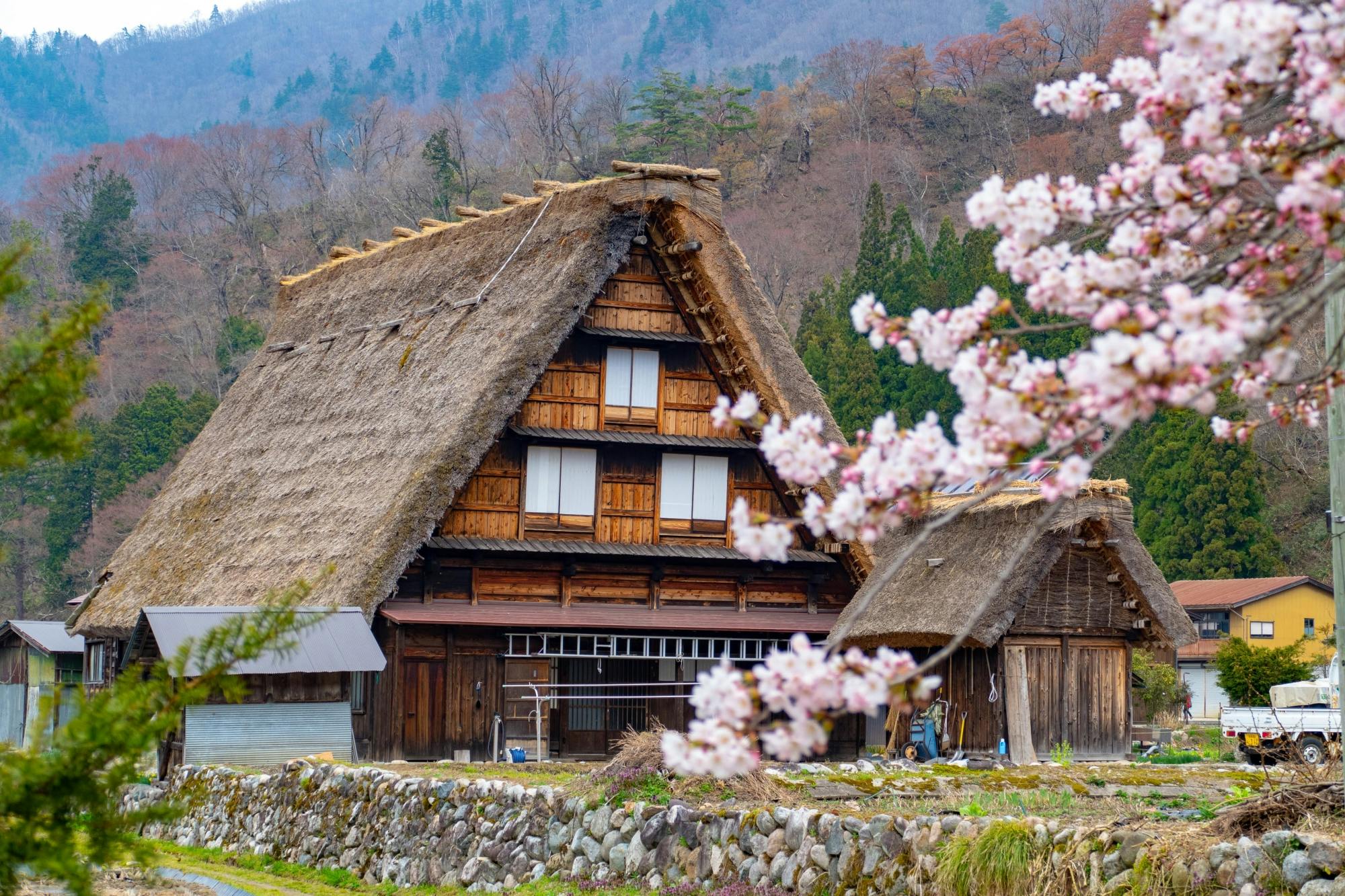
Kanazawa is one of Japan’s most elegant and rewarding cities. Located on the Sea of Japan coast in Ishikawa Prefecture, it is known for beautiful gardens, preserved samurai and geisha districts, traditional crafts, gold leaf, fresh seafood, contemporary art and a calmer atmosphere than Kyoto or Tokyo.
For travellers who enjoy history, architecture, food and slow cultural sightseeing, Kanazawa is an excellent addition to a Japan itinerary. It works well as a two-night stop between Tokyo and Kyoto, a side trip from the Hokuriku region, or a base for visiting nearby places such as Shirakawa-go, Gokayama, Toyama and the Noto Peninsula.
Sponsored Popular Items
Quick take: Musement.com offers a worldwide selection of tours and attractions
Kanazawa is often described as a quieter alternative to Kyoto, but it has its own identity. The city developed as a wealthy castle town under the Maeda clan and became known for refined culture, garden design, tea houses, samurai residences, lacquerware, ceramics, textiles and gold leaf.
What makes Kanazawa special is the balance between old and new. You can walk through preserved wooden teahouse streets in the morning, eat fresh seafood at a lively market for lunch, visit a contemporary art museum in the afternoon and enjoy a traditional kaiseki-style meal in the evening.
The city is also compact. Many major sights sit within a fairly manageable central area, making Kanazawa easy to explore over one or two full days.
Kenrokuen Garden
Kenrokuen Garden is Kanazawa’s most famous attraction and one of Japan’s most celebrated landscape gardens. Its name refers to six qualities traditionally valued in a perfect garden: spaciousness, tranquility, artifice, antiquity, water features and scenic views.
The garden is beautiful in every season. In spring, cherry blossoms and fresh greenery brighten the paths. In summer, the garden feels lush and shaded. In autumn, maples add red and gold colour. In winter, the snow-covered pine trees and traditional rope supports called yukitsuri create one of Kanazawa’s most iconic scenes.
Allow at least one to two hours for Kenrokuen. Walk slowly around the ponds, bridges, stone lanterns, tea houses, streams and viewpoints rather than treating it as a quick photo stop.
Kanazawa Castle Park
Kanazawa Castle Park sits beside Kenrokuen and is easy to visit on the same day. Although many original castle buildings were lost over time, several gates, turrets and long storehouses have been reconstructed using traditional methods.
The park is spacious and pleasant for walking, especially if you enjoy castle walls, open lawns, gates and historic architecture. It also helps explain Kanazawa’s background as a castle town and the seat of a powerful regional domain.
A good route is to visit Kenrokuen first, then cross to Kanazawa Castle Park and continue toward the city centre or museums.
Higashi Chaya District
Higashi Chaya is one of Kanazawa’s most atmospheric historic districts. The area is lined with traditional wooden teahouses, latticed façades, narrow streets, craft shops, sweet shops and cafés.
Chaya districts were entertainment areas where geisha, known locally as geiko, performed music, dance and conversation for guests. Today, Higashi Chaya is preserved as a heritage district and is one of the best places in Kanazawa to experience the look and feel of old merchant and teahouse architecture.
Visit early in the morning if you want quieter streets for photography. Later in the day, the area becomes livelier with shops, cafés and visitors.
Nagamachi Samurai District
Nagamachi is the former samurai district of Kanazawa. Its narrow lanes, earthen walls, canals and preserved residences give a different view of the city’s past from the more elegant teahouse districts.
The highlight is the Nomura-ke Samurai Residence, where visitors can see a restored samurai home, garden, tatami rooms, armour displays and architectural details from the Edo period. Even if you do not enter every building, walking through Nagamachi is worthwhile for the atmosphere.
This area is especially good for travellers interested in feudal Japan, samurai culture and quiet historic streets.
Omicho Market
Omicho Market is Kanazawa’s best-known food market and one of the most enjoyable places to eat in the city. It has been a central food hub for generations and is especially famous for seafood from the Sea of Japan.
Popular foods include seafood rice bowls, sushi, grilled shellfish, crab in season, sashimi, oysters, fruit, croquettes, local vegetables and sweets. The market can be busy at lunchtime, so arrive earlier if you want more choice and shorter queues.
Omicho Market works well as a lunch stop between Kanazawa Station, the castle area and central sightseeing.
Museums and Modern Culture
Kanazawa is not only about traditional culture. It also has strong modern and contemporary attractions.
21st Century Museum of Contemporary Art
The 21st Century Museum of Contemporary Art is one of Kanazawa’s most famous modern landmarks. Its circular building, open layout and contemporary installations make it popular with both art lovers and casual visitors.
D.T. Suzuki Museum
The D.T. Suzuki Museum is a calm, minimalist space dedicated to the Buddhist philosopher Daisetz Teitaro Suzuki, who helped introduce Zen Buddhist thought to the wider world. The museum is especially appealing if you enjoy quiet architecture, reflective spaces and Japanese design.
Ishikawa Prefectural Museum of Art
This museum is useful for visitors interested in local art, crafts and cultural heritage. It pairs well with Kenrokuen and the castle area because it is nearby.
Gold Leaf and Traditional Crafts
Kanazawa is strongly associated with gold leaf. You will see gold leaf used in sweets, cosmetics, crafts, lacquerware, souvenirs and even soft-serve ice cream. The city is one of Japan’s most important centres for gold leaf production.
Visitors can try craft workshops such as decorating chopsticks, boxes or small accessories with gold leaf. These hands-on activities are good for families, couples and travellers who want a souvenir they helped make themselves.
Kanazawa is also known for lacquerware, ceramics, Kaga yuzen silk dyeing, tea ceremony culture and delicate confectionery.
What to Eat in Kanazawa
Kanazawa is an excellent food city. Its location near the Sea of Japan means seafood is one of the main highlights, while the surrounding region provides rice, vegetables, sake and traditional sweets.
Seafood Bowls and Sushi
Omicho Market is the obvious place to try seafood rice bowls, sushi and sashimi. Winter crab is especially famous, although prices can be high during peak season.
Kanazawa Curry
Kanazawa curry is a local comfort food, usually served thick and rich with rice, shredded cabbage and cutlet. It is very different from delicate kaiseki dining, but it is part of the city’s food identity.
Jibuni
Jibuni is a traditional Kanazawa dish often made with duck or chicken, wheat gluten, vegetables and a thickened broth. It is commonly found in more traditional restaurants.
Japanese Sweets
Kanazawa has a strong tea and confectionery culture. Look for wagashi, gold leaf sweets and seasonal desserts, especially around Higashi Chaya and the garden area.
How Long to Stay
One day: Enough for a fast visit to Kenrokuen, Kanazawa Castle, Higashi Chaya and Omicho Market, but it will feel rushed.
Two nights: The best choice for most travellers. This gives you one full day plus arrival and departure time.
Three nights: Ideal if you want a slower pace, craft workshops, museums, evening dining and a side trip to Shirakawa-go or Gokayama.
Four nights or more: Best for travellers using Kanazawa as a Hokuriku base for Toyama, Fukui, Kaga Onsen, Noto Peninsula or mountain villages.
Simple Kanazawa Itinerary
Day 1: Arrival and Higashi Chaya
Arrive at Kanazawa Station.
Check in to your hotel or leave luggage at storage.
Visit Higashi Chaya District for teahouse streets, sweets and craft shops.
Walk along the Asano River if time allows.
Enjoy seafood, sushi or local cuisine for dinner.
Day 2: Garden, Castle, Market and Samurai District
Start early at Kenrokuen Garden.
Walk through Kanazawa Castle Park.
Have lunch at Omicho Market.
Visit the 21st Century Museum of Contemporary Art or D.T. Suzuki Museum.
Explore Nagamachi Samurai District in the late afternoon.
Try Kanazawa curry or a traditional dinner in the evening.
Day 3: Crafts or Day Trip
Join a gold leaf or traditional craft workshop.
Visit additional museums or smaller chaya districts.
Alternatively, take a day trip to Shirakawa-go, Gokayama, Toyama or Fukui.
Return to Kanazawa for a final dinner.
How to Get to Kanazawa
From Tokyo
The easiest route from Tokyo is the Hokuriku Shinkansen direct to Kanazawa Station. This makes Kanazawa a practical addition to a Tokyo-based trip or a scenic alternative route toward western Japan.
From Kyoto or Osaka
From Kyoto or Osaka, travellers usually take the Limited Express Thunderbird to Tsuruga, then transfer to the Hokuriku Shinkansen for Kanazawa. This changed after the Hokuriku Shinkansen extension to Tsuruga, so check your route carefully before travelling.
From Takayama or Shirakawa-go
Kanazawa is commonly combined with Takayama and Shirakawa-go by highway bus. This route is popular for travellers exploring traditional mountain villages and the Japanese Alps region.
Getting Around Kanazawa
Kanazawa’s central sights can be reached by walking, local buses, loop buses and taxis. The city is compact, but the distance between Kanazawa Station, Kenrokuen, Higashi Chaya and Nagamachi can still be tiring if you walk everything in one day.
Best Time to Visit
Kanazawa is enjoyable year-round, but each season has a different appeal.
Spring
Spring brings cherry blossoms and fresh greenery. Kenrokuen and the castle area are especially beautiful, but this is also a popular travel period.
Summer
Summer can be warm and humid, but gardens are green and festivals may add energy to the city. Carry water and plan indoor breaks.
Autumn
Autumn is one of the best seasons for Kanazawa. Kenrokuen, temple gardens and old districts look beautiful with red and gold leaves.
Winter
Winter can be cold and snowy, but it is also one of the most atmospheric times to visit. Kenrokuen’s snow scenery and yukitsuri rope supports are classic Kanazawa images.
Practical Travel Tips
Stay Near Kanazawa Station or the Castle Area
Kanazawa Station is best for transport convenience, luggage and day trips. The castle or Korinbo areas are better if you want to be closer to sightseeing, restaurants and evening walks.
Start Early at Kenrokuen
Kenrokuen is the city’s headline attraction, so visiting early gives you a quieter and more peaceful experience.
Do Not Rush the Historic Districts
Higashi Chaya and Nagamachi are best enjoyed slowly. Look at the wooden façades, lanes, canals, walls and small shops rather than only taking one quick photo.
Book Popular Restaurants Early
Kanazawa has excellent seafood and traditional dining, but small restaurants can fill quickly. Book ahead for special meals.
Use Luggage Storage
Kanazawa Station has lockers and luggage services. This is useful if you arrive before check-in or want to sightsee before taking a train.
Check Museum Opening Days
Museums and cultural attractions may close on certain weekdays or for exhibition changes. Check opening days before planning your route.
Bring Comfortable Shoes
Kanazawa is walkable, but you will cover a lot of ground between gardens, markets, museums and historic streets.
Try a Local Craft Experience
A gold leaf workshop, wagashi sweet-making class or tea experience can make your visit more memorable than sightseeing alone.
FAQs About Kanazawa
Is Kanazawa worth visiting?
Yes. Kanazawa is one of Japan’s most rewarding cultural cities, especially for travellers interested in gardens, historic streets, samurai heritage, geisha districts, seafood, crafts and museums.
What is Kanazawa famous for?
Kanazawa is famous for Kenrokuen Garden, Kanazawa Castle, Higashi Chaya District, Nagamachi Samurai District, Omicho Market, gold leaf, seafood and traditional crafts.
How many days do you need in Kanazawa?
Two nights is ideal for most visitors. One full day is possible but rushed, while three nights allows time for museums, crafts and a side trip.
Is Kanazawa better than Kyoto?
Kanazawa is smaller and quieter than Kyoto. Kyoto has more temples and world-famous landmarks, but Kanazawa offers a refined cultural experience with fewer crowds and excellent food.
Can you do Kanazawa as a day trip from Tokyo?
It is possible by Hokuriku Shinkansen, but it makes for a long day. Staying overnight is much better because Kanazawa deserves slower exploration.
What is the best area to stay in Kanazawa?
Kanazawa Station is best for convenience and day trips. Korinbo, Katamachi and the castle area are good for sightseeing, dining and evening walks.
Is Kanazawa walkable?
Yes, but the main sights are spread out enough that buses or taxis can save time. A mix of walking and local transport works best.
What food should I try in Kanazawa?
Try seafood rice bowls, sushi, winter crab if in season, Kanazawa curry, jibuni, wagashi sweets, gold leaf desserts and local sake.
When is the best season for Kanazawa?
Spring and autumn are especially beautiful, while winter is atmospheric if you want snow scenes at Kenrokuen. Summer is pleasant but can be humid.
Final Thoughts
Kanazawa is one of Japan’s best cities for travellers who want culture without the intensity of bigger tourist centres. Its gardens, samurai lanes, geisha districts, seafood markets, museums and craft traditions create a rich but manageable travel experience.
For the best visit, stay at least two nights, start early at Kenrokuen, leave time for Higashi Chaya and Nagamachi, eat at Omicho Market and add a craft or museum experience. Kanazawa rewards travellers who move slowly, look closely and appreciate the details of Japanese design, food and heritage.
Sponsored Popular Items
Quick take: Musement.com offers a worldwide selection of tours and attractions
Japan: 7, 14 or 21-Day Japan Rail Pass Best deals for Japan: 7, 14 or 21-Day Japan Rail Pass. Discover the whole of Japan by rail with unlimited freedom thanks to the Japan Rail Pass. Choose from a 7, 14, or 21-day pass to suit your needs and potentially upgrade to first class. Available from getyourguide.com.
Kanazawa: World Heritage Shirakawa-go & Two Local Experiences Best deals for Kanazawa: World Heritage Shirakawa-go & Two Local Experiences. Explore Shirakawa-go & Kanazawa on our full-day tour. Visit the UNESCO village, Shirakawa-go, then discover Kenrokuen Garden and Higashi Chaya District. Enjoy Japanese sweets making & gold leaf craft. Available from getyourguide.com.
JR East Hotel Yuetaimachi Taipei: A Guide to PLATFORM Lobby Lounge and Afternoon Tea
JR East Hotel Yuetaimachi is best understood as 月台町 PLATFORM, the elegant lobby lounge inside Hotel Metropolitan Premier Taipei, also known as JR East Hotel Metropolitan Premier Taipei. Located on the first floor of the hotel, PLATFORM is designed as a calm, polished lounge where travellers can enjoy afternoon tea, light meals, coffee, cocktails and a relaxed break in the middle of Taipei.
The name “Yuetaimachi” comes from the Chinese characters 月台町, which loosely evoke the idea of a station platform or travel starting point. This fits the JR East theme of the hotel and makes the lounge feel like a refined pause between journeys, shopping, sightseeing and hotel stays.
Sponsored Popular Items
Quick take: Musement.com offers a worldwide selection of tours and attractions
Taipei: Taipei Night Market Experience Best deals for Taipei: Taipei Night Market Experience. Explore Taipei's night markets on a guided tour. Savor a local snack and boba drink, learn about the culture and history of street foods, and try your hand at traditional night market games. Available from getyourguide.com.
What Is JR East Hotel Yuetaimachi?
JR East Hotel Yuetaimachi refers to the PLATFORM Lobby Lounge at Hotel Metropolitan Premier Taipei. It is not a separate hotel, but a dining and lounge venue inside the JR East hotel property in Taipei’s Zhongshan District.
The lounge is known in Chinese as 月台町 and in English as PLATFORM. It serves light meals, themed afternoon tea, coffee, soft drinks and stylish alcoholic drinks in a spacious hotel lobby setting.
This makes it a useful stop for hotel guests, afternoon tea lovers, Taipei food travellers, business visitors and people looking for a quiet place to meet near Nanjing Fuxing MRT Station.
Location and Hotel Setting
PLATFORM is located on the first floor of Hotel Metropolitan Premier Taipei, also known as JR East Hotel Metropolitan Premier Taipei. The hotel address is:
No. 133, Section 3, Nanjing East Road, Zhongshan District, Taipei City, Taiwan
The hotel is close to Nanjing Fuxing MRT Station, making it easy to reach from many parts of Taipei. This is one of the reasons the lounge works well for a planned afternoon tea, a relaxed hotel meeting or a comfortable stop between sightseeing and shopping.
Atmosphere and Design
PLATFORM has the feel of a refined hotel lounge rather than a casual café. The space is open, elegant and comfortable, with a polished bar area, lounge seating, warm lighting and a quiet atmosphere suited to conversation.
The design suits the JR East hotel concept. It feels orderly, calm and travel-inspired, with the name PLATFORM suggesting a starting point for a Taipei journey. It is a good choice if you want somewhere more relaxed and upscale than a busy street café.
Afternoon Tea at PLATFORM
Afternoon tea is one of the main reasons visitors search for JR East Hotel Yuetaimachi. Depending on the current promotion, PLATFORM may offer themed afternoon tea sets with sweet and savoury items, tea, coffee or selected drinks.
Recent hotel promotions have included tea-themed afternoon tea, with small pastries, savoury bites and seasonal flavours. These menus can change, so always check the current hotel page or booking platform before visiting.
The afternoon tea experience is best for travellers who want a slower Taipei food break rather than a quick snack. It suits couples, friends, hotel guests and visitors who enjoy elegant café-style dining.
Food, Drinks and Light Meals
PLATFORM is not only for afternoon tea. The lounge also serves light meals and drinks throughout the day. Menu items may include hotel-style comfort food, desserts, coffee, mocktails, cocktails and other beverages.
This makes it flexible. You could visit for a morning coffee, a light lunch, an afternoon tea set, an evening drink or a quiet meeting. The hotel setting also makes it a practical choice in rainy weather or when you want guaranteed comfort and service.
Who Is It Best For?
Afternoon Tea Lovers
If you enjoy elegant afternoon tea in hotels, PLATFORM is a good Taipei option. It offers a calm environment and often features seasonal themes.
Hotel Guests
Guests staying at Hotel Metropolitan Premier Taipei can use the lounge without leaving the property, which is convenient after sightseeing or before check-in.
Couples and Friends
The lounge is well suited to relaxed conversation, special catch-ups and slower dining. It feels more polished than a standard café.
Business Travellers
Because of the hotel location and atmosphere, PLATFORM can work well for informal business meetings, coffee appointments or a quiet drink.
Travellers Near Nanjing Fuxing
If you are exploring the Zhongshan, Songshan or Nanjing Fuxing areas, the lounge is a convenient place to pause between attractions.
Nearby Taipei Attractions
PLATFORM is useful as part of a Taipei day because the hotel is well connected by MRT. Nearby or easy-to-reach attractions include:
Liaoning Street Night Market for local evening food
Taipei Arena for concerts and events
Zhongshan shopping and cafés
Songshan cultural and shopping areas
Taipei 101 by MRT or taxi
Chiang Kai-shek Memorial Hall by MRT
Ximending for shopping and street food
Simple Visit Plan
Afternoon Tea Visit
Travel to Nanjing Fuxing MRT Station.
Walk to Hotel Metropolitan Premier Taipei.
Arrive a little early if you have a reservation.
Enjoy the afternoon tea set at PLATFORM.
Afterwards, continue to Zhongshan, Taipei Arena, Taipei 101 or a nearby night market.
Hotel Stay and Lounge Break
Check in at Hotel Metropolitan Premier Taipei from 3:00 pm.
Settle into your room and rest after travel.
Visit PLATFORM for coffee, tea or a light meal.
Use the evening to explore Liaoning Street Night Market or nearby Taipei dining options.
Practical Tips
Check the Exact Product Name
If booking through a travel platform, the product may be listed as “JR East Hotel Yuetaimachi” or “JR East Hotel Yuetaimachi Afternoon Tea.” The venue itself is PLATFORM Lobby Lounge at Hotel Metropolitan Premier Taipei.
Book Ahead for Afternoon Tea
Afternoon tea sets may require advance booking, especially during seasonal promotions, weekends or public holidays.
Confirm the Current Menu
Menus can change by season. Check whether the offer is English afternoon tea, Taiwanese tea-themed afternoon tea, fruit-themed afternoon tea or another limited promotion.
Allow Enough Time
Do not rush the visit. Afternoon tea is best enjoyed slowly, especially in a hotel lounge setting.
Check Service Charges
Hotel dining in Taipei may add a service charge. Check the booking conditions or restaurant page before paying.
Use the MRT
Nanjing Fuxing MRT Station is the easiest access point for most visitors. It avoids traffic and makes the lounge simple to combine with other Taipei stops.
Dress Smart Casual
The lounge is not overly formal, but smart casual clothing suits the polished hotel setting better than beachwear or very casual travel clothes.
FAQs About JR East Hotel Yuetaimachi
Is JR East Hotel Yuetaimachi a hotel?
No. Yuetaimachi, or 月台町, appears to refer to PLATFORM Lobby Lounge inside Hotel Metropolitan Premier Taipei, also known as JR East Hotel Metropolitan Premier Taipei.
Where is Yuetaimachi PLATFORM located?
It is located on the first floor of Hotel Metropolitan Premier Taipei at No. 133, Section 3, Nanjing East Road, Zhongshan District, Taipei.
The official hotel page lists PLATFORM Lobby Lounge as open from 10:00 am to 8:00 pm.
Do I need a reservation for afternoon tea?
A reservation is recommended, especially if you are using a voucher, visiting during a promotion or going on a weekend.
Is it suitable for families?
Yes, it can suit families who want a comfortable hotel lounge environment. However, afternoon tea is usually best for children who can sit through a slower dining experience.
Is it close to public transport?
Yes. The hotel is close to Nanjing Fuxing MRT Station, making it easy to reach from many areas of Taipei.
Can non-hotel guests visit?
Yes, hotel lobby lounges are generally open to outside guests, but reservations are recommended for set meals or afternoon tea promotions.
Final Thoughts
JR East Hotel Yuetaimachi is best described as the PLATFORM Lobby Lounge at Hotel Metropolitan Premier Taipei. It is a stylish, comfortable place for afternoon tea, light meals and drinks in a polished JR East hotel setting.
For travellers in Taipei, it works well as a quiet food stop near Nanjing Fuxing MRT Station, a refined afternoon tea experience, or a relaxing lounge break during a stay at JR East Hotel Metropolitan Premier Taipei. Before booking, check the current menu, voucher conditions, service charge and reservation requirements so you know exactly what is included.
Sponsored Popular Items
Quick take: Musement.com offers a worldwide selection of tours and attractions
Taipei: Taipei Night Market Experience Best deals for Taipei: Taipei Night Market Experience. Explore Taipei's night markets on a guided tour. Savor a local snack and boba drink, learn about the culture and history of street foods, and try your hand at traditional night market games. Available from getyourguide.com.
Taipei: Taipei-Hualien one day tour Best deals for Taipei: Taipei-Hualien one day tour. Discover Hualien and Taroko Gorge on a day trip from Taipei. Depart from Xingtian Temple, stroll through Xincheng Old Street, and explore the scenic Tianxiang Recreation Area. Available from getyourguide.com.
Taipei: Taipei 101 Observatory - Skyline 460 Cloud Walk Best deals for Taipei: Taipei 101 Observatory - Skyline 460 Cloud Walk. Elevate your adventure at Taipei 101’s Skyline 460, Asia’s highest outdoor observatory. Soak in breathtaking panoramic views of Taipei, enjoy guided tours, and skip the lines with fast-track access. Available from getyourguide.com.
JR East Hotel Taipei, officially known as Hotel Metropolitan Premier Taipei, is a refined Japanese-style hotel in Taipei’s Zhongshan District. Operated under the JR East Hotels group, it offers a polished city stay with spacious rooms, strong transport access, Japanese-influenced service, multiple restaurants, wellness facilities and a convenient location near Nanjing Fuxing MRT Station.
For travellers who want comfort, reliable service and easy access around Taipei, this hotel is a strong choice. It works well for couples, business travellers, families, Japan-focused travellers, food lovers and anyone who prefers a calmer hotel base away from the busiest tourist streets while still being close to public transport.
Sponsored Popular Items
Quick take: Musement.com offers a worldwide selection of tours and attractions
Taiwan Taipei: Quick Photoshoot with Taiwan Photographer Best deals for Taiwan Taipei: Quick Photoshoot with Taiwan Photographer. Welcome to Taipei Taiwan! Say goodbye to selfies, I will be your personal photographer. Let me show you the beauty of Taipei, and capture the best of you! Check my IG: mason.taiwan.photographer Available from getyourguide.com.
Overview
Hotel Metropolitan Premier Taipei is often called JR East Hotel Taipei because it belongs to the JR East Hotels group. The hotel brings a Japanese sense of order, calm design and attentive service into the centre of Taipei.
The hotel has a polished, understated style rather than a flashy resort feel. Expect warm wood tones, elegant public spaces, comfortable rooms, good dining options and a practical urban location. It is especially suitable for travellers who want a high-quality hotel with easy MRT access.
The hotel is located at No. 133, Section 3, Nanjing East Road, Zhongshan District, Taipei. It has 288 rooms, with standard check-in from 3:00 pm and check-out at 11:00 am.
Location and Transport
The location is one of the strongest reasons to stay at JR East Hotel Taipei. The hotel is very close to Nanjing Fuxing MRT Station, making it easy to travel across Taipei without relying only on taxis.
Nanjing Fuxing Station is served by two MRT lines: the Wenhu Line and the Songshan-Xindian Line. This gives guests useful connections to shopping areas, business districts, cultural attractions and other parts of the city.
Airport Access
The hotel is particularly convenient for travellers using Taipei Songshan Airport, which is only a short drive away. This can be useful if you are flying domestically within Taiwan or using regional flights.
For international travellers arriving at Taoyuan International Airport, you can travel by car, airport transfer or public transport via Taipei Main Station and the airport MRT. Travel time depends on traffic and your chosen transport method.
Best For Getting Around Taipei
The hotel is a good base if you plan to visit areas such as Taipei 101, Ximending, Zhongshan, Zhongxiao Fuxing, Chiang Kai-shek Memorial Hall, Songshan, Taipei Main Station and local night markets.
Rooms and Comfort
Rooms at JR East Hotel Taipei are designed with a calm, modern feel. The style is clean and comfortable, with Japanese-influenced simplicity rather than heavy decoration.
Room categories may include options such as Deluxe King, Deluxe Twin, Deluxe Premier King and Deluxe Premier Twin, along with higher room categories and suites. Some rooms are around 36 square metres, while premier room types can offer more space.
This makes the hotel appealing for travellers who want more room than a compact business hotel. The larger room sizes can be especially useful for couples with luggage, families, longer stays or travellers who prefer a quieter, more comfortable city base.
Restaurants and Dining
JR East Hotel Taipei has several dining venues, making it convenient if you want quality meals without always leaving the hotel. Dining options may include all-day dining, Japanese cuisine, Chinese cuisine, a lobby lounge, a bar, a cigar bar and a patisserie-style shop.
BRILLIANT All-Day Dining
BRILLIANT is the hotel’s all-day dining restaurant. It is a good option for breakfast, relaxed meals and international-style dining with Taiwanese ingredients and Japanese touches.
HAYASE Japanese Restaurant
HAYASE is the hotel’s Japanese restaurant and is one of the most distinctive dining choices for guests who appreciate Japanese cuisine. It suits travellers who like the idea of staying in Taipei while still enjoying a refined Japanese dining experience.
KAI HUA LOU Chinese Restaurant
KAI HUA LOU offers Chinese cuisine in a polished hotel setting. It can work well for family meals, business dining or a more formal dinner during your Taipei stay.
Lobby Lounge, Bar and Sweets
The hotel also has lounge and bar spaces for coffee, afternoon tea, evening drinks or a quieter meeting place. The patisserie and sweet options are useful for gifts, light treats or a small indulgence after sightseeing.
Pool, Spa and Fitness
One advantage of JR East Hotel Taipei is that it offers more than just rooms and restaurants. The hotel includes wellness facilities such as a swimming pool, spa and fitness facilities, which can make a city stay feel more relaxed.
This is useful in Taipei, where sightseeing days can involve a lot of walking, humidity and public transport. Returning to a hotel with a pool or wellness area can make the stay feel more comfortable, especially during warmer months.
What Is Nearby?
The hotel’s Zhongshan District location gives guests access to a mix of transport, food, shopping and local neighbourhood life.
Liaoning Street Night Market
Liaoning Street Night Market is close to the hotel and is a convenient option for casual evening food. It is smaller and more local-feeling than some of Taipei’s most famous night markets, which can make it easy for a relaxed dinner or late snack.
Taipei Arena
Taipei Arena is nearby and may be useful if you are attending a concert, sports event or performance.
Zhongshan and Songshan Areas
From Nanjing Fuxing Station, it is easy to move toward Zhongshan, Songshan, Ximen, Zhongxiao Fuxing and other popular Taipei districts. This gives the hotel strong value as a transport base.
Taipei 101
Taipei 101 is reachable by MRT or taxi. Staying at JR East Hotel Taipei gives you access to the landmark without needing to stay directly in the Xinyi shopping district.
Who Should Stay Here?
Good For Business Travellers
The hotel is well suited to business travellers because of its central location, MRT access, polished service, meeting facilities and calm atmosphere.
Good For Couples
Couples may enjoy the larger rooms, dining options, spa facilities and convenient access to Taipei’s restaurants, shopping and cultural attractions.
Good For Families
Families who want a reliable, comfortable hotel with transport access may find it practical. Twin room options, larger room categories and nearby food options can make the stay easier.
Good For Japan-Focused Travellers
Travellers who like Japanese hotel standards may appreciate the JR East connection, the Japanese-influenced design and the presence of a Japanese restaurant.
Less Ideal For Budget Travellers
This is not a budget hotel. Travellers looking for the cheapest possible stay in Taipei may find better value in simple guesthouses, smaller local hotels or budget chains.
Simple Taipei Itinerary from the Hotel
Day 1: Arrival and Local Food
Arrive at Hotel Metropolitan Premier Taipei and check in.
Take a short walk around Nanjing Fuxing.
Have dinner at Liaoning Street Night Market or one of the hotel restaurants.
Return for a relaxed evening at the hotel.
Day 2: Classic Taipei Highlights
Take the MRT to Chiang Kai-shek Memorial Hall.
Continue to Ximending for shopping and street food.
Visit Taipei 101 in the afternoon or evening.
Return to the hotel by MRT or taxi.
Day 3: Culture, Shopping and Night Market
Explore Zhongshan’s cafés, boutiques and galleries.
Visit a museum, temple or shopping district depending on your interests.
Enjoy dinner at Raohe, Ningxia or Liaoning Street Night Market.
Use the hotel pool or lounge facilities if available during your stay.
Practical Travel Tips
Use Nanjing Fuxing Station
The nearby MRT station is the easiest way to get around. It connects to useful lines and avoids traffic during busy periods.
Check Room Type Before Booking
Room sizes and layouts vary, so compare king, twin, premier and executive options before booking. If you are travelling with luggage or staying several nights, a larger room may be worth the upgrade.
Compare Breakfast-Included and Room-Only Rates
The hotel offers room-only and breakfast-included options. If you love hotel breakfasts, the breakfast plan may be convenient. If you prefer local cafés and markets, room-only may suit you better.
Book Restaurants in Advance
If you want to dine at HAYASE, KAI HUA LOU or another hotel restaurant, consider booking ahead, especially on weekends or public holidays.
Allow for Taipei Traffic
Even though the hotel is close to Songshan Airport, travel times can vary during peak traffic. Leave extra time for airport transfers.
Use the Hotel as a Calm Base
Taipei can be busy and humid. One of the benefits of this hotel is returning to a quieter, more polished environment after a long sightseeing day.
FAQs About JR East Hotel Taipei
What is the official name of JR East Hotel Taipei?
The official name is Hotel Metropolitan Premier Taipei. It is part of the JR East Hotels group and is often searched as JR East Hotel Taipei or JR East Hotel Metropolitan Premier Taipei.
Where is JR East Hotel Taipei located?
The hotel is located at No. 133, Section 3, Nanjing East Road, Zhongshan District, Taipei City, Taiwan.
Which MRT station is closest to the hotel?
The closest MRT station is Nanjing Fuxing Station. The hotel is very close to Exit 2, making public transport easy.
Is JR East Hotel Taipei close to Taipei Songshan Airport?
Yes. Taipei Songshan Airport is a short drive from the hotel, making it convenient for regional or domestic flights.
Does the hotel have restaurants?
Yes. Dining options include all-day dining, Japanese cuisine, Chinese cuisine, a lobby lounge, bar, cigar bar and sweets shop.
Does the hotel have a pool?
Yes. The hotel lists wellness facilities including a pool, spa and fitness facilities.
Is JR East Hotel Taipei good for families?
Yes, it can suit families who want a comfortable hotel with larger room options, MRT access and reliable facilities. Families should compare room types before booking.
Is this a good hotel for first-time visitors to Taipei?
Yes. It is a good choice for first-time visitors who want comfort, a central location and easy MRT access without staying in the most crowded tourist areas.
Is JR East Hotel Taipei a budget hotel?
No. It is better described as an upscale city hotel. Budget travellers may find cheaper options elsewhere, but this hotel offers stronger comfort, facilities and service.
Final Thoughts
JR East Hotel Taipei, officially Hotel Metropolitan Premier Taipei, is a strong Taipei hotel choice for travellers who value comfort, transport convenience and Japanese-style hospitality. Its location beside Nanjing Fuxing Station makes it easy to explore the city, while the rooms, restaurants and wellness facilities provide a calm base between sightseeing days.
It is best suited to travellers who want an upscale, reliable Taipei stay rather than a budget room or party-focused neighbourhood. For business trips, couples’ stays, comfortable family travel or a polished city break, JR East Hotel Taipei is one of the most practical hotel options in central Taipei.
Sponsored Popular Items
Quick take: Musement.com offers a worldwide selection of tours and attractions
Taiwan Taipei: Quick Photoshoot with Taiwan Photographer Best deals for Taiwan Taipei: Quick Photoshoot with Taiwan Photographer. Welcome to Taipei Taiwan! Say goodbye to selfies, I will be your personal photographer. Let me show you the beauty of Taipei, and capture the best of you! Check my IG: mason.taiwan.photographer Available from getyourguide.com.
Taiwan Taipei: Half-day VIP Photoshoot Taiwan Photographer Best deals for Taiwan Taipei: Half-day VIP Photoshoot Taiwan Photographer. Wanna try local way to travel? Don't worry about the travel plan. Let me choose the iconic spots and hidden gems for you while capturing the best of you! Check my IG: mason.taipei.photographer Available from getyourguide.com.
Taiwan Taipei: Private Photoshoot with Taiwan Photographer Best deals for Taiwan Taipei: Private Photoshoot with Taiwan Photographer. Welcome to Taipei Taiwan! Say goodbye to selfies, I will be your personal photographer. Let me show you the beauty of Taipei, and capture the best of you! Check my IG: mason.taiwan.photographer Available from getyourguide.com.
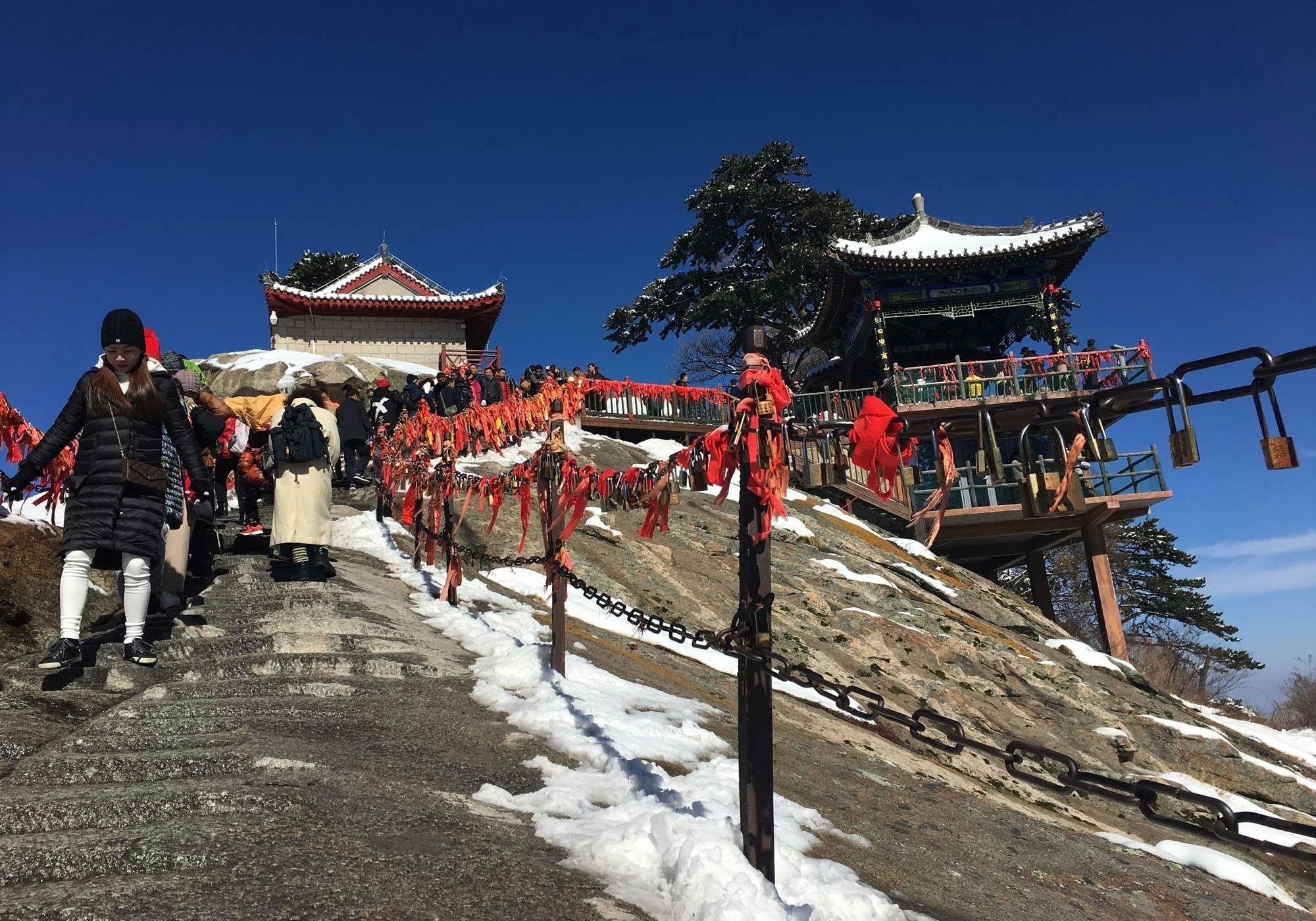
Huashan, also called Mount Hua, is one of the most spectacular mountain day trips from Xi’an. Famous for sheer granite cliffs, Taoist temples, narrow stone stairways, cable cars, sunrise viewpoints and the legendary cliffside plank walk, Huashan is one of China’s most dramatic sacred mountains.
Located near Huayin City in Shaanxi Province, Huashan is often visited as a long day trip from Xi’an, although adventurous travellers may choose to stay overnight on or near the mountain for sunrise. It is beautiful, physically demanding in parts, and best planned carefully.
Sponsored Popular Items
Quick take: Musement.com offers a worldwide selection of tours and attractions
Full-Day Private Tour of Huashan Mountain - Guided Sightseeing Tour China Full day private tour of Huashan Mountain is a convenient way to add structure, local context and purposeful sightseeing to the itinerary. Check current availability, inclusions and booking details before you go.
What Is Huashan?
Huashan is a sacred mountain in Shaanxi Province, east of Xi’an. It is one of China’s Five Great Mountains and has long been associated with Taoism, pilgrimage, temples and dramatic mountain paths.
The mountain is famous for its steep granite peaks. Unlike softer, forested mountains, Huashan rises sharply in pale rock walls, ridges and cliffs. Many paths are cut directly into the mountain, with stone steps, chains and narrow ledges adding to the sense of adventure.
Huashan is not just a scenic viewpoint. It is a full mountain experience. Even if you use cable cars, you should expect walking, stairs, exposed sections and strong legs by the end of the day.
Why Visit Huashan from Xi’an?
Xi’an is best known for the Terracotta Warriors, city walls, Muslim Quarter and ancient capital history, but Huashan adds a completely different experience to a Shaanxi itinerary. It gives you big mountain scenery, a sacred cultural setting and one of China’s most exciting hiking environments.
Huashan is especially worthwhile if you enjoy:
Dramatic mountain landscapes
High viewpoints and cliff scenery
Challenging walks and stair climbs
Taoist temples and sacred mountain culture
Photography, sunrise or sunset views
Adventure-style travel close to a major city
The Five Peaks of Huashan
Huashan is usually described as having five main peaks. Each has its own character, and most visitor routes connect several of them by mountain paths.
North Peak
North Peak is often the first major peak reached by hikers or by the North Peak cable car. It is lower than the other main peaks but still gives dramatic views. It is a common starting point for people who want a more active route across the mountain.
West Peak
West Peak is one of the most beautiful and photogenic areas of Huashan. The West Peak cable car is popular because it delivers visitors close to the higher scenic areas and reduces the hardest part of the climb.
South Peak
South Peak is the highest peak of Huashan and one of the main goals for many visitors. It offers wide views and a real sense of achievement, but reaching it still involves uphill walking and stairs.
East Peak
East Peak is known as a sunrise viewpoint. Travellers who stay overnight or climb through the night often aim to reach East Peak early in the morning.
Middle Peak
Middle Peak is smaller and often treated as part of the route between the larger peaks. It is associated with Taoist sites and can be included if you have enough time and energy.
How to Get from Xi’an to Huashan
The fastest and most convenient way to reach Huashan from Xi’an is usually by high-speed train.
By High-Speed Train
Depart from Xi’an North Railway Station.
Arrive at Huashan North Railway Station.
The train journey usually takes around 30 to 40 minutes.
From Huashan North, take a shuttle, taxi or local transfer to the Huashan tourist centre.
This is the best option for most independent travellers because it is fast, efficient and avoids a long road transfer from Xi’an.
By Private Driver or Tour
A private driver or guided tour is easier if you want door-to-door service from your Xi’an hotel. It costs more than the train, but it removes the stress of station transfers, ticket collection and local transport at Huashan.
By Bus
Bus services may be available between Xi’an and Huashan, but they are generally slower than the high-speed train. For most visitors with limited time, the train is the better choice.
Huashan Cable Cars
Huashan has two main cable car options: the North Peak cable car and the West Peak cable car. These make the mountain much more accessible, but they do not remove all walking. Once you are on the mountain, you still need to walk between peaks, climb stairs and manage steep sections.
North Peak Cable Car
The North Peak cable car is often used by travellers who want a more active route. It brings you to North Peak, from where you can continue walking toward the higher peaks. This route usually involves more hiking than starting from the West Peak.
West Peak Cable Car
The West Peak cable car is more scenic and places you closer to the higher peaks. It is a good option if you want maximum views with less climbing from the base. Many first-time visitors choose to go up by West Peak cable car and come down by North Peak cable car, or return the same way depending on time and energy.
Best Huashan Routes
Easiest Scenic Route: West Peak Up and West Peak Down
This is the simplest option for travellers who want to experience Huashan without a long mountain traverse. Take the West Peak cable car up, visit West Peak, South Peak and nearby viewpoints, then return to the West Peak cable car.
Best for: travellers with limited time, moderate fitness, older visitors, or those who want big views without the hardest route.
Classic One-Day Route: West Peak Up, North Peak Down
This is one of the most popular routes for a strong day trip. Take the West Peak cable car up, walk through West Peak, South Peak, East Peak or Middle Peak depending on time, then continue toward North Peak and descend by the North Peak cable car.
Best for: active travellers who want a full Huashan experience without hiking from the base.
More Challenging Route: North Peak Up, West Peak Down
This route starts lower and requires more climbing between North Peak and the higher peaks. It is rewarding but more physically demanding.
Best for: fit travellers who want a stronger hiking challenge.
Traditional Hiking Route from the Base
The traditional route starts near Yuquan Yuan, also known as Jade Spring Temple, and climbs up toward North Peak before continuing across the mountain. This is a serious hike and should only be attempted by travellers with good fitness, enough time and suitable gear.
Best for: experienced hikers, pilgrimage-style travellers and those who want to earn the mountain the old way.
The Huashan Plank Walk
The Huashan Plank Walk, often called the Changkong Plank Road, is one of the mountain’s most famous and intimidating attractions. It involves walking along narrow wooden planks attached to a cliff face while wearing a safety harness.
This is not essential for enjoying Huashan. Many visitors skip the plank walk and still have an excellent day. The mountain itself is already dramatic, and there are many viewpoints, temples and paths that do not require this level of exposure.
If you do choose to do the plank walk, take it seriously. Follow all staff instructions, use the safety equipment properly, do not rush, and avoid it if you have a fear of heights, poor balance, unsuitable shoes, or any health condition that could affect your confidence or coordination.
Can You Visit Huashan as a Day Trip from Xi’an?
Yes, Huashan can be visited as a long day trip from Xi’an, especially if you use high-speed trains and cable cars. However, it is important to start early.
Simple Day Trip Plan
Early morning: Travel from Xi’an North to Huashan North by high-speed train.
Morning: Transfer to the Huashan tourist centre and take the shuttle to your chosen cable car.
Late morning: Take the cable car up the mountain.
Midday to afternoon: Walk between selected peaks and viewpoints.
Late afternoon: Descend by cable car before final operations.
Evening: Return to Xi’an by train.
A day trip is best if you are realistic. Do not try to do every peak, every photo stop and the plank walk unless you are very fit, well organised and travelling in good weather.
Overnight and Sunrise Options
Huashan is famous for sunrise, especially around East Peak. To see sunrise, travellers usually need to stay overnight on or near the mountain, or attempt a night climb.
Overnight options can include basic mountain hotels, guesthouses or accommodation near the mountain base. Facilities on the mountain are more limited and can be more expensive than in Xi’an, but the reward is being in position for early morning views.
A sunrise trip is best for travellers who are comfortable with colder temperatures, early starts, mountain conditions and a less comfortable night than a city hotel stay.
How Difficult Is Huashan?
Huashan can be easy, moderate or very difficult depending on the route you choose.
Easy to moderate: West Peak cable car up and down, with limited walking near the top.
Moderate to hard: West Peak up and North Peak down, walking across several peaks.
Hard: North Peak up and West Peak down, with more climbing.
Very hard: Full climb from the base, especially if combined with multiple peaks.
Even cable-car visitors should expect stairs, slopes, crowds and exposed paths. Huashan is not a casual flat walk. Good shoes, pacing and realistic planning matter.
Best Time to Visit Huashan
The best seasons for Huashan are usually spring and autumn. These periods often bring more comfortable walking temperatures and better conditions for mountain views.
Summer can be hot, humid and crowded, especially during holidays. Winter can be beautiful with snow, but paths may be icy and conditions more difficult. Always check weather and cable car operation before travelling.
Avoid major Chinese public holidays if possible, especially periods such as Labour Day and National Day Golden Week, when crowds can be heavy and queues may be long.
What to Wear and Bring
Comfortable hiking shoes or trainers with strong grip
Layered clothing, as mountain weather can be cooler than Xi’an
Light rain jacket or poncho
Gloves if you plan to use chains on steep sections
Water and snacks
Power bank for your phone
Passport for ticketing and train travel
Sunscreen, sunglasses and hat in clear weather
Small backpack rather than heavy luggage
Any personal medication
Practical Travel Tips
Start Early from Xi’an
Huashan is possible as a day trip, but only if you leave Xi’an early. Late starts can cause problems with queues, cable car timing and return transport.
Book Transport in Advance During Busy Periods
High-speed train tickets and scenic area tickets can be harder to secure during holidays and weekends. Book ahead where possible.
Check Cable Car Closing Times
This is crucial. If you miss the last cable car, your day becomes much more complicated. Always confirm final operation times on the day of travel.
Do Not Carry Heavy Luggage
Leave large bags at your hotel or luggage storage. Huashan paths are steep, and heavy luggage will make the day unpleasant.
Be Realistic About Fitness
Choose your route based on your actual fitness, not just the photos you want. The mountain has many stairs and exposed sections.
Respect One-Way Flow and Crowds
Some narrow sections can become congested. Move patiently, hold chains where needed and avoid stopping suddenly in tight areas.
Skip the Plank Walk If Unsure
The plank walk is optional. There is no need to do it to have a memorable Huashan visit.
Watch the Weather
Rain, fog, wind or ice can change the experience completely. Poor visibility can reduce views, while wet stone steps can become slippery.
FAQs About Xi’an and Huashan
How far is Huashan from Xi’an?
Huashan is about 120 kilometres east of Xi’an, near Huayin City in Shaanxi Province.
Can I visit Huashan in one day from Xi’an?
Yes. A day trip is practical if you take an early high-speed train from Xi’an North to Huashan North and use the cable cars. Start early and keep your route realistic.
Which cable car is better at Huashan?
The West Peak cable car is better for easier access to the higher scenic areas and big views. The North Peak cable car is better if you want a more active route and do not mind extra hiking.
Is Huashan dangerous?
Huashan has steep, exposed and challenging sections, but standard visitor routes have steps, chains and managed paths. It becomes risky if you rush, ignore safety barriers, wear poor footwear, visit in bad weather or attempt routes beyond your ability.
Do I have to do the plank walk?
No. The plank walk is optional. You can enjoy Huashan’s peaks, temples, cable cars and viewpoints without doing it.
How much walking is there if I take the cable car?
There is still a lot of walking if you want to visit several peaks. Even with cable cars, expect stairs, slopes and uneven mountain paths.
What is the best route for first-time visitors?
For most first-time visitors, the easiest scenic route is to take the West Peak cable car up, visit West Peak and South Peak, then return by cable car or continue toward North Peak if time and energy allow.
Is Huashan suitable for older travellers?
It can be suitable for active older travellers if using cable cars and limiting the route. Anyone with knee problems, poor balance, heart issues or strong fear of heights should choose a gentle route and avoid exposed sections.
What should I not miss at Huashan?
Do not miss the cable car views, West Peak, South Peak if you are able, the dramatic ridge walks, Taoist temple scenery and the sense of scale from the mountain viewpoints.
Final Thoughts
Huashan is one of the most exciting side trips from Xi’an. It combines sacred mountain history, dramatic cliffs, cable-car scenery, challenging paths and unforgettable viewpoints in a way few destinations can match.
For the best experience, plan your route before you go, start early, use the cable cars wisely and choose a level of hiking that suits your fitness. Whether you visit for a long day trip, a sunrise stay or a serious mountain challenge, Huashan is one of the most memorable natural experiences in the Xi’an region.
Sponsored Popular Items
Quick take: Musement.com offers a worldwide selection of tours and attractions
Full-Day Private Tour of Huashan Mountain - Guided Sightseeing Tour China Full day private tour of Huashan Mountain is a convenient way to add structure, local context and purposeful sightseeing to the itinerary. Check current availability, inclusions and booking details before you go.
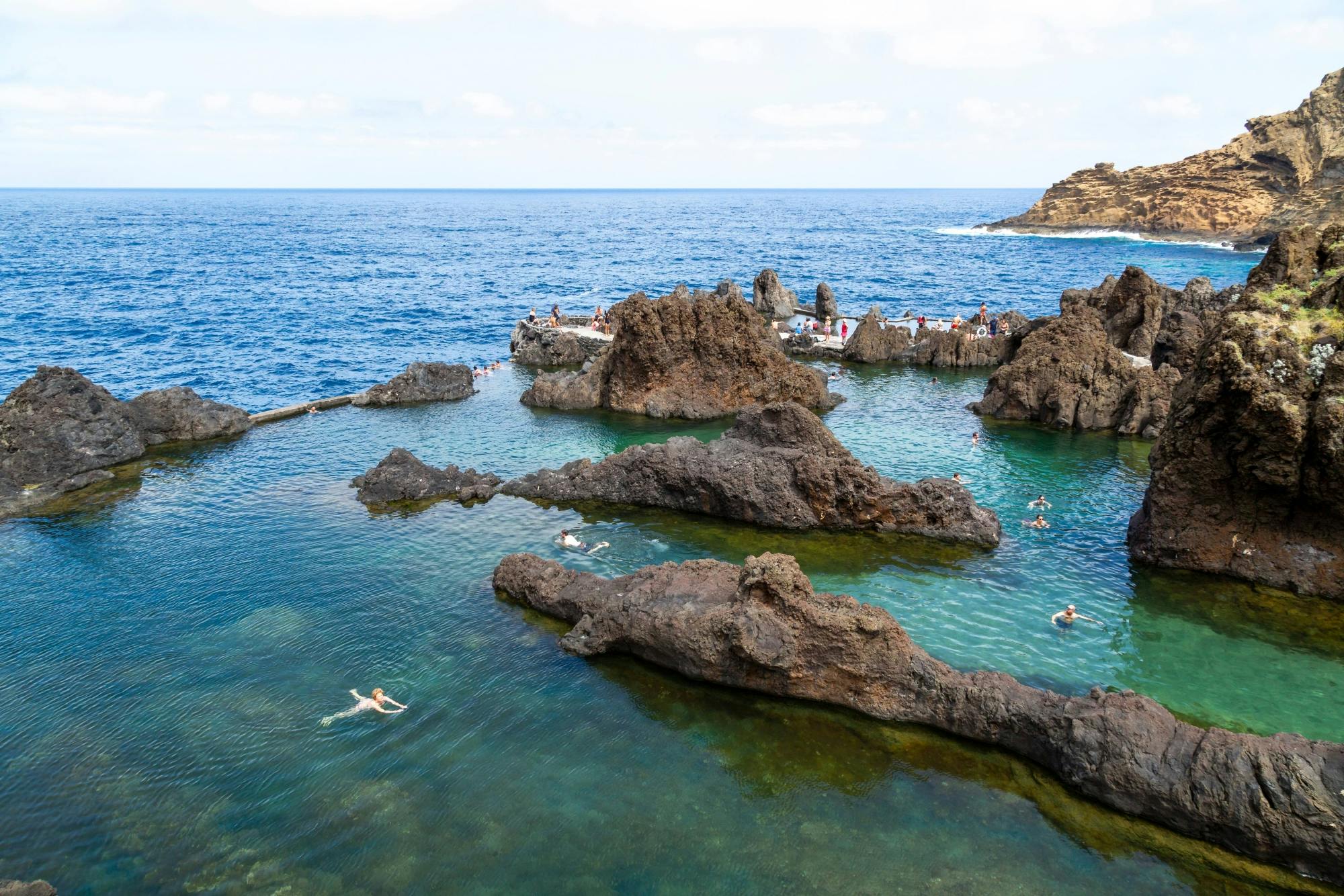
Private Madeira Dramatic West Coast Tour with Lunch in Porto Moniz Portugal Plan Private Madeira Dramatic West Coast Tour with Lunch in Porto Moniz, a food and drink experience, with practical tips on timing, inclusions and what to check before booking. Compare current availability, prices and booking conditions before you go.
Anahulu Cave, also written as ‘Ana Hulu Cave, is one of the most memorable natural attractions on Tongatapu, Tonga’s main island. Hidden beneath a limestone landscape near Haveluliku, the cave is known for its cool underground freshwater pool, dramatic rock formations, stalactites, pillars and dimly lit chambers.
For travellers staying in Nuku’alofa or exploring Tongatapu’s east coast, Anahulu Cave makes an easy and rewarding stop. It is part cave visit, part swimming experience and part quiet escape from the tropical heat. Nearby Anahulu Beach adds another reason to include this area in a half-day or full-day island itinerary.
Sponsored Popular Items
Quick take: Musement.com offers a worldwide selection of tours and attractions
Krabi: Hot Springs, Emerald Pool, and Blue Pool Tour Thailand Discover Krabi's hidden gems on a tour to the Hot Spring Waterfall, Emerald Pool, and Blue Pool. Enjoy a delicious lunch at a local restaurant and benefit from hotel transfers
What Is Anahulu Cave?
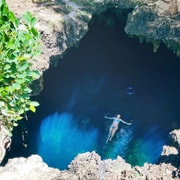
Anahulu Cave is a limestone cave on Tongatapu Island in Tonga. It is best known for its underground freshwater pool, where visitors can swim beneath stalactites and rock formations in a cool, sheltered cave chamber.
The attraction is sometimes described as Anahulu Cave, ‘Ana Hulu Cave or Anahulu Cave Underground Swimming Pool. These names usually refer to the same place near Haveluliku on the eastern side of Tongatapu.
Unlike many cave attractions that are only for viewing, Anahulu Cave is interactive. The main draw is not just walking through the cave, but entering the clear, cool water and swimming inside the natural underground pool.
Why Visit Anahulu Cave?
Anahulu Cave is worth visiting because it offers a different side of Tonga. Many travellers come to Tongatapu for beaches, blowholes, historic sites and cultural experiences, but Anahulu Cave adds an underground natural wonder to the island itinerary.
The cave is especially appealing on a warm day. The air inside is cooler, the water is refreshing, and the limestone formations create a quiet, almost mysterious atmosphere. It is a simple attraction, but that simplicity is part of its charm.
It is also a good family-friendly stop for visitors who are comfortable with steps, darker spaces and swimming. For couples, photographers and nature lovers, the reflections, rock textures and blue-green water make it a beautiful place to experience slowly.
The Underground Freshwater Pool
The highlight of Anahulu Cave is the freshwater pool deep inside the cave. The water is clear, cool and sheltered from the sun, creating a refreshing contrast to Tonga’s warm outdoor climate.
Visitors usually enter the cave by following a walkway or guided path down toward the pool. Lighting helps reveal the rock formations, but the cave still has a dim and atmospheric feel. Once at the water, you can swim, float or simply sit near the edge and enjoy the unusual setting.
The pool is a memorable experience because it feels very different from swimming at a beach or resort. Instead of open sky and waves, you are surrounded by limestone walls, stalactites, shadows and echoes.
Limestone Formations and Cave Atmosphere
Anahulu Cave has classic limestone cave features, including stalactites hanging from the ceiling, pillars, textured walls and natural chambers shaped over time by water and mineral deposits.
The lighting inside the cave helps make the formations visible, but it is still wise to move carefully. Cave surfaces can be uneven, damp or slippery. The darker corners also make the space feel more adventurous than a normal swimming spot.
Take a few minutes to look up and around before getting into the water. The formations above the pool are part of what makes Anahulu Cave special.
Can You Swim in Anahulu Cave?
Yes, swimming is one of the main reasons people visit Anahulu Cave. The freshwater pool is usually the central feature of the experience, and many visitors bring swimwear and a towel specifically for this stop.
That said, swimmers should use common sense. The cave is darker than an outdoor pool, the rock edges can be uneven, and the water may be deeper than expected in places. Confident swimmers will enjoy it most, while children should be supervised closely at all times.
If you are not a strong swimmer, you can still enjoy the cave from the edge or stay in shallower areas if conditions allow. Do not jump into the water unless a local guide clearly says it is safe.
Anahulu Beach
Anahulu Beach is close to the cave entrance and is often visited on the same trip. The beach gives the area a second attraction: after swimming underground, you can relax by the sea, enjoy the coastal scenery or take photos of the surrounding area.
The beach is not as developed as a large resort beach, which gives it a quieter local feel. Depending on the weather and tide, it can be a pleasant place to pause before or after the cave visit.
If you enjoy snorkelling, ask locally whether conditions are suitable on the day. Sea conditions can change, so it is best not to assume every beach visit will be good for swimming or snorkelling.
Combine It With Tongatapu’s East Coast
Anahulu Cave is often included on east-coast Tongatapu sightseeing tours. These tours may combine the cave with cultural, historical and coastal stops, making the route more varied than visiting the cave alone.
Possible nearby or same-day highlights can include:
Ha’amonga ‘a Maui, the famous ancient stone trilithon
Captain Cook’s Landing Place
Royal Palace and Royal Tombs in Nuku’alofa
Ancient terraced tombs
Anahulu Beach
Local villages and coastal scenery
If you only have a short time on Tongatapu, joining a guided east-coast tour can be an efficient way to see Anahulu Cave along with the island’s historical and cultural landmarks.
How to Get There
Anahulu Cave is located near Haveluliku on Tongatapu. Most visitors reach it by rental car, taxi, private driver or guided tour from Nuku’alofa.
If you are driving independently, use the names Anahulu Cave, ‘Ana Hulu Cave or Haveluliku in your map app, but confirm the route locally if possible. Signage and road conditions can vary, and mobile coverage may not always be perfect.
For the easiest experience, book a local tour or arrange a driver who can include Anahulu Cave as part of an east-coast route. This is especially useful if you want to combine the cave with beaches, historic sites and cultural stops.
How Long to Spend There
Allow around one to two hours for Anahulu Cave if you want time to enter the cave, swim in the pool, change clothes and look around without rushing.
If you also want to relax at Anahulu Beach, allow extra time. As part of a wider Tongatapu east-coast tour, the cave may be one stop in a half-day itinerary of around four hours or a longer day of sightseeing.
What to Wear and Bring
Swimwear worn under your clothes or packed in a small bag
A towel
Comfortable shoes with grip
Waterproof bag or pouch for valuables
Change of clothes if continuing on a tour
Reusable water bottle
Small cash for entry fees, tips or local purchases
Camera or phone, ideally with a waterproof case
Reef-safe sunscreen for beach time
Snorkel gear if you plan to ask locally about beach conditions
Practical Travel Tips
Check Opening Hours Before You Go
Opening times can change, and Sunday trading or access may be limited in Tonga. Always check current hours locally or with your tour provider before making the trip.
Bring Cash
Small attractions may not always accept cards. Carry local currency for entry fees, transport, snacks or tips.
Wear Shoes With Grip
The cave can be damp and uneven. Shoes with grip are safer than flip-flops, especially on steps or wet rock surfaces.
Supervise Children Closely
Children may enjoy the cave pool, but the combination of water, darkness, rocks and steps means adults should stay close at all times.
Respect the Cave Environment
Do not touch fragile formations, leave rubbish, mark the rock or disturb the natural setting. Caves are slow-forming environments and should be treated carefully.
Do Not Expect a Luxury Attraction
Anahulu Cave is a natural and local-style attraction, not a polished resort experience. Facilities may be simple, but the cave pool itself is the reason to visit.
Pair It With Anahulu Beach
The nearby beach makes the visit more complete. After the underground swim, the beach offers fresh air, coastal views and a relaxed place to pause.
FAQs About Anahulu Cave
Where is Anahulu Cave?
Anahulu Cave is on Tongatapu Island in Tonga, near Haveluliku on the eastern side of the island.
Is Anahulu Cave the same as ‘Ana Hulu Cave?
Yes. The name is written in different ways, including Anahulu Cave and ‘Ana Hulu Cave. Both usually refer to the same limestone cave with the underground freshwater pool on Tongatapu.
Can you swim in Anahulu Cave?
Yes. Swimming in the freshwater underground pool is one of the main reasons to visit. Bring swimwear and a towel.
Is Anahulu Cave suitable for children?
It can be suitable for children who are comfortable with caves, steps and water. However, adults should supervise closely because the cave is dim, rocky and wet in places.
Do I need a guide?
You may be able to visit independently, but a local guide or organised tour makes the experience easier, especially if you want transport and other Tongatapu east-coast stops included.
Is Anahulu Cave good on a rainy day?
It can be a good rainy-day activity because much of the experience is underground. However, road conditions, opening hours and safety should still be checked locally.
What should I wear?
Wear comfortable clothes over swimwear and shoes with grip. Bring a towel and a change of clothes if you plan to swim.
How long do you need at Anahulu Cave?
Most visitors should allow one to two hours. If combining the cave with Anahulu Beach or an east-coast tour, allow half a day.
Final Thoughts
Anahulu Cave is one of Tongatapu’s most unusual and refreshing attractions. The combination of limestone formations, a cool underground freshwater pool and nearby beach scenery makes it a memorable stop for travellers exploring Tonga’s main island.
For the best experience, bring swimwear, wear sensible shoes, carry cash and consider combining the cave with Tongatapu’s east-coast cultural and historic sites. It is a simple attraction, but swimming beneath the cave ceiling is an experience that stays with you long after leaving the island.
Sponsored Popular Items
Quick take: Musement.com offers a worldwide selection of tours and attractions
Krabi: Hot Springs, Emerald Pool, and Blue Pool Tour Thailand Discover Krabi's hidden gems on a tour to the Hot Spring Waterfall, Emerald Pool, and Blue Pool. Enjoy a delicious lunch at a local restaurant and benefit from hotel transfers
Krabi: Emerald Pool, Hot Springs & Tiger Cave Private Tour Thailand Explore Krabi’s inland nature without following a shared-group schedule. Visit Emerald Pool, Hot Spring Waterfall, and Tiger Cave Temple with a private vehicle and driver for 8 hours
Hanga Roa: A Practical Travel Guide to the Main Town of Rapa Nui
Hanga Roa is the main town of Rapa Nui, the remote Pacific island also known as Easter Island. It is where most travellers stay, eat, book tours, arrange transport and begin their journey into the island’s extraordinary world of moai, volcanic landscapes, ocean cliffs and Polynesian culture.
Although many visitors come to Rapa Nui for the famous archaeological sites, Hanga Roa itself is worth exploring. The town has a relaxed coastal rhythm, colourful fishing boats, craft markets, small restaurants, surf breaks, sunset viewpoints and several important moai sites within walking distance.
Sponsored Popular Items
Quick take: Musement.com offers a worldwide selection of tours and attractions
Hanga Roa is the only main town on Rapa Nui. It sits on the island’s west coast, close to Mataveri International Airport, and acts as the practical centre for almost every visit to Easter Island.
This is where you will find most accommodation, restaurants, cafés, tour offices, car hire, supermarkets, diving centres, souvenir shops and local services. The town is small enough to explore on foot, but it is also the starting point for guided tours to Rapa Nui National Park and the island’s major archaeological sites.
Hanga Roa is not a large resort town. It feels more like a remote island settlement with a mix of local homes, guesthouses, gardens, horses, churches, coastal paths, small shops and ocean views. That relaxed pace is part of its charm.
Why Stay in Hanga Roa?
Hanga Roa is the most convenient place to stay on Rapa Nui because almost everything a visitor needs is based here. You can walk to restaurants, arrange tours, buy supplies, visit the harbour, watch the sunset at Ahu Tahai and reach the airport quickly.
Staying in Hanga Roa also gives you a better sense of everyday island life. Between guided tours, you can wander the waterfront, visit craft stalls, watch surfers, see fishing boats return to shore, and enjoy the slower rhythm of a remote Polynesian community.
For first-time visitors, Hanga Roa is the obvious base. It allows you to explore the island during the day while still having easy access to food, accommodation and services in the evening.
Best Things to Do in Hanga Roa
Walk the Waterfront
The coastal walk through Hanga Roa is one of the easiest and most enjoyable things to do in town. You can see volcanic rock coastline, waves crashing into the shore, small moai platforms, fishing boats, sea turtles near the harbour and sunset views across the Pacific.
Visit Ahu Tahai
Ahu Tahai is one of the most accessible ceremonial sites near Hanga Roa and one of the best places on the island to watch the sunset. The site includes restored moai platforms and open grassy areas facing the sea.
Explore Hanga Roa Harbour
The harbour is small but full of character. Colourful boats, clear blue water, moai figures, local fishermen and occasional sea turtles make it a pleasant place for a short walk or photo stop.
Browse the Craft Market
Hanga Roa has craft shops and market stalls where visitors can find carved wooden moai, jewellery, textiles, shells, prints, souvenirs and locally made pieces. Buying directly from local makers is a good way to support the island economy.
Visit the Church
The Catholic church in Hanga Roa is interesting because it combines Christian and Rapa Nui artistic elements. Look for carved details, local symbolism and the way island identity is reflected in the design.
Go Diving or Snorkelling
The waters around Rapa Nui are known for excellent visibility. Hanga Roa has diving centres that arrange trips for qualified divers and introductory experiences for beginners. Snorkelling may also be available depending on conditions.
Watch the Surf
The coastline near Hanga Roa has surf breaks where locals and visitors ride the waves. Even if you do not surf, it is enjoyable to watch from the shore, especially in the late afternoon.
Ahu Tahai Sunset
Ahu Tahai is one of the most memorable places near Hanga Roa. It is within walking distance of the town centre and is famous for sunset views, when the moai become dark silhouettes against the evening sky.
This is a popular gathering place, so arrive early if you want a good viewing spot. Bring a light jacket, as the wind can feel cool after the sun drops. Stay behind marked boundaries and respect the site, as it is both a sacred cultural place and a protected archaeological area.
Hanga Roa Harbour
Hanga Roa Harbour gives visitors a close look at the island’s connection with the sea. Fishing boats, diving boats and small craft use the harbour, while locals often gather nearby. The water can be remarkably clear, and sea turtles are sometimes seen near the rocks.
The harbour is also a good place to understand how small and remote the island feels. Rapa Nui is not a destination of large marinas or cruise terminals in the usual sense. The harbour has a working local character, which makes it more interesting than a polished tourist waterfront.
Museo Antropológico Padre Sebastián Englert
The Museo Antropológico Padre Sebastián Englert is an important cultural stop near Hanga Roa. It helps explain the history, archaeology, language, beliefs and material culture of Rapa Nui.
Visiting the museum early in your trip can make the archaeological sites more meaningful. Before seeing places such as Rano Raraku, Ahu Tongariki, Orongo and Anakena, it helps to understand the cultural background of the moai, ahu platforms, clan territories and changing history of the island.
Where to Eat and Drink
Hanga Roa has the island’s main range of restaurants, cafés and casual eateries. Seafood is a natural focus, with tuna, ceviche, fish dishes and Polynesian-inspired meals commonly found on menus. You will also find empanadas, grilled meats, Chilean dishes, tropical fruit juices and simple café food.
Because Rapa Nui is remote, food prices can be higher than on mainland Chile. Many ingredients must be flown or shipped in, so it is sensible to budget more for meals than you would in Santiago or Valparaíso.
If your accommodation has a kitchen, buying some groceries in Hanga Roa can help reduce costs, especially for breakfast, snacks and simple meals.
Best Day Trips from Hanga Roa
Rano Raraku
Rano Raraku is the volcanic quarry where many of the island’s moai were carved. It is one of the most important and atmospheric sites on Rapa Nui, with unfinished and partly buried moai scattered across the slopes.
Ahu Tongariki
Ahu Tongariki is the largest restored moai platform on the island and one of the most famous views in Rapa Nui. It is especially popular at sunrise, when the moai stand in silhouette against the early light.
Rano Kau and Orongo
Rano Kau is a dramatic volcanic crater near Hanga Roa, while Orongo is the ceremonial village linked to the Birdman tradition. Together they make one of the most important cultural and scenic excursions from town.
Anakena Beach
Anakena is Rapa Nui’s best-known beach, with pale sand, palm trees, clear water and moai nearby. It is a beautiful place to relax after several days of archaeological sightseeing.
Ana Kakenga
Ana Kakenga, often called the cave of two windows, is a volcanic cave with openings facing the ocean. It is a striking site, but it should only be visited with proper guidance and care because the terrain can be uneven and dark.
How Long to Stay
Two nights: Very rushed. You can see a few highlights, but you will not have much time to understand the island.
Three to four nights: A reasonable minimum for first-time visitors. This allows time for Hanga Roa, Ahu Tahai, Rano Raraku, Ahu Tongariki, Rano Kau, Orongo and Anakena.
Five to six nights: Better for a more relaxed visit. You can spread out tours, revisit sunset spots, include a museum visit, go diving or snorkelling, and enjoy Hanga Roa without rushing.
One week or more: Ideal for travellers who want a deeper cultural, photographic or nature-focused experience.
Simple Hanga Roa Itinerary
Day 1: Arrive and Explore Hanga Roa
Arrive at Mataveri International Airport.
Transfer to your accommodation in Hanga Roa.
Walk through town and along the waterfront.
Visit the harbour and craft market.
Watch sunset at Ahu Tahai.
Day 2: Rano Raraku and Ahu Tongariki
Join a guided tour to Rano Raraku quarry.
Visit Ahu Tongariki and nearby coastal sites.
Stop at Anakena Beach if included in your route.
Return to Hanga Roa for dinner.
Day 3: Rano Kau, Orongo and Museum
Visit Rano Kau volcanic crater.
Explore Orongo ceremonial village with a guide.
Return to town and visit the museum.
Enjoy a relaxed evening in Hanga Roa.
Day 4: Slow Island Day
Go snorkelling, diving or take a coastal walk.
Browse local shops and cafés.
Return to your favourite sunset spot.
Use the evening to enjoy local food or a cultural performance if available.
Practical Travel Tips
Book Accommodation Early
Hanga Roa has a range of guesthouses, small hotels, cabins and higher-end lodges, but availability can be limited during busy periods. Book early if travelling during festivals, holidays or peak travel months.
Understand the Park Rules
Many of Rapa Nui’s major archaeological sites are inside Rapa Nui National Park. Visitors need to follow current entry requirements, which may include buying a park ticket and visiting protected sites with an accredited guide.
Respect Sacred Sites
Never climb on ahu platforms, touch moai, move stones or cross barriers. These are not just monuments; they are sacred ancestral and archaeological places.
Carry Cash
Cards are accepted in many places, but cash is still useful for small purchases, taxis, markets and tips. ATMs can be limited, so do not rely on withdrawing money at the last minute.
Budget More Than Mainland Chile
Rapa Nui is remote, and many goods are imported. Accommodation, food, fuel and tours can cost more than expected.
Use Hanga Roa as Your Base
Even if you hire a car or join tours around the island, Hanga Roa remains the most practical place to return to each evening for meals, supplies and services.
Pack for Sun, Wind and Rain
The weather can change quickly. Bring sunscreen, a hat, sunglasses, a light rain jacket, comfortable walking shoes and layers for windy coastal evenings.
Do Not Rush the Island
Rapa Nui is not only a place to photograph moai. It is a living island with a strong culture, sensitive heritage and fragile environment. Give yourself enough time to listen, learn and move respectfully.
FAQs About Hanga Roa
Is Hanga Roa the main town on Easter Island?
Yes. Hanga Roa is the main town and practical centre of Rapa Nui. Most accommodation, restaurants, shops, tour offices and services are located here.
Can you walk around Hanga Roa?
Yes. Hanga Roa is small and walkable. You can explore the waterfront, harbour, craft market, restaurants and Ahu Tahai area on foot.
Is Hanga Roa close to the airport?
Yes. Mataveri International Airport is very close to Hanga Roa, making transfers short and simple.
What is the best thing to do in Hanga Roa?
One of the best experiences is walking to Ahu Tahai for sunset. The harbour, craft market, museum, church and waterfront are also worth exploring.
Do I need a guide in Hanga Roa?
You can explore the town independently, but protected archaeological sites within Rapa Nui National Park require visitors to follow current park entry and guide rules. For the major moai sites, a guide is strongly recommended and may be required.
How many days should I stay in Hanga Roa?
Stay at least three to four nights if possible. Five or more nights gives you a more relaxed and rewarding experience.
Is Hanga Roa expensive?
It can be more expensive than mainland Chile because of the island’s isolation. Accommodation, food, fuel and tours should be budgeted carefully.
Can you see moai in Hanga Roa?
Yes. Several moai and ceremonial sites are near or within walking distance of town, including the Ahu Tahai area and coastal moai near the harbour.
Final Thoughts
Hanga Roa is much more than a place to sleep between tours. It is the heart of Rapa Nui’s visitor experience and the best base for understanding the island’s culture, coastline and daily life.
From the harbour and craft markets to Ahu Tahai sunsets and guided trips into Rapa Nui National Park, Hanga Roa gives travellers a practical and atmospheric starting point for one of the world’s most remote and fascinating destinations. Stay long enough to slow down, respect the island’s heritage, and let the rhythm of Rapa Nui unfold beyond the famous stone faces.
Sponsored Popular Items
Quick take: Musement.com offers a worldwide selection of tours and attractions
Long Tan & Nui Dat: Vietnam War History & Long Phuoc Tunnels Vietnam Journey from Ho Chi Minh City to Long Tan and Nui Dat to uncover powerful Vietnam War stories, visit former military sites and memorials, and explore the historic Long Phuoc Tunnels
Khao Lak Magical Sunrise at Khao Khai Nui – Guided Sightseeing Tour Thailand Khao Lak Magical Sunrise at Khao Khai Nui USD 192 adds structure, local context and purposeful sightseeing to the itinerary. Check current availability, inclusions and booking details before you go.
East Salalah Mountain Safari: Wadi Darbat, Jabal Samhan and Dhofar’s Wild Green Mountains
An East Salalah Mountain Safari is one of the best ways to experience the dramatic natural beauty of Oman’s Dhofar region. This scenic journey takes you away from Salalah city and into a landscape of green wadis, limestone cliffs, mountain viewpoints, waterfalls, coastal villages, camels, sinkholes and misty highlands.
The route is especially popular during the Khareef season, when monsoon clouds turn the mountains around Salalah green and cool. However, it is also a rewarding trip outside Khareef, when the landscape becomes drier, clearer and more rugged, with sweeping views across valleys, cliffs and the Arabian Sea.
Sponsored Popular Items
Quick take: Musement.com offers a worldwide selection of tours and attractions
Full-Day Mountain Safari from Salalah - Outdoor Adventure Oman Full-Day Mountain Safari from Salalah places landscapes, habitats or wildlife at the centre of the experience. Check current availability, inclusions and booking details before you go.
What Is the East Salalah Mountain Safari?
The East Salalah Mountain Safari is a guided sightseeing trip through the eastern side of Salalah and the Dhofar mountains. It usually combines natural attractions, cultural stops and scenic viewpoints in one day.
Typical highlights include Wadi Darbat, Jabal Samhan, Taqah, Tawi Atair Sinkhole, baobab trees, mountain roads, coastal views and sometimes Sumhuram archaeological site. Depending on the operator, the route may also include camel sightings, waterfalls, a boat ride, a local lunch, or the famous Anti-Gravity Point.
This is not a rough desert dune-bashing safari. It is better described as a mountain, wadi and countryside sightseeing tour, usually done by 4WD or comfortable private vehicle.
Why Do This Tour?
An East Salalah Mountain Safari is ideal if you want to see the natural side of Dhofar without renting a car or planning the route yourself. The area east of Salalah has scattered attractions that are much easier to visit with a driver who knows the roads, viewpoints and seasonal conditions.
The tour gives travellers a strong contrast of landscapes. In a single day, you may see green valleys, waterfalls, dry limestone plateaus, mountain cliffs, coastal villages, archaeological ruins and camels wandering near turquoise water.
It is especially worthwhile for nature lovers, photographers, families, couples, cruise passengers and travellers visiting Oman during Khareef.
Wadi Darbat
Wadi Darbat is usually the highlight of an East Salalah Mountain Safari. During Khareef, the valley becomes lush and green, with waterfalls, pools, mist and grazing camels. Outside the monsoon season, it can look drier but still beautiful, with limestone cliffs, trees, water channels and peaceful picnic areas.
Depending on the season and water levels, visitors may see cascades, larger waterfalls, calm pools and camels crossing or drinking near the water. Some tours may also offer time for a small boat ride if conditions allow.
Wadi Darbat is one of the most photogenic places near Salalah. The combination of green water, rocky hills, misty air and camels gives it a very distinctive Dhofar atmosphere.
Jabal Samhan
Jabal Samhan is one of the most dramatic mountain areas east of Salalah. The viewpoint is known for huge cliffs, deep valleys and wide views across the Dhofar landscape. During Khareef, clouds and mist can roll through the mountains, sometimes creating a “view above the clouds” effect.
On clear days, the scenery is vast and rugged, with rocky plateaus dropping into deep canyons. During the monsoon season, visibility may change quickly, but the mist adds atmosphere and makes the mountain feel wild and mysterious.
Jabal Samhan is one of the main reasons to choose a mountain safari rather than only visiting Salalah’s beaches and city sights.
Tawi Atair Sinkhole
Tawi Atair Sinkhole, sometimes called the “Well of Birds,” is another common stop on East Salalah tours. It is a large natural sinkhole set within the limestone landscape of Dhofar.
The site is impressive because of its scale and setting. Visitors usually view it from designated areas rather than climbing down. The surrounding mountain terrain, birdlife and geological character make it a worthwhile addition to the route.
Wear proper shoes if your tour includes walking near the viewpoint, as paths and ground surfaces can be uneven.
Baobab Trees and Mountain Landscapes
One of the most surprising features of the East Salalah route is the presence of ancient-looking baobab trees. Their thick trunks and sculptural shapes stand out against the rocky Dhofar landscape, making them a favourite stop for photography.
The baobab area gives the tour a different feel from the more familiar Arabian desert scenery. It is a reminder that Dhofar has a unique climate and landscape compared with much of Oman.
Taqah Beach and Taqah Castle
Many East Salalah tours include Taqah, a coastal town east of Salalah. Taqah Beach is known for open sea views, fishing activity and a peaceful coastal atmosphere.
Taqah Castle is another common stop. This small historic fort gives visitors a glimpse into local life, traditional architecture and Dhofar’s coastal heritage. It is not a huge fortress, but it adds useful cultural context to a route that is otherwise focused mainly on nature.
Sumhuram Archaeological Site
Some East Salalah Mountain Safari itineraries include Sumhuram, an ancient archaeological site linked with the region’s frankincense trade. The ruins overlook a scenic lagoon area near Khor Rori and help explain Dhofar’s historical importance as a centre of trade.
If your tour includes Sumhuram, it adds a valuable historical stop to the day. The site is especially interesting for travellers who want more than waterfalls and viewpoints.
Anti-Gravity Point
The Anti-Gravity Point is a fun roadside stop often included on East Salalah tours. It is promoted as a place where vehicles appear to roll uphill when placed in neutral.
The effect is generally understood as an optical illusion created by the surrounding landscape, but it is still a popular stop because it is quick, unusual and entertaining. It works best as a light-hearted break between the larger scenic attractions.
Sample East Salalah Mountain Safari Itinerary
Full-Day East Salalah Mountain Safari
Morning: Pick up from your Salalah hotel, cruise port or meeting point.
First stop: Drive east toward Taqah for beach views or a visit to Taqah Castle.
Mid-morning: Continue to Wadi Darbat for waterfalls, pools, camels and valley scenery.
Lunch: Stop at a local restaurant or have lunch included with the tour, depending on the package.
Afternoon: Visit Tawi Atair Sinkhole, baobab trees and mountain viewpoints.
Main mountain view: Continue toward Jabal Samhan for dramatic cliffs, clouds and panoramic scenery.
Optional stop: Visit Anti-Gravity Point or Sumhuram archaeological site if included.
Return: Drive back to Salalah in the late afternoon or early evening.
Best Time to Go
The most famous time to visit East Salalah is during Khareef, from around June to September. During this season, the mountains become green, waterfalls are more active, the weather is cooler and mist often covers the hills.
Khareef is also the busiest time. Expect more local and regional visitors, more traffic near popular sights and higher demand for hotels and tours.
Outside Khareef, the landscape is drier but still impressive. You may get clearer mountain views, fewer crowds and easier road conditions. Waterfalls may be reduced or absent, but the cliffs, sinkholes, coastal scenery and desert-like mountain views remain worthwhile.
What to Wear and Bring
Comfortable walking shoes with good grip
Light clothing for warm weather
A light jacket or rain layer during Khareef
Sunglasses and sunscreen outside misty conditions
Reusable water bottle
Camera or phone with enough battery
Small cash for snacks, tips or entry fees
Modest clothing for cultural stops such as forts or villages
Motion sickness tablets if you are sensitive to winding mountain roads
Practical Travel Tips
Choose a 4WD or Experienced Local Driver
Some routes involve mountain roads, changing weather and remote viewpoints. A local guide or experienced driver makes the day easier, especially during Khareef when mist and traffic can affect travel times.
Check What Is Actually Included
Different operators use the name “East Salalah Mountain Safari” for slightly different routes. Before booking, check whether the tour includes Wadi Darbat, Jabal Samhan, Taqah, Tawi Atair, Sumhuram, lunch, entry fees and hotel pickup.
Start Early
An early start helps you avoid some crowds, especially during Khareef. It also gives you more flexibility if roads are busy or visibility changes in the mountains.
Expect Weather Changes
In Dhofar, especially during Khareef, weather can change quickly. You may experience mist, drizzle, bright sun and cloudy mountain views on the same day.
Do Not Expect Every Waterfall Year-Round
The waterfalls and greenery are highly seasonal. If you visit outside Khareef, enjoy the geological scenery, cliffs, caves, sinkholes and mountain views rather than expecting the full green monsoon landscape.
Respect Local Customs
Dhofar is welcoming but traditional. Dress modestly in villages, forts and public places. Ask before photographing people, especially families or locals at picnic areas.
Use the Tour as a Landscape Day
This trip is best enjoyed slowly. The beauty is in the shifting scenery: camels in water, mist on cliffs, baobab trees, mountain roads, old forts and wide views over the Dhofar countryside.
FAQs About East Salalah Mountain Safari
What does an East Salalah Mountain Safari include?
Most tours include Wadi Darbat, Jabal Samhan and several eastern Dhofar attractions such as Taqah, Tawi Atair Sinkhole, baobab trees, Anti-Gravity Point or Sumhuram. Exact inclusions vary by operator.
Is Wadi Darbat worth visiting?
Yes. Wadi Darbat is one of the most beautiful natural sights near Salalah, especially during Khareef when waterfalls, green hills and camels create a memorable landscape.
When is the best time for the East Salalah Mountain Safari?
Khareef season, from June to September, is the most famous time because the mountains become green and misty. Outside Khareef, the tour is still worthwhile for cliffs, viewpoints, sinkholes and quieter travel.
Do I need a 4WD?
A 4WD is useful for some mountain routes and viewpoints, especially if conditions are wet or if your tour goes beyond standard paved roads. If you are booking a guided safari, check what vehicle is used.
Is this tour suitable for children?
Yes, it can be suitable for families, especially children who enjoy animals, waterfalls, mountain scenery and short sightseeing stops. Parents should take care near viewpoints, cliffs, water edges and uneven ground.
Is there a lot of walking?
Most East Salalah Mountain Safari tours involve light walking rather than serious hiking. However, some stops may include uneven surfaces, viewpoints, short paths or steps.
Can I do the trip independently?
Yes, experienced drivers can visit many of the sights independently, but a guided tour is easier if you are unfamiliar with the roads, seasonal conditions or exact locations.
How long does the tour take?
Many East Salalah Mountain Safari tours take around six to eight hours, although full-day private tours can take longer depending on stops, traffic and weather.
Final Thoughts
An East Salalah Mountain Safari is one of the most rewarding day trips in Dhofar. It brings together the best of Salalah’s eastern landscapes: Wadi Darbat’s green valley, Jabal Samhan’s dramatic mountain views, Taqah’s coastal heritage, unusual baobab trees, sinkholes and seasonal waterfalls.
For the best experience, choose a tour that clearly lists its stops, start early, dress for changing weather and remember that Dhofar looks different depending on the season. During Khareef, expect mist, greenery and waterfalls. Outside Khareef, expect clearer views, drier mountains and a quieter, more rugged side of Oman.
Sponsored Popular Items
Quick take: Musement.com offers a worldwide selection of tours and attractions
Full-Day Mountain Safari from Salalah - Outdoor Adventure Oman Full-Day Mountain Safari from Salalah places landscapes, habitats or wildlife at the centre of the experience. Check current availability, inclusions and booking details before you go.
Berlin East Side: A Guide to the East Side Gallery, Spree River and Friedrichshain
Berlin’s East Side is best known for the East Side Gallery, the longest surviving continuous section of the Berlin Wall and one of the city’s most powerful outdoor landmarks. Stretching along the River Spree in Friedrichshain, this open-air gallery combines history, street art, Cold War memory, riverside views and some of Berlin’s most recognisable urban scenery.
For visitors, the East Side is more than a quick photo stop. It is a place where the story of divided Berlin meets modern city life. On one side, you see murals painted on the former Wall. On the other, you find the Spree, Oberbaum Bridge, cafés, nightlife, river walks and the creative energy of Friedrichshain and Kreuzberg.
Sponsored Popular Items
Quick take: Musement.com offers a worldwide selection of tours and attractions
Berlin 1-Hour River Spree Cruise with Panoramic Views Germany Plan Berlin 1-Hour River Spree Cruise with Panoramic Views, a water-based experience, with practical tips on timing, inclusions and what to check before booking. Compare current availability, prices and booking conditions before you go.
What Is the East Side Gallery?
The East Side Gallery is a long section of the former Berlin Wall that has been transformed into an outdoor art gallery. It runs along Mühlenstraße, beside the River Spree, between the area near Berlin Ostbahnhof and Oberbaum Bridge.
After the fall of the Berlin Wall, artists from around the world painted murals directly onto this remaining section of the Wall. The artworks reflect freedom, political change, hope, protest, memory and the emotional impact of German reunification.
Today, the East Side Gallery is one of Berlin’s most visited landmarks. It is open-air, easy to reach, free to walk past, and suitable for visitors who want to understand Berlin’s modern history without entering a museum.
Why Visit Berlin’s East Side?
Berlin’s East Side is worth visiting because it brings together several sides of the city in one walk. You can see Cold War history, public art, riverside scenery, nightlife districts, modern redevelopment and one of Berlin’s most beautiful bridges all in the same area.
It is especially rewarding if you enjoy urban history, photography, street art, walking routes and places where the past is still visible in the modern city. Unlike a traditional museum, the East Side Gallery is part of everyday Berlin life. Cyclists, commuters, tour groups, artists and visitors all move through the same space.
A Short History of the East Side Gallery
The Berlin Wall divided the city from 1961 until 1989. After the Wall opened in November 1989, most of it was removed, but some sections were preserved as memorials and historical markers.
The East Side Gallery was painted in 1990, soon after the fall of the Wall. Artists used the concrete surface to respond to the end of division, the hope of reunification and the wider political changes taking place across Europe at the time.
The gallery is not only decorative. It is a memorial landscape. The bright murals can feel joyful, but they sit on a structure that once formed part of a heavily controlled border system. This contrast is what makes the place so powerful.
Best Things to See
The Murals of the East Side Gallery
The murals are the main reason to visit. Some are bold and political, others are surreal, hopeful, funny or emotional. Walk slowly and give yourself time to look at the details. The gallery is long, so do not rush from one famous image to the next.
The Famous Berlin Wall Artwork
Several murals have become internationally recognised. Some visitors come looking for specific works, but the best experience is to walk the full stretch and discover the artworks in sequence.
The River Spree
The East Side Gallery runs close to the Spree, giving the walk a scenic riverside element. In good weather, the water, boats, bridges and open sky soften the heavy history of the Wall.
Oberbaum Bridge
Oberbaum Bridge is one of the most striking sights in the area. Its red-brick towers and arches connect Friedrichshain and Kreuzberg, two districts that were once separated by the Wall.
Mercedes-Platz and the Modern East Side
The area near the East Side Gallery has changed significantly, with modern venues, hotels, restaurants and event spaces nearby. This contrast between memorial wall and commercial redevelopment is part of the contemporary East Side experience.
Oberbaum Bridge
Oberbaum Bridge is one of Berlin’s most photogenic bridges. It crosses the River Spree and links Friedrichshain on the north side with Kreuzberg on the south side. The bridge is especially beautiful at sunset, when the brickwork catches the warm light and the river reflects the city around it.
For visitors, Oberbaum Bridge is a natural continuation of an East Side Gallery walk. After viewing the murals, continue toward the bridge, cross into Kreuzberg, and look back across the river for one of the best views of Berlin’s eastern waterfront.
Walking Along the Spree River
A walk along the Spree is one of the best ways to enjoy this part of Berlin. The river gives the area space and atmosphere, and it helps connect the East Side Gallery with nearby neighbourhoods.
You can combine the Wall murals with a riverside stroll, a coffee stop, a bridge crossing or a boat tour. In summer, the area is lively and social. In winter, it can feel quieter and more reflective, which suits the historical mood of the site.
Friedrichshain and Kreuzberg
The East Side Gallery sits in Friedrichshain, a district known for nightlife, cafés, alternative culture, restaurants and creative energy. Across Oberbaum Bridge is Kreuzberg, another of Berlin’s most famous neighbourhoods, known for street life, food, bars, markets and multicultural character.
This makes the East Side a good starting point for a wider Berlin day out. You can begin with history at the Wall, continue with river views, cross the bridge, then spend the evening eating or exploring in Kreuzberg or Friedrichshain.
Simple East Side Berlin Itinerary
Two-Hour East Side Walk
Start near Berlin Ostbahnhof.
Walk along the East Side Gallery slowly, reading the murals as you go.
Stop for photos at the most striking sections of the Wall.
Continue toward Oberbaum Bridge.
Cross the bridge for views of the Spree and the East Side waterfront.
Finish with coffee, lunch or dinner in Friedrichshain or Kreuzberg.
Half-Day East Side Experience
Morning: Visit the East Side Gallery before the biggest crowds arrive.
Late morning: Walk along the Spree and photograph Oberbaum Bridge.
Lunch: Eat in Friedrichshain or Kreuzberg.
Afternoon: Continue to nearby neighbourhood streets, cafés, shops or a river cruise.
Best Time to Visit
The East Side Gallery can be visited year-round. Spring and autumn are especially pleasant because the weather is usually comfortable for walking. Summer brings longer daylight and a lively riverside atmosphere, but also more visitors.
Early morning is the best time if you want clearer photos and fewer people in front of the murals. Late afternoon is excellent for warmer light, especially around Oberbaum Bridge and the Spree.
Practical Travel Tips
Start at Ostbahnhof or Warschauer Straße
Both ends of the East Side Gallery are easy to reach by public transport. Starting near Ostbahnhof and walking toward Oberbaum Bridge is a simple route for first-time visitors.
Give Yourself Enough Time
The gallery is long. Allow at least one hour if you want to walk the Wall properly, and two hours if you plan to take photos, read the murals and continue to the bridge.
Be Respectful of the Wall
The East Side Gallery is a protected historical site and memorial, not just a photo backdrop. Do not write on the Wall, scratch the murals or treat the surface as ordinary street graffiti space.
Watch for Bikes and Crowds
The area can be busy with pedestrians, cyclists, tour groups and people taking photos. Stay aware, especially when stepping back to photograph murals.
Visit in Different Moods
The East Side Gallery feels different depending on the time of day and weather. Sunshine makes the murals bright and colourful, while grey skies can make the historical weight of the Wall feel stronger.
Combine It With Kreuzberg
After seeing the East Side Gallery, cross Oberbaum Bridge into Kreuzberg for food, cafés, bars and neighbourhood wandering. This makes the visit feel less like a single attraction and more like a complete Berlin experience.
FAQs About Berlin’s East Side
What is Berlin’s East Side?
For most travellers, Berlin’s East Side refers to the East Side Gallery area: the open-air Berlin Wall gallery along Mühlenstraße beside the River Spree in Friedrichshain.
Is the East Side Gallery free?
Yes. The East Side Gallery is an outdoor public site that you can walk along without buying a ticket.
How long is the East Side Gallery?
The East Side Gallery is about 1.3 kilometres long, making it the longest continuous surviving section of the Berlin Wall.
Where should I start the East Side Gallery walk?
A convenient route is to start near Ostbahnhof and walk toward Oberbaum Bridge. You can also begin near Warschauer Straße and walk in the opposite direction.
How much time do I need?
Allow at least one hour for a simple walk. If you want photos, a slower look at the murals, river views and a stop near Oberbaum Bridge, allow two to three hours.
Is the East Side Gallery suitable for children?
Yes, it can be visited with children, especially because it is outdoors and easy to walk. Older children and teenagers may find the combination of street art and history interesting.
Can you visit the East Side Gallery at night?
You can walk through the area at night, but daylight is better for seeing the murals properly. Evening can be good for atmosphere around the bridge and river, but use normal city safety awareness.
What else is nearby?
Nearby highlights include Oberbaum Bridge, the River Spree, Friedrichshain cafés and nightlife, Kreuzberg restaurants, riverside walks and boat tour piers.
Final Thoughts
Berlin’s East Side is one of the most meaningful places to visit in the city. The East Side Gallery turns a surviving piece of the Berlin Wall into a long outdoor artwork, but it never loses its historical weight. It is colourful, emotional, political and deeply connected to Berlin’s modern identity.
For the best experience, walk slowly from Ostbahnhof toward Oberbaum Bridge, take time with the murals, enjoy the Spree riverside and continue into Friedrichshain or Kreuzberg. This is not just a Berlin Wall stop; it is one of the best ways to understand how Berlin carries its past into the present.
Sponsored Popular Items
Quick take: Musement.com offers a worldwide selection of tours and attractions
Berlin 1-Hour River Spree Cruise with Panoramic Views Germany Plan Berlin 1-Hour River Spree Cruise with Panoramic Views, a water-based experience, with practical tips on timing, inclusions and what to check before booking. Compare current availability, prices and booking conditions before you go.
Berlin Spree River Cruise: Uber Arena to Hackescher Markt Germany Uber Arena to Hackescher Markt with the Kaiser Friedrich USD 20 adds structure, local context and purposeful sightseeing to the itinerary. Check current availability, inclusions and booking details before you go.
Subotica Serbia: A Guide to the Art Nouveau Jewel of Northern Serbia
Subotica is one of Serbia’s most beautiful and underrated cities. Located in northern Vojvodina, close to the Hungarian border, it is known for colourful Art Nouveau architecture, elegant squares, leafy streets, multicultural heritage and the nearby lakeside resort of Palić.
Unlike Belgrade’s energetic urban feel or Novi Sad’s Danube-side charm, Subotica has a softer Central European character. Its grand City Hall, restored synagogue, decorative palaces and relaxed café culture make it a wonderful destination for travellers who enjoy architecture, history, photography and slow sightseeing.
Sponsored Popular Items
Quick take: Musement.com offers a worldwide selection of tours and attractions
Budapest Art Nouveau tour with a historian guide Hungary Plan Budapest Art Nouveau tour with a historian guide, a guided sightseeing experience, with practical tips on timing, inclusions and what to check before booking. Compare current availability, prices and booking conditions before you go.
Why Visit Subotica?
Subotica is worth visiting because it feels different from many other Serbian cities. Its architecture, food, street names, languages and cultural layers reflect Serbian, Hungarian, Jewish, Croatian, Bunjevac and wider Central European influences. The result is a city with a distinctive atmosphere and a strong sense of place.
The city is especially famous for its Art Nouveau and Hungarian Secession architecture. Buildings are decorated with floral motifs, colourful tiles, curved lines, ceramic details, stained glass, patterned roofs and ornate façades. For architecture lovers, Subotica is one of the most rewarding cities in the Balkans.
Subotica is also compact and easy to explore on foot. Most of the main sights are close to the city centre, while Palić Lake is only a short trip away. This makes Subotica ideal for a relaxed day trip, an overnight stay, or a slower two-day visit.
Subotica and Art Nouveau Architecture
Art Nouveau is the style that defines Subotica. In this region, it is often called Secession, especially Hungarian Secession, because Subotica developed strongly during the Austro-Hungarian period. Instead of plain classical façades, many buildings feature flowing shapes, folk-inspired decoration, ceramic ornaments and colourful roof tiles.
The best way to appreciate Subotica is to walk slowly through the centre and look up. Many of the details are above eye level: rooflines, balconies, window frames, ceramic flowers, crests, ironwork and curved gables. The city rewards slow observation rather than rushed sightseeing.
Subotica City Hall
Subotica City Hall is the city’s most important landmark and one of the finest examples of Art Nouveau architecture in Serbia. Its tall tower, patterned roof tiles, decorative façade and grand presence dominate the main square.
The building is impressive from the outside, but the interior is also worth seeing if tours are available. Inside, visitors may find stained glass, painted details, carved wood, decorative halls and period design features that show how important the building was to the city’s civic identity.
The City Hall tower is also a popular viewpoint. If access is available during your visit, climbing the tower gives you a wider view over Subotica’s rooftops, squares and surrounding flat Vojvodina landscape.
Subotica Synagogue
Subotica Synagogue is one of the city’s most beautiful and meaningful buildings. Built in the early 20th century, it is a masterpiece of Hungarian Art Nouveau architecture, with colourful domes, decorative brickwork, floral motifs and a beautifully restored interior.
The synagogue is not only architecturally important; it also carries deep historical significance. Before the Second World War, Subotica had a large Jewish community. Visiting the synagogue offers both a visual and reflective experience, connecting the city’s artistic heritage with its Jewish history.
For many travellers, the synagogue is one of the highlights of Subotica. Even if you only have a short time in the city, it should be near the top of your list.
Raichle Palace
Raichle Palace is another essential Art Nouveau stop in Subotica. Designed as a private residence, it stands out for its richly decorated façade, colourful details and expressive shapes. It is one of the most photogenic buildings in the city.
The building reflects the imaginative side of Subotica’s architecture. Look closely at the curves, ceramic ornaments, window surrounds and decorative patterns. It is a good example of how Art Nouveau tried to bring beauty into everyday urban life.
Main Square and City Centre
Subotica’s main square is the natural starting point for sightseeing. From here, you can admire City Hall, sit at a café, walk toward the synagogue, explore surrounding streets and begin a self-guided architecture walk.
The centre has a relaxed pace. It is not overwhelming, and you do not need a strict plan to enjoy it. A good visit can be as simple as walking between the main sights, stopping for coffee, visiting a gallery or museum, and taking time to photograph the façades.
Palić Lake
Palić Lake is one of the best additions to a Subotica visit. Located close to the city, Palić is known for lakeside walking paths, parkland, historic resort architecture, the Water Tower, the Grand Terrace, the Music Pavilion and relaxed outdoor spaces.
Palić works especially well in warmer months, when you can stroll by the lake, enjoy a meal or drink, visit the zoo, or simply slow down after exploring Subotica’s city centre. It also has its own Art Nouveau buildings, making it a natural continuation of Subotica’s architectural story.
Best Things to Do in Subotica
Take an Architecture Walk
The best way to experience Subotica is on foot. Start at the main square, admire City Hall, continue to the synagogue, then wander toward Raichle Palace and nearby streets with decorative façades.
Join a Guided Walking Tour
A guided tour is useful because many details in Subotica’s architecture have symbolic meaning. A local guide can explain the history of the buildings, the Hungarian Secession style and the city’s multicultural past.
Visit the Synagogue
Subotica Synagogue is one of the city’s must-see attractions. Check opening times before visiting, as access can vary depending on events, holidays or restoration-related arrangements.
Climb the City Hall Tower
If tower access is available, the City Hall viewpoint gives a great perspective over the city. It is one of the best ways to appreciate Subotica’s skyline and flat northern landscape.
Explore Raichle Palace
Raichle Palace is one of the most beautiful buildings in Subotica. It is worth visiting even if you only view it from the outside.
Relax at Palić Lake
Palić Lake is ideal for a slower afternoon. Walk along the promenade, enjoy the park, see the historic lakeside buildings and stop for lunch or coffee.
Try Local Food and Wine
Subotica and the surrounding Vojvodina region are known for a mix of Serbian and Hungarian flavours. Look for hearty local dishes, pastries, paprika-rich meals, wines from the Palić area and traditional farm-style restaurants known as salaši.
How Long to Stay
Half day: Enough for a quick walk around the centre, City Hall, synagogue exterior and a few photos.
One full day: Better for seeing the main architecture, visiting the synagogue, joining a walking tour and enjoying lunch or coffee.
One night: The best option for most travellers. You can enjoy Subotica at a slower pace and add Palić Lake without rushing.
Two days: Ideal if you want to include Palić, local food, wine tasting, museums, galleries or a more relaxed photography-focused visit.
Simple Subotica Itinerary
One-Day Subotica Itinerary
Morning: Start at the main square and admire Subotica City Hall.
Late morning: Visit Subotica Synagogue and explore nearby Art Nouveau streets.
Lunch: Eat in the city centre or try a traditional local restaurant.
Afternoon: Visit Raichle Palace, a gallery or museum, then continue to Palić Lake.
Evening: Walk by the lake or return to the city centre for dinner.
Two-Day Subotica Itinerary
Day 1: Focus on Subotica’s city centre, City Hall, synagogue, Raichle Palace, squares and cafés.
Day 2: Spend a slower day at Palić Lake, visit the lakeside Art Nouveau landmarks, enjoy lunch and consider a local wine or farm-style experience.
How to Get to Subotica
Subotica is in northern Serbia, close to the Hungarian border. It can be reached from major Serbian cities such as Belgrade and Novi Sad by road, bus, train or organised tour, depending on current schedules and your travel style.
Many travellers visit Subotica from Novi Sad because the distance is manageable for a day trip. It is also possible to visit from Belgrade, although that makes for a longer day. If you want to include Palić Lake and explore without rushing, staying overnight is a better choice.
If you are travelling onward to or from Hungary, Subotica can be a useful stop near the border. Always check current train, bus and border-crossing conditions before planning an international route.
Best Time to Visit
Spring and autumn are excellent times to visit Subotica because the weather is usually comfortable for walking. The city’s parks, squares and lakeside areas are especially pleasant during these seasons.
Summer can be enjoyable, particularly if you include Palić Lake, but daytime heat can make slow city walking less comfortable. Winter is quieter and atmospheric, although shorter daylight hours mean you should plan sightseeing carefully.
Practical Travel Tips
Wear Comfortable Shoes
Subotica is best explored on foot. Comfortable shoes will make the architecture walk, square visits and Palić promenade much more enjoyable.
Look Up Often
Many of the best Art Nouveau details are on rooflines, upper façades, balconies and windows. Do not only look at street level.
Check Opening Times
Opening hours for the synagogue, City Hall tours, museums and galleries can vary. Check before you go, especially if visiting on weekends, public holidays or outside the main tourist season.
Use Both Serbian and Hungarian Names
Subotica has a strong multicultural identity. You may see Serbian and Hungarian names around the city. Subotica is also known as Szabadka in Hungarian.
Add Palić Lake
Do not treat Palić as an afterthought if you have time. It adds a relaxing lakeside element to the trip and has its own historic architecture.
Stay Overnight if Possible
A day trip is possible, but an overnight stay lets you enjoy the city after the day visitors leave. Evening walks around the centre can be very pleasant.
FAQs About Subotica
Is Subotica worth visiting?
Yes. Subotica is one of Serbia’s most attractive cities, especially for travellers interested in Art Nouveau architecture, multicultural history, relaxed cafés and nearby Palić Lake.
What is Subotica famous for?
Subotica is famous for Art Nouveau and Hungarian Secession architecture, especially City Hall, Subotica Synagogue and Raichle Palace. It is also known for its multicultural heritage and proximity to Palić Lake.
Can you visit Subotica as a day trip?
Yes, Subotica can be visited as a day trip from Novi Sad or Belgrade, but it is better with an overnight stay if you want to include Palić Lake and explore at a relaxed pace.
How far is Palić Lake from Subotica?
Palić Lake is very close to Subotica and is easy to visit by taxi, local transport or car. It is one of the best short excursions from the city centre.
What are the must-see buildings in Subotica?
The must-see buildings are Subotica City Hall, Subotica Synagogue and Raichle Palace. You should also allow time for the surrounding squares, decorative façades and lakeside Art Nouveau buildings at Palić.
Is Subotica walkable?
Yes. The central sights are close enough to explore on foot, making Subotica a very pleasant walking city.
Is Subotica close to Hungary?
Yes. Subotica is in northern Serbia near the Hungarian border, which has strongly influenced the city’s architecture, language, food and cultural character.
How many days do you need in Subotica?
One full day is enough for the main sights, but one night or two days is better if you want to enjoy Palić Lake, local food, wine and a slower pace.
Final Thoughts
Subotica is one of Serbia’s most elegant and distinctive cities. Its colourful Art Nouveau buildings, relaxed streets, multicultural history and nearby lakeside scenery make it a rewarding destination for travellers who enjoy beauty, architecture and atmosphere.
For the best experience, do not rush through Subotica as only a quick stop. Walk slowly, look closely at the façades, visit the synagogue, admire City Hall, spend time at Palić Lake and enjoy the gentle Central European charm that makes this northern Serbian city so memorable.
Sponsored Popular Items
Quick take: Musement.com offers a worldwide selection of tours and attractions
Budapest Art Nouveau tour with a historian guide Hungary Plan Budapest Art Nouveau tour with a historian guide, a guided sightseeing experience, with practical tips on timing, inclusions and what to check before booking. Compare current availability, prices and booking conditions before you go.
Prague Art Nouveau and Cubist Architecture historic tour Czech Republic Prague Art Nouveau and Cubist Architecture historic tour adds structure, local context and purposeful sightseeing to the itinerary. Check current availability, inclusions and booking details before you go.
Resava Cave and Veliki Buk Waterfall: A Nature Day Trip in Serbia
Resava Cave and Veliki Buk Waterfall are two of the most beautiful natural attractions near Despotovac in Serbia. Often visited together on the same day, they offer a rewarding mix of underground limestone chambers, colourful cave formations, forest scenery, clear spring water and one of Serbia’s best-known waterfalls.
This is a great trip for travellers who want to see a quieter side of Serbia beyond Belgrade. The route is especially popular as a day trip from Belgrade, often combined with Manasija Monastery, but it also works well as part of a slower journey through eastern or central Serbia.
Sponsored Popular Items
Quick take: Musement.com offers a worldwide selection of tours and attractions
Chiang Mai: Sticky Waterfall & Angel Waterfall Park Day Tour Thailand Discover two of Chiang Mai’s most enchanting nature spots in one day. Visit the dreamy Dan Tewada and climb the Sticky Waterfall, where you can enjoy a refreshing jungle waterfall climbing adventure
Overview
Resava Cave and Veliki Buk Waterfall sit in a scenic part of Serbia known for limestone landscapes, forested hills, springs, rivers and monasteries. The two attractions are close enough to visit together, making them an easy and satisfying nature-focused day out.
Resava Cave gives you the dramatic underground experience: cool air, stone chambers, stalactites, stalagmites, pillars and colourful mineral formations. Veliki Buk Waterfall gives you the outdoor contrast: fresh air, greenery, flowing water, riverside restaurants and a peaceful forest setting.
If you enjoy caves, waterfalls, easy nature walks and scenic countryside, this combination is one of the most worthwhile excursions in this part of Serbia.
Resava Cave
Resava Cave, also written as Resavska Pećina, is one of Serbia’s best-known show caves. It is located near Despotovac, in a limestone landscape shaped over millions of years by underground water and mineral deposits.
The cave is famous for its colourful formations. Inside, visitors can see stalactites hanging from the ceiling, stalagmites rising from the floor, stone columns, draperies, flowstone walls and formations that look like frozen waterfalls. The colours come from minerals in the rock and water, with tones of red, yellow and white appearing throughout the cave.
What to Expect Inside Resava Cave
Resava Cave is visited on a managed route rather than by free wandering. Visitors follow paths and stairs through several chambers and corridors, with lighting used to highlight the cave formations.
The cave is cool throughout the year, with an interior temperature of around 7°C. Even if you visit Serbia in summer, you should bring a jacket or jumper for the cave section. The air can also feel damp because cave humidity is high.
The walking route is not extreme, but it does include steps, uneven sections and dim lighting. It is best suited to travellers who are comfortable walking slowly through a cave environment. It may not be ideal for visitors with significant mobility difficulties.
Highlights of Resava Cave
Ancient limestone chambers and corridors
Stalactites, stalagmites and stone columns
Colourful mineral formations
A constant cool cave temperature
A guided underground walking route
Veliki Buk Waterfall
Veliki Buk Waterfall, also known as Lisine Waterfall, is a beautiful waterfall near the village of Lisine and the Veliko Vrelo spring. The waterfall drops through a green, mossy limestone setting into a clear pool below.
The area around the waterfall is peaceful and refreshing, with paths, bridges, forest scenery and riverside restaurants nearby. It is a good place to slow down after visiting the cave, enjoy lunch, take photos and listen to the sound of flowing water.
The waterfall is especially attractive in spring, when water flow is usually stronger, and in autumn, when the forest colours add extra atmosphere. In summer, the cool water and shaded setting make it a welcome break from the heat.
Best Things to Do
Explore Resava Cave
Take your time inside the cave and look closely at the different formations. The most interesting details are not only the large chambers, but also the textures, colours and mineral patterns along the walls.
Photograph the Cave Formations
Photography rules may vary, so check before taking photos. If photography is allowed, use low-light settings and avoid flash where restricted. The cave lighting can create dramatic images, but it is better to move slowly and avoid blocking the path for other visitors.
Walk to Veliki Buk Waterfall
The waterfall area is easy to enjoy at a relaxed pace. Follow the path toward the water, stop at viewpoints and enjoy the scenery around the pool and cascades.
Have Lunch by the Water
The Lisine area is known for riverside restaurants and fresh local food. Trout is commonly served in the region and makes a good lunch choice after visiting the waterfall.
Add Manasija Monastery
Many travellers combine Resava Cave and Veliki Buk Waterfall with Manasija Monastery. This adds a cultural and historical stop to the day, making the trip a strong mix of nature, heritage and Serbian countryside.
How to Get There
The nearest main town is Despotovac. From Belgrade, the journey is usually done by car, private transfer or organised day tour. Public transport can be more complicated, especially if you want to visit both the cave and waterfall in one day.
If you are driving independently, plan your route carefully and use the local names Resavska Pećina, Vodopad Veliki Buk and Lisine in your map app. Road conditions can vary in rural areas, so allow extra time rather than planning a rushed schedule.
For travellers without a car, an organised tour from Belgrade is often the easiest option. Many tours include transport, a guide, Resava Cave, Veliki Buk Waterfall and Manasija Monastery in one full-day itinerary.
Sample Day Trip Itinerary
Belgrade to Resava Cave and Veliki Buk Waterfall
Morning: Leave Belgrade and travel toward Despotovac.
Late morning: Visit Manasija Monastery if included in your route.
Midday: Explore Resava Cave on the visitor route.
Afternoon: Continue to Veliki Buk Waterfall and the Lisine area.
Lunch: Eat at a riverside restaurant near the waterfall.
Late afternoon: Walk around the waterfall area and return to Belgrade or continue your Serbia trip.
Best Time to Visit
Spring, summer and autumn are the best seasons for combining Resava Cave and Veliki Buk Waterfall. Spring often brings stronger water flow at the waterfall, summer is pleasant because the cave and waterfall area feel cool, and autumn adds beautiful forest colours.
The cave stays cool year-round, so the outside temperature matters less for the cave itself. However, weather can affect the comfort of walking around the waterfall and enjoying the outdoor restaurant areas.
What to Wear and Bring
A light jacket or jumper for Resava Cave
Comfortable walking shoes with good grip
Water bottle
Camera or phone with enough battery
Small amount of cash for tickets, parking or local purchases
Sun protection in summer
Rain jacket if visiting in wet weather
Practical Travel Tips
Bring Warm Clothing for the Cave
Do not be fooled by hot weather outside. Resava Cave is cold inside, so a jacket makes the visit much more comfortable.
Wear Shoes, Not Sandals
The cave route and waterfall paths can be damp or uneven. Comfortable shoes with grip are the safest choice.
Check Opening Times Before You Go
Opening hours and ticket prices can change by season. Check current details before travelling, especially outside the main tourist season.
Allow a Full Day from Belgrade
Although the attractions themselves do not require a full day each, the driving distance and combination of stops make this best planned as a full-day trip.
Carry Some Cash
Smaller attractions, parking areas and rural restaurants may not always be convenient for card payments. Carrying Serbian dinars is useful.
Do Not Rush the Waterfall Stop
Veliki Buk Waterfall is not only about seeing the waterfall quickly. The surrounding area is part of the experience, especially if you stop for lunch by the water.
FAQs About Resava Cave and Veliki Buk Waterfall
Can you visit Resava Cave and Veliki Buk Waterfall on the same day?
Yes. The two attractions are close enough to visit together, and many day tours combine them with Manasija Monastery.
Where are Resava Cave and Veliki Buk Waterfall located?
They are near Despotovac in Serbia. Resava Cave is close to the village area around Divljakovac, while Veliki Buk Waterfall is near Lisine and the Veliko Vrelo spring.
Is Resava Cave cold inside?
Yes. The cave temperature is around 7°C, so bring a jacket or jumper even in summer.
Is the cave suitable for children?
Many children enjoy Resava Cave, especially if they are comfortable with steps, dim lighting and enclosed spaces. Parents should supervise children closely because cave paths can be damp and uneven.
Is Veliki Buk Waterfall easy to reach?
The waterfall area is generally easy to visit once you arrive nearby. There are walking paths and restaurants in the area, but surfaces can be wet or slippery close to the water.
Can you swim at Veliki Buk Waterfall?
The waterfall is mainly visited for scenery, photography and relaxation rather than swimming. Follow local signs and advice, as protected natural areas may have restrictions.
How long should I spend at each place?
Allow around one hour for Resava Cave and one to two hours for Veliki Buk Waterfall if you want time for photos, a short walk and lunch nearby.
Is this trip worth doing from Belgrade?
Yes, especially if you want a nature-focused day trip. It is a good choice for travellers who enjoy caves, waterfalls, monasteries, countryside drives and quieter destinations away from the city.
Final Thoughts
Resava Cave and Veliki Buk Waterfall make one of Serbia’s most enjoyable nature combinations. The cave offers an ancient underground world of limestone formations, while the waterfall provides fresh air, forest scenery and a relaxing riverside setting.
For the best experience, visit with enough time to enjoy both places without rushing, bring warm clothing for the cave, wear proper walking shoes and consider adding Manasija Monastery to create a full and memorable Serbia day trip.
Sponsored Popular Items
Quick take: Musement.com offers a worldwide selection of tours and attractions
Chiang Mai: Sticky Waterfall & Angel Waterfall Park Day Tour Thailand Discover two of Chiang Mai’s most enchanting nature spots in one day. Visit the dreamy Dan Tewada and climb the Sticky Waterfall, where you can enjoy a refreshing jungle waterfall climbing adventure
From Pu Luong: Trekking, Rafting & Waterfall/Cave Day Trip Vietnam Pu Luong on a full-day: Learn silk weaving with local artisans, trek rice terraces, glide on a bamboo raft with a floating lunch, unwind at Hieu Waterfall or Trekking Kho Muong Village and Bat Cave
Jinping Mountain Buddha: Visiting the Golden Maitreya Buddha in Mile, Yunnan
Jinping Mountain Buddha is one of the most recognisable landmarks in Mile City, Yunnan Province. Set within Jinping Mountain Scenic Area, the large golden Maitreya Buddha sits high above the temple complex, smiling over the forested hillside and the surrounding countryside.
This peaceful mountain attraction is a rewarding stop for travellers visiting Mile, especially if you are already exploring Dongfengyun Art Town, Mile’s hot springs, or southern Yunnan’s cultural and natural scenery. The site combines Buddhist heritage, mountain views, temple courtyards, a dramatic stairway climb and one of the most photogenic Buddha statues in the region.
Sponsored Popular Items
Quick take: Musement.com offers a worldwide selection of tours and attractions
Jinping Mountain Buddha is the large golden Maitreya Buddha statue located within Jinping Mountain Scenic Area in Mile City, Yunnan. The Chinese name is often written as 弥勒锦屏山 or 锦屏山风景区. The Buddha is also commonly called the Mile Maitreya Buddha or 弥勒大佛.
The attraction is closely tied to the name of Mile itself. In Chinese, Mile is written as 弥勒, the same characters used for Maitreya Buddha. This creates a distinctive connection between the city name, the mountain setting, the temple and the Buddha statue.
Where Is Jinping Mountain Scenic Area?
Jinping Mountain Scenic Area is located north of Mile City in Honghe Hani and Yi Autonomous Prefecture, Yunnan Province. Mile is a useful stop between Kunming and southeastern Yunnan, and it is becoming increasingly popular with travellers because of its hot springs, art-town scenery and relaxed pace.
If you are using a map app or ride-hailing service in China, search for 锦屏山风景区, 弥勒大佛 or 弥勒锦屏山. The Chinese names are more reliable than English translations, which can vary between Jinping Mountain, Mt. Jinping Scenic Resort, Maitreya Buddha and Mile Giant Buddha.
Why Visit Jinping Mountain Buddha?
Jinping Mountain Buddha is worth visiting for three main reasons: the huge golden Buddha statue, the peaceful mountain temple atmosphere, and the views over the surrounding landscape. It is not just a quick photo stop. The approach through the scenic area, the stairway, the temple buildings and the forested mountain all add to the experience.
For travellers interested in Buddhist culture, this is one of the most meaningful stops in Mile. For photographers, the contrast between the golden Buddha, red-and-yellow temple architecture and green hills makes the site visually striking. For casual visitors, it is a calm and memorable half-day outing.
The Golden Maitreya Buddha
The main attraction is the large seated Maitreya Buddha statue. Maitreya is often associated with joy, generosity, tolerance and future blessing. The Buddha’s smiling expression gives the site a warm and welcoming feeling, quite different from more solemn temple statues.
The statue sits on a raised platform above the temple area, making it visible from a distance. Many visitors climb to the plaza at the base of the Buddha to pray, take photos, walk around the platform and enjoy the mountain view.
Maitreya Temple and the Mountain Setting
Below and around the Buddha is the Maitreya Temple complex. The temple buildings feature traditional Chinese architectural details, including red walls, tiled roofs, courtyards and ceremonial spaces. The mountain setting gives the temple a more peaceful feeling than attractions in busy city centres.
The wider scenic area includes forested slopes, walking paths, viewpoints and cultural features. Even if you are not visiting for religious reasons, the site is pleasant for slow walking and quiet sightseeing.
The 1,999 Steps: Walk or Take the Shuttle?
One of the memorable features of Jinping Mountain is the climb up the long stairway. The number 1,999 is closely associated with the site and the Buddha’s completion in 1999. Walking the steps can feel symbolic, especially for visitors who come to pray or reflect.
However, the climb can be tiring, particularly in warm weather. If you have knee issues, limited mobility, young children, or do not want a strenuous visit, check whether the scenic area shuttle is operating. Many visitors prefer to take transport up and walk down slowly through the temple area.
How to Get There
The easiest way to reach Jinping Mountain Buddha is from Mile City. If you are travelling from Kunming, take a high-speed train to Mile Railway Station, then use a taxi, private driver or local transport to reach the scenic area.
For most independent travellers, a taxi or ride-hailing car is the simplest option, especially if you want to combine Jinping Mountain with Dongfengyun Art Town or a hot spring resort on the same day.
Combine It With Dongfengyun Art Town
Jinping Mountain Buddha pairs very well with Dongfengyun Art Town. Dongfengyun is famous for its surreal red-brick buildings, flower fields and art spaces, while Jinping Mountain offers a more spiritual and traditional mountain-temple experience.
A good one-day Mile itinerary could look like this:
Morning: Visit Jinping Mountain Scenic Area and the Golden Maitreya Buddha.
Lunch: Return toward Mile City or stop near the scenic area.
Afternoon: Explore Dongfengyun Art Town for architecture, flowers and photography.
Evening: Relax at a Mile hot spring hotel or return to Kunming by train.
Best Time to Visit
The best time to visit Jinping Mountain Buddha is during mild weather, especially in spring or autumn. Clear days are best for photos and mountain views, while cloudy or misty days can give the temple area a softer, more atmospheric look.
Try to visit in the morning if you want cooler conditions and fewer crowds. Late afternoon can also be beautiful for photography, but check closing times before planning a later visit.
Practical Travel Tips
Use the Chinese Name for Transport
Show your driver 锦屏山风景区 or 弥勒大佛. This avoids confusion with other places called Jinping Mountain in China.
Wear Comfortable Shoes
There are steps, slopes and temple paths. Supportive walking shoes are much better than slippery sandals.
Bring Water
The climb can be tiring, especially on sunny days. Carry water and take your time.
Check Shuttle Availability
If you do not want to climb the full stairway, ask at the entrance about shuttle transport or sightseeing vehicles.
Respect the Religious Setting
This is both a tourist attraction and a Buddhist site. Dress modestly, keep your voice low in temple areas, and be respectful when people are praying or making offerings.
Allow Enough Time
Plan for at least two to three hours. If you walk the steps slowly, visit the temple buildings and take photos, a half-day visit is more comfortable.
FAQs About Jinping Mountain Buddha
Is Jinping Mountain Buddha in Mile or Maitreya?
It is in Mile City, Yunnan. The confusion comes from the Chinese name 弥勒, which can be translated as Mile and is also associated with Maitreya Buddha.
What is the Chinese name for Jinping Mountain Buddha?
Useful Chinese names include 弥勒大佛, 锦屏山风景区 and 弥勒锦屏山.
How tall is the Maitreya Buddha at Jinping Mountain?
The golden Maitreya Buddha is commonly described as 19.99 metres tall, a number linked with the year 1999.
Do you have to climb stairs to reach the Buddha?
Many visitors climb the long stairway, which is associated with 1,999 steps. However, shuttle or sightseeing transport may be available, so check at the entrance if you prefer an easier route.
Is Jinping Mountain Buddha worth visiting?
Yes, especially if you are already in Mile. The golden Buddha, temple complex, mountain setting and cultural connection to the city make it one of Mile’s key attractions.
Can I visit Jinping Mountain and Dongfengyun on the same day?
Yes. They make a good same-day combination. Visit Jinping Mountain in the morning, then spend the afternoon at Dongfengyun Art Town.
How long should I spend at Jinping Mountain Scenic Area?
Allow two to three hours for a standard visit. If you want to climb slowly, take photos, rest, visit temple halls and enjoy the scenery, allow half a day.
Final Thoughts
Jinping Mountain Buddha is one of Mile’s most meaningful and memorable attractions. The large golden Maitreya Buddha, the mountain temple setting and the symbolic stairway create a visit that feels both scenic and spiritual.
If you are planning a trip through Yunnan, Jinping Mountain Scenic Area is especially worthwhile when combined with Dongfengyun Art Town, Mile’s hot springs and the relaxed atmosphere of Mile City. Use the Chinese name when arranging transport, wear comfortable shoes, and allow enough time to enjoy the climb, the temple and the view without rushing.
Sponsored Popular Items
Quick take: Musement.com offers a worldwide selection of tours and attractions
Da Nang: Golden Bridge, Marble Mountain & Monkey Mountain Vietnam Explore Da Nang’s highlights on a private trip to the Golden Bridge, Marble Mountains, and Lady Buddha at Monkey Mountain, with comfortable transportation and flexible timing
From Hoi An: Golden Bridge, Lady Buddha, Marble Mt & Caves Vietnam Discover Central Vietnam, English-speaking driver is your local companion! He will accompany you and help you discover each place, sharing local stories, culture and useful tips along the way
Maitreya Dongfengyun: A Guide to Yunnan’s Surreal Red-Brick Art Town
Maitreya Dongfengyun, more commonly written as Mile Dongfengyun or Dongfengyun Art Town, is one of Yunnan’s most unusual and photogenic attractions. Located in Mile City in Honghe Prefecture, this cultural and scenic area is famous for its dreamlike red-brick buildings, artistic landscapes, flower fields, vineyards and peaceful lake views.
For travellers exploring southern Yunnan, Dongfengyun offers something very different from old towns, temples and mountain scenery. It feels part art park, part fantasy village and part architectural playground, making it especially appealing for photography lovers, design enthusiasts, couples, families and anyone looking for a relaxed day trip from Kunming or Mile.
Sponsored Popular Items
Quick take: Musement.com offers a worldwide selection of tours and attractions
Dublin: Irish Museum of Modern Art - Art in Focus Tour Best deals for Dublin: Irish Museum of Modern Art - Art in Focus Tour. Immerse yourself in Dublin’s contemporary art scene on a guided tour at the Irish Museum of Modern Art. Slow down, observe, and connect with select works at IMMA. Available from getyourguide.com.
What Is Dongfengyun?
Dongfengyun is an art-themed scenic town in Mile City, Yunnan Province. The name is often translated in different ways, including Dongfengyun Scenic Area, Dongfengyun Art Town, Dongfeng Rhyme Art Town or Dongfengyun Art Village. In English travel searches, you may also see it linked with the word “Maitreya” because the Chinese name for Mile, 弥勒, is associated with Maitreya Buddha.
The area is best known for its striking red-brick architecture. The buildings have curved, organic shapes that look like wine bottles, kilns, castles, flames or giant pottery forms. They do not follow the straight lines of ordinary modern buildings, which is why Dongfengyun has become such a popular photo destination.
Why Visit Maitreya Dongfengyun?
Dongfengyun is worth visiting because it is visually unique. The red-brick buildings stand out against Yunnan’s blue sky, flower fields, green landscapes and distant hills. It is not a traditional Chinese old town and not a typical modern theme park. Its appeal comes from the combination of architecture, art, landscape design and open-air wandering.
It is also a good destination if you want a slower, softer travel day. Instead of racing between temples or long mountain drives, you can stroll, take photos, enjoy a coffee, explore the art spaces, walk near the lake and appreciate the unusual shapes of the buildings from different angles.
Kaleidoscope Art Museum
The most famous landmark at Dongfengyun is the Kaleidoscope Art Museum. This cluster of red-brick structures is the image most travellers associate with the scenic area. The rounded towers, bottle-like forms, arches and textured brick surfaces create a surreal atmosphere, especially in late afternoon light.
The museum area is especially popular for photography. Visitors often pose beneath the arches, along the brick walls, near the courtyards and around the sculptural towers. The shapes look different depending on where you stand, so it is worth walking around slowly rather than only taking one quick photo from the front.
The Red-Brick Architecture
The red-brick buildings are the heart of Dongfengyun’s identity. Their warm colour connects strongly with the red soil of Yunnan, while their curved shapes make the town feel playful and almost otherworldly. Some buildings look like kilns, some like wine vessels, and others like abstract sculptures rising from the ground.
The architecture is often linked with local artist Luo Xu, whose work is known for imaginative forms and a close relationship with local materials and landscape. The result is a place that feels handmade, artistic and rooted in the region rather than simply copied from another destination.
Flower Fields, Vineyards and Lake Scenery
Dongfengyun is not only about buildings. The wider scenic area also includes seasonal flower fields, vineyards, paths, lawns, lake views and open spaces. Depending on the time of year, visitors may see colourful flower displays, lavender-style fields, windmill scenery or green rural landscapes.
This mix of red brick, flowers, water and sky makes Dongfengyun especially popular with couples, family photographers and travellers who enjoy scenic walking. On a clear day, the contrast between the dark red buildings and bright landscape is one of the main reasons to visit.
Best Things to Do at Dongfengyun
Photograph the Red-Brick Buildings
The architecture is the main attraction. Walk around the Kaleidoscope Art Museum and nearby structures to find different angles, shadows, archways and courtyards. Late afternoon light is often the most flattering for photos.
Walk Through the Flower Fields
If flowers are in season, allow time to wander through the landscaped areas. The flower fields add colour and softness to the bold red-brick scenery.
Visit the Art Spaces
Dongfengyun is designed as a cultural and artistic town, so check whether exhibitions, galleries or creative spaces are open during your visit. Openings and displays may vary, so it is worth checking locally when you arrive.
Enjoy a Slow Café Stop
The area is well suited to a relaxed café break. A coffee or cold drink gives you time to enjoy the atmosphere rather than treating the site as only a quick photo stop.
Stay for Golden Hour
If your schedule allows, stay until late afternoon. The red bricks often look warmer and more dramatic when the sun is lower, and the shadows help bring out the shapes of the buildings.
Combine It With Mile City
Mile is known for hot springs, local food, wine culture and nearby scenic attractions. Dongfengyun can easily be part of a longer Mile day trip or overnight stay.
How to Get to Dongfengyun
The easiest route for many travellers is to travel from Kunming to Mile by high-speed train, then take a taxi or local transport to Dongfengyun Scenic Area. Mile is much easier to reach than many remote Yunnan destinations, which makes Dongfengyun a practical side trip if you are already in Kunming.
If travelling independently, search for Dongfengyun Scenic Area, Dongfengyun Art Town, 东风韵景区 or 弥勒东风韵 in your map app. Using the Chinese name can help avoid confusion, especially with taxi drivers or ride-hailing apps.
Best Time to Visit
The best time to visit Dongfengyun is usually during mild, clear weather when walking outdoors is comfortable. Spring and autumn are especially pleasant in many parts of Yunnan, while summer can be warmer and wetter.
If you are visiting mainly for photography, late afternoon is often better than midday. Midday sun can be harsh, while the softer light later in the day gives the red-brick buildings more depth and warmth.
How Long to Spend There
Most visitors should allow at least half a day for Dongfengyun. This gives you time to walk through the main scenic area, see the red-brick buildings, take photos, visit any open art spaces and enjoy a relaxed break.
If you love photography, architecture or slow travel, allow a longer visit. Staying overnight in or near Mile can also make the trip more comfortable, especially if you want to combine Dongfengyun with hot springs, local restaurants or nearby attractions.
Practical Travel Tips
Wear Comfortable Shoes
Dongfengyun is best explored on foot. There may be a fair amount of walking between photo spots, buildings, paths and landscaped areas, so comfortable shoes are a better choice than delicate sandals.
Bring Sun Protection
Yunnan sun can feel strong, even when the air temperature is pleasant. Bring sunscreen, sunglasses and a hat, especially if you are visiting around midday.
Use the Chinese Name
For transport and maps, use 东风韵景区 or 弥勒东风韵. This is often more reliable than English translations, which can vary between Dongfengyun, Dongfeng Yun, Dongfeng Rhyme and Maitreya Dongfengyun.
Check Opening Times Before You Go
Opening hours, ticket prices, shuttle services and exhibition access can change. Check current details before travelling, especially if you are planning a visit around a public holiday or special event.
Plan for Photos Without Rushing
The beauty of Dongfengyun is in the details: brick textures, arches, shadows, reflections, flowers and unusual building shapes. Give yourself enough time to explore different corners rather than only stopping at the most obvious viewpoint.
Consider an Overnight Stay in Mile
If you do not want a rushed day from Kunming, consider staying in Mile. This allows you to visit Dongfengyun at a better time of day and enjoy the city’s hot springs, food and relaxed atmosphere.
FAQs About Maitreya Dongfengyun
Is Maitreya Dongfengyun the same as Mile Dongfengyun?
Yes. The destination is usually called Mile Dongfengyun or Dongfengyun Art Town. “Maitreya” appears because Mile’s Chinese name, 弥勒, can be associated with Maitreya Buddha. For travel searches, “Mile Dongfengyun” or “Dongfengyun Scenic Area” will usually give better results.
Where is Dongfengyun located?
Dongfengyun is located in Mile City, Honghe Hani and Yi Autonomous Prefecture, Yunnan Province, China. It is a popular cultural and scenic attraction in southeastern Yunnan.
What is Dongfengyun famous for?
Dongfengyun is famous for its surreal red-brick architecture, especially the Kaleidoscope Art Museum. It is also known for flower fields, vineyards, lakeside scenery and its artistic town atmosphere.
Can you visit Dongfengyun as a day trip from Kunming?
Yes, many travellers visit Dongfengyun from Kunming by high-speed train to Mile, followed by a taxi or local transfer. However, staying overnight in Mile can make the visit more relaxed.
Is Dongfengyun good for photography?
Yes, it is one of the most photogenic places in Yunnan. The red-brick buildings, arches, flower fields and lake scenery make it especially popular for portraits, travel photography and social media photos.
Is Dongfengyun suitable for families?
Yes, families can enjoy the open spaces, unusual buildings and relaxed walking areas. Children may find the shapes of the buildings fun and imaginative, although parents should plan for sun protection and walking distances.
How much time do I need at Dongfengyun?
Allow at least half a day. If you enjoy photography, architecture or slow sightseeing, you may want longer, especially if visiting during good light in the late afternoon.
Final Thoughts
Maitreya Dongfengyun, or Mile Dongfengyun, is one of Yunnan’s most distinctive modern attractions. It combines art, architecture, landscape and regional character in a way that feels very different from the usual sightseeing circuit.
For travellers who enjoy unusual buildings, creative spaces and beautiful photo locations, Dongfengyun is well worth adding to a Yunnan itinerary. Visit with enough time to wander slowly, use the Chinese name when arranging transport, and aim for softer light if you want the red-brick architecture at its most atmospheric.
Sponsored Popular Items
Quick take: Musement.com offers a worldwide selection of tours and attractions
Dublin: Irish Museum of Modern Art - Art in Focus Tour Best deals for Dublin: Irish Museum of Modern Art - Art in Focus Tour. Immerse yourself in Dublin’s contemporary art scene on a guided tour at the Irish Museum of Modern Art. Slow down, observe, and connect with select works at IMMA. Available from getyourguide.com.
Brisbane:Queensland Art Gallery & Gallery of Modern Art tour Australia Join us for the Queensland Art Gallery & Gallery of Modern Art Guided Tour with Lunch, led by QAGOMA's welcoming and experienced cultural guides. Check current availability, inclusions and booking conditions.