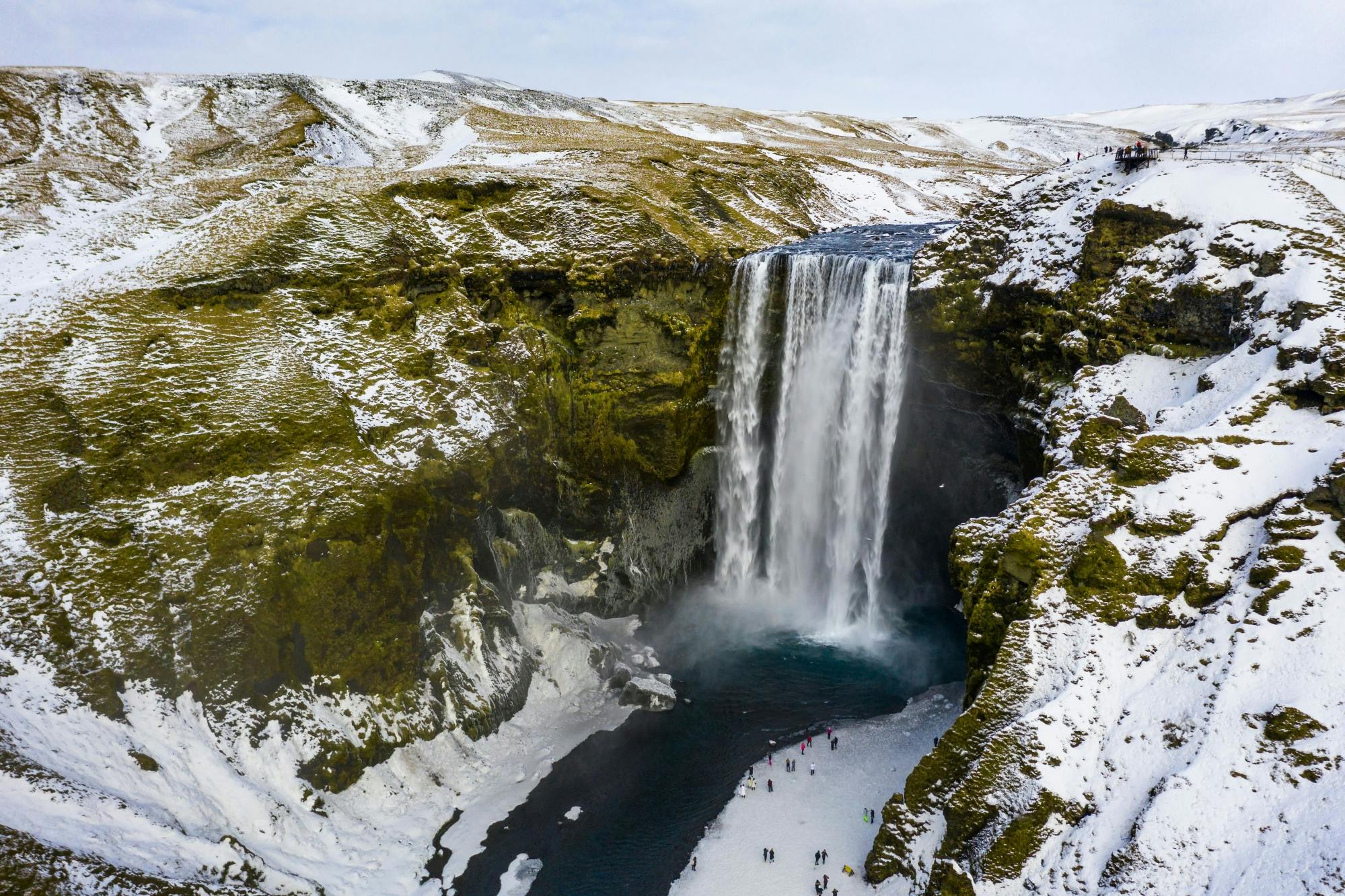
Skaftafell Glacier is one of the most accessible and memorable glacier areas in south-east Iceland. Located within Vatnajökull National Park, the Skaftafell area is known for outlet glaciers, dramatic mountain scenery, black-sand plains, waterfall walks, glacier hiking tours and views of Europe’s largest ice cap.
Skaftafell Glacier Iceland: A Guide to Glacier Hikes, Viewpoints, Waterfalls and Vatnajökull National Park
Travellers often use the name “Skaftafell Glacier” to refer to the glacier experiences around Skaftafell, especially Skaftafellsjökull, Falljökull and nearby outlet glaciers flowing down from Vatnajökull. Whether you want a guided glacier hike, an easy viewpoint walk, a waterfall trail or a stop on Iceland’s South Coast, Skaftafell is one of the best places to experience the power of Icelandic ice.
Sponsored Popular Items
Quick take: Musement.com offers a worldwide selection of tours and attractions
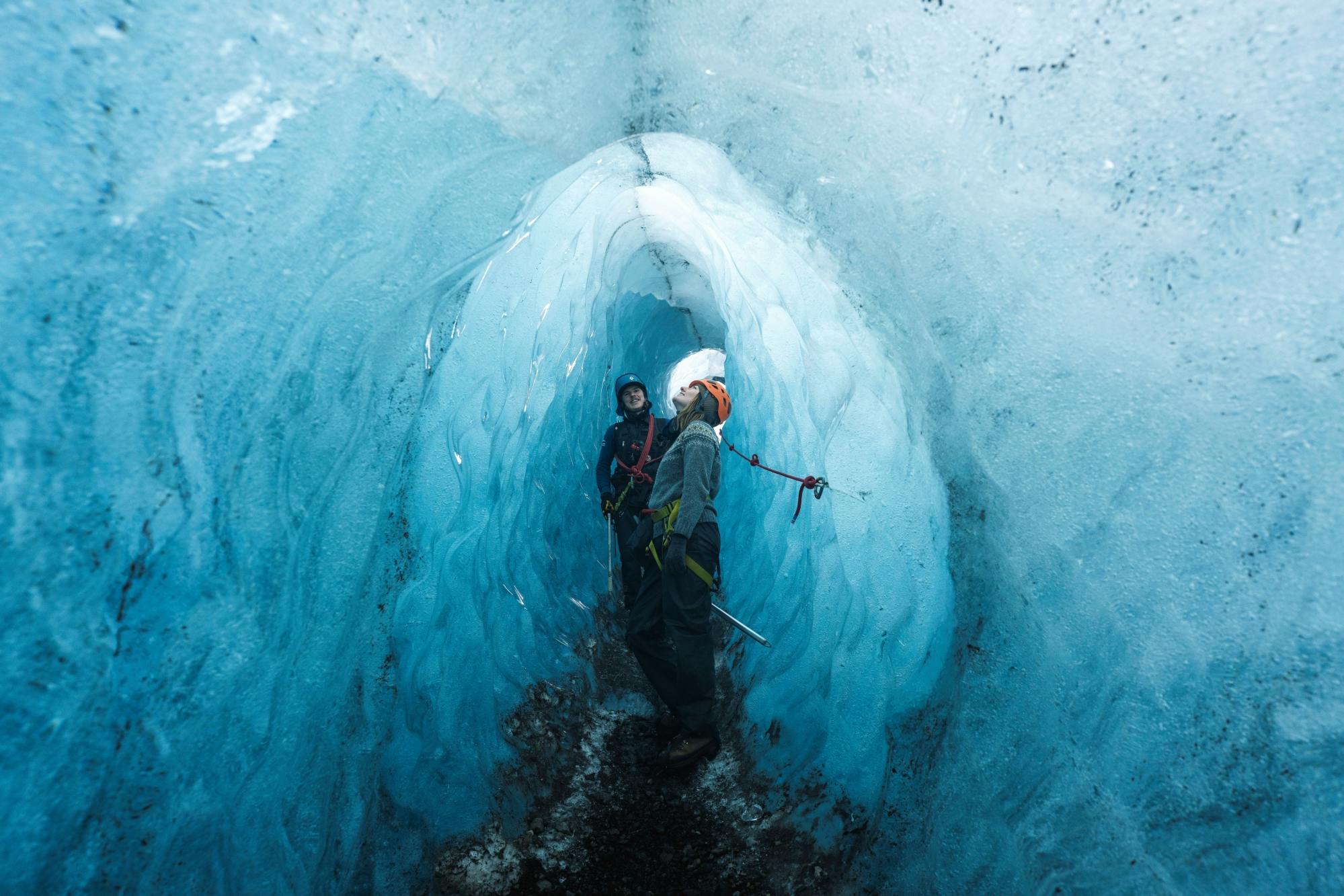
Vatnajökull ice cave tour with a glacier hike – Outdoor Adventure Iceland Vatnajökull ice cave tour with a glacier hike adds structure, local context and purposeful sightseeing to the itinerary. Check current availability, inclusions and booking details before you go.
What Is Skaftafell Glacier?
Skaftafell Glacier usually refers to the glacier landscape around Skaftafell in Vatnajökull National Park. The most commonly visited glacier tongue is Skaftafellsjökull, an outlet glacier flowing down from the Vatnajökull ice cap. Nearby glaciers such as Falljökull and Svínafellsjökull are also associated with Skaftafell glacier tours and viewpoints.
This is not one single fenced attraction. Skaftafell is a wider nature area with trails, glacier tongues, guided tour meeting points, campsites, viewpoints and access to some of Iceland’s most dramatic south-east landscapes.
Why Visit Skaftafell?
Skaftafell is worth visiting because it gives travellers several classic Icelandic landscapes in one area: glaciers, mountains, black volcanic ground, waterfalls, birch woodland, braided rivers and views toward Vatnajökull.
It works for many travel styles. You can do a short walk to a glacier viewpoint, join a guided glacier hike, walk to Svartifoss waterfall, take a longer hike to Sjónarnípa, or use Skaftafell as a base between Jökulsárlón Glacier Lagoon and the South Coast.
Skaftafell and Vatnajökull National Park
Skaftafell is part of Vatnajökull National Park, one of Iceland’s most important protected landscapes. Vatnajökull is the huge ice cap that dominates south-east Iceland, and its outlet glaciers flow down through valleys toward the lowlands.
The Skaftafell area is especially popular because it is relatively easy to reach from Iceland’s Ring Road while still feeling wild and powerful. It is one of the best places in Iceland to understand how glaciers shape valleys, rivers, plains and mountains.
Skaftafellsjökull Glacier Viewpoint
Skaftafellsjökull is the easiest glacier tongue to view from the Skaftafell visitor area. A marked walking route leads toward a viewpoint where you can see the glacier, its moraine, meltwater and surrounding mountains.
This is a good option if you want to see a glacier without joining a guided ice hike. The walk is not the same as walking on the glacier itself; it is a land-based viewpoint route. Do not leave the marked trail or attempt to step onto the ice without a qualified guide and proper glacier equipment.
Guided Glacier Hikes
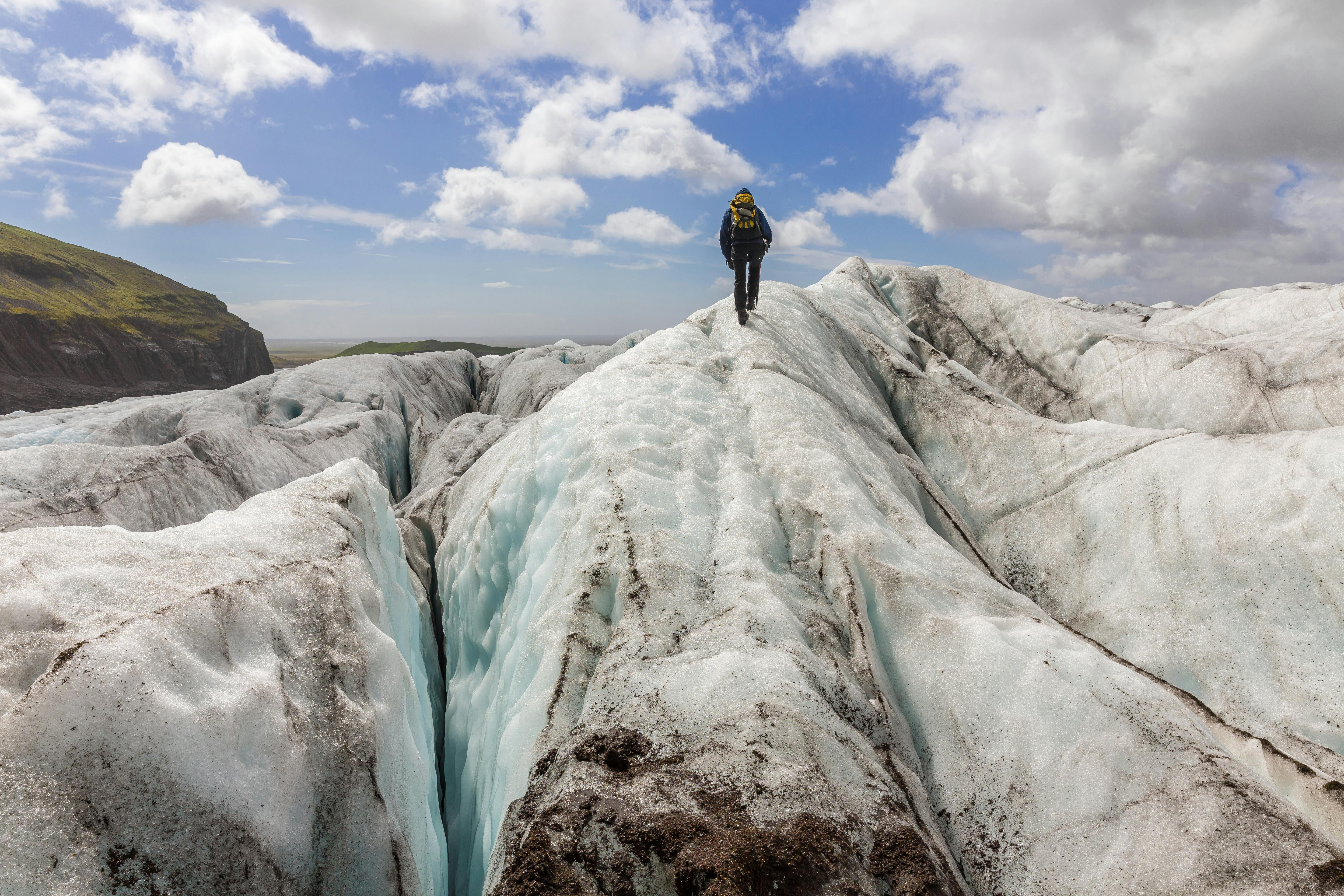
Guided glacier hikes are one of the main reasons travellers come to Skaftafell. These tours usually provide specialist equipment such as crampons, helmets, harnesses where required and ice axes, along with instruction from trained glacier guides.
A typical beginner-friendly glacier hike may involve walking across ice, learning how to use crampons, seeing crevasses from a safe distance, exploring blue ice features and understanding how the glacier moves. More advanced tours may include longer routes, deeper crevasse areas or ice climbing.
Glacier hikes should be booked in advance during busy seasons. Tour times, minimum ages, difficulty levels and meeting points vary by operator, so read the details carefully before booking.
Ice Caves and Winter Glacier Experiences
Natural ice caves are usually a winter experience in Iceland because colder conditions make some caves more stable. Skaftafell and the wider Vatnajökull region are popular bases for winter ice-cave tours, although exact cave locations change from year to year.
Never enter an ice cave independently. Ice caves can change rapidly because of melt, movement, temperature, rain and structural instability. Go only with a professional guide who has checked current conditions.
Svartifoss Waterfall
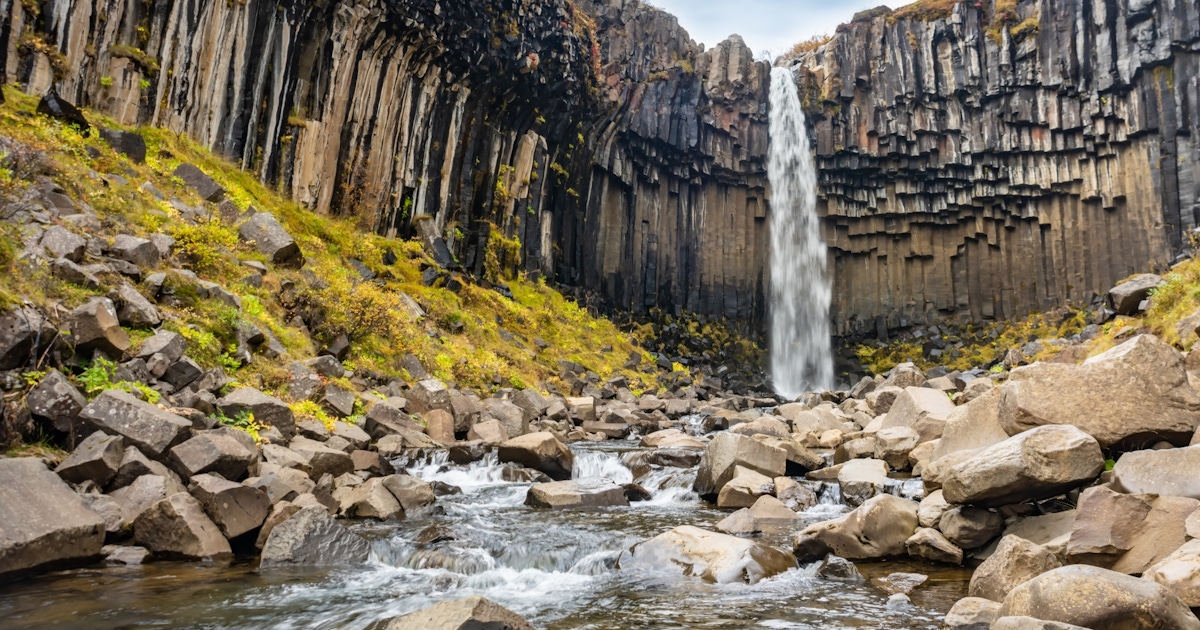
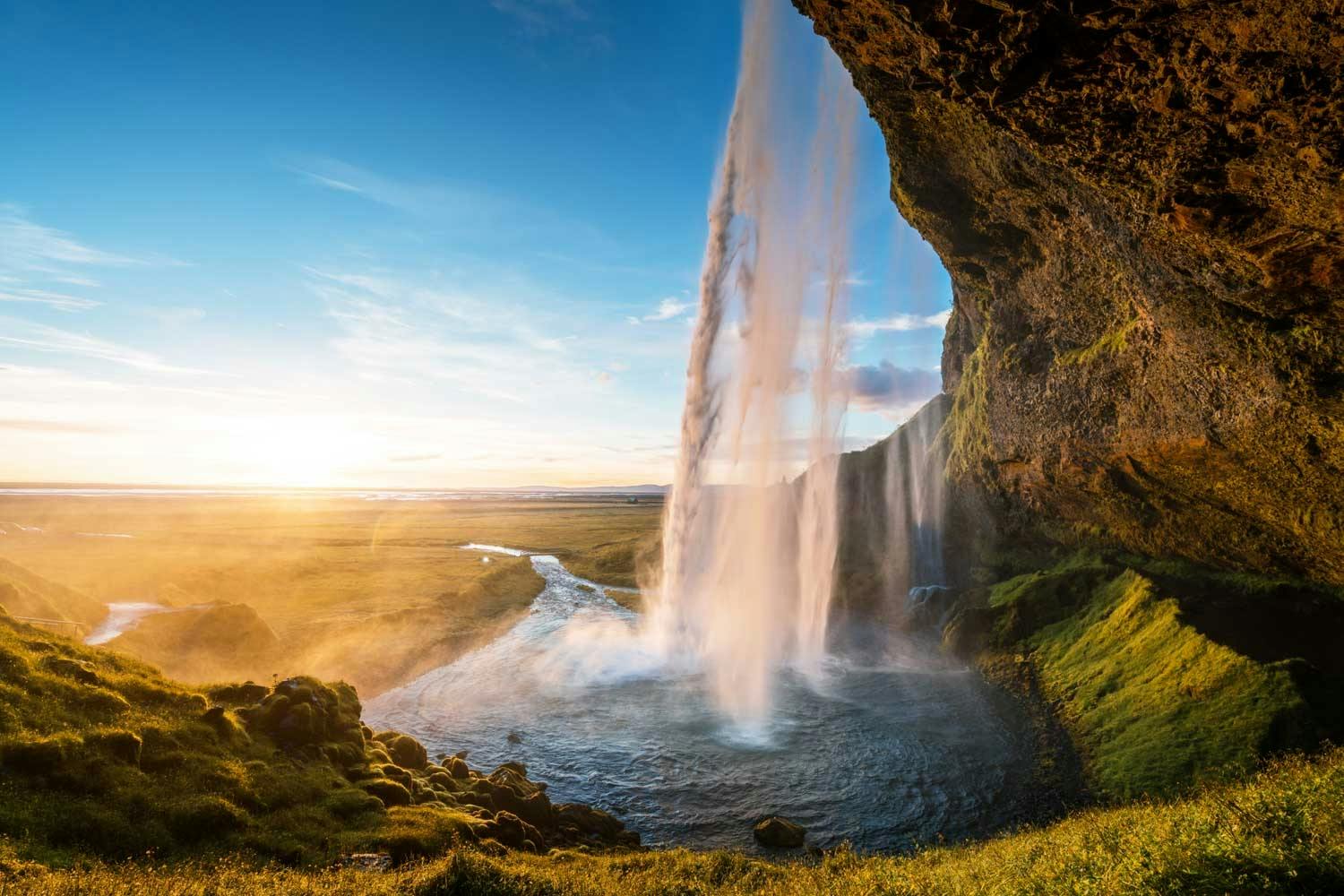
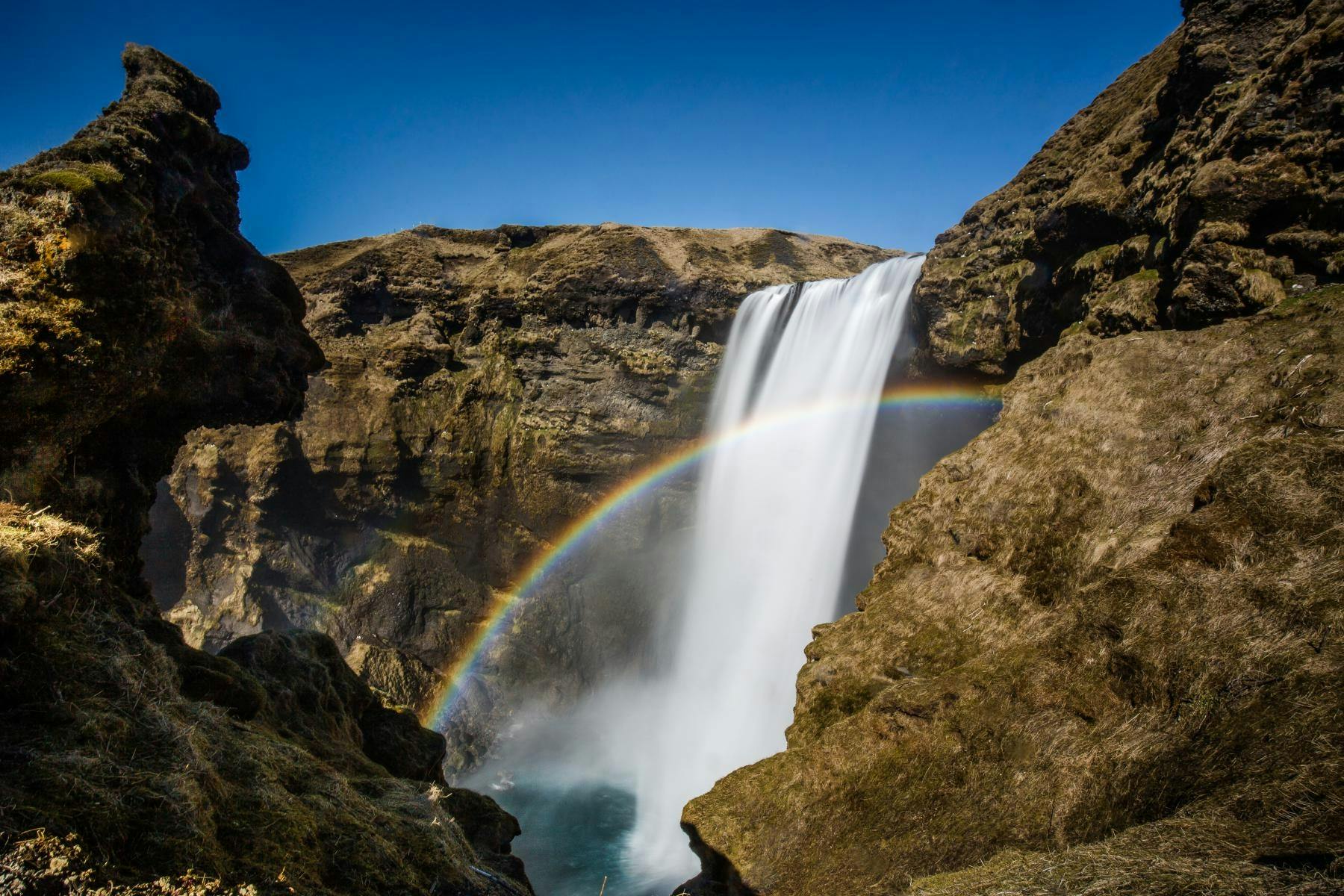
Svartifoss is one of Skaftafell’s most famous non-glacier attractions. The waterfall drops over dark basalt columns, creating one of Iceland’s most distinctive waterfall scenes.
The hike to Svartifoss is moderately uphill and takes more effort than a roadside stop, but it is one of the best short hikes in the area. The basalt-column setting makes it especially photogenic.
Sjónarnípa Viewpoint
Sjónarnípa is a scenic viewpoint above Skaftafell with sweeping views toward Skaftafellsjökull and the surrounding glacier landscape. It is a longer and more demanding walk than the simple glacier viewpoint, but it is rewarding in clear weather.
This is a good choice for travellers who want a hiking experience rather than only a short stop. Weather and visibility matter, so check conditions at the visitor centre before heading out.
Skaftafell Visitor Centre
Skaftafellsstofa Visitor Centre is the practical starting point for most visits. It provides information about trails, conditions, safety, accommodation, camping, recreation and the local environment.
Before hiking, stop here to check current trail conditions, weather, closures and advice. Icelandic weather can change quickly, and local guidance is valuable, especially if you are planning anything beyond the shortest marked walks.
How to Get There
Skaftafell is located in south-east Iceland along the Ring Road, between Kirkjubæjarklaustur and Jökulsárlón Glacier Lagoon. Most visitors arrive by rental car, campervan, guided South Coast tour or multi-day Iceland tour.
Driving from Reykjavík is a long journey, so Skaftafell is best included as part of a multi-day South Coast itinerary rather than a rushed day trip from the capital. Many travellers stay nearby or continue to Höfn, Jökulsárlón, Vík or Kirkjubæjarklaustur depending on their route.
Best Time to Visit Skaftafell
Summer
Summer is best for long daylight, green landscapes, hiking trails and easier driving. Glacier hikes usually operate in summer, but natural ice caves are generally not the main focus then.
Autumn
Autumn can be beautiful, with fewer crowds, cooler weather and changing colours. Conditions become more variable, so waterproof and warm clothing are important.
Winter
Winter is best for ice-cave tours, snowy scenery and a more dramatic frozen atmosphere. Driving can be more difficult, daylight is short and weather can disrupt plans.
Spring
Spring can offer a mix of snow, ice, meltwater and improving daylight. Trail conditions vary, and some higher routes may still be affected by snow or ice.
How Long to Spend There
One to two hours: Enough for a short stop at the visitor centre and a simple walk toward the Skaftafellsjökull viewpoint.
Half day: Good for Svartifoss, Sjónarnípa or a shorter guided glacier walk.
Full day: Best if you want a glacier hike plus one waterfall or viewpoint trail.
Two days: Ideal if you want to combine Skaftafell with Jökulsárlón, Diamond Beach, an ice cave, longer hiking or a slower South Coast route.
Simple Skaftafell Itinerary
Half-Day Visit
Arrive at Skaftafell Visitor Centre.
Check trail and weather conditions.
Walk to the Skaftafellsjökull glacier viewpoint.
Return to the visitor area for a short break.
If time allows, add a shorter section of the Svartifoss trail.
Full-Day Glacier and Waterfall Plan
Arrive early and meet your guided glacier hike operator.
Join a glacier hike with crampons and safety gear.
Have lunch near the visitor centre or picnic area.
Walk to Svartifoss waterfall in the afternoon.
Continue to Jökulsárlón or stay nearby overnight.
Winter Ice-Cave Plan
Check road and weather conditions before departure.
Join a guided ice-cave or glacier tour only with a qualified operator.
Wear warm waterproof clothing and sturdy boots.
Allow extra driving time because winter roads can be slower.
Add Jökulsárlón Glacier Lagoon or Diamond Beach if daylight allows.
What to See Nearby
Jökulsárlón Glacier Lagoon
Jökulsárlón is one of Iceland’s most famous sights, with floating icebergs, glacier views and boat tours in season. It is an easy add-on from Skaftafell by South Coast standards.
Diamond Beach
Diamond Beach sits near Jökulsárlón, where ice chunks wash onto black sand. Conditions change daily, but it can be spectacular when ice is present.
Fjallsárlón Glacier Lagoon
Fjallsárlón is a smaller glacier lagoon near Jökulsárlón. It is often quieter and gives beautiful glacier views.
Hofskirkja Turf Church
Hofskirkja is a small turf-roofed church near the Skaftafell area. It is a quick cultural photo stop if your route passes nearby.
Vík and Reynisfjara
Farther west, Vík and Reynisfjara black sand beach are major South Coast stops. They are not immediately next to Skaftafell, but they are often included on the same multi-day route.
What to Wear and Bring
Waterproof jacket
Warm layers
Sturdy hiking boots with ankle support
Gloves and hat
Waterproof trousers if hiking in wet weather
Reusable water bottle
Snacks or packed lunch
Camera or phone with power bank
Sunglasses for glacier glare
Small backpack
Microspikes for non-glacier icy trails if conditions require them
Glacier Safety Tips
Do Not Walk Onto a Glacier Alone
Glaciers are active, moving landscapes with crevasses, moulins, unstable ice, meltwater channels and changing surfaces. Only step onto a glacier with a qualified guide and proper equipment.
Use Proper Equipment
Glacier hikes require equipment such as crampons, helmets and sometimes harnesses or ice axes. Tour operators usually provide specialist gear, but you still need suitable boots and clothing.
Check Weather and Road Conditions
Weather in south-east Iceland can change quickly. Wind, rain, snow, fog and road closures can affect travel plans at any time of year.
Stay on Marked Trails
For land-based hikes, stay on marked paths and follow signs. Glacier fronts, moraine areas and river edges can be unstable.
Never Step on Floating Ice
Icebergs and floating ice can roll, break or drift suddenly. Never step onto ice in lagoons or near glacier lakes.
Respect Closures
Trail and area closures are used for safety and conservation. Do not enter closed paths, glacier access areas or unstable moraine zones.
Be Honest About Fitness
Glacier hikes vary in difficulty. Choose a tour that matches your fitness, age, experience and comfort with cold, uneven terrain.
FAQs About Skaftafell Glacier
Where is Skaftafell Glacier?
Skaftafell Glacier is in the Skaftafell area of Vatnajökull National Park in south-east Iceland, close to the Ring Road and west of Jökulsárlón Glacier Lagoon.
Is Skaftafell Glacier worth visiting?
Yes. Skaftafell is one of the best places in Iceland for glacier views, guided glacier hikes, waterfall trails and South Coast mountain scenery.
Can you walk on Skaftafell Glacier without a guide?
No. You should not walk onto any glacier in Iceland without proper experience, equipment and local knowledge. A certified glacier guide is strongly recommended.
What glacier is near Skaftafell?
Skaftafellsjökull is the most accessible glacier tongue near the Skaftafell visitor area. Nearby glacier-tour areas may also include Falljökull and Svínafellsjökull.
How long is the walk to the Skaftafellsjökull viewpoint?
The walk is a relatively short return route from the visitor area, but conditions and exact timing vary. Allow roughly one to two hours if you want to walk, take photos and return comfortably.
What is the best glacier hike in Skaftafell?
The best glacier hike depends on your fitness and experience. Beginners should choose an introductory guided glacier walk, while more active travellers may prefer a longer glacier hike or ice-climbing tour.
Can you visit ice caves in Skaftafell?
Ice-cave tours are usually winter experiences in the Skaftafell and Vatnajökull region. Exact cave locations and availability change each season.
Is Skaftafell good for families?
Yes, Skaftafell can be good for families, especially for short walks and viewpoints. Glacier hikes may have minimum age limits, so check tour requirements before booking.
What else can you do in Skaftafell besides glacier hiking?
You can hike to Svartifoss, walk to Skaftafellsjökull viewpoint, visit Sjónarnípa, use the visitor centre, camp nearby and combine the area with Jökulsárlón and Diamond Beach.
What is the best time to visit Skaftafell?
Summer is best for hiking and long daylight. Winter is best for ice caves and snowy glacier scenery. Spring and autumn can be quieter but more weather-dependent.
Final Thoughts
Skaftafell Glacier is one of the best places in Iceland to experience the meeting of ice, mountains and black volcanic landscape. Whether you join a guided glacier hike, walk to a glacier viewpoint or hike to Svartifoss, the area gives a powerful sense of how glaciers shape Iceland’s South Coast.
For the best visit, stop first at Skaftafellsstofa Visitor Centre, check current conditions, book glacier tours ahead in busy seasons and never step onto glacier ice without a qualified guide. With the right planning, Skaftafell can be one of the most memorable stops on an Iceland Ring Road or South Coast itinerary.
Sponsored Popular Items
Quick take: Musement.com offers a worldwide selection of tours and attractions
Vatnajökull ice cave tour with a glacier hike – Outdoor Adventure Iceland Vatnajökull ice cave tour with a glacier hike adds structure, local context and purposeful sightseeing to the itinerary. Check current availability, inclusions and booking details before you go.
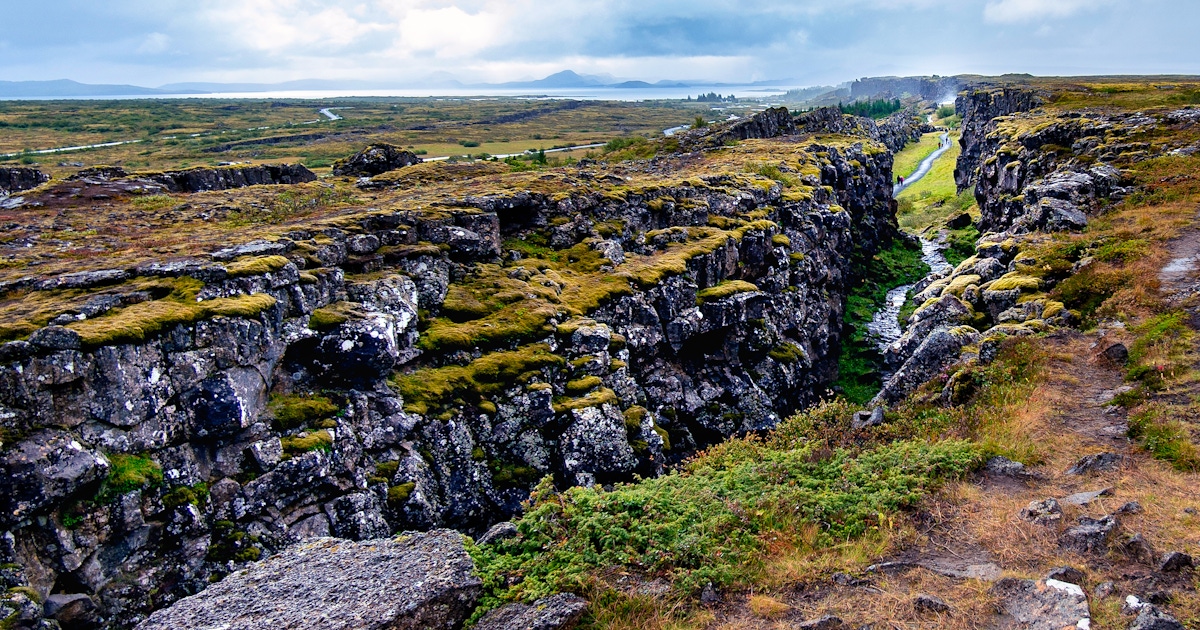
Thingvellir National Park Iceland – Nature Excursion Iceland A listing may offer admission, a guided visit, transport, a combination package or premium access. Check current availability, inclusions and booking details before you go.
Northern lights tour in Iceland – Wildlife & Nature Experience Iceland Northern lights tour in Iceland adds structure, local context and purposeful sightseeing to the itinerary. Check current availability, inclusions and booking details before you go.
Southern Iceland day trip from Reykjavik – Guided Sightseeing Tour Iceland Southern Iceland day trip from Reykjavik adds structure, local context and purposeful sightseeing to the itinerary. Check current availability, inclusions and booking details before you go.
TUI Southern Iceland Tour – Local Sightseeing Experience Iceland TUI Southern Iceland Tour adds structure, local context and purposeful sightseeing to the itinerary. Check current availability, inclusions and booking details before you go.