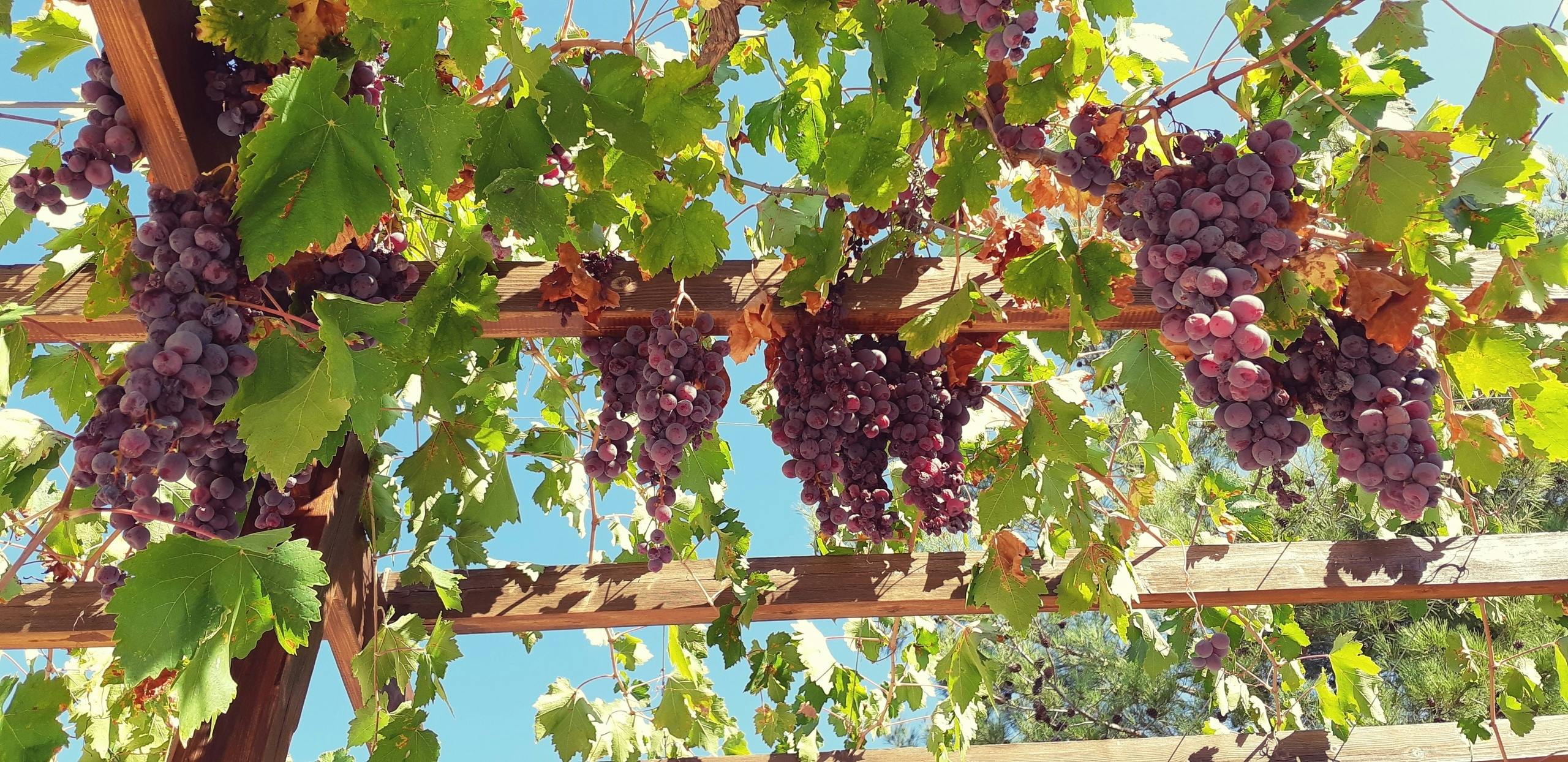
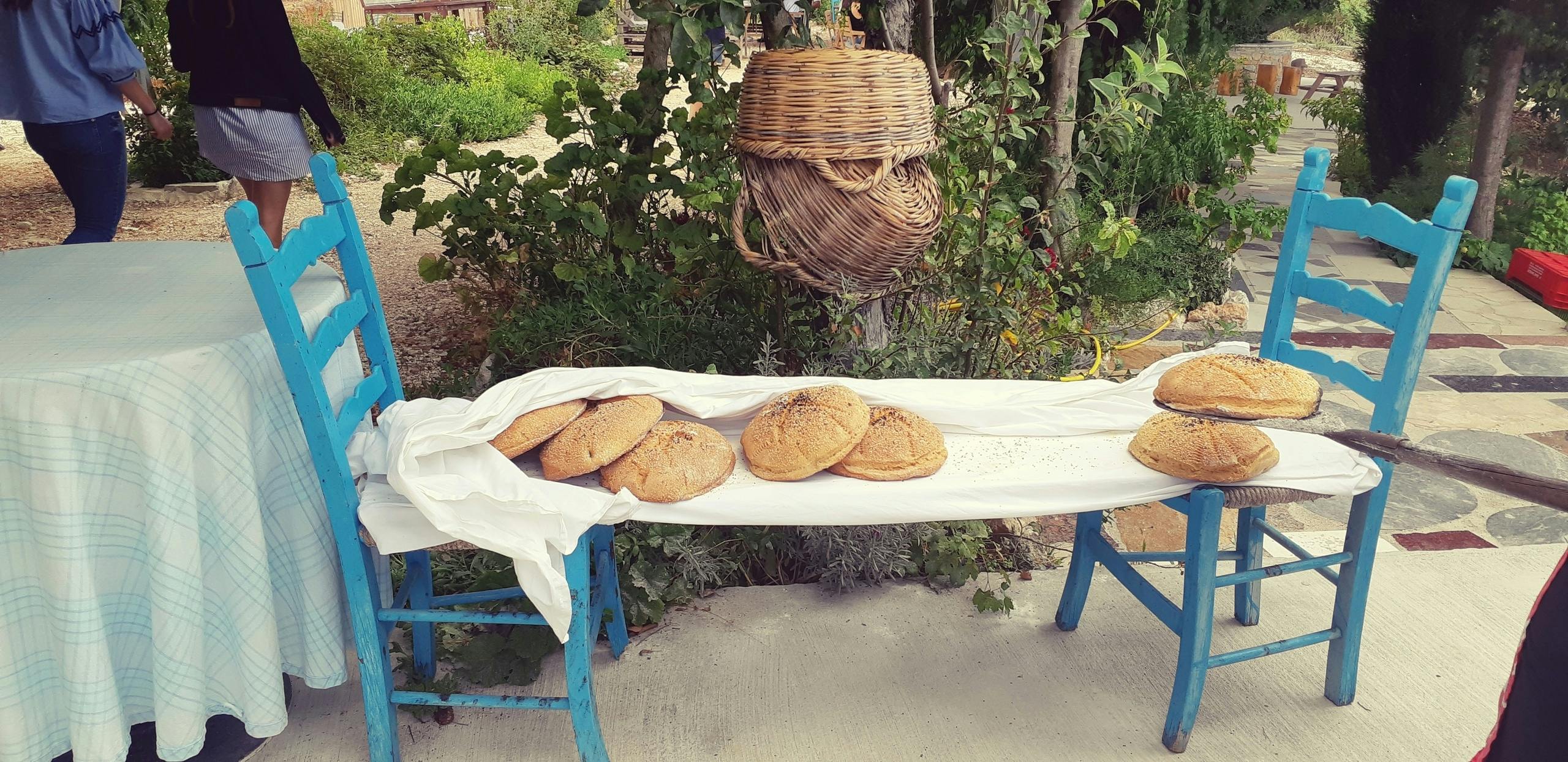
The Troodos Mountains reveal a side of Cyprus that feels completely different from the island’s beach resorts. Pine-covered peaks give way to deep valleys filled with stone houses, tiled roofs, orchards, vineyards, monasteries and small churches whose modest exteriors conceal remarkable medieval paintings.
Sponsored Popular Items
Quick take: Musement.com offers a worldwide selection of tours and attractions
Troodos Mountain Villages & Wineries Tour with Tasting Cyprus Troodos mountain villages and wineries tour with tasting is a convenient way to add structure, local context and purposeful sightseeing to the itinerary. Check current availability, inclusions and booking details before you go.
There is no single village called “Troodos village” that represents the entire region. The mountains contain dozens of communities divided among several valleys and cultural areas. Kakopetria and Galata lie in the green Solea Valley; Kalopanayiotis, Moutoullas and Pedoulas occupy the Marathasa Valley; Agros and Kyperounta belong to Pitsilia; while Omodos, Arsos and Lofou form part of the southern wine-village landscape.
Most visitors explore the villages by car on a day trip from Limassol, Nicosia, Paphos or Larnaca. A longer stay is more rewarding. Mountain roads are slow, historic churches may have restricted opening arrangements and the best village experiences often involve an unplanned meal, a short woodland walk or a conversation in a local workshop.
This guide explains which villages to prioritise, how to organise logical driving routes, where to find UNESCO-listed painted churches, what regional food to try and what winter travellers should know about mountain road conditions.
Solea, Marathasa, Pitsilia and the southern wine villages
UNESCO attraction
Ten Painted Churches in the Troodos Region
Best-known villages
Kakopetria, Kalopanayiotis, Pedoulas, Omodos, Platres and Agros
Best transport
Hire car or organised tour
Driving side
Left
Recommended stay
Two or three nights
Best general seasons
April to June and September to November
Summer advantage
Cooler temperatures than the coast
Winter conditions
Cold, with possible snow and ice at higher elevations
Regional products
Wine, Commandaria, fruit, rose products, nuts, honey and preserved meats
Typical road conditions
Narrow, winding and slow through village centres
Important: Small museums, wineries and painted churches may close outside their advertised hours or open only by appointment. Telephone ahead when a particular interior is essential to the trip.
Understanding the Troodos Region
Troodos is a mountain range rather than one compact visitor district. The villages are spread across different valleys, and driving between them can take considerably longer than the map distance suggests.
Solea Valley
Solea is one of the easiest areas to reach from Nicosia.
Its principal villages include:
Kakopetria.
Galata.
Evrychou.
Spilia and Kourdali.
The valley is green and relatively fertile, with streams, fruit trees, traditional houses and several painted churches.
Marathasa Valley
Marathasa is a steep mountain valley associated with orchards, sulphur springs and important Byzantine churches.
Its principal visitor villages include:
Kalopanayiotis.
Moutoullas.
Pedoulas.
Prodromos.
Lemithou.
Kykkos Monastery lies beyond the main village chain on a remote mountain road.
Pitsilia
Pitsilia occupies the eastern and southeastern Troodos slopes.
It includes:
Agros.
Kyperounta.
Palaichori.
Fikardou.
Alona.
Pelendri.
This region is known for rose cultivation, fruit, cured meats, Commandaria-related traditions and hillside villages.
Wine Villages
The southern and southwestern slopes contain the traditional wine villages, known as the Krassochoria.
Popular stops include:
Omodos.
Arsos.
Vasa Koilaniou.
Koilani.
Lofou.
Vouni.
These villages are generally easier to combine with Limassol than with the northern valleys.
Why Visit the Troodos Mountain Villages?
The villages offer a mixture of scenery, architecture, food, religion and everyday rural culture.
Visitors can experience:
Stone and mud-brick houses with wooden balconies.
Cobbled lanes and shaded village squares.
Medieval churches covered in frescoes.
Traditional wineries.
Waterfalls and woodland trails.
Fruit orchards and vineyards.
Small folk museums.
Monasteries and chapels.
Cooler summer weather.
Mountain food and village tavernas.
The most attractive villages remain living communities rather than reconstructed open-air museums. Modern houses, parked cars and ordinary shops sit beside protected historic quarters.
Visitors who expect every lane to be untouched and picturesque may be disappointed. Those who appreciate the mixture of old architecture and present-day village life generally find the region much more rewarding.
The Best Troodos Villages at a Glance
Village
Best for
Allow
Kakopetria
Old-quarter walks, streams and restaurants
2–3 hours
Galata
Painted churches and traditional houses
1–2 hours
Kalopanayiotis
Architecture, spa atmosphere and UNESCO heritage
3–5 hours
Moutoullas
Quiet village scenery and a UNESCO chapel
1 hour
Pedoulas
Cherry orchards, museums and painted church
2–3 hours
Omodos
Wine, cafés, monastery and shopping
2–4 hours
Platres
Forest walks, accommodation and waterfalls
Half or full day
Lofou
Stone architecture and quiet lanes
1–2 hours
Agros
Rose products, food and mountain views
2–3 hours
Fikardou
Preserved folk architecture
1–2 hours
Kakopetria
Kakopetria is one of the most popular and easiest Troodos villages for a first-time visitor.
It lies in the Solea Valley, where the Karkotis and Garillis streams meet. Trees, running water and mountain shade have made the village a long-established summer retreat.
Old Kakopetria
The preserved old quarter contains:
Narrow stone lanes.
Traditional two-storey houses.
Wooden balconies.
Tiled roofs.
Small courtyards.
Restored guesthouses.
The quarter is best explored on foot. Some lanes are too narrow for normal visitor traffic and are more enjoyable without a car.
Church of Agios Nikolaos tis Stegis
A short drive outside Kakopetria stands the UNESCO-listed Church of Saint Nicholas of the Roof.
The church takes its English name from its steep timber roof, which was built to protect the structure from mountain rain and snow.
Inside are layers of wall paintings from different periods. Modest clothing and quiet behaviour are expected.
Restaurants and Accommodation
Kakopetria has one of the strongest selections of:
Tavernas.
Cafés.
Bakeries.
Small hotels.
Traditional guesthouses.
It is a practical base for visitors who want village atmosphere without giving up basic services.
Parking
Park in designated areas outside the tightest part of the old quarter. Driving into narrow historic lanes can be stressful and may block residents.
Galata
Galata lies only a few kilometres from Kakopetria but receives fewer casual visitors.
The village is particularly important for its concentration of painted churches.
Panagia Podithou
Panagia Podithou is included in the UNESCO World Heritage property.
The church was once part of a monastery and contains early 16th-century paintings influenced by both Byzantine and Italian Renaissance traditions.
Other Painted Churches
Galata also contains or is associated with:
Agios Sozomenos.
Archangelos Michael or Panagia Theotokos.
Agia Paraskevi.
Not all are permanently staffed. Some open by appointment through a local keeper.
Village Walk
Galata has traditional houses, tiled roofs and several small bridges. It works particularly well as a quieter cultural addition to Kakopetria.
A practical half-day combines Kakopetria’s old quarter, lunch and one or two churches in Galata.
Kalopanayiotis
Kalopanayiotis, also written Kalopanagiotis, is one of the most attractive villages in the Marathasa Valley.
Traditional stone houses cover the steep valley slopes, linked by lanes, steps and terraces. The Setrachos River runs through the lower village.
Monastery of Agios Ioannis Lampadistis
The village’s principal cultural attraction is the Monastery of Saint John Lampadistis.
The complex contains several connected churches beneath a large protective timber roof. It is included among the UNESCO Painted Churches of the Troodos Region.
Visitors should allow time to examine the frescoes rather than treating the monastery as a quick photograph stop.
Venetian Bridge
A small stone bridge crosses the river near the lower village. It forms part of an attractive pedestrian area linking the monastery, traditional houses and water.
Sulphur Springs
Kalopanayiotis has long been associated with mineral springs. Modern accommodation and wellness businesses have built upon this tradition.
Village Lift
A lift assists movement between the higher road level and the lower heritage area. It reduces part of the steep climb but does not make the entire village level or step-free.
How Long to Stay
Kalopanayiotis is a strong overnight choice. Staying allows visitors to enjoy its lanes and restaurants after day-trippers leave.
Moutoullas
Moutoullas lies close to Kalopanayiotis on the steep slopes of the Marathasa Valley.
It is quieter and less developed for tourism, making it a useful stop for travellers who prefer an ordinary mountain village to a polished resort.
Panagia tou Moutoulla
The small 13th-century church of Panagia tou Moutoulla is one of the earliest surviving examples of the steep-roofed Troodos church type.
It is included in the UNESCO group because of its architecture and paintings.
The church may be locked outside arranged visiting times. Confirm access before making a special journey.
Village Character
Expect:
Steep streets.
Traditional houses mixed with newer buildings.
Valley views.
Small local cafés rather than a major tourist precinct.
Pedoulas
Pedoulas sits at approximately 1,100 metres in the Marathasa Valley.
The village is surrounded by orchards and is particularly associated with cherries.
Archangelos Michael Church
The small Church of the Archangel Michael dates from 1474 and is included in the UNESCO property.
Its plain timber-roofed exterior contrasts sharply with the painted interior.
Byzantine Museum
Pedoulas has a local museum displaying icons and church objects from the valley.
Opening arrangements should be checked before arrival.
Folkloric Museum
A separate village museum explains rural life, agriculture, domestic tools and local traditions.
Holy Cross Church
The large modern church above the village is visible across the valley and provides a strong contrast with the tiny medieval chapel below.
Food and Fruit
Seasonal products include:
Fresh cherries.
Cherry preserves.
Fruit sweets.
Nuts.
Local honey.
Pedoulas is a practical lunch or overnight stop when exploring Marathasa and Kykkos Monastery.
Omodos
Omodos is one of Cyprus’s most visited wine villages.
It sits at approximately 800 metres in the southern Troodos foothills, surrounded by vineyards.
Village Square
A broad cobbled square forms the centre of the village.
It is lined with:
Cafés.
Tavernas.
Wine shops.
Craft and souvenir businesses.
Traditional buildings.
Monastery of the Holy Cross
The monastery complex dominates the square and contains religious art and objects associated with local Christian traditions.
Visitors should dress respectfully and remember that it is a religious site rather than simply a tourism attraction.
Wine and Traditional Products
Omodos is a convenient place to sample:
Local red and white wines.
Commandaria.
Zivania.
Grape sweets.
Olive products.
Bread and pastries.
Crowds
Omodos can become very busy during weekends and coach-tour hours.
Arrive before 10:00 am or remain into the late afternoon for a quieter visit.
Platres
Platres sits at approximately 1,100 metres and has long served as a mountain resort.
Its hotels, villas and shaded roads reflect the period when residents and visitors escaped the summer heat of the lowlands.
Nature and Walking
Platres is a useful base for:
Caledonia Waterfall.
Millomeris Waterfall.
Forest walking routes.
Trips to Troodos Square.
Mount Olympus trails.
Caledonia Waterfall
The walk follows a stream through forest and can be muddy or slippery.
The waterfall is more impressive after rain and may be reduced during dry periods.
Millomeris Waterfall
Millomeris is reached by a shorter access route, although the road and parking area can become congested.
Village Atmosphere
Platres is more of a mountain resort than a perfectly preserved traditional village. Its strength lies in accommodation, forest access and cooler summer weather.
Foini
Foini lies near Platres at approximately 920 metres.
The village is associated with forest scenery, pottery, furniture making and loukoumi sweets.
Traditional Pottery
Foini developed a distinctive pottery tradition using local clay.
Workshops and displays may operate irregular hours, so visitors interested in purchasing directly from a maker should arrange ahead.
Chantara Waterfall
The nearby waterfall is reached through forest country.
Road and track conditions vary, particularly after rain.
Combining Foini and Platres
The villages are close enough to combine with:
A waterfall walk.
A pottery stop.
Lunch.
A visit to Trooditissa Monastery, subject to access rules.
Lofou
Lofou is a compact hilltop village south of the central Troodos range.
Its winding lanes, stone houses and restored accommodation make it one of the best villages for architecture and a quiet overnight stay.
What to See
Traditional stone houses.
Wooden doors and balconies.
Narrow cobbled streets.
The village church.
Small squares and fountains.
Views over the surrounding hills.
Parking
Use parking at the village edge and explore on foot.
Historic lanes are narrow, steep and shared with residents.
Who Will Enjoy Lofou?
Lofou suits travellers seeking:
A less commercial village.
Traditional accommodation.
Photography.
Quiet evenings.
Easy access from Limassol.
Arsos
Arsos is a long-established wine-producing village on the slopes of Laona mountain.
It receives fewer large tours than Omodos while preserving strong links with viticulture.
Village Attractions
Traditional houses.
Stone fountains.
Village churches.
A folk-art museum.
Wine-related displays.
Walking paths through surrounding countryside.
Food Traditions
Grape products may include:
Palouze, a grape-juice pudding.
Soutzoukos, nuts coated in thickened grape juice.
Raisins.
Wine.
Zivania spirit.
Arsos is an effective alternative for visitors who find Omodos too crowded.
Agros
Agros spreads across a mountainside in the Pitsilia region.
Its layout resembles an amphitheatre, with houses and roads curving around the slopes.
Rose Products
Agros is famous for the cultivation of fragrant roses and the production of:
Rosewater.
Rose oil.
Rose sweets.
Cosmetics.
Liqueurs.
The rose harvest normally occurs during spring, with timing depending on weather.
Food Production
The village is also known for:
Smoked and cured pork.
Loukanika sausages.
Hiromeri ham.
Fruit preserves.
Spoon sweets.
Agros Festival Visits
Seasonal festivals can make the village lively but also produce parking pressure and crowded roads. Verify dates before planning a quiet visit.
Kyperounta
Kyperounta is one of the highest substantial villages in Cyprus.
It has a cooler climate, orchards, mountain views and a stronger everyday-community atmosphere than heavily visited Omodos.
Attractions
Agia Marina Church.
Local folk and history collections.
Nearby nature trails.
Regional winery visits.
Access towards Madari mountain routes.
Who Should Visit?
Kyperounta suits travellers exploring Pitsilia, wine enthusiasts and hikers using the village as a practical base.
Fikardou
Fikardou is one of Cyprus’s best-preserved traditional villages.
The village declined substantially in population, leaving an unusually intact collection of historic rural buildings.
Protected Architecture
The village is protected as an ancient monument and contains restored houses with:
Stone ground floors.
Mud-brick upper levels.
Wooden balconies.
Traditional roof structures.
Domestic and agricultural spaces.
Ethnological Museum
The Houses of Katsinioros and Achilleas Dimitri operate as a museum explaining rural domestic life and architecture.
Check opening times before making the long drive.
Practical Limitations
Fikardou is small and quiet. Restaurant and café choices can be limited, especially outside weekends and holidays.
Bring water and do not assume every service shown online remains open year-round.
Palaichori
Palaichori is a larger Pitsilia village occupying slopes on both sides of a valley.
Metamorfosis tou Sotiros
The Church of the Transfiguration of the Saviour is included in the UNESCO Painted Churches property.
Its early 16th-century interior contains one of Cyprus’s most complete post-Byzantine mural cycles.
Village Museums
Palaichori has museums and memorial sites connected with Byzantine heritage and modern Cypriot history.
Combining the Area
Palaichori can be combined with:
Fikardou.
Agros.
Askas.
Nearby Pitsilia food producers.
The roads are winding, so combining every village in one day is unrealistic.
Is Lefkara Part of Troodos?
Lefkara lies in the southeastern foothills of the broader Troodos mountain system rather than the central high mountains.
It is commonly included in wider mountain-village itineraries because of its traditional architecture and crafts.
Why Visit?
Lefkaritika lace embroidery.
Silver filigree.
Stone houses and narrow streets.
The Church of the Holy Cross.
Craft museums and workshops.
Lefkara is best combined with Larnaca, Nicosia or the southeastern foothills. It does not combine efficiently with Pedoulas, Kykkos or Kakopetria during a short day.
UNESCO Painted Churches of the Troodos Region
Ten churches form the UNESCO World Heritage property known as the Painted Churches in the Troodos Region.
The buildings are scattered across several valleys rather than gathered in one complex.
The Ten UNESCO Churches
Agios Nikolaos tis Stegis near Kakopetria.
Panagia Phorviotissa, commonly called Panagia Asinou, near Nikitari.
Panagia tou Arakou at Lagoudera.
Agios Ioannis Lampadistis at Kalopanayiotis.
Panagia tou Moutoulla at Moutoullas.
Archangelos Michael at Pedoulas.
Timios Stavros at Pelendri.
Panagia Podithou at Galata.
Stavros tou Agiasmati near Platanistasa.
Metamorfosis tou Sotiros at Palaichori.
Why the Churches Have Large Roofs
Many have steep wooden roofs covered with flat tiles.
These protect the masonry and paintings from mountain rain and snow. From outside, some resemble barns or rural houses more than monumental churches.
Opening Arrangements
Access varies.
Churches may be:
Open during published daytime hours.
Closed for public holidays.
Opened by a local caretaker.
Available only by appointment.
Temporarily closed for worship or conservation.
Telephone ahead when planning an itinerary around a specific church.
Church Etiquette
Dress with shoulders and knees covered.
Speak quietly.
Do not use flash.
Do not touch paintings or icon screens.
Do not enter restricted sanctuary areas.
Follow photography signs.
Leave a donation where appropriate.
Kykkos Monastery
Kykkos is one of Cyprus’s best-known and wealthiest monasteries.
It stands in a remote part of the western Troodos mountains, around 13 kilometres by winding road from Pedoulas.
What to See
Decorated courtyards.
Mosaics and frescoes.
The monastery church.
A museum of icons and religious objects.
Mountain views.
Makarios III Tomb
The tomb of Archbishop Makarios III lies at Throni on a nearby mountain ridge.
A separate road and walk are required.
Planning Warning
Kykkos looks close to other villages on a map but takes time to reach.
Do not combine it casually with Omodos, Platres, Kakopetria and several churches in one day.
Troodos Geopark
The Troodos range is internationally important for geology because erosion exposes sections of ancient oceanic crust.
Rocks that once formed beneath an ocean can now be examined high in the mountains.
Troodos Geopark Visitor Centre
The visitor centre is located in the former Amiantos asbestos-mine area.
Displays explain:
The formation of Troodos.
Oceanic crust.
Mining history.
Minerals and rocks.
Local plants and habitats.
Current general hours are usually 9:00 am to 4:00 pm, with admission listed at €3 for adults and €2 for children. Holiday closures and changes should be checked before arrival.
Troodos Botanic Garden
The nearby garden focuses on native and traditionally cultivated plants.
It also provides interpretation of the former mine landscape and environmental restoration.
Walking, Waterfalls and Nature
The villages can be combined with forest trails, but walking conditions change considerably with elevation and season.
Artemis Trail
The Artemis Trail circles part of Mount Olympus near the highest areas of Troodos.
It provides forest scenery, geological interest and broad views without requiring a summit climb.
Atalanti Trail
The longer Atalanti Trail follows the high slopes around Mount Olympus.
It suits experienced walkers with sufficient water and daylight.
Caledonia Trail
This forest route near Platres follows a stream towards Caledonia Waterfall.
Expect wet rocks, roots and slippery sections.
Millomeris Waterfall
Millomeris can be visited by a relatively short walk, although parking near the access area is limited.
Madari Region
Trails near Kyperounta, Spilia and Madari provide ridge views and access to quieter forest landscapes.
Summer Heat
Mountain temperatures are cooler than the coast but can still become hot. Begin longer walks early and carry adequate water.
Food and Drink
The mountain villages are excellent places to try traditional Cypriot food.
Souvla, large pieces of meat cooked over charcoal.
Sheftalia sausages.
Halloumi.
Village salad.
Pourgouri cracked wheat.
Legumes and seasonal vegetables.
Meze selections.
Mountain Specialities
Loukanika wine sausages.
Lountza cured pork loin.
Hiromeri smoked ham.
Fresh and preserved fruit.
Walnuts and almonds.
Honey.
Spoon sweets.
Grape products.
Ordering Meze
A full meze may contain many dishes and can take considerable time.
Ask:
How many people must order it.
Whether the price is per person.
Whether it includes meat, fish or both.
How long service normally takes.
Wine Villages and Tastings
Cyprus has one of the world’s oldest continuous wine traditions.
Commandaria
Commandaria is a sweet fortified or naturally strong dessert wine made from sun-dried grapes.
Its protected production area lies on the southern slopes of Troodos.
Local Grape Varieties
Wineries may offer wines made from varieties such as:
Xynisteri.
Mavro.
Maratheftiko.
Yiannoudi.
Booking Tastings
Smaller wineries may require advance reservations, particularly on Sundays or outside the main visitor season.
Driving and Wine
Mountain roads require concentration. Use a designated driver or book an organised wine tour when visiting multiple wineries.
Traditional Crafts
Different villages developed specialist crafts based on local materials and trade.
Examples
Foini pottery.
Lefkara lace and silver filigree.
Wood carving.
Basket making.
Weaving.
Icon painting.
Traditional food production.
Not every business presented as a workshop makes its goods locally. Ask where items were produced when authenticity matters.
Photography inside workshops should be requested rather than assumed.
Getting to the Troodos Villages
From Limassol
Limassol is the most convenient base for:
Omodos.
Lofou.
Vouni.
Platres.
Foini.
Troodos Square.
Omodos is approximately 42 kilometres from Limassol, while Lofou is closer at roughly 26 kilometres.
From Nicosia
Nicosia is best placed for:
Kakopetria.
Galata.
Fikardou.
Palaichori.
Kalopanayiotis.
Pedoulas.
From Paphos
Paphos can be combined with:
Omodos and the western wine villages.
Kykkos Monastery.
Marathasa Valley.
Statos–Agios Fotios.
Mountain travel from Paphos involves long winding roads. Allow more time than the distance suggests.
From Larnaca
Larnaca is practical for Lefkara and the southeastern foothills.
A day trip to central Troodos is possible but involves a longer drive.
Public Transport
Buses reach selected Troodos communities, but services are designed partly around residents rather than a full sightseeing circuit.
Limitations include:
Low frequency.
Few evening services.
Different operators or connections.
No direct access to many churches and trailheads.
Schedules that vary by weekday.
A public-transport trip may work for spending most of a day in one place such as Kakopetria. It is not an efficient method for visiting Omodos, Platres, Pedoulas and Kalopanayiotis in one day.
Use the current Cyprus Public Transport journey planner or Pame application rather than relying on an old blog timetable.
Driving and Parking
Cyprus drives on the left.
Mountain-Road Conditions
Expect:
Sharp bends.
Narrow lanes.
Steep gradients.
Limited overtaking.
Slow agricultural vehicles.
Pedestrians in village streets.
Occasional fallen rocks after rain.
Navigation
Download offline maps before entering remote valleys.
Navigation applications may choose a very narrow local road simply because it is slightly shorter.
When possible, follow signed regional roads rather than unverified shortcuts.
Parking
Use designated village car parks and walk into old quarters.
Do not:
Block house entrances.
Park across narrow bends.
Occupy spaces reserved for residents.
Stop in the road for photographs.
Drive into pedestrian lanes.
Fuel
Fuel is available in larger villages and on main approaches, but stations may close earlier than those in coastal cities.
Refuel before a long Marathasa or Kykkos route.
Winter Road Conditions
Troodos can receive snow between roughly December and March, particularly near Mount Olympus.
Conditions may include:
Ice.
Fog.
Slush.
Snow-covered roads.
Falling rocks.
Temporary road closures.
Police may restrict higher roads to four-wheel-drive vehicles or vehicles fitted with snow chains.
Before Driving in Winter
Check live road conditions.
Confirm whether the rental company permits snow-chain use.
Carry warm clothes.
Avoid leaving the mountains after dark.
Do not stop in traffic lanes to play in snow.
Expect heavy local traffic after fresh snowfall.
A normal small rental car should not be taken past a police restriction.
The Best Time to Visit
March to May
Spring brings wildflowers, flowing streams and comfortable walking weather.
Higher routes may remain cool, wet or occasionally affected by late snow.
June
June offers long daylight and temperatures cooler than the coast.
Fruit and village dining make this an excellent touring month.
July and August
The mountains provide relief from intense coastal heat.
Popular villages and picnic areas become busy on weekends and public holidays.
September and October
These months are excellent for wine, harvest products and walking.
Rain becomes more likely later in autumn.
November
November is quieter, with cooler weather and autumn colour in selected valleys.
Some tourism businesses reduce their hours.
December to February
Winter offers fireside accommodation, Christmas events and possible snow.
Driving and attraction access require greater flexibility.
Where to Stay
Kakopetria
Best for restaurants, services, streams and easy access from Nicosia.
Kalopanayiotis
Best for traditional architecture, wellness accommodation and a scenic valley stay.
Pedoulas
Best for orchards, UNESCO heritage and access towards Kykkos.
Platres
Best for forest walks, hotels and access to Mount Olympus.
Omodos
Best for wine, dining and an active village atmosphere.
Lofou or Arsos
Best for quiet stone-village accommodation.
Agros
Best for Pitsilia food, rose products and mountain views.
Suggested One-Day Route from Limassol
8:30 am: Leave Limassol
Travel into the southern Troodos foothills before the tour buses arrive.
9:15 am: Lofou
Walk through the stone lanes and have coffee.
11:00 am: Omodos
Visit the square, monastery, craft shops and a winery or tasting room.
1:00 pm: Lunch
Eat in Omodos or continue towards Platres.
3:00 pm: Platres or Foini
Choose a waterfall walk, pottery stop or forest café.
5:30 pm: Return to Limassol
Descend before dark, especially during winter.
Suggested One-Day Route from Nicosia
8:00 am: Leave Nicosia
Travel towards the Solea Valley.
9:15 am: Galata
Visit Panagia Podithou or another prearranged painted church.
10:45 am: Kakopetria
Walk through the old quarter and beside the streams.
12:30 pm: Lunch
Choose a village taverna.
2:00 pm: Agios Nikolaos tis Stegis
Visit the UNESCO church outside Kakopetria.
3:30 pm: Optional Extension
Choose Evrychou and its railway museum or return slowly through the valley.
Do not add Kalopanayiotis and Pedoulas unless prepared for a substantially longer day.
Suggested Two-Day Troodos Village Route
Day One: Solea and Marathasa
Begin in Kakopetria.
Visit Galata’s painted churches.
Continue to Kalopanayiotis.
See Agios Ioannis Lampadistis.
Stay in Kalopanayiotis or Pedoulas.
Day Two: Pedoulas, Kykkos and Southern Villages
Visit Archangelos Michael in Pedoulas.
Drive to Kykkos Monastery.
Return through the mountains.
Finish in Platres or Omodos.
This route involves substantial mountain driving. A slower alternative is to spend both nights within Marathasa and leave the southern wine villages for a separate day.
Visiting with Children
The villages can work well for families when the day is not overloaded.
Good Family Experiences
Kakopetria’s streams and old quarter.
Short waterfall walks near Platres.
Troodos Geopark Visitor Centre.
Fruit and sweet shops.
Village playgrounds and picnic areas.
Snow play when roads are officially safe.
Possible Difficulties
Long winding drives.
Carsickness.
Steep cobbled streets.
Quiet religious sites.
Limited public toilets.
Few late-opening shops.
Avoid scheduling more than three villages with younger children.
Troodos Square, parts of Platres and central Omodos are generally easier than the steep lower lanes of Kalopanayiotis or Moutoullas.
Kalopanayiotis has a public lift linking levels, but movement within the heritage area still involves slopes and uneven surfaces.
Contact accommodation and individual museums directly when step-free access is essential.
What to Bring
Walking shoes: Cobbles and forest tracks can be slippery.
Warm layer: Mountain temperatures can be far below coastal temperatures.
Rain jacket: Weather changes quickly at elevation.
Water: Carry it between villages and on trails.
Sun protection: Mountain sunlight remains strong.
Offline maps: Useful in valleys with weak reception.
Cash: Helpful in small cafés, churches and workshops.
Modest clothing: Needed for churches and monasteries.
Motion-sickness preparation: Useful for passengers affected by winding roads.
Church contact details: Keep appointment numbers available offline.
Responsible Village Tourism
Park without blocking residents.
Keep noise low in residential lanes.
Ask before photographing people or workshops.
Buy locally made products where possible.
Dress respectfully in churches.
Do not touch frescoes or icons.
Do not enter private courtyards.
Use marked walking trails.
Take rubbish away.
Do not collect plants, rocks or archaeological material.
Support village tavernas, bakeries and accommodation.
Are the Troodos Mountain Villages Worth Visiting?
The Troodos villages are highly worthwhile for travellers interested in architecture, food, wine, religion, walking and rural culture.
Main Advantages
A dramatic contrast with coastal Cyprus.
UNESCO-listed medieval churches.
Traditional stone architecture.
Excellent local food and wine.
Cooler summer weather.
Forest and waterfall walks.
Good agrotourism accommodation.
Enough variety for several days.
Possible Drawbacks
Slow mountain roads.
Limited public transport.
Irregular attraction hours.
Difficult accessibility.
Winter ice and snow.
Weekend crowding in popular villages.
Some villages have few restaurants or services.
The greatest planning mistake is attempting to cover the entire mountain range in one day. Choose one valley or one wine-village circuit and explore it properly.
Frequently Asked Questions About the Troodos Mountain Villages
Where are the Troodos Mountains?
They occupy much of the central and western interior of Cyprus.
What is the prettiest Troodos village?
Kalopanayiotis is one of the most scenic overall, Kakopetria has the strongest old-quarter atmosphere and Lofou is particularly attractive for stone architecture.
Which village is best for a first visit?
Kakopetria is an easy introduction because it combines traditional architecture, food, accommodation and nearby heritage sites.
Which village is best for wine?
Omodos is the best-known and most visitor-friendly wine village. Arsos provides a quieter alternative.
Which village is best for an overnight stay?
Kalopanayiotis, Kakopetria, Platres, Omodos and Lofou all have good accommodation options.
How many villages can I visit in one day?
Two or three nearby villages are realistic. More usually means spending most of the day driving.
Do I need a car?
A car is strongly recommended for visiting several villages, churches or trails.
Can I visit by bus?
Yes, selected villages have bus connections, but schedules are limited and unsuitable for a broad sightseeing loop.
Does Cyprus drive on the left?
Yes.
Are mountain roads difficult?
They are generally surfaced but often narrow, winding and steep.
Do I need a four-wheel drive?
Not during normal dry conditions on principal village roads. Snow or ice may bring temporary winter restrictions.
Does it snow in Troodos?
Yes, particularly around Mount Olympus and Troodos Square during winter.
Are snow chains required?
Police may require snow chains or four-wheel drive on selected high roads during severe conditions.
What is the best month to visit?
May, June, September and October generally offer comfortable weather and good driving conditions.
Are the villages cooler than the coast?
Yes. Temperatures fall with elevation, and evenings may be cool even in summer.
What should I wear?
Wear comfortable shoes and carry a warm layer. Bring modest clothing for churches.
Are the UNESCO churches free?
Many have free admission, although donations are welcomed. Opening arrangements vary.
Why are some painted churches locked?
They are small protected religious monuments without permanent staff and may rely on local key holders.
Should I telephone before visiting a church?
Yes, especially when it is the main reason for your journey.
Can I photograph the frescoes?
Rules vary. Flash is normally prohibited, and some churches prohibit all interior photography.
How many UNESCO painted churches are there?
Ten churches form the listed World Heritage property.
Can I see all ten churches in one day?
No. They are spread across several valleys and have different opening arrangements.
Which UNESCO church is near Kakopetria?
Agios Nikolaos tis Stegis.
Which UNESCO church is in Kalopanayiotis?
The monastery complex of Agios Ioannis Lampadistis.
Which UNESCO church is in Pedoulas?
Archangelos Michael.
Which UNESCO church is in Moutoullas?
Panagia tou Moutoulla.
Is Kykkos Monastery a UNESCO painted church?
No. It is an important separate monastery and museum.
How far is Kykkos from Pedoulas?
It is approximately 13 kilometres away, but the winding road makes the journey slower than the distance suggests.
Is Omodos in central Troodos?
It lies on the southern slopes in the wine-village region rather than near the highest summit area.
Is Lefkara a Troodos village?
It lies in the southeastern foothills of the wider mountain system and is often included in broader mountain-village routes.
What is Kakopetria known for?
Its preserved old quarter, streams, traditional houses and nearby painted churches.
What is Kalopanayiotis known for?
Its traditional architecture, mineral springs, valley scenery and Agios Ioannis Lampadistis monastery.
What is Pedoulas known for?
Cherry orchards, museums and the Archangelos Michael church.
What is Agros known for?
Roses, rosewater, fruit preserves and cured meats.
What is Foini known for?
Traditional pottery, loukoumi sweets and nearby forest scenery.
What is Fikardou known for?
Its protected traditional houses and ethnological museum.
Are there wineries in the mountains?
Yes. Numerous small and larger wineries operate around the southern slopes and Pitsilia.
Do wineries require reservations?
Many small producers do, particularly for guided tastings.
What is Commandaria?
It is a historic sweet Cypriot wine made from sun-dried grapes within a protected production region.
What food should I try?
Try mountain cured meats, halloumi, kleftiko, village bread, fruit preserves, spoon sweets and grape products.
Are vegetarian meals available?
Yes. Cypriot cuisine includes many vegetable, pulse, cheese and grain dishes, although a meat meze is not vegetarian.
Are the villages busy in summer?
Popular villages become busy on weekends because local residents also escape the coastal heat.
Are shops open on Sundays?
Some tourism businesses open, but small museums, workshops and ordinary shops may close or use reduced hours.
Can I visit in winter?
Yes. Winter offers mountain scenery and possible snow, but road conditions and opening hours need checking.
Are there Christmas villages?
Selected villages host seasonal Christmas programmes, but participating locations and dates change annually.
Can I hike from village to village?
Some communities are linked by trails or old paths, but road walking and steep terrain make careful route planning essential.
Are the waterfalls always flowing?
No. Flow is strongest after winter and spring rain and may decline considerably in summer.
Is Troodos suitable for children?
Yes, especially for short walks, streams, food stops and visitor centres. Limit long winding drives.
Are the villages wheelchair accessible?
Accessibility is limited by steep streets, cobbles and steps. Central Omodos and selected resort areas are among the easier options.
Can I combine Troodos and a beach in one day?
Yes from Limassol or Paphos, but the village portion should be limited to one compact area.
Can I visit Troodos from a cruise ship?
Yes, especially from Limassol, but use an organised excursion or private driver because public transport is too slow for a short port call.
What is the best day trip from Limassol?
Lofou, Omodos and Platres form a logical route.
What is the best day trip from Nicosia?
Galata and Kakopetria form the easiest compact route.
What is the best two-day route?
Combine the Solea Valley with Kalopanayiotis and Pedoulas, staying overnight in Marathasa.
What is the most important planning advice?
Choose one valley, confirm church opening arrangements and allow much more driving time than the distance suggests.
Sponsored Popular Items
Quick take: Musement.com offers a worldwide selection of tours and attractions
Troodos Mountain Villages Food and Wine Tour Cyprus Troodos mountain villages food and wine tour is suited to travellers who enjoy combining sightseeing with local cuisine and conversation. Check current availability, inclusions and booking details before you go.
Final Thoughts
The Troodos mountain villages offer a richer experience than a rapid drive through the central square at Troodos.
The true character of the region is found in the shaded lanes of Kakopetria, the valley terraces of Kalopanayiotis, the tiny painted church at Moutoullas, the orchards of Pedoulas and the wine cellars of Omodos and Arsos.
No single village contains every aspect of Troodos. Solea is strongest for streams and painted churches, Marathasa for steep valley scenery and Byzantine heritage, Pitsilia for food and agricultural traditions, and the southern slopes for wine and stone-built villages.
Travel slowly, park outside historic centres and confirm access before making a long journey to a small church or museum.
With two or three days, the Troodos villages become one of the most memorable parts of Cyprus: cooler, quieter and deeply connected to the island’s religious art, agriculture and rural life.
Sponsored Popular Items
Quick take: Musement.com offers a worldwide selection of tours and attractions
Troodos Mountain Villages & Wineries Tour with Tasting Cyprus Troodos mountain villages and wineries tour with tasting is a convenient way to add structure, local context and purposeful sightseeing to the itinerary. Check current availability, inclusions and booking details before you go.
Troodos Mountain Villages Food and Wine Tour Cyprus Troodos mountain villages food and wine tour is suited to travellers who enjoy combining sightseeing with local cuisine and conversation. Check current availability, inclusions and booking details before you go.