Valencia, Spain: Mediterranean City of Light, Paella, and Design
Valencia blends golden beaches, futuristic architecture, medieval lanes, and the birthplace of paella into a laid-back, sunlit city on Spain’s east coast. From the sci-fi curves of the City of Arts and Sciences to the orange-scented old town and lively food markets, this guide gives you a clear plan for 1–3 perfect days.
Getting There and Best Time to Visit
How to Get There
By air: Valencia Airport (VLC) connects to major European hubs; the metro links the airport to the city center.
By train: High-speed AVE/Alvia services connect Madrid and Barcelona to Estació del Nord/Joaquín Sorolla.
By road: Well served by Spain’s motorway network; parking is easier near the beach or outside the old town.
When to Go
Spring (Mar–May): Mild, sunny, perfect for walking and terraces.
Summer (Jun–Aug): Beach weather; busiest period and warmer nights.
Autumn (Sep–Nov): Warm seas, fewer crowds, great for cyclists.
Winter (Dec–Feb): Pleasant by day, quiet, festive lights and museums without lines.
Where to Stay: Areas at a Glance
Area
Vibe
Highlights
Best For
Ciutat Vella (Old Town)
Historic, walkable
Valencia Cathedral, Plaza de la Virgen, El Carmen street art
First-timers, culture lovers
Ruzafa (Russafa)
Trendy, foodie
Markets, cafés, nightlife, galleries
Night owls, creatives
City of Arts and Sciences
Modern, green
Futuristic museums, parks, quiet nights
Families, design fans
El Cabanyal & Malvarrosa
Seaside, relaxed
Beach promenade, seafood chiringuitos
Beach breaks, runners
Top Things to Do in Valencia
City of Arts and Sciences
A striking complex of white curves and glass: science museum, oceanarium, opera house, and landscaped pools set along the Turia park. Go early or near sunset for reflections.
Central Market (Mercado Central)
One of Europe’s largest fresh-food markets beneath stained glass and ironwork. Snack on jamón, cheeses, horchata, and fresh fruit; perfect for picnic supplies.
Valencia Cathedral and the Holy Grail Chapel
Gothic heart of the old town. Climb the Micalet bell tower for panoramic views; step into the chapel many locals venerate as home of the Holy Grail.
Turia Gardens (Jardín del Turia)
A former riverbed turned 9-km green belt of paths, fountains, and bridges—ideal for cycling, jogging, and connecting major sights.
El Carmen and Street Art
Medieval alleys with murals, tiny bars, and indie stores; best for late-afternoon wandering that slides into tapas hour.
Beaches: Malvarrosa and Patacona
Wide sandy strands minutes from the center. Morning runs, afternoon swims, and seafood paellas on the promenade.
Eat and Drink: Essentials
Paella Valenciana: Traditionally with chicken, rabbit, and garrofó beans—cooked over wood fire. Order at lunch; it’s the local ritual.
Tapas & vermut: Try bravas, clóchinas (seasonal mussels), and local vermouth in Ruzafa and El Carmen.
Bodegas & markets: Wine from Utiel-Requena, snacks from Central Market or Ruzafa Market.
Practical Tips
Lunch timing: Kitchens shine from 1:30–3:30 pm; book paella ahead on weekends.
Move by bike: The city is flat and bike-friendly; Turia park is a natural corridor.
Beach basics: Shade is limited; bring a hat and water. Evening sea breeze is perfect for strolls.
Museum days: Check free entry times (often late afternoons or Sundays for residents/varied categories).
Festivals: Las Fallas in March brings sculptures, fireworks, and big crowds—book months in advance.
Valencia FAQs
How many days do I need?
Answer: Two days cover the main sights; three to four add beaches, bike rides, and side trips like Albufera lagoon for sunset and boat rides.
Is Valencia walkable?
Answer: Yes—old town sights cluster together, and Turia park creates an easy, car-free axis. Use bikes, trams, or taxis for the beach.
Where should I try authentic paella?
Answer: Look for lunch-only spots that cook to order over wood, with a short paella list and a 30–40 minute wait. Avoid places pushing paella at dinner for tourists.
When is beach season?
Answer: Late May to September is prime for swimming; shoulder months are great for walks and dining by the sea.
Is Valencia family-friendly?
Answer: Very. Turia playgrounds, the Oceanogràfic, beaches, and safe cycling paths make it easy with kids.
Suggested 2–3 Day Itineraries
2 Days — Iconic Valencia
Day 1: Old town walk: Cathedral, Micalet tower, Plaza de la Virgen, Silk Exchange, Central Market. Tapas in El Carmen.
Day 2: Turia park by bike → City of Arts and Sciences → late afternoon at Malvarrosa Beach with paella lunch.
3 Days — Add Nature and Neighborhoods
Day 1: Old town highlights and market tastings.
Day 2: City of Arts and Sciences; Oceanogràfic or Science Museum; sunset in Ruzafa.
Day 3: Albufera boat ride and rice fields; beach promenade or Cabanyal architecture stroll.
Why Valencia Belongs on Your Spain Itinerary
Valencia pairs Mediterranean ease with design-forward culture: a place where you bike through a gardened riverbed to a futuristic museum, then sit down to a wood-fired paella and a sunset by the sea. It is spacious, flavorful, and effortlessly enjoyable—Spain at a relaxed, golden-hour tempo.
Sponsored Popular Items
Quick take: Musement.com offers a worldwide selection of tours and attractions
Dumaguete: Twin Lake + Valencia Tour Philippines Discover the natural beauty of Negros Oriental on a day trip from Dumaguete. Visit the Twin Lakes of Balinsasayao and Danao, Pulang Bato Falls, Red Rock Hot Spring, and more
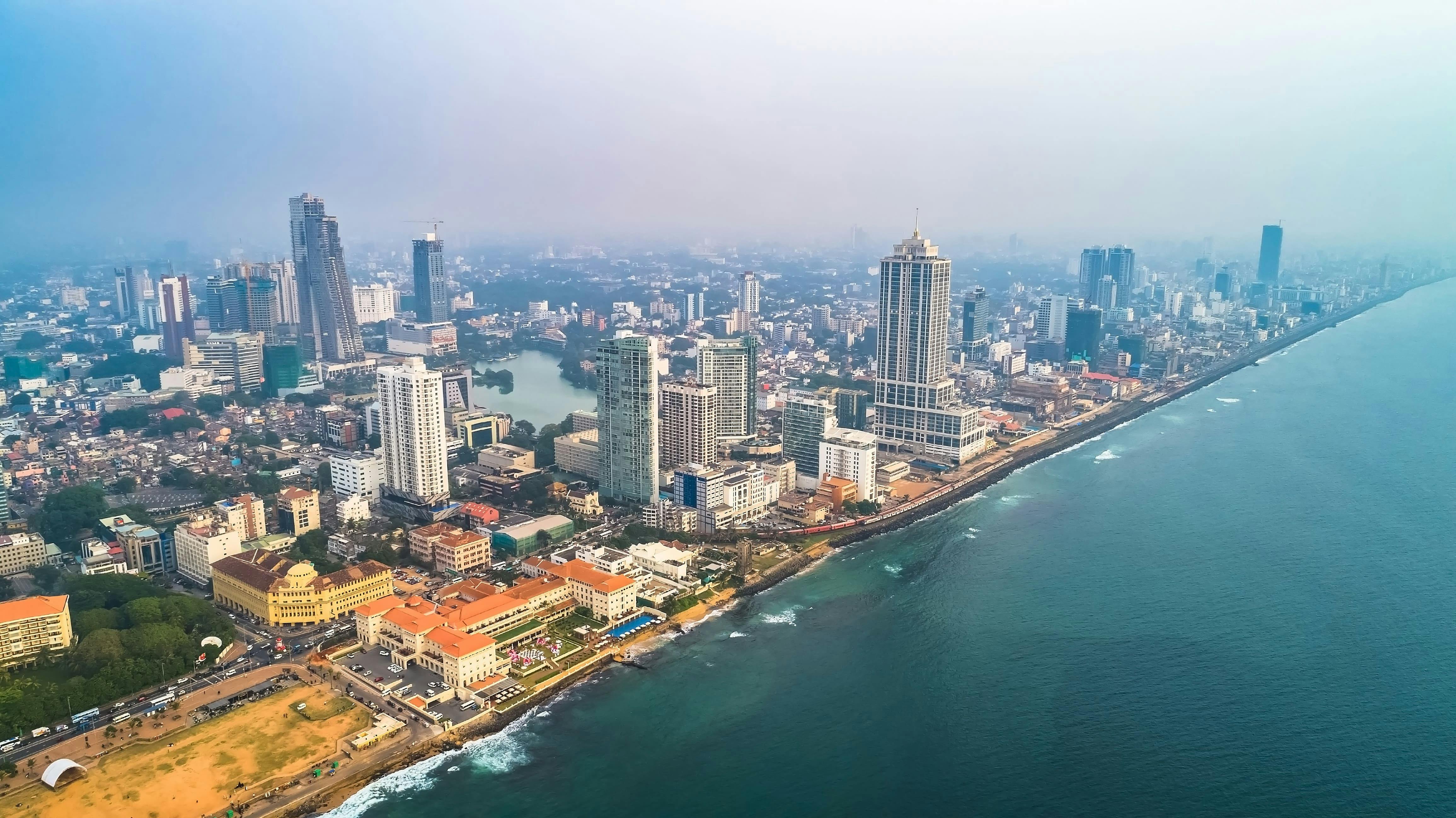
Colombo is Sri Lanka’s bustling commercial capital and coastal gateway — a city where colonial heritage, vibrant markets, seaside promenades, and rising skyscrapers all rub shoulders. It’s the place where your Sri Lankan journey often begins or ends, but it’s worth lingering in its layers for a taste of national life, street food, and urban charm.
Getting There & Best Time to Visit
How to Get There
Bandaranaike International Airport (CMB) is the main international airport, located about 30–45 minutes north of the city (traffic dependent).
You can also arrive via sea (cruise ships docking in Colombo port) though options are limited.
Once in Colombo, tuk-tuks, ride-share apps, trains, buses, and private cars move you around.
Best Time to Visit
December to March: relatively dry and cool — ideal for city walking and coastal drives.
April to September: wetter months, though showers often come in short bursts.
Pleasing trade winds help moderate humidity along the coast.
Top Sights & Neighborhoods
Galle Face Green & Seafront Promenade
A broad urban oceanfront park stretching along the Indian Ocean. Locals fly kites at sunset, snack on street food, and enjoy evening breezes.
Fort & Pettah Districts
Colombo Fort area hosts colonial buildings, banks, and high-end hotels. Adjacent Pettah is the city’s old mercantile quarter — narrow lanes and bazaars selling every imaginable good.
Independence Memorial & Cinnamon Gardens
Walk through leafy Cinnamon Gardens to the Independence Square, a centrally symbolic park where Sri Lanka’s independence was declared in 1948.
Gangaramaya Temple & Beira Lake
A colorful Buddhist temple with eclectic architecture and a glassed library. It sits beside Beira Lake, which invites a quiet stroll or boat ride.
National Museum & Colombo National Gallery
Discover Sri Lankan history and art through artifacts, regalia, colonial relics, and rotating exhibitions.
Mount Lavinia Beach
Just south of the city, this long beach is popular for evening swims, seafood dinners, and sunset walks. It’s a short drive from central Colombo.
Experiences, Food & Culture
Street food & market walks: In Pettah find kottu, hopper stalls, sweet waffles, and spice shops.
Sunset views: Rooftop bars in Fort and hotel terraces overlook city lights and ocean.
Art & gallery hopping: Small contemporary galleries and mural trails are growing.
Shopping: Odel, Arcade Independence Square, and local boutiques in Colombo 7 offer clothes, handicrafts, and modern picks.
Nightlife: Late dinners, jazz bars, lounges, and live music are concentrated in Fort and Kollupitiya.
Practical Tips & Safety
Traffic & time: Colombo’s traffic can be heavy—cross rivers and bridges early or late; allow buffers for appointments.
Tuk-tuk etiquette: Use meters if possible—or negotiate a fare ahead. Ask locals for typical rates.
Dress code: For temples and mosques, cover shoulders and knees; carry a scarf or sarong.
Staying connected: Local SIM cards (Mobitel, Dialog) are affordable and easy to get at the airport or shops.
Safety: Colombo is generally safe. Keep valuables secure, especially in busy market areas, and use licensed taxis or ride-share at night.
Colombo FAQs
Is Colombo worth visiting on a Sri Lanka itinerary?
Answer: Definitely. It offers a strong taste of urban Sri Lankan life, contrast to quieter countryside stops, and useful services (banks, SIMs, last-minute shopping).
How many days should I spend?
Answer: One full day is enough to hit highlights (temples, Fort, markets). Two days allows food tours, beach escape, and deeper strolling.
Can I use public transport?
Answer: Yes. Buses, trains, and tuk-tuks are common. Trains run along the coast and north/south lines, though schedules can be slow or crowded.
Best area to stay?
Answer: Fort or Cinnamon Gardens (Colombo 7 / 5) offer safe, walkable zones near restaurants, green spaces, and transport hubs.
Suggested 1–2 Day Itinerary
Day 1 — City & Culture
Morning: Gangaramaya Temple + Beira Lake.
Midday: Lunch in Pettah market and stroll the bazaar lanes.
Afternoon: Independence Square and National Museum.
Evening: Galle Face Green and sunset snacks.
Day 2 — Heritage & Beach
Fort heritage walk and colonial forts.
Shopping & café break in Colombo 7.
Late afternoon: head to Mount Lavinia Beach for seafood at sunset.
Why Colombo Should Be on Your Route
Colombo is more than a transit hub — it’s a living collage of old and new: colonial façades beside skyscrapers, spice scents mixing with sea breeze, rickshaws weaving past boutique cafés. It’s the place to adjust your mind to Sri Lanka — full of contrast, color, and genuine heart.
Sponsored Popular Items
Quick take: Musement.com offers a worldwide selection of tours and attractions
Colombo City Tour – Bentota City Tour Sri Lanka Like four cities in one, Colombo is a grand mix of colonial architecture, verdant cricket greens and gleaming skyscrapers. Check current availability, inclusions and booking details before you go.
Ringed by palm-fringed beaches and crowned by misty tea hills, Sri Lanka packs ancient cities, wildlife-rich parks, flavorful cuisine, and warm hospitality into a compact island. Whether you’re chasing surf on the south coast, temples in the Cultural Triangle, or cool mornings among tea estates, this guide gives you a clear, practical plan.
Getting There and Best Time to Visit
How to Get There
By air: International flights arrive at Bandaranaike International Airport (CMB), about 30–45 minutes north of Colombo (traffic-dependent).
By rail/road: Once in-country, scenic trains connect Colombo with Kandy, Ella, and Jaffna; highways and private drivers cover most routes.
When to Go
West/South/Highlands (Dec–Mar): Driest weather for beaches from Negombo to Tangalle and hill-country hikes.
East/North (May–Sep): Best for Arugam Bay surf, Trincomalee beaches, and Jaffna.
Shoulders: Apr and Oct–Nov bring mixed showers but fewer crowds and good value.
Where to Go: Regions at a Glance
Region
Why Go
Highlights
Good For
Cultural Triangle (Anuradhapura, Polonnaruwa, Sigiriya, Dambulla)
Ancient capitals, rock fortresses, cave temples
Sigiriya Rock, Dambulla Cave Temples, Minneriya elephants
History lovers, families
Hill Country (Kandy, Nuwara Eliya, Ella, Haputale)
Dry-season swap, surf and calm bays in mid-year months
Arugam Bay point break, Pigeon Island snorkelling
Surfers, summer beachgoers
Wild Parks (Yala, Udawalawe, Wilpattu)
Leopards, elephants, birdlife
Game drives at dawn/sunset
Wildlife enthusiasts
Jaffna & North
Distinct Tamil culture, temples, lagoons
Nallur Kandaswamy Kovil, Delft Island
Cultural explorers
Top Experiences
Sigiriya and the Cave Temples of Dambulla
Climb Sigiriya’s lion-paw stairways for frescoes and royal ruins atop a volcanic plug. Pair with Dambulla’s Buddha-filled cave shrines for a perfect heritage day.
Tea Country by Train
Ride the blue train from Kandy to Ella past emerald tea, waterfalls, and mist. Break the journey with a factory tour and a ridge walk at sunrise.
Galle Fort and the Southern Beaches
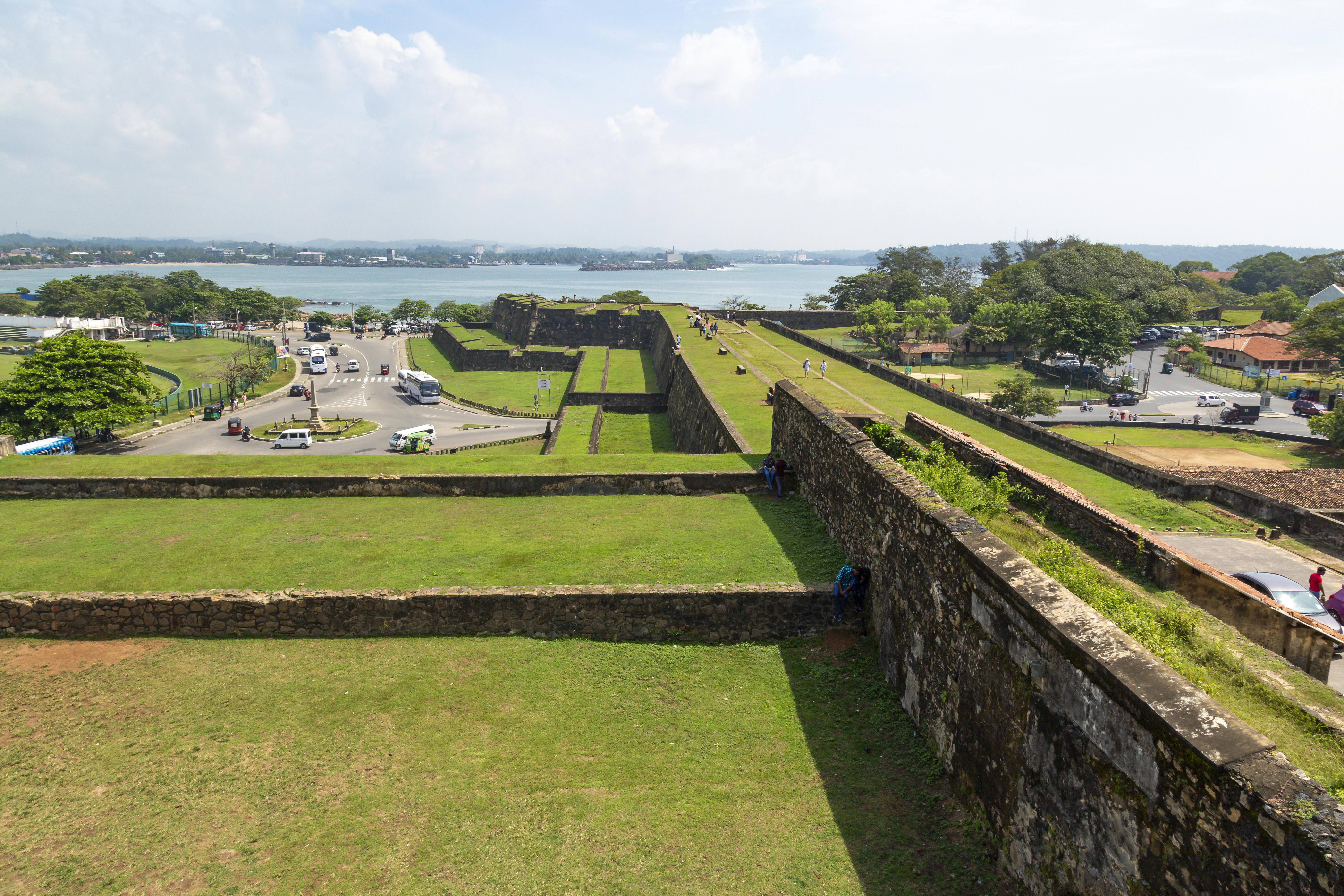
Wander UNESCO-listed Galle Fort’s ramparts, cafés, and galleries, then hop to Weligama for surf lessons or Mirissa for seasonal whale trips.
Safaris in Yala or Udawalawe
Search for leopards in Yala or herds of elephants in Udawalawe. Go at dawn or late afternoon for cooler temperatures and active wildlife.
Food, Spices, and Markets
Breakfast on hoppers with spicy sambol, try rice and curry thalis, seafood on the coast, and Jaffna crab in the north. Spice gardens and cooking classes are easy to add.
Practical Tips and Safety
Pace yourself: Distances are short, but travel can be slow; 2–4 nights per base is comfortable.
Hire a driver or mix modes: Trains are scenic; a driver fills the gaps between stations and parks.
Dress and etiquette: Shoulders/knees covered for temples; remove shoes and hats.
Wildlife etiquette: Never feed wild animals; keep distance on safaris and beaches.
Season-aware planning: Match coasts to monsoons for driest beach time.
Sri Lanka FAQs
Is Sri Lanka good for a first trip to South Asia?
Answer: Yes. It’s compact, welcoming, and varied — beaches, heritage, wildlife, and hill country within a day’s reach.
How many days do I need?
Answer: Ten to fourteen days covers the Cultural Triangle, Hill Country, and one coast. Add time for safaris and the north/east.
Is the tap water safe to drink?
Answer: Stick to bottled or filtered water; many hotels provide refill stations. Avoid ice where uncertain.
Do I need a visa?
Answer: Most travelers require an Electronic Travel Authorization (ETA) before arrival. Check current requirements for your nationality.
What about costs?
Answer: Mid-range stays and private drivers are affordable relative to many destinations; food is excellent value outside resort zones.
Suggested Itineraries
7 Days — Classic Highlights
Day 1–2: Sigiriya and Dambulla (Cultural Triangle)
Day 3–4: Kandy and train to Ella (Hill Country)
Day 5–7: South coast beaches around Weligama/Mirissa or Tangalle
10 Days — Wildlife and Tea
Day 1–2: Sigiriya, Minneriya elephant safari
Day 3–5: Kandy, Nuwara Eliya, Ella hikes
Day 6–7: Udawalawe or Yala safari lodge
Day 8–10: Galle Fort and south coast
14 Days — Two Coasts and the North
Days 1–3: Anuradhapura/Polonnaruwa + Sigiriya
Days 4–6: Kandy to Ella by train
Days 7–9: East coast (Trincomalee/Nilaveli in mid-year; Arugam Bay for surf)
Days 10–12: Jaffna culture and cuisine
Days 13–14: Colombo or south coast to unwind
Why Sri Lanka Belongs on Your List
Few places offer so much diversity in such a small package: sunrise on a fortress rock, lunch in the tea hills, sunset with turtles on the beach. With kind hosts, layered history, and year-round options, Sri Lanka suits first-timers and seasoned travelers alike.
Sponsored Popular Items
Quick take: Musement.com offers a worldwide selection of tours and attractions
Sri Lanka Adventure: Rafting, Train Ride, Safari & Whales Sri Lanka Experience Sri Lanka through white-water rafting, scenic mountain trains, wildlife safaris, coastal whale watching and authentic local experiences on a private 7-day adventure from Colombo
Sigiriya Lion Rock & Dambulla Cave Temple Tour in Sri Lanka – Heritage Tour Sri Lanka Plan Sigiriya Lion Rock & Dambulla Cave Temple Tour in Sri Lanka – Heritage Tour, a cultural or heritage experience, with practical tips on timing, inclusions and what to check before booking. Compare current availability, prices and booking conditions before you go.
Art Institute of Chicago: Your Complete Visitor’s Guide
Art Institute of Chicago: Your Complete Visitor’s Guide
Located in Grant Park on Michigan Avenue, the Art Institute of Chicago is one of the world’s premier art museums, home to an encyclopedic collection spanning millennia. From its iconic Impressionist paintings to contemporary galleries, this guide helps you get the most out of your visit.
Getting There & Opening Hours
How to Get There
The museum’s address is 111 South Michigan Avenue, Chicago, Illinois. :contentReference[oaicite:0]{index=0}
Public transit: nearest “L” stations include Adams/Wabash and Monroe/State; Metra & southshore lines stop at Van Buren Street. :contentReference[oaicite:1]{index=1}
Walking: it sits just west of Grant Park, near Millennium Park and major downtown attractions. :contentReference[oaicite:2]{index=2}
Hours & Best Times to Visit
Typical hours: 11 am to 5 pm on most days. :contentReference[oaicite:3]{index=3}
Thursdays often extend hours to 8 pm. :contentReference[oaicite:4]{index=4}
Closed on Tuesdays & Wednesdays (check ahead, especially for holidays or special exhibitions). :contentReference[oaicite:5]{index=5}
Avoid midday weekends if possible — crowds are lighter late afternoon or early opening. (General visitor advice) :contentReference[oaicite:6]{index=6}
Must-See Collections & Highlights
Impressionist & Post-Impressionist Masters
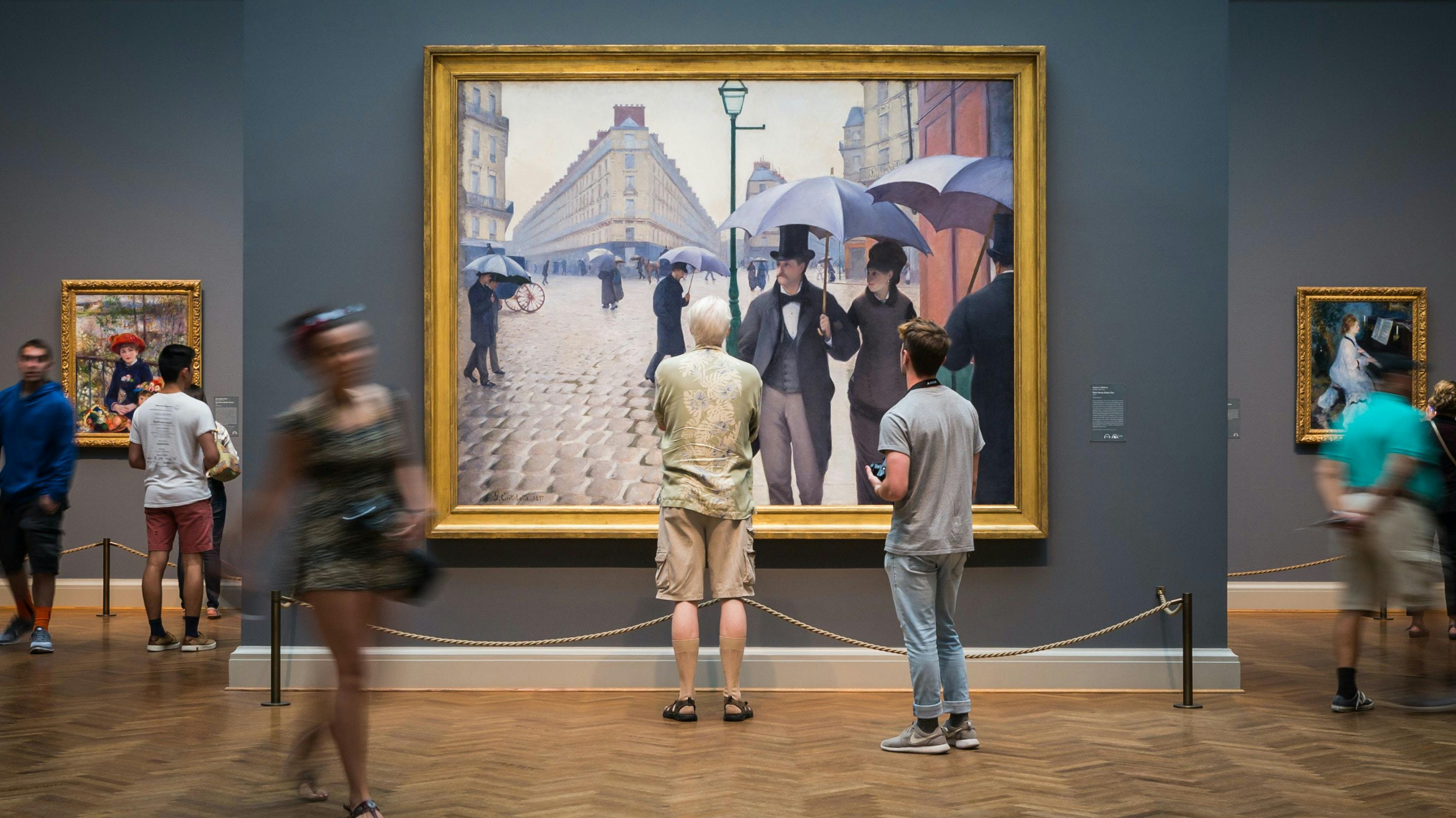
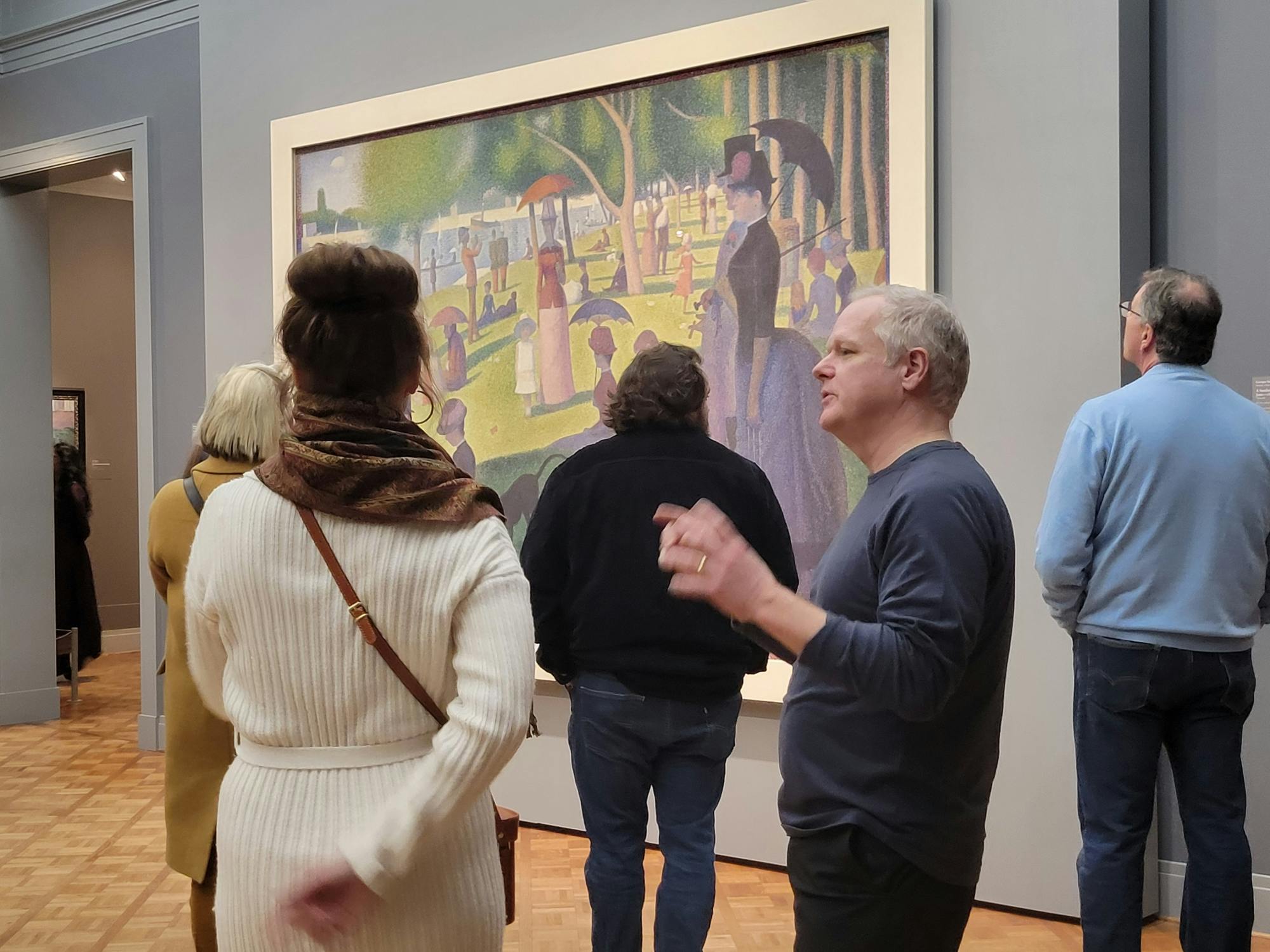
The museum’s Impressionist collection is world-class, with masterpieces by Monet, Renoir, Degas, Cézanne, and Seurat (including A Sunday on La Grande Jatte) :contentReference[oaicite:7]{index=7}
American Art & Icons
See works like Edward Hopper’s Nighthawks and Grant Wood’s American Gothic, which anchor the American art collection. :contentReference[oaicite:8]{index=8}
Modern & Contemporary, Architecture & Design
The Modern Wing, designed by Renzo Piano, opened in 2009 and houses 20th and 21st century art, design, photography, and architecture galleries. :contentReference[oaicite:9]{index=9}
The Nichols Bridgeway
Connecting the museum’s Modern Wing to Millennium Park, this pedestrian bridge offers pleasant views and is an architectural highlight in its own right. :contentReference[oaicite:10]{index=10}
Tips for Visitors & FAQs
How much time should I budget?
Answer: A solid 2–3 hours covers the highlights. If you’re deeply interested in certain collections (Impressionist, modern, architecture), plan to stay 4+ hours or return another day. :contentReference[oaicite:11]{index=11}
Should I buy tickets in advance?
Answer: Yes — buying tickets ahead helps skip lines. Some exhibitions may require timed-entry tickets. :contentReference[oaicite:12]{index=12}
Are there free or discounted admission options?
Answer: The museum offers free admission for certain groups (Illinois residents, Chicago teens, under-14) and has occasional free days. Check their official site before visiting. :contentReference[oaicite:13]{index=13}
Does the museum offer tours? Audio guides?
Answer: Yes — guided tours (free with admission) usually offered midday, and the museum app includes audio guides to many sections. :contentReference[oaicite:14]{index=14}
Is the museum accessible?
Answer: Yes. Elevators, ramps, and accessible routes are available. If you need special assistance, contact ahead. (Standard museum accessibility practice) :contentReference[oaicite:15]{index=15}
Suggested Itinerary Snippet Around the Museum
Start: Morning visit at the Art Institute.
Lunch: Museum café or nearby in the Loop.
Afternoon: Walk through Millennium Park (Cloud Gate, Crown Fountain) via Nichols Bridgeway. :contentReference[oaicite:16]{index=16}
Later: Explore Grant Park’s gardens, Buckingham Fountain, and the lakefront. :contentReference[oaicite:17]{index=17}
Why the Art Institute of Chicago Matters
The Art Institute is more than a museum — it’s a cultural anchor for Chicago and a gateway to visual histories from around the globe. Its architectural evolution (from Beaux-Arts to the Modern Wing), rich, layered collections, and placement next to urban green space make it uniquely immersive. For visitors, it’s both a place to marvel at masterworks and to see how art connects to city, landscape, and community.
Sponsored Popular Items
Quick take: Musement.com offers a worldwide selection of tours and attractions
Art Institute of Chicago Guided Tour - Guided Sightseeing Tour United States Book online the tickets and enjoy a captivating journey through the heart of creativity with a tour of the Art Institute. Check current availability, inclusions and booking details before you go.
Discover Lake Michigan: America’s Great Freshwater Coastline | Travel Guide
Discover Lake Michigan: America’s Great Freshwater Coastline
Framing four U.S. states with over 1,600 miles (2,575 km) of shoreline, Lake Michigan delivers big-lake energy: sweeping dunes, clear water, lighthouse-studded peninsulas, and a world-class city skyline in Chicago. Whether you’re here for beach days, small-town weekender charm, fall color drives, or winter ice caves, this guide helps you plan a trip that matches your style and season.
Getting There & Best Time to Visit
How to Get There
By air: Chicago (ORD/MDW) anchors the south; Milwaukee (MKE) the west; Grand Rapids (GRR) and Traverse City (TVC) the east; Green Bay (GRB) the north.
By car: Interstates and scenic byways circle the lake; many highlights are easiest with a car.
By rail/bus: Amtrak serves Chicago and Milwaukee; regional buses link coastal towns seasonally.
When to Go
Summer (Jun–Aug): Warm water, festivals, peak beach time; book early.
Shoulder (May, Sep–Oct): Mild temps, fewer crowds; brilliant fall color mid-to-late October (varies by latitude).
Winter (Dec–Mar): Quiet, dramatic ice and snow scenes; ideal for cozy, crowd-free escapes.
Where to Stay: Regions at a Glance
Region
Vibe
Highlights
Good For
Chicago & North Shore (IL)
Urban + beaches
Lakeside trail, museums, architecture, sandy city beaches
First timers, food lovers, car-free trips
Indiana Dunes (IN)
Dunes + nature
National/State Parks, tall dunes, birding
Hikers, families, day trips from Chicago
Door Peninsula (WI)
Coastal villages
Lighthouses, cherry orchards, ferries to Washington Island
Romantic getaways, fall color
West Michigan (MI)
Beach towns
Holland, Saugatuck, Grand Haven; sunsets and dunes
Weekenders, families, craft beer
Sleeping Bear Dunes (MI)
Epic landscapes
Bluffs, overlooks, scenic drives, inland lakes
Photographers, hikers, swimmers
Northwest MI & Lelanau (MI)
Wine + water
M-22 scenic byway, wineries, harbor towns
Scenic drives, tastings, boutiques
Upper Peninsula South Shore (MI)
Wild & quiet
Long beaches, shipwreck lore, winter solitude
Road-trippers, stargazers, budget escapes
Top Experiences
Beaches & Dunes
Sleeping Bear Dunes: Towering bluffs and Caribbean-hued water; choose overlooks or sand-trail hikes.
Indiana Dunes: Easy access dunes, birding hotspots, and family-friendly strands.
West Michigan beaches: Wide sands, classic piers, and technicolor sunsets.
Scenic Drives & Small Towns
M-22 (NW Michigan): A loop of vineyards, bays, and beach stops around Lelanau.
Door County backroads: Orchard stands, lighthouses, and shoreline parks.
Chicago’s lakefront: Skyline views via the multi-use Lakefront Trail.
Sailing & cruises: Sunset sails in harbor towns or architectural cruises in Chicago.
Fishing: Charter trips for salmon and trout; check licenses and seasons.
Practical Tips (Quick Steps)
Check the forecast: Big lakes create fast-changing weather; pack a light layer even in summer.
Respect currents: Swim near lifeguards when available; learn how to escape rip currents (swim parallel to shore).
Time your visit: Weekdays and early mornings mean easier parking at popular beaches.
Book ahead: Peak summer and fall foliage weekends sell out in charming towns.
Leave no trace: Stay off fragile dune grass; pack out what you bring in.
Lake Michigan FAQs
Is the water warm enough for swimming?
Answer: Summer surface temps can be very swimmable, especially in shallower bays and late in the season. Early summer and deeper areas remain brisk—bring a light rash guard if you chill easily.
What’s the best base for a first visit?
Answer: If you want city + beach, pick Chicago. For dunes and classic beach towns, try West Michigan or Indiana Dunes. For a slower, lighthouse-peppered getaway, choose the Door Peninsula.
Can I do this car-free?
Answer: In Chicago, yes—combine transit, rideshare, and bikes. For nature-heavy itineraries (dunes, wineries, lighthouses), a car is strongly recommended for flexibility.
Is winter worth it?
Answer: Absolutely, if you like quiet beauty: frozen shorelines, snow-draped forests, and cozy towns. Check road conditions, dress for wind chill, and book lodging with good heating and parking.
Suggested 3–5 Day Itineraries
3 Days — Chicago & Indiana Dunes
Day 1: Chicago Lakefront Trail, museums, sunset at a city beach.
Day 2: Train/drive to Indiana Dunes; hike a dune loop; beach time.
Day 3: Brunch in Chesterton or Valparaiso; return via lakeside stops.
4 Days — West Michigan Beaches
Day 1: Holland windmill area + beach sunset.
Day 2: Saugatuck art, dune rides, and harbor strolls.
Day 3: Grand Haven pier + lighthouse, craft breweries.
Day 4: Relaxed beach morning, scenic pullouts en route home.
5 Days — Sleeping Bear & Lelanau Loop
Day 1: Arrive Traverse City; bayfront walk.
Day 2: Sleeping Bear overlooks + short hikes; beach swim.
Day 3: M-22 wine and farm-stand circuit; lighthouse stop.
Day 4: Inland lake paddle; evening in a harbor town.
Day 5: Coffee + last-look viewpoints; depart.
Why Lake Michigan Belongs on Your List
Few places blend big-lake drama with easy small-town charm like Lake Michigan. One hour you’re edging along sun-warmed dunes; the next you’re tasting cherries on a farm road or listening to waves under a lighthouse. With four distinct seasons and countless micro-trips around its rim, it’s a destination you can return to again and again—always a little different, always refreshing.
Sponsored Popular Items
Quick take: Musement.com offers a worldwide selection of tours and attractions
Lake Michigan Self-Guided Driving Audio Tour – Self-Guided Experience United States Lake Michigan Self-Guided Driving Audio Tour is designed for travellers who prefer independent exploration while still having structured commentary available. Check current availability, inclusions and booking details before you go.
Discover Ibiza: Beyond the Beats | Travel Guide 2025
Discover Ibiza: Beyond the Beats
Ibiza is often painted in neon lights — but scratch the surface, and you’ll find an island painted in soft pastel sunsets, rugged cliffs, secret bays, and centuries-old walls. This guide shows you Ibiza’s many layers: the party, yes — but also its nature, culture, food, and more.
When to Visit & Getting There
Best Time to Go
High season (June–August): Long days, buzzing nightlife, hottest weather
Off season (October–April): Quieter, cooler, many venues close
How to Arrive
By air: Ibiza Airport (IBZ) connects with many European cities
By ferry: Ferries run from mainland Spain (Barcelona, Valencia, Denia) and Mallorca
Where to Stay: Towns & Neighborhoods
Area
Vibe
Pros
Things to Note
Ibiza Town / Dalt Vila
Historic, central
Walkable old town, close to port
Busy, higher prices
Sant Antoni
Party hub
Great nightlife, sunsets
Can be noisy late
Santa Eulalia / Es Canar
Relaxed, family-friendly
Calm beaches, good amenities
Further from major clubs
Rural interior / Northern coast
Quiet, scenic
Nature, privacy
Requires transport
Top Experiences You Must Try
Sun, Sea & Secret Coves
Sa Caleta: A tranquil horseshoe cove with rustic fisherman sheds; ideal for swimming and reflection.
Platja d’en Bossa: Ibiza’s longest beach, with energetic bar and club scene.
Agua Blanca: Remote nudist-friendly beach with dramatic winds and crystal water.
History, Culture & Hidden Corners
Dalt Vila (Old Town): Wander medieval walls, climb lookout points, soak in layers of history.
Es Vedrà: Mysterious rocky islet off the southwestern coast, famed for legends and views.

Hippie Markets (Es Canar, Las Dalias): Browse local crafts, clothes, and music.
Nights, Beats & After-Dark Energy
If you’re chasing the nightlife, Ibiza delivers — Playa d’en Bossa and Sant Antoni host top clubs. Many venues begin after midnight and run well into the early hours. Don’t miss beach bar sunset sets — often free or low cost. But the island also offers quieter nighttime alternatives: moonlit walks, jazz evenings, and acoustic live music in local bars.
Practical Tips & FAQs
Is Ibiza just for partygoers?
A: Far from it. While the club scene is iconic, most of the island offers tranquil beaches, hiking paths, olive groves, and small villages. Many visitors balance a few nights out with restful days.
How do I get around the island?
Bus network: Covers main towns and venues, though schedules shrink late at night.
Car or scooter rental: Offers flexibility to reach secluded spots.
Boat trips: Great for discovering hidden coves and coastal routes.
What should I pack?
Light clothing, swimwear
Good walking shoes
A pashmina or light jacket for evenings
Reusable water bottle
Power bank
Sun protection
Is Ibiza safe?
Yes. The island is generally safe for tourists. As with any destination, keep an eye on your belongings, especially in crowded nightlife areas.
Sample 3-Day Itinerary
Day 1 – Explore the Old & the Coast
Morning: Walk through Dalt Vila & walled fortifications
Afternoon: Swim at Sa Caleta
Evening: Sunset and dinner in Ibiza Town
Day 2 – Hidden Coves & Village Life
Morning: Drive north toward Agua Blanca
Afternoon: Lunch in a countryside village, stop at a hippie market
Evening: Chill evening at a seaside bar
Day 3 – Beach + Nightlife
Day: Relax at Platja d’en Bossa or another long beach
Night: Experience a major club or sunset DJ set
Why Ibiza Still Captivates
Ibiza’s magic lies in its contrasts: the pulse of dance music and the hush of hidden coves; the whitewashed lanes of its old town and the deep blue sea stretching beyond. It’s a place that invites both celebration and serenity.
Sponsored Popular Items
Quick take: Musement.com offers a worldwide selection of tours and attractions
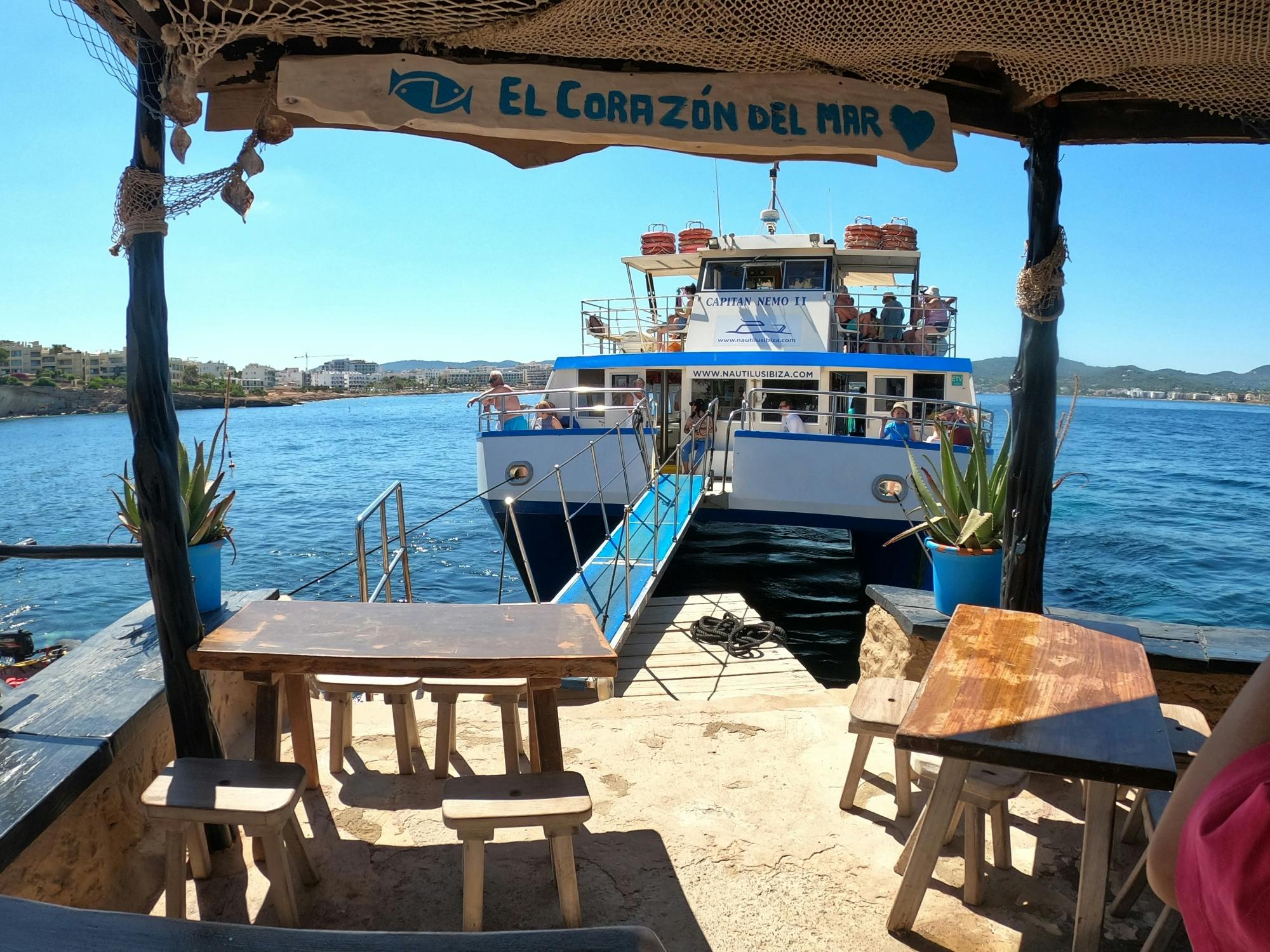
Glass -Bottom boat cruise on Ibiza's west coast with transfer Spain Plan Glass -Bottom boat cruise on Ibiza's west coast with transfer, a water-based experience, with practical tips on timing, inclusions and what to check before booking. Compare current availability, prices and booking conditions before you go.
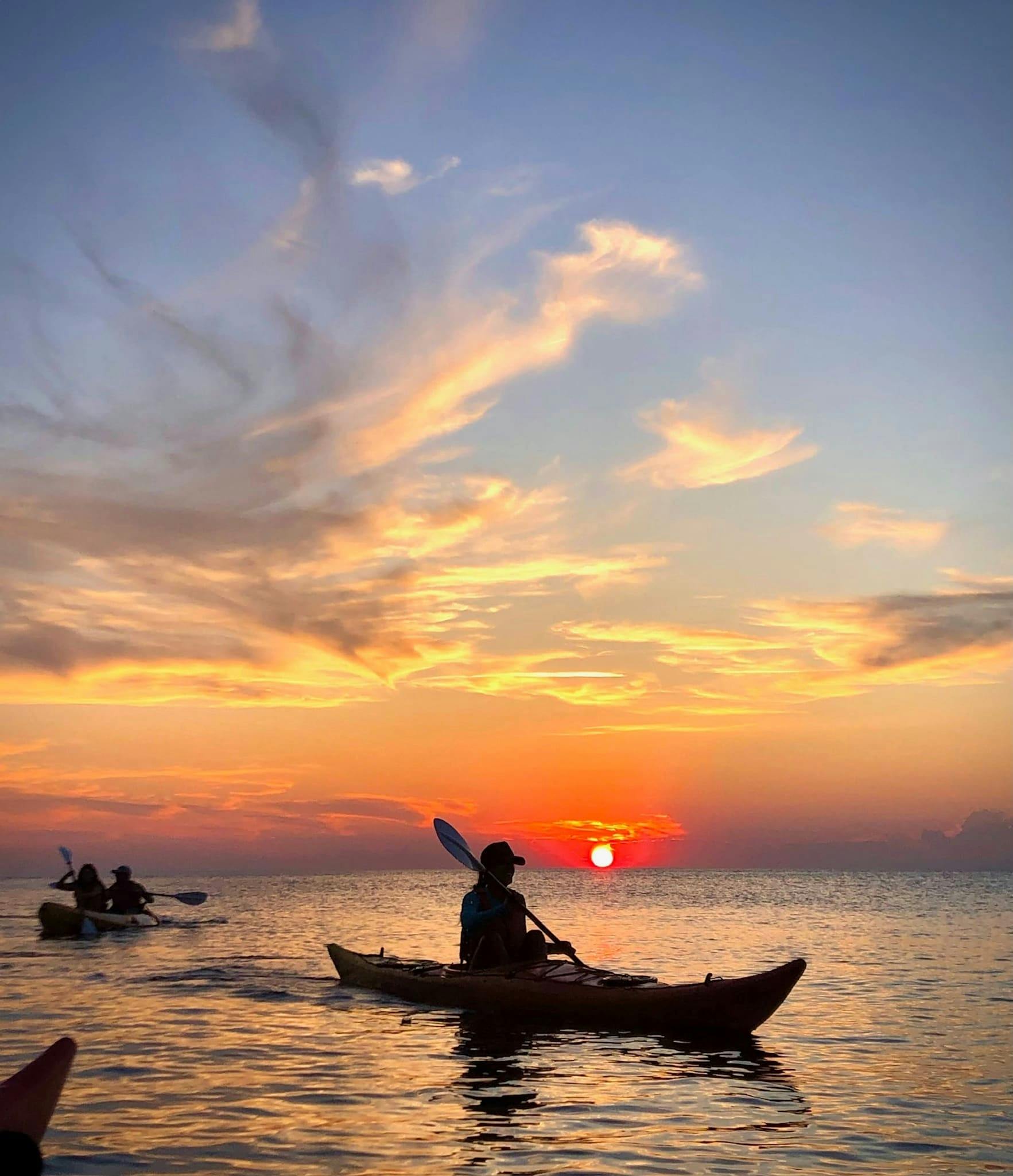
Ibiza sunset kayak tour in Portinatx Spain Plan Ibiza sunset kayak tour in Portinatx, a water-based experience, with practical tips on timing, inclusions and what to check before booking. Compare current availability, prices and booking conditions before you go.
Ibiza Hippy Market Guided Visit Spain Ibiza Hippy Market visit with a local guide is a convenient way to add structure, local context and purposeful sightseeing to the itinerary. Check current availability, inclusions and booking details before you go.
Discover Tie-dye clothes creation class on Lake Maggiore museums, galleries, landmarks, parks, food culture, and hidden gems with practical tips for an easy,
Sponsored Popular Items
Quick take: Musement.com offers a worldwide selection of tours and attractions
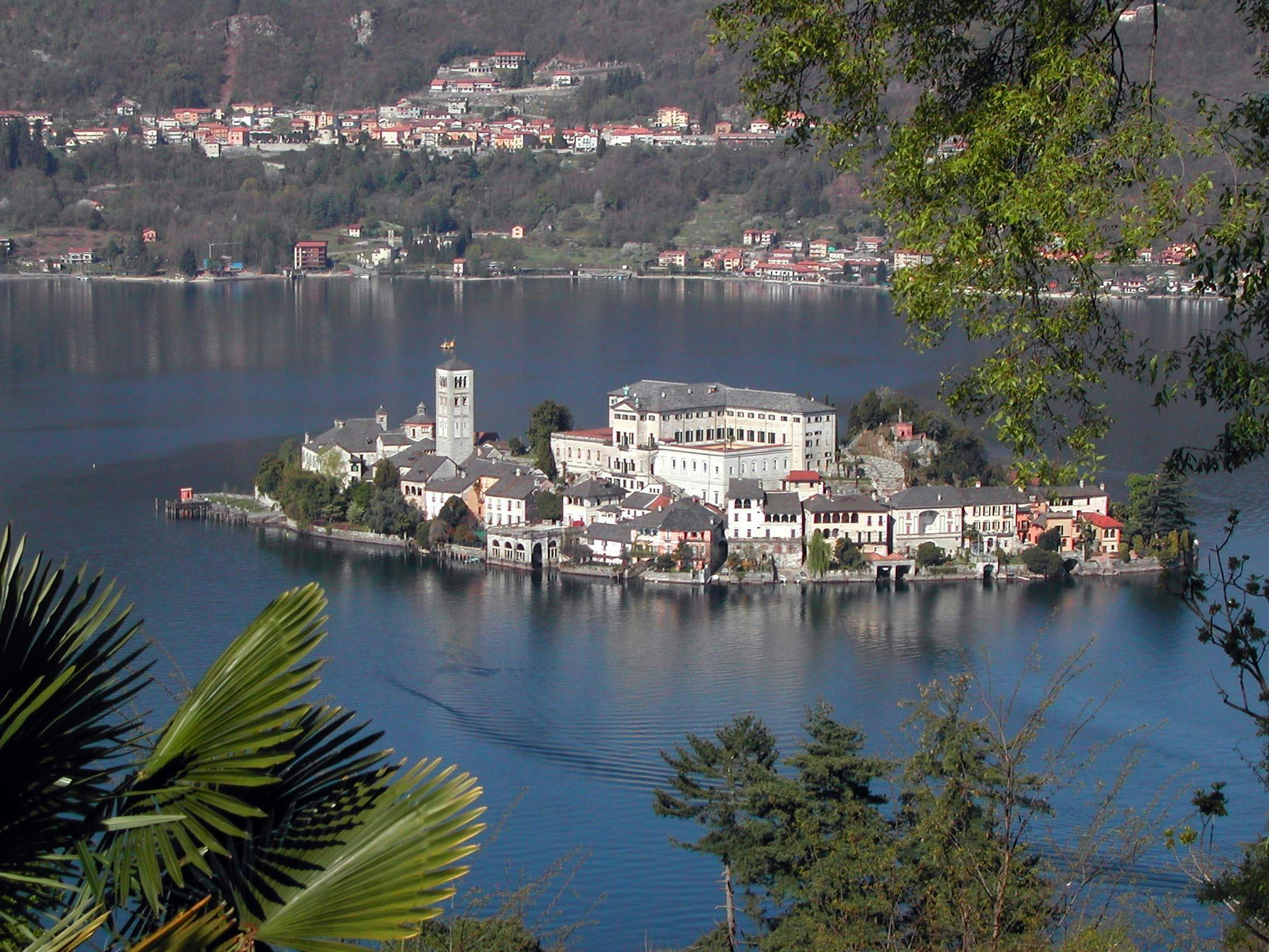
Lake Orta Scenic Afternoon Tour from Lake Maggiore Italy Lake Orta Tour is a convenient way to add structure, local context and purposeful sightseeing to the itinerary. Check current availability, inclusions and booking details before you go.
Why Visit Tie-dye clothes creation class on Lake Maggiore USD 94
Tie-dye clothes creation class on Lake Maggiore USD 94 blends history, culture, and everyday life in a way that rewards slow exploration. Travellers find a mix of museums, lively streets, and neighbourhood charm.
From landmark architecture to green spaces and local markets, the city offers a balanced itinerary for first-time visitors and repeat travellers alike.
History & Heritage Museums
Tie-dye clothes creation class on Lake Maggiore USD 94’s museums help you step through the region’s timeline with clear exhibits and well-curated collections. Expect artifacts, multimedia displays, and concise interpretation panels.
Most venues are walkable or connected by public transport, and many offer audio guides or rotating exhibitions that spotlight local stories alongside global context.
Art Galleries & Cultural Spaces
Creative hubs in Tie-dye clothes creation class on Lake Maggiore USD 94 highlight classical works, contemporary installations, and community projects under one skyline. Small studios sit alongside established galleries.
Look for temporary shows, evening openings, and cultural centres where workshops, talks, and performances make art approachable and engaging for all visitors.
Science & Innovation Centers
Interactive science spaces introduce technology, nature, and engineering through hands-on exhibits. Families appreciate zones designed for curious minds at different ages.
Expect live demos, observatories or labs, and special programming during weekends or holidays that turn complex ideas into memorable experiences.
Landmarks & Architecture
Tie-dye clothes creation class on Lake Maggiore USD 94 combines historic façades with modern silhouettes. Prominent squares, monuments, and skyline viewpoints help orient your footsteps across the city.
Architectural walks reveal different eras side by side, while guided tours unpack details you might otherwise miss, from craftsmanship to city-planning decisions.
Family Attractions
Parks with playgrounds, small zoos or aquariums, and light-touch museums make planning with kids straightforward. Many sites include cafés, shade, and stroller-friendly paths.
Pick attractions with short dwell times and nearby rest stops, then layer in one larger activity—like a scenic ride, boat trip, or theme exhibit—per day.
Parks & Promenades
Green belts, riverside walks, and hilltop lookouts provide fresh air between museum visits. Morning jogs and sunset strolls show a quieter side of the city.
Wayfinding is generally intuitive; look for signed trails and public gardens with seasonal blooms, sculptures, and benches for unhurried breaks.
Food & Culture Highlights
Food in Tie-dye clothes creation class on Lake Maggiore USD 94 reflects regional produce and neighbourhood traditions. Markets offer quick tastings, while casual eateries and bakeries keep schedules flexible.
Consider a short food walk to sample local staples, sweets, or street snacks. Reserve popular spots early for weekends and arrive mid-week for calmer dining rooms.
Local Favorites & Hidden Gems
Beyond main streets, residential quarters hide pocket parks, indie bookshops, and family-run cafés. Small museums and community theatres reward curious detours.
Chat with locals for tips on viewpoint alleys, quiet courtyards, and seasonal events—simple moments that often become the highlight of a visit.
Travel Tips
Use a reloadable transit card or day pass; many sights cluster by district, making it easy to group stops. Comfortable walking shoes are essential on mixed surfaces.
Check opening days and timed-entry policies, especially on Mondays and public holidays. Carry a refillable bottle and light layers for changeable weather.
Final Thoughts
Tie-dye clothes creation class on Lake Maggiore USD 94 invites you to balance headline attractions with slow, local moments. Pace your days, follow your interests, and give each neighbourhood time to breathe.
With thoughtful planning and an open schedule, you’ll leave with a clear sense of place—and reasons to return.
Sponsored Popular Items
Quick take: Musement.com offers a worldwide selection of tours and attractions
Lake Orta Scenic Afternoon Tour from Lake Maggiore Italy Lake Orta Tour is a convenient way to add structure, local context and purposeful sightseeing to the itinerary. Check current availability, inclusions and booking details before you go.
Lake Como, Lake Maggiore & Lugano Guided Day Tour Italy Lake Como, Maggiore and Lugano Tour is a convenient way to add structure, local context and purposeful sightseeing to the itinerary. Check current availability, inclusions and booking details before you go.
Zermatt & Matterhorn Day Tour from Lake Maggiore Italy Zermatt & Matterhorn Tour is a convenient way to add structure, local context and purposeful sightseeing to the itinerary. Check current availability, inclusions and booking details before you go.
Discover Lake Mead Self-Guided Driving Audio Tour museums, galleries, landmarks, parks, food culture, and hidden gems with practical tips for an easy, engaging. Lake Mead is a reservoir formed by the Hoover Dam on the Colorado River in Nevada and Arizona.
Sponsored Popular Items
Quick take: Musement.com offers a worldwide selection of tours and attractions
Lake Mead Self-Guided Driving Audio Tour - Self-Guided Experience Visitors who prefer flexibility over a fixed group schedule may appreciate the self-guided format of Lake Mead Self-Guided Driving Audio Tour. Check current availability, inclusions and booking details before you go.
Why Visit Lake Mead Self-Guided Driving Audio Tour USD 14.99
Lake Mead Self-Guided Driving Audio Tour USD 14.99 blends history, culture, and everyday life in a way that rewards slow exploration. Travellers find a mix of museums, lively streets, and neighbourhood charm.
From landmark architecture to green spaces and local markets, the city offers a balanced itinerary for first-time visitors and repeat travellers alike.
History & Heritage Museums
Lake Mead Self-Guided Driving Audio Tour USD 14.99’s museums help you step through the region’s timeline with clear exhibits and well-curated collections. Expect artifacts, multimedia displays, and concise interpretation panels.
Most venues are walkable or connected by public transport, and many offer audio guides or rotating exhibitions that spotlight local stories alongside global context.
Art Galleries & Cultural Spaces
Creative hubs in Lake Mead Self-Guided Driving Audio Tour USD 14.99 highlight classical works, contemporary installations, and community projects under one skyline. Small studios sit alongside established galleries.
Look for temporary shows, evening openings, and cultural centres where workshops, talks, and performances make art approachable and engaging for all visitors.
Science & Innovation Centers
Interactive science spaces introduce technology, nature, and engineering through hands-on exhibits. Families appreciate zones designed for curious minds at different ages.
Expect live demos, observatories or labs, and special programming during weekends or holidays that turn complex ideas into memorable experiences.
Landmarks & Architecture
Lake Mead Self-Guided Driving Audio Tour USD 14.99 combines historic façades with modern silhouettes. Prominent squares, monuments, and skyline viewpoints help orient your footsteps across the city.
Architectural walks reveal different eras side by side, while guided tours unpack details you might otherwise miss, from craftsmanship to city-planning decisions.
Family Attractions
Parks with playgrounds, small zoos or aquariums, and light-touch museums make planning with kids straightforward. Many sites include cafés, shade, and stroller-friendly paths.
Pick attractions with short dwell times and nearby rest stops, then layer in one larger activity—like a scenic ride, boat trip, or theme exhibit—per day.
Parks & Promenades
Green belts, riverside walks, and hilltop lookouts provide fresh air between museum visits. Morning jogs and sunset strolls show a quieter side of the city.
Wayfinding is generally intuitive; look for signed trails and public gardens with seasonal blooms, sculptures, and benches for unhurried breaks.
Food & Culture Highlights
Food in Lake Mead Self-Guided Driving Audio Tour USD 14.99 reflects regional produce and neighbourhood traditions. Markets offer quick tastings, while casual eateries and bakeries keep schedules flexible.
Consider a short food walk to sample local staples, sweets, or street snacks. Reserve popular spots early for weekends and arrive mid-week for calmer dining rooms.
Local Favorites & Hidden Gems
Beyond main streets, residential quarters hide pocket parks, indie bookshops, and family-run cafés. Small museums and community theatres reward curious detours.
Chat with locals for tips on viewpoint alleys, quiet courtyards, and seasonal events—simple moments that often become the highlight of a visit.
Travel Tips
Use a reloadable transit card or day pass; many sights cluster by district, making it easy to group stops. Comfortable walking shoes are essential on mixed surfaces.
Check opening days and timed-entry policies, especially on Mondays and public holidays. Carry a refillable bottle and light layers for changeable weather.
Final Thoughts
Lake Mead Self-Guided Driving Audio Tour USD 14.99 invites you to balance headline attractions with slow, local moments. Pace your days, follow your interests, and give each neighbourhood time to breathe.
With thoughtful planning and an open schedule, you’ll leave with a clear sense of place—and reasons to return.
Sponsored Popular Items
Quick take: Musement.com offers a worldwide selection of tours and attractions
Lake Mead Self-Guided Driving Audio Tour - Self-Guided Experience Visitors who prefer flexibility over a fixed group schedule may appreciate the self-guided format of Lake Mead Self-Guided Driving Audio Tour. Check current availability, inclusions and booking details before you go.
Hoover Dam and Lake Mead Self-Guided Driving Audio Tour - Self-Guided Experience Hoover Dam and Lake Mead Self-Guided Driving Audio Tour combines independent exploration with recorded commentary, allowing travellers to discover Las Vegas at their own pace. Check current availability, inclusions and booking details before you go.
Valley of Fire and Lake Mead Full-Day Sidecar Tour from Las Vegas - Guided Tour Valley of Fire and Lake Mead full day sidecar tour from Las Vegas brings the main theme of the experience into one planned outing, making it easier to use limited time in Las Vegas well. Check current availability, inclusions and booking details before you go.
Discover Private luxury yacht experience in Bodrum museums, galleries, landmarks, parks, food culture, and hidden gems with practical tips for an easy, engaging
Sponsored Popular Items
Quick take: Musement.com offers a worldwide selection of tours and attractions
Bodrum Airport VIP Lounge & Service for Bodrum Hotels – Guided Sightseeing Experience Turkey Plan Bodrum Airport VIP Lounge & Service for Bodrum Hotels – Guided Sightseeing Experience, a travel service, with practical tips on timing, inclusions and what to check before booking. Compare current availability, prices and booking conditions before you go.
Why Visit Private luxury yacht experience in Bodrum USD 1680
Private luxury yacht experience in Bodrum USD 1680 blends history, culture, and everyday life in a way that rewards slow exploration. Travellers find a mix of museums, lively streets, and neighbourhood charm.
From landmark architecture to green spaces and local markets, the city offers a balanced itinerary for first-time visitors and repeat travellers alike.
History & Heritage Museums
Private luxury yacht experience in Bodrum USD 1680’s museums help you step through the region’s timeline with clear exhibits and well-curated collections. Expect artifacts, multimedia displays, and concise interpretation panels.
Most venues are walkable or connected by public transport, and many offer audio guides or rotating exhibitions that spotlight local stories alongside global context.
Art Galleries & Cultural Spaces
Creative hubs in Private luxury yacht experience in Bodrum USD 1680 highlight classical works, contemporary installations, and community projects under one skyline. Small studios sit alongside established galleries.
Look for temporary shows, evening openings, and cultural centres where workshops, talks, and performances make art approachable and engaging for all visitors.
Science & Innovation Centers
Interactive science spaces introduce technology, nature, and engineering through hands-on exhibits. Families appreciate zones designed for curious minds at different ages.
Expect live demos, observatories or labs, and special programming during weekends or holidays that turn complex ideas into memorable experiences.
Landmarks & Architecture
Private luxury yacht experience in Bodrum USD 1680 combines historic façades with modern silhouettes. Prominent squares, monuments, and skyline viewpoints help orient your footsteps across the city.
Architectural walks reveal different eras side by side, while guided tours unpack details you might otherwise miss, from craftsmanship to city-planning decisions.
Family Attractions
Parks with playgrounds, small zoos or aquariums, and light-touch museums make planning with kids straightforward. Many sites include cafés, shade, and stroller-friendly paths.
Pick attractions with short dwell times and nearby rest stops, then layer in one larger activity—like a scenic ride, boat trip, or theme exhibit—per day.
Parks & Promenades
Green belts, riverside walks, and hilltop lookouts provide fresh air between museum visits. Morning jogs and sunset strolls show a quieter side of the city.
Wayfinding is generally intuitive; look for signed trails and public gardens with seasonal blooms, sculptures, and benches for unhurried breaks.
Food & Culture Highlights
Food in Private luxury yacht experience in Bodrum USD 1680 reflects regional produce and neighbourhood traditions. Markets offer quick tastings, while casual eateries and bakeries keep schedules flexible.
Consider a short food walk to sample local staples, sweets, or street snacks. Reserve popular spots early for weekends and arrive mid-week for calmer dining rooms.
Local Favorites & Hidden Gems
Beyond main streets, residential quarters hide pocket parks, indie bookshops, and family-run cafés. Small museums and community theatres reward curious detours.
Chat with locals for tips on viewpoint alleys, quiet courtyards, and seasonal events—simple moments that often become the highlight of a visit.
Travel Tips
Use a reloadable transit card or day pass; many sights cluster by district, making it easy to group stops. Comfortable walking shoes are essential on mixed surfaces.
Check opening days and timed-entry policies, especially on Mondays and public holidays. Carry a refillable bottle and light layers for changeable weather.
Final Thoughts
Private luxury yacht experience in Bodrum USD 1680 invites you to balance headline attractions with slow, local moments. Pace your days, follow your interests, and give each neighbourhood time to breathe.
With thoughtful planning and an open schedule, you’ll leave with a clear sense of place—and reasons to return.
Sponsored Popular Items
Quick take: Musement.com offers a worldwide selection of tours and attractions
Bodrum Airport VIP Lounge & Service for Bodrum Hotels – Guided Sightseeing Experience Turkey Plan Bodrum Airport VIP Lounge & Service for Bodrum Hotels – Guided Sightseeing Experience, a travel service, with practical tips on timing, inclusions and what to check before booking. Compare current availability, prices and booking conditions before you go.
Bodrum Peninsula Highlights Tour with Bazaar Visit – Heritage & History Experience Turkey Plan Bodrum Peninsula Highlights Tour with Bazaar Visit – Heritage & History Experience, a cultural or heritage experience, with practical tips on timing, inclusions and what to check before booking. Compare current availability, prices and booking conditions before you go.
Bodrum Gulet Boat Cruise by Outback Yachting – Boat Experience Turkey With turquoise seas beckoning you to discover more of Bodrum’s beautiful coastline, this cruise is the ultimate mix of exploration and relaxation. Check current availability, inclusions and booking details before you go.
Discover Self-guided audio tour through medieval Barcelona museums, galleries, landmarks, parks, food culture, and hidden gems with practical tips for an easy, engaging
Sponsored Popular Items
Quick take: Musement.com offers a worldwide selection of tours and attractions
The BEST Barcelona Tours and Things to Do in 2026 - FREE Cancellation | GetYourGuide Spain Find the top-rated and best-reviewed tours and activities in Barcelona for 2026. From prices and availability to skip-the-line options and mobile tickets, get all the information you… Check current availability, inclusions and booking conditions.
Why Visit Self-guided audio tour through medieval Barcelona USD 7
Self-guided audio tour through medieval Barcelona USD 7 blends history, culture, and everyday life in a way that rewards slow exploration. Travellers find a mix of museums, lively streets, and neighbourhood charm.
From landmark architecture to green spaces and local markets, the city offers a balanced itinerary for first-time visitors and repeat travellers alike.
History & Heritage Museums
Self-guided audio tour through medieval Barcelona USD 7’s museums help you step through the region’s timeline with clear exhibits and well-curated collections. Expect artifacts, multimedia displays, and concise interpretation panels.
Most venues are walkable or connected by public transport, and many offer audio guides or rotating exhibitions that spotlight local stories alongside global context.
Art Galleries & Cultural Spaces
Creative hubs in Self-guided audio tour through medieval Barcelona USD 7 highlight classical works, contemporary installations, and community projects under one skyline. Small studios sit alongside established galleries.
Look for temporary shows, evening openings, and cultural centres where workshops, talks, and performances make art approachable and engaging for all visitors.
Science & Innovation Centers
Interactive science spaces introduce technology, nature, and engineering through hands-on exhibits. Families appreciate zones designed for curious minds at different ages.
Expect live demos, observatories or labs, and special programming during weekends or holidays that turn complex ideas into memorable experiences.
Landmarks & Architecture
Self-guided audio tour through medieval Barcelona USD 7 combines historic façades with modern silhouettes. Prominent squares, monuments, and skyline viewpoints help orient your footsteps across the city.
Architectural walks reveal different eras side by side, while guided tours unpack details you might otherwise miss, from craftsmanship to city-planning decisions.
Family Attractions
Parks with playgrounds, small zoos or aquariums, and light-touch museums make planning with kids straightforward. Many sites include cafés, shade, and stroller-friendly paths.
Pick attractions with short dwell times and nearby rest stops, then layer in one larger activity—like a scenic ride, boat trip, or theme exhibit—per day.
Parks & Promenades
Green belts, riverside walks, and hilltop lookouts provide fresh air between museum visits. Morning jogs and sunset strolls show a quieter side of the city.
Wayfinding is generally intuitive; look for signed trails and public gardens with seasonal blooms, sculptures, and benches for unhurried breaks.
Food & Culture Highlights
Food in Self-guided audio tour through medieval Barcelona USD 7 reflects regional produce and neighbourhood traditions. Markets offer quick tastings, while casual eateries and bakeries keep schedules flexible.
Consider a short food walk to sample local staples, sweets, or street snacks. Reserve popular spots early for weekends and arrive mid-week for calmer dining rooms.
Local Favorites & Hidden Gems
Beyond main streets, residential quarters hide pocket parks, indie bookshops, and family-run cafés. Small museums and community theatres reward curious detours.
Chat with locals for tips on viewpoint alleys, quiet courtyards, and seasonal events—simple moments that often become the highlight of a visit.
Travel Tips
Use a reloadable transit card or day pass; many sights cluster by district, making it easy to group stops. Comfortable walking shoes are essential on mixed surfaces.
Check opening days and timed-entry policies, especially on Mondays and public holidays. Carry a refillable bottle and light layers for changeable weather.
Final Thoughts
Self-guided audio tour through medieval Barcelona USD 7 invites you to balance headline attractions with slow, local moments. Pace your days, follow your interests, and give each neighbourhood time to breathe.
With thoughtful planning and an open schedule, you’ll leave with a clear sense of place—and reasons to return.
Sponsored Popular Items
Quick take: Musement.com offers a worldwide selection of tours and attractions
The BEST Barcelona Tours and Things to Do in 2026 - FREE Cancellation | GetYourGuide Spain Find the top-rated and best-reviewed tours and activities in Barcelona for 2026. From prices and availability to skip-the-line options and mobile tickets, get all the information you… Check current availability, inclusions and booking conditions.
Barcelona: Jet skis Spain Book the most popular Jet skis in Barcelona. Best price and money back guarantee! Check current availability, inclusions and booking conditions.
The BEST Barcelona Tours and Things to Do in 2026 - FREE Cancellation | GetYourGuide Spain Find the top-rated and best-reviewed tours and activities in Barcelona for 2026. From prices and availability to skip-the-line options and mobile tickets, get all the information you… Check current availability, inclusions and booking conditions.
Discover In-app self-guided audio tour to discover Barcelona museums, galleries, landmarks, parks, food culture, and hidden gems with practical tips for an easy,
Sponsored Popular Items
Quick take: Musement.com offers a worldwide selection of tours and attractions
In-App Self-Guided Audio Tour to Discover Barcelona - Self-Guided Experience In-app self-guided audio tour to discover Barcelona combines independent exploration with recorded commentary, allowing travellers to discover Barcelona at their own pace. Check current availability, inclusions and booking details before you go.
Why Visit In-app self-guided audio tour to discover Barcelona USD 11
In-app self-guided audio tour to discover Barcelona USD 11 blends history, culture, and everyday life in a way that rewards slow exploration. Travellers find a mix of museums, lively streets, and neighbourhood charm.
From landmark architecture to green spaces and local markets, the city offers a balanced itinerary for first-time visitors and repeat travellers alike.
History & Heritage Museums
In-app self-guided audio tour to discover Barcelona USD 11’s museums help you step through the region’s timeline with clear exhibits and well-curated collections. Expect artifacts, multimedia displays, and concise interpretation panels.
Most venues are walkable or connected by public transport, and many offer audio guides or rotating exhibitions that spotlight local stories alongside global context.
Art Galleries & Cultural Spaces
Creative hubs in In-app self-guided audio tour to discover Barcelona USD 11 highlight classical works, contemporary installations, and community projects under one skyline. Small studios sit alongside established galleries.
Look for temporary shows, evening openings, and cultural centres where workshops, talks, and performances make art approachable and engaging for all visitors.
Science & Innovation Centers
Interactive science spaces introduce technology, nature, and engineering through hands-on exhibits. Families appreciate zones designed for curious minds at different ages.
Expect live demos, observatories or labs, and special programming during weekends or holidays that turn complex ideas into memorable experiences.
Landmarks & Architecture
In-app self-guided audio tour to discover Barcelona USD 11 combines historic façades with modern silhouettes. Prominent squares, monuments, and skyline viewpoints help orient your footsteps across the city.
Architectural walks reveal different eras side by side, while guided tours unpack details you might otherwise miss, from craftsmanship to city-planning decisions.
Family Attractions
Parks with playgrounds, small zoos or aquariums, and light-touch museums make planning with kids straightforward. Many sites include cafés, shade, and stroller-friendly paths.
Pick attractions with short dwell times and nearby rest stops, then layer in one larger activity—like a scenic ride, boat trip, or theme exhibit—per day.
Parks & Promenades
Green belts, riverside walks, and hilltop lookouts provide fresh air between museum visits. Morning jogs and sunset strolls show a quieter side of the city.
Wayfinding is generally intuitive; look for signed trails and public gardens with seasonal blooms, sculptures, and benches for unhurried breaks.
Food & Culture Highlights
Food in In-app self-guided audio tour to discover Barcelona USD 11 reflects regional produce and neighbourhood traditions. Markets offer quick tastings, while casual eateries and bakeries keep schedules flexible.
Consider a short food walk to sample local staples, sweets, or street snacks. Reserve popular spots early for weekends and arrive mid-week for calmer dining rooms.
Local Favorites & Hidden Gems
Beyond main streets, residential quarters hide pocket parks, indie bookshops, and family-run cafés. Small museums and community theatres reward curious detours.
Chat with locals for tips on viewpoint alleys, quiet courtyards, and seasonal events—simple moments that often become the highlight of a visit.
Travel Tips
Use a reloadable transit card or day pass; many sights cluster by district, making it easy to group stops. Comfortable walking shoes are essential on mixed surfaces.
Check opening days and timed-entry policies, especially on Mondays and public holidays. Carry a refillable bottle and light layers for changeable weather.
Final Thoughts
In-app self-guided audio tour to discover Barcelona USD 11 invites you to balance headline attractions with slow, local moments. Pace your days, follow your interests, and give each neighbourhood time to breathe.
With thoughtful planning and an open schedule, you’ll leave with a clear sense of place—and reasons to return.
Sponsored Popular Items
Quick take: Musement.com offers a worldwide selection of tours and attractions
In-App Self-Guided Audio Tour to Discover Barcelona - Self-Guided Experience In-app self-guided audio tour to discover Barcelona combines independent exploration with recorded commentary, allowing travellers to discover Barcelona at their own pace. Check current availability, inclusions and booking details before you go.
Tour to Discover St. Louis Self-Guided In-App Audio – Self-Guided Experience United States Louis Self-Guided In-App Audio is designed for travellers who prefer independent exploration while still having structured commentary available. Check current availability, inclusions and booking details before you go.
In-App Self-Guided Walking Tour to Discover Reykjavik – Self-Guided Experience Iceland In-App Self-Guided Walking Tour to Discover Reykjavik is designed for travellers who prefer independent exploration while still having structured commentary available. Check current availability, inclusions and booking details before you go.
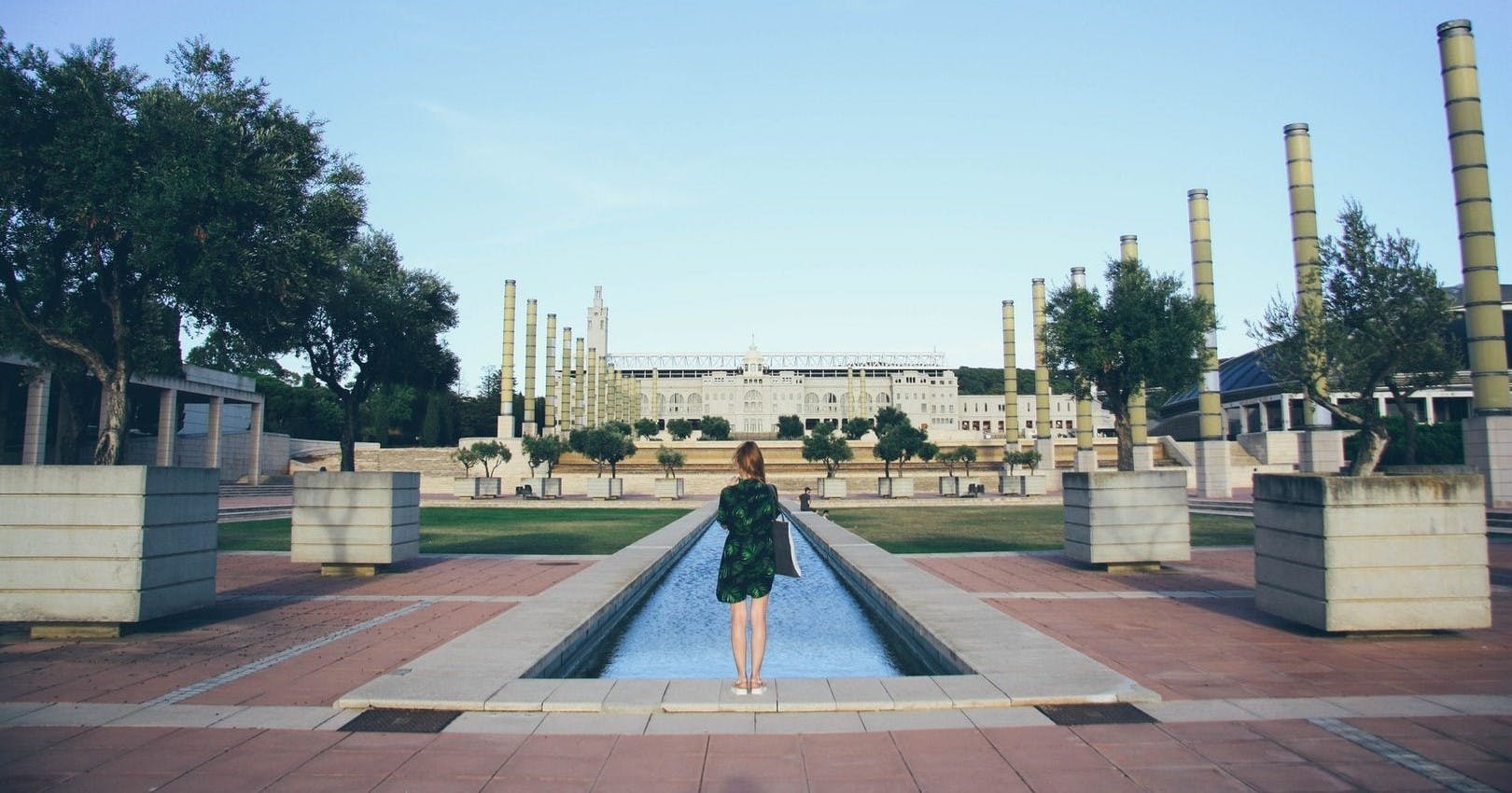
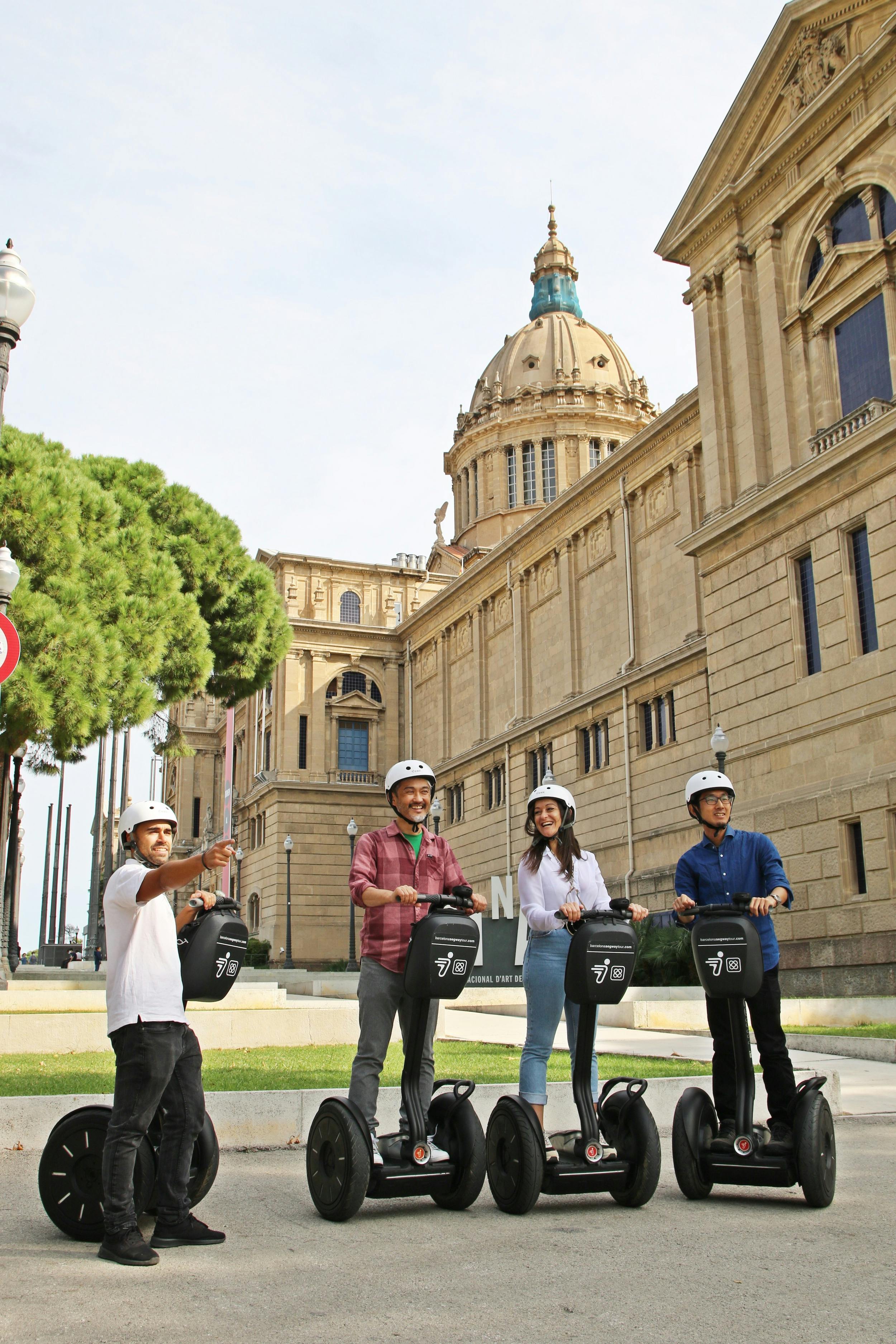
Discover Parc de Montjuïc self-guided in-app audio tour museums, galleries, landmarks, parks, food culture, and hidden gems with practical tips for an easy,
Sponsored Popular Items
Quick take: Musement.com offers a worldwide selection of tours and attractions
Parc De Montjuïc Self-Guided in-App Audio Tour - Self-Guided Experience Parc de Montjuïc self-guided in-app audio tour combines independent exploration with recorded commentary, allowing travellers to discover Barcelona at their own pace. Check current availability, inclusions and booking details before you go.
Why Visit Parc de Montjuïc self-guided in-app audio tour USD 18
Parc de Montjuïc self-guided in-app audio tour USD 18 blends history, culture, and everyday life in a way that rewards slow exploration. Travellers find a mix of museums, lively streets, and neighbourhood charm.
From landmark architecture to green spaces and local markets, the city offers a balanced itinerary for first-time visitors and repeat travellers alike.
History & Heritage Museums
Parc de Montjuïc self-guided in-app audio tour USD 18’s museums help you step through the region’s timeline with clear exhibits and well-curated collections. Expect artifacts, multimedia displays, and concise interpretation panels.
Most venues are walkable or connected by public transport, and many offer audio guides or rotating exhibitions that spotlight local stories alongside global context.
Art Galleries & Cultural Spaces
Creative hubs in Parc de Montjuïc self-guided in-app audio tour USD 18 highlight classical works, contemporary installations, and community projects under one skyline. Small studios sit alongside established galleries.
Look for temporary shows, evening openings, and cultural centres where workshops, talks, and performances make art approachable and engaging for all visitors.
Science & Innovation Centers
Interactive science spaces introduce technology, nature, and engineering through hands-on exhibits. Families appreciate zones designed for curious minds at different ages.
Expect live demos, observatories or labs, and special programming during weekends or holidays that turn complex ideas into memorable experiences.
Landmarks & Architecture
Parc de Montjuïc self-guided in-app audio tour USD 18 combines historic façades with modern silhouettes. Prominent squares, monuments, and skyline viewpoints help orient your footsteps across the city.
Architectural walks reveal different eras side by side, while guided tours unpack details you might otherwise miss, from craftsmanship to city-planning decisions.
Family Attractions
Parks with playgrounds, small zoos or aquariums, and light-touch museums make planning with kids straightforward. Many sites include cafés, shade, and stroller-friendly paths.
Pick attractions with short dwell times and nearby rest stops, then layer in one larger activity—like a scenic ride, boat trip, or theme exhibit—per day.
Parks & Promenades
Green belts, riverside walks, and hilltop lookouts provide fresh air between museum visits. Morning jogs and sunset strolls show a quieter side of the city.
Wayfinding is generally intuitive; look for signed trails and public gardens with seasonal blooms, sculptures, and benches for unhurried breaks.
Food & Culture Highlights
Food in Parc de Montjuïc self-guided in-app audio tour USD 18 reflects regional produce and neighbourhood traditions. Markets offer quick tastings, while casual eateries and bakeries keep schedules flexible.
Consider a short food walk to sample local staples, sweets, or street snacks. Reserve popular spots early for weekends and arrive mid-week for calmer dining rooms.
Local Favorites & Hidden Gems
Beyond main streets, residential quarters hide pocket parks, indie bookshops, and family-run cafés. Small museums and community theatres reward curious detours.
Chat with locals for tips on viewpoint alleys, quiet courtyards, and seasonal events—simple moments that often become the highlight of a visit.
Travel Tips
Use a reloadable transit card or day pass; many sights cluster by district, making it easy to group stops. Comfortable walking shoes are essential on mixed surfaces.
Check opening days and timed-entry policies, especially on Mondays and public holidays. Carry a refillable bottle and light layers for changeable weather.
Final Thoughts
Parc de Montjuïc self-guided in-app audio tour USD 18 invites you to balance headline attractions with slow, local moments. Pace your days, follow your interests, and give each neighbourhood time to breathe.
With thoughtful planning and an open schedule, you’ll leave with a clear sense of place—and reasons to return.
Sponsored Popular Items
Quick take: Musement.com offers a worldwide selection of tours and attractions
Parc De Montjuïc Self-Guided in-App Audio Tour - Self-Guided Experience Parc de Montjuïc self-guided in-app audio tour combines independent exploration with recorded commentary, allowing travellers to discover Barcelona at their own pace. Check current availability, inclusions and booking details before you go.
Lyon Parc de la Tête d’Or Guided Tour – Guided Tour France Guided Tour of Lyon's Parc de la Tête d'Or with a local guide is a convenient way to add structure, local context and purposeful sightseeing to the itinerary. Check current availability, inclusions and booking details before you go.