A visit to a Turkish bath (hammam) in Kemer is one of the most authentic and rejuvenating experiences you can enjoy on the Turkish Riviera. Combining centuries-old traditions with soothing wellness rituals, a hammam session prepares your body for a sun-soaked holiday while giving you a serene escape from the bustle of the beaches and resorts.
Step Inside a World of Warmth and Tradition
Hammams in Kemer typically begin in the warm room, a beautifully tiled space filled with gentle heat. The warm air helps loosen your muscles and opens your pores, preparing your skin for deeper cleansing. As you relax on the heated marble platform, the soft light and steam create an atmosphere that instantly melts away stress.
Foam, Scrub & Massage: The Classic Ritual
The highlight of any Turkish bath is the peeling (kese) scrub, performed by an experienced attendant. Using a traditional exfoliating mitt, they remove layers of dead skin, leaving your body incredibly smooth. It’s followed by a luxurious foam massage, where clouds of warm, soapy bubbles are worked into your skin using rhythmic, gentle movements.
Most hammams in Kemer also offer optional extras such as:
Aromatherapy oil massage
Clay or sea-mud mask
Sauna and steam room access
Jacuzzi relaxation
Why Try a Hammam in Kemer?
Ideal holiday warm-up: Locals swear by the hammam as the perfect preparation for tanning—your skin is left soft, clean, and refreshed.
Wellness benefits: Improved circulation, detoxification, and muscle relaxation make it perfect after active excursions or beach days.
Cultural experience: Hammams are an integral part of Turkish culture, blending hospitality, ritual, and relaxation in a warm, serene environment.
Accessible luxury: Hammams in Kemer are known for excellent service at affordable prices, making it easy to indulge.
What to Expect as a Visitor
Hammam experiences in Kemer are designed for comfort and simplicity. You’ll be guided through each stage, from the sauna and marble platform to the scrub and foam massage. Most packages include private changing rooms, lockers, and refreshments like herbal tea.
Whether you choose a traditional hammam or a modern spa-style setting, the ritual remains centered around rejuvenation, purification, and deep relaxation.
A Perfect Addition to Your Kemer Holiday
A Turkish bath is an excellent way to begin or end your trip. It helps you unwind after arrival, enhances your tan, and offers peaceful respite after outdoor activities such as visiting Phaselis, exploring canyons, or enjoying Kemer’s vibrant nightlife.
Relaxing, cultural, and unforgettable, a Kemer hammam visit is more than a treatment—it’s a timeless wellness experience that stays with you long after you leave.
Sponsored Popular Items
Quick take: Musement.com offers a worldwide selection of tours and attractions
Sunset Small-Group Deluxe Yacht Cruise from Kemer – Scenic Water Experience Turkey Gliding across the Mediterranean on a yacht with a chilled drink in hand and the sea breeze on your face has to be an all-time top holiday moment. Check current availability, inclusions and booking details before you go.
Full-Day Small-Group Deluxe Yacht Cruise from Kemer – Scenic Water Experience Turkey Hop aboard a luxury yacht and cruise along Kemer’s coastline for the day – it’s the perfect way to explore the Turkish Riviera without the usual crowds. Check current availability, inclusions and booking details before you go.
Kemer Scuba Diving for Beginners – Outdoor Adventure Turkey Kemer Scuba Diving for Beginners is for travellers who want movement, scenery and a more active element in their itinerary. Check current availability, inclusions and booking details before you go.
The Toronto Maple Leafs are one of the most storied and passionately supported teams in the National Hockey League (NHL). Founded in 1917, the Leafs are an Original Six franchise and an essential part of Toronto’s cultural identity. Whether you’re a lifelong hockey fan or a curious visitor to the city, attending a Maple Leafs game is an unforgettable experience—combining history, intensity, and pure Canadian spirit.
A Legacy Carved Into Hockey History
With more than a century of legacy behind them, the Maple Leafs boast a list of legendary players including Darryl Sittler, Mats Sundin, Johnny Bower, and Börje Salming. The team’s blue-and-white crest is instantly recognisable across Canada, symbolising not just a franchise but a national passion for the sport.
Though the team has faced a long championship drought since their last Stanley Cup win in 1967, the loyalty of Leafs Nation has never wavered. Home games are known for their electric atmosphere—fans filling the arena long before puck drop, singing, chanting, and celebrating every moment on the ice.
Scotiabank Arena – The Home of Leafs Nation
The Maple Leafs play at Scotiabank Arena, located in downtown Toronto near the waterfront. The venue is modern, energetic, and deeply connected to the city’s entertainment scene. Whether you’re sitting rinkside or watching from the upper bowl, the excitement is palpable. Massive screens, pumping music, and sold-out crowds create one of the best game-day environments in the NHL.
Outside, Maple Leaf Square fills with fans on game nights. Even without a ticket, you can soak in the energy as the game is broadcast live on giant outdoor screens.
Current Stars & Style of Play
The modern Maple Leafs lineup features some of the league’s most talented players. Known for speed, skill, and high-scoring gameplay, the Leafs consistently deliver thrilling on-ice action. Their battles with rivals like the Montreal Canadiens, Boston Bruins, and Ottawa Senators add even more intensity to the season.
A Must-See Toronto Experience
Whether you’re visiting Toronto for the first time or returning as a dedicated fan, catching a Maple Leafs game is a quintessential local experience. The city comes alive on game nights, with bars and restaurants offering pre-game specials and fans wearing jerseys across the downtown core.
Between the team’s iconic history, passionate fanbase, and world-class arena, the Toronto Maple Leafs offer a sports experience that is deeply woven into the fabric of Canadian culture.
Sponsored Popular Items
Quick take: Musement.com offers a worldwide selection of tours and attractions
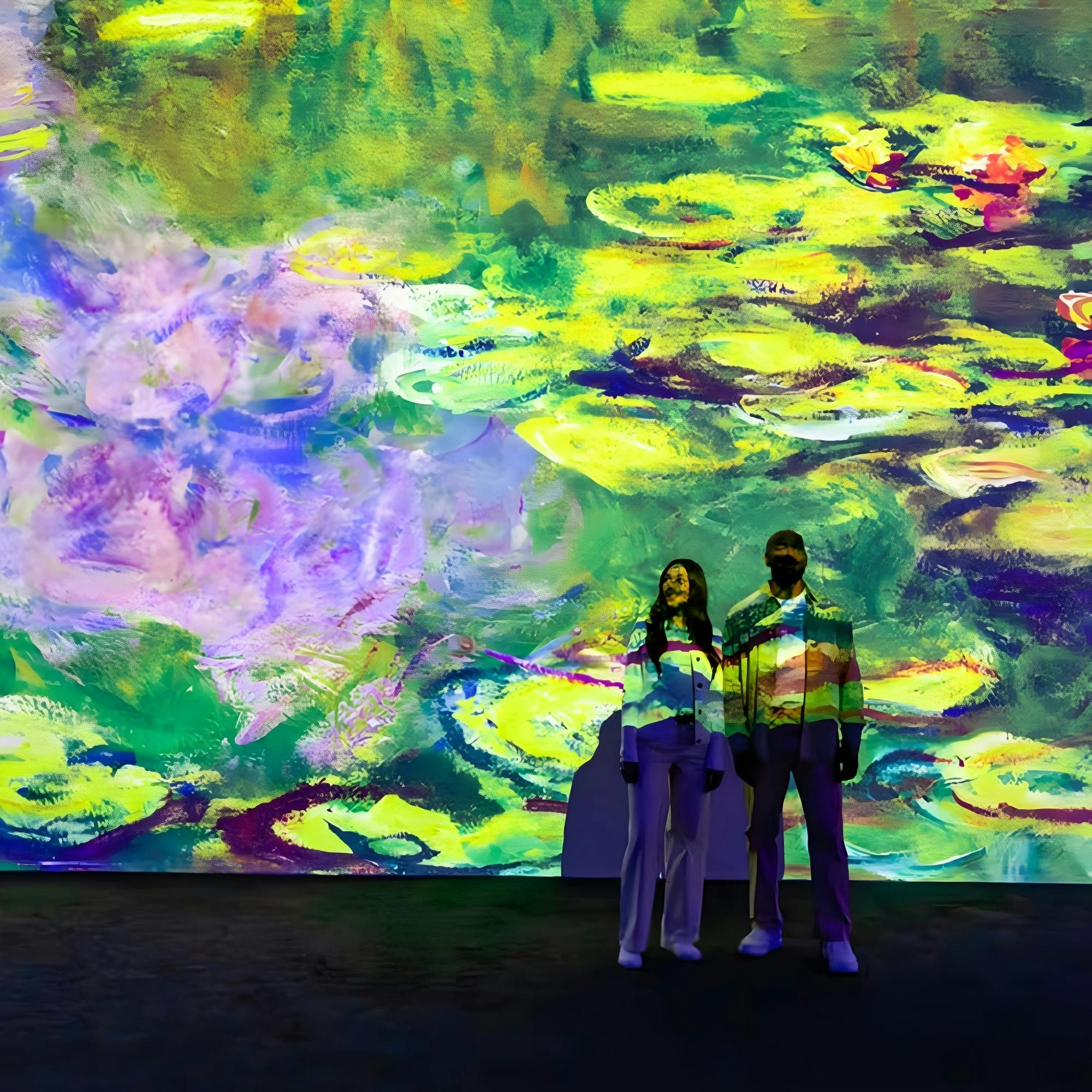
Ticket to Monet: The Immersive Experience in Toronto Canada Plan Ticket to Monet: The Immersive Experience in Toronto, a ticket or attraction experience, with practical tips on timing, inclusions and what to check before booking. Compare current availability, prices and booking conditions before you go.
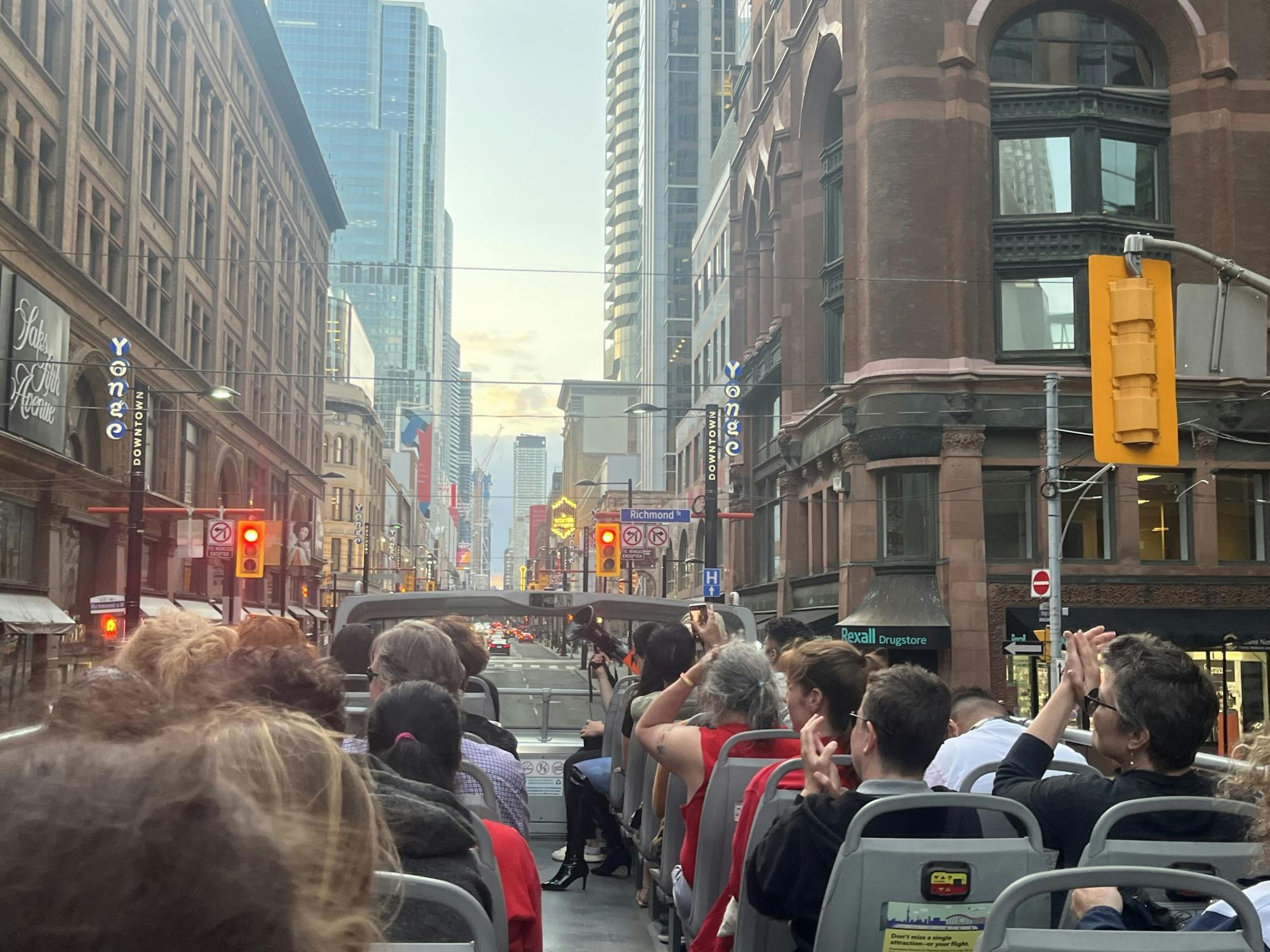
City Sightseeing Night Bus Tour of Toronto Canada Plan City Sightseeing Night Bus Tour of Toronto, a guided sightseeing experience, with practical tips on timing, inclusions and what to check before booking. Compare current availability, prices and booking conditions before you go.
Niagara Falls Self-Guided Driving Tour from Toronto Canada Self-Guided Driving Tour of Niagara Falls from Toronto GBP 13 supports independent exploration with structured digital guidance. Check current availability, inclusions and booking details before you go.
The San Diego Zoo is one of the world’s most celebrated wildlife parks, renowned for its innovative exhibits, lush botanical collection, and global leadership in conservation. Located in Balboa Park, this 100-acre zoo is home to more than 12,000 animals representing over 650 species—many of them rare, endangered, or seldom seen anywhere else.
Unlike traditional zoos, the San Diego Zoo pioneered the concept of open, naturalistic habitats, giving visitors the chance to observe animals as they would behave in the wild. From misty rainforests to arid savannahs, each habitat is carefully designed to immerse you in the animal’s world.
Exhibit Highlights
Africa Rocks A sweeping exhibit that showcases Africa’s diverse ecosystems—watch penguins swim in crystal-clear waters, see leopards perch above rocky cliffs, and observe playful lemurs in lush forest settings.
Panda Canyon (Historic Area) While giant pandas have returned to China, this area remains one of the zoo’s most beloved spaces and features rotating animals and conservation displays connected to the zoo’s long-standing panda research.
Elephant Odyssey A dramatic exhibit that blends prehistoric California with the present, featuring elephants, lions, jaguars, California condors, and hands-on fossil dig sites.
Lost Forest A beautiful maze of elevated walkways, treehouses, lush canopies, and winding paths where tigers, gorillas, hippos, and monkeys coexist in rainforest-inspired surroundings.
Aviaries & Botanical Gardens The zoo is also a botanical wonder, with more than 700,000 plants. Immersive aviaries allow you to walk among colourful birds in tropical environments.
Experiences & Activities
Guided Bus Tour – A 35-minute tour that’s perfect for first-time visitors, offering a quick overview of major highlights.
Skyfari Aerial Tram – Enjoy sweeping aerial views of Balboa Park and the zoo’s lush treetops.
Wildlife Presentations – Educational shows and up-close encounters that introduce you to animal ambassadors.
Behind-the-Scenes Tours – Special access experiences where you can meet keepers, learn about conservation, and see animals from exclusive viewing areas.
A Leader in Global Conservation
The San Diego Zoo is operated by San Diego Zoo Wildlife Alliance, a global nonprofit known for its work in wildlife health, habitat protection, and species recovery programs. The zoo’s research has played a vital role in securing the future of species like the California condor, African rhino, and giant panda.
Why Visit the San Diego Zoo?
Whether you’re travelling solo, visiting with kids, or exploring Balboa Park for the first time, the zoo offers a full-day experience of learning, exploration, and unforgettable wildlife encounters. It’s no surprise that it’s consistently ranked among the best zoos in the world.
Sponsored Popular Items
Quick take: Musement.com offers a worldwide selection of tours and attractions
Manila: Baluarte de San Diego & Battles for the City Philippines Step into Baluarte de San Diego, a 16th-century Spanish fortification. Explore its ruins, artillery defenses, and the conflicts that shaped Manila through centuries of colonial rivalry
San Diego Gaslamp Quarter Food Tour with Six Tastings United States Plan San Diego Gaslamp Quarter Food Tour with Six Tastings, a food and drink experience, with practical tips on timing, inclusions and what to check before booking. Compare current availability, prices and booking conditions before you go.
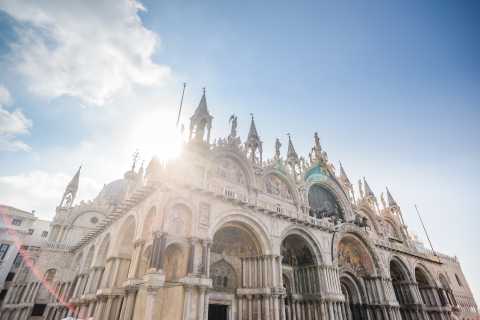
The Carnival of Venice (Carnevale di Venezia) is one of the world’s most enchanting and theatrical festivals—a dazzling celebration where history, artistry, and mystery collide beneath ornate masks and shimmering costumes. Held annually in the weeks leading up to Lent, the carnival transforms Venice into a living stage, inviting visitors to step into a world of Baroque splendour, masquerade balls, and timeless rituals.
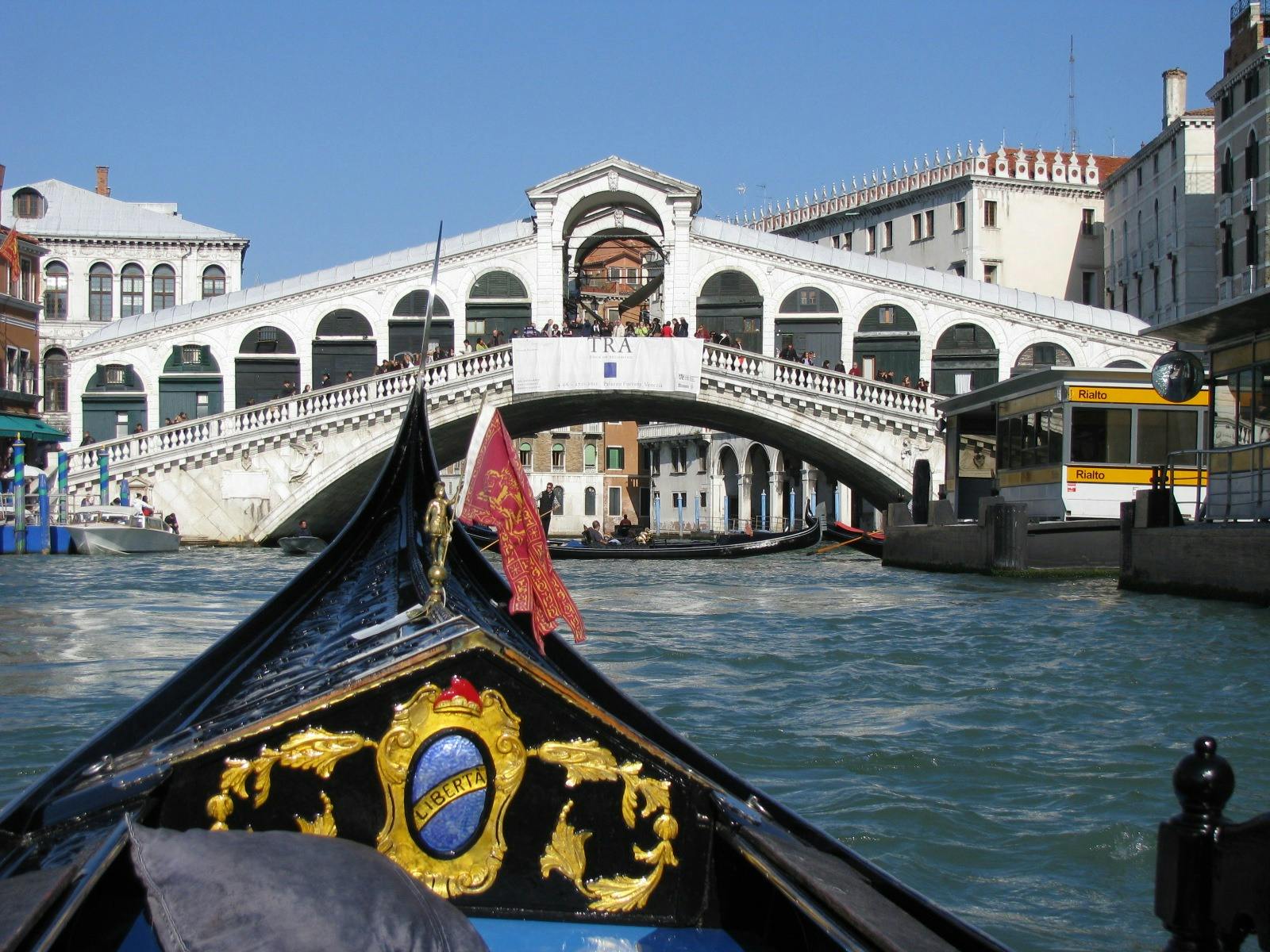
For centuries, Venetians used masks to dissolve social boundaries, allowing nobles, merchants, artists, and travellers to mingle freely in the labyrinth of canals and piazzas. Today, that spirit of anonymity and freedom lives on. As you wander through St. Mark’s Square, the Rialto, or the quieter corners of Cannaregio, you’ll encounter elaborately costumed figures posing against the city’s romantic architecture—often too breathtaking to be real.
Highlights of the Carnival include:
The Flight of the Angel (Volo dell’Angelo)
One of the festival’s most iconic events, where a costumed “angel” descends from the bell tower of St. Mark’s Basilica, symbolically opening the celebrations.
Masked Balls
Elegant, historic, and often held in private palazzos, these events offer a chance to experience the carnival’s glamorous essence—complete with candlelit banquets, live performances, and period music.
Street Performances & Parades
Jugglers, musicians, acrobats, and actors fill Venetian squares, bringing the city’s theatrical traditions to life.
The Best Mask Contests
Intricate masks and handcrafted costumes compete for the title of “La Maschera più Bella” (The Most Beautiful Mask), judged by artists and designers.
Wandering the City
Perhaps the true magic of Carnevale lies in simply strolling through Venice’s winding calli, watching reflections of colourful costumes dance across the canals.
Beyond its visual splendour, the Carnival of Venice is a celebration of creativity and heritage—a festival that preserves centuries-old craftsmanship and invites participants to become part of a grand, living artwork.
Whether you’re attending a lavish masquerade ball, photographing costumed performers at sunrise, or simply soaking in the festive atmosphere, the Carnival of Venice offers an experience that feels timeless, dreamlike, and utterly unforgettable.
Sponsored Popular Items
Quick take: Musement.com offers a worldwide selection of tours and attractions
Venice: Gondola tours Italy Book the most popular Gondola tours in Venice. Best price and money back guarantee! Read the reviews of your fellow travelers.
Venice Rialto Bridge Luggage Storage Italy Plan Venice Rialto Bridge Luggage Storage, a travel service, with practical tips on timing, inclusions and what to check before booking. Compare current availability, prices and booking conditions before you go.
Venice guided excursion From Verona with boat trip Italy Plan Venice guided excursion From Verona with boat trip, a water-based experience, with practical tips on timing, inclusions and what to check before booking. Compare current availability, prices and booking conditions before you go.
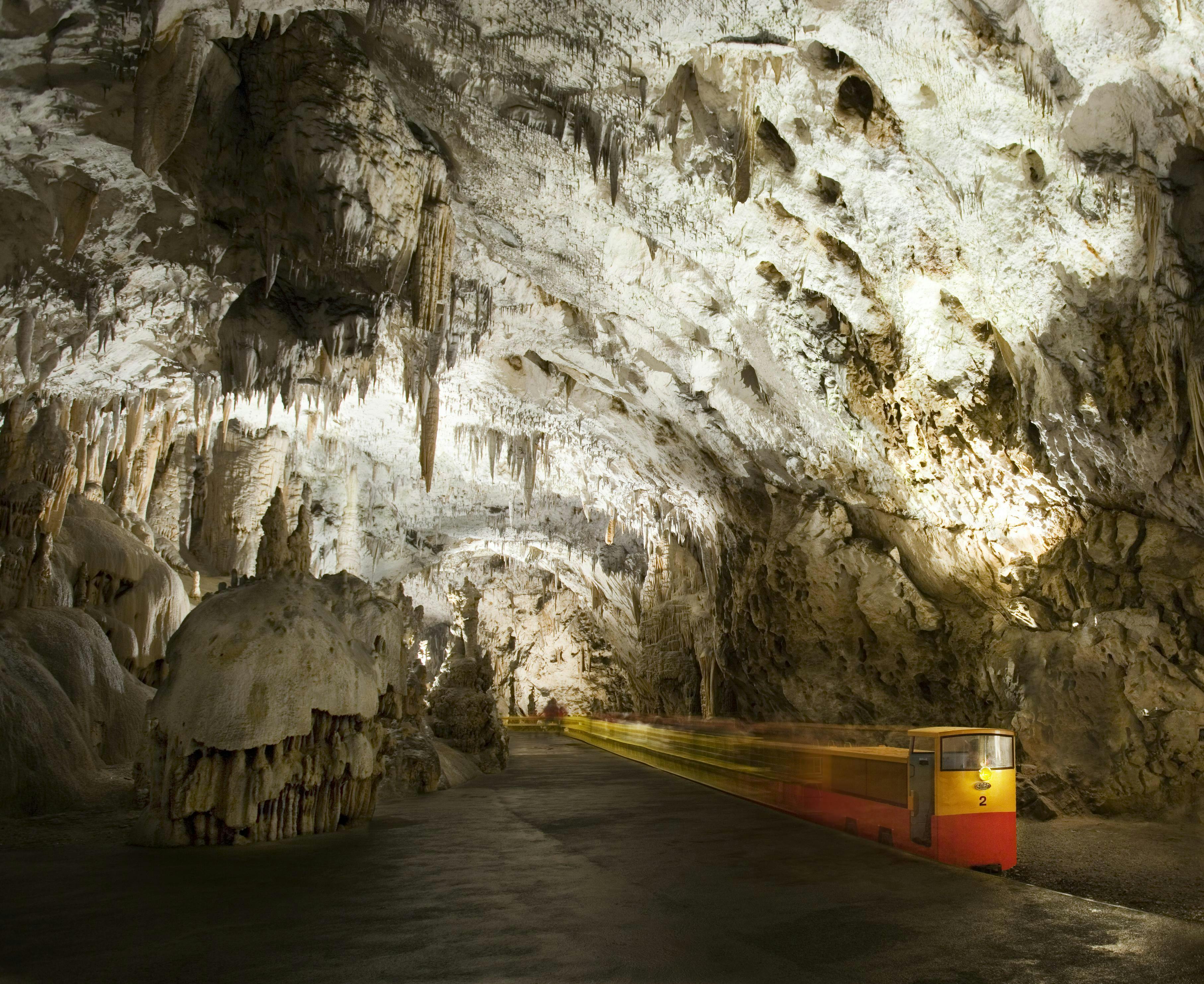
The Postojna Cave system is one of Slovenia’s most breathtaking natural wonders and one of the most impressive karst cave networks in the world. Stretching over 24 kilometres, this underground labyrinth offers an unforgettable journey through soaring chambers, sculpted rock formations, and a subterranean ecosystem unlike anywhere else on Earth.
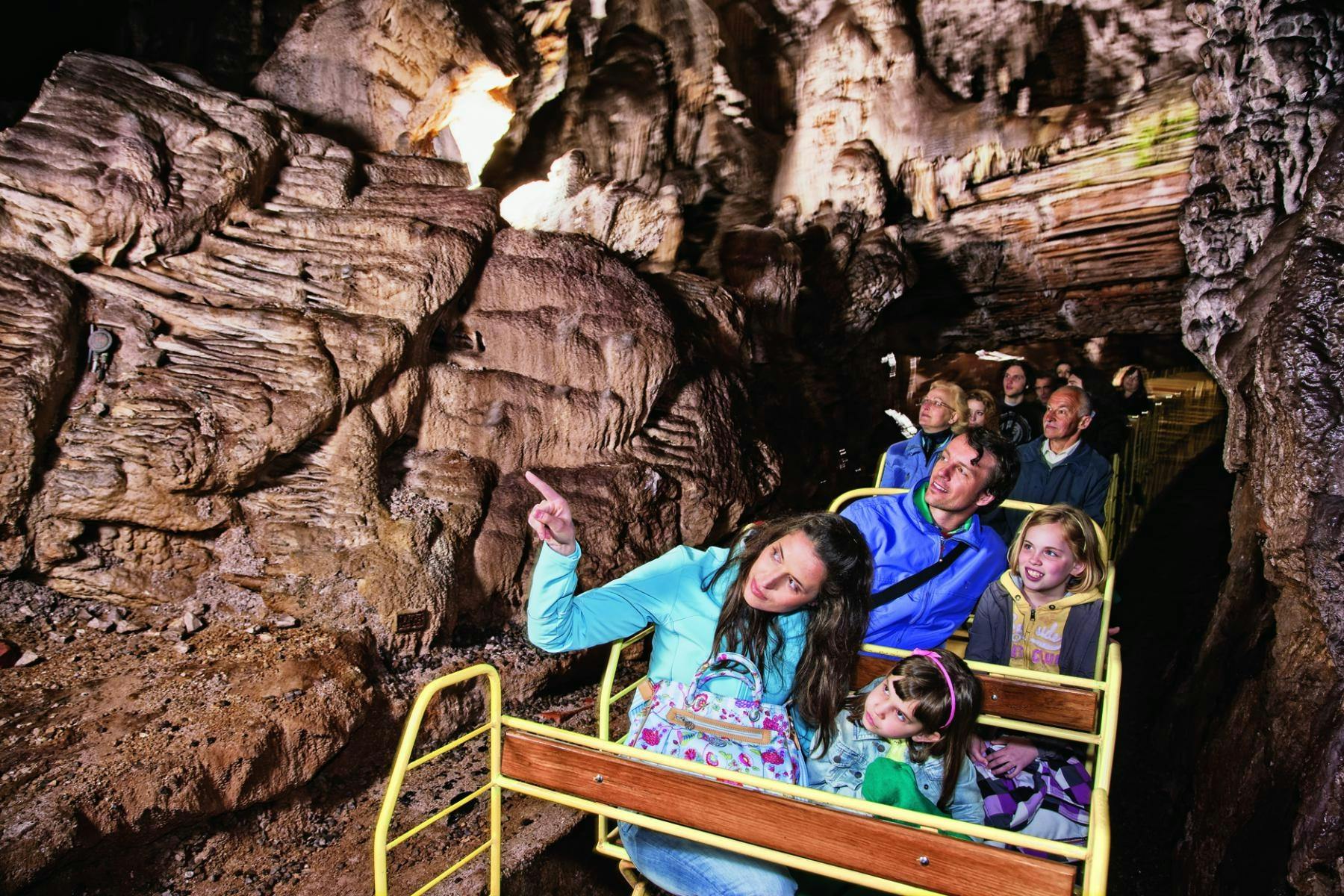
Your adventure begins with a thrilling open-air underground train ride—a signature feature of Postojna Cave. The electric train glides through massive caverns illuminated to reveal stalactites and stalagmites that have been forming for millions of years. The scale is astonishing: cathedral-like spaces, glittering mineral curtains, and stone columns shaped by nature’s slow artistry.
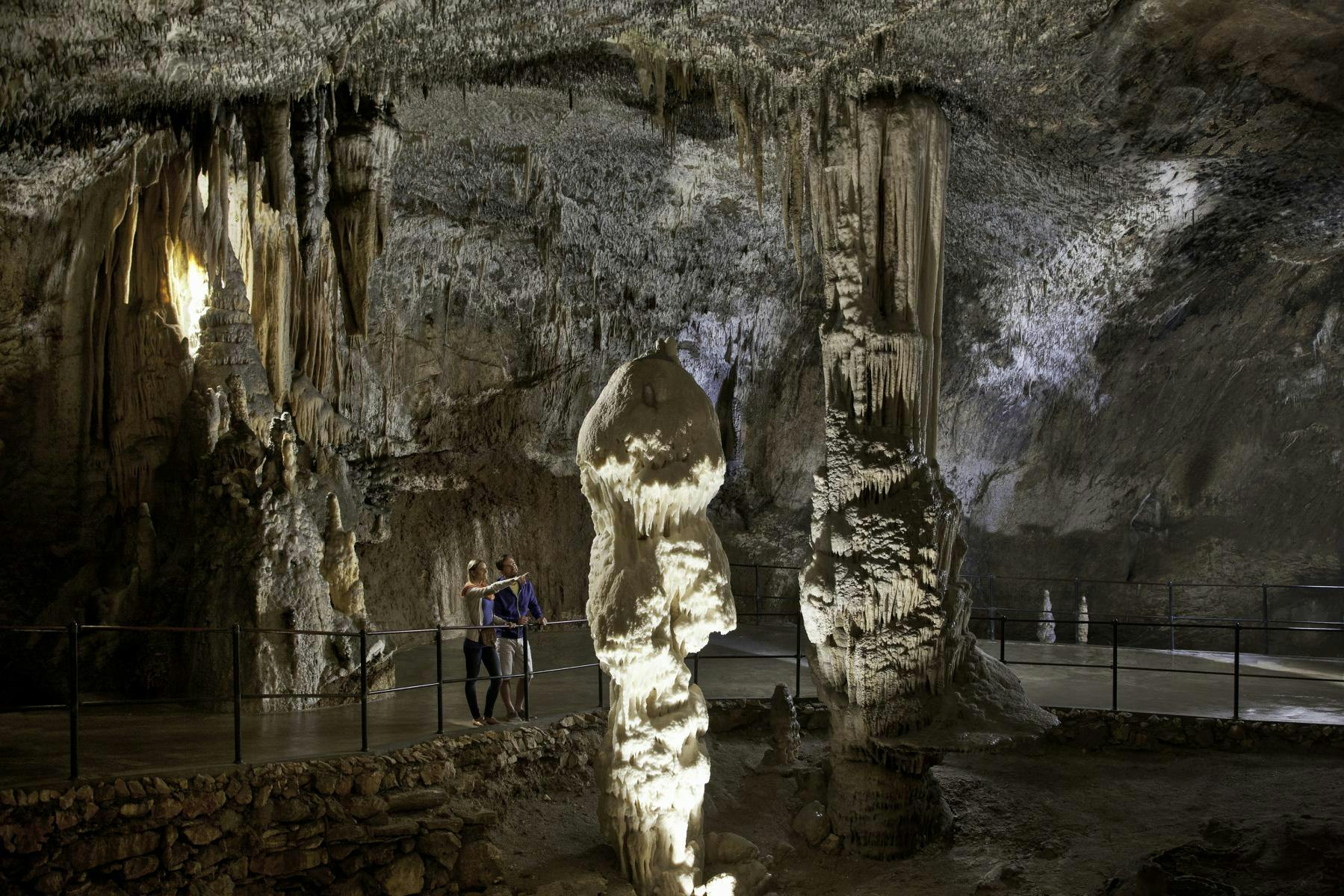
After the train ride, visitors continue on foot through pathways that wind past some of the cave’s most iconic formations. Highlights include:
The Spaghetti Hall – thousands of thin, delicate mineral threads that resemble hanging pasta
The White Hall – known for its brilliant snow-white stalactites
Brilliant Stalagnate – the cave’s most famous formation, a shining white column that has become the symbol of Postojna
One of the cave’s most fascinating inhabitants is the olm, or “baby dragon” as locals call it. This rare amphibian lives in the deep karst waters and can survive for years without food. Postojna Cave is home to a protected population, and you can learn about their biology, legends, and conservation efforts at the onsite exhibition.
The Postojna Cave system is also part of Slovenia’s remarkable karst landscape, formed over millions of years. The combination of underground rivers, limestone formations, and layered chambers makes it a global geological treasure.
Many travellers pair a visit to Postojna Cave with the nearby Predjama Castle, just 15 minutes away. Together, they create one of Slovenia’s most iconic day trips, blending underground marvels with dramatic medieval history.
Whether you’re a nature enthusiast, a family traveller, or simply someone in search of unforgettable scenery, Postojna Cave offers an experience that feels both otherworldly and deeply inspiring.
Sponsored Popular Items
Quick take: Musement.com offers a worldwide selection of tours and attractions
Lake Bled and Postojna Cave full-day tour from Ljubljana Slovenia Plan Lake Bled and Postojna Cave full-day tour from Ljubljana, a guided sightseeing experience, with practical tips on timing, inclusions and what to check before booking. Compare current availability, prices and booking conditions before you go.
Postojna Cave and Predjama Castle tour from Ljubljana Slovenia Plan Postojna Cave and Predjama Castle tour from Ljubljana, a guided sightseeing experience, with practical tips on timing, inclusions and what to check before booking. Compare current availability, prices and booking conditions before you go.
Predjama Castle & Postojna Cave Guided Tour from Ljubljana Slovenia Predjama Castle Predjama Castle and Postojna Caves Tour Postojna Caves Tour is a convenient way to add structure, local context and purposeful sightseeing to the itinerary. Check current availability, inclusions and booking details before you go.
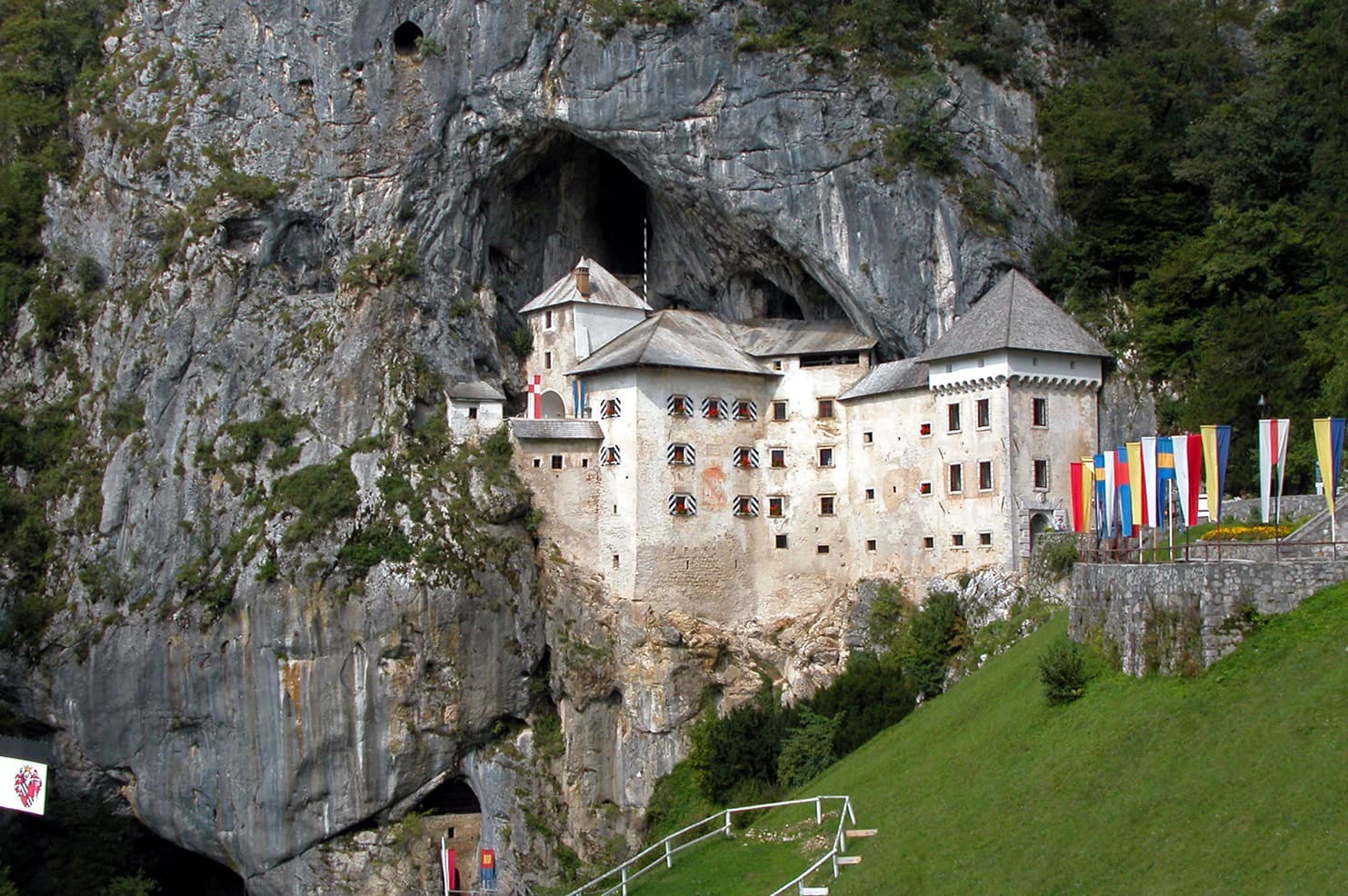
Predjama Castle is one of Slovenia’s most extraordinary landmarks—a dramatic medieval fortress built directly into the mouth of a towering 123-metre cliff. Perched above a hidden karst world of caves and tunnels, the castle appears almost mythical, blending seamlessly with the rocky landscape. It feels more like the setting of a fantasy epic than a real place you can explore.
The castle’s foundations date back more than 800 years, but its most famous story belongs to the 15th century knight Erazem Lueger (Erasmus of Lueg), a rebellious nobleman who used Predjama as his stronghold. Thanks to a secret cave system behind the fortress, he was able to withstand a siege for months—smuggling food and supplies through underground passages while his enemies waited below. His daring legend is central to the castle’s identity, and the rooms you explore still echo with tales of medieval battles, romance, and resistance.
Inside, the castle is a fascinating mix of living quarters, lookout points, a dungeon, and a knight’s hall, all adapted ingeniously to the cliff. From narrow staircases carved into stone to wooden balconies offering sweeping valley views, every corner reveals how people once lived in this remarkable vertical fortress.
Below Predjama Castle lies the Predjama Cave, part of the vast Postojna Cave system. During summer months, you can visit the lower cave and even see the resident colony of bats, depending on the season.
Predjama Castle is often combined with a visit to Postojna Cave, making for one of Slovenia’s most impressive sightseeing days—pairing a world-class cave system with one of the most unique castles on Earth.
Sponsored Popular Items
Quick take: Musement.com offers a worldwide selection of tours and attractions
Postojna Cave and Predjama Castle tour from Ljubljana Slovenia Plan Postojna Cave and Predjama Castle tour from Ljubljana, a guided sightseeing experience, with practical tips on timing, inclusions and what to check before booking. Compare current availability, prices and booking conditions before you go.
Predjama Castle & Postojna Cave Guided Tour from Ljubljana Slovenia Predjama Castle Predjama Castle and Postojna Caves Tour Postojna Caves Tour is a convenient way to add structure, local context and purposeful sightseeing to the itinerary. Check current availability, inclusions and booking details before you go.
Postojna Cave & Predjama Castle Guided Tour Slovenia Postojna Cave and Predjama Castle - Underground treasures and legends is a convenient way to add structure, local context and purposeful sightseeing to the itinerary. Check current availability, inclusions and booking details before you go.
Morning: Begin your Ljubljana adventure at Prešeren Square, the city’s lively central hub. Admire the iconic pink Franciscan Church and wander into the Old Town’s charming pedestrian streets filled with boutique shops, cafés, and historic façades.
Midday: Ride the funicular up to Ljubljana Castle. Spend time exploring the courtyards, medieval towers, exhibitions, and the Puppet Museum. Don’t miss the panoramic viewpoints overlooking the river and rooftops.
Lunch: Enjoy a traditional Slovenian meal at Gostilna na Gradu, located near the castle and known for authentic regional flavours.
Afternoon: Stroll along both sides of the Ljubljanica River. Cross the city’s most iconic bridges—the Triple Bridge, Dragon Bridge, and Butchers’ Bridge—and explore the surrounding lanes at a relaxed pace.
Evening: Dine at one of the riverside terraces and enjoy the golden-hour glow reflected on the water.
Day 2 – Markets, Parks & Culture
Morning: Start your day at the Central Market, sampling fresh pastries, local honey, fruit, and cheeses. Then enjoy a coffee along Cankarjevo Nabrežje, one of the city’s prettiest riverside promenades.
Midday: Head to Tivoli Park for a leisurely stroll. This vast green space offers sculpture walks, tree-lined avenues, and peaceful gardens. Nearby museums—like the Museum of Modern Art or the City Museum—are perfect for culture lovers.
Afternoon: If you’re visiting on a Friday from spring to autumn, check out Odprta Kuhna, Ljubljana’s famous open-air food market. Alternatively, visit the Museum of Illusions or the Botanical Garden.
Evening: Explore the vibrant Metelkova art district, filled with murals, quirky installations, and a lively nightlife scene.
Day 3 – River & Culinary Delights
Morning: Start with a peaceful boat cruise along the Ljubljanica River or rent a stand-up paddleboard for a calm glide through the heart of the city.
Midday: Treat yourself to Ljubljana’s culinary highlights—Michelin-listed spots or beloved local eateries like Tri Marije, Pekarna Osem, or other creative dining venues.
Afternoon: Visit the National Gallery to explore Slovenia’s classical art, or choose the Museum of Architecture & Design for an alternative cultural experience.
Evening: Round off the day with wine or craft drinks at Wine Bar Šuklje, Lajbah, or another stylish local bar.
Day 4 – Day Trip or Hidden Gems
Option A – Day Trip: Escape the city for iconic Slovenian destinations:
Lake Bled – A postcard-perfect lake with a church on an island.
Škocjan Caves – A dramatic UNESCO underground canyon.
Piran – A Venetian-style coastal town with Mediterranean charm.
Option B – Hidden Gems: Stay local and explore more of Ljubljana. Visit the Zoo, climb Šmarna Gora for sweeping views, or dive deeper into museums you may have missed, such as the City Museum or the Museum of Illusions.
This four-day plan blends culture, nature, food, and local discoveries, offering a perfect introduction to Ljubljana at a relaxed and enjoyable pace.
Sponsored Popular Items
Quick take: Musement.com offers a worldwide selection of tours and attractions
Ljubljana Art and Architecture Guided Walking Tour Slovenia Plan Ljubljana Art and Architecture Guided Walking Tour, a outdoor experience, with practical tips on timing, inclusions and what to check before booking. Compare current availability, prices and booking conditions before you go.
Ljubljana guided food tour Slovenia Plan Ljubljana guided food tour, a food and drink experience, with practical tips on timing, inclusions and what to check before booking. Compare current availability, prices and booking conditions before you go.
Ljubljana is a charming and walkable European capital known for its medieval castle, iconic bridges, riverside cafés, vibrant squares, creative food culture, and easy access to unforgettable day trips like Lake Bled and the Škocjan Caves. This guide highlights the top things to do, from exploring Old Town to discovering local markets, parks, and cultural districts.
Quick Facts:
Country: Slovenia
Best for: First-time visitors, food lovers, culture seekers, slow travellers
Top Sites: Ljubljana Castle, Triple Bridge, Dragon Bridge, Tivoli Park
Vibe: Romantic, relaxed, artistic, eco-friendly
Perfect For: Couples, families, solo travellers
Best Time to Visit: April–October
Getting Around: Mostly pedestrian; easy to explore on foot or bicycle
Popular Day Trips: Lake Bled, Lake Bohinj, Škocjan Caves, Piran
FAQ
Q: Is Ljubljana easy to explore in one day? Yes. The historic center is compact and walkable, making it ideal for short visits or slow-paced exploring.
Q: How do I get to Ljubljana Castle? You can walk up one of the forested paths or ride the funicular from Krek Square for quick access and great views.
Q: Is Ljubljana expensive? Compared to other European capitals, Ljubljana is very affordable, especially for dining and activities.
Q: What foods should I try? Try local dishes such as štruklji, Carniolan sausage, and fresh pastries from the Central Market.
Q: Is Ljubljana safe for tourists? Extremely safe—Slovenia consistently ranks among Europe’s safest countries.
Q: Can I visit Lake Bled from Ljubljana? Yes, it’s a popular day trip—just 45 minutes away by car or bus.
What to Do in Ljubljana: Highlights of Slovenia’s Charming Capital
Ljubljana blends medieval charm with modern creativity, making it one of Europe’s most delightful small capitals. With scenic riverfronts, iconic bridges, a hilltop castle, and a lively café culture, the city invites you to explore at a relaxed pace while discovering its architectural treasures and cultural landmarks.
Ljubljana Castle
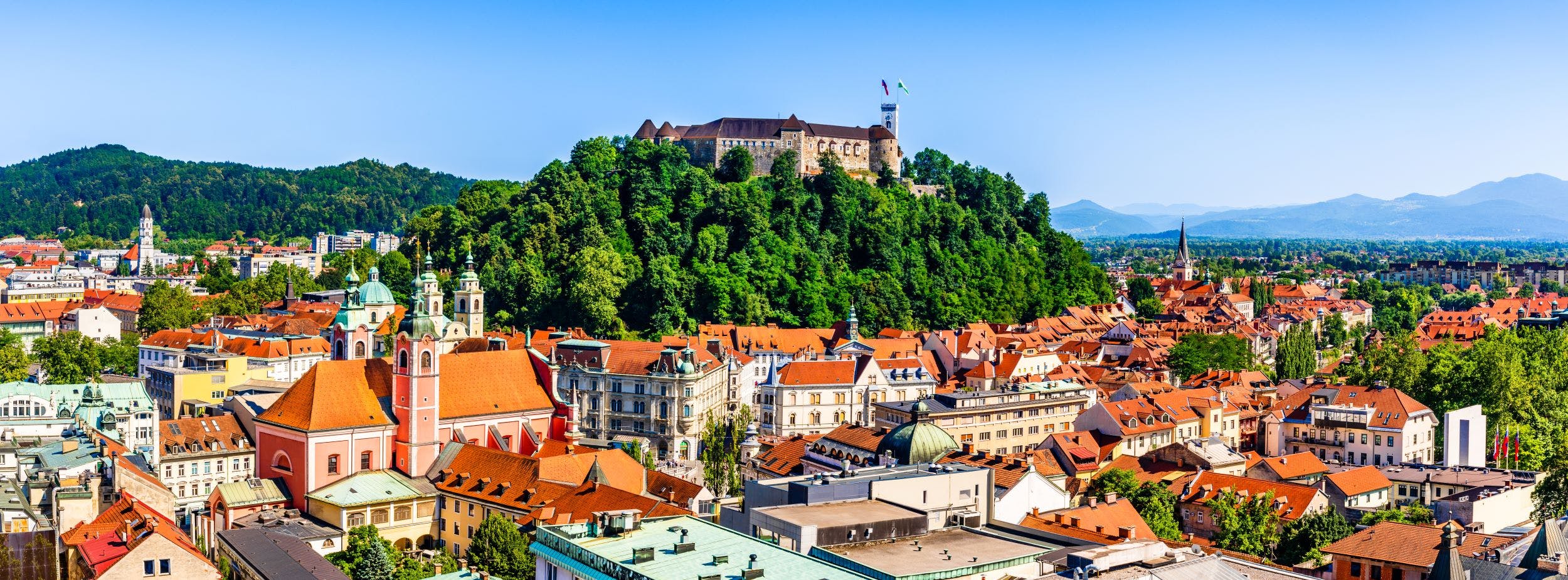
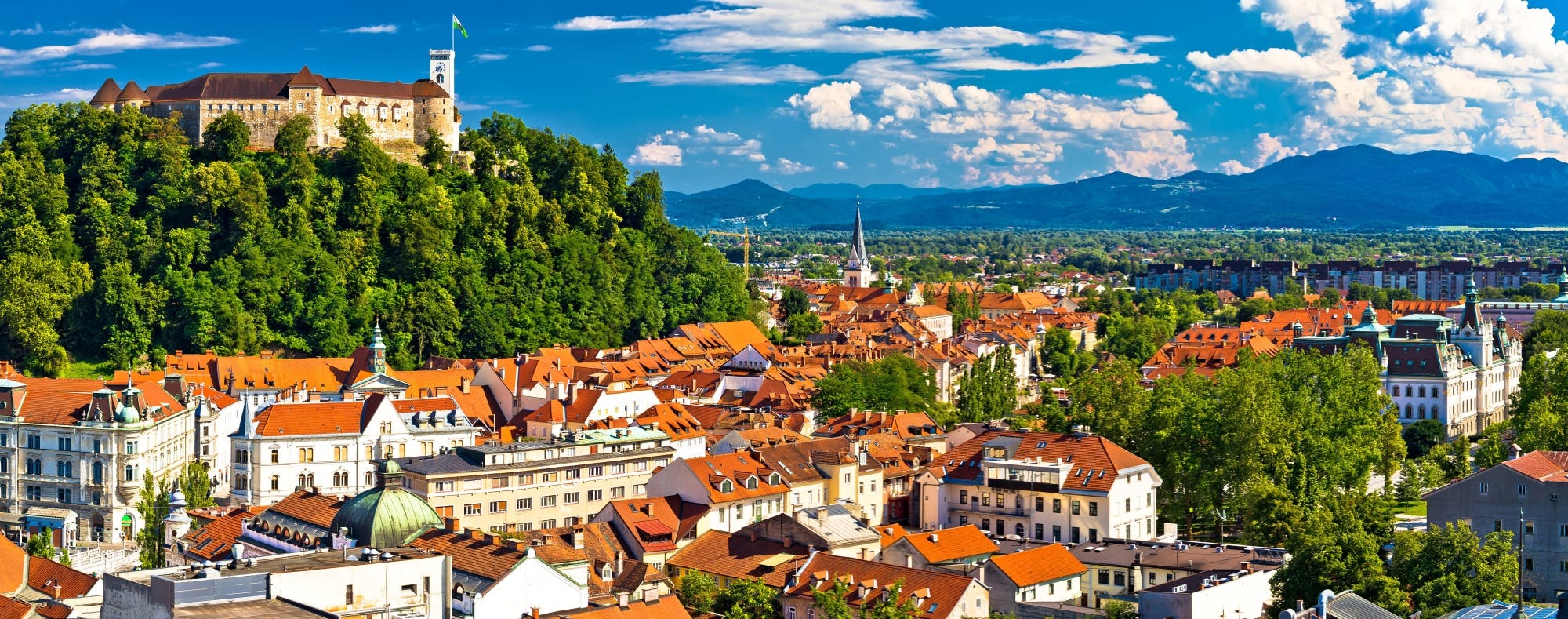
Perched on Castle Hill, Ljubljana Castle is the city’s most recognisable landmark. Reach it by funicular or walk through the wooded paths for picturesque views. Explore the medieval towers, exhibitions, and the Puppet Museum while enjoying panoramic views of the city and distant mountains.
Old Town & Riverfront Strolls
The Old Town is a pedestrian-friendly haven filled with historic buildings, boutique shops, and charming cafés. Strolling along the Ljubljanica River is one of the best ways to experience the city, especially at dusk when the riverside lights glow warmly.
Iconic Bridges
Triple Bridge (Tromostovje): Designed by Jože Plečnik, this architectural gem is one of Ljubljana’s most beloved landmarks.
Dragon Bridge: Decorated with dramatic dragon statues, symbolizing strength and serving as the emblem of the city.
Butchers’ Bridge: A modern pedestrian bridge known for its love locks, sculptural artwork, and glass floor panels offering unique river views.
Prešeren Square
At the heart of the city lies Prešeren Square, a lively hub framed by striking buildings and dominated by the pink Franciscan Church. It’s an ideal spot for people-watching, photos, and soaking up the city atmosphere.
Tivoli Park
Ljubljana’s green lung, Tivoli Park, is perfect for peaceful strolls, cycling, picnics, or enjoying outdoor exhibitions. Its manicured lawns and serene pathways make it the favourite escape for locals.
Central Market
The Central Market offers a vibrant mix of fresh produce, local cheeses, honey, pastries, and traditional Slovenian treats. Designed partly by Plečnik, it’s a great place to sample regional flavours and enjoy Ljubljana’s daily rhythm.
Food & Dining
Ljubljana boasts a creative culinary scene. Savour modern tasting menus at Monstera, tapas-style dining at TaBar, or enjoy wine bars like Šuklje. Street-food stalls, cosy cafés, and riverside terraces make dining a delightful part of the city experience.
Metelkova Art District
A colourful cluster of murals, sculptures, and underground clubs, Metelkova is Ljubljana’s alternative cultural hub. This former military barracks has been transformed into one of Europe’s most vibrant counterculture districts.
River Activities
See Ljubljana from a new angle with a relaxing river cruise or try stand-up paddleboarding (SUP) along the Ljubljanica. Both offer serene views of the bridges and riverside architecture.
Day Trips
Ljubljana’s central location makes it the perfect base for exploring Slovenia:
Lake Bled – An iconic alpine lake with an island church.
Lake Bohinj – Peaceful, pristine, and surrounded by mountains.
Škocjan Caves – A UNESCO World Heritage underground canyon.
Piran – A photogenic coastal town with Venetian charm.
Whether you’re into history, food, architecture, or nature, Ljubljana offers a relaxing yet enriching city escape.
Sponsored Popular Items
Quick take: Musement.com offers a worldwide selection of tours and attractions
Ljubljana Art and Architecture Guided Walking Tour Slovenia Plan Ljubljana Art and Architecture Guided Walking Tour, a outdoor experience, with practical tips on timing, inclusions and what to check before booking. Compare current availability, prices and booking conditions before you go.
Ljubljana guided food tour Slovenia Plan Ljubljana guided food tour, a food and drink experience, with practical tips on timing, inclusions and what to check before booking. Compare current availability, prices and booking conditions before you go.
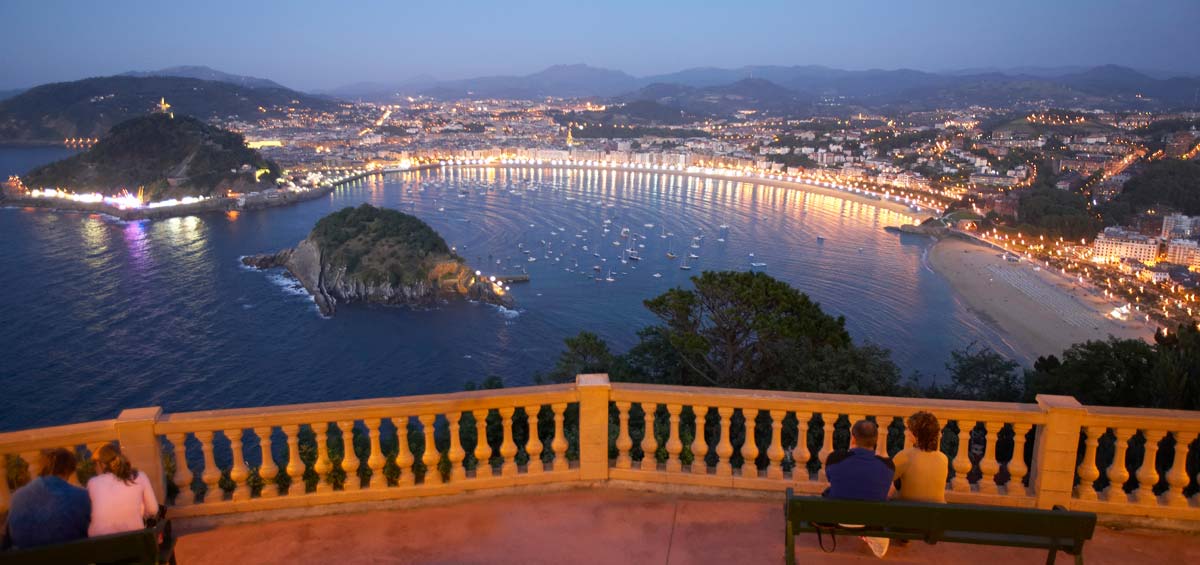
Set on Spain’s northern coast, San Sebastián (Basque: Donostia) is a city where elegant seaside charm meets culinary excellence. Nestled between green hills and the blue Bay of Biscay, it’s famed for its golden beaches, Michelin-starred dining, and lively Basque culture. Whether you’re here to surf, stroll, or savour, San Sebastián promises a feast for every sense.
Why Visit
World-Class Beachfront: The iconic crescent-shaped La Concha Beach is often named among Europe’s most beautiful urban beaches.
Culinary Capital: With one of the highest concentrations of Michelin-starred restaurants per capita, it’s a paradise for food lovers and pintxo enthusiasts alike.
Compact & Walkable: The city’s scale makes it easy to explore on foot — from the old town’s narrow lanes to the sweeping seafront promenade.
Basque Identity: San Sebastián blends modern Spanish flair with a strong regional heritage of language, art, and gastronomy.
Things to Do & See
1. Stroll La Concha Promenade
La Concha Bay – a graceful arc of sand and sea framed by mountains, perfect for swimming or scenic walks.
Start your day with a walk along the elegant Paseo de la Concha. Locals jog, swim, or cycle along the promenade that hugs the golden beach. The views across the bay toward Santa Clara Island and the green hills of Monte Urgull are timeless and serene.
2. Explore the Old Town (Parte Vieja)
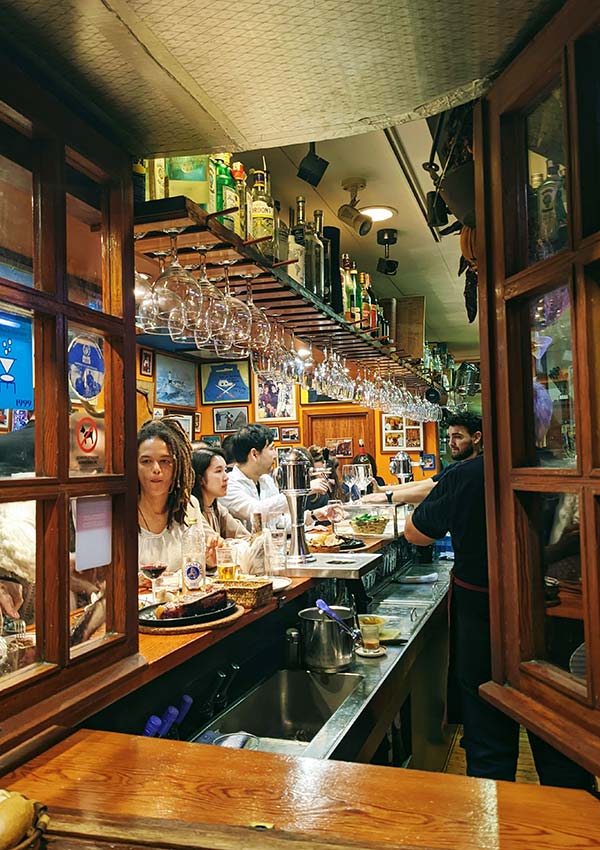
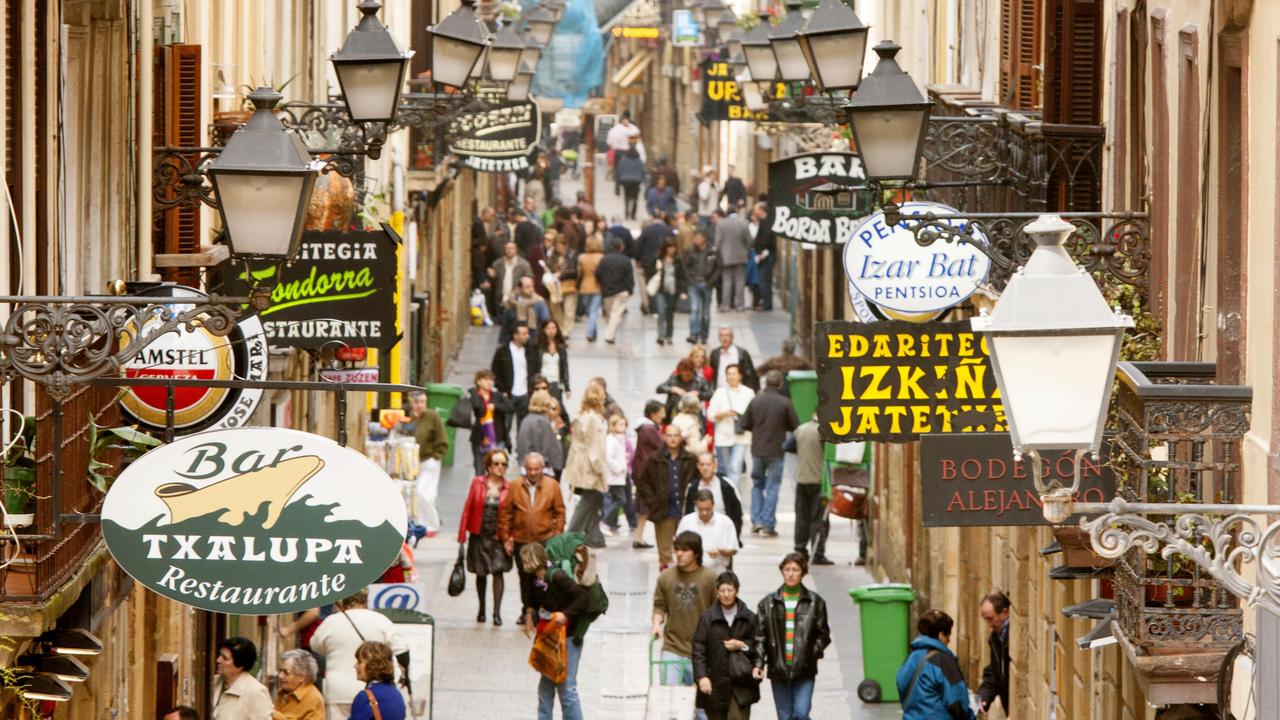
The Old Town buzzes with life — bars overflowing with colourful pintxos and laughter spilling into the narrow streets.
The Parte Vieja is the beating heart of San Sebastián. Narrow cobblestone alleys are packed with lively bars serving pintxos — small Basque tapas often skewered with toothpicks. Try classics like gilda (anchovy, olive, and pepper) or modern creations paired with local Txakoli wine. The atmosphere here is social, spontaneous, and unmistakably Basque.
3. Take in the Views from Monte Urgull & Monte Igueldo
Monte Igueldo offers one of the best sunset views in Spain — the city and sea bathed in golden light.
For sweeping panoramas of the bay, climb or take the funicular to Monte Igueldo. On the opposite side, Monte Urgull rewards hikers with historical ruins, viewpoints, and shaded forest trails. Both hills showcase the city’s perfect natural amphitheatre of sea and mountains.
4. Indulge in San Sebastián’s Gastronomy
San Sebastián’s Michelin-starred restaurants push culinary boundaries while celebrating Basque ingredients and innovation.
Food is woven into the city’s identity. From the legendary Arzak and Akelarre restaurants to casual seafood taverns, every meal is an experience. Don’t miss Basque cheesecake or a glass of crisp cider poured from a height at local cider houses.
Where to Stay
Near La Concha Beach: Perfect for travellers wanting sea views and proximity to cafés and shops.
Old Town: Ideal if nightlife and pintxo hopping are priorities.
Gros District: Trendy and local-feeling, across the river from the centre with surf beaches and creative restaurants.
Many boutique hotels and guesthouses offer balconies overlooking the bay — book early in summer for the best selection.
Practical Tips
Best Time to Visit: Late spring to early autumn for warm weather; July and August bring the liveliest beach scene.
Language: Spanish and Basque are spoken; English is common in tourist areas.
Getting Around: The city is walkable, with reliable buses and a scenic coastal funicular to Monte Igueldo.
Festivals: The San Sebastián International Film Festival each September adds glamour and global attention.
Why It’s Special
San Sebastián is where city elegance meets seaside ease. Its mix of culture, cuisine, and coastline offers the perfect escape for both adventure seekers and slow travellers. Whether you’re wandering through pintxo bars, taking in the ocean air, or watching the sunset over La Concha Bay, this Basque treasure will leave you enchanted and well-fed in equal measure.
Sponsored Popular Items
Quick take: Musement.com offers a worldwide selection of tours and attractions
Self-Guided Warsaw Mystery Detective Game Poland Plan Self-Guided Warsaw Mystery Detective Game, a self-guided game or exploration experience, with practical tips on timing, inclusions and what to check before booking. Compare current availability, prices and booking conditions before you go.
Murder Mystery in Warsaw Poland Plan Murder Mystery in Warsaw, a self-guided game or exploration experience, with practical tips on timing, inclusions and what to check before booking. Compare current availability, prices and booking conditions before you go.
Warsaw Museum of Modern Art Entrance Ticket – Attraction Entry Poland Warsaw Museum of Modern Art Entrance Ticket Warsaw's Museum of Modern Art occupies a purpose-built white museum designed by Thomas Phifer beside Plac Defilad in the centre of the city. Check current availability, inclusions and booking details before you go.
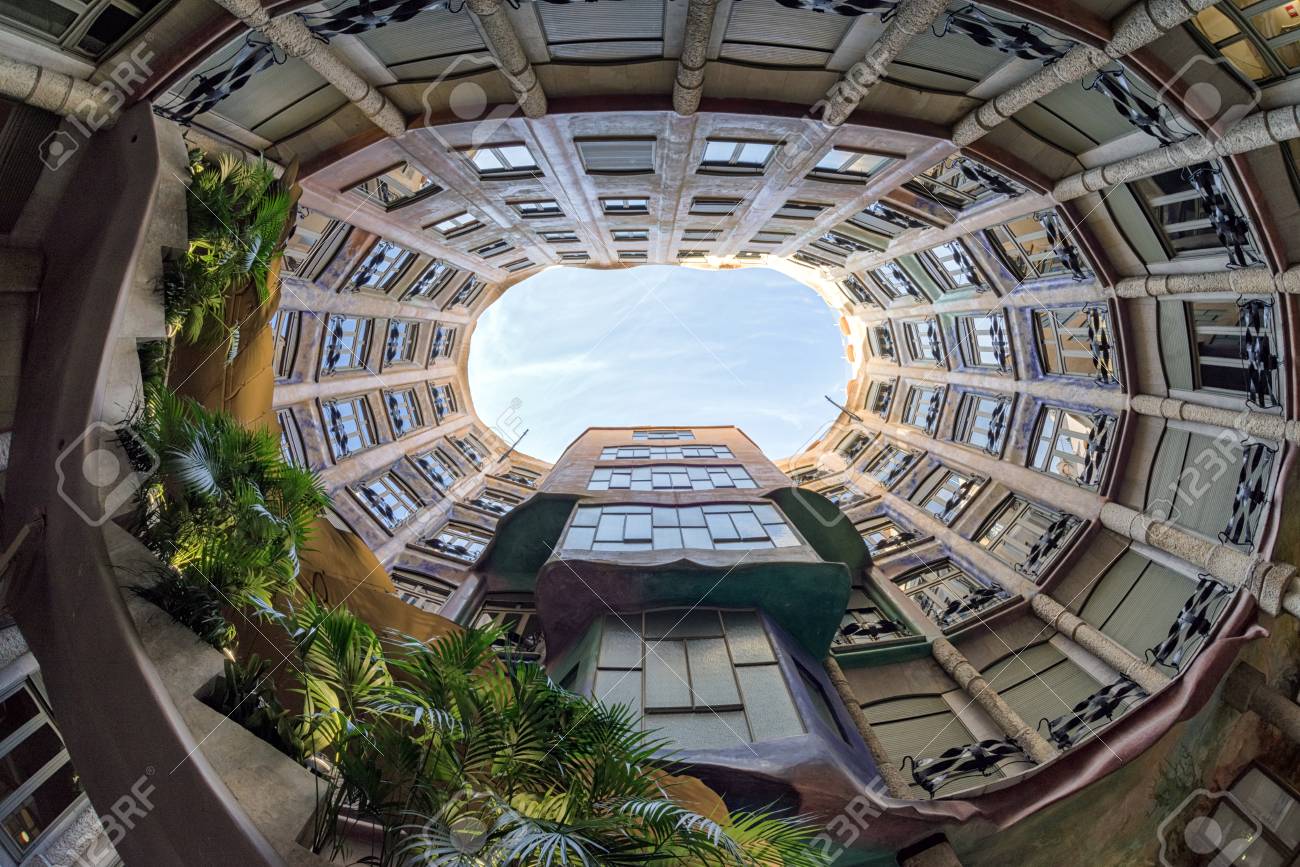
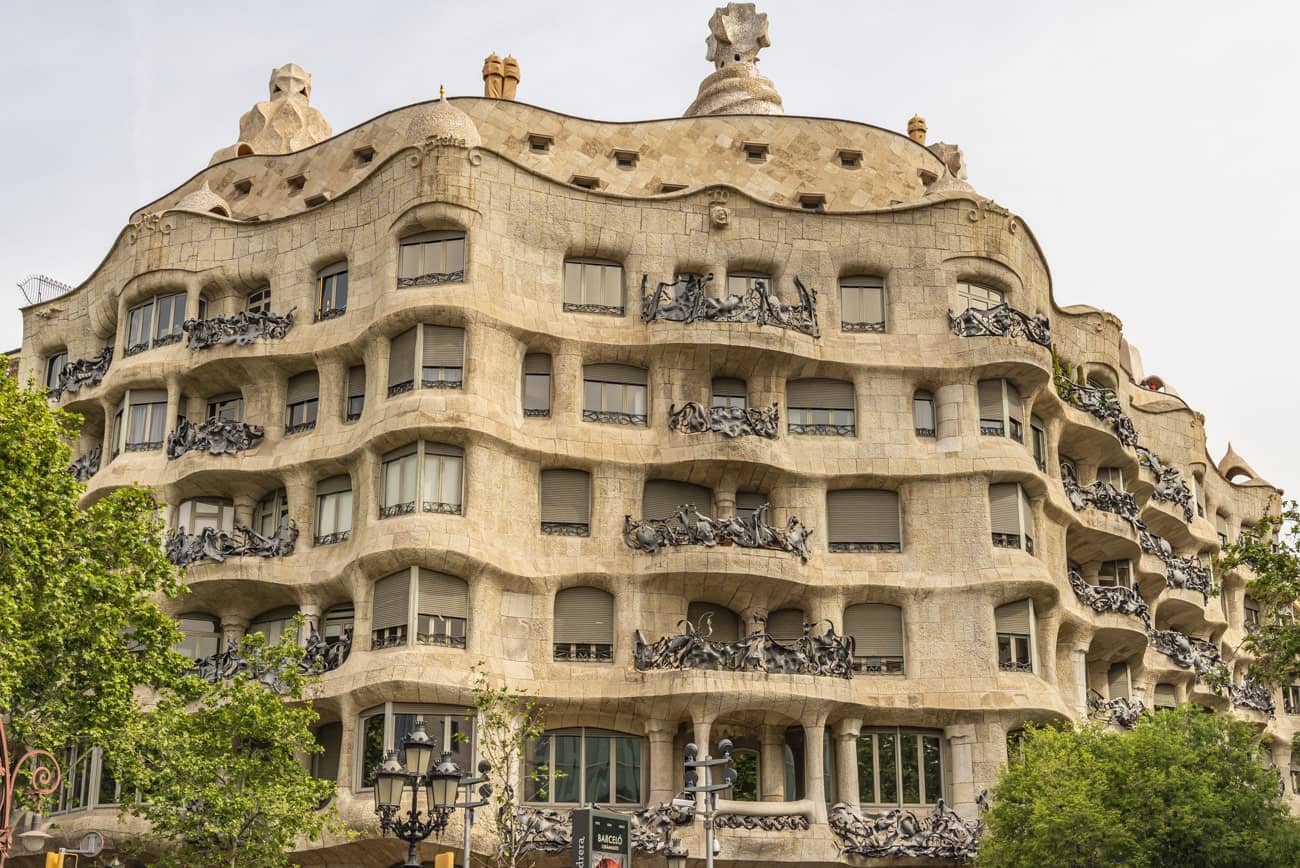
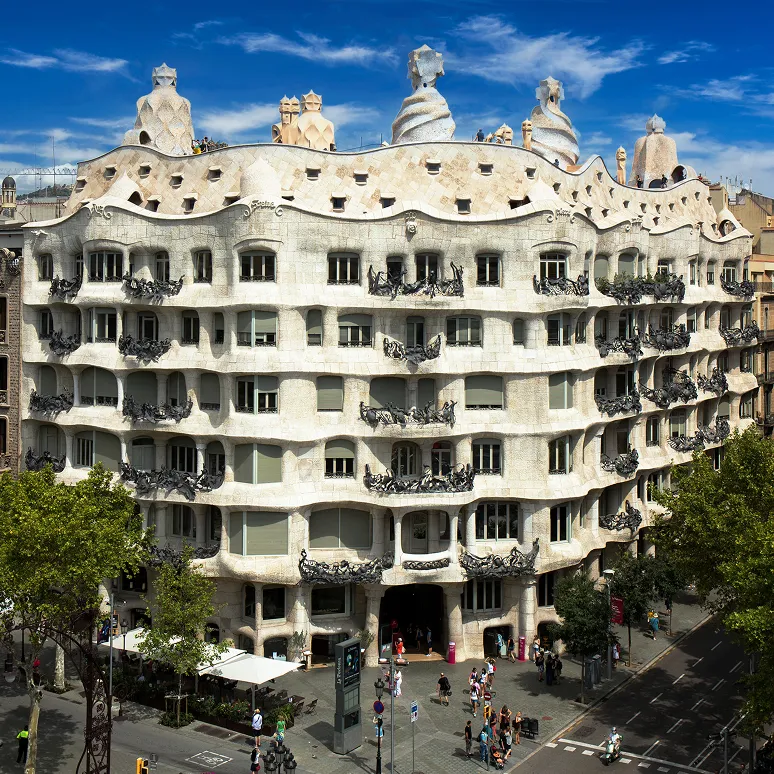
In the heart of Barcelona on the elegant Passeig de Gràcia, La Pedrera is one of the architectural masterworks of Antoni Gaudí. Built between 1906 and 1912, it was Gaudí’s last private residential commission and stands today as an iconic symbol of Catalan Modernisme. The name “La Pedrera” literally means “the stone quarry” in Catalan—a nickname given because of the building’s undulating limestone façade that looks as if it were carved from rock. In 1984 the building was designated as a UNESCO World Heritage Site, as part of the Works of Antoni Gaudí.
Visiting La Pedrera offers a chance not only to admire one of the most imaginative architectural creations of the 20th century but also to step into a building that continues to pulse with cultural life—museum exhibits, rooftop experiences, and a sense of living history.
Things to See & Do
1. Exterior & Façade
Begin with the exterior—walk around the building and take in the flowing stone waves, sculptural chimneys and wrought-iron balconies that look more like art pieces than practical architecture. The effect is fluid, organic, almost dreamlike.
2. Rooftop Terrace – “The Garden of Warriors”
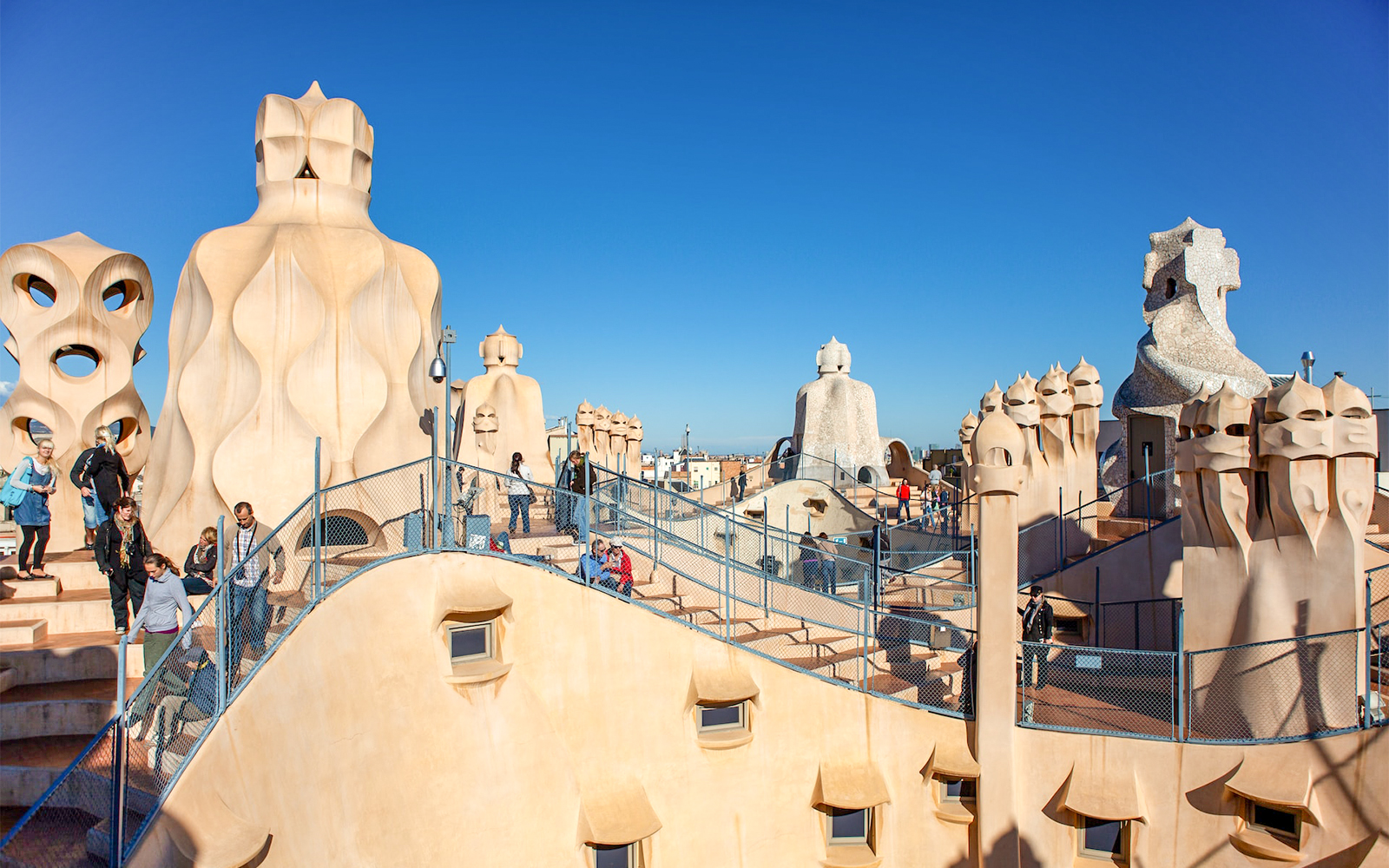
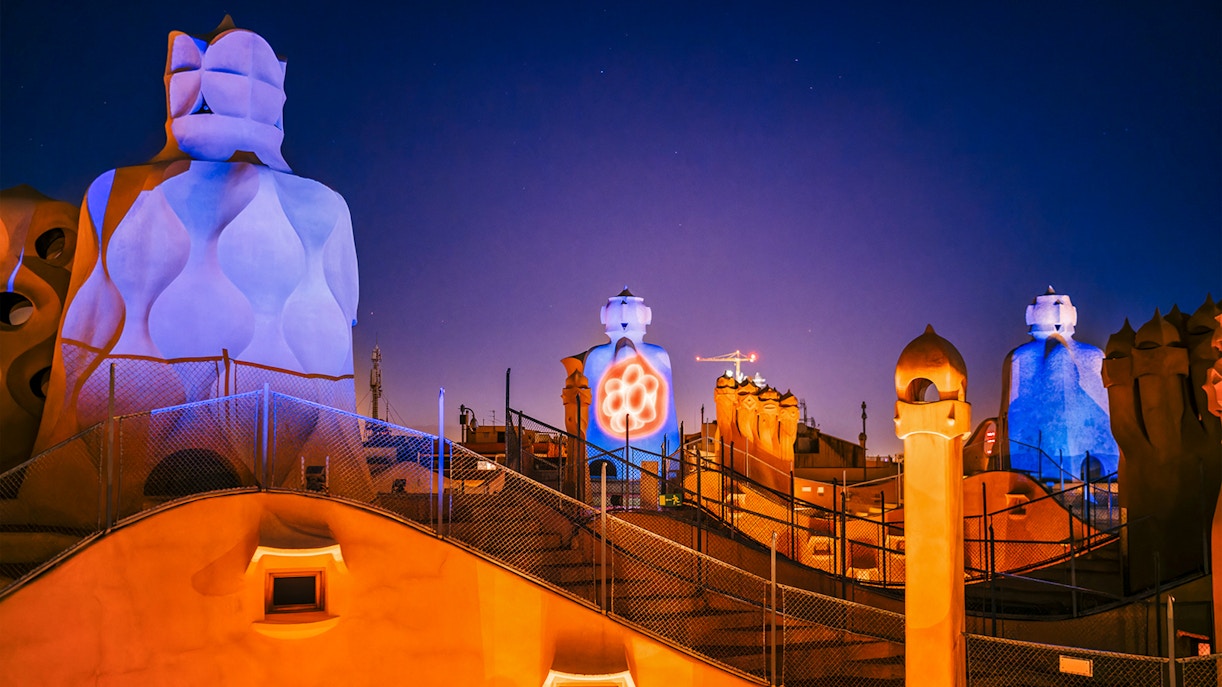
One of the most memorable parts of the visit is the rooftop. Gaudí transformed the chimneys and ventilation towers into surreal sculptures—that’s why some call the roof “El Jardí de les Guerreres” (Garden of the Warriors). From the terraces you get panoramic views of Barcelona’s Eixample district and beyond—perfect for photos at sunset.
3. Interior Courtyards & Apartments
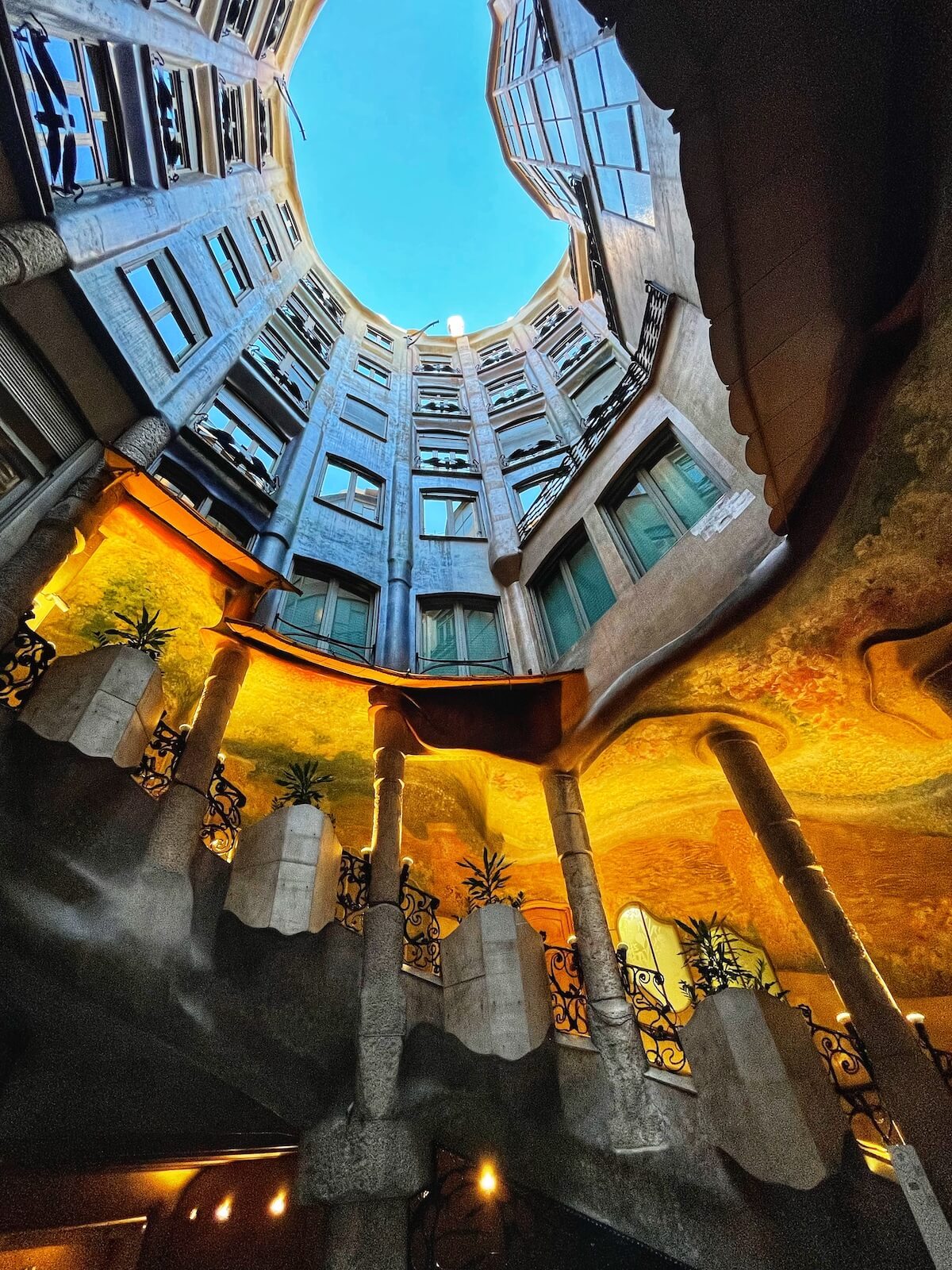
Inside you’ll find two large undulating courtyards that flood the building with light, breaking the typical grid-like structure of the neighborhood. The floors open up around the courtyards in organic fashion. On one of the upper floors you can visit a re-creation of a 1900s flat, complete with period furniture, allowing you to imagine what affluent Barcelona residents experienced.
4. Exhibitions & Night Tours
La Pedrera isn’t just a museum; it’s a living cultural space. From night-tours that highlight the rooftop chimneys under lights, to rotating art exhibitions in the building’s spaces, it offers more than a simple visit.
Practical Info & Tips
Before visiting, book your ticket online through the official site to guarantee entry time and skip queues.
Getting there: Located at 92 Passeig de Gràcia, Barcelona—easily reached by metro (Passeig de Gràcia station) or bus.
Best time: Arrive early (opening time) or opt for an evening/night entry if available—it tends to be less crowded and the rooftop view is spectacular at dusk.
Bring comfortable shoes: You’ll climb stairs and roam across different levels including rooftop.
Camera & photos: Excellent photo venues abound—on the façade, the rooftop and inside the courtyards.
Time allocation: Plan for about 1.5 to 2 hours minimum; if you include a guided visit or exhibition, 2–3 hours might be better.
Why It’s Unique
La Pedrera stands apart because it shatters the typical architectural expectations of its time. Rather than symmetrical facades and straight lines, Gaudí embraced curves, natural forms and sculptural elements, making the building feel alive and organic. According to architectural commentary:
“Its undulating stone façade and organic forms mark it as one of Gaudí’s most iconic works.”
Also, because the building still functions as part residential, part cultural centre, you feel a connection to the city’s evolving life—not just a preserved relic. Its rooftop—both whimsical and structural—is frequently cited for its imaginative design.
Sponsored Popular Items
Quick take: Musement.com offers a worldwide selection of tours and attractions
The BEST Barcelona Tours and Things to Do in 2026 - FREE Cancellation | GetYourGuide Spain Find the top-rated and best-reviewed tours and activities in Barcelona for 2026. From prices and availability to skip-the-line options and mobile tickets, get all the information you… Check current availability, inclusions and booking conditions.
Barcelona: Jet skis Spain Book the most popular Jet skis in Barcelona. Best price and money back guarantee! Check current availability, inclusions and booking conditions.
The BEST Barcelona Tours and Things to Do in 2026 - FREE Cancellation | GetYourGuide Spain Find the top-rated and best-reviewed tours and activities in Barcelona for 2026. From prices and availability to skip-the-line options and mobile tickets, get all the information you… Check current availability, inclusions and booking conditions.
Many visitors combine Muir Woods with a stop at the Golden Gate Bridge or the Marin Headlands — crossing the bridge from San Francisco offers beautiful views.
Guided tours / shuttle options: There are organised tours departing from San Francisco that deliver you to Muir Woods and often include other spots like the charming town of Sausalito.
Consider combining with nearby coastal excursions: For example, take time after the redwoods to visit Point Reyes National Seashore or nearby beaches along Highway 1.
Suggested half-day itinerary
Early morning: Depart from San Francisco, cross the Golden Gate Bridge, arrive at Muir Woods as it opens.
Mid-morning: Walk the Main Trail, ascend a little if you like, soak in the forest.
Lunch: Pack a picnic or stop in Mill Valley or Sausalito.
Afternoon: Either return to SF or continue up to Mount Tamalpais, or along the coast to Stinson Beach.
Evening: Enjoy dinner back in Sausalito or Mill Valley, and relax in your chosen lodge.
Why it works for you
Whether you’re someone who enjoys gentle nature walks, photography, rich forest ambiance, or combining city and countryside in one trip — Muir Woods ticks many boxes. If you stay overnight in Marin County, you’ll enjoy fewer crowds and get the best of nature just outside your door.
Sponsored Popular Items
Quick take: Musement.com offers a worldwide selection of tours and attractions
San Francisco Mission District Food Tour with Tastings United States Plan San Francisco Mission District Food Tour with Tastings, a food and drink experience, with practical tips on timing, inclusions and what to check before booking. Compare current availability, prices and booking conditions before you go.
San Francisco North Beach Food Tour with Five Tastings United States Plan San Francisco North Beach Food Tour with Five Tastings, a food and drink experience, with practical tips on timing, inclusions and what to check before booking. Compare current availability, prices and booking conditions before you go.
Rijksmuseum, Amsterdam: The Heart of Dutch Art and History
The Rijksmuseum is the crown jewel of Dutch culture — a world-class museum that tells the story of the Netherlands through art, history, and craftsmanship. Located in the Museumplein district of Amsterdam, it holds masterpieces by Rembrandt, Vermeer, and Van Gogh alongside centuries of sculpture, decorative arts, and design.
Overview
Opened in 1885 and housed in a grand neo-Gothic building by architect Pierre Cuypers, the Rijksmuseum combines stunning architecture with more than one million works of art and artifacts. Whether you spend an hour or an entire day, its galleries reveal the evolution of the Dutch Golden Age and the enduring power of creativity.
Highlights of the Rijksmuseum
The Night Watch by Rembrandt
One of the most famous paintings in the world, Rembrandt’s The Night Watch dominates its gallery with movement, light, and life. The ongoing “Operation Night Watch” conservation project lets visitors watch high-tech restoration in real time.
Vermeer’s Masterpieces
See The Milkmaid and Woman Reading a Letter — tranquil domestic scenes that define Vermeer’s genius for light and quiet emotion.
Dutch Golden Age Galleries
Rooms filled with 17th-century portraits, landscapes, and still lifes capture a booming age of trade, science, and art. Spot works by Frans Hals, Jan Steen, and Ruysdael among hundreds of treasures.
Asian Pavilion
A glass-and-stone space adjoining the main museum, showcasing ceramics, woodcuts, sculptures, and weaponry from across Asia — reflecting the Netherlands’ long global connections.
Applied Arts and Design
Furniture, Delftware, silver, and fashion trace how everyday objects became art in Dutch homes and workshops. The 19th- and 20th-century rooms highlight Art Nouveau, Bauhaus, and modern design.
The Library
The Rijksmuseum Research Library is one of Europe’s most beautiful reading rooms — a cathedral of books and light still used by scholars today.
Visitor Information
Location: Museumstraat 1, 1071 XX Amsterdam, Netherlands
Opening hours: Daily from 9:00 am to 5:00 pm, including holidays
Tickets: Can be purchased online or on site; free for visitors under 18
Facilities: Lockers, café, museum shop, and free Wi-Fi throughout
Suggested Visit Plan
First hour: Start with the Gallery of Honour for Rembrandt, Vermeer, and Golden Age highlights.
Midday: Visit the Asian Pavilion and design galleries; stop for lunch at the museum café.
Afternoon: Explore sculpture, ship models, and temporary exhibitions; relax in the gardens.
Nearby Attractions
Van Gogh Museum: Next door — an essential follow-up for 19th-century art lovers.
Stedelijk Museum: Modern and contemporary art in striking contrast to the Rijksmuseum’s classics.
Museumplein Park: Open lawns, fountains, and seasonal events surround the cultural hub.
Heineken Experience: A short walk away for those seeking a lighthearted end to the day.
Practical Tips
Book ahead: Timed entry tickets help avoid queues, especially on weekends and holidays.
Go early or late: The first two hours after opening or after 3 pm are usually quieter.
Use the app: The free Rijksmuseum app includes self-guided tours and multilingual audio commentary.
Plan breaks: The museum is large — take short rests in the garden or café.
Photography: Permitted without flash; tripods and selfie sticks are not allowed.
Rijksmuseum FAQs
How long does it take to see the Rijksmuseum?
Answer: Two to three hours covers the main highlights. Art lovers may wish to spend a full day exploring at a relaxed pace.
Is entry free with a Museumkaart or I Amsterdam Card?
Answer: Yes. Both cards include free entry but may still require a reserved time slot online.
Can I take photos inside?
Answer: Yes, non-flash photography is allowed in permanent collections. Some temporary exhibitions restrict photography.
Is the museum suitable for children?
Answer: Very. Family trails, activity booklets, and creative workshops make the museum engaging for young visitors.
What’s the best way to get there?
Answer: Take tram lines 2 or 12 to Rijksmuseum stop, or walk about 20 minutes from Amsterdam Central Station.
Why the Rijksmuseum Is Unmissable
The Rijksmuseum is more than a gallery — it’s a national story told through art, science, and design. Every room reflects the spirit of the Dutch Golden Age: curiosity, craftsmanship, and innovation. Whether you come for Rembrandt’s drama or Vermeer’s stillness, you’ll leave inspired by the light and legacy of the Netherlands.
Sponsored Popular Items
Quick take: Musement.com offers a worldwide selection of tours and attractions