Admission Tickets to Vaux-le-Vicomte France Plan Admission Tickets to Vaux-le-Vicomte, a ticket or attraction experience, with practical tips on timing, inclusions and what to check before booking. Compare current availability, prices and booking conditions before you go.
Answer Capsule: Vaux-le-Vicomte at a Glance
Where is it? Maincy, 55 km southeast of Paris
Built: 1658–1661
Architectural style: French Baroque
Famous for: Grand symmetry, gardens by André Le Nôtre, château by Louis Le Vau, interiors by Charles Le Brun
Best for: Castle lovers, history fans, garden enthusiasts, photographers, families, and couples
Top highlights: Baroque gardens, dome viewpoint, candlelit evenings, Carriage Museum
Ideal visit length: 3–4 hours
Open: Most of the year, seasonal hours apply
Why Visit Vaux-le-Vicomte?
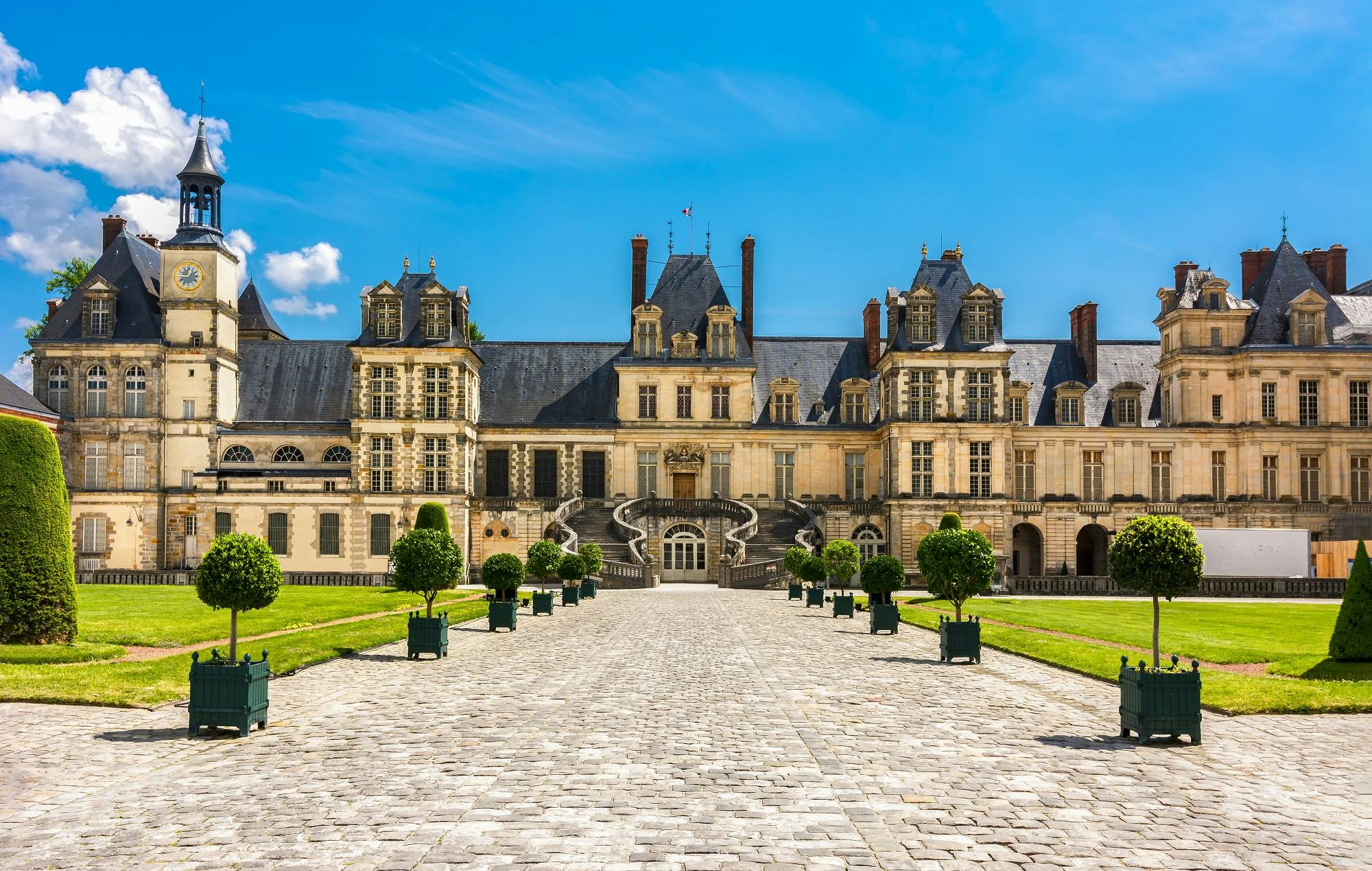
Vaux-le-Vicomte is one of France’s most breathtaking estates—a 17th-century château that inspired Versailles and set the standard for French Baroque grandeur. Created by the dream team of architect Louis Le Vau, painter Charles Le Brun, and landscape designer André Le Nôtre, it is the perfect blend of architecture, art, and formal gardens.
Unlike Versailles, Vaux-le-Vicomte feels peaceful and intimate. Here you can stroll through perfect symmetry, climb the dome for panoramic views, admire lavish interiors, and enjoy one of the most magical castle experiences in France.
Top Things to See & Do at Vaux-le-Vicomte
Explore the Grand Baroque Interiors
Inside the château you’ll find gilded salons, stunning frescoes, ceremonial rooms, and ornate details designed by Le Brun. Highlights include:
The Grand Salon, opening onto the central garden axis
Lavish private apartments
Exquisite tapestries and furniture
Wander the French Formal Gardens
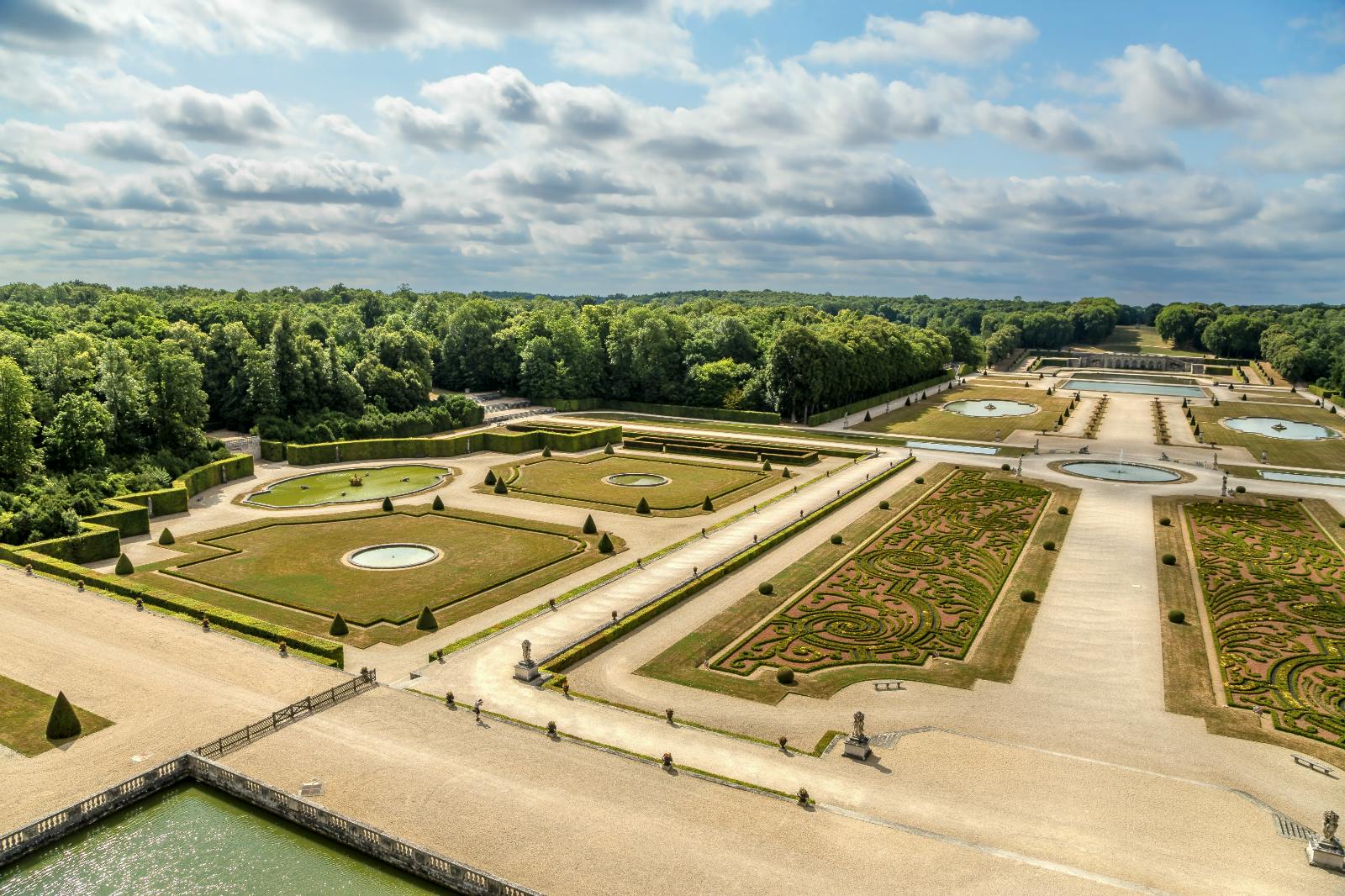
Le Nôtre’s gardens stretch across 33 hectares of symmetry, fountains, reflective pools, terraces, and distant vistas. The layout is a masterpiece of perspective—look closely and you’ll spot optical illusions built into the design.
Climb to the Dome
A must-do for panoramic views. From the top, you can see the entire symmetrical layout, making it one of the best château viewpoints in France.
Candlelit Evenings
On selected nights from May to October, the château glows with 2,000 candles, soft classical music, and romantic ambience. It’s one of the most magical experiences near Paris—and perfect for a special occasion.
Carriage Museum
Located in the former stables, this museum showcases exquisite 18th–19th century carriages, sleighs, and harnesses—an unexpected highlight.
The Story Behind the Château
Vaux-le-Vicomte was built for Nicolas Fouquet, the Superintendent of Finances under King Louis XIV. Its beauty was so extraordinary that the king famously became jealous during its grand opening fête in 1661. Fouquet was arrested shortly afterward, and the king hired the same team—Le Vau, Le Brun, and Le Nôtre—to create Versailles, using Vaux-le-Vicomte as inspiration.
Today, the château remains privately owned by the de Vogüé family, who restored it after WWII and continue to preserve its splendor.
What to Expect When Visiting
A Relaxed Experience (Unlike Versailles)
Wide paths, quiet gardens, and room to breathe. Even on busy days, the estate feels serene.
Beautiful Photo Opportunities
The symmetry, reflections, grand staircases, and dome all create cinematic scenery.
Family-Friendly Atmosphere
Children love the gardens, carriage museum, and the annual Easter egg hunt.
How Long Do You Need?
Plan for 3–4 hours, or longer if you’re enjoying a picnic or a candlelit evening.
How to Get to Vaux-le-Vicomte from Paris
By Train + Shuttle
Train from Paris Gare de Lyon → Verneuil-l’Étang
Châteaubus shuttle → Vaux-le-Vicomte
By Car
About 1 hour from central Paris
Free parking on-site
By Organized Tour
Many full-day or half-day tours include skip-the-line tickets and transport.
Best Time to Visit
Spring
Flowers, mild weather, lush scenery.
Summer
Longest opening hours and candlelit evenings.
Autumn
Golden tones and fewer crowds.
December
Magical Christmas decorations throughout the château.
Tickets & Tips
Reserve in advance, especially for candlelit evenings.
Wear comfortable shoes—gardens cover large distances.
Climbing the dome requires stairs but is worth it.
Audio guides or app-based guides enhance the experience.
Is Vaux-le-Vicomte Worth Visiting?
Absolutely. This château is one of the most beautiful and harmonious estates in France—grand yet peaceful, lavish yet intimate. Whether you’re a history lover, a garden enthusiast, or simply looking for a serene alternative to Versailles, Vaux-le-Vicomte is unforgettable.
Sponsored Popular Items
Quick take: Musement.com offers a worldwide selection of tours and attractions
Admission Tickets to Vaux-le-Vicomte France Plan Admission Tickets to Vaux-le-Vicomte, a ticket or attraction experience, with practical tips on timing, inclusions and what to check before booking. Compare current availability, prices and booking conditions before you go.
Audioguided Visit of Fontainebleau & Vaux le Vicomte France Audioguided visit of Fontainebleau and Vaux le Vicomte supports independent exploration while still providing structured digital guidance. Check current availability, inclusions and booking details before you go.
Where is it? Under the new Havenhuis/Port House area, Antwerp, Belgium
Why visit? Unique pedestrian underpass connecting the city to the waterfront, great for photos, architecture lovers, and scenic strolls
Best for: Walkers, cyclists, photographers, maritime history fans
Nearby attractions: MAS Museum, Red Star Line Museum, Port House (Havenhuis), Eilandje district
How long to visit: 10–20 minutes on foot
What Is the Bonaparte Tunnel?
The Bonaparte Tunnel (Bonapartesluis / Bonapartedok Tunnel) is a pedestrian and cyclist tunnel located in Antwerp’s revitalised port district, linking the trendy Eilandje neighbourhood with the waterfront around the Bonapartedok.
Originally part of Napoleon’s early 19th-century harbour system, this area combines historic dock infrastructure with cutting-edge architecture. The tunnel itself isn’t grand like the Sint-Anna Tunnel, but it’s a surprising, atmospheric walkway that cuts beneath the lock gates and offers a unique way to explore the city’s maritime edge.
Why Visit the Bonaparte Tunnel?
It’s a Hidden Local Shortcut
Locals use it daily to move between MAS, the quays, and the modern Port House area. For travellers, it’s a fun and efficient route that brings you right into the heart of Antwerp’s docklands.
Part of Antwerp’s Maritime History
The tunnel sits beneath the Bonapartedok, one of the historic docks commissioned during the French occupation under Napoleon. Walking through it gives you a close-up feel of the city’s industrial past.
Great Architecture Nearby
Just steps from the tunnel is the stunning Port House (Havenhuis), redesigned by Zaha Hadid Architects—a futuristic, glass-shard structure floating above a historic fire station. The tunnel often serves as a starting or ending point for photographing this iconic building.
Connects to Fantastic Waterfront Walks
The Eilandje district is filled with bars, restaurants, cafés, and museums—and the tunnel helps you explore it all easily. It’s especially lovely at sunset when the water reflects the modern skyline.
What to Expect When You Visit
A Simple Pedestrian Passage
Don’t expect elaborate architecture—this is a practical tunnel, clean and well-lit, with a slightly industrial feel. It’s safe, easy to navigate, and suitable for both walkers and cyclists.
Short Walking Distance
It takes only 2–3 minutes to walk through the tunnel end to end. Most visitors pair it with a broader exploration of the harbour district.
Great Access to Local Sights
MAS Museum – 5 minutes away
Red Star Line Museum – 10 minutes
Port House – directly adjacent
Bonapartedok & Willemdok – surrounding the area
Best Time to Visit
The tunnel is open year-round and accessible at any time. Consider visiting:
Daytime for clearer views of the waterfront
Evening when the Port House lights up beautifully
Weekdays for quieter walks
How to Get There
By Tram
Take tram lines to MAS or the London Bridge stop and walk to the dock area.
By Bike
Antwerp’s bike network makes it easy to reach the tunnel from anywhere in the city.
On Foot
Most travellers reach the tunnel while exploring the Eilandje or Port House area on foot.
Is the Bonaparte Tunnel Worth Visiting?
Yes—as part of a larger Antwerp docklands walk. The tunnel itself is brief but atmospheric, giving you a sense of the city’s working port and its blend of historic and modern design. Combined with sights like MAS, Red Star Line Museum, and the dazzling Port House, it becomes a memorable stop along the way.
Sponsored Popular Items
Quick take: Musement.com offers a worldwide selection of tours and attractions
Antwerp's Lost Boy Mystery City Exploration Game Belgium Plan Antwerp's Lost Boy Mystery City Exploration Game, a self-guided game or exploration experience, with practical tips on timing, inclusions and what to check before booking. Compare current availability, prices and booking conditions before you go.
Brussels, Antwerp and The Atomium Belgium Plan Brussels, Antwerp and The Atomium, a guided sightseeing experience, with practical tips on timing, inclusions and what to check before booking. Compare current availability, prices and booking conditions before you go.
Where is it? Northern Belgium, on the River Scheldt
Why visit? World-class fashion, diamonds, medieval squares, cutting-edge design, and a lively port city vibe
Best for: Culture lovers, shoppers, foodies, art fans, and architecture enthusiasts
Top highlights: Cathedral of Our Lady, Grote Markt, MAS Museum, Antwerp Zoo, Diamond District, Meir shopping street
Best time to visit: April–October for pleasant weather; December for Christmas markets
How long to stay: 1–3 days
Why Visit Antwerp?
Antwerp (Antwerpen) is bold, stylish, and full of personality—a place where medieval splendour meets modern creativity. Known for its fashion designers, diamond trade, and vibrant nightlife, it offers a refreshing mix of old and new.
The city’s historic centre dazzles with ornate guild houses, Gothic churches, and cosy cafés, while its modern districts pulse with design studios, trendy shops, street art, and waterfront views. It’s one of Belgium’s most exciting cities for travellers who love culture, shopping, and atmosphere.
Top Things to See & Do in Antwerp
Cathedral of Our Lady (Onze-Lieve-Vrouwekathedraal)
A Gothic masterpiece and the tallest church in the Low Countries. Inside, admire famous works by Peter Paul Rubens, including The Descent from the Cross.
Grote Markt (Main Square)
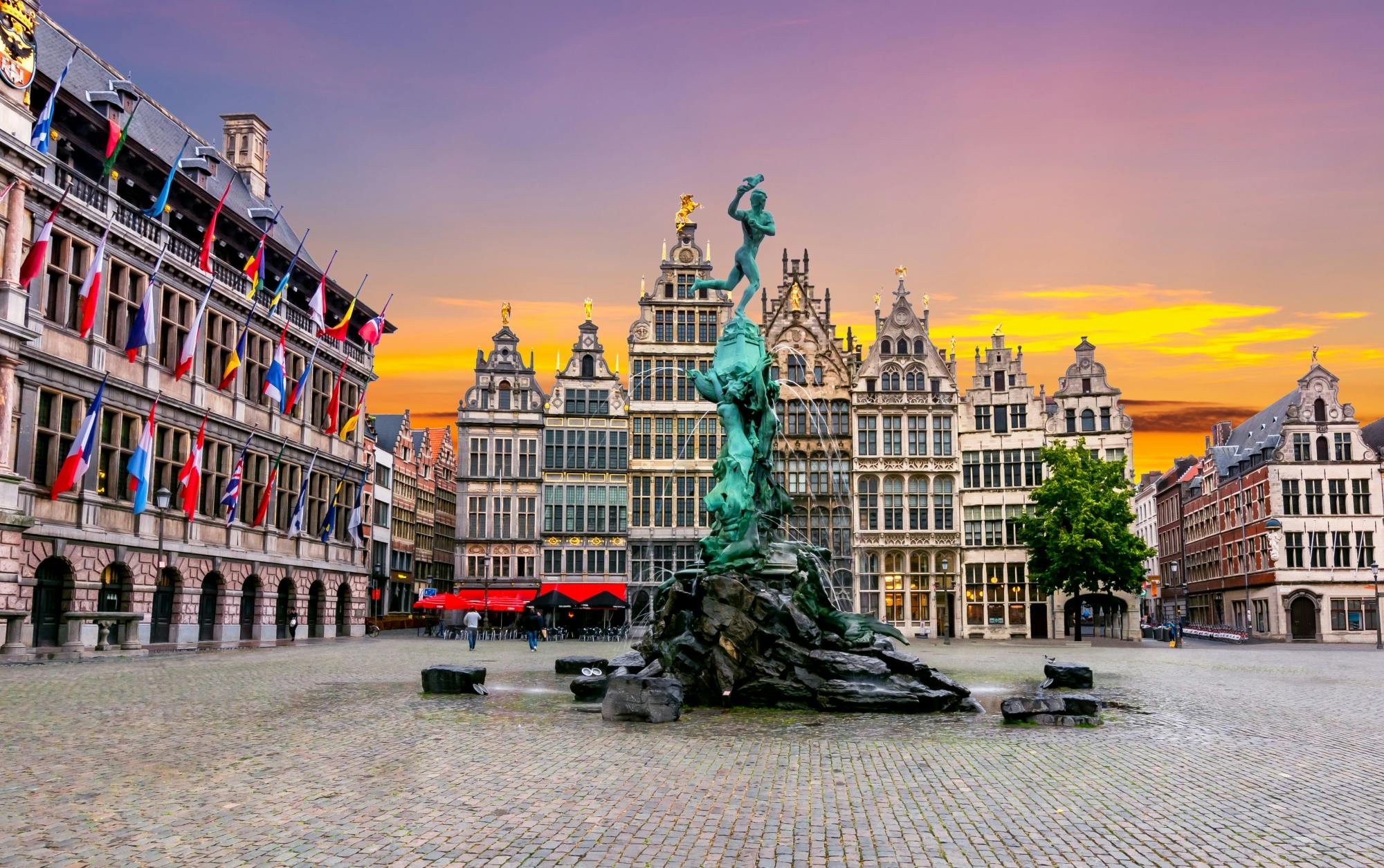
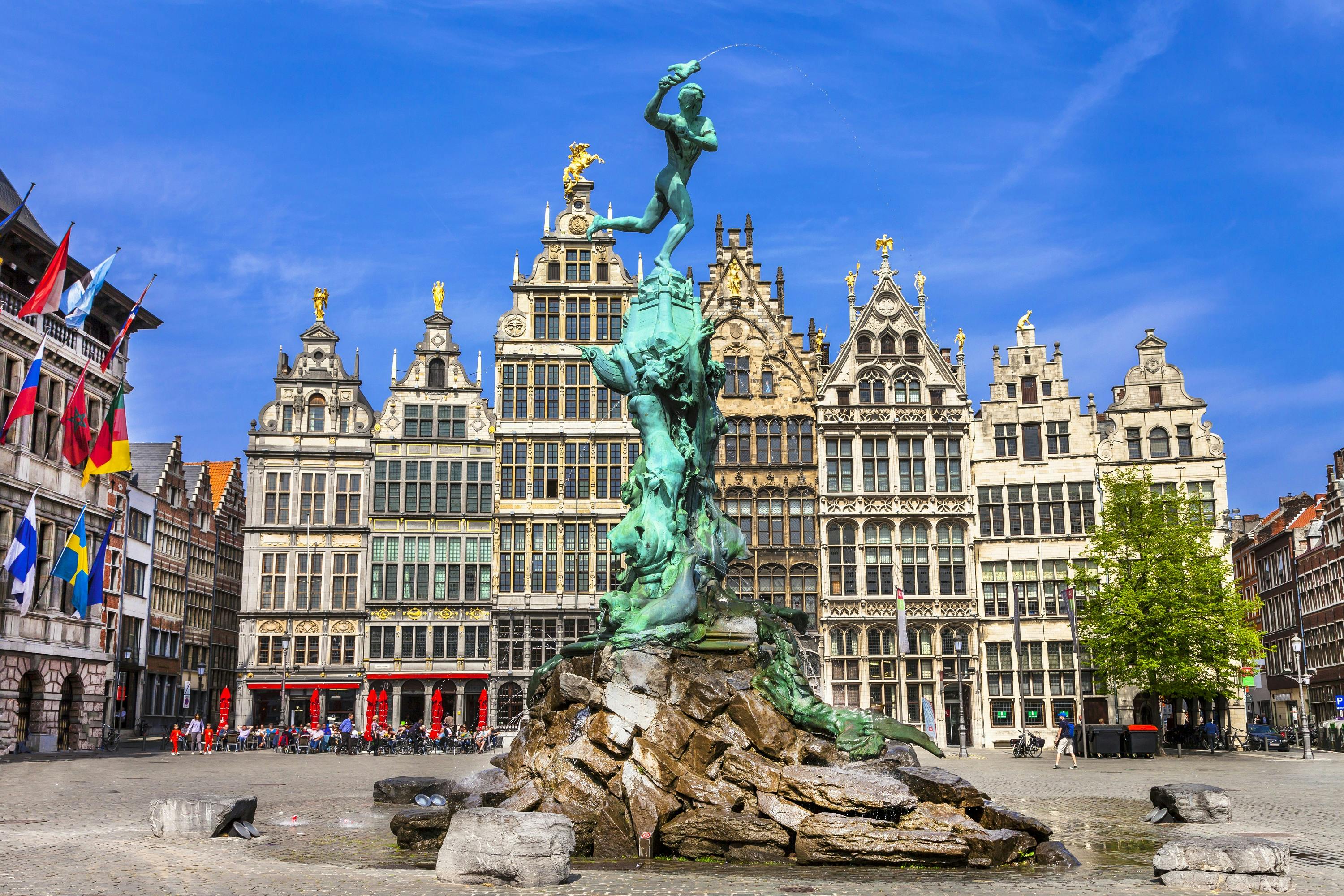
The heart of Antwerp’s Old Town, filled with Renaissance guild houses, terrace cafés, and the ornate Brabo Fountain. It’s one of Belgium’s most photogenic squares.
Museum aan de Stroom (MAS)
A striking architectural icon on the waterfront. Discover Antwerp’s maritime history, global trade connections, and panoramic views from the rooftop.
Antwerp Central Station
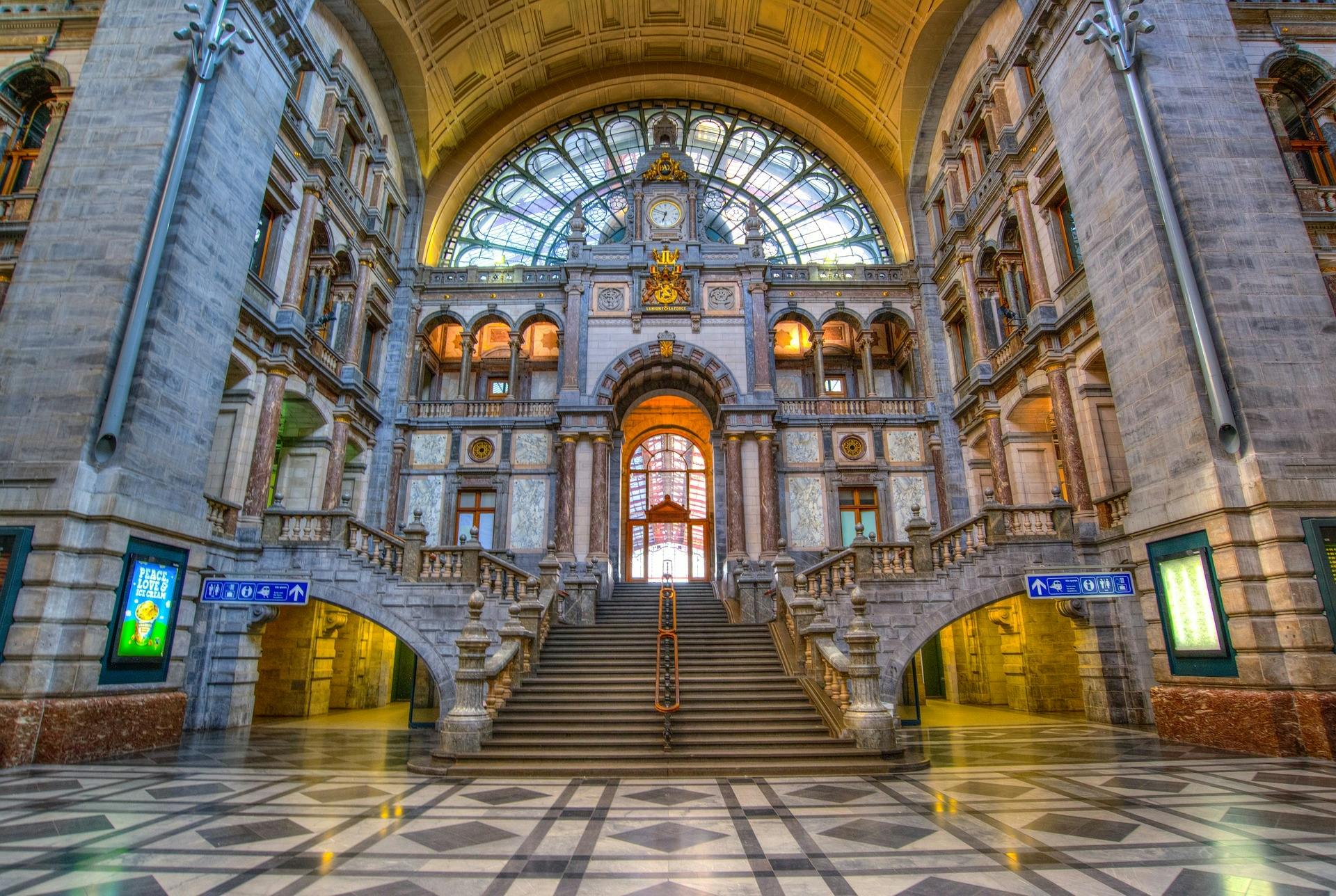
Often ranked among the most beautiful train stations in the world, its grand stone façade and domed halls are breathtaking.
Diamond District
Antwerp is the world capital of diamonds, and this neighbourhood showcases jewellers, workshops, and the Diamond Pavilion museum experience.
Rubens House (Rubenshuis)
Visit the former home and studio of Baroque master Peter Paul Rubens. Beautiful gardens and an intimate look at the artist’s life await.
The Meir Shopping Street
Antwerp’s premier shopping boulevard, lined with historic buildings, department stores, and fashion boutiques. Don’t miss the magnificent Stadsfeestzaal shopping hall.
Het Eilandje District
Once an industrial dock area, now a trendy neighbourhood with waterfront bars, restaurants, and the Red Star Line Museum.
What to Expect When Visiting
A Stylish, Trendsetting City
Antwerp is home to the world-famous Antwerp Six, the group of designers who helped put the city on the global fashion map. Expect fashion-forward locals and boutique-filled streets.
A Blend of Historic Charm & Modern Cool
Beautiful medieval buildings meet modern architecture, creative museums, and edgy street art.
Buzzing Nightlife
The city comes alive after dark with cocktail bars, Belgian beer cafés, and music venues.
Best Time to Visit Antwerp
Spring (April–June)
Comfortable temperatures, blooming parks, and ideal sightseeing weather.
Summer (July–August)
Outdoor dining, festivals, and long daylight hours—though this is also peak season.
Autumn (September–October)
Pleasant weather, fewer tourists, and gorgeous fall colours.
Winter (December)
Cosy Christmas markets, decorated squares, and great shopping.
3 days: Trendy districts, river cruises, museums, shopping
Most travellers find 2–3 days perfect.
Getting to Antwerp
By Train
Excellent connections:
40 minutes from Brussels
1 hour from Ghent
1 hour from Bruges
1 hour from Amsterdam (via high-speed Thalys or IC trains)
2–3 hours from Paris (via Brussels)
Arriving at Antwerp Central Station is an attraction in itself.
By Air
Fly into Brussels Airport, then take a direct train to Antwerp in ~30 minutes.
Where to Stay
Historic Centre
Perfect for first-time visitors wanting iconic sights at their doorstep.
Het Eilandje
Trendy, waterfront vibe with MAS nearby.
Zuid District (South Antwerp)
Hip cafés, art galleries, and a youthful feel.
Near Central Station
Convenient and affordable, great for train travellers.
Food & Drink in Antwerp
What to Try
Belgian waffles and chocolate
Local beer (try De Koninck brewery)
Flemish stew (stoofvlees)
Fresh seafood near the port
Antwerp “handjes” biscuits, a local specialty
Great Food Spots
Meir for trendy eateries
Grote Markt for atmospheric dining
Zuid for gourmet restaurants
Helpful Tips
Book Rubens House tickets early—it can sell out.
Antwerp is excellent for cycling; rent a bike to explore.
The Cathedral has paid admission, but it’s worth it for the Rubens works.
Avoid driving in the city centre due to LEZ (low emission zones).
Sundays are quieter—many shops close.
Final Thoughts
Antwerp is a dynamic, inspiring city where art, fashion, history, and creativity come together beautifully. From its dazzling cathedral to its stylish shopping streets and waterfront museums, it offers the perfect blend of old-world elegance and modern energy. Whether you’re visiting for culture, shopping, or simply atmospheric wandering, Antwerp is a must-see Belgian destination.
Sponsored Popular Items
Quick take: Musement.com offers a worldwide selection of tours and attractions
Antwerp's Lost Boy Mystery City Exploration Game Belgium Plan Antwerp's Lost Boy Mystery City Exploration Game, a self-guided game or exploration experience, with practical tips on timing, inclusions and what to check before booking. Compare current availability, prices and booking conditions before you go.
Brussels, Antwerp and The Atomium Belgium Plan Brussels, Antwerp and The Atomium, a guided sightseeing experience, with practical tips on timing, inclusions and what to check before booking. Compare current availability, prices and booking conditions before you go.
Best for: Art lovers, history enthusiasts, first-time visitors to Ghent
How long to spend: 60–90 minutes
Tickets: Available on-site or online; multimedia guides recommended.
Why the Ghent Altarpiece Is So Important
Widely regarded as one of the most influential artworks in Western history, the Ghent Altarpiece is a monumental polyptych that changed the direction of European art. Its incredible detail, use of oil paint, and lifelike realism were centuries ahead of their time.
The work is packed with complex religious symbolism, masterful craftsmanship, and humanised figures that almost feel alive. For many visitors, seeing it in person is a “bucket-list” cultural experience—comparable to the Mona Lisa or Michelangelo’s David.
Where to See the Ghent Altarpiece
The masterpiece is housed inside St Bavo’s Cathedral in Ghent’s historic centre. Recently restored and presented with modern lighting and multimedia support, it’s now easier than ever to appreciate the artwork’s brilliant colours and meticulous details.
Location
St Bavo’s Cathedral (Sint-Baafskathedraal) Sint-Baafsplein, Ghent
Opening Hours
Usually daily, with slight variations by season. Morning visits are quieter.
What Makes the Ghent Altarpiece a Masterpiece?
Revolutionary Use of Oil Paint
Jan van Eyck perfected oil painting, allowing for unprecedented precision and luminosity. The jewel-like colours and ultra-fine textures are unlike anything else from the 15th century.
Hyperrealistic Detail
From reflections in armour to individual strands of hair, the realism is astonishing. Many visitors bring binoculars just to appreciate the tiny details.
Deep Symbolism
The panels depict scenes rich with meaning:
The Mystic Lamb symbolising Christ
Prophets and sibyls foretelling salvation
Adam and Eve portrayed with startling honesty
Heavenly musicians played with exquisite expression
A Complex Multi-Panel Structure
The altarpiece has 12 hinged panels that open and close, revealing different scenes depending on whether it’s displayed open or closed. When fully opened, it feels like a theatre of religious narrative.
Restoration Brilliance
A major restoration project (2012–2020) removed centuries of overpainting, revealing colours and details not seen since the 1400s. The transformation stunned art historians worldwide.
Highlights of the Panels
The Adoration of the Mystic Lamb (Central Panel)
The most famous section. Angels, saints, and prophets gather around a lamb standing on an altar, blood flowing into a chalice—a vivid symbol of sacrifice and redemption.
Adam and Eve
Honest, human, and anatomically realistic, these figures were groundbreaking for their time.
The Singing Angels
Renowned for their expressive faces and intricate fabrics. Some art lovers visit just to see this panel.
God the Father / Christ the King
A majestic figure in radiant red robes, surrounded by heavenly symbols.
How Long Do You Need?
Plan for 60–90 minutes, including:
15–20 minutes with the closed panels
20–30 minutes with the open panels
20 minutes for the multimedia guide
Additional time exploring St Bavo’s Cathedral
Tickets, Tours & Visitor Tips
Tickets
Available at the cathedral entrance or online
Multimedia audio guide strongly recommended
Combo tickets may include the cathedral crypt
Best Time to Visit
Early morning or late afternoon for fewer crowds
Weekdays are quieter than weekends
Photography
Allowed in some areas—check signage.
Accessibility
The cathedral has accessible entrances and staff assistance.
Fun Facts About the Ghent Altarpiece
It is one of the most stolen artworks in history, targeted by Napoleon, Calvinists, and even the Nazis.
The famous panel “The Just Judges” was stolen in 1934 and never recovered—a replica is used today.
Jan van Eyck’s signature line, “Als ich can” (“As best I can”), appears hidden in the artwork.
Why You Shouldn’t Miss It
The Ghent Altarpiece isn’t just a painting—it’s a turning point in the history of art. Seeing it up close reveals layers of colour, symbolism, and craftsmanship you simply can’t appreciate in photographs. Whether you’re an art lover or a casual traveller, this masterpiece is a life-enhancing experience and the cultural heart of Ghent.
Sponsored Popular Items
Quick take: Musement.com offers a worldwide selection of tours and attractions
The Lottery Hunt in Historic Ghent Belgium Plan The Lottery Hunt in Historic Ghent, a cultural or heritage experience, with practical tips on timing, inclusions and what to check before booking. Compare current availability, prices and booking conditions before you go.
Ghent Tour from Brussels – Guided Sightseeing Experience Belgium Ghent tour from Brussels adds structure, local context and purposeful sightseeing to the itinerary. Check current availability, inclusions and booking details before you go.
Where is it? Northern Belgium, between Bruges and Brussels
Why visit? Medieval towers, canal views, vibrant nightlife, world-famous art, and a youthful energy
Best for: Culture lovers, foodies, history fans, students, and photography enthusiasts
Top highlights: Gravensteen Castle, St Bavo’s Cathedral, Ghent Altarpiece, Graslei & Korenlei, Belfry Tower
Best time to visit: April–October; July for Ghent Festival
How long to stay: 1–3 days
Why Visit Ghent?
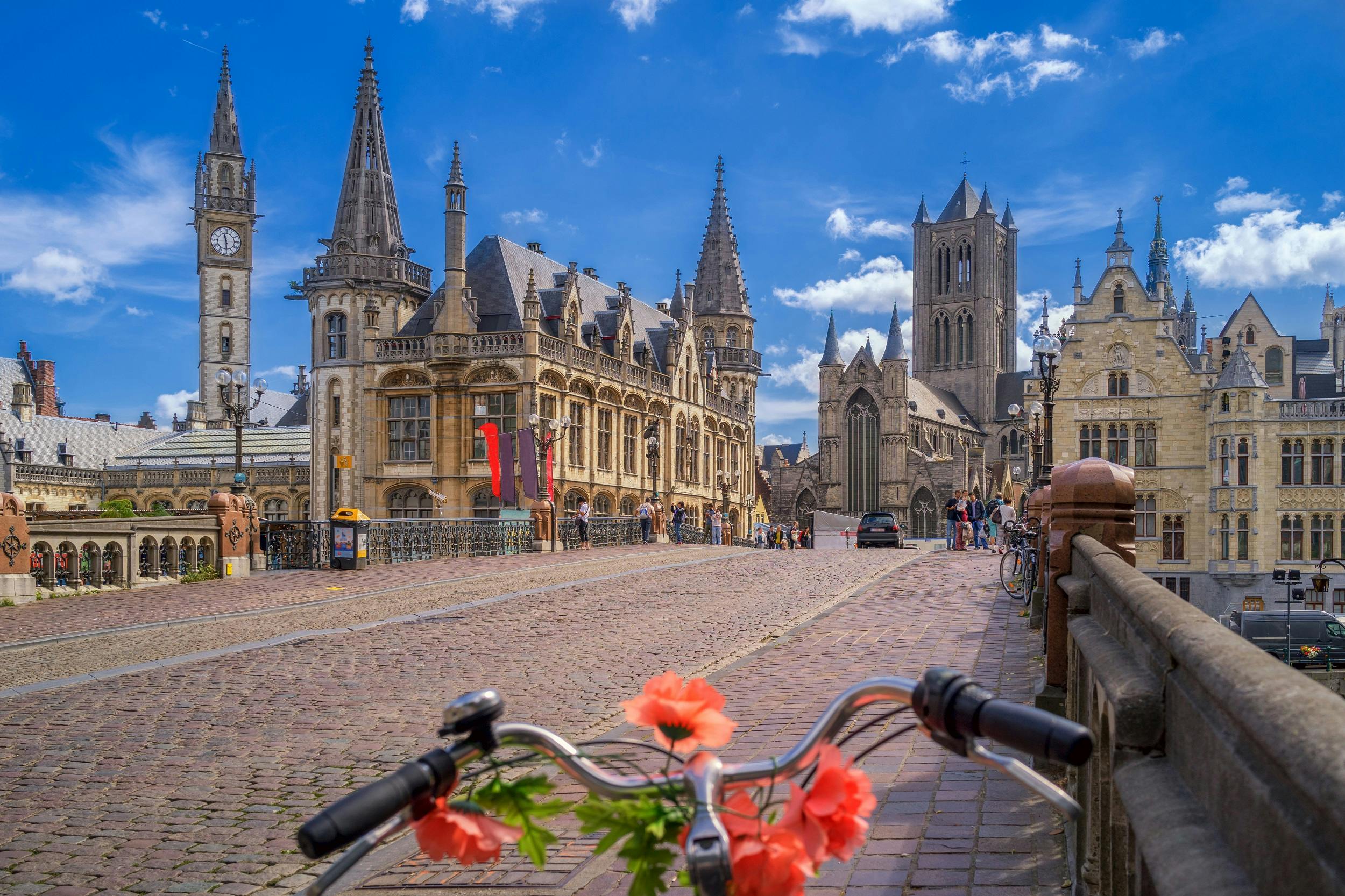
Ghent (Gent) is one of Belgium’s most underrated gems—a city that blends fairytale medieval architecture with modern creativity and student-driven energy. Less crowded than Bruges but just as atmospheric, Ghent offers a perfect mix of history, culture, art, and canals.
By day, you’ll wander past stone bridges and Gothic masterpieces; by night, you’ll enjoy buzzing squares, riverside bars, and the illuminated old town glowing softly across the water.
Top Things to See & Do in Ghent
Gravensteen Castle (Castle of the Counts)
This imposing 12th-century fortress sits dramatically in the city centre. Explore towers, medieval weapons, ramparts, and city views from the top.
St Bavo’s Cathedral & The Ghent Altarpiece
Home to the Adoration of the Mystic Lamb, one of the most influential artworks in European history. Don’t miss the augmented-reality experience that brings the masterpiece to life.
Graslei & Korenlei
Two postcard-perfect quays along the Leie River. Grab a coffee, take a boat tour, or simply sit on the steps and soak in the medieval skyline.
Belfry of Ghent
Ghent’s UNESCO-listed belfry offers panoramic views from the top and houses a 54-bell carillon that still rings across the city.
Ghent City Pavilion
A striking piece of modern architecture in the historic centre—an example of how Ghent beautifully balances old and new.
Patershol District
A medieval neighbourhood filled with narrow cobblestone streets, cosy restaurants, and boutique shops. Perfect for slow wandering.
Boat Tour on the Leie River
A fun, relaxing way to see Ghent from a different perspective. Tours last 40–50 minutes and glide past major landmarks.
Street Art in Werregarenstraat (Graffiti Alley)
An ever-changing open-air gallery where street artists are welcome to paint freely.
What to Expect When Visiting
A City with Youthful Energy
Thanks to its large student population, Ghent feels lively, creative, and welcoming. Expect great music venues, quirky bars, and energetic public squares.
Medieval Atmosphere Without the Crowds
Ghent has all the Gothic towers, churches, and canals you expect from Belgium—but with far fewer tourists than Bruges.
Late-Night Culture
Many bars and riverside cafés stay open late. The city is beautifully illuminated at night, creating a magical atmosphere.
Best Time to Visit Ghent
Spring (April–June)
Perfect weather, blooming gardens, outdoor cafés.
Summer (July–August)
Vibrant atmosphere and long daylight hours. July hosts the Gentse Feesten (Ghent Festival)—one of Europe’s largest cultural events.
Autumn (September–October)
Charming canals with colourful foliage and comfortable weather.
Winter (December)
Cosy markets and festive lights.
How Many Days Do You Need?
1 day: Major highlights—castle, cathedral, Graslei, boat tour 2 days: Explore neighbourhoods, museums, local food 3 days: Visit the university district, cycle to the outskirts, or take a trip to Bruges or Antwerp
Most travellers enjoy 2–3 days for a relaxed and complete experience.
Getting to Ghent
By Train
Ghent is extremely well connected:
30 minutes from Bruges
40 minutes from Brussels
1 hour from Antwerp
2.5–3 hours from Amsterdam (via Antwerp or Brussels)
2.5 hours from Paris (via Brussels)
From Gent-Sint-Pieters Station, take tram 1 into the historic centre.
By Car
Avoid driving in the Old Town. Park outside the centre and take trams or walk.
Where to Stay
Historic Centre
Close to major attractions, canals, and restaurants.
Patershol
Atmospheric, romantic, and full of charm.
Vrijdagmarkt Area
Lively, great for nightlife and dining.
Near Sint-Pieters Station
Budget-friendly and convenient for train travel.
Food & Drink in Ghent
Must-Try Specialities
Ghent’s famous waterzooi (creamy stew)
Belgian waffles and fries
Craft beers (try De Dulle Griet for a fun experience!)
Chocolates from artisanal shops
Where to Eat
Graslei cafés for canal-side meals
Patershol restaurants for Flemish cuisine
Student district for budget-friendly bites
Helpful Tips
Book tickets for the Ghent Altarpiece if visiting in peak season.
Tram 1 is the easiest way to get around from the station.
The city is very bike-friendly—renting a bicycle is fun and easy.
Don’t skip a night walk—the illuminated city is stunning.
Ghent is more affordable than Bruges for dining and hotels.
Final Thoughts
Ghent is a city that blends medieval beauty with modern creativity, offering travellers a refreshing mix of history, culture, and youthful energy. Whether you’re exploring ancient castles, enjoying riverside cafés, or discovering street art, Ghent delivers a memorable and well-balanced Belgian city experience.
Sponsored Popular Items
Quick take: Musement.com offers a worldwide selection of tours and attractions
The Lottery Hunt in Historic Ghent Belgium Plan The Lottery Hunt in Historic Ghent, a cultural or heritage experience, with practical tips on timing, inclusions and what to check before booking. Compare current availability, prices and booking conditions before you go.
Ghent Tour from Brussels – Guided Sightseeing Experience Belgium Ghent tour from Brussels adds structure, local context and purposeful sightseeing to the itinerary. Check current availability, inclusions and booking details before you go.
Best for: Couples, photographers, food lovers, history fans
Top highlights: Belfry of Bruges, Markt Square, Rozenhoedkaai, Bruges canals, Basilica of the Holy Blood
Best time to visit: April–October; December for magical Christmas markets
How long to stay: 1–3 days is ideal
Why Visit Bruges?
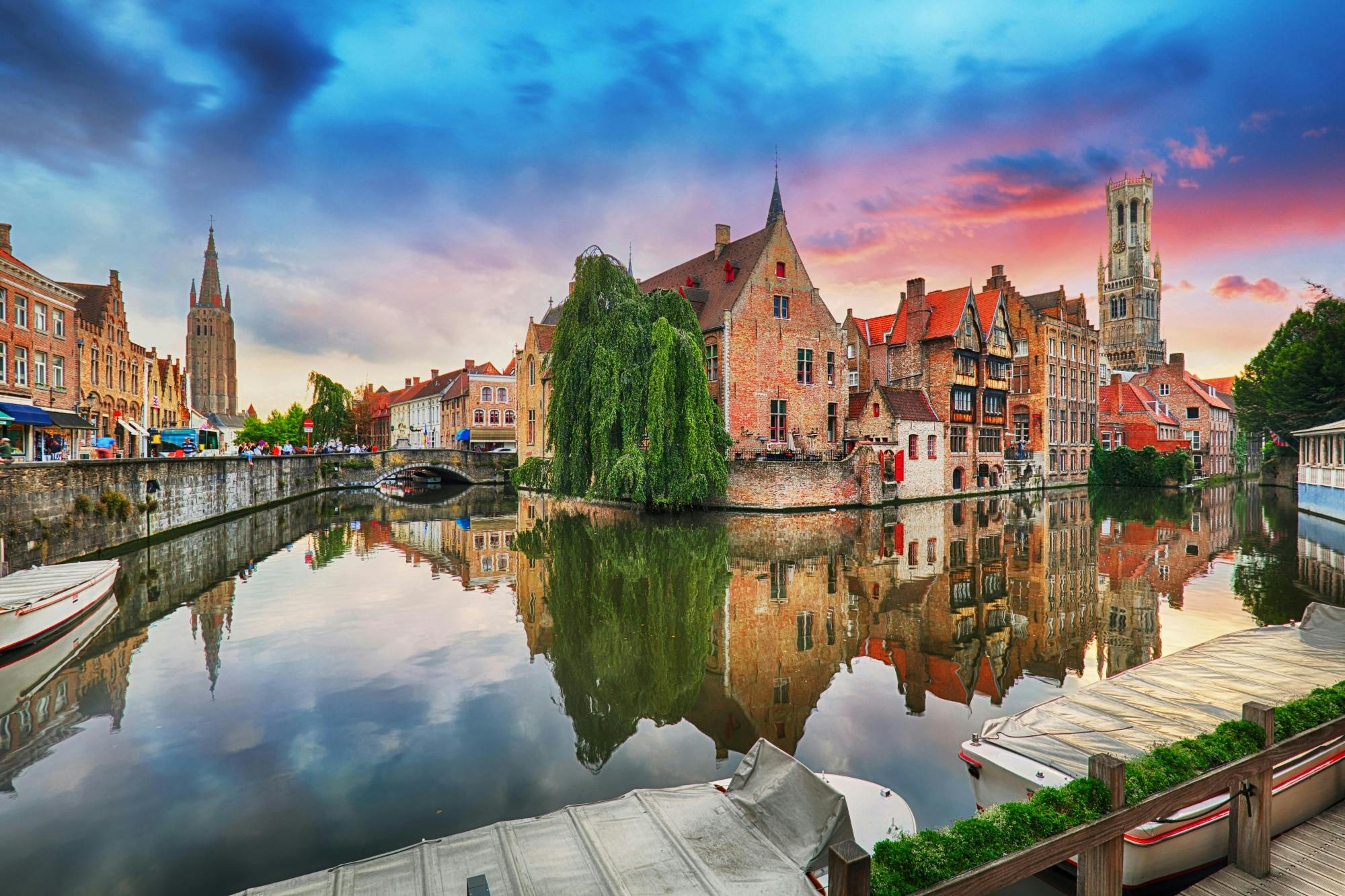
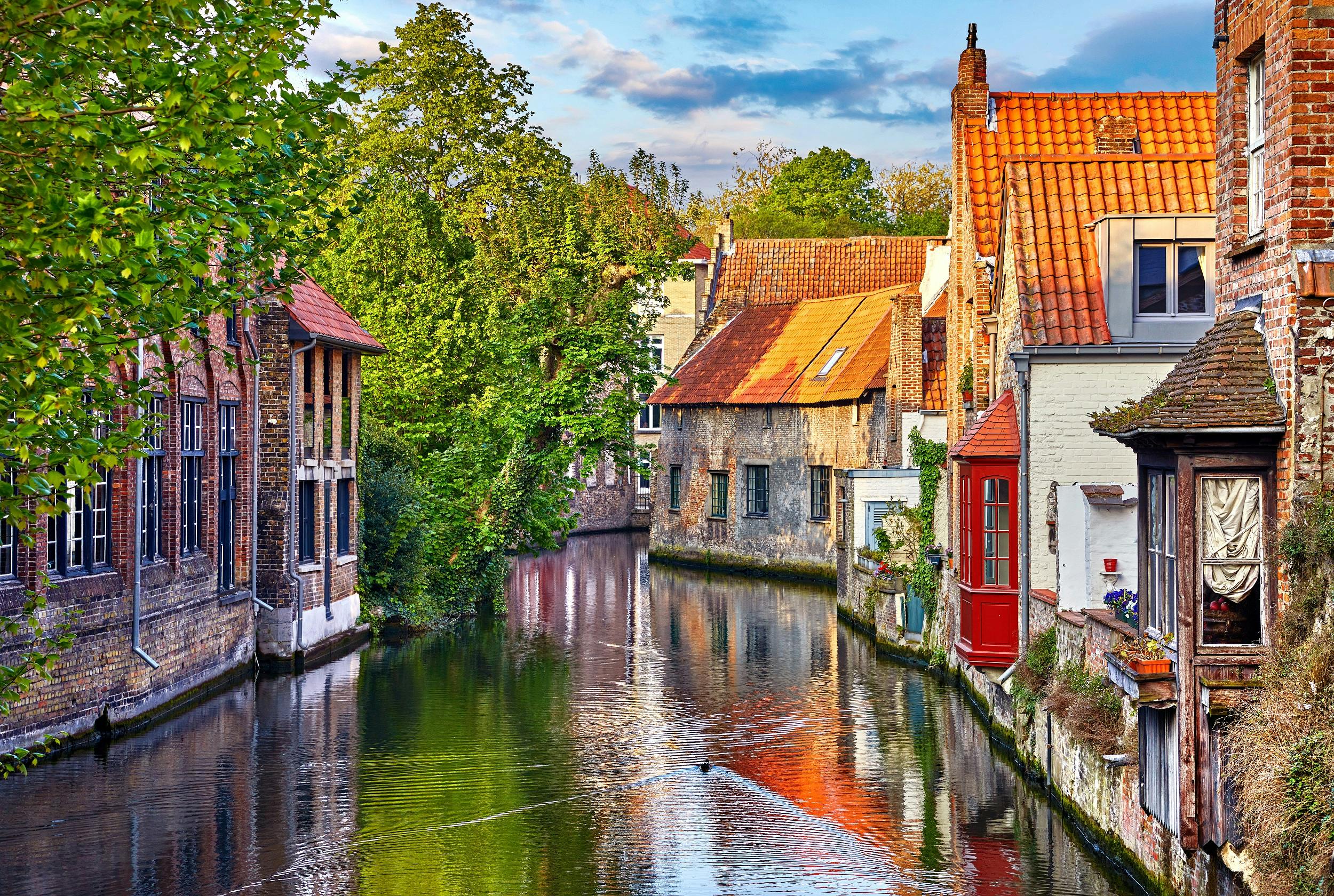
Bruges (Brugge) feels like stepping straight into a storybook. With its stone bridges, peaceful canals, medieval rooftops, and the smell of warm waffles drifting through the streets, it’s one of Europe’s most enchanting small cities.
This UNESCO World Heritage-listed old town is remarkably preserved, offering effortless beauty at every turn. Whether you’re gliding along the canals, climbing the city’s iconic belfry, or sampling Belgian beer in a cosy tavern, Bruges has a timeless charm that makes every visit memorable.
Top Things to See & Do in Bruges
Markt Square (The Markt)
The beating heart of Bruges. Lined with colourful guild houses, restaurants, and cafés, this lively square is a perfect starting point for exploring the city.
Belfry of Bruges (Belfort)
Climb the 366 steps to the top of this 13th-century tower for breathtaking views over the city’s rooftops and canals. The bell tower still houses an impressive 47-bell carillon.
Rozenhoedkaai (Quay of the Rosary)
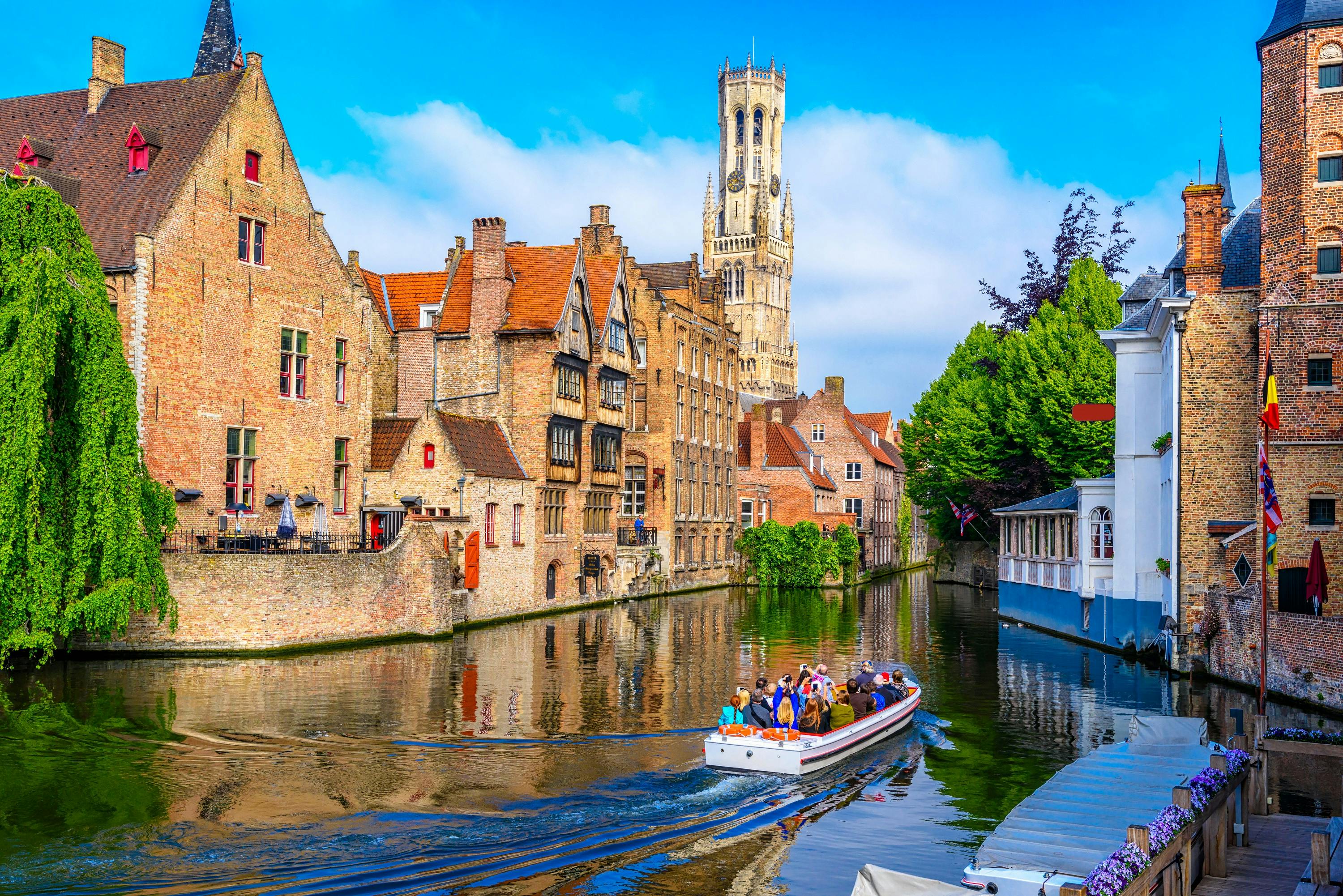
One of the most photographed locations in Europe—and for good reason. This romantic viewpoint where the canal bends is a must for sunset lovers and photographers.
Canal Boat Tour
See Bruges from its most magical angle: the water. A 30-minute canal cruise glides past medieval houses, hidden gardens, and arched bridges.
Basilica of the Holy Blood
A small but striking basilica said to house a vial of Christ’s blood. Its richly decorated upper chapel is a highlight of Bruges’ religious architecture.
Burg Square
A beautifully preserved collection of historic buildings, including the Gothic Town Hall and the ornate Bruges City Hall.
The Beguinage (Begijnhof)
A peaceful, white-walled courtyard once home to a community of devout women. It’s a serene escape from the busy centre.
Choco-Story & Chocolate Shops
Bruges is chocolate heaven. Visit Choco-Story for a fun, interactive museum experience, then pick up artisanal pralines from top chocolatiers.
What to Expect When Visiting
A Perfectly Walkable City
Bruges is compact and flat, making it easy to explore on foot. Almost every major attraction is within a 10–15 minute walk.
A Romantic & Peaceful Atmosphere
By evening, the city transforms into a glowing wonderland of lamplit streets and quiet canals—especially ideal for couples.
A Food Lover’s Paradise
Expect world-class:
Belgian fries
Waffles
Chocolates
Local beers
Flemish stews
Café culture thrives here.
Best Time to Visit Bruges
Spring (April–June)
Flowers bloom, canals sparkle, and the weather is comfortable for long walks.
Summer (July–August)
Warm, lively, and full of energy—though it’s also the busiest period.
Autumn (September–October)
Cooler temperatures and colourful seasonal scenery. Ideal for photography.
Winter (December)
Bruges becomes a Christmas fantasy with markets, ice rinks, and twinkling lights.
How Many Days Do You Need?
1 day: Highlights—Markt, Belfry, canals, Burg Square
2 days: Museums, windmills, chocolate tasting
3 days: Nearby towns like Ghent or the Belgian coast
Most travellers find 2–3 days perfect.
Getting to Bruges
By Train
Bruges is extremely well connected:
1 hour from Brussels
30 minutes from Ghent
3 hours from Amsterdam (via Antwerp/Brussels)
3–4 hours from Paris (via Brussels)
From Bruges Station, the Old Town is a 15–20 minute walk or a short bus ride.
By Car
You can drive, but parking is scarce in the medieval centre. Park on the outskirts and walk in.
Where to Stay
Old Town
Best for first-time visitors wanting charm, easy access, and canal views.
Near Bruges Station
More affordable and convenient for onward travel.
Along the Canals
Romantic boutique hotels perfect for couples.
Helpful Tips
Get to Markt Square early to beat the tour crowds.
Prebook Belfry tickets if available—queues can be long.
Weekends are busier due to European city-break travellers.
Try different chocolate shops—each has unique flavours.
Wear comfortable shoes; cobblestones can be uneven.
Final Thoughts
Bruges is one of Europe’s most enchanting destinations—a city where medieval architecture, peaceful canals, and indulgent cuisine create a perfect getaway. Whether you’re visiting for a day or a long weekend, Bruges will leave you with unforgettable memories and photos that look straight out of a fairytale.
Sponsored Popular Items
Quick take: Musement.com offers a worldwide selection of tours and attractions
City Exploration Game in Enchanting Bruges Belgium Plan City Exploration Game in Enchanting Bruges, a self-guided game or exploration experience, with practical tips on timing, inclusions and what to check before booking. Compare current availability, prices and booking conditions before you go.
Bruges Day Trip from Brussels – Guided Sightseeing Experience Belgium Bruges day trip from Brussels adds structure, local context and purposeful sightseeing to the itinerary. Check current availability, inclusions and booking details before you go.
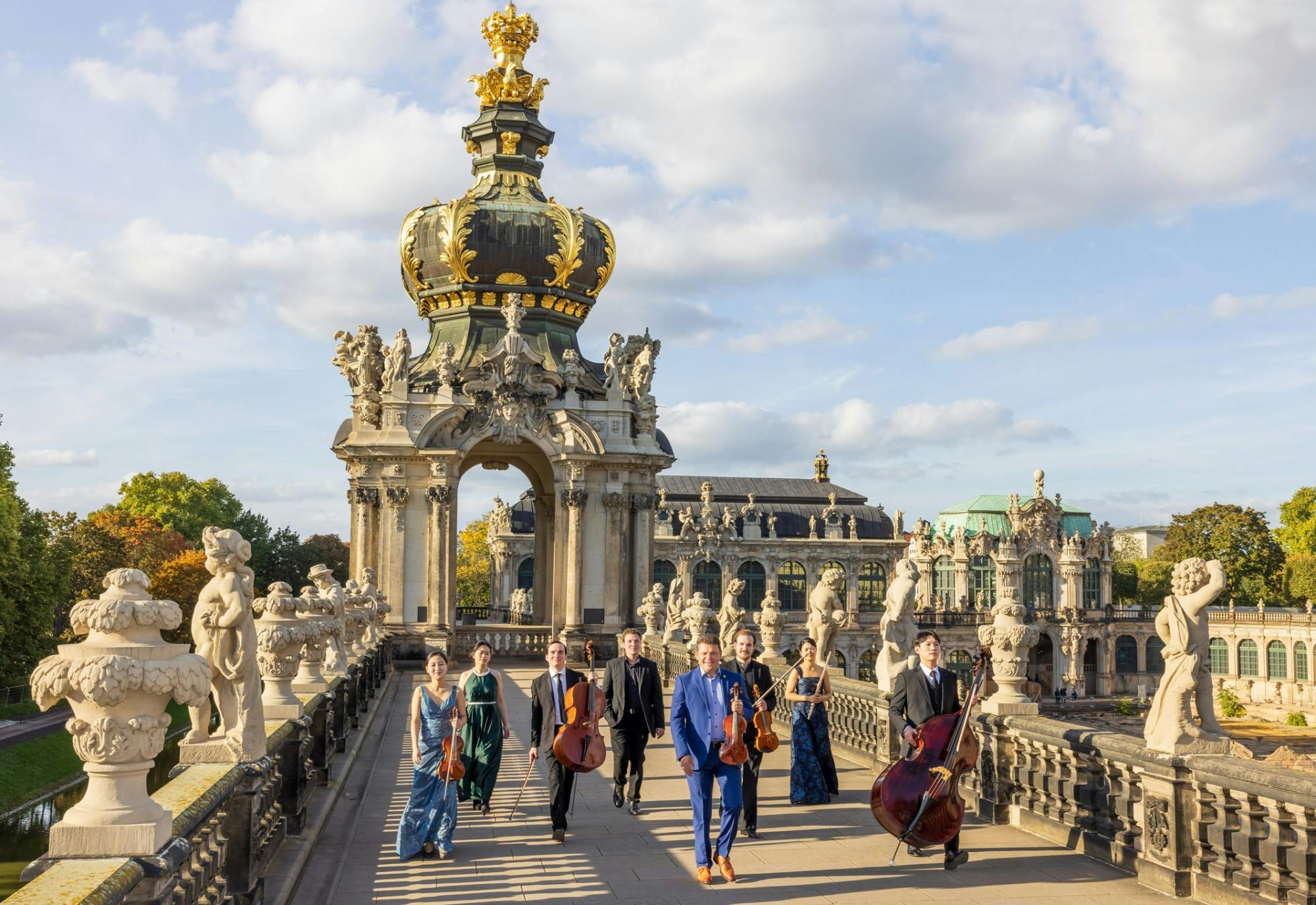
Classical Gala Concert in Dresden Zwinger Germany Plan Classical Gala Concert in Dresden Zwinger, a guided sightseeing experience, with practical tips on timing, inclusions and what to check before booking. Compare current availability, prices and booking conditions before you go.
Answer Capsule: Dresden at a Glance
Where is it? Eastern Germany, along the River Elbe, near the Czech border
Why visit? World-class art museums, Baroque and Rococo architecture, rebuilt Old Town, riverside scenery
Best for: History lovers, culture seekers, photographers, river cruisers
Top highlights: Frauenkirche, Zwinger Palace, Semperoper, Green Vault Museum, Brühl’s Terrace
Best time to go: May–October for warm sightseeing; December for Christmas markets
How long to stay: 2–3 days for main attractions
Why Visit Dresden?
Dresden is one of Europe’s most visually stunning cities—a place where elegant Baroque domes rise along the River Elbe and cobbled squares hum with café culture. Known as the “Florence on the Elbe,” Dresden blends art, history, resilience, and modern creativity into a destination that feels both regal and down-to-earth.
After near-total destruction in WWII, Dresden’s landmarks were masterfully reconstructed. Today the city glows with beauty: from golden palace façades to peaceful riverside walks and world-class museums. Whether you love architecture, classical music, or scenic day trips, Dresden delivers.
Top Things to See & Do in Dresden
Frauenkirche (Church of Our Lady)
This iconic sandstone church—rebuilt stone-by-stone—is Dresden’s most moving symbol of restoration. Climb the dome for sweeping views across the Old Town.
Zwinger Palace
A masterpiece of Baroque architecture featuring decorative courtyards, fountains, and the Old Masters Gallery with works by Raphael, Rembrandt, and more.
Semperoper (Opera House)
One of Europe’s most prestigious opera houses, loved for its flawless acoustics and lavish interiors. Book a tour or catch a performance for an unforgettable night out.
Brühl’s Terrace
Nicknamed the “Balcony of Europe,” this elevated promenade offers scenic Elbe River views and makes a romantic sunset walk.
The Green Vault (Grünes Gewölbe)
A breathtaking treasury museum filled with jewels, ivory, and gold works once belonging to the Saxon kings. It’s unlike any collection you’ll see elsewhere.
Dresden Old Town (Altstadt)
Wander cobblestone streets, browse boutiques, and enjoy traditional Saxon cuisine in cosy taverns. Stop by the Procession of Princes mural—hundreds of royal figures hand-painted on Meissen porcelain tiles.
Elbe River Cruises
A relaxing way to see Dresden’s skyline, bridges, and vineyard-lined hills. Cruises range from 1-hour sightseeing trips to full-day journeys to Pillnitz Palace.
Tech Dome Penang is the island’s first dedicated science discovery centre, located inside the iconic Geodesic Dome of Komtar in George Town. Designed to inspire curiosity in both children and adults, it’s one of Penang’s best family-friendly, interactive museums.
⭐ What Makes Tech Dome Penang Special
1. 120+ Hands-On Exhibits
The centre features over 120 interactive science and tech exhibits covering:
Robotics
Optics & Light
Electricity & Magnetism
Space exploration
Engineering challenges
Life sciences
Visitors are encouraged to touch, experiment, and play, making learning exciting and memorable.
2. The Geodesic Dome Setting
Tech Dome occupies the restored geodesic dome designed by Buckminster Fuller, a futuristic architectural landmark built in the 1980s. The retro-futuristic dome itself is part of the museum’s appeal.
3. Popular Highlights
Some must-try exhibits include:
The G-Force Simulator – experience astronaut-like centrifugal force
The Robotic Arm – try programming and precision movement
Laser Maze – challenge your agility as you navigate beams of light
Human Gyro – a spinning adventure mimicking astronaut training
Gravity Well – drop coins and watch physics in action
4. Activities & Workshops
Tech Dome regularly hosts:
Robotics classes
STEM workshops for kids
Engineering challenges
Science demonstrations
Perfect for curious learners and tech-loving families.
5. Great for All Ages
Whether you’re a child discovering physics for the first time or an adult wanting to revisit your love for science, the exhibits are designed to be fun, educational, and surprising.
🕒 Typical Visiting Time
Expect to spend 2–3 hours exploring everything comfortably.
🎟️ Who Should Visit
Families with kids
Anyone interested in science, tech, or engineering
Travellers seeking indoor attractions in Penang
Students and teachers
📍 Location
Tech Dome Penang Komtar Geodesic Dome, Level 4, George Town, Penang (Inside the KOMTAR tower complex)
📝 Tips for Visiting
Go earlier in the day to avoid school-group crowds.
Wear comfortable clothing for physical exhibits.
Combine with nearby attractions like The TOP Komtar, Rainbow Skywalk, or Jurassic Research Center for a full day out.
Sponsored Popular Items
Quick take: Musement.com offers a worldwide selection of tours and attractions
Interactive Science Galleries at Tech Dome Penang – Guided Sightseeing Malaysia Interactive Science Galleries at Tech Dome Penang is a convenient way to add structure, local context and purposeful sightseeing to the itinerary. Check current availability, inclusions and booking details before you go.
Science Marvels of Gardens by the Bay & Flower Dome Singapore Discover the hidden science behind Gardens by the Bay & Flower Dome. Explore plant adaptations, Supertrees, solar energy and clever climate technology in tropical Singapore
REIKI AirPods Holder – Tech Travel Accessory United States REIKI AirPods Holder USD 19.99 adds structure, local context and purposeful sightseeing to the itinerary. Check current availability, inclusions and booking details before you go.
The Rainbow Skywalk is one of Penang’s most thrilling and picturesque attractions, located on the rooftop of The Top Komtar Tower—Penang’s tallest skyscraper at 249 metres above sea level. It’s a favourite for panoramic views, photography, and a little dose of heights-induced adrenaline.
⭐ What Makes the Rainbow Skywalk Special
1. Glass Bridge in the Sky
A semi-circular, transparent glass walkway extends out from the 68th floor, allowing you to stand over Penang’s skyline with sweeping 360° views of George Town, the Penang Bridge, and the shimmering coastline.
2. Unforgettable Sunset Moments
The Skywalk is one of Penang’s top sunset spots. The sky lights up in pastel pinks, fiery oranges, and deep purples, with the city glowing beneath your feet.
3. The Top’s Rooftop Experience
Your Skywalk ticket also gives you access to:
68th-floor open-air viewing deck
Gravityz Adventure Park (optional, extra fee for the extreme outdoor challenges)
Window of The Top indoor observatory
4. Great for Photos
The glass walkway reflects the colours of the sky like a rainbow, making it one of Penang’s most Instagrammable locations.
🕒 Best Time to Visit
Late afternoon for cooler temperatures and golden-hour lighting
After dark to see George Town illuminated like a sea of stars
🎟️ Ticket Info (General Guide)
Prices vary by season, but typically include:
Rainbow Skywalk Access
Observation Deck (indoor + outdoor)
Extreme activities like Gravityz require separate tickets.
📍 Location
The Top Komtar, George Town, Penang, Malaysia Right in the heart of Penang’s UNESCO Heritage city.
👣 Who Should Visit?
Perfect for:
First-time travellers to Penang
Couples looking for a romantic viewpoint
Photography lovers
Families wanting a fun city attraction
Anyone who isn’t afraid of heights!
📝 Tips for Visiting
Wear comfortable shoes—no sharp heels on the glass walkway.
Arrive early on weekends; it gets busy.
Weather can affect visibility, so choose a clear day.
Don’t skip the outdoor deck—it’s just as beautiful as the Skywalk.
Sponsored Popular Items
Quick take: Musement.com offers a worldwide selection of tours and attractions
Top Seven Wonders of Penang Private City Tour - Guided Sightseeing Tour Malaysia Top seven wonders of Penang private city tour is a convenient way to add structure, local context and purposeful sightseeing to the itinerary. Check current availability, inclusions and booking details before you go.
Full-Day Pulau Penang Exploration Shared Tour - Guided Sightseeing Tour Malaysia Full-day Pulau Penang exploration shared tour is a convenient way to add structure, local context and purposeful sightseeing to the itinerary. Check current availability, inclusions and booking details before you go.
Wonderfood Museum Penang Tickets - Attraction Entry Malaysia Wonderfood Museum Penang tickets provides a structured way to visit one of the destination’s notable attractions or cultural sites. Check current availability, inclusions and booking details before you go.
Penang is one of Southeast Asia’s most captivating destinations, a vibrant blend of heritage, cuisine, nature, and creativity. Among its many highlights, travellers often look for the island’s “Seven Wonders of Penang”—a curated collection of attractions that reflect the soul of this UNESCO-listed state.
Below is a modern, widely recognised list of Penang’s seven most iconic wonders, mixing history, culture, spirituality, and natural beauty.
1. Penang Hill
The island’s first hill station, dating back to colonial times, Penang Hill offers cool temperatures, walking trails, colonial bungalows, and one of the best panoramic views of George Town. Ride the funicular railway and enjoy the lush rainforest at 833 metres above sea level.
2. Kek Lok Si Temple
One of Southeast Asia’s largest Buddhist temples, Kek Lok Si is a majestic complex featuring prayer halls, pagodas, gardens, and the striking 37-metre bronze statue of Kuan Yin, the Goddess of Mercy. The Pagoda of Ten Thousand Buddhas is a highlight.
3. Penang Street Art (George Town UNESCO Zone)
Internationally famous, George Town’s street art includes murals by Ernest Zacharevic and countless local artists. Each masterpiece transforms shophouse walls into living canvases, making the city a giant open-air gallery.
4. Penang Peranakan Mansion
This ornate museum provides a captivating glimpse into Straits Chinese (Peranakan) culture, known for its intricate furniture, jewellery, clothing, and architecture. It’s a time capsule of 19th-century opulence.
5. The Clan Jetties
Six surviving waterfront settlements built by Chinese clans. The most famous, Chew Jetty, features stilt houses, narrow wooden walkways, shrines, and small shops. It’s a living heritage site that tells the story of Penang’s migrant past.
6. Tropical Spice Garden
Located in Teluk Bahang, this lush garden contains over 500 species of tropical flora. Guided walks, spice tours, and cooking classes offer insight into Penang’s spice-trading history and local culinary traditions.
7. Batu Ferringhi Beach
Penang’s most popular beach, lined with resorts, parasailing operators, beachfront bars, and the famous night market. Golden sands and sunsets make it a must-visit for both relaxation and adventure.
Why These Seven Wonders Matter
Together, these attractions showcase Penang’s core identity:
Natural Beauty – Hilltop forests & golden beaches
Spiritual Heritage – Temples & traditional beliefs
Cultural Depth – Peranakan legacy & clan communities
Artistic Energy – World-famous murals
Historical Roots – UNESCO-listed districts
They highlight why Penang is often called the cultural heart of Malaysia.
Sponsored Popular Items
Quick take: Musement.com offers a worldwide selection of tours and attractions
Top Seven Wonders of Penang Private City Tour - Guided Sightseeing Tour Malaysia Top seven wonders of Penang private city tour is a convenient way to add structure, local context and purposeful sightseeing to the itinerary. Check current availability, inclusions and booking details before you go.
Full-Day Pulau Penang Exploration Shared Tour - Guided Sightseeing Tour Malaysia Full-day Pulau Penang exploration shared tour is a convenient way to add structure, local context and purposeful sightseeing to the itinerary. Check current availability, inclusions and booking details before you go.
Wonderfood Museum Penang Tickets - Attraction Entry Malaysia Wonderfood Museum Penang tickets provides a structured way to visit one of the destination’s notable attractions or cultural sites. Check current availability, inclusions and booking details before you go.
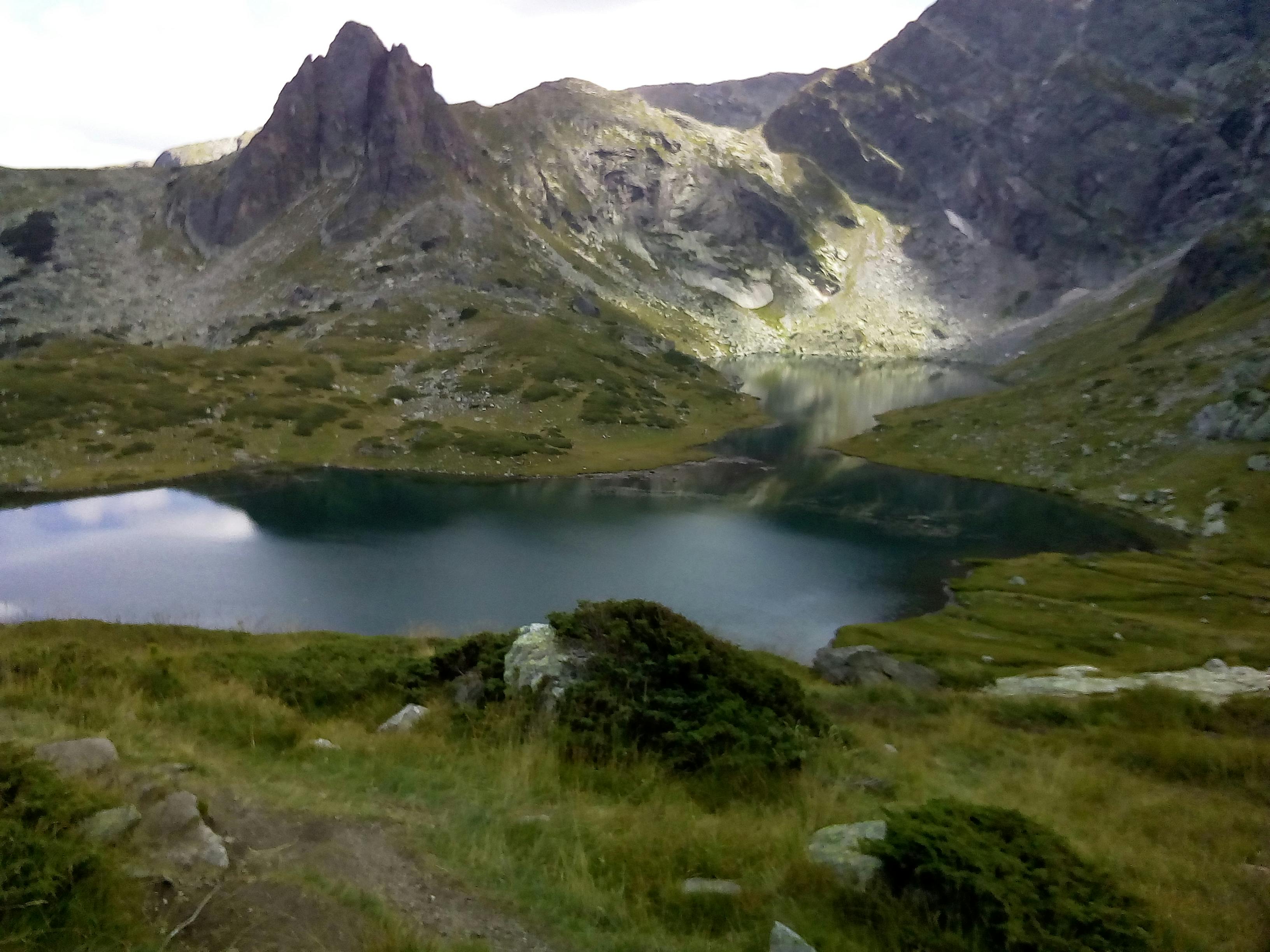
High in the Rila Mountains of southwestern Bulgaria lies one of the country’s most breathtaking natural treasures—the Seven Rila Lakes. Formed by ancient glaciers and arranged like a necklace across a dramatic alpine valley, these lakes captivate visitors with their crystal-clear waters, wildflower meadows, and panoramic views that feel almost otherworldly.
Whether you’re a nature lover, hiking enthusiast, or curious traveller seeking unforgettable landscapes, the Seven Rila Lakes offer a rejuvenating escape into some of Europe’s most stunning mountain scenery.
A Natural Masterpiece Sculpted by Ice
The Seven Rila Lakes are glacial lakes located between 2,100 and 2,500 meters above sea level. Each lake has its own shape, personality, and evocative name:
The Lower Lake (Dolnoto Ezero) – The lowest in elevation, where water flows out of the system.
The Fish Lake (Ribnoto Ezero) – Shallow and peaceful.
The Trefoil (Trilistnika) – Named for its three-lobed shape.
The Twin (Bliznaka) – The largest lake, divided into two parts.
The Kidney (Babreka) – Famous for its curved shape and dramatic surrounding cliffs.
The Eye (Okoto) – The deepest lake, with strikingly clear dark-blue water.
The Tear (Salzata) – The highest lake, known for its incredible clarity and breathtaking views.
Hikers often say standing at the Tear feels like standing on the edge of the world.
One of Bulgaria’s Most Beautiful Hikes
The Seven Rila Lakes trail is one of Bulgaria’s most popular hikes, but for good reason. The views span rugged peaks, glacial valleys, and endless sky. The terrain varies from gentle paths to steeper climbs, making it suitable for most active travellers.
How Difficult Is the Hike?
Moderate. Most routes take 4–6 hours round-trip, depending on your pace and chosen path.
Cable Car Access
Many visitors start from the Panichishte chairlift, which carries you close to the lakes and shortens the hiking time significantly.
October: Cooler temperatures and golden autumn colours.
Winter: Possible with a guide, but only for experienced hikers due to snow and ice.
A Place of Peace, Nature & Energy
Many locals believe the Seven Rila Lakes possess special spiritual energy. Every August, thousands gather here for the White Brotherhood Dance, celebrating nature, unity, and renewal.
Even if you don’t participate, the atmosphere is unmistakably serene—crisp alpine air, echoing silence, and the feeling of standing in a place shaped by time itself.
Self-Guided Tour to Rila Mountains and the Seven Rila Lakes from Sofia Bulgaria Self-guided tour to Rila Mountains and the Seven Rila Lakes from Sofia supports independent exploration while still providing structured digital guidance. Check current availability, inclusions and booking details before you go.
Seven Rila Lakes Full-Day Hiking Tour from Sofia – Outdoor Adventure Bulgaria Planning Seven Rila Lakes Full-Day Hiking Tour from Sofia – Outdoor Adventure For an outdoor adventure, compare the activity level, equipment and conditions with your fitness and confidence. Check current availability, inclusions and booking details before you go.
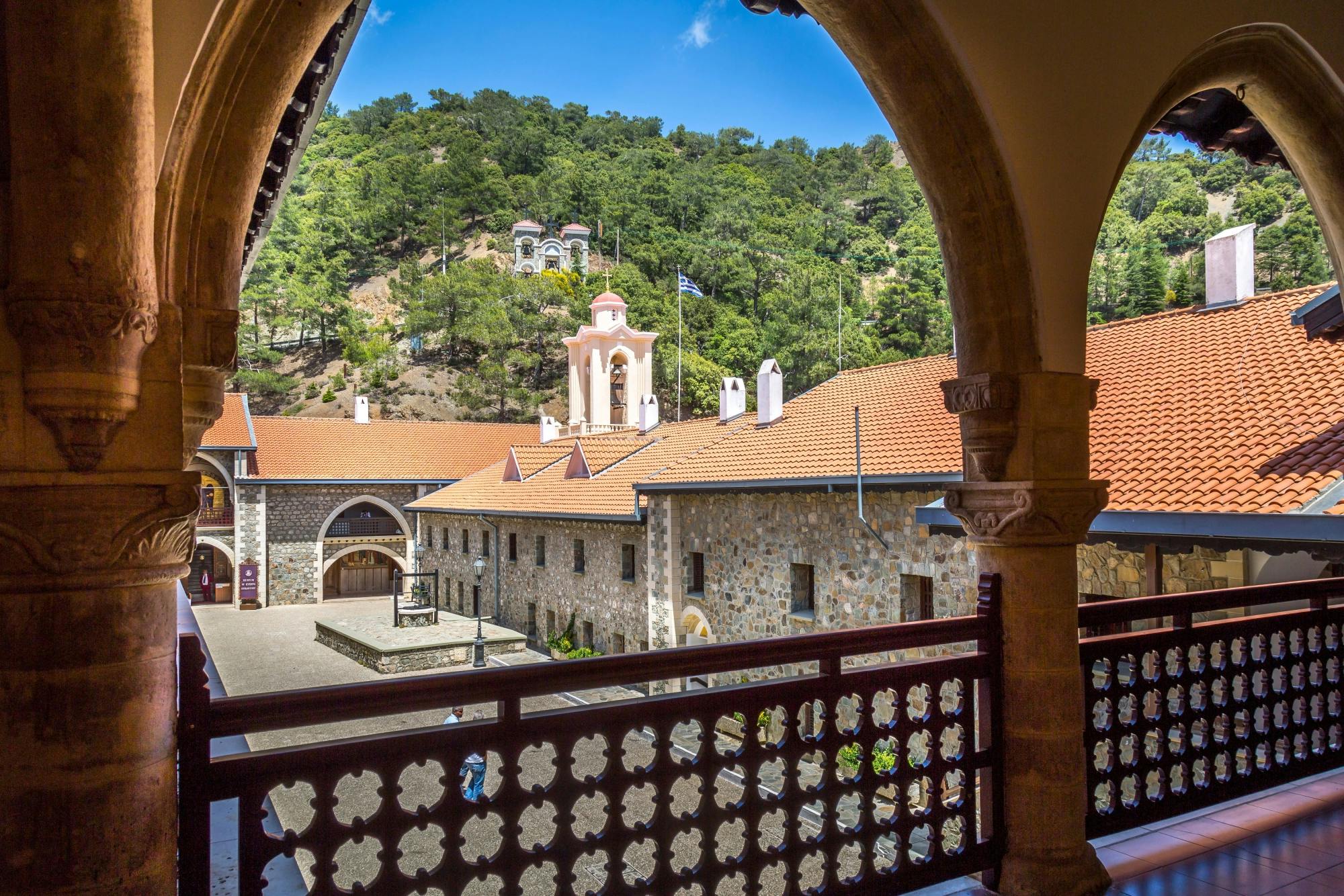
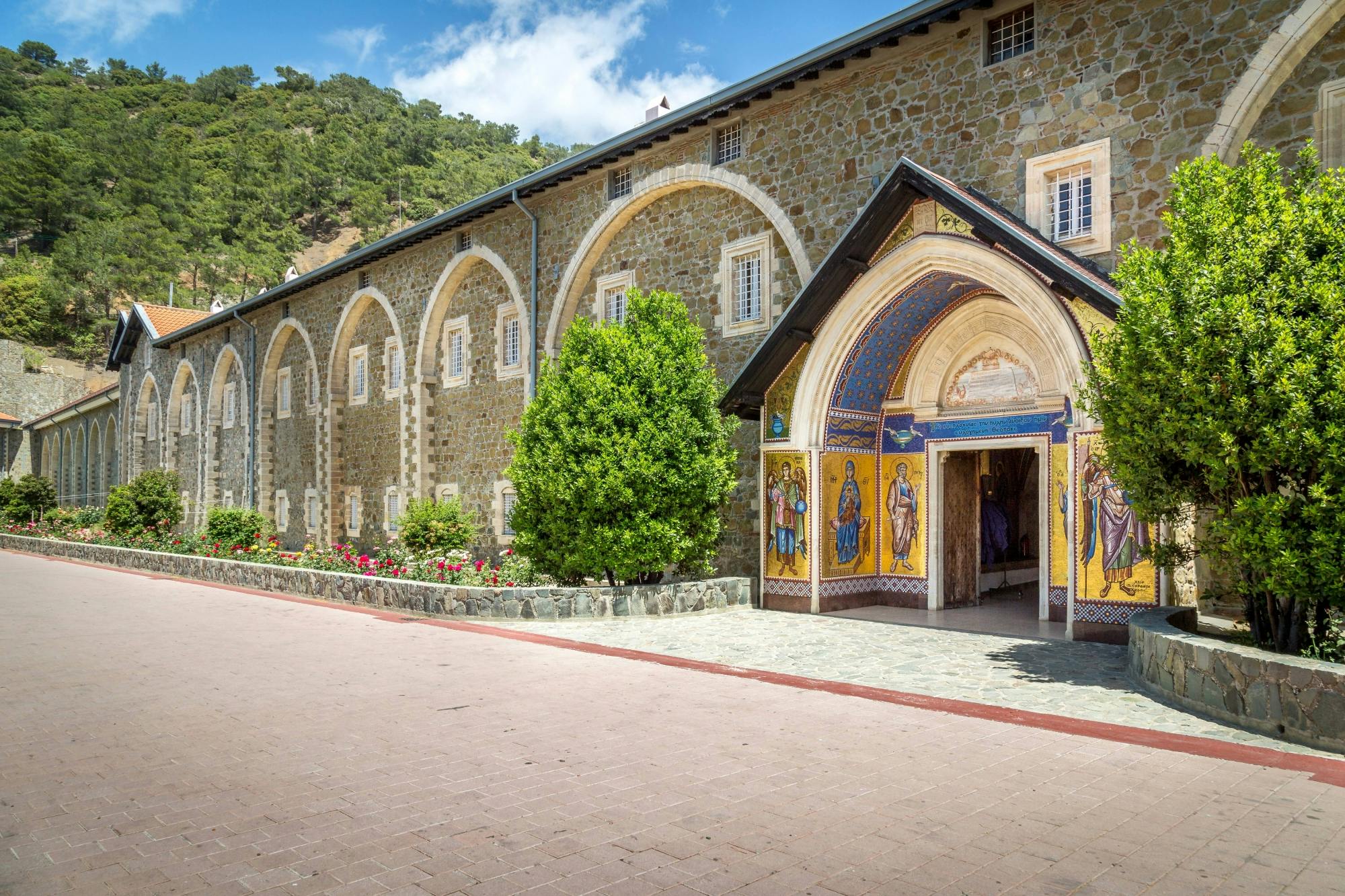
High in the pine-scented Troodos Mountains lies Kykkos Monastery, one of Cyprus’ most revered and visually striking religious sites. Dedicated to the Virgin Mary and known for its legendary icon said to be painted by St. Luke, Kykkos is far more than a monastery—it’s a place where faith, history, art, and nature intertwine in a breathtaking mountain setting.
A Sacred Landmark Rich in History
Founded in the 11th century during the rule of Byzantine Emperor Alexios I Komnenos, Kykkos Monastery has long been a symbol of spiritual importance in Cyprus. Although the original structure was destroyed by fire multiple times, it was faithfully rebuilt each time, growing richer and more ornate across the centuries. Today, the monastery stands as a dazzling example of Byzantine architecture and Orthodox artistry.
A Mesmerising World of Gold, Icons & Frescoes
As you step through the monastery’s stone archways, you’re greeted by brilliantly coloured frescoes, mosaics shimmering with gold, and intricately decorated walkways. Every corridor feels like a gallery, illustrating Biblical stories and Byzantine motifs.
The heart of Kykkos houses its most sacred treasure:
the Icon of the Virgin Mary (Panagia Eleousa), traditionally believed to have been painted by the Apostle Luke himself. Covered in silver and rarely unveiled, it’s an object of deep reverence for pilgrims from around the world.
The Peaceful Atmosphere of the Troodos Mountains
Part of what makes a visit to Kykkos so special is its dramatic setting. Perched at 1,318 meters above sea level, the monastery overlooks forested valleys, winding mountain roads, and crisp mountain air. Many visitors combine the monastery with nature walks, mountain villages, or scenic lookouts in the Troodos region.
Life, Traditions & the Museum
The monastery is still active, home to monks who continue centuries-old traditions of Orthodox worship. Its Byzantine Museum is one of the island’s finest, featuring manuscripts, icons, ecclesiastical robes, and rare religious artifacts.
The quiet courtyards, the scent of incense, and the gentle flicker of candles create a serene, almost timeless atmosphere.
Why Visit Kykkos Monastery?
Spiritual heritage: Explore one of the wealthiest and most important monasteries in Cyprus.
Art & architecture: Stunning frescoes, iconography, and mosaics from various periods.
Natural beauty: Spectacular mountain scenery and tranquil surroundings.
Cultural insight: Learn about Cypriot Orthodox traditions and monastic life.
Photogenic setting: Beautiful courtyards, ornate halls, and panoramic viewpoints.
Tips for Visitors
Dress respectfully (shoulders and knees covered).
Arrive early or late to avoid midday crowds and enjoy quieter moments.
Combine your visit with nearby mountain villages like Pedoulas or Kakopetria.
Don’t miss the museum—it’s one of the best in Cyprus.
Roads are winding; take your time and enjoy the views.
A visit to Kykkos Monastery is not just a sightseeing stop—it’s an immersive journey into the soul of Cyprus, offering history, culture, spirituality, and mountain beauty all in one unforgettable experience.
Sponsored Popular Items
Quick take: Musement.com offers a worldwide selection of tours and attractions
Kykkos Monastery & Troodos Mountains Small-Group Tour Cyprus Rustic stone villages dot pine-studded valleys and traditional ways of life still hold sway. Check current availability, inclusions and booking details before you go.