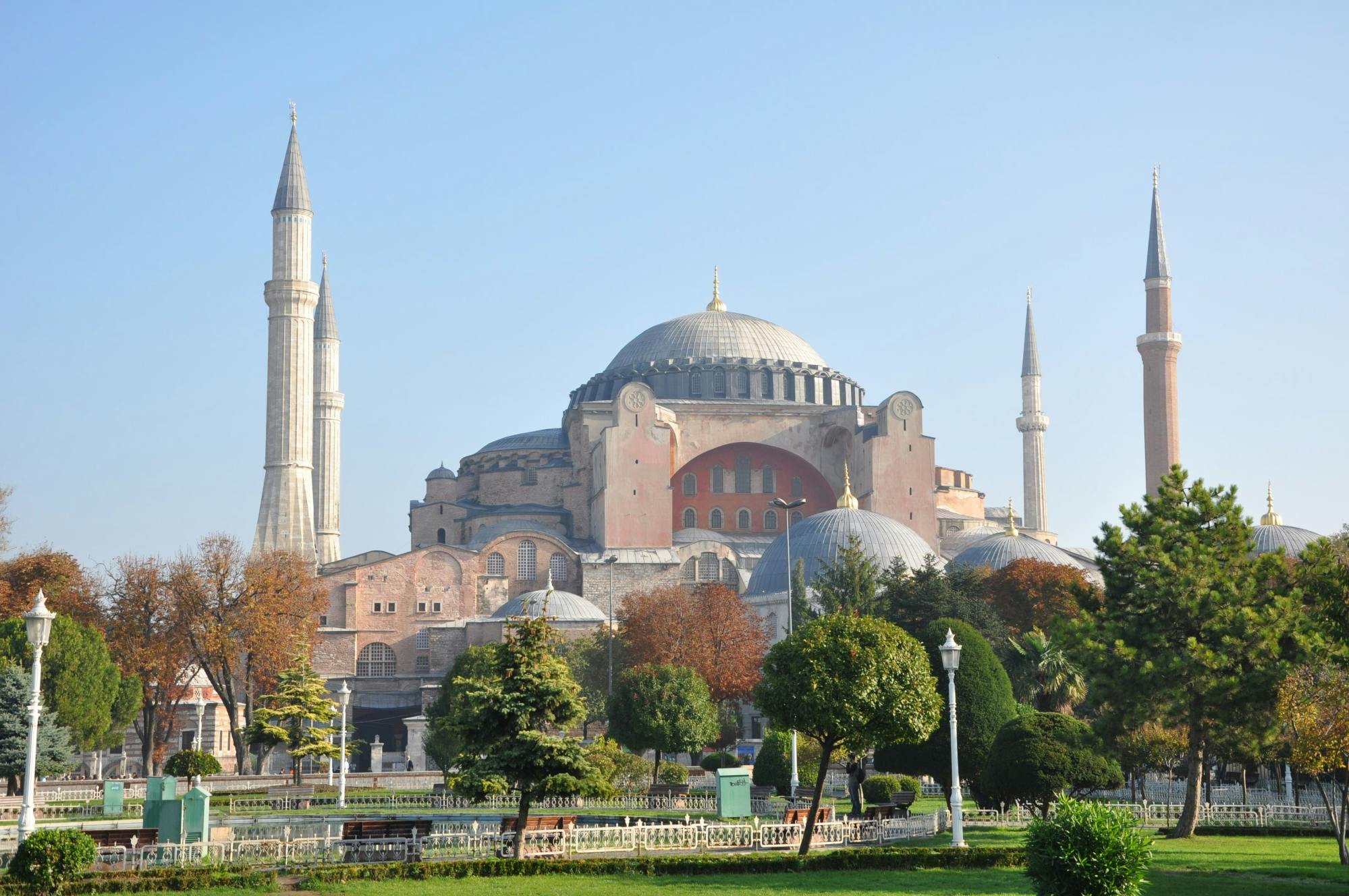
Istanbul is a vibrant city that straddles two continents—Europe and Asia. Once known as Byzantium and later Constantinople, Istanbul has been the capital of three great empires: Roman, Byzantine, and Ottoman. Today, it stands as a cultural and economic powerhouse in modern Turkey, offering a mix of ancient landmarks, rich traditions, and contemporary charm.
Sponsored Popular Items
Quick take: Musement.com offers a worldwide selection of tours and attractions
Aromatherapy Workshop in Istanbul, Essential Oils of the Silk Road Turkey Plan Aromatherapy Workshop in Istanbul, Essential Oils of the Silk Road, a guided sightseeing experience, with practical tips on timing, inclusions and what to check before booking. Compare current availability, prices and booking conditions before you go.
Brief History of Istanbul
From Emperor Constantine’s reign to the fall of the Ottoman Empire, Istanbul has worn many crowns. Each era has left behind stunning architecture, from the majestic Hagia Sophia to the elaborate Topkapi Palace.
Cultural Significance
Istanbul is more than a destination—it’s an experience. Its mosques, churches, palaces, and bazaars reflect a deep, interwoven past that continues to shape the city’s vibrant culture today.
Why Visit Istanbul?
Istanbul offers a sensory overload in the best possible way. It’s where the call to prayer harmonizes with the chatter of street vendors and the scent of sizzling kebabs wafts through cobbled alleys.
Unique Blend of East and West: No other city merges continents like Istanbul. This convergence creates an unmatched atmosphere of coexistence between tradition and modernity.
Rich Heritage and Hospitality: Turks are known for their warmth. Don’t be surprised if you’re offered tea while browsing a store or chatting with a stranger.
Best Time to Visit Istanbul
Seasonal Weather Guide
Spring (April to June): Pleasant temperatures and blooming flowers.
Autumn (September to November): Crisp air and fewer tourists.
Summer: Hot but vibrant, ideal for nightlife and Bosphorus cruises.
Winter: Quieter with occasional snow, perfect for off-season deals.
Ideal Months for Tourists
April, May, September, and October strike the perfect balance of good weather and smaller crowds.
Visa and Entry Requirements for Turkey
Visa Types
Most visitors need a tourist visa, but some nationalities are exempt for short stays.
E-Visa Process
Apply online at evisa.gov.tr. Approval usually takes minutes.
Passport Validity and Customs
Your passport should be valid for at least six months beyond your stay. Be aware of currency and cultural import regulations.
How to Get to Istanbul
Major Airports in Istanbul
Istanbul Airport (IST): Major international hub on the European side.
Sabiha Gökçen Airport (SAW): Located on the Asian side, ideal for domestic and budget carriers.
Transportation from the Airport
Taxis, metro, shuttle buses (Havaist), and private transfers are all available.
International Flight Connectivity
Istanbul is served by over 300 direct routes, making it a major layover and travel hub between Europe and Asia.
Getting Around Istanbul
Public Transport
Efficient and affordable:
Metro: Fastest way across major districts.
Tram: Scenic route through the old city.
Bus: Extensive but sometimes crowded.
Istanbulkart Guide
Purchase this reloadable card at metro stations. It works across all public transport and saves you money.
Taxis and Ride-Sharing
Taxis are plentiful but can be pricey during traffic. Use BiTaksi or Uber for more reliable service.
Top Tourist Attractions in Istanbul
Hagia Sophia: A breathtaking former church, mosque, and now mosque-museum.
Blue Mosque: Famous for its blue Iznik tiles and six minarets.
Topkapi Palace: Home to Ottoman sultans for nearly 400 years.
Grand Bazaar: One of the oldest and largest covered markets in the world.
Bosphorus Cruise: Enjoy the city skyline from the water, day or night.
Hidden Gems in Istanbul
Balat and Fener: Colorful neighborhoods filled with history and hip cafes.
Chora Church: Known for its magnificent mosaics and frescoes.
Pierre Loti Hill: Offers stunning views over the Golden Horn.
Best Neighborhoods to Explore
Sultanahmet: Where history comes alive.
Beyoğlu: Trendy, artsy, and packed with nightlife.
Kadıköy: Laid-back local vibe on the Asian side.
Üsküdar: Traditional and scenic, great for sunset views.
Local Turkish Cuisine You Must Try
Street Food Delights
Simit: Turkish sesame bagel.
Balık Ekmek: Fish sandwich near Galata Bridge.
Kokoreç: Spicy lamb intestines, a local favorite.
Iconic Turkish Dishes
Kebabs: From Adana to Urfa, each region offers a twist.
Meze: Appetizer platters best enjoyed with rakı.
Baklava: Sweet pastry layers soaked in syrup.
Best Restaurants in Town
Nusr-Et: For steak lovers.
Ciya Sofrası: Famous for authentic Anatolian dishes.
Matbah Restaurant: Ottoman cuisine in the heart of Sultanahmet.
Where to Stay in Istanbul
Type Examples
Budget Hotels Cheers Hostel, Antique Hostel Mid-Range Options Sirkeci Mansion, Hotel Amira Luxury Resorts Four Seasons, Ciragan Palace Kempinski Boutique Hotels White House Hotel, Vault Karaköy
Shopping in Istanbul
Grand Bazaar: Over 4,000 shops of jewelry, textiles, and antiques.
Spice Bazaar: Aromatic heaven for foodies.
Modern Shopping Malls: Kanyon, Istinye Park.
Local Markets and Souvenirs: Handmade ceramics, Turkish delight, leather goods.
Istanbul Travel Tips for First-Time Visitors
Language: Turkish is the official language, but basic English is widely spoken in tourist areas.
Currency: Turkish Lira (TRY); use cards or local cash.
Safety: Istanbul is generally safe but stay alert in busy areas.
Dress Code: Modest dress is appreciated, especially when visiting mosques.
Day Trips and Excursions from Istanbul
Princes’ Islands: No-car paradise perfect for biking and exploring.
Bursa: Former Ottoman capital, known for green hills and hot springs.
Edirne: Border town rich with Ottoman architecture and history.
Istanbul Nightlife and Entertainment
Bars and Clubs: Reina, Sortie, and rooftop bars in Karaköy.
Live Music Venues: Babylon, Zorlu PSM for jazz and contemporary acts.
Bosphorus Dinner Cruises: Enjoy Turkish music, belly dancing, and dinner on the water.
Cultural Events and Festivals
Istanbul Film Festival (April): International cinema with local flair.
Ramadan and Eid Celebrations: Rich cultural traditions and street feasts.
Istanbul Biennial (Odd Years): Major contemporary art exhibition.
Frequently Asked Questions (FAQs)
Q1: Is Istanbul safe for solo travelers? Yes, it’s generally safe. Stay alert in busy places and use reputable transport options.
Q2: How many days do you need in Istanbul? At least 3 to 5 days to see major sights and experience the culture.
Q3: What should I wear in Istanbul? Dress modestly when visiting mosques; otherwise, wear comfortable clothes suited for walking.
Q4: Do I need a SIM card in Istanbul? It’s helpful. Buy one at the airport or from local stores like Turkcell or Vodafone.
Q5: Is Istanbul expensive for tourists? It can be affordable if you stick to local transport, eat at mid-range spots, and avoid tourist traps.
Q6: Can I drink tap water in Istanbul? Technically yes, but bottled water is recommended for taste and safety.
Conclusion
Istanbul is a feast for the senses, where history, culture, and modernity meet. Whether you’re drawn to ancient mosques, scenic ferries, flavorful food, or buzzing bazaars, this city will capture your heart. Armed with this Istanbul Turkey travel information, you’re ready to plan an unforgettable adventure.
Sponsored Popular Items
Quick take: Musement.com offers a worldwide selection of tours and attractions
Aromatherapy Workshop in Istanbul, Essential Oils of the Silk Road Turkey Plan Aromatherapy Workshop in Istanbul, Essential Oils of the Silk Road, a guided sightseeing experience, with practical tips on timing, inclusions and what to check before booking. Compare current availability, prices and booking conditions before you go.
Cappadocia in 1 day by motor coach from Istanbul Turkey Plan Cappadocia in 1 day by motor coach from Istanbul, a guided sightseeing experience, with practical tips on timing, inclusions and what to check before booking. Compare current availability, prices and booking conditions before you go.
Istanbul Full-Day Tour from Bulgaria Bulgaria Istanbul tour from Bulgaria is a convenient way to add structure, local context and purposeful sightseeing to the itinerary. Check current availability, inclusions and booking details before you go.
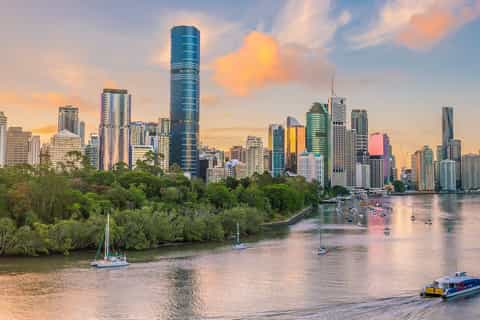
Brisbane River Australia Book your Brisbane River tickets online. Save time and money with our best price guarantee. Make the most of your visit to Brisbane. Check current availability, inclusions and booking conditions.
Best Free Outdoor Spots in Brisbane Australia
South Bank Parklands: Streets Beach lagoon, gardens, and markets.
Roma Street Parkland: Stunning gardens and free tours.
Mt Coot-tha Lookout: Sweeping city views.
City Botanic Gardens: Shady walks and picnic spots.
Quick Tips
Visit Mt Coot-tha at sunset for panoramic views.
Check for free music and events at South Bank.
Free guided walks run in some city parks.
Best Free Outdoor Spots in Brisbane, Australia: Your Ultimate Guide
Looking for the best free outdoor experiences in Brisbane? Whether you’re planning a weekend adventure or just want to soak up the Queensland sunshine, Brisbane offers a treasure trove of scenic, wallet-friendly escapes. From lush gardens to panoramic lookouts, here are the top free outdoor spots that locals love and visitors rave about.
South Bank Parklands: Brisbane’s Riverside Playground
Why it’s a must-visit:
Streets Beach: Australia’s only inner-city man-made beach, complete with white sand and a sparkling lagoon.
Epicurious Garden: A lush edible garden where you can chat with volunteers and even take home free herbs.
Weekend Markets: Browse artisan goods, street food, and live music along Little Stanley Street.
Roma Street Parkland: A Garden Lover’s Paradise
Why it’s a must-visit:
Spectacle Garden: Bursting with over 15,000 flowers in spring—perfect for Instagram-worthy shots.
Free Guided Tours: Learn about native plants and park history with knowledgeable volunteers.
Picnic-Friendly Lawns: Roll out a rug and relax under shady trees or beside tranquil lakes.
Mt Coot-tha Lookout: Brisbane’s Best Viewpoint
Why it’s a must-visit:
Panoramic Views: Gaze across the city skyline, Brisbane River, and out to Moreton Bay.
Walking Trails: Explore nearby bushwalks like the Summit Track or the Aboriginal Art Trail.
Sunset Magic: Arrive late afternoon for golden hour views that are absolutely free.
City Botanic Gardens: Serenity in the Heart of the City
Why it’s a must-visit:
Historic Trees & Sculptures: Wander among ancient figs and curated art installations.
Riverside Walks: Stroll along the Brisbane River with views of Kangaroo Point cliffs.
Peaceful Picnic Spots: Ideal for lunch breaks, yoga sessions, or lazy weekend lounging.
Bonus Tips for Exploring Brisbane Outdoors
Bring your furry friend: Most parks are dog-friendly—just check signage. Go green: Rent a CityCycle or e-scooter to hop between locations.
Plan ahead: Check Visit Brisbane’s free events calendar for live music, pop-up markets, and seasonal festivals.
Final Word: Brisbane’s Best Is Free
Whether you’re chasing waterfalls (figuratively), craving a beach day without leaving the city, or just want to unwind in nature, Brisbane delivers. These outdoor gems prove that the best things in life really are free—and they’re waiting for you to explore.
Ready to pack a picnic and hit the trails? Let’s make your next Brisbane day out unforgettable.
FAQs
Q: Is Streets Beach free?
A: Yes, it’s a free man-made lagoon in South Bank.
Q: Are Brisbane museums free?
A: GOMA and the Queensland Museum offer free entry.
Q: Can you hike near Brisbane for free?
A: Yes, Mt Coot-tha and Brisbane Forest Park have free trails.
Q: Is Roma Street Parkland free?
A: Yes, including tours run by volunteers.
Q: Can you picnic along the Brisbane River?
A: Absolutely, riverside BBQ areas are free to use.
Sponsored Popular Items
Quick take: Musement.com offers a worldwide selection of tours and attractions
Brisbane: Private Brisbane Night Tour with Stops Australia Sit back, relax and enjoy Brisbane by night in a private tour. Get driven around Brisbane after dark with stops for photos and exploring. See the beauty of Brisbane and surrounds at… Check current availability, inclusions and booking conditions.
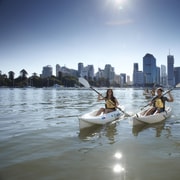
Brisbane: 2-Hour Kayak Hire on Brisbane River Australia Get out and discover Brisbane's beautiful river with this 2-hour kayak hire. Be your own kayak tour guide, whether you're a first-timer or an experienced paddler. Cruise along the… Check current availability, inclusions and booking conditions.
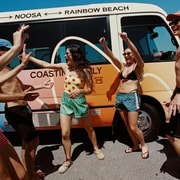
Byron Bay, Gold Coast, Brisbane, Noosa Hop-On Hop-Off Pass Australia Hop-on hop-off along Australia’s East Coast! Travel Byron Bay, Brisbane, Gold Coast, Noosa & Rainbow Beach at your pace, with local tips, must-see spots & exclusive discounts.
7-Day Taiwan Itinerary: Taipei, Taroko Gorge & Sun Moon Lake
Planning a trip to Taiwan? This guide covers what to see and do, how to get around, where to stay, and the best bookable tours to make the most of your time.
📅 Day 1: Arrival in Taipei
What to Do
Explore Ximending (Taipei’s youth district with shopping and street food).
Visit Chiang Kai-Shek Memorial Hall for history and photo ops.
Night markets: Shilin or Raohe Street Night Market for dumplings, bubble tea, and grilled skewers.
Getting Around: Taipei MRT (easy to navigate, English signs everywhere).
Where to Stay: Hotels near Taipei Main Station or Ximending for convenience.
Taipei: Taipei Night Market Experience Taiwan Best deals for Taipei: Taipei Night Market Experience. Explore Taipei's night markets on a guided tour. Savor a local snack and boba drink, learn about the culture and history of street foods, and try your hand at traditional night market games. Available from getyourguide.com.
Taipei: Taipei Night Market Experience Taiwan Best deals for Taipei: Taipei Night Market Experience. Explore Taipei's night markets on a guided tour. Savor a local snack and boba drink, learn about the culture and history of street foods, and try your hand at traditional night market games. Available from getyourguide.com.
Taipei: Taipei-Hualien one day tour Taiwan Best deals for Taipei: Taipei-Hualien one day tour. Discover Hualien and Taroko Gorge on a day trip from Taipei. Depart from Xingtian Temple, stroll through Xincheng Old Street, and explore the scenic Tianxiang Recreation Area. Available from getyourguide.com.
Taipei: Taipei 101 Observatory - Skyline 460 Cloud Walk Taiwan Best deals for Taipei: Taipei 101 Observatory - Skyline 460 Cloud Walk. Elevate your adventure at Taipei 101’s Skyline 460, Asia’s highest outdoor observatory. Soak in breathtaking panoramic views of Taipei, enjoy guided tours, and skip the lines with fast-track access. Available from getyourguide.com.
Taipei is a vibrant blend of ancient temples, bustling night markets, modern skyscrapers, and lush mountain escapes—making it an unforgettable first stop in Taiwan. If it’s your first visit, here are the must-see sights and experiences you shouldn’t miss.
🏙️ 1. Admire the View from Taipei 101
Why go: Once the tallest building in the world, Taipei 101 offers sweeping views of the city skyline and mountains.
What to do: Take the high-speed elevator to the observation deck (89F), enjoy a meal at Din Tai Fung, and shop in the luxury mall below.
Tours:
Planning a trip to Taiwan? This guide covers what to see and do, how to get around, where to stay, and the best bookable tours to make the most of your time.
Taipei: Taipei Night Market Experience Taiwan Best deals for Taipei: Taipei Night Market Experience. Explore Taipei's night markets on a guided tour. Savor a local snack and boba drink, learn about the culture and history of street foods, and try your hand at traditional night market games. Available from getyourguide.com.
Taipei: Taipei-Hualien one day tour Taiwan Best deals for Taipei: Taipei-Hualien one day tour. Discover Hualien and Taroko Gorge on a day trip from Taipei. Depart from Xingtian Temple, stroll through Xincheng Old Street, and explore the scenic Tianxiang Recreation Area. Available from getyourguide.com.
Taipei: Taipei 101 Observatory - Skyline 460 Cloud Walk Taiwan Best deals for Taipei: Taipei 101 Observatory - Skyline 460 Cloud Walk. Elevate your adventure at Taipei 101’s Skyline 460, Asia’s highest outdoor observatory. Soak in breathtaking panoramic views of Taipei, enjoy guided tours, and skip the lines with fast-track access. Available from getyourguide.com.
Sale is a relaxed regional city in Gippsland, Victoria, known for its lakeside walks, heritage buildings, art gallery, gardens, wetlands and easy access to the wider Gippsland region. It is not a flashy destination, and that is part of its appeal. Sale is the kind of place where travellers can slow down, stretch their legs, enjoy country-town hospitality and discover a quieter side of regional Australia.
Set in Central Gippsland, Sale makes a practical stop for road trippers, nature lovers, families and travellers heading toward the Gippsland Lakes, Ninety Mile Beach, the High Country or East Gippsland. With leafy parks, walking tracks, water views and cultural attractions, it is well suited to a gentle overnight stay or a relaxed short break.
Why Visit Sale?
Sale is worth visiting if you enjoy easy regional travel, lakeside scenery, local art, historic places and a slower pace. It is not as famous as some coastal or mountain destinations in Victoria, but it has a calm and accessible charm.
The town works especially well as a base for exploring Central Gippsland. You can walk around Lake Guthridge, visit Sale Botanic Gardens, explore Gippsland Art Gallery, see the historic La Trobe Swing Bridge, take a heritage cruise from the Port of Sale or use the town as a launching point for nearby beaches, wetlands and countryside drives.
Lake Guthridge
Lake Guthridge is one of Sale’s most pleasant outdoor spaces. Close to the town centre, it offers walking paths, picnic areas, birdlife, water views and a peaceful setting for a casual stroll.
This is a good first stop if you want to stretch your legs after a drive. The lake area is easy to enjoy without much planning, and it suits families, couples, solo travellers and anyone looking for a quiet green space.
Things to Do Around Lake Guthridge
Walk or cycle around the lake paths.
Enjoy a picnic by the water.
Look for local birdlife around the lake edges.
Visit nearby Sale Botanic Gardens.
Take photos of the water, trees and open sky.
Sale Botanic Gardens
Sale Botanic Gardens is one of the town’s loveliest places to relax. With established trees, lawns, garden beds and walking paths, it provides a calm break from driving or sightseeing.
The gardens pair naturally with Lake Guthridge because the two areas sit close together. Together, they create one of Sale’s best low-key outdoor experiences: a relaxed walk, a picnic, a coffee break and time outdoors without needing a full-day plan.
Gippsland Art Gallery
Gippsland Art Gallery is one of Sale’s strongest cultural attractions. Located within the Port of Sale precinct, it showcases Australian art, regional creativity and changing exhibitions.
This is a worthwhile stop even if you are only passing through. It gives the town a cultural edge and is especially useful on wet, hot or windy days when outdoor sightseeing is less appealing.
Port of Sale
The Port of Sale precinct is one of the town’s most important visitor areas. It brings together water views, heritage connections, the visitor information centre, cultural facilities and access to cruises and walking areas.
Historically, Sale was connected to the Gippsland Lakes through waterways, and the port area reflects that relationship. Today, it is a pleasant place to wander, learn more about the region and begin exploring the town.
Port of Sale Heritage Cruise
A heritage cruise from the Port of Sale is one of the best ways to experience the local waterways. These cruises offer a slower view of the landscape, with river scenery, reflections, birdlife and stories connected to Sale’s transport and trading history.
This is a good option for travellers who enjoy gentle sightseeing rather than high-energy attractions. It also suits visitors who want to understand how Sale connects with the wider wetlands and waterways of Gippsland.
La Trobe Swing Bridge
The La Trobe Swing Bridge is one of Sale’s most interesting heritage landmarks. This historic bridge sits outside the town centre and is a reminder of the region’s transport, river and engineering history.
It is a good short stop for travellers interested in heritage places, old bridges and photography. The surrounding area also gives a sense of the flat wetlands and river landscapes that shape this part of Gippsland.
Sale Common Nature Conservation Reserve
Sale Common Nature Conservation Reserve is a good choice for travellers who enjoy wetlands, birdwatching and quiet nature walks. The reserve offers a different side of Sale, away from the town centre and closer to the natural systems of the region.
Bring binoculars if you enjoy birdlife, and wear comfortable shoes if you plan to follow walking tracks. Early morning and late afternoon are often the best times for wildlife and softer light.
Historic Streets and Local Architecture
Sale has a number of older buildings, churches, civic structures and streetscapes that reflect its regional history. A casual walk through town can reveal heritage façades, country-town details and older public buildings.
This is not a destination where you need to rush between major landmarks. Part of Sale’s appeal is simply wandering, stopping for coffee and noticing the slower rhythm of a Gippsland regional centre.
Best Things to Do in Sale
Walk around Lake Guthridge for water views, birdlife and an easy outdoor break.
Visit Sale Botanic Gardens for lawns, trees, gardens and a peaceful stroll.
Explore Gippsland Art Gallery for regional art and changing exhibitions.
Spend time at the Port of Sale for culture, water views and visitor information.
Take a Port of Sale heritage cruise for a relaxed waterway experience.
See La Trobe Swing Bridge for local heritage and photography.
Visit Sale Common for wetlands, walking and birdwatching.
Use Sale as a base for the Gippsland Lakes, Ninety Mile Beach and surrounding countryside.
Nearby Places to Visit from Sale
Gippsland Lakes
The Gippsland Lakes are one of the major natural attractions of eastern Victoria. From Sale, travellers can continue toward lakeside towns, boating areas, beaches, fishing spots and wetland landscapes.
Ninety Mile Beach
Ninety Mile Beach is one of Victoria’s great long coastal stretches. It is a good addition if you want ocean scenery, beach walks and a stronger coastal feel after spending time inland around Sale.
Seaspray
Seaspray is one of the closest coastal towns to Sale and makes an easy side trip for beach air, sea views and a simple coastal drive.
Stratford
Stratford is a small town near Sale with a quiet country atmosphere. It can be included on a short local drive, especially if you enjoy smaller towns and relaxed stops.
Maffra
Maffra is another nearby Gippsland town that can be visited as part of a local countryside loop. It adds variety to a stay in Sale and gives travellers more of a feel for the surrounding region.
Suggested One-Day Sale Itinerary
Morning: Start with a walk around Lake Guthridge and Sale Botanic Gardens.
Late morning: Visit Gippsland Art Gallery and the Port of Sale precinct.
Lunch: Choose a local café or pub in town.
Afternoon: See La Trobe Swing Bridge or explore Sale Common Nature Conservation Reserve.
Evening: Enjoy a relaxed dinner in Sale or drive toward a nearby coastal town if staying longer.
Suggested Two-Day Sale Itinerary
Day One: Sale Town Highlights
Walk Lake Guthridge and Sale Botanic Gardens.
Visit Gippsland Art Gallery.
Explore the Port of Sale precinct.
Take a heritage cruise if available.
Have dinner in town.
Day Two: Wetlands, Heritage and Coast
Visit Sale Common for birdlife and nature walks.
See La Trobe Swing Bridge.
Drive to Seaspray or Ninety Mile Beach for ocean views.
Return to Sale or continue your Gippsland road trip.
Best Time to Visit Sale
Sale can be visited year-round. Spring and autumn are especially pleasant for walking, gardens, wetlands and regional drives. Summer can be good for nearby beaches and longer daylight hours, while winter is quieter and better suited to galleries, cafés, short walks and country-town exploring.
If you are planning outdoor walks around wetlands or lakes, check the weather and bring layers. Gippsland weather can change, and open areas may feel breezy even when the town centre is mild.
How Long Do You Need in Sale?
One day is enough to see Sale’s main town highlights, including Lake Guthridge, Sale Botanic Gardens, Gippsland Art Gallery and the Port of Sale. Two days is better if you want to add a heritage cruise, Sale Common, La Trobe Swing Bridge and a side trip to the coast.
Sale also works well as an overnight stop on a longer Gippsland road trip, especially if you are travelling between Melbourne, Lakes Entrance, East Gippsland or the Victorian High Country.
Where to Stay in Sale
Sale has a practical range of regional accommodation, including motels, caravan parks, serviced-style stays and country-town accommodation options. Staying near the town centre or Port of Sale area is convenient if you want easy access to cafés, restaurants, the gallery and local walks.
If you are road tripping, Sale is a comfortable base because it has services, shops, fuel, food and access to multiple regional routes.
What to Pack for Sale
Comfortable walking shoes: Useful for lake paths, gardens and wetlands.
Light jacket: Handy for breezy lake and wetland areas.
Sun protection: Bring a hat, sunglasses and sunscreen for outdoor walks.
Reusable water bottle: Useful for walking tracks and drives.
Camera or phone: Good for lake views, gardens, bridges and regional scenery.
Binoculars: Helpful if you enjoy birdwatching around Sale Common.
Travel Tips for Visiting Sale
Start at the Port of Sale or visitor information centre if you want local advice.
Allow time for Lake Guthridge and Sale Botanic Gardens together.
Check cruise times ahead if you want to take a Port of Sale heritage cruise.
Visit Gippsland Art Gallery on hot, wet or windy days.
Bring insect repellent if walking near wetlands in warmer months.
Use Sale as a base for short drives to the coast, lakes and nearby towns.
Do not rush; Sale is best enjoyed as a slow regional stop.
Is Sale Worth Visiting?
Yes, Sale is worth visiting if you are travelling through Gippsland and enjoy relaxed regional towns, lake walks, art, gardens, wetlands and heritage places. It is not a major bucket-list destination, but it is a useful and pleasant stop with enough to fill a day or two.
Sale is especially worthwhile as part of a broader Gippsland itinerary. It gives travellers a practical base, a softer inland atmosphere and easy access to nearby natural and coastal attractions.
Final Thoughts
Sale is a calm and comfortable Gippsland town with more to offer than many travellers expect. Its lakes, gardens, gallery, port precinct, wetlands and heritage bridge create a well-rounded regional stop.
Whether you are passing through on a road trip, staying overnight or using Sale as a base for Central Gippsland, it is a pleasant place to slow down, enjoy local scenery and discover a quieter side of Victoria.
Frequently Asked Questions About Sale
Is Sale in New South Wales?
No. Sale is in Gippsland, Victoria, Australia. It is sometimes confused in location, but the well-known regional town of Sale is Victorian, not New South Wales.
What is Sale famous for?
Sale is known for Lake Guthridge, Sale Botanic Gardens, Gippsland Art Gallery, the Port of Sale, La Trobe Swing Bridge, wetlands and its location as a Central Gippsland service and travel base.
How long should I spend in Sale?
One day is enough for the main town highlights. Two days is better if you want to include a heritage cruise, Sale Common, La Trobe Swing Bridge and a nearby beach or countryside drive.
What are the best things to do in Sale?
The best things to do in Sale include walking around Lake Guthridge, visiting Sale Botanic Gardens, exploring Gippsland Art Gallery, spending time at the Port of Sale, seeing La Trobe Swing Bridge and visiting Sale Common.
Is Sale good for families?
Yes, Sale can be good for families. Lake walks, gardens, playgrounds, picnic areas, wetlands and short drives to the coast make it easy to plan a relaxed family stop.
Can you visit Ninety Mile Beach from Sale?
Yes, Sale is within driving distance of Ninety Mile Beach and nearby coastal towns such as Seaspray, making it a useful inland base for beach day trips.
Is Sale good for a road trip stop?
Yes, Sale is a practical road trip stop because it has accommodation, food, fuel, shops, parks and access to Gippsland Lakes, East Gippsland and the coast.
What is the best time to visit Sale?
Spring and autumn are especially pleasant for walking, gardens and regional drives. Summer is good for nearby beaches, while winter suits galleries, cafés and quieter travel.