Weligama, Sri Lanka is one of the south coast’s most relaxed and practical beach towns, famous for its broad sandy bay, beginner-friendly surf, fishing culture, stilt fishermen, seafood, cafés, surf schools and easy access to nearby Mirissa, Ahangama, Midigama and Galle.
The name Weligama is often translated as “sandy village,” which suits the town perfectly. The bay is wide, open and forgiving, making it one of the best places in Sri Lanka for first-time surfers. Unlike some reef breaks nearby, Weligama’s main beach is known for gentler waves and a sandy bottom, which is why surf schools, board rentals and surf camps line the waterfront.
Quick take: Musement.com offers a worldwide selection of tours and attractions
Sri Lanka Adventure: Rafting, Train Ride, Safari & Whales Sri Lanka Experience Sri Lanka through white-water rafting, scenic mountain trains, wildlife safaris, coastal whale watching and authentic local experiences on a private 7-day adventure from Colombo
Weligama is not a tiny hidden beach village anymore. It is a working coastal town, surf hub and growing tourism base with a mix of local fishing life, beach hotels, boutique stays, backpacker cafés, yoga spaces and seafood restaurants. Its appeal is the balance: lively enough to be convenient, but still more relaxed than busier resort zones.
Why Visit Weligama?
Weligama is worth visiting because it is one of the easiest places on Sri Lanka’s south coast to learn to surf, eat fresh seafood, enjoy long beach walks and use as a base for nearby coastal towns. It has enough energy to keep travellers entertained, but it is still more practical and down-to-earth than some boutique beach enclaves.
The bay is the heart of the town. In the morning, surf students paddle into soft waves. During the day, tuk-tuks move between cafés, beach hotels and board rental shops. In the evening, the light softens over the water, fishermen work along the coast and travellers settle into rooftop restaurants or casual beachside cafés.
Weligama is best for:
Beginner surfers and surf-school holidays
Families wanting a wide sandy bay and easy beach access
Couples looking for a relaxed south-coast base
Solo travellers and backpackers joining surf camps
Digital nomads wanting cafés, beaches and short tuk-tuk rides to nearby towns
Travellers combining Weligama with Mirissa, Ahangama, Midigama and Galle
Visitors interested in stilt fishermen, fishing culture and local coastal life
Where Is Weligama?
Weligama is on Sri Lanka’s south coast in the Matara District, between Ahangama and Mirissa. It sits on a wide bay facing the Indian Ocean and is well connected by the coastal road and railway line.
Location Detail
Traveller Notes
Destination
Weligama, Sri Lanka
District
Matara District
Province
Southern Province
Nearby towns
Mirissa, Ahangama, Midigama, Matara and Galle
Main attraction
Weligama Bay and beginner surfing
Best visit style
Surf holiday, beach stay, south-coast road trip or relaxed coastal base
Weligama works well as a base because it is close to several different south-coast experiences. Mirissa is nearby for whale watching and nightlife, Midigama and Ahangama are known for reef breaks and cafés, while Galle Fort is an easy day trip for history, shopping and colonial architecture.
What to Expect in Weligama
Expect a lively surf town rather than a remote island-style beach. Weligama has traffic, local shops, fishing boats, surf schools, cafés, hotels, guesthouses, hostels and a busy beachfront. It feels lived-in, which is part of its charm.
The beach is long and open, with a gentle curve that makes it popular for surfing lessons. The main road runs behind much of the bay, so some areas feel busier than others. For a quieter atmosphere, stay toward the edges of the bay, near Pelena, or in nearby Midigama, Ahangama or Mirissa depending on your travel style.
What you may find
Wide sandy beach and surfable beginner waves
Surf schools, board rentals and surf camps
Beachfront hotels, hostels and guesthouses
Seafood restaurants, cafés and rooftop venues
Stilt fishermen along parts of the south coast
Taprobane Island just offshore
Kusta Raja Gala rock carving
Easy tuk-tuk access to Mirissa, Ahangama and Midigama
Fishing boats and a working local-town atmosphere
What not to expect
Do not expect Weligama to be a quiet hidden village.
Do not expect every part of the beach to be postcard-perfect all day.
Do not expect advanced surf conditions on the main beginner bay.
Do not photograph stilt fishermen without asking and agreeing on payment if requested.
Do not assume the sea is always calm; conditions change with season and swell.
Do not expect the same boutique atmosphere as Ahangama or the same party feel as Mirissa.
Surfing in Weligama
Surfing is Weligama’s main attraction. The bay is one of Sri Lanka’s best-known beginner surf spots because the waves are often softer and more forgiving than the reef breaks farther along the coast. Many travellers come here specifically to stand up on a surfboard for the first time.
Surf lessons are easy to arrange, and you will find board rental stands and surf schools along the beach. Beginners should book at least one lesson rather than simply renting a board and paddling out. A good instructor helps with safety, wave timing, board control and etiquette.
Why Weligama is good for beginner surfers
The beach has a wide sandy bay.
Many waves are softer and more manageable for learners.
Surf schools and board rentals are easy to find.
The sandy bottom is generally more forgiving than shallow reef breaks.
There is a strong beginner surf culture, so new surfers do not feel out of place.
Nearby towns offer more advanced waves once you improve.
Surfing tips for Weligama
Book a lesson if you are new to surfing.
Ask about current, tide and safe areas before entering the water.
Use a soft-top board as a beginner.
Wear a rash vest or surf shirt for sun protection.
Respect other surfers and do not drop in on waves.
Avoid crowded lesson zones if practising alone.
Check conditions during monsoon periods, when the sea can be rougher.
More experienced surfers can use Weligama as a base while travelling to nearby breaks at Midigama, Ahangama, Mirissa or other south-coast surf spots.
Best Things to Do in Weligama
1. Take a surf lesson on Weligama Beach
This is the classic Weligama experience. Even if you have never surfed before, the bay is one of the easiest places in Sri Lanka to try.
2. Walk along Weligama Bay
The beach is long enough for a proper walk, especially in the morning or late afternoon when the heat is softer and the light is better.
3. Photograph Taprobane Island
Taprobane Island is a tiny private island just offshore from Weligama. It is one of the most recognisable sights in the bay and makes a beautiful photo subject, especially when the tide and light are right.
4. Visit Kusta Raja Gala
Kusta Raja Gala is a historic rock carving in Weligama, commonly associated with a Bodhisattva figure. It is a quick but worthwhile cultural stop away from the beach.
5. See the stilt fishermen
Stilt fishermen are one of the most photographed symbols of Sri Lanka’s south coast. Around Weligama, Ahangama and Koggala, you may see fishermen perched on wooden poles over the water. Some are genuine working fishermen, while others pose for tourists, so be respectful and clarify photo expectations.
6. Eat fresh seafood
Weligama is a fishing town, and seafood is one of the best things to eat here. Look for grilled fish, prawns, crab curry, tuna, calamari, rice and curry, and fresh lime drinks.
7. Try yoga or a wellness class
Many surf camps and boutique stays offer yoga, stretching or wellness sessions. This pairs naturally with surfing and beach time.
8. Take a tuk-tuk to Mirissa
Mirissa is close by and offers beaches, whale-watching trips, Coconut Tree Hill views, restaurants and a more holiday-focused atmosphere.
9. Explore Ahangama and Midigama
Ahangama and Midigama are popular with surfers, café lovers and travellers looking for a more boutique south-coast scene. They are easy to reach from Weligama by tuk-tuk or scooter.
10. Visit Galle Fort as a day trip
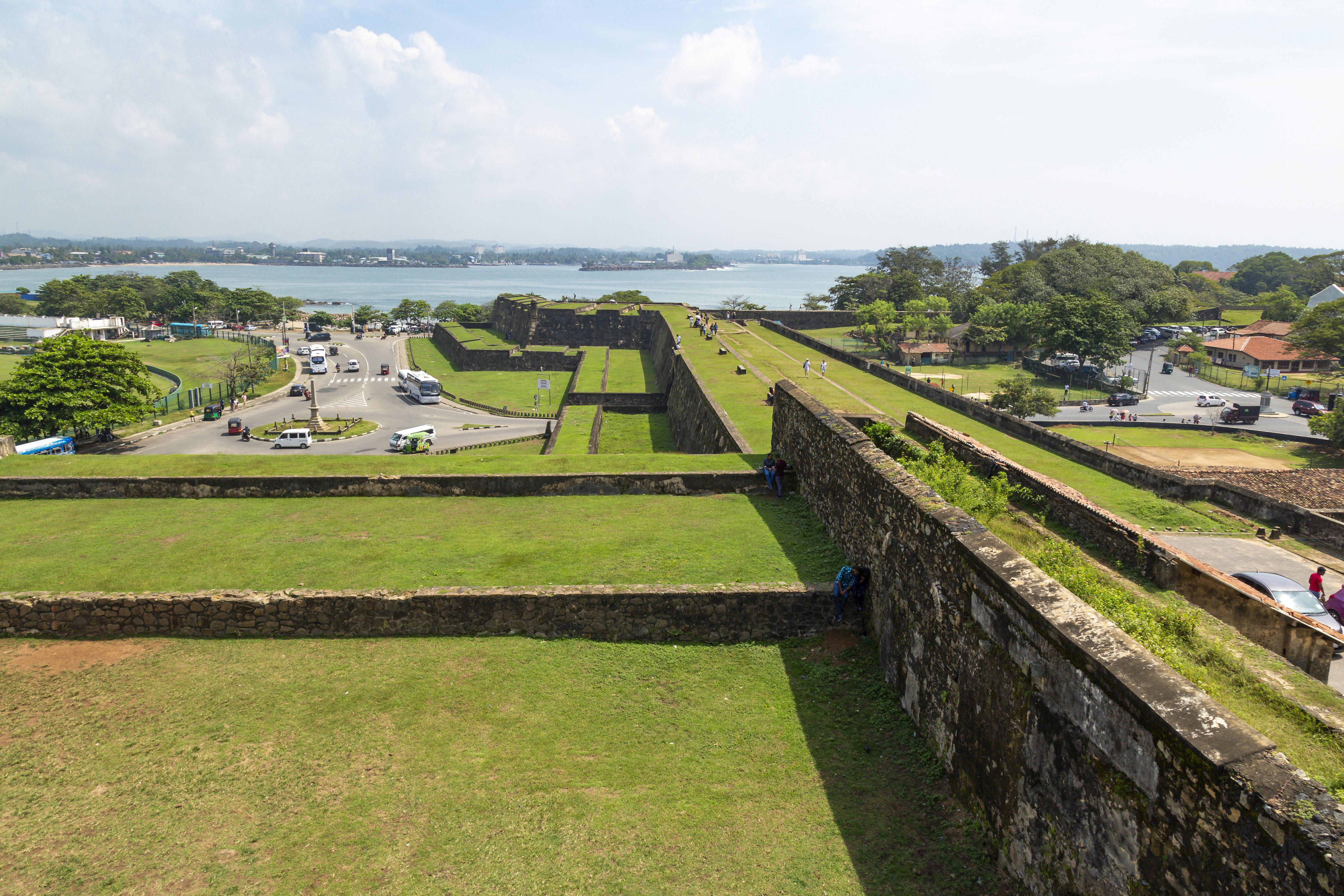
Galle Fort is one of Sri Lanka’s most atmospheric historic areas, with Dutch-colonial buildings, ramparts, boutique shops, cafés and sea views. It is an excellent day trip from Weligama.
Best Beaches Around Weligama
Weligama Beach
Weligama Beach is the main beach and surf-learning hub. It is wide, sandy and practical, with many surf schools, board rentals and places to eat nearby.
Pelena Beach
Pelena is part of the Weligama bay area and is popular with travellers staying in beachfront accommodation. It is convenient for surfing, swimming in suitable conditions and relaxed beach walks.
Jungle Beach Weligama
Jungle Beach near Weligama is smaller and more tucked away. It can be a good alternative if you want a quieter coastal stop, though conditions and access can vary.
Midigama Beach
Midigama is better for surfers with some experience. It is known for reef breaks and a more surf-focused atmosphere than the main beginner bay at Weligama.
Mirissa Beach
Mirissa Beach is nearby and has a more classic holiday-beach feel, with restaurants, bars, whale-watching tours and sunset viewpoints.
Ahangama Coast
Ahangama has grown into a stylish surf-and-café area with reef breaks, boutique stays, yoga spaces and restaurants. It is close enough for dinner or a day trip from Weligama.
Stilt Fishermen and Local Culture
Stilt fishing is one of the most recognisable traditions associated with Sri Lanka’s south coast. Fishermen sit on narrow wooden poles fixed into shallow water and cast lines into the sea. Around Weligama and nearby towns, the image has become deeply connected with tourism and photography.
It is important to approach this respectfully. Some stilt fishermen are working; others may pose specifically for photographs and ask for payment. Do not assume photos are free, and do not treat people as props. Ask first, agree on a price if needed, and be polite if you choose not to pay.
Responsible photography tips
Ask before taking close photos.
Agree on payment before photographing if money is requested.
Do not interrupt someone who is actively fishing.
Use a zoom lens rather than getting too close.
Be respectful if you are told not to take photos.
Support local guides or communities where possible.
Beyond stilt fishing, Weligama’s culture includes fishing harbours, Buddhist temples, lace-making traditions, local markets and everyday south-coast life. Take time to experience more than the beach.
Nearby Places to Visit from Weligama
Mirissa
Mirissa is one of the most popular beach towns near Weligama. It is known for whale watching, beach restaurants, nightlife, Coconut Tree Hill and a livelier holiday atmosphere.
Ahangama
Ahangama has become one of the south coast’s stylish surf, café and boutique-stay hubs. It suits travellers who like design-led restaurants, yoga, surf culture and a more curated scene.
Midigama
Midigama is a surf-focused area with reef breaks and a quieter feel than Weligama. It is better suited to intermediate and advanced surfers than absolute beginners.
Galle Fort
Galle Fort is a UNESCO-listed historic fort area with colonial architecture, ramparts, museums, boutique shops, cafés and sunset views. It is one of the best cultural day trips from Weligama.
Matara
Matara is a larger coastal city east of Weligama with temples, markets, a fort area and local city life. It is useful for travellers wanting something less tourist-focused.
Unawatuna
Unawatuna is a popular beach resort area near Galle, with swimming beaches, restaurants and easy access to jungle-style coastal walks.
Koggala
Koggala is associated with stilt fishermen, coastal views, lake tours and nearby cultural stops. It can be combined with Ahangama or Galle.
Udawalawe or Yala National Park
Travellers with more time can continue inland or east for wildlife safaris. Udawalawe is famous for elephants, while Yala is known for leopards, elephants and dry-zone landscapes.
Best Time to Visit Weligama
The best time to visit Weligama for beach weather and south-coast surfing is generally from November to April, with the driest, sunniest beach conditions often from December to March. This is also the busiest and most expensive period.
From May to October, the south-west monsoon can bring more rain, rougher seas and less predictable beach conditions. However, Weligama can still be visited outside peak season if you are flexible, and some surf schools may operate when conditions are suitable.
Season
What to Expect
Advice
November to April
Main south-coast season, better surf and beach weather
Best all-round time for most travellers.
December to March
Drier, sunnier and busier
Book accommodation and surf camps ahead.
April
Hot weather and transition toward wetter months
Can still be good, but expect heat and changing conditions.
May to October
More rain and rougher seas on the south-west coast
Good for lower prices, but keep plans flexible.
Suggested Weligama Itinerary Ideas
Option 1: Simple 2-Day Weligama Surf Stay
Day 1 morning: Arrive in Weligama and settle into your accommodation.
Day 1 afternoon: Take a beginner surf lesson on Weligama Beach.
Day 1 evening: Eat seafood or rice and curry near the beach.
Day 2 morning: Practise surfing or book another lesson.
Day 2 afternoon: Visit Kusta Raja Gala and photograph Taprobane Island.
Option 2: Weligama, Mirissa and Ahangama Weekend
Day 1: Surf lesson and beach time in Weligama.
Day 2 morning: Visit Mirissa for beach views or whale watching if in season.
Day 2 afternoon: Head to Ahangama for cafés, shops and sunset.
Day 3: Return to Weligama for a final swim, surf or seafood lunch.
Option 3: Family-Friendly Weligama Plan
Morning: Choose a gentle surf lesson with a reputable instructor.
Midday: Rest at the hotel during the hottest part of the day.
Afternoon: Walk the beach, visit Taprobane Island viewpoints or take a short tuk-tuk ride.
Evening: Eat early at a relaxed restaurant near your accommodation.
Option 4: South Coast Culture and Beach Route
Day 1: Explore Weligama, Kusta Raja Gala and the beach.
Day 2: Visit Galle Fort for history, shopping and lunch.
Day 3: Spend the day around Ahangama, Midigama or Koggala.
Day 4: Return to Weligama for surf, yoga and a slow beach day.
Option 5: Surf Progression Trip
Days 1–2: Learn or refresh basics on Weligama’s beginner-friendly beach break.
Days 3–4: Continue lessons and practise take-offs, turning and board control.
Day 5: Ask your instructor whether you are ready for nearby intermediate waves.
Day 6: Explore Midigama or Ahangama with a guide if conditions suit your level.
Where to Stay in Weligama
Area
Best For
Traveller Notes
Weligama beachfront
Surf lessons, beach access and first-time visitors
Most convenient if surfing is your main focus.
Pelena
Beach hotels, cafés and relaxed stays
Good balance of access and atmosphere.
Weligama town centre
Budget stays, transport and local life
Less beachy but practical and often cheaper.
Midigama
Intermediate surfers and quieter stays
Better for surf-focused travellers who do not need beginner lessons.
Ahangama
Design cafés, boutique stays and reef breaks
More stylish and increasingly popular.
Mirissa
Nightlife, whale watching and holiday atmosphere
Good if you want to surf in Weligama but stay somewhere livelier.
Useful Booking Resources for Weligama Tours and Sri Lanka Activities
Weligama is easy to explore independently, but booking platforms are useful for surf lessons, south-coast day trips, whale watching from Mirissa, Galle Fort tours, airport transfers, cooking classes and wildlife safaris. The suppliers below are useful places to compare travel products. Skimlinks may automatically convert these merchant links into affiliate links if the merchant is active in your Skimlinks account.
GetYourGuide – offers Sri Lanka tours, surf lessons, Mirissa whale watching, Galle Fort day trips, cooking classes, transfers and south-coast sightseeing experiences.
Viator – offers Weligama and south-coast tours, private drivers, surf lessons, Galle Fort excursions, Mirissa whale watching, Udawalawe safaris and customisable Sri Lanka itineraries.
Klook – offers Sri Lanka activities, transfers, SIM/eSIM options, attraction tickets, day tours and selected south-coast travel products depending on availability.
KKday – offers local tours, transport services, attraction tickets and Sri Lanka travel products useful for comparing beach, culture and wildlife activities.
Tiqets – offers mobile-friendly tickets for museums, landmarks and attractions, useful for city and heritage sightseeing before or after the south coast.
Musement – offers tours, cultural activities, attraction tickets and local experiences, useful for comparing Sri Lanka and wider Asia travel options.
G Adventures – offers small-group and multi-day Sri Lanka tours that may include the south coast, wildlife parks, tea country and cultural sites.
Go City – offers bundled attraction passes in selected destinations, useful for readers comparing city sightseeing options before or after Sri Lanka.
CityPASS – offers bundled attraction passes mainly for selected North American cities. It is not a main Weligama booking option, but may suit readers planning wider international travel.
Booking tip: Before booking a Weligama or south-coast activity, check whether the price includes hotel pickup, guide language, surfboard rental, rash vest, lesson duration, whale-watching cancellation policy, national park fees, meals, child rules and exact return time. For surf lessons, ask whether the instructor is qualified and whether the lesson matches your ability level.
Weligama Travel Tips
Book surf lessons with a reputable school
Do not choose only by price. A good instructor should explain safety, board handling, surf etiquette and the correct area for your ability.
Wear sun protection in the water
The sun is strong, especially during surf lessons. Wear a rash guard, reef-safe behaviour and plenty of sunscreen on exposed areas.
Carry small cash
Small cash is useful for tuk-tuks, beach snacks, board rental, tips and photo requests from stilt fishermen.
Use tuk-tuks for short trips
Tuk-tuks are the easiest way to move between Weligama, Mirissa, Midigama and Ahangama. Agree on the fare before getting in or use a ride-hailing app where available.
Respect stilt fishermen
Ask before taking photos. Some fishermen expect payment, especially in heavily photographed areas.
Check sea conditions before swimming
Weligama is beginner-friendly for surfing, but currents, swell and weather can still change. Ask locals or surf schools before entering unfamiliar areas.
Visit Galle Fort early
If taking a day trip to Galle Fort, go early to avoid the strongest heat and busiest streets.
Do not overpack your stay
Weligama is best enjoyed slowly: surf, eat, rest, walk and take short trips rather than rushing across the whole south coast.
Choose your base carefully
Stay in Weligama if learning to surf. Stay in Mirissa for nightlife and whale watching. Stay in Ahangama or Midigama for a more boutique surf-café feel.
Plan around the south-coast season
For the best beach and surf conditions, aim for November to April, with December to March usually offering the driest weather.
Is Weligama Worth Visiting?
Yes, Weligama is worth visiting, especially if you want to learn to surf, enjoy a practical south-coast base and explore nearby Mirissa, Ahangama, Midigama and Galle. It is one of the best beginner surf towns in Sri Lanka and a good choice for travellers who want beach time without being isolated.
It may not suit travellers looking for a perfectly quiet tropical escape or a luxury-only resort atmosphere. Weligama is lively, local and sometimes busy. That mix is part of what makes it useful and interesting.
The best way to enjoy Weligama is to stay near the bay, book a proper surf lesson, explore nearby towns by tuk-tuk, eat fresh seafood, visit Kusta Raja Gala, photograph Taprobane Island and allow enough time for slow beach mornings.
FAQs About Weligama Sri Lanka
Where is Weligama?
Weligama is on Sri Lanka’s south coast in the Matara District, between Ahangama and Mirissa.
What is Weligama famous for?
Weligama is famous for beginner surfing, its wide sandy bay, stilt fishermen, Taprobane Island, Kusta Raja Gala, seafood and relaxed south-coast travel atmosphere.
Is Weligama good for beginner surfers?
Yes. Weligama is one of Sri Lanka’s best places to learn to surf because the main bay has softer beginner-friendly waves and many surf schools.
When is the best time to visit Weligama?
The best time is generally from November to April for south-coast surf and beach conditions, with December to March usually offering the driest weather.
Is Weligama better than Mirissa?
Weligama is better for beginner surfing and a practical local base. Mirissa is better for nightlife, whale watching and a more classic holiday beach atmosphere.
Can you swim at Weligama Beach?
Yes, swimming is possible in suitable conditions, but Weligama is also an active surf beach. Check local advice, currents and lesson areas before entering the water.
What is Taprobane Island?
Taprobane Island is a small private island just offshore from Weligama. It is one of the most recognisable landmarks in the bay.
What is Kusta Raja Gala?
Kusta Raja Gala is a historic rock carving in Weligama, commonly associated with a Bodhisattva figure. It is a short cultural stop away from the beach.
How many days do you need in Weligama?
Two or three days is enough for a short surf and beach stay. Four to seven days is better if you want surf lessons, nearby towns and day trips to Galle or Mirissa.
Is Weligama worth visiting?
Yes. Weligama is worth visiting for beginner surfing, south-coast beach life, seafood, nearby day trips and a lively but relaxed Sri Lankan coastal atmosphere.
Sponsored Popular Items
Quick take: Musement.com offers a worldwide selection of tours and attractions
Sri Lanka Adventure: Rafting, Train Ride, Safari & Whales Sri Lanka Experience Sri Lanka through white-water rafting, scenic mountain trains, wildlife safaris, coastal whale watching and authentic local experiences on a private 7-day adventure from Colombo
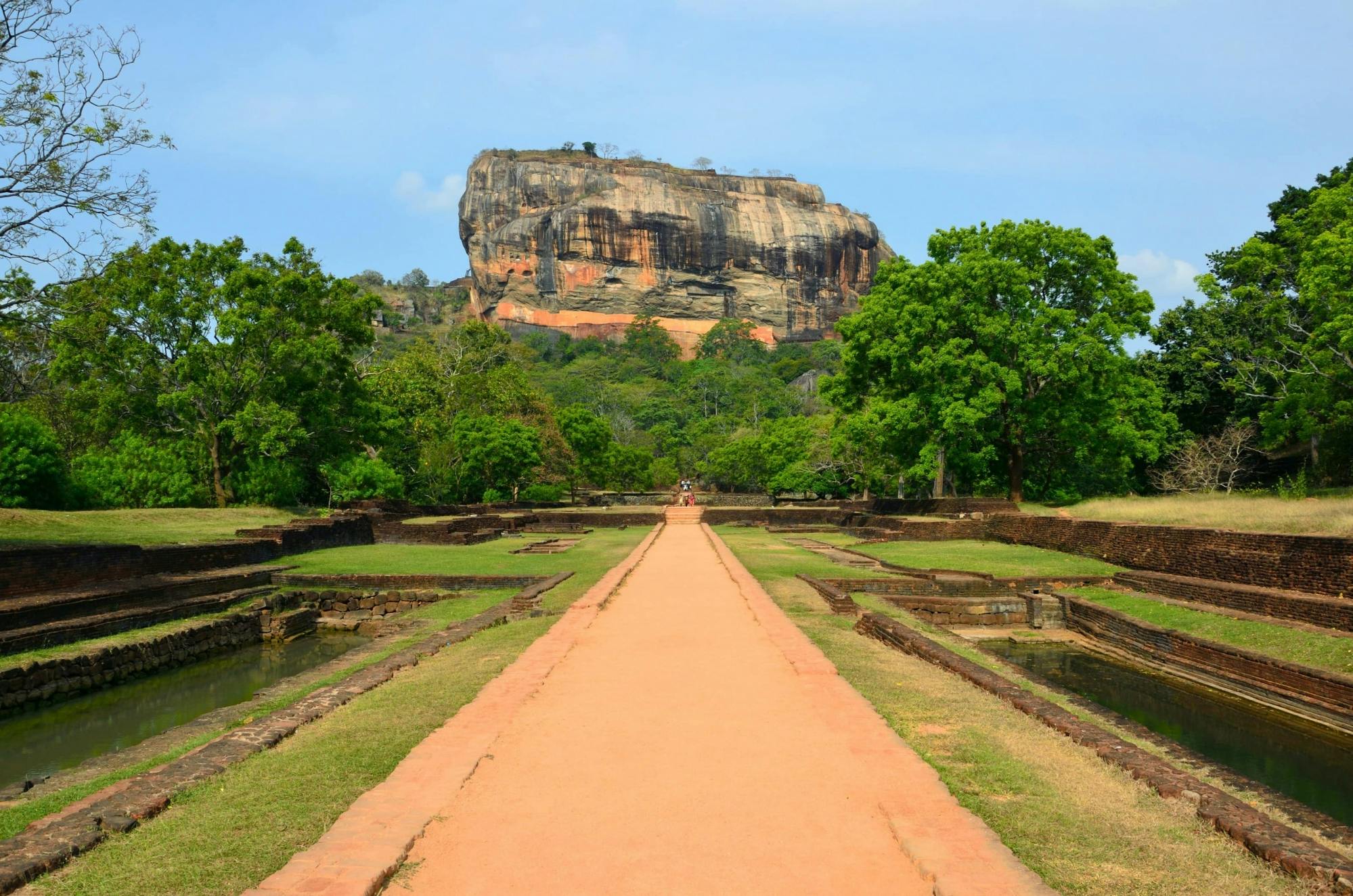
Sigiriya Lion Rock & Dambulla Cave Temple Tour in Sri Lanka – Heritage Tour Sri Lanka Plan Sigiriya Lion Rock & Dambulla Cave Temple Tour in Sri Lanka – Heritage Tour, a cultural or heritage experience, with practical tips on timing, inclusions and what to check before booking. Compare current availability, prices and booking conditions before you go.
Bruny Island is one of Tasmania’s best day trips and short escapes, combining rugged coastlines, quiet beaches, wildlife, local produce, rainforest walks, dramatic lookouts and some of the freshest food experiences in southern Australia. Located off the south-east coast of Tasmania, Bruny is reached by a short vehicle ferry from Kettering, making it easy to visit from Hobart.
The island is effectively divided into North Bruny and South Bruny, joined by a narrow sandy isthmus known as The Neck. This famous lookout is one of the most photographed views in Tasmania, with ocean surf on one side and calm channel waters on the other.
Bruny Island suits travellers who love nature but also enjoy good food. In one day, you can climb The Neck lookout, taste oysters, cheese, chocolate or honey, walk through rainforest, visit Cape Bruny Lighthouse, look for white wallabies and finish with beach or coastal views. With more time, stay overnight and slow the pace down.
Quick take: Musement.com offers a worldwide selection of tours and attractions
Bruny Island: Cape Bruny Lighthouse Tour Australia Enjoy a fully-guided tour of the historic Cape Bruny Lighthouse, perched high on a cliff top above pounding seas. Climb the spiral stairs to the prism room and out onto the balcony!
Why Visit Bruny Island?
Bruny Island is worth visiting because it combines the best parts of Tasmania in a compact, easy-to-reach island setting. You get wild cliffs, calm bays, white beaches, forests, wildlife, fresh seafood, artisan produce and a sense of remoteness without needing to travel far from Hobart.
The island feels slower and more natural than a standard city day trip. Roads wind through farmland, forest and coastal scrub. Beaches are often quiet. Food stops feel local. The southern end of the island becomes wilder, especially around South Bruny National Park and Cape Bruny Lighthouse.
Bruny Island is best for:
Day trips from Hobart
Food lovers wanting oysters, cheese, honey, whisky, chocolate and local produce
Nature lovers interested in beaches, cliffs, forests and wildlife
Couples looking for a relaxed Tasmanian escape
Families wanting an easy island adventure
Photographers wanting The Neck, lighthouse views and coastal scenery
Travellers who enjoy self-drive routes and scenic stops
Where Is Bruny Island?
Bruny Island sits off Tasmania’s south-east coast, south of Hobart, across the D’Entrecasteaux Channel. The ferry leaves from Kettering on the Tasmanian mainland and arrives at Roberts Point on North Bruny.
Location Detail
Traveller Notes
Destination
Bruny Island, Tasmania
Closest major city
Hobart
Main ferry port
Kettering
Island ferry arrival
Roberts Point, North Bruny
Ferry crossing time
About 20 minutes
Best visit style
Self-drive day trip, guided food tour, wildlife cruise or overnight island stay
Bruny is close enough for a day trip from Hobart, but the island is larger than many visitors expect. A full day is the minimum for a satisfying visit, and one or two nights is better if you want beaches, walks, wildlife and food without rushing.
How to Get to Bruny Island
The usual way to reach Bruny Island is by the SeaLink Bruny Island Ferry from Kettering. The ferry carries vehicles and passengers across to Roberts Point. You then drive south through North Bruny, cross The Neck and continue into South Bruny.
Basic ferry facts
The ferry runs between Kettering and Roberts Point.
The crossing takes about 20 minutes.
Services operate every day of the year.
Kettering is roughly 35 to 40 minutes south of Hobart by car.
Ferry schedules can change by season, weather, demand and special events.
Pre-purchasing tickets online can save time during busy periods.
During weekends, school holidays and summer, ferry queues can be long. Start early, check the latest timetable, and avoid planning a tight return if you have an evening flight or dinner booking in Hobart.
What to Expect on Bruny Island
Expect a self-drive island experience with limited public transport. Roads are a mix of sealed and gravel sections, and distances take longer than they look because you will want to stop often. Fuel, toilets, shops and food options are more limited than in Hobart, so plan ahead.
The island has a quiet, rural feel. North Bruny has farmland, bays and food stops. South Bruny is wilder, with national park scenery, beaches, forests, lighthouse views and longer drives.
What you may find
Scenic ferry crossing from Kettering
The Neck lookout and penguin rookery area
Adventure Bay and Two Tree Point
South Bruny National Park
Cape Bruny Lighthouse
Oysters, cheese, honey, whisky, chocolate and local produce
White wallabies and birdlife
Boat cruises along dramatic sea cliffs
Quiet beaches, forest walks and gravel roads
What not to expect
Do not expect fast roads everywhere.
Do not expect frequent public transport around the island.
Do not expect every café or producer to be open every day.
Do not expect mobile reception everywhere.
Do not underestimate ferry queues in peak periods.
Do not enter South Bruny National Park without the correct parks pass where required.
Best Places to Visit on Bruny Island
1. The Neck and Truganini Lookout
The Neck is the narrow isthmus connecting North and South Bruny. Climb the timber steps to Truganini Lookout for one of Tasmania’s most iconic coastal views. On one side is surf beach; on the other is the calmer D’Entrecasteaux Channel.
2. Cape Bruny Lighthouse
Cape Bruny Lighthouse is one of Bruny Island’s most important landmarks. Set high above rugged cliffs in South Bruny National Park, it offers sweeping views over the Southern Ocean and a strong sense of maritime history. Guided tours may be available, and a national parks pass is required for this area.
3. Adventure Bay
Adventure Bay is one of the island’s most practical bases and one of its best-known beaches. It is sheltered, scenic and useful for food stops, beach walks, boat tours and wildlife spotting.
4. Two Tree Point
Two Tree Point is a peaceful historic and scenic stop near Adventure Bay. It is good for a short walk, calm water views and photography.
5. South Bruny National Park
South Bruny National Park covers some of the island’s wildest coastal scenery, including cliffs, heathland, beaches, forest, walking tracks and the Cape Bruny Lighthouse area.
6. Cloudy Bay
Cloudy Bay is a beautiful southern beach with wild, windswept scenery. It is popular for beach walks, surfing in suitable conditions and a more remote feeling than the northern island stops.
7. Mavista Nature Walk
Mavista Nature Walk is a short rainforest-style walk near Adventure Bay. It is a good family-friendly stop and an easy way to experience Bruny’s wetter forest environment.
8. Bruny Island food trail
The island’s food stops are part of the attraction. Plan time for oysters, cheese, chocolate, honey, whisky, cider, berries or local bread depending on what is open during your visit.
9. Bruny Island Cruises
A wilderness cruise is one of the most dramatic ways to experience Bruny’s sea cliffs, wildlife and southern coastline. These tours are weather-dependent and should be booked ahead in busy periods.
10. Alonnah and Lunawanna
These small settlements on South Bruny are useful for accommodation, calm water views, local history and a quieter overnight base.
Bruny Island Food and Produce
Bruny Island is famous for local produce. Food is one of the main reasons many travellers choose a guided tour, because tours can link the island’s producers together without needing to self-drive, queue for the ferry or watch the clock.
Foods and drinks to look for
Fresh oysters – one of Bruny’s signature food experiences.
Artisan cheese – local cheese tastings are a classic Bruny stop.
Honey – Tasmanian honey products are popular souvenirs.
Chocolate and fudge – easy food gifts and family-friendly stops.
Whisky and spirits – suitable for adults on slower itineraries.
Berries – seasonal and best checked before visiting.
Seafood – look for oysters, fish and local seafood dishes.
Local bread, cider and beer – availability depends on opening days and operators.
Food travel tip
Check opening hours before building your whole day around one producer. Smaller island businesses may close on certain days, change seasonal hours or pause service during private events.
Wildlife and Nature on Bruny Island
Bruny Island is excellent for wildlife watching, but sightings are never guaranteed. The island is known for birdlife, marine wildlife and the chance of seeing white Bennett’s wallabies, especially around South Bruny and Adventure Bay areas.
Wildlife you may see
White wallabies
Bennett’s wallabies
Penguins near The Neck after dark, depending on season and conditions
Seabirds and shorebirds
Sea eagles
Fur seals on coastal cruises
Dolphins on boat tours
Whales during migration seasons, if lucky
Use wildlife-safe behaviour. Keep distance, drive slowly at dawn and dusk, do not feed animals, use red-light rules where signed around penguin areas, and stay on formed paths near sensitive habitat.
Best Walks and Beaches on Bruny Island
Walk or Beach
Best For
Traveller Notes
The Neck Lookout
Iconic views and photography
Short but involves stairs; go early or late for softer light.
Mavista Nature Walk
Easy forest experience
Good for families and a quick rainforest-style stop.
Grass Point
Easy coastal walk and history
Suitable for many visitors and close to Adventure Bay.
Fluted Cape
Clifftop views and a stronger walk
More demanding than Grass Point; check conditions and fitness.
Cloudy Bay
Wild beach scenery
Beautiful but exposed; check surf and weather conditions.
Adventure Bay Beach
Swimming, picnics and easy access
One of the island’s most practical beach stops.
East Cloudy Head
Longer walk and panoramic views
For experienced walkers with time and suitable weather.
Suggested Bruny Island Itinerary Ideas
Option 1: Classic Bruny Island Day Trip from Hobart
Early morning: Drive from Hobart to Kettering and take the ferry to Roberts Point.
Morning: Stop for oysters, cheese or another produce tasting on North Bruny.
Mid-morning: Climb The Neck lookout for the famous view.
Lunch: Eat near Adventure Bay or bring a picnic.
Afternoon: Visit Mavista Nature Walk, Two Tree Point or South Bruny National Park.
Late afternoon: Return to Roberts Point and take the ferry back to Kettering.
Option 2: Food Lover’s Day
Morning: Catch an early ferry and begin with oysters or cheese.
Late morning: Visit honey, chocolate, fudge or bakery-style stops.
Lunch: Choose a local restaurant or guided tasting lunch.
Afternoon: Add whisky, cider or another producer stop if you are not driving.
Evening: Return to Hobart or stay overnight on the island.
Option 3: Nature and Lighthouse Day
Early morning: Take the ferry and drive south.
First stop: The Neck lookout.
Midday: Continue to South Bruny National Park and Cape Bruny Lighthouse.
Afternoon: Walk a short beach or forest track depending on time.
Late afternoon: Return north, stopping for food if open.
Option 4: Overnight Bruny Island Escape
Day 1: Travel from Hobart, explore North Bruny, The Neck and Adventure Bay.
Night: Stay in Adventure Bay, Alonnah, Lunawanna or a secluded cabin.
Day 2: Visit Cape Bruny Lighthouse, Cloudy Bay or longer walks before returning to Hobart.
Option 5: Family-Friendly Bruny Island Plan
Morning: Take the ferry and make a simple food stop.
Mid-morning: Visit The Neck lookout if children can manage the stairs.
Lunch: Picnic or casual café stop around Adventure Bay.
Afternoon: Mavista Nature Walk or beach time at Adventure Bay.
Return: Catch the ferry before children are overtired.
Better if you want to reduce driving on arrival or departure.
Remote cabins and shacks
Romantic escapes and quiet retreats
Check road access, heating, supplies and mobile reception.
Book ahead in summer, school holidays and long weekends. Accommodation on Bruny is limited compared with Hobart, and the best cabins, beach houses and boutique stays can fill early.
Useful Booking Resources for Bruny Island Tours and Tasmania Travel
Bruny Island can be visited independently with a car, but tours are useful if you do not want to drive, want tastings included, prefer a lighthouse tour, or want a wildlife cruise. The suppliers below are useful places to compare travel products. Skimlinks may automatically convert these merchant links into affiliate links if the merchant is active in your Skimlinks account.
GetYourGuide – offers Bruny Island day trips from Hobart, food and sightseeing tours, wildlife cruises, private tours and broader Tasmania activities.
Viator – offers Bruny Island tours, Hobart day trips, food tastings, lighthouse itineraries, wilderness cruises, private transfers and customisable Tasmania sightseeing.
Klook – offers Australia activities, Hobart tours, day trips, transfers, SIM/eSIM products and selected Tasmania experiences depending on availability.
KKday – offers local tours, attraction tickets, transport services and Australia travel add-ons, useful for comparing Tasmania activity options.
Tiqets – offers mobile-friendly tickets for attractions, museums and landmarks. It is more useful for city-based sightseeing before or after a Bruny Island trip.
Musement – offers city tours, attraction tickets, cultural activities and local experiences, including Australia and Tasmania travel products where available.
G Adventures – offers small-group and multi-day adventure tours that may suit travellers planning a broader Tasmania or Australia itinerary rather than a standalone Bruny visit.
Go City – offers bundled city attraction passes in selected destinations. It is not a main Bruny Island booking option, but it can help readers planning wider Australia stopovers.
CityPASS – offers bundled attraction passes mainly for selected North American cities. It is not designed for Tasmania, but may suit readers planning wider international travel.
Booking tip: Before booking a Bruny Island tour, check whether the price includes Hobart pickup, ferry crossing, national park fees, Cape Bruny Lighthouse access, food tastings, lunch, wildlife cruise, guide service, child pricing, cancellation rules and exact return time. For self-drive trips, check ferry timetable, park pass requirements and producer opening hours before leaving Hobart.
Bruny Island Travel Tips
Start early
For a day trip, leave Hobart early. This gives you more time on the island and helps reduce stress around ferry queues and return travel.
Check the ferry timetable
The ferry runs frequently, but schedules can change by season or demand. Check the latest timetable before travelling.
Pre-purchase ferry tickets in busy periods
Online tickets can make the process smoother, especially during holidays, weekends and peak summer travel.
Bring a car or join a tour
Bruny is best explored by car. If you do not want to drive, a guided tour is the easiest option.
Allow extra time for gravel roads
Some southern island roads and access routes may be gravel. Drive slowly and check rental-car conditions if using a hire vehicle.
Pack layers
Bruny weather can change quickly. Bring a warm layer, rain jacket, hat and sun protection even if the morning looks clear.
Carry water and snacks
Food stops are excellent but not always open when you need them. Carry basics, especially if travelling with children.
Respect wildlife
Drive slowly at dawn and dusk, keep distance from wallabies and birds, and never feed wildlife.
Check national park pass requirements
South Bruny National Park requires the correct Tasmanian parks pass. Check current rules before visiting Cape Bruny Lighthouse or park walks.
Stay overnight if possible
A day trip is good, but an overnight stay makes Bruny feel far less rushed and gives you better chances for wildlife, sunrise, sunset and quiet beaches.
Is Bruny Island Worth Visiting?
Yes, Bruny Island is absolutely worth visiting, especially if you are staying in Hobart and want a day trip or overnight escape with food, wildlife, beaches and dramatic coastal scenery.
It is one of the best places in Tasmania for travellers who want variety without a long drive: ferry crossing, island roads, fresh produce, coastal lookouts, forest walks, lighthouse history and wildlife all fit into one compact route.
The best way to enjoy Bruny is to slow down. A rushed day trip can still be excellent, but one or two nights lets you experience the island properly: quiet beaches, early light at The Neck, evening wildlife, local food and the wilder southern coastline.
FAQs About Bruny Island
Where is Bruny Island?
Bruny Island is off Tasmania’s south-east coast, south of Hobart. It is reached by ferry from Kettering to Roberts Point.
How do you get to Bruny Island?
Drive from Hobart to Kettering, then take the SeaLink Bruny Island Ferry across to Roberts Point. The ferry crossing takes about 20 minutes.
Can you visit Bruny Island as a day trip from Hobart?
Yes. Bruny Island is one of the best day trips from Hobart, but you should start early and plan your route carefully.
Do you need a car on Bruny Island?
A car is strongly recommended because attractions are spread out and public transport is limited. If you do not have a car, book a guided tour from Hobart.
What is Bruny Island famous for?
Bruny Island is famous for The Neck lookout, Cape Bruny Lighthouse, South Bruny National Park, white wallabies, beaches, wildlife cruises, oysters, cheese, honey, whisky and chocolate.
How long should you spend on Bruny Island?
One full day is the minimum. One or two nights is better if you want to visit South Bruny, enjoy food stops, walk, see wildlife and avoid rushing.
Do you need a national parks pass for Bruny Island?
You need a Tasmanian parks pass for South Bruny National Park areas, including Cape Bruny Lighthouse and some park walks. Check current requirements before travelling.
Where is the best view on Bruny Island?
The Neck and Truganini Lookout is the classic view, with sweeping scenery over the narrow isthmus between North and South Bruny.
Can you see white wallabies on Bruny Island?
Yes, Bruny Island is known for white Bennett’s wallabies, especially around parts of South Bruny. Sightings are possible but not guaranteed.
Is Bruny Island worth visiting?
Yes. Bruny Island is one of Tasmania’s best island escapes, offering a strong mix of food, wildlife, beaches, cliffs, walks, lighthouse history and easy access from Hobart.
Sponsored Popular Items
Quick take: Musement.com offers a worldwide selection of tours and attractions
Bruny Island: Cape Bruny Lighthouse Tour Australia Enjoy a fully-guided tour of the historic Cape Bruny Lighthouse, perched high on a cliff top above pounding seas. Climb the spiral stairs to the prism room and out onto the balcony!
Signature Bruny Island Tour - Hobart & SE Tasmania Australia On this tour you will have the opportunity to taste a diverse range of food, cheese, honey, wine, oysters and experience the amazing views of this beautiful island.
Paraw sailing in the Philippines is one of the most beautiful and memorable ways to experience the sea. A paraw is a traditional Filipino double-outrigger sailing boat, usually recognised by its slim hull, side floats and striking triangular sails. Instead of relying on a noisy motor, a paraw uses the wind, making the ride feel quieter, slower and more connected to the water.
The most famous place for visitors to try paraw sailing is Boracay, where colourful sailboats glide across the water near White Beach, especially at sunset. As the sky turns gold, orange and pink, the silhouette of the sails becomes one of the island’s classic scenes.
For travellers who want something simple, scenic and culturally meaningful, a paraw sail is a strong choice. It is not a high-adrenaline watersport. It is more about the breeze, the water, the view, the shape of the boat and the calm feeling of moving across the sea without engine noise.
Quick take: Musement.com offers a worldwide selection of tours and attractions
Boracay: Paraw Sailing Sunset Cruise with Guide Philippines A paraw sailing tour in Boracay lets you cruise along crystal-clear waters on a traditional sailboat while enjoying stunning sunset views
Why Try Paraw Sailing in the Philippines?
Paraw sailing is worth trying because it combines scenery, tradition and a gentle sense of adventure. It gives you a different view of the coastline without needing to snorkel, dive, paddle or join a long island-hopping tour.
In Boracay, paraw sailing is especially popular at sunset. You sit on the boat or netting beside the outrigger while the crew handles the sail. The boat moves with the wind, the island slowly recedes behind you, and the colours of the sunset reflect across the water.
Paraw sailing is best for:
Couples looking for a romantic sunset activity
Families wanting a short, scenic boat experience
Travellers who prefer calm activities over adrenaline sports
Visitors interested in traditional Filipino maritime culture
People who want a quiet alternative to motorised island tours
First-time Boracay visitors looking for an iconic experience
What Is a Paraw?
A paraw is a traditional Filipino sailing boat with two outriggers. The outriggers help balance the boat on the water, while the sail catches the wind and moves the vessel forward. In many modern tourism settings, the boat is adapted for visitors, with seating or netting where passengers can sit and enjoy the ride.
Paraws are strongly associated with the Visayas and island communities of the Philippines. Before tourism became dominant in places like Boracay, these boats were used for fishing, transport and local coastal life. Today, paraw sailing is both a tourism experience and a reminder of the country’s seafaring heritage.
Key features of a paraw
Double outriggers – side floats help stabilise the boat.
Sail-powered movement – the boat moves with the wind rather than an engine.
Shallow hull – useful for tropical island waters and beach launching.
Open-air experience – passengers feel the breeze, spray and sun directly.
Distinctive sails – the triangular sails create the classic Boracay sunset silhouette.
Local crew – skilled sailors handle steering, balance and sail positioning.
Best Places for Paraw Sailing in the Philippines
Paraw sailing is most strongly marketed to visitors in Boracay, but paraw culture is part of a wider Filipino maritime tradition. Other island areas may have traditional outrigger sailing or local sailboat experiences, though availability depends on local operators, season and tourism development.
Destination
Best For
Traveller Notes
Boracay
Sunset paraw sailing, easy booking, iconic photos
The best-known visitor-friendly paraw sailing destination.
Iloilo
Paraw heritage and regatta culture
Known for the Paraw Regatta tradition rather than casual daily tourist sailing.
Palawan
Traditional sailing routes and expedition-style travel where available
More specialised; check operators carefully.
Cebu and nearby islands
Island boat culture and outrigger travel
More commonly associated with motorised bangka tours than classic paraw sailing.
Local Visayan islands
Traditional boat culture
Availability varies and may not be set up as a standard tourist activity.
For most travellers searching for paraw sailing in the Philippines, Boracay is the easiest and most reliable place to book the experience.
Boracay Paraw Sailing
Boracay paraw sailing is the classic version of the experience. The boats usually depart from the White Beach area or nearby meeting points, depending on the operator, weather and beach regulations. Many visitors book a short late-afternoon or sunset sail.
The ride is simple but beautiful. You board from shallow water, sit on the boat or side netting, and sail along the coast as the sun moves toward the horizon. The best part is the feeling of quiet movement: no loud engine, no complicated schedule, just wind, water and the view back toward Boracay.
Why Boracay is the best-known paraw destination
White Beach has wide sunset views over the water.
Paraw boats are part of Boracay’s visual identity.
Short sailing trips are easy to fit into an afternoon.
There are many operators and online booking options.
It suits couples, families, solo travellers and small groups.
The activity is photogenic without needing special equipment.
Daytime vs sunset paraw sailing in Boracay
Option
Best For
Advice
Daytime sail
Clear water, beach views, fewer sunset crowds
Good if you want brighter photos and a cheaper or more flexible slot.
Late afternoon sail
Soft light, less harsh sun, relaxed mood
Best balance if sunset times are heavily booked.
Sunset sail
Romance, classic photos, golden sky
Most popular and often the best overall experience.
Private sail
Couples, families, groups, special occasions
Costs more but gives a more personal experience.
What to Expect on a Paraw Sail
Most paraw sailing experiences are short and relaxed. In Boracay, many visitor bookings last around 30 minutes, though some operators may offer longer private trips or customised sailing. You usually meet at a beach location, check in with the operator, wade through shallow water to board, and sit along the boat or netting while the crew handles the sailing.
You should expect to get at least a little wet when boarding or while sailing. Keep phones, cameras and valuables in a dry bag. The ride can feel peaceful in calm wind, but it can also feel splashy or bouncy depending on sea conditions.
What may be included
Paraw boat ride with local crew
Life jackets
Short sailing route along the coast
Sunset viewing if booked at the right time
Private group option on some bookings
Basic assistance boarding and disembarking
Photos by crew or guide only if clearly included
What may not be included
Hotel pickup unless stated
Professional photography
Drinks or snacks
Dry bags
Towels
Waterproof phone cases
Insurance beyond the operator’s standard cover
Best Time to Go Paraw Sailing
The best time for paraw sailing is usually late afternoon, especially if you want sunset views. In Boracay, sunset is the most popular time because the boats create beautiful silhouettes against the sky.
Weather matters. Paraw sailing depends on wind and safe sea conditions. If the weather is poor, operators may delay, change or cancel rides. Always follow local safety advice, especially during rough seas or strong wind.
Season / Time
What to Expect
Tip
Dry season
Better chance of calm weather and clear sunsets
Book ahead because Boracay is busier.
Rainy season
More variable weather and possible cancellations
Keep your schedule flexible.
Midday
Bright light and stronger heat
Use sun protection and bring water.
Late afternoon
Softer light and cooler air
Good for photos and comfort.
Sunset
Most scenic and romantic
Book early and arrive on time.
Who Is Paraw Sailing Best For?
Couples
Paraw sailing is one of Boracay’s simplest romantic experiences. Choose a private sunset sail if you want a quieter moment away from the busy beach.
Families
Families can enjoy paraw sailing if children are comfortable around water and can follow safety instructions. Always check age rules, life jacket availability and sea conditions.
Solo travellers
Solo travellers can join a shared booking if available or book a private sail if they want the experience for photos and quiet time. Prices may be less economical for one person.
Older travellers
Older travellers may enjoy the calm scenery, but boarding can involve wading through water and stepping onto a moving boat. Check access carefully before booking.
Photographers
Sunset is best for silhouette photos, but daytime is better for clear sail colours and blue water. Bring waterproof protection for your camera or phone.
Safety and Practical Tips
Paraw sailing is generally a gentle activity, but it still takes place on open water. Safety depends on weather, crew skill, boat condition and passenger behaviour. Choose a reputable operator and follow instructions.
Before boarding
Check weather and sea conditions.
Confirm the meeting point and departure time.
Wear clothing that can get wet.
Put valuables in a dry bag.
Ask for a life jacket and wear it correctly.
Remove loose hats or secure them well.
Check whether children are allowed and what safety gear is provided.
During the sail
Sit where the crew tells you to sit.
Do not stand suddenly or lean too far out.
Keep hands clear of ropes and moving sail parts.
Protect phones from splashes.
Listen to crew instructions when wind changes.
Avoid alcohol before boarding.
After the sail
Disembark slowly and follow the crew’s guidance.
Check you have all belongings.
Tip the crew if you feel the service was safe and helpful.
Leave no rubbish on the boat or beach.
Suggested Paraw Sailing Itinerary Ideas
Option 1: Classic Boracay Sunset Sail
Afternoon: Relax on White Beach or return to your hotel after lunch.
Late afternoon: Arrive early at the paraw meeting point.
Sunset: Sail along the coast as the sky changes colour.
Evening: Have dinner at a beachfront restaurant.
Option 2: Romantic Boracay Evening
Afternoon: Book a private paraw sail for two.
Before sailing: Bring a waterproof phone case and simple beach clothing.
Sunset: Enjoy the sail and take photos from the water.
Afterwards: Continue with dinner, cocktails or a quiet beach walk.
Option 3: Family-Friendly Paraw Experience
Morning: Spend time at a calm beach or pool.
Afternoon: Rest before the sail so children are not overtired.
Late afternoon: Join a short paraw ride with life jackets.
Evening: Keep dinner close to your hotel.
Option 4: Photography-Focused Sail
Late afternoon: Arrive early and photograph paraws on the beach.
Golden hour: Board the boat for soft light and sail silhouettes.
Sunset: Capture the sails, water reflections and horizon.
After dark: Photograph the beach with sailboats returning to shore.
Option 5: Boracay Water Activities Day
Morning: Try paddleboarding, swimming or a beach walk.
Midday: Rest during the hottest part of the day.
Afternoon: Book paraw sailing rather than another motorised activity.
Evening: Finish with sunset views and dinner by the water.
Useful Booking Resources for Paraw Sailing and Philippines Tours
Paraw sailing can be booked locally on Boracay or online before arrival. Advance booking is useful if you want a sunset slot, private boat, fixed date or smooth arrival during high season. The suppliers below are useful places to compare inclusions, meeting points and cancellation rules. Skimlinks may automatically convert these merchant links into affiliate links if the merchant is active in your Skimlinks account.
GetYourGuide – offers Boracay sunset paraw sailing, local water activities, island tours, private experiences, transfers and wider Philippines sightseeing products.
Viator – offers Boracay paraw sailing, sunset sailing products, island activities, water tours, airport transfers and customised Philippines travel experiences.
Klook – offers Boracay sunset paraw sailing, daytime paraw rides, water activities, airport transfers, Philippines tours, SIM/eSIM options and island travel add-ons.
KKday – offers Boracay paraw sailing products where available, local water activities, Philippines tours, transfers and island-hopping add-ons.
Tiqets – offers mobile-friendly tickets for attractions and activities in many destinations. It is more useful for city-based sightseeing before or after a Philippines island trip.
Musement – offers tours, activities and local experiences. It can help travellers compare Philippines sightseeing and broader Asia travel options.
G Adventures – offers small-group and multi-day Philippines tours that may include island destinations and beach experiences as part of a broader itinerary.
Go City – offers bundled city attraction passes in selected destinations. It is not a main Boracay paraw sailing booking option, but it can help readers planning multi-city stopovers before or after the Philippines.
CityPASS – offers bundled attraction passes mainly for selected North American cities. It is not designed for Boracay or the Philippines, but may suit readers planning wider international travel.
Booking tip: Before booking paraw sailing in Boracay, check whether the price includes a private or shared boat, exact duration, meeting point, life jackets, photo service, hotel pickup, cancellation rules, bad-weather policy, child pricing and the correct sunset time for your travel date.
Paraw Sailing Travel Tips
Book sunset slots early
Sunset is the most popular time for Boracay paraw sailing. Book early during high season, holidays and weekends.
Arrive before your scheduled time
Beach meeting points can be busy, and boarding may take longer than expected. Arrive at least 15 to 20 minutes early.
Wear clothes that can get wet
You may wade into shallow water to board, and waves can splash during the sail. Avoid heavy clothing, expensive shoes or anything that cannot get wet.
Bring a dry bag
A dry bag is useful for phones, wallets, hotel keys and cameras. Even calm sails can involve splashes.
Use sun protection
For daytime or late-afternoon sails, bring sunscreen, sunglasses and a hat that can be secured.
Wear a life jacket
Even if you can swim, wear the life jacket properly. Conditions can change quickly on the water.
Check the weather policy
Ask what happens if the sail is cancelled due to wind, waves or rain. Good operators should explain rescheduling or refund rules clearly.
Do not expect luxury seating
Paraws are traditional sailing boats, not luxury yachts. Seating may be simple, low and close to the water.
Tip good crew
If the crew handles the sail well, helps you board safely and gives a good experience, a tip is appreciated.
Respect the beach and water
Do not leave rubbish behind, throw anything into the sea or disturb other boats. Keep the activity low-impact.
Is Paraw Sailing in the Philippines Worth It?
Yes, paraw sailing in the Philippines is worth it, especially in Boracay at sunset. It is simple, scenic, culturally meaningful and very easy to fit into a beach holiday.
It may not suit travellers looking for speed, luxury or a long ocean expedition. The appeal is the opposite: slow wind-powered sailing, open water, island views and the timeless shape of the paraw against the sky.
The best way to enjoy it is to book a sunset sail, bring only what you need, protect valuables from water and let the crew do the work while you enjoy the breeze and the view.
FAQs About Paraw Sailing in the Philippines
What is paraw sailing?
Paraw sailing is a traditional Filipino sailing experience using a double-outrigger sailboat called a paraw. The boat is powered by wind and is especially popular with visitors in Boracay.
Where is the best place to try paraw sailing in the Philippines?
Boracay is the best-known and easiest place for visitors to try paraw sailing, especially along White Beach at sunset.
What is a paraw boat?
A paraw is a Filipino double-outrigger sailboat. It usually has a narrow hull, two side floats and triangular sails that catch the wind.
How long does Boracay paraw sailing take?
Many Boracay paraw sailing bookings last around 30 minutes, although some operators may offer longer or private customised trips.
Is paraw sailing safe?
Paraw sailing can be safe with a reputable operator, calm weather, proper life jackets and responsible passenger behaviour. Always follow crew instructions and avoid sailing in unsafe conditions.
Will I get wet during paraw sailing?
Yes, you may get wet while boarding or from sea spray during the ride. Wear suitable beach clothing and protect phones or cameras in a dry bag.
Is sunset the best time for paraw sailing?
Yes. Sunset is the most popular time because the sails look beautiful against the golden sky and the temperature is cooler than midday.
Is paraw sailing good for families?
Yes, it can be good for families, but check child age rules, life jacket sizes and sea conditions before booking.
Do paraw boats have motors?
Traditional paraws are sail-powered, though local arrangements and support boats may vary. The main appeal is the quiet wind-powered sailing experience.
Is paraw sailing worth it in Boracay?
Yes. Paraw sailing is one of Boracay’s classic experiences and is especially worthwhile at sunset for calm water, island views and memorable photos.
Sponsored Popular Items
Quick take: Musement.com offers a worldwide selection of tours and attractions
Boracay: Paraw Sailing Sunset Cruise with Guide Philippines A paraw sailing tour in Boracay lets you cruise along crystal-clear waters on a traditional sailboat while enjoying stunning sunset views
Boracay: Sunset Paraw Sailing Trip Philippines Experience a gentle sea breeze aboard a traditional bamboo paraw sailing boat in Boracay. Marvel at the crystal clear water and watch the beautiful sunset
The El Nido Islands are among the most spectacular island destinations in the Philippines. Set around Bacuit Bay in northern Palawan, El Nido is famous for limestone cliffs, turquoise lagoons, hidden beaches, coral gardens, white sand, traditional outrigger boats and dramatic island-hopping routes.
Most travellers use El Nido town as the base, then join boat tours into the surrounding islands and lagoons. The classic images of El Nido — kayaks gliding through Big Lagoon, bangka boats beside limestone cliffs, secret beaches hidden behind rock walls and palm-lined sandbars — are usually reached by island-hopping tours rather than by staying on one single island.
El Nido is beautiful, but it is no longer a secret. The most famous lagoons and beaches can get busy, especially in high season. The best experience comes from choosing the right tour, starting early, respecting marine rules and allowing enough days to enjoy more than one route.
Quick take: Musement.com offers a worldwide selection of tours and attractions
El Nido: Island Hopping Tour A: Lagoons and Beaches Philippines Discover Bacuit Bay on a shared or private boat tour in El Nido. Stop to explore the Secret Lagoon and relax on the sandy beaches at Shimizu Island and Seven Commandos
Why Visit the El Nido Islands?
El Nido is worth visiting because it offers some of the most dramatic island scenery in Southeast Asia. Limestone cliffs rise straight from clear water, lagoons glow in shades of blue and green, and many beaches feel hidden between rock walls and jungle-covered islands.
The experience is active but not difficult. You can swim, kayak, snorkel, relax on beaches, explore lagoons, join a group boat or book a private tour. El Nido is especially good for travellers who want a mix of tropical scenery, adventure, photography and easy beach time.
El Nido is best for:
Island-hopping and lagoon tours
Couples looking for romantic tropical scenery
Families wanting boat trips, beaches and snorkelling
Travellers combining Palawan with Coron or Puerto Princesa
Photographers wanting limestone cliffs, kayaks and turquoise water
Snorkellers interested in reef fish and clear water
Visitors who want a classic Philippines beach-and-boat experience
Where Are the El Nido Islands?
El Nido is in northern Palawan, Philippines. The town sits beside Bacuit Bay, which is the gateway to the surrounding islands, beaches, lagoons and limestone formations. The wider protected seascape is part of the El Nido–Taytay Managed Resource Protected Area.
Location Detail
Traveller Notes
Main base
El Nido town, northern Palawan
Main island-hopping area
Bacuit Bay
Province
Palawan, Philippines
Best known for
Lagoons, limestone cliffs, island-hopping, snorkelling and beaches
Typical access
Flight to El Nido, flight to Puerto Princesa plus road transfer, or ferry/expedition routes from Coron
Best visit style
3 to 5 nights for island hopping, beaches and rest days
El Nido can be reached by flying directly into El Nido Airport where available, travelling overland from Puerto Princesa, or combining it with Coron by ferry or multi-day island expedition. Travel time can be longer than it looks on a map, so build in buffer time before international flights.
What to Expect in El Nido
Expect a lively beach town surrounded by world-class natural scenery. El Nido town has restaurants, guesthouses, tour desks, bars, cafés, dive shops and boat departures. The town beach is useful for views and departures, but the best swimming and scenery are usually found on island-hopping tours or nearby beaches such as Nacpan, Las Cabanas and Lio.
Island-hopping is the main activity. Most tours use traditional Filipino bangka outrigger boats. A typical day may include lagoon stops, snorkelling, beach time, lunch on board or on an island, and swimming in shallow turquoise water.
What you may find
Limestone cliffs and karst islands
Big Lagoon, Small Lagoon and Secret Lagoon-style scenery
White-sand beaches and hidden coves
Snorkelling spots with reef fish and coral areas
Kayak rentals at selected lagoons
Shared and private island-hopping boats
Eco-tourism fees and lagoon access rules
Busy high-season crowds at famous stops
Beachfront restaurants, bars and sunset spots
What not to expect
Do not expect the famous lagoons to be empty unless you book carefully and start early.
Do not expect every tour operator to offer the same quality of boat, guide or lunch.
Do not expect perfect weather every day, even in the dry season.
Do not touch coral, feed fish or stand on reef areas.
Do not assume all lagoons are included in every tour, as access rules and permits can change.
El Nido Island-Hopping Tours Explained
El Nido island-hopping is commonly organised into four standard routes: Tour A, Tour B, Tour C and Tour D. Each route visits different beaches, lagoons, caves or snorkelling spots. Exact stops may vary depending on weather, permits, crowd control, tide and operator arrangements.
Tour
Typical Highlights
Best For
Tour A
Big Lagoon, Secret Lagoon, Shimizu Island, Seven Commandos Beach and nearby lagoon/beach stops
First-time visitors, classic lagoon scenery, kayaking and iconic photos
Tour B
Snake Island sandbar, caves, Entalula-style beaches and quieter island stops
Caves, sandbars, fewer crowds and varied landscapes
Tour C
Hidden Beach, Secret Beach, Matinloc area, Helicopter Island and open-sea beaches
Dramatic scenery, snorkelling, hidden beaches and adventurous swimming
Tour D
Cadlao Lagoon, Small Lagoon-style scenery, quiet beaches and closer island stops
Quieter routes, relaxed swimming and less rushed island-hopping
Tour A is usually the classic first choice because it covers the most famous lagoon scenery. Tour C is often the next favourite for hidden beaches and dramatic cliffs. Tour B is good for travellers who like caves and sandbars, while Tour D suits people wanting a quieter day.
Shared boat or private boat?
Shared boat: cheaper, social and easy to book, but less flexible.
Private boat: more expensive, better for families and couples, and often more flexible with timing.
Speedboat: useful if you want to cover more distance quickly, but usually costs more.
Multi-day expedition: best for travellers continuing between El Nido and Coron.
Best Places to Visit Around the El Nido Islands
Big Lagoon
Big Lagoon is one of El Nido’s most iconic sights. Visitors usually enter by kayak or small boat through clear water surrounded by high limestone cliffs. It is popular, photogenic and one of the main reasons travellers book Tour A.
Small Lagoon
Small Lagoon is known for calm water enclosed by limestone walls. Access often involves kayaking or swimming through a narrow opening, depending on conditions and current rules. It feels more intimate than Big Lagoon when not crowded.
Secret Lagoon
Secret Lagoon is hidden behind a rock opening and is usually reached by swimming or stepping through a small entrance depending on tide and conditions. It is a fun stop, but it can queue during peak tour hours.
Shimizu Island
Shimizu Island is a popular snorkelling and lunch stop on many Tour A routes. It has clear water, limestone scenery and reef areas, though snorkelling conditions depend on weather and water clarity.
Seven Commandos Beach
Seven Commandos Beach is a palm-lined beach with soft sand, clear water and a relaxed end-of-tour feel. It is easy to enjoy even if you are not a strong swimmer.
Snake Island
Snake Island is famous for its sandbar, which curves through shallow water like a snake. It is commonly associated with Tour B and is best seen at the right tide.
Hidden Beach
Hidden Beach is tucked behind limestone formations and is one of the scenic highlights of Tour C. Access may involve swimming through shallow water, so check conditions before entering.
Secret Beach
Secret Beach is a small beach enclosed by limestone cliffs. It is often reached through an opening in the rocks when conditions allow. Visitors should only enter when guides confirm it is safe.
Helicopter Island
Helicopter Island gets its nickname from its shape. It is often included in Tour C and is known for beach time, snorkelling and dramatic coastal views.
Cadlao Lagoon
Cadlao Lagoon is a beautiful lagoon area near Cadlao Island and is often linked with quieter Tour D routes. It is a good option if you want lagoon scenery with fewer crowds than Tour A.
Best Beaches Near El Nido
Nacpan Beach
Nacpan Beach is one of the best land-accessible beaches near El Nido. It has a long stretch of sand, coconut palms, relaxed beach bars and a more open coastal feel than the lagoon tours. It is good for a rest day away from the boats.
Las Cabanas Beach
Las Cabanas Beach, near Marimegmeg, is one of the easiest sunset beaches from El Nido town. It has beach bars, restaurants and a classic west-facing sunset view.
Lio Beach
Lio Beach is a more polished beach area near El Nido Airport, with resorts, restaurants, cafés and a cleaner planned-development feel. It suits travellers who want comfort and easier facilities.
Corong-Corong Beach
Corong-Corong is useful for accommodation, sunsets and boat views. It is less dramatic than the island-hopping lagoons but convenient for travellers who want a quieter base than El Nido town centre.
El Nido Town Beach
The town beach is scenic for views and boat departures, but it is not the best swimming beach. Use it for photos, sunsets, restaurants and tour access rather than expecting a quiet beach escape.
Best Things to Do in El Nido
1. Take an island-hopping tour
This is the essential El Nido experience. Start with Tour A if it is your first visit, then add Tour C, B or D depending on your interests and time.
2. Kayak through the lagoons
Kayaking gives you a slower, quieter way to experience Big Lagoon, Small Lagoon or Cadlao Lagoon. It is also better for photos and for appreciating the scale of the cliffs.
3. Go snorkelling
El Nido has snorkelling stops with reef fish, coral patches and clear water. Conditions vary, and reef health is not the same everywhere, so follow guide instructions and avoid damaging marine life.
4. Visit Nacpan Beach
Nacpan is a good land-based day trip when you want a break from boat tours. It is also useful if weather makes island-hopping less appealing.
5. Watch sunset at Las Cabanas
Las Cabanas is one of the easiest places for a relaxed sunset drink, beach walk or casual dinner near El Nido.
6. Try a private boat tour
A private tour is ideal for couples, families, photographers or anyone who wants more control over the day. It can also help avoid peak crowds if the operator plans the route well.
7. Dive around El Nido
El Nido has dive shops and sites around Bacuit Bay. Diving conditions vary by season and weather, so choose a reputable operator and check certification requirements.
8. Join a multi-day expedition to Coron
Travellers with more time can join a multi-day boat expedition between El Nido and Coron. These trips are more rustic but can be unforgettable, with remote beaches, snorkelling and island camps.
9. Explore El Nido town
El Nido town has cafés, restaurants, bars, shops and tour desks. It is not as beautiful as the islands, but it is convenient and lively.
10. Respect the protected area
El Nido’s beauty depends on careful protection. Use reef-safe behaviour, take rubbish back to town, avoid single-use plastics where possible and follow all lagoon and marine rules.
Suggested El Nido Itinerary Ideas
Option 1: Simple 3-Day El Nido Plan
Day 1: Arrive in El Nido, settle in and watch sunset at Las Cabanas or Corong-Corong.
Day 2: Join Tour A for Big Lagoon, Secret Lagoon, Shimizu Island and Seven Commandos Beach-style highlights.
Day 3: Visit Nacpan Beach or take Tour C if you want more island-hopping.
Option 2: Classic 4-Night First Visit
Day 1: Arrive and explore El Nido town.
Day 2: Take Tour A for the famous lagoons.
Day 3: Take Tour C for hidden beaches and dramatic island scenery.
Day 4: Rest at Nacpan Beach or Lio Beach.
Day 5: Depart or continue to Coron, Puerto Princesa or another Palawan destination.
Option 3: Quieter El Nido Route
Day 1: Stay in Corong-Corong or Lio rather than central El Nido town.
Day 2: Book a private Tour D or quieter lagoon route.
Day 3: Visit Nacpan Beach and avoid the busiest boat-tour schedule.
Day 4: Take Tour B for caves, sandbars and less crowded scenery.
Option 4: Family-Friendly El Nido Plan
Day 1: Arrive, rest and choose an easy sunset beach.
Day 2: Book a private Tour A with a reputable operator and clear safety arrangements.
Day 3: Have a low-effort beach day at Nacpan, Lio or Las Cabanas.
Day 4: Choose another gentle tour or rest before travelling onward.
Option 5: El Nido and Coron Adventure
Days 1–3: Stay in El Nido and do Tour A plus Tour C.
Days 4–6: Join a multi-day expedition toward Coron, stopping at remote islands and snorkelling sites.
Days 7–8: Explore Coron’s lagoons, lakes and wreck-diving sites.
Beautiful but farther from town and island-hopping departures.
Island resorts
Luxury, privacy and special occasions
More expensive but closer to the dramatic island scenery.
For a first visit, El Nido town or Corong-Corong is practical. For comfort and families, Lio Beach can be easier. For romance and quiet, consider Las Cabanas, Nacpan or an island resort.
Useful Booking Resources for El Nido Island Hopping and Palawan Tours
El Nido island-hopping can be booked locally or online, but advance booking is useful during high season, for private boats, multi-day expeditions, speedboat tours and airport transfers. The suppliers below are useful places to compare routes, inclusions and cancellation rules. Skimlinks may automatically convert these merchant links into affiliate links if the merchant is active in your Skimlinks account.
GetYourGuide – offers El Nido island-hopping tours, Tour A and Tour C options, speedboat tours, private boat trips, snorkelling experiences, transfers and wider Palawan activities.
Viator – offers shared and private El Nido island-hopping tours, beach hopping, snorkelling trips, multi-stop Palawan itineraries, airport transfers and customisable private tours.
Klook – offers El Nido Tour A, Tour B, Tour C and Tour D products, airport transfers, Philippines activities, SIM/eSIM options and Palawan travel add-ons.
KKday – offers island-hopping tours, local activities, attraction tickets, transfers and Philippines travel products depending on current availability.
Tiqets – offers mobile-friendly tickets for attractions and activities in many destinations. It is more useful for city-based sightseeing before or after a Palawan trip.
Musement – offers tours, attraction tickets, cultural activities and local experiences. It can help travellers compare Philippines sightseeing and broader Asia travel options.
G Adventures – offers small-group and multi-day Philippines tours that may include Palawan, El Nido or island-hopping routes as part of a broader itinerary.
Go City – offers bundled city attraction passes in selected destinations. It is not a main El Nido booking option, but it can help readers planning multi-city stopovers before or after the Philippines.
CityPASS – offers bundled attraction passes mainly for selected North American cities. It is not designed for Palawan, but may suit readers planning wider international travel.
Booking tip: Before booking an El Nido island-hopping tour, check whether the price includes lunch, drinking water, snorkel gear, kayak rental, lagoon entry, eco-tourism fees, hotel pickup, guide service, dry bag, towel, insurance, child pricing, cancellation rules and exact departure point. Do not assume every operator includes the same extras.
El Nido Travel Tips
Book at least one island-hopping tour early
Tour A and Tour C are the classic routes and can fill quickly in high season. Book early if your dates are fixed.
Choose private if you want flexibility
A private boat costs more, but it can be worth it for families, couples, photographers or travellers who dislike crowded shared tours.
Bring a dry bag
You will get wet boarding boats, kayaking and moving between beaches. A dry bag protects phones, cameras, passports and towels.
Use reef-safe behaviour
Do not stand on coral, touch marine life, take shells or feed fish. El Nido’s beauty depends on responsible tourism.
Check weather and sea conditions
Boat tours can be changed or cancelled due to wind, waves or safety conditions. Keep one flexible day in your itinerary.
Wear water shoes or secure sandals
Some beaches and lagoon entries have sharp rocks, shells or slippery surfaces. Water shoes can be very useful.
Bring cash
Some small operators, kayak rentals, food stalls and local transport may prefer cash. ATMs can be busy or unreliable during peak periods.
Protect yourself from the sun
Use sunscreen, hat, sunglasses, rash guard and plenty of water. Sun exposure is strong on boats and beaches.
Stay more than two nights
A rushed one-night stay is not enough. Aim for at least three nights, and four or five nights if you want multiple tours plus a rest day.
Plan your onward travel carefully
Transfers to Puerto Princesa, Coron or other destinations can take time. Avoid booking tight same-day connections after a boat tour.
Are the El Nido Islands Worth Visiting?
Yes, the El Nido Islands are absolutely worth visiting if you want dramatic limestone scenery, turquoise lagoons, hidden beaches, snorkelling and some of the most memorable island-hopping in the Philippines.
The area is popular, and the famous stops can be crowded, but the scenery remains extraordinary. The key is to plan well: choose the right tour, avoid overpacking your days, book a reputable operator and respect the protected marine environment.
For most first-time visitors, the ideal plan is three to five nights: one classic Tour A day, one Tour C or quieter tour day, one land-based beach day at Nacpan or Las Cabanas, and enough time to enjoy El Nido town without rushing.
FAQs About the El Nido Islands
Where are the El Nido Islands?
The El Nido Islands are around Bacuit Bay in northern Palawan, Philippines. Most visitors stay in El Nido town and join island-hopping tours to nearby lagoons, beaches and limestone islands.
What is El Nido famous for?
El Nido is famous for limestone cliffs, turquoise lagoons, island-hopping tours, hidden beaches, snorkelling, Big Lagoon, Small Lagoon, Secret Lagoon and the dramatic scenery of Bacuit Bay.
Which El Nido island-hopping tour is best?
Tour A is usually the best first choice because it includes the most famous lagoon scenery. Tour C is also very popular for hidden beaches and dramatic island landscapes.
How many days do you need in El Nido?
Allow at least three nights. Four or five nights is better if you want two island-hopping tours, a beach day and some flexibility for weather.
Is El Nido good for families?
Yes, El Nido can be good for families, especially with a private boat tour and careful planning. Choose reputable operators, check life jackets and avoid rough-sea days with young children.
Can you visit El Nido from Puerto Princesa?
Yes, but the road transfer from Puerto Princesa to El Nido takes several hours. It is better to stay in El Nido rather than attempting a rushed same-day visit.
Is El Nido better than Coron?
El Nido is usually better for classic island-hopping, lagoons and limestone beaches. Coron is better for wreck diving, Kayangan Lake, Twin Lagoon and a more rugged island feel. Many travellers visit both.
What is the best time to visit El Nido?
The drier months are generally better for island-hopping, calmer seas and clearer water. Weather can still change, so keep some flexibility in your plans.
Do you need to book El Nido island-hopping in advance?
Advance booking is recommended in high season, for private tours, speedboats, popular lagoon routes and multi-day expeditions. Local booking is also possible if your schedule is flexible.
Is El Nido worth visiting?
Yes. El Nido is one of the most beautiful island-hopping destinations in the Philippines, especially for travellers who enjoy lagoons, beaches, limestone cliffs, snorkelling and boat-based adventure.
Sponsored Popular Items
Quick take: Musement.com offers a worldwide selection of tours and attractions
El Nido: Island Hopping Tour A: Lagoons and Beaches Philippines Discover Bacuit Bay on a shared or private boat tour in El Nido. Stop to explore the Secret Lagoon and relax on the sandy beaches at Shimizu Island and Seven Commandos
El Nido: Hidden Beaches and Lagoons Boat Hopping Tour D Philippines Explore the hidden gems of El Nido on a cruise with free time for swimming, snorkeling, and kayaking. Spend a day in paradise while visiting up to three sandy beaches and two beautiful lagoons
Enshi Tujia Folk Culture City, commonly known as Enshi Tujia Daughter City or 恩施土家女儿城, is one of the liveliest cultural and entertainment areas in Enshi, Hubei. It combines Tujia-style architecture, food streets, folk performances, souvenir shops, guesthouses, night lights, costume photography and local-style dining in one visitor-friendly district.
This is not an untouched ancient village or a formal museum. It is a modern cultural tourism complex designed to showcase the flavour of Tujia life, food, architecture and performance in an accessible way. For travellers, that makes it a useful evening stop after visiting Enshi’s bigger natural attractions such as Enshi Grand Canyon, Suobuya Stone Forest or Pingshan Canyon.
Quick take: Musement.com offers a worldwide selection of tours and attractions
Private Tour of Heidelberg with the Hangman's Daughter – Guided Sightseeing Germany Private Tour of Heidelberg with the Hangman's Daughter is a convenient way to add structure, local context and purposeful sightseeing to the itinerary. Check current availability, inclusions and booking details before you go.
The area is especially good at night, when lanterns, lights, music, food stalls and performances create a festive atmosphere. It is free to enter, though meals, shows, souvenirs, costume rental, accommodation and individual experiences cost extra.
Why Visit Enshi Tujia Folk Culture City?
Enshi Tujia Folk Culture City is worth visiting if you want an easy introduction to local Tujia food, folk customs, architecture and entertainment without travelling deep into rural villages. It is convenient, lively and visitor-friendly, especially for travellers who want something to do after a day of sightseeing.
Enshi is famous for dramatic natural scenery, but this cultural district adds a softer urban experience. You can walk through decorated streets, try local snacks, watch performances, buy souvenirs, take photos in traditional-style clothing and enjoy the atmosphere without needing a full-day tour.
Enshi Tujia Folk Culture City is best for:
Travellers wanting an easy evening activity in Enshi
Visitors interested in Tujia food, dance, costumes and customs
Families who want a relaxed cultural stop after nature sightseeing
Couples looking for night lights, food streets and photos
People staying in Enshi city before or after day trips
Travellers who enjoy folk-culture districts and themed streets
Visitors wanting free-entry sightseeing with optional paid experiences
Where Is Enshi Tujia Folk Culture City?
Enshi Tujia Folk Culture City is located in Enshi City, within the Enshi Tujia and Miao Autonomous Prefecture of Hubei Province, China. The commonly listed address is No. 41 Maanshan Road, Enshi City.
Location Detail
Traveller Notes
Main English name
Enshi Tujia Folk Culture City / Enshi Tujia Daughter City
Chinese name
恩施土家女儿城
Address
No. 41 Maanshan Road, Enshi City
Region
Enshi Tujia and Miao Autonomous Prefecture, Hubei
Entry
General entry is commonly listed as free
Best visit style
Evening walk, food stop, performance visit or relaxed cultural outing
Recommended visit time
About 3 to 5 hours if eating, shopping and watching performances
When using maps, taxis or ride-hailing apps, the Chinese name 恩施土家女儿城 is usually more reliable than English translations. Do not confuse it with Enshi Tusi City / 恩施土司城, which is a separate Tujia heritage-style scenic area.
What to Expect at Enshi Tujia Folk Culture City
Expect a lively tourist district rather than a quiet historical village. The streets are lined with Tujia-style wooden buildings, red lanterns, restaurants, snack stalls, shops, guesthouses and photo points. At busier times, you may also find performances, music, costume photography and folk-style activities.
The district is designed for visitors, so it can feel commercial. That is not necessarily a bad thing if you go with the right expectations. It is a convenient place to eat, walk, photograph, shop and get a simple introduction to Enshi’s Tujia identity.
What you may find
Tujia-style wooden architecture and decorative eaves
Lantern-lit streets and night views
Local restaurants and snack stalls
Folk performances and singing or dancing displays
Costume photography and ethnic-style dress-up experiences
Souvenir shops and small boutiques
Guesthouses and themed accommodation
Local drinks, including bowl-smashing wine experiences where available
Family-friendly walking areas
What not to expect
Do not expect a completely original ancient town.
Do not expect every cultural activity to be free.
Do not assume performances run all day.
Do not expect a quiet atmosphere on busy evenings.
Do not confuse it with Enshi Tusi City.
Do not expect English to be widely spoken in small shops or restaurants.
Best Things to Do at Enshi Tujia Folk Culture City
1. Walk the main Tujia-style streets
The easiest way to enjoy the area is simply to walk. Look for timber-style buildings, red lanterns, shop signs, decorative balconies, stone paving and photo spots. The district is especially atmospheric after dark.
2. Try Enshi and Tujia snacks
Food is one of the best reasons to visit. The area has restaurants and snack stalls where you can try local dishes, grilled foods, noodles, cured meat, potatoes, rice dishes and spicy Hubei-style flavours.
3. Watch a folk performance
Depending on the current schedule, visitors may see Tujia singing, dancing, wedding-custom performances, folk music or staged shows. Check the performance times when you arrive, as schedules can vary.
4. Take photos in traditional-style clothing
Costume photography is popular in Enshi Tujia Daughter City. Visitors can dress in Tujia-inspired outfits and take photos around the lantern streets, wooden buildings and performance areas.
5. Experience bowl-smashing wine culture
Some visitors associate the area with 摔碗酒, or bowl-smashing wine culture, where guests drink from a bowl and smash it afterwards as part of a bold festive ritual. If you try it, do so responsibly and check the rules of the venue.
6. Shop for local souvenirs
Look for Tujia-style textiles, embroidery-inspired items, silver-style accessories, packaged snacks, tea, small crafts, local food products and travel souvenirs. Quality varies, so compare shops before buying.
7. Visit at night for the best atmosphere
Enshi Tujia Folk Culture City is generally more interesting in the evening. The lights, crowds, food stalls and performances make the district feel more alive than during quiet daytime hours.
8. Use it as a soft landing after nature sightseeing
After a physically demanding day at Enshi Grand Canyon, Suobuya Stone Forest or Pingshan Canyon, this is a relaxed place for dinner, photos and light entertainment without another long hike.
Tujia Culture and Performances
The Tujia people are one of the major ethnic groups in the Enshi region. Enshi Tujia Folk Culture City presents Tujia identity through architecture, clothing, food, music, dance, wedding customs and festival-style performances.
Because this is a tourism district, the cultural elements are simplified and staged for visitors. Even so, it can be a helpful introduction before travelling deeper into Enshi’s countryside or visiting more heritage-focused sites such as Enshi Tusi City.
Folk dance – group dances and staged performances inspired by regional traditions.
Wedding customs – Daughter City is strongly associated with Tujia marriage and courtship themes.
Traditional clothing – colourful outfits used in performances and photo experiences.
Food culture – spicy, sour, smoked and hearty mountain flavours.
Festival atmosphere – lanterns, music, night markets and public performances.
For a deeper cultural understanding, consider combining Tujia Daughter City with Enshi Tusi City or the Enshi Prefecture Museum.
What to Eat at Enshi Tujia Folk Culture City
Food is one of the strongest reasons to visit. Enshi cuisine reflects mountain ingredients, Hubei flavours, Tujia traditions and spicy, savoury cooking. The district has everything from quick snacks to fuller restaurant meals.
Foods and flavours to look for
Tujia cured meat – smoked or preserved pork-style dishes with strong savoury flavour.
Enshi small potatoes – a popular local snack, often fried, roasted or seasoned.
Hezha / Tujia bean-style dishes – rustic soybean-based local cooking.
Spicy grilled skewers – easy street food for an evening walk.
Local noodles – quick, filling and useful before or after sightseeing.
Glutinous rice snacks – common in many minority food traditions.
Pickled and sour flavours – often used to balance rich meats and mountain foods.
Tea and local drinks – good for a slower break between food stops.
If you have dietary restrictions, use a translation app or carry a written note in Chinese. Small food stalls may not have English menus, and some dishes may contain pork, chilli, oil, peanuts or fermented ingredients.
Why Visit Enshi Tujia Folk Culture City at Night?
Although the area can be visited during the day, it is usually better at night. The reason is simple: this is a food, entertainment and atmosphere district. Once the lights come on, the wooden buildings, lanterns, signs and performance spaces feel much more vivid.
Visit Time
Best For
Advice
Daytime
Quiet walking, photos without crowds, checking shops
Good if you dislike crowds, but atmosphere may be quieter.
Late afternoon
Arriving before dinner and staying into evening
Best balance of daylight photos and night lights.
Evening
Food, performances, lanterns, crowds and night views
Best overall time for most travellers.
Late night
Bars, snacks and nightlife-style atmosphere
Plan transport back to your hotel before staying too late.
If you only have one chance to visit, go in the late afternoon, eat dinner there, then stay for lights and performances.
Things to Do Near Enshi Tujia Folk Culture City
Enshi Tusi City
Enshi Tusi City is a separate Tujia heritage-style scenic area focused on the old Tusi chieftain system, traditional buildings, gates, bridges, halls and Tujia cultural symbolism. It is a stronger historical and architectural pairing with Tujia Daughter City.
Enshi Grand Canyon
Enshi Grand Canyon is one of the region’s headline natural attractions, known for cliffs, karst scenery, deep valleys, plank roads and dramatic viewpoints. It is best treated as a full-day trip.
Suobuya Stone Forest
Suobuya Stone Forest is a major karst landscape near Enshi, with unusual rock formations and walking routes. It pairs well with a relaxed evening in Tujia Daughter City.
Pingshan Canyon
Pingshan Canyon is famous for clear water, boat rides and dramatic canyon scenery. It is farther from Enshi city, so plan it carefully as a full-day excursion.
Enshi Prefecture Museum
Enshi Tujia and Miao Autonomous Prefecture Museum is useful if you want more context about local history, ethnic cultures, archaeology and regional development.
Enshi City Centre
Enshi city centre is practical for hotels, transport, restaurants and local shopping. Tujia Daughter City works well as an evening stop while staying in the city.
Qingjiang River Scenic Areas
The wider Qingjiang River region offers river scenery, cruises and karst landscapes depending on your route and available time.
Suggested Enshi Tujia Folk Culture City Itinerary Ideas
Option 1: Easy Evening Visit
Late afternoon: Return to Enshi city after sightseeing.
Early evening: Travel to Enshi Tujia Folk Culture City.
Dinner: Try Tujia dishes, small potatoes, cured meat or local snacks.
Night: Walk the lantern streets, watch performances and take photos.
Return: Take a taxi or ride-hailing car back to your hotel.
Option 2: Tusi City and Daughter City Cultural Day
Morning: Visit Enshi Tusi City for Tujia architecture and heritage-style displays.
Lunch: Eat in Enshi city or near your hotel.
Afternoon: Rest or visit Enshi Prefecture Museum.
Evening: Visit Enshi Tujia Daughter City for food, lights and performances.
Option 3: Grand Canyon + Folk Culture Evening
Daytime: Visit Enshi Grand Canyon with an early start.
Late afternoon: Return to Enshi city and rest.
Evening: Go to Tujia Daughter City for dinner and an easy cultural walk.
Option 4: Family-Friendly Enshi Night
Afternoon: Choose a lighter activity or return from a nature trip early.
Evening: Visit Tujia Daughter City before children get tired.
Dinner: Pick a restaurant rather than relying only on snacks.
Night: Watch a short performance, take photos and return early.
Option 5: Food and Photo Route
Late afternoon: Arrive before sunset for daylight photos.
Golden hour: Photograph the Tujia-style buildings and entrance area.
Dinner: Snack through the food streets or choose a Tujia restaurant.
Evening: Photograph lanterns, performances and night views.
Useful Booking Resources for Enshi Tujia Folk Culture City and Enshi Tours
Enshi Tujia Folk Culture City itself is commonly listed as free to enter, but booking platforms can be useful for cultural meals, performance packages, private drivers, Enshi Grand Canyon tours, Suobuya Stone Forest tickets, Pingshan Canyon trips, local guides and broader Hubei itineraries. The suppliers below are useful places to compare travel products. Skimlinks may automatically convert these merchant links into affiliate links if the merchant is active in your Skimlinks account.
GetYourGuide – offers China tours, private guides, cultural experiences and selected Enshi activities where available, including Tujia Daughter City-style feast or performance products.
Viator – offers private tours, custom drivers, China day trips and regional sightseeing that may help travellers arrange Enshi Grand Canyon, Tujia culture and city-based itineraries.
Klook – offers China-focused attraction tickets, transport products, SIM/eSIM options, activity passes and selected Hubei experiences where available.
KKday – offers local tours, attraction tickets, transport services and cultural activities across Asia. It is useful for comparing Enshi, Hubei and wider China travel add-ons.
Tiqets – offers mobile-friendly tickets for attractions, museums and landmarks. It is more useful for ticketed sightseeing in major cities before or after an Enshi trip.
Musement – offers city tours, attraction tickets, cultural activities and local experiences. It can help travellers compare China sightseeing and broader Asia travel options.
G Adventures – offers small-group and multi-day adventure tours. It is best suited to travellers planning a broader China itinerary rather than a standalone Enshi Tujia Daughter City visit.
Go City – offers bundled city attraction passes in selected destinations. It is not a main Enshi booking option, but it can help readers planning multi-city stopovers before or after China.
CityPASS – offers bundled attraction passes mainly for selected North American cities. It is not designed for Enshi, but may suit readers planning a wider international trip.
Booking tip: Before booking an Enshi Tujia Folk Culture City meal, show or tour, check whether the price includes hotel pickup, guide service, meal, performance seating, costume rental, drinks, child pricing, cancellation rules and exact meeting point. If you are only walking the district and buying your own food, a ticket may not be necessary.
Enshi Tujia Folk Culture City Travel Tips
Use the Chinese name for navigation
Use 恩施土家女儿城 in maps, taxi apps or when speaking with drivers. English translations may vary.
Visit in the evening
The area is usually most atmospheric after dark, when lights, food stalls and performances make the streets livelier.
Do not confuse it with Enshi Tusi City
Enshi Tujia Daughter City is a folk-culture, food and entertainment district. Enshi Tusi City is a separate heritage-style scenic area focused on Tusi culture and architecture.
Bring cash and mobile payment options
Some small stalls may not accept foreign cards. Carry cash and prepare Chinese mobile payment options where possible.
Use a translation app
Menus, performance notices and shop signs may not be in English. A translation app is very useful.
Check performance times on arrival
Shows may not run continuously. Ask at your hotel, ticket counter, restaurant or information point for current performance times.
Go hungry
This is one of the better places in Enshi for a casual food walk. Leave room for snacks, local dishes and drinks.
If staying late, arrange a taxi or ride-hailing car before you are tired. This is especially important if travelling with children or older family members.
Respect cultural performances
Enjoy the shows, but avoid blocking performers, stepping into restricted areas or photographing people closely without permission.
Is Enshi Tujia Folk Culture City Worth Visiting?
Yes, Enshi Tujia Folk Culture City is worth visiting if you want a lively, easy and food-focused introduction to Tujia culture while staying in Enshi. It is especially good in the evening, when the lanterns, restaurants, performances and street atmosphere are at their best.
It may not suit travellers looking for a quiet authentic village or a serious historical museum. The area is commercial and tourist-oriented, but that also makes it convenient, colourful and easy to enjoy.
The best way to visit is to treat it as an evening add-on: arrive before dinner, walk the streets, try local food, watch a performance if available, take photos, then return to your hotel without rushing.
FAQs About Enshi Tujia Folk Culture City
What is Enshi Tujia Folk Culture City?
Enshi Tujia Folk Culture City usually refers to Enshi Tujia Daughter City, a cultural tourism and entertainment district in Enshi with Tujia-style buildings, food streets, performances, shopping, guesthouses and night lights.
Where is Enshi Tujia Folk Culture City?
It is commonly listed at No. 41 Maanshan Road, Enshi City, Enshi Tujia and Miao Autonomous Prefecture, Hubei Province, China.
Is Enshi Tujia Folk Culture City the same as Enshi Tujia Daughter City?
Yes, in most travel contexts this refers to Enshi Tujia Daughter City, known in Chinese as 恩施土家女儿城.
Is Enshi Tujia Folk Culture City the same as Enshi Tusi City?
No. Enshi Tujia Daughter City is a food, shopping, performance and folk-culture district, while Enshi Tusi City is a separate Tujia heritage-style scenic area focused on Tusi architecture and history.
Is Enshi Tujia Folk Culture City free to enter?
General entry is commonly listed as free. Meals, shows, souvenirs, costume photography, accommodation and individual paid experiences cost extra.
How long do you need at Enshi Tujia Folk Culture City?
Allow around three to five hours if you want to eat, walk the streets, shop, take photos and watch performances. A quick visit can be done in one to two hours.
When is the best time to visit?
Evening is usually the best time because the lights, food stalls, performances and atmosphere are stronger than during the day.
What can you eat there?
You can try Tujia-style dishes, Enshi small potatoes, cured meats, local noodles, grilled snacks, soybean dishes, spicy foods and regional Hubei flavours.
Is it suitable for families?
Yes. Families can enjoy food streets, photos, performances and a relaxed walk. Keep children close during busy evening periods.
What should you combine with Enshi Tujia Folk Culture City?
Good combinations include Enshi Tusi City, Enshi Grand Canyon, Suobuya Stone Forest, Pingshan Canyon, Enshi Prefecture Museum and a stay in Enshi city.
Sponsored Popular Items
Quick take: Musement.com offers a worldwide selection of tours and attractions
Private Tour of Heidelberg with the Hangman's Daughter – Guided Sightseeing Germany Private Tour of Heidelberg with the Hangman's Daughter is a convenient way to add structure, local context and purposeful sightseeing to the itinerary. Check current availability, inclusions and booking details before you go.
Dublin; Taylor's Irish Night and Cabaret Shows. Ireland Best deals for Dublin; Taylor's Irish Night and Cabaret Shows.. We offer two award wining Irish Show experiences – Taylors Irish Night and Taylors Irish Cabaret. Be prepared to visit the Best Irish Show Dublin! Available from getyourguide.com.
Xishuangbanna and Pu’er make one of the most rewarding travel combinations in southern Yunnan, China. Together, they offer tropical rainforest scenery, Dai minority culture, Buddhist temples, night markets, ancient tea forests, mountain villages, coffee farms and a slower borderland atmosphere very different from Beijing, Shanghai or even Kunming.
Xishuangbanna is best known for its warm climate, tropical plants, Dai culture, Buddhist temples, elephant and rainforest attractions, and lively night markets in Jinghong. Pu’er, just north of Xishuangbanna, is famous for tea culture, ancient tea mountains, forest-grown tea landscapes, coffee production and relaxed city life.
Quick take: Musement.com offers a worldwide selection of tours and attractions
Brisbane: Rainforests, Waterfalls and Glow Worm Cave Tour Australia Explore the World Heritage-listed Gondwana rainforests near Brisbane. See stunning waterfalls, a natural bridge, and tour the glow worm caves at Cedar Creek on this unforgettable… Check current availability, inclusions and booking conditions.
This route is ideal for travellers who want Yunnan beyond the classic Dali, Lijiang and Shangri-La circuit. It is warmer, greener and more tropical, with strong links to Southeast Asia through culture, food, architecture and geography.
Why Visit Xishuangbanna and Pu’er Together?
Xishuangbanna and Pu’er work beautifully as a combined itinerary because they are close enough to travel between easily, yet different enough to give a rich and varied trip. Xishuangbanna feels tropical, colourful and lively, while Pu’er feels greener, quieter and more focused on tea, coffee and mountain culture.
In Xishuangbanna, visitors can explore Dai villages, tropical botanical gardens, rainforest parks, Buddhist temples and the Starlight Night Market. In Pu’er, the pace slows down with tea mountains, ancient tea culture, coffee experiences, old villages and forest landscapes.
This route is best for:
Travellers interested in tropical Yunnan and Dai culture
Tea lovers wanting to explore Pu’er tea origins
Visitors looking for a warm-weather China itinerary
Photographers wanting rainforest, temples, markets and tea mountains
Families wanting nature, culture and easier train travel
Food lovers interested in Dai cuisine, tea and Yunnan coffee
Travellers who want a softer alternative to high-altitude Yunnan routes
Where Are Xishuangbanna and Pu’er?
Xishuangbanna Dai Autonomous Prefecture is in the far south of Yunnan Province, near the borders with Laos and Myanmar. Its main city and transport hub is Jinghong.
Pu’er lies north of Xishuangbanna, also in southern Yunnan. It is strongly associated with tea culture, especially Pu’er tea, and also has a growing reputation for coffee production.
Place
Best For
Travel Notes
Xishuangbanna
Tropical rainforest, Dai culture, temples, night markets, botanical gardens
Base yourself in Jinghong for the easiest access to attractions.
Pu’er
Tea culture, coffee, forests, relaxed city atmosphere, mountain villages
A good stop between Kunming and Xishuangbanna.
Jingmai Mountain
Ancient tea forests, Blang and Dai villages, UNESCO-listed cultural landscape
Best visited with a driver or organised tea-focused tour.
Kunming
Main Yunnan gateway and rail/flight hub
Many travellers start in Kunming, then continue south by train or flight.
Xishuangbanna Highlights
Xishuangbanna is the tropical heart of Yunnan. Its palm-lined streets, Dai-style temples, warm evenings, night markets and lush vegetation make it feel closer to mainland Southeast Asia than northern China.
1. Jinghong
Jinghong is the main city of Xishuangbanna and the best base for most travellers. It has hotels, restaurants, riverfront areas, night markets, transport links and access to nearby temples and parks.
2. Starlight Night Market
The Starlight Night Market is one of the most popular evening attractions in Xishuangbanna. Expect food stalls, clothing, souvenirs, bright lights, photo studios, Dai-style architecture and a lively tourist atmosphere.
3. Manting Park
Manting Park is a historic royal garden-style park in Jinghong, with Dai architecture, tropical plants and cultural performances depending on the schedule. It is one of the easiest cultural stops in the city.
4. Xishuangbanna Tropical Botanical Garden
The Xishuangbanna Tropical Botanical Garden is one of the region’s most important nature attractions. It is especially worthwhile for travellers interested in tropical plants, rainforest ecosystems, giant water lilies, palms and botanical photography.
5. Wild Elephant Valley
Wild Elephant Valley is a popular rainforest and wildlife-themed attraction. While sightings of wild elephants are never guaranteed, the area is associated with Asian elephant habitat and rainforest scenery.
6. Dai Villages
Dai villages around Xishuangbanna give travellers a chance to see traditional-style houses, temples, food culture and local customs. Some villages are heavily developed for tourism, so choose carefully if you want a more authentic experience.
7. Temples and pagodas
Xishuangbanna has strong Theravada Buddhist influence. Look for golden stupas, Dai-style temple roofs, murals, monks, prayer spaces and Southeast Asian architectural details.
Pu’er Highlights
Pu’er is quieter than Xishuangbanna and is best appreciated slowly. It is a good place to learn about tea, drink coffee, visit plantations, explore forest parks and understand how Yunnan’s tea culture connects with ethnic minority communities and mountain landscapes.
1. Pu’er City
Pu’er City is a relaxed base for exploring tea culture and the surrounding countryside. It is not as flashy as Jinghong, but it has a calmer rhythm and a strong connection with tea, coffee and regional food.
2. Tea culture experiences
Pu’er is one of the best places in China to learn about fermented Pu’er tea, tea cakes, tea tasting, tea storage, old tea trees and mountain tea villages. A guided tea tasting or plantation visit can make the region far more meaningful.
3. Coffee experiences
Pu’er is also known for coffee production. Travellers can look for cafés, roasters, coffee farms or local coffee experiences that show how Yunnan has become important to China’s coffee scene.
4. Forest and nature areas
Pu’er’s landscape is green and mountainous, with forest parks, tea hills, rivers and rural roads. It is a good region for slow drives and nature-focused stops.
5. Ethnic minority culture
The wider Pu’er region is home to communities including Dai, Blang, Lahu, Wa, Hani and others. Cultural experiences vary by village and route, so travel with respect and avoid treating villages as staged photo props.
Jingmai Mountain and the Ancient Tea Forests
Jingmai Mountain is one of the most important cultural landscapes in Pu’er. The UNESCO-listed Cultural Landscape of Old Tea Forests of the Jingmai Mountain in Pu’er includes old tea groves, tea plantations, protective forests and traditional villages shaped by Blang and Dai communities over more than a thousand years.
This is not a simple tea plantation where rows of bushes are grown like a modern farm. The Jingmai landscape is famous for tea grown within forest systems, where old tea trees and surrounding woodland form part of a long-developed cultural and ecological relationship.
Why Jingmai Mountain is special
It is connected with ancient tea-growing traditions.
It includes old tea forests and traditional villages.
It reflects Blang and Dai cultural practices.
It offers misty mountain views and village photography.
It is one of the most meaningful tea destinations in Yunnan.
Good to know before visiting Jingmai
It is best visited with a driver or organised tea-focused tour.
Roads can be winding and travel times can be longer than expected.
Weather can be misty, wet or changeable.
Village stays may be simple compared with city hotels.
Tea tastings are best when guided by someone who can explain the culture and production methods.
Food, Tea and Coffee in Xishuangbanna and Pu’er
This route is excellent for food and drink lovers. Xishuangbanna brings tropical Dai flavours, herbs, sticky rice, grilled dishes and night-market snacks. Pu’er adds tea culture, coffee, mountain ingredients and Yunnan-style home cooking.
Foods and drinks to try
Dai-style grilled fish – often seasoned with herbs, chilli, lemongrass-style flavours and local spices.
Sticky rice – a common part of Dai meals and snacks.
Cold Dai-style dishes – fresh, sour, spicy and herb-heavy flavours are common.
Yunnan mushrooms – seasonal and popular, but only eat mushrooms from reputable restaurants.
Pu’er tea – try raw and ripe Pu’er tea to understand the difference.
Ancient tree tea – often more expensive and best sampled with a knowledgeable guide.
Yunnan coffee – Pu’er is a good place to try locally grown beans and specialty coffee.
Tropical fruit – Xishuangbanna markets are good for fruit, juices and desserts.
Food travel tip
If you are sensitive to chilli, oil or unfamiliar herbs, learn a few useful Mandarin phrases or use a translation app. Xishuangbanna and Pu’er food can be fresh and delicious, but flavours may be stronger than expected.
How to Travel Between Xishuangbanna and Pu’er
The easiest way to combine Xishuangbanna and Pu’er is by train. The rail line between Kunming, Pu’er and Xishuangbanna has made this southern Yunnan route much easier than it used to be.
Route
Best Transport
Notes
Xishuangbanna to Pu’er
High-speed / fast train
Often listed at around 40 minutes for the fastest direct services.
Pu’er to Xishuangbanna
High-speed / fast train
Useful for building a north-to-south or south-to-north itinerary.
Kunming to Pu’er
Train or flight plus transfer
Train is practical for travellers building a Yunnan rail itinerary.
Kunming to Xishuangbanna
Train or flight
Flight is faster; train gives a slower overland route through Yunnan.
Pu’er to Jingmai Mountain
Private driver or tour
Best arranged in advance because mountain routes take time.
Train schedules change, so always check current times and ticket availability before finalising your itinerary, especially during Chinese public holidays.
Suggested Xishuangbanna and Pu’er Itinerary Ideas
Option 1: Simple 4-Day Xishuangbanna and Pu’er Route
Day 1: Arrive in Jinghong, explore the riverfront and Starlight Night Market.
Day 2: Visit Manting Park, Dai cultural areas and temples around Jinghong.
Day 3: Travel by train to Pu’er and enjoy tea tasting or coffee stops.
Day 4: Visit a tea area, forest park or countryside route before continuing to Kunming.
Option 2: 6-Day Rainforest and Tea Route
Day 1: Arrive in Xishuangbanna and settle in Jinghong.
Day 2: Visit Xishuangbanna Tropical Botanical Garden.
Day 3: Explore Manting Park, temples and the night market.
Day 4: Train to Pu’er and enjoy city cafés, tea shops and local food.
Day 5: Day trip to tea mountains or a tea village with a driver or guide.
Day 6: Continue to Kunming or extend toward Jingmai Mountain.
Option 3: 8-Day Tea Lover’s Route
Day 1: Arrive in Kunming.
Day 2: Train to Pu’er and begin tea tastings.
Day 3: Visit Pu’er tea areas, markets or museums.
Day 4: Travel toward Jingmai Mountain.
Day 5: Explore ancient tea forests and traditional villages around Jingmai.
Day 6: Return toward Pu’er or continue south.
Day 7: Train to Xishuangbanna and explore Jinghong.
Day 8: Visit botanical gardens, Dai villages or rainforest attractions.
Option 4: Family-Friendly Southern Yunnan Route
Day 1: Arrive in Jinghong and visit the night market.
Day 2: Visit Manting Park and easy city attractions.
Day 3: Visit the Tropical Botanical Garden or a rainforest park.
Day 4: Take the train to Pu’er for a quieter tea and coffee day.
Day 5: Return to Kunming or continue the Yunnan trip.
Option 5: Slow Travel Route
Days 1–3: Stay in Jinghong for temples, markets, gardens and Dai culture.
Days 4–5: Stay in Pu’er for tea, coffee and local food.
Days 6–7: Stay near Jingmai Mountain or another tea village if transport allows.
Day 8: Return to Pu’er or continue north toward Kunming.
Things to Do Nearby
Kunming
Kunming is the main gateway to Yunnan and a practical starting or ending point for a Xishuangbanna and Pu’er itinerary. It has flights, rail connections, markets, parks and city attractions.
Mohan and the Laos border
Travellers continuing south from Xishuangbanna can head toward Mohan on the China-Laos border. Check visa and train requirements carefully before planning an international crossing.
Laos rail route
The China-Laos Railway makes longer overland travel between Yunnan and Laos possible, but international train rules, visas and ticketing should be checked before booking.
Lancang County
Lancang is important for travellers interested in Jingmai Mountain and ancient tea forest culture. It is best reached with careful transport planning.
Ning’er County
Ning’er is linked with Pu’er tea history and regional tea culture. It can be added to a tea-focused Pu’er itinerary.
Menglun
Menglun is associated with the Xishuangbanna Tropical Botanical Garden and can be a useful overnight or day-trip stop for plant and nature lovers.
Useful Booking Resources for Xishuangbanna, Pu’er and Yunnan Tours
Xishuangbanna and Pu’er can be visited independently by train, but tours, ticket platforms and private drivers can be useful for rainforest parks, Dai villages, tea mountains, Jingmai Mountain, airport transfers and multi-day Yunnan routes. The suppliers below are useful places to compare travel products. Skimlinks may automatically convert these merchant links into affiliate links if the merchant is active in your Skimlinks account.
GetYourGuide – offers China tours, private guides, cultural experiences, food tours and regional sightseeing options where available. It is useful for comparing broader Yunnan and China itinerary ideas.
Viator – offers private tours, custom drivers, regional sightseeing and China day trips. It may be useful for arranging a personalised Xishuangbanna, Pu’er or tea-culture route.
Klook – offers China-focused attraction tickets, transport products, SIM/eSIM options, activity passes and selected Yunnan experiences where available.
KKday – offers local tours, attraction tickets, transfers and cultural activities across Asia. It is useful for comparing China travel add-ons and private regional experiences.
Tiqets – offers mobile-friendly tickets for attractions, museums and landmarks. It is more useful for major city sightseeing before or after a southern Yunnan trip.
Musement – offers city tours, attraction tickets, cultural activities and local experiences. It can help travellers compare China sightseeing and broader Asia travel options.
G Adventures – offers small-group and multi-day adventure tours. It is best suited to travellers planning a broader China or Southeast Asia itinerary rather than a standalone Xishuangbanna or Pu’er visit.
Go City – offers bundled city attraction passes in selected destinations. It is not a main Yunnan booking option, but it can help readers planning multi-city stopovers before or after China.
CityPASS – offers bundled attraction passes mainly for selected North American cities. It is not designed for Yunnan, but may suit readers planning a wider international trip.
Booking tip: Before booking Xishuangbanna or Pu’er tours, check whether the price includes hotel pickup, train station transfer, English-speaking guide, rainforest park tickets, tea tasting, coffee farm visit, Dai village entry, meals, child pricing, cancellation rules and exact travel times. For Jingmai Mountain, confirm transport carefully because it is not a quick city-centre attraction.
Travel Tips for Xishuangbanna and Pu’er
Use Jinghong as your Xishuangbanna base
Jinghong has the best range of hotels, restaurants, transport, markets and tour departures. It is the easiest base for first-time visitors.
Book trains ahead during holidays
Trains between Pu’er and Xishuangbanna can be popular during peak seasons and Chinese public holidays. Book ahead where possible.
Expect a warmer climate
Xishuangbanna is tropical and can be hot and humid. Pack light clothing, sun protection, insect repellent and a rain layer.
Respect temples and Dai customs
Dress modestly at temples, remove shoes where required, and avoid loud behaviour in religious spaces.
Do not overpack the itinerary
Distances to rainforest parks, tea mountains and villages can be longer than they look. Leave space for slow meals, markets and unexpected delays.
Use a translation app
English may be limited outside major hotels and tourist services. A translation app is very useful for menus, taxis, tickets and tea tastings.
Prepare Chinese payment options
Foreign cards may not work in small shops, markets or rural areas. Carry cash and set up suitable digital payment options where possible.
Be careful with tea purchases
Pu’er tea quality and pricing vary widely. Taste before buying, compare shops and avoid pressure purchases, especially with expensive “ancient tree” tea claims.
Try Yunnan coffee in Pu’er
Tea is the region’s traditional star, but Pu’er coffee is increasingly worth trying. Visit a local café or roaster if you enjoy specialty coffee.
Check rainy-season conditions
Rain can make the landscape lush and beautiful, but it can also affect roads, hiking paths and outdoor attractions. Check conditions before long drives.
Is Xishuangbanna and Pu’er Worth Visiting?
Yes, Xishuangbanna and Pu’er are absolutely worth visiting if you want a southern Yunnan itinerary rich in rainforest scenery, Dai culture, tea heritage, coffee, tropical food and slower regional travel.
Xishuangbanna is better for lively markets, temples, tropical gardens and Dai cultural atmosphere. Pu’er is better for tea, coffee, quieter city life and ancient tea mountain routes. Together, they create a balanced itinerary that feels very different from China’s big cities and northern cultural capitals.
The best way to enjoy the route is to spend at least four to six days across both areas, use the train between Xishuangbanna and Pu’er, and add Jingmai Mountain if tea culture is a major interest.
FAQs About Xishuangbanna and Pu’er
Where are Xishuangbanna and Pu’er?
Xishuangbanna and Pu’er are in southern Yunnan Province, China. Xishuangbanna is farther south near Laos and Myanmar, while Pu’er is north of Xishuangbanna.
Can you visit Xishuangbanna and Pu’er together?
Yes. They are easy to combine, especially by train. Many travellers visit Xishuangbanna for rainforest and Dai culture, then continue to Pu’er for tea, coffee and mountain scenery.
How long is the train from Xishuangbanna to Pu’er?
The fastest direct train services are commonly listed at around 40 minutes, but schedules and travel times can change. Always check current train times before booking.
What is Xishuangbanna famous for?
Xishuangbanna is famous for tropical rainforest landscapes, Dai culture, Buddhist temples, night markets, botanical gardens, elephants and warm southern Yunnan scenery.
What is Pu’er famous for?
Pu’er is famous for Pu’er tea, ancient tea mountains, coffee production, green mountain scenery, ethnic minority culture and relaxed city life.
Is Jingmai Mountain in Pu’er worth visiting?
Yes. Jingmai Mountain is one of the most important tea landscapes in Yunnan and is especially worthwhile for travellers interested in ancient tea forests, Blang and Dai villages and tea culture.
How many days do you need for Xishuangbanna and Pu’er?
Allow at least four to six days for both areas. Add more time if you want Jingmai Mountain, tea village stays, rainforest parks or a slower travel pace.
Should I start in Pu’er or Xishuangbanna?
Either direction works. If travelling from Kunming by train, Pu’er comes before Xishuangbanna. If flying directly into Jinghong, start in Xishuangbanna and then continue north to Pu’er.
Is Xishuangbanna hot?
Yes. Xishuangbanna has a warm tropical climate, so expect heat, humidity and seasonal rain. Pack light clothing, sunscreen, insect repellent and rain protection.
Is this route good for families?
Yes. Families can enjoy botanical gardens, markets, temples, easy train travel, tea tastings, coffee stops and nature attractions. Plan carefully around heat, walking distances and long drives to mountain areas.
Sponsored Popular Items
Quick take: Musement.com offers a worldwide selection of tours and attractions
Brisbane: Rainforests, Waterfalls and Glow Worm Cave Tour Australia Explore the World Heritage-listed Gondwana rainforests near Brisbane. See stunning waterfalls, a natural bridge, and tour the glow worm caves at Cedar Creek on this unforgettable… Check current availability, inclusions and booking conditions.
Gold Coast Hinterland Tours, Rainforests & Waterfall Day Trips Australia Compare water-based experiences in Gold Coast Hinterland Tours, Rainforests & Waterfall, with practical tips on timing, inclusions and choosing the right option. Check current availability, prices and booking conditions before you go.
Ao Dai Museum Guided Tour with Try-On and Tea Break Vietnam Plan Ao Dai Museum Guided Tour with Try-On and Tea Break, a cultural or heritage experience, with practical tips on timing, inclusions and what to check before booking. Compare current availability, prices and booking conditions before you go.
Saqqara Travel Guide: Egypt’s Ancient Necropolis and the Step Pyramid of Djoser
Saqqara is one of the most important archaeological sites in Egypt and one of the best day trips from Cairo. Located south of Giza on the edge of the Western Desert, Saqqara was the vast burial ground of ancient Memphis, Egypt’s early capital. It is best known for the Step Pyramid of Djoser, the world-famous terraced pyramid designed during the Third Dynasty and often described as one of the earliest monumental stone structures in ancient Egypt.
While many visitors rush straight to the Pyramids of Giza, Saqqara gives you a deeper understanding of how Egyptian pyramid building began. Here you can see the transition from flat-roofed mastaba tombs to the pyramid form that later reached its most famous expression at Giza and Dahshur.
Saqqara is not just one monument. It is a huge ancient necropolis filled with pyramids, tombs, courtyards, causeways, relief carvings, underground galleries and desert views. It is one of the most rewarding places near Cairo for travellers who love history, architecture, archaeology and ancient Egyptian art.
Quick take: Musement.com offers a worldwide selection of tours and attractions
Full-Day Discover Saqqara Step Pyramid, Serapium and Tomb of Mereruka -… Egypt Full-day discover Saqqara Step Pyramid, Serapium and tomb of Mereruka is a convenient way to add structure, local context and purposeful sightseeing to the itinerary. Check current availability, inclusions and booking details before you go.
Why Visit Saqqara?
Saqqara is where the story of Egypt’s great pyramids becomes clearer. At Giza, you see the finished masterpiece. At Saqqara, you see the beginning of the idea: the move from mastaba tombs to monumental stone architecture and pyramid construction.
The site also feels more varied than many first-time visitors expect. You can stand in the Step Pyramid complex, enter beautifully decorated tombs, walk through desert paths, see ancient carved scenes of daily life and explore underground burial chambers if access is open. Saqqara is a place where the grandeur of royal monuments meets the intimate detail of tomb art.
Saqqara is best for:
Travellers who want to understand how pyramid building began
Visitors staying in Cairo or Giza
History lovers interested in Old Kingdom Egypt
People combining Saqqara, Memphis and Dahshur in one day
Photographers looking for desert pyramid views
Travellers who prefer archaeology with fewer crowds than Giza
Families with older children or teenagers interested in ancient Egypt
Where Is Saqqara?
Saqqara is south of Cairo and Giza, near the site of ancient Memphis. It sits on the desert plateau west of the Nile Valley and forms part of the wider Memphis necropolis, which stretches through some of Egypt’s most famous pyramid fields.
Starting Point
Best Travel Style
Notes
Cairo
Private driver, guided tour or organised day trip
The easiest option for most visitors.
Giza
Private car or pyramid-field tour
Works well if combining Giza, Saqqara and Dahshur.
Memphis
Short transfer as part of a wider route
Often paired with Saqqara for ancient capital context.
Dahshur
Private tour or driver
Perfect for a full pyramid-development itinerary.
Saqqara is not as simple to visit by public transport as central Cairo attractions. A private driver or guided tour is usually the most practical choice, especially if you want to combine several sites in one day.
Top Sights at Saqqara
Sight
Why It Matters
Best For
Step Pyramid of Djoser
One of Egypt’s earliest monumental stone structures and the centrepiece of Saqqara.
First-time visitors, pyramid history, photography
Step Pyramid Complex
Includes courtyards, walls, ceremonial spaces and reconstructed architectural features.
Architecture and ancient royal ritual
Pyramid of Unas
Known for early Pyramid Texts inside the burial chamber.
Ancient writing and religious history
Tomb of Mereruka
One of Saqqara’s impressive mastaba tombs, known for relief scenes.
Old Kingdom daily-life carvings
Tomb of Kagemni
Fine relief decoration and elite tomb architecture.
Art, history and detail
Tomb of Ti
Famous for beautiful carved scenes of everyday life and agriculture.
Relief art and photography
Serapeum of Saqqara
Underground galleries associated with the sacred Apis bulls.
Atmosphere, mystery and underground archaeology
Not every tomb or monument is always open, so your exact visit may depend on current access rules, restoration work and ticket arrangements.
The Step Pyramid of Djoser: Saqqara’s Great Landmark
The Step Pyramid of Djoser is the main reason many travellers visit Saqqara. Built for Pharaoh Djoser, it rises in six stepped layers, creating a form that looks very different from the smooth-sided pyramids at Giza and Dahshur. Its design represents a major turning point in ancient Egyptian architecture.
Before pyramids, royal and elite burials commonly used mastabas: flat-roofed rectangular tomb structures built above underground burial chambers. The Step Pyramid can be understood as a bold architectural leap, stacking mastaba-like forms into a monumental royal pyramid.
The architect most closely associated with the Step Pyramid complex is Imhotep, one of the most famous figures in ancient Egyptian history. His name is often linked with innovation in stone building, planning and royal funerary architecture.
Why the Step Pyramid matters
It marks a major development in Egyptian pyramid architecture.
It is the centrepiece of a larger funerary complex, not a standalone monument.
It shows how royal tomb design evolved from mastabas toward pyramids.
It helps explain the later achievements at Dahshur and Giza.
Its setting on the Saqqara plateau gives excellent desert views.
Even if you have already visited the Great Pyramid of Giza, the Step Pyramid is worth seeing because it tells a different part of the story. It feels older, more experimental and more connected to the origins of pyramid building.
Tombs and Mastabas at Saqqara
Saqqara is not only about pyramids. Some of its most memorable experiences are inside the decorated tombs and mastabas of high officials. These tombs often show scenes of daily life: farming, fishing, hunting, food preparation, animals, boats, servants, musicians and offerings.
For many visitors, these reliefs are easier to connect with than the giant pyramids. They show movement, personality and everyday detail, giving a glimpse of how elite Egyptians wanted life, status and abundance to continue into the afterlife.
Tombs to look for if open
Tomb of Mereruka – one of the most impressive Old Kingdom mastabas at Saqqara.
Tomb of Kagemni – known for detailed relief decoration.
Tomb of Ti – famous for beautifully carved scenes of agriculture and daily life.
Tomb of Mehu – another richly decorated tomb sometimes included in visits.
Tomb of Ptahhotep – associated with elite Old Kingdom burial culture.
Access to individual tombs can change, and some may require separate tickets. A knowledgeable guide can help you prioritise which tombs are open and most worthwhile on the day.
The Serapeum of Saqqara
The Serapeum of Saqqara is one of the most atmospheric parts of the necropolis. It is an underground burial complex associated with the sacred Apis bulls, which were linked to the god Ptah and later religious traditions.
Inside, visitors may see long underground corridors and massive stone sarcophagi. The scale of the stonework is striking, and the dim interior gives the Serapeum a very different mood from the bright open spaces around the Step Pyramid.
The Serapeum is especially appealing if you enjoy ancient religion, mystery, underground spaces and less obvious archaeological highlights. It can feel more intense than the open-air monuments, so travellers with claustrophobia should consider whether it suits them.
Good to know before visiting the Serapeum
It may require a separate ticket or special access depending on current rules.
The interior can feel enclosed and dim.
Photography rules may vary.
It is best appreciated with a guide who can explain the Apis bull tradition.
Comfortable shoes are recommended because the ground may be uneven.
Pyramid Texts and the Pyramid of Unas
The Pyramid of Unas may look less impressive from the outside than the Step Pyramid, but it is extremely important for ancient Egyptian religious history. It is closely associated with the Pyramid Texts, among the oldest known religious texts from ancient Egypt.
These inscriptions were designed to help the king in the afterlife, guiding and protecting him on the journey beyond death. Seeing written religious texts inside a pyramid adds another layer to Saqqara’s importance: it is not just an architectural site, but also a place where ancient Egyptian beliefs were carved into stone.
If the Pyramid of Unas is open during your visit, it is one of the most worthwhile stops at Saqqara. Even if the exterior appears ruined, the interior inscriptions can be a major highlight for travellers interested in ancient writing and religion.
Saqqara vs Giza and Dahshur: Which Should You Visit?
Site
Best For
How It Feels
Giza
The Great Pyramid, Sphinx and iconic Egypt experience
Famous, dramatic, busy and essential for first-time visitors
Saqqara
Step Pyramid, tombs, Pyramid Texts and early pyramid development
Archaeologically rich, varied and deeply historic
Dahshur
Bent Pyramid, Red Pyramid and quieter desert views
Spacious, atmospheric and excellent for pyramid evolution
Memphis
Ancient capital context and museum-style stop
Short, cultural and easy to combine with Saqqara
If you only have one day in Cairo, Giza is the classic first choice. If you have more time, Saqqara is the best place to understand how pyramid building began. If you want the full story, combine Saqqara, Memphis and Dahshur in one day, then visit Giza separately.
Suggested Saqqara Itinerary Ideas
Option 1: Saqqara Half-Day Visit
Morning: Depart Cairo or Giza with a private driver or guide.
Late morning: Visit the Step Pyramid complex of Djoser.
Midday: Explore one or two decorated mastaba tombs if open.
Early afternoon: Visit the Serapeum or Pyramid of Unas if included in your ticket and route.
Afternoon: Return to Cairo or continue to Memphis.
Option 2: Full-Day Saqqara, Memphis and Dahshur
Morning: Start at Saqqara with the Step Pyramid, tombs and Serapeum.
Midday: Visit Memphis for statues and ancient capital context.
Afternoon: Continue to Dahshur to see the Bent Pyramid and Red Pyramid.
Evening: Return to Cairo or Giza.
Option 3: Pyramid Evolution Day
Start: Saqqara for the Step Pyramid of Djoser.
Continue: Dahshur for the Bent Pyramid and Red Pyramid.
Finish: Giza for sunset views of the Great Pyramid and Sphinx.
This final route is ambitious and best done with a private driver or guide. It gives travellers a powerful visual timeline of pyramid development, from stepped forms to experimental smooth-sided pyramids and finally the iconic pyramids of Giza.
Useful Booking Resources for Saqqara and Cairo Pyramid Tours
Saqqara can be visited independently with a private driver, but most travellers benefit from a guide because the site is large and historically complex. A good guide can explain the Step Pyramid, tomb reliefs, Pyramid Texts, Serapeum and how Saqqara connects with Memphis, Dahshur and Giza. The suppliers below are useful places to compare travel products. Skimlinks may automatically convert these merchant links into affiliate links if the merchant is active in your Skimlinks account.
GetYourGuide – offers Cairo day tours, Saqqara and Dahshur combinations, private Egyptologist-guided trips, pyramid entry options and multi-site itineraries covering Giza, Memphis, Saqqara and Dahshur.
Viator – offers private Saqqara tours, full-day pyramid routes, Cairo hotel pickup, Egyptologist guides, Memphis and Dahshur excursions and customisable ancient Egypt sightseeing.
Klook – offers Egypt activities, attraction tickets, local tours, airport transfers and travel add-ons in selected destinations. It is worth checking for Cairo pyramid tours and private transport options.
KKday – offers local tours, attraction tickets, transport services and cultural activities. It may be useful for comparing Egypt sightseeing, Cairo day trips and regional travel experiences depending on availability.
Tiqets – offers mobile-friendly tickets for museums, attractions and landmarks. It is useful for ticket-led sightseeing in Cairo and other major cities, although Saqqara-specific availability may vary.
Musement – offers city tours, museum tickets, cultural activities and local experiences. It can help travellers compare Cairo sightseeing, pyramid tours and wider Egypt travel options.
G Adventures – offers small-group and multi-day adventure tours. It is best suited to travellers planning a broader Egypt itinerary rather than a standalone Saqqara visit.
Go City – offers bundled city attraction passes in selected destinations. It is not a main Saqqara booking option, but it can help readers planning multi-city stopovers before or after Egypt.
CityPASS – offers bundled attraction passes mainly for selected North American cities. It is not designed for Saqqara, but may suit readers planning a wider international trip.
Booking tip: Before booking a Saqqara tour, check whether the price includes hotel pickup, licensed Egyptologist guide, entrance fees, Serapeum ticket, tomb entries, Memphis stop, Dahshur extension, lunch, bottled water and return transport. Some listings include only driver service, while others include full guiding and entry support.
Saqqara Travel Tips
Start early
Saqqara is exposed and can become hot, especially from late morning onwards. Early visits are more comfortable and often better for photography.
Wear comfortable shoes
The site involves sand, stone, steps and uneven ground. Good walking shoes are much better than sandals.
Bring water and sun protection
Shade is limited. Bring water, sunscreen, sunglasses and a hat, especially in warmer months.
Use a guide if you love history
Saqqara is far more meaningful with interpretation. A guide can explain the Step Pyramid, Imhotep, mastabas, tomb reliefs, Pyramid Texts and the Serapeum.
Check which tombs are open
Individual tombs may open or close due to restoration, ticketing or site management. Ask your guide or ticket office what is available on the day.
Do not try to see everything too fast
Saqqara is a large and layered site. It is better to see fewer monuments properly than race between too many stops without understanding them.
Combine with Dahshur if you have time
Saqqara and Dahshur together make one of the best ancient Egypt day trips from Cairo. You can see the Step Pyramid, Bent Pyramid and Red Pyramid in one route.
Carry small cash
Small Egyptian pound notes can be useful for tips, toilets, snacks or small local expenses.
Is Saqqara Worth Visiting?
Yes, Saqqara is absolutely worth visiting, especially if you want to understand ancient Egypt beyond the famous Pyramids of Giza. It is one of the most important archaeological landscapes in the country and offers an extraordinary mix of pyramid architecture, decorated tombs, religious texts, underground galleries and desert atmosphere.
For first-time visitors, Saqqara is best paired with Giza or Dahshur. Giza gives you Egypt’s most iconic pyramid scene, while Saqqara explains how that story began. Dahshur then shows the next stage of pyramid experimentation and refinement.
If you have a full day available from Cairo, a Saqqara, Memphis and Dahshur itinerary is one of the strongest historical travel experiences in Egypt.
FAQs About Saqqara
Where is Saqqara?
Saqqara is south of Cairo and Giza, on the desert plateau near the ancient city of Memphis in Egypt.
What is Saqqara famous for?
Saqqara is famous for the Step Pyramid of Djoser, decorated mastaba tombs, the Serapeum, the Pyramid of Unas and its role as part of the ancient Memphis necropolis.
Is Saqqara part of a UNESCO World Heritage site?
Yes. Saqqara is included within the UNESCO-listed “Memphis and its Necropolis – the Pyramid Fields from Giza to Dahshur.”
Is the Step Pyramid at Saqqara older than the Great Pyramid?
Yes. The Step Pyramid of Djoser predates the Great Pyramid of Giza and represents an earlier stage in Egyptian pyramid architecture.
Can you visit Saqqara and Dahshur in one day?
Yes. Saqqara and Dahshur are commonly combined in one day, often with Memphis included as a short stop between them.
Do you need a guide for Saqqara?
You can visit without a guide, but a guide is highly recommended because Saqqara is large, complex and full of historical details that are easy to miss.
How long do you need at Saqqara?
Most visitors should allow at least two to three hours. Archaeology lovers may want half a day or more, especially if visiting tombs, the Serapeum and multiple pyramid areas.
Is Saqqara better than Giza?
Saqqara is not more iconic than Giza, but it is more varied and better for understanding the origins of pyramid building. Giza is best for first-time wow factor, while Saqqara is best for deeper history.
Is Saqqara suitable for older travellers?
Yes, but the ground can be uneven and exposed to sun. Older travellers should use a comfortable vehicle, wear supportive shoes, move slowly and avoid difficult interiors if they have mobility or breathing concerns.
What should I bring to Saqqara?
Bring water, sun protection, comfortable walking shoes, a hat, sunglasses, small cash, your camera or phone, and your passport or ID if required by your tour or ticketing process.
Sponsored Popular Items
Quick take: Musement.com offers a worldwide selection of tours and attractions
Hue Royal Tombs Tour Visit 3 Best Tombs & Pagoda Vietnam Enjoy a day tour of the Hue Royal Tombs and take a journey into the past, exploring 3 of the most well-preserved and beautiful royal tombs of the Nguyen Dynasty: Tu Duc, Minh Mang, and Khai Dinh
Memphis and Saqqara Private Tour with Home Cooked Lunch from Cairo - Food Experience Egypt Memphis and Saqqara private tour with home cooked lunch from Cairo explores the destination through flavour, regional customs and the stories connected with food or drink. Check current availability, inclusions and booking details before you go.
Dahshur Travel Guide: Egypt’s Quiet Pyramid Field Beyond Giza
Dahshur is one of Egypt’s most rewarding ancient sites, yet it is far quieter than the famous Pyramids of Giza. Located south of Cairo on the edge of the Western Desert, Dahshur is home to some of the most important pyramids in Egyptian history, including the Bent Pyramid, the Red Pyramid and the remains of the Black Pyramid.
This is where ancient pyramid design took a major step forward. Before the perfectly shaped pyramids of Giza, Egypt’s builders experimented, adjusted and refined their techniques at places such as Dahshur. The result is a desert landscape that feels raw, spacious and deeply historic.
For travellers who want to understand the evolution of the Egyptian pyramid, Dahshur is essential. It is also ideal if you want a quieter experience than Giza, with wide desert views, fewer crowds and the chance to enter one of Egypt’s great pyramids.
Quick take: Musement.com offers a worldwide selection of tours and attractions
Dahshur is one of the best places in Egypt to see how pyramid building developed before the Great Pyramid of Giza. The Bent Pyramid shows a visible change in angle partway up the structure, while the Red Pyramid shows a more successful move toward the smooth-sided pyramid form that later became iconic.
The site also feels very different from Giza. Dahshur is quieter, more open and less commercial. Instead of dense crowds, constant traffic and a busy city backdrop, you get desert space, long views and a stronger sense of standing in an ancient royal necropolis.
Dahshur is best for:
Travellers who want to see pyramids without heavy crowds
Visitors interested in ancient Egyptian engineering
People combining Giza, Saqqara, Memphis and Dahshur in one day
Photographers who want wide desert pyramid views
History lovers tracing the development of pyramid construction
Travellers who want to enter the Red Pyramid or Bent Pyramid if access is open
Families with older children or teenagers interested in ancient Egypt
Where Is Dahshur?
Dahshur is located south of Cairo and south of Saqqara, on the western side of the Nile Valley. It forms part of the wider ancient Memphis necropolis area, which includes pyramid fields stretching from Giza to Dahshur.
Starting Point
Best Travel Style
Notes
Cairo
Private driver, guided tour or organised day trip
The easiest option for most travellers.
Giza
Private car or full-day pyramid tour
Works well if combining Giza, Saqqara and Dahshur.
Saqqara
Private transfer or guided route
Dahshur is commonly paired with Saqqara and Memphis.
Memphis
Part of a wider ancient necropolis itinerary
A good cultural stop before or after Dahshur.
Public transport is not the easiest way to visit Dahshur. A private driver or tour is usually the most practical choice, especially if you want to combine several ancient sites in one day.
Top Sights at Dahshur
Sight
Why It Matters
Best For
Bent Pyramid
Famous for its unusual change in angle and surviving outer casing.
Architecture, history, photography
Red Pyramid
One of Egypt’s great early smooth-sided pyramids and often enterable.
A Middle Kingdom pyramid of Amenemhat III, now partly ruined.
Historical context and wider necropolis interest
Desert viewpoints
Wide views across the pyramid field and surrounding desert.
Photography and atmosphere
Saqqara nearby
Home to the Step Pyramid of Djoser and major tomb complexes.
Combining pyramid history in one itinerary
The Bent Pyramid: Dahshur’s Most Unusual Landmark
The Bent Pyramid is the most visually distinctive monument at Dahshur. It was built for Pharaoh Sneferu and is famous because its angle changes partway up. The lower section rises steeply, while the upper section continues at a gentler slope, creating the “bent” profile that gives the pyramid its name.
This change in angle is often interpreted as part of the ancient builders’ learning process. It shows that pyramid design was not instantly perfected. Dahshur captures the moment when Egyptian architects were experimenting with scale, slope, structure and stability.
The Bent Pyramid is also important because much of its outer limestone casing is still visible. This helps visitors imagine how pyramids may once have looked when covered in smooth, pale casing stones rather than the rougher exposed blocks seen today.
Why the Bent Pyramid is special
It has one of the most recognisable pyramid shapes in Egypt.
It preserves a significant amount of exterior casing.
It shows a key stage in the development of true pyramids.
It is usually much quieter than the pyramids at Giza.
Its desert setting is excellent for photography.
The Red Pyramid: One of Egypt’s Great Pyramid Experiences
The Red Pyramid is another major pyramid built for Sneferu. It is often described as one of the earliest successful smooth-sided pyramids, making it a crucial link between earlier experimental forms and the later pyramids of Giza.
Its name comes from the reddish tone of its exposed limestone blocks. The Red Pyramid has a calm, powerful presence, rising from the desert with a clean triangular profile. It is one of the best pyramids to visit if you want a less crowded interior experience.
When access is open, visitors can usually enter the Red Pyramid by descending a steep internal passage. The interior is not decorated like a later tomb, but the experience of moving inside such an ancient structure is unforgettable. The passage can be narrow, steep and physically demanding, so it is not ideal for travellers with claustrophobia, knee problems or breathing difficulties.
What to know before entering the Red Pyramid
The internal passage is steep and can feel enclosed.
There may be a strong smell or limited ventilation inside.
Comfortable shoes are important.
It may not suit people with claustrophobia or mobility issues.
Access rules can change, so check current conditions before you go.
The Black Pyramid: A Ruined Middle Kingdom Monument
The Black Pyramid is associated with Pharaoh Amenemhat III of the Middle Kingdom. Unlike the Bent and Red Pyramids, it is now in a ruined condition, but it remains important for understanding Dahshur as a necropolis used across different periods of Egyptian history.
Travellers should not expect a complete pyramid shape here. The Black Pyramid is more of a historical stop than a polished sightseeing highlight. It is best appreciated as part of the wider Dahshur story, showing that the area remained significant beyond the Old Kingdom.
If your guide includes the Black Pyramid in your route, it can add depth to the visit. However, most travellers will spend the most time at the Bent Pyramid and Red Pyramid.
Dahshur vs Giza and Saqqara: Which Should You Visit?
Site
Best For
How It Feels
Giza
The Great Pyramid, Sphinx and iconic first-time Egypt experience
Famous, dramatic and busy
Saqqara
Step Pyramid, tombs, early pyramid development and rich archaeology
Historic, varied and essential
Dahshur
Bent Pyramid, Red Pyramid, quieter desert atmosphere and pyramid evolution
Spacious, quiet and atmospheric
Memphis
Ancient capital context and museum-style visit
Short, cultural and easy to add
If you only have one day in Cairo, Giza is the obvious first choice. If you have a second day or want a deeper understanding of ancient Egypt, combine Saqqara, Memphis and Dahshur. This route gives you the Step Pyramid, ancient tombs, royal statues, the Bent Pyramid and the Red Pyramid in one powerful historical arc.
Suggested Dahshur Itinerary Ideas
Option 1: Dahshur Half-Day Visit
Morning: Leave Cairo or Giza with a private driver.
Late morning: Visit the Bent Pyramid and photograph its unusual profile.
Midday: Continue to the Red Pyramid and enter if access is open and you are comfortable with the passage.
Early afternoon: Return to Cairo or continue to Saqqara.
Option 2: Full-Day Saqqara, Memphis and Dahshur
Morning: Visit Saqqara and the Step Pyramid of Djoser.
Late morning: Explore selected tombs or museum areas at Saqqara.
Midday: Stop at Memphis for ancient capital context and statues.
Afternoon: Visit Dahshur’s Bent Pyramid and Red Pyramid.
Evening: Return to Cairo or Giza.
Option 3: Pyramid Evolution Day
Start: Saqqara for the Step Pyramid.
Continue: Dahshur for the Bent Pyramid and Red Pyramid.
Finish: Giza for sunset views of the Great Pyramid and Sphinx.
This final route is ambitious, but it is excellent for travellers who want to understand how pyramid design moved from stepped forms to experimental shapes and finally to the great smooth-sided pyramids of Giza.
Useful Booking Resources for Dahshur and Cairo Pyramid Tours
Dahshur can be visited independently with a private driver, but most travellers benefit from a guided tour because the site has limited on-site explanation and is usually combined with Saqqara, Memphis or Giza. The suppliers below are useful places to compare travel products. Skimlinks may automatically convert these merchant links into affiliate links if the merchant is active in your Skimlinks account.
GetYourGuide – offers Cairo day tours, Dahshur and Saqqara combinations, private Egyptologist-guided trips, pyramid entry options and multi-site itineraries covering Giza, Memphis and Dahshur.
Viator – offers private Dahshur tours, full-day pyramid routes, Saqqara and Memphis excursions, Cairo hotel pickup, Egyptologist guides and customisable ancient Egypt sightseeing.
Klook – offers Egypt activities, attraction tickets, local tours, airport transfers and travel add-ons in selected destinations. It is worth checking for Cairo pyramid tours and private transport options.
KKday – offers local tours, attraction tickets, transport services and cultural activities. It may be useful for comparing Egypt sightseeing, Cairo day trips and regional travel experiences depending on availability.
Tiqets – offers mobile-friendly tickets for museums, attractions and landmarks. It is useful for ticket-led sightseeing in Cairo and other major cities, although Dahshur-specific availability may vary.
Musement – offers city tours, museum tickets, cultural activities and local experiences. It can help travellers compare Cairo sightseeing, pyramid tours and wider Egypt travel options.
G Adventures – offers small-group and multi-day adventure tours. It is best suited to travellers planning a broader Egypt itinerary rather than a standalone Dahshur visit.
Go City – offers bundled city attraction passes in selected destinations. It is not a main Dahshur booking option, but it can help readers planning multi-city stopovers before or after Egypt.
CityPASS – offers bundled attraction passes mainly for selected North American cities. It is not designed for Dahshur, but may suit readers planning a wider international trip.
Booking tip: Before booking a Dahshur tour, check whether the price includes hotel pickup, licensed Egyptologist guide, entrance fees, Red Pyramid or Bent Pyramid interior access, Saqqara tomb entries, Memphis stop, lunch, bottled water and return transport. Some listings include only driver service, while others include full guiding and entry support.
Dahshur Travel Tips
Start early
Dahshur is exposed and can become hot, especially from late morning onwards. An early start gives you better light, cooler temperatures and more time to combine the site with Saqqara or Memphis.
Wear proper shoes
The ground can be sandy, uneven and rocky. Comfortable walking shoes are better than sandals, especially if you plan to enter the Red Pyramid.
Bring water and sun protection
Shade is limited. Bring water, sunglasses, sunscreen and a hat. In cooler months, a light layer may still be useful in the early morning.
Be realistic about entering the pyramids
The Red Pyramid and Bent Pyramid interiors can involve steep passages, enclosed spaces and physical effort. Do not enter if you are uncomfortable with tight spaces, steep descents or limited ventilation.
Check current access rules
Pyramid interior access, ticket rules and opening arrangements can change. Check current information before travelling or confirm details with your guide.
Combine Dahshur with Saqqara
Dahshur is excellent on its own, but it makes the most sense when paired with Saqqara. Together, the two sites show a remarkable timeline of pyramid development.
Do not skip the guide if you love history
Dahshur’s landscape is impressive, but a guide can explain why the Bent Pyramid changed angle, why the Red Pyramid matters and how the site connects to Sneferu, Saqqara and Giza.
Carry cash
Small cash payments may be useful for tips, toilets, snacks or minor local expenses. Keep small Egyptian pound notes available.
Is Dahshur Worth Visiting?
Yes, Dahshur is absolutely worth visiting, especially if you want a quieter and more historically layered pyramid experience than Giza alone. The Bent Pyramid and Red Pyramid are not just impressive monuments; they are key chapters in the story of how ancient Egyptians learned to build the great pyramids.
Dahshur is especially rewarding for travellers who enjoy archaeology, engineering and desert atmosphere. It is less crowded, less commercial and more open than Giza, which makes the experience feel more personal and reflective.
If you are visiting Cairo and have time for one deeper ancient Egypt day, combine Dahshur with Saqqara and Memphis. This gives you one of the best historical itineraries in the Cairo region.
FAQs About Dahshur
Where is Dahshur?
Dahshur is south of Cairo and Giza, on the edge of the Western Desert in Egypt. It is part of the wider ancient Memphis necropolis area.
What is Dahshur famous for?
Dahshur is famous for the Bent Pyramid and the Red Pyramid, both associated with Pharaoh Sneferu. It is also home to the ruined Black Pyramid and other ancient remains.
Is Dahshur part of a UNESCO World Heritage site?
Yes. Dahshur is included within the UNESCO-listed “Memphis and its Necropolis – the Pyramid Fields from Giza to Dahshur.”
Can you go inside the Red Pyramid?
Access can vary, but the Red Pyramid is commonly one of the pyramids visitors may enter at Dahshur. The interior passage is steep and enclosed, so it is not suitable for everyone.
Can you go inside the Bent Pyramid?
The Bent Pyramid has opened to visitors in recent years, but access rules can change. Check current ticket and safety conditions before planning an interior visit.
Is Dahshur better than Giza?
Dahshur is not more iconic than Giza, but it is quieter and excellent for understanding pyramid development. Giza is best for first-time visitors, while Dahshur is best for travellers who want deeper history and fewer crowds.
Can you visit Dahshur and Saqqara in one day?
Yes. Dahshur and Saqqara are commonly combined in one day, often with Memphis included as a short stop.
How long do you need at Dahshur?
Most visitors need around one to two hours at Dahshur, depending on whether they enter the pyramids, take photographs and visit more than one monument.
Is Dahshur suitable for older travellers?
Yes, older travellers can enjoy Dahshur from outside with a driver and short walks. Entering the pyramids is more physically demanding and may not suit people with knee, balance, heart, breathing or claustrophobia concerns.
What should I bring to Dahshur?
Bring water, sun protection, comfortable walking shoes, a hat, sunglasses, small cash, your camera or phone, and your passport or ID if required by your tour or ticketing process.
Sponsored Popular Items
Quick take: Musement.com offers a worldwide selection of tours and attractions
Ireland: The Quiet Man Museum and Film Location Guided Tour Best deals for Ireland: The Quiet Man Museum and Film Location Guided Tour. Walk in the footsteps of John Wayne and Maureen O'Hara at the original movie locations. Visit an exact replica of the White O'Morn cottage. Join a guided tour of the museum to see original artifacts. Available from getyourguide.com.
Ginkaku-ji: The Shogun Who Invented Quiet Beauty Japan Best deals for Ginkaku-ji: The Shogun Who Invented Quiet Beauty. Discover how a shogun's mountain retreat shaped Japanese beauty. Explore Ginkaku-ji, Higashiyama culture, Zen gardens, and the timeless ideas behind wabi-sabi with a local guide. Available from getyourguide.com.
The Hill of Crosses, known in Lithuanian as Kryžių Kalnas, is one of the most moving and unusual places to visit in Lithuania. Set in the countryside near Šiauliai, this small hill is covered with crosses of every size and style: tall carved wooden crosses, metal crosses, tiny handmade crosses, rosaries, religious statues, memorial plaques and personal tokens left by pilgrims from around the world.
At first glance, the sight is almost overwhelming. Thousands upon thousands of crosses rise from the ground, lean into one another, hang from larger crosses and line the narrow paths. But this is not simply a visual spectacle. The Hill of Crosses is a place of faith, memory, resistance and national identity. For many visitors, it becomes one of the most unforgettable stops in the Baltic region.
The Hill of Crosses can be visited as a day trip from Šiauliai, Vilnius or Riga. It is especially useful for travellers moving between Lithuania and Latvia, as it can be combined with other Baltic highlights such as Rundāle Palace, Bauska Castle, Jelgava or northern Lithuanian towns.
Quick take: Musement.com offers a worldwide selection of tours and attractions
The Hill of Crosses is one of Lithuania’s most meaningful cultural and spiritual landmarks. It is not a polished monument built by a single architect. It has grown over generations through the actions of ordinary people who came to leave a cross, say a prayer, remember someone, ask for protection, give thanks or express hope.
For religious visitors, it is a Catholic pilgrimage site. For history lovers, it is a symbol of Lithuanian resilience through periods of foreign rule and Soviet suppression. For photographers and cultural travellers, it is an extraordinary landscape of handmade objects, weathered timber, ironwork, rosaries and inscriptions.
The Hill of Crosses is best for:
Travellers interested in sacred sites and pilgrimage traditions
Visitors exploring Lithuania beyond Vilnius and Kaunas
People travelling between Vilnius and Riga
History lovers interested in Baltic identity and resistance
Photographers looking for a dramatic and deeply symbolic location
Culture-focused travellers who want to understand Lithuanian cross-crafting
Visitors who prefer meaningful places over ordinary tourist attractions
Where Is the Hill of Crosses?
The Hill of Crosses is located near Šiauliai in northern Lithuania, in a rural area close to the village of Domantai. Šiauliai is the nearest major city and the most practical base if you want a shorter independent visit.
Starting Point
Best Travel Style
Notes
Šiauliai
Taxi, local bus, bike, car or short tour
The easiest nearby base for visiting the Hill of Crosses.
Vilnius
Full-day tour, car hire or train/bus plus local transfer
Best for travellers based in Lithuania’s capital.
Riga
Day tour or private transfer
A popular cross-border day trip from Latvia.
Vilnius to Riga route
One-way sightseeing transfer
Useful if you want to turn a travel day into a sightseeing day.
Kaunas
Car hire or private transfer
Possible as part of a broader Lithuania road trip.
If you are travelling without a car, a guided tour or private transfer is often the easiest option. Independent public transport is possible, but it usually requires more planning and a final local transfer or walk.
A Short History of the Hill of Crosses
The exact origins of the Hill of Crosses are uncertain, which adds to its mystery. Many accounts link the tradition of leaving crosses to the 19th century, when families and pilgrims placed crosses as memorials, prayers and symbols of faith. Over time, the hill became a powerful place of devotion.
The site gained deeper national meaning during periods when public expressions of Lithuanian identity and religion were restricted. Crosses were removed or destroyed more than once, especially under Soviet rule, but people kept returning and placing new ones. This repeated act of rebuilding turned the hill into a symbol of peaceful resistance.
After Lithuania regained independence, the Hill of Crosses became even more widely known. Pope John Paul II visited in 1993, helping bring international attention to the site. Today, visitors continue to leave crosses, rosaries and small devotional items, making the hill a living and changing place rather than a static monument.
Important note about UNESCO
The Hill of Crosses itself should not be described as a UNESCO World Heritage site. However, Lithuanian cross-crafting and its symbolism are recognised by UNESCO as intangible cultural heritage. The Hill of Crosses is one of the most striking places to see this tradition expressed in physical form.
What to Expect When You Visit
The Hill of Crosses is not a large attraction in the usual sense. It is a compact sacred site in an open rural setting. The emotional impact comes from the density of the crosses and the personal stories they suggest.
You can walk along paths through and around the hill, climb small steps, look closely at the crosses, read inscriptions, listen to rosaries moving in the wind and take time for quiet reflection. Some crosses are simple and handmade; others are tall, carved, decorative or metalworked. Many have rosaries, flowers, ribbons, photographs or small religious figures attached.
Typical visit experience
Arrival at the car park or visitor area
Short walk toward the hill
Time to walk around the paths and take photographs
Optional visit to souvenir stalls or nearby facilities
Chance to leave a small cross respectfully, if appropriate
Return to Šiauliai, Vilnius, Riga or your next Baltic stop
Most visitors spend around 45 minutes to 90 minutes at the site. Travellers with a deeper interest in photography, religion or Lithuanian history may want longer.
Best Things to Do at the Hill of Crosses
1. Walk slowly through the crosses
The Hill of Crosses rewards slow walking. Move carefully along the paths and take time to notice the detail: names, dates, carvings, rosaries, small crucifixes, personal messages and handmade crosses from different countries.
2. Look for Lithuanian cross-crafting details
Lithuanian crosses often blend Christian symbolism with local artistic traditions. Look for carved wooden forms, sunburst shapes, decorative ironwork and folk-style ornamentation. These details help explain why cross-crafting is such an important cultural tradition in Lithuania.
3. Take respectful photographs
The site is visually powerful, but it is also sacred to many visitors. Photographs are generally part of the travel experience, but avoid treating the hill like a novelty backdrop. Be especially respectful if pilgrims are praying.
4. Leave a small cross
Many visitors leave a small cross as a personal prayer, memorial or sign of thanks. If you do this, keep it modest and respectful. Avoid damaging existing crosses or blocking paths.
5. Visit the nearby monastery or chapel area
Depending on your time and route, you may also see nearby religious buildings associated with the pilgrimage landscape. These can add useful context to the visit.
6. Combine the visit with Šiauliai
Šiauliai is often overlooked, but it can be a practical stop for lunch, museums or transport connections. If you have time, explore the city before or after the Hill of Crosses.
Suggested Hill of Crosses Itinerary Ideas
Option 1: Easy Visit from Šiauliai
Morning: Travel from Šiauliai to the Hill of Crosses by taxi, bus, bike or car.
Midday: Spend around one hour walking through the site.
Afternoon: Return to Šiauliai for lunch, a museum visit or onward transport.
Option 2: Day Trip from Vilnius
Morning: Depart Vilnius early by tour, private transfer or rental car.
Midday: Visit the Hill of Crosses and take time for photographs and reflection.
Afternoon: Add a stop in Šiauliai or another northern Lithuania location.
Evening: Return to Vilnius.
Option 3: Day Trip from Riga
Morning: Leave Riga and cross into Lithuania.
Midday: Visit the Hill of Crosses.
Afternoon: Combine the trip with Jelgava, Rundāle Palace or Bauska Castle, depending on the tour route.
Evening: Return to Riga.
Option 4: Vilnius to Riga Sightseeing Transfer
Morning: Depart Vilnius with luggage.
En route: Visit the Hill of Crosses and other Baltic stops.
Afternoon: Continue into Latvia.
Evening: Arrive in Riga without wasting the travel day.
Useful Booking Resources for the Hill of Crosses and Baltic Tours
The Hill of Crosses is free to visit independently, but tours can make transport much easier, especially from Vilnius or Riga. A guide can also help explain the site’s religious, historical and cultural meaning. The suppliers below are useful places to compare travel products. Skimlinks may automatically convert these merchant links into affiliate links if the merchant is active in your Skimlinks account.
GetYourGuide – offers Hill of Crosses day trips, Lithuania tours, Riga-to-Lithuania excursions, Vilnius sightseeing, Baltic transfers and guided experiences that may include Rundāle Palace, Bauska Castle or Šiauliai.
Viator – offers Hill of Crosses tours from Vilnius and Riga, small-group cross-border day trips, private Baltic transfers, pilgrimage-style tours and combined routes including Rundāle Palace, Bauska Castle or Jelgava.
Klook – offers city activities, attraction tickets, transport products and local experiences in selected destinations. It is worth checking for Lithuania, Latvia and wider Baltic travel add-ons where available.
KKday – offers local tours, attraction tickets, transport services and cultural activities. It may be useful for comparing Baltic, European and cross-border travel experiences depending on current availability.
Tiqets – offers mobile-friendly tickets for museums, attractions, landmarks and cultural sites. It is useful for ticket-led sightseeing in Vilnius, Riga or other European cities before or after the Hill of Crosses.
Musement – offers city tours, museum tickets, cultural activities and local experiences. It can help travellers compare Baltic sightseeing, Lithuania tours and wider European travel options.
G Adventures – offers small-group and multi-day adventure tours. It is best suited to travellers planning a broader Baltic or Eastern Europe itinerary rather than a standalone Hill of Crosses visit.
Go City – offers bundled city attraction passes in selected destinations. It is not a main Hill of Crosses booking option, but it can help readers planning multi-city stopovers before or after the Baltics.
CityPASS – offers bundled attraction passes mainly for selected North American cities. It is not designed for Lithuania, but may suit readers planning a wider international trip.
Booking tip: Before booking a Hill of Crosses tour, check whether the price includes hotel pickup, guide service, border-crossing time if travelling from Riga, stops at Rundāle Palace or Bauska Castle, free time at the hill, lunch, and drop-off at your hotel or onward city.
Travel Tips for Visiting the Hill of Crosses
Go with the right expectations
The Hill of Crosses is not a theme-park attraction or a grand cathedral. It is a sacred outdoor site in a rural setting. Its power comes from symbolism, repetition and personal devotion.
Wear practical shoes
Paths around the hill can be uneven, muddy, icy or dusty depending on the season. Comfortable shoes are recommended.
Dress for open weather
The site is exposed to wind, rain, sun and snow. Bring a warm layer in cooler months, and carry a rain jacket if the forecast is uncertain.
Be respectful if leaving a cross
Leaving a cross is part of the tradition, but it should be done thoughtfully. Keep the cross small, avoid damaging existing items and do not block walking paths.
Allow time for quiet reflection
Even if you are not religious, this is a place of memory and emotion. Give yourself time to slow down rather than rushing through for photographs only.
Visit early or late for quieter photos
The site can be more atmospheric in soft light. Early morning, late afternoon or misty weather can make the hill feel especially powerful.
Consider a guide for history
A guide can explain the site’s link with Lithuanian identity, religious resilience, Soviet-era suppression and cross-crafting traditions.
Check accessibility before travelling
The main approach is relatively straightforward, but paths around the hill are not fully smooth. Visitors with mobility needs may need assistance, especially in wet or icy conditions.
Is the Hill of Crosses Worth Visiting?
Yes, the Hill of Crosses is worth visiting if you are interested in Lithuania, Baltic history, sacred places or unusual cultural landscapes. It is one of those places that is difficult to fully understand from photographs alone. Standing among the crosses, you feel the accumulation of personal stories, prayers and national memory.
If you are based in Šiauliai, the visit is easy. If you are travelling between Vilnius and Riga, it can be an excellent stop that turns a transfer into a meaningful travel day. If you are in Riga, a guided cross-border day trip can make the logistics simple.
The Hill of Crosses is not about luxury, entertainment or polished sightseeing. It is about faith, endurance and remembrance. That is exactly why it stays with many travellers long after they leave.
FAQs About the Hill of Crosses
Where is the Hill of Crosses?
The Hill of Crosses is near Šiauliai in northern Lithuania, close to the village of Domantai.
Is the Hill of Crosses free to visit?
Yes, the Hill of Crosses is generally free to visit. There may be costs for parking, transport, guided tours or souvenirs depending on how you visit.
How many crosses are at the Hill of Crosses?
Estimates vary because new crosses are continually added, but Lithuania’s official tourism information describes the hill as being covered with around 200,000 crosses.
Is the Hill of Crosses a UNESCO World Heritage site?
No. The Hill of Crosses itself is not a UNESCO World Heritage site. However, Lithuanian cross-crafting and its symbolism are recognised by UNESCO as intangible cultural heritage.
Can you visit the Hill of Crosses from Riga?
Yes. The Hill of Crosses is a popular day trip from Riga in Latvia, often combined with stops such as Rundāle Palace, Bauska Castle or Jelgava.
Can you visit the Hill of Crosses from Vilnius?
Yes. It can be visited from Vilnius as a long day trip, by tour, private transfer or rental car. Independent public transport is possible but usually requires extra planning.
Can visitors leave a cross?
Yes, many visitors leave a small cross as a prayer, memorial or symbol of hope. It should be done respectfully and without damaging existing crosses or blocking paths.
How long do you need at the Hill of Crosses?
Most visitors spend around 45 minutes to 90 minutes at the site. Allow longer if you want to take photographs, reflect quietly or visit nearby facilities.
Is the Hill of Crosses suitable for older travellers?
Yes, but the ground can be uneven, muddy or slippery depending on the season. Older travellers may prefer a guided tour or private transfer and should wear supportive shoes.
What is the best time to visit the Hill of Crosses?
The Hill of Crosses can be visited year-round. Summer is easier for weather, while autumn, winter and misty days can create a more solemn and atmospheric experience.
Sponsored Popular Items
Quick take: Musement.com offers a worldwide selection of tours and attractions
Uluru Guide: Cultural Tours, Desert Walks & Sacred Landscape Experiences Australia The best things to do at Ayers Rock Uluru Australia The best things to do at Ayers Rock Uluru Australia Uluru, also known as Ayers Rock, is Australia’s most iconic natural landmark — a sacred sandstone…. Check current availability, inclusions and booking details before you go.
La Maddalena Archipelago is one of the most beautiful island groups in Italy, a protected national park of granite islands, transparent turquoise water, hidden coves, white-sand beaches and wind-shaped coastlines off the north-east of Sardinia. Located between Sardinia and Corsica, near the Strait of Bonifacio, the archipelago is a dream destination for boat trips, swimming, snorkelling, photography and slow island wandering.
The best-known islands include La Maddalena, Caprera, Spargi, Budelli, Santa Maria, Razzoli and Santo Stefano. Some can be explored by road or ferry, while others are mainly reached by boat tour. For many travellers, La Maddalena is the highlight of northern Sardinia because it feels wild, elegant and intensely blue all at once.
This is not a place to rush. The archipelago is best enjoyed slowly: a ferry from Palau, a boat day among the islands, a swim in a sheltered cove, a seafood lunch in La Maddalena town and a sunset drive across Caprera or the island coastline.
Why Visit La Maddalena Archipelago?
La Maddalena Archipelago is famous for water so clear it can look almost unreal. The landscape is shaped by granite rocks, Mediterranean scrub, sheltered bays and shallow sea channels where the colour shifts from pale aqua to deep cobalt blue. It is one of the best places in Sardinia for a boat-based beach day.
Unlike a single beach resort, the archipelago gives you variety. You can walk through the town of La Maddalena, drive across to Caprera, swim in quiet coves, join a boat trip to Spargi and Santa Maria, admire Budelli from a protected distance and return to Palau or stay overnight for a slower island experience.
Quick take: Musement.com offers a worldwide selection of tours and attractions
La Maddalena Archipelago Full-Day Catamaran Tour from Cannigione –… Italy La Maddalena Archipelago Catamaran Tour from Cannigione: Spargi, Budelli and Porto della Madonna Sail through the turquoise waters of northern Sardinia on a catamaran tour of the La Maddalena Archipelago. Check current availability, inclusions and booking details before you go.
La Maddalena Archipelago is best for:
Travellers looking for some of Sardinia’s clearest water
Boat trips, swimming, snorkelling and beach-hopping
Couples wanting a romantic island escape
Families who enjoy beaches and calm swimming stops
Photographers looking for turquoise water and granite coastlines
Travellers staying in Palau, Costa Smeralda, Cannigione or Santa Teresa Gallura
Visitors who want a protected national park rather than a built-up beach strip
Where Is La Maddalena Archipelago?
La Maddalena Archipelago sits off the north-east coast of Sardinia, close to Palau and the Costa Smeralda region. It lies in the sea between Sardinia and Corsica, in the area known as the Strait of Bonifacio.
Place
Why It Matters
Palau
Main ferry gateway to La Maddalena island.
La Maddalena town
Main settlement, ferry arrival point, restaurants, shops and accommodation.
Caprera
Connected to La Maddalena by bridge and excellent for beaches, walking and history.
Costa Smeralda
Popular luxury holiday area often used as a base for boat trips.
Santa Teresa Gallura
Useful northern Sardinia base for coastal trips and Corsica connections.
The simplest independent route is to take the ferry from Palau to La Maddalena. The crossing is short, frequent and suitable for foot passengers, cars and motorbikes depending on the operator and ticket type.
Best Islands to Visit in La Maddalena Archipelago
Island
Best For
How to Visit
La Maddalena
Town life, restaurants, ferry access, scenic drives and island base
Ferry from Palau, then explore by foot, car, scooter or bus
Caprera
Beaches, walking trails, Garibaldi history and wilder scenery
Bridge from La Maddalena
Spargi
Boat-tour beaches, clear water and swimming stops
Boat tour or private boat
Budelli
Famous Spiaggia Rosa and protected scenery
Viewed from authorised boat routes or protected viewpoints only
Santa Maria
Calm beaches, boat stops and shallow water
Boat tour or private boat
Razzoli
Wild granite scenery and remote island atmosphere
Boat tour or private boat
Santo Stefano
Historic and strategic island scenery
Usually viewed by boat or visited only where permitted
Best Beaches and Coves in La Maddalena Archipelago
Cala Coticcio, Caprera
Cala Coticcio is one of the most famous beaches in the archipelago, often nicknamed “Tahiti” because of its clear water and pale sand. It is on Caprera and may involve access restrictions, trail requirements or guide rules depending on current park regulations. Check current conditions before planning your visit.
Spiaggia del Relitto, Caprera
Spiaggia del Relitto is a popular Caprera beach with clear water and a relaxed feel. It is easier to visit than some of the more remote coves and can work well for families or travellers exploring Caprera by car.
Cala Napoletana, Caprera
Cala Napoletana is a beautiful cove reached by walking routes on Caprera. It suits active travellers who enjoy a little effort before swimming.
Cala Corsara, Spargi
Cala Corsara on Spargi is a classic boat-tour highlight, known for pale sand, turquoise water and sculpted granite. It is one of the archipelago’s most photogenic swimming stops.
Cala Granara, Spargi
Cala Granara is another beautiful Spargi beach often visited on boat excursions. It offers clear water, soft sand and a more remote island feeling.
Spiaggia Rosa, Budelli
Spiaggia Rosa, the Pink Beach of Budelli, is famous for its delicate pink-toned sand. It is highly protected and visitors should not expect to walk on it, swim at it or land there. Responsible tours view it from a permitted distance so the fragile environment can recover and remain protected.
Best Things to Do in La Maddalena Archipelago
1. Take a boat tour through the islands
A boat tour is the easiest way to see the most famous island scenery in one day. Typical routes may include Spargi, Budelli, Santa Maria, Razzoli or scenic cruising through turquoise channels, depending on weather, sea conditions and park rules.
2. Explore La Maddalena town
La Maddalena town is charming and walkable, with restaurants, gelato shops, small boutiques, harbour views and evening atmosphere. It is a good base if you want to stay overnight instead of treating the archipelago as a quick day trip.
3. Drive or cycle around La Maddalena island
The main island has scenic roads, viewpoints and beaches. A loop drive gives you a good sense of the coastline and allows you to stop at coves that are easier to reach without a boat.
4. Visit Caprera
Caprera is connected to La Maddalena by bridge, making it easy to visit independently. It is known for natural scenery, beaches, walking paths and its connection to Italian patriot Giuseppe Garibaldi, who lived on the island.
5. Swim and snorkel in clear water
The archipelago is excellent for swimming and light snorkelling. The water clarity is often superb, especially in sheltered coves and sandy-bottomed bays.
6. Watch the sunset
Even if you only visit for the day, try to stay late enough for golden light. Sunset around La Maddalena, Caprera or Palau can be beautiful, especially when the granite rocks turn warm pink and orange.
7. Travel responsibly in the national park
This is a protected marine and land environment. Stay on marked paths, follow boat and beach rules, avoid removing sand or shells, respect no-landing zones and never ignore restrictions around protected areas such as Budelli’s Spiaggia Rosa.
Should You Take a Boat Tour of La Maddalena Archipelago?
For most visitors, yes. A boat tour is the best way to experience the archipelago’s most famous beaches and sea colours. Some islands and coves are difficult or impossible to visit by road, so a boat trip gives you access to the scenery that makes La Maddalena famous.
Group boat tour
A group boat tour is usually the most affordable and straightforward option. It suits travellers who want a full-day route with swimming stops and island views without organising their own boat.
Private boat charter
A private boat is more expensive but gives greater flexibility. It can suit families, couples, small groups or travellers who want a quieter experience and more control over timing.
Self-drive boat rental
Some visitors rent small boats, but you must understand local rules, wind, currents, anchoring restrictions and protected zones. The Strait of Bonifacio area can be windy, so this is better for confident boaters or calm conditions.
Licence rules, weather, anchoring zones, park permit
Suggested La Maddalena Archipelago Itinerary Ideas
Option 1: Easy Day Trip from Palau
Morning: Take the ferry from Palau to La Maddalena.
Late morning: Walk around La Maddalena town and the harbour.
Midday: Have lunch in town or pick up picnic supplies.
Afternoon: Drive or scooter around La Maddalena island and cross to Caprera.
Late afternoon: Swim at an accessible beach, then return to Palau by ferry.
Option 2: Full-Day Boat Tour
Morning: Depart from Palau, La Maddalena, Baja Sardinia or another listed departure point.
Daytime: Cruise past islands such as Spargi, Budelli, Santa Maria or Razzoli, depending on the tour and sea conditions.
Lunch: Eat onboard or at a scheduled stop if included.
Afternoon: Swim, snorkel and photograph the granite coastlines.
Evening: Return to port and enjoy dinner in Palau or La Maddalena.
Option 3: Two-Night La Maddalena Stay
Day 1: Ferry to La Maddalena, explore town and enjoy a sunset coastal drive.
Day 2: Take a boat tour to Spargi, Budelli, Santa Maria and surrounding waters.
Day 3: Explore Caprera, visit beaches, walk a trail and return to Palau later in the day.
Option 4: Northern Sardinia Road Trip Add-On
Base: Stay in Palau, Cannigione, Arzachena, Costa Smeralda or Santa Teresa Gallura.
Day 1: Visit La Maddalena and Caprera independently.
Day 2: Take a boat tour through the national park.
Day 3: Continue to Costa Smeralda beaches, Capo Testa or Santa Teresa Gallura.
Useful Booking Resources for La Maddalena Archipelago and Sardinia Tours
La Maddalena can be visited independently by ferry, but boat tours, private charters, guided day trips and transport packages can make the experience easier, especially if you want to see Spargi, Budelli, Santa Maria and the best swimming spots. The suppliers below are useful places to compare travel products. Skimlinks may automatically convert these merchant links into affiliate links if the merchant is active in your Skimlinks account.
GetYourGuide – offers La Maddalena Archipelago boat tours, Sardinia day trips, snorkelling-style experiences, island cruises and activities departing from places such as Palau, La Maddalena or nearby coastal bases.
Viator – offers La Maddalena boat tours, private charters, Sardinia coastal excursions, small-group trips, snorkelling stops and full-day itineraries around the archipelago.
Klook – offers attraction tickets, tours, transport products and local experiences in selected destinations. It is worth checking for Sardinia, Italy and wider Mediterranean travel add-ons where available.
KKday – offers local tours, attraction tickets, transport services and cultural activities. It may be useful for comparing Italy and Mediterranean travel experiences depending on current availability.
Tiqets – offers mobile-friendly tickets for museums, attractions, landmarks and cultural sites. It is useful for ticket-led sightseeing in Italian cities before or after a Sardinia island trip.
Musement – offers tours, boat trips, city activities, attraction tickets and cultural experiences. It can help travellers compare Sardinia sightseeing and wider Italy travel options.
G Adventures – offers small-group and multi-day adventure tours. It is best suited to travellers planning a broader Italy or Mediterranean itinerary rather than a standalone La Maddalena ferry ride.
Go City – offers bundled city attraction passes in selected destinations. It is not a main La Maddalena booking option, but it can help readers planning multi-city stopovers before or after Sardinia.
CityPASS – offers bundled attraction passes mainly for selected North American cities. It is not designed for La Maddalena, but may suit readers planning a wider international trip.
Booking tip: Before booking a La Maddalena boat tour, check the departure port, route, boat size, swim stops, lunch, drinks, snorkelling gear, park fees, fuel, cancellation rules and whether Budelli’s Pink Beach is viewed only from a permitted distance. Responsible operators should respect national park restrictions.
La Maddalena Archipelago Travel Tips
Stay overnight if you can
A day trip is beautiful, but an overnight stay gives you more time for quiet mornings, sunset drives, local restaurants and a less rushed Caprera visit.
Book boat tours early in summer
July and August are busy. Book ahead if you want a specific boat size, departure point or private charter.
Respect protected areas
The archipelago is a national park, and some beaches, coves and anchoring areas have strict rules. Do not land where landing is prohibited, do not remove sand, and do not ignore marked protection zones.
Do not expect to walk on Spiaggia Rosa
Budelli’s Pink Beach is protected. Treat it as a scenic conservation site to admire from a distance, not a beach for sunbathing or swimming.
Watch the wind forecast
Wind can affect boat routes, comfort and swimming stops. The best itinerary is the one that is safe for the day’s sea conditions.
Bring reef-safe sun protection
Use sun protection carefully and avoid polluting the water. A hat, sunglasses and a rash shirt can reduce the amount of sunscreen you need.
Carry water and snacks
Some beaches and boat stops have limited facilities. Bring water, especially in summer.
Choose your base carefully
Palau is practical for ferries and boat tours. La Maddalena town gives you island atmosphere. Costa Smeralda suits luxury stays. Santa Teresa Gallura is useful if you are also considering Corsica or the far north of Sardinia.
Is La Maddalena Archipelago Worth Visiting?
Yes, La Maddalena Archipelago is absolutely worth visiting if you are travelling in northern Sardinia. It offers some of the clearest water and most beautiful coastal scenery in Italy, with a mix of accessible island life and wilder boat-only coves.
For a quick taste, take the ferry from Palau and explore La Maddalena and Caprera. For the full experience, book a boat tour through Spargi, Budelli, Santa Maria and the surrounding channels. For a slower and more memorable trip, stay two nights on La Maddalena and let the archipelago unfold without rushing.
The key is to visit responsibly. This is a protected national park, not just a beach playground. The best travellers enjoy the water, respect the rules and leave the islands exactly as they found them.
FAQs About La Maddalena Archipelago
Where is La Maddalena Archipelago?
La Maddalena Archipelago is off the north-east coast of Sardinia, Italy, near Palau and the Strait of Bonifacio between Sardinia and Corsica.
How do you get to La Maddalena?
The main way to reach La Maddalena is by ferry from Palau in northern Sardinia. The crossing is short and frequent, and ferries generally carry both foot passengers and vehicles depending on the service.
Do you need a boat tour for La Maddalena Archipelago?
You do not need a boat tour to visit La Maddalena island or Caprera, but a boat tour is the best way to see islands such as Spargi, Budelli, Santa Maria and Razzoli and to enjoy the famous turquoise swimming stops.
Can you visit Caprera from La Maddalena?
Yes. Caprera is connected to La Maddalena by bridge, so it can be visited by car, scooter, bike or local transport depending on your arrangements.
Can you walk on Budelli’s Pink Beach?
No. Spiaggia Rosa on Budelli is highly protected. Visitors should not walk on the sand, swim there or land there. Responsible boat tours only view it from a permitted distance.
How many days do you need in La Maddalena?
One day is enough for a quick visit, but two to three days is better if you want to explore La Maddalena town, Caprera and take a boat tour through the wider archipelago.
What is the best time to visit La Maddalena Archipelago?
Late spring, early summer and early autumn are often ideal because the weather is pleasant and the crowds are lighter than peak August. July and August have warm water and lively atmosphere but are much busier.
Is La Maddalena suitable for families?
Yes. Families can enjoy beaches, boat trips, gentle swimming stops and scenic drives. Choose tours carefully if travelling with young children, and check shade, toilets, lunch and swim-stop details before booking.
Is La Maddalena expensive?
Costs vary by season and travel style. A simple ferry visit from Palau can be affordable, while private boat charters, summer accommodation and Costa Smeralda bases can be expensive. Booking early helps in peak season.
Sponsored Popular Items
Quick take: Musement.com offers a worldwide selection of tours and attractions
La Maddalena Archipelago Full-Day Catamaran Tour from Cannigione – Scenic Water Experience Italy La Maddalena Archipelago Catamaran Tour from Cannigione: Spargi, Budelli and Porto della Madonna Sail through the turquoise waters of northern Sardinia on a catamaran tour of the La Maddalena Archipelago. Check current availability, inclusions and booking details before you go.
Tickets to the Turquoise Museum in Albuquerque – Attraction Entry United States Tickets to the Turquoise Museum in Albuquerque provides a structured way to visit one of the destination’s notable attractions or cultural sites. Check current availability, inclusions and booking details before you go.
Simatai Great Wall: A Dramatic Great Wall Experience Beside Gubei Water Town
Simatai Great Wall is one of the most dramatic and atmospheric sections of the Great Wall near Beijing. Located in Gubeikou, Miyun District, northeast of central Beijing, Simatai is famous for its steep ridgelines, watchtowers, mountain scenery and rare night-view experience.
What makes Simatai especially appealing is its connection with Gubei Water Town. Travellers can combine a Great Wall visit with canal-style streets, restaurants, hotels, hot springs, evening lights and mountain scenery. It is not the easiest Great Wall section, but it is one of the most memorable — especially if you stay for sunset or visit during the evening opening period.
Simatai is best suited to travellers who want a more rugged and atmospheric Great Wall experience than Badaling or Mutianyu, while still having resort facilities close by.
Quick take: Musement.com offers a worldwide selection of tours and attractions
Private Madeira Dramatic West Coast Tour with Lunch in Porto Moniz Portugal Plan Private Madeira Dramatic West Coast Tour with Lunch in Porto Moniz, a food and drink experience, with practical tips on timing, inclusions and what to check before booking. Compare current availability, prices and booking conditions before you go.
Why Visit Simatai Great Wall?
Simatai is known for its steep, narrow and dramatic appearance. Unlike some heavily restored Great Wall sections, Simatai still has an older, more rugged feel. Its watchtowers climb sharply across mountain ridges, giving visitors striking views over the surrounding valleys and nearby Gubei Water Town.
It is also one of the most famous Great Wall sections for night scenery. In the evening, selected parts of the wall are illuminated, and the view over Gubei Water Town can be especially beautiful. This makes Simatai a strong choice for travellers who want a Great Wall experience that feels different from a standard daytime tour.
Simatai Great Wall is best for:
Travellers who want a scenic and dramatic Great Wall section near Beijing
Visitors staying overnight at Gubei Water Town
Couples looking for a romantic evening Great Wall experience
Photographers interested in mountain ridges, watchtowers and night views
Active travellers who enjoy steep steps and atmospheric walking routes
Families with teenagers who can manage uneven surfaces and stairs
Travellers combining Simatai with Jinshanling or Gubei Water Town
Where Is Simatai Great Wall?
Simatai Great Wall is in Gubeikou Town, Miyun District, Beijing, close to the border area between Beijing and Hebei Province. It sits beside Gubei Water Town, making it easy to combine the two in one itinerary.
Starting Point
Best Travel Style
Notes
Central Beijing
Private tour, driver or organised day trip
Most visitors should allow a full day because of the distance.
Gubei Water Town
Walk, shuttle or scenic-area transfer depending on ticket arrangements
The most convenient base for visiting Simatai.
Jinshanling Great Wall
Private transfer or custom Great Wall tour
Useful for travellers planning a more hiking-focused itinerary.
Beijing airport area
Private transfer
Possible for travellers staying northeast of Beijing or planning a short stopover.
Because Simatai is well outside central Beijing, transport should be organised before you go, especially if you plan to stay for the evening lights.
Best Things to Do at Simatai Great Wall
1. Ride the cable car
The cable car is one of the easiest ways to reach the upper area of Simatai Great Wall. It reduces the amount of climbing required, although visitors should still expect steps, slopes and uneven stone once on the wall.
2. Walk between the open watchtowers
Simatai’s open eastern section allows visitors to experience a dramatic line of watchtowers and steep mountain scenery. Always stay within the permitted visitor area, as some sections are closed for safety and preservation.
3. Stay for sunset
Sunset is one of the most beautiful times to visit Simatai. The mountain ridges soften in colour, the wall becomes more atmospheric, and the lights of Gubei Water Town begin to glow below.
4. Experience the night view
Simatai is one of the most famous Great Wall sections for night viewing. Evening access is more limited than daytime access, so check current rules, ticket availability and cable car requirements before planning your visit.
5. Combine with Gubei Water Town
Gubei Water Town adds restaurants, hotels, shops, hot springs, canal-style streets and lantern-lit evening scenery to the Great Wall experience. It is the easiest and most enjoyable base for a relaxed Simatai visit.
6. Photograph the wall from different angles
Simatai offers strong photo opportunities from the wall itself, from cable car viewpoints, from Gubei Water Town and from scenic lookout areas. The combination of mountains, watchtowers and evening lights makes it especially photogenic.
Should You Visit Simatai by Day or at Night?
Day visit
A daytime visit is best if you want clearer views, more time on the wall and better conditions for walking. It is also the better option for travellers who want to appreciate the wall’s structure, watchtowers and mountain setting.
Night visit
A night visit is best for atmosphere. The illuminated wall and Gubei Water Town lights create a memorable scene, but access is usually more restricted than during the day. The night route may be limited to a smaller section, and the cable car may be required.
Best option: late afternoon into evening
If your schedule allows, the strongest option is to arrive in the afternoon, visit Gubei Water Town, ride up to Simatai around sunset, enjoy the evening views and then stay overnight or return to Beijing with pre-arranged transport.
Visit Type
Best For
Potential Downside
Day Visit
Walking, views and photography
Misses the famous night atmosphere
Night Visit
Romance, lights and atmosphere
More limited access and later return
Overnight Stay
Relaxed pace and best overall experience
Higher cost than a simple day trip
Simatai Great Wall and Gubei Water Town
Simatai and Gubei Water Town are often visited together because they are directly connected as part of the same destination area. This makes the experience more comfortable than visiting a remote Great Wall section with few facilities.
During the day, you can walk the canal-style lanes of Gubei Water Town, eat lunch, visit shops or relax at your hotel. Later, you can head up to Simatai for mountain views and Great Wall scenery. In the evening, the combination of lanterns, canals and the illuminated wall creates one of the most distinctive travel experiences near Beijing.
Why stay at Gubei Water Town?
You can enjoy Simatai without rushing back to Beijing.
You have easier access to sunset and night views.
There are hotels, restaurants and hot spring-style facilities nearby.
It suits families, couples and older travellers who prefer a slower itinerary.
You can photograph both the town and the Great Wall in different light.
How Difficult Is Simatai Great Wall?
Simatai is more demanding than some easier Great Wall sections. The wall is steep in places, the steps can be uneven, and the terrain is exposed. Even with cable car access, you should expect some walking and climbing.
Traveller Type
Suitability
Advice
Active adults
Very suitable
Wear proper shoes and allow time for photos and rest stops.
Older travellers
Possible with care
Use the cable car, avoid long walks and choose a slower pace.
Families with teenagers
Usually suitable
Good for active teens who can handle steps and uneven surfaces.
Young children
Less ideal
Steep steps and exposed edges may be challenging.
Travellers with knee or balance issues
Use caution
Consider viewing from Gubei Water Town or taking only a short cable-car-assisted visit.
Suggested Simatai Great Wall Itinerary
Option 1: Full-Day Trip from Beijing
Morning: Leave Beijing early with a private driver, guide or organised tour.
Late morning: Arrive at Gubei Water Town and explore the canal-style streets.
Lunch: Eat inside the scenic area or at a nearby restaurant.
Afternoon: Ride the cable car to Simatai Great Wall and walk the open section.
Late afternoon: Return to Gubei Water Town for photos, snacks or a short rest.
Evening: Stay for the lights if your return transport is arranged.
Option 2: Overnight Gubei and Simatai Escape
Day 1 afternoon: Travel from Beijing to Gubei Water Town.
Day 1 sunset: Visit Simatai Great Wall by cable car for late-day views.
Day 1 night: Enjoy Gubei Water Town’s lantern-lit canals and stay overnight.
Day 2 morning: Take a quiet walk, enjoy breakfast and photograph the town before day visitors arrive.
Day 2 afternoon: Return to Beijing or continue to Jinshanling Great Wall.
Option 3: Great Wall Scenic Route
Morning: Visit Jinshanling Great Wall for hiking and photography.
Afternoon: Transfer to Gubei Water Town.
Evening: Visit Simatai for illuminated wall views and stay overnight nearby.
Useful Booking Resources for Simatai Great Wall and Gubei Water Town
Simatai is possible to visit independently, but many travellers prefer a tour, private driver, ticket package or overnight hotel arrangement because it is far from central Beijing and night transport can be inconvenient. The suppliers below are useful places to compare travel products. Skimlinks may automatically convert these merchant links into affiliate links if the merchant is active in your Skimlinks account.
GetYourGuide – offers bookable Beijing day tours, private guides, Great Wall experiences and combined itineraries that may include Simatai, Gubei Water Town, Jinshanling or night-view tours.
Viator – offers private Simatai Great Wall tours, Gubei Water Town evening trips, hotel pickup, cable-car options, driver services and full-day sightseeing from Beijing.
Klook – offers Asia-focused attraction tickets, transport products, local tours and activity packages. It is worth checking for Gubei Water Town, Simatai Great Wall and Beijing sightseeing options.
KKday – offers local tours, attraction tickets, transfer services and Asia travel experiences. It may be useful for Beijing day trips, private transfers and China sightseeing packages.
Tiqets – offers mobile-friendly tickets for attractions, museums and landmarks. It is useful for ticket-led sightseeing in major destinations, though Simatai-specific availability may vary.
Musement – offers tours, city activities, attraction tickets and cultural experiences. It can help travellers compare Beijing sightseeing and wider China travel ideas where available.
G Adventures – offers small-group and multi-day adventure tours. It is best suited to travellers wanting a longer China itinerary rather than a standalone Simatai ticket.
Go City – offers bundled city attraction passes in selected destinations. It is not a main Simatai booking option, but it can help readers planning multi-city stopovers before or after China.
CityPASS – offers bundled attraction passes mainly for selected North American cities. It is not designed for Simatai Great Wall, but may suit readers planning a wider international trip.
Booking tip: Before booking a Simatai Great Wall tour, check whether the price includes Gubei Water Town entry, Simatai Great Wall entry, cable car, guide service, hotel pickup, meals and return transport. For night visits, confirm exactly which section of the wall is open and whether round-trip cable car use is compulsory.
Simatai Great Wall Travel Tips
Check access rules before you go
Simatai has safety restrictions, and not all sections are open to the public. Night access is more limited than daytime access, so always check current opening rules before travelling.
Take your passport
Major Chinese scenic areas may require passport details for ticketing or entry checks. Carry your passport or follow the advice from your tour operator.
Wear proper walking shoes
Simatai has steep steps, uneven stone and exposed sections. Supportive shoes are essential.
Use the cable car if you want an easier visit
The cable car makes Simatai more accessible, but it does not remove all walking. You will still need to manage steps and uneven paths once you reach the wall area.
Allow enough time from Beijing
Simatai is a long side trip from central Beijing. Do not plan too many other attractions on the same day unless you are on a private tour with a clear schedule.
Stay overnight for the best experience
An overnight stay at Gubei Water Town gives you more time for sunset, night lights, dinner, hot springs and quieter morning photos.
Be careful in bad weather
Rain, ice, snow, strong wind or poor visibility can make the wall more difficult. Check the forecast and choose a safer route if conditions are poor.
Is Simatai Great Wall Worth Visiting?
Simatai Great Wall is worth visiting if you want a dramatic, scenic and atmospheric Great Wall experience near Beijing. It is especially appealing if you are also visiting Gubei Water Town or want to see the Great Wall illuminated at night.
It is not the easiest section for a quick first-time visit. Mutianyu is generally more convenient and family-friendly, while Badaling is the most famous and accessible. But Simatai offers something different: steep ridges, older character, night scenery and a strong sense of mountain drama.
If you have time for a full-day or overnight trip, Simatai and Gubei Water Town can be one of the most memorable combinations near Beijing.
FAQs About Simatai Great Wall
Where is Simatai Great Wall?
Simatai Great Wall is in Gubeikou Town, Miyun District, northeast of central Beijing, beside Gubei Water Town.
Is Simatai Great Wall open at night?
Simatai is known for night visits, but night access is usually limited to a smaller section and may require round-trip cable car use. Check current rules and ticket availability before travelling.
Can you visit Simatai Great Wall from Gubei Water Town?
Yes. Simatai Great Wall is directly associated with the Gubei Water Town scenic area, and many visitors combine both in one trip.
Is Simatai Great Wall difficult?
Yes, it can be moderately difficult. Expect steep steps, uneven stone and exposed sections. The cable car helps, but visitors still need to walk and climb some stairs.
Is Simatai better than Jinshanling?
Simatai is better for night views and combining with Gubei Water Town. Jinshanling is usually better for longer hikes, sweeping ridgeline photography and a more classic Great Wall walking experience.
Is Simatai suitable for older travellers?
It can be suitable if older travellers use the cable car, avoid long walking routes and visit at a relaxed pace. Anyone with knee, hip or balance problems should be cautious.
How long do you need at Simatai Great Wall?
Allow at least two to three hours for a basic visit, longer if you are combining it with Gubei Water Town, a meal, photography or an evening visit.
Should I stay overnight near Simatai?
An overnight stay is a good idea if you want to enjoy sunset, night lighting, Gubei Water Town and a more relaxed pace without a late drive back to central Beijing.
What should I bring to Simatai Great Wall?
Bring comfortable walking shoes, your passport, water, a warm layer for evening, sun protection, a camera or phone, and enough payment access for tickets, cable car, food and optional extras.
Sponsored Popular Items
Quick take: Musement.com offers a worldwide selection of tours and attractions
Private Madeira Dramatic West Coast Tour with Lunch in Porto Moniz Portugal Plan Private Madeira Dramatic West Coast Tour with Lunch in Porto Moniz, a food and drink experience, with practical tips on timing, inclusions and what to check before booking. Compare current availability, prices and booking conditions before you go.
Private Tour of Gubei Water Town and Simatai Great Wall - Guided Sightseeing Tour China Private Guided Tour to Gubei Water Town and Simatai Great Wall A private day trip from Beijing combining Gubei Water Town with the Simatai section of the Great Wall. Check current availability, inclusions and booking details before you go.
Gubei Water Town and Simatai Transfer with How to Guide - Travel Service Gubei Water Town and Simatai transfer with how to guide is a convenient way to add structure, local context and purposeful sightseeing to the itinerary. Check current availability, inclusions and booking details before you go.
Jinshanling Great Wall: A Scenic Guide to One of China’s Best Great Wall Hikes
Jinshanling Great Wall is one of the most spectacular and photogenic sections of the Great Wall of China. Located northeast of Beijing, near the border of Luanping County in Hebei Province and Miyun District in Beijing, Jinshanling is famous for its sweeping mountain views, watchtowers, restored and unrestored wall sections, and quieter atmosphere compared with the busiest Beijing Great Wall sites.
For travellers who want more than a quick photo stop, Jinshanling is one of the best choices. It offers a more dramatic and rewarding walking experience than many heavily restored sections, while still being accessible enough for a guided day trip from Beijing. The scenery is especially impressive at sunrise, sunset, in autumn colours, or after light snow in winter.
Jinshanling is ideal for hikers, photographers, history lovers and travellers who want to experience the Great Wall in a more atmospheric mountain setting.
Quick take: Musement.com offers a worldwide selection of tours and attractions
Jinshanling Great Wall Private Transfer - Travel Service China Jinshanling Great Wall Private Transfer Jinshanling Great Wall Private Transfer is designed to simplify transport in or around Beijing. Check current availability, inclusions and booking details before you go.
Why Visit Jinshanling Great Wall?
Jinshanling is often described as one of the best Great Wall sections for scenery and hiking. It runs across ridgelines and rolling mountains, with watchtowers appearing one after another along the wall. The views feel wide, open and dramatic, making it a favourite for photographers.
Unlike some Great Wall sections that are almost completely rebuilt, Jinshanling offers a mix of restored areas and more rugged original-style sections. This gives visitors a stronger sense of age and atmosphere while still providing enough structure for a manageable hike.
Jinshanling is best for:
Travellers who want a scenic Great Wall hike near Beijing
Photographers looking for dramatic watchtower and mountain views
Visitors who prefer fewer crowds than Badaling
Active travellers who enjoy uneven steps and ridge walking
History lovers interested in Ming-dynasty wall architecture
Families with older children or teenagers who enjoy walking
Travellers combining Beijing, Gubei Water Town and Simatai Great Wall
Where Is Jinshanling Great Wall?
Jinshanling Great Wall is northeast of central Beijing, in the mountain area around Luanping County, Chengde, Hebei Province, close to Beijing’s Miyun District. It is commonly visited as a full-day trip from Beijing.
Starting Point
Typical Travel Style
Best For
Central Beijing
Private tour, guided group tour or private driver
Most first-time visitors
Gubei Water Town
Private transfer or organised tour
Combining Jinshanling with Simatai or an overnight stay
Chengde
Private car or regional transfer
Travellers exploring Hebei Province
Beijing airport area
Private transfer
Short stopovers or travellers staying northeast of the city
Because Jinshanling is well outside central Beijing, transport planning is important. A private driver or organised tour is usually the easiest option, especially if you want to hike without worrying about return transport.
Best Things to Do at Jinshanling Great Wall
1. Hike along the wall
The main reason to visit Jinshanling is the hike. The wall rises and falls over mountain ridges, with watchtowers, steep stairways, battlements and long-distance views. Even a short walk can feel rewarding, while stronger walkers can continue farther along the ridgeline.
2. Photograph the watchtowers
Jinshanling is one of the best Great Wall sections for photography. Its towers are spaced beautifully across the mountains, giving classic images of the wall snaking into the distance. Early morning and late afternoon light are especially good.
3. Experience restored and unrestored sections
One of Jinshanling’s strengths is the contrast between more comfortable restored pathways and rougher, older-feeling sections. This makes the visit more interesting than a completely rebuilt wall experience.
4. Use the cable car if needed
A cable car can reduce the amount of climbing required to reach the wall. This is useful for visitors who want the views but do not want to spend too much energy on the approach. Check current operating times and ticket options before travelling.
5. Combine with Gubei Water Town or Simatai
Jinshanling is often paired with nearby Great Wall and mountain destinations. Gubei Water Town and Simatai Great Wall can work well as part of a longer itinerary, especially if you are staying overnight in the area.
6. Visit in autumn for colour
Autumn is one of the most beautiful times to visit Jinshanling. The mountain slopes turn warmer shades, visibility is often better, and the weather is usually more comfortable for walking than the heat of summer.
Jinshanling Hiking Routes
There are different ways to experience Jinshanling depending on fitness, time and transport. Some visitors take a short scenic walk near the main access points, while others complete a longer hike across multiple towers.
Route Style
Best For
Difficulty
Short Scenic Walk
Visitors wanting views without a long hike
Easy to moderate, depending on steps
Half-Day Ridge Walk
Active travellers and photographers
Moderate
Longer Tower-to-Tower Hike
Experienced walkers with good shoes and time
Moderate to challenging
Cable Car Assisted Visit
Older travellers or visitors saving energy
Easier, but still includes steps and uneven surfaces
Even with the cable car, Jinshanling still involves walking on stone, climbing steps and navigating uneven surfaces. It is not the easiest Great Wall section, but that is part of its appeal.
Jinshanling vs Other Great Wall Sections Near Beijing
Great Wall Section
Best For
How It Compares
Jinshanling
Scenery, hiking and photography
More dramatic and less crowded than the easiest sections, with restored and rugged areas.
Badaling
Convenience and first-time sightseeing
The most famous and accessible, but often very crowded.
Mutianyu
Families and easier access
Well restored, scenic and easier than Jinshanling, with cable car options.
Simatai
Night views and Gubei Water Town
More closely linked with Gubei Water Town and evening tourism.
Jiankou
Wild-wall photography and adventure
Much rougher and riskier; best for experienced hikers with proper guidance.
Choose Jinshanling if you want a balance: more adventurous and atmospheric than Mutianyu or Badaling, but generally more manageable than the wildest sections.
Suggested Jinshanling Great Wall Itinerary
Option 1: Full-Day Trip from Beijing
Morning: Leave Beijing early with a tour, driver or private guide.
Late morning: Arrive at Jinshanling and begin your wall walk.
Midday: Continue between watchtowers, taking time for photos and rest stops.
Afternoon: Descend by walking route or cable car, depending on your ticket and energy level.
Late afternoon: Return to Beijing, allowing for traffic.
Option 2: Jinshanling and Gubei Water Town Overnight
Day 1: Travel from Beijing to Jinshanling and enjoy a scenic Great Wall hike.
Evening: Transfer to Gubei Water Town for lantern-lit canals and mountain views.
Overnight: Stay in or near Gubei Water Town.
Day 2: Visit Simatai Great Wall or enjoy a relaxed morning before returning to Beijing.
Option 3: Photography-Focused Visit
Early morning: Depart Beijing before sunrise if your tour allows.
Morning: Photograph towers and ridgelines in softer light.
Midday: Rest, eat and explore a shorter section.
Afternoon: Stay for late light if transport arrangements allow.
Useful Booking Resources for Jinshanling Great Wall Tours
Jinshanling can be visited independently, but because it is far from central Beijing, many travellers prefer a private tour, driver, hiking guide or organised day trip. The suppliers below are useful places to compare travel products. Skimlinks may automatically convert these merchant links into affiliate links if the merchant is active in your Skimlinks account.
GetYourGuide – offers bookable Beijing day tours, Great Wall hiking trips, private guides and combined itineraries that may include Jinshanling, Simatai or Gubei Water Town.
Viator – offers private Jinshanling Great Wall tours, guided hiking experiences, hotel pickup, driver services and full-day Great Wall sightseeing from Beijing.
Klook – offers Asia-focused tours, transport, attraction tickets and local experiences. It is worth checking for Beijing Great Wall day trips and transfer options.
KKday – offers local tours, attraction tickets, transfer services and Asia travel experiences. It may be useful for Beijing sightseeing packages and private day tours.
Tiqets – offers mobile-friendly attraction, museum and landmark tickets. It is useful for ticket-led sightseeing in major destinations, though Jinshanling-specific availability may vary.
Musement – offers tours, city activities, museum tickets and cultural experiences. It can help travellers compare Beijing tours and wider China sightseeing options.
G Adventures – offers small-group and multi-day adventure tours. It is best suited to travellers wanting a longer China journey rather than a single Great Wall day trip.
Go City – offers bundled city attraction passes in selected destinations. It is not a main Jinshanling booking option, but it can help readers planning multi-city stopovers before or after China.
CityPASS – offers bundled attraction passes mainly for selected North American cities. It is not designed for Jinshanling, but may suit readers planning a wider international trip.
Booking tip: Before booking a Jinshanling Great Wall tour, check whether the price includes hotel pickup, entry ticket, cable car, guide service, lunch, bottled water and return transport. Some tours include only a driver and vehicle, while others include a full guided hiking experience.
Jinshanling Great Wall Travel Tips
Wear proper walking shoes
Jinshanling has uneven stone, steep stairs, slopes and exposed ridgelines. Supportive walking shoes or hiking shoes are strongly recommended.
Bring water and snacks
Facilities may be limited once you are on the wall. Bring enough water, especially in warmer months, and carry a small snack if you are hiking for several hours.
Check the weather before travelling
Wind, rain, snow, ice or poor visibility can change the experience dramatically. Clear days are best for long-distance views and photography.
Use sun protection
The wall is exposed, with limited shade. Bring a hat, sunscreen and sunglasses in spring, summer and autumn.
Allow a full day from Beijing
Although the hike itself may take only a few hours, the drive from Beijing and back can make this a long day. Leave early and avoid overloading the itinerary.
Consider a guide if you want context
A guide can explain the defensive features, watchtowers, Ming-dynasty history and how Jinshanling compares with other sections of the Great Wall.
Be realistic about fitness
Jinshanling is beautiful, but it is not a flat stroll. Older travellers, children and anyone with knee issues should choose a shorter route or use the cable car where available.
Is Jinshanling Great Wall Worth Visiting?
Jinshanling Great Wall is absolutely worth visiting if you want one of the most scenic and rewarding Great Wall experiences near Beijing. It offers the classic image of the wall winding across mountain ridges, with towers, steps and sweeping views that feel more spacious and atmospheric than the busiest sections.
It is not the quickest or easiest Great Wall option from Beijing. For convenience, Mutianyu or Badaling may be simpler. But for photography, hiking and a deeper sense of landscape, Jinshanling is one of the strongest choices.
If you have a full day, enjoy walking and want a Great Wall experience that feels memorable rather than rushed, Jinshanling should be high on your China itinerary.
FAQs About Jinshanling Great Wall
Where is Jinshanling Great Wall?
Jinshanling Great Wall is northeast of Beijing, near Luanping County in Hebei Province and close to Beijing’s Miyun District.
How far is Jinshanling Great Wall from Beijing?
Jinshanling is commonly visited as a full-day trip from Beijing. Travel time is often around two to three hours each way by car, depending on traffic, weather and your starting point.
Is Jinshanling better than Mutianyu?
Jinshanling is better for hikers and photographers who want a more dramatic and less crowded Great Wall experience. Mutianyu is easier, more family-friendly and more convenient for many first-time visitors.
Is Jinshanling Great Wall difficult to hike?
Jinshanling is moderate to challenging depending on the route. Expect stairs, slopes, uneven stone and exposed sections. Shorter walks are possible, and a cable car can reduce some of the climbing.
Can older travellers visit Jinshanling?
Yes, but they should choose a shorter route, use the cable car if available, wear supportive shoes and avoid attempting a long hike if they have knee, hip or balance problems.
Is Jinshanling good for photography?
Yes. Jinshanling is one of the best Great Wall sections for photography because of its mountain ridges, repeated watchtowers and long views of the wall stretching into the distance.
Can you combine Jinshanling with Gubei Water Town?
Yes. Jinshanling can be combined with Gubei Water Town or Simatai Great Wall, especially on a private tour or overnight itinerary.
What should I bring to Jinshanling?
Bring comfortable walking shoes, water, snacks, sun protection, a warm layer in cooler months, your passport, camera or phone, and enough cash or payment access for tickets and extras.
Is Jinshanling part of the UNESCO Great Wall listing?
Jinshanling is part of the broader Great Wall heritage landscape. The Great Wall of China is recognised by UNESCO as a World Heritage property.
Sponsored Popular Items
Quick take: Musement.com offers a worldwide selection of tours and attractions
Jinshanling Great Wall Private Transfer - Travel Service China Jinshanling Great Wall Private Transfer Jinshanling Great Wall Private Transfer is designed to simplify transport in or around Beijing. Check current availability, inclusions and booking details before you go.
Jinshanling Great Wall Full-Day Tour China Original section of Great Wall at Jinshanling full day tour USD 422 adds structure, local context and purposeful sightseeing to the itinerary. Check current availability, inclusions and booking details before you go.