Gubei Water Town: Beijing’s Lantern-Lit Canal Town Beneath the Great Wall
Gubei Water Town is one of the most memorable side trips from Beijing, combining canal-side lanes, mountain scenery, boutique inns, hot springs, traditional-style architecture and access to the dramatic Simatai Great Wall. Unlike the ancient Jiangnan water towns around Shanghai and Suzhou, Gubei is a modern, purpose-built scenic resort designed in a northern Chinese water-town style. That does not make it less enjoyable — it simply means visitors should understand what they are getting: a beautifully staged, easy-to-visit destination with excellent night views, restaurants, hotels, cultural shows and Great Wall access.
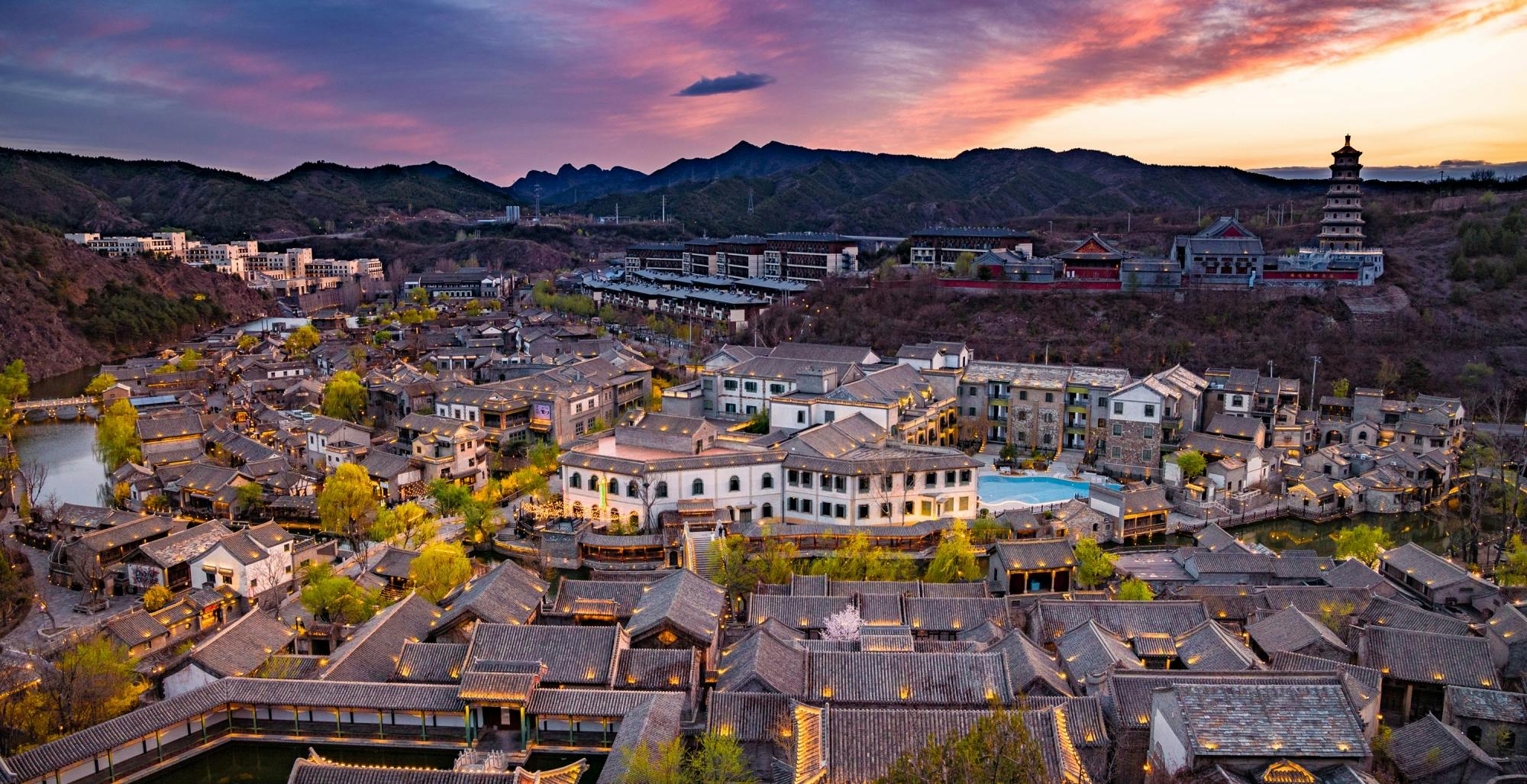
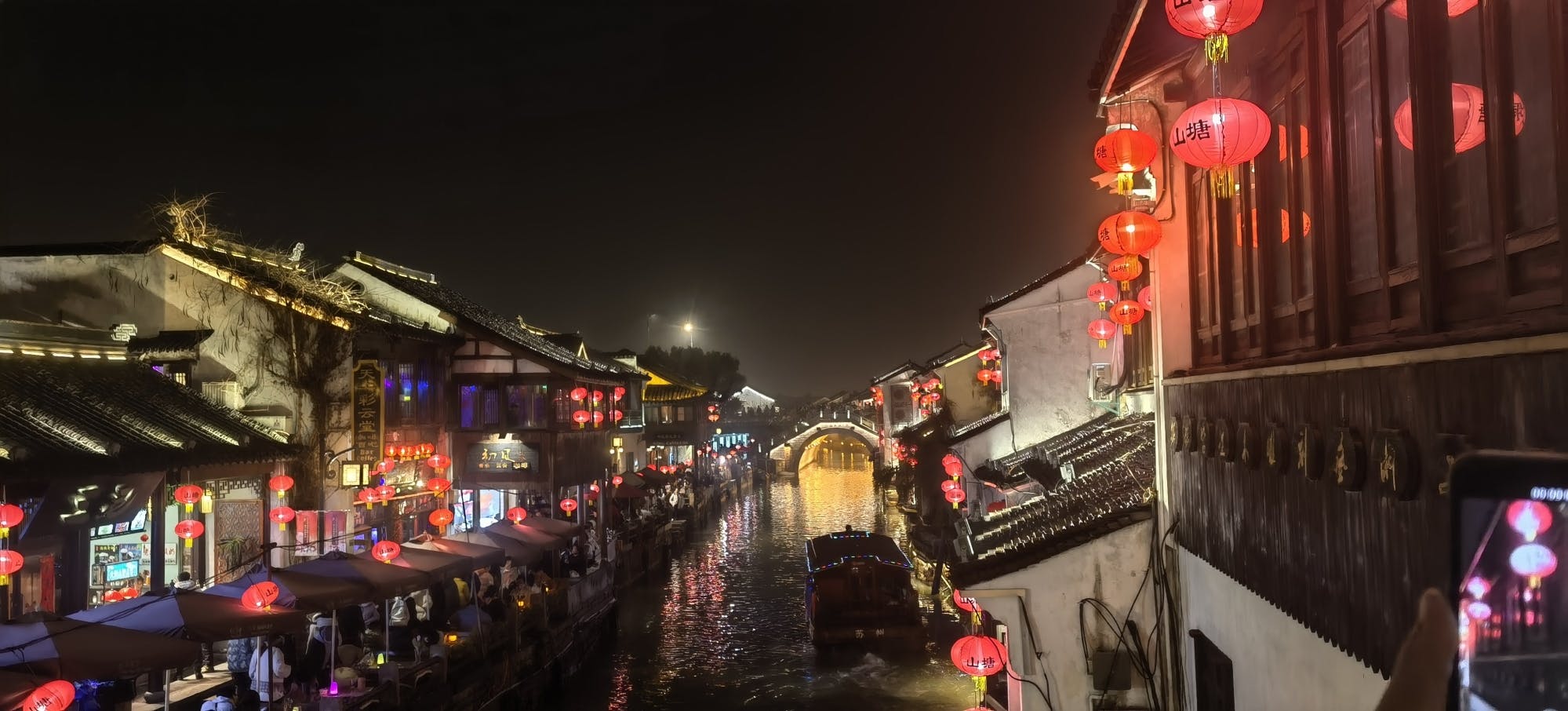
Located in Miyun District, Beijing, Gubei Water Town sits at the foot of the Simatai section of the Great Wall. It is especially famous for its evening atmosphere, when lanterns glow along the canals and the Great Wall lights trace the mountain ridge above the town. For travellers who want a romantic overnight stay, a family-friendly excursion or a more relaxed Great Wall experience than the busiest Beijing sections, Gubei Water Town is worth considering.
Quick take: Musement.com offers a worldwide selection of tours and attractions
Private Tour of Gubei Water Town and Simatai Great Wall - Guided… China Private Guided Tour to Gubei Water Town and Simatai Great Wall A private day trip from Beijing combining Gubei Water Town with the Simatai section of the Great Wall. Check current availability, inclusions and booking details before you go.
Why Visit Gubei Water Town?
Gubei Water Town is popular because it brings several travel experiences together in one place. You can wander old-style lanes, cross stone bridges, take canal photos, eat in traditional-style restaurants, soak in hot springs, stay in a boutique inn and visit the Great Wall without needing to move between multiple separate attractions.
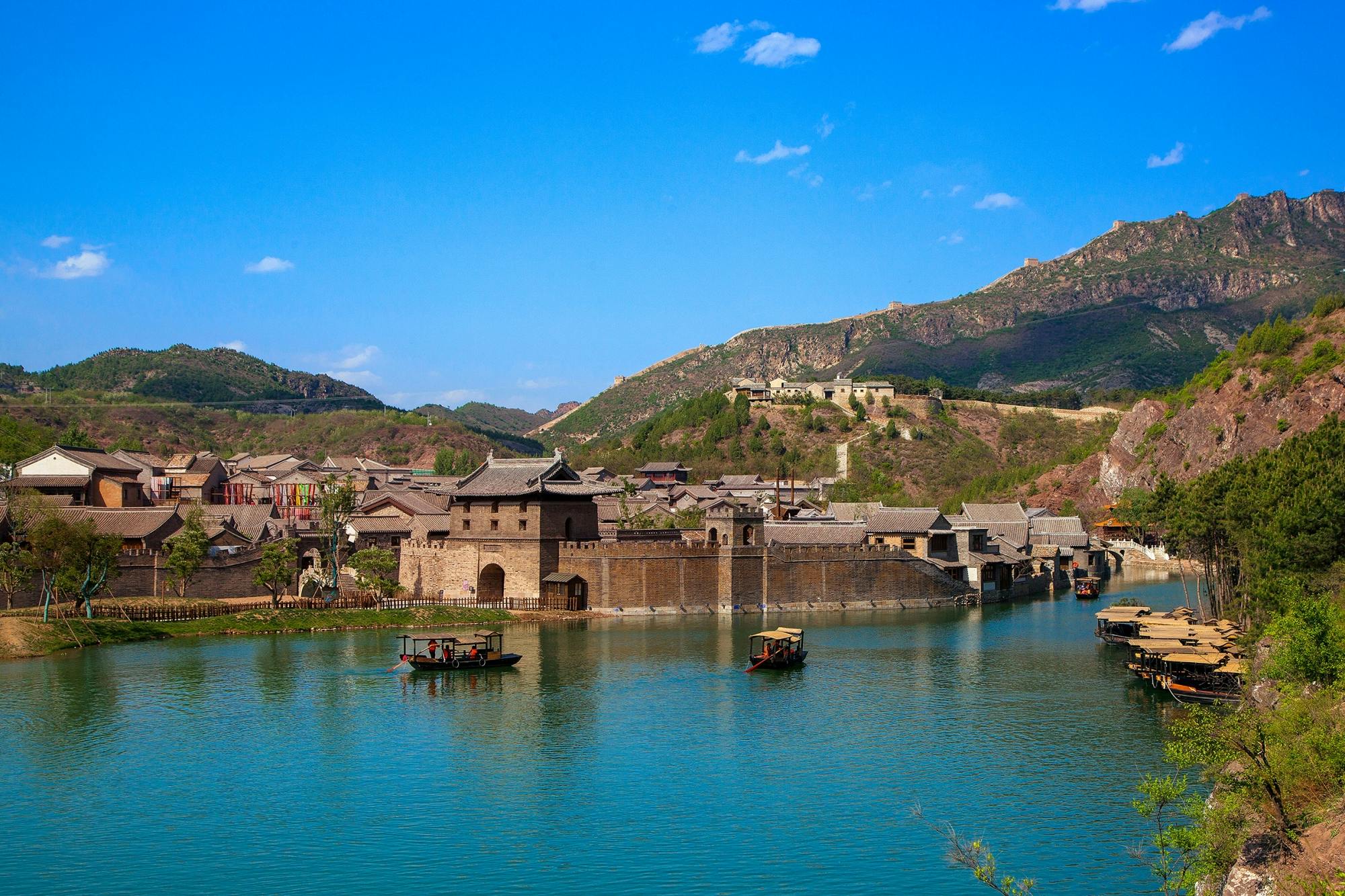
The setting is the real highlight. During the day, the surrounding mountains give the town a dramatic backdrop. At night, the town becomes more atmospheric, with warm lights reflecting in the water and the Simatai Great Wall glowing above the rooftops.
Gubei Water Town is best for:
Travellers who want a scenic Great Wall and village-style experience in one trip
Couples looking for a romantic overnight escape from Beijing
Families who want easier facilities than a remote Great Wall hike
Photographers who enjoy night views, canals and illuminated buildings
Older travellers who prefer cable car access and organised transport
Visitors who want restaurants, hotels, shops and toilets close to the attraction area
Where Is Gubei Water Town?
Gubei Water Town is in Gubeikou Town, Miyun District, Beijing, near the border area between Beijing and Hebei. It is northeast of central Beijing and usually takes around two to three hours by car, depending on traffic, weather and pickup location.
Starting Point
Best Travel Style
Notes
Central Beijing
Private transfer, guided tour or organised bus
The easiest option for most visitors, especially for a day trip or night tour.
Beijing Capital Airport area
Private transfer
Can work well if you are staying northeast of Beijing or planning a short stopover-style trip.
Chengde
Private car or regional transfer
Possible for travellers combining Chengde mountain resort areas with Beijing.
Other Great Wall sections
Private tour
Some itineraries combine Jinshanling, Simatai and Gubei Water Town.
Because Gubei is outside central Beijing, transport planning matters. For a smooth visit, a private driver or guided tour is often easier than trying to coordinate multiple public transport connections.
Best Things to Do in Gubei Water Town
1. Walk the canal lanes
The town is built around canals, bridges, stone lanes, courtyard-style buildings and mountain views. A slow walk is the best way to enjoy it. During the day, you can explore shops, cafés, restaurants and cultural displays. In the evening, the lighting gives the whole town a warmer, more theatrical feel.
2. Visit the Simatai Great Wall
The main reason many travellers choose Gubei is its access to the Simatai Great Wall. This section is known for steep mountain scenery, watchtowers and striking views over the surrounding valley. Many visitors use the cable car to reduce the amount of climbing.
3. Stay for the night views
Gubei Water Town is at its most impressive after dark. Lanterns, rooflines, canals and the illuminated Great Wall create a dramatic scene that feels very different from a daytime visit. If your itinerary allows, stay until evening or book an overnight stay.
4. Take a canal boat ride
A boat ride gives you a relaxed view of the bridges, buildings and reflections. It is especially atmospheric in the late afternoon or evening when the lights begin to glow.
5. Try the hot springs
Gubei Water Town is also known for hot spring-style relaxation. This can make the trip more appealing in colder months or after walking the Great Wall. Check whether hot spring access is included with your hotel or booked separately.
6. Eat inside the scenic area
The town has restaurants, snack shops and teahouse-style stops. Expect a tourist-resort setting rather than a local village market, but it is convenient and pleasant if you want to spend several hours or stay overnight.
7. Watch seasonal shows and performances
Depending on the season and current schedule, Gubei may offer cultural performances, light displays or evening entertainment. Always check the latest schedule before you go, as shows can change.
Gubei Water Town and Simatai Great Wall
The combination of Gubei Water Town and Simatai Great Wall is what makes this destination stand out. Many Great Wall trips focus only on the wall itself, while Gubei allows you to add food, canals, accommodation and evening scenery.
Simatai is more rugged and dramatic than some easier Great Wall sections. The steps can be steep, and the wall is not suitable for every traveller from end to end. A cable car can make the visit more manageable, but you should still expect stairs, slopes and uneven surfaces.
Good to know before visiting Simatai:
Bring your passport, as ticketing or identity checks may require it.
Check whether your ticket includes Gubei Water Town, Simatai Great Wall, cable car or a combined package.
Wear supportive shoes, not sandals or slippery soles.
Allow enough time if you want to visit both the town and the wall.
Night access can be limited and should be checked before travelling.
Weather can affect visibility, cable car operations and comfort.
Should You Visit Gubei Water Town as a Day Trip or Stay Overnight?
Day trip from Beijing
A day trip works if you leave Beijing early and focus on the main highlights: canal walk, lunch, Simatai Great Wall and early evening views. This is the most practical option for travellers with limited time.
Evening tour
An evening tour is ideal if your main goal is to see Gubei Water Town lit up and experience the night scenery around Simatai. This option can feel more special than a standard daytime visit, but transport back to Beijing needs to be organised carefully.
Overnight stay
An overnight stay is the best way to enjoy Gubei without rushing. You can see the town at sunset, enjoy the night lights, sleep inside or near the scenic area, and wake early for quieter photos. It is also more comfortable if you are travelling with children or older family members.
Travel Style
Best For
Potential Downside
Day Trip
Travellers short on time
Long travel day from Beijing
Evening Tour
Night views and photography
Late return to Beijing
Overnight Stay
Relaxed sightseeing and atmosphere
Higher cost than a simple day trip
Suggested Gubei Water Town Itinerary
Option 1: Full-Day Trip from Beijing
Morning: Depart Beijing early by private transfer or tour vehicle.
Late morning: Arrive at Gubei Water Town and explore the canal lanes.
Lunch: Eat inside the scenic area or at a nearby restaurant.
Afternoon: Visit Simatai Great Wall, using the cable car if preferred.
Late afternoon: Return to the town for a boat ride or snack break.
Evening: Stay for the lights if your transport allows, then return to Beijing.
Option 2: Overnight Gubei Escape
Day 1 afternoon: Travel from Beijing to Gubei Water Town.
Day 1 evening: Explore the town after dark and enjoy the illuminated Great Wall views.
Day 1 night: Stay in a hotel or inn within or near the scenic area.
Day 2 morning: Visit Simatai Great Wall before the day-trip crowds build.
Day 2 afternoon: Relax with lunch, a canal walk or hot springs before returning to Beijing.
Option 3: Great Wall Photography Itinerary
Morning: Visit Jinshanling Great Wall or another scenic wall section.
Afternoon: Transfer to Gubei Water Town.
Sunset: Visit Simatai Great Wall by cable car if available.
Evening: Photograph the illuminated town and Great Wall from scenic viewpoints.
Useful Booking Resources for Gubei Water Town and Simatai Great Wall
Gubei Water Town can be visited independently, but because it is a long distance from central Beijing, many travellers prefer a tour, private driver, hotel package or ticket-and-transfer combination. The suppliers below are useful places to compare travel products. Skimlinks may automatically convert these merchant links into affiliate links if the merchant is active in your Skimlinks account.
GetYourGuide – offers bookable Beijing day tours, Great Wall experiences, private guides and combined itineraries such as Jinshanling, Simatai and Gubei Water Town night-view tours.
Viator – offers private Gubei Water Town and Simatai Great Wall tours, evening tours, cable-car options, hotel pickup and multi-day Great Wall experiences from Beijing.
Klook – offers Asia-focused tickets, tours and transport products, including Simatai Great Wall admission options, Gubei Water Town packages and Beijing activity bookings when available.
KKday – offers local tours, attraction tickets, transfer services and Asia travel experiences. It is worth checking for Beijing day trips, private transfers and China sightseeing packages.
Tiqets – offers mobile-friendly attraction, museum and landmark tickets. It is useful for quick-entry sightseeing tickets in major destinations, though Gubei-specific availability may vary.
Musement – offers tours, museum tickets, city activities and cultural experiences. It is useful for comparing Beijing sightseeing, Great Wall tours and broader China travel ideas where available.
G Adventures – offers small-group and multi-day adventure tours. It is best suited to travellers wanting a longer China itinerary rather than a standalone Gubei Water Town ticket.
Go City – offers bundled city attraction passes in selected destinations. It is not a main Gubei booking option, but it can help readers planning multi-city stopovers before or after China.
CityPASS – offers bundled attraction passes mainly for selected North American cities. It is not designed for Gubei Water Town, but it may suit readers adding North America to a wider international trip.
Booking tip: Before booking a Gubei Water Town or Simatai Great Wall tour, check whether the price includes hotel pickup, town entry, Great Wall entry, cable car, boat ride, guide service, meals and return transport. Some tours include only a driver and transport, while others include tickets and guided commentary.
Gubei Water Town Travel Tips
Be clear that Gubei is a scenic resort
Gubei Water Town is beautiful, but it is not an untouched ancient village. It is a modern scenic resort built in a traditional style. Go for the atmosphere, convenience, night views and Great Wall access rather than expecting an old residential canal town like Nanxun or Tongli.
Take your passport
Tourist attractions in China may require passport details for ticketing, especially for major scenic areas. Carry your passport or a secure copy if advised by your tour operator.
Check ticket inclusions carefully
Gubei Water Town, Simatai Great Wall, cable cars, boat rides, hot springs and shows may be priced separately or bundled differently depending on the booking platform.
Wear proper walking shoes
The town itself is manageable, but the Great Wall section includes stairs, slopes and uneven stone. Supportive shoes are important.
Allow enough time for traffic
The drive from Beijing can be long, especially during weekends, holidays or peak travel periods. Leave early if you are visiting as a day trip.
Stay for the evening if you can
The night scenery is one of Gubei’s strongest features. If you leave too early, you may miss the town’s most distinctive atmosphere.
Consider the season
Spring and autumn are comfortable for walking. Summer can be hot and busy, while winter can be cold but atmospheric, especially if there is snow or clear mountain air.
Is Gubei Water Town Worth Visiting?
Gubei Water Town is worth visiting if you want an easy, scenic and highly photogenic Great Wall side trip from Beijing. It is especially good for travellers who like evening lights, canal scenery, resort facilities and the idea of seeing the Great Wall from a more atmospheric setting.
However, it may not be the best choice if you want a raw, local, ancient village experience. For that, Jiangnan water towns such as Nanxun, Tongli or Wuzhen feel more historically rooted. Gubei is better understood as a polished destination: part water-town resort, part Great Wall gateway and part overnight escape.
If you are visiting Beijing and want something more atmospheric than a standard Great Wall day tour, Gubei Water Town and Simatai Great Wall make a strong combination.
FAQs About Gubei Water Town
Is Gubei Water Town an ancient town?
Gubei Water Town is not an original ancient Jiangnan water town. It is a modern scenic resort built in a traditional architectural style near the Simatai Great Wall. It is still very popular because of its setting, canals, lighting, hotels and Great Wall access.
Where is Gubei Water Town?
Gubei Water Town is in Gubeikou Town, Miyun District, northeast of central Beijing. It sits at the foot of the Simatai Great Wall.
How far is Gubei Water Town from Beijing?
Travel time from central Beijing is usually around two to three hours by car, depending on traffic, weather and your starting point.
Can you visit Simatai Great Wall from Gubei Water Town?
Yes. Simatai Great Wall is connected with the Gubei Water Town scenic area, and many visitors combine both in one trip. Check ticket rules and access times before travelling.
Is Gubei Water Town good at night?
Yes. Gubei Water Town is especially famous for its night scenery, with lantern-lit streets, glowing canals and views of the illuminated Simatai Great Wall.
Should I stay overnight in Gubei Water Town?
An overnight stay is worthwhile if you want to enjoy the night views without rushing back to Beijing. It also gives you more time for Simatai Great Wall, hot springs, photography and relaxed meals.
Is Gubei Water Town suitable for older travellers?
Gubei can be suitable for older travellers because it has resort facilities, restaurants and organised transport options. However, Simatai Great Wall has steep and uneven sections, so the cable car and a slower itinerary are recommended.
What should I wear to Gubei Water Town?
Wear comfortable walking shoes and dress for the season. Bring a warm layer for evenings, especially in autumn, winter and early spring, as the mountain area can feel cooler than central Beijing.
Can I visit Gubei Water Town independently?
Yes, independent travel is possible, but many visitors prefer a private driver or tour because Gubei is far from central Beijing and return transport can be inconvenient after dark.
Sponsored Popular Items
Quick take: Musement.com offers a worldwide selection of tours and attractions
Private Tour of Gubei Water Town and Simatai Great Wall - Guided Sightseeing Tour China Private Guided Tour to Gubei Water Town and Simatai Great Wall A private day trip from Beijing combining Gubei Water Town with the Simatai section of the Great Wall. Check current availability, inclusions and booking details before you go.
Gubei Water Town and Simatai Transfer with How to Guide - Travel Service Gubei Water Town and Simatai transfer with how to guide is a convenient way to add structure, local context and purposeful sightseeing to the itinerary. Check current availability, inclusions and booking details before you go.
Cebu: Above the City, Beneath the Sea Philippines Experience Cebu from mountain peaks to ocean depths. Visit Temple of Leah, Sirao Garden, Tops Lookout, and Cebu Ocean Park on a full-day adventure with convenient hotel transfers
Nanxun Water Village, also known as Nanxun Ancient Town, is one of the most atmospheric Jiangnan water towns in eastern China. Located in Huzhou, Zhejiang Province, Nanxun is known for its peaceful canals, arched stone bridges, whitewashed houses, old merchant residences, classical gardens and silk-trading heritage.
While places like Wuzhen, Zhouzhuang and Xitang often receive more attention, Nanxun has a quieter, more refined character. It is especially appealing for travellers who enjoy history, architecture, photography, canal walks and old-town atmosphere without feeling too rushed.
Nanxun is a rewarding day trip from Hangzhou, Suzhou, Shanghai or Huzhou, and it can also be included in a longer Jiangnan itinerary covering several water towns. If you want a water village that feels elegant, cultured and slightly less commercial, Nanxun is a beautiful choice.
Why Visit Nanxun Water Village?
Nanxun has all the classic beauty of a Jiangnan water town: narrow canals, stone bridges, old houses, waterside lanes and traditional black-tiled roofs. What makes it different is its strong connection to wealthy silk merchants and old family compounds. Nanxun was once home to influential merchant families, and that wealth helped create gardens, libraries, mansions and buildings with a blend of Chinese and Western design.
For travellers, Nanxun offers a more layered experience than a simple canal walk. You can enjoy the water-town scenery, but you can also explore grand residences, historic halls, old libraries, garden architecture and cultural sites that tell the story of the town’s prosperous past.
Quick take: Musement.com offers a worldwide selection of tours and attractions
Travellers who want a quieter Jiangnan water-town experience
Photography lovers looking for bridges, canals and reflections
History and architecture enthusiasts
Couples wanting a romantic canal-town walk
Older travellers who prefer a slower, more cultural day trip
Visitors combining Hangzhou, Suzhou, Shanghai and nearby water towns
Where Is Nanxun?
Nanxun is in Huzhou, Zhejiang Province, in the lower Yangtze River Delta region. It sits within reach of several major eastern China destinations, making it a practical add-on to a Shanghai, Suzhou or Hangzhou itinerary.
Starting Point
Best For
Travel Style
Hangzhou
A cultural day trip with gardens, canals and history
Private transfer, guided tour or train/bus combination
Suzhou
Pairing classical gardens with a quieter water town
Private tour, car transfer or public transport
Shanghai
A longer day trip or overnight water-town escape
Private tour or train plus local transfer
Huzhou
The easiest nearby base
Taxi, bus, private transfer or local transport
If you are short on time and based in Shanghai, Zhujiajiao may be easier. If you want something richer, quieter and more distinctive, Nanxun is worth the extra planning.
Best Things to Do in Nanxun Water Village
1. Walk beside the canals
The best way to enjoy Nanxun is slowly. Follow the waterside lanes, cross the old bridges, watch boats drift along the canals and look for reflections of the whitewashed houses in the water. Nanxun is especially photogenic in soft morning light and late afternoon.
2. Take a traditional boat ride
A small canal boat ride gives you a different view of the town. From the water, you can see old residences, stone embankments, wooden balconies, willow trees and arched bridges. It is one of the most relaxing ways to experience the rhythm of Nanxun.
3. Explore the old merchant residences
Nanxun is famous for its wealthy merchant history. Some of its grand residences show a mix of Jiangnan-style courtyards, carved woodwork, garden spaces and Western architectural details. This blend gives Nanxun a distinctive look compared with many other water towns.
4. Visit classical gardens and cultural sites
Nanxun’s gardens and cultural buildings are a major reason to visit. They reveal the refined lifestyle of the town’s merchant families and reflect the wider Jiangnan tradition of garden design, scholarship and private family compounds.
5. Photograph Baijian Lou
Baijian Lou, often translated as the Hundred-Room Building area, is one of Nanxun’s most charming canal-side sections. It is a wonderful place for slow walks, photography and quiet observation of old waterside architecture.
6. Try local snacks and tea
Like many Jiangnan towns, Nanxun is a good place to stop for tea, noodles, dumplings, rice-based snacks, local pastries and freshwater dishes. A canal-side lunch or teahouse break makes the day feel more relaxed and memorable.
Nanxun Highlights and Attractions
Attraction
Why Visit?
Best For
Baijian Lou
A beautiful canal-side area with historic waterside homes and peaceful lanes.
Photography, walking, classic water-town scenery
Former Residence of Zhang Shiming
A grand old residence known for combining Chinese and Western architectural influences.
Architecture, history, merchant culture
Little Lotus Garden
A refined garden associated with Nanxun’s wealthy family heritage.
Gardens, culture, slower sightseeing
Jiaye Library
A historic private library connected with Nanxun’s scholarly and cultural traditions.
History, literature, heritage buildings
Guanghui Palace / Taoist Temple Area
A cultural stop that adds spiritual and architectural variety to the visit.
Culture, temple architecture, old-town atmosphere
Canal Boat Ride
A gentle way to see Nanxun from the water.
Couples, families, photography, relaxed travel
How Long Do You Need in Nanxun?
Most visitors can enjoy Nanxun in half a day to one full day. A shorter visit is enough for a walk, a boat ride and a few key attractions, while a full day gives you time to slow down, enjoy lunch, visit historic residences and explore the quieter lanes.
Half-day visit
Best if you are passing through Huzhou or combining Nanxun with nearby travel. Focus on the canal area, Baijian Lou, one major residence and a short boat ride.
Full-day visit
Best for travellers who enjoy history and photography. Add Little Lotus Garden, Jiaye Library, the Former Residence of Zhang Shiming, lunch and a slower walk around the old town.
Overnight stay
Best if you want to experience Nanxun early in the morning or after most day visitors have left. Staying overnight can also make the trip feel less rushed if you are travelling from Shanghai.
How to Get to Nanxun Water Village
Nanxun is easiest to visit with a private transfer or guided day tour, especially if you are travelling from Shanghai, Hangzhou or Suzhou. Public transport is possible, but it may involve a train to a nearby city followed by a local bus or taxi.
From Hangzhou
Hangzhou is a practical base for Nanxun, especially if you are also visiting West Lake, tea villages or other Zhejiang attractions. A private day tour or car transfer is the simplest option.
From Suzhou
Suzhou pairs well with Nanxun because both destinations highlight Jiangnan culture. Spend one day in Suzhou’s gardens and another day in Nanxun for canals, merchant homes and a quieter water-town feel.
From Shanghai
Nanxun can be visited from Shanghai, but it is a longer day than Zhujiajiao. If comfort matters, book a private day tour or consider staying overnight in or near Nanxun.
From Huzhou
Huzhou is the closest major city base. From there, a taxi, local bus or private transfer can make Nanxun easy to reach.
Suggested One-Day Nanxun Itinerary
Morning: Arrive and walk the canals
Arrive in Nanxun in the morning and begin with a slow walk along the old waterways. Cross the bridges, photograph the reflections and get a feel for the layout of the town.
Late morning: Visit Baijian Lou
Continue to the Baijian Lou area for some of Nanxun’s most atmospheric canal-side scenery. This is a great place for photos and a quieter walk.
Lunch: Eat beside the water
Choose a simple local restaurant or teahouse. Look for noodles, dumplings, rice dishes, seasonal vegetables, freshwater fish or local snacks.
Afternoon: Explore gardens and residences
Spend the afternoon visiting Little Lotus Garden, Jiaye Library and the Former Residence of Zhang Shiming. These sites help explain why Nanxun is more than just another canal town.
Late afternoon: Take a boat ride
Finish the day with a short boat ride through the canals. The light is often softer later in the day, making this a lovely time for photos.
Evening: Stay longer if possible
If you are not rushing back, stay for early evening. Nanxun becomes quieter and more atmospheric as the day visitors leave.
Useful Booking Resources for Nanxun and Jiangnan Water Town Trips
Nanxun can be visited independently, but booking a tour or transfer can make the day much easier, especially if you are starting from Shanghai, Hangzhou or Suzhou. The following travel platforms may help you compare tours, tickets, transfers and broader China itineraries. Availability can change, so check the current options before booking.
Useful Booking Resources for Nanxun and Jiangnan Water Town Trips
Nanxun can be visited independently, but booking a tour, transfer or attraction package can make the day easier, especially if you are travelling from Shanghai, Hangzhou or Suzhou. The suppliers below are useful places to compare Jiangnan water town tours, China sightseeing experiences, attraction tickets and multi-day travel options. Skimlinks may automatically convert these merchant links into affiliate links if the merchant is active in your Skimlinks account.
GetYourGuide – offers bookable tours, day trips, private guides, attraction tickets and city experiences. It is a good place to search for Shanghai, Suzhou, Hangzhou and nearby water-town sightseeing options.
Viator – offers guided tours, private day trips, custom sightseeing, transfers and shore excursions. It is useful for travellers who want a planned Jiangnan water town visit with transport and a guide included.
Klook – offers Asia-focused travel activities, attraction tickets, transport passes, local tours and private transfers. It is especially useful for travellers booking China, Japan, Korea, Hong Kong, Singapore and wider Asian experiences.
KKday – offers local tours, cultural activities, transport services, attraction tickets and travel experiences across Asia. It can be a helpful option for finding China-based day trips and regional experiences.
Tiqets – offers mobile-friendly tickets for museums, attractions, landmarks and cultural sites. It is best used when travellers want quick ticket access rather than a full guided tour.
Musement – offers tours, attractions, museum tickets, city activities and cultural experiences. It is useful for travellers comparing sightseeing ideas across China and other international destinations.
G Adventures – offers small-group adventure tours and multi-day itineraries. It is best suited to travellers who want a longer China journey rather than a single Nanxun day trip.
Go City – offers city attraction passes that bundle multiple sightseeing experiences into one pass. It is most useful for travellers adding other major global cities to their China holiday.
CityPASS – offers bundled attraction passes for selected cities, mainly in North America. It is less relevant for Nanxun itself, but useful for readers planning a wider multi-country trip before or after China.
Booking tip: Before choosing a Nanxun or Jiangnan water town tour, check whether the price includes hotel pickup, private transport, entry tickets, boat ride, guide service and meals. Some listings include everything, while others charge separately for scenic area tickets or optional boat rides.
Booking tip: Before choosing a Nanxun tour, check whether the price includes hotel pickup, private transport, entry tickets, boat ride, guide service and meals. Some tours may only include transport and guide time, while attraction fees or boat rides may be extra.
Nanxun Travel Tips
Go early for quieter photos
Morning is one of the best times to enjoy Nanxun. The canals are calmer, the light is softer and the old lanes are usually less crowded.
Wear comfortable walking shoes
Nanxun has stone paths, bridges, steps and uneven old-town surfaces. Comfortable walking shoes are better than sandals or dress shoes.
Do not rush the town
Nanxun is not the kind of place to race through. Its charm comes from wandering slowly, sitting beside the water, noticing small architectural details and enjoying the quiet canal atmosphere.
Allow time for indoor attractions
The gardens, residences and library are part of what makes Nanxun special. If you only walk the canals, you may miss the town’s deeper history.
Check opening times before you go
Outdoor streets may be accessible at different times from individual attractions, residences or museums. If there is a specific site you want to see, check current opening hours before travelling.
Consider a guide if you love history
Nanxun’s merchant families, silk wealth and architectural details are much easier to appreciate with good commentary. A guide can help explain the background behind the buildings rather than simply pointing out scenic spots.
Pair Nanxun with Suzhou or Hangzhou
Nanxun works beautifully with Suzhou’s classical gardens or Hangzhou’s West Lake. This creates a balanced itinerary of canals, gardens, lake scenery, food and cultural history.
Is Nanxun Worth Visiting?
Yes, Nanxun Water Village is worth visiting, especially if you want a Jiangnan water town that feels elegant, historical and less overrun than some of the better-known canal towns. It has the visual beauty travellers expect from a Chinese water village, but it also has a strong cultural identity built around silk merchants, old family compounds, gardens and libraries.
If your trip is mainly based in Shanghai and you only have a few spare hours, Zhujiajiao may be more convenient. But if you can allow a full day, Nanxun offers a richer and more distinctive experience. It is one of the best choices for travellers who want to go beyond the most obvious water-town names.
FAQs About Nanxun Water Village
Is Nanxun the same as Nanxun Ancient Town?
Yes. Travellers may refer to it as Nanxun Water Village, Nanxun Water Town or Nanxun Ancient Town. These names generally refer to the historic canal town in Huzhou, Zhejiang Province.
Where is Nanxun Water Village?
Nanxun is in Huzhou, Zhejiang Province, in eastern China’s Jiangnan region. It is within reach of Hangzhou, Suzhou and Shanghai.
How long should I spend in Nanxun?
Most travellers should allow half a day to one full day. A full day is better if you want to visit gardens, residences, the library, the canal streets and take a boat ride without rushing.
Is Nanxun better than Wuzhen?
It depends on your travel style. Wuzhen is more famous and very good for overnight stays and night scenery. Nanxun is usually better for travellers who want a quieter, more cultural atmosphere with strong merchant-history and architectural interest.
Can you visit Nanxun from Shanghai?
Yes, but it is a longer day trip than some water towns closer to Shanghai. A private tour or transfer is the easiest option. If you prefer a slower pace, consider staying overnight or combining Nanxun with Suzhou or Hangzhou.
What is Nanxun famous for?
Nanxun is famous for its canals, old bridges, wealthy silk-merchant history, classical gardens, traditional residences, historic library and a distinctive blend of Chinese and Western architectural influences.
Is Nanxun good for older travellers?
Nanxun can be suitable for older travellers who enjoy slow walking, history and scenery. However, some paths, bridges and old-town surfaces may be uneven, so comfortable shoes and a relaxed itinerary are recommended.
Do you need a tour guide in Nanxun?
You do not need a guide if you only want to wander and take photos. However, a guide can make the visit more meaningful if you want to understand the silk-merchant families, architecture, gardens and historic residences.
Sponsored Popular Items
Quick take: Musement.com offers a worldwide selection of tours and attractions
Jiangnan Water Towns: A Beautiful Guide to China’s Canal Villages
The Jiangnan water towns are among the most atmospheric places to visit in eastern China. Think narrow canals, stone bridges, whitewashed houses, black-tiled roofs, lantern-lit lanes, old merchant homes, classical gardens, wooden boats and waterside teahouses. These ancient towns sit in the lower Yangtze River Delta, close to major travel hubs such as Shanghai, Suzhou and Hangzhou, making them ideal for day trips, slow cultural escapes or multi-day itineraries.
Jiangnan literally refers to the region “south of the Yangtze River”, but in travel terms it often describes the poetic landscape of canal towns, gardens, lakes and historic trading settlements that helped shape the culture of eastern China. The most famous water towns include Zhouzhuang, Tongli, Wuzhen, Xitang, Nanxun, Luzhi and Zhujiajiao.
For travellers, the appeal is simple: these towns feel slower, older and more intimate than the big cities nearby. You can ride a hand-rowed boat through a canal, wander across arched bridges, visit heritage mansions, taste local snacks and photograph some of the most recognisable scenery in China.
Quick take: Musement.com offers a worldwide selection of tours and attractions
The Jiangnan water towns are historic canal settlements built around rivers, lakes and waterways. Long before modern roads and railways, water was the lifeline of this region. Goods, silk, rice, tea, timber and household supplies moved by boat, and families built their homes, shops and ancestral halls along the canals.
Many of the towns still preserve the classic Jiangnan look: pale walls, dark roof tiles, stone embankments, covered walkways, arched bridges and wooden windows facing the water. Some are quiet and residential, while others are popular tourist attractions with ticketed scenic areas, night lighting, museums and cultural performances.
The beauty of visiting Jiangnan is that each water town has its own personality. Some are best for photography, some for history, some for gardens, and some for an easy half-day escape from Shanghai or Suzhou.
Best Jiangnan Water Towns to Visit
Water Town
Best For
Highlights
Good Base City
Zhouzhuang
Classic water-town scenery
Twin Bridges, Shen Hall, Zhang Hall, canals, Ming and Qing-style architecture
Suzhou or Shanghai
Tongli
Gardens and peaceful canals
Retreat & Reflection Garden, old bridges, canal lanes, traditional homes
Suzhou
Wuzhen
Overnight stays and night views
East Scenic Zone, West Scenic Zone, indigo workshops, canals, riverside inns
Hangzhou, Suzhou or Shanghai
Xitang
Covered walkways and old-town atmosphere
Long covered corridors, stone bridges, waterside lanes, evening lights
Shanghai or Hangzhou
Nanxun
History, silk culture and quieter sightseeing
Old merchant houses, gardens, libraries, Chinese and Western architectural details
Hangzhou, Huzhou or Suzhou
Luzhi
A less crowded Suzhou-area water town
Historic bridges, traditional homes, quieter streets and local character
Zhouzhuang is one of the most famous water towns in China and is often chosen by first-time visitors who want the classic postcard view: stone bridges, narrow canals, wooden boats and heritage residences. It can be busy, but it delivers the iconic Jiangnan experience.
Best from Shanghai: Zhujiajiao
Zhujiajiao is one of the easiest water towns to visit from Shanghai. It is a practical choice if you only have half a day or one free day in the city. You can combine it with Shanghai sightseeing, or book a guided day tour if you prefer simple transfers and commentary.
Best from Suzhou: Tongli or Luzhi
Tongli is excellent if you are already staying in Suzhou and want canals plus garden culture. The Retreat & Reflection Garden gives Tongli an extra layer of heritage interest. Luzhi can suit travellers who want a quieter, more local-feeling experience.
Best for an overnight stay: Wuzhen
Wuzhen is one of the best Jiangnan towns for staying overnight. The town is especially atmospheric after dark, when lanterns reflect in the canals and the day-trip crowds thin out. Staying inside or near the scenic area allows you to enjoy early morning and evening walks.
Best for a slower cultural trip: Nanxun
Nanxun is ideal for travellers who enjoy history, architecture and a slightly less commercial atmosphere. It is known for old family compounds, silk-trading heritage and a mix of Chinese and Western design influences in some historic buildings.
Best Things to Do in the Jiangnan Water Towns
Take a canal boat ride
A short wooden boat ride is one of the most memorable ways to see a water town. From the canal, you can look up at old houses, arched bridges, waterside restaurants and hanging lanterns. The pace is gentle, making it suitable for couples, families and older travellers.
Walk the stone bridges
Bridges are central to the Jiangnan water-town experience. Some are simple stone crossings, while others are graceful arched bridges that frame the canal below. Zhouzhuang’s Twin Bridges and Zhujiajiao’s Fangsheng Bridge are among the most photographed.
Visit old merchant houses
Many Jiangnan towns grew wealthy through trade, especially silk, rice and waterways commerce. Historic homes and halls show how prosperous families lived, with courtyards, carved woodwork, reception rooms and private gardens.
Explore classical gardens
Jiangnan is famous for garden culture. If you are visiting Suzhou as part of your trip, add one or two classical gardens to understand the region’s refined design style. Tongli’s Retreat & Reflection Garden is a standout water-town garden experience.
Try local snacks
Food is part of the charm. Look for canal-side noodles, rice cakes, steamed buns, freshwater fish, lotus-root dishes, sweet osmanthus treats and local tea. Some towns also have traditional wine shops, tofu dishes, sesame snacks and seasonal sweets.
Stay for the evening
If your schedule allows, stay until dusk. The towns change character when lanterns switch on and reflections shimmer across the water. Wuzhen and Xitang are especially popular for evening atmosphere, while Zhouzhuang and Tongli can feel calmer once large tour groups leave.
Suggested Jiangnan Water Town Itinerary Ideas
One Day from Shanghai
Morning: Travel to Zhujiajiao or Zhouzhuang.
Midday: Walk the old lanes, visit a garden or heritage house, and have lunch beside the canal.
Afternoon: Take a boat ride and photograph the bridges.
Evening: Return to Shanghai, or stay for lantern views if transport allows.
Two Days: Suzhou and Tongli
Day 1: Explore Suzhou’s classical gardens, old town lanes and canals.
Day 2: Visit Tongli for the Retreat & Reflection Garden, waterways and a slower canal-town experience.
Three to Four Days: Shanghai, Suzhou, Wuzhen and Hangzhou
Day 1: Shanghai sightseeing and evening skyline.
Day 2: Suzhou gardens and old-town canals.
Day 3: Wuzhen overnight stay, canal walks and night views.
Day 4: Continue to Hangzhou for West Lake, tea culture and garden scenery.
Slow Travel Option: Add Nanxun or Xitang
If you dislike rushed travel, add one quieter town instead of trying to see too many in one day. Nanxun works well for cultural depth, while Xitang is a good choice for covered walkways, waterside photos and evening atmosphere.
Useful Booking Resources for Jiangnan Water Town Trips
Many Jiangnan water towns can be visited independently, but a guided tour can be useful if you want transfers, an English-speaking guide, a boat ride, attraction tickets or a combined Shanghai, Suzhou and water-town itinerary. Availability changes by season, so compare a few platforms before booking.
GetYourGuide – useful for guided day trips, Shanghai and Suzhou tours, private transfers and attraction experiences.
Viator – good for private tours, water-town day trips, shore excursions and flexible sightseeing options.
Klook – often useful in Asia for activities, attraction tickets, transfers and day tours.
KKday – another strong option for Asia-based experiences, local tours and transport add-ons.
Tiqets – useful for attraction tickets and cultural experiences where available.
Musement – good for tours, museums, cultural activities and destination experiences.
G Adventures – worth checking for multi-day China itineraries that may include Shanghai, Suzhou, Hangzhou or wider cultural touring.
Go City – best known for city attraction passes in selected destinations; useful for travellers combining China with other global city stops where passes are available.
CityPASS – mainly useful for selected North American city-pass itineraries, but worth referencing for readers planning wider multi-country travel.
Tip: Before booking, check whether the tour includes transport, guide service, town entry fees, boat rides, meals and hotel pickup. Some water towns have separate ticketed zones or paid attractions inside the old town.
Practical Travel Tips for Visiting Jiangnan Water Towns
Do not visit too many towns in one day
Many Jiangnan water towns look similar at first glance, but their charm comes from slowing down. One town per day is usually enough. If you rush between several towns, you may spend more time in traffic than actually enjoying the canals.
Arrive early or stay late
The best light and quietest moments are often early in the morning or later in the evening. Day-trip crowds usually peak late morning to mid-afternoon.
Wear comfortable shoes
Expect stone lanes, steps, bridges and uneven surfaces. Comfortable walking shoes are essential, especially if you plan to explore old residential lanes and gardens.
Consider mobility needs
Some bridges have steep steps, and older lanes may be uneven. Travellers with knee, hip or mobility issues may prefer towns with easier access, a private transfer and a relaxed itinerary. Boat rides can be beautiful, but boarding may require a careful step down.
Check the weather
Spring and autumn are generally the most pleasant seasons for walking. Summer can be hot, humid and rainy, while winter is quieter but can feel cold and damp near the canals.
Stay overnight for better photos
If photography is important, consider staying overnight in Wuzhen, Xitang, Zhouzhuang or Tongli. You will have more chances for blue-hour canal reflections, lantern shots and quiet early-morning scenes.
Build a balanced itinerary
A strong Jiangnan itinerary usually combines one water town with a major city. For example, pair Zhujiajiao with Shanghai, Tongli with Suzhou, or Wuzhen with Hangzhou. This gives you contrast: modern skyline, classical gardens, local food and canal-town history.
Why the Jiangnan Water Towns Are Worth Visiting
The Jiangnan water towns are more than pretty canal scenes. They reveal how people lived with water, traded by boat, built homes around canals and created a refined culture of gardens, poetry, food and architecture. They are accessible enough for a day trip, yet atmospheric enough to reward a slower stay.
For first-time visitors, Zhouzhuang and Zhujiajiao are easy choices. For a deeper cultural experience, choose Tongli, Wuzhen or Nanxun. For romance and evening photography, consider Xitang or an overnight stay in Wuzhen.
Whichever town you choose, leave time to wander. The best moments often happen away from the main entrance: a quiet bridge, a steaming bowl of noodles, a wooden boat turning a corner, or lanterns reflected in still canal water.
FAQs About Jiangnan Water Towns
What are the Jiangnan water towns?
They are historic canal towns in eastern China, mainly around Shanghai, Suzhou, Hangzhou, Huzhou and Jiaxing. They are known for waterways, stone bridges, traditional houses, gardens, old merchant buildings and boat rides.
Which Jiangnan water town is best for first-time visitors?
Zhouzhuang is one of the most famous and photogenic choices. Zhujiajiao is the easiest if you are staying in Shanghai, while Tongli is excellent if you are based in Suzhou.
Can you visit a Jiangnan water town from Shanghai?
Yes. Zhujiajiao is the easiest option from Shanghai. Zhouzhuang, Xitang and Wuzhen can also be visited from Shanghai, though they usually require more travel time or a guided transfer.
Are the Jiangnan water towns UNESCO World Heritage sites?
Not all of the water towns are UNESCO World Heritage sites. However, parts of the region have recognised heritage importance. Tongli’s Retreat & Reflection Garden is part of the UNESCO-listed Classical Gardens of Suzhou, and some water towns have appeared in UNESCO tentative-list discussions.
Is it better to visit independently or take a tour?
Independent travel works well for confident travellers, especially for Zhujiajiao or Suzhou-area towns. A guided tour is easier if you want hotel pickup, transport, a guide, entry-ticket help or a combined city-and-water-town itinerary.
How long do you need in a Jiangnan water town?
Allow at least half a day for a simple visit, or a full day if you want a relaxed boat ride, lunch, gardens and photography. For Wuzhen or Xitang, an overnight stay can be especially rewarding.
Which water town is best for older travellers?
Travellers who prefer less walking may enjoy a private tour with door-to-door transfers and a slower itinerary. Tongli, Zhujiajiao and Wuzhen can all work well, but check walking distances, bridge steps and boat access before booking.
Sponsored Popular Items
Quick take: Musement.com offers a worldwide selection of tours and attractions
Mega Grand World Hanoi is one of the most eye-catching new entertainment areas near Vietnam’s capital. Set within the Ocean City development east of central Hanoi, this large shopping, dining and leisure complex combines colourful European-style façades, a Venice-inspired canal, gondola rides, Korean-style streets, cafés, restaurants, evening shows and plenty of photo spots.
Quick take: Musement.com offers a worldwide selection of tours and attractions
Sentosa Island: Ticket to Mega Adventure Park Singapore Enjoy an outing perfect for adrenaline seekers with this adventure park ticket. Experience thrilling outdoor adventures at Mega Adventure Park on Sentosa Island, featuring Singapore's iconic MegaZip
Although it is often marketed as a Hanoi attraction, Mega Grand World is not in the Old Quarter or central city. It sits in the wider Ocean City area, between Vinhomes Ocean Park 2 and Vinhomes Ocean Park 3. That means it works best as a half-day or evening trip rather than a quick stop between traditional Hanoi sights.
Why Visit Mega Grand World Hanoi?
Mega Grand World Hanoi is worth visiting if you enjoy themed architecture, night lights, shopping streets, casual dining, photo-friendly corners and entertainment-style attractions. It is not an ancient cultural site like the Temple of Literature or the Imperial Citadel, and it is not a traditional local market like Dong Xuan Market. Instead, it is a modern leisure complex designed for strolling, eating, taking photos and enjoying a playful evening outside the busy centre of Hanoi.
The main appeal is atmosphere. The Venice zone offers canals, pastel buildings, bridges and gondola-style boat rides, while K-Town adds Korean-inspired streets, shopfronts, food, lights and pop-culture styling. Together, they create a destination that feels more like a themed travel playground than a conventional tourist attraction.
Where Is Mega Grand World Hanoi?
Mega Grand World Hanoi is located in Ocean City, east of central Hanoi, between Vinhomes Ocean Park 2 and Vinhomes Ocean Park 3. Depending on traffic and your starting point, the trip from the Old Quarter or central Hanoi can take around an hour or more.
Because of the distance, it is best to plan the visit properly. Many travellers go in the late afternoon or evening so they can see the complex in daylight, stay for dinner and enjoy the lights and evening entertainment before returning to Hanoi.
Main Areas of Mega Grand World Hanoi
The Venice Zone
The Venice zone is the most recognisable part of Mega Grand World Hanoi. It is designed around a canal with colourful European-inspired buildings, bridges, waterside walkways and gondola-style boat rides.
This is the area most visitors come to photograph first. The canal, pastel façades, decorative bridges and reflections create a bright, theatrical setting that feels very different from Hanoi’s historic streets. It is especially attractive in the late afternoon and evening, when the lights come on and the water views become more atmospheric.
The Gondola Ride
The gondola ride is one of the signature experiences at Mega Grand World Hanoi. Visitors can float along the Venice-style canal and enjoy views of the surrounding buildings, bridges and waterside streets.
It is a short, scenic activity rather than a full boat tour, but it adds to the playful Venice mood of the complex. If you are visiting for photos or a romantic evening, the gondola ride is one of the easiest experiences to include.
K-Town
K-Town is the Korean-inspired area of Mega Grand World Hanoi. It is designed with Korean-style shopfronts, street details, lights, food outlets and photo areas that create a lively urban feel.
This part of the complex is especially popular with visitors who enjoy Korean food, fashion, pop culture and colourful street scenes. It has a different mood from the Venice zone, so it is worth seeing both areas rather than only stopping at the canal.
The Bridges and Walkways
Bridges and pedestrian walkways are part of the appeal at Mega Grand World Hanoi. They help connect the themed zones and provide some of the best photo angles over the canal, façades and open streets.
For the best photos, walk slowly through the complex rather than staying in one area. The view changes from each bridge, corner and plaza.
The Grand Voyage Show
The Grand Voyage is one of the headline evening shows associated with the Venice canal area. It is usually promoted as a large-scale performance inspired by maritime journeys and European trading routes.
Show times and availability can change, so check the current schedule before travelling. If the show is operating during your visit, plan dinner and transport around it so you do not need to rush.
Best Things to Do at Mega Grand World Hanoi
Walk through the Venice zone for colourful buildings, canal views and bridge photos.
Take a gondola ride for a short scenic experience on the canal.
Explore K-Town for Korean-style streets, food, lights and photo spots.
Stay until evening to see the complex lit up after dark.
Watch The Grand Voyage show if it is scheduled during your visit.
Try casual dining and snacks across the complex.
Take photos from the bridges for the best canal and street views.
Combine with nearby Ocean City attractions if you want a fuller day out.
Is Mega Grand World Hanoi Good for Photos?
Yes, Mega Grand World Hanoi is very photo-friendly. In fact, photography is one of the main reasons many people visit. The Venice-style canal, colourful façades, gondolas, bridges, Korean-style streets, lights and decorative details all make it easy to create bright travel photos.
The best time for photos is late afternoon into evening. Arriving before sunset gives you daylight shots, while staying after dark gives you illuminated buildings, reflections and a livelier night-time atmosphere.
Best Time to Visit Mega Grand World Hanoi
Late afternoon and evening are usually the best times to visit Mega Grand World Hanoi. During the day, the complex is easier to see clearly, but the atmosphere improves when the lights turn on and the streets become more active.
If you visit too early, the area may feel quieter and more exposed to heat. If you visit too late, you may not have enough time for the gondola ride, food, photos and any scheduled show. A good plan is to arrive around late afternoon, explore both themed zones, have dinner and stay for the evening lights.
How Long Do You Need at Mega Grand World Hanoi?
Allow around 3 to 5 hours for a relaxed visit. This gives you time to walk through the Venice zone, explore K-Town, take photos, eat, ride a gondola and see the complex after dark.
If you are joining a tour from central Hanoi, a half-day tour is usually enough. If you are combining Mega Grand World with other Ocean City attractions, allow more time.
How to Get to Mega Grand World Hanoi
The easiest way to reach Mega Grand World Hanoi is by organised tour, private car, taxi, ride-hailing service or shuttle-style transport if available. Because it is outside central Hanoi, do not underestimate the travel time.
If you are staying in the Old Quarter, Hoan Kiem, Ba Dinh or Tay Ho, plan your journey around traffic. Evening return traffic can also be slow, so avoid booking something tightly scheduled immediately after your visit.
Suggested Half-Day Itinerary from Hanoi
Late afternoon: Leave central Hanoi and travel to Ocean City.
Arrival: Start in the Venice zone and walk along the canal.
Photo time: Cross the bridges and take photos of the colourful façades.
Optional activity: Take a gondola ride if available.
Evening: Explore K-Town for Korean-style streets, snacks and lights.
Dinner: Eat at one of the restaurants or casual food outlets.
Night: Watch The Grand Voyage show if scheduled, then return to Hanoi.
Suggested Full-Day Hanoi Itinerary with Mega Grand World
Morning: Visit classic Hanoi sights such as Hoan Kiem Lake, the Old Quarter or the Temple of Literature.
Lunch: Eat in central Hanoi before heading east.
Afternoon: Travel to Mega Grand World Hanoi and explore the Venice zone.
Late afternoon: Take photos, enjoy the canal area and consider a gondola ride.
Evening: Walk through K-Town, have dinner and stay for the lights or show.
Night: Return to central Hanoi.
Who Will Enjoy Mega Grand World Hanoi Most?
Mega Grand World Hanoi is best for travellers who enjoy modern attractions, themed streets, night lights, casual entertainment and photo-friendly places. It suits couples, families, groups of friends, younger travellers and anyone who wants a different evening outside central Hanoi.
It may be less appealing if you only want traditional culture, local neighbourhoods or historic attractions. In that case, places such as the Old Quarter, Hoan Kiem Lake, the Temple of Literature, Hoa Lo Prison, the Imperial Citadel and local food markets may be a better use of your time.
What to Wear and Bring
Comfortable shoes: You will be walking through a large complex.
Light clothing: Hanoi can be warm and humid, especially during the day.
Light jacket: Useful during cooler months or breezy evenings.
Camera or phone: This is a very photogenic destination.
Power bank: Helpful if you are taking lots of photos and videos.
Cash and card: Useful for food, drinks, rides and small purchases.
Rain protection: Bring a small umbrella or rain jacket in wet season.
Travel Tips for Visiting Mega Grand World Hanoi
Visit in the late afternoon or evening for the best atmosphere.
Check current gondola ride hours before travelling.
Confirm show times if you want to see The Grand Voyage.
Allow enough time for traffic between central Hanoi and Ocean City.
Wear comfortable shoes because the complex is spread out.
Bring a power bank if you plan to take many photos and videos.
Do not expect an old cultural site; this is a modern themed entertainment complex.
Pair it with a classic Hanoi morning so your day has both historic and modern experiences.
Is Mega Grand World Hanoi Worth Visiting?
Mega Grand World Hanoi is worth visiting if you want a modern, colourful and entertainment-focused experience near Hanoi. It is especially good for evening photos, casual dining, families, couples and travellers looking for something different from temples, museums and the Old Quarter.
However, it is not essential for every Hanoi itinerary. If you have only one day in Hanoi, focus on the historic centre first. If you have several days, or if you enjoy themed attractions and night-time photo spots, Mega Grand World can be a fun addition.
Final Thoughts
Mega Grand World Hanoi shows a very different side of the Vietnamese capital’s tourism scene. Instead of ancient streets and colonial buildings, it offers canals, lights, themed architecture, Korean-style streets, gondola rides and staged entertainment in a purpose-built leisure district.
For travellers who understand what it is, Mega Grand World can be a fun half-day or evening trip. Visit with the right expectations, arrive late enough to enjoy the lights, check show and ride times in advance, and treat it as a colourful modern contrast to Hanoi’s older cultural attractions.
Frequently Asked Questions About Mega Grand World Hanoi
Where is Mega Grand World Hanoi?
Mega Grand World Hanoi is located in Ocean City, east of central Hanoi, between Vinhomes Ocean Park 2 and Vinhomes Ocean Park 3.
Is Mega Grand World Hanoi in central Hanoi?
No. It is outside the central tourist areas of Hanoi, so visitors should allow travel time from places such as the Old Quarter, Hoan Kiem, Ba Dinh or Tay Ho.
What is Mega Grand World Hanoi famous for?
It is famous for its Venice-inspired canal area, gondola rides, colourful European-style buildings, Korean-style K-Town streets, photo spots, restaurants and evening entertainment.
How long should I spend at Mega Grand World Hanoi?
Allow around 3 to 5 hours for a relaxed visit. A half-day or evening trip is usually enough for most travellers.
Is Mega Grand World Hanoi good at night?
Yes, evening is one of the best times to visit because the buildings, canal, bridges and streets are lit up, creating a more atmospheric experience.
Can you take a gondola ride at Mega Grand World Hanoi?
Yes, gondola-style rides are one of the main promoted activities in the Venice canal area. Check current operating times before visiting.
Is Mega Grand World Hanoi suitable for families?
Yes, it can be suitable for families because it offers wide walking areas, colourful scenery, food options, photo spots and entertainment-style activities.
Should I visit Mega Grand World Hanoi on a short trip?
If you only have one day in Hanoi, prioritise the Old Quarter, Hoan Kiem Lake, the Temple of Literature and other central sights. If you have more time and want a modern evening attraction, Mega Grand World Hanoi can be a fun addition.
Sponsored Popular Items
Quick take: Musement.com offers a worldwide selection of tours and attractions
Sentosa Island: Ticket to Mega Adventure Park Singapore Enjoy an outing perfect for adrenaline seekers with this adventure park ticket. Experience thrilling outdoor adventures at Mega Adventure Park on Sentosa Island, featuring Singapore's iconic MegaZip
Stockholm Mega Combo Tickets – Attraction Ticket Sweden Stockholm Mega Combo Tickets USD 53 provides a structured way to visit a notable attraction or cultural site. Check current availability, inclusions and booking details before you go.
Puerto Plata Mega Adrenaline Buggy & Splash Tour Dominican Republic Puerto Plata Mega Adrenaline Buggy & Splash Tour adds movement, scenery and a more active element to the itinerary. Check current availability, inclusions and booking details before you go.
Ha Giang is one of Vietnam’s most spectacular mountain destinations, famous for dramatic limestone peaks, winding roads, deep valleys, terraced rice fields, ethnic minority villages and the legendary Ha Giang Loop. Located in northern Vietnam near the border with China, Ha Giang feels wilder, quieter and more remote than many of Vietnam’s better-known travel stops.
Quick take: Musement.com offers a worldwide selection of tours and attractions
From Ha Giang: Private 3-Days, 2 Nights Ha Giang Loop Tour Vietnam Discover the Ha Giang Loop on a private 3-day tour with a local guide. Visit Quan Ba Heaven Gate, the Fairy Twin Mountains, and Khau Lan Waterfall, and cruise along the Nho Que River
For travellers who love mountain scenery, cultural encounters and adventurous road trips, Ha Giang is unforgettable. The province is best known for the Ha Giang Loop, a multi-day journey through places such as Quan Ba, Yen Minh, Dong Van, Meo Vac, Ma Pi Leng Pass, Lung Cu Flag Tower and the Nho Que River.
Why Visit Ha Giang?
Ha Giang is worth visiting because it offers some of the most dramatic scenery in Vietnam. The roads curve through steep karst mountains, valleys drop suddenly below viewpoints, terraced fields change colour with the seasons, and small villages sit between rock walls and rice paddies.
The journey is as important as the destination. Travellers come to Ha Giang for the road itself: the feeling of moving through mountain passes, stopping at viewpoints, staying in simple homestays, eating local food and seeing a side of Vietnam that feels far removed from big-city life.
The Ha Giang Loop
The Ha Giang Loop is the region’s most famous travel route. It usually begins in Ha Giang city and continues through mountain districts such as Quan Ba, Yen Minh, Dong Van and Meo Vac before looping back. Many travellers complete the loop in 3 to 4 days, although shorter and longer versions are possible.
The loop is often done by motorbike, either self-ridden or with an experienced local driver, often called an “easy rider”. Travellers who are not confident riding on mountain roads can also join car-based tours, private driver trips or guided group tours.
Why the Loop Is So Famous
Mountain roads: The route passes through some of Vietnam’s most scenic highland landscapes.
Karst peaks: Limestone mountains create dramatic views around Dong Van and Meo Vac.
Ma Pi Leng Pass: One of the most famous and breathtaking roads in northern Vietnam.
Local culture: The loop passes through villages connected with H’Mong, Dao, Lo Lo, Tay and other ethnic communities.
Homestays: Overnight stays add warmth, food and local character to the journey.
Remote atmosphere: Ha Giang feels less commercial than many other Vietnam destinations.
Ma Pi Leng Pass
Ma Pi Leng Pass is one of the great highlights of Ha Giang. The road cuts along steep mountainsides between Dong Van and Meo Vac, with views over deep valleys, rugged cliffs and the turquoise-green Nho Que River far below.
This is the section of the loop many travellers remember most vividly. The scenery is dramatic, the road is narrow and twisting, and the viewpoints are among the best in Vietnam. Take your time here, stop safely at viewpoints and allow space for photos, weather changes and slow travel.
Nho Que River and Tu San Canyon
The Nho Que River winds through the mountains below Ma Pi Leng Pass, creating one of Ha Giang’s most striking landscapes. Boat trips on the river are popular when conditions allow, giving travellers a completely different view from the valley floor.
Tu San Canyon is often described as one of the most dramatic canyon landscapes in the region. From above, the river looks like a ribbon between cliffs; from below, the rock walls feel massive and close.
Dong Van Karst Plateau
Dong Van Karst Plateau is one of the geological and scenic highlights of Ha Giang. The area is known for limestone peaks, rocky valleys, highland villages and rugged mountain scenery.
Dong Van town is a common overnight stop on the loop. It has a small old quarter, cafés, guesthouses, local restaurants and access to nearby sights such as Lung Cu Flag Tower, Ma Pi Leng Pass and the surrounding plateau villages.
Lung Cu Flag Tower
Lung Cu Flag Tower is commonly promoted as Vietnam’s northernmost landmark and is a meaningful stop on many Ha Giang itineraries. Visitors climb to the tower for wide views over karst peaks, borderland villages and surrounding countryside.
The area around Lung Cu is also a good place to experience local village life. Nearby Lo Lo Chai is often included on routes for travellers interested in crafts, coffee stops and cultural atmosphere.
Quan Ba Heaven Gate
Quan Ba Heaven Gate is one of the first major viewpoints on the Ha Giang Loop when travelling north from Ha Giang city. From here, travellers can look across mountain valleys and the distinctive twin hills often called the Fairy Bosom Hills.
This is a good place to pause early in the loop and get a first real sense of Ha Giang’s mountain scenery. In misty weather, the views can feel especially atmospheric.
Yen Minh
Yen Minh is a common overnight or lunch stop between Quan Ba and Dong Van. The road toward Yen Minh passes through pine forests, valleys and mountain slopes, adding variety to the loop scenery.
While Yen Minh is not as famous as Dong Van or Ma Pi Leng, it is useful for breaking up the journey and experiencing the slower rhythm of Ha Giang travel.
Meo Vac
Meo Vac is another important stop on the loop, located beyond Ma Pi Leng Pass. The town is surrounded by rugged mountains and is known for its highland market atmosphere, local food and access to ethnic minority villages.
If your timing matches a local market day, Meo Vac can be one of the most memorable cultural stops on the route. Markets bring people from surrounding villages and can include food, textiles, livestock, produce and everyday trade.
Best Ways to Experience Ha Giang
Motorbike with an Easy Rider
For many travellers, the best way to experience Ha Giang is by motorbike with a local driver. This lets you enjoy the scenery without having to navigate difficult mountain roads yourself.
An experienced driver can also help with local stops, viewpoints, food, homestays and weather changes. This is a good choice if you want the open-air feeling of the loop but do not have the skill or confidence to ride safely.
Self-Riding a Motorbike
Self-riding is popular, but it should only be considered by travellers with proper riding experience, the correct licence, good insurance and confidence on steep, narrow, twisting roads. Ha Giang’s scenery is beautiful, but the roads can be challenging.
Weather, fog, loose gravel, blind corners, trucks, buses and mountain drop-offs all require serious attention. If in doubt, choose an easy rider or car-based tour instead.
Private Car or Group Tour
A private car or small group tour is a comfortable way to see Ha Giang without riding a motorbike. This is a strong option for couples, families, older travellers or anyone who prefers a safer and more relaxed road-trip experience.
You may not feel the same open-air thrill as a motorbike journey, but you still get the scenery, cultural stops, villages, viewpoints and overnight stays.
Suggested Three-Day Ha Giang Loop Itinerary
Day One: Ha Giang City to Yen Minh or Dong Van
Start from Ha Giang city and begin the loop.
Stop at Quan Ba Heaven Gate for mountain views.
See the twin hills near Tam Son.
Continue through forested roads and valleys toward Yen Minh.
Stay overnight in Yen Minh or continue to Dong Van, depending on your route.
Day Two: Dong Van, Lung Cu and Ma Pi Leng Pass
Explore Dong Van town and the surrounding karst plateau.
Visit Lung Cu Flag Tower for northern borderland views.
Travel across Ma Pi Leng Pass, one of the most scenic roads in Vietnam.
Stop for viewpoints over the Nho Que River and Tu San Canyon.
Stay overnight in Meo Vac or a nearby homestay.
Day Three: Meo Vac Back to Ha Giang
Visit a local market if your route and timing allow.
Travel through valleys, villages and mountain roads back toward Ha Giang city.
Stop for photos and food along the way.
Return to Ha Giang city in the late afternoon or evening.
Suggested Four-Day Ha Giang Loop Itinerary
Day One: Ha Giang city, Quan Ba Heaven Gate, Tam Son and Yen Minh.
Day Two: Yen Minh, Dong Van Karst Plateau, Dong Van Old Quarter and local villages.
Day Three: Lung Cu Flag Tower, Ma Pi Leng Pass, Nho Que River and Meo Vac.
Day Four: Meo Vac market or village stops, then return slowly to Ha Giang city.
How Many Days Do You Need in Ha Giang?
Three days is the minimum for a satisfying Ha Giang Loop experience. Four days is better because it allows more time for viewpoints, village stops, weather delays, river trips and slower travel.
If you only have two days, you can still see parts of the loop, but the journey may feel rushed. Ha Giang is best enjoyed slowly, with enough time to stop, look, eat, talk, photograph and absorb the mountains.
Best Time to Visit Ha Giang
Ha Giang can be visited year-round, but the experience changes by season. Spring can bring flowers and fresh greenery. Summer is lush but wetter, with possible rain and slippery roads. Autumn is popular for golden rice terraces and clearer mountain views. Winter can be cold, misty and dramatic, especially in the higher areas.
If you want rice terrace scenery, check seasonal timing before travelling. If you want clearer road conditions, avoid heavy rain periods where possible. Mountain weather can change quickly at any time of year, so flexibility is important.
What to Pack for Ha Giang
Warm layers: Ha Giang can be cool or cold, especially at higher elevations and in winter.
Rain jacket: Mountain weather can change quickly.
Comfortable shoes: Useful for viewpoints, village walks and short hikes.
Small day bag: Easier than large luggage on motorbike routes.
Waterproof bag cover: Useful for rain, dust and road spray.
Power bank: Handy for photos, maps and translation apps.
Motion sickness tablets: Helpful if you are sensitive to winding roads.
Cash: Smaller towns, markets and homestays may not always accept cards.
Safety Tips for the Ha Giang Loop
Choose a reputable operator with experienced drivers and well-maintained bikes.
Do not self-ride unless you are properly licensed, insured and experienced.
Wear a good helmet and protective clothing.
Avoid riding after dark where possible.
Slow down in fog, rain and loose gravel.
Do not drink alcohol before riding or riding pillion.
Take regular breaks; mountain roads are tiring.
Check weather and road conditions before setting out each day.
Food and Homestays in Ha Giang
One of the pleasures of Ha Giang is staying in guesthouses and homestays along the loop. Meals are often simple, generous and social, with rice, vegetables, meat dishes, soup, eggs, spring rolls, local greens and tea.
Homestays vary from basic to comfortable, so check what is included before booking. The best ones add warmth and local connection to the journey, especially after a long day on mountain roads.
Responsible Travel in Ha Giang
Ha Giang is home to many ethnic minority communities, and tourism should be respectful. Ask before taking close-up photos of people, dress modestly in villages, support local businesses and avoid treating local communities as background scenery.
Buy from local markets, stay in family-run places where possible, and travel slowly enough to appreciate the culture as well as the views.
Best Things to Do in Ha Giang
Ride or drive the Ha Giang Loop for Vietnam’s most dramatic mountain road trip.
Stop at Quan Ba Heaven Gate for early loop views.
Explore Dong Van Karst Plateau for limestone scenery and highland villages.
Visit Lung Cu Flag Tower for northern borderland views.
Cross Ma Pi Leng Pass for one of the most spectacular roads in Vietnam.
See the Nho Que River from above or by boat when conditions allow.
Stay in local homestays for food, conversation and mountain hospitality.
Visit markets in towns such as Dong Van or Meo Vac if timing matches.
Photograph rice terraces and mountain villages during seasonal periods.
Is Ha Giang Worth Visiting?
Yes, Ha Giang is absolutely worth visiting. It is one of Vietnam’s most beautiful and memorable regions, especially for travellers who love mountains, road trips, ethnic culture and landscapes that still feel raw and powerful.
It is not the easiest destination in Vietnam, and it requires more planning than a beach town or city break. But that effort is part of the reward. Ha Giang offers scenery and travel moments that stay with you long after the journey ends.
Final Thoughts
Ha Giang is Vietnam at its most dramatic: high roads, deep valleys, limestone towers, misty passes, rice terraces, remote villages and slow mountain mornings. It is a place to travel carefully, respectfully and with enough time to let the landscape unfold.
Whether you complete the full Ha Giang Loop, travel with an easy rider, join a private car tour or focus on Dong Van and Ma Pi Leng, Ha Giang deserves a place on any adventurous northern Vietnam itinerary.
Frequently Asked Questions About Ha Giang
Where is Ha Giang?
Ha Giang is a province in northern Vietnam, close to the border with China. It is known for mountains, ethnic minority villages and the Ha Giang Loop.
What is Ha Giang famous for?
Ha Giang is famous for the Ha Giang Loop, Ma Pi Leng Pass, Dong Van Karst Plateau, Lung Cu Flag Tower, Nho Que River, terraced fields, homestays and dramatic mountain roads.
How many days do you need for Ha Giang?
Three days is the minimum for the classic loop, while four days is better for a more relaxed and complete experience.
Can you do the Ha Giang Loop without riding a motorbike?
Yes. You can join an easy rider motorbike tour, travel by private car, book a group tour or use a driver. Self-riding is not the only option.
Is the Ha Giang Loop dangerous?
The Ha Giang Loop can be risky if riders are inexperienced, unlicensed or careless. Roads are mountainous, narrow and affected by weather. Choosing a reputable operator and avoiding self-riding without proper experience is strongly recommended.
What is the best part of the Ha Giang Loop?
Ma Pi Leng Pass is often considered the most spectacular section, with dramatic views over the Nho Que River and surrounding mountains.
What is the best time to visit Ha Giang?
Spring and autumn are popular, while the rice terrace season and flower seasons can be especially scenic. Weather varies by elevation, so bring layers and rain protection.
Is Ha Giang suitable for older travellers?
Yes, but comfort depends on travel style. Older travellers may prefer a private car tour or experienced driver rather than self-riding a motorbike. Choose a slower itinerary and allow enough rest time.
Sponsored Popular Items
Quick take: Musement.com offers a worldwide selection of tours and attractions
From Ha Giang: Private 3-Days, 2 Nights Ha Giang Loop Tour Vietnam Discover the Ha Giang Loop on a private 3-day tour with a local guide. Visit Quan Ba Heaven Gate, the Fairy Twin Mountains, and Khau Lan Waterfall, and cruise along the Nho Que River
From Ha Giang: 4-Day Ha Giang Loop Guided Tour with Lodging Vietnam Explore Ha Giang on a 4-day guided tour with lodging. Hike through the Ma Pi Leng landscape, take a boat trip on the Nho Que River, and visit traditional villages to learn about local culture
Seoul is one of Asia’s most exciting city destinations, blending royal palaces, futuristic towers, traditional hanok houses, street food markets, K-pop culture, night shopping, mountain views and riverside parks. It is a city where ancient gates sit beside glass skyscrapers, quiet temples hide near busy shopping streets, and every neighbourhood seems to offer a different version of Korean life.
Quick take: Musement.com offers a worldwide selection of tours and attractions
Seoul: Jinhae Cherry Blossom Tour with Busan Drop-off Option South Korea Best deals for Seoul: Jinhae Cherry Blossom Tour with Busan Drop-off Option. Join a day trip from Seoul to Jinhae, home to Korea’s iconic cherry blossom festival, with the option to return to Seoul or get dropped off in Busan. Available from getyourguide.com.
For travellers visiting South Korea, Seoul is the natural starting point. It offers history, food, fashion, technology, nightlife, culture and easy day trips, all connected by an excellent public transport system. Whether you are visiting for palaces and museums, Korean skincare and shopping, food markets, K-drama locations or a DMZ tour, Seoul is a city that rewards curiosity.
Why Visit Seoul?
Seoul is worth visiting because it gives you both old and new Korea in one destination. You can wear a hanbok at Gyeongbokgung Palace in the morning, walk through Bukchon Hanok Village before lunch, eat mung bean pancakes at Gwangjang Market in the afternoon, shop in Myeongdong in the evening and finish the night with skyline views from N Seoul Tower.
The city is also incredibly varied. Historic districts such as Insadong and Bukchon feel traditional and atmospheric, while Hongdae, Gangnam and Seongsu show Seoul’s creative, fashionable and youthful side. The Han River adds open space, and the mountains around the city give Seoul a dramatic natural frame.
Gyeongbokgung Palace
Gyeongbokgung Palace is one of Seoul’s most important historic landmarks and one of the best places to begin a first visit. Built during the Joseon Dynasty, the palace complex includes grand gates, throne halls, courtyards, pavilions, gardens and traditional architecture set against the backdrop of Bugaksan Mountain.
The palace is especially memorable when visitors arrive in hanbok, the traditional Korean dress often rented from shops nearby. Wearing hanbok can make the experience more atmospheric and also creates beautiful photos among the palace buildings.
What to See at Gyeongbokgung
Gwanghwamun Gate: The main gate and one of Seoul’s most recognisable palace entrances.
Geunjeongjeon Hall: The main throne hall and ceremonial centre of the palace.
Gyeonghoeru Pavilion: A beautiful pavilion set beside water, especially photogenic in soft light.
Royal guard ceremony: A popular cultural experience when scheduled.
National Folk Museum area: Useful for learning more about Korean daily life and traditions.
Bukchon Hanok Village
Bukchon Hanok Village is one of Seoul’s most atmospheric neighbourhoods. Set between major palace areas, it is known for its traditional hanok houses, tiled rooftops, narrow lanes and views that contrast old Seoul with the modern skyline.
This is a place to walk slowly and respectfully. Many hanok buildings are still homes, guesthouses, galleries, cafés or workshops, so visitors should keep noise down and avoid treating residential lanes like a theme park.
Bukchon is especially good for photography, but it is also valuable because it shows how traditional Korean architecture still survives within a modern megacity.
N Seoul Tower and Namsan Mountain
N Seoul Tower is one of Seoul’s best-known skyline landmarks. Located on Namsan Mountain, it offers panoramic views over the city and is popular with couples, photographers and first-time visitors.
You can reach the tower area by cable car, bus, taxi or walking routes, depending on your energy and schedule. The view is beautiful by day, but evening is especially memorable when Seoul lights up across the hills and high-rises.
Why Visit N Seoul Tower?
Wide city views from one of Seoul’s most recognisable landmarks.
Romantic atmosphere, especially at sunset and night.
Easy to combine with Myeongdong, Namsan Park or central Seoul sightseeing.
Good photo opportunities of both the tower and the city skyline.
Insadong
Insadong is one of the best areas in Seoul for traditional crafts, tea houses, galleries, souvenirs and cultural browsing. It is a good neighbourhood for travellers who want something more local and artistic than standard shopping malls.
Look for ceramics, calligraphy items, handmade paper, tea, small galleries, antique shops, craft stalls and traditional snacks. Insadong is also close to Jogyesa Temple, making it easy to combine culture, shopping and temple atmosphere in one walk.
Jogyesa Temple
Jogyesa Temple is one of Seoul’s most accessible Buddhist temples, located in the city centre near Insadong. Its colourful lanterns, temple buildings, trees and quiet courtyards provide a peaceful contrast to the busy streets around it.
This is a good stop if you want to experience a spiritual side of Seoul without leaving the central city. Visit respectfully, keep your voice low and avoid interrupting worshippers.
Gwangjang Market
Gwangjang Market is one of Seoul’s best food experiences. It is famous for street food, traditional snacks, textiles and a lively local atmosphere. Travellers often come here to try bindaetteok, mayak gimbap, dumplings, noodles, tteokbokki and other Korean market dishes.
The market can be busy, but that is part of the experience. Sit at a food stall, watch the cooking and try a few small dishes rather than ordering just one meal. It is one of the best places to taste Seoul in a casual and memorable way.
Myeongdong
Myeongdong is Seoul’s famous shopping and street food district. It is especially popular for Korean skincare, cosmetics, fashion, snacks, cafés and evening street food stalls.
This is a lively place to visit after dark, when the streets fill with food vendors and shoppers. It is also a practical base for first-time visitors because it is central, well connected and close to many major attractions.
Hongdae
Hongdae is Seoul’s youthful, creative and music-driven neighbourhood. Located near Hongik University, it is known for cafés, street performances, fashion shops, bars, clubs, karaoke rooms, themed cafés and independent boutiques.
This is one of the best areas for nightlife and people-watching. It feels energetic, playful and trend-focused, making it a strong contrast to the palace and hanok areas of Seoul.
Dongdaemun Design Plaza and Night Shopping
Dongdaemun is known for fashion, design, late-night shopping and the futuristic Dongdaemun Design Plaza, often called DDP. The area is especially interesting for travellers who enjoy architecture, shopping and urban photography.
DDP’s flowing silver design makes it one of Seoul’s most distinctive modern buildings. Nearby shopping centres and markets can keep visitors busy well into the evening.
Gangnam
Gangnam is one of Seoul’s most famous modern districts, associated with shopping, beauty clinics, restaurants, nightlife, business towers and polished city style. It feels very different from the older areas north of the Han River.
Travellers may visit Gangnam for COEX, Starfield Library, shopping streets, cafés, entertainment companies, cosmetic stores or nightlife. It is a good district to explore if you want Seoul’s sleek and contemporary side.
Han River Parks
The Han River runs through Seoul and gives the city valuable open space. The riverside parks are popular for cycling, picnics, walking, night views, convenience-store snacks and seasonal outdoor activities.
A relaxed Han River evening can be one of the simplest pleasures in Seoul. Buy snacks, find a riverside spot and watch the city lights come on around the bridges and towers.
DMZ Day Trip from Seoul
A DMZ day trip is one of the most popular excursions from Seoul. Tours usually take visitors toward the Demilitarized Zone between South and North Korea, with stops that may include viewpoints, tunnels, museums or suspension bridge areas depending on the tour route and current access rules.
Because DMZ access can change due to security conditions, weather or official restrictions, it is best to book with a reputable tour operator and check the current itinerary carefully before travelling.
Best Things to Do in Seoul
Visit Gyeongbokgung Palace for royal architecture and Joseon Dynasty history.
Walk through Bukchon Hanok Village for traditional rooftops and old Seoul atmosphere.
See the city from N Seoul Tower for skyline views and night photography.
Eat at Gwangjang Market for classic Korean street food.
Shop in Myeongdong for skincare, cosmetics, snacks and fashion.
Explore Insadong for crafts, tea houses and traditional souvenirs.
Visit Jogyesa Temple for a peaceful cultural stop in the city centre.
Spend an evening in Hongdae for nightlife, street performers and youth culture.
Walk along the Han River for relaxed city views and local atmosphere.
Take a DMZ day trip for a powerful historical and political experience outside Seoul.
Suggested Three-Day Seoul Itinerary
Day One: Palaces, Hanok Streets and Traditional Seoul
Start at Gyeongbokgung Palace and Gwanghwamun Gate.
Rent hanbok nearby if you want traditional photos.
Walk through Bukchon Hanok Village.
Explore Insadong and visit Jogyesa Temple.
Finish with dinner at Gwangjang Market or in the Jongno area.
Day Two: Views, Shopping and Nightlife
Begin with a relaxed walk or café stop in Myeongdong.
Head to Namsan and visit N Seoul Tower for city views.
Shop for skincare, fashion and snacks in Myeongdong.
Spend the evening in Hongdae for food, music, bars or karaoke.
Day Three: Modern Seoul and the Han River
Visit Gangnam, COEX or Starfield Library.
Explore Dongdaemun Design Plaza for modern architecture.
Relax at a Han River park in the late afternoon.
Enjoy Korean barbecue, fried chicken or a night-market food tour in the evening.
Suggested Five-Day Seoul Itinerary
Day One: Gyeongbokgung Palace, Bukchon Hanok Village, Insadong and Jogyesa Temple.
Day Two: N Seoul Tower, Myeongdong, Namdaemun Market and evening street food.
Day Three: DMZ day trip from Seoul.
Day Four: Changdeokgung Palace, Ikseon-dong, Gwangjang Market and Dongdaemun Design Plaza.
Day Five: Gangnam, COEX, Han River parks, Hongdae or Seongsu-dong cafés.
Best Neighbourhoods to Stay in Seoul
Myeongdong
Best for first-time visitors who want central access, shopping, street food, transport and easy connections to major sights.
Hongdae
Best for younger travellers, nightlife, cafés, music, bars, budget stays and a social atmosphere.
Insadong and Jongno
Best for palaces, temples, traditional streets, culture and easy access to Bukchon and Gwangjang Market.
Gangnam
Best for modern Seoul, shopping, business hotels, beauty clinics, restaurants and nightlife.
Itaewon
Best for international food, bars, nightlife and a more global neighbourhood feel.
What to Eat in Seoul
Food is one of the best reasons to visit Seoul. The city offers everything from market snacks and street food to barbecue restaurants, noodle shops, cafés, fine dining and late-night comfort food.
Foods to Try
Korean barbecue: Grilled meat cooked at the table with side dishes.
Bibimbap: Rice topped with vegetables, sauce and often egg or meat.
Tteokbokki: Chewy rice cakes in spicy sauce, popular as street food.
Bindaetteok: Mung bean pancakes often found at Gwangjang Market.
Kimbap: Seaweed rice rolls filled with vegetables, egg, meat or fishcake.
Fried chicken: Crispy Korean-style chicken, often paired with beer.
Hotteok: Sweet filled pancakes, especially good in cooler weather.
Kimchi jjigae: A warming kimchi stew with strong Korean flavour.
Best Time to Visit Seoul
Spring and autumn are usually the most pleasant seasons to visit Seoul. Spring brings cherry blossoms and mild temperatures, while autumn offers clear skies, colourful leaves and comfortable walking weather.
Summer can be hot, humid and rainy, but it is still lively and full of events. Winter can be very cold, but it is good for cosy food, cafés, shopping, museums and possible snow-covered palace scenes.
Getting Around Seoul
Seoul has an excellent public transport system, especially the subway. Most major attractions are easy to reach by metro, bus or taxi. A transport card makes travel more convenient and saves time when moving between neighbourhoods.
The city is large, so plan each day by area rather than criss-crossing too much. For example, group Gyeongbokgung, Bukchon and Insadong together; Myeongdong and N Seoul Tower together; and Gangnam, COEX and Han River parks together.
What to Wear and Bring
Comfortable walking shoes: Seoul involves a lot of walking, stairs and subway transfers.
Layered clothing: Weather can change by season, especially in spring and autumn.
Portable charger: Useful for maps, translation apps and photos.
Transport card: Helpful for subway and bus travel.
Reusable shopping bag: Useful for markets, beauty stores and snacks.
Modest option: Helpful for temples and cultural sites.
Rain gear: Useful in summer or during unsettled weather.
Travel Tips for Visiting Seoul
Group attractions by neighbourhood to save travel time.
Visit palaces early for quieter photos and cooler walking conditions.
Rent hanbok near Gyeongbokgung if you want traditional palace photos.
Keep noise low in Bukchon Hanok Village because it is a residential area.
Use the subway for most travel; it is usually faster than road traffic.
Book DMZ tours ahead and check current access conditions.
Try food markets, not just restaurants, for a better taste of local Seoul.
Carry some cash for smaller stalls, markets and older shops.
Is Seoul Worth Visiting?
Yes, Seoul is absolutely worth visiting. It is one of Asia’s most dynamic capitals, offering a strong mix of history, food, shopping, pop culture, nightlife, design and easy day trips.
The city is especially rewarding because it has so many layers. You can experience royal Korea, modern technology, Buddhist temples, street food, luxury shopping, indie neighbourhoods, K-pop culture and mountain views without leaving the metro system.
Final Thoughts
Seoul is a city that moves fast but rewards slow exploration. Its palaces and hanok villages connect visitors to the past, while its markets, cafés, towers, shopping districts and nightlife show a confident modern capital.
Whether you visit for history, food, fashion, Korean culture, K-pop, skincare, photography or a DMZ day trip, Seoul offers enough variety to fill several days easily. Start with the palace district, eat your way through the markets, see the skyline from Namsan and leave time to wander neighbourhoods that were never on your original plan.
Frequently Asked Questions About Seoul
Where is Seoul?
Seoul is the capital city of South Korea, located in the northwest of the country near the Han River.
What is Seoul famous for?
Seoul is famous for Gyeongbokgung Palace, Bukchon Hanok Village, N Seoul Tower, Korean street food, K-pop culture, shopping, skincare, markets, nightlife, temples and DMZ day trips.
How many days do you need in Seoul?
Three days is enough for the main highlights, but five days is better if you want to include palaces, markets, modern districts, a DMZ tour and relaxed neighbourhood exploring.
What should I not miss in Seoul?
Do not miss Gyeongbokgung Palace, Bukchon Hanok Village, N Seoul Tower, Gwangjang Market, Myeongdong, Insadong, Hongdae and a Han River evening if time allows.
Is Seoul good for first-time visitors to South Korea?
Yes, Seoul is the best starting point for many first-time visitors because it has major attractions, excellent transport, food variety, shopping, cultural sights and day-trip options.
What is the best area to stay in Seoul?
Myeongdong is a practical choice for first-time visitors. Hongdae is good for nightlife and younger travellers, Jongno and Insadong are good for culture, and Gangnam is good for modern shopping and business-style stays.
Is Seoul easy to get around?
Yes, Seoul is easy to navigate by subway and bus. The city is large, so it is best to plan each day around nearby neighbourhoods.
Is a DMZ tour from Seoul worth it?
Yes, a DMZ tour can be one of the most memorable day trips from Seoul. It offers a deeper understanding of Korean history and the division of the peninsula, although access and routes can change depending on current conditions.
Sponsored Popular Items
Quick take: Musement.com offers a worldwide selection of tours and attractions
Seoul: Jinhae Cherry Blossom Tour with Busan Drop-off Option South Korea Best deals for Seoul: Jinhae Cherry Blossom Tour with Busan Drop-off Option. Join a day trip from Seoul to Jinhae, home to Korea’s iconic cherry blossom festival, with the option to return to Seoul or get dropped off in Busan. Available from getyourguide.com.
From Seoul: Jeonju Hanok Village Full-Day Tour Best deals for From Seoul: Jeonju Hanok Village Full-Day Tour. Witness seasonal highlights on a tour to Jeonju Hanok Village. Experience the charm of Korean culture and nature on this guided outing with admission to attractions included. Available from getyourguide.com.
From Seoul: Jeonju Hanok Village & Maisan Tapsa Temple Tour Best deals for From Seoul: Jeonju Hanok Village & Maisan Tapsa Temple Tour. Experience Korean culture in Jeonju. Visit Jeonju Hanok Village, wear hanbok, and enjoy a bibimbap lunch. Explore the mysterious stone pagodas of Tapsa Temple. Your Dream Journey starts here! Bookings from Korean customers are not accepted. Available from getyourguide.com.
Railay is one of the most spectacular beach destinations in Thailand. Located in Krabi Province on the Andaman Sea, this small peninsula is famous for towering limestone cliffs, soft sand, turquoise water, longtail boats, hidden lagoons, cave shrines, rock climbing and tropical scenery that feels almost unreal.
Quick take: Musement.com offers a worldwide selection of tours and attractions
Railay: Illuminated Clear Kayak Night Tour with Bioluminescence Thailand Paddle along the cliffs of Railay in a clear glow kayak and experience the bioluminescent plankton glittering in the darkness on this illuminated night tour. Watch the sunset and welcome the stars
Although Railay is connected to the mainland, it feels like an island because it is cut off by steep limestone cliffs and can only be reached by boat. That sense of arrival is part of the magic. As your longtail boat approaches the beach, dramatic cliffs rise from the water, jungle hangs over the rocks and the shoreline opens into one of Thailand’s most photogenic coastal landscapes.
Why Visit Railay?
Railay is worth visiting because it combines beach beauty with adventure. You can swim at Railay West, walk to Phra Nang Cave Beach, try rock climbing on limestone cliffs, kayak around the bay, hike to a viewpoint, explore caves, watch sunset from the sand and take boat trips to nearby islands.
It suits many travel styles. Couples come for scenery and romantic sunsets. Backpackers come for beach bars and a relaxed atmosphere. Adventurous travellers come for climbing, kayaking and hiking. Families come for calm beach time and boat trips. Even if you only visit for the day from Ao Nang or Krabi, Railay leaves a strong impression.
Where Is Railay?
Railay is located on the coast of Krabi in southern Thailand, between Ao Nang and Krabi Town. It is not accessible by road, so visitors usually arrive by longtail boat from Ao Nang, Ao Nam Mao or nearby coastal points.
This boat-only access gives Railay a more secluded feel than many mainland beach destinations. The trip is usually short from Ao Nang, but the arrival feels special because the cliffs block out the roads, traffic and noise of the mainland.
Main Areas of Railay
Railay West
Railay West is the main postcard beach and one of the best places to swim, relax and watch sunset. The beach is wide, scenic and framed by limestone cliffs at both ends. Longtail boats arrive here, but there is still enough space to enjoy the sand and sea.
This is the classic Railay view: blue water, white sand, dramatic cliffs and boats bobbing near the shore. It is the best place to begin your visit if you want the full Railay beach experience.
Railay East
Railay East is not as good for swimming because it has mangroves and shallower tidal flats, but it is useful for accommodation, restaurants, bars and walking routes. It also connects easily to paths leading toward Phra Nang Cave Beach and some climbing areas.
Railay East is often quieter during the day and becomes more useful in the evening for food, drinks and low-key nightlife.
Phra Nang Cave Beach
Phra Nang Cave Beach is one of the most beautiful beaches in the Railay area. It has soft sand, dramatic cliffs, clear water and the famous cave shrine at one end. The beach is often included on Krabi island-hopping tours and is one of the most photographed places in the region.
The setting is spectacular, with cliffs rising directly from the beach and karst formations offshore. It is a must-see whether you are staying overnight in Railay or visiting for a day.
Tonsai Beach
Tonsai Beach sits near Railay and has long been popular with rock climbers and backpackers. It has a more rustic, alternative feel than Railay West, with climbing routes, budget stays, beach bars and a relaxed traveller atmosphere.
Access can depend on tide, boat routes and walking conditions, so check locally before planning a visit.
Best Things to Do in Railay
Relax on Railay West Beach
Railay West is the easiest place to enjoy the beauty of Railay without needing a complicated plan. Swim, lie on the sand, watch longtail boats arrive, photograph the cliffs and stay for sunset if you can.
The beach is especially beautiful late in the afternoon, when the light softens and the cliffs begin to glow.
Visit Phra Nang Cave Beach
Phra Nang Cave Beach is a short walk from the main Railay area and should not be missed. The beach feels more dramatic and enclosed than Railay West, with towering rock walls, caves and offshore limestone formations.
Go early if you want fewer people, as Phra Nang is popular with day-trippers and boat tours.
See Phra Nang Cave Shrine
At one end of Phra Nang Cave Beach is a small cave shrine connected with local beliefs and seafaring traditions. It is an unusual and memorable feature of the beach.
Visitors should treat the shrine respectfully and avoid treating it purely as a novelty photo stop.
Try Rock Climbing
Railay is one of Thailand’s most famous rock climbing destinations. The limestone cliffs attract climbers from around the world, and beginner-friendly courses are available for travellers who want to try climbing safely with instructors.
Tour listings commonly offer half-day and full-day climbing courses that include basic techniques, rope safety, knot tying, belaying and guided climbs on Railay’s limestone routes. More advanced options may include caving, rappelling or abseiling depending on the operator and conditions. :contentReference[oaicite:1]{index=1}
Hike to the Railay Viewpoint
The Railay viewpoint hike is a short but steep and muddy climb that rewards confident hikers with views over the peninsula. The trail involves scrambling, roots, rock and dirt, so it is not suitable for everyone.
Go only in suitable weather, wear proper shoes and avoid the trail after heavy rain if conditions are slippery. The viewpoint can be excellent, but it is more challenging than its short distance suggests.
Visit the Hidden Lagoon
The lagoon near the viewpoint is one of Railay’s more adventurous side trips. Reaching it can involve steep scrambling and muddy sections, and conditions vary significantly with weather and tide.
This is best for agile, confident travellers with good footwear. Do not attempt it in poor weather, and turn back if the route feels unsafe.
Go Kayaking
Kayaking is a beautiful way to experience Railay’s cliffs from the water. You can paddle along the shoreline, look back at the cliffs and beaches, and enjoy a quieter perspective of the limestone landscape.
Always check sea conditions before heading out, especially if the wind picks up or storms are forecast.
Take a Four-Island Boat Trip
Railay is often combined with Krabi four-island tours that may include Chicken Island, Poda Island, Tup Island, Mor Island and Phra Nang Cave Beach. These tours usually focus on swimming, snorkelling, beach walks and longtail boat scenery. :contentReference[oaicite:2]{index=2}
If you are staying in Railay, you can also arrange private or shared boat trips locally, depending on weather and availability.
Best Beaches Around Railay
Railay West: Best for classic scenery, swimming and sunset.
Phra Nang Cave Beach: Best for dramatic cliffs, caves and photography.
Tonsai Beach: Best for climbers and a more backpacker-style atmosphere.
Railay East: Best for accommodation, food and access paths rather than swimming.
How Long Do You Need in Railay?
You can visit Railay as a half-day or full-day trip from Ao Nang, but staying one or two nights gives you a much better experience. Day-trippers often arrive during the busiest hours, while overnight visitors can enjoy early mornings, quieter evenings and sunset after many boats have left.
If you only have one day, focus on Railay West, Phra Nang Cave Beach, a short walk, lunch and sunset. If you have two or three days, add kayaking, climbing, the viewpoint, Tonsai Beach or a boat trip.
Suggested One-Day Railay Itinerary
Morning: Take a longtail boat from Ao Nang or Ao Nam Mao to Railay.
Late morning: Relax on Railay West and swim if conditions are good.
Lunch: Eat at a beachside restaurant or casual local café.
Afternoon: Walk to Phra Nang Cave Beach and visit the cave shrine.
Late afternoon: Return to Railay West for sunset.
Evening: Take a boat back or stay overnight for a slower Railay experience.
Suggested Two-Day Railay Itinerary
Day One: Beaches and Sunset
Arrive by longtail boat and check into your accommodation.
Spend time at Railay West Beach.
Walk to Phra Nang Cave Beach in the afternoon.
Watch sunset from Railay West.
Enjoy dinner on Railay East or near the beach.
Day Two: Adventure and Island Scenery
Try a beginner rock climbing course or go kayaking.
Visit the viewpoint if conditions are safe.
Take a longtail boat trip to nearby islands or visit Tonsai Beach.
Finish with a relaxed dinner and one more sunset.
Best Time to Visit Railay
The best time to visit Railay is generally during the drier months, when the sea is calmer and skies are clearer. This usually makes swimming, boat transfers, kayaking and island trips more enjoyable.
Rainy season can still be beautiful, with greener cliffs and fewer crowds, but boat trips may be affected by weather and sea conditions. Always check local conditions before planning island-hopping, kayaking or climbing.
How to Get to Railay
Railay is reached by boat. The most common route is by longtail boat from Ao Nang, which is usually the simplest option for day visitors and many overnight travellers.
Boats may also run from Ao Nam Mao and other points depending on season, weather and tide. If you are carrying luggage, pack light and be prepared to step in shallow water when boarding or landing, as longtail boats may not always use a formal pier.
Where to Stay in Railay
Railay West
Best for beach views, sunset access and a classic Railay stay. Accommodation here is usually more expensive but gives the most scenic location.
Railay East
Best for more affordable stays, restaurants, bars and practical access to walking routes. It is not the best swimming beach, but it is convenient.
Tonsai
Best for climbers, backpackers and travellers who prefer a more rustic, alternative beach atmosphere.
What to Wear and Bring
Swimwear: Essential for beach time and boat trips.
Comfortable sandals: Good for beach paths and boat landings.
Proper shoes: Needed for viewpoint hikes or climbing approaches.
Dry bag: Useful for boat transfers, kayaking and sudden rain.
Reef-safe sunscreen: Helpful for swimming and snorkelling days.
Insect repellent: Useful in jungle paths and evening areas.
Light rain jacket: Helpful during wet season or stormy afternoons.
Cash: Smaller businesses may not always accept cards.
Travel Tips for Visiting Railay
Arrive early if visiting as a day trip, especially in peak season.
Stay overnight if you want quieter mornings and sunsets.
Check boat times and weather before leaving Ao Nang or Krabi.
Pack light, as boat landings may involve sand, water and carrying luggage.
Use experienced instructors for rock climbing, especially as a beginner.
Avoid climbing, kayaking or hiking in unsafe weather.
Do not attempt prohibited or unsafe cliff activities; local rules exist for safety and environmental protection.
Respect cave shrines, beaches and marine environments.
Is Railay Worth Visiting?
Yes, Railay is absolutely worth visiting. It is one of the most beautiful coastal destinations in Thailand, with limestone cliffs, clear water, scenic beaches and a rare sense of separation from the mainland.
It can be busy, especially during the day, but the scenery is genuinely impressive. For the best experience, stay overnight or arrive early, explore beyond the main beach and include Phra Nang Cave Beach in your visit.
Final Thoughts
Railay is the kind of place that reminds travellers why southern Thailand is so famous. The cliffs are enormous, the water is bright, the boats are colourful and the beaches feel tucked between jungle and stone.
Whether you come for swimming, sunset, rock climbing, kayaking, beach cafés or a longtail boat adventure, Railay delivers one of Krabi’s most memorable travel experiences. It is dramatic, tropical, adventurous and beautiful from the moment you arrive by boat.
Frequently Asked Questions About Railay Thailand
Where is Railay?
Railay is located in Krabi Province, southern Thailand, on the Andaman Sea coast between Ao Nang and Krabi Town.
Is Railay an island?
No, Railay is technically part of the mainland, but it feels like an island because limestone cliffs block road access. Visitors reach Railay by boat.
How do you get to Railay?
Most visitors take a longtail boat from Ao Nang or Ao Nam Mao. Boat availability can depend on weather, tide and season.
What is Railay famous for?
Railay is famous for limestone cliffs, Railay West Beach, Phra Nang Cave Beach, rock climbing, kayaking, cave scenery, longtail boats and dramatic Andaman Sea views.
Is Railay good for rock climbing?
Yes, Railay is one of Thailand’s best-known rock climbing destinations. Beginner courses and guided climbing experiences are commonly available.
How many days do you need in Railay?
One day is enough for the main beaches, but one or two nights is better if you want sunset, quieter mornings, kayaking, climbing or a relaxed pace.
Can you visit Railay from Ao Nang?
Yes, Railay is commonly visited by longtail boat from Ao Nang and is one of the easiest day trips from the area.
Which beach is best in Railay?
Railay West is best for classic beach scenery and sunset, while Phra Nang Cave Beach is often considered the most dramatic and photogenic beach in the Railay area.
Sponsored Popular Items
Quick take: Musement.com offers a worldwide selection of tours and attractions
Railay: Illuminated Clear Kayak Night Tour with Bioluminescence Thailand Paddle along the cliffs of Railay in a clear glow kayak and experience the bioluminescent plankton glittering in the darkness on this illuminated night tour. Watch the sunset and welcome the stars
Krabi: Railay Phra Nang & Diamond Cave Sunset Plankton Tour Thailand Cruise to Railay and explore Phra Nang and Diamond Caves admiring unique stalactites and stalagmites. End the day with a romantic sunset on the beach and a magical glimpse of glowing plankton at night
Krabi: Half-Day Rock Climbing Introduction at Railay Beach Thailand Climb Krabi's iconic limestone cliffs on a half-day beginner climbing course, perfect for beginners. Learn basic techniques and enjoy stunning ocean views, then relax on beautiful beaches
Cologne is one of Germany’s most character-filled city destinations, known for its soaring Gothic cathedral, Rhine River views, lively Old Town, Roman heritage, world-class museums, love-lock bridge, chocolate museum and relaxed beer culture. Set on the Rhine in western Germany, Cologne blends ancient history with a warm, modern and social city atmosphere.
Quick take: Musement.com offers a worldwide selection of tours and attractions
Cologne Under Dark Magic City Exploration Game Germany Plan Cologne Under Dark Magic City Exploration Game, a self-guided game or exploration experience, with practical tips on timing, inclusions and what to check before booking. Compare current availability, prices and booking conditions before you go.
Known in German as Köln, the city is easy to enjoy on foot. You can stand beneath the twin spires of Cologne Cathedral, cross the Hohenzollern Bridge, stroll along the Rhine, explore colourful Old Town lanes, visit art museums, cruise the river and finish the day in a traditional brewery with a glass of Kölsch.
Why Visit Cologne?
Cologne is worth visiting because it offers a strong mix of history, architecture, culture and riverside atmosphere without feeling overwhelming. The city is famous for Cologne Cathedral, but there is much more to see beyond the cathedral square.
Travellers can enjoy Rhine cruises, Roman remains, medieval churches, modern harbour architecture, museums, local beer halls, Christmas markets in winter and easy train connections to cities such as Düsseldorf, Bonn and Aachen. It works well as a weekend break, a Rhine-region stop or a short German city stay.
Cologne Cathedral
Cologne Cathedral, or Kölner Dom, is the city’s most famous landmark and one of the most impressive Gothic buildings in Europe. Its twin spires dominate the skyline and can be seen from many parts of the city.
The cathedral is magnificent from the outside, but it is also worth stepping inside to appreciate the height, stained glass, chapels, stonework and sense of scale. If you are comfortable with stairs, climbing the tower gives a memorable view over Cologne and the Rhine.
Why Cologne Cathedral Is a Must-See
Iconic skyline: The cathedral’s twin spires are the symbol of Cologne.
Gothic architecture: The scale, stonework and detail are extraordinary.
Central location: It sits beside Cologne’s main train station, making it easy to reach.
Interior atmosphere: The stained glass and vaulted space are impressive.
Great views: The tower climb rewards visitors with panoramic city views.
Hohenzollern Bridge
Hohenzollern Bridge is one of the best places to photograph Cologne. This large railway and pedestrian bridge crosses the Rhine beside the cathedral and offers classic views back toward the city skyline.
The bridge is also famous for its love locks. Thousands of padlocks are attached to the railings, creating a colourful and romantic detail along the walkway. Crossing the bridge gives excellent views of the cathedral, river, boats and Old Town.
Rhine Promenade
The Rhine Promenade is one of the most enjoyable areas in Cologne for walking, photography and relaxed sightseeing. It runs along the river near the Old Town, with views of the cathedral, bridges, boats and riverside buildings.
This is a good place to slow down after visiting the cathedral. Walk south toward the Chocolate Museum and Rheinauhafen, or stay closer to the Old Town for cafés, restaurants and classic postcard views.
Cologne Old Town
Cologne’s Old Town is compact, colourful and atmospheric. Around the riverfront and cathedral area, you will find narrow streets, historic squares, traditional breweries, restaurants, shops and views of the Romanesque church of Great St Martin.
Although much of Cologne was rebuilt after wartime destruction, the Old Town still has a warm and lively feel. It is especially pleasant in the evening when the beer halls fill, lights reflect on the river and the cathedral glows above the city.
Old Town Highlights
Alter Markt: A historic square with restaurants, cafés and traditional atmosphere.
Heumarkt: A large square often used for events and seasonal markets.
Great St Martin Church: A striking Romanesque church near the riverfront.
Traditional breweries: Ideal for trying Kölsch and local dishes.
Riverfront lanes: Good for relaxed wandering and photography.
Rhine River Cruises
A Rhine River cruise is one of the easiest ways to see Cologne from a different angle. Short sightseeing cruises commonly pass the cathedral, Old Town, Hohenzollern Bridge, Rheinauhafen, the Chocolate Museum area and other riverside landmarks.
Evening cruises can be especially atmospheric, with illuminated bridges, city lights and cathedral views reflected along the river. A cruise is a good option if you want a slower activity or are visiting with family.
Cologne Chocolate Museum
The Cologne Chocolate Museum, or Schokoladenmuseum, is one of the city’s most popular family-friendly attractions. Located near the Rhine, it explores the history, production and culture of chocolate, with exhibits that appeal to both adults and children.
It is a useful stop on a rainy day or as part of a riverside walk from the Old Town toward Rheinauhafen. Chocolate lovers should allow enough time for the displays, shop and café-style treats.
Museum Ludwig
Museum Ludwig is one of Cologne’s major art museums and an excellent choice for travellers interested in modern and contemporary art. It is located close to the cathedral, making it easy to combine with the Old Town and cathedral area.
The museum is especially worthwhile if you want a cultural break from walking tours, river views and brewery visits. It is also a strong rainy-day option.
KölnTriangle Viewpoint
KölnTriangle offers one of the best panoramic views of Cologne. Located across the Rhine in Deutz, it gives a superb outlook back toward the cathedral, Hohenzollern Bridge, Old Town and river.
For photographers, this is one of the best places to capture Cologne’s classic skyline. It pairs naturally with a walk across Hohenzollern Bridge.
Rheinauhafen
Rheinauhafen is Cologne’s modern harbour district, known for contemporary architecture, riverside paths, restaurants and the distinctive crane-house buildings. It gives a more modern contrast to the Old Town and cathedral area.
Walking from the cathedral and Old Town toward Rheinauhafen is a pleasant way to experience Cologne’s mix of old and new. Along the route, you can stop at the Chocolate Museum and continue along the Rhine.
Kölsch Breweries and Local Food
Cologne is famous for Kölsch, a light, crisp local beer served in small cylindrical glasses. Traditional breweries are an important part of Cologne culture, and visiting one is one of the best ways to experience the city’s social side.
In a classic brewery, servers may continue bringing fresh Kölsch until you cover your glass or signal that you are finished. Pair it with hearty regional food for a very local Cologne experience.
Foods and Drinks to Try
Kölsch: Cologne’s signature beer.
Himmel un Ääd: A traditional dish made with mashed potatoes and apple sauce, often served with blood sausage.
Halver Hahn: A rye bread and cheese snack, despite the name sounding like chicken.
Rheinischer Sauerbraten: A regional marinated roast dish.
Chocolate treats: Especially if visiting the Chocolate Museum.
Best Things to Do in Cologne
Visit Cologne Cathedral for the city’s most iconic landmark.
Cross Hohenzollern Bridge for love locks and cathedral views.
Walk along the Rhine Promenade for river scenery and relaxed sightseeing.
Explore the Old Town for historic squares, breweries and colourful streets.
Take a Rhine River cruise for skyline views from the water.
Visit the Chocolate Museum for a sweet and family-friendly stop.
See modern art at Museum Ludwig near the cathedral.
Go up KölnTriangle for one of the best city panoramas.
Try Kölsch in a traditional brewery for a true Cologne experience.
Walk to Rheinauhafen for modern architecture and riverside dining.
Suggested One-Day Cologne Itinerary
Morning: Start at Cologne Cathedral and explore the interior before the busiest part of the day.
Late morning: Walk across Hohenzollern Bridge for views back toward the cathedral.
Lunch: Return to the Old Town for a traditional meal and a glass of Kölsch.
Afternoon: Visit Museum Ludwig or the Chocolate Museum, depending on your interests.
Late afternoon: Walk along the Rhine Promenade toward Rheinauhafen.
Evening: Take a Rhine cruise or enjoy dinner in a traditional brewery.
Suggested Two-Day Cologne Itinerary
Day One: Cathedral, Old Town and Rhine Views
Visit Cologne Cathedral and climb the tower if you are comfortable with stairs.
Walk through the Old Town, Alter Markt and Heumarkt.
Cross Hohenzollern Bridge and photograph the skyline.
Visit KölnTriangle for panoramic views.
Spend the evening in a traditional Kölsch brewery.
Day Two: Museums, Chocolate and Modern Cologne
Start at Museum Ludwig or another cultural attraction near the cathedral.
Walk south along the Rhine Promenade.
Visit the Cologne Chocolate Museum.
Continue to Rheinauhafen for modern architecture and river views.
Finish with a Rhine cruise or dinner along the river.
Best Time to Visit Cologne
Cologne can be visited year-round. Spring and summer are good for river walks, outdoor dining and Rhine cruises. Autumn brings softer light and comfortable city-break weather. Winter can be atmospheric, especially if you enjoy Christmas markets, museums and cosy brewery evenings.
If you are planning to visit during Carnival or Christmas market season, book accommodation early and check current event dates before travelling.
How Long Do You Need in Cologne?
One full day is enough to see the main highlights of Cologne, especially the cathedral, Old Town, Hohenzollern Bridge and Rhine Promenade. Two days is better if you want to include museums, a river cruise, the Chocolate Museum, KölnTriangle and a more relaxed pace.
Cologne also works well as a base for short trips to nearby cities and towns along the Rhine.
Nearby Day Trips from Cologne
Düsseldorf
Düsseldorf is an easy day trip from Cologne and offers a stylish contrast, with the Rhine Promenade, Altstadt, MedienHafen, Königsallee and Little Tokyo.
Bonn
Bonn is a pleasant Rhine city known for Beethoven history, museums and a relaxed riverside atmosphere.
Aachen
Aachen is famous for its cathedral, old streets and historic connections with Charlemagne. It is a rewarding day trip for history lovers.
Brühl
Brühl is known for palaces and gardens, making it a good option for travellers who enjoy elegant architecture and heritage sites.
Travel Tips for Visiting Cologne
Stay near the cathedral, Old Town or main station if you want easy access to major sights.
Wear comfortable shoes, as Cologne is best explored on foot.
Visit Cologne Cathedral early for a calmer experience.
Cross Hohenzollern Bridge for some of the best skyline photos.
Book Rhine cruises ahead during busy periods.
Try Kölsch in a traditional brewery, but remember that refills can come quickly.
Use public transport for longer distances or day trips.
Bring layers, as the riverfront can feel breezy.
Is Cologne Worth Visiting?
Yes, Cologne is definitely worth visiting. It has one of Europe’s great cathedrals, a lively Rhine-side atmosphere, excellent museums, strong local beer culture and enough variety for a rewarding short city break.
The city is especially good for travellers who enjoy architecture, riverside walks, history, food, museums and easy train travel. It is also a practical stop on a wider Germany or Rhine itinerary.
Final Thoughts
Cologne is a city with a strong identity. The cathedral gives it drama, the Rhine gives it movement, the Old Town gives it warmth, and Kölsch culture gives it a social, local flavour.
Whether you visit for one day or a long weekend, Cologne is easy to enjoy. Stand beneath the cathedral spires, walk the bridge, cruise the Rhine, eat something hearty, try a Kölsch and let the city’s relaxed confidence unfold at your own pace.
Frequently Asked Questions About Cologne
Where is Cologne?
Cologne is located in western Germany on the Rhine River. It is one of the major cities of North Rhine-Westphalia.
What is Cologne famous for?
Cologne is famous for Cologne Cathedral, Hohenzollern Bridge, the Rhine River, Kölsch beer, Roman history, Christmas markets, museums and its lively Old Town.
How many days do you need in Cologne?
One day is enough for the main highlights, but two days is better if you want to visit museums, take a Rhine cruise and enjoy the city at a slower pace.
Is Cologne good for a weekend trip?
Yes, Cologne is excellent for a weekend trip. It is walkable, well connected by train and has a good mix of history, river scenery, food, museums and nightlife.
What should I not miss in Cologne?
Do not miss Cologne Cathedral, Hohenzollern Bridge, the Rhine Promenade, Old Town, a traditional Kölsch brewery and either Museum Ludwig or the Chocolate Museum.
Can you walk around Cologne easily?
Yes, central Cologne is very walkable. The cathedral, Old Town, Rhine Promenade, Hohenzollern Bridge and several museums are close together.
Is Cologne better than Düsseldorf?
Cologne and Düsseldorf offer different experiences. Cologne is stronger for cathedral history, Old Town atmosphere and traditional beer culture. Düsseldorf feels more polished, stylish and modern. Many travellers enjoy visiting both.
What food or drink should I try in Cologne?
Try Kölsch beer, Halver Hahn, Rheinischer Sauerbraten, Himmel un Ääd and chocolate treats from the Chocolate Museum or local cafés.
Sponsored Popular Items
Quick take: Musement.com offers a worldwide selection of tours and attractions
Cologne Under Dark Magic City Exploration Game Germany Plan Cologne Under Dark Magic City Exploration Game, a self-guided game or exploration experience, with practical tips on timing, inclusions and what to check before booking. Compare current availability, prices and booking conditions before you go.
Cologne Murder Mystery City Exploration Game Germany Plan Cologne Murder Mystery City Exploration Game, a self-guided game or exploration experience, with practical tips on timing, inclusions and what to check before booking. Compare current availability, prices and booking conditions before you go.
Evening river boat cruise with panoramic view of Cologne Germany Plan Evening river boat cruise with panoramic view of Cologne, a water-based experience, with practical tips on timing, inclusions and what to check before booking. Compare current availability, prices and booking conditions before you go.
Düsseldorf is one of Germany’s most stylish and enjoyable city breaks, combining riverside scenery, elegant shopping streets, modern architecture, art museums, lively beer halls, Japanese food culture and a compact Old Town made for wandering. Set beside the Rhine River, the city feels polished and creative, with a strong mix of business energy, cultural confidence and relaxed urban pleasure.
Quick take: Musement.com offers a worldwide selection of tours and attractions
Old Town and Altbier Tour in Düsseldorf – Dusseldorf Guided Tour Germany Old town and Altbier tour in Düsseldorf is a convenient way to add structure, local context and purposeful sightseeing to the itinerary. Check current availability, inclusions and booking details before you go.
For travellers, Düsseldorf offers a rewarding balance. You can stroll along the Rhine Promenade, explore the historic Altstadt, admire the skyline from the Rheinturm, photograph the bold buildings of MedienHafen, shop along Königsallee and eat your way through Little Tokyo. It is a city that works well for a weekend, a stopover, a Rhine-region itinerary or a stylish addition to a Germany trip.
Why Visit Düsseldorf?
Düsseldorf is worth visiting because it offers several very different experiences in a compact and easy-to-navigate city. It has an atmospheric Old Town, a beautiful riverside promenade, serious art credentials, high-end shopping, modern architecture and one of Europe’s most interesting Japanese neighbourhoods.
The city is also a good alternative to more obvious German destinations. It is less tourist-heavy than Munich or Berlin, more stylish than many expect, and very easy to combine with Cologne, Bonn, Essen, Duisburg and the wider Rhine-Ruhr region.
Altstadt: Düsseldorf’s Historic Old Town
The Altstadt, or Old Town, is the heart of Düsseldorf’s visitor experience. Its narrow streets are filled with traditional beer halls, restaurants, churches, small shops, squares and historic buildings. It is often described as the “longest bar in the world” because of its dense concentration of bars, pubs and breweries.
During the day, the Old Town is good for sightseeing, architecture and casual wandering. In the evening, it becomes livelier, with locals and visitors gathering for Altbier, food and relaxed conversation. If you only have a short time in Düsseldorf, start here.
What to See in the Altstadt
Burgplatz: A historic square close to the Rhine and a good starting point for exploring.
Marktplatz: A classic Old Town square with historic buildings and city atmosphere.
St Lambertus Church: One of Düsseldorf’s most recognisable churches, known for its distinctive twisted spire.
Traditional breweries: A good place to try local Altbier and regional food.
Old streets and lanes: Ideal for wandering, eating, drinking and people-watching.
Rhine Promenade
The Rhine Promenade is one of the best places to enjoy Düsseldorf at a relaxed pace. This riverside walkway links the Old Town with the modern harbour area, giving visitors broad views of the Rhine, bridges, boats, skyline and open sky.
It is ideal for a daytime walk, a sunset stroll or a gentle introduction to the city. On a fine day, the promenade becomes one of Düsseldorf’s social spaces, with cafés, steps, benches and river views drawing people toward the water.
Rheinturm: The Rhine Tower
The Rheinturm is Düsseldorf’s most recognisable modern landmark. Standing beside the Rhine near MedienHafen, this tall telecommunications tower offers panoramic views over the city, river, bridges and surrounding region.
A visit to the viewing level is one of the best ways to understand the layout of Düsseldorf. From above, you can see how the Old Town, Rhine Promenade, harbour, modern business districts and residential areas fit together. It is especially rewarding near sunset or after dark, when the city lights begin to appear.
MedienHafen: Modern Architecture by the River
MedienHafen is Düsseldorf’s modern harbour district and one of the city’s most photogenic areas. Former industrial spaces have been transformed into a waterfront quarter filled with restaurants, offices, bars and striking contemporary architecture.
The area is especially known for bold building designs, including curved and sculptural façades that contrast sharply with the older streets of the Altstadt. MedienHafen is a strong choice for travellers who enjoy architecture, photography, riverside dining and modern city views.
Königsallee, often called “Kö,” is Düsseldorf’s most famous shopping street. With its tree-lined canal, luxury boutiques, department stores, cafés and elegant atmosphere, it shows the city’s polished and fashionable side.
Even if you are not planning to shop, Königsallee is worth a walk. The canal, bridges, window displays and refined streetscape make it one of the most attractive urban boulevards in Germany.
Little Tokyo
Little Tokyo is one of Düsseldorf’s most distinctive neighbourhoods. Centred around Immermannstraße, it is known for Japanese restaurants, ramen shops, bakeries, supermarkets, bookshops, manga culture and everyday Japanese lifestyle. GetYourGuide describes Düsseldorf’s Little Tokyo as a concentrated microcosm of Japanese culture around Immermannstraße. :contentReference[oaicite:2]{index=2}
This is one of the best areas in the city for food lovers. You can try ramen, sushi, karaage, mochi, matcha desserts, Japanese groceries and casual cafés. It gives Düsseldorf a cultural flavour that feels very different from the Rhine promenade and Old Town beer halls.
Art, Museums and Culture
Düsseldorf has a strong art and museum scene, making it a rewarding destination for culture-focused travellers. The city is associated with contemporary art, design, photography and creative industries, and its museums can easily fill a rainy afternoon or a slower second day.
Museum Kunstpalast
Museum Kunstpalast is a major cultural stop for visitors interested in painting, sculpture, photography, glass, design and changing exhibitions. It is a strong choice if you want a serious museum experience in the city.
Kunstsammlung Nordrhein-Westfalen
Kunstsammlung Nordrhein-Westfalen is one of Düsseldorf’s key art institutions, with a focus on modern and contemporary art. It suits travellers who want to explore the city’s artistic reputation in more depth.
Classic Remise Düsseldorf
Classic Remise Düsseldorf is a favourite for car enthusiasts. It brings together classic cars, workshops, showrooms and display spaces in a setting that feels part museum and part living automotive centre.
Rhine River Cruises
A Rhine cruise is a pleasant way to see Düsseldorf from the water. Short sightseeing cruises often pass the Old Town, Rhine Promenade, bridges, Rheinturm and MedienHafen, giving travellers a relaxed overview of the city’s riverside character.
This is a good option if you want a gentle activity, are travelling with family or want to combine sightseeing with time off your feet.
Food and Drink in Düsseldorf
Düsseldorf has a varied food scene, from traditional German breweries to Japanese ramen shops and stylish modern restaurants. The local beer to try is Altbier, a copper-coloured top-fermented beer closely associated with the city.
What to Try
Altbier: Düsseldorf’s signature beer, best enjoyed in a traditional brewery.
Rheinischer Sauerbraten: A regional marinated roast often served with rich sauce.
Halve Hahn: A rye bread and cheese snack common in traditional beer halls.
Japanese ramen: One of the best things to eat in Little Tokyo.
Mochi and matcha desserts: Perfect for a sweet stop around Immermannstraße.
Best Things to Do in Düsseldorf
Walk through the Altstadt for historic streets, beer halls and old-city atmosphere.
Stroll along the Rhine Promenade for river views and relaxed city scenery.
Visit the Rheinturm for panoramic views over Düsseldorf.
Explore MedienHafen for modern architecture and waterfront restaurants.
Shop or window-shop on Königsallee for Düsseldorf’s elegant side.
Eat in Little Tokyo for ramen, sushi, mochi and Japanese culture.
Take a Rhine River cruise for an easy sightseeing overview.
Visit an art museum for Düsseldorf’s creative and cultural side.
Try Altbier in a traditional brewery for a local food-and-drink experience.
Suggested One-Day Düsseldorf Itinerary
Morning: Start in the Altstadt and explore Burgplatz, Marktplatz and nearby historic streets.
Late morning: Walk along the Rhine Promenade toward the Rheinturm.
Lunch: Eat in the Old Town or choose a riverside café.
Afternoon: Visit the Rheinturm and continue into MedienHafen for modern architecture and photos.
Evening: Return to the Altstadt for Altbier or head to Little Tokyo for Japanese food.
Suggested Two-Day Düsseldorf Itinerary
Day One: Old Town, River and Harbour
Explore the Altstadt in the morning.
Walk along the Rhine Promenade.
Visit the Rheinturm for city views.
Photograph MedienHafen’s modern architecture.
Spend the evening in a traditional brewery or riverside restaurant.
Day Two: Shopping, Culture and Little Tokyo
Walk along Königsallee and enjoy the canal-side shopping boulevard.
Visit an art museum or Classic Remise Düsseldorf.
Have lunch or dinner in Little Tokyo.
Add a Rhine cruise, café stop or relaxed riverside walk if time allows.
Best Time to Visit Düsseldorf
Düsseldorf can be visited year-round. Spring and summer are excellent for riverside walks, outdoor dining and Rhine cruises. Autumn brings pleasant city-break weather and softer light. Winter can be atmospheric, especially if you enjoy Christmas markets, museums, shopping and cosy brewery evenings.
If you want outdoor sightseeing, late spring to early autumn is usually the easiest time to enjoy the Rhine Promenade, MedienHafen and parks. If you prefer culture, food and shopping, Düsseldorf works well even in cooler weather.
How Long Do You Need in Düsseldorf?
One full day is enough to see the main highlights, especially if you focus on the Altstadt, Rhine Promenade, Rheinturm, MedienHafen and Königsallee. Two days is better if you want time for museums, Little Tokyo, a Rhine cruise and a slower city pace.
Düsseldorf also works well as a base for day trips in western Germany, especially if you want to visit Cologne, the Rhine region or other cities in North Rhine-Westphalia.
Nearby Day Trips from Düsseldorf
Cologne
Cologne is one of the easiest and most popular day trips from Düsseldorf. Its famous cathedral, Rhine riverfront, museums and old-town beer culture make it a strong companion city.
Kaiserswerth
Kaiserswerth is a historic riverside district north of central Düsseldorf. It offers old streets, castle ruins, Rhine views and a quieter atmosphere than the city centre.
Essen and the Zollverein Coal Mine
Essen is a good day trip for travellers interested in industrial heritage, design and Ruhr region history. The Zollverein Coal Mine complex is one of the area’s standout cultural landmarks.
Bonn
Bonn, the former West German capital, can be visited from Düsseldorf for museums, Beethoven history, Rhine scenery and a more relaxed city feel.
Travel Tips for Visiting Düsseldorf
Stay near the Altstadt, city centre or main station if you want easy access to transport and attractions.
Wear comfortable shoes, as Düsseldorf is best enjoyed on foot along the river and through the Old Town.
Visit the Rheinturm near sunset for some of the best city views.
Book popular restaurants in Little Tokyo if visiting on weekends.
Try Altbier in a traditional brewery, but remember that service can move quickly and glasses may be refilled unless you indicate you are finished.
Use public transport for museums, Kaiserswerth, Classic Remise or longer cross-city trips.
Bring layers, as riverfront weather can feel breezy even when the city centre is mild.
Is Düsseldorf Worth Visiting?
Yes, Düsseldorf is definitely worth visiting. It is stylish, walkable, varied and easy to enjoy, with enough attractions for a full city break without feeling overwhelming.
The city is especially good for travellers who enjoy riverside walks, architecture, shopping, museums, food culture and relaxed urban exploring. It may not have the same international fame as Berlin or Munich, but it has a strong personality and a very pleasant travel rhythm.
Final Thoughts
Düsseldorf is a city of contrasts: old breweries and sleek architecture, Rhine views and luxury shopping, German tradition and Japanese food culture, busy business streets and relaxed riverside promenades. That mix makes it more interesting than many visitors expect.
Whether you come for a weekend, a stop between German cities or a slower Rhine-region itinerary, Düsseldorf offers a polished but easygoing travel experience. Walk the river, climb the tower, explore the Old Town, eat in Little Tokyo and let the city’s understated confidence do the rest.
Frequently Asked Questions About Düsseldorf
Where is Düsseldorf?
Düsseldorf is located in western Germany on the Rhine River. It is the capital of North Rhine-Westphalia and is part of the wider Rhine-Ruhr region.
What is Düsseldorf famous for?
Düsseldorf is famous for its Rhine Promenade, Altstadt, Altbier breweries, Königsallee shopping boulevard, Rheinturm, MedienHafen architecture, art scene and Little Tokyo.
How many days do you need in Düsseldorf?
One day is enough for the main highlights, but two days is better if you want to include museums, Little Tokyo, a Rhine cruise and a slower city pace.
Is Düsseldorf good for a weekend trip?
Yes, Düsseldorf is excellent for a weekend trip. It is compact, walkable, stylish and has a good mix of sightseeing, food, shopping, museums and nightlife.
What should I not miss in Düsseldorf?
Do not miss the Altstadt, Rhine Promenade, Rheinturm, MedienHafen, Königsallee and Little Tokyo. If you enjoy museums, add Museum Kunstpalast or Kunstsammlung Nordrhein-Westfalen.
Is Düsseldorf better than Cologne?
Düsseldorf and Cologne offer different experiences. Cologne is more famous for its cathedral and historic scale, while Düsseldorf feels more polished, stylish and modern. Many travellers enjoy visiting both.
Is Düsseldorf walkable?
Yes, the central areas are very walkable, especially the Altstadt, Rhine Promenade, Königsallee and parts of MedienHafen. Public transport is useful for longer distances.
What food or drink should I try in Düsseldorf?
Try Altbier in a traditional brewery, regional German dishes in the Altstadt and Japanese ramen, sushi, mochi or matcha desserts in Little Tokyo.
Sponsored Popular Items
Quick take: Musement.com offers a worldwide selection of tours and attractions
Old Town and Altbier Tour in Düsseldorf – Dusseldorf Guided Tour Germany Old town and Altbier tour in Düsseldorf is a convenient way to add structure, local context and purposeful sightseeing to the itinerary. Check current availability, inclusions and booking details before you go.
Düsseldorf Private Walking Tour – Dusseldorf City Tour Germany Düsseldorf private walking tour is a convenient way to add structure, local context and purposeful sightseeing to the itinerary. Check current availability, inclusions and booking details before you go.
Koh Phangan is one of Thailand’s most famous island destinations, known for its tropical beaches, jungle-covered hills, relaxed wellness scene, snorkelling trips, beach bars and legendary Full Moon Party. Located in the Gulf of Thailand near Koh Samui and Koh Tao, the island offers far more than nightlife. It is a place where travellers can dance until sunrise, practise yoga by the sea, explore quiet coves, chase waterfalls, eat Thai food at night markets and slow down into island time.
Quick take: Musement.com offers a worldwide selection of tours and attractions
Koh Phangan: Koh Nangyuan & Koh Tao Boat Tour & Snorkeling Thailand Discover the idyllic Koh Nangyuan and Koh Tao on a cruise from Koh Phangan. Snorkel in vibrant reefs, relax on white beaches, hike for panoramic views, or explore the Japanese Gardens
For many visitors, Koh Phangan is a destination of contrasts. Haad Rin brings the party energy, while the north and west coasts offer calm beaches, sunset views and peaceful resorts. Inland, jungle roads lead to waterfalls, viewpoints and hidden cafés. Offshore, boat trips connect travellers to coral reefs, neighbouring islands and some of the best snorkelling in the Gulf of Thailand.
Why Visit Koh Phangan?
Koh Phangan is worth visiting because it can suit very different travel styles. Backpackers come for beach parties and budget bungalows. Couples come for sunsets, boutique stays and quiet coves. Wellness travellers come for yoga, meditation, detox retreats and plant-based cafés. Adventure travellers come for snorkelling, diving, kayaking, jungle trails and boat trips.
The island is famous for the Full Moon Party, but that is only one side of Koh Phangan. Away from Haad Rin, the island can feel calm, scenic and surprisingly natural, with palm trees, turquoise water, hilltop viewpoints and beaches where the day moves slowly.
Best Beaches in Koh Phangan
Haad Rin
Haad Rin is Koh Phangan’s most famous beach and the home of the Full Moon Party. It is the island’s nightlife centre, with beach bars, restaurants, music, hostels and party-focused accommodation.
During the day, Haad Rin can still be a beautiful beach with soft sand and clear water. At night, especially around full moon dates, it becomes one of Thailand’s most famous party locations.
Thong Nai Pan Noi and Thong Nai Pan Yai
Thong Nai Pan Noi and Thong Nai Pan Yai are two beautiful beaches on the island’s northeast coast. They are known for soft sand, calm water, green hills and a more relaxed resort atmosphere.
These beaches are excellent for travellers who want a quieter and more scenic side of Koh Phangan. They suit couples, families and anyone who prefers peaceful beach days over heavy nightlife.
Mae Haad Beach
Mae Haad Beach is one of Koh Phangan’s most photogenic beach areas. It is known for its connection to Koh Ma, a small island reached by a sandbar when conditions are right.
This area is popular for swimming, snorkelling and sunset views. The water can be clear and shallow, making it a good choice for relaxed beach time and photography.
Haad Yao
Haad Yao is a long, attractive beach on the west coast of Koh Phangan. It has a good balance of scenery, restaurants, accommodation and sunset atmosphere without feeling as intense as Haad Rin.
It is a strong choice for travellers who want beach comfort, easy food options and a relaxed base for exploring the island.
Secret Beach
Secret Beach, also known as Haad Son, is a smaller and more sheltered beach with a calm, pretty setting. Despite the name, it is no longer truly secret, but it remains a lovely stop for swimming, relaxing and taking photos.
It is often combined with west coast beach hopping, sunset bars and nearby viewpoints.
Bottle Beach
Bottle Beach is one of Koh Phangan’s more remote and beautiful beaches. Reaching it can take extra effort by boat, hiking route or rough road depending on conditions, but the reward is a peaceful stretch of sand surrounded by green hills.
It is ideal for travellers who want a quieter, more off-the-beaten-path beach experience.
The Full Moon Party
The Full Moon Party is Koh Phangan’s most famous event and takes place at Haad Rin Beach. It attracts travellers from around the world for music, dancing, fire shows, beach bars and a high-energy night that continues into the early hours.
If you want to experience the party, plan your accommodation early because rooms near Haad Rin can book out quickly around full moon dates. If you do not want the party scene, avoid staying near Haad Rin during that period and choose quieter areas such as Thong Nai Pan, Haad Yao, Srithanu or Mae Haad.
Full Moon Party Tips
Book accommodation early around full moon dates.
Keep valuables secure and take only what you need.
Wear shoes or sandals because broken glass and sharp objects can be a risk on crowded party nights.
Drink plenty of water and be careful with alcohol buckets.
Arrange safe transport back to your accommodation before the night gets too late.
Respect the beach and avoid littering.
Snorkelling and Boat Trips
Koh Phangan is a good base for snorkelling and island-hopping trips in the Gulf of Thailand. Popular excursions include snorkelling tours to Koh Tao and Koh Nang Yuan, where travellers can enjoy coral reefs, clear water, beach viewpoints and island scenery. Some tours from Koh Phangan include hotel pickup, transport, snorkelling equipment and lunch, depending on the operator and package.
Ang Thong Marine National Park is another major day-trip option from Koh Phangan. Tours commonly include kayaking, snorkelling, island viewpoints, lagoons and lunch, making it one of the best full-day nature experiences from the island.
Waterfalls and Jungle Nature
Than Sadet Waterfall
Than Sadet Waterfall is one of the island’s best-known natural attractions. Hidden in the jungle, it is a chain of cascades and natural pools that can be especially appealing after recent rain.
The area offers a different side of Koh Phangan, away from beaches and bars. Wear decent shoes, take care on wet rocks and check local conditions before swimming.
Phaeng Waterfall
Phaeng Waterfall is another popular inland stop and is often combined with viewpoints and jungle walks. The waterfall is more impressive after rain, but paths can become slippery, so take care.
Jungle Viewpoints
Koh Phangan has several viewpoints where you can look across beaches, forested hills and the surrounding sea. Some are reached by road, while others require short hikes. They are especially rewarding around sunset or after a clear morning.
Srithanu and the Wellness Side of Koh Phangan
Srithanu is the centre of Koh Phangan’s wellness and yoga scene. This area is known for yoga studios, meditation retreats, healing centres, vegetarian cafés, vegan restaurants, workshops and a slower, more mindful travel atmosphere.
If you want a quieter island stay focused on health, creativity and relaxation, Srithanu is one of the best areas to consider. It is also close to west coast beaches and sunset spots.
Thong Sala Night Market
Thong Sala is the island’s main town and ferry arrival point. Its night market is one of the best places to try Thai street food, snacks, seafood, fruit shakes, curries, grilled skewers, pancakes and local desserts.
This is a good place to eat cheaply, browse casually and experience the practical local side of Koh Phangan. It is especially useful on arrival or departure days because of its location near the pier.
Best Things to Do in Koh Phangan
Relax on the beaches such as Haad Yao, Mae Haad, Thong Nai Pan and Bottle Beach.
Experience the Full Moon Party at Haad Rin if you enjoy nightlife.
Take a snorkelling trip to Koh Tao and Koh Nang Yuan.
Visit Ang Thong Marine National Park for kayaking, snorkelling and island views.
Explore waterfalls such as Than Sadet and Phaeng Waterfall.
Enjoy yoga and wellness in Srithanu.
Eat at Thong Sala Night Market for casual Thai food and island atmosphere.
Watch the sunset from west coast beaches and hilltop bars.
Rent a scooter carefully or hire transport to explore the island’s beaches and viewpoints.
Where to Stay in Koh Phangan
Haad Rin
Best for nightlife, Full Moon Party access and travellers who want to stay close to the island’s most famous party beach.
Thong Nai Pan
Best for couples, families and travellers who want a scenic, quieter beach setting with a resort feel.
Haad Yao and the West Coast
Best for sunsets, beach restaurants, relaxed stays and easy access to several beaches.
Srithanu
Best for yoga, wellness, vegan food, retreats and a slower island lifestyle.
Thong Sala
Best for convenience, ferry access, markets, budget stays and travellers who want a practical base.
How Long Do You Need in Koh Phangan?
Three nights is enough for a taste of Koh Phangan, especially if you want beach time, one boat trip and a night market visit. Five to seven nights is better if you want to explore several beaches, join a snorkelling trip, visit waterfalls, enjoy the wellness scene and avoid rushing.
If you are visiting specifically for the Full Moon Party, allow at least two or three nights so you are not arriving and leaving in the middle of the busiest period.
Suggested Three-Day Koh Phangan Itinerary
Day One: Arrival and West Coast Sunset
Arrive by ferry at Thong Sala.
Settle into your accommodation.
Visit Haad Yao or Secret Beach for swimming.
Watch sunset on the west coast.
Eat at Thong Sala Night Market or a beachside restaurant.
Day Two: Beaches and Waterfalls
Start the morning at Mae Haad Beach and Koh Ma.
Visit a waterfall such as Than Sadet or Phaeng, depending on conditions.
Relax at Thong Nai Pan or Bottle Beach in the afternoon.
Enjoy dinner in Srithanu, Haad Yao or Thong Sala.
Day Three: Snorkelling or Marine Park
Take a full-day snorkelling trip to Koh Tao and Koh Nang Yuan, or choose Ang Thong Marine National Park.
Return to Koh Phangan in the late afternoon.
Finish with a relaxed beach dinner or sunset drink.
Best Time to Visit Koh Phangan
Koh Phangan can be visited year-round, but sea conditions and rainfall vary by season. The drier months are generally more comfortable for beach time, boat trips and scooter travel, while wetter periods can bring heavier showers, rougher seas and greener jungle scenery.
If you are planning snorkelling, diving or boat tours, check sea conditions before booking. If you are planning the Full Moon Party, check the current party calendar because dates are tied to the moon cycle and can shift around local events or Buddhist holidays.
Getting to Koh Phangan
Koh Phangan does not have its own airport. Most visitors travel via Koh Samui, Surat Thani or Chumphon, then continue by ferry. Ferry routes connect Koh Phangan with Koh Samui, Koh Tao and the mainland.
The easiest route often depends on where you are coming from. Koh Samui is convenient but flights can be more expensive. Surat Thani is a common budget route using a combined flight, bus and ferry ticket.
Getting Around Koh Phangan
Getting around Koh Phangan usually involves taxis, songthaews, private transfers, scooters or organised tours. Scooter rental is common, but roads can be steep, sandy or slippery, especially after rain. Only ride if you are experienced, licensed and insured.
If you are not confident on a scooter, use taxis or arrange transport through your accommodation. This is especially sensible at night or after parties.
Travel Tips for Visiting Koh Phangan
Book accommodation early if visiting around the Full Moon Party.
Choose your area carefully: Haad Rin for nightlife, Srithanu for wellness, west coast for sunsets, Thong Nai Pan for quiet beaches.
Check boat and ferry schedules before planning onward travel.
Use reef-safe sunscreen when swimming or snorkelling.
Carry cash, as smaller beach cafés and transport options may not accept cards.
Take care on scooters, especially on steep or wet roads.
Respect local temples, villages and beach environments.
Check weather and sea conditions before booking marine tours.
Is Koh Phangan Worth Visiting?
Yes, Koh Phangan is absolutely worth visiting. It is one of Thailand’s most versatile islands, offering nightlife, beaches, wellness, jungle nature, snorkelling trips, local markets and relaxed tropical scenery.
Travellers who only know Koh Phangan for the Full Moon Party may be surprised by how peaceful much of the island can be. Stay in the right area, plan around your travel style and the island can feel like a beach escape, a wellness retreat, a party destination or an adventure base.
Final Thoughts
Koh Phangan is an island with more than one personality. It can be wild, calm, social, spiritual, scenic or simple, depending on where you stay and how you spend your days. You can dance on Haad Rin, snorkel near Koh Tao, kayak through Ang Thong Marine National Park, eat at night markets, practise yoga in Srithanu or disappear to a quiet beach for the afternoon.
Whether you visit for the Full Moon Party or avoid it completely, Koh Phangan deserves a place on a Thailand island itinerary. Its mix of beaches, jungle, food, sunsets and Gulf of Thailand scenery makes it one of the country’s most memorable island stops.
Frequently Asked Questions About Koh Phangan
Where is Koh Phangan?
Koh Phangan is an island in the Gulf of Thailand, near Koh Samui and Koh Tao. It is part of Surat Thani Province.
What is Koh Phangan famous for?
Koh Phangan is most famous for the Full Moon Party at Haad Rin Beach, but it is also known for beaches, yoga retreats, waterfalls, snorkelling, night markets and relaxed island travel.
Is Koh Phangan only for partying?
No. While Haad Rin is famous for parties, many parts of Koh Phangan are quiet and scenic. The island also has wellness retreats, family-friendly beaches, jungle walks, snorkelling tours and peaceful resorts.
How many days do you need in Koh Phangan?
Three nights is enough for a short visit, but five to seven nights is better if you want to explore beaches, waterfalls, markets, wellness areas and boat trips without rushing.
What are the best beaches in Koh Phangan?
Popular beaches include Haad Rin, Thong Nai Pan Noi, Thong Nai Pan Yai, Mae Haad, Haad Yao, Secret Beach and Bottle Beach.
Can you visit Koh Tao from Koh Phangan?
Yes, Koh Tao and Koh Nang Yuan are popular snorkelling day trips from Koh Phangan. Tours often include speedboat transport, snorkelling stops and lunch, depending on the package.
How do you get to Koh Phangan?
Most travellers reach Koh Phangan by ferry from Koh Samui, Koh Tao or the mainland via Surat Thani or Chumphon. The island does not have its own airport.
Is Koh Phangan good for families?
Yes, Koh Phangan can be good for families if you choose the right area. Thong Nai Pan, Haad Yao and parts of the west and north coasts are generally more relaxed than Haad Rin during party periods.
Sponsored Popular Items
Quick take: Musement.com offers a worldwide selection of tours and attractions
Koh Phangan: Koh Nangyuan & Koh Tao Boat Tour & Snorkeling Thailand Discover the idyllic Koh Nangyuan and Koh Tao on a cruise from Koh Phangan. Snorkel in vibrant reefs, relax on white beaches, hike for panoramic views, or explore the Japanese Gardens
Koh Samui: Koh Phangan Island Full-Day Cruise with Sunset Thailand Discover the iconic Phangan Island aboard a traditional sailboat on a scenic cruise from Koh Samui. Eat a delicious lunch, relax on the beach, and end the day by admiring a stunning sunset
From Koh Samui or Koh Phangan: Ang Thong Marine Park Tour Thailand Explore Ang Thong National Marine Park on a full-day speedboat tour from Koh Samui or Koh Phangan. Snorkel, kayak, and enjoy a Thai lunch in a spectacular island setting
Mangshi is one of Yunnan’s most distinctive and underrated travel destinations. Located in Dehong Dai and Jingpo Autonomous Prefecture, close to China’s border with Myanmar, Mangshi feels different from the better-known highland towns of Yunnan. Instead of snow mountains and old tea-horse roads, it offers tropical greenery, golden pagodas, palm-lined streets, Dai-style architecture, Jingpo culture, markets, temples and a relaxed border-city atmosphere.
For travellers who enjoy places with a strong local identity, Mangshi is a rewarding stop. It has the warmth and colour of southwest China, with a flavour that feels close to Southeast Asia. Golden spires rise above the city, food stalls fill the streets with spice and smoke, and the pace is slower than in Kunming, Dali or Lijiang.
Why Visit Mangshi?
Mangshi is worth visiting because it gives travellers a different side of Yunnan. The city is known for its Dai and Jingpo cultural influences, Buddhist pagodas, tropical plants, markets, distinctive food and relaxed local life. It is not as internationally famous as Dali or Shangri-La, but that is part of its charm.
Visitors come for the golden and silver pagodas, local food, ethnic minority culture, gardens, hot springs, street life and access to the wider Dehong region. Mangshi can also work well as part of a broader western Yunnan itinerary with Ruili, Tengchong and Baoshan.
Menghuan Grand Golden Pagoda
Menghuan Grand Golden Pagoda is the most recognisable landmark in Mangshi. Sitting on a hill above the city, the pagoda glows in gold and can be seen from many parts of town. Its design reflects the Buddhist traditions of the region and gives Mangshi one of the most striking skylines in western Yunnan.
The pagoda is especially beautiful in the late afternoon and around sunset, when the gold surfaces catch the warm light. From the hilltop area, visitors can also enjoy views across Mangshi and the surrounding landscape.
Why It Is a Must-See
Iconic city landmark: The golden pagoda is one of Mangshi’s most famous sights.
Great views: Its elevated position offers views over the city.
Beautiful architecture: The gold detailing, spires and temple forms are highly photogenic.
Atmospheric at sunset: Late afternoon light makes the pagoda especially impressive.
Cultural importance: It reflects the region’s Dai Buddhist influence.
Menghuan Silver Pagoda
Menghuan Silver Pagoda is another major highlight of Mangshi. Unlike the golden glow of Menghuan Grand Golden Pagoda, the Silver Pagoda has a pale, luminous beauty that feels calm and elegant. Its white and silver tones make it especially photogenic against blue skies or evening light.
Many travellers visit both pagodas on the same day because they offer two very different visual experiences. The Golden Pagoda feels warm, rich and ceremonial, while the Silver Pagoda feels bright, graceful and almost dreamlike.
Photography Tips for the Silver Pagoda
Morning can be a good time for clear light and cleaner photos, while evening can bring a softer, more romantic atmosphere. Because the pale surfaces reflect light strongly, sunglasses can be useful on bright days.
For the best photos, take wide shots of the full pagoda complex, then move closer for details of the spires, steps, carvings and decorative features.
Dai Ancient Town Atmosphere
Mangshi has areas that showcase Dai-inspired architecture, night-market energy and tropical border-town character. Streets lit with warm lights, palm trees, food stalls, decorative gateways and local shops create a relaxed evening atmosphere.
This is one of the best ways to enjoy Mangshi after dark. Rather than rushing between formal attractions, spend time walking slowly, tasting snacks, browsing small stalls and enjoying the city’s social rhythm.
Puti Temple
Puti Temple is another important cultural stop in Mangshi. It offers a quieter temple experience and gives travellers another view of the city’s Buddhist heritage. The architecture, gardens and peaceful setting make it a good contrast to the larger pagoda attractions.
If you enjoy temples, photography or reflective travel stops, Puti Temple is worth adding to your Mangshi itinerary.
Mengbana Rare Garden
Mengbana Rare Garden is a popular attraction for visitors who enjoy plants, landscaped spaces and unusual natural displays. Mangshi’s warm climate supports lush vegetation, and garden attractions are a pleasant way to experience the city’s subtropical feel.
This kind of stop is especially good if you are travelling with family, want a slower activity or need a break from temple and pagoda sightseeing.
Markets and Local Life
Mangshi is a good city for travellers who enjoy markets and everyday street scenes. Local markets can include fruit, vegetables, spices, cooked snacks, textiles, household goods and regional specialities.
The markets are also a good place to experience Dehong’s cultural mix. You may notice differences in clothing, food, language, ingredients and market rhythms compared with other parts of Yunnan.
Food in Mangshi
Food is one of the best reasons to visit Mangshi. The city’s cuisine reflects Dai, Jingpo, Yunnan and border-region influences, with fresh herbs, rice dishes, grilled meats, sour and spicy flavours, tropical fruits and local snacks.
Look for dishes with lemongrass, chilli, lime, herbs, grilled fish, sticky rice, rice noodles, pickled flavours and fresh seasonal produce. Mangshi’s food scene can feel more tropical and Southeast Asian-influenced than northern Yunnan cuisine.
Food Experiences to Try
Dai-style flavours: Fresh herbs, sour notes, chilli and grilled dishes.
Rice noodles: A Yunnan staple, often served in regional styles.
Grilled snacks: Popular at night markets and casual street stalls.
Tropical fruit: Mangshi’s warmer climate makes fruit a highlight.
Local tea and drinks: Good for slow afternoons and café breaks.
Best Things to Do in Mangshi
Visit Menghuan Grand Golden Pagoda for Mangshi’s most iconic landmark.
Explore Menghuan Silver Pagoda for elegant architecture and beautiful photos.
Walk through Dai-style town areas for evening lights, food and local atmosphere.
Visit Puti Temple for a calmer cultural stop.
Spend time at Mengbana Rare Garden for greenery and a slower pace.
Try Dai and Jingpo-influenced food at local restaurants and markets.
Explore local markets for fruit, snacks, spices and everyday life.
Use Mangshi as a base for wider Dehong travel, including Ruili and nearby border-region sights.
How Long Do You Need in Mangshi?
One full day is enough to see the main highlights of Mangshi, including the Golden Pagoda, Silver Pagoda, a temple or garden, and an evening food walk. However, two days is better if you want a slower visit and time to enjoy the city’s markets, cafés, food and cultural atmosphere.
If you are combining Mangshi with Ruili, Tengchong or other parts of western Yunnan, allow three to five days for the wider region.
Suggested One-Day Mangshi Itinerary
Morning: Start at Menghuan Silver Pagoda for bright, clear photos and a peaceful start.
Late morning: Visit Puti Temple or Mengbana Rare Garden.
Lunch: Try local Dai-style or Yunnan-style food in the city.
Afternoon: Rest during the warmer part of the day or explore a local market.
Late afternoon: Visit Menghuan Grand Golden Pagoda for city views and sunset light.
Evening: Walk through Dai-style streets or night-market areas for food, lights and local atmosphere.
Suggested Two-Day Mangshi Itinerary
Day One: Pagodas and City Highlights
Visit Menghuan Silver Pagoda in the morning.
Explore Menghuan Grand Golden Pagoda in the late afternoon.
Try local food for lunch and dinner.
Enjoy an evening walk through Dai-style streets or market areas.
Day Two: Culture, Gardens and Slow Travel
Visit Puti Temple or another local temple.
Spend time at Mengbana Rare Garden.
Browse a local market for fruit, snacks and regional products.
Relax in a café or hot spring-style resort if available.
Use the evening for food, photography and local wandering.
Nearby Places to Visit from Mangshi
Ruili
Ruili is another major destination in Dehong, known for its border location, markets, tropical atmosphere and cultural mix. It is often combined with Mangshi on western Yunnan itineraries.
Tengchong
Tengchong is known for hot springs, volcanic landscapes, wetlands, old towns and a cooler mountain atmosphere. Pairing Tengchong with Mangshi gives travellers two very different sides of western Yunnan.
Baoshan
Baoshan can work as a transport or regional stop when travelling through western Yunnan. It is useful for longer itineraries connecting Kunming, Dali, Tengchong, Mangshi and Ruili.
Dehong Countryside
The wider Dehong region includes tropical valleys, ethnic minority villages, border landscapes, rivers, forests and agricultural areas. Travellers with more time can use Mangshi as a base for deeper regional exploration.
Best Time to Visit Mangshi
Mangshi has a warmer, more tropical feel than many other Yunnan destinations. The most comfortable months are usually the cooler, drier periods, when walking around pagodas, markets and gardens is easier.
During hotter or wetter months, plan outdoor sightseeing early in the morning or late in the afternoon. Midday can be better for rest, lunch, cafés or indoor activities.
What to Wear and Bring
Light clothing: Mangshi can feel warm and humid compared with other parts of Yunnan.
Comfortable shoes: Useful for pagoda steps, markets and city walks.
Sun protection: Bring a hat, sunglasses and sunscreen.
Mosquito repellent: Helpful in gardens, hilltop areas and evenings.
Modest clothing: Recommended when visiting temples and pagodas.
Camera or phone: The pagodas, night lights and tropical streets are very photogenic.
Travel Tips for Visiting Mangshi
Visit the Silver Pagoda earlier in the day for bright photos and cooler conditions.
Visit the Golden Pagoda in the late afternoon for warmer light and city views.
Dress respectfully at Buddhist sites, especially around temples and pagodas.
Try local Dai and Jingpo-influenced food rather than only standard Chinese dishes.
Allow time for slow wandering; Mangshi’s charm is in its atmosphere as much as its attractions.
Carry translation tools if you do not speak Mandarin, as English may be limited.
Combine Mangshi with Ruili or Tengchong for a richer western Yunnan itinerary.
Is Mangshi Worth Visiting?
Yes, Mangshi is worth visiting, especially if you want to experience a warmer, more tropical and culturally diverse side of Yunnan. It is less famous than Dali, Lijiang or Shangri-La, but it offers something different: golden pagodas, Dai-style streets, border-region food, relaxed local life and a strong sense of Dehong identity.
For travellers who enjoy hidden gems, regional culture, photography and food, Mangshi can be one of the most memorable stops in western Yunnan.
Final Thoughts
Mangshi is a city of golden spires, palm trees, warm evenings and borderland culture. It does not feel like the postcard version of Yunnan that many travellers expect, and that is exactly what makes it interesting.
Visit for the Menghuan Grand Golden Pagoda, stay for the food, markets, Silver Pagoda, local temples and relaxed tropical atmosphere. Whether you spend one day or use it as a base for Dehong and western Yunnan, Mangshi offers a colourful and memorable travel experience away from China’s more familiar tourist routes.
Frequently Asked Questions About Mangshi in Dehong
Where is Mangshi?
Mangshi is located in Dehong Dai and Jingpo Autonomous Prefecture in western Yunnan, China, close to the Myanmar border region.
What is Mangshi famous for?
Mangshi is famous for Menghuan Grand Golden Pagoda, Menghuan Silver Pagoda, Dai and Jingpo cultural influences, tropical scenery, local food, markets and its relaxed border-city atmosphere.
How many days do you need in Mangshi?
One day is enough for the main highlights, but two days is better if you want to enjoy the pagodas, markets, gardens, temples and food at a relaxed pace.
What are the top attractions in Mangshi?
Top attractions include Menghuan Grand Golden Pagoda, Menghuan Silver Pagoda, Puti Temple, Mengbana Rare Garden, Dai-style town areas, markets and local food streets.
Is Mangshi good for photography?
Yes, Mangshi is excellent for photography. The Golden Pagoda, Silver Pagoda, palm-lined streets, night lights, markets and tropical gardens all make strong photo subjects.
What food should I try in Mangshi?
Try Dai-style dishes, grilled foods, rice noodles, sticky rice, tropical fruit, sour and spicy flavours, fresh herbs and local snacks from markets or casual restaurants.
Can you visit Mangshi with Ruili?
Yes, Mangshi and Ruili are commonly combined on Dehong itineraries. Together, they offer pagodas, markets, border-region culture, food and tropical scenery.
Is Mangshi suitable for first-time visitors to Yunnan?
Mangshi can be suitable for first-time visitors who want something different from the classic Yunnan route. However, travellers who prefer famous old towns may want to combine it with better-known places such as Dali, Lijiang, Tengchong or Kunming.
The magical valleys of Cappadocia are some of the most unforgettable landscapes in Turkey. Shaped by volcanic rock, wind and time, this surreal region is filled with fairy chimneys, rippled cliffs, hidden cave churches, old pigeon houses, soft-coloured rock formations and winding trails that feel like they belong in another world.
Quick take: Musement.com offers a worldwide selection of tours and attractions
Cappadocia in 1 day by motor coach from Istanbul Turkey Plan Cappadocia in 1 day by motor coach from Istanbul, a guided sightseeing experience, with practical tips on timing, inclusions and what to check before booking. Compare current availability, prices and booking conditions before you go.
Located in Central Anatolia, Cappadocia is famous for its hot air balloons, cave hotels and ancient underground cities, but the valleys are where the region’s natural beauty really comes alive. Whether you explore on foot, horseback, ATV or with a local guide, the valleys around Göreme, Uçhisar, Çavuşin and Ortahisar offer some of the most atmospheric travel experiences in Cappadocia.
Why Visit the Valleys of Cappadocia?
The valleys of Cappadocia are worth visiting because they show the region at its most magical. Instead of only seeing Cappadocia from a balloon or viewpoint, walking through the valleys lets you move between the rock formations, touch the soft volcanic stone, discover cave rooms and watch the colours change with the light.
Each valley has its own character. Some are dramatic and red at sunset, others are filled with pale rock towers, fruit trees, cave dwellings or quiet walking paths. Together, they create the dreamlike landscape that makes Cappadocia one of the most distinctive destinations in the world.
Red Valley
Red Valley is one of the most beautiful valleys in Cappadocia, especially late in the day. Its rock formations glow in shades of red, orange, pink and gold as the sun drops lower, making it one of the best places in the region for sunset views.
The valley is popular for hiking, horseback riding and ATV tours. It is also a wonderful place for photography because the landscape changes constantly as shadows move across the ridges and cliffs.
What Makes Red Valley Special?
Rich red and orange rock colours, especially at sunset.
Excellent hiking trails through soft volcanic formations.
Panoramic viewpoints over the Cappadocia landscape.
A strong sense of wilderness close to Göreme and Çavuşin.
Beautiful light for photography in the late afternoon.
Rose Valley
Rose Valley is another highlight of Cappadocia and is often explored together with Red Valley. Its name comes from the soft pink and rose-toned colours in the rock, which become especially beautiful in warm evening light.
This valley is ideal for travellers who want a mix of scenery and history. Along the trails, you may find old cave churches, carved rooms, tunnels and viewpoints that reveal how people once lived and worshipped within the rock.
Why Rose Valley Is Worth Exploring
Rose Valley feels romantic, quiet and cinematic. The colours are softer than Red Valley, and the walking routes can feel more intimate, with narrow paths, hidden corners and cave openings in the cliffs.
It is one of the best valleys for travellers who enjoy slow walking, landscape photography and discovering Cappadocia’s cave heritage beyond the busiest viewpoints.
Love Valley
Love Valley is one of Cappadocia’s most famous and unusual landscapes. It is known for its tall, pale fairy chimneys that rise from the valley floor in striking shapes. These natural stone towers are among the most recognisable rock formations in the region.
The valley is popular with hikers, photographers and hot air balloon watchers. From above, balloon flights often reveal the full scale of the formations, while walking through the valley gives a completely different view from below.
Best Things to Do in Love Valley
Walk among the tall fairy chimneys.
Visit a viewpoint for panoramic photos.
Watch hot air balloons in the early morning if conditions are suitable.
Combine the valley with nearby White Valley or Uçhisar.
Join a guided hike if you want help navigating the trails.
Pigeon Valley
Pigeon Valley runs between Göreme and Uçhisar and is one of the most accessible walking areas in Cappadocia. The valley gets its name from the many pigeon houses carved into the rock. For centuries, pigeons were valued in the region, and their droppings were used as fertiliser for local agriculture.
This valley is a good choice if you want a scenic walk with views toward Uçhisar Castle. It combines natural beauty, old cave dwellings, pigeon holes, rock formations and a strong sense of local history.
Why Visit Pigeon Valley?
Pigeon Valley is especially good for travellers who want a manageable hike with classic Cappadocia scenery. The trail can be combined with a visit to Uçhisar, where the castle-like rock formation offers one of the best viewpoints in the region.
White Valley
White Valley is known for its pale, sculpted rock formations and quiet walking paths. It is often linked with Love Valley, making it a good choice for travellers who want a longer valley hike with changing scenery.
The landscape here feels softer and more open, with creamy-white ridges, narrow passages and unusual formations shaped by erosion. It is less dramatic in colour than Red or Rose Valley, but its beauty lies in its calm, lunar atmosphere.
Meskendir Valley
Meskendir Valley is a rewarding walking route for visitors who enjoy quieter trails. It often appears on guided valley hikes and can connect with Red Valley and Rose Valley routes.
The valley includes narrow paths, cave openings, shaded sections and a more peaceful atmosphere than some of the busier stops. It is a good choice for travellers who want to feel like they are discovering Cappadocia slowly rather than rushing between viewpoints.
Zemi Valley
Zemi Valley is another beautiful hiking area near Göreme. It is known for its varied rock formations, greenery, cave spaces and walking trails that feel more natural and less crowded than some of the most famous valleys.
This is a good option for travellers who enjoy hiking and want a valley experience that feels slightly more adventurous. The route can include uneven surfaces, so comfortable shoes are important.
Ihlara Valley
Ihlara Valley is different from the valleys around Göreme because it is a deeper canyon with a river running through it. Located farther from the central Cappadocia villages, it is often included on full-day tours rather than short local walks.
The valley is known for riverside walking, greenery, cave churches and dramatic canyon walls. If you have more time in Cappadocia, Ihlara Valley is a wonderful addition because it shows a completely different side of the region.
Best Ways to Explore the Cappadocia Valleys
Hiking
Hiking is one of the best ways to experience the magical valleys of Cappadocia. Walking allows you to notice details that are easy to miss from a vehicle: carved rooms, small churches, changing rock textures, wildflowers, old paths and quiet viewpoints.
Good hiking routes include Red Valley, Rose Valley, Pigeon Valley, Love Valley, White Valley, Meskendir Valley and Zemi Valley. Some trails are easy to follow, while others are better with a guide, especially if you want to avoid getting lost or understand the history of the cave churches and settlements.
Hot Air Balloon Viewing
Hot air balloons are one of Cappadocia’s most famous experiences, and the valleys are part of what makes the flights so beautiful. At sunrise, balloons often drift above fairy chimneys, ridges and cave villages, creating one of the world’s most memorable travel scenes.
Even if you do not take a balloon flight, watching the balloons from a terrace, viewpoint or valley edge can be magical. Early morning is the key time, but flights depend on weather and safety conditions.
Horseback Riding
Cappadocia is often called the “land of beautiful horses,” and horseback riding is a romantic way to explore the valleys. Guided rides commonly pass through scenic valley routes and can be especially beautiful around sunset.
This is a good option if you want something more atmospheric than a vehicle tour but less strenuous than a long hike.
ATV Tours
ATV tours are popular for travellers who want a faster, more adventurous way to see several valleys in a short time. These tours often include stops in places such as Red Valley, Rose Valley, Love Valley and nearby viewpoints.
Sunset ATV tours are especially popular because the rock colours become warmer and more dramatic in the late afternoon light.
Guided Day Tours
Guided tours can be useful if you want to combine valleys with other Cappadocia highlights such as Göreme Open-Air Museum, Uçhisar Castle, underground cities, Çavuşin, Avanos or Ihlara Valley.
A guide can also help explain the geology, cave dwellings, early Christian sites and local traditions that make the valleys more meaningful.
Best Valley for Each Type of Traveller
Best for sunset: Red Valley and Rose Valley.
Best for unusual fairy chimneys: Love Valley.
Best for a scenic walk between villages: Pigeon Valley.
Best for soft, pale rock formations: White Valley.
Best for quieter hiking: Meskendir Valley and Zemi Valley.
Best for a full-day canyon experience: Ihlara Valley.
Best for photography: Red Valley, Rose Valley, Love Valley and Pigeon Valley.
Suggested One-Day Valley Itinerary
If you want to focus on Cappadocia’s valleys in one day, a simple itinerary could look like this:
Sunrise: Watch hot air balloons from a viewpoint, hotel terrace or valley edge.
Morning: Walk through Pigeon Valley toward Uçhisar or visit Love Valley for fairy chimney views.
Lunch: Stop in Göreme, Uçhisar or Çavuşin for a relaxed meal.
Afternoon: Explore Rose Valley or Meskendir Valley on foot.
Sunset: Finish at Red Valley for warm light and panoramic views.
Suggested Two-Day Valley Itinerary
Day One: Classic Cappadocia Valleys
Start early with hot air balloon viewing.
Visit Love Valley for fairy chimneys.
Walk part of White Valley or Pigeon Valley.
Spend sunset in Red Valley or Rose Valley.
Day Two: Deeper Hiking and Hidden Corners
Explore Meskendir Valley or Zemi Valley in the morning.
Visit Çavuşin for cave houses and old village scenery.
Add Göreme Open-Air Museum for cave churches and frescoes.
Choose a horseback ride or ATV tour for a different view of the valleys.
Best Time to Visit the Valleys of Cappadocia
Spring and autumn are generally the most pleasant times to explore Cappadocia’s valleys because temperatures are usually more comfortable for walking. Summer can be hot and dry, so early morning and late afternoon are better for outdoor activities. Winter can be cold, but snow on the fairy chimneys can make the landscape look extraordinary.
For photography, sunrise and sunset are the most magical times. Sunrise is ideal for balloons and soft light, while sunset brings out the red, rose and gold colours of the valleys.
What to Wear and Bring
Comfortable walking shoes: Trails can be dusty, rocky and uneven.
Sun protection: Bring a hat, sunglasses and sunscreen, especially in warmer months.
Water: Many valley trails have limited shade and few facilities.
Light layers: Mornings and evenings can be cool, even when days are warm.
Camera or phone: The valleys are extremely photogenic.
Small backpack: Useful for snacks, water and a light jacket.
Travel Tips for Visiting Cappadocia’s Valleys
Start hikes early in the day during warm weather.
Use a guide for longer or less clearly marked routes.
Do not climb fragile rock formations or enter unstable cave spaces.
Check weather conditions if planning balloon viewing or a balloon flight.
Allow time for sunset, especially in Red Valley and Rose Valley.
Stay in Göreme, Uçhisar, Çavuşin or Ortahisar for easy access to valley routes.
Carry cash for small cafés, viewpoints or local stalls near popular stops.
Are the Valleys of Cappadocia Worth Visiting?
Yes, the valleys of Cappadocia are absolutely worth visiting. They are the heart of the region’s magic and one of the main reasons Cappadocia feels so different from anywhere else.
The fairy chimneys, cave churches, coloured cliffs, pigeon houses, walking trails and sunrise balloon views create a landscape that is both natural and deeply human. These valleys are not just scenic places; they are living records of geology, history and imagination.
Final Thoughts
The magical valleys of Cappadocia are best experienced slowly. Walk through them, watch the light change, look for carved rooms in the cliffs, pause at viewpoints and let the landscape reveal itself one turn at a time.
Whether you choose Red Valley at sunset, Love Valley at sunrise, Pigeon Valley on foot, Rose Valley by horse or Ihlara Valley on a full-day trip, Cappadocia’s valleys offer some of the most memorable scenery in Turkey. They are strange, beautiful, ancient and unforgettable — exactly the kind of place that makes travel feel magical.
Frequently Asked Questions About the Valleys of Cappadocia
What are the most beautiful valleys in Cappadocia?
Some of the most beautiful valleys in Cappadocia include Red Valley, Rose Valley, Love Valley, Pigeon Valley, White Valley, Meskendir Valley, Zemi Valley and Ihlara Valley.
Which Cappadocia valley is best for sunset?
Red Valley and Rose Valley are among the best places for sunset because the rock formations glow in warm red, pink and gold tones.
Which valley has the best fairy chimneys?
Love Valley is especially famous for its tall fairy chimney formations, while other valleys around Göreme and Çavuşin also feature dramatic rock shapes.
Can you hike the valleys of Cappadocia without a guide?
Some valley trails can be explored independently, especially shorter and popular routes. However, a guide is helpful for longer hikes, hidden churches, local history and less clearly marked paths.
How many days do you need for Cappadocia’s valleys?
Two to three days is ideal if you want to see several valleys without rushing. One day can cover a few highlights, but a longer stay allows time for sunrise, sunset, hiking and weather flexibility.
What is the best way to see the valleys?
The best way depends on your travel style. Hiking gives the most detail, hot air balloons give the most dramatic aerial view, horseback riding feels romantic, and ATV tours cover more ground quickly.
Are the valleys suitable for children?
Many valley viewpoints and shorter walks can suit families, but some trails are uneven, dusty or exposed. Choose easier routes, bring water and supervise children around cliffs, caves and rock edges.
Where should I stay to explore Cappadocia’s valleys?
Göreme is one of the most convenient bases for valley access, tours, balloon viewing and restaurants. Uçhisar, Çavuşin and Ortahisar are also good options for travellers who want beautiful views and a slightly quieter atmosphere.
Sponsored Popular Items
Quick take: Musement.com offers a worldwide selection of tours and attractions
Cappadocia in 1 day by motor coach from Istanbul Turkey Plan Cappadocia in 1 day by motor coach from Istanbul, a guided sightseeing experience, with practical tips on timing, inclusions and what to check before booking. Compare current availability, prices and booking conditions before you go.
Cappadocia Two-Day Tour with Flights from Antalya Turkey Cappadocia overnight tour with flights is a convenient way to add structure, local context and purposeful sightseeing to the itinerary. Check current availability, inclusions and booking details before you go.