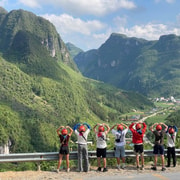
Ha Giang is one of Vietnam’s most spectacular mountain destinations, famous for dramatic limestone peaks, winding roads, deep valleys, terraced rice fields, ethnic minority villages and the legendary Ha Giang Loop. Located in northern Vietnam near the border with China, Ha Giang feels wilder, quieter and more remote than many of Vietnam’s better-known travel stops.
Quick take: Musement.com offers a worldwide selection of tours and attractions
From Ha Giang: Private 3-Days, 2 Nights Ha Giang Loop Tour Vietnam Discover the Ha Giang Loop on a private 3-day tour with a local guide. Visit Quan Ba Heaven Gate, the Fairy Twin Mountains, and Khau Lan Waterfall, and cruise along the Nho Que River
For travellers who love mountain scenery, cultural encounters and adventurous road trips, Ha Giang is unforgettable. The province is best known for the Ha Giang Loop, a multi-day journey through places such as Quan Ba, Yen Minh, Dong Van, Meo Vac, Ma Pi Leng Pass, Lung Cu Flag Tower and the Nho Que River.
Why Visit Ha Giang?
Ha Giang is worth visiting because it offers some of the most dramatic scenery in Vietnam. The roads curve through steep karst mountains, valleys drop suddenly below viewpoints, terraced fields change colour with the seasons, and small villages sit between rock walls and rice paddies.
The journey is as important as the destination. Travellers come to Ha Giang for the road itself: the feeling of moving through mountain passes, stopping at viewpoints, staying in simple homestays, eating local food and seeing a side of Vietnam that feels far removed from big-city life.
The Ha Giang Loop
The Ha Giang Loop is the region’s most famous travel route. It usually begins in Ha Giang city and continues through mountain districts such as Quan Ba, Yen Minh, Dong Van and Meo Vac before looping back. Many travellers complete the loop in 3 to 4 days, although shorter and longer versions are possible.
The loop is often done by motorbike, either self-ridden or with an experienced local driver, often called an “easy rider”. Travellers who are not confident riding on mountain roads can also join car-based tours, private driver trips or guided group tours.
Why the Loop Is So Famous
Mountain roads: The route passes through some of Vietnam’s most scenic highland landscapes.
Karst peaks: Limestone mountains create dramatic views around Dong Van and Meo Vac.
Ma Pi Leng Pass: One of the most famous and breathtaking roads in northern Vietnam.
Local culture: The loop passes through villages connected with H’Mong, Dao, Lo Lo, Tay and other ethnic communities.
Homestays: Overnight stays add warmth, food and local character to the journey.
Remote atmosphere: Ha Giang feels less commercial than many other Vietnam destinations.
Ma Pi Leng Pass
Ma Pi Leng Pass is one of the great highlights of Ha Giang. The road cuts along steep mountainsides between Dong Van and Meo Vac, with views over deep valleys, rugged cliffs and the turquoise-green Nho Que River far below.
This is the section of the loop many travellers remember most vividly. The scenery is dramatic, the road is narrow and twisting, and the viewpoints are among the best in Vietnam. Take your time here, stop safely at viewpoints and allow space for photos, weather changes and slow travel.
Nho Que River and Tu San Canyon
The Nho Que River winds through the mountains below Ma Pi Leng Pass, creating one of Ha Giang’s most striking landscapes. Boat trips on the river are popular when conditions allow, giving travellers a completely different view from the valley floor.
Tu San Canyon is often described as one of the most dramatic canyon landscapes in the region. From above, the river looks like a ribbon between cliffs; from below, the rock walls feel massive and close.
Dong Van Karst Plateau
Dong Van Karst Plateau is one of the geological and scenic highlights of Ha Giang. The area is known for limestone peaks, rocky valleys, highland villages and rugged mountain scenery.
Dong Van town is a common overnight stop on the loop. It has a small old quarter, cafés, guesthouses, local restaurants and access to nearby sights such as Lung Cu Flag Tower, Ma Pi Leng Pass and the surrounding plateau villages.
Lung Cu Flag Tower
Lung Cu Flag Tower is commonly promoted as Vietnam’s northernmost landmark and is a meaningful stop on many Ha Giang itineraries. Visitors climb to the tower for wide views over karst peaks, borderland villages and surrounding countryside.
The area around Lung Cu is also a good place to experience local village life. Nearby Lo Lo Chai is often included on routes for travellers interested in crafts, coffee stops and cultural atmosphere.
Quan Ba Heaven Gate
Quan Ba Heaven Gate is one of the first major viewpoints on the Ha Giang Loop when travelling north from Ha Giang city. From here, travellers can look across mountain valleys and the distinctive twin hills often called the Fairy Bosom Hills.
This is a good place to pause early in the loop and get a first real sense of Ha Giang’s mountain scenery. In misty weather, the views can feel especially atmospheric.
Yen Minh
Yen Minh is a common overnight or lunch stop between Quan Ba and Dong Van. The road toward Yen Minh passes through pine forests, valleys and mountain slopes, adding variety to the loop scenery.
While Yen Minh is not as famous as Dong Van or Ma Pi Leng, it is useful for breaking up the journey and experiencing the slower rhythm of Ha Giang travel.
Meo Vac
Meo Vac is another important stop on the loop, located beyond Ma Pi Leng Pass. The town is surrounded by rugged mountains and is known for its highland market atmosphere, local food and access to ethnic minority villages.
If your timing matches a local market day, Meo Vac can be one of the most memorable cultural stops on the route. Markets bring people from surrounding villages and can include food, textiles, livestock, produce and everyday trade.
Best Ways to Experience Ha Giang
Motorbike with an Easy Rider
For many travellers, the best way to experience Ha Giang is by motorbike with a local driver. This lets you enjoy the scenery without having to navigate difficult mountain roads yourself.
An experienced driver can also help with local stops, viewpoints, food, homestays and weather changes. This is a good choice if you want the open-air feeling of the loop but do not have the skill or confidence to ride safely.
Self-Riding a Motorbike
Self-riding is popular, but it should only be considered by travellers with proper riding experience, the correct licence, good insurance and confidence on steep, narrow, twisting roads. Ha Giang’s scenery is beautiful, but the roads can be challenging.
Weather, fog, loose gravel, blind corners, trucks, buses and mountain drop-offs all require serious attention. If in doubt, choose an easy rider or car-based tour instead.
Private Car or Group Tour
A private car or small group tour is a comfortable way to see Ha Giang without riding a motorbike. This is a strong option for couples, families, older travellers or anyone who prefers a safer and more relaxed road-trip experience.
You may not feel the same open-air thrill as a motorbike journey, but you still get the scenery, cultural stops, villages, viewpoints and overnight stays.
Suggested Three-Day Ha Giang Loop Itinerary
Day One: Ha Giang City to Yen Minh or Dong Van
Start from Ha Giang city and begin the loop.
Stop at Quan Ba Heaven Gate for mountain views.
See the twin hills near Tam Son.
Continue through forested roads and valleys toward Yen Minh.
Stay overnight in Yen Minh or continue to Dong Van, depending on your route.
Day Two: Dong Van, Lung Cu and Ma Pi Leng Pass
Explore Dong Van town and the surrounding karst plateau.
Visit Lung Cu Flag Tower for northern borderland views.
Travel across Ma Pi Leng Pass, one of the most scenic roads in Vietnam.
Stop for viewpoints over the Nho Que River and Tu San Canyon.
Stay overnight in Meo Vac or a nearby homestay.
Day Three: Meo Vac Back to Ha Giang
Visit a local market if your route and timing allow.
Travel through valleys, villages and mountain roads back toward Ha Giang city.
Stop for photos and food along the way.
Return to Ha Giang city in the late afternoon or evening.
Suggested Four-Day Ha Giang Loop Itinerary
Day One: Ha Giang city, Quan Ba Heaven Gate, Tam Son and Yen Minh.
Day Two: Yen Minh, Dong Van Karst Plateau, Dong Van Old Quarter and local villages.
Day Three: Lung Cu Flag Tower, Ma Pi Leng Pass, Nho Que River and Meo Vac.
Day Four: Meo Vac market or village stops, then return slowly to Ha Giang city.
How Many Days Do You Need in Ha Giang?
Three days is the minimum for a satisfying Ha Giang Loop experience. Four days is better because it allows more time for viewpoints, village stops, weather delays, river trips and slower travel.
If you only have two days, you can still see parts of the loop, but the journey may feel rushed. Ha Giang is best enjoyed slowly, with enough time to stop, look, eat, talk, photograph and absorb the mountains.
Best Time to Visit Ha Giang
Ha Giang can be visited year-round, but the experience changes by season. Spring can bring flowers and fresh greenery. Summer is lush but wetter, with possible rain and slippery roads. Autumn is popular for golden rice terraces and clearer mountain views. Winter can be cold, misty and dramatic, especially in the higher areas.
If you want rice terrace scenery, check seasonal timing before travelling. If you want clearer road conditions, avoid heavy rain periods where possible. Mountain weather can change quickly at any time of year, so flexibility is important.
What to Pack for Ha Giang
Warm layers: Ha Giang can be cool or cold, especially at higher elevations and in winter.
Rain jacket: Mountain weather can change quickly.
Comfortable shoes: Useful for viewpoints, village walks and short hikes.
Small day bag: Easier than large luggage on motorbike routes.
Waterproof bag cover: Useful for rain, dust and road spray.
Power bank: Handy for photos, maps and translation apps.
Motion sickness tablets: Helpful if you are sensitive to winding roads.
Cash: Smaller towns, markets and homestays may not always accept cards.
Safety Tips for the Ha Giang Loop
Choose a reputable operator with experienced drivers and well-maintained bikes.
Do not self-ride unless you are properly licensed, insured and experienced.
Wear a good helmet and protective clothing.
Avoid riding after dark where possible.
Slow down in fog, rain and loose gravel.
Do not drink alcohol before riding or riding pillion.
Take regular breaks; mountain roads are tiring.
Check weather and road conditions before setting out each day.
Food and Homestays in Ha Giang
One of the pleasures of Ha Giang is staying in guesthouses and homestays along the loop. Meals are often simple, generous and social, with rice, vegetables, meat dishes, soup, eggs, spring rolls, local greens and tea.
Homestays vary from basic to comfortable, so check what is included before booking. The best ones add warmth and local connection to the journey, especially after a long day on mountain roads.
Responsible Travel in Ha Giang
Ha Giang is home to many ethnic minority communities, and tourism should be respectful. Ask before taking close-up photos of people, dress modestly in villages, support local businesses and avoid treating local communities as background scenery.
Buy from local markets, stay in family-run places where possible, and travel slowly enough to appreciate the culture as well as the views.
Best Things to Do in Ha Giang
Ride or drive the Ha Giang Loop for Vietnam’s most dramatic mountain road trip.
Stop at Quan Ba Heaven Gate for early loop views.
Explore Dong Van Karst Plateau for limestone scenery and highland villages.
Visit Lung Cu Flag Tower for northern borderland views.
Cross Ma Pi Leng Pass for one of the most spectacular roads in Vietnam.
See the Nho Que River from above or by boat when conditions allow.
Stay in local homestays for food, conversation and mountain hospitality.
Visit markets in towns such as Dong Van or Meo Vac if timing matches.
Photograph rice terraces and mountain villages during seasonal periods.
Is Ha Giang Worth Visiting?
Yes, Ha Giang is absolutely worth visiting. It is one of Vietnam’s most beautiful and memorable regions, especially for travellers who love mountains, road trips, ethnic culture and landscapes that still feel raw and powerful.
It is not the easiest destination in Vietnam, and it requires more planning than a beach town or city break. But that effort is part of the reward. Ha Giang offers scenery and travel moments that stay with you long after the journey ends.
Final Thoughts
Ha Giang is Vietnam at its most dramatic: high roads, deep valleys, limestone towers, misty passes, rice terraces, remote villages and slow mountain mornings. It is a place to travel carefully, respectfully and with enough time to let the landscape unfold.
Whether you complete the full Ha Giang Loop, travel with an easy rider, join a private car tour or focus on Dong Van and Ma Pi Leng, Ha Giang deserves a place on any adventurous northern Vietnam itinerary.
Frequently Asked Questions About Ha Giang
Where is Ha Giang?
Ha Giang is a province in northern Vietnam, close to the border with China. It is known for mountains, ethnic minority villages and the Ha Giang Loop.
What is Ha Giang famous for?
Ha Giang is famous for the Ha Giang Loop, Ma Pi Leng Pass, Dong Van Karst Plateau, Lung Cu Flag Tower, Nho Que River, terraced fields, homestays and dramatic mountain roads.
How many days do you need for Ha Giang?
Three days is the minimum for the classic loop, while four days is better for a more relaxed and complete experience.
Can you do the Ha Giang Loop without riding a motorbike?
Yes. You can join an easy rider motorbike tour, travel by private car, book a group tour or use a driver. Self-riding is not the only option.
Is the Ha Giang Loop dangerous?
The Ha Giang Loop can be risky if riders are inexperienced, unlicensed or careless. Roads are mountainous, narrow and affected by weather. Choosing a reputable operator and avoiding self-riding without proper experience is strongly recommended.
What is the best part of the Ha Giang Loop?
Ma Pi Leng Pass is often considered the most spectacular section, with dramatic views over the Nho Que River and surrounding mountains.
What is the best time to visit Ha Giang?
Spring and autumn are popular, while the rice terrace season and flower seasons can be especially scenic. Weather varies by elevation, so bring layers and rain protection.
Is Ha Giang suitable for older travellers?
Yes, but comfort depends on travel style. Older travellers may prefer a private car tour or experienced driver rather than self-riding a motorbike. Choose a slower itinerary and allow enough rest time.
Sponsored Popular Items
Quick take: Musement.com offers a worldwide selection of tours and attractions
From Ha Giang: Private 3-Days, 2 Nights Ha Giang Loop Tour Vietnam Discover the Ha Giang Loop on a private 3-day tour with a local guide. Visit Quan Ba Heaven Gate, the Fairy Twin Mountains, and Khau Lan Waterfall, and cruise along the Nho Que River
From Ha Giang: 4-Day Ha Giang Loop Guided Tour with Lodging Vietnam Explore Ha Giang on a 4-day guided tour with lodging. Hike through the Ma Pi Leng landscape, take a boat trip on the Nho Que River, and visit traditional villages to learn about local culture
From Hanoi: Ha Giang Loop 3-Day Tour with an Easy Rider Vietnam Ride the Ha Giang Loop on a new motorbike or with an Easy Rider. Travel by VIP Cabin Sleeper Bus from Hanoi, return by limousine, and discover Dong Van, Ma Pi Leng, Nho Que, and Du Gia
3-Day Ha Giang Loop in Small-Group w/ Safe Rider (max 8pax) Vietnam The 3-day journey allows you to experience the most captivating landscapes, historical & cultural encounters on Ha Giang Loop. It’s a breathtaking scenic wander & a personal test of resilience
4-Day Ha Giang Loop Jeep Tour: Mountains, Villages & Culture Vietnam Explore the Ha Giang Loop by Jeep on a 4-day adventure through mountain passes, ethnic villages, and breathtaking landscapes. Enjoy comfort, stunning views, and hidden gems
Ha Giang: 4-Day Private Loop Excursion by Open-Air Jeep Vietnam Experience the Ha Giang Loop in a private modern Jeep. Enjoy open-air views with A/C comfort on this 4-day adventure to Ma Pi Leng Pass, Nho Que River, and Du Gia Waterfall
Ha Giang: 3-Day Trip visit Bac Sum Pass, Quan Ba Heaven Gate Vietnam Escape the crowds on a 3-day Ha Giang Loop adventure. Ride through dramatic mountain passes, cruise the Nho Que River, and discover authentic ethnic villages in Northern Vietnam
From Hanoi: Sapa and Ha Giang Loop 6-Day Guided Tour Vietnam Explore Sapa and Ha Giang on a 6-day guided tour from Hanoi. Trek through villages, stay in local homestays, and discover the UNESCO-listed Dong Van Karst Plateau