Mombasa is one of Kenya’s most fascinating coastal cities, where Indian Ocean beaches, Swahili culture, historic forts, spice markets, old wooden doors, seafood restaurants and harbour life come together. It is warm, colourful and full of character, offering a very different experience from Kenya’s safari parks and inland highlands.
Quick take: Musement.com offers a worldwide selection of tours and attractions
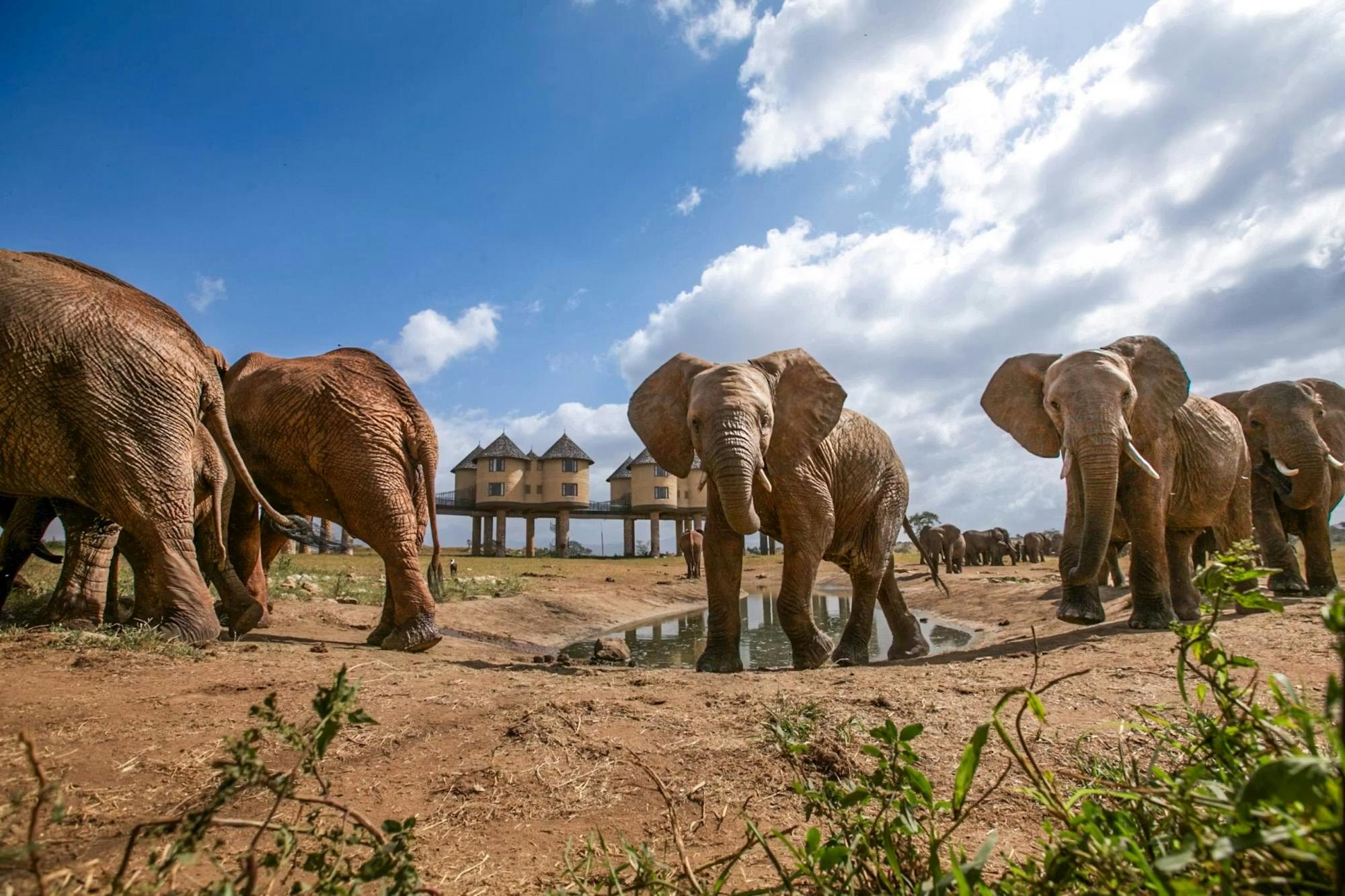
Three-Day Safari from Mombasa to Tsavo and Taita Hills Kenya Plan Three-Day Safari from Mombasa to Tsavo and Taita Hills, a outdoor experience, with practical tips on timing, inclusions and what to check before booking. Compare current availability, prices and booking conditions before you go.
Located on Kenya’s coast, Mombasa has long been shaped by trade, seafaring, African, Arab, Indian and European influences. That layered history can still be felt in the streets of Old Town, the walls of Fort Jesus, the local food, the markets, the architecture and the relaxed rhythm of the coast.
Why Visit Mombasa?
Mombasa is worth visiting because it offers a rich mix of history, culture and beach life. You can spend the morning exploring Fort Jesus and Old Town, wander through spice-scented markets, photograph the famous Mombasa Tusks on Moi Avenue, then head to the coast for white sand, warm water and seafood by the ocean.
It is also a useful base for exploring Kenya’s coast. Nearby attractions include Nyali Beach, Bamburi Beach, Mombasa Marine Park, Haller Park and Diani Beach. Whether you want culture, wildlife, food, history or relaxation, Mombasa gives you plenty of variety.
Fort Jesus: Mombasa’s Historic Landmark
Fort Jesus is one of Mombasa’s most important attractions and a must-see for first-time visitors. Built by the Portuguese in the late 16th century, the fort stands above the harbour and tells the story of Mombasa’s strategic position on the Indian Ocean trade routes.
The fort’s thick stone walls, courtyards, old cannons, museum displays and sea views make it one of the best places to begin understanding the city. Its history reflects centuries of conflict, trade and cultural exchange along the Swahili Coast.
For travellers who enjoy architecture and history, Fort Jesus is one of Mombasa’s strongest highlights. It is especially rewarding when combined with a guided walk through Old Town, as the two areas help explain each other.
Old Town Mombasa
Old Town is one of the most atmospheric parts of Mombasa. Its narrow streets, carved wooden doors, balconies, mosques, spice shops and weathered buildings reveal the city’s long Swahili, Arab, Indian and coastal trading heritage.
This is an area best explored slowly. Look for ornate doorways, faded façades, street vendors, small shops and glimpses of everyday life. The charm is not in polished perfection, but in the texture of the streets and the feeling of a place shaped by centuries of movement and exchange.
The Mombasa Tusks
The famous Mombasa Tusks on Moi Avenue are one of the city’s best-known symbols. These large crossed tusks form a striking gateway-like landmark in the centre of the city and are a popular photo stop.
They are often included on city tours and make an easy addition to a Mombasa sightseeing route. While the stop itself is usually brief, the tusks are strongly associated with the city’s identity and are worth seeing if you are nearby.
Haller Park
Haller Park is a popular nature and wildlife attraction in Mombasa. Created on a rehabilitated quarry site, it is now a green sanctuary where visitors can see animals, birds, reptiles and landscaped walking areas.
It is a good choice for families, animal lovers and travellers who want a break from the busy streets. Haller Park is often paired with Fort Jesus and Old Town on Mombasa city tours, making it easy to combine culture and nature in one day.
Mombasa Marine Park
Mombasa Marine Park is one of the best places near the city for travellers interested in the Indian Ocean. The marine park area is known for coral reefs, colourful fish, snorkelling, boat trips and coastal scenery.
If you want to add a water-based activity to your Mombasa visit, this is one of the most convenient options. Depending on conditions and tour type, visitors may be able to enjoy snorkelling, glass-bottom boat trips or relaxed time by the beach.
Best Beaches Around Mombasa
Nyali Beach
Nyali Beach is one of the easiest beaches to reach from central Mombasa. It offers white sand, Indian Ocean views, resorts, restaurants and a relaxed coastal atmosphere. It is a good choice if you want beach time without travelling too far from the city.
Bamburi Beach
Bamburi Beach is another popular coastal area north of Mombasa. It is known for resorts, beach activities, restaurants and access to marine excursions. It works well for travellers who want a classic beach-holiday feel close to the city.
Diani Beach
Diani Beach sits south of Mombasa and is one of Kenya’s most famous beach destinations. It is known for long stretches of white sand, turquoise water, palm trees and resort stays. Many travellers combine Mombasa’s history and markets with a few slower days in Diani.
Food and Flavours of Mombasa
Mombasa is a wonderful city for food because its cuisine reflects the Swahili Coast’s mix of cultures. Expect seafood, coconut-based dishes, rice, spices, grilled meats, chapati, samosas, biryani, pilau and fresh tropical fruit.
For a local food experience, look for Swahili dishes, coastal curries, street snacks and fresh fish. Tea, coffee, sugarcane juice and spiced flavours are also part of the city’s everyday food culture.
Shopping and Markets
Mombasa’s markets are full of colour and energy. Visitors can browse spices, textiles, sandals, baskets, wood carvings, jewellery, souvenirs and local produce. The spice market is especially interesting if you want to experience the scents and ingredients that shape coastal cooking.
When shopping, bargaining may be part of the experience in some market settings. Keep it friendly, take your time and compare prices before buying. Markets are also good places to photograph colour and daily life, but always be respectful when taking photos of people or stalls.
Best Things to Do in Mombasa
Visit Fort Jesus for Mombasa’s most important historic landmark.
Walk through Old Town to see carved doors, old buildings and Swahili Coast architecture.
Photograph the Mombasa Tusks on Moi Avenue.
Explore Haller Park for a family-friendly nature and wildlife stop.
Relax at Nyali or Bamburi Beach for an easy coastal break.
Take a boat or snorkelling trip around Mombasa Marine Park.
Try Swahili food such as pilau, biryani, seafood and coconut-based dishes.
Shop for spices and souvenirs in local markets.
Add Diani Beach if you want a longer beach stay south of Mombasa.
How Long Do You Need in Mombasa?
You can see the main city highlights in one full day, especially if you focus on Fort Jesus, Old Town, the Mombasa Tusks, a market and Haller Park. However, two to three days is better if you want to add beaches, marine activities and a slower coastal rhythm.
If Mombasa is part of a wider Kenya itinerary, consider spending at least one day in the city and extra time along the coast. This allows you to enjoy both the historic and beach sides of the destination.
Suggested One-Day Mombasa Itinerary
Morning: Start at Fort Jesus and spend time exploring the museum, walls and harbour views.
Late morning: Walk through Old Town with time for photos, carved doors and local streets.
Lunch: Try Swahili or coastal Kenyan food in the city or near the waterfront.
Afternoon: Visit the Mombasa Tusks and continue to Haller Park or a local market.
Evening: Head to Nyali or Bamburi for a beach walk, seafood dinner or relaxed ocean views.
Suggested Two-Day Mombasa Itinerary
Day One: History and Culture
Visit Fort Jesus.
Explore Old Town Mombasa.
See the Mombasa Tusks.
Browse the spice market or local shops.
Enjoy a Swahili-style dinner.
Day Two: Nature and Coast
Spend the morning at Haller Park or Mombasa Marine Park.
Relax at Nyali Beach or Bamburi Beach.
Book a snorkelling, boat or glass-bottom boat experience if conditions are suitable.
Finish the day with seafood by the ocean.
Best Time to Visit Mombasa
Mombasa can be visited year-round, but the experience depends on heat, humidity and rainfall. The coast is generally warm, so lightweight clothing, sun protection and hydration are important.
For beach activities and walking tours, mornings are usually more comfortable than the hottest part of the day. If you are planning snorkelling or boat trips, check local sea conditions and tour availability before booking.
Travel Tips for Visiting Mombasa
Wear lightweight, breathable clothing suitable for hot coastal weather.
Dress modestly when visiting Old Town, religious areas or traditional neighbourhoods.
Use comfortable shoes for Old Town, Fort Jesus and market walks.
Carry water, sunscreen and a hat, especially during daytime sightseeing.
Consider a local guide for Old Town and Fort Jesus if you want deeper historical context.
Keep valuables secure in busy markets and crowded areas.
Check beach and sea conditions before swimming, snorkelling or booking boat trips.
Allow time for traffic when moving between the city, beaches and hotels.
Is Mombasa Worth Visiting?
Yes, Mombasa is absolutely worth visiting. It is one of East Africa’s most interesting coastal cities, offering a rich combination of history, Swahili culture, Indian Ocean scenery, markets, food and beach access.
The city is especially rewarding for travellers who want more than a resort stay. Fort Jesus and Old Town give Mombasa depth, while the beaches and marine activities add relaxation and tropical appeal.
Final Thoughts
Mombasa is a city of layers. It has old stone walls, busy markets, coastal breezes, spice-scented streets, carved doors, beach resorts, seafood restaurants and a long history of trade across the Indian Ocean.
For travellers visiting Kenya, Mombasa offers a completely different atmosphere from safari destinations and inland cities. It is colourful, coastal, historic and full of character. Whether you come for Fort Jesus, Old Town, beaches, food or a wider journey along the Kenyan coast, Mombasa deserves a place on your travel itinerary.
Frequently Asked Questions About Mombasa
Where is Mombasa?
Mombasa is located on Kenya’s Indian Ocean coast. It is one of the country’s most important coastal cities and a major gateway to beach destinations along the Kenyan coast.
What is Mombasa famous for?
Mombasa is famous for Fort Jesus, Old Town, Swahili culture, Indian Ocean beaches, spice markets, seafood, the Mombasa Tusks, Haller Park and nearby marine activities.
Is Mombasa good for beaches?
Yes, Mombasa is a good base for beach travel. Popular nearby beach areas include Nyali, Bamburi and, farther south, Diani Beach.
How many days do you need in Mombasa?
One day is enough for the main city highlights, but two to three days is better if you want to include beaches, marine park activities, markets and a relaxed coastal pace.
What should I not miss in Mombasa?
Do not miss Fort Jesus, Old Town, the Mombasa Tusks, a local market, Haller Park and at least one beach or marine activity if time allows.
Is Fort Jesus worth visiting?
Yes, Fort Jesus is one of the most important historic attractions in Mombasa. It is especially worthwhile for travellers interested in history, architecture and the story of the Swahili Coast.
Is Mombasa suitable for families?
Yes, Mombasa can be suitable for families. Haller Park, beach areas, marine activities and guided city tours can all work well for children, depending on age and travel style.
Can you visit Mombasa on a cruise stop?
Yes, Mombasa can work as a cruise stop or shore-excursion destination. Fort Jesus, Old Town, the Mombasa Tusks, Haller Park and local markets are common sightseeing options for limited-time visitors.
Sponsored Popular Items
Quick take: Musement.com offers a worldwide selection of tours and attractions
Three-Day Safari from Mombasa to Tsavo and Taita Hills Kenya Plan Three-Day Safari from Mombasa to Tsavo and Taita Hills, a outdoor experience, with practical tips on timing, inclusions and what to check before booking. Compare current availability, prices and booking conditions before you go.
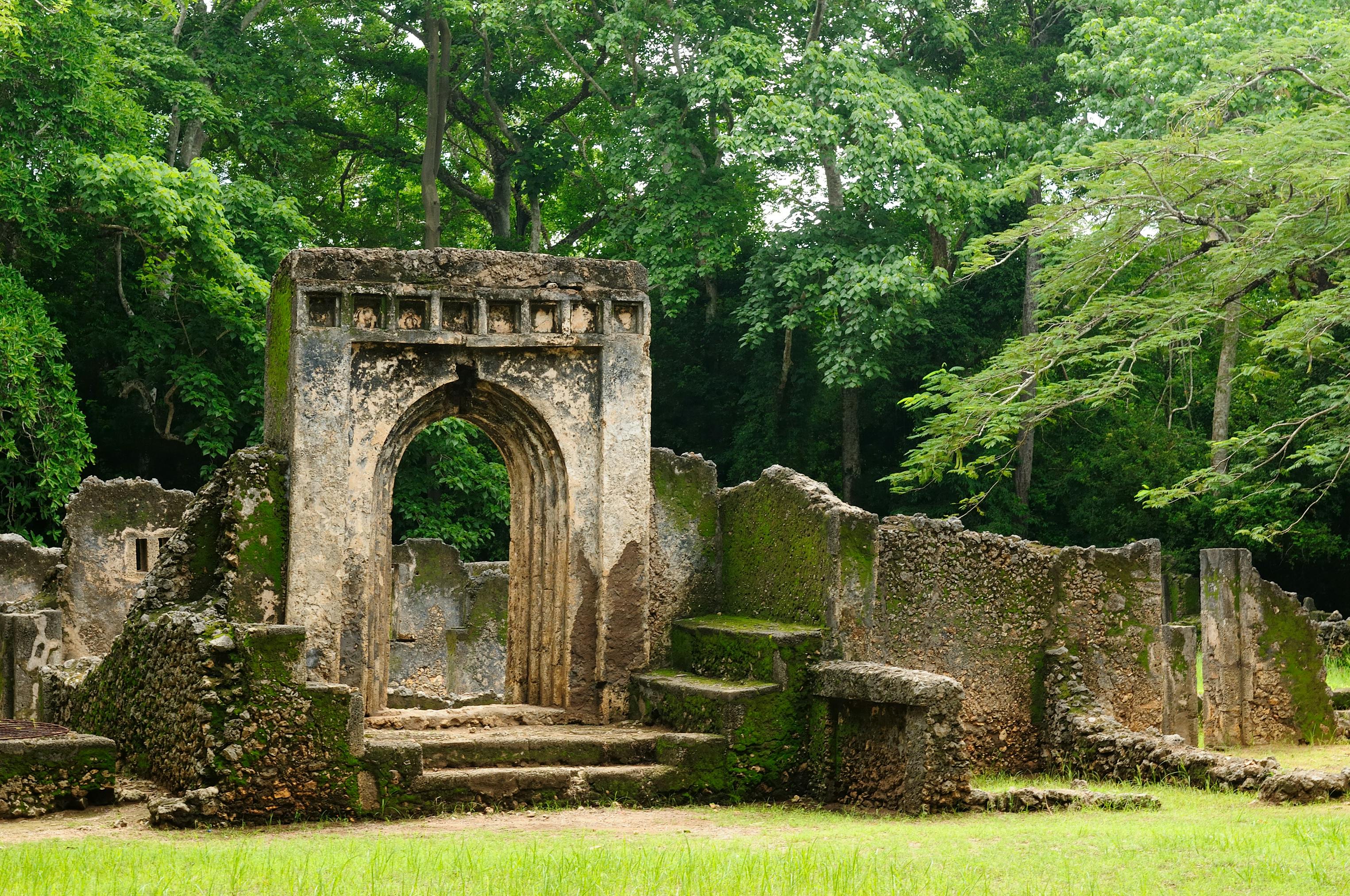
Arabuko Sokoke Forest & Gedi Ruins Day Tour from Mombasa Kenya Arabuko Sokoke Forest and Gedi Ruins Day Tour from Mombasa North Coast GBP 131 adds structure, local context and purposeful sightseeing to the itinerary. Check current availability, inclusions and booking details before you go.
Fort Worth is one of the most character-filled cities in Texas, blending cowboy heritage, world-class museums, lively downtown streets, historic stockyards, gardens, live music, rodeo culture and warm Southern hospitality. Often called “Cowtown,” Fort Worth keeps its Western identity alive while also offering refined art galleries, stylish restaurants, walkable neighbourhoods and family-friendly attractions.
Quick take: Musement.com offers a worldwide selection of tours and attractions
For travellers visiting the Dallas–Fort Worth area, Fort Worth is far more than a side trip. It has its own personality: relaxed, proud, historic and unmistakably Texan. Whether you want to see Longhorn cattle, wander through art museums, enjoy a night out in Sundance Square or explore the Fort Worth Stockyards, this city delivers a memorable mix of old West atmosphere and modern urban energy.
Why Visit Fort Worth?
Fort Worth is worth visiting because it gives travellers a strong sense of place. While many cities have museums, restaurants and shopping districts, Fort Worth adds something distinctive: real cowboy heritage woven into everyday sightseeing.
You can watch a cattle drive in the Stockyards, visit a rodeo venue, shop for Western boots, eat barbecue or Tex-Mex, then spend the next day in one of the finest cultural districts in the United States. It is this contrast that makes Fort Worth so appealing. It feels authentic without being old-fashioned and stylish without losing its roots.
Fort Worth Stockyards National Historic District
The Fort Worth Stockyards National Historic District is the city’s most famous attraction and the best place to start if you want to experience its Western character. Historic brick streets, saloons, shops, restaurants, live music venues and cowboy-themed attractions create a lively district that feels different from downtown Fort Worth.
The Stockyards are especially popular with first-time visitors because they offer the classic Fort Worth experience: Longhorn cattle, cowboy hats, rodeo history, Western shops and old stockyard buildings repurposed for modern entertainment.
The Fort Worth Herd Cattle Drive
One of the highlights of the Stockyards is the Longhorn cattle drive. Cowboys guide Texas Longhorns through the historic streets, giving visitors a glimpse of Fort Worth’s ranching heritage.
It is a short but memorable experience and one of the best photo opportunities in the city. Arrive early if you want a good viewing spot, especially during weekends, school holidays or busy travel periods.
Stockyards Station
Stockyards Station is a lively area filled with shops, food stops, Western-themed details and historic atmosphere. It is a good place to browse souvenirs, grab a meal or simply enjoy the district’s old West feel.
For travellers who enjoy casual wandering, this is one of the easiest places in Fort Worth to spend a relaxed afternoon.
Cowtown Coliseum
Cowtown Coliseum is closely tied to Fort Worth’s rodeo identity. If you want to add an evening event to your visit, check what is on during your stay. A rodeo or live event can make the Stockyards experience feel much more complete.
Billy Bob’s Texas
Billy Bob’s Texas is one of Fort Worth’s most famous nightlife venues. Known for country music, dancing and a strong Texas atmosphere, it is a classic stop for visitors who want live entertainment with a Western edge.
Sundance Square
Sundance Square is Fort Worth’s downtown entertainment and dining district. It offers restaurants, bars, theatres, shops, public spaces and historic buildings in a walkable city-centre setting.
This is a good area for dinner, drinks, an evening stroll or a night at the theatre. It gives visitors a different view of Fort Worth: more urban, polished and lively, but still relaxed and welcoming.
Dining and Nightlife
Sundance Square has a wide choice of places to eat, from casual restaurants to more refined dining options. It is a useful area to base yourself if you want to be close to downtown hotels, entertainment and nightlife.
Bass Performance Hall
Bass Performance Hall is one of the standout buildings in downtown Fort Worth. Its elegant exterior and performing arts calendar make it a strong addition for travellers who enjoy theatre, music or architecture.
Fort Worth Cultural District
Fort Worth’s Cultural District is one of the city’s great strengths. It gives the city a refined, artistic side that balances beautifully with the Western character of the Stockyards.
The district is home to major museums and galleries, making it ideal for travellers who enjoy art, history, architecture and slower-paced sightseeing. You can easily spend half a day or more here.
Kimbell Art Museum
The Kimbell Art Museum is one of Fort Worth’s premier cultural attractions. It is known for its art collection and its striking museum architecture. For art lovers, it is one of the essential stops in the city.
Modern Art Museum of Fort Worth
The Modern Art Museum of Fort Worth adds a contemporary edge to the Cultural District. Its architecture, water features and modern artworks make it a rewarding stop even for visitors who usually prefer older art collections.
Amon Carter Museum of American Art
The Amon Carter Museum of American Art is another important museum in the district. It is especially appealing if you are interested in American art, photography and Western-influenced visual culture.
National Cowgirl Museum and Hall of Fame
The National Cowgirl Museum and Hall of Fame is a distinctive Fort Worth attraction. It celebrates women of the American West and gives visitors a deeper look at rodeo, ranching, independence, sport and Western history.
Fort Worth Botanic Garden
Fort Worth Botanic Garden is a beautiful change of pace from the city’s busier districts. It offers landscaped gardens, peaceful paths, seasonal colour and relaxing outdoor spaces.
It is a good choice for couples, families, photographers and anyone who wants a quieter stop between museums, downtown sightseeing and the Stockyards. If you enjoy gardens, allow enough time to wander rather than rushing through.
Fort Worth Water Gardens
The Fort Worth Water Gardens is one of the city’s most unusual urban attractions. Located near downtown, it features dramatic water structures, geometric design and cooling spaces that feel very different from the Stockyards or Cultural District.
It is a quick but worthwhile stop, especially if you are already exploring downtown Fort Worth. The active water features are particularly striking for photography.
Fort Worth Zoo
Fort Worth Zoo is one of the city’s best family-friendly attractions. It is a strong option if you are travelling with children or want a relaxed day away from museums and historic districts.
Because the zoo can take several hours to enjoy properly, it is best treated as a half-day activity rather than a quick add-on.
Best Neighbourhoods and Areas to Explore
The Stockyards
Best for Western history, cattle drives, rodeo atmosphere, country music, casual dining and shopping for boots, hats and souvenirs.
Downtown and Sundance Square
Best for restaurants, theatres, nightlife, hotels, walkable streets and a more polished city-centre experience.
The Cultural District
Best for museums, galleries, gardens, architecture and a quieter, more refined side of Fort Worth.
Near Southside
Near Southside is a good area to explore for food, local bars, coffee, murals and a more neighbourhood-style Fort Worth experience.
What to Eat in Fort Worth
Fort Worth is a good city for hearty Texas food. Barbecue, steak, Tex-Mex, burgers, tacos and Southern comfort food are all easy to find. The Stockyards are ideal for a classic Western-style meal, while downtown and the Cultural District offer more varied dining options.
If you enjoy food-focused travel, plan at least one barbecue meal, one Tex-Mex stop and one relaxed evening meal in Sundance Square or Near Southside.
How Long Do You Need in Fort Worth?
You can see the highlights of Fort Worth in one full day, but two to three days is better if you want to enjoy the city without rushing.
A one-day visit can focus on the Stockyards, Sundance Square and one museum or garden. A two-day visit gives you time for the Cultural District, Botanic Garden, Water Gardens and a more relaxed evening out. With three days, you can add the zoo, more museums, shopping, live music or a day trip in the wider Dallas–Fort Worth area.
Suggested One-Day Fort Worth Itinerary
Morning: Start at the Fort Worth Stockyards and explore the historic district.
Late morning: Watch the Longhorn cattle drive and browse Stockyards Station.
Lunch: Eat in the Stockyards or head downtown for more restaurant options.
Afternoon: Visit the Kimbell Art Museum, Modern Art Museum or Fort Worth Botanic Garden.
Evening: Spend the night in Sundance Square or return to the Stockyards for live music, rodeo atmosphere or Billy Bob’s Texas.
Suggested Two-Day Fort Worth Itinerary
Day One: Western Fort Worth
Explore the Stockyards National Historic District.
See the Longhorn cattle drive.
Visit Stockyards Station and Western shops.
Have lunch or dinner in the Stockyards.
Enjoy live music, a rodeo-style event or a night at Billy Bob’s Texas.
Day Two: Art, Gardens and Downtown
Spend the morning in the Cultural District.
Visit the Kimbell Art Museum, Modern Art Museum or Amon Carter Museum.
Walk through Fort Worth Botanic Garden.
Stop at the Fort Worth Water Gardens.
Finish with dinner and entertainment in Sundance Square.
Best Time to Visit Fort Worth
Spring and autumn are usually the most pleasant times to visit Fort Worth, with milder weather for walking around the Stockyards, gardens and downtown streets. Summer can be hot, so plan outdoor sightseeing earlier in the day and leave museums, restaurants and indoor attractions for the afternoon.
Winter can still be a good time to visit, especially if you prefer fewer crowds and are mainly interested in museums, food, shopping and indoor entertainment.
Travel Tips for Visiting Fort Worth
Wear comfortable shoes, especially for the Stockyards, museums and downtown walking.
Check cattle drive times before visiting the Stockyards so you do not miss the main event.
Book popular tours or evening events ahead during busy weekends.
Allow enough time for the Cultural District if you enjoy museums.
Use rideshare, public transport or hotel shuttles if you do not want to drive between districts.
Bring sun protection in warmer months, as Texas heat can be strong.
Plan at least one evening out, because Fort Worth has a strong live music and dining scene.
Is Fort Worth Worth Visiting?
Yes, Fort Worth is definitely worth visiting. It offers a more distinctive Texas experience than many travellers expect, especially if you are interested in cowboy culture, museums, food, music and historic districts.
The Stockyards give the city its Western identity, while Sundance Square and the Cultural District add dining, nightlife, art and architecture. This mix makes Fort Worth a rewarding destination for couples, families, road trippers, culture lovers and anyone wanting a genuine taste of Texas.
Final Thoughts
Fort Worth is a city with personality. It does not try to hide its cowboy roots, but it also offers much more than boots and cattle drives. It has serious art museums, leafy gardens, lively entertainment districts, family attractions, good food and a relaxed confidence that makes it easy to enjoy.
Whether you are visiting for a day from Dallas, building a Texas road trip or staying for a long weekend, Fort Worth deserves a place on your itinerary. It is historic, friendly, photogenic and full of the kind of character that makes a city memorable.
Frequently Asked Questions About Fort Worth
Where is Fort Worth?
Fort Worth is located in North Texas, west of Dallas. Together, the two cities form the Dallas–Fort Worth metropolitan area.
What is Fort Worth famous for?
Fort Worth is famous for its cowboy heritage, Stockyards National Historic District, Longhorn cattle drive, rodeo culture, Sundance Square, Cultural District museums and Texas food scene.
Is Fort Worth different from Dallas?
Yes. Fort Worth has a more Western, relaxed and heritage-focused feel, while Dallas is larger, more corporate and more urban in character. Many travellers enjoy visiting both cities because they offer different experiences.
How many days do you need in Fort Worth?
One day is enough for a highlights visit, but two to three days is better if you want to see the Stockyards, Cultural District, Botanic Garden, downtown and evening entertainment without rushing.
What should I not miss in Fort Worth?
Do not miss the Fort Worth Stockyards, the Longhorn cattle drive, Sundance Square, at least one Cultural District museum and a meal that reflects the city’s Texas food culture.
Is Fort Worth good for families?
Yes, Fort Worth is very family-friendly. Children often enjoy the Stockyards, cattle drive, Fort Worth Zoo, Botanic Garden, museums and open public spaces.
Is Fort Worth walkable?
Some areas are walkable, especially the Stockyards, Sundance Square and parts of the Cultural District. However, the city is spread out, so you may need a car, rideshare or public transport to move between districts.
What is the best area to stay in Fort Worth?
Downtown is convenient for Sundance Square, restaurants and city attractions. The Stockyards are best if you want Western atmosphere and nightlife. The Cultural District is a good choice if you prefer museums, gardens and a quieter stay.
Sponsored Popular Items
Quick take: Musement.com offers a worldwide selection of tours and attractions
Dún Laoghaire, Dublin: From Royal Fort to Modern Port Ireland Best deals for Dún Laoghaire, Dublin: From Royal Fort to Modern Port. Follow the story of Dún Laoghaire from royal fort to modern port, exploring Gaelic kings, Vikings, harbour builders, railway engineers, British monarchs, revolutionaries and modern literary giants. Available from getyourguide.com.
Singapore: Quayside Chronicles & Fort Canning Tales w/Lunch Singapore Discover hidden stories and heritage at Singapore’s quays and Fort Canning on a guided walk. Enjoy lunch at a top local restaurant and a drink by the riverside. Perfect for history lovers!
Things to Do in Phnom Penh: Culture, History, Street Food & River Sunsets
Phnom Penh blends royal architecture, deep 20th-century history, and lively neighbourhoods along the river.
Phnom Penh is Cambodia’s energetic capital—part heritage, part modern city, and a place where your itinerary can be as
reflective (museums and memorial sites) or as fun (street food, tuk-tuk evenings, river cruises) as you want it to be.
On Klook, you’ll find a wide mix of experiences here—from half-day city explorations to tours covering major historical sites,
plus transport options that make day trips and cross-border routes easier to plan.
Klook notes that peak season runs from November to February. It’s typically less busy from March to May,
and the rest of the year brings rainy weather. If you like planning around local colour, Klook also highlights Khmer New Year (April) and Bon Om Touk / Water Festival (November), which features boat racing.
Best areas to stay (practical picks)
For first-timers, Klook points to two popular tourist areas:
Sangkat Tonle Basak – described as a high-end, modern area known for nightlife, a global shopping mall,
and upscale hotels.
Sangkat Boeng Keng Kang Ti Muoy (BKK1) – highlighted for souvenir markets and a central location near
landmarks like Wat Langka and the Independence Monument.
Top things to do in Phnom Penh
1) Royal Palace & Silver Pagoda
Klook frames the Royal Palace and Silver Pagoda as a key stop to experience the cultural splendour
associated with the Khmer royal family. It’s one of the easiest “first-day” sights because it instantly sets the tone of the city.
2) Tuol Sleng Genocide Museum (S-21) & Choeung Ek Killing Fields
For travellers who want to understand Cambodia’s recent history, Klook highlights both the Tuol Sleng Genocide Museum and the Choeung Ek Killing Fields as places to commemorate the history
of the Khmer Rouge era. These visits can be emotionally heavy—many people choose a guided tour for context.
3) Night markets, street food & evening city vibes
Phnom Penh comes alive in the evening. Klook features multiple small-group and evening options (including street food-style tours),
which can be a great way to try local dishes without overthinking where to go.
4) River time: Mekong/Tonlé Sap sunsets
A sunset cruise is one of the lowest-effort, highest-reward add-ons: you get breezes, skyline views, and a calmer side of the city
after a hot day of sightseeing.
Popular tours & experiences on Klook
Klook lists a broad menu of bookable options in Phnom Penh (including dozens of “things to do”), and a few recurring themes stand out:
History-focused tours that combine the Killing Fields and S-21
City tours that bundle major landmarks (often with tuk-tuk/Vespa options)
Food experiences, including small-group street food formats
Sunset and evening cruises on the river
Day trips and transfers linking Phnom Penh with places like Siem Reap
For short hops, Phnom Penh is commonly explored via tuk-tuk style rides and walking between clusters of sights. Many Klook tours
also include hotel pickup, which helps simplify logistics for first-time visitors.
Between cities (and beyond)
Klook also highlights transport options in and out of Phnom Penh—including bus routes such as the Ho Chi Minh ↔ Phnom Penh service—useful if you’re building a multi-country itinerary.
Afternoon: Choose one: S-21 or a guided combo tour that includes major historical sites
Evening: Street food or a sunset cruise
2 days: balanced city + history
Day 1: Royal Palace area + neighbourhood exploring
Day 2: Tuol Sleng (S-21) + Choeung Ek (guided tour recommended for context)
Night: Markets and a relaxed dinner
3 days: add a day trip or countryside
Day 1–2: Follow the 2-day plan
Day 3: Add a day trip (e.g., Silk Island-style countryside experiences or a transfer/day excursion)
FAQs
When is the best time to visit Phnom Penh?
Klook notes peak season is November to February, with a quieter period from March to May, and rainy weather during the rest of the year.
What are the “must-see” sights?
Klook highlights the Royal Palace and Silver Pagoda, plus key history sites like Tuol Sleng Genocide Museum (S-21) and the Choeung Ek Killing Fields.
Where should I stay as a tourist?
Klook points to Sangkat Tonle Basak (modern, nightlife and upscale hotels) and Sangkat Boeng Keng Kang Ti Muoy/BKK1 (central, markets and nearby landmarks).
Disclosure: Links marked “sponsored” may be affiliate links, meaning a commission may be earned if you book—at no extra cost to you.
Sponsored Popular Items
Quick take: Musement.com offers a worldwide selection of tours and attractions
Amazing Cambodia 5-Day Private Tour Phnom Penh & Siem Reap Cambodia Gain in-depth insight into Cambodia’s intriguing past on this exciting 5-day tour of iconic Phnom Penh and Angkor Wat. Guided visits to UNESCO World Heritage Sites Angkor Temples and discover
HCM: 3-Day Mekong Delta Journey Optional Exit to Phnom Penh Vietnam Discover the vibrant Mekong Delta on a 3-day journey through floating markets, charming riverside villages, and lush forests—ending with the option to continue seamlessly to Phnom Penh by fast boat
From Ho Chi Minh: 2-Day Mekong Delta to Phnom Penh by Boat Vietnam Discover the Mekong Delta 2-day tour from Ho Chi Minh City to Phnom Penh. Visit Vinh Trang Pagoda and explore traditional factories, taste local treats. Experience life along the Mekong River
Siem Reap Travel Guide: Temples, Day Trips, Shows & Easy Ways to Get Around
Siem Reap is best known as the gateway to Angkor’s iconic temple ruins—and it’s also a lively base for food, nightlife, and day trips.
Siem Reap is one of Southeast Asia’s most popular travel bases, famous for the Angkor temple ruins and an energetic town
scene. Klook highlights how quickly the destination has grown with more resorts, restaurants, and visitor-friendly infrastructure, plus
nightlife hotspots like Pub Street.
If you’re visiting Cambodia for the first time, Siem Reap is often the natural starting point. Klook describes it as a destination known
for its ruins and temples—especially the Angkor sites—and notes the city has expanded to welcome travellers with more
restaurants, resorts, and visitor services. It’s also positioned as a place where you can combine early-morning temple exploring with
relaxed afternoons and lively nights around Pub Street.
Top things to do in Siem Reap (high-demand picks)
Klook lists 158 bookable “things to do” in Siem Reap—so it helps to start with the experiences that consistently get
strong reviews and high bookings.
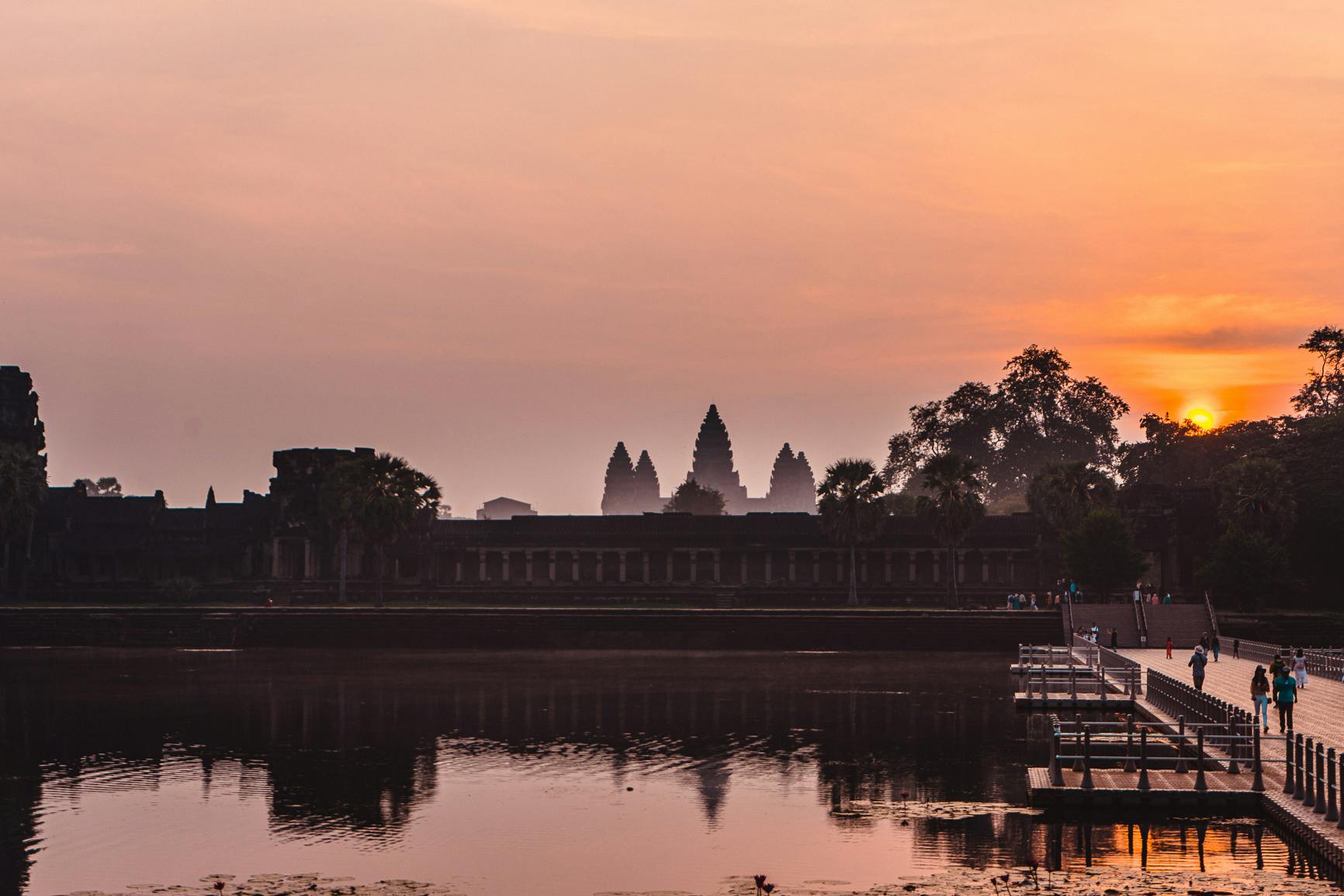
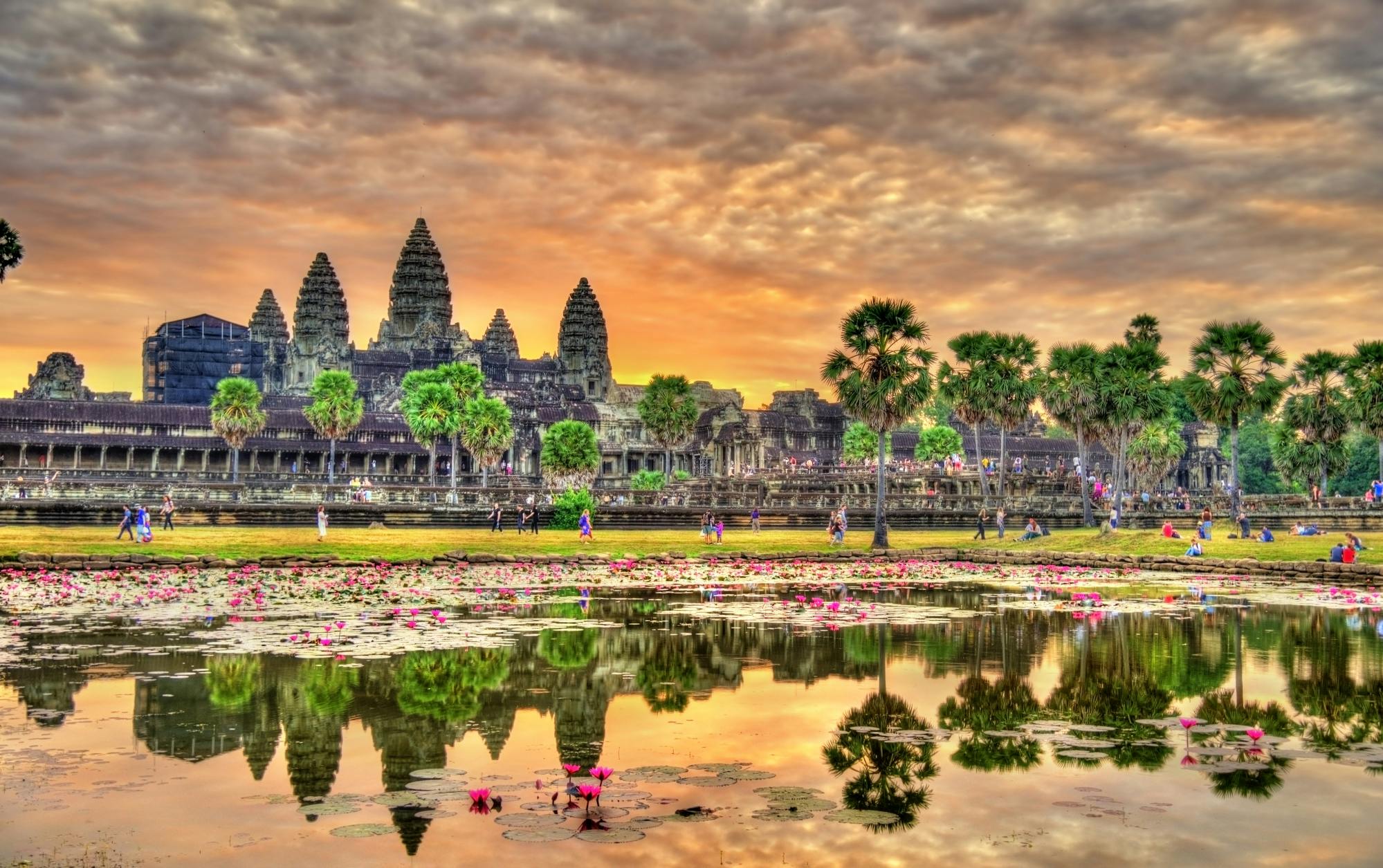
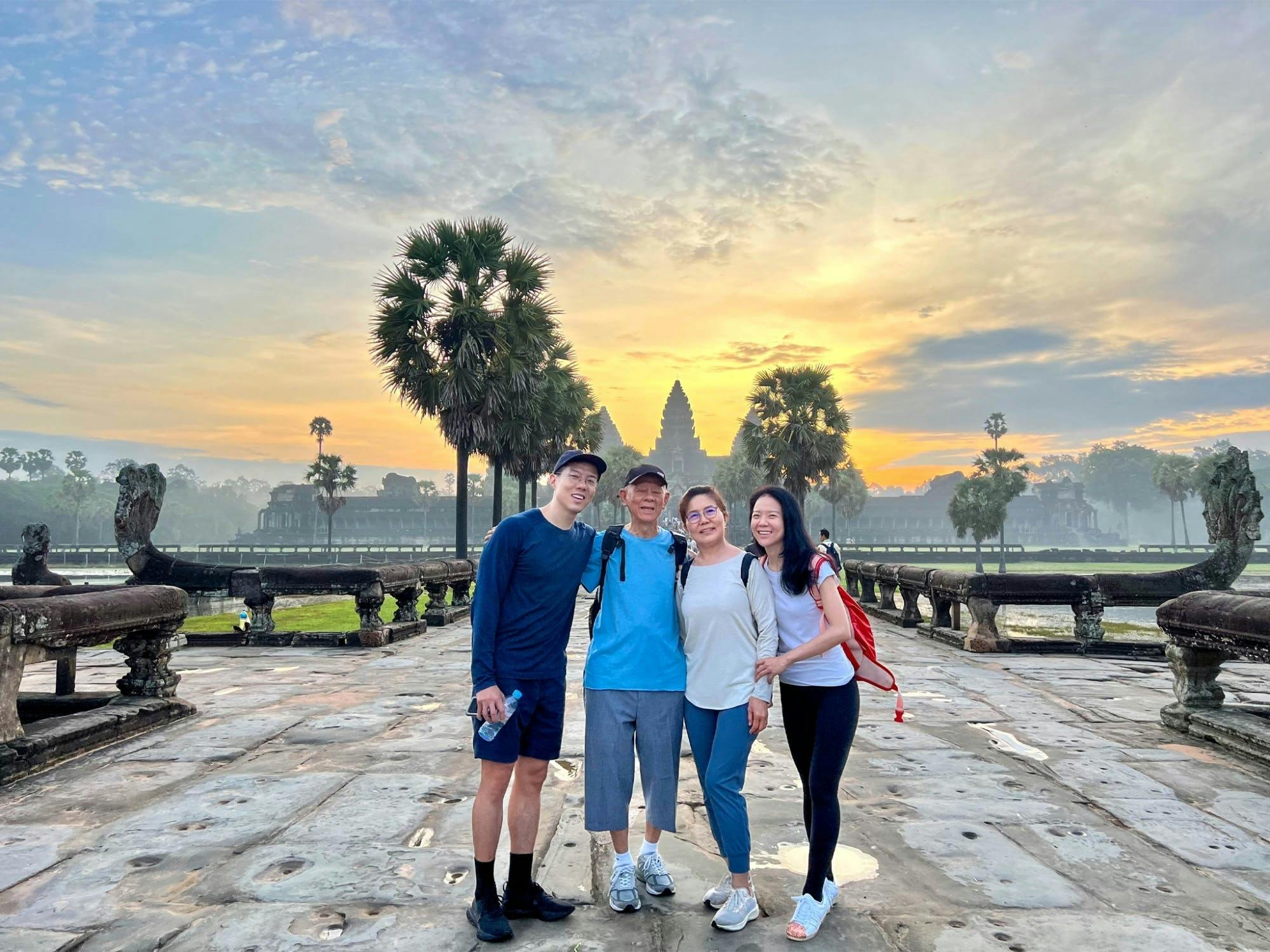
A common “first morning” pick for the iconic sunrise atmosphere.
Note: Prices, availability, and “booked” counts can change by date/season. Use the listing page to confirm what’s current before booking.
Transport options (simple and practical)
Klook lists 8 transport options in/around Siem Reap. The most straightforward choices are private charters (car or tuk-tuk)
if you want flexibility for temples, markets, or day trips.
On Klook, Siem Reap shows hundreds of hotels to choose from, ranging from hostel-style options to higher-end stays.
A simple approach is to stay within easy reach of central dining and nightlife (so evenings are effortless), then use tours/charters for
temple days and longer excursions.
A realistic 3-day Siem Reap itinerary
Day 1: Arrival + evening culture
Settle in and keep the afternoon light (markets, cafes, a quick wander).
Book an evening show such as Phare, The Cambodian Circus for a high-energy introduction.
Day 2: Temples (sunrise option)
Start early with an Angkor sunrise tour if you want the classic “first timer” moment.
Use a private car or tuk-tuk charter if you prefer to move at your own pace.
Day 3: Beyond the temples
Choose a floating village experience (e.g., Kampong Phluk) to see a different side of the region.
Keep the evening for Pub Street and a final meal out.
FAQs
How many bookable activities are listed for Siem Reap?
Klook’s destination page shows 158 things to do in Siem Reap.
Is Siem Reap only about Angkor Wat?
Angkor is the headline attraction, but Klook also highlights evening entertainment (like Phare) and day trips such as floating village tours,
plus a lively food-and-nightlife area around Pub Street.
What’s the easiest way to get around?
Klook lists multiple transport options including private car charters and tuk-tuk charters, which are popular for flexible sightseeing days.
Disclosure: Links marked “sponsored” may be affiliate links. If you book through them, a commission may be earned at no extra cost to you.
Sponsored Popular Items
Quick take: Musement.com offers a worldwide selection of tours and attractions
Amazing Cambodia 5-Day Private Tour Phnom Penh & Siem Reap Cambodia Gain in-depth insight into Cambodia’s intriguing past on this exciting 5-day tour of iconic Phnom Penh and Angkor Wat. Guided visits to UNESCO World Heritage Sites Angkor Temples and discover
Siem Reap food tour Cambodia Plan Siem Reap food tour, a food and drink experience, with practical tips on timing, inclusions and what to check before booking. Compare current availability, prices and booking conditions before you go.
Siem Reap Tours & Things to Do: Angkor Wat Sunrise, Floating Villages, Kulen Mountain & More
Siem Reap is Cambodia’s best-known base for exploring the temples of Angkor, but it’s not just “one sunrise and done”.
From Angkor Wat sunrise or sunset experiences to Tonlé Sap floating village boat trips, plus day tours
to Phnom Kulen National Park and evening entertainment like the Phare Cambodian Circus, it’s a destination
that rewards a little planning.
This guide pulls together the most popular activity types and “top picks” you’ll see on the GetYourGuide Siem Reap page, then turns them
into an easy, real-world plan you can actually follow.
Quick picks (popular tours you’ll see again and again)
GetYourGuide’s Siem Reap page features 500+ activities, so it helps to start with the repeat “headline” options:
Angkor Wat sunrise/sunset tours, floating village boat trips, Kulen Mountain day tours, and airport transfers.
Bigger temple coverage across two days (less rushed pacing)
From $34
*Prices are “from” values shown on GetYourGuide and can vary by date, option, and availability.
Top sights around Siem Reap
On the GetYourGuide Siem Reap page, top sights include:
Angkor Wat
Tonlé Sap
Phare Circus
Angkor National Museum
Banteay Srei
Beng Mealea
Bayon Temple
Angkor Zipline
Phnom Kulen National Park (nearby)
Best activity types (how to choose)
If you’re building a short list, start by choosing one “temples anchor”, one “water or nature day”, and one “evening activity”.
GetYourGuide highlights common formats such as:
Sunrise tours and sunset tours (best for photos and cooler temperatures)
Tuk-tuk tours and bike tours (more open-air and immersive)
Bus & minivan tours (good for longer day trips and air-conditioned comfort)
Cruises & boat tours (Tonlé Sap + floating villages)
Entry tickets and live shows (easy evening plans like Phare Circus)
Transfers (SAI airport to city)
Simple itineraries (1–3 days)
1 day in Siem Reap (classic highlights)
Early: Angkor Wat sunrise (small-group sunrise option)
Midday: Break and reset (heat and walking add up fast)
Evening: Phare Cambodian Circus tickets
2 days (temples + lake life)
Day 1: Angkor Wat sunrise or sunset tour
Day 2: Kampong Phluk floating village tour by boat (Tonlé Sap)
3 days (balanced, not rushed)
Day 1: Angkor Wat sunrise/sunset tour
Day 2: Kulen Mountain day tour + picnic lunch
Day 3: Floating village sunset tour option OR a 2-day Angkor tour split across two days if temples are your priority
Practical tips (transport, timing, comfort)
Lock in airport logistics: If you’re flying into Siem Reap-Angkor International Airport (SAI), pre-book a private or shared transfer to keep arrival smooth.
Sunrise isn’t just for photos: It’s often the most comfortable time to explore temples, especially if you’re sensitive to heat.
Plan a midday break: A long temple day is a lot of walking—build in rest so you actually enjoy the evening.
Choose your “style” of tour: Tuk-tuk for open-air vibe, van for air-conditioning, bike for a more active day.
FAQs
How many tours are there to choose from in Siem Reap?
The GetYourGuide page shows 500+ results for Siem Reap, spanning temples, boat tours, transfers, day trips and shows.
What’s the most popular “first tour” in Siem Reap?
Sunrise or sunset visits to Angkor Wat are the classic starting point, and they appear prominently among GetYourGuide’s top activities.
Is a floating village tour worth adding?
If you want to balance temples with everyday culture and scenery, Tonlé Sap floating village boat tours (like Kampong Phluk) are one of the most common add-ons listed.
Disclosure: Links marked “sponsored” may be affiliate links, meaning a commission may be earned if you book—at no extra cost to you.
Sponsored Popular Items
Quick take: Musement.com offers a worldwide selection of tours and attractions
Angkor Wat, Angkor Thom & Ta Prohm Full-Day Private Tour – Siem Reap Guided Tour Cambodia Private One-Day Tour of Angkor Wat, Angkor Thom and Ta Prohm from Siem Reap This private full-day experience from Siem Reap is built around three of Angkor. Check current availability, inclusions and booking details before you go.
Angkor Wat & Floating Village 3-Day Tour from Siem Reap Cambodia This private three-day trip from Siem Reap combines headline Angkor temples with countryside stops and a boat cruise to Kampong Phluk floating village . Check current availability, inclusions and booking details before you go.
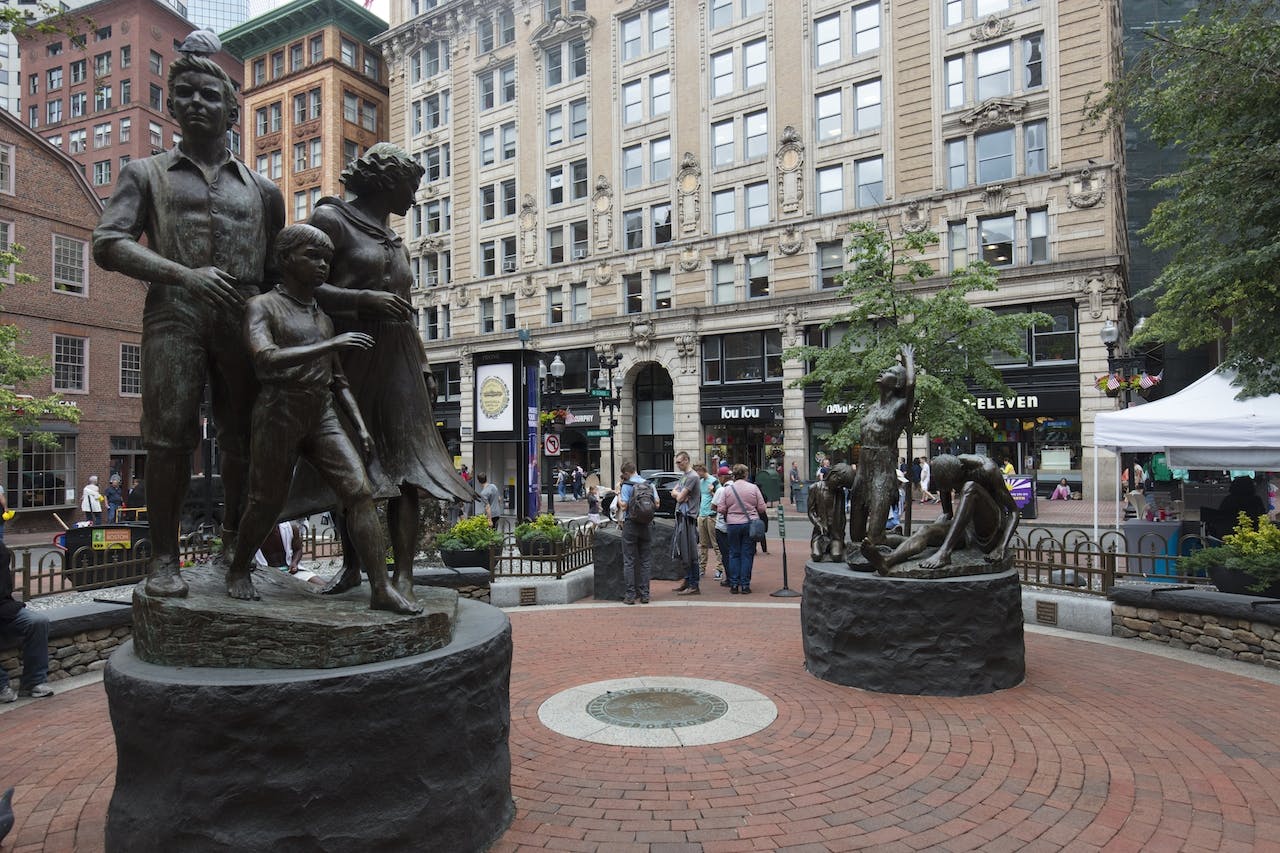
For a first visit, Boston is easiest to plan around three “anchor” experiences: a hop-on hop-off trolley to orient yourself, a history walk (Freedom Trail area), and one “icon” visit such as a Fenway Park tour or a harbor cruise—all of which are prominently featured across Viator, GetYourGuide, Fenway’s official tour page, and Go City’s Boston passes. (Viator)
Both Viator and GetYourGuide feature Old Town Trolley / hop-on hop-off style options positioned as a simple way to cover many major sights in a day or two. (Viator) CTA placeholders:
GetYourGuide highlights Freedom Trail walking tours and history-focused activities in its Boston listings and “things to do” pages. (GetYourGuide) CTA placeholder:
Fenway tours are available daily, year-round, with online tickets sold up to 30 days in advance (per the official Red Sox site). (MLB.com) CTA placeholder:
Go City promotes Boston passes and lists attractions such as cruises and museums, along with pass terms like free cancellation for non-activated passes within 30 days (per Go City’s site). (Go City) CTA placeholders:
If you’re only in Boston 1–2 days: start with hop-on hop-off, then add one “feature” booking (Fenway tour or a cruise). (Viator)
If you want flexibility: highlight passes (Go City) and “book later” tours like trolley/short walking tours. (Go City)
For Fenway: mention the “book within 30 days” guidance, since online tickets are sold up to 30 days ahead. (MLB.com)
FAQs you can drop into UnusedRooms
What’s the easiest way to see Boston’s main sights quickly? A hop-on hop-off trolley tour is a common “orientation” option and is featured prominently on both Viator and GetYourGuide. (Viator)
Can I tour Fenway Park outside baseball season? Yes—Fenway tours are listed as available daily, year-round (weather permitting), and tickets are typically sold online up to 30 days ahead. (MLB.com)
Are there family-friendly tours? GetYourGuide lists family-friendly options including Freedom Trail walking tours and interactive attractions in its “things to do” content. (GetYourGuide)
Do attraction passes allow cancellation? Go City states non-activated passes are refundable within 30 days of purchase (see their Boston pass guidance). (Go City)
Sponsored Popular Items
Quick take: Musement.com offers a worldwide selection of tours and attractions
North End Food Tour with Tastings and Cannoli in Boston United States Plan North End Food Tour with Tastings and Cannoli in Boston, a food and drink experience, with practical tips on timing, inclusions and what to check before booking. Compare current availability, prices and booking conditions before you go.
Day trip from NYC to visit Boston Freedom Trail United States Plan Day trip from NYC to visit Boston Freedom Trail, a guided sightseeing experience, with practical tips on timing, inclusions and what to check before booking. Compare current availability, prices and booking conditions before you go.
Huế (Hue), the former imperial capital of the Nguyễn Dynasty, is one of Vietnam’s most atmospheric and historically rich destinations. With ancient tombs, pagodas, palaces, and the romantic Perfume River, Huế offers a perfect blend of culture, tranquillity, and authentic Vietnamese charm.
Whether you’re a history lover, foodie, or slow-travel explorer, Huế promises a deeply rewarding visit.
⭐ 1. Explore the Imperial City (Citadel & Forbidden Purple City)
A UNESCO World Heritage Site, the Citadel is the heart of Huế’s royal legacy. Inside its vast walls, you can explore:
Palaces
Royal courtyards
Gates and towers
The Forbidden Purple City (once home to the emperor and his household)
Plan at least 2–3 hours to wander through this sprawling complex.
⭐ 2. Cruise the Perfume River (Sông Hương)
A peaceful boat trip along the Perfume River is one of Huế’s most iconic experiences. You can:
Take a sunset cruise
Ride a traditional dragon boat
Combine your trip with visits to pagodas or royal tombs
The river is especially magical in the early evening.
⭐ 3. Visit Thiên Mụ Pagoda
Perhaps the most famous pagoda in Vietnam, Thiên Mụ is known for its seven-storey tower, river views, and serene gardens. It’s a symbol of Huế and just a short boat or taxi ride from the city centre.
⭐ 4. Tour the Royal Tombs of the Nguyễn Emperors
Scattered around Huế’s countryside are some of Vietnam’s most impressive royal mausoleums. Each tomb reflects the emperor’s personality and architectural style:
Tomb of Minh Mạng – formal, Confucian elegance
Tomb of Khải Định – ornate, European-Asian blend with stunning mosaics
Tomb of Tự Đức – poetic landscape with lakes and pine forests
Most travellers visit 2–3 tombs in one trip.
⭐ 5. Wander Through the Abandoned Water Park (Hồ Thuỷ Tiên)
A cult favourite for adventurous travellers! Though officially closed, Huế’s overgrown water park has eerie, atmospheric structures—especially the giant dragon aquarium. It’s become a viral photography spot.
⭐ 6. Explore Đồng Ba Market
Perfect for food lovers and souvenir hunters. Try:
Bún bò Huế (spicy beef noodle soup)
Bánh bèo (steamed rice cakes)
Local sweets
Spices, herbs, and handicrafts
⭐ 7. Walk or Cycle Across Trường Tiền Bridge
Designed by Gustave Eiffel, the bridge lights up beautifully at night. The riverside area is lively with coffee shops, street food, and local families enjoying the evening.
⭐ 8. Visit the Hue Museum of Royal Antiquities
A treasure trove of imperial artifacts, including:
Ceremonial costumes
Porcelain
Furniture
Jewelry
Great for understanding royal life in Huế.
⭐ 9. Day Trip to the Beach
Huế is close to scenic coastal spots like:
Thuan An Beach – quiet and peaceful
Lang Co Bay – turquoise water and white sand (ideal for a full-day trip)
⭐ 10. Enjoy a Traditional Royal Music Performance
Nhã nhạc (Vietnamese court music) is performed on boats or in theatres around the city. A memorable cultural experience.
⭐ 11. Sample Hue’s Legendary Cuisine
Huế is known for its imperial recipes and spicy flavours. Don’t miss:
Bún bò Huế
Bánh nậm, bánh lọc, bánh bèo
Nem lụi (lemongrass pork skewers)
Com hen (mussel rice)
Food tours are available for deeper exploration.
⭐ 12. Explore the Countryside by Bike or Scooter
Huế’s rural areas are full of:
Rice paddies
Pagodas
Local villages
Lotus ponds
A peaceful escape from the city centre.
🌞 Best Time to Visit Huế
February–April – the most pleasant weather
May–August – hot but sunny
September–January – rainy season, sometimes with flooding
❓ Quick Q&A
Q: How many days do you need in Huế? A: 2–3 days is ideal for the main attractions; 4 days if you enjoy slow travel.
Q: Is Huế walkable? A: Yes, especially around the Citadel and riverside areas. For tombs, taxi or motorbike is easier.
Q: Is the abandoned water park safe? A: Many travellers visit without issues, but it is unofficially closed, so caution is advised.
🌅 Final Thoughts
Huế is one of Vietnam’s most enchanting cities—a place where imperial history, peaceful landscapes, and soulful cuisine come together. Whether you’re sailing the Perfume River at sunset or wandering ancient palace grounds, Huế promises an unforgettable cultural journey.
Sponsored Popular Items
Quick take: Musement.com offers a worldwide selection of tours and attractions
From Da Nang/Hoi An/Hue: Hue Imperial City Full-Day Tour Vietnam Depart Da Nang or Hoi An and visit Hue Imperial City, the Khai Dinh Royal Tomb, and the Thien Mu Pagoda on a guided tour. Explore the outstanding landscape of the No.1 Highway Route and Lap An Lagoon
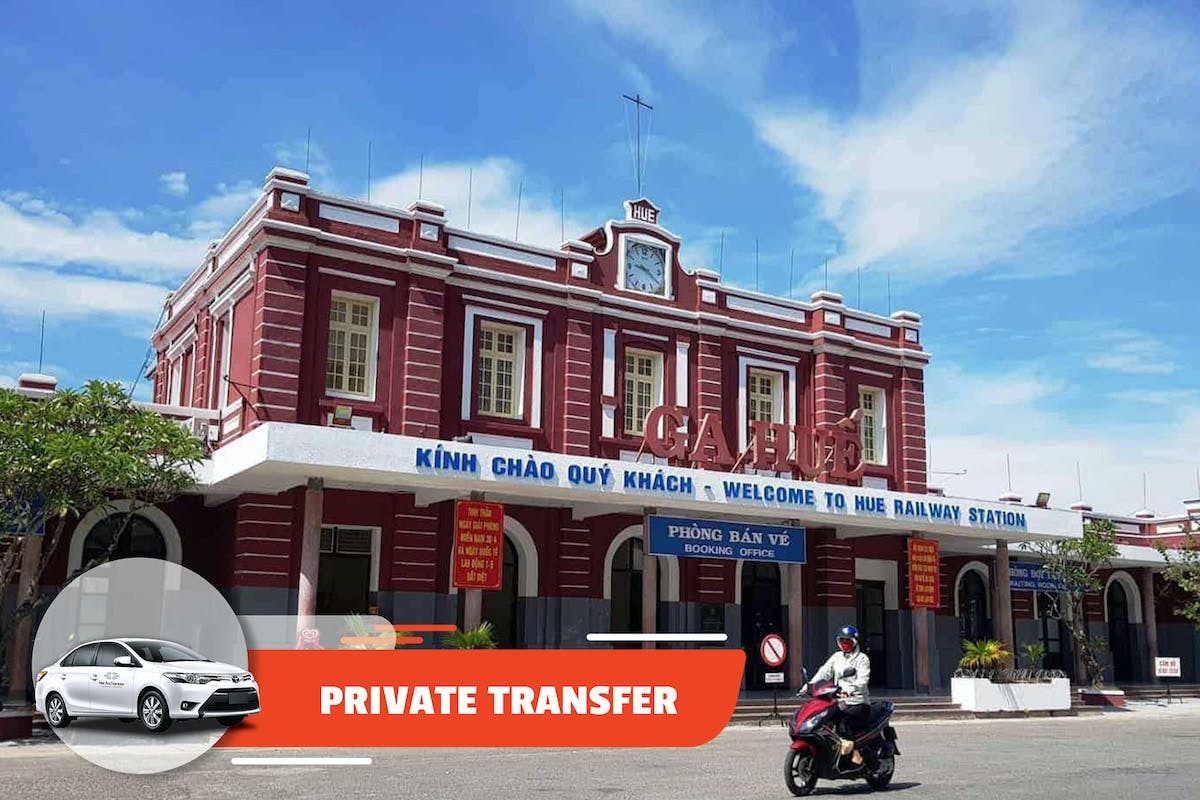
Hue Train Station to or from Hue City Center Private Transfer - Travel Service Hue train station to or from Hue city center private transfer focuses on convenience, helping travellers organise a key transfer before the travel day becomes busy. Check current availability, inclusions and booking details before you go.
Hue: Royal Tombs Tour with Thuy Xuan Incense Village Visit Vietnam Explore the ancient city of Hue on a guided tour. Visit the Thuy Xuan Incense Village, discover the Gia Long, Khai Dinh and Dong Khanh emperor tombs, and learn about the Nguyen Dynasty
Where is it? Northern Belgium, on the River Scheldt
Why visit? World-class fashion, diamonds, medieval squares, cutting-edge design, and a lively port city vibe
Best for: Culture lovers, shoppers, foodies, art fans, and architecture enthusiasts
Top highlights: Cathedral of Our Lady, Grote Markt, MAS Museum, Antwerp Zoo, Diamond District, Meir shopping street
Best time to visit: April–October for pleasant weather; December for Christmas markets
How long to stay: 1–3 days
Why Visit Antwerp?
Antwerp (Antwerpen) is bold, stylish, and full of personality—a place where medieval splendour meets modern creativity. Known for its fashion designers, diamond trade, and vibrant nightlife, it offers a refreshing mix of old and new.
The city’s historic centre dazzles with ornate guild houses, Gothic churches, and cosy cafés, while its modern districts pulse with design studios, trendy shops, street art, and waterfront views. It’s one of Belgium’s most exciting cities for travellers who love culture, shopping, and atmosphere.
Top Things to See & Do in Antwerp
Cathedral of Our Lady (Onze-Lieve-Vrouwekathedraal)
A Gothic masterpiece and the tallest church in the Low Countries. Inside, admire famous works by Peter Paul Rubens, including The Descent from the Cross.
Grote Markt (Main Square)
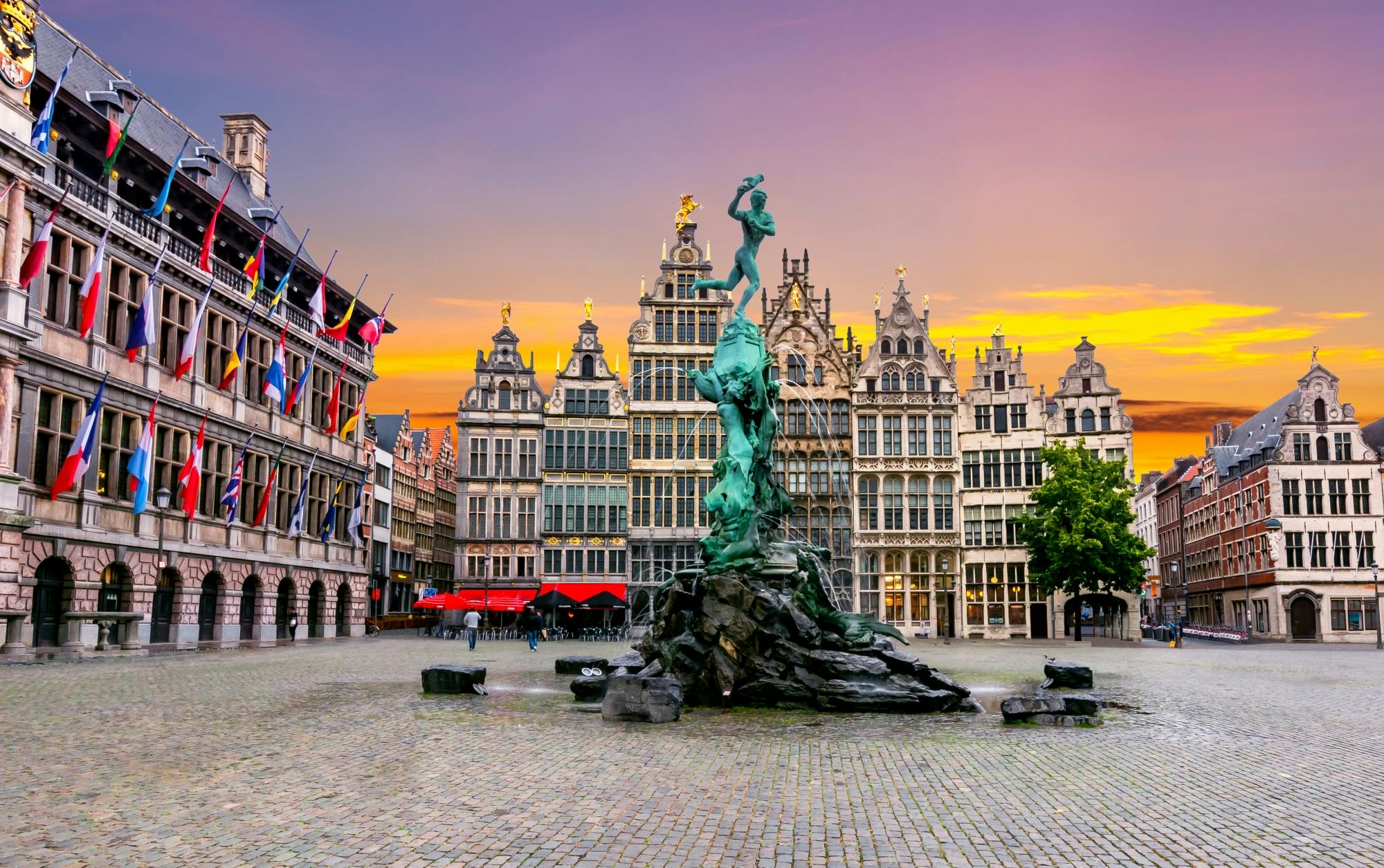
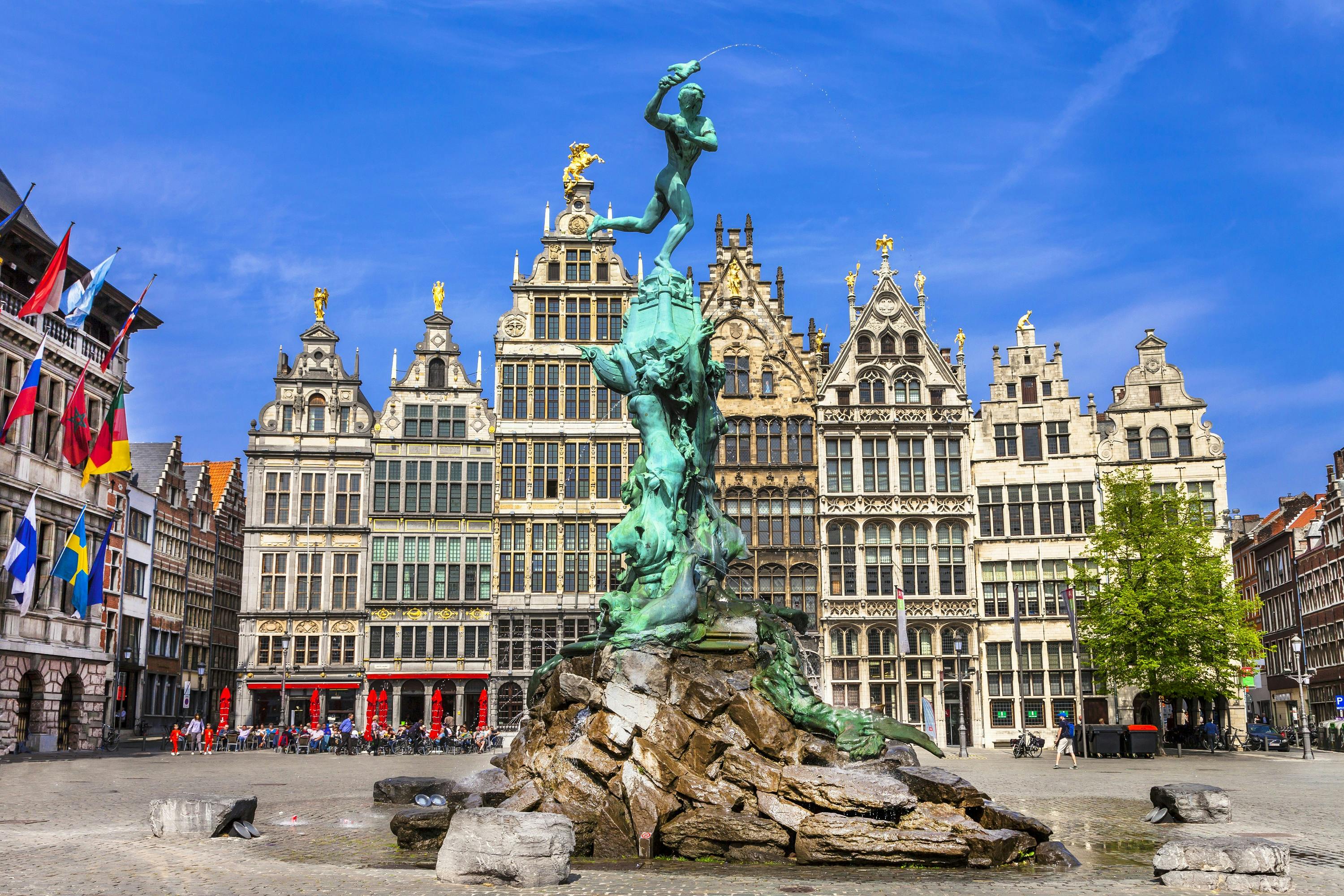
The heart of Antwerp’s Old Town, filled with Renaissance guild houses, terrace cafés, and the ornate Brabo Fountain. It’s one of Belgium’s most photogenic squares.
Museum aan de Stroom (MAS)
A striking architectural icon on the waterfront. Discover Antwerp’s maritime history, global trade connections, and panoramic views from the rooftop.
Antwerp Central Station
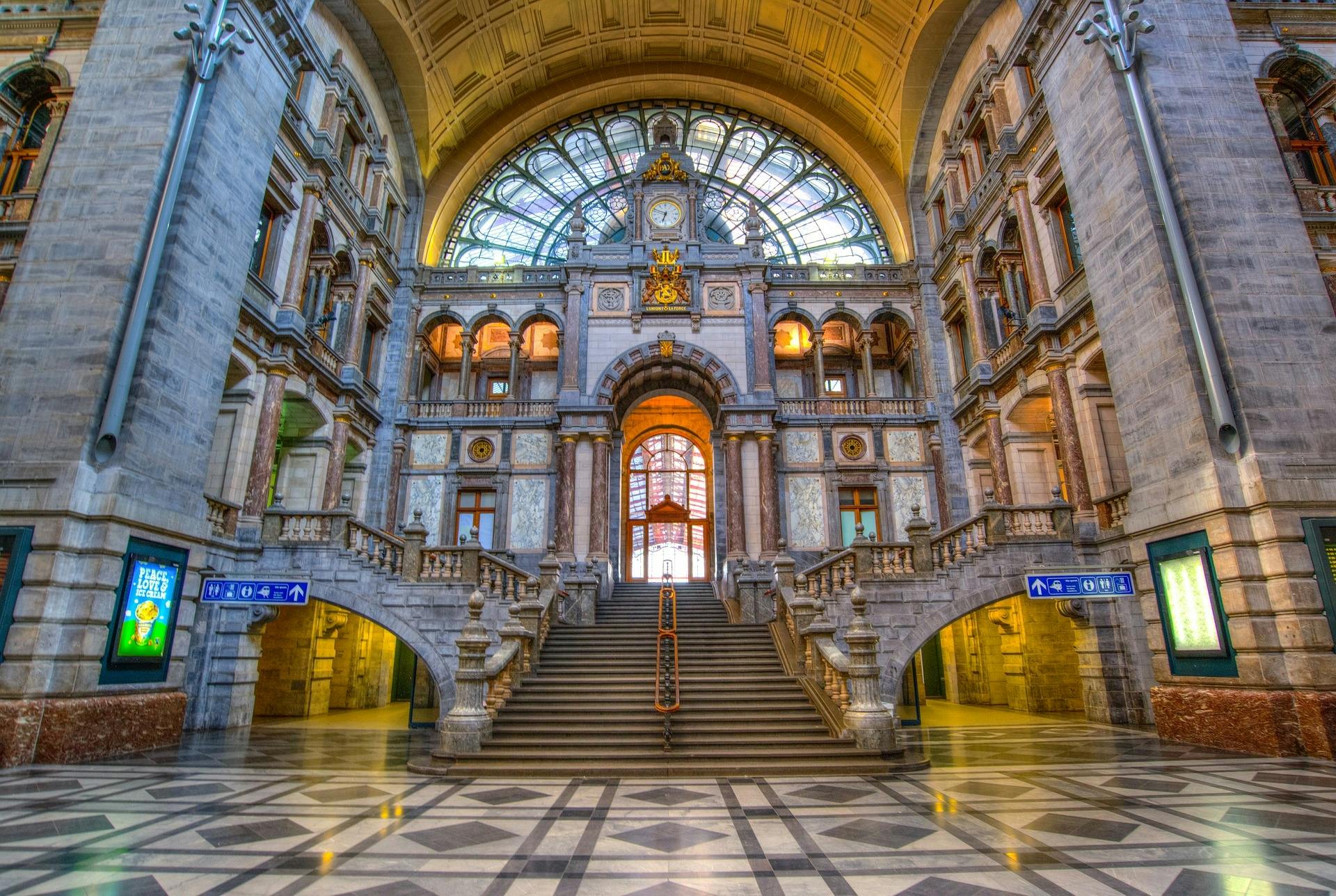
Often ranked among the most beautiful train stations in the world, its grand stone façade and domed halls are breathtaking.
Diamond District
Antwerp is the world capital of diamonds, and this neighbourhood showcases jewellers, workshops, and the Diamond Pavilion museum experience.
Rubens House (Rubenshuis)
Visit the former home and studio of Baroque master Peter Paul Rubens. Beautiful gardens and an intimate look at the artist’s life await.
The Meir Shopping Street
Antwerp’s premier shopping boulevard, lined with historic buildings, department stores, and fashion boutiques. Don’t miss the magnificent Stadsfeestzaal shopping hall.
Het Eilandje District
Once an industrial dock area, now a trendy neighbourhood with waterfront bars, restaurants, and the Red Star Line Museum.
What to Expect When Visiting
A Stylish, Trendsetting City
Antwerp is home to the world-famous Antwerp Six, the group of designers who helped put the city on the global fashion map. Expect fashion-forward locals and boutique-filled streets.
A Blend of Historic Charm & Modern Cool
Beautiful medieval buildings meet modern architecture, creative museums, and edgy street art.
Buzzing Nightlife
The city comes alive after dark with cocktail bars, Belgian beer cafés, and music venues.
Best Time to Visit Antwerp
Spring (April–June)
Comfortable temperatures, blooming parks, and ideal sightseeing weather.
Summer (July–August)
Outdoor dining, festivals, and long daylight hours—though this is also peak season.
Autumn (September–October)
Pleasant weather, fewer tourists, and gorgeous fall colours.
Winter (December)
Cosy Christmas markets, decorated squares, and great shopping.
3 days: Trendy districts, river cruises, museums, shopping
Most travellers find 2–3 days perfect.
Getting to Antwerp
By Train
Excellent connections:
40 minutes from Brussels
1 hour from Ghent
1 hour from Bruges
1 hour from Amsterdam (via high-speed Thalys or IC trains)
2–3 hours from Paris (via Brussels)
Arriving at Antwerp Central Station is an attraction in itself.
By Air
Fly into Brussels Airport, then take a direct train to Antwerp in ~30 minutes.
Where to Stay
Historic Centre
Perfect for first-time visitors wanting iconic sights at their doorstep.
Het Eilandje
Trendy, waterfront vibe with MAS nearby.
Zuid District (South Antwerp)
Hip cafés, art galleries, and a youthful feel.
Near Central Station
Convenient and affordable, great for train travellers.
Food & Drink in Antwerp
What to Try
Belgian waffles and chocolate
Local beer (try De Koninck brewery)
Flemish stew (stoofvlees)
Fresh seafood near the port
Antwerp “handjes” biscuits, a local specialty
Great Food Spots
Meir for trendy eateries
Grote Markt for atmospheric dining
Zuid for gourmet restaurants
Helpful Tips
Book Rubens House tickets early—it can sell out.
Antwerp is excellent for cycling; rent a bike to explore.
The Cathedral has paid admission, but it’s worth it for the Rubens works.
Avoid driving in the city centre due to LEZ (low emission zones).
Sundays are quieter—many shops close.
Final Thoughts
Antwerp is a dynamic, inspiring city where art, fashion, history, and creativity come together beautifully. From its dazzling cathedral to its stylish shopping streets and waterfront museums, it offers the perfect blend of old-world elegance and modern energy. Whether you’re visiting for culture, shopping, or simply atmospheric wandering, Antwerp is a must-see Belgian destination.
Sponsored Popular Items
Quick take: Musement.com offers a worldwide selection of tours and attractions
Antwerp's Lost Boy Mystery City Exploration Game Belgium Plan Antwerp's Lost Boy Mystery City Exploration Game, a self-guided game or exploration experience, with practical tips on timing, inclusions and what to check before booking. Compare current availability, prices and booking conditions before you go.
Brussels, Antwerp and The Atomium Belgium Plan Brussels, Antwerp and The Atomium, a guided sightseeing experience, with practical tips on timing, inclusions and what to check before booking. Compare current availability, prices and booking conditions before you go.
Where is it? Northern Belgium, between Bruges and Brussels
Why visit? Medieval towers, canal views, vibrant nightlife, world-famous art, and a youthful energy
Best for: Culture lovers, foodies, history fans, students, and photography enthusiasts
Top highlights: Gravensteen Castle, St Bavo’s Cathedral, Ghent Altarpiece, Graslei & Korenlei, Belfry Tower
Best time to visit: April–October; July for Ghent Festival
How long to stay: 1–3 days
Why Visit Ghent?
Ghent (Gent) is one of Belgium’s most underrated gems—a city that blends fairytale medieval architecture with modern creativity and student-driven energy. Less crowded than Bruges but just as atmospheric, Ghent offers a perfect mix of history, culture, art, and canals.
By day, you’ll wander past stone bridges and Gothic masterpieces; by night, you’ll enjoy buzzing squares, riverside bars, and the illuminated old town glowing softly across the water.
Top Things to See & Do in Ghent
Gravensteen Castle (Castle of the Counts)
This imposing 12th-century fortress sits dramatically in the city centre. Explore towers, medieval weapons, ramparts, and city views from the top.
St Bavo’s Cathedral & The Ghent Altarpiece
Home to the Adoration of the Mystic Lamb, one of the most influential artworks in European history. Don’t miss the augmented-reality experience that brings the masterpiece to life.
Graslei & Korenlei
Two postcard-perfect quays along the Leie River. Grab a coffee, take a boat tour, or simply sit on the steps and soak in the medieval skyline.
Belfry of Ghent
Ghent’s UNESCO-listed belfry offers panoramic views from the top and houses a 54-bell carillon that still rings across the city.
Ghent City Pavilion
A striking piece of modern architecture in the historic centre—an example of how Ghent beautifully balances old and new.
Patershol District
A medieval neighbourhood filled with narrow cobblestone streets, cosy restaurants, and boutique shops. Perfect for slow wandering.
Boat Tour on the Leie River
A fun, relaxing way to see Ghent from a different perspective. Tours last 40–50 minutes and glide past major landmarks.
Street Art in Werregarenstraat (Graffiti Alley)
An ever-changing open-air gallery where street artists are welcome to paint freely.
What to Expect When Visiting
A City with Youthful Energy
Thanks to its large student population, Ghent feels lively, creative, and welcoming. Expect great music venues, quirky bars, and energetic public squares.
Medieval Atmosphere Without the Crowds
Ghent has all the Gothic towers, churches, and canals you expect from Belgium—but with far fewer tourists than Bruges.
Late-Night Culture
Many bars and riverside cafés stay open late. The city is beautifully illuminated at night, creating a magical atmosphere.
Best Time to Visit Ghent
Spring (April–June)
Perfect weather, blooming gardens, outdoor cafés.
Summer (July–August)
Vibrant atmosphere and long daylight hours. July hosts the Gentse Feesten (Ghent Festival)—one of Europe’s largest cultural events.
Autumn (September–October)
Charming canals with colourful foliage and comfortable weather.
Winter (December)
Cosy markets and festive lights.
How Many Days Do You Need?
1 day: Major highlights—castle, cathedral, Graslei, boat tour 2 days: Explore neighbourhoods, museums, local food 3 days: Visit the university district, cycle to the outskirts, or take a trip to Bruges or Antwerp
Most travellers enjoy 2–3 days for a relaxed and complete experience.
Getting to Ghent
By Train
Ghent is extremely well connected:
30 minutes from Bruges
40 minutes from Brussels
1 hour from Antwerp
2.5–3 hours from Amsterdam (via Antwerp or Brussels)
2.5 hours from Paris (via Brussels)
From Gent-Sint-Pieters Station, take tram 1 into the historic centre.
By Car
Avoid driving in the Old Town. Park outside the centre and take trams or walk.
Where to Stay
Historic Centre
Close to major attractions, canals, and restaurants.
Patershol
Atmospheric, romantic, and full of charm.
Vrijdagmarkt Area
Lively, great for nightlife and dining.
Near Sint-Pieters Station
Budget-friendly and convenient for train travel.
Food & Drink in Ghent
Must-Try Specialities
Ghent’s famous waterzooi (creamy stew)
Belgian waffles and fries
Craft beers (try De Dulle Griet for a fun experience!)
Chocolates from artisanal shops
Where to Eat
Graslei cafés for canal-side meals
Patershol restaurants for Flemish cuisine
Student district for budget-friendly bites
Helpful Tips
Book tickets for the Ghent Altarpiece if visiting in peak season.
Tram 1 is the easiest way to get around from the station.
The city is very bike-friendly—renting a bicycle is fun and easy.
Don’t skip a night walk—the illuminated city is stunning.
Ghent is more affordable than Bruges for dining and hotels.
Final Thoughts
Ghent is a city that blends medieval beauty with modern creativity, offering travellers a refreshing mix of history, culture, and youthful energy. Whether you’re exploring ancient castles, enjoying riverside cafés, or discovering street art, Ghent delivers a memorable and well-balanced Belgian city experience.
Sponsored Popular Items
Quick take: Musement.com offers a worldwide selection of tours and attractions
The Lottery Hunt in Historic Ghent Belgium Plan The Lottery Hunt in Historic Ghent, a cultural or heritage experience, with practical tips on timing, inclusions and what to check before booking. Compare current availability, prices and booking conditions before you go.
Ghent Tour from Brussels – Guided Sightseeing Experience Belgium Ghent tour from Brussels adds structure, local context and purposeful sightseeing to the itinerary. Check current availability, inclusions and booking details before you go.
Best for: Couples, photographers, food lovers, history fans
Top highlights: Belfry of Bruges, Markt Square, Rozenhoedkaai, Bruges canals, Basilica of the Holy Blood
Best time to visit: April–October; December for magical Christmas markets
How long to stay: 1–3 days is ideal
Why Visit Bruges?
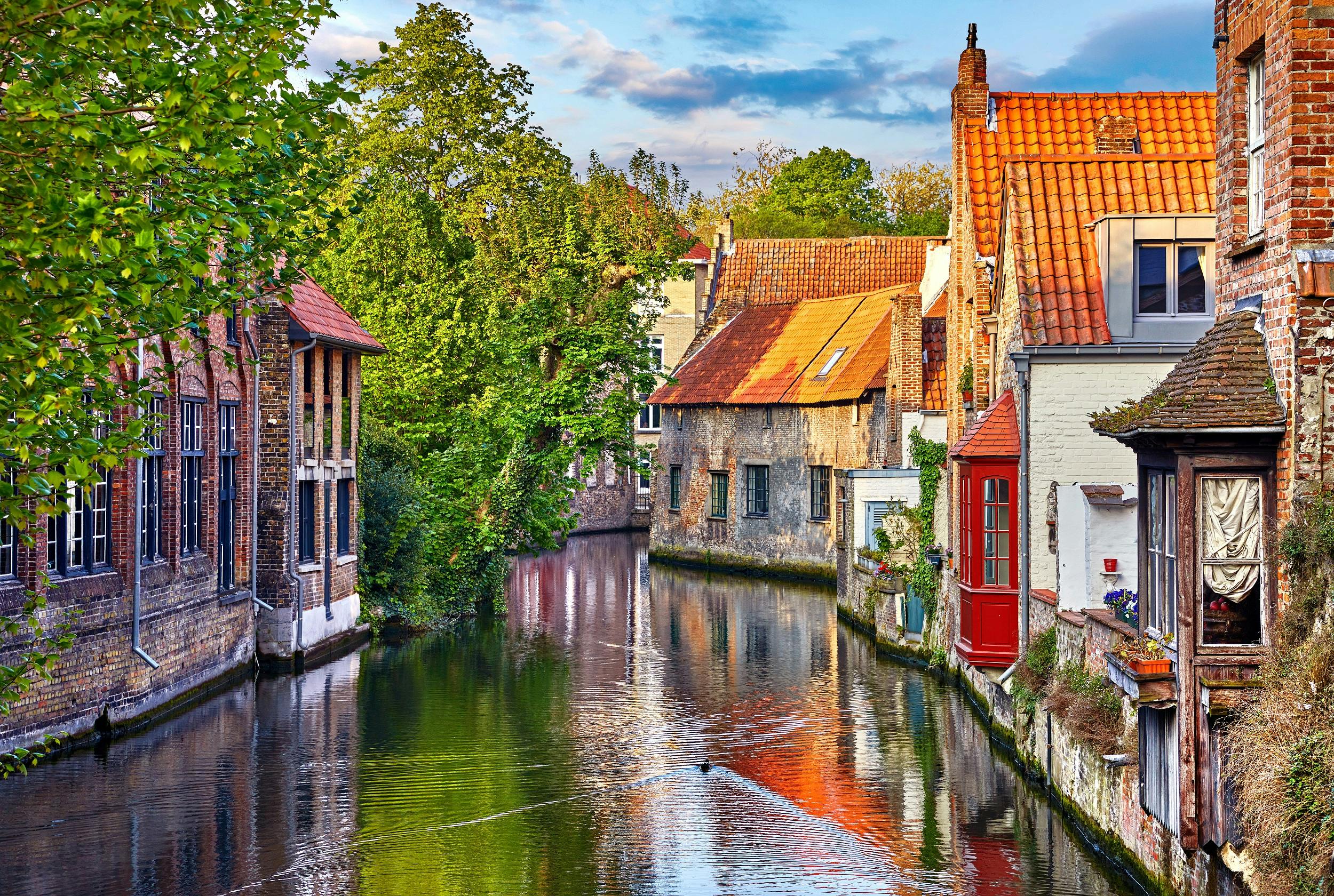
Bruges (Brugge) feels like stepping straight into a storybook. With its stone bridges, peaceful canals, medieval rooftops, and the smell of warm waffles drifting through the streets, it’s one of Europe’s most enchanting small cities.
This UNESCO World Heritage-listed old town is remarkably preserved, offering effortless beauty at every turn. Whether you’re gliding along the canals, climbing the city’s iconic belfry, or sampling Belgian beer in a cosy tavern, Bruges has a timeless charm that makes every visit memorable.
Top Things to See & Do in Bruges
Markt Square (The Markt)
The beating heart of Bruges. Lined with colourful guild houses, restaurants, and cafés, this lively square is a perfect starting point for exploring the city.
Belfry of Bruges (Belfort)
Climb the 366 steps to the top of this 13th-century tower for breathtaking views over the city’s rooftops and canals. The bell tower still houses an impressive 47-bell carillon.
Rozenhoedkaai (Quay of the Rosary)
One of the most photographed locations in Europe—and for good reason. This romantic viewpoint where the canal bends is a must for sunset lovers and photographers.
Canal Boat Tour
See Bruges from its most magical angle: the water. A 30-minute canal cruise glides past medieval houses, hidden gardens, and arched bridges.
Basilica of the Holy Blood
A small but striking basilica said to house a vial of Christ’s blood. Its richly decorated upper chapel is a highlight of Bruges’ religious architecture.
Burg Square
A beautifully preserved collection of historic buildings, including the Gothic Town Hall and the ornate Bruges City Hall.
The Beguinage (Begijnhof)
A peaceful, white-walled courtyard once home to a community of devout women. It’s a serene escape from the busy centre.
Choco-Story & Chocolate Shops
Bruges is chocolate heaven. Visit Choco-Story for a fun, interactive museum experience, then pick up artisanal pralines from top chocolatiers.
What to Expect When Visiting
A Perfectly Walkable City
Bruges is compact and flat, making it easy to explore on foot. Almost every major attraction is within a 10–15 minute walk.
A Romantic & Peaceful Atmosphere
By evening, the city transforms into a glowing wonderland of lamplit streets and quiet canals—especially ideal for couples.
A Food Lover’s Paradise
Expect world-class:
Belgian fries
Waffles
Chocolates
Local beers
Flemish stews
Café culture thrives here.
Best Time to Visit Bruges
Spring (April–June)
Flowers bloom, canals sparkle, and the weather is comfortable for long walks.
Summer (July–August)
Warm, lively, and full of energy—though it’s also the busiest period.
Autumn (September–October)
Cooler temperatures and colourful seasonal scenery. Ideal for photography.
Winter (December)
Bruges becomes a Christmas fantasy with markets, ice rinks, and twinkling lights.
How Many Days Do You Need?
1 day: Highlights—Markt, Belfry, canals, Burg Square
2 days: Museums, windmills, chocolate tasting
3 days: Nearby towns like Ghent or the Belgian coast
Most travellers find 2–3 days perfect.
Getting to Bruges
By Train
Bruges is extremely well connected:
1 hour from Brussels
30 minutes from Ghent
3 hours from Amsterdam (via Antwerp/Brussels)
3–4 hours from Paris (via Brussels)
From Bruges Station, the Old Town is a 15–20 minute walk or a short bus ride.
By Car
You can drive, but parking is scarce in the medieval centre. Park on the outskirts and walk in.
Where to Stay
Old Town
Best for first-time visitors wanting charm, easy access, and canal views.
Near Bruges Station
More affordable and convenient for onward travel.
Along the Canals
Romantic boutique hotels perfect for couples.
Helpful Tips
Get to Markt Square early to beat the tour crowds.
Prebook Belfry tickets if available—queues can be long.
Weekends are busier due to European city-break travellers.
Try different chocolate shops—each has unique flavours.
Wear comfortable shoes; cobblestones can be uneven.
Final Thoughts
Bruges is one of Europe’s most enchanting destinations—a city where medieval architecture, peaceful canals, and indulgent cuisine create a perfect getaway. Whether you’re visiting for a day or a long weekend, Bruges will leave you with unforgettable memories and photos that look straight out of a fairytale.
Sponsored Popular Items
Quick take: Musement.com offers a worldwide selection of tours and attractions
City Exploration Game in Enchanting Bruges Belgium Plan City Exploration Game in Enchanting Bruges, a self-guided game or exploration experience, with practical tips on timing, inclusions and what to check before booking. Compare current availability, prices and booking conditions before you go.
Bruges Day Trip from Brussels – Guided Sightseeing Experience Belgium Bruges day trip from Brussels adds structure, local context and purposeful sightseeing to the itinerary. Check current availability, inclusions and booking details before you go.
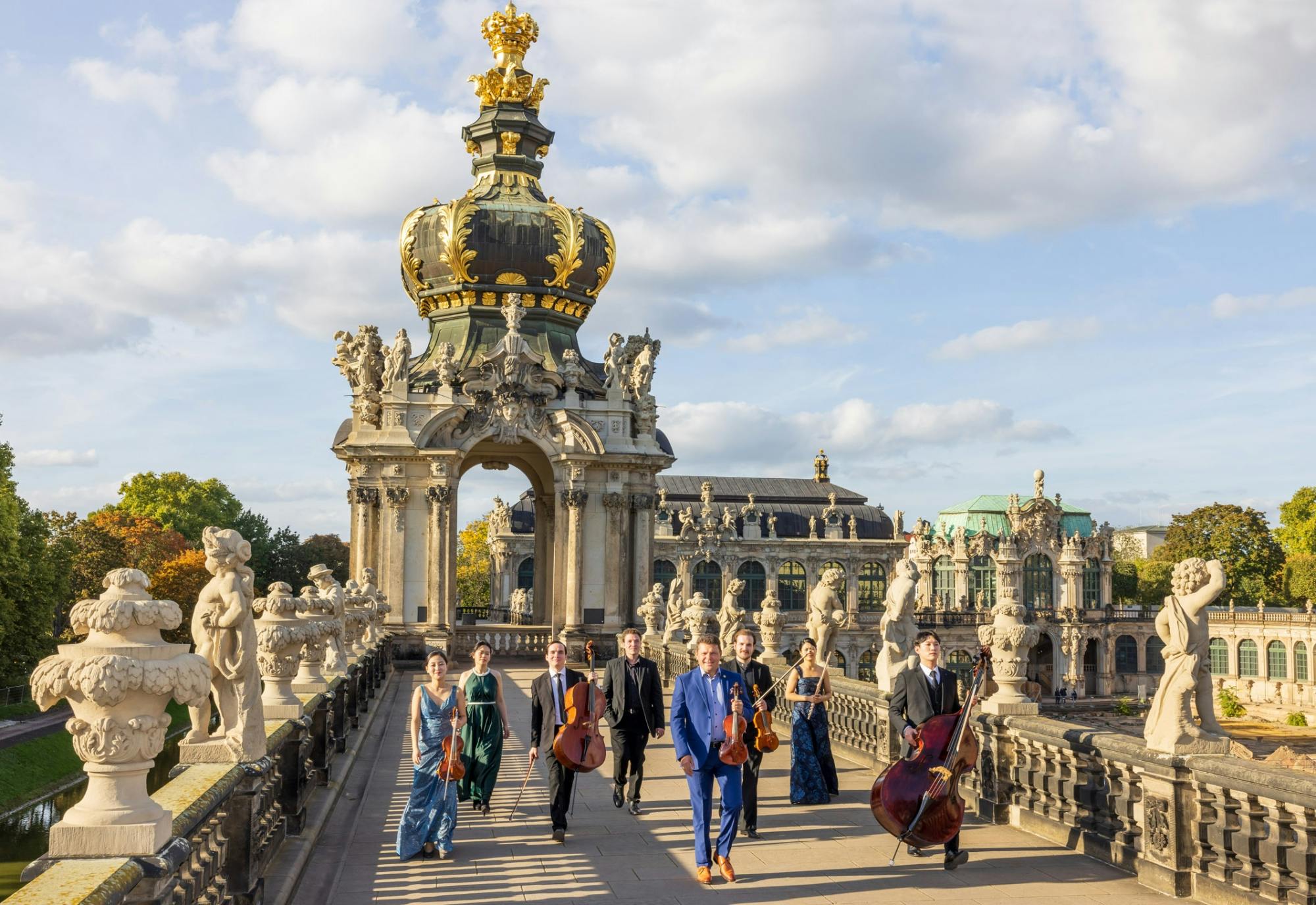
Classical Gala Concert in Dresden Zwinger Germany Plan Classical Gala Concert in Dresden Zwinger, a guided sightseeing experience, with practical tips on timing, inclusions and what to check before booking. Compare current availability, prices and booking conditions before you go.
Answer Capsule: Dresden at a Glance
Where is it? Eastern Germany, along the River Elbe, near the Czech border
Why visit? World-class art museums, Baroque and Rococo architecture, rebuilt Old Town, riverside scenery
Best for: History lovers, culture seekers, photographers, river cruisers
Top highlights: Frauenkirche, Zwinger Palace, Semperoper, Green Vault Museum, Brühl’s Terrace
Best time to go: May–October for warm sightseeing; December for Christmas markets
How long to stay: 2–3 days for main attractions
Why Visit Dresden?
Dresden is one of Europe’s most visually stunning cities—a place where elegant Baroque domes rise along the River Elbe and cobbled squares hum with café culture. Known as the “Florence on the Elbe,” Dresden blends art, history, resilience, and modern creativity into a destination that feels both regal and down-to-earth.
After near-total destruction in WWII, Dresden’s landmarks were masterfully reconstructed. Today the city glows with beauty: from golden palace façades to peaceful riverside walks and world-class museums. Whether you love architecture, classical music, or scenic day trips, Dresden delivers.
Top Things to See & Do in Dresden
Frauenkirche (Church of Our Lady)
This iconic sandstone church—rebuilt stone-by-stone—is Dresden’s most moving symbol of restoration. Climb the dome for sweeping views across the Old Town.
Zwinger Palace
A masterpiece of Baroque architecture featuring decorative courtyards, fountains, and the Old Masters Gallery with works by Raphael, Rembrandt, and more.
Semperoper (Opera House)
One of Europe’s most prestigious opera houses, loved for its flawless acoustics and lavish interiors. Book a tour or catch a performance for an unforgettable night out.
Brühl’s Terrace
Nicknamed the “Balcony of Europe,” this elevated promenade offers scenic Elbe River views and makes a romantic sunset walk.
The Green Vault (Grünes Gewölbe)
A breathtaking treasury museum filled with jewels, ivory, and gold works once belonging to the Saxon kings. It’s unlike any collection you’ll see elsewhere.
Dresden Old Town (Altstadt)
Wander cobblestone streets, browse boutiques, and enjoy traditional Saxon cuisine in cosy taverns. Stop by the Procession of Princes mural—hundreds of royal figures hand-painted on Meissen porcelain tiles.
Elbe River Cruises
A relaxing way to see Dresden’s skyline, bridges, and vineyard-lined hills. Cruises range from 1-hour sightseeing trips to full-day journeys to Pillnitz Palace.
Morning: Begin your Ljubljana adventure at Prešeren Square, the city’s lively central hub. Admire the iconic pink Franciscan Church and wander into the Old Town’s charming pedestrian streets filled with boutique shops, cafés, and historic façades.
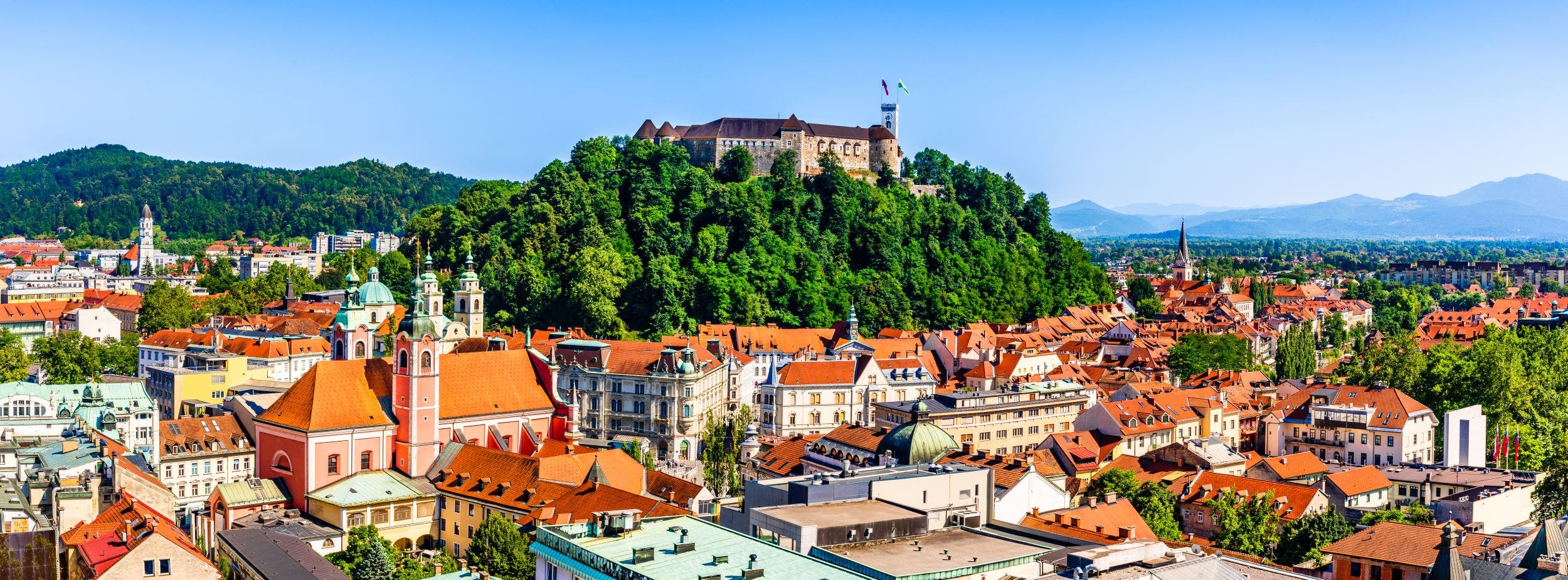
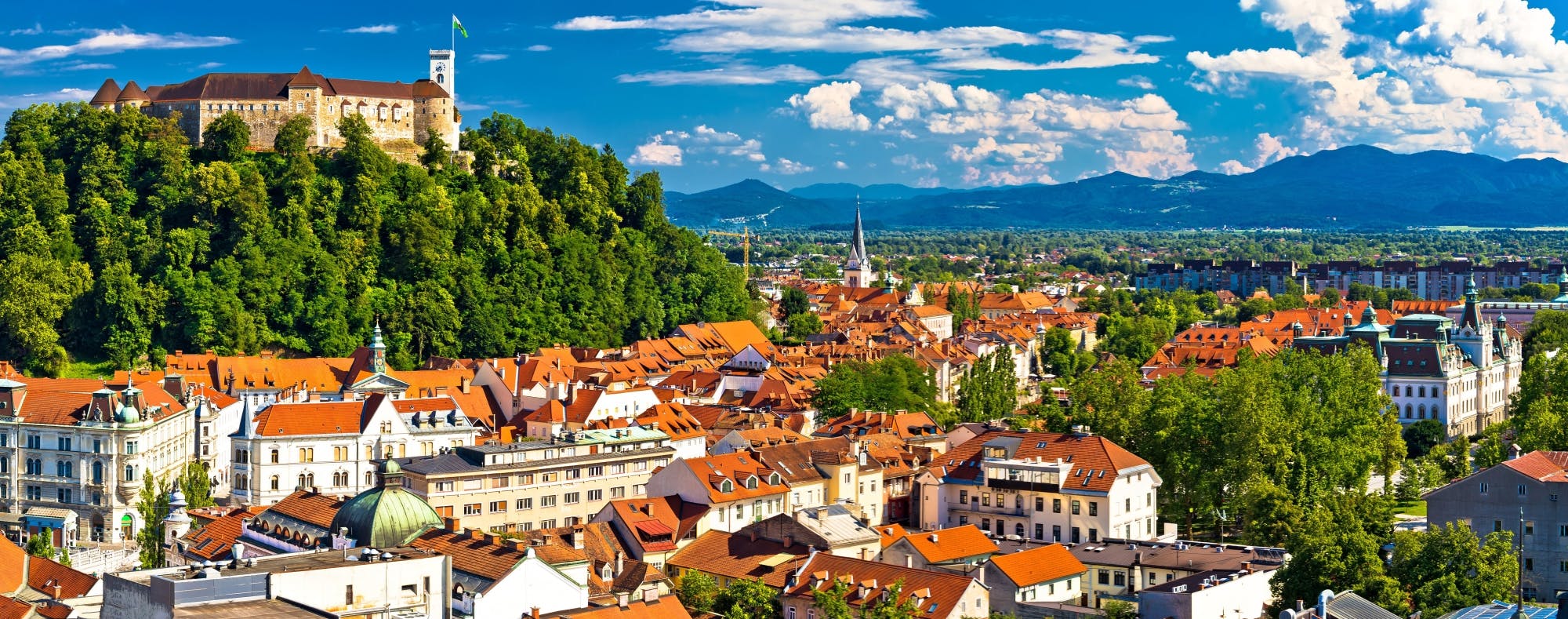
Midday: Ride the funicular up to Ljubljana Castle. Spend time exploring the courtyards, medieval towers, exhibitions, and the Puppet Museum. Don’t miss the panoramic viewpoints overlooking the river and rooftops.
Lunch: Enjoy a traditional Slovenian meal at Gostilna na Gradu, located near the castle and known for authentic regional flavours.
Afternoon: Stroll along both sides of the Ljubljanica River. Cross the city’s most iconic bridges—the Triple Bridge, Dragon Bridge, and Butchers’ Bridge—and explore the surrounding lanes at a relaxed pace.
Evening: Dine at one of the riverside terraces and enjoy the golden-hour glow reflected on the water.
Day 2 – Markets, Parks & Culture
Morning: Start your day at the Central Market, sampling fresh pastries, local honey, fruit, and cheeses. Then enjoy a coffee along Cankarjevo Nabrežje, one of the city’s prettiest riverside promenades.
Midday: Head to Tivoli Park for a leisurely stroll. This vast green space offers sculpture walks, tree-lined avenues, and peaceful gardens. Nearby museums—like the Museum of Modern Art or the City Museum—are perfect for culture lovers.
Afternoon: If you’re visiting on a Friday from spring to autumn, check out Odprta Kuhna, Ljubljana’s famous open-air food market. Alternatively, visit the Museum of Illusions or the Botanical Garden.
Evening: Explore the vibrant Metelkova art district, filled with murals, quirky installations, and a lively nightlife scene.
Day 3 – River & Culinary Delights
Morning: Start with a peaceful boat cruise along the Ljubljanica River or rent a stand-up paddleboard for a calm glide through the heart of the city.
Midday: Treat yourself to Ljubljana’s culinary highlights—Michelin-listed spots or beloved local eateries like Tri Marije, Pekarna Osem, or other creative dining venues.
Afternoon: Visit the National Gallery to explore Slovenia’s classical art, or choose the Museum of Architecture & Design for an alternative cultural experience.
Evening: Round off the day with wine or craft drinks at Wine Bar Šuklje, Lajbah, or another stylish local bar.
Day 4 – Day Trip or Hidden Gems
Option A – Day Trip: Escape the city for iconic Slovenian destinations:
Lake Bled – A postcard-perfect lake with a church on an island.
Škocjan Caves – A dramatic UNESCO underground canyon.
Piran – A Venetian-style coastal town with Mediterranean charm.
Option B – Hidden Gems: Stay local and explore more of Ljubljana. Visit the Zoo, climb Šmarna Gora for sweeping views, or dive deeper into museums you may have missed, such as the City Museum or the Museum of Illusions.
This four-day plan blends culture, nature, food, and local discoveries, offering a perfect introduction to Ljubljana at a relaxed and enjoyable pace.
Sponsored Popular Items
Quick take: Musement.com offers a worldwide selection of tours and attractions
Ljubljana Art and Architecture Guided Walking Tour Slovenia Plan Ljubljana Art and Architecture Guided Walking Tour, a outdoor experience, with practical tips on timing, inclusions and what to check before booking. Compare current availability, prices and booking conditions before you go.
Ljubljana guided food tour Slovenia Plan Ljubljana guided food tour, a food and drink experience, with practical tips on timing, inclusions and what to check before booking. Compare current availability, prices and booking conditions before you go.