Home » Beaches & Islands » Tulum: the Real Places Worth Prioritising Nature Tours & Outdoor Experiences
Tulum: the Real Places Worth Prioritising Nature Tours & Outdoor Experiences
It is the wider mix of jungle, reef, lagoons, birdlife and protected coastline that makes the area so compelling. Check current availability, inclusions and booking details before you go.
Tulum’s natural appeal is not just one beach or one cenote. It is the wider mix of jungle, reef, lagoons, birdlife and protected coastline that makes the area so compelling.
Quick answer
Tulum is one of the best nature bases in the Mexican Caribbean, but it works best when you stop thinking only about the ruins and start thinking in zones. The strongest nature experiences here are not all in one place. They spread across cenotes, reef and turtle areas, coastal protected parks, inland birding zones and the wilder Sian Ka’an side of the coast.
If you are planning Tulum for nature, the first thing to understand is that this is not a destination with one obvious outdoor attraction and a long list of weak add-ons. Tulum’s strength is the range. You can swim in cenotes, watch birds in wetland and jungle habitats, head into protected coastal areas, explore the reef side by boat or snorkel, and still finish the day on the beach.
That variety is exactly why Tulum keeps working for travellers who want more than a resort stay. It is not only beautiful. It is flexible. You can build a trip around water, wildlife, soft adventure, photography or quieter ecological experiences depending on your pace and interests.
Why Nature Is One of Tulum’s Strongest Selling Points
Tulum’s appeal is often marketed through its coastline and image-heavy beach culture, but that only tells part of the story. The area also sits beside cenote systems, lagoons, mangroves, reef environments, inland jungle and one of Mexico’s most important protected biosphere zones.
That makes it unusually strong for travellers who like to mix different types of outdoor experiences into one trip rather than spending every day the same way.
What the Musement Nature Page Is Actually Showing
The current Musement nature page for Tulum is useful because it reflects the destination honestly. It does not push only one kind of activity. Instead, it surfaces a mix of birdwatching in Cobá and Muyil, cenote-based tours, turtle-swim experiences, jungle adventures and bike routes through natural areas.
That mix tells you a lot about how Tulum works in real life. Nature here is not one attraction. It is a network of experiences across the wider region.
The Main Nature Experiences Worth Prioritising
1. Cenotes
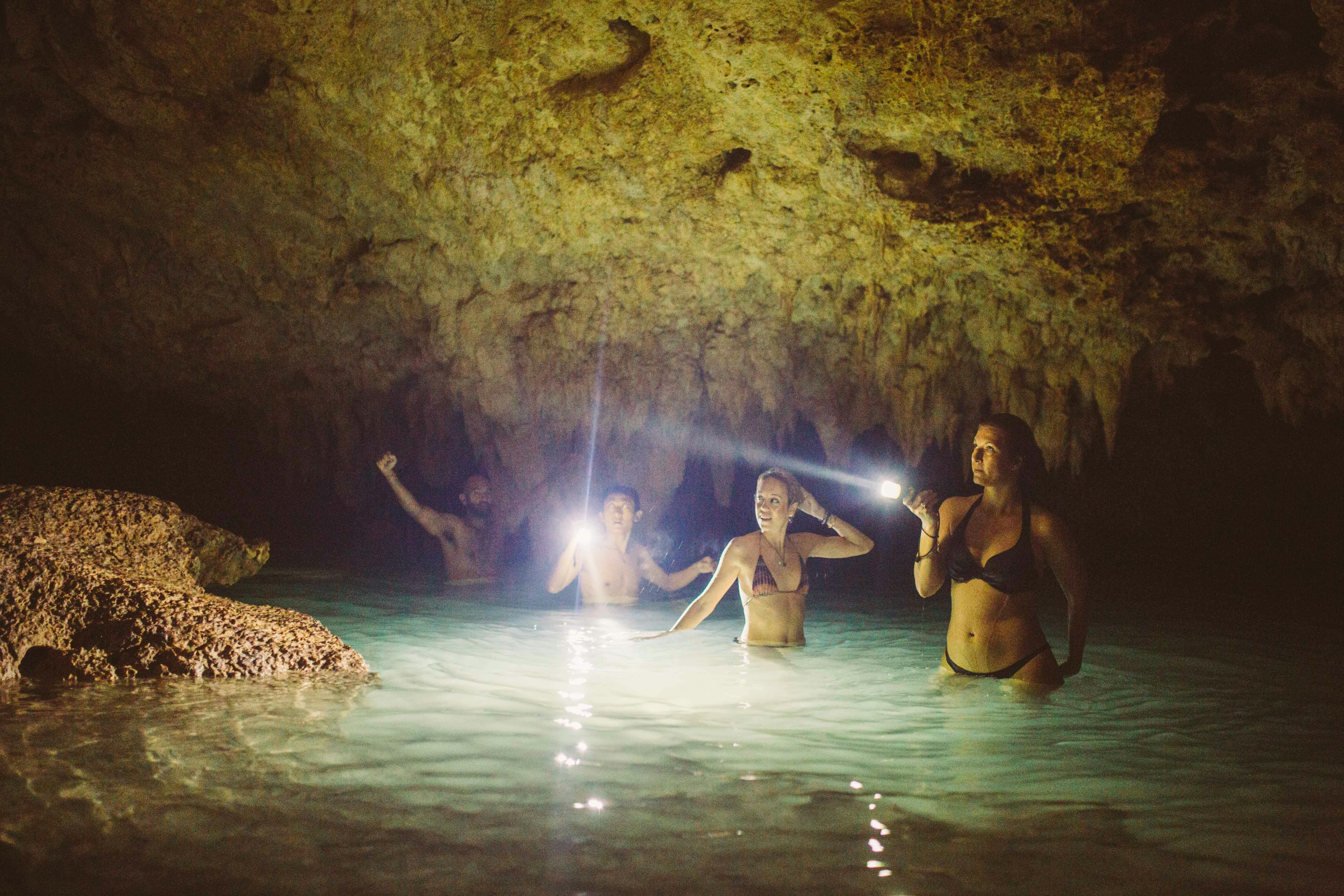
If you only do one nature activity in the Tulum area, cenotes are the obvious starting point. They are the most distinctive part of the landscape and one of the easiest ways to experience the region beyond the beach. Open sinkholes, cave-like cenotes, underground rivers and clearer swimming spots all exist within reach of Tulum.
This is also where the Musement page feels most representative. Several of the listed tours are built around cenote swimming, cenote trails, or pairing cenotes with other activities. That makes sense because cenotes are one of the few experiences that suit first-time visitors, families, active travellers and casual nature lovers equally well.
2. Sian Ka’an Biosphere Reserve
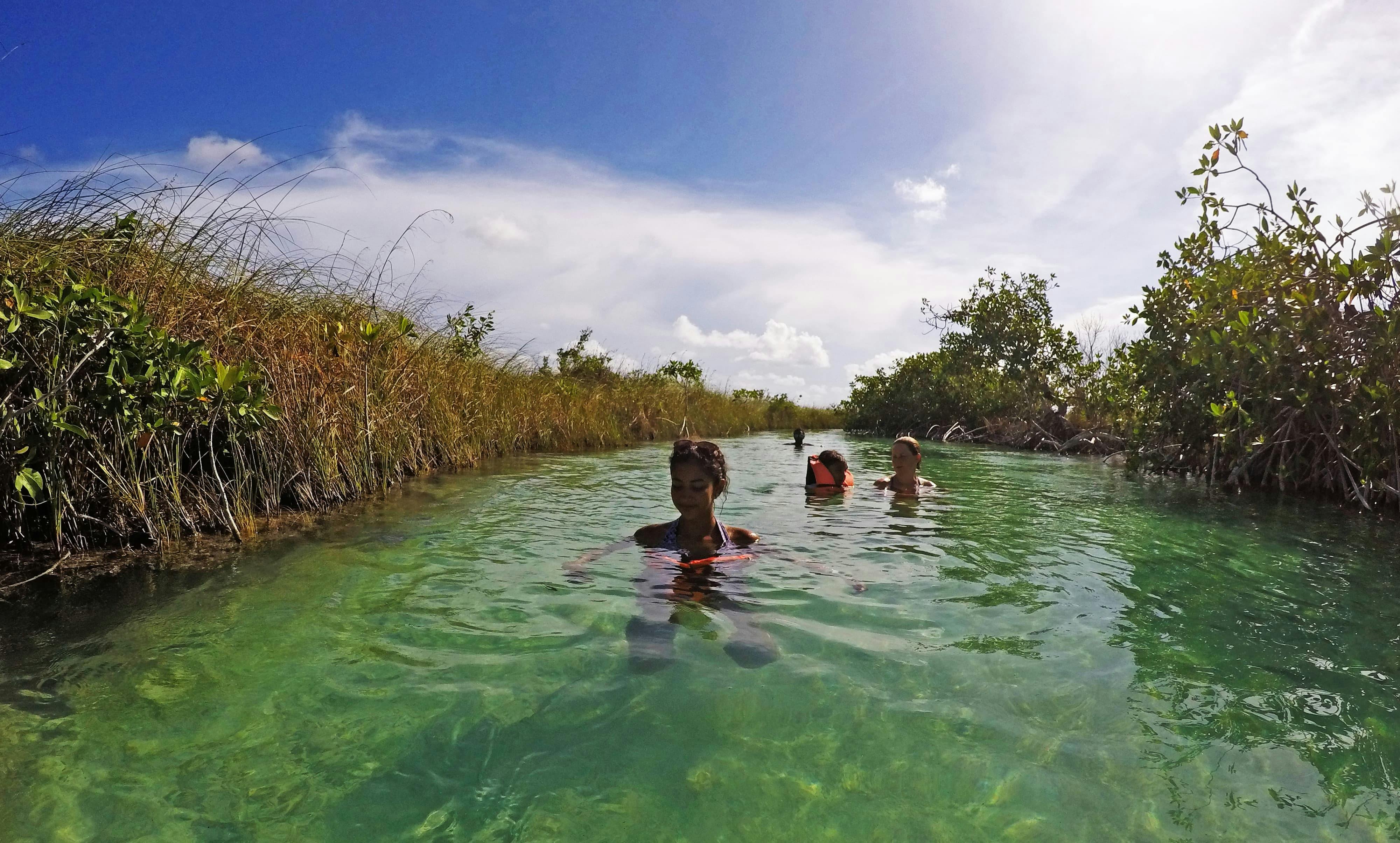
If cenotes are the easy introduction, Sian Ka’an is the deeper nature play. This is the side of Tulum that feels less polished and more ecological. It is the right choice when you want mangroves, wetlands, lagoons, coastline and wildlife rather than another neatly packaged beach day.
Sian Ka’an is also the place that gives Tulum environmental weight. It is not just scenic. It is globally significant. That matters if you want a trip that feels like more than just leisure in pretty surroundings.
3. Jaguar National Park and the Protected Coastline
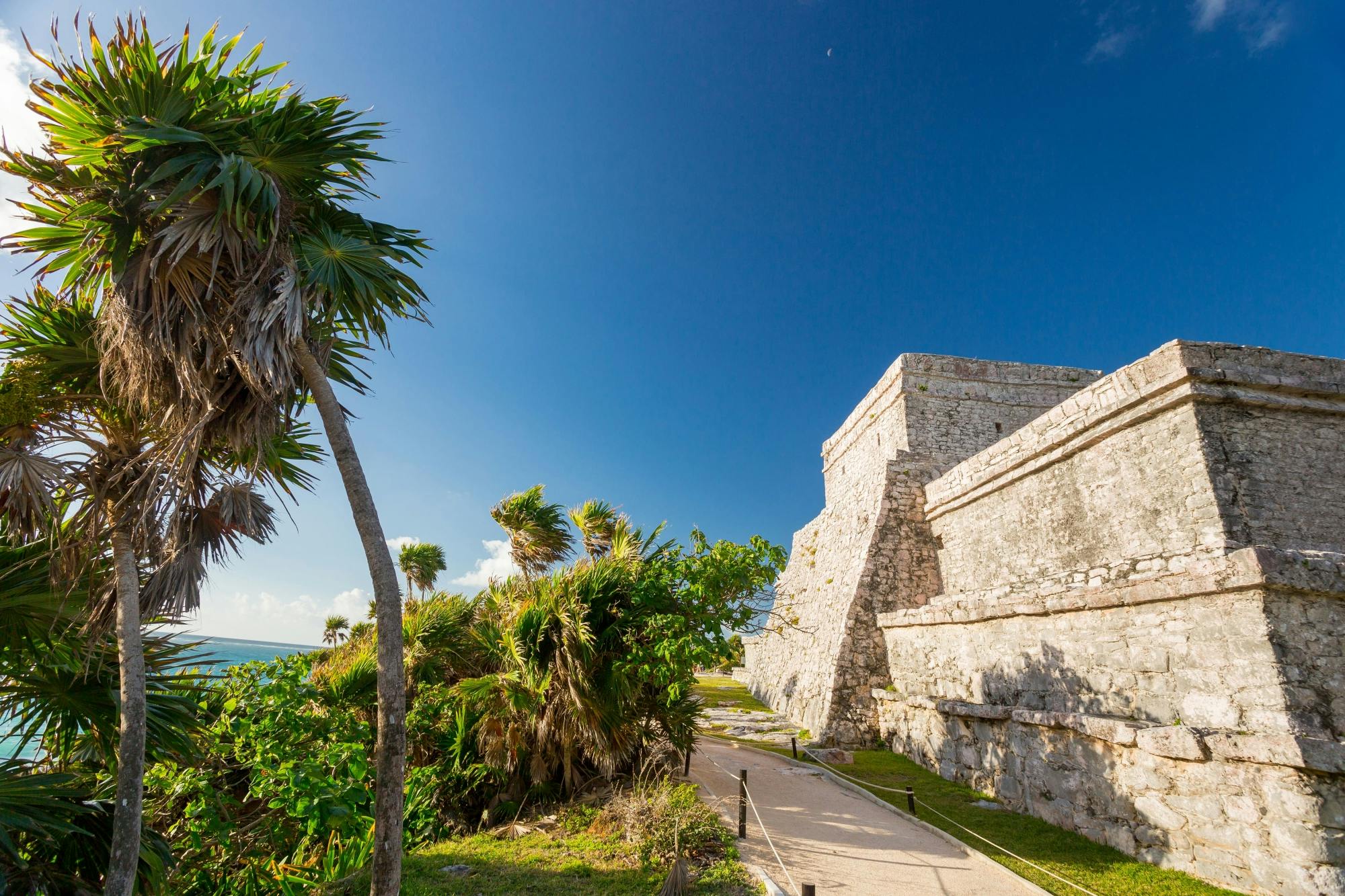
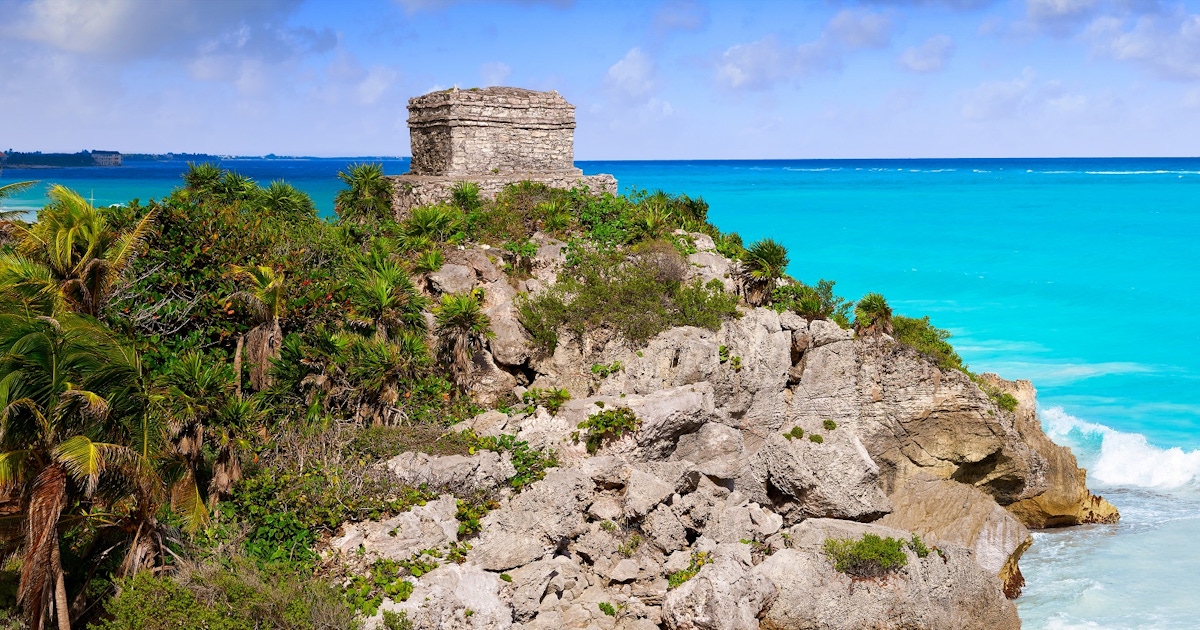
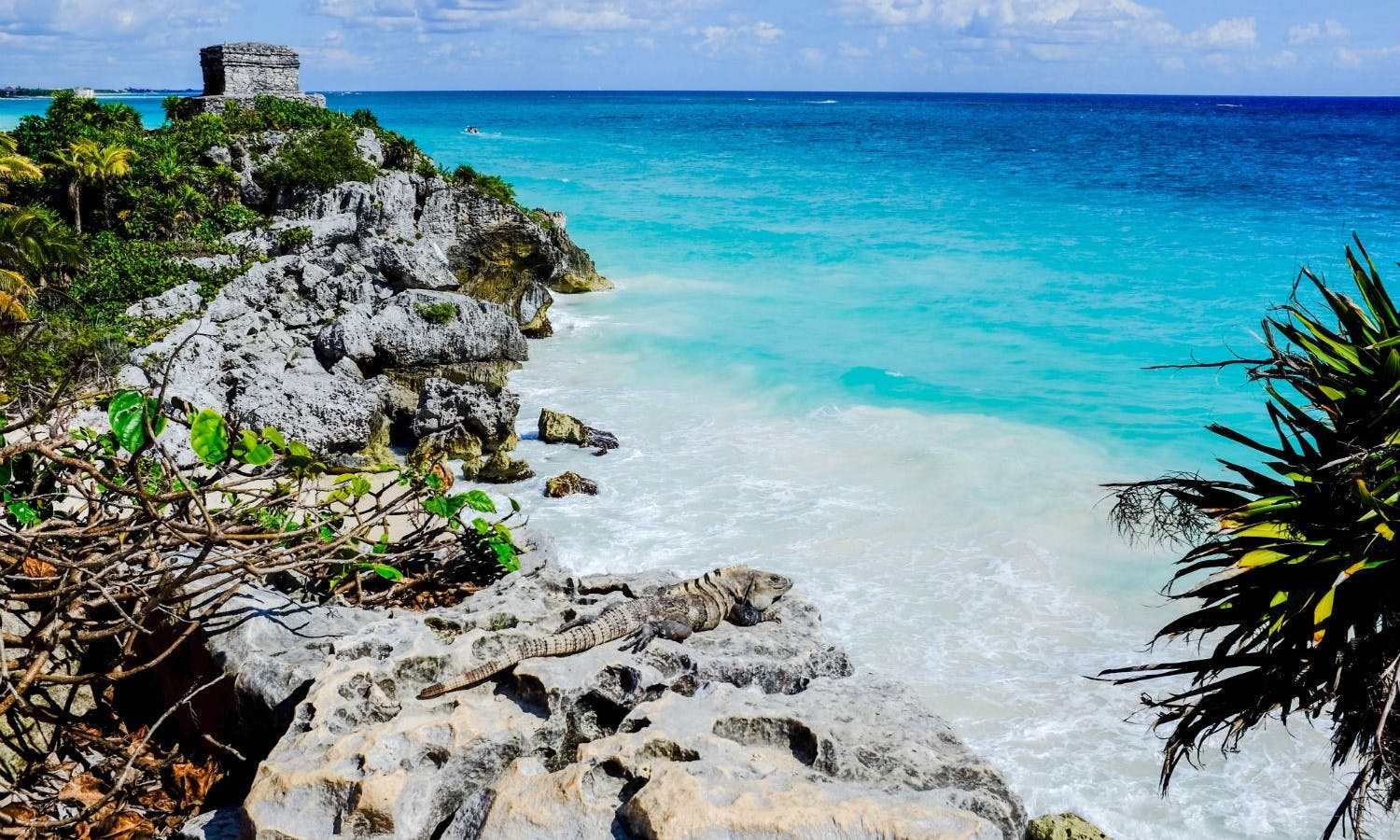
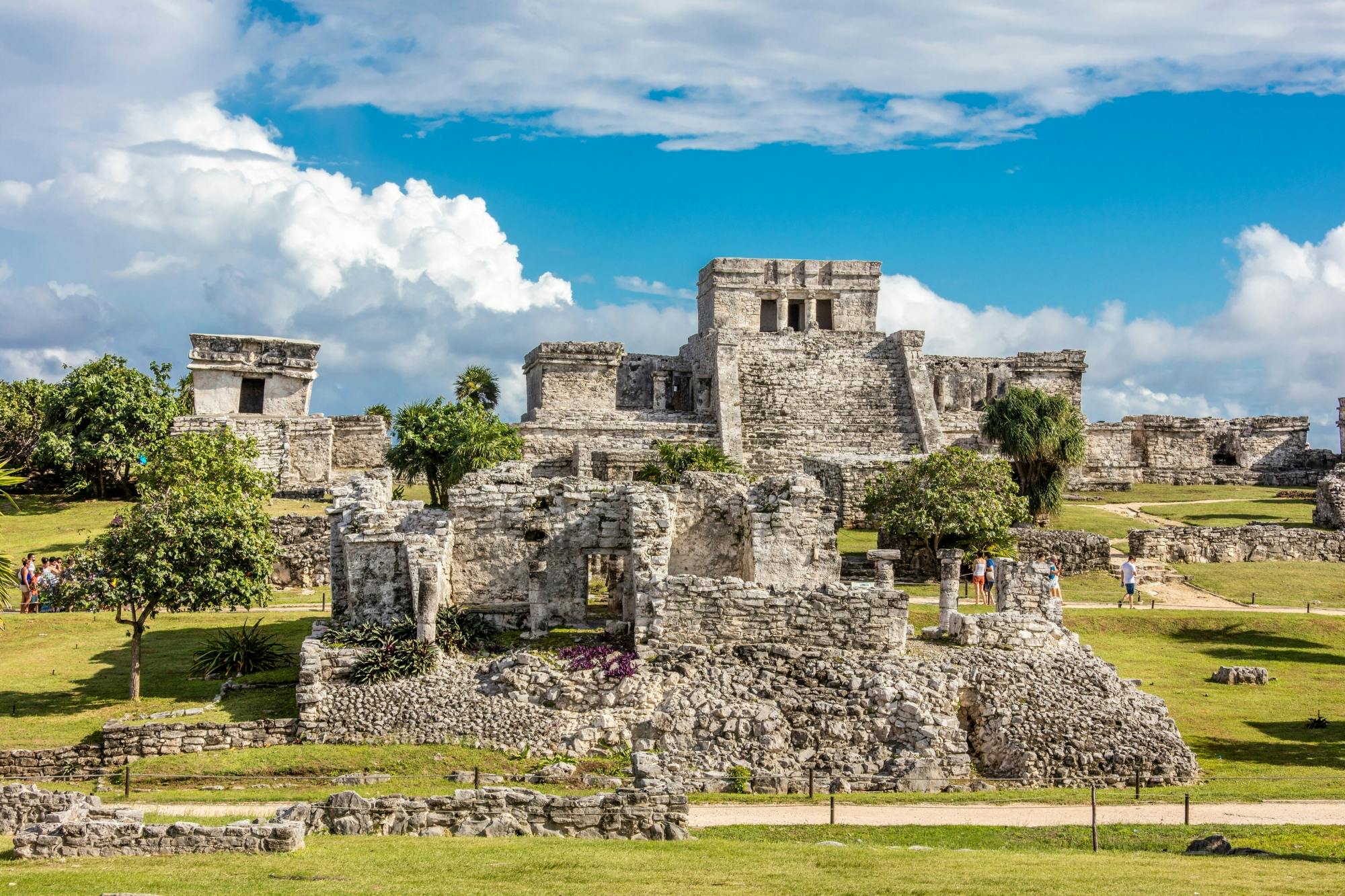
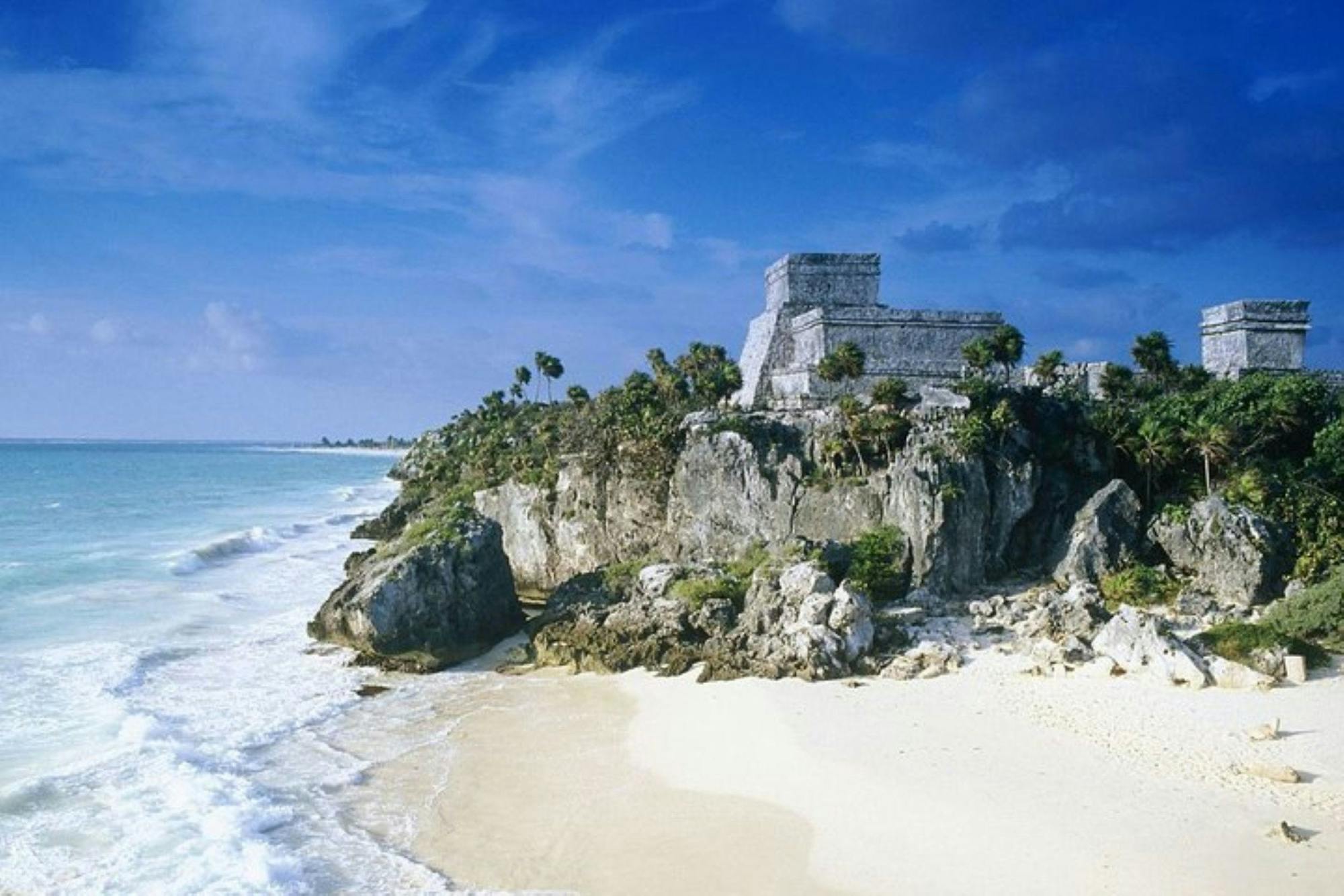
The Jaguar National Park side of Tulum is the strongest reminder that the area’s most photographed coastal zone is also a protected natural space. This part of Tulum makes the most sense for visitors who still want the iconic coast but would rather frame it through conservation, beach access, reef views and slower exploration.
It is also a practical pick because it can work even for travellers who do not want a long excursion day. You can give it half a day and still feel you experienced a meaningful natural part of Tulum rather than just its commercial strip.
4. Turtle and Reef Experiences Near Akumal
The Musement page repeatedly points toward turtle-swim experiences, especially around Akumal. That reflects one of the most popular marine wildlife outings in the wider Tulum area. For many visitors, this is the easiest way to add a wildlife element without committing to a full reserve or birding day.
It also suits people who want something active but not too complicated. If your ideal nature experience is short, memorable and water-based, this is one of the easiest wins.
5. Birdwatching at Cobá and Muyil
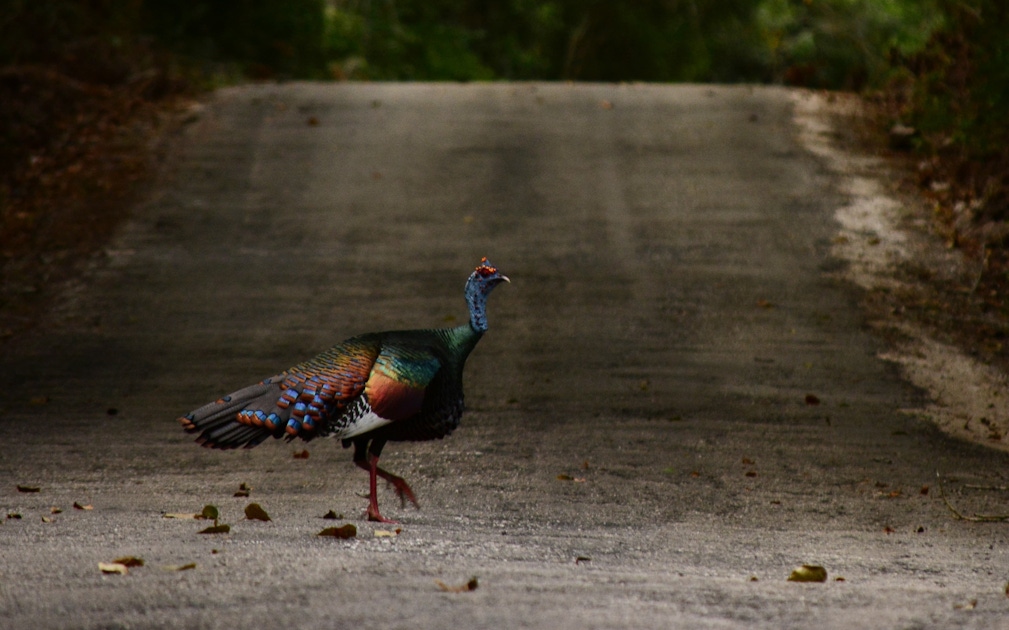
This is the quieter side of Tulum nature, but often one of the most rewarding. The current Musement page gives unusual weight to birdwatching, especially at Cobá and Muyil, and that is a good sign. It suggests the destination is being presented as more than a beach-and-cenote circuit.
Birdwatching is not for everyone, but if you like quieter mornings, wetland edges, jungle atmosphere and a more observant kind of travel, these outings can end up feeling more special than the louder, more obvious activities.
6. Bike and Jungle-Based Nature Days
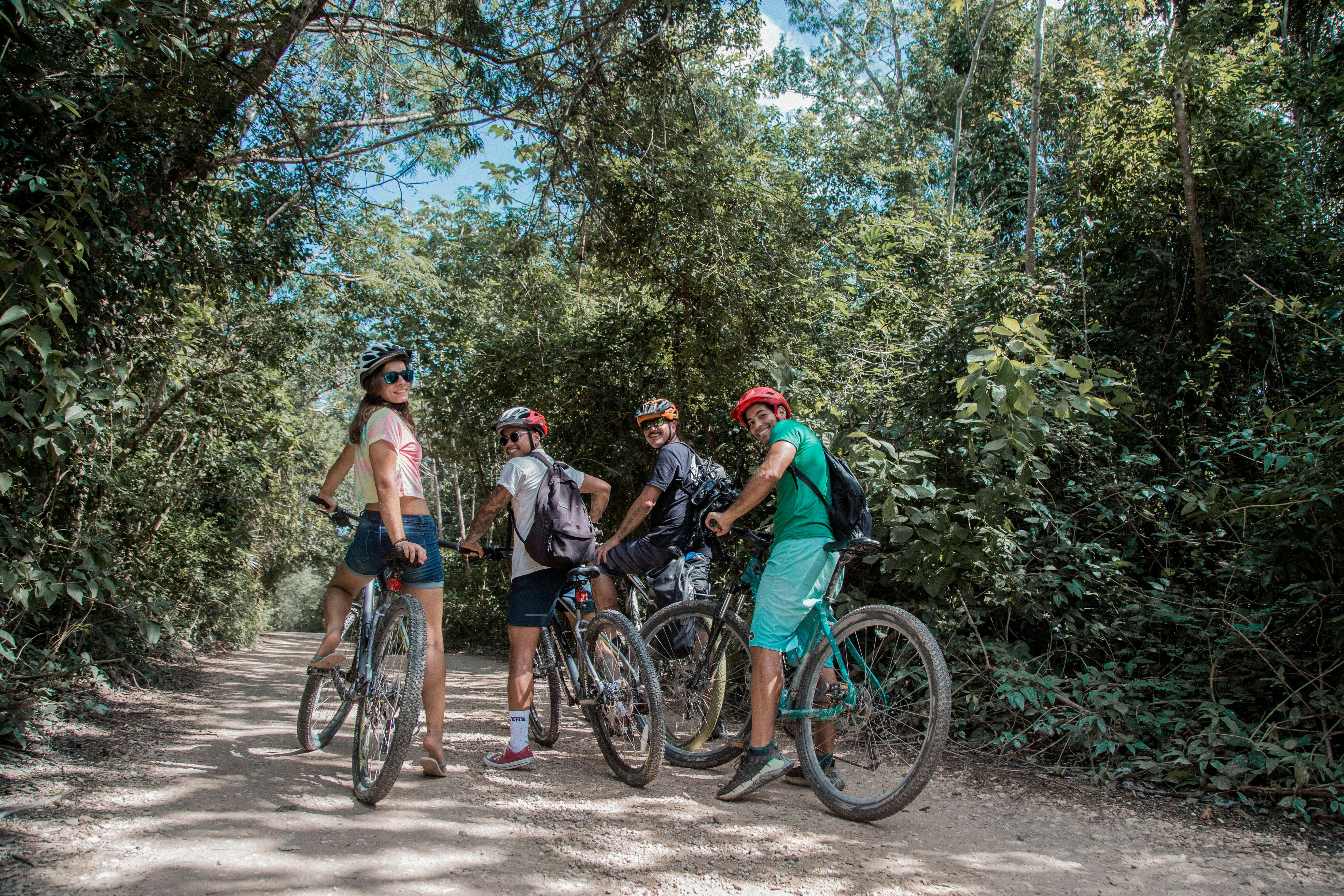
Bike tours and jungle adventures are another smart middle-ground option. They work well if you want a nature day with movement but do not want the time commitment or logistics of a deep reserve trip. Tulum’s flatter terrain and mixed roads and trails make this style of outing especially appealing for active travellers.
This is also one of the better formats if you want to combine a little sightseeing, a little exercise and some nature access without turning the day into a hard-adventure excursion.
How to Choose the Right Kind of Tulum Nature Experience
The easiest way to choose is by deciding what kind of outdoor day you actually want. If you want swimming and ease, pick cenotes. If you want protected landscape and ecological depth, pick Sian Ka’an. If you want a short but memorable wildlife encounter, turtles are the obvious choice. If you want a quieter and more specialised experience, birding is the stronger option.
That sounds simple, but it matters. Many people book Tulum activities by popularity rather than by fit, then wonder why the day did not quite land.
Who Tulum Nature Suits Best
Travellers who want more than beach clubs and resort time
People who like water-based nature experiences
Visitors interested in wildlife, birding or protected landscapes
Couples and solo travellers who enjoy half-day and full-day outdoor options
Repeat Riviera Maya visitors looking for something less generic
Who It May Not Suit
Tulum’s nature side is a weaker fit for travellers who want everything to be highly controlled, air-conditioned and easy-access. Many of the best experiences involve sun, heat, water, bugs, transport time or light physical effort. That is part of what makes them worthwhile.
It is also worth being realistic about crowds. The more famous the experience, especially around cenotes and coastal zones, the more timing matters.
Practical Planning Tips
Do cenotes early if you want calmer water and fewer crowds.
Choose birdwatching or reserve visits if you want a quieter side of Tulum.
Bring eco-friendly sun protection and insect repellent where appropriate.
Do not stack too many water activities on one day unless you really want that pace.
Use transport time as part of the decision, especially for Cobá, Muyil or Sian Ka’an.
Bottom line:
Tulum is at its best when you treat nature as the main event, not a break between beach sessions. The strongest trip usually mixes one iconic water experience, one quieter ecological experience, and enough unstructured time to actually enjoy the setting instead of rushing through it.
Ready to compare current nature experiences in Tulum? View the live Musement page to browse birdwatching, cenotes, turtle swims and jungle activities.
Tulum can still be worth it for nature lovers, but only if you plan beyond the obvious. The beach is just the entry point. The real strength is the wider landscape of cenotes, reef, birds, lagoons, jungle and protected coastline.
If you build your days around that, Tulum feels much richer and much more memorable than its trendier image suggests.
FAQs
What is the best nature experience in Tulum for first-time visitors?
For most first-time visitors, cenotes are the easiest and strongest introduction because they are distinctive, accessible and central to the region’s identity.
Is Sian Ka’an worth visiting from Tulum?
Yes, especially if you want a wilder and more ecological side of the destination rather than another beach-focused day.
What is Jaguar National Park in Tulum?
It is a protected natural area tied to the Tulum archaeological and coastal zone, designed around conservation and beach access.
Can you do nature in Tulum without a full-day tour?
Yes. Cenotes, coastal protected areas and some bike or turtle experiences can work well as half-day outings.
Is birdwatching in the Tulum area actually worthwhile?
Yes. The current Musement page gives real weight to birding around Cobá and Muyil, which suggests it is one of the region’s stronger specialist nature experiences.
Are turtle swims actually in Tulum itself?
They are usually done in the wider Tulum area, especially around Akumal and Riviera Tulum, rather than in the centre of town.
How many beach kilometres does Tulum have?
VisitMexico currently describes Tulum as having 16 kilometres of white-sand beaches.
Ready to book Tulum: the Real Places Worth Prioritising Nature Tours & Outdoor Experiences?
Check the supplier for current availability, pricing, inclusions and booking conditions.
Tulum Tour with Cenote Swim & Yal-Kú Lagoon Snorkelling Mexico Tulum Tour with Cenote Swim & Yalku Lagoon Snorkelling is for travellers who want movement, scenery and a more active element in their itinerary. Check current availability, inclusions and booking details before you go.
Tulum Discovery Tour from Cancun & Riviera Maya Mexico Tulum Discovery Tour from Cancun and Riviera Maya is a convenient way to add structure, local context and purposeful sightseeing to the itinerary. Check current availability, inclusions and booking details before you go.
Guided Tour of Tulum and Visit to a Modern Maya Community – Guided Tour Mexico Guided Tour of Tulum and Visit to a Modern Maya Community is a convenient way to add structure, local context and purposeful sightseeing to the itinerary. Check current availability, inclusions and booking details before you go.
Tulum Express Tour from Playa del Carmen or Cancun – Guided Tour Mexico Tulum express tour from Playa del Carmen or Cancun is a convenient way to add structure, local context and purposeful sightseeing to the itinerary. Check current availability, inclusions and booking details before you go.
Mayan Underworld Half-Day Tour – Tulum Guided Tour Mexico Mayan underworld half-day tour is a convenient way to add structure, local context and purposeful sightseeing to the itinerary. Check current availability, inclusions and booking details before you go.
Sian Ka'an Muyil Guided Excursion – Tulum Guided Tour Mexico Sian Ka'an Muyil guided excursion is a convenient way to add structure, local context and purposeful sightseeing to the itinerary. Check current availability, inclusions and booking details before you go.
Chichén Itzá World Wonder Discovery Guided Tour – Tulum Guided Tour Mexico Chichén Itzá world wonder discovery guided tour is a convenient way to add structure, local context and purposeful sightseeing to the itinerary. Check current availability, inclusions and booking details before you go.