Jinshanling Great Wall: A Scenic Guide to One of China’s Best Great Wall Hikes
Jinshanling Great Wall is one of the most spectacular and photogenic sections of the Great Wall of China. Located northeast of Beijing, near the border of Luanping County in Hebei Province and Miyun District in Beijing, Jinshanling is famous for its sweeping mountain views, watchtowers, restored and unrestored wall sections, and quieter atmosphere compared with the busiest Beijing Great Wall sites.
For travellers who want more than a quick photo stop, Jinshanling is one of the best choices. It offers a more dramatic and rewarding walking experience than many heavily restored sections, while still being accessible enough for a guided day trip from Beijing. The scenery is especially impressive at sunrise, sunset, in autumn colours, or after light snow in winter.
Jinshanling is ideal for hikers, photographers, history lovers and travellers who want to experience the Great Wall in a more atmospheric mountain setting.
Quick take: Musement.com offers a worldwide selection of tours and attractions
Jinshanling Great Wall Private Transfer - Travel Service China Jinshanling Great Wall Private Transfer Jinshanling Great Wall Private Transfer is designed to simplify transport in or around Beijing. Check current availability, inclusions and booking details before you go.
Why Visit Jinshanling Great Wall?
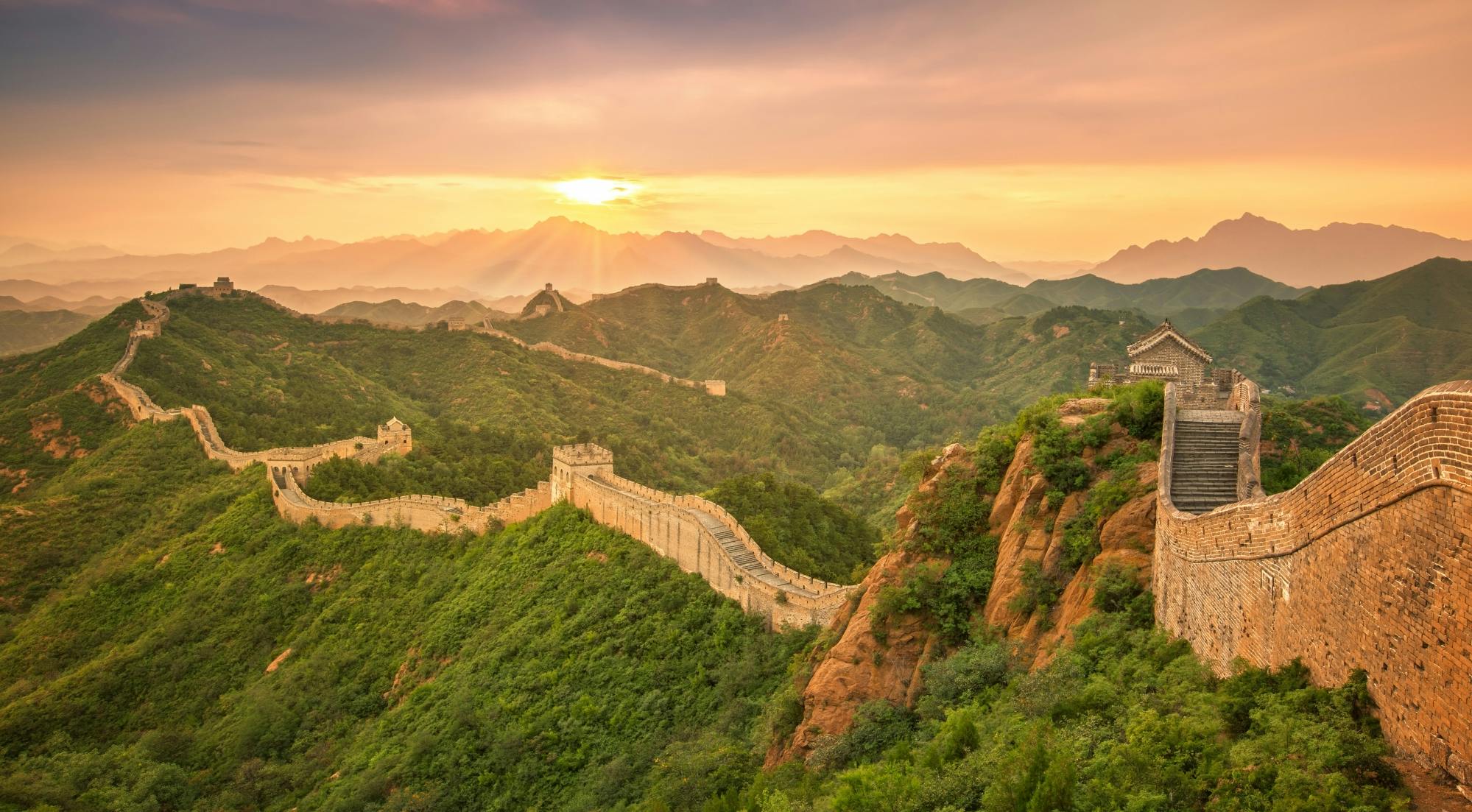
Jinshanling is often described as one of the best Great Wall sections for scenery and hiking. It runs across ridgelines and rolling mountains, with watchtowers appearing one after another along the wall. The views feel wide, open and dramatic, making it a favourite for photographers.
Unlike some Great Wall sections that are almost completely rebuilt, Jinshanling offers a mix of restored areas and more rugged original-style sections. This gives visitors a stronger sense of age and atmosphere while still providing enough structure for a manageable hike.
Jinshanling is best for:
Travellers who want a scenic Great Wall hike near Beijing
Photographers looking for dramatic watchtower and mountain views
Visitors who prefer fewer crowds than Badaling
Active travellers who enjoy uneven steps and ridge walking
History lovers interested in Ming-dynasty wall architecture
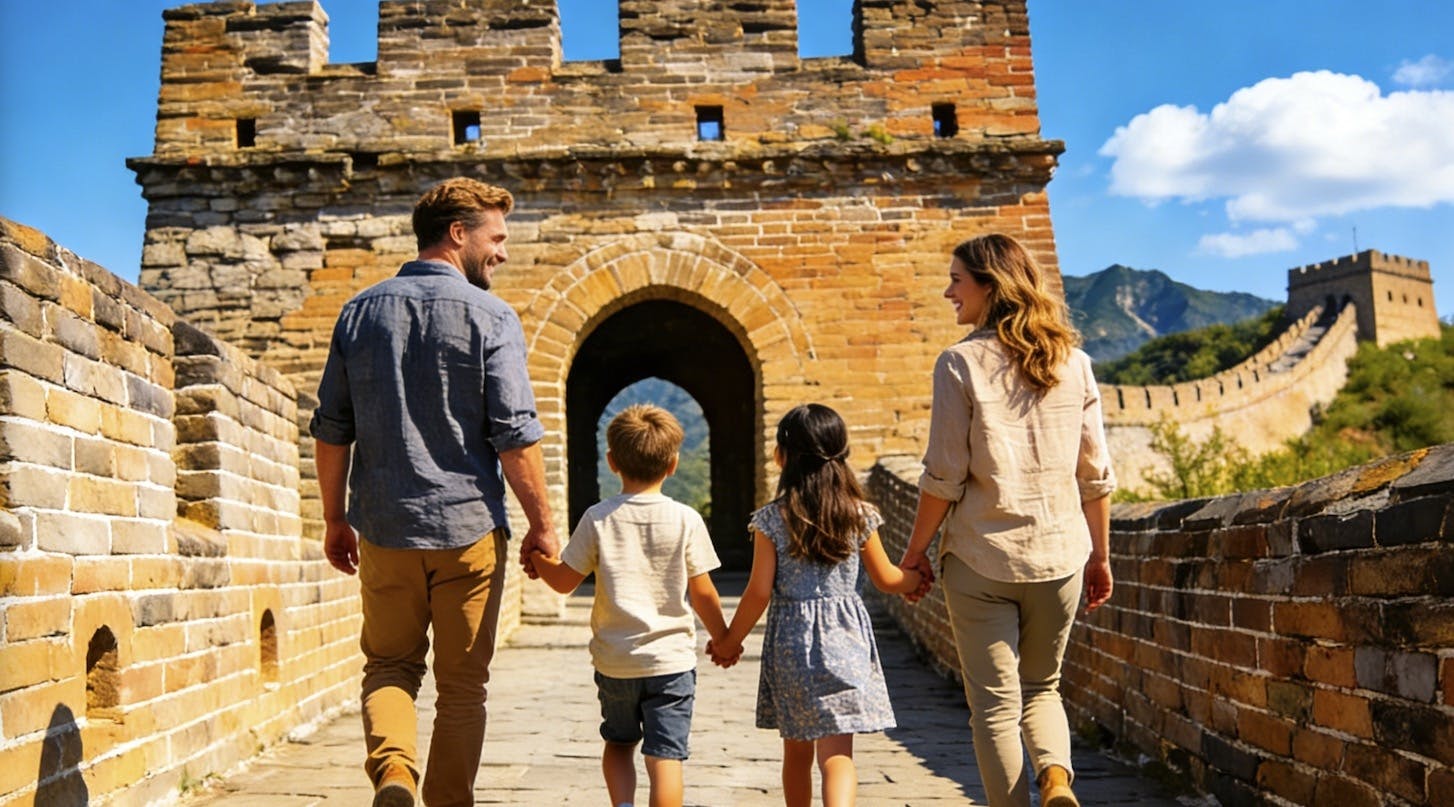
Families with older children or teenagers who enjoy walking
Travellers combining Beijing, Gubei Water Town and Simatai Great Wall
Where Is Jinshanling Great Wall?
Jinshanling Great Wall is northeast of central Beijing, in the mountain area around Luanping County, Chengde, Hebei Province, close to Beijing’s Miyun District. It is commonly visited as a full-day trip from Beijing.
Starting Point
Typical Travel Style
Best For
Central Beijing
Private tour, guided group tour or private driver
Most first-time visitors
Gubei Water Town
Private transfer or organised tour
Combining Jinshanling with Simatai or an overnight stay
Chengde
Private car or regional transfer
Travellers exploring Hebei Province
Beijing airport area
Private transfer
Short stopovers or travellers staying northeast of the city
Because Jinshanling is well outside central Beijing, transport planning is important. A private driver or organised tour is usually the easiest option, especially if you want to hike without worrying about return transport.
Best Things to Do at Jinshanling Great Wall
1. Hike along the wall
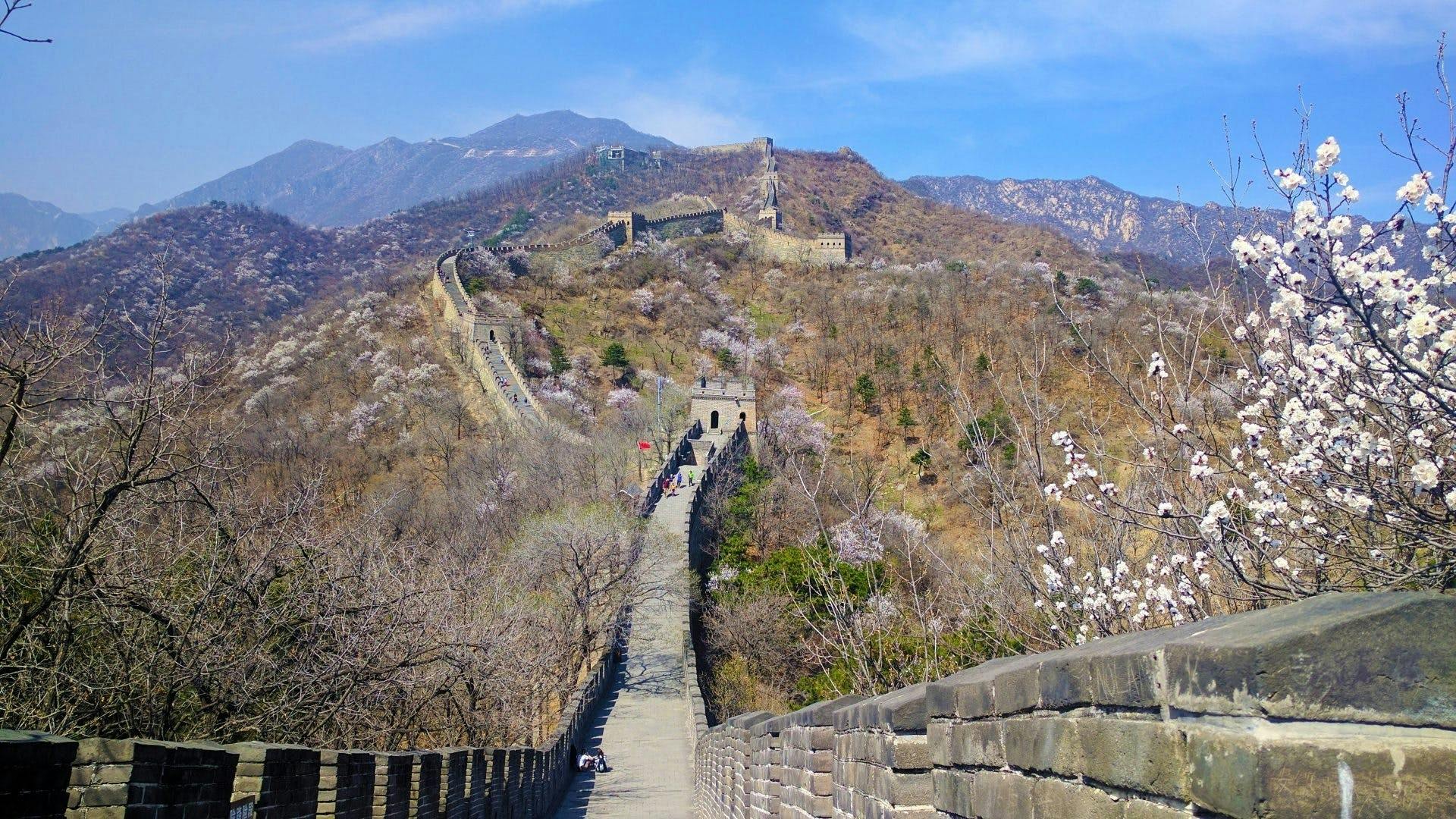
The main reason to visit Jinshanling is the hike. The wall rises and falls over mountain ridges, with watchtowers, steep stairways, battlements and long-distance views. Even a short walk can feel rewarding, while stronger walkers can continue farther along the ridgeline.
2. Photograph the watchtowers
Jinshanling is one of the best Great Wall sections for photography. Its towers are spaced beautifully across the mountains, giving classic images of the wall snaking into the distance. Early morning and late afternoon light are especially good.
3. Experience restored and unrestored sections
One of Jinshanling’s strengths is the contrast between more comfortable restored pathways and rougher, older-feeling sections. This makes the visit more interesting than a completely rebuilt wall experience.
4. Use the cable car if needed
A cable car can reduce the amount of climbing required to reach the wall. This is useful for visitors who want the views but do not want to spend too much energy on the approach. Check current operating times and ticket options before travelling.
5. Combine with Gubei Water Town or Simatai
Jinshanling is often paired with nearby Great Wall and mountain destinations. Gubei Water Town and Simatai Great Wall can work well as part of a longer itinerary, especially if you are staying overnight in the area.
6. Visit in autumn for colour
Autumn is one of the most beautiful times to visit Jinshanling. The mountain slopes turn warmer shades, visibility is often better, and the weather is usually more comfortable for walking than the heat of summer.
Jinshanling Hiking Routes
There are different ways to experience Jinshanling depending on fitness, time and transport. Some visitors take a short scenic walk near the main access points, while others complete a longer hike across multiple towers.
Route Style
Best For
Difficulty
Short Scenic Walk
Visitors wanting views without a long hike
Easy to moderate, depending on steps
Half-Day Ridge Walk
Active travellers and photographers
Moderate
Longer Tower-to-Tower Hike
Experienced walkers with good shoes and time
Moderate to challenging
Cable Car Assisted Visit
Older travellers or visitors saving energy
Easier, but still includes steps and uneven surfaces
Even with the cable car, Jinshanling still involves walking on stone, climbing steps and navigating uneven surfaces. It is not the easiest Great Wall section, but that is part of its appeal.
Jinshanling vs Other Great Wall Sections Near Beijing
Great Wall Section
Best For
How It Compares
Jinshanling
Scenery, hiking and photography
More dramatic and less crowded than the easiest sections, with restored and rugged areas.
Badaling
Convenience and first-time sightseeing
The most famous and accessible, but often very crowded.
Mutianyu
Families and easier access
Well restored, scenic and easier than Jinshanling, with cable car options.
Simatai
Night views and Gubei Water Town
More closely linked with Gubei Water Town and evening tourism.
Jiankou
Wild-wall photography and adventure
Much rougher and riskier; best for experienced hikers with proper guidance.
Choose Jinshanling if you want a balance: more adventurous and atmospheric than Mutianyu or Badaling, but generally more manageable than the wildest sections.
Suggested Jinshanling Great Wall Itinerary
Option 1: Full-Day Trip from Beijing
Morning: Leave Beijing early with a tour, driver or private guide.
Late morning: Arrive at Jinshanling and begin your wall walk.
Midday: Continue between watchtowers, taking time for photos and rest stops.
Afternoon: Descend by walking route or cable car, depending on your ticket and energy level.
Late afternoon: Return to Beijing, allowing for traffic.
Option 2: Jinshanling and Gubei Water Town Overnight
Day 1: Travel from Beijing to Jinshanling and enjoy a scenic Great Wall hike.
Evening: Transfer to Gubei Water Town for lantern-lit canals and mountain views.
Overnight: Stay in or near Gubei Water Town.
Day 2: Visit Simatai Great Wall or enjoy a relaxed morning before returning to Beijing.
Option 3: Photography-Focused Visit
Early morning: Depart Beijing before sunrise if your tour allows.
Morning: Photograph towers and ridgelines in softer light.
Midday: Rest, eat and explore a shorter section.
Afternoon: Stay for late light if transport arrangements allow.
Useful Booking Resources for Jinshanling Great Wall Tours
Jinshanling can be visited independently, but because it is far from central Beijing, many travellers prefer a private tour, driver, hiking guide or organised day trip. The suppliers below are useful places to compare travel products. Skimlinks may automatically convert these merchant links into affiliate links if the merchant is active in your Skimlinks account.
GetYourGuide – offers bookable Beijing day tours, Great Wall hiking trips, private guides and combined itineraries that may include Jinshanling, Simatai or Gubei Water Town.
Viator – offers private Jinshanling Great Wall tours, guided hiking experiences, hotel pickup, driver services and full-day Great Wall sightseeing from Beijing.
Klook – offers Asia-focused tours, transport, attraction tickets and local experiences. It is worth checking for Beijing Great Wall day trips and transfer options.
KKday – offers local tours, attraction tickets, transfer services and Asia travel experiences. It may be useful for Beijing sightseeing packages and private day tours.
Tiqets – offers mobile-friendly attraction, museum and landmark tickets. It is useful for ticket-led sightseeing in major destinations, though Jinshanling-specific availability may vary.
Musement – offers tours, city activities, museum tickets and cultural experiences. It can help travellers compare Beijing tours and wider China sightseeing options.
G Adventures – offers small-group and multi-day adventure tours. It is best suited to travellers wanting a longer China journey rather than a single Great Wall day trip.
Go City – offers bundled city attraction passes in selected destinations. It is not a main Jinshanling booking option, but it can help readers planning multi-city stopovers before or after China.
CityPASS – offers bundled attraction passes mainly for selected North American cities. It is not designed for Jinshanling, but may suit readers planning a wider international trip.
Booking tip: Before booking a Jinshanling Great Wall tour, check whether the price includes hotel pickup, entry ticket, cable car, guide service, lunch, bottled water and return transport. Some tours include only a driver and vehicle, while others include a full guided hiking experience.
Jinshanling Great Wall Travel Tips
Wear proper walking shoes
Jinshanling has uneven stone, steep stairs, slopes and exposed ridgelines. Supportive walking shoes or hiking shoes are strongly recommended.
Bring water and snacks
Facilities may be limited once you are on the wall. Bring enough water, especially in warmer months, and carry a small snack if you are hiking for several hours.
Check the weather before travelling
Wind, rain, snow, ice or poor visibility can change the experience dramatically. Clear days are best for long-distance views and photography.
Use sun protection
The wall is exposed, with limited shade. Bring a hat, sunscreen and sunglasses in spring, summer and autumn.
Allow a full day from Beijing
Although the hike itself may take only a few hours, the drive from Beijing and back can make this a long day. Leave early and avoid overloading the itinerary.
Consider a guide if you want context
A guide can explain the defensive features, watchtowers, Ming-dynasty history and how Jinshanling compares with other sections of the Great Wall.
Be realistic about fitness
Jinshanling is beautiful, but it is not a flat stroll. Older travellers, children and anyone with knee issues should choose a shorter route or use the cable car where available.
Is Jinshanling Great Wall Worth Visiting?
Jinshanling Great Wall is absolutely worth visiting if you want one of the most scenic and rewarding Great Wall experiences near Beijing. It offers the classic image of the wall winding across mountain ridges, with towers, steps and sweeping views that feel more spacious and atmospheric than the busiest sections.
It is not the quickest or easiest Great Wall option from Beijing. For convenience, Mutianyu or Badaling may be simpler. But for photography, hiking and a deeper sense of landscape, Jinshanling is one of the strongest choices.
If you have a full day, enjoy walking and want a Great Wall experience that feels memorable rather than rushed, Jinshanling should be high on your China itinerary.
FAQs About Jinshanling Great Wall
Where is Jinshanling Great Wall?
Jinshanling Great Wall is northeast of Beijing, near Luanping County in Hebei Province and close to Beijing’s Miyun District.
How far is Jinshanling Great Wall from Beijing?
Jinshanling is commonly visited as a full-day trip from Beijing. Travel time is often around two to three hours each way by car, depending on traffic, weather and your starting point.
Is Jinshanling better than Mutianyu?
Jinshanling is better for hikers and photographers who want a more dramatic and less crowded Great Wall experience. Mutianyu is easier, more family-friendly and more convenient for many first-time visitors.
Is Jinshanling Great Wall difficult to hike?
Jinshanling is moderate to challenging depending on the route. Expect stairs, slopes, uneven stone and exposed sections. Shorter walks are possible, and a cable car can reduce some of the climbing.
Can older travellers visit Jinshanling?
Yes, but they should choose a shorter route, use the cable car if available, wear supportive shoes and avoid attempting a long hike if they have knee, hip or balance problems.
Is Jinshanling good for photography?
Yes. Jinshanling is one of the best Great Wall sections for photography because of its mountain ridges, repeated watchtowers and long views of the wall stretching into the distance.
Can you combine Jinshanling with Gubei Water Town?
Yes. Jinshanling can be combined with Gubei Water Town or Simatai Great Wall, especially on a private tour or overnight itinerary.
What should I bring to Jinshanling?
Bring comfortable walking shoes, water, snacks, sun protection, a warm layer in cooler months, your passport, camera or phone, and enough cash or payment access for tickets and extras.
Is Jinshanling part of the UNESCO Great Wall listing?
Jinshanling is part of the broader Great Wall heritage landscape. The Great Wall of China is recognised by UNESCO as a World Heritage property.
Sponsored Popular Items
Quick take: Musement.com offers a worldwide selection of tours and attractions
Jinshanling Great Wall Private Transfer - Travel Service China Jinshanling Great Wall Private Transfer Jinshanling Great Wall Private Transfer is designed to simplify transport in or around Beijing. Check current availability, inclusions and booking details before you go.
Jinshanling Great Wall Full-Day Tour China Original section of Great Wall at Jinshanling full day tour USD 422 adds structure, local context and purposeful sightseeing to the itinerary. Check current availability, inclusions and booking details before you go.