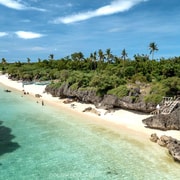
Quick take: Jump from up to 15,000ft for a bucket-list tandem skydive over Wollongong’s coastline.
Expect up to 60 seconds of freefall at around 200 km/h, followed by a peaceful canopy ride with sweeping views of beaches,
mountains and the NSW coast.
Total time to allow: around 4 hours (arrival to finish)
Day: Weekend (also available on weekdays)
Minimum age: 16+ (no maximum age limit)
Max weight: 120kg (weight surcharges apply from 94kg+)
Extras: photo/video packs available for purchase on the day
Cancellation: changes allowed up to 24 hours prior (no changes within 24 hours)
Highlights
Beach landing: touch down on the sand for an iconic finish.
Unmatched views: take in the NSW coastline, mountains and beaches from the air.
Big freefall thrill: up to 60 seconds of pure adrenaline from up to 15,000ft.
Easy add-on: return transfers from Sydney CBD are available upon request.
What to expect
Start by checking in at the Wollongong drop zone, where you’ll be geared up and taken through a safety briefing and instructions.
Then you’ll board the aircraft and climb to altitude—up to 15,000ft.
When it’s time, you and your tandem instructor will count down and step out into the sky for up to 60 seconds of freefall at around 200 km/h.
Your instructor handles the parachute deployment, and the intensity instantly shifts into a calm, scenic canopy ride—perfect for soaking in the coastline
before landing on the beach.
What’s included
Highly qualified, experienced tandem instructor
Safety briefing and instruction
Comfortable goggles (designed to fit over prescription glasses if needed)
Personalised certificate of achievement
APF levy
Personal accident insurance (Australian Parachute Federation)
Optional extras
Photo and video packages (available for purchase on the day)
Timing & duration
Arrival: please arrive at least 15 minutes prior to your scheduled jump time
Total experience time: allow approximately 4 hours
Departure location
Meet at: Drop zone check-in office, Stuart Park (corner of George Hanley Drive & Cliff Road), North Wollongong NSW 2500.
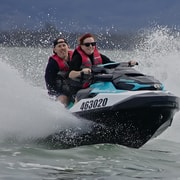
Wollongong: 90-Minute Lake Illawarra Jet Ski Tour Australia Experience the thrill of riding a jet ski on Lake Illawarra on Sydney's south coast with a guided tour from Wollongong. Learn how to operate your own jet ski and cover 50 km of water in 90 minutes.
Wollongong’s Wicked Women: Inspiring History Walking Tour Australia Walk into Wollongong's hidden history and see Wollongong in a whole new light. Discover the city’s stories, meet the women who shaped it and have a few laughs along the way.
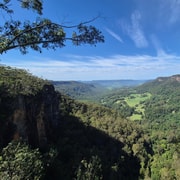
From Wollongong: Southern Highlands Explore Tour Australia Discover the Southern Highlands at a relaxed pace — scenic lookouts, cascading waterfalls & charming countryside on a private tour from Wollongong. Perfect for all fitness levels.
Fiji adventure tours: what to book and where to send people
Your links cover the major “booking lanes” for Fiji:
Multi-day adventure itineraries (best for “done-for-you”): TourRadar (e.g., “Fiji: Hike, Raft & Snorkel,” plus small-group and family filters). (tourradar.com)
Day tours & activities (best for Nadi/Denarau bases): Viator’s Fiji hub and attraction pages. (Viator)
Day tours with strong “pickup + cancellation + mobile ticket” merchandising: GetYourGuide’s Fiji and Nadi hubs. (GetYourGuide)
Deal-led, instant-confirmation activities (strong for “beach club / island day” products): Klook’s Fiji tours list. (Klook Travel)
Aggregator for island cruises/culture/day tours: Tours4fun (broad but less curated). (tours4fun.com)
Your GetYourGuide supplier link: “Travel Adventures Tours & Transfers” (Fijian-owned operator profile on GYG). (GetYourGuide)
Adventure categories that convert well in Fiji
1) Island & reef days (low effort, high payoff)
These are your safest “broad audience” adventure picks: sailing/cruises, snorkelling stops, and island day trips. GetYourGuide features popular Fiji day-trip formats like Malamala Beach Club and South Sea Island day trips. (GetYourGuide) Klook also highlights these “single-day” water activities prominently (e.g., Malamala Beach Club Pass, South Sea Island Day Cruise, Cloud 9). (Klook Travel)
Best for: couples, families, first-time Fiji visitors, short stays.
2) “Land + water combo” adventure days (zipline, caves, waterfalls)
GetYourGuide explicitly surfaces products such as “Zipline Adventure and Cave Exploration” and other outdoor activities in Fiji, and Coral Coast listings commonly combine ziplining with a waterfall component. (GetYourGuide)
Best for: people who want an “adventure day” without committing to a multi-day itinerary.
3) River adventure + village culture (highly “Fiji”)
Viator highlights classic Fiji combinations that bundle river travel, waterfall swimming, and cultural village elements (the exact mix varies by tour). (Viator)
Best for: travellers who want nature + culture in one day (and good storytelling content for your articles).
4) Multi-day active itineraries (hike/raft/snorkel)
TourRadar’s Fiji listings include explicitly active itineraries such as “Fiji: Hike, Raft & Snorkel,” and also provides small-group and family tour filters you can use as internal navigation on UnusedRooms. (tourradar.com)
Best for: travellers who prefer everything organised (accommodation + transport + itinerary).
5) Operator-led local tours (GetYourGuide supplier page)
Your GetYourGuide “Travel Adventures Tours & Transfers” link is a supplier profile that positions the operator as Fiji-based and focused on “local tours.” (GetYourGuide)
Best for: adding “local operator” credibility on pages where you want a specific provider angle.
How to structure your “Fiji Adventure Tours” page (UnusedRooms-friendly)
H2: Best Fiji adventure tours by base
Nadi / Denarau: island day trips + zipline/cave + hot springs/mud pools style day tours (the hubs promote these heavily). (GetYourGuide)
Coral Coast: combo adventure days (zipline + waterfall styles appear on listings). (GetYourGuide)
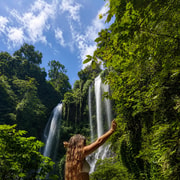
Bali: Sekumpul & Fiji Fall, Handara Gate & Wanagiri Hill Indonesia Discover Bali’s natural wonders on a full-day adventure to Sekumpul and Fiji Waterfalls, Handara Gate, and Wanagiri Hill—perfect for nature lovers seeking beauty, culture, and stunning photo spots
The Bay of Islands is sold (very sensibly) around a few signature experiences: cruising the islands and the “Hole in the Rock”, sailing days with island stops, scenic flights/heli for the coastline and Cape Brett, and Waitangi/Northland day trips. Your sources (Viator, GetYourGuide, Klook, AAT Kings) all align with that pattern. (Viator)
1) First-timers: Hole in the Rock + island cruise stop
Viator highlights a half-day boat tour that cruises the Bay’s many islands and typically includes the Hole in the Rock and Cape Brett Lighthouse, plus an island stop for a short walk/viewpoint. (Viator) GetYourGuide’s category description also features catamaran tours from Paihia or Russell visiting Piercy Island (Hole in the Rock), with an island stop option. (GetYourGuide) Klook lists “Hole in the Rock Dolphin Cruise” as a core bookable activity in the region. (Klook Travel)
2) Relaxed “on the water” day: sailing with island stop
GetYourGuide features a day sailing tour concept with an island stop, with snorkel-style inclusions referenced on the product page. (GetYourGuide) Viator also offers full-day sailing from Russell with time to snorkel, kayak, swim, walk and a picnic lunch on a deluxe yacht format. (Viator)
3) “See it all fast”: scenic helicopter flight
Viator lists a Bay of Islands / Hole in the Rock scenic helicopter tour (20 minutes shown) with an optional landing upgrade on the landmark. (Viator)
Viator’s day trips content includes ship-friendly itineraries (e.g., Waitangi Wharf docking) with stops like Kawiti Glow Worm Caves, Haruru Falls, and other Northland sights. (Viator) GetYourGuide also has a dedicated shore excursions category page for Bay of Islands. (GetYourGuide)
5) “No planning” multi-day: coach tour packages
AAT Kings positions the Bay of Islands within guided holiday formats (e.g., “Jewels of the Bay” style itineraries that combine Auckland + Bay of Islands and include heritage/Māori culture themes). (aatkings.com)
Quick decision guide
Only 1 day? Do a Hole in the Rock / islands cruise. (Viator)
Want active water time? Choose full-day sailing with an island stop. (GetYourGuide)
Short on time, big views? Book the scenic heli. (Viator)
Arriving on a cruise ship? Focus on shore excursions built around fixed return timing. (GetYourGuide)
Prefer escorted touring? Use AAT Kings multi-day packages. (aatkings.com)
FAQs
What is the “must-do” tour in the Bay of Islands? A half-day or day cruise that visits island highlights and the Hole in the Rock is the signature format across Viator and GetYourGuide listings. (Viator)
Where do most tours depart from? GetYourGuide references departures from Paihia or Russell for catamaran-style tours. (GetYourGuide)
Are there options beyond boat cruises? Yes—Viator lists scenic helicopter tours, and AAT Kings offers multi-day guided holidays that include the Bay of Islands. (Viator)
Is there a good option for cruise passengers? Yes—both Viator and GetYourGuide surface shore excursion formats designed around port timing. (Viator)
Sponsored Popular Items
Quick take: Musement.com offers a worldwide selection of tours and attractions
Cham Islands - Explore Islands Snorkeling Or Diving 2 Times Vietnam Escape to the stunning Cham Islands on an unforgettable adventure! Snorkel or dive in crystal-clear waters, discover vibrant coral reefs, colorful tropical fish, and relax on pristine beaches
From Cairns: 2 Islands in 1 day - Fitzroy & Green Islands Australia Discover the beauty of the Great Barrier Reef with a day trip including both Fitzroy and Green Islands. Snorkel, relax on the beach, and explore the lush rainforest trails. Check current availability, inclusions and booking conditions.
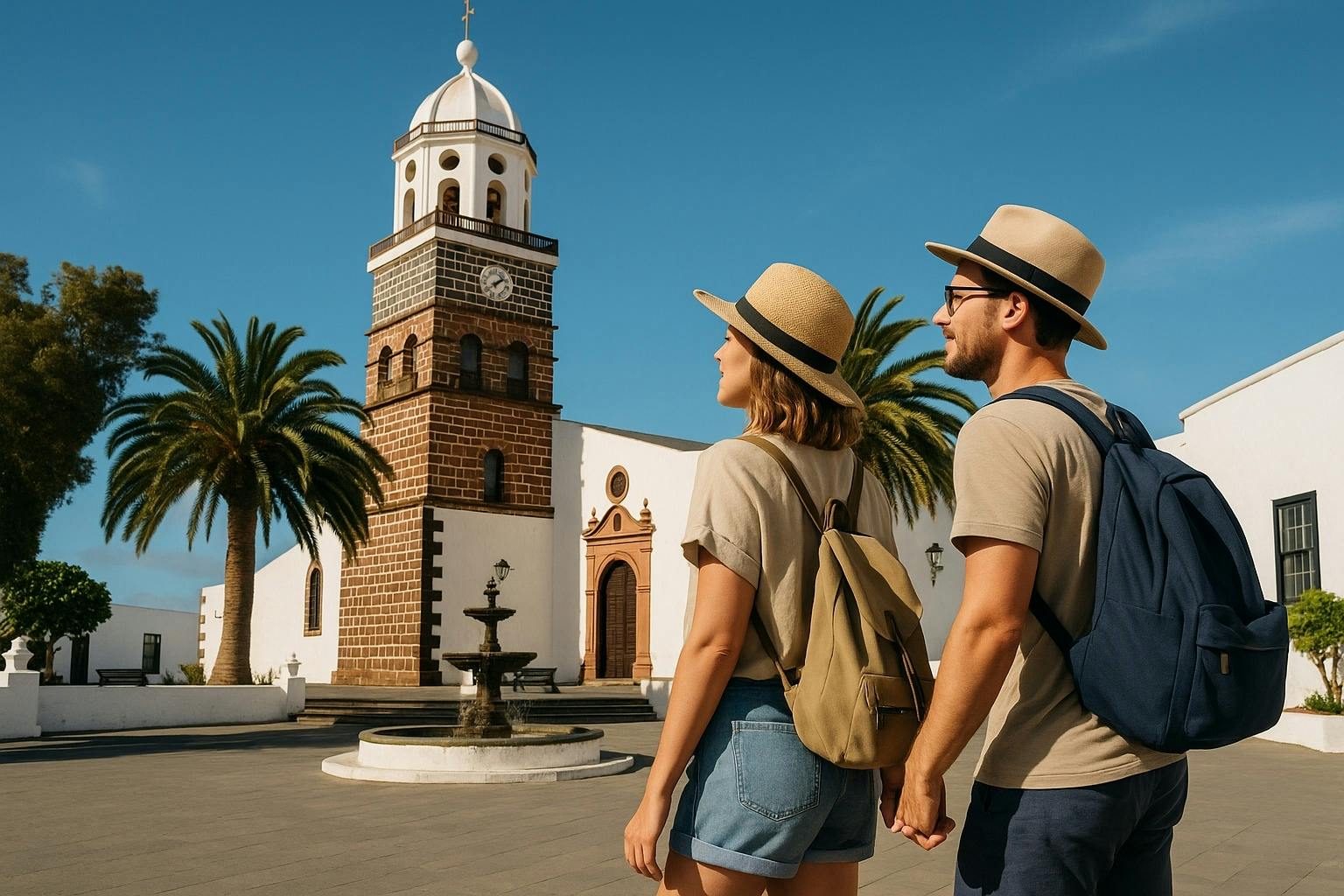
Lanzarote, part of Spain’s Canary Islands, is a striking island destination famed for its dramatic volcanic landscapes, UNESCO-recognized biosphere status, and a wide variety of guided tours that suit both sightseeing and adventure travellers. The island’s volcanic terrain, particularly Timanfaya National Park, is one of the most popular attractions, drawing visitors with lunar-like lava fields, volcanic craters and scenery shaped by eruptions centuries ago. Visitors can choose from half-day excursions focused on volcanic highlights to full-day tours that combine natural wonders with wine regions, caves and cultural sights. (Musement)
Top experiences
Timanfaya National Park tours: Guided excursions into the heart of Lanzarote’s volcanic landscapes, often including access through the Route of the Volcanoes, demonstrations of geothermal activity and stops for photo opportunities. (Viator)
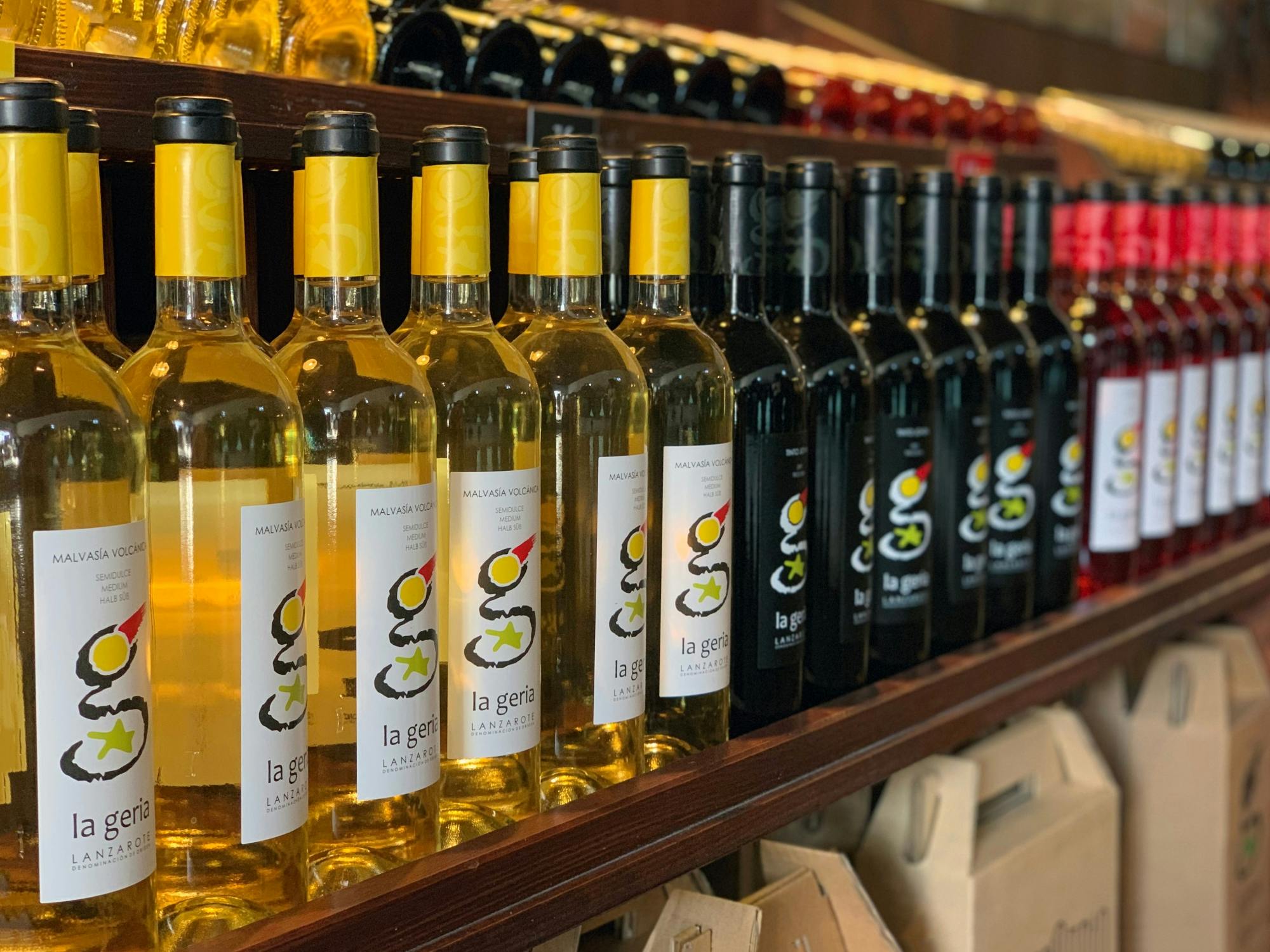
Combination excursions: Full-day itineraries that pair Timanfaya with Jameos del Agua, Cueva de los Verdes lava caves, and the verdant wine-growing region of La Geria. (Musement)
Volcanic South tours: Half-day or full-day options that also include scenic coastal stops such as El Golfo and its famed Green Lagoon. (Viator)
Adventure and specialty tours: Options range from electric Twizy vehicle routes through volcanic terrain to volcano-hiking trips and camel rides on volcanic slopes. (Viator)
Cultural and natural sightseeing: Many tours include visits to salt flats (Salinas de Janubio), local wineries for tastings, and traditional landmarks and landscapes across the island. (Musement)
Tripadvisor reviews consistently rank volcanic and nature tours among the top sightseeing activities in Lanzarote. (Tripadvisor)
What’s included / what to expect
What’s typically included on organised tours varies by provider and itinerary:
Guided transport in air-conditioned vehicles with pickup options from hotels or meeting points in major Lanzarote resorts. (Viator)
Entrance tickets to principal attractions such as Timanfaya National Park. (Viator)
Expert local guides offering context on volcanic geology, landscape formation and cultural highlights. (Musement)
Complimentary geothermic demonstrations and opportunities for optional activities (e.g., camel rides, wine tasting). (Musement) What’s not always included (and should be checked when booking): meals, alcoholic drinks, gratuities and optional extras. Not specified on the source page for every tour.
Duration and meeting details
Tour durations range from half-day (approx. 4–5 hours) to full-day (8–10 hours) excursions depending on itinerary and number of stops. (Viator) Meeting and pickup details are typically provided at time of booking and may include hotel pickup in major resort areas (e.g., Puerto del Carmen, Costa Teguise, Playa Blanca, Arrecife). (Viator) Exact meeting points and pickup times should be confirmed with the tour operator. Not specified on the source page if specific coordinates or detailed schedules for each tour.
Who it suits / accessibility
Sightseers and first-time visitors: Popular full-day scenic tours offer a broad overview of Lanzarote’s highlights. (Musement)
Nature and adventure enthusiasts: Volcano tours and hiking experiences explore rugged landscapes and are suitable for those comfortable walking on uneven ground. (Viator)
Families: Many tours are suitable for family travellers, though some optional activities (like camel rides) may be extra. Not specified on the source page for each individual age requirement.
Accessibility: Some tours note that they are not wheelchair accessible or recommended for those with reduced mobility. (Viator)
Fitness level requirements vary by activity; participants should check tour details before booking. Not specified on the source page for all itineraries.
Cancellation and booking tips
Most major tour providers offer free cancellation up to 24 hours before the tour for a full refund, but policies vary. (Viator)
Tours that combine multiple sites or are seasonal may sell out in peak travel months, so early booking is recommended. (Viator)
Check whether entrance tickets, meals and optional extras (like camel rides or wine tastings) are included before booking to avoid surprises. Not specified on the source page for all tour options.
FAQs
1. What is Lanzarote best known for? Lanzarote is known for its volcanic landscapes, particularly the stark terrain of Timanfaya National Park, and a range of cultural and nature-based attractions. (Tripadvisor)
2. Can I visit Timanfaya National Park independently? Yes, but guided tours are popular because they include transport, explanation, and often entrance tickets. Not specified on the source page whether independent access requires advance booking.
3. Are meals included on Lanzarote tours? Some tours include lunch or wine tasting, but many do not; this depends on the specific itinerary. Not specified on the source page for every tour.
4. Do tours include hotel pickup? Many do include pickup, typically in major resort areas, but details are provided after booking. (Viator)
5. Are tours suitable for children? Many tours welcome families, but optional activities (e.g., camel rides) may have age or height requirements. Not specified on the source page for all itineraries.
6. What languages are tours offered in? Tours on platforms like Viator often note options in English and other languages, but offerings vary by operator. (Viator)
7. Is Timanfaya National Park UNESCO-protected? Yes, Lanzarote’s landscape, including Timanfaya, contributes to its designation as a UNESCO Biosphere Reserve. (Musement)
8. How long do full-day tours take? Full-day tours typically run 8–10 hours. (Viator)
9. Can I visit caves like Jameos del Agua on a tour? Yes, many longer itineraries include visits to Jameos del Agua and sometimes Cueva de los Verdes lava caves. (Musement)
10. Are camel rides included? Camel rides are often optional extras at Timanfaya National Park and may incur additional charges. (Viator)
Guided wine-tasting tour of three Lanzarote vineyards Spain Plan Guided wine-tasting tour of three Lanzarote vineyards, a food and drink experience, with practical tips on timing, inclusions and what to check before booking. Compare current availability, prices and booking conditions before you go.
Three-hour North Lanzarote mixed-terrain four-seater buggy tour with transfers Spain Plan Three-hour North Lanzarote mixed-terrain four-seater buggy tour with transfers, a water-based experience, with practical tips on timing, inclusions and what to check before booking. Compare current availability, prices and booking conditions before you go.
North Lanzarote 4x4 volcanoes and villages guided tour Spain Plan North Lanzarote 4x4 volcanoes and villages guided tour, a guided sightseeing experience, with practical tips on timing, inclusions and what to check before booking. Compare current availability, prices and booking conditions before you go.
Puerto Princesa is the capital of Palawan and the main gateway to the island’s
beaches, reefs, and rainforests. It’s best known for the
Underground River and as the starting point for Honda Bay island hopping.
Puerto Princesa: The Green Gateway to Palawan
Located on the east coast of Palawan, Puerto Princesa is often the first stop for visitors
arriving on the island. While quieter than El Nido or Coron, it offers rich nature,
relaxed city life, and easy access to some of Palawan’s most famous attractions.
Top Things to Do
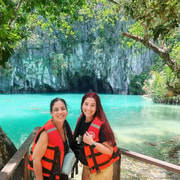
Puerto Princesa Underground River – A UNESCO World Heritage Site.
Honda Bay Island Hopping – Beaches, snorkelling, and sandbars.
Baker’s Hill – Viewpoint and bakery with gardens.
Crocodile Farm – Educational wildlife park.
Firefly watching – Night boat tours in mangrove rivers.
Why Visit Puerto Princesa
Home of the famous Underground River
Easy transport hub for Palawan
Family-friendly and relaxed
Access to islands and nature without long travel
Good value hotels and dining
Underground River Experience
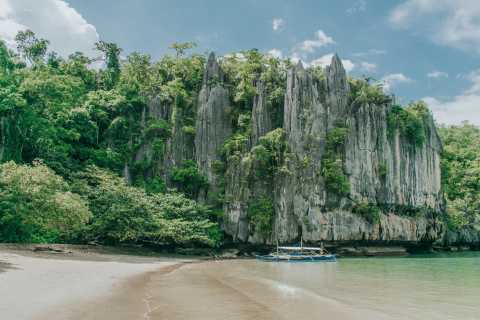
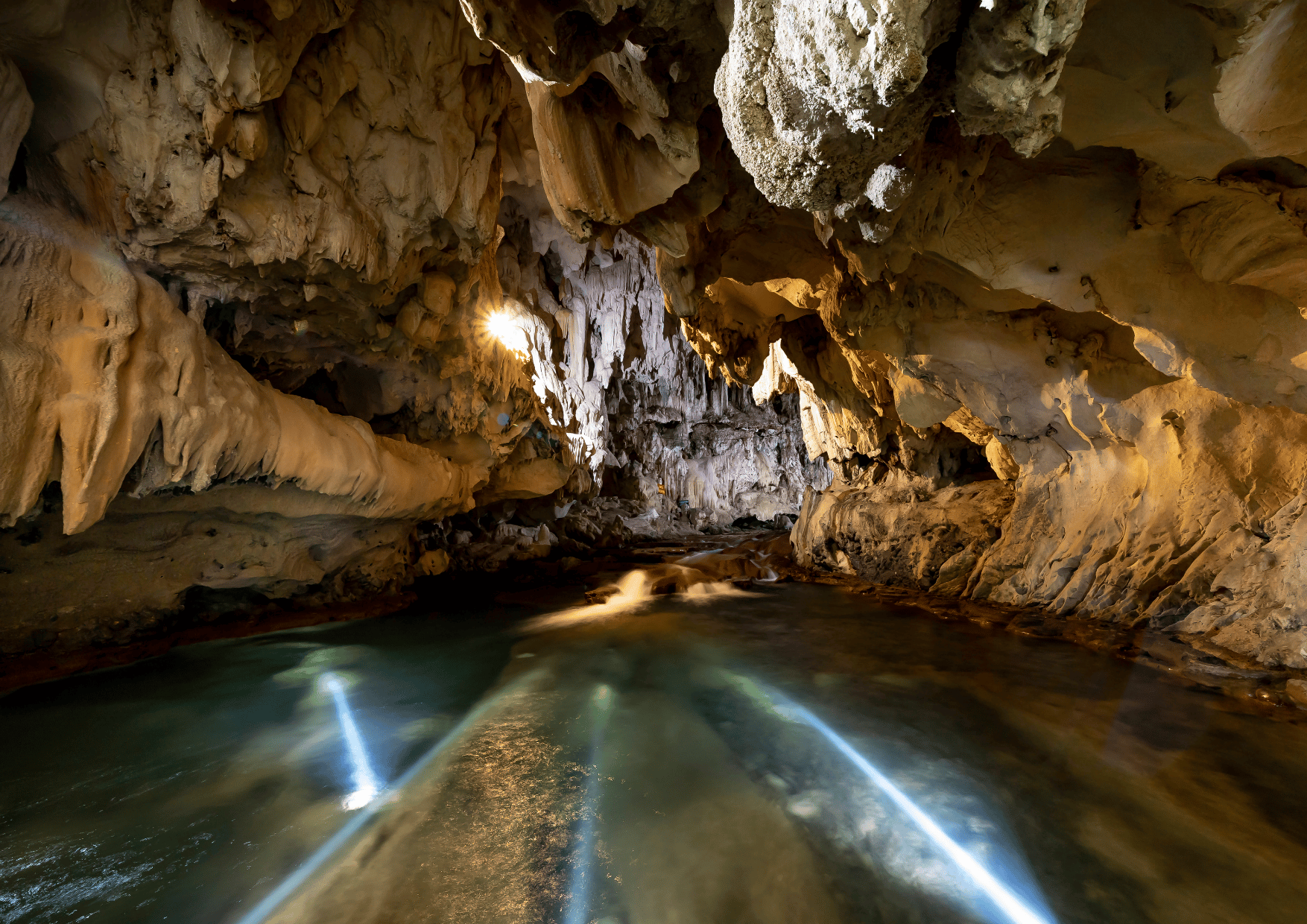
One of the New 7 Wonders of Nature, the Puerto Princesa Subterranean River flows
through a limestone cave system beneath a rainforest.
Visitors travel by paddle boat inside the cave, viewing dramatic rock formations
and hearing echoes of water and wildlife.
Getting Around
Tricycles & Jeepneys: Cheap and common.
Vans & tours: Best for Underground River and Honda Bay.
Flights: Direct connections from Manila and Cebu.
Quick Facts
Location: Eastern Palawan, Philippines.
Known for: Underground River, Honda Bay.
Best time to visit: December to May.
Ideal stay: 2–3 days.
FAQ
Is Puerto Princesa better than El Nido?
Puerto Princesa is better for nature tours and easy travel; El Nido is better for beaches and lagoons.
Can I see the Underground River on my own?
No, it must be visited with a licensed tour due to conservation rules.
Is Puerto Princesa worth staying in?
Yes, especially for the Underground River and Honda Bay.
Is Puerto Princesa family-friendly?
Yes. It’s one of Palawan’s most family-friendly destinations.
Sponsored Popular Items
Quick take: Musement.com offers a worldwide selection of tours and attractions
Puerto Princesa Subterranean River National Park Philippines Book your Puerto Princesa Subterranean River National Park tickets online. Save time and money with our best price guarantee. Make the most of your visit to Puerto Princesa
From Puerto Princesa: Underground River Guided Day Trip Philippines Discover the natural beauty of the Subterranean River National Park on this guided day trip that includes hotel transfers from Puerto Princesa. Explore a spectacular limestone karst landscape
Honda Bay is Puerto Princesa’s most popular island-hopping area, offering
clear waters, white-sand beaches, and colourful coral reefs.
It’s the easiest way to experience Palawan’s tropical islands without travelling far from the city.
Honda Bay Island Hopping: Puerto Princesa’s Tropical Playground
Just 30 minutes from Puerto Princesa, Honda Bay is a chain of small islands and coral reefs
perfect for swimming, snorkelling, and relaxing on soft white sand.
It’s the ideal half-day or full-day escape if you’re staying in Puerto Princesa.
Main Islands You’ll Visit
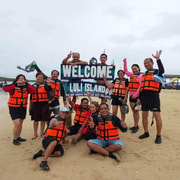
Luli Island – A sandbar that appears and disappears with the tide.
Starfish Island – Shallow waters filled with colourful starfish.
Cowrie Island – Beach clubs, lunch stops, and water sports.
Pambato Reef – Great snorkelling over coral gardens.
Why Honda Bay Is So Popular
Easy access from Puerto Princesa
Beginner-friendly snorkelling
Beautiful tropical islands
Clear, shallow water
Ideal for families and first-time visitors
What to Expect on a Honda Bay Tour
Tours usually include hotel pickup, a boat ride between islands, snorkelling time,
beach stops, and lunch. You’ll spend time swimming, relaxing in the shade of palm trees,
and enjoying warm, calm seas.
Getting to Honda Bay
From Puerto Princesa: 30 minutes by van to the wharf.
By tour: Most visitors book through their hotel or local agencies.
Best time: Morning departures offer calmer seas.
Quick Facts
Location: Near Puerto Princesa, Palawan.
Known for: Island hopping, snorkelling, sandbars.
Best season: December to May.
Tour length: 5–7 hours.
FAQ
Is Honda Bay suitable for kids?
Yes. The water is shallow and calm, making it family-friendly.
Do I need to be a strong swimmer?
No. Life vests are provided and snorkelling areas are shallow.
Is Honda Bay as beautiful as El Nido?
El Nido is more dramatic, but Honda Bay is perfect for an easy tropical island experience.
Can I go without a tour?
It’s possible, but tours are convenient and include boats, lunch, and gear.
Sponsored Popular Items
Quick take: Musement.com offers a worldwide selection of tours and attractions
Honda Bay Island: Island Tour with Lunch & Transfer Philippines Explore the beauty of Honda Bay. Snorkel in the crystal-clear waters of Starfish Island, relax on the white-sand beaches of Luli Island, & enjoy a picnic lunch on Cowrie Island
Puerto Princesa: Private Honda Bay Island Hopping Tour Philippines Embark on a private tour from Puerto Princesa and hit the beach in style. Hop between the magical islands and reefs of Honda Bay at your own pace. Snorkel in crystal-clear waters and savor a buffet lunch
Puerto Princesa: Honda Bay Island Hopping Tour with Meals Philippines Explore the islands of Honda Bay on a guided tour from Puerto Princesa. Snorkel at Pambato Reef, relax on Luli Island, and enjoy a beachside buffet lunch and dinner at a local restaurant
El Nido is one of the Philippines’ most breathtaking beach destinations,
known for its towering limestone cliffs, hidden lagoons, white-sand islands, and
crystal-clear snorkelling waters. It’s the top base for exploring Palawan’s famous
island-hopping routes.
El Nido, Palawan: Lagoons, Islands & Tropical Perfection
Sitting on the northern tip of Palawan, El Nido is a small town backed by jungle-covered
karst cliffs and fronted by a maze of islands, beaches, and turquoise lagoons.
It consistently ranks among the most beautiful island destinations in the world.
Top Things to Do in El Nido
Island hopping tours (A, B, C & D) – Explore lagoons, reefs, and beaches.
Big Lagoon & Small Lagoon – Paddle through emerald water between limestone walls.
Secret Beach – Swim through a narrow opening into a hidden cove.
Snorkelling – Coral gardens and tropical fish all around Bacuit Bay.
Nacpan Beach – A long, relaxed beach just outside town.
Why El Nido Is So Famous
Dramatic limestone karst scenery
Hidden lagoons and secret beaches
Excellent snorkelling and swimming
World-class island hopping
Wide range of resorts and budget stays
What Are the Island-Hopping Tours?
El Nido’s main attraction is its organised boat tours, labeled A to D.
Each focuses on different parts of Bacuit Bay, including lagoons, snorkelling reefs,
caves, and beaches. Most visitors take at least two tours during their stay.
Getting to El Nido
By air: Flights from Manila to El Nido Airport (Lio).
By van: From Puerto Princesa (about 5–6 hours).
By ferry: From Coron (about 4–5 hours).
Quick Facts
Location: Northern Palawan, Philippines.
Known for: Lagoons, cliffs, island hopping.
Best time to visit: December to May.
Ideal stay: 3–5 days.
FAQ
Is El Nido better than Coron?
El Nido is best for beaches and lagoons; Coron is better for lakes and shipwreck diving.
Do I need to book island tours in advance?
Not usually—you can book in town, but peak season fills up quickly.
Is El Nido good for families?
Yes, especially for families with kids who enjoy swimming and beaches.
Is El Nido crowded?
It can be busy in peak season, but many beaches and lagoons still feel secluded.
Sponsored Popular Items
Quick take: Musement.com offers a worldwide selection of tours and attractions
Palawan: Balabac Group Excursion - 4 Days and 3 Nights Philippines Discover the last frontier’s pristine beaches and landscapes. Visit Patawan Island, Starfish Sandbar, Sebaring Island and the famous Onok Island and more
Puerto Princesa Palawan: Underground River with Lunch Philippines The Puerto Princesa Underground River, a UNESCO World Heritage Site and one of the New7Wonders of Nature, is a popular tourist destination in the Philippines
Palawan: Honda Bay Island Hopping Cruise Philippines Go island hopping and explore the white sandy beaches of the scenic islands, see underwater gardens, and play watersports
Coron is one of the Philippines’ most spectacular island destinations,
famous for World War II shipwreck diving, limestone lagoons,
crystal-clear lakes, and island-hopping adventures.
Coron, Palawan: Lagoons, Shipwrecks & Island Paradise
Located in northern Palawan, Coron is a dream destination for travellers who love
turquoise water, dramatic limestone cliffs, and underwater adventure.
Its mix of pristine lagoons, snorkelling spots, and historic shipwrecks makes it one
of Southeast Asia’s top marine playgrounds.
Top Things to Do in Coron
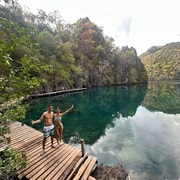
Kayangan Lake – Often called the cleanest lake in the Philippines.
Twin Lagoon – Swim between towering limestone cliffs.
Barracuda Lake – Famous for its thermoclines and clear water.
Island hopping tours – Visit beaches, reefs, and snorkelling spots.
WWII shipwreck diving – One of the world’s best wreck dive sites.
Why Coron Is Special
World-famous underwater shipwrecks
Stunning limestone karst scenery
Crystal-clear lakes and lagoons
Excellent snorkelling and diving
Unspoiled island landscapes
What to Expect on an Island-Hopping Tour
Most visitors explore Coron by boat. A typical tour includes swimming in emerald lagoons,
snorkelling over coral reefs, relaxing on white-sand beaches, and climbing to viewpoints
overlooking dramatic karst formations.
Getting to Coron
By air: Flights from Manila to Busuanga Airport (about 1 hour).
By ferry: Boats connect Coron with El Nido and other Palawan islands.
By van: Transfers from Busuanga Airport to Coron town (about 30 minutes).
Quick Facts
Location: Northern Palawan, Philippines.
Known for: Shipwreck diving, lagoons, island hopping.
Best time to visit: December to May.
Ideal stay: 3–5 days.
FAQ
Do I need to be a diver to enjoy Coron?
No. Snorkelling and lagoon swimming are highlights for non-divers.
Is Coron suitable for families?
Yes, especially for older children who enjoy swimming and boat trips.
How does Coron compare to El Nido?
Coron is better for lakes and wreck diving; El Nido is known for beaches and dramatic cliffs.
Can I visit Coron in the rainy season?
Yes, but boat tours may be affected by weather from June to October.
Sponsored Popular Items
Quick take: Musement.com offers a worldwide selection of tours and attractions
Coron/Palawan: Coron Super Ultimate Tour with Lunch Philippines Visit the most iconic spots and enjoy a relaxed pace. The Most Complete Tour destination in Coron Island with 3 highlights and 4 other popular destinations, a well organise tour for you
Coron Town: Coron Island Escapade Private Tour with Lunch Philippines Discover the beauty of Coron on a guided day tour. Experience island hopping, swim at the island's beaches, marvel at the beautiful corals and tropical fish, and enjoy lunch in a traditional hut
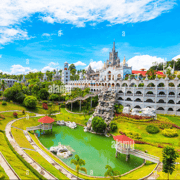
Cebu City is the historical heart of the Philippines and the main gateway to the
Visayas. It blends Spanish colonial landmarks, lively street life, shopping, and easy access
to beaches, diving, and waterfalls across Cebu Island.
Cebu City: History, Culture & the Gateway to Island Adventures
Known as the “Queen City of the South,” Cebu City is where Spanish colonisation of the Philippines
began in 1521. Today it’s a modern urban hub surrounded by islands, reefs, and jungle-covered mountains,
making it both a cultural destination and a perfect base for exploring the region.
Top Things to Do in Cebu City
Magellan’s Cross – A symbol of the arrival of Christianity in the Philippines.
Basilica Minore del Santo Niño – The country’s oldest Roman Catholic church.
Fort San Pedro – A small but historic Spanish-era fortress.
Colon Street – The oldest street in the Philippines.
TOPS Lookout – Hilltop viewpoint with sweeping city and ocean views.
Why Visit Cebu City
Birthplace of Filipino Christianity and Spanish history
Major transport hub for central Philippines
Gateway to Moalboal, Oslob, Bohol, and island hopping
Great mix of shopping, food, and culture
Affordable and lively city atmosphere
Food & Local Flavours
Cebu is famous for its lechon (roast pig), often considered the best in the Philippines.
You’ll also find fresh seafood, mango-based desserts, and Filipino comfort food across the city.
Larsian BBQ and local food courts are great places to sample grilled specialties.
Getting Around
Taxis & Grab: Easy and inexpensive.
Jeepneys: Cheap but crowded and confusing for first-time visitors.
Private transfers: Best for day trips to waterfalls or beaches.
Quick Facts
Location: Central Visayas, Philippines.
Known for: History, lechon, island connections.
Best time to visit: December to May.
Good base for: Moalboal, Oslob, Kawasan Falls, Bohol.
FAQ
How long should I stay in Cebu City?
One to two days is enough to see the city; longer if using it as a base for day trips.
Is Cebu City safe for tourists?
Yes, but take standard precautions, especially in crowded downtown areas.
Is Cebu City good for first-time visitors to the Philippines?
Yes—it offers culture, history, and easy access to beaches and nature.
What’s the best day trip from Cebu City?
Moalboal for snorkelling or Kawasan Falls for swimming and canyoneering.
Sponsored Popular Items
Quick take: Musement.com offers a worldwide selection of tours and attractions
Cebu, Philippines: Horseback Riding Tour with BBQ Lunch Philippines Ride through mountain trails, cross a river valley, and swim in a waterfall pool on this horseback riding tour. Enjoy a BBQ lunch in a serene natural setting
Moalboal is a relaxed coastal town on Cebu Island, Philippines, famous for its
sardine run, vibrant coral reefs, and easy access to waterfalls.
You can snorkel with millions of sardines just meters from shore, making it one of the
best-value marine experiences in Southeast Asia.
Moalboal, Cebu: Snorkelling, Sardines & Island Adventures
Located on the west coast of Cebu, Moalboal is a small seaside town that has become world-famous
for its underwater life. Unlike many beach destinations, you don’t need a boat to experience
something extraordinary here—the action starts right from the shore.
Top Things to Do in Moalboal
Sardine Run – Snorkel or dive with massive schools of sardines year-round.
Pescador Island – A popular boat trip for diving, coral gardens, and turtles.
Panagsama Beach – The main hub for snorkelling, diving shops, and cafés.
Kawasan Falls – Turquoise waterfalls ideal for swimming and canyoneering.
White Beach – A quieter sandy beach perfect for sunset and swimming.
Why Moalboal Is Special
Sardines visible directly from the shoreline
Excellent diving and snorkelling year-round
Relaxed backpacker-friendly atmosphere
Easy combination with waterfalls and jungle adventures
Great value compared to resort islands
What the Sardine Run Is Like
Moalboal’s sardine run is one of the most accessible in the world. Millions of fish move together
in swirling formations just a few meters offshore at Panagsama Beach. The experience is possible
almost every day of the year, and turtles are often spotted nearby.
Getting to Moalboal
From Cebu City: About 3–4 hours by bus or private transfer.
By bus: Take a southbound bus from Cebu South Bus Terminal.
By tour: Often combined with Kawasan Falls and canyoneering.
Quick Facts
Location: West coast of Cebu Island, Philippines.
Known for: Sardine run, diving, snorkelling.
Best time to visit: December to May (drier season).
Ideal stay: 2–4 nights.
FAQ
Do I need to dive to see the sardines?
No. The sardines can be seen while snorkelling directly from the shore.
Is Moalboal suitable for beginners?
Yes. Calm waters, easy shore access, and many beginner-friendly dive shops.
Are turtles common in Moalboal?
Yes. Sea turtles are frequently seen while snorkelling or diving.
Is Moalboal family-friendly?
Yes, though Panagsama is livelier; families often prefer quieter White Beach.
Sponsored Popular Items
Quick take: Musement.com offers a worldwide selection of tours and attractions
Cebu: Simala Shrine Visit and Cebu City Tour Philippines Embark on a journey through the beautiful landscapes of Cebu City on a guided tour. Explore the scenic uphill areas and drive to the spiritually significant Simala Shrine
Simala & Cebu Highlands Tour with Sunset at Tops of Cebu Philippines Visit Simala Shrine, Sirao Garden, Temple of Leah, and enjoy sunset at Tops of Cebu. Optional Carcar stop for meals depending on timing. Flexible schedule—coordinate with us for requests
Cebu: Exploring Cebu City's rich history and Uphill Tour Philippines Step back in time with a full day tour of Cebu's historic landmarks. Visit iconic sites like Fort San Pedro, Magellan's Cross, Basilica Minore del Santo Niño and more
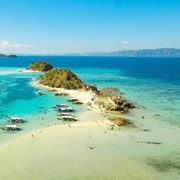
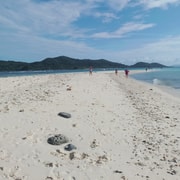
With over 7,600 islands, the Philippines is one of the world’s leading destinations for island hopping. From turquoise lagoons and powder-white beaches to world-class snorkeling and dramatic limestone cliffs, every island offers something unique. Whether you’re seeking relaxation, adventure, or hidden gems far from the crowds, island hopping in the Philippines is an unforgettable journey through nature’s beauty.
⭐ Why Island Hopping in the Philippines Is Unmatched
1. Endless Variety of Islands
You can experience:
Pristine sandbars
Blue lagoons
Secret coves
Coral reefs
Jungle-covered islands
Dramatic limestone formations
Every region has its own personality and scenery.
2. Top-Tier Snorkelling & Diving
The Philippines sits in the Coral Triangle, the center of global marine biodiversity. Expect:
Sea turtles
Colourful reefs
Rays and reef sharks
Giant clams
Massive schools of fish
Whether you’re in Palawan or Cebu, the underwater world is spectacular.
3. Affordable, Flexible Adventures
Island hopping is accessible for all budgets:
Join a shared boat tour
Hire a private boat
Explore remote islands with local guides
Food, snorkeling gear, and entrance fees are often included.
4. Friendly Filipino Hospitality
Warm, genuine Filipino hosting makes every trip feel personal. Many tours include grilled feasts cooked by the boatmen—fresh seafood, rice, fruits, and more.
🌟 Most Popular Island Hopping Destinations in the Philippines
🏞️ 1. El Nido, Palawan
El Nido is known worldwide for its dramatic limestone cliffs and emerald lagoons.
Highlights:
Big Lagoon
Small Lagoon
Secret Lagoon
Shimizu Island
Hidden beach & sandbars
Why go: Iconic scenery, turquoise waters, and the most photogenic spots in the Philippines.
🛶 2. Coron, Palawan
Coron is famous for clear lakes, WWII shipwrecks, and karst islands.
Highlights:
Kayangan Lake
Barracuda Lake
Twin Lagoon
Coral Garden
Sunken warships (great for divers)
Why go: Unreal clarity, adventure, and some of the world’s best shipwreck diving.
Island hopping in the Philippines is a journey through some of the most beautiful waters and landscapes on Earth. Whether you’re gliding through Palawan’s limestone lagoons, swimming with turtles in Bohol, or relaxing on Bantayan’s beaches, every adventure feels magical. With friendly locals, fresh food, and endless islands to explore, it’s an experience you’ll never forget—and one you’ll want to return to again and again.
Sponsored Popular Items
Quick take: Musement.com offers a worldwide selection of tours and attractions
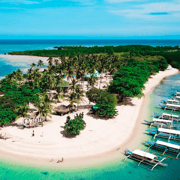
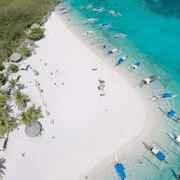
Located off the northern tip of Cebu, Bantayan Island is a tropical escape famous for its powder-white beaches, calm turquoise waters, and relaxed island lifestyle. Far less crowded than other Philippine hotspots, Bantayan offers a perfect mix of serenity, natural beauty, and local charm—ideal for beach lovers, couples, and anyone craving a slow, peaceful getaway.
⭐ Why Visit Bantayan Island
1. Some of the Best Beaches in the Philippines
Bantayan Island is home to long stretches of white sand and crystal-clear waters, including:
Sugar Beach – powdery sand and calm, shallow waters
Kota Beach – famous for its beautiful sandbar
Virgin Island beaches – untouched and idyllic
These beaches are perfect for swimming, sunbathing, drone shots, and romantic walks.
2. Peaceful Island Vibes
Unlike busier destinations like Boracay or Palawan, Bantayan keeps a charming, laid-back atmosphere. Expect:
Quiet streets
Coastal cafés
Motorbike rides through sleepy villages
Minimal crowds
Stunning sunsets
It’s the ultimate place to disconnect and unwind.
3. Island-Hopping & Virgin Island
A must-do activity, island-hopping takes you to:
Virgin Island – private, pristine, and surrounded by aquamarine water
Swim spots
Coral reefs for snorkelling
Virgin Island’s overwater cabanas and cliff-jumping spots add extra fun.
4. Nature & Adventure
Beyond beaches, Bantayan offers:
Ogtong Cave – an underground swimming cave
Cliff diving at select natural rock formations
Biking and motorbike trips around the island
Mangrove Eco-Park – scenic nature walkways
5. Cultural Charm
Visit:
St. Peter and Paul Church – one of the oldest in the Visayas
Local markets
Fishing villages
Witness simple island living and warm Cebuano hospitality.
🌟 Top Things to Do on Bantayan Island
🏝️ 1. Relax on Kota Beach
With its famous sandbar and calm water, it’s one of the island’s signature landscapes.
🚤 2. Go Island-Hopping to Virgin Island
Enjoy snorkeling, crystal-blue water, and picture-perfect lagoons.
🌅 3. Watch a Bantayan Sunset
The western beaches glow with deep orange and pink hues.
🛵 4. Explore by Motorbike
Visit villages, beaches, markets, and hidden coves at your own pace.
🕍 5. Tour Bantayan Town Plaza
See the historic church, small cafés, and charming local shops.
🏞️ 6. Swim in Ogtong Cave
A unique cooling escape inside a limestone cavern.
🛌 Where to Stay
Accommodations range from budget to boutique:
Beach resorts – e.g., Kota Beach Resort, Anika Island Resort
Mid-range hotels – beachfront rooms with sea views
Budget inns & homestays – perfect for backpackers Most properties sit right on the sand with easy ocean access.
🍽️ What to Eat
Fresh seafood is a must—especially:
Grilled fish
Shrimp and crabs
Squid dishes
Local barbecue
Bantayan is also known for its dried fish (danggit) and friendly beach cafés.
🚗 Getting There
From Cebu City:
Take a bus or van from North Bus Terminal to Hagnaya Port (3–4 hours).
Ride a ferry to Santa Fe Port on Bantayan Island (1 hour).
Electric trikes, motorbikes, and bicycles are available for rent upon arrival.
❓ Q&A (Short)
Q: Is Bantayan Island good for swimming? A: Yes—calm, shallow waters make it ideal for all ages.
Q: How many days should you stay? A: 2–4 days is perfect for exploring beaches and nearby islands.
Q: Is Bantayan crowded? A: No—it’s known for its peaceful atmosphere compared to other Philippine islands.
Q: Is it safe? A: Very safe—locals are welcoming, and crime is minimal.
🌅 Final Thoughts
Bantayan Island is the kind of place that captures your heart with its simplicity—white beaches, warm water, friendly locals, and quiet island charm. Whether you’re relaxing under swaying palms, hopping to Virgin Island, or watching the sun melt into the horizon, Bantayan offers a magical escape from everyday life.
Sponsored Popular Items
Quick take: Musement.com offers a worldwide selection of tours and attractions
Bantayan Island: A Half-Day Island Hopping Escape Philippines Explore Bantayan’s stunning shores with this island-hopping adventure! Swim in crystal-clear waters, lounge on white sand beaches, and discover hidden gems. Perfect for a quick tropical escape
Cebu: Bantayan Island and Virgin Island Hopping Day Tour Philippines Discover the best of Bantayan Island, including mangroves, Camp Sawi, and Paradise Beach, on a day trip from Cebu. Cliff dive, ride a tricycle and enjoy the white sand and blue water of Virgin Island