Metung Hot Springs is a geothermal bathing and wellness destination in East Gippsland, Victoria, set on a natural undulating site overlooking the beautiful Gippsland Lakes. Located at 73 Storth Ryes Avenue, Metung VIC 3904, it offers outdoor thermal pools, bathing barrels, spa treatments, cold plunge experiences, relaxation spaces and luxury glamping options.
For travellers exploring eastern Victoria, Metung Hot Springs is one of the most appealing ways to slow down and enjoy the region’s lake country. The experience is less about rushing from pool to pool and more about soaking, resting, walking between bathing areas, enjoying the views and letting the landscape do some of the work.
Quick take: Musement.com offers a worldwide selection of tours and attractions
From Melbourne: 5-Day Victorian Alps & Gippsland Lakes Trip Australia Discover the best of The Great Alpine Road on a 5-day winter adventure from Melbourne to the Victorian Alps & Gippsland Lakes. Ski / Snowboard Mt Hotham then hot springs, kayak & whale… Check current availability, inclusions and booking conditions.
It is a strong choice for couples, wellness travellers, friends’ getaways, gentle romantic weekends and anyone planning a Gippsland Lakes escape. It can be visited as a day experience, but it also works beautifully as part of a longer stay in Metung, Lakes Entrance, Paynesville, Bairnsdale or the wider East Gippsland region.
Why Visit Metung Hot Springs?
Metung Hot Springs is worth visiting if you want a peaceful wellness experience in a natural lakeside setting. The appeal is the combination of warm geothermal water, outdoor pools, native landscaping, lake views and the slower rhythm of East Gippsland.
Unlike a standard day spa, Metung Hot Springs is built around bathing as the main experience. You can move between pools, pause in relaxation areas, try cold contrast bathing, book a spa treatment or stay overnight in glamping accommodation if you want a more complete retreat.
Metung Hot Springs is best for:
Couples looking for a relaxing Gippsland getaway
Travellers who enjoy hot springs, spas and wellness experiences
Friends planning a calm weekend away from Melbourne
Visitors exploring Lakes Entrance, Metung, Paynesville or Bairnsdale
People wanting a gentle winter escape in Victoria
Glamping travellers who like comfort with a nature-based setting
Anyone looking for a slower alternative to beach or city sightseeing
Where Is Metung Hot Springs?
Metung Hot Springs is in Metung, a small lakeside village in East Gippsland, Victoria. The area is known for boating, fishing, lake views, coastal drives, seafood, birdlife and relaxed holiday stays.
Location Detail
Traveller Notes
Attraction
Metung Hot Springs
Address
73 Storth Ryes Avenue, Metung VIC 3904
Region
East Gippsland, Victoria
Nearby towns
Metung, Lakes Entrance, Bairnsdale, Paynesville
Best travel style
Self-drive getaway, weekend escape, spa retreat or Gippsland road trip
Good to know
Advance bookings are strongly recommended for bathing, spa and accommodation
From Melbourne, the official visitor information lists the drive as just under four hours from the CBD. Public transport is possible but less direct, usually involving V/Line travel to Bairnsdale, a coach connection and a taxi or local transfer to the hot springs.
What to Expect at Metung Hot Springs
Expect a calm outdoor bathing environment rather than a loud resort pool. The site is spread across natural terrain, with pools, pathways, decks, bathing areas and lake-facing outlooks. The experience is designed around relaxation, so it is best enjoyed slowly.
Metung Hot Springs generally operates with timed bookings. You should arrive early enough to park, check in, change and settle before your session. Bathing guests are usually expected to leave pools before closing so there is time to shower, dress and depart comfortably.
What you may find
Geothermal bathing pools
Bathing barrels with scenic outlooks
Lagoon-style bathing areas
Cold plunge or contrast bathing options
Geothermal showers
Relaxation areas and viewing spaces
Day spa treatments
Glamping accommodation
Reception, amenities and food or drink options depending on current operations
What not to expect
Do not expect a free public swimming pool.
Do not expect to arrive without booking during busy periods.
Do not expect every pool or service to be available at every time of day.
Do not treat it like a noisy water park.
Do not assume spa treatments or glamping are included in a basic bathing ticket.
Best Things to Do at Metung Hot Springs
1. Soak in the geothermal pools
The main reason to visit is the warm geothermal bathing experience. Move slowly between pools, rest between soaks and allow your body to adjust to the heat. This is especially enjoyable in cooler weather when the contrast between fresh air and warm water feels deeply relaxing.
2. Try the bathing barrels
The bathing barrels are one of the most photogenic parts of the experience. They suit couples, friends and travellers who want a more private-feeling soak with a strong sense of place.
3. Use contrast bathing carefully
Cold plunge and geothermal bathing can be invigorating when used sensibly. Move gradually, listen to your body and avoid pushing extremes, especially if you have heart, blood pressure, pregnancy or circulation concerns.
4. Book a spa treatment
For a fuller wellness day, pair bathing with a massage or spa treatment. Book ahead because treatment times can fill quickly, especially on weekends and holidays.
5. Stay overnight in glamping accommodation
Metung Hot Springs offers a more immersive escape if you stay overnight. Glamping can turn a bathing session into a romantic weekend or slow wellness retreat rather than a quick day visit.
6. Enjoy the Gippsland Lakes outlook
The lake setting is a major part of the experience. Take time to pause, look across the water, enjoy the native landscaping and appreciate the quieter pace of East Gippsland.
7. Combine with Metung village
After bathing, head into Metung village for a walk, meal, coffee or lakeside view. The village is small, relaxed and well suited to a slow weekend itinerary.
Bathing Experiences at Metung Hot Springs
Metung Hot Springs offers a range of bathing experiences depending on the ticket, time of day and current facilities. The main appeal is the mineral-rich geothermal water, which emerges hot at the source before being managed for safe bathing temperatures.
Experience
Best For
Traveller Notes
General bathing
First-time visitors and relaxed day guests
Good introduction to the pools and outdoor setting.
Bathing barrels
Couples, friends and photo-friendly relaxation
Book early if they are offered as a separate or limited experience.
Lagoon-style bathing
Guests wanting a larger shared pool setting
Useful for a social but calm bathing session.
Cold plunge / contrast bathing
Wellness travellers comfortable with temperature contrast
Use caution if you have health concerns.
Spa and bathing package
Special occasions and longer visits
Check whether the package includes bathing, treatment time and robe hire.
Before booking, check exactly what your ticket includes. Some experiences may be timed separately, and extras such as spa treatments, glamping, food, robes or private bathing may not be part of a standard bathing entry.
Glamping and Overnight Stays
Staying at Metung Hot Springs can make the visit feel more like a retreat. The glamping accommodation is designed for travellers who want comfort, privacy and easy access to the hot springs setting without needing to rush back to another town after bathing.
An overnight stay is especially appealing for couples, anniversaries, birthdays, slow weekends and winter escapes. It also gives you more time to enjoy Metung village, the Gippsland Lakes and nearby coastal attractions.
Why stay overnight?
You can enjoy the hot springs without a long same-day drive.
The experience feels slower and more restorative.
You can combine bathing, spa treatments and lakeside dining.
It suits romantic weekends and special occasions.
You can explore Metung and East Gippsland more comfortably.
If glamping is outside your budget, consider staying in Metung, Lakes Entrance, Paynesville or Bairnsdale and visiting the hot springs as a booked day session.
Things to Do Near Metung Hot Springs
Metung Village
Metung is a quiet lakeside village with marina views, cafés, restaurants, walking paths and a relaxed boating atmosphere. It is the easiest add-on before or after your hot springs session.
Gippsland Lakes
The Gippsland Lakes are one of Victoria’s most beautiful lake systems, offering boating, fishing, kayaking, birdwatching and waterfront scenery. Metung is one of the best bases for enjoying the lakes at a slower pace.
Lakes Entrance
Lakes Entrance is a popular coastal town known for beaches, fishing boats, seafood, lake cruises and access to Ninety Mile Beach. It pairs well with a Metung Hot Springs getaway.
Paynesville and Raymond Island
Paynesville is another lakeside town, and nearby Raymond Island is well known for koala spotting and gentle walking routes. It makes a good nature-focused day trip.
Bairnsdale
Bairnsdale is the main regional centre and a practical stop for supplies, transport, accommodation and dining. It is also the nearest major V/Line hub for many travellers using public transport.
Nyerimilang Heritage Park
Nyerimilang Heritage Park offers heritage buildings, gardens, walking tracks and elevated views over the Gippsland Lakes. It is a worthwhile gentle outing near Lakes Entrance.
Ninety Mile Beach
Ninety Mile Beach is a long, wild stretch of coastline ideal for beach walks, surf views and open coastal scenery. Swim only where conditions are safe and patrolled.
Suggested Metung Hot Springs Itinerary Ideas
Option 1: Simple Day Visit from Lakes Entrance
Morning: Have breakfast in Lakes Entrance or Metung.
Late morning: Arrive at Metung Hot Springs with time to park and check in.
Midday: Enjoy a booked bathing session.
Afternoon: Have lunch or coffee in Metung village.
Late afternoon: Take a short lakeside walk before returning to your accommodation.
Option 2: Romantic Overnight Escape
Day 1 afternoon: Drive to Metung and check into glamping or nearby accommodation.
Day 1 evening: Enjoy a hot springs session or dinner in Metung.
Day 2 morning: Book another soak, spa treatment or slow breakfast.
Day 2 afternoon: Explore Lakes Entrance, Nyerimilang or Paynesville before heading home.
Option 3: Melbourne to Metung Weekend
Friday: Drive from Melbourne to East Gippsland and stay in Metung, Lakes Entrance or Bairnsdale.
Saturday: Visit Metung Hot Springs and spend the rest of the day around the lakes.
Sunday: Explore Raymond Island, Lakes Entrance or Ninety Mile Beach before driving back.
Option 4: Wellness and Nature Day
Morning: Visit Nyerimilang Heritage Park or take a gentle lake walk.
Midday: Enjoy bathing at Metung Hot Springs.
Afternoon: Book a spa treatment or relax in Metung village.
Evening: Have a quiet dinner overlooking the lakes.
Option 5: East Gippsland Road Trip Stop
Start: Travel through Bairnsdale or Lakes Entrance.
Mid-route: Stop at Metung Hot Springs for a booked session.
Continue: Stay overnight in Metung or continue toward Paynesville, Lakes Entrance or Orbost depending on your road trip route.
Useful Booking Resources for Metung Hot Springs and East Gippsland Travel
Metung Hot Springs should usually be booked directly or through official accommodation and experience channels, especially for bathing sessions, spa treatments and glamping. Travel platforms can also help with nearby accommodation, regional tours, car hire, transfers and broader Victoria itinerary planning. The suppliers below are useful places to compare travel products. Skimlinks may automatically convert these merchant links into affiliate links if the merchant is active in your Skimlinks account.
GetYourGuide – offers tours, activities and attraction experiences in many destinations. It is useful for comparing Victoria day trips, Melbourne experiences and broader Australia travel add-ons where available.
Viator – offers private tours, regional day trips, sightseeing experiences, transfers and customised travel options. It may be useful for Victoria road-trip planning or arranging broader Gippsland sightseeing.
Klook – offers attraction tickets, local activities, transport products and travel passes in selected destinations. It is worth checking for Melbourne, Victoria and Australia travel products before or after a Gippsland trip.
KKday – offers local tours, attraction tickets, transfers and regional experiences in many destinations. It may help travellers compare Australian activities and transport add-ons depending on current availability.
Tiqets – offers mobile-friendly tickets for attractions, museums and landmarks. It is more useful for city-based sightseeing before or after East Gippsland than for the hot springs itself.
Musement – offers city tours, attraction tickets, cultural activities and local experiences. It can help travellers compare Melbourne and broader Australia travel options before heading to Gippsland.
G Adventures – offers small-group and multi-day adventure tours. It is best suited to travellers planning a broader Australia itinerary rather than a standalone Metung Hot Springs visit.
Go City – offers bundled city attraction passes in selected destinations. It is not a main Metung Hot Springs booking option, but it can help readers planning multi-city stopovers before or after Australia.
CityPASS – offers bundled attraction passes mainly for selected North American cities. It is not designed for Gippsland, but may suit readers planning a wider international trip.
Booking tip: Before booking Metung Hot Springs, check whether the price includes general bathing, premium bathing areas, bathing barrels, spa treatment, robe or towel hire, food, glamping, private bathing, cancellation rules, child access, accessibility support and exact session time. For weekends, school holidays and public holidays, book well in advance.
Metung Hot Springs Travel Tips
Book in advance
Advance bookings are recommended, and they are especially important for weekends, public holidays, school holidays, spa treatments and glamping stays.
Arrive early
Allow extra time to find the property, park, check in, change and start your session calmly. Arriving rushed works against the whole purpose of the experience.
Bring swimwear
You will need suitable swimwear for bathing. Also bring a change of clothes, hair tie, water bottle and any personal toiletries you prefer.
Check towel and robe inclusions
Do not assume towels, robes or lockers are included in every ticket. Check inclusions before booking or bring what you need.
Stay hydrated
Hot bathing can dehydrate you. Drink water before and after soaking, and take breaks between pools.
Use hot and cold bathing sensibly
Contrast bathing can feel refreshing, but it is not suitable for everyone. If you have heart, blood pressure, pregnancy, circulation or medical concerns, seek medical advice before using hot springs or cold plunge facilities.
Visit in cooler weather for atmosphere
Metung Hot Springs is enjoyable year-round, but autumn, winter and spring can feel especially relaxing because the warm water contrasts beautifully with cooler air.
Plan the drive carefully
If driving from Melbourne, treat it as a proper road trip rather than a quick outing. Consider staying overnight in Metung, Lakes Entrance or Bairnsdale.
Check accessibility before booking
Parts of the site may involve slopes, paths, steps or uneven terrain. Contact the operator directly if you have mobility needs or accessibility questions.
Respect the quiet atmosphere
Metung Hot Springs is a wellness setting. Keep noise low, respect other guests and avoid treating the pools like party spaces.
Is Metung Hot Springs Worth Visiting?
Yes, Metung Hot Springs is worth visiting if you enjoy geothermal bathing, wellness escapes and peaceful lakeside scenery. It is especially worthwhile for travellers already exploring East Gippsland or looking for a relaxing weekend away from Melbourne.
It may not suit travellers wanting a fast, cheap roadside attraction or a noisy family water park. The experience is better for people who want to slow down, soak, rest, enjoy the view and build a gentle itinerary around the Gippsland Lakes.
The best way to enjoy Metung Hot Springs is to book ahead, arrive without rushing, allow time before and after your session, and pair the visit with Metung village, Lakes Entrance, Paynesville or a longer East Gippsland road trip.
FAQs About Metung Hot Springs
Where is Metung Hot Springs?
Metung Hot Springs is at 73 Storth Ryes Avenue, Metung VIC 3904, in East Gippsland, Victoria.
What are the opening hours of Metung Hot Springs?
The official site lists Metung Hot Springs as open daily from 9:00am to 6:00pm. Always check current hours before travelling, as special events or seasonal changes may affect operations.
Do you need to book Metung Hot Springs in advance?
Yes, advance booking is recommended. It is especially important for weekends, public holidays, spa treatments, glamping and busy travel periods.
How far is Metung Hot Springs from Melbourne?
The official visitor information lists the drive from Melbourne CBD as about 3 hours 51 minutes and 312.4 kilometres, depending on traffic and route.
Can you get to Metung Hot Springs by public transport?
Public transport is possible but not direct. The official guidance suggests V/Line to Bairnsdale, then a coach to Swan Reach, followed by taxi or local transfer to Metung Hot Springs.
What should I bring to Metung Hot Springs?
Bring swimwear, a change of clothes, water bottle, sandals or easy shoes, sun protection if visiting during the day, and towel or robe if these are not included in your ticket.
Is Metung Hot Springs good for couples?
Yes. It is one of the best couples’ wellness escapes in East Gippsland, especially if you add bathing barrels, spa treatments, glamping or a quiet lakeside dinner.
Can you stay overnight at Metung Hot Springs?
Yes, Metung Hot Springs offers glamping-style accommodation, subject to availability. You can also stay nearby in Metung, Lakes Entrance, Paynesville or Bairnsdale.
Is Metung Hot Springs suitable for older travellers?
It can be suitable for older travellers, but the site may include paths, slopes or steps depending on the area. Anyone with mobility or health concerns should contact the operator before booking.
What can you do after visiting Metung Hot Springs?
After visiting, explore Metung village, the Gippsland Lakes, Lakes Entrance, Paynesville, Raymond Island, Nyerimilang Heritage Park or Ninety Mile Beach.
Sponsored Popular Items
Quick take: Musement.com offers a worldwide selection of tours and attractions
From Melbourne: 5-Day Victorian Alps & Gippsland Lakes Trip Australia Discover the best of The Great Alpine Road on a 5-day winter adventure from Melbourne to the Victorian Alps & Gippsland Lakes. Ski / Snowboard Mt Hotham then hot springs, kayak & whale… Check current availability, inclusions and booking conditions.
From Auckland: Rotorua Lakes, Redwood & Geothermal Day Trip New Zealand Discover the magic of Rotorua on an unforgettable day exploring geothermal wonders, towering Redwood forests, and stunning lakes. Visit Kuirau Park, Blue Lake, Green Lake, and Government Gardens
From Melbourne: Peninsula Hot Springs & Bathing Boxes Tour Australia Relax for the day in the Mornington Peninsula’s very own hot springs. Admire the panoramic clifftop coastal views from Arthurs Seat Lookout before stopping at the colorful Peninsula… Check current availability, inclusions and booking conditions.
Bãi Tắm Sun World, commonly identified as Bãi Trào, is the main beach area inside Sun World Hòn Thơm in southern Phu Quoc, Vietnam. It is one of the most convenient beach stops for travellers visiting Hòn Thơm by cable car, combining white sand, turquoise water, coconut palms, beach activities, restaurants and nearby theme-park attractions.
Unlike quieter local beaches such as Cửa Cạn or Ông Lang, Bãi Tắm Sun World is part of a planned entertainment destination. That means it is more organised, more visitor-friendly and easier for families, but also more commercial. Visitors usually come as part of a Sun World Hòn Thơm day that may include the famous oversea cable car, Aquatopia Water Park, Exotica Village rides, beach time, food stops and photo spots.
Quick take: Musement.com offers a worldwide selection of tours and attractions
Phu Quoc: Hon Thom Cable Car, Water Park & Kiss Bridge Tour Vietnam Enjoy a day of adventure in South Phu Quoc with a tour that includes a ride on the Hon Thom Cable Car, a visit to Aquatopia Water Park, and a stop at the iconic Kiss Bridge
If you want a simple natural beach with no ticketing or theme-park setting, this may not be your first choice. But if you want a polished day out with beach facilities, activities and easy access from the cable car, Bãi Tắm Sun World is one of the most practical beach experiences in southern Phu Quoc.
Why Visit Bãi Tắm Sun World?
Bãi Tắm Sun World is worth visiting if you are already planning a trip to Sun World Hòn Thơm. It gives you a beach break without needing to leave the park area, making it easy to combine swimming, water activities, lunch, cable car views and theme-park rides in one day.
The biggest advantage is convenience. Once you arrive on Hòn Thơm, the beach is part of a wider visitor zone with facilities, food options and activities nearby. This makes it easier for families, groups and first-time Phu Quoc visitors who want a structured day rather than arranging separate boat transfers or remote beach access.
Bãi Tắm Sun World is best for:
Families visiting Sun World Hòn Thơm
Travellers who want beach time plus water-park attractions
Visitors riding the Hòn Thơm cable car from An Thoi
Couples wanting a photogenic southern Phu Quoc beach stop
Groups who want optional water sports and organised facilities
Travellers staying near Sunset Town, An Thoi or southern Phu Quoc
Visitors who prefer convenient facilities over a wild beach setting
Where Is Bãi Tắm Sun World?
Bãi Tắm Sun World is on Hòn Thơm Island, also known as Pineapple Island, in the An Thoi archipelago of southern Phu Quoc. The beach is commonly referred to as Bãi Trào and is associated with the Sun World Hòn Thơm Nature Park / entertainment complex.
Location Detail
Traveller Notes
Vietnamese name
Bãi Tắm Sun World / Bãi Trào
Island
Hòn Thơm, southern Phu Quoc
Main access
Hòn Thơm cable car from An Thoi
Nearby mainland area
An Thoi and Sunset Town
Best visit style
Part of a Sun World Hòn Thơm day trip
Good for
Beach time, water activities, family fun, photos and cable car views
For most visitors, the easiest route is to travel to the An Thoi cable car station, ride the cable car across the sea to Hòn Thơm, then spend time at the beach and surrounding park attractions.
What to Expect at Bãi Trào / Bãi Tắm Sun World
Bãi Trào is a managed beach area with a more polished feel than many local Phu Quoc beaches. Expect clear water, sand, coconut palms, beach facilities and a resort-style atmosphere. Depending on the season and current park setup, you may also find water activities, dining areas, changing facilities, lockers, showers and beachside photo spots.
The beach is attractive, but it is not a remote untouched cove. It sits inside a commercial entertainment zone, so the experience can feel lively, organised and sometimes busy. That suits families and groups, but travellers wanting solitude may prefer quieter beaches elsewhere on Phu Quoc.
What you may find
White sand and clear sea views
Coconut palms and tropical photo spots
Beach chairs, umbrellas or relaxation areas depending on current setup
Changing rooms, showers or lockers depending on ticket and facility access
Water activities such as kayaking, SUP, jet skiing or parasailing where available
Restaurants, cafés or buffet options within the wider Sun World area
Easy access to Aquatopia Water Park and other attractions
What not to expect
Do not expect a completely wild or isolated beach.
Do not expect every water activity to operate every day.
Do not assume prices, opening hours or activity schedules remain the same all year.
Do not expect the beach to be quiet during peak holiday periods.
Do not leave your return cable car timing too late.
Best Things to Do at Bãi Tắm Sun World
1. Relax on Bãi Trào Beach
The simplest experience is to enjoy the sand, sea and coconut-fringed setting. Bãi Trào is a good place to rest between cable car sightseeing, water-park rides and other Sun World activities.
2. Swim when conditions are safe
The beach can be suitable for swimming when conditions are calm and supervised areas are open. Always follow posted safety signs, flags and lifeguard instructions if available.
3. Try kayaking or SUP
Kayaking and stand-up paddleboarding may be available depending on weather, sea conditions and current operators. These are good options for travellers who want a gentler water activity than jet skiing or parasailing.
4. Add a thrill activity
Depending on current availability, visitors may be able to try activities such as jet skiing, parasailing, banana boating or other sea-based fun. Confirm prices, safety rules and inclusions on the day.
5. Visit Aquatopia Water Park
Aquatopia Water Park is one of the major attractions at Sun World Hòn Thơm. It is ideal for families and groups who want slides, pools and more structured water fun after beach time.
6. Take photos from the cable car
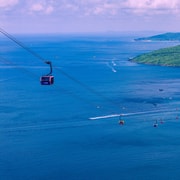
The Hòn Thơm cable car is one of the main reasons many travellers visit. The ride gives broad views over the sea, fishing boats, islands and southern Phu Quoc coastline, making it a highlight even before you reach the beach.
7. Have lunch inside the park
Food options may include buffet restaurants, cafés, fast food or beachside refreshments depending on current operations. Check whether your ticket includes a meal or whether food is paid separately.
8. Visit Sunset Town before or after
Sunset Town near An Thoi is a useful add-on before or after the cable car. It is known for Mediterranean-style architecture, sea views, restaurants, shows and photo spots.
Getting There by Hòn Thơm Cable Car
The most popular way to reach Bãi Tắm Sun World is by riding the Hòn Thơm cable car from An Thoi to Hòn Thơm Island. The ride is part of the experience, not just transport. You travel above the sea, passing over small islands and fishing boats, with wide views of southern Phu Quoc.
Tips for using the cable car
Check the current operating schedule before travelling.
Arrive early if visiting during high season or public holidays.
Keep your return time in mind so you do not miss the last cable car.
Choose a window position if you want the best photos.
Check whether your ticket includes park entry, water park, buffet, beach access or other extras.
Keep your ticket or QR code handy for return access.
Allow enough time to get from your hotel to the An Thoi station.
If you are staying in Duong Dong, Long Beach or northern Phu Quoc, travel time to An Thoi can be significant. Plan transport before buying a ticket, especially if you are travelling with children or older family members.
Things to Do Near Bãi Tắm Sun World
Aquatopia Water Park
Aquatopia Water Park is one of the main reasons families visit Sun World Hòn Thơm. It offers water slides and themed areas that pair naturally with beach time at Bãi Trào.
Exotica Village
Exotica Village is the thrill-ride area at Sun World Hòn Thơm. It is best for visitors who want more than beach relaxation and are looking for rides, towers or roller-coaster-style attractions.
Hòn Thơm Cable Car
The cable car is an attraction in itself. Even travellers who do not usually enjoy theme parks may appreciate the oversea views and the sense of arriving by air over the islands.
Sunset Town
Sunset Town in An Thoi is a photogenic coastal area with restaurants, architectural backdrops and evening entertainment. It can be combined with Sun World Hòn Thơm in the same day.
Kiss Bridge and Kiss of the Sea
Depending on your ticketing and schedule, you may be able to add nearby shows or attractions around Sunset Town, including Kiss Bridge or evening performance experiences.
Bãi Sao
Bãi Sao is one of Phu Quoc’s famous southern beaches. It is not inside Sun World, but it can be added on a separate southern island day if you want another beach experience.
An Thoi Islands
The An Thoi archipelago is popular for boat trips, snorkelling and island-hopping. If you want a more nature-based sea day, consider a separate boat tour in addition to Sun World.
Suggested Bãi Tắm Sun World Itinerary Ideas
Option 1: Easy Sun World Beach Day
Morning: Travel to An Thoi cable car station.
Late morning: Ride the cable car to Hòn Thơm.
Midday: Relax at Bãi Tắm Sun World / Bãi Trào.
Afternoon: Swim, try a beach activity or visit Aquatopia Water Park.
Late afternoon: Return by cable car before the final scheduled ride.
Option 2: Family Fun Day
Morning: Take the cable car and start with photos and beach time.
Lunch: Use a buffet or park dining option if included in your ticket.
Afternoon: Spend several hours at Aquatopia Water Park.
Late afternoon: Return to Bãi Trào for a final beach walk.
Evening: Continue to Sunset Town for dinner if energy allows.
Option 3: Beach and Sunset Town Route
Morning: Visit Sun World Hòn Thơm and Bãi Tắm Sun World.
Afternoon: Return to An Thoi by cable car.
Late afternoon: Explore Sunset Town and coastal photo spots.
Evening: Stay for dinner, lights or shows depending on the current schedule.
Option 4: Southern Phu Quoc Highlights Day
Morning: Ride the cable car to Hòn Thơm and visit Bãi Trào.
Afternoon: Return to An Thoi and visit Sunset Town.
Optional: Add Bãi Sao, a local seafood stop or a southern island viewpoint if time allows.
Evening: Return to Duong Dong, Long Beach or your hotel area.
Useful Booking Resources for Bãi Tắm Sun World, Hòn Thơm and Phu Quoc Tours
Bãi Tắm Sun World is usually visited as part of a Sun World Hòn Thơm ticket or package, rather than as a completely separate public beach stop. Ticket inclusions can change, so compare current options carefully before booking. The suppliers below are useful places to compare travel products. Skimlinks may automatically convert these merchant links into affiliate links if the merchant is active in your Skimlinks account.
GetYourGuide – offers Phu Quoc attraction tickets, island tours, cable car-style experiences, snorkelling trips, food tours and private sightseeing options that can be booked before arrival.
Viator – offers Phu Quoc day tours, private drivers, southern island trips, boat excursions, airport transfers and customised itineraries that can include An Thoi, Sunset Town or Sun World areas.
Klook – offers Vietnam-focused activities, Hòn Thơm cable car tickets where available, theme park passes, airport transfers, island tours and local transport products for Phu Quoc.
KKday – offers local tours, attraction tickets, transport services and cultural activities across Asia. It is useful for comparing Phu Quoc tickets, Vietnam travel add-ons and family-friendly island experiences.
Tiqets – offers mobile-friendly tickets for attractions, museums, landmarks and cultural sites. It is useful for ticket-led sightseeing in major cities before or after a Phu Quoc holiday.
Musement – offers city tours, attraction tickets, cultural activities and local experiences. It can help travellers compare Vietnam sightseeing, island excursions and wider Asia travel options.
G Adventures – offers small-group and multi-day adventure tours. It is best suited to travellers planning a broader Vietnam itinerary rather than a standalone Bãi Tắm Sun World visit.
Go City – offers bundled city attraction passes in selected destinations. It is not a main Phu Quoc booking option, but it can help readers planning multi-city stopovers before or after Vietnam.
CityPASS – offers bundled attraction passes mainly for selected North American cities. It is not designed for Phu Quoc, but may suit readers planning a wider international trip.
Booking tip: Before booking a Sun World Hòn Thơm ticket, check whether the price includes round-trip cable car, Bãi Trào beach access, Aquatopia Water Park, Exotica Village rides, buffet meal, shuttle transport, QR-code ticketing, child pricing, cancellation rules and the final return cable car time. Do not assume every ticket includes every attraction or meal.
Bãi Tắm Sun World Travel Tips
Check current hours before travelling
Opening hours, cable car schedules, water-park access and beach activity times can change by season, weather, maintenance or special events. Always check the current schedule before you leave your hotel.
Arrive earlier in the day
Arriving in the morning gives you more time to enjoy the cable car, beach, lunch and water park without worrying about the final return trip.
Keep the last cable car time in mind
This is important. If you miss the last cable car, getting back to the mainland may become difficult and expensive. Build in a buffer, especially with children.
Bring swimwear and a change of clothes
If you plan to swim, use the water park or try activities, pack swimwear, a towel, dry clothes and a waterproof bag.
Use sun protection
Phu Quoc sun can be strong. Bring sunscreen, sunglasses, hat and a light cover-up. Reapply sunscreen after swimming.
Wear secure footwear
Flip-flops are fine for the beach, but sandals or comfortable walking shoes are useful for moving around the larger park area.
Check water activity safety
Only use reputable operators, wear life jackets where required, and avoid activities in poor weather or rough seas.
Bring cash and card
Some park services may accept digital payment or cards, but small cash can still be useful for snacks, lockers, extras or transport.
Manage expectations
Bãi Tắm Sun World is a beach inside a themed entertainment destination. It is convenient and fun, but not the same as a remote natural beach.
Is Bãi Tắm Sun World Worth Visiting?
Bãi Tắm Sun World is worth visiting if you are already going to Sun World Hòn Thơm or want a full southern Phu Quoc day with cable car views, beach time, water activities and theme-park facilities. It is especially strong for families and groups because everything is organised in one destination.
It may not be the best choice if you only want a quiet, free, local beach with no ticketing or commercial setting. In that case, consider Ông Lang, Cửa Cạn, parts of Long Beach or a separate island-hopping trip.
The best way to enjoy Bãi Tắm Sun World is to treat it as part of the Hòn Thơm experience: ride the cable car, enjoy the beach, add Aquatopia if it suits your group, eat inside the park or nearby, then return with enough time to enjoy Sunset Town or your evening plans.
FAQs About Bãi Tắm Sun World
What is Bãi Tắm Sun World?
Bãi Tắm Sun World is commonly used to refer to Bãi Trào, the main beach area inside Sun World Hòn Thơm in southern Phu Quoc, Vietnam.
Where is Bãi Tắm Sun World?
It is on Hòn Thơm Island, which is reached from An Thoi in southern Phu Quoc by the Hòn Thơm cable car.
Is Bãi Tắm Sun World the same as Bãi Trào?
Yes, travel listings commonly identify Bãi Tắm Sun World as Bãi Trào, the main beach area associated with Sun World Hòn Thơm.
Do you need a ticket to visit Bãi Tắm Sun World?
Because the beach is inside the Sun World Hòn Thơm destination, visitors generally need a Sun World ticket or package that includes cable car and park access. Check your ticket inclusions before booking.
How do you get to Bãi Tắm Sun World?
Most visitors travel to the An Thoi cable car station, ride the Hòn Thơm cable car to the island, then walk or transfer within the park area to the beach.
Can you swim at Bãi Tắm Sun World?
Swimming may be possible when conditions are safe and the designated beach area is open. Always follow posted signs, flags and staff instructions.
What activities are available at Bãi Tắm Sun World?
Depending on current operations and weather, activities may include swimming, kayaking, SUP, jet skiing, parasailing, banana boating, beach relaxation and nearby water-park fun.
Is Bãi Tắm Sun World good for families?
Yes. It is one of the more convenient beach options for families because it is connected with Sun World Hòn Thơm facilities, dining, cable car access and Aquatopia Water Park.
How long should you spend at Bãi Tắm Sun World?
Allow at least two to three hours if you only want beach time, or most of the day if you are combining the beach with the cable car, Aquatopia Water Park, rides and lunch.
What should you bring?
Bring swimwear, towel, sunscreen, hat, sunglasses, dry clothes, waterproof phone pouch, small cash, ticket or QR code, and comfortable footwear for walking around the park.
Sponsored Popular Items
Quick take: Musement.com offers a worldwide selection of tours and attractions
Phu Quoc: Hon Thom Cable Car, Water Park & Kiss Bridge Tour Vietnam Enjoy a day of adventure in South Phu Quoc with a tour that includes a ride on the Hon Thom Cable Car, a visit to Aquatopia Water Park, and a stop at the iconic Kiss Bridge
Sun World Hon Thom Cable Car with Aquatopia and Exotica Park Vietnam Book a combo ticket to Sun World Hon Thom Park in Phu Quoc. Ride the cable car, explore Aquatopia Water Park and Exotica Park, and Kiss bridge. Add on a buffet lunch or dinner with a live show
Hon Thom Cable Car and Aquatopia Water Park Entrance Ticket - Attraction Entry Vietnam Hon Thom Cable Car and Aquatopia Water Park Entrance Ticket provides a structured way to visit one of the destination’s notable attractions or cultural sites. Check current availability, inclusions and booking details before you go.
Cua Can Beach, also written as Cửa Cạn Beach, is one of the quieter coastal areas on Phu Quoc Island, Vietnam. Located on the island’s western side, it is known for its peaceful shoreline, local fishing character, soft sand, calm-water scenery and the distinctive meeting point of Cua Can River and the sea.
This is not the busiest or most polished beach in Phu Quoc. Travellers looking for beach clubs, nightlife, rows of restaurants and resort-style activity may prefer Long Beach, Grand World or the southern island areas. But for visitors who enjoy a slower, more natural side of the island, Cua Can Beach can be a rewarding stop.
The area is especially appealing if you want to combine beach time with kayaking, river scenery, fishing village views, basket boats, local life and northern Phu Quoc sightseeing. It also works well as part of a relaxed route including Ong Lang Beach, Cua Can River, VinWonders Phu Quoc, Vinpearl Safari or the quieter north-west coast.
Quick take: Musement.com offers a worldwide selection of tours and attractions
Ireland: The Quiet Man Museum and Film Location Guided Tour Best deals for Ireland: The Quiet Man Museum and Film Location Guided Tour. Walk in the footsteps of John Wayne and Maureen O'Hara at the original movie locations. Visit an exact replica of the White O'Morn cottage. Join a guided tour of the museum to see original artifacts. Available from getyourguide.com.
Why Visit Cua Can Beach?
Cua Can Beach is worth visiting if you want a quieter Phu Quoc experience away from the most developed tourist strips. The beach has a more local and natural feel, with river scenery, fishing boats, palms, sandbanks and open coastal views. It is the kind of place that suits slow wandering rather than a packed sightseeing schedule.
The main appeal is the mix of sea and river. Cua Can is not only a beach; it is also a river-mouth landscape where water, sand, fishing life and greenery meet. That makes it different from a simple resort beach and gives travellers a more grounded view of Phu Quoc’s coastal character.
Cua Can Beach is best for:
Travellers looking for a quieter Phu Quoc beach
Visitors interested in kayaking or paddling along Cua Can River
People who enjoy local fishing village scenery
Couples wanting a peaceful coastal stop
Families who prefer calm, simple beach time over nightlife
Photographers looking for boats, river-mouth views and soft coastal scenery
Travellers exploring northern or north-western Phu Quoc
Where Is Cua Can Beach?
Cua Can Beach is on the west coast of Phu Quoc Island, north of central Duong Dong and not far from the Ong Lang and northern island areas. It sits near the mouth of Cua Can River, where freshwater and sea scenery come together.
Location Detail
Traveller Notes
Vietnamese name
Cửa Cạn
Common English spelling
Cua Can Beach
Island
Phu Quoc, Vietnam
Coast
Western side of Phu Quoc
Nearby areas
Ong Lang, Duong Dong, northern Phu Quoc
Best visit style
Beach stop, kayaking route, local sightseeing or quiet sunset visit
From Duong Dong, Cua Can can usually be reached by taxi, private driver, scooter or as part of a northern Phu Quoc tour. If you are staying in Ong Lang or northern Phu Quoc, it can be easier to include as a relaxed half-day outing.
What to Expect at Cua Can Beach
Cua Can Beach has a quieter and more natural feel than Phu Quoc’s busier visitor zones. Depending on where you access the beach, you may find sandy shoreline, shallow water, fishing boats, river scenery, local homes, simple food stops or undeveloped stretches.
Do not expect the same level of restaurants, beach clubs or organised facilities that you may find around Long Beach or resort-heavy areas. Cua Can is better for travellers who are comfortable with a more low-key beach environment.
What you may find
Quiet sandy beach sections
Cua Can River flowing toward the sea
Fishing boats and basket boats
Local village scenery
Kayaking or boat-style activities depending on operator availability
Open coastal views and sunset potential
A slower, less commercial atmosphere
What not to expect
Do not expect a major nightlife area.
Do not expect rows of luxury beach clubs.
Do not expect lifeguards or full tourist facilities everywhere.
Do not expect every access point to be equally clean or developed.
Do not expect the same polished resort atmosphere as Bai Dai or Long Beach.
The charm of Cua Can is its quieter, more local character. It is best enjoyed with realistic expectations.
Best Things to Do at Cua Can Beach
1. Relax on the quiet shoreline
Cua Can Beach is a good place to slow down. Bring a towel, walk along the shore, enjoy the sea breeze and take in the peaceful setting. It is better for a calm beach stop than a high-energy resort day.
2. Watch the river meet the sea
The river-mouth landscape is one of the most interesting features of Cua Can. The meeting point of river, sand and sea creates a different atmosphere from a standard beach and is especially appealing for photography.
3. Try kayaking or paddling on Cua Can River
Cua Can River is one of the area’s most popular natural experiences. Kayaking or paddling allows travellers to see mangroves, riverbanks, local homes, fishing activity and quieter scenery away from the main roads.
4. Look for local fishing life
You may see fishing boats, basket boats, nets, small docks or local river activity. This gives Cua Can a more authentic island feel than beaches that are mostly resort-focused.
5. Visit around sunset
Phu Quoc’s west coast is known for sunsets. Cua Can can be a pleasant sunset stop, especially if you prefer quieter scenery rather than a crowded beach bar setting.
6. Combine it with Ong Lang Beach
Ong Lang Beach is nearby and often easier for swimming, restaurants and beach cafés. Combining Ong Lang and Cua Can gives you both a visitor-friendly beach and a more local nature stop.
7. Add northern Phu Quoc attractions
Cua Can can be part of a broader northern Phu Quoc day, especially if you are also visiting VinWonders, Vinpearl Safari, Grand World, pepper farms or the Ganh Dau area.
Cua Can River and Kayaking
Cua Can River is one of the strongest reasons to visit the area. While the beach itself is pleasant, the river adds a more distinctive travel experience. Kayaking, small boat trips or paddling routes may take you through calm water, mangrove-style scenery, local riverbanks and village views.
This is a different side of Phu Quoc from theme parks, cable cars and resort beaches. It feels quieter, greener and more connected with local life. For nature-focused travellers, the river may be more memorable than the beach itself.
Good to know before booking a kayaking trip
Check whether hotel pickup is included.
Ask whether the route is suitable for beginners.
Confirm whether life jackets are provided.
Check if the trip includes Cua Can River only or combines other attractions.
Ask whether the route depends on tide, weather or water conditions.
Bring sun protection, insect repellent and a dry bag for valuables.
Respect local homes, fishing areas and private property along the river.
If you are not comfortable kayaking independently, choose a guided tour with proper equipment and clear safety instructions.
Things to Do Near Cua Can Beach
Ong Lang Beach
Ong Lang Beach is one of the best nearby beach areas. It is usually more visitor-friendly than Cua Can, with accommodation, restaurants and beach access points. It works well before or after a Cua Can stop.
VinWonders Phu Quoc
VinWonders Phu Quoc is a major theme park in northern Phu Quoc. It is useful for families, rainy-day planning and travellers staying near the Vinpearl area.
Cung Dien Hai Vuong / The Sea Shell
Cung Điện Hải Vương, also called The Sea Shell, is the large turtle-shaped aquarium inside VinWonders Phu Quoc. It is one of the strongest indoor attractions in northern Phu Quoc.
Vinpearl Safari Phu Quoc
Vinpearl Safari is another major northern Phu Quoc attraction, especially for families. It can be paired with VinWonders or visited on a separate day.
Grand World Phu Quoc
Grand World is a large entertainment and shopping area in northern Phu Quoc. It is more commercial than Cua Can but useful for evening dining, lights and family activities.
Ganh Dau
Ganh Dau is in the far north-west of Phu Quoc and offers coastal views, local seafood and a quieter end-of-island feel. It can be added to a northern island route.
Duong Dong
Duong Dong is Phu Quoc’s main town area, with the night market, Dinh Cau, local shops, restaurants and hotels. It is a practical base for exploring Cua Can and the rest of the island.
Suggested Cua Can Beach Itinerary Ideas
Option 1: Simple Cua Can Beach Stop
Morning: Travel from Duong Dong, Ong Lang or your hotel to Cua Can Beach.
Late morning: Walk along the beach and river-mouth area.
Midday: Stop for a simple local meal or continue to Ong Lang for more food options.
Afternoon: Relax at Ong Lang Beach or return to your hotel.
Option 2: Cua Can River Kayaking Half-Day
Morning: Join a guided kayaking or river tour if available.
Midday: Paddle along Cua Can River, seeing riverbanks, greenery and local scenery.
Afternoon: Add a beach stop, pepper farm or northern Phu Quoc sightseeing.
Evening: Return to Duong Dong or stay north for dinner.
Option 3: Ong Lang and Cua Can Beach Day
Morning: Start at Ong Lang Beach for swimming and coffee.
Late morning: Continue to Cua Can Beach for a quieter coastal walk.
Lunch: Eat at Ong Lang or a local seafood stop.
Afternoon: Rest by the beach or explore nearby villages.
Sunset: Stay on the west coast for sunset views.
Option 4: Northern Phu Quoc Family Route
Morning: Visit Vinpearl Safari or VinWonders.
Afternoon: Stop at Cua Can Beach or Cua Can River for a quieter nature break.
Evening: Continue to Grand World for dinner and lights.
Option 5: Slow Nature and Local Life Day
Morning: Kayak or explore Cua Can River.
Lunch: Try local seafood or a casual Vietnamese meal.
Afternoon: Visit Cua Can Beach and nearby fishing areas.
Late afternoon: Continue to Ganh Dau or Ong Lang for sunset.
Useful Booking Resources for Cua Can Beach, Cua Can River and Phu Quoc Tours
Cua Can Beach itself is not usually a ticketed attraction, but guided tours can be useful if you want kayaking, boat trips, private transport, northern Phu Quoc sightseeing, snorkelling add-ons or a structured island itinerary. The suppliers below are useful places to compare travel products. Skimlinks may automatically convert these merchant links into affiliate links if the merchant is active in your Skimlinks account.
GetYourGuide – offers Phu Quoc island tours, Cua Can River-style nature experiences where available, kayaking trips, snorkelling excursions, northern island sightseeing, food tours and private guides.
Viator – offers Phu Quoc day tours, private drivers, river and island excursions, snorkelling trips, airport transfers and customisable itineraries that can include Cua Can, Ong Lang or northern Phu Quoc.
Klook – offers Vietnam-focused activities, Cua Can River kayaking tours where available, attraction tickets, theme park passes, cable car tickets, airport transfers and Phu Quoc island tour products.
KKday – offers local tours, attraction tickets, transport services and cultural activities across Asia. It is useful for comparing Phu Quoc day trips, Vietnam travel add-ons and island experiences.
Tiqets – offers mobile-friendly tickets for attractions, museums, landmarks and cultural sites. It is useful for ticket-led sightseeing in major cities before or after a Phu Quoc beach stay.
Musement – offers city tours, attraction tickets, cultural activities and local experiences. It can help travellers compare Vietnam sightseeing, island excursions and wider Asia travel options.
G Adventures – offers small-group and multi-day adventure tours. It is best suited to travellers planning a broader Vietnam itinerary rather than a standalone Cua Can Beach visit.
Go City – offers bundled city attraction passes in selected destinations. It is not a main Phu Quoc booking option, but it can help readers planning multi-city stopovers before or after Vietnam.
CityPASS – offers bundled attraction passes mainly for selected North American cities. It is not designed for Phu Quoc, but may suit readers planning a wider international trip.
Booking tip: Before booking a Cua Can or Phu Quoc tour, check whether the price includes hotel pickup, kayaking equipment, life jacket, guide service, insurance, lunch, drinking water, national park or attraction fees, and return transport. For river activities, ask whether the trip depends on tide, rain or weather conditions.
Cua Can Beach Travel Tips
Visit in the drier, calmer season if possible
The period from roughly October to May is often promoted as a better time for calmer seas and clearer water in this part of Phu Quoc. Weather can still vary, so check the forecast before planning water activities.
Do not expect a luxury beach-club scene
Cua Can is better for quiet scenery, local character and river access than polished resort-style facilities. Bring what you need and keep expectations realistic.
Use a scooter only if you are confident
Many visitors explore Phu Quoc by scooter, but road conditions and traffic can vary. If you are not experienced, use a taxi, Grab, private driver or organised tour.
Bring water and sun protection
Shade and shops may be limited depending on where you stop. Bring water, sunscreen, a hat and sunglasses.
Check swimming conditions
Do not assume every part of Cua Can is suitable for swimming. Watch for currents near river mouths, boat traffic, rocks, tides and water clarity. Swim only where conditions look safe.
Respect local fishing activity
This is a lived-in coastal area, not just a tourist beach. Keep away from nets, boats, private docks and working areas unless invited.
Bring insect repellent for river areas
If you are kayaking or spending time near mangroves and riverbanks, insect repellent can be useful, especially around late afternoon.
Pair it with Ong Lang for easier food and facilities
Ong Lang often has more visitor-friendly cafés, resorts and beach stops. Combining both areas makes the day easier.
Keep the beach clean
Take your rubbish with you, avoid leaving plastic behind and respect Phu Quoc’s natural coastal environment.
Is Cua Can Beach Worth Visiting?
Cua Can Beach is worth visiting if you want a quiet, local and more natural side of Phu Quoc. It is not the island’s most famous beach, and it does not have the same tourist infrastructure as Long Beach, Bai Dai or the southern island tour areas. But that is part of its appeal.
The best reason to visit is the combination of beach and river. Cua Can gives you a softer, slower glimpse of island life, with fishing activity, river scenery and a less commercial coastal setting. It is especially worthwhile if you are already staying near Ong Lang or exploring northern Phu Quoc.
If you want facilities, restaurants and easy swimming, pair Cua Can with Ong Lang Beach. If you want nature, add a kayaking trip along Cua Can River. If you want a full northern Phu Quoc day, combine Cua Can with VinWonders, Vinpearl Safari, Grand World or Ganh Dau.
FAQs About Cua Can Beach
Where is Cua Can Beach?
Cua Can Beach is on the western side of Phu Quoc Island, Vietnam, north of Duong Dong and near the Cua Can River area.
Is Cua Can Beach the same as Cửa Cạn Beach?
Yes. Cửa Cạn is the Vietnamese spelling, while Cua Can is the common English-friendly spelling used in many travel listings.
Is Cua Can Beach good for swimming?
It can be suitable for relaxed beach time, but swimming conditions vary by weather, tide, river flow and exact location. Be careful near river-mouth areas and avoid swimming where there are currents, boats or unclear conditions.
What is Cua Can Beach known for?
Cua Can Beach is known for its quieter west-coast setting, sandy shoreline, river-mouth landscape, local fishing character and access to Cua Can River activities such as kayaking or paddling.
Can you kayak at Cua Can River?
Yes, kayaking and paddling experiences are commonly promoted around Cua Can River. It is best to book with a reputable operator that provides life jackets, guidance and suitable equipment.
Is Cua Can Beach better than Ong Lang Beach?
Ong Lang Beach is usually easier for visitors who want restaurants, resorts and beach facilities. Cua Can Beach is better for travellers who want quieter scenery, local character and river access.
How long do you need at Cua Can Beach?
Allow one to two hours for a simple beach stop, or half a day if you are adding kayaking, lunch and nearby northern Phu Quoc sightseeing.
Is Cua Can Beach suitable for families?
It can suit families who want quiet scenery, but families should check swimming conditions carefully and consider pairing it with Ong Lang or a guided kayaking tour for more structure.
What should I bring to Cua Can Beach?
Bring water, sun protection, insect repellent, swimwear, towel, dry bag, small cash, camera or phone, and suitable footwear if walking near riverbanks or rocky areas.
What can you do after visiting Cua Can Beach?
After visiting Cua Can, continue to Ong Lang Beach, VinWonders Phu Quoc, Vinpearl Safari, Grand World, Ganh Dau, Duong Dong Night Market or a local pepper farm depending on your route.
Sponsored Popular Items
Quick take: Musement.com offers a worldwide selection of tours and attractions
Ireland: The Quiet Man Museum and Film Location Guided Tour Best deals for Ireland: The Quiet Man Museum and Film Location Guided Tour. Walk in the footsteps of John Wayne and Maureen O'Hara at the original movie locations. Visit an exact replica of the White O'Morn cottage. Join a guided tour of the museum to see original artifacts. Available from getyourguide.com.
Ginkaku-ji: The Shogun Who Invented Quiet Beauty Japan Best deals for Ginkaku-ji: The Shogun Who Invented Quiet Beauty. Discover how a shogun's mountain retreat shaped Japanese beauty. Explore Ginkaku-ji, Higashiyama culture, Zen gardens, and the timeless ideas behind wabi-sabi with a local guide. Available from getyourguide.com.
Malang: The Quiet Side of Bromo – Private Sunset Tour Indonesia Discover Mount Bromo at sunset on a private tour from Malang. Cross the Sea of Sand, admire Mount Batok, and enjoy panoramic views of the active Mount Bromo crater.
Dinh Bà Tướng Lê Kim Định, also known as Dinh Bà Lớn Tướng Lê Kim Định or Dinh Bà Ông Lang, is a meaningful local spiritual site in Phu Quoc, Vietnam. Located in the Ông Lang area north of central Duong Dong, the shrine honours Bà Lê Kim Định, remembered locally as the wife of Vietnamese national hero Nguyễn Trung Trực.
This is not a large tourist attraction like a beach resort, cable car or island tour. It is a modest but culturally important place of worship, memory and local identity. For travellers who want to understand Phu Quoc beyond beaches and snorkelling trips, Dinh Bà Tướng Lê Kim Định offers a glimpse into the island’s spiritual traditions, heroic folklore and respect for those associated with resistance and protection.
The shrine is especially connected with the Dinh Bà Ông Lang Festival, an annual local event held around the 18th and 19th days of the first lunar month. During this time, local people and visitors come to offer incense, pray for peace and remember Bà Lớn Tướng Lê Kim Định.
Quick take: Musement.com offers a worldwide selection of tours and attractions
Private Transfer Between Phu Quoc Airport and Ong Lang - Travel Service Vietnam Private transfer between Phu Quoc Airport and Ong Lang is a practical option for travellers who want to simplify an important journey and reduce last-minute transport decisions. Check current availability, inclusions and booking details before you go.
Why Visit Dinh Bà Tướng Lê Kim Định?
Dinh Bà Tướng Lê Kim Định is worth visiting if you are interested in local culture, Vietnamese history, island beliefs and the quieter side of Phu Quoc. The site is small, but it carries strong meaning for local residents, especially those who connect the shrine with protection, gratitude and remembrance.
Many travellers visit Phu Quoc for beaches, resorts, seafood and island tours. Adding a stop at Dinh Bà helps balance the trip with a more local and respectful cultural experience. It also pairs well with Ông Lang Beach, Cửa Cạn, Duong Dong town and other northern Phu Quoc attractions.
Dinh Bà Tướng Lê Kim Định is best for:
Travellers staying around Ông Lang or northern Phu Quoc
Visitors interested in local Vietnamese spiritual sites
People exploring Phu Quoc beyond beaches and resorts
Travellers interested in Nguyễn Trung Trực history and local remembrance
Culture-focused visitors who enjoy small shrines and community places
Photographers who appreciate colourful temple details
Anyone visiting during the Dinh Bà Ông Lang Festival period
Where Is Dinh Bà Tướng Lê Kim Định?
Dinh Bà Tướng Lê Kim Định is in the Ông Lang area of Phu Quoc, north of Duong Dong town. Travel listings may place it under broader Duong Dong or Phu Quoc address categories, but for visitors it is most useful to think of it as an Ông Lang / Cửa Dương area stop.
Location Detail
Traveller Notes
Main name
Dinh Bà Tướng Lê Kim Định
Other names
Dinh Bà Lớn Tướng Lê Kim Định, Dinh Bà Ông Lang
Area
Ông Lang, Phu Quoc
Nearby beach
Ông Lang Beach
Nearby town base
Duong Dong
Best visit style
Short cultural stop combined with Ông Lang Beach or northern Phu Quoc sightseeing
If you are staying in Duong Dong, Long Beach or Ông Lang, the shrine can be added to a relaxed half-day route. It is not usually necessary to build a whole day around it, but it is worthwhile if you want a deeper sense of Phu Quoc’s local identity.
Who Was Lê Kim Định?
Lê Kim Định is remembered in Phu Quoc as the wife of Nguyễn Trung Trực, the 19th-century Vietnamese resistance figure strongly associated with southern Vietnam and anti-French resistance. Locally, she is often referred to with respect as Bà Lớn Tướng.
Stories and local accounts describe her as a woman connected with courage, loyalty and sacrifice during a turbulent period in Vietnamese history. Because local traditions can blend history, oral memory and spiritual belief, travellers should approach the site with respect rather than expecting a museum-style biography with fixed interpretation panels.
For residents and pilgrims, the shrine is not only about the past. It is also a place to pray for peace, good fortune, protection, family wellbeing and safe livelihoods, especially in a coastal island community shaped by the sea.
What to Expect When You Visit
Dinh Bà Tướng Lê Kim Định is a modest local shrine rather than a large tourist complex. The building is usually described with bright colours, decorative pillars, dragon details and a simple but respectful worship space. You may see incense, offerings, altars and local visitors coming to pray.
Typical visit experience
Arrive by taxi, scooter, private driver or as part of an Ông Lang route.
Pause at the entrance to observe the shrine exterior.
Step inside quietly if access is open and appropriate.
Look for altar details, incense and local devotional objects.
Dress respectfully and keep your voice low.
Leave a small donation if a donation box is available and you wish to contribute.
Continue to Ông Lang Beach, Cửa Cạn or Duong Dong.
Most visitors only need around 15 to 30 minutes at the shrine unless they are attending the festival, praying, speaking with a local guide or spending extra time on photography.
What not to expect
Do not expect a large commercial attraction.
Do not expect a formal guided tour on site every day.
Do not expect long English-language interpretation signs.
Do not expect fixed tourist programming outside festival time.
The value of the site is in its local meaning, not in its size.
Dinh Bà Ông Lang Festival
The Dinh Bà Ông Lang Festival is one of the most important times to visit if you want to see the shrine active with local worship and community life. The festival is commonly held around the 18th and 19th days of the first lunar month, so the date changes each year on the international calendar.
During the festival, local people gather to honour Bà Lớn Tướng Lê Kim Định, offer incense, pray for peace and ask for protection. Depending on the year and arrangements, the festival may include ceremonial offerings, processions, community meals, cultural activities or local performances.
Festival visit tips
Check the lunar calendar before planning your trip.
Expect larger crowds than usual.
Dress modestly and respectfully.
Do not block worshippers while taking photos.
Ask before photographing people closely.
Arrive early if you want to observe ceremonies.
Keep valuables secure in crowded areas.
This is a local religious and community event first, not a tourist show. Visitors are welcome when respectful, but the main purpose is remembrance and worship.
Things to Do Near Dinh Bà Tướng Lê Kim Định
Ông Lang Beach
Ông Lang Beach is one of the best reasons to visit this part of Phu Quoc. It is generally quieter than the busiest sections of Long Beach and is popular for swimming, sunset, beach cafés and relaxed resort stays.
Cửa Cạn area
Cửa Cạn is a quieter northern area with river, beach and local scenery. It can be combined with Ông Lang if you have a scooter, driver or private tour.
Nguyễn Trung Trực Temple
Because Dinh Bà Tướng Lê Kim Định is connected with Nguyễn Trung Trực through local memory, travellers interested in history may also want to look for temples or memorial sites associated with Nguyễn Trung Trực in Phu Quoc.
Duong Dong town
Duong Dong is the practical centre of Phu Quoc, with markets, hotels, restaurants, transport and local services. It is a good base if you want to combine beaches with town sightseeing.
Phu Quoc Night Market
Phu Quoc Night Market is a popular evening stop for seafood, snacks, souvenirs and casual dining. It works well after a day exploring Ông Lang or northern Phu Quoc.
Dinh Cau
Dinh Cau is one of Phu Quoc’s better-known seaside spiritual landmarks, located in Duong Dong. It pairs well with other local cultural stops if you want a temple-focused route.
Pepper farms and local producers
Phu Quoc is famous for pepper, fish sauce and local produce. Some travellers combine northern island sightseeing with a pepper farm or local food stop.
Suggested Ông Lang and Dinh Bà Itinerary
Option 1: Short Cultural Stop from Ông Lang
Morning: Start with a relaxed walk or beach time at Ông Lang Beach.
Late morning: Visit Dinh Bà Tướng Lê Kim Định for a short cultural stop.
Lunch: Eat at a local restaurant or beach café.
Afternoon: Rest, swim or continue north toward Cửa Cạn.
Option 2: Northern Phu Quoc Half-Day
Morning: Leave Duong Dong by scooter, taxi or private driver.
First stop: Visit Dinh Bà Tướng Lê Kim Định.
Second stop: Continue to Ông Lang Beach.
Lunch: Choose a beachside restaurant or local food stop.
Afternoon: Add Cửa Cạn, a pepper farm or a scenic drive before returning.
Option 3: Local Culture and Sunset Route
Afternoon: Visit Dinh Bà Tướng Lê Kim Định.
Late afternoon: Relax at Ông Lang Beach.
Sunset: Stay for golden light by the sea.
Evening: Return to Duong Dong for Phu Quoc Night Market.
Option 4: Festival Visit
Before travelling: Confirm the lunar festival dates and local schedule.
Morning: Arrive early at Dinh Bà Ông Lang.
Daytime: Observe ceremonies respectfully and allow extra time for crowds.
Afternoon: Continue to Ông Lang Beach or return to your hotel.
Useful Booking Resources for Phu Quoc, Ông Lang and Island Tours
Dinh Bà Tướng Lê Kim Định itself is usually a simple local visit and not something you need to book as a standalone attraction. However, the Ông Lang and northern Phu Quoc area can be combined with island tours, private drivers, beach stays, snorkelling trips, food experiences and transfers. The suppliers below are useful places to compare travel products. Skimlinks may automatically convert these merchant links into affiliate links if the merchant is active in your Skimlinks account.
GetYourGuide – offers Phu Quoc island tours, snorkelling trips, southern island excursions, cable car experiences, food tours and private sightseeing options that can be booked before arrival.
Viator – offers Phu Quoc day tours, private drivers, snorkelling and boat trips, city-style sightseeing, airport transfers and customised island itineraries.
Klook – offers Vietnam-focused activities, attraction tickets, theme park passes, cable car tickets, airport transfers, island tours and local transport products for Phu Quoc and other destinations.
KKday – offers local tours, attraction tickets, transport services and cultural activities across Asia. It is useful for comparing Phu Quoc tours, Vietnam travel add-ons and island experiences.
Tiqets – offers mobile-friendly tickets for attractions, museums, landmarks and cultural sites. It is useful for ticket-led sightseeing in major cities before or after a Phu Quoc beach stay.
Musement – offers city tours, attraction tickets, cultural activities and local experiences. It can help travellers compare Vietnam sightseeing, island excursions and wider Asia travel options.
G Adventures – offers small-group and multi-day adventure tours. It is best suited to travellers planning a broader Vietnam itinerary rather than a standalone visit to Dinh Bà Tướng Lê Kim Định.
Go City – offers bundled city attraction passes in selected destinations. It is not a main Phu Quoc booking option, but it can help readers planning multi-city stopovers before or after Vietnam.
CityPASS – offers bundled attraction passes mainly for selected North American cities. It is not designed for Phu Quoc, but may suit readers planning a wider international trip.
Booking tip: Before booking a Phu Quoc tour, check whether the price includes hotel pickup from Ông Lang or Duong Dong, boat transfer, snorkelling gear, lunch, national park fees, cable car ticket, English-speaking guide, insurance and return transport. Pickups from central areas are usually easier than from remote resorts.
Dinh Bà Tướng Lê Kim Định Travel Tips
Dress respectfully
This is a place of worship, so avoid swimwear, beachwear or overly revealing clothing. A light shirt, modest dress, trousers, skirt or cover-up is more appropriate.
Check access locally
Small local shrines may not operate like formal tourist attractions. If visiting is important to your itinerary, confirm access locally or with your accommodation before making a special trip.
Visit with Ông Lang Beach
The shrine is best paired with nearby Ông Lang Beach. This gives you a balanced route of local culture and beach time.
Bring small cash
Small Vietnamese dong notes are useful for donations, drinks, snacks, parking, taxis or local food stops.
Be quiet inside the shrine
People may be praying or making offerings. Keep your voice low and avoid disruptive behaviour.
Ask before taking close-up photos
You can usually photograph the exterior, but avoid close-up photos of worshippers without permission.
Use a driver if you do not ride scooters confidently
Phu Quoc roads can be busy or uneven in places. A taxi, Grab, hotel driver or private car may be safer than renting a scooter if you are not experienced.
Plan extra time during festival days
The Dinh Bà Ông Lang Festival can draw large crowds. Allow extra time for traffic, parking, walking and respectful observation.
Is Dinh Bà Tướng Lê Kim Định Worth Visiting?
Dinh Bà Tướng Lê Kim Định is worth visiting if you are staying near Ông Lang, interested in local culture or want to add a meaningful spiritual stop to your Phu Quoc itinerary. It is not a major attraction that needs hours of your time, but it offers a more grounded view of island life.
For most travellers, the best plan is to combine the shrine with Ông Lang Beach, Cửa Cạn, Duong Dong or a local food stop. During the festival period, it becomes much more active and culturally significant.
The key is to visit respectfully. This is a living place of worship and remembrance, not just a photo stop. Take your time, observe quietly and treat the shrine as part of Phu Quoc’s local heritage.
FAQs About Dinh Bà Tướng Lê Kim Định
What is Dinh Bà Tướng Lê Kim Định?
Dinh Bà Tướng Lê Kim Định is a local shrine in Phu Quoc honouring Lê Kim Định, remembered as the wife of national hero Nguyễn Trung Trực. It is also commonly called Dinh Bà Lớn Tướng Lê Kim Định or Dinh Bà Ông Lang.
Where is Dinh Bà Tướng Lê Kim Định?
It is in the Ông Lang area of Phu Quoc, north of central Duong Dong. Travel listings may refer to it under broader Duong Dong or Phu Quoc address categories.
Is Dinh Bà Tướng Lê Kim Định near Ông Lang Beach?
Yes. It is commonly associated with the Ông Lang area, making it easy to combine with Ông Lang Beach and nearby northern Phu Quoc sightseeing.
Who was Lê Kim Định?
Lê Kim Định is remembered locally as the wife of Nguyễn Trung Trực, a Vietnamese national hero associated with resistance against French colonial forces in southern Vietnam.
When is the Dinh Bà Ông Lang Festival?
The festival is commonly held around the 18th and 19th days of the first lunar month each year. Because it follows the lunar calendar, the date changes on the international calendar.
How long do you need at the shrine?
Most visitors need around 15 to 30 minutes, unless they are attending the festival, praying or spending extra time with a local guide.
Is Dinh Bà Tướng Lê Kim Định free to visit?
Small local shrines in Phu Quoc are often free to enter, but visitors may leave a small donation if a donation box is available. Confirm locally if access rules have changed.
What should I wear to Dinh Bà Tướng Lê Kim Định?
Wear modest clothing suitable for a place of worship. Avoid swimwear, beachwear, bare shoulders or overly revealing clothing inside the shrine area.
Can tourists take photos?
Visitors can usually photograph the exterior and general setting, but they should be respectful inside and avoid close-up photos of worshippers without permission.
What can you do after visiting Dinh Bà Tướng Lê Kim Định?
After visiting the shrine, continue to Ông Lang Beach, Cửa Cạn, Duong Dong, Phu Quoc Night Market, Dinh Cau or a local pepper farm depending on your route.
Sponsored Popular Items
Quick take: Musement.com offers a worldwide selection of tours and attractions
Private Transfer Between Phu Quoc Airport and Ong Lang - Travel Service Vietnam Private transfer between Phu Quoc Airport and Ong Lang is a practical option for travellers who want to simplify an important journey and reduce last-minute transport decisions. Check current availability, inclusions and booking details before you go.
Private Transfer Between Phu Quoc Airport and Vinpearl Phu Quoc - Travel Service Vietnam Private transfer between Phu Quoc Airport and Vinpearl Phu Quoc is a practical option for travellers who want to simplify an important journey and reduce last-minute transport decisions. Check current availability, inclusions and booking details before you go.
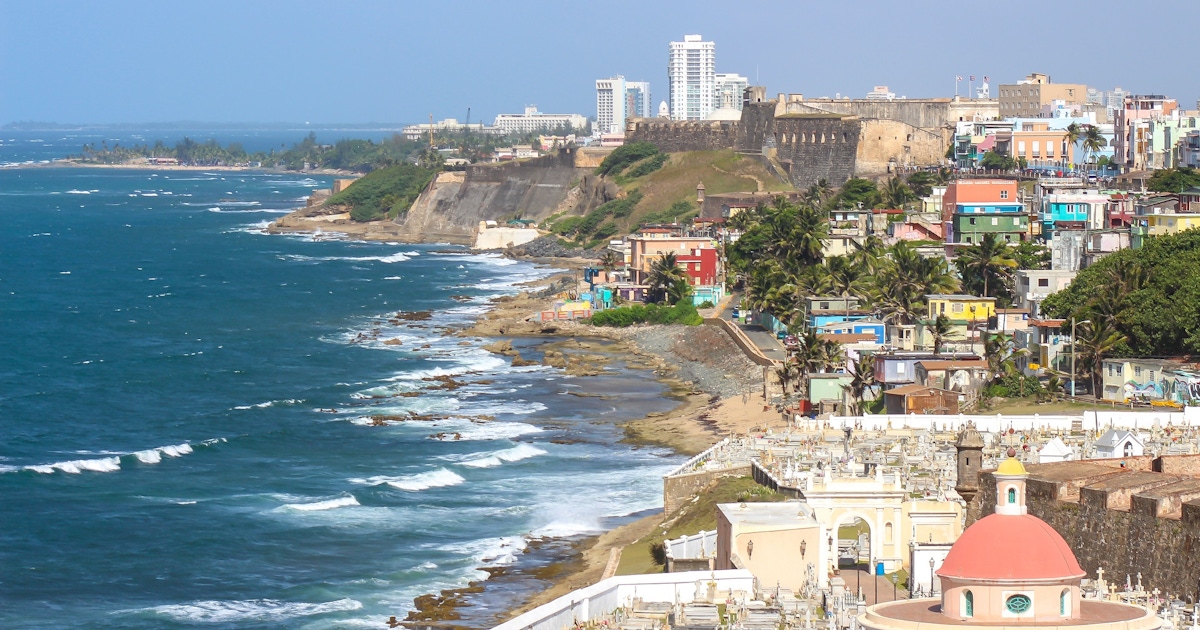
Culebra Snorkeling and Beach Day Tour All Inclusive is a boat-based snorkelling and beach excursion from Fajardo to the clear waters around Culebra, Puerto Rico. The tour combines reef snorkelling, beach time, lunch, snacks, non-alcoholic drinks and rum drinks, making it a convenient option for travellers who want an organised island day without arranging their own boat, gear or food.
Culebra is known for clear Caribbean water, white-sand beaches, coral reefs and relaxed island scenery.
This experience is best suited to travellers who want an active but relaxed day on the water. It works well for couples, families, groups of friends and first-time snorkellers who want crew support, included gear, lunch and drinks while exploring Culebra’s reefs and beaches.
What Is the Culebra Snorkeling and Beach Day Tour?
This is a guided boat excursion from Fajardo to Culebra, one of Puerto Rico’s most loved island destinations. After boarding the vessel, the tour heads towards the Culebra area to explore coral reefs, clear water and white-sand beach scenery.
Viator describes the experience as a snorkelling adventure where guests visit a nature reserve and explore two or three reef areas. The tour is designed to balance underwater activity with beach time, food, drinks and relaxed time on the boat.
Where Does the Tour Start?
The meeting point listed by Viator is:
Isleta Marina Ferry, 89MC+J64, Fajardo, 00740, Puerto Rico.
Viator says guests can park along the side of the road or in the private parking lot. After crossing the street, look for a gray gazebo with an orange roof in front of the parking lot, where staff will be waiting.
The listed meeting time is 8:00am, and the activity ends back at the same meeting point.
Important: This Tour Departs from Fajardo
This tour starts in the Fajardo area, not San Juan. If you are staying in San Juan, you need to arrange your own transport to the meeting point unless your specific booking option includes transfer service.
Allow plenty of time for the drive, parking and check-in. Boat tours run on schedules, and late arrivals may miss the departure.
Why Choose This Culebra Snorkelling Tour?
This tour is a strong option if you want a more complete boat-day experience than simply taking a ferry to Culebra. The tour includes the boat ride, snorkelling equipment, lunch, snacks and drinks, so you can focus on the water, beaches and scenery.
It is also helpful for travellers who are new to snorkelling. Guest reviews frequently mention the crew helping first-time snorkellers, explaining marine life and adjusting locations when ocean conditions require it.
Main Highlights
Boat trip from Fajardo towards Culebra
Guided snorkelling around reef areas
Two or three reef stops depending on conditions
Clear Caribbean water and marine life
Possible sightings of tropical fish, rays and turtles
White-sand beach time
Lunch included
Fresh fruit, chips and dips included
Non-alcoholic drinks included
Rum drinks included
Snorkelling gear included
Family-friendly style, with age restrictions
What Is Included?
Based on the Viator listing, inclusions include:
Use of snorkelling equipment
Lunch
Light lunch with cold-cut sandwiches
Snacks
Fresh fruits
Chips and dips
Non-alcoholic beverages
Rum drinks
What Is Not Included?
Gratuities are listed separately and are optional. Transport from San Juan or other hotel areas is not clearly included on the standard listing, so check your exact booking option before confirming.
Personal items such as towels, reef-safe sunscreen, dry bags, cameras, beachwear and motion sickness medication are not included.
Typical Itinerary
1. Meet at Isleta Marina Ferry in Fajardo
The day begins at the meeting point in Fajardo. Arrive early, find the staff near the gray gazebo with the orange roof and complete check-in.
2. Board the Vessel
After check-in, you board the boat and receive guidance from the crew. This is a good time to ask questions if you are new to snorkelling or concerned about sea conditions.
3. Cruise Toward Culebra
The journey takes you across open water towards Culebra. Conditions can vary depending on wind and sea state, so the ride may be smooth on calm days or bumpy when seas are rougher.
4. Snorkel the Reefs
The main activity is snorkelling. The crew chooses reef locations based on safety, visibility, marine conditions and the day’s weather. Viator says the tour may explore two or three reef areas.
5. Look for Marine Life
Possible marine life includes tropical fish, yellowtail snapper, rays and other reef species. Guest reviews also mention turtles, stingrays, sea cucumbers and colourful fish, although wildlife sightings are never guaranteed.
6. Enjoy Lunch and Snacks
The tour includes a light lunch, snacks, fresh fruit, chips and dips. This makes the day easier because you do not need to organise food before boarding.
7. Relax at the Beach or on the Boat
Depending on conditions and the day’s route, guests may have time to swim to a beach, relax on the sand, stay on the boat or jump back into the water for more snorkelling.
8. Return to Fajardo
After the snorkelling and beach time, the boat returns to the original meeting point in Fajardo.
About the Snorkelling
This tour is focused on reef snorkelling. Culebra’s surrounding waters are known for clear visibility, coral formations and tropical marine life, making it one of Puerto Rico’s popular snorkelling areas.
The crew helps guests with gear and safety instructions. This is especially useful if you are a beginner, nervous in the water or travelling with children who need extra support.
Do You Need to Know How to Swim?
Yes. Viator’s FAQ answer states that participants must know how to swim to participate in the tour.
Even though the crew provides snorkelling equipment and assistance, this is still an open-water activity. You should be comfortable floating, kicking and following instructions in the ocean.
Is This Good for First-Time Snorkellers?
Yes, it can be good for first-time snorkellers who know how to swim and are comfortable in the water. Guest reviews mention crew members helping beginners and making the experience easier for first-timers.
If you are nervous, tell the crew before entering the water. They can explain how to use the mask, snorkel and fins, and may suggest where to stay close to the boat.
What Marine Life Might You See?
Wildlife sightings depend on sea conditions, visibility and luck, but the tour area may include:
Yellowtail snapper
Tropical reef fish
Eagle rays
Stingrays
Sea turtles
Sea cucumbers
Coral reef life
Small reef creatures around rocks and coral
Do not touch coral, turtles, rays or fish. Look, float and enjoy the marine life respectfully.
Is Flamenco Beach Guaranteed?
No beach or snorkelling location should be treated as guaranteed unless the operator confirms it for the day. The captain may adjust the route based on wind, waves, reef safety and water conditions.
This is important because some reviews mention weather-related changes, including visits to other areas when Culebra conditions are not safe. That is normal for responsible boat tours.
Food and Drink Experience
The food is casual and practical rather than formal. Viator lists a light lunch with cold-cut sandwiches, plus fresh fruit, chips and dips.
Drinks include non-alcoholic beverages and rum drinks. The listing also notes that guests are not allowed to bring alcoholic drinks. If you have dietary needs, contact the operator before booking rather than assuming alternatives will be available.
Is Alcohol Served?
Yes. Viator lists rum drinks as included. However, safety comes first. Avoid drinking before snorkelling and follow crew instructions about when alcoholic drinks are served.
The listing also says guests are not allowed to bring their own alcoholic drinks.
Is This Tour Family-Friendly?
Viator describes the tour as great for families and notes that children must be accompanied by an adult. The listing also says children must be at least 3 years old.
That said, families should consider whether children are comfortable on boats and in open water. Younger children may prefer staying on the boat or beach rather than snorkelling extensively.
Health and Safety Notes
Viator lists several important safety notes:
Not wheelchair accessible
Not recommended for travellers with back problems
Not recommended for pregnant travellers
No pregnant travellers
Children must be accompanied by an adult
Children must be at least 3 years old
No pets allowed
No alcoholic drinks brought by guests
Maximum of 33 travellers
What to Wear
Swimsuit under your clothes
Light beach clothing
Rash guard or sun shirt
Hat and sunglasses
Secure sandals or water shoes
Light jacket for the boat ride if you get cold
What to Bring
Towel
Reef-safe sunscreen
Change of dry clothes
Waterproof phone pouch or dry bag
Motion sickness tablets if needed
Photo ID and booking confirmation
Cash for tips
Personal medication
Hair tie or clip if needed for snorkelling
Small bag only, as boat space may be limited
What Not to Bring
Your own alcoholic drinks
Large coolers
Valuables that cannot get wet
Expensive jewellery
Heavy bags
Anything you cannot secure on a boat
Weather and Ocean Conditions
Weather matters on this tour. The boat travels offshore, and sea conditions can change the route, snorkelling spots or beach stop. The captain and crew choose locations based on safety and comfort.
If ocean conditions are rough, the ride may feel bumpy. If visibility is poor at one reef, the crew may adjust the stop. These decisions are made to keep the day safe and enjoyable.
Cancellation Policy
Viator lists free cancellation up to 24 hours before the experience for a full refund.
The tour also requires suitable conditions and may be affected by weather. Always read the latest cancellation policy on the Viator booking page before confirming.
Who Is This Culebra Snorkelling Tour Best For?
This tour is best for travellers who want an organised boat day with snorkelling, food and drinks included. It suits:
Confident swimmers
First-time snorkellers who want crew support
Families with children aged 3 and above
Couples looking for a relaxed water day
Groups of friends
Travellers staying around Fajardo
Visitors who want reef snorkelling without ferry logistics
People who enjoy boat trips, beaches and casual lunches
Who Might Not Like This Tour?
This tour may not suit travellers who cannot swim, get seasick easily, are pregnant, have serious back issues, or want a very calm land-based beach day. It may also not suit travellers who expect a luxury catamaran-style experience with full table-service dining.
If you want a ferry-based island day, compare Culebra ferry tours. If you want a boat-based snorkelling day with lunch and drinks included, this tour is a strong fit.
Suggested Day Plan
Early morning: Eat breakfast before leaving your hotel and travel to Fajardo with plenty of spare time.
8:00am: Meet the crew at Isleta Marina Ferry near the gray gazebo with the orange roof.
Morning: Board the vessel and cruise toward Culebra.
Late morning: Snorkel at reef locations chosen by the captain and crew.
Midday: Enjoy lunch, snacks, fruit and drinks on board.
Afternoon: Relax at the beach, swim, snorkel again or stay on the boat.
Return: Cruise back to Fajardo and end at the original meeting point.
Is the Culebra Snorkeling and Beach Day Tour Worth Booking?
This tour is worth considering if you want a convenient, boat-based Culebra snorkelling day with lunch, snacks, drinks and equipment included. It removes much of the planning required for a DIY snorkelling trip and gives you crew support throughout the experience.
The key is choosing it for the right reason. Book it for snorkelling, reefs, beach time, easy inclusions and a fun boat atmosphere. Choose another option if you need hotel pickup, cannot swim, prefer a private charter or want guaranteed access to one specific beach.
Frequently Asked Questions
Where does the Culebra Snorkeling and Beach Day Tour start?
The tour starts at Isleta Marina Ferry in Fajardo, Puerto Rico.
What time is the meeting time?
Viator lists the meeting time as 8:00am.
How long is the tour?
Viator lists the tour duration as approximately 6 hours.
Is snorkelling equipment included?
Yes. Use of snorkelling equipment is included.
Is lunch included?
Yes. Viator lists lunch as included, described as a light lunch with cold-cut sandwiches.
Are drinks included?
Yes. Non-alcoholic beverages and rum drinks are included.
Can I bring my own alcohol?
No. Viator states that guests are not allowed to bring alcoholic drinks.
Do I need to know how to swim?
Yes. Viator’s FAQ indicates that participants must know how to swim.
Is this tour suitable for children?
Yes, children can join if accompanied by an adult, and the listing says kids must be at least 3 years old. Parents should consider swimming ability and comfort on boats.
Is the tour wheelchair accessible?
No. Viator lists the tour as not wheelchair accessible.
Is it suitable for pregnant travellers?
No. Viator states that the tour is not recommended for pregnant travellers and also notes no pregnant travellers.
How many travellers are on the tour?
Viator lists a maximum of 33 travellers.
Will the tour always go to Culebra?
The intention is Culebra, but weather and ocean conditions can affect the final route. The captain may adjust locations for safety.
What is the cancellation policy?
Viator lists free cancellation up to 24 hours before the experience for a full refund.
Afternoon Sailing around Fajardo with Snacks and Drinks Afternoon sailing around Fajardo with snacks and drinks combines sightseeing with the relaxed sense of movement that comes from a boat-based experience. Check current availability, inclusions and booking details before you go.
Private Gili Snorkeling Tour: Turtles, Reefs + GoPro & Drone Indonesia Explore the Gili Islands on a private snorkeling tour. Choose a 2 or 4-hour morning tour, or 3-hour sunset tour. GoPro on all tours, plus drone aerial footage on 4-hour and sunset tours.
Cancun snorkelling tour with turtles, reefs and more – Outdoor Adventure Mexico Cancun snorkelling tour with turtles, reefs and more is for travellers who want movement, scenery and a stronger sense of adventure in their itinerary. Check current availability, inclusions and booking details before you go.
Best Beaches and Islands to Visit in the Philippines
The Philippines is one of the best beach destinations in the world, with more than 7,000 islands, turquoise lagoons, white-sand beaches, coral reefs, surf breaks, sandbars and relaxed tropical villages. Whether you want a famous beach holiday in Boracay, dramatic limestone scenery in Palawan, surfing in Siargao or a quieter island escape, the Philippines has a beach destination to suit almost every traveller.
Quick take: Musement.com offers a worldwide selection of tours and attractions
This guide keeps it simple and practical. Instead of pretending every island is the same, it explains which beaches and islands are best for first-time visitors, families, couples, snorkelling, diving, surfing, island hopping and peaceful escapes.
Quick Answer: Best Beaches and Islands in the Philippines
The best islands to visit in the Philippines are Palawan, Boracay, Siargao, Bohol, Cebu, Camiguin and Siquijor. For the most dramatic island scenery, choose Palawan. For the easiest white-sand beach holiday, choose Boracay. For surfing and a relaxed island vibe, choose Siargao. For families and mixed sightseeing, choose Bohol. For waterfalls, diving and adventure, choose Cebu.
Best Islands to Visit in the Philippines
1. Palawan — Best Overall Island Destination
Best for: island hopping, lagoons, limestone cliffs, snorkelling, diving and dramatic scenery.
Palawan is often the first place people imagine when they think of the Philippines. It is home to some of the country’s most spectacular seascapes, with towering limestone cliffs, hidden beaches, clear lagoons and colourful reefs.
The two biggest names are El Nido and Coron. El Nido is famous for island-hopping tours through lagoons and beaches, while Coron is known for lakes, reefs and shipwreck diving. If you want a quieter Palawan experience, look at Port Barton, which has a more relaxed and less developed feel.
Best for first-timers: El Nido
Best for diving: Coron
Best for a quieter stay: Port Barton
Best for remote adventure: Balabac
2. Boracay — Best for White Sand and Easy Beach Holidays
Best for: white sand, sunsets, beach walks, restaurants, nightlife and convenience.
Boracay is the classic Philippines beach holiday. Its most famous beach, White Beach, has soft powdery sand, shallow blue water, sunset views, resorts, restaurants and plenty of activities. It is not the quietest island in the Philippines, but it is one of the easiest and most comfortable for travellers who want everything close by.
White Beach is divided into three main areas. Station 1 is generally more spacious and scenic, Station 2 is the busiest and most central, and Station 3 is more relaxed. For something quieter, visit Puka Beach, Diniwid Beach or the wind-sport side of the island at Bulabog Beach.
Best beach: White Beach
Best quieter beach: Puka Beach
Best for sunsets: White Beach
Best for kiteboarding: Bulabog Beach
3. Siargao — Best for Surfing and Laid-Back Island Life
Best for: surfing, palm trees, lagoons, island hopping and younger travellers.
Siargao is known as the surfing capital of the Philippines, especially around Cloud 9. But you do not need to be a surfer to enjoy it. The island also has lagoons, rock pools, palm-lined roads, small islands and a relaxed tropical atmosphere.
Popular places include Cloud 9, Pacifico Beach, Sugba Lagoon, Magpupungko Rock Pools, and the island-hopping trio of Naked Island, Daku Island and Guyam Island.
Best for surfing: Cloud 9
Best for quiet surf vibe: Pacifico Beach
Best lagoon trip: Sugba Lagoon
Best island hopping: Naked Island, Daku Island and Guyam Island
4. Bohol and Panglao — Best for Families and Mixed Activities
Best for: families, beaches, island hopping, sightseeing, Chocolate Hills and easy travel.
Bohol is a great choice if you want more than just beach time. You can stay on nearby Panglao Island, enjoy beaches such as Alona Beach and Dumaluan Beach, then explore inland attractions such as the Chocolate Hills, river cruises and countryside tours.
Panglao is also popular for diving and snorkelling trips to places such as Balicasag Island. It is a practical option for families because it combines beach resorts, restaurants, tours and sightseeing in one destination.
Best beach area: Panglao Island
Best lively beach: Alona Beach
Best quieter beach: Dumaluan Beach
Best day trip: Balicasag Island
5. Cebu — Best for Waterfalls, Diving and Adventure
Best for: waterfalls, diving, snorkelling, canyoneering, history and nearby islands.
Cebu is one of the most versatile destinations in the Philippines. You can explore Cebu City’s history, head south for waterfalls and snorkelling, or travel to nearby islands for quieter beach stays.
Moalboal is famous for the sardine run and snorkelling. Bantayan Island is known for relaxed beach time. Malapascua Island is popular with divers, especially those hoping to see thresher sharks. Cebu works well for travellers who want adventure rather than just lying on a beach.
Best for snorkelling: Moalboal
Best for beaches: Bantayan Island
Best for diving: Malapascua Island
Best for adventure: Kawasan Falls and canyoneering areas
6. Camiguin — Best for Quiet Nature and Volcano Scenery
Best for: hot springs, waterfalls, volcano views, quiet beaches and nature.
Camiguin is a small island with a peaceful feel and a strong nature focus. It is known for volcano scenery, waterfalls, hot springs, cold springs and offshore sandbars. It is not as famous as Boracay or Palawan, which is part of its appeal.
Camiguin suits travellers who want a slower, less commercial island experience with natural attractions rather than big resorts or nightlife.
7. Siquijor — Best for Slow Travel and Clear Water
Best for: peaceful beaches, waterfalls, scooters, sunsets and relaxed stays.
Siquijor has a quieter and more mysterious reputation, with clear water, beach resorts, waterfalls, old churches and a relaxed pace. It is a good option for travellers who want to slow down and explore independently.
This is not the place for huge shopping centres or high-energy nightlife. It is better for simple beach days, scooter rides, sunsets and small-scale island exploring.
Best Beaches in the Philippines
White Beach, Boracay
Best for: first-time visitors, sunsets, swimming, restaurants and classic beach scenery.
White Beach is one of the most famous beaches in the Philippines. It offers soft white sand, calm-looking blue water, beachfront restaurants, resorts and beautiful sunsets. It is popular, so expect crowds in peak season.
Puka Beach, Boracay
Best for: a quieter Boracay beach experience.
Puka Beach is more natural and less built-up than White Beach. It is a good place to escape the busiest part of Boracay for a few hours.
Nacpan Beach, El Nido
Best for: long beach walks, open views and a more spacious feel.
Nacpan Beach is one of the best-known beaches near El Nido. It has a long sandy shoreline and a more open, relaxed atmosphere than some of the smaller island-hopping beaches.
Entalula Beach, El Nido
Best for: beautiful island-hopping scenery.
Entalula Beach is often included in El Nido island-hopping trips. It is loved for its clear water, white sand and dramatic limestone surroundings.
Alona Beach, Panglao, Bohol
Best for: restaurants, tours, diving access and family-friendly convenience.
Alona Beach is the main tourist beach on Panglao Island. It is lively and convenient, with plenty of accommodation, dining and boat tours nearby.
Dumaluan Beach, Panglao, Bohol
Best for: a quieter beach stay on Panglao.
Dumaluan Beach is a good alternative to Alona if you want a more peaceful beach atmosphere while still staying on Panglao Island.
Cloud 9, Siargao
Best for: surfing and surf culture.
Cloud 9 is one of the most famous surf spots in the Philippines. Even non-surfers visit for the boardwalk, views and island atmosphere.
Pacifico Beach, Siargao
Best for: quieter surf vibes and a more natural setting.
Pacifico Beach is less busy than General Luna and Cloud 9. It suits travellers looking for space, surf and a slower pace.
Bantayan Island, Cebu
Best for: relaxed white-sand beach stays.
Bantayan Island is a peaceful beach destination north of Cebu. It is ideal for travellers who want simple beach days without the busier atmosphere of Boracay.
Malapascua Island, Cebu
Best for: diving and small-island atmosphere.
Malapascua is especially popular with divers. It also has a relaxed island feel, simple beaches and a slower pace than Cebu’s busier tourist areas.
Kalanggaman Island, Leyte
Best for: sandbar views and day-trip beach scenery.
Kalanggaman Island is known for its long sandbar and clear water. It is usually visited as a day trip rather than a major resort destination.
Malcapuya Island, Coron
Best for: clear water, swimming and island-hopping trips.
Malcapuya Island is one of the beautiful beach stops around Coron. It is a good choice if you want a classic tropical island beach experience.
Best Beaches and Islands by Travel Style
Travel Style
Best Choice
Why Go There?
Best overall scenery
Palawan
Lagoons, cliffs, reefs and island hopping
Best easy beach holiday
Boracay
White sand, sunsets, restaurants and convenience
Best for surfing
Siargao
Cloud 9, surf culture and laid-back island life
Best for families
Bohol and Panglao
Beaches, tours, resorts and inland sightseeing
Best for diving
Coron, Malapascua and Moalboal
Shipwrecks, reefs, sardine run and marine life
Best quiet island escape
Siquijor, Camiguin or Port Barton
Slower pace, nature and fewer crowds
Best adventure trip
Cebu
Waterfalls, canyoneering, snorkelling and island trips
Best first Philippines beach trip
Boracay and Palawan
Easy beach holiday plus world-class island scenery
Best Philippines Itinerary for First-Time Visitors
Option 1: Easy 7 to 10-Day Beach Trip
Boracay + El Nido
This is a great first Philippines itinerary if you want white sand, sunsets and dramatic island-hopping scenery. Start with Boracay for easy beach time, then continue to El Nido for lagoons and boat tours.
Option 2: Scenic Palawan Adventure
Coron + El Nido + Port Barton
This route is best for travellers who care more about scenery, snorkelling and boat trips than nightlife. It offers lagoons, reefs, beaches, lakes and a quieter finish in Port Barton.
Option 3: Adventure and Beach Mix
Cebu + Bohol + Siargao
This is a strong choice if you want variety. Cebu offers waterfalls and snorkelling, Bohol adds family-friendly sightseeing and beaches, and Siargao brings surf, lagoons and island atmosphere.
Option 4: Quieter Island Escape
Siquijor + Camiguin
This option suits travellers who have already seen the famous places or prefer slower, less commercial islands. Expect waterfalls, quiet roads, simple beach days and more independent exploring.
Practical Travel Tips for Visiting Beaches and Islands in the Philippines
Do not try to visit too many islands in one trip. Travel between islands can take longer than expected.
Check the season. Weather and sea conditions can affect boat tours, ferries and beach days.
Book popular places early. Boracay, El Nido and Siargao can get busy in peak periods.
Carry cash. Smaller islands may have limited ATMs or card payment options.
Use reef-safe sunscreen. This helps reduce damage to coral and marine life.
Choose licensed operators. This is especially important for boat tours, diving and wildlife activities.
Respect local rules. Some islands have environmental limits, beach regulations and protected marine areas.
Pack light. You may need to transfer by tricycle, van, ferry, boat or small aircraft.
Check official travel advice before you go. Conditions can change, especially for weather, safety and transport.
Final Thoughts: Which Philippine Island Should You Choose?
If you can only choose one destination, choose Palawan for the most spectacular scenery. Choose Boracay if you want the easiest and most polished beach holiday. Choose Siargao if you want surf, palm trees and a cooler island vibe. Choose Bohol if you are travelling with family or want a beach-and-sightseeing mix. Choose Cebu if you want waterfalls, snorkelling and adventure.
The Philippines is not just one beach destination. It is a collection of islands with different moods. Some are lively and easy, some are wild and remote, and some are quiet enough to make you forget what day it is. The best choice depends on your travel style, budget, time and how much effort you want to put into getting there.
FAQs About the Best Beaches and Islands in the Philippines
What is the best island to visit in the Philippines?
Palawan is often the best overall island destination because it has dramatic limestone cliffs, lagoons, clear water, island hopping, snorkelling and diving. Boracay is better if you want an easier beach holiday with more restaurants and nightlife.
What is the most beautiful beach in the Philippines?
White Beach in Boracay is one of the most famous and beautiful beaches in the Philippines. For more dramatic scenery, beaches around El Nido and Coron in Palawan are also excellent choices.
Is Boracay or Palawan better?
Boracay is better for an easy beach holiday with white sand, sunsets, restaurants and nightlife. Palawan is better for dramatic scenery, lagoons, island hopping and a more adventurous trip.
Where is the best place for island hopping in the Philippines?
El Nido and Coron in Palawan are two of the best places for island hopping in the Philippines. Siargao and Bohol also offer good island-hopping experiences.
Which Philippine island is best for families?
Bohol and Panglao are very good for families because they combine beaches, resorts, boat tours, the Chocolate Hills, river cruises and wildlife attractions. Boracay can also be family-friendly if you stay in a quieter area.
Which island is best for surfing in the Philippines?
Siargao is the best-known surfing island in the Philippines. Cloud 9 is its most famous surf spot, but there are other surf areas around the island for different levels.
Which Philippine island is best for diving?
Coron, Malapascua, Moalboal and Bohol are all strong diving destinations. Coron is known for shipwreck diving, Malapascua for thresher sharks, and Moalboal for the sardine run.
Where should first-time visitors go in the Philippines?
First-time visitors who want beaches should consider Boracay and Palawan. This combination gives you an easy white-sand beach holiday and some of the most beautiful island scenery in the country.
How many days do you need for a Philippines beach holiday?
For one island, allow at least 4 to 5 days. For two or three destinations, allow 10 to 14 days. The Philippines is spread out, so it is better to travel slower than to lose too much time in transfers.
Are the beaches in the Philippines good for snorkelling?
Yes, many beaches and islands in the Philippines are good for snorkelling. Popular snorkelling areas include Palawan, Bohol, Moalboal, Siargao and parts of Cebu. Always follow local marine rules and avoid touching coral or wildlife.
Sponsored Popular Items
Quick take: Musement.com offers a worldwide selection of tours and attractions
Rottnest Island: Quokkas, Turquoise Bays and a Car-Free Escape Off Perth
A beautiful island getaway of clear-water beaches, easy cycling, snorkelling coves, lighthouse views, rich cultural history and one of Western Australia’s most memorable day trips.
Rottnest Island has a way of making life feel lighter almost as soon as you arrive. The ferry ride leaves the mainland behind, the roads quieten, and the whole island settles into a slower rhythm of bikes, bays, beaches and bright Indian Ocean water. It feels close to Perth, yet once you are there it has the mood of a genuine escape.
What makes Rottnest especially appealing is its balance. It is easy enough for a relaxed day trip, but varied enough to reward a longer stay. You can swim in calm turquoise water, snorkel coral-fringed bays, cycle past salt lakes, spot quokkas near the settlement, and finish the day with sunset light over the coast. It is one of those destinations that suits families, couples, solo travellers and first-time visitors to Western Australia equally well.
Where Is Rottnest Island?
Rottnest Island, known as Wadjemup, lies just off the coast of Perth in Western Australia. It is one of the state’s best-loved island destinations and is close enough to the mainland to work as an easy day trip while still feeling distinct and self-contained.
Why Visit Rottnest Island?
It is easy to reach from Perth, yet feels like a proper island break.
The beaches are exceptional, with sheltered bays, white sand and clear water.
The island is largely car-free, which gives it a slower, more relaxed atmosphere.
It is famous for quokkas, but offers much more than wildlife photos.
It suits many travel styles, from quick ferry day trips to longer cycling and beach stays.
How to Get There
By Ferry from Fremantle
Fremantle is one of the most popular departure points and the quickest option for many visitors. It is especially convenient if you are staying nearby or want the fastest crossing.
By Ferry from Perth
Departing from Perth city adds more travel time, but it can make the journey feel more scenic and complete, especially for visitors staying in the CBD.
By Ferry from Hillarys
Hillarys is another useful departure point, particularly for travellers staying in Perth’s northern suburbs or coastal areas.
Do You Need a Car?
No. In fact, part of the island’s appeal is that you do not bring a normal visitor car across. Most people get around by bike, bus or on foot, which helps give Rottnest its distinctive holiday pace.
Closest Areas and Best Bases
Perth CBD
The Perth city centre is a practical base if you want easy access to ferries, city attractions and a simple day-trip plan.
Fremantle
Fremantle is one of the best places to stay if Rottnest is a priority. It cuts down travel time and adds its own strong mix of dining, heritage and coastal atmosphere.
Hillarys
Hillarys can work well for visitors staying north of Perth who want a straightforward ferry departure.
On the Island
Staying overnight on Rottnest gives the island a quieter feel once many day visitors leave. If you have the time, this is one of the best ways to experience it more deeply.
What to Do on Rottnest Island
1. Cycle Around the Island
Cycling is one of the classic Rottnest experiences. It is not just transport here; it is part of the identity of the island. Riding between bays, beaches and lookouts makes the whole visit feel more immersive and relaxed.
2. Swim at The Basin
The Basin is one of the island’s best-known swimming spots and a favourite for good reason. The naturally protected water and beautiful setting make it one of the easiest places to understand Rottnest’s appeal.
3. Relax at Pinky Beach
Pinky Beach is a strong choice if you want an easy beach stop close to the settlement. It has a classic island-holiday feel and is especially appealing for travellers who do not want to venture too far straight away.
4. Snorkel Little Salmon Bay
If snorkelling is high on your list, Little Salmon Bay is one of the standout spots. Its calmer waters and marine life make it one of the island’s most rewarding bays for getting into the water.
5. Spot Quokkas Respectfully
Quokkas are one of Rottnest’s signature drawcards, but the best experience comes from observing them properly. Keep your distance, avoid feeding them, and let the interaction stay natural.
6. Take the Bus If You Want an Easier Day
If cycling is not for you, the island bus network makes Rottnest much easier to enjoy. It is a smart option for families, slower-paced travellers or visitors who want to cover more ground without the physical effort of riding.
7. Explore the Island’s Cultural and Historical Side
Rottnest is not only about beaches and wildlife. Wadjemup holds deep cultural significance and has a layered, at times confronting history that deserves time and respect. Taking the time to learn some of this history gives the visit much more depth.
8. Visit a Lighthouse or Scenic Lookout
Once you move beyond the main settlement, the island opens into coastal roads, salt lakes, windswept viewpoints and some very memorable outlooks across sea and shoreline.
Suggested Rottnest Island Day Plan
Catch an early ferry from Perth, Fremantle or Hillarys
Hire a bike or organise your island transport on arrival
Start with a beach close to the settlement such as Pinky Beach or The Basin
Head farther out for snorkelling or a scenic coastal ride
Pause for lunch back near the settlement or bayside facilities
Spend the afternoon exploring more beaches, lookouts or quokka spots
Take a late ferry back, or stay overnight for a quieter evening island atmosphere
How Long Should You Stay?
Day trip: enough for the highlights if you plan well.
1 night: a much more relaxed way to enjoy beaches, cycling and sunset atmosphere.
2 to 3 nights: ideal if you want a slower island rhythm with more time for snorkelling, rides and lookouts.
What to Wear and Bring
Comfortable clothing for cycling and beach time
Swimwear and a towel
A hat, sunscreen and sunglasses
Comfortable shoes or sandals
A reusable water bottle
A snorkel mask if you prefer your own
A phone or camera for beach views and wildlife photos
Useful Travel Tips
Book your ferry ahead in busy periods.
Decide before arrival whether you want to bike, bus or mostly walk.
Bring plenty of sun protection because exposure adds up quickly on the island.
Do not underestimate cycling distances if you are not used to riding in wind and heat.
Respect wildlife and cultural sites throughout your visit.
Who Will Love Rottnest Island?
Families wanting an easy island day trip
Couples looking for beaches and relaxed coastal scenery
Travellers who enjoy cycling and swimming
First-time visitors to Perth and Western Australia
Wildlife lovers wanting to see quokkas in their natural home
Final Thoughts
Rottnest Island remains one of Western Australia’s most rewarding coastal escapes because it offers more than a quick beach stop. It gives you clear water, car-free freedom, a gentle island pace and a setting that feels both playful and meaningful.
If you are staying in Perth or Fremantle, Rottnest is one of the easiest standout experiences to add to your itinerary. Go early, slow down once you arrive, and let the day unfold between bays, bikes and bright ocean water. That is when the island feels at its best.
Sponsored Popular Items
Quick take: Musement.com offers a worldwide selection of tours and attractions
From Perth: Rottnest Island Grand Island Day Tour with Lunch Australia Join this full-day, all-inclusive Grand Island day tour from Perth to all the must-see locations of Rottnest Island. Enjoy a 4-hour tour, see the Wadjemup Lighthouse and Henrietta Rocks… Check current availability, inclusions and booking conditions.
Perth: 7-Day Rottnest Island Tour Package with Accommodation Australia Embark on an adventure through Western Australia's natural wonders, including the Pinnacles, Wave Rock, Margaret River, and Rottnest Island, plus koala encounters and sandboarding.
Great Barrier Reef: Australia’s Living Masterpiece of Coral, Islands and Ocean Adventure
A world-famous marine wonder of coral gardens, tropical islands, snorkelling lagoons, sailing routes, dive sites and unforgettable coastal gateways along Queensland’s shoreline.
The Great Barrier Reef is one of those destinations that feels almost too big to describe properly until you see it for yourself. It is not just a single reef, a single island or a single viewpoint. It is a vast living seascape of coral formations, turquoise shallows, sandy cays, forested islands and marine life that stretches for thousands of kilometres along the Queensland coast.
What makes the reef especially appealing is the sheer variety of ways you can experience it. You can snorkel straight off a tropical pontoon, dive outer reef walls, sail through the Whitsundays, fly over coral formations, stay on an island, or base yourself in a coastal town such as Cairns, Port Douglas or Airlie Beach and head out for the day. That flexibility is part of the magic. The reef can feel adventurous, luxurious, family-friendly, remote or wonderfully easy depending on how you choose to visit.
Where Is the Great Barrier Reef?
The Great Barrier Reef lies off the coast of Queensland in northeastern Australia. It stretches along a huge section of the state’s coastline and includes coral reefs, islands, coral cays and surrounding marine environments that together create one of the world’s great natural travel experiences.
Why Visit the Great Barrier Reef?
It is one of the world’s most iconic natural wonders, and one of Australia’s most memorable travel experiences.
The variety is extraordinary, with snorkelling, diving, sailing, island stays, scenic flights and wildlife encounters all possible within the broader reef region.
It works for different travel styles, whether you want a simple day trip, a family-friendly island holiday or a more adventurous dive itinerary.
The gateway regions each feel different, which makes it easy to tailor the trip to your pace and interests.
How to Get There
Cairns
Cairns is one of the best-known and most practical gateways to the Great Barrier Reef. It is especially popular for day trips to the outer reef, pontoon experiences, snorkelling, diving and liveaboard departures.
Port Douglas
Port Douglas offers a more polished resort-town atmosphere and is a strong choice for travellers who want reef access paired with boutique accommodation, good dining and an easy tropical holiday feel.
Airlie Beach and the Whitsundays
If you are drawn to white-sand beaches, island scenery and sailing, the Whitsundays are one of the most beautiful parts of the broader reef experience. Airlie Beach is the main mainland gateway for this style of trip.
Townsville and Magnetic Island
Townsville is another useful access point and suits travellers exploring the central section of the reef, particularly if they want to combine island time with a city base.
Southern Great Barrier Reef
The southern end of the reef offers a different rhythm, often with a calmer, less crowded feel and strong appeal for travellers interested in island stays, marine life and a slower pace.
Closest Towns and Best Bases
Cairns
Cairns is the main all-round reef hub for many travellers and one of the easiest places to base yourself if you want lots of tour choices.
Port Douglas
Port Douglas is ideal if you want a more refined tropical base with good access to reef cruises and an easy holiday atmosphere.
Airlie Beach
Airlie Beach is best for Whitsunday-style reef trips, especially if you love sailing, island-hopping and scenic flights.
Townsville
Townsville works well as a central reef gateway and can be combined with nearby island experiences.
Bundaberg and the Southern Reef
Bundaberg and the southern reef gateways suit travellers who want something a little less mainstream and more nature-focused.
What to Do on the Great Barrier Reef
1. Snorkel the Reef
For many visitors, snorkelling is the easiest and most rewarding first experience. You do not need to be an expert swimmer or diver to appreciate the colour, clarity and marine life that make the reef so famous.
2. Go Scuba Diving
If you want a deeper look at the reef, diving opens up another level of the experience. It is especially appealing for travellers who want coral walls, larger marine encounters and a stronger sense of immersion.
3. Take a Sailing Trip
Sailing is one of the most atmospheric ways to experience the reef, especially in the Whitsundays. It combines island scenery, reef access and the feeling of moving slowly through a truly extraordinary marine landscape.
4. Stay on an Island
An island stay gives the reef a very different mood from a day trip. Instead of treating it as a single excursion, you wake up inside the landscape and let the days unfold more slowly.
5. See the Reef from the Air
Scenic flights are one of the best ways to understand the reef’s scale. From above, the coral formations, reef patterns and changing shades of blue become even more impressive.
6. Visit the Outer Reef
If your main goal is to see striking coral and clear water, outer reef trips are often the highlight. These experiences tend to feel more dramatic and marine-focused than simply staying close to shore.
7. Combine Reef and Island Time
One of the most satisfying ways to experience the Great Barrier Reef is to blend activity with relaxation. A day of snorkelling feels even better when balanced with beach time, island walks or a slower coastal stay.
Suggested Great Barrier Reef Trip Styles
Easy First-Time Reef Trip
Base yourself in Cairns or Port Douglas and take a full-day snorkelling or outer reef cruise.
Island Holiday
Choose an island or Whitsundays base and mix reef time with beach and sailing experiences.
Broader Coastal Itinerary
Combine the reef with Tropical North Queensland, the Whitsundays or the Southern Great Barrier Reef depending on how much time you have.
How Long Should You Allow?
1 day: enough for a day cruise or snorkelling experience.
2 to 3 days: much better if you want more than one reef outing or a mix of reef and island time.
4 days or more: ideal if you want to combine reef activities with a wider Queensland coastal trip.
Best Time to Visit
The reef can be visited year-round, but many travellers find the cooler, drier months especially appealing for visibility, comfort and on-water conditions. Seasonal wildlife events can also shape the best timing depending on what you most want to see.
What to Wear and Bring
Swimwear and a towel
Reef-safe sun protection, hat and sunglasses
Light clothing for tropical weather
A dry bag or small day bag
Motion-sickness tablets if you are sensitive on boats
A phone or camera for boat and island views
Any personal snorkel gear if you prefer your own
Useful Travel Tips
Choose your gateway carefully, because Cairns, Port Douglas, the Whitsundays and the southern reef all offer quite different styles of trip.
Book reef tours ahead in busy seasons.
Check what is included, especially snorkel gear, meals and environmental charges.
Allow for weather flexibility if reef access is central to your itinerary.
Follow reef-safe guidance and operator instructions carefully while on the water.
Who Will Love the Great Barrier Reef?
First-time visitors to Australia
Snorkellers and divers
Families wanting a memorable marine experience
Couples looking for island and sailing scenery
Travellers who enjoy nature, wildlife and tropical coastlines
Final Thoughts
The Great Barrier Reef remains one of the most remarkable places in Australia because it offers more than one kind of beauty. It can be calm and gentle in a shallow lagoon, dramatic on the outer reef, luxurious from an island resort, or exhilarating from the deck of a boat cutting across bright tropical water.
If you are planning a Queensland trip, the reef deserves more than a rushed glance. Choose the gateway that suits your style, give yourself enough time to actually get out on the water, and let the experience unfold properly. That is when the Great Barrier Reef becomes much more than a famous name. It becomes one of the great travel memories of Australia.
Sponsored Popular Items
Quick take: Musement.com offers a worldwide selection of tours and attractions
Reef Sleep: 2-Day Great Barrier Reef All Inclusive Overnight Australia Sleep overnight on the Great Barrier Reef. Experience the tranquility of just you, the sea and the stars. Explore the reef by day, watch the sun set over the water, enjoy gourmet meals… Check current availability, inclusions and booking conditions.
From Port Douglas: Sail to Low Isles Great Barrier Reef Australia Board a catamaran and enjoy an idyllic day on this sailing cruise. Sunbathe on an unspoiled coral cay island in the middle of the Great Barrier Reef and learn about the reef from a… Check current availability, inclusions and booking conditions.
Mandurah, Australia: Dolphins, Canals, Beaches and Easy Coastal Escape
A relaxed waterside getaway of estuary walks, playful dolphins, family-friendly beaches, scenic canals, giant outdoor art and easy day-trip access from Perth.
Mandurah is one of those coastal destinations that feels easy from the moment you arrive. The water is everywhere, the pace softens quickly, and the city seems built around simple pleasures: walking by the estuary, spotting dolphins, heading out on a boat, finding a beach that suits your mood, or settling in for a meal near the foreshore as the light changes over the water.
What makes Mandurah especially appealing is the variety packed into such an accessible place. You can spend the morning on a dolphin cruise, the afternoon beach-hopping or paddling calm estuary waters, and the evening wandering the foreshore or tracking down one of the famous Giants of Mandurah. It works beautifully for families, couples, weekenders and anyone looking for a low-fuss coastal break not far from Perth.
Where Is Mandurah?
Mandurah is in Western Australia, south of Perth, in a setting shaped by estuary waterways, canals, ocean beaches and wetland landscapes. It feels like a holiday town, but it is close enough to the city to work just as well for a day trip as for a longer coastal stay.
Why Visit Mandurah?
It is easy to reach from Perth, making it one of Western Australia’s most convenient coastal escapes.
The waterways are a major part of the appeal, with canals, estuary cruises, paddling and dolphin spotting all central to the experience.
There is strong variety, from beaches and foreshore walks to giant outdoor sculptures and family attractions.
It suits different travel styles, whether you want a relaxed beach break, a family day out or an active weekend on the water.
How to Get There
From Perth by Car
Driving from Perth is straightforward and makes Mandurah an easy coastal escape. This is the best option if you want flexibility to move between the city centre, beaches, trails and surrounding areas at your own pace.
From Perth by Train
The train is one of Mandurah’s biggest advantages. You can travel down from Perth quickly and then connect onward to the foreshore and local attractions by bus, walking or short local transfers.
Getting Around
Once you arrive, many central attractions are easy to explore on foot, especially around the foreshore, marina and canals. A car is useful if you want to include several beaches, Giants locations or outer estuary areas in one trip.
Closest Areas and Best Bases
Mandurah City Centre
The city centre and foreshore area are the most practical base for first-time visitors. You are close to restaurants, waterfront walks, tour departures and easy access to the canals and estuary.
Halls Head
Halls Head works well if you want to stay close to the coast and scenic walking areas while still being near central Mandurah.
Falcon
Falcon is a strong choice for travellers wanting calmer family-friendly beach time and a slightly more local coastal feel.
Dawesville
Dawesville is worth knowing if you want more estuary scenery, boating access and a quieter southern edge to your stay.
What to Do in Mandurah
1. Go Dolphin Spotting
Mandurah is best known for its dolphins, and spotting them is one of the signature local experiences. You can see them on cruises, from kayaks, and sometimes even from shore if you are lucky.
2. Cruise the Canals and Waterways
The canals are one of the city’s defining features. They give Mandurah a distinct look and a very relaxed, water-oriented atmosphere that feels different from many other Australian coastal centres.
3. Walk the Eastern Foreshore
The Eastern Foreshore is one of the easiest and most enjoyable places to start. It works for a casual stroll, family time, coffee stops and a good first feel for the city’s laid-back waterside mood.
4. Visit the Giants of Mandurah
The Giants of Mandurah add a creative and adventurous layer to the trip. These large outdoor sculptures are scattered through landscapes around the region and make Mandurah feel more playful and distinctive than a standard beach destination.
5. Spend Time at the Beaches
Mandurah has a good mix of beaches, from central easy-access stretches to calmer bays and more open surf-oriented spots. That makes it easy to match the beach to your mood, whether you want swimming, walking, paddling or wave watching.
6. Paddle the Estuary
If you enjoy low-key outdoor activity, the estuary is ideal for kayaking, canoeing and stand-up paddleboarding. It is a lovely way to slow down and experience the city from the water.
7. Take a Sunset Walk
Mandurah’s sunsets are part of the appeal. A simple late-day walk near the beach, canals or estuary often becomes one of the most memorable parts of the trip.
8. Browse Markets and Waterfront Spots
If your visit lines up well, the foreshore markets and waterfront dining areas can add extra life and colour to the day, especially around weekends.
Suggested Mandurah Day Plan
Arrive in the morning and start with a foreshore walk
Head out on a dolphin or canal cruise
Have lunch near the waterfront
Spend the afternoon at the beach or exploring a Giants trail
Finish with sunset views by the water
How Long Should You Stay?
Day trip: very doable from Perth and enough for the main highlights.
Weekend: ideal for combining dolphins, beaches, canals and Giants without rushing.
3 days or more: best if you want a slower coastal stay with time to explore different parts of the wider region.
What to Wear and Bring
Comfortable walking shoes
Swimwear and a towel if you plan beach time
A hat, sunscreen and sunglasses
A windproof layer for boat trips or evening foreshore walks
A camera or phone for canals, dolphins and sunset views
Water and light snacks if you are doing a Giants trail or longer outdoor day
Useful Travel Tips
Start early if you want to fit both water activities and beach or art stops into one day.
Check cruise or tour times ahead rather than assuming you can book everything on arrival.
Keep some flexibility in your schedule because dolphin sightings and weather conditions can shape the day.
Do not rush the foreshore area. Some of Mandurah’s best moments are the simple ones by the water.
Who Will Love Mandurah?
Families wanting an easy coastal break from Perth
Couples looking for a relaxed waterfront weekend
Travellers who enjoy dolphins, boats and estuary scenery
Visitors wanting beaches without a long road trip
People who like combining nature with casual food, walking and art
Final Thoughts
Mandurah works so well because it never feels like hard work. It gives you water, wildlife, beaches and scenic walking in a setting that is easy to access and easy to enjoy. You can be as active or as relaxed as you like, and the destination still feels rewarding.
If you want a Western Australia getaway that combines dolphins, foreshore atmosphere, beach time and something a little different in the form of the Giants, Mandurah is one of the strongest choices near Perth. It is simple, scenic and genuinely enjoyable.
Sponsored Popular Items
Quick take: Musement.com offers a worldwide selection of tours and attractions
Mandurah: Wild Seafood Experience Australia Cruise Mandurah’s picture-perfect waters for an interactive sea-to-plate adventure. Catch live Western Rock Lobster and dine on a chef-crafted, 8-course seafood lunch with beverages included
Mandurah: Sunset Cruise Australia Enjoy an evening sunset cruise and sail along the canals in Mandurah. Cruise past the marina, admire the view of the Peel Harvey Estuary and have fun with your family and friends.
Mandurah: Premium Pontoon Boat Rental Australia Explore the waterways on a deluxe sightseeing boat. Enjoy comfortable seating, a small canopy for sun protection, and a provided map to plan your route.
Port Stephens, Australia: Beaches, Dolphins, Sand Dunes and Coastal Adventure
A beautiful New South Wales escape of calm blue bays, giant coastal dunes, scenic summit walks, marine wildlife and relaxed beach towns just north of Sydney.
Port Stephens is one of those destinations that feels generous from the moment you arrive. The water is bright, the coastline curves around sheltered bays and headlands, and there is a sense that almost every road leads to either a beach, a lookout, a marina or a place to launch into the sea. It is easy to see why so many visitors come for a weekend and immediately start planning a longer return trip.
What makes Port Stephens especially appealing is its range. This is not just a beach destination, and it is not just an adventure hub. It gives you both. You can spend the morning climbing a coastal summit, the afternoon gliding out on a dolphin cruise, and the evening dining by the water in Nelson Bay. You can swap all of that for sandboarding, whale watching, kayaking, swimming, fishing or simply doing very little on a beautiful beach. It is that flexibility that makes the area work so well for families, couples, road trippers and first-time visitors to coastal New South Wales.
Where Is Port Stephens?
Port Stephens is on the North Coast of New South Wales, just north of Newcastle and within easy reach of Sydney. The region centres around a vast natural harbour and a string of coastal towns and villages, with Tomaree National Park on one side and the remarkable Worimi sand dune system on the other.
Why Visit Port Stephens?
It is easy to reach, making it one of the most rewarding coastal getaways from Sydney.
The scenery is varied, with calm bays, surf beaches, headland walks, dunes and national park landscapes all close together.
Wildlife is a major draw, especially resident bottlenose dolphins and seasonal humpback whales.
It suits many travel styles, from active adventure weekends to easy family beach breaks.
The towns are close together, so it is simple to explore several different parts of the region in one trip.
How to Get There
From Sydney
Port Stephens is an easy road trip from Sydney and works well for a weekend or short coastal break. Driving gives you the flexibility to move between Nelson Bay, Shoal Bay, Anna Bay and the dunes without relying on limited local transport.
From Newcastle
If you are travelling from Newcastle, Port Stephens is even closer and makes an easy day trip or overnight escape. This is one of the simplest ways to enjoy beaches, wildlife and coastal walking without committing to a long drive.
Getting Around
A car is the best way to explore the region properly. The main towns are close enough to combine easily, but spread out enough that having your own transport makes the trip much smoother and more enjoyable.
Closest Towns and Best Areas to Stay
Nelson Bay
Nelson Bay is the main tourist hub and the most practical base for many visitors. It has a marina, waterfront dining, tour departures, accommodation and easy access to nearby beaches and walks.
Shoal Bay
Shoal Bay is a beautiful base for beach lovers and anyone wanting quick access to the Tomaree Head Summit walk. It feels scenic and relaxed, with a very classic holiday-town atmosphere.
Anna Bay
Anna Bay is the gateway to the dunes and a strong choice if your focus is sandboarding, beach adventure and access to the Worimi landscape.
Fingal Bay
Fingal Bay is a good option for travellers wanting a slightly quieter coastal stay with great beach access and easy links into Tomaree National Park.
What to Do in Port Stephens
1. Climb Tomaree Head Summit
This is one of Port Stephens’ signature experiences. The walk is short enough to be achievable for many visitors, but steep enough to feel satisfying, and the panoramic views from the top are among the best on the New South Wales coast.
2. Explore the Worimi Sand Dunes
The dunes are one of the most distinctive landscapes in the region. They feel immense, exposed and almost desert-like, which creates a dramatic contrast with the surrounding ocean and bushland. This is one of the highlights that makes Port Stephens feel different from a standard beach town.
3. Go Sandboarding or Join a 4WD Tour
If you want something more active, the dunes are the place to do it. Sandboarding and guided 4WD tours are among the region’s best-known adventures and are especially popular with families and groups.
4. Take a Dolphin Cruise
Port Stephens is famous for its resident bottlenose dolphins, and seeing them on the water is one of the region’s classic experiences. It adds a memorable marine element to the trip and suits visitors who want something scenic without needing to be particularly adventurous.
5. Go Whale Watching in Season
During migration season, Port Stephens becomes an excellent whale-watching destination. Whether you join a cruise or watch from one of the headlands, this is one of the most exciting times to visit.
6. Spend Time on the Beaches
One of the joys of Port Stephens is that the beaches are so varied. Some are calm and protected, ideal for swimming and families, while others feel more open and ocean-facing. This makes it easy to match the beach to your mood.
7. Swim, Kayak or Paddleboard in the Bay
The protected waters around the bay are ideal for gentle water activities. If you like a slower-paced beach day, this side of Port Stephens is especially rewarding.
8. Explore Tomaree National Park
The national park adds more than one good walk. It gives the whole area its rugged coastal character, with beaches, lookouts, heathland and headlands all contributing to the sense of wild natural beauty.
9. Enjoy Nelson Bay Marina and Foreshore
Nelson Bay is the social and practical heart of the area. The marina, waterfront restaurants and relaxed foreshore make it an easy place to return to between adventures.
Suggested Port Stephens Day Plan
Start early with the Tomaree Head Summit walk
Spend late morning in Shoal Bay or Nelson Bay
Take a dolphin cruise or enjoy lunch by the marina
Head to Anna Bay for dunes, beach time or sandboarding
Finish with sunset views or a relaxed dinner by the water
How Long Should You Stay?
Day trip: possible, but best if you focus on only a few highlights.
Weekend: ideal for beaches, a walk, a cruise and time around the towns.
3 to 4 days: much better if you want to enjoy the region without rushing and explore both the dunes and the bay properly.
Best Time to Visit
Port Stephens works year-round, but different seasons bring different strengths. Warmer months are ideal for swimming, boating and beach time, while cooler months can be excellent for hiking and whale watching. Spring and autumn often give the nicest balance of outdoor comfort and lighter crowds.
What to Wear and Bring
Comfortable walking shoes for headland tracks and lookouts
Swimwear and a towel for bay and beach stops
A hat, sunscreen and sunglasses
A windproof layer for exposed headlands or boat trips
A camera or phone for dune, beach and lookout views
Water and snacks if you plan to combine walking with dune or beach time
Useful Travel Tips
Start popular walks earlier in the day, especially in warmer weather.
Do not try to squeeze every attraction into one rushed visit. Port Stephens is best enjoyed at a slower pace.
Check local conditions before heading onto the water or into the dunes.
Bring more sun protection than you think you need, especially around the dunes and on boat trips.
If whale watching matters to you, plan your visit during the migration season.
Who Will Love Port Stephens?
Families wanting a classic NSW coastal break
Couples looking for beaches and scenic walks
Nature lovers and wildlife watchers
Travellers who enjoy both relaxation and adventure
Visitors wanting an easy escape from Sydney or Newcastle
Final Thoughts
Port Stephens is one of those destinations that feels easy to recommend because it does so many things well. It is beautiful without being difficult, active without being exhausting, and varied enough to suit almost any kind of coastal traveller. The mix of marine life, beaches, dunes and national park scenery gives it a sense of abundance that keeps the trip feeling fresh from one stop to the next.
If you want a New South Wales getaway that combines outdoor adventure, easy holiday atmosphere and genuinely memorable natural landscapes, Port Stephens is one of the strongest choices on the coast. It is easy to reach, easy to enjoy and hard to leave after only one visit.
Sponsored Popular Items
Quick take: Musement.com offers a worldwide selection of tours and attractions
Sydney: Port Stephens Private Day Tour Australia Enjoy a private transfer from Sydney to Port Stephens with optional stops along the way. Experience the thrill of sandboarding, see dolphins on a cruise, or visit a winery.
From Sydney: Port Stephens Private Tour Australia Enjoy a private tour from Sydney to Port Stephens. Experience a thrilling array of activities like sandboarding, dolphin cruises, quad biking, and more.
From Sydney: Port Stephens, Anna Bay, Sandboarding & Hike Australia Experience the beauty of Port Stephens on a day trip from Sydney. Enjoy a 4WD sand safari ride, sandboarding, a guided hike up Mount Tomaree, and free time in Nelson Bay.
Bruny Island: Tasmania’s Wild Coastal Escape South of Hobart
A windswept island of dramatic cliffs, white-sand beaches, coastal walks, lighthouse views, wildlife encounters and some of Tasmania’s finest local produce.
Bruny Island is one of those places that feels like a real escape almost as soon as you board the ferry. The crossing is short, but the mood shift is immediate. The pace slows, the scenery opens up, and the island begins to reveal a mix of sheltered bays, rugged southern coastline, rolling farmland and long empty beaches that make it feel much wilder than its easy access from Hobart might suggest.
What makes Bruny especially memorable is the contrast. You can spend the morning eating oysters, cheese or honey, the afternoon walking along a windswept headland or beach, and the evening watching light fade over a quiet bay. It is this balance of food, scenery, wildlife and space that makes Bruny Island one of the strongest short breaks and day trips in southern Tasmania.
Where Is Bruny Island?
Bruny Island lies off Tasmania’s south-east coast, just south of Hobart. It is made up of North Bruny and South Bruny, connected by a narrow isthmus known as The Neck, which is one of the island’s most recognisable landmarks.
Why Visit Bruny Island?
It is easy to reach from Hobart, yet still feels distinctly remote and wild.
The scenery is wonderfully varied, with beaches, forests, cliffs, bays and open farmland all on one island.
It combines nature with food, making it just as rewarding for relaxed grazing as it is for walking and sightseeing.
It suits many travel styles, from day-trippers and couples to photographers, walkers and road trippers.
How to Get There
From Hobart to Kettering
The journey starts with a drive south from Hobart to Kettering. This is the mainland ferry departure point and the standard way onto the island.
By Ferry
From Kettering, take the vehicle ferry across to Bruny Island. Bringing your car is the best option for most visitors because the island is spread out and the best beaches, lookouts and food stops are easiest to enjoy at your own pace.
Getting Around the Island
Self-driving is the most practical way to explore Bruny. Roads vary from sealed to gravel in places, and there is plenty to see across both the northern and southern parts of the island, so having your own vehicle makes a big difference.
Closest Towns and Best Bases
Hobart
Hobart is the main gateway and the easiest base if you are doing Bruny Island as a day trip.
Kettering
Kettering is the mainland departure point for the ferry and a useful place to know when planning timings.
Adventure Bay
Adventure Bay is one of the island’s best-known settlements and a great area to stay if you want beaches, walks and easy access to South Bruny highlights.
Alonnah
Alonnah is another useful base with services and a quieter local feel, especially for overnight stays.
What to Do on Bruny Island
1. Stop at The Neck
The Neck is one of Bruny Island’s signature sights. This narrow strip of land linking North and South Bruny creates one of the most photogenic viewpoints on the island and is one of the first must-see stops for many visitors.
2. Explore Adventure Bay
Adventure Bay has a gentler, more classic coastal feel than some of the island’s wilder southern scenery. It is a lovely place for a beach walk, a relaxed break or the starting point for nearby walks.
3. Walk to Grass Point
This is one of the island’s more accessible coastal walks and a strong choice for visitors who want scenic views without committing to a demanding hike. The ruins of the old whaling station add another layer of interest.
4. Tackle Fluted Cape if You Want Bigger Views
For walkers after something more adventurous, Fluted Cape is one of the island’s standout tracks. It delivers more dramatic scenery and a stronger sense of Bruny’s rugged coastal character.
5. Visit Cape Bruny Lighthouse
The lighthouse is one of the island’s most memorable landmarks. The setting above dolerite cliffs feels properly wild, and the history adds real depth to the experience.
6. Spend Time in South Bruny National Park
South Bruny National Park is where the island really begins to show its more rugged side. This is the place for bigger coastal scenery, wildlife, remote-feeling beaches and longer walks.
7. Eat Your Way Around the Island
Bruny is also one of Tasmania’s great food day trips. Oysters, cheese, honey, chocolate, wine and whisky all help make the island feel rewarding even if your pace is slow and your itinerary is flexible.
8. Look Out for Wildlife
Bruny Island is well known for its birdlife and coastal wildlife, and many visitors also keep an eye out for the island’s famous white wallabies.
How Long Should You Stay?
Day trip: enough for major highlights if you start early.
1 night: much better if you want to enjoy the island without rushing.
2 to 3 nights: ideal for combining walks, beaches, food stops and a slower pace.
Suggested Bruny Island Day Plan
Leave Hobart in the morning and drive to Kettering
Catch the ferry to Bruny Island
Stop at The Neck lookout
Continue to Adventure Bay
Choose a short walk such as Grass Point or spend time on the beach
Drive south for bigger coastal scenery and Cape Bruny Lighthouse
Build in time for local produce stops on the return journey
What to Wear and Bring
Comfortable walking shoes
A warm layer and windproof jacket
Water and snacks for longer drives or walks
A camera or phone for lookouts and wildlife
Sun protection, even on cooler days
Useful Travel Tips
Bring your car if possible, because it is the easiest way to explore properly.
Drive carefully, especially on winding or gravel roads.
Avoid driving at dawn and dusk if you can, when wildlife is more active.
Do not overload the day. Bruny is best with a little room to stop, eat and wander.
If you want a more relaxed experience, stay overnight rather than returning to Hobart the same day.
Who Will Love Bruny Island?
Nature lovers and photographers
Food-focused travellers
Couples wanting a scenic Tasmanian escape
Visitors based in Hobart looking for a standout day trip
Walkers who enjoy coastal tracks and big views
Final Thoughts
Bruny Island earns its appeal because it feels both accessible and wild at the same time. It is close enough for a simple trip from Hobart, yet once you are there, the beaches, cliffs, bays and open landscapes feel genuinely far removed from city life.
If you want a Tasmanian destination that combines scenery, wildlife and excellent local produce in one memorable outing, Bruny Island is one of the best choices in the south of the state. It rewards slow travel, and it almost always leaves people wishing they had given it more time.
Sponsored Popular Items
Quick take: Musement.com offers a worldwide selection of tours and attractions
Bruny Island: Cape Bruny Lighthouse Tour Australia Enjoy a fully-guided tour of the historic Cape Bruny Lighthouse, perched high on a cliff top above pounding seas. Climb the spiral stairs to the prism room and out onto the balcony!
Hobart: 2 Day Combo Bruny Island & Port Arthur with Devils Australia Discover Tasmania's highlights on a 2-day tour from Hobart. Explore the Port Arthur Historic Site, see Tasmanian Devils, hike Bruny Island, and indulge in local food and drink.
Ultimate Full-Day Bruny Island Inc Exclusive Lighthouse Tour Australia Discover the best of Bruny Island on this all-inclusive, full day tour from Hobart. Explore inside Cape Bruny Lighthouse with exclusive access, take in the incredible sights and dine on local produce.
Green Island Queensland: A Tropical Great Barrier Reef Escape from Cairns
A classic reef day trip where white sand, warm turquoise water, tropical rainforest and easy snorkelling come together on one of the most accessible islands off Cairns.
Green Island has the kind of appeal that works instantly. The water is bright and clear, the beaches are soft and inviting, and the island itself feels compact enough to explore without any stress. Yet what makes it especially memorable is the contrast. You are not just visiting a reef cay with sand and sea. You also get lush rainforest, easy walking tracks, jetty views over marine life and a setting that feels more complete than a simple boat stop.
For travellers based in Cairns, Green Island is one of the easiest ways to experience the Great Barrier Reef without committing to a long offshore journey. It suits families, couples, casual swimmers, first-time snorkellers and visitors who want a tropical island feel with straightforward logistics. You can spend the day snorkelling, swimming, walking, relaxing on the beach or adding optional reef activities, then still be back in Cairns by late afternoon.
Where Is Green Island?
Green Island is a small coral cay on the Great Barrier Reef off the coast of Cairns in Tropical North Queensland. It sits within a protected reef and national park setting, which is part of what makes it feel so special. The island may be small, but it offers a surprisingly rich mix of beach, reef and rainforest experiences in one place.
Why Visit Green Island?
It is one of the easiest reef islands to reach from Cairns, making it ideal for day trips.
You can snorkel straight from the beach, which is a major draw for visitors who want a simpler reef experience.
It combines reef and rainforest, giving the island a more varied atmosphere than many quick marine excursions.
It suits a wide range of travellers, from families and non-divers to couples wanting an easy tropical escape.
You can keep it relaxed or make it active, depending on whether you prefer beach time, walks or extra reef adventures.
How to Get There
From Cairns
The standard way to reach Green Island is by fast catamaran from Cairns. This is what makes the island such an attractive day trip. You can leave the city in the morning and be on the island quickly, without needing a long transfer or overnight logistics just to enjoy reef scenery.
By Tour or Island Transfer
Most visitors arrive on a packaged island transfer or a day-tour option that may include extras such as snorkelling gear or a glass-bottom boat experience. This makes Green Island particularly convenient for travellers who want a simple, well-organised day rather than a DIY marine trip.
Overnight Stay
If you want a slower experience, Green Island can also work as a short island stay rather than only a day trip. Staying overnight gives the island a quieter feel once most day visitors have returned to Cairns.
Closest Towns and Best Bases
Cairns
Cairns is the obvious and most practical base for Green Island. It is where most day trips depart, and it gives you easy access to accommodation, restaurants, reef tour operators and onward travel in Tropical North Queensland.
Northern Beaches
If you are staying in the Cairns northern beach areas, Green Island is still very doable, though you will generally need to plan around transport into Cairns for departure. For most visitors, a Cairns stay keeps things simplest.
What to Do on Green Island
1. Snorkel from the Beach
This is one of Green Island’s biggest advantages. You do not need to travel far again once you arrive. You can get into the water directly from the island and start exploring the reef environment close to shore.
2. Relax on the White Sand Beaches
Green Island is just as appealing above the water as it is below it. If your ideal reef day includes swimming, sunbathing and reading under the shade of coastal trees, the beaches here make that easy.
3. Walk the Rainforest Boardwalk
The rainforest gives Green Island a very different character from a simple sand cay. A short boardwalk stroll adds shade, birdlife and a welcome change of pace between swims or snorkelling sessions.
4. Do the Beach Walk
If you want to see the island more fully, walking around its edge is a rewarding way to appreciate the reef, beach vegetation and changing views back across the water.
5. Walk the Jetty
The jetty is one of the easiest places to enjoy the marine setting without even getting wet. Looking down into the clear water can be a highlight in itself, especially for families or visitors who prefer to stay dry.
6. Try a Glass-Bottom Boat or Other Reef Activity
Green Island works well for non-snorkellers too. Optional experiences can make the reef more accessible for travellers who want to see marine life without spending much time in the water.
7. Make It a Reef-and-Relaxation Day
One of the best things about Green Island is that you do not have to choose between adventure and ease. You can snorkel in the morning, walk through the rainforest later, enjoy lunch, then spend the afternoon unwinding by the beach.
How Long Should You Allow?
Half day: possible, but you will only get a taste of the island.
Full day: ideal for most visitors, with time for snorkelling, walking and beach time.
Overnight: best if you want a quieter island experience and more time away from the day-trip rhythm.
Suggested Day Plan
Depart Cairns in the morning
Arrive and get your bearings with a short jetty or beach walk
Snorkel or swim while the day is still fresh
Take a break for lunch and shade
Walk the rainforest boardwalk
Spend your final hour relaxing on the beach or adding a reef activity
Return to Cairns in the afternoon
What to Wear and Bring
Swimwear and a towel
Reef-safe sun protection, hat and sunglasses
Light clothing for tropical weather
Comfortable sandals or water-friendly footwear
A dry bag or small day bag
A phone or camera for beach and jetty views
Any personal snorkel gear if you prefer your own
Useful Travel Tips
Book ahead, especially in holiday periods.
Allow enough time in Cairns before departure rather than arriving at the terminal last minute.
Plan water activities around the safest designated swimming and snorkelling areas.
If you are sensitive to sun, build in some rainforest or shaded breaks through the day.
Do not rush off as soon as you arrive. Green Island is best enjoyed slowly.
Who Will Love Green Island?
First-time Great Barrier Reef visitors
Families wanting an easy reef island day trip
Couples looking for a scenic tropical escape
Travellers who prefer shorter boat transfers from Cairns
Visitors who want a balance of snorkelling, walking and relaxation
Final Thoughts
Green Island is popular for good reason. It gives you a Great Barrier Reef setting without making the day feel complicated or exhausting. The combination of beach, reef and rainforest makes it more rounded than many simple marine excursions, and its closeness to Cairns means it is easy to add to a Tropical North Queensland itinerary.
If you want a reef experience that feels scenic, practical and distinctly tropical, Green Island remains one of the strongest choices near Cairns. It is easy to reach, easy to enjoy and memorable in a way that feels both relaxed and iconic.
Sponsored Popular Items
Quick take: Musement.com offers a worldwide selection of tours and attractions
Cairns: Spirit of Cairns Dinner Cruise Australia End your perfect day in paradise with a Cairns dinner cruise. Sail on the catamaran along Trinity Inlet, enjoying the tropical city's sights and sounds as day turns to night. Check current availability, inclusions and booking conditions.
Discover Cairns: Cairns River Cruise & City Sights Tour Australia Explore Cairns Harbour along the picturesque Cairns Inlet, enjoy lunch on the waterfront before joining your afternoon tour of discovery exploring Australia's most tropical city. Check current availability, inclusions and booking conditions.
Cairns: Rainforest River Tubing & Cairns Jetboating - 2 Tours Australia Drift through the rainforest on a relaxing river tubing adventure, then turn up the thrill with high-speed spins and slides on an exciting Cairns jet boat ride. Check current availability, inclusions and booking conditions.