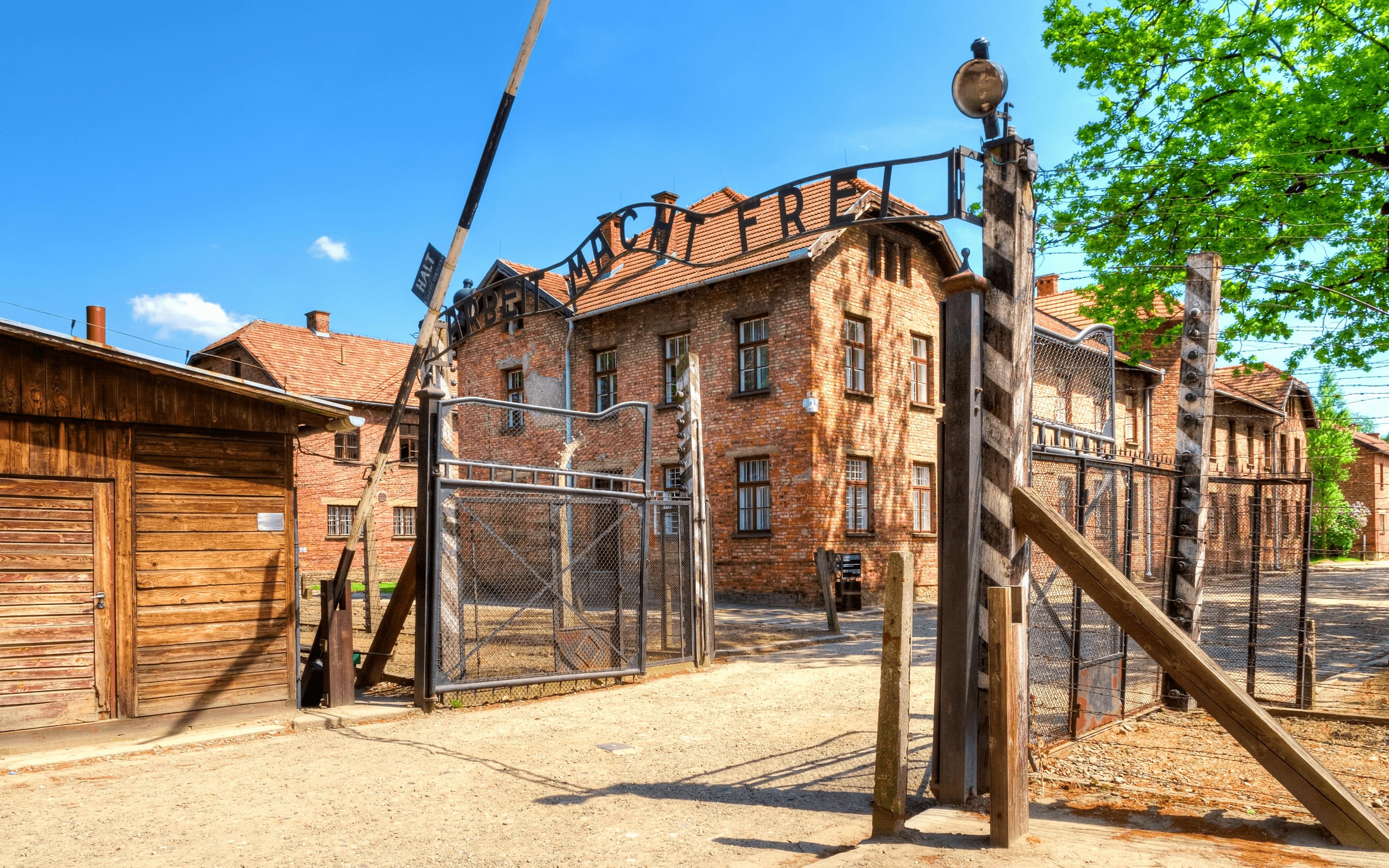
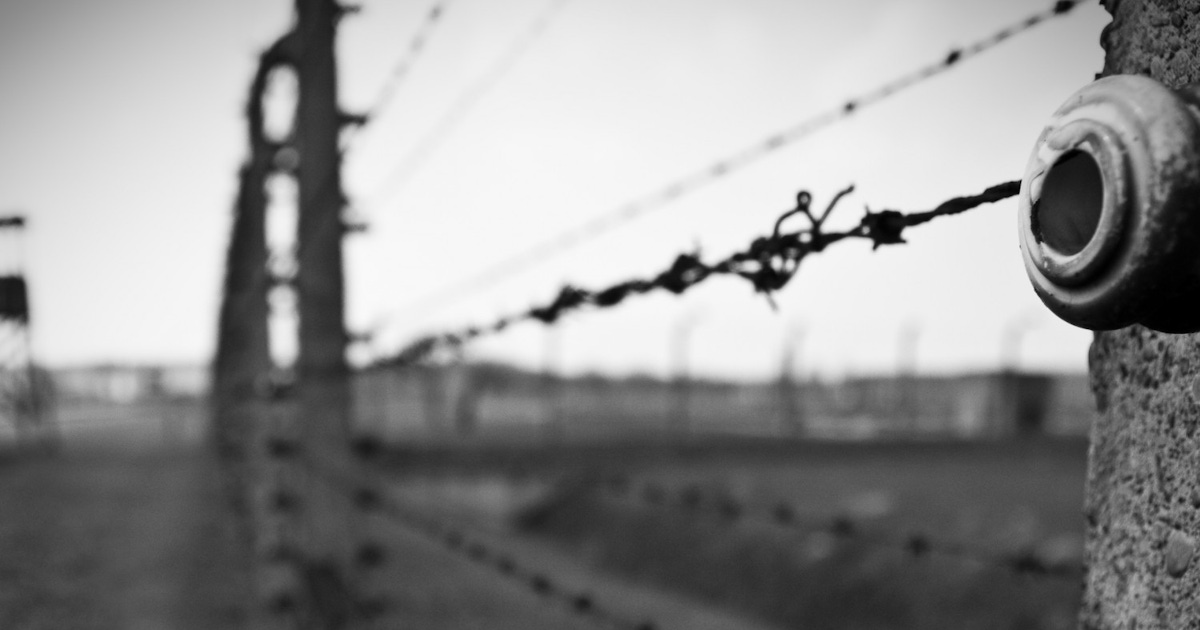
A visit to the Auschwitz-Birkenau Memorial and Museum is unlike an ordinary museum visit or sightseeing excursion. The preserved barracks, railway tracks, personal possessions, ruins of gas chambers and vast open spaces are evidence of genocide, persecution, forced labour and mass murder committed by Nazi Germany in occupied Poland.
The Memorial consists principally of two sites: Auschwitz I, the original concentration camp, and Auschwitz II-Birkenau, the much larger concentration and extermination camp approximately 3.5 kilometres away.
Sponsored Popular Items
Quick take: Musement.com offers a worldwide selection of tours and attractions
Both should be visited to understand the history and scale of the camp complex. Auschwitz I contains exhibitions, brick prisoner blocks, the camp prison and the first gas chamber. Birkenau contains the railway entrance, unloading ramp, surviving barracks and the ruins of the main gas chambers and crematoria where the majority of Auschwitz victims were murdered.
This guide explains the history of the site, what visitors encounter, how to reserve entry, how to travel from Kraków and how to behave with the dignity appropriate to a place of remembrance.
Auschwitz-Birkenau Quick Facts
Visitor information
Details
Official name
Memorial and Museum Auschwitz-Birkenau, former German Nazi concentration and extermination camp
Location
Oświęcim and Brzezinka, southern Poland
Distance from Kraków
Approximately 65–70 kilometres by road
Main visitor entrance
55 Więźniów Oświęcimia Street, Oświęcim
Main sites
Auschwitz I and Auschwitz II-Birkenau
Distance between sites
Approximately 3.5 kilometres
Standard guided visit
Approximately 3.5 hours
Study visit
Approximately 6 hours or longer
Entry to grounds
Free with a reserved personalised entry pass
Guided visit
Paid; price varies by tour and visitor category
Reservation
Required online before arrival
Recommended arrival
At least 30 minutes before the reserved time
Maximum bag size
35 × 25 × 15 centimetres
Recommended minimum age
The Museum does not recommend visits for children under 14
UNESCO status
World Heritage Site since 1979
Important: Reservations, tour schedules and temporary closures can change. Always check the official booking calendar shortly before travelling.
A Memorial, Not a Conventional Tourist Attraction
Auschwitz-Birkenau should not be approached as entertainment or as a place to collect dramatic photographs. It is a cemetery, historical site, museum and place of mourning.
More than 1.1 million people died in the Auschwitz camp complex. The overwhelming majority were Jews murdered as part of Nazi Germany’s systematic attempt to destroy Europe’s Jewish population.
Other victims included Poles, Roma and Sinti, Soviet prisoners of war, political prisoners, resistance members, disabled people, gay men, Jehovah’s Witnesses and prisoners from many European countries.
The buildings and objects seen during the visit are not recreations designed for effect. They include authentic evidence connected with people who were deported, imprisoned and murdered.
A thoughtful visit involves listening, reading, observing and allowing time to consider individual lives rather than treating the site only as a symbol or historical statistic.
Auschwitz and Oświęcim: Understanding the Name
Oświęcim is the Polish town where the first camp was established. After invading and occupying Poland, Nazi Germany annexed the region and replaced the town’s Polish name with the German name Auschwitz.
The camp became known as Konzentrationslager Auschwitz, commonly abbreviated as KL Auschwitz.
Today, the town is again called Oświęcim. The historical name Auschwitz is used when referring to the German Nazi camp complex and the Memorial.
This distinction matters. Auschwitz was not a camp created or operated by Poland. It was established and run by Nazi Germany in German-occupied Polish territory.
A Short History of Auschwitz
The Establishment of Auschwitz I
Nazi Germany established Auschwitz I in 1940, initially using former Polish military barracks. The first large group of prisoners consisted mainly of Polish political prisoners and members of the resistance.
Prisoners were subjected to starvation, disease, beatings, executions and exhausting forced labour. German authorities expanded the camp as arrests and deportations increased.
The Construction of Birkenau
Construction of Auschwitz II-Birkenau began in 1941 near the village of Brzezinka. Polish residents were expelled and homes were demolished to make way for the camp.
Birkenau became the largest part of the Auschwitz complex. It contained hundreds of barracks and eventually held tens of thousands of prisoners at one time.
From 1942, Birkenau became a central location in the Nazi German extermination of European Jews. Deportation trains arrived from across occupied Europe.
Selection and Mass Murder
Many deportees were murdered shortly after arrival. SS doctors and officials conducted selections on the railway ramp.
Those selected for forced labour were registered as prisoners. Many others, including large numbers of children, older people, pregnant women and people considered unable to work, were sent directly to gas chambers.
The largest gas chambers and crematoria were constructed at Birkenau. Victims were murdered using Zyklon B, a cyanide-based pesticide.
Auschwitz III-Monowitz and the Subcamps
Auschwitz was not limited to the two sites visited by most people today. The complex included Auschwitz III-Monowitz and more than 40 subcamps.
Prisoners were exploited as forced labour in mines, factories, farms and industrial projects. Monowitz was closely connected with the IG Farben synthetic rubber and fuel plant.
Evacuation and Liberation
As Soviet forces approached in January 1945, the SS forced tens of thousands of prisoners to leave Auschwitz on evacuation marches in freezing conditions. These journeys became known as death marches because so many prisoners died or were murdered along the way.
The Soviet Red Army liberated Auschwitz on 27 January 1945. Only several thousand sick and exhausted prisoners remained in the main camps and subcamps.
January 27 is now observed internationally as International Holocaust Remembrance Day.
The Creation of the Museum
The Auschwitz-Birkenau State Museum was created in 1947. Its work includes conserving the original buildings and objects, maintaining archives, conducting historical research and educating future generations.
The site was placed on the UNESCO World Heritage List in 1979.
Who Was Imprisoned and Murdered?
Historical research estimates that approximately 1.1 million people died in the Auschwitz camp complex.
Victim group
Estimated number who died
Jews
Approximately 1 million
Poles
Approximately 70,000
Roma and Sinti
Approximately 21,000
Soviet prisoners of war
Approximately 15,000
People from other national and ethnic groups
Approximately 12,000
These figures should never be allowed to hide the individuality of the victims. Every number represents a person with a family, history, occupation, language and life before deportation.
The displays of shoes, suitcases, spectacles, household objects and other belongings are powerful precisely because they reconnect the scale of the crime with individual human lives.
Understanding Auschwitz I and Birkenau
The Memorial cannot be understood fully by visiting only one section.
Auschwitz I
Auschwitz I is the smaller, more densely built site. Its brick blocks contain historical exhibitions and preserved evidence relating to imprisonment, punishment, medical experiments and mass murder.
Visitors move through enclosed rooms, corridors and staircases. The experience is information-rich and often crowded because groups follow similar routes through the original buildings.
Auschwitz II-Birkenau
Birkenau is much larger and more open. Its scale becomes apparent only after walking along the tracks, roads and rows of barracks.
Many buildings were destroyed, but the foundations, chimneys, fences and ruins reveal the enormous size of the camp.
Birkenau was the principal site of mass extermination within the Auschwitz complex. Most Auschwitz victims died there.
What You See at Auschwitz I
The exact route can change because of conservation work, ceremonies and temporary closures. A standard guided visit commonly includes the following areas.
The Main Gate
The entrance gate bears the German phrase Arbeit macht frei, meaning “work sets you free.”
The words formed part of the camp’s system of humiliation and deception. Prisoners passed beneath the sign while entering and leaving for forced labour.
Brick Prisoner Blocks
Several former prisoner blocks contain the main historical exhibition. The displays explain the creation of the camp, deportations, living conditions, punishment and extermination.
Original photographs, documents, maps and prisoner records provide context for the buildings and objects.
Victims’ Possessions
Exhibitions contain items confiscated from deportees, including suitcases, shoes, spectacles, brushes and household objects.
Many suitcases still carry names and addresses. Deportees were encouraged to label their luggage because the Nazis wanted them to believe that their belongings might be returned.
One room contains human hair cut from victims. Photography is not permitted in this room.
Block 11
Block 11 served as the camp prison. Prisoners were interrogated, tortured and confined in punishment cells.
The basement includes standing cells and other spaces associated with severe punishment. Accessibility is restricted, and photography is not allowed in the basement.
The Death Wall
The courtyard between Blocks 10 and 11 contains the reconstructed execution wall commonly known as the Death Wall.
Thousands of prisoners, particularly Poles, were shot in this area. Visitors frequently leave flowers, candles and stones in remembrance.
Gas Chamber and Crematorium I
The route may include the surviving gas chamber and crematorium at Auschwitz I.
This building was used for killings before the larger extermination facilities at Birkenau became operational. Some sections were altered during and after the war, and the guide explains what is original and what was reconstructed.
The space should be entered quietly. It is not appropriate for posed photography.
What You See at Auschwitz II-Birkenau
Birkenau covers an extensive area and involves considerably more outdoor walking than Auschwitz I.
The Entrance Gate and Railway Tracks
The brick gatehouse and railway entrance have become among the most widely recognised images of the Holocaust.
From 1944, trains carrying deportees entered Birkenau through the gate and stopped at the internal unloading ramp.
The Unloading Ramp
The railway platform was the location where many deportees were forced from cattle wagons and subjected to selection.
For most arrivals, the process was rapid. Families were separated, possessions were taken and those selected for immediate murder were directed towards the gas chambers.
Prisoner Barracks
Surviving brick and wooden barracks show the primitive conditions in which prisoners were confined.
Bunks were overcrowded, sanitation was extremely poor and prisoners suffered from hunger, disease and exposure to severe weather.
Not every barrack is open, and access can change as conservation work progresses.
The Ruins of Gas Chambers and Crematoria
The SS attempted to destroy evidence of mass murder as Soviet forces approached. The ruins of the major gas chambers and crematoria remain at the far end of the camp.
The broken concrete, underground spaces and collapsed structures are among the most important surviving physical evidence at the Memorial.
The International Memorial
The International Monument to the Victims of the Camp stands between the ruins of crematoria II and III.
Commemorative plaques carry an inscription in multiple languages used by people deported to Auschwitz.
The Scale of the Camp
One of Birkenau’s most significant lessons comes from its size. Rows of chimneys mark the locations of wooden barracks that no longer survive.
The long distances between the entrance, prisoner sections and crematoria demonstrate that Birkenau was an enormous system designed for imprisonment, forced labour and extermination.
What to Expect on a Guided Visit
The standard tour for individual visitors lasts approximately three and a half hours and covers both Auschwitz I and Auschwitz II-Birkenau.
Arrival and Security
Visitors should arrive at least 30 minutes before the reserved time. Entry involves ticket verification and airport-style security screening.
The visit begins at the Visitor Services Center near Auschwitz I.
Headsets
Guided groups use a headset system so that visitors can hear the educator without the guide needing to speak loudly.
The guide controls the movement of the group through the exhibitions and historical spaces.
Time at Auschwitz I
The first section generally lasts around two hours, although the precise timing varies.
There are stairs in the brick blocks and relatively little opportunity to sit during the route.
Transfer to Birkenau
After Auschwitz I, visitors travel to Birkenau using the Museum shuttle or arranged group transport.
Time at Birkenau
The Birkenau section normally lasts around one to one and a half hours. Visitors walk across uneven outdoor ground and may enter selected barracks.
The amount covered depends on the tour type, weather, group pace and temporary site restrictions.
Sponsored Popular Items
Quick take: Musement.com offers a worldwide selection of tours and attractions
Auschwitz-Birkenau Memorial and Museum Tickets & Guided Tours Poland Compare cultural experiences in Auschwitz-Birkenau Memorial and Museum Tickets & Guided, with practical tips on timing, inclusions and choosing the right option. Check current availability, prices and booking conditions before you go.
Reservations and Entry Passes
All visitors need a personalised entry pass for Auschwitz I and Auschwitz II-Birkenau.
From March 2026, entry passes are available only through the official online reservation system. They are not issued at the Museum entrance.
Free Entry Does Not Mean Walk-In Entry
General admission to the Memorial grounds is free, but an online pass is still required.
Free independent-entry passes are limited and are available only during designated later hours.
Book Early
Demand is high throughout the year, particularly from spring to autumn. Guided tours in English and other languages may sell out.
Reserve as early as possible rather than waiting until arriving in Kraków.
Use the Official Reservation System
Many commercial companies sell transport and tour packages. These can be convenient, but some charge substantially more than the official guided-visit fee.
Check whether a third-party package includes:
A confirmed Museum entry pass.
An official Auschwitz Memorial guide-educator.
Transport from Kraków.
The transfer between Auschwitz I and Birkenau.
A fixed departure time or an estimated pickup window.
All booking and administration charges.
Guided or Independent Visit?
Guided Visit
A guided visit is the best choice for most first-time visitors.
The educator explains how individual buildings, objects and locations fit into the wider history. This prevents visitors from moving through the site without understanding what they are seeing.
Guided tours are available in several languages, although the number and timing vary by season.
Independent Visit
Individual visitors may enter without a guide during specific later hours, subject to obtaining a free personalised pass.
Month
Independent entry normally begins
January and November
2:00 pm
February
3:00 pm
March and October
4:00 pm
April to September
5:00 pm
December
1:00 pm
These times can leave independent visitors with limited daylight, particularly outside summer. A self-guided visit also requires advance historical preparation.
Do not assume that turning up late in the day guarantees free entry. The personalised pass must still be reserved online.
Opening Hours
The Memorial normally opens throughout the year except on January 1, December 25 and Easter Sunday.
Month
Last starting time
December
2:00 pm
January and November
3:00 pm
February
4:00 pm
March and October
5:00 pm
April, May and September
6:00 pm
June, July and August
7:00 pm
Opening begins at 7:30 am. Visitors may remain on the grounds for approximately 90 minutes after the final entrance time.
The general opening hours do not mean that guided tours in every language are available until closing. The time shown on the confirmed reservation is the schedule that matters.
The Memorial may close temporarily during official ceremonies, state visits, commemorations or severe weather.
How Long Should You Allow?
Standard Guided Visit
Allow approximately three and a half hours for the official visit itself.
Security, Waiting and Transfers
Add at least 45 to 60 minutes for early arrival, security screening and movement between sites.
Travel from Kraków
A complete day trip normally requires seven to nine hours, depending on transport and waiting time.
Independent Study Visit
Visitors with a serious historical interest may choose a six-hour study tour. This covers more buildings and provides greater depth than the standard route.
Do not plan a rushed visit of only one or two hours. The Museum recommends seeing both Auschwitz I and Birkenau.
Getting There from Kraków
By Direct Bus
Private bus services travel from Kraków to the Auschwitz I visitor car park.
This is often the simplest independent option because passengers arrive close to the main entrance.
Check the current departure location and return timetable. Services can become crowded, and the last departure may not suit a late independent visit.
By Train
Trains operate between Kraków and Oświęcim. The railway station is approximately 1.5 kilometres from the Visitor Services Center.
From the station, visitors can walk, take a local bus or use a taxi.
The walk generally takes around 20 minutes, but allow more time in snow, rain or when carrying luggage.
By Organised Tour
Organised tours offer pickup from central Kraków, reserved entry and return transport.
They can be convenient, but some advertise very early pickup windows or change departure times after booking.
Check:
Whether the Museum entry is confirmed.
Whether the visit uses an official Museum educator.
The total time spent at the Memorial.
Whether lunch is included.
Where the tour finishes in Kraków.
Whether the schedule combines Auschwitz with another attraction.
By Car
Paid parking is available near Auschwitz I and Birkenau.
The standard visit begins at Auschwitz I, so drivers should use the main car park near the Visitor Services Center.
Driving allows flexibility, but it does not remove the need for an online entry reservation.
Travelling Between Auschwitz I and Birkenau
Auschwitz I and Auschwitz II-Birkenau are approximately 3.5 kilometres apart.
Museum Shuttle
A free Museum shuttle transfers visitors between the sites. The buses operate according to the Museum’s visitor schedule.
The shuttle is equipped with a platform for wheelchair users.
Guided Groups
Visitors on official guided tours follow the transfer instructions provided by the educator. Do not leave the group to arrange independent transport without speaking to the guide.
Walking
It is possible to walk between the sites, but this adds approximately three kilometres each way and uses public streets.
The route passes former camp-related industrial and railway areas. Walking is practical only when sufficient time and suitable weather are available.
Taxi
Taxis operate from the Auschwitz I visitor area. They may be useful if shuttle waiting times do not suit an independent itinerary.
Respectful Conduct at the Memorial
Visitors are required to behave with solemnity and respect throughout the Memorial.
Speak quietly.
Keep phones on silent.
Follow staff and guide instructions.
Wear clothing appropriate to a cemetery and memorial.
Do not eat, smoke or use electronic cigarettes on the historical grounds.
Do not touch, climb or sit on original structures.
Do not remove stones, bricks, soil, flowers or any other material.
Do not display flags, banners or political messages without authorisation.
Do not film playful videos or social-media challenges.
Avoid posed smiling photographs and exaggerated reactions.
The purpose of these expectations is not to suppress emotion. Visitors may experience grief, anger, shock or silence. The essential principle is to avoid behaviour that diminishes the dignity of the victims.
Photography Rules and Etiquette
Personal photography is generally permitted without flash or photographic stands.
Photography is prohibited in:
The room containing victims’ hair in Block 4.
The basement of Block 11.
Any additional area identified by Museum signs or staff.
Commercial photography, drone operation and filming in areas closed to visitors require prior permission.
Responsible Photography
Permission to photograph does not mean every possible image is appropriate.
Consider whether the photograph helps preserve memory or merely uses the setting as a dramatic background.
Particularly inappropriate behaviour includes:
Balancing on railway tracks for a posed portrait.
Smiling selfies inside barracks or gas chambers.
Fashion-style photography.
Recreating prisoner poses.
Using humorous captions or music.
Blocking paths while repeatedly recording content.
Photography can be valuable, but it should never replace listening and observing.
Bags, Security and Personal Items
The maximum bag size permitted inside is approximately 35 × 25 × 15 centimetres.
Larger bags should be left:
At your accommodation.
In a tour vehicle.
In your parked car.
In the paid luggage-storage facilities near the Visitor Services Center.
Do not arrive with large suitcases and assume immediate storage will be available during busy periods.
Bring Only What You Need
Personalised entry pass.
Photo identification.
Phone or small camera.
Water in a compact bottle.
Necessary medication.
Weather-appropriate clothing.
Knives, weapons, alcohol and objects that may threaten safety are prohibited.
Accessibility
The historic character of the Memorial creates significant accessibility limitations.
Auschwitz I
The visit involves approximately 1.3 kilometres of movement through Auschwitz I, including an approach passage of around 600 metres.
Historical roads and paths are uneven. Most exhibition blocks have steps at the entrance, narrow corridors and upper floors without lifts.
The upper floors and basement of Block 11 are not accessible to wheelchair users.
Birkenau
Birkenau involves long outdoor distances over uneven roads, gravel and grass.
Some barracks have raised platforms or ramps, but interior space can be narrow.
The entrance through the gatehouse is at ground level, although the upper tower is not wheelchair accessible.
Wheelchairs and Walkers
Wheelchairs and walkers can be borrowed free of charge from the Visitor Services Center. Advance reservation is advisable.
Shuttle Bus
The shuttle between Auschwitz I and Birkenau includes a platform for wheelchair access.
Planning Ahead
Visitors with mobility, visual, hearing or other access requirements should contact the Museum before booking.
A standard group may move quickly and include areas that are inaccessible. Advance discussion allows the Museum to explain the most suitable visit format.
Visiting with Children
The Museum does not recommend that children under the age of 14 visit the Memorial.
The exhibitions include photographs, personal belongings, descriptions of murder and original spaces connected with death and suffering.
Parents and guardians must decide whether an older child is emotionally prepared.
Preparing a Young Person
Explain what the site was before arrival.
Use age-appropriate Holocaust educational material.
Discuss respectful conduct.
Warn them that some exhibits may be distressing.
Allow them to ask questions or step away when possible.
Do not force photography or emotional reactions.
Auschwitz should not be used as a shocking introduction to Holocaust history. Some prior knowledge makes the visit more meaningful and less overwhelming.
Weather and What to Wear
A considerable part of the visit, especially at Birkenau, takes place outdoors.
Summer
Birkenau has long exposed sections with limited shade. Bring water, sunscreen, a hat and light protective clothing.
Interior exhibitions at Auschwitz I can feel warm and crowded.
Winter
Southern Poland can be extremely cold. Wind across the open Birkenau site makes temperatures feel lower.
Wear insulated footwear, gloves, a warm coat and layers. Snow and ice can make historical surfaces slippery.
Rain
Bring a waterproof jacket or compact umbrella. Paths may become muddy, and there is limited shelter between Birkenau locations.
Footwear
Comfortable closed shoes are essential. The visit includes stairs, gravel, broken surfaces and extended periods of standing.
Food, Toilets and Visitor Facilities
Visitor Services Center
The modern Visitor Services Center at Auschwitz I contains information points, security facilities, toilets and visitor services.
Food
A restaurant near the visitor centre serves meals and also offers kosher snacks.
Eat before or after entering the historic grounds. Food should be consumed only in designated areas.
Toilets
Toilets are available near the visitor centres and selected areas of both sites.
Use the facilities before beginning the guided route because leaving the group is difficult once the tour has started.
Luggage Storage
Paid luggage storage is available near the main visitor centre. Locker sizes and availability are limited.
Bookshop
The Museum bookshop sells historical publications, survivor testimony, educational material and guidebooks in several languages.
Purchasing a serious historical work can be a useful way to continue learning after the visit.
The Best Time to Visit
There is no season in which Auschwitz becomes an easy place to visit. Practical conditions do, however, change throughout the year.
Spring
April and May generally provide moderate temperatures, although rain is common. Visitor numbers increase around Easter and school travel periods.
Summer
June to August offer long daylight hours and the largest choice of tour times. They are also the busiest months.
Reserve well in advance and prepare for heat at Birkenau.
Autumn
September and early October can provide manageable temperatures and slightly fewer visitors.
Later autumn may be cold, wet and dark by late afternoon.
Winter
Winter visits can be physically difficult because of cold, wind, snow and short daylight hours.
The conditions may also make the vulnerability of prisoners more immediately understandable, but this should not be romanticised. Dress carefully and allow extra transport time.
Morning or Afternoon?
Morning guided visits leave more daylight for Birkenau and reduce the risk of transport problems affecting arrival.
Late independent passes can be difficult in winter because the site becomes dark soon after entry.
Preparing Emotionally for the Visit
Visitors respond to Auschwitz in different ways. Some feel grief immediately. Others concentrate on information during the tour and process the experience later.
There is no required emotional reaction.
Before the Visit
Read a basic history of the Holocaust and Auschwitz.
Avoid scheduling a rushed evening immediately afterwards.
Eat and drink beforehand so physical discomfort does not distract from the visit.
Discuss expectations with travelling companions.
During the Visit
Listen carefully to the educator.
Focus on individual names and objects as well as statistics.
Step aside quietly when an area becomes emotionally overwhelming.
Do not feel obliged to photograph everything.
After the Visit
Allow time to sit, walk quietly or talk with trusted companions. It is common for the significance of the visit to become clearer later.
Avoid moving directly from the Memorial into loud entertainment when possible.
Suggested Day Trip from Kraków
7:00 am: Leave Kraków
Use a direct bus, train, private transfer or organised tour. Choose a service with enough margin for delays.
8:30 am: Arrive in Oświęcim
Locate the Visitor Services Center, store larger bags and use the toilets.
9:00 am: Security and Check-In
Have your personalised pass and identification ready.
9:30 am: Begin the Guided Visit at Auschwitz I
Follow the educator through the main exhibitions, prisoner blocks and preserved historical areas.
11:30 am: Transfer to Birkenau
Use the Museum shuttle or tour transport.
12:00 pm: Visit Auschwitz II-Birkenau
Walk through the entrance area, unloading ramp, barracks and ruins of the gas chambers and crematoria.
1:30 pm: Complete the Visit
Return to the visitor area, use the facilities and allow time before travelling.
2:00 pm: Light Meal
Eat near the Visitor Services Center or in Oświęcim.
3:00 pm: Return to Kraków
Aim for an early-evening arrival rather than adding another major attraction.
Actual times depend on the confirmed reservation. Build the transport schedule around the Museum entry time, not the other way around.
Should You Combine Auschwitz with Wieliczka Salt Mine?
Many commercial tours combine Auschwitz-Birkenau and the Wieliczka Salt Mine in a single day.
It is physically possible, but it creates a long and demanding schedule. The two experiences are also very different in tone.
A combined tour may involve:
Leaving Kraków before sunrise.
Several hours of road travel.
More than three hours at Auschwitz-Birkenau.
Hundreds of stairs at Wieliczka.
Limited meal and rest time.
A late return to Kraków.
Visiting on separate days provides more time to understand Auschwitz and avoids treating the Memorial as one stop in a rapid sightseeing programme.
When limited time makes a combined tour unavoidable, check that the Auschwitz section includes both Auschwitz I and Birkenau and is not shortened excessively.
Frequently Asked Questions About Auschwitz-Birkenau
Where is Auschwitz-Birkenau?
The Memorial is in and around the Polish town of Oświęcim, approximately 65–70 kilometres west of Kraków.
Was Auschwitz a Polish camp?
No. Auschwitz was created and operated by Nazi Germany in German-occupied Poland.
What is the difference between Auschwitz and Birkenau?
Auschwitz I was the original concentration camp and now contains the principal exhibitions. Auschwitz II-Birkenau was the much larger concentration and extermination camp where most victims were murdered.
Should I visit both sites?
Yes. Visiting only Auschwitz I provides an incomplete understanding of the camp complex and the scale of mass extermination at Birkenau.
How far apart are Auschwitz I and Birkenau?
They are approximately 3.5 kilometres apart.
Is there a shuttle between the sites?
Yes. A free Museum shuttle operates between Auschwitz I and Auschwitz II-Birkenau.
Is admission free?
Entry to the grounds is free, but every visitor needs a personalised online entry pass. Guided visits carry a fee.
Can I buy a pass at the entrance?
No. Entry passes are available only through the online reservation system.
How far ahead should I book?
Book as early as possible, especially for an English-language guided tour between spring and autumn.
Can I visit without a guide?
Yes, but only during designated independent-entry hours and with a reserved free pass.
Is a guided visit recommended?
Yes. An official educator provides essential historical context and explains the surviving buildings and evidence.
How long is the standard tour?
Approximately three and a half hours.
How long is the complete trip from Kraków?
Allow approximately seven to nine hours, depending on transport and waiting time.
What time should I arrive?
Arrive at least 30 minutes before the time shown on the entry pass.
Do I need identification?
Carry photo identification that matches the name on the personalised reservation.
What size bag can I bring?
The maximum permitted size is approximately 35 × 25 × 15 centimetres.
Can I leave luggage at the Museum?
Paid luggage-storage facilities are available, but space is limited.
Can I take photographs?
Personal photography is generally permitted without flash or tripods, except in restricted areas including the victims’ hair display and the basement of Block 11.
Are selfies allowed?
Photography is generally allowed, but playful, smiling or dramatic posed selfies are inappropriate at a cemetery and site of mass murder.
Can I use a drone?
No. Drone use requires advance Museum authorisation and compliance with aviation restrictions.
Are children allowed?
Children are not universally prohibited, but the Museum does not recommend visits for those under 14.
Is the site wheelchair accessible?
Accessibility is partial. Uneven surfaces, steps, narrow interiors and long distances create difficulties. Contact the Museum before booking.
Can I borrow a wheelchair?
Yes. Wheelchairs and walkers are available free of charge, preferably with advance notice.
Are there toilets?
Yes. Toilets are available at the visitor centres and selected areas of both sites.
Can I buy food there?
Food and drinks are available near the main Visitor Services Center. Eating is restricted to designated areas.
What should I wear?
Wear modest, weather-appropriate clothing and comfortable closed shoes suitable for several hours of walking.
Is Birkenau outdoors?
Most of the Birkenau visit takes place outdoors over long, exposed and uneven routes.
Does the tour operate in rain or snow?
Visits generally continue in poor weather unless the Museum announces a closure. Bring appropriate clothing.
What is the best way to travel from Kraków?
A direct bus is often simplest. Train, organised tour, private transfer and hire car are also possible.
How far is the railway station from the Museum?
Oświęcim railway station is approximately 1.5 kilometres from the Auschwitz I Visitor Services Center.
Can I visit Auschwitz and Wieliczka in one day?
Yes, but the day is long, physically tiring and rushed. Separate visits are preferable.
Is Auschwitz open every day?
It normally opens daily except January 1, December 25 and Easter Sunday. Temporary closures can occur for ceremonies and official events.
Why are some buildings closed?
Original structures require continuous conservation. Access may be restricted to protect fragile buildings, objects and visitors.
Is the visit emotionally difficult?
Many visitors find it deeply distressing. Reading about the history beforehand and leaving time to reflect afterwards can help.
Final Thoughts
Auschwitz-Birkenau is not a place to visit casually. It demands time, attention and respect.
The exhibitions at Auschwitz I explain the mechanisms of persecution and imprisonment. Birkenau reveals the physical scale of deportation, forced labour and extermination. Together, the two sites preserve evidence of what Nazi Germany did to Jews, Poles, Roma and Sinti, Soviet prisoners of war and many others.
The most important preparation is practical and intellectual: reserve a pass, arrive early, dress for the weather and understand the basic history before entering.
The most important responsibility is moral: remember that the barracks, possessions, ruins and railway tracks relate to real people rather than an abstract chapter in a textbook.
A visit cannot explain the Holocaust by itself, but it can confront visitors with evidence that makes denial, simplification and indifference much harder to sustain.
Sponsored Popular Items
Quick take: Musement.com offers a worldwide selection of tours and attractions
Auschwitz-Birkenau Memorial and Museum Tickets & Guided Tours Poland Compare cultural experiences in Auschwitz-Birkenau Memorial and Museum Tickets & Guided, with practical tips on timing, inclusions and choosing the right option. Check current availability, prices and booking conditions before you go.