Explore Nuremberg and Fürth with the Nuremberg Card - Travel Service Germany Explore Nuremberg and Fürth with the Nuremberg Card is a practical option for travellers who want to simplify an important journey and reduce last-minute transport decisions. Check current availability, inclusions and booking details before you go.
Why Visit Nuremberg
Nuremberg blends history, culture, and everyday life into a destination filled with engaging museums and memorable attractions. This guide highlights the kinds of places visitors love and what to expect at each, plus practical tips for planning your day.
Flagship History Museum
The main city history museum in Nuremberg typically traces the region from early settlement to the present through artifacts, photographs, and interactive exhibits. Expect rotating shows, a solid gift shop, and helpful context for everything else you’ll see.
Art Museum & Sculpture Garden
A leading art museum usually anchors the local scene with classics, contemporary works, and special exhibitions. If there’s an outdoor sculpture garden, it’s a relaxing way to pair culture with a walk.
Science & Discovery Center
Hands-on galleries make science approachable for all ages—think space, engineering, and ecosystems—often with an IMAX or planetarium.
Landmark Cathedral or Temple
Historic houses of worship give insight into Nuremberg’s architectural styles and community roots. Many offer guided tours and quiet courtyards.
Iconic Public Square or Old Town
Central plazas and heritage streets concentrate cafes, street performers, and local crafts. They’re perfect for people‑watching and photos.
Riverside, Harbor or Promenade
Waterfront paths and viewpoints provide fresh air and skyline views. Look for sunset spots, public art, and casual dining.
Family Favorite: Zoo, Aquarium, or Insectarium
Animal-focused attractions pair conservation with education. Check feeding schedules or touch‑pools for interactive moments.
Living Culture: Music Hall or Theatre
An intimate performance venue showcases local sound—jazz, folk, or contemporary—making for a memorable night out.
Planning Tips
Buy timed tickets online for popular museums and special exhibits.
Combine nearby sights to minimize travel time; many districts are walkable.
Check weekly free or discounted hours; student, senior, and family passes can reduce costs.
Start early for quieter galleries and better photos.
Bottom Line
From cornerstone museums to living cultural venues and scenic promenades, Nuremberg offers a balanced mix of learning, leisure, and local flavor.
Sponsored Popular Items
Quick take: Musement.com offers a worldwide selection of tours and attractions
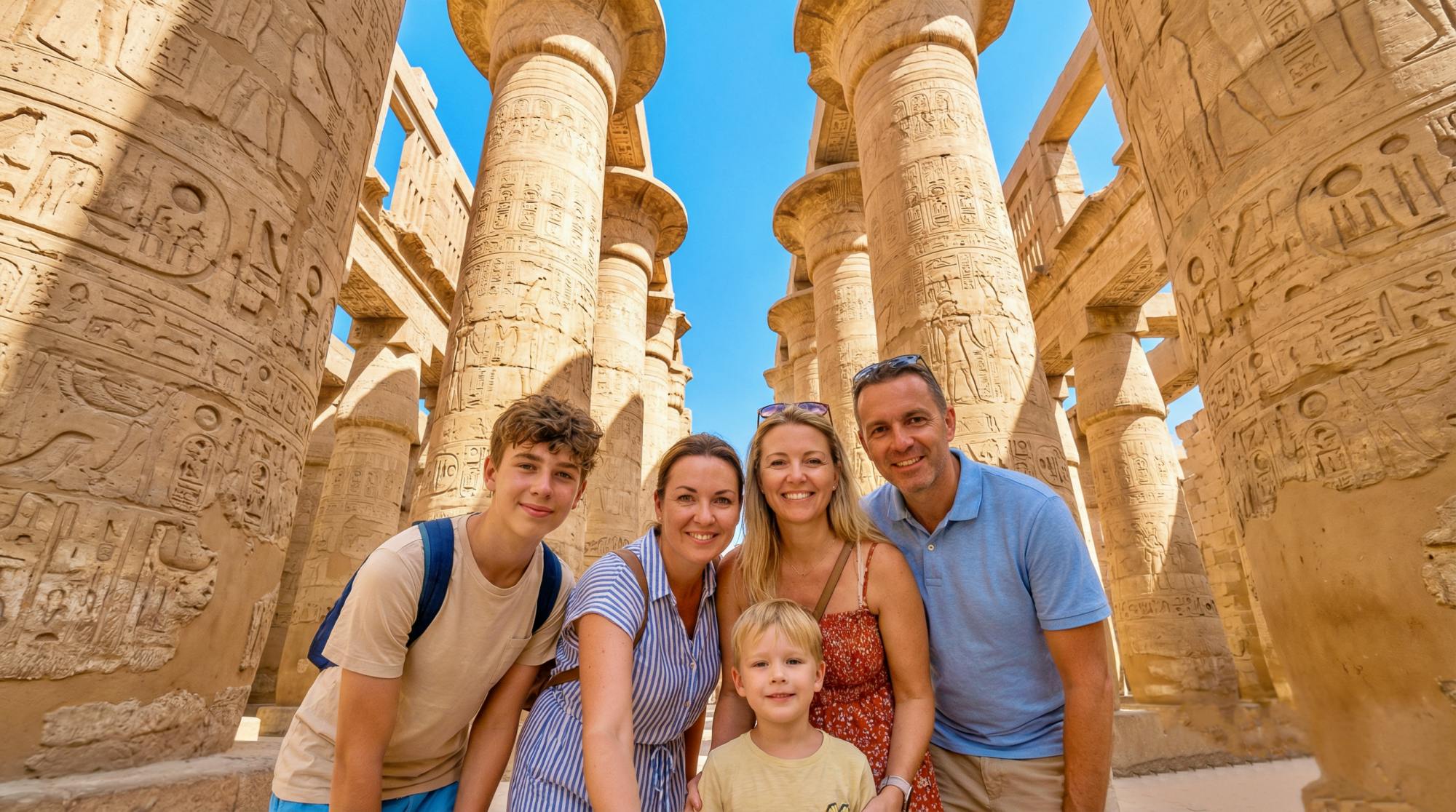
Explore Nuremberg and Fürth with the Nuremberg Card - Travel Service Germany Explore Nuremberg and Fürth with the Nuremberg Card is a practical option for travellers who want to simplify an important journey and reduce last-minute transport decisions. Check current availability, inclusions and booking details before you go.
Nuremberg Monument Visits & Heritage Tours Germany Compare sightseeing experiences in Nuremberg Monument Visits & Heritage, with practical tips on timing, inclusions and choosing the right option. Check current availability, prices and booking conditions before you go.
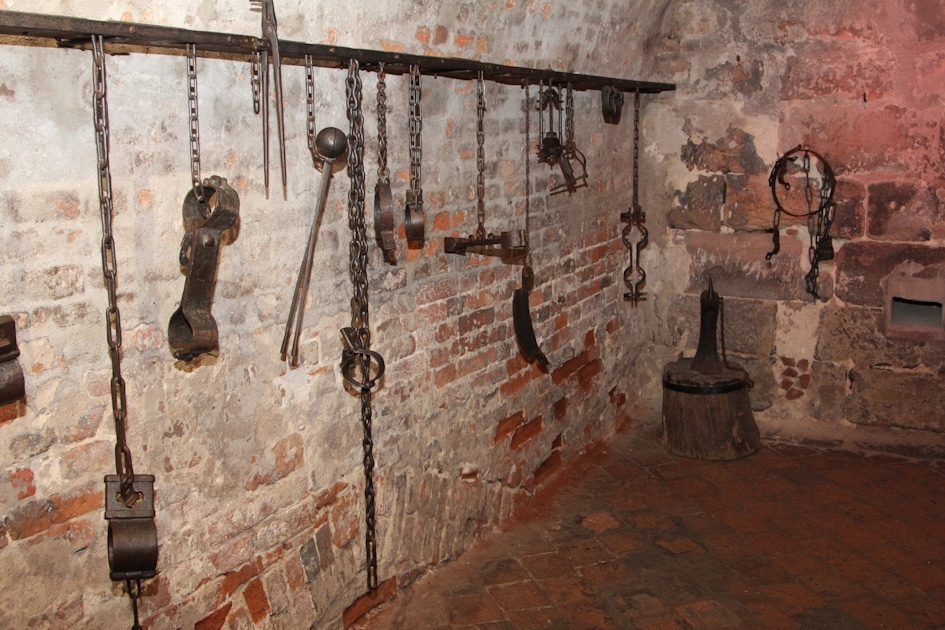
Nuremberg WWII, Courtroom 600 and 3rd Reich sites private tour Germany Plan Nuremberg WWII, Courtroom 600 and 3rd Reich sites private tour, a guided sightseeing experience, with practical tips on timing, inclusions and what to check before booking. Compare current availability, prices and booking conditions before you go.
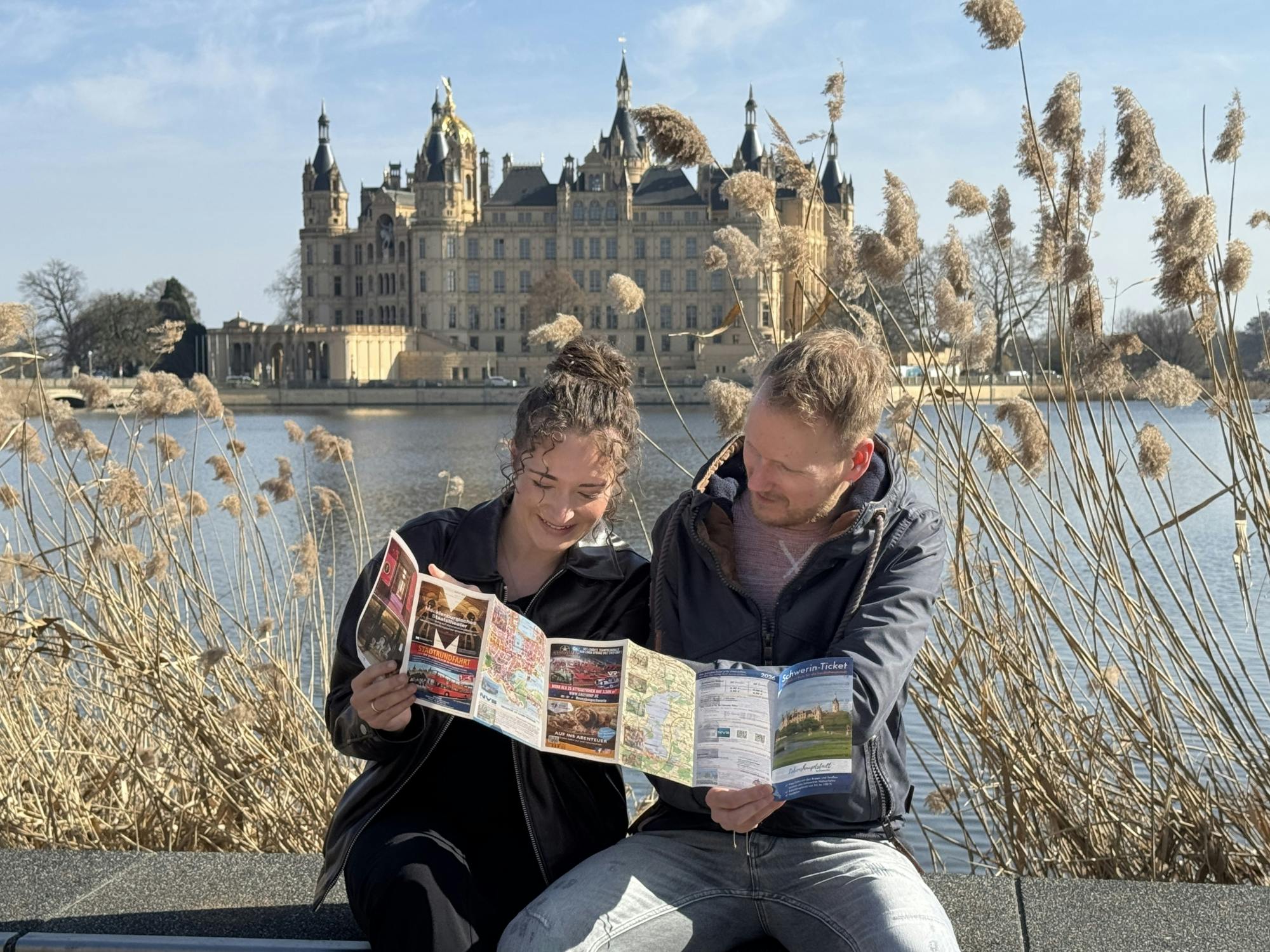
Schwerin Monument Visits & Heritage Tours Germany Compare sightseeing experiences in Schwerin Monument Visits & Heritage, with practical tips on timing, inclusions and choosing the right option. Check current availability, prices and booking conditions before you go.
Why Visit Schwerin
Schwerin blends history, culture, and everyday life into a destination filled with engaging museums and memorable attractions. This guide highlights the kinds of places visitors love and what to expect at each, plus practical tips for planning your day.
Flagship History Museum
The main city history museum in Schwerin typically traces the region from early settlement to the present through artifacts, photographs, and interactive exhibits. Expect rotating shows, a solid gift shop, and helpful context for everything else you’ll see.
Art Museum & Sculpture Garden
A leading art museum usually anchors the local scene with classics, contemporary works, and special exhibitions. If there’s an outdoor sculpture garden, it’s a relaxing way to pair culture with a walk.
Science & Discovery Center
Hands-on galleries make science approachable for all ages—think space, engineering, and ecosystems—often with an IMAX or planetarium.
Landmark Cathedral or Temple
Historic houses of worship give insight into Schwerin’s architectural styles and community roots. Many offer guided tours and quiet courtyards.
Iconic Public Square or Old Town
Central plazas and heritage streets concentrate cafes, street performers, and local crafts. They’re perfect for people‑watching and photos.
Riverside, Harbor or Promenade
Waterfront paths and viewpoints provide fresh air and skyline views. Look for sunset spots, public art, and casual dining.
Family Favorite: Zoo, Aquarium, or Insectarium
Animal-focused attractions pair conservation with education. Check feeding schedules or touch‑pools for interactive moments.
Living Culture: Music Hall or Theatre
An intimate performance venue showcases local sound—jazz, folk, or contemporary—making for a memorable night out.
Planning Tips
Buy timed tickets online for popular museums and special exhibits.
Combine nearby sights to minimize travel time; many districts are walkable.
Check weekly free or discounted hours; student, senior, and family passes can reduce costs.
Start early for quieter galleries and better photos.
Bottom Line
From cornerstone museums to living cultural venues and scenic promenades, Schwerin offers a balanced mix of learning, leisure, and local flavor.
Sponsored Popular Items
Quick take: Musement.com offers a worldwide selection of tours and attractions
Schwerin Monument Visits & Heritage Tours Germany Compare sightseeing experiences in Schwerin Monument Visits & Heritage, with practical tips on timing, inclusions and choosing the right option. Check current availability, prices and booking conditions before you go.
Schwerin City Pass – Sightseeing Passes & Visitor Guide Germany A listing may offer admission, a guided visit, transport, a combination package or premium access. Check current availability, inclusions and booking details before you go.
Schwerin Castle – Historic Site Tickets & Tours Germany A listing may offer admission, a guided visit, transport, a combination package or premium access. Check current availability, inclusions and booking details before you go.
Copenhagen Monument Visits & Heritage Tours Denmark Compare sightseeing experiences in Copenhagen Monument Visits & Heritage, with practical tips on timing, inclusions and choosing the right option. Check current availability, prices and booking conditions before you go.
Why Visit Copenhagen
Copenhagen blends history, culture, and everyday life into a destination filled with engaging museums and memorable attractions. This guide highlights the kinds of places visitors love and what to expect at each, plus practical tips for planning your day.
Flagship History Museum
The main city history museum in Copenhagen typically traces the region from early settlement to the present through artifacts, photographs, and interactive exhibits. Expect rotating shows, a solid gift shop, and helpful context for everything else you’ll see.
Art Museum & Sculpture Garden
A leading art museum usually anchors the local scene with classics, contemporary works, and special exhibitions. If there’s an outdoor sculpture garden, it’s a relaxing way to pair culture with a walk.
Science & Discovery Center
Hands-on galleries make science approachable for all ages—think space, engineering, and ecosystems—often with an IMAX or planetarium.
Landmark Cathedral or Temple
Historic houses of worship give insight into Copenhagen’s architectural styles and community roots. Many offer guided tours and quiet courtyards.
Iconic Public Square or Old Town
Central plazas and heritage streets concentrate cafes, street performers, and local crafts. They’re perfect for people‑watching and photos.
Riverside, Harbor or Promenade
Waterfront paths and viewpoints provide fresh air and skyline views. Look for sunset spots, public art, and casual dining.
Family Favorite: Zoo, Aquarium, or Insectarium
Animal-focused attractions pair conservation with education. Check feeding schedules or touch‑pools for interactive moments.
Living Culture: Music Hall or Theatre
An intimate performance venue showcases local sound—jazz, folk, or contemporary—making for a memorable night out.
Planning Tips
Buy timed tickets online for popular museums and special exhibits.
Combine nearby sights to minimize travel time; many districts are walkable.
Check weekly free or discounted hours; student, senior, and family passes can reduce costs.
Start early for quieter galleries and better photos.
Bottom Line
From cornerstone museums to living cultural venues and scenic promenades, Copenhagen offers a balanced mix of learning, leisure, and local flavor.
Sponsored Popular Items
Quick take: Musement.com offers a worldwide selection of tours and attractions
Copenhagen Monument Visits & Heritage Tours Denmark Compare sightseeing experiences in Copenhagen Monument Visits & Heritage, with practical tips on timing, inclusions and choosing the right option. Check current availability, prices and booking conditions before you go.
Copenhagen Hop-On Hop-Off Bus and Guided Harbour Cruise Denmark Plan Copenhagen Hop-On Hop-Off Bus and Guided Harbour Cruise, a water-based experience, with practical tips on timing, inclusions and what to check before booking. Compare current availability, prices and booking conditions before you go.
Møns Klint and Forest Tower Experience from Copenhagen Denmark Plan Møns Klint and Forest Tower Experience from Copenhagen, a guided sightseeing experience, with practical tips on timing, inclusions and what to check before booking. Compare current availability, prices and booking conditions before you go.
Würzburg Private Walking Tour – Wurzburg City Tour Germany Würzburg private walking tour is a convenient way to add structure, local context and purposeful sightseeing to the itinerary. Check current availability, inclusions and booking details before you go.
Why Visit Würzburg
Würzburg blends history, culture, and everyday life into a destination filled with engaging museums and memorable attractions. This guide highlights the kinds of places visitors love and what to expect at each, plus practical tips for planning your day.
Flagship History Museum
The main city history museum in Würzburg typically traces the region from early settlement to the present through artifacts, photographs, and interactive exhibits. Expect rotating shows, a solid gift shop, and helpful context for everything else you’ll see.
Art Museum & Sculpture Garden
A leading art museum usually anchors the local scene with classics, contemporary works, and special exhibitions. If there’s an outdoor sculpture garden, it’s a relaxing way to pair culture with a walk.
Science & Discovery Center
Hands-on galleries make science approachable for all ages—think space, engineering, and ecosystems—often with an IMAX or planetarium.
Landmark Cathedral or Temple
Historic houses of worship give insight into Würzburg’s architectural styles and community roots. Many offer guided tours and quiet courtyards.
Iconic Public Square or Old Town
Central plazas and heritage streets concentrate cafes, street performers, and local crafts. They’re perfect for people‑watching and photos.
Riverside, Harbor or Promenade
Waterfront paths and viewpoints provide fresh air and skyline views. Look for sunset spots, public art, and casual dining.
Family Favorite: Zoo, Aquarium, or Insectarium
Animal-focused attractions pair conservation with education. Check feeding schedules or touch‑pools for interactive moments.
Living Culture: Music Hall or Theatre
An intimate performance venue showcases local sound—jazz, folk, or contemporary—making for a memorable night out.
Planning Tips
Buy timed tickets online for popular museums and special exhibits.
Combine nearby sights to minimize travel time; many districts are walkable.
Check weekly free or discounted hours; student, senior, and family passes can reduce costs.
Start early for quieter galleries and better photos.
Bottom Line
From cornerstone museums to living cultural venues and scenic promenades, Würzburg offers a balanced mix of learning, leisure, and local flavor.
Sponsored Popular Items
Quick take: Musement.com offers a worldwide selection of tours and attractions
Würzburg Private Walking Tour – Wurzburg City Tour Germany Würzburg private walking tour is a convenient way to add structure, local context and purposeful sightseeing to the itinerary. Check current availability, inclusions and booking details before you go.
Würzburg Monument Visits & Heritage Tours Germany Compare sightseeing experiences in Würzburg Monument Visits & Heritage, with practical tips on timing, inclusions and choosing the right option. Check current availability, prices and booking conditions before you go.
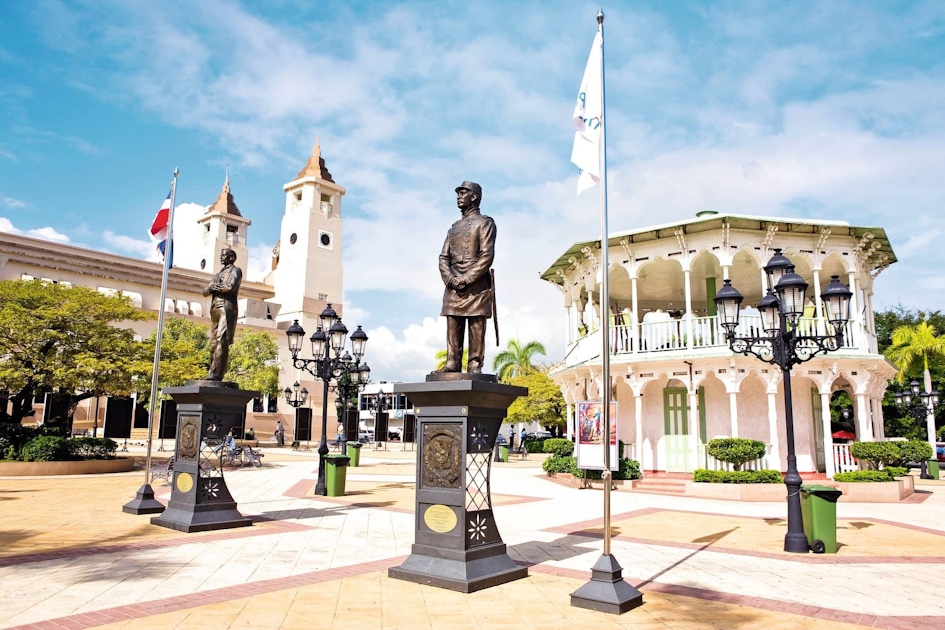
Puerto Plata Monument Visits & Heritage Tours Dominican Republic Compare sightseeing experiences in Puerto Plata Monument Visits & Heritage, with practical tips on timing, inclusions and choosing the right option. Check current availability, prices and booking conditions before you go.
Why Visit Puerto Plata
Puerto Plata blends history, culture, and everyday life into a destination filled with engaging museums and memorable attractions. This guide highlights the kinds of places visitors love and what to expect at each, plus practical tips for planning your day.
Flagship History Museum
The main city history museum in Puerto Plata typically traces the region from early settlement to the present through artifacts, photographs, and interactive exhibits. Expect rotating shows, a solid gift shop, and helpful context for everything else you’ll see.
Art Museum & Sculpture Garden
A leading art museum usually anchors the local scene with classics, contemporary works, and special exhibitions. If there’s an outdoor sculpture garden, it’s a relaxing way to pair culture with a walk.
Science & Discovery Center
Hands-on galleries make science approachable for all ages—think space, engineering, and ecosystems—often with an IMAX or planetarium.
Landmark Cathedral or Temple
Historic houses of worship give insight into Puerto Plata’s architectural styles and community roots. Many offer guided tours and quiet courtyards.
Iconic Public Square or Old Town
Central plazas and heritage streets concentrate cafes, street performers, and local crafts. They’re perfect for people‑watching and photos.
Riverside, Harbor or Promenade
Waterfront paths and viewpoints provide fresh air and skyline views. Look for sunset spots, public art, and casual dining.
Family Favorite: Zoo, Aquarium, or Insectarium
Animal-focused attractions pair conservation with education. Check feeding schedules or touch‑pools for interactive moments.
Living Culture: Music Hall or Theatre
An intimate performance venue showcases local sound—jazz, folk, or contemporary—making for a memorable night out.
Planning Tips
Buy timed tickets online for popular museums and special exhibits.
Combine nearby sights to minimize travel time; many districts are walkable.
Check weekly free or discounted hours; student, senior, and family passes can reduce costs.
Start early for quieter galleries and better photos.
Bottom Line
From cornerstone museums to living cultural venues and scenic promenades, Puerto Plata offers a balanced mix of learning, leisure, and local flavor.
Sponsored Popular Items
Quick take: Musement.com offers a worldwide selection of tours and attractions
Puerto Plata Monument Visits & Heritage Tours Dominican Republic Compare sightseeing experiences in Puerto Plata Monument Visits & Heritage, with practical tips on timing, inclusions and choosing the right option. Check current availability, prices and booking conditions before you go.
Ocean World Puerto Plata Tour Dominican Republic Ocean World Puerto Plata Tour adds structure, local context and purposeful sightseeing to the itinerary. Check current availability, inclusions and booking details before you go.
Puerto Plata Mega Adrenaline Buggy & Splash Tour Dominican Republic Puerto Plata Mega Adrenaline Buggy & Splash Tour adds movement, scenery and a more active element to the itinerary. Check current availability, inclusions and booking details before you go.
Punta Cana Monument Visits & Heritage Tours Dominican Republic Compare sightseeing experiences in Punta Cana Monument Visits & Heritage, with practical tips on timing, inclusions and choosing the right option. Check current availability, prices and booking conditions before you go.
Why Visit Punta Cana
Punta Cana blends history, culture, and everyday life into a destination filled with engaging museums and memorable attractions. This guide highlights the kinds of places visitors love and what to expect at each, plus practical tips for planning your day.
Flagship History Museum
The main city history museum in Punta Cana typically traces the region from early settlement to the present through artifacts, photographs, and interactive exhibits. Expect rotating shows, a solid gift shop, and helpful context for everything else you’ll see.
Art Museum & Sculpture Garden
A leading art museum usually anchors the local scene with classics, contemporary works, and special exhibitions. If there’s an outdoor sculpture garden, it’s a relaxing way to pair culture with a walk.
Science & Discovery Center
Hands-on galleries make science approachable for all ages—think space, engineering, and ecosystems—often with an IMAX or planetarium.
Landmark Cathedral or Temple
Historic houses of worship give insight into Punta Cana’s architectural styles and community roots. Many offer guided tours and quiet courtyards.
Iconic Public Square or Old Town
Central plazas and heritage streets concentrate cafes, street performers, and local crafts. They’re perfect for people‑watching and photos.
Riverside, Harbor or Promenade
Waterfront paths and viewpoints provide fresh air and skyline views. Look for sunset spots, public art, and casual dining.
Family Favorite: Zoo, Aquarium, or Insectarium
Animal-focused attractions pair conservation with education. Check feeding schedules or touch‑pools for interactive moments.
Living Culture: Music Hall or Theatre
An intimate performance venue showcases local sound—jazz, folk, or contemporary—making for a memorable night out.
Planning Tips
Buy timed tickets online for popular museums and special exhibits.
Combine nearby sights to minimize travel time; many districts are walkable.
Check weekly free or discounted hours; student, senior, and family passes can reduce costs.
Start early for quieter galleries and better photos.
Bottom Line
From cornerstone museums to living cultural venues and scenic promenades, Punta Cana offers a balanced mix of learning, leisure, and local flavor.
Sponsored Popular Items
Quick take: Musement.com offers a worldwide selection of tours and attractions
Punta Cana Monument Visits & Heritage Tours Dominican Republic Compare sightseeing experiences in Punta Cana Monument Visits & Heritage, with practical tips on timing, inclusions and choosing the right option. Check current availability, prices and booking conditions before you go.
Full-day Punta Cana Ecological Reserve ATV and water bike tour Dominican Republic Full-day Punta Cana Ecological Reserve ATV and water bike tour adds movement, scenery and a more active element to the itinerary. Check current availability, inclusions and booking details before you go.
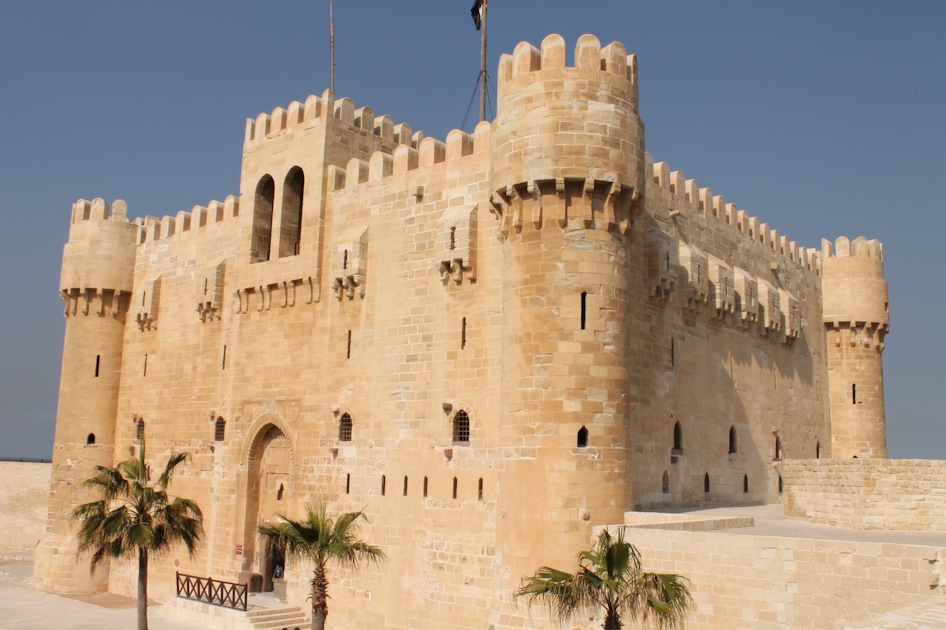
Alexandria Monument Visits & Heritage Tours Egypt Compare sightseeing experiences in Alexandria Monument Visits & Heritage, with practical tips on timing, inclusions and choosing the right option. Check current availability, prices and booking conditions before you go.
Why Visit Alexandria
Alexandria blends history, culture, and everyday life into a destination filled with engaging museums and memorable attractions. This guide highlights the kinds of places visitors love and what to expect at each, plus practical tips for planning your day.
Flagship History Museum
The main city history museum in Alexandria typically traces the region from early settlement to the present through artifacts, photographs, and interactive exhibits. Expect rotating shows, a solid gift shop, and helpful context for everything else you’ll see.
Art Museum & Sculpture Garden
A leading art museum usually anchors the local scene with classics, contemporary works, and special exhibitions. If there’s an outdoor sculpture garden, it’s a relaxing way to pair culture with a walk.
Science & Discovery Center
Hands-on galleries make science approachable for all ages—think space, engineering, and ecosystems—often with an IMAX or planetarium.
Landmark Cathedral or Temple
Historic houses of worship give insight into Alexandria’s architectural styles and community roots. Many offer guided tours and quiet courtyards.
Iconic Public Square or Old Town
Central plazas and heritage streets concentrate cafes, street performers, and local crafts. They’re perfect for people‑watching and photos.
Riverside, Harbor or Promenade
Waterfront paths and viewpoints provide fresh air and skyline views. Look for sunset spots, public art, and casual dining.
Family Favorite: Zoo, Aquarium, or Insectarium
Animal-focused attractions pair conservation with education. Check feeding schedules or touch‑pools for interactive moments.
Living Culture: Music Hall or Theatre
An intimate performance venue showcases local sound—jazz, folk, or contemporary—making for a memorable night out.
Planning Tips
Buy timed tickets online for popular museums and special exhibits.
Combine nearby sights to minimize travel time; many districts are walkable.
Check weekly free or discounted hours; student, senior, and family passes can reduce costs.
Start early for quieter galleries and better photos.
Bottom Line
From cornerstone museums to living cultural venues and scenic promenades, Alexandria offers a balanced mix of learning, leisure, and local flavor.
Sponsored Popular Items
Quick take: Musement.com offers a worldwide selection of tours and attractions
Alexandria Monument Visits & Heritage Tours Egypt Compare sightseeing experiences in Alexandria Monument Visits & Heritage, with practical tips on timing, inclusions and choosing the right option. Check current availability, prices and booking conditions before you go.
Alexandria Highlights from Cairo with Seafood Lunch – Food Experience Egypt Alexandria Highlights from Cairo with Seafood Lunch explores the destination through flavour, regional customs and the stories connected with food or drink. Check current availability, inclusions and booking details before you go.
Private Transfer From/to Luxor Airport Within Luxor Area - Travel Service Egypt Private transfer from/to Luxor Airport within Luxor area is a practical option for travellers who want to simplify an important journey and reduce last-minute transport decisions. Check current availability, inclusions and booking details before you go.
Why Visit Luxor
Luxor blends history, culture, and everyday life into a destination filled with engaging museums and memorable attractions. This guide highlights the kinds of places visitors love and what to expect at each, plus practical tips for planning your day.
Flagship History Museum
The main city history museum in Luxor typically traces the region from early settlement to the present through artifacts, photographs, and interactive exhibits. Expect rotating shows, a solid gift shop, and helpful context for everything else you’ll see.
Art Museum & Sculpture Garden
A leading art museum usually anchors the local scene with classics, contemporary works, and special exhibitions. If there’s an outdoor sculpture garden, it’s a relaxing way to pair culture with a walk.
Science & Discovery Center
Hands-on galleries make science approachable for all ages—think space, engineering, and ecosystems—often with an IMAX or planetarium.
Landmark Cathedral or Temple
Historic houses of worship give insight into Luxor’s architectural styles and community roots. Many offer guided tours and quiet courtyards.
Iconic Public Square or Old Town
Central plazas and heritage streets concentrate cafes, street performers, and local crafts. They’re perfect for people‑watching and photos.
Riverside, Harbor or Promenade
Waterfront paths and viewpoints provide fresh air and skyline views. Look for sunset spots, public art, and casual dining.
Family Favorite: Zoo, Aquarium, or Insectarium
Animal-focused attractions pair conservation with education. Check feeding schedules or touch‑pools for interactive moments.
Living Culture: Music Hall or Theatre
An intimate performance venue showcases local sound—jazz, folk, or contemporary—making for a memorable night out.
Planning Tips
Buy timed tickets online for popular museums and special exhibits.
Combine nearby sights to minimize travel time; many districts are walkable.
Check weekly free or discounted hours; student, senior, and family passes can reduce costs.
Start early for quieter galleries and better photos.
Bottom Line
From cornerstone museums to living cultural venues and scenic promenades, Luxor offers a balanced mix of learning, leisure, and local flavor.
Sponsored Popular Items
Quick take: Musement.com offers a worldwide selection of tours and attractions
Private Transfer From/to Luxor Airport Within Luxor Area - Travel Service Egypt Private transfer from/to Luxor Airport within Luxor area is a practical option for travellers who want to simplify an important journey and reduce last-minute transport decisions. Check current availability, inclusions and booking details before you go.
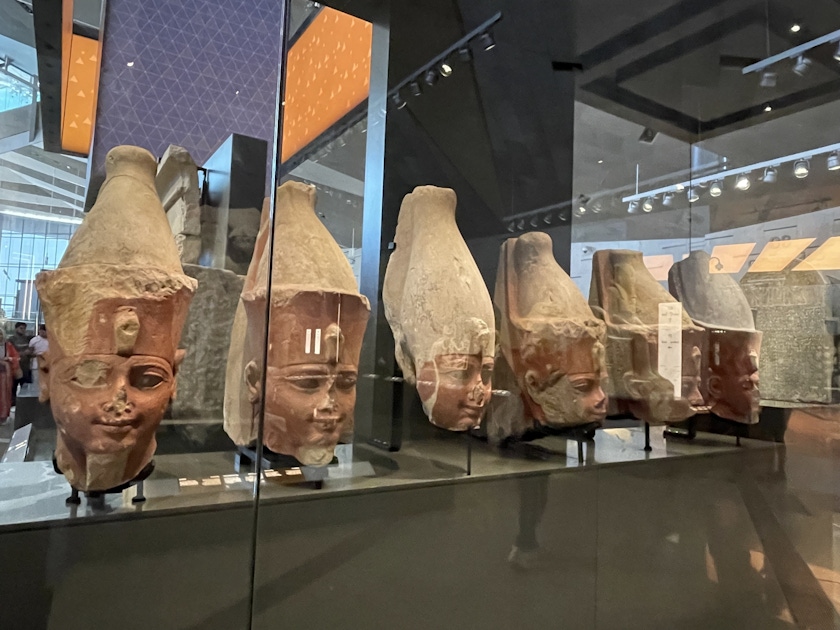
Luxor Monument Visits & Heritage Tours Egypt Compare sightseeing experiences in Luxor Monument Visits & Heritage, with practical tips on timing, inclusions and choosing the right option. Check current availability, prices and booking conditions before you go.
Private Hurghada Airport Transfer to Hurghada, El Gouna, Makadi Bay or Sahl Hasheesh Private transfer from or to Hurghada Airport within Hurghada, El Gouna, Makadi Bay and Sahl Hashish focuses on convenience, helping travellers organise a key transfer before the travel day becomes busy. Check current availability, inclusions and booking details before you go.
Why Visit Hurghada
Hurghada blends history, culture, and everyday life into a destination filled with engaging museums and memorable attractions. This guide highlights the kinds of places visitors love and what to expect at each, plus practical tips for planning your day.
Flagship History Museum
The main city history museum in Hurghada typically traces the region from early settlement to the present through artifacts, photographs, and interactive exhibits. Expect rotating shows, a solid gift shop, and helpful context for everything else you’ll see.
Art Museum & Sculpture Garden
A leading art museum usually anchors the local scene with classics, contemporary works, and special exhibitions. If there’s an outdoor sculpture garden, it’s a relaxing way to pair culture with a walk.
Science & Discovery Center
Hands-on galleries make science approachable for all ages—think space, engineering, and ecosystems—often with an IMAX or planetarium.
Landmark Cathedral or Temple
Historic houses of worship give insight into Hurghada’s architectural styles and community roots. Many offer guided tours and quiet courtyards.
Iconic Public Square or Old Town
Central plazas and heritage streets concentrate cafes, street performers, and local crafts. They’re perfect for people‑watching and photos.
Riverside, Harbor or Promenade
Waterfront paths and viewpoints provide fresh air and skyline views. Look for sunset spots, public art, and casual dining.
Family Favorite: Zoo, Aquarium, or Insectarium
Animal-focused attractions pair conservation with education. Check feeding schedules or touch‑pools for interactive moments.
Living Culture: Music Hall or Theatre
An intimate performance venue showcases local sound—jazz, folk, or contemporary—making for a memorable night out.
Planning Tips
Buy timed tickets online for popular museums and special exhibits.
Combine nearby sights to minimize travel time; many districts are walkable.
Check weekly free or discounted hours; student, senior, and family passes can reduce costs.
Start early for quieter galleries and better photos.
Bottom Line
From cornerstone museums to living cultural venues and scenic promenades, Hurghada offers a balanced mix of learning, leisure, and local flavor.
Sponsored Popular Items
Quick take: Musement.com offers a worldwide selection of tours and attractions
Private Hurghada Airport Transfer to Hurghada, El Gouna, Makadi Bay or Sahl Hasheesh Private transfer from or to Hurghada Airport within Hurghada, El Gouna, Makadi Bay and Sahl Hashish focuses on convenience, helping travellers organise a key transfer before the travel day becomes busy. Check current availability, inclusions and booking details before you go.
Hurghada Monument Visits & Heritage Tours Egypt Compare sightseeing experiences in Hurghada Monument Visits & Heritage, with practical tips on timing, inclusions and choosing the right option. Check current availability, prices and booking conditions before you go.
Sharm el-Sheikh blends history, culture, and everyday life into a destination filled with engaging museums and memorable attractions. This guide highlights the kinds of places visitors love and what to expect at each, plus practical tips for planning your day.
Flagship History Museum
The main city history museum in Sharm el-Sheikh typically traces the region from early settlement to the present through artifacts, photographs, and interactive exhibits. Expect rotating shows, a solid gift shop, and helpful context for everything else you’ll see.
Art Museum & Sculpture Garden
A leading art museum usually anchors the local scene with classics, contemporary works, and special exhibitions. If there’s an outdoor sculpture garden, it’s a relaxing way to pair culture with a walk.
Science & Discovery Center
Hands-on galleries make science approachable for all ages—think space, engineering, and ecosystems—often with an IMAX or planetarium.
Landmark Cathedral or Temple
Historic houses of worship give insight into Sharm el-Sheikh’s architectural styles and community roots. Many offer guided tours and quiet courtyards.
Iconic Public Square or Old Town
Central plazas and heritage streets concentrate cafes, street performers, and local crafts. They’re perfect for people‑watching and photos.
Riverside, Harbor or Promenade
Waterfront paths and viewpoints provide fresh air and skyline views. Look for sunset spots, public art, and casual dining.
Family Favorite: Zoo, Aquarium, or Insectarium
Animal-focused attractions pair conservation with education. Check feeding schedules or touch‑pools for interactive moments.
Living Culture: Music Hall or Theatre
An intimate performance venue showcases local sound—jazz, folk, or contemporary—making for a memorable night out.
Planning Tips
Buy timed tickets online for popular museums and special exhibits.
Combine nearby sights to minimize travel time; many districts are walkable.
Check weekly free or discounted hours; student, senior, and family passes can reduce costs.
Start early for quieter galleries and better photos.
Bottom Line
From cornerstone museums to living cultural venues and scenic promenades, Sharm el-Sheikh offers a balanced mix of learning, leisure, and local flavor.
Sponsored Popular Items
Quick take: Musement.com offers a worldwide selection of tours and attractions
Sharm el-Sheikh Monument Visits & Heritage Tours Egypt Compare sightseeing experiences in Sharm el-Sheikh Monument Visits & Heritage, with practical tips on timing, inclusions and choosing the right option. Check current availability, prices and booking conditions before you go.
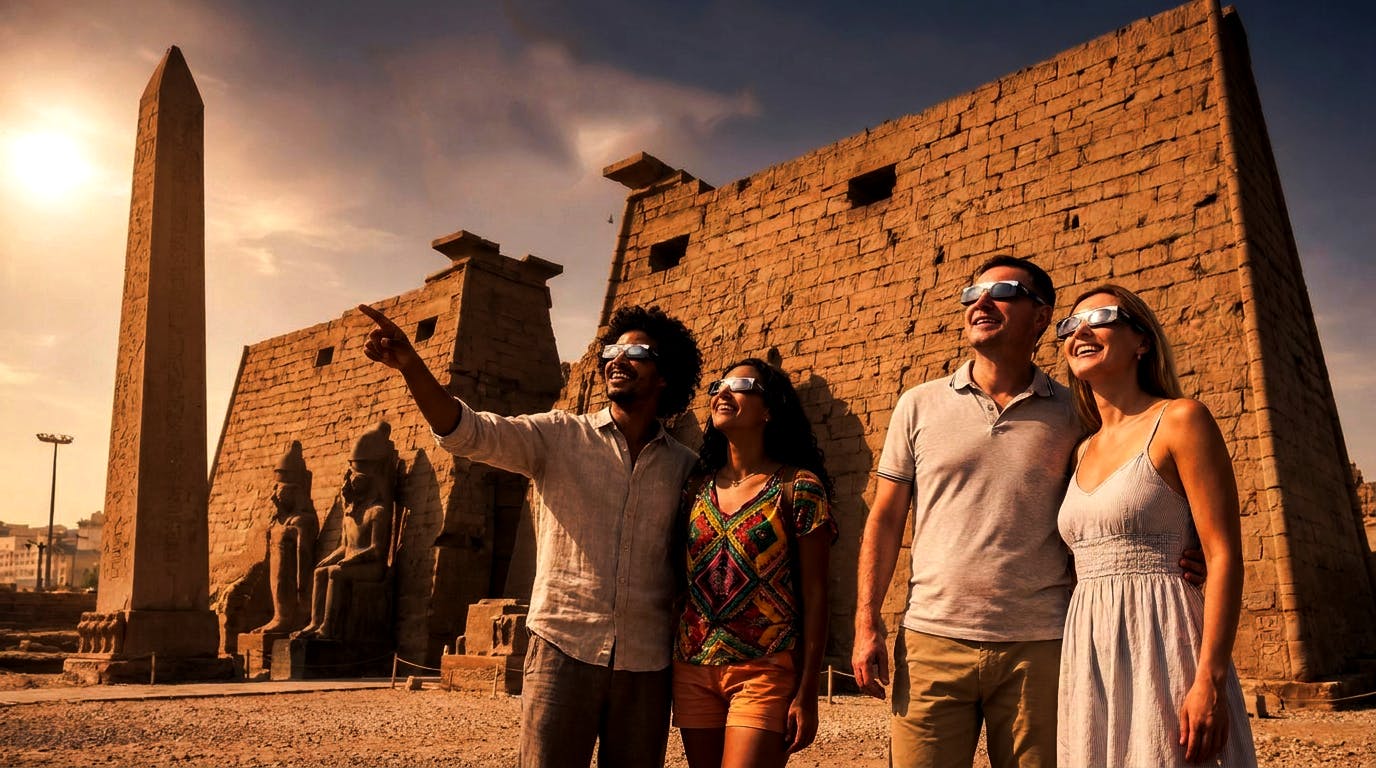
Ancient Luxor tour with solar eclipse of the century from Sharm Egypt Plan Ancient Luxor tour with solar eclipse of the century from Sharm, a guided sightseeing experience, with practical tips on timing, inclusions and what to check before booking. Compare current availability, prices and booking conditions before you go.
Marsa Alam and Quseir Monument Visits & Heritage Tours Egypt Compare sightseeing experiences in Marsa Alam and Quseir Monument Visits & Heritage, with practical tips on timing, inclusions and choosing the right option. Check current availability, prices and booking conditions before you go.
Why Visit Marsa Alam – Quseir
Marsa Alam – Quseir blends history, culture, and everyday life into a destination filled with engaging museums and memorable attractions. This guide highlights the kinds of places visitors love and what to expect at each, plus practical tips for planning your day.
Flagship History Museum
The main city history museum in Marsa Alam – Quseir typically traces the region from early settlement to the present through artifacts, photographs, and interactive exhibits. Expect rotating shows, a solid gift shop, and helpful context for everything else you’ll see.
Art Museum & Sculpture Garden
A leading art museum usually anchors the local scene with classics, contemporary works, and special exhibitions. If there’s an outdoor sculpture garden, it’s a relaxing way to pair culture with a walk.
Science & Discovery Center
Hands-on galleries make science approachable for all ages—think space, engineering, and ecosystems—often with an IMAX or planetarium.
Landmark Cathedral or Temple
Historic houses of worship give insight into Marsa Alam – Quseir’s architectural styles and community roots. Many offer guided tours and quiet courtyards.
Iconic Public Square or Old Town
Central plazas and heritage streets concentrate cafes, street performers, and local crafts. They’re perfect for people‑watching and photos.
Riverside, Harbor or Promenade
Waterfront paths and viewpoints provide fresh air and skyline views. Look for sunset spots, public art, and casual dining.
Family Favorite: Zoo, Aquarium, or Insectarium
Animal-focused attractions pair conservation with education. Check feeding schedules or touch‑pools for interactive moments.
Living Culture: Music Hall or Theatre
An intimate performance venue showcases local sound—jazz, folk, or contemporary—making for a memorable night out.
Planning Tips
Buy timed tickets online for popular museums and special exhibits.
Combine nearby sights to minimize travel time; many districts are walkable.
Check weekly free or discounted hours; student, senior, and family passes can reduce costs.
Start early for quieter galleries and better photos.
Bottom Line
From cornerstone museums to living cultural venues and scenic promenades, Marsa Alam – Quseir offers a balanced mix of learning, leisure, and local flavor.
Sponsored Popular Items
Quick take: Musement.com offers a worldwide selection of tours and attractions
Marsa Alam and Quseir Monument Visits & Heritage Tours Egypt Compare sightseeing experiences in Marsa Alam and Quseir Monument Visits & Heritage, with practical tips on timing, inclusions and choosing the right option. Check current availability, prices and booking conditions before you go.
Private Transfer to or from Marsa Alam Airport within El Quseir or Brayka Bay Area Private transfer to or from Marsa Alam Airport within El Quseir or Brayka Bay area focuses on convenience, helping travellers organise a key transfer before the travel day becomes busy. Check current availability, inclusions and booking details before you go.
Alicante Monument Visits & Heritage Tours Spain Compare sightseeing experiences in Alicante Monument Visits & Heritage, with practical tips on timing, inclusions and choosing the right option. Check current availability, prices and booking conditions before you go.
Why Visit Alicante
Alicante blends history, culture, and everyday life into a destination filled with engaging museums and memorable attractions. This guide highlights the kinds of places visitors love and what to expect at each, plus practical tips for planning your day.
Flagship History Museum
The main city history museum in Alicante typically traces the region from early settlement to the present through artifacts, photographs, and interactive exhibits. Expect rotating shows, a solid gift shop, and helpful context for everything else you’ll see.
Art Museum & Sculpture Garden
A leading art museum usually anchors the local scene with classics, contemporary works, and special exhibitions. If there’s an outdoor sculpture garden, it’s a relaxing way to pair culture with a walk.
Science & Discovery Center
Hands-on galleries make science approachable for all ages—think space, engineering, and ecosystems—often with an IMAX or planetarium.
Landmark Cathedral or Temple
Historic houses of worship give insight into Alicante’s architectural styles and community roots. Many offer guided tours and quiet courtyards.
Iconic Public Square or Old Town
Central plazas and heritage streets concentrate cafes, street performers, and local crafts. They’re perfect for people‑watching and photos.
Riverside, Harbor or Promenade
Waterfront paths and viewpoints provide fresh air and skyline views. Look for sunset spots, public art, and casual dining.
Family Favorite: Zoo, Aquarium, or Insectarium
Animal-focused attractions pair conservation with education. Check feeding schedules or touch‑pools for interactive moments.
Living Culture: Music Hall or Theatre
An intimate performance venue showcases local sound—jazz, folk, or contemporary—making for a memorable night out.
Planning Tips
Buy timed tickets online for popular museums and special exhibits.
Combine nearby sights to minimize travel time; many districts are walkable.
Check weekly free or discounted hours; student, senior, and family passes can reduce costs.
Start early for quieter galleries and better photos.
Bottom Line
From cornerstone museums to living cultural venues and scenic promenades, Alicante offers a balanced mix of learning, leisure, and local flavor.
Sponsored Popular Items
Quick take: Musement.com offers a worldwide selection of tours and attractions
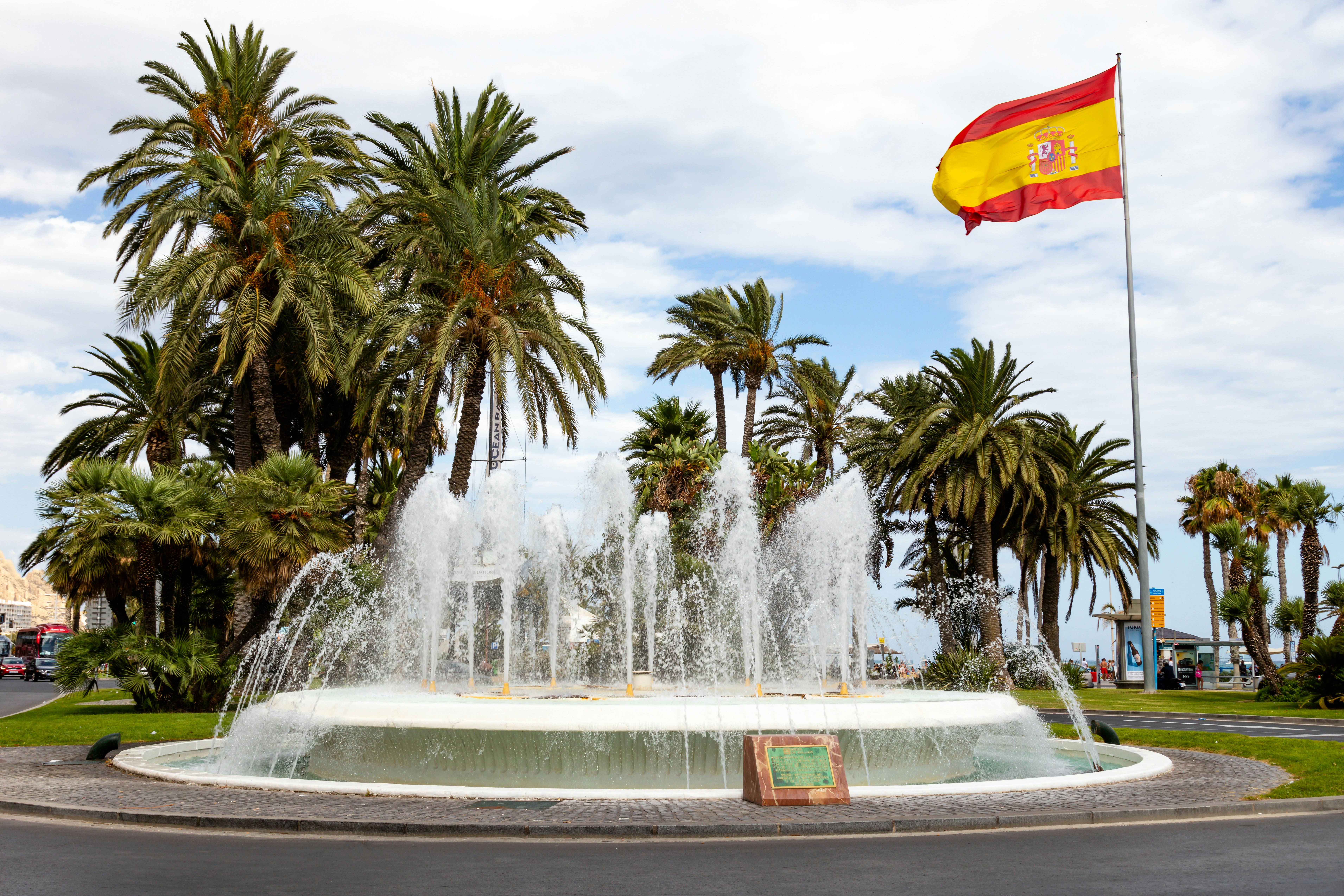
Alicante Monument Visits & Heritage Tours Spain Compare sightseeing experiences in Alicante Monument Visits & Heritage, with practical tips on timing, inclusions and choosing the right option. Check current availability, prices and booking conditions before you go.
Guadalest Day Trip from Benidorm Alicante Province Spain Day trip to Guadalest from Benidorm is a convenient way to add structure, local context and purposeful sightseeing to the itinerary. Check current availability, inclusions and booking details before you go.
Alicante City Daytrip from Benidorm – Heritage & History Experience Spain Plan Alicante City Daytrip from Benidorm – Heritage & History Experience, a cultural or heritage experience, with practical tips on timing, inclusions and what to check before booking. Compare current availability, prices and booking conditions before you go.