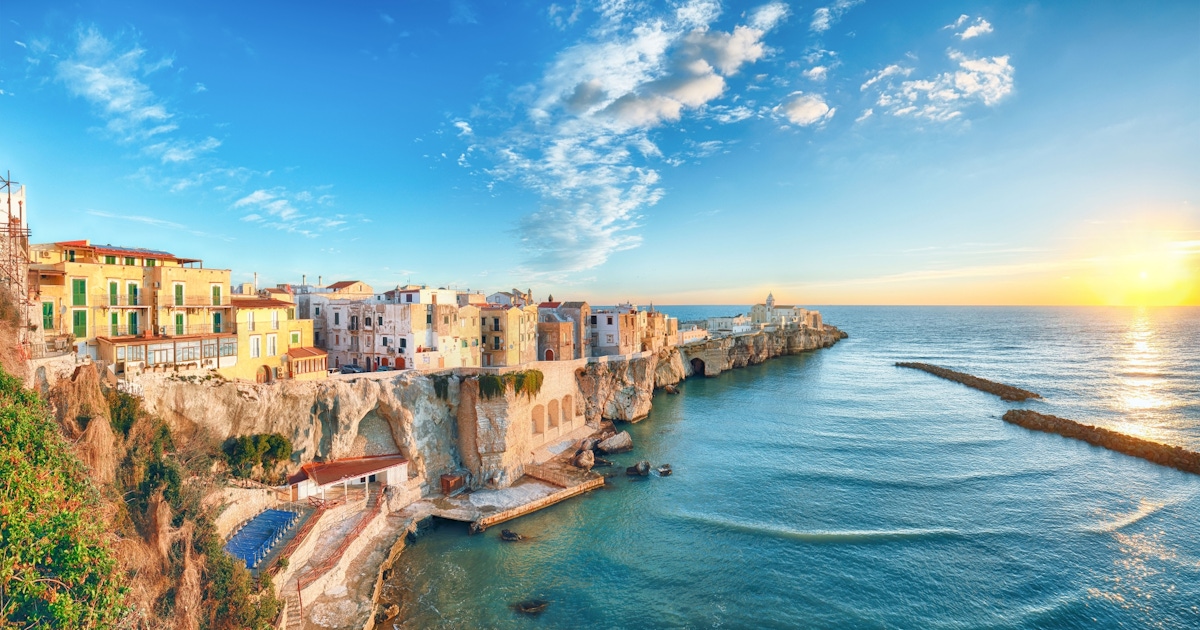
Thessaloniki Cruises, Boat Tours & Water Experiences Guide Greece Thessaloniki combines Roman, Byzantine, Ottoman and Jewish heritage, a long waterfront, major food culture, museums and a lively contemporary university city. Check current availability, inclusions and booking details before you go.
Why Visit Thessaloniki
Thessaloniki blends history, culture, and everyday life into a destination filled with engaging museums and memorable attractions. This guide highlights the kinds of places visitors love and what to expect at each, plus practical tips for planning your day.
Flagship History Museum
The main city history museum in Thessaloniki typically traces the region from early settlement to the present through artifacts, photographs, and interactive exhibits. Expect rotating shows, a solid gift shop, and helpful context for everything else you’ll see.
Art Museum & Sculpture Garden
A leading art museum usually anchors the local scene with classics, contemporary works, and special exhibitions. If there’s an outdoor sculpture garden, it’s a relaxing way to pair culture with a walk.
Science & Discovery Center
Hands-on galleries make science approachable for all ages—think space, engineering, and ecosystems—often with an IMAX or planetarium.
Landmark Cathedral or Temple
Historic houses of worship give insight into Thessaloniki’s architectural styles and community roots. Many offer guided tours and quiet courtyards.
Iconic Public Square or Old Town
Central plazas and heritage streets concentrate cafes, street performers, and local crafts. They’re perfect for people‑watching and photos.
Riverside, Harbor or Promenade
Waterfront paths and viewpoints provide fresh air and skyline views. Look for sunset spots, public art, and casual dining.
Family Favorite: Zoo, Aquarium, or Insectarium
Animal-focused attractions pair conservation with education. Check feeding schedules or touch‑pools for interactive moments.
Living Culture: Music Hall or Theatre
An intimate performance venue showcases local sound—jazz, folk, or contemporary—making for a memorable night out.
Planning Tips
Buy timed tickets online for popular museums and special exhibits.
Combine nearby sights to minimize travel time; many districts are walkable.
Check weekly free or discounted hours; student, senior, and family passes can reduce costs.
Start early for quieter galleries and better photos.
Bottom Line
From cornerstone museums to living cultural venues and scenic promenades, Thessaloniki offers a balanced mix of learning, leisure, and local flavor.
Sponsored Popular Items
Quick take: Musement.com offers a worldwide selection of tours and attractions
Thessaloniki Cruises, Boat Tours & Water Experiences Guide Greece Thessaloniki combines Roman, Byzantine, Ottoman and Jewish heritage, a long waterfront, major food culture, museums and a lively contemporary university city. Check current availability, inclusions and booking details before you go.
Thessaloniki 24 or 48-Hour Hop-On Hop-Off Bus Tour Pass Greece Plan Thessaloniki 24 or 48-Hour Hop-On Hop-Off Bus Tour Pass, a guided sightseeing experience, with practical tips on timing, inclusions and what to check before booking. Compare current availability, prices and booking conditions before you go.
City Sightseeing Hop-On Hop-Off Bus Tour of Thessaloniki – Sightseeing Pass Greece City Sightseeing Hop-On Hop-Off Bus Tour of Thessaloniki USD 22 gives independent travellers a flexible framework for organising several sightseeing stops. Check current availability, inclusions and booking details before you go.
Dubrovnik Airport to Dubrovnik Private One-Way Transfer - Travel Service Croatia Dubrovnik Airport to Dubrovnik Private One-Way Transfer is a practical option for travellers who want to simplify an important journey and reduce last-minute transport decisions. Check current availability, inclusions and booking details before you go.
Why Visit Dubrovnik
Dubrovnik blends history, culture, and everyday life into a destination filled with engaging museums and memorable attractions. This guide highlights the kinds of places visitors love and what to expect at each, plus practical tips for planning your day.
Flagship History Museum
The main city history museum in Dubrovnik typically traces the region from early settlement to the present through artifacts, photographs, and interactive exhibits. Expect rotating shows, a solid gift shop, and helpful context for everything else you’ll see.
Art Museum & Sculpture Garden
A leading art museum usually anchors the local scene with classics, contemporary works, and special exhibitions. If there’s an outdoor sculpture garden, it’s a relaxing way to pair culture with a walk.
Science & Discovery Center
Hands-on galleries make science approachable for all ages—think space, engineering, and ecosystems—often with an IMAX or planetarium.
Landmark Cathedral or Temple
Historic houses of worship give insight into Dubrovnik’s architectural styles and community roots. Many offer guided tours and quiet courtyards.
Iconic Public Square or Old Town
Central plazas and heritage streets concentrate cafes, street performers, and local crafts. They’re perfect for people‑watching and photos.
Riverside, Harbor or Promenade
Waterfront paths and viewpoints provide fresh air and skyline views. Look for sunset spots, public art, and casual dining.
Family Favorite: Zoo, Aquarium, or Insectarium
Animal-focused attractions pair conservation with education. Check feeding schedules or touch‑pools for interactive moments.
Living Culture: Music Hall or Theatre
An intimate performance venue showcases local sound—jazz, folk, or contemporary—making for a memorable night out.
Planning Tips
Buy timed tickets online for popular museums and special exhibits.
Combine nearby sights to minimize travel time; many districts are walkable.
Check weekly free or discounted hours; student, senior, and family passes can reduce costs.
Start early for quieter galleries and better photos.
Bottom Line
From cornerstone museums to living cultural venues and scenic promenades, Dubrovnik offers a balanced mix of learning, leisure, and local flavor.
Sponsored Popular Items
Quick take: Musement.com offers a worldwide selection of tours and attractions
Dubrovnik Airport to Dubrovnik Private One-Way Transfer - Travel Service Croatia Dubrovnik Airport to Dubrovnik Private One-Way Transfer is a practical option for travellers who want to simplify an important journey and reduce last-minute transport decisions. Check current availability, inclusions and booking details before you go.
Dubrovnik Cruises, Boat Tours & Water Experiences Guide Croatia Dubrovnik combines a UNESCO-listed walled city, Adriatic fortifications, maritime history, island cruises and dramatic coastal viewpoints. Check current availability, inclusions and booking details before you go.
Split Cruises, Boat Tours & Water Experiences Guide Croatia Split combines Diocletian's Palace, a living historic centre, Adriatic waterfront, museums, Marjan park and major ferry connections. Check current availability, inclusions and booking details before you go.
Why Visit Split
Split blends history, culture, and everyday life into a destination filled with engaging museums and memorable attractions. This guide highlights the kinds of places visitors love and what to expect at each, plus practical tips for planning your day.
Flagship History Museum
The main city history museum in Split typically traces the region from early settlement to the present through artifacts, photographs, and interactive exhibits. Expect rotating shows, a solid gift shop, and helpful context for everything else you’ll see.
Art Museum & Sculpture Garden
A leading art museum usually anchors the local scene with classics, contemporary works, and special exhibitions. If there’s an outdoor sculpture garden, it’s a relaxing way to pair culture with a walk.
Science & Discovery Center
Hands-on galleries make science approachable for all ages—think space, engineering, and ecosystems—often with an IMAX or planetarium.
Landmark Cathedral or Temple
Historic houses of worship give insight into Split’s architectural styles and community roots. Many offer guided tours and quiet courtyards.
Iconic Public Square or Old Town
Central plazas and heritage streets concentrate cafes, street performers, and local crafts. They’re perfect for people‑watching and photos.
Riverside, Harbor or Promenade
Waterfront paths and viewpoints provide fresh air and skyline views. Look for sunset spots, public art, and casual dining.
Family Favorite: Zoo, Aquarium, or Insectarium
Animal-focused attractions pair conservation with education. Check feeding schedules or touch‑pools for interactive moments.
Living Culture: Music Hall or Theatre
An intimate performance venue showcases local sound—jazz, folk, or contemporary—making for a memorable night out.
Planning Tips
Buy timed tickets online for popular museums and special exhibits.
Combine nearby sights to minimize travel time; many districts are walkable.
Check weekly free or discounted hours; student, senior, and family passes can reduce costs.
Start early for quieter galleries and better photos.
Bottom Line
From cornerstone museums to living cultural venues and scenic promenades, Split offers a balanced mix of learning, leisure, and local flavor.
Sponsored Popular Items
Quick take: Musement.com offers a worldwide selection of tours and attractions
Split Cruises, Boat Tours & Water Experiences Guide Croatia Split combines Diocletian's Palace, a living historic centre, Adriatic waterfront, museums, Marjan park and major ferry connections. Check current availability, inclusions and booking details before you go.
Abel Tasman: Family Kayak Tour to Split Apple Rock New Zealand Paddle golden coastlines, discover hidden sea caves and drift past playful seals in New Zealand's most breathtaking national park. Select a half/full day option - perfect for families and first-timers
Guided walking tour of Split Croatia Plan Guided walking tour of Split, a outdoor experience, with practical tips on timing, inclusions and what to check before booking. Compare current availability, prices and booking conditions before you go.
Šibenik Cruises, Boat Tours & Water Experiences Guide Croatia Šibenik combines a stone old town, UNESCO-listed cathedral, major fortresses, island access and proximity to Krka National Park. Check current availability, inclusions and booking details before you go.
Why Visit Sibenik
Sibenik blends history, culture, and everyday life into a destination filled with engaging museums and memorable attractions. This guide highlights the kinds of places visitors love and what to expect at each, plus practical tips for planning your day.
Flagship History Museum
The main city history museum in Sibenik typically traces the region from early settlement to the present through artifacts, photographs, and interactive exhibits. Expect rotating shows, a solid gift shop, and helpful context for everything else you’ll see.
Art Museum & Sculpture Garden
A leading art museum usually anchors the local scene with classics, contemporary works, and special exhibitions. If there’s an outdoor sculpture garden, it’s a relaxing way to pair culture with a walk.
Science & Discovery Center
Hands-on galleries make science approachable for all ages—think space, engineering, and ecosystems—often with an IMAX or planetarium.
Landmark Cathedral or Temple
Historic houses of worship give insight into Sibenik’s architectural styles and community roots. Many offer guided tours and quiet courtyards.
Iconic Public Square or Old Town
Central plazas and heritage streets concentrate cafes, street performers, and local crafts. They’re perfect for people‑watching and photos.
Riverside, Harbor or Promenade
Waterfront paths and viewpoints provide fresh air and skyline views. Look for sunset spots, public art, and casual dining.
Family Favorite: Zoo, Aquarium, or Insectarium
Animal-focused attractions pair conservation with education. Check feeding schedules or touch‑pools for interactive moments.
Living Culture: Music Hall or Theatre
An intimate performance venue showcases local sound—jazz, folk, or contemporary—making for a memorable night out.
Planning Tips
Buy timed tickets online for popular museums and special exhibits.
Combine nearby sights to minimize travel time; many districts are walkable.
Check weekly free or discounted hours; student, senior, and family passes can reduce costs.
Start early for quieter galleries and better photos.
Bottom Line
From cornerstone museums to living cultural venues and scenic promenades, Sibenik offers a balanced mix of learning, leisure, and local flavor.
Sponsored Popular Items
Quick take: Musement.com offers a worldwide selection of tours and attractions
Šibenik Cruises, Boat Tours & Water Experiences Guide Croatia Šibenik combines a stone old town, UNESCO-listed cathedral, major fortresses, island access and proximity to Krka National Park. Check current availability, inclusions and booking details before you go.
Šibenik UNESCO Coast Two-Hour Boat & Swimming Tour Croatia Šibenik swimming tour by boat is a convenient way to add structure, local context and purposeful sightseeing to the itinerary. Check current availability, inclusions and booking details before you go.
Krka Waterfalls Tour Sibenik with Transfer & Brunch Croatia Krka waterfalls tour with transfer and brunch places landscapes, habitats or wildlife at the centre of the experience. Check current availability, inclusions and booking details before you go.
Zadar: Cruises & boat tours Croatia Book the most popular Cruises & boat tours in Zadar. Best price and money back guarantee! Read the reviews of your fellow travelers.
Why Visit Zadar
Zadar blends history, culture, and everyday life into a destination filled with engaging museums and memorable attractions. This guide highlights the kinds of places visitors love and what to expect at each, plus practical tips for planning your day.
Flagship History Museum
The main city history museum in Zadar typically traces the region from early settlement to the present through artifacts, photographs, and interactive exhibits. Expect rotating shows, a solid gift shop, and helpful context for everything else you’ll see.
Art Museum & Sculpture Garden
A leading art museum usually anchors the local scene with classics, contemporary works, and special exhibitions. If there’s an outdoor sculpture garden, it’s a relaxing way to pair culture with a walk.
Science & Discovery Center
Hands-on galleries make science approachable for all ages—think space, engineering, and ecosystems—often with an IMAX or planetarium.
Landmark Cathedral or Temple
Historic houses of worship give insight into Zadar’s architectural styles and community roots. Many offer guided tours and quiet courtyards.
Iconic Public Square or Old Town
Central plazas and heritage streets concentrate cafes, street performers, and local crafts. They’re perfect for people‑watching and photos.
Riverside, Harbor or Promenade
Waterfront paths and viewpoints provide fresh air and skyline views. Look for sunset spots, public art, and casual dining.
Family Favorite: Zoo, Aquarium, or Insectarium
Animal-focused attractions pair conservation with education. Check feeding schedules or touch‑pools for interactive moments.
Living Culture: Music Hall or Theatre
An intimate performance venue showcases local sound—jazz, folk, or contemporary—making for a memorable night out.
Planning Tips
Buy timed tickets online for popular museums and special exhibits.
Combine nearby sights to minimize travel time; many districts are walkable.
Check weekly free or discounted hours; student, senior, and family passes can reduce costs.
Start early for quieter galleries and better photos.
Bottom Line
From cornerstone museums to living cultural venues and scenic promenades, Zadar offers a balanced mix of learning, leisure, and local flavor.
Sponsored Popular Items
Quick take: Musement.com offers a worldwide selection of tours and attractions
Zadar: Cruises & boat tours Croatia Book the most popular Cruises & boat tours in Zadar. Best price and money back guarantee! Read the reviews of your fellow travelers.
Zadar Cruises, Boat Tours & Water Experiences Guide Croatia Zadar combines Roman and medieval monuments, Venetian fortifications, waterfront installations, island cruises and access to northern Dalmatian nature. Check current availability, inclusions and booking details before you go.
Kornati National Park full-day boat tour from Zadar Croatia Plan Kornati National Park full-day boat tour from Zadar, a water-based experience, with practical tips on timing, inclusions and what to check before booking. Compare current availability, prices and booking conditions before you go.
Shore Tour from Dublin: Wicklow Mountains & Dublin Ireland Best deals for Shore Tour from Dublin: Wicklow Mountains & Dublin. The tour allows you to see the highlights of Dublin City, and also visit Glendalough and the Wicklow Mountains. Available from getyourguide.com.
Why Visit Dublin
Dublin blends history, culture, and everyday life into a destination filled with engaging museums and memorable attractions. This guide highlights the kinds of places visitors love and what to expect at each, plus practical tips for planning your day.
Flagship History Museum
The main city history museum in Dublin typically traces the region from early settlement to the present through artifacts, photographs, and interactive exhibits. Expect rotating shows, a solid gift shop, and helpful context for everything else you’ll see.
Art Museum & Sculpture Garden
A leading art museum usually anchors the local scene with classics, contemporary works, and special exhibitions. If there’s an outdoor sculpture garden, it’s a relaxing way to pair culture with a walk.
Science & Discovery Center
Hands-on galleries make science approachable for all ages—think space, engineering, and ecosystems—often with an IMAX or planetarium.
Landmark Cathedral or Temple
Historic houses of worship give insight into Dublin’s architectural styles and community roots. Many offer guided tours and quiet courtyards.
Iconic Public Square or Old Town
Central plazas and heritage streets concentrate cafes, street performers, and local crafts. They’re perfect for people‑watching and photos.
Riverside, Harbor or Promenade
Waterfront paths and viewpoints provide fresh air and skyline views. Look for sunset spots, public art, and casual dining.
Family Favorite: Zoo, Aquarium, or Insectarium
Animal-focused attractions pair conservation with education. Check feeding schedules or touch‑pools for interactive moments.
Living Culture: Music Hall or Theatre
An intimate performance venue showcases local sound—jazz, folk, or contemporary—making for a memorable night out.
Planning Tips
Buy timed tickets online for popular museums and special exhibits.
Combine nearby sights to minimize travel time; many districts are walkable.
Check weekly free or discounted hours; student, senior, and family passes can reduce costs.
Start early for quieter galleries and better photos.
Bottom Line
From cornerstone museums to living cultural venues and scenic promenades, Dublin offers a balanced mix of learning, leisure, and local flavor.
Sponsored Popular Items
Quick take: Musement.com offers a worldwide selection of tours and attractions
Shore Tour from Dublin: Wicklow Mountains & Dublin Ireland Best deals for Shore Tour from Dublin: Wicklow Mountains & Dublin. The tour allows you to see the highlights of Dublin City, and also visit Glendalough and the Wicklow Mountains. Available from getyourguide.com.
Dublin: Fast-Track Book of Kells Ticket & Dublin Castle Tour Ireland Best deals for Dublin: Fast-Track Book of Kells Ticket & Dublin Castle Tour. Visit the Old Library at Trinity College Dublin to see the illuminated manuscript of the Book of Kells, one of Ireland's national treasures, before exploring the grounds and gardens of Dublin Castle. Available from getyourguide.com.
Dublin: St Patrick's, Book of Kells, and Dublin Castle Tour Ireland Best deals for Dublin: St Patrick's, Book of Kells, and Dublin Castle Tour. Stroll through Dublin's historic center on an insightful tour with timed-entry tickets to the iconic Book of Kells. Visit the imposing St Patrick's Cathedral and gaze at the Dublin Castle's facade. Available from getyourguide.com.
Galway: Welcome to Galway Walking Tour Best deals for Galway: Welcome to Galway Walking Tour. Wander the streets of Galway on a small group walking trip with an expert local guide. Immerse yourself in the culture, music, and heritage of this city and learn about local traditions. Available from getyourguide.com.
Why Visit Galway
Galway blends history, culture, and everyday life into a destination filled with engaging museums and memorable attractions. This guide highlights the kinds of places visitors love and what to expect at each, plus practical tips for planning your day.
Flagship History Museum
The main city history museum in Galway typically traces the region from early settlement to the present through artifacts, photographs, and interactive exhibits. Expect rotating shows, a solid gift shop, and helpful context for everything else you’ll see.
Art Museum & Sculpture Garden
A leading art museum usually anchors the local scene with classics, contemporary works, and special exhibitions. If there’s an outdoor sculpture garden, it’s a relaxing way to pair culture with a walk.
Science & Discovery Center
Hands-on galleries make science approachable for all ages—think space, engineering, and ecosystems—often with an IMAX or planetarium.
Landmark Cathedral or Temple
Historic houses of worship give insight into Galway’s architectural styles and community roots. Many offer guided tours and quiet courtyards.
Iconic Public Square or Old Town
Central plazas and heritage streets concentrate cafes, street performers, and local crafts. They’re perfect for people‑watching and photos.
Riverside, Harbor or Promenade
Waterfront paths and viewpoints provide fresh air and skyline views. Look for sunset spots, public art, and casual dining.
Family Favorite: Zoo, Aquarium, or Insectarium
Animal-focused attractions pair conservation with education. Check feeding schedules or touch‑pools for interactive moments.
Living Culture: Music Hall or Theatre
An intimate performance venue showcases local sound—jazz, folk, or contemporary—making for a memorable night out.
Planning Tips
Buy timed tickets online for popular museums and special exhibits.
Combine nearby sights to minimize travel time; many districts are walkable.
Check weekly free or discounted hours; student, senior, and family passes can reduce costs.
Start early for quieter galleries and better photos.
Bottom Line
From cornerstone museums to living cultural venues and scenic promenades, Galway offers a balanced mix of learning, leisure, and local flavor.
Sponsored Popular Items
Quick take: Musement.com offers a worldwide selection of tours and attractions
Galway: Welcome to Galway Walking Tour Best deals for Galway: Welcome to Galway Walking Tour. Wander the streets of Galway on a small group walking trip with an expert local guide. Immerse yourself in the culture, music, and heritage of this city and learn about local traditions. Available from getyourguide.com.
Galway: Medieval Galway Tour Best deals for Galway: Medieval Galway Tour. Discover the medieval history of Galway on a guided walking tour. Visit the remains of the city walls, Lynch's Castle, St. Nicholas' Church, and the Spanish Arch. Available from getyourguide.com.
Galway Cruises, Boat Tours & Water Experiences Guide Ireland Galway combines a lively Atlantic city, traditional music, food, a compact historic core and access to western Ireland's coast and countryside. Check current availability, inclusions and booking details before you go.
Full-Day Amalfi Coast Tour in Positano, Amalfi, Ravello – Guided Tour Italy Full-Day Amalfi Coast Tour in Positano, Amalfi, Ravello USD 114 adds structure, local context and purposeful sightseeing to the itinerary. Check current availability, inclusions and booking details before you go.
Why Visit Amalfi Coast
Amalfi Coast blends history, culture, and everyday life into a destination filled with engaging museums and memorable attractions. This guide highlights the kinds of places visitors love and what to expect at each, plus practical tips for planning your day.
Flagship History Museum
The main city history museum in Amalfi Coast typically traces the region from early settlement to the present through artifacts, photographs, and interactive exhibits. Expect rotating shows, a solid gift shop, and helpful context for everything else you’ll see.
Art Museum & Sculpture Garden
A leading art museum usually anchors the local scene with classics, contemporary works, and special exhibitions. If there’s an outdoor sculpture garden, it’s a relaxing way to pair culture with a walk.
Science & Discovery Center
Hands-on galleries make science approachable for all ages—think space, engineering, and ecosystems—often with an IMAX or planetarium.
Landmark Cathedral or Temple
Historic houses of worship give insight into Amalfi Coast’s architectural styles and community roots. Many offer guided tours and quiet courtyards.
Iconic Public Square or Old Town
Central plazas and heritage streets concentrate cafes, street performers, and local crafts. They’re perfect for people‑watching and photos.
Riverside, Harbor or Promenade
Waterfront paths and viewpoints provide fresh air and skyline views. Look for sunset spots, public art, and casual dining.
Family Favorite: Zoo, Aquarium, or Insectarium
Animal-focused attractions pair conservation with education. Check feeding schedules or touch‑pools for interactive moments.
Living Culture: Music Hall or Theatre
An intimate performance venue showcases local sound—jazz, folk, or contemporary—making for a memorable night out.
Planning Tips
Buy timed tickets online for popular museums and special exhibits.
Combine nearby sights to minimize travel time; many districts are walkable.
Check weekly free or discounted hours; student, senior, and family passes can reduce costs.
Start early for quieter galleries and better photos.
Bottom Line
From cornerstone museums to living cultural venues and scenic promenades, Amalfi Coast offers a balanced mix of learning, leisure, and local flavor.
Sponsored Popular Items
Quick take: Musement.com offers a worldwide selection of tours and attractions
Full-Day Amalfi Coast Tour in Positano, Amalfi, Ravello – Guided Tour Italy Full-Day Amalfi Coast Tour in Positano, Amalfi, Ravello USD 114 adds structure, local context and purposeful sightseeing to the itinerary. Check current availability, inclusions and booking details before you go.
Amalfi Coast Small-Group Tour from Amalfi – Guided Sightseeing Italy Amalfi Coast Small Group Tour from Amalfi USD 179 adds structure, local context and purposeful sightseeing to the itinerary. Check current availability, inclusions and booking details before you go.
Amalfi Coast Cruises, Boat Tours & Water Experiences Guide Italy The Amalfi Coast combines cliff-side towns, terraced agriculture, historic churches, coastal paths, marine scenery and distinctive Campanian food. Check current availability, inclusions and booking details before you go.
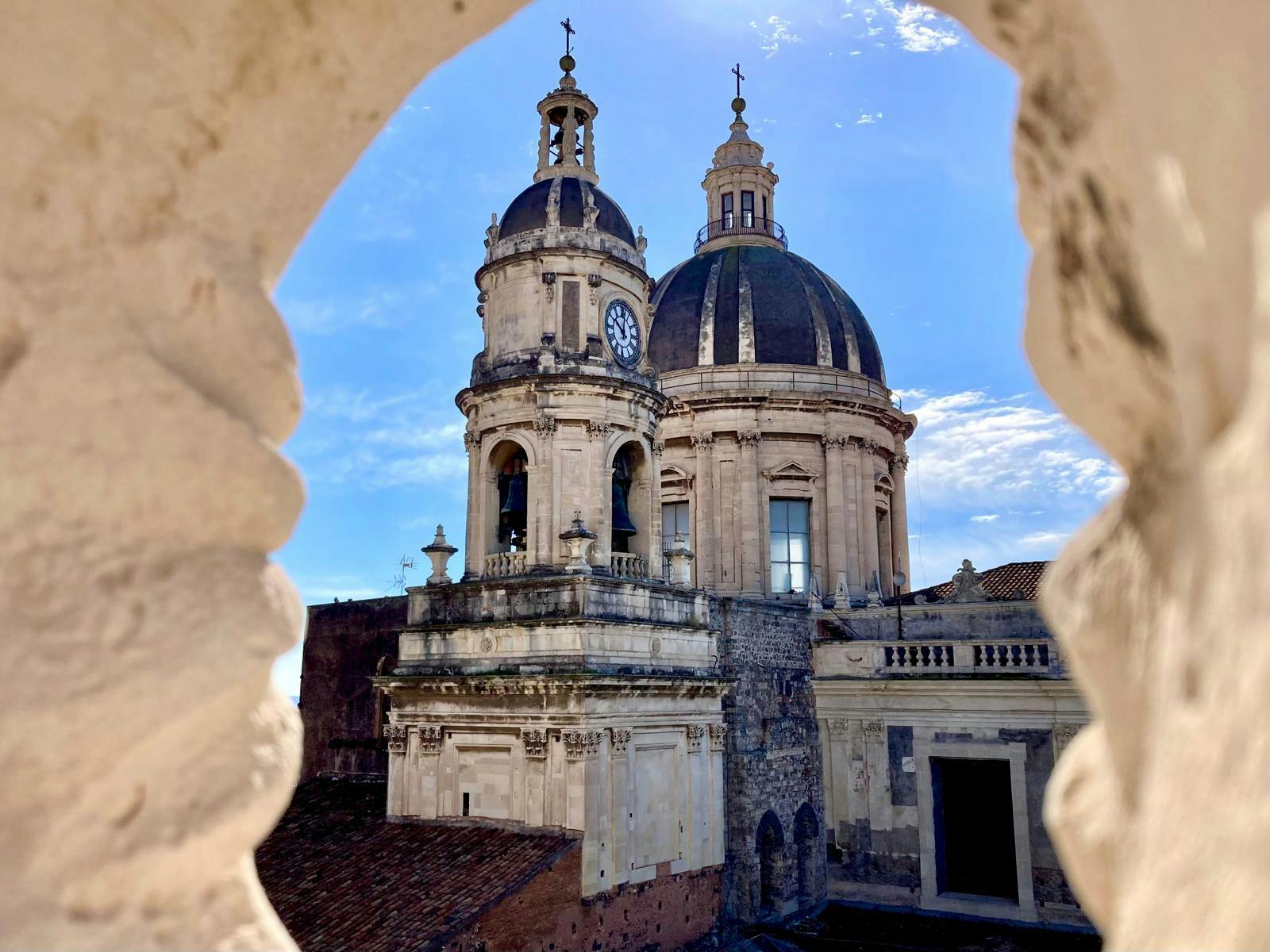
Catania Cruises, Boat Tours & Water Experiences Guide Italy Catania combines baroque streets built in dark lava stone, lively food markets, Mount Etna access, Roman remains and an active eastern Sicilian cultural scene. Check current availability, inclusions and booking details before you go.
Why Visit Catania
Catania blends history, culture, and everyday life into a destination filled with engaging museums and memorable attractions. This guide highlights the kinds of places visitors love and what to expect at each, plus practical tips for planning your day.
Flagship History Museum
The main city history museum in Catania typically traces the region from early settlement to the present through artifacts, photographs, and interactive exhibits. Expect rotating shows, a solid gift shop, and helpful context for everything else you’ll see.
Art Museum & Sculpture Garden
A leading art museum usually anchors the local scene with classics, contemporary works, and special exhibitions. If there’s an outdoor sculpture garden, it’s a relaxing way to pair culture with a walk.
Science & Discovery Center
Hands-on galleries make science approachable for all ages—think space, engineering, and ecosystems—often with an IMAX or planetarium.
Landmark Cathedral or Temple
Historic houses of worship give insight into Catania’s architectural styles and community roots. Many offer guided tours and quiet courtyards.
Iconic Public Square or Old Town
Central plazas and heritage streets concentrate cafes, street performers, and local crafts. They’re perfect for people‑watching and photos.
Riverside, Harbor or Promenade
Waterfront paths and viewpoints provide fresh air and skyline views. Look for sunset spots, public art, and casual dining.
Family Favorite: Zoo, Aquarium, or Insectarium
Animal-focused attractions pair conservation with education. Check feeding schedules or touch‑pools for interactive moments.
Living Culture: Music Hall or Theatre
An intimate performance venue showcases local sound—jazz, folk, or contemporary—making for a memorable night out.
Planning Tips
Buy timed tickets online for popular museums and special exhibits.
Combine nearby sights to minimize travel time; many districts are walkable.
Check weekly free or discounted hours; student, senior, and family passes can reduce costs.
Start early for quieter galleries and better photos.
Bottom Line
From cornerstone museums to living cultural venues and scenic promenades, Catania offers a balanced mix of learning, leisure, and local flavor.
Sponsored Popular Items
Quick take: Musement.com offers a worldwide selection of tours and attractions
Catania Cruises, Boat Tours & Water Experiences Guide Italy Catania combines baroque streets built in dark lava stone, lively food markets, Mount Etna access, Roman remains and an active eastern Sicilian cultural scene. Check current availability, inclusions and booking details before you go.
Underground Catania Guided Tour Italy Plan Underground Catania Guided Tour, a guided sightseeing experience, with practical tips on timing, inclusions and what to check before booking. Compare current availability, prices and booking conditions before you go.
Catania Baroque Walking Tour with Guide Italy Plan Catania Baroque Walking Tour with Guide, a outdoor experience, with practical tips on timing, inclusions and what to check before booking. Compare current availability, prices and booking conditions before you go.
Florence Cruises, Boat Tours & Water Experiences Guide Italy Florence combines Renaissance art and architecture, major museums, historic markets, artisan districts, Tuscan food and easy access to hills and wine country. Check current availability, inclusions and booking details before you go.
Why Visit Florence
Florence blends history, culture, and everyday life into a destination filled with engaging museums and memorable attractions. This guide highlights the kinds of places visitors love and what to expect at each, plus practical tips for planning your day.
Flagship History Museum
The main city history museum in Florence typically traces the region from early settlement to the present through artifacts, photographs, and interactive exhibits. Expect rotating shows, a solid gift shop, and helpful context for everything else you’ll see.
Art Museum & Sculpture Garden
A leading art museum usually anchors the local scene with classics, contemporary works, and special exhibitions. If there’s an outdoor sculpture garden, it’s a relaxing way to pair culture with a walk.
Science & Discovery Center
Hands-on galleries make science approachable for all ages—think space, engineering, and ecosystems—often with an IMAX or planetarium.
Landmark Cathedral or Temple
Historic houses of worship give insight into Florence’s architectural styles and community roots. Many offer guided tours and quiet courtyards.
Iconic Public Square or Old Town
Central plazas and heritage streets concentrate cafes, street performers, and local crafts. They’re perfect for people‑watching and photos.
Riverside, Harbor or Promenade
Waterfront paths and viewpoints provide fresh air and skyline views. Look for sunset spots, public art, and casual dining.
Family Favorite: Zoo, Aquarium, or Insectarium
Animal-focused attractions pair conservation with education. Check feeding schedules or touch‑pools for interactive moments.
Living Culture: Music Hall or Theatre
An intimate performance venue showcases local sound—jazz, folk, or contemporary—making for a memorable night out.
Planning Tips
Buy timed tickets online for popular museums and special exhibits.
Combine nearby sights to minimize travel time; many districts are walkable.
Check weekly free or discounted hours; student, senior, and family passes can reduce costs.
Start early for quieter galleries and better photos.
Bottom Line
From cornerstone museums to living cultural venues and scenic promenades, Florence offers a balanced mix of learning, leisure, and local flavor.
Sponsored Popular Items
Quick take: Musement.com offers a worldwide selection of tours and attractions
Florence Cruises, Boat Tours & Water Experiences Guide Italy Florence combines Renaissance art and architecture, major museums, historic markets, artisan districts, Tuscan food and easy access to hills and wine country. Check current availability, inclusions and booking details before you go.
Foggia Cruises, Boat Tours & Water Experiences Guide Italy Foggia is a gateway to northern Puglia, including the Gargano Peninsula, Tremiti Islands, pilgrimage towns and broad agricultural plains. Check current availability, inclusions and booking details before you go.
Why Visit Foggia
Foggia blends history, culture, and everyday life into a destination filled with engaging museums and memorable attractions. This guide highlights the kinds of places visitors love and what to expect at each, plus practical tips for planning your day.
Flagship History Museum
The main city history museum in Foggia typically traces the region from early settlement to the present through artifacts, photographs, and interactive exhibits. Expect rotating shows, a solid gift shop, and helpful context for everything else you’ll see.
Art Museum & Sculpture Garden
A leading art museum usually anchors the local scene with classics, contemporary works, and special exhibitions. If there’s an outdoor sculpture garden, it’s a relaxing way to pair culture with a walk.
Science & Discovery Center
Hands-on galleries make science approachable for all ages—think space, engineering, and ecosystems—often with an IMAX or planetarium.
Landmark Cathedral or Temple
Historic houses of worship give insight into Foggia’s architectural styles and community roots. Many offer guided tours and quiet courtyards.
Iconic Public Square or Old Town
Central plazas and heritage streets concentrate cafes, street performers, and local crafts. They’re perfect for people‑watching and photos.
Riverside, Harbor or Promenade
Waterfront paths and viewpoints provide fresh air and skyline views. Look for sunset spots, public art, and casual dining.
Family Favorite: Zoo, Aquarium, or Insectarium
Animal-focused attractions pair conservation with education. Check feeding schedules or touch‑pools for interactive moments.
Living Culture: Music Hall or Theatre
An intimate performance venue showcases local sound—jazz, folk, or contemporary—making for a memorable night out.
Planning Tips
Buy timed tickets online for popular museums and special exhibits.
Combine nearby sights to minimize travel time; many districts are walkable.
Check weekly free or discounted hours; student, senior, and family passes can reduce costs.
Start early for quieter galleries and better photos.
Bottom Line
From cornerstone museums to living cultural venues and scenic promenades, Foggia offers a balanced mix of learning, leisure, and local flavor.
Sponsored Popular Items
Quick take: Musement.com offers a worldwide selection of tours and attractions
Foggia Cruises, Boat Tours & Water Experiences Guide Italy Foggia is a gateway to northern Puglia, including the Gargano Peninsula, Tremiti Islands, pilgrimage towns and broad agricultural plains. Check current availability, inclusions and booking details before you go.
Foggia Visitor Guide: Top Attractions, Tours & Activities Italy Foggia is best suited to travellers heading to the Gargano, religious sites or northern Puglia. Check current availability, inclusions and booking details before you go.
La Spezia Cruises, Boat Tours & Water Experiences Guide Italy La Spezia combines a working naval city, waterfront, markets, museums and convenient access to Cinque Terre, Portovenere and the Gulf of Poets. Check current availability, inclusions and booking details before you go.
Why Visit La Spezia
La Spezia blends history, culture, and everyday life into a destination filled with engaging museums and memorable attractions. This guide highlights the kinds of places visitors love and what to expect at each, plus practical tips for planning your day.
Flagship History Museum
The main city history museum in La Spezia typically traces the region from early settlement to the present through artifacts, photographs, and interactive exhibits. Expect rotating shows, a solid gift shop, and helpful context for everything else you’ll see.
Art Museum & Sculpture Garden
A leading art museum usually anchors the local scene with classics, contemporary works, and special exhibitions. If there’s an outdoor sculpture garden, it’s a relaxing way to pair culture with a walk.
Science & Discovery Center
Hands-on galleries make science approachable for all ages—think space, engineering, and ecosystems—often with an IMAX or planetarium.
Landmark Cathedral or Temple
Historic houses of worship give insight into La Spezia’s architectural styles and community roots. Many offer guided tours and quiet courtyards.
Iconic Public Square or Old Town
Central plazas and heritage streets concentrate cafes, street performers, and local crafts. They’re perfect for people‑watching and photos.
Riverside, Harbor or Promenade
Waterfront paths and viewpoints provide fresh air and skyline views. Look for sunset spots, public art, and casual dining.
Family Favorite: Zoo, Aquarium, or Insectarium
Animal-focused attractions pair conservation with education. Check feeding schedules or touch‑pools for interactive moments.
Living Culture: Music Hall or Theatre
An intimate performance venue showcases local sound—jazz, folk, or contemporary—making for a memorable night out.
Planning Tips
Buy timed tickets online for popular museums and special exhibits.
Combine nearby sights to minimize travel time; many districts are walkable.
Check weekly free or discounted hours; student, senior, and family passes can reduce costs.
Start early for quieter galleries and better photos.
Bottom Line
From cornerstone museums to living cultural venues and scenic promenades, La Spezia offers a balanced mix of learning, leisure, and local flavor.
Sponsored Popular Items
Quick take: Musement.com offers a worldwide selection of tours and attractions
La Spezia Cruises, Boat Tours & Water Experiences Guide Italy La Spezia combines a working naval city, waterfront, markets, museums and convenient access to Cinque Terre, Portovenere and the Gulf of Poets. Check current availability, inclusions and booking details before you go.
La Spezia market tour and Ligurian cuisine cooking class. Italy Plan La Spezia market tour and Ligurian cuisine cooking class., a food and drink experience, with practical tips on timing, inclusions and what to check before booking. Compare current availability, prices and booking conditions before you go.
Private tour of Cinque Terre from La Spezia Cruise Port Italy Plan Private tour of Cinque Terre from La Spezia Cruise Port, a water-based experience, with practical tips on timing, inclusions and what to check before booking. Compare current availability, prices and booking conditions before you go.