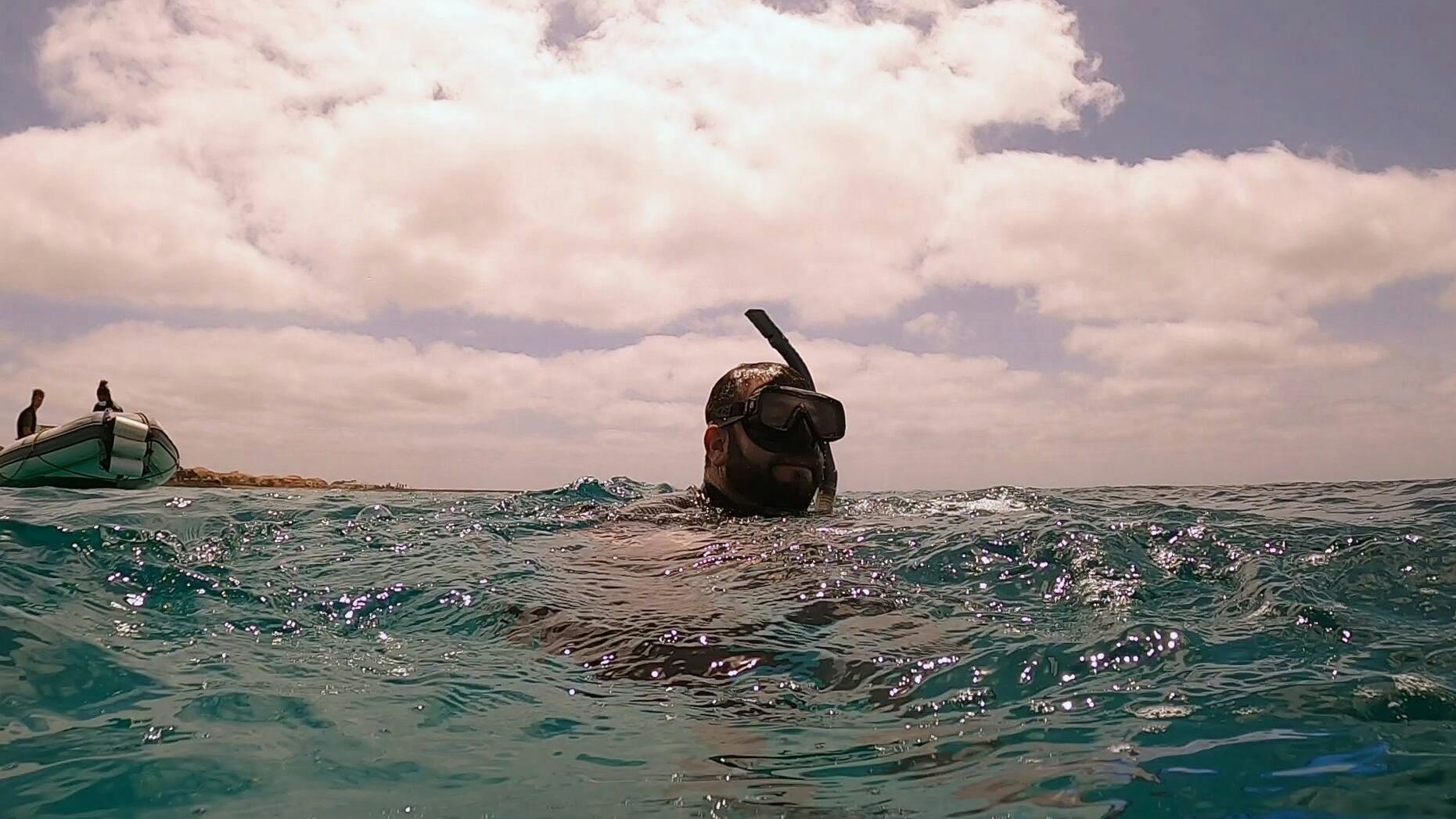
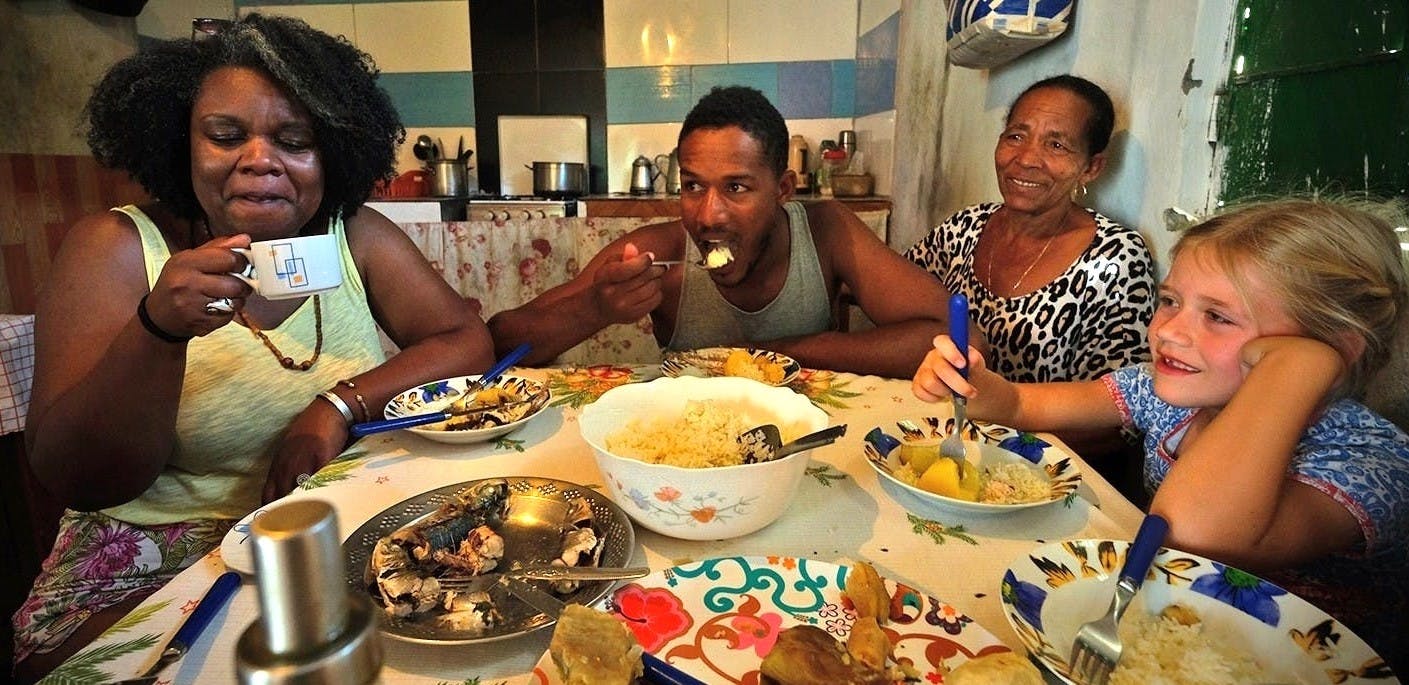
Part of the Cape Verde archipelago off the coast of West Africa, Sal is an island blessed with year-round sunshine, turquoise waters, and long stretches of golden sand. Known for its relaxed vibe, world-class water sports, and desert-meets-beach landscapes, Sal is the most popular tourist island in Cape Verde — but it never feels overcrowded.
Whether you’re chasing wind, waves, wildlife, or pure relaxation, Sal offers a wonderfully balanced escape.
⭐ Why Visit Sal?
With more than 300 sunny days per year and temperatures from 24–30°C, Sal is perfect for winter sun or summer beach holidays.
Some of Cape Verde’s best beaches are here, including:
Santa Maria Beach – white sands, turquoise water, great swimming
Kite Beach – world-famous windsurfing and kitesurfing
Ponta Preta – surfing spot with dramatic waves
Sal’s flat, desert-like terrain creates almost lunar scenery, punctuated by:
volcanic craters
salt flats
natural pools
It’s a completely different type of beach destination.
Everything on Sal feels relaxed: beach bars, pastel-coloured towns, slow rhythms, and friendly locals.
You can spot:
sea turtles (nesting season: July–October)
rays and reef sharks (harmless)
colourful schools of tropical fish
migrating humpback whales (Feb–May)
🧭 Top Things to Do in Sal
Explore the dramatic extinct volcano filled with saltwater lagoons. Float effortlessly in the high-salinity water — similar to the Dead Sea.
A volcanic rock formation where sunlight illuminates the water into a glowing blue eye. Great for photos and swimming when the tide is calm.
The island’s main town features:
beach bars
seafood restaurants
live music
colourful fishing pier
Perfect for sunset strolls.
Sal has excellent visibility and unique volcanic seabeds. Popular sites include:
Three Caves
Buracona Reef
Turtle cleaning stations
Sal is a top global destination for both sports. December–April is peak windy season.
See juvenile lemon sharks safely from the shallow shore with a guide. Totally safe — the sharks ignore humans.
Ride through:
sand dunes
salt flats
coastal cliffs
remote beaches
An exhilarating way to see the island.
Between July and October, join a conservation-focused night tour to watch endangered loggerhead turtles nesting.
🌞 Best Time to Visit Sal
Sal is a year-round destination.
November–June – dry, sunny, mild winds
December–April – strong trade winds
July–October – nesting season
🍽️ What to Eat
Cape Verdean cuisine blends African, Portuguese, and island traditions.
Must-try dishes:
Cachupa – slow-cooked stew of corn, beans, meat/fish
Fresh tuna – grilled or in steaks
Percebes (gooseneck barnacles)
Pastéis de peixe – fish pastries
Grogue – strong local sugarcane spirit
📍 Where to Stay
Most visitors base themselves in Santa Maria, close to:
beaches
restaurants
surf schools
nightlife
Resort lovers can enjoy beachfront all-inclusive hotels, while boutique stays are available in town.
🚗 Getting Around
Taxis and alugueres (shared vans) are common.
Walking is easy in Santa Maria.
Buggy or scooter rentals are great for exploring the island.
❓ Quick Q&A
Q: Is Sal safe? A: Yes — it’s considered one of the safest islands in Cape Verde. Petty theft can occur, but violent crime is rare.
Q: Can you drink tap water? A: Stick to bottled water.
Q: Is English widely spoken? A: Portuguese is the official language; many locals speak Creole. English is common in tourist areas.
Q: How many days do you need? A: 3–5 days for highlights; a week for full relaxation.
🌅 Final Thoughts
Sal is the perfect escape for travellers seeking endless sunshine, unforgettable coastal landscapes, and a relaxed island lifestyle. From salty volcanic lagoons and dramatic rock pools to golden beaches and lively music-filled nights, this Cape Verdean gem offers a refreshing mix of adventure and tranquillity.
Sponsored Popular Items
Quick take: Musement.com offers a worldwide selection of tours and attractions
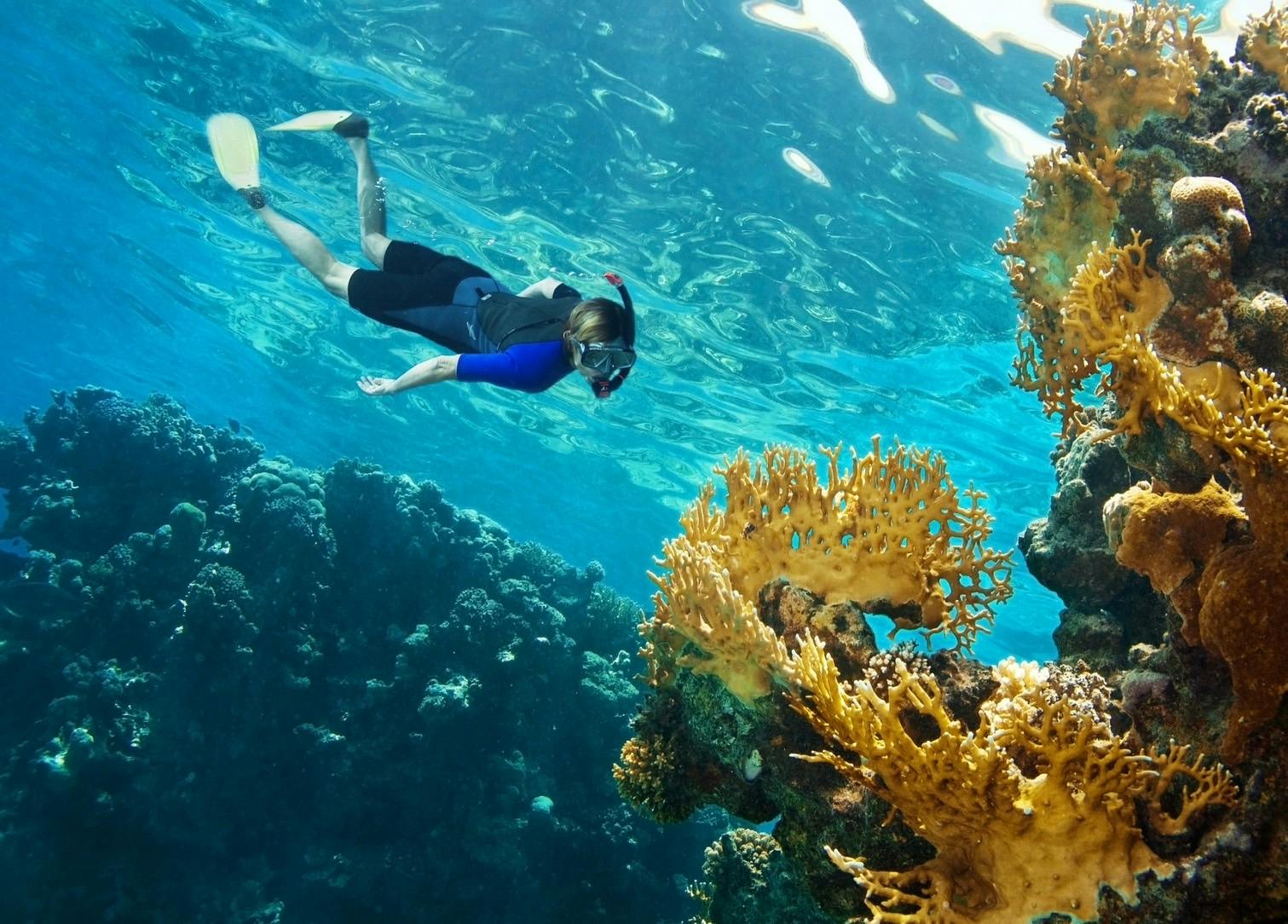
Cape Verde Snorkelling Tour from Sal – Outdoor Adventure Cape Verde Cape Verde Snorkelling Tour from Sal adds movement, scenery and a more active element to the itinerary. Check current availability, inclusions and booking details before you go.
Tucked along Vietnam’s south-central coastline, Quy Nhon (also spelled Quy Nhơn) is a serene seaside city known for its golden beaches, Cham heritage, seafood, and relaxed local vibe. Unlike the busier centres of Da Nang or Nha Trang, Quy Nhon remains refreshingly uncrowded—offering untouched landscapes, cultural depth, and authentic Vietnamese charm.
It’s a destination where emerald seas meet rugged mountains, and where modern cafes sit beside ancient towers. For travellers seeking beauty without the crowds, Quy Nhon is a true hidden gem.
⭐ Why Visit Quy Nhon?
Quy Nhon boasts some of Vietnam’s most beautiful but least touristy stretches of sand:
Ky Co Beach – turquoise water, white sand, hidden coves
Eo Gio (Wind Strait) – dramatic coastal cliffs and scenic walkways
Bai Xep – peaceful fishing village beach
Queen’s Beach – famous for its smooth round stones
The Kingdom of Champa once flourished here, leaving behind spectacular relics such as:
Banh It Towers – hilltop ruins with sweeping views
Thap Doi Cham Towers – beautifully restored structures in the city
Quy Nhon is famed for:
Fresh lobster
Sea urchin
Jellyfish salad
Grilled squid
Fish cakes (bánh hỏi lòng heo is a must-try)
All at incredibly reasonable prices.
No busy nightlife, no traffic stress—just nature, ocean breezes, and friendly locals.
Nearby islands like Hon Kho offer snorkelling, coral reefs, and water swings perfect for photos. Coastal roads around Quy Nhon are also some of Vietnam’s most picturesque.
🧭 Top Things to Do in Quy Nhon
Reachable by speedboat or car, this is Quy Nhon’s postcard-perfect beach with clear water, wooden walkways, and dramatic rock formations.
A coastal walkway with incredible sea views, perfect for sunrise or sunset photography.
The ancient towers provide a glimpse into the region’s Hindu-influenced past and offer panoramic city and countryside views.
A day trip for:
Snorkelling
Coral viewing
Floating seafood restaurants
Instagram-worthy water swings
A peaceful beach backed by palm trees—ideal for travellers who love slow, local living.
A peaceful, tree-lined seaside area with historical and cultural significance.
Bai Xep – Perfect for backpackers and beach lovers
City Centre – Convenient for local food and attractions
Resort Areas (FLC, Anya Premier) – Ideal for luxury and families
🍽️ Must-Try Local Dishes
Bánh hỏi lòng heo – Rice noodle bundles with pork and herbs
Bánh xèo tôm nhảy – Crispy pancakes with jumping shrimp
Bún chả cá Quy Nhơn – Fishcake noodle soup
Sea urchin grilled with scallion oil
Lobster hotpot
🚗 How to Get There
By Air: Quy Nhon’s Phu Cat Airport (UIH) connects to Hanoi, Ho Chi Minh City, Da Nang, and Hai Phong.
By Train: Reunification Express trains stop at Dieu Tri station, about 10 km from the city.
By Bus: Direct routes from Da Nang, Nha Trang, and Hoi An.
❓ Quick Q&A
Q: Is Quy Nhon touristy? A: Not yet. It’s peaceful and far less developed than other coastal cities.
Q: How many days do you need? A: 3–4 days is perfect for beaches, islands, and Cham architecture.
Q: Are beaches safe for swimming? A: Yes—during good weather months (Feb–Aug).
Q: Is Quy Nhon good for families? A: Absolutely—calm beaches, affordable resorts, and lots of outdoor activities.
🌅 Final Thoughts
Quy Nhon is one of Vietnam’s best-kept secrets—a coastal haven where turquoise seas, cultural treasures, and genuine local warmth come together. Whether you’re chasing quiet beaches, history, seafood feasts, or off-the-beaten-path adventures, Quy Nhon promises a peaceful yet unforgettable escape.
Sponsored Popular Items
Quick take: Musement.com offers a worldwide selection of tours and attractions
From Quy Nhon: Phu Yen Day Trip with Lunch & Entry Tickets Vietnam From Quy Nhon to Phu Yen: Da Dia Reef, O Loan Lagoon & Nghinh Phong Tower Discover the natural beauty, cultural heritage and coastal charm of Phu Yen on a full-day journey from Quy Nhon
Quy Nhon: Night Squid Fishing Experience Vietnam Explore a traditional fishing village, enjoy sunset by the sea, and learn how locals fish for squid under the stars
With miles of golden beaches, year-round sunshine, world-class attractions, and a famously relaxed vibe, San Diego is one of California’s most irresistible destinations. Framed by the Pacific Ocean and dotted with vibrant neighbourhoods, historic districts, and breathtaking natural spaces, it’s a city that appeals to families, foodies, adventurers, and culture-seekers alike.
From surf breaks in La Jolla to the cobblestone charm of Old Town, from Balboa Park’s museums to the buzzing Gaslamp Quarter, San Diego is a city where ocean breezes meet endless things to do.
⭐ Why Visit San Diego
1. Stunning Beaches & Coastal Beauty
San Diego’s coastline is as diverse as it is beautiful.
Top beaches include:
La Jolla Cove – famous for sea lions and snorkelling
Coronado Beach – wide, golden, and family-friendly
Pacific Beach – great for surfing and boardwalk energy
Mission Beach – home to Belmont Park’s historic roller coaster
Sunsets here are spectacular.
2. Balboa Park – Culture, Gardens & Museums
Balboa Park is one of the largest urban park complexes in the USA.
Highlights include:
The San Diego Zoo
The Museum of Us
San Diego Museum of Art
Botanical Building and themed gardens
Beautiful Spanish Colonial architecture
You could spend a full day here and still not see it all.
3. The World-Famous San Diego Zoo
One of the world’s premier zoos, home to:
Over 12,000 animals
Rare and endangered species
Immersive habitats like the Lost Forest & Elephant Odyssey
It’s a must-visit for families and wildlife enthusiasts.
4. Historic Old Town
Known as the birthplace of California, Old Town offers:
Traditional Mexican cuisine
Heritage buildings and museums
Colourful markets and live performances
A great spot to experience San Diego’s early history.
5. The Gaslamp Quarter
This downtown district mixes Victorian architecture with modern nightlife.
Expect:
Rooftop bars
Live music venues
Trendy restaurants
Boutique hotels
It’s the city’s energetic entertainment hub.
6. Outdoor Adventures
San Diego’s natural beauty makes it perfect for exploring.
Popular activities:
Kayaking in La Jolla Sea Caves
Hiking Torrey Pines State Reserve
Whale watching cruises
Stand-up paddleboarding on Mission Bay
🧭 Top Things to Do in San Diego
✔ Explore USS Midway Museum
Tour the historic aircraft carrier and its impressive fighter jet collection.
✔ Visit Seaport Village
Charming waterfront shops, dining, and bay views.
✔ Wander Little Italy
A lively neighbourhood known for its restaurants, markets, and wine bars.
✔ Take a Harbour Cruise
Learn about the naval base, city skyline, and the Coronado Bridge.
✔ Day Trip to Coronado Island
Visit the iconic Hotel del Coronado, stroll the beach, and explore the village.
🌤️ Best Time to Visit
San Diego enjoys nearly perfect weather year-round, but ideal periods include:
Spring (Mar–May) – mild temps, pleasant crowds
Autumn (Sept–Nov) – warm water, great for beaches
Summer – peak season with festivals and outdoor events
Winter – mild & sunny, good for whale watching
🚗 Getting Around
Car is convenient for beaches & neighbourhoods
Trolley & buses serve downtown attractions
Rideshare & bikes widely available
Ferries run between downtown and Coronado
❓ Quick Q&A
Q: Is San Diego good for families? A: Yes—zoo, beaches, Legoland, museums, and safe neighbourhoods make it ideal.
Q: How many days do you need? A: 3–5 days allows you to see Balboa Park, beaches, and major attractions.
Q: Is San Diego expensive? A: It can be, but budget-friendly food, free beaches, and city passes help reduce costs.
Q: Can you swim year-round? A: Yes, but water is cool—summer and early autumn are warmest.
🌅 Final Thoughts
San Diego is a city where sunshine meets coastal adventure, rich culture, and easygoing charm. Whether you’re watching sea lions in La Jolla, savouring tacos in Old Town, exploring Balboa Park, or enjoying a Pacific sunset, San Diego promises a holiday filled with unforgettable moments.
Sponsored Popular Items
Quick take: Musement.com offers a worldwide selection of tours and attractions
Manila: Baluarte de San Diego & Battles for the City Philippines Step into Baluarte de San Diego, a 16th-century Spanish fortification. Explore its ruins, artillery defenses, and the conflicts that shaped Manila through centuries of colonial rivalry
San Diego Gaslamp Quarter Food Tour with Six Tastings United States Plan San Diego Gaslamp Quarter Food Tour with Six Tastings, a food and drink experience, with practical tips on timing, inclusions and what to check before booking. Compare current availability, prices and booking conditions before you go.
Located at the gateway to the Margaret River region, Busselton is one of Western Australia’s most loved seaside escapes. Known for its calm turquoise waters, family-friendly beaches, and iconic timber jetty stretching nearly 2 km into Geographe Bay, Busselton blends natural beauty with relaxed coastal charm.
Whether you’re here for a weekend getaway or using Busselton as a base to explore the southwest, this charming town offers a perfect mix of beaches, marine life, outdoor adventure, and local dining.
⭐ Why Visit Busselton
1. Busselton Jetty
The town’s star attraction, the Busselton Jetty, is the longest wooden-piled jetty in the Southern Hemisphere. Here you can:
Walk or take the electric Jetty Train to the end
Visit the Underwater Observatory 8 metres below the ocean
Snorkel or dive among colourful corals and marine life
Enjoy sunset photography with uninterrupted ocean views
It’s one of WA’s most iconic experiences.
2. Geographe Bay
With clear, shallow waters and sheltered beaches, Geographe Bay is ideal for:
Swimming
Paddleboarding
Kayaking
Beach picnics
The calm conditions make it especially great for families.
3. Gateway to the Margaret River Region
Busselton is just a short drive from world-class wineries, breweries, gourmet food producers, and dramatic coastal landscapes.
Nearby highlights include:
Dunsborough
Yallingup
Ngilgi Cave
Cape Naturaliste Lighthouse
Margaret River wineries & surf beaches
4. Outdoor & Wildlife Experiences
Busselton offers a gentle mix of nature and adventure:
Whale watching (Sept–Dec)
Coastal cycling paths
Fishing along the shore or jetty
Dolphin sightings in the bay
5. Town Centre & Foreshore
The revamped foreshore features:
Playgrounds
Walking paths
Art installations
Waterfront dining
The town centre is filled with cafés, boutiques, surf shops, and local markets.
🧭 Top Things to Do in Busselton
✔ Walk or Ride the Busselton Jetty
Enjoy ocean views and learn about its history in the Interpretive Centre.
✔ Explore the Underwater Observatory
See corals, fish, and marine ecosystems without getting wet.
✔ Enjoy Meelup Regional Park
Just a short drive away—turquoise bays, walking trails, and picnic spots.
✔ Visit Nearby Dunsborough
A relaxed beach village known for great cafés, coves, and nature walks.
✔ Take a Day Trip to Margaret River
Explore wineries, breweries, forests, and world-famous surf breaks.
🌤️ Best Time to Visit
December–March: Best beach weather, warm water, summer events April–June: Mild weather, fewer crowds, great for hiking and sightseeing September–November: Wildflowers, whale watching, sunny days
Busselton enjoys a Mediterranean climate with mild winters and warm summers.
🏨 Where to Stay
Beachfront resorts (e.g., Abbey Beach Resort, Aqua Resort)
Holiday parks for families
Boutique guesthouses and farm stays nearby
Luxury villas in Dunsborough or Yallingup
🚗 Getting There
By air: Direct flights to Busselton-Margaret River Airport from some major cities
By car: 2.5 hours south of Perth
Local transport: Car recommended for wineries and coastal exploration
❓ Quick Q&A
Q: How long do you need in Busselton? A: 2–4 days is ideal for beaches, the jetty, day trips, and exploring nearby towns.
Q: Is Busselton good for kids? A: Yes—calm beaches, playgrounds, cycling paths, and the Jetty Train make it very family-friendly.
Q: Can you swim at the jetty? A: Absolutely. The water is clear and perfect for swimming and snorkelling.
🌅 Final Thoughts
Busselton is a coastal haven where calm waters meet vibrant marine life and relaxed beach culture. Whether you’re wandering along the famous jetty, enjoying a glass of local Margaret River wine, or exploring the region’s natural wonders, Busselton delivers an easygoing, memorable escape on Western Australia’s southwest coast.
Sponsored Popular Items
Quick take: Musement.com offers a worldwide selection of tours and attractions
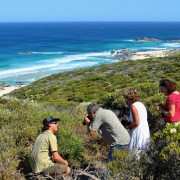
From Busselton: Half-Day Coastal and Wildlife Eco Tour Australia This morning tour gives you the best opportunity for wildlife viewing and spectacular scenery in the Cape Naturaliste area. You will be entertained by an experienced local guide.
Hidden Gem Manila: Slum Life & Secret Stories Philippines Uncover the famous sights and hidden gems of Manila on this guided tour. Travel by all kinds of transportation including a tricycle, visit authentic markets, and immerse yourself in local culture
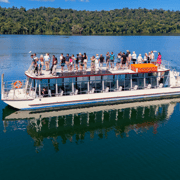
Lake Barrine Boat Cruise – Discover Queensland’s Hidden Gem Australia Just a short drive from Cairns, enjoy a peaceful 45-minute boat cruise on Lake Barrine’s ancient waters. Spot wildlife, uncover rich history, and escape to the heart of the Tablelands… Check current availability, inclusions and booking conditions.
Penang is one of Southeast Asia’s most captivating destinations, a vibrant blend of heritage, cuisine, nature, and creativity. Among its many highlights, travellers often look for the island’s “Seven Wonders of Penang”—a curated collection of attractions that reflect the soul of this UNESCO-listed state.
Below is a modern, widely recognised list of Penang’s seven most iconic wonders, mixing history, culture, spirituality, and natural beauty.
1. Penang Hill
The island’s first hill station, dating back to colonial times, Penang Hill offers cool temperatures, walking trails, colonial bungalows, and one of the best panoramic views of George Town. Ride the funicular railway and enjoy the lush rainforest at 833 metres above sea level.
2. Kek Lok Si Temple
One of Southeast Asia’s largest Buddhist temples, Kek Lok Si is a majestic complex featuring prayer halls, pagodas, gardens, and the striking 37-metre bronze statue of Kuan Yin, the Goddess of Mercy. The Pagoda of Ten Thousand Buddhas is a highlight.
3. Penang Street Art (George Town UNESCO Zone)
Internationally famous, George Town’s street art includes murals by Ernest Zacharevic and countless local artists. Each masterpiece transforms shophouse walls into living canvases, making the city a giant open-air gallery.
4. Penang Peranakan Mansion
This ornate museum provides a captivating glimpse into Straits Chinese (Peranakan) culture, known for its intricate furniture, jewellery, clothing, and architecture. It’s a time capsule of 19th-century opulence.
5. The Clan Jetties
Six surviving waterfront settlements built by Chinese clans. The most famous, Chew Jetty, features stilt houses, narrow wooden walkways, shrines, and small shops. It’s a living heritage site that tells the story of Penang’s migrant past.
6. Tropical Spice Garden
Located in Teluk Bahang, this lush garden contains over 500 species of tropical flora. Guided walks, spice tours, and cooking classes offer insight into Penang’s spice-trading history and local culinary traditions.
7. Batu Ferringhi Beach
Penang’s most popular beach, lined with resorts, parasailing operators, beachfront bars, and the famous night market. Golden sands and sunsets make it a must-visit for both relaxation and adventure.
Why These Seven Wonders Matter
Together, these attractions showcase Penang’s core identity:
Natural Beauty – Hilltop forests & golden beaches
Spiritual Heritage – Temples & traditional beliefs
Cultural Depth – Peranakan legacy & clan communities
Artistic Energy – World-famous murals
Historical Roots – UNESCO-listed districts
They highlight why Penang is often called the cultural heart of Malaysia.
Sponsored Popular Items
Quick take: Musement.com offers a worldwide selection of tours and attractions
Top Seven Wonders of Penang Private City Tour - Guided Sightseeing Tour Malaysia Top seven wonders of Penang private city tour is a convenient way to add structure, local context and purposeful sightseeing to the itinerary. Check current availability, inclusions and booking details before you go.
Full-Day Pulau Penang Exploration Shared Tour - Guided Sightseeing Tour Malaysia Full-day Pulau Penang exploration shared tour is a convenient way to add structure, local context and purposeful sightseeing to the itinerary. Check current availability, inclusions and booking details before you go.
Wonderfood Museum Penang Tickets - Attraction Entry Malaysia Wonderfood Museum Penang tickets provides a structured way to visit one of the destination’s notable attractions or cultural sites. Check current availability, inclusions and booking details before you go.
A visit to a Turkish bath (hammam) in Kemer is one of the most authentic and rejuvenating experiences you can enjoy on the Turkish Riviera. Combining centuries-old traditions with soothing wellness rituals, a hammam session prepares your body for a sun-soaked holiday while giving you a serene escape from the bustle of the beaches and resorts.
Step Inside a World of Warmth and Tradition
Hammams in Kemer typically begin in the warm room, a beautifully tiled space filled with gentle heat. The warm air helps loosen your muscles and opens your pores, preparing your skin for deeper cleansing. As you relax on the heated marble platform, the soft light and steam create an atmosphere that instantly melts away stress.
Foam, Scrub & Massage: The Classic Ritual
The highlight of any Turkish bath is the peeling (kese) scrub, performed by an experienced attendant. Using a traditional exfoliating mitt, they remove layers of dead skin, leaving your body incredibly smooth. It’s followed by a luxurious foam massage, where clouds of warm, soapy bubbles are worked into your skin using rhythmic, gentle movements.
Most hammams in Kemer also offer optional extras such as:
Aromatherapy oil massage
Clay or sea-mud mask
Sauna and steam room access
Jacuzzi relaxation
Why Try a Hammam in Kemer?
Ideal holiday warm-up: Locals swear by the hammam as the perfect preparation for tanning—your skin is left soft, clean, and refreshed.
Wellness benefits: Improved circulation, detoxification, and muscle relaxation make it perfect after active excursions or beach days.
Cultural experience: Hammams are an integral part of Turkish culture, blending hospitality, ritual, and relaxation in a warm, serene environment.
Accessible luxury: Hammams in Kemer are known for excellent service at affordable prices, making it easy to indulge.
What to Expect as a Visitor
Hammam experiences in Kemer are designed for comfort and simplicity. You’ll be guided through each stage, from the sauna and marble platform to the scrub and foam massage. Most packages include private changing rooms, lockers, and refreshments like herbal tea.
Whether you choose a traditional hammam or a modern spa-style setting, the ritual remains centered around rejuvenation, purification, and deep relaxation.
A Perfect Addition to Your Kemer Holiday
A Turkish bath is an excellent way to begin or end your trip. It helps you unwind after arrival, enhances your tan, and offers peaceful respite after outdoor activities such as visiting Phaselis, exploring canyons, or enjoying Kemer’s vibrant nightlife.
Relaxing, cultural, and unforgettable, a Kemer hammam visit is more than a treatment—it’s a timeless wellness experience that stays with you long after you leave.
Sponsored Popular Items
Quick take: Musement.com offers a worldwide selection of tours and attractions
Sunset Small-Group Deluxe Yacht Cruise from Kemer – Scenic Water Experience Turkey Gliding across the Mediterranean on a yacht with a chilled drink in hand and the sea breeze on your face has to be an all-time top holiday moment. Check current availability, inclusions and booking details before you go.
Full-Day Small-Group Deluxe Yacht Cruise from Kemer – Scenic Water Experience Turkey Hop aboard a luxury yacht and cruise along Kemer’s coastline for the day – it’s the perfect way to explore the Turkish Riviera without the usual crowds. Check current availability, inclusions and booking details before you go.
Kemer Scuba Diving for Beginners – Outdoor Adventure Turkey Kemer Scuba Diving for Beginners is for travellers who want movement, scenery and a more active element in their itinerary. Check current availability, inclusions and booking details before you go.
Set on Spain’s northern coast, San Sebastián (Basque: Donostia) is a city where elegant seaside charm meets culinary excellence. Nestled between green hills and the blue Bay of Biscay, it’s famed for its golden beaches, Michelin-starred dining, and lively Basque culture. Whether you’re here to surf, stroll, or savour, San Sebastián promises a feast for every sense.
Why Visit
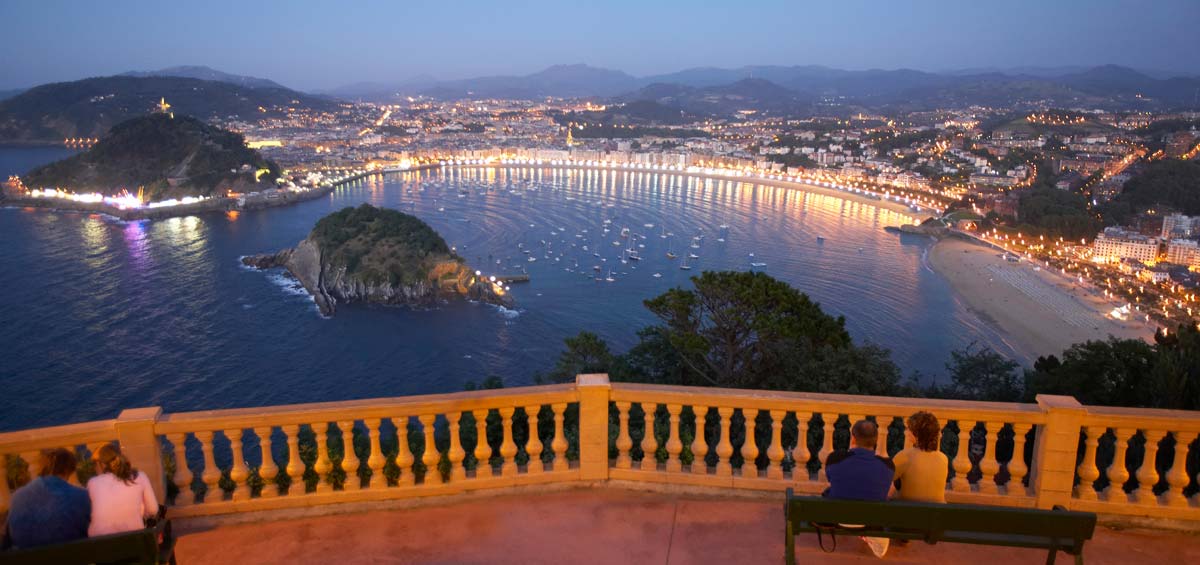
World-Class Beachfront: The iconic crescent-shaped La Concha Beach is often named among Europe’s most beautiful urban beaches.
Culinary Capital: With one of the highest concentrations of Michelin-starred restaurants per capita, it’s a paradise for food lovers and pintxo enthusiasts alike.
Compact & Walkable: The city’s scale makes it easy to explore on foot — from the old town’s narrow lanes to the sweeping seafront promenade.
Basque Identity: San Sebastián blends modern Spanish flair with a strong regional heritage of language, art, and gastronomy.
Things to Do & See
1. Stroll La Concha Promenade
La Concha Bay – a graceful arc of sand and sea framed by mountains, perfect for swimming or scenic walks.
Start your day with a walk along the elegant Paseo de la Concha. Locals jog, swim, or cycle along the promenade that hugs the golden beach. The views across the bay toward Santa Clara Island and the green hills of Monte Urgull are timeless and serene.
2. Explore the Old Town (Parte Vieja)
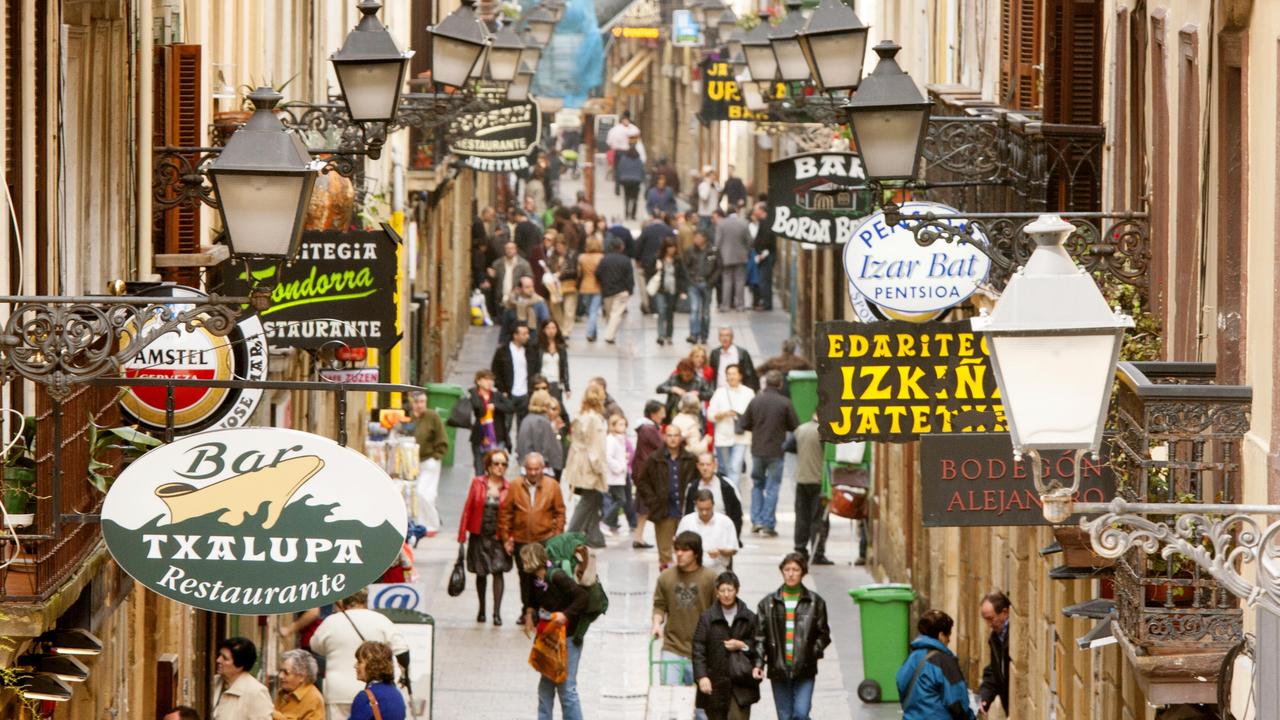
The Old Town buzzes with life — bars overflowing with colourful pintxos and laughter spilling into the narrow streets.
The Parte Vieja is the beating heart of San Sebastián. Narrow cobblestone alleys are packed with lively bars serving pintxos — small Basque tapas often skewered with toothpicks. Try classics like gilda (anchovy, olive, and pepper) or modern creations paired with local Txakoli wine. The atmosphere here is social, spontaneous, and unmistakably Basque.
3. Take in the Views from Monte Urgull & Monte Igueldo
Monte Igueldo offers one of the best sunset views in Spain — the city and sea bathed in golden light.
For sweeping panoramas of the bay, climb or take the funicular to Monte Igueldo. On the opposite side, Monte Urgull rewards hikers with historical ruins, viewpoints, and shaded forest trails. Both hills showcase the city’s perfect natural amphitheatre of sea and mountains.
4. Indulge in San Sebastián’s Gastronomy
San Sebastián’s Michelin-starred restaurants push culinary boundaries while celebrating Basque ingredients and innovation.
Food is woven into the city’s identity. From the legendary Arzak and Akelarre restaurants to casual seafood taverns, every meal is an experience. Don’t miss Basque cheesecake or a glass of crisp cider poured from a height at local cider houses.
Where to Stay
Near La Concha Beach: Perfect for travellers wanting sea views and proximity to cafés and shops.
Old Town: Ideal if nightlife and pintxo hopping are priorities.
Gros District: Trendy and local-feeling, across the river from the centre with surf beaches and creative restaurants.
Many boutique hotels and guesthouses offer balconies overlooking the bay — book early in summer for the best selection.
Practical Tips
Best Time to Visit: Late spring to early autumn for warm weather; July and August bring the liveliest beach scene.
Language: Spanish and Basque are spoken; English is common in tourist areas.
Getting Around: The city is walkable, with reliable buses and a scenic coastal funicular to Monte Igueldo.
Festivals: The San Sebastián International Film Festival each September adds glamour and global attention.
Why It’s Special
San Sebastián is where city elegance meets seaside ease. Its mix of culture, cuisine, and coastline offers the perfect escape for both adventure seekers and slow travellers. Whether you’re wandering through pintxo bars, taking in the ocean air, or watching the sunset over La Concha Bay, this Basque treasure will leave you enchanted and well-fed in equal measure.
Sponsored Popular Items
Quick take: Musement.com offers a worldwide selection of tours and attractions
Self-Guided Warsaw Mystery Detective Game Poland Plan Self-Guided Warsaw Mystery Detective Game, a self-guided game or exploration experience, with practical tips on timing, inclusions and what to check before booking. Compare current availability, prices and booking conditions before you go.
Murder Mystery in Warsaw Poland Plan Murder Mystery in Warsaw, a self-guided game or exploration experience, with practical tips on timing, inclusions and what to check before booking. Compare current availability, prices and booking conditions before you go.
Warsaw Museum of Modern Art Entrance Ticket – Attraction Entry Poland Warsaw Museum of Modern Art Entrance Ticket Warsaw's Museum of Modern Art occupies a purpose-built white museum designed by Thomas Phifer beside Plac Defilad in the centre of the city. Check current availability, inclusions and booking details before you go.
Many visitors combine Muir Woods with a stop at the Golden Gate Bridge or the Marin Headlands — crossing the bridge from San Francisco offers beautiful views.
Guided tours / shuttle options: There are organised tours departing from San Francisco that deliver you to Muir Woods and often include other spots like the charming town of Sausalito.
Consider combining with nearby coastal excursions: For example, take time after the redwoods to visit Point Reyes National Seashore or nearby beaches along Highway 1.
Suggested half-day itinerary
Early morning: Depart from San Francisco, cross the Golden Gate Bridge, arrive at Muir Woods as it opens.
Mid-morning: Walk the Main Trail, ascend a little if you like, soak in the forest.
Lunch: Pack a picnic or stop in Mill Valley or Sausalito.
Afternoon: Either return to SF or continue up to Mount Tamalpais, or along the coast to Stinson Beach.
Evening: Enjoy dinner back in Sausalito or Mill Valley, and relax in your chosen lodge.
Why it works for you
Whether you’re someone who enjoys gentle nature walks, photography, rich forest ambiance, or combining city and countryside in one trip — Muir Woods ticks many boxes. If you stay overnight in Marin County, you’ll enjoy fewer crowds and get the best of nature just outside your door.
Sponsored Popular Items
Quick take: Musement.com offers a worldwide selection of tours and attractions
San Francisco Mission District Food Tour with Tastings United States Plan San Francisco Mission District Food Tour with Tastings, a food and drink experience, with practical tips on timing, inclusions and what to check before booking. Compare current availability, prices and booking conditions before you go.
San Francisco North Beach Food Tour with Five Tastings United States Plan San Francisco North Beach Food Tour with Five Tastings, a food and drink experience, with practical tips on timing, inclusions and what to check before booking. Compare current availability, prices and booking conditions before you go.
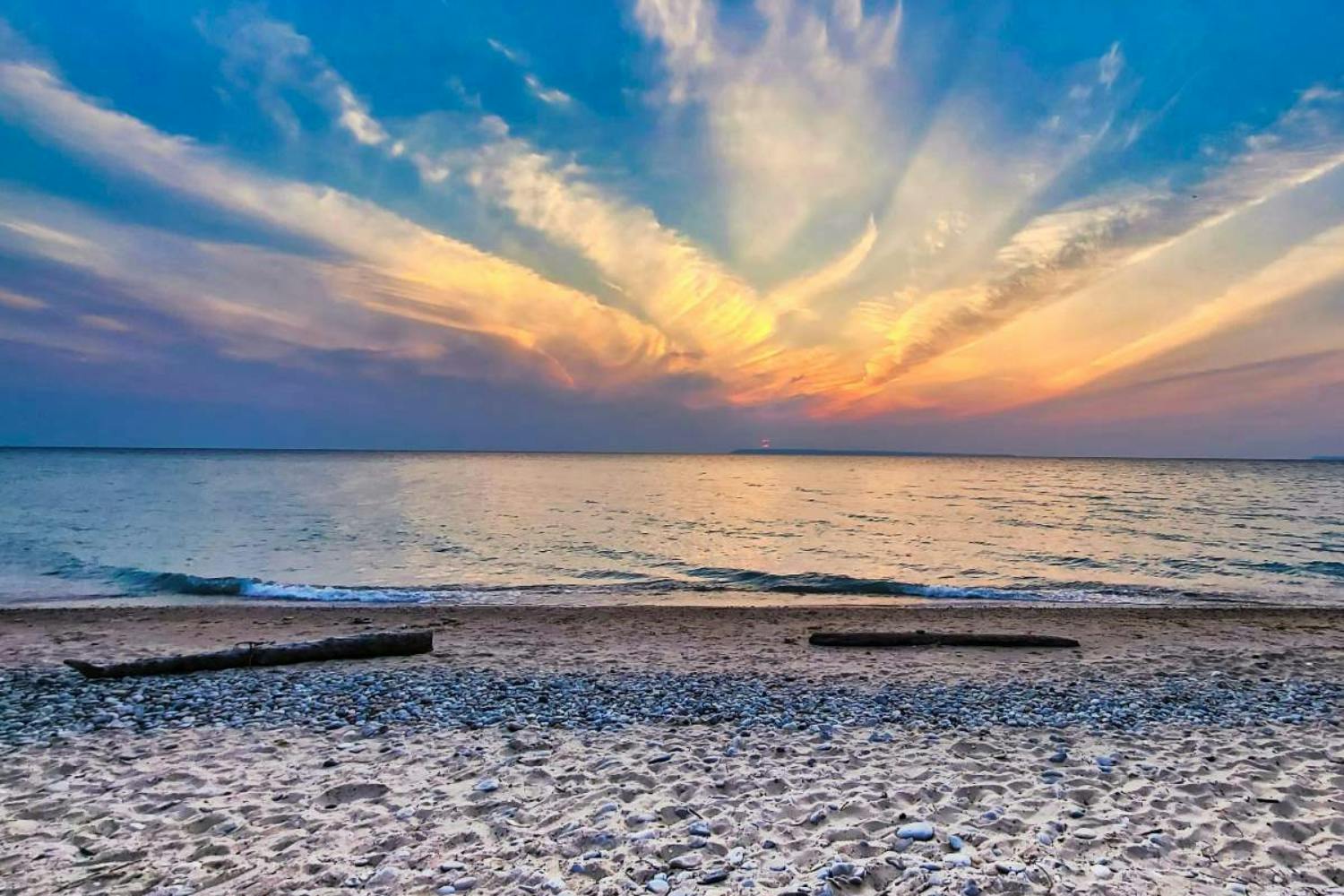
Discover Lake Michigan: America’s Great Freshwater Coastline | Travel Guide
Discover Lake Michigan: America’s Great Freshwater Coastline
Framing four U.S. states with over 1,600 miles (2,575 km) of shoreline, Lake Michigan delivers big-lake energy: sweeping dunes, clear water, lighthouse-studded peninsulas, and a world-class city skyline in Chicago. Whether you’re here for beach days, small-town weekender charm, fall color drives, or winter ice caves, this guide helps you plan a trip that matches your style and season.
Getting There & Best Time to Visit
How to Get There
By air: Chicago (ORD/MDW) anchors the south; Milwaukee (MKE) the west; Grand Rapids (GRR) and Traverse City (TVC) the east; Green Bay (GRB) the north.
By car: Interstates and scenic byways circle the lake; many highlights are easiest with a car.
By rail/bus: Amtrak serves Chicago and Milwaukee; regional buses link coastal towns seasonally.
When to Go
Summer (Jun–Aug): Warm water, festivals, peak beach time; book early.
Shoulder (May, Sep–Oct): Mild temps, fewer crowds; brilliant fall color mid-to-late October (varies by latitude).
Winter (Dec–Mar): Quiet, dramatic ice and snow scenes; ideal for cozy, crowd-free escapes.
Where to Stay: Regions at a Glance
Region
Vibe
Highlights
Good For
Chicago & North Shore (IL)
Urban + beaches
Lakeside trail, museums, architecture, sandy city beaches
First timers, food lovers, car-free trips
Indiana Dunes (IN)
Dunes + nature
National/State Parks, tall dunes, birding
Hikers, families, day trips from Chicago
Door Peninsula (WI)
Coastal villages
Lighthouses, cherry orchards, ferries to Washington Island
Romantic getaways, fall color
West Michigan (MI)
Beach towns
Holland, Saugatuck, Grand Haven; sunsets and dunes
Weekenders, families, craft beer
Sleeping Bear Dunes (MI)
Epic landscapes
Bluffs, overlooks, scenic drives, inland lakes
Photographers, hikers, swimmers
Northwest MI & Lelanau (MI)
Wine + water
M-22 scenic byway, wineries, harbor towns
Scenic drives, tastings, boutiques
Upper Peninsula South Shore (MI)
Wild & quiet
Long beaches, shipwreck lore, winter solitude
Road-trippers, stargazers, budget escapes
Top Experiences
Beaches & Dunes
Sleeping Bear Dunes: Towering bluffs and Caribbean-hued water; choose overlooks or sand-trail hikes.
Indiana Dunes: Easy access dunes, birding hotspots, and family-friendly strands.
West Michigan beaches: Wide sands, classic piers, and technicolor sunsets.
Scenic Drives & Small Towns
M-22 (NW Michigan): A loop of vineyards, bays, and beach stops around Lelanau.
Door County backroads: Orchard stands, lighthouses, and shoreline parks.
Chicago’s lakefront: Skyline views via the multi-use Lakefront Trail.
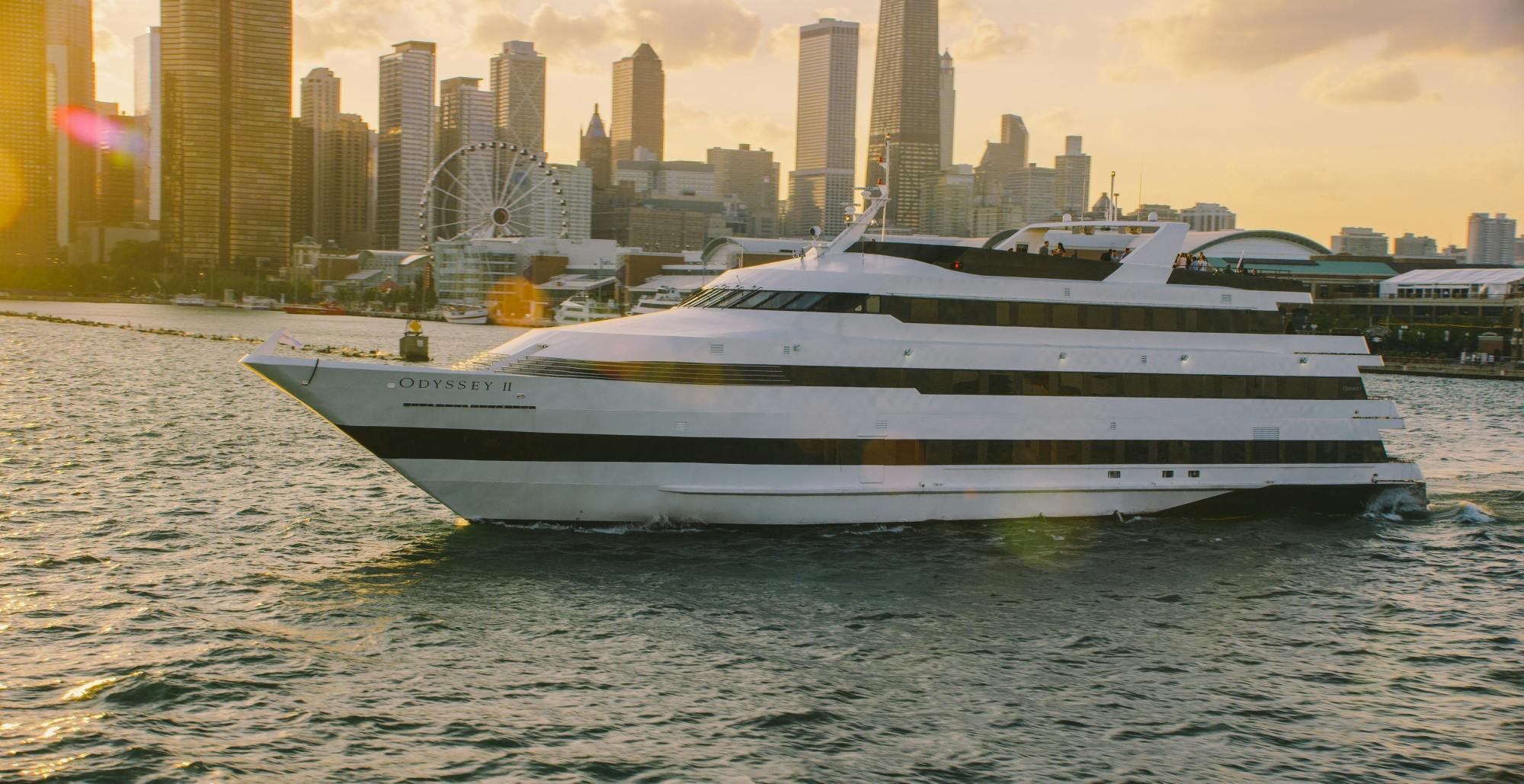
Sailing & cruises: Sunset sails in harbor towns or architectural cruises in Chicago.
Fishing: Charter trips for salmon and trout; check licenses and seasons.
Practical Tips (Quick Steps)
Check the forecast: Big lakes create fast-changing weather; pack a light layer even in summer.
Respect currents: Swim near lifeguards when available; learn how to escape rip currents (swim parallel to shore).
Time your visit: Weekdays and early mornings mean easier parking at popular beaches.
Book ahead: Peak summer and fall foliage weekends sell out in charming towns.
Leave no trace: Stay off fragile dune grass; pack out what you bring in.
Lake Michigan FAQs
Is the water warm enough for swimming?
Answer: Summer surface temps can be very swimmable, especially in shallower bays and late in the season. Early summer and deeper areas remain brisk—bring a light rash guard if you chill easily.
What’s the best base for a first visit?
Answer: If you want city + beach, pick Chicago. For dunes and classic beach towns, try West Michigan or Indiana Dunes. For a slower, lighthouse-peppered getaway, choose the Door Peninsula.
Can I do this car-free?
Answer: In Chicago, yes—combine transit, rideshare, and bikes. For nature-heavy itineraries (dunes, wineries, lighthouses), a car is strongly recommended for flexibility.
Is winter worth it?
Answer: Absolutely, if you like quiet beauty: frozen shorelines, snow-draped forests, and cozy towns. Check road conditions, dress for wind chill, and book lodging with good heating and parking.
Suggested 3–5 Day Itineraries
3 Days — Chicago & Indiana Dunes
Day 1: Chicago Lakefront Trail, museums, sunset at a city beach.
Day 2: Train/drive to Indiana Dunes; hike a dune loop; beach time.
Day 3: Brunch in Chesterton or Valparaiso; return via lakeside stops.
4 Days — West Michigan Beaches
Day 1: Holland windmill area + beach sunset.
Day 2: Saugatuck art, dune rides, and harbor strolls.
Day 3: Grand Haven pier + lighthouse, craft breweries.
Day 4: Relaxed beach morning, scenic pullouts en route home.
5 Days — Sleeping Bear & Lelanau Loop
Day 1: Arrive Traverse City; bayfront walk.
Day 2: Sleeping Bear overlooks + short hikes; beach swim.
Day 3: M-22 wine and farm-stand circuit; lighthouse stop.
Day 4: Inland lake paddle; evening in a harbor town.
Day 5: Coffee + last-look viewpoints; depart.
Why Lake Michigan Belongs on Your List
Few places blend big-lake drama with easy small-town charm like Lake Michigan. One hour you’re edging along sun-warmed dunes; the next you’re tasting cherries on a farm road or listening to waves under a lighthouse. With four distinct seasons and countless micro-trips around its rim, it’s a destination you can return to again and again—always a little different, always refreshing.
Sponsored Popular Items
Quick take: Musement.com offers a worldwide selection of tours and attractions
Lake Michigan Self-Guided Driving Audio Tour – Self-Guided Experience United States Lake Michigan Self-Guided Driving Audio Tour is designed for travellers who prefer independent exploration while still having structured commentary available. Check current availability, inclusions and booking details before you go.
Discover Fraser Island (K’gari): Australia’s Natural Wonder
Fraser Island, now officially known by its traditional name K’gari, is a World Heritage-listed paradise off Queensland’s coast. The world’s largest sand island blends golden beaches, turquoise lakes, and rainforests growing directly on dunes. Whether you’re after 4WD thrills, freshwater swims, or stargazing on the beach, K’gari delivers a pure slice of wild Australia.
Getting There & Best Time to Visit
How to Get There
Ferry: Vehicle and passenger ferries depart from Hervey Bay and Inskip Point (near Rainbow Beach).
Guided tours: Easy 1–3 day 4WD tours run from Hervey Bay, Noosa, and Rainbow Beach.
Scenic flights: Small aircraft (seasonal) offer epic aerial views and beach landings.
When to Go
Sept–Nov & Mar–May: Warm days, ideal lake swimming and hiking.
Dec–Feb: Hot, humid; carry water and insect repellent.
Jun–Aug: Cooler, fewer crowds; whale watching in nearby Hervey Bay.
Where to Stay: Resorts, Holiday Parks & Camping
Base
Vibe
Good For
Keep in Mind
Kingfisher Bay Resort
Eco-resort on western side
Comfort, families, tours
Ferry timings; book peak dates early
Eurong Beach Resort
East-coast beach hub
Proximity to 75 Mile Beach
Soft-sand driving common
Dundubara / Central Station
National park camps
Budget, nature immersion
Permits required; limited facilities
Top Attractions on Fraser Island (K’gari)
Lake McKenzie (Boorangoora)
A perched lake filled purely by rainwater, Lake McKenzie dazzles with white silica sand and luminous turquoise water. Arrive early or late for calmer scenes and softer light.
75 Mile Beach, Eli Creek & the Maheno Shipwreck
The island’s east-coast highway is a photogenic ribbon of hard-packed sand. Float down crystal-clear Eli Creek and stop for classic shots of the Maheno Shipwreck.
Central Station Rainforest & Wanggoolba Creek
Easy boardwalks wind among satinay and kauri pines. It’s a living lesson in how lush rainforest can thrive on seemingly nutrient-poor sand.
Champagne Pools & Indian Head
At the island’s northern end, wave-fed rock pools fizz like their namesake. Climb nearby Indian Head for sweeping views and wildlife spotting (dolphins, rays, and seasonal whales).
Experiences & Activities
4WD beach cruising: Drive the sand “highway” and inland tracks (permit required).
Lake-hopping: From Lake Birrabeen’s glassy shallows to the tea-tinted waters of Lake Boomanjin.
Camping under the stars: Designated beach and forest camp areas offer true off-grid vibes.
Fishing: East-coast gutters can fire (check seasonal rules).
Practical Tips (Quick Steps)
Secure permits: Vehicle access and camping permits are mandatory for national park areas.
Check tides: Plan beach driving around low tide; avoid soft sand and washouts.
Pack smart: Water, sun protection, insect repellent, recovery gear if self-driving.
Respect dingoes: Never feed; store food securely; keep kids close in dingo zones.
Swim safely: Prefer lakes and Champagne Pools; ocean rips, sharks, and stingers make surf swimming unsafe.
Fraser Island FAQs
Do I need a 4WD to visit?
Answer: Yes. Sand tracks and beach driving require a high-clearance 4WD. If you’re not confident, join a guided tour or hire a tag-along option.
Where should I stay?
Answer: For comfort and easy logistics, choose Kingfisher Bay Resort (west) or Eurong Beach Resort (east). For nature immersion and value, book national-park camps like Dundubara or Central Station (permits essential).
Can I swim in the ocean?
Answer: It’s not recommended due to strong rips, sharks, and seasonal stingers. Choose lakes (e.g., McKenzie, Birrabeen) and the Champagne Pools for safer swims.
What should I pack?
Answer: Refillable water bottle, sun hat, SPF, insect repellent, swimmers, quick-dry clothing, first-aid kit, and if camping, full supplies (limited shops on island).
Is K’gari suitable for families?
Answer: Absolutely. Opt for resort bases, swim at lakes, and follow dingo-safe guidance. Many tours welcome children; always check age limits.
Suggested 3-Day Itinerary
Day 1 — Western Arrival & East-Coast Highlights
Ferry to Kingfisher Bay; settle in.
Drive to 75 Mile Beach; float Eli Creek; photograph the Maheno.
Sunset back on the western shore.
Day 2 — Lakes & Rainforest
Swim at Lake McKenzie (Boorangoora).
Boardwalks at Central Station and Wanggoolba Creek.
Optional second swim at Lake Birrabeen.
Day 3 — Northern Wonders
Indian Head lookout for coastal views and wildlife.
Champagne Pools soak (check tide/swell).
Return via beach highway for your ferry.
Why K’gari Belongs on Your Bucket List
Meaning “paradise” in the Butchulla language, K’gari is a rare island where rainforest, dunes, and freshwater lakes converge. From sunrise drives on 75 Mile Beach to the glassy stillness of perched lakes, it’s a destination that balances adventure with pure tranquility.
Sponsored Popular Items
Quick take: Musement.com offers a worldwide selection of tours and attractions
Fraser Island (K'gari): Remote Island and Whale Experience Australia Hike, snorkel, kayak, and more on World Heritage-listed K'gari's (Fraser Island) remote side on a cruise from Hervey Bay. Be one of the few to experience humpback whales in their… Check current availability, inclusions and booking conditions.
Hervey Bay to K'gari/Fraser Island 3-Day Tour (Beach House) Australia Explore ancient rainforests, stunning lakes, and unique landscapes on a two-night tour in our beach house accommodation, shared rooms. Drive a pink 4WD vehicle with tips from your knowledgeable guide.
From Hervey Bay: K'gari, Fraser Island Full-Day Coach Tour Australia Embark on a day trip to K'gari, Fraser Island, and learn about its natural features from your guide. Ride along sand tracks and see highlights, including Lake McKenzie, Eli Creek, and… Check current availability, inclusions and booking conditions.
Discover Phi Phi Island Sunset Tour by Speedboat from Krabi museums, galleries, landmarks, parks, food culture, and hidden gems with practical tips for
Sponsored Popular Items
Quick take: Musement.com offers a worldwide selection of tours and attractions
Why Visit Phi Phi Island Sunset Tour by Speedboat from Krabi USD 2303
Phi Phi Island Sunset Tour by Speedboat from Krabi USD 2303 blends history, culture, and everyday life in a way that rewards slow exploration. Travellers find a mix of museums, lively streets, and neighbourhood charm.
From landmark architecture to green spaces and local markets, the city offers a balanced itinerary for first-time visitors and repeat travellers alike.
History & Heritage Museums
Phi Phi Island Sunset Tour by Speedboat from Krabi USD 2303’s museums help you step through the region’s timeline with clear exhibits and well-curated collections. Expect artifacts, multimedia displays, and concise interpretation panels.
Most venues are walkable or connected by public transport, and many offer audio guides or rotating exhibitions that spotlight local stories alongside global context.
Art Galleries & Cultural Spaces
Creative hubs in Phi Phi Island Sunset Tour by Speedboat from Krabi USD 2303 highlight classical works, contemporary installations, and community projects under one skyline. Small studios sit alongside established galleries.
Look for temporary shows, evening openings, and cultural centres where workshops, talks, and performances make art approachable and engaging for all visitors.
Science & Innovation Centers
Interactive science spaces introduce technology, nature, and engineering through hands-on exhibits. Families appreciate zones designed for curious minds at different ages.
Expect live demos, observatories or labs, and special programming during weekends or holidays that turn complex ideas into memorable experiences.
Landmarks & Architecture
Phi Phi Island Sunset Tour by Speedboat from Krabi USD 2303 combines historic façades with modern silhouettes. Prominent squares, monuments, and skyline viewpoints help orient your footsteps across the city.
Architectural walks reveal different eras side by side, while guided tours unpack details you might otherwise miss, from craftsmanship to city-planning decisions.
Family Attractions
Parks with playgrounds, small zoos or aquariums, and light-touch museums make planning with kids straightforward. Many sites include cafés, shade, and stroller-friendly paths.
Pick attractions with short dwell times and nearby rest stops, then layer in one larger activity—like a scenic ride, boat trip, or theme exhibit—per day.
Parks & Promenades
Green belts, riverside walks, and hilltop lookouts provide fresh air between museum visits. Morning jogs and sunset strolls show a quieter side of the city.
Wayfinding is generally intuitive; look for signed trails and public gardens with seasonal blooms, sculptures, and benches for unhurried breaks.
Food & Culture Highlights
Food in Phi Phi Island Sunset Tour by Speedboat from Krabi USD 2303 reflects regional produce and neighbourhood traditions. Markets offer quick tastings, while casual eateries and bakeries keep schedules flexible.
Consider a short food walk to sample local staples, sweets, or street snacks. Reserve popular spots early for weekends and arrive mid-week for calmer dining rooms.
Local Favorites & Hidden Gems
Beyond main streets, residential quarters hide pocket parks, indie bookshops, and family-run cafés. Small museums and community theatres reward curious detours.
Chat with locals for tips on viewpoint alleys, quiet courtyards, and seasonal events—simple moments that often become the highlight of a visit.
Travel Tips
Use a reloadable transit card or day pass; many sights cluster by district, making it easy to group stops. Comfortable walking shoes are essential on mixed surfaces.
Check opening days and timed-entry policies, especially on Mondays and public holidays. Carry a refillable bottle and light layers for changeable weather.
Final Thoughts
Phi Phi Island Sunset Tour by Speedboat from Krabi USD 2303 invites you to balance headline attractions with slow, local moments. Pace your days, follow your interests, and give each neighbourhood time to breathe.
With thoughtful planning and an open schedule, you’ll leave with a clear sense of place—and reasons to return.
Sponsored Popular Items
Quick take: Musement.com offers a worldwide selection of tours and attractions
Krabi: Phi Phi Island Tour by Speedboat with Buffet Lunch Thailand Explore Phi Phi Island including Maya Bay, Pileh Lagoon, Viking Cave, Monkey Bay and Bamboo Island. Snorkel, swim, relax on a white sand beach and enjoy buffet lunch at Koh Phi Phi Don
Krabi: Phi Phi speedboat tour, Maya and Bamboo Thailand Experience the barefoot lifestyle and tropical landscape of the Phi Phi Islands on a full-day tour from Krabi. Snorkel with colorful fish at Lohsama among coral, laze on white sand beach at Maya Bay
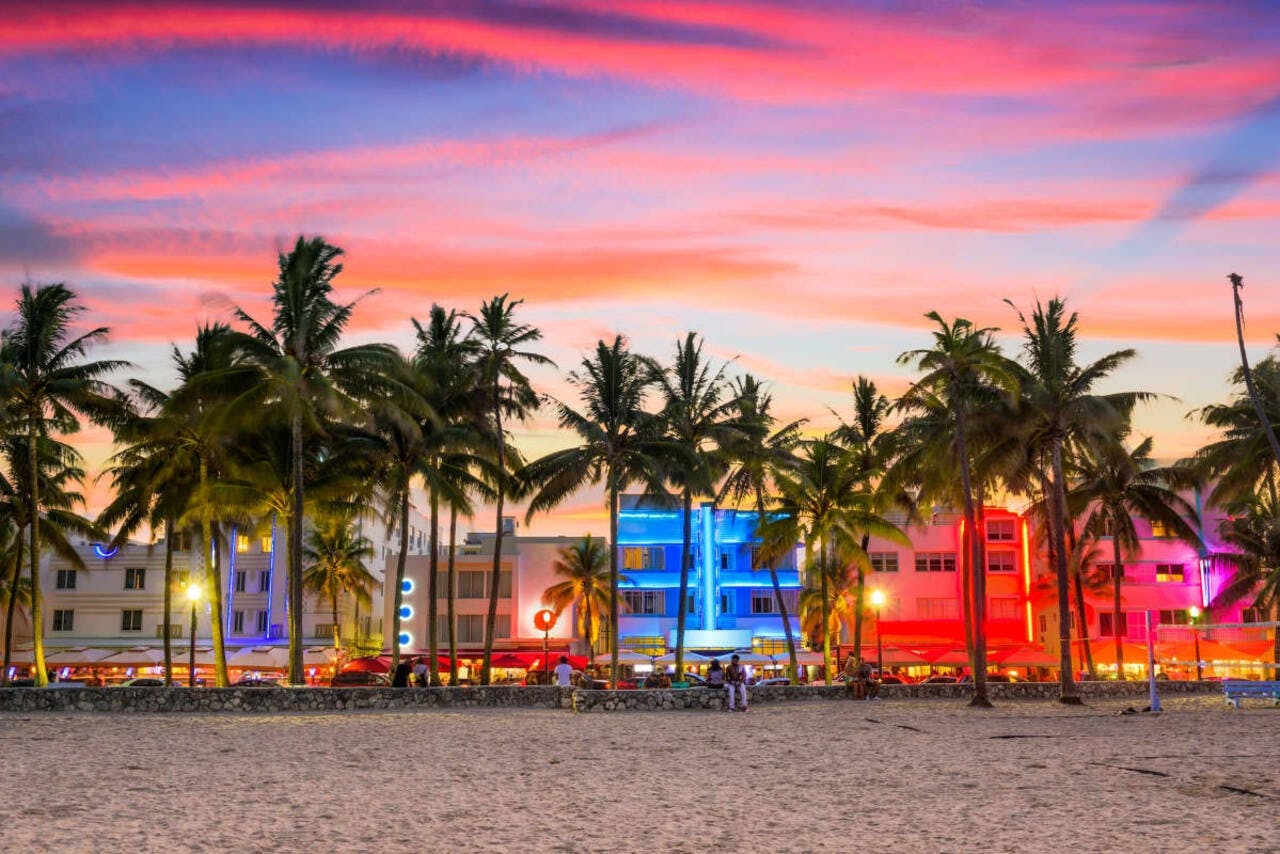
South Miami Beach Salsa Night with Mojitos Salsa night and mojitos in South Miami Beach can add variety and a clear focal point to an itinerary in Miami Beach. Check current availability, inclusions and booking details before you go.
Why Visit Salsa night and mojitos in South Miami Beach USD 97
Salsa night and mojitos in South Miami Beach USD 97 blends history, culture, and everyday life in a way that rewards slow exploration. Travellers find a mix of museums, lively streets, and neighbourhood charm.
From landmark architecture to green spaces and local markets, the city offers a balanced itinerary for first-time visitors and repeat travellers alike.
History & Heritage Museums
Salsa night and mojitos in South Miami Beach USD 97’s museums help you step through the region’s timeline with clear exhibits and well-curated collections. Expect artifacts, multimedia displays, and concise interpretation panels.
Most venues are walkable or connected by public transport, and many offer audio guides or rotating exhibitions that spotlight local stories alongside global context.
Art Galleries & Cultural Spaces
Creative hubs in Salsa night and mojitos in South Miami Beach USD 97 highlight classical works, contemporary installations, and community projects under one skyline. Small studios sit alongside established galleries.
Look for temporary shows, evening openings, and cultural centres where workshops, talks, and performances make art approachable and engaging for all visitors.
Science & Innovation Centers
Interactive science spaces introduce technology, nature, and engineering through hands-on exhibits. Families appreciate zones designed for curious minds at different ages.
Expect live demos, observatories or labs, and special programming during weekends or holidays that turn complex ideas into memorable experiences.
Landmarks & Architecture
Salsa night and mojitos in South Miami Beach USD 97 combines historic façades with modern silhouettes. Prominent squares, monuments, and skyline viewpoints help orient your footsteps across the city.
Architectural walks reveal different eras side by side, while guided tours unpack details you might otherwise miss, from craftsmanship to city-planning decisions.
Family Attractions
Parks with playgrounds, small zoos or aquariums, and light-touch museums make planning with kids straightforward. Many sites include cafés, shade, and stroller-friendly paths.
Pick attractions with short dwell times and nearby rest stops, then layer in one larger activity—like a scenic ride, boat trip, or theme exhibit—per day.
Parks & Promenades
Green belts, riverside walks, and hilltop lookouts provide fresh air between museum visits. Morning jogs and sunset strolls show a quieter side of the city.
Wayfinding is generally intuitive; look for signed trails and public gardens with seasonal blooms, sculptures, and benches for unhurried breaks.
Food & Culture Highlights
Food in Salsa night and mojitos in South Miami Beach USD 97 reflects regional produce and neighbourhood traditions. Markets offer quick tastings, while casual eateries and bakeries keep schedules flexible.
Consider a short food walk to sample local staples, sweets, or street snacks. Reserve popular spots early for weekends and arrive mid-week for calmer dining rooms.
Local Favorites & Hidden Gems
Beyond main streets, residential quarters hide pocket parks, indie bookshops, and family-run cafés. Small museums and community theatres reward curious detours.
Chat with locals for tips on viewpoint alleys, quiet courtyards, and seasonal events—simple moments that often become the highlight of a visit.
Travel Tips
Use a reloadable transit card or day pass; many sights cluster by district, making it easy to group stops. Comfortable walking shoes are essential on mixed surfaces.
Check opening days and timed-entry policies, especially on Mondays and public holidays. Carry a refillable bottle and light layers for changeable weather.
Final Thoughts
Salsa night and mojitos in South Miami Beach USD 97 invites you to balance headline attractions with slow, local moments. Pace your days, follow your interests, and give each neighbourhood time to breathe.
With thoughtful planning and an open schedule, you’ll leave with a clear sense of place—and reasons to return.
Sponsored Popular Items
Quick take: Musement.com offers a worldwide selection of tours and attractions
South Miami Beach Salsa Night with Mojitos Salsa night and mojitos in South Miami Beach can add variety and a clear focal point to an itinerary in Miami Beach. Check current availability, inclusions and booking details before you go.
Sydney: Salsa & Bachata Dance Classes at Bondi Pavilion Australia Join an intermediate & beginner-friendly Latin dance class in Sydney's Bondi Beach or Double Bay. Learn Salsa, Bachata, and Merengue, then dance the night away with locals, expats, and… Check current availability, inclusions and booking conditions.
Scenic Miami Night Tour with Skyview Miami Wheel Tickets – Attraction Ticket United States Narrated Miami night tour with hotel pick-up (South Beach or downtown), scenic causeway views over Biscayne Bay, stops at South Pointe Park, Skyview Miami Wheel. Check current availability, inclusions and booking details before you go.