Explore Australia's spectacular cities, national parks, tropical reefs, rugged outback and extraordinary coastline through our destination guides and travel articles.
The HMAS Swan (DE50) is one of the largest accessible dive wrecks in the Southern Hemisphere and one of Western Australia’s most distinctive scuba-diving attractions.
The former Royal Australian Navy destroyer escort was deliberately sunk in Geographe Bay near Dunsborough in 1997 to create an artificial reef and purpose-built dive site. Today the wreck attracts divers from around Australia and overseas.
About HMAS Swan
HMAS Swan was a River-class destroyer escort built for the Royal Australian Navy.
The ship was approximately 113 metres long and served with the Navy from 1970 until it was decommissioned in 1996.
After retirement, the vessel was transferred to Western Australia and prepared specifically for use as an artificial reef and recreational dive site.
Scuttling of HMAS Swan
Before the ship was sunk, potentially hazardous materials were removed and the vessel was extensively prepared for divers.
Large access openings were cut into the hull, decks and internal bulkheads to provide better light, easier access and safer routes through sections of the wreck.
HMAS Swan was deliberately scuttled in Geographe Bay on 14 December 1997.
Thousands of spectators watched from the shore and from boats as controlled explosive charges sent the vessel to the seabed.
Diving HMAS Swan
The wreck sits upright on the seabed and provides opportunities for both external exploration and, for suitably trained divers, penetration of selected internal areas.
The deepest sections are around 30 to 35 metres below the surface, while the upper parts of the ship are considerably shallower.
The crow’s nest rises to within roughly 8 metres of the surface, allowing divers to explore different depths depending on their certification and experience.
Suitable for Different Diving Levels
The HMAS Swan wreck offers dive opportunities for a range of certified divers because different parts of the vessel sit at different depths.
Less experienced certified divers may explore the upper structures under suitable supervision, while advanced and wreck-qualified divers can visit deeper areas.
Penetrating the interior of any wreck requires appropriate training, equipment and experience.
What Can Divers See?
Since being sunk, HMAS Swan has developed into a substantial artificial reef.
Marine life commonly seen around the wreck can include:
Schools of bullseye fish
King George whiting
Samson fish
Blue devil fish
Sweep
Other reef fish
Marine growth covering sections of the vessel
Large schools of fish are often found around the superstructure and inside some of the accessible sections of the ship.
Exploring the Wreck
Divers can see many recognisable parts of the former naval vessel, including:
Bridge
Decks
Superstructure
Crow’s nest
Openings through the hull
Internal compartments
Former machinery and working areas
The ship’s large size means it is difficult to explore the entire wreck during a single dive.
Artificial Reef
One of the main reasons HMAS Swan was sunk was to create an artificial reef.
Over time, marine organisms have colonised the steel structure, attracting increasing numbers of fish and other marine species.
The combination of maritime history and marine life has helped make the wreck one of Western Australia’s best-known diving locations.
Where Is HMAS Swan?
The wreck lies in Geographe Bay off the coast near Dunsborough and Eagle Bay in south-west Western Australia.
It is approximately 1.3 nautical miles offshore and can be reached by dive boat in around 15 minutes from the Dunsborough area.
Dunsborough
Dunsborough is the main base for diving the HMAS Swan wreck.
The coastal town lies close to Cape Naturaliste and the Margaret River wine region and provides accommodation, restaurants, beaches and diving services.
Dunsborough is approximately a three-hour drive south of Perth.
Dive Tours
Commercial dive operators in the Dunsborough and Busselton area offer guided and unguided dives on HMAS Swan.
Dive trips commonly involve two dives, allowing visitors to explore different parts of the ship.
Equipment hire and scuba training may also be available through local dive centres.
Private Boat Diving
Experienced divers with their own boat can also visit the wreck, but an appropriate access permit may be required.
Check current local regulations and permit requirements before travelling to the dive site independently.
Dive Depth
The wreck occupies a substantial depth range.
Upper structures: approximately 5 to 8 metres below the surface
Main wreck structure: approximately 20 to 30 metres
Seabed: approximately 30 to 35 metres
Actual dive depth depends on the section of the wreck being explored and local conditions.
Best Time to Dive HMAS Swan
The wreck can be dived throughout much of the year when weather and sea conditions are suitable.
Geographe Bay is relatively sheltered, but visibility, currents and surface conditions can vary.
Local dive operators can provide the most accurate information about current conditions.
Things to Do Near HMAS Swan
The Dunsborough and Cape Naturaliste region has many other attractions that can be combined with a dive trip.
Visit Eagle Bay
Explore Meelup Beach
Visit Cape Naturaliste Lighthouse
Walk sections of the Cape to Cape Track
Explore Yallingup
Visit Margaret River wineries
Snorkel in Geographe Bay
Visit Busselton Jetty
How Long Should You Allow?
Allow at least half a day for a typical two-dive charter, including equipment preparation, boat travel, dive briefings and surface intervals.
Visitors staying in the Margaret River region may wish to spend several days around Dunsborough to combine wreck diving with beaches, wineries and other coastal attractions.
Diving Safety
HMAS Swan is a deep wreck and divers should remain within the limits of their certification and experience.
Wreck penetration should only be attempted by divers with appropriate training and equipment.
Always dive with a reputable operator, follow your dive plan and pay close attention to depth, air consumption and decompression limits.
Travel Tip
If diving HMAS Swan is a priority, consider booking a two-dive charter. The vessel is 113 metres long, so two dives provide a much better opportunity to explore different parts of the wreck.
Stay in Dunsborough or nearby Busselton and combine the dive with Cape Naturaliste, Eagle Bay and the Margaret River wine region.
Sponsored Popular Items
Quick take: Musement.com offers a worldwide selection of tours and attractions
Busselton Jetty, Canal Rocks, Wine & Chocolate Day Tour Australia Discover Margaret River on a scenic day tour from Perth featuring the iconic Busselton Jetty, dramatic Canal Rocks, local wine tasting and delicious chocolate.
Port Douglas is one of Tropical North Queensland’s best-known holiday destinations, combining a relaxed seaside atmosphere with easy access to the Great Barrier Reef and the Daintree Rainforest.
Located north of Cairns, Port Douglas is known for Four Mile Beach, reef cruises, tropical resorts, restaurants, boutique shopping and its convenient position between two World Heritage-listed natural areas.
Four Mile Beach, Port Douglas. Photo: Rob and Stephanie Levy / Wikimedia Commons, CC BY 2.0.
About Port Douglas
Port Douglas is a compact tropical town positioned between the Coral Sea and rainforest-covered mountains.
It is one of the closest mainland departure points for trips to the outer Great Barrier Reef and is also a convenient base for exploring Mossman Gorge, the Daintree River and Cape Tribulation.
The centre of town is easy to explore on foot, with many restaurants, cafés, shops and accommodation properties concentrated around Macrossan Street.
Four Mile Beach
Four Mile Beach is the main beach at Port Douglas and stretches along the eastern side of the town’s peninsula.
The beach is popular for walking, swimming, cycling and relaxing beneath the palms.
A patrolled swimming area operates at the northern end of the beach. Visitors should always swim between the red and yellow flags and follow current lifesaving advice.
Flagstaff Hill Lookout
Flagstaff Hill Lookout provides one of the best elevated views of Four Mile Beach.
From the lookout, visitors can see along the coastline towards the surrounding mountains and Coral Sea.
The lookout can be reached on foot from the northern end of Four Mile Beach and the Port Douglas town centre.
Great Barrier Reef
Port Douglas is an excellent departure point for exploring the Great Barrier Reef.
Numerous reef cruises depart from the marina for outer reef locations and nearby islands.
Activities may include:
Snorkelling
Scuba diving
Glass-bottom boat tours
Marine biology presentations
Reef pontoon visits
Scenic helicopter flights
Low Isles
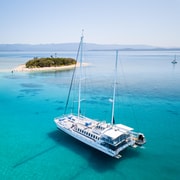
Low Isles is a small coral cay destination located offshore from Port Douglas.
Visitors can reach the islands on sailing and boat tours and may have opportunities to snorkel, explore the beach and see marine life.
The sheltered reef environment can make Low Isles a popular option for visitors wanting a more relaxed reef experience.
Mossman Gorge
Mossman Gorge is located around 15 to 20 minutes north of Port Douglas and is one of the easiest places to experience the Daintree Rainforest.
Visitors can explore rainforest walking tracks, see the Mossman River flowing between enormous granite boulders and learn about the culture of the Eastern Kuku Yalanji people.
Daintree Rainforest
Port Douglas is one of the main gateways to the Daintree Rainforest.
A typical day trip may include:
Mossman Gorge
Daintree River wildlife cruise
Alexandra Lookout
Rainforest boardwalks
Cape Tribulation
The Daintree can be explored independently by car or on organised tours departing from Port Douglas.
Cape Tribulation
Cape Tribulation lies north of the Daintree River and is known for rainforest-covered mountains, secluded beaches and walking tracks.
The journey from Port Douglas passes through some of Tropical North Queensland’s most impressive scenery.
Macrossan Street
Macrossan Street is the main shopping and dining street in Port Douglas.
Visitors will find restaurants, cafés, boutiques, galleries and tour booking offices within easy walking distance of the waterfront and Four Mile Beach.
Port Douglas Sunday Market
The Port Douglas Sunday Market is held in the waterfront area at Anzac Park.
Stalls may include local produce, arts, crafts, clothing, souvenirs and handmade products.
The market is a popular Sunday morning activity for visitors staying in town.
Crystalbrook Superyacht Marina
Crystalbrook Superyacht Marina is one of the main departure points for Great Barrier Reef cruises, sailing trips and sunset cruises.
The marina area also has restaurants and provides pleasant views across the inlet.
Sunset Sailing
A sunset cruise is a popular way to finish a day in Port Douglas.
Sailing trips usually travel through the waters around the Port Douglas coastline while passengers enjoy views of the Coral Sea and surrounding mountains.
Things to Do in Port Douglas
Walk along Four Mile Beach
Visit Flagstaff Hill Lookout
Take a Great Barrier Reef cruise
Snorkel at Low Isles
Explore Mossman Gorge
Visit the Daintree Rainforest
Take a day trip to Cape Tribulation
Browse Macrossan Street
Visit the Sunday Market
Take a sunset sailing cruise
Enjoy local restaurants and cafés
Wildlife
The Port Douglas and Daintree region supports a wide variety of tropical wildlife.
Depending on where you explore, animals may include:
Southern cassowaries
Estuarine crocodiles
Sea turtles
Tropical reef fish
Dolphins
Rainforest birds
Butterflies
Best Time to Visit Port Douglas
Port Douglas can be visited throughout the year.
The period from approximately May to October generally brings lower humidity, comfortable temperatures and less rainfall.
The warmer months are hotter and more humid and may bring tropical rain and seasonal marine stingers.
Marine Stingers
Marine stingers can occur in Tropical North Queensland waters, particularly during the warmer months.
Visitors should swim in designated areas, follow local safety advice and wear protective stinger suits when recommended.
Getting to Port Douglas
Port Douglas is located just under an hour north of Cairns by road.
The journey follows the scenic Great Barrier Reef Drive, which provides views of the Coral Sea and rainforest-covered mountains.
The closest major airport is Cairns Airport.
Airport shuttle services, private transfers and rental cars are available between Cairns and Port Douglas.
Getting Around Port Douglas
The central area of Port Douglas is compact and easy to explore on foot.
A car is useful if you plan to visit Mossman Gorge, the Daintree Rainforest or other attractions farther from town.
Organised tours are widely available for visitors who prefer not to drive.
How Long Should You Spend in Port Douglas?
A stay of 3 to 5 days provides enough time to enjoy Port Douglas itself while adding a Great Barrier Reef excursion and a Daintree Rainforest day trip.
A stay of around a week allows more time for beaches, reef trips, Mossman Gorge, Cape Tribulation and relaxing around town.
Suggested 4-Day Port Douglas Itinerary
Day 1: Four Mile Beach, Flagstaff Hill and Macrossan Street
Day 2: Great Barrier Reef or Low Isles cruise
Day 3: Mossman Gorge and Daintree Rainforest
Day 4: Relax at the beach, explore town and take a sunset cruise
Travel Tip
Port Douglas works particularly well as a base if you want to experience both the Great Barrier Reef and the Daintree Rainforest without changing accommodation.
Allow at least one full day for the reef and another full day for Mossman Gorge and the Daintree.
If you are swimming at Four Mile Beach, use the patrolled area and follow current advice regarding marine stingers and crocodile safety.
Image credit: Rob and Stephanie Levy, via Wikimedia Commons. Licensed under Creative Commons Attribution 2.0.
Sponsored Popular Items
Quick take: Musement.com offers a worldwide selection of tours and attractions
Port Douglas: Wildlife Habitat Entrance Ticket Australia Visit the award-winning Wildlife Habitat located in Port Douglas, Australia’s leading environmental native wildlife experience. Explore 5 distinct natural habitats: Woodlands… Check current availability, inclusions and booking conditions.
From Port Douglas: Sail to Low Isles Great Barrier Reef Australia Board a catamaran and enjoy an idyllic day on this sailing cruise. Sunbathe on an unspoiled coral cay island in the middle of the Great Barrier Reef and learn about the reef from a… Check current availability, inclusions and booking conditions.
The BEST Things to Do in Port Douglas - Top Activities in 2026 | GetYourGuide Australia Find the best-reviewed things to do in Port Douglas for 2026. From prices and availability to skip-the-line options, get all the information you need to make the most of your trip. Check current availability, inclusions and booking conditions.
Fitzroy Island is a tropical island destination located off the coast of Cairns in Far North Queensland. Covered largely by national park and surrounded by the waters of the Great Barrier Reef Marine Park, the island is known for rainforest walks, coral beaches, snorkelling and views across the Coral Sea.
Fitzroy Island is popular as both a day trip from Cairns and an overnight destination, with ferry services connecting the island to the mainland.
About Fitzroy Island
Fitzroy Island lies approximately 29 kilometres south-east of Cairns and is part of the Great Barrier Reef region.
Much of the island is protected within Fitzroy Island National Park, while the surrounding waters support coral reefs and a wide variety of marine life.
The island combines tropical rainforest, rocky headlands and beaches, making it a good destination for visitors who want both walking and reef activities.
Nudey Beach
Nudey Beach is one of the best-known places on Fitzroy Island.
The beach is reached by a short walking track through rainforest and along the coastline.
It is known for clear water, granite boulders and views across the surrounding reef and islands.
Despite its name, Nudey Beach is a normal public beach rather than a designated clothing-optional beach.
Snorkelling
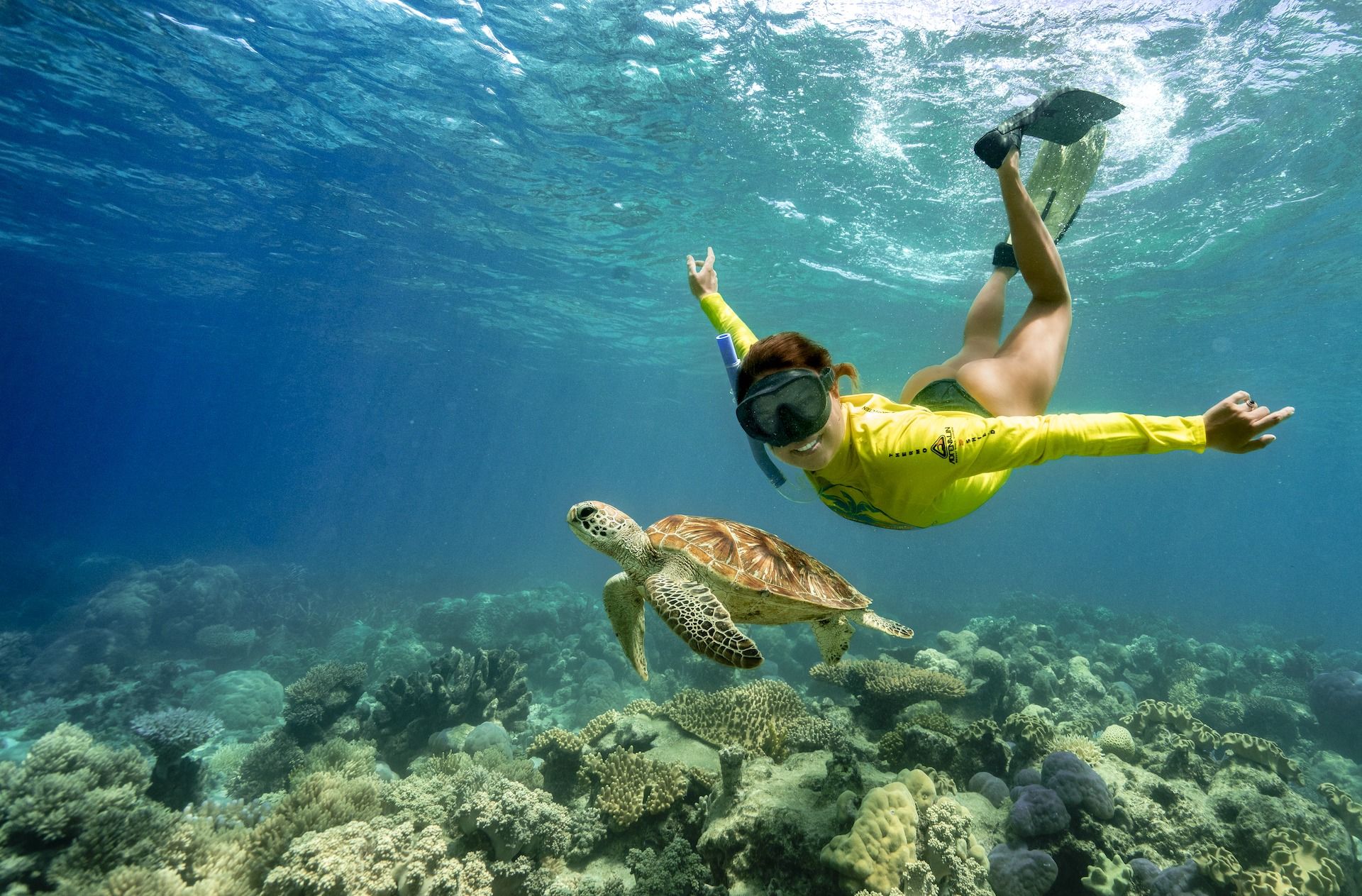
Fitzroy Island is a popular snorkelling destination because coral reef areas are accessible relatively close to shore.
Visitors may see:
Tropical fish
Sea turtles
Coral gardens
Rays
Giant clams
Other reef species
Snorkelling equipment can usually be hired on the island.
Welcome Bay
Welcome Bay is the main arrival area on Fitzroy Island and is close to the resort, ferry terminal and visitor facilities.
The beach is made up largely of coral rubble rather than soft sand, and reef areas are accessible from the shoreline.
Fitzroy Island National Park Walks
The island has several walking tracks through rainforest and coastal vegetation.
Popular walks include:
Nudey Beach Track
Secret Garden Track
Lighthouse Track
Summit Track
Fitzroy Island Summit
The walk to the Fitzroy Island Summit is more demanding than the shorter beach walks but rewards hikers with extensive views over the island, Coral Sea and surrounding reef.
The track includes steep sections and can be hot and humid, particularly during the warmer months.
Take plenty of drinking water and wear appropriate footwear.
Lighthouse Walk
The Lighthouse Walk leads towards the island’s historic lighthouse area and can be combined with the summit route.
The walk provides coastal views and a chance to experience some of the higher sections of the island.
Secret Garden
The Secret Garden Track is a short rainforest walk close to the main resort area.
It is a good option for visitors who want to experience the island’s tropical vegetation without completing one of the longer walks.
Sea Turtle Rehabilitation Centre
Fitzroy Island is home to the Cairns Turtle Rehabilitation Centre, which helps care for sick and injured sea turtles.
Visitors may be able to join educational tours to learn more about turtle rehabilitation and marine conservation.
Kayaking and Paddleboarding
The sheltered waters around Fitzroy Island can be explored by kayak or stand-up paddleboard when conditions are suitable.
Equipment hire and guided activities may be available from the island resort.
Glass-Bottom Boat Tours
Visitors who prefer to stay dry can explore the surrounding reef on a glass-bottom boat tour.
These tours provide an opportunity to see coral and marine life without snorkelling or diving.
Things to Do on Fitzroy Island
Relax at Nudey Beach
Snorkel from shore
Walk through Fitzroy Island National Park
Hike to the island summit
Visit the lighthouse area
Join a glass-bottom boat tour
Kayak around the coastline
Visit the turtle rehabilitation centre
Swim at Welcome Bay
Stay overnight at the island resort
Marine Life
The waters around Fitzroy Island support a wide range of Great Barrier Reef marine life.
Visitors may encounter:
Green sea turtles
Tropical reef fish
Rays
Coral species
Sea cucumbers
Giant clams
Wildlife sightings vary with conditions and season.
Getting to Fitzroy Island
Fitzroy Island is reached by ferry from Cairns.
The ferry journey generally takes around 45 minutes, depending on the vessel and conditions.
Services depart from the Cairns marina area and return later in the day, making Fitzroy Island suitable for a day trip.
Staying Overnight
Visitors who want more time on the island can stay overnight at Fitzroy Island Resort.
Accommodation options vary and may include hotel rooms, suites and other resort-style accommodation.
Staying overnight allows more time for snorkelling, walking and enjoying the island after many day visitors have left.
Best Time to Visit Fitzroy Island
Fitzroy Island can be visited throughout the year.
The period from approximately May to October generally brings lower humidity and comfortable temperatures.
The warmer wet season can bring higher humidity, tropical rain and seasonal marine stingers.
Marine Stingers
Marine stingers can occur in tropical North Queensland waters, particularly during the warmer months.
Wear protective stinger suits when recommended and follow current local swimming advice.
Protective suits may be available for hire with snorkelling equipment.
What to Take
Swimwear
Towel
Hat
Sunscreen
Drinking water
Comfortable walking shoes
Camera
Snorkelling equipment if not hiring
Light rain protection
How Long Should You Spend?
A full-day trip from Cairns provides enough time to visit Nudey Beach, snorkel and complete one or two shorter walking tracks.
Staying for 1 to 2 nights is better if you want to hike to the summit, snorkel at several locations and explore the island at a more relaxed pace.
Suggested Fitzroy Island Day Trip
A good day trip could include:
Take the morning ferry from Cairns
Walk to Nudey Beach
Spend time swimming and snorkelling
Return to Welcome Bay for lunch
Join a glass-bottom boat tour or visit the turtle rehabilitation centre
Complete a short rainforest walk
Return to Cairns in the late afternoon
Travel Tip
Wear shoes suitable for walking over coral rubble and rocky sections, especially around Welcome Bay and some of the walking tracks.
If you want to snorkel, hike and visit Nudey Beach in the same day, take an early ferry so you have enough time before the return service to Cairns.
Check ferry times, weather conditions and marine warnings before travelling.
Sponsored Popular Items
Quick take: Musement.com offers a worldwide selection of tours and attractions
Cairns: Great Barrier Reef and Fitzroy Island Boat Tour Australia Experience two must see locations with a visit to Moore Reef pontoon and Fitzroy Island in just one day. Enjoy a tasty buffet lunch and snorkelling at the reef. Check current availability, inclusions and booking conditions.
From Cairns: Fitzroy Island Day Trip by Ferry Australia Enjoy a seamless day trip to Fitzroy Island with return ferry transfers from Cairns. Discover the natural beauty of the island with a range of activities, from snorkeling to hiking. Check current availability, inclusions and booking conditions.
Fitzroy Island: Full-Day Ferry & Snorkel Safari Guided Tour Australia Enjoy a Fitzroy Island day trip from Cairns with a return ferry. Snorkel, hike, and join a guided snorkel safari to explore its stunning coral reef. Check current availability, inclusions and booking conditions.
Cairns is one of Australia’s best-known tropical destinations and the main gateway to the Great Barrier Reef and the rainforests of Far North Queensland.
Located on the coast of Tropical North Queensland, Cairns combines a lively waterfront, tropical gardens, restaurants, markets, reef cruises and easy access to some of Australia’s most important natural attractions.
Cairns Esplanade waterfront, Queensland.
About Cairns
Cairns is a compact tropical city surrounded by mountains, rainforest and the Coral Sea.
It is particularly popular with visitors planning trips to the Great Barrier Reef, Daintree Rainforest, Kuranda, Port Douglas and the Atherton Tablelands.
The city centre itself is easy to explore on foot, with many hotels, restaurants, cafés and tour departure points located close to the waterfront.
Cairns Esplanade
The Cairns Esplanade is one of the city’s main attractions and stretches for approximately 2.5 kilometres along the waterfront.
The foreshore includes walking paths, parklands, playgrounds, exercise equipment, picnic areas and views across Trinity Inlet.
It is a popular place for walking, jogging, cycling and relaxing in the evening.
Cairns Esplanade Lagoon
The Cairns Esplanade Lagoon is a large saltwater swimming lagoon located on the waterfront.
Entry is free, and the lagoon is monitored by lifeguards during opening hours.
Facilities around the lagoon include:
Swimming areas
Shallow sections for children
Public toilets and showers
Free barbecue facilities
Picnic areas
Accessible facilities
The lagoon is especially useful because the natural waterfront around central Cairns is not a conventional swimming beach.
Great Barrier Reef
Cairns is one of the main departure points for visiting the Great Barrier Reef.
Day cruises leave from the Cairns marina for outer reef locations, coral islands and reef platforms.
Activities may include:
Snorkelling
Scuba diving
Glass-bottom boat tours
Semi-submersible tours
Marine biology presentations
Scenic helicopter flights
Green Island
Green Island is a coral cay within the Great Barrier Reef and is easily reached from Cairns by boat.
Visitors can snorkel, swim, walk through rainforest and join glass-bottom boat tours.
Green Island is a popular choice for travellers who want to combine a tropical island with a reef experience in a single day.
Fitzroy Island
Fitzroy Island is another popular day trip from Cairns.
The island combines rainforest, beaches, walking tracks and fringing reef.
Visitors can snorkel, kayak, swim and walk to locations such as Nudey Beach.
Kuranda
The rainforest village of Kuranda is located in the mountains west of Cairns.
Two of the most popular ways to reach Kuranda are:
Kuranda Scenic Railway
Skyrail Rainforest Cableway
Many visitors travel to Kuranda using one service and return using the other.
Kuranda Scenic Railway
The Kuranda Scenic Railway travels from Cairns through rainforest-covered mountains towards Kuranda.
The historic railway passes waterfalls, bridges and steep sections of the Barron Gorge.
The journey itself is one of the major attractions of a Kuranda day trip.
Skyrail Rainforest Cableway
The Skyrail Rainforest Cableway travels above tropical rainforest between Smithfield and Kuranda.
Passengers can stop at rainforest stations along the route and explore boardwalks and viewpoints.
The elevated journey provides a very different perspective of the Wet Tropics rainforest.
Cairns Botanic Gardens
The Cairns Botanic Gardens are located at Edge Hill, a short distance from the city centre.
The gardens contain tropical plants from Australia and around the world and are an excellent place to see rainforest vegetation without leaving Cairns.
Walking tracks also extend into nearby rainforest and hill areas.
Daintree Rainforest
Cairns is a popular starting point for day trips and longer journeys to the Daintree Rainforest.
Popular stops include:
Mossman Gorge
Daintree River
Alexandra Lookout
Cape Tribulation
The Daintree can be visited independently by car or on organised tours from Cairns.
Port Douglas
Port Douglas is approximately one hour north of Cairns by road.
The scenic coastal drive between Cairns and Port Douglas follows the Coral Sea and rainforest-covered mountains.
Port Douglas is another major gateway to the Great Barrier Reef and Daintree Rainforest.
Atherton Tablelands
The Atherton Tablelands lie inland from Cairns and provide a cooler highland landscape of rainforest, farmland, waterfalls and crater lakes.
Popular attractions include:
Lake Eacham
Lake Barrine
Millaa Millaa Falls
Curtain Fig Tree
Yungaburra
Granite Gorge
Things to Do in Cairns
Walk along the Cairns Esplanade
Swim at the Esplanade Lagoon
Take a Great Barrier Reef cruise
Visit Green Island
Spend a day on Fitzroy Island
Ride the Kuranda Scenic Railway
Travel on the Skyrail Rainforest Cableway
Explore Cairns Botanic Gardens
Visit the Daintree Rainforest
Take a day trip to Port Douglas
Explore the Atherton Tablelands
Visit local markets and restaurants
Cairns Night Markets
The Cairns Night Markets are located close to the Esplanade and are a popular evening attraction.
Visitors can browse souvenir stalls, gifts, clothing and food outlets.
The markets are conveniently located within walking distance of many central Cairns hotels.
Best Time to Visit Cairns
Cairns has a tropical climate and can be visited throughout the year.
The period from approximately May to October generally brings lower humidity, cooler temperatures and less rainfall.
The warmer wet season from roughly November to April can bring higher humidity, tropical rain and occasional severe weather.
Marine Stingers
Marine stingers can occur in tropical North Queensland waters, particularly during the warmer months.
Visitors should follow local swimming advice and use protective stinger suits when recommended.
Most reef tour operators provide suitable protective suits for snorkelling and diving.
Getting to Cairns
Cairns Airport is located only a short distance from the city centre and receives domestic and international flights.
Taxis, rideshare services, shuttle buses and rental cars are available from the airport.
Getting Around Cairns
Central Cairns is compact and many attractions can be reached on foot.
A car is useful for exploring the surrounding region, including the northern beaches, Atherton Tablelands, Port Douglas and Daintree Rainforest.
Organised tours are also widely available for visitors who prefer not to drive.
How Long Should You Spend in Cairns?
Allow at least 4 to 5 days if you want to combine Cairns with the Great Barrier Reef and Kuranda.
A stay of 7 days or longer provides time to add the Daintree Rainforest, Port Douglas, Fitzroy Island and the Atherton Tablelands.
Suggested 5-Day Cairns Itinerary
Day 1: Cairns Esplanade, Lagoon and city centre
Day 2: Great Barrier Reef cruise
Day 3: Kuranda Scenic Railway and Skyrail
Day 4: Daintree Rainforest and Mossman Gorge
Day 5: Fitzroy Island, Green Island or Atherton Tablelands
Travel Tip
Cairns is best used as a base for exploring the surrounding region rather than only as a city destination.
If you have enough time, combine at least one Great Barrier Reef trip with a rainforest experience such as Kuranda, Mossman Gorge or the Daintree.
The Cairns Esplanade Lagoon is free to use and is one of the easiest places to cool off after a day of sightseeing.
Sponsored Popular Items
Quick take: Musement.com offers a worldwide selection of tours and attractions
Cairns: Spirit of Cairns Dinner Cruise Australia End your perfect day in paradise with a Cairns dinner cruise. Sail on the catamaran along Trinity Inlet, enjoying the tropical city's sights and sounds as day turns to night. Check current availability, inclusions and booking conditions.
Discover Cairns: Cairns River Cruise & City Sights Tour Australia Explore Cairns Harbour along the picturesque Cairns Inlet, enjoy lunch on the waterfront before joining your afternoon tour of discovery exploring Australia's most tropical city. Check current availability, inclusions and booking conditions.
Cairns: Rainforest River Tubing & Cairns Jetboating - 2 Tours Australia Drift through the rainforest on a relaxing river tubing adventure, then turn up the thrill with high-speed spins and slides on an exciting Cairns jet boat ride. Check current availability, inclusions and booking conditions.
The Gold Coast is one of Australia’s best-known holiday destinations, famous for its long sandy beaches, surf culture, theme parks, high-rise skyline and subtropical hinterland.
Located in south-east Queensland, the Gold Coast stretches from the beaches around Southport and Surfers Paradise south towards Coolangatta and the New South Wales border. Inland, the landscape changes quickly from city and coastline to rainforest, waterfalls and mountain villages.
Gold Coast and Surfers Paradise, Queensland. Photo: GrieSeb / Wikimedia Commons. Public domain.
About the Gold Coast
The Gold Coast combines more than 50 kilometres of beaches with shopping centres, restaurants, nightlife, wildlife attractions and some of Australia’s largest theme parks.
Popular areas include:
Surfers Paradise
Broadbeach
Main Beach
Southport
Burleigh Heads
Currumbin
Coolangatta
Kirra
Tamborine Mountain
Springbrook National Park
Surfers Paradise
Surfers Paradise is the Gold Coast’s best-known tourism district.
The area is centred around a wide sandy beach backed by high-rise apartments, hotels, restaurants and entertainment venues.
Visitors can swim, surf, walk along the beachfront, shop around Cavill Avenue or enjoy views across the region from the Q1 building.
Surfers Paradise Beach
Surfers Paradise Beach is one of Australia’s most recognisable city beaches.
The beach stretches for kilometres and is patrolled by surf lifesavers at designated locations.
Always swim between the red and yellow flags and follow surf lifesaving advice because currents and surf conditions can change quickly.
SkyPoint Observation Deck
The SkyPoint Observation Deck is located near the top of the Q1 building in Surfers Paradise.
The observation deck provides panoramic views across the Gold Coast beaches, Broadwater and hinterland.
On clear days, visitors can see far along the coastline and west towards the mountains.
Broadbeach
Broadbeach offers a slightly more relaxed atmosphere than central Surfers Paradise while still providing easy access to beaches, restaurants, cafés and shopping.
The area is also home to Pacific Fair Shopping Centre and The Star Gold Coast.
Burleigh Heads
Burleigh Heads is popular for surfing, swimming, coastal walks and its relaxed beachfront atmosphere.
The headland is protected within Burleigh Head National Park, where walking tracks provide views across the coastline.
The foreshore parklands are also popular for picnics and sunset walks.
Coolangatta
Coolangatta sits at the southern end of the Gold Coast near the New South Wales border.
The area has a more relaxed beach-town atmosphere and is close to several famous surf breaks, including Kirra and Snapper Rocks.
Coolangatta is also convenient for travellers using Gold Coast Airport.
Kirra Beach
Kirra Beach is known for its broad sandy beach and strong surfing heritage.
It is generally quieter than Surfers Paradise and can be a good choice for visitors wanting a relaxed coastal base close to Coolangatta.
Theme Parks
The Gold Coast is home to several major theme parks and family attractions.
Popular options include:
Warner Bros. Movie World
Sea World
Wet’n’Wild
Dreamworld
WhiteWater World
Visitors interested in several parks may want to allow multiple days rather than trying to combine them into a single visit.
Sea World
Sea World is located at Main Beach and combines rides, attractions and marine animal exhibits.
The park is particularly convenient for visitors staying around Surfers Paradise, Broadbeach and Southport.
Warner Bros. Movie World
Warner Bros. Movie World is a movie-themed amusement park featuring roller coasters, family rides, entertainment and character experiences.
It is located inland at Oxenford, north-west of Surfers Paradise.
Dreamworld
Dreamworld is another major Gold Coast theme park, with thrill rides, family attractions and wildlife experiences.
WhiteWater World is located alongside Dreamworld.
Currumbin Wildlife Sanctuary
Currumbin Wildlife Sanctuary is one of the Gold Coast’s best-known wildlife attractions.
Visitors can see Australian animals including koalas, kangaroos, crocodiles and native birds.
The sanctuary also has strong links with wildlife conservation and rehabilitation.
Gold Coast Hinterland
The Gold Coast is not just a beach destination. Less than an hour inland, visitors can explore rainforest, waterfalls and mountain scenery.
Popular hinterland destinations include:
Tamborine Mountain
Springbrook National Park
Lamington National Park
Natural Bridge
O’Reilly’s Rainforest Retreat
Springbrook National Park
Springbrook National Park contains rainforest, waterfalls, lookouts and walking tracks within the Gondwana Rainforests of Australia World Heritage Area.
Popular places include:
Natural Bridge
Purling Brook Falls
Best of All Lookout
Canyon Lookout
Tamborine Mountain
Tamborine Mountain is a popular day trip from the coast.
The mountain area contains rainforest walks, waterfalls, cafés, wineries, galleries and small shops.
Gallery Walk is one of the best-known visitor areas.
Lamington National Park
Lamington National Park protects extensive subtropical rainforest and forms part of the Gondwana Rainforests of Australia World Heritage Area.
The park contains an extensive network of walking tracks, waterfalls and lookouts.
Gold Coast Beaches
The Gold Coast has a long chain of beaches extending from the northern suburbs to the New South Wales border.
Popular beaches include:
Surfers Paradise Beach
Main Beach
Broadbeach
Mermaid Beach
Miami Beach
Burleigh Heads
Palm Beach
Currumbin Beach
Tugun Beach
Kirra Beach
Coolangatta Beach
Surfing
The Gold Coast is one of Australia’s major surfing destinations.
Well-known surf areas include:
Snapper Rocks
Kirra
Burleigh Heads
Currumbin Alley
Beginners can also find surf schools operating at several beaches.
Gold Coast Broadwater
The Broadwater is a sheltered waterway extending north from Southport.
It is popular for boating, kayaking, fishing, swimming and waterfront picnics.
The Broadwater Parklands at Southport provide playgrounds, walking paths and open grassy areas close to the water.
Shopping
The Gold Coast has several major shopping areas.
Popular options include:
Pacific Fair Shopping Centre
Harbour Town Premium Outlets
Robina Town Centre
Australia Fair
Cavill Avenue
Things to Do on the Gold Coast
Swim at Surfers Paradise Beach
Walk along the beachfront
Visit SkyPoint Observation Deck
Spend a day at a theme park
Explore Burleigh Head National Park
Visit Currumbin Wildlife Sanctuary
Surf at one of the famous beaches
Visit Tamborine Mountain
Walk through Springbrook National Park
Shop at Pacific Fair
Explore the Broadwater
Take a whale-watching cruise in season
Whale Watching
Humpback whales migrate past the Gold Coast each year during their journey along Australia’s east coast.
Whale-watching cruises generally operate during the migration season from approximately June to November.
Best Time to Visit the Gold Coast
The Gold Coast can be visited throughout the year.
Spring and autumn usually provide warm temperatures with lower humidity than summer.
Summer is popular for beach holidays but can be hot and humid, with occasional thunderstorms.
Winter days are generally mild and are excellent for walking, sightseeing and outdoor activities.
Getting to the Gold Coast
The Gold Coast is located in south-east Queensland, immediately north of the New South Wales border.
Gold Coast Airport is located near Coolangatta and provides domestic and international flights.
The Gold Coast is also approximately one hour south of Brisbane by road, although travel times vary with traffic.
Getting Around
The Gold Coast has buses, trains and the G:link light rail.
The light rail connects several major areas including:
Broadbeach
Surfers Paradise
Southport
Griffith University
A car is particularly useful if you want to explore the hinterland, national parks and areas away from the main coastal strip.
How Long Should You Spend on the Gold Coast?
A stay of 4 to 7 days provides enough time to combine beaches, theme parks, wildlife attractions and at least one hinterland day trip.
Visitors interested primarily in relaxing on the beach may prefer to stay longer.
Suggested 5-Day Gold Coast Itinerary
Day 1: Surfers Paradise, SkyPoint and the beachfront
Day 2: Burleigh Heads, Currumbin and Coolangatta
Day 3: Visit one of the major theme parks
Day 4: Explore Springbrook National Park or Tamborine Mountain
Day 5: Broadbeach, shopping and the Broadwater
Travel Tip
Do not spend your entire visit around Surfers Paradise. Some of the Gold Coast’s most attractive areas are farther south around Burleigh Heads, Currumbin, Kirra and Coolangatta, while the hinterland provides a completely different rainforest and mountain experience.
If you are swimming at Gold Coast beaches, always use patrolled areas and stay between the red and yellow flags.
Image credit: GrieSeb, via Wikimedia Commons. Released into the public domain.
Sponsored Popular Items
Quick take: Musement.com offers a worldwide selection of tours and attractions
Byron Bay, Gold Coast, Brisbane, Noosa Hop-On Hop-Off Pass Australia Hop-on hop-off along Australia’s East Coast! Travel Byron Bay, Brisbane, Gold Coast, Noosa & Rainbow Beach at your pace, with local tips, must-see spots & exclusive discounts.
'Farm to Bottle' Rum Tour & Tastings: The Tweed/Gold Coast Australia Join us at Husk Farm Distillery for an immersive farm-to-glass experience. With a cocktail in one hand and a cane knife in the other, delve into the sustainable farming processes behind Husk Rum.
K’gari, formerly known as Fraser Island, is one of Queensland’s most remarkable natural destinations. Located off the Fraser Coast, it is the world’s largest sand island and is famous for freshwater lakes, rainforest growing on sand, coloured cliffs, long beaches and wild dingoes.
K’gari forms part of the Great Sandy National Park and is recognised as a World Heritage-listed landscape. The island is the traditional land of the Butchulla people, and the name K’gari means “paradise” in the Butchulla language.
K’gari is an island of sand dunes, subtropical rainforest, freshwater lakes and long beaches that double as major driving routes.
The island contains more than 100 freshwater lakes, as well as towering forests, sand blows, creeks and extensive coastal scenery.
Most inland roads are sandy tracks, so exploring independently generally requires a suitable four-wheel-drive vehicle.
Boorangoora (Lake McKenzie)
Boorangoora, also known as Lake McKenzie, is one of the best-known attractions on K’gari.
This perched freshwater lake is filled primarily by rainwater and is surrounded by bright white sand and forest.
The exceptionally clear blue water makes it one of the most popular swimming and photography locations on the island.
75 Mile Beach
75 Mile Beach runs along much of the eastern side of K’gari and functions as both a beach and a major vehicle route.
Driving conditions are controlled by tides, weather and creek crossings, so journeys need to be planned carefully around low tide.
Major attractions along or near the beach include:
Maheno Shipwreck
Eli Creek
The Pinnacles
Champagne Pools
Tukkee Wurro
Maheno Shipwreck
The rusting remains of the SS Maheno are one of K’gari’s most recognisable landmarks.
The former passenger ship was driven ashore during a cyclone in 1935 and has remained on the eastern beach ever since.
Visitors can view and photograph the wreck from the beach, but should not climb on or enter the structure.
Eli Creek
Eli Creek is one of the island’s largest freshwater creeks and a popular place to cool off.
A boardwalk follows part of the creek, and visitors often enter the water upstream and gently float back towards the beach with the current.
Vehicle crossings near the mouth can become difficult around higher tides, so drivers should check conditions before travelling.
The Pinnacles
The Pinnacles are striking coloured sand cliffs located along K’gari’s eastern beach.
The exposed layers contain a wide range of yellow, orange, red and brown colours created by minerals within the sand.
The site also has strong cultural significance to the Butchulla people.
Champagne Pools
The Champagne Pools are natural rock pools on the north-eastern side of K’gari.
Ocean waves wash over the rocks and create bubbling water in the pools, giving them their name.
Conditions can change with tides and weather, so visitors should follow local safety advice.
Central Station
Central Station was once an important centre of the island’s forestry industry and is now a popular rainforest destination.
Walking tracks pass beneath tall trees and through rainforest that grows directly from the island’s sand.
The nearby Wanggoolba Creek boardwalk is one of the best short rainforest walks on K’gari.
Lake Wabby
Lake Wabby is an unusual freshwater lake situated beside a large sand blow.
The contrast between the green water, forest and massive sand dunes creates one of the island’s most distinctive landscapes.
The lake is reached on foot, so visitors should carry water and be prepared for exposed sandy sections of the walk.
K’gari Rainforest
One of the most remarkable features of K’gari is its rainforest.
Large trees grow in deep sand, creating lush forest areas that are unusual for a sand island.
Popular rainforest locations include:
Central Station
Wanggoolba Creek
Pile Valley
Yidney Scrub
Wild Dingoes
K’gari is famous for its population of wild dingoes.
Visitors may see dingoes on beaches, inland tracks and around camping areas.
They are wild animals and should never be fed or approached.
Important dingo safety precautions include:
Never feed dingoes
Keep children within arm’s reach
Walk in groups where possible
Do not run from a dingo
Secure food and rubbish
Never store food inside a tent
Driving on K’gari
K’gari is a four-wheel-drive destination with sandy inland tracks and beach driving.
Standard two-wheel-drive vehicles are not suitable for the island’s tracks.
Drivers need to understand sand driving, tyre pressures, tide times and changing track conditions.
On the eastern beach, normal road rules apply and speed limits vary by location.
Vehicle Permits
A vehicle access permit is required for driving within the K’gari recreation area.
Camping permits are also required when staying in Queensland Parks camping areas.
Permits should be organised before travelling to the island.
Getting to K’gari
K’gari has no bridge connection to the mainland.
Vehicle barges operate from locations including:
River Heads near Hervey Bay
Inskip Point near Rainbow Beach
Passenger transfers and organised tours are also available from Hervey Bay and Rainbow Beach.
Guided Tours
Visitors who do not want to drive on sand can join organised four-wheel-drive tours.
Typical tours visit several of the island’s major attractions, including:
Boorangoora (Lake McKenzie)
Central Station
75 Mile Beach
Eli Creek
Maheno Shipwreck
The Pinnacles
Day tours and multi-day tours operate from Hervey Bay, Rainbow Beach and other nearby destinations.
Things to Do on K’gari
Swim at Boorangoora Lake McKenzie
Drive along 75 Mile Beach
Visit Maheno Shipwreck
Float down Eli Creek
See The Pinnacles coloured sands
Walk through rainforest at Central Station
Visit Champagne Pools
Walk to Lake Wabby
Look for wild dingoes
Join a guided four-wheel-drive tour
Take a scenic flight over the island
Camp in designated areas
Best Time to Visit K’gari
K’gari can be visited throughout the year.
The cooler months generally provide comfortable conditions for walking and four-wheel-drive touring, while summer can be warmer and more humid.
Humpback whales can also be seen in waters around the Fraser Coast during their annual migration season.
How Long Should You Spend on K’gari?
K’gari can be visited on a full-day guided tour, but this provides only enough time to see some of the major attractions.
A stay of 2 to 4 days is better for visitors who want to explore Boorangoora, the eastern beach, rainforest areas and the northern part of the island at a more relaxed pace.
Suggested 3-Day K’gari Itinerary
A good three-day itinerary could include:
Day 1: Boorangoora Lake McKenzie, Central Station and Wanggoolba Creek
Day 2: 75 Mile Beach, Eli Creek, Maheno Shipwreck and The Pinnacles
Day 3: Champagne Pools, northern K’gari and additional rainforest or lake walks
Travel Tip
If you are unfamiliar with four-wheel-drive sand driving, an organised tour is often the easiest way to explore K’gari.
If driving independently, plan your beach journeys around the tides, carry recovery equipment and check current track and weather conditions before departure.
Always follow dingo safety instructions and never leave food or rubbish unsecured.
Image credit: UrbanDruid, via Wikimedia Commons. Licensed under Creative Commons Attribution-ShareAlike 4.0.
Sponsored Popular Items
Quick take: Musement.com offers a worldwide selection of tours and attractions
Fraser Island (K'gari): Remote Island and Whale Experience Australia Hike, snorkel, kayak, and more on World Heritage-listed K'gari's (Fraser Island) remote side on a cruise from Hervey Bay. Be one of the few to experience humpback whales in their… Check current availability, inclusions and booking conditions.
Hervey Bay to K'gari/Fraser Island 3-Day Tour (Beach House) Australia Explore ancient rainforests, stunning lakes, and unique landscapes on a two-night tour in our beach house accommodation, shared rooms. Drive a pink 4WD vehicle with tips from your knowledgeable guide.
From Hervey Bay: K'gari, Fraser Island Full-Day Coach Tour Australia Embark on a day trip to K'gari, Fraser Island, and learn about its natural features from your guide. Ride along sand tracks and see highlights, including Lake McKenzie, Eli Creek, and… Check current availability, inclusions and booking conditions.
Whitehaven Beach is one of Australia’s most famous beaches and one of the standout attractions of the Whitsunday Islands. Located on Whitsunday Island in Queensland, the beach is known for its brilliant white silica sand, turquoise water and spectacular views across the surrounding islands.
Stretching for more than 7 kilometres, Whitehaven Beach is a popular day-trip destination from Airlie Beach, Hamilton Island and other parts of the Whitsundays.
Whitehaven Beach, Whitsunday Island. Photo: Damien Dempsey / Wikimedia Commons, CC BY 2.0.
About Whitehaven Beach
Whitehaven Beach lies within the Whitsunday Islands and Great Barrier Reef region and is best known for its unusually bright white sand.
The sand is made up of approximately 98% silica, giving it its distinctive colour and very fine texture.
The surrounding water ranges from pale aqua to deep blue, creating the striking contrast that has made Whitehaven Beach one of the most photographed places in Queensland.
Hill Inlet
Hill Inlet is located at the northern end of Whitehaven Beach and is one of the highlights of any visit.
As the tide moves through the inlet, white silica sand and turquoise water form swirling patterns that change throughout the day.
The best views are from the elevated lookout reached by a short walking track from Tongue Bay.
Hill Inlet Lookout
The Hill Inlet Lookout provides panoramic views over the inlet, Whitehaven Beach and surrounding islands.
Many boat tours include a stop at Tongue Bay followed by a guided or self-guided walk to the lookout.
Because the appearance of the inlet changes with the tide, every visit can look slightly different.
Swimming at Whitehaven Beach
The clear water and long sandy shoreline make Whitehaven Beach popular for swimming.
Visitors should always follow local marine safety advice and wear a protective stinger suit when recommended, particularly during the warmer months.
Most organised tours provide stinger suits when conditions require them.
Snorkelling
Whitehaven Beach itself is primarily known for its sand and scenery rather than extensive coral reefs immediately offshore.
However, many Whitsunday day tours combine a visit to Whitehaven Beach with snorkelling at nearby reef locations.
This makes it possible to experience both the beach and the underwater world of the Great Barrier Reef on the same trip.
Getting to Whitehaven Beach
Whitehaven Beach is located on Whitsunday Island and is accessible only by boat or aircraft.
Popular departure points include:
Airlie Beach
Hamilton Island
Daydream Island
Visitors can reach the beach by:
Day cruise
Sailing tour
Private boat
High-speed boat tour
Helicopter
Seaplane
Day Trips from Airlie Beach
Airlie Beach is the main mainland gateway to the Whitsundays and one of the most popular departure points for Whitehaven Beach tours.
Day trips vary from relaxed sailing excursions to high-speed boat tours that combine Whitehaven Beach, Hill Inlet and snorkelling.
Some tours spend several hours on the beach, while others include multiple island and reef stops.
Day Trips from Hamilton Island
Whitehaven Beach is also easily reached from Hamilton Island.
Boat trips, sailing tours, helicopters and seaplanes operate between Hamilton Island and Whitehaven Beach.
The relatively short journey makes Whitehaven one of the most popular excursions for visitors staying on Hamilton Island.
Scenic Flights
A scenic flight provides a spectacular aerial view of Whitehaven Beach and the surrounding Whitsunday Islands.
Flights may also include views of:
Hill Inlet
Hamilton Island
Heart Reef
Great Barrier Reef
Other Whitsunday islands
Helicopter and seaplane experiences are available from Airlie Beach and Hamilton Island.
Camping at Whitehaven Beach
Camping is available at designated national park campsites at Whitehaven Beach.
Facilities are basic, and visitors need to bring their own camping equipment, food and supplies.
Camping permits are required and should be organised before travelling.
Things to Do at Whitehaven Beach
Relax on the white silica sand
Swim in the clear water
Visit Hill Inlet
Walk to the Hill Inlet Lookout
Take photographs of the swirling sand patterns
Join a sailing trip
Combine the visit with snorkelling
Take a helicopter or seaplane flight
Enjoy a picnic on the beach
Camp overnight with a permit
Best Time to Visit Whitehaven Beach
Whitehaven Beach can be visited throughout the year.
The period from approximately May to October generally brings lower humidity and comfortable temperatures, making it especially popular for sailing and sightseeing.
The warmer months can be more humid and bring tropical rain, while marine stingers are also more common during this period.
Marine Stingers
Marine stingers can occur in tropical Queensland waters, particularly during the warmer months.
Wear a stinger suit when recommended by tour operators and follow all local safety advice.
Most organised tours provide protective suits for passengers planning to swim or snorkel.
What to Take
Useful items for a Whitehaven Beach trip include:
Swimwear
Hat
Sunscreen
Drinking water
Towel
Camera
Comfortable walking shoes
Lightweight clothing
Stinger suit if not supplied
How Long Should You Spend?
Most visitors experience Whitehaven Beach as part of a full-day Whitsundays tour.
Allow enough time to visit both the main beach and Hill Inlet if possible.
Visitors with more time can choose an overnight sailing trip or camping experience to enjoy the area after many of the day visitors have departed.
Suggested Whitehaven Beach Day
A good day trip could include:
Depart Airlie Beach or Hamilton Island in the morning
Travel through the Whitsunday Islands
Arrive at Tongue Bay
Walk to Hill Inlet Lookout
Spend time swimming and relaxing at Whitehaven Beach
Enjoy lunch on the boat or beach
Stop at a nearby reef for snorkelling
Return in the late afternoon
Travel Tip
Choose a tour that specifically includes Hill Inlet Lookout if you want the classic panoramic view of Whitehaven Beach. Not every Whitehaven Beach cruise visits the northern end of the beach.
If photography is important, check whether the tour visits Hill Inlet around a suitable tide, as the famous swirling patterns are created by the movement of sand and water through the inlet.
Image credit: Damien Dempsey, via Wikimedia Commons. Licensed under Creative Commons Attribution 2.0.
Sponsored Popular Items
Quick take: Musement.com offers a worldwide selection of tours and attractions
Whitsundays: 2-Day, 1-Night Sailing, Snorkeling, Whitehaven Australia Habibi offers 2 fun days sailing the Whitsunday Islands, snorkel pristine reefs in the Great Barrier Reef Marine Park, visit Whitehaven Beach & Hill Inlet lookout. Geared towards 18-30yr travelers.
Whitsunday Island Camping Transfer Airlie - Whitehaven Beach Australia Camp on Whitsunday Island, home to beautiful Whitehaven Beach and 7 km of pure silica sand. Also visit Chance Bay, a quiet sandy beach, and Cairn Beach for snorkeling and hiking.
Airlie Beach: Whitehaven Beach BBQ & Hill Inlet Adventure Australia Cruise from Airlie Beach to Whitehaven Beach. Spend time at both ends of Whitehaven Beach and enjoy an Aussie BBQ lunch. Visit Hill Inlet Lookout and play on the swirling sands below the lookout.
The Whitsunday Islands are one of Queensland’s most spectacular tropical destinations, with white-sand beaches, clear blue water, coral reefs and easy access to the Great Barrier Reef.
The Whitsundays are made up of 74 islands scattered through the Coral Sea. Popular experiences include sailing, snorkelling, diving, scenic flights, island resorts and visits to the famous Whitehaven Beach.
Whitehaven Beach on Whitsunday Island. Photo: Damien Dempsey / Wikimedia Commons, CC BY 2.0.
About the Whitsunday Islands
The Whitsundays lie in the heart of the Great Barrier Reef off the central Queensland coast.
The islands range from largely undeveloped national park islands to major resort destinations such as Hamilton Island and Daydream Island.
Airlie Beach is the main mainland gateway and departure point for many sailing trips, reef cruises and island excursions.
Whitehaven Beach
Whitehaven Beach is the best-known attraction in the Whitsundays.
The beach stretches along Whitsunday Island and is famous for its brilliant white silica sand and clear turquoise water.
Visitors can reach Whitehaven Beach on day cruises, sailing trips, private boats, helicopters and seaplanes.
Hill Inlet
Hill Inlet is located at the northern end of Whitehaven Beach and is one of the most photographed locations in Queensland.
As the tide changes, white sand and turquoise water form swirling patterns through the inlet.
Walking tracks lead to elevated lookouts with panoramic views across Hill Inlet and Whitehaven Beach.
Hamilton Island
Hamilton Island is the largest resort island in the Whitsundays and offers a wide range of accommodation, restaurants and activities.
Visitors can enjoy swimming, sailing, kayaking, golf, scenic flights and excursions to Whitehaven Beach and the Great Barrier Reef.
Hamilton Island also has its own airport, making it one of the easiest Whitsunday islands to reach directly.
Daydream Island
Daydream Island is another popular resort destination and is easily accessible from Airlie Beach.
The island is known for beaches, pools, restaurants and its Living Reef, where visitors can learn more about marine life.
Great Barrier Reef
The Whitsundays are one of the main gateways to the Great Barrier Reef.
Day trips take visitors to outer reef locations where they can snorkel, scuba dive and see coral and tropical marine life.
Some tours operate to reef platforms offering activities such as:
Snorkelling
Scuba diving
Semi-submersible tours
Underwater viewing chambers
Marine biology presentations
Scenic helicopter flights
Heart Reef
Heart Reef is a naturally heart-shaped coral formation in the Great Barrier Reef near the Whitsundays.
Because of its protected location, visitors do not walk or snorkel directly on the reef, but it can be viewed during helicopter or seaplane flights.
It is one of the most recognisable aerial sights in the Great Barrier Reef region.
Sailing the Whitsundays
Sailing is one of the classic ways to experience the Whitsunday Islands.
Visitors can choose from day trips, overnight sailing tours, luxury yacht charters and bareboat holidays.
Popular sailing routes include Whitehaven Beach, secluded bays, snorkelling locations and island anchorages.
Snorkelling and Diving
The Whitsundays offer access to both fringing reefs around the islands and the outer Great Barrier Reef.
Snorkellers may encounter:
Tropical fish
Sea turtles
Coral gardens
Rays
Clams
Reef sharks
Dive operators also offer trips for certified divers and, with some operators, introductory dives for beginners.
Scenic Flights
A scenic flight is one of the best ways to appreciate the scale and colours of the Whitsundays.
Flights may pass over:
Whitehaven Beach
Hill Inlet
Heart Reef
Hamilton Island
Great Barrier Reef
Helicopter and fixed-wing flights operate from Airlie Beach and Hamilton Island.
Things to Do in the Whitsunday Islands
Visit Whitehaven Beach
See Hill Inlet from the lookout
Sail between the islands
Snorkel on the Great Barrier Reef
Go scuba diving
Take a scenic flight over Heart Reef
Stay on Hamilton Island
Visit Daydream Island
Kayak through sheltered bays
Join a sunset sailing cruise
Take a multi-day yacht trip
Airlie Beach
Airlie Beach is the main mainland base for exploring the Whitsundays.
The town has accommodation, restaurants, cafés, a marina and numerous tour operators.
Many Whitehaven Beach cruises, Great Barrier Reef trips and sailing tours depart from the Airlie Beach area.
Best Time to Visit the Whitsundays
The Whitsundays can be visited throughout the year.
The period from approximately May to October generally brings lower humidity and pleasant temperatures, making it especially popular for sailing and outdoor activities.
The warmer months are more humid and can bring tropical rain and seasonal marine stingers.
Marine Stingers
Marine stingers can occur in tropical Queensland waters, particularly during the warmer months.
Visitors should follow local safety advice and wear protective stinger suits when recommended.
Many tour operators provide stinger suits for snorkelling and swimming activities.
Getting to the Whitsunday Islands
The main gateways are Airlie Beach and Hamilton Island.
Hamilton Island has a commercial airport with direct flights from several Australian cities.
Travellers staying around Airlie Beach can fly into Whitsunday Coast Airport at Proserpine and continue by shuttle or private transfer.
Ferries and boat transfers connect the mainland with several resort islands.
How Long Should You Spend?
Allow at least 3 to 5 days if you want to experience Whitehaven Beach, the Great Barrier Reef and some of the islands without rushing.
A longer stay of a week provides time for sailing, island resort stays, scenic flights and additional reef activities.
Suggested Whitsundays Itinerary
A good three-day visit could include:
Day 1: Explore Airlie Beach and take a sunset cruise
Day 2: Visit Whitehaven Beach and Hill Inlet
Day 3: Take a Great Barrier Reef snorkelling or diving trip
Travel Tip
Whitehaven Beach, reef cruises and scenic flights are among the most popular Whitsundays experiences, so advance bookings are recommended during school holidays and peak travel periods.
If your schedule allows, combine a Whitehaven Beach cruise with a separate outer Great Barrier Reef trip so you can experience both the islands and the reef.
Image credit: Damien Dempsey, via Wikimedia Commons. Licensed under Creative Commons Attribution 2.0.
Sponsored Popular Items
Quick take: Musement.com offers a worldwide selection of tours and attractions
Whitsunday Island Camping Transfer Airlie - Whitehaven Beach Australia Camp on Whitsunday Island, home to beautiful Whitehaven Beach and 7 km of pure silica sand. Also visit Chance Bay, a quiet sandy beach, and Cairn Beach for snorkeling and hiking.
Airlie Beach: Transfer to/from Whitsunday Coast Airport Australia Take the stress out of travel with a convenient one-way transfer from Whitsunday Coast Airport to your accommodation in Airlie Beach or vice versa. Sit back and relax in an… Check current availability, inclusions and booking conditions.
Mossman Gorge is one of the most popular places to experience the Daintree Rainforest in Tropical North Queensland. Located near the town of Mossman, the gorge is known for clear rainforest streams, huge granite boulders, walking tracks and dense tropical vegetation.
The area forms part of Daintree National Park and the Wet Tropics of Queensland World Heritage Area. It is also an important cultural landscape for the Eastern Kuku Yalanji people.
Mossman Gorge in Daintree National Park. Photo: Bernard Gagnon / Wikimedia Commons, CC BY-SA 4.0.
About Mossman Gorge
Mossman Gorge lies within the southern section of Daintree National Park and provides relatively easy access to tropical rainforest.
The Mossman River flows through the gorge between large granite boulders, creating cascades, pools and scenic viewpoints surrounded by dense forest.
Visitors generally begin at the Mossman Gorge Cultural Centre, which provides parking, visitor information, a café, toilets, a gift shop and shuttle transport to the gorge.
Mossman Gorge Cultural Centre
The Mossman Gorge Cultural Centre is the main visitor gateway to the gorge.
Facilities include:
Visitor information
Car parking
Shuttle bus service
Mayi Café
Gift shop
Indigenous art gallery
Toilets and showers
Free Wi-Fi
The centre is also the departure point for guided cultural experiences.
Shuttle Bus to Mossman Gorge
Visitors are strongly encouraged to use the shuttle bus between the Mossman Gorge Cultural Centre and the gorge.
There is no safe pedestrian footpath along the access road, which is narrow and passes through the local community.
The shuttle normally operates every 15 minutes between 8:00 am and 5:00 pm, with the last bus leaving the gorge at approximately 4:30 pm.
Current shuttle prices should be checked before visiting because fares may change.
Walking Tracks
Mossman Gorge contains several walking tracks ranging from short rainforest boardwalks to longer circuits.
Baral Marrjanga
The Baral Marrjanga boardwalk is a short rainforest walk that leads towards views of the Mossman River.
It is a good introduction to the rainforest and suitable for visitors who do not want to undertake a longer walk.
Lower River Track
The Lower River Track follows sections of the Mossman River and provides views of granite boulders, rainforest vegetation and flowing water.
Rainforest Circuit Track
The Rainforest Circuit Track takes visitors deeper into the forest, passing vines, buttress roots, palms and towering rainforest trees.
Allow around 1 to 1.5 hours for a relaxed walk, depending on stops and conditions.
Rex Creek Suspension Bridge
The Rex Creek Suspension Bridge is one of the landmarks along the walking tracks at Mossman Gorge.
The bridge crosses a rainforest creek and provides a scenic point along the longer walking routes.
Ngadiku Dreamtime Walk
One of the most distinctive experiences at Mossman Gorge is the Ngadiku Dreamtime Walk.
These guided walks are conducted by local Indigenous guides and introduce visitors to the culture, traditions and rainforest knowledge of the Eastern Kuku Yalanji people.
Experiences may include stories, traditional plant uses and visits to culturally significant parts of the rainforest.
Swimming at Mossman Gorge
The clear water of the Mossman River can look inviting, but conditions can change rapidly.
Strong currents, submerged rocks and rapidly rising water can create hazards, particularly after heavy rain.
Visitors should always obey signs and current safety advice and should not enter the water when conditions are unsafe.
Wildlife
The rainforest around Mossman Gorge supports a wide variety of wildlife.
Animals that may be seen include:
Butterflies
Rainforest birds
Boyd’s forest dragons
Possums
Frogs
Goannas
Southern cassowaries
Wildlife should never be fed or approached closely.
Things to Do at Mossman Gorge
Walk through tropical rainforest
See the Mossman River and granite boulders
Cross the Rex Creek Suspension Bridge
Join a Ngadiku Dreamtime Walk
Visit the Indigenous art gallery
Learn about Eastern Kuku Yalanji culture
Photograph rainforest scenery
Enjoy lunch or coffee at the Cultural Centre
Continue north towards the Daintree River and Cape Tribulation
Best Time to Visit Mossman Gorge
Mossman Gorge can be visited throughout the year.
The period from approximately May to October generally brings lower humidity and less rainfall, making it particularly comfortable for walking.
The summer wet season is hotter and more humid, with heavier rainfall and an increased possibility of high river levels.
Getting to Mossman Gorge
Address:
Mossman Gorge Cultural Centre
212r Mossman Gorge Road
Mossman QLD 4873
Australia
Mossman Gorge is approximately 75 kilometres north of Cairns.
The drive from Cairns usually takes around 1 hour and 15 minutes, depending on traffic.
From Port Douglas, Mossman Gorge is considerably closer and makes an easy half-day or full-day excursion.
How Long Should You Spend?
Allow at least 2 to 3 hours to explore the Cultural Centre and complete some of the shorter rainforest walks.
Allow around half a day if you plan to complete a longer walking circuit or join a Dreamtime Walk.
Mossman Gorge can also be combined with a full-day drive to the Daintree River and Cape Tribulation.
Suggested Mossman Gorge Visit
A good visit could include:
Arrive at the Mossman Gorge Cultural Centre
Take the shuttle to the gorge
Walk along the river tracks
Cross the Rex Creek Suspension Bridge
Complete part of the Rainforest Circuit
Return to the Cultural Centre
Visit the Indigenous art gallery
Enjoy lunch or coffee at Mayi Café
Travel Tip
Wear comfortable walking shoes and take drinking water, insect repellent and rain protection.
Use the official shuttle rather than walking along the access road, and check current river, weather and park conditions before entering the gorge.
Image credit: Bernard Gagnon, via Wikimedia Commons. Licensed under Creative Commons Attribution-ShareAlike 4.0.
Sponsored Popular Items
Quick take: Musement.com offers a worldwide selection of tours and attractions
Mossman Gorge: Day Tour with River Drift Experience Australia Immerse yourself in a rainforest experience like no other. Explore Mossman Gorge by wandering through the back country and floating down the river, and enjoy a freshly prepared lunch… Check current availability, inclusions and booking conditions.
Port Douglas: Mossman Gorge Cultural Walk with Transfers Australia Explore the Mossman Gorge Daintree Rainforest on a guided walk with a Kuku Yalanji guide. Learn about bush foods, rainforest medicines, and traditional practices, visit culturally… Check current availability, inclusions and booking conditions.
Port Douglas: Daintree Rainforest & Mossman Gorge Tour Australia Journey through the lush Daintree Rainforest, discover the remote beauty of Cape Tribulation, and explore the pristine waters of Mossman Gorge, all in one unforgettable day of adventure. Check current availability, inclusions and booking conditions.
The Daintree Rainforest in Tropical North Queensland is one of Australia’s most remarkable natural attractions. Dense tropical forest, clear rivers, mountain ranges and secluded beaches combine to create a landscape unlike almost anywhere else in the country.
The Daintree forms part of the Wet Tropics of Queensland World Heritage Area and contains exceptionally ancient rainforest, an extraordinary variety of plants and wildlife, and places of great cultural importance to the Eastern Kuku Yalanji people.
Daintree Rainforest, Queensland. Photo: Robert Linsdell / Wikimedia Commons, CC BY 2.0.
About the Daintree Rainforest
Daintree National Park is generally explored in two main areas: Mossman Gorge in the south and the coastal rainforest around Cape Tribulation north of the Daintree River.
The region is particularly unusual because tropical rainforest extends towards the coastline, bringing two World Heritage-listed environments — the Wet Tropics and the Great Barrier Reef — remarkably close together.
Mossman Gorge
Mossman Gorge is one of the easiest places to experience the Daintree Rainforest and is approximately 75 kilometres north of Cairns.
The Mossman River flows through the rainforest between huge granite boulders, creating attractive cascades and clear pools surrounded by dense vegetation.
Visitors normally begin at the Mossman Gorge Centre, where shuttle buses provide transport to the main walking tracks.
Walks at Mossman Gorge
Several walking tracks allow visitors to explore different sections of the rainforest.
Baral Marrjanga
The Baral Marrjanga boardwalk is approximately 270 metres one way and leads through the lower rainforest canopy to views over the Mossman River.
Lower River Track
The Lower River Track follows the Mossman River through rainforest and provides views of granite boulders and cascading water.
Rainforest Circuit Track
The Rainforest Circuit Track is approximately 2.4 kilometres and usually takes around 1 to 1.5 hours.
The track travels deeper into the forest past huge strangler figs, vines and buttress roots.
Ngadiku Dreamtime Walk
Visitors interested in learning more about the area’s Aboriginal heritage can join a Ngadiku Dreamtime Walk at Mossman Gorge.
Guided by local Indigenous guides, these experiences introduce visitors to Eastern Kuku Yalanji culture, traditional plant uses, rainforest knowledge and the cultural significance of the landscape.
Crossing the Daintree River
To continue towards Cape Tribulation, visitors cross the Daintree River by vehicle ferry.
Once across the river, the road travels through increasingly dense rainforest with beaches, walking tracks and viewpoints located along the route.
The ferry is an important part of the Daintree experience and is the main road access to communities north of the river.
Daintree River Cruises
A wildlife cruise on the Daintree River is one of the most popular activities in the region.
Guided cruises explore the river and mangrove-lined waterways while looking for wildlife.
Animals that may be seen include:
Estuarine crocodiles
Tree snakes
Kingfishers
Herons
Frogs
Butterflies
Other tropical birds
Wildlife sightings can never be guaranteed, but experienced guides know many of the locations where crocodiles and other animals are regularly seen.
Alexandra Lookout
Alexandra Lookout provides one of the best roadside views in the Daintree.
The lookout offers panoramic views across the rainforest towards the Daintree River, surrounding coastline and Coral Sea.
It makes a convenient stop when travelling between the Daintree River and Cape Tribulation.
Rainforest Boardwalks
Several short boardwalks allow visitors to explore the rainforest without undertaking a long hike.
These walks pass through different environments including lowland rainforest, mangroves and swamp forest.
They are excellent places to look for tropical plants, butterflies, lizards and rainforest birds.
Cape Tribulation
Cape Tribulation is one of the most famous destinations within the Daintree region.
Here, forest-covered mountains descend towards beaches and the Coral Sea, creating one of Australia’s most distinctive tropical landscapes.
Visitors can explore beaches, rainforest walks and coastal viewpoints or join guided rainforest and adventure tours.
Cape Tribulation Beach
Cape Tribulation Beach is backed by dense tropical vegetation and offers impressive views of the surrounding rainforest-covered mountains.
Although the beaches are beautiful, visitors should follow local swimming advice because marine stingers and crocodiles can occur in tropical North Queensland waters.
Wildlife in the Daintree
The Daintree supports an exceptional range of wildlife, including several species found in very few other places.
Animals that may be encountered include:
Southern cassowaries
Musky rat-kangaroos
Boyd’s forest dragons
Daintree River ringtail possums
Ulysses butterflies
Wompoo fruit-doves
Victoria’s riflebirds
Estuarine crocodiles
Southern Cassowary
The endangered southern cassowary is one of the Daintree’s most famous residents.
These large flightless birds play an important role in maintaining the rainforest by eating fruit and spreading seeds.
If you encounter a cassowary, keep your distance, never feed it and follow national park safety advice.
Things to Do in the Daintree Rainforest
Explore Mossman Gorge
Join a Ngadiku Dreamtime Walk
Take a Daintree River wildlife cruise
Cross the Daintree River by ferry
Visit Alexandra Lookout
Walk through tropical rainforest
Look for cassowaries and other wildlife
Visit Cape Tribulation
Explore rainforest boardwalks
Photograph rainforest-covered mountains and beaches
Best Time to Visit the Daintree
The Daintree Rainforest can be visited throughout the year.
The period from approximately May to October generally brings lower humidity, cooler temperatures and less rainfall, making it particularly popular for sightseeing and walking.
The warmer wet season brings higher humidity and heavier tropical rainfall, but the rainforest becomes especially lush and waterfalls and streams can be more impressive.
Getting to the Daintree Rainforest
The Daintree is north of Cairns and Port Douglas in Tropical North Queensland.
Mossman Gorge is approximately 75 kilometres north of Cairns and is easily reached by road via the Captain Cook Highway.
From Port Douglas, Mossman Gorge is considerably closer and can be visited as part of a day trip.
Travellers continuing to Cape Tribulation cross the Daintree River by ferry before following the road north through the rainforest.
Great Barrier Reef Drive
The journey north from Cairns towards the Daintree follows sections of the spectacular Great Barrier Reef Drive.
The coastal road passes beaches, rainforest-covered mountains and views of the Coral Sea, making the journey part of the attraction.
How Long Should You Spend in the Daintree?
The Daintree can be visited on a full-day trip from Cairns or Port Douglas, but this provides only a brief introduction to the region.
Spending 2 to 3 days allows more time to explore Mossman Gorge, take a river cruise, walk the rainforest boardwalks and stay around Cape Tribulation.
Suggested Daintree Day Trip
A good one-day itinerary could include:
Leave Cairns or Port Douglas early in the morning
Visit Mossman Gorge
Continue to the Daintree River
Join a wildlife cruise
Cross the river by ferry
Stop at Alexandra Lookout
Complete a rainforest boardwalk
Visit Cape Tribulation
Return in the late afternoon
Travel Tip
Take insect repellent, drinking water, sun protection, comfortable walking shoes and lightweight rain protection when exploring the Daintree.
Tropical weather can change quickly, particularly during the wet season. Check current road conditions and Queensland Parks alerts before travelling north of the Daintree River.
Never swim in rivers, creeks or beaches unless the location is specifically identified as safe, and always obey crocodile and marine stinger warning signs.
Image credit: Robert Linsdell, via Wikimedia Commons. Licensed under Creative Commons Attribution 2.0.
Sponsored Popular Items
Quick take: Musement.com offers a worldwide selection of tours and attractions
Southern Daintree Explorer Tour - Half Day Australia Join our experienced guides as they take you through the most amazing locations of the Southern Daintree Rainforest on this exclusive small group experience. Check current availability, inclusions and booking conditions.
Private Daintree Rainforest and Wildlife Half-Day Tour Australia Discover the essence of the Daintree on a private half-day tour. Enjoy a guided rainforest walk in Mossman Gorge and a private Daintree River crocodile cruise. Check current availability, inclusions and booking conditions.
Port Douglas: Daintree Rainforest Canopy Ziplining Tour Australia Explore the rainforest canopy of the ancient Daintree Rainforest with this ziplining adventure in Cape Tribulation. Soar at heights of up to 15 meters on a fully-guided 2-hour zipline… Check current availability, inclusions and booking conditions.
The Great Barrier Reef is one of Australia’s most extraordinary natural attractions and the world’s largest coral reef system. Stretching for more than 2,300 kilometres along the Queensland coast, it contains thousands of individual reefs, hundreds of islands and an enormous variety of marine life.
The reef can be experienced from destinations including Cairns, Port Douglas, Townsville, Airlie Beach and the Whitsunday Islands. Visitors can snorkel, scuba dive, sail, cruise, take scenic flights and explore tropical islands throughout the region.
About the Great Barrier Reef
The Great Barrier Reef is made up of more than 2,900 individual reefs and around 900 islands, creating one of the most complex marine ecosystems on Earth.
The reef supports an extraordinary range of wildlife, including tropical fish, sea turtles, dolphins, rays, sharks, seabirds and numerous species of coral.
It was added to the UNESCO World Heritage List in 1981 because of its exceptional natural significance.
Snorkelling
Snorkelling is one of the easiest ways to experience the Great Barrier Reef.
Day cruises from Cairns, Port Douglas, Airlie Beach and other coastal centres take visitors to outer reef locations where coral gardens and tropical fish can often be seen in relatively shallow water.
Many operators provide snorkelling equipment and flotation devices, and guided snorkelling is often available.
Scuba Diving
The Great Barrier Reef is one of the world’s best-known scuba diving destinations.
Certified divers can explore coral walls, bommies, reef channels and deeper sites, while introductory dives are available with some operators for visitors who have never dived before.
Multi-day liveaboard trips are also available for divers who want to spend more time exploring outer reef locations.
Great Barrier Reef Cruises
A reef cruise is a convenient option for visitors who want to see the reef in a single day.
Depending on the operator, cruises may include:
Snorkelling
Scuba diving
Glass-bottom boat rides
Semi-submersible tours
Marine biology presentations
Lunch and refreshments
Visits to pontoons or reef platforms
Scenic Flights
Seeing the Great Barrier Reef from the air provides an entirely different perspective.
Scenic flights operate from several destinations, including Cairns, Port Douglas and the Whitsundays.
From above, visitors can see reef patterns, islands, turquoise lagoons and the contrast between shallow coral areas and deeper ocean water.
Heart Reef
Heart Reef is one of the Great Barrier Reef’s most recognisable natural formations.
Located in the Whitsundays, this heart-shaped coral formation is protected and cannot be snorkelled or walked on, but it can be viewed from scenic aircraft and helicopters.
Whitsunday Islands
The Whitsunday Islands are among the most popular destinations within the Great Barrier Reef region.
The islands are known for beaches, sailing, resort stays and access to nearby reef areas.
Whitehaven Beach on Whitsunday Island is particularly famous for its bright white silica sand and turquoise water.
Green Island
Green Island is a coral cay located off Cairns and is one of the easiest reef islands to visit on a day trip.
Visitors can swim, snorkel, walk through rainforest and join glass-bottom boat tours.
Fitzroy Island
Fitzroy Island, also near Cairns, combines rainforest, beaches and fringing reef.
Visitors can snorkel from the beach, walk through the national park and explore locations such as Nudey Beach.
Lady Elliot Island
Lady Elliot Island lies at the southern end of the Great Barrier Reef and is particularly well known for manta rays, turtles and clear water.
The island is accessible by light aircraft and is popular with snorkellers and divers.
Marine Life
The Great Barrier Reef supports an extraordinary variety of marine life.
Animals that may be encountered include:
Green sea turtles
Loggerhead turtles
Manta rays
Reef sharks
Dolphins
Humpback whales
Clownfish
Parrotfish
Giant clams
Numerous coral species
Whale Watching
Humpback whales migrate through waters along the Queensland coast during the cooler months.
Whales are generally seen between around June and October, depending on location and seasonal conditions.
Some reef cruises and dedicated whale-watching tours may encounter whales during this period.
Best Places to Visit the Great Barrier Reef
Cairns
Port Douglas
Airlie Beach
Whitsunday Islands
Townsville
Magnetic Island
Green Island
Fitzroy Island
Lady Elliot Island
Cairns
Cairns is one of the most popular gateways to the Great Barrier Reef.
Numerous day cruises depart from the Cairns marina for outer reef platforms, dive sites and coral islands.
Cairns is also convenient for combining a reef trip with visits to the Wet Tropics rainforest.
Port Douglas
Port Douglas provides access to the northern Great Barrier Reef and is particularly well placed for visiting the outer reef.
The town is also close to the Daintree Rainforest and Cape Tribulation, making it a popular base for combining reef and rainforest experiences.
Airlie Beach
Airlie Beach is the main mainland gateway to the Whitsunday Islands.
From here, visitors can join sailing trips, reef cruises, scenic flights and excursions to Whitehaven Beach.
Best Time to Visit the Great Barrier Reef
The Great Barrier Reef can be visited throughout the year.
The drier months from around May to October generally offer lower humidity and comfortable temperatures.
The warmer months can bring higher humidity, tropical rain and seasonal marine stingers in some northern areas.
Water visibility and weather conditions vary throughout the year, so conditions on the day can be more important than the season alone.
Marine Stingers
Marine stingers can occur in tropical Queensland waters, particularly during the warmer months.
Reef operators may provide protective stinger suits, especially in northern areas.
Visitors should follow local safety advice and use designated swimming areas where available.
How Long Should You Spend?
A single day is enough to take a reef cruise from Cairns, Port Douglas or Airlie Beach.
However, spending 3 to 5 days in the region allows time for a reef trip, an island visit and other local attractions.
Divers may prefer a multi-day liveaboard trip to reach more remote reef sites.
Things to Do at the Great Barrier Reef
Snorkel over coral gardens
Go scuba diving
Take a reef cruise
Join a scenic flight
Visit a tropical island
Sail through the Whitsundays
See Whitehaven Beach
Take a glass-bottom boat tour
Watch for turtles and dolphins
Explore an outer reef pontoon
Protecting the Reef
The Great Barrier Reef is a fragile marine environment.
Visitors can help protect it by avoiding contact with coral, using reef-safe practices, disposing of rubbish responsibly and following instructions from marine park staff and tour operators.
Choosing operators with strong environmental standards can also help support reef conservation.
Travel Tip
If this is your first visit, a full-day outer reef cruise from Cairns, Port Douglas or Airlie Beach is one of the easiest ways to experience the Great Barrier Reef.
For an even better perspective, combine a snorkelling or diving trip with a scenic flight so you can see the reef both from the water and from the air.
Sponsored Popular Items
Quick take: Musement.com offers a worldwide selection of tours and attractions
Reef Sleep: 2-Day Great Barrier Reef All Inclusive Overnight Australia Sleep overnight on the Great Barrier Reef. Experience the tranquility of just you, the sea and the stars. Explore the reef by day, watch the sun set over the water, enjoy gourmet meals… Check current availability, inclusions and booking conditions.
From Port Douglas: Sail to Low Isles Great Barrier Reef Australia Board a catamaran and enjoy an idyllic day on this sailing cruise. Sunbathe on an unspoiled coral cay island in the middle of the Great Barrier Reef and learn about the reef from a… Check current availability, inclusions and booking conditions.
Kosciuszko National Park is one of Australia’s most spectacular alpine destinations and home to Mount Kosciuszko, the highest mountain on the Australian mainland at 2,228 metres above sea level.
Located in the Snowy Mountains of southern New South Wales, the park offers hiking, skiing, mountain biking, scenic drives, alpine lakes, wildflowers and dramatic high-country landscapes.
Mount Kosciuszko from the Snowy River in Kosciuszko National Park.
About Kosciuszko National Park
Kosciuszko National Park is the largest national park in New South Wales and protects much of Australia’s alpine environment.
The park includes snow-covered peaks, granite landscapes, alpine meadows, rivers, wetlands, forests and important habitats for native wildlife.
Popular visitor areas include Thredbo, Perisher, Charlotte Pass, Jindabyne, Selwyn and the high alpine country surrounding Mount Kosciuszko.
Mount Kosciuszko
Mount Kosciuszko is the highest mountain on mainland Australia and one of the main attractions in the national park.
Unlike many of the world’s highest mountains, reaching the summit does not require technical climbing during suitable summer conditions.
There are several walking routes to the summit, with popular approaches beginning from Thredbo and Charlotte Pass.
Kosciuszko Walk from Thredbo
One of the most popular ways to reach Mount Kosciuszko is from Thredbo.
Visitors can take the Kosciuszko Express chairlift up the mountain and then follow the walking track towards the summit.
The route passes through alpine landscapes and provides extensive views across the Snowy Mountains.
Conditions can change quickly at high altitude, so walkers should carry warm clothing, water and suitable footwear even during summer.
Mount Kosciuszko Summit Walk from Charlotte Pass
Another option is the Mount Kosciuszko Summit Walk from Charlotte Pass.
The official NSW National Parks route is approximately 18.6 kilometres return and usually takes around 6 to 8 hours.
The track is graded Grade 3 and follows a formed route through the high alpine landscape.
Main Range Walk
The Main Range Walk is one of the most impressive longer hikes in Kosciuszko National Park.
It explores some of Australia’s highest country and passes alpine lakes, ridges and extensive mountain scenery.
This walk is best suited to experienced and well-prepared hikers because alpine weather can change rapidly.
Thredbo
Thredbo is one of Australia’s best-known alpine villages and provides year-round access to Kosciuszko National Park.
During winter, it operates as a major ski resort.
During the warmer months, visitors come for hiking, mountain biking, sightseeing and access to the Mount Kosciuszko walking tracks.
Perisher
Perisher is another major alpine resort within Kosciuszko National Park.
It is best known for skiing and snowboarding during winter but also provides access to walking tracks and alpine scenery during the warmer months.
Charlotte Pass
Charlotte Pass is Australia’s highest alpine village and provides access to several important walking tracks.
During summer, visitors can drive to Charlotte Pass via Kosciuszko Road.
During winter, the road between Perisher and Charlotte Pass is closed to normal vehicles, and access is generally by oversnow transport.
Winter Activities
Kosciuszko National Park is Australia’s premier snow-sports destination.
Winter activities include:
Skiing
Snowboarding
Cross-country skiing
Snowshoeing
Tobogganing in designated areas
Snow sightseeing
Major ski areas include Thredbo, Perisher, Charlotte Pass and Selwyn.
Summer Activities
During the warmer months, the national park becomes an excellent destination for walking, cycling and sightseeing.
Popular summer activities include:
Walking to Mount Kosciuszko
Mountain biking
Scenic chairlift rides
Photography
Wildflower viewing
Fishing
Camping
Scenic drives
Alpine Wildflowers
During summer, sections of the high country are covered with alpine wildflowers.
The flowering season varies depending on weather and snow conditions, but December through February is generally an excellent period for seeing alpine vegetation.
Visitors should remain on marked tracks to protect fragile alpine plants.
Wildlife
Kosciuszko National Park provides habitat for a variety of native wildlife.
Animals that may be seen include:
Kangaroos
Wallabies
Wombats
Echidnas
Possums
Native birds
The park is also home to the endangered mountain pygmy-possum, one of Australia’s rarest small mammals.
Things to Do in Kosciuszko National Park
Walk to the summit of Mount Kosciuszko
Visit Thredbo
Explore Charlotte Pass
Ski or snowboard in winter
Walk the Main Range
See alpine wildflowers
Go mountain biking
Enjoy scenic drives
Visit alpine lookouts
Explore the Snowy River headwaters
Best Time to Visit
Kosciuszko National Park can be visited throughout the year.
December to March is generally the best period for hiking in the high alpine areas.
June to October is the main snow season, although exact conditions vary each year.
Spring can still bring snow and icy conditions at higher elevations.
Getting to Kosciuszko National Park
The main gateway town is Jindabyne.
From Canberra, the drive to Jindabyne is approximately two hours, depending on traffic and road conditions.
From Jindabyne:
Thredbo is approximately 33 kilometres away
Perisher is approximately 33 kilometres away
Charlotte Pass is around 40 kilometres away
Park entry fees apply on major access roads into the alpine areas.
Winter Driving
Winter driving in Kosciuszko National Park requires additional preparation.
Between the June and October long weekends, two-wheel-drive vehicles travelling on specified alpine roads are required to carry snow chains.
Roads may also close temporarily because of snow, ice or severe weather.
Always check current road conditions and park alerts before travelling.
How Long Should You Spend?
A single day is enough to visit Thredbo and complete a shorter alpine walk.
Allow 2 to 4 days if you want to explore several areas of the park, climb Mount Kosciuszko and visit Jindabyne, Charlotte Pass and other alpine locations.
A longer stay is recommended during winter if skiing or snowboarding is your main reason for visiting.
Suggested Summer Day
A good summer itinerary could include:
Start the morning in Thredbo
Take the chairlift into the alpine area
Walk towards Mount Kosciuszko
Reach the summit and enjoy the mountain views
Return to Thredbo in the afternoon
Finish the day with dinner in Thredbo or Jindabyne
Travel Tip
Alpine weather can change very quickly, even during summer. Carry warm and waterproof clothing, adequate water, sun protection and suitable walking shoes.
Before starting any longer walk, check the latest weather forecast, road conditions and NSW National Parks alerts.
Sponsored Popular Items
Quick take: Musement.com offers a worldwide selection of tours and attractions
Blue Mountains: Inside a World Heritage National Park Australia Immerse yourself in the beauty of the World-Heritage Blue Mountains NP. Experience the magnificent valleys, falls and gorges of this spectacular wilderness with a small group of max. of 10 guests.