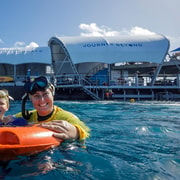
The Great Barrier Reef is one of Australia’s most extraordinary natural attractions and the world’s largest coral reef system. Stretching for more than 2,300 kilometres along the Queensland coast, it contains thousands of individual reefs, hundreds of islands and an enormous variety of marine life.
The reef can be experienced from destinations including Cairns, Port Douglas, Townsville, Airlie Beach and the Whitsunday Islands. Visitors can snorkel, scuba dive, sail, cruise, take scenic flights and explore tropical islands throughout the region.
About the Great Barrier Reef
The Great Barrier Reef is made up of more than 2,900 individual reefs and around 900 islands, creating one of the most complex marine ecosystems on Earth.
The reef supports an extraordinary range of wildlife, including tropical fish, sea turtles, dolphins, rays, sharks, seabirds and numerous species of coral.
It was added to the UNESCO World Heritage List in 1981 because of its exceptional natural significance.
Snorkelling
Snorkelling is one of the easiest ways to experience the Great Barrier Reef.
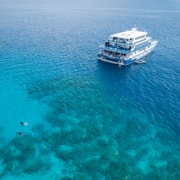
Day cruises from Cairns, Port Douglas, Airlie Beach and other coastal centres take visitors to outer reef locations where coral gardens and tropical fish can often be seen in relatively shallow water.
Many operators provide snorkelling equipment and flotation devices, and guided snorkelling is often available.
Scuba Diving
The Great Barrier Reef is one of the world’s best-known scuba diving destinations.
Certified divers can explore coral walls, bommies, reef channels and deeper sites, while introductory dives are available with some operators for visitors who have never dived before.
Multi-day liveaboard trips are also available for divers who want to spend more time exploring outer reef locations.
Great Barrier Reef Cruises
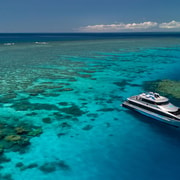
A reef cruise is a convenient option for visitors who want to see the reef in a single day.
Depending on the operator, cruises may include:
Snorkelling
Scuba diving
Glass-bottom boat rides
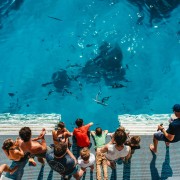
Semi-submersible tours
Marine biology presentations
Lunch and refreshments
Visits to pontoons or reef platforms
Scenic Flights
Seeing the Great Barrier Reef from the air provides an entirely different perspective.
Scenic flights operate from several destinations, including Cairns, Port Douglas and the Whitsundays.
From above, visitors can see reef patterns, islands, turquoise lagoons and the contrast between shallow coral areas and deeper ocean water.
Heart Reef
Heart Reef is one of the Great Barrier Reef’s most recognisable natural formations.
Located in the Whitsundays, this heart-shaped coral formation is protected and cannot be snorkelled or walked on, but it can be viewed from scenic aircraft and helicopters.
Whitsunday Islands
The Whitsunday Islands are among the most popular destinations within the Great Barrier Reef region.
The islands are known for beaches, sailing, resort stays and access to nearby reef areas.
Whitehaven Beach on Whitsunday Island is particularly famous for its bright white silica sand and turquoise water.
Green Island
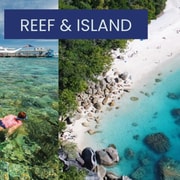
Green Island is a coral cay located off Cairns and is one of the easiest reef islands to visit on a day trip.
Visitors can swim, snorkel, walk through rainforest and join glass-bottom boat tours.
Fitzroy Island
Fitzroy Island, also near Cairns, combines rainforest, beaches and fringing reef.
Visitors can snorkel from the beach, walk through the national park and explore locations such as Nudey Beach.
Lady Elliot Island
Lady Elliot Island lies at the southern end of the Great Barrier Reef and is particularly well known for manta rays, turtles and clear water.
The island is accessible by light aircraft and is popular with snorkellers and divers.
Marine Life
The Great Barrier Reef supports an extraordinary variety of marine life.
Animals that may be encountered include:
Green sea turtles
Loggerhead turtles
Manta rays
Reef sharks
Dolphins
Humpback whales
Clownfish
Parrotfish
Giant clams
Numerous coral species
Whale Watching
Humpback whales migrate through waters along the Queensland coast during the cooler months.
Whales are generally seen between around June and October, depending on location and seasonal conditions.
Some reef cruises and dedicated whale-watching tours may encounter whales during this period.
Best Places to Visit the Great Barrier Reef
Cairns
Port Douglas
Airlie Beach
Whitsunday Islands
Townsville
Magnetic Island
Green Island
Fitzroy Island
Lady Elliot Island
Cairns
Cairns is one of the most popular gateways to the Great Barrier Reef.
Numerous day cruises depart from the Cairns marina for outer reef platforms, dive sites and coral islands.
Cairns is also convenient for combining a reef trip with visits to the Wet Tropics rainforest.
Port Douglas
Port Douglas provides access to the northern Great Barrier Reef and is particularly well placed for visiting the outer reef.
The town is also close to the Daintree Rainforest and Cape Tribulation, making it a popular base for combining reef and rainforest experiences.
Airlie Beach
Airlie Beach is the main mainland gateway to the Whitsunday Islands.
From here, visitors can join sailing trips, reef cruises, scenic flights and excursions to Whitehaven Beach.
Best Time to Visit the Great Barrier Reef
The Great Barrier Reef can be visited throughout the year.
The drier months from around May to October generally offer lower humidity and comfortable temperatures.
The warmer months can bring higher humidity, tropical rain and seasonal marine stingers in some northern areas.
Water visibility and weather conditions vary throughout the year, so conditions on the day can be more important than the season alone.
Marine Stingers
Marine stingers can occur in tropical Queensland waters, particularly during the warmer months.
Reef operators may provide protective stinger suits, especially in northern areas.
Visitors should follow local safety advice and use designated swimming areas where available.
How Long Should You Spend?
A single day is enough to take a reef cruise from Cairns, Port Douglas or Airlie Beach.
However, spending 3 to 5 days in the region allows time for a reef trip, an island visit and other local attractions.
Divers may prefer a multi-day liveaboard trip to reach more remote reef sites.
Things to Do at the Great Barrier Reef
Snorkel over coral gardens
Go scuba diving
Take a reef cruise
Join a scenic flight
Visit a tropical island
Sail through the Whitsundays
See Whitehaven Beach
Take a glass-bottom boat tour
Watch for turtles and dolphins
Explore an outer reef pontoon
Protecting the Reef
The Great Barrier Reef is a fragile marine environment.
Visitors can help protect it by avoiding contact with coral, using reef-safe practices, disposing of rubbish responsibly and following instructions from marine park staff and tour operators.
Choosing operators with strong environmental standards can also help support reef conservation.
Travel Tip
If this is your first visit, a full-day outer reef cruise from Cairns, Port Douglas or Airlie Beach is one of the easiest ways to experience the Great Barrier Reef.
For an even better perspective, combine a snorkelling or diving trip with a scenic flight so you can see the reef both from the water and from the air.
Sponsored Popular Items
Quick take: Musement.com offers a worldwide selection of tours and attractions
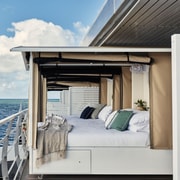
Reef Sleep: 2-Day Great Barrier Reef All Inclusive Overnight Australia Sleep overnight on the Great Barrier Reef. Experience the tranquility of just you, the sea and the stars. Explore the reef by day, watch the sun set over the water, enjoy gourmet meals… Check current availability, inclusions and booking conditions.
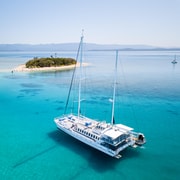
From Port Douglas: Sail to Low Isles Great Barrier Reef Australia Board a catamaran and enjoy an idyllic day on this sailing cruise. Sunbathe on an unspoiled coral cay island in the middle of the Great Barrier Reef and learn about the reef from a… Check current availability, inclusions and booking conditions.
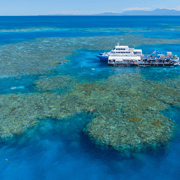
Cairns: Outer Great Barrier Reef Pontoon with Activities Australia Experience the Great Barrier Reef from a multi-level pontoon on a full-day tour from Cairns. Enjoy activities in and out of the water like snorkeling, a glass bottom boat tour… Check current availability, inclusions and booking conditions.
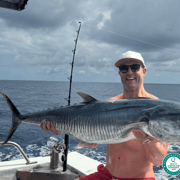
Cairns: Great Barrier Reef Fishing Charter with Lunch Australia Embark on a full-day fishing adventure on the Great Barrier Reef. Target iconic species, enjoy a buffet lunch, and have your catch cleaned and packed for you to take home. Check current availability, inclusions and booking conditions.
Cairns: Great Barrier Reef and Fitzroy Island Boat Tour Australia Experience two must see locations with a visit to Moore Reef pontoon and Fitzroy Island in just one day. Enjoy a tasty buffet lunch and snorkelling at the reef. Check current availability, inclusions and booking conditions.
Cairns: Great Barrier Reef Overnight Snorkelling Boat Trip Australia Experience the Great Barrier Reef from sunrise to sunset with an overnight trip onboard our premier liveaboard. Marvel at the beauty of the reef at exclusive snorkel sites. Check current availability, inclusions and booking conditions.
Bundaberg: Lady Musgrave Island and Great Barrier Reef Tour Australia Discover the wonders of the Great Barrier Reef and Lady Musgrave Island on this catamaran cruise from Burnett Heads. Enjoy a local lunch, snorkeling gear, and a guided walk on the island. Check current availability, inclusions and booking conditions.
From Airlie Beach: Great Barrier Reef Adventure Cruise Australia Witness magnificent water quality and diverse and colorful marine life at the Great Barrier Reef. Travel to the pontoon on a premium vessel and enjoy a variety of activities. Check current availability, inclusions and booking conditions.