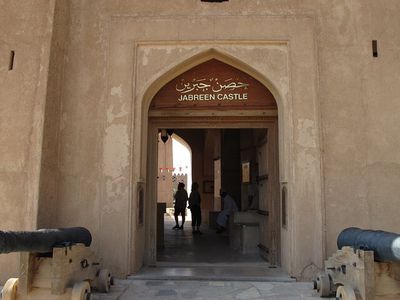
Jabreen Castle, also written as Jabrin or Jibreen Castle, is one of Oman’s most elegant historic landmarks. Located near Bahla in the Ad Dakhiliyah region, this beautifully preserved castle offers a more refined and decorative experience than many of Oman’s defensive forts.
Quick take: Musement.com offers a worldwide selection of tours and attractions
Jabal Shams 2-Day Tour: Nizwa, Misfat, Balcony Walk & Jabreen Castle Oman The Tour Hoor 2 Days-1 Night in Jabal Shams, Oman is a private overnight adventure from Muscat that combines culture, history, mountain scenery and trekking. Check current availability, inclusions and booking details before you go.
With painted ceilings, carved wooden doors, warm stone courtyards, rooftop views and traditional Omani architectural details, Jabreen Castle is a rewarding stop for travellers exploring inland Oman. It is often visited alongside Nizwa Fort, Nizwa Souq and Bahla Fort, making it a natural addition to a cultural day trip from Muscat or a deeper journey through the Hajar Mountains region.
Why Visit Jabreen Castle?
Jabreen Castle is worth visiting because it shows a softer, more artistic side of Omani castle architecture. While many forts in Oman feel strongly military, Jabreen has a palace-like quality. Its rooms, ceilings, stairways and decorative details give visitors a sense of learning, refinement and domestic life as well as defence.
The castle is especially appealing for travellers who enjoy architecture, Islamic design, heritage interiors, quiet courtyards and atmospheric historic buildings. It is also a good contrast to nearby Nizwa Fort, which is known for its massive circular tower and more powerful defensive character.
A Castle of Craftsmanship and Detail
The beauty of Jabreen Castle is in the details. Inside, visitors can find carved doors, wooden beams, decorative ceilings, plasterwork, arched windows and traditional rooms arranged around peaceful courtyards.
The castle feels carefully designed rather than purely defensive. As you walk through the rooms and passageways, you notice how light, shade, airflow and privacy were all considered. This makes the visit feel more intimate than simply walking around thick walls and battlements.
Main Features and Attractions
The Painted Ceilings
One of the most memorable features of Jabreen Castle is its painted ceilings. These decorated wooden ceilings add colour, pattern and refinement to the interiors, showing the artistic skill and cultural sophistication of the castle’s builders.
Look up as you move through the rooms. The ceilings are one of the main reasons Jabreen Castle is considered so special among Oman’s historic sites.
The Carved Wooden Doors
The carved doors are another highlight. Their traditional designs, dark wood and fine detail create a strong contrast with the pale walls and sunlit courtyards.
These doors help give Jabreen Castle its sense of age and personality. They are not just functional; they are part of the building’s beauty.
The Courtyards
The courtyards at Jabreen Castle are calm, warm and atmospheric. Surrounded by arched windows, balconies and thick walls, they show how the castle was designed around shaded internal spaces.
These areas are excellent for photography, especially when sunlight falls across the plaster walls and wooden details. The courtyards also help visitors appreciate the castle’s layout and traditional cooling design.
The Secret Rooms and Passageways
Jabreen Castle is known for hidden spaces, secret rooms and clever internal design. These features add a sense of mystery to the visit and make the castle especially interesting to explore.
Rather than feeling like a simple rectangular building, Jabreen Castle reveals itself gradually through stairways, rooms, corners and upper levels.
The Date Stores
Date storage areas are an important feature of the castle and a reminder of how closely Omani life was connected to date palms, oasis agriculture and practical food preservation.
These spaces help visitors understand that castles were not only symbols of power. They were also working buildings, designed to support daily life, hospitality and survival in a hot desert environment.
The Rooftop Views
The rooftop areas offer views over the surrounding oasis landscape, palm groves and desert-edge scenery. From above, you can appreciate how Jabreen Castle sits within the wider inland Omani landscape.
The rooftop is especially rewarding in the softer light of morning or late afternoon, when the pale walls, date palms and distant mountains feel more atmospheric.
Jabreen Castle and Omani Heritage
Jabreen Castle gives travellers a valuable insight into Omani culture and design. Its architecture reflects not only defence, but also privacy, hospitality, scholarship and beauty.
This is one of the reasons the castle feels different from nearby forts. It has protective features, but it also feels like a place of learning, residence and refined taste. For visitors interested in the deeper cultural side of Oman, Jabreen Castle is one of the most rewarding stops in the region.
How Long Do You Need at Jabreen Castle?
Allow around 1 to 2 hours for Jabreen Castle. This gives enough time to walk through the main rooms, admire the ceilings, explore the courtyards, climb to the rooftop and take photos without rushing.
If you are visiting as part of a day trip that includes Nizwa and Bahla, Jabreen Castle can fit comfortably into a full-day itinerary. Travellers who enjoy architecture and photography may want to allow a little extra time.
Best Time to Visit Jabreen Castle
The cooler months are the most comfortable time to visit Jabreen Castle, especially if you are combining it with other outdoor attractions in inland Oman. Early morning and late afternoon are ideal for softer light and more pleasant temperatures.
During hotter months, visit earlier in the day where possible. The castle interiors provide some shade, but the courtyards, rooftop and surrounding areas can become very hot under the Omani sun.
Nearby Attractions to Add to Your Visit
Bahla Fort
Bahla Fort is one of Oman’s most important heritage landmarks and is located close to Jabreen Castle. It has a more fortress-like character, making it a strong contrast to Jabreen’s decorative interiors.
Nizwa Fort
Nizwa Fort is one of Oman’s most famous forts, known for its huge circular tower and old-city setting. It is often combined with Jabreen Castle on cultural day trips through the Ad Dakhiliyah region.
Nizwa Souq
Nizwa Souq is a lively traditional market known for dates, pottery, silver, spices, coffee and local crafts. It pairs well with Jabreen Castle because it adds everyday culture and market life to the historical itinerary.
Birkat Al Mouz
Birkat Al Mouz is a scenic historic village known for palm groves, old mud-brick ruins and traditional irrigation channels. It is a good addition if you want to see more of inland Oman’s oasis landscapes.
Jebel Akhdar
Jebel Akhdar, the Green Mountain, offers cooler mountain scenery, terraced farms and dramatic views. Travellers with more time can combine the Nizwa and Bahla region with a mountain stay or scenic drive.
Suggested Jabreen Castle Day Trip Itinerary
If you are planning a cultural day trip through inland Oman, a simple route could look like this:
Morning: Visit Nizwa Fort and explore the old city area.
Late morning: Walk through Nizwa Souq for dates, pottery, silver and local produce.
Lunch: Stop in Nizwa or near Bahla for a relaxed meal.
Afternoon: Visit Bahla Fort, then continue to Jabreen Castle for painted ceilings, carved doors and rooftop views.
Optional extra: Add Birkat Al Mouz or continue toward Jebel Akhdar if you are staying in the region.
Travel Tips for Visiting Jabreen Castle
Wear comfortable shoes, as there are stairs, courtyards and upper levels to explore.
Dress modestly, as Oman is a traditional country and heritage sites are best visited respectfully.
Bring water, especially if visiting during warmer months.
Look up often, as the painted ceilings are among the castle’s finest features.
Allow time for photos in the courtyards and rooftop areas.
Combine Jabreen Castle with Nizwa Fort, Nizwa Souq and Bahla Fort for a richer itinerary.
Check opening times before travelling, especially around public holidays or Ramadan.
Is Jabreen Castle Worth Visiting?
Yes, Jabreen Castle is absolutely worth visiting. It is one of the most beautiful historic castles in Oman and offers a different experience from the larger defensive forts nearby.
The painted ceilings, carved doors, courtyards, secret rooms and rooftop views make it a memorable stop for travellers interested in Omani architecture and culture. It is especially worthwhile if you are already visiting Nizwa, Bahla or the Hajar Mountains region.
Final Thoughts
Jabreen Castle is one of Oman’s most graceful heritage sites. It may not have the monumental tower of Nizwa Fort or the vast scale of Bahla Fort, but it has something equally valuable: elegance, atmosphere and detail.
For travellers who want to see more than the desert landscapes and mountain roads of Oman, Jabreen Castle offers a quieter and more intimate connection with the country’s past. Its painted ceilings, shaded courtyards and carefully crafted interiors make it a highlight of any inland Oman itinerary.
Frequently Asked Questions About Jabreen Castle
Where is Jabreen Castle?
Jabreen Castle is located near Bahla in Oman’s Ad Dakhiliyah region. It is commonly visited with Nizwa Fort, Nizwa Souq and Bahla Fort.
Is it Jabreen, Jabrin or Jibreen Castle?
All three spellings are commonly used in English. Jabreen, Jabrin and Jibreen usually refer to the same historic castle near Bahla in Oman.
What is Jabreen Castle famous for?
Jabreen Castle is famous for its painted ceilings, carved wooden doors, decorative plasterwork, traditional courtyards, secret rooms, rooftop views and beautifully preserved Omani architecture.
How long should I spend at Jabreen Castle?
Allow around 1 to 2 hours for a relaxed visit. This gives enough time to explore the rooms, courtyards, rooftop and decorative details.
Can you visit Jabreen Castle from Muscat?
Yes, Jabreen Castle is often included on full-day trips from Muscat, usually combined with Nizwa, Nizwa Souq and Bahla Fort.
Is Jabreen Castle good for photography?
Yes, Jabreen Castle is excellent for photography. The courtyards, carved doors, painted ceilings, stairways, rooftop views and warm Omani architecture all make strong photo subjects.
What should I wear to Jabreen Castle?
Wear modest, lightweight clothing and comfortable shoes. Bring sun protection and water, particularly if visiting during warm weather.
What attractions are near Jabreen Castle?
Nearby attractions include Bahla Fort, Nizwa Fort, Nizwa Souq, Birkat Al Mouz, Jebel Akhdar and the wider Hajar Mountains region.
Sponsored Popular Items
Quick take: Musement.com offers a worldwide selection of tours and attractions
Jabal Shams 2-Day Tour: Nizwa, Misfat, Balcony Walk & Jabreen Castle Oman The Tour Hoor 2 Days-1 Night in Jabal Shams, Oman is a private overnight adventure from Muscat that combines culture, history, mountain scenery and trekking. Check current availability, inclusions and booking details before you go.
Dublin: Blarney Castle, Rock of Cashel & Cahir Castle Best deals for Dublin: Blarney Castle, Rock of Cashel & Cahir Castle. Kiss the Blarney Stone, explore the majestic Rock of Cashel, and discover Cahir Castle. Enjoy a premium day trip from Dublin with all entry fees included and expert driver-guide stories. Available from getyourguide.com.
Osaka Castle Autumn Walk: History, Colors & Castle Views Best deals for Osaka Castle Autumn Walk: History, Colors & Castle Views. Experience Osaka Castle in autumn on a guided walk through colorful gardens, historic walls and moats, followed by a visit to the castle tower and panoramic city views. Available from getyourguide.com.
Galway: Cliffs of Moher, Dunguaire Castle, & Burren Tour Best deals for Galway: Cliffs of Moher, Dunguaire Castle, & Burren Tour. Discover the Cliffs of Moher, Dunguaire Castle, and the Burren on a day tour from Galway. Visit the Hazel Mountain Chocolate Factory and enjoy a sweet treat before returning to Galway. Available from getyourguide.com.
Killarney: Lough Leane Scenic Cruise from Ross Castle Best deals for Killarney: Lough Leane Scenic Cruise from Ross Castle. Cruise across Lough Leane on a scenic tour from Ross Castle. Admire the lush greenery, majestic mountains, and heritage attractions like O’Sullivan Cascade and Inishfallen Island. Available from getyourguide.com.
Killarney: Half-Day Tour with Lakes, Waterfall, and Castle Best deals for Killarney: Half-Day Tour with Lakes, Waterfall, and Castle. Discover the highlights of Killarney on a half-day tour. Visit the scenic Lakes of Killarney, see the Torc Waterfall, see Ross Castle from outside, and visit Muckross House and Gardens. Available from getyourguide.com.
Kayaking the Killarney lakes from Ross Castle. Private group Best deals for Kayaking the Killarney lakes from Ross Castle. Private group. Discover the hidden beauty of the lakes of Killarney with a gentle kayak adventure exploring the incredible history of Ross Castle and experiencing the lakes' unique wild nature. Available from getyourguide.com.
Guided Kayaking on the Lakes of Killarney from Ross Castle Best deals for Guided Kayaking on the Lakes of Killarney from Ross Castle. Explore the Lakes of Killarney on a guided kayak tour from Ross Castle. Learn about the history of the area and take in the views of the mountains and the lakes. Available from getyourguide.com.
Kilkenny Private Day Tour: Castle and Medieval Mile Walk Best deals for Kilkenny Private Day Tour: Castle and Medieval Mile Walk. Discover the medieval charm of Kilkenny on a private day tour from Dublin. Explore Kilkenny Castle, stroll along the Medieval Mile, and enjoy a traditional Irish lunch at Kyteler's Inn. Available from getyourguide.com.