Connecticut may be one of the smallest states in the United States, but it is packed with charming coastal towns, historic cities, scenic countryside, museums, beaches, river valleys, art sites and classic New England character. From the maritime atmosphere of Mystic to the university culture of New Haven, the museums of Hartford, the autumn scenery of the Litchfield Hills and the beaches along Long Island Sound, Connecticut is an easy and rewarding destination for a short break or road trip.
Connecticut is especially appealing because distances are manageable. You can visit a seaside village in the morning, tour a historic house in the afternoon and enjoy dinner in a lively city by evening. Whether you are planning a family holiday, romantic weekend, fall foliage trip, coastal escape or cultural getaway, Connecticut has plenty to offer.
This guide covers the best places to visit in Connecticut, including coastal towns, historic attractions, state parks, beaches, museums, scenic drives and practical travel tips.
Why Visit Connecticut?
Connecticut is a great destination for travellers who enjoy a mix of history, coast, culture and countryside. The state has a strong New England feel, with colonial towns, village greens, historic homes, waterfront restaurants, art museums, university campuses and leafy rural roads.
The Long Island Sound shoreline is one of Connecticut’s biggest highlights, offering beaches, harbours, lighthouses, seafood restaurants and pretty towns such as Mystic, Stonington, Essex, Old Saybrook and Guilford. Inland, the Litchfield Hills provide rolling countryside, covered bridges, waterfalls, antique shops, wineries and some of the best fall foliage scenery in the state.
Connecticut is also easy to combine with nearby destinations. It sits between New York City and Boston, making it a convenient road-trip stop or weekend escape for travellers exploring New England.
Best Places to Visit in Connecticut
Mystic
Mystic is one of the most popular places to visit in Connecticut and a classic New England coastal destination. Known for its maritime history, harbour views, historic ships, restaurants and family attractions, Mystic is ideal for first-time visitors.
The Mystic Seaport Museum is the town’s major attraction, offering a fascinating look at America’s seafaring past. Visitors can explore historic vessels, maritime exhibits and recreated coastal village settings. Mystic Aquarium is another favourite, especially for families.
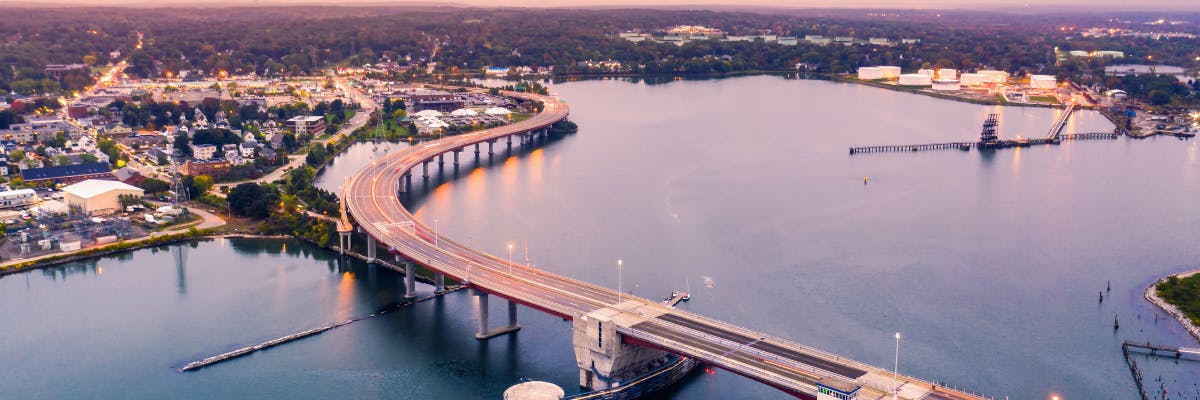
Downtown Mystic is also worth exploring, with shops, cafes, restaurants, the Mystic River Bascule Bridge and pretty waterfront views. Mystic is a great base for exploring nearby Stonington, Groton, Noank and the southeastern Connecticut coast.
Best for: families, coastal scenery, maritime history, couples, seafood and first-time visitors.
New Haven
New Haven is one of Connecticut’s most interesting cities, known for Yale University, museums, architecture, food and New Haven-style pizza. It has a lively cultural atmosphere and is one of the best places in the state for art, history and dining.
Visitors can walk around the Yale University campus, visit the Yale University Art Gallery, explore the Yale Peabody Museum, enjoy the shops and restaurants around downtown, and try the city’s famous apizza at long-running local institutions.
New Haven also has access to nearby coastal parks and beaches, making it easy to combine city sightseeing with outdoor time along the shoreline.
Best for: food lovers, museums, university atmosphere, architecture, history and city breaks.
Hartford
Hartford, the capital of Connecticut, is a strong destination for history, literature, museums and cultural attractions. It is one of the best places in the state for travellers who want to understand Connecticut’s heritage and creative legacy.
Top attractions include the Mark Twain House & Museum, the Harriet Beecher Stowe Center, the Wadsworth Atheneum Museum of Art and the Connecticut State Capitol. The city also sits near the Connecticut River, providing access to riverfront walks and nearby towns.
Hartford works well as a stop on a central Connecticut itinerary, especially for travellers interested in literature, art and American history.
Best for: history lovers, literature, museums, art, architecture and cultural travel.
Litchfield Hills
The Litchfield Hills are one of the prettiest regions in Connecticut, especially in autumn. This northwest corner of the state is known for rolling hills, forests, farms, small towns, covered bridges, waterfalls, antique shops and scenic country roads.
Popular towns and stops include Litchfield, Kent, Washington, Cornwall, New Milford and Norfolk. Kent Falls State Park is one of the most photographed natural attractions in the area, while the region’s village greens and historic homes create a classic New England atmosphere.
The Litchfield Hills are ideal for a slow road trip, romantic weekend, fall foliage drive or countryside escape.
Best for: fall foliage, couples, scenic drives, antique shopping, small towns and countryside stays.
Essex
Essex is one of Connecticut’s most charming river towns. Located on the Connecticut River, it is known for historic buildings, a pretty main street, waterfront views, boutique shops and a peaceful village atmosphere.
A popular experience is the Essex Steam Train & Riverboat, which combines a heritage rail journey with a scenic river cruise during selected seasons. Visitors can also browse shops, enjoy waterfront dining and explore nearby attractions along the Connecticut River Valley.
Best for: couples, families, historic towns, river views, scenic rides and relaxed weekends.
Old Saybrook
Old Saybrook is a historic coastal town where the Connecticut River meets Long Island Sound. It has a relaxed seaside feel, marinas, beaches, historic sites and easy access to river and coastal scenery.
Visitors can enjoy waterfront restaurants, visit Saybrook Point, explore nearby beaches or use the town as a base for day trips to Essex, Chester, Old Lyme and the lower Connecticut River Valley.
Best for: coastal breaks, couples, river views, seafood, relaxed weekends and scenic drives.
Stonington
Stonington is a beautiful coastal village near Mystic, known for its narrow streets, historic homes, harbour views and quiet New England charm. It is less busy than Mystic but just as appealing for travellers who enjoy scenic waterfront towns.
Visitors can walk through Stonington Borough, visit local shops and galleries, enjoy seafood, see harbour views and explore nearby vineyards or coastal areas. It is a lovely choice for a peaceful afternoon or romantic overnight stay.
Best for: couples, coastal walks, photography, quiet stays, seafood and historic village charm.
Guilford
Guilford is a picturesque shoreline town with one of the most attractive town greens in Connecticut. It offers historic homes, independent shops, coastal views and a relaxed small-town feel.
Visitors can explore the historic district, browse boutiques, visit local museums, enjoy nearby beaches or take scenic drives along the shoreline. Guilford works well as part of a coastal road trip between New Haven and Old Saybrook.
Best for: small-town charm, history, couples, coastal drives and relaxed sightseeing.
Norwalk
Norwalk is a lively coastal city in southwestern Connecticut, known for its waterfront district, family attractions, islands, restaurants and maritime character.
The Maritime Aquarium is one of Norwalk’s best-known attractions and is especially popular with families. Visitors can also explore the South Norwalk district, take seasonal boat trips to the Norwalk Islands, enjoy seafood restaurants and walk along waterfront areas.
Best for: families, aquariums, waterfront dining, boat trips, coastal city breaks and day trips from New York City.
Greenwich
Greenwich is one of Connecticut’s most elegant towns, located close to New York City. It is known for upscale shopping, beautiful homes, museums, parks, beaches and a polished coastal atmosphere.
Greenwich Avenue is a major shopping and dining area, while the Bruce Museum offers art, science and natural history exhibits. Greenwich Point Park is a scenic coastal spot with beaches, walking paths and views over Long Island Sound.
Best for: shopping, coastal walks, museums, luxury stays, day trips and relaxed dining.
Westport
Westport is a stylish coastal town with beaches, arts, restaurants, shops and a strong creative community. It offers a polished but relaxed feel and is popular for weekend escapes from New York City and elsewhere in the region.
Visitors can explore downtown shops, enjoy the waterfront, visit local arts venues or relax at Compo Beach. Westport is also close to other attractive Fairfield County towns, making it a good base for a southwestern Connecticut getaway.
Best for: beaches, shopping, dining, couples, arts and easy weekend breaks.
Connecticut River Valley
The Connecticut River Valley is one of the most scenic regions in the state. It includes historic river towns, wooded hills, wildlife areas, museums, small villages and riverfront views.
Good places to explore include Essex, Chester, Deep River, Old Lyme, East Haddam and Middletown. The region is ideal for scenic drives, boat trips, heritage attractions and slower-paced travel.
Best for: scenic drives, river views, history, small towns, couples and relaxed road trips.
Gillette Castle State Park
Gillette Castle State Park is one of Connecticut’s most unusual attractions. Located in East Haddam, the park is home to a medieval-style stone mansion built by actor William Gillette, who was famous for portraying Sherlock Holmes.
The castle sits above the Connecticut River and offers wooded trails, river views, picnic areas and seasonal tours of the building. It is a memorable stop for families, architecture lovers and travellers exploring the Connecticut River Valley.
Best for: families, history, architecture, river views, hiking and unusual attractions.
Weir Farm National Historical Park
Weir Farm National Historical Park is a special destination for art lovers. Located in Wilton and Ridgefield, it preserves the home, studio and landscape associated with American Impressionist painter J. Alden Weir.
Visitors can explore the grounds, learn about the artists connected to the property and enjoy a peaceful landscape of fields, gardens, stone walls and walking paths. It is a quieter and more reflective stop than many larger attractions, making it ideal for travellers who enjoy art, history and nature.
Best for: art lovers, history, peaceful walks, gardens, culture and quieter day trips.
Hammonasset Beach State Park
Hammonasset Beach State Park is one of the best beach destinations in Connecticut. Located in Madison, it offers a long stretch of shoreline along Long Island Sound, as well as walking areas, picnic spots, camping and nature experiences.
It is a popular summer destination for families and beachgoers, but it can also be enjoyable in spring and autumn for walks, birdwatching and coastal scenery.
Best for: beaches, families, camping, swimming, picnics and coastal walks.
Silver Sands State Park
Silver Sands State Park in Milford is another beautiful shoreline destination. It is known for its beach, boardwalk, marshland, birdlife and views toward Charles Island.
Visitors can walk the boardwalk, enjoy the beach, watch birds or take in the coastal scenery. The sandbar to Charles Island can be affected by tides and seasonal restrictions, so visitors should follow local safety signs and park guidance.
Best for: beach walks, birdwatching, families, photography and shoreline scenery.
Sleeping Giant State Park
Sleeping Giant State Park near Hamden is one of the best places in Connecticut for hiking and views. The park is named for a ridge that resembles a sleeping giant when seen from a distance.
Visitors can hike to the stone observation tower, enjoy forest trails and take in views over the surrounding region. It is a popular outdoor escape near New Haven and works well for active travellers.
Best for: hiking, views, families, nature lovers and day trips from New Haven.
Kent Falls State Park
Kent Falls State Park is one of the prettiest natural attractions in the Litchfield Hills. The park is known for its cascading waterfall, walking paths, picnic areas and leafy surroundings.
It is especially scenic in spring when water flow may be stronger and in autumn when the surrounding trees turn colourful. Kent Falls is a great stop on a countryside drive through northwest Connecticut.
Best for: waterfalls, photography, picnics, fall foliage, families and scenic drives.
Old Lyme
Old Lyme is a historic town with strong connections to American Impressionism and Connecticut’s art heritage. It has a peaceful coastal and river valley setting, attractive architecture and cultural attractions.
The Florence Griswold Museum is a highlight, offering insight into the artists who helped shape the Lyme Art Colony. Old Lyme pairs well with nearby Essex, Old Saybrook and the Connecticut River Valley.
Best for: art, history, quiet towns, couples, river valley exploring and cultural travel.
New London
New London is a historic port city on the Thames River, known for maritime history, ferries, murals, waterfront areas and access to nearby beaches and attractions.
Visitors can explore the waterfront, visit museums, see public art, take ferries to nearby islands or use New London as a practical base for southeastern Connecticut. It is also close to Mystic, Groton and Waterford.
Best for: maritime history, ferry travel, waterfront walks, art, road trips and coastal exploring.
Best Beaches in Connecticut
Connecticut’s beaches sit along Long Island Sound, so they tend to be calmer than Atlantic Ocean beaches. They are great for families, gentle swimming, picnics, beach walks and relaxed summer days.
Hammonasset Beach State Park: One of Connecticut’s most popular beach parks, with a long shoreline, camping and family-friendly facilities.
Silver Sands State Park: A scenic Milford beach with a boardwalk, marshland and birdwatching opportunities.
Rocky Neck State Park: A shoreline park with beach access, picnic areas and coastal scenery.
Compo Beach: A popular Westport beach with a family-friendly atmosphere.
Ocean Beach Park: A New London beach destination with seasonal family attractions.
Clinton Town Beach: A relaxed shoreline stop suitable for families and quiet beach days.
Best Places in Connecticut for History Lovers
Connecticut has a long and layered history, from colonial settlements and maritime trade to literary landmarks, industrial heritage and cultural institutions.
Hartford: Visit the Mark Twain House, Harriet Beecher Stowe Center, Wadsworth Atheneum and Connecticut State Capitol.
Mystic: Explore maritime history at Mystic Seaport Museum and the surrounding harbour area.
Essex: Enjoy one of the state’s best-preserved historic river towns.
New Haven: Discover Yale University, museums, architecture and historic streets.
Gillette Castle: Tour one of Connecticut’s most distinctive historic homes.
Old Lyme: Learn about the Lyme Art Colony and Connecticut’s Impressionist art heritage.
Best Outdoor Adventures in Connecticut
Connecticut is excellent for easy outdoor escapes. You will find beaches, waterfalls, forests, river trails, state parks, hiking ridges and scenic countryside drives.
Hike Sleeping Giant State Park: A favourite trail destination near New Haven.
Visit Kent Falls: One of the prettiest waterfall stops in the state.
Explore the Litchfield Hills: Great for fall foliage, backroads, forests and small towns.
Walk the shoreline at Hammonasset: Ideal for beach days, picnics and coastal walks.
Tour Gillette Castle State Park: Combine river views, wooded trails and historic architecture.
Kayak or cruise the Connecticut River: Enjoy river scenery from towns such as Essex and Haddam.
Visit Weir Farm: Walk through a landscape that inspired generations of artists.
Best Small Towns to Visit in Connecticut
Connecticut’s small towns are one of the state’s biggest attractions. Many have historic homes, village greens, independent shops, scenic roads and a strong New England feel.
Mystic: Maritime history, restaurants, harbour views and family attractions.
Essex: A charming Connecticut River town with historic streets and scenic river experiences.
Stonington: A peaceful coastal village with harbour views and historic homes.
Guilford: A classic shoreline town with a beautiful green and historic character.
Kent: A Litchfield Hills favourite for waterfalls, shops and fall colour.
Chester: A small creative town with galleries, dining and river valley charm.
Old Lyme: A quiet cultural town with art history and river valley appeal.
Litchfield: A historic countryside town surrounded by scenic drives and rural landscapes.
Best Scenic Drives in Connecticut
Connecticut is a rewarding state for scenic drives, especially in autumn. Because the state is compact, you can enjoy several regions in a single trip.
Connecticut River Valley route: Visit Essex, Chester, Deep River, East Haddam and Old Lyme.
Shoreline drive: Follow coastal towns such as Guilford, Madison, Old Saybrook, New London, Mystic and Stonington.
Merritt Parkway: A historic parkway known for wooded scenery and distinctive bridges.
Quiet Corner route: Explore northeastern Connecticut’s rural towns, farms and country roads.
Best Time to Visit Connecticut
Connecticut is a year-round destination, but spring, summer and autumn are especially appealing.
Spring: A lovely time for gardens, town walks, museums, coastal drives and mild weather.
Summer: Best for beaches, boating, seafood, family attractions and coastal stays.
Autumn: One of the best seasons for fall foliage, scenic drives, countryside inns and small-town exploring.
Winter: Quieter and cosy, suitable for museums, historic homes, restaurants, holiday events and romantic weekends.
For beach trips, summer is the most popular time. For Litchfield Hills and countryside drives, autumn is especially beautiful. For city breaks in Hartford, New Haven and Mystic, spring and autumn are often comfortable and less crowded than peak summer weekends.
Suggested 5-Day Connecticut Road Trip Itinerary
This itinerary gives a good first-time overview of Connecticut, combining coast, cities, history, countryside and river scenery.
Day 1: New Haven
Start in New Haven. Walk around the Yale University campus, visit an art or natural history museum, explore downtown and try New Haven-style pizza for dinner.
Day 2: Mystic and Stonington
Drive east to Mystic. Visit Mystic Seaport Museum, explore downtown Mystic and enjoy the waterfront. In the afternoon, continue to Stonington for a quieter coastal village experience.
Day 3: Connecticut River Valley
Travel to Old Saybrook, Essex and Chester. Enjoy river views, historic streets, shops and, if available, a scenic rail or riverboat experience. Add Gillette Castle State Park for architecture and views over the Connecticut River.
Day 4: Hartford
Head to Hartford for the Mark Twain House, Harriet Beecher Stowe Center, Wadsworth Atheneum and the Connecticut State Capitol. Spend the evening in Hartford or nearby West Hartford.
Day 5: Litchfield Hills
Finish your trip in the Litchfield Hills. Visit Litchfield, Kent, Kent Falls State Park and nearby countryside towns. If travelling in autumn, allow extra time for foliage stops and scenic backroads.
Shorter Weekend Connecticut Itinerary
If you only have a weekend, choose one region rather than trying to see the whole state.
Coastal weekend: Mystic, Stonington, Old Saybrook and Essex.
City and culture weekend: New Haven and Hartford.
Countryside weekend: Litchfield, Kent, Washington and Cornwall.
Family weekend: Mystic Aquarium, Mystic Seaport Museum and Hammonasset Beach.
Romantic weekend: Essex, Chester, Old Lyme and a Connecticut River Valley inn.
Travel Tips for Visiting Connecticut
Rent a car if possible: Connecticut is small, but a car makes it much easier to explore coastal towns, state parks and countryside areas.
Plan around weekends: Mystic, beaches and popular small towns can be busy on summer weekends and during fall foliage season.
Check beach rules: Some beaches have parking fees, resident restrictions or seasonal access rules.
Allow time for small towns: Connecticut’s charm often comes from slow wandering, local shops, village greens and scenic backroads.
Book fall stays early: Country inns and popular towns can fill quickly during peak autumn colour.
Try local food: Look for New Haven-style pizza, lobster rolls, seafood shacks, clam chowder, farm stands and classic diners.
Combine coast and countryside: A good Connecticut itinerary includes both shoreline towns and inland scenic regions.
Use trains for city trips: New Haven, Stamford, Greenwich and other towns have rail connections, but rural areas are better by car.
Final Thoughts on the Best Places to Visit in Connecticut
Connecticut is a compact state with a lot of variety. It offers maritime history, classic New England towns, beaches, river valleys, art sites, university culture, museums, scenic drives and beautiful countryside. It is easy to visit for a weekend but rewarding enough for a longer road trip.
For a first visit, include Mystic, New Haven, Hartford, Essex, Gillette Castle State Park and the Litchfield Hills. If you love coastal travel, add Stonington, Old Saybrook, Guilford and Hammonasset Beach. If you prefer history and culture, focus on New Haven, Hartford, Old Lyme and Weir Farm National Historical Park.
Whether you are planning a romantic escape, family holiday, fall foliage trip or cultural weekend, Connecticut is a charming and easy-to-explore destination with plenty of memorable places to visit.
Frequently Asked Questions About Visiting Connecticut
What is the prettiest place in Connecticut?
Some of the prettiest places in Connecticut include Mystic, Stonington, Essex, the Litchfield Hills, Kent Falls State Park, Gillette Castle State Park and the Connecticut River Valley. For coastal beauty, Mystic and Stonington are excellent. For countryside scenery, the Litchfield Hills are hard to beat.
What is Connecticut best known for?
Connecticut is best known for New England coastal towns, Yale University, maritime history, fall foliage, historic homes, museums, Long Island Sound beaches, the Connecticut River Valley and charming countryside drives.
Is Connecticut good for a family holiday?
Yes, Connecticut is a good family holiday destination. Families can visit Mystic Aquarium, Mystic Seaport Museum, Hammonasset Beach, the Maritime Aquarium in Norwalk, state parks, museums and river valley attractions.
How many days do you need to visit Connecticut?
You can enjoy a Connecticut weekend in 2 to 3 days if you focus on one region, such as Mystic and the coast or Litchfield Hills. For a broader trip covering Mystic, New Haven, Hartford, the Connecticut River Valley and Litchfield Hills, 5 to 7 days is ideal.
What is the best time of year to visit Connecticut?
Summer is best for beaches and coastal towns, while autumn is ideal for fall foliage and scenic countryside drives. Spring is pleasant for gardens, museums and town walks, while winter is quieter and good for cosy inns, museums and historic homes.
Is Connecticut good for a road trip?
Yes, Connecticut is excellent for a short road trip. The state is compact, so you can easily combine coastal towns, historic cities, river valley villages, state parks and countryside scenery in a few days.
Where should first-time visitors go in Connecticut?
First-time visitors should consider Mystic, New Haven, Hartford, Essex, Stonington, Gillette Castle State Park, Hammonasset Beach and the Litchfield Hills. These places give a good mix of coast, culture, history and scenery.
Does Connecticut have nice beaches?
Yes, Connecticut has pleasant beaches along Long Island Sound. Popular beach destinations include Hammonasset Beach State Park, Silver Sands State Park, Rocky Neck State Park, Compo Beach and Ocean Beach Park.
What are the best small towns in Connecticut?
Some of the best small towns in Connecticut include Mystic, Essex, Stonington, Guilford, Kent, Chester, Litchfield, Old Lyme and Washington. These towns are great for historic streets, shops, dining, scenery and relaxed weekend breaks.
What should I pack for a Connecticut trip?
Pack comfortable walking shoes, layered clothing, a light rain jacket, sun protection for beach days and warmer layers if visiting in autumn or winter. If you plan to hike or explore state parks, bring suitable shoes and a refillable water bottle.
Sponsored Popular Items
Quick take: Musement.com offers a worldwide selection of tours and attractions
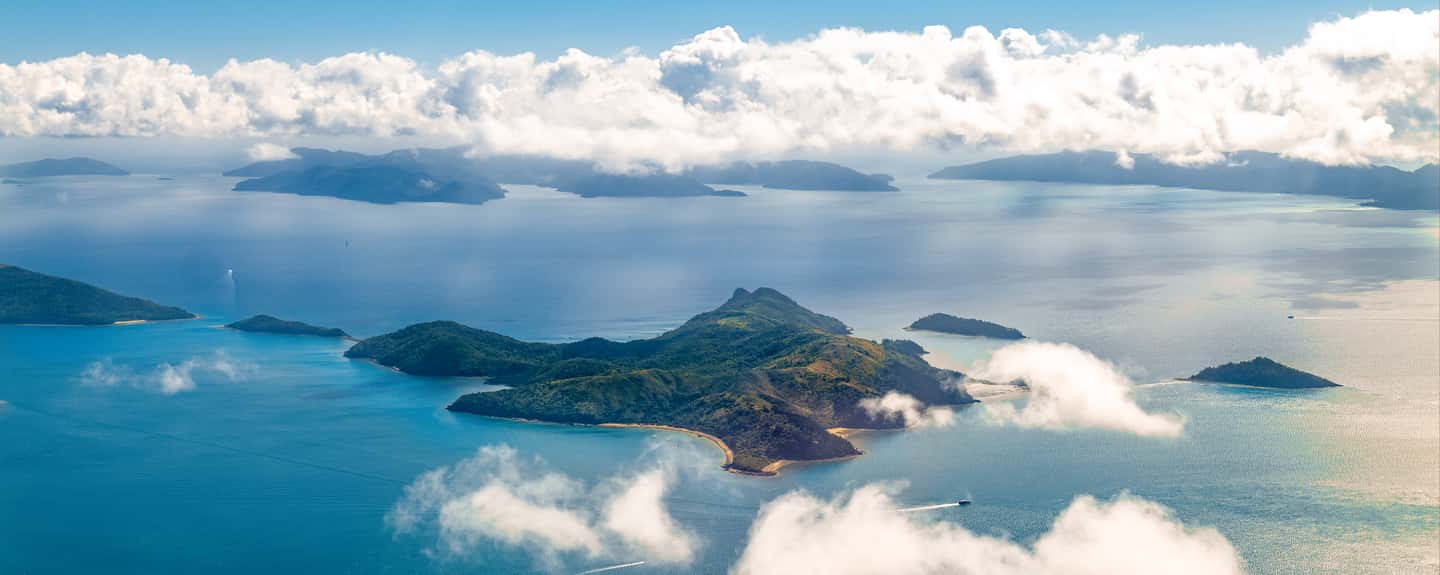
Best places to visit in the Whitsundays: Where to start Multiple Countries Lachlan lives in Paris and is the Head of Content and Community at misterb&b, an LGBTQ+ accommodation platform. He enjoys coffee and cocktails (not always in that order), and loves to… Check current availability, inclusions and booking conditions.
Tokyo: Mt Fuji Top Best Places Full-Day Private Tour Best deals for Tokyo: Mt Fuji Top Best Places Full-Day Private Tour. Discover Mt. Fuji's most famous viewpoints, lakes, shrines, villages, and scenic attractions on a private full-day tour from Tokyo with hotel pickup & drop-off included. Available from getyourguide.com.
Tokyo: Mt. Fuji & Hakone Best Places Old-Japan Private Tour Best deals for Tokyo: Mt. Fuji & Hakone Best Places Old-Japan Private Tour. Discover Mt. Fuji and Hakone on a customizable private full-day tour from Tokyo. Visit iconic viewpoints, shrines, lakes, and volcanic landscapes with an English-speaking driver. Available from getyourguide.com.
Delaware may be the second-smallest state in the United States, but it offers a surprisingly rich mix of beaches, historic towns, wildlife refuges, state parks, coastal drives, museums, gardens, tax-free shopping and classic Mid-Atlantic charm. Known as “The First State”, Delaware is easy to explore and ideal for travellers who enjoy relaxed road trips, beach holidays, small towns and history-rich sightseeing.
From the lively boardwalk at Rehoboth Beach to the historic streets of New Castle, the family-friendly coast around Bethany Beach, the museums of Wilmington, the capital city of Dover and the wild landscapes of Cape Henlopen and Trap Pond, Delaware has plenty to fill a weekend or a longer coastal escape.
This guide covers the best places to visit in Delaware, including beach towns, historic sites, state parks, gardens, wildlife areas, scenic drives and practical travel tips.
Why Visit Delaware?
Delaware is a great destination for travellers who want variety without long driving distances. In a single trip, you can explore Atlantic beaches, colonial history, riverfront cities, elegant estates, state parks, wildlife refuges and quiet coastal towns.
The state is especially popular for summer beach holidays. Rehoboth Beach, Lewes, Dewey Beach, Bethany Beach and Fenwick Island each offer a different style of seaside escape, from lively boardwalk fun to quieter family-friendly stays.
Delaware is also excellent for history lovers. First State National Historical Park, historic New Castle, Dover Green, colonial churches, old courthouses and preserved homes tell the story of early American settlement, statehood and Delaware’s role in the nation’s founding.
Another bonus is Delaware’s tax-free shopping. Visitors often combine sightseeing with outlet shopping, boutique browsing and coastal dining, making the state a convenient short-break destination between Philadelphia, Baltimore, Washington D.C. and New York.
Best Places to Visit in Delaware
Rehoboth Beach
Rehoboth Beach is one of the most popular places to visit in Delaware and a classic Mid-Atlantic beach town. It is known for its sandy beach, lively boardwalk, restaurants, shops, family attractions and relaxed holiday feel.
The Rehoboth Beach Boardwalk is the heart of the town, with casual food, amusements, beach shops and ocean views. Families can enjoy the beach, mini golf, arcades and nearby attractions, while couples and groups will find restaurants, bars, boutiques and a friendly coastal atmosphere.
Rehoboth is especially busy in summer, but spring and autumn are also lovely times to visit if you prefer milder weather and fewer crowds. It is a strong choice for first-time visitors who want a lively Delaware beach experience.
Best for: families, beach lovers, boardwalk fun, restaurants, shopping and first-time visitors.
Lewes
Lewes is one of Delaware’s most charming coastal towns. Often described as the first town in the first state, Lewes combines beach access, history, harbour views, independent shops and a calmer pace than some of the busier resort towns.
Visitors can walk through the historic district, explore local museums, enjoy seafood, browse boutiques and visit nearby Cape Henlopen State Park. Lewes is also the Delaware port for the Cape May-Lewes Ferry, making it a useful stop for travellers combining Delaware with New Jersey.
Lewes is ideal for travellers who want coastal beauty with more history and small-town charm than nightlife.
Best for: couples, history lovers, quiet beach breaks, seafood, boutique shopping and coastal walks.
Cape Henlopen State Park
Cape Henlopen State Park is one of Delaware’s best outdoor destinations. Located where Delaware Bay meets the Atlantic Ocean, the park offers beaches, dunes, maritime forest, walking and cycling trails, birdwatching, fishing and historic military sites.
Visitors can swim, bike, walk through nature trails, explore Fort Miles Historic Area, visit observation towers and enjoy views across the bay and ocean. The park is also a good place for wildlife watching and a quieter alternative to the main beach towns.
Cape Henlopen is especially appealing because it combines natural scenery and history in one easy-to-visit location near Lewes and Rehoboth Beach.
Best for: beaches, biking, nature lovers, families, birdwatching, history and scenic coastal walks.
Dewey Beach
Dewey Beach is a small but lively beach town located between the Atlantic Ocean and Rehoboth Bay. It is known for beach days, watersports, casual dining and a more energetic nightlife scene than some other Delaware coastal towns.
During the day, visitors can swim, sunbathe, paddleboard, kayak or enjoy bay and ocean views. In the evening, Dewey becomes a popular spot for live music, casual bars and relaxed coastal nightlife.
Dewey Beach is best suited to travellers who want a fun, social beach atmosphere close to Rehoboth Beach.
Best for: younger travellers, groups, watersports, nightlife, beach bars and casual coastal breaks.
Bethany Beach
Bethany Beach is a quieter and more family-focused alternative to Rehoboth and Dewey. It has a pleasant boardwalk, a wide sandy beach, local shops, restaurants and a relaxed seaside atmosphere.
The town is ideal for families who want a calmer beach holiday with easy access to the sand, gentle entertainment and a friendly small-town feel. Bethany is also close to Fenwick Island and Delaware Seashore State Park, making it a good base for exploring the southern Delaware coast.
Best for: families, couples, quiet beach holidays, relaxed boardwalk walks and summer escapes.
Fenwick Island
Fenwick Island sits near the Delaware-Maryland border and offers a quieter beach experience than the busier resort towns. It is a good choice for travellers who want easy access to both Delaware beaches and nearby Ocean City, Maryland.
Visitors can enjoy the beach, casual seafood restaurants, mini golf, watersports and the historic Fenwick Island Lighthouse. The town is peaceful, family-friendly and well suited to travellers who prefer slower coastal holidays.
Best for: families, relaxed beach stays, lighthouse visits, watersports and quiet coastal breaks.
Delaware Seashore State Park
Delaware Seashore State Park is a beautiful coastal park located between Rehoboth Beach and Bethany Beach. It offers ocean beaches, bay access, fishing, boating, camping, surfing and scenic coastal views.
The Indian River Inlet area is one of the park’s highlights, popular for fishing, boating and waterfront dining. The park is a great choice for travellers who want a more natural coastal setting while still being close to Delaware’s beach towns.
Best for: fishing, camping, beaches, boating, surfing, families and nature-focused beach holidays.
Wilmington
Wilmington is Delaware’s largest city and one of the best places to visit for museums, gardens, riverfront dining, history and cultural attractions. Located in northern Delaware, it is also a convenient destination for travellers coming from Philadelphia or the broader Mid-Atlantic region.
Popular things to do in Wilmington include exploring the Riverfront, visiting the Delaware Art Museum, enjoying restaurants and walking trails, and using the city as a base for the Brandywine Valley’s estates and gardens.
Wilmington is especially good for travellers who want culture, history and gardens rather than a beach-focused trip.
Best for: museums, gardens, food, city breaks, couples, culture and northern Delaware itineraries.
Brandywine Valley
The Brandywine Valley is one of the most beautiful regions in Delaware, known for grand estates, gardens, museums, rolling countryside and scenic roads. It is a wonderful destination for art lovers, garden lovers and travellers who enjoy historic homes.
Top places to visit include Winterthur Museum, Garden & Library, Hagley Museum and Library, Nemours Estate and the Delaware Art Museum. The region is close to the Pennsylvania border, making it easy to combine with nearby attractions in the wider Brandywine area.
Spring, early summer and autumn are especially lovely times to visit, when gardens and countryside scenery are at their best.
Best for: gardens, art, history, estates, couples, scenic drives and cultural travel.
New Castle
New Castle is one of the most historic towns in Delaware. Set along the Delaware River, it features cobbled streets, colonial buildings, historic homes, museums, churches and a quiet waterfront atmosphere.
Visitors can walk through the historic district, explore the New Castle Court House Museum, enjoy Battery Park and admire the preserved architecture. New Castle is also connected to First State National Historical Park, making it an important stop for history lovers.
The town is compact and easy to explore on foot, making it ideal for a relaxed half-day or full-day visit from Wilmington.
Best for: history lovers, architecture, riverfront walks, photography, couples and quiet town exploring.
Dover
Dover, the capital of Delaware, is a worthwhile stop for travellers interested in history, museums and state heritage. The city has a slower pace than Wilmington and the beaches, but it offers several important attractions.
Top things to do include visiting The Green, the Delaware State Capitol area, the Biggs Museum of American Art and the John Dickinson Plantation. Dover is also known for motorsports events at Dover Motor Speedway.
Dover works well as a central stop when travelling between northern Delaware and the beach towns.
Best for: history, museums, state capital sightseeing, families, road trippers and motorsports fans.
First State National Historical Park
First State National Historical Park is a must for travellers interested in Delaware’s colonial history and role as the first state to ratify the United States Constitution. Unlike a single-site national park, it includes several historically significant locations across Delaware.
Key areas include sites in New Castle, Dover and the Brandywine Valley. Visitors can explore historic greens, courthouses, colonial buildings, trails and places connected with early settlement, law, faith, trade and statehood.
Because the park is spread across multiple locations, it is best experienced as part of a wider Delaware road trip rather than as one short stop.
Best for: history lovers, road trippers, national park collectors, educational travel and colonial heritage.
Bombay Hook National Wildlife Refuge
Bombay Hook National Wildlife Refuge is one of the best places in Delaware for birdwatching and nature photography. Located along Delaware Bay, it protects tidal salt marsh, freshwater pools, fields and wildlife habitat.
Visitors can drive the wildlife loop, stop at observation areas, walk short trails and look for migratory birds. Spring and autumn migration periods can be especially rewarding, but the refuge is peaceful and scenic throughout much of the year.
Best for: birdwatching, photography, wildlife, quiet nature trips and scenic drives.
Prime Hook National Wildlife Refuge
Prime Hook National Wildlife Refuge is another excellent nature destination on Delaware Bay. It offers marshes, wetlands, forests, trails and birdwatching opportunities near Milton and the coastal towns.
The refuge is a good choice for travellers who want a quiet break from the beach crowds. Walking trails and wildlife observation areas make it easy to enjoy the landscape at a gentle pace.
Best for: birdwatching, nature walks, photography, peaceful outings and coastal wildlife.
Trap Pond State Park
Trap Pond State Park is one of Delaware’s most distinctive natural attractions. Located in southern Delaware, it is known for its bald cypress trees, paddling routes, campground, hiking, biking and peaceful pond scenery.
Visitors can rent kayaks or canoes, walk nature trails, camp, fish or simply enjoy the quiet waterside setting. The bald cypress trees give the park a unique atmosphere that feels different from Delaware’s beaches and northern estates.
Trap Pond is ideal for travellers who want a slower, nature-focused escape in southern Delaware.
Best for: kayaking, camping, families, nature lovers, photographers and peaceful outdoor breaks.
Lums Pond State Park
Lums Pond State Park is one of Delaware’s most popular inland state parks. Located in northern Delaware, it offers a large freshwater pond, walking and biking trails, camping, boating, fishing and family-friendly outdoor activities.
The park is useful for travellers looking for outdoor recreation near Wilmington, Newark or New Castle County. It is also a good stop for families who want easy access to nature without driving to the coast.
Best for: families, camping, kayaking, fishing, walking trails and easy outdoor escapes.
Brandywine Creek State Park
Brandywine Creek State Park offers rolling meadows, wooded trails, creek views and a scenic northern Delaware landscape. It is close to Wilmington and works well with a visit to the Brandywine Valley’s museums and gardens.
Visitors can walk, hike, birdwatch, picnic and enjoy the park’s peaceful countryside feel. It is especially attractive in spring and autumn, when the weather is comfortable and the landscape is colourful.
Best for: walking, hiking, picnics, birdwatching, families and scenic countryside near Wilmington.
Milton
Milton is a small historic town near Delaware’s coast. It offers a quiet main street, local shops, historic buildings, river views and access to nearby nature areas such as Prime Hook National Wildlife Refuge.
The town is also known for its relaxed local character and is close enough to combine with Lewes, Rehoboth Beach and the Delaware Bay coastline. Milton is a good choice for travellers who enjoy small towns away from the busiest resort areas.
Best for: small-town charm, history, quiet stays, nature access and relaxed coastal road trips.
Milford
Milford is a pleasant town located along the Mispillion River, with a walkable downtown, local restaurants, galleries and riverfront scenery. It is a useful stop between Dover and the southern Delaware beaches.
Visitors can enjoy the Riverwalk, browse local shops, explore nearby nature areas and use Milford as a base for a quieter Delaware getaway. The town is also within reach of Delaware Bay beaches and wildlife refuges.
Best for: river walks, small-town exploring, local dining, road trips and quieter overnight stays.
Best Beaches in Delaware
Delaware’s beaches are among the state’s biggest attractions. They are easy to reach, family-friendly and varied enough to suit different travel styles.
Rehoboth Beach: Best for a lively boardwalk, restaurants, shops, amusements and classic beach-town energy.
Lewes Beach: Best for calmer waters, history, families and a quieter coastal feel.
Dewey Beach: Best for nightlife, watersports, groups and a social beach atmosphere.
Bethany Beach: Best for family-friendly holidays, a relaxed boardwalk and quieter summer stays.
Fenwick Island: Best for peaceful beach days, lighthouse visits and easy access to the southern coast.
Delaware Seashore State Park: Best for fishing, camping, surfing, boating and a more natural beach setting.
Best Places in Delaware for History Lovers
Delaware has a deep history connected to colonial settlement, early American government, maritime trade, industry and statehood. These are some of the best places to explore that heritage.
New Castle: Colonial streets, historic homes, the New Castle Court House and Delaware River views.
Dover: The Green, state history, museums and the John Dickinson Plantation.
First State National Historical Park: Multiple historic sites connected with Delaware’s founding story.
Lewes: Early settlement history, museums, maritime heritage and Fort Miles nearby.
Hagley Museum: Industrial history along the Brandywine River.
Fort Miles Historic Area: Military history inside Cape Henlopen State Park.
Best Outdoor Adventures in Delaware
Delaware may be small, but it offers plenty of outdoor experiences, especially around the coast, bays, state parks and wildlife refuges.
Bike through Cape Henlopen: Enjoy coastal trails, dunes, forests and historic sites.
Paddle at Trap Pond: Kayak or canoe among bald cypress trees in a peaceful southern Delaware setting.
Birdwatch at Bombay Hook: Drive the wildlife loop and look for migratory birds and marshland scenery.
Camp at Delaware Seashore State Park: Stay close to the ocean, bays and fishing areas.
Walk Brandywine Creek State Park: Explore meadows, woodland and creekside trails near Wilmington.
Visit Prime Hook: Discover wetlands, quiet trails and coastal wildlife habitat.
Best Small Towns to Visit in Delaware
Some of Delaware’s best travel experiences come from its smaller towns. They are easy to explore, full of character and ideal for slower road trips.
Lewes: Coastal history, shops, harbour views and access to Cape Henlopen.
New Castle: Colonial streets, historic buildings and Delaware River scenery.
Milton: A quiet town near beaches and wildlife refuges.
Milford: Riverwalk, galleries, restaurants and a relaxed pace.
Bethany Beach: A family-friendly seaside town with a calmer boardwalk.
Odessa: A small historic town with preserved architecture and heritage appeal.
Smyrna: A useful stop near Bombay Hook and central Delaware attractions.
Best Scenic Drives in Delaware
Delaware is compact, making it ideal for short scenic drives. You can easily combine coast, countryside, towns and wildlife areas in one itinerary.
Delaware Coastal Highway: Connects Lewes, Rehoboth Beach, Dewey Beach, Bethany Beach and Fenwick Island.
Brandywine Valley drive: Explore Wilmington, rolling countryside, museums, estates and gardens.
Historic New Castle and riverfront route: Combine colonial streets with Delaware River views.
Delaware Bayshore Byway: A quieter route through marshes, wildlife refuges, small towns and bay scenery.
Dover to Lewes route: A useful drive linking the state capital with the coast, with stops in Milford or Milton.
Best Time to Visit Delaware
The best time to visit Delaware depends on whether you want beaches, history, nature or quiet off-season travel.
Spring: A lovely time for gardens, birdwatching, state parks, historic towns and fewer beach crowds.
Summer: Best for beach holidays, boardwalks, swimming, watersports and family trips.
Autumn: Excellent for coastal walks, wildlife refuges, scenic drives, festivals and comfortable sightseeing.
Winter: Quieter and good for museums, historic towns, shopping, cosy weekends and peaceful beach walks.
Summer is the busiest season along the Delaware beaches, especially on weekends. Spring and autumn are often better for travellers who want pleasant weather, easier parking and a more relaxed pace.
Suggested 5-Day Delaware Road Trip Itinerary
This itinerary gives a good first-time overview of Delaware, combining northern culture, colonial history, the capital city, beaches and nature.
Day 1: Wilmington and the Brandywine Valley
Start in Wilmington. Visit the Riverfront, Delaware Art Museum or one of the Brandywine Valley estates such as Winterthur, Hagley or Nemours. Stay overnight in Wilmington or nearby.
Day 2: New Castle and Dover
Spend the morning walking through historic New Castle and visiting the riverfront. Continue to Dover for The Green, museums, state history and the John Dickinson Plantation.
Day 3: Bombay Hook, Milton and Lewes
Begin with a nature stop at Bombay Hook National Wildlife Refuge, then continue south through Milton and on to Lewes. Explore the historic town centre and enjoy dinner near the coast.
Day 4: Cape Henlopen and Rehoboth Beach
Spend the morning at Cape Henlopen State Park, biking, walking or visiting Fort Miles. In the afternoon, head to Rehoboth Beach for the boardwalk, beach, shops and restaurants.
Day 5: Delaware Seashore, Bethany Beach and Fenwick Island
Drive south along the coast through Dewey Beach, Delaware Seashore State Park, Bethany Beach and Fenwick Island. Choose beach time, watersports, fishing or a relaxed final seafood meal.
Shorter Weekend Delaware Itinerary
If you only have a weekend, choose one region rather than trying to see the whole state.
Beach weekend: Rehoboth Beach, Lewes, Cape Henlopen and Bethany Beach.
History weekend: Wilmington, New Castle, Dover and First State National Historical Park sites.
Nature weekend: Cape Henlopen, Bombay Hook, Prime Hook and Trap Pond State Park.
Family weekend: Rehoboth Beach, Cape Henlopen, Delaware Seashore State Park and Bethany Beach.
Couples weekend: Lewes, Rehoboth Beach, Brandywine Valley gardens or a quiet stay in New Castle.
Travel Tips for Visiting Delaware
Rent or use a car: Delaware is small, but a car makes it much easier to connect beaches, towns, parks and wildlife refuges.
Book beach stays early: Rehoboth, Lewes, Bethany and Fenwick Island can be busy in summer.
Check parking rules: Beach towns may have meters, permits or seasonal parking restrictions.
Visit beaches midweek if possible: Summer weekends can be crowded, especially around Rehoboth and Dewey.
Bring bikes: Cape Henlopen and the coastal trail areas are excellent for cycling.
Plan for tax-free shopping: Delaware has no state sales tax, making outlets and boutiques popular with visitors.
Pack for coastal weather: Bring sun protection, layers for breezy evenings and comfortable walking shoes.
Combine history and nature: Delaware works best when you mix beach time with historic towns, gardens and wildlife refuges.
Final Thoughts on the Best Places to Visit in Delaware
Delaware is small, easy to explore and full of rewarding places to visit. Its beaches are the main draw for many travellers, but the state also offers beautiful gardens, colonial towns, wildlife refuges, historic sites, state parks and relaxed coastal communities.
For a first visit, include Wilmington, the Brandywine Valley, New Castle, Dover, Lewes, Cape Henlopen State Park and Rehoboth Beach. If you have more time, add Bethany Beach, Fenwick Island, Delaware Seashore State Park, Bombay Hook, Prime Hook and Trap Pond State Park.
Whether you are planning a family beach holiday, a romantic coastal weekend, a history-focused road trip or a quiet nature escape, Delaware is a compact and enjoyable destination with much more variety than many travellers expect.
Frequently Asked Questions About Visiting Delaware
What is the prettiest place in Delaware?
Some of the prettiest places in Delaware include Cape Henlopen State Park, Lewes, Rehoboth Beach, Bombay Hook National Wildlife Refuge, the Brandywine Valley, historic New Castle and Trap Pond State Park. For coastal scenery, Cape Henlopen and Lewes are especially beautiful.
What is Delaware best known for?
Delaware is best known as The First State, along with its beaches, tax-free shopping, colonial history, Rehoboth Beach, historic New Castle, Wilmington’s museums and gardens, state parks and coastal wildlife refuges.
Is Delaware good for a family holiday?
Yes, Delaware is a great family holiday destination. Families can enjoy Rehoboth Beach, Bethany Beach, Cape Henlopen State Park, Delaware Seashore State Park, Lums Pond State Park, museums, boardwalks and easy coastal activities.
How many days do you need to visit Delaware?
You can enjoy a Delaware weekend in 2 to 3 days if you focus on the beaches or Wilmington and New Castle. For a broader trip covering Wilmington, Dover, historic towns, state parks and the coast, 5 to 7 days is ideal.
What is the best time of year to visit Delaware?
Summer is best for beach holidays, boardwalks and swimming. Spring and autumn are excellent for state parks, historic towns, birdwatching, gardens and quieter coastal stays. Winter is quieter and best for museums, shopping and peaceful beach walks.
Is Delaware good for a road trip?
Yes, Delaware is excellent for a short road trip. Because the state is compact, you can easily combine Wilmington, New Castle, Dover, Lewes, Rehoboth Beach, Cape Henlopen and other coastal towns in a few days.
Where should first-time visitors go in Delaware?
First-time visitors should consider Rehoboth Beach, Lewes, Cape Henlopen State Park, Wilmington, the Brandywine Valley, New Castle and Dover. These places offer a good mix of beach, history, culture and nature.
Does Delaware have nice beaches?
Yes, Delaware has excellent beaches along the Atlantic coast and Delaware Bay. Rehoboth Beach, Lewes Beach, Bethany Beach, Dewey Beach, Fenwick Island and Delaware Seashore State Park are among the most popular beach destinations.
What are the best small towns in Delaware?
Some of the best small towns in Delaware include Lewes, New Castle, Milton, Milford, Bethany Beach, Odessa and Smyrna. These towns offer history, coastal charm, river walks, shops and relaxed sightseeing.
What should I pack for a Delaware trip?
Pack comfortable walking shoes, swimwear, sunscreen, a hat, casual beach clothes, layers for cool evenings and insect repellent if visiting marshes, wildlife refuges or state parks. If you plan to bike or paddle, bring suitable outdoor clothing.
Sponsored Popular Items
Quick take: Musement.com offers a worldwide selection of tours and attractions
Best places to visit in the Whitsundays: Where to start Multiple Countries Lachlan lives in Paris and is the Head of Content and Community at misterb&b, an LGBTQ+ accommodation platform. He enjoys coffee and cocktails (not always in that order), and loves to… Check current availability, inclusions and booking conditions.
Tokyo: Mt Fuji Top Best Places Full-Day Private Tour Best deals for Tokyo: Mt Fuji Top Best Places Full-Day Private Tour. Discover Mt. Fuji's most famous viewpoints, lakes, shrines, villages, and scenic attractions on a private full-day tour from Tokyo with hotel pickup & drop-off included. Available from getyourguide.com.
Tokyo: Mt. Fuji & Hakone Best Places Old-Japan Private Tour Best deals for Tokyo: Mt. Fuji & Hakone Best Places Old-Japan Private Tour. Discover Mt. Fuji and Hakone on a customizable private full-day tour from Tokyo. Visit iconic viewpoints, shrines, lakes, and volcanic landscapes with an English-speaking driver. Available from getyourguide.com.
Florida is one of the most popular travel destinations in the United States, known for its beaches, theme parks, tropical islands, wildlife, historic cities, art deco neighbourhoods, coastal road trips, springs, wetlands and year-round sunshine. From the energy of Miami and the family attractions of Orlando to the relaxed Florida Keys, the wild Everglades, the Gulf Coast beaches and the historic streets of St. Augustine, Florida offers a huge variety of holiday experiences.
Whether you are planning a family trip, beach escape, cruise stopover, romantic weekend, wildlife adventure or classic road trip, Florida has something to suit almost every traveller. This guide covers the best places to visit in Florida, including cities, islands, beaches, national parks, state parks, scenic drives and practical travel tips.
Why Visit Florida?
Florida is a destination that combines fun, nature and coastal beauty. It is famous for its theme parks, but there is far more to the state than roller coasters and resorts. Visitors can swim in clear springs, kayak through mangroves, see manatees, explore coral reefs, visit historic forts, walk through art districts, relax on white-sand beaches and drive across island chains surrounded by turquoise water.
The state is also very easy to tailor to different travel styles. Families often choose Orlando, Tampa, Clearwater, Cocoa Beach and the Gulf Coast. Couples may prefer Key West, Naples, Palm Beach, Sarasota or Amelia Island. Nature lovers can explore the Everglades, Crystal River, Ocala National Forest, Florida springs and wildlife refuges. History lovers will enjoy St. Augustine, Pensacola, Key West and Fort Jefferson in Dry Tortugas National Park.
Florida is especially strong for road trips. Popular routes include Miami to Key West, Orlando to the Gulf Coast, Tampa to Naples, Jacksonville to St. Augustine, and a longer loop connecting beaches, springs, national parks and historic towns.
Best Places to Visit in Florida
Miami
Miami is one of Florida’s most exciting cities, known for beaches, nightlife, art, Latin American culture, waterfront views, dining and colourful neighbourhoods. It is a great destination for travellers who want a mix of city energy and beach time.
Top things to do in Miami include visiting South Beach, walking through the Art Deco Historic District, exploring Wynwood Walls, dining in Little Havana, shopping in Coconut Grove or the Design District and taking boat tours around Biscayne Bay. Miami is also a practical starting point for trips to the Florida Keys, Everglades National Park and Biscayne National Park.
Best for: nightlife, beaches, food, art, culture, couples, city breaks and Florida Keys road trips.
Miami Beach and South Beach
Miami Beach is separate from mainland Miami and offers one of Florida’s most iconic coastal experiences. South Beach is the best-known area, famous for Ocean Drive, pastel-coloured Art Deco buildings, beach clubs, restaurants and a lively atmosphere.
Visitors can relax on the sand, walk the beachfront path, explore the Art Deco architecture, enjoy rooftop bars or dine at restaurants influenced by Cuban, Caribbean and Latin American flavours. South Beach is energetic and stylish, while Mid-Beach and North Beach are generally quieter.
Best for: beach lovers, nightlife, photography, architecture, couples and first-time visitors.
Orlando
Orlando is Florida’s theme park capital and one of the best family holiday destinations in the world. It is home to major theme parks, water parks, shopping outlets, family resorts, dinner shows and entertainment districts.
Families often come to Orlando for Walt Disney World Resort, Universal Orlando Resort, SeaWorld Orlando and nearby attractions. Beyond theme parks, visitors can enjoy shopping, restaurants, golf, lakes, gardens and day trips to places such as Kennedy Space Center, Winter Park, Blue Spring State Park and the beaches around Cocoa Beach.
Orlando is best planned carefully, especially if you are visiting major parks. Choose your park days, book accommodation in a convenient area and allow rest time between big days out.
Best for: families, theme parks, entertainment, shopping, first-time Florida visitors and multi-generational holidays.
Key West
Key West is one of the most distinctive places in Florida. Located at the end of the Florida Keys, it is known for colourful houses, tropical streets, sunsets, coral reefs, literary history, lively bars and a relaxed island atmosphere.
Popular things to do include visiting the Ernest Hemingway Home and Museum, walking along Duval Street, watching sunset at Mallory Square, touring the Harry S. Truman Little White House, snorkelling, taking boat trips and photographing the Southernmost Point marker.
Key West is also the gateway to Dry Tortugas National Park, one of the most remote and beautiful national parks in the United States.
Best for: couples, island escapes, nightlife, history, snorkelling, sunsets and Florida Keys road trips.
Florida Keys
The Florida Keys are a chain of tropical islands stretching from Key Largo to Key West. The drive along the Overseas Highway is one of the most scenic road trips in Florida, with bridges, blue water, mangroves and island towns along the way.
Key Largo is popular for diving and snorkelling, especially around John Pennekamp Coral Reef State Park. Islamorada is known for fishing, waterfront dining and a relaxed island feel. Marathon is a good family base with beaches, boating and the Turtle Hospital. Big Pine Key is known for nature and the small Key deer. Key West offers the most nightlife, history and walkable island atmosphere.
Best for: road trips, snorkelling, diving, fishing, couples, families, boating and tropical scenery.
Everglades National Park
Everglades National Park is one of Florida’s most important natural destinations. It protects a vast subtropical wetland landscape of sawgrass marshes, mangroves, hardwood hammocks, coastal waters and wildlife habitat.
Visitors may see alligators, crocodiles, turtles, manatees, wading birds and many other species. Popular areas include Shark Valley, the Anhinga Trail near Royal Palm, Flamingo, the Gulf Coast area near Everglades City and boat tours through mangrove waterways.
The Everglades are best visited with respect for the environment and safety. Stay on marked trails, keep a safe distance from wildlife and check weather and mosquito conditions before travelling.
Best for: wildlife, nature lovers, photography, kayaking, birdwatching, families and eco-adventures.
Dry Tortugas National Park
Dry Tortugas National Park is one of Florida’s most extraordinary places. Located about 70 miles west of Key West, it is reached by ferry, seaplane or private boat and is known for Fort Jefferson, clear blue water, coral reefs, birdlife and remote island scenery.
Visitors can tour the historic fort, snorkel, swim, photograph the turquoise water and enjoy one of the most unusual national park experiences in the country. Because access is limited, trips should be booked well in advance.
Best for: snorkelling, history, remote islands, photography, national park collectors and adventurous travellers.
Tampa
Tampa is a lively Gulf Coast city with waterfront attractions, museums, restaurants, sports, family activities and easy access to some of Florida’s best beaches. It is a good base for exploring both city sights and coastal destinations.
Top things to do include visiting the Tampa Riverwalk, exploring historic Ybor City, going to the Florida Aquarium, enjoying Busch Gardens Tampa Bay and dining along the waterfront. Tampa also pairs well with St. Petersburg, Clearwater, Tarpon Springs and Sarasota.
Best for: families, food, sports, museums, nightlife, city breaks and Gulf Coast road trips.
St. Petersburg
St. Petersburg, often called St. Pete, is one of Florida’s best cities for art, beaches and waterfront living. It has a sunny downtown, museums, parks, restaurants, murals and easy access to beautiful Gulf Coast beaches.
Highlights include the Salvador Dalí Museum, St. Pete Pier, downtown waterfront parks, local breweries, galleries and nearby St. Pete Beach. The city has a more relaxed and creative atmosphere than many larger Florida destinations.
Best for: art lovers, couples, beaches, dining, museums, waterfront walks and relaxed city breaks.
Clearwater Beach
Clearwater Beach is one of Florida’s most famous beach destinations, known for soft white sand, calm Gulf water, family-friendly attractions and sunset celebrations at Pier 60.
Visitors can swim, take dolphin cruises, walk the beach promenade, enjoy waterfront restaurants or use Clearwater as a base for exploring nearby islands and parks. It is lively and popular, especially during school holidays and peak travel periods.
Best for: families, beach holidays, dolphin cruises, sunsets, swimming and first-time Gulf Coast visitors.
Sarasota
Sarasota combines beaches, arts, gardens, dining and a refined Gulf Coast atmosphere. It is an excellent choice for travellers who want a beach holiday with more culture and style.
Top attractions include The Ringling, Marie Selby Botanical Gardens, downtown Sarasota, St. Armands Circle and nearby Siesta Key Beach. Sarasota also has good restaurants, theatres and galleries, making it appealing for couples and mature travellers.
Best for: couples, beaches, art, gardens, dining, culture and relaxed Gulf Coast escapes.
Siesta Key
Siesta Key is famous for its wide beach and soft white sand. Located near Sarasota, it is one of the most popular beach destinations on Florida’s Gulf Coast.
Visitors can swim, sunbathe, paddleboard, enjoy casual beachside dining or stay in a holiday rental close to the sand. Siesta Key works well for families, couples and travellers who want a simple, beautiful beach escape.
Best for: beach lovers, families, couples, swimming, soft sand and relaxing holidays.
Naples
Naples is a polished Gulf Coast destination known for elegant shopping, golf, restaurants, calm beaches, sunsets and access to nearby nature areas. It has a more upscale and relaxed feel than many other Florida beach towns.
Popular things to do include visiting Naples Pier, walking along Fifth Avenue South, relaxing on the beach, exploring the Naples Botanical Garden and taking day trips to Marco Island, Everglades City or the Ten Thousand Islands.
Best for: couples, luxury stays, beaches, golf, dining, sunsets and relaxed coastal holidays.
Marco Island
Marco Island is a beautiful Gulf Coast island south of Naples, known for beaches, boating, shelling, fishing and easy access to the Ten Thousand Islands and Everglades region.
Visitors can relax on the beach, take eco-tours, kayak through mangroves, go shelling or enjoy waterfront restaurants. Marco Island is a good choice for travellers who want a quieter coastal stay with nature close by.
Best for: couples, families, boating, shelling, beaches, wildlife tours and peaceful Gulf Coast stays.
St. Augustine
St. Augustine is one of the best places in Florida for history lovers. Known as the oldest continuously occupied European-established city in the United States, it has cobblestone-style streets, Spanish colonial architecture, historic forts, museums, restaurants and coastal charm.
Top things to do include visiting Castillo de San Marcos, walking through the historic district, exploring St. George Street, seeing the Lightner Museum, visiting Flagler College and relaxing at nearby St. Augustine Beach.
St. Augustine is ideal for travellers who want history, atmosphere and a walkable city experience.
Best for: history lovers, couples, families, architecture, museums and romantic weekends.
Jacksonville
Jacksonville is Florida’s largest city by area and offers beaches, rivers, neighbourhoods, parks, museums and a more local feel than some of the state’s major tourist centres.
Visitors can explore the St. Johns River waterfront, visit the Cummer Museum of Art & Gardens, relax at Jacksonville Beach, walk through Riverside and Avondale, or use the city as a base for Amelia Island and St. Augustine.
Best for: beaches, museums, riverfront walks, local neighbourhoods, road trips and northeast Florida exploring.
Amelia Island
Amelia Island is a beautiful barrier island in northeast Florida, known for beaches, historic Fernandina Beach, oak-lined streets, seafood, boutique stays and a relaxed coastal atmosphere.
Visitors can walk through Fernandina Beach, visit Fort Clinch State Park, relax on the beach, take boat tours, go cycling or enjoy waterfront dining. Amelia Island is quieter and more refined than many larger Florida beach destinations.
Best for: couples, beach escapes, history, boutique stays, seafood, cycling and quiet coastal holidays.
Pensacola
Pensacola is one of the best destinations in Florida’s Panhandle, known for white-sand beaches, military history, historic downtown streets and Gulf Coast charm.
Top things to do include visiting Pensacola Beach, exploring the historic downtown area, seeing the National Naval Aviation Museum when open to visitors, and enjoying seafood along the coast. The beaches around Pensacola are known for bright white sand and clear Gulf water.
Best for: beaches, history, families, seafood, military heritage and Gulf Coast road trips.
Destin
Destin is a popular Panhandle beach destination known for emerald water, white sand, fishing, family resorts and easy access to the beaches of the Emerald Coast.
Visitors can enjoy boat tours, fishing charters, snorkelling, beach days, waterfront restaurants and family-friendly attractions. Nearby areas such as Miramar Beach, Sandestin and Fort Walton Beach add more accommodation and activity options.
Best for: families, beach holidays, boating, fishing, resorts and clear Gulf water.
30A and Santa Rosa Beach
Scenic Highway 30A is one of Florida’s most attractive coastal routes, linking beach communities such as Seaside, WaterColor, Rosemary Beach, Alys Beach, Grayton Beach and Santa Rosa Beach.
The area is known for stylish beach towns, bike paths, white sand, coastal dune lakes, boutique stays and relaxed Gulf Coast scenery. It is ideal for travellers who want a beautiful beach holiday with a village-style atmosphere.
Best for: couples, families, cycling, boutique beach stays, scenic drives and relaxed coastal holidays.
Fort Lauderdale
Fort Lauderdale is a coastal city known for beaches, boating, canals, waterfront restaurants and easy access to both Miami and Palm Beach. It has a more relaxed feel than Miami but still offers plenty of dining, shopping and nightlife.
Visitors can stroll Las Olas Boulevard, relax on Fort Lauderdale Beach, take a water taxi, explore canals and enjoy boat tours. It is also a major cruise departure point, making it useful for pre- or post-cruise stays.
Best for: beaches, boating, cruises, couples, dining, shopping and relaxed city breaks.
Palm Beach and West Palm Beach
Palm Beach and West Palm Beach offer a polished South Florida experience with beaches, shopping, museums, gardens, historic hotels and elegant streets.
Palm Beach is known for Worth Avenue, luxury architecture and oceanfront scenery. West Palm Beach offers restaurants, nightlife, the Norton Museum of Art and a lively waterfront. Together, they make a strong destination for couples, culture lovers and travellers looking for a refined coastal break.
Best for: luxury stays, shopping, museums, beaches, dining and couples.
Crystal River
Crystal River is one of the best places in Florida to see manatees, especially in winter when they gather in warmer spring-fed waters. The area is known for clear springs, kayaking, wildlife tours and a slower nature-focused pace.
Visitors can join authorised manatee tours, kayak through spring-fed waterways, visit Three Sisters Springs viewing areas when open and explore the Nature Coast region. Wildlife encounters should always be respectful, regulated and focused on protecting the animals.
Best for: manatees, kayaking, wildlife, families, nature lovers and winter trips.
Ocala and Silver Springs
Ocala is located in central Florida’s horse country and is a good base for exploring springs, forests and scenic inland landscapes. Nearby Silver Springs State Park is famous for its clear water and glass-bottom boat tours.
Visitors can enjoy kayaking, hiking, horseback riding, wildlife viewing and exploring Ocala National Forest. This region shows a different side of Florida away from beaches and theme parks.
Best for: springs, kayaking, horse country, forests, families and nature-based road trips.
Cocoa Beach and Kennedy Space Center
Cocoa Beach is a relaxed Atlantic Coast beach town known for surfing, family-friendly beaches and its proximity to Kennedy Space Center Visitor Complex.
Visitors can spend time on the beach, walk Cocoa Beach Pier, take surf lessons or make a day trip to Kennedy Space Center to learn about space exploration. Cocoa Beach is also a convenient coastal add-on for an Orlando holiday.
Best for: families, beach breaks, surfing, space history, Orlando day trips and cruise stays.
Sanibel and Captiva Islands
Sanibel and Captiva Islands are known for shelling, wildlife, beaches and a relaxed island pace. The area has long been loved by travellers looking for nature, quiet beaches and beautiful Gulf Coast sunsets.
Visitors can look for shells, cycle quiet paths, visit wildlife areas, enjoy beach walks and dine at casual island restaurants. Because coastal conditions and rebuilding efforts can change after storms, it is wise to check current local updates before planning a stay.
Best for: shelling, couples, nature lovers, beaches, cycling and peaceful island escapes.
Best Beaches in Florida
Florida has some of the best beaches in the United States, with very different styles depending on the coast. The Atlantic Coast is often better for surfing and energetic beach towns, while the Gulf Coast is known for calmer water, white sand and sunsets.
South Beach: Best for nightlife, Art Deco architecture, restaurants and people-watching.
Clearwater Beach: Best for families, soft sand, calm water and sunset celebrations.
Siesta Key Beach: Best for soft white sand and relaxed Gulf Coast holidays.
St. Pete Beach: Best for beach resorts, sunsets and easy access to St. Petersburg.
Pensacola Beach: Best for white sand, Gulf water and Panhandle scenery.
Destin: Best for emerald water, boating, fishing and family resorts.
Amelia Island: Best for quiet beaches, history and romantic coastal stays.
Cocoa Beach: Best for surfing, families and Kennedy Space Center access.
Naples Beach: Best for sunsets, luxury stays and relaxed Gulf Coast atmosphere.
Bahia Honda State Park: Best for Florida Keys scenery, swimming and tropical coastal views.
Best National Parks in Florida
Florida has several remarkable national parks and protected areas, each offering a different type of landscape and experience.
Everglades National Park: Wetlands, wildlife, mangroves, birdwatching, paddling and subtropical wilderness.
Dry Tortugas National Park: Remote islands, Fort Jefferson, snorkelling, coral reefs and clear water.
Biscayne National Park: Marine landscapes, boating, snorkelling, islands and coral reefs near Miami.
Big Cypress National Preserve: Swamps, scenic drives, wildlife and access to the greater Everglades ecosystem.
Canaveral National Seashore: Beaches, dunes, wildlife habitat and quiet Atlantic Coast scenery.
Best Florida Springs and Nature Escapes
Florida’s springs are some of the state’s most beautiful natural attractions. Many have clear blue water, swimming areas, kayaking routes and wildlife viewing opportunities.
Blue Spring State Park: Known for winter manatee viewing and spring-fed scenery.
Silver Springs State Park: Famous for glass-bottom boats, kayaking and clear water.
Weeki Wachee Springs: Known for kayaking, spring water and classic Florida roadside attraction history.
Ichetucknee Springs: Popular for tubing and clear spring-fed river scenery.
Wekiwa Springs State Park: A useful nature escape near Orlando with swimming, paddling and trails.
Rainbow Springs State Park: Known for clear water, gardens, swimming and paddling.
Best Places in Florida for Families
Florida is one of the best family holiday destinations in the world because it combines theme parks, beaches, wildlife, museums, aquariums, springs and easy road-trip routes.
Orlando: Best for theme parks, resorts and family entertainment.
Tampa: Best for Busch Gardens, the Florida Aquarium and Gulf Coast access.
Clearwater Beach: Best for calm water, sand, dolphin cruises and easy beach days.
Cocoa Beach: Best for beach time and Kennedy Space Center.
St. Augustine: Best for history, forts, museums and walkable sightseeing.
Florida Keys: Best for snorkelling, boating and tropical road trips.
Crystal River: Best for manatees, kayaking and nature-focused family travel.
Destin: Best for beach resorts, boating and family activities on the Emerald Coast.
Best Scenic Drives in Florida
Florida has several excellent scenic drives, especially along the coast and through the Keys.
Overseas Highway: The classic Florida Keys drive from Miami to Key West, crossing bridges and island communities.
A1A Coastal Byway: A scenic Atlantic Coast route through beach towns, historic sites and ocean views.
Tamiami Trail: A South Florida route connecting Miami and Naples through Everglades scenery.
30A Scenic Highway: A stylish Gulf Coast drive through beach communities in the Florida Panhandle.
Ormond Scenic Loop and Trail: A coastal and inland route with oak canopies, marshes and beach access.
Florida Black Bear Scenic Byway: A nature-focused inland drive through central Florida forest and springs country.
Best Time to Visit Florida
The best time to visit Florida depends on where you are going and what you want to do. The state has regional differences, and weather can vary between North Florida, Central Florida, South Florida and the Keys.
Winter: One of the best times for South Florida, the Keys, Everglades, Miami, Palm Beach and Naples. It is also popular and often more expensive.
Spring: Excellent for beaches, theme parks, springs, road trips and comfortable weather in many regions.
Summer: Best for beach holidays and family travel, but it can be hot, humid and stormy, with afternoon rain common.
Autumn: Often quieter and good for lower crowds, but travellers should be aware of hurricane season and changing weather conditions.
For theme parks, spring and late autumn can be more comfortable than peak summer. For the Everglades, the dry season is usually more pleasant than the hottest, wettest months. For beach holidays, spring and early summer are popular, while winter is especially appealing in South Florida.
Suggested 10-Day Florida Road Trip Itinerary
This itinerary gives a strong first-time overview of Florida, combining cities, beaches, nature, theme parks and island scenery.
Day 1: Miami
Arrive in Miami and explore South Beach, Ocean Drive, the Art Deco Historic District and Little Havana. Enjoy dinner in Miami Beach, Brickell, Wynwood or Coconut Grove.
Day 2: Everglades National Park
Take a day trip to Everglades National Park. Walk the Anhinga Trail, visit Shark Valley or join a guided eco-tour depending on your route and interests.
Day 3: Miami to Key Largo or Islamorada
Start the Florida Keys road trip. Stop in Key Largo for snorkelling or glass-bottom boat tours, then continue to Islamorada for waterfront dining and sunset views.
Day 4: Marathon and Key West
Continue through the Keys, stopping in Marathon, Bahia Honda State Park and scenic bridge viewpoints before arriving in Key West.
Day 5: Key West
Spend the day exploring Key West. Visit historic homes, Duval Street, Mallory Square and local beaches, or book a snorkelling or boat trip.
Day 6: Naples or Marco Island
Drive back north and cross towards the Gulf Coast. Stay in Naples or Marco Island for beaches, sunset views and a more relaxed coastal atmosphere.
Day 7: Sarasota or St. Petersburg
Continue up the Gulf Coast. Choose Sarasota for arts and Siesta Key, or St. Petersburg for museums, murals, waterfront dining and nearby beaches.
Day 8: Clearwater Beach or Tampa
Spend time at Clearwater Beach or explore Tampa’s Riverwalk, Ybor City and family attractions.
Day 9: Orlando
Travel to Orlando for a theme park day, shopping, dining or a more relaxed resort day.
Day 10: Kennedy Space Center or St. Augustine
Finish with either a visit to Kennedy Space Center near Cocoa Beach or a history-focused trip to St. Augustine before returning to Orlando, Miami or another departure point.
Shorter Florida Itinerary Ideas
If you only have a few days, it is better to focus on one region rather than trying to see the whole state.
Family theme park trip: Orlando, with a beach day at Cocoa Beach or Clearwater.
South Florida escape: Miami, Everglades National Park and Key Largo or Key West.
Gulf Coast beach break: Tampa, St. Petersburg, Clearwater, Sarasota and Siesta Key.
Historic Florida trip: St. Augustine, Amelia Island, Jacksonville and nearby beaches.
Panhandle beach holiday: Pensacola, Destin, 30A and Santa Rosa Beach.
Nature-focused trip: Crystal River, Ocala, Silver Springs, Blue Spring and the Everglades.
Travel Tips for Visiting Florida
Plan by region: Florida is larger than many visitors expect, so avoid trying to cover Miami, Orlando, the Keys and the Panhandle in one short trip.
Book theme parks early: Popular parks, hotels and dining experiences can fill quickly during holiday periods.
Prepare for heat and humidity: Bring light clothing, sun protection, a refillable water bottle and comfortable shoes.
Watch the weather: Afternoon storms are common in warmer months, and hurricane season can affect travel plans.
Rent a car for road trips: A car is useful for the Keys, Gulf Coast, springs, beaches and national parks.
Respect wildlife: Keep a safe distance from alligators, manatees, birds and marine life. Never feed wildlife.
Use reef-safe habits: When snorkelling or swimming near reefs, avoid touching coral and follow local environmental guidance.
Check park access: Some beaches, springs and parks may have capacity limits, seasonal closures or timed entry on busy days.
Allow rest days: Theme parks, road trips and beach days can be tiring, especially for families.
Pack insect repellent: Mosquitoes can be noticeable around wetlands, mangroves, springs and the Everglades.
Final Thoughts on the Best Places to Visit in Florida
Florida is a destination with remarkable variety. It can be a beach holiday, theme park adventure, island road trip, wildlife escape, cruise stopover, historic city break or luxury coastal getaway. The best Florida trip depends on choosing the right region for your travel style.
For a first visit, Orlando, Miami, the Florida Keys, the Everglades, Tampa Bay, Clearwater, Sarasota and St. Augustine are strong choices. Travellers with more time should add Naples, Marco Island, Amelia Island, Crystal River, Ocala, Palm Beach, Pensacola, Destin and the 30A beach towns.
Whether you want the excitement of Orlando, the colour of Miami, the sunsets of Key West, the wildlife of the Everglades or the soft white sand of the Gulf Coast, Florida offers an unforgettable mix of sunshine, scenery and experiences.
Frequently Asked Questions About Visiting Florida
What is the prettiest place in Florida?
Some of the prettiest places in Florida include the Florida Keys, Dry Tortugas National Park, Everglades National Park, Siesta Key, Clearwater Beach, Sanibel and Captiva, Amelia Island, Naples, Bahia Honda State Park and the springs around central and northern Florida.
What is Florida best known for?
Florida is best known for beaches, theme parks, warm weather, Miami, Orlando, the Florida Keys, Everglades National Park, cruise ports, springs, wildlife, retirement communities, coastal road trips and family holidays.
Is Florida good for a family holiday?
Yes, Florida is one of the best family holiday destinations in the United States. Families can enjoy Orlando’s theme parks, Gulf Coast beaches, Kennedy Space Center, aquariums, springs, wildlife tours, boat trips and historic places such as St. Augustine.
How many days do you need to visit Florida?
You can enjoy one region of Florida in 4 to 5 days, such as Orlando, Miami and the Keys, or the Gulf Coast. For a broader Florida road trip covering several regions, 10 to 14 days is much better.
What is the best time of year to visit Florida?
Winter and spring are often the most comfortable times to visit Florida, especially for South Florida, the Keys, the Everglades and theme parks. Summer is popular for families and beaches but can be hot, humid and stormy. Autumn is quieter but falls within hurricane season.
Is Florida good for a road trip?
Yes, Florida is excellent for road trips. Popular routes include Miami to Key West, Tampa to Naples, Orlando to the Gulf Coast, Jacksonville to St. Augustine and the Panhandle beaches along the Emerald Coast.
Where should first-time visitors go in Florida?
First-time visitors should consider Orlando, Miami, Miami Beach, the Florida Keys, Everglades National Park, Tampa Bay, Clearwater Beach, Sarasota and St. Augustine. These destinations give a good mix of beaches, cities, family attractions, history and nature.
What are the best beaches in Florida?
Some of the best beaches in Florida include Clearwater Beach, Siesta Key Beach, South Beach, St. Pete Beach, Pensacola Beach, Destin, Amelia Island, Naples Beach, Cocoa Beach and Bahia Honda State Park.
Can you visit Florida without a car?
You can visit parts of Florida without a car, especially Miami Beach, downtown Miami, Orlando resorts or some beach towns. However, a car is very helpful for the Florida Keys, Gulf Coast, national parks, springs and multi-destination road trips.
What should I pack for a Florida trip?
Pack lightweight clothing, swimwear, sunscreen, sunglasses, a hat, comfortable walking shoes, sandals, insect repellent, a light rain jacket and a refillable water bottle. If visiting theme parks, bring a small day bag and clothes suitable for heat and sudden showers.
Sponsored Popular Items
Quick take: Musement.com offers a worldwide selection of tours and attractions
Wild Florida 1-hour Airbot Ride with Transportation United States Plan Wild Florida 1-hour Airbot Ride with Transportation, a travel service, with practical tips on timing, inclusions and what to check before booking. Compare current availability, prices and booking conditions before you go.
Marco Island Golf Cart Rental near Naples, Florida United States Golf Cart Rental on Marco Island near Naples: Complete Rental and Road-Rule Guide is a convenient way to add structure, local context and purposeful sightseeing to the itinerary. Check current availability, inclusions and booking details before you go.
Georgia is one of the most rewarding travel destinations in the American South, offering a rich mix of historic cities, mountain scenery, beaches, islands, waterfalls, music heritage, civil rights landmarks, charming small towns and classic Southern food. From the cobbled streets of Savannah to the energy of Atlanta, the Blue Ridge Mountains, the Golden Isles and the colourful canyons of southwest Georgia, the state has plenty to offer every type of traveller.
Whether you are planning a family holiday, romantic weekend, scenic road trip, outdoor adventure or history-focused getaway, Georgia has a strong blend of culture, nature and hospitality. This guide covers the best places to visit in Georgia, including cities, coastlines, mountain towns, state parks, historic sites and practical travel tips.
Why Visit Georgia?
Georgia is a destination with impressive variety. In one trip, you can explore a major city, visit civil rights landmarks, walk through historic squares, hike to waterfalls, relax on a barrier island, tour mountain wineries and enjoy some of the South’s best food.
The state is especially good for road trips because its regions feel distinct. North Georgia offers mountains, waterfalls, wineries and cabins. Central Georgia has historic towns, music heritage and Indigenous history. Coastal Georgia is known for Savannah, barrier islands, marshland, beaches and seafood. Atlanta adds museums, restaurants, shopping, sports, film culture and major transport connections.
Georgia is also a strong destination for travellers who enjoy history. The state has important sites connected to Native American heritage, colonial settlement, the Civil War, the Civil Rights Movement, African American history and Southern architecture.
Best Places to Visit in Georgia
Atlanta
Atlanta is Georgia’s capital and one of the best places to start a trip through the state. It is a major Southern city with museums, restaurants, neighbourhoods, parks, sports, music, film history and important civil rights landmarks.
Top things to do in Atlanta include visiting the Martin Luther King, Jr. National Historical Park, the Atlanta History Center, the Georgia Aquarium, the National Center for Civil and Human Rights, Piedmont Park and the Atlanta BeltLine. Food lovers can explore neighbourhoods such as Midtown, Inman Park, Old Fourth Ward, Buckhead, West Midtown and Decatur.
Atlanta is also a practical base for day trips to Stone Mountain, Roswell, Marietta, the North Georgia mountains and several state parks.
Best for: first-time visitors, museums, food, civil rights history, families, nightlife and road-trip starting points.
Savannah
Savannah is one of the most beautiful cities in the United States and a must-visit destination in Georgia. Known for its oak-shaded squares, historic homes, cobblestone streets, riverfront, gardens and romantic atmosphere, Savannah is ideal for travellers who enjoy walkable cities with charm and character.
Visitors can explore the Savannah Historic District, Forsyth Park, River Street, City Market, Bonaventure Cemetery and the city’s many historic squares. Savannah is also known for ghost tours, Southern dining, boutique hotels, art galleries and easy access to nearby Tybee Island.
The city is especially lovely in spring when gardens bloom, but it is appealing throughout the year for couples, families and history lovers.
Best for: couples, history lovers, architecture, food, walking tours, romantic weekends and first-time Georgia visitors.
Blue Ridge
Blue Ridge is one of the best mountain towns in Georgia. Located in the North Georgia mountains, it is known for cabins, scenic views, waterfalls, hiking, wineries, orchards and the Blue Ridge Scenic Railway.
Visitors can ride the scenic train, browse shops in downtown Blue Ridge, visit nearby Lake Blue Ridge, hike to waterfalls or drive through the surrounding mountain roads. The area is especially popular in autumn when the forested hills turn gold, orange and red.
Blue Ridge is a strong choice for couples, families and travellers who want a peaceful mountain escape within driving distance of Atlanta.
Best for: mountain cabins, couples, families, scenic rail journeys, hiking, autumn colour and relaxed weekends.
Helen
Helen is one of Georgia’s most unusual small towns, known for its Bavarian-inspired architecture, mountain setting, festivals, shops and access to nearby outdoor activities. It is a fun and easy destination in the North Georgia mountains.
Popular things to do include tubing on the Chattahoochee River, browsing alpine-style shops, visiting nearby wineries and exploring nearby natural attractions such as Anna Ruby Falls and Unicoi State Park.
Helen is especially lively during Oktoberfest, but it can also be enjoyed as a family-friendly mountain getaway at other times of year.
Best for: families, festivals, mountain scenery, tubing, casual weekends and unique small-town atmosphere.
Athens
Athens is a lively college town best known as the home of the University of Georgia. It has a strong music scene, historic architecture, restaurants, breweries, boutiques and a relaxed creative energy.
Visitors can explore downtown Athens, walk through the university campus, visit the Georgia Museum of Art, see the State Botanical Garden of Georgia and enjoy live music in local venues. Athens is also a good stop between Atlanta and northeast Georgia.
Best for: music lovers, university-town atmosphere, food, nightlife, art, gardens and weekend breaks.
Macon
Macon is one of Georgia’s most important music and history destinations. Located in central Georgia, it is known for Southern rock, soul music, historic homes, cherry blossoms and Ocmulgee Mounds National Historical Park.
Music fans can learn about Macon’s connections to artists such as Otis Redding, Little Richard and The Allman Brothers Band. History lovers should visit Ocmulgee Mounds, where thousands of years of Indigenous history are preserved through earthworks, trails and museum exhibits.
Macon is also famous for its cherry blossom season, when the city fills with colour and spring events.
Best for: music heritage, history, spring travel, road trippers, architecture and cultural travel.
Augusta
Augusta sits along the Savannah River and is best known internationally for golf, but it also offers riverfront walks, museums, historic neighbourhoods and Southern dining.
Visitors can stroll the Augusta Riverwalk, explore the Augusta Canal National Heritage Area, visit local museums and enjoy the city’s historic architecture. Golf fans may know Augusta because of the Masters Tournament, but the city is worth visiting outside tournament season too.
Best for: golf fans, riverfront walks, history, museums, couples and relaxed city breaks.
Columbus
Columbus is a river city in western Georgia, located along the Chattahoochee River. It is known for its riverfront, museums, outdoor recreation and growing downtown energy.
One of the city’s highlights is the Chattahoochee RiverWalk, a scenic path ideal for walking and cycling. Adventurous travellers can also try whitewater rafting on the urban whitewater course. History and military travellers may enjoy the National Infantry Museum at nearby Fort Moore.
Best for: riverfront activities, families, museums, outdoor adventure, military history and weekend trips.
Tybee Island
Tybee Island is Savannah’s nearest beach destination and one of the easiest coastal escapes in Georgia. It has a relaxed beach-town feel, sandy beaches, seafood restaurants, a pier and lighthouse history.
Visitors can swim, walk the beach, visit the Tybee Island Light Station, take dolphin tours, kayak through marshes or enjoy a casual seafood meal. Tybee is lively in summer but also pleasant in spring and autumn.
Best for: beach lovers, families, Savannah add-ons, seafood, dolphin tours and relaxed coastal breaks.
St. Simons Island
St. Simons Island is one of Georgia’s Golden Isles and a beautiful coastal destination known for beaches, live oak trees, moss-draped lanes, historic sites, seafood, bike paths and a relaxed island atmosphere.
Visitors can see the St. Simons Lighthouse, explore the village area, visit Fort Frederica National Monument, bike around the island or relax at East Beach. St. Simons is a good choice for travellers who want a coastal stay with history, scenery and small-town charm.
Best for: couples, families, beaches, cycling, history, seafood and peaceful island holidays.
Jekyll Island
Jekyll Island is another highlight of Georgia’s coast. It is known for beaches, nature trails, historic buildings, biking, wildlife and the famous Driftwood Beach, where weathered trees create a striking coastal landscape.
Top things to do include visiting the Georgia Sea Turtle Center, exploring the Jekyll Island Historic District, biking the island’s trails and photographing Driftwood Beach. Jekyll Island has a quieter, nature-focused feel compared with some busier beach destinations.
Best for: families, nature lovers, beach photography, cycling, wildlife and relaxed coastal stays.
Cumberland Island National Seashore
Cumberland Island is one of Georgia’s most special coastal destinations. This protected barrier island is known for wild beaches, maritime forests, historic ruins, marshland and wild horses.
Visitors reach the island by ferry from St. Marys and should plan carefully because services, facilities and access are limited. Day trips are possible, but overnight camping or longer stays allow more time to explore the island’s quiet trails, beaches and historic sites.
Cumberland Island is ideal for travellers who want a more remote and natural coastal experience.
Best for: nature lovers, photographers, quiet beaches, hiking, camping, wildlife and remote island scenery.
Dahlonega
Dahlonega is a charming mountain town with gold rush history, wineries, local shops and access to North Georgia scenery. It has a pretty town square and is a popular weekend destination from Atlanta.
Visitors can explore gold mining history, visit tasting rooms and vineyards, browse shops, enjoy restaurants and use Dahlonega as a base for nearby waterfalls and mountain drives. It is especially appealing in autumn and during festive winter events.
Best for: couples, wineries, history, mountain weekends, autumn trips and scenic drives.
Amicalola Falls State Park
Amicalola Falls State Park is one of Georgia’s most popular outdoor destinations. It is known for its dramatic waterfall, mountain views, hiking trails, lodge, cabins and access to the approach trail for the Appalachian Trail.
Visitors can view the waterfall from accessible areas or climb stairs and trails for closer perspectives. The park is beautiful in every season, but autumn and spring are especially popular.
Best for: waterfalls, hiking, families, mountain scenery, cabins and outdoor adventure.
Tallulah Gorge State Park
Tallulah Gorge State Park is one of the most dramatic natural attractions in Georgia. The gorge is deep, rugged and scenic, with rim trails, overlooks, waterfalls and a suspension bridge.
Visitors can enjoy views from the rim trails or apply for a permit to access the gorge floor when conditions allow. Because the terrain can be challenging and access may be limited, it is important to check park rules before planning a strenuous hike.
Best for: hikers, photographers, waterfalls, dramatic scenery, state park trips and outdoor travellers.
Cloudland Canyon State Park
Cloudland Canyon State Park is one of Georgia’s best parks for hiking and canyon scenery. Located in northwest Georgia, the park features deep canyons, waterfalls, sandstone cliffs, forest trails, cabins and campsites.
Popular activities include hiking to waterfalls, walking rim trails, camping, staying in cabins and enjoying mountain views. It is a strong choice for travellers exploring the Lookout Mountain region.
Best for: hiking, waterfalls, camping, cabins, families and northwest Georgia road trips.
Providence Canyon State Park
Providence Canyon State Park is often called Georgia’s “Little Grand Canyon”. Its colourful gullies and orange, pink, red and purple soil formations create one of the state’s most unusual landscapes.
Visitors can hike canyon trails, take photos from overlooks and explore the striking terrain. The canyon walls are fragile, so visitors should stay on marked trails and follow park safety rules.
Best for: photography, hiking, families, unusual scenery, geology and road trips through southwest Georgia.
Okefenokee National Wildlife Refuge
The Okefenokee is one of the most fascinating natural areas in Georgia. This vast wetland is known for blackwater swamp scenery, cypress trees, wildlife, paddling trails, boardwalks and quiet wilderness atmosphere.
Visitors can take boat tours, paddle through waterways, walk nature trails and look for wildlife such as alligators, turtles, birds and other wetland species. It is a memorable destination for travellers who enjoy nature and slower, quieter landscapes.
Best for: wildlife, paddling, photography, birdwatching, eco-travel and nature lovers.
Stone Mountain Park
Stone Mountain Park is one of Georgia’s best-known outdoor attractions near Atlanta. The park is centred around a massive granite dome and includes walking trails, lake views, family attractions and skyline views from the summit.
The walk-up trail to the top is popular with active visitors, while families may enjoy the park’s recreational attractions and seasonal events. Visitors should also be aware that Stone Mountain has a complex and controversial history connected to Confederate symbolism, so it is best approached with context.
Best for: families, hiking, views, day trips from Atlanta and outdoor recreation.
Thomasville
Thomasville is a charming town in southwest Georgia known for historic homes, a walkable downtown, local shops, restaurants, oak-lined streets and a slower Southern pace.
Visitors can browse boutiques, see the Big Oak, enjoy local dining and explore historic districts. Thomasville is a pleasant stop for travellers heading through southern Georgia or combining Georgia with north Florida.
Best for: small-town charm, history, shopping, food, couples and slower road trips.
Rome
Rome is a scenic town in northwest Georgia built around rivers, hills and historic architecture. It offers a walkable downtown, river paths, local restaurants and access to nearby outdoor areas.
Visitors can explore the downtown area, walk or cycle trails, visit historic landmarks and use Rome as a stop between Atlanta, Chattanooga and the North Georgia mountains.
Best for: river walks, small-town exploring, history, cycling and northwest Georgia road trips.
Best Beaches and Islands in Georgia
Georgia’s coast is quieter than many nearby beach destinations, but it is full of beauty, history and natural character. Barrier islands, marshes, maritime forests and wide beaches give the coast a distinctive lowcountry feel.
Tybee Island: Best for an easy beach escape from Savannah, casual seafood, dolphin tours and lighthouse history.
St. Simons Island: Best for relaxed island stays, bike paths, historic sites and family-friendly beaches.
Jekyll Island: Best for nature, Driftwood Beach, sea turtle education, historic buildings and cycling.
Cumberland Island: Best for wild beaches, maritime forest, camping, solitude and wildlife.
Sea Island: Best for luxury coastal stays, golf, spas and resort-style holidays.
Little St. Simons Island: Best for remote nature-focused travel, birdwatching and quiet island scenery.
Best Places in Georgia for History Lovers
Georgia has a deep and complex history, with sites connected to Indigenous cultures, colonial settlement, the Civil War, the Civil Rights Movement, music heritage and coastal trade.
Savannah: Historic squares, homes, cemeteries, riverfront streets and preserved architecture.
Atlanta: Martin Luther King, Jr. National Historical Park, civil rights landmarks, museums and modern Southern history.
Macon: Ocmulgee Mounds National Historical Park, music heritage and historic homes.
Jekyll Island: Historic resort buildings and stories of America’s Gilded Age.
St. Simons Island: Fort Frederica National Monument and coastal colonial history.
Andersonville: Andersonville National Historic Site and the National Prisoner of War Museum.
Dahlonega: Gold rush history and mountain heritage.
Best Outdoor Adventures in Georgia
Georgia is an excellent state for outdoor adventures, with mountains, waterfalls, canyons, rivers, islands, marshes and forests.
Hike to waterfalls in North Georgia: Amicalola Falls, Anna Ruby Falls, Raven Cliff Falls and Helton Creek Falls are popular options.
Explore Tallulah Gorge: Walk rim trails, view waterfalls and cross the suspension bridge.
Visit Cloudland Canyon: Hike canyon trails and enjoy waterfall scenery.
Paddle the Okefenokee: Take a guided boat trip or paddle through blackwater swamp scenery.
Cycle Jekyll Island: Enjoy beach paths, maritime forest and historic district routes.
Walk the Chattahoochee River trails: Explore nature close to Atlanta.
Photograph Providence Canyon: See one of Georgia’s most colourful and unusual landscapes.
Relax on the Golden Isles: Combine beaches, wildlife, historic sites and seafood.
Best Small Towns to Visit in Georgia
Georgia’s small towns are a major part of the state’s charm. Many offer historic streets, mountain scenery, local food, boutique shopping and a slower pace.
Blue Ridge: A mountain town with cabins, railway rides, shops and lake access.
Dahlonega: Wineries, gold rush history and a pretty town square.
Helen: Bavarian-style buildings, festivals, tubing and mountain scenery.
Madison: Historic architecture, beautiful homes and small-town Southern charm.
Thomasville: A polished southwest Georgia town with shops, dining and oak-lined streets.
Clayton: A northeast Georgia base for waterfalls, wineries and mountain drives.
St. Marys: A coastal town and gateway to Cumberland Island.
Rome: River scenery, historic streets and access to northwest Georgia.
Best Scenic Drives in Georgia
Georgia is a rewarding road-trip state, with scenic routes through mountains, coast, small towns and historic regions.
North Georgia mountain loop: Connect Blue Ridge, Dahlonega, Helen, Clayton and nearby waterfalls.
Russell-Brasstown Scenic Byway: A beautiful mountain route with forest views and access to outdoor attractions.
Georgia coast route: Link Savannah, Tybee Island, Brunswick, St. Simons, Jekyll Island and St. Marys.
Atlanta to Savannah: A classic city-to-coast route with stops in Macon and historic towns.
Southwest Georgia route: Visit Providence Canyon, Plains, Andersonville and Thomasville.
Chattahoochee-Oconee mountain roads: Explore forest scenery, waterfalls, lake views and small mountain towns.
Best Time to Visit Georgia
Georgia can be visited year-round, but the best season depends on your travel style and region.
Spring: One of the best times to visit, with blooming gardens, pleasant weather, festivals and good conditions for city walks and mountain trips.
Summer: Best for beaches, lakes, tubing and family holidays, though much of the state can be hot and humid.
Autumn: Excellent for North Georgia mountains, fall foliage, scenic drives, cabins, wineries and hiking.
Winter: Quieter and often suitable for Savannah, Atlanta, historic towns, museums and cosy mountain stays.
For Savannah, spring and autumn are especially pleasant. For North Georgia, autumn is one of the most popular times because of fall colour. For the coast, late spring, summer and early autumn are popular, though travellers should keep seasonal storms and humidity in mind.
Suggested 7-Day Georgia Road Trip Itinerary
This 7-day Georgia itinerary gives a strong first-time overview of the state, combining Atlanta, mountains, history, Savannah and the coast.
Day 1: Atlanta
Start in Atlanta. Visit the Martin Luther King, Jr. National Historical Park, the National Center for Civil and Human Rights, the Georgia Aquarium or the Atlanta History Center. Enjoy dinner in Midtown, Old Fourth Ward, Decatur or West Midtown.
Day 2: North Georgia Mountains
Drive north to Blue Ridge or Dahlonega. Explore the town, visit a winery, enjoy a mountain drive or relax in a cabin. If time allows, add Amicalola Falls State Park.
Day 3: Helen, Waterfalls and Tallulah Gorge
Spend the day exploring Helen, Anna Ruby Falls, Unicoi State Park or Tallulah Gorge State Park. Stay overnight in Helen, Clayton, Blue Ridge or another mountain town.
Day 4: Athens or Macon
Travel south towards either Athens or Macon. Choose Athens for music, food and university-town energy, or Macon for music heritage and Ocmulgee Mounds National Historical Park.
Day 5: Savannah
Continue to Savannah. Walk through the historic district, visit Forsyth Park, explore River Street and enjoy a Southern dinner in the city.
Day 6: Tybee Island or Coastal Georgia
Spend the day at Tybee Island for beach time, the lighthouse and seafood. Alternatively, drive south towards St. Simons Island or Jekyll Island for a quieter coastal experience.
Day 7: Jekyll Island, St. Simons or Return to Atlanta
Finish with a relaxed morning on the coast. Visit Driftwood Beach on Jekyll Island, bike St. Simons Island or begin the return drive to Atlanta depending on your departure plans.
Shorter Georgia Itinerary Ideas
If you only have a few days, it is better to focus on one region rather than trying to cover the whole state.
Atlanta weekend: Atlanta museums, BeltLine, civil rights landmarks, restaurants and a day trip to Stone Mountain or Roswell.
Savannah and coast weekend: Savannah Historic District, Bonaventure Cemetery, River Street and Tybee Island.
North Georgia mountain escape: Blue Ridge, Dahlonega, Helen, waterfalls, wineries and cabins.
Golden Isles trip: St. Simons Island, Jekyll Island, Brunswick and coastal nature trails.
History road trip: Atlanta, Macon, Ocmulgee Mounds, Andersonville and Savannah.
Outdoor adventure trip: Amicalola Falls, Tallulah Gorge, Cloudland Canyon and Providence Canyon.
Travel Tips for Visiting Georgia
Rent a car if possible: Georgia is best explored by road, especially if you want to visit mountains, islands, state parks and small towns.
Plan around traffic in Atlanta: Traffic can be heavy, so group city sightseeing by neighbourhood and avoid peak driving times when possible.
Book Savannah early: Hotels in Savannah can fill during spring, weekends, festivals and peak travel periods.
Pack for humidity: Summers can be hot and humid, especially in Atlanta, Savannah and coastal areas.
Bring walking shoes: Savannah, Atlanta neighbourhoods, state parks and small towns are best explored on foot.
Check park rules: Some trails, gorge-floor hikes, ferries and protected areas may require permits, bookings or seasonal planning.
Try local food: Look for shrimp and grits, barbecue, fried chicken, peach desserts, biscuits, pecans, Southern vegetables and coastal seafood.
Balance city and nature: A good Georgia itinerary usually includes Atlanta or Savannah plus mountains, coast or state parks.
Final Thoughts on the Best Places to Visit in Georgia
Georgia is a state with a rich blend of history, culture, natural beauty and Southern character. It offers major cities, romantic historic districts, mountain towns, waterfalls, barrier islands, state parks, music heritage and excellent food, making it a rewarding destination for many types of travellers.
For a first visit, consider Atlanta, Savannah, Blue Ridge, Dahlonega, Helen, Tybee Island and Jekyll Island. Travellers with more time should add Macon, Athens, St. Simons Island, Cumberland Island, Tallulah Gorge, Amicalola Falls, Cloudland Canyon, Providence Canyon and the Okefenokee.
Whether you are planning a scenic road trip, a coastal escape, a mountain cabin stay or a history-focused holiday, Georgia is full of memorable places to explore.
Frequently Asked Questions About Visiting Georgia
What is the prettiest place in Georgia?
Some of the prettiest places in Georgia include Savannah, Blue Ridge, Jekyll Island, St. Simons Island, Cumberland Island, Amicalola Falls, Tallulah Gorge, Cloudland Canyon and Providence Canyon. For coastal beauty, the Golden Isles are a highlight. For mountain scenery, North Georgia is hard to beat.
What is Georgia best known for?
Georgia is best known for Atlanta, Savannah, Southern food, peaches, civil rights history, the Blue Ridge Mountains, historic squares, barrier islands, college football, music heritage and warm Southern hospitality.
Is Georgia good for a family holiday?
Yes, Georgia is a good family holiday destination. Families can visit Atlanta attractions, Savannah, Tybee Island, Jekyll Island, Stone Mountain, Amicalola Falls, Blue Ridge, Helen, the Georgia Aquarium, state parks and beaches.
How many days do you need to visit Georgia?
You can enjoy one region of Georgia in 3 to 4 days, such as Savannah and the coast or Atlanta and North Georgia. For a broader road trip covering Atlanta, the mountains, Savannah and the coast, 7 to 10 days is ideal.
What is the best time of year to visit Georgia?
Spring and autumn are generally the best times to visit Georgia. Spring is excellent for Savannah, gardens and festivals, while autumn is ideal for North Georgia mountain scenery and fall foliage. Summer is popular for beaches and lakes but can be hot and humid.
Is Georgia good for a road trip?
Yes, Georgia is excellent for a road trip. The state has cities, mountains, beaches, islands, historic towns, state parks and scenic drives that are best explored by car.
Where should first-time visitors go in Georgia?
First-time visitors should consider Atlanta, Savannah, Blue Ridge, Dahlonega, Helen, Tybee Island, Jekyll Island and St. Simons Island. These places offer a good mix of city culture, history, mountains and coast.
Does Georgia have nice beaches?
Yes, Georgia has attractive beaches and barrier islands. Tybee Island, St. Simons Island, Jekyll Island, Cumberland Island and Sea Island are among the best-known coastal destinations.
What are the best small towns in Georgia?
Some of the best small towns in Georgia include Blue Ridge, Dahlonega, Helen, Madison, Thomasville, Clayton, St. Marys, Rome and Senoia. These towns are popular for history, scenery, shopping, food and relaxed weekend breaks.
What should I pack for a Georgia trip?
Pack comfortable walking shoes, layered clothing, sun protection, insect repellent, a refillable water bottle and weather-appropriate clothing. For summer trips, bring light breathable clothes. For mountain trips, pack warmer layers, especially in autumn and winter.
Sponsored Popular Items
Quick take: Musement.com offers a worldwide selection of tours and attractions
Georgia Aquarium Tickets & Passes United States Compare nature and outdoor experiences in Georgia Aquarium Tickets & Passes, with practical tips on timing, inclusions and choosing the right option. Check current availability, prices and booking conditions before you go.
Best places to visit in the Whitsundays: Where to start Multiple Countries Lachlan lives in Paris and is the Head of Content and Community at misterb&b, an LGBTQ+ accommodation platform. He enjoys coffee and cocktails (not always in that order), and loves to… Check current availability, inclusions and booking conditions.
Tokyo: Mt Fuji Top Best Places Full-Day Private Tour Best deals for Tokyo: Mt Fuji Top Best Places Full-Day Private Tour. Discover Mt. Fuji's most famous viewpoints, lakes, shrines, villages, and scenic attractions on a private full-day tour from Tokyo with hotel pickup & drop-off included. Available from getyourguide.com.
Idaho is one of the most underrated travel destinations in the American West. Known for rugged mountains, alpine lakes, hot springs, waterfalls, rivers, volcanic landscapes, scenic byways and friendly small towns, Idaho is a dream destination for travellers who enjoy nature, road trips and outdoor adventure.
From Boise’s lively downtown and Basque heritage to the dramatic Sawtooth Mountains, the lakes of northern Idaho, the volcanic scenery of Craters of the Moon and the waterfalls around Twin Falls, Idaho offers a surprising variety of landscapes. It is ideal for hiking, boating, skiing, fishing, rafting, hot springs, scenic drives and peaceful mountain escapes.
This guide covers the best places to visit in Idaho, including cities, mountain towns, lakes, state parks, national monuments, waterfalls, scenic drives and practical travel tips.
Why Visit Idaho?
Idaho is perfect for travellers who want big scenery without the crowds found in some better-known western states. The state has mountains, forests, rivers, lakes, lava fields, sand dunes, hot springs and historic towns, making it one of the best road-trip destinations in the northwestern United States.
Outdoor adventure is one of Idaho’s biggest attractions. Visitors can hike in the Sawtooths, raft the Salmon River, soak in natural hot springs, ski in Sun Valley, paddle on Payette Lake, see waterfalls near Twin Falls or explore volcanic landscapes at Craters of the Moon.
Idaho is also a good choice for slower travel. Small towns such as Stanley, McCall, Sandpoint, Wallace, Ketchum and Driggs offer mountain views, local restaurants, galleries, trails and access to some of the state’s most beautiful landscapes.
Best Places to Visit in Idaho
Boise
Boise is Idaho’s capital and one of the best places to start a trip through the state. It combines city comforts with easy access to foothills, rivers, parks and nearby wine country.
Top things to do in Boise include walking or cycling the Boise River Greenbelt, visiting the Idaho State Capitol, exploring the Basque Block, browsing downtown shops and restaurants, and visiting the Boise Art Museum. Outdoor travellers can hike in the Boise Foothills or float the Boise River in summer.
Boise also has a strong food and craft beer scene, making it a pleasant base before heading into Idaho’s mountains, deserts and river country.
Best for: first-time visitors, food lovers, city breaks, cycling, history, culture and road-trip starting points.
Sawtooth National Recreation Area
The Sawtooth National Recreation Area is one of the most beautiful places in Idaho. It is known for jagged mountain peaks, alpine lakes, forests, rivers, hiking trails, camping, fishing and scenic drives.
Popular activities include hiking to alpine lakes, photographing mountain views, camping, fishing, boating, cycling and simply enjoying the dramatic scenery. The Sawtooth Scenic Byway is one of the best ways to experience the region by road.
The area is especially popular in summer and early autumn, when trails, lakes and campgrounds are more accessible. Weather can change quickly in the mountains, so visitors should bring layers and check conditions before hiking.
Best for: hiking, camping, alpine lakes, photographers, scenic drives, nature lovers and outdoor adventure.
Stanley
Stanley is a small mountain town surrounded by some of Idaho’s most spectacular scenery. Set near the Sawtooth Mountains and the Salmon River, it is a favourite base for hiking, rafting, hot springs and scenic drives.
Visitors can explore nearby Redfish Lake, hike into the Sawtooths, soak in hot springs, raft the Salmon River or enjoy mountain views from town. Stanley has a rustic and relaxed atmosphere, making it ideal for travellers who want nature and quiet rather than a busy resort feel.
Best for: mountain scenery, hiking, rafting, hot springs, cabins, camping and peaceful outdoor escapes.
Redfish Lake
Redfish Lake is one of the most iconic lake destinations in Idaho. Located near Stanley, it offers clear water, mountain views, beaches, boating, kayaking, hiking and access to Sawtooth trails.
Visitors can rent boats, swim, paddle, enjoy lakeside walks or take a shuttle boat across the lake to reach trailheads. The lake is especially beautiful in summer, when the mountains reflect in the water and the surrounding forests are green.
Best for: families, lake holidays, hiking, boating, photography, camping and Sawtooth scenery.
Sun Valley and Ketchum
Sun Valley is one of America’s classic mountain resort destinations, known for skiing, outdoor recreation, arts, dining and alpine scenery. Nearby Ketchum adds a walkable town centre with restaurants, shops, galleries and mountain-town character.
In winter, Sun Valley is popular for skiing and snowboarding. In summer, visitors can hike, mountain bike, fish, golf, attend arts events or enjoy scenic chairlift rides. The area is also connected to literary history through Ernest Hemingway, who spent time in the region.
Best for: skiing, couples, luxury mountain stays, hiking, biking, arts, dining and year-round outdoor recreation.
McCall
McCall is a beautiful mountain town on Payette Lake, surrounded by forests and outdoor recreation. It is one of Idaho’s best destinations for both summer lake holidays and winter snow trips.
In summer, visitors can swim, boat, paddleboard, fish and relax by the lake. In winter, McCall is popular for skiing, snowmobiling and cosy mountain stays. Nearby Ponderosa State Park offers trails, camping, lake views and wildlife watching.
McCall has a relaxed holiday-town feel and is a strong choice for families, couples and outdoor travellers.
Best for: lake holidays, families, skiing, boating, cabins, winter trips and relaxed mountain escapes.
Payette Lake
Payette Lake is the scenic centrepiece of McCall. Its blue water, forested shores and mountain surroundings make it one of Idaho’s most appealing lake destinations.
Visitors can enjoy boating, kayaking, paddleboarding, swimming, fishing, beach picnics and lakeside sunsets. The lake is also close to Ponderosa State Park, where walking and biking trails provide peaceful views of the water and forest.
Best for: boating, swimming, families, summer holidays, photography and relaxed lakeside stays.
Coeur d’Alene
Coeur d’Alene is one of the best places to visit in northern Idaho. Set beside a large lake and surrounded by forested hills, it offers a polished lakeside atmosphere with beaches, boating, resorts, restaurants, shops and outdoor activities.
Visitors can walk the waterfront, cruise Lake Coeur d’Alene, hike Tubbs Hill, relax on the beach, browse downtown shops or enjoy lakeside dining. The area is popular in summer but also beautiful in autumn and winter.
Coeur d’Alene is a strong choice for travellers who want a lake holiday with comfortable amenities and scenic surroundings.
Best for: lake holidays, couples, families, boating, dining, walking trails and northern Idaho road trips.
Sandpoint
Sandpoint is a charming town on Lake Pend Oreille in northern Idaho. It combines mountain views, lake scenery, arts, local shops, restaurants and access to outdoor activities.
Visitors can relax by the lake, explore downtown Sandpoint, take scenic drives, attend festivals or head to nearby Schweitzer for skiing and mountain activities. The town has a creative, friendly atmosphere and is often loved by travellers who prefer a quieter alternative to larger resort areas.
Best for: lake scenery, skiing, small-town charm, arts, couples, families and northern Idaho exploring.
Priest Lake
Priest Lake is one of Idaho’s most peaceful and beautiful lake destinations. Located in the far north of the state, close to the Canadian border, it is surrounded by forest and mountain scenery.
The lake is ideal for boating, kayaking, fishing, camping, swimming and quiet cabin stays. Priest Lake State Park offers access to nature, trails and overnight stays. Because the area feels more remote, it suits travellers who want a slower and more natural lake experience.
Best for: camping, boating, quiet lake holidays, families, fishing, cabins and remote northern scenery.
Twin Falls
Twin Falls is one of the best destinations in southern Idaho, especially for waterfalls, canyon views and outdoor adventure. The city sits near the Snake River Canyon and is close to some of Idaho’s most dramatic natural attractions.
Top places to visit include Shoshone Falls, Perrine Bridge, the Snake River Canyon Rim Trail and nearby Thousand Springs State Park. Adventurous travellers may see BASE jumpers at Perrine Bridge, one of the few places in the United States where the sport is commonly associated with a bridge setting.
Twin Falls is a great stop on a southern Idaho road trip and pairs well with Craters of the Moon, Hagerman, Thousand Springs and Boise.
Best for: waterfalls, canyon views, families, road trippers, photography and outdoor adventure.
Shoshone Falls
Shoshone Falls is one of Idaho’s most famous natural landmarks. Located near Twin Falls on the Snake River, it is often called the “Niagara of the West” because of its size and dramatic setting.
The falls are especially impressive when water flow is strong, often in spring and early summer, though conditions vary depending on snowmelt and water management. Visitors can view the falls from accessible overlooks and enjoy nearby picnic areas.
Best for: photography, families, waterfalls, scenic viewpoints and southern Idaho road trips.
Thousand Springs State Park
Thousand Springs State Park is one of the most scenic and unusual park areas in southern Idaho. It features spring-fed waterfalls, canyon landscapes, historic sites, river views and several separate units around the Hagerman Valley and Snake River region.
Visitors can see water spilling from canyon walls, explore scenic viewpoints, learn about local history, paddle in selected areas and enjoy quiet nature stops. It is a rewarding addition to a Twin Falls or southern Idaho itinerary.
Best for: waterfalls, scenic drives, families, kayaking, photography and quiet nature stops.
Craters of the Moon National Monument and Preserve
Craters of the Moon National Monument and Preserve is one of the most unusual places to visit in Idaho. The landscape is shaped by ancient lava flows, cinder cones, lava tubes, sagebrush and dark volcanic rock, creating a striking and otherworldly environment.
Visitors can drive the park loop road when open, walk short trails, explore viewpoints and visit caves with proper preparation and permits where required. The park is especially interesting for geology lovers, photographers and families looking for a different kind of outdoor experience.
Because the landscape is exposed, bring water, sun protection and sturdy shoes. In warmer weather, lava rock can feel hot and harsh underfoot.
Best for: geology, families, photographers, road trippers, short walks and unusual landscapes.
Idaho Falls
Idaho Falls is a useful and pleasant city in eastern Idaho, often used as a base for travellers heading toward Yellowstone, Grand Teton National Park, Island Park or the Teton Valley.
The city’s River Walk along the Snake River is a highlight, with views of the falls, gardens and public art. Idaho Falls also has museums, restaurants and family-friendly attractions, making it a practical stop on a longer road trip.
Best for: road-trip stopovers, families, river walks, eastern Idaho access and Yellowstone gateway travel.
Island Park
Island Park is a scenic area in eastern Idaho known for forests, lakes, rivers, cabins and access to Yellowstone National Park’s west entrance. It is popular with travellers who want a quieter base outside the national park.
Visitors can enjoy fishing, kayaking, snowmobiling, wildlife watching, scenic drives and nearby attractions such as Mesa Falls. Island Park is especially useful for travellers combining Idaho with Yellowstone and the Teton region.
Best for: Yellowstone access, cabins, fishing, families, snowmobiling, scenic drives and nature stays.
Mesa Falls
Mesa Falls is one of eastern Idaho’s most beautiful waterfall areas. Upper Mesa Falls and Lower Mesa Falls offer dramatic views of water dropping through a forested river canyon.
The Mesa Falls Scenic Byway makes the area easy to include on a road trip between Ashton, Island Park and Yellowstone’s west entrance. It is a worthwhile stop for photographers, families and nature lovers.
Best for: waterfalls, scenic drives, families, photography and eastern Idaho road trips.
Teton Valley
Idaho’s Teton Valley sits on the western side of the Teton Range and includes towns such as Driggs and Victor. It offers beautiful mountain views, a relaxed rural atmosphere and access to outdoor activities.
Visitors can hike, bike, fish, ski at Grand Targhee, enjoy local restaurants or use the valley as a quieter base for exploring the broader Teton region. It is especially appealing for travellers who want mountain scenery without staying in busier Wyoming resort towns.
Best for: mountain views, skiing, hiking, couples, road trippers and quieter Teton-region stays.
Lava Hot Springs
Lava Hot Springs is a small town in southeastern Idaho known for its mineral hot pools, river tubing, water park, historic charm and relaxed family-friendly atmosphere.
Visitors can soak in hot springs, float the Portneuf River in summer, enjoy local restaurants and use the town as a fun stop between Salt Lake City, Pocatello and Idaho Falls.
Best for: hot springs, families, couples, river tubing, road trips and relaxing breaks.
Bruneau Dunes State Park
Bruneau Dunes State Park is one of Idaho’s most distinctive landscapes. The park is known for its massive sand dune, desert scenery, camping, hiking, fishing, sandboarding and night-sky viewing.
Visitors can climb the dunes, rent a sandboard when available, camp overnight or enjoy the park’s quiet desert atmosphere. It is a great stop for families and travellers looking for something different near Boise and southern Idaho.
Best for: families, sandboarding, camping, desert scenery, stargazing and unusual landscapes.
Hells Canyon
Hells Canyon is one of the most dramatic river canyons in North America, carved by the Snake River along the Idaho-Oregon border. The region is rugged, remote and ideal for travellers who enjoy wild scenery and outdoor adventure.
Visitors can take jet boat tours, go rafting, fish, hike or explore scenic viewpoints. Access points vary, and some areas require careful planning due to remote roads and seasonal conditions.
Best for: rafting, jet boat tours, fishing, rugged scenery, adventure travel and remote road trips.
Salmon River
The Salmon River is one of Idaho’s legendary wild rivers, often associated with rafting, fishing and remote wilderness trips. It flows through rugged mountain country and offers both guided multi-day river adventures and more accessible scenic areas.
Travellers can experience the Salmon River through rafting trips, fishing, riverside camping, scenic drives and small towns such as Salmon and Riggins. Guided tours are recommended for serious rafting adventures.
Best for: rafting, fishing, wilderness, camping, adventure travel and scenic river drives.
City of Rocks National Reserve
City of Rocks National Reserve is a fascinating landscape of granite spires, rock formations, trails and pioneer history in southern Idaho. It is popular with rock climbers, hikers, campers and photographers.
The area has a distinctive Old West feel, with rugged scenery and historic trail connections. Nearby Castle Rocks State Park adds more outdoor recreation and scenic landscapes.
Best for: rock climbing, hiking, photography, camping, history and off-the-beaten-path travel.
Wallace
Wallace is a historic mining town in northern Idaho, known for preserved architecture, mountain scenery, silver mining heritage and a quirky personality. It is a fun stop along Interstate 90 and near the Route of the Hiawatha cycling trail.
Visitors can explore local museums, walk the historic downtown, learn about mining history and use Wallace as a base for biking, scenic drives and mountain activities.
Best for: history, cycling, small-town charm, mining heritage, road trips and northern Idaho exploring.
Route of the Hiawatha
The Route of the Hiawatha is one of Idaho’s best cycling experiences. This scenic rail-trail route passes through tunnels, over trestles and through mountain scenery near the Idaho-Montana border.
It is especially popular in summer, and shuttle services may be available during the operating season. Riders should check seasonal opening dates, rental options and trail conditions before travelling.
Best for: cycling, families, mountain scenery, rail-trails, active travellers and summer adventures.
Moscow
Moscow is a lively university town in northern Idaho, home to the University of Idaho. It offers a walkable downtown, local cafes, farmers markets, arts, restaurants and access to the rolling Palouse landscape.
Visitors can enjoy cultural events, browse shops, explore nearby trails and use Moscow as a relaxed stop between northern Idaho, eastern Washington and the Palouse region.
Best for: university-town atmosphere, food, arts, farmers markets, road trips and Palouse scenery.
Best Lakes in Idaho
Idaho has beautiful lakes across the state, from northern forest lakes to alpine mountain lakes and family-friendly resort destinations.
Lake Coeur d’Alene: Best for boating, resorts, lakeside dining and summer holidays.
Lake Pend Oreille: Best for mountain views, fishing, boating and stays around Sandpoint.
Payette Lake: Best for families, swimming, boating and holidays in McCall.
Redfish Lake: Best for Sawtooth scenery, hiking access, camping and photography.
Priest Lake: Best for peaceful cabin stays, camping, fishing and remote northern Idaho scenery.
Bear Lake: Best for bright blue water, beaches and family holidays along the Idaho-Utah border.
Best Hot Springs in Idaho
Idaho is one of the best states in the country for hot springs. Some are developed resorts, while others are natural pools reached by scenic drives or hikes.
Lava Hot Springs: A classic developed hot springs town with pools, tubing and family-friendly facilities.
Kirkham Hot Springs: A popular natural-style hot springs area near Lowman.
Goldbug Hot Springs: A scenic hike-in hot springs experience near Salmon.
Burgdorf Hot Springs: A rustic mountain hot springs destination near McCall.
The Springs near Idaho City: A more developed soaking experience within reach of Boise.
Stanley-area hot springs: Several scenic soaking spots can be found around the Sawtooth and Salmon River region.
Always follow local rules, pack out rubbish, avoid using soaps in natural pools and respect closures or private-property boundaries.
Best Outdoor Adventures in Idaho
Idaho is built for outdoor adventure. Its mountains, rivers, lakes, forests and volcanic landscapes make it a strong destination for active travellers.
Hiking in the Sawtooths: Explore alpine lakes, mountain passes and forest trails.
Rafting the Salmon River: Join guided river trips through rugged wilderness scenery.
Boating on Lake Coeur d’Alene: Enjoy northern Idaho’s polished lake holiday atmosphere.
Soaking in hot springs: Choose from rustic natural pools or developed hot springs resorts.
Exploring Craters of the Moon: Walk lava trails, see cinder cones and learn about volcanic geology.
Sandboarding at Bruneau Dunes: Try a fun desert activity in southern Idaho.
Cycling the Route of the Hiawatha: Ride through tunnels and across trestles in mountain scenery.
Skiing in Sun Valley: Enjoy one of America’s classic ski destinations.
Fishing Idaho’s rivers and lakes: The state is popular for trout fishing, fly fishing and lake fishing.
Best Small Towns to Visit in Idaho
Idaho’s small towns are a major part of its charm. Many are surrounded by mountains, rivers, lakes or historic landscapes.
Stanley: A tiny mountain town with Sawtooth views, hot springs and river access.
Ketchum: A lively mountain town beside Sun Valley with dining, shops and arts.
McCall: A lake and mountain town ideal for summer and winter escapes.
Sandpoint: A northern Idaho town with lake views, arts and mountain access.
Wallace: A historic mining town with museums and cycling nearby.
Driggs: A relaxed Teton Valley base with mountain views and skiing access.
Lava Hot Springs: A small town built around soaking, tubing and easy fun.
Riggins: A river town known for rafting, fishing and Salmon River scenery.
Best Scenic Drives in Idaho
Idaho is an excellent state for scenic drives, with mountain passes, river valleys, lakes, forests and wide-open landscapes.
Sawtooth Scenic Byway: One of Idaho’s most beautiful drives, connecting mountain towns and Sawtooth views.
Ponderosa Pine Scenic Byway: A forested route from Boise toward mountain and hot springs country.
Payette River Scenic Byway: A route linking Boise-area travel with McCall and Payette Lake.
Mesa Falls Scenic Byway: A beautiful eastern Idaho route with waterfall stops near Island Park.
International Selkirk Loop: A northern Idaho route through lake, forest and mountain scenery.
Northwest Passage Scenic Byway: A river and forest route through north-central Idaho.
Hells Canyon Scenic Byway: A dramatic route near rugged canyon and river country.
Best Time to Visit Idaho
The best time to visit Idaho depends on the region and the activities you want to enjoy.
Spring: Good for waterfalls, wildflowers, lower-elevation hiking and quieter road trips, though higher mountain areas may still have snow.
Summer: Best for lakes, hiking, camping, rafting, scenic byways and mountain towns.
Autumn: Excellent for cooler weather, scenic drives, fall colour, hot springs and fewer crowds.
Winter: Best for skiing, snowboarding, snowmobiling, hot springs and cosy mountain stays.
For the Sawtooth region, summer and early autumn are usually the easiest seasons for hiking and lake activities. For skiing, winter is best in places such as Sun Valley, McCall, Schweitzer and Teton Valley. For waterfalls around Twin Falls, spring and early summer can be especially scenic when flows are stronger.
Suggested 7-Day Idaho Road Trip Itinerary
This 7-day Idaho itinerary gives a strong first-time overview of the state, combining Boise, waterfalls, volcanic landscapes, the Sawtooths and mountain towns.
Day 1: Boise
Start in Boise. Walk or cycle the Boise River Greenbelt, explore downtown, visit the Idaho State Capitol and enjoy dinner around the Basque Block or another local dining area.
Day 2: Bruneau Dunes and Twin Falls
Drive from Boise toward Bruneau Dunes State Park to explore the desert landscape and dunes. Continue to Twin Falls for canyon views and an overnight stay.
Day 3: Shoshone Falls and Thousand Springs
Visit Shoshone Falls, walk part of the Snake River Canyon Rim Trail and explore nearby Thousand Springs State Park or Hagerman Valley. Stay in Twin Falls or continue toward Ketchum depending on your route.
Day 4: Craters of the Moon and Sun Valley
Drive to Craters of the Moon National Monument and Preserve for lava fields, short trails and volcanic scenery. Continue to Sun Valley or Ketchum for a mountain-town evening.
Day 5: Sun Valley and Ketchum
Spend the day in Sun Valley and Ketchum. Choose hiking, biking, scenic chairlift rides, galleries, dining or winter skiing depending on the season.
Day 6: Sawtooth Scenic Byway and Stanley
Drive the Sawtooth Scenic Byway toward Stanley, stopping for mountain views along the way. Visit Redfish Lake, take photos and enjoy a relaxed evening in the mountains.
Day 7: Hot Springs and Return to Boise
Spend the morning around Stanley, nearby hot springs or the Salmon River area, then return toward Boise via scenic mountain roads. Allow extra time for stops and changing road conditions.
Longer 10-Day Idaho Itinerary
If you have more time, extend the trip north to see Idaho’s lakes and mountain towns.
Days 1 to 3: Boise, Bruneau Dunes, Twin Falls, Shoshone Falls and Thousand Springs.
Days 4 to 6: Craters of the Moon, Sun Valley, Ketchum, Stanley and Redfish Lake.
Day 7: Travel to McCall and Payette Lake for a relaxed lake stay.
Days 8 to 9: Continue north to Coeur d’Alene and Sandpoint for lakes, dining and scenic drives.
Day 10: Explore northern Idaho, drive the Route of the Hiawatha in season or return toward your departure city.
Travel Tips for Visiting Idaho
Rent a car: Idaho is best explored by road, especially if you want to visit mountains, lakes, hot springs and state parks.
Do not underestimate distances: Idaho is larger than many travellers expect, and mountain roads can be slower than highways.
Check seasonal access: Some scenic drives, trails, campgrounds and high mountain areas may be affected by snow or weather.
Book popular areas early: McCall, Sun Valley, Stanley, Redfish Lake and Coeur d’Alene can be busy during peak seasons.
Pack layers: Weather can change quickly in mountain regions, even in summer.
Respect hot springs: Keep natural areas clean, avoid soaps, follow local rules and be considerate of other visitors.
Carry water and sun protection: Southern Idaho’s lava fields, dunes and canyon areas can be exposed and hot.
Plan fuel stops: Some rural routes have long distances between services.
Follow wildlife safety: Keep a safe distance from animals and store food properly when camping.
Slow down for scenic drives: Idaho’s best road trips are about the journey, not just the destination.
Final Thoughts on the Best Places to Visit in Idaho
Idaho is a spectacular destination for travellers who love mountains, lakes, rivers, waterfalls, hot springs and scenic road trips. It offers the beauty of the American West with a quieter and more relaxed feel than many better-known destinations.
For a first visit, Boise, Twin Falls, Shoshone Falls, Craters of the Moon, Sun Valley, Stanley and the Sawtooth National Recreation Area make an excellent itinerary. Travellers with more time should add McCall, Coeur d’Alene, Sandpoint, Priest Lake, Hells Canyon, Lava Hot Springs, Teton Valley and City of Rocks.
Whether you are planning a summer lake holiday, a winter ski trip, a hot springs escape, a hiking adventure or a scenic road trip, Idaho is full of memorable places to explore.
Frequently Asked Questions About Visiting Idaho
What is the prettiest place in Idaho?
The Sawtooth National Recreation Area is often considered one of the prettiest places in Idaho because of its jagged peaks, alpine lakes and mountain scenery. Other beautiful places include Redfish Lake, Coeur d’Alene, Priest Lake, Shoshone Falls, McCall, Sun Valley and Mesa Falls.
What is Idaho best known for?
Idaho is best known for potatoes, mountains, rivers, lakes, hot springs, skiing, waterfalls, outdoor recreation, Boise, Sun Valley, the Sawtooth Mountains and rugged natural scenery.
Is Idaho good for a family holiday?
Yes, Idaho is a great family holiday destination. Families can enjoy lakes, waterfalls, state parks, easy hikes, hot springs, sand dunes, scenic drives, skiing, river floats and outdoor activities in places such as McCall, Coeur d’Alene, Twin Falls, Boise and Sun Valley.
How many days do you need to visit Idaho?
You can enjoy one region of Idaho in 3 to 4 days, such as Boise and Twin Falls or Coeur d’Alene and Sandpoint. For a broader road trip covering southern Idaho, the Sawtooths and northern Idaho, 7 to 10 days is much better.
What is the best time of year to visit Idaho?
Summer is best for hiking, lakes, rafting, camping and scenic drives. Autumn is excellent for cooler weather and fewer crowds. Winter is best for skiing, snow sports and hot springs. Spring is good for waterfalls and lower-elevation travel, although higher mountain areas may still have snow.
Is Idaho good for a road trip?
Yes, Idaho is excellent for a road trip. The state has scenic byways, mountain towns, lakes, rivers, waterfalls, hot springs and volcanic landscapes that are best explored by car.
Where should first-time visitors go in Idaho?
First-time visitors should consider Boise, Twin Falls, Shoshone Falls, Craters of the Moon, Sun Valley, Ketchum, Stanley, Redfish Lake and the Sawtooth National Recreation Area. With more time, add McCall, Coeur d’Alene and Sandpoint.
Does Idaho have nice lakes?
Yes, Idaho has beautiful lakes. Some of the best include Lake Coeur d’Alene, Lake Pend Oreille, Payette Lake, Redfish Lake, Priest Lake and Bear Lake.
Is Idaho good for hiking?
Yes, Idaho is excellent for hiking. The Sawtooths, Sun Valley, Teton Valley, City of Rocks, Hells Canyon, Ponderosa State Park, Craters of the Moon and many forest areas offer trails for different ability levels.
What should I pack for an Idaho trip?
Pack comfortable walking shoes, layered clothing, sun protection, a refillable water bottle, swimwear for lakes or hot springs, insect repellent and warmer layers for mountain evenings. If visiting in winter, bring proper snow gear and check road conditions before travelling.
Sponsored Popular Items
Quick take: Musement.com offers a worldwide selection of tours and attractions
Best places to visit in the Whitsundays: Where to start Multiple Countries Lachlan lives in Paris and is the Head of Content and Community at misterb&b, an LGBTQ+ accommodation platform. He enjoys coffee and cocktails (not always in that order), and loves to… Check current availability, inclusions and booking conditions.
Tokyo: Mt Fuji Top Best Places Full-Day Private Tour Best deals for Tokyo: Mt Fuji Top Best Places Full-Day Private Tour. Discover Mt. Fuji's most famous viewpoints, lakes, shrines, villages, and scenic attractions on a private full-day tour from Tokyo with hotel pickup & drop-off included. Available from getyourguide.com.
Tokyo: Mt. Fuji & Hakone Best Places Old-Japan Private Tour Best deals for Tokyo: Mt. Fuji & Hakone Best Places Old-Japan Private Tour. Discover Mt. Fuji and Hakone on a customizable private full-day tour from Tokyo. Visit iconic viewpoints, shrines, lakes, and volcanic landscapes with an English-speaking driver. Available from getyourguide.com.
Illinois is a diverse Midwestern destination with world-class city attractions, historic towns, scenic river roads, state parks, museums, architecture, music heritage, Route 66 landmarks and peaceful countryside. While Chicago is the state’s best-known destination, Illinois offers much more than one great city.
Visitors can explore the skyscrapers and lakefront of Chicago, follow Abraham Lincoln history in Springfield, hike sandstone canyons at Starved Rock, enjoy small-town charm in Galena, drive along the Mississippi River, discover Native American heritage at Cahokia Mounds, and explore the forests, bluffs and rock formations of southern Illinois.
This guide covers the best places to visit in Illinois, including cities, state parks, historic sites, river towns, scenic drives, family attractions and practical travel tips.
Why Visit Illinois?
Illinois is a rewarding destination because it combines big-city culture with small-town character and beautiful natural areas. Chicago offers museums, architecture, food, sports, theatre, music and lakefront scenery, while the rest of the state adds historic routes, rivers, forests, vineyards, parks and relaxed communities.
The state is especially strong for road trips. You can follow Route 66 from Chicago toward St. Louis, drive the Great River Road along the Mississippi River, explore Lincoln heritage in central Illinois or head south to the Shawnee National Forest for hiking and dramatic rock formations.
Illinois is also a good destination for families, history lovers, food travellers, architecture fans and outdoor explorers. Whether you want a weekend city break, a scenic fall drive, a museum-focused holiday or a nature escape, Illinois has plenty to offer.
Best Places to Visit in Illinois
Chicago
Chicago is the biggest and most famous city in Illinois, and it is one of the best city destinations in the United States. Set on Lake Michigan, Chicago is known for its skyline, architecture, museums, neighbourhoods, food, sports, theatre, music and lakefront parks.
Top things to do in Chicago include visiting Millennium Park, seeing Cloud Gate, walking the Chicago Riverwalk, taking an architecture boat tour, visiting the Art Institute of Chicago, exploring Navy Pier and enjoying views from Skydeck Chicago or 360 Chicago. The city’s lakefront trail is also excellent for walking, cycling and views of Lake Michigan.
Chicago is also famous for food. Visitors can try deep-dish pizza, Chicago-style hot dogs, steakhouses, fine dining, neighbourhood restaurants, bakeries and food from many immigrant communities.
Best for: first-time visitors, food lovers, architecture, museums, families, nightlife, shopping and city breaks.
Millennium Park and Grant Park
Millennium Park and Grant Park form one of Chicago’s best-known public spaces. Millennium Park is home to Cloud Gate, the Jay Pritzker Pavilion, gardens, public art and seasonal events. Grant Park stretches along the lakefront and is often called Chicago’s front yard.
This area is ideal for first-time visitors because it is close to major museums, downtown hotels, the lakefront and the Chicago River. It is also a great place to start a walking tour of the city.
Best for: photography, first-time visitors, public art, city walks, families and lakefront sightseeing.
Chicago Riverwalk
The Chicago Riverwalk is one of the best places to experience the city’s architecture and waterfront atmosphere. It follows the Chicago River through the heart of downtown, with restaurants, boat docks, public seating and views of famous buildings.
An architecture river cruise is one of the most popular activities in Chicago and a great way to understand the city’s skyline. The Riverwalk is also enjoyable for a casual stroll, especially in warmer months.
Best for: architecture lovers, couples, city walks, boat tours, dining and photography.
Springfield
Springfield, the capital of Illinois, is one of the most important places in the state for history lovers. It is closely connected with Abraham Lincoln, who lived and worked in the city before becoming the 16th president of the United States.
Top places to visit include Lincoln Home National Historic Site, the Abraham Lincoln Presidential Library and Museum, the Old State Capitol, the Illinois State Capitol and Lincoln Tomb. Springfield is also a good stop on a Route 66 road trip through central Illinois.
The city offers a slower pace than Chicago and works well as a one- or two-day history-focused destination.
Best for: history lovers, Lincoln sites, families, museums, Route 66 travellers and educational trips.
Starved Rock State Park
Starved Rock State Park is one of the most popular natural attractions in Illinois. Located along the Illinois River near Utica, the park is known for sandstone canyons, waterfalls, forest trails, river views and scenic overlooks.
Visitors can hike to canyons such as St. Louis Canyon, French Canyon, Wildcat Canyon and LaSalle Canyon when trail access and conditions allow. The park is especially beautiful after rain or snowmelt, when waterfalls may be flowing. Autumn is also a popular time because of the colourful forest scenery.
Because Starved Rock is very popular, especially on weekends and holidays, it is wise to arrive early, stay on marked trails and check current trail conditions before visiting.
Best for: hiking, waterfalls, families, photographers, nature lovers and weekend escapes from Chicago.
Matthiessen State Park
Matthiessen State Park is located near Starved Rock and offers a quieter but equally scenic outdoor experience. The park features canyons, streams, bridges, forest trails and interesting rock formations.
Many travellers visit Matthiessen and Starved Rock on the same trip. Matthiessen is especially good for hikers who enjoy wooded trails and canyon scenery but want an alternative to the busiest areas of Starved Rock.
Best for: hiking, canyon scenery, nature photography, families and outdoor day trips.
Galena
Galena is one of the prettiest small towns in Illinois. Located in the northwest corner of the state, it is known for its preserved 19th-century buildings, historic Main Street, boutique shops, restaurants, bed and breakfasts and rolling hill scenery.
Visitors can explore the Ulysses S. Grant Home, browse antique stores, enjoy local restaurants, take a trolley tour or drive through the surrounding countryside. Galena is especially popular for romantic weekends, fall foliage trips and relaxed small-town getaways.
The area around Galena feels different from much of Illinois because of its hills, historic architecture and river valley scenery.
Best for: couples, history, shopping, small-town charm, fall colour and weekend escapes.
Shawnee National Forest
Shawnee National Forest is one of the best places in Illinois for outdoor adventure. Located in southern Illinois, it features forests, bluffs, rock formations, scenic drives, lakes, hiking trails and quiet natural areas.
The forest is large, so visitors should choose a few key areas rather than trying to see everything in one day. Popular places include Garden of the Gods, Rim Rock, Pounds Hollow, Bell Smith Springs and the Little Grand Canyon Trail.
Southern Illinois is also known for wineries, small towns and scenic country roads, making Shawnee National Forest a strong anchor for a longer road trip.
Best for: hiking, rock formations, scenic drives, camping, nature lovers and southern Illinois road trips.
Garden of the Gods Recreation Area
Garden of the Gods is one of the most photographed places in Illinois. Located within Shawnee National Forest, it is known for dramatic sandstone rock formations, forest views and short scenic trails.
The Observation Trail is a popular walk that provides views of unusual rock formations and the surrounding wilderness. Sunrise and sunset can be especially beautiful, but visitors should be cautious near cliffs and stay on marked paths.
Best for: photography, hiking, scenic views, families, couples and outdoor adventure.
Cahokia Mounds State Historic Site
Cahokia Mounds State Historic Site is one of the most significant historic and archaeological sites in Illinois. Located near Collinsville, it preserves the remains of a major pre-Columbian Native American city that was once one of the largest urban centres north of Mexico.
Visitors can see large earthen mounds, walk trails, climb Monks Mound when access is open and learn about the Mississippian culture that shaped the region. Cahokia Mounds is an essential stop for travellers interested in Indigenous history and ancient North American cities.
Best for: history lovers, archaeology, families, educational travel and road trips near St. Louis.
Great River Road
The Illinois Great River Road follows the Mississippi River along the western edge of the state. It is one of the best scenic drives in Illinois, passing river towns, bluffs, historic sites, parks, wildlife areas and viewpoints.
Popular stops include Galena, Nauvoo, Quincy, Alton, Grafton and Pere Marquette State Park. The route is especially beautiful in autumn and can be enjoyed as a weekend trip or a longer slow road journey.
Best for: scenic drives, river views, small towns, history, fall colour and relaxed road trips.
Alton and Grafton
Alton and Grafton are two of the best river towns along the Illinois side of the Mississippi. Alton has historic architecture, riverfront views and interesting local stories, while Grafton offers a relaxed riverside atmosphere, wineries, restaurants and access to nearby Pere Marquette State Park.
The drive between Alton and Grafton is one of the most scenic stretches of river road in Illinois, with limestone bluffs and Mississippi River views.
Best for: river drives, couples, wineries, history, scenic views and weekend trips.
Pere Marquette State Park
Pere Marquette State Park is one of the largest and most scenic state parks in Illinois. Located near Grafton, it offers hiking, overlooks, forested hills, river views, birdwatching and a historic lodge.
The park is especially popular in autumn and during eagle-watching season in winter. It is a great stop on a Great River Road itinerary and pairs well with Alton, Grafton and nearby wineries.
Best for: hiking, river views, birdwatching, lodges, scenic drives and nature escapes.
Rockford
Rockford is a northern Illinois city with gardens, museums, parks and family attractions. It is a good destination for travellers who want a quieter city break outside Chicago.
Top attractions include Anderson Japanese Gardens, the Burpee Museum of Natural History, Nicholas Conservatory and Gardens and the Rock River waterfront. Anderson Japanese Gardens is one of the most peaceful and beautiful garden attractions in the state.
Best for: gardens, families, museums, relaxed city breaks and northern Illinois road trips.
Anderson Japanese Gardens
Anderson Japanese Gardens in Rockford is one of the most beautiful garden experiences in Illinois. The gardens feature water, bridges, stone paths, carefully designed plantings and peaceful scenery inspired by Japanese landscape traditions.
It is a lovely stop for couples, photographers, garden lovers and travellers looking for a calm break from busy sightseeing.
Best for: garden lovers, photography, couples, peaceful walks and cultural scenery.
Champaign-Urbana
Champaign-Urbana is a lively university destination in central Illinois, home to the University of Illinois Urbana-Champaign. It offers museums, restaurants, live music, sports, public art and a youthful atmosphere.
Visitors can explore the university campus, visit the Krannert Art Museum, enjoy local dining and breweries, or attend a sporting or cultural event. The area is a good stop on a central Illinois road trip.
Best for: university-town energy, food, arts, sports, museums and central Illinois travel.
Peoria
Peoria sits along the Illinois River and offers riverfront attractions, museums, parks and scenic drives. It is one of the main cities in central Illinois and works well as a stop between Chicago, Springfield and western Illinois.
Popular attractions include the Peoria Riverfront Museum, Wildlife Prairie Park, Grandview Drive and the riverfront area. Grandview Drive is especially known for scenic views over the Illinois River Valley.
Best for: families, river views, museums, scenic drives and central Illinois road trips.
Oak Park
Oak Park is a suburb just west of Chicago and an important destination for architecture and literature lovers. It is closely associated with architect Frank Lloyd Wright and writer Ernest Hemingway.
Visitors can tour the Frank Lloyd Wright Home and Studio, see several Wright-designed homes in the neighbourhood and visit the Ernest Hemingway Birthplace Museum. Oak Park is easy to reach from downtown Chicago, making it a strong day trip.
Best for: architecture, literature, history, walking tours and day trips from Chicago.
Naperville
Naperville is one of Illinois’s most pleasant suburban destinations, known for its Riverwalk, shops, restaurants, parks and family-friendly atmosphere.
The Naperville Riverwalk is the highlight, with paths, bridges, fountains and green spaces along the DuPage River. The city also has a lively downtown with dining and shopping, making it a nice day trip or relaxed stop near Chicago.
Best for: families, river walks, shopping, dining, relaxed day trips and suburban charm.
Illinois Beach State Park
Illinois Beach State Park protects a rare stretch of natural shoreline along Lake Michigan in northeastern Illinois. It offers beaches, dunes, wetlands, trails, birdwatching and lake views.
This is a good destination for travellers who want a beach and nature experience without leaving Illinois. It feels very different from Chicago’s urban beaches and is especially appealing for walking, birding and quiet lakefront scenery.
Best for: beaches, nature walks, birdwatching, families, Lake Michigan views and peaceful outdoor escapes.
Mississippi Palisades State Park
Mississippi Palisades State Park is a scenic park in northwestern Illinois near the Mississippi River. It features bluffs, wooded trails, river overlooks, wildlife and rugged scenery.
The park is especially good for hikers and travellers following the Great River Road. Autumn is a beautiful time to visit when the forested bluffs show seasonal colour.
Best for: hiking, river views, photography, scenic drives, camping and nature lovers.
New Salem State Historic Site
Lincoln’s New Salem State Historic Site near Petersburg is a reconstructed village that helps tell the story of Abraham Lincoln’s early adult life in Illinois. Visitors can walk through log buildings, learn about frontier life and understand the setting where Lincoln lived before his political career developed.
It pairs well with Springfield for travellers following a Lincoln history itinerary.
Best for: history lovers, families, Lincoln sites, educational travel and central Illinois road trips.
Nauvoo
Nauvoo is a historic town on the Mississippi River with religious history, preserved buildings, river views and a quiet small-town atmosphere. It is especially significant in Latter-day Saint history, but it also appeals to travellers interested in historic towns and the Great River Road.
Visitors can explore historic sites, walk along the river and enjoy the peaceful setting. Nauvoo is a useful stop on a western Illinois itinerary.
Best for: history, religious heritage, river views, small-town travel and scenic road trips.
Route 66 in Illinois
Illinois is where historic Route 66 begins, making it a major destination for road-trip enthusiasts. The route starts in Chicago and travels southwest through towns and roadside attractions before crossing toward St. Louis.
Popular Illinois Route 66 stops include Chicago, Joliet, Pontiac, Bloomington-Normal, Springfield, Litchfield and Collinsville. Travellers can find murals, museums, diners, old service stations, neon signs and classic Americana along the way.
Best for: road trippers, nostalgia, diners, photography, history and classic American travel.
Pontiac
Pontiac is one of the best Route 66 towns in Illinois. It is known for murals, museums, historic buildings and a friendly small-town atmosphere.
Visitors can explore the Route 66 Association Hall of Fame and Museum, photograph colourful murals and walk through the downtown area. Pontiac is a fun and easy stop between Chicago and Springfield.
Best for: Route 66 travellers, murals, small-town charm, families and road-trip stops.
Bloomington-Normal
Bloomington-Normal is a central Illinois destination with universities, museums, historic homes, restaurants and Route 66 connections. Normal is home to Illinois State University, while Bloomington offers heritage attractions and a pleasant downtown.
Visitors can explore local museums, historic sites and the Constitution Trail. It is a useful stop on a Route 66 or central Illinois itinerary.
Best for: road trips, university-town atmosphere, history, families and central Illinois travel.
Quad Cities
The Quad Cities region sits along the Mississippi River and includes communities in both Illinois and Iowa. On the Illinois side, Moline, Rock Island and East Moline offer riverfront attractions, museums, bridges, restaurants and access to the wider Mississippi River region.
Visitors can enjoy riverfront walks, boat cruises, local breweries, museums and nearby parks. The Quad Cities are a practical and interesting stop on a Great River Road itinerary.
Best for: riverfront travel, museums, food, road trips, families and Mississippi River scenery.
Cache River State Natural Area
Cache River State Natural Area in southern Illinois protects wetlands, cypress-tupelo swamps, ancient trees and wildlife habitat. It is one of the most distinctive natural landscapes in the state.
Visitors can walk boardwalks, paddle in suitable areas, watch birds and experience scenery that feels very different from northern and central Illinois. It pairs well with Shawnee National Forest and other southern Illinois attractions.
Best for: birdwatching, paddling, nature photography, wetlands, quiet travel and southern Illinois road trips.
Best Places in Illinois for History Lovers
Illinois is rich in American history, with important sites connected to Abraham Lincoln, Indigenous cultures, Route 66, architecture, industry, immigration and the Mississippi River.
Springfield: Lincoln Home National Historic Site, Lincoln museum, Old State Capitol and Lincoln Tomb.
Cahokia Mounds: One of the most important Indigenous heritage sites in the United States.
Chicago: Architecture, immigration history, museums, labour history and neighbourhood culture.
Oak Park: Frank Lloyd Wright architecture and Ernest Hemingway connections.
New Salem: A reconstructed village connected to Abraham Lincoln’s early life.
Nauvoo: A historic Mississippi River town with religious and pioneer heritage.
Route 66 towns: Pontiac, Springfield, Joliet and other communities preserve classic road-trip history.
Best Outdoor Adventures in Illinois
Illinois offers more outdoor variety than many visitors expect. The state has canyons, waterfalls, forests, wetlands, river bluffs, lakefront beaches and scenic trails.
Hike Starved Rock: Explore sandstone canyons, waterfalls and Illinois River overlooks.
Visit Matthiessen State Park: Enjoy canyon trails, streams and wooded scenery.
Explore Shawnee National Forest: Hike rock formations, forest trails and scenic overlooks.
See Garden of the Gods: Walk among dramatic sandstone formations in southern Illinois.
Drive the Great River Road: Follow the Mississippi River through bluffs, towns and parks.
Walk the Chicago Lakefront Trail: Enjoy Lake Michigan views, beaches and skyline scenery.
Visit Illinois Beach State Park: Explore dunes, beaches and natural Lake Michigan shoreline.
Explore Cache River wetlands: See cypress swamps, wildlife and quiet southern Illinois scenery.
Best Small Towns to Visit in Illinois
Illinois has many small towns that are ideal for weekend breaks, scenic drives and relaxed road trips.
Galena: Historic Main Street, shops, restaurants, inns and rolling hill scenery.
Pontiac: Route 66 murals, museums and small-town road-trip charm.
Grafton: River views, wineries, restaurants and access to Pere Marquette State Park.
Nauvoo: Mississippi River history and quiet preserved streets.
Utica: A useful base for Starved Rock and Matthiessen State Park.
Long Grove: Historic village atmosphere, shops and seasonal events near Chicago.
Woodstock: A charming town square, historic buildings and film-location appeal.
Arthur: A small central Illinois town known for Amish country nearby.
Best Scenic Drives in Illinois
Illinois is a good state for scenic drives, especially along rivers, historic highways and rural landscapes.
Great River Road: The best scenic drive in Illinois for Mississippi River views, bluffs and historic towns.
Route 66: A classic road trip from Chicago through central Illinois toward St. Louis.
Illinois River Road: A scenic route through river towns, wildlife areas and central Illinois landscapes.
Meeting of the Great Rivers National Scenic Byway: A beautiful stretch near Alton, Grafton and the Mississippi River bluffs.
Shawnee Hills Wine Trail: A southern Illinois route linking wineries, countryside and forest scenery.
Galena countryside drives: Rolling hills, historic farms, river views and autumn colour in northwest Illinois.
Best Places in Illinois for Families
Illinois is a strong family destination because it combines major museums, parks, zoos, historic sites, beaches and easy road trips.
Chicago: Museums, lakefront parks, Navy Pier, Lincoln Park Zoo, Shedd Aquarium and family-friendly attractions.
Springfield: Lincoln history, museums and educational sightseeing.
Starved Rock State Park: Hiking, waterfalls, visitor centre and nature experiences.
Rockford: Gardens, museums and family-friendly attractions.
Peoria: Riverfront museums, Wildlife Prairie Park and scenic drives.
Galena: Trolley tours, shops, history and countryside scenery.
Pontiac: Route 66 murals and museums.
Illinois Beach State Park: Lake Michigan beach time and nature walks.
Best Time to Visit Illinois
Illinois can be visited year-round, but the best season depends on the region and style of trip.
Spring: A good time for city breaks, gardens, museums, state parks and waterfall hikes after rain.
Summer: Best for Chicago lakefront activities, festivals, outdoor dining, beaches, river towns and family holidays.
Autumn: Excellent for Galena, Great River Road, Starved Rock, Shawnee National Forest and fall foliage drives.
Winter: Good for Chicago museums, theatre, holiday events, cosy small-town stays and eagle watching along rivers.
For Chicago, late spring, summer and early autumn are especially popular. For Starved Rock and Galena, autumn is one of the most beautiful times to visit. For southern Illinois hiking, spring and autumn are often more comfortable than the hottest summer months.
Suggested 7-Day Illinois Road Trip Itinerary
This 7-day Illinois itinerary gives a good first-time overview of the state, combining Chicago, history, state parks, Route 66 and river scenery.
Day 1: Chicago
Start in Chicago. Visit Millennium Park, the Art Institute of Chicago, the Chicago Riverwalk and the lakefront. Enjoy dinner in one of the city’s neighbourhoods.
Day 2: More Chicago and Oak Park
Take an architecture river cruise, visit a museum or explore the lakefront. In the afternoon, consider a trip to Oak Park for Frank Lloyd Wright architecture and Hemingway history.
Day 3: Starved Rock and Matthiessen State Park
Drive to the Illinois River Valley. Hike at Starved Rock State Park and, if time allows, visit nearby Matthiessen State Park. Stay near Utica, Ottawa or LaSalle.
Day 4: Route 66 to Springfield
Follow sections of historic Route 66 through towns such as Pontiac and Bloomington-Normal before arriving in Springfield. Visit Route 66 attractions and enjoy a central Illinois evening.
Day 5: Springfield and Lincoln History
Spend the day exploring Lincoln Home National Historic Site, the Abraham Lincoln Presidential Library and Museum, the Old State Capitol and Lincoln Tomb.
Day 6: Great River Road, Alton and Grafton
Drive west toward the Mississippi River. Visit Alton, Grafton and Pere Marquette State Park. Enjoy river views, scenic bluffs and a relaxed riverside stay.
Day 7: Cahokia Mounds or Galena Extension
Choose between visiting Cahokia Mounds near Collinsville for Indigenous history or extending your trip north toward Galena for historic streets, shops and rolling countryside.
Longer 10-Day Illinois Itinerary
If you have more time, add southern Illinois and the Mississippi River region for a fuller state experience.
Days 1 to 2: Chicago, Oak Park and Lake Michigan attractions.
Day 3: Starved Rock and Matthiessen State Park.
Days 4 to 5: Springfield, Lincoln sites and Route 66 towns.
Day 6: Cahokia Mounds, Alton, Grafton and Pere Marquette State Park.
Days 7 to 8: Shawnee National Forest, Garden of the Gods and southern Illinois wineries.
Day 9: Cache River State Natural Area or Giant City State Park.
Day 10: Return north or continue along the Great River Road.
Travel Tips for Visiting Illinois
Use public transport in Chicago: You may not need a car in the city, but a car is useful for state parks, small towns and road trips.
Check trail conditions: Starved Rock, Matthiessen and other parks may have temporary trail closures or seasonal hazards.
Book Chicago stays early: Hotels can be expensive during major events, festivals and summer weekends.
Plan for weather changes: Illinois summers can be hot and humid, while winters can be cold and snowy.
Allow time for driving: Illinois is long from north to south, so a full-state road trip takes careful planning.
Try local food: Look for Chicago deep-dish pizza, Italian beef, Chicago-style hot dogs, local diners, farm-to-table restaurants and regional barbecue.
Visit popular parks early: Starved Rock and Garden of the Gods can be busy on weekends and holidays.
Mix city and nature: A good Illinois itinerary includes Chicago plus at least one state park, river town or historic route.
Final Thoughts on the Best Places to Visit in Illinois
Illinois is a state of strong contrasts. Chicago offers world-class culture, food, architecture and lakefront beauty, while the rest of the state adds historic highways, river towns, forests, canyons, waterfalls, small towns and important historic sites.
For a first visit, Chicago, Springfield, Starved Rock State Park, Galena, Route 66 and the Great River Road make a strong itinerary. Travellers with more time should add Shawnee National Forest, Garden of the Gods, Cahokia Mounds, Rockford, Peoria, Oak Park, Matthiessen State Park and the river towns around Alton and Grafton.
Whether you are planning a city break, family holiday, scenic road trip, history-focused journey or outdoor escape, Illinois has far more to discover than many travellers expect.
Frequently Asked Questions About Visiting Illinois
What is the prettiest place in Illinois?
Some of the prettiest places in Illinois include Starved Rock State Park, Garden of the Gods, Galena, Mississippi Palisades State Park, Pere Marquette State Park, Matthiessen State Park and the Great River Road. For urban beauty, Chicago’s lakefront and river architecture are outstanding.
What is Illinois best known for?
Illinois is best known for Chicago, Lake Michigan, deep-dish pizza, architecture, Abraham Lincoln history, Route 66, the Great River Road, state parks, museums, sports and Midwestern road trips.
Is Illinois good for a family holiday?
Yes, Illinois is a good family holiday destination. Families can visit Chicago museums, Lincoln Park Zoo, Navy Pier, Springfield’s Lincoln sites, Starved Rock State Park, Rockford attractions, Peoria’s riverfront and Route 66 towns.
How many days do you need to visit Illinois?
You can enjoy Chicago in 3 to 4 days, but a broader Illinois trip covering Chicago, Springfield, Starved Rock, Galena and the Great River Road is better with 7 to 10 days.
What is the best time of year to visit Illinois?
Late spring, summer and autumn are the best times for most Illinois trips. Summer is great for Chicago’s lakefront and festivals, while autumn is excellent for Galena, Starved Rock, river drives and southern Illinois hiking.
Is Illinois good for a road trip?
Yes, Illinois is excellent for road trips. Popular routes include Route 66, the Great River Road, the Illinois River Road, the Shawnee Hills Wine Trail and scenic drives through Galena and southern Illinois.
Where should first-time visitors go in Illinois?
First-time visitors should consider Chicago, Springfield, Starved Rock State Park, Galena, Oak Park, Route 66 towns, the Great River Road and Cahokia Mounds. These places give a strong mix of city culture, history, scenery and road-trip appeal.
Does Illinois have good hiking?
Yes, Illinois has good hiking, especially at Starved Rock State Park, Matthiessen State Park, Shawnee National Forest, Garden of the Gods, Giant City State Park, Mississippi Palisades State Park and Pere Marquette State Park.
What are the best small towns in Illinois?
Some of the best small towns in Illinois include Galena, Pontiac, Grafton, Nauvoo, Utica, Long Grove, Woodstock and Arthur. These towns are popular for history, shopping, scenery, food and relaxed road trips.
What should I pack for an Illinois trip?
Pack comfortable walking shoes, layered clothing, sun protection, a refillable water bottle and weather-appropriate clothing. For Chicago, bring city walking shoes. For state parks, bring hiking shoes, insect repellent and clothes suitable for changing trail conditions.
Sponsored Popular Items
Quick take: Musement.com offers a worldwide selection of tours and attractions
Best places to visit in the Whitsundays: Where to start Multiple Countries Lachlan lives in Paris and is the Head of Content and Community at misterb&b, an LGBTQ+ accommodation platform. He enjoys coffee and cocktails (not always in that order), and loves to… Check current availability, inclusions and booking conditions.
Tokyo: Mt Fuji Top Best Places Full-Day Private Tour Best deals for Tokyo: Mt Fuji Top Best Places Full-Day Private Tour. Discover Mt. Fuji's most famous viewpoints, lakes, shrines, villages, and scenic attractions on a private full-day tour from Tokyo with hotel pickup & drop-off included. Available from getyourguide.com.
Tokyo: Mt. Fuji & Hakone Best Places Old-Japan Private Tour Best deals for Tokyo: Mt. Fuji & Hakone Best Places Old-Japan Private Tour. Discover Mt. Fuji and Hakone on a customizable private full-day tour from Tokyo. Visit iconic viewpoints, shrines, lakes, and volcanic landscapes with an English-speaking driver. Available from getyourguide.com.
Indiana is a welcoming Midwestern destination with a surprisingly varied mix of city attractions, lake beaches, state parks, covered bridges, university towns, Amish Country, historic sites, caves, rivers, motorsport heritage and charming small towns. Known as the Hoosier State, Indiana is easy to explore by road and offers plenty for families, couples, history lovers, nature travellers and weekend escape seekers.
From the museums and sporting culture of Indianapolis to the sand dunes of Lake Michigan, the autumn scenery of Brown County, the rugged trails of Turkey Run, the historic streets of Madison and the quiet countryside of Amish Country, Indiana has more variety than many travellers expect.
This guide covers the best places to visit in Indiana, including cities, state parks, scenic drives, small towns, family attractions, outdoor adventures and practical travel tips.
Why Visit Indiana?
Indiana is a great destination for travellers who enjoy relaxed road trips, affordable attractions and easy-to-reach scenery. The state sits at the crossroads of the Midwest, making it convenient to combine with trips through Illinois, Michigan, Ohio and Kentucky.
One of Indiana’s biggest strengths is its variety. In the north, visitors can enjoy Indiana Dunes National Park, Lake Michigan beaches, South Bend, Elkhart County and Amish Country. Central Indiana offers Indianapolis, museums, motorsport history, university towns and leafy parks. Southern Indiana has caves, river towns, rolling hills, state parks, wineries and historic communities along the Ohio River.
Indiana is also a strong family destination. The state has one of the best children’s museums in the country, excellent state parks, easy hiking trails, holiday-themed attractions, lakes, zoos, gardens and hands-on history experiences.
Best Places to Visit in Indiana
Indianapolis
Indianapolis is Indiana’s capital and the best place to start a trip through the state. The city offers museums, sports, restaurants, parks, public art, neighbourhoods and major events. It has a friendly, manageable feel compared with larger American cities, while still offering plenty to do.
Top things to do in Indianapolis include visiting the Indianapolis Motor Speedway Museum, walking around White River State Park, exploring the Indianapolis Cultural Trail, seeing the Soldiers and Sailors Monument, and visiting museums such as the Eiteljorg Museum and the Indiana State Museum.
Families should consider The Children’s Museum of Indianapolis, while food lovers can explore neighbourhoods such as Mass Ave, Fountain Square, Broad Ripple and downtown Indianapolis.
Best for: first-time visitors, families, museums, motorsport, food, sports, city breaks and road-trip starting points.
Indianapolis Motor Speedway
The Indianapolis Motor Speedway is one of Indiana’s most famous landmarks. Known worldwide for the Indianapolis 500, it is a must-visit for motorsport fans and anyone interested in American sporting history.
Visitors can explore the museum, learn about the history of the track and, depending on timing, experience race-related events or tours. The atmosphere around major race weekends is especially lively, but the speedway is worth visiting even outside race season.
Best for: motorsport fans, history lovers, families, sports travellers and first-time Indianapolis visitors.
Indiana Dunes National Park
Indiana Dunes National Park is one of the most beautiful natural destinations in Indiana. Located along the southern shore of Lake Michigan, the park protects beaches, sand dunes, wetlands, prairies, forests and diverse wildlife habitats.
Visitors can swim, hike, birdwatch, photograph lake views, walk through dunes and explore trails that reveal very different landscapes in a compact area. The park’s beaches are especially popular in summer, while spring and autumn are excellent for hiking and birdwatching.
Indiana Dunes National Park sits close to Indiana Dunes State Park, but they are managed separately, so visitors should check parking, entry fees and rules before arriving.
Best for: beaches, hiking, birdwatching, families, photographers, nature lovers and Lake Michigan scenery.
Indiana Dunes State Park
Indiana Dunes State Park is located within the wider Indiana Dunes region and offers some of the area’s most classic dune and beach experiences. The park has Lake Michigan shoreline, dune trails, wooded areas and scenic viewpoints.
One of the park’s popular challenges is the 3 Dune Challenge, which takes walkers over three high dunes. The hike is short in distance but can be strenuous because of the sand and elevation changes. The beach area is also a favourite for swimming and summer relaxation.
Best for: dune hikes, beach days, families, active travellers, Lake Michigan views and summer trips.
Brown County State Park
Brown County State Park is one of Indiana’s most loved outdoor destinations. Often associated with rolling hills, forest views and autumn colour, it is a favourite for hiking, scenic drives, mountain biking, horseback riding, camping and cabin stays.
The park is especially popular in autumn, when the trees turn shades of red, orange and gold. Scenic lookouts, wooded trails and winding roads make it one of the best places in Indiana for photography and fall foliage trips.
Brown County State Park pairs perfectly with nearby Nashville, Indiana, making the area ideal for a weekend escape.
Best for: fall foliage, hiking, mountain biking, couples, families, cabins and scenic drives.
Nashville, Indiana
Nashville is a charming small town in Brown County, known for shops, galleries, cafes, local crafts, inns and a relaxed artistic atmosphere. It is one of the best small towns in Indiana for a weekend getaway.
Visitors can browse independent boutiques, enjoy local restaurants, see art galleries, listen to live music or use the town as a base for Brown County State Park. Nashville is especially busy in autumn, so accommodation and parking should be planned early during peak foliage season.
Best for: couples, shopping, art, small-town charm, fall weekends and Brown County escapes.
Bloomington
Bloomington is a lively university town and one of Indiana’s best destinations for food, music, culture and outdoor access. It is home to Indiana University, whose campus is known for limestone architecture, gardens and a walkable setting.
Visitors can explore the IU campus, visit the Eskenazi Museum of Art, enjoy restaurants around downtown, attend live music events or explore nearby nature areas such as Monroe Lake and Hoosier National Forest.
Bloomington is a strong choice for travellers who enjoy university towns with energy, creativity and easy access to scenic countryside.
Best for: university-town atmosphere, food, music, arts, lake trips, students, families and weekend breaks.
Turkey Run State Park
Turkey Run State Park is one of Indiana’s best state parks for hiking. Located near Marshall, it is famous for sandstone ravines, ladders, suspension bridges, forest trails, Sugar Creek views and rugged natural scenery.
The park’s trails can feel surprisingly adventurous for Indiana, with narrow canyons, creek crossings and rocky sections. Some trails can be slippery or difficult after rain, so visitors should wear sturdy shoes and check current conditions.
Turkey Run is also popular for camping, canoeing nearby on Sugar Creek and nature-focused family weekends.
Best for: hiking, families, canyons, camping, canoeing, photography and outdoor adventure.
Shades State Park
Shades State Park is located near Turkey Run and offers a quieter, more rugged outdoor experience. It features sandstone cliffs, ravines, wooded trails and access to Sugar Creek scenery.
Because it tends to be less busy than Turkey Run, Shades is a good choice for hikers who want a peaceful nature escape. Trail conditions can be challenging in places, so it is best suited to visitors who are comfortable with uneven terrain.
Best for: hiking, quiet nature trips, ravines, forest scenery, photographers and active travellers.
Madison
Madison is one of the prettiest towns in Indiana. Set along the Ohio River in southern Indiana, it is known for historic architecture, river views, antique shops, restaurants, wineries and access to Clifty Falls State Park.
Visitors can walk through the historic downtown, admire preserved buildings, browse local shops, enjoy riverfront views and explore nearby scenic drives. Madison has a relaxed, romantic atmosphere and is ideal for a weekend getaway.
Best for: couples, history, river views, architecture, shopping, wineries and scenic weekends.
Clifty Falls State Park
Clifty Falls State Park is one of southern Indiana’s best outdoor destinations. Located near Madison, the park is known for waterfalls, rugged trails, wooded canyons and views over the Ohio River region.
The waterfalls are often strongest after rain or during wetter seasons, while hiking trails provide access to cliffs, creek beds and forest scenery. Some trails can be steep, rocky or slippery, so visitors should choose routes that match their ability.
Best for: waterfalls, hiking, families, nature lovers, photography and Madison weekend trips.
French Lick and West Baden Springs
French Lick and West Baden Springs are two historic resort towns in southern Indiana, known for grand hotels, mineral spring history, golf, spas, scenic rail experiences and old-fashioned resort charm.
The West Baden Springs Hotel is especially famous for its dramatic domed atrium, while French Lick offers resorts, restaurants, family activities and nearby outdoor recreation. The area is ideal for travellers who want a relaxing getaway with history and comfort.
Best for: couples, spa breaks, historic hotels, golf, family resorts and romantic weekends.
Columbus
Columbus is one of Indiana’s most surprising destinations, especially for architecture lovers. The city is known for its collection of modernist architecture, public art, churches, civic buildings and carefully designed public spaces.
Visitors can take architecture tours, explore the downtown area, see public sculptures and enjoy local restaurants and shops. Columbus makes an excellent day trip from Indianapolis or a stop between central and southern Indiana.
Best for: architecture, design, art, day trips, culture and curious travellers.
South Bend
South Bend is best known as the home of the University of Notre Dame. The city offers university landmarks, museums, riverfront areas, restaurants and access to northern Indiana attractions.
Visitors can tour the Notre Dame campus, see the Basilica of the Sacred Heart, visit the Snite Museum area when available, explore downtown South Bend or enjoy the East Race Waterway area. South Bend also works well as a stop on a trip to Indiana Dunes or Amish Country.
Best for: university culture, sports fans, history, families, museums and northern Indiana road trips.
University of Notre Dame
The University of Notre Dame is one of Indiana’s most famous campuses. It is known for beautiful architecture, the Golden Dome, the Basilica of the Sacred Heart, football traditions and leafy campus grounds.
Even visitors who are not sports fans can enjoy walking the campus, taking photos and learning about the university’s history. Football weekends are especially lively but also busy, so accommodation should be booked early.
Best for: campus walks, sports fans, architecture, families and South Bend visitors.
Fort Wayne
Fort Wayne is one of Indiana’s best family-friendly cities. Located in northeastern Indiana, it offers parks, museums, a zoo, trails, public art and a revitalised downtown riverfront.
Popular attractions include the Fort Wayne Children’s Zoo, Promenade Park, the Foellinger-Freimann Botanical Conservatory and local museums. The city is easy to explore and is a good destination for a relaxed family weekend.
Best for: families, zoos, gardens, riverfront walks, museums and northeastern Indiana trips.
Shipshewana and Indiana Amish Country
Shipshewana and the surrounding Elkhart-LaGrange area are the heart of Indiana Amish Country. This region is known for quiet country roads, Amish farms, markets, quilt gardens, handmade furniture, bakeries, craft shops and traditional food.
Visitors can explore the Shipshewana Flea Market in season, enjoy hearty local meals, shop for crafts and furniture, and take scenic drives through the countryside. Respectful travel is important: avoid photographing people without permission and drive carefully around horse-drawn buggies.
Best for: countryside drives, shopping, food, crafts, families, culture and relaxed road trips.
Elkhart
Elkhart is known for its connection to the recreational vehicle industry and is a useful base for exploring northern Indiana’s Amish Country. It also has museums, gardens, riverfront areas and local restaurants.
Visitors can learn about RV history, explore the Wellfield Botanic Gardens, enjoy downtown dining and combine Elkhart with nearby Shipshewana, Middlebury and Goshen.
Best for: RV history, gardens, northern Indiana road trips, families and Amish Country access.
Parke County Covered Bridges
Parke County is known as the covered bridge capital of Indiana and is one of the best places in the state for scenic drives and small-town charm. The area has dozens of historic covered bridges, rural landscapes, mills and autumn scenery.
The Parke County Covered Bridge Festival is a major annual event, but the region can be explored throughout the year by following bridge routes and visiting towns such as Rockville, Bridgeton and Mansfield.
Best for: scenic drives, history, photography, fall trips, small towns and covered bridge lovers.
Lafayette and West Lafayette
Lafayette and West Lafayette are twin cities along the Wabash River, best known for Purdue University, restaurants, trails, museums and a lively college-town feel.
Visitors can explore Purdue’s campus, walk through downtown Lafayette, enjoy local restaurants and visit nearby Prophetstown State Park. The area makes a good stop between Indianapolis and northern Indiana.
Best for: university-town atmosphere, food, families, Purdue visitors, trails and central-northern Indiana road trips.
New Harmony
New Harmony is a small southern Indiana town known for history, architecture, gardens, spirituality, art and peaceful streets. It was once home to utopian communities and still has a reflective, creative atmosphere.
Visitors can tour historic sites, walk through gardens, visit galleries and enjoy the town’s quiet charm. New Harmony is ideal for travellers who enjoy unusual history and slower-paced cultural escapes.
Best for: history lovers, art, quiet retreats, couples, architecture and thoughtful small-town travel.
Vincennes
Vincennes is one of Indiana’s most historic cities and an important destination for early American frontier history. Located along the Wabash River, it is home to George Rogers Clark National Historical Park and several historic sites.
Visitors can learn about the American Revolution in the western frontier, walk near the memorial, explore local museums and enjoy a slower historic city experience.
Best for: history lovers, national park sites, educational travel, road trippers and frontier history.
Lincoln Boyhood National Memorial
Lincoln Boyhood National Memorial in southern Indiana preserves the area where Abraham Lincoln lived during important years of his youth. The site helps visitors understand Lincoln’s early life, family background and frontier environment.
Visitors can explore the memorial, walking trails, historical exhibits and living history-style areas when available. It is a meaningful stop for travellers following Lincoln-related sites through Indiana, Illinois and Kentucky.
Best for: history lovers, families, educational trips, Lincoln heritage and southern Indiana road trips.
Santa Claus
Santa Claus, Indiana, is a fun and family-friendly town with a holiday theme. It is best known for Holiday World & Splashin’ Safari, a popular amusement and water park.
The town also has Christmas-themed attractions, shops and seasonal events. It is especially appealing for families travelling with children or anyone who enjoys quirky small-town attractions.
Best for: families, theme parks, children, summer holidays, Christmas-themed attractions and fun road-trip stops.
Spring Mill State Park
Spring Mill State Park in southern Indiana combines nature, caves, history and pioneer village attractions. The park has wooded trails, sinkholes, cave features and a restored pioneer village that helps bring early Indiana history to life.
Visitors can hike, explore heritage areas, stay at the inn or campground, and visit nearby attractions around Mitchell and Bedford. It is a strong family-friendly park with both natural and historical interest.
Best for: families, history, caves, hiking, camping and southern Indiana escapes.
Marengo Cave
Marengo Cave is one of Indiana’s best-known cave attractions. Located in southern Indiana, it offers guided cave tours with underground formations, walking routes and family-friendly experiences.
Cave tours are a good option in hot, rainy or cold weather because the underground environment offers a different kind of adventure. Visitors should wear comfortable shoes and check tour schedules before arriving.
Best for: families, cave tours, geology, rainy-day plans and southern Indiana road trips.
Patoka Lake
Patoka Lake is one of Indiana’s best lake destinations. Located in southern Indiana, it offers boating, fishing, kayaking, camping, wildlife watching and relaxed outdoor stays.
The lake is a popular summer destination but can also be enjoyable in spring and autumn for peaceful scenery and wildlife viewing. It pairs well with French Lick, Hoosier National Forest and southern Indiana state parks.
Best for: boating, fishing, camping, families, lake holidays and nature escapes.
Hoosier National Forest
Hoosier National Forest covers a large area of southern Indiana and offers forests, trails, lakes, scenic drives and quiet outdoor recreation. It is ideal for travellers looking for a more natural and less-developed side of the state.
Activities include hiking, camping, fishing, horseback riding and scenic driving. The forest pairs well with trips to Bloomington, French Lick, Patoka Lake and southern Indiana’s cave country.
Best for: hiking, camping, scenic drives, solitude, nature lovers and southern Indiana road trips.
Evansville
Evansville is a river city in southwestern Indiana, set along the Ohio River. It offers museums, parks, restaurants, riverfront walks and family attractions.
Visitors can explore the Evansville Museum, Mesker Park Zoo, the riverfront area and nearby Angel Mounds State Historic Site, an important Indigenous heritage site connected to the Mississippian culture.
Best for: riverfront travel, families, museums, history, zoos and southwestern Indiana trips.
Best State Parks in Indiana
Indiana has an excellent state park system, with forests, canyons, lakes, waterfalls, historic sites and family-friendly facilities. These are some of the best parks to include in an Indiana itinerary:
Brown County State Park: Best for fall foliage, scenic drives, cabins, hiking and mountain biking.
Turkey Run State Park: Best for rugged trails, sandstone ravines, ladders, suspension bridges and Sugar Creek scenery.
Shades State Park: Best for quieter hiking, ravines and forested landscapes.
Clifty Falls State Park: Best for waterfalls, hiking and trips to Madison.
Spring Mill State Park: Best for caves, pioneer history, trails and family trips.
Prophetstown State Park: Best for prairie landscapes, family activities and Lafayette-area visits.
Pokagon State Park: Best for lakes, winter tobogganing, hiking and northern Indiana escapes.
Indiana Dunes State Park: Best for Lake Michigan beaches, dune trails and summer trips.
Best Places in Indiana for Families
Indiana is a strong family destination because it offers museums, parks, zoos, lakes, caves, amusement parks and easy road-trip routes.
Indianapolis: The Children’s Museum, Indianapolis Zoo, White River State Park and sports attractions.
Fort Wayne: Fort Wayne Children’s Zoo, parks, gardens and family-friendly museums.
Santa Claus: Holiday World & Splashin’ Safari and Christmas-themed attractions.
Indiana Dunes: Beaches, dune walks, nature trails and Lake Michigan scenery.
Turkey Run State Park: Adventurous family hiking and camping.
French Lick: Resorts, scenic railway experiences and family activities.
Spring Mill State Park: Pioneer village, caves, trails and nature.
Shipshewana: Markets, countryside, food and cultural experiences.
Best Small Towns to Visit in Indiana
Indiana’s small towns are one of the best reasons to plan a road trip. Many offer history, local shops, scenic streets, festivals and friendly hospitality.
Nashville: Brown County’s artsy small town, ideal for shopping, galleries and fall weekends.
Madison: A historic Ohio River town with architecture, wineries and river views.
Shipshewana: Amish Country markets, crafts, bakeries and countryside drives.
New Harmony: A peaceful town with history, gardens, architecture and art.
French Lick: Historic resorts, spas, golf and family attractions.
Rockville: A gateway to Parke County covered bridges.
Goshen: A northern Indiana town with arts, dining and Amish Country access.
Corydon: Indiana’s first state capital, with historic sites and southern Indiana charm.
Best Scenic Drives in Indiana
Indiana is a rewarding state for scenic drives, especially in autumn and through rural southern and northern regions.
Brown County scenic drives: Rolling hills, forest roads, overlooks and autumn colour.
Parke County covered bridge routes: Historic bridges, mills, small towns and countryside scenery.
Ohio River Scenic Byway: Southern Indiana river towns, hills, wineries and historic sites.
Indiana Dunes and Lake Michigan route: Beaches, dunes, lake towns and northern Indiana attractions.
Amish Country Heritage Trail: Countryside roads, quilt gardens, markets and small towns in northern Indiana.
Historic National Road: A cross-state route with historic towns, roadside stops and classic Americana.
Best Places in Indiana for History Lovers
Indiana has a rich history connected to Indigenous cultures, frontier settlement, Abraham Lincoln, transportation, architecture, motorsport and early American expansion.
Vincennes: George Rogers Clark National Historical Park and early frontier history.
Lincoln Boyhood National Memorial: Abraham Lincoln’s formative years in southern Indiana.
Indianapolis: State history, war memorials, museums and motorsport heritage.
Madison: Historic architecture and Ohio River trade history.
Corydon: Indiana’s first state capital and early statehood sites.
New Harmony: Utopian community history, architecture and cultural sites.
Angel Mounds: An important Indigenous heritage site near Evansville.
Columbus: Modern architecture and design history.
Best Outdoor Adventures in Indiana
Indiana offers more outdoor variety than many travellers expect, from dunes and beaches to caves, forests, rivers and rugged ravines.
Hike Turkey Run: Explore sandstone ravines, ladders, creek crossings and forest trails.
Visit Indiana Dunes: Walk dunes, swim in Lake Michigan, birdwatch and hike through varied habitats.
Explore Brown County: Hike, mountain bike, horseback ride and enjoy scenic overlooks.
See Clifty Falls: Visit waterfalls and wooded canyon trails near Madison.
Canoe Sugar Creek: Enjoy river scenery near Turkey Run and Shades State Park.
Tour caves in southern Indiana: Visit Marengo Cave, Bluespring Caverns or cave features around state parks.
Enjoy Patoka Lake: Boat, fish, kayak, camp and watch wildlife.
Walk Hoosier National Forest trails: Explore quieter forests and lake areas in southern Indiana.
Best Time to Visit Indiana
Indiana can be visited year-round, but spring, summer and autumn are the most popular seasons for sightseeing and outdoor travel.
Spring: A good time for waterfalls, gardens, state parks, city breaks and milder weather.
Summer: Best for Lake Michigan beaches, family holidays, festivals, lakes, camping and amusement parks.
Autumn: Excellent for Brown County, covered bridges, scenic drives, state parks and fall foliage.
Winter: Quieter and good for museums, cosy inns, holiday events, winter walks and Pokagon’s toboggan run when operating.
For Indiana Dunes, summer is best for beach days, while spring and autumn are pleasant for hiking and birdwatching. For Brown County and Parke County, autumn is the standout season, but it is also the busiest time.
Suggested 7-Day Indiana Road Trip Itinerary
This 7-day Indiana itinerary gives a strong first-time overview of the state, combining Indianapolis, state parks, university towns, historic towns, Amish Country and Lake Michigan scenery.
Day 1: Indianapolis
Start in Indianapolis. Visit White River State Park, the Indiana State Museum, the Eiteljorg Museum, the Soldiers and Sailors Monument or the Indianapolis Motor Speedway Museum. Enjoy dinner downtown, on Mass Ave or in Fountain Square.
Day 2: More Indianapolis and Columbus
Spend the morning at The Children’s Museum of Indianapolis or another city attraction. In the afternoon, drive to Columbus for architecture, public art and a relaxed overnight stay.
Day 3: Brown County and Nashville
Travel to Brown County State Park for hiking, scenic drives and viewpoints. Spend the afternoon browsing shops and galleries in Nashville, then stay overnight in the area.
Day 4: Bloomington and Hoosier National Forest
Visit Bloomington and the Indiana University campus. Add Monroe Lake, Hoosier National Forest or local restaurants and music depending on your interests.
Day 5: Madison and Clifty Falls
Drive to Madison for historic streets, Ohio River views and local shops. Spend time hiking or sightseeing at Clifty Falls State Park.
Day 6: Turkey Run or Parke County
Head northwest to Turkey Run State Park for rugged hiking, or explore Parke County’s covered bridge routes and small towns. Stay near Crawfordsville, Rockville or another nearby community.
Day 7: Indiana Dunes or Amish Country
Finish with either Indiana Dunes National Park for beaches and dune trails, or travel through northern Indiana Amish Country around Shipshewana, Middlebury and Elkhart. Choose based on whether you prefer nature or countryside culture.
Shorter Indiana Weekend Itinerary Ideas
If you only have a weekend, focus on one region rather than trying to cover the whole state.
Indianapolis weekend: Museums, food, sports, motorsport history and the Cultural Trail.
Brown County weekend: Nashville, Brown County State Park, cabins, shopping and scenic drives.
Indiana Dunes weekend: Lake Michigan beaches, dune trails, birdwatching and nearby lake towns.
Southern Indiana weekend: Madison, Clifty Falls, French Lick, caves and Ohio River scenery.
Amish Country weekend: Shipshewana, Middlebury, Goshen, markets, bakeries and countryside drives.
Covered bridge weekend: Parke County, Rockville, Bridgeton, Mansfield and rural backroads.
Travel Tips for Visiting Indiana
Rent a car: Indiana is best explored by road, especially if you want to visit state parks, small towns and countryside regions.
Book autumn stays early: Brown County and Parke County are especially popular during fall foliage and covered bridge season.
Check park conditions: Trails at Turkey Run, Shades and Clifty Falls can be slippery or temporarily difficult after rain.
Plan around major events: Indianapolis is very busy around the Indy 500 and other large sporting events.
Respect Amish communities: Drive slowly near horse-drawn buggies and avoid intrusive photography.
Pack walking shoes: State parks, campuses, downtown districts and historic towns are best explored on foot.
Bring layers: Weather can change quickly, especially near Lake Michigan and during spring or autumn.
Try local food: Look for sugar cream pie, pork tenderloin sandwiches, local diners, farmers markets, Amish baked goods and craft breweries.
Check beach safety: Lake Michigan conditions can change quickly, so follow posted signs and lifeguard guidance at Indiana Dunes.
Mix regions: A strong Indiana itinerary includes Indianapolis plus at least one nature region and one small-town or historic area.
Final Thoughts on the Best Places to Visit in Indiana
Indiana is a state that rewards slow, curious travel. It has major city attractions in Indianapolis, beautiful natural areas such as Indiana Dunes and Brown County, rugged state park trails at Turkey Run and Shades, historic river towns like Madison, peaceful countryside in Amish Country and unique small-town experiences across the state.
For a first visit, consider Indianapolis, Indiana Dunes National Park, Brown County State Park, Nashville, Bloomington, Turkey Run State Park and Madison. Travellers with more time should add French Lick, West Baden Springs, Shipshewana, Parke County, South Bend, Fort Wayne, Columbus, Vincennes, New Harmony and Clifty Falls State Park.
Whether you are planning a family holiday, road trip, fall foliage escape, history-focused journey or outdoor weekend, Indiana offers a welcoming and varied travel experience in the heart of the Midwest.
Frequently Asked Questions About Visiting Indiana
What is the prettiest place in Indiana?
Some of the prettiest places in Indiana include Indiana Dunes National Park, Brown County State Park, Turkey Run State Park, Clifty Falls State Park, Madison, Parke County and the rolling hills of southern Indiana. For autumn scenery, Brown County is especially beautiful. For lake and dune scenery, Indiana Dunes is the standout.
What is Indiana best known for?
Indiana is best known for the Indianapolis 500, basketball, Indiana Dunes, friendly Midwestern towns, Amish Country, covered bridges, pork tenderloin sandwiches, universities, state parks and Abraham Lincoln’s boyhood history.
Is Indiana good for a family holiday?
Yes, Indiana is a good family holiday destination. Families can visit Indianapolis, The Children’s Museum of Indianapolis, Indiana Dunes, Fort Wayne Children’s Zoo, Holiday World, Turkey Run, Brown County, Spring Mill State Park and Amish Country.
How many days do you need to visit Indiana?
You can enjoy one region of Indiana in 2 to 3 days, such as Indianapolis, Brown County or Indiana Dunes. For a broader road trip covering Indianapolis, state parks, small towns, Amish Country and Lake Michigan, 7 to 10 days is ideal.
What is the best time of year to visit Indiana?
Spring and autumn are excellent for state parks, scenic drives and city sightseeing. Summer is best for Lake Michigan beaches, lakes, festivals and family attractions. Autumn is especially popular for Brown County, Parke County covered bridges and fall foliage.
Is Indiana good for a road trip?
Yes, Indiana is excellent for a road trip. The state has easy driving distances, scenic small towns, covered bridges, state parks, historic sites, lake beaches and countryside routes.
Where should first-time visitors go in Indiana?
First-time visitors should consider Indianapolis, Indiana Dunes National Park, Brown County State Park, Nashville, Bloomington, Turkey Run State Park, Madison and Shipshewana. These places offer a strong mix of city attractions, nature, history and small-town charm.
Does Indiana have beaches?
Yes, Indiana has beaches along Lake Michigan, especially around Indiana Dunes National Park and Indiana Dunes State Park. These beaches are popular for swimming, walking, sunbathing and summer day trips.
What are the best small towns in Indiana?
Some of the best small towns in Indiana include Nashville, Madison, Shipshewana, New Harmony, French Lick, Rockville, Goshen, Corydon and Vincennes. These towns are popular for history, shopping, food, architecture, countryside and weekend escapes.
What should I pack for an Indiana trip?
Pack comfortable walking shoes, layered clothing, sun protection, a refillable water bottle, insect repellent and weather-appropriate clothing. For state parks, bring hiking shoes. For Indiana Dunes, bring swimwear, beach gear and extra layers for breezy Lake Michigan conditions.
Sponsored Popular Items
Quick take: Musement.com offers a worldwide selection of tours and attractions
Best places to visit in the Whitsundays: Where to start Multiple Countries Lachlan lives in Paris and is the Head of Content and Community at misterb&b, an LGBTQ+ accommodation platform. He enjoys coffee and cocktails (not always in that order), and loves to… Check current availability, inclusions and booking conditions.
Tokyo: Mt Fuji Top Best Places Full-Day Private Tour Best deals for Tokyo: Mt Fuji Top Best Places Full-Day Private Tour. Discover Mt. Fuji's most famous viewpoints, lakes, shrines, villages, and scenic attractions on a private full-day tour from Tokyo with hotel pickup & drop-off included. Available from getyourguide.com.
Tokyo: Mt. Fuji & Hakone Best Places Old-Japan Private Tour Best deals for Tokyo: Mt. Fuji & Hakone Best Places Old-Japan Private Tour. Discover Mt. Fuji and Hakone on a customizable private full-day tour from Tokyo. Visit iconic viewpoints, shrines, lakes, and volcanic landscapes with an English-speaking driver. Available from getyourguide.com.
Iowa is a welcoming Midwestern destination known for rolling farmland, scenic river towns, historic bridges, caves, lakes, university towns, art, architecture, state parks and classic Americana. Often associated with cornfields and open skies, Iowa also offers dramatic bluffs, Mississippi River views, charming small towns, cultural festivals, prehistoric mound sites, movie landmarks and peaceful countryside road trips.
From the lively capital city of Des Moines to the historic Amana Colonies, the Mississippi River beauty of Dubuque and Decorah, the covered bridges of Madison County, the Loess Hills of western Iowa and the caves and cliffs of eastern Iowa, the state has plenty to surprise first-time visitors.
This guide covers the best places to visit in Iowa, including cities, small towns, scenic drives, state parks, family attractions, outdoor adventures and practical travel tips.
Why Visit Iowa?
Iowa is ideal for travellers who enjoy relaxed road trips, friendly towns, historic places and gentle outdoor adventures. The state is easy to explore by car, with scenic routes connecting river valleys, prairies, parks, college towns, farms, museums and historic communities.
One of Iowa’s biggest strengths is its variety. In eastern Iowa, you can explore Mississippi River towns, limestone caves, bluffs and Indigenous heritage sites. In central Iowa, Des Moines offers museums, gardens, restaurants, trails and family attractions. In western Iowa, the Loess Hills provide one of the state’s most distinctive landscapes, with wind-formed ridges, prairie views and scenic roads.
Iowa is also a strong destination for travellers who enjoy Americana. Covered bridges, county fairs, classic diners, small-town main streets, historic farms, baseball movie nostalgia and old river towns all help create a warm and memorable travel experience.
Best Places to Visit in Iowa
Des Moines
Des Moines is Iowa’s capital and one of the best places to start a trip through the state. It is a friendly, manageable city with museums, gardens, restaurants, trails, public art, shopping districts and family attractions.
Top things to do in Des Moines include visiting the Iowa State Capitol, exploring the Pappajohn Sculpture Park, walking through the East Village, visiting the Greater Des Moines Botanical Garden and spending time around Gray’s Lake Park. The city also has a growing food and craft beer scene, making it a pleasant base for a weekend break.
Families may enjoy Blank Park Zoo, the Science Center of Iowa and the many trails and parks around the city. Des Moines is also a practical hub for road trips to Madison County, Ames, Pella, Ledges State Park and other central Iowa attractions.
Best for: first-time visitors, families, food, museums, gardens, public art, city breaks and road-trip starting points.
Iowa City
Iowa City is one of Iowa’s most appealing university towns. Home to the University of Iowa, it has a lively downtown, literary heritage, restaurants, bookshops, museums, arts venues and a walkable campus atmosphere.
The city is especially known for its writing culture and connection to the Iowa Writers’ Workshop. Visitors can explore the University of Iowa campus, browse downtown shops, visit museums and enjoy local cafes and restaurants.
Iowa City works well as part of an eastern Iowa itinerary with Cedar Rapids, the Amana Colonies, Kalona and the Mississippi River towns.
Best for: university-town atmosphere, literature, food, arts, museums, students, families and weekend breaks.
Dubuque
Dubuque is one of Iowa’s most scenic river cities. Located along the Mississippi River, it offers historic architecture, river views, museums, bluffs, parks and access to some of the prettiest landscapes in eastern Iowa.
Top things to do in Dubuque include visiting the National Mississippi River Museum & Aquarium, riding the Fenelon Place Elevator, walking along the riverfront and exploring the historic downtown. The nearby Mines of Spain Recreation Area offers trails, wildlife and views over the Mississippi River.
Dubuque is a strong choice for travellers who want history, river scenery and a convenient base for exploring northeast Iowa.
Best for: river views, families, museums, history, couples, scenic walks and Mississippi River road trips.
Decorah
Decorah is one of the most charming towns in Iowa. Located in the Driftless Area of northeast Iowa, it is known for rolling hills, trout streams, Norwegian heritage, local shops, breweries, trails and beautiful scenery.
Visitors can explore the Vesterheim Norwegian-American Museum, walk through downtown Decorah, visit Dunning’s Spring Park, enjoy local restaurants and breweries, or explore nearby trails and scenic roads. The surrounding landscape feels more rugged and hilly than many other parts of Iowa.
Decorah is ideal for travellers who enjoy small towns, culture, nature and slower road trips.
Best for: small-town charm, Norwegian heritage, scenic drives, couples, outdoor travellers, food and relaxed weekends.
Amana Colonies
The Amana Colonies are one of Iowa’s most distinctive historic destinations. This group of villages is known for German heritage, communal history, traditional food, craft shops, museums, furniture making, wineries and seasonal festivals.
Visitors can tour historic sites, visit the Amana Heritage Museum, browse local shops, enjoy hearty meals, sample baked goods and explore the seven villages by car. The Amana Colonies are especially popular for weekend getaways, cultural trips and seasonal events.
Best for: history lovers, food, shopping, culture, couples, families and relaxed road trips.
Pella
Pella is one of Iowa’s prettiest small towns, known for Dutch heritage, tulips, windmills, bakeries, historic architecture and a charming town square. It is especially popular during spring tulip season, when the town celebrates its Dutch roots with colour and tradition.
Visitors can see the Vermeer Windmill, browse local shops, try Dutch pastries and walk through the historic downtown area. Pella is an easy day trip from Des Moines and pairs well with Lake Red Rock.
Best for: small-town charm, Dutch heritage, spring travel, bakeries, families and scenic day trips.
Winterset and the Bridges of Madison County
Winterset is best known for the covered bridges of Madison County and its connection to actor John Wayne, who was born there. The surrounding countryside is dotted with historic covered bridges, making it one of Iowa’s best scenic driving destinations.
Visitors can follow a covered bridge route, tour the John Wayne Birthplace & Museum, browse the town square and enjoy local shops and cafes. The region is especially attractive in autumn and is ideal for a relaxed countryside road trip.
Best for: covered bridges, photography, history, couples, scenic drives and classic Iowa countryside.
Field of Dreams Movie Site
The Field of Dreams Movie Site near Dyersville is one of Iowa’s most famous attractions. Set among cornfields, the baseball diamond is connected to the beloved film and attracts baseball fans, movie lovers and nostalgic travellers.
Visitors can walk the field, take photos, play catch and experience one of the most recognisable movie locations in the United States. It is a memorable stop on an eastern Iowa road trip and pairs well with Dubuque, Galena in nearby Illinois, or other Mississippi River destinations.
Best for: baseball fans, movie lovers, families, road trippers and Americana.
Maquoketa Caves State Park
Maquoketa Caves State Park is one of Iowa’s most unique outdoor destinations. The park is known for caves, limestone formations, rugged trails, woodland scenery and a landscape that feels very different from the open farmland many people associate with Iowa.
Visitors can explore trails that connect caves and rock formations, learn about geology and enjoy shaded hiking. Some cave areas may be wet, dark or slippery, so sturdy shoes and care are important. Access may vary by season or conditions, so check current park information before visiting.
Best for: hiking, caves, families, geology, photography and eastern Iowa road trips.
Backbone State Park
Backbone State Park is Iowa’s oldest state park and one of its most scenic. Located in northeast Iowa, it is known for a narrow ridge of bedrock called the Devil’s Backbone, wooded trails, lake activities, camping, cabins and rugged natural features.
Visitors can hike, fish, paddle, camp, climb, picnic or stay overnight in cabins. The park is a great choice for travellers exploring Decorah, the Driftless Area or northeast Iowa’s scenic countryside.
Best for: hiking, camping, cabins, lake activities, families, nature lovers and northeast Iowa road trips.
Ledges State Park
Ledges State Park is one of Iowa’s most historic and scenic state parks. Located near Boone, it features sandstone ledges, wooded trails, creek crossings, scenic overlooks and views toward the Des Moines River valley.
The park is especially good for hikers and families who want an outdoor experience within easy reach of Des Moines or Ames. Trails can include slopes, stairs and creek areas, so wear suitable shoes and check conditions after heavy rain.
Best for: hiking, families, sandstone cliffs, creek walks, photography and day trips from Des Moines.
Loess Hills
The Loess Hills of western Iowa are among the state’s most unusual and beautiful landscapes. Formed by windblown silt, these narrow ridges and steep hills create a landscape that is rare in North America.
Visitors can follow the Loess Hills National Scenic Byway, stop at overlooks, hike prairie areas, explore small towns and enjoy wide views across western Iowa. The region is especially rewarding for travellers who enjoy geology, native prairie, quiet roads and off-the-beaten-path scenery.
Best for: scenic drives, geology, hiking, photography, prairie landscapes and quiet road trips.
Effigy Mounds National Monument
Effigy Mounds National Monument is one of Iowa’s most important cultural and natural sites. Located in northeast Iowa near the Mississippi River, it preserves more than 200 American Indian mounds, including mounds shaped like animals such as bears and birds.
The site is sacred to many Native peoples and should be visited with respect. Visitors can hike trails, see mound groups, learn about Indigenous history and enjoy views over one of the most scenic sections of the Upper Mississippi River Valley.
Best for: history lovers, Indigenous heritage, hiking, reflection, river views and educational travel.
Okoboji and the Iowa Great Lakes
The Iowa Great Lakes region around Okoboji is one of the state’s most popular summer holiday destinations. The area includes several lakes, resort communities, beaches, boating, fishing, restaurants and family attractions.
Visitors can swim, boat, paddleboard, fish, enjoy lakeside dining or visit Arnolds Park Amusement Park, a classic family attraction with a long history. Okoboji is especially lively in summer and works well for a relaxed lake holiday.
Best for: families, boating, swimming, lake holidays, fishing, summer trips and classic Midwest fun.
Clear Lake
Clear Lake is another popular Iowa lake destination, known for boating, fishing, beach time, summer events and music history. The town has a friendly lake-holiday atmosphere and is easy to enjoy as a weekend trip.
Music fans may know the nearby Surf Ballroom, connected to the final performance of Buddy Holly, Ritchie Valens and J.P. “The Big Bopper” Richardson. Visitors can combine lake activities with a meaningful stop at this historic music venue.
Best for: lake holidays, music history, families, boating, summer weekends and relaxed small-town stays.
Cedar Rapids
Cedar Rapids is one of Iowa’s largest cities and a strong destination for museums, Czech and Slovak heritage, food, arts and family attractions. It sits on the Cedar River and works well as part of an eastern Iowa route.
Top attractions include the National Czech & Slovak Museum & Library, the Cedar Rapids Museum of Art and the NewBo City Market area. Cedar Rapids is also close to the Amana Colonies and Iowa City, making it a useful base for a regional trip.
Best for: museums, culture, food, families, heritage travel and eastern Iowa itineraries.
Ames
Ames is a lively university town and home to Iowa State University. It offers a walkable campus, gardens, museums, restaurants, sports and easy access to central Iowa attractions.
Visitors can explore Reiman Gardens, walk the Iowa State campus, enjoy local dining or use Ames as a base for Ledges State Park and other nearby outdoor stops.
Best for: university-town atmosphere, gardens, families, sports, campus walks and central Iowa road trips.
Waterloo and Cedar Falls
Waterloo and Cedar Falls offer a mix of museums, trails, riverfront scenery, university culture and family attractions. Cedar Falls has a pleasant downtown and is home to the University of Northern Iowa, while Waterloo offers museums and history-focused attractions.
Visitors can explore local trails, museums, restaurants and nearby parks. The area is a useful stop between central Iowa, Decorah, Dubuque and northeast Iowa.
Best for: families, museums, university-town energy, trails, road trips and northeast Iowa access.
Sioux City
Sioux City is located in western Iowa near the Missouri River and the borders of Nebraska and South Dakota. It offers riverfront attractions, museums, historic sites and access to the Loess Hills region.
Visitors can explore the Lewis and Clark Interpretive Center, walk along the riverfront, visit local museums and use the city as a base for western Iowa scenic drives.
Best for: riverfront walks, history, museums, Loess Hills access, families and western Iowa road trips.
Council Bluffs
Council Bluffs sits along the Missouri River across from Omaha, Nebraska. It is a useful western Iowa destination with railroad history, riverfront areas, trails and access to both Omaha attractions and the Loess Hills.
Visitors can explore the Union Pacific Railroad Museum, walk or cycle along river trails, and use the city as a base for western Iowa and eastern Nebraska travel.
Best for: railroad history, riverfront trails, families, road trips and Omaha-area travel.
Davenport and the Quad Cities
Davenport is part of the Quad Cities region along the Mississippi River, shared between Iowa and Illinois. It offers riverfront trails, museums, restaurants, historic neighbourhoods and easy access to other communities such as Bettendorf, Rock Island and Moline.
Visitors can walk along the river, visit the Figge Art Museum, explore local dining and use Davenport as a starting point for a Mississippi River road trip.
Best for: riverfront travel, art, food, families, museums and Mississippi River exploring.
LeClaire
LeClaire is a charming Mississippi River town known for antique shops, river views, historic buildings and small-town character. It is also associated with the television show “American Pickers”.
Visitors can browse shops, enjoy riverfront dining, visit local museums and take in Mississippi River scenery. LeClaire makes a pleasant stop on an eastern Iowa road trip.
Best for: antiques, river views, small-town charm, shopping, couples and scenic drives.
Kalona
Kalona is known for Amish and Mennonite heritage, quilt shops, bakeries, countryside drives and a slower pace. It is a good destination for travellers who enjoy craft traditions, simple food and rural scenery.
Visitors can explore local shops, learn about the area’s heritage, drive through countryside roads and combine Kalona with nearby Iowa City or the Amana Colonies.
Best for: countryside drives, quilts, bakeries, culture, shopping and relaxed day trips.
Elkader
Elkader is a small northeast Iowa town set along the Turkey River. It is known for historic buildings, scenic surroundings, local restaurants and a peaceful river-town atmosphere.
The town makes a pleasant stop on a Driftless Area road trip and can be combined with Decorah, Effigy Mounds, Guttenberg and other northeast Iowa communities.
Best for: small-town charm, river views, scenic drives, history and northeast Iowa exploring.
Guttenberg
Guttenberg is a scenic Mississippi River town with riverfront walks, limestone bluffs, historic buildings and a quiet atmosphere. It is one of the prettiest stops along the Great River Road in Iowa.
Visitors can stroll along the river, enjoy views of the Mississippi, browse local shops and use the town as a stop between Dubuque, Decorah and Effigy Mounds.
Best for: river views, photography, quiet towns, scenic drives and Mississippi River road trips.
Best State Parks in Iowa
Iowa has a strong state park system with caves, lakes, sandstone cliffs, forest trails, prairies, rivers and scenic overlooks. These parks are among the best to include in an Iowa trip:
Maquoketa Caves State Park: Best for caves, limestone formations, hiking and unusual scenery.
Backbone State Park: Best for rugged ridges, Iowa history, cabins, camping and lake activities.
Ledges State Park: Best for sandstone ledges, creek crossings and day trips from Des Moines.
Pikes Peak State Park: Best for Mississippi River views, bluffs and scenic overlooks.
Lake Macbride State Park: Best for boating, fishing, trails and family lake days near Iowa City.
Wildcat Den State Park: Best for historic mill scenery, sandstone formations and short hikes.
Stone State Park: Best for Loess Hills scenery near Sioux City.
Preparation Canyon State Park: Best for hiking and remote Loess Hills landscapes.
Best Places in Iowa for Families
Iowa is a good family destination because it offers hands-on museums, caves, parks, lakes, historic towns, zoos and easy road trips.
Des Moines: Blank Park Zoo, Science Center of Iowa, gardens, parks and family-friendly attractions.
Okoboji: Lake activities, Arnolds Park Amusement Park and summer fun.
Maquoketa Caves: Cave exploring and woodland hiking.
Dubuque: National Mississippi River Museum & Aquarium and riverfront attractions.
Field of Dreams: Baseball, movie nostalgia and a fun stop for all ages.
Pella: Dutch heritage, bakeries, windmill visits and spring tulips.
Amana Colonies: Food, shops, history and seasonal events.
Ledges State Park: Short hikes, creek walks and sandstone scenery.
Best Small Towns to Visit in Iowa
Iowa’s small towns are one of the state’s greatest strengths. Many offer historic squares, local bakeries, riverfront walks, festivals, scenic drives and warm hospitality.
Pella: Dutch heritage, tulips, bakeries and a beautiful town square.
Decorah: Norwegian heritage, trails, breweries and Driftless Area scenery.
Winterset: Covered bridges, John Wayne history and countryside drives.
LeClaire: Mississippi River views, antiques and small-town shopping.
Kalona: Amish and Mennonite heritage, quilts, bakeries and rural scenery.
Elkader: Historic buildings, river views and northeast Iowa charm.
Guttenberg: Riverfront beauty, bluffs and Great River Road scenery.
Dyersville: Field of Dreams, churches, small-town character and eastern Iowa road trips.
Best Scenic Drives in Iowa
Iowa is excellent for scenic driving, especially if you enjoy river roads, rolling hills, farmland, prairies and historic towns.
Great River Road: Follows the Mississippi River through scenic towns, bluffs and historic river communities.
Loess Hills National Scenic Byway: Showcases western Iowa’s rare wind-formed hills and prairie landscapes.
Covered Bridges Scenic Byway: Connects Winterset and the historic bridges of Madison County.
Driftless Area route: Explore Decorah, Effigy Mounds, Elkader, Guttenberg and Mississippi River views.
Historic Hills Scenic Byway: Southern Iowa route through villages, forests, rivers and historic communities.
River Bluffs Scenic Byway: A northeast Iowa route with bluffs, small towns and river valley scenery.
Best Places in Iowa for History Lovers
Iowa has a rich history connected to Indigenous cultures, European immigrant communities, farming, river trade, railroads, politics, literature and film.
Effigy Mounds National Monument: Sacred mound landscapes and Indigenous history in the Upper Mississippi River Valley.
Amana Colonies: German communal heritage, museums, crafts and historic villages.
Living History Farms: A hands-on look at Iowa’s agricultural and rural past near Des Moines.
Pella: Dutch heritage, historic buildings and cultural traditions.
Winterset: Covered bridges and John Wayne’s birthplace.
Dubuque: River history, architecture and Mississippi trade heritage.
Kalona: Amish and Mennonite heritage and craft traditions.
Council Bluffs: Railroad history and Missouri River travel heritage.
Best Outdoor Adventures in Iowa
Iowa may not have mountains, but it has many rewarding outdoor experiences, especially around rivers, caves, lakes, prairies and bluffs.
Explore Maquoketa Caves: Walk cave trails and see limestone formations.
Hike Backbone State Park: Explore Iowa’s oldest state park and its rugged ridge scenery.
Drive the Loess Hills: Enjoy prairie views, hiking areas and rare geology.
Walk Effigy Mounds trails: Combine Indigenous heritage with Mississippi River overlooks.
Enjoy Lake Okoboji: Swim, boat, fish and relax in the Iowa Great Lakes region.
Visit Ledges State Park: Hike through sandstone ledges and wooded creek valleys.
Cycle Iowa trails: Explore rail-trails, city paths and countryside routes across the state.
Explore Mississippi River towns: Walk riverfront paths, visit overlooks and enjoy scenic drives.
Best Time to Visit Iowa
Iowa can be visited year-round, but spring, summer and autumn are the most popular seasons for sightseeing and road trips.
Spring: Best for tulips in Pella, gardens, mild weather, state parks and countryside drives.
Summer: Best for lake holidays, festivals, farmers markets, county fairs, outdoor dining and family travel.
Autumn: Excellent for scenic drives, fall colour, covered bridges, river towns and hiking.
Winter: Quieter and good for museums, cosy small-town stays, holiday events and indoor cultural attractions.
For the Iowa Great Lakes, summer is the best season. For the Loess Hills and Great River Road, spring and autumn are especially scenic. For Pella, tulip season in spring is a major highlight, while autumn is ideal for covered bridge routes and countryside photography.
Suggested 7-Day Iowa Road Trip Itinerary
This 7-day Iowa itinerary gives a strong first-time overview of the state, combining cities, small towns, river scenery, caves, history and countryside drives.
Day 1: Des Moines
Start in Des Moines. Visit the Iowa State Capitol, Pappajohn Sculpture Park, East Village and Greater Des Moines Botanical Garden. Enjoy dinner at a local restaurant or brewery.
Day 2: Pella and Lake Red Rock
Drive to Pella for Dutch heritage, bakeries, the town square and the Vermeer Windmill. Add Lake Red Rock for outdoor scenery before returning to Des Moines or continuing east.
Day 3: Winterset and Madison County
Explore Winterset and the covered bridges of Madison County. Visit the John Wayne Birthplace & Museum, photograph the bridges and enjoy a relaxed countryside drive.
Day 4: Iowa City, Cedar Rapids and Amana Colonies
Travel east to Iowa City for the university atmosphere, then continue to Cedar Rapids for museums or food. Finish the day in the Amana Colonies for heritage, shops and a traditional meal.
Day 5: Maquoketa Caves and Dubuque
Visit Maquoketa Caves State Park for hiking and cave scenery, then continue to Dubuque for Mississippi River views, the river museum and historic downtown.
Day 6: Decorah and Effigy Mounds
Head north through scenic northeast Iowa. Visit Decorah for Norwegian heritage, trails and local dining, then add Effigy Mounds National Monument for history and river valley views.
Day 7: Great River Road or Return via Field of Dreams
Spend your final day driving part of the Great River Road through towns such as Guttenberg or LeClaire, or visit the Field of Dreams Movie Site near Dyersville before returning toward your departure city.
Longer 10-Day Iowa Itinerary
If you have more time, add western Iowa and the Iowa Great Lakes for a broader state experience.
Days 1 to 3: Des Moines, Pella, Winterset and Madison County.
Days 4 to 6: Iowa City, Cedar Rapids, Amana Colonies, Maquoketa Caves and Dubuque.
Day 7: Decorah, Effigy Mounds and the Great River Road.
Day 8: Clear Lake or Mason City for lake scenery and music history.
Day 9: Okoboji and the Iowa Great Lakes for boating, swimming and summer fun.
Day 10: Sioux City, Loess Hills or Council Bluffs for western Iowa scenery and history.
Travel Tips for Visiting Iowa
Rent a car: Iowa is best explored by road, especially if you want to visit small towns, state parks and scenic byways.
Allow time for backroads: Some of Iowa’s best scenery comes from slower drives through river valleys, hills and historic towns.
Book summer lake stays early: Okoboji and Clear Lake can be busy during peak summer weekends.
Check state park conditions: Trails, caves and campgrounds may be affected by weather or seasonal closures.
Respect sacred sites: At Effigy Mounds, stay on marked trails and treat the landscape with care.
Try local food: Look for pork tenderloin sandwiches, sweet corn, Dutch pastries in Pella, Amana-style meals, farmers markets and local pies.
Pack layers: Weather can change quickly, especially in spring and autumn.
Bring walking shoes: Many attractions involve town squares, trails, riverfront paths, caves or historic districts.
Plan around festivals: Tulip Time in Pella, covered bridge events, state fairs and summer lake events can draw big crowds.
Mix towns and nature: A strong Iowa itinerary includes at least one river region, one state park and one small-town heritage stop.
Final Thoughts on the Best Places to Visit in Iowa
Iowa is a state that rewards travellers who slow down and look beyond the obvious. Its beauty is found in river bluffs, rolling hills, covered bridges, historic villages, college towns, prairie roads, caves, lakes and welcoming communities.
For a first visit, consider Des Moines, Pella, Winterset, Iowa City, the Amana Colonies, Maquoketa Caves, Dubuque, Decorah and Effigy Mounds National Monument. Travellers with more time should add Okoboji, Clear Lake, the Loess Hills, Sioux City, Council Bluffs, LeClaire, Kalona and Backbone State Park.
Whether you are planning a family road trip, a romantic countryside weekend, a history-focused itinerary or an outdoor escape, Iowa offers a warm and surprisingly varied travel experience in the heart of the Midwest.
Frequently Asked Questions About Visiting Iowa
What is the prettiest place in Iowa?
Some of the prettiest places in Iowa include the Loess Hills, Effigy Mounds National Monument, Decorah, Pikes Peak State Park, Maquoketa Caves State Park, Backbone State Park, the Great River Road and the Iowa Great Lakes region around Okoboji.
What is Iowa best known for?
Iowa is best known for farmland, corn, the Iowa State Fair, friendly small towns, covered bridges, the Field of Dreams, political caucuses, river towns, universities, pork tenderloin sandwiches and scenic Midwestern road trips.
Is Iowa good for a family holiday?
Yes, Iowa is a good family holiday destination. Families can visit Des Moines attractions, Okoboji, Maquoketa Caves, Dubuque’s river museum, Field of Dreams, Pella, Amana Colonies, Ledges State Park and the covered bridges of Madison County.
How many days do you need to visit Iowa?
You can enjoy one region of Iowa in 2 to 3 days, such as Des Moines and Madison County or Dubuque and Decorah. For a broader road trip covering central, eastern and northeast Iowa, 7 days is ideal. To include western Iowa and the Iowa Great Lakes, allow 10 days or more.
What is the best time of year to visit Iowa?
Spring is excellent for tulips in Pella, gardens and state parks. Summer is best for lake holidays, festivals and family travel. Autumn is ideal for scenic drives, covered bridges, river towns and fall colour. Winter is quieter and better for museums and cosy small-town stays.
Is Iowa good for a road trip?
Yes, Iowa is excellent for a relaxed road trip. The state has scenic byways, historic towns, river roads, state parks, covered bridges, lake regions and cultural attractions that are best explored by car.
Where should first-time visitors go in Iowa?
First-time visitors should consider Des Moines, Pella, Winterset, Iowa City, the Amana Colonies, Maquoketa Caves State Park, Dubuque, Decorah, Effigy Mounds National Monument and the Great River Road.
Does Iowa have good hiking?
Yes, Iowa has good hiking, especially at Maquoketa Caves State Park, Backbone State Park, Ledges State Park, Effigy Mounds National Monument, Pikes Peak State Park, the Loess Hills and several Mississippi River bluff areas.
What are the best small towns in Iowa?
Some of the best small towns in Iowa include Pella, Decorah, Winterset, LeClaire, Kalona, Elkader, Guttenberg, Dyersville and the villages of the Amana Colonies. These towns are popular for history, food, scenery, shopping and relaxed road trips.
What should I pack for an Iowa trip?
Pack comfortable walking shoes, layered clothing, sun protection, a refillable water bottle, insect repellent and weather-appropriate clothing. For caves and state parks, bring sturdy shoes. For lake trips, bring swimwear, towels and casual summer clothing.
Sponsored Popular Items
Quick take: Musement.com offers a worldwide selection of tours and attractions
Battleship IOWA Admission Ticket – Los Angeles Entry Ticket United States Battleship IOWA admission ticket provides a structured way to visit a notable attraction or cultural site. Check current availability, inclusions and booking details before you go.
Best places to visit in the Whitsundays: Where to start Multiple Countries Lachlan lives in Paris and is the Head of Content and Community at misterb&b, an LGBTQ+ accommodation platform. He enjoys coffee and cocktails (not always in that order), and loves to… Check current availability, inclusions and booking conditions.
Tokyo: Mt Fuji Top Best Places Full-Day Private Tour Best deals for Tokyo: Mt Fuji Top Best Places Full-Day Private Tour. Discover Mt. Fuji's most famous viewpoints, lakes, shrines, villages, and scenic attractions on a private full-day tour from Tokyo with hotel pickup & drop-off included. Available from getyourguide.com.
Kansas is a classic Great Plains destination with wide-open landscapes, prairie skies, historic towns, cowboy heritage, scenic byways, family attractions, museums, state parks, wildlife refuges and surprising natural landmarks. Known as the Sunflower State, Kansas rewards travellers who enjoy road trips, history, nature, small towns and slower, more thoughtful travel.
From the lively city of Wichita to the college-town energy of Lawrence, the state capital of Topeka, the Flint Hills, Tallgrass Prairie National Preserve, Dodge City, Monument Rocks and the charming Swedish heritage town of Lindsborg, Kansas offers much more variety than many first-time visitors expect.
This guide covers the best places to visit in Kansas, including cities, scenic drives, historic sites, natural wonders, family attractions, small towns and practical travel tips.
Sponsored Popular Items
Quick take: Musement.com offers a worldwide selection of tours and attractions
iFLY Kansas City indoor skydiving experience United States Plan iFLY Kansas City indoor skydiving experience, a guided sightseeing experience, with practical tips on timing, inclusions and what to check before booking. Compare current availability, prices and booking conditions before you go.
Why Visit Kansas?
Kansas is ideal for travellers who love open roads, big skies, prairie landscapes and authentic American history. It is a state where the journey is often just as enjoyable as the destination, with scenic byways, historic trails, small-town diners, local museums, old forts, wildlife areas and peaceful countryside views.
One of Kansas’s biggest attractions is the Flint Hills, one of the last remaining areas of tallgrass prairie in North America. The region is especially beautiful in spring and early summer when the prairie turns green, and again in autumn when grasses shift to gold and copper tones.
Kansas is also strong for history. Travellers can explore Old West towns, pioneer trails, Native American heritage, aviation history, civil rights landmarks, military forts, railroad towns and Route 66 stops. Add in family attractions such as the Cosmosphere, Sedgwick County Zoo, Strataca underground salt museum and interactive science museums, and Kansas becomes a rewarding state for both short breaks and longer road trips.
Best Places to Visit in Kansas
Wichita
Wichita is the largest city in Kansas and one of the best places to begin a trip through the state. It has museums, riverfront attractions, restaurants, public art, family activities, aviation heritage and a friendly city atmosphere.
One of the city’s most recognised landmarks is the Keeper of the Plains, a striking sculpture located where the Arkansas and Little Arkansas rivers meet. The surrounding plaza, bridges and evening fire features make it one of the best places for a walk and photos in Wichita.
Families should consider Sedgwick County Zoo, Exploration Place, Botanica Wichita and the Museum of World Treasures. Culture lovers can explore the Wichita Art Museum, Old Town, local breweries and live music venues.
Best for: first-time visitors, families, museums, food, public art, river walks and city breaks.
Topeka
Topeka, the capital of Kansas, is one of the most important history destinations in the state. It is especially known for Brown v. Board of Education National Historical Park, which tells the story of the landmark Supreme Court decision that helped reshape public education and civil rights in the United States.
Visitors can also tour the Kansas State Capitol, visit the Kansas Museum of History, explore local parks and enjoy family attractions such as the Topeka Zoo. Topeka is a worthwhile stop between Kansas City, Lawrence, Manhattan and the Flint Hills.
Best for: history lovers, civil rights history, families, state capital sightseeing and educational travel.
Kansas City, Kansas
Kansas City, Kansas sits beside Kansas City, Missouri, and offers sports, food, shopping, river history and family attractions. It is a useful starting or ending point for travellers exploring eastern Kansas.
Popular attractions include the Kansas Speedway, Legends Outlets, Sporting Kansas City events and the nearby Strawberry Hill area. The broader Kansas City metro area is also famous for barbecue, jazz, museums and cultural attractions, making it easy to combine both sides of the state line in one visit.
Best for: sports fans, shopping, food, family activities and Kansas City metro trips.
Lawrence
Lawrence is one of the most appealing college towns in Kansas. Home to the University of Kansas, it has a lively downtown, restaurants, shops, music venues, galleries, historic buildings and a youthful creative energy.
Massachusetts Street, often called Mass Street, is the heart of downtown Lawrence and is ideal for walking, dining and browsing local shops. Visitors can also explore the University of Kansas campus, the Spencer Museum of Art and nearby Clinton Lake.
Lawrence is especially good for travellers who enjoy independent bookstores, cafes, live music and university-town atmosphere.
Best for: university-town energy, food, music, shopping, art, weekend breaks and road trips.
Manhattan
Manhattan, known as “The Little Apple”, is a lively university city in the Flint Hills region and home to Kansas State University. It has restaurants, parks, museums, walking trails and easy access to prairie scenery.
Top places to visit include the Flint Hills Discovery Center, Kansas State University campus, Manhattan City Park and nearby Konza Prairie Biological Station trails. Manhattan is a strong base for travellers wanting to experience the Flint Hills while still having city comforts.
Best for: Flint Hills access, university-town atmosphere, families, prairie scenery, museums and outdoor walks.
Tallgrass Prairie National Preserve
Tallgrass Prairie National Preserve is one of the most important natural places in Kansas. It protects a rare remnant of the tallgrass prairie ecosystem, which once covered a vast area of North America.
Visitors can hike prairie trails, see historic ranch buildings, look for bison, enjoy wildflowers in season and experience the open, rolling beauty of the Flint Hills. The preserve is especially meaningful because it helps visitors understand what much of the central plains once looked like before widespread settlement and agriculture.
The prairie can be hot, windy and exposed, so bring water, sun protection and sturdy walking shoes.
Best for: nature lovers, hiking, wildlife, photography, prairie landscapes and peaceful road trips.
Flint Hills
The Flint Hills are one of the most beautiful regions in Kansas. This rolling prairie landscape stretches through east-central Kansas and is known for tallgrass prairie, limestone hills, ranching heritage, scenic byways and wide skies.
Good places to explore include Cottonwood Falls, Council Grove, Manhattan, Chase County and the Flint Hills National Scenic Byway. The region is especially attractive at sunrise and sunset when light moves across the grasses and hills.
Best for: scenic drives, prairie views, photography, hiking, small towns, ranching history and quiet escapes.
Cottonwood Falls
Cottonwood Falls is one of the prettiest small towns in the Flint Hills. It is known for its historic courthouse, brick streets, art galleries, local shops and peaceful prairie setting.
The town is close to Tallgrass Prairie National Preserve, making it a useful base for exploring the region. Visitors can walk the main street, photograph the Chase County Courthouse and enjoy the slower rhythm of Flint Hills travel.
Best for: small-town charm, Flint Hills scenery, history, photography and relaxed road trips.
Council Grove
Council Grove is a historic town on the Santa Fe Trail and one of the best places in Kansas for travellers interested in pioneer and trail history. The town has historic markers, old buildings, local restaurants and nearby lake recreation.
Visitors can explore Santa Fe Trail sites, walk through the historic downtown, visit local museums and enjoy Council Grove Lake. The town works well as part of a Flint Hills road trip.
Best for: history lovers, Santa Fe Trail heritage, small-town travel, lakes and scenic drives.
Dodge City
Dodge City is one of Kansas’s most famous Old West destinations. Known for its frontier history, cattle drives, lawmen, saloons and cowboy stories, Dodge City is a fun stop for travellers interested in the Wild West.
The Boot Hill Museum is the main attraction, recreating the frontier atmosphere and telling stories of the town’s past. Visitors can also explore historic sites, enjoy Western-themed entertainment and learn about the cattle town era.
Best for: Old West history, families, road trippers, museums and cowboy heritage.
Abilene
Abilene is another historic Kansas town with strong connections to both the Old West and presidential history. It was once a major cattle town and is also the hometown of President Dwight D. Eisenhower.
Top attractions include the Eisenhower Presidential Library, Museum and Boyhood Home, the Seelye Mansion, Old Abilene Town and local heritage sites. Abilene is a worthwhile stop along Interstate 70 and a good destination for history-focused travellers.
Best for: presidential history, Old West heritage, museums, families and road-trip stops.
Lindsborg
Lindsborg is one of the most charming small towns in Kansas. Known as “Little Sweden USA”, it celebrates Swedish heritage through architecture, festivals, shops, food, art and colourful Dala horse sculptures.
Visitors can stroll through the downtown area, browse galleries and gift shops, visit local museums, enjoy Swedish-inspired food and explore nearby Coronado Heights for views over the surrounding countryside.
Lindsborg is a great destination for couples, families and anyone who enjoys small towns with strong cultural identity.
Best for: small-town charm, Swedish heritage, shopping, art, families, couples and cultural road trips.
Hutchinson
Hutchinson is one of the best family destinations in Kansas, especially for science and underground adventure. It is home to the Cosmosphere, a major space museum with an impressive collection of space artifacts, and Strataca, an underground salt museum located deep below the surface.
These two attractions make Hutchinson a strong stop for families, science lovers and curious travellers. The city is also home to the Kansas State Fair, which brings extra energy when it is held.
Best for: families, science, space history, underground tours, museums and educational travel.
Cosmosphere
The Cosmosphere in Hutchinson is one of Kansas’s standout attractions. It focuses on space exploration, aviation history and science, with exhibits that appeal to both adults and children.
Visitors interested in rockets, space missions, Cold War history and hands-on learning will find it one of the most rewarding museums in the state.
Best for: science lovers, families, space history, students and rainy-day sightseeing.
Strataca
Strataca is an underground salt museum in Hutchinson and one of the most unusual attractions in Kansas. Visitors descend below ground to learn about salt mining, geology and the history of the mine.
The experience is memorable because it shows a hidden side of Kansas beneath the prairie. It is a good choice for families, geology lovers and travellers looking for something different.
Best for: families, geology, unusual attractions, underground tours and educational travel.
Monument Rocks
Monument Rocks, also known as the Chalk Pyramids, is one of the most striking natural landmarks in western Kansas. These pale chalk formations rise dramatically from the surrounding plains and create a landscape that feels unexpected and almost otherworldly.
The formations are especially beautiful during golden hour, when the low sun brings out their texture and colour. Because the site is remote and located on private land with public access allowed, visitors should be respectful, avoid climbing on the formations and leave no trace.
Best for: photography, geology, road trips, western Kansas scenery and unusual natural landmarks.
Little Jerusalem Badlands State Park
Little Jerusalem Badlands State Park is one of Kansas’s most impressive natural areas. It protects tall chalk formations, eroded cliffs, prairie habitat and scenic overlooks in western Kansas.
Visitors can walk designated trails to view the formations and learn about the landscape’s geology and prairie ecosystem. Access is controlled to protect the fragile environment, so stay on marked trails and follow park rules.
Best for: geology, photography, hiking, prairie scenery, western Kansas road trips and nature lovers.
Mushroom Rock State Park
Mushroom Rock State Park is a small but memorable park in central Kansas known for unusual sandstone formations shaped by erosion. The mushroom-like rocks make it a fun and easy stop for families and photographers.
The park is compact and does not require much time, but it adds an interesting natural feature to a central Kansas road trip, especially when combined with Kanopolis State Park or Lindsborg.
Best for: families, geology, photography, quick stops and scenic road trips.
Kanopolis State Park
Kanopolis State Park is one of Kansas’s best outdoor recreation areas. Located near the Smoky Hills region, it offers lake activities, hiking, horseback riding, camping, fishing and scenic sandstone landscapes.
The park is especially appealing for travellers who want a mix of water recreation and trails. Nearby Mushroom Rock State Park and Coronado Heights make the area a good addition to a central Kansas itinerary.
Best for: camping, hiking, horseback riding, lake activities, families and outdoor weekends.
Wilson Lake
Wilson Lake is one of the most scenic lakes in Kansas. Known for clear blue water, rocky shoreline and surrounding prairie hills, it is a popular destination for boating, fishing, camping, kayaking and scenic drives.
The area around Wilson State Park is especially attractive for outdoor travellers, and the lake’s colour often surprises visitors who do not expect such vivid water in Kansas.
Best for: boating, fishing, camping, kayaking, photography and lake holidays.
Lucas
Lucas is one of Kansas’s most unusual and creative small towns. It is known as the Grassroots Art Capital of Kansas and has several quirky attractions, folk art sites and roadside curiosities.
The Garden of Eden is the town’s best-known attraction, featuring a distinctive collection of folk art and sculpture. Lucas is a fun stop for travellers who enjoy offbeat places, roadside Americana and small towns with personality.
Best for: folk art, quirky attractions, road trippers, photography and unusual small towns.
Hays
Hays is a historic city in western Kansas with connections to frontier history, German heritage and prairie culture. It is a useful stop along Interstate 70 and works well as a base for exploring nearby natural landmarks and historic sites.
Visitors can explore the Sternberg Museum of Natural History, historic Fort Hays, downtown shops and local restaurants. Hays is also within driving distance of Monument Rocks and other western Kansas scenery.
Best for: history, fossils, road-trip stopovers, families and western Kansas exploring.
Fort Larned National Historic Site
Fort Larned National Historic Site is one of the best-preserved military posts connected to the Santa Fe Trail. It offers a strong look at frontier military history, westward expansion, trade routes and life on the plains.
Visitors can explore historic buildings, exhibits and interpretive programs that help explain the fort’s role in the 19th century. It is a worthwhile stop for travellers interested in the complex history of the American West.
Best for: history lovers, families, Santa Fe Trail heritage, educational travel and road trips.
Nicodemus National Historic Site
Nicodemus National Historic Site preserves the history of one of the oldest and most important African American settlements in Kansas. Founded by formerly enslaved people after the Civil War, Nicodemus tells an important story of freedom, community and settlement on the Great Plains.
Visitors can learn about the town’s history, see preserved buildings and understand the experiences of Black homesteaders in the West. It is a meaningful stop for travellers interested in African American history and Kansas heritage.
Best for: history lovers, African American history, educational travel, heritage tourism and western Kansas road trips.
Atchison
Atchison is a historic river town in northeastern Kansas, known for its architecture, Missouri River views, Amelia Earhart connections and ghost stories. It has a walkable historic feel and works well as a day trip from Kansas City or Lawrence.
Visitors can explore the Amelia Earhart Birthplace Museum, take in river views, walk through historic neighbourhoods and enjoy local shops and restaurants. Atchison is especially popular with travellers interested in aviation history and historic homes.
Best for: aviation history, historic homes, river views, couples, day trips and small-town exploring.
Emporia
Emporia is a friendly city in east-central Kansas, known for gravel cycling, disc golf, local food, university culture and access to the Flint Hills region.
It is a useful base for travellers exploring Tallgrass Prairie National Preserve, Cottonwood Falls and the surrounding prairie landscape. Emporia also has a lively events calendar and a strong outdoor recreation identity.
Best for: cycling, Flint Hills access, university-town atmosphere, road trips and outdoor events.
Route 66 in Kansas
Kansas has only a short stretch of historic Route 66, but it is full of classic road-trip charm. The route passes through the southeastern corner of the state, including towns such as Galena, Riverton and Baxter Springs.
Visitors can see vintage roadside attractions, old service stations, diners, murals and small-town Americana. It is a fun addition to a larger Route 66 journey through Missouri, Kansas and Oklahoma.
Best for: road trippers, Route 66 fans, photography, nostalgia and classic Americana.
Cheyenne Bottoms and Quivira National Wildlife Refuge
Cheyenne Bottoms and Quivira National Wildlife Refuge are two of the best places in Kansas for birdwatching and wildlife viewing. These wetland areas are especially important during migration seasons, when large numbers of birds pass through the Central Flyway.
Visitors can drive wildlife routes, stop at observation points and look for shorebirds, waterfowl and other wildlife. Binoculars are highly recommended, and spring and autumn can be especially rewarding.
Best for: birdwatching, wildlife photography, quiet nature trips, migration seasons and scenic drives.
Best Natural Wonders in Kansas
Kansas has several natural landmarks that surprise visitors with their scale, geology and beauty.
Tallgrass Prairie National Preserve: Best for prairie landscapes, hiking, bison viewing and Flint Hills scenery.
Monument Rocks: Best for chalk formations, photography and western Kansas road trips.
Little Jerusalem Badlands State Park: Best for chalk spires, overlooks and fragile badlands scenery.
Mushroom Rock State Park: Best for unusual sandstone formations and quick family stops.
Wilson Lake: Best for blue water, camping, boating and scenic prairie lake views.
Gypsum Hills: Best for red hills, buttes, mesas and colourful drives in south-central Kansas.
Cheyenne Bottoms: Best for wetlands, bird migration and wildlife viewing.
Best Places in Kansas for Families
Kansas is a good family road-trip destination because it offers interactive museums, zoos, science attractions, historic sites, lakes and unusual natural landmarks.
Wichita: Sedgwick County Zoo, Exploration Place, Botanica and family-friendly museums.
Hutchinson: Cosmosphere and Strataca underground salt museum.
Dodge City: Boot Hill Museum and Old West attractions.
Topeka: Kansas Museum of History, Topeka Zoo and the State Capitol.
Lawrence: University-town atmosphere, shops, museums and Clinton Lake.
Abilene: Eisenhower history, Old Abilene Town and family-friendly heritage sites.
Wilson Lake: Boating, camping, fishing and outdoor recreation.
Mushroom Rock State Park: A fun and easy stop for unusual rock formations.
Best Small Towns to Visit in Kansas
Kansas is full of small towns with history, character and memorable local attractions. These towns are ideal for slow road trips and weekend escapes.
Lindsborg: Swedish heritage, art, shops and Dala horse sculptures.
Cottonwood Falls: Flint Hills scenery, historic courthouse and small-town charm.
Council Grove: Santa Fe Trail history, lake access and historic markers.
Lucas: Grassroots art, quirky attractions and roadside personality.
Abilene: Presidential history, Old West heritage and museums.
Atchison: Amelia Earhart history, river views and historic homes.
Wamego: Oz-themed attractions, parks and a pleasant small-town setting.
Galena: Route 66 charm, murals and classic road-trip stops.
Best Scenic Drives in Kansas
Kansas is an excellent state for scenic driving, especially if you enjoy open skies, prairie landscapes, historic routes and small towns.
Flint Hills National Scenic Byway: One of the best drives in Kansas, passing rolling prairie, ranchland and historic towns.
Gypsum Hills Scenic Byway: A colourful south-central Kansas route with red hills, mesas and open landscapes.
Western Vistas Historic Byway: A western Kansas route near Monument Rocks, Little Jerusalem and fossil country.
Native Stone Scenic Byway: A route through communities and landscapes shaped by limestone architecture.
Wetlands and Wildlife National Scenic Byway: Best for Cheyenne Bottoms, Quivira and birdwatching landscapes.
Kansas Route 66: A short but memorable route through Galena, Riverton and Baxter Springs.
Prairie Trail Scenic Byway: A central Kansas drive connecting prairie, history and small towns.
Best Places in Kansas for History Lovers
Kansas has a deep and varied history connected to Native peoples, westward expansion, the Santa Fe Trail, the Civil War era, civil rights, frontier towns, aviation, railroads and agriculture.
Brown v. Board of Education National Historical Park: A major civil rights site in Topeka.
Fort Larned National Historic Site: One of the best places to learn about Santa Fe Trail military history.
Nicodemus National Historic Site: Important African American settlement history on the Great Plains.
Dodge City: Old West history, cattle town heritage and Boot Hill Museum.
Abilene: Eisenhower Presidential Library and cattle-town history.
Council Grove: Santa Fe Trail sites and pioneer history.
Atchison: Amelia Earhart history and Missouri River heritage.
Hays: Fort Hays, fossils and frontier-era stories.
Best Outdoor Adventures in Kansas
Kansas may not have mountains or ocean beaches, but it offers rewarding outdoor experiences across prairie, wetlands, lakes, rivers and rock formations.
Hike the Flint Hills: Explore prairie trails at Tallgrass Prairie National Preserve and nearby areas.
See bison on the prairie: Look for bison at Tallgrass Prairie National Preserve from a safe distance.
Photograph Monument Rocks: Visit western Kansas for one of the state’s most dramatic natural landmarks.
Explore Little Jerusalem: Walk designated trails to see chalk badlands and prairie landscapes.
Go birdwatching: Visit Cheyenne Bottoms and Quivira during migration seasons.
Camp at Kansas lakes: Try Wilson Lake, Kanopolis, Milford, El Dorado or Cheney for outdoor stays.
Cycle or drive gravel roads: The Flint Hills and Emporia area are especially known for gravel cycling.
Paddle or fish: Kansas lakes and rivers offer kayaking, boating and fishing opportunities.
Best Time to Visit Kansas
Kansas can be visited year-round, but spring and autumn are often the most comfortable seasons for road trips and outdoor sightseeing.
Spring: Best for green prairie, wildflowers, bird migration, pleasant weather and scenic drives.
Summer: Good for lakes, festivals, family attractions and sunflower fields, though temperatures can be hot.
Autumn: Excellent for Flint Hills colours, comfortable road trips, wildlife viewing and small-town events.
Winter: Quieter and best for museums, historic sites, city breaks and peaceful prairie scenery.
For the Flint Hills, late spring and autumn are especially scenic. For birdwatching, spring and fall migration periods are often best. For lakes and family trips, summer is popular, but travellers should plan for heat, sun and possible storms.
Suggested 7-Day Kansas Road Trip Itinerary
This 7-day Kansas itinerary gives a strong first-time overview of the state, combining cities, prairie landscapes, historic towns, family attractions and western Kansas natural landmarks.
Day 1: Wichita
Start in Wichita. Visit the Keeper of the Plains, Old Town, Botanica, Exploration Place or Sedgwick County Zoo. Enjoy dinner in a local restaurant district.
Day 2: Hutchinson
Drive to Hutchinson for the Cosmosphere and Strataca. These two attractions make one of the best family and science-focused days in Kansas.
Day 3: Lindsborg, Mushroom Rock and Wilson Lake
Visit Lindsborg for Swedish heritage, shops and art. Continue to Mushroom Rock State Park for a quick geology stop, then drive toward Wilson Lake for camping, scenery or a lakeside overnight stay.
Day 4: Hays, Monument Rocks and Little Jerusalem
Head west toward Hays and continue to Monument Rocks and Little Jerusalem Badlands State Park. Allow time for photography and keep in mind that distances in western Kansas can be long.
Day 5: Dodge City or Fort Larned
Travel south or east toward Dodge City for Old West history, or visit Fort Larned National Historic Site to learn about the Santa Fe Trail and frontier military life.
Day 6: Flint Hills and Tallgrass Prairie
Drive into the Flint Hills region. Visit Tallgrass Prairie National Preserve, Cottonwood Falls and Council Grove for prairie scenery and historic small-town stops.
Day 7: Topeka, Lawrence or Kansas City
Finish in Topeka for Brown v. Board of Education National Historical Park and the State Capitol, then continue to Lawrence or Kansas City depending on your departure plans.
Shorter Kansas Itinerary Ideas
If you only have a few days, focus on one region rather than trying to cross the whole state.
Wichita weekend: Keeper of the Plains, museums, Old Town, Botanica and family attractions.
Flint Hills weekend: Tallgrass Prairie National Preserve, Cottonwood Falls, Council Grove and scenic drives.
Family science trip: Hutchinson, Cosmosphere, Strataca and nearby state parks.
Western Kansas road trip: Hays, Monument Rocks, Little Jerusalem and fossil-country scenery.
History weekend: Topeka, Brown v. Board of Education, Lawrence, Fort Larned or Abilene.
Small-town culture trip: Lindsborg, Lucas, Abilene, Wamego and Cottonwood Falls.
Travel Tips for Visiting Kansas
Rent a car: Kansas is best explored by road, especially if you want to visit scenic byways, prairie regions and small towns.
Plan for long distances: Western Kansas attractions can be far apart, so check fuel, food and accommodation options before setting out.
Pack for wind and sun: The prairie can be exposed, with strong sun, wind and sudden weather changes.
Check road and weather conditions: Storms, winter weather and rural road conditions can affect travel.
Respect private land: Some scenic landmarks have public access but are surrounded by private property. Follow signs and stay on permitted routes.
Bring water for hikes: Prairie trails and badlands areas can be hot and open with little shade.
Visit small-town museums: Many Kansas communities have excellent local history collections and unique stories.
Look for local food: Try Kansas barbecue, bierocks, chicken-fried steak, local pies, farm-to-table restaurants and small-town diners.
Time prairie visits carefully: Sunrise and sunset are often the best times for photography in the Flint Hills and western Kansas.
Slow down: Kansas is best experienced as a road-trip state where small towns, byways and landscapes matter as much as major attractions.
Final Thoughts on the Best Places to Visit in Kansas
Kansas is a state of open skies, prairie beauty, small-town character and meaningful history. It may not always be the first destination travellers think of, but it offers memorable road trips, unusual landscapes, excellent museums, family attractions and some of the most peaceful scenery in the Great Plains.
For a first visit, consider Wichita, Hutchinson, Lindsborg, the Flint Hills, Tallgrass Prairie National Preserve, Topeka, Lawrence and Dodge City. Travellers with more time should add Monument Rocks, Little Jerusalem Badlands, Wilson Lake, Hays, Fort Larned, Nicodemus, Atchison, Council Grove and the Kansas Route 66 towns.
Whether you are planning a family road trip, a history-focused itinerary, a scenic prairie escape or a journey through classic small-town America, Kansas is well worth exploring.
Frequently Asked Questions About Visiting Kansas
What is the prettiest place in Kansas?
Some of the prettiest places in Kansas include the Flint Hills, Tallgrass Prairie National Preserve, Monument Rocks, Little Jerusalem Badlands State Park, Wilson Lake, the Gypsum Hills and Cheyenne Bottoms. For classic Kansas prairie scenery, the Flint Hills are hard to beat.
What is Kansas best known for?
Kansas is best known for prairie landscapes, wheat fields, sunflowers, the Flint Hills, The Wizard of Oz connections, aviation history, Old West towns, barbecue, college sports, Route 66, cattle trails and wide-open skies.
Is Kansas good for a family holiday?
Yes, Kansas can be a good family holiday destination. Families can enjoy Wichita, Sedgwick County Zoo, Exploration Place, Hutchinson’s Cosmosphere and Strataca, Dodge City’s Boot Hill Museum, Topeka attractions, state parks, lakes and unusual landmarks such as Monument Rocks.
How many days do you need to visit Kansas?
You can enjoy one region of Kansas in 2 to 3 days, such as Wichita and Hutchinson or the Flint Hills. For a broader road trip covering eastern, central and western Kansas, 7 to 10 days is better.
What is the best time of year to visit Kansas?
Spring and autumn are generally the best times to visit Kansas because the weather is more comfortable for road trips and outdoor sightseeing. Summer is good for lakes and festivals but can be hot. Winter is quieter and better for museums and historic sites.
Is Kansas good for a road trip?
Yes, Kansas is excellent for a road trip. The state has scenic byways, historic trails, Old West towns, prairie preserves, small towns, lakes, wildlife areas and unusual natural landmarks that are best explored by car.
Where should first-time visitors go in Kansas?
First-time visitors should consider Wichita, Topeka, Lawrence, Tallgrass Prairie National Preserve, the Flint Hills, Hutchinson, Lindsborg, Dodge City and Abilene. With more time, add Monument Rocks, Little Jerusalem, Wilson Lake and Kansas Route 66 towns.
Does Kansas have good hiking?
Yes, Kansas has good hiking, especially for prairie, lake and canyon-style landscapes. Good places include Tallgrass Prairie National Preserve, Konza Prairie trails, Kanopolis State Park, Little Jerusalem Badlands, Elk City State Park, Clinton Lake trails and the Flint Hills region.
What are the best small towns in Kansas?
Some of the best small towns in Kansas include Lindsborg, Cottonwood Falls, Council Grove, Lucas, Abilene, Atchison, Wamego, Galena and Council Grove. These towns are popular for history, culture, art, scenery and relaxed road trips.
What should I pack for a Kansas trip?
Pack comfortable walking shoes, layered clothing, sun protection, a hat, a refillable water bottle, insect repellent and weather-appropriate clothing. For prairie hikes and western Kansas road trips, bring extra water, snacks and fuel planning because services can be spread out.
Sponsored Popular Items
Quick take: Musement.com offers a worldwide selection of tours and attractions
Kansas City Downtown Food Tour with Tastings United States Plan Kansas City Downtown Food Tour with Tastings, a food and drink experience, with practical tips on timing, inclusions and what to check before booking. Compare current availability, prices and booking conditions before you go.
iFLY Kansas City indoor skydiving experience United States Plan iFLY Kansas City indoor skydiving experience, a guided sightseeing experience, with practical tips on timing, inclusions and what to check before booking. Compare current availability, prices and booking conditions before you go.
LEGOLAND Discovery Center Kansas City Entry Ticket United States LEGOLAND® Discovery Center Kansas City entrance ticket provides a structured way to visit a notable attraction or cultural site. Check current availability, inclusions and booking details before you go.
Kentucky is one of the most rewarding travel destinations in the American South, known for rolling bluegrass hills, horse farms, bourbon distilleries, caves, lakes, music heritage, scenic byways, historic towns and warm Southern hospitality. From the energy of Louisville to the horse country around Lexington, the underground world of Mammoth Cave, the sandstone cliffs of Red River Gorge and the peaceful beauty of small river towns, Kentucky offers a rich and varied travel experience.
Whether you are planning a road trip, bourbon country escape, family holiday, outdoor adventure, romantic weekend or history-focused itinerary, Kentucky has plenty to explore. This guide covers the best places to visit in Kentucky, including cities, natural attractions, state parks, small towns, scenic drives and practical travel tips.
Why Visit Kentucky?
Kentucky is ideal for travellers who enjoy culture, food, history and nature in one trip. The state has a strong identity, shaped by horse racing, bourbon making, bluegrass music, Appalachian traditions, limestone landscapes, caves, rivers and historic communities.
One of Kentucky’s biggest strengths is its variety. Louisville offers museums, food, bourbon bars, the Kentucky Derby and riverfront attractions. Lexington is the heart of horse country, surrounded by white fences, rolling farms and distilleries. Southern Kentucky has Mammoth Cave National Park, one of the most remarkable cave systems in the world. Eastern Kentucky offers mountains, forests, music heritage and outdoor adventure, while western Kentucky has lakes, river towns and quiet countryside.
Kentucky is also excellent for road trips. Distances are manageable, scenery is beautiful, and many of the best experiences are found by linking cities, small towns, state parks, bourbon regions and scenic backroads.
Best Places to Visit in Kentucky
Louisville
Louisville is Kentucky’s largest city and one of the best places to start a trip through the state. Set along the Ohio River, it is known for the Kentucky Derby, bourbon, museums, historic neighbourhoods, restaurants, live music and a lively Southern-meets-Midwestern atmosphere.
Top things to do in Louisville include visiting Churchill Downs and the Kentucky Derby Museum, exploring the Louisville Slugger Museum & Factory, walking through Waterfront Park, touring bourbon experiences along Whiskey Row and exploring neighbourhoods such as NuLu, Old Louisville and the Highlands.
Food is a major highlight in Louisville. Visitors can try the famous Hot Brown, Southern comfort food, barbecue, bourbon-inspired dishes and excellent modern restaurants. The city is also a strong base for exploring nearby bourbon distilleries and historic towns.
Best for: first-time visitors, bourbon lovers, food travellers, museums, horse racing, nightlife and city breaks.
Churchill Downs and the Kentucky Derby Museum
Churchill Downs is one of the most famous horse racing venues in the world and a must-visit for many travellers to Kentucky. It is best known as the home of the Kentucky Derby, but visitors can enjoy the venue and its museum outside race season as well.
The Kentucky Derby Museum helps explain the history, traditions and excitement of the race. Tours may include views of the track and behind-the-scenes areas depending on availability.
Best for: horse racing fans, history lovers, families, first-time Louisville visitors and Kentucky Derby culture.
Lexington
Lexington is known as the Horse Capital of the World and is one of the most beautiful places to visit in Kentucky. The city is surrounded by rolling bluegrass countryside, thoroughbred farms, scenic roads, bourbon distilleries and elegant historic homes.
Top things to do in Lexington include visiting the Kentucky Horse Park, touring horse farms, exploring downtown restaurants and bars, visiting Ashland, the Henry Clay Estate, and driving through the surrounding horse country. Lexington is also a strong base for bourbon country, with several famous distilleries within easy reach.
The city combines Southern charm, university-town energy, horse culture and excellent food, making it a rewarding stop for couples, families and road trippers.
Best for: horse lovers, bourbon country, couples, scenic drives, food, history and relaxed city stays.
Kentucky Horse Park
The Kentucky Horse Park near Lexington is one of the best places to learn about Kentucky’s equestrian heritage. It features horse shows, museums, breed demonstrations, historic exhibits and beautiful grounds.
It is a family-friendly attraction but also rewarding for adults who want to understand why horses are such an important part of Kentucky’s identity. The park is a good introduction before visiting horse farms or driving through the surrounding Bluegrass region.
Best for: families, horse lovers, educational travel, Lexington visitors and Kentucky culture.
Mammoth Cave National Park
Mammoth Cave National Park is one of Kentucky’s most extraordinary destinations. It protects the world’s longest known cave system, along with forests, rivers, sinkholes and walking trails above ground.
Most visitors come for guided cave tours, which vary in length, difficulty and focus. Some tours are easier and suitable for many travellers, while others involve stairs, narrow passages or longer walking distances. Booking ahead is strongly recommended, especially during busy seasons.
Above ground, visitors can hike, picnic, paddle, camp and explore the Green River area. Mammoth Cave is excellent for families, geology lovers, national park travellers and anyone who wants a truly unique Kentucky experience.
Best for: families, caves, national park lovers, geology, hiking, camping and educational travel.
Red River Gorge
Red River Gorge is one of the best outdoor adventure destinations in Kentucky. Located in the Daniel Boone National Forest region, it is known for sandstone cliffs, natural arches, forest trails, rock climbing, scenic drives, cabins and dramatic overlooks.
Popular activities include hiking, climbing, kayaking, camping, ziplining and exploring scenic trails. The area is especially famous among rock climbers, but there are also many rewarding options for casual walkers and families.
Red River Gorge is beautiful in every season, but spring and autumn are especially popular because of mild weather and colourful scenery. Visitors should follow trail rules, avoid cliff edges and plan carefully because mobile reception can be limited in some areas.
Best for: hiking, rock climbing, cabins, couples, photographers, families and outdoor adventure.
Natural Bridge State Resort Park
Natural Bridge State Resort Park is located near Red River Gorge and is one of Kentucky’s most iconic natural attractions. The park is named for its impressive sandstone arch, which spans high above the surrounding forest.
Visitors can hike to Natural Bridge, ride the skylift when operating, stay in lodge rooms or cottages and explore nearby trails. The park is especially popular in autumn, when the surrounding forest turns bright shades of orange, red and gold.
Best for: hiking, families, scenic views, cabins, autumn colour and Red River Gorge trips.
Bardstown
Bardstown is one of the best small towns to visit in Kentucky and is often associated with bourbon heritage. It has a charming historic downtown, bourbon distilleries nearby, local restaurants, museums and a relaxed small-town atmosphere.
Visitors can tour distilleries, walk through the historic centre, visit local museums and enjoy classic Kentucky hospitality. Bardstown is especially appealing for couples and bourbon travellers who want a slower pace than Louisville or Lexington.
Best for: bourbon lovers, couples, history, small-town charm, weekend breaks and scenic drives.
Frankfort
Frankfort, Kentucky’s capital, is a scenic and historic city along the Kentucky River. It has a compact feel, attractive river views, government buildings, museums, bourbon heritage and access to nearby horse country.
Top things to do include visiting the Kentucky State Capitol, exploring the Old State Capitol, walking through historic areas, visiting local museums and touring nearby distilleries. Frankfort is also close to beautiful countryside roads between Louisville and Lexington.
Best for: history, bourbon, state capital sightseeing, scenic drives, couples and road trippers.
Woodford County and Versailles
Woodford County is one of the most scenic parts of Kentucky’s Bluegrass region. Around Versailles, visitors will find rolling horse farms, stone walls, historic homes, bourbon distilleries and beautiful country roads.
This area is ideal for a slow scenic drive, especially if you are travelling between Lexington, Frankfort and Bardstown. Distillery tours, horse farm tours and photography stops are popular ways to experience the region.
Best for: horse country, bourbon, scenic drives, couples, photography and relaxed countryside travel.
Midway
Midway is a small Bluegrass town known for its charming main street, local restaurants, shops and railroad history. The town sits between Lexington and Frankfort, making it an easy stop on a horse country or bourbon country itinerary.
Visitors can enjoy lunch, browse boutiques and soak up the peaceful small-town atmosphere. Midway is especially good for travellers who prefer slower, local experiences between major attractions.
Best for: small-town charm, food, shopping, couples, scenic drives and relaxed day trips.
Bowling Green
Bowling Green is one of Kentucky’s best family-friendly cities. It is known for Corvette heritage, caves, museums, parks and easy access to Mammoth Cave National Park.
The National Corvette Museum is the city’s standout attraction, appealing to car enthusiasts and families alike. Visitors can also explore Lost River Cave, walk through local parks, enjoy downtown restaurants and use Bowling Green as a practical base for southern Kentucky.
Best for: families, car lovers, caves, museums, road trips and Mammoth Cave access.
National Corvette Museum
The National Corvette Museum in Bowling Green celebrates the history and design of one of America’s most famous sports cars. Exhibits cover Corvette heritage, racing, engineering and notable models.
Even visitors who are not serious car enthusiasts often enjoy the museum because of its presentation, storytelling and connection to local manufacturing history.
Best for: car lovers, families, museums, rainy-day sightseeing and Bowling Green visitors.
Paducah
Paducah is one of western Kentucky’s most interesting cities, known for art, river history, murals, historic architecture and its designation as a UNESCO Creative City of Crafts and Folk Art.
Visitors can walk along the floodwall murals, explore the Lower Town Arts District, visit the National Quilt Museum and enjoy restaurants and riverfront views. Paducah is also a useful gateway to the Land Between the Lakes region.
Best for: art lovers, river towns, history, museums, couples and western Kentucky road trips.
National Quilt Museum
The National Quilt Museum in Paducah is one of the most distinctive cultural attractions in Kentucky. It showcases quilting as an art form, with detailed, colourful and highly skilled works on display.
The museum is especially rewarding for craft lovers, artists, textile enthusiasts and travellers who enjoy unique regional museums.
Best for: art, crafts, textiles, culture, rainy-day sightseeing and Paducah visitors.
Land Between the Lakes National Recreation Area
Land Between the Lakes is a large outdoor recreation area between Kentucky Lake and Lake Barkley. It is one of the best places in Kentucky for boating, camping, fishing, wildlife watching, hiking and family outdoor holidays.
Popular activities include visiting the Elk & Bison Prairie, exploring nature centres, boating on the lakes, camping, kayaking, cycling and scenic driving. The area is especially good for travellers who want a slower lake and forest escape.
Best for: families, boating, camping, fishing, wildlife, scenic drives and lake holidays.
Cumberland Falls State Resort Park
Cumberland Falls State Resort Park is one of Kentucky’s most beautiful natural destinations. The park is famous for Cumberland Falls, a wide and powerful waterfall sometimes called the “Niagara of the South”.
One of the park’s most unusual features is the chance to see a moonbow, a rainbow-like effect created by moonlight, under suitable conditions. Visitors can also hike, picnic, stay at the lodge and enjoy forest scenery.
Best for: waterfalls, families, photography, hiking, nature lovers and scenic weekends.
Lake Cumberland
Lake Cumberland is one of Kentucky’s most popular lake destinations. It is known for boating, houseboats, fishing, swimming, marinas, coves and summer holidays.
Visitors can rent boats, stay in lakeside accommodation, fish, swim or relax around communities such as Somerset and Jamestown. Lake Cumberland is especially popular in summer and works well for families and groups.
Best for: boating, houseboats, fishing, families, swimming and summer lake holidays.
Daniel Boone National Forest
Daniel Boone National Forest stretches across eastern Kentucky and offers some of the state’s best outdoor scenery. It includes rugged terrain, cliffs, rivers, forests, arches, lakes and hiking trails.
Red River Gorge and Natural Bridge are among the most famous parts of the broader region, but there are many quieter areas for hiking, camping, fishing and scenic drives. The forest is ideal for travellers who want Kentucky’s wilder side.
Best for: hiking, camping, scenic drives, climbing, fishing, cabins and outdoor adventure.
Harrodsburg
Harrodsburg is one of Kentucky’s oldest towns and a good stop for travellers interested in early settlement history, small-town charm and heritage attractions.
Visitors can explore historic sites, local shops, nearby Shaker Village of Pleasant Hill and scenic Bluegrass countryside. Harrodsburg is easy to combine with Lexington, Danville, Frankfort or Bardstown.
Best for: history lovers, small towns, heritage travel, scenic drives and relaxed day trips.
Shaker Village of Pleasant Hill
Shaker Village of Pleasant Hill is one of Kentucky’s most interesting historic destinations. This preserved Shaker community includes historic buildings, walking trails, farm areas, craft traditions, dining and accommodation.
Visitors can learn about Shaker life, explore the grounds and enjoy the peaceful countryside setting. It is a strong choice for travellers who enjoy history, architecture and slower cultural experiences.
Best for: history, architecture, couples, families, countryside stays and educational travel.
Danville
Danville is a historic town in central Kentucky with strong connections to early statehood. It has a pleasant downtown, local restaurants, museums and nearby countryside attractions.
Visitors can explore Constitution Square Historic Site, browse local shops and use Danville as a relaxed base for central Kentucky road trips. It pairs well with Harrodsburg, Shaker Village and the Bluegrass region.
Best for: history, small-town exploring, local food, couples and central Kentucky road trips.
Berea
Berea is known as Kentucky’s folk arts and crafts capital. It is home to Berea College and has a strong tradition of handmade crafts, galleries, local shops and Appalachian culture.
Visitors can browse artisan studios, visit craft shops, walk around the college area and enjoy nearby outdoor trails. Berea is a meaningful stop for travellers interested in creativity, traditional crafts and Appalachian heritage.
Best for: crafts, art, Appalachian culture, shopping, history and relaxed road trips.
Covington and Northern Kentucky
Covington sits across the Ohio River from Cincinnati and is one of the best places to visit in northern Kentucky. It offers historic neighbourhoods, river views, restaurants, bourbon bars, murals and easy access to the larger Cincinnati region.
Visitors can walk through MainStrasse Village, enjoy riverfront views, explore local dining and use Covington as a base for northern Kentucky bourbon experiences and nearby attractions.
Best for: food, bourbon, river views, historic neighbourhoods, couples and Cincinnati-area trips.
Newport
Newport is another northern Kentucky river city, known for riverfront entertainment, family attractions, restaurants and skyline views of Cincinnati.
Newport on the Levee is a popular entertainment area, and families may enjoy the Newport Aquarium. The city pairs well with Covington for a northern Kentucky weekend.
Best for: families, riverfront views, entertainment, aquariums, dining and short city breaks.
Owensboro
Owensboro is a western Kentucky city on the Ohio River, known for barbecue, bluegrass music, riverfront parks and family-friendly attractions.
Visitors can walk along the riverfront, visit the Bluegrass Music Hall of Fame & Museum, enjoy local barbecue and explore downtown. Owensboro is especially appealing for travellers interested in music and regional food.
Best for: barbecue, bluegrass music, riverfront walks, families and western Kentucky travel.
Pikeville and Eastern Kentucky
Pikeville is a good base for exploring eastern Kentucky’s Appalachian culture, mountain scenery, music heritage and scenic drives. The region has a very different character from the Bluegrass and bourbon regions, with forested hills, valleys and strong local traditions.
Visitors can explore regional history, local music, outdoor recreation and nearby mountain towns. Eastern Kentucky is especially rewarding for travellers who want to go beyond the state’s most famous attractions.
Best for: Appalachian culture, mountain scenery, music heritage, road trips and off-the-beaten-path travel.
Best Bourbon Country Destinations in Kentucky
Kentucky is world-famous for bourbon, and distillery tours are one of the state’s most popular travel experiences. Many distilleries require advance reservations, and tasting experiences are for adults of legal drinking age.
Louisville: Best for urban bourbon experiences, Whiskey Row, bourbon bars and museums.
Bardstown: Best for classic bourbon country atmosphere and nearby distillery routes.
Frankfort: Best for historic distilleries, river scenery and state capital sightseeing.
Lexington: Best for combining bourbon tours with horse country and Bluegrass scenery.
Versailles and Woodford County: Best for scenic countryside, horse farms and distilleries.
Lebanon and Loretto area: Best for peaceful countryside drives and well-known bourbon stops.
Northern Kentucky: Best for bourbon experiences close to Cincinnati and river city stays.
Best Places in Kentucky for Horse Lovers
Horses are central to Kentucky’s identity, especially in the Bluegrass region around Lexington.
Lexington: The heart of Kentucky horse country, with horse farm tours, scenic drives and equestrian attractions.
Kentucky Horse Park: Best for learning about horse breeds, racing history and Kentucky’s equestrian traditions.
Churchill Downs: Best for Kentucky Derby history and horse racing culture.
Versailles and Woodford County: Best for scenic horse farms, white fences and countryside photography.
Midway: Best for small-town charm in the middle of horse country.
Keeneland: Best for racing, horse sales, seasonal events and classic Lexington atmosphere.
Best Natural Wonders in Kentucky
Kentucky has outstanding natural attractions, from caves and arches to waterfalls, forests, lakes and river gorges.
Mammoth Cave National Park: Best for cave tours, geology, hiking and national park travel.
Red River Gorge: Best for sandstone cliffs, arches, hiking, climbing and cabins.
Natural Bridge: Best for a famous sandstone arch and accessible scenic views.
Cumberland Falls: Best for waterfalls, photography and moonbow viewing under the right conditions.
Land Between the Lakes: Best for boating, camping, wildlife and lake holidays.
Lake Cumberland: Best for houseboats, fishing, swimming and summer escapes.
Daniel Boone National Forest: Best for hiking, camping, scenic drives and rugged landscapes.
Best Places in Kentucky for Families
Kentucky is a strong family destination because it offers caves, museums, lakes, parks, horse attractions and easy road-trip routes.
Louisville: Museums, riverfront parks, Churchill Downs, Louisville Slugger Museum and family attractions.
Lexington: Kentucky Horse Park, horse farm tours, parks and countryside drives.
Mammoth Cave: Guided cave tours, hiking, camping and educational experiences.
Bowling Green: National Corvette Museum, Lost River Cave and easy access to Mammoth Cave.
Land Between the Lakes: Wildlife, lakes, camping, boating and nature centres.
Newport: Aquarium, riverfront entertainment and Cincinnati-area attractions.
Cumberland Falls: Waterfall views, hiking, picnics and lodge stays.
Natural Bridge: Hiking, skylift access, scenic views and nearby Red River Gorge.
Best Small Towns to Visit in Kentucky
Kentucky’s small towns are full of history, food, local shops, scenic streets and regional character.
Bardstown: Bourbon heritage, historic downtown and romantic weekend appeal.
Midway: Charming main street, restaurants and horse country scenery.
Berea: Folk arts, crafts, Appalachian culture and a creative atmosphere.
Danville: Historic sites, local dining and central Kentucky charm.
Harrodsburg: Early Kentucky history and access to Shaker Village.
Maysville: Ohio River history, architecture and small-town character.
Paducah: Art, riverfront murals, quilting and creative culture.
Greenville: A peaceful western Kentucky town with historic character and quiet charm.
Best Scenic Drives in Kentucky
Kentucky is a beautiful road-trip state, with scenic byways through horse country, river valleys, forests, mountains and bourbon regions.
Bluegrass Country drives: Rolling horse farms, stone walls, white fences and countryside between Lexington, Versailles, Midway and Frankfort.
Kentucky Bourbon Country route: Scenic drives linking Louisville, Bardstown, Frankfort, Lexington and surrounding distillery regions.
Red River Gorge Scenic Byway: Forest roads, sandstone cliffs, tunnels and access to hiking trails.
Ohio River Scenic Byway: River towns, historic streets and views along Kentucky’s northern edge.
Great River Road in western Kentucky: Mississippi River scenery, small towns and quiet countryside.
Eastern Kentucky mountain roads: Appalachian landscapes, forested hills, music heritage and small communities.
Best Places in Kentucky for History Lovers
Kentucky has deep history connected to frontier settlement, the Civil War, bourbon, horse racing, music, Indigenous cultures and Appalachian communities.
Louisville: Churchill Downs, museums, river history and historic neighbourhoods.
Frankfort: State history, capitol buildings, museums and riverfront heritage.
Harrodsburg: One of Kentucky’s oldest settlements and a strong early-history destination.
Shaker Village of Pleasant Hill: Preserved Shaker architecture, farming heritage and cultural history.
Bardstown: Historic downtown, bourbon heritage and religious history.
Perryville Battlefield State Historic Site: One of Kentucky’s major Civil War sites.
Abraham Lincoln Birthplace region: Sites connected with Lincoln’s early life in central Kentucky.
Paducah: River history, murals, creative culture and western Kentucky heritage.
Best Outdoor Adventures in Kentucky
Kentucky offers excellent outdoor adventures, from underground cave tours to cliff hikes, waterfalls, lakes and forest trails.
Tour Mammoth Cave: Explore one of the world’s great cave systems with guided tours.
Hike Red River Gorge: Discover sandstone arches, cliffs, forest trails and scenic overlooks.
Visit Natural Bridge: Hike or ride to one of Kentucky’s most famous rock formations.
See Cumberland Falls: View the waterfall and look for moonbow dates if conditions are right.
Boat on Lake Cumberland: Enjoy houseboats, fishing, swimming and summer lake holidays.
Explore Land Between the Lakes: Camp, fish, paddle and watch wildlife between two major lakes.
Walk Daniel Boone National Forest trails: Enjoy rugged forests, cliffs, lakes and scenic routes.
Kayak or canoe Kentucky rivers: Paddle scenic waterways where conditions and access allow.
Best Time to Visit Kentucky
Kentucky can be visited year-round, but spring and autumn are often the most comfortable and scenic seasons.
Spring: One of the best times to visit, with green horse country, blooming gardens, comfortable temperatures and major events.
Summer: Best for lakes, boating, festivals, family holidays and longer outdoor days, though it can be hot and humid.
Autumn: Excellent for Red River Gorge, Natural Bridge, bourbon country, scenic drives and fall colour.
Winter: Quieter and good for museums, bourbon tours, cosy inns, city breaks and some cave experiences.
For horse country, spring is especially beautiful. For bourbon touring, spring and autumn are comfortable and scenic. For Mammoth Cave, tours run in different forms throughout the year, but booking ahead is still wise. For Red River Gorge and state parks, spring and autumn are often better than the hottest summer months.
Suggested 7-Day Kentucky Road Trip Itinerary
This 7-day Kentucky itinerary gives a strong first-time overview of the state, combining Louisville, bourbon country, horse country, caves, natural scenery and small towns.
Day 1: Louisville
Start in Louisville. Visit Churchill Downs, the Kentucky Derby Museum, Louisville Slugger Museum & Factory and the riverfront. Spend the evening on Whiskey Row or in a lively dining neighbourhood.
Day 2: Bardstown and Bourbon Country
Drive to Bardstown for historic streets, bourbon heritage and distillery experiences. Book tours in advance and allow time to enjoy the town’s restaurants and local character.
Day 3: Frankfort, Versailles and Midway
Travel through Bluegrass country. Visit Frankfort for state history, then continue through Versailles and Midway for horse farms, scenic roads, small-town dining and countryside views.
Day 4: Lexington
Spend the day in Lexington. Visit the Kentucky Horse Park, tour a horse farm, explore downtown restaurants and take a scenic drive through the surrounding horse country.
Day 5: Red River Gorge and Natural Bridge
Head east to Red River Gorge and Natural Bridge State Resort Park. Hike to viewpoints, explore forest trails and stay overnight in a cabin, lodge or nearby accommodation.
Day 6: Mammoth Cave National Park
Drive to Mammoth Cave National Park. Take a guided cave tour, walk above-ground trails and enjoy the peaceful national park setting.
Day 7: Bowling Green or Return to Louisville
Spend the final day in Bowling Green at the National Corvette Museum or Lost River Cave, then return to Louisville or continue your road trip through western Kentucky.
Longer 10-Day Kentucky Itinerary
If you have more time, add western Kentucky, lakes and river towns.
Days 1 to 2: Louisville, Churchill Downs, museums, food and bourbon experiences.
Days 3 to 4: Bardstown, Frankfort, Versailles, Midway and Lexington horse country.
Day 5: Red River Gorge and Natural Bridge.
Day 6: Berea, crafts and Appalachian culture.
Day 7: Mammoth Cave National Park and Bowling Green.
Day 8: Lake Cumberland or Cumberland Falls.
Day 9: Land Between the Lakes for wildlife, boating and outdoor scenery.
Day 10: Paducah for riverfront murals, art and the National Quilt Museum.
Travel Tips for Visiting Kentucky
Rent a car: Kentucky is best explored by road, especially if you want to visit horse country, bourbon distilleries, caves, state parks and small towns.
Book cave tours early: Mammoth Cave tours can sell out, especially during busy travel periods.
Reserve bourbon tours: Popular distilleries often require advance bookings, and tasting rules apply.
Plan safe transport for bourbon country: Use a designated driver, guided tour or responsible transport arrangement if tasting.
Pack walking shoes: Cities, caves, parks, distilleries and historic towns all involve walking.
Bring layers for caves: Cave temperatures can be cooler than outside, even in summer.
Check trail conditions: Red River Gorge, Natural Bridge and waterfalls may have slippery or rugged trails.
Allow time for scenic drives: Kentucky’s countryside is one of the highlights, so do not rush between stops.
Try local food: Look for burgoo, hot browns, barbecue, fried chicken, spoonbread, bourbon balls, country ham and Derby pie-style desserts.
Mix regions: A strong Kentucky itinerary includes at least one city, one natural attraction, one horse country stop and one small town.
Final Thoughts on the Best Places to Visit in Kentucky
Kentucky is a destination with rich character and memorable variety. It offers major cities, horse farms, bourbon distilleries, caves, waterfalls, lakes, forests, historic towns and scenic countryside. It is easy to explore by car and especially rewarding for travellers who enjoy culture, food, history and outdoor adventure.
For a first visit, consider Louisville, Lexington, Bardstown, Frankfort, Mammoth Cave National Park, Red River Gorge, Natural Bridge and Bowling Green. Travellers with more time should add Cumberland Falls, Lake Cumberland, Land Between the Lakes, Paducah, Berea, Harrodsburg, Shaker Village and eastern Kentucky’s mountain region.
Whether you are planning a bourbon country escape, family road trip, romantic horse country weekend or outdoor adventure, Kentucky offers some of the most distinctive and enjoyable travel experiences in the South.
Frequently Asked Questions About Visiting Kentucky
What is the prettiest place in Kentucky?
Some of the prettiest places in Kentucky include Red River Gorge, Natural Bridge, Mammoth Cave National Park, Cumberland Falls, Lake Cumberland, Land Between the Lakes and the horse country around Lexington and Versailles. For dramatic outdoor scenery, Red River Gorge is hard to beat.
What is Kentucky best known for?
Kentucky is best known for bourbon, horse racing, the Kentucky Derby, bluegrass music, Mammoth Cave, fried chicken, rolling horse farms, Appalachian culture, basketball and Southern hospitality.
Is Kentucky good for a family holiday?
Yes, Kentucky is a good family holiday destination. Families can visit Mammoth Cave, the Kentucky Horse Park, Louisville museums, Bowling Green attractions, Cumberland Falls, Land Between the Lakes, Natural Bridge and state parks.
How many days do you need to visit Kentucky?
You can enjoy one region of Kentucky in 3 to 4 days, such as Louisville and bourbon country or Lexington and horse country. For a broader trip covering Louisville, Lexington, Mammoth Cave, Red River Gorge and small towns, 7 to 10 days is ideal.
What is the best time of year to visit Kentucky?
Spring and autumn are generally the best times to visit Kentucky. Spring is beautiful in horse country, while autumn is excellent for Red River Gorge, Natural Bridge, bourbon country and scenic drives. Summer is best for lakes and longer outdoor days, though it can be humid.
Is Kentucky good for a road trip?
Yes, Kentucky is excellent for a road trip. The state has scenic countryside, horse farms, bourbon regions, caves, waterfalls, small towns, lakes and historic cities that are best explored by car.
Where should first-time visitors go in Kentucky?
First-time visitors should consider Louisville, Lexington, Bardstown, Frankfort, Mammoth Cave National Park, Red River Gorge, Natural Bridge, Bowling Green and the horse country around Versailles and Midway.
Can you visit Kentucky bourbon distilleries without drinking?
Yes, many bourbon distillery tours are interesting even if you do not drink. Visitors can learn about history, architecture, production, cooperage, agriculture and Kentucky culture. Tasting portions are optional at many places, but policies vary by distillery.
Does Kentucky have good hiking?
Yes, Kentucky has excellent hiking, especially in Red River Gorge, Natural Bridge State Resort Park, Mammoth Cave National Park, Cumberland Falls State Resort Park, Daniel Boone National Forest and Land Between the Lakes.
What should I pack for a Kentucky trip?
Pack comfortable walking shoes, layered clothing, sun protection, a refillable water bottle, insect repellent and weather-appropriate clothing. For caves, bring a light jacket. For hiking, bring sturdy shoes and suitable outdoor clothing.
Sponsored Popular Items
Quick take: Musement.com offers a worldwide selection of tours and attractions
Best places to visit in the Whitsundays: Where to start Multiple Countries Lachlan lives in Paris and is the Head of Content and Community at misterb&b, an LGBTQ+ accommodation platform. He enjoys coffee and cocktails (not always in that order), and loves to… Check current availability, inclusions and booking conditions.
Tokyo: Mt Fuji Top Best Places Full-Day Private Tour Best deals for Tokyo: Mt Fuji Top Best Places Full-Day Private Tour. Discover Mt. Fuji's most famous viewpoints, lakes, shrines, villages, and scenic attractions on a private full-day tour from Tokyo with hotel pickup & drop-off included. Available from getyourguide.com.
Tokyo: Mt. Fuji & Hakone Best Places Old-Japan Private Tour Best deals for Tokyo: Mt. Fuji & Hakone Best Places Old-Japan Private Tour. Discover Mt. Fuji and Hakone on a customizable private full-day tour from Tokyo. Visit iconic viewpoints, shrines, lakes, and volcanic landscapes with an English-speaking driver. Available from getyourguide.com.
Louisiana is one of the most distinctive travel destinations in the United States, known for its music, food, bayous, festivals, French and Spanish heritage, Creole and Cajun culture, historic towns, river roads, wetlands and unforgettable atmosphere. From the jazz clubs and colourful streets of New Orleans to the Cajun heartland around Lafayette, the state capital of Baton Rouge, the historic charm of Natchitoches and the wild landscapes of the Atchafalaya Basin, Louisiana offers a travel experience unlike anywhere else in America.
This is a state where culture is part of everyday life. You can hear live music in a neighbourhood bar, eat gumbo or crawfish étouffée, tour historic river towns, paddle through cypress swamps, follow the Great River Road, visit important national park sites and experience festivals that celebrate Louisiana’s deep cultural roots.
This guide covers the best places to visit in Louisiana, including cities, small towns, bayous, historic sites, state parks, food destinations, scenic drives and practical travel tips.
Why Visit Louisiana?
Louisiana is ideal for travellers who want culture, food, music and history in one trip. It is famous for New Orleans, but the rest of the state is just as rewarding. Cajun Country, Plantation Country, the Mississippi River region, the Gulf Coast and northern Louisiana each offer a different side of the state.
Food is one of Louisiana’s biggest attractions. Visitors can try gumbo, jambalaya, po’ boys, beignets, red beans and rice, crawfish, boudin, king cake, pralines, fried catfish, oysters and classic Creole and Cajun dishes. Music is just as important, from jazz and brass bands in New Orleans to zydeco and Cajun music around Lafayette.
Louisiana is also a strong road-trip destination. A good itinerary can include New Orleans, Baton Rouge, Lafayette, Avery Island, St. Francisville, Natchitoches, Lake Charles and the bayou regions. Along the way, travellers can explore wetlands, historic homes, museums, river towns, state parks and cultural centres.
Best Places to Visit in Louisiana
New Orleans
New Orleans is Louisiana’s most famous destination and one of the most atmospheric cities in the United States. Known for jazz, Creole food, historic architecture, festivals, nightlife and the Mississippi River, New Orleans is a city with a rhythm and identity all its own.
Top things to do in New Orleans include exploring the French Quarter, listening to live jazz on Frenchmen Street, walking through the Garden District, riding a streetcar, visiting Jackson Square, touring museums, eating beignets and taking a river cruise. The city is also famous for Mardi Gras, but it is lively and interesting throughout the year.
New Orleans is best explored slowly. Wander through neighbourhoods, listen to music, take a food tour, visit historic cemeteries with a guide and allow time for both famous sights and quieter local experiences.
Best for: first-time visitors, music lovers, food travellers, nightlife, history, architecture and cultural city breaks.
French Quarter
The French Quarter is the historic heart of New Orleans and one of the most recognisable neighbourhoods in the country. Its iron balconies, colourful buildings, courtyards, music venues, restaurants and lively streets make it a must-see for visitors.
Popular stops include Jackson Square, St. Louis Cathedral, Royal Street, Bourbon Street, the French Market and the Mississippi riverfront. Royal Street is especially good for galleries, antiques and architecture, while Bourbon Street is known for nightlife.
Although the French Quarter is busy, it is also full of history and detail. Visiting during the day as well as at night gives a more rounded experience.
Best for: history, architecture, nightlife, food, photography and first-time New Orleans visitors.
Garden District
The Garden District is one of New Orleans’ most beautiful neighbourhoods, known for grand homes, oak-lined streets, gardens, historic mansions and a quieter atmosphere than the French Quarter.
Visitors can walk through the neighbourhood, take a guided architecture tour, visit nearby Magazine Street for shopping and dining, and enjoy the elegant residential streets. The St. Charles streetcar is a classic way to reach the area.
Best for: architecture lovers, couples, walking tours, photography, history and relaxed sightseeing.
Frenchmen Street
Frenchmen Street is one of the best places in New Orleans for live music. Located just outside the French Quarter in the Marigny neighbourhood, it is known for jazz clubs, bars, small venues, street music and a lively but more music-focused atmosphere than Bourbon Street.
Visitors can walk between venues, listen to local musicians and enjoy a more authentic-feeling night out. Music styles vary, but jazz, brass, funk, blues and roots music are often part of the experience.
Best for: live music, nightlife, couples, groups, jazz lovers and local atmosphere.
Baton Rouge
Baton Rouge is Louisiana’s capital and a worthwhile stop for history, museums, riverfront views and state politics. Located along the Mississippi River, it offers a different atmosphere from New Orleans, with a mix of government buildings, university culture and Southern heritage.
Top things to do include visiting the Louisiana State Capitol, the Old State Capitol, the USS KIDD Veterans Museum and the Louisiana Art & Science Museum. Visitors can also walk along the riverfront and explore local restaurants and neighbourhoods.
Baton Rouge is a good stop between New Orleans, Plantation Country, Lafayette and St. Francisville.
Best for: history, museums, state capital sightseeing, riverfront walks, families and road trippers.
Lafayette
Lafayette is the heart of Cajun Country and one of the best places in Louisiana for food, music and culture. It is known for Cajun and Creole cuisine, zydeco music, festivals, dance halls, friendly locals and easy access to bayous and cultural attractions.
Visitors can enjoy live music, eat crawfish or boudin, explore downtown Lafayette, visit Vermilionville Historic Village, learn about Acadian culture and take day trips to nearby towns and natural areas. Lafayette is also a good base for Avery Island, Breaux Bridge, St. Martinville and Lake Fausse Pointe State Park.
Best for: Cajun culture, food, music, festivals, couples, families and cultural road trips.
Breaux Bridge
Breaux Bridge is a charming small town near Lafayette, known as a centre of Cajun culture and often associated with crawfish. It has historic buildings, antique shops, local restaurants and a relaxed small-town feel.
Visitors can enjoy Cajun food, browse shops, listen to live music and use the town as a base for swamp tours in the nearby Atchafalaya Basin. Breaux Bridge is especially appealing for travellers who want a slower, more local Cajun Country experience.
Best for: Cajun food, small-town charm, music, swamp tours, couples and relaxed road trips.
Avery Island
Avery Island is one of Louisiana’s most unique destinations. It is best known as the home of TABASCO® sauce, but it also offers gardens, wildlife, salt dome geology and lush scenery.
Visitors can tour the TABASCO® Factory and Museum, explore Jungle Gardens, see Bird City and enjoy the island’s subtropical landscape. Avery Island is an easy day trip from Lafayette or New Iberia and is especially good for food lovers and families.
Best for: food lovers, families, gardens, wildlife, photography and unusual Louisiana attractions.
New Iberia
New Iberia is a historic town in Cajun Country, located near Avery Island and Bayou Teche. It has a pleasant downtown, local restaurants, historic homes and access to nearby cultural and natural attractions.
Visitors can explore the town, visit local museums, enjoy Cajun and Creole food, and combine New Iberia with Avery Island, St. Martinville and Lake Fausse Pointe State Park.
Best for: Cajun Country road trips, history, food, small-town stays and Avery Island access.
St. Martinville
St. Martinville is a small historic town closely associated with Acadian history and the story of Evangeline. It sits along Bayou Teche and has a quiet, reflective atmosphere.
Visitors can learn about Acadian heritage, walk near the bayou, see historic churches and combine the town with nearby Lafayette, New Iberia and Breaux Bridge.
Best for: Acadian history, quiet towns, cultural travel, photography and Cajun Country itineraries.
Atchafalaya Basin
The Atchafalaya Basin is one of the most important wetland regions in Louisiana and one of the best places to experience bayou scenery. It is known for cypress trees, waterways, wildlife, fishing, paddling and swamp tours.
Visitors can take guided boat tours, look for birds and alligators, photograph cypress-lined waterways and learn about the ecology and culture of the region. Because wetlands can be difficult to navigate independently, guided tours are often the easiest way to experience the basin.
Best for: swamp tours, wildlife, photography, kayaking, nature lovers and Cajun Country road trips.
Lake Fausse Pointe State Park
Lake Fausse Pointe State Park is a beautiful nature destination in the Atchafalaya Basin region. The park offers cabins, campsites, trails, canoeing, kayaking, fishing and quiet wetland scenery.
It is a great choice for travellers who want to experience Louisiana’s bayou landscapes in a state park setting. The park is also suitable for families and visitors looking for a slower outdoor escape away from the busier cities.
Best for: kayaking, cabins, camping, fishing, families, birdwatching and peaceful bayou scenery.
Jean Lafitte National Historical Park and Preserve
Jean Lafitte National Historical Park and Preserve is one of the best places to understand the natural and cultural landscapes around southern Louisiana. The park includes multiple sites, with the Barataria Preserve near New Orleans offering boardwalks, trails, wetlands and wildlife viewing.
Visitors can walk through swamp and marsh environments, learn about local ecosystems and explore cultural history connected to the region. It is a useful nature escape for travellers staying in New Orleans.
Best for: nature walks, wetlands, families, birdwatching, history and day trips from New Orleans.
Natchitoches
Natchitoches is one of the most charming towns in Louisiana and one of the oldest European settlements in the state. It is known for its historic downtown, Cane River views, wrought-iron balconies, festivals, meat pies and relaxed small-town atmosphere.
Visitors can walk along the riverfront, explore the historic district, shop in local boutiques and try the town’s famous meat pies. Natchitoches is also the gateway to Cane River Creole National Historical Park and the Cane River National Heritage Area.
Best for: history, small-town charm, riverfront walks, food, couples and cultural road trips.
Cane River Creole National Historical Park
Cane River Creole National Historical Park preserves important cultural landscapes connected to Creole history, plantation life, enslaved people, tenant workers and the families who lived along the Cane River region for generations.
Visitors can explore historic sites such as Oakland and Magnolia Plantations and learn about the layered history of the region. This is not just an architectural stop; it is a place to understand labour, culture, land, family histories and the realities of plantation society.
Best for: history lovers, cultural travel, educational trips, Natchitoches itineraries and reflective sightseeing.
Plantation Country and the Great River Road
Louisiana’s Plantation Country follows stretches of the Mississippi River between New Orleans and Baton Rouge. The region is known for historic estates, river roads, old live oaks, museums and complex stories tied to slavery, agriculture and the antebellum South.
Visitors should choose plantation sites that present a full and honest history, including the lives and labour of enslaved people as well as the architecture of the main houses. Popular stops in the region include Whitney Plantation, Laura Plantation and Oak Alley Plantation, each offering different approaches to history and interpretation.
Best for: history lovers, educational travel, architecture, river road drives and reflective cultural tourism.
St. Francisville
St. Francisville is one of Louisiana’s prettiest small towns. Located north of Baton Rouge, it is known for historic homes, oak-lined streets, gardens, antique shops, local restaurants and a quiet Southern atmosphere.
Visitors can tour historic houses, explore nearby nature areas, visit local shops and use the town as a peaceful base for a weekend getaway. St. Francisville also pairs well with Baton Rouge and the Great River Road.
Best for: couples, history, gardens, small-town charm, antiques and quiet weekends.
Lake Charles
Lake Charles is a southwest Louisiana city known for lakefront scenery, casinos, festivals, Creole nature, seafood and access to the Gulf Coast region. It has a relaxed and slightly different flavour from New Orleans and Lafayette.
Visitors can enjoy the lakefront, local restaurants, museums and nearby outdoor areas. Lake Charles is also a good starting point for the Creole Nature Trail, one of Louisiana’s best scenic drives for wildlife and coastal landscapes.
Best for: festivals, seafood, lakefront stays, casinos, wildlife drives and southwest Louisiana road trips.
Creole Nature Trail
The Creole Nature Trail is one of the best scenic drives in Louisiana. It passes through marshes, prairies, beaches, wildlife refuges and coastal communities in southwest Louisiana.
Visitors may see birds, alligators, wetlands, Gulf Coast scenery and wide-open marsh landscapes. The route is excellent for nature photography and birdwatching, especially during migration seasons.
Best for: birdwatching, wildlife, scenic drives, photography, nature lovers and Gulf Coast landscapes.
Grand Isle
Grand Isle is Louisiana’s best-known barrier island beach destination. It is located on the Gulf of Mexico and is popular for fishing, birdwatching, beach walks, camping and quiet coastal scenery.
Grand Isle has a rugged, natural feel rather than a polished resort atmosphere. Visitors should check weather, coastal conditions and storm recovery updates before travelling, as Gulf Coast areas can be affected by hurricanes and erosion.
Best for: fishing, birdwatching, beach walks, camping, nature lovers and quiet coastal escapes.
Fontainebleau State Park
Fontainebleau State Park sits on the north shore of Lake Pontchartrain near Mandeville. It offers lake views, trails, camping, cabins, birdwatching, a sandy beach area and access to the Tammany Trace cycling and walking route.
The park is an easy nature escape from New Orleans and a good choice for travellers exploring the Northshore region. Sunsets over Lake Pontchartrain can be especially beautiful.
Best for: families, camping, cycling, birdwatching, lake views, beach walks and day trips from New Orleans.
Mandeville and the Northshore
Mandeville and the Lake Pontchartrain Northshore region offer a quieter alternative to New Orleans. The area has lakefront parks, restaurants, bike trails, small towns, art galleries and easy access to Fontainebleau State Park.
Visitors can walk along the lakefront, cycle the Tammany Trace, explore Covington and enjoy a relaxed weekend away from the busier city centre.
Best for: couples, cycling, lake views, quiet weekends, food, art and relaxed day trips.
Shreveport
Shreveport is one of the main cities in northern Louisiana, located along the Red River. It offers casinos, museums, gardens, riverfront attractions, music history and easy access to northwest Louisiana.
Visitors can explore the Louisiana Boardwalk area, local museums, gardens and historic neighbourhoods. Shreveport also has connections to blues, country and regional music traditions.
Best for: riverfront stays, casinos, museums, music history, families and northern Louisiana travel.
Monroe and West Monroe
Monroe and West Monroe are located in northeast Louisiana and offer a mix of river scenery, gardens, museums, shopping and access to outdoor areas.
Visitors can explore the Biedenharn Museum & Gardens, walk through local downtown areas, enjoy restaurants and use the region as a base for northern Louisiana road trips.
Best for: gardens, museums, family trips, shopping, river scenery and northern Louisiana itineraries.
Poverty Point World Heritage Site
Poverty Point is one of the most important archaeological sites in Louisiana and one of the most significant ancient earthwork sites in North America. It preserves monumental earthworks built by Indigenous people thousands of years ago.
Visitors can explore the museum, walk trails and learn about the sophisticated society that created the site. It is a meaningful stop for travellers interested in Indigenous history, archaeology and deep Louisiana heritage.
Best for: archaeology, Indigenous history, educational travel, families and northern Louisiana road trips.
Chicot State Park
Chicot State Park is one of Louisiana’s best inland state parks. It is known for its lake, forest trails, cabins, camping, fishing, paddling and the Louisiana State Arboretum nearby.
Visitors can hike, kayak, fish, camp or enjoy a peaceful lakeside stay. Chicot is a strong choice for travellers who want nature without travelling to the coast or wetlands.
Best for: cabins, camping, fishing, hiking, families, paddling and peaceful nature escapes.
Houma and Bayou Terrebonne
Houma is a gateway to Louisiana’s bayou country, with strong connections to fishing, wetlands, Cajun culture and coastal communities. It is a useful base for travellers who want swamp tours, seafood, local history and access to the lower bayou region.
Visitors can learn about the region’s culture, take boat tours, enjoy seafood and explore nearby communities along winding bayou roads.
Best for: bayou culture, seafood, swamp tours, fishing, photography and off-the-beaten-path travel.
Thibodaux
Thibodaux is a historic bayou town in southeast Louisiana, located along Bayou Lafourche. It has a walkable downtown, local restaurants, historic sites and easy access to plantation country and bayou communities.
It is a good stop between New Orleans, Houma, Baton Rouge and the Great River Road, especially for travellers interested in local life beyond the biggest tourist destinations.
Best for: small-town charm, food, history, bayou drives and southeast Louisiana road trips.
Best Places in Louisiana for Food Lovers
Louisiana is one of America’s great food destinations. The best place to eat depends on the region and the flavours you want to experience.
New Orleans: Best for Creole cuisine, beignets, po’ boys, gumbo, fine dining, oysters and classic restaurants.
Lafayette: Best for Cajun food, boudin, crawfish, plate lunches, zydeco brunches and local dance halls.
Breaux Bridge: Best for crawfish, Cajun restaurants and small-town food culture.
New Iberia and Avery Island: Best for TABASCO® history, Cajun dishes and bayou-region flavours.
Lake Charles: Best for seafood, boudin trails, festivals and southwest Louisiana cuisine.
Natchitoches: Best for meat pies, riverfront dining and historic-town atmosphere.
Baton Rouge: Best for a mix of Cajun, Creole, Southern and modern Louisiana dining.
Best Places in Louisiana for Music
Music is central to Louisiana’s identity. Visitors can experience jazz, brass bands, blues, Cajun music, zydeco, gospel and roots music across the state.
New Orleans: Best for jazz, brass bands, Frenchmen Street, festivals and historic music venues.
Lafayette: Best for Cajun and zydeco music, dance halls and cultural festivals.
Breaux Bridge: Best for Cajun dance music and local music events.
Baton Rouge: Best for blues history, live music and regional music culture.
Shreveport: Best for northern Louisiana music heritage and connections to country, blues and roots music.
Festivals statewide: Louisiana’s festival calendar is one of the best ways to experience local music and culture.
Best Outdoor Adventures in Louisiana
Louisiana’s outdoor experiences are shaped by water, wetlands, forests, rivers, lakes and the Gulf Coast. Many of the best adventures involve wildlife, paddling and scenic drives.
Take a swamp tour: Explore bayous, cypress trees, birds and alligators with a guided operator.
Walk Barataria Preserve: Visit wetlands and boardwalk trails near New Orleans.
Kayak Lake Fausse Pointe: Paddle through quiet Atchafalaya Basin scenery.
Drive the Creole Nature Trail: See marshes, wildlife refuges, beaches and coastal landscapes.
Explore Fontainebleau State Park: Walk, cycle, camp and enjoy Lake Pontchartrain views.
Visit Grand Isle: Fish, birdwatch, camp and enjoy Gulf Coast scenery.
Hike Chicot State Park: Enjoy forest trails, lake views and the Louisiana State Arboretum.
Birdwatch in coastal refuges: Louisiana is excellent for migratory birds and wetland wildlife.
Best Places in Louisiana for History Lovers
Louisiana has a deep and complex history shaped by Indigenous cultures, French and Spanish colonial periods, African and Caribbean influences, slavery, Creole communities, Acadian migration, river trade, jazz, civil rights and coastal life.
New Orleans: French Quarter, cemeteries, museums, jazz history and colonial architecture.
Cane River Creole National Historical Park: Creole history, plantation landscapes and the stories of enslaved and tenant workers.
Plantation Country: Historic sites along the Mississippi River, best visited with attention to full and honest interpretation.
Natchitoches: Historic riverfront, Cane River heritage and one of Louisiana’s oldest towns.
Baton Rouge: State capitol history, museums and Mississippi River heritage.
Poverty Point: Ancient Indigenous earthworks and archaeological significance.
St. Martinville: Acadian history and Cajun cultural heritage.
St. Francisville: Historic homes, gardens and small-town Southern history.
Best Small Towns to Visit in Louisiana
Louisiana’s small towns are full of music, food, history and local character. They are ideal for road trips and slower travel.
Natchitoches: Historic riverfront, meat pies, festivals and Cane River charm.
Breaux Bridge: Cajun food, crawfish, music and antique shops.
St. Francisville: Historic homes, gardens, shops and peaceful streets.
St. Martinville: Acadian history and bayou-side heritage.
New Iberia: Historic downtown, Bayou Teche and access to Avery Island.
Mandeville: Lake Pontchartrain views, cycling and relaxed Northshore atmosphere.
Thibodaux: Bayou history, food and small-town culture.
Abita Springs: Northshore charm, local breweries, cycling and quirky attractions.
Best Scenic Drives in Louisiana
Louisiana is an excellent state for scenic driving, especially if you enjoy river roads, bayous, wetlands and small towns.
Great River Road: Follows the Mississippi River through plantation country, historic towns and river landscapes.
Creole Nature Trail: A wildlife-focused drive through southwest Louisiana’s marshes, beaches and refuges.
Cajun Country route: Connect Lafayette, Breaux Bridge, St. Martinville, New Iberia and Avery Island.
Cane River route: Explore Natchitoches, Cane River Creole sites and historic rural landscapes.
Northshore drive: Link Mandeville, Covington, Abita Springs and Fontainebleau State Park.
Louisiana can be a great family destination when you balance culture, food, nature and hands-on attractions.
New Orleans: Audubon attractions, riverfront walks, museums, beignets and streetcar rides.
Baton Rouge: Museums, riverfront sights, the State Capitol and family-friendly attractions.
Lafayette: Vermilionville, music, food, culture and nearby nature trips.
Avery Island: TABASCO® tours, Jungle Gardens and wildlife viewing.
Jean Lafitte Barataria Preserve: Easy wetland boardwalks and nature close to New Orleans.
Lake Fausse Pointe State Park: Cabins, paddling, fishing and peaceful bayou scenery.
Natchitoches: Historic streets, riverfront walks and Cane River day trips.
Fontainebleau State Park: Camping, beach walks, cycling and lake views.
Best Time to Visit Louisiana
Louisiana can be visited year-round, but the best season depends on your travel style and tolerance for heat and humidity.
Spring: One of the best times to visit, with festivals, pleasant weather, blooming gardens and strong cultural events.
Summer: Good for indoor attractions, food trips and some festivals, but it can be very hot, humid and stormy.
Autumn: Excellent for road trips, outdoor sightseeing, festivals, swamp tours and more comfortable temperatures.
Winter: A good time for New Orleans, museums, food travel and Mardi Gras season events, with cooler weather and fewer mosquitoes in many areas.
For New Orleans, spring and autumn are especially popular. Mardi Gras season is a major draw, but accommodation should be booked early. For swamp tours and outdoor activities, cooler months are often more comfortable than peak summer.
Suggested 7-Day Louisiana Road Trip Itinerary
This 7-day Louisiana itinerary gives a strong first-time overview of the state, combining New Orleans, river history, Cajun Country, bayous and small towns.
Day 1: New Orleans
Start in New Orleans. Explore the French Quarter, Jackson Square, Royal Street and the Mississippi riverfront. Enjoy live music and a classic New Orleans dinner in the evening.
Day 2: Garden District and Frenchmen Street
Ride the St. Charles streetcar, walk through the Garden District and browse Magazine Street. In the evening, head to Frenchmen Street for live music.
Day 3: Jean Lafitte or Plantation Country
Choose between a nature-focused day at Jean Lafitte’s Barataria Preserve or a history-focused drive through Plantation Country. If visiting plantation sites, choose places that present the full history, including slavery and labour.
Day 4: Baton Rouge and St. Francisville
Drive to Baton Rouge for the State Capitol, museums and riverfront views. Continue to St. Francisville for historic homes, gardens and a peaceful overnight stay.
Day 5: Lafayette and Cajun Country
Travel to Lafayette. Visit Vermilionville, enjoy Cajun food and look for live music or dancing in the evening.
Day 6: Breaux Bridge, Atchafalaya Basin and Lake Fausse Pointe
Spend the day around Breaux Bridge and the Atchafalaya Basin. Take a swamp tour, enjoy local food and consider a peaceful nature stop at Lake Fausse Pointe State Park.
Day 7: Avery Island, New Iberia and Return
Visit Avery Island for the TABASCO® Factory and Jungle Gardens, then stop in New Iberia or St. Martinville before returning toward New Orleans or continuing west.
Longer 10-Day Louisiana Itinerary
If you have more time, add northern and western Louisiana for a broader state experience.
Days 1 to 3: New Orleans, French Quarter, Garden District, Frenchmen Street and Barataria Preserve.
Day 4: Plantation Country, Baton Rouge and St. Francisville.
Days 5 to 6: Lafayette, Breaux Bridge, New Iberia, Avery Island and Lake Fausse Pointe.
Day 7: Lake Charles and the Creole Nature Trail.
Day 8: Natchitoches and Cane River Creole National Historical Park.
Day 9: Shreveport or Monroe for northern Louisiana history and culture.
Day 10: Poverty Point World Heritage Site before returning or continuing your road trip.
Travel Tips for Visiting Louisiana
Plan around festivals: Louisiana has a busy festival calendar, especially in New Orleans and Cajun Country.
Book New Orleans early: Hotels can fill quickly during Mardi Gras, Jazz Fest, major events and peak weekends.
Rent a car outside New Orleans: You can explore parts of New Orleans without a car, but a car is useful for Cajun Country, Plantation Country, state parks and small towns.
Respect cultural sites: Plantation sites, cemeteries, Indigenous heritage sites and sacred places should be visited thoughtfully.
Prepare for humidity: Bring light clothing, sun protection, water and patience in warmer months.
Use insect repellent: Mosquitoes can be common around wetlands, bayous and coastal areas.
Check weather and storm conditions: Louisiana can be affected by heavy rain, hurricanes and coastal flooding.
Take guided tours when useful: Swamp tours, cemetery tours, history walks and food tours can add valuable local context.
Try regional food: Louisiana cuisine changes by region, so eat beyond the tourist centre when possible.
Slow down: Louisiana is best experienced through music, meals, conversations, scenic drives and local culture rather than rushed sightseeing.
Final Thoughts on the Best Places to Visit in Louisiana
Louisiana is a destination full of feeling, flavour and history. It offers one of the richest cultural travel experiences in the United States, with music, food, festivals, wetlands, river towns, historic neighbourhoods and communities shaped by many different traditions.
For a first visit, New Orleans, Baton Rouge, Lafayette, Avery Island, Breaux Bridge, the Atchafalaya Basin, St. Francisville and Natchitoches make an excellent itinerary. Travellers with more time should add Lake Charles, the Creole Nature Trail, Grand Isle, Fontainebleau State Park, Chicot State Park, Cane River Creole National Historical Park and Poverty Point.
Whether you are planning a food-focused holiday, music trip, bayou adventure, history itinerary or Southern road trip, Louisiana offers unforgettable places to visit and a cultural atmosphere that stays with you long after you leave.
Frequently Asked Questions About Visiting Louisiana
What is the prettiest place in Louisiana?
Some of the prettiest places in Louisiana include the French Quarter in New Orleans, the Atchafalaya Basin, Avery Island, Lake Fausse Pointe State Park, Fontainebleau State Park, St. Francisville, Natchitoches and the Creole Nature Trail. For natural beauty, Louisiana’s bayous and wetlands are especially memorable.
What is Louisiana best known for?
Louisiana is best known for New Orleans, jazz, Mardi Gras, Cajun and Creole food, bayous, crawfish, gumbo, French and Spanish heritage, plantation history, festivals, the Mississippi River and unique Southern culture.
Is Louisiana good for a family holiday?
Yes, Louisiana can be a good family holiday destination. Families can enjoy New Orleans attractions, swamp tours, Avery Island, Lafayette cultural sites, Baton Rouge museums, Natchitoches, Fontainebleau State Park and nature trails.
How many days do you need to visit Louisiana?
You can enjoy New Orleans in 3 to 4 days, but a broader Louisiana trip covering New Orleans, Baton Rouge, Lafayette, Cajun Country and Natchitoches is better with 7 to 10 days.
What is the best time of year to visit Louisiana?
Spring and autumn are generally the best times to visit Louisiana because the weather is more comfortable and many festivals take place. Winter can also be good for New Orleans and Mardi Gras season. Summer can be hot, humid and stormy.
Is Louisiana good for a road trip?
Yes, Louisiana is excellent for a road trip. Good routes include New Orleans to Baton Rouge, the Great River Road, Cajun Country around Lafayette, the Creole Nature Trail, Cane River country and northern Louisiana history routes.
Where should first-time visitors go in Louisiana?
First-time visitors should consider New Orleans, Baton Rouge, Lafayette, Breaux Bridge, Avery Island, the Atchafalaya Basin, St. Francisville and Natchitoches. These destinations give a strong mix of music, food, history, bayous and small-town charm.
What are the best small towns in Louisiana?
Some of the best small towns in Louisiana include Natchitoches, Breaux Bridge, St. Francisville, St. Martinville, New Iberia, Mandeville, Thibodaux and Abita Springs. These towns are popular for food, history, music, river views and local culture.
Can you visit Louisiana without a car?
You can visit New Orleans without a car, especially if staying near the French Quarter, Garden District or downtown areas. However, a car is very helpful for visiting Cajun Country, Plantation Country, Avery Island, state parks, bayou towns and northern Louisiana.
What should I pack for a Louisiana trip?
Pack lightweight clothing, comfortable walking shoes, sun protection, insect repellent, a refillable water bottle, a light rain jacket and casual evening clothes. If visiting wetlands or taking swamp tours, bring clothes suitable for humidity, mud, rain and mosquitoes.
Sponsored Popular Items
Quick take: Musement.com offers a worldwide selection of tours and attractions
Best places to visit in the Whitsundays: Where to start Multiple Countries Lachlan lives in Paris and is the Head of Content and Community at misterb&b, an LGBTQ+ accommodation platform. He enjoys coffee and cocktails (not always in that order), and loves to… Check current availability, inclusions and booking conditions.
Tokyo: Mt Fuji Top Best Places Full-Day Private Tour Best deals for Tokyo: Mt Fuji Top Best Places Full-Day Private Tour. Discover Mt. Fuji's most famous viewpoints, lakes, shrines, villages, and scenic attractions on a private full-day tour from Tokyo with hotel pickup & drop-off included. Available from getyourguide.com.
Tokyo: Mt. Fuji & Hakone Best Places Old-Japan Private Tour Best deals for Tokyo: Mt. Fuji & Hakone Best Places Old-Japan Private Tour. Discover Mt. Fuji and Hakone on a customizable private full-day tour from Tokyo. Visit iconic viewpoints, shrines, lakes, and volcanic landscapes with an English-speaking driver. Available from getyourguide.com.
Maine is one of the most beautiful travel destinations in New England, known for its rugged coastline, lighthouses, lobster shacks, pine forests, mountain lakes, historic harbours, national parks, islands, beaches and charming seaside towns. From the dramatic scenery of Acadia National Park to the food scene of Portland, the classic coastal charm of Camden and the wilderness of Baxter State Park, Maine is ideal for travellers who love nature, seafood, road trips and relaxed small-town exploring.
Whether you are planning a summer coastal holiday, autumn foliage trip, national park adventure, romantic weekend, lighthouse tour or family road trip, Maine offers a memorable mix of ocean, mountains, forests and culture.
Why Visit Maine?
Maine is perfect for travellers who enjoy scenic drives, fresh seafood, outdoor adventure and classic New England atmosphere. The state has a distinctive character shaped by rocky shores, fishing villages, working harbours, forested interiors, historic inns, islands and independent local communities.
The coast is Maine’s biggest draw for many visitors, with places such as Portland, Kennebunkport, Boothbay Harbor, Camden, Rockland, Bar Harbor and Acadia National Park offering harbour views, lighthouses, lobster rolls, boat tours and coastal walks. Inland Maine offers a completely different experience, with lakes, rivers, mountains, moose country, hiking, skiing and wilderness escapes.
Best Places to Visit in Maine
Acadia National Park
Acadia National Park is Maine’s most famous natural attraction and one of the best places to visit in New England. Located mainly on Mount Desert Island near Bar Harbor, the park protects rocky coastline, granite peaks, forests, lakes, carriage roads, hiking trails and spectacular Atlantic views.
Popular things to do include driving the Park Loop Road, visiting Cadillac Mountain, walking around Jordan Pond, hiking coastal trails, cycling the carriage roads and watching sunrise or sunset from scenic viewpoints. Cadillac Mountain is especially popular, and vehicle reservations may be required during certain periods, so check current park rules before visiting.
Best for: hiking, coastal scenery, photography, families, national park lovers and first-time Maine visitors.
Bar Harbor
Bar Harbor is the main gateway town to Acadia National Park and one of Maine’s most popular coastal destinations. It has a lively harbourfront, restaurants, shops, boat tours, galleries and easy access to park entrances.
Visitors can walk the Shore Path, take a whale watching or nature cruise, explore downtown, enjoy seafood and use Bar Harbor as a base for several days in Acadia. It can be very busy in summer and early autumn, so accommodation should be booked early.
Best for: Acadia access, seafood, boat tours, families, couples and classic Maine coast atmosphere.
Portland
Portland is Maine’s largest city and one of the best food destinations in New England. It combines a working waterfront, historic brick streets, excellent restaurants, breweries, galleries, museums and easy access to lighthouses and islands.
Top things to do include exploring the Old Port, walking along the waterfront, visiting the Portland Museum of Art, taking a ferry through Casco Bay and visiting nearby Portland Head Light in Cape Elizabeth. Portland is a strong starting point for a Maine road trip because it has city comforts while still feeling closely connected to the coast.
Best for: food lovers, breweries, lighthouses, city breaks, couples and first-time visitors.
Portland Head Light and Cape Elizabeth
Portland Head Light is one of Maine’s most photographed lighthouses. Located in Fort Williams Park in Cape Elizabeth, it sits on a rocky headland overlooking the Atlantic Ocean and is an easy trip from Portland.
Visitors can walk through the park, photograph the lighthouse, enjoy coastal views and continue to nearby Two Lights State Park or other South Portland and Cape Elizabeth coastal stops.
Best for: photography, lighthouses, coastal walks, families and day trips from Portland.
Kennebunkport
Kennebunkport is one of Maine’s most polished and attractive seaside towns. It is known for historic homes, boutique shops, harbour views, beaches, seafood restaurants and a classic coastal resort atmosphere.
Visitors can explore Dock Square, take a scenic drive past oceanfront homes, visit nearby beaches, enjoy lobster rolls and take boat tours along the coast. Kennebunkport is especially popular for romantic weekends and summer holidays.
Best for: couples, boutique stays, coastal dining, shopping, beaches and relaxed seaside breaks.
Ogunquit
Ogunquit is one of southern Maine’s best beach towns, known for its long sandy beach, arts scene, restaurants and the Marginal Way coastal walk. It has a lively but relaxed summer holiday feel.
The Marginal Way is the town’s standout experience, offering beautiful ocean views along a paved coastal path between Ogunquit and Perkins Cove. Visitors can also enjoy galleries, seafood, beach time and local theatre.
Best for: beaches, coastal walks, couples, families, restaurants and summer holidays.
York
York is a classic southern Maine coastal town with beaches, historic sites, lighthouses and family attractions. It is one of the easiest Maine destinations to reach from New Hampshire and Massachusetts.
Popular stops include Nubble Lighthouse, Long Sands Beach, Short Sands Beach and York Village. Nubble Lighthouse is especially photogenic and is one of Maine’s most recognisable coastal landmarks.
Best for: families, beaches, lighthouse photography, easy coastal breaks and southern Maine trips.
Old Orchard Beach
Old Orchard Beach is one of Maine’s most family-friendly beach destinations. It has a long sandy beach, a pier, amusement rides, casual food and a lively summer atmosphere.
This is a different experience from Maine’s quieter fishing villages and rugged coastal parks. It is best for travellers who want a classic beach holiday with entertainment, easy food options and a nostalgic seaside feel.
Best for: families, beach holidays, amusements, summer fun and casual coastal stays.
Freeport
Freeport is best known for shopping, especially the flagship L.L.Bean store, but it also offers access to coastal parks, trails and nearby villages. It is an easy stop between Portland and Midcoast Maine.
Visitors can browse outlet shops, walk local trails, visit Wolfe’s Neck Woods State Park and use Freeport as a convenient overnight stop on a coastal road trip.
Best for: shopping, outdoor gear, families, road-trip stops and easy nature walks.
Boothbay Harbor
Boothbay Harbor is a beautiful Midcoast Maine town known for boat tours, islands, seafood, gardens, galleries and harbour views. It has a relaxed maritime atmosphere and works well for families, couples and coastal road trippers.
Popular things to do include taking a puffin or lighthouse cruise, visiting the Coastal Maine Botanical Gardens, walking around the harbour and enjoying fresh seafood by the water.
Best for: boat tours, gardens, families, couples, seafood and Midcoast Maine holidays.
Camden
Camden is one of the prettiest towns in Maine, where mountains meet the sea. It is known for its harbour, sailing trips, historic inns, shops, restaurants and access to Camden Hills State Park.
Visitors can walk around the harbour, take a schooner cruise, browse boutiques and drive or hike up Mount Battie for sweeping views over Penobscot Bay. Camden is especially beautiful in autumn and is one of Maine’s best romantic coastal towns.
Best for: couples, sailing, harbour views, scenic drives, photography and autumn trips.
Camden Hills State Park
Camden Hills State Park is one of the best places in Maine for coastal views. The park’s Mount Battie viewpoint looks over Camden, Penobscot Bay, islands and surrounding hills.
Visitors can hike, drive to viewpoints when access is open, camp, picnic and enjoy forested trails close to town. It is a must-add stop if you are staying in Camden or Rockland.
Best for: scenic views, hiking, camping, photography and Midcoast Maine road trips.
Rockland
Rockland is a working harbour town with a strong arts scene, excellent seafood and ferry access to Maine islands. It is one of the best places in Maine for travellers who want culture as well as coastal atmosphere.
Top attractions include the Farnsworth Art Museum, the Maine Lighthouse Museum, the Rockland Breakwater Lighthouse and local restaurants. Rockland is also known for summer events and makes a good base for exploring Camden, Owls Head and Penobscot Bay.
Best for: art lovers, seafood, lighthouses, harbour walks, island ferries and cultural travel.
Rockport
Rockport sits between Camden and Rockland and offers a quieter harbour setting. It is a lovely stop for visitors who enjoy small coastal towns, galleries, scenic water views and peaceful walks.
Rockport is ideal as a relaxed overnight base or a slower alternative to busier Camden. It pairs well with nearby Beech Hill Preserve, Camden Hills and the wider Penobscot Bay region.
Best for: quiet stays, couples, harbour views, photography and Midcoast exploring.
Stonington and Deer Isle
Stonington and Deer Isle offer a quieter, more remote coastal Maine experience. Stonington is a working fishing village with harbour views, lobster boats, galleries and access to island scenery.
This area is best for travellers who want to slow down, photograph the coast, enjoy seafood and explore a less commercial side of Maine. The roads, coves and villages around Deer Isle are especially rewarding for scenic wandering.
Best for: quiet coastal travel, seafood, photography, artists, couples and off-the-beaten-path road trips.
Blue Hill Peninsula
The Blue Hill Peninsula is a peaceful coastal region between Penobscot Bay and Mount Desert Island. It is known for small villages, galleries, farms, coves, quiet roads and views of water and forest.
Visitors can explore Blue Hill, Brooklin, Brooksville and surrounding villages, stopping for local food, craft shops and coastal views. It is a good region for travellers who want a quieter alternative to Bar Harbor.
Best for: slow travel, small villages, art, scenic drives, local food and quiet coastal stays.
Lubec and Quoddy Head State Park
Lubec is the easternmost town in the United States and one of Maine’s most atmospheric coastal destinations. It offers rugged scenery, quiet streets, dramatic tides and access to Quoddy Head State Park.
Quoddy Head State Park is home to West Quoddy Head Light, with red-and-white stripes, coastal trails and views over the Bay of Fundy region. This area is more remote than southern and Midcoast Maine, but it rewards visitors with wild coastal beauty and fewer crowds.
Best for: remote coastlines, lighthouses, photography, hiking, quiet towns and scenic road trips.
Eastport
Eastport is a small coastal city in far eastern Maine, known for working waterfront views, art, tides, seafood and a peaceful atmosphere. It is one of the best places to experience Downeast Maine away from the busiest tourist routes.
Visitors can walk along the waterfront, explore galleries, enjoy local seafood and use Eastport as a base for exploring the bold coast and nearby islands.
Best for: quiet coastal stays, art, seafood, photography and Downeast Maine exploring.
Moosehead Lake
Moosehead Lake is Maine’s largest lake and one of the best inland destinations in the state. It is surrounded by forest, mountains, cabins, boating areas and wildlife habitat.
Greenville is the main gateway town, offering lake cruises, seaplane tours, fishing, kayaking and moose-watching trips. Moosehead Lake is ideal for travellers who want a wilderness feel without going fully remote.
Best for: lake holidays, moose watching, cabins, boating, fishing, kayaking and wilderness scenery.
Baxter State Park
Baxter State Park is one of Maine’s greatest wilderness destinations. It protects rugged mountain terrain, forests, lakes, wildlife and Katahdin, Maine’s highest peak and the northern end of the Appalachian Trail.
This is not a casual roadside park. Visitors should plan carefully, check access rules, reserve camping or parking where needed and be prepared for wilderness conditions. Hiking Katahdin is strenuous and should only be attempted with proper preparation, weather awareness and realistic fitness.
Best for: serious hikers, wilderness, camping, photography, wildlife and Appalachian Trail travellers.
Mount Katahdin
Mount Katahdin is Maine’s highest mountain and one of the most important hiking destinations in the northeastern United States. It is challenging, scenic and deeply rewarding for experienced hikers.
Popular routes include trails from Katahdin Stream, Roaring Brook and other access points, but conditions can be difficult and weather can change quickly. Visitors should treat Katahdin as a serious mountain hike, not a casual walk.
Best for: experienced hikers, mountain scenery, Appalachian Trail history and wilderness adventure.
Rangeley Lakes Region
The Rangeley Lakes Region is one of western Maine’s most scenic outdoor destinations. It offers lakes, mountains, scenic overlooks, fishing, boating, hiking, snowmobiling and autumn colour.
Visitors can drive the Rangeley Lakes National Scenic Byway, stop at Height of Land overlook, explore small towns and enjoy lakeside accommodation. The region is especially beautiful in fall and is also popular for winter recreation.
Best for: scenic drives, fishing, autumn colour, lake stays, snowmobiling and outdoor escapes.
Bethel
Bethel is a charming western Maine mountain town known for skiing, hiking, covered bridges, fall foliage and access to the White Mountain region. It is a good base for Sunday River Resort and nearby scenic drives.
Visitors can explore local shops, enjoy mountain views, ski in winter, hike in warmer months and drive through nearby forested landscapes. Bethel is especially good for travellers who want a mountain village atmosphere.
Best for: skiing, autumn colour, hiking, families, couples and western Maine road trips.
Augusta
Augusta, Maine’s capital, sits along the Kennebec River and offers state history, museums, riverfront walks and access to central Maine attractions.
Visitors can see the Maine State House, walk sections of the Kennebec River Rail Trail and visit the Maine State Museum when open. Augusta works well as a practical stop between the coast, inland lakes and western mountain regions.
Best for: state history, river walks, road-trip stops, families and central Maine itineraries.
Bangor
Bangor is a historic city on the Penobscot River and a useful gateway to northern and eastern Maine. It has riverfront walks, restaurants, museums and connections to author Stephen King for literary travellers.
Bangor is a practical stop on the way to Moosehead Lake, Baxter State Park, Bar Harbor or Downeast Maine. It is also useful for travellers flying into or out of northern Maine.
Best for: road-trip stopovers, riverfront walks, literary interest, northern Maine access and practical travel bases.
Allagash Wilderness Waterway
The Allagash Wilderness Waterway is one of Maine’s great remote outdoor experiences. It is a protected corridor of lakes, rivers and forest in northern Maine, popular for canoeing, camping, fishing and wilderness travel.
This region requires careful planning, proper equipment and comfort with remote conditions. It is best suited to experienced paddlers or travellers using experienced guides.
Best for: canoeing, wilderness camping, fishing, experienced outdoor travellers and remote nature trips.
Best Beaches in Maine
Maine is better known for rocky coastline than warm beach holidays, but it has several excellent sandy beaches, especially in the south.
Ogunquit Beach: Best for long walks, summer swimming, families and access to restaurants.
Old Orchard Beach: Best for classic boardwalk-style fun, families and entertainment.
York Beaches: Best for easy southern Maine beach days and lighthouse visits.
Popham Beach State Park: Best for scenic sand, tidal views and a more natural beach setting.
Reid State Park: Best for beach walks, dunes, rocky coast and quieter scenery.
Sand Beach in Acadia: Best for dramatic national park scenery rather than warm swimming.
Goose Rocks Beach: Best for quiet coastal beauty near Kennebunkport.
Best Lighthouses in Maine
Maine is famous for lighthouses, and visiting a few is one of the best ways to enjoy the coast.
Portland Head Light: One of Maine’s most iconic lighthouses, near Portland.
Nubble Lighthouse: A classic southern Maine lighthouse in York.
Pemaquid Point Lighthouse: A dramatic Midcoast lighthouse with rocky shoreline.
Marshall Point Lighthouse: A scenic lighthouse near Port Clyde.
Owls Head Light: A beautiful lighthouse near Rockland.
West Quoddy Head Light: A red-and-white striped lighthouse near Lubec.
Bass Harbor Head Light: A famous lighthouse near Acadia National Park.
Best Places in Maine for Families
Maine can be an excellent family destination, especially if you combine beaches, wildlife, boat tours, easy hikes and small towns.
Acadia National Park: Easy walks, carriage roads, tide pools, scenic drives and ranger programs.
Bar Harbor: Boat tours, shops, seafood and family-friendly access to Acadia.
Old Orchard Beach: Beach, pier, amusements and classic summer fun.
Portland: Ferry rides, food, museums, lighthouses and family-friendly city exploring.
Boothbay Harbor: Boat cruises, gardens, seafood and harbour scenery.
Freeport: Shopping, outdoor gear and nearby nature walks.
Moosehead Lake: Wildlife tours, boating, cabins and outdoor activities.
Rangeley Lakes: Lake activities, scenic drives and wildlife watching.
Best Small Towns to Visit in Maine
Maine’s small towns are one of the state’s biggest attractions. Many have working harbours, historic homes, local shops, seafood restaurants and scenic coastal views.
Camden: Harbour views, sailing, inns and Mount Battie scenery.
Kennebunkport: Boutique shops, beaches, seafood and polished coastal charm.
Ogunquit: Beach, Marginal Way, galleries and restaurants.
Boothbay Harbor: Boat tours, gardens and harbourfront atmosphere.
Stonington: A quieter working fishing village on Deer Isle.
Rockport: Peaceful harbour scenery between Camden and Rockland.
Bethel: Mountain town charm, skiing and fall foliage.
Lubec: Remote coastal scenery, lighthouses and dramatic tides.
Best Outdoor Adventures in Maine
Maine is one of the best states in the Northeast for outdoor adventure. Its coast, forests, lakes and mountains offer activities in every season.
Hike in Acadia: Explore coastal trails, mountain paths, carriage roads and scenic viewpoints.
Climb or view Katahdin: Experience Maine’s most famous mountain in Baxter State Park.
Go whale watching: Join coastal boat tours from towns such as Bar Harbor or Boothbay Harbor.
Kayak the coast: Paddle around protected bays, islands and coves with local outfitters.
Spot moose: Try guided wildlife trips around Moosehead Lake, Rangeley or northern Maine.
Canoe the Allagash: Plan a remote wilderness paddling trip with proper preparation.
Ski in western Maine: Visit Sunday River, Sugarloaf or other winter recreation areas.
Cycle carriage roads: Ride Acadia’s historic carriage roads for a scenic, car-free experience.
Best Scenic Drives in Maine
Maine is a classic road-trip state, especially along the coast and through the western mountains.
Coastal Route 1: A classic Maine drive linking southern Maine, Portland, Midcoast towns and Downeast scenery.
Park Loop Road in Acadia: A scenic national park drive with ocean, forest, lake and mountain views.
Rangeley Lakes National Scenic Byway: A beautiful western Maine route with lake and mountain views.
Bold Coast Scenic Byway: A remote Downeast route with rugged coast, fishing villages and wild scenery.
Old Canada Road Scenic Byway: A northern route through river valleys, forests and historic travel corridors.
Moosehead Lake Scenic Drive: A rewarding route through lake, forest and mountain landscapes.
Best Places in Maine for Food Lovers
Maine is one of the best seafood destinations in the United States, but its food scene also includes bakeries, breweries, farm-to-table dining and local markets.
Portland: Best for restaurants, breweries, bakeries, seafood and creative dining.
Bar Harbor: Best for lobster dinners, casual seafood and Acadia-area meals.
Rockland: Best for seafood, harbour dining and Midcoast food culture.
Kennebunkport: Best for polished coastal restaurants and lobster rolls.
Boothbay Harbor: Best for waterfront seafood and casual coastal dining.
Wiscasset: Best known for famous lobster-roll stops and Midcoast road-trip eating.
Blue Hill Peninsula: Best for local farms, small restaurants and quieter food experiences.
Best Time to Visit Maine
Maine can be visited year-round, but the best season depends on your travel style.
Spring: A quieter season with cool weather, fewer crowds and early coastal exploring, though some seasonal businesses may still be limited.
Summer: Best for coastal towns, boat tours, beaches, seafood, Acadia, islands and family holidays.
Autumn: Excellent for fall foliage, scenic drives, hiking, photography and quieter coastal stays after peak summer.
Winter: Best for skiing, snowshoeing, cosy inns, quiet towns and inland mountain escapes.
For a first visit focused on the coast, late spring through early autumn is usually the easiest period. For fall colours, late September into October is often popular, depending on region and weather. For Acadia, summer has the most services but also the biggest crowds.
Suggested 7-Day Maine Road Trip Itinerary
Day 1: Portland
Start in Portland. Explore the Old Port, walk the waterfront, visit the Portland Museum of Art and enjoy dinner at one of the city’s seafood or farm-to-table restaurants.
Day 2: Cape Elizabeth, Freeport and Boothbay Harbor
Visit Portland Head Light in Cape Elizabeth, then head north to Freeport for shopping or Wolfe’s Neck Woods State Park. Continue to Boothbay Harbor for a coastal overnight stay.
Day 3: Boothbay Harbor to Camden
Take a boat tour or visit Coastal Maine Botanical Gardens in the morning. Drive north through Midcoast Maine, stopping in Wiscasset or Rockland before arriving in Camden.
Day 4: Camden, Rockland and Penobscot Bay
Visit Camden Hills State Park, enjoy Mount Battie views, explore Rockland’s museums and walk to Rockland Breakwater Lighthouse if conditions are suitable.
Day 5: Blue Hill Peninsula or Deer Isle
Spend the day exploring quieter coastal Maine. Choose the Blue Hill Peninsula for small villages and local food, or Deer Isle and Stonington for working-harbour scenery.
Day 6: Bar Harbor and Acadia National Park
Travel to Bar Harbor and begin exploring Acadia National Park. Drive parts of Park Loop Road, visit Jordan Pond and enjoy sunset from a scenic viewpoint.
Day 7: Acadia National Park
Spend a full day in Acadia. Hike, cycle carriage roads, visit Cadillac Mountain if you have the required reservation, explore tide pools and enjoy a final seafood dinner in Bar Harbor.
Longer 10-Day Maine Itinerary
Days 1 to 2: Portland, Cape Elizabeth, Casco Bay and Freeport.
Days 3 to 4: Boothbay Harbor, Rockland, Camden and Penobscot Bay.
Day 5: Deer Isle, Stonington or the Blue Hill Peninsula.
Days 6 to 7: Bar Harbor and Acadia National Park.
Day 8: Lubec, Quoddy Head State Park and Downeast Maine.
Day 9: Bangor or Moosehead Lake.
Day 10: Return through Augusta, Bethel or western Maine depending on your route.
Travel Tips for Visiting Maine
Book early for summer: Bar Harbor, Acadia, Camden, Kennebunkport and coastal inns can book out during peak season.
Rent a car: Maine is best explored by road, especially if you want to visit small towns, state parks and inland regions.
Expect slow coastal driving: Route 1 can be scenic but slow, especially in summer.
Check park reservations: Acadia and popular state parks may have seasonal rules, parking limits or vehicle reservation requirements.
Pack layers: Coastal weather can change quickly, and evenings can be cool even in summer.
Bring proper footwear: Rocky beaches, trails and lighthouse areas often require sturdy shoes.
Respect tides: Some beaches, islands and coastal walks change dramatically with the tide.
Try local food: Look for lobster rolls, clam chowder, blueberry pie, whoopie pies, oysters, haddock, craft beer and local farm produce.
Do not rush: Maine is best enjoyed slowly, with time for scenic stops, harbours, walks and meals by the water.
Final Thoughts on the Best Places to Visit in Maine
Maine is a destination that combines rugged natural beauty with classic New England charm. Its coast is filled with lighthouses, harbours, beaches and seafood towns, while its interior offers lakes, mountains, forests and wilderness. It is a state made for road trips, outdoor adventure and slow travel.
For a first visit, Portland, Cape Elizabeth, Boothbay Harbor, Camden, Rockland, Bar Harbor and Acadia National Park make an excellent itinerary. Travellers with more time should add Kennebunkport, Ogunquit, Freeport, Moosehead Lake, Baxter State Park, Rangeley Lakes, Lubec, Stonington and the Blue Hill Peninsula.
Whether you want lobster by the harbour, sunrise in Acadia, a lighthouse road trip, a cosy coastal inn or a wilderness escape, Maine offers some of the most memorable scenery and travel experiences in the northeastern United States.
Frequently Asked Questions About Visiting Maine
What is the prettiest place in Maine?
Some of the prettiest places in Maine include Acadia National Park, Camden, Bar Harbor, Portland Head Light, Pemaquid Point, Moosehead Lake, Rangeley Lakes, Baxter State Park, Stonington and the Bold Coast near Lubec.
What is Maine best known for?
Maine is best known for lobster, lighthouses, Acadia National Park, rocky coastline, pine forests, blueberries, fishing villages, islands, outdoor adventure, coastal towns and classic New England scenery.
Is Maine good for a family holiday?
Yes, Maine is excellent for families. Families can visit Acadia National Park, Old Orchard Beach, Portland, Boothbay Harbor, Bar Harbor, Freeport, Moosehead Lake and many coastal parks and boat tour destinations.
How many days do you need to visit Maine?
You can enjoy southern Maine or Portland in 2 to 3 days, but a broader coastal road trip covering Portland, Midcoast Maine and Acadia is better with 7 to 10 days. To include inland lakes, Baxter State Park or Downeast Maine, allow more time.
What is the best time of year to visit Maine?
Summer is best for coastal towns, boat tours, beaches and seafood trips. Autumn is excellent for fall foliage, hiking and scenic drives. Winter is best for skiing and cosy inland escapes, while spring is quieter but cooler.
Is Maine good for a road trip?
Yes, Maine is one of the best road-trip states in New England. Coastal Route 1, Acadia, Midcoast towns, lighthouses, inland lakes and mountain regions make it ideal for travellers with a car.
Where should first-time visitors go in Maine?
First-time visitors should consider Portland, Portland Head Light, Freeport, Boothbay Harbor, Camden, Rockland, Bar Harbor and Acadia National Park. If time allows, add Kennebunkport, Ogunquit, Moosehead Lake or the Rangeley Lakes region.
Does Maine have nice beaches?
Yes, Maine has several beautiful beaches, especially in the south. Ogunquit Beach, Old Orchard Beach, Popham Beach State Park, Reid State Park, York beaches and Goose Rocks Beach are popular options.
What are the best small towns in Maine?
Some of the best small towns in Maine include Camden, Kennebunkport, Ogunquit, Boothbay Harbor, Rockport, Stonington, Bethel, Lubec, Blue Hill and Bar Harbor.
What should I pack for a Maine trip?
Pack comfortable walking shoes, layered clothing, a rain jacket, sun protection, a reusable water bottle and warmer layers for cool coastal evenings. For hiking or rocky beaches, bring sturdy footwear. For boat tours, bring wind protection even in summer.
Sponsored Popular Items
Quick take: Musement.com offers a worldwide selection of tours and attractions
Portland Maine Tours & Activities Guide United States Portland, Maine: Things to Do + Bookable Tours. Portland, Maine: historic waterfront energy, an arts district, and easy coastal escapes. Check current availability, inclusions and booking details before you go.
Boston to Coastal Maine Trip with Kennebunkport Tour United States Boston to Coastal Maine trip with Kennebunkport tour brings several elements of the destination together in one organised experience. Check current availability, inclusions and booking details before you go.
Portland Maine Self-Guided Audio Tour Maine Portland Maine Self-Guided Audio Tour: What to Expect Before You Book combines self-paced sightseeing with useful background information and flexible stopping time. Check current availability, inclusions and booking details before you go.