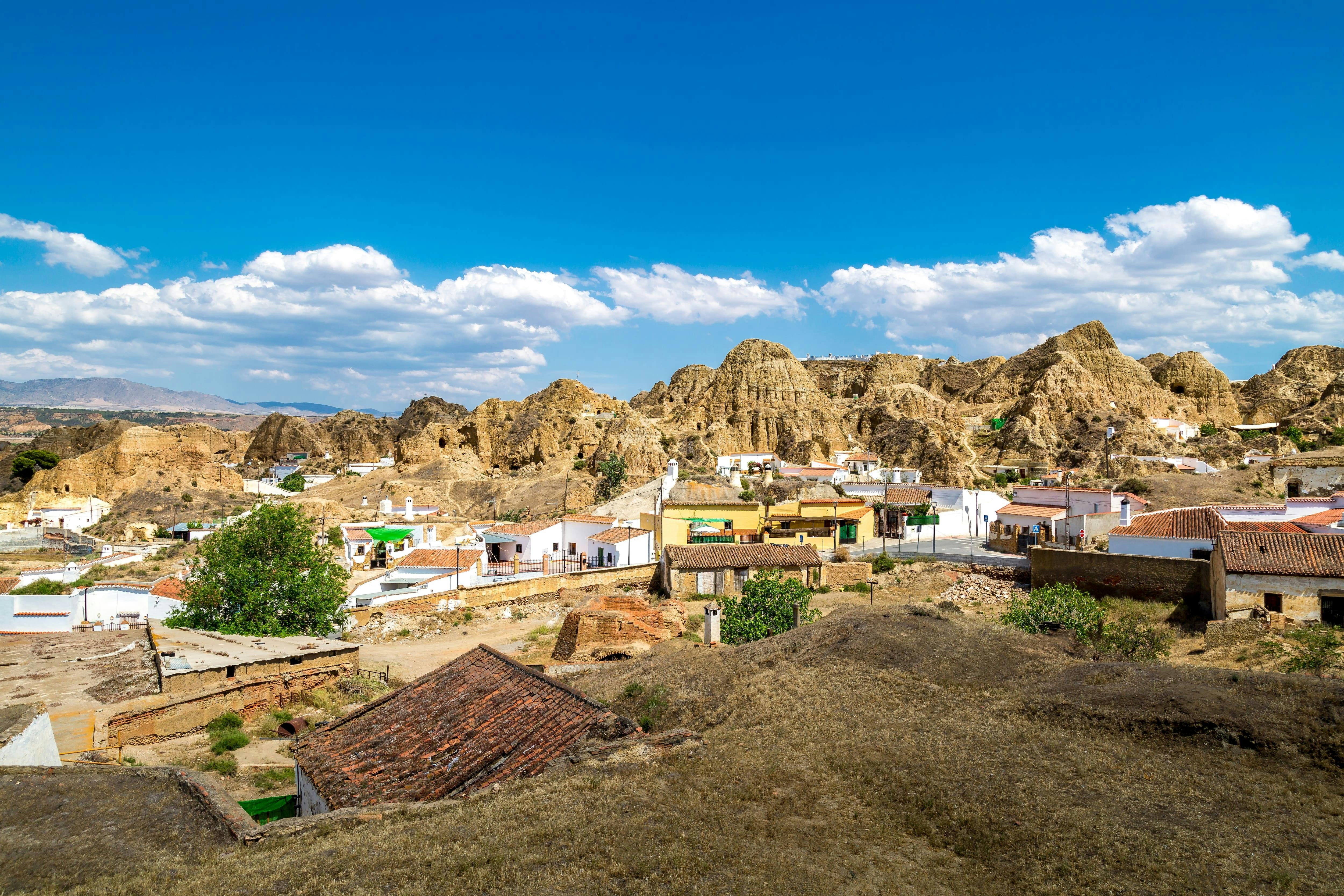
Maranhão is one of Brazil’s most distinctive travel destinations, known for the surreal dunes and seasonal lagoons of Lençóis Maranhenses, the colonial streets of São Luís, river villages, mangroves, beaches, Afro-Brazilian culture, regional food, and a strong sense of travelling somewhere a little different from the country’s more famous coastal states.
This is a destination for travellers who enjoy unusual landscapes, culture, history, boat trips, off-the-beaten-path routes, and a slower style of travel. Maranhão can be deeply rewarding, but it also requires realistic planning. Transfers can be long, heat can be intense, many natural areas need guided access, and the famous lagoons are seasonal. If you plan around those details, the state can be one of the most memorable parts of a trip to Brazil.
Where Is Maranhão?
Maranhão is in north-eastern Brazil, sitting between the Amazon region and Brazil’s northeastern coast. It borders Pará, Tocantins, and Piauí, and has a coastline shaped by rivers, dunes, mangroves, fishing villages, and Atlantic beaches.
São Luís is the state capital and the main arrival point for many travellers. It is the best place to begin if you want to explore the historic centre, visit nearby Alcântara, or continue onward to Lençóis Maranhenses, Atins, Santo Amaro, or the wider coastal route toward the Parnaíba Delta.
Why Visit Maranhão?
Maranhão’s appeal is its mix of landscapes and culture. The state has dramatic white dunes and seasonal freshwater lagoons, UNESCO-listed colonial streets in São Luís, river and mangrove scenery, relaxed beach towns, traditional music, local markets, seafood, and a travel atmosphere that feels less polished and less commercialised than many better-known parts of Brazil.
It suits travellers who like nature, photography, cultural history, regional food, river travel, and scenic routes that take time. It is not the easiest destination for a rushed itinerary, but it is excellent for people who enjoy planning around seasons, tides, transfers, and local guides.
Best Places to Visit in Maranhão
São Luís
São Luís is Maranhão’s capital and the most practical starting point for most visitors. The city is known for its historic centre, azulejo-tiled buildings, reggae culture, markets, coastal setting, and strong Afro-Brazilian and regional identity.
Travellers can explore the old streets, visit markets, try local food, enjoy cultural events, and use the city as a base for day trips to Alcântara or transfers to Lençóis Maranhenses. São Luís suits travellers interested in history and culture, but it is also a working city, so normal safety awareness is important. Use registered transport at night, keep valuables discreet, and ask locally about which areas are best for walking.
Historic Centre of São Luís
The Historic Centre of São Luís is one of the most important cultural areas in Maranhão. Its streets are known for colonial mansions, colourful tiles, balconies, churches, squares, and a layered history shaped by Portuguese, French, Dutch, African, Indigenous, and regional Brazilian influences.
This area suits travellers who enjoy architecture, photography, history, music, and slow wandering. Some streets are beautifully atmospheric, while others may feel quiet or worn, so it is best explored during the day or with a local guide. A guided walk can add valuable context to the buildings, tiles, and cultural history.
Palácio dos Leões
Palácio dos Leões is one of São Luís’ major landmarks, located near the historic centre with views toward the bay. It has political and historic importance and is often included in city sightseeing routes.
Travellers interested in history, architecture, and city views will find it a worthwhile stop. Access to interior areas may depend on current visiting arrangements, so check locally before planning around it. It combines well with a walk through the historic centre and nearby public spaces.
Mercado das Tulhas
Mercado das Tulhas is one of the best places in São Luís to experience local food, drink, crafts, and everyday market life. It is a good spot to try regional snacks, see local ingredients, buy small souvenirs, and get a sense of Maranhão’s flavours.
This market suits food lovers and travellers who enjoy practical, local places rather than polished tourist attractions. Go during active hours, keep belongings secure, and try regional specialities with an open mind.
Alcântara
Alcântara is a historic town across the bay from São Luís, known for colonial ruins, quiet streets, churches, viewpoints, and a slower atmosphere. It makes a rewarding cultural day trip, especially for travellers who enjoy history and photography.
Access is usually by boat from São Luís, and travel depends on tide, weather, and schedules. It is best to check departure and return times carefully, especially if you are not staying overnight. Alcântara suits travellers who want a quieter historical experience away from the capital’s busier streets.
Lençóis Maranhenses National Park
Lençóis Maranhenses National Park is Maranhão’s most famous natural attraction and one of Brazil’s most unusual landscapes. It is known for sweeping white dunes and seasonal freshwater lagoons that form after the rains. The result can look almost unreal: rolling sand, blue and green pools, open sky, and long horizons.
The park is best visited with guided 4WD tours from bases such as Barreirinhas, Santo Amaro do Maranhão, or Atins. Visitors should expect heat, sand walking, sun exposure, and changing conditions depending on the season. It is not a place to explore casually on your own, as access routes and protected-area rules need to be respected.
Barreirinhas
Barreirinhas is the main gateway town for Lençóis Maranhenses and the most developed base for first-time visitors. It has accommodation, restaurants, tour agencies, riverfront areas, and regular departures for 4WD tours into the dunes and boat trips along the Preguiças River.
Barreirinhas suits travellers who want convenience and organised tours. It is practical, but it can feel busy during high season. It is a good base for short visits, although travellers seeking quieter access to the dunes may also consider Santo Amaro or Atins.
Atins
Atins is a small village near the edge of Lençóis Maranhenses, where the Preguiças River meets the Atlantic. It is known for sandy streets, simple accommodation, kitesurfing, seafood, dune access, and a rustic coastal atmosphere.
Atins suits travellers who want a slower, more remote-feeling stay than Barreirinhas. It is especially popular with kitesurfers and travellers who like simple beach-village life. Access usually involves boat or 4WD transport, and infrastructure is more limited, so plan ahead and do not expect big-town convenience.
Santo Amaro do Maranhão
Santo Amaro do Maranhão is one of the best bases for seeing the lagoons of Lençóis Maranhenses, often with easier access to beautiful dune and lagoon areas close to town. It has a quieter atmosphere than Barreirinhas and can be very rewarding for travellers focused on the park itself.
It suits nature lovers, photographers, and travellers who want a less busy base. Roads and access have improved over time, but transport still needs planning, and guided 4WD tours remain the standard way to visit the dunes and lagoons. It is better as an overnight stay than a rushed day trip.
Caburé
Caburé is a narrow sandy area between the Preguiças River and the Atlantic Ocean, often visited on boat trips from Barreirinhas. It is a place of river views, beach scenery, simple restaurants, and a feeling of being between two waters.
Most visitors stop briefly as part of a Preguiças River tour, although some travellers stay overnight for a quieter experience. Facilities are limited, and conditions can feel exposed, so it suits travellers who enjoy simple coastal landscapes rather than developed resort areas.
Preguiças River
The Preguiças River is one of the classic travel experiences in the Lençóis Maranhenses region. Boat trips from Barreirinhas often pass river villages, mangroves, palm-lined banks, small beaches, and stops such as Vassouras, Mandacaru, and Caburé.
This is a good option for travellers who want a gentler day than walking in the dunes. It suits families, photographers, and people interested in river landscapes and local life. Conditions depend on weather, river levels, and tour arrangements, so choose a reputable operator and confirm the itinerary before booking.
Delta do Parnaíba Region
The Delta do Parnaíba region sits around the border area between Maranhão and Piauí and is part of the wider “Route of Emotions” that connects Lençóis Maranhenses, the Parnaíba Delta, and Jericoacoara. The area is known for river channels, islands, mangroves, birds, fishing communities, and boat trips.
For travellers continuing east from Maranhão, it can be a fascinating addition. Access may involve road transfers, boats, and overnight stops in nearby towns depending on your route. It suits travellers with more time who enjoy nature, river scenery, and slower regional travel.
Raposa
Raposa is a coastal town near São Luís known for fishing communities, boat trips, mangroves, dunes, and nearby beach landscapes. It is also associated with lacework and local crafts, making it a useful short escape from the capital.
Raposa suits travellers looking for a half-day or day trip from São Luís with a more local coastal feel. Boat trips and access to sandbank or beach areas depend on tide and weather, so check locally before going.
Carolina
Carolina is the main gateway town for Chapada das Mesas National Park in southern Maranhão. It is far from São Luís and Lençóis Maranhenses, so it should be treated as a separate part of the state rather than a quick add-on.
The town suits travellers interested in waterfalls, river scenery, hiking, rock formations, and inland adventure. It is more practical to visit Carolina as part of a longer itinerary, often with flights or road travel through nearby regional hubs. Having local transport or guided tours is useful for reaching natural attractions.
Chapada das Mesas National Park
Chapada das Mesas National Park is one of Maranhão’s great inland nature destinations. It is known for waterfalls, sandstone formations, plateaus, viewpoints, rivers, natural pools, and cerrado scenery. It offers a completely different experience from the dunes and lagoons of Lençóis Maranhenses.
This area suits hikers, nature lovers, photographers, and travellers who want to see a less obvious side of Maranhão. Many attractions are reached from Carolina and may require guided tours, local transport, or careful road planning. It is best visited over several days rather than rushed.
Lençóis Maranhenses and the Lagoons
Lençóis Maranhenses is special because of its rare combination of white sand dunes and seasonal freshwater lagoons. During the rainy months, water collects between the dunes, creating clear pools that can be deep enough for swimming. As the dry season progresses, the lagoons gradually shrink and some disappear.
Lagoon levels depend on rainfall and season, so timing matters. The best conditions are usually after the rainy season, when the lagoons are fuller but the weather is more stable. Exact conditions vary from year to year, which is why local advice is useful before booking.
Access usually requires guided 4WD tours from Barreirinhas, Santo Amaro, or Atins. Each base gives a different experience. Barreirinhas has the most infrastructure, Santo Amaro is often praised for easier access to beautiful lagoons, and Atins offers a rustic coastal feel with dune access and kitesurfing nearby.
Rivers, Mangroves and Boat Trips
Maranhão’s landscapes are strongly shaped by water. Around Barreirinhas, Atins, Caburé, and the Preguiças River, travellers can experience rivers, mangroves, small beaches, fishing villages, and boat journeys that feel very different from a standard beach holiday.
Boat trips along the Preguiças River are a good way to break up the heat and see the region from the water. Stops may include dunes, riverside villages, lookout points, and simple restaurants. Around Raposa and the Delta do Parnaíba region, boat trips can include mangroves, sandbanks, islands, and birdlife.
This is slow travel. Timetables, tides, weather, and river conditions matter, so avoid planning tight connections after boat-based activities.
Culture, History and Local Life
Maranhão has a rich cultural identity shaped by coastal, Amazonian, Afro-Brazilian, Indigenous, and northeastern influences. São Luís is the cultural heart of the state, with its tiled colonial buildings, historic streets, markets, music, and strong local traditions.
The city is especially known for reggae culture in Brazil, as well as Bumba Meu Boi, a major folk tradition involving music, dance, costumes, storytelling, and community celebration. Travellers visiting during festival periods may find São Luís especially lively, although accommodation and transport may need more planning.
Alcântara adds a quieter historical layer, with colonial ruins and a slower town atmosphere. In coastal and river areas, fishing communities remain central to local life. Markets, crafts, food stalls, boats, and festivals all help travellers understand Maranhão beyond its famous dunes.
Nature, Hiking and Outdoor Adventures
Maranhão offers a wide range of outdoor experiences. In Lençóis Maranhenses, travellers can walk across dunes, swim in lagoons, watch sunset over the sand, take boat trips, and join longer guided crossings if properly prepared. The heat and exposure are real, so dune walks should be timed carefully, usually avoiding the hottest part of the day.
Atins is a popular spot for kitesurfing, especially when wind conditions are favourable. Beginners should take lessons with qualified instructors, while experienced kitesurfers should check local wind, tide, and safety conditions before heading out.
In southern Maranhão, Chapada das Mesas offers waterfalls, rock formations, viewpoints, swimming holes, and hiking. This area is better for travellers who want a more active inland experience. Local guides are recommended for remote areas, protected sites, and trails where access or navigation may be unclear.
What to Eat in Maranhão
Maranhão has a distinctive regional cuisine, with influences from the coast, rivers, Indigenous traditions, Afro-Brazilian foodways, and the broader northeast. One of the best-known dishes is arroz de cuxá, a rice dish made with vinagreira leaves and other ingredients that give it a slightly tangy flavour.
Seafood is a major highlight, especially fresh fish, prawns, crab, seafood stews, and simple grilled dishes served near the coast or river. Tapioca, coconut-based dishes, tropical fruit juices, and market snacks are also common.
Juçara, the local name often used for açaí in Maranhão, is widely enjoyed and may be served in traditional regional styles. Food markets, simple lunch restaurants, beach eateries, and river stops are often the best places to try local flavours without overcomplicating the experience.
Best Time to Visit Maranhão
The best time to visit Maranhão depends on what you want to see. For Lençóis Maranhenses, the most popular period is usually after the rainy season, when the lagoons are fuller and conditions are better for swimming. In many years, this means roughly from June to September, although rainfall patterns vary.
The rainy season helps fill the lagoons, but heavy rain can affect road travel, tours, and comfort. Later in the dry season, the weather may be more predictable, but many lagoons begin to shrink or dry out. If Lençóis Maranhenses is your main reason for visiting, check current lagoon conditions before finalising dates.
São Luís can be visited at different times of year, although heat and rain should be expected as part of the climate. Chapada das Mesas can also be visited in different seasons, but waterfalls, roads, and trails may be affected by rain or dry conditions. For any nature-focused trip, build some flexibility into your plans.
How to Get to Maranhão
Many travellers arrive in Maranhão by air into São Luís. From there, Barreirinhas, Santo Amaro, Atins, Alcântara, Raposa, and other destinations require onward travel by bus, private transfer, boat, 4WD, ferry, or organised tour depending on the route.
Barreirinhas is commonly reached by road from São Luís. Santo Amaro also requires road access and local transport arrangements. Atins usually involves a combination of road and boat or 4WD transfer. Alcântara is typically reached by boat from São Luís, with schedules affected by tide and weather.
Chapada das Mesas and Carolina are much farther south and should be planned separately. Travellers may need domestic connections, long road transfers, or a route through nearby regional airports and cities. Do not underestimate the size of Maranhão when building an itinerary.
How Long Should You Spend in Maranhão?
With 2 to 3 days, you can focus on São Luís and Alcântara. This is enough for the historic centre, markets, local food, and a cultural day trip across the bay.
With 4 to 6 days, you can add Lençóis Maranhenses. A practical itinerary might include São Luís plus Barreirinhas, or a combination of Barreirinhas and Santo Amaro if you want more dune and lagoon time.
With 10 days or more, you can plan a broader Maranhão trip including São Luís, Lençóis Maranhenses, Atins, the Preguiças River, and possibly Chapada das Mesas. This kind of itinerary gives you enough time to experience both the coastal dune landscapes and the inland waterfalls without rushing every transfer.
Travel Tips for Visiting Maranhão
Use strong sun protection: The dunes and beaches are exposed, so bring sunscreen, sunglasses, a hat, and plenty of water.
Wear lightweight clothing: Breathable fabrics are useful in the heat and humidity.
Pack both sandals and walking shoes: Sandals are useful for boats and beach areas, while walking shoes can help on longer dune walks or rocky trails.
Use waterproof bags: Boat trips, lagoon visits, rain, and sandy conditions can easily damage phones and documents.
Book 4WD tours with reputable operators: Access to Lençóis Maranhenses usually requires proper vehicles and local knowledge.
Check the lagoon season: If the lagoons are your main reason for visiting, confirm current conditions before booking final travel dates.
Carry some cash: Cards are common in larger towns, but smaller villages, boat operators, local restaurants, and remote areas may require cash.
Allow time for transfers: Roads, boats, tides, and sandy access routes can make travel slower than expected.
Avoid dune walks in extreme heat: Early morning and late afternoon are usually more comfortable and safer.
Respect protected areas: Stay with guides where required, do not leave rubbish, avoid damaging vegetation, and follow park rules.
Plan for limited infrastructure: Atins, Caburé, Santo Amaro, and remote areas may have fewer services than larger beach towns.
Is Maranhão Worth Visiting?
Maranhão is absolutely worth visiting for travellers who enjoy unusual landscapes, culture, history, rivers, dunes, lagoons, regional food, and places that feel less commercialised. Lençóis Maranhenses alone makes the state stand out, but São Luís, Alcântara, the Preguiças River, Atins, and Chapada das Mesas add much more depth to the trip.
It is not the easiest destination in Brazil, and it is best enjoyed with realistic planning around weather, distances, transport, heat, and seasonal lagoon conditions. But for travellers who are patient and curious, Maranhão can be one of Brazil’s most unforgettable states.
FAQs About Visiting Maranhão
Is Maranhão safe for tourists?
Maranhão can be visited safely with sensible precautions, especially in established tourist areas, organised tours, and well-known towns. In São Luís, use registered transport at night, keep valuables discreet, and ask locally about safe walking areas. In natural areas, use reputable guides and follow safety advice around dunes, rivers, boats, and heat.
What is Maranhão best known for?
Maranhão is best known for Lençóis Maranhenses National Park, São Luís’ historic centre, seasonal freshwater lagoons, white sand dunes, the Preguiças River, Alcântara, reggae culture, Bumba Meu Boi traditions, seafood, mangroves, and Chapada das Mesas.
When is the best time to visit Lençóis Maranhenses?
Lençóis Maranhenses is usually best after the rainy season, when the lagoons are fuller. In many years, the most popular period is roughly from June to September, although conditions vary depending on rainfall. If seeing full lagoons is important, check current conditions before booking.
Do you need a guide in Maranhão?
You do not need a guide for simple sightseeing in São Luís, but guides are strongly recommended for Lençóis Maranhenses, remote dunes, longer walks, boat-based areas, Chapada das Mesas, and protected natural attractions. In many places, guided 4WD tours are the standard and safest way to visit.
Is São Luís worth visiting?
Yes. São Luís is worth visiting for its colonial historic centre, tiled buildings, markets, food, music, reggae culture, Bumba Meu Boi traditions, and access to Alcântara and Lençóis Maranhenses. It gives important cultural context before heading into the natural landscapes of Maranhão.
How many days do you need in Maranhão?
Allow 2 to 3 days for São Luís and Alcântara, 4 to 6 days for Lençóis Maranhenses, and 10 days or more for a broader trip including São Luís, Lençóis Maranhenses, Atins, the Preguiças River, and Chapada das Mesas.
Can you visit Lençóis Maranhenses without a 4WD tour?
For most travellers, visiting Lençóis Maranhenses properly requires a guided 4WD tour or organised local transport from Barreirinhas, Santo Amaro, or Atins. The park is large, sandy, exposed, and protected, so independent access is limited and not practical for most visitors.
Sponsored Popular Items
Quick take: Musement.com offers a worldwide selection of tours and attractions
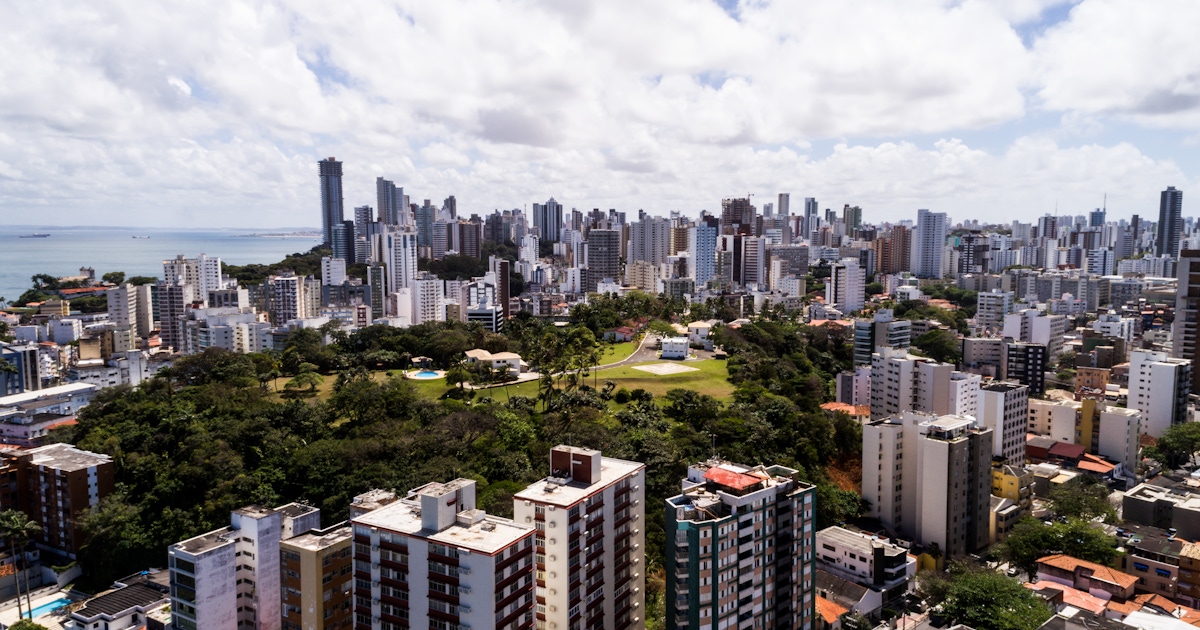
Salvador, Brazil Visitor Guide: Top Attractions, Tours & Activities Brazil Set on the coast of Bahia, it blends colonial architecture, Afro-Brazilian heritage, music, food, beaches, churches, islands and a warm tropical atmosphere that feels very different from Rio de Janeiro or…. Check current availability, inclusions and booking details before you go.
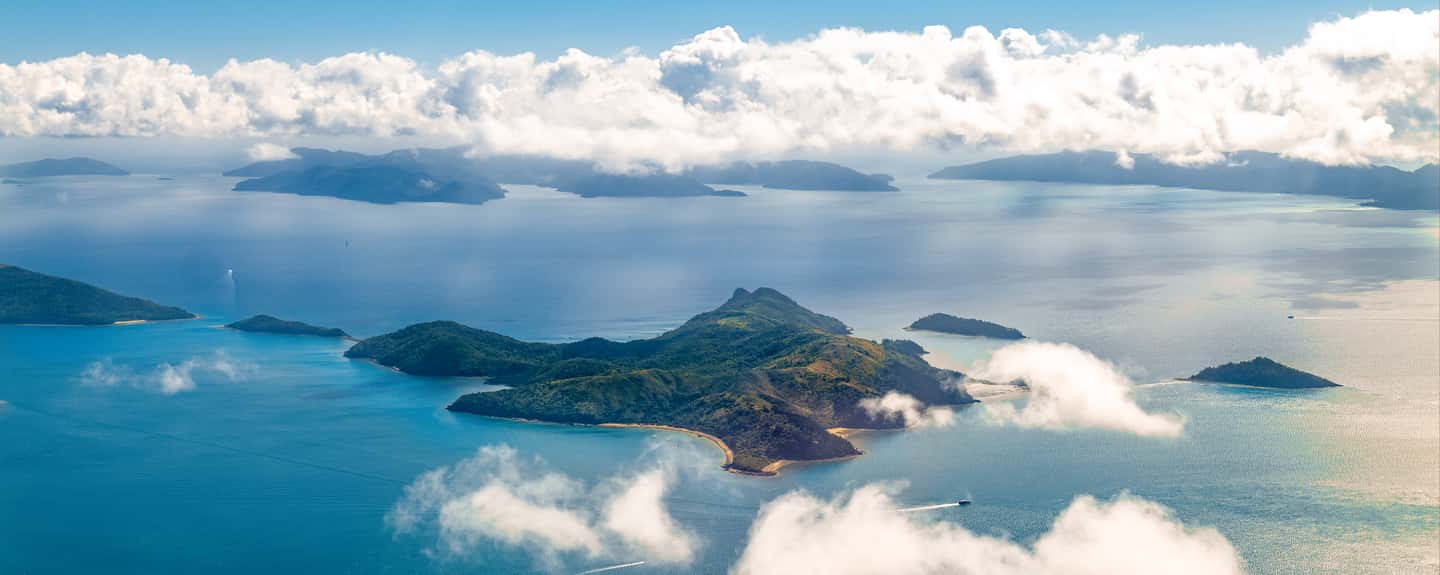
Best places to visit in the Whitsundays: Where to start Multiple Countries Lachlan lives in Paris and is the Head of Content and Community at misterb&b, an LGBTQ+ accommodation platform. He enjoys coffee and cocktails (not always in that order), and loves to… Check current availability, inclusions and booking conditions.
Goiás is one of Brazil’s best inland destinations for travellers who enjoy waterfalls, hiking, hot springs, colonial towns, caves, cerrado landscapes, traditional food, and nature-based travel. It does not have beaches, but it offers a completely different side of Brazil: open savanna scenery, clear swimming holes, historic streets, mountain views, thermal resorts, and some of the country’s most beautiful inland national parks.
This is a good state for travellers who like road trips, outdoor adventure, relaxed countryside towns, and places that feel more local than Brazil’s big coastal destinations. Goiás is especially rewarding if you are prepared to rent a car, plan around weather, and allow enough time for distances between towns, waterfalls, and parks.
Where Is Goiás?
Goiás is in central Brazil, surrounding the Federal District where Brasília is located. It sits in the heart of the cerrado, Brazil’s tropical savanna biome, and is known for waterfalls, plateaus, caves, rivers, hot springs, colonial towns, and agricultural landscapes.
Goiânia is the state capital and a major arrival point, especially for travellers heading to central and southern Goiás. Brasília is also very useful for accessing northern Goiás, including Chapada dos Veadeiros, Alto Paraíso de Goiás, Vila de São Jorge, and Cavalcante.
Why Visit Goiás?
Goiás is worth visiting for its waterfalls, hiking trails, hot springs, historic towns, cerrado wildlife, caves, scenic drives, traditional food, and slower countryside rhythm. It is a destination where you can spend one day wandering colonial streets in Pirenópolis or Goiás Velho, another swimming below waterfalls, and another soaking in hot mineral pools at Caldas Novas or Rio Quente.
The state suits travellers who enjoy nature without needing a beach, as well as hikers, road-trippers, families, couples, photographers, and anyone interested in Brazil’s inland landscapes. Some attractions are easy to visit, while others require guides, dirt roads, advance booking, or a good level of fitness.
Best Places to Visit in Goiás
Goiânia
Goiânia is the capital of Goiás and a practical starting point for many trips through the state. It is a large, modern city known for parks, markets, nightlife, shopping, regional food, and an easier pace than Brazil’s biggest metropolitan centres.
Travellers can visit local markets, try Goiano food, walk in city parks, and use Goiânia as a base before heading to Pirenópolis, Goiás Velho, Caldas Novas, or other inland destinations. It suits travellers who want a comfortable urban stop, but it is not usually the main reason people visit the state. One or two nights is enough for most visitors unless you have a specific reason to stay longer.
Goiás Velho / Cidade de Goiás
Goiás Velho, officially Cidade de Goiás, is one of the most atmospheric historic towns in the state. It was the former capital of Goiás and is known for colonial architecture, cobbled streets, churches, museums, old houses, and a slower pace that feels far removed from modern Goiânia.
The town suits travellers interested in history, photography, literature, architecture, and quiet cultural travel. It is best enjoyed overnight rather than as a rushed stop, especially if you want to walk the historic centre early in the morning or late in the afternoon when the light is softer and the heat is less intense.
Pirenópolis
Pirenópolis is one of the most popular weekend destinations in Goiás. It has cobbled streets, colonial churches, restored houses, restaurants, craft shops, guesthouses, waterfalls, and nearby nature reserves. The town is charming, lively, and easy to combine with outdoor activities.
It suits couples, families, food lovers, and travellers who want a mix of history and nature. Pirenópolis can be visited from Goiânia or Brasília, but it is much better as an overnight stay. Weekends and holidays can be busy, so book ahead if travelling during peak periods. Many waterfalls are outside town and may require a car, taxi, tour, or local transfer.
Chapada dos Veadeiros National Park
Chapada dos Veadeiros National Park is one of the great natural highlights of Goiás. It is known for waterfalls, canyons, quartz-rich landscapes, cerrado vegetation, viewpoints, natural pools, and long walking trails. The park is a major destination for hikers and nature lovers.
The main access points are near Alto Paraíso de Goiás and Vila de São Jorge. Some trails are well managed, while others can be long, hot, rocky, or exposed. Entry rules, visitor limits, and trail access can change, so check current park information before going. Chapada dos Veadeiros is not ideal as a rushed day trip from Brasília; it deserves several days.
Alto Paraíso de Goiás
Alto Paraíso de Goiás is one of the main bases for visiting Chapada dos Veadeiros. It has guesthouses, restaurants, tour agencies, alternative shops, and access to many waterfalls and natural attractions. The town has a relaxed, slightly bohemian feel and attracts hikers, wellness travellers, backpackers, and nature-focused visitors.
It is useful for exploring waterfalls outside the national park as well as arranging tours to more remote areas. Having a car is helpful, although some tours and transfers are available. Distances between attractions can be significant, and some roads may be rough or affected by rain.
Vila de São Jorge
Vila de São Jorge is a small village near the entrance to Chapada dos Veadeiros National Park. It has a rustic, relaxed atmosphere, simple restaurants, guesthouses, and direct access to some of the park’s main trails.
São Jorge suits travellers who want to be close to the national park and do not mind a smaller, more informal base. It is especially convenient for hikers. Roads and services are more limited than in larger towns, so arrive with realistic expectations and book accommodation ahead during busy periods.
Cavalcante
Cavalcante is a quieter and more remote base in the Chapada dos Veadeiros region. It is especially known for access to waterfalls, cerrado scenery, and nearby Kalunga communities, descendants of quilombola communities with deep historical and cultural roots.
Cavalcante suits travellers who want to go beyond the more visited parts of Chapada. Many attractions require guides, local permits, or careful planning, particularly when visiting waterfalls on community land. Roads can be rough, and travel times can be longer than expected, so it is better as an overnight or multi-night stay rather than a quick detour.
Santa Bárbara Waterfall
Santa Bárbara Waterfall is one of the most famous waterfalls in Goiás, known for its striking clear blue water and beautiful setting near Cavalcante. It is often visited with a local guide and is connected to the Kalunga community area.
This is a highly popular attraction, so visitor numbers, time limits, access rules, and guide requirements should be checked before travelling. It suits travellers who are prepared to plan properly and respect local community rules. The experience can be wonderful, but it is not a place to visit casually without checking access conditions in advance.
Caldas Novas
Caldas Novas is one of Brazil’s best-known hot-spring destinations. It is famous for thermal pools, family resorts, water parks, and a relaxed holiday atmosphere. The hot mineral waters are the main attraction, and many visitors come simply to rest, swim, and enjoy resort-style facilities.
Caldas Novas suits families, couples, and travellers wanting an easy, comfortable break rather than remote nature. It can become very busy during school holidays, long weekends, and peak travel periods, so book ahead and expect crowds at popular resorts and pools.
Rio Quente
Rio Quente is another major thermal-water destination near Caldas Novas. It is known for warm natural water, resort areas, and family-friendly relaxation. Many travellers combine Caldas Novas and Rio Quente on the same trip.
This area suits travellers who want hot springs, comfort, and easy leisure rather than hiking or rustic travel. It is best planned as an overnight stay if you want to enjoy the pools without rushing. As with Caldas Novas, it can be busy during holidays and weekends.
Terra Ronca State Park
Terra Ronca State Park is one of Goiás’ most impressive cave destinations. It is known for large limestone caves, underground rivers, dramatic chambers, and rugged landscapes near the border with Bahia. The name “Terra Ronca” refers to the sound of water echoing through the caves.
This is a destination for adventurous travellers, not casual sightseeing. Access often involves long drives, dirt roads, basic infrastructure, and guided cave visits. A local guide is essential for safety and navigation. Terra Ronca suits travellers who enjoy geology, hiking, caves, and remote nature, and it is best visited with enough time rather than squeezed into a packed itinerary.
Serra da Mesa Lake
Serra da Mesa Lake is one of Brazil’s largest artificial lakes and is known for boating, fishing, islands, wide water views, and quiet lakeside stays. It offers a different kind of nature experience from waterfalls and hot springs.
The area suits travellers who enjoy fishing, boating, relaxed water-based travel, and remote lakeside scenery. Infrastructure varies depending on where you stay, so planning is important. Having a car is useful, and many activities depend on local operators or accommodation arrangements.
Trindade
Trindade is an important religious destination near Goiânia, best known for Catholic pilgrimage and major religious celebrations. It attracts many Brazilian visitors, especially during festival periods, and has churches, devotional sites, and a strong local faith tradition.
Trindade suits travellers interested in religious culture, local festivals, and everyday Brazilian pilgrimage traditions. It is easy to visit from Goiânia as a day trip. During major events, expect crowds, traffic, and higher demand for services.
Formosa and Nearby Waterfalls
Formosa is in eastern Goiás, not far from Brasília, and is known for nearby waterfalls, caves, sinkholes, and outdoor attractions. It can be a useful base for travellers who want nature experiences without travelling all the way to Chapada dos Veadeiros.
The area suits road-trippers, hikers, and travellers based in Brasília who want a nature-focused day trip or overnight stay. Some attractions require guides or specific access arrangements, and roads may vary depending on the season. Check conditions before setting out, especially during the rainy season.
Waterfalls, Hiking and Outdoor Adventures
Goiás is one of Brazil’s best states for waterfalls and inland outdoor travel. The cerrado landscapes create clear rivers, rocky plateaus, canyons, swimming holes, viewpoints, and trails that range from easy walks to demanding hikes. Chapada dos Veadeiros is the most famous area, but Pirenópolis, Formosa, Cavalcante, and Terra Ronca also offer excellent nature experiences.
Travellers can swim below waterfalls, walk through cerrado vegetation, visit caves, explore natural pools, and take scenic drives between small towns. However, nature travel in Goiás requires care. Some attractions have entrance limits, private-property rules, guide requirements, or seasonal access changes. During busy periods, popular waterfalls may require advance booking or early arrival.
Waterfall safety matters. Rocks can be slippery, water levels can rise quickly after rain, and some swimming holes have strong currents or hidden hazards. Follow posted rules, listen to local guides, and avoid entering water during storms or immediately after heavy rain.
Hot Springs and Relaxed Escapes
Caldas Novas and Rio Quente are the main hot-spring destinations in Goiás. They are very different from the hiking and waterfall areas of Chapada dos Veadeiros, offering thermal pools, resorts, family-friendly attractions, and a more relaxed holiday style.
These areas suit families, couples, older travellers, and anyone who wants comfort, warm water, and easy facilities. They are also popular with Brazilian domestic travellers, so they can become crowded during school holidays, long weekends, Carnival, and other peak periods.
If you want a peaceful hot-spring escape, travel outside peak times where possible and check accommodation carefully. Some places are large and resort-like, while others are quieter and simpler.
Culture, History and Local Life
Goiás has a strong inland identity shaped by colonial history, rural traditions, cerrado landscapes, religious festivals, music, food, and countryside towns. Goiás Velho is one of the best places to experience the state’s historic character, with cobbled streets, old churches, museums, and a slower pace.
Pirenópolis also has colonial charm, with churches, festivals, crafts, restaurants, and easy access to nearby waterfalls. Goiânia offers a more urban side of the state, with parks, markets, local food, and cultural venues. Trindade shows the importance of religious devotion and pilgrimage in the region.
The cerrado itself is part of local identity. Its plants, fruits, rivers, and seasonal changes influence food, farming, crafts, and outdoor life. Travellers who take time to visit markets, talk with guides, and eat regional dishes will get a better sense of Goiás beyond the major attractions.
What to Eat in Goiás
Food is one of the great pleasures of visiting Goiás. The state is known for hearty, comforting dishes with strong countryside roots. Pamonha, made from corn, is a classic snack and can be sweet or savoury. Empadão goiano is a rich savoury pie often filled with chicken, sausage, cheese, and regional ingredients.
Pequi is one of the most distinctive flavours of Goiás. It is often used in rice with pequi or galinhada, a chicken-and-rice dish. Pequi has a strong aroma and flavour, and it must be eaten carefully because of its spiny inner pit. It is one of those foods travellers tend to either love or find challenging, but it is an important part of Goiano cuisine.
Other foods to try include local cheeses, farm-style meals, fresh tropical fruit juices, market snacks, sweets, and simple countryside lunches. Goiás is a good place to eat slowly and try regional dishes that are very different from Brazil’s coastal seafood cuisine.
Best Time to Visit Goiás
Goiás has a dry season and a rainy season, and the difference matters for travel planning. The dry season, generally from around May to September, is often better for hiking, road trips, waterfalls, and outdoor activities. Trails are usually easier, skies can be clearer, and dirt roads may be more manageable.
The rainy season, generally from around October to April, makes the cerrado greener and can make waterfalls more powerful. However, heavy rain may affect dirt roads, trails, cave access, and swimming conditions. Flash flooding can be a risk near waterfalls and rivers, so take local advice seriously.
Peak travel periods such as school holidays, long weekends, and major festivals can make Pirenópolis, Chapada dos Veadeiros, Caldas Novas, and Rio Quente much busier. Book accommodation early if travelling during these times.
How to Get to Goiás
Travellers can arrive in Goiás by air into Goiânia or Brasília, depending on the itinerary. Goiânia is useful for central and southern destinations such as Pirenópolis, Goiás Velho, Caldas Novas, Rio Quente, and Trindade. Brasília is often the better gateway for Chapada dos Veadeiros, Alto Paraíso, Vila de São Jorge, Cavalcante, and Formosa.
Many of Goiás’ best natural attractions are easier to reach with a rental car, private transfer, or organised tour. Public buses connect major towns, but they are less convenient for waterfalls, trailheads, caves, scenic roads, and flexible itineraries.
If renting a car, check whether your route includes dirt roads, remote areas, or rough access tracks. During the rainy season, some roads can become more difficult, especially in rural and park areas.
How Long Should You Spend in Goiás?
With 2 to 3 days, you can focus on Goiânia, Pirenópolis, or Goiás Velho. This is enough for a short cultural break, a few waterfalls near Pirenópolis, or a quick introduction to the state’s food and historic towns.
With 5 to 7 days, Chapada dos Veadeiros becomes much more realistic. You can stay in Alto Paraíso or Vila de São Jorge, visit waterfalls, hike in the national park, and possibly include Cavalcante or Santa Bárbara Waterfall if planned well.
With 10 days or more, you can build a broader Goiás itinerary combining waterfalls, hot springs, colonial towns, and national parks. A varied trip might include Brasília or Goiânia, Pirenópolis, Chapada dos Veadeiros, Cavalcante, Caldas Novas or Rio Quente, and Goiás Velho. Terra Ronca or Serra da Mesa Lake require extra time because of distance and logistics.
Travel Tips for Visiting Goiás
Rent a car if possible: Many waterfalls, scenic drives, trailheads, and smaller towns are much easier to reach with your own transport.
Check road conditions: Dirt roads can be affected by rain, and some remote routes may be slow or rough.
Carry some cash: Cards are common in larger towns, but smaller villages, waterfall entrances, guides, and rural restaurants may require cash.
Book early in peak periods: Pirenópolis, Chapada dos Veadeiros, Caldas Novas, and Rio Quente can fill up during holidays and long weekends.
Use local guides where needed: Guides are important for remote trails, caves, community areas, and some waterfalls near Cavalcante and Terra Ronca.
Wear proper walking shoes: Trails can be rocky, slippery, hot, or uneven, even when they are not very long.
Bring sun protection: The cerrado sun can be strong, so carry sunscreen, a hat, sunglasses, and plenty of water.
Use insect repellent: Mosquitoes and other insects can be common near rivers, waterfalls, and forested areas.
Respect waterfall safety rules: Avoid swimming after heavy rain, do not jump into unknown water, and follow local warnings.
Allow enough travel time: Distances between towns and attractions can be longer than expected, especially on rural roads.
Is Goiás Worth Visiting?
Goiás is absolutely worth visiting for travellers who enjoy nature, waterfalls, hiking, hot springs, historic towns, traditional food, and inland Brazil. It offers a very different experience from the country’s beach destinations, with cerrado landscapes, colonial charm, caves, thermal waters, and some truly memorable outdoor adventures.
It is best enjoyed with realistic planning. Distances can be long, public transport is not always convenient for nature attractions, weather affects roads and trails, and popular places can become crowded during holidays. But with enough time, good transport planning, and a flexible attitude, Goiás can be one of Brazil’s most rewarding inland travel destinations.
FAQs About Visiting Goiás
Is Goiás safe for tourists?
Goiás can be visited safely with normal travel precautions, especially in established tourist towns, national parks, organised tours, and well-known hot-spring destinations. In cities, use registered transport at night and avoid displaying valuables. In nature areas, follow trail rules, use guides where recommended, and take weather warnings seriously.
What is Goiás best known for?
Goiás is best known for waterfalls, Chapada dos Veadeiros, Pirenópolis, Goiás Velho, Caldas Novas, Rio Quente, cerrado landscapes, caves, hot springs, colonial towns, and traditional foods such as pamonha, empadão goiano, pequi, and galinhada.
Is Chapada dos Veadeiros worth visiting?
Yes. Chapada dos Veadeiros is one of the best nature destinations in central Brazil, especially for waterfalls, hiking, canyons, cerrado scenery, and swimming holes. It is worth spending several days there rather than trying to visit quickly from Brasília.
Do you need a car in Goiás?
You do not need a car for every trip, but having one makes Goiás much easier to explore. Many waterfalls, caves, scenic routes, and smaller towns are difficult to reach by public transport. If you do not want to drive, consider private transfers or organised tours.
What is the best time to visit Goiás?
The dry season, roughly from May to September, is often the best time for hiking, waterfalls, road trips, and outdoor activities. The rainy season, roughly from October to April, brings greener landscapes and stronger waterfalls but can affect dirt roads, trails, cave access, and swimming safety.
How many days do you need in Goiás?
Allow 2 to 3 days for Goiânia, Pirenópolis, or Goiás Velho, 5 to 7 days for Chapada dos Veadeiros, and 10 days or more for a broader trip combining waterfalls, hot springs, colonial towns, caves, and national parks.
Is Goiânia worth visiting?
Goiânia is worth visiting as a practical gateway and a good place to try local food, visit markets, enjoy parks, and begin a Goiás itinerary. It is not the state’s main nature highlight, but it can be a comfortable and useful stop before travelling to Pirenópolis, Goiás Velho, Caldas Novas, or other destinations.
Espírito Santo is one of Brazil’s most underrated states. It sits between better-known destinations such as Rio de Janeiro, Bahia, and Minas Gerais, so many international travellers pass it by without realising how much variety it offers. Within a relatively compact area, you can find beaches, mountain villages, colonial towns, seafood, hiking trails, coffee regions, waterfalls, and a relaxed coastal rhythm that feels less intense than some of Brazil’s bigger-name destinations.
This is a good state for travellers who want a balanced Brazil trip without huge international crowds. Espírito Santo suits beach lovers, food travellers, hikers, road-trippers, couples, families, and anyone interested in seeing a quieter side of south-eastern Brazil. It is not as famous as Rio or Bahia, but that is part of its appeal: the travel experience can feel more local, practical, and pleasantly unhurried.
Where Is Espírito Santo?
Espírito Santo is in south-eastern Brazil, bordered by Bahia to the north, Minas Gerais to the west, and Rio de Janeiro to the south. It has an Atlantic coastline, mountain areas inland, and a mix of urban beaches, fishing communities, historic towns, coffee-growing regions, and scenic highland routes.
Vitória is the state capital and the main arrival point for many travellers. The city is built around islands, bridges, bays, beaches, and mangrove areas, and it works well as a starting base for visiting nearby Vila Velha, Guarapari, Domingos Martins, Pedra Azul, and other parts of the state.
Why Visit Espírito Santo?
Espírito Santo is worth visiting because it offers a little bit of everything without requiring the same scale of travel as some larger Brazilian states. You can enjoy beaches and seafood along the coast, then drive inland to cooler mountain villages with European-influenced communities, coffee farms, hiking trails, waterfalls, and scenic viewpoints.
The state is also known for its strong food identity, especially moqueca capixaba, a lighter, fragrant fish stew traditionally cooked in a clay pot. Travellers who enjoy regional cuisine, local markets, coastal drives, mountain air, and smaller towns will find Espírito Santo especially rewarding.
Best Places to Visit in Espírito Santo
Vitória
Vitória is the capital of Espírito Santo and one of Brazil’s more scenic state capitals. It has beaches, bays, bridges, parks, seafood restaurants, historic areas, and a relaxed coastal feel. While it is a working city rather than a resort town, it makes a practical and enjoyable base for exploring the region.
Travellers can walk along the waterfront, visit beaches such as Camburi, explore local markets, try moqueca capixaba, and take short trips to Vila Velha. Vitória suits travellers who want convenience, good food, coastal scenery, and access to both beaches and mountains. As in any city, use normal safety precautions, especially at night and in quieter areas.
Vila Velha
Vila Velha sits just across the bay from Vitória and is one of the most popular places to visit in Espírito Santo. It has beaches, views, historic sites, shopping areas, and easy access from the capital. Many travellers visit Vila Velha as a day trip, although staying overnight can be pleasant if you want more beach time.
The city suits families, couples, and travellers who want beach access without moving far from Vitória. It is especially useful for visiting Praia da Costa and the Convento da Penha, two of the state’s best-known attractions.
Convento da Penha
The Convento da Penha is one of Espírito Santo’s most important landmarks. Set on a hill above Vila Velha, the convent offers sweeping views over Vitória, Vila Velha, the coastline, and the surrounding bays. It is both a religious site and a scenic viewpoint, making it worthwhile even for travellers who are not focused on church visits.
The climb or transport up the hill depends on current access arrangements, so check locally before visiting. It suits travellers interested in history, architecture, photography, and panoramic views. Dress respectfully, as it remains an active religious site.
Praia da Costa
Praia da Costa is one of Vila Velha’s most popular urban beaches. It has a long stretch of sand, apartment-lined waterfront, restaurants, kiosks, and easy access to city services. It is a practical choice for travellers who want a beach day close to Vitória.
The beach suits families, walkers, and visitors who like convenience. Sea conditions can vary, with some areas better for swimming than others, so pay attention to local advice, flags, and surf conditions. Weekends and holidays can be busy.
Guarapari
Guarapari is one of Espírito Santo’s best-known beach destinations. It has several beaches, seafood restaurants, summer holiday atmosphere, and a long tradition as a coastal getaway for locals and domestic travellers. Some beaches are calm and family-friendly, while others have stronger waves or a livelier feel.
Guarapari is roughly an hour from Vitória by road, depending on traffic, which makes it possible as a day trip. However, it is better as an overnight stay if you want to enjoy the beaches without rushing. It can become crowded during school holidays, summer, Carnival, and long weekends, so book ahead in peak periods.
Anchieta
Anchieta is a quieter coastal town south of Guarapari, known for beaches, local history, fishing traditions, and a more relaxed pace. It is associated with the Jesuit missionary José de Anchieta and has historic and religious significance, as well as access to nearby beach areas.
This destination suits travellers who want a calmer coastal stop, especially if they are exploring the south coast by car. It is better for slow travel than for a rushed sightseeing checklist, and it can combine well with Guarapari or other nearby beaches.
Domingos Martins
Domingos Martins is a mountain town with a cooler climate, European-influenced heritage, cafés, gardens, local shops, and access to scenic drives. It is one of the easiest highland escapes from Vitória and is popular with travellers looking for fresh air and a change from the coast.
The town suits couples, families, food lovers, and road-trippers. It can be visited as a day trip from Vitória, but staying overnight gives you more time to enjoy the cooler evenings, nearby viewpoints, and mountain atmosphere. Roads are generally manageable, but mountain driving requires attention, especially in rain or fog.
Pedra Azul State Park
Pedra Azul State Park is one of Espírito Santo’s most famous natural attractions. The park is named after its striking blue-toned rock formation, which changes appearance depending on light and weather. The surrounding area has trails, viewpoints, forest, fresh air, and a strong mountain feel.
This area suits hikers, photographers, couples, and travellers who enjoy scenic landscapes. Some trails require advance booking or guided access depending on park rules and conditions, so check before travelling. Weather can change quickly in the mountains, and mist may affect views, so allow flexibility if Pedra Azul is a major priority.
Rota do Lagarto
Rota do Lagarto is a scenic route near Pedra Azul, known for mountain views, charming restaurants, cafés, gardens, local produce, and access to countryside stays. It is one of the most attractive drives in Espírito Santo and a good way to experience the state’s highland atmosphere.
The route suits travellers with a rental car, couples looking for a relaxed mountain escape, and anyone interested in food, views, and slow travel. It is best enjoyed at an unhurried pace rather than as a quick stop. Roads can be narrow or winding in places, so drive carefully.
Santa Teresa
Santa Teresa is a charming mountain town known for Italian heritage, coffee culture, local restaurants, nature, hummingbirds, and a relaxed artistic feel. It has a cooler climate than the coast and offers a different side of Espírito Santo’s identity.
The town suits travellers interested in culture, food, coffee, nature, and slower countryside travel. It is better as an overnight stay than a quick stop, especially if you want to explore nearby nature areas, try local food, and enjoy the town without rushing.
Itaúnas
Itaúnas is one of the most distinctive coastal destinations in Espírito Santo. Located in the far north of the state, it is known for dunes, beaches, forró music, a small-village atmosphere, and nearby protected natural areas. The landscape feels very different from the urban beaches around Vitória.
Itaúnas suits travellers who like rustic beach towns, music, sand dunes, and a slower rhythm. It is not a quick day trip from Vitória, as the drive can take several hours. It is much better as an overnight or multi-night stay. Infrastructure is more limited than in larger beach towns, so plan transport and accommodation ahead.
Conceição da Barra
Conceição da Barra is a northern coastal town near the mouth of the São Mateus River, with beaches, river scenery, fishing culture, and access toward Itaúnas. It has a more local and less polished feel than the state’s better-known beach areas.
This destination suits travellers exploring the northern coast by car, especially those interested in quieter beaches and river landscapes. It is better for independent travellers or those comfortable with slower travel and fewer tourist services.
Linhares
Linhares is an important city in northern Espírito Santo, known for lakes, coastal access, agriculture, and natural areas. It is not usually the first place tourists think of, but it can be useful for travellers exploring the north of the state or looking for a base near lagoons and quieter coastal areas.
Linhares suits road-trippers and travellers interested in local life beyond the main tourist trail. Having a car is useful here, as natural areas and beaches are spread out and may not be convenient by public transport.
Caparaó Region and Pico da Bandeira
The Caparaó region, on the border between Espírito Santo and Minas Gerais, is one of the best areas in the state for serious hiking. Pico da Bandeira is one of Brazil’s highest peaks and is a major goal for hikers who want mountain views, cooler weather, and a more adventurous side of Espírito Santo.
This region suits active travellers, hikers, and nature lovers. It is not a casual beach-style outing. Trails require planning, fitness, appropriate clothing, and attention to weather conditions. Many travellers use nearby towns as bases and arrange hikes with local guidance, especially if attempting sunrise walks or longer routes. Allow at least a few days if you want to explore the area properly.
Best Beaches in Espírito Santo
Espírito Santo has a varied coastline, ranging from urban beaches near Vitória and Vila Velha to quieter northern stretches and family-friendly beach towns in the south. Praia da Costa is one of the easiest beaches for visitors staying near the capital, offering convenience, restaurants, and city services.
Guarapari is one of the state’s classic beach destinations, with several beaches to choose from and a strong summer holiday atmosphere. Anchieta and nearby coastal areas are good for travellers who want a quieter south-coast experience. Farther north, Itaúnas and Conceição da Barra offer dunes, fishing-village character, and a less commercialised feel.
Beach conditions vary across the state. Some beaches are better for families and calm swimming, while others have stronger waves, currents, or surf. Always check local advice before swimming, especially on beaches without lifeguards.
Mountains, Hiking and Scenic Drives
One of the best things about Espírito Santo is how quickly the landscape changes from coast to mountains. Domingos Martins, Pedra Azul, Rota do Lagarto, Santa Teresa, and the Caparaó region all offer cooler weather, scenic roads, viewpoints, waterfalls, cafés, local produce, and hiking opportunities.
Pedra Azul is ideal for travellers who want mountain scenery without going too far from Vitória. Rota do Lagarto is excellent for a scenic drive with food stops and countryside views. Santa Teresa adds culture, coffee, and Italian-influenced heritage, while Caparaó is better for more serious hikers aiming for Pico da Bandeira.
Mountain weather can change quickly. Mist, rain, cooler temperatures, and slippery trails are all possible, even if the coast is sunny. Bring layers, check trail conditions, and consider local guidance for longer or more remote walks.
Culture, History and Local Life
Espírito Santo has a strong local identity shaped by the coast, mountains, fishing communities, immigration history, coffee production, and regional food traditions. Vitória and Vila Velha are good starting points for understanding the state’s history and everyday life, especially through markets, seafood restaurants, waterfront areas, and historic sites.
The Convento da Penha is one of the state’s most important cultural and religious landmarks, while Vila Velha and Vitória together show the connection between colonial history, port life, urban beaches, and modern development.
In the mountains, Italian and German cultural influences are visible in food, festivals, architecture, family-run businesses, and local traditions. Coffee culture is also important, with many inland areas connected to coffee growing and rural tourism. Traditional crafts, clay pots used for moqueca, and fishing-community traditions are also part of the state’s cultural landscape.
What to Eat in Espírito Santo
Espírito Santo is one of Brazil’s best states for seafood lovers. The signature dish is moqueca capixaba, a fish stew traditionally made with fresh fish, tomato, onion, coriander, annatto, and olive oil, cooked in a traditional clay pot. Unlike Bahia’s version, moqueca capixaba usually does not use coconut milk or dendê oil, giving it a lighter flavour.
Torta capixaba is another important regional dish, especially associated with Easter, and is often made with seafood, fish, crab, prawns, and other ingredients depending on the recipe. Fresh fish, prawns, crab, grilled seafood, tapioca, tropical fruit juices, and beachside snacks are also worth trying.
In the mountains, look for local coffee, homemade sweets, breads, cheeses, jams, and European-influenced dishes. A good Espírito Santo itinerary should include both coastal seafood and mountain food stops.
Best Time to Visit Espírito Santo
Espírito Santo can be visited year-round, but the best time depends on whether you are focusing on beaches or mountains. Warmer months are popular for beach trips, especially around Guarapari, Vila Velha, and the southern coast. This is also when coastal towns can feel livelier, but it may bring bigger crowds during school holidays, Carnival, New Year, and long weekends.
The mountain areas can be pleasant for cooler escapes, particularly when travellers want hiking, scenic drives, cafés, and a break from the heat. Weather in the mountains can be more variable, with mist and rain possible, so it is worth packing layers and allowing flexibility.
If you prefer quieter travel, avoid the busiest holiday periods and consider travelling outside peak summer weeks. You may find calmer beaches, easier accommodation options, and a more relaxed pace.
How to Get to Espírito Santo
Many travellers arrive in Espírito Santo by air into Vitória, which is the main gateway to the state. From Vitória, nearby destinations such as Vila Velha, Praia da Costa, and the Convento da Penha are easy to reach by road.
Other destinations can be reached by rental car, buses, private transfers, or organised tours. Having a car is especially useful if you want to explore beaches, mountain towns, scenic routes, Pedra Azul, Santa Teresa, Itaúnas, or the Caparaó region at your own pace.
Public transport is available between major towns, but it may be less convenient for scenic stops, trailheads, small villages, and beach-hopping. If you plan a wider itinerary, driving or arranging transfers will usually make the trip smoother.
How Long Should You Spend in Espírito Santo?
With 2 to 3 days, focus on Vitória and Vila Velha. You can visit the Convento da Penha, enjoy Praia da Costa, explore the capital’s waterfront, and try moqueca capixaba.
With 5 to 7 days, add Guarapari or Anchieta for beach time and include Domingos Martins, Pedra Azul, or Rota do Lagarto for mountain scenery. This gives you a good mix of coast, food, culture, and highland landscapes.
With 10 days or more, you can explore more widely. A broader route could include Vitória, Vila Velha, Guarapari, Pedra Azul, Santa Teresa, Itaúnas, Conceição da Barra, Linhares, and possibly the Caparaó region. This length of trip is better if you want to see both the northern coast and the mountains without rushing.
Travel Tips for Visiting Espírito Santo
Check beach conditions: Some beaches are calm and family-friendly, while others have waves, currents, or rocky areas. Ask locally before swimming.
Use sun protection: Bring sunscreen, sunglasses, a hat, and water, especially for beach days and exposed viewpoints.
Carry some cash: Cards are widely accepted in cities, but smaller towns, beach kiosks, rural areas, and local markets may be easier with cash.
Rent a car for flexibility: A car is very useful for exploring mountain routes, smaller beach towns, and scenic drives.
Check trail conditions: For Pedra Azul, waterfalls, and Caparaó hikes, confirm access rules, weather, and whether a guide is recommended.
Book ahead during holidays: Guarapari, Pedra Azul, Itaúnas, and other popular areas can become busy during school holidays and long weekends.
Allow time for mountain roads: Routes can be winding, misty, or slower than expected, especially in rain.
Use registered transport: In cities and at night, use taxis, ride apps, hotel-arranged transport, or reputable transfer services.
Try local seafood: Moqueca capixaba is a must-try dish, especially in coastal areas.
Pack for two climates: Beach areas can be hot and sunny, while mountain towns can be cooler, especially at night.
Is Espírito Santo Worth Visiting?
Espírito Santo is worth visiting for travellers who want a balanced Brazil trip with beaches, seafood, mountains, culture, hiking, and fewer international crowds. It may not have the global name recognition of Rio de Janeiro or Bahia, but it offers a rewarding mix of landscapes and local experiences in a relatively manageable area.
The state is best enjoyed with realistic planning. Transport matters, mountain weather can change quickly, coastal towns can be busy in peak periods, and distances to the northern coast or Caparaó region are longer than a quick glance at the map might suggest. But if you allow enough time and plan your route well, Espírito Santo can be one of the most pleasantly surprising destinations in south-eastern Brazil.
FAQs About Visiting Espírito Santo
Is Espírito Santo safe for tourists?
Espírito Santo can be visited safely with normal travel precautions, especially in established tourist areas, beach towns, and organised nature destinations. In cities such as Vitória and Vila Velha, use registered transport at night, avoid displaying valuables, and ask your accommodation for current local advice. On beaches and trails, follow local safety guidance.
What is Espírito Santo best known for?
Espírito Santo is best known for moqueca capixaba, Vitória, Vila Velha, the Convento da Penha, Guarapari’s beaches, Pedra Azul, mountain towns, coffee regions, seafood, hiking, and a quieter travel feel compared with some of Brazil’s more famous coastal states.
Is Vitória worth visiting?
Yes. Vitória is worth visiting as a practical and scenic base for exploring Espírito Santo. It offers beaches, waterfront areas, seafood, markets, historic sites nearby, and easy access to Vila Velha, Guarapari, and the mountain region.
Do you need a car in Espírito Santo?
You do not need a car if you are only visiting Vitória and Vila Velha. However, a car is very useful for exploring Guarapari, Anchieta, Pedra Azul, Rota do Lagarto, Santa Teresa, Itaúnas, and the Caparaó region. It gives you more flexibility for beaches, scenic drives, and mountain stops.
What is the best time to visit Espírito Santo?
The best time depends on your plans. Warmer months are popular for beach trips, while the mountain areas are pleasant for cooler escapes throughout much of the year. School holidays, Carnival, New Year, and long weekends can make coastal towns busier, so book ahead if travelling during peak periods.
How many days do you need in Espírito Santo?
Allow 2 to 3 days for Vitória and Vila Velha, 5 to 7 days for beaches plus Pedra Azul or Domingos Martins, and 10 days or more for a broader trip including the northern coast, mountain regions, and possibly the Caparaó area.
What food is Espírito Santo famous for?
Espírito Santo is famous for moqueca capixaba, a lighter fish stew traditionally cooked in a clay pot, and torta capixaba, a seafood pie often associated with Easter. Fresh fish, prawns, crab, local coffee, tapioca, tropical juices, and beachside seafood are also highlights.
Sponsored Popular Items
Quick take: Musement.com offers a worldwide selection of tours and attractions
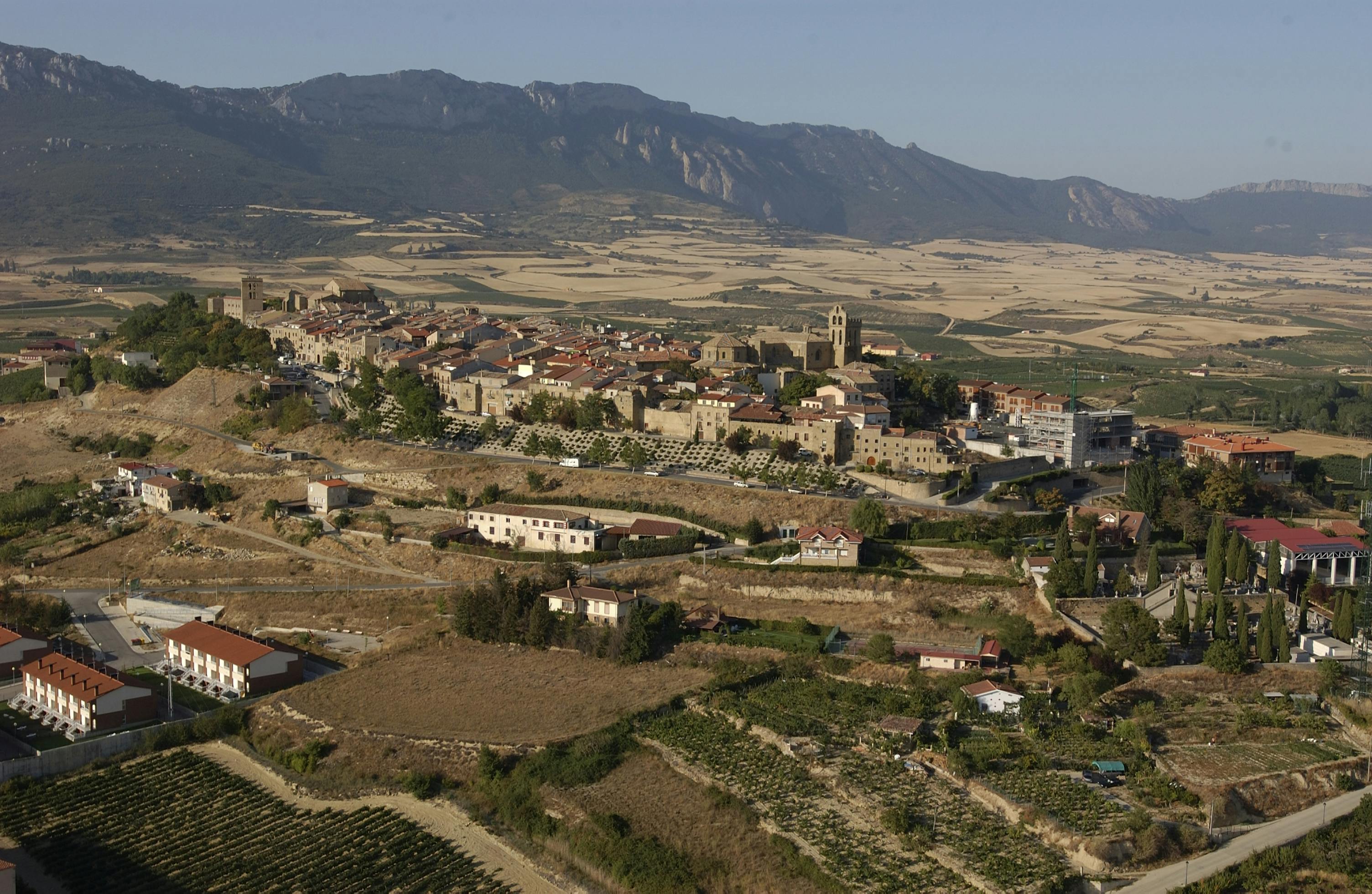
Vitoria & Rioja Full-Day Wine Tour from Bilbao Spain Vitoria and Rioja wine region with winery visit full-day tour from Bilbao explores the destination through flavour, regional customs and the stories connected with food or drink. Check current availability, inclusions and booking details before you go.
San Sebastian and Gipuzkoa Coast Tour from Vitoria - Guided Sightseeing Tour Spain San Sebastian and Gipuzkoa coast tour from Vitoria is a convenient way to add structure, local context and purposeful sightseeing to the itinerary. Check current availability, inclusions and booking details before you go.
Ceará is one of Brazil’s great coastal states, known for warm weather, long beaches, sand dunes, fishing villages, kitesurfing, seafood, lively Fortaleza, and dramatic landscapes shaped by wind and sea. It is a destination where travellers can spend the morning on a city beach, the afternoon eating crab by the water, and later plan a road trip toward dune-backed villages, lagoons, or remote coastal towns.
This is a good state for travellers who enjoy beaches, outdoor adventure, relaxed seaside towns, and scenic coastal routes. Ceará is not only about lying on the sand, although there is plenty of that. It also suits kitesurfers, photographers, families, couples, backpackers, and travellers who like a mix of city energy and slower beach escapes. The distances can be longer than they look on a map, and some places require careful transport planning, but Ceará rewards travellers who take their time.
Where Is Ceará?
Ceará is in north-eastern Brazil, with a long Atlantic coastline facing some of the country’s warmest and windiest coastal waters. The state sits between Rio Grande do Norte, Paraíba, Pernambuco and Piauí, and it is one of the most popular beach destinations in Brazil’s north-east.
Fortaleza is the state capital and the main arrival point for most travellers. It has the largest airport in Ceará, a wide range of accommodation, busy urban beaches, markets, restaurants, nightlife, and access to many coastal day trips.
Why Visit Ceará?
Ceará is worth visiting for its sunny beaches, sand dunes, lagoons, seafood, beach towns, kitesurfing conditions, and relaxed coastal travel. The coastline is varied, with busy city beaches in Fortaleza, dune-backed beaches around Cumbuco and Jericoacoara, lively resort areas near Aquiraz, and quieter fishing villages such as Icaraizinho de Amontada and Flecheiras.
The state is especially appealing for travellers who like open skies, warm evenings, simple seafood meals, beach walks, buggy tours, and coastal road trips. It can be lively in popular places and very quiet in smaller towns, so choosing the right base matters.
Best Places to Visit in Ceará
Fortaleza
Fortaleza is Ceará’s capital and the usual starting point for a trip through the state. It is a large, energetic coastal city with urban beaches, markets, restaurants, nightlife, cultural venues, and easy access to beach towns north and south of the city.
Travellers can walk along Beira Mar, try seafood, visit local craft markets, explore cultural spaces, and use the city as a base for day trips to Cumbuco, Aquiraz, Morro Branco, or Canoa Quebrada. Fortaleza suits travellers who want convenience and services, but it is still a big city, so normal safety awareness is important. Use registered transport, avoid displaying valuables, and take care when walking at night.
Praia de Iracema
Praia de Iracema is one of Fortaleza’s most historic and atmospheric coastal areas. It is known for nightlife, cultural spaces, restaurants, beach bars, and sunset walks. The area has long been associated with the city’s creative and bohemian side.
This neighbourhood suits travellers who want evening atmosphere and easy access to Fortaleza’s waterfront. It is better for walking, eating, and nightlife than for a classic swimming beach, as urban beach conditions can vary. As in many city areas, stay aware of your surroundings, especially after dark.
Meireles and Beira Mar
Meireles and the Beira Mar waterfront are among the most practical areas for visitors to stay in Fortaleza. The promenade is lined with hotels, restaurants, craft stalls, beach kiosks, and places to walk or cycle. It is one of the easiest parts of the city for first-time visitors.
This area suits couples, families, and travellers who want convenience, sea views, and a good base for tours. The waterfront can be busy in the evenings, which adds atmosphere, but valuables should still be kept discreet. Swimming conditions vary, so check local advice before entering the water.
Praia do Futuro
Praia do Futuro is Fortaleza’s best-known beach for a proper beach day. It is famous for its large beach clubs, seafood restaurants, waves, and long stretch of sand. Many visitors come here to spend several hours eating, relaxing, and enjoying the sea breeze.
It suits travellers who want a lively, organised beach experience with facilities. The sea can be rough at times, so pay attention to flags, currents, and local advice. Praia do Futuro is best reached by taxi, ride app, or organised transport rather than walking from other tourist areas.
Cumbuco
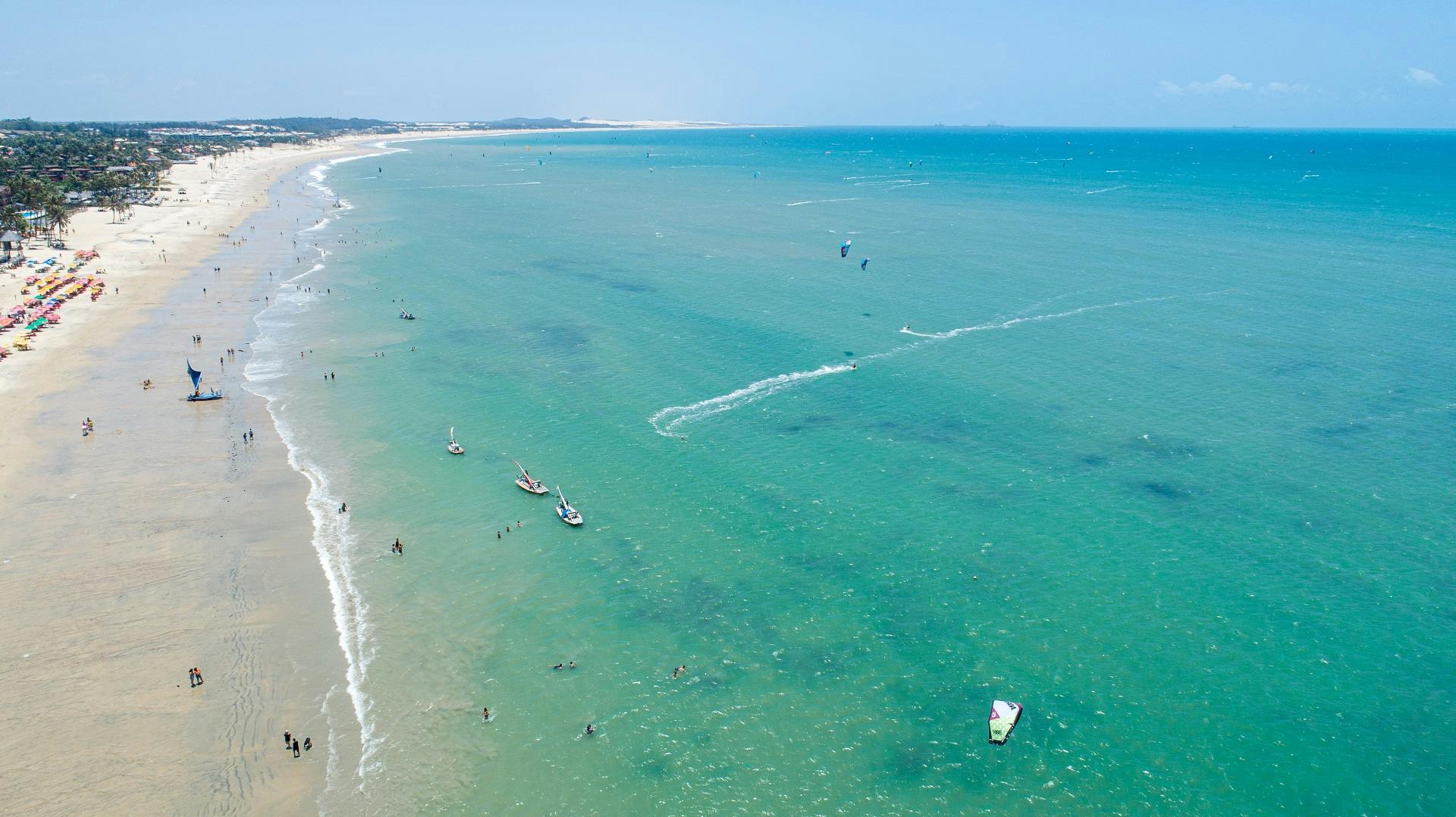
Cumbuco is a beach town west of Fortaleza, famous for dunes, lagoons, buggy rides, and kitesurfing. It is one of the easiest coastal escapes from the capital and can be visited as a day trip, although staying overnight gives a better feel for the beach village atmosphere.
Cumbuco suits kitesurfers, active travellers, families, and anyone interested in dune landscapes close to Fortaleza. Buggy tours are popular, but choose reputable operators and clarify the route, safety standards, and whether the ride is gentle or more adventurous. Wind conditions can be strong, which is great for kitesurfing but not always ideal for a calm beach day.
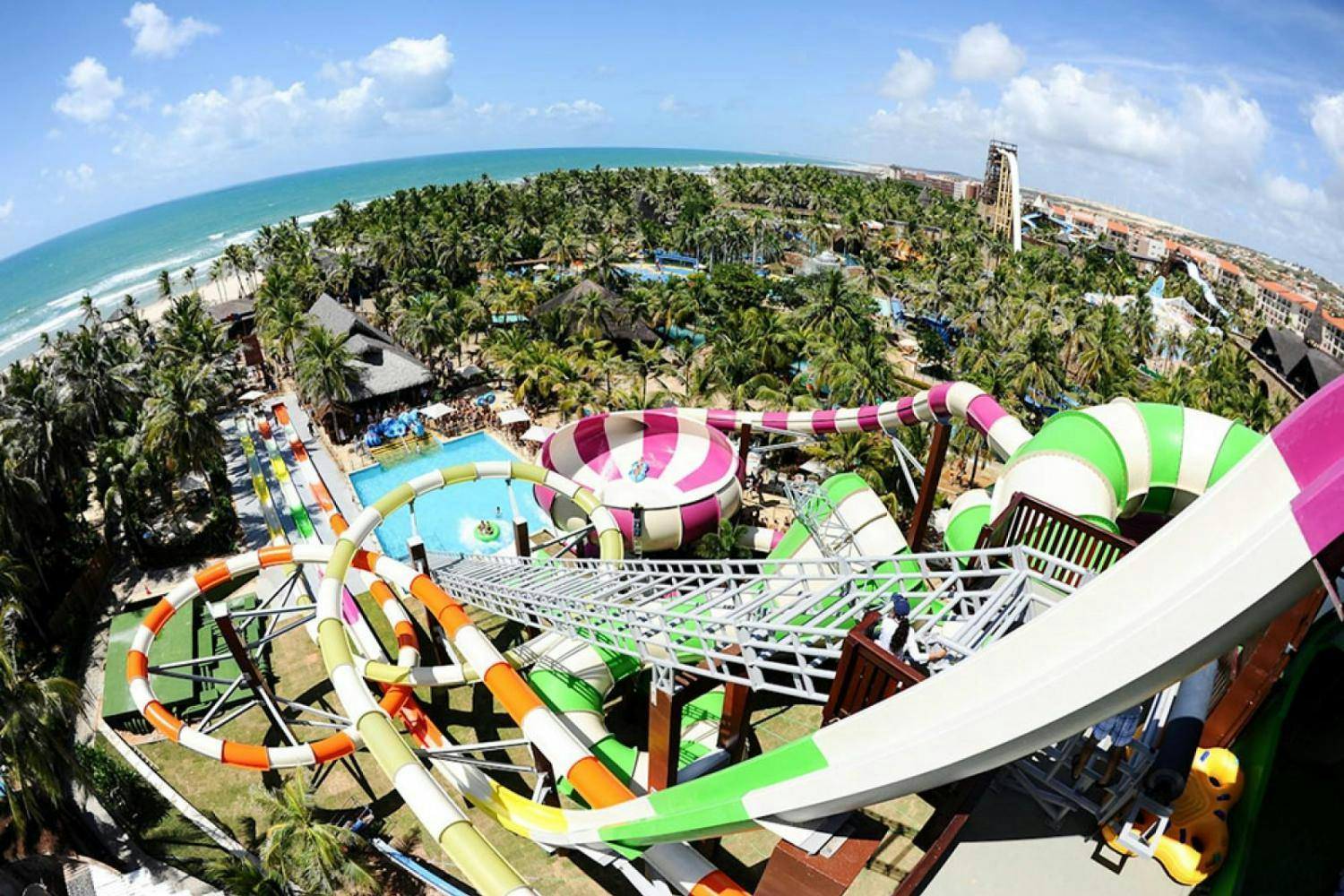
Aquiraz and Beach Park
Aquiraz is south-east of Fortaleza and is best known to many travellers because of Beach Park, one of Brazil’s most famous water park and resort areas. The coast around Aquiraz also has beaches, resorts, and family-friendly accommodation.
This area suits families, travellers with children, and visitors looking for an easy resort-style break near Fortaleza. It can be visited as a day trip from the capital, but staying nearby is more convenient if the water park is a major part of your plan. Check opening days and conditions before travelling, as schedules can vary.
Morro Branco
Morro Branco is known for its colourful cliffs, sandy formations, beach scenery, and buggy routes. The cliffs and maze-like sandy paths are the main attraction, creating a landscape that is very different from Fortaleza’s urban beaches.
It is often visited as a day trip from Fortaleza, sometimes combined with other beaches along the east coast. Morro Branco suits photographers, families, and travellers who enjoy coastal scenery. Wear sun protection, bring water, and avoid walking too close to unstable cliff edges.
Canoa Quebrada
Canoa Quebrada is one of Ceará’s most famous beach towns, known for red cliffs, wide beaches, dunes, buggy rides, nightlife, and a relaxed traveller atmosphere. It has been popular for decades and still attracts a mix of Brazilian holidaymakers and international visitors.
It can be visited as a long day trip from Fortaleza, but it is better as an overnight stay if you want to enjoy the beach, sunset, restaurants, and evening atmosphere without rushing. Canoa suits couples, backpackers, groups of friends, and travellers who want a lively beach town with plenty of character.
Jericoacoara
Jericoacoara, often called Jeri, is one of Brazil’s most famous beach villages. It is known for sand streets, dunes, lagoons, sunsets, wind sports, relaxed nightlife, and a setting inside a protected coastal environment. The village has become more developed over the years, but it still feels different from a typical resort town.
Getting to Jericoacoara takes planning. Most travellers arrive via Jijoca de Jericoacoara and continue by 4WD transfer because the final access involves sandy routes. It is not ideal as a day trip from Fortaleza due to travel time. Jeri is better for at least two or three nights, especially if you want to visit lagoons, take buggy tours, and enjoy the village atmosphere.
Jijoca de Jericoacoara
Jijoca de Jericoacoara is the mainland gateway for visiting Jericoacoara and nearby lagoons. Many transfers pass through here before continuing to the village of Jeri by suitable vehicle. The area is also useful for reaching Lagoa do Paraíso and other freshwater lagoon spots.
Jijoca suits travellers who want access to the region’s lagoon scenery or who prefer to stay outside the more famous village. It is practical rather than glamorous, but it plays an important role in organising transport, tours, and access to the sandy coastal areas.
Lagoa do Paraíso
Lagoa do Paraíso is one of the best-known lagoon areas near Jericoacoara, famous for calm freshwater, pale sand, hammocks in the water, and relaxed beach-club-style settings. It is a popular place for swimming, photos, and a slower day away from the ocean wind.
It suits couples, families, and travellers who want calm water rather than surf. Conditions can vary with season, water level, weather, and crowds, so it is worth checking locally before planning your day. It is usually visited as part of a tour or transfer from Jericoacoara or Jijoca.
Icaraizinho de Amontada
Icaraizinho de Amontada, often simply called Icaraizinho, is a quieter coastal village west of Fortaleza. It is known for wide beaches, kitesurfing, natural pools at low tide, a relaxed pace, and a less developed atmosphere than Jericoacoara.
This destination suits kitesurfers, couples, slow travellers, and anyone looking for a peaceful beach stay. It is better as an overnight destination than a day trip because of the distance from Fortaleza. Services are more limited than in larger beach towns, so plan transport and accommodation ahead.
Flecheiras
Flecheiras is a charming beach village with calm areas at low tide, reef pools, seafood restaurants, and a relaxed local feel. It is popular with travellers who want a quieter coastal stop without going as far as Jericoacoara.
Flecheiras suits families, couples, and travellers who enjoy simple beach days and village atmosphere. Tide times matter here, especially for natural pools and safer swimming areas. It is best visited for at least one night if you want to enjoy the beach early or late in the day.
Guaramiranga
Guaramiranga is a mountain town in Ceará’s interior, offering a cooler climate, greenery, hiking, viewpoints, local food, and a different atmosphere from the coast. It is part of the state’s highland region and is popular with travellers who want a break from the beach heat.
It suits nature lovers, couples, and travellers who want to see another side of Ceará. Guaramiranga is better as an overnight stay than a rushed day trip, especially if you want to enjoy the cooler evenings, nearby trails, and slower pace. Road travel is required, and having a car or organised transfer makes the trip easier.
Best Beaches in Ceará
Ceará’s beaches are varied, which is one of the main reasons the state is so appealing. In Fortaleza, Praia do Futuro is the best-known beach for a full beach day with facilities, while Meireles and Beira Mar are better for walking, eating, and staying close to the city’s services.
For dune-backed beaches and kitesurfing, Cumbuco is one of the easiest choices near Fortaleza. Canoa Quebrada offers dramatic red cliffs, beach bars, and a lively traveller feel. Jericoacoara is more remote and scenic, with dunes, lagoons, wind sports, and famous sunset spots.
For quieter beach towns, Icaraizinho de Amontada and Flecheiras are excellent choices. They suit travellers who prefer slower days, seafood, beach walks, and less commercialised surroundings. Beach conditions vary with tides, wind, and currents, so always ask locally before swimming.
Dunes, Lagoons and Buggy Tours
Dunes and lagoons are a major part of Ceará’s coastal appeal. Around Cumbuco, Canoa Quebrada, Morro Branco, and Jericoacoara, travellers can join buggy rides, visit viewpoints, stop at freshwater lagoons, and explore sandy landscapes shaped by the wind.
Buggy tours can be a lot of fun, but safety matters. Use reputable operators, check that the vehicle and driver are licensed, and be clear about the type of ride you want. Some rides are gentle and scenic, while others are more adventurous. If you are travelling with children, older travellers, or anyone with back or neck issues, ask for a calmer route.
Conditions can change depending on weather, tides, wind, and sand movement. Do not assume every lagoon will look exactly like photos online, as water levels and colours can vary by season.
Kitesurfing and Outdoor Adventures
Ceará has a strong reputation for kitesurfing because of its consistent coastal winds, warm water, and long beach stretches. Cumbuco is one of the best-known kitesurfing areas near Fortaleza, while Jericoacoara, Icaraizinho de Amontada, and nearby coastal villages attract both experienced riders and travellers wanting lessons.
Beginners should book lessons with a proper school rather than trying to learn independently. Wind, currents, equipment, and beach traffic can make kitesurfing risky without instruction. Experienced kitesurfers should still check local wind conditions, launch areas, reef zones, and safety advice before heading out.
Beyond kitesurfing, Ceará offers buggy tours, beach walks, surfing in some areas, lagoon swimming, hiking around Guaramiranga, and scenic road trips. The best outdoor experiences are usually early in the morning or later in the afternoon, when the sun is less intense.
Culture, History and Local Life
Ceará’s culture is closely tied to the sea, the sertão interior, music, food, crafts, and a strong north-eastern identity. In Fortaleza, markets and craft centres are good places to see lacework, hammocks, leather goods, ceramics, souvenirs, and regional products.
Beach culture is a big part of daily life, especially around seafood restaurants, beach kiosks, fishing boats, and evening promenades. Smaller towns such as Flecheiras, Icaraizinho, and parts of the Jericoacoara region still have fishing-community roots, even where tourism has grown.
Music, dance, festivals, and regional traditions are also part of the state’s identity. Travellers who move beyond the beach clubs and spend time in markets, local restaurants, and small towns will get a fuller sense of Ceará.
What to Eat in Ceará
Seafood is one of the highlights of travelling in Ceará. Fresh fish, prawns, lobster where available, and crab are common along the coast. Fortaleza is especially known for crab nights at beach restaurants, while smaller towns often serve simple grilled fish with rice, beans, salad, farofa, or cassava.
Other regional foods to try include tapioca, carne de sol, baião de dois, cocada, tropical fruit juices, beachside snacks, and simple meals built around rice, beans, cheese, cassava, and grilled meat or seafood. Coconut water is easy to find and is especially welcome in the heat.
For the best food experiences, mix beach restaurants with local markets, casual lunch spots, and small village eateries. Some of the most satisfying meals in Ceará are simple: grilled fish, cold juice, and a view of the sea.
Best Time to Visit Ceará
Ceará is warm year-round, but the weather, wind, water clarity, and beach conditions can vary by season. The drier months are generally better for beach travel, clearer skies, and easier outdoor plans. The rainy season can still be warm, but showers may affect road conditions, tours, and beach days.
Kitesurfers often prefer the windier months, which are commonly from around July to January, although exact wind conditions vary by location and year. Travellers who are not kitesurfing should remember that strong wind can be refreshing in the heat but may also make some beach days sandier and less calm.
Peak holiday periods, especially around New Year, Brazilian school holidays, and long weekends, can bring higher demand and bigger crowds in Fortaleza, Jericoacoara, Canoa Quebrada, and other popular beach towns. Book ahead if travelling during these times.
How to Get to Ceará
Most travellers arrive in Ceará by air into Fortaleza. From there, beach towns can be reached by rental car, private transfer, bus, 4WD transfer, or organised tour depending on the destination.
Cumbuco, Aquiraz, Morro Branco, and Canoa Quebrada are commonly visited from Fortaleza by day trip or short stay. Jericoacoara requires more planning because the final access usually involves 4WD transport from Jijoca de Jericoacoara. Icaraizinho de Amontada and Flecheiras are better suited to travellers with private transfers, rental cars, or pre-arranged transport.
If you want a relaxed coastal route, allow extra time. Travel along the coast can be slower than expected, especially when transfers involve sandy roads, 4WD routes, or connections between smaller towns.
How Long Should You Spend in Ceará?
With 2 to 3 days, focus on Fortaleza and nearby beaches. You could enjoy Beira Mar, Praia do Futuro, local markets, and a day trip to Cumbuco, Aquiraz, or Morro Branco.
With 5 to 7 days, you can combine Fortaleza with Canoa Quebrada or Jericoacoara. This gives you time for city beaches, dune landscapes, lagoons, seafood, and at least one more relaxed beach-town stay.
With 10 days or more, Ceará works well as a slower coastal route. You could include Fortaleza, Cumbuco, Flecheiras or Icaraizinho, Jericoacoara, and possibly Canoa Quebrada or Guaramiranga, depending on whether you want more beach time or a cooler inland break.
Travel Tips for Visiting Ceará
Use strong sun protection: Ceará can be very hot and sunny, so bring sunscreen, a hat, sunglasses, and plenty of water.
Check beach safety: Currents, waves, rocks, and wind can affect swimming conditions. Ask locally before entering the water.
Check tides and wind: Natural pools, lagoon visits, kitesurfing, and some beach walks are better at certain times.
Book transfers to remote towns ahead: Jericoacoara, Icaraizinho, and some smaller beach villages require more planning than beaches near Fortaleza.
Carry some cash: Cards are common in Fortaleza and developed beach towns, but smaller villages, beach stalls, and local transport may require cash.
Use registered transport: Taxis, ride apps, official transfers, hotel-arranged transport, and reputable operators are safer and easier.
Choose reputable buggy operators: Ask about licensing, route, safety, and whether the ride is suitable for your comfort level.
Avoid isolated areas at night: Stick to well-lit streets, busy waterfront areas, and reliable transport after dark.
Allow extra travel time: Coastal distances, sandy access roads, and transfer changes can make journeys longer than expected.
Travel at a relaxed pace: Ceará is best enjoyed with time for weather, wind, tides, seafood lunches, and unhurried beach days.
Is Ceará Worth Visiting?
Ceará is definitely worth visiting if you enjoy beaches, dunes, outdoor adventure, seafood, warm weather, and relaxed coastal towns. It offers a strong mix of city energy in Fortaleza, scenic beach escapes, kitesurfing, lagoons, buggy tours, and smaller villages with a slower pace.
It is best enjoyed with realistic planning. The sun is strong, some beaches have rough conditions, coastal distances can be long, and remote towns may require transfers or 4WD access. But if you plan around transport, safety, weather, and seasonal wind conditions, Ceará can be one of the most enjoyable coastal destinations in north-eastern Brazil.
FAQs About Visiting Ceará
Is Ceará safe for tourists?
Ceará can be visited safely with sensible precautions, especially in established tourist areas, organised tours, and popular beach towns. In Fortaleza, use registered transport, avoid displaying valuables, take care at night, and ask your accommodation for local safety advice. In beach towns, avoid isolated areas after dark and follow local guidance.
What is Ceará best known for?
Ceará is best known for beaches, dunes, kitesurfing, warm weather, seafood, Fortaleza, Jericoacoara, Canoa Quebrada, Cumbuco, lagoons, buggy tours, and dramatic coastal landscapes.
Is Jericoacoara worth visiting?
Yes, Jericoacoara is worth visiting if you enjoy dunes, lagoons, sunsets, sand streets, wind sports, and relaxed beach-town atmosphere. It is more developed than it once was and takes effort to reach, so it is better for a multi-night stay than a quick day trip.
Do you need a car in Ceará?
You do not need a car if you are staying in Fortaleza and using organised tours or transfers. A car can be useful for visiting places such as Flecheiras, Icaraizinho, Guaramiranga, or multiple coastal towns, but some destinations, including Jericoacoara, require specific transfer arrangements because of sandy access routes.
What is the best time to visit Ceará?
The drier months are generally best for beach travel and outdoor activities. Kitesurfers often prefer the windier months, commonly from around July to January. Ceará is warm year-round, but rain, wind, crowds, and sea conditions can affect the experience.
How many days do you need in Ceará?
Allow 2 to 3 days for Fortaleza and nearby beaches, 5 to 7 days if you want to include Canoa Quebrada or Jericoacoara, and 10 days or more for a slower coastal route with several beach towns.
Is Fortaleza worth visiting?
Fortaleza is worth visiting as the main gateway to Ceará and a useful base for beaches, markets, seafood, nightlife, and day trips. It is a lively city rather than a quiet resort destination, so it is best enjoyed with normal city safety awareness and a clear plan for where to stay and how to get around.
Sponsored Popular Items
Quick take: Musement.com offers a worldwide selection of tours and attractions
La Gomera La Fortaleza Guided Hike – Outdoor Adventure Spain Hike to La Fortaleza adds structure, local context and purposeful sightseeing to the itinerary. Check current availability, inclusions and booking details before you go.
Fortaleza Beach Park Guided Tour Brazil The Beach Park guided tour from Fortaleza is a convenient full-day-style transfer and guided excursion to one of Brazil’s most famous seaside water park destinations. Check current availability, inclusions and booking details before you go.
Fortaleza City & Cumbuco Beach Tour – City Tour Brazil The Fortaleza city tour with Cumbuco beach is a full-day guided experience that combines the cultural highlights of Fortaleza with a relaxed beach escape to one of Ceará’s most popular coastal destinations. Check current availability, inclusions and booking details before you go.
Bahia is one of Brazil’s most culturally rich and rewarding states, known for Afro-Brazilian heritage, music, food, colonial architecture, beaches, islands, national parks, and a relaxed coastal atmosphere. It is the kind of place where a trip can easily shift from wandering colourful historic streets in Salvador to eating moqueca by the sea, hiking to waterfalls in Chapada Diamantina, or slowing down in a sandy village on the south coast.
This is a destination for travellers who want more than just beaches, although Bahia has plenty of those too. It suits people interested in culture, history, food, music, nature, islands, hiking, and coastal towns with character. The state is large, distances can be longer than expected, and transport needs planning, but Bahia rewards travellers who give it time.
Where Is Bahia?
Bahia is in north-eastern Brazil, with a long Atlantic coastline and a strong cultural identity shaped by African, Indigenous, Portuguese, and regional Brazilian influences. It is one of the country’s most important cultural destinations and one of the most varied states for travellers.
Salvador is the state capital and the main arrival point for many visitors. The city has an international airport, a historic centre, lively neighbourhoods, beaches, markets, music, and easy connections to nearby islands and coastal towns.
Why Visit Bahia?
Bahia’s appeal comes from its mix of culture, coast, history, and nature. Travellers can explore colourful colonial streets, learn about Afro-Brazilian traditions, watch capoeira, listen to samba-reggae, visit historic churches, eat some of Brazil’s most distinctive food, and enjoy warm beaches along a huge stretch of coastline.
Beyond the coast, Bahia also has one of Brazil’s most impressive inland nature destinations: Chapada Diamantina National Park. This makes the state especially appealing for travellers who want a trip that combines beach time with hiking, waterfalls, caves, viewpoints, and small historic towns.
Best Places to Visit in Bahia
Salvador
Salvador is one of Brazil’s most distinctive cities and the best place to begin understanding Bahia. It is famous for Afro-Brazilian culture, colonial architecture, music, capoeira, Candomblé influences, street food, churches, markets, and a dramatic coastal setting.
The city suits travellers who enjoy history, culture, food, and atmosphere. It is not always the easiest city to navigate casually, and safety awareness is important, especially at night. Stay in well-known areas, use registered transport, avoid displaying valuables, and ask locally about where to walk.
Pelourinho
Pelourinho is Salvador’s historic centre and one of the most famous places in Bahia. Its steep cobbled streets, colourful colonial buildings, churches, squares, music, and cultural venues make it a fascinating area to explore during the day.
It suits travellers interested in architecture, photography, music, history, and Afro-Brazilian culture. The area can be busy and touristy in parts, but it remains a key stop. Visit in daylight, keep valuables discreet, and consider a local guide if you want deeper context about the neighbourhood’s complex history.
Elevador Lacerda and Mercado Modelo
Elevador Lacerda connects Salvador’s upper and lower city and offers one of the classic views over the bay. Nearby Mercado Modelo is a popular place for crafts, souvenirs, local art, and a lively introduction to Salvador’s market culture.
This area is easy to combine with Pelourinho and the waterfront. It suits first-time visitors who want a practical sightseeing route, but it can also attract crowds and persistent vendors. Go with patience, watch your belongings, and allow time to enjoy the bay views.
Barra and Farol da Barra
Barra is one of Salvador’s most popular seaside neighbourhoods, known for its lighthouse, promenade, beaches, sunset views, and easier visitor infrastructure. Farol da Barra is a landmark and a good place for photos, especially late in the day.
Barra suits travellers who want to stay near the sea while still being within reach of Salvador’s historic centre. The beaches can be busy, and swimming conditions vary, so pay attention to local advice and sea conditions. It is also one of the more practical areas for first-time visitors to base themselves.
Itaparica Island
Itaparica Island sits across the bay from Salvador and offers a slower, more local beach escape. Visitors can reach it by ferry or boat, making it a possible day trip, although an overnight stay gives a better sense of the island’s rhythm.
The island suits travellers who want a quieter break from the city, seafood, bay views, and a more relaxed pace. Ferry times and onward transport should be checked in advance, especially if returning to Salvador the same day.
Morro de São Paulo
Morro de São Paulo is one of Bahia’s best-known island-style beach destinations. Located on Tinharé Island, it is known for beaches, clear water, boat trips, sunset viewpoints, restaurants, and a lively but still laid-back holiday atmosphere.
It suits travellers who want a beach escape with more energy than a quiet fishing village. Access usually involves boat transport, and sea conditions can affect the journey. Morro can become crowded in peak season, holidays, and weekends, so it is better as an overnight stay than a rushed day trip.
Boipeba
Boipeba is a quieter alternative to Morro de São Paulo, with sandy paths, calm beaches, mangroves, boat trips, natural pools, and a more low-key atmosphere. It is ideal for travellers who want slow days, simple restaurants, and a peaceful island feel.
Getting there takes more effort than reaching many mainland beaches, usually involving combinations of road and boat transport. That extra effort helps keep the atmosphere calmer. Boipeba suits travellers who are happy with limited nightlife and a slower pace.
Praia do Forte
Praia do Forte is a well-known beach town north of Salvador, popular for its beaches, restaurants, shops, natural pools at low tide, and conservation attractions. It is one of the easier coastal getaways from Salvador and works well for families, couples, and travellers who want convenience.
It can be visited as a day trip, but staying overnight is more relaxing. The town can be busy in high season and on weekends, so travellers looking for complete solitude may prefer smaller villages farther along the coast.
Chapada Diamantina National Park
Chapada Diamantina National Park is Bahia’s great inland adventure destination. It is known for waterfalls, caves, plateaus, canyons, natural swimming pools, viewpoints, and hiking trails. It offers a completely different experience from Bahia’s coast.
This area suits hikers, photographers, nature lovers, and travellers who want more active days. Some walks are easy, while others require fitness, time, and a guide. Distances between attractions can be significant, and road access may involve rougher stretches, so planning is important.
Lençóis
Lençóis is the main gateway town for Chapada Diamantina. It has cobbled streets, historic buildings, guesthouses, restaurants, tour agencies, and access to nearby waterfalls and trails. It is the most practical base for first-time visitors to the region.
Lençóis suits travellers who want nature during the day and a pleasant town atmosphere in the evening. Many hikes and day trips can be arranged locally, but popular guides and tours may book out during busy periods. If you want multi-day trekking, plan ahead.
Porto Seguro
Porto Seguro is one of Bahia’s best-known coastal destinations and has historical importance as one of the first areas of Portuguese arrival in Brazil. Today, it is also known for beaches, nightlife, resorts, and easy access to nearby towns such as Arraial d’Ajuda and Trancoso.
It suits travellers who want a developed beach base with plenty of services and transport options. Some areas are very lively and tourist-oriented, so choose your base carefully depending on whether you want nightlife, family-friendly accommodation, or quieter beach time.
Arraial d’Ajuda
Arraial d’Ajuda is a charming coastal town near Porto Seguro, reached by ferry and road. It has beaches, restaurants, shops, colourful streets, and a relaxed but polished holiday atmosphere. It feels smaller and more atmospheric than Porto Seguro while still being easy to access.
It suits couples, families, and travellers who want beach time with a village feel. It can be busy in peak season, but it is still a pleasant base for exploring the southern coast of Bahia.
Trancoso
Trancoso is known for its historic square, stylish pousadas, restaurants, beaches, and relaxed coastal beauty. It has become one of Bahia’s more fashionable destinations, but it still retains character around the Quadrado, the grassy village square overlooking the sea.
Trancoso suits travellers looking for a slower, more scenic beach stay with good food and atmosphere. It is not the cheapest destination in Bahia, especially in peak season, and accommodation should be booked ahead during busy periods.
Itacaré
Itacaré is a coastal town known for surf beaches, rainforest-backed coves, hiking trails, waterfalls, and a youthful, outdoorsy feel. It offers a good mix of beach life and nature, with some beaches close to town and others reached by trails or short transfers.
It suits surfers, backpackers, active travellers, and anyone who likes beach days with a bit of adventure. Sea conditions vary, and some beaches are better for surfing than swimming, so pay attention to local advice before entering the water.
Beaches and Islands in Bahia
Bahia’s coastline is long and varied, with lively city beaches, calm bays, surf spots, island escapes, natural pools, and quiet fishing villages. In Salvador, Barra offers one of the easiest beach experiences for visitors, while nearby islands such as Itaparica provide a slower bay-side escape.
For island atmosphere, Morro de São Paulo is more social and developed, while Boipeba is quieter and better for slow travel. Praia do Forte offers convenience and family-friendly facilities, while the southern coast around Arraial d’Ajuda, Trancoso, and Itacaré gives travellers a mix of scenic beaches, village charm, surf, and rainforest-backed coastline.
Beach conditions vary across the state. Some beaches have reefs and calm water at low tide, while others have waves, currents, or rocky areas. Always check local advice before swimming, especially on beaches without lifeguards.
Culture, Music and History
Bahia has one of Brazil’s deepest cultural identities. Salvador, in particular, is a centre of Afro-Brazilian heritage, with strong traditions connected to music, food, religion, dance, language, and community life. The city’s historic centre, churches, markets, and public squares all help tell this story.
Capoeira is one of Bahia’s most recognisable cultural expressions, combining movement, music, rhythm, and history. Samba-reggae, percussion groups, street performances, and festival music are also part of the state’s sound. Candomblé influences are important in Bahia, and travellers should approach religious spaces and traditions with respect rather than treating them as tourist entertainment.
Local markets, historic churches, colonial buildings, festivals, and food stalls are some of the best ways to experience Bahia’s culture in everyday life. A guided walk in Salvador can be worthwhile if you want to understand the history behind the buildings and traditions.
Nature, Hiking and Outdoor Adventures
Bahia is not only a beach destination. Chapada Diamantina offers waterfalls, caves, swimming holes, plateaus, rocky viewpoints, and hiking trails that can range from short walks to demanding multi-day treks. It is one of the best places in Brazil for travellers who enjoy outdoor adventure.
Lençóis is the most popular base, but the wider region includes other towns and access points depending on the hikes you want to do. Some trails are straightforward, while others require guides because of distance, terrain, navigation, or safety. Popular experiences may include waterfall walks, cave visits, panoramic viewpoints, and longer treks through valleys and tablelands.
On the coast, Itacaré offers another kind of outdoor adventure, with surf beaches, forest trails, waterfalls, and coves reached on foot. For active travellers, combining Chapada Diamantina with Itacaré or another beach area can make Bahia feel especially varied.
What to Eat in Bahia
Bahian food is one of the major reasons to visit the state. The flavours are bold, often shaped by African, Indigenous, and Portuguese influences, with ingredients such as dendê palm oil, coconut milk, seafood, cassava, prawns, beans, and tropical fruits.
Acarajé is one of Bahia’s signature street foods, made from black-eyed pea dough, fried in dendê oil, and often filled with vatapá, caruru, salad, and prawns. Moqueca baiana is a rich seafood stew usually made with coconut milk, dendê, peppers, onions, tomatoes, and coriander. Other dishes to look for include vatapá, caruru, bobó de camarão, tapioca, cocada, grilled seafood, tropical fruit juices, and simple beach snacks.
Food in Bahia can be rich and filling, so take your time. Markets, street stalls, beach restaurants, and local lunch spots are often just as memorable as more formal restaurants.
Best Time to Visit Bahia
Bahia is warm for most of the year, but the best time to visit depends on where you are going and what you want to do. The drier months are generally better for beaches, clearer water, and outdoor plans, while the rainier months can still be pleasant but may affect boat trips, hiking, road conditions, and beach visibility.
Salvador is especially lively during Carnival and major festivals, when music, street parties, and cultural events bring huge energy to the city. This can be an unforgettable time to visit, but it also means bigger crowds, higher accommodation demand, more expensive stays, and the need for extra safety awareness.
For beach towns such as Morro de São Paulo, Boipeba, Praia do Forte, Trancoso, and Itacaré, peak holiday periods can be busy and more expensive. If you prefer quieter travel, consider visiting outside Brazilian school holidays and long weekends.
How to Get to Bahia
Most international and domestic travellers arrive in Bahia via Salvador by air. Salvador is the main gateway, with onward connections to beach towns, islands, and inland destinations. Some travellers also fly into airports closer to the southern coast, depending on their itinerary.
Travel around Bahia may involve domestic flights, buses, ferries, private transfers, rental cars, boats, or organised tours. Islands such as Itaparica, Morro de São Paulo, and Boipeba require ferry or boat access. Chapada Diamantina is inland and requires a longer journey from Salvador, usually by bus, car, or organised transfer.
Because Bahia is large, it is important not to underestimate distances. Combining Salvador, Chapada Diamantina, and the southern coast in one trip is possible, but it works best with enough time.
How Long Should You Spend in Bahia?
With 3 days, focus on Salvador. Visit Pelourinho, Barra, Farol da Barra, Mercado Modelo, the waterfront, local restaurants, and perhaps a nearby beach or cultural tour.
With 5 to 7 days, you can combine Salvador with a nearby beach or island destination such as Praia do Forte, Itaparica, Morro de São Paulo, or Boipeba. This gives you a good mix of culture and coast without rushing too much.
With 10 to 14 days, you can plan a broader Bahia itinerary. A strong route could include Salvador, Chapada Diamantina, and one beach area such as Morro de São Paulo, Boipeba, Itacaré, Trancoso, or Arraial d’Ajuda. This length of trip allows you to appreciate the diversity of the state rather than just passing through.
Travel Tips for Visiting Bahia
Take city safety seriously: In Salvador, use registered transport, avoid displaying valuables, and be cautious walking at night.
Check beach conditions: Some beaches have waves, rocks, currents, or reef areas. Ask locally before swimming.
Use registered transport: Taxis, ride apps, hotel-arranged transfers, and reputable operators are usually better than informal transport.
Bring sun protection: Sunscreen, sunglasses, a hat, and water are essential, especially on beaches and hikes.
Wear light clothing: Bahia is often hot and humid, so breathable clothing and comfortable shoes are useful.
Carry some cash: Cards are widely accepted in cities and developed beach towns, but smaller villages, boats, markets, and local stalls may require cash.
Check tides and ferry times: Boat travel, island access, and some beach activities depend on tides, weather, and schedules.
Book ahead in peak season: Carnival, New Year, school holidays, and major festivals can make accommodation scarce and more expensive.
Use local guides for hikes: In Chapada Diamantina and some coastal trails, guides can help with safety, navigation, and local context.
Respect cultural and religious traditions: Bahia has deep Afro-Brazilian religious and cultural roots. Ask before taking photos and behave respectfully around ceremonies, sacred sites, and community spaces.
Is Bahia Worth Visiting?
Bahia is absolutely worth visiting if you want a Brazil trip that combines culture, beaches, food, history, music, and nature. It is one of the country’s most rewarding states because it offers so much variety: Salvador’s historic streets, island escapes, surf towns, fishing villages, colourful markets, Afro-Brazilian traditions, and the dramatic landscapes of Chapada Diamantina.
It is also a state that needs realistic planning. Distances are long, safety varies by area, ferries and boats require timing, and popular beach towns can be crowded or expensive in peak season. But if you plan carefully and give Bahia enough time, it can easily become one of the most memorable parts of a trip to Brazil.
FAQs About Visiting Bahia
Is Bahia safe for tourists?
Bahia can be visited safely with sensible precautions, especially in established tourist areas, beach towns, organised tours, and well-known neighbourhoods. In Salvador, be careful with valuables, avoid isolated streets at night, use registered transport, and ask accommodation staff for current local advice. Beach and hiking safety also matter, so follow local guidance.
What is Bahia best known for?
Bahia is best known for Afro-Brazilian culture, Salvador’s historic centre, music, capoeira, Candomblé influences, regional food, colonial architecture, beaches, islands, festivals, and Chapada Diamantina National Park.
What is the best beach area in Bahia?
The best beach area depends on your travel style. Morro de São Paulo is lively and scenic, Boipeba is quieter and more relaxed, Praia do Forte is convenient from Salvador, Trancoso is stylish and atmospheric, Arraial d’Ajuda has a village feel, and Itacaré is ideal for surf, trails, and nature.
Do you need a car in Bahia?
You do not need a car for Salvador or island destinations such as Morro de São Paulo and Boipeba. A car can be useful for parts of the southern coast, Praia do Forte, or more flexible travel between beach towns. For Chapada Diamantina, many travellers use buses, transfers, or guided tours rather than driving themselves.
What is the best time to visit Bahia?
The best time depends on the region and your plans, but drier months are generally better for beaches, hiking, and clearer conditions. Carnival and major festivals make Salvador especially lively, but also busier and more expensive. For quieter travel, avoid major holidays and Brazilian peak vacation periods.
How many days do you need in Bahia?
Three days is enough for Salvador, 5 to 7 days allows time for Salvador plus a nearby beach or island, and 10 to 14 days is better for a broader trip including Chapada Diamantina or the southern coast. Bahia is large, so longer trips are usually more rewarding.
Is Salvador worth visiting?
Yes. Salvador is one of Brazil’s most culturally important cities and is worth visiting for its history, Afro-Brazilian heritage, music, food, architecture, markets, and coastal setting. It does require safety awareness and realistic planning, but it is one of the essential stops in Bahia.
Sponsored Popular Items
Quick take: Musement.com offers a worldwide selection of tours and attractions
Salvador Dalí museum, Figueres and Cadaqués Tour Spain Plan Salvador Dalí museum, Figueres and Cadaqués Tour, a cultural or heritage experience, with practical tips on timing, inclusions and what to check before booking. Compare current availability, prices and booking conditions before you go.
Pelourinho Guided Tour – Salvador Guided Tour Brazil Pelourinho guided tour is a convenient way to add structure, local context and purposeful sightseeing to the itinerary. Check current availability, inclusions and booking details before you go.
Amazonas is one of Brazil’s most memorable travel destinations and one of the best-known gateways to the Brazilian Amazon. This is the place many travellers imagine when they think of rainforest, giant rivers, jungle lodges, wildlife, Indigenous culture, riverboats, and humid days surrounded by green. It is vast, powerful, and unlike anywhere else in Brazil.
At the same time, Amazonas is not always an easy destination. The heat and humidity can be intense, insects are part of the experience, travel often involves boats, and places outside Manaus may have limited infrastructure. But for travellers who enjoy nature-based adventure, local food, river landscapes, wildlife watching, and learning about Amazon life, Amazonas can be deeply rewarding.
Where Is Amazonas?
Amazonas is in northern Brazil and is the largest state in the country. It covers a huge part of the Brazilian Amazon, with rainforest, rivers, protected areas, Indigenous territories, small towns, and remote communities spread across an enormous area.
Manaus is the state capital and the main arrival point for most travellers. The city sits near the meeting of the Rio Negro and Solimões rivers, which together form the Amazon River. For many visitors, Manaus is the practical gateway to jungle lodges, river cruises, day trips, and deeper rainforest experiences.
Why Visit Amazonas?
Amazonas is worth visiting because it offers one of the most direct ways to experience the Amazon Rainforest in Brazil. Travellers can take boat trips, stay in jungle lodges, visit riverside communities, see historic Manaus, explore markets, watch wildlife, and learn how rivers shape everyday life across the region.
The appeal is not only the forest itself, but the scale of the place. Rivers can feel like inland seas, travel times can be long, and the landscape changes with the seasons as water levels rise and fall. Amazonas suits travellers who are curious, flexible, and prepared for a slower, more nature-focused style of trip.
Best Places to Visit in Amazonas
Manaus
Manaus is the main hub for travel in Amazonas and the best place to start. It is a large, busy city in the middle of the Amazon region, with a mix of riverfront life, markets, colonial-era architecture, modern traffic, and tour operators offering trips into the surrounding forest and rivers.
Travellers can visit the historic centre, explore the market, see the famous opera house, try regional food, and arrange day trips or jungle lodge transfers. Manaus is practical rather than polished, so it is best approached as a working Amazon city, not just a tourist base. It suits travellers who want cultural context before heading into the rainforest.
Teatro Amazonas
Teatro Amazonas is one of the most famous buildings in Manaus. Built during the rubber-boom era, this grand theatre reflects the wealth and ambition that shaped the city in the late 19th and early 20th centuries. Its colourful dome, ornate interiors, and central location make it one of the easiest and most rewarding sights in the city.
It suits travellers interested in history, architecture, music, and the surprising cultural layers of Manaus. Guided visits are often available and can help explain the theatre’s connection to the rubber boom. If there is a performance during your stay, attending one can be a memorable way to experience the building beyond a daytime visit.
Mercado Municipal Adolpho Lisboa
Mercado Municipal Adolpho Lisboa is one of the best places in Manaus to see local food culture up close. The market is known for fish, fruit, herbs, spices, Amazon ingredients, snacks, and everyday trade. It is lively, practical, and more interesting if you enjoy real local markets rather than souvenir-only shopping.
Go in the morning if you want the most activity. It suits food lovers, photographers, and travellers who want to understand what people actually eat in the region. Be prepared for strong smells in the fish sections, busy walkways, and a very local atmosphere.
Meeting of the Waters
The Meeting of the Waters is one of the classic day trips from Manaus. It is where the dark Rio Negro and the lighter, sediment-rich Solimões River flow side by side for several kilometres before fully mixing to form the Amazon River. The contrast is caused by differences in temperature, speed, and water composition.
Most visitors see it by boat from Manaus, often combined with other stops such as floating houses, river communities, or ecological parks. It suits first-time visitors because it gives a powerful sense of the region’s river system. Weather, river level, and light can affect how dramatic the colour contrast appears, so it is worth keeping expectations realistic.
Janauari Ecological Park
Janauari Ecological Park is a popular day-trip area near Manaus, often visited by boat. Depending on the season, travellers may see flooded forest, giant water lilies, wooden walkways, river scenery, and local wildlife such as birds, monkeys, or reptiles. Wildlife sightings are never guaranteed, but the setting gives a good introduction to the Amazon environment without travelling far from the city.
This is a practical option for travellers with limited time in Manaus. It is best visited with a reputable guide or boat operator, especially because routes and conditions can change with water levels.
Anavilhanas National Park
Anavilhanas National Park protects a huge river archipelago on the Rio Negro, with islands, channels, flooded forests, beaches during lower water periods, and rich birdlife. It is one of the most impressive natural areas accessible from Manaus and is often visited from Novo Airão or through jungle lodges and organised tours.
This area suits travellers who want a deeper nature experience without going extremely remote. Activities can include canoe trips, forest walks, wildlife spotting, river beaches in the low-water season, and visits to nearby communities. Access is usually by road and boat from Manaus, and guided arrangements are recommended.
Jaú National Park
Jaú National Park is one of the most important protected areas in the Amazon and offers a more remote rainforest experience than the easier day trips around Manaus. It is known for blackwater rivers, dense forest, wildlife habitat, and a sense of scale that feels far removed from the city.
This is not a casual day trip. Visiting Jaú generally requires advance planning, boat transport, local guides, and enough time to make the journey worthwhile. It suits serious nature travellers, birdwatchers, and people who want a quieter, more immersive Amazon experience. Infrastructure is limited, so comfort levels are more basic than in developed tourist regions.
Presidente Figueiredo
Presidente Figueiredo is a town north of Manaus known for waterfalls, caves, forest trails, and swimming spots. It offers a different side of Amazonas, with more land-based nature activities compared with river-focused trips near Manaus.
It can be visited as a long day trip from Manaus, but an overnight stay gives you more time to enjoy the waterfalls without rushing. Some waterfalls are easier to access than others, and conditions can vary depending on rain and trail maintenance. It suits travellers who like hiking, swimming, photography, and nature without needing a multi-day jungle expedition.
Rio Negro
The Rio Negro is one of the defining waterways of Amazonas. Its dark, tea-coloured water, wide channels, islands, and flooded forests shape many of the best experiences near Manaus. Travellers may explore the Rio Negro on day trips, jungle lodge transfers, canoe outings, river cruises, or longer journeys toward Novo Airão and Anavilhanas.
The river changes throughout the year. During higher water, boats can enter flooded forest areas that may be inaccessible at lower water. During lower water, sandy beaches and exposed riverbanks can appear. The Rio Negro suits travellers who want to understand Amazon travel as river travel, not just rainforest walking.
Amazon River Cruises
Amazon River cruises can range from simple regional boat journeys to more comfortable expedition-style trips. Cruises allow travellers to experience the scale of the river system, visit riverside communities, explore smaller channels by canoe, and watch the landscape change slowly from the water.
This style of travel suits people who enjoy slow movement, river scenery, wildlife watching, and a structured way to explore without arranging every transfer separately. It is important to choose operators carefully, check what is included, and understand the comfort level before booking. Not all river cruises are luxury experiences, and travel times can be long.
Jungle Lodges Near Manaus
Jungle lodges near Manaus are one of the most popular ways to experience the Amazon Rainforest. Many packages include transfers, meals, guided walks, canoe trips, wildlife spotting, fishing experiences, night outings, and visits to riverside communities. Lodges vary widely in comfort, location, group size, and environmental standards.
This option suits first-time Amazon visitors because it makes logistics easier. Before booking, check how far the lodge is from Manaus, how transfers work, what activities are included, whether guides are experienced, and how the lodge treats wildlife and local communities. A good lodge experience can be excellent, but a rushed or poorly organised one can feel disappointing.
Parintins
Parintins is a city on the Amazon River, best known for the Parintins Folklore Festival, usually held in late June. The festival centres on a colourful competition between two symbolic oxen, Garantido and Caprichoso, with music, dance, costumes, floats, and performances inspired by Amazonian folklore and culture.
Parintins suits travellers interested in festivals, local identity, music, and Amazon culture beyond nature tourism. During the festival period, the city becomes much busier and accommodation and transport need to be organised well ahead. Outside the festival, Parintins is quieter and more suited to travellers interested in river-town life.
Amazon Rainforest Experiences
Rainforest experiences in Amazonas can include jungle walks, canoe trips, wildlife spotting, birdwatching, piranha fishing demonstrations, night safaris, forest interpretation, and visits to riverside communities. The best experiences are usually guided, because the forest is complex and easy to underestimate.
Local guides can explain medicinal plants, animal tracks, bird calls, seasonal changes, river levels, and the relationship between communities and the forest. They also help with safety, navigation, and realistic wildlife expectations. The Amazon is full of life, but dense vegetation and humid conditions mean animals are not always easy to see.
Common sightings may include birds, monkeys, sloths, caimans, insects, frogs, dolphins, and fish, depending on location, season, and luck. Large cats and rare mammals are present in the wider ecosystem but should not be expected on a standard short tour.
Rivers, Cruises and Boat Trips
Rivers are central to travel in Amazonas. Many communities are connected more by water than by road, and visitors quickly realise that boats are not just for sightseeing; they are part of everyday life. From Manaus, travellers can take short day trips, speedboat transfers, slow regional boats, river cruises, or lodge transfers through smaller channels and flooded forest.
Boat trips may pass floating houses, stilted homes, fishing boats, river beaches, forest edges, and local communities. Slow boats are part of regional transport and can be interesting for experienced travellers, but they require patience, flexibility, and a realistic attitude toward comfort and timing.
Water levels affect routes and scenery. During high-water periods, canoes may enter flooded forests and reach areas that are inaccessible in the dry season. During low-water periods, beaches appear, trails may become easier, and some smaller waterways may be harder to navigate. This seasonal change is one of the most fascinating parts of travelling in Amazonas.
Culture, History and Local Life
Amazonas is not only a nature destination. Manaus has a rich and complicated history, especially from the rubber-boom period, when wealth from rubber transformed the city and produced landmarks such as Teatro Amazonas. Today, Manaus is a busy urban centre where historic buildings, markets, port activity, and modern life sit side by side.
Riverside communities offer another view of the state, showing how people live with seasonal water levels, fishing, boats, forest resources, and river transport. Indigenous cultures are also central to the region, though travellers should approach this subject with respect. Visits to Indigenous communities should be arranged through appropriate local channels and should not feel intrusive or staged.
Markets, crafts, festivals, and regional food are all good ways to understand local life. The Parintins Folklore Festival is one of the strongest cultural events in Amazonas, combining performance, symbolism, community pride, and Amazonian storytelling on a large scale.
What to Eat in Amazonas
Food in Amazonas is one of the highlights of the trip. Fish is central to the regional diet, with tambaqui, pirarucu, and tucunaré among the best-known options. These may be grilled, fried, stewed, or served with rice, farinha, beans, salad, or regional sauces.
Tacacá is a classic Amazonian dish made with tucupi, jambu, and shrimp, served hot and full of distinctive flavour. Maniçoba, made with manioc leaves and often compared in spirit to a rich stew, is another traditional dish, although preparation and availability vary. Tapioca, Brazil nuts, açaí, cupuaçu, tropical juices, and market snacks are also worth trying.
For a practical food experience, visit markets, simple lunch restaurants, juice stands, and riverfront eateries. Amazonas is an excellent place to try ingredients that may be unfamiliar if you have only travelled in southern or coastal Brazil.
Best Time to Visit Amazonas
Amazonas is hot and humid throughout the year, with a wet or high-water season and a dry or low-water season rather than traditional four-season weather. Rain can happen at any time, so even the drier months are not completely dry.
The wet season, often roughly from December to May or June, brings higher water levels. This can be excellent for canoe trips through flooded forests, reaching smaller channels, and seeing the landscape at its most water-filled and dramatic. The trade-off is more rain and sometimes fewer walking opportunities.
The dry season, often roughly from June or July to November, brings lower water levels. This can make some forest trails more accessible and reveal river beaches in certain areas. However, some smaller waterways may become harder to navigate, and the heat can feel stronger. Neither season is simply “better”; the best time depends on what kind of Amazon experience you want.
How to Get to Amazonas
Most travellers arrive in Amazonas by air into Manaus. The city has the main airport and is the practical base for organising tours, jungle lodge stays, river cruises, and onward travel. Flights usually connect through other major Brazilian cities.
Once in Amazonas, travel often involves boats, organised transfers, jungle lodge transport, regional flights, or river cruises. Some destinations near Manaus can be reached by road and boat, while more remote places require longer journeys and careful planning. Outside Manaus, infrastructure is more limited, so it is important to confirm transport details in advance.
How Long Should You Spend in Amazonas?
With 2 to 3 days, you can explore Manaus, visit Teatro Amazonas and the market, take a trip to the Meeting of the Waters, and get a first taste of the river environment.
With 4 to 5 days, you can add a jungle lodge stay or a more complete river-based itinerary. This is a good minimum for travellers who want to feel they have actually experienced the rainforest rather than only seen it from the edge of the city.
With a week or more, you can travel more deeply into the region, spend longer at a lodge, include Anavilhanas or Jaú, take a river cruise, or add Parintins depending on the season. Amazonas rewards travellers who allow time for slow journeys, weather changes, and the rhythm of river travel.
Travel Tips for Visiting Amazonas
Pack lightweight clothing: Breathable shirts, quick-dry fabrics, and comfortable walking shoes are useful in the heat and humidity.
Bring rain protection: A light rain jacket, waterproof bag, and dry sacks for electronics can be very helpful.
Use mosquito repellent: Insects are part of Amazon travel, especially near water, forest areas, and at dawn or dusk.
Protect yourself from the sun: Bring sunscreen, sunglasses, a hat, and a reusable water bottle.
Use waterproof bags on boat trips: Rain, spray, and wet landings can easily damage phones, cameras, and documents.
Carry some cash: Cards are common in Manaus, but remote areas, markets, boats, and small communities may rely on cash.
Get health advice before travelling: Ask a travel doctor or clinic about vaccinations, malaria risk, and personal health precautions before visiting the Amazon region.
Choose reputable guides: Good guides improve safety, wildlife spotting, cultural understanding, and the overall quality of the experience.
Respect wildlife: Avoid tours that encourage touching, feeding, holding, or stressing animals for photos.
Expect limited phone signal: Once you leave Manaus, mobile reception and internet access may be unreliable or unavailable.
Be realistic about comfort: Heat, humidity, mud, insects, and boat travel are part of the Amazon experience.
Travel slowly: Amazonas is huge, and trying to do too much in too little time can make the trip tiring rather than enjoyable.
Is Amazonas Worth Visiting?
Amazonas is absolutely worth visiting for travellers who want to experience the Brazilian Amazon in a meaningful way. It offers rainforest, rivers, wildlife, local food, Indigenous and riverside culture, historic Manaus, and the feeling of travelling through one of the world’s great natural regions.
It is not the easiest destination in Brazil, and it is best enjoyed by travellers who are prepared for humidity, insects, boat travel, changing weather, and slower logistics. If you want luxury beaches or simple city sightseeing, Amazonas may feel challenging. But if you are curious, patient, and interested in nature-based travel, it can be one of the most memorable parts of Brazil.
FAQs About Visiting Amazonas
Is Amazonas safe for tourists?
Amazonas can be visited safely with sensible precautions, especially in Manaus, organised tours, and reputable jungle lodges. In the city, avoid displaying valuables, use reliable transport, and take care at night. In remote areas, travel with experienced guides, follow safety instructions, and prepare properly for heat, insects, water travel, and limited medical access.
What is Amazonas best known for?
Amazonas is best known for the Amazon Rainforest, the Amazon River system, Manaus, the Meeting of the Waters, jungle lodges, river cruises, wildlife, Indigenous culture, and major protected areas such as Anavilhanas and Jaú.
Do you need a guide in Amazonas?
You do not need a guide for basic sightseeing in central Manaus, but a guide is strongly recommended for rainforest walks, canoe trips, wildlife spotting, river journeys, community visits, and remote parks. The forest and river systems are complex, and experienced local guides make trips safer and more informative.
What is the best time to visit Amazonas?
There is no single best time for everyone. The high-water season, roughly from December to May or June, is good for canoe trips through flooded forests. The low-water season, roughly from June or July to November, can make trails and river beaches more accessible. Rain is possible year-round, so flexibility is important.
Can you visit the Amazon Rainforest from Manaus?
Yes. Manaus is one of the main gateways to the Brazilian Amazon. From the city, travellers can take day trips, stay in jungle lodges, join river cruises, visit ecological parks, travel toward Anavilhanas, or arrange longer rainforest and river itineraries.
How many days do you need in Amazonas?
Allow 2 to 3 days for Manaus and nearby river trips, 4 to 5 days if you want to include a jungle lodge, and a week or more for deeper rainforest travel, river cruises, Anavilhanas, Jaú, or Parintins. The more time you have, the more rewarding the trip usually becomes.
Sponsored Popular Items
Quick take: Musement.com offers a worldwide selection of tours and attractions
Amazonas Park and Glass-Bottom Boat Tour - Scenic Water Experience Greece Amazonas Park and glass-bottom boat tour combines sightseeing with the relaxed sense of movement that comes from a water-based experience. Check current availability, inclusions and booking details before you go.
Amapá is one of Brazil’s least-visited states, and that is a big part of its appeal. It is not a destination built around polished resorts, busy sightseeing circuits, or easy package holidays. Instead, Amapá offers Amazon rivers, rainforest landscapes, local culture, historic sites, wildlife areas, and a strong sense of being somewhere different from the usual Brazil travel route.
This is a state for travellers who enjoy nature, river life, history, local food, quiet exploration, and off-the-beaten-path travel. It suits people who are comfortable with slower logistics, limited English, changing weather, and the need to plan ahead for remote areas. For the right traveller, Amapá can feel memorable precisely because it is less commercialised than many better-known parts of Brazil.
Where Is Amapá?
Amapá is in northern Brazil, in the Amazon region. It sits on the far north-eastern edge of the Brazilian Amazon, with French Guiana to the north, the Atlantic Ocean to the east, and the Amazon River region to the south. It is also part of the wider Guiana Shield region, with cultural and geographic connections toward the Guianas, including nearby regional links with Suriname and French Guiana.
Macapá is the state capital and the main arrival point for most travellers. It is unusual because it lies close to the Equator and sits near the mouth of the Amazon River, giving visitors a mix of urban life, riverfront scenery, equatorial landmarks, and access to nearby nature areas.
Why Visit Amapá?
Amapá is worth visiting if you are interested in the Amazon beyond the more famous gateways. The state has rainforest areas, wetlands, rivers, mangroves, wildlife, Indigenous and riverside communities, colonial history, and a slower pace of travel. It is also one of the few places where travellers can easily visit an Equator monument inside a Brazilian capital city.
The experience is not always simple. Some roads are long, public transport can be limited, and remote nature areas usually require local guides, river transport, or organised trips. But for travellers who enjoy places that feel real rather than heavily packaged, Amapá offers a distinctive view of Brazil’s far north.
Best Places to Visit in Amapá
Macapá
Macapá is the best place to start a trip through Amapá. It is the state capital, the main transport hub, and the easiest base for visiting historic sites, markets, riverfront areas, museums, and nearby natural attractions. The city has a relaxed feel compared with Brazil’s larger capitals, although it is still an urban centre and should be approached with normal city awareness.
Travellers can explore the riverfront, visit the old fort, learn about Amazon culture at local museums, try regional food, and organise onward travel to Santana, Mazagão Velho, Oiapoque, or more remote nature areas. Macapá suits first-time visitors to Amapá because it gives useful context before heading farther into the state.
Marco Zero do Equador
Marco Zero do Equador is one of Macapá’s most famous landmarks. It marks the Equator and is a popular place for photos, especially for travellers who like geographic curiosities. The nearby stadium, often referred to because the Equator line runs through its area, adds to the novelty of the visit.
This is an easy stop within Macapá and does not require a long visit. It suits families, first-time visitors, and anyone interested in saying they have stood close to the Equator in Brazil. Go during daylight hours and combine it with other city sights rather than making it the only activity of the day.
Fortaleza de São José de Macapá
The Fortaleza de São José de Macapá is one of Amapá’s most important historic sites. Built during the Portuguese colonial period, the fort sits near the Amazon River and gives visitors a sense of Macapá’s strategic location in Brazil’s far north.
It is a worthwhile stop for travellers interested in colonial history, architecture, river views, and photography. The site is easy to visit from central Macapá and pairs well with a walk along the waterfront. A guide can add context, but independent visitors can still enjoy the fort’s setting and structure.
Trapiche Eliezer Levy
Trapiche Eliezer Levy is a long pier extending over the riverfront in Macapá. It is one of the city’s most recognisable public spaces and a good place to appreciate the scale of the Amazon River region. Depending on current access and maintenance, it can be a pleasant stop for photos, river views, and a slower walk near the water.
This site suits travellers who enjoy simple urban landmarks rather than major attractions. Visit in daylight or around late afternoon, when the heat can be easier to manage. As with many public places, check locally for current access and safety conditions before going.
Museu Sacaca
Museu Sacaca is one of the most useful places in Macapá for understanding Amapá’s culture, environment, and Amazon identity. It includes displays and outdoor areas related to traditional knowledge, riverside life, natural history, Indigenous influences, and regional ways of living.
This is a good stop early in your trip because it helps make sense of the landscapes, foods, crafts, and communities you may encounter elsewhere in the state. It suits families, culture-focused travellers, and anyone who wants more than a quick photo stop in Macapá.
Fazendinha Beach
Fazendinha Beach is a riverside beach area near Macapá, popular with locals for casual meals, river views, and relaxed outings. It is not a tropical ocean beach in the way many travellers imagine Brazil, but it gives a good sense of how river life shapes leisure in Amapá.
The area suits travellers who want a local, low-key experience close to the capital. Water conditions, tides, and cleanliness can vary, so ask locally before swimming. Many visitors go more for the atmosphere, food, and river setting than for a classic beach day.
Santana
Santana is an important port city near Macapá and a practical gateway for river transport. It is not usually a major sightseeing destination on its own, but it plays an important role in travel around Amapá and the lower Amazon region.
Travellers may pass through Santana when taking boats, ferries, or regional transport. It suits people interested in river logistics, port life, and practical onward travel. If you are using Santana for transport, confirm schedules in advance, arrive with time to spare, and keep plans flexible.
Mazagão Velho
Mazagão Velho is one of Amapá’s most interesting cultural destinations. The village is known for its traditions, religious celebrations, and historical links to Portuguese colonial movements between Africa and the Amazon. It offers a very different experience from Macapá’s city sights.
This destination suits travellers interested in local history, festivals, community traditions, and cultural travel. It is best visited with local information or a guide, especially if you want to understand the background properly. During major celebrations, the atmosphere can be more lively, but accommodation and transport may need extra planning.
Lagoa dos Índios
Lagoa dos Índios is a natural area near Macapá associated with wetlands, water landscapes, birdlife, and views that change with the seasons. It can be a peaceful place to see a softer, more open side of the local environment without travelling deep into remote rainforest.
This area suits travellers who enjoy nature close to the city, photography, and quiet landscapes. Conditions can vary depending on rainfall and access, so it is worth asking locally about the best time to visit. Bring sun protection, mosquito repellent, and water.
Oiapoque
Oiapoque is in the far north of Amapá, near the border with French Guiana. It has a frontier-town feel and is often associated with overland travel, cross-border journeys, river routes, and access to remote northern landscapes.
Getting to Oiapoque from Macapá can involve a long road journey, and conditions may vary depending on the season and road maintenance. It is better suited to experienced independent travellers or those with organised transport. Oiapoque is not a polished tourist town, but it can be interesting for travellers who enjoy border regions and remote travel.
Cabo Orange National Park
Cabo Orange National Park protects an important coastal and wetland environment in northern Amapá, including mangroves, rivers, flooded areas, wildlife habitat, and Atlantic-facing landscapes. It is one of the most distinctive natural areas in the state, but it is not a simple place to visit casually.
Access usually requires planning, local knowledge, and often boat transport or organised arrangements. It suits nature-focused travellers interested in birds, mangroves, river mouths, and remote ecosystems. Infrastructure is limited, so visitors should not expect easy trails, regular tourist services, or last-minute access.
Tumucumaque Mountains National Park
Tumucumaque Mountains National Park is one of the largest protected rainforest areas in the world and one of Amapá’s most significant conservation landscapes. It is vast, remote, and difficult to access, which means it is not a typical sightseeing destination.
This park is best suited to researchers, serious nature travellers, specialist expeditions, and visitors travelling with experienced guides or authorised operators. For most travellers, it is more realistic to learn about Tumucumaque as part of Amapá’s conservation story rather than expect an easy national park visit. If you do plan to go, research permissions, logistics, transport, health precautions, and guide arrangements carefully.
Amazon Nature and Wildlife Experiences
Amapá offers a wide range of Amazon nature experiences, from riverside walks near Macapá to remote rainforest and wetland expeditions. Travellers may encounter mangroves, flooded forests, rivers, lakes, birdlife, fish, reptiles, insects, and a variety of forest and wetland species. Wildlife sightings are never guaranteed, especially in dense rainforest, but the landscapes themselves are a major part of the experience.
Birdwatching can be rewarding in wetlands, river edges, forest areas, and mangrove environments. River trips can also provide a better understanding of how people move, fish, trade, and live in the Amazon region. In remote areas, travelling with local guides is strongly recommended. Guides help with navigation, safety, wildlife spotting, cultural context, and responsible behaviour in sensitive environments.
National parks such as Cabo Orange and Tumucumaque are important conservation areas, but they are not always easy for ordinary travellers to access. Treat them as serious nature destinations rather than casual day trips.
Culture, History and Local Life
Amapá’s culture is shaped by the Amazon, the Equator, Indigenous influences, riverside communities, colonial history, and connections with the Guianas. In Macapá, the historic fort, riverfront, museums, markets, and local neighbourhoods give travellers a practical introduction to the state’s identity.
The Fortaleza de São José de Macapá tells part of the story of Portuguese colonial strategy in the far north of Brazil. Museu Sacaca helps visitors understand traditional knowledge, Amazon environments, and regional ways of life. Local markets and food stalls show everyday Amapá through ingredients, snacks, fish, fruit, crafts, and casual conversation.
Mazagão Velho adds another cultural layer with its traditions and historic background. Across the state, Indigenous and riverside influences remain important, but travellers should approach community visits respectfully. Not all communities are open to tourism, and visits should be arranged through appropriate local contacts. Ask before taking photos, buy crafts from legitimate sources, and follow local guidance.
What to Eat in Amapá
Food in Amapá is strongly connected to the Amazon. Fish is central to many meals, often served grilled, fried, stewed, or cooked in regional sauces. You may find dishes using local fish, shrimp, manioc, tucupi, jambu, and tropical fruits. Açaí is also important in the region and is often eaten in a more traditional Amazon style, sometimes with savoury foods rather than only as a sweet bowl.
Tacacá is a classic Amazonian dish worth trying if you enjoy bold flavours. It is usually made with tucupi, jambu, and shrimp, and is served hot. Manioc-based foods, tapioca, farinha, market snacks, fresh juices, and tropical fruits are also part of the local food experience.
Look for simple restaurants, markets, riverfront eateries, and casual food stalls. Amapá is not mainly about fine dining; it is about regional ingredients, Amazon flavours, and everyday food culture.
Best Time to Visit Amapá
Amapá is hot and humid throughout the year, with a rainy season and a drier season rather than four distinct seasons. The drier months can make some travel easier, especially for road journeys, city sightseeing, and outdoor activities. These months may also be more practical for travellers who want fewer disruptions from heavy rain.
The rainy season brings lush scenery, fuller waterways, and a strong sense of the Amazon environment, but it can also affect roads, boat trips, trails, and access to remote areas. If you plan to visit places such as Oiapoque, Cabo Orange National Park, or other remote destinations, build flexibility into your itinerary and check local conditions before travelling.
How to Get to Amapá
Most travellers arrive in Amapá by air through Macapá. Flights usually connect through larger Brazilian cities, so check schedules carefully when planning your route. Once in Macapá, you can explore the capital and organise onward travel.
Travel around the state may involve buses, private transfers, taxis, ferries, river boats, domestic flights, or organised tours depending on where you want to go. Santana is important for some river transport, while Oiapoque requires a much longer journey to the far north. Remote parks and nature areas usually need local guides, advance planning, and flexible timing.
How Long Should You Spend in Amapá?
For a short visit, 2 to 3 days in Macapá is enough to see the main city sights, including the Equator monument, the fort, Museu Sacaca, the riverfront, markets, and nearby areas such as Fazendinha.
With 4 to 5 days, you can add nearby cultural and river experiences, such as Santana, Mazagão Velho, Lagoa dos Índios, or more time exploring local food and riverfront life.
For travellers who want to visit remote nature areas, the far north around Oiapoque, or attempt more serious Amazon travel, a week or more is much more realistic. Distances are long, conditions can change, and remote travel in Amapá should not be rushed.
Travel Tips for Visiting Amapá
Pack for heat and humidity: Lightweight, breathable clothing is essential. Long sleeves can help with sun and insects in forest or riverside areas.
Bring rain protection: A light rain jacket, dry bag, and waterproof cover for electronics are useful, especially during the rainy season.
Use mosquito repellent: Mosquito protection is important in wetlands, river areas, forests, and around dusk.
Take sun protection seriously: The Equator is close, so bring sunscreen, a hat, sunglasses, and water.
Carry some cash: Cards are common in Macapá, but smaller towns, markets, boats, and rural areas may rely more on cash.
Plan transport in advance: Roads can be long, river transport may depend on schedules, and remote areas can be difficult to arrange at the last minute.
Book local guides for remote areas: Guides are important for safety, access, navigation, and understanding the environment.
Expect limited English: Portuguese is essential for most travel situations. A translation app can be very helpful.
Check road conditions: Rain and maintenance can affect travel times, especially outside Macapá and on longer routes.
Be flexible with river travel: Boats, ferries, and remote trips may be affected by weather, water levels, and local conditions.
Use normal safety precautions: Avoid displaying valuables, use reliable transport, take care at night, and ask locals about current safety advice.
Respect communities and natural areas: Ask before photographing people, follow local guidance, do not disturb wildlife, and leave no rubbish behind.
Is Amapá Worth Visiting?
Amapá is worth visiting if you enjoy Amazon landscapes, river life, local culture, history, wildlife, and travel that feels genuinely less commercialised. It is not a mainstream Brazil destination, and it may require more patience and planning than a beach holiday or a city break in the south-east of the country.
This is not the best choice for travellers who want easy luxury, constant nightlife, or a simple list of famous attractions. But for travellers who are curious, flexible, and interested in the far north of Brazil, Amapá can be deeply rewarding. It offers a quieter, more local view of the Amazon and a chance to experience a part of Brazil many visitors never reach.
FAQs About Visiting Amapá
Is Amapá safe for tourists?
Amapá can be visited safely with sensible precautions, especially in Macapá and organised travel settings. Use reliable transport, avoid displaying valuables, be careful at night, and ask your accommodation or local contacts for current advice. Remote areas require extra planning, especially for transport, guides, weather, and health precautions.
What is Amapá best known for?
Amapá is best known for its Amazon landscapes, river systems, Equator landmark in Macapá, colonial fort, rainforest and wetland areas, Indigenous and riverside cultures, and remote protected areas such as Cabo Orange National Park and Tumucumaque Mountains National Park.
Can you visit the Equator in Amapá?
Yes. In Macapá, visitors can go to Marco Zero do Equador, a monument marking the Equator. It is one of the easiest and most distinctive sights to visit in the city and is a popular stop for photos.
Do you need a guide in Amapá?
You do not need a guide for basic sightseeing in Macapá, but a guide is highly recommended for remote nature areas, river trips, community visits, wetlands, national parks, and long journeys outside the capital. In some areas, guided access may be necessary for safety and logistics.
What is the best time to visit Amapá?
The drier months are generally the most practical time to visit because road travel, city sightseeing, and outdoor activities may be easier. The rainy season can be beautiful and lush, but it may affect roads, boat trips, trails, and access to remote areas.
How many days do you need in Amapá?
Allow 2 to 3 days for Macapá, 4 to 5 days if you want to include nearby cultural or river areas, and a week or more if you plan to travel to Oiapoque, remote nature areas, or national parks. Amapá rewards travellers who do not rush.
Sponsored Popular Items
Quick take: Musement.com offers a worldwide selection of tours and attractions
Salvador, Brazil Visitor Guide: Top Attractions, Tours & Activities Brazil Set on the coast of Bahia, it blends colonial architecture, Afro-Brazilian heritage, music, food, beaches, churches, islands and a warm tropical atmosphere that feels very different from Rio de Janeiro or…. Check current availability, inclusions and booking details before you go.
Best places to visit in the Whitsundays: Where to start Multiple Countries Lachlan lives in Paris and is the Head of Content and Community at misterb&b, an LGBTQ+ accommodation platform. He enjoys coffee and cocktails (not always in that order), and loves to… Check current availability, inclusions and booking conditions.
Alagoas is one of Brazil’s most rewarding beach destinations, especially for travellers who like warm water, reef-protected natural pools, seafood, coconut-lined coastlines, and relaxed coastal towns. It is smaller and quieter than many of Brazil’s better-known tourist regions, but that is part of its charm. The pace is slower, the distances are manageable, and the coastline is full of places where the sea shifts from pale green to bright turquoise depending on the tide and weather.
This is a good destination for travellers who want beach days, boat trips, scenic coastal drives, fresh seafood, small-town stays, and a softer introduction to north-eastern Brazil. It can suit couples, families, beach lovers, photographers, and travellers who prefer laid-back places over large resort cities. It is not completely undiscovered, especially around Maceió, Maragogi, and Praia do Francês, but it still feels calmer than many of Brazil’s biggest holiday centres.
Where Is Alagoas?
Alagoas is in north-eastern Brazil, between Pernambuco to the north and Sergipe to the south. It has a long Atlantic coastline, warm tropical weather, river landscapes, lagoons, reefs, and beach towns that are popular with Brazilian travellers.
Maceió is the state capital and the main arrival point for most visitors. The city has an airport, a good range of accommodation, urban beaches, restaurants, markets, and easy access to several popular day trips along the coast.
Why Visit Alagoas?
Alagoas is best known for its beautiful beaches and clear, shallow water. Reef formations create natural pools in several areas, especially around Pajuçara and Maragogi, where boat trips are timed around low tide. The coast is also lined with coconut palms, sandy villages, fishing communities, and beach restaurants serving fresh fish, prawns, crab, and local dishes.
The state suits travellers who want a warm, beach-focused holiday without feeling rushed. You can base yourself in Maceió and take day trips, or travel slowly up the coast through places like São Miguel dos Milagres, Porto de Pedras, Japaratinga, and Maragogi. Inland and river destinations such as Penedo and the São Francisco River add history and culture to the trip.
Best Places to Visit in Alagoas
Maceió
Maceió is the practical starting point for most trips to Alagoas. It has attractive urban beaches, a lively waterfront, restaurants, markets, craft stalls, and tour operators offering day trips to nearby beaches and natural pools. The city works well for travellers who want convenience, beach access, and a base with more services than the smaller coastal towns.
The main tourist areas are along the coast, especially around Ponta Verde, Pajuçara, and Jatiúca. Maceió is not a city where you need to chase major monuments all day. Its appeal is more about the sea, the promenade, local food, and easy access to the wider Alagoas coast.
Ponta Verde
Ponta Verde is one of Maceió’s most popular beach neighbourhoods. It has a long waterfront, hotels, restaurants, beach bars, walking paths, and calm water in many areas. It suits travellers who want to stay close to the beach while still having plenty of food and transport options nearby.
The beach can be lively, especially on weekends and holidays, but it is also one of the easiest places in Maceió for a relaxed walk, a swim when conditions are suitable, or a casual meal by the water. Check the tide before swimming, as the beach changes noticeably depending on the water level.
Pajuçara Beach
Pajuçara is another key beach area in Maceió and is especially known for its jangada boat trips to natural pools. These traditional-style boats take visitors out at low tide when the reef-protected pools are visible and safe enough to visit.
This is a good choice for first-time visitors who want an easy introduction to Alagoas’ natural pools without leaving the city. The area is convenient and well-known, but it can be busy. For the best experience, check tide times, go early when possible, and avoid expecting complete solitude.
Praia do Francês
Praia do Francês is one of the most popular beaches near Maceió and is often visited as a day trip. It has a lively village atmosphere, restaurants, beach stalls, and a mix of calm reef-protected water and more open sea depending on the section of beach.
It suits travellers who want a classic beach day with food, facilities, and a bit of energy. It can get crowded during weekends, school holidays, and high season, so travellers looking for quiet may prefer to stay overnight and enjoy the beach early in the morning or later in the afternoon.
Barra de São Miguel
Barra de São Miguel is a relaxed beach town south of Maceió, known for calm water protected by reefs in some areas. It is popular with families, couples, and travellers who want a beach stay that feels quieter than the capital but still has reasonable access to restaurants and services.
It is also a common stop on tours that combine Praia do Francês, Barra de São Miguel, and Gunga Beach. If you have your own transport, it is worth taking your time rather than rushing through all three in one day.
Gunga Beach
Gunga Beach is one of the most scenic beaches in Alagoas, with coconut groves, clear water, lagoon scenery, and colourful cliffs nearby. It is often visited from Maceió as a day trip and is also commonly combined with Barra de São Miguel.
Travellers can swim when conditions are calm, take photos from viewpoints, join buggy or quad-bike tours to the cliffs, or simply relax by the water. It is a beautiful place, but it is also popular, so expect beach clubs, organised tours, and more visitors during busy periods. It suits travellers who enjoy dramatic coastal scenery as much as swimming.
Maragogi
Maragogi is one of the best-known destinations in Alagoas, famous for its natural pools, clear water, reefs, and long beaches. It is often called part of Brazil’s “Caribbean” coast, although travellers should keep expectations realistic: the water colour depends heavily on tide, sunlight, wind, and recent rain.
The main attraction is the boat trip to the natural pools, including areas often referred to as galés. These trips must be planned around low tide and suitable sea conditions. Maragogi can be visited as a long day trip from Maceió, but it is better as an overnight stay if you want a more relaxed experience and time to explore nearby beaches.
São Miguel dos Milagres
São Miguel dos Milagres is a quieter coastal destination on the north coast of Alagoas, known for calm beaches, natural pools, coconut palms, and a slower pace. It has become more popular in recent years, but it still feels more low-key than Maceió or Maragogi.
This area suits couples, slow travellers, and anyone looking for peaceful beach days rather than nightlife. Accommodation can be spread out, and transport is easier with a rental car or private transfer. It is best enjoyed over at least two nights rather than as a rushed day trip.
Porto de Pedras
Porto de Pedras is a small coastal town north of São Miguel dos Milagres, known for quiet beaches, river scenery, and access to the famous manatee conservation area nearby. The beaches in this part of Alagoas are often calm, scenic, and less crowded than the state’s more famous beach hubs.
It suits travellers who enjoy small towns, nature, and slower coastal travel. Services can be limited compared with Maceió, so it is worth planning transport and meals in advance, especially outside peak periods.
Japaratinga
Japaratinga sits between Maragogi and Porto de Pedras and is a good option for travellers who want attractive beaches with a quieter feel than Maragogi. The coast here has reefs, palm trees, natural pools at low tide, and a relaxed village atmosphere.
It is a good overnight stop on a north-coast road trip. Travellers with a car can use it as a base for exploring nearby beaches, while those relying on transfers should plan carefully, as public transport may not be convenient for beach-hopping.
Penedo
Penedo is one of Alagoas’ most interesting historic towns. Located on the São Francisco River, it has colonial architecture, churches, river views, and a very different atmosphere from the beach towns along the coast. It is a good choice for travellers who want to add culture and history to a beach-focused itinerary.
Penedo can be visited from Maceió, but it deserves more than a rushed stop if you are interested in architecture, photography, and local history. The town is also a useful base for trips toward the mouth of the São Francisco River.
Foz do São Francisco
Foz do São Francisco is where the São Francisco River reaches the Atlantic Ocean, creating a landscape of dunes, river channels, sandbanks, fishing boats, and wide water views. Trips usually depart from the river region, often connected with Penedo or Piaçabuçu.
This experience suits travellers who enjoy river scenery, boat trips, photography, and landscapes that feel different from the typical beach resort setting. Conditions can vary with weather, tides, and river levels, so it is best arranged through a reliable local operator.
Best Beaches in Alagoas
Alagoas is packed with beautiful beaches, but the best choice depends on your travel style. For convenience, Ponta Verde and Pajuçara are ideal because they are in Maceió and close to restaurants, hotels, and transport. For a lively day trip, Praia do Francês is a classic choice. For scenery, Gunga Beach is one of the most dramatic, especially with its coconut groves and colourful cliffs.
For natural pools and clear water, Maragogi is the most famous option, but timing is everything. The best conditions usually come at low tide, on sunny days, with calm seas. For quieter coastal stays, São Miguel dos Milagres, Porto de Pedras, and Japaratinga are excellent choices, especially for travellers who want calm beaches, small pousada-style accommodation, and a slower rhythm.
Natural Pools and Boat Trips
Natural pools are one of the main reasons travellers visit Alagoas, but they require planning. The pools are usually best at low tide, when the reefs create shallow, clear areas offshore. Around Maragogi and Pajuçara, boat trips are often scheduled according to tide tables, and trips may be changed or cancelled if sea conditions are poor.
Before booking, check the tide time for the exact day you plan to visit. A natural pool trip at the wrong tide can be disappointing, and water clarity can be affected by wind, rain, and rough seas. It is also important to behave responsibly around reefs: do not stand on coral, avoid touching marine life, take rubbish back with you, and follow the instructions of boat crews and guides.
Culture, History and Local Life
Although Alagoas is best known for beaches, it also has a strong cultural side. In Maceió, markets and craft centres are good places to see local embroidery, lacework, ceramics, souvenirs, and everyday food culture. The beachfront is lively, but the markets give a better sense of local life beyond the sand.
Along the coast, fishing communities remain part of the region’s identity. You will see boats, nets, seafood stalls, and small villages where life is closely connected to the sea and tides. Travelling slowly and respectfully makes these places more rewarding than simply passing through for photos.
Penedo adds another layer to the trip, with its colonial architecture and setting on the São Francisco River. The river region is important historically, culturally, and economically, and it gives travellers a broader view of Alagoas beyond the beach resorts.
What to Eat in Alagoas
Seafood is one of the highlights of travelling in Alagoas. Look for grilled fish, fried fish, prawns, crab, lobster where available, and simple beachside plates served with rice, beans, salad, farofa, or cassava. Sururu, a small shellfish associated with the lagoons around Maceió, is one of the regional specialities and may appear in broths, stews, or local dishes.
Tapioca is common for breakfast or snacks, often filled with cheese, coconut, meat, or sweet ingredients. Coconut-based dishes and drinks are easy to find along the coast, and fresh tropical juices are a good way to cool down in the heat. Beach snacks may include fried seafood, pastries, grilled cheese skewers, tapioca, corn, and fresh fruit.
For a realistic food experience, mix beach restaurants with markets and casual local eateries. The best meals are often simple: fresh fish, cold juice, and a sea view.
Best Time to Visit Alagoas
Alagoas is warm year-round, but beach conditions are usually best during the drier months. The driest and sunniest period is generally from around September to March, with many travellers favouring this time for clearer water, boat trips, and beach days.
The rainier months are usually from around April to July, although weather can vary from year to year. The rainy season can still be warm and enjoyable, but rain may affect outdoor plans, sea conditions, and water clarity. If your main goal is natural pools and turquoise water, try to plan for the drier months and check tide times carefully.
How to Get to Alagoas
Most travellers arrive in Alagoas by air through Maceió. From there, coastal towns can be reached by rental car, private transfer, bus, taxi, or organised tour. A rental car gives the most freedom, especially if you want to travel slowly through São Miguel dos Milagres, Porto de Pedras, Japaratinga, and Maragogi.
Organised day trips are easy to arrange from Maceió for places such as Praia do Francês, Barra de São Miguel, Gunga Beach, and Maragogi. They are convenient, but they can feel rushed. If you prefer quieter mornings, sunset walks, and flexibility around tides, staying overnight in the beach towns is often better.
How Long Should You Spend in Alagoas?
With 3 days, you can stay in Maceió, enjoy Ponta Verde and Pajuçara, visit local markets, and take one day trip to a nearby beach such as Praia do Francês, Barra de São Miguel, or Gunga Beach.
With 5 to 7 days, you can combine Maceió with Maragogi or São Miguel dos Milagres. This gives you time for natural pools, a scenic coastal drive, quieter beaches, seafood meals, and a less rushed pace.
With 10 days, Alagoas works very well as a relaxed beach-focused holiday. You could split your time between Maceió, the south coast around Gunga or Barra de São Miguel, the north coast around São Miguel dos Milagres or Porto de Pedras, and Maragogi or Japaratinga. If you want history and river scenery, add Penedo and the São Francisco River region.
Travel Tips for Visiting Alagoas
Check tide times before booking boat trips: Natural pools are best at low tide, especially in Maragogi and Pajuçara.
Book boat trips carefully: Use licensed operators, ask what is included, and confirm departure times based on the tide.
Protect yourself from the sun: The sun can be strong even on breezy days, so bring sunscreen, a hat, sunglasses, and plenty of water.
Respect reefs and marine life: Do not stand on coral, do not remove shells or marine animals, and avoid leaving rubbish behind.
Carry some cash: Cards are widely used in cities and larger beach towns, but smaller villages, beach stalls, and boat operators may prefer cash.
Think carefully about transport: Tours are convenient from Maceió, but a rental car or private transfer is better for a flexible coastal itinerary.
Be realistic about crowds: Popular beaches can be busy on weekends, holidays, and during the Brazilian summer.
Take normal beach safety precautions: Watch currents, follow local advice, and avoid swimming in rough or unfamiliar conditions.
Avoid isolated areas at night: Stick to well-lit places, use reliable transport, and ask your accommodation about local safety advice.
Travel at a relaxed pace: Alagoas is best enjoyed slowly, with time for tides, weather, meals, and quiet beach mornings.
Is Alagoas Worth Visiting?
Alagoas is absolutely worth visiting if you enjoy beaches, warm water, natural pools, seafood, scenic coastlines, and relaxed coastal towns. It is one of Brazil’s most beautiful beach states, but it is best approached with realistic expectations. Weather, tides, crowds, and sea conditions can all affect the experience.
It is not the place for travellers who want nonstop nightlife or big-city sightseeing every day. It is better for those who like beach walks, boat trips, fresh seafood, small towns, and days that revolve around the sea. If you plan around the tides, choose your bases carefully, and allow enough time to slow down, Alagoas can be one of the most enjoyable coastal trips in Brazil.
FAQs About Visiting Alagoas
Is Alagoas safe for tourists?
Alagoas can be visited safely with normal travel precautions, especially in the main tourist areas of Maceió and established beach towns. Use reliable transport, avoid displaying valuables, be careful at night, and ask your accommodation for current local advice. Beach areas can feel relaxed, but travellers should still stay alert, especially in quiet or isolated places.
What is Alagoas best known for?
Alagoas is best known for its beaches, turquoise water, natural pools, coconut-lined coastline, seafood, relaxed coastal towns, and scenic places such as Maragogi, São Miguel dos Milagres, Praia do Francês, Gunga Beach, and Maceió.
Do you need a car in Alagoas?
You do not need a car if you are staying in Maceió and taking organised day trips. However, a car is very useful if you want to explore the coast independently, stay in smaller towns, visit several beaches, or travel between São Miguel dos Milagres, Porto de Pedras, Japaratinga, and Maragogi at your own pace.
What is the best beach in Alagoas?
There is no single best beach for everyone. Maragogi is famous for natural pools, Gunga Beach is known for scenery, Praia do Francês is popular for a lively beach day, Ponta Verde is convenient in Maceió, and São Miguel dos Milagres is ideal for a quieter coastal escape.
What is the best time to visit Alagoas?
The best time to visit Alagoas for beach conditions is generally during the drier months, roughly from September to March. This period usually gives better chances of sunshine, clearer water, and smoother boat trips. The rainy season can still be warm, but rain may affect water clarity and outdoor plans.
How many days do you need in Alagoas?
Three days is enough for Maceió and nearby beaches, 5 to 7 days allows a good coastal trip including Maragogi or São Miguel dos Milagres, and 10 days is ideal for a slower beach-focused holiday with time for several coastal towns and possibly Penedo or the São Francisco River region.
Sponsored Popular Items
Quick take: Musement.com offers a worldwide selection of tours and attractions
Salvador, Brazil Visitor Guide: Top Attractions, Tours & Activities Brazil Set on the coast of Bahia, it blends colonial architecture, Afro-Brazilian heritage, music, food, beaches, churches, islands and a warm tropical atmosphere that feels very different from Rio de Janeiro or…. Check current availability, inclusions and booking details before you go.
Best places to visit in the Whitsundays: Where to start Multiple Countries Lachlan lives in Paris and is the Head of Content and Community at misterb&b, an LGBTQ+ accommodation platform. He enjoys coffee and cocktails (not always in that order), and loves to… Check current availability, inclusions and booking conditions.
Acre is one of Brazil’s least talked-about states, which is exactly why some travellers will find it so interesting. It does not have the big-name beaches of Rio de Janeiro, the polished tourism infrastructure of the south, or the heavy visitor numbers of better-known Amazon gateways. Instead, Acre offers a quieter, more grounded look at the western Amazon, with rainforest landscapes, river towns, rubber-tapper history, Indigenous culture, local markets, and a pace of travel that rewards curiosity.
This is a destination for travellers who enjoy nature, history, local food, rivers, forest reserves, and places that still feel relatively uncommercialised. It is not always the easiest part of Brazil to explore independently, especially once you leave Rio Branco, but for the right traveller Acre can be memorable, meaningful, and refreshingly different.
Where Is Acre?
Acre is in north-western Brazil, in the Amazon region, close to the borders with Peru and Bolivia. It sits far from Brazil’s better-known coastal cities and has a distinct frontier feel, shaped by rivers, rainforest, rubber extraction, Indigenous communities, and historic connections with neighbouring Andean and Amazonian regions.
Rio Branco is the state capital and the main arrival point for most visitors. It is the best place to begin a trip, organise onward transport, learn about Acre’s history, and get a feel for local life before travelling deeper into the state.
Why Visit Acre?
Acre is worth visiting if you are interested in the Amazon beyond the usual postcard version. The state has forest reserves, river landscapes, traditional markets, regional food, Indigenous heritage, and a powerful history connected to rubber tappers and conservation. It is especially associated with Chico Mendes, the rubber tapper and environmental activist whose work helped bring international attention to the protection of Amazon communities and forests.
Travel here is slower and more practical than glamorous. Distances can be long, public transport may be limited outside the capital, and some nature experiences require local guides or organised arrangements. But that is also part of Acre’s appeal. It suits travellers who prefer real places over heavily packaged attractions and who are comfortable with a little flexibility.
Best Places to Visit in Acre
Rio Branco
Rio Branco is the best starting point for most trips to Acre. The city sits on the Acre River and offers a useful introduction to the state’s history, food, architecture, and everyday life. It is not a huge tourist city, but it has several worthwhile stops, especially for travellers interested in Amazon culture and the rubber era.
Spend time walking near the river, visiting local markets, trying regional food, and exploring cultural spaces connected to Acre’s history. Rio Branco suits travellers who enjoy low-key city exploration rather than major sightseeing crowds. It is also the most practical base for arranging transport to Xapuri, forest areas, and other parts of the state.
Gameleira Historic District
The Gameleira area is one of Rio Branco’s most atmospheric historic districts. Located near the Acre River, it is linked to the early development of the city and the rubber boom period. Travellers can see restored buildings, riverside views, and public spaces that give a sense of old Rio Branco.
This area suits travellers who like history, photography, and relaxed wandering. It is not a large district, so it is best visited as part of a wider walk through central Rio Branco, possibly combined with Mercado Velho and the riverfront.
Mercado Velho
Mercado Velho, or the Old Market, is one of the most useful places to experience local life in Rio Branco. It is a good stop for regional snacks, juices, crafts, and everyday market atmosphere. Rather than expecting a polished tourist market, go with the idea of seeing how the city eats, shops, and gathers.
It is a good place to try Amazon flavours, chat with vendors if you speak some Portuguese, and pick up small local items. Mornings are usually the most interesting time for markets, although opening times and activity levels can vary.
Parque da Maternidade
Parque da Maternidade is a long urban park that runs through part of Rio Branco. It has walking paths, cycling areas, public spaces, places to sit, and casual food options nearby. For visitors, it is a pleasant way to stretch your legs, see local residents exercising or relaxing, and take a break from traffic and heat.
This is not a wilderness experience, but it is useful for travellers who want an easy outdoor activity within the city. Early morning and late afternoon are usually more comfortable than the middle of the day, when the Amazon heat and humidity can feel heavy.
Horto Florestal
Horto Florestal is another green space in Rio Branco, popular for walking, light exercise, and a quieter escape from the city centre. It suits travellers who want a simple nature break without leaving the capital. Depending on maintenance and local conditions, facilities may vary, so it is best approached as a relaxed local park rather than a major attraction.
Wear comfortable shoes, bring water, and go during daylight hours. It is a good choice if you have extra time in Rio Branco or want to balance museums and markets with greenery.
Chico Mendes Memorial and Xapuri
Xapuri is one of the most important places to visit in Acre for anyone interested in Amazon history and conservation. The town is strongly connected with Chico Mendes, who lived and worked there before he was killed in 1988. His story is central to understanding Acre’s rubber-tapper movement, forest communities, and environmental politics.
In Xapuri, travellers can visit sites associated with Chico Mendes and learn about the lives of rubber tappers, the struggle to protect forest livelihoods, and the wider history of land conflict in the Amazon. Xapuri is around 180 kilometres from Rio Branco by road, so it is possible as a long day trip, but an overnight stay or organised visit gives you more time and context.
This destination suits travellers who want meaningful cultural and historical experiences rather than quick sightseeing. A local guide can add a great deal, especially if you want to understand the background rather than simply see the locations.
Seringal Cachoeira
Seringal Cachoeira, near Xapuri, gives visitors a closer look at the traditional rubber plantation landscape. It is associated with rubber-tapper history, forest trails, local nature, and community-based experiences. Depending on arrangements, visitors may be able to walk forest paths, learn about rubber extraction, and experience a more rural side of Acre.
This is best organised in advance, as access, activities, meals, and accommodation can depend on local availability. It suits travellers who are genuinely interested in history, conservation, and forest life. Do not expect luxury infrastructure; the value is in the setting, the stories, and the connection to Acre’s past and present.
Parque Nacional da Serra do Divisor
Parque Nacional da Serra do Divisor is one of Acre’s most remarkable natural areas, but it is also one of the least straightforward to visit. Located in the far west of the state near the Peru border, the park is known for rainforest, rivers, waterfalls, wildlife, viewpoints, and rugged Amazon scenery. It is a destination for adventurous travellers rather than casual day-trippers.
The usual gateway is Cruzeiro do Sul, and access often involves river travel, local guides, permissions or organised arrangements, and flexible planning. Infrastructure is limited compared with more developed national parks, so it is important to research current access conditions before going.
Serra do Divisor suits travellers who are comfortable with remote travel, basic facilities, long journeys, and nature-focused experiences. It is not the place to rush. If you want a deeper Amazon adventure in Acre, this is one of the state’s most rewarding options, but it needs planning and realistic expectations.
Cruzeiro do Sul
Cruzeiro do Sul is Acre’s second major city and the main base for exploring the Juruá River region and Serra do Divisor. It is far from Rio Branco, and travel between the two can be time-consuming by road, so some travellers prefer to fly if schedules and budgets allow.
The city itself is useful as a staging point rather than a polished tourist hub. It has local markets, river connections, regional food, and access to surrounding nature. It suits travellers who want to go beyond Rio Branco and see a different side of Acre, especially the western Amazon around the Juruá basin.
Juruá River Region
The Juruá River region is one of Acre’s most distinctive areas, shaped by river travel, forest communities, fishing, wildlife, and remote settlements. This is where travellers can begin to understand how important rivers are in Amazon life, not just as scenery but as transport routes, food sources, and cultural connections.
Experiences in the Juruá region may include boat trips, birdwatching, forest visits, riverside villages, and local food. Travel conditions vary with the season, river levels, and local arrangements, so this area is best explored with knowledgeable local contacts or guides. It suits patient travellers who enjoy slow travel and are comfortable with limited infrastructure.
Nature and Wildlife Experiences
Acre’s nature experiences are closely tied to rainforest, rivers, and protected areas. Travellers may be able to enjoy forest walks, river trips, birdwatching, wildlife observation, and visits to reserves or rural communities. The experience is usually quieter and less packaged than in more famous Amazon destinations.
Birdlife can be excellent, especially in forested and riverine areas. You may also see monkeys, reptiles, butterflies, frogs, and a wide range of insects. Large mammals are much harder to spot and should never be expected on a short visit. The Amazon is rich in wildlife, but it is also dense, humid, and often subtle; patience matters.
For rainforest walks, river journeys, and remote areas, local guides are strongly recommended. They can help with navigation, safety, wildlife spotting, cultural context, and responsible behaviour in natural areas. In some places, guided access may be essential rather than optional.
Culture, History and Local Life
Acre’s identity is deeply connected to the rubber boom, forest livelihoods, Indigenous communities, and Amazon conservation. Rubber tappers played a major role in the state’s history, and the story of Chico Mendes remains central to how many visitors understand Acre today.
In Rio Branco and Xapuri, travellers can learn about the rubber era, the Acrean Revolution, forest communities, and the long struggle over land use in the Amazon. Museums, memorials, markets, and historic districts help connect these stories to real places.
Indigenous culture is also an important part of Acre, although visitors should approach it respectfully. Not every community is open to tourism, and cultural visits should only be arranged through appropriate local channels. Buying crafts from legitimate sources, listening carefully, and avoiding intrusive photography are simple ways to travel more respectfully.
What to Eat in Acre
Acre’s food reflects its Amazon setting, northern Brazilian influences, Indigenous traditions, and connections with neighbouring regions. Local markets and casual eateries are often the best places to start.
Look for tacacá, a hot Amazonian soup usually made with tucupi, jambu, and shrimp. Pirarucu, one of the Amazon’s best-known fish, may appear grilled, fried, or in regional dishes. Local fish dishes are common, often served simply with rice, farofa, salad, or cassava-based sides.
Açaí is widely enjoyed in the Amazon, often in a less dessert-like style than visitors may know from smoothie bowls elsewhere. Tapioca, market snacks, fresh juices, and Amazon fruits are also worth trying. Depending on the season, you may find cupuaçu, graviola, buriti, bacaba, and other regional fruits.
For the most realistic food experience, eat where locals eat. Markets, lunch spots, juice stands, and simple restaurants can be more rewarding than searching for tourist-style dining.
Best Time to Visit Acre
Acre is hot and humid for much of the year, with a wetter season and a drier season. The drier months, roughly from May or June to September, are generally easier for road travel, walking, and planning outdoor activities. This can be a practical time to visit Rio Branco, Xapuri, and forest areas where access depends on road conditions.
The rainy season, roughly from October to April, brings greener landscapes, fuller rivers, and a stronger sense of the Amazon’s wet environment. However, heavy rain can affect roads, river access, trails, and travel times. If you visit during the wetter months, build flexibility into your itinerary and avoid planning tight onward connections after remote trips.
How to Get to Acre
Most travellers arrive in Acre by air through Rio Branco. Flights usually connect through larger Brazilian cities, so it is worth checking schedules carefully when planning your route. Rio Branco is the most practical place to begin, especially if it is your first time in the state.
Travel around Acre may involve buses, private transfers, taxis, river transport, or organised tours. Xapuri can be reached by road from Rio Branco. Cruzeiro do Sul is much farther west and may require either a long overland journey or a domestic flight, depending on your plans. For remote nature areas such as Serra do Divisor, expect river travel and local coordination.
How Long Should You Spend in Acre?
For a short introduction, 2 to 3 days in Rio Branco is enough to visit the main city sights, try local food, see the historic centre, and get a feel for Acre’s culture.
With 4 to 5 days, you can combine Rio Branco with Xapuri and possibly Seringal Cachoeira, giving the trip a stronger historical and forest-focused angle.
For deeper nature travel, especially if you want to visit Cruzeiro do Sul, the Juruá River region, or Serra do Divisor, allow at least a week. Remote travel in Acre is not something to squeeze into a rushed schedule. Extra time gives you more flexibility for weather, transport, and local arrangements.
Travel Tips for Visiting Acre
Pack for heat and humidity: Lightweight clothing, breathable fabrics, and comfortable walking shoes are essential.
Use mosquito protection: Bring insect repellent, long sleeves for forest areas, and consider accommodation with screens or mosquito nets when travelling outside the city.
Protect yourself from the sun: A hat, sunglasses, sunscreen, and a refillable water bottle are useful even on cloudy days.
Carry some cash: Cards are common in cities, but smaller towns, markets, rural areas, and community visits may require cash.
Learn basic Portuguese: English is not widely spoken, especially outside tourist services. A few Portuguese phrases or a translation app will help a lot.
Use local guides for nature trips: Guides are important for safety, interpretation, access, and supporting local knowledge.
Check transport in advance: Distances can be long, road conditions may vary, and remote destinations may require careful coordination.
Be flexible with weather: Rain can change plans quickly, especially during the wet season.
Respect communities and natural areas: Ask before taking photos, stay on marked paths, avoid disturbing wildlife, and follow local guidance.
Take normal safety precautions: Use registered transport where possible, avoid isolated areas at night, keep valuables discreet, and ask locals about current conditions.
Is Acre Worth Visiting?
Acre is worth visiting, but not for everyone. It is not the easiest, most famous, or most heavily developed destination in Brazil. Travellers looking for beaches, luxury resorts, nightlife, or a simple checklist of major attractions may find it too quiet or logistically challenging.
For travellers who enjoy nature, history, Amazon culture, local food, rivers, forest communities, and places that feel less commercialised, Acre can be very rewarding. It offers a more thoughtful kind of travel, where the highlights are not always dramatic at first glance but become more meaningful with context.
If you arrive with patience, curiosity, and realistic expectations, Acre can show you a side of Brazil that many visitors never see.
FAQs About Visiting Acre
Is Acre safe for tourists?
Acre can be visited safely with normal travel precautions, especially in Rio Branco and organised destinations such as Xapuri. As in many parts of Brazil, it is sensible to avoid displaying valuables, use reliable transport, be cautious at night, and ask local accommodation or guides about current conditions. Remote areas require extra planning, especially for transport, weather, and medical access.
What is Acre best known for?
Acre is best known for its Amazon rainforest setting, rubber-tapper history, Indigenous cultures, river landscapes, and its connection to Chico Mendes and Amazon conservation. It is also known for being one of Brazil’s more remote and less touristy states.
Do you need a guide in Acre?
You do not need a guide for simple city sightseeing in Rio Branco, but a guide is highly recommended for forest walks, river trips, community visits, Xapuri historical context, and remote areas such as Serra do Divisor. In some places, guides or organised arrangements may be necessary for access and safety.
Is Acre good for first-time visitors to Brazil?
Acre is usually better for travellers who have some experience in Brazil or are comfortable with slower, less developed travel. First-time visitors can still enjoy Acre, especially with good planning, some Portuguese basics, and realistic expectations. However, it is not as easy or as tourist-oriented as destinations like Rio de Janeiro, São Paulo, Salvador, Foz do Iguaçu, or the more established Amazon gateway of Manaus.
What is the best time to visit Acre?
The drier months, roughly from May or June to September, are often the most practical time to visit because roads and outdoor activities may be easier to manage. The rainy season, roughly from October to April, can be beautiful and lush but may affect road travel, trails, river conditions, and timing.
How many days do you need in Acre?
Allow 2 to 3 days for Rio Branco, 4 to 5 days if you want to include Xapuri, and a week or more if you plan to visit Cruzeiro do Sul, the Juruá River region, or Serra do Divisor. Remote nature travel in Acre is best done slowly, with time for transport and weather changes.
Sponsored Popular Items
Quick take: Musement.com offers a worldwide selection of tours and attractions
Salvador, Brazil Visitor Guide: Top Attractions, Tours & Activities Brazil Set on the coast of Bahia, it blends colonial architecture, Afro-Brazilian heritage, music, food, beaches, churches, islands and a warm tropical atmosphere that feels very different from Rio de Janeiro or…. Check current availability, inclusions and booking details before you go.
Best places to visit in the Whitsundays: Where to start Multiple Countries Lachlan lives in Paris and is the Head of Content and Community at misterb&b, an LGBTQ+ accommodation platform. He enjoys coffee and cocktails (not always in that order), and loves to… Check current availability, inclusions and booking conditions.
Montana is one of the most spectacular travel destinations in the American West, known for glacier-carved mountains, alpine lakes, wide-open plains, wildlife, national parks, scenic drives, ranch towns, hot springs, ski resorts and historic main streets. Often called Big Sky Country, Montana is a dream destination for road trips, hiking, photography, fishing, camping, skiing and peaceful outdoor escapes.
From the dramatic landscapes of Glacier National Park to the geysers and wildlife of Yellowstone, the mountain towns of Whitefish and Bozeman, the artsy energy of Missoula, the beauty of Flathead Lake and the rugged badlands of eastern Montana, the state offers a rich mix of wilderness and western culture.
Why Visit Montana?
Montana is ideal for travellers who love big scenery and open space. The state is home to Glacier National Park, entrances to Yellowstone National Park, 55 state parks, national forests, rivers, mountain ranges, historic mining towns and some of the most beautiful drives in the United States. 2
A Montana trip can be as active or as relaxed as you want. You can hike alpine trails, drive Going-to-the-Sun Road, watch wildlife, soak in hot springs, ski at Big Sky or Whitefish, explore cowboy towns, visit museums, paddle lakes, fish blue-ribbon rivers or simply enjoy the feeling of wide skies and mountain views.
Best Places to Visit in Montana
Glacier National Park
Glacier National Park is one of Montana’s most iconic destinations and one of the most beautiful national parks in the United States. It is known for rugged peaks, glacial valleys, alpine lakes, waterfalls, wildlife, hiking trails and the famous Going-to-the-Sun Road.
Top places to visit include Lake McDonald, Logan Pass, Many Glacier, St. Mary Lake, Avalanche Lake, Two Medicine and the Highline Trail area. The park is especially popular in summer, but conditions change quickly in mountain environments, so visitors should always check current road, weather and access information before travelling.
Best for: hiking, wildlife, mountain scenery, photography, road trips, national park lovers and first-time Montana visitors.
Going-to-the-Sun Road
Going-to-the-Sun Road is one of the most famous scenic drives in North America. It crosses Glacier National Park through dramatic alpine scenery, linking forested valleys, waterfalls, cliffs, viewpoints and Logan Pass. The National Park Service provides current road information and notes that vehicle reservation rules can change by season, so check before you go. 3
This drive is best enjoyed slowly. Allow time for viewpoints, short walks, traffic, wildlife stops and changing weather. The road is seasonal and usually depends on snow clearing, so it may not be fully open early in the travel season.
Best for: scenic drives, photography, mountain views, first-time Glacier visitors and road-trip travellers.
Whitefish
Whitefish is one of Montana’s best mountain towns and a popular base for visiting Glacier National Park. It has a walkable downtown, restaurants, shops, galleries, Whitefish Lake and access to Whitefish Mountain Resort.
In summer, visitors can enjoy lake activities, hiking, mountain biking, scenic chairlift rides and day trips to Glacier. In winter, Whitefish becomes one of Montana’s best ski destinations, with mountain views and a relaxed alpine-town atmosphere.
Best for: Glacier access, skiing, lake holidays, couples, families, restaurants and mountain-town stays.
Flathead Lake
Flathead Lake is one of Montana’s most beautiful lake destinations. Located south of Kalispell and north of Missoula, it is known for clear water, mountain views, boating, fishing, swimming, orchards, small towns and scenic shoreline drives.
Popular places around the lake include Bigfork, Polson, Lakeside and state park areas. Flathead Lake works well as part of a Glacier National Park road trip or a relaxed summer lake holiday.
Best for: boating, swimming, fishing, families, summer holidays, scenic drives and lake views.
Bigfork
Bigfork is a charming lakeside town near Flathead Lake. It offers galleries, restaurants, boutique shops, theatre, lake access and a peaceful small-town feel.
Visitors can walk through the village, enjoy local dining, take lake excursions, explore nearby state parks and use Bigfork as a quieter alternative to busier Glacier gateway towns.
Best for: couples, lake views, art, dining, small-town charm and relaxed Montana stays.
Kalispell
Kalispell is a practical and scenic base in northwest Montana. It sits close to Glacier National Park, Flathead Lake, Whitefish and the surrounding mountain valleys.
Visitors can use Kalispell for accommodation, restaurants, shopping and access to outdoor adventures. It is especially useful for road trippers who want to explore both Glacier and the Flathead Valley.
Best for: Glacier access, road-trip bases, families, shopping, food and Flathead Valley exploring.
Yellowstone National Park
Yellowstone National Park extends across Wyoming, Montana and Idaho, and Montana is one of the main gateways to the park. The Montana entrances near Gardiner, West Yellowstone and Cooke City provide access to geysers, hot springs, wildlife valleys, waterfalls and dramatic volcanic landscapes.
The National Park Service notes that Yellowstone does not require vehicle reservations for entry, but visitors do need a park entrance pass and should check current conditions, operating dates, fees and access information before travelling. 4
Best for: geysers, wildlife, national park trips, families, photography, road trips and natural wonders.
West Yellowstone
West Yellowstone is one of the most convenient Montana gateway towns for Yellowstone National Park. It sits near the park’s west entrance and offers hotels, restaurants, shops, outfitters and visitor services.
The town is especially useful for travellers who want easy access to Old Faithful, geyser basins, Madison, Norris and other central park areas. It is busy in peak season, so accommodation should be booked early.
Best for: Yellowstone access, families, road trippers, wildlife tours, lodging and park services.
Gardiner
Gardiner sits at Yellowstone’s north entrance and is one of the most atmospheric park gateway towns. It is close to Mammoth Hot Springs, the Roosevelt Arch and the northern range, which is known for wildlife viewing.
Gardiner is a good base for travellers who want a quieter, more rugged Yellowstone gateway experience with easy access to both the park and the Yellowstone River.
Best for: Yellowstone access, wildlife, hot springs nearby, river scenery and quieter gateway stays.
Bozeman
Bozeman is one of Montana’s most appealing cities, combining mountain access, restaurants, museums, breweries, university energy and outdoor recreation. It is a popular base for Yellowstone trips, skiing, hiking, fly-fishing and scenic drives.
Top things to do include exploring downtown Bozeman, visiting the Museum of the Rockies, hiking nearby trails, skiing at Bridger Bowl or Big Sky, and taking day trips to Livingston, Paradise Valley or Yellowstone.
Best for: food, museums, skiing, Yellowstone access, hiking, university-town atmosphere and road trips.
Museum of the Rockies
The Museum of the Rockies in Bozeman is one of Montana’s best museums. It is especially known for dinosaur fossils, regional history, natural science exhibits and family-friendly displays.
It is a strong indoor option before or after outdoor travel and is especially worthwhile for families, science lovers and travellers interested in Montana’s prehistoric past.
Best for: families, dinosaurs, natural history, museums, rainy days and Bozeman visitors.
Big Sky
Big Sky is one of Montana’s major mountain resort destinations. It is best known for skiing and snowboarding in winter, but it is also popular in summer for hiking, mountain biking, scenic chairlift rides, rafting, golf and access to Yellowstone country.
Big Sky is a good choice for travellers who want mountain resort comfort with outdoor adventure close by. It is more resort-focused than many Montana towns, making it well suited to families, couples and groups.
Best for: skiing, mountain resorts, families, couples, hiking, rafting and year-round outdoor recreation.
Missoula
Missoula is one of Montana’s best cultural towns, known for its university atmosphere, riverfront trails, breweries, music, bookstores, galleries and surrounding mountain scenery.
Visitors can walk or cycle along the Clark Fork River, explore downtown, visit local breweries, hike the “M” trail, browse independent shops and use the city as a base for western Montana road trips.
Best for: food, breweries, arts, river walks, university-town energy, hiking and relaxed city stays.
Butte
Butte is one of Montana’s most historically interesting towns. Once one of the great mining cities of the American West, it has preserved architecture, mining heritage, underground tours, historic neighbourhoods and a distinctive character.
Visitors can explore uptown Butte, learn about copper mining, see historic buildings and visit cultural sites connected to the city’s Irish, immigrant and labour history. Butte is a rewarding stop for travellers who enjoy places with grit, history and personality.
Best for: mining history, architecture, heritage travel, road trips and western history.
Helena
Helena, Montana’s capital, is a historic city surrounded by mountains. It offers gold rush history, state government buildings, museums, walking trails, local restaurants and a pleasant downtown.
Top things to do include visiting the Montana State Capitol, exploring Last Chance Gulch, seeing the Cathedral of Saint Helena, hiking nearby trails and learning about the city’s mining-era past.
Best for: history, state capital sightseeing, hiking, architecture, museums and central Montana road trips.
Great Falls
Great Falls sits along the Missouri River and is one of the best places in Montana for Lewis and Clark history, river scenery and family-friendly attractions.
Visitors can explore Giant Springs State Park, the Lewis and Clark Interpretive Center, riverfront trails and nearby waterfalls. Montana Fish, Wildlife & Parks describes Giant Springs as one of the largest freshwater springs in the country and notes its connection to the Lewis and Clark Expedition. 5
Best for: Lewis and Clark history, families, river walks, springs, museums and central Montana travel.
Lewis and Clark Caverns State Park
Lewis and Clark Caverns State Park is one of Montana’s best-known state parks and an excellent stop between Butte, Bozeman and Helena. It features limestone caverns, hiking trails, camping and cabin accommodation. Cave tours are seasonal, with official information listing cavern tours from May through September. 6
The cave tours can involve stairs, narrow sections and uneven surfaces, so check tour difficulty before booking. The park is also worthwhile for hiking and scenic views even outside cave tour season.
Best for: cave tours, families, geology, camping, road trips and state park stays.
Bannack State Park
Bannack State Park preserves one of Montana’s most atmospheric ghost towns. Once a gold rush settlement and early territorial capital, Bannack now offers historic buildings, quiet streets and a powerful sense of frontier history.
Visitors can walk through the preserved townsite, photograph old buildings and learn about Montana’s mining and settlement past. It is especially appealing for history lovers and photographers.
Best for: ghost towns, photography, mining history, families and western heritage.
Virginia City and Nevada City
Virginia City and Nevada City are historic mining towns in southwest Montana. They preserve gold rush architecture, boardwalks, museums, old buildings, stagecoach-era atmosphere and summer heritage experiences.
These towns are excellent additions to a Yellowstone, Bozeman or Dillon-area road trip. They are especially enjoyable for families, photographers and travellers interested in the Old West.
Best for: history, ghost towns, families, photography, summer road trips and Old West atmosphere.
Livingston
Livingston is a scenic town east of Bozeman, set along the Yellowstone River with mountain views, galleries, restaurants, historic buildings and a strong literary and artistic identity.
Visitors can walk through downtown, enjoy local food, explore galleries, fish or float the Yellowstone River and continue south through Paradise Valley toward Gardiner and Yellowstone National Park.
Best for: art, food, river scenery, fishing, Yellowstone gateway travel and small-town charm.
Paradise Valley
Paradise Valley lies between Livingston and Gardiner and is one of the most scenic valleys in Montana. It is framed by mountain ranges and follows the Yellowstone River toward the north entrance of Yellowstone National Park.
Travellers can enjoy hot springs, fishing, ranch stays, scenic drives, wildlife viewing and wide-open mountain views. It is a beautiful route for anyone driving from Bozeman to Yellowstone.
Best for: scenic drives, hot springs, fishing, ranch stays, photography and Yellowstone approaches.
Red Lodge
Red Lodge is a charming mountain town near the Beartooth Highway and Yellowstone’s northeast approach. It offers restaurants, shops, historic buildings, skiing, hiking and access to one of the most dramatic drives in the region.
Red Lodge is a good base for travellers who want a mountain-town stay with access to Beartooth Pass, alpine scenery and Yellowstone’s quieter northeast side.
Best for: scenic drives, mountain-town charm, skiing, hiking, couples and Yellowstone road trips.
Beartooth Highway
The Beartooth Highway is one of the most spectacular scenic drives in the Rocky Mountain region. It climbs through high alpine scenery, switchbacks, lakes, tundra and mountain viewpoints between Red Lodge and the Yellowstone area.
The route is seasonal and weather-dependent, so check conditions before travelling. Even in summer, high-elevation weather can be cold, windy or stormy.
Best for: scenic drives, photography, mountain views, road trips, alpine landscapes and adventurous travellers.
Billings
Billings is Montana’s largest city and a major hub for eastern and south-central Montana. It offers restaurants, museums, breweries, sandstone rimrock scenery and access to historic sites and scenic drives.
Visitors can walk along the Rimrocks, visit local museums, enjoy downtown dining, explore nearby Pompeys Pillar and use Billings as a base for Little Bighorn Battlefield, Red Lodge, Bighorn Canyon and eastern Montana road trips.
Best for: road-trip bases, food, museums, rimrock views, families and south-central Montana travel.
Little Bighorn Battlefield National Monument
Little Bighorn Battlefield National Monument is one of the most important historic sites in Montana. It preserves the landscape connected to the 1876 battle involving Lakota, Cheyenne and Arapaho warriors and the U.S. Army’s 7th Cavalry.
This is a place for reflection, context and careful interpretation. Visitors can explore the visitor centre, battlefield road, memorials and cemetery areas while learning about the different peoples and perspectives connected to the site.
Best for: history lovers, Indigenous history, military history, educational travel and reflective sightseeing.
Bighorn Canyon National Recreation Area
Bighorn Canyon National Recreation Area spans Montana and Wyoming and offers dramatic canyon scenery, boating, wildlife, hiking and lake views. The Montana side near Fort Smith is known for rugged landscapes and access to the Bighorn River region.
Visitors can enjoy scenic overlooks, fishing, boating and quiet outdoor travel away from the busiest Montana destinations.
Best for: canyon views, boating, fishing, wildlife, hiking and off-the-beaten-path travel.
Makoshika State Park
Makoshika State Park near Glendive is Montana’s largest state park and one of the best places to experience the state’s badlands. It is known for eroded rock formations, dinosaur fossil history, hiking trails, camping and dramatic eastern Montana landscapes.
The park feels very different from western Montana’s mountains, making it a strong addition for travellers who want to see the state’s prairie and badlands side.
Best for: badlands, fossils, hiking, camping, photography and eastern Montana road trips.
Miles City
Miles City is an eastern Montana town with strong cowboy, ranching and frontier heritage. It offers historic streets, museums, rodeo culture and access to the wide-open landscapes of eastern Montana.
Visitors can learn about cattle history, explore local museums, enjoy small-town dining and use Miles City as a stop on a road trip across the plains.
Best for: cowboy culture, history, road trips, western heritage and prairie landscapes.
Fort Benton
Fort Benton is one of Montana’s most historic river towns. Located on the Missouri River, it was once an important fur trade and steamboat town.
Visitors can walk the riverfront, see historic buildings, visit museums and learn about early trade, exploration and settlement in Montana. Fort Benton is a good stop for travellers interested in Lewis and Clark history and Missouri River heritage.
Best for: river history, museums, Lewis and Clark heritage, quiet towns and cultural road trips.
Missouri River Breaks
The Missouri River Breaks region offers some of Montana’s most remote and dramatic prairie-river scenery. It is known for badlands, river canyons, wildlife, historic travel routes and big sky landscapes.
Visitors can experience the area through scenic drives, river trips, camping and wildlife viewing. It suits travellers who enjoy solitude, history and landscapes far from busy tourist routes.
Best for: remote scenery, river trips, wildlife, history, photography and quiet road travel.
Best National Parks and Public Lands in Montana
Glacier National Park: Best for alpine lakes, hiking, wildlife, mountain scenery and Going-to-the-Sun Road.
Yellowstone National Park: Best for geysers, hot springs, wildlife and volcanic landscapes through Montana gateway towns.
Bighorn Canyon National Recreation Area: Best for canyon scenery, boating, fishing and quiet outdoor travel.
Little Bighorn Battlefield National Monument: Best for history, reflection and learning about the 1876 battle.
Flathead National Forest: Best for lakes, forests, hiking, camping and Glacier-area exploring.
Custer Gallatin National Forest: Best for mountains, trails, wildlife, skiing and Yellowstone-region access.
Lewis and Clark National Historic Trail sites: Best for exploration history and Missouri River landscapes.
Best State Parks in Montana
Lewis and Clark Caverns State Park: Best for cave tours, geology, camping and family road trips.
Makoshika State Park: Best for badlands, fossils, hiking and eastern Montana scenery.
Bannack State Park: Best for ghost town history and photography.
Giant Springs State Park: Best for springs, river walks and Lewis and Clark history near Great Falls.
Flathead Lake State Park units: Best for lake access, boating, swimming and camping.
Missouri Headwaters State Park: Best for river history, camping and Lewis and Clark connections.
Sluice Boxes State Park: Best for rugged canyon scenery, hiking and central Montana adventure.
Best Small Towns to Visit in Montana
Whitefish: Glacier access, skiing, lake views and lively mountain-town charm.
Bigfork: Flathead Lake, galleries, dining and relaxed lakeside stays.
Livingston: Art, food, Yellowstone River scenery and Paradise Valley access.
Red Lodge: Beartooth Highway access, skiing, shops and mountain views.
Virginia City: Gold rush history, boardwalks and Old West atmosphere.
Philipsburg: Historic buildings, sweets, sapphire mining and scenic drives.
Fort Benton: Missouri River history and quiet heritage travel.
Choteau: Rocky Mountain Front scenery, dinosaur history and small-town character.
Best Outdoor Adventures in Montana
Drive Going-to-the-Sun Road: Experience Glacier’s dramatic mountain scenery when the road is open.
Hike in Glacier National Park: Choose trails around Many Glacier, Logan Pass, Lake McDonald or Two Medicine.
Explore Yellowstone gateways: Use West Yellowstone, Gardiner or Cooke City for access to geysers and wildlife.
Fish blue-ribbon rivers: Montana is famous for fly-fishing on rivers such as the Madison, Yellowstone, Gallatin and Missouri.
Soak in hot springs: Try hot springs around Paradise Valley, Bozeman, Helena, White Sulphur Springs and other regions.
Ski at Big Sky or Whitefish: Enjoy major winter resorts with mountain scenery.
Paddle Flathead Lake: Boat, kayak or swim on one of Montana’s most scenic lakes.
Explore badlands at Makoshika: Hike among rock formations and fossil landscapes in eastern Montana.
Drive the Beartooth Highway: Cross high alpine terrain on one of the West’s most spectacular seasonal roads.
Best Scenic Drives in Montana
Going-to-the-Sun Road: Glacier National Park’s legendary alpine drive.
Beartooth Highway: High mountain scenery between Red Lodge and the Yellowstone region.
Paradise Valley drive: A beautiful Yellowstone River route between Livingston and Gardiner.
Flathead Lake loop: Lake views, orchards, small towns and mountain scenery.
Seeley-Swan Valley route: Lakes, forests and mountain views between Glacier country and Missoula.
Pintler Scenic Highway: A beautiful route linking Anaconda, Georgetown Lake, Philipsburg and Drummond.
Rocky Mountain Front drive: Big views where prairie meets mountains near Choteau and Augusta.
Eastern Montana badlands route: Makoshika, Glendive, Miles City and prairie landscapes.
Best Places in Montana for Families
Glacier National Park: Scenic drives, easy lake walks, ranger programs and wildlife viewing.
Whitefish: Lake activities, skiing, mountain biking and family-friendly downtown exploring.
Bozeman: Museum of the Rockies, hiking, food and Yellowstone access.
Yellowstone gateways: West Yellowstone and Gardiner offer easy access to park highlights.
Lewis and Clark Caverns: Cave tours, camping and geology.
Flathead Lake: Swimming, boating, state parks and lakeside towns.
Great Falls: Giant Springs, river trails and Lewis and Clark history.
Virginia City and Nevada City: Old West buildings, history and summer family activities.
Best Time to Visit Montana
Montana can be visited year-round, but the best season depends on your travel style.
Spring: Good for lower-elevation road trips, wildlife viewing, waterfalls and quieter towns, though high mountain roads may still be closed.
Summer: Best for Glacier National Park, Yellowstone, Going-to-the-Sun Road, hiking, lakes, camping and scenic drives.
Autumn: Excellent for fewer crowds, golden landscapes, wildlife viewing, scenic drives and cooler hiking weather.
Winter: Best for skiing, snowboarding, hot springs, cosy mountain towns and quieter national park experiences.
For a first visit focused on Glacier and Yellowstone, summer to early autumn is usually the easiest period. For skiing, plan around winter conditions in Big Sky, Whitefish and other mountain areas.
Suggested 7-Day Montana Road Trip Itinerary
Day 1: Bozeman
Start in Bozeman. Visit the Museum of the Rockies, explore downtown and enjoy local restaurants or breweries. If time allows, take a short hike nearby.
Day 2: Yellowstone National Park
Drive to Yellowstone through Gardiner or West Yellowstone. Visit geysers, hot springs, wildlife valleys or waterfalls depending on your chosen route. Stay in or near the park gateway region.
Day 3: Paradise Valley and Livingston
Travel through Paradise Valley toward Livingston. Enjoy Yellowstone River views, hot springs, galleries, local food and a relaxed small-town evening.
Day 4: Helena, Butte or Lewis and Clark Caverns
Drive north or west through central Montana. Choose Helena for state history, Butte for mining heritage or Lewis and Clark Caverns State Park for a seasonal cave tour.
Day 5: Missoula and Flathead Lake
Continue to Missoula for riverfront walks, cafes and breweries, then drive toward Flathead Lake for lake views, small towns and a peaceful overnight stay.
Day 6: Whitefish and Glacier National Park
Head to Whitefish or the Glacier gateway region. Spend the afternoon around Lake McDonald, Apgar or nearby trails, depending on park access and weather.
Day 7: Going-to-the-Sun Road
Spend the day in Glacier National Park driving Going-to-the-Sun Road if open, visiting Logan Pass, St. Mary Lake, Lake McDonald and scenic viewpoints. Allow plenty of time and check current road conditions before starting.
Longer 10-Day Montana Itinerary
Days 1 to 2: Bozeman, Livingston, Paradise Valley and Yellowstone National Park.
Day 3: Big Sky or Gardiner for mountain scenery, hiking or hot springs.
Day 4: Helena, Butte or Lewis and Clark Caverns.
Day 5: Missoula, riverfront trails, breweries and downtown exploring.
Day 6: Flathead Lake, Bigfork, Polson and scenic shoreline drives.
Days 7 to 8: Whitefish, Kalispell and Glacier National Park.
Day 9: Many Glacier, Two Medicine or another quieter Glacier region depending on access.
Day 10: Return via the Rocky Mountain Front, Great Falls or extend east toward Makoshika State Park.
Travel Tips for Visiting Montana
Rent a car: Montana is best explored by road, and distances between regions can be long.
Check national park rules: Glacier and Yellowstone access, road openings, construction, parking and reservation systems can change by season.
Book early for summer: Glacier, Yellowstone gateway towns, Whitefish, Big Sky and popular campgrounds can fill quickly.
Pack layers: Mountain weather can change quickly, even in summer.
Carry water and snacks: Rural drives and park roads may have long stretches without services.
Respect wildlife: Keep a safe distance from animals and follow all park guidance.
Plan for altitude and sun: High-elevation hikes and scenic drives can feel more demanding than expected.
Bring binoculars: Montana is excellent for wildlife viewing and big-landscape photography.
Allow extra driving time: Scenic roads are often slower because of weather, construction, wildlife and photo stops.
Slow down: Montana is best experienced through unhurried drives, small towns, trails, lakes and quiet viewpoints.
Final Thoughts on the Best Places to Visit in Montana
Montana is a state of immense landscapes, mountain roads, wild rivers, national parks, small towns and western character. It is one of the best destinations in the United States for travellers who love scenery, wildlife, road trips and outdoor adventure.
For a first visit, consider Bozeman, Yellowstone National Park, Livingston, Paradise Valley, Missoula, Flathead Lake, Whitefish and Glacier National Park. Travellers with more time should add Helena, Butte, Lewis and Clark Caverns, Big Sky, Red Lodge, the Beartooth Highway, Great Falls, Little Bighorn Battlefield, Makoshika State Park and eastern Montana’s prairie landscapes.
Whether you are planning a national park road trip, ski holiday, summer lake escape, wildlife-focused adventure or scenic drive through Big Sky Country, Montana offers unforgettable places to visit and some of the most dramatic scenery in the American West.
Frequently Asked Questions About Visiting Montana
What is the prettiest place in Montana?
Some of the prettiest places in Montana include Glacier National Park, Going-to-the-Sun Road, Flathead Lake, Paradise Valley, the Beartooth Highway, Whitefish, Many Glacier, Lake McDonald and the Yellowstone gateway region.
What is Montana best known for?
Montana is best known for Glacier National Park, Yellowstone gateways, Big Sky Country, mountains, wildlife, fly-fishing, ranch culture, skiing, hot springs, scenic drives and wide-open landscapes.
Is Montana good for a family holiday?
Yes, Montana is excellent for families. Families can visit Glacier National Park, Yellowstone, Whitefish, Flathead Lake, Bozeman, Museum of the Rockies, Lewis and Clark Caverns, Great Falls and historic towns such as Virginia City.
How many days do you need to visit Montana?
You can enjoy one region of Montana in 3 to 4 days, such as Glacier country or Yellowstone country. For a broader road trip linking Yellowstone, Bozeman, Missoula, Flathead Lake and Glacier, 7 to 10 days is much better.
What is the best time of year to visit Montana?
Summer is best for Glacier, Yellowstone, hiking, lake activities and high mountain scenic drives. Autumn is excellent for fewer crowds and beautiful landscapes. Winter is best for skiing and hot springs, while spring is quieter but can still have mountain road closures.
Is Montana good for a road trip?
Yes, Montana is one of the best road-trip states in the American West. Popular drives include Going-to-the-Sun Road, Beartooth Highway, Paradise Valley, the Flathead Lake loop, Pintler Scenic Highway and routes between Yellowstone and Glacier.
Where should first-time visitors go in Montana?
First-time visitors should consider Bozeman, Yellowstone National Park, Livingston, Paradise Valley, Missoula, Flathead Lake, Whitefish and Glacier National Park. These places offer a strong mix of mountains, wildlife, lakes, towns and national park scenery.
Does Montana have good hiking?
Yes, Montana has outstanding hiking, especially in Glacier National Park, Yellowstone gateway areas, the Gallatin Range, Flathead National Forest, the Bitterroot Mountains, the Beartooths and state parks such as Makoshika and Sluice Boxes.
What are the best small towns in Montana?
Some of the best small towns in Montana include Whitefish, Bigfork, Livingston, Red Lodge, Virginia City, Philipsburg, Fort Benton, Choteau and Ennis. These towns are popular for scenery, history, food, outdoor access and western atmosphere.
What should I pack for a Montana trip?
Pack comfortable walking shoes, layered clothing, a rain jacket, sun protection, a refillable water bottle, insect repellent, binoculars and warm layers for mountain mornings and evenings. For hiking, bring sturdy footwear, bear-aware safety gear where appropriate and enough water and snacks for remote areas.
Nebraska is a rewarding Great Plains destination known for wide-open skies, pioneer history, dramatic bluffs, fossil beds, rivers, sandhills, friendly cities, scenic byways, quirky roadside stops and peaceful state parks. It is a state made for road trips, with long horizons, historic trails, prairie landscapes, small towns and natural landmarks that tell the story of westward migration across America.
From Omaha’s museums and riverfront attractions to Lincoln’s university-town energy, Scotts Bluff’s pioneer landscapes, Chimney Rock’s iconic silhouette, the Sandhills, the Niobrara River, Fort Robinson and the crane migration around Kearney, Nebraska offers much more variety than many first-time visitors expect.
Why Visit Nebraska?
Nebraska is ideal for travellers who enjoy scenic drives, history, nature, small towns and slower-paced travel. The state has major sites connected to the Oregon Trail, California Trail, Pony Express, Indigenous history, homesteading, railroads, aviation, fossils and prairie ecosystems.
It is also a surprisingly good outdoor destination. Visitors can float the Niobrara River, see Nebraska’s highest waterfall at Smith Falls State Park, hike the bluffs at Scotts Bluff, explore Fort Robinson, visit Lake McConaughy, watch sandhill cranes near the Platte River and drive through the quiet beauty of the Nebraska Sandhills.
Best Places to Visit in Nebraska
Omaha
Omaha is Nebraska’s largest city and one of the best places to start a trip through the state. Set along the Missouri River, it offers museums, a lively downtown, family attractions, restaurants, public art, riverfront walks and historic neighbourhoods.
Top things to do in Omaha include exploring the Old Market district, walking around The RiverFront, visiting the Durham Museum, seeing public art, enjoying local restaurants and spending time at the city’s major family attractions. The Old Market is especially good for brick streets, galleries, shops, cafes and evening dining.
Best for: first-time visitors, families, museums, food, riverfront walks, shopping and city breaks.
Lincoln
Lincoln is Nebraska’s capital and a lively university city. It has museums, gardens, restaurants, historic buildings, sports culture and a friendly downtown atmosphere.
Visitors can tour the Nebraska State Capitol, explore the University of Nebraska campus, visit the University of Nebraska State Museum, walk through the Sunken Gardens and enjoy the Haymarket District for dining and entertainment. Lincoln is a strong stop between Omaha, Beatrice, Nebraska City and central Nebraska.
Best for: state history, university-town energy, museums, gardens, food and family-friendly city stays.
Scotts Bluff National Monument
Scotts Bluff National Monument is one of Nebraska’s most important natural and historic landmarks. Rising above the North Platte River Valley, it was a major landmark for emigrants travelling west along historic trail routes. The National Park Service notes that the grounds and trails are open daily from sunrise to sunset, with visitor centre details updated separately. 2
Visitors can drive or hike to scenic overlooks, learn about the Oregon Trail, walk historic trail sections and photograph the dramatic bluffs. It is one of the best places in Nebraska to understand the scale and challenge of westward migration.
Best for: history lovers, scenic views, hiking, photography, road trips and Oregon Trail heritage.
Chimney Rock National Historic Site
Chimney Rock is one of Nebraska’s most recognisable landmarks. The National Park Service describes it as a natural feature visible for miles and one of the most-mentioned landmarks in emigrant diaries from the Oregon Trail era. 3
The tall rock spire rises above the surrounding prairie, creating a powerful image of the western migration landscape. Visitors can stop at the visitor centre, view exhibits and photograph the formation from designated areas.
Best for: Oregon Trail history, photography, road trips, geology and classic Nebraska scenery.
Fort Robinson State Park
Fort Robinson State Park is one of Nebraska’s best state parks for history and outdoor recreation. Nebraska Game and Parks highlights the park’s extensive trail network, including 60 miles of hiking trails and 20 miles of mountain biking trails. 4
The park has a long and complex history, including military, Indigenous, ranching and frontier-era stories. Today, visitors can hike, bike, ride horses, stay overnight, explore historic buildings and enjoy the rugged Pine Ridge scenery of northwest Nebraska.
Best for: history, hiking, horseback riding, families, cabins, photography and western Nebraska road trips.
Chadron and the Pine Ridge Region
Chadron is a useful base for exploring northwest Nebraska, including Fort Robinson, Chadron State Park, Toadstool Geologic Park and the Pine Ridge region. The landscape here feels very different from eastern Nebraska, with forested ridges, badlands formations and western scenery.
Visitors can use Chadron as a practical stop for accommodation, food and fuel while exploring the state’s more remote northwest corner.
Best for: road-trip bases, Pine Ridge scenery, state parks, history and outdoor exploration.
Toadstool Geologic Park
Toadstool Geologic Park is one of Nebraska’s most unusual natural landscapes. Located in the Oglala National Grassland, it features eroded badlands, fossil-bearing formations, short hiking trails and scenery that feels almost lunar.
The area is remote, so visitors should bring water, check road conditions and avoid travelling unprepared. It is especially rewarding for photographers, geology lovers and travellers who enjoy off-the-beaten-path stops.
Best for: geology, photography, hiking, fossils, remote scenery and adventurous road trips.
Carhenge
Carhenge near Alliance is one of Nebraska’s quirkiest roadside attractions. It is a replica of Stonehenge made from vintage cars, and it has become a classic stop for road trippers crossing western Nebraska.
It is fun, unusual and easy to combine with a trip to Scotts Bluff, Chimney Rock, Fort Robinson or the Sandhills.
Best for: roadside attractions, families, photography, humour and classic road-trip stops.
Sandhills
The Nebraska Sandhills are one of the state’s most distinctive landscapes. This vast region of grass-covered dunes, ranchlands, wetlands and open skies covers much of north-central Nebraska and offers a quiet, deeply scenic driving experience.
The Sandhills are best experienced slowly, with time for backroads, small towns, wildlife viewing, sunsets and wide-open views. Valentine, Thedford, Mullen and Alliance are useful stops for exploring different parts of the region.
Best for: scenic drives, photography, solitude, ranch country, wildlife and big-sky landscapes.
Valentine
Valentine is one of the best bases for exploring north-central Nebraska. It is close to the Niobrara River, Smith Falls State Park, Valentine National Wildlife Refuge and the Sandhills.
Visitors can float or paddle the Niobrara, hike to waterfalls, drive through Sandhills scenery and enjoy a relaxed small-town atmosphere. Valentine is especially popular in summer for river trips.
Best for: river floating, waterfalls, wildlife, Sandhills scenery, families and outdoor escapes.
Smith Falls State Park
Smith Falls State Park is home to Nebraska’s highest waterfall and is a popular stop for people floating the Niobrara River. 5
The waterfall is reached by a short walk, making it one of the most rewarding natural stops in the state. The park is especially appealing in warmer months, when visitors combine the falls with Niobrara River activities.
Best for: waterfalls, families, photography, river trips, picnics and north-central Nebraska travel.
Niobrara River
The Niobrara River is one of Nebraska’s best outdoor adventure destinations. It is especially popular for canoeing, kayaking, tubing, wildlife viewing and scenic river floats.
The river corridor near Valentine offers cliffs, waterfalls, wooded areas, prairie scenery and a relaxing outdoor atmosphere. Guided outfitters are helpful for shuttles, equipment and route advice.
Best for: canoeing, tubing, kayaking, families, summer trips, wildlife and scenic outdoor travel.
Niobrara State Park
Niobrara State Park sits near the meeting of the Niobrara and Missouri rivers and offers river views, hiking, horseback riding, cabins, camping and wildlife watching. Nebraska Tourism highlights activities such as wildlife watching, hiking, biking and guided horseback rides in the park. 6
The park is a good choice for travellers who want a peaceful stay in northeastern Nebraska with river scenery and outdoor activities.
Best for: cabins, river views, horseback riding, families, wildlife and quiet state park stays.
Lake McConaughy
Lake McConaughy is Nebraska’s largest reservoir and one of the state’s favourite summer destinations. Known for sandy beaches, boating, fishing, camping and big water views, it offers a beach-holiday feel in the middle of the Plains.
Visitors can swim, boat, fish, camp, watch sunsets and explore nearby Ogallala. Summer weekends can be busy, so accommodation and campsites should be planned early.
Best for: beaches, boating, fishing, camping, families and summer lake holidays.
Ogallala
Ogallala is a western Nebraska town with Old West history and easy access to Lake McConaughy. It was once a cattle town and remains a useful stop for travellers crossing Interstate 80.
Visitors can explore local history, enjoy lake activities nearby and use Ogallala as a base for western Nebraska road trips.
Best for: Lake McConaughy access, Old West history, road-trip stops and family travel.
Kearney
Kearney is a central Nebraska city known for the Great Platte River Road Archway, museums, trails and its connection to the annual sandhill crane migration along the Platte River.
Each spring, large numbers of sandhill cranes gather in the Platte River region, making Kearney one of the best birdwatching destinations in the United States during migration season. The city is also a useful stop on Interstate 80.
Best for: crane migration, families, museums, road trips, Platte River scenery and central Nebraska stays.
The Archway
The Archway in Kearney is a major roadside museum that spans Interstate 80 and tells the story of travel across Nebraska, from pioneer trails to modern highways. Nebraska Tourism lists The Archway among notable museums and attractions in the state. 7
It is a good stop for families and road trippers who want context on the many migration and transportation routes that crossed Nebraska.
Best for: families, history, road trips, museums and Interstate 80 travellers.
Grand Island
Grand Island is a central Nebraska city with family attractions, parks, events and access to the Platte River region. It is also close to migration viewing areas during sandhill crane season.
Visitors can explore local museums, attend events, enjoy parks and use the city as a practical base for central Nebraska travel.
Best for: families, events, crane migration access, road trips and central Nebraska exploring.
Homestead National Historical Park
Homestead National Historical Park near Beatrice tells the story of the Homestead Act and the people who claimed land under it. The National Park Service describes the site as exploring stories of migration, risk, labour, hardship, sacrifice and courage. 8
Visitors can see exhibits, walk trails and learn about homesteading’s impact on families, communities, Indigenous peoples and the prairie landscape. It is one of Nebraska’s most meaningful historical sites.
Best for: history, prairie walks, educational travel, families and road trips from Lincoln.
Beatrice
Beatrice is a good base for visiting Homestead National Historical Park and exploring southeastern Nebraska. It has small-town charm, historic buildings, local dining and access to prairie and heritage sites.
It works well as a day trip from Lincoln or a stop on a longer Nebraska history itinerary.
Best for: Homestead access, history, small-town stops and southeastern Nebraska travel.
Nebraska City
Nebraska City is one of the state’s prettiest small towns, known for Arbor Day history, orchards, historic homes, tree-lined streets and Missouri River scenery.
Visitors can explore Arbor Lodge State Historical Park, enjoy apple orchards in season, walk through historic districts and visit local shops and restaurants. Nebraska City is especially appealing in autumn.
Best for: orchards, history, autumn trips, families, small-town charm and scenic weekends.
Indian Cave State Park
Indian Cave State Park is one of Nebraska’s best parks for wooded hills, Missouri River views, hiking, camping and autumn colour. It is especially popular in fall, when the forested hillsides turn bright shades of orange, red and gold.
Visitors can hike, camp, picnic, see interpretive history sites and enjoy a more wooded landscape than many people expect in Nebraska.
Best for: hiking, camping, autumn colour, Missouri River views and southeast Nebraska escapes.
Brownville
Brownville is a small historic river town in southeastern Nebraska, known for preserved buildings, bookstores, galleries, river views and a quiet cultural atmosphere.
It is a lovely stop for travellers who enjoy historic villages, slow wandering, local art and Missouri River scenery.
Best for: history, books, galleries, quiet weekends, river views and small-town charm.
Ashland
Ashland is a convenient stop between Omaha and Lincoln, known for nearby family attractions and outdoor areas. It is close to the Strategic Air Command & Aerospace Museum, Mahoney State Park and Platte River State Park.
This area is especially good for families who want easy attractions within a short drive of Nebraska’s two largest cities.
Best for: families, museums, state parks, road-trip stops and Omaha-Lincoln travel.
Strategic Air Command & Aerospace Museum
The Strategic Air Command & Aerospace Museum near Ashland is one of Nebraska’s standout museums. It focuses on aviation, aerospace, military history and aircraft exhibits.
Nebraska Tourism lists it among the state’s notable museums, making it a strong stop for families, aviation fans and road trippers between Omaha and Lincoln. 9
Best for: aviation, families, museums, military history and rainy-day sightseeing.
Mahoney State Park
Mahoney State Park is a popular family-friendly park between Omaha and Lincoln. It offers lodging, cabins, trails, activities, seasonal recreation and easy access to nearby attractions.
It is a good choice for travellers wanting a convenient outdoor base without travelling far from the state’s main cities.
Best for: families, cabins, outdoor recreation, road-trip bases and Omaha-Lincoln stays.
Platte River State Park
Platte River State Park offers wooded trails, cabins, scenic overlooks and a peaceful setting between Omaha and Lincoln. It is ideal for short hikes, family weekends and easy nature breaks.
The park pairs well with Mahoney State Park, Ashland attractions and the wider Platte River region.
Best for: hiking, cabins, families, short nature breaks and central-eastern Nebraska travel.
Ashfall Fossil Beds State Historical Park
Ashfall Fossil Beds State Historical Park is one of Nebraska’s most fascinating science destinations. It preserves fossil remains of prehistoric animals that died after a volcanic ashfall millions of years ago.
Visitors can see fossils in place and learn about ancient Nebraska landscapes. It is especially rewarding for families, geology lovers and travellers interested in natural history.
Best for: fossils, families, natural history, science travel and northern Nebraska road trips.
Agate Fossil Beds National Monument
Agate Fossil Beds National Monument in western Nebraska preserves important fossil landscapes and also interprets Native American history and cultural relationships connected to the region.
Visitors can explore trails, exhibits and open prairie scenery. It is a quiet but meaningful stop for travellers interested in fossils, geology and Great Plains history.
Best for: fossils, prairie scenery, history, quiet travel and western Nebraska road trips.
Ponca State Park
Ponca State Park sits in northeastern Nebraska near the Missouri River and offers wooded hills, river views, trails, cabins, camping and family activities.
It is a strong destination for travellers looking for a peaceful state park stay in the northeast corner of the state, especially in autumn.
Best for: cabins, hiking, river views, families, autumn colour and northeastern Nebraska escapes.
Norfolk
Norfolk is a northeastern Nebraska city with trails, local restaurants, parks and access to the Elkhorn River region. It is also connected to the early life of television host Johnny Carson.
Norfolk makes a practical stop between Omaha, the Niobrara region and northeast Nebraska state parks.
Best for: road-trip stops, local food, parks, regional travel and northeast Nebraska access.
Best Natural Wonders in Nebraska
Scotts Bluff National Monument: Best for bluffs, pioneer history, hiking and panoramic western Nebraska views.
Chimney Rock: Best for Oregon Trail history and one of Nebraska’s most iconic landscapes.
Smith Falls State Park: Best for waterfalls, river trips and family-friendly nature.
Niobrara River: Best for canoeing, tubing, kayaking and scenic river floats.
Sandhills: Best for wide-open scenery, ranch country, wildlife and quiet road trips.
Toadstool Geologic Park: Best for badlands, geology, hiking and unusual landscapes.
Lake McConaughy: Best for beaches, boating, fishing and summer holidays.
Indian Cave State Park: Best for wooded trails, Missouri River views and fall colour.
Best Places in Nebraska for Families
Omaha: Museums, riverfront walks, family attractions, food and historic districts.
Lincoln: State Capitol, university museums, gardens and family-friendly parks.
Ashland: Strategic Air Command & Aerospace Museum, Mahoney State Park and Platte River State Park.
Kearney: The Archway, Platte River scenery and crane migration in season.
Lake McConaughy: Beaches, boating, camping and summer fun.
Fort Robinson: Trails, history, horseback riding and overnight stays.
Smith Falls: Nebraska’s highest waterfall and Niobrara River activities.
Carhenge: A fun and quirky roadside stop near Alliance.
Best Small Towns to Visit in Nebraska
Nebraska City: Arbor Day history, orchards, historic homes and autumn charm.
Brownville: Bookstores, galleries, historic buildings and Missouri River scenery.
Valentine: Niobrara River access, waterfalls and Sandhills scenery.
Ogallala: Lake McConaughy access and Old West history.
Chadron: Pine Ridge scenery, Fort Robinson access and northwest Nebraska exploring.
Red Cloud: Literary history connected to Willa Cather and small-town prairie atmosphere.
Minden: Historic town square and central Nebraska charm.
Alliance: Carhenge access and western Nebraska road-trip character.
Best Scenic Drives in Nebraska
Sandhills Journey Scenic Byway: One of Nebraska’s best drives for grass-covered dunes, ranchlands and big skies.
Gold Rush Scenic Byway: A western Nebraska route linking Pine Ridge scenery, historic towns and frontier landscapes.
Western Trails Scenic Byway: Best for Scotts Bluff, Chimney Rock and Oregon Trail history.
Outlaw Trail Scenic Byway: A northern route through river valleys, small towns and Niobrara country.
Lewis and Clark Scenic Byway: Missouri River views, northeastern Nebraska towns and historic landscapes.
Heritage Highway: Southeastern Nebraska towns, history, orchards and prairie scenery.
Best Places in Nebraska for History Lovers
Scotts Bluff: Oregon Trail and westward migration history.
Chimney Rock: One of the most important landmarks for emigrants travelling west.
Homestead National Historical Park: Homesteading history, prairie restoration and settlement stories.
Fort Robinson: Military, Indigenous, frontier and ranching history.
The Archway: Transportation history from pioneer trails to modern highways.
Nebraska City: Arbor Day heritage and historic homes.
Brownville: Preserved river-town history and cultural sites.
Agate Fossil Beds: Fossils, prairie landscapes and Indigenous cultural interpretation.
Best Outdoor Adventures in Nebraska
Float the Niobrara River: Canoe, kayak or tube through one of the state’s most scenic river corridors.
Hike Scotts Bluff: Walk trails and enjoy sweeping North Platte Valley views.
Visit Smith Falls: See Nebraska’s highest waterfall on a short nature stop.
Explore Fort Robinson: Hike, bike, ride horses and stay in a historic state park setting.
Camp at Lake McConaughy: Enjoy sandy beaches, boating, fishing and open skies.
Drive the Sandhills: Experience one of America’s most distinctive prairie landscapes.
Watch sandhill cranes: Visit the Platte River region near Kearney during spring migration.
Walk Toadstool Geologic Park: Explore badlands formations and fossil landscapes.
Best Time to Visit Nebraska
Nebraska can be visited year-round, but spring, summer and autumn are the most popular seasons for road trips and outdoor travel.
Spring: Best for sandhill crane migration, mild road trips, prairie landscapes and city breaks.
Summer: Best for Lake McConaughy, Niobrara River floating, state parks, camping and family travel.
Autumn: Excellent for scenic drives, Indian Cave State Park, Nebraska City orchards, hiking and cooler weather.
Winter: Quieter and good for museums, city stays, historic sites and peaceful prairie views.
Suggested 7-Day Nebraska Road Trip Itinerary
Day 1: Omaha
Start in Omaha. Explore the Old Market, The RiverFront, local museums and restaurants. Spend the evening enjoying downtown dining or a walk near the Missouri River.
Day 2: Lincoln and Ashland
Drive to Lincoln for the Nebraska State Capitol, Sunken Gardens and university museums. Stop near Ashland for the Strategic Air Command & Aerospace Museum or a state park stay.
Day 3: Nebraska City or Homestead National Historical Park
Choose Nebraska City for orchards, Arbor Day history and historic homes, or head south to Beatrice for Homestead National Historical Park and prairie history.
Day 4: Kearney and the Platte River
Travel west to Kearney. Visit The Archway and explore Platte River region attractions. In spring, plan time for sandhill crane viewing.
Day 5: Lake McConaughy and Ogallala
Continue west to Lake McConaughy for beach time, boating, fishing or sunset views. Stay around Ogallala or the lake area.
Day 6: Chimney Rock and Scotts Bluff
Visit Chimney Rock, then continue to Scotts Bluff National Monument for trails, scenic overlooks and Oregon Trail history. Stay in Scottsbluff, Gering or nearby.
Day 7: Fort Robinson and Chadron
Finish in northwest Nebraska with Fort Robinson State Park, Chadron State Park or Toadstool Geologic Park. Add Carhenge in Alliance if it fits your route.
Longer 10-Day Nebraska Itinerary
Days 1 to 2: Omaha, Lincoln, Ashland and nearby state parks.
Day 3: Nebraska City, Brownville or Homestead National Historical Park.
Day 4: Kearney, The Archway and Platte River crane country in season.
Day 5: Grand Island, Sandhills route or Lake McConaughy.
Day 6: Chimney Rock, Scotts Bluff and western trail history.
Day 7: Fort Robinson, Chadron and Pine Ridge scenery.
Day 8: Toadstool Geologic Park, Agate Fossil Beds or Carhenge.
Day 9: Valentine, Niobrara River and Smith Falls State Park.
Day 10: Niobrara State Park, Ponca State Park or return east through Norfolk.
Travel Tips for Visiting Nebraska
Rent a car: Nebraska is best explored by road, especially if you want to visit the Sandhills, western landmarks and state parks.
Plan for long distances: Western and northern Nebraska attractions can be far apart, so check fuel, food and lodging options.
Book summer river trips early: Niobrara River outfitters and nearby lodging can be busy in warm months.
Prepare for weather: Nebraska can be windy, hot in summer, cold in winter and stormy during some seasons.
Bring water and sun protection: Many prairie and bluff landscapes are exposed with limited shade.
Check park conditions: Trails, roads and facilities can vary by season, weather and staffing.
Respect historic sites: Oregon Trail, Indigenous, military and homesteading sites should be visited thoughtfully.
Try local food: Look for Runza-style sandwiches, steak, local beef, small-town diners, bakeries and Nebraska-grown produce.
Slow down for scenic byways: Nebraska’s beauty often appears in quiet landscapes, long views and small-town stops.
Final Thoughts on the Best Places to Visit in Nebraska
Nebraska is a state of prairie skies, historic trails, river valleys, waterfalls, bluffs, fossil beds and friendly towns. It rewards travellers who take time to explore beyond the interstate and appreciate the landscapes that shaped westward migration, ranching, homesteading and Great Plains life.
For a first visit, consider Omaha, Lincoln, Kearney, Lake McConaughy, Chimney Rock, Scotts Bluff, Fort Robinson, Valentine and Smith Falls State Park. Travellers with more time should add Nebraska City, Brownville, Homestead National Historical Park, Indian Cave State Park, Toadstool Geologic Park, Agate Fossil Beds, Carhenge, Niobrara State Park and the Sandhills.
Whether you are planning a family road trip, history-focused journey, quiet nature escape or Great Plains scenic drive, Nebraska offers a distinctive and memorable travel experience in the heart of America.
Frequently Asked Questions About Visiting Nebraska
What is the prettiest place in Nebraska?
Some of the prettiest places in Nebraska include Scotts Bluff National Monument, Chimney Rock, the Sandhills, Smith Falls State Park, the Niobrara River, Fort Robinson State Park, Lake McConaughy and Indian Cave State Park.
What is Nebraska best known for?
Nebraska is best known for Great Plains scenery, Omaha, Lincoln, the Sandhills, Chimney Rock, Scotts Bluff, college football, the Oregon Trail, the Platte River, sandhill crane migration, beef, corn and pioneer history.
Is Nebraska good for a family holiday?
Yes, Nebraska can be a good family holiday destination. Families can visit Omaha, Lincoln, The Archway, Lake McConaughy, Smith Falls, Fort Robinson, Carhenge, state parks and aviation or history museums.
How many days do you need to visit Nebraska?
You can enjoy Omaha and Lincoln in 2 to 3 days, but a broader Nebraska road trip covering central and western Nebraska is better with 7 to 10 days.
What is the best time of year to visit Nebraska?
Spring is best for sandhill crane migration and mild weather. Summer is best for lake holidays, river floating and camping. Autumn is excellent for scenic drives, orchards and state parks. Winter is quieter and better for museums and city breaks.
Is Nebraska good for a road trip?
Yes, Nebraska is excellent for road trips. Popular routes include the Sandhills Journey Scenic Byway, Western Trails Scenic Byway, Outlaw Trail Scenic Byway, Lewis and Clark Scenic Byway and drives linking Omaha, Lincoln, Kearney, Scotts Bluff and Fort Robinson.
Where should first-time visitors go in Nebraska?
First-time visitors should consider Omaha, Lincoln, Kearney, Chimney Rock, Scotts Bluff National Monument, Lake McConaughy, Fort Robinson State Park, Valentine and Smith Falls State Park.
Does Nebraska have good hiking?
Yes, Nebraska has good hiking, especially at Scotts Bluff, Fort Robinson, Indian Cave State Park, Chadron State Park, Toadstool Geologic Park, Platte River State Park, Niobrara State Park and Ponca State Park.
What are the best small towns in Nebraska?
Some of the best small towns in Nebraska include Nebraska City, Brownville, Valentine, Ogallala, Chadron, Red Cloud, Minden, Alliance and Beatrice. These towns are popular for history, scenery, local culture and road-trip access.
What should I pack for a Nebraska trip?
Pack comfortable walking shoes, layered clothing, sun protection, a hat, insect repellent, a refillable water bottle and weather-appropriate clothing. For river or lake trips, bring swimwear, water shoes and quick-dry clothing. For western Nebraska drives, carry extra water and snacks.
I checked key Nevada details against Travel Nevada, the National Park Service, Nevada State Parks, Red Rock Canyon and Lake Tahoe visitor sources before drafting.
Nevada is one of the most dramatic travel destinations in the American West, known for desert landscapes, neon cities, red rock canyons, alpine lakes, ghost towns, hot springs, national parks, scenic highways and wide-open road trips. While Las Vegas is the state’s most famous destination, Nevada offers far more than casinos and nightlife.
From the bright lights of the Las Vegas Strip to the sandstone beauty of Valley of Fire, the mountain scenery of Lake Tahoe, the dark skies of Great Basin National Park, the historic streets of Virginia City and the remote landscapes of the Extraterrestrial Highway, Nevada is ideal for travellers who love contrast, adventure and unforgettable scenery.
Why Visit Nevada?
Nevada is perfect for travellers who enjoy bold landscapes and unusual experiences. The state combines world-famous entertainment with quiet desert roads, ancient rock art, alpine lakes, cowboy towns, mining history, hot springs, wildlife refuges and some of the darkest night skies in the United States.
A Nevada trip can be glamorous, rugged, relaxed or adventurous. You can spend a night on the Las Vegas Strip, hike through Red Rock Canyon, photograph fiery sandstone at Valley of Fire, ski near Lake Tahoe, explore ghost towns, drive lonely desert highways or camp beneath the stars near Great Basin National Park.
Best Places to Visit in Nevada
Las Vegas
Las Vegas is Nevada’s best-known city and one of the most famous entertainment destinations in the world. It is known for hotels, casinos, restaurants, live shows, nightlife, shopping, pool resorts, themed attractions and easy access to desert landscapes.
Top things to do in Las Vegas include walking the Strip, seeing the Bellagio fountains, visiting Fremont Street Experience, enjoying a live show, trying world-class restaurants and exploring themed resorts. Beyond the casinos, visitors can enjoy museums, art installations, rooftop bars, food halls and nearby outdoor escapes.
Best for: nightlife, food, shows, shopping, first-time visitors, couples, groups and city breaks.
Fremont Street and Downtown Las Vegas
Downtown Las Vegas offers a different atmosphere from the Strip. Fremont Street is known for neon signs, live entertainment, vintage casinos, bars and a more old-school Vegas feel.
Visitors can also explore the Arts District, local restaurants, breweries, murals and museums. Downtown is a good option for travellers who want a mix of classic Vegas history and newer local culture.
Best for: nightlife, neon, history, bars, live music and old Las Vegas atmosphere.
Red Rock Canyon National Conservation Area
Red Rock Canyon is one of the best natural attractions near Las Vegas. It features a 13-mile scenic drive, hiking trails, desert plants, wildlife, geology and dramatic red sandstone formations. 2
Popular activities include scenic driving, hiking, photography, rock climbing and short nature walks. Red Rock is close enough for a half-day trip from Las Vegas but scenic enough to deserve more time if you enjoy desert landscapes.
Best for: hiking, photography, scenic drives, rock climbing, families and day trips from Las Vegas.
Valley of Fire State Park
Valley of Fire State Park is one of the most beautiful places in Nevada. Known for red sandstone formations, desert scenery, rock art, scenic roads and short hikes, it is a favourite day trip from Las Vegas. Travel Nevada notes that the park is open daily from sunrise to sunset, with campers having 24-hour campground access. 3
Top stops include Fire Wave, Mouse’s Tank Road, Atlatl Rock, Rainbow Vista, White Domes and Elephant Rock. The colours are especially striking in early morning and late afternoon.
Best for: photography, hiking, desert scenery, road trips, families and Las Vegas day trips.
Hoover Dam
Hoover Dam is one of the most impressive engineering landmarks in the American Southwest. Located on the Nevada-Arizona border, it is an easy day trip from Las Vegas and pairs well with Boulder City and Lake Mead.
Visitors can walk across viewing areas, take tours when available and enjoy views of the Colorado River and surrounding desert. It is a strong choice for families, history lovers and road trippers.
Best for: engineering history, families, day trips, road trips and desert views.
Lake Mead National Recreation Area
Lake Mead National Recreation Area offers boating, fishing, kayaking, hiking, camping and desert lake scenery close to Las Vegas and Boulder City. It is one of the best places near Las Vegas for outdoor recreation beyond the Strip.
Visitors can explore viewpoints, marinas, beaches, desert trails and scenic drives. Conditions around the lake can change, so check current water levels, weather and access information before planning water activities.
Best for: boating, kayaking, fishing, camping, families and desert lake escapes.
Boulder City
Boulder City is a pleasant historic town near Hoover Dam. It has a walkable centre, cafes, shops, museums, parks and a quieter atmosphere than Las Vegas.
The town makes an excellent base for Hoover Dam, Lake Mead and nearby desert adventures. It is also a good choice for travellers who want to be near Las Vegas attractions without staying in the middle of the Strip.
Best for: Hoover Dam access, quiet stays, history, cafes, families and road-trip stopovers.
Lake Tahoe
Lake Tahoe is one of the most beautiful alpine lake destinations in the United States, shared by Nevada and California. On the Nevada side, visitors can enjoy clear water, mountain views, beaches, hiking trails, scenic drives, winter skiing and lakeside resort areas. 4
Popular Nevada-side areas include Incline Village, Sand Harbor, Stateline and the east shore viewpoints. Summer is best for swimming, kayaking, paddleboarding and hiking, while winter brings skiing and snowboarding nearby.
Best for: lake scenery, hiking, skiing, beaches, couples, families and outdoor holidays.
Sand Harbor
Sand Harbor is one of the most scenic places on the Nevada side of Lake Tahoe. It is known for clear blue water, smooth granite boulders, beaches, kayaking, paddleboarding and mountain views.
It is especially popular in summer, so arrive early and check parking or shuttle requirements before travelling. The water is cold but incredibly clear, making it one of the most photographed spots in Nevada.
Best for: lake photography, kayaking, beach days, families, couples and summer trips.
Reno
Reno is known as “The Biggest Little City in the World” and offers casinos, restaurants, breweries, public art, river walks, museums and easy access to Lake Tahoe and the Sierra Nevada.
Visitors can walk along the Truckee River, explore Midtown, visit the Nevada Museum of Art, enjoy local dining and use Reno as a base for day trips to Virginia City, Carson City, Lake Tahoe and Pyramid Lake.
Best for: city breaks, casinos, food, art, Lake Tahoe access, road trips and festivals.
Carson City
Carson City, Nevada’s capital, is a compact and historic destination near Lake Tahoe, Reno and Virginia City. It offers museums, state history, mountain views and easy access to outdoor recreation.
Visitors can tour the Nevada State Museum, walk through historic areas, explore local restaurants and use Carson City as a base for scenic drives around western Nevada.
Best for: state history, museums, road trips, Lake Tahoe access and relaxed city stays.
Virginia City
Virginia City is one of Nevada’s best historic towns. Once a major mining boomtown during the Comstock Lode era, it now preserves boardwalks, saloons, museums, historic buildings and Old West atmosphere.
Visitors can walk the main street, tour museums, ride heritage railways in season, visit old mining sites and enjoy views over the surrounding high desert. It is one of the best day trips from Reno or Carson City.
Best for: mining history, ghost town atmosphere, photography, families and western heritage.
Great Basin National Park
Great Basin National Park is one of Nevada’s most underrated destinations. Located near Baker in eastern Nevada, it is known for Wheeler Peak, ancient bristlecone pines, Lehman Caves, mountain trails, alpine scenery and excellent night skies. The National Park Service advises visitors to check current road, campground, trail and weather conditions before visiting. 5
Highlights include touring Lehman Caves, hiking to bristlecone pine groves, driving Wheeler Peak Scenic Drive when open and stargazing under dark desert skies. Because the park is remote, plan fuel, food and accommodation carefully.
Best for: caves, stargazing, hiking, solitude, national park travellers and remote road trips.
Lehman Caves
Lehman Caves is one of the major attractions in Great Basin National Park. Guided cave tours allow visitors to see limestone formations, underground rooms and the park’s karst landscape.
Tour availability can vary, so reservations and current park information should be checked before arrival. A light jacket is useful because caves can feel cool compared with the desert outside.
Best for: cave tours, families, geology, national park trips and rainy-day alternatives.
Ely
Ely is a historic town in eastern Nevada and one of the best bases for visiting Great Basin National Park. It is known for railroad history, murals, mining heritage, nearby state parks and wide-open high desert scenery.
Visitors can ride the Nevada Northern Railway in season, explore downtown murals, visit local museums and use Ely as a practical stop on the Loneliest Road in America.
Best for: railroad history, road trips, murals, Great Basin access and high desert travel.
U.S. Route 50: The Loneliest Road in America
U.S. Route 50 across Nevada is one of the state’s classic road trips. Often called “The Loneliest Road in America”, it crosses wide desert valleys, mountain passes, historic towns and remote landscapes.
Key stops include Fallon, Austin, Eureka, Ely and Great Basin National Park. Travellers should plan fuel stops carefully and carry water, snacks and emergency supplies because services can be far apart.
Best for: road trips, desert scenery, solitude, photography, history and adventurous travellers.
Austin
Austin is a small historic town on U.S. Route 50 with mining-era character, mountain scenery and a quiet high desert setting. It is a good stop for travellers driving the Loneliest Road.
Visitors can explore old buildings, local viewpoints and nearby hot springs or trails if conditions allow. Austin is best enjoyed slowly as part of a larger Nevada road trip.
Best for: history, road trips, quiet towns, photography and desert mountain scenery.
Eureka
Eureka is another historic town on U.S. Route 50, known for preserved buildings, mining history and a peaceful main street. It is a useful stop between Austin and Ely.
Visitors can admire historic architecture, visit local museums when open and enjoy the feeling of old Nevada away from the busy cities.
Best for: historic architecture, mining heritage, road trips and quiet small-town exploring.
Tonopah
Tonopah is one of Nevada’s most interesting high desert towns, known for mining history, dark skies, unusual accommodation, museums and access to remote road trips.
Visitors can explore the Tonopah Historic Mining Park, learn about the town’s silver boom history and enjoy stargazing. Tonopah also works well as a stop between Las Vegas, Reno, Death Valley and central Nevada.
Best for: mining history, stargazing, road trips, museums and high desert atmosphere.
Goldfield
Goldfield is a historic mining town between Tonopah and Las Vegas. It has old buildings, desert scenery, photography opportunities and a weathered boomtown feel.
Travellers interested in Nevada’s mining past and ghost-town-like landscapes will find it a worthwhile short stop on a central Nevada road trip.
Best for: photography, mining history, ghost town atmosphere and road-trip stops.
Beatty
Beatty is a small town near the Nevada side of Death Valley National Park and a useful base for travellers exploring the park, Rhyolite Ghost Town and nearby desert landscapes.
It has a practical road-trip feel, with fuel, lodging and food options for visitors heading between Las Vegas, Tonopah and Death Valley.
Best for: Death Valley access, road trips, desert landscapes and ghost town exploring.
Rhyolite Ghost Town
Rhyolite is one of the most famous ghost towns in Nevada. Located near Beatty, it has ruins, old structures, desert views and photography-friendly scenery.
Visitors can see remnants of a once-promising mining town, including historic ruins and nearby outdoor art installations. It is a popular stop on the way to or from Death Valley.
Best for: ghost towns, photography, mining history, desert road trips and unusual stops.
Death Valley National Park
Death Valley National Park straddles California and Nevada and is one of the most extreme and dramatic landscapes in the United States. The National Park Service lists the park across California and Nevada, and visitors should check current road, weather and safety conditions before travelling. 6
Nevada travellers often access Death Valley from Las Vegas, Beatty or Pahrump. Highlights include Badwater Basin, Zabriskie Point, Mesquite Flat Sand Dunes, Dante’s View, Artist’s Drive and Furnace Creek, although many of these are on the California side. Extreme heat is a serious issue, especially in warmer months.
Best for: desert landscapes, photography, scenic drives, geology, winter road trips and national park travel.
Pahrump
Pahrump is located west of Las Vegas and is a practical gateway to Death Valley, wineries, desert drives and southern Nevada road trips. It offers lodging, restaurants and supplies for travellers heading into more remote landscapes.
It is not as famous as Las Vegas, but it can be useful for visitors planning a Death Valley or rural Nevada itinerary.
Best for: Death Valley access, road-trip bases, wineries and desert travel.
Cathedral Gorge State Park
Cathedral Gorge State Park is one of Nevada’s most striking state parks. It is known for narrow clay formations, slot-like passages, dramatic eroded spires and a quiet desert setting near Panaca.
Visitors can walk short trails, photograph the formations and combine the park with nearby Pioche, Caliente and Great Basin National Park. It is especially beautiful in soft morning or evening light.
Best for: photography, geology, hiking, state parks, families and eastern Nevada road trips.
Pioche
Pioche is a historic mining town in eastern Nevada with an Old West atmosphere, hillside streets, historic buildings and nearby outdoor attractions.
It is a good stop for travellers visiting Cathedral Gorge, Echo Canyon, Spring Valley State Park and other quieter parts of eastern Nevada.
Best for: mining history, small-town exploring, photography and remote road trips.
Caliente
Caliente is a small eastern Nevada town known for its historic railroad depot, nearby state parks, mountain biking trails and access to desert landscapes.
It works well as a base for Cathedral Gorge, Kershaw-Ryan State Park, Rainbow Canyon and other lesser-known Nevada outdoor stops.
Best for: mountain biking, state parks, railroad history, desert scenery and quiet stays.
Black Rock Desert
The Black Rock Desert in northwestern Nevada is a vast, remote desert landscape best known internationally as the location of Burning Man. Beyond the event, the region offers solitude, playa scenery, hot springs, dark skies and a sense of enormous space.
This is remote country, so visitors should be well prepared with navigation, water, fuel and emergency supplies. Conditions on the playa can change quickly after rain.
Best for: remote landscapes, photography, stargazing, solitude and adventurous travellers.
Gerlach
Gerlach is a small gateway community near the Black Rock Desert. It is a practical stop for travellers heading into the playa region and a memorable destination for those interested in Nevada’s most remote desert landscapes.
Visitors should treat Gerlach and the surrounding region as a serious remote-road destination, not a casual city day trip.
Best for: Black Rock Desert access, remote road trips, photography and desert adventure.
Pyramid Lake
Pyramid Lake is one of western Nevada’s most distinctive natural landmarks. Located northeast of Reno, it is known for blue water, tufa formations, desert scenery and deep cultural significance to the Pyramid Lake Paiute Tribe.
Visitors should check tribal permits and rules before fishing, boating, camping or accessing beaches. The lake is especially striking for photography, but it should be visited respectfully.
Best for: photography, fishing, cultural travel, desert lake scenery and day trips from Reno.
Lamoille Canyon
Lamoille Canyon in the Ruby Mountains is one of Nevada’s most beautiful alpine destinations. Often called the “Grand Canyon of Nevada”, it offers mountain scenery, hiking, wildflowers, waterfalls, autumn colour and access to high-country trails.
The canyon is near Elko and provides a very different experience from southern Nevada’s deserts. It is best visited in the warmer months when roads and trails are accessible.
Best for: hiking, mountain scenery, photography, wildflowers, autumn colour and northern Nevada road trips.
Elko
Elko is a northern Nevada town known for cowboy culture, Basque heritage, museums, nearby mountains and access to the Ruby Mountains. It is a useful and characterful stop on Interstate 80.
Visitors can enjoy Basque restaurants, learn about western heritage, visit local museums and use Elko as a base for Lamoille Canyon and the Ruby Mountains.
Best for: cowboy culture, Basque food, road trips, museums and Ruby Mountains access.
Winnemucca
Winnemucca is a northern Nevada road-trip town with ranching history, Basque food, local museums and a practical location along Interstate 80.
It is a useful stop for travellers crossing Nevada and a gateway to remote northern landscapes, hot springs and open desert roads.
Best for: road-trip stopovers, Basque food, western heritage and northern Nevada travel.
Laughlin
Laughlin sits on the Colorado River in southern Nevada and offers riverfront casinos, boating, water recreation, live entertainment and access to desert drives.
It has a more relaxed pace than Las Vegas and is popular with travellers who enjoy river views, gaming, warm weather and nearby road trips to Arizona or California desert areas.
Best for: riverfront stays, casinos, boating, warm-weather escapes and relaxed entertainment.
Extraterrestrial Highway
The Extraterrestrial Highway is one of Nevada’s most unusual road trips. Officially State Route 375, it passes through remote desert landscapes near Area 51 lore and small communities such as Rachel.
Travellers come for quirky signs, open skies, alien-themed stops and the feeling of being far from anywhere. Services are limited, so bring fuel, water and supplies.
Best for: quirky road trips, photography, desert scenery, UFO folklore and adventurous travellers.
Rachel
Rachel is a tiny desert community along the Extraterrestrial Highway. It is best known for alien-themed roadside culture and its location near some of Nevada’s most remote desert landscapes.
It is a fun stop for travellers who enjoy unusual Americana, but it should be approached with realistic expectations and careful planning.
Best for: quirky stops, desert road trips, UFO-themed travel and photography.
Best National Parks and Public Lands in Nevada
Great Basin National Park: Best for caves, bristlecone pines, Wheeler Peak, stargazing and solitude.
Death Valley National Park: Best for extreme desert landscapes, scenic drives, dunes and winter travel.
Lake Mead National Recreation Area: Best for boating, kayaking, fishing, hiking and desert lake scenery.
Red Rock Canyon: Best for hiking, climbing, photography and quick access from Las Vegas.
Black Rock Desert: Best for remote playa landscapes, solitude and dark skies.
Ruby Mountains: Best for alpine scenery, hiking, wildflowers and northern Nevada mountain views.
Best State Parks in Nevada
Valley of Fire State Park: Best for red sandstone, rock art, short hikes and Las Vegas day trips.
Cathedral Gorge State Park: Best for eroded clay formations, narrow passages and photography.
Sand Harbor State Park: Best for Lake Tahoe views, kayaking and clear water.
Berlin-Ichthyosaur State Park: Best for ghost town history and fossil exhibits.
Ward Charcoal Ovens State Historic Park: Best for historic charcoal ovens and a quiet stop near Ely.
Spring Mountain Ranch State Park: Best for ranch history, Red Rock scenery and easy access from Las Vegas.
Kershaw-Ryan State Park: Best for greenery, canyons and a peaceful stop near Caliente.
Best Places in Nevada for Families
Las Vegas: Shows, museums, themed hotels, aquariums, food courts and family-friendly attractions.
Red Rock Canyon: Scenic drives and short hikes close to Las Vegas.
Valley of Fire: Easy desert sightseeing, short walks and colourful rock formations.
Hoover Dam: Engineering history, viewpoints and educational tours.
Lake Tahoe: Beaches, kayaking, hiking, skiing and mountain scenery.
Great Basin National Park: Cave tours, stargazing and mountain trails.
Virginia City: Old West history, boardwalks, museums and heritage attractions.
Reno: River walks, museums, festivals and easy day trips.
Best Small Towns to Visit in Nevada
Virginia City: Mining history, boardwalks, saloons and Old West atmosphere.
Ely: Railroad history, murals, Great Basin access and high desert scenery.
Tonopah: Mining heritage, dark skies and unusual desert charm.
Austin: Historic buildings, mountain views and Loneliest Road scenery.
Eureka: Preserved architecture and quiet central Nevada character.
Pioche: Mining history, scenic hills and eastern Nevada access.
Caliente: Railroad history, state parks and mountain biking.
Gerlach: Black Rock Desert gateway and remote desert atmosphere.
Best Outdoor Adventures in Nevada
Hike Red Rock Canyon: Enjoy desert trails, sandstone cliffs and quick access from Las Vegas.
Photograph Valley of Fire: Visit at sunrise or sunset for glowing red rock scenery.
Stargaze at Great Basin: Experience some of Nevada’s best night skies.
Explore Lake Tahoe: Kayak, paddleboard, hike, ski or relax on clear alpine beaches.
Drive Route 50: Cross central Nevada on one of America’s loneliest highways.
Visit ghost towns: Explore Rhyolite, Goldfield, Berlin and other mining-era sites.
Hike Lamoille Canyon: See alpine scenery in the Ruby Mountains near Elko.
Tour caves: Visit Lehman Caves in Great Basin National Park or other cave areas with guided access.
Explore desert lakes: Visit Lake Mead, Pyramid Lake or Walker Lake for water views in arid landscapes.
Best Scenic Drives in Nevada
Las Vegas to Valley of Fire: A dramatic desert day trip with colourful sandstone scenery.
U.S. Route 50: The Loneliest Road in America through Fallon, Austin, Eureka and Ely.
Extraterrestrial Highway: A quirky and remote drive through alien-themed desert folklore.
Lake Tahoe East Shore Drive: Clear water, granite boulders, mountain views and lakeside stops.
Great Basin Highway: A long desert route linking Las Vegas, eastern Nevada towns and Great Basin National Park.
Red Rock Canyon Scenic Drive: A short but beautiful loop near Las Vegas.
Death Valley approach from Nevada: A dramatic desert route from Las Vegas, Beatty or Pahrump.
Best Places in Nevada for History Lovers
Virginia City: Comstock Lode mining history and preserved western streets.
Hoover Dam: Engineering and Depression-era construction history.
Carson City: State history, museums and historic neighbourhoods.
Ely: Railroad and mining heritage.
Tonopah: Silver mining history and high desert boomtown character.
Rhyolite: Ghost town ruins and mining-era remains.
Berlin-Ichthyosaur State Park: Ghost town history and fossil interpretation.
Ward Charcoal Ovens: Historic ovens connected to Nevada’s mining past.
Best Time to Visit Nevada
Nevada can be visited year-round, but the best season depends on the region.
Spring: Excellent for Las Vegas, Red Rock Canyon, Valley of Fire, Death Valley approaches, desert wildflowers and road trips.
Summer: Best for Lake Tahoe, the Ruby Mountains, Great Basin high elevations and northern Nevada, but southern desert areas can be dangerously hot.
Autumn: Ideal for scenic drives, desert hiking, Lake Tahoe, Great Basin and comfortable city travel.
Winter: Best for Las Vegas, Death Valley, skiing near Lake Tahoe and quieter desert road trips.
For southern Nevada desert parks, avoid strenuous midday hiking in hot weather. For mountain regions such as Great Basin, Lake Tahoe and Lamoille Canyon, check snow and road access before travelling.
Suggested 7-Day Nevada Road Trip Itinerary
Day 1: Las Vegas
Start in Las Vegas. Walk the Strip, see a show, enjoy dinner and explore the city’s famous resorts, lights and entertainment.
Day 2: Red Rock Canyon and Downtown Las Vegas
Spend the morning at Red Rock Canyon for the scenic drive or a short hike. In the evening, explore Fremont Street, the Arts District or a local restaurant area.
Day 3: Valley of Fire and Hoover Dam
Drive to Valley of Fire State Park for red rock scenery and short walks. If time allows, add Hoover Dam and Boulder City before returning to Las Vegas or staying nearby.
Day 4: Death Valley Gateway or Pahrump
Head west toward Pahrump, Beatty or Death Valley National Park. Visit desert viewpoints and plan carefully for heat, fuel and road conditions.
Day 5: Tonopah and Central Nevada
Drive north to Tonopah for mining history and dark skies. Stop in Goldfield or Rhyolite depending on your route.
Day 6: Route 50, Ely and Great Basin
Continue across central Nevada toward Ely and Great Basin National Park. Visit local museums, murals or the Nevada Northern Railway if timing allows.
Day 7: Great Basin National Park
Spend the day at Great Basin National Park. Tour Lehman Caves if available, hike to bristlecone pines, drive toward Wheeler Peak if open and stay for stargazing.
Alternative 7-Day Nevada Itinerary: Reno and Lake Tahoe
Day 1: Reno
Explore downtown Reno, the Truckee River, Midtown restaurants and the Nevada Museum of Art.
Day 2: Virginia City and Carson City
Visit Virginia City for mining history and Old West atmosphere, then continue to Carson City for state history and museums.
Day 3: Lake Tahoe East Shore
Spend the day around Incline Village, Sand Harbor and Stateline. Enjoy beaches, kayaking, hiking or lake-view dining.
Day 4: Lake Tahoe Outdoor Day
Choose hiking, skiing, paddleboarding, scenic drives or a relaxed lake day depending on the season.
Day 5: Pyramid Lake
Take a respectful day trip to Pyramid Lake, checking permits and local rules before visiting.
Day 6: Elko and Lamoille Canyon
Drive east to Elko and explore Basque food, western history and the Ruby Mountains.
Day 7: Return via Winnemucca or Continue East
Return toward Reno via northern Nevada stops or continue east toward Salt Lake City if extending your road trip.
Travel Tips for Visiting Nevada
Rent a car: Nevada is best explored by road, especially beyond Las Vegas and Reno.
Plan fuel carefully: Services can be very far apart in rural Nevada.
Carry water: Desert travel requires extra water, especially in warm months.
Check heat warnings: Southern Nevada and Death Valley can be dangerously hot.
Book popular areas early: Las Vegas, Lake Tahoe, Valley of Fire camping and Great Basin cave tours can fill during peak times.
Respect tribal lands: Places such as Pyramid Lake have specific permit requirements and local rules.
Check road conditions: Mountain roads, remote dirt roads and winter routes can change quickly.
Pack layers: Nevada can shift from desert heat to cold mountain nights.
Protect yourself from sun: Bring a hat, sunscreen, sunglasses and light protective clothing.
Slow down: Nevada’s best experiences often happen on scenic byways, quiet towns and remote viewpoints.
Final Thoughts on the Best Places to Visit in Nevada
Nevada is a state of powerful contrasts. It has the neon energy of Las Vegas, the alpine beauty of Lake Tahoe, the red sandstone of Valley of Fire, the wilderness of Great Basin, the history of Virginia City, the solitude of Route 50 and the strange magic of desert ghost towns.
For a first visit, consider Las Vegas, Red Rock Canyon, Valley of Fire, Hoover Dam, Lake Tahoe, Reno, Virginia City and Great Basin National Park. Travellers with more time should add Tonopah, Ely, Cathedral Gorge, Lamoille Canyon, Pyramid Lake, Rhyolite, Death Valley, the Extraterrestrial Highway and the Black Rock Desert.
Whether you are planning a luxury city break, desert road trip, national park adventure, lake holiday or ghost town journey, Nevada offers some of the most memorable travel experiences in the American West.
Frequently Asked Questions About Visiting Nevada
What is the prettiest place in Nevada?
Some of the prettiest places in Nevada include Valley of Fire State Park, Lake Tahoe, Great Basin National Park, Red Rock Canyon, Lamoille Canyon, Pyramid Lake, Cathedral Gorge and the Black Rock Desert.
What is Nevada best known for?
Nevada is best known for Las Vegas, casinos, desert landscapes, Lake Tahoe, Hoover Dam, Area 51 folklore, ghost towns, mining history, Red Rock Canyon, Valley of Fire and wide-open road trips.
Is Nevada good for a family holiday?
Yes, Nevada can be a good family holiday destination. Families can visit Las Vegas attractions, Red Rock Canyon, Valley of Fire, Hoover Dam, Lake Tahoe, Great Basin National Park, Virginia City, Reno and state parks.
How many days do you need to visit Nevada?
You can enjoy Las Vegas and nearby attractions in 3 to 4 days. For a broader Nevada road trip covering Las Vegas, Valley of Fire, Death Valley access, Route 50, Ely and Great Basin, 7 to 10 days is better.
What is the best time of year to visit Nevada?
Spring and autumn are the best overall seasons for Nevada road trips and desert sightseeing. Summer is better for Lake Tahoe and mountain regions but can be dangerously hot in southern Nevada. Winter is good for Las Vegas, Death Valley and Lake Tahoe skiing.
Is Nevada good for a road trip?
Yes, Nevada is excellent for road trips. Popular routes include Las Vegas to Valley of Fire, Route 50, the Extraterrestrial Highway, Lake Tahoe’s east shore, the Great Basin Highway and the drive between Reno, Carson City and Virginia City.
Where should first-time visitors go in Nevada?
First-time visitors should consider Las Vegas, Red Rock Canyon, Valley of Fire, Hoover Dam, Lake Tahoe, Reno, Virginia City and Great Basin National Park.
Does Nevada have good hiking?
Yes, Nevada has excellent hiking, especially at Red Rock Canyon, Valley of Fire, Great Basin National Park, Lake Tahoe, Lamoille Canyon, Cathedral Gorge and Mount Charleston.
What are the best small towns in Nevada?
Some of the best small towns in Nevada include Virginia City, Ely, Tonopah, Austin, Eureka, Pioche, Caliente, Boulder City, Beatty and Gerlach.
What should I pack for a Nevada trip?
Pack comfortable walking shoes, sun protection, a hat, sunglasses, layered clothing, a refillable water bottle and weather-appropriate gear. For desert road trips, carry extra water, snacks and fuel planning. For Lake Tahoe or Great Basin, bring warmer layers and sturdy footwear.
Sponsored Popular Items
Quick take: Musement.com offers a worldwide selection of tours and attractions
Hoover Dam & Nevada National Parks Self-Guided Audio Tours United States Nevada National Parks and Hoover Dam Self-Guided Tours supports independent exploration with structured digital guidance. Check current availability, inclusions and booking details before you go.
Nevada Bucket-List Tours & Experiences Guide United States Things to Do in Nevada: Las Vegas Energy, Wild Landscapes & One Big Bucket-List Experience on Musement Browse Nevada experiences. Check current availability, inclusions and booking details before you go.