Tennessee is one of the most exciting travel destinations in the American South, known for live music, mountain scenery, barbecue, whiskey heritage, Civil War history, waterfalls, small towns, national parks, scenic drives and welcoming Southern culture. From Nashville’s country music landmarks to Memphis blues and soul, the Great Smoky Mountains, Chattanooga’s riverfront, Knoxville’s historic streets and the waterfalls of the Cumberland Plateau, Tennessee offers a rich mix of culture, nature and road-trip adventure.
Official Tennessee tourism promotes the state for music, outdoor adventures, food and history from Memphis to the Smokies, making it ideal for travellers who want variety in one itinerary. 2
Why Visit Tennessee?
Tennessee is perfect for travellers who enjoy music, food, mountains and history. The state stretches from the Mississippi River in the west to the Appalachian Mountains in the east, giving visitors a wide range of landscapes and experiences.
You can listen to live country music in Nashville, walk along Beale Street in Memphis, visit Graceland, hike in Great Smoky Mountains National Park, explore waterfalls near Cookeville, ride scenic roads through the Smokies, visit Civil War battlefields, enjoy family attractions in Pigeon Forge and discover creative neighbourhoods in Chattanooga and Knoxville.
Best Places to Visit in Tennessee
Nashville
Nashville is Tennessee’s capital and one of the most famous music cities in the world. Known as Music City, it is home to live music venues, recording history, museums, honky-tonks, restaurants, neighbourhood shopping, sports, riverfront views and Southern food.
Top things to do in Nashville include visiting the Country Music Hall of Fame and Museum, seeing a show at the Grand Ole Opry, exploring the Ryman Auditorium, walking along Broadway, visiting the Johnny Cash Museum, browsing 12 South, eating hot chicken and enjoying live music in neighbourhoods across the city.
Best for: live music, nightlife, country music history, food, city breaks, couples, groups and first-time Tennessee visitors.
Broadway Nashville
Broadway is Nashville’s most famous entertainment strip, known for honky-tonks, neon lights, rooftop bars, restaurants and live music throughout the day and night.
It is lively, loud and touristy, but it is also one of the classic Nashville experiences. Visitors who prefer a quieter music scene can explore areas such as The Gulch, East Nashville, Germantown or smaller listening rooms.
Best for: live music, nightlife, groups, first-time visitors and classic Nashville atmosphere.
Grand Ole Opry
The Grand Ole Opry is one of Nashville’s most important music landmarks. It is strongly associated with country music history and continues to host live performances from established stars and newer artists.
Seeing a show here is one of the best ways to experience Nashville’s music heritage beyond the bars of Broadway.
Best for: country music, live shows, families, couples and Nashville music history.
Ryman Auditorium
Ryman Auditorium is one of the most historic music venues in the United States. Often called the Mother Church of Country Music, it has hosted country, gospel, bluegrass, rock, folk and many other performances.
Visitors can take a tour, attend a concert or simply appreciate the building’s role in Nashville’s musical identity.
Best for: music history, concerts, architecture, culture and Nashville sightseeing.
Country Music Hall of Fame and Museum
The Country Music Hall of Fame and Museum is one of Nashville’s major cultural attractions. It tells the story of country music through instruments, costumes, recordings, vehicles, exhibits and artist histories.
It is a strong starting point for understanding why Nashville became such an important music city.
Best for: music lovers, museums, families, country music history and rainy-day sightseeing.
Memphis
Memphis is one of America’s great music and food cities, known for blues, soul, rock and roll, barbecue, Beale Street, the Mississippi River, Civil Rights history and Elvis Presley’s Graceland. It has a different feel from Nashville, with deep musical roots and a powerful cultural story.
Top things to do in Memphis include visiting Graceland, walking Beale Street, touring Sun Studio, exploring the National Civil Rights Museum, visiting Stax Museum of American Soul Music, walking along the Mississippi River and trying Memphis-style barbecue.
Best for: blues, soul, rock and roll, barbecue, Civil Rights history, music museums and Mississippi River views.
Graceland
Graceland is one of Tennessee’s most famous attractions and the former home of Elvis Presley. Visitors can tour the mansion, see exhibits, view memorabilia and learn more about Elvis’s life, music and cultural influence.
It is a must-visit for Elvis fans and a major stop for anyone following Tennessee’s music history.
Best for: Elvis fans, music history, museums, families and Memphis first-timers.
Beale Street
Beale Street is Memphis’s famous music and entertainment district, closely associated with blues history. It offers live music venues, restaurants, bars, neon signs and a lively evening atmosphere.
Visitors can enjoy music, food and nightlife, then combine the area with nearby downtown attractions and the Mississippi riverfront.
Best for: blues music, nightlife, food, photography, groups and Memphis culture.
National Civil Rights Museum
The National Civil Rights Museum in Memphis is one of the most important history museums in the United States. It is located at the former Lorraine Motel and explores the Civil Rights Movement, including the life and legacy of Dr. Martin Luther King Jr.
This is a deeply meaningful stop and should be visited with enough time for reflection.
Best for: Civil Rights history, educational travel, museums, families and cultural understanding.
Sun Studio
Sun Studio is one of the most legendary recording studios in American music. It is associated with early rock and roll, blues, country and artists such as Elvis Presley, Johnny Cash, Jerry Lee Lewis and Carl Perkins.
A tour of Sun Studio pairs well with Graceland, Beale Street and the Stax Museum for a full Memphis music itinerary.
Best for: music history, rock and roll, blues, guided tours and Memphis sightseeing.
Great Smoky Mountains National Park
Great Smoky Mountains National Park is Tennessee’s most famous natural destination and one of the most visited national parks in the United States. The National Park Service lists activities such as hiking, waterfalls, fishing, camping, auto touring, bicycling and exploring historic areas such as Cades Cove. 3
Popular Tennessee-side areas include Gatlinburg, Cades Cove, Roaring Fork Motor Nature Trail, Newfound Gap Road, Kuwohi, Laurel Falls, Elkmont, Sugarlands Visitor Center and the Little River Road area. The park is especially beautiful in spring wildflower season and autumn foliage season.
Best for: hiking, waterfalls, scenic drives, wildlife, mountain views, families, camping and national park road trips.
Cades Cove
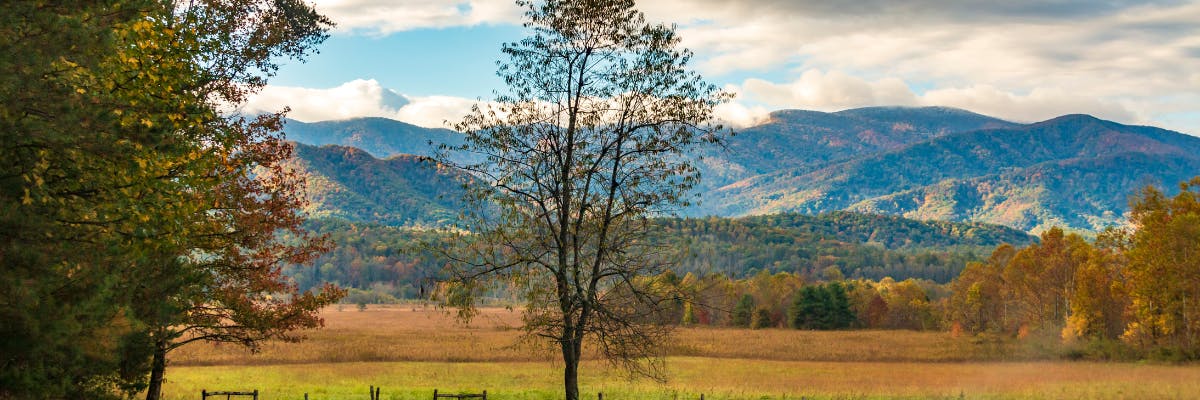
Cades Cove is one of the most popular areas of Great Smoky Mountains National Park. It is a broad valley surrounded by mountains, with historic cabins, churches, wildlife viewing, cycling opportunities and an 11-mile one-way loop road.
Visitors often come to see deer, black bears, wild turkeys, historic buildings and misty mountain views. Arrive early if visiting during peak seasons, as traffic can move slowly.
Best for: wildlife, scenic drives, history, photography, families and first-time Smokies visitors.
Gatlinburg
Gatlinburg is one of the main gateway towns to Great Smoky Mountains National Park. It offers hotels, restaurants, mountain attractions, shops, family entertainment, scenic chairlifts, aquariums and easy access to park entrances.
It is busy and commercial, but very convenient for travellers who want both national park access and plenty of evening activities.
Best for: Great Smoky Mountains access, families, restaurants, attractions, shopping and mountain-town stays.
Pigeon Forge
Pigeon Forge is a major family entertainment destination near the Smokies, known for Dollywood, dinner shows, museums, outlet shopping, go-karts, mini golf and cabin stays.
It is especially popular with families who want mountain scenery plus theme parks and easy attractions.
Best for: families, theme parks, cabins, shows, shopping and Smoky Mountains holidays.
Dollywood
Dollywood is one of Tennessee’s best-known family attractions. Located in Pigeon Forge, it combines rides, live entertainment, crafts, food, festivals and Smoky Mountains atmosphere.
It is a strong choice for families, groups and travellers who enjoy theme parks with a regional Southern character.
Best for: families, rides, live shows, festivals, food and Pigeon Forge holidays.
Sevierville
Sevierville is a practical and scenic base near Pigeon Forge and Gatlinburg. It is known as Dolly Parton’s hometown and offers shopping, restaurants, cabin stays, family attractions and access to the Smoky Mountains region.
It can be a useful option for visitors who want to stay close to the main attractions while avoiding the busiest parts of Gatlinburg.
Best for: cabins, families, shopping, Smoky Mountains access and relaxed stays near Pigeon Forge.
Chattanooga
Chattanooga is one of Tennessee’s most scenic and family-friendly cities. Set along the Tennessee River and surrounded by mountains, it is known for riverfront walks, the Tennessee Aquarium, Lookout Mountain, Ruby Falls, Rock City, the Walnut Street Bridge, museums, trails and a revitalised downtown. Official Chattanooga tourism promotes the city for hotels, restaurants, events and things to do for trip planning. 4
Top things to do include walking the Tennessee Riverwalk, visiting the Tennessee Aquarium, crossing the Walnut Street Bridge, exploring Lookout Mountain, riding the Incline Railway and enjoying restaurants around downtown and the North Shore.
Best for: families, riverfront walks, mountain views, aquariums, outdoor activities and weekend city breaks.
Lookout Mountain
Lookout Mountain is one of Chattanooga’s most famous attractions. It includes scenic viewpoints, Ruby Falls, Rock City, the Incline Railway and Civil War history at Point Park.
Visitors can combine several attractions in one day, though it is worth choosing carefully if you prefer nature and history over commercial sightseeing.
Best for: mountain views, families, caves, gardens, Civil War history and Chattanooga day trips.
Tennessee Aquarium
The Tennessee Aquarium is one of Chattanooga’s best family attractions. It focuses on freshwater and ocean habitats, with exhibits that connect naturally to the Tennessee River setting.
It pairs well with the riverfront, Walnut Street Bridge and downtown Chattanooga restaurants.
Best for: families, rainy days, wildlife, riverfront sightseeing and educational travel.
Knoxville
Knoxville is an appealing East Tennessee city with historic neighbourhoods, university energy, riverfront trails, restaurants, live music, museums and easy access to the Smoky Mountains.
Top things to do include exploring Market Square, walking along the Tennessee River, visiting the Sunsphere, enjoying the Old City, touring the University of Tennessee area and using Knoxville as a base for nearby lakes, trails and mountain drives.
Best for: food, history, university-town atmosphere, live music, river walks and Smoky Mountains access.
Market Square Knoxville
Market Square is one of Knoxville’s best gathering places, with restaurants, cafes, shops, events and a walkable downtown atmosphere.
It is a good place to start a Knoxville visit, especially for food, live music and relaxed evening exploring.
Best for: dining, walking, shopping, events, nightlife and first-time Knoxville visitors.
Franklin
Franklin is one of Tennessee’s prettiest historic towns, located south of Nashville. It is known for a walkable main street, boutiques, restaurants, Civil War history, live music, historic homes and nearby countryside.
Visitors can explore downtown Franklin, visit Civil War sites, enjoy local dining and take a scenic drive to nearby Leiper’s Fork.
Best for: small-town charm, shopping, food, Civil War history, couples and Nashville day trips.
Leiper’s Fork
Leiper’s Fork is a tiny village near Franklin with art galleries, live music, cafes, antiques and a relaxed countryside feel.
It is a favourite stop for visitors who want a slower, more local-feeling Tennessee experience close to Nashville.
Best for: art, music, countryside drives, cafes, couples and relaxed day trips.
Murfreesboro
Murfreesboro is a growing Middle Tennessee city with Civil War history, parks, restaurants and family attractions. It is home to Stones River National Battlefield, one of Tennessee’s important Civil War sites.
The city is an easy day trip from Nashville and a useful stop on a central Tennessee road trip.
Best for: Civil War history, family stops, parks, restaurants and Nashville-area exploring.
Stones River National Battlefield
Stones River National Battlefield preserves the site of a major Civil War battle near Murfreesboro. Visitors can explore trails, monuments, interpretive displays and battlefield landscapes.
It is a meaningful stop for travellers interested in Tennessee’s Civil War history.
Best for: Civil War history, walking trails, education, families and Middle Tennessee road trips.
Cookeville
Cookeville is one of the best bases for waterfall trips in Tennessee. Located between Nashville and Knoxville, it gives easy access to Cummins Falls, Burgess Falls, Fall Creek Falls and other Cumberland Plateau landscapes. Recent travel coverage has highlighted Cookeville as a standout destination for waterfall lovers because of its access to major state parks and scenic falls. 5
The town also has a historic square, local restaurants, breweries, shops and a relaxed small-city atmosphere.
Best for: waterfalls, state parks, hiking, small-town charm, weekend getaways and Cumberland Plateau road trips.
Fall Creek Falls State Park
Fall Creek Falls State Park is one of Tennessee’s best outdoor destinations. Tennessee State Parks describes Fall Creek Falls as a place with a beautiful gorge, scenic overlooks and magnificent waterfalls. 6
Visitors can see Fall Creek Falls, hike trails, enjoy overlooks, stay in cabins or the lodge, camp, bike and explore one of the most scenic parks on the Cumberland Plateau.
Best for: waterfalls, hiking, cabins, camping, families, photography and nature escapes.
Burgess Falls State Park
Burgess Falls State Park is known for its powerful waterfall scenery on the Falling Water River. Tennessee State Parks notes that the day-use park is known for natural beauty and four waterfalls that cascade down more than 250 feet in elevation. 7
The main waterfall is one of the most impressive in Tennessee, and the park is a strong addition to any Cookeville or Cumberland Plateau itinerary.
Best for: waterfalls, hiking, photography, day trips and Cookeville-area exploring.
Cummins Falls State Park
Cummins Falls State Park is another standout waterfall park near Cookeville. Tennessee State Parks promotes the park for its stunning waterfall scenery and trails. 8
Some routes can involve creek walking, slippery rocks and seasonal permit requirements, so visitors should check current park rules and conditions before going.
Best for: waterfalls, swimming-hole scenery, hiking, photography and adventurous day trips.
Rock Island State Park
Rock Island State Park is known for waterfalls, river gorges, rugged scenery and dramatic water features where the Caney Fork, Collins and Rocky rivers meet.
The park is excellent for photography, hiking, kayaking for experienced paddlers and scenic day trips through Middle Tennessee.
Best for: waterfalls, river scenery, photography, kayaking, hiking and outdoor weekends.
Big South Fork National River and Recreation Area
Big South Fork National River and Recreation Area protects rugged river gorges, sandstone bluffs, natural arches, forests and historic sites along the Cumberland Plateau region of Tennessee and Kentucky.
Visitors can hike, camp, paddle, ride horses and explore some of the state’s most scenic and less crowded outdoor landscapes.
Best for: hiking, camping, paddling, horseback riding, natural arches and rugged scenery.
Oak Ridge
Oak Ridge is one of Tennessee’s most interesting history destinations, known for its role in the Manhattan Project during World War II. It offers museums, science history, nearby lakes and access to East Tennessee outdoor areas.
Visitors interested in science, technology and wartime history will find Oak Ridge a worthwhile stop between Knoxville and the Cumberland Plateau.
Best for: science history, museums, World War II history, families and East Tennessee road trips.
Jonesborough
Jonesborough is Tennessee’s oldest town and one of the state’s most charming small destinations. It is known for historic buildings, storytelling traditions, shops, cafes and Appalachian heritage.
The town is especially appealing for travellers who enjoy walkable historic streets and cultural festivals.
Best for: history, storytelling, small-town charm, Appalachian culture and relaxed weekends.
Johnson City
Johnson City is a lively East Tennessee city with mountain access, breweries, restaurants, trails, music, university energy and access to the Tri-Cities region.
It is a useful base for exploring Jonesborough, Bristol, the Appalachian Trail, Watauga Lake and northeastern Tennessee scenery.
Best for: mountain access, breweries, local food, trails, music and East Tennessee road trips.
Bristol
Bristol sits on the Tennessee-Virginia border and is strongly associated with the birth of country music. It also offers motorsports, historic streets, local restaurants and Appalachian culture.
The Birthplace of Country Music Museum is a key attraction for travellers following Tennessee’s music story.
Best for: country music history, small-city charm, motorsports, museums and Appalachian travel.
Lynchburg
Lynchburg is a small Tennessee town best known for its historic square and whiskey heritage. Visitors often come for distillery history, local shops, Southern food and a quiet small-town atmosphere.
It can be combined with Tullahoma, Shelbyville or a Middle Tennessee countryside drive.
Best for: small-town charm, food, whiskey heritage, scenic drives and Middle Tennessee day trips.
Shiloh National Military Park
Shiloh National Military Park preserves one of the major Civil War battlefields in Tennessee. It is located in southwestern Tennessee near the Mississippi border and offers battlefield roads, monuments, cemeteries and interpretive sites.
It is one of the state’s most important destinations for Civil War history and reflective travel.
Best for: Civil War history, battlefield tours, educational travel, quiet road trips and history lovers.
Reelfoot Lake
Reelfoot Lake in northwestern Tennessee is one of the state’s most unusual natural areas. It is known for cypress trees, birdwatching, fishing, boating and a distinctive swamp-lake landscape.
It is especially popular for bald eagle viewing in season and for travellers wanting a quieter nature experience away from the main tourist route.
Best for: birdwatching, fishing, boating, wildlife, photography and peaceful nature trips.
Natchez Trace Parkway
The Natchez Trace Parkway is one of the best scenic drives through Tennessee. It follows a historic travel corridor through Tennessee, Alabama and Mississippi, with forest scenery, historic stops, overlooks, trails and peaceful picnic areas.
The Tennessee section is especially useful for travellers connecting Nashville, Franklin and southern Middle Tennessee.
Best for: scenic drives, history, cycling, quiet road trips, photography and relaxed travel.
Best National Parks and Historic Sites in Tennessee
Great Smoky Mountains National Park: Best for hiking, waterfalls, scenic drives, wildlife and mountain scenery.
Shiloh National Military Park: Best for Civil War history and reflective battlefield touring.
Stones River National Battlefield: Best for Civil War history near Nashville and Murfreesboro.
Big South Fork National River and Recreation Area: Best for rugged gorges, hiking, paddling and natural arches.
Obed Wild and Scenic River: Best for rock climbing, paddling, hiking and gorge scenery.
Natchez Trace Parkway: Best for scenic driving, cycling, history and peaceful road trips.
Andrew Johnson National Historic Site: Best for presidential history in Greeneville.
Manhattan Project National Historical Park, Oak Ridge: Best for World War II and science history.
Best State Parks in Tennessee
Fall Creek Falls State Park: Best for waterfalls, gorges, hiking, camping and cabins.
Burgess Falls State Park: Best for dramatic waterfall views and Cookeville-area day trips.
Cummins Falls State Park: Best for adventurous waterfall hikes and creek scenery.
Rock Island State Park: Best for waterfalls, river gorges, photography and kayaking scenery.
South Cumberland State Park: Best for hiking, overlooks, waterfalls and rugged plateau landscapes.
Frozen Head State Park: Best for forest hiking, mountain views and quieter East Tennessee nature.
Reelfoot Lake State Park: Best for birdwatching, fishing, cypress trees and lake scenery.
Pickwick Landing State Park: Best for boating, fishing, golf and Tennessee River recreation.
Radnor Lake State Park: Best for peaceful nature walks near Nashville.
Warriors’ Path State Park: Best for families, lake recreation and Tri-Cities outdoor time.
Best Places in Tennessee for Families
Pigeon Forge: Dollywood, dinner shows, go-karts, museums, cabins and family attractions.
Gatlinburg: Smoky Mountains access, aquariums, scenic lifts, restaurants and shops.
Chattanooga: Tennessee Aquarium, Lookout Mountain, riverfront walks and family-friendly museums.
Nashville: Music attractions, museums, parks, food and live entertainment.
Memphis: Graceland, music museums, riverfront walks and barbecue.
Great Smoky Mountains: Scenic drives, wildlife, waterfalls and short hikes.
Fall Creek Falls: Waterfalls, cabins, hiking, camping and nature experiences.
Knoxville: Market Square, riverfront trails, museums and Smoky Mountains access.
Best Small Towns to Visit in Tennessee
Franklin: Historic main street, boutiques, restaurants and Civil War history.
Jonesborough: Tennessee’s oldest town, storytelling culture and Appalachian charm.
Leiper’s Fork: Art, music, cafes and countryside scenery near Nashville.
Lynchburg: Historic square, whiskey heritage, shops and small-town character.
Cookeville: Waterfall access, local food, breweries and Cumberland Plateau scenery.
Townsend: Quiet Smokies gateway, scenic drives and peaceful mountain stays.
Bell Buckle: Antique shops, festivals, cafes and small-town atmosphere.
Greeneville: Presidential history, mountain access and East Tennessee heritage.
Paris: Small-town charm, Kentucky Lake access and a replica Eiffel Tower.
Rogersville: Historic streets, East Tennessee scenery and relaxed road-trip appeal.
Best Outdoor Adventures in Tennessee
Drive Cades Cove: Look for wildlife, mountain views and historic buildings in the Smokies.
Hike to waterfalls: Visit Fall Creek Falls, Burgess Falls, Cummins Falls, Laurel Falls or Rainbow Falls.
Explore Lookout Mountain: Enjoy Chattanooga viewpoints, caves, gardens and Civil War history.
Walk the Natchez Trace: Drive, cycle or stop at historic pullouts and scenic trails.
Paddle the Tennessee River: Try river sections near Chattanooga, Knoxville or Pickwick.
Visit Big South Fork: Hike sandstone arches, river gorges and rugged plateau trails.
Go boating on Norris Lake: Enjoy clear water, coves, fishing and East Tennessee lake scenery.
Birdwatch at Reelfoot Lake: Look for eagles, waterbirds and cypress-lined lake views.
Hike South Cumberland: Explore overlooks, waterfalls and rocky plateau scenery.
Cycle or walk urban greenways: Try routes in Nashville, Knoxville, Chattanooga or Memphis.
Best Scenic Drives in Tennessee
Newfound Gap Road: Best for classic Great Smoky Mountains views and high-elevation scenery.
Cades Cove Loop Road: Best for wildlife, historic cabins and mountain valley scenery.
Roaring Fork Motor Nature Trail: Best for forest scenery, streams, cabins and Smokies atmosphere.
Natchez Trace Parkway: Best for peaceful driving, history, cycling and forest scenery.
Cherohala Skyway: Best for mountain views between Tennessee and North Carolina.
Foothills Parkway: Best for sweeping Smoky Mountains overlooks.
Sequatchie Valley route: Best for rural landscapes, cliffs and Cumberland Plateau scenery.
Great River Road: Best for Mississippi River views and West Tennessee history.
Ocoee Scenic Byway: Best for river scenery, whitewater culture and forested mountain drives.
Tennessee Whiskey Trail routes: Best for countryside drives, small towns and heritage stops.
Best Places in Tennessee for Music and Culture
Nashville: Best for country music, honky-tonks, the Grand Ole Opry, Ryman Auditorium and recording history.
Memphis: Best for blues, soul, rock and roll, Beale Street, Graceland, Sun Studio and Stax history.
Bristol: Best for country music origins and Appalachian music heritage.
Chattanooga: Best for festivals, riverfront arts, museums and creative neighbourhoods.
Knoxville: Best for live music, historic venues, university culture and East Tennessee arts.
Franklin: Best for historic streets, local music, boutiques and Southern charm.
Jonesborough: Best for storytelling, Appalachian heritage and historic small-town culture.
Oak Ridge: Best for science history and World War II heritage.
Best Places in Tennessee for Food Lovers
Memphis: Best for barbecue, soul food, blues clubs, diners and riverfront meals.
Nashville: Best for hot chicken, Southern restaurants, biscuits, live-music dining and modern food halls.
Chattanooga: Best for riverfront dining, bakeries, breweries, brunch and casual Southern food.
Knoxville: Best for Market Square restaurants, cafes, craft beer and Appalachian-influenced food.
Franklin: Best for refined Southern dining, cafes, bakeries and historic main street restaurants.
Cookeville: Best for local diners, breweries, doughnuts and waterfall-road-trip meals.
Gatlinburg and Pigeon Forge: Best for family dining, pancakes, barbecue and mountain-trip comfort food.
West Tennessee small towns: Best for barbecue, catfish, diners and Southern road-trip food.
Best Time to Visit Tennessee
Tennessee can be visited year-round, but the best season depends on your itinerary.
Spring: Excellent for wildflowers in the Smokies, waterfalls, city breaks, hiking and comfortable road trips.
Summer: Best for family trips, Dollywood, lake holidays, festivals, river activities and mountain escapes, though humidity can be high.
Autumn: Ideal for Great Smoky Mountains foliage, scenic drives, outdoor festivals, Nashville, Knoxville and Chattanooga.
Winter: Good for music weekends, museums, quieter Smokies trips, holiday events and cosy cabin stays.
For a first visit, spring and autumn are often the easiest seasons. Autumn is especially popular in the Smoky Mountains, while spring is excellent for waterfalls and wildflowers.
Suggested 7-Day Tennessee Road Trip Itinerary
Day 1: Memphis
Start in Memphis. Visit the National Civil Rights Museum, walk Beale Street, enjoy barbecue and take in Mississippi River views.
Day 2: Memphis Music History
Visit Graceland, Sun Studio and the Stax Museum of American Soul Music. Spend the evening with live music or a relaxed dinner downtown.
Day 3: Nashville
Drive to Nashville. Explore Broadway, the Country Music Hall of Fame, Ryman Auditorium and neighbourhoods such as 12 South, Germantown or East Nashville.
Day 4: Franklin and Natchez Trace Parkway
Take a day trip to Franklin and Leiper’s Fork. Add a scenic section of the Natchez Trace Parkway before returning to Nashville or continuing east.
Day 5: Cookeville and Waterfalls
Travel toward Cookeville and the Cumberland Plateau. Visit Burgess Falls, Cummins Falls or Fall Creek Falls, depending on time, trail conditions and your fitness level.
Day 6: Chattanooga
Drive to Chattanooga. Visit the Tennessee Aquarium, walk the Walnut Street Bridge, explore the riverfront and spend time at Lookout Mountain.
Day 7: Great Smoky Mountains
Finish in East Tennessee. Stay in Gatlinburg, Pigeon Forge, Townsend or Knoxville and explore Great Smoky Mountains National Park with a scenic drive, short hike or Cades Cove visit.
Longer 10-Day Tennessee Itinerary
Days 1 to 2: Memphis, Beale Street, Graceland, Sun Studio, Stax Museum and the National Civil Rights Museum.
Days 3 to 4: Nashville, Broadway, Grand Ole Opry, Ryman Auditorium, Country Music Hall of Fame and local food.
Day 5: Franklin, Leiper’s Fork, Natchez Trace Parkway and Middle Tennessee countryside.
Day 6: Cookeville, Burgess Falls, Cummins Falls or Fall Creek Falls State Park.
Day 7: Chattanooga, Tennessee Aquarium, Lookout Mountain and riverfront walks.
Day 8: Knoxville, Market Square, riverfront trails and East Tennessee food.
Days 9 to 10: Gatlinburg, Pigeon Forge, Great Smoky Mountains National Park, Cades Cove, Roaring Fork and scenic mountain drives.
Travel Tips for Visiting Tennessee
Rent a car: Tennessee is best explored by road, especially if you want to connect Memphis, Nashville, Chattanooga and the Smokies.
Book Smokies stays early: Gatlinburg, Pigeon Forge, Townsend and nearby cabins can be busy during summer and autumn foliage season.
Check park conditions: Great Smoky Mountains roads, waterfall trails and high-elevation routes can be affected by weather, repairs or seasonal closures.
Plan music nights ahead: Nashville and Memphis have excellent live music, but popular venues and shows may need advance booking.
Wear proper shoes: Waterfall trails, city walks, battlefield sites and Smoky Mountains paths can involve uneven ground.
Prepare for humidity: Summer can be hot and humid, especially in cities and lowland areas.
Respect historic and cultural sites: Civil Rights museums, battlefields and Indigenous or Appalachian heritage sites deserve thoughtful attention.
Drive slowly in the Smokies: Wildlife, curves, cyclists, pedestrians and traffic can make mountain roads slow.
Try regional food: Look for Memphis barbecue, Nashville hot chicken, biscuits, catfish, meat-and-three restaurants, banana pudding, fried green tomatoes and local pies.
Mix music and nature: A strong Tennessee itinerary includes at least one music city, one mountain region, one historic site and one scenic outdoor area.
Final Thoughts on the Best Places to Visit in Tennessee
Tennessee is a state of music, mountains, food, history and scenic road trips. It offers the energy of Nashville, the soul of Memphis, the beauty of the Great Smoky Mountains, the riverfront charm of Chattanooga, the history of Franklin and Shiloh, and the waterfall landscapes of the Cumberland Plateau.
For a first visit, consider Memphis, Nashville, Franklin, Chattanooga, Knoxville, Gatlinburg, Pigeon Forge and Great Smoky Mountains National Park. Travellers with more time should add Cookeville, Fall Creek Falls, Burgess Falls, Cummins Falls, Big South Fork, Oak Ridge, Jonesborough, Bristol, Reelfoot Lake and the Natchez Trace Parkway.
Whether you are planning a family holiday, music road trip, mountain escape, food-focused weekend, Civil War history journey or waterfall adventure, Tennessee offers memorable places to visit in every season.
Frequently Asked Questions About Visiting Tennessee
What is the prettiest place in Tennessee?
Some of the prettiest places in Tennessee include Great Smoky Mountains National Park, Cades Cove, Fall Creek Falls, Burgess Falls, Cummins Falls, Chattanooga’s Lookout Mountain, Big South Fork, Reelfoot Lake and the Natchez Trace Parkway.
What is Tennessee best known for?
Tennessee is best known for Nashville country music, Memphis blues and barbecue, Graceland, Great Smoky Mountains National Park, Dollywood, whiskey heritage, Civil War history, hot chicken, waterfalls and scenic mountain drives.
Is Tennessee good for a family holiday?
Yes, Tennessee is excellent for families. Families can visit Pigeon Forge, Dollywood, Gatlinburg, Great Smoky Mountains National Park, Chattanooga, the Tennessee Aquarium, Nashville music attractions, Memphis museums and waterfall state parks.
How many days do you need to visit Tennessee?
You can enjoy one region in 3 to 4 days, such as Nashville and Franklin, Memphis, or Gatlinburg and the Smokies. For a broader road trip covering Memphis, Nashville, Chattanooga and the Smokies, 7 to 10 days is ideal.
What is the best time of year to visit Tennessee?
Spring and autumn are the best overall seasons for Tennessee because the weather is comfortable and scenery is strong. Spring is good for waterfalls and wildflowers, while autumn is best for Smoky Mountains foliage. Summer is popular for family attractions and lakes, while winter is quieter for cities and cabins.
Is Tennessee good for a road trip?
Yes, Tennessee is excellent for road trips. Popular routes include Memphis to Nashville, Nashville to Chattanooga, Chattanooga to the Smokies, the Natchez Trace Parkway, Cades Cove Loop Road, Newfound Gap Road, Foothills Parkway and the Cumberland Plateau waterfall route.
Where should first-time visitors go in Tennessee?
First-time visitors should consider Memphis, Nashville, Franklin, Chattanooga, Knoxville, Gatlinburg, Pigeon Forge and Great Smoky Mountains National Park.
Does Tennessee have good hiking?
Yes, Tennessee has excellent hiking, especially in Great Smoky Mountains National Park, Fall Creek Falls, South Cumberland State Park, Big South Fork, Frozen Head, Burgess Falls, Cummins Falls, Rock Island and the Chattanooga area.
What are the best small towns in Tennessee?
Some of the best small towns in Tennessee include Franklin, Jonesborough, Leiper’s Fork, Lynchburg, Cookeville, Townsend, Bell Buckle, Greeneville, Paris and Rogersville.
What should I pack for a Tennessee trip?
Pack comfortable walking shoes, layered clothing, sun protection, insect repellent, a refillable water bottle and weather-appropriate clothes. For the Smokies and waterfall hikes, bring sturdy footwear and a rain jacket. For Nashville and Memphis, bring casual evening clothes for restaurants and live music venues.
Sponsored Popular Items
Quick take: Musement.com offers a worldwide selection of tours and attractions
Utah is one of the most spectacular travel destinations in the United States, known for red rock canyons, sandstone arches, desert landscapes, alpine mountains, salt flats, ski towns, national parks, scenic byways, ancient rock art, family-friendly outdoor adventures and unforgettable road trips. From Zion National Park and Bryce Canyon to Arches, Canyonlands, Capitol Reef, Salt Lake City, Park City, Moab, Monument Valley and the Great Salt Lake, Utah offers some of the most dramatic scenery in the American West.
The state is especially famous for its “Mighty 5” national parks: Arches, Bryce Canyon, Canyonlands, Capitol Reef and Zion. Visit Utah describes these five national parks as anchor points for broader travel regions, encouraging visitors to explore not only the parks but also nearby state parks, national monuments and small towns. 2
Why Visit Utah?
Utah is ideal for travellers who love national parks, scenic drives, hiking, photography, stargazing and outdoor adventure. It is one of the best states in America for a road trip because its landscapes change dramatically from one region to the next. You can walk beneath massive sandstone cliffs in Zion, photograph hoodoos at Bryce Canyon, hike to arches near Moab, explore the rugged canyons of Canyonlands, drive through Capitol Reef’s Waterpocket Fold, ski in the Wasatch Mountains and watch sunset over the Great Salt Lake.
Utah is also much more than its national parks. The state has excellent ski resorts, family-friendly cities, dinosaur fossil sites, desert state parks, mountain lakes, scenic byways, hot springs, historic towns and some of the clearest night skies in the country.
Best Places to Visit in Utah
Zion National Park
Zion National Park is one of Utah’s most famous destinations and one of the most visited national parks in the United States. The National Park Service describes Zion as a place of massive sandstone cliffs in cream, pink and red, narrow slot canyons, rich history and diverse plant and animal life. 3
Popular things to do include walking the Riverside Walk, hiking to Emerald Pools, exploring Zion Canyon, driving the Zion-Mount Carmel Highway, viewing the Court of the Patriarchs and applying for permits for special hikes such as Angels Landing when required. The park also has shuttle systems and permit rules that can change seasonally, so visitors should check current conditions before travelling.
Best for: first-time Utah visitors, hiking, canyon scenery, photography, families, scenic drives and national park road trips.
Springdale
Springdale is the main gateway town for Zion National Park. It sits just outside the park entrance and offers hotels, restaurants, shops, outfitters, galleries and shuttle access into Zion Canyon during operating periods.
It is one of the best places to stay if Zion is the focus of your trip, especially if you want to reduce driving and enjoy canyon views from town.
Best for: Zion access, restaurants, hotels, galleries, couples, families and canyon views.
Bryce Canyon National Park
Bryce Canyon National Park is famous for its hoodoos, which are tall, thin rock spires that create one of the most unusual landscapes in the American Southwest. Visit Utah describes Bryce Canyon as an alpine forest landscape with red rock hoodoos, while the National Park Service lists popular routes such as the Rim Trail, Queen’s Garden and Navajo Loop. 4
Top experiences include sunrise at Sunrise Point, sunset at Sunset Point, walking the Rim Trail, hiking the Queen’s Garden and Navajo Loop combination, and stargazing under the park’s dark skies. Bryce sits at higher elevation than many other southern Utah parks, so temperatures can be cooler, especially in the morning and evening.
Best for: hoodoos, sunrise photography, stargazing, short hikes, families, scenic overlooks and high-elevation desert scenery.
Arches National Park
Arches National Park near Moab is one of Utah’s most iconic landscapes. Visit Utah notes that Arches contains more than 2,000 natural arches, making it one of the great sandstone destinations in the country. 5
Popular stops include Delicate Arch, Landscape Arch, Double Arch, Windows Section, Balanced Rock, Park Avenue and Devils Garden. Delicate Arch is the classic Utah postcard view, but many shorter walks also offer excellent scenery for families and less experienced hikers.
Best for: natural arches, photography, hiking, geology, families, sunset views and Moab-based trips.
Moab
Moab is one of the best adventure towns in the American Southwest. The official Moab visitor site describes the area as a red rock canyon destination along the Colorado River and a base for mountain biking, hiking, off-roading and whitewater rafting. 6
Moab is the main base for Arches National Park, Canyonlands National Park, Dead Horse Point State Park, Colorado River rafting, mountain biking trails, scenic drives and off-road tours. It has a lively mix of outfitters, restaurants, hotels, campgrounds and tour operators.
Best for: Arches, Canyonlands, adventure travel, rafting, mountain biking, off-roading, hiking and red rock scenery.
Canyonlands National Park
Canyonlands National Park is a vast wilderness of canyons, buttes and spires carved by the Colorado and Green rivers. The National Park Service notes that the park is divided into four districts and that no roads connect the districts within the park. 7
The most accessible district for first-time visitors is Island in the Sky, near Moab. Highlights include Mesa Arch, Grand View Point, Green River Overlook and Shafer Canyon views. The Needles district is more remote and excellent for hiking, while the Maze is best suited to highly prepared backcountry travellers.
Best for: canyon views, remote scenery, photography, hiking, scenic overlooks, solitude and Moab road trips.
Dead Horse Point State Park
Dead Horse Point State Park is one of Utah’s most dramatic state parks, located near Canyonlands and Moab. Utah State Parks describes Dead Horse Point as a viewpoint 2,000 feet above a gooseneck in the Colorado River. 8
The main overlook is especially beautiful at sunrise or sunset, and the park also has trails, camping and mountain biking routes. It is a must-add stop for travellers staying in Moab.
Best for: canyon views, photography, sunsets, short walks, families and Moab-area sightseeing.
Capitol Reef National Park
Capitol Reef National Park is one of Utah’s most underrated national parks. The National Park Service describes it as a hidden treasure in south-central Utah, with cliffs, canyons, domes and bridges in the Waterpocket Fold, a geologic monocline extending nearly 100 miles. 9
Top things to do include driving the Scenic Drive, exploring Fruita, seeing petroglyphs, hiking to Hickman Bridge, visiting Capitol Gorge, photographing the Waterpocket Fold and enjoying pies or fruit in season in the historic Fruita area.
Best for: quieter national park scenery, scenic drives, geology, hiking, history, photography and southern Utah road trips.
Torrey
Torrey is the main gateway town for Capitol Reef National Park. It offers lodging, restaurants, galleries and access to one of Utah’s most scenic regions.
It is also a good base for exploring Highway 12, Boulder Mountain, Grand Staircase-Escalante and the wider south-central Utah landscape.
Best for: Capitol Reef access, quiet stays, scenic drives, photography and relaxed desert travel.
Scenic Byway 12
Scenic Byway 12 is one of the most beautiful drives in Utah. It links the Bryce Canyon area with Escalante, Boulder, Grand Staircase-Escalante and Capitol Reef country.
The drive passes red rock canyons, forests, high plateaus, small towns and dramatic viewpoints. It is one of the best routes for travellers who want to connect multiple southern Utah landscapes without rushing.
Best for: scenic drives, road trips, photography, small towns, red rock scenery and national park connections.
Grand Staircase-Escalante
Grand Staircase-Escalante is a vast southern Utah landscape of canyons, cliffs, slickrock, slot canyons, desert plateaus and remote roads. It is best suited to travellers who enjoy rugged scenery and careful route planning.
Popular areas include Escalante, Hole-in-the-Rock Road, Calf Creek Falls, Boulder, Kodachrome Basin nearby and scenic viewpoints along Highway 12. Road and trail conditions can change quickly, so always check locally before travelling into remote areas.
Best for: slot canyons, scenic drives, hiking, photography, solitude and adventurous road trips.
Escalante
Escalante is a small town surrounded by some of Utah’s most impressive desert landscapes. It is a practical base for Grand Staircase-Escalante, Calf Creek Falls, Hole-in-the-Rock Road and Highway 12.
Visitors can use Escalante for lodging, food, outfitters and local advice before heading into more remote canyon country.
Best for: desert hiking, slot canyons, scenic drives, road-trip bases and quiet stays.
Kanab
Kanab is one of Utah’s best bases for exploring the southern border region. It sits close to Zion, Bryce Canyon, Coral Pink Sand Dunes, Grand Staircase-Escalante, Lake Powell, Buckskin Gulch, the Wave permit area and the Arizona border.
The town has a friendly road-trip atmosphere, with hotels, restaurants, outfitters and easy access to many day trips.
Best for: road-trip bases, slot canyons, Zion and Bryce access, photography, families and southern Utah exploring.
Coral Pink Sand Dunes State Park
Coral Pink Sand Dunes State Park protects a colourful landscape of shifting red-orange sand dunes. Utah State Parks notes that the dunes can move as much as 50 feet per year and that the park offers both motorized and non-motorized recreation. 10
Visitors can walk on the dunes, photograph the sand at sunrise or sunset, ride off-highway vehicles in designated areas and combine the park with Kanab, Zion or the Arizona border region.
Best for: sand dunes, photography, families, off-highway vehicle recreation and southern Utah road trips.
Goblin Valley State Park
Goblin Valley State Park is one of Utah’s most unusual landscapes. Utah State Parks describes it as a strange and colourful valley covered with sandstone goblins. 11
The park is fun for families because visitors can wander among the formations and explore an almost otherworldly landscape. It pairs well with Capitol Reef, Hanksville and Little Wild Horse Canyon.
Best for: families, unusual rock formations, photography, short walks, stargazing and road-trip stops.
Monument Valley
Monument Valley is one of the most recognisable landscapes in the American Southwest, known for towering sandstone buttes, desert roads and wide-open views. It lies on Navajo Nation land near the Utah-Arizona border and should be visited with respect for local rules, culture and access requirements.
Visitors can take scenic drives, join guided tours, photograph sunrise or sunset and learn more about Navajo culture and the desert landscape. Always check current Navajo Tribal Park access rules before travelling.
Best for: iconic desert scenery, photography, guided tours, cultural travel and Utah-Arizona road trips.
Lake Powell and Glen Canyon
Lake Powell and Glen Canyon sit along the Utah-Arizona border and offer dramatic desert-water scenery, boating, kayaking, beaches, canyons and red rock views. The area is vast and access varies by water levels, marina operations and seasonal conditions.
Popular Utah-side areas include Bullfrog, Halls Crossing and nearby canyon country. Page, Arizona, is often used for southern Lake Powell access.
Best for: boating, kayaking, desert water scenery, photography, family trips and warm-weather escapes.
Salt Lake City
Salt Lake City is Utah’s capital and a practical gateway for visitors flying into the state. Visit Salt Lake promotes the city for skiing, hiking, food, live music, museums, outdoor adventure and access to the Wasatch Mountains. 12
Top things to do include visiting Temple Square, walking downtown, exploring the Natural History Museum of Utah, seeing the Utah State Capitol, visiting Red Butte Garden, enjoying restaurants and heading into nearby canyons for hiking or skiing.
Best for: city breaks, museums, skiing, hiking, food, families, airport access and northern Utah itineraries.
Great Salt Lake
The Great Salt Lake is one of Utah’s most distinctive natural landmarks. It is the largest saltwater lake in the Western Hemisphere and creates a unique landscape of shoreline, wetlands, islands, salt flats and bird habitat.
Visitors often experience the lake through Antelope Island State Park, Great Salt Lake State Park, birding areas or sunset viewpoints west of Salt Lake City.
Best for: sunsets, birdwatching, photography, geology, unusual landscapes and Salt Lake City day trips.
Antelope Island State Park
Antelope Island State Park sits in the Great Salt Lake and is one of the best places near Salt Lake City for wildlife, hiking and lake views. Utah State Parks highlights hiking, mountain biking and horseback riding on the island’s backcountry trails, with views of the lake and island scenery. 13
Visitors may see bison, pronghorn, birds and broad views of the Wasatch Mountains. Sunsets are especially memorable, but bugs can be intense in some seasons.
Best for: wildlife, sunsets, hiking, biking, photography and Salt Lake City day trips.
Park City
Park City is Utah’s best-known mountain resort town, famous for skiing, snowboarding, Historic Main Street, restaurants, festivals, mountain biking and year-round outdoor activities. Visit Park City lists popular summer activities such as hiking, mountain biking, scenic chairlift rides, outdoor concerts, festivals, golf, fly fishing and exploring Historic Main Street. 14
In winter, Park City is a major ski destination. In summer and autumn, it becomes a base for hiking, biking, scenic drives, markets and mountain events.
Best for: skiing, mountain biking, restaurants, festivals, couples, families and mountain resort stays.
Provo and Utah Valley
Provo and Utah Valley offer mountain scenery, lakes, waterfalls, family attractions and easy access to the Wasatch Range. Popular stops include Provo Canyon, Bridal Veil Falls, Utah Lake, BYU campus areas, Sundance Mountain Resort and Timpanogos Cave National Monument nearby.
The region is a good choice for travellers who want northern Utah scenery without staying in Salt Lake City or Park City.
Best for: mountain views, waterfalls, family trips, university-town energy, scenic drives and northern Utah exploring.
Bear Lake
Bear Lake sits on the Utah-Idaho border and is known for its bright turquoise-blue water, beaches, boating, fishing, camping and summer holidays. Utah State Parks notes that minerals suspended in the water create Bear Lake’s distinctive aqua-blue colour. 15
The area is popular in summer for lake recreation and in quieter seasons for scenic drives and relaxed small-town stays.
Best for: boating, beaches, families, camping, fishing, summer holidays and northern Utah road trips.
Bonneville Salt Flats
The Bonneville Salt Flats are one of Utah’s most surreal landscapes. Located west of Salt Lake City near Wendover, the flats create a vast white expanse that feels almost otherworldly.
Visitors come for photography, road-trip stops and the landscape’s strong connection to land-speed racing history. Conditions can vary with weather, and the flats should be treated carefully because the surface can be fragile or impassable when wet.
Best for: photography, road trips, unusual landscapes, wide-open views and western Utah travel.
Dinosaur National Monument
Dinosaur National Monument spans parts of Utah and Colorado and is one of the best places in the region to learn about fossils, geology, river canyons and ancient life. The National Park Service notes that dinosaur fossils remain embedded in rocks there, while the area also includes mountains, desert, river canyons, petroglyphs and human history. 16
The Utah side near Vernal is especially known for the Quarry Exhibit Hall, where visitors can see dinosaur bones in the rock face.
Best for: fossils, families, geology, river canyons, history and northeastern Utah road trips.
Vernal
Vernal is the main Utah base for Dinosaur National Monument and northeastern Utah’s fossil country. It has museums, restaurants, lodging and access to nearby scenic drives, lakes and outdoor recreation.
It is a strong stop for families or anyone interested in dinosaurs, geology and lesser-known Utah landscapes.
Best for: dinosaur history, museums, families, road-trip bases and northeastern Utah exploring.
Cedar City
Cedar City is a useful base for southern Utah travel, especially for Cedar Breaks National Monument, Brian Head, Zion, Bryce Canyon and the Shakespeare Festival. It has hotels, restaurants, galleries and access to cooler high-elevation landscapes.
The city works well for travellers who want a less crowded base than Springdale or Bryce Canyon City.
Best for: Cedar Breaks access, arts, festivals, road-trip bases, families and southern Utah exploring.
Cedar Breaks National Monument
Cedar Breaks National Monument is a high-elevation amphitheatre of colourful cliffs, bristlecone pines, wildflowers and dark skies. The National Park Service describes Cedar Breaks as sitting above 10,000 feet and looking down into a half-mile-deep geologic amphitheatre. 17
Because of its elevation, the area is cooler than nearby desert parks and access can be seasonal. It is especially beautiful in summer wildflower season and autumn.
Best for: high-elevation views, wildflowers, bristlecone pines, stargazing, photography and Cedar City day trips.
Best National Parks in Utah
Zion National Park: Best for sandstone cliffs, canyon walks, scenic drives and famous hikes.
Bryce Canyon National Park: Best for hoodoos, sunrise viewpoints, stargazing and short hikes.
Arches National Park: Best for natural arches, sunset photography and Moab-based exploring.
Canyonlands National Park: Best for vast canyon views, Mesa Arch, remote landscapes and backcountry adventure.
Capitol Reef National Park: Best for scenic drives, quieter hiking, geology, Fruita history and wide-open desert views.
Best State Parks in Utah
Dead Horse Point State Park: Best for Colorado River canyon views near Moab.
Goblin Valley State Park: Best for strange sandstone formations and family exploring.
Coral Pink Sand Dunes State Park: Best for red-orange dunes, photography and off-highway vehicle recreation.
Antelope Island State Park: Best for Great Salt Lake views, bison, hiking and sunsets.
Snow Canyon State Park: Best for lava flows, red cliffs, desert trails and St. George-area scenery.
Kodachrome Basin State Park: Best for colourful rock formations near Bryce Canyon and Grand Staircase-Escalante.
Escalante Petrified Forest State Park: Best for petrified wood, reservoir views and Escalante-area camping.
Bear Lake State Park: Best for turquoise water, boating, beaches and summer family holidays.
Goosenecks State Park: Best for dramatic San Juan River bends and quick scenic stops.
Fremont Indian State Park: Best for rock art, archaeology and central Utah history.
Best Places in Utah for Families
Salt Lake City: Museums, gardens, city walks, canyons and easy airport access.
Moab: Arches, Canyonlands, rafting, easy hikes and adventure tours.
Bryce Canyon: Short rim walks, viewpoints, ranger programs and stargazing.
Goblin Valley: Open desert exploring among unusual rock formations.
Park City: Skiing, mountain biking, scenic rides and family resort activities.
Bear Lake: Beaches, boating, camping and relaxed summer lake stays.
Dinosaur National Monument: Fossils, exhibits, river canyons and educational fun.
Best Small Towns to Visit in Utah
Moab: Adventure base for Arches, Canyonlands and Colorado River activities.
Springdale: Beautiful gateway town for Zion National Park.
Torrey: Quiet base for Capitol Reef and Highway 12.
Escalante: Slot canyon and Grand Staircase-Escalante base.
Kanab: Southern Utah hub near Zion, Bryce, Lake Powell and Coral Pink Sand Dunes.
Park City: Historic mining town turned mountain resort destination.
Helper: Artsy small town with rail history and a growing creative scene.
Garden City: Bear Lake base for summer water recreation.
Bluff: Red rock scenery, archaeology and Four Corners road-trip access.
Panguitch: Historic town near Bryce Canyon, Red Canyon and Panguitch Lake.
Best Outdoor Adventures in Utah
Hike in Zion Canyon: Walk beneath towering sandstone cliffs and explore riverside trails.
Photograph Delicate Arch: See one of Utah’s most famous natural landmarks in Arches National Park.
Watch sunrise at Bryce Canyon: See hoodoos glow in early morning light.
Drive through Capitol Reef: Explore the Waterpocket Fold, Fruita and desert canyons.
See Mesa Arch at Canyonlands: Visit one of the Southwest’s classic sunrise viewpoints.
Raft the Colorado River near Moab: Choose calm water or whitewater depending on your experience level.
Stargaze in southern Utah: Many desert parks and small towns offer exceptional night skies.
Ski near Salt Lake City or Park City: Enjoy easy access to world-class mountain resorts.
Explore slot canyons: Visit guided or beginner-friendly areas around Kanab, Escalante and southern Utah.
Bike in Moab or Park City: Try famous mountain biking routes or beginner-friendly trails.
Best Scenic Drives in Utah
Scenic Byway 12: Best for Bryce Canyon, Escalante, Boulder, Capitol Reef and dramatic desert scenery.
Zion-Mount Carmel Highway: Best for tunnels, cliffs and classic Zion views.
Arches Scenic Drive: Best for natural arches, red rock formations and easy viewpoints.
Canyonlands Island in the Sky drive: Best for overlooks, Mesa Arch and canyon panoramas.
Capitol Reef Scenic Drive: Best for cliffs, domes, canyons and Fruita history.
Monument Valley route: Best for iconic buttes, desert roads and Utah-Arizona scenery.
Mirror Lake Scenic Byway: Best for alpine lakes, forests and northern Utah mountain scenery.
Logan Canyon Scenic Byway: Best for Bear Lake, canyon views and northern Utah road trips.
Davis Mountains and Wasatch drives: Best for Salt Lake City canyon access, autumn colour and mountain views.
Highway 95 through southeast Utah: Best for remote red rock scenery, bridges, canyons and quiet drives.
Best Places in Utah for History and Culture
Salt Lake City: State history, Temple Square, museums, pioneer heritage and urban culture.
Bluff: Ancient rock art, red rock landscapes and Four Corners history.
Capitol Reef and Fruita: Pioneer orchards, historic buildings, petroglyphs and desert settlement history.
Dinosaur National Monument: Fossils, petroglyphs, river canyons and natural history.
Park City: Mining history, ski culture, Olympic legacy and mountain-town character.
Cedar City: Festivals, theatre, pioneer heritage and access to Cedar Breaks.
Fremont Indian State Park: Petroglyphs, pictographs and Indigenous history.
Golden Spike National Historical Park: Railroad history and the meeting point of the transcontinental railroad.
Best Places in Utah for Food Lovers
Salt Lake City: Best for modern restaurants, international food, bakeries, coffee, breweries and food halls.
Park City: Best for mountain-town dining, après-ski meals, upscale restaurants and cosy winter food.
Moab: Best for casual adventure-town dining, coffee, breweries, food trucks and post-hike meals.
St. George: Best for southwestern dining, cafes, family restaurants and access to Snow Canyon and Zion.
Provo: Best for casual restaurants, dessert shops, cafes and university-town food.
Fredericksburg-style? No: Utah’s food identity is more about regional diners, fry sauce, funeral potatoes, artisan bakeries, local produce, ice cream shops and mountain-resort dining.
Best Time to Visit Utah
Utah can be visited year-round, but the best season depends on your region and activities.
Spring: Excellent for southern Utah national parks, desert hiking, wildflowers, scenic drives and comfortable temperatures.
Summer: Best for high-elevation areas, mountain lakes, Park City, Salt Lake canyons and family holidays, though desert parks can be very hot.
Autumn: Ideal for Zion, Bryce, Capitol Reef, Moab, Highway 12, fall colour and cooler hiking weather.
Winter: Best for skiing in northern Utah, snow-covered Bryce Canyon, quieter desert parks and cosy mountain stays.
For a first Utah national parks road trip, spring and autumn are usually the easiest seasons. Summer can still be rewarding, but desert heat can be intense, so early starts, water and shade planning are essential.
Suggested 7-Day Utah Road Trip Itinerary
Day 1: Salt Lake City
Start in Salt Lake City. Visit downtown, the Utah State Capitol, Temple Square area, the Natural History Museum of Utah or Red Butte Garden. If time allows, head to Antelope Island for Great Salt Lake sunset views.
Day 2: Moab and Arches National Park
Drive to Moab and spend the afternoon in Arches National Park. Visit Balanced Rock, Windows Section, Double Arch and Delicate Arch viewpoint or hike, depending on time and ability.
Day 3: Canyonlands and Dead Horse Point
Explore Canyonlands National Park’s Island in the Sky district. Visit Mesa Arch, Green River Overlook and Grand View Point, then finish the day at Dead Horse Point State Park for sunset.
Day 4: Capitol Reef and Torrey
Drive from Moab toward Capitol Reef National Park. Explore Fruita, see petroglyphs, hike Hickman Bridge or drive the Scenic Drive if conditions allow. Stay overnight in Torrey.
Day 5: Scenic Byway 12 and Bryce Canyon
Drive Scenic Byway 12 through Boulder and Escalante toward Bryce Canyon. Stop for viewpoints along the way, then enjoy sunset over Bryce Canyon’s hoodoos.
Day 6: Bryce Canyon to Zion
Spend the morning walking the Rim Trail or hiking Queen’s Garden and Navajo Loop, then continue to Springdale for Zion National Park.
Day 7: Zion National Park
Explore Zion Canyon. Choose Riverside Walk, Emerald Pools, Canyon Overlook, scenic shuttle stops or permitted hikes depending on your plans. Stay in Springdale or continue toward Las Vegas or Salt Lake City.
Longer 10-Day Utah Itinerary
Day 1: Salt Lake City, Great Salt Lake and Antelope Island.
Day 2: Drive to Moab and explore Arches National Park.
Day 3: Canyonlands Island in the Sky and Dead Horse Point State Park.
Day 4: Moab adventure day, with rafting, mountain biking, off-roading or Corona Arch.
Day 5: Capitol Reef National Park and Torrey.
Day 6: Scenic Byway 12, Boulder, Escalante and Calf Creek Falls area.
Day 7: Bryce Canyon National Park and nearby Red Canyon.
Day 8: Kanab, Coral Pink Sand Dunes or Grand Staircase-Escalante side trips.
Day 9: Zion National Park and Springdale.
Day 10: St. George, Snow Canyon State Park or return to Salt Lake City or Las Vegas.
Travel Tips for Visiting Utah
Rent a car: Utah is best explored by road, especially if you want to connect national parks, state parks and small towns.
Check current park rules: Shuttle systems, permits, entry requirements, road closures and trail access can change seasonally.
Book early: Springdale, Moab, Bryce Canyon, Torrey and Park City can fill quickly in peak seasons.
Carry water: Southern Utah is dry, exposed and hot for much of the year.
Start hikes early: Early starts help avoid heat, parking pressure and crowded viewpoints.
Pack layers: Elevation changes are significant, especially between Bryce Canyon, desert parks and mountain regions.
Respect fragile landscapes: Stay on trails, avoid walking on biological soil crust and do not carve or mark sandstone.
Protect rock art: Never touch, trace or climb on petroglyphs or pictographs.
Check road conditions: Remote dirt roads can become impassable after storms.
Plan fuel stops: Distances between services can be long in southern and eastern Utah.
Final Thoughts on the Best Places to Visit in Utah
Utah is one of the most visually unforgettable states in America. Its red rock canyons, sandstone arches, hoodoos, desert highways, mountain towns, salt flats, alpine lakes and national parks make it a dream destination for road trippers, photographers, hikers and families.
For a first visit, consider Salt Lake City, Moab, Arches, Canyonlands, Dead Horse Point, Capitol Reef, Scenic Byway 12, Bryce Canyon, Kanab, Zion and Springdale. Travellers with more time should add Park City, Antelope Island, Bear Lake, Dinosaur National Monument, Cedar Breaks, Grand Staircase-Escalante, Monument Valley, Goblin Valley, Coral Pink Sand Dunes and Snow Canyon.
Whether you are planning a Mighty 5 national parks adventure, a ski holiday, a family road trip, a desert photography journey, a mountain escape or a scenic drive through the Southwest, Utah offers some of the most remarkable places to visit in the United States.
Frequently Asked Questions About Visiting Utah
What is the prettiest place in Utah?
Some of the prettiest places in Utah include Zion National Park, Bryce Canyon, Arches, Canyonlands, Capitol Reef, Monument Valley, Dead Horse Point, Lake Powell, Snow Canyon, Antelope Island and Scenic Byway 12.
What is Utah best known for?
Utah is best known for the Mighty 5 national parks, red rock scenery, arches, canyons, hoodoos, skiing, Salt Lake City, Park City, Moab, the Great Salt Lake, Monument Valley and scenic desert road trips.
Is Utah good for a family holiday?
Yes, Utah is excellent for families. Families can visit Salt Lake City, Park City, Moab, Arches, Bryce Canyon, Zion, Goblin Valley, Antelope Island, Bear Lake, Dinosaur National Monument and many state parks.
How many days do you need to visit Utah?
You can enjoy one region in 3 to 4 days, such as Moab, Zion and Bryce, or Salt Lake City and Park City. For a broader Mighty 5 road trip, 7 to 10 days is ideal. For a slower itinerary with state parks and scenic byways, allow 10 to 14 days.
What is the best time of year to visit Utah?
Spring and autumn are the best overall seasons for southern Utah national parks because the weather is more comfortable for hiking and scenic drives. Winter is best for skiing and quieter desert parks, while summer is better for mountain areas, lakes and high-elevation destinations.
Is Utah good for a road trip?
Yes, Utah is one of the best road-trip states in the United States. Popular routes include the Mighty 5, Scenic Byway 12, Moab to Monument Valley, Salt Lake City to Park City, the Logan Canyon route to Bear Lake and the southern Utah loop through Zion, Bryce and Capitol Reef.
Where should first-time visitors go in Utah?
First-time visitors should consider Salt Lake City, Moab, Arches National Park, Canyonlands National Park, Dead Horse Point State Park, Capitol Reef National Park, Bryce Canyon National Park, Zion National Park and Springdale.
Does Utah have good hiking?
Yes, Utah has outstanding hiking, especially in Zion, Bryce Canyon, Arches, Canyonlands, Capitol Reef, Grand Staircase-Escalante, Moab, Snow Canyon, Cedar Breaks, the Wasatch Mountains and the Uinta Mountains.
What are the best small towns in Utah?
Some of the best small towns in Utah include Moab, Springdale, Torrey, Escalante, Kanab, Park City, Helper, Garden City, Bluff and Panguitch.
What should I pack for a Utah trip?
Pack comfortable hiking shoes, sun protection, sunglasses, a hat, layered clothing, a refillable water bottle, snacks and weather-appropriate gear. For desert parks, bring extra water and sun protection. For high-elevation areas such as Bryce Canyon, Cedar Breaks, Park City and the Wasatch Mountains, bring warm layers even outside winter.
Sponsored Popular Items
Quick take: Musement.com offers a worldwide selection of tours and attractions
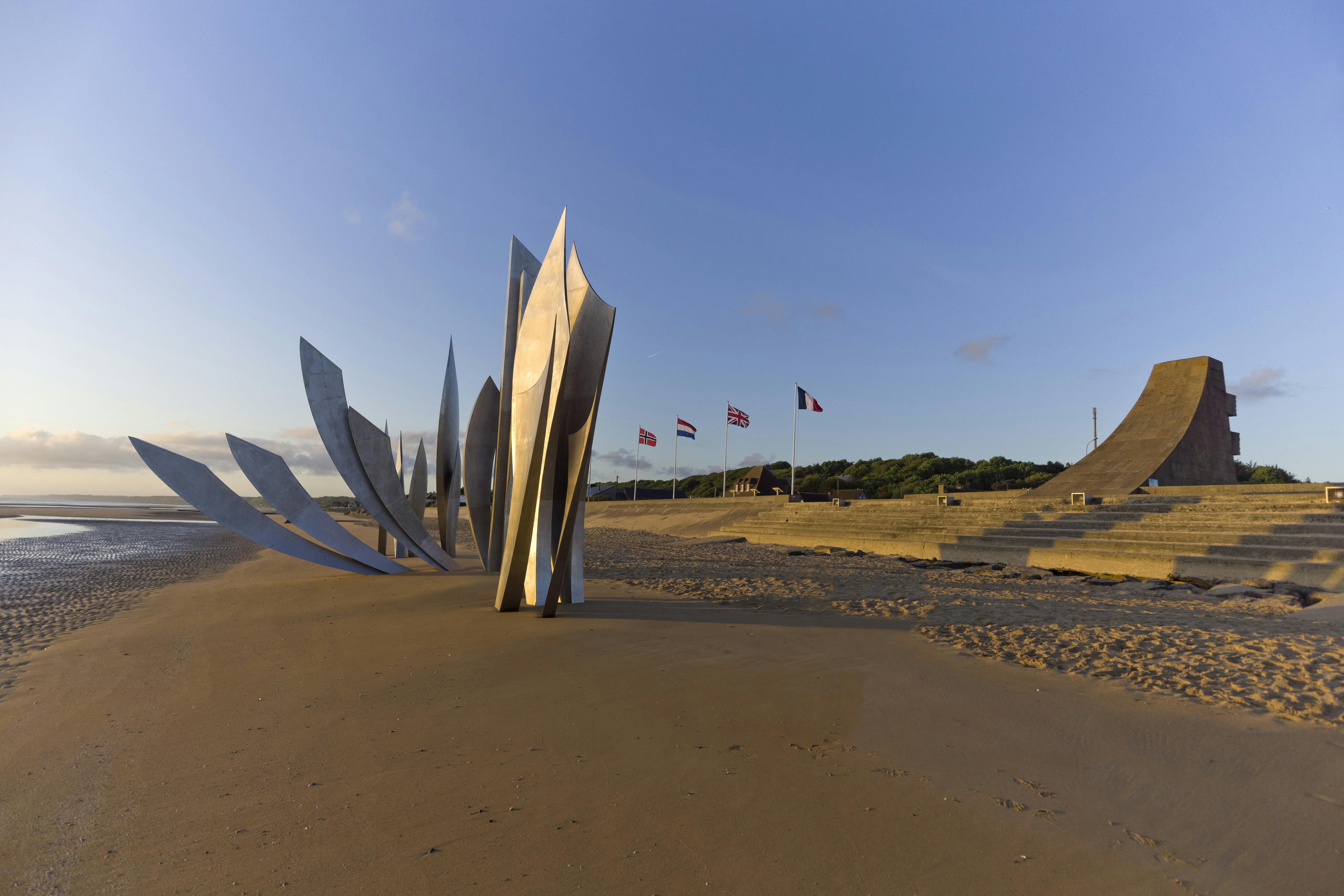
Full-Day Tour of Utah, Omaha and US Airborne Sectors – Bayeux Guided Tour France Full-day tour of Utah, Omaha and US airborne sectors is a convenient way to add structure, local context and purposeful sightseeing to the itinerary. Check current availability, inclusions and booking details before you go.
Utah National Parks Bundle Self-Guided Driving Tour United States Ultimate Utah National Parks bundle self-guided driving tour offers a nature-focused break from urban sightseeing and a closer look at the destination’s environment. Check current availability, inclusions and booking details before you go.
Vermont is one of the most charming travel destinations in New England, known for its covered bridges, maple farms, mountain villages, ski resorts, autumn foliage, scenic byways, historic downtowns, lakes, forests, craft breweries, farm-to-table food and peaceful countryside. Small in size but rich in character, Vermont is ideal for slow road trips, romantic weekends, family holidays, outdoor adventures, winter ski breaks and classic fall foliage escapes.
Official Vermont tourism describes the state as a place of natural beauty, unhurried rhythms, open-minded culture and time-honoured traditions. Vermont’s scenic routes also make it especially good for driving holidays, with ten federally designated scenic byways winding through mountains, valleys, farms, historic downtowns, trailheads, waterfalls, museums and local shops. 2
Why Visit Vermont?
Vermont is perfect for travellers who want relaxed scenery, small-town charm and outdoor experiences without the scale or crowds of larger states. You can explore Lake Champlain in Burlington, drive through the Green Mountains, ski in Stowe or Killington, photograph covered bridges near Woodstock, walk around historic villages, hike to waterfalls, browse farmers markets and taste maple syrup, cheese, cider, craft beer and local produce.
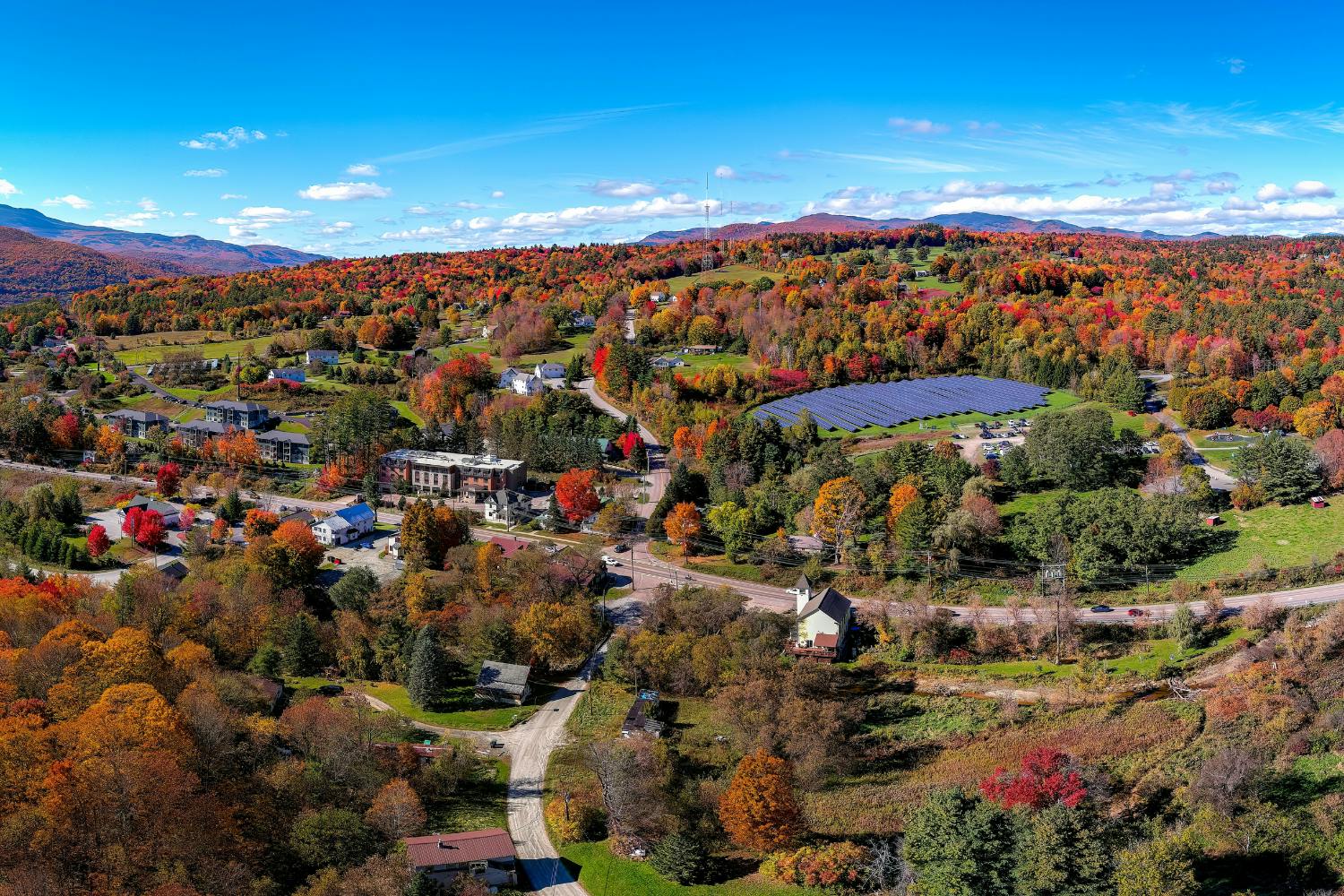
Vermont is also one of the best states in the United States for autumn colour. The mix of mountains, forests, farms and village roads creates classic New England foliage scenery, especially from late September into October, depending on elevation and weather.
Best Places to Visit in Vermont
Burlington
Burlington is Vermont’s largest city and one of the best places to begin a Vermont trip. Set on the shore of Lake Champlain, it combines lake views, restaurants, shopping, breweries, bike paths, arts, music, markets and a relaxed college-town feel.
Top things to do include walking along the Burlington Waterfront, exploring Church Street Marketplace, cycling the Burlington Greenway, visiting ECHO, Leahy Center for Lake Champlain, browsing local shops and enjoying sunset over Lake Champlain with views toward the Adirondack Mountains. Vermont tourism notes that Church Street Marketplace has more than 100 shops and restaurants and was named the No. 1 public square in America by USA Today in 2022. 3
Best for: lake views, food, breweries, shopping, cycling, families, couples and first-time Vermont visitors.
Lake Champlain
Lake Champlain is one of Vermont’s defining natural features. It stretches along the western side of the state and offers boating, kayaking, ferries, beaches, fishing, cycling, waterfront parks, islands and mountain views.
Burlington is the easiest place to enjoy the lake, but visitors can also explore Shelburne, Charlotte, the Lake Champlain Islands, Button Bay, Basin Harbor and small lakeside towns. Warm afternoons in Burlington are ideal for walking through Waterfront Park, joining a lake cruise or exploring the shoreline. 4
Best for: boating, sunsets, cycling, lake views, families, summer holidays and scenic road trips.
Church Street Marketplace
Church Street Marketplace is the heart of downtown Burlington. This pedestrian-friendly shopping and dining area is lined with local shops, restaurants, cafes, street performers and public spaces.
It is a great place for a relaxed meal, casual browsing or an evening walk after spending time by Lake Champlain.
Best for: shopping, dining, street life, cafes, families and Burlington first-timers.
Stowe
Stowe is one of Vermont’s most famous mountain towns and a year-round destination for skiing, hiking, biking, foliage drives, dining, spas and classic New England scenery. The official Stowe tourism site highlights attractions such as Stowe Mountain Resort, the Gondola SkyRide, Stowe Rocks, Stowe Bowl, golf, spa experiences and seasonal events. 5
In winter, Stowe is a major ski destination. In summer and autumn, visitors come for hiking, mountain biking, scenic gondola rides, foliage drives, covered bridges, breweries, local shops and views of Mount Mansfield.
Best for: skiing, autumn foliage, mountain scenery, couples, outdoor adventure, food and classic Vermont charm.
Mount Mansfield
Mount Mansfield is Vermont’s highest mountain and one of the state’s best-known outdoor landmarks. It rises above the Stowe area and offers hiking, scenic views, alpine scenery and access from several trailheads and mountain roads.
Experienced hikers can choose challenging routes, while less active visitors can enjoy views from Stowe Mountain Resort’s gondola or scenic drives around Smugglers’ Notch.
Best for: hiking, mountain views, photography, experienced walkers, scenic rides and Stowe-area adventure.
Smugglers’ Notch
Smugglers’ Notch is one of Vermont’s most scenic mountain passes, located near Stowe. The area is known for cliffs, boulders, forested slopes, winding roads, hiking access and dramatic Green Mountain scenery.
Smugglers’ Notch State Park is located on Mountain Road in Stowe and is a popular base for camping and exploring the surrounding mountain landscape. 6
Best for: scenic drives, hiking, mountain photography, camping, foliage, Stowe day trips and outdoor exploring.
Woodstock
Woodstock is one of the prettiest small towns in Vermont, known for historic homes, covered bridges, village greens, boutique shops, inns, farms and classic New England atmosphere. It is a strong choice for romantic weekends, foliage trips and slow countryside travel.
Visitors can walk through the village, browse shops, visit Billings Farm & Museum, explore nearby covered bridges and spend time at Marsh-Billings-Rockefeller National Historical Park, which is located about half a mile north of Woodstock village. 7
Best for: historic village charm, covered bridges, romantic weekends, photography, farms and autumn travel.
Marsh-Billings-Rockefeller National Historical Park
Marsh-Billings-Rockefeller National Historical Park is one of Vermont’s most important historic and conservation sites. The National Park Service describes it as a park that tells the story of conservation history and the evolving nature of land stewardship. 8
Visitors can explore forest trails, learn about conservation history, tour historic landscapes when available and combine the park with nearby Billings Farm and Woodstock village.
Best for: conservation history, forest walks, families, Woodstock sightseeing, education and national park sites.
Billings Farm & Museum
Billings Farm & Museum is a popular Woodstock attraction that focuses on Vermont farm life, dairy traditions, animals, rural heritage and family-friendly learning.
It pairs naturally with Marsh-Billings-Rockefeller National Historical Park and is one of the best places to understand Vermont’s agricultural identity.
Best for: families, farm animals, rural history, dairy culture, educational travel and Woodstock itineraries.
Quechee Gorge
Quechee Gorge is one of Vermont’s most famous natural attractions. The Hartford Area Chamber of Commerce describes Quechee Gorge as Vermont’s deepest gorge, stretching 165 feet down to the Ottauquechee River and formed by glacial activity around 13,000 years ago. 9
Visitors can view the gorge from the Route 4 bridge, walk the Quechee Gorge Trail, visit nearby shops and explore Quechee State Park. The area is easy to combine with Woodstock, Hartford and the Upper Valley.
Best for: gorge views, short walks, photography, families, road trips and Woodstock-area day trips.
Quechee State Park
Quechee State Park is a useful base for visiting Quechee Gorge, with camping, picnic areas and access to the surrounding natural scenery. The Vermont State Parks reservation listing places Quechee State Park on Woodstock Road in Hartford. 10
It is one of the easiest state park stops for travellers driving between Woodstock and the Upper Valley.
Best for: camping, gorge access, picnics, families, short hikes and scenic road-trip stops.
Manchester
Manchester is one of southern Vermont’s most appealing towns, known for outlet shopping, historic inns, galleries, restaurants, mountain views and access to outdoor attractions. It is a polished but relaxed destination that works well for couples, families and weekend travellers.
Popular nearby stops include Hildene, the Lincoln Family Home, the Equinox area, Mount Equinox Skyline Drive, designer outlets and scenic backroads through the Battenkill Valley.
Best for: shopping, historic homes, mountain views, romantic weekends, galleries and southern Vermont road trips.
Hildene, The Lincoln Family Home
Hildene is one of the most important historic homes in southern Vermont. It was the family home of Robert Todd Lincoln, son of President Abraham Lincoln, and offers house tours, gardens, walking paths and mountain views.
The estate is a strong stop for travellers interested in history, architecture, gardens and quiet countryside scenery.
Best for: history, gardens, architecture, photography, families and Manchester-area sightseeing.
Bennington
Bennington is a historic town in southwestern Vermont, known for Revolutionary War history, covered bridges, art, museums, pottery, college-town character and mountain views.
Top things to do include visiting the Bennington Battle Monument, exploring the Bennington Museum, seeing covered bridges and browsing local shops and galleries.
Best for: history, art, covered bridges, museums, scenic drives and southern Vermont travel.
Bennington Battle Monument
The Bennington Battle Monument is one of Vermont’s key historic landmarks. It commemorates the Battle of Bennington, an important Revolutionary War event, and offers sweeping views over the surrounding region.
It is an excellent stop for visitors exploring southern Vermont’s historic route between Bennington, Manchester and the Green Mountains.
Best for: Revolutionary War history, views, photography, families and southern Vermont sightseeing.
Montpelier
Montpelier is Vermont’s capital and one of the smallest state capitals in the United States. It has a compact downtown, independent shops, cafes, restaurants, a gold-domed State House, river views and easy access to central Vermont countryside.
Visitors can tour the Vermont State House when available, walk the downtown streets, enjoy local food and use Montpelier as a base for nearby farms, trails and scenic drives.
Best for: state history, small-city charm, cafes, independent shops and central Vermont road trips.
Waterbury
Waterbury is a popular central Vermont stop between Burlington, Stowe and Montpelier. It is known for food, breweries, cider, local shops and easy access to the Green Mountains.
Visitors often stop for Ben & Jerry’s Factory nearby, local beer, cafes and road-trip meals before continuing to Stowe or the Mad River Valley.
Best for: food, craft beer, family stops, road trips, Stowe access and central Vermont exploring.
Mad River Valley
The Mad River Valley is one of Vermont’s most beautiful mountain regions, including towns such as Waitsfield and Warren. It is known for covered bridges, ski areas, farms, swimming holes, restaurants, local shops and mountain scenery.
Sugarbush and Mad River Glen are major winter draws, while summer and autumn bring hiking, cycling, farmers markets and foliage drives.
Best for: skiing, covered bridges, farms, cycling, foliage, swimming holes and relaxed mountain stays.
Waitsfield and Warren
Waitsfield and Warren are two of the prettiest towns in the Mad River Valley. They offer a classic mix of village character, mountain views, local food, covered bridges, inns and easy access to outdoor recreation.
These towns are especially appealing in autumn, when the valley’s roads and hillsides turn bright with fall colour.
Best for: covered bridges, small-town charm, foliage, skiing, dining and romantic Vermont weekends.
Killington
Killington is one of Vermont’s best-known ski destinations and a major year-round mountain resort area. It is famous for winter skiing and snowboarding, but it also offers hiking, mountain biking, golf, scenic gondola rides and access to the Green Mountains in warmer months.
Killington is a practical base for active travellers who want a resort-style stay with plenty of outdoor activities.
Best for: skiing, snowboarding, mountain biking, hiking, resort stays and active holidays.
Rutland
Rutland is a useful central-southern Vermont base near Killington, Pico Mountain, lakes, farms and scenic routes. It has restaurants, shops, local arts and practical services for road trippers.
It is a good stop for travellers connecting the Green Mountains, Lake Bomoseen, Killington and southern Vermont towns.
Best for: road-trip bases, mountain access, local food, arts and central Vermont exploring.
Lake Willoughby
Lake Willoughby is one of Vermont’s most beautiful lakes, set in the Northeast Kingdom between dramatic cliffs and forested slopes. It is known for clear water, swimming, paddling, hiking, photography and peaceful scenery.
The area is especially good for travellers who want a quieter, more remote Vermont experience away from the state’s better-known tourist towns.
Best for: lake views, swimming, paddling, photography, hiking and quiet nature escapes.
Northeast Kingdom
The Northeast Kingdom is one of Vermont’s most scenic and rural regions, known for lakes, forests, farms, small towns, mountain roads, wildlife, trails and peaceful countryside. It is less developed than many southern and central Vermont destinations, making it ideal for slow travel.
Popular areas include St. Johnsbury, Burke, Lyndonville, Newport, Lake Willoughby and the Canadian border region.
Best for: quiet road trips, lakes, farms, foliage, cycling, hiking and rural Vermont scenery.
St. Johnsbury
St. Johnsbury is one of the main towns in the Northeast Kingdom. It is known for historic architecture, local shops, cultural attractions and access to scenic northern Vermont routes.
It works well as a base for exploring Lake Willoughby, Burke, small villages and the wider Northeast Kingdom.
Best for: small-town history, Northeast Kingdom access, culture, road trips and quiet stays.
Burke
Burke is a mountain village known for outdoor recreation, especially mountain biking at Kingdom Trails and winter skiing at Burke Mountain.
It is a good destination for active travellers who want trails, forests, mountain views and a quieter alternative to Vermont’s larger resort towns.
Best for: mountain biking, skiing, hiking, outdoor adventure and Northeast Kingdom stays.
Shelburne
Shelburne sits just south of Burlington and is one of the best places to experience Lake Champlain countryside, museums, farms and family-friendly attractions.
Popular stops include Shelburne Museum, Shelburne Farms and lakefront scenery. It is easy to visit as a day trip from Burlington or as part of a Lake Champlain road trip.
Best for: museums, farms, lake views, families, history and Burlington-area day trips.
Shelburne Museum
Shelburne Museum is one of Vermont’s most distinctive cultural attractions, with art, Americana, historic buildings, folk art, textiles, carriages and broad collections spread across a campus-like setting.
It is especially good for families and travellers interested in New England history, design and American material culture.
Best for: museums, families, art, Americana, history and rainy-day sightseeing.
Shelburne Farms
Shelburne Farms is a scenic working farm and education centre with lake views, walking paths, historic buildings and a strong connection to Vermont’s agricultural landscape.
It is a beautiful place for relaxed walks, family learning, photography and understanding Vermont’s farm-to-table identity.
Best for: farms, lake views, family activities, walking, photography and local food culture.
Lake Champlain Islands
The Lake Champlain Islands are one of Vermont’s most peaceful summer regions. Located north of Burlington, they offer lake views, cycling, orchards, farms, beaches, birdwatching, small towns and relaxed waterfront stays.
Popular stops include South Hero, Grand Isle, North Hero and Isle La Motte. The islands are especially enjoyable in summer and early autumn.
Best for: cycling, lake views, orchards, quiet stays, summer holidays and scenic drives.
Brattleboro
Brattleboro is a creative town in southeastern Vermont, known for arts, bookstores, galleries, local food, river views, independent shops and a lively but small-scale downtown.
It is a good gateway for visitors arriving from Massachusetts or New Hampshire and works well as part of a southern Vermont itinerary.
Best for: arts, bookstores, food, river views, independent shops and southern Vermont weekends.
Grafton
Grafton is a beautifully preserved Vermont village known for historic buildings, inns, cheese, quiet roads and classic New England scenery.
It is ideal for travellers who want a peaceful village experience, especially during fall foliage or a romantic winter escape.
Best for: village charm, photography, romantic stays, quiet roads, history and slow travel.
Middlebury
Middlebury is a charming college town in western Vermont, known for Middlebury College, waterfalls, historic buildings, local shops, cafes, restaurants and access to farms and mountain roads.
It has a refined but friendly atmosphere and makes a pleasant stop between Burlington, Rutland and the Green Mountains.
Best for: college-town charm, cafes, history, waterfalls, shops and western Vermont road trips.
Vergennes
Vergennes is one of Vermont’s smallest and oldest cities, with a compact downtown, restaurants, shops, historic architecture and access to Lake Champlain countryside.
It is a good stop between Burlington, Middlebury, Shelburne and the Champlain Valley.
Best for: small-town dining, historic streets, shopping, road trips and Champlain Valley exploring.
Best Scenic Drives in Vermont
Route 100: Best for classic Vermont villages, mountain scenery, ski towns, farms and fall foliage.
Smugglers’ Notch Road: Best for dramatic mountain scenery, Stowe access, cliffs and forested curves.
Lake Champlain Byway: Best for lake views, islands, farms, orchards and Burlington-area scenery.
Mad River Byway: Best for covered bridges, mountain villages, ski areas and peaceful countryside.
Crossroad of Vermont Byway: Best for Woodstock, Quechee Gorge, farms, rivers and historic towns.
Molly Stark Byway: Best for southern Vermont scenery, Bennington, Wilmington and mountain passes.
Green Mountain Byway: Best for Stowe, Waterbury, Mount Mansfield views and classic foliage landscapes.
Northeast Kingdom roads: Best for quiet lakes, farms, forests, cycling routes and rural Vermont beauty.
Best Places in Vermont for Fall Foliage
Stowe: Best for mountain views, foliage drives, hiking, gondola rides and classic Vermont village scenery.
Woodstock: Best for covered bridges, historic homes, farms and postcard-style New England views.
Route 100: Best for a long north-south foliage road trip through villages and ski towns.
Mad River Valley: Best for covered bridges, farms, mountain slopes and colourful rural roads.
Smugglers’ Notch: Best for dramatic mountain foliage and winding scenic roads.
Manchester: Best for southern Vermont foliage, historic inns, shopping and mountain backdrops.
Northeast Kingdom: Best for quieter foliage drives, lakes, farms and rural landscapes.
Lake Champlain Islands: Best for softer lake-and-farm foliage scenery and relaxed cycling.
Best Ski and Winter Destinations in Vermont
Stowe: Best for classic Vermont skiing, luxury stays, restaurants and Mount Mansfield scenery.
Killington: Best for major resort terrain, nightlife, snow sports and active winter holidays.
Sugarbush: Best for Mad River Valley charm, skiing, mountain views and local food.
Mad River Glen: Best for traditional ski culture and a less commercial atmosphere.
Jay Peak: Best for northern Vermont snow, skiing and family resort stays.
Okemo: Best for families, resort comfort and southern-central Vermont access.
Mount Snow: Best for southern Vermont skiing and weekend trips from nearby states.
Smugglers’ Notch Resort: Best for family winter holidays and mountain activities.
Best Places in Vermont for Families
Burlington: Lake Champlain, bike paths, Church Street, museums, food and waterfront parks.
Shelburne: Shelburne Museum, Shelburne Farms and family-friendly Lake Champlain countryside.
Stowe: Mountain resort activities, gondola rides, gentle trails, shops and family dining.
Quechee Gorge: Short walks, gorge views, picnic stops and nearby attractions.
Lake Champlain Islands: Cycling, swimming, farms, beaches and relaxed summer stays.
Killington: Winter sports, summer adventure activities and resort-style accommodation.
Montpelier: Small capital city walks, cafes, local shops and central Vermont road trips.
Best Small Towns to Visit in Vermont
Woodstock: Historic homes, covered bridges, village charm and nearby national park sites.
Stowe: Mountain scenery, skiing, restaurants, shops and foliage drives.
Manchester: Shopping, inns, historic homes, galleries and mountain views.
Waitsfield: Covered bridges, farms, local food and Mad River Valley scenery.
Warren: Village charm, skiing, inns and mountain road-trip appeal.
Grafton: Quiet streets, historic buildings, cheese and classic New England scenery.
Middlebury: College-town atmosphere, cafes, shops, waterfalls and historic architecture.
Vergennes: Small-city charm, restaurants, shops and Champlain Valley drives.
Bennington: History, museums, covered bridges and southern Vermont access.
Brattleboro: Arts, food, bookstores, river views and creative culture.
Best Outdoor Adventures in Vermont
Hike Mount Mansfield: Take on Vermont’s highest mountain or enjoy easier views from Stowe-area scenic rides.
Drive Route 100: Follow one of New England’s classic scenic routes through mountains, villages and farms.
Cycle the Burlington Greenway: Enjoy Lake Champlain views and waterfront parks.
Explore Quechee Gorge: Walk to viewpoints and enjoy one of Vermont’s most famous natural landmarks.
Visit Smugglers’ Notch: Drive, hike, camp or photograph one of the state’s most dramatic mountain passes.
Paddle Lake Champlain: Kayak, cruise or boat along Vermont’s western shoreline.
Ski the Green Mountains: Try Stowe, Killington, Sugarbush, Okemo or other Vermont resorts.
Swim in summer lakes: Visit Lake Champlain, Lake Willoughby, Lake Bomoseen or smaller mountain ponds.
Walk covered bridge routes: Photograph historic bridges near Woodstock, Bennington, Waitsfield and the Mad River Valley.
Explore the Northeast Kingdom: Enjoy quiet roads, farms, lakes, hiking and mountain biking.
Best Places in Vermont for History and Culture
Woodstock: Conservation history, farm heritage, historic village streets and covered bridges.
Marsh-Billings-Rockefeller National Historical Park: Conservation history and forest stewardship. 11
Bennington: Revolutionary War history, monuments, museums and covered bridges.
Manchester: Historic homes, Hildene, inns and southern Vermont heritage.
Burlington: Lake Champlain culture, university-town energy, music, food and arts.
Montpelier: State government, small-capital charm, local shops and cafés.
Shelburne Museum: Americana, folk art, historic buildings and cultural collections.
Brattleboro: Arts, galleries, bookstores, independent culture and river-town character.
Best Places in Vermont for Food Lovers
Burlington: Best for restaurants, breweries, coffee, food markets, lakefront dining and international flavours.
Stowe: Best for mountain-town dining, breweries, cosy inns and après-ski meals.
Waterbury: Best for craft beer, cider, ice cream stops, cafes and road-trip food.
Woodstock: Best for inns, farm-focused dining, bakeries and countryside meals.
Mad River Valley: Best for local farms, bakeries, cheese, cider, restaurants and ski-town food.
Manchester: Best for refined dining, cafes, country stores and weekend restaurants.
Northeast Kingdom: Best for farm stands, local cheese, maple products and rural food stops.
Brattleboro: Best for creative cafes, local food, co-ops, bakeries and artsy dining.
Best Vermont Foods and Local Specialties to Try
Maple syrup: Vermont’s signature flavour, found in sugarhouses, shops, breakfasts and desserts.
Vermont cheddar: A must-try for cheese lovers and picnic stops.
Apple cider and cider doughnuts: Especially popular in autumn at orchards and farm stands.
Craft beer: Vermont is known for small breweries, especially around Burlington, Stowe and Waterbury.
Farm-to-table meals: Many restaurants focus on local produce, dairy, meat and seasonal ingredients.
Creemees: Vermont’s beloved soft-serve ice cream, often maple flavoured.
Local apples: Best enjoyed in autumn from Champlain Valley orchards and farm markets.
Fresh lake fish: Available in some Lake Champlain restaurants and regional menus.
Best Time to Visit Vermont
Vermont can be visited year-round, but each season creates a very different experience.
Spring: Good for maple season, quiet villages, fresh countryside scenery, early flowers and fewer crowds.
Summer: Best for Lake Champlain, hiking, cycling, farmers markets, festivals, swimming holes and family road trips.
Autumn: Ideal for foliage, covered bridges, scenic drives, farm stands, photography and romantic weekends.
Winter: Best for skiing, snowboarding, snowshoeing, cosy inns, fireplaces, breweries and mountain resorts.
For a first visit, autumn is the classic choice, but summer is easier for lake activities and hiking. Winter is best for ski holidays, while spring is quieter and excellent for travellers who enjoy maple syrup season and fewer tourists.
Suggested 7-Day Vermont Road Trip Itinerary
Day 1: Burlington
Start in Burlington. Walk along the Lake Champlain waterfront, explore Church Street Marketplace, visit local shops and enjoy dinner downtown or near the lake.
Day 2: Shelburne and Lake Champlain
Visit Shelburne Museum or Shelburne Farms, then drive through Lake Champlain countryside. In summer, consider a lake cruise, beach stop or cycling route.
Day 3: Stowe and Smugglers’ Notch
Drive to Stowe. Explore the village, take a scenic gondola ride if operating, visit local breweries or shops and drive through Smugglers’ Notch when the road is open.
Day 4: Waterbury, Montpelier and Mad River Valley
Stop in Waterbury for local food and craft drinks, then visit Montpelier for the State House and downtown. Continue into the Mad River Valley for covered bridges, farms and mountain scenery.
Day 5: Woodstock and Quechee Gorge
Explore Woodstock village, Billings Farm and Marsh-Billings-Rockefeller National Historical Park. Add Quechee Gorge for a scenic walk and bridge views.
Day 6: Killington, Rutland or Middlebury
Choose an active mountain day around Killington, a relaxed town stop in Rutland or a college-town visit to Middlebury. In autumn, use this day for foliage drives and farm stands.
Day 7: Manchester and Bennington
Finish in southern Vermont. Visit Manchester for shopping, Hildene and mountain views, then continue to Bennington for history, covered bridges and the Bennington Battle Monument.
Longer 10-Day Vermont Itinerary
Day 1: Burlington, Church Street Marketplace and Lake Champlain waterfront.
Day 2: Shelburne Museum, Shelburne Farms and Champlain Valley scenery.
Day 3: Lake Champlain Islands, cycling, orchards and lakeside towns.
Day 4: Stowe, Mount Mansfield views, breweries and Smugglers’ Notch.
Day 5: Waterbury, Montpelier and central Vermont food stops.
Day 6: Mad River Valley, Waitsfield, Warren, covered bridges and mountain roads.
Day 7: Woodstock, Billings Farm and Marsh-Billings-Rockefeller National Historical Park.
Day 8: Quechee Gorge, Middlebury and Champlain Valley towns.
Day 9: Manchester, Hildene, Mount Equinox area and southern Vermont villages.
Day 10: Bennington, Brattleboro, Grafton or a relaxed southern Vermont scenic drive.
Travel Tips for Visiting Vermont
Rent a car: Vermont is best explored by road, especially for small towns, covered bridges, scenic byways and rural inns.
Book autumn stays early: Fall foliage season is extremely popular, especially around Stowe, Woodstock, Manchester and the Mad River Valley.
Check mountain road conditions: Roads such as Smugglers’ Notch can be seasonal and may close in winter.
Pack layers: Weather changes quickly, especially in the mountains and around Lake Champlain.
Drive slowly on rural roads: Many scenic roads are narrow, winding and shared with cyclists, farm vehicles and wildlife.
Respect private property: Many farms, barns, covered bridges and scenic fields are privately owned.
Plan around foliage timing: Northern and higher-elevation areas usually peak before southern valleys.
Support local businesses: Vermont’s charm comes from independent shops, farms, inns, breweries and restaurants.
Bring comfortable shoes: Village streets, trails, farms, museums and gorge walks all involve walking.
Try local flavours: Look for maple syrup, cheddar, cider doughnuts, apples, craft beer, creemees and farm-to-table meals.
Final Thoughts on the Best Places to Visit in Vermont
Vermont is a state of mountain roads, covered bridges, lake views, historic villages, maple farms, ski towns, local food and peaceful countryside. It is one of the best destinations in New England for travellers who prefer charm, scenery and slower travel over big-city sightseeing.
For a first visit, consider Burlington, Lake Champlain, Shelburne, Stowe, Smugglers’ Notch, Waterbury, Montpelier, Mad River Valley, Woodstock, Quechee Gorge, Manchester and Bennington. Travellers with more time should add Middlebury, Vergennes, Brattleboro, Grafton, Killington, Lake Willoughby, the Northeast Kingdom and the Lake Champlain Islands.
Whether you are planning an autumn foliage road trip, winter ski holiday, summer lake escape, romantic inn weekend or farm-to-table food journey, Vermont offers some of the most beautiful and memorable places to visit in New England.
Frequently Asked Questions About Visiting Vermont
What is the prettiest place in Vermont?
Some of the prettiest places in Vermont include Stowe, Woodstock, Smugglers’ Notch, Lake Champlain, the Mad River Valley, Quechee Gorge, Lake Willoughby, Manchester, the Northeast Kingdom and the Lake Champlain Islands.
What is Vermont best known for?
Vermont is best known for fall foliage, maple syrup, covered bridges, ski resorts, the Green Mountains, Lake Champlain, small towns, farm-to-table food, craft beer, cheddar cheese and scenic road trips.
Is Vermont good for a family holiday?
Yes, Vermont is a good family holiday destination. Families can visit Burlington, Shelburne Museum, Shelburne Farms, Stowe, Quechee Gorge, Woodstock, Lake Champlain, Killington, the Lake Champlain Islands and family-friendly ski resorts.
How many days do you need to visit Vermont?
You can enjoy one Vermont region in 2 to 3 days, such as Burlington and Lake Champlain, Stowe, Woodstock or Manchester. For a broader road trip covering Burlington, Stowe, Woodstock, the Mad River Valley and southern Vermont, 7 to 10 days is ideal.
What is the best time of year to visit Vermont?
Autumn is the classic time to visit Vermont for fall foliage, covered bridges and scenic drives. Summer is best for lakes, hiking and cycling. Winter is best for skiing and cosy inns. Spring is quieter and good for maple season and countryside travel.
Is Vermont good for a road trip?
Yes, Vermont is excellent for road trips. Popular routes include Route 100, the Green Mountain Byway, Smugglers’ Notch Road, the Lake Champlain Byway, the Mad River Byway, the Crossroad of Vermont Byway and the Molly Stark Byway.
Where should first-time visitors go in Vermont?
First-time visitors should consider Burlington, Lake Champlain, Shelburne, Stowe, Smugglers’ Notch, Waterbury, Montpelier, Woodstock, Quechee Gorge, Manchester and Bennington.
Does Vermont have good hiking?
Yes, Vermont has excellent hiking, especially in the Green Mountains, Mount Mansfield, Camel’s Hump, Smugglers’ Notch, Killington, the Long Trail, the Mad River Valley, Stowe and the Northeast Kingdom.
What are the best small towns in Vermont?
Some of the best small towns in Vermont include Woodstock, Stowe, Manchester, Waitsfield, Warren, Grafton, Middlebury, Vergennes, Bennington and Brattleboro.
What should I pack for a Vermont trip?
Pack comfortable walking shoes, layered clothing, a rain jacket, sun protection and a refillable water bottle. For autumn, bring warm layers for cool mornings and evenings. For winter, bring insulated clothing, gloves, a hat and snow-ready footwear. For summer, bring swimwear, insect repellent and comfortable clothes for hiking, cycling and lake activities.
Sponsored Popular Items
Quick take: Musement.com offers a worldwide selection of tours and attractions
In-App Self-Guided Driving Audio Tour on Vermont RT 100 – Self-Guided Experience United States In-App Self-Guided Driving Audio Tour on Vermont RT 100 is designed for travellers who prefer independent exploration while still having structured commentary available. Check current availability, inclusions and booking details before you go.
Virginia is one of the most rewarding travel destinations in the eastern United States, offering Blue Ridge mountain scenery, Atlantic beaches, colonial towns, presidential homes, Civil War sites, national parks, wineries, rivers, caverns, scenic drives and walkable historic cities. Known as the Old Dominion, Virginia is ideal for road trips, family holidays, romantic weekends, outdoor adventures and history-focused travel.
From Shenandoah National Park and Skyline Drive to Williamsburg, Richmond, Virginia Beach, Charlottesville, Alexandria, the Blue Ridge Parkway and the Shenandoah Valley, Virginia offers a strong mix of nature, culture and heritage. Official Virginia tourism highlights the state for Blue Ridge trails, serene lakes, picturesque beaches, small towns, wineries and outdoor adventures. 2
Why Visit Virginia?
Virginia is ideal for travellers who want variety without crossing huge distances. You can drive a mountain road in Shenandoah, explore colonial streets in Williamsburg, tour historic homes in Charlottesville and Mount Vernon, relax on the beaches of Virginia Beach, walk through Richmond’s museums and riverfront districts, or visit small towns in the Shenandoah Valley.
The state is especially strong for history and scenic driving. Shenandoah National Park is about 75 miles from Washington, D.C. and protects more than 200,000 acres with waterfalls, vistas, wildflowers, wooded hollows and wildlife such as deer, songbirds and black bear. 3
Best Places to Visit in Virginia
Shenandoah National Park
Shenandoah National Park is one of Virginia’s most beautiful natural destinations. It protects a long stretch of the Blue Ridge Mountains and offers waterfalls, scenic overlooks, forests, wildlife, hiking trails, lodges, campgrounds and one of the most famous drives in the eastern United States.
Popular things to do include driving Skyline Drive, hiking to waterfalls, walking sections of the Appalachian Trail, visiting Big Meadows, exploring Hawksbill Mountain, hiking Old Rag if properly prepared, and enjoying sunrise or sunset from mountain overlooks. The park is especially popular in autumn, when the Blue Ridge turns red, orange and gold.
Best for: mountain scenery, hiking, waterfalls, wildlife, fall foliage, photography, camping and first-time Virginia visitors.
Skyline Drive
Skyline Drive is the signature road through Shenandoah National Park. The National Park Service says Skyline Drive runs 105 miles north and south along the crest of the Blue Ridge Mountains and is the only public road through the park. It takes about three hours to drive the full length on a clear day without long stops. 4
The drive has many overlooks, trailheads and picnic areas, making it one of the easiest ways to experience Shenandoah’s scenery. Weather can affect access, so check conditions before travelling, especially in winter or after storms.
Best for: scenic drives, fall foliage, mountain views, road trips, photography and relaxed outdoor sightseeing.
Luray and Luray Caverns
Luray is a classic Shenandoah Valley base, located close to Shenandoah National Park and Skyline Drive. It is best known for Luray Caverns, one of Virginia’s most famous underground attractions, with large cave chambers, limestone formations and family-friendly tours.
Visitors can pair the caverns with Shenandoah National Park, the Shenandoah River, local museums, scenic drives and small-town dining.
Best for: caverns, families, Shenandoah Valley road trips, rainy-day activities and national park access.
Charlottesville
Charlottesville is one of Virginia’s best destinations for history, wine country, food, university culture and Blue Ridge scenery. It is home to the University of Virginia and sits close to Monticello, Shenandoah National Park, the Blue Ridge Parkway and several wineries.
Top things to do include visiting Monticello, walking the Downtown Mall, exploring local restaurants, touring wineries, visiting nearby historic homes and taking scenic drives toward the Blue Ridge Mountains.
Best for: history, wineries, food, university-town atmosphere, couples, culture and Blue Ridge day trips.
Monticello
Monticello is the historic home of Thomas Jefferson in Charlottesville and one of Virginia’s most important heritage sites. Official Monticello information lists the estate at 1050 Monticello Loop in Charlottesville, and tours explore Jefferson’s life, the home’s architecture and slavery on the plantation. 5
Visitors can tour the house, walk the grounds, visit gardens, explore Mulberry Row and learn more about the people who lived and worked at Monticello.
Best for: American history, architecture, gardens, educational travel, Charlottesville itineraries and cultural sightseeing.
Williamsburg
Williamsburg is one of the best places in the United States to experience colonial history. It is part of Virginia’s Historic Triangle, along with Jamestown and Yorktown, and offers living history, museums, historic buildings, family attractions, restaurants and nearby resorts. Visit Williamsburg provides current visitor planning information for attractions, hotels, restaurants, shopping and events. 6
Top things to do include Colonial Williamsburg, Historic Jamestowne, Yorktown Battlefield, Jamestown Settlement, the American Revolution Museum at Yorktown and nearby Busch Gardens Williamsburg.
Best for: colonial history, families, museums, walking, educational travel and classic Virginia heritage trips.
Colonial Williamsburg
Colonial Williamsburg is the centrepiece of the Williamsburg historic experience. It recreates and interprets life in Virginia’s colonial capital through historic streets, trades, buildings, gardens, costumed interpretation and museum experiences.
It is best visited slowly, with time for walking, exhibits, demonstrations and guided tours. Families, history lovers and first-time visitors to Virginia should strongly consider adding it to their itinerary.
Best for: living history, families, colonial architecture, walking tours and educational travel.
Jamestown
Jamestown is one of the most important historic destinations in Virginia because of its role in early English settlement in North America. Visitors can explore archaeological and interpretive sites, museums and riverfront history connected to the beginnings of colonial Virginia.
Jamestown pairs naturally with Williamsburg and Yorktown for a full Historic Triangle itinerary.
Best for: early American history, archaeology, museums, families and heritage road trips.
Yorktown
Yorktown is known for Revolutionary War history and its location along the York River. Visitors can explore battlefield sites, museums, riverfront walks, historic streets and waterfront dining.
It is a quieter but essential stop when visiting Williamsburg and Jamestown.
Best for: Revolutionary War history, riverfront walks, museums, families and Historic Triangle trips.
Virginia Beach
Virginia Beach is Virginia’s best-known seaside destination, offering Atlantic beaches, a long boardwalk, family attractions, restaurants, festivals, surfing, fishing, state parks and easy access to Chesapeake Bay scenery. Visit Virginia Beach highlights outdoor experiences including the boardwalk, bike-friendly trails and First Landing State Park. 7
Top things to do include walking or cycling the Virginia Beach Boardwalk, relaxing on the oceanfront, visiting the Virginia Aquarium, exploring the ViBe Creative District, heading to Sandbridge Beach and spending time at First Landing State Park.
Best for: beach holidays, families, boardwalks, seafood, surfing, cycling and coastal road trips.
First Landing State Park
First Landing State Park is one of the best natural escapes in Virginia Beach. Virginia State Parks notes that the park has 20 miles of trails and 1.5 miles of sandy Chesapeake Bay beach frontage. 8
The park is excellent for hiking, biking, beach walks, camping, picnics, nature programs, boating and calmer Chesapeake Bay views away from the busiest oceanfront area.
Best for: nature trails, beach walks, families, camping, biking, Chesapeake Bay scenery and Virginia Beach day trips.
Chincoteague Island
Chincoteague Island is one of Virginia’s most charming coastal escapes. It is known for wildlife, quiet streets, boat tours, seafood, beach access and its connection to nearby Assateague Island and wild ponies.
Visitors can enjoy birdwatching, kayaking, cycling, beach walks, wildlife drives and relaxed island dining. It is a strong choice for travellers who want a slower, nature-focused coast trip.
Best for: wildlife, birdwatching, beaches, kayaking, families, quiet coastal stays and nature photography.
Richmond
Richmond is Virginia’s capital and one of the state’s most interesting city destinations. It offers museums, Civil War and Civil Rights history, food, murals, riverfront recreation, historic neighbourhoods, breweries, gardens and a growing arts scene.
Top things to do include visiting the Virginia Museum of Fine Arts, walking along the James River, exploring Maymont, visiting the American Civil War Museum, browsing Carytown and seeing the Virginia State Capitol.
Best for: museums, food, history, murals, river walks, breweries, architecture and city breaks.
Virginia Museum of Fine Arts
The Virginia Museum of Fine Arts is one of Richmond’s standout cultural attractions and is known for broad collections, special exhibitions, sculpture gardens and free general admission. Recent local reporting also noted that VMFA has remained free to the public while many other museums have raised admission prices. 9
It is a strong stop for art lovers and also works well as a relaxed indoor activity during hot, rainy or cold weather.
Best for: art, museums, families, rainy days, cultural travel and Richmond sightseeing.
Alexandria
Alexandria is one of Virginia’s most walkable historic cities, set along the Potomac River just outside Washington, D.C. Old Town Alexandria is known for cobblestone streets, historic townhouses, waterfront dining, boutiques, galleries and easy access to Mount Vernon.
Visitors can walk King Street, explore the waterfront, take a river cruise, browse shops and use Alexandria as a base for northern Virginia and Washington-area sightseeing.
Best for: historic streets, waterfront dining, shopping, couples, walking and northern Virginia trips.
George Washington’s Mount Vernon
George Washington’s Mount Vernon is one of Virginia’s most important historic estates. Official Mount Vernon information notes that entry to the Mansion is by guided tour only and that visitors can explore the home Washington shared with Martha Washington, along with the estate grounds and museum experiences. 10
Mount Vernon pairs well with Alexandria, the Potomac River, Arlington and Washington, D.C.-area itineraries.
Best for: presidential history, gardens, river views, museums, families and northern Virginia sightseeing.
Arlington
Arlington sits across the Potomac River from Washington, D.C. and is best known for Arlington National Cemetery, memorials, skyline views and easy access to the nation’s capital.
Visitors can combine Arlington with Alexandria, Mount Vernon and Washington, D.C. for a history-rich northern Virginia itinerary.
Best for: memorials, history, city views, walking, museums nearby and Washington-area travel.
Roanoke
Roanoke is a scenic city in southwest Virginia, set near the Blue Ridge Parkway. It is known for mountain views, the Roanoke Star, museums, breweries, cycling, hiking and access to outdoor adventures.
Visitors can drive the Blue Ridge Parkway, visit Mill Mountain, explore downtown, hike nearby trails and use Roanoke as a base for the Appalachian Trail, Natural Bridge and Smith Mountain Lake.
Best for: mountain scenery, outdoor adventure, Blue Ridge Parkway access, food, cycling and southwest Virginia road trips.
Blue Ridge Parkway
The Blue Ridge Parkway begins near Shenandoah National Park in Virginia and continues south toward North Carolina. It is one of the most scenic drives in the eastern United States, passing mountain overlooks, forests, historic sites, hiking areas and small towns.
Road conditions can change after storms, maintenance and winter weather, so check current access before planning a long drive.
Best for: scenic drives, mountain views, hiking stops, photography, fall foliage and slow road trips.
Natural Bridge State Park
Natural Bridge State Park is one of Virginia’s most striking natural landmarks. Virginia State Parks describes the Natural Bridge as a 200-foot-tall limestone formation in a gorge carved by Cedar Creek, with 10 miles of hiking trails and a Cedar Creek Trail leading under the bridge toward Lace Falls. 11
The park combines geology, history, walking trails and Blue Ridge scenery, making it a strong stop between Lexington and Roanoke.
Best for: geology, short hikes, families, photography, history and Blue Ridge road trips.
Lexington
Lexington is a charming Shenandoah Valley town known for historic architecture, colleges, museums, local shops, restaurants and easy access to Natural Bridge and the Blue Ridge Parkway.
Visitors can walk the compact downtown, explore historic campuses, browse boutiques and use Lexington as a relaxed base for mountain and valley drives.
Best for: small-town charm, history, architecture, college-town atmosphere and Shenandoah Valley stays.
Staunton
Staunton is one of Virginia’s most appealing small cities, known for historic architecture, performing arts, independent shops, restaurants and Shenandoah Valley scenery.
It is a good stop between Charlottesville, Shenandoah National Park and Lexington, especially for travellers who enjoy walkable downtowns and cultural attractions.
Best for: architecture, theatre, food, small-city charm, couples and Shenandoah Valley road trips.
Winchester
Winchester is a historic town in the northern Shenandoah Valley, known for Old Town streets, Civil War history, apple country, museums and access to scenic valley drives.
It is a useful stop for travellers entering Virginia from the north or exploring the Shenandoah Valley without going deep into the Blue Ridge.
Best for: history, small-town walks, apple orchards, museums and northern Shenandoah Valley trips.
Abingdon
Abingdon is one of southwest Virginia’s best small towns, known for historic streets, theatre, restaurants, galleries and access to the Virginia Creeper Trail.
It has a refined but relaxed mountain-town feel and is ideal for travellers heading toward Damascus, Grayson Highlands or the Appalachian region.
Best for: theatre, cycling, historic streets, mountain scenery, food and southwest Virginia road trips.
Virginia Creeper Trail
The Virginia Creeper Trail is one of the best cycling and walking routes in Virginia. It runs through scenic southwest Virginia countryside, with forest, farmland, trestles, rivers and mountain views.
Many visitors ride the downhill section from Whitetop toward Damascus or Abingdon, using local shuttle services.
Best for: cycling, families, rail-trail scenery, gentle outdoor adventure and southwest Virginia travel.
Grayson Highlands State Park
Grayson Highlands State Park is one of Virginia’s most scenic mountain parks. It is known for high-elevation meadows, rocky outcrops, access to Mount Rogers, Appalachian Trail connections and wild pony viewing.
This is one of the best places in Virginia for hikers who want open mountain scenery rather than forest-only trails.
Best for: hiking, mountain views, wild ponies, Appalachian Trail access, photography and outdoor adventure.
Smith Mountain Lake
Smith Mountain Lake is one of Virginia’s most popular lake destinations, offering boating, fishing, swimming, waterfront rentals, family holidays and mountain views.
It is a good summer escape for travellers who want water recreation without going to the coast.
Best for: lake holidays, boating, fishing, families, swimming and relaxed summer stays.
Norfolk
Norfolk is a major waterfront city in the Hampton Roads region, known for naval history, museums, performing arts, waterfront dining, gardens and access to beaches and harbour cruises.
Visitors can explore the waterfront, visit Nauticus, see the Battleship Wisconsin, enjoy the Chrysler Museum of Art and pair Norfolk with Virginia Beach or Portsmouth.
Best for: waterfront culture, museums, naval history, art, harbour views and Hampton Roads trips.
Hampton
Hampton is one of the oldest English-speaking communities in the United States and offers coastal history, museums, beaches, seafood and access to Fort Monroe.
It works well as part of a Hampton Roads itinerary with Norfolk, Virginia Beach, Newport News and Williamsburg.
Best for: coastal history, museums, beaches, family trips and Hampton Roads travel.
Chesapeake Bay Region
Virginia’s Chesapeake Bay region offers quiet waterfront towns, fishing villages, wildlife areas, seafood, kayaking, sailing and slower coastal scenery. The Northern Neck, Middle Peninsula and Eastern Shore are especially appealing for travellers who enjoy low-key coastal road trips.
Popular experiences include eating oysters, visiting small towns, taking boat tours, exploring wildlife refuges and enjoying peaceful bay sunsets.
Best for: seafood, kayaking, birdwatching, quiet coastal drives, romantic stays and slow travel.
Best Beaches in Virginia
Virginia Beach Oceanfront: Best for boardwalks, family resorts, restaurants, events and classic beach holidays.
Sandbridge Beach: Best for quieter beach rentals, dunes, families and a more relaxed coastal stay.
Chincoteague Island: Best for wildlife, ponies nearby, birdwatching and nature-focused beach trips.
First Landing State Park: Best for Chesapeake Bay beach walks, trails and calmer water scenery.
Cape Charles: Best for a charming small-town beach feel on the Eastern Shore.
Assateague Island area: Best for wild beach scenery, wildlife and natural coastal landscapes.
Norfolk beaches: Best for bayfront swimming, local seafood and Hampton Roads stays.
Best State Parks in Virginia
First Landing State Park: Best for Virginia Beach trails, Chesapeake Bay beach frontage, camping and family activities.
Natural Bridge State Park: Best for limestone gorge scenery, short hikes, geology and Blue Ridge road trips.
Grayson Highlands State Park: Best for mountain views, hiking, wild ponies and Appalachian Trail access.
Fairy Stone State Park: Best for lake recreation, cabins, camping and family holidays near the Blue Ridge. 12
Sky Meadows State Park: Best for northern Virginia hiking, countryside views and access to the Appalachian Trail.
Hungry Mother State Park: Best for lake activities, cabins, trails and southwest Virginia scenery.
Pocahontas State Park: Best for Richmond-area mountain biking, walking, camping and outdoor recreation.
Westmoreland State Park: Best for Potomac River views, fossils, cabins and Northern Neck getaways.
Best Places in Virginia for Families
Williamsburg: Colonial Williamsburg, Jamestown, Yorktown, Busch Gardens and family resorts.
Virginia Beach: Boardwalk, beaches, aquarium, parks, cycling and oceanfront hotels.
Shenandoah National Park: Scenic drives, waterfalls, wildlife and family-friendly trails.
Richmond: Museums, river walks, gardens, murals and family-friendly food districts.
Charlottesville: Monticello, wineries with outdoor space, mountain drives and local food.
Luray: Caverns, Shenandoah access, small-town stays and valley scenery.
Natural Bridge: Short hikes, dramatic geology and Blue Ridge road-trip appeal.
Smith Mountain Lake: Boating, swimming, rentals and summer family holidays.
Best Small Towns to Visit in Virginia
Lexington: Historic streets, college-town charm, museums and Natural Bridge access.
Staunton: Architecture, theatre, food and Shenandoah Valley character.
Abingdon: Theatre, historic streets, galleries and Virginia Creeper Trail access.
Middleburg: Horse country, wineries, boutiques and countryside inns.
Winchester: Old Town charm, apple country, Civil War history and valley scenery.
Chincoteague: Wildlife, seafood, quiet island stays and beach access.
Cape Charles: Eastern Shore charm, bay beaches, sunsets and seafood.
Floyd: Music, Blue Ridge scenery, local food and creative mountain culture.
Farmville: Trails, college-town energy, local shops and central Virginia charm.
Occoquan: Riverfront shops, historic streets and northern Virginia day-trip appeal.
Best Outdoor Adventures in Virginia
Drive Skyline Drive: Follow the Blue Ridge crest through Shenandoah National Park.
Hike in Shenandoah: Try waterfall trails, overlook hikes, Appalachian Trail sections or challenging routes such as Old Rag if prepared.
Cycle the Virginia Creeper Trail: Ride through forests, trestles and mountain scenery in southwest Virginia.
Explore Natural Bridge: Walk through the limestone gorge and along Cedar Creek Trail.
Visit Grayson Highlands: Hike highland meadows and look for wild ponies.
Kayak the Chesapeake Bay: Paddle quiet creeks, marshes and wildlife-rich waterways.
Beach-hop Virginia Beach: Explore the oceanfront, Sandbridge and First Landing State Park.
Drive the Blue Ridge Parkway: Enjoy mountain overlooks, hiking stops and slow scenic travel.
Go boating at Smith Mountain Lake: Enjoy lake recreation with mountain views.
Walk Richmond’s James River trails: Combine city views with riverfront nature.
Best Scenic Drives in Virginia
Skyline Drive: Best for Shenandoah National Park, Blue Ridge views and fall foliage.
Blue Ridge Parkway: Best for mountain overlooks, slow road trips and southwest Virginia scenery.
Colonial Parkway: Best for Williamsburg, Jamestown, Yorktown and Historic Triangle travel.
George Washington Memorial Parkway: Best for Mount Vernon, Alexandria and Potomac River views.
Route 11 through the Shenandoah Valley: Best for small towns, farms, caverns and historic stops.
Virginia Eastern Shore drive: Best for coastal villages, seafood, marshes and Chesapeake Bay scenery.
Crooked Road music route: Best for southwest Virginia music heritage, mountain towns and culture.
Nelson 151 route: Best for wineries, breweries, cideries and Blue Ridge views near Charlottesville.
Best Places in Virginia for History and Culture
Williamsburg: Colonial history, living history, museums and the Historic Triangle.
Jamestown: Early colonial history, archaeology and riverfront heritage.
Yorktown: Revolutionary War history, battlefield sites and York River scenery.
Richmond: State history, Civil War sites, museums, murals and riverfront culture.
Monticello: Thomas Jefferson’s home, architecture, gardens and plantation history.
Mount Vernon: George Washington’s estate, mansion tour, museum experiences and Potomac views.
Alexandria: Historic streets, waterfront, architecture and northern Virginia heritage.
Arlington: National memorials, cemetery landscapes and Washington-area history.
Staunton: Historic architecture, theatre and Shenandoah Valley culture.
Abingdon: Appalachian heritage, theatre and mountain-town culture.
Best Places in Virginia for Food Lovers
Richmond: Best for modern Southern food, breweries, bakeries, markets and creative restaurants.
Charlottesville: Best for wineries, farm-to-table restaurants, bakeries and Blue Ridge dining.
Virginia Beach: Best for seafood, oyster bars, beach cafes and casual coastal dining.
Alexandria: Best for waterfront dining, historic taverns, cafes and international food.
Norfolk: Best for seafood, craft beer, waterfront restaurants and arts-district dining.
Williamsburg: Best for tavern dining, family restaurants, colonial-style meals and resort food.
Shenandoah Valley: Best for farm markets, cideries, wineries, comfort food and small-town cafes.
Southwest Virginia: Best for Appalachian food, barbecue, local music venues and country diners.
Best Time to Visit Virginia
Virginia can be visited year-round, but the best season depends on your itinerary.
Spring: Excellent for gardens, historic towns, wineries, waterfalls, Shenandoah wildflowers and comfortable city sightseeing.
Summer: Best for Virginia Beach, Chesapeake Bay, Smith Mountain Lake, family holidays and mountain escapes.
Autumn: Ideal for Skyline Drive, Shenandoah National Park, the Blue Ridge Parkway, wineries, apple orchards and fall foliage.
Winter: Good for museums, historic cities, cosy mountain stays, quieter beaches and northern Virginia sightseeing.
For a first Virginia road trip, spring and autumn are usually the easiest seasons. Summer is best for beaches and lakes, while autumn is the classic season for Shenandoah and Blue Ridge scenery.
Suggested 7-Day Virginia Road Trip Itinerary
Day 1: Alexandria and Mount Vernon
Start in northern Virginia. Walk Old Town Alexandria, enjoy the Potomac waterfront and visit George Washington’s Mount Vernon.
Day 2: Shenandoah National Park and Skyline Drive
Drive to Shenandoah National Park. Spend the day on Skyline Drive, stopping at overlooks and choosing a short waterfall or viewpoint hike.
Day 3: Luray, Staunton or Charlottesville
Visit Luray Caverns or continue through the Shenandoah Valley toward Staunton or Charlottesville. Enjoy a walkable downtown, local food and mountain views.
Day 4: Charlottesville and Monticello
Tour Monticello, explore Charlottesville’s Downtown Mall and add a winery, orchard or Blue Ridge scenic drive if time allows.
Day 5: Richmond
Travel to Richmond. Visit the Virginia Museum of Fine Arts, walk along the James River, explore Carytown or learn about the city’s layered history through museums and historic districts.
Day 6: Williamsburg, Jamestown and Yorktown
Drive to the Historic Triangle. Visit Colonial Williamsburg, then add Jamestown or Yorktown depending on your interests and available time.
Day 7: Virginia Beach
Finish at the coast. Walk the Virginia Beach Boardwalk, relax on the sand, explore First Landing State Park or head to Sandbridge for a quieter beach experience.
Longer 10-Day Virginia Itinerary
Days 1 to 2: Alexandria, Mount Vernon, Arlington and northern Virginia historic sites.
Day 3: Shenandoah National Park, Skyline Drive, waterfalls and mountain overlooks.
Day 4: Luray, Winchester, Staunton or Shenandoah Valley towns.
Day 5: Charlottesville, Monticello, wineries and Blue Ridge scenery.
Day 6: Richmond, museums, James River walks, Carytown and historic neighbourhoods.
Day 7: Williamsburg and Colonial Williamsburg.
Day 8: Jamestown, Yorktown and Colonial Parkway.
Day 9: Norfolk, Hampton or Chesapeake Bay waterfront areas.
Day 10: Virginia Beach, First Landing State Park, Sandbridge or the Eastern Shore.
Travel Tips for Visiting Virginia
Rent a car: Virginia is best explored by road, especially for Shenandoah, the Blue Ridge, Williamsburg, beaches and small towns.
Check Skyline Drive conditions: Weather can close sections of the road, especially in winter or after storms.
Book popular stays early: Virginia Beach, Williamsburg, Shenandoah lodges, Charlottesville and fall foliage towns can fill during peak periods.
Plan for history: Williamsburg, Jamestown, Yorktown, Richmond, Monticello and Mount Vernon are best visited slowly.
Wear comfortable shoes: Historic streets, trails, museums, campuses and waterfront areas involve a lot of walking.
Pack layers: Blue Ridge elevations can be cooler than the coast and cities.
Respect natural areas: Stay on trails, keep distance from wildlife and follow park rules in Shenandoah and state parks.
Try local food: Look for Virginia ham, oysters, blue crab, peanuts, Brunswick stew, barbecue, cider, wine, craft beer and apple doughnuts.
Mix regions: A strong Virginia itinerary includes at least one mountain area, one historic town, one city and one coastal destination.
Final Thoughts on the Best Places to Visit in Virginia
Virginia is one of the most varied states in the eastern United States, offering mountains, beaches, historic towns, presidential homes, wineries, museums, national parks, rivers and scenic drives. It is equally suited to family holidays, romantic weekends, road trips, outdoor adventures and history-focused travel.
For a first visit, consider Shenandoah National Park, Skyline Drive, Charlottesville, Monticello, Richmond, Williamsburg, Jamestown, Yorktown, Virginia Beach, Alexandria and Mount Vernon. Travellers with more time should add Luray, Staunton, Lexington, Natural Bridge, Roanoke, Abingdon, Grayson Highlands, Chincoteague Island, Norfolk and the Chesapeake Bay region.
Whether you are planning a Blue Ridge road trip, beach holiday, colonial history itinerary, wine-country weekend or family adventure, Virginia offers memorable places to visit in every season.
Frequently Asked Questions About Visiting Virginia
What is the prettiest place in Virginia?
Some of the prettiest places in Virginia include Shenandoah National Park, Skyline Drive, the Blue Ridge Parkway, Natural Bridge, Grayson Highlands State Park, Luray, Charlottesville wine country, Chincoteague Island and the Chesapeake Bay region.
What is Virginia best known for?
Virginia is best known for Shenandoah National Park, Skyline Drive, Williamsburg, Jamestown, Yorktown, Virginia Beach, Richmond, Charlottesville, Monticello, Mount Vernon, Civil War history, wineries, Blue Ridge scenery and Chesapeake Bay seafood.
Is Virginia good for a family holiday?
Yes, Virginia is excellent for families. Families can visit Williamsburg, Jamestown, Yorktown, Virginia Beach, Shenandoah National Park, Luray Caverns, Richmond museums, Natural Bridge, First Landing State Park and Smith Mountain Lake.
How many days do you need to visit Virginia?
You can enjoy one region in 3 to 4 days, such as Williamsburg and Virginia Beach, Shenandoah and Charlottesville, or Alexandria and Mount Vernon. For a broader road trip covering mountains, history, cities and coast, 7 to 10 days is ideal.
What is the best time of year to visit Virginia?
Spring and autumn are the best overall seasons for Virginia because the weather is comfortable and scenery is strong. Summer is best for beaches and lakes, while autumn is ideal for Skyline Drive, Shenandoah and Blue Ridge foliage.
Is Virginia good for a road trip?
Yes, Virginia is excellent for road trips. Popular routes include Skyline Drive, the Blue Ridge Parkway, the Colonial Parkway, the Shenandoah Valley, the Eastern Shore, the George Washington Memorial Parkway and the route from Richmond to Williamsburg and Virginia Beach.
Where should first-time visitors go in Virginia?
First-time visitors should consider Shenandoah National Park, Skyline Drive, Charlottesville, Monticello, Richmond, Williamsburg, Jamestown, Yorktown, Virginia Beach, Alexandria and Mount Vernon.
Does Virginia have good hiking?
Yes, Virginia has excellent hiking, especially in Shenandoah National Park, along the Appalachian Trail, in Grayson Highlands, Natural Bridge, the Blue Ridge Parkway region, Great Falls Park, Sky Meadows and southwest Virginia.
What are the best small towns in Virginia?
Some of the best small towns in Virginia include Lexington, Staunton, Abingdon, Middleburg, Winchester, Chincoteague, Cape Charles, Floyd, Farmville and Occoquan.
What should I pack for a Virginia trip?
Pack comfortable walking shoes, layered clothing, sun protection, insect repellent, a refillable water bottle and weather-appropriate clothing. For Shenandoah and the Blue Ridge, bring sturdy shoes and layers. For Virginia Beach and the Eastern Shore, bring swimwear, sandals, sunscreen and a light jacket for breezy evenings.
Sponsored Popular Items
Quick take: Musement.com offers a worldwide selection of tours and attractions
Richmond Virginia Tours & Experiences Guide United States Richmond Virginia What You Can Book + Direct Links Richmond is a history-rich Virginia capital with riverfront scenery. Check current availability, inclusions and booking details before you go.
Virginia Beach Tours & Activities Guide United States Virginia Beach Things to Do (Quick Summary + Direct Links) Virginia Beach sits where the Chesapeake Bay meets the Atlantic Ocean—beaches, easy coastal day-trip. Check current availability, inclusions and booking details before you go.
Christmastide in Virginia Guided Tour United States Discover the history of Christmas in Virginia while exploring the handcrafted decorations that adorn the historic buildings. Check current availability, inclusions and booking details before you go.
Washington State is one of the most spectacular travel destinations in the Pacific Northwest, offering snow-capped volcanoes, rainforest trails, island ferries, mountain lakes, coastal beaches, wine country, national parks, creative cities, waterfalls, scenic byways and charming harbour towns. From Seattle’s waterfront and Pike Place Market to Mount Rainier, Olympic National Park, the San Juan Islands, North Cascades, Spokane, Leavenworth and the Columbia River Gorge, Washington is ideal for road trips, family holidays, outdoor adventures, food travel and photography.
Official Washington tourism describes the state as a place where urban skylines, moss-covered forests, sun-soaked vineyards and quiet beaches come together with vibrant culture and fresh flavours. 2
Why Visit Washington State?
Washington is perfect for travellers who want dramatic natural scenery and lively city culture in one trip. You can explore Seattle in the morning, take a ferry across Puget Sound, hike beneath glaciers at Mount Rainier, walk through temperate rainforest in Olympic National Park, see turquoise lakes in the North Cascades, taste wine in Yakima or Walla Walla, and watch sunset over the Pacific Ocean.
The state is especially strong for outdoor travel. Mount Rainier National Park is centred on an active volcano that rises to 14,410 feet and is the most glaciated peak in the contiguous United States, while Olympic National Park offers hiking, boating, tidepool activities, wildlife viewing, winter activities and ranger-led programs. 3
Best Places to Visit in Washington State
Seattle
Seattle is Washington’s largest city and one of the best places to begin a trip through the Pacific Northwest. It is known for Pike Place Market, the Space Needle, waterfront views, coffee culture, fresh seafood, music history, museums, neighbourhoods, ferries, parks and views of Puget Sound, Mount Rainier and the Olympic Mountains.
Top things to do include visiting Pike Place Market, walking the Seattle Waterfront, seeing the Space Needle, exploring Chihuly Garden and Glass, visiting the Museum of Pop Culture, browsing Pioneer Square, eating in Capitol Hill or Ballard, taking a ferry ride and enjoying views from Kerry Park or Gas Works Park. Visit Seattle is the city’s official visitor source for lodging, entertainment, food, drinks, sports and attractions. 4
Best for: city breaks, food, coffee, seafood, museums, ferry rides, markets, music history and first-time Washington visitors.
Pike Place Market
Pike Place Market is one of Seattle’s most famous attractions and a must-visit for food lovers. The market describes itself as Seattle’s original farmers market and a centre for locally sourced, artisan and specialty foods. 5
Visitors can browse produce stalls, seafood counters, bakeries, crafts, specialty shops, coffee stops and casual eateries. It is busy and touristy, but it remains one of the best places to experience Seattle’s food culture in a compact area.
Best for: food, coffee, seafood, shopping, photography, local flavour and first-time Seattle sightseeing.
Space Needle and Seattle Center
The Space Needle is Seattle’s most recognisable skyline landmark. Seattle Center also includes museums, gardens, performance venues and family-friendly attractions, making it one of the easiest areas for visitors to explore without a car.
Pair the Space Needle with Chihuly Garden and Glass, the Museum of Pop Culture and nearby Queen Anne or South Lake Union for a full city day.
Best for: skyline views, museums, families, architecture, photography and classic Seattle sightseeing.
Seattle Waterfront
The Seattle Waterfront is a lively area for harbour views, seafood, ferries, piers, walking, cruises and relaxed sightseeing. It is easy to combine with Pike Place Market, the Seattle Aquarium, ferry terminals and downtown hotels.
This is also one of the best places to understand Seattle’s connection to Puget Sound and its maritime culture.
Best for: harbour views, seafood, walking, ferries, families and city photography.
Mount Rainier National Park
Mount Rainier National Park is one of Washington’s most iconic destinations. The National Park Service describes Mount Rainier as an active volcano and the most glaciated peak in the contiguous United States, with subalpine wildflower meadows, ancient forest and abundant wildlife. 6
Popular areas include Paradise, Sunrise, Longmire, Ohanapecosh and Carbon River. Visitors can enjoy scenic drives, short walks, wildflower meadows, waterfall trails, mountain views, ranger programs and challenging hikes. The National Park Service notes that Mount Rainier offers excellent opportunities for scenic drives, hiking and mountain climbing, with most roads generally open from late May to early October. 7
Best for: mountain scenery, wildflowers, glaciers, hiking, waterfalls, photography, families and national park road trips.
Paradise
Paradise is one of the most famous areas of Mount Rainier National Park. It is known for close mountain views, wildflower meadows, snowfields, visitor facilities and classic hikes such as the Skyline Trail.
Summer and early autumn are especially beautiful, but conditions can change quickly. Visitors should check road, trail and weather updates before travelling.
Best for: wildflowers, mountain views, short walks, photography, hiking and first-time Mount Rainier visitors.
Sunrise
Sunrise is the highest area in Mount Rainier National Park reachable by vehicle when the road is open. It offers sweeping views, alpine scenery, hiking trails and a different perspective of Mount Rainier than Paradise.
Because access is seasonal, it is best for summer and early autumn trips.
Best for: alpine views, hiking, photography, summer road trips and quieter Mount Rainier scenery.
Olympic National Park
Olympic National Park is one of the most diverse national parks in the United States, with rugged Pacific beaches, temperate rainforests, alpine ridges, lakes, rivers and wildlife. The National Park Service lists activities such as boating, climbing, fishing, hiking, ranger-led programs, tidepool activities, wildlife viewing and winter activities. 8
Popular areas include Hurricane Ridge, Hoh Rain Forest, Lake Crescent, Sol Duc, Rialto Beach, Ruby Beach, Kalaloch, Quinault Rain Forest and the wild Pacific coastline. Because the park is large and roads do not cut straight through the centre, visitors should plan travel times carefully.
Best for: rainforests, beaches, mountains, wildlife, hiking, tidepools, photography and longer road trips.
Hoh Rain Forest
The Hoh Rain Forest is one of Olympic National Park’s most memorable landscapes. It is known for moss-draped trees, lush greenery, rainforest trails and a quiet, ancient atmosphere.
Short trails such as the Hall of Mosses and Spruce Nature Trail are ideal for first-time visitors and families, while longer routes lead deeper into the forest.
Best for: rainforest scenery, photography, short walks, families, nature lovers and Olympic Peninsula road trips.
Hurricane Ridge
Hurricane Ridge is one of the easiest places to experience Olympic National Park’s mountain scenery. It offers alpine views, wildflowers in season, wildlife, winter snow activities and hiking access.
Weather and road conditions can change quickly, especially in winter, so check current access before visiting.
Best for: mountain views, short hikes, wildlife, snow scenery, photography and day trips from Port Angeles.
Lake Crescent
Lake Crescent is a deep, clear lake on the Olympic Peninsula, surrounded by forested mountains. It is popular for kayaking, swimming in season, short hikes, lakeside stays and scenic drives.
Nearby stops include Marymere Falls, Storm King trailheads and the Lake Crescent Lodge area.
Best for: lake views, kayaking, waterfalls, photography, families and relaxed Olympic Peninsula stays.
Ruby Beach and Kalaloch
Ruby Beach and Kalaloch are among Washington’s most famous coastal stops. The area is known for sea stacks, driftwood, tidepools, coastal forest and dramatic Pacific Ocean scenery.
Visitors should watch tides, avoid slippery rocks and respect ocean safety, as Washington’s coast can be powerful and unpredictable.
Best for: beach walks, sea stacks, tidepools, sunset photography, families and Olympic Coast road trips.
North Cascades National Park
North Cascades National Park is one of Washington’s wildest mountain landscapes, known for jagged peaks, glaciers, turquoise lakes, remote trails, scenic highways and wilderness character. The National Park Service describes the area as some of the finest mountain country in North America and lists boating, bicycling, Stehekin Valley Road and the North Cascades Highway among visitor experiences. 9
Popular stops include Diablo Lake Overlook, Ross Lake, Washington Pass Overlook, Cascade Pass, Rainy Lake and the communities of Marblemount, Winthrop and Stehekin. Road access can be highly seasonal and conditions can change due to snow, storms or rockslides, so always check current travel updates before planning a route.
Best for: alpine scenery, lakes, hiking, scenic drives, photography, solitude and adventurous road trips.
Diablo Lake
Diablo Lake is one of the most photographed places in the North Cascades. Its bright blue-green colour, mountain backdrop and roadside viewpoints make it a popular stop on the North Cascades Highway.
The overlook is suitable for many travellers, while nearby trails and boating options appeal to more active visitors.
Best for: lake views, photography, scenic drives, families and North Cascades first-timers.
San Juan Islands
The San Juan Islands are one of Washington’s most beautiful island destinations, known for ferry rides, whale watching, kayaking, cycling, small towns, local food, farms, beaches and sunsets. The official San Juan Islands visitor site highlights whale watching, kayaking, historic sites, biking, hiking, wildlife and seasonal food experiences. 10
The main visitor islands include San Juan Island, Orcas Island and Lopez Island. Friday Harbor is a popular base on San Juan Island, while Orcas Island is known for Moran State Park and Mount Constitution.
Best for: island escapes, whale watching, kayaking, cycling, seafood, couples, families and relaxed summer holidays.
Friday Harbor
Friday Harbor is the main town on San Juan Island and one of the best bases for a first San Juan Islands trip. It offers ferry access, restaurants, galleries, shops, whale-watching tours and harbour views.
Visitors can explore the town on foot, visit nearby parks, take boat tours and use Friday Harbor as a base for scenic drives around the island.
Best for: ferry travel, harbour views, whale tours, dining, shopping and San Juan Island first-timers.
Orcas Island
Orcas Island is one of the most scenic of the San Juan Islands, with forested hills, quiet bays, small villages, hiking trails and Moran State Park. The island is ideal for travellers who want a slower pace and more nature.
Mount Constitution offers one of the best viewpoints in the islands, with sweeping views across the Salish Sea and surrounding mountains on clear days.
Best for: hiking, island scenery, quiet stays, families, couples, kayaking and photography.
Leavenworth
Leavenworth is one of Washington’s most distinctive small towns, known for its Bavarian-style village centre, mountain backdrop, festivals, restaurants, shops and easy access to hiking, rivers and the Cascade Mountains.
It is popular year-round, with summer hiking and rafting, autumn colour, winter lights and spring wildflowers nearby.
Best for: mountain-town charm, festivals, food, families, romantic weekends and Cascade road trips.
Lake Chelan
Lake Chelan is one of Washington’s best summer lake destinations, with clear water, boating, swimming, wineries, beaches, mountain views and sunny weather. The lake stretches deep into the Cascades, with the remote community of Stehekin at its upper end.
Visitors can stay in Chelan or Manson for easy access to restaurants, wineries and lake activities, or take a boat trip to Stehekin for a quieter adventure.
Best for: lake holidays, boating, wineries, families, summer trips and scenic relaxation.
Stehekin
Stehekin is a remote community at the head of Lake Chelan, accessible primarily by boat, floatplane or trail. It offers mountain scenery, waterfalls, hiking, quiet lodging and access to North Cascades wilderness.
Because services can be limited and seasonal, Stehekin requires more planning than typical lake towns.
Best for: remote escapes, hiking, lake travel, wilderness access, quiet stays and scenic boat trips.
Spokane
Spokane is eastern Washington’s largest city and a useful base for exploring the Inland Northwest. It is known for Riverfront Park, Spokane Falls, historic buildings, restaurants, breweries, trails and nearby lakes.
Top things to do include walking through Riverfront Park, seeing Spokane Falls, exploring the downtown riverfront, visiting Manito Park and taking day trips to Coeur d’Alene, Mount Spokane or Palouse country.
Best for: city breaks, waterfalls, parks, food, breweries, eastern Washington road trips and family stops.
Walla Walla
Walla Walla is one of Washington’s premier wine destinations. It is known for wineries, tasting rooms, restaurants, historic downtown streets, college-town charm and rolling vineyard scenery.
Visitors can spend a weekend wine tasting, dining, shopping and exploring the countryside. It is especially appealing for couples and food lovers.
Best for: wine tasting, food, romantic weekends, historic downtowns, couples and southeastern Washington road trips.
Yakima Valley
Yakima Valley is a major agricultural and wine region in central Washington, known for vineyards, hops, orchards, farm stands, sunshine and scenic drives. It is a good stop between Mount Rainier, the Columbia River Gorge and eastern Washington.
Visitors can enjoy wineries, breweries, fruit stands, farm-to-table dining and outdoor recreation along nearby rivers and foothills.
Best for: wine, craft beer, orchards, food, scenic drives and central Washington road trips.
Columbia River Gorge
The Columbia River Gorge forms part of the border between Washington and Oregon and offers dramatic cliffs, river views, waterfalls, wind sports, hiking, scenic drives and small towns.
On the Washington side, visitors can explore places such as Beacon Rock, Stevenson, White Salmon and Maryhill, while enjoying views across the river to Oregon’s gorge landscapes.
Best for: river views, hiking, wind sports, scenic drives, photography and road trips between Washington and Oregon.
Mount St. Helens
Mount St. Helens is one of Washington’s most important volcanic landscapes. The 1980 eruption reshaped the mountain and surrounding region, creating a powerful outdoor classroom for geology, ecology and volcanic recovery.
Visitors can explore viewpoints, visitor centres, trails and interpretive sites, with Johnston Ridge and nearby areas offering some of the most memorable views when access is available.
Best for: volcano history, geology, scenic drives, photography, families and educational travel.
Port Townsend
Port Townsend is one of Washington’s most charming harbour towns, known for Victorian architecture, waterfront views, galleries, restaurants, maritime history and access to Fort Worden Historical State Park.
It is a strong stop on an Olympic Peninsula road trip and a good base for beaches, ferries, whale watching, historic walks and arts events.
Best for: historic architecture, harbour views, art, food, maritime culture and Olympic Peninsula stays.
Fort Worden Historical State Park
Fort Worden Historical State Park overlooks Admiralty Inlet at the entrance to Puget Sound. Washington State Parks describes it as a sprawling site with beaches, forests, historic gun batteries, museums, camping, workshops, art exhibits and historic facilities. 11
It is one of the best state parks in Washington for combining history, walking, beach time and coastal scenery.
Best for: history, beaches, walking, families, photography, camping and Port Townsend day trips.
Deception Pass State Park
Deception Pass State Park is one of Washington’s most popular coastal parks, located around Whidbey Island and Fidalgo Island. It is known for dramatic bridges, forest trails, beaches, tide pools, boating, kayaking and views over swirling blue-green water.
Washington State Parks manages a broad system of parks for activities such as beach exploration, birdwatching, camping, fishing, golf, paddlesports and winter recreation. 12
Best for: bridges, beaches, kayaking, hiking, photography, families and Whidbey Island road trips.
Whidbey Island
Whidbey Island is one of Washington’s easiest island escapes, connected by ferry and bridge. It offers beaches, small towns, state parks, farms, galleries, restaurants and relaxed Puget Sound scenery.
Popular stops include Coupeville, Langley, Ebey’s Landing, Deception Pass and Fort Casey. It is excellent for a weekend from Seattle or a slower Puget Sound road trip.
Best for: ferry trips, beaches, small towns, food, history, families and easy island travel.
Bellingham
Bellingham is a lively city near the Canadian border, known for bay views, breweries, trails, mountain access, university culture and proximity to the San Juan Islands and North Cascades.
Visitors can explore Fairhaven, walk waterfront trails, enjoy local breweries, visit nearby Chuckanut Drive and use the city as a base for Mount Baker or North Cascades trips.
Best for: breweries, bay views, outdoor access, university-town energy, road trips and northern Washington stays.
Mount Baker
Mount Baker is one of Washington’s great mountain destinations, known for skiing, snowboarding, hiking, alpine scenery, forests and scenic drives. The Mount Baker Highway is especially beautiful in summer and autumn when access to higher viewpoints is open.
Heather Meadows and Artist Point are classic scenic stops when road conditions allow.
Best for: skiing, hiking, mountain views, photography, scenic drives and Bellingham-area adventure.
Winthrop and Methow Valley
Winthrop and the Methow Valley offer a sunny, open mountain-valley landscape on the east side of the Cascades. Winthrop is known for its Western-style town centre, outdoor recreation, cross-country skiing, hiking, cycling and access to the North Cascades Highway.
The area is a strong base for travellers who want a mix of mountain views, small-town charm and active outdoor experiences.
Best for: hiking, cycling, cross-country skiing, scenic drives, small-town charm and North Cascades road trips.
Palouse Falls State Park
Palouse Falls State Park Heritage Site is one of eastern Washington’s most striking natural landmarks. Washington State Parks describes it as a 94-acre day-use park with dramatic views of Washington’s official state waterfall. 13
The waterfall drops into a rugged canyon surrounded by dry eastern Washington landscape, creating a dramatic contrast to the rainforests and mountain scenery found elsewhere in the state.
Best for: waterfalls, photography, road trips, geology, eastern Washington scenery and short scenic stops.
Tri-Cities
The Tri-Cities area of Richland, Kennewick and Pasco sits where the Columbia, Snake and Yakima rivers meet. It is known for sunny weather, riverfront parks, wineries, cycling, food, family attractions and access to eastern Washington wine regions.
It works well as a base for Walla Walla, Yakima Valley, Hanford history and Columbia River road trips.
Best for: wine, riverfront walks, sunshine, cycling, family stops and southeastern Washington travel.
Long Beach Peninsula
The Long Beach Peninsula is a relaxed coastal region in southwest Washington, known for long sandy beaches, kite flying, seafood, lighthouses, small towns and easy access to Cape Disappointment State Park.
It is a good choice for travellers who want a classic Pacific Coast escape without the crowds of better-known coastal destinations.
Best for: beach walks, seafood, lighthouses, families, kite flying and coastal road trips.
Cape Disappointment State Park
Cape Disappointment State Park sits at the mouth of the Columbia River and offers ocean views, forest trails, lighthouses, beaches, camping and Lewis and Clark history.
Despite its name, it is one of Washington’s most rewarding coastal parks, especially for storm watching, lighthouse photography and coastal hiking.
Best for: lighthouses, beaches, history, camping, hiking, photography and southwest Washington trips.
Best National Parks in Washington State
Mount Rainier National Park: Best for glaciers, wildflowers, waterfalls, alpine hikes and iconic mountain views.
Olympic National Park: Best for rainforests, Pacific beaches, lakes, mountains, tidepools and wildlife.
North Cascades National Park: Best for rugged alpine scenery, turquoise lakes, wilderness hiking and scenic drives.
Best State Parks in Washington State
Deception Pass State Park: Best for bridges, beaches, forest trails, kayaking and island scenery.
Fort Worden Historical State Park: Best for beaches, historic batteries, museums and Port Townsend stays.
Palouse Falls State Park: Best for dramatic waterfall views and eastern Washington road trips.
Cape Disappointment State Park: Best for lighthouses, ocean views, camping and Lewis and Clark history.
Moran State Park: Best for Orcas Island hiking, lakes and Mount Constitution views.
Lake Chelan State Park: Best for swimming, boating, camping and summer lake holidays.
Beacon Rock State Park: Best for Columbia River Gorge views and short but memorable hikes.
Sun Lakes-Dry Falls State Park: Best for geology, desert scenery, lakes and central Washington road trips.
Best Places in Washington State for Families
Seattle: Pike Place Market, waterfront attractions, museums, ferry rides and parks.
Mount Rainier: Scenic drives, waterfalls, visitor centres, wildflowers and family-friendly walks.
Olympic National Park: Rainforests, beaches, Lake Crescent, tidepools and short trails.
San Juan Islands: Ferries, whale watching, kayaking, farms, beaches and small towns.
Leavenworth: Bavarian-style village, festivals, mountain views and outdoor activities.
Lake Chelan: Swimming, boating, family resorts, wineries and sunny summer weather.
Spokane: Riverfront Park, waterfalls, gardens, trails and family attractions.
Long Beach Peninsula: Beach walks, kite flying, seafood, lighthouses and relaxed coastal stays.
Best Small Towns to Visit in Washington State
Leavenworth: Bavarian-style charm, festivals, mountain scenery and Cascade access.
Port Townsend: Victorian architecture, waterfront dining, maritime history and Fort Worden.
Friday Harbor: Ferry access, harbour views, whale tours and San Juan Island charm.
Winthrop: Western-style streets, Methow Valley scenery and outdoor recreation.
Walla Walla: Wine tasting, historic downtown, restaurants and vineyard scenery.
Langley: Whidbey Island charm, galleries, cafes and Puget Sound views.
Coupeville: Historic waterfront, shops, Penn Cove scenery and Whidbey Island history.
La Conner: Art galleries, tulip country, waterfront walks and Skagit Valley scenery.
Stevenson: Columbia River Gorge views, outdoor recreation and small-town river charm.
Chelan: Lake views, wineries, boating and sunny holiday atmosphere.
Best Outdoor Adventures in Washington State
Hike at Mount Rainier: Explore wildflower meadows, waterfall trails, alpine viewpoints and forest walks.
Walk through the Hoh Rain Forest: Experience mossy old-growth forest in Olympic National Park.
Drive the North Cascades Highway: See mountain passes, turquoise lakes and alpine viewpoints when the road is open.
Take a San Juan Islands ferry: Enjoy island scenery, kayaking, whale watching and slow coastal travel.
Explore Washington’s Pacific Coast: Visit Ruby Beach, Kalaloch, Long Beach, Cape Disappointment and wild shoreline areas.
Go wine tasting: Visit Walla Walla, Yakima Valley, Woodinville, Lake Chelan or the Tri-Cities.
Visit Palouse Falls: See one of eastern Washington’s most dramatic waterfalls.
Ski or snowboard: Try Mount Baker, Stevens Pass, Crystal Mountain, Snoqualmie Pass or other Cascade ski areas.
Kayak Puget Sound: Paddle around islands, bays and protected waterways with local guides.
Cycle or walk urban trails: Enjoy routes in Seattle, Spokane, Bellingham and along waterfronts.
Best Scenic Drives in Washington State
North Cascades Highway: Best for alpine peaks, turquoise lakes, mountain passes and summer road trips.
Mount Rainier routes: Best for volcano views, forests, waterfalls and seasonal wildflowers.
Olympic Peninsula Loop: Best for rainforests, beaches, lakes, mountains and coastal towns.
Chuckanut Drive: Best for coastal views, forested roads and Bellingham-to-Skagit scenery.
Columbia River Gorge route: Best for river views, cliffs, waterfalls and wind-sport towns.
Cascade Loop: Best for Leavenworth, Lake Chelan, North Cascades, Whidbey Island and mountain towns.
Palouse Scenic Byway: Best for rolling wheat fields, photography and eastern Washington landscapes.
Yakima Valley wine route: Best for vineyards, orchards, farm stands and sunny central Washington scenery.
Whidbey Scenic Isle Way: Best for ferries, beaches, historic towns and Puget Sound views.
Long Beach Peninsula route: Best for Pacific beaches, lighthouses and relaxed coastal scenery.
Best Places in Washington State for Food and Wine
Seattle: Best for seafood, coffee, Pike Place Market, international food, bakeries and waterfront dining.
Walla Walla: Best for wine tasting, vineyard dining, boutique restaurants and romantic weekends.
Yakima Valley: Best for wineries, hop country, breweries, orchards and farm stands.
San Juan Islands: Best for seafood, farm-to-table dining, local produce and island restaurants.
Woodinville: Best for wine tasting close to Seattle.
Bellingham: Best for breweries, cafes, local seafood and casual dining.
Spokane: Best for eastern Washington restaurants, breweries, wine bars and riverfront dining.
Lake Chelan: Best for wineries, lake-view dining and sunny summer food stops.
Best Time to Visit Washington State
Washington can be visited year-round, but the best season depends on your itinerary.
Spring: Good for tulips in the Skagit Valley, waterfalls, city breaks, wine country and lower-elevation hikes.
Summer: Best for national parks, Olympic beaches, San Juan Islands, Lake Chelan, Mount Rainier, North Cascades and long daylight hours.
Autumn: Excellent for foliage, wine country, Seattle food trips, mountain scenery and fewer crowds in many outdoor areas.
Winter: Best for skiing, storm watching on the coast, cosy city breaks, hot drinks, museums and lower-elevation forest walks.
For a first Washington road trip, July through September is usually the easiest period for high mountain roads, national park access and island travel. Spring and autumn are excellent for travellers who want fewer crowds and do not need every alpine road to be open.
Suggested 7-Day Washington State Road Trip Itinerary
Day 1: Seattle
Start in Seattle. Visit Pike Place Market, the waterfront, Seattle Center, the Space Needle and one or two neighbourhoods such as Capitol Hill, Ballard or Fremont.
Day 2: Mount Rainier National Park
Drive to Mount Rainier. Focus on Paradise, Longmire or Sunrise depending on season and road access. Enjoy a short hike, waterfall stop or scenic viewpoint.
Day 3: Olympic Peninsula
Travel toward the Olympic Peninsula. Stay in Port Angeles, Lake Crescent, Forks or Port Townsend depending on your route. Visit Lake Crescent or Hurricane Ridge if conditions allow.
Day 4: Olympic Rainforest and Coast
Explore Hoh Rain Forest, Ruby Beach, Rialto Beach, Kalaloch or another Olympic Coast stop. Allow plenty of driving time because distances on the peninsula are longer than they appear.
Day 5: Port Townsend or Whidbey Island
Head toward Port Townsend for historic streets and Fort Worden, or cross to Whidbey Island for Coupeville, Ebey’s Landing, Deception Pass and a ferry experience.
Day 6: San Juan Islands or Bellingham
Choose a ferry trip to Friday Harbor or Orcas Island, or stay on the mainland and explore Bellingham, Fairhaven and Chuckanut Drive.
Day 7: North Cascades or Leavenworth
Finish with the North Cascades Highway if open, stopping at Diablo Lake and Washington Pass, or head to Leavenworth for mountain-town charm and Cascade scenery.
Longer 10-Day Washington State Itinerary
Days 1 to 2: Seattle, Pike Place Market, waterfront, museums, neighbourhoods and ferry views.
Day 3: Mount Rainier National Park, Paradise, Sunrise or Longmire.
Day 4: Olympic Peninsula, Port Angeles, Hurricane Ridge and Lake Crescent.
Day 5: Hoh Rain Forest, Ruby Beach, Kalaloch and Olympic Coast scenery.
Day 6: Port Townsend, Fort Worden and Whidbey Island.
Day 7: San Juan Islands, Friday Harbor, Orcas Island or whale-watching tours.
Day 8: Bellingham, Chuckanut Drive and Mount Baker scenery.
Day 9: North Cascades Highway, Diablo Lake, Winthrop and Methow Valley.
Day 10: Leavenworth, Lake Chelan or return to Seattle through the Cascade Loop.
Travel Tips for Visiting Washington State
Rent a car for road trips: Seattle is walkable in parts, but national parks, islands, wine regions and scenic drives are best explored by car.
Check ferry schedules: San Juan Islands, Bainbridge Island, Whidbey Island and Olympic Peninsula routes often require careful timing.
Book popular stays early: Summer lodging near Mount Rainier, Olympic National Park, the San Juan Islands and Lake Chelan can fill quickly.
Check park and road conditions: Mountain roads, high-elevation trails and some scenic routes are seasonal or weather-dependent.
Pack layers: Weather can change quickly between coast, mountains, islands and eastern Washington.
Bring rain protection: Western Washington can be wet, especially outside summer.
Respect ocean safety: Pacific beaches can have sneaker waves, strong surf, slippery rocks and changing tides.
Carry water in eastern Washington: Central and eastern regions can be hot and dry in summer.
Plan less, linger more: Washington rewards slow travel, especially on ferries, islands and scenic byways.
Try local flavours: Look for salmon, oysters, Dungeness crab, apples, cherries, coffee, craft beer, Washington wine and farmers market produce.
Final Thoughts on the Best Places to Visit in Washington State
Washington State is one of the most diverse and beautiful destinations in the United States. It offers volcanoes, glaciers, rainforests, islands, beaches, cities, vineyards, waterfalls, mountain towns and dramatic scenic drives in one unforgettable Pacific Northwest itinerary.
For a first visit, consider Seattle, Mount Rainier National Park, Olympic National Park, Port Townsend, Whidbey Island, the San Juan Islands, Bellingham, North Cascades National Park, Leavenworth and Lake Chelan. Travellers with more time should add Spokane, Walla Walla, Yakima Valley, Palouse Falls, Mount St. Helens, the Long Beach Peninsula and the Columbia River Gorge.
Whether you are planning a family holiday, national park adventure, island escape, wine weekend, mountain road trip or Seattle city break, Washington State offers memorable places to visit in every season.
Frequently Asked Questions About Visiting Washington State
What is the prettiest place in Washington State?
Some of the prettiest places in Washington include Mount Rainier National Park, Olympic National Park, North Cascades National Park, the San Juan Islands, Diablo Lake, Lake Crescent, Ruby Beach, Leavenworth, Palouse Falls and the Columbia River Gorge.
What is Washington State best known for?
Washington State is best known for Seattle, Mount Rainier, Olympic National Park, the Space Needle, Pike Place Market, coffee, ferries, Puget Sound, apples, wine, rainforests, mountains, islands and Pacific Coast scenery.
Is Washington State good for a family holiday?
Yes, Washington is excellent for families. Families can visit Seattle, Mount Rainier, Olympic National Park, San Juan Islands, Leavenworth, Lake Chelan, Spokane, Deception Pass, Whidbey Island and the Long Beach Peninsula.
How many days do you need to visit Washington State?
You can enjoy Seattle and one nearby region in 3 to 4 days, such as Mount Rainier, Olympic Peninsula or the San Juan Islands. For a broader Washington road trip covering Seattle, Mount Rainier, Olympic National Park, islands and the North Cascades, 7 to 10 days is ideal.
What is the best time of year to visit Washington State?
Summer and early autumn are the best overall seasons for Washington road trips because national park roads, alpine trails, ferries and lake destinations are generally easier to enjoy. Spring is good for tulips and waterfalls, while winter is best for skiing, storm watching and cosy city breaks.
Is Washington State good for a road trip?
Yes, Washington is excellent for road trips. Popular routes include the Olympic Peninsula Loop, Cascade Loop, North Cascades Highway, Mount Rainier routes, Chuckanut Drive, Whidbey Scenic Isle Way, Columbia River Gorge route and Palouse Scenic Byway.
Where should first-time visitors go in Washington State?
First-time visitors should consider Seattle, Mount Rainier National Park, Olympic National Park, Port Townsend, Whidbey Island, the San Juan Islands, Bellingham, North Cascades National Park, Leavenworth and Lake Chelan.
Does Washington State have good hiking?
Yes, Washington has outstanding hiking, especially in Mount Rainier, Olympic National Park, North Cascades, Mount Baker, the Columbia River Gorge, Alpine Lakes Wilderness, Olympic Coast, Snoqualmie Pass and the San Juan Islands.
What are the best small towns in Washington State?
Some of the best small towns in Washington include Leavenworth, Port Townsend, Friday Harbor, Winthrop, Walla Walla, Langley, Coupeville, La Conner, Stevenson and Chelan.
What should I pack for a Washington State trip?
Pack comfortable walking shoes, layered clothing, a rain jacket, sun protection, a refillable water bottle and weather-appropriate gear. For national parks, bring sturdy shoes and warm layers. For the coast and islands, bring wind protection. For eastern Washington in summer, bring extra water, sun protection and lightweight clothing.
Sponsored Popular Items
Quick take: Musement.com offers a worldwide selection of tours and attractions
Washington, D.C. Bike Rentals – Washington Dc Rental Experience United States Bike Rentals gives travellers greater control over their pace and route without being tied to a fixed guided schedule. Check current availability, inclusions and booking details before you go.
West Virginia is one of the most scenic and underrated travel destinations in the eastern United States, known for mountain views, whitewater rafting, waterfalls, forested state parks, historic towns, scenic railroads, coal heritage, Appalachian culture, hiking trails, caves, rivers and dramatic overlooks. Nicknamed “Almost Heaven,” West Virginia is ideal for road trips, outdoor adventures, romantic cabin stays, family holidays and travellers who enjoy rugged natural beauty without the crowds of larger national park destinations.
From New River Gorge National Park and Preserve to Harpers Ferry, Blackwater Falls, Canaan Valley, Seneca Rocks, Snowshoe, Charleston, Morgantown and the Monongahela National Forest, West Virginia offers a powerful mix of mountains, rivers, small towns and living Appalachian heritage.
Why Visit West Virginia?
West Virginia is perfect for travellers who love outdoor scenery, winding mountain roads and authentic small-town character. West Virginia Tourism highlights the state for scenic road trips, parks, events, waterfalls, mountain adventures and its “Almost Heaven” travel identity. 2
The state is especially strong for adventure travel. New River Gorge National Park and Preserve offers hiking, biking, climbing, whitewater rafting, birding, camping, picnicking and historic sites within a rugged river gorge landscape. 3
Best Places to Visit in West Virginia
New River Gorge National Park and Preserve
New River Gorge National Park and Preserve is West Virginia’s signature outdoor destination and one of the newest national parks in the United States. It is known for deep gorge scenery, the New River, the New River Gorge Bridge, whitewater rafting, rock climbing, hiking, scenic overlooks, historic coal towns and forested trails.
Top things to do include visiting Canyon Rim Visitor Center, photographing the New River Gorge Bridge, hiking Long Point Trail, exploring Grandview, visiting Sandstone Falls, driving Fayette Station Road if your vehicle is suitable, touring the historic Thurmond area and booking a rafting or climbing adventure. The National Park Service notes that the park offers outdoor activities such as climbing, biking, hiking and whitewater rafting, as well as opportunities to learn about the area’s cultural history. 4
Best for: national parks, whitewater rafting, rock climbing, hiking, bridge views, photography, families and adventure road trips.
New River Gorge Bridge
The New River Gorge Bridge is one of West Virginia’s most recognisable landmarks. It spans the gorge near Fayetteville and is best viewed from the Canyon Rim area, Long Point Trail or guided bridge-related experiences.
The bridge is especially spectacular in autumn when the surrounding forest turns red, orange and gold. Bridge Day, held annually in October, is one of the state’s best-known events, though it brings large crowds and requires extra planning.
Best for: photography, scenic views, road trips, engineering landmarks, autumn travel and first-time West Virginia visitors.
Fayetteville
Fayetteville is the main gateway town for New River Gorge National Park and Preserve. It has a lively adventure-town atmosphere, with rafting outfitters, restaurants, local shops, historic streets, cabins and easy access to trails and overlooks.
It is one of the best bases for travellers who want to explore the gorge by day and enjoy food, shops and local character in the evening.
Best for: New River Gorge access, rafting trips, cabins, local food, small-town charm and outdoor adventure.
Grandview
Grandview is one of the best viewpoint areas in New River Gorge National Park and Preserve. It offers sweeping views over a dramatic horseshoe bend in the New River and has trails, picnic areas and seasonal theatre history nearby.
It is a good choice for travellers who want big views without a long hike, although several short trails add more depth to the visit.
Best for: scenic overlooks, photography, families, picnics, short walks and New River Gorge sightseeing.
Sandstone Falls
Sandstone Falls is one of the most impressive waterfall areas in New River Gorge National Park and Preserve. Instead of a single vertical drop, the river spreads across a broad rocky ledge, creating a wide and powerful cascade system.
The boardwalk and viewing areas make it one of the best waterfall stops in southern West Virginia.
Best for: waterfalls, photography, short walks, families, river scenery and southern New River Gorge trips.
Harpers Ferry
Harpers Ferry is one of West Virginia’s most historic and scenic towns. It sits where the Shenandoah and Potomac rivers meet, surrounded by steep hills, old streets, museums, hiking trails and national historical park sites.
Harpers Ferry National Historical Park offers museum exhibits, programs, events and more than 20 miles of hiking trails, ranging from easy riverside strolls to longer hikes across Civil War landscapes. 5
Best for: history, river views, hiking, museums, photography, Civil War sites, Appalachian Trail access and weekend getaways from Washington, D.C.
Maryland Heights Trail
Maryland Heights Trail is one of the most famous hikes near Harpers Ferry. It climbs to a dramatic overlook with postcard views of the town, rivers and surrounding mountains.
The trail is steep in sections, but the overlook is one of the most rewarding viewpoints in the state. Bring water, sturdy shoes and enough time for the climb.
Best for: hiking, river views, photography, fitness-focused travellers and Harpers Ferry first-timers.
Charles Town
Charles Town is a historic town near Harpers Ferry in West Virginia’s Eastern Panhandle. It is useful as a base for exploring Harpers Ferry, Shepherdstown, wineries, Civil War history and the Shenandoah Valley region.
Visitors can explore local history, small-town restaurants and nearby countryside drives.
Best for: history, small-town stays, Harpers Ferry access, wineries and Eastern Panhandle road trips.
Shepherdstown
Shepherdstown is one of West Virginia’s most charming small towns. Located along the Potomac River, it offers historic streets, independent shops, restaurants, galleries, river access and a relaxed college-town atmosphere.
It pairs well with Harpers Ferry, Antietam across the state line in Maryland and the C&O Canal region.
Best for: small-town charm, food, history, river walks, galleries and romantic weekends.
Blackwater Falls State Park
Blackwater Falls State Park is one of the most beautiful and iconic places in West Virginia. Located in the Allegheny Mountains of Tucker County, the park is named for Blackwater Falls, a 57-foot cascade with amber-coloured water tinted by tannic acid from fallen hemlock and red spruce needles. 6
Visitors can view the main waterfall from boardwalks and overlooks, hike forest trails, photograph Elakala Falls, enjoy Blackwater Canyon views, stay at the lodge or cabins and visit in winter for snowy scenery.
Best for: waterfalls, photography, cabins, hiking, autumn foliage, winter scenery, families and romantic mountain escapes.
Davis
Davis is a small mountain town near Blackwater Falls, Canaan Valley and the Dolly Sods region. It has restaurants, breweries, outdoor outfitters, nearby trails and a relaxed high-country feel.
It is one of the best bases for exploring Tucker County’s waterfalls, mountain biking routes, ski areas and scenic drives.
Best for: mountain-town charm, breweries, Blackwater Falls access, hiking, mountain biking and winter trips.
Thomas
Thomas is another atmospheric Tucker County town, known for historic buildings, local music, art galleries, coffee, shops and proximity to Davis and Blackwater Falls.
It is ideal for travellers who enjoy creative small towns with mountain scenery and local character.
Best for: art, music, cafes, historic streets, couples and Tucker County weekends.
Canaan Valley
Canaan Valley is a high-elevation valley in northeastern West Virginia, known for mountain scenery, wetlands, wildlife, skiing, hiking, cabins, resorts and year-round outdoor recreation. Canaan Valley Resort State Park is open year-round and offers lodging, cabins and family-friendly recreation. 7
In winter, visitors come for skiing, snowboarding and snowshoeing. In summer and autumn, the valley is excellent for hiking, wildlife viewing, mountain biking and scenic drives.
Best for: skiing, mountain scenery, wildlife, cabins, families, hiking and four-season outdoor holidays.
Dolly Sods Wilderness
Dolly Sods Wilderness is one of West Virginia’s most distinctive wild landscapes. It is known for high-elevation plateaus, open heath barrens, rocky trails, spruce forests, bogs, sweeping views and rugged backcountry conditions.
This is a beautiful but more demanding destination. Weather can shift quickly, trails can be muddy and navigation matters, so it is best for prepared hikers rather than casual sightseeing.
Best for: experienced hiking, wilderness scenery, photography, backpacking, solitude and high-country landscapes.
Monongahela National Forest
Monongahela National Forest is one of the great outdoor regions of West Virginia. The U.S. Forest Service says the forest was established in 1920, covers nearly one million acres across 10 counties in eastern West Virginia and includes elevations from under 1,000 feet to 4,863 feet. 8
The forest includes major destinations such as Spruce Knob, Seneca Rocks, Cranberry Glades, the Highland Scenic Highway, Dolly Sods, the Cranberry Wilderness and many hiking, fishing, camping and scenic driving areas.
Best for: hiking, camping, scenic drives, fishing, forests, fall foliage, mountain views and road trips.
Spruce Knob
Spruce Knob is the highest point in West Virginia and one of the best places in the state for mountain views. It sits within the Monongahela National Forest and is part of the Spruce Knob-Seneca Rocks National Recreation Area.
The Spruce Knob area offers hiking, backpacking, scenic views, red spruce forests, meadows and cool high-country conditions. The Forest Service notes that the Spruce Knob area has nearly 60 miles of trails through red spruce, open meadows and mountain streams. 9
Best for: mountain views, hiking, high points, photography, fall foliage and Monongahela National Forest trips.
Seneca Rocks
Seneca Rocks is one of West Virginia’s most dramatic natural landmarks. The sharp quartzite formation rises above the North Fork Valley and is a major destination for rock climbing, hiking and photography.
The U.S. Forest Service identifies Seneca Rocks as part of the Monongahela National Forest and gives its location at the intersection of Route 33 and Route 55 in Seneca Rocks, West Virginia. 10
Best for: rock climbing, hiking, photography, geology, mountain scenery and adventurous road trips.
Highland Scenic Highway
The Highland Scenic Highway is one of West Virginia’s best mountain drives. It passes through high-elevation areas of the Monongahela National Forest, with overlooks, spruce forests, Cranberry Wilderness access and dramatic views.
The Forest Service notes that the Monongahela’s recreation resources include the Highland Scenic Highway’s National Scenic Byway status. 11
Best for: scenic drives, fall foliage, mountain overlooks, photography, forest scenery and quiet road trips.
Cranberry Glades
Cranberry Glades is a unique high-elevation wetland area in the Monongahela National Forest. It offers boardwalk access through an ecosystem that feels more northern than typical Appalachian forest.
It is a rewarding stop for nature lovers, birdwatchers and travellers driving the Highland Scenic Highway region.
Best for: boardwalk walks, wetlands, wildlife, botany, photography and Monongahela National Forest exploring.
Snowshoe Mountain
Snowshoe Mountain is one of West Virginia’s best-known ski and mountain resort destinations. In winter, it attracts skiers and snowboarders. In summer and autumn, visitors come for mountain biking, hiking, events, lift-served views and resort stays.
Snowshoe is especially useful for travellers who want a resort base in the mountains with restaurants, lodging and organised activities.
Best for: skiing, snowboarding, mountain biking, resort stays, families, events and mountain holidays.
Cass Scenic Railroad State Park
Cass Scenic Railroad State Park is one of West Virginia’s most memorable heritage attractions. West Virginia State Parks describes it as a place to ride historic steam trains, explore Cass’s logging heritage, enjoy scenic mountain views, hike, stay in cabins and experience an original lumbering town. 12
Train rides through mountain scenery make this a standout family activity and a great way to experience West Virginia’s railroad and timber history.
Best for: scenic rail journeys, families, history, mountain views, photography and heritage travel.
Green Bank Observatory
Green Bank Observatory is a fascinating science destination in eastern West Virginia. It is known for radio astronomy, enormous telescopes and its location in a radio-quiet zone.
Visitors interested in science, space and unusual attractions should consider adding Green Bank to a Monongahela National Forest or Cass Scenic Railroad itinerary.
Best for: science, astronomy, families, educational travel, unusual attractions and eastern West Virginia road trips.
Charleston
Charleston is West Virginia’s capital and a useful city base for food, culture, history and access to outdoor recreation. The city describes itself as the cultural, recreational and business capital of the Appalachian Mountain region. 13
Top things to do include visiting the West Virginia State Capitol, exploring the West Virginia State Museum, browsing Capitol Market, walking downtown, seeing performances at the Clay Center and using Charleston as a gateway to the Kanawha Valley and New River Gorge region.
Best for: state history, museums, food, markets, arts, riverfront views and central West Virginia road trips.
Capitol Market
Capitol Market is one of Charleston’s best food and shopping stops. West Virginia Tourism notes that Capitol Market is located in a renovated 1800s freight station and is designed to capture the feel of an outdoor farmers market, with indoor specialty shops and food options. 14
It is a good place to try local products, grab lunch, browse gifts and experience a lively side of the capital city.
Best for: food, markets, local products, casual dining, shopping and Charleston sightseeing.
Kanawha State Forest
Kanawha State Forest is a convenient outdoor escape near Charleston. It offers hiking, biking, picnic areas, forest scenery and a quick nature break close to the city.
It is especially useful for travellers staying in Charleston who want fresh air without a long drive.
Best for: hiking, biking, picnics, families, quick outdoor escapes and Charleston-area nature.
Morgantown
Morgantown is a lively university city in northern West Virginia, home to West Virginia University. It offers restaurants, riverfront trails, sports, music, cafes, breweries and access to nearby outdoor areas such as Coopers Rock State Forest.
The city is a good base for exploring north-central West Virginia, the Monongahela River region and mountain viewpoints.
Best for: university-town energy, food, sports, river trails, breweries and northern West Virginia travel.
Coopers Rock State Forest
Coopers Rock State Forest is one of the best scenic areas near Morgantown. It is known for dramatic overlooks, hiking trails, rock formations, forest roads, mountain biking and views over the Cheat River Gorge.
The main overlook is one of the easiest and most rewarding viewpoints in northern West Virginia.
Best for: overlooks, hiking, mountain biking, photography, families and Morgantown day trips.
Fairmont
Fairmont is a north-central West Virginia town known for local food traditions, river history and access to regional trails and parks.
It works well as a stop between Morgantown, Clarksburg and the central mountain region.
Best for: local food, road-trip stops, regional history and north-central West Virginia travel.
Wheeling
Wheeling is a historic city along the Ohio River in the Northern Panhandle. It has riverfront views, Victorian architecture, museums, parks, suspension bridge history, local restaurants and access to nearby attractions such as Oglebay.
Wheeling is a good destination for travellers interested in river towns, industrial heritage and northern West Virginia history.
Best for: riverfront history, architecture, museums, family attractions and Northern Panhandle road trips.
Oglebay
Oglebay is a major resort and recreation area near Wheeling. It offers gardens, golf, lodging, family attractions, trails, events and seasonal light displays.
It is particularly popular for family getaways and holiday-season travel.
Best for: families, gardens, resorts, golf, seasonal events and Wheeling-area stays.
Lewisburg
Lewisburg is one of West Virginia’s most charming small towns. It is known for historic architecture, boutiques, restaurants, galleries, theatres, nearby caves and easy access to Greenbrier County attractions.
It is a strong base for travellers who want a refined small-town stay with mountain scenery, food, culture and history.
Best for: small-town charm, food, galleries, historic streets, romantic weekends and Greenbrier Valley travel.
The Greenbrier and White Sulphur Springs
White Sulphur Springs is best known for The Greenbrier, one of America’s historic resort hotels. The area offers golf, spa experiences, historic architecture, mountain scenery and access to the Greenbrier Valley.
Even travellers who do not stay at the resort can enjoy nearby small towns, scenic drives and regional attractions.
Best for: luxury stays, history, golf, spa trips, architecture and Greenbrier Valley escapes.
Lost World Caverns
Lost World Caverns near Lewisburg is one of the best cave attractions in West Virginia. It offers underground formations, guided experiences and a good rainy-day option in the Greenbrier Valley.
It is a strong family stop when paired with Lewisburg, White Sulphur Springs and nearby mountain drives.
Best for: caves, families, geology, rainy days and Greenbrier Valley road trips.
Babcock State Park
Babcock State Park is one of West Virginia’s most photographed state parks. West Virginia State Parks says Babcock has 4,127 acres of scenery and is known for the Glade Creek Grist Mill, a fully functional replica of the original Cooper’s Mill that once stood on the grounds. 15
The park is located about 20 miles southeast of the New River Gorge Bridge, making it easy to pair with Fayetteville and New River Gorge. The grist mill, forest trails and cabins make it especially beautiful in autumn.
Best for: photography, grist mill views, cabins, hiking, fall foliage, families and New River Gorge side trips.
Glade Creek Grist Mill
Glade Creek Grist Mill is one of the most iconic images of West Virginia. West Virginia State Parks describes it as a fully functional replica of the original Cooper’s Mill, with surrounding scenery that provides a beautiful photo backdrop. 16
It is a must-stop for photographers, especially in autumn or after fresh snowfall.
Best for: photography, historic scenery, autumn colour, short visits and Babcock State Park itineraries.
Hawks Nest State Park
Hawks Nest State Park is a scenic park near the New River Gorge region, known for canyon views, overlooks, river scenery, hiking and access to adventure activities nearby.
It is a good stop for travellers moving between Charleston and Fayetteville, or anyone building a New River Gorge road trip.
Best for: canyon views, short hikes, photography, families and New River Gorge-area travel.
Pipestem Resort State Park
Pipestem Resort State Park is one of West Virginia’s major resort-style state parks, known for mountain views, lodging, cabins, golf, hiking, aerial tram experiences and family recreation.
It works well as a base for exploring southern West Virginia, Bluestone Lake and the New River region.
Best for: families, resort stays, mountain views, hiking, golf, cabins and southern West Virginia holidays.
Bluestone National Scenic River
Bluestone National Scenic River protects a beautiful river corridor in southern West Virginia. It is ideal for quieter hiking, paddling, fishing and nature-focused travel.
The area pairs well with Pipestem, Hinton, Bluestone State Park and New River Gorge itineraries.
Best for: river scenery, hiking, paddling, fishing, wildlife and peaceful outdoor escapes.
Berkeley Springs
Berkeley Springs is a charming spa town in West Virginia’s Eastern Panhandle. It is known for mineral springs, historic bathhouses, small shops, art galleries, restaurants and a relaxed weekend atmosphere.
It is especially popular with travellers coming from Washington, D.C., Maryland and northern Virginia.
Best for: spa weekends, mineral springs, art, small-town charm, couples and Eastern Panhandle getaways.
Berkeley Springs State Park
Berkeley Springs State Park is a small but historic park centred on warm mineral springs. Visitors can enjoy spa services, historic surroundings and easy access to the town’s shops and restaurants.
It is one of the best places in West Virginia for a gentle, low-effort weekend rather than a rugged outdoor trip.
Best for: mineral baths, spa visits, history, couples and relaxed weekend escapes.
Huntington
Huntington is a lively city along the Ohio River, home to Marshall University, local restaurants, parks, museums and riverfront attractions.
Top things to do include visiting Ritter Park, exploring Heritage Station, enjoying local food and adding nearby Barboursville or the Ohio River region to a road trip.
Best for: university-town energy, river views, food, parks, museums and western West Virginia travel.
Point Pleasant
Point Pleasant is a small Ohio River town best known for the Mothman legend, river history and the confluence of the Ohio and Kanawha rivers.
Visitors can see the Mothman Museum, walk along the riverfront and explore Fort Randolph-related history. It is a quirky and memorable road-trip stop.
Best for: unusual attractions, folklore, river views, small towns and western West Virginia road trips.
Elkins
Elkins is a mountain town in eastern West Virginia and a useful base for the Monongahela National Forest, scenic rail excursions, music, history and outdoor recreation.
It is well placed for trips to Seneca Rocks, Spruce Knob, the Highland Scenic Highway, Beverly, Davis and Blackwater Falls.
Best for: mountain road trips, rail excursions, music, Monongahela National Forest access and outdoor travel.
Beverly
Beverly is a small historic town near Elkins with Civil War heritage, preserved buildings, museums and access to mountain routes.
It is a worthwhile stop for travellers interested in Appalachian history and quieter heritage destinations.
Best for: Civil War history, small-town heritage, museums and eastern West Virginia road trips.
Best State Parks in West Virginia
Blackwater Falls State Park: Best for waterfalls, canyon views, cabins, hiking, winter scenery and autumn photography.
Babcock State Park: Best for Glade Creek Grist Mill, cabins, forest scenery and fall foliage.
Cass Scenic Railroad State Park: Best for steam train rides, logging history and mountain views.
Canaan Valley Resort State Park: Best for skiing, wildlife, cabins, hiking and four-season mountain stays.
Pipestem Resort State Park: Best for family resort stays, tram rides, hiking, golf and southern mountain scenery.
Hawks Nest State Park: Best for canyon overlooks, New River scenery and quick stops near the gorge.
Berkeley Springs State Park: Best for mineral springs, spa visits and relaxed Eastern Panhandle weekends.
Coopers Rock State Forest: Best for overlooks, hiking, biking and Morgantown-area day trips.
Watoga State Park: Best for cabins, quiet forests, hiking, lake scenery and Pocahontas County escapes.
Twin Falls Resort State Park: Best for golf, cabins, waterfalls, hiking and southern West Virginia countryside.
Best Places in West Virginia for Families
New River Gorge: Scenic overlooks, easy trails, rafting options, bridge views and historic sites.
Blackwater Falls: Boardwalk waterfall views, cabins, hiking and winter scenery.
Cass Scenic Railroad: Steam train rides, mountain views and logging history.
Babcock State Park: Grist mill photos, cabins, trails and quiet forest scenery.
Harpers Ferry: Museums, river walks, hikes and living history atmosphere.
Charleston: State Museum, Capitol Market, Clay Center and city parks.
Green Bank Observatory: Science-focused exhibits and unusual radio astronomy experiences.
Pipestem Resort State Park: Family lodging, tram rides, golf, hiking and outdoor activities.
Best Small Towns to Visit in West Virginia
Fayetteville: Adventure-town energy, restaurants, rafting outfitters and New River Gorge access.
Davis: Mountain biking, Blackwater Falls access, breweries and high-country scenery.
Thomas: Art, music, historic buildings, cafes and Tucker County charm.
Lewisburg: Historic streets, boutiques, galleries, theatres and Greenbrier Valley scenery.
Shepherdstown: Potomac River charm, shops, restaurants and a relaxed college-town feel.
Berkeley Springs: Mineral springs, spa weekends, galleries and romantic stays.
Elkins: Mountain rail trips, Monongahela National Forest access and Appalachian culture.
Hinton: Railroad heritage, river scenery and access to Sandstone Falls and Bluestone country.
Point Pleasant: Mothman folklore, river views and quirky road-trip character.
White Sulphur Springs: Resort history, Greenbrier Valley drives and mountain scenery.
Best Outdoor Adventures in West Virginia
Raft the New River or Gauley River: West Virginia is one of America’s great whitewater destinations.
Hike Long Point Trail: Enjoy one of the best views of the New River Gorge Bridge.
Photograph Blackwater Falls: Visit the 57-foot amber waterfall in every season.
Climb at Seneca Rocks: Experience one of the East Coast’s classic rock climbing landmarks.
Drive the Highland Scenic Highway: Explore high-elevation forests and overlooks in the Monongahela National Forest.
Ride Cass Scenic Railroad: Travel by historic steam train through mountain landscapes.
Explore Dolly Sods: Hike wild high-country trails, spruce forests and open plateaus.
Ski at Snowshoe or Canaan Valley: Enjoy winter sports in West Virginia’s mountain highlands.
Walk Harpers Ferry trails: Combine history, river views and Appalachian Trail scenery.
Visit Spruce Knob: Stand at the highest point in West Virginia and enjoy cool mountain views.
Best Scenic Drives in West Virginia
Highland Scenic Highway: Best for Monongahela National Forest views, high-elevation scenery and autumn colour.
Midland Trail: Best for linking Charleston, New River Gorge, historic towns and mountain roads.
Coal Heritage Trail: Best for mining history, southern West Virginia towns and Appalachian culture.
Route 32 through Tucker County: Best for Davis, Thomas, Canaan Valley, Blackwater Falls and mountain scenery.
Seneca Trail: Best for eastern mountain landscapes, small towns and access to Seneca Rocks.
Washington Heritage Trail: Best for Eastern Panhandle history, Harpers Ferry, Shepherdstown and Berkeley Springs.
New River Gorge scenic routes: Best for bridge views, Fayetteville, Grandview, Sandstone Falls and river scenery.
Farm Heritage Road region: Best for quiet countryside, farms, covered bridges and slower rural touring.
Best Places in West Virginia for History and Culture
Harpers Ferry: Best for Civil War history, abolition history, river landscapes and national historical park sites.
Charleston: Best for state history, museums, the Capitol complex, arts and Appalachian culture.
Cass Scenic Railroad: Best for logging history, steam trains and mountain heritage.
Thurmond: Best for New River Gorge railroad and coal-town history.
Lewisburg: Best for historic streets, arts, theatres and Greenbrier Valley culture.
Wheeling: Best for Ohio River history, Victorian architecture and northern panhandle heritage.
Beverly: Best for Civil War history and small-town Appalachian heritage.
Point Pleasant: Best for river history, local folklore and Mothman-related attractions.
Green Bank: Best for science history, astronomy and unusual educational travel.
Beckley Exhibition Coal Mine: Best for coal heritage and underground mine interpretation.
Best Places in West Virginia for Food Lovers
Charleston: Best for Capitol Market, local restaurants, bakeries, cafes and central West Virginia dining.
Fayetteville: Best for adventure-town restaurants, pizza, cafes, breweries and post-rafting meals.
Morgantown: Best for university-town dining, breweries, casual food and riverfront restaurants.
Lewisburg: Best for refined small-town dining, bakeries, cafes and historic-street restaurants.
Davis and Thomas: Best for mountain-town cafes, breweries, casual restaurants and weekend food stops.
Huntington: Best for local institutions, university-town food, bakeries and Ohio River dining.
Berkeley Springs: Best for relaxed cafes, small restaurants, weekend meals and spa-town dining.
Wheeling: Best for river-town restaurants, family dining and northern West Virginia comfort food.
West Virginia Foods and Local Specialties to Try
Pepperoni rolls: West Virginia’s iconic snack, originally associated with coal miners and now found across the state.
Ramp dishes: Wild leeks are celebrated in spring festivals and regional cooking.
Biscuits and gravy: A classic Appalachian breakfast staple.
Fried green tomatoes: A popular Southern-Appalachian favourite.
Apple butter: Common in country stores, festivals and local markets.
Trout: Often enjoyed in mountain regions with cold streams and fishing traditions.
Local craft beer: Especially around Fayetteville, Morgantown, Davis, Thomas and Charleston.
Country ham and cornbread: Traditional Appalachian flavours found in diners and local restaurants.
Best Time to Visit West Virginia
West Virginia can be visited year-round, but the best season depends on your travel style.
Spring: Good for waterfalls, wildflowers, hiking, rafting season, fresh mountain scenery and smaller crowds.
Summer: Best for rafting, camping, lake trips, scenic railroads, family holidays and mountain getaways.
Autumn: Excellent for fall foliage, scenic drives, Blackwater Falls, New River Gorge, Monongahela National Forest and photography.
Winter: Best for skiing, snowboarding, snowy cabins, Blackwater Falls winter views, Snowshoe and Canaan Valley.
For a first visit, late spring through autumn is usually the easiest period. Autumn is the most scenic season for road trips, while summer is best for whitewater rafting and mountain adventures.
Suggested 7-Day West Virginia Road Trip Itinerary
Day 1: Charleston
Start in Charleston. Visit the West Virginia State Capitol, West Virginia State Museum, Capitol Market and downtown shops or restaurants. Stay overnight in Charleston or head toward the New River Gorge region.
Day 2: New River Gorge and Fayetteville
Explore New River Gorge National Park and Preserve. Visit Canyon Rim Visitor Center, photograph the New River Gorge Bridge, hike Long Point Trail if conditions suit and enjoy dinner in Fayetteville.
Day 3: Grandview, Sandstone Falls and Babcock State Park
Visit Grandview for gorge views, then continue to Sandstone Falls or Babcock State Park. Photograph Glade Creek Grist Mill and consider staying in a cabin or near Fayetteville.
Day 4: Lewisburg and Greenbrier Valley
Drive to Lewisburg for historic streets, shops and local dining. Add Lost World Caverns or White Sulphur Springs depending on your interests.
Day 5: Cass Scenic Railroad and Snowshoe Region
Travel into Pocahontas County. Ride Cass Scenic Railroad if operating, visit Green Bank Observatory or continue toward Snowshoe for mountain resort scenery.
Day 6: Monongahela National Forest, Seneca Rocks and Spruce Knob
Explore the Monongahela National Forest. Visit Seneca Rocks, drive toward Spruce Knob and enjoy mountain views. Stay in Elkins, Davis, Thomas or Canaan Valley.
Day 7: Blackwater Falls and Canaan Valley
Finish with Blackwater Falls State Park, Davis, Thomas and Canaan Valley. Walk to waterfall viewpoints, explore local shops and enjoy a final mountain drive.
Longer 10-Day West Virginia Itinerary
Day 1: Charleston, State Capitol, State Museum and Capitol Market.
Day 2: New River Gorge Bridge, Canyon Rim, Fayetteville and Long Point Trail.
Day 3: Grandview, Thurmond, Sandstone Falls and New River Gorge historic sites.
Day 4: Babcock State Park, Glade Creek Grist Mill and Hawks Nest State Park.
Day 5: Lewisburg, Lost World Caverns and White Sulphur Springs.
Day 6: Cass Scenic Railroad, Green Bank Observatory and Snowshoe region.
Day 7: Spruce Knob, Seneca Rocks and Monongahela National Forest.
Day 8: Davis, Thomas, Blackwater Falls and Canaan Valley.
Day 9: Morgantown, Coopers Rock State Forest and north-central West Virginia.
Day 10: Harpers Ferry, Shepherdstown, Berkeley Springs or the Eastern Panhandle.
Travel Tips for Visiting West Virginia
Rent a car: West Virginia is best explored by road, especially for parks, scenic drives, small towns and mountain areas.
Allow extra driving time: Mountain roads can be winding, slow and more scenic than fast.
Check park conditions: Trails, forest roads and overlooks can be affected by weather, snow, storms or maintenance.
Book rafting and train rides early: New River rafting, Gauley rafting and Cass Scenic Railroad can be popular in peak seasons.
Pack sturdy shoes: Waterfall trails, rocky overlooks and forest paths can be uneven or slippery.
Bring layers: Higher-elevation areas such as Canaan Valley, Spruce Knob and Snowshoe can be much cooler than lower towns.
Download maps: Cell service can be limited in mountain valleys and national forest areas.
Respect cliff edges: Many overlooks have steep drops, especially around New River Gorge, Coopers Rock, Seneca Rocks and Dolly Sods.
Support small towns: Local restaurants, outfitters, markets, galleries and inns are a major part of the West Virginia travel experience.
Try local flavours: Look for pepperoni rolls, ramps, trout, biscuits, apple butter, local beer and Appalachian comfort food.
Final Thoughts on the Best Places to Visit in West Virginia
West Virginia is one of the best states in America for travellers who love mountains, rivers, waterfalls, scenic railroads, small towns and outdoor adventure. Its landscapes feel wild and dramatic, yet many of its best destinations remain approachable for families, couples and road-trippers.
For a first visit, consider New River Gorge National Park and Preserve, Fayetteville, Blackwater Falls, Davis, Thomas, Canaan Valley, Seneca Rocks, Spruce Knob, Cass Scenic Railroad, Charleston, Lewisburg and Harpers Ferry. Travellers with more time should add Babcock State Park, Coopers Rock, Morgantown, Berkeley Springs, Snowshoe, Green Bank, Elkins, Wheeling, Huntington and the Monongahela National Forest.
Whether you are planning a rafting adventure, fall foliage road trip, family cabin holiday, scenic train journey, historic town weekend or mountain hiking escape, West Virginia offers memorable places to visit in every season.
Frequently Asked Questions About Visiting West Virginia
What is the prettiest place in West Virginia?
Some of the prettiest places in West Virginia include New River Gorge National Park and Preserve, Blackwater Falls State Park, Babcock State Park, Seneca Rocks, Spruce Knob, Canaan Valley, Dolly Sods, Harpers Ferry, Coopers Rock and the Highland Scenic Highway.
What is West Virginia best known for?
West Virginia is best known for the Appalachian Mountains, New River Gorge, whitewater rafting, Blackwater Falls, Harpers Ferry, coal heritage, scenic railroads, pepperoni rolls, fall foliage, mountain music, state parks and the nickname “Almost Heaven.”
Is West Virginia good for a family holiday?
Yes, West Virginia is excellent for families. Families can visit New River Gorge, Blackwater Falls, Cass Scenic Railroad, Babcock State Park, Harpers Ferry, Charleston, Green Bank Observatory, Pipestem Resort State Park and Berkeley Springs.
How many days do you need to visit West Virginia?
You can enjoy one region in 2 to 3 days, such as New River Gorge, Harpers Ferry or Blackwater Falls. For a broader road trip covering New River Gorge, Charleston, Lewisburg, Cass, Seneca Rocks, Blackwater Falls and Harpers Ferry, 7 to 10 days is ideal.
What is the best time of year to visit West Virginia?
Spring, summer and autumn are the best overall seasons for West Virginia. Spring is good for waterfalls and rafting, summer is best for outdoor adventure and family trips, and autumn is ideal for fall foliage and scenic drives. Winter is best for skiing, snowboarding and snowy cabin stays.
Is West Virginia good for a road trip?
Yes, West Virginia is excellent for road trips. Popular routes include New River Gorge scenic drives, the Highland Scenic Highway, Washington Heritage Trail, Coal Heritage Trail, Midland Trail, Route 32 through Tucker County and the Eastern Panhandle history route.
Where should first-time visitors go in West Virginia?
First-time visitors should consider New River Gorge National Park and Preserve, Fayetteville, Blackwater Falls, Davis, Thomas, Canaan Valley, Seneca Rocks, Spruce Knob, Cass Scenic Railroad, Charleston, Lewisburg and Harpers Ferry.
Does West Virginia have good hiking?
Yes, West Virginia has excellent hiking, especially in New River Gorge, Harpers Ferry, Blackwater Falls, Dolly Sods, Seneca Rocks, Spruce Knob, Coopers Rock, Babcock State Park, Canaan Valley and the Monongahela National Forest.
What are the best small towns in West Virginia?
Some of the best small towns in West Virginia include Fayetteville, Davis, Thomas, Lewisburg, Shepherdstown, Berkeley Springs, Elkins, Hinton, Point Pleasant and White Sulphur Springs.
What should I pack for a West Virginia trip?
Pack comfortable walking shoes, layered clothing, rain protection, insect repellent, sun protection, a refillable water bottle and offline maps. For rafting, bring quick-drying clothing and water shoes. For hiking, bring sturdy footwear. For winter mountain trips, bring warm layers, gloves and snow-ready clothing.
Sponsored Popular Items
Quick take: Musement.com offers a worldwide selection of tours and attractions
Richmond Virginia Tours & Experiences Guide United States Richmond Virginia What You Can Book + Direct Links Richmond is a history-rich Virginia capital with riverfront scenery. Check current availability, inclusions and booking details before you go.
Virginia Beach Tours & Activities Guide United States Virginia Beach Things to Do (Quick Summary + Direct Links) Virginia Beach sits where the Chesapeake Bay meets the Atlantic Ocean—beaches, easy coastal day-trip. Check current availability, inclusions and booking details before you go.
Christmastide in Virginia Guided Tour United States Discover the history of Christmas in Virginia while exploring the handcrafted decorations that adorn the historic buildings. Check current availability, inclusions and booking details before you go.
Wisconsin is one of the most enjoyable travel destinations in the American Midwest, offering Great Lakes scenery, lively cities, charming small towns, forested state parks, island escapes, lake resorts, waterparks, cheese culture, breweries, supper clubs, scenic drives and family-friendly outdoor adventures. From Milwaukee’s Lake Michigan waterfront to Madison’s lakeside capital-city atmosphere, Door County’s peninsula villages, the Apostle Islands’ Lake Superior sea caves and Wisconsin Dells’ famous waterparks, Wisconsin is ideal for road trips, family holidays, food lovers, outdoor travellers and relaxed weekend escapes.
Known as America’s Dairyland, Wisconsin is also famous for cheese, beer, bratwurst, Friday fish fry, frozen custard, cranberries, lake cabins, football culture and warm Midwestern hospitality. The state has a strong mix of city attractions, outdoor recreation and small-town charm, making it easy to build an itinerary that combines culture, nature and comfort food.
Why Visit Wisconsin?
Wisconsin is perfect for travellers who enjoy scenic lake country, relaxed drives and regional food traditions. Travel Wisconsin is the official tourism site for the Wisconsin Department of Tourism and highlights statewide trip planning, outdoor recreation, destinations, events and getaway ideas. 2
One of Wisconsin’s great strengths is variety. You can visit museums and breweries in Milwaukee, explore the State Capitol and lakes in Madison, drive through Door County villages, kayak around sandstone sea caves near the Apostle Islands, hike at Devil’s Lake, ride boats in Wisconsin Dells, tour cheese factories, attend summer festivals and relax beside one of the state’s many lakes.
Best Places to Visit in Wisconsin
Milwaukee
Milwaukee is Wisconsin’s largest city and one of the best places to begin a trip through the state. Set on Lake Michigan, it is known for breweries, museums, festivals, waterfront walks, historic neighbourhoods, markets, art, music, sports and classic Wisconsin food. Visit Milwaukee highlights major attractions such as the Milwaukee Art Museum, Harley-Davidson Museum, Discovery World, Milwaukee Public Market, Milwaukee RiverWalk, Pabst Mansion and the city’s brewing culture. 3
Top things to do include visiting the Milwaukee Art Museum, walking the lakefront, exploring the Historic Third Ward, browsing Milwaukee Public Market, touring the Harley-Davidson Museum, taking a brewery tour, walking the RiverWalk and trying cheese curds, frozen custard and Friday fish fry.
Best for: city breaks, food, beer, museums, lakefront walks, festivals, sports and first-time Wisconsin visitors.
Milwaukee Art Museum
The Milwaukee Art Museum is one of Wisconsin’s most recognisable cultural landmarks, known for its striking lakefront architecture and broad art collections. Its dramatic wing-like structure makes it a favourite photo stop even for travellers who do not spend long inside the museum.
It pairs well with the lakefront, Discovery World, Veterans Park and downtown Milwaukee.
Best for: art, architecture, photography, city sightseeing, rainy days and Lake Michigan views.
Harley-Davidson Museum
The Harley-Davidson Museum is one of Milwaukee’s signature attractions. It explores motorcycle history, American design, road culture and the story of one of the city’s most famous brands.
It is a strong stop for motorcycle enthusiasts, families and travellers interested in industrial heritage and American pop culture.
Best for: motorcycles, museums, families, design history and Milwaukee heritage.
Milwaukee Public Market and Historic Third Ward
Milwaukee Public Market is one of the city’s best food stops, offering casual meals, local products, seafood, coffee, cheese, baked goods and market-style dining. The surrounding Historic Third Ward has shops, galleries, restaurants, warehouses, theatre spaces and a walkable urban feel.
This is one of the best areas in Milwaukee for an easy lunch, relaxed browsing and evening dining.
Best for: food lovers, shopping, casual dining, local products, galleries and walkable city exploring.
Madison
Madison is Wisconsin’s capital and one of the Midwest’s most appealing small cities. Destination Madison describes the city as the capital, a place known for farm-to-table culture, platinum-level biking and many lakes. 4
Top things to do include visiting the Wisconsin State Capitol, walking around the University of Wisconsin-Madison campus, relaxing at Memorial Union Terrace, exploring Olbrich Botanical Gardens, visiting the Dane County Farmers’ Market, cycling lakeside trails and enjoying restaurants, breweries, coffee shops and live music.
Best for: lakes, food, biking, college-town energy, farmers markets, museums, families and relaxed city breaks.
Wisconsin State Capitol
The Wisconsin State Capitol is one of Madison’s most impressive landmarks. Its dome, marble interiors and position at the centre of the city make it a strong starting point for a Madison visit.
Visitors can walk around Capitol Square, enjoy nearby restaurants and markets, and continue toward State Street, the lakes or the university campus.
Best for: architecture, state history, walking, photography and first-time Madison sightseeing.
Memorial Union Terrace
Memorial Union Terrace is one of Madison’s classic gathering places, overlooking Lake Mendota. It is especially popular in warm weather for lake views, casual food, drinks, music and a relaxed university-town atmosphere.
It is one of the best places to understand Madison’s mix of lakeside lifestyle, student energy and local community life.
Best for: lake views, casual dining, sunsets, university atmosphere and summer evenings.
Door County
Door County is one of Wisconsin’s most beloved vacation regions. Set on a long peninsula between Green Bay and Lake Michigan, it is known for waterfront villages, cherry orchards, lighthouses, fish boils, beaches, state parks, galleries, boating, kayaking, scenic drives and classic summer holidays. Destination Door County describes the region as a top travel destination with outdoor adventure, family fun, culture, dining and shopping. 5
Popular communities include Sturgeon Bay, Egg Harbor, Fish Creek, Ephraim, Sister Bay, Baileys Harbor, Ellison Bay and Washington Island. Door County is especially beautiful in summer and autumn, but it also has quiet charm in winter and spring.
Best for: small towns, lake views, cherry orchards, lighthouses, kayaking, family holidays, romantic weekends and scenic drives.
Peninsula State Park
Peninsula State Park is one of Door County’s signature outdoor destinations. Wisconsin DNR describes it as one of Wisconsin’s most complete parks, with more than 460 campsites, a summer theatre, golf course, sand beach, bike trails, a lighthouse and eight miles of Door County shoreline. 6
Visitors can hike, cycle, camp, visit Eagle Bluff Lighthouse, climb Eagle Tower when open, enjoy lake views and explore the nearby village of Fish Creek.
Best for: hiking, biking, camping, lake views, lighthouses, families and Door County first-timers.
Fish Creek
Fish Creek is one of Door County’s most popular villages and a convenient base for Peninsula State Park. It has restaurants, shops, galleries, waterfront views, nearby beaches and easy access to scenic drives.
It is a good choice for visitors who want a lively but charming Door County base with plenty within easy reach.
Best for: restaurants, shopping, lake views, families, couples and Peninsula State Park access.
Ephraim
Ephraim is a picturesque Door County village known for white buildings, peaceful waterfront views, historic charm and sunset scenery over Green Bay.
It is quieter than some neighbouring towns and works well for travellers who want a calm, photogenic Door County stay.
Best for: sunsets, historic village charm, photography, couples and relaxed waterfront stays.
Sister Bay
Sister Bay is one of Door County’s liveliest communities, with a waterfront park, marina, restaurants, shops and a strong summer atmosphere.
It is a good base for travellers who want dining, shopping and lakefront activity close together.
Best for: dining, waterfront walks, families, shopping, live music and summer holidays.
Washington Island
Washington Island sits off the tip of Door County and is reached by ferry. It offers a quieter island experience with beaches, farms, small museums, scenic roads, lavender fields, lake views and a slower pace.
Visitors can take a day trip or stay overnight for a more peaceful experience beyond the main Door County peninsula.
Best for: ferry trips, quiet scenery, cycling, beaches, slow travel and island escapes.
Apostle Islands National Lakeshore
Apostle Islands National Lakeshore is one of Wisconsin’s most spectacular natural destinations. The National Park Service says the lakeshore is located at the northern tip of Wisconsin’s Bayfield Peninsula and includes 21 islands, a 12-mile mainland shoreline, sea caves, sandy beaches and the largest collection of lighthouses in the National Park system. 7
Visitors can take boat tours, kayak sea caves in suitable conditions, visit islands, camp, hike, see lighthouses and explore Lake Superior scenery. Conditions on Lake Superior can change quickly, so guided tours and careful weather planning are important.
Best for: kayaking, boat tours, sea caves, lighthouses, island camping, photography, Lake Superior scenery and outdoor adventure.
Bayfield
Bayfield is the main gateway town for the Apostle Islands. It has a charming harbour, boat tours, restaurants, galleries, orchards, ferry access to Madeline Island and views across Lake Superior.
It is one of the best small towns in northern Wisconsin for a scenic, relaxed and nature-focused stay.
Best for: Apostle Islands access, lake views, boat tours, orchards, galleries and romantic weekends.
Madeline Island
Madeline Island is the largest of the Apostle Islands and is reached by ferry from Bayfield. It offers beaches, cycling, galleries, local restaurants, quiet roads and access to Big Bay State Park.
It is ideal for travellers who want a peaceful island day trip or summer overnight stay.
Best for: ferry trips, beaches, cycling, lake views, families and quiet island escapes.
Wisconsin Dells
Wisconsin Dells is one of the best family destinations in the Midwest and is famous for waterparks, boat tours, family resorts, entertainment, mini golf, ziplining, live shows and sandstone river scenery. The official Wisconsin Dells visitor site calls it “The Waterpark Capital of the World” and notes its concentration of indoor and outdoor waterparks. 8
Beyond the waterparks, visitors can explore the Wisconsin River, take scenic boat tours, visit Mirror Lake State Park, walk around downtown, enjoy family attractions and stay at resorts designed for all-weather holidays.
Best for: families, waterparks, resorts, indoor activities, boat tours, entertainment and easy Midwest holidays.
Mirror Lake State Park
Mirror Lake State Park is a peaceful natural escape near Wisconsin Dells. It is known for calm water, sandstone bluffs, paddling, hiking, camping and forested scenery.
It is a strong contrast to the busier resort areas and a good option for travellers who want outdoor time between waterpark activities.
Best for: kayaking, camping, hiking, quiet nature, families and Wisconsin Dells side trips.
Devil’s Lake State Park
Devil’s Lake State Park near Baraboo is one of Wisconsin’s most popular and scenic state parks. Wisconsin DNR lists property information, camping, concessions, rentals, picnic areas and travel tips for dealing with crowds, reflecting the park’s popularity. 9
The park is known for quartzite bluffs, lake views, hiking trails, swimming beaches, rock climbing, camping and fall colour. Popular hikes include East Bluff Trail, West Bluff Trail and routes leading to dramatic overlooks above the lake.
Best for: hiking, lake views, swimming, rock climbing, camping, families and outdoor weekends near Madison or Wisconsin Dells.
Baraboo
Baraboo is a charming town near Devil’s Lake State Park and Wisconsin Dells. It is known for circus history, local shops, restaurants, historic buildings and access to nearby natural areas.
Visitors can combine Baraboo with Devil’s Lake, the International Crane Foundation, Mirror Lake and Wisconsin Dells.
Best for: small-town charm, history, family trips, hiking access and central Wisconsin road trips.
Green Bay
Green Bay is one of Wisconsin’s best-known cities thanks to the Green Bay Packers, Lambeau Field and football culture. It also offers museums, waterfront areas, family attractions, gardens, restaurants and access to Door County.
Top things to do include touring Lambeau Field, visiting the Green Bay Packers Hall of Fame, exploring the National Railroad Museum, walking through the Green Bay Botanical Garden and using the city as a base for a Door County road trip.
Best for: football fans, families, museums, gardens, sports culture and Door County access.
Lambeau Field
Lambeau Field is one of the most iconic sports venues in the United States and a must-visit for Green Bay Packers fans. Even outside football season, tours and museum experiences make it a strong stop for sports travellers.
Game weekends bring a festive atmosphere across Green Bay, but accommodation should be booked early.
Best for: football, sports history, families, tours and Green Bay first-timers.
Lake Geneva
Lake Geneva is one of southern Wisconsin’s most popular resort towns, known for lakefront mansions, boat tours, beaches, restaurants, resorts, golf, shopping and scenic walking paths.
One of the best experiences is walking sections of the Geneva Lake Shore Path, which follows the lakeshore past historic estates and lake views.
Best for: romantic weekends, lake resorts, boat tours, shopping, golf, families and easy getaways from Chicago or Milwaukee.
Kohler and Sheboygan
Kohler and Sheboygan offer a refined Lake Michigan getaway with golf, spas, beaches, food, art, design heritage and lakefront scenery. Sheboygan is also known for surfing on Lake Michigan and casual coastal food.
The area works well for couples, golfers and travellers who want a polished but relaxed lakeside stay.
Best for: golf, spas, Lake Michigan beaches, design, food, couples and weekend escapes.
Racine
Racine is a Lake Michigan city south of Milwaukee, known for Danish kringle, lakefront parks, architecture, local museums and easy access from Milwaukee or Chicago.
It is a good stop for food travellers and anyone interested in Wisconsin’s lakefront communities.
Best for: kringle, lakefront walks, architecture, museums and short city stops.
Kenosha
Kenosha sits along Lake Michigan near the Illinois border and offers museums, beaches, lakefront parks, streetcars, restaurants and family-friendly attractions.
It is an easy stop between Chicago and Milwaukee and works well for travellers exploring southeastern Wisconsin.
Best for: museums, lakefront parks, families, beaches and road-trip stops.
La Crosse
La Crosse is one of Wisconsin’s most scenic river cities, located along the Mississippi River in the Driftless Area. It is known for river views, bluffs, breweries, historic streets, parks, cycling and access to Grandad Bluff.
Visitors can enjoy Mississippi River scenery, walk downtown, visit local breweries and drive through the Driftless region’s rolling hills and valleys.
Best for: Mississippi River views, scenic drives, breweries, bluffs, cycling and western Wisconsin road trips.
Grandad Bluff
Grandad Bluff is one of the best viewpoints in western Wisconsin. It overlooks La Crosse, the Mississippi River Valley and surrounding bluffs.
It is an easy scenic stop and especially attractive at sunrise, sunset or during autumn colour.
Best for: views, photography, short stops, families and La Crosse sightseeing.
Eau Claire
Eau Claire is a creative city in western Wisconsin, known for music, trails, rivers, breweries, public art, restaurants and a relaxed college-town atmosphere.
It is a good stop on a western Wisconsin road trip and pairs well with Chippewa Falls, the Driftless Area and Mississippi River towns.
Best for: music, breweries, riverside trails, food, art and western Wisconsin weekends.
Chippewa Falls
Chippewa Falls is known for brewing heritage, river scenery, small-town charm and access to parks and lakes in northwestern Wisconsin.
It makes an easy companion stop to Eau Claire and is popular with travellers interested in Wisconsin beer history and relaxed local exploring.
Best for: breweries, small-town charm, river views, local history and western Wisconsin road trips.
Hayward
Hayward is one of northern Wisconsin’s classic lake-country destinations, known for fishing, cabins, forests, trails, family attractions and access to the Northwoods.
It is a strong base for summer lake holidays, autumn colour trips and winter activities such as snowmobiling and cross-country skiing.
Best for: fishing, cabins, lakes, family holidays, snowmobiling, forests and Northwoods escapes.
Minocqua
Minocqua is one of Wisconsin’s best-known Northwoods towns, surrounded by lakes, forests and cabin communities. It is popular for boating, fishing, swimming, wildlife, shops, restaurants and year-round outdoor recreation.
Travellers come for classic Wisconsin lake holidays, quiet mornings on the water and relaxed small-town evenings.
Best for: lake cabins, boating, fishing, families, wildlife, winter trips and Northwoods holidays.
Eagle River
Eagle River is another classic northern Wisconsin destination, known for its chain of lakes, snowmobile culture, fishing, boating, forests and family-friendly lake holidays.
It is especially good for travellers who want an active outdoor stay with water recreation in summer and snow activities in winter.
Best for: lakes, boating, fishing, snowmobiling, cabins, families and northern Wisconsin road trips.
Superior
Superior sits at the western tip of Lake Superior, across from Duluth, Minnesota. It offers waterfront scenery, maritime history, nearby parks, museums and access to northern Wisconsin and Minnesota’s North Shore.
It is a practical base for travellers exploring Lake Superior, Pattison State Park, Amnicon Falls and regional scenic routes.
Best for: Lake Superior scenery, waterfalls, maritime history, road trips and northern Wisconsin exploring.
Copper Falls State Park
Copper Falls State Park is one of Wisconsin’s most scenic parks. Wisconsin DNR describes it as a place of ancient lava flows, deep gorges and spectacular waterfalls, with camping, hiking, bicycling, picnicking, fishing and swimming at Loon Lake. 10
The 1.7-mile Doughboys Nature Trail is a highlight, following scenic canyon and waterfall views along the Bad River and Tyler Forks.
Best for: waterfalls, hiking, camping, geology, photography, families and northern Wisconsin road trips.
Pattison State Park
Pattison State Park near Superior is known for Big Manitou Falls, one of Wisconsin’s tallest waterfalls, along with forest trails, camping and quiet northern scenery.
It pairs well with Amnicon Falls, Superior and a Lake Superior route.
Best for: waterfalls, hiking, camping, photography and Lake Superior road trips.
Amnicon Falls State Park
Amnicon Falls State Park is a beautiful waterfall park near Superior, with cascades, rocky river scenery, a covered bridge and short walking trails.
It is compact, scenic and easy to visit as part of a northern Wisconsin waterfall itinerary.
Best for: waterfalls, short walks, photography, families and Lake Superior side trips.
Wausau
Wausau is a central Wisconsin city known for Rib Mountain, arts, museums, skiing, trails, restaurants and access to the Wisconsin River. It works well as a stop between southern Wisconsin and the Northwoods.
Visitors can explore Rib Mountain State Park, Leigh Yawkey Woodson Art Museum, local restaurants and nearby outdoor recreation.
Best for: skiing, hiking, art, road-trip stops, families and central Wisconsin exploring.
Rib Mountain State Park
Rib Mountain State Park offers one of central Wisconsin’s most accessible elevated viewpoints. It is popular for hiking, autumn colour, picnics, skiing nearby and broad views over Wausau and the surrounding region.
It is an easy nature stop for families and road trippers.
Best for: views, hiking, fall foliage, families, skiing access and central Wisconsin scenery.
Prairie du Chien
Prairie du Chien is one of Wisconsin’s oldest river towns, located along the Mississippi River in the Driftless Area. It offers history, river scenery, nearby parks, birdwatching, fishing and access to scenic routes.
It is a good destination for travellers who enjoy heritage towns and river landscapes.
Best for: Mississippi River history, scenic drives, fishing, birdwatching and Driftless Area road trips.
Spring Green
Spring Green is a small town known for Frank Lloyd Wright’s Taliesin, theatre, art, the Wisconsin River and scenic Driftless Area landscapes.
It is an excellent cultural stop between Madison, Baraboo and southwestern Wisconsin.
Best for: architecture, theatre, art, scenic drives and cultural road trips.
Taliesin
Taliesin was Frank Lloyd Wright’s home, studio and estate near Spring Green. It is one of Wisconsin’s most important architecture destinations and a major stop for design and history lovers.
Visitors should book tours in advance where possible, especially during popular travel seasons.
Best for: architecture, design, history, gardens, culture and Spring Green itineraries.
Best State Parks in Wisconsin
Devil’s Lake State Park: Best for bluff hikes, lake views, swimming, rock climbing and camping.
Peninsula State Park: Best for Door County shoreline, biking, camping, lighthouse views and family holidays.
Copper Falls State Park: Best for waterfalls, deep gorges, hiking and northern Wisconsin scenery.
Mirror Lake State Park: Best for kayaking, camping, calm water and Wisconsin Dells nature escapes.
Pattison State Park: Best for waterfall views, camping and Lake Superior road trips.
Amnicon Falls State Park: Best for cascades, short walks and scenic family stops.
Rib Mountain State Park: Best for central Wisconsin views, hiking and fall colour.
Big Bay State Park: Best for Madeline Island beaches, Lake Superior views and quiet camping.
Governor Dodge State Park: Best for hiking, lakes, camping and Driftless Area scenery.
Interstate State Park: Best for St. Croix River views, glacial potholes and western Wisconsin hiking.
Best Places in Wisconsin for Families
Wisconsin Dells: Waterparks, resorts, boat tours, mini golf, ziplining and family entertainment.
Milwaukee: Museums, lakefront parks, public market, zoo, Discovery World and family festivals.
Madison: Lakes, bike paths, Henry Vilas Zoo, farmers markets, gardens and campus walks.
Door County: Beaches, lighthouses, cherry orchards, state parks, boating and family-friendly villages.
Green Bay: Lambeau Field, railroad museum, gardens and easy Door County access.
Lake Geneva: Boat tours, beaches, lake path, resorts and family-friendly lake activities.
Apostle Islands: Boat tours, sea caves, island scenery and Bayfield-area exploring.
Northwoods: Cabins, fishing, boating, wildlife, snowmobiling and relaxed lake holidays.
Best Small Towns to Visit in Wisconsin
Bayfield: Apostle Islands access, harbour views, orchards and Lake Superior charm.
Fish Creek: Door County restaurants, shops, lake views and Peninsula State Park access.
Ephraim: Quiet waterfront charm, historic buildings and beautiful sunsets.
Spring Green: Frank Lloyd Wright history, theatre and Driftless Area scenery.
Lake Geneva: Resort-town atmosphere, boat tours, shops and lakeside mansions.
Cedarburg: Historic streets, shops, galleries and easy Milwaukee-area day trips.
Mineral Point: Art, Cornish heritage, stone buildings and Driftless Area charm.
New Glarus: Swiss heritage, food, beer and scenic countryside.
Elkhart Lake: Lake resort charm, motorsports nearby and relaxed weekend stays.
Prairie du Chien: Mississippi River history, scenic views and western Wisconsin road trips.
Best Outdoor Adventures in Wisconsin
Kayak the Apostle Islands: Explore Lake Superior sea caves with proper guides and safe weather conditions.
Hike Devil’s Lake: Walk bluff trails for some of the best views in southern Wisconsin.
Bike in Door County: Ride through Peninsula State Park, quiet roads and waterfront villages.
Explore Wisconsin Dells by boat: See sandstone formations along the Wisconsin River.
Camp in the Northwoods: Enjoy lakes, forests, fishing and peaceful cabin country.
Visit Copper Falls: Walk through deep gorges and waterfall scenery in northern Wisconsin.
Cycle Madison’s lake routes: Explore bike paths, parks and lakeside neighbourhoods.
Drive the Great River Road: Follow Mississippi River towns, bluffs and scenic overlooks.
Swim or boat on Lake Geneva: Enjoy one of southern Wisconsin’s classic lake destinations.
Snowmobile or ski in winter: Head to northern Wisconsin, Wausau, Minocqua, Eagle River or Hayward for snow-season fun.
Best Scenic Drives in Wisconsin
Door County Coastal Byway: Best for shoreline villages, lighthouses, cherry orchards, state parks and lake views.
Great River Road: Best for Mississippi River scenery, bluffs, small towns and historic stops.
Lake Superior route: Best for Bayfield, Apostle Islands, waterfalls, Superior and northern forests.
Driftless Area route: Best for rolling hills, valleys, farms, artist towns and scenic backroads.
Kettle Moraine Scenic Drive: Best for glacial landscapes, forests, lakes and hiking stops.
Madison to Spring Green route: Best for Taliesin, Wisconsin River scenery and small-town culture.
Northwoods lake route: Best for Minocqua, Eagle River, Hayward, cabins and forest lakes.
Milwaukee to Door County route: Best for Lake Michigan towns, Green Bay, lighthouses and peninsula scenery.
Madison: State government, university culture, farm-to-table food, lakes and arts.
Green Bay: Football history, railroad heritage, museums and Great Lakes culture.
Spring Green: Frank Lloyd Wright architecture, theatre and Driftless Area art.
Door County: Lighthouses, fishing villages, fish boils, galleries and summer theatre.
Bayfield: Lake Superior maritime heritage, island culture, orchards and small-town charm.
Prairie du Chien: Mississippi River history, fur trade heritage and frontier-era sites.
New Glarus: Swiss heritage, festivals, food traditions and countryside scenery.
Best Places in Wisconsin for Food Lovers
Milwaukee: Best for cheese curds, frozen custard, beer, brats, fish fry, public markets and modern restaurants.
Madison: Best for farmers markets, farm-to-table dining, craft beer, cheese curds and lakefront meals.
Door County: Best for fish boils, cherries, bakeries, lakefront dining and seasonal farm markets.
Green Bay: Best for game-day food, supper clubs, cheese, beer and classic Wisconsin comfort food.
Lake Geneva: Best for resort dining, brunch, lake-view meals and weekend restaurants.
Bayfield: Best for whitefish, orchards, berries, local cafes and Lake Superior dining.
La Crosse: Best for breweries, riverfront dining, supper clubs and Driftless Area food stops.
New Glarus: Best for Swiss-inspired food, beer, bakeries and small-town dining.
Wisconsin Foods and Local Specialties to Try
Cheese curds: Fresh or fried, they are one of Wisconsin’s most famous foods.
Friday fish fry: A statewide tradition often served with coleslaw, rye bread and potato sides.
Frozen custard: Especially popular in Milwaukee and southeastern Wisconsin.
Bratwurst: A classic Wisconsin festival, tailgate and beer garden favourite.
Supper club meals: Traditional dining with relish trays, cocktails, steaks, fish and old-school atmosphere.
Door County cherries: Found in pies, jams, sauces, ciders and seasonal treats.
Kringle: A Danish pastry strongly associated with Racine.
Beer: Wisconsin has deep brewing heritage and a strong craft beer scene.
Cranberries: Wisconsin is one of America’s major cranberry-producing states.
Butter burgers: A rich Wisconsin-style burger tradition popular across the state.
Best Time to Visit Wisconsin
Wisconsin can be visited year-round, but the best season depends on your preferred activities.
Spring: Good for city breaks, gardens, early hiking, quieter Door County trips and farmers markets.
Summer: Best for Door County, Wisconsin Dells, Lake Geneva, Apostle Islands, Madison lakes, festivals and Northwoods cabins.
Autumn: Excellent for fall foliage, Door County, Devil’s Lake, the Driftless Area, Great River Road and scenic drives.
Winter: Best for snowmobiling, skiing, cosy cabins, frozen lake scenery, indoor waterparks and Milwaukee or Madison food weekends.
For a first Wisconsin trip, summer and autumn are usually the easiest seasons. Summer is best for lakes, waterparks and festivals, while autumn is ideal for scenic drives, small towns and fall colour.
Suggested 7-Day Wisconsin Road Trip Itinerary
Day 1: Milwaukee
Start in Milwaukee. Visit the Milwaukee Art Museum, walk the lakefront, explore the Historic Third Ward, browse Milwaukee Public Market and enjoy a brewery, supper club or fish fry dinner.
Day 2: Madison
Drive to Madison. Tour the State Capitol, walk around Capitol Square, visit the University of Wisconsin-Madison area, relax at Memorial Union Terrace and enjoy farm-to-table dining.
Day 3: Devil’s Lake and Wisconsin Dells
Spend the morning hiking at Devil’s Lake State Park, then continue to Wisconsin Dells for waterparks, boat tours or family entertainment.
Day 4: Green Bay
Travel north to Green Bay. Visit Lambeau Field, the Packers Hall of Fame or the National Railroad Museum, then enjoy a relaxed dinner before continuing toward Door County.
Day 5: Door County
Explore Door County villages such as Fish Creek, Ephraim and Sister Bay. Visit Peninsula State Park, enjoy lake views, try a fish boil and watch sunset over Green Bay.
Day 6: Door County or Washington Island
Spend another day in Door County. Choose Washington Island, Cave Point County Park, lighthouses, kayaking, cherry orchards, galleries or a slow scenic drive along the peninsula.
Day 7: Bayfield and Apostle Islands
For a longer driving day, head toward Bayfield and the Apostle Islands. Take a boat tour, explore the harbour, enjoy Lake Superior views and stay overnight in Bayfield or nearby.
Longer 10-Day Wisconsin Itinerary
Days 1 to 2: Milwaukee, lakefront museums, Historic Third Ward, RiverWalk, breweries and local food.
Day 3: Lake Geneva, Racine or Kenosha for southern Wisconsin lakefront exploring.
Day 4: Madison, State Capitol, farmers market, lakes, university area and dining.
Day 5: Devil’s Lake State Park, Baraboo and Wisconsin Dells.
Day 6: Green Bay, Lambeau Field, museums and gardens.
Days 7 to 8: Door County, Peninsula State Park, Fish Creek, Ephraim, Sister Bay and Washington Island.
Day 9: Bayfield, Apostle Islands, Madeline Island or Lake Superior shoreline.
Day 10: Copper Falls, Amnicon Falls, Pattison State Park or a Northwoods route through Minocqua, Eagle River or Hayward.
Travel Tips for Visiting Wisconsin
Rent a car: Wisconsin is best explored by road, especially if you want to combine cities, state parks, Door County, the Northwoods and Lake Superior.
Book summer stays early: Door County, Wisconsin Dells, Lake Geneva, Bayfield and Northwoods cabins can fill quickly in peak season.
Check ferry schedules: Washington Island, Madeline Island and some Lake Michigan routes depend on seasonal schedules and weather.
Plan for lake weather: Lake Michigan and Lake Superior can bring cooler temperatures, wind and fast-changing conditions.
Reserve popular campsites: State park camping can be competitive during summer and autumn weekends.
Pack layers: Northern Wisconsin and lakeshore towns can be cooler than inland cities.
Watch winter road conditions: Snow and ice can affect northern routes, rural roads and state park access.
Try local food: Look for cheese curds, fish fry, frozen custard, brats, kringle, supper clubs, cherries and craft beer.
Mix city and nature: A strong Wisconsin itinerary includes one city, one lake region, one state park and one small-town area.
Final Thoughts on the Best Places to Visit in Wisconsin
Wisconsin is a welcoming and varied state with Great Lakes shorelines, lively cities, forested parks, lake resorts, family attractions, historic towns, scenic drives and some of the best comfort food in the Midwest. It is easy to enjoy as a short city break, a family holiday or a longer road trip through lakes, forests and small towns.
For a first visit, consider Milwaukee, Madison, Wisconsin Dells, Devil’s Lake State Park, Green Bay, Door County, Peninsula State Park, Bayfield and the Apostle Islands. Travellers with more time should add Lake Geneva, La Crosse, Spring Green, Taliesin, Copper Falls, Superior, Minocqua, Eagle River, Hayward, New Glarus and the Great River Road.
Whether you are planning a family waterpark holiday, Door County summer escape, Lake Superior adventure, food-focused city break, fall foliage road trip or Northwoods cabin stay, Wisconsin offers memorable places to visit in every season.
Frequently Asked Questions About Visiting Wisconsin
What is the prettiest place in Wisconsin?
Some of the prettiest places in Wisconsin include Door County, Apostle Islands National Lakeshore, Devil’s Lake State Park, Copper Falls State Park, Lake Geneva, the Driftless Area, Bayfield, Peninsula State Park, the Great River Road and the Northwoods lake region.
What is Wisconsin best known for?
Wisconsin is best known for cheese, beer, dairy farms, the Green Bay Packers, Milwaukee, Madison, Door County, Wisconsin Dells, Great Lakes scenery, supper clubs, Friday fish fry, frozen custard, Northwoods cabins and state parks.
Is Wisconsin good for a family holiday?
Yes, Wisconsin is excellent for families. Families can visit Wisconsin Dells, Milwaukee, Madison, Green Bay, Door County, Lake Geneva, Devil’s Lake, Apostle Islands boat tours and Northwoods lake towns.
How many days do you need to visit Wisconsin?
You can enjoy one region in 3 to 4 days, such as Milwaukee and Madison, Door County, Wisconsin Dells or the Apostle Islands. For a broader road trip covering cities, state parks, Door County and Lake Superior, 7 to 10 days is ideal.
What is the best time of year to visit Wisconsin?
Summer is best for lakes, Wisconsin Dells, Door County, festivals and Northwoods cabins. Autumn is excellent for fall foliage, scenic drives and state parks. Winter is good for skiing, snowmobiling, indoor waterparks and cosy food weekends. Spring is quieter and good for city breaks and early outdoor travel.
Is Wisconsin good for a road trip?
Yes, Wisconsin is excellent for road trips. Popular routes include Milwaukee to Madison, Madison to Wisconsin Dells, Green Bay to Door County, Bayfield and the Apostle Islands, the Great River Road, the Driftless Area and Northwoods lake routes.
Where should first-time visitors go in Wisconsin?
First-time visitors should consider Milwaukee, Madison, Wisconsin Dells, Devil’s Lake State Park, Green Bay, Door County, Peninsula State Park, Bayfield and Apostle Islands National Lakeshore.
Does Wisconsin have good hiking?
Yes, Wisconsin has good hiking, especially at Devil’s Lake State Park, Peninsula State Park, Copper Falls State Park, Interstate State Park, Governor Dodge State Park, Rib Mountain State Park, Apostle Islands mainland trails and the Ice Age Trail.
What are the best small towns in Wisconsin?
Some of the best small towns in Wisconsin include Bayfield, Fish Creek, Ephraim, Sister Bay, Spring Green, Lake Geneva, Cedarburg, Mineral Point, New Glarus and Prairie du Chien.
What should I pack for a Wisconsin trip?
Pack comfortable walking shoes, layered clothing, sun protection, insect repellent, a refillable water bottle and weather-appropriate clothing. For lake trips, bring swimwear and a light jacket. For hiking, bring sturdy shoes. For winter travel, bring warm layers, gloves, snow-ready footwear and road-condition awareness.
I checked key Wyoming details against official Travel Wyoming, National Park Service, Wyoming State Parks, Visit Cheyenne and Bighorn Canyon sources before drafting, including Yellowstone, Grand Teton, Devils Tower, Jackson, Cody, Cheyenne, state parks and major scenic regions.
Wyoming is one of the most dramatic travel destinations in the American West, known for Yellowstone National Park, Grand Teton National Park, Devils Tower, wide-open plains, mountain ranges, hot springs, wildlife, rodeos, dude ranches, historic trails, scenic byways, alpine lakes and authentic Western towns. Official Travel Wyoming describes the state as a place of museums, state parks, rodeos, breweries, national treasures and wide-open adventure across the Cowboy State. 2
From the geysers and wildlife of Yellowstone to the jagged peaks of Grand Teton, the cowboy culture of Cody and Cheyenne, the hot springs of Thermopolis, the cliffs of Bighorn Canyon, the Wind River Range, the Snowy Range, Jackson Hole and the prairie landscapes around Devils Tower, Wyoming is ideal for road trips, family holidays, national park adventures, scenic drives and outdoor escapes.
Why Visit Wyoming?
Wyoming is perfect for travellers who want space, scenery and a strong sense of the American West. It is home to iconic places such as Yellowstone National Park, Grand Teton National Park and Devils Tower National Monument, along with state parks, scenic byways and major recreation areas including Bighorn Canyon and Flaming Gorge. 3
The state is especially good for travellers who enjoy wildlife, geology, mountain views and road trips. In one itinerary, you can see geysers, bison, elk, moose, alpine lakes, granite peaks, red canyons, frontier towns, hot springs and historic trails used by westward travellers.
Best Places to Visit in Wyoming
Yellowstone National Park
Yellowstone National Park is Wyoming’s most famous destination and one of the most extraordinary national parks in the world. The National Park Service notes that Yellowstone is more than 2.2 million acres and contains hydrothermal features, waterfalls and one of the most intact temperate ecosystems left on Earth. 4
Popular things to do include seeing Old Faithful, walking the boardwalks at Grand Prismatic Spring, exploring the Upper Geyser Basin, visiting Mammoth Hot Springs, viewing wildlife in Lamar Valley and Hayden Valley, seeing the Grand Canyon of the Yellowstone, visiting Yellowstone Lake and stopping at Norris Geyser Basin. The National Park Service also highlights geysers, hot springs, hiking, biking, horseback riding, photography and wildlife watching as key activities. 5
Best for: geysers, wildlife, waterfalls, scenic drives, hiking, photography, families and once-in-a-lifetime national park travel.
Old Faithful and Upper Geyser Basin
Old Faithful is Yellowstone’s most famous geyser and one of the park’s classic first-time visitor stops. The surrounding Upper Geyser Basin has boardwalks, hot springs, geysers and thermal pools, making it one of the best areas to experience Yellowstone’s geothermal landscape safely.
Visitors should stay on marked boardwalks and trails, as hydrothermal areas are fragile and dangerous.
Best for: geysers, families, boardwalk walks, first-time Yellowstone visitors and geothermal photography.
Grand Prismatic Spring
Grand Prismatic Spring is one of Yellowstone’s most colourful and recognisable thermal features. Its vivid blue, orange and yellow rings make it a favourite photography stop, especially from the nearby overlook trail when conditions are suitable.
It is one of the most popular places in the park, so visiting early or later in the day can make the experience easier.
Best for: photography, geothermal scenery, short walks, families and iconic Yellowstone views.
Lamar Valley
Lamar Valley is one of the best wildlife-viewing areas in Yellowstone. Visitors often come here looking for bison, elk, pronghorn, bears, wolves and sweeping valley scenery.
Wildlife watching is best early or late in the day. Always keep a safe distance from animals and use binoculars or a spotting scope.
Best for: wildlife, photography, scenic drives, bison, wolves, early morning outings and quiet Yellowstone scenery.
Grand Teton National Park
Grand Teton National Park is one of the most beautiful mountain destinations in the United States. The National Park Service lists scenic drives, hiking, biking, fishing, boating, floating, wildlife viewing, climbing and mountaineering among the park’s main activities. 6
Popular stops include Jenny Lake, Jackson Lake, Schwabacher Landing, Mormon Row, Oxbow Bend, Signal Mountain, Taggart Lake, String Lake, Leigh Lake and the Snake River overlooks. Grand Teton is especially memorable because the mountains rise sharply from the valley floor, creating some of the most dramatic scenery in the Rockies.
Best for: mountain scenery, lakes, wildlife, hiking, photography, boating, family trips and Jackson Hole itineraries.
Jenny Lake
Jenny Lake is one of the most popular and scenic places in Grand Teton National Park. Visitors can walk along the shoreline, take a boat shuttle in season, hike toward Hidden Falls and Inspiration Point, or simply enjoy views of the Teton Range reflected in the water.
The area can be very busy in summer, so early arrival is wise.
Best for: lake views, hiking, families, photography, boat rides and classic Grand Teton scenery.
Mormon Row
Mormon Row is one of the most photographed historic areas in Wyoming. Its old barns and homestead structures sit beneath the Teton Range, creating a classic Western landscape.
Sunrise is especially popular with photographers, when the first light reaches the mountains behind the historic buildings.
Best for: photography, history, sunrise views, easy stops and Grand Teton road trips.
Jackson and Jackson Hole
Jackson is the best-known gateway town for Grand Teton National Park and one of Wyoming’s most popular year-round destinations. It is known for Town Square, elk antler arches, galleries, restaurants, shops, mountain resorts, skiing, wildlife tours, rafting, nearby national parks and Western atmosphere.
Jackson Hole refers to the wider valley, which includes Jackson, Teton Village, Wilson and surrounding communities. It is a practical base for Grand Teton, Yellowstone’s south entrance, the National Elk Refuge, Snake River activities and mountain adventures.
Best for: national park access, restaurants, galleries, skiing, wildlife tours, rafting, luxury stays and Western town charm.
National Elk Refuge
The National Elk Refuge near Jackson is one of the best places to experience Wyoming wildlife close to town. In winter, visitors can often see large numbers of elk, while the broader area is also important for birds and other wildlife.
Seasonal sleigh rides, wildlife tours and scenic drives make the refuge a good addition to a Jackson itinerary.
Best for: wildlife viewing, families, winter trips, photography and Jackson-area sightseeing.
Teton Village
Teton Village is the main base for Jackson Hole Mountain Resort. It is best known for skiing and snowboarding in winter, but summer visitors can enjoy hiking, mountain biking, scenic tram rides, restaurants and mountain views.
It is a good choice for travellers who want a resort-style stay close to Grand Teton National Park and outdoor activities.
Best for: skiing, mountain biking, resort stays, hiking, scenic rides and active holidays.
Devils Tower National Monument
Devils Tower National Monument is one of Wyoming’s most striking landmarks. The National Park Service describes Devils Tower as an astounding geologic feature that protrudes from the prairie near the Black Hills and notes that it is sacred to Northern Plains Indigenous peoples. 7
The monument rises 867 feet above the surrounding trees, while another NPS page notes that it rises 1,267 feet above the Belle Fourche River and features the world’s largest example of columnar jointing. 8
Visitors can walk the Tower Trail, photograph the formation from several viewpoints, learn about its cultural significance and watch climbers on the rock face during appropriate periods.
Best for: geology, Indigenous cultural significance, photography, short hikes, climbing history and road trips near the Black Hills.
Cody
Cody is one of Wyoming’s best Western towns and a major gateway to Yellowstone’s east entrance. It is strongly associated with Buffalo Bill Cody and offers rodeo culture, museums, historic hotels, Western shops, scenic drives and access to the Buffalo Bill Scenic Byway.
Top things to do include visiting the Buffalo Bill Center of the West, attending the Cody Nite Rodeo in season, exploring Old Trail Town, walking downtown, driving toward Yellowstone and visiting Buffalo Bill State Park.
Best for: Western history, rodeos, museums, Yellowstone access, families and cowboy culture.
Buffalo Bill Center of the West
The Buffalo Bill Center of the West is one of Wyoming’s most important museum complexes. It includes exhibits connected to Buffalo Bill, Western art, Plains Indian cultures, natural history, firearms history and the Greater Yellowstone region.
It is one of the best indoor attractions in the state and a strong choice before or after visiting Yellowstone.
Best for: museums, Western history, families, art, culture and Cody sightseeing.
Buffalo Bill Scenic Byway
The Buffalo Bill Scenic Byway links Cody with Yellowstone’s east entrance through one of Wyoming’s most scenic corridors. The road passes red rock formations, forests, reservoirs, river scenery and mountain views.
It is one of the best approaches to Yellowstone for travellers who want classic Western landscapes before entering the park.
Best for: scenic drives, Yellowstone access, photography, road trips and Cody-based itineraries.
Cheyenne
Cheyenne is Wyoming’s capital and one of the best places to experience the state’s railroad, rodeo and frontier heritage. Visit Cheyenne highlights attractions such as Terry Bison Ranch, Cheyenne Botanic Gardens, Curt Gowdy State Park, Cheyenne Frontier Days Old West Museum, the Big Boy Steam Engine and the Wyoming State Museum. 9
Top things to do include visiting the Wyoming State Capitol, exploring the Cheyenne Depot Museum, seeing the Big Boy Steam Engine, attending Cheyenne Frontier Days in season, touring museums and taking a day trip to Curt Gowdy State Park or Vedauwoo.
Best for: rodeo culture, railroad history, museums, state history, families and southeastern Wyoming road trips.
Cheyenne Frontier Days
Cheyenne Frontier Days is one of the most famous rodeo events in the United States and a major celebration of Western culture. It usually features rodeo events, concerts, parades, exhibits, carnival activities and cowboy traditions.
Accommodation fills early during the event, so plan well ahead if you want to visit Cheyenne during this period.
Best for: rodeo, Western culture, families, festivals, concerts and summer travel.
Curt Gowdy State Park
Curt Gowdy State Park is located between Cheyenne and Laramie and is one of southeastern Wyoming’s best outdoor areas. Wyoming State Parks notes that Curt Gowdy is about 24 miles west of Cheyenne and 24 miles east of Laramie. 10
Travel Wyoming highlights Curt Gowdy for mountain biking, reservoirs, fishing, paddling, hiking, camping, yurts and cabins. 11
Best for: mountain biking, hiking, fishing, paddling, camping, families and Cheyenne-Laramie day trips.
Laramie
Laramie is a lively college town with Western history, mountain access, restaurants, breweries, museums and nearby outdoor recreation. It is home to the University of Wyoming and works well as a base for Medicine Bow National Forest, Snowy Range, Vedauwoo and Curt Gowdy State Park.
Visitors can explore historic downtown, visit the Wyoming Territorial Prison State Historic Site, enjoy local food and drive into nearby mountain or high-plains landscapes.
Best for: college-town energy, history, mountain access, local food, museums and southeastern Wyoming exploring.
Vedauwoo Recreation Area
Vedauwoo is a striking landscape of granite formations between Cheyenne and Laramie. It is popular for rock climbing, hiking, camping, picnicking, photography and exploring unusual boulder scenery.
The area is especially appealing for travellers who want a quick outdoor stop along Interstate 80 or a half-day nature escape from Cheyenne or Laramie.
Best for: rock climbing, boulders, photography, hiking, camping and short scenic stops.
Snowy Range Scenic Byway
The Snowy Range Scenic Byway is one of Wyoming’s most beautiful mountain drives. It crosses high-elevation country in the Medicine Bow Mountains, with alpine lakes, wildflowers, forests, hiking trails and views of rugged peaks.
The road is seasonal and can be affected by snow, so check conditions before planning a trip outside summer and early autumn.
Best for: alpine scenery, lakes, hiking, wildflowers, scenic drives and Laramie-area road trips.
Medicine Bow National Forest
Medicine Bow National Forest offers mountain scenery, camping, hiking, fishing, wildlife viewing, scenic drives and access to the Snowy Range. It is one of the best outdoor regions in southern Wyoming.
Popular activities include hiking near alpine lakes, camping in forest areas, driving the Snowy Range Scenic Byway and enjoying cooler mountain air in summer.
Best for: hiking, camping, alpine lakes, scenic drives, fishing and summer mountain escapes.
Thermopolis
Thermopolis is one of Wyoming’s most unusual small towns, known for mineral hot springs, dinosaur attractions, the Bighorn River and Hot Springs State Park. It makes a great stop between central Wyoming, Cody and the Bighorn region.
Visitors can soak in mineral water, walk boardwalks over colourful terraces, see the local bison herd, visit the Wyoming Dinosaur Center and enjoy river scenery.
Best for: hot springs, families, dinosaurs, road-trip breaks, geology and relaxed small-town stays.
Hot Springs State Park
Hot Springs State Park in Thermopolis is centred on mineral hot springs and colourful terraces along the Bighorn River. Wyoming State Parks says more than 1.8 million gallons of mineral water flow over the terrace every 24 hours at a constant 128 degrees Fahrenheit, and the park has a free bath house where water is maintained at 104 degrees for bathing. 12
The park also has accessible trails, hiking paths, fishing, a boat ramp and a local bison herd.
Best for: hot springs, boardwalks, families, geology, bison viewing and Thermopolis stops.
Bighorn Canyon National Recreation Area
Bighorn Canyon National Recreation Area is one of Wyoming’s most underrated natural destinations. The National Park Service lists boating, bicycling, camping, hiking and fishing among the area’s activities, and notes that visitors can float Bighorn Lake beneath canyon walls up to 1,000 feet high. 13
Popular Wyoming-side experiences include Devil Canyon Overlook, boat trips on Bighorn Lake, hiking, wildlife viewing, camping and scenic drives near Lovell.
Best for: canyon views, boating, fishing, camping, photography, quiet scenery and northern Wyoming road trips.
Sheridan
Sheridan is one of Wyoming’s most appealing Western towns, located near the Bighorn Mountains. It has a historic downtown, local shops, restaurants, galleries, museums, rodeo culture and access to mountain drives.
Visitors can walk downtown, visit the Brinton Museum nearby, explore King’s Saddlery, drive into the Bighorns and use Sheridan as a base for northern Wyoming and Montana routes.
Best for: Western heritage, small-town charm, Bighorn Mountain access, galleries, food and road trips.
Buffalo
Buffalo is a charming historic town at the foot of the Bighorn Mountains. It is known for old hotels, Western history, scenic drives, museums and access to mountain routes between Sheridan and central Wyoming.
It is a strong overnight stop for travellers driving between Devils Tower, Sheridan, Casper, Cody or Yellowstone.
Best for: history, Western town character, scenic drives, quiet stays and Bighorn Mountain access.
Bighorn Mountains
The Bighorn Mountains are one of Wyoming’s most scenic and less crowded mountain regions. They offer alpine meadows, lakes, waterfalls, canyons, forests, wildlife, scenic byways, hiking, camping and fishing.
Popular routes include the Bighorn Scenic Byway and Cloud Peak Skyway, both of which offer high-elevation views and mountain road-trip scenery.
Best for: scenic drives, hiking, camping, fishing, mountain views, wildlife and quieter Wyoming escapes.
Casper
Casper is a central Wyoming city known for river trails, pioneer history, fishing, museums, mountain access and a practical road-trip location. It sits along the North Platte River and is strongly connected to Oregon Trail, Pony Express and westward migration history.
Top things to do include visiting the National Historic Trails Interpretive Center, walking the Platte River Trails, fishing the North Platte River and exploring Casper Mountain.
Best for: history, fishing, river walks, museums, families and central Wyoming road trips.
National Historic Trails Interpretive Center
The National Historic Trails Interpretive Center in Casper is one of the best places to learn about the Oregon Trail, California Trail, Mormon Pioneer Trail and Pony Express routes through Wyoming.
It is a strong stop before visiting nearby trail ruts, Register Cliff, Independence Rock or Fort Laramie.
Best for: pioneer history, families, museums, educational travel and Oregon Trail itineraries.
Fort Laramie National Historic Site
Fort Laramie National Historic Site is one of the most important historic places in eastern Wyoming. It was a major fur trade, military and emigrant trail site connected to westward expansion and Plains history.
Visitors can walk among restored buildings, learn about Indigenous and settler histories, and combine the site with Guernsey, Register Cliff and Oregon Trail ruts.
Best for: Western history, Oregon Trail heritage, families, educational travel and eastern Wyoming road trips.
Guernsey State Park
Guernsey State Park is a scenic and historic park near Fort Laramie and the Oregon Trail corridor. Travel Wyoming notes that Guernsey State Park includes historic Civilian Conservation Corps structures, a museum, reservoir recreation, boating, hiking, mountain biking, camping and yurt stays. 14
It is a good choice for travellers combining outdoor recreation with Oregon Trail history.
Best for: history, reservoirs, camping, hiking, boating, Civilian Conservation Corps architecture and family trips.
Fossil Butte National Monument
Fossil Butte National Monument in southwestern Wyoming protects one of the richest fossil lake deposits in North America. It is a fascinating stop for families, geology lovers and travellers interested in ancient fish, plants and animals preserved in stone.
The visitor centre, scenic drive and trails make it an excellent addition to a western Wyoming or Utah-Idaho road trip.
Best for: fossils, geology, families, scenic drives, educational travel and southwestern Wyoming itineraries.
Flaming Gorge National Recreation Area
Flaming Gorge is a large reservoir and canyon region straddling Wyoming and Utah. It is known for red cliffs, boating, fishing, camping, scenic drives and water-based holidays.
The Wyoming side is useful for travellers exploring Rock Springs, Green River and the southwestern part of the state.
Best for: boating, fishing, camping, canyon views, family holidays and southwest Wyoming road trips.
Rock Springs and Green River
Rock Springs and Green River are practical bases for exploring southwestern Wyoming. The region offers access to Flaming Gorge, Pilot Butte Wild Horse Scenic Loop, Killpecker Sand Dunes, Expedition Island and wide-open desert scenery.
This area is especially good for travellers who want to see a less crowded side of Wyoming beyond the national parks.
Best for: desert scenery, wild horses, road trips, Flaming Gorge access and off-the-beaten-path exploring.
Lander
Lander is one of Wyoming’s best outdoor towns, located near the Wind River Range and Sinks Canyon State Park. It is known for climbing, hiking, local restaurants, breweries, outdoor shops and access to mountain country.
It has a relaxed, adventure-focused feel and is a good base for travellers heading toward the Wind River Range or central Wyoming.
Best for: climbing, hiking, local food, outdoor culture, Wind River access and small-town stays.
Sinks Canyon State Park
Sinks Canyon State Park near Lander is one of Wyoming’s most interesting state parks. Travel Wyoming notes that the Popo Agie River disappears and reappears through the geological features known as the Sinks and the Rise, while hiking, camping, mountain biking and climbing are also popular. 15
It is a great family-friendly stop and an easy way to experience geology and mountain scenery close to town.
Best for: geology, hiking, climbing, families, mountain scenery and Lander day trips.
Wind River Range
The Wind River Range is one of Wyoming’s great wilderness regions, known for jagged peaks, alpine lakes, glaciers, backpacking routes, fishing and remote mountain scenery.
Access points include areas near Pinedale, Dubois and Lander. This is best suited to prepared hikers, backpackers and outdoor travellers who understand mountain weather and remote conditions.
Best for: backpacking, alpine lakes, fishing, wilderness, photography, hiking and serious outdoor adventure.
Pinedale
Pinedale is a gateway to the Wind River Range and one of the best small towns in western Wyoming for mountain access. It is known for Fremont Lake, outdoor outfitters, hiking access, fishing, scenic drives and a quieter atmosphere than Jackson.
Visitors can explore Fremont Lake, take scenic drives, visit the Museum of the Mountain Man and use Pinedale as a base for Wind River adventures.
Best for: mountain access, lakes, fishing, hiking, quiet stays and Wind River Range trips.
Dubois
Dubois is a small Western town between Yellowstone, Grand Teton and the Wind River region. It is known for dramatic badlands, bighorn sheep viewing, guest ranches, local museums and a less commercial mountain-town feel.
It works well as a scenic stop between Jackson, Cody, Thermopolis and Lander.
Best for: Western charm, wildlife, guest ranches, scenic drives and quieter road-trip stays.
Grand Targhee and Alta
Grand Targhee Resort, near Alta on the western side of the Tetons, is a quieter mountain destination than Jackson Hole. It offers skiing in winter and mountain biking, hiking and scenic views in summer.
It is a good option for travellers who want Teton scenery with a more relaxed resort feel.
Best for: skiing, mountain biking, hiking, resort stays and quieter Teton views.
Best National Parks and Monuments in Wyoming
Yellowstone National Park: Best for geysers, hot springs, wildlife, waterfalls and volcanic landscapes.
Grand Teton National Park: Best for mountain views, lakes, wildlife, hiking, boating and photography.
Devils Tower National Monument: Best for geology, Indigenous cultural significance, short hikes and rock climbing history.
Bighorn Canyon National Recreation Area: Best for boating, canyon views, fishing, camping and quieter scenery.
Fossil Butte National Monument: Best for fossils, geology and family-friendly education.
Fort Laramie National Historic Site: Best for Oregon Trail history, frontier heritage and eastern Wyoming road trips.
Best State Parks in Wyoming
Hot Springs State Park: Best for mineral terraces, free bath house soaking, accessible trails and Thermopolis sightseeing.
Curt Gowdy State Park: Best for mountain biking, hiking, camping, reservoirs and Cheyenne-Laramie trips.
Sinks Canyon State Park: Best for geology, hiking, climbing and Lander-area exploring.
Guernsey State Park: Best for Oregon Trail history, reservoir recreation, camping and CCC-era structures.
Buffalo Bill State Park: Best for Cody-area camping, boating, fishing and Yellowstone gateway scenery.
Glendo State Park: Best for boating, fishing, beaches, camping and summer reservoir holidays.
Keyhole State Park: Best for camping, fishing, swimming and Devils Tower-area road trips.
Boysen State Park: Best for reservoir recreation, fishing and central Wyoming road trips.
Travel Wyoming notes that Wyoming has 12 state parks spanning more than 100,000 acres, with scenery ranging from granite outcrops and reservoirs to mineral hot springs. 16
Best Places in Wyoming for Families
Yellowstone: Geysers, boardwalks, waterfalls, wildlife and unforgettable scenic drives.
Grand Teton: Lakes, mountain views, wildlife, boat rides and family-friendly trails.
Jackson: Town Square, wildlife tours, rafting, galleries, restaurants and nearby parks.
Cody: Rodeo, Western museums, Old Trail Town and Yellowstone access.
Thermopolis: Hot springs, dinosaurs, river scenery and family-friendly parks.
Cheyenne: State museums, rodeo culture, trains, botanic gardens and Curt Gowdy nearby.
Devils Tower: Short hikes, geology, wildlife and easy scenic stops.
Casper: historic trails, river walks, museums and central Wyoming attractions.
Best Small Towns to Visit in Wyoming
Jackson: Gateway to Grand Teton, skiing, galleries, restaurants and Western scenery.
Cody: Buffalo Bill history, rodeo culture, museums and Yellowstone access.
Sheridan: Historic downtown, Western heritage, galleries and Bighorn Mountain access.
Buffalo: Historic hotels, mountain drives, museums and small-town charm.
Lander: Outdoor culture, Sinks Canyon, climbing, breweries and Wind River access.
Pinedale: Alpine lakes, mountain scenery, fishing and Wind River Range adventures.
Dubois: Guest ranches, wildlife, badlands scenery and quiet Western character.
Thermopolis: Hot springs, dinosaurs, river walks and scenic road-trip stops.
Rock Springs: Desert landscapes, wild horses, Flaming Gorge access and southwest Wyoming exploring.
Laramie: University energy, historic sites, local food and Medicine Bow access.
Best Outdoor Adventures in Wyoming
Watch wildlife in Yellowstone: Look for bison, elk, bears, wolves and pronghorn from safe distances.
Hike in Grand Teton: Explore Jenny Lake, Taggart Lake, Cascade Canyon or alpine routes suited to your ability.
Drive the Beartooth or Chief Joseph route: Enjoy high-country scenery near Yellowstone and Cody when roads are open.
Explore Sinks Canyon: See where the Popo Agie River disappears and reappears through limestone geology.
Soak in Thermopolis: Enjoy mineral water at Hot Springs State Park and nearby bath facilities.
Climb or photograph Devils Tower: Walk the Tower Trail or view the monument from prairie viewpoints.
Backpack in the Wind River Range: Visit alpine lakes and rugged mountain country with proper preparation.
Boat on Bighorn Lake: Experience canyon walls, fishing, camping and quiet recreation.
Bike at Curt Gowdy: Ride one of southeastern Wyoming’s best mountain biking trail systems.
Go skiing: Try Jackson Hole, Grand Targhee, Snowy Range or other Wyoming winter destinations.
Best Scenic Drives in Wyoming
Grand Loop Road in Yellowstone: Best for geysers, wildlife, waterfalls and major park highlights.
Teton Park Road: Best for Grand Teton views, lakes, overlooks and classic mountain photography.
Buffalo Bill Scenic Byway: Best for Cody to Yellowstone scenery, rivers, red rock and mountain views.
Chief Joseph Scenic Byway: Best for mountain passes, sweeping views and Cody-Yellowstone routes.
Beartooth Highway: Best for high-elevation alpine views near the Wyoming-Montana border when open.
Snowy Range Scenic Byway: Best for alpine lakes, wildflowers and Medicine Bow Mountains scenery.
Cloud Peak Skyway: Best for Bighorn Mountain views between Buffalo and Ten Sleep.
Bighorn Scenic Byway: Best for mountain meadows, forests, canyons and northern Wyoming drives.
Flaming Gorge route: Best for red cliffs, reservoir views and southwest Wyoming scenery.
Wind River Canyon drive: Best for dramatic canyon walls between Shoshoni and Thermopolis.
Best Places in Wyoming for History and Culture
Cody: Buffalo Bill history, rodeo, Western museums and Yellowstone gateway culture.
Cheyenne: rodeo heritage, railroad history, state museums and frontier culture.
Fort Laramie: fur trade, military, emigrant trails and Plains history.
Casper: Oregon Trail, Pony Express, historic trails and river corridor history.
Devils Tower: Indigenous cultural significance, geology and climbing history.
Laramie: university culture, frontier history and the Wyoming Territorial Prison.
Sheridan: Western art, ranching heritage, historic hotels and Bighorn region history.
South Pass City: gold rush history, emigrant trails and preserved frontier buildings.
Thermopolis: hot springs history, geology and dinosaur attractions.
Dubois: guest ranch culture, bighorn sheep and Wind River region history.
Best Places in Wyoming for Food Lovers
Jackson: Best for upscale dining, bakeries, breweries, coffee, elk and bison dishes, and mountain-town restaurants.
Cody: Best for Western steakhouse meals, casual diners, local beer and rodeo-night food.
Cheyenne: Best for bison, steakhouses, breweries, diners and Frontier Days food culture.
Sheridan: Best for historic downtown dining, coffee, breweries and Western-style restaurants.
Laramie: Best for university-town cafes, breweries, casual dining and road-trip meals.
Casper: Best for central Wyoming restaurants, steakhouses, breweries and river-town dining.
Thermopolis: Best for relaxed small-town meals after hot springs and family attractions.
Pinedale and Lander: Best for mountain-town cafes, breweries, diners and post-hike meals.
Wyoming Foods and Local Specialties to Try
Bison: Often served as burgers, steaks or hearty Western-style meals.
Elk: Found on some menus, especially in mountain and tourist towns.
Trout: A natural choice in a state known for rivers, streams and mountain lakes.
Steak: Wyoming’s ranching heritage makes steakhouse meals a classic choice.
Chili and hearty stews: Good comfort food after cold-weather activities.
Fry bread: Available in some cultural and regional settings.
Local craft beer: Found in towns such as Jackson, Laramie, Cody, Sheridan, Casper and Cheyenne.
Huckleberry treats: Popular in the Greater Yellowstone region and mountain areas.
Best Time to Visit Wyoming
Wyoming can be visited year-round, but the best season depends on your itinerary.
Spring: Good for lower-elevation road trips, wildlife viewing and fewer crowds, though mountain roads may still be closed.
Summer: Best for Yellowstone, Grand Teton, scenic byways, camping, hiking, rodeos and family holidays.
Autumn: Excellent for wildlife, fall colour, cooler hiking weather, photography and fewer crowds after peak summer.
Winter: Best for skiing, snowmobiling, wildlife watching, hot springs and quieter national park experiences with proper planning.
For a first Wyoming road trip, late spring through early autumn is usually easiest. Many high-elevation roads and park services are seasonal, so check current conditions before building an itinerary around mountain passes or national park roads.
Suggested 7-Day Wyoming Road Trip Itinerary
Day 1: Jackson
Start in Jackson. Walk Town Square, browse galleries, visit the National Elk Refuge area if in season and enjoy dinner in town.
Day 2: Grand Teton National Park
Spend the day in Grand Teton. Visit Jenny Lake, Mormon Row, Schwabacher Landing, Oxbow Bend and Signal Mountain or choose a hike suited to your ability.
Day 3: Yellowstone South Loop
Drive north into Yellowstone. Focus on Old Faithful, Upper Geyser Basin, Grand Prismatic Spring, Yellowstone Lake and nearby geothermal areas.
Day 4: Yellowstone Wildlife and Canyon Country
Explore Grand Canyon of the Yellowstone, Hayden Valley, Norris Geyser Basin and Lamar Valley if your route allows. Stay inside the park, in West Yellowstone, Gardiner or Cody depending on availability.
Day 5: Cody
Drive toward Cody via the east entrance when open. Visit the Buffalo Bill Center of the West, enjoy downtown Cody and attend the rodeo in season.
Day 6: Thermopolis and Wind River Canyon
Travel through Wind River Canyon to Thermopolis. Visit Hot Springs State Park, walk the terraces, soak in mineral water and add the Wyoming Dinosaur Center if travelling with family.
Day 7: Casper or Cheyenne
Finish with central or southeastern Wyoming. Choose Casper for historic trails and river walks, or Cheyenne for state history, railroad heritage and Western culture.
Longer 10-Day Wyoming Itinerary
Day 1: Jackson, Town Square, National Elk Refuge area and local restaurants.
Day 2: Grand Teton National Park, Jenny Lake, Mormon Row and Snake River viewpoints.
Day 3: Yellowstone geyser basins, Old Faithful and Grand Prismatic Spring.
Day 4: Yellowstone canyon, waterfalls, Hayden Valley and lake scenery.
Day 5: Lamar Valley wildlife, Mammoth Hot Springs and northern Yellowstone.
Day 6: Cody, Buffalo Bill Center of the West, rodeo and Buffalo Bill Scenic Byway.
Day 7: Bighorn Canyon, Lovell, Sheridan or Buffalo.
Day 8: Devils Tower, Keyhole State Park or northeastern Wyoming.
Day 9: Thermopolis, Hot Springs State Park and Wind River Canyon.
Day 10: Lander, Sinks Canyon, Casper, Laramie or Cheyenne depending on your route.
Travel Tips for Visiting Wyoming
Rent a car: Wyoming is best explored by road, especially for national parks, small towns and scenic byways.
Book national park lodging early: Yellowstone, Grand Teton and Jackson-area stays can fill quickly during peak season.
Check road conditions: Snow, wildlife, construction and seasonal closures can affect national park roads and mountain passes.
Carry water and snacks: Distances between services can be long, especially outside the main tourist corridors.
Respect wildlife: Keep safe distances from bison, bears, elk, moose and all other animals.
Bring bear spray where appropriate: Learn how to carry and use it before hiking in bear country.
Pack layers: Weather can change quickly, especially in Yellowstone, Grand Teton and high-elevation areas.
Start early: Popular places such as Old Faithful, Grand Prismatic, Jenny Lake and Jackson can be busy in summer.
Download maps: Cell service can be limited in parks, mountains and rural areas.
Respect Indigenous and historic sites: Places such as Devils Tower and many trail corridors have deep cultural significance.
Final Thoughts on the Best Places to Visit in Wyoming
Wyoming is one of the most unforgettable states in the United States, offering national parks, rugged mountains, geothermal wonders, wildlife, rodeos, hot springs, historic trails, frontier towns and wide-open landscapes. It is a destination that rewards slow driving, early mornings, good planning and a willingness to spend time outdoors.
For a first visit, consider Yellowstone, Grand Teton, Jackson, Cody, Devils Tower, Cheyenne, Thermopolis, Hot Springs State Park, Bighorn Canyon, Sheridan, Buffalo, Lander and Sinks Canyon. Travellers with more time should add the Wind River Range, Pinedale, Dubois, Flaming Gorge, Fossil Butte, Fort Laramie, Snowy Range, Curt Gowdy, Vedauwoo and the Bighorn Mountains.
Whether you are planning a national park holiday, Western heritage road trip, wildlife photography journey, family adventure, ski trip or quiet mountain escape, Wyoming offers some of the most powerful and memorable places to visit in the American West.
Frequently Asked Questions About Visiting Wyoming
What is the prettiest place in Wyoming?
Some of the prettiest places in Wyoming include Grand Teton National Park, Yellowstone National Park, Jenny Lake, Lamar Valley, Grand Prismatic Spring, Bighorn Canyon, the Wind River Range, Devils Tower, the Snowy Range and the Bighorn Mountains.
What is Wyoming best known for?
Wyoming is best known for Yellowstone National Park, Grand Teton National Park, Devils Tower, Jackson Hole, rodeos, cowboy culture, wildlife, hot springs, wide-open landscapes, historic trails and mountain scenery.
Is Wyoming good for a family holiday?
Yes, Wyoming is excellent for families. Families can visit Yellowstone, Grand Teton, Jackson, Cody, Thermopolis, Devils Tower, Cheyenne, Casper, Hot Springs State Park, Sinks Canyon and many scenic drives.
How many days do you need to visit Wyoming?
You can enjoy Yellowstone and Grand Teton in 5 to 7 days, but a broader Wyoming road trip covering Jackson, Yellowstone, Cody, Thermopolis, Devils Tower, Cheyenne and other regions is better with 10 to 14 days.
What is the best time of year to visit Wyoming?
Summer is the easiest season for national parks, scenic drives, hiking, camping and rodeos. Autumn is excellent for wildlife, photography and fewer crowds. Winter is best for skiing, snowmobiling and quieter park experiences, while spring can be good for wildlife but may still have road closures in mountain areas.
Is Wyoming good for a road trip?
Yes, Wyoming is one of the best road-trip states in the United States. Popular routes include Jackson to Yellowstone, Cody to Yellowstone, the Snowy Range Scenic Byway, Chief Joseph Scenic Byway, Bighorn Scenic Byway, Cloud Peak Skyway, Wind River Canyon and routes to Devils Tower.
Where should first-time visitors go in Wyoming?
First-time visitors should consider Jackson, Grand Teton National Park, Yellowstone National Park, Cody, Thermopolis, Devils Tower, Cheyenne and either the Bighorn Mountains or Wind River region if time allows.
Does Wyoming have good hiking?
Yes, Wyoming has excellent hiking, especially in Grand Teton, Yellowstone, the Wind River Range, Medicine Bow National Forest, Sinks Canyon, Bighorn Mountains, Devils Tower, Snowy Range and Bridger-Teton National Forest.
What are the best small towns in Wyoming?
Some of the best small towns in Wyoming include Jackson, Cody, Sheridan, Buffalo, Lander, Pinedale, Dubois, Thermopolis, Rock Springs and Laramie.
What should I pack for a Wyoming trip?
Pack comfortable walking shoes, layered clothing, sun protection, a hat, sunglasses, a refillable water bottle, snacks, rain protection and offline maps. For hiking, bring sturdy footwear and bear spray where appropriate. For winter trips, bring insulated clothing, gloves, snow-ready footwear and road-condition awareness.
Sponsored Popular Items
Quick take: Musement.com offers a worldwide selection of tours and attractions
American Samoa is one of the most remote and culturally distinctive destinations in the South Pacific, offering volcanic mountains, rainforest trails, coral reefs, quiet beaches, traditional villages, World War II history, island drives and one of the least-crowded national parks in the U.S. National Park system. It is a destination for travellers who prefer nature, culture and slow exploration over large resorts and heavily developed tourist areas.
The territory includes the volcanic islands of Tutuila, Aunuʻu, Ofu, Olosega and Taʻū, along with the remote coral atolls of Rose and Swains. The National Park Service notes that American Samoa is the only U.S. territory south of the equator and is made up of five rugged volcanic islands and two coral atolls. 1
For most visitors, the main gateway is Tutuila, home to Pago Pago Harbor, the National Park of American Samoa Visitor Center, scenic coastal villages, mountain viewpoints, beaches, markets and cultural sites. Travellers with more time and flexibility can continue to the Manuʻa Islands, especially Ofu and Taʻū, for some of the most beautiful remote beach and reef scenery in the Pacific.
Why Visit American Samoa?
American Samoa is ideal for travellers who enjoy remote island landscapes, Polynesian culture, rainforest walks, reef snorkelling and off-the-beaten-path travel. The official American Samoa visitor site highlights beaches, hiking in the national park, snorkelling in lagoons, World War II sites, diving in the marine sanctuary and local shopping. 2
This is not a polished resort destination. Travel here is more independent, services are limited compared with Hawaii or Fiji, and schedules can be flexible. That is part of its appeal. Visitors come for dramatic green mountains, reef-fringed beaches, village life, Samoan hospitality and a sense of being somewhere genuinely different.
Best Places to Visit in American Samoa
National Park of American Samoa
The National Park of American Samoa is the territory’s most important natural attraction and one of the most unusual national parks in the United States. The park protects sections of Tutuila, Ofu and Taʻū, including rainforest, volcanic mountain slopes, villages, beaches and coral reef environments. The National Park Service says the park includes sections of three islands and that about 4,000 acres of the park are underwater, offshore from all three islands. 3
Unlike many U.S. national parks, this park does not have extensive visitor infrastructure. Instead, visitors explore scenic roads, village areas, rainforest trails, beaches, overlooks and reef environments with a strong cultural context. The park is as much about Samoan culture and village life as it is about landscapes.
Best for: rainforest, snorkelling, hiking, cultural travel, photography, birdwatching, beaches and national park collectors.
Pago Pago
Pago Pago is the main harbour town and practical base for most visitors to American Samoa. The deep natural harbour is surrounded by steep green mountains, giving the town one of the most dramatic settings in the South Pacific.
Top things to do include visiting the National Park of American Samoa Visitor Center, walking around the harbour area, visiting local shops and markets, exploring nearby villages, driving scenic coastal roads and using Pago Pago as a base for day trips around Tutuila.
Best for: arrival base, harbour views, local culture, shopping, food, history and national park information.
National Park of American Samoa Visitor Center
The National Park of American Samoa Visitor Center is one of the best first stops on Tutuila. The National Park Service says the visitor center is located in Pago Pago and is open on weekdays from 8:00 a.m. to 3:00 p.m., closed on weekends and federal holidays. 4
Visitors can speak with rangers, get current trail and travel advice, learn about Samoan culture, ask about park areas and plan safe visits to rainforest, coastal and marine sites.
Best for: trip planning, maps, ranger advice, cultural information and first-time visitors.
Pago Pago Harbor
Pago Pago Harbor is one of the most striking natural harbours in the Pacific, framed by steep rainforest-covered mountains and coastal villages. Even if you only have a short stay, a drive around the harbour gives you a strong sense of American Samoa’s landscape.
The harbour area is especially atmospheric in the morning or late afternoon, when light falls across the water and the surrounding ridges.
Best for: photography, scenic drives, harbour views, short visits and first impressions of Tutuila.
Mount Alava
Mount Alava is one of the best-known hikes on Tutuila and offers excellent views over Pago Pago Harbor, the surrounding mountains and the coastline. The trail is part of the National Park of American Samoa experience and is best suited to visitors who are comfortable with humid conditions, uneven terrain and tropical weather.
Start early, carry plenty of water and avoid hiking after heavy rain, as trails can be muddy and slippery.
Best for: hiking, harbour views, rainforest, photography, active travellers and national park exploring.
Lower Sauma Ridge
Lower Sauma Ridge is another rewarding national park hike on Tutuila. It offers rainforest scenery, coastal views and a chance to understand the island’s steep volcanic landscape without committing to the longer Mount Alava route.
As with all hikes in American Samoa, check local conditions first and be prepared for heat, humidity and sudden rain.
Best for: short hikes, rainforest scenery, views, nature lovers and active day trips.
Vatia Village
Vatia is a scenic village on the north side of Tutuila, surrounded by steep mountains and coastal views. It is closely connected to the National Park of American Samoa and is one of the best places to appreciate how village life, rainforest and ocean landscapes sit together.
The drive to Vatia is memorable, with mountain roads, viewpoints and lush scenery. Visitors should travel respectfully, dress modestly and ask permission before taking close-up photos of people, homes or village activities.
Best for: village scenery, cultural awareness, coastal drives, photography and national park landscapes.
Pola Island Viewpoint
Pola Island is one of the most photogenic coastal landmarks on Tutuila. The offshore rock formation rises from the sea near the north coast and is often seen from viewpoints around Vatia and the national park area.
This is a beautiful stop for photographers, especially when the sea is clear and the mountains are visible behind the coastline.
Best for: coastal photography, short scenic stops, birdwatching, nature views and north-coast drives.
Two Dollar Beach
Two Dollar Beach is one of the most popular beach stops on Tutuila. It is known for clear water, palm-fringed scenery and reef-protected swimming and snorkelling areas when conditions are calm.
Visitors should check local conditions before swimming, wear reef-safe sun protection and avoid stepping on coral. Some beaches in American Samoa may have local access fees or village customs to observe.
Best for: beach time, swimming, snorkelling, families, picnics and easy coastal relaxation.
Alega Beach
Alega Beach is another beautiful Tutuila beach area, offering tropical scenery, calm-water potential and a relaxed island atmosphere. It can be a good choice for visitors who want a simple beach day without travelling to the more remote islands.
As always in American Samoa, check conditions, currents and local access arrangements before swimming or snorkelling.
Best for: beach days, swimming, local scenery, relaxed afternoons and Tutuila road trips.
Fagatele Bay National Marine Sanctuary
Fagatele Bay is one of American Samoa’s important marine areas, known for coral reefs, marine life and coastal scenery. It is part of the territory’s wider marine conservation story and is a strong destination for visitors interested in reef environments.
Access and conditions can vary, so visitors should seek current local guidance before planning snorkelling, diving or coastal walks in the area.
Best for: marine life, reef scenery, conservation, snorkelling, diving and nature-focused travellers.
Blunts Point Trail
Blunts Point Trail is a short but meaningful hike near Pago Pago that leads to World War II-era gun emplacements overlooking the harbour. It combines history, views and a manageable walking experience close to the main town area.
This is a good option for visitors who want a shorter activity that connects American Samoa’s strategic wartime history with its dramatic harbour geography.
Best for: World War II history, short hikes, harbour views, photography and easy sightseeing from Pago Pago.
Jean P. Haydon Museum
The Jean P. Haydon Museum in Pago Pago is a useful cultural stop for visitors who want to learn more about local history, Samoan life, traditional objects and the territory’s past.
It pairs well with the National Park Visitor Center, Pago Pago Harbor and a walk through the town area.
Best for: culture, history, rainy days, local heritage and first-time visitors.
Aunuʻu Island
Aunuʻu is a small island off the southeast coast of Tutuila and a worthwhile side trip for travellers who want a quieter, local island experience. It is known for village life, coastal scenery, wetlands, volcanic landscapes and a slower pace.
Access usually involves a small boat from the Tutuila side, and visitors should check local arrangements before travelling. Aunuʻu is best approached respectfully, as it is a lived-in community rather than a resort island.
Best for: quiet island scenery, village culture, walking, photography and off-the-main-route exploring.
Ofu Island
Ofu Island is one of the most beautiful places in American Samoa and one of the most remote beach destinations in the U.S. National Park system. The official visitor site notes that the national park area on Ofu features sand beaches and coral reefs with a mountain backdrop. 5
Ofu is famous for its white sand beach, clear lagoon, coral reefs and dramatic volcanic peaks. It is a dream destination for snorkelling, photography and peaceful beach walking, but it requires planning because transport and services are limited.
Best for: remote beaches, snorkelling, coral reefs, photography, national park travel and slow island escapes.
Ofu Beach
Ofu Beach is often considered one of the most beautiful beaches in the South Pacific. The beach combines white sand, turquoise water, reef scenery and a backdrop of green mountains, with far fewer visitors than better-known Pacific destinations.
Bring what you need, respect local rules and protect the reef. This is not a beach with resort-style facilities, which is exactly what makes it so special.
Best for: beach photography, snorkelling, solitude, reef scenery, walking and once-in-a-lifetime island travel.
Olosega Island
Olosega is linked to Ofu by a bridge and forms part of the Manuʻa Islands experience. It is quieter and less visited, with steep mountains, traditional village life and dramatic coastal scenery.
Travellers who reach Ofu may be able to explore Olosega as part of a local island stay, depending on transport, accommodation and village arrangements.
Best for: remote scenery, village culture, quiet roads, photography and adventurous island travel.
Taʻū Island
Taʻū is the largest of the Manuʻa Islands and one of the most culturally important islands in American Samoa. The official American Samoa visitor site notes that Taʻū is the traditional capital of Manuʻa and that the southeastern half of the island is included in the national park. 6
Taʻū is also home to Mount Lata, American Samoa’s tallest peak at 3,170 feet, which lies within the national park and overlooks rainforest and steep cliffs. 7
Best for: cultural history, rainforest, remote island scenery, hiking, traditional villages and Manuʻa exploration.
Mount Lata
Mount Lata is American Samoa’s highest point and one of the most significant natural landmarks in the territory. It rises on Taʻū Island and is part of the National Park of American Samoa landscape.
Reaching and exploring this area requires more planning than visiting sites on Tutuila, so visitors should seek current local guidance before attempting hikes or remote travel on Taʻū.
Best for: high-point travellers, rainforest scenery, remote hiking, photography and Manuʻa adventure.
Rose Atoll
Rose Atoll is one of the remote coral atolls of American Samoa and an important wildlife and marine conservation area. It is not a typical visitor destination, but it is part of the territory’s broader natural identity.
Most travellers will not visit Rose Atoll, but its presence highlights the ecological richness of American Samoa’s ocean territory.
Best for: conservation interest, marine ecology and understanding American Samoa’s wider island geography.
Best Beaches in American Samoa
Ofu Beach: Best for remote beauty, reef snorkelling, white sand and dramatic mountain scenery.
Two Dollar Beach: Best for an accessible Tutuila beach day with swimming and snorkelling potential.
Alega Beach: Best for relaxed coastal scenery and an easy beach stop on Tutuila.
Fagatele Bay area: Best for reef and marine conservation interest, with local guidance.
Vatia coastline: Best for dramatic scenery, photography and national park landscapes.
Aunuʻu Island beaches: Best for quiet local island scenery and peaceful walking.
Olosega coastline: Best for remote village and coastal scenery in the Manuʻa Islands.
Best Hikes and Outdoor Adventures in American Samoa
Mount Alava Trail: Best for Pago Pago Harbor views, rainforest and a classic Tutuila hike.
Lower Sauma Ridge: Best for a shorter national park hike with coastal and rainforest scenery.
Blunts Point Trail: Best for a short walk with World War II history and harbour views.
Vatia and Pola Island viewpoints: Best for coastal photography and dramatic north-shore scenery.
Ofu Beach snorkelling: Best for coral reef scenery in a remote national park setting.
Aunuʻu Island walking: Best for quiet village and island landscapes.
Taʻū rainforest areas: Best for adventurous travellers with local guidance and flexible plans.
Best Cultural Experiences in American Samoa
Visit local villages respectfully: American Samoa’s villages are lived-in communities with strong cultural traditions.
Learn about fa’a Samoa: The Samoan way of life shapes family, church, village customs, hospitality and social expectations.
Stop at the National Park Visitor Center: Learn how culture and nature are connected in the park.
Visit the Jean P. Haydon Museum: Explore local history and heritage in Pago Pago.
Attend church respectfully if invited: Sunday is culturally important, and many businesses or activities may be limited.
Try local food: Look for taro, breadfruit, coconut, fish, palusami, tropical fruit and Samoan-style meals.
Understand village etiquette: Dress modestly, ask before photographing people and avoid walking through private village areas without permission.
Best Scenic Drives in American Samoa
Pago Pago Harbor drive: Best for mountain-backed harbour views and an easy introduction to Tutuila.
North coast road to Vatia: Best for rainforest, ridges, coastal viewpoints and national park scenery.
Eastern Tutuila coastal route: Best for beaches, villages, harbour views and relaxed island exploring.
Western Tutuila route: Best for local villages, coastline, airport access and a broader look at daily island life.
Aunuʻu side trip: Best for a short boat crossing and slower small-island atmosphere.
Best Places in American Samoa for Families
Pago Pago: Best for visitor services, cultural stops, harbour views and easy local exploring.
National Park Visitor Center: Best for learning, maps and ranger advice.
Two Dollar Beach: Best for an accessible beach day when conditions are calm.
Blunts Point Trail: Best for a short walk with history and views.
Jean P. Haydon Museum: Best for a cultural and educational indoor stop.
Aunuʻu Island: Best for a gentle island side trip with local planning.
Ofu Beach: Best for adventurous families who are comfortable with remote travel and limited services.
Best Places in American Samoa for Food Lovers
Pago Pago: Best for the widest range of local eateries, shops and practical food options.
Tafuna area: Best for casual local meals, shops and airport-area convenience.
Village meals and local gatherings: Best for experiencing Samoan food traditions if invited or arranged respectfully.
Markets and local shops: Best for fruit, snacks, drinks and simple road-trip supplies.
American Samoa Foods to Try
Palusami: Taro leaves baked with coconut cream, often served with local meals.
Taro: A staple root crop used in many Samoan dishes.
Breadfruit: A traditional Pacific staple often roasted, boiled or cooked with coconut.
Fresh fish: Common in island cooking and coastal meals.
Coconut: Used in drinks, sauces, desserts and savoury dishes.
Bananas and tropical fruit: Look for local fruit depending on season and availability.
Samoan-style barbecue: Often available at local food spots and gatherings.
Best Time to Visit American Samoa
American Samoa has a tropical climate, with warm temperatures year-round. Visitors should plan around humidity, rain, ocean conditions and transport reliability rather than expecting sharp seasonal changes.
May to October: Often considered the drier and slightly cooler period, making it one of the better times for hiking, scenic drives and beach days.
November to April: Warmer and wetter, with higher humidity and greater risk of storms or disrupted plans.
Year-round: Culture, village life, rainforest and coastal scenery can be experienced in every season, but flexibility is important.
For first-time visitors, the drier months are generally easier for hiking and snorkelling, but weather can still change quickly. Always check local forecasts, surf conditions and current travel advice before heading to beaches, trails or outer islands.
Suggested 5-Day American Samoa Itinerary
Day 1: Pago Pago and Visitor Center
Start in Pago Pago. Visit the National Park of American Samoa Visitor Center, walk around the harbour area, stop at local shops or markets and take a relaxed scenic drive around Pago Pago Harbor.
Day 2: Mount Alava or Lower Sauma Ridge
Spend the morning hiking in the national park. Choose Mount Alava for a longer and more active day, or Lower Sauma Ridge for a shorter rainforest and viewpoint experience. In the afternoon, relax at a beach or explore nearby villages respectfully.
Day 3: Vatia and North Coast Scenery
Drive toward Vatia and the north coast. Enjoy viewpoints, rainforest scenery, village landscapes and views toward Pola Island. Allow time for photos and slow travel on winding roads.
Day 4: Aunuʻu Island or Beach Day
Take a locally arranged side trip to Aunuʻu Island, or spend the day at Two Dollar Beach, Alega Beach or another accessible coastal area if swimming conditions are suitable.
Day 5: History, Culture and Harbour Views
Visit Blunts Point Trail for World War II history and harbour views, then explore the Jean P. Haydon Museum or local cultural stops. Finish with a final scenic drive or sunset view near the harbour.
Longer 7 to 10-Day American Samoa Itinerary
Days 1 to 2: Pago Pago, visitor center, harbour drive, museum and local food stops.
Day 3: Mount Alava, Lower Sauma Ridge or another national park hike on Tutuila.
Day 4: Vatia, Pola Island viewpoint and north-coast scenery.
Day 5: Aunuʻu Island or eastern Tutuila beaches and villages.
Days 6 to 8: Travel to the Manuʻa Islands if flights and local logistics allow. Focus on Ofu Beach, Olosega scenery and reef snorkelling.
Days 9 to 10: Add Taʻū for deeper Manuʻa cultural and rainforest experiences, or return to Tutuila with buffer time for transport changes.
Travel Tips for Visiting American Samoa
Plan transport carefully: Flights and boats to the Manuʻa Islands can be limited and schedules may change.
Build in buffer days: Weather, aircraft schedules and local logistics can affect travel plans, especially to Ofu and Taʻū.
Start with the visitor center: Rangers can provide current safety, trail and access information.
Respect village customs: Dress modestly, ask before taking photos and be mindful of Sunday observances.
Bring reef-safe sun protection: The sun can be strong, and coral ecosystems are fragile.
Carry cash: Some smaller businesses, taxis or local services may not accept cards.
Drive carefully: Roads can be steep, winding, narrow or affected by rain.
Check ocean conditions: Reefs, currents and surf can be dangerous even when the water looks calm.
Pack insect repellent: Mosquitoes can be present, especially around rainforest and village areas.
Do not touch coral or wildlife: Protect reefs, turtles, fish and coastal habitats by observing without disturbing.
Final Thoughts on the Best Places to Visit in American Samoa
American Samoa is a remarkable destination for travellers who want natural beauty, cultural depth and a genuine sense of remoteness. It offers rainforest mountains, coral reefs, dramatic harbours, traditional villages, quiet beaches, World War II history and one of the most distinctive national parks in the U.S. system.
For a first visit, focus on Tutuila, including Pago Pago, the National Park Visitor Center, Mount Alava, Vatia, Pola Island views, Two Dollar Beach, Blunts Point and Aunuʻu Island. Travellers with more time and flexible plans should add Ofu, Olosega and Taʻū in the Manuʻa Islands for remote beaches, reef scenery and deeper cultural travel.
Whether you are planning a national park journey, reef snorkelling escape, cultural trip, photography adventure or slow South Pacific holiday, American Samoa offers a rare and memorable travel experience far from the usual tourist trail.
Frequently Asked Questions About Visiting American Samoa
What is the prettiest place in American Samoa?
Ofu Beach is often considered one of the prettiest places in American Samoa because of its white sand, clear lagoon, coral reef and dramatic mountain backdrop. Other beautiful places include Pago Pago Harbor, Vatia, Pola Island views, Aunuʻu Island and the rainforest areas of the National Park of American Samoa.
What is American Samoa best known for?
American Samoa is best known for the National Park of American Samoa, Pago Pago Harbor, Samoan culture, rainforest-covered volcanic mountains, coral reefs, Ofu Beach, traditional villages, World War II history and its remote South Pacific setting.
Is American Samoa good for a family holiday?
American Samoa can be good for adventurous families who are comfortable with simple travel conditions, limited tourism infrastructure and flexible schedules. Tutuila is the easiest island for families, while Ofu and Taʻū require more planning.
How many days do you need in American Samoa?
Five days is enough for a first visit focused on Tutuila. Seven to ten days is better if you want to add Aunuʻu and attempt a trip to the Manuʻa Islands, especially Ofu or Taʻū.
What is the best time to visit American Samoa?
The drier months from around May to October are generally the easiest time to visit for hiking, beaches and scenic drives. The wetter season from November to April can bring heavier rain, humidity and greater risk of weather disruptions.
Is American Samoa good for a road trip?
Yes, Tutuila is good for short scenic drives. The island has coastal roads, harbour views, village stops, mountain roads and access to national park areas. Distances are not long, but roads can be steep, winding and slower than expected.
Where should first-time visitors go in American Samoa?
First-time visitors should consider Pago Pago, the National Park Visitor Center, Pago Pago Harbor, Mount Alava, Lower Sauma Ridge, Vatia, Pola Island viewpoints, Two Dollar Beach, Alega Beach, Blunts Point Trail and Aunuʻu Island.
Does American Samoa have good hiking?
Yes, American Samoa has good hiking, especially on Tutuila in and around the National Park of American Samoa. Popular options include Mount Alava, Lower Sauma Ridge and Blunts Point Trail. Trails can be humid, muddy and slippery, so preparation is important.
Can you visit Ofu Island?
Yes, but visiting Ofu requires careful planning. The National Park Service notes that Samoa Airways is the only airline currently offering flights between Tutuila and the Manuʻa Islands, and that service is limited. 8
What should I pack for American Samoa?
Pack lightweight clothing, modest clothing for villages, swimwear, reef-safe sunscreen, insect repellent, a hat, sunglasses, sturdy walking shoes, sandals, a rain jacket, a refillable water bottle, snorkelling gear if desired and enough personal supplies for remote areas.
Sponsored Popular Items
Quick take: Musement.com offers a worldwide selection of tours and attractions
Central Okinawa: American Village & Onna Coast Tour Best deals for Central Okinawa: American Village & Onna Coast Tour. Private 10-hour central Okinawa coast tour from Naha or Onna. Visit American Village, Cape Zanpa or Zakimi, Cape Maeda and Manzamo. Available from getyourguide.com.
Okinawa Bus: Churaumi or Tropical, Kouri & American Village Best deals for Okinawa Bus: Churaumi or Tropical, Kouri & American Village. Enjoy an efficient overview of Okinawa on a sightseeing bus tour with a smartphone audio guide, visiting Churaumi Aquarium or the Tropical Dream Center, Kouri Island, Cape Manza, and American Village. Available from getyourguide.com.
Niagara River Freedom boat tour with American Departure Canada Plan Niagara River Freedom boat tour with American Departure, a water-based experience, with practical tips on timing, inclusions and what to check before booking. Compare current availability, prices and booking conditions before you go.
Guam is a tropical island destination in the western Pacific, known for turquoise water, coral reefs, Chamorro culture, World War II history, resort beaches, dramatic viewpoints, waterfalls, coastal drives and warm island hospitality. It is the largest and southernmost island in the Mariana Archipelago and is an unincorporated U.S. territory in the western Pacific. 2
For travellers who want a mix of beach time, history, local food, snorkelling, scenic drives and cultural experiences, Guam is an easy island to enjoy over several days. The main visitor area is Tumon, while Hagåtña, Two Lovers Point, Ritidian Beach, War in the Pacific National Historical Park, southern villages and the island’s coastal roads add depth and variety to a Guam holiday.
Why Visit Guam?
Guam is ideal for travellers who want a Pacific island escape with beaches, shopping, snorkelling, military history, local food and island drives in a compact destination. Visit Guam highlights the island’s warm turquoise waters, local cuisine, cultural sites, scenic trails, beaches, history and Chamorro traditions. 3
Guam is also very practical compared with more remote Pacific islands. It has international hotels, restaurants, shopping centres, car rental, organised tours, family attractions and good access to beaches and historic sites. At the same time, it still offers quiet corners, village scenery, reef views and culturally meaningful places for travellers who want to explore beyond the resort strip.
Best Places to Visit in Guam
Tumon Bay
Tumon Bay is Guam’s main tourist area and the best base for many first-time visitors. It is known for beachfront hotels, clear water, shops, restaurants, bars, family attractions and easy access to tours and transport.
The bay is popular for swimming, snorkelling, paddleboarding and relaxed beach days. It is also close to Two Lovers Point, Gun Beach, Ypao Beach Park and many of Guam’s best-known resorts.
Best for: first-time visitors, beach resorts, swimming, restaurants, shopping, families, nightlife and easy holiday planning.
Two Lovers Point
Two Lovers Point, also known as Puntan Dos Amantes, is one of Guam’s most famous viewpoints. Visit Guam describes it as one of the island’s most iconic attractions, connected to a well-known romantic legend and offering sweeping views over Tumon Bay from a cliffside lookout. 4
The lookout is especially popular at sunset, when the ocean, reef and resort coastline below are lit by soft evening colour. It is an easy stop from Tumon and one of the best places in Guam for photography.
Best for: ocean views, sunset photography, romantic stops, easy sightseeing and first-time Guam itineraries.
Hagåtña
Hagåtña is Guam’s capital and one of the island’s most important cultural and historic areas. It offers government buildings, churches, plazas, monuments, museums and access to nearby historic sites.
Visitors can explore Plaza de España, Dulce Nombre de Maria Cathedral Basilica, Skinner Plaza and nearby coastal areas. Hagåtña is a good place to understand Guam beyond the resort zone.
Best for: history, culture, churches, monuments, local life and short city sightseeing.
Plaza de España
Plaza de España is one of Guam’s key historic sites in Hagåtña. It reflects the island’s Spanish colonial history and sits near several other cultural landmarks.
It is a simple but worthwhile stop for visitors interested in Guam’s layered history, including Chamorro heritage, Spanish influence, World War II and modern island life.
Best for: history, architecture, photography, walking and Hagåtña sightseeing.
Chamorro Village
Chamorro Village is one of the easiest places for visitors to experience local food, crafts, music and island atmosphere. It is especially known for its market-style setting and evening food culture.
Travellers can try barbecue, red rice, kelaguen, local desserts and tropical drinks while browsing stalls and enjoying a casual community feel.
Best for: local food, souvenirs, casual dining, cultural atmosphere and evening outings.
War in the Pacific National Historical Park
War in the Pacific National Historical Park is one of Guam’s most important historic and natural areas. The National Park Service says the park was established to commemorate those who participated in the Pacific Theater of World War II and to conserve Guam’s natural, scenic and historic resources. The park is made up of six different units, each telling a different story. 5
Visitors can explore beach landing areas, overlooks, trails, memorials, fortifications and interpretive sites connected to Guam’s wartime history. The NPS also notes that the park offers hiking, jungle areas, World War II fortifications, coral reefs, jungle and mountaintop scenery. 6
Best for: World War II history, hiking, beaches, educational travel, families, military history and scenic coastal stops.
Asan Beach
Asan Beach is part of War in the Pacific National Historical Park and is one of the most meaningful World War II sites on Guam. It is connected to the 1944 Battle of Guam and the U.S. landing operations during the Pacific campaign.
The area is peaceful today, with open lawns, beach scenery, memorials and interpretive signs. It is best visited thoughtfully, with time to read and reflect.
Best for: World War II history, quiet walks, coastal scenery, reflection and national park sites.
Asan Bay Overlook
Asan Bay Overlook offers one of the best elevated views over the historic landing beaches and coastline. It helps visitors understand the geography of the Battle of Guam and the scale of the World War II events that shaped the island.
This is one of the strongest stops for travellers who want history and views in the same place.
Best for: history, viewpoints, photography, battlefield interpretation and scenic drives.
Ga’an Point
Ga’an Point is another important unit of War in the Pacific National Historical Park. It includes coastal scenery, historic military features and interpretation of the fighting in southern Guam.
It is easy to include on a southern Guam drive and gives visitors a broader picture of the island’s wartime experience beyond the Tumon and Hagåtña areas.
Best for: World War II history, coastal stops, quiet sightseeing and southern Guam itineraries.
Ritidian Beach and Guam National Wildlife Refuge
Ritidian Beach is one of Guam’s most beautiful natural beach areas and is part of Guam National Wildlife Refuge. The U.S. Fish & Wildlife Service says the refuge is a sanctuary for native and endemic species, and notes that Ritidian Beach is normally open Wednesday to Sunday from 7:30 a.m. to 4:00 p.m., with closures on Mondays, Tuesdays, federal holidays and during hazardous ocean conditions. 7
The refuge has tropical blue water, limestone forest, native wildlife and an important cultural and natural setting. Visitors should check current access before going, as refuge hours and safety conditions can change. Swimming is at your own risk, and local guidance warns visitors to stay close to shore and avoid reef cuts and rip currents. 8
Best for: natural beaches, photography, wildlife, quiet scenery, reef views and nature-focused travellers.
Ypao Beach Park
Ypao Beach Park is one of the best beach parks in the Tumon area. It offers open grassy areas, beach access, picnic space and snorkelling close to major hotels.
The park is a good choice for families because it is easier to access than more remote beaches, and it works well for a relaxed half-day near Tumon.
Best for: families, snorkelling, picnics, beach walks, easy access and Tumon-area stays.
Gun Beach
Gun Beach is a popular beach near the northern end of Tumon Bay. It is known for sunset views, snorkelling potential, beach bars and a more relaxed feel than the busiest hotel beaches.
Conditions can vary, so check currents and reef safety before entering the water. It is especially enjoyable in the late afternoon.
Best for: sunsets, snorkelling, beach drinks, photography and relaxed Tumon-area beach time.
FaiFai Beach
FaiFai Beach is a scenic beach area near Two Lovers Point and the northern Tumon coast. It is less central than Tumon’s main beaches and can feel more secluded depending on access and conditions.
Visitors should check current access arrangements and avoid swimming when surf or currents are unsafe.
Best for: quiet beach scenery, photography, coastal walks and travellers exploring beyond central Tumon.
Inarajan Natural Pool
Inarajan Natural Pool is one of southern Guam’s best-known coastal stops. The pools are formed by natural rock barriers along the shore, creating scenic areas where ocean water collects.
This is a popular stop on a southern island drive, especially for photos and coastal views. Swimming conditions can vary with tides and surf, so visitors should use caution.
Best for: coastal scenery, photography, families, southern island drives and natural pool views.
Talofofo Falls
Talofofo Falls is one of Guam’s best-known waterfall attractions. It is set in a green inland area and is often visited as part of a southern Guam sightseeing route.
The area is more developed than a wilderness waterfall, making it suitable for travellers who prefer easy access over rugged hiking.
Best for: waterfalls, families, easy sightseeing, southern Guam drives and inland scenery.
Cetti Bay Overlook
Cetti Bay Overlook is one of the best scenic stops in southern Guam. It offers views across a lush bay, rolling hills and the island’s rugged southern landscape.
The overlook is easy to add to a loop drive and is especially good for photography on a clear day.
Best for: scenic drives, photography, bay views, nature scenery and southern Guam road trips.
Umatac Bay
Umatac Bay is one of Guam’s most picturesque southern villages, with coastal views, historic associations and a quieter atmosphere than the main tourist areas.
It is a good stop for travellers driving around the island and wanting to see village landscapes, ocean views and Guam’s southern coastline.
Best for: village scenery, coastal views, photography, history and relaxed drives.
Fort Nuestra Señora de la Soledad
Fort Nuestra Señora de la Soledad overlooks Umatac Bay and is one of Guam’s most atmospheric historic sites. The old Spanish-era fort remains create a strong sense of place, with sweeping views over the coast.
It is a short but worthwhile stop for visitors interested in Guam’s Spanish colonial history and southern scenery.
Best for: history, ocean views, photography, Spanish-era sites and southern Guam itineraries.
Merizo
Merizo, also known as Malesso’, is a southern village with coastal views, local character and access to boat trips toward Cocos Island. It is one of the quieter places to experience southern Guam’s slower rhythm.
Visitors can pair Merizo with Umatac, Inarajan, Cetti Bay Overlook and other southern stops.
Best for: village atmosphere, coastal drives, boat trips, local scenery and quiet exploring.
Cocos Island
Cocos Island sits off Guam’s southern coast and is reached by boat from the Merizo area. It is known for tropical scenery, water activities and a more remote island feel.
Access, tours and facilities can vary, so visitors should check current operators, weather and sea conditions before planning the trip.
Best for: island day trips, water activities, photography, families and southern Guam adventures.
Mount Lamlam
Mount Lamlam is one of Guam’s best-known hiking destinations and an important high point on the island. The hike offers open hillside views, southern scenery and a rewarding outdoor experience for active travellers.
The trail can be exposed, hot and slippery after rain, so start early, carry water and wear proper shoes.
Best for: hiking, views, outdoor fitness, photography and active travellers.
Pagat Cave and Pagat Point
Pagat Cave and Pagat Point are popular hiking and cultural landscape areas in northern Guam. The route can include limestone forest, coastal views, cave features and access to a wilder side of the island.
This is best for prepared hikers or visitors going with someone who knows the trail. Conditions can be hot, rocky and slippery, and navigation matters.
Best for: hiking, caves, coastal views, archaeology interest, adventure and experienced walkers.
Fish Eye Marine Park
Fish Eye Marine Park is a family-friendly marine attraction that gives visitors an easy way to view reef life without needing to snorkel deeply or dive. It is often included in organised tours and marine-themed activities.
It is a useful option for families, non-swimmers or travellers who want a gentler introduction to Guam’s underwater world.
Best for: families, marine life, easy reef viewing, non-swimmers and organised tours.
Dulce Nombre de Maria Cathedral Basilica
Dulce Nombre de Maria Cathedral Basilica is one of the most important religious landmarks in Hagåtña. It sits near Plaza de España and is part of the capital’s cultural and historic landscape.
Visitors should dress respectfully and be mindful of services or local worshippers.
Best for: churches, architecture, culture, history and Hagåtña walking stops.
Best Beaches in Guam
Tumon Bay: Best for resorts, swimming, restaurants, shopping and first-time visitors.
Ypao Beach Park: Best for families, picnics, snorkelling and easy Tumon access.
Gun Beach: Best for sunsets, snorkelling and a relaxed beach atmosphere.
Ritidian Beach: Best for natural scenery, wildlife refuge setting and quiet beach views. Check current access before visiting. 9
Two Lovers Point coastline: Best for cliff views and dramatic coastal photography.
Agaña Bay: Best for coastal walks, local scenery and central Guam access.
Inarajan Natural Pool: Best for southern coastal scenery and natural rock pool views.
Cocos Island: Best for boat-based island activities and tropical scenery.
Best Historical and Cultural Places in Guam
War in the Pacific National Historical Park: Best for World War II history, fortifications, beaches, jungle trails and interpretive sites. 10
Asan Beach: Best for reflective walks and learning about the 1944 Battle of Guam.
Asan Bay Overlook: Best for elevated views over historic landing areas.
Ga’an Point: Best for southern Guam World War II history.
Plaza de España: Best for Spanish colonial history in Hagåtña.
Fort Nuestra Señora de la Soledad: Best for Spanish-era coastal views and history.
Chamorro Village: Best for local food, crafts and evening atmosphere.
Dulce Nombre de Maria Cathedral Basilica: Best for religious heritage and Hagåtña sightseeing.
Best Outdoor Adventures in Guam
Snorkel in Tumon Bay: Enjoy reef-protected water and easy access from hotels.
Visit Ritidian Beach: Explore one of Guam’s most scenic natural beach areas when the refuge is open. 11
Hike Mount Lamlam: Take on one of Guam’s best-known hikes for island views.
Walk Pagat Cave and Pagat Point: Explore limestone forest, cave scenery and coastal views with proper preparation.
Drive southern Guam: See Cetti Bay Overlook, Umatac, Merizo, Inarajan and coastal villages.
Explore War in the Pacific sites: Combine hiking, history, beaches and scenic viewpoints. 12
Watch sunset at Two Lovers Point: Enjoy cliffside views over Tumon Bay. 13
Visit Cocos Island: Take a boat trip for water activities and island scenery.
Best Scenic Drives in Guam
Tumon to Two Lovers Point: Best for easy resort-area sightseeing and cliff views.
Hagåtña to Asan and Piti: Best for War in the Pacific history, coastal views and central Guam stops.
Southern Guam loop: Best for Cetti Bay, Umatac, Merizo, Inarajan and village scenery.
Eastern coastal route: Best for quieter beaches, local villages and scenic coastal sections.
Northern Guam route: Best for Ritidian Beach, limestone forest and wildlife refuge scenery when access is open.
Best Places in Guam for Families
Tumon Bay: Easy beach access, hotels, restaurants, shops and family-friendly water activities.
Ypao Beach Park: Picnic space, swimming, snorkelling and open park areas.
Two Lovers Point: Easy viewpoint stop with memorable views.
Fish Eye Marine Park: Simple marine-life experience for children and non-swimmers.
War in the Pacific National Historical Park: History, beaches, trails and educational stops. 14
Chamorro Village: Local food, souvenirs and casual evening atmosphere.
Inarajan Natural Pool: Scenic southern stop for photos and coastal views.
Talofofo Falls: Easy inland attraction with waterfall scenery.
Best Places in Guam for Food Lovers
Tumon: Best for hotel restaurants, Japanese food, Korean food, cafes, bars and international dining.
Hagåtña: Best for local eateries, markets, cultural stops and casual meals.
Chamorro Village: Best for barbecue, red rice, kelaguen, local desserts and market-style food.
Dededo: Best for local markets, casual food and everyday island flavours.
Southern villages: Best for simple local meals, roadside stops and relaxed village atmosphere.
Guam Foods and Local Specialties to Try
Kelaguen: A Chamorro dish often made with chicken, seafood or beef, usually flavoured with lemon, coconut, chilli and onions.
Red rice: A classic Chamorro side dish coloured and flavoured with achote.
Chicken barbecue: A popular island favourite, often served with rice and finadene sauce.
Finadene: A savoury dipping sauce commonly made with soy sauce, vinegar or lemon, onions and chilli.
Seafood: Look for grilled fish, shrimp, reef fish dishes and local-style preparations.
Chamorro-style ribs: A hearty barbecue favourite.
Latiya: A local dessert made with sponge cake, custard and cinnamon.
Fresh tropical fruit: Depending on season, look for mango, papaya, banana and coconut.
Best Time to Visit Guam
Guam has a tropical climate, with warm weather year-round. The best time to visit usually depends on rainfall, typhoon risk, sea conditions and personal travel preferences.
Dry season: Often the easiest period for beach days, snorkelling, hiking and sightseeing.
Rainy season: Can still be enjoyable, but expect heavier showers, humidity and more flexible planning.
Year-round: Tumon, Hagåtña, War in the Pacific sites, food stops and cultural experiences can be visited in any season.
For beach and outdoor activities, always check weather, surf, currents and reef conditions before entering the water. Guam’s beaches can look calm while still having strong currents, reef hazards or sudden changes in conditions.
Suggested 5-Day Guam Itinerary
Day 1: Tumon Bay and Two Lovers Point
Start in Tumon. Relax on the beach, explore the shops and restaurants, then visit Two Lovers Point for sweeping views over the bay. Finish with dinner in Tumon.
Day 2: Hagåtña and War in the Pacific Sites
Visit Hagåtña, Plaza de España, the cathedral area and Chamorro Village. Continue to Asan Beach and Asan Bay Overlook to learn about Guam’s World War II history.
Day 3: Ritidian Beach and Northern Guam
Head north to Guam National Wildlife Refuge and Ritidian Beach if the refuge is open and conditions are safe. Bring water, snacks and sun protection, and follow all refuge rules. 15
Day 4: Southern Guam Scenic Drive
Take a southern loop drive. Stop at Cetti Bay Overlook, Umatac Bay, Fort Nuestra Señora de la Soledad, Merizo, Inarajan Natural Pool and Talofofo Falls.
Day 5: Snorkelling, Culture or Adventure
Choose a relaxed beach day at Ypao Beach or Gun Beach, a family-friendly marine experience, a hike such as Mount Lamlam or Pagat Cave, or a cultural evening with local food.
Longer 7-Day Guam Itinerary
Day 1: Tumon Bay, beach time, shopping and sunset at Two Lovers Point.
Day 2: Hagåtña, Plaza de España, Chamorro Village and local food.
Day 3: War in the Pacific National Historical Park, including Asan Beach, Asan Bay Overlook and Ga’an Point. 16
Day 4: Ritidian Beach and Guam National Wildlife Refuge, subject to opening hours and ocean conditions. 17
Day 5: Southern Guam scenic loop, including Umatac, Merizo, Cetti Bay and Inarajan.
Day 6: Outdoor adventure day with Mount Lamlam, Pagat Cave, snorkelling or diving.
Day 7: Relaxed final beach day, food stops, markets and last sunset in Tumon or Gun Beach.
Travel Tips for Visiting Guam
Rent a car: Tumon is easy to enjoy without much driving, but a car is best for Ritidian, southern villages, viewpoints and historic sites.
Check beach safety: Currents, surf and reef cuts can be dangerous, especially at less-developed beaches.
Respect reef environments: Do not stand on coral, touch marine life or remove shells and coral.
Check Ritidian hours before going: Guam National Wildlife Refuge has set operating hours and may close during hazardous ocean conditions. 18
Bring sun protection: Use reef-safe sunscreen, sunglasses, a hat and lightweight clothing.
Carry water: Heat and humidity can make short walks and hikes feel harder than expected.
Dress respectfully in villages and cultural sites: Swimwear is fine at beaches, but modest clothing is better away from resort areas.
Do not rush southern Guam: The best part of the drive is stopping for viewpoints, villages and coastal scenery.
Learn basic Chamorro culture: Guam’s identity is shaped by Indigenous Chamorro traditions, Spanish history, American influence and Pacific island life.
Try local food: Chamorro barbecue, kelaguen, red rice, finadene and local desserts are part of the island experience.
Final Thoughts on the Best Places to Visit in Guam
Guam is a rewarding Pacific island destination with a strong mix of beaches, culture, history and scenery. Tumon offers easy resort-style travel, while Hagåtña, War in the Pacific National Historical Park, Ritidian Beach, Two Lovers Point, southern villages and scenic drives reveal a deeper and more memorable side of the island.
For a first visit, consider Tumon Bay, Two Lovers Point, Ypao Beach, Hagåtña, Chamorro Village, War in the Pacific National Historical Park, Asan Beach, Asan Bay Overlook, Ritidian Beach, Inarajan Natural Pool, Umatac Bay and Cetti Bay Overlook.
Whether you are planning a family beach holiday, snorkelling trip, history-focused itinerary, romantic island escape or scenic road trip, Guam offers memorable places to visit in a compact and culturally rich Pacific setting.
Frequently Asked Questions About Visiting Guam
What is the prettiest place in Guam?
Some of the prettiest places in Guam include Tumon Bay, Two Lovers Point, Ritidian Beach, Ypao Beach, Gun Beach, Cetti Bay Overlook, Umatac Bay, Inarajan Natural Pool and the coastline around War in the Pacific National Historical Park.
What is Guam best known for?
Guam is best known for Tumon Bay, Two Lovers Point, Chamorro culture, World War II history, coral reefs, beaches, shopping, tropical scenery, War in the Pacific National Historical Park and its location in the western Pacific.
Is Guam good for a family holiday?
Yes, Guam is good for families. Tumon has family-friendly hotels, restaurants, shopping and beach access, while Ypao Beach Park, Fish Eye Marine Park, Two Lovers Point, Chamorro Village and War in the Pacific sites are good family activities.
How many days do you need in Guam?
Five days is enough for a first Guam trip covering Tumon, Hagåtña, Two Lovers Point, War in the Pacific sites, Ritidian and a southern island drive. Seven days is better if you want more beach time, snorkelling, hiking and relaxed meals.
What is the best time to visit Guam?
The drier months are generally easier for beach days, snorkelling, hiking and sightseeing. Guam is warm year-round, but travellers should always check weather, typhoon risk, surf and ocean conditions.
Is Guam good for a road trip?
Yes, Guam is good for short road trips. The island is compact, and scenic routes can include Tumon, Hagåtña, Asan, Piti, Umatac, Merizo, Inarajan, Talofofo, Cetti Bay and Ritidian.
Where should first-time visitors stay in Guam?
Most first-time visitors stay in Tumon because it has the greatest concentration of hotels, restaurants, shops, beach access and tour services. Travellers who want quieter local experiences can explore other villages by rental car.
Does Guam have good snorkelling?
Yes, Guam has good snorkelling, especially around protected reef areas such as Tumon Bay and Ypao Beach when conditions are calm. Visitors should avoid standing on coral and should check currents, reef cuts and local safety advice before entering the water.
What are the best cultural experiences in Guam?
Good cultural experiences include visiting Chamorro Village, exploring Hagåtña, trying local Chamorro food, learning about World War II history at War in the Pacific National Historical Park, visiting Spanish-era sites and respecting village traditions during island drives.
What should I pack for Guam?
Pack lightweight clothing, swimwear, reef-safe sunscreen, sunglasses, a hat, sandals, walking shoes, insect repellent, a refillable water bottle and modest clothing for villages, churches and cultural sites. For hiking, bring sturdy footwear and extra water.
Sponsored Popular Items
Quick take: Musement.com offers a worldwide selection of tours and attractions
Guam Self-Driving Audio Tour Guam Ultimate Guam self-driving audio tour is designed for travellers who prefer independent exploration while still having structured digital guidance available. Check current availability, inclusions and booking details before you go.
Guam Visitor Guide: Top Attractions, Tours & Activities Guam Guam is especially well suited to beach travellers, divers, families and visitors interested in Pacific and wartime history. Check current availability, inclusions and booking details before you go.
The Northern Mariana Islands, also known as The Marianas, are a remote Pacific island destination known for turquoise lagoons, coral reefs, World War II history, Chamorro and Carolinian culture, limestone cliffs, tropical beaches, cave dives, quiet island roads and relaxed village life. The main islands for visitors are Saipan, Tinian and Rota, with the more remote Northern Islands offering volcanic landscapes and largely undeveloped wilderness. The official Marianas Visitors Authority promotes Saipan, Tinian and Rota as destinations for history, outdoor adventure and relaxation in natural beauty. 1
For most travellers, Saipan is the main gateway and the easiest base. Tinian is close enough for an island-hop day trip or overnight stay, while Rota is quieter, greener and better suited to visitors who want a slower, less-developed island escape. Together, the islands offer a fascinating mix of beaches, snorkelling, diving, cultural sites, memorials, historic ruins and scenic coastal drives.
Why Visit the Northern Mariana Islands?
The Northern Mariana Islands are ideal for travellers who want a Pacific island holiday with history, culture and nature rather than a large resort-only experience. Saipan offers the widest range of hotels, restaurants, activities and shopping, while Tinian is known for historical sites and Rota for serene landscapes. Interisland travel between Saipan, Tinian and Rota is promoted by the Marianas Visitors Authority as part of the visitor experience. 2
The islands are especially rewarding for travellers interested in World War II history, reef snorkelling, scuba diving, quiet beaches, local food and Chamorro heritage. Saipan alone has evidence of ancient Chamorro settlement dating back thousands of years, Carolinian cultural traditions, latte stone ruins, pictographs, World War II remnants and a lagoon known for snorkelling and diving. 3
Best Places to Visit in the Northern Mariana Islands
Saipan
Saipan is the largest, most populated and most developed island in the Northern Mariana Islands. The Marianas Visitors Authority describes Saipan as the capital, principal island and major commercial centre of the archipelago, located about 120 miles north of Guam and about 5 nautical miles northeast of Tinian. 4
Saipan is the best base for first-time visitors because it has the most hotels, restaurants, beaches, shopping, tours, historic sites and transport options. Highlights include Garapan, Micro Beach, Managaha Island, The Grotto, Mount Tapochau, American Memorial Park, Banzai Cliff, Suicide Cliff, Bird Island Lookout, Forbidden Island, Obyan Beach and the island’s World War II memorial sites.
Best for: first-time visitors, beaches, diving, snorkelling, history, restaurants, shopping, nightlife and easy island touring.
Garapan
Garapan is the main visitor hub on Saipan. It has hotels, restaurants, bars, shops, beaches and nightlife, making it one of the easiest places to stay if you want restaurants and activities close by. The Marianas Visitors Authority describes Garapan as the epicentre of activities on Saipan, with restaurants, bars, shopping and resort hotels. 5
Garapan is also close to American Memorial Park, Micro Beach, Smiling Cove Marina and boat trips to Managaha Island.
Best for: accommodation, restaurants, nightlife, shopping, beach access and practical first-time stays.
Managaha Island
Managaha Island is one of the most popular day trips from Saipan. This small lagoon island is known for clear turquoise water, white sand, snorkelling, swimming, water activities and postcard-style views back toward Saipan.
Boats to Managaha commonly depart from the Saipan lagoon area, including near Smiling Cove Marina. The National Park Service notes that Smiling Cove Marina gives visitors an opportunity to visit Mañagaha Island or take a sunset cruise in the lagoon. 6
Best for: snorkelling, swimming, beach days, families, couples, water activities and classic Saipan photos.
The Grotto
The Grotto is one of Saipan’s most famous natural attractions and a major destination for snorkellers and scuba divers. It is a dramatic limestone sea cave with blue water, rock openings and access to the open ocean for experienced divers.
This is not a casual swimming pool. Conditions can change, waves can be dangerous, and the steps down to the water are steep. Go with a reputable guide if you are snorkelling or diving, especially if it is your first visit.
Best for: scuba diving, guided snorkelling, photography, limestone scenery and adventurous travellers.
American Memorial Park
American Memorial Park in Garapan is one of the most important historic sites in the Northern Mariana Islands. The National Park Service recommends setting aside one or two hours to visit, starting at the Visitor Center, watching the film, viewing exhibits about the 1944 Battle of Saipan, then walking to the Memorial Court of Honor, Flag Circle, Marianas Memorial, Carillon Bell Tower, World War II artifacts and Smiling Cove Marina. 7
The park is also close to Micro Beach and Garapan, so it is easy to include in a first-day Saipan itinerary.
Best for: World War II history, museums, memorials, walking, families and first-time Saipan visitors.
Micro Beach
Micro Beach is one of Saipan’s most accessible beaches, located near Garapan and American Memorial Park. The National Park Service describes Micro Beach as one of the finest windsurfing beaches in the Marianas. 8
It is a convenient beach for visitors staying in Garapan, especially for sunset walks, lagoon views and relaxed swimming when conditions are calm.
Best for: easy beach access, sunsets, swimming, windsurfing, families and Garapan-area stays.
Mount Tapochau
Mount Tapochau is one of the best viewpoints on Saipan. From the summit area, visitors can enjoy wide views across the island, lagoon, coastline and surrounding ocean.
The road can be rough in places depending on conditions, so check locally before driving. A guided island tour can be a good option if you do not want to navigate mountain roads yourself.
Best for: island views, photography, scenic drives, orientation and first-time Saipan sightseeing.
Banzai Cliff
Banzai Cliff is one of Saipan’s most sombre and historically significant coastal sites. Located on the island’s northern coast, it is connected to the final days of the Battle of Saipan during World War II.
Today, the area has memorials and dramatic ocean views. It should be visited respectfully, as it is both a scenic lookout and a place of tragedy.
Best for: World War II history, memorials, ocean views, photography and reflective travel.
Suicide Cliff
Suicide Cliff is another deeply significant World War II site in northern Saipan. Like Banzai Cliff, it is connected to tragic events at the end of the Battle of Saipan.
The elevated views are impressive, but the site is best approached as a memorial landscape rather than only a viewpoint.
Best for: history, memorial travel, scenic views, photography and northern Saipan itineraries.
Bird Island Lookout
Bird Island Lookout is one of Saipan’s most beautiful coastal viewpoints. It overlooks a small offshore islet, clear water and rugged coastline, making it a favourite photography stop on island tours.
Visit on a clear day for the best water colour and coastal views.
Best for: photography, coastal views, scenic drives, nature stops and easy sightseeing.
Forbidden Island
Forbidden Island is one of Saipan’s most dramatic natural areas, known for rugged coastal scenery and challenging hiking. The area is beautiful but can be difficult and exposed, especially in heat or after rain.
Travellers should only attempt the hike with good footwear, plenty of water and reliable local advice. A guide is recommended if you are unfamiliar with the route.
Best for: hiking, rugged scenery, adventure, photography and experienced walkers.
Obyan Beach
Obyan Beach is a quieter beach area on Saipan, known for coral, reef scenery, clear water and a more natural feel than the busier resort beaches.
It is a good place for a scenic stop, but reef and current conditions matter. Wear reef shoes and avoid stepping on coral.
Best for: quiet beach scenery, snorkelling in suitable conditions, photography and relaxed coastal stops.
Ladder Beach
Ladder Beach is another scenic beach on Saipan with limestone cliffs, sand, rock formations and a more rugged feel. It is less developed than the main visitor beaches and is best visited when conditions are calm.
As with many beaches in the Marianas, check currents and surf before swimming.
Best for: photography, coastal scenery, quiet beach stops and scenic drives.
Tinian
Tinian is a neighbouring island south of Saipan and is easy to include as an island-hop trip. The Marianas Visitors Authority describes Tinian as about 5 nautical miles southwest of Saipan, with a land area of 39 square miles and a highest elevation at Mount Lasso. 9
Tinian is known for quiet beaches, snorkelling, diving, fishing, limestone cliffs, caves, ancient Chamorro sites and major World War II history. The island has a very different feel from Saipan: slower, less developed and rich in historic atmosphere.
Best for: island hopping, World War II history, quiet beaches, ancient Chamorro sites, snorkelling and relaxed exploration.
House of Taga
The House of Taga is one of Tinian’s most important cultural sites. The Marianas Visitors Authority describes it as the ruins of the largest standing latte stones in The Marianas and notes that it is one of the sites in the region listed on the U.S. National Register of Historic Places. 10
Latte stones are strongly associated with ancient Chamorro architecture and culture. A visit to the House of Taga is one of the best ways to connect with pre-colonial history in the islands.
Best for: Chamorro history, archaeology, cultural travel, photography and Tinian sightseeing.
Atomic Bomb Pits
The Atomic Bomb Pits are among Tinian’s most historically significant World War II sites. The Marianas Visitors Authority notes that Tinian contains World War II relics including the Atomic Bomb Pits used to load the atomic bombs dropped on Hiroshima and Nagasaki, and that Tinian had one of the busiest airfields in the world during World War II. 11
This is a powerful and serious site that should be visited with care and historical awareness.
Best for: World War II history, military history, educational travel and reflective sightseeing.
Taga Beach
Taga Beach is one of Tinian’s prettiest beach spots, known for clear water, limestone scenery and a quieter atmosphere than many Saipan beaches.
It is a good place to relax, take photos and enjoy Tinian’s slower island pace. Check water conditions before swimming.
Best for: beach time, swimming in calm conditions, photography, couples and quiet relaxation.
Chulu Beach
Chulu Beach is another Tinian coastal stop, connected to wartime history and beach scenery. It is often included on island tours because it combines coastline, quiet views and historical context.
Best for: coastal history, quiet beaches, photography and Tinian island drives.
Rota
Rota is the southernmost main island of The Marianas and lies about 40 nautical miles north-northeast of Guam. The Marianas Visitors Authority describes Rota as “The World’s Friendliest Island,” known for unspoiled nature, warm hospitality, Swimming Hole, Chenchon Bird Sanctuary, Wedding Cake Mountain, Tweksberry Beach and local foods such as coconut crabs and sweet potatoes. 12
Rota is quieter than Saipan and Tinian, making it ideal for travellers who prefer nature, local life, birdwatching, diving, historic sites and scenic roads over nightlife and shopping.
Best for: quiet island stays, nature, birdwatching, diving, history, local culture and slow travel.
Swimming Hole
Swimming Hole is one of Rota’s best-known coastal attractions. The Marianas Visitors Authority describes it as a natural pool refreshed by sea waves. 13
It is a scenic and refreshing stop when conditions are safe, but visitors should still pay attention to tide, waves and local advice.
Best for: natural pools, coastal scenery, photography, families and relaxed Rota sightseeing.
Chenchon Bird Sanctuary
Chenchon Bird Sanctuary is one of Rota’s key nature sites. The Marianas Visitors Authority highlights it as a place to view endemic bird species. 14
Bring binoculars if you enjoy birdwatching, and visit quietly to avoid disturbing wildlife.
Best for: birdwatching, nature, photography, quiet walks and Rota eco-travel.
As Nieves Latte Stone Quarry
As Nieves Latte Stone Quarry is one of Rota’s most important cultural sites. The Marianas Visitors Authority identifies it as a U.S. National Landmark where half-carved latte stones remain in place, giving visitors a rare look at ancient Chamorro stonework. 15
This is one of the best places in the Northern Mariana Islands to understand the scale, skill and mystery of latte stone construction.
Best for: Chamorro history, archaeology, cultural travel, photography and Rota sightseeing.
Tonga Cave
Tonga Cave is one of Rota’s historic cave sites and is listed by the Marianas Visitors Authority among the island’s downloadable tourist sites. 16
It is often associated with World War II history and local island stories, making it a useful stop for travellers interested in Rota beyond beaches.
Best for: history, caves, local stories, photography and cultural sightseeing.
Tweksberry Beach
Tweksberry Beach is one of Rota’s scenic coastal areas and is highlighted by the Marianas Visitors Authority as one of the island’s picturesque natural backdrops. 17
It is a good place for photography, beach walks and quiet coastal scenery rather than a busy resort-style beach experience.
Best for: quiet beach scenery, photography, coastal drives and peaceful island travel.
Wedding Cake Mountain
Wedding Cake Mountain is one of Rota’s signature scenic landmarks, named for its tiered appearance. The Marianas Visitors Authority lists it among the island’s picturesque backdrops. 18
It adds a distinctive landscape feature to a Rota road trip and is best appreciated as part of a slow scenic drive around the island.
Best for: scenic views, photography, island drives and Rota sightseeing.
The Northern Islands
The Northern Islands are the remote volcanic islands north of Saipan. The Marianas Visitors Authority describes them as largely uninhabited and volcanic in origin, including Farallon de Medinilla, Anatahan, Sarigan, Guguan, Alamagan, Pagan, Agrihan, Asuncion, Maug Islands and Farallon de Pajaros. 19
These islands are not typical tourist destinations. They are mostly accessed by private vessels and are best understood as remote, wild and difficult-to-reach landscapes rather than casual holiday stops. The tourism authority describes the Northern Islands as a sanctuary of pristine landscapes, vibrant marine life, black sand beaches and active volcanoes. 20
Best for: remote expedition travel, volcanic landscapes, marine life, private-vessel adventure and specialist travellers.
Best Beaches in the Northern Mariana Islands
Managaha Island: Best for turquoise lagoon water, snorkelling, swimming and classic Saipan beach photos.
Micro Beach: Best for easy Garapan access, sunsets and relaxed beach walks.
Obyan Beach: Best for quieter scenery, reef views and less-developed beach atmosphere.
Ladder Beach: Best for limestone scenery, photos and rugged coastal views.
Taga Beach: Best for clear water and a quiet Tinian beach experience.
Chulu Beach: Best for Tinian coastal history and peaceful island scenery.
Swimming Hole: Best for Rota’s natural coastal pool setting.
Tweksberry Beach: Best for quiet Rota beach scenery and photography.
Best Historical and Cultural Places in the Northern Mariana Islands
American Memorial Park: Best for understanding the 1944 Battle of Saipan and visiting memorials, exhibits and World War II artifacts. 21
House of Taga: Best for ancient Chamorro latte stone history on Tinian. 22
Atomic Bomb Pits: Best for serious World War II history on Tinian. 23
Banzai Cliff: Best for reflective World War II memorial travel and dramatic ocean views.
Suicide Cliff: Best for northern Saipan history and panoramic views.
As Nieves Latte Stone Quarry: Best for ancient Chamorro stonework and archaeology on Rota. 24
Chugai Pictographs: Best for Rota cultural heritage and ancient island stories.
Japanese Cannon and World War II cave sites: Best for understanding the wartime history of Saipan, Tinian and Rota.
Best Outdoor Adventures in the Northern Mariana Islands
Snorkel at Managaha Island: Enjoy clear lagoon water and reef scenery on Saipan’s most popular island day trip.
Dive or snorkel The Grotto: Visit one of Saipan’s most famous limestone cave and ocean sites with a suitable guide.
Hike Forbidden Island: Take on one of Saipan’s more adventurous coastal hikes with proper preparation.
Drive to Mount Tapochau: Enjoy one of the best panoramic views on Saipan.
Explore Tinian’s historic roads: Visit ancient latte stones, quiet beaches and World War II airfield sites.
Birdwatch on Rota: Visit Chenchon Bird Sanctuary and other quiet nature areas.
Visit Rota’s Swimming Hole: Enjoy a scenic natural pool when ocean conditions are safe.
Go reef diving: The Marianas are known for underwater scenery, dive sites, wrecks and clear water. 25
Best Scenic Drives in the Northern Mariana Islands
Saipan north coast drive: Best for Banzai Cliff, Suicide Cliff, Bird Island Lookout and rugged ocean views.
Saipan lagoon and Garapan route: Best for beaches, American Memorial Park, Micro Beach and Managaha access.
Mount Tapochau drive: Best for panoramic island views and orientation.
Tinian historic route: Best for House of Taga, World War II airfield history, quiet beaches and island scenery.
Rota coastal and village drive: Best for Swimming Hole, Wedding Cake Mountain, Tweksberry Beach, birdwatching and historic sites.
Best Places in the Northern Mariana Islands for Families
Garapan: Best for easy accommodation, restaurants, shops and access to Micro Beach.
American Memorial Park: Best for educational history, walking and family-friendly sightseeing.
Managaha Island: Best for a family beach day, swimming and snorkelling in suitable conditions.
Micro Beach: Best for an easy beach stop close to hotels and restaurants.
Mount Tapochau: Best for scenic views without a long hike.
Tinian: Best for older children interested in history, quiet roads and island hopping.
Rota: Best for nature-loving families who want a slower, quieter island stay.
Best Places in the Northern Mariana Islands for Food Lovers
Garapan: Best for the widest mix of restaurants, bars, cafes, hotel dining and nightlife.
Saipan markets and festivals: Best for traditional foods, local crafts and cultural events. The Marianas Visitors Authority notes that local festivals celebrate Chamorro, Carolinian and international traditions through song, dance, crafts and food. 26
Tinian: Best for quiet local dining and island-style meals after sightseeing.
Rota: Best for local delicacies, slower village-style food experiences and island hospitality. The Marianas Visitors Authority specifically highlights coconut crabs and sweet potatoes among Rota’s local delicacies. 27
Northern Mariana Islands Foods and Local Specialties to Try
Red rice: A classic Chamorro side dish often served at local meals and gatherings.
Chicken kelaguen: A tangy Chamorro dish often made with lemon, coconut, chilli and green onion.
Barbecue: Island-style grilled meats are common at markets, festivals and local food spots.
Coconut crab: A local delicacy associated especially with Rota, subject to availability and regulations.
Sweet potatoes: Highlighted as one of Rota’s local foods. 28
Fresh seafood: Look for fish, reef seafood and local-style preparations.
Tropical fruit: Depending on season, look for banana, papaya, mango and coconut.
Local festival food: Cultural events are a good way to experience Chamorro and Carolinian flavours.
Best Time to Visit the Northern Mariana Islands
Saipan has a tropical marine climate with warm temperatures throughout the year. The National Park Service notes that annual temperatures vary minimally, the dry season is generally December through June, and the rainy season, with the possibility of typhoons, occurs from July through November. 29
December to June: Generally the easier period for beach days, diving, snorkelling, hiking and scenic drives.
July to November: Wetter and more humid, with higher risk of storms or typhoon disruption.
Year-round: Cultural sites, World War II sites, restaurants and many island drives can still be enjoyed with flexible planning.
The Marianas Visitors Authority currently displays a typhoon recovery advisory and encourages travellers to confirm flight status and service availability directly with airlines, hotels and providers before departure. 30
Day 1: Garapan, Micro Beach and American Memorial Park
Start in Garapan. Visit American Memorial Park, walk to Micro Beach, explore local restaurants and get your bearings around the main visitor area.
Day 2: Managaha Island
Take a boat trip to Managaha Island for swimming, snorkelling, beach time and lagoon views. Return to Saipan for sunset and dinner in Garapan.
Day 3: Northern Saipan Scenic Drive
Explore northern Saipan. Visit Bird Island Lookout, Banzai Cliff, Suicide Cliff, The Grotto and other coastal viewpoints. Add Mount Tapochau if road and weather conditions are suitable.
Day 4: Tinian Day Trip
Fly or travel to Tinian for House of Taga, the Atomic Bomb Pits, quiet beaches and World War II airfield sites. Stay overnight if you want a slower experience.
Day 5: Saipan Beaches or Cultural Stops
Spend your final day at Obyan Beach, Ladder Beach, Garapan shops, local markets or a guided snorkelling or diving experience.
Longer 7 to 10-Day Northern Mariana Islands Itinerary
Day 1: Garapan, American Memorial Park, Micro Beach and local dining.
Day 2: Managaha Island snorkelling and lagoon activities.
Day 3: Northern Saipan drive, The Grotto, Bird Island, Banzai Cliff and Suicide Cliff.
Day 4: Mount Tapochau, Obyan Beach, Ladder Beach and southern Saipan scenery.
Day 5: Tinian, including House of Taga, Atomic Bomb Pits, Taga Beach and World War II sites.
Day 6: Extra Tinian beach day or return to Saipan.
Days 7 to 9: Rota, including Swimming Hole, Chenchon Bird Sanctuary, As Nieves Latte Stone Quarry, Tonga Cave and scenic coastal drives.
Day 10: Return to Saipan with buffer time for interisland schedule changes.
Travel Tips for Visiting the Northern Mariana Islands
Base yourself on Saipan first: It has the most accommodation, restaurants, transport and visitor services.
Confirm flights and services: Current tourism advisories recommend checking directly with airlines, hotels and providers before departure. 31
Build in buffer days: Interisland flights and weather can affect plans for Tinian and Rota.
Respect memorial sites: Many cliffs, caves, beaches and airfield areas are connected to World War II tragedy.
Protect the reef: Do not stand on coral, remove marine life or touch fragile underwater ecosystems.
Use guides for difficult sites: The Grotto, Forbidden Island and some cave or coastal areas are safer with local guidance.
Pack sun protection: The National Park Service recommends sunscreen or UV-protective clothing, a hat, sunglasses, hydration and rest in shade. 32
Carry cash: Smaller operators, taxis or local vendors may not always accept cards.
Drive carefully: Roads can be narrow, steep, wet or rough in some areas.
Learn basic local etiquette: Chamorro and Carolinian cultures are central to the islands, so dress respectfully away from beaches and ask before photographing people or private property.
Final Thoughts on the Best Places to Visit in the Northern Mariana Islands
The Northern Mariana Islands are a rewarding destination for travellers who want Pacific island scenery with cultural depth and historic significance. Saipan offers the easiest first visit, with beaches, restaurants, memorials, markets, diving, snorkelling and scenic drives. Tinian adds quiet beaches, ancient latte stones and powerful World War II history, while Rota offers a slower, greener and more nature-focused escape.
For a first visit, focus on Saipan, including Garapan, American Memorial Park, Micro Beach, Managaha Island, The Grotto, Mount Tapochau, Bird Island Lookout, Banzai Cliff and Suicide Cliff. With more time, add Tinian for House of Taga and the Atomic Bomb Pits, then Rota for Swimming Hole, Chenchon Bird Sanctuary, As Nieves Latte Stone Quarry, Tonga Cave and quiet coastal scenery.
Whether you are planning a beach holiday, diving trip, history-focused journey, cultural escape or multi-island adventure, the Northern Mariana Islands offer a rare blend of tropical beauty, Chamorro and Carolinian heritage, and Pacific history.
Frequently Asked Questions About Visiting the Northern Mariana Islands
What is the prettiest place in the Northern Mariana Islands?
Some of the prettiest places in the Northern Mariana Islands include Managaha Island, The Grotto, Bird Island Lookout, Mount Tapochau, Micro Beach, Taga Beach on Tinian, Swimming Hole on Rota and Tweksberry Beach on Rota.
What are the Northern Mariana Islands best known for?
The Northern Mariana Islands are best known for Saipan, Managaha Island, The Grotto, World War II history, Chamorro and Carolinian culture, coral reefs, diving, snorkelling, latte stone sites, Tinian’s Atomic Bomb Pits and Rota’s quiet natural scenery.
Is Saipan the best island for first-time visitors?
Yes. Saipan is usually the best island for first-time visitors because it has the most hotels, restaurants, activities, tours, shopping and transport options. It is also the main gateway for trips to Tinian and Rota.
How many days do you need in the Northern Mariana Islands?
Five days is enough for a Saipan-focused trip with Managaha Island, American Memorial Park, The Grotto, Mount Tapochau and northern island viewpoints. Seven to ten days is better if you want to add Tinian and Rota.
What is the best time to visit the Northern Mariana Islands?
The dry season from December through June is generally the easiest time to visit for beaches, snorkelling, diving and scenic drives. The rainy season runs from July through November and can include typhoon risk. 33
Can you visit Tinian from Saipan?
Yes. Tinian is promoted as an easy island-hop from Saipan, and the Marianas Visitors Authority provides interisland travel information for Saipan, Tinian and Rota. 34
Can you visit Rota from Saipan?
Yes. Rota is accessible from Saipan by interisland travel, but schedules and availability should be checked before planning. Rota is quieter and better suited to travellers who want nature, local scenery and slow exploration. 35
Are the Northern Mariana Islands good for families?
Yes, especially Saipan. Families can enjoy Garapan, Micro Beach, Managaha Island, American Memorial Park, scenic viewpoints, island drives and calm-water beach activities when conditions are suitable.
Are the Northern Mariana Islands good for diving?
Yes. The Marianas are known for underwater scenery, coral reefs, wrecks, clear water and dive sites, with Saipan’s lagoon and The Grotto among the best-known visitor areas. 36
What should I pack for the Northern Mariana Islands?
Pack lightweight clothing, swimwear, reef-safe sunscreen, a hat, sunglasses, sandals, reef shoes, insect repellent, a refillable water bottle, modest clothing for villages and memorial sites, and sturdy shoes for hikes or cave areas.
Sponsored Popular Items
Quick take: Musement.com offers a worldwide selection of tours and attractions
Cham Islands - Explore Islands Snorkeling Or Diving 2 Times Vietnam Escape to the stunning Cham Islands on an unforgettable adventure! Snorkel or dive in crystal-clear waters, discover vibrant coral reefs, colorful tropical fish, and relax on pristine beaches
From Cairns: 2 Islands in 1 day - Fitzroy & Green Islands Australia Discover the beauty of the Great Barrier Reef with a day trip including both Fitzroy and Green Islands. Snorkel, relax on the beach, and explore the lush rainforest trails. Check current availability, inclusions and booking conditions.
Puerto Rico is one of the most rewarding Caribbean destinations, offering colourful colonial cities, tropical rainforest, mountain villages, surf towns, coral reefs, offshore islands, bioluminescent bays, historic forts, lively music, local food and beautiful beaches. As a U.S. territory with a strong Puerto Rican identity, it blends Caribbean scenery, Spanish colonial heritage, Taíno roots, Afro-Caribbean culture and modern island life.
For most visitors, a strong Puerto Rico itinerary includes San Juan, Old San Juan, El Yunque National Forest, Luquillo, Fajardo, Vieques, Culebra, Rincón, Ponce, Cabo Rojo and at least one bioluminescent bay. Discover Puerto Rico, the island’s official tourism site, promotes Puerto Rico for its vibrant culture, beaches, history, food, outdoor adventure and regional diversity. 1
Why Visit Puerto Rico?
Puerto Rico is ideal for travellers who want a Caribbean holiday with variety. You can walk through 500 years of history in Old San Juan, hike through tropical rainforest in El Yunque, kayak a glowing bioluminescent bay, swim at Flamenco Beach, surf in Rincón, eat lechón in Guavate, explore Spanish forts, visit coffee-growing mountain towns and island-hop to Vieques or Culebra.
It is also a practical destination for many travellers because you can combine beaches, cities, food, history and nature without needing to change countries. A rental car is useful for exploring beyond San Juan, especially if you want to visit the west coast, south coast, mountains or smaller towns.
Best Places to Visit in Puerto Rico
San Juan
San Juan is Puerto Rico’s capital and the best starting point for most visitors. It offers historic forts, colourful streets, beaches, restaurants, museums, nightlife, shopping, hotels and easy access to day trips around the island.
The city is especially appealing because it combines a historic old town with lively modern neighbourhoods such as Condado, Ocean Park, Santurce, Miramar and Isla Verde. Visitors can explore Old San Juan by day, relax at the beach in the afternoon and enjoy music, cocktails or Puerto Rican food in the evening.
Best for: first-time visitors, history, beaches, food, nightlife, museums, walking, shopping and easy trip planning.
Old San Juan
Old San Juan is one of the most beautiful historic districts in the Caribbean, known for cobblestone streets, colourful colonial buildings, plazas, churches, city walls, balconies, cafes, museums and ocean views. The National Park Service describes San Juan National Historic Site as preserving stories connected to centuries of strategic military history and notes that the site is part of a World Heritage Site. 2
Top things to do include walking along Calle Fortaleza, visiting Plaza de Armas, photographing colourful streets, exploring the city walls, visiting the San Juan Gate, relaxing at plazas, seeing street art and stopping at historic forts.
Best for: history, architecture, photography, walking, food, culture and classic Puerto Rico sightseeing.
Castillo San Felipe del Morro
Castillo San Felipe del Morro, often called El Morro, is one of Puerto Rico’s most iconic landmarks. Set on a dramatic headland at the entrance to San Juan Bay, it was designed to help defend the city from seaborne attacks.
Visitors can walk through stone corridors, ramparts, sentry boxes and open lawns while enjoying views of the Atlantic Ocean and San Juan Bay. It is one of the best places in Puerto Rico for history and photography.
Best for: forts, ocean views, history, photography, families and Old San Juan walking routes.
Castillo San Cristóbal
Castillo San Cristóbal is another major fort within San Juan National Historic Site. The National Park Service notes that the historic site includes Castillo San Felipe del Morro, Castillo San Cristóbal, most of the city walls, the San Juan Gate and Fort San Juan de la Cruz. 3
San Cristóbal is especially interesting for understanding land-based defences, tunnels, lookout points and the scale of the Spanish fortification system around Old San Juan.
Best for: military history, tunnels, city views, families, architecture and cultural sightseeing.
Condado
Condado is one of San Juan’s most popular beach and hotel districts. It has oceanfront resorts, restaurants, bars, shops, cafes, nightlife and easy access to both Old San Juan and the airport.
It is a good choice for travellers who want a comfortable base with beach access and plenty of dining options nearby.
Best for: beach hotels, restaurants, nightlife, couples, first-time visitors and convenient stays.
Ocean Park
Ocean Park is a more relaxed beach neighbourhood in San Juan, popular with locals, kiteboarders, walkers and visitors who want a less resort-heavy beach atmosphere.
It is a good option for travellers who want to stay near the beach but prefer a more residential and laid-back feel than Condado.
Best for: beach walks, casual stays, kiteboarding, local dining, couples and relaxed city beach time.
Santurce
Santurce is one of San Juan’s most creative neighbourhoods, known for murals, galleries, restaurants, music, nightlife, museums and contemporary Puerto Rican culture.
It is a strong choice for travellers who want to go beyond Old San Juan and see a more modern, artistic side of the capital.
Best for: street art, nightlife, restaurants, galleries, music, culture and urban exploring.
El Yunque National Forest
El Yunque National Forest is one of Puerto Rico’s greatest natural attractions and the only tropical rainforest in the U.S. National Forest system. The U.S. Forest Service provides current visitor guidance, maps and information for El Yunque, including visitor areas, recreation corridors and the El Portal visitor centre. 4
Popular experiences include rainforest walks, waterfalls, river pools, scenic viewpoints, tropical plants, birds, misty mountain roads and the El Portal de El Yunque Rainforest Center. Trails and roads can be affected by weather, repairs and capacity rules, so check current forest information before going.
Best for: rainforest, waterfalls, hiking, scenic drives, families, nature lovers and day trips from San Juan.
Luquillo
Luquillo is one of the best beach towns near El Yunque. It is famous for Luquillo Beach, palm-lined scenery and the Luquillo kiosks, where visitors can try casual Puerto Rican food, seafood, fritters and drinks.
Luquillo works well as a relaxed beach stop after a morning in El Yunque or as a base for exploring the northeast coast.
Best for: beaches, local food, families, El Yunque day trips, swimming and casual dining.
Fajardo
Fajardo is a major boating and island-excursion hub on Puerto Rico’s east coast. It is commonly used for trips to offshore cays, snorkelling excursions, sailing tours and visits to Laguna Grande bioluminescent lagoon.
It is also a useful base for travellers heading to Culebra or Vieques by ferry from the nearby Ceiba ferry terminal.
Best for: boat trips, snorkelling, bioluminescent kayaking, island hopping, families and east coast exploring.
Laguna Grande Bioluminescent Lagoon
Laguna Grande in Fajardo is one of Puerto Rico’s three famous bioluminescent areas. Discover Puerto Rico identifies the island’s three bio bays as Mosquito Bay on Vieques, Laguna Grande in Fajardo and La Parguera in Lajas. 5
Most visitors experience Laguna Grande by guided night kayak tour through mangrove channels. Conditions are usually best on dark nights with little moonlight, and the glow can vary depending on weather, season and water conditions.
Best for: night kayaking, nature tours, families with older children, couples and unusual Puerto Rico experiences.
Cayo Icacos
Cayo Icacos is a small island off Puerto Rico’s east coast, often visited by boat tours from Fajardo. It is known for clear water, white sand, snorkelling and relaxed day-trip scenery.
It is a strong choice if you want an island beach experience without staying overnight on Vieques or Culebra.
Best for: boat tours, snorkelling, beach days, families, couples and east coast excursions.
Vieques
Vieques is one of Puerto Rico’s most beautiful offshore islands, known for quiet beaches, wild horses, laid-back villages, wildlife refuge areas and Mosquito Bay, one of the world’s most famous bioluminescent bays.
Vieques is more relaxed than San Juan and is best enjoyed with at least one or two nights if possible. Visitors can explore Esperanza, Isabel Segunda, Playa Caracas, Playa La Chiva, Sun Bay and the island’s quieter roads.
Best for: beaches, bioluminescent bay tours, couples, slow travel, nature, wild horses and quiet island stays.
Mosquito Bay
Mosquito Bay on Vieques is Puerto Rico’s best-known bioluminescent bay and is often considered one of the brightest in the world. Discover Puerto Rico highlights Mosquito Bay as one of the island’s three must-see bio bays. 6
Most tours use kayaks or electric boats, and the experience is usually best around a new moon when the sky is darker. Avoid using flashlights directly on the water, and follow guide instructions to help protect the fragile ecosystem.
Best for: bioluminescence, night tours, couples, nature lovers, bucket-list travel and Vieques itineraries.
Culebra
Culebra is a smaller, quieter island east of mainland Puerto Rico, famous for Flamenco Beach, relaxed guesthouses, snorkelling spots and a slow island pace. It is less developed than many Caribbean beach destinations, which is part of its appeal.
Culebra is a good choice for travellers who want clear water, simple beach days and fewer distractions. It can be visited as a day trip, but staying overnight gives you a much calmer experience.
Best for: beaches, snorkelling, quiet stays, families, couples and simple island escapes.
Flamenco Beach
Flamenco Beach is one of Puerto Rico’s most famous beaches, known for pale sand, clear blue water and a broad bay backed by green hills. It is often listed among the best beaches in the Caribbean.
The beach is popular, so visit early for easier parking and a quieter experience. Bring reef-safe sunscreen and take all rubbish with you.
Best for: swimming, beach photography, families, couples, snorkelling nearby and classic Caribbean scenery.
Ponce
Ponce is Puerto Rico’s second-largest city and one of the island’s most important cultural destinations. Known as the Pearl of the South, it offers neoclassical architecture, museums, plazas, historic buildings and a very different atmosphere from San Juan.
Top things to do include visiting Plaza Las Delicias, Parque de Bombas, Museo de Arte de Ponce, Castillo Serrallés and the nearby coastal area of La Guancha.
Best for: architecture, museums, history, culture, plazas and southern Puerto Rico road trips.
Cabo Rojo
Cabo Rojo is one of the best destinations on Puerto Rico’s southwest coast, known for beaches, salt flats, cliffs, wildlife areas, seafood and sunsets. It is a favourite area for travellers who want dramatic coastal scenery and a slower pace.
Popular stops include Los Morrillos Lighthouse, Playa Sucia, Boquerón, Combate Beach and the Cabo Rojo Salt Flats.
Best for: sunsets, beaches, cliffs, photography, seafood, birdwatching and southwest coast road trips.
Los Morrillos Lighthouse and Playa Sucia
Los Morrillos Lighthouse sits above dramatic limestone cliffs near Playa Sucia, one of Puerto Rico’s most scenic beach areas. The landscape combines cliffs, turquoise water, salt flats, dry forest and sweeping coastal views.
This is one of the best places in Puerto Rico for photography, especially in the late afternoon.
Best for: cliffs, lighthouse views, beaches, photography, sunsets and scenic coastal walking.
Rincón
Rincón is Puerto Rico’s best-known surf town, located on the west coast. It has beaches, guesthouses, restaurants, sunset spots, surf breaks and a relaxed Caribbean-meets-surf-town atmosphere.
Popular stops include Domes Beach, Sandy Beach, Maria’s Beach, Steps Beach and the Punta Higüera Lighthouse area. Winter is the main surf season, while calmer summer seas can be better for swimming and snorkelling.
Best for: surfing, sunsets, beach bars, relaxed stays, couples, photographers and west coast road trips.
Aguadilla
Aguadilla is a west coast destination known for beaches, surf spots, casual food, coastal views and easy access to the airport in northwestern Puerto Rico.
Popular nearby beaches include Crash Boat Beach, Peña Blanca and Wilderness Beach, depending on conditions and access.
Best for: beaches, surfing, swimming in suitable conditions, casual food and northwest Puerto Rico stays.
Isabela
Isabela is one of Puerto Rico’s most scenic northwestern coastal areas, known for cliffs, beaches, surf, coastal trails, rock formations and a more local feel than San Juan.
It is a good base for exploring beaches such as Jobos, Montones and Shacks Beach, as well as the coast between Aguadilla and Quebradillas.
Best for: surfing, beaches, coastal drives, local food, photography and relaxed northwest stays.
Arecibo
Arecibo is a north coast town known for caves, beaches, coastal scenery and nearby natural attractions. The wider region is useful for travellers exploring Puerto Rico’s karst country, with limestone hills, caverns, sinkholes and dramatic landscapes.
Popular nearby stops include Cueva del Indio, coastal viewpoints and routes toward Camuy and Utuado.
Best for: caves, coastal scenery, road trips, photography and northern Puerto Rico exploring.
Camuy River Cave Park
Camuy River Cave Park is one of Puerto Rico’s major cave attractions, set in the island’s limestone karst region. It is known for large cave chambers, underground river scenery and guided visitor experiences when open.
Check current opening days and tour availability before travelling, as operations can change.
Best for: caves, geology, families, rainy-day activities and north coast road trips.
Utuado
Utuado is a mountain town in central Puerto Rico, surrounded by rivers, green hills, coffee country, caves and Taíno heritage sites. It is one of the best areas for travellers who want to explore Puerto Rico’s interior rather than only the beaches.
Nearby attractions can include Lago Dos Bocas, Cañón Blanco, coffee farms and cultural sites connected to Indigenous history.
Best for: mountains, rivers, coffee, culture, road trips, nature and inland Puerto Rico exploring.
Guavate
Guavate, near Cayey, is famous for lechoneras, which are casual restaurants serving roast pork and traditional Puerto Rican sides. It is one of the best food-focused day trips from San Juan.
Weekends are especially lively, with music, crowds and a festive local atmosphere. Arrive hungry and be ready for a casual, busy experience.
Best for: lechón, local food, music, road trips, cultural flavour and casual dining.
La Parguera
La Parguera, in Lajas on Puerto Rico’s southwest coast, is known for mangrove channels, boat trips, seafood, keys, sunsets and one of Puerto Rico’s three bioluminescent bays. Discover Puerto Rico lists La Parguera alongside Mosquito Bay and Laguna Grande as one of the island’s bioluminescent bay experiences. 7
It is a relaxed coastal base for travellers exploring the southwest, including Cabo Rojo, Guánica, Ponce and the dry forest region.
Best for: boat trips, sunsets, bioluminescence, seafood, mangroves and southwest coast stays.
Guánica Dry Forest
Guánica Dry Forest offers a very different landscape from El Yunque. Instead of rainforest, this protected dry forest region has cactus, coastal scrub, trails, birds, beaches and dry coastal scenery.
It is a strong stop for nature lovers exploring Puerto Rico’s south and southwest coasts.
Best for: dry forest, birdwatching, hiking, coastal nature, photography and eco-travel.
Mayagüez
Mayagüez is a west coast city with a university-town feel, plazas, restaurants and access to the beaches and towns of western Puerto Rico. It is a practical base for exploring Rincón, Cabo Rojo, Aguadilla, Isabela and the southwest.
It is less tourist-focused than San Juan or Rincón, which can make it useful for travellers who want a more local city experience.
Best for: west coast bases, local food, university-town energy, road trips and practical stays.
Best Beaches in Puerto Rico
Flamenco Beach, Culebra: Best for postcard Caribbean scenery, swimming and soft sand.
Playa Caracas, Vieques: Best for clear water, quiet scenery and island beach days.
Sun Bay, Vieques: Best for accessible beach time, palm trees and relaxed swimming.
Luquillo Beach: Best for families, food kiosks and El Yunque day trips.
Condado Beach: Best for city beach stays and easy hotel access.
Ocean Park Beach: Best for a relaxed San Juan beach atmosphere.
Crash Boat Beach, Aguadilla: Best for colourful scenery, swimming in calm conditions and local atmosphere.
Domes Beach, Rincón: Best for surfing and sunset views.
Playa Sucia, Cabo Rojo: Best for dramatic cliffs, lighthouse views and photography.
Jobos Beach, Isabela: Best for surf culture, food and northwest coast scenery.
Best Cultural and Historic Places in Puerto Rico
Old San Juan: Best for colonial architecture, plazas, colourful streets and historic city walls.
San Juan National Historic Site: Best for El Morro, San Cristóbal, city walls and Spanish fortifications. 8
Ponce: Best for museums, architecture, plazas and southern Puerto Rican culture.
Santurce: Best for street art, music, contemporary culture and nightlife.
Utuado: Best for Taíno heritage, mountain culture and inland scenery.
Guavate: Best for lechoneras, music and food culture.
Loíza: Best for Afro-Puerto Rican culture, bomba traditions, food and coastal heritage.
Casa Bacardí area near Cataño: Best for rum history and views back toward San Juan.
Best Outdoor Adventures in Puerto Rico
Hike in El Yunque: Explore rainforest trails, waterfalls, viewpoints and tropical scenery.
Kayak a bioluminescent bay: Choose Mosquito Bay, Laguna Grande or La Parguera. 9
Snorkel around Culebra: Enjoy clear water, reefs and island beaches.
Explore Vieques by beach-hopping: Visit Sun Bay, Playa Caracas, Playa La Chiva and quieter coves.
Surf in Rincón: Visit during winter for larger waves or summer for calmer beach conditions.
Drive the southwest coast: Explore Cabo Rojo, La Parguera, Guánica and Ponce.
Tour caves in the karst region: Visit Camuy, Arecibo or other limestone landscapes where open and safe.
Visit mountain towns: Explore Utuado, Jayuya, Adjuntas or Cayey for cooler inland scenery.
Best Scenic Drives in Puerto Rico
San Juan to El Yunque and Luquillo: Best for rainforest, beaches and food kiosks.
East coast route to Fajardo: Best for boat trips, bio bay tours and offshore cays.
West coast route from Aguadilla to Rincón: Best for surf beaches, sunsets and relaxed coastal towns.
Southwest route through Cabo Rojo and La Parguera: Best for cliffs, salt flats, mangroves and sunsets.
Mountain route through Cayey and Guavate: Best for local food, cooler hills and lechoneras.
Central mountain route toward Utuado: Best for rivers, coffee country, caves and inland scenery.
Old San Juan coastal approach: Best for city walls, harbour views and historic atmosphere.
Best Places in Puerto Rico for Families
San Juan: Beaches, forts, museums, restaurants and easy logistics.
Old San Juan: Colourful streets, plazas, forts and walkable sightseeing.
Luquillo: Family-friendly beach time and casual food kiosks.
El Yunque: Rainforest scenery, waterfalls and nature walks.
Fajardo: Boat tours, snorkelling and bio bay kayaking for older children.
Culebra: Flamenco Beach and quiet island stays.
Vieques: Beach-hopping, wild horses and bioluminescent bay tours.
Ponce: Museums, plazas, architecture and a slower city experience.
Best Places in Puerto Rico for Food Lovers
San Juan: Best for restaurants, cocktail bars, fine dining, cafes and modern Puerto Rican cuisine.
Santurce: Best for creative restaurants, nightlife, art and local energy.
Guavate: Best for lechón, roast pork, traditional sides and weekend food culture.
Piñones: Best for fritters, beachside food stalls, seafood and Afro-Puerto Rican flavours.
Luquillo: Best for kiosks, seafood, casual meals and post-beach dining.
Ponce: Best for southern Puerto Rican food, cafes and relaxed city meals.
Rincón: Best for beach cafes, food trucks, seafood and sunset dining.
Mayagüez and the west coast: Best for local restaurants, bakeries and less touristy food stops.
Puerto Rican Foods and Drinks to Try
Mofongo: Mashed fried plantains usually served with garlic, meat, seafood or sauce.
Lechón: Roast pork, especially popular in Guavate and other mountain lechoneras.
Alcapurrias: Fried fritters often filled with meat, crab or other savoury fillings.
Bacalaitos: Crispy salted cod fritters often found at beach kiosks and food stalls.
Pasteles: A traditional dish made with masa and filling, often associated with festive seasons.
Arroz con gandules: Rice with pigeon peas, one of Puerto Rico’s classic dishes.
Tostones: Twice-fried green plantains served as a side or snack.
Piña colada: Puerto Rico is closely associated with this famous rum-and-coconut cocktail.
Puerto Rican coffee: Try locally grown coffee, especially from mountain regions.
Tembleque: A coconut dessert often served chilled.
Best Time to Visit Puerto Rico
Puerto Rico can be visited year-round, but the best time depends on your budget, weather preferences and activities. The drier winter and spring months are popular for beach holidays, while summer and early autumn can be hotter, more humid and more affected by storm risk.
December to April: Popular for warm weather, beach holidays and lower rainfall, but prices and crowds can be higher.
May to June: Often a good shoulder season with warm weather and fewer peak-season crowds.
July to November: Hotter and more humid, with higher hurricane-season awareness needed.
Year-round: San Juan, food experiences, cultural sites, beaches and many day trips remain possible with flexible planning.
For bioluminescent bay tours, moon phase matters. Darker nights near a new moon usually provide better viewing conditions than bright full-moon nights.
Suggested 7-Day Puerto Rico Itinerary
Day 1: Old San Juan
Start in Old San Juan. Visit El Morro, Castillo San Cristóbal, colourful streets, plazas, the San Juan Gate and local restaurants. Stay in Old San Juan, Condado, Ocean Park or Isla Verde.
Day 2: San Juan Beaches and Santurce
Spend the morning at Condado, Ocean Park or Isla Verde. In the afternoon, explore Santurce murals, cafes, galleries or nightlife.
Day 3: El Yunque and Luquillo
Drive to El Yunque National Forest for rainforest scenery, visitor information and short walks, then continue to Luquillo Beach and the kiosks for a relaxed beach-and-food afternoon.
Day 4: Fajardo and Bio Bay
Take a snorkelling or boat tour from Fajardo, visit a nearby beach or cayo, then join a night kayak tour at Laguna Grande if conditions suit.
Day 5: Vieques or Culebra
Travel to Vieques for beaches and Mosquito Bay, or Culebra for Flamenco Beach and quiet island scenery. Staying overnight is better than rushing a day trip.
Day 6: Island Beach Day
Spend a full day beach-hopping on Vieques or Culebra. On Vieques, consider Sun Bay, Playa Caracas and Playa La Chiva. On Culebra, focus on Flamenco Beach and nearby snorkelling spots.
Day 7: Return to San Juan or Explore the East
Return to the main island with buffer time. Finish with a relaxed San Juan dinner, a beach walk or a final stop in Piñones, Luquillo or Fajardo depending on your route.
Longer 10-Day Puerto Rico Itinerary
Days 1 to 2: San Juan, Old San Juan, forts, Condado, Ocean Park and Santurce.
Day 3: El Yunque National Forest and Luquillo Beach.
Day 4: Fajardo, Cayo Icacos or Laguna Grande bio bay.
Days 5 to 6: Vieques, beaches, Esperanza and Mosquito Bay.
Day 7: Culebra or extra Vieques beach day.
Day 8: Ponce, Plaza Las Delicias, Parque de Bombas and southern culture.
Day 9: Cabo Rojo, Los Morrillos Lighthouse, Playa Sucia and La Parguera.
Day 10: Rincón, Aguadilla, Isabela or return to San Juan via the north coast.
Travel Tips for Visiting Puerto Rico
Rent a car outside San Juan: Public transport is limited for island-wide travel, so a car is useful for beaches, mountains and smaller towns.
Book ferries and island stays early: Vieques and Culebra transport and accommodation can be limited during busy periods.
Check El Yunque conditions: Trails, roads and visitor areas can change due to rain, repairs or capacity controls. 10
Plan bio bay tours around the moon: Darker nights usually give better glow visibility.
Use reef-safe sunscreen: Puerto Rico’s coral reefs and marine ecosystems are fragile.
Respect beach safety: Some beaches have strong currents, especially on the north and west coasts.
Carry cash for smaller towns: Many places accept cards, but cash is useful for kiosks, parking, tips and small vendors.
Do not rush the island: Puerto Rico looks small on a map, but traffic, mountain roads and ferry logistics can slow travel.
Try local food beyond tourist areas: Kiosks, bakeries, lechoneras and roadside food stops are part of the experience.
Build in flexibility: Weather, ferry schedules and tour conditions can change, especially for beaches, rainforest and boat trips.
Final Thoughts on the Best Places to Visit in Puerto Rico
Puerto Rico is one of the Caribbean’s most varied and memorable destinations. It offers historic cities, rainforest, island beaches, surf towns, mountain roads, caves, glowing bays, local food, music and warm cultural energy in one compact but richly layered place.
For a first visit, focus on San Juan, Old San Juan, El Morro, Castillo San Cristóbal, El Yunque, Luquillo, Fajardo, Vieques, Mosquito Bay, Culebra and Flamenco Beach. Travellers with more time should add Ponce, Cabo Rojo, Rincón, Aguadilla, Isabela, Utuado, Guavate, La Parguera and the central mountains.
Whether you are planning a family beach holiday, food road trip, rainforest escape, romantic island getaway, surf trip, history-focused itinerary or bioluminescent bay adventure, Puerto Rico offers outstanding places to visit in every season.
Frequently Asked Questions About Visiting Puerto Rico
What is the prettiest place in Puerto Rico?
Some of the prettiest places in Puerto Rico include Old San Juan, El Yunque National Forest, Flamenco Beach on Culebra, Mosquito Bay on Vieques, Playa Sucia and Los Morrillos Lighthouse in Cabo Rojo, Rincón’s sunset beaches, Luquillo Beach and the cliffs of the southwest coast.
What is Puerto Rico best known for?
Puerto Rico is best known for Old San Juan, El Morro, El Yunque rainforest, Flamenco Beach, Vieques, Culebra, bioluminescent bays, salsa music, rum, mofongo, lechón, colourful colonial streets, beaches and warm Caribbean culture.
Is Puerto Rico good for a family holiday?
Yes, Puerto Rico is excellent for families. Good family destinations include San Juan, Old San Juan, El Yunque, Luquillo, Fajardo, Culebra, Vieques, Ponce and Cabo Rojo.
How many days do you need in Puerto Rico?
Seven days is enough for San Juan, El Yunque, Luquillo, Fajardo and one offshore island such as Vieques or Culebra. Ten days is better if you want to add Ponce, Cabo Rojo, Rincón and the west coast.
What is the best time to visit Puerto Rico?
December to April is the most popular period for warm, relatively drier weather. May and June can be good shoulder-season months. July to November is hotter and more humid and requires more awareness of hurricane-season conditions.
Is Puerto Rico good for a road trip?
Yes, Puerto Rico is very good for road trips. Popular routes include San Juan to El Yunque and Luquillo, San Juan to Fajardo, the west coast route through Isabela, Aguadilla and Rincón, and the southwest route through Ponce, Cabo Rojo and La Parguera.
Where should first-time visitors stay in Puerto Rico?
First-time visitors often stay in Old San Juan, Condado, Ocean Park, Isla Verde, Luquillo, Fajardo, Vieques or Culebra, depending on whether they want history, beach access, nightlife, rainforest day trips or island relaxation.
Does Puerto Rico have good hiking?
Yes, Puerto Rico has good hiking, especially in El Yunque National Forest, the central mountains, Guánica Dry Forest, Utuado, Toro Negro and coastal areas such as Cabo Rojo and Rincón.
Which bioluminescent bay should I visit in Puerto Rico?
Mosquito Bay on Vieques is the most famous, Laguna Grande in Fajardo is convenient from San Juan and La Parguera in Lajas is useful for southwest coast itineraries. Discover Puerto Rico identifies all three as the island’s main bioluminescent bay experiences. 11
What should I pack for Puerto Rico?
Pack lightweight clothing, swimwear, reef-safe sunscreen, sunglasses, a hat, sandals, comfortable walking shoes, insect repellent, a refillable water bottle, a light rain jacket and smart-casual clothes for restaurants. For El Yunque, bring sturdy shoes and clothes that can get wet. For bio bay tours, bring quick-drying clothing and avoid heavy perfumes or lotions before entering sensitive marine areas.
Sponsored Popular Items
Quick take: Musement.com offers a worldwide selection of tours and attractions
Puerto del Carmen–Puerto Calero Water Taxi Spain Plan Puerto del Carmen–Puerto Calero Water Taxi, a guided sightseeing experience, with practical tips on timing, inclusions and what to check before booking. Compare current availability, prices and booking conditions before you go.
Puerto Princesa Subterranean River National Park Philippines Book your Puerto Princesa Subterranean River National Park tickets online. Save time and money with our best price guarantee. Make the most of your visit to Puerto Princesa
From Puerto Princesa: Underground River Guided Day Trip Philippines Discover the natural beauty of the Subterranean River National Park on this guided day trip that includes hotel transfers from Puerto Princesa. Explore a spectacular limestone karst landscape